🎉 Special Occasion Recipes
Impressive dishes for guests and special occasions
929 recipes. Page 35 of 39
When guests are coming, the menu needs a little extra care. This tag features impressive dishes suited for entertaining - galbi-jjim, japchae, and bulgogi for a Korean spread, or pasta and steak for a Western-style course.
The key to stress-free hosting is choosing recipes that allow advance preparation. Do the heavy lifting the day before, then finish plating when guests arrive. That way, you can relax and enjoy the meal together.
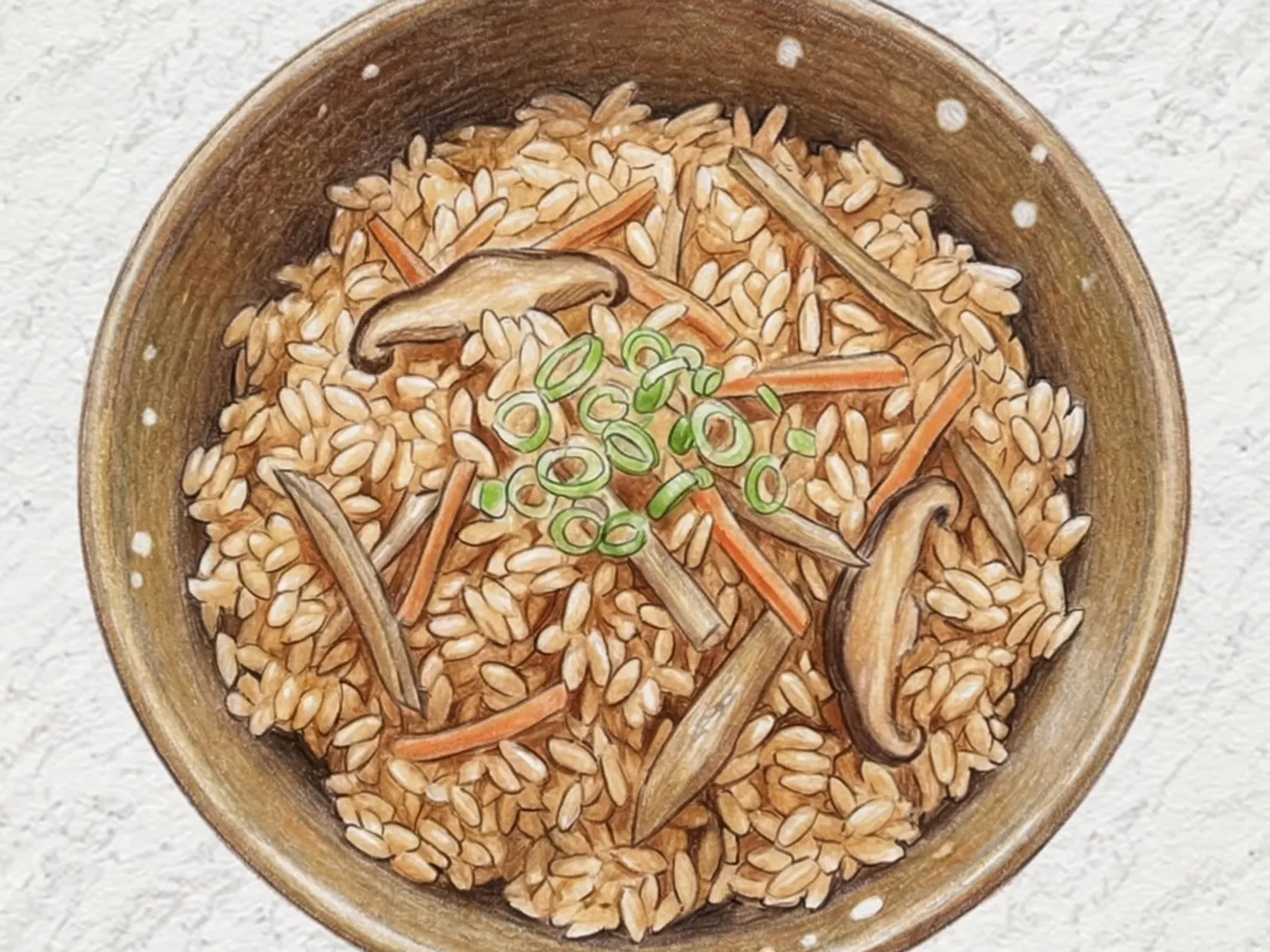
Takikomi Gohan (Japanese Mixed Rice Cooked with Vegetables and Dashi)
Takikomi gohan is a Japanese mixed rice dish in which short-grain rice is cooked together with seasonal vegetables, mushrooms, and a seasoned dashi-soy-mirin liquid instead of plain water. Shiitake mushrooms, carrot, and burdock root are julienned and placed on top of the soaked, drained rice-never stirred in-so the grains cook evenly and stay distinct rather than clumping. As the rice cooker runs its normal cycle, the dashi infuses every grain with a savory depth while the soy sauce adds a gentle salinity and the mirin a whisper of sweetness. After a ten-minute rest with the lid closed, the rice is fluffed and the toppings folded through, releasing an earthy, woodsy aroma from the mushrooms and burdock. The dish is a staple of Japanese home cooking, simple enough for a weeknight yet considered enough for a guest meal when made with premium seasonal ingredients.
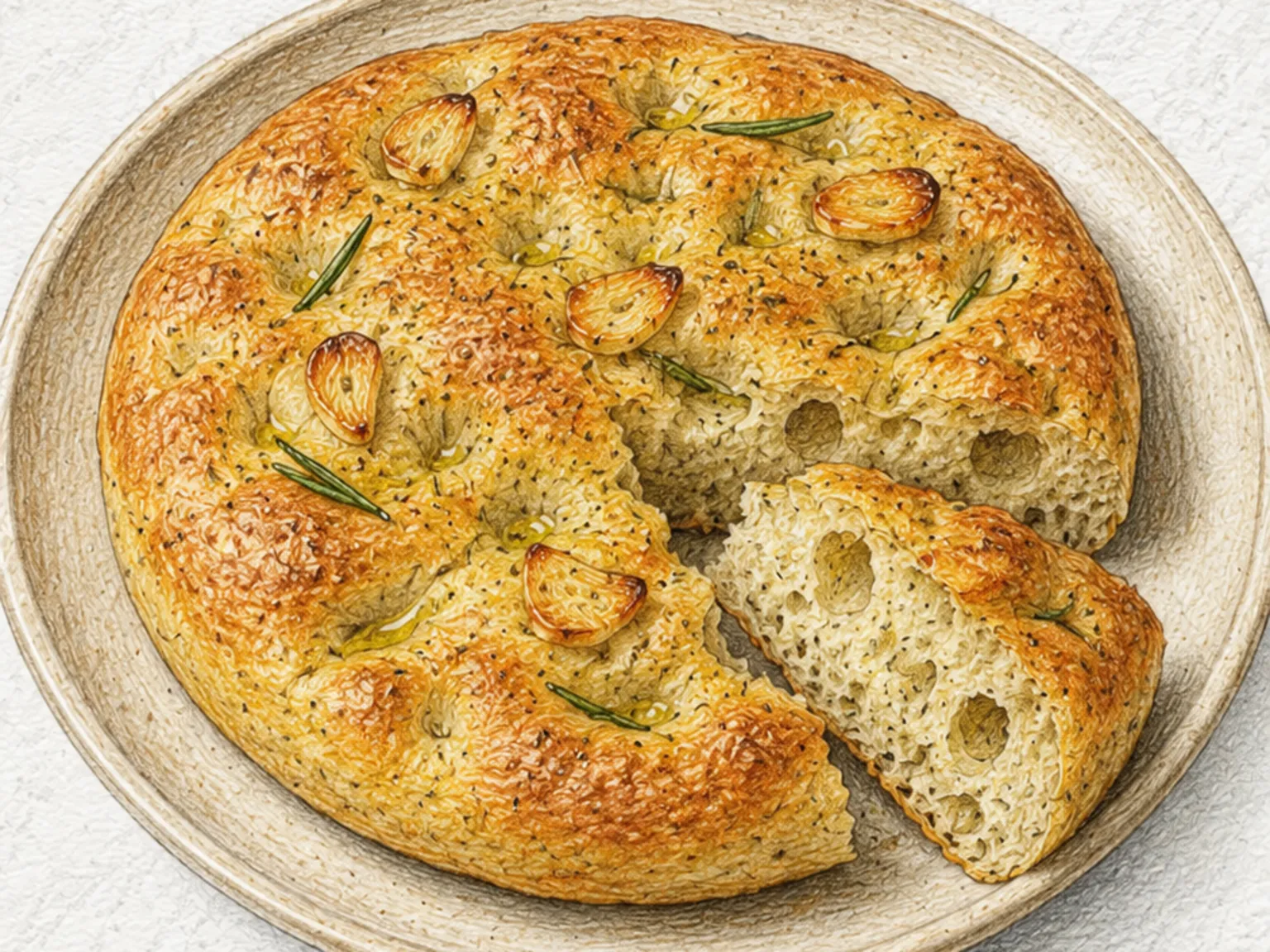
Deulkkae Gamja Focaccia (Perilla Potato Focaccia)
Mashed potato is kneaded into a yeasted dough enriched with olive oil and ground perilla seed, then stretched into a pan, dimpled, and baked into a golden Italian flatbread. The potato keeps the interior exceptionally moist and chewy long after cooling, while the perilla adds a nutty undertone that sets this focaccia apart from conventional versions. Rosemary sprigs and thin garlic slices pressed into the dimples before baking contribute herbal fragrance and visual appeal. Olive oil pooling in the finger indentations crisps those spots into pockets of crunch surrounded by soft, airy crumb. Mashing the potato while still hot ensures it integrates smoothly into the dough without lumps. A full sixty-minute first rise at warm room temperature develops large, open air pockets that define good focaccia.
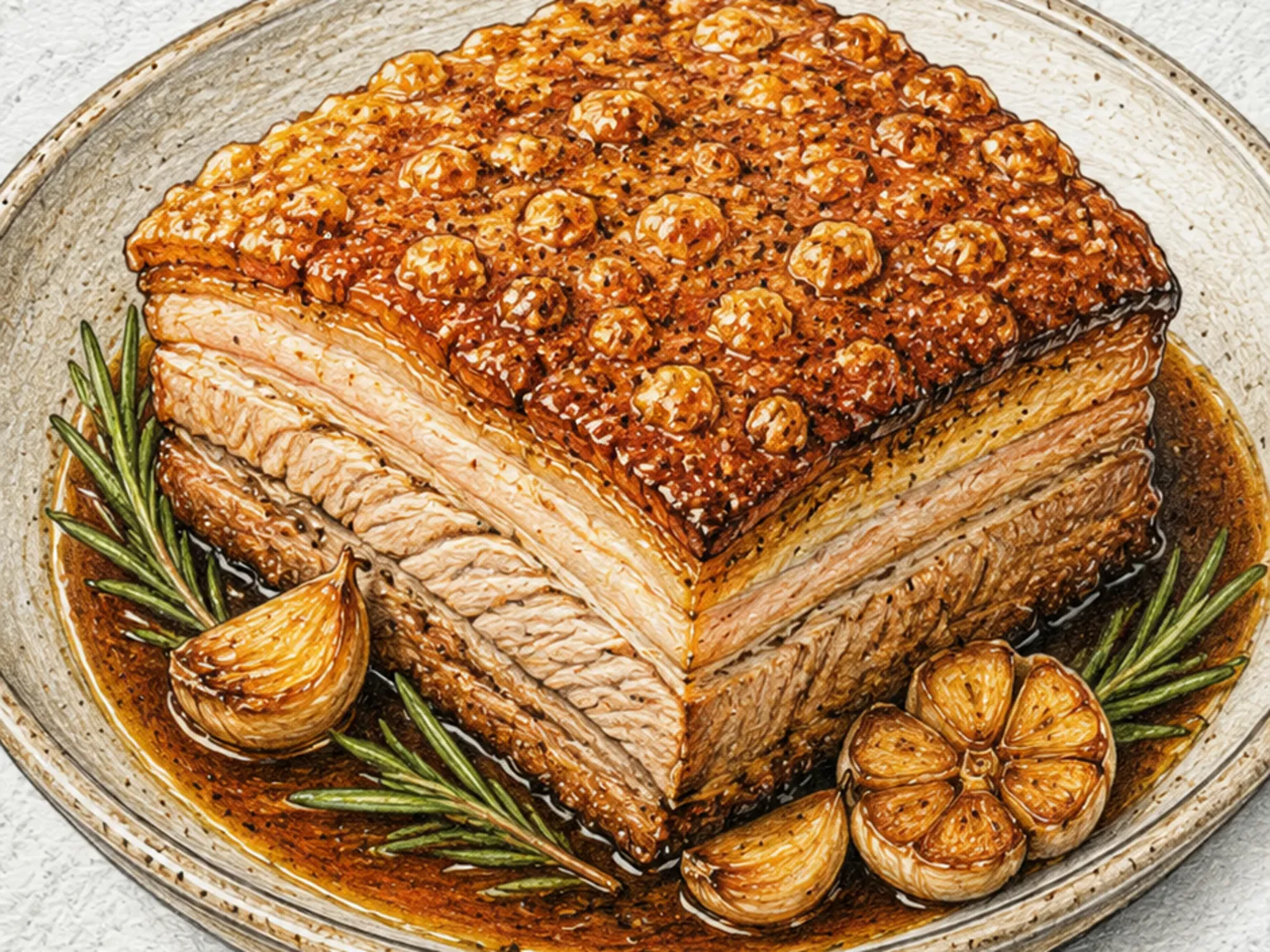
Crispy Pork Belly Roast
Crispy Pork Belly Roast is a British oven roast focused on achieving a perfectly shattered crackling atop tender, slow-rendered meat. The skin is scored in tight parallel lines and rubbed with coarse salt, then left uncovered in the refrigerator overnight to draw out surface moisture - the first condition for crackling that actually cracks. The initial thirty minutes at 230 degrees Celsius or higher blisters the skin and sets its structure, after which the temperature drops to 160 degrees to slowly melt the internal fat layer, leaving the meat soft and the skin glass-crisp. Garlic cloves and rosemary sprigs placed beneath the belly perfume the meat from below as the oven heat circulates. The rendered pan juices are deglazed to make a quick gravy that carries the pork's own flavor. A rest of at least ten minutes before slicing is essential to keep the juices locked inside the meat.
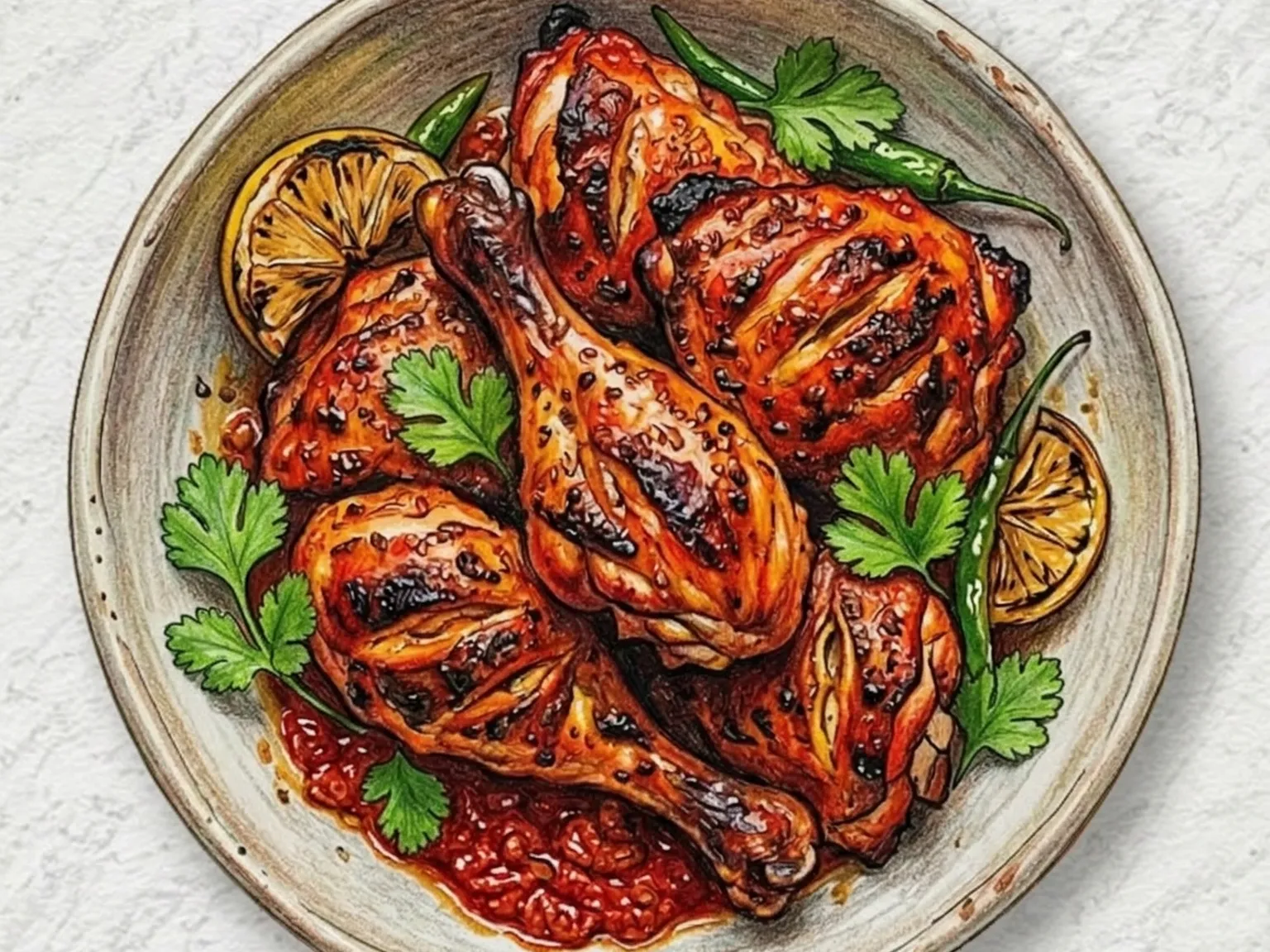
Tandoori Chicken
Tandoori chicken is an Indian dish in which chicken pieces are marinated for hours in a spiced yogurt mixture and then roasted at high heat until the surface chars and develops a smoky fragrance. The marinade combines yogurt with cumin, coriander, and paprika powders, which together create the dish's signature vivid red hue and layered spice character. Lemon juice in the marinade tenderizes the meat and adds a subtle citrus undertone. Scoring the chicken before marinating allows the spices to penetrate deeply, so every bite carries the full complexity of the blend. At 230 degrees Celsius, the exterior develops dark, slightly blistered spots that contribute a smoky bitterness, while the yogurt coating keeps the interior moist and succulent. Tandoori chicken is traditionally cooked in a cylindrical clay oven called a tandoor, though a conventional oven at maximum temperature produces excellent results. It is often served with naan bread, sliced onion, and a squeeze of fresh lemon.

Persimmon Spice Pound Cake
Persimmon spice pound cake is a dense, buttery loaf made with finely chopped dried persimmon folded into the batter, scented with cinnamon and nutmeg. The natural sweetness of dried persimmon keeps the sugar level modest while contributing a concentrated, jammy richness to every slice. Chewy morsels of persimmon distributed through the crumb provide bursts of intense dried-fruit flavor amid the buttery cake. Cinnamon and nutmeg give the loaf its warm, autumnal character, making it a natural fit for the cooler months when dried persimmon is most abundant. The batter should be mixed only until the ingredients just come together; overmixing develops excess gluten and produces a tough, dense result rather than the moist, tender crumb the cake depends on. Resting the cake at room temperature for two days allows the spices to fully penetrate the crumb and the dried persimmon to meld with the surrounding butter base, deepening the flavor considerably. The cake pairs naturally with warm tea or black coffee. Slicing and toasting briefly before serving crisps the outer surface and revives the butter fragrance.
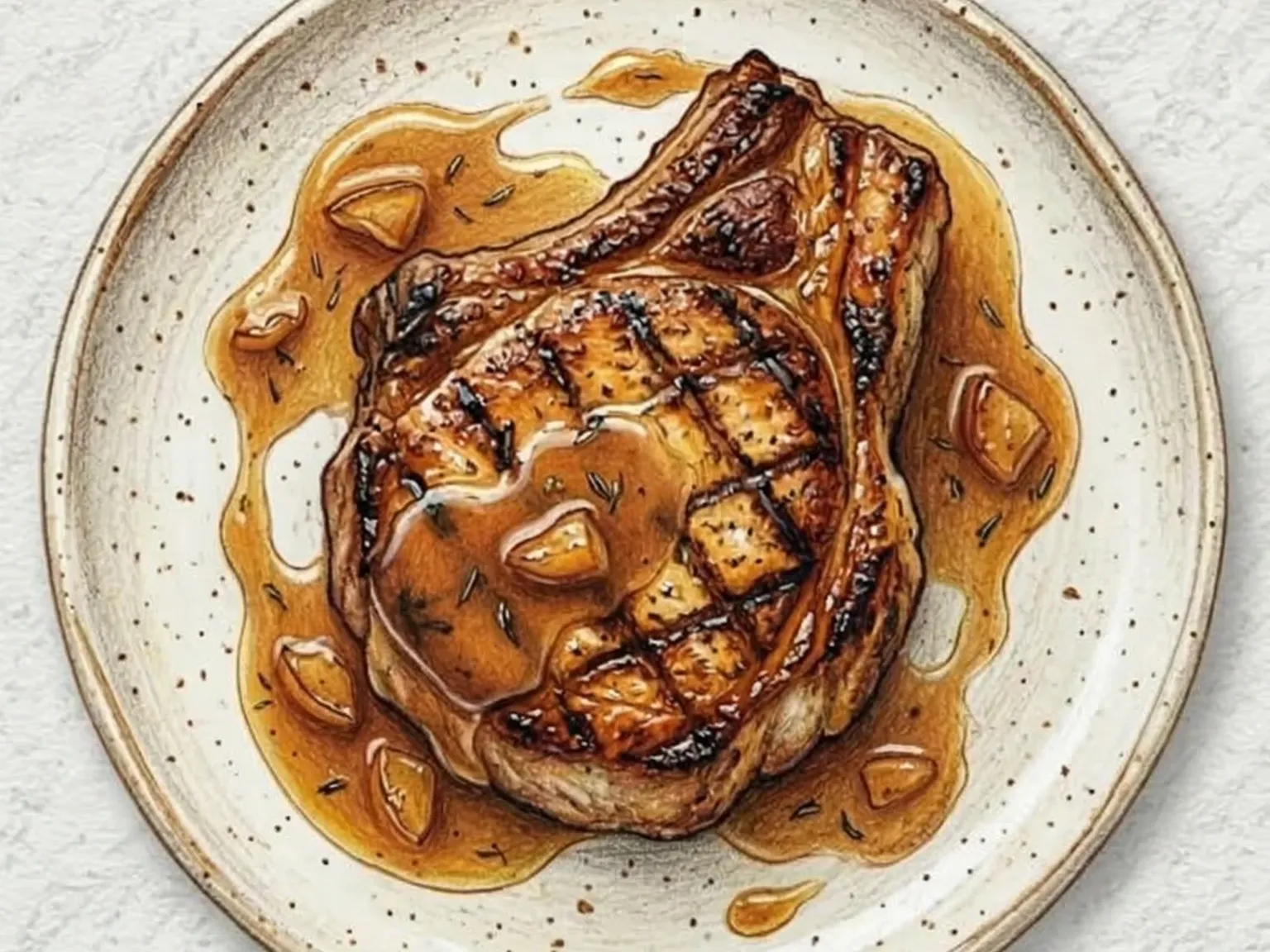
Pork Chops with Apple Cider Pan Sauce
Apple Cider Pork Chops represent a traditional American one-pan cooking method where thick-cut pork loin chops are cooked in a single skillet to create a deep golden exterior crust. The preparation involves a pan sauce that utilizes the flavorful fond left behind in the skillet after searing the meat. For the best results, the pork chops should sit at room temperature for approximately thirty minutes before they are placed in the pan. This step is important because it allows the heat to penetrate the meat evenly from the outer edges to the center. It is also essential to use a paper towel to pat the surface of the pork until it is completely dry, which facilitates the chemical reaction needed for thorough browning. Once the pork has been seared and removed from the heat, finely chopped shallots and garlic are added to the rendered pork fat and sautéed until they become fragrant. Apple cider is then poured into the hot skillet to deglaze the surface, loosening the caramelized bits that remain attached to the bottom. The liquid is simmered and reduced until the natural sugars and acidic components of the cider become more concentrated and intense. To build additional layers of flavor, Dijon mustard is whisked into the reduction to provide a sharp and slightly peppery character. The final texture of the sauce is achieved by swirling in a piece of cold unsalted butter at the very end of the cooking process, which creates a glossy appearance and a smooth consistency. A whole sprig of fresh thyme is included during the simmering stage to provide an herbal element that connects the flavor profiles of the apple cider and the pork meat.
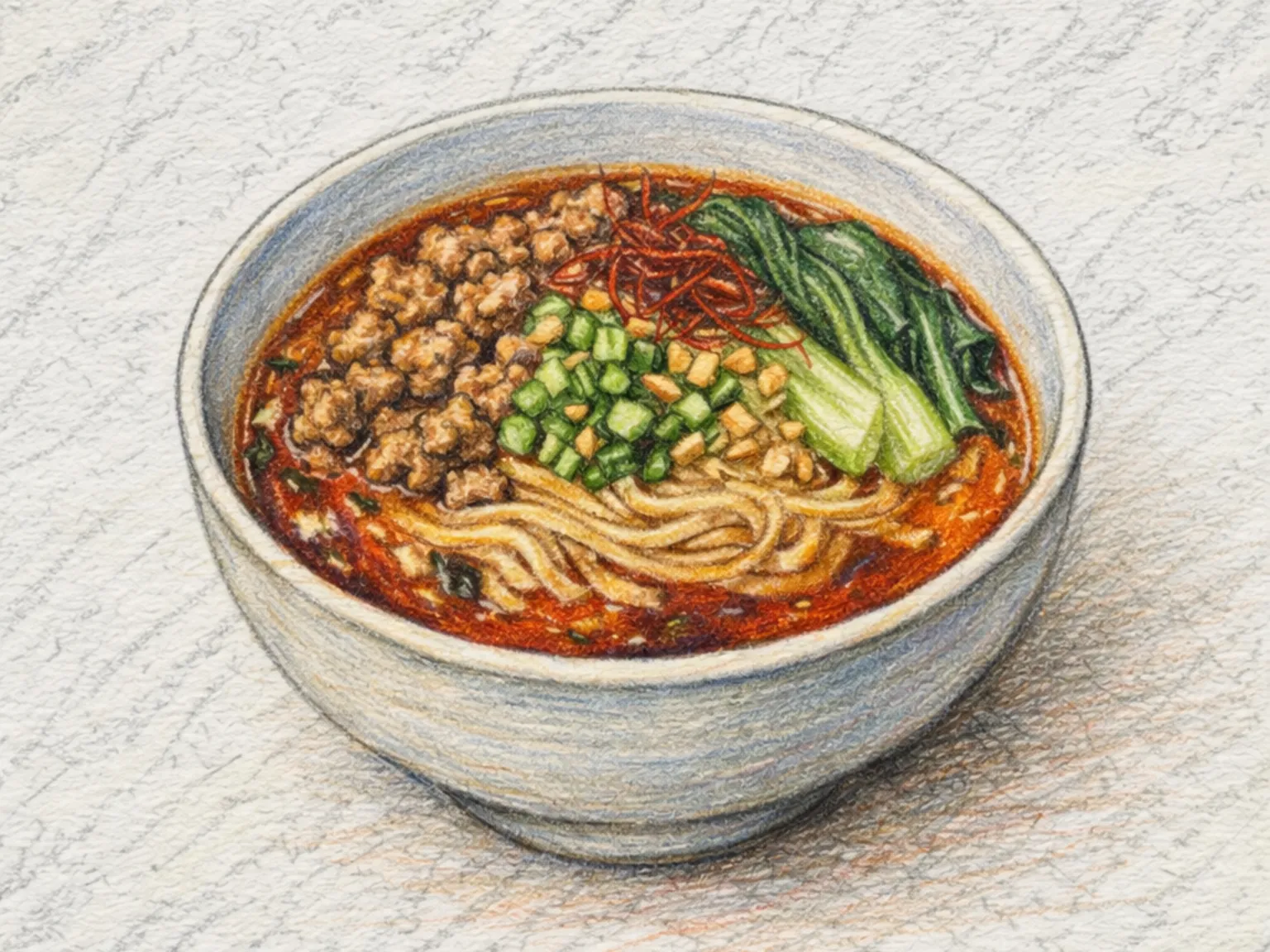
Sesame Spicy Tantanmen (Chinese Creamy Sesame Chili Oil Noodle Soup)
Tantanmen is a noodle soup of Chinese origin that is defined by the combination of a creamy sesame-based broth and the sharp heat of chili oil. This pairing creates a bowl of noodles that features nutty, spicy, and savory characteristics all at once. The preparation of the broth starts with a base of chicken stock. To this base, sesame paste is added and whisked thoroughly until it has fully dissolved into the liquid. The result of this process is a thick, tan-colored soup base that emits a prominent fragrance of roasted nuts. The meat topping for the dish is prepared separately by frying ground pork with minced garlic and fresh ginger. During this cooking process, doubanjiang, which is a paste made from fermented chili beans, is stirred into the pork to add saltiness and depth. The meat is cooked until it is well-browned and has a crumbly consistency, after which it is spooned over the noodles to provide a rich component to the final assembly. To balance the density of the broth, bok choy is blanched and added to the bowl, offering a crisp and vegetal element that provides a contrast to the liquid. Just before serving, a final drizzle of chili oil is applied to the surface of the soup, where it gathers in small pools and releases its aroma with the heat. The noodles are generally cooked until they are just short of being fully done, which allows them to maintain a firm and chewy texture while they remain submerged in the hot liquid. Each individual ingredient, from the sesame and chili to the fermented beans and pork, contributes its own specific layer of flavor. As these different elements gradually merge together in the bowl, the taste of the soup continues to develop and change while the meal is consumed slowly.
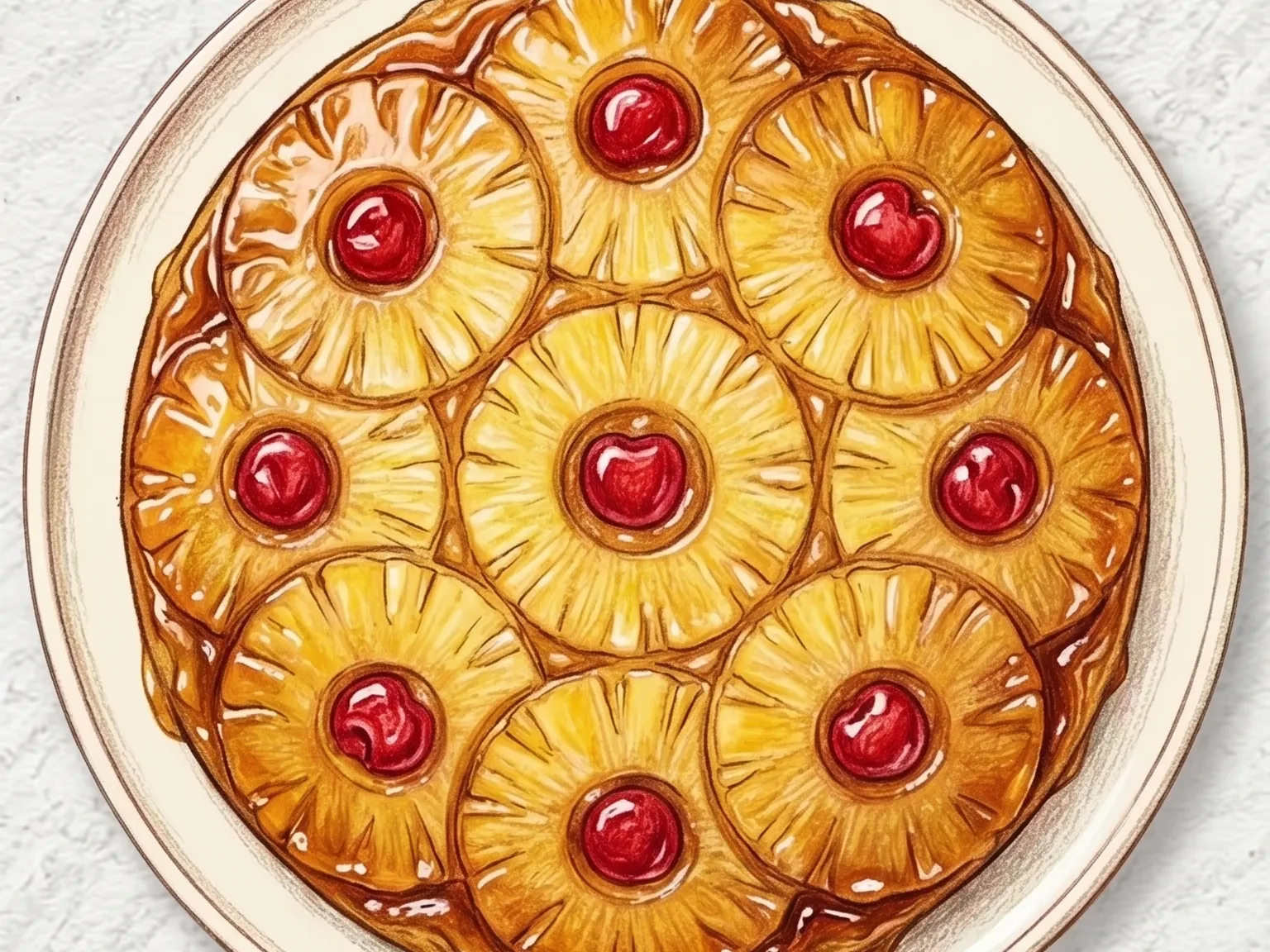
Pineapple Upside-Down Cake
Brown sugar and butter line the bottom of a cake pan before pineapple rings are arranged in a tight pattern and covered with a vanilla sponge batter. During baking, the sugar and butter melt into a sticky caramel that coats each ring. When the warm cake is inverted onto a plate, the pineapple appears on top in a glossy, amber-glazed arrangement. The fruit's natural acidity cuts through the caramel's sweetness, while the buttery sponge beneath absorbs just enough juice to stay moist without becoming soggy. Running a knife around the edge before flipping ensures a clean release. Patting the pineapple rings dry before placing them in the pan prevents excess moisture from diluting the caramel layer.
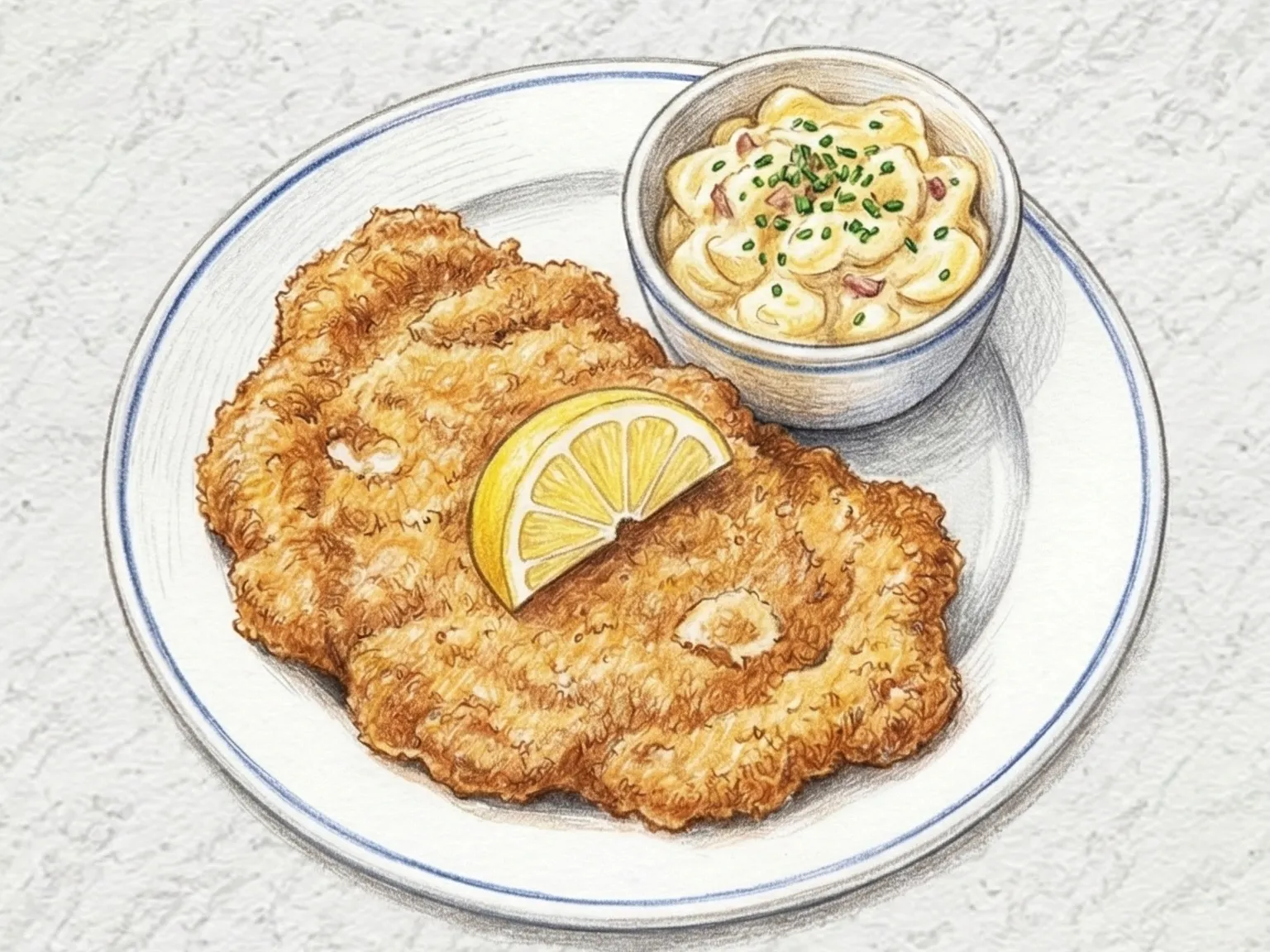
Pork Schnitzel
Pork Schnitzel is a definitive cutlet dish from Germany and Austria, made by pounding pork loin thin and even with a mallet, then coating it in flour, beaten egg, and breadcrumbs before frying in oil. The meat must be pounded to five millimeters or thinner so it cooks through quickly without the breading burning, and the hallmark of a proper schnitzel is a crust that puffs away from the meat rather than clinging flat. Achieving this requires generous oil - enough to submerge the cutlet halfway - and gently shaking the pan so oil flows beneath the breading to lift it. Fine breadcrumbs produce a delicate, even crust, and they should be pressed on lightly rather than compacted to maintain crispness over time. Paprika mixed into the flour adds a faint smoky warmth, and a fresh squeeze of lemon over the finished schnitzel cuts through the richness with bright acidity.
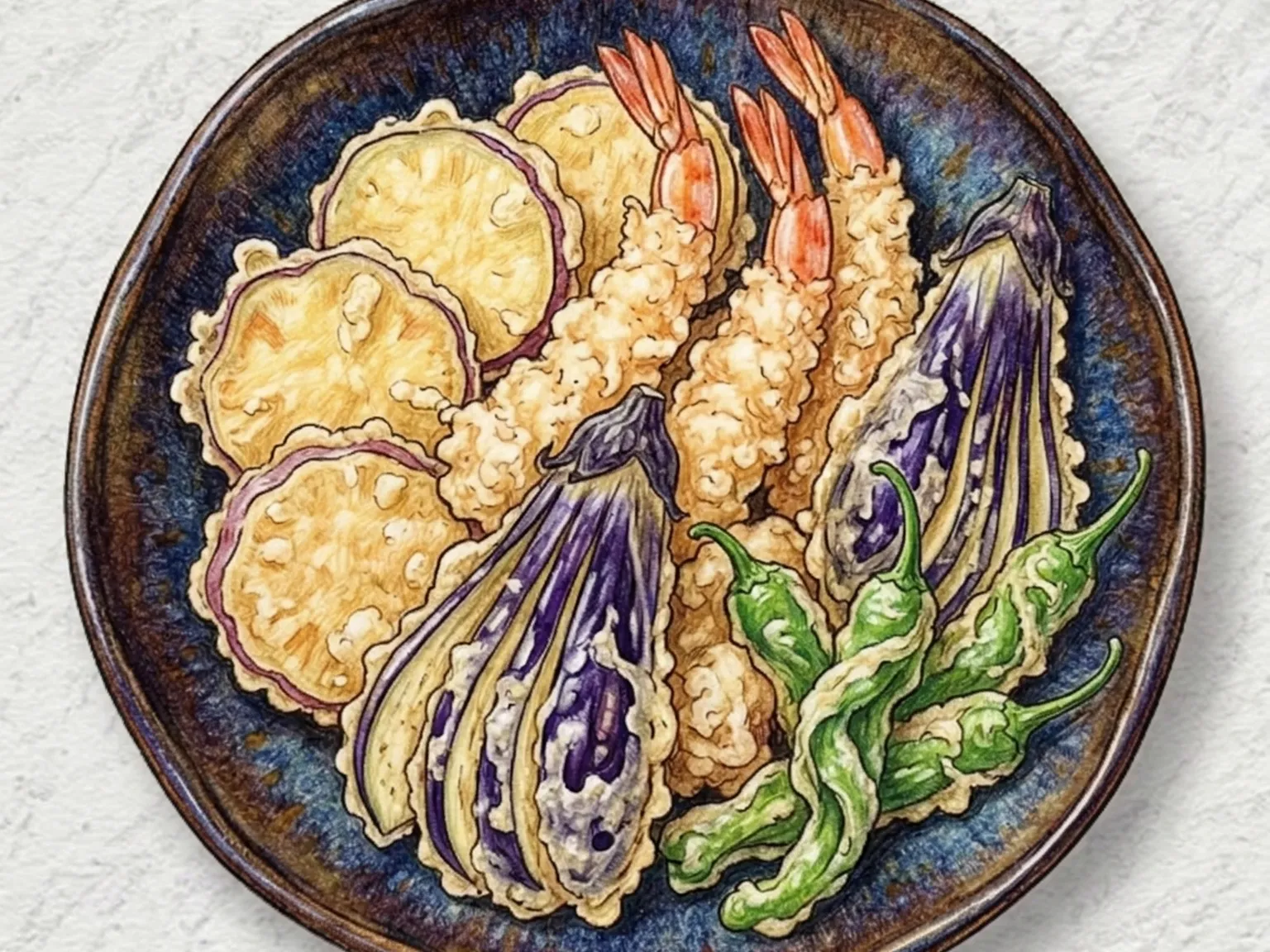
Assorted Japanese Tempura
Tempura moriawase is an assorted platter of Japanese tempura featuring shrimp, sweet potato, eggplant, and shishito peppers, each coated in a light, shatteringly crisp batter. The batter is the heart of the technique: egg and ice-cold water are combined with cake flour and stirred only a few times with chopsticks, leaving visible lumps. This minimal mixing prevents gluten development, which is what keeps the coating featherlight rather than dense. Each piece is fried at 170 to 180 degrees Celsius for a short time-long enough to cook the interior while the batter puffs into an airy, lacy crust. Patting ingredients dry before dipping ensures the batter adheres properly. The tentsuyu dipping sauce, made from dashi, soy sauce, and mirin, is served with freshly grated daikon radish, whose mild sharpness cuts through the oil and refreshes the palate between bites. Tempura moriawase is meant to be eaten immediately after frying, when the contrast between the crackling exterior and the just-cooked filling is at its peak.
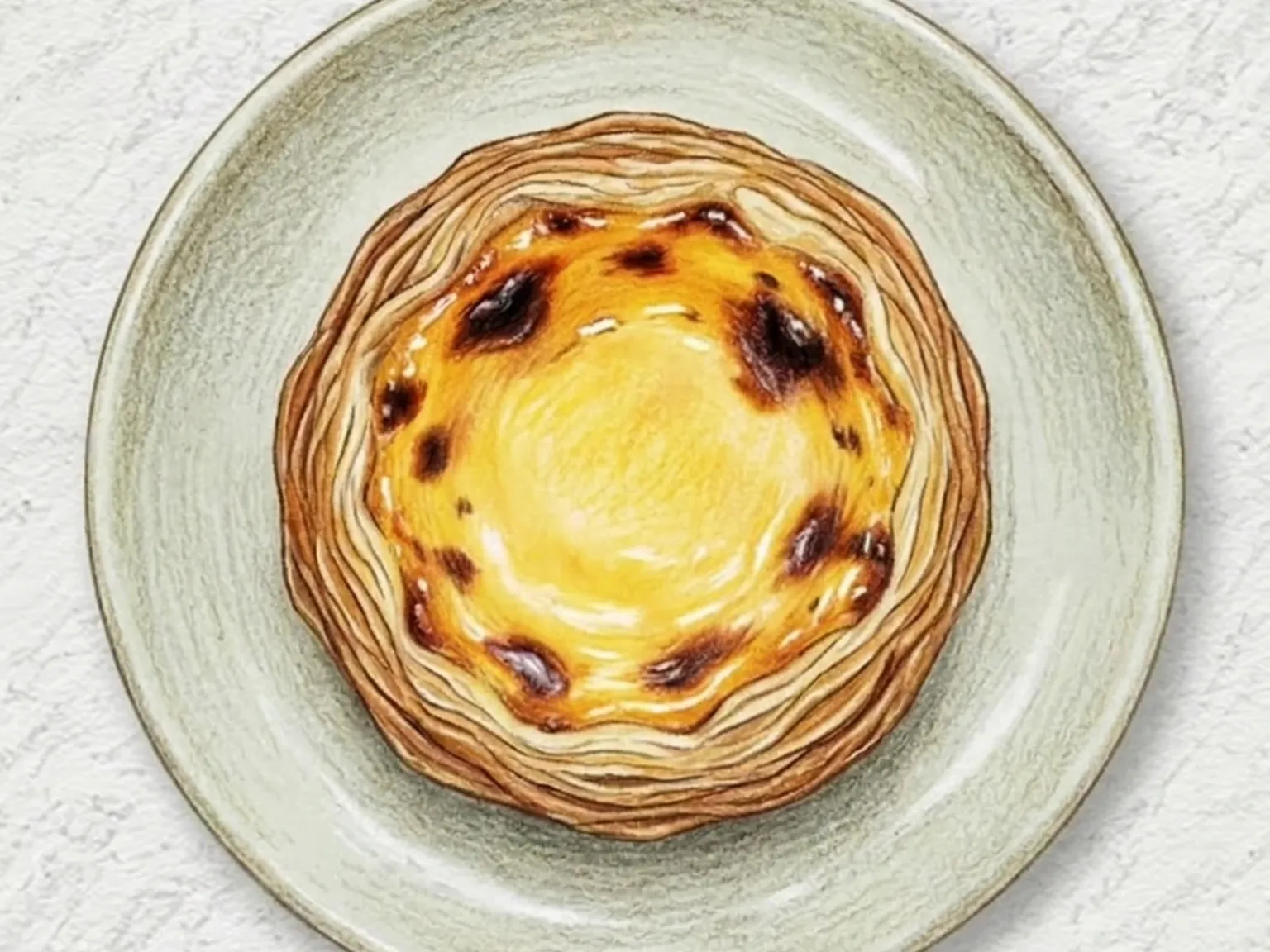
Portuguese Egg Tart (Flaky Pastry with Caramelized Custard)
Flaky puff pastry shells are pressed into muffin tins and filled with a rich egg yolk custard, then baked at very high heat until the tops blister with dark caramelized spots. Those charred patches are not a mistake but the defining feature of the tart, contributing a bittersweet complexity that balances the sweet, creamy filling below. The custard sets to a trembling consistency that is firm enough to hold when the tart is lifted but soft enough to melt on the tongue. Vanilla extract added to the custard rounds out the egg richness with a floral note. Straining the custard through a fine sieve before filling ensures a perfectly smooth texture. The extreme oven temperature is what separates these from ordinary custard tarts, as it caramelizes the surface in minutes while keeping the interior silky.
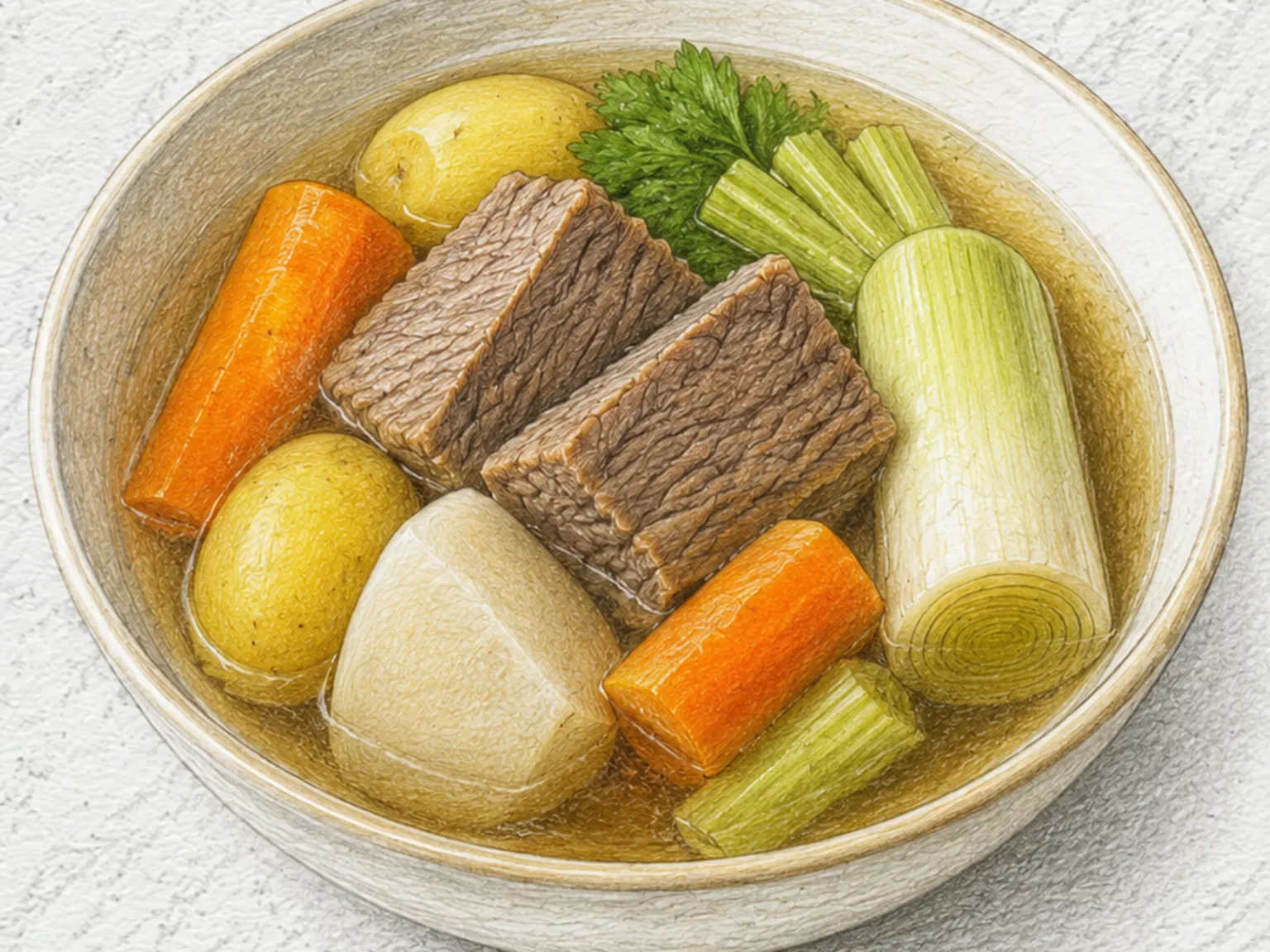
Pot-au-Feu (French Slow-Simmered Beef and Root Vegetable Broth)
Pot-au-Feu is the archetypal French home-cooked meal - beef and root vegetables simmered slowly in a clear broth that prizes simplicity and patience. Beef brisket is placed in cold water and brought up to temperature gradually; dropping meat into boiling water causes surface proteins to seize and cloud the broth. Skimming the impurities that rise to the surface throughout the cooking process keeps the liquid clear and clean, while bay leaf and whole peppercorns add depth without muddying the flavor. Vegetables - potatoes, carrots, leeks, and celery - are added only after the meat is nearly tender to preserve their individual textures. The traditional service presents sliced beef and whole vegetables on a platter with the broth served separately in bowls, accompanied by coarse salt, Dijon mustard, and cornichons.
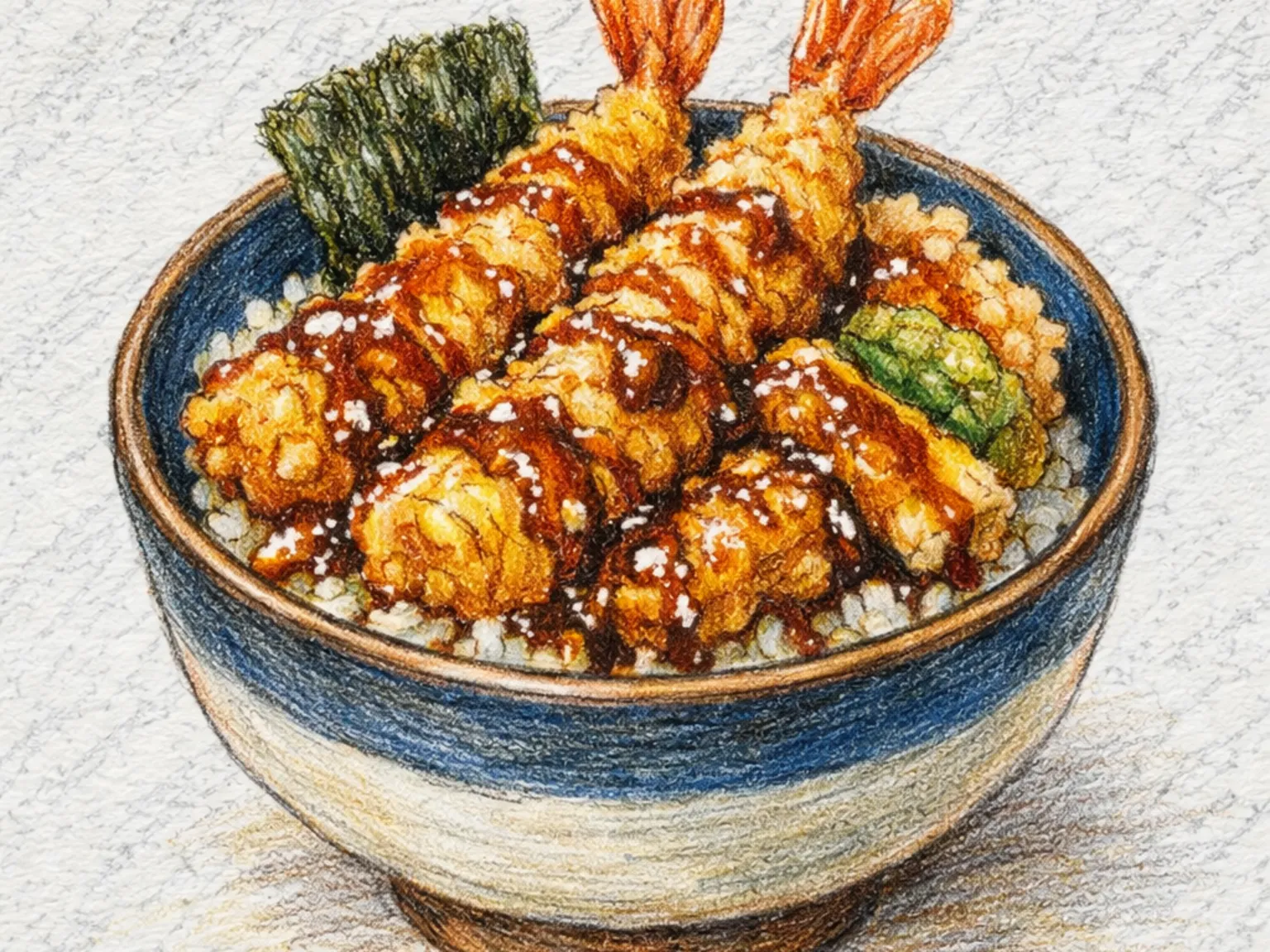
Edo-Style Tendon (Japanese Tempura Rice Bowl with Sweet Soy Tare)
Edo-style tendon is a Japanese rice bowl that crowns steamed rice with freshly fried tempura-typically shrimp, sweet potato, and eggplant-glazed in a warm, sweet-salty tare sauce. The shrimp are scored along the belly to prevent curling, then dipped in a lightly mixed batter and fried at 170 degrees Celsius until the coating turns golden and crisp. The tare is a simple reduction of tsuyu, soy sauce, and sugar, simmered for just two minutes to concentrate its flavor into a glossy, mahogany liquid. The sauce is drizzled over the tempura the moment it lands on the rice, so the batter absorbs just enough to glisten without losing its crunch entirely. This tension between the crisp tempura coating and the sticky-sweet tare is the defining characteristic of the Edo style, which favors bold, direct flavors over subtlety. The rice beneath soaks up any sauce that runs off, becoming deeply seasoned and intensely satisfying in its own right.

Pumpkin Pie
Pumpkin puree is whisked with brown sugar, eggs, heavy cream, cinnamon, and nutmeg, then poured into a flaky pie crust and baked in two stages. An initial burst of high heat sets the crust and begins firming the custard, while a lower temperature for the remaining time cooks the filling gently to avoid cracking. The spices provide a warm, aromatic backbone that transforms the mild sweetness of pumpkin into something distinctly autumnal. Heavy cream in the filling produces a smoother, more luxurious texture than milk alone. The pie slices most cleanly after an overnight chill, which also allows the spice flavors to deepen and integrate. A dollop of lightly sweetened whipped cream on each slice adds contrast in both temperature and texture.
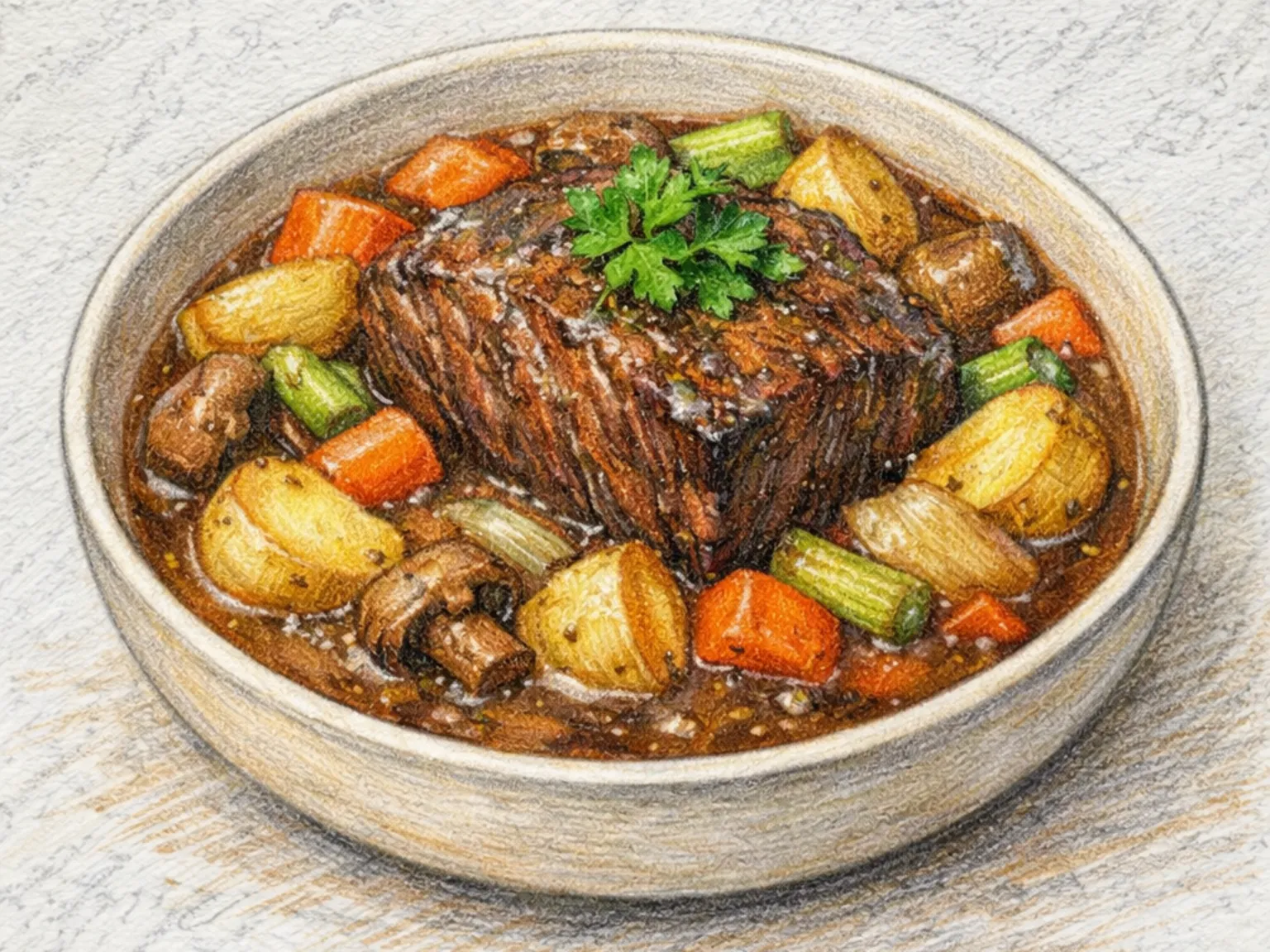
Pot Roast
Pot Roast is a cornerstone of American home cooking, where a tough cut of beef is braised low and slow with vegetables and stock until it can be pulled apart with a fork. Chuck roast is the ideal choice - its abundant connective tissue and intramuscular fat break down over hours of gentle heat, converting collagen into gelatin that makes the meat moist and rich. Searing the beef on all sides builds a brown crust that contributes deep flavor, and adding tomato paste to the pan before deglazing creates an umami-rich foundation. Beef stock is poured to about two-thirds up the side of the meat, and the covered pot goes into a 160-degree oven for at least three hours, during which the liquid reduces and concentrates into a natural gravy. Carrots and potatoes are added in the final hour so they hold their shape while absorbing the braising liquid's flavor.
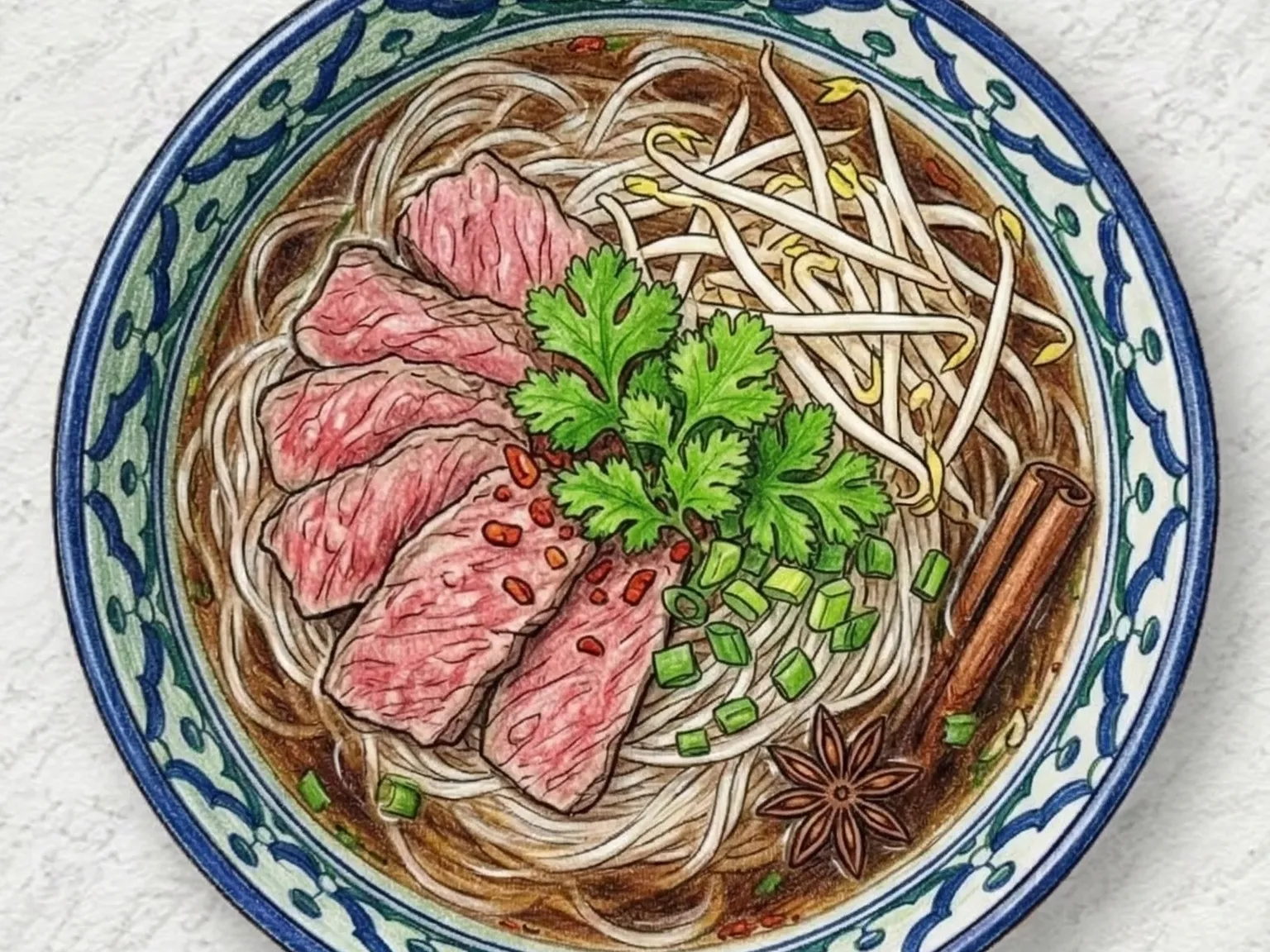
Thai Boat Noodles (Intense Thai Canal Beef Noodle Soup)
Thai boat noodles are an intensely flavored street noodle soup that originated on the small boats plying Bangkok's canals, where vendors would hand bowls across the water to customers on the banks. The broth is built by simmering beef stock with star anise and a cinnamon stick for fifteen minutes or more, extracting warm, aromatic notes that form the backbone of the dish. Fish sauce, dark soy sauce, and palm sugar are added to season the liquid into a deeply savory, slightly sweet, and mahogany-dark broth. Thinly sliced beef is poached in the simmering liquid for just a minute or two so it stays supple, then ladled over cooked rice noodles in a bowl. Fresh bean sprouts provide crunch and cilantro adds a bright herbaceous lift that counterbalances the concentrated broth. Boat noodle portions are traditionally small-designed to be eaten quickly and in multiples-so every spoonful delivers maximum impact.
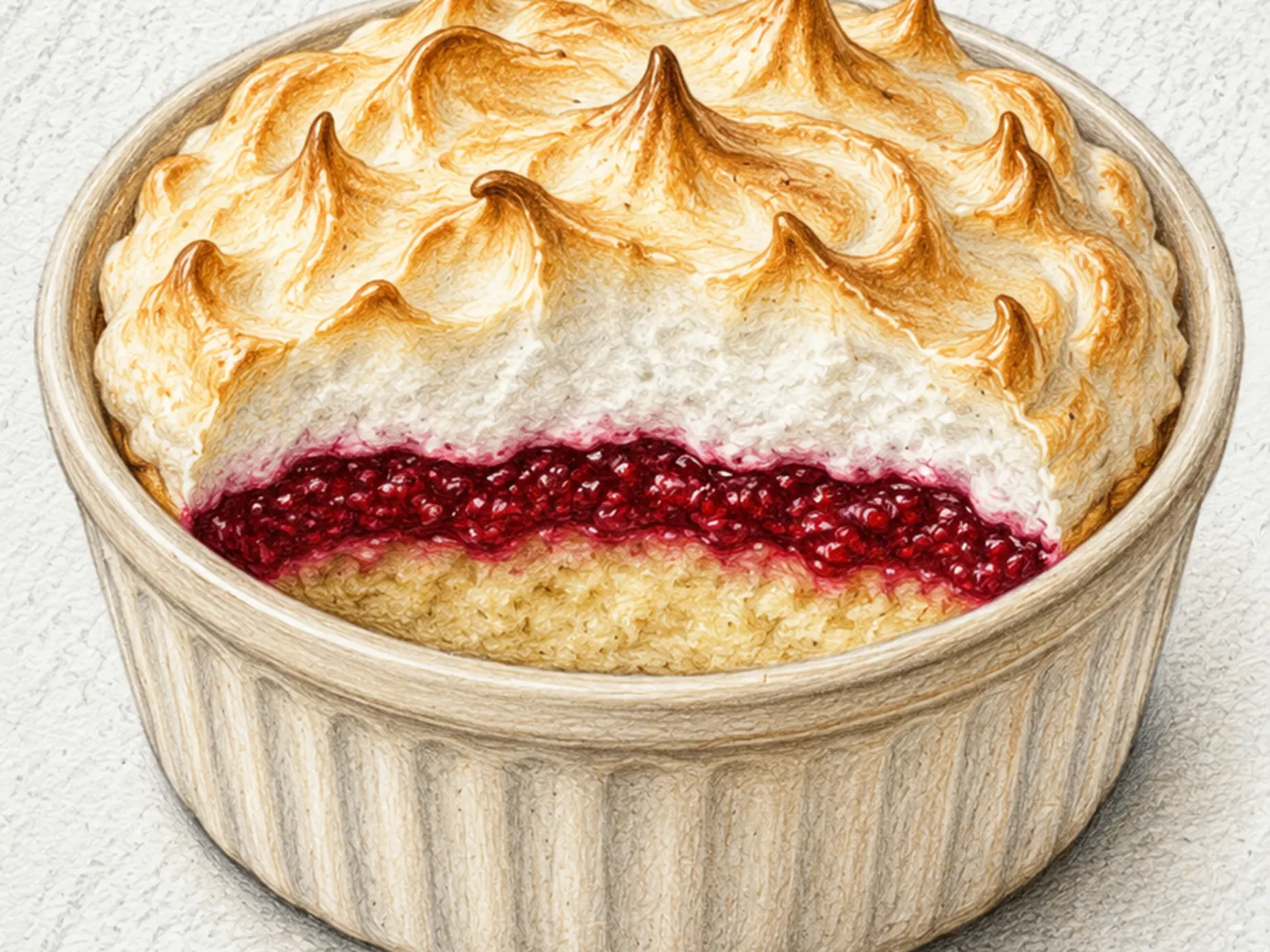
Queen of Puddings (Custard Bread Base with Jam and Meringue)
Queen of puddings is a layered British dessert that begins with a base of breadcrumbs soaked in warm vanilla custard and baked until set. A thin layer of raspberry jam is spread over the surface, introducing a tart brightness that cuts through the richness below. Meringue made from the reserved egg whites is then piled on top and returned to the oven until the peaks turn golden, creating a shell that is crisp on the outside yet marshmallow-soft within. Each spoonful should capture all three layers - the dense, creamy custard base, the sharp fruit jam, and the airy meringue - so that the flavors interact on the palate simultaneously. The recipe wastes nothing: yolks enrich the custard while whites become the meringue, a practical economy that reflects its origins in frugal English country kitchens. Served warm, the custard feels almost like a savory bread pudding dressed in dessert clothing; chilled, the jam asserts itself more prominently, and the meringue firms to a gentle chew.
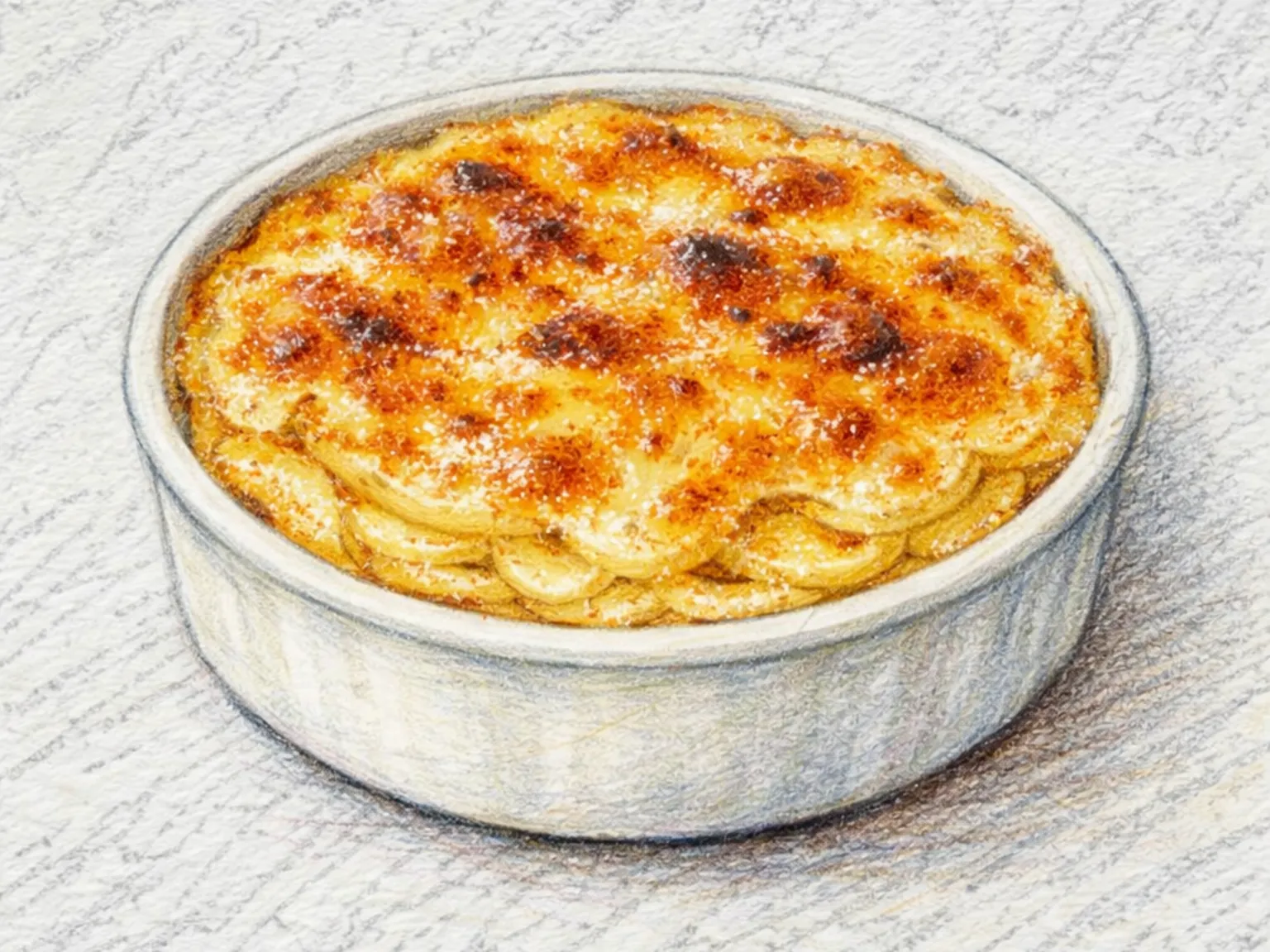
Potato Au Gratin
Potato Au Gratin is a French baked potato dish where thinly sliced potatoes are layered with cream and Gruyere cheese, then baked until the top forms a deep golden crust. The potatoes must be sliced to a uniform two to three millimeters - a mandoline slicer ensures consistent thickness so every layer cooks at the same rate. A mixture of heavy cream and milk warmed gently with garlic is poured between each layer of potatoes, where it meets the potato starch and thickens into a binding sauce that holds the layers together. Gruyere is the classic cheese choice - it melts into long, stretchy strands and carries a nutty, slightly sweet flavor. It is distributed between the layers for internal richness and piled on top for the signature golden crust. After about fifty minutes at 180 degrees Celsius, the cream bubbles around the edges, the potatoes turn completely tender, and the surface cheese crisps into a crackling, browned cap.
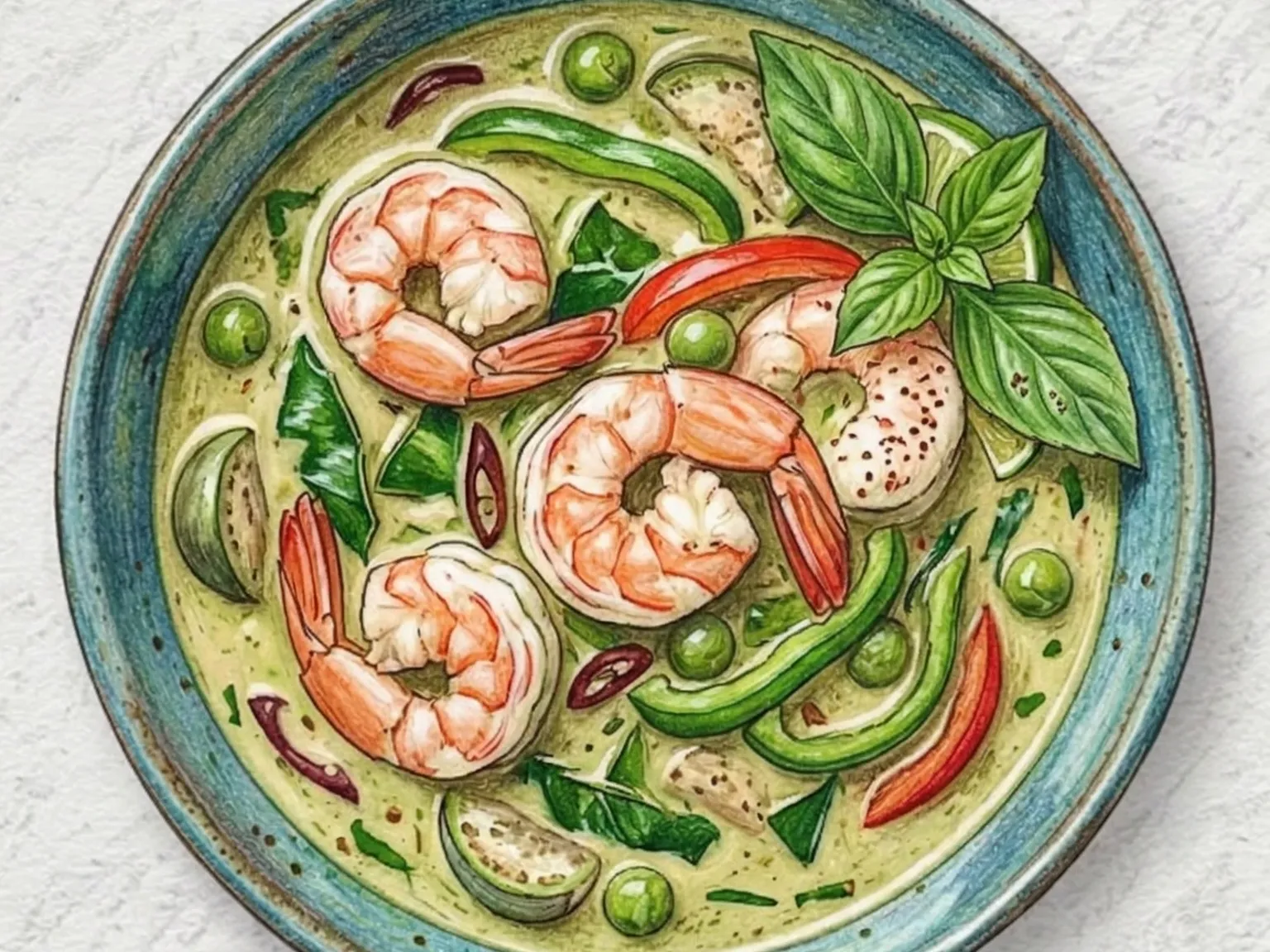
Thai Green Curry with Shrimp
Thai green curry with shrimp is a dish built on a coconut milk base that combines the spicy and aromatic characteristics of green curry paste with the natural sweetness of fresh shrimp. The cooking process begins by splitting the coconut milk, which involves heating the thicker coconut cream in a pan until the oil begins to separate from the solids. The green curry paste is then fried directly in this extracted fat to allow the flavors of lemongrass, galangal, green chili, and kaffir lime to bloom and release their essential oils into the mixture. Once the aromatics are developed, the remaining coconut milk is poured into the pan along with pieces of eggplant. The eggplant is simmered in the liquid until it reaches a soft consistency. After the eggplant is cooked, bell peppers and shrimp are added to the curry for a brief period of approximately three to four minutes. This short cooking window ensures that the shrimp stay plump and maintain a curled shape without becoming tough. The seasoning is adjusted using fish sauce to provide salinity and palm sugar to round out the sharp edges of the spices. After removing the pan from the heat, a handful of fresh Thai basil is stirred into the curry, which introduces a scent reminiscent of anise. A squeeze of fresh lime juice is added just before the dish is served to provide a bright acidity that balances the richness of the coconut milk. The finished curry is traditionally served by spooning it over jasmine rice.

Red Bean Butter Macarons (Almond Shells with Red Bean Cream)
This recipe offers a Korean twist on French macarons, combining almond meringue shells with a filling of sweet red bean paste and softened butter. The process starts by sifting almond flour and powdered sugar twice to ensure smooth tops. Egg whites are whipped with sugar to form firm, glossy peaks. During macaronage, the dry ingredients are folded into the meringue until the batter falls in smooth ribbons, which is essential for developing the characteristic ruffled foot. The filling blends unsalted butter, red bean paste, and milk into a smooth cream. Once assembled, the macarons require a full day of resting in the refrigerator. This maturation period allows the shells to absorb moisture from the cream, developing a chewy interior. On humid days, extending the shell drying time by ten minutes helps prevent cracking during baking.
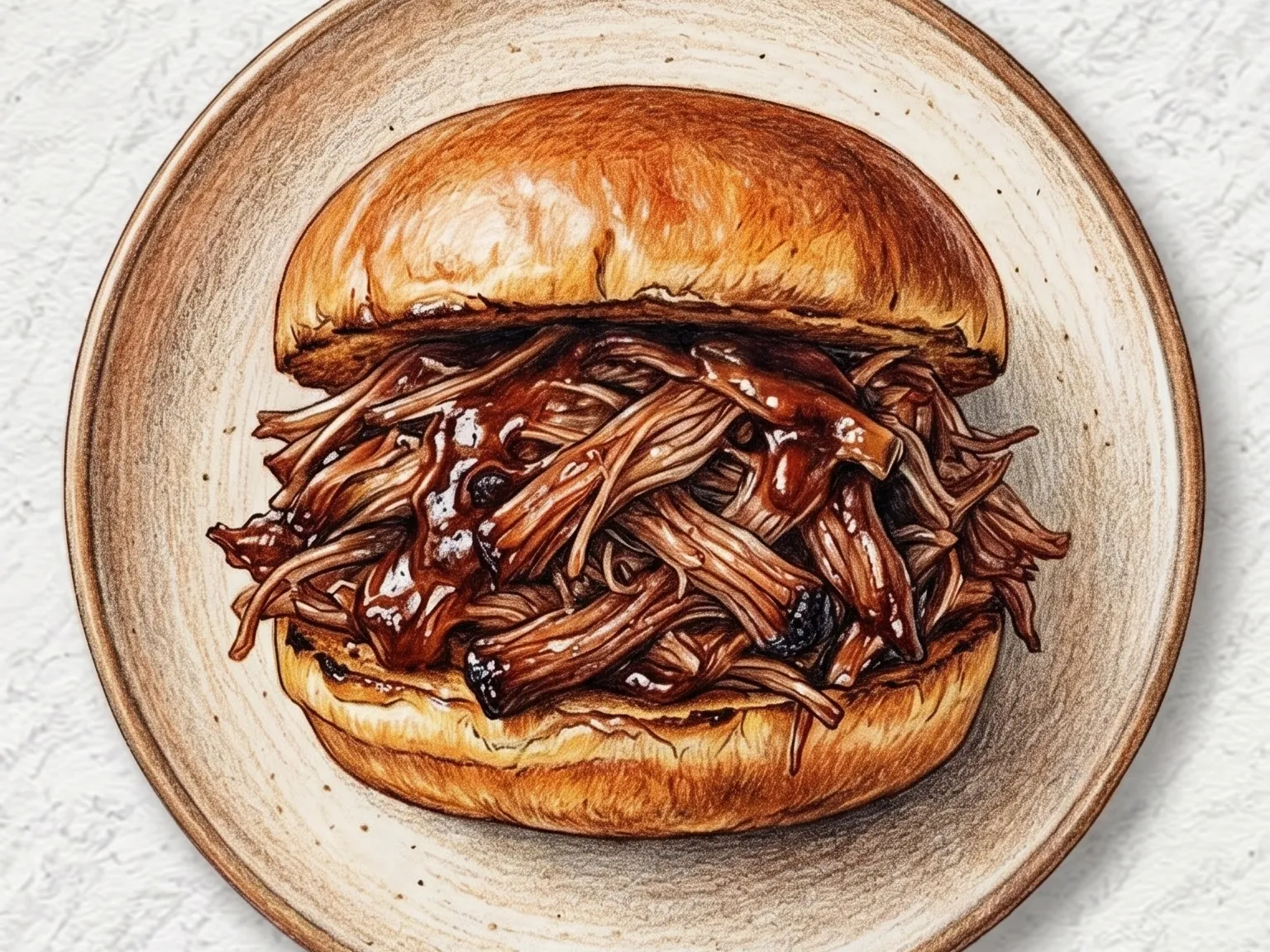
Pulled Pork Sandwich
Pulled pork sandwich starts with pork shoulder rubbed in salt and paprika, then slow-cooked for two and a half to three hours with onion and garlic until the connective tissue converts to gelatin and the meat shreds effortlessly with two forks. The low-and-slow method delivers a tenderness that faster cooking cannot replicate. Tossing the shredded meat in barbecue sauce layers smoky sweetness and tang over the deep pork flavor, while lightly toasted buns provide a crisp contrast to the moist filling. Making the pork a day ahead and refrigerating it lets the sauce penetrate deeper into the fibers, intensifying the overall taste.
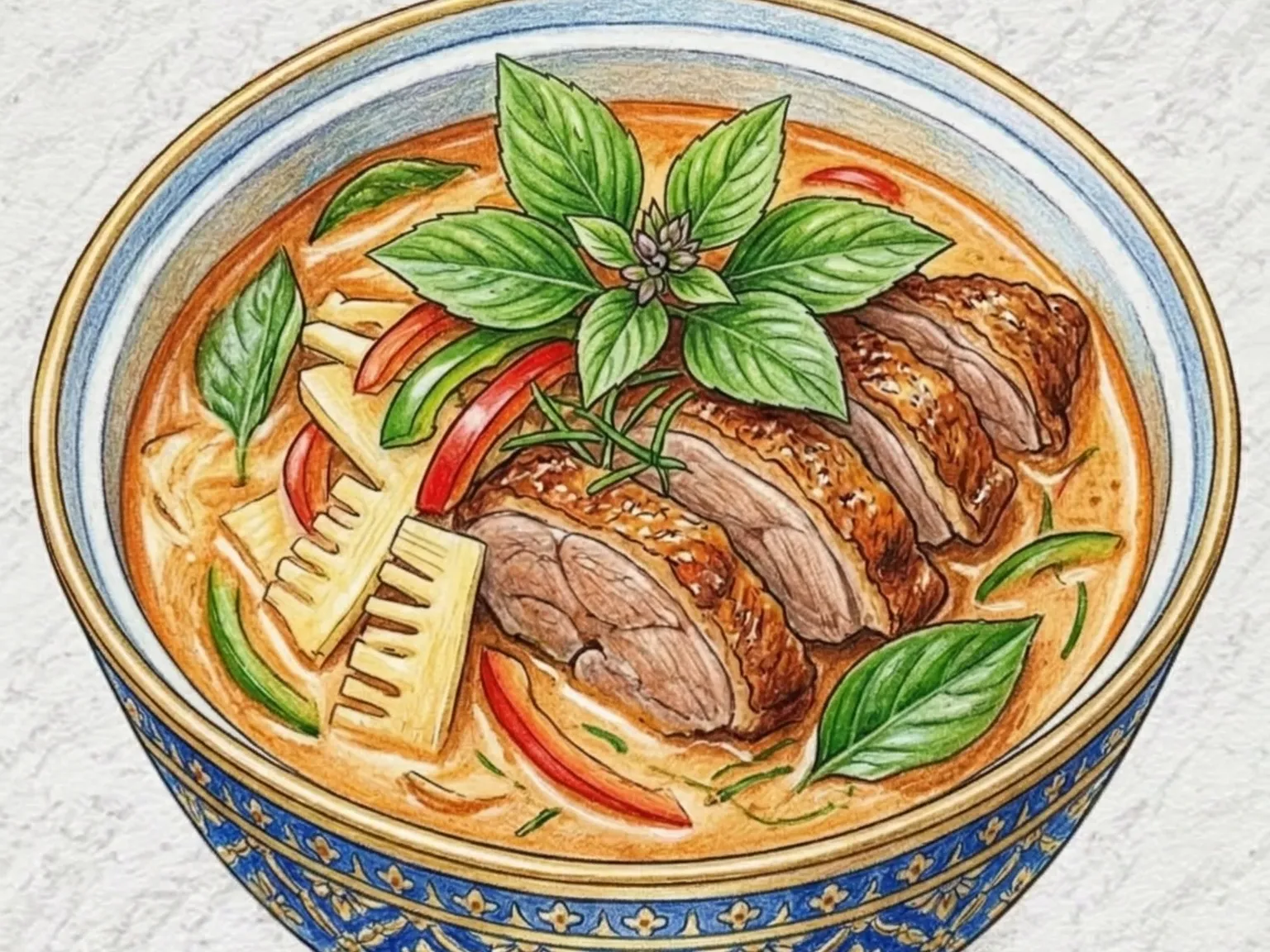
Thai Red Duck Curry (Thai Coconut Milk Red Curry with Crispy Duck)
Thai red duck curry marries the deep, fatty richness of duck breast with the pungent heat of red curry paste, all smoothed by coconut milk into a velvety, rust-colored sauce. The duck is cooked skin-side down first without any added oil, rendering its fat and crisping the skin before being sliced into bite-sized pieces. The curry paste is fried in a separate pot until fragrant, then coconut milk is added gradually and seasoned with fish sauce and palm sugar to achieve a balance of salty, sweet, and spicy. Bamboo shoots and red bell pepper are simmered in the sauce, the shoots providing a snappy crunch and the pepper a mild sweetness that complements the duck. Thai basil is stirred in at the very end, wilting just enough to release its distinctive aroma without losing its color. The finished curry is substantial and aromatic, with each serving delivering layers of flavor from the rendered duck fat, the fermented chili paste, and the coconut base.

Red Velvet Cake
Red velvet cake is an American layer cake defined by its bright crimson interior and its covering of tangy cream cheese frosting. The frosting serves to balance the sweetness of the cake layers. The batter is prepared with a small amount of cocoa powder, which provides depth to the flavor without making the cake taste like a typical chocolate dessert. Buttermilk is included in the recipe to provide a mild lactic acidity that adds complexity to the overall taste. Instead of using butter as the primary fat source, vegetable oil is used to create a moist sponge that remains soft for several days after it has been baked. The fine, velvety texture of the crumb is produced by a specific chemical reaction between baking soda and white vinegar. This reaction generates small air bubbles throughout the batter during the baking process. The frosting is made by beating cold cream cheese with butter and powdered sugar until it reaches a consistency thick enough to stay in place between the layers without sliding. The visual appeal of the cake comes from the sharp contrast between the deep red crumb and the white frosting, which is revealed when the cake is sliced. This appearance has made the cake a common choice for various celebrations. If a more natural appearance is preferred, beet powder can be used as a substitute for food coloring to create a more subdued shade of red.
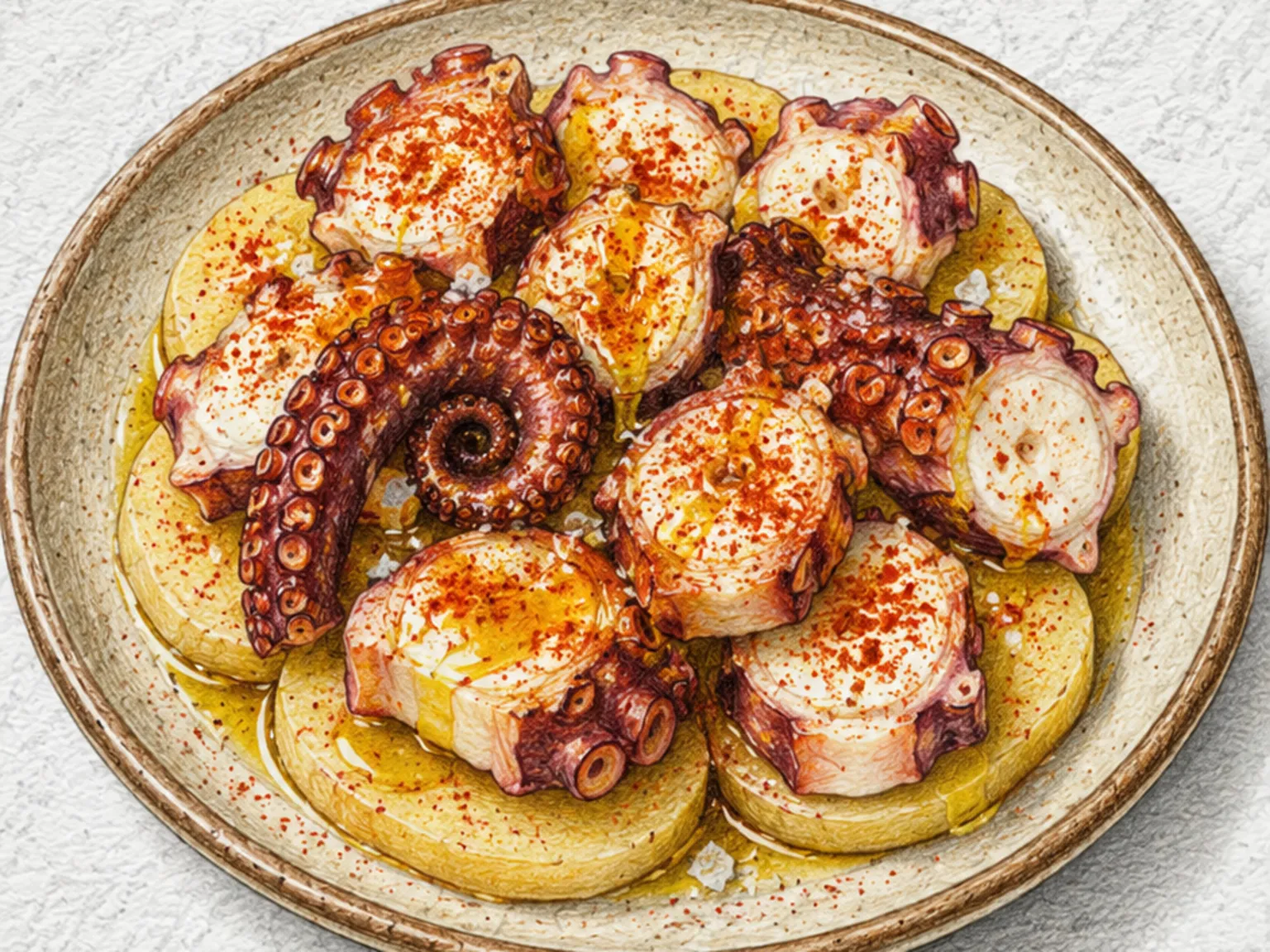
Pulpo a la Gallega (Galician Boiled Octopus with Smoked Paprika)
Pulpo a la Gallega is a signature dish from Spain's Galicia region in which whole octopus is gently simmered, sliced into thick rounds, and served over boiled potatoes with a finish of olive oil, smoked paprika, and coarse sea salt. Dipping the octopus in and out of boiling water two to three times before simmering curls the tentacles into shape and helps achieve an even cook. After thirty-five to forty minutes at a low simmer followed by a ten-minute rest in the hot water, the octopus reaches a texture that is tender yet retains a satisfying bite. Smoked paprika lays a subtle smokiness over the clean marine flavor, and high-quality finishing olive oil ties every element together. The ingredient list is minimal, which means the quality of each component directly determines the result.