🎉 Special Occasion Recipes
Impressive dishes for guests and special occasions
929 recipes. Page 4 of 39
When guests are coming, the menu needs a little extra care. This tag features impressive dishes suited for entertaining - galbi-jjim, japchae, and bulgogi for a Korean spread, or pasta and steak for a Western-style course.
The key to stress-free hosting is choosing recipes that allow advance preparation. Do the heavy lifting the day before, then finish plating when guests arrive. That way, you can relax and enjoy the meal together.
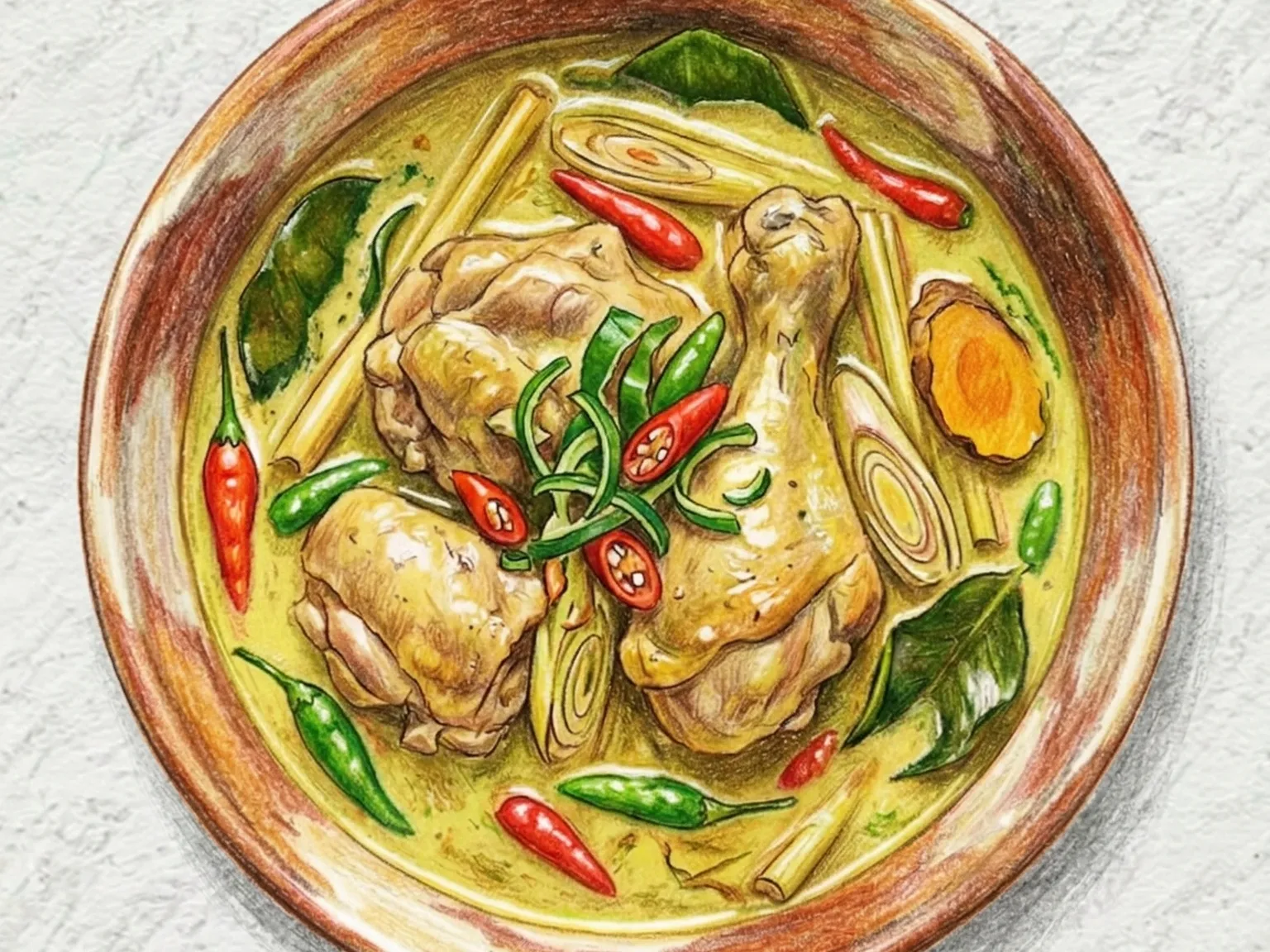
Ayam Lemak Cili Padi (Malay Coconut Chicken with Bird's Eye Chili)
Ayam lemak cili padi is a kampung staple from Malaysia's east coast states, built on a simple formula of chicken simmered in thin coconut milk with bird's eye chilies, turmeric, lemongrass, and shallots. Unlike richer curries where coconut milk is reduced to a thick gravy, the broth here stays deliberately soupy and light, designed to be spooned over steamed rice. Bird's eye chilies hit with an immediate, sharp heat the moment they touch the tongue - a quality distinct from the slow-building burn of dried chili pastes - and the heat lingers well past the last spoonful. Turmeric turns the broth a pale gold and contributes an earthy bitterness that runs beneath the coconut sweetness, keeping the overall flavor from tipping too rich. The dish requires no elaborate technique: the same pot holds everything from raw chicken to finished broth, and the short ingredient list reflects the rural economy it came from.

Classic Apple Pie
Apple pie has been baked in America since the colonial era, though its origins lie in 14th-century English and Dutch recipes where apples were enclosed in pastry as a way to cook fruit without a proper oven. The filling is built from tart baking apples - Granny Smith or Braeburn - tossed with sugar, cinnamon, nutmeg, a squeeze of lemon, and a spoonful of flour or cornstarch to thicken the juices as they cook. The double crust is made from cold butter cut into flour until the dough resembles wet sand, producing flaky, shattering layers when baked. As the pie bakes, the apples soften and release their juice, which the starch captures into a syrupy glaze that holds the filling together when sliced. The top crust turns deep golden and pulls away slightly from the filling, creating a hollow where steam escapes. Served warm with a scoop of vanilla ice cream - a la mode - or a slice of sharp cheddar in the New England tradition, apple pie is as much a cultural symbol as it is a dessert.
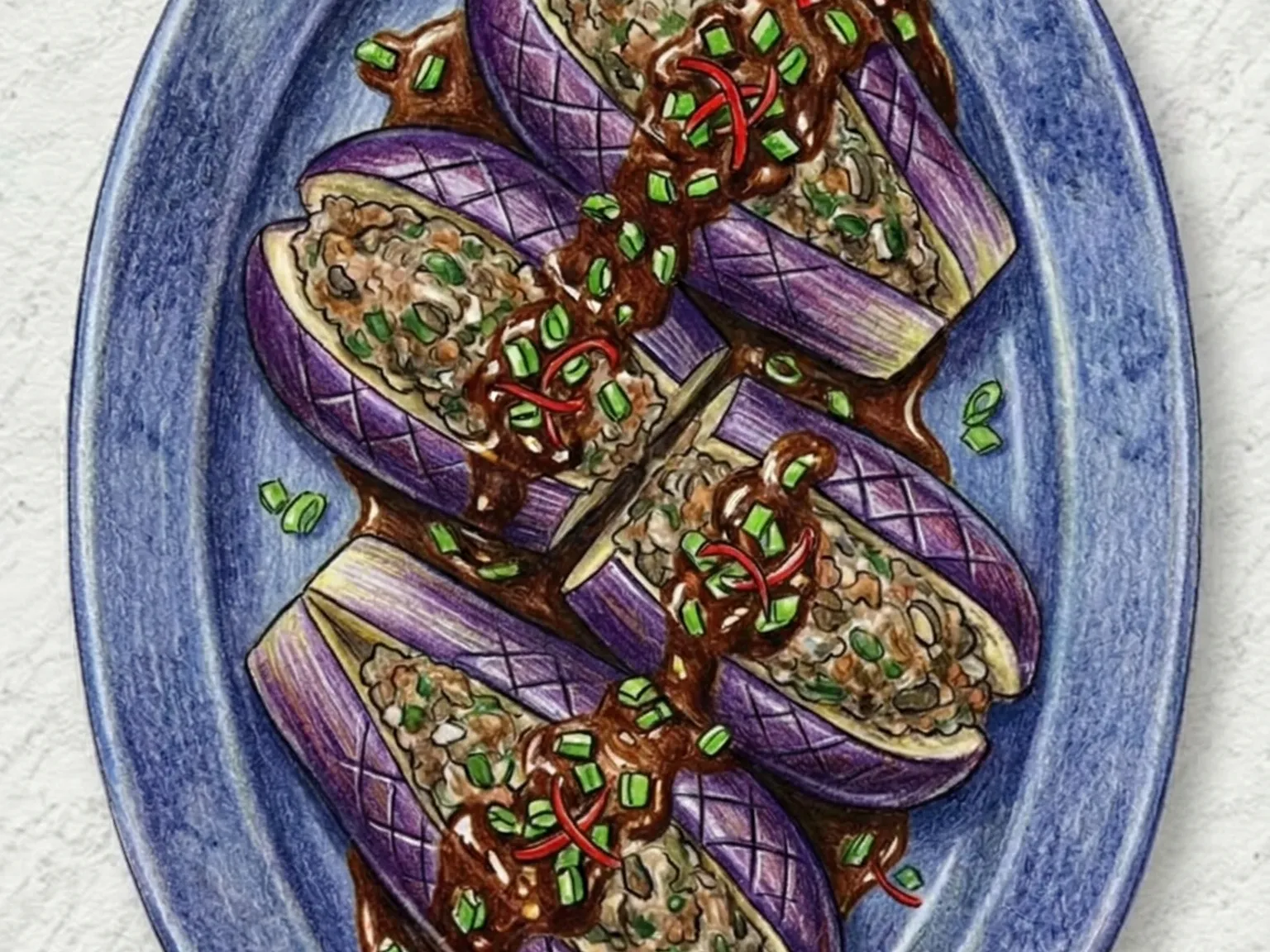
Korean Stuffed Eggplant Seon
Gaji-seon is a Joseon-era royal court banchan belonging to the seon category, a class of preparations in which vegetables are stuffed with a seasoned filling and steamed. The eggplant is scored at regular intervals with deep cuts that stop short of the bottom, creating accordion-like pockets along the length of the vegetable. A filling of minced pork or beef combined with crumbled tofu, scallion, and sesame oil is pressed firmly into each slit, then the stuffed eggplant is steamed for fifteen minutes. During steaming, the juices from the filling soak into the softening eggplant flesh, and the two components merge into a single flavor. The labor of stuffing each eggplant individually made this a dish historically reserved for guests and formal occasions rather than everyday meals. After steaming, a light soy-based sauce is spooned over the top. The sharp textural contrast between the near-dissolving eggplant skin and the firm, savory filling produces a refinement that clearly separates seon from ordinary stir-fried or braised eggplant preparations.
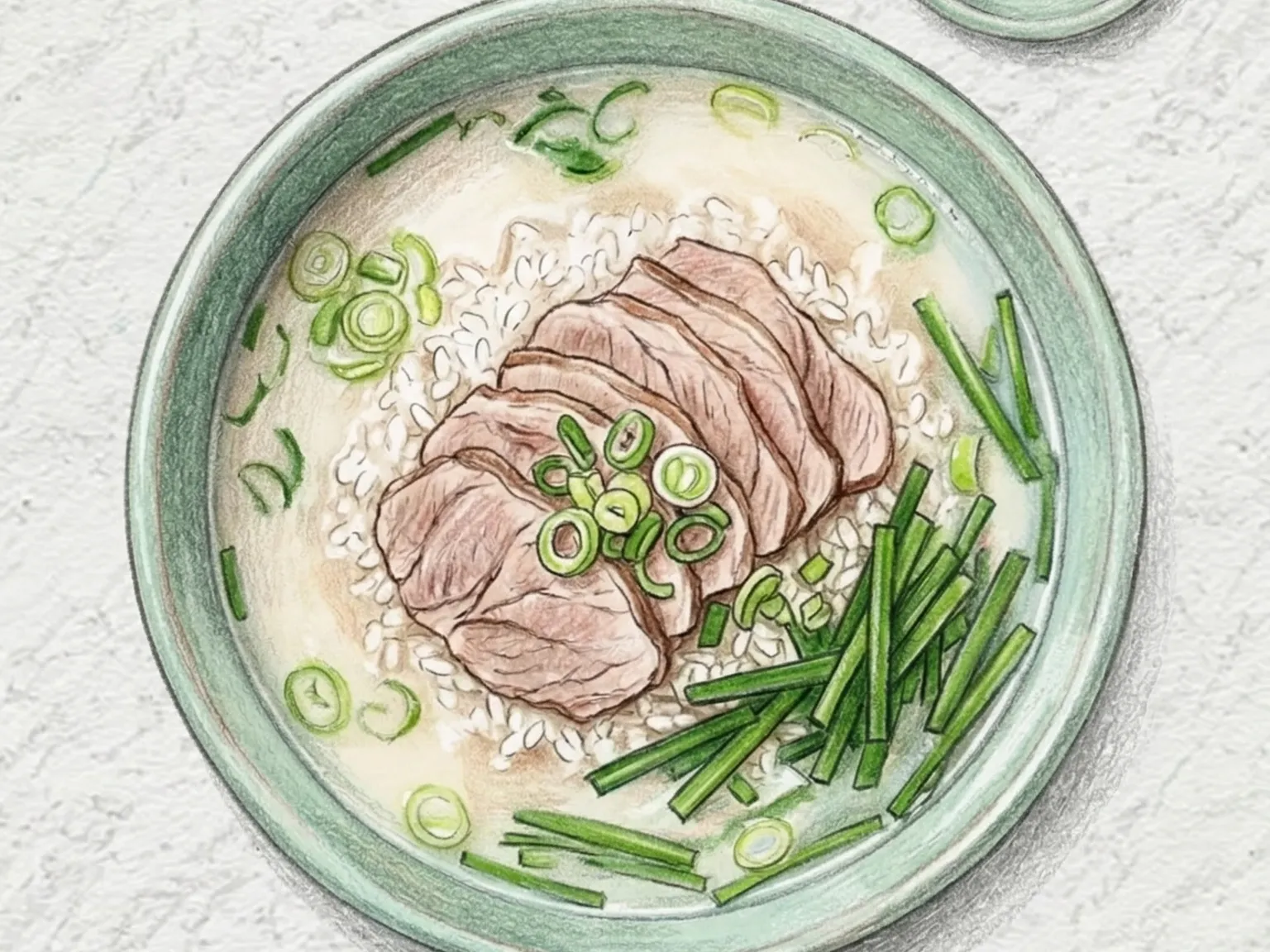
Korean Pork Soup with Rice
Dwaeji gukbap is Busan's definitive pork and rice soup, constructed around a broth that simmers pork shoulder or neck in a bone stock base for well over an hour, until the liquid becomes pale, rich, and deeply flavored. The pork is always blanched in plain water first and the water discarded, removing blood and impurities that would cloud the broth or introduce an off-flavor. After blanching, the meat transfers to the main pot where it cooks long and low until the muscle fibers loosen and the collagen begins to dissolve into the liquid, adding a gentle body that coats the inside of the bowl. That collagen-thickened base absorbs the mineral depth of the simmered bones beneath it, building a broth that cannot be rushed or replicated quickly. The cooked pork is sliced thin across the grain, arranged over a bowl of steamed rice, and doused with a generous pour of the boiling broth, which soaks into the rice and makes each spoonful carry the flavor of both. Sliced green onion and garlic chives piled on top add a fresh, grassy brightness that cuts through the richness. Fermented shrimp paste and minced fresh chili sit on the side for each diner to season individually - a ritual that is specific to this dish. In Busan, gukbap shops that have kept the same stockpot simmering for decades are treated with the same reverence as landmarks.
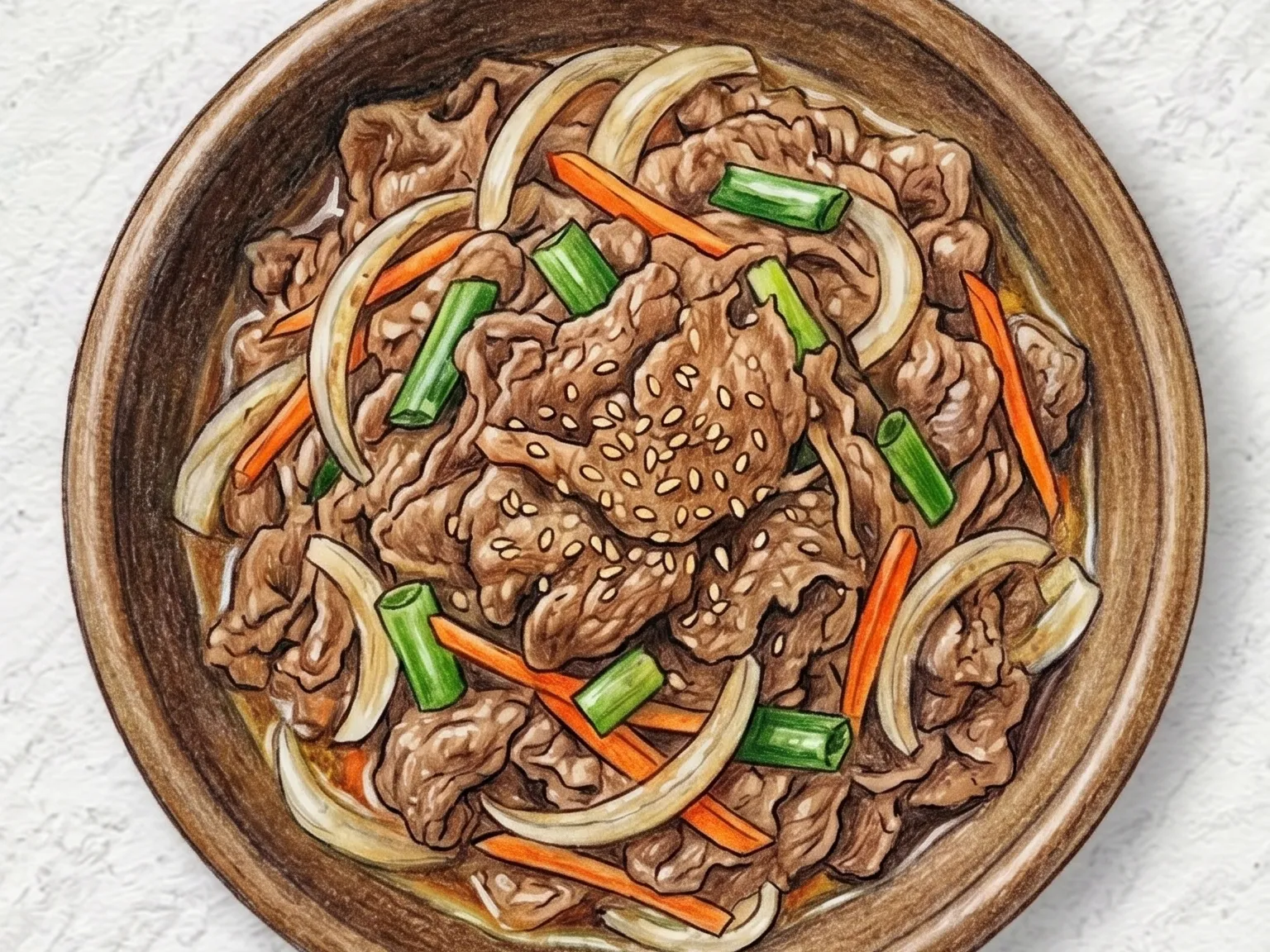
Korean Soy Sauce Bulgogi (Soy-Pear Marinated Thinly Sliced Beef)
Ganjang bulgogi is one of Korea's most enduring home-cooked main dishes, built around thinly sliced beef marinated in soy sauce, pear juice, sugar, garlic, and sesame oil. Pear juice acts as a natural tenderizer while adding a subtle sweetness that offsets the salt-forward depth of the soy. Onion, carrot, and green onion are stir-fried together with the beef over high heat, developing caramelized edges while keeping the center moist. Slicing the beef thin is essential: the short cooking time only penetrates marinade fully into thin cuts, and the pan must be properly preheated before the meat goes in to seal the juices. The soy-based seasoning is milder and less assertive than gochujang-marinated bulgogi, making it broadly appealing across ages and a consistent presence on both everyday dinner tables and guest menus.
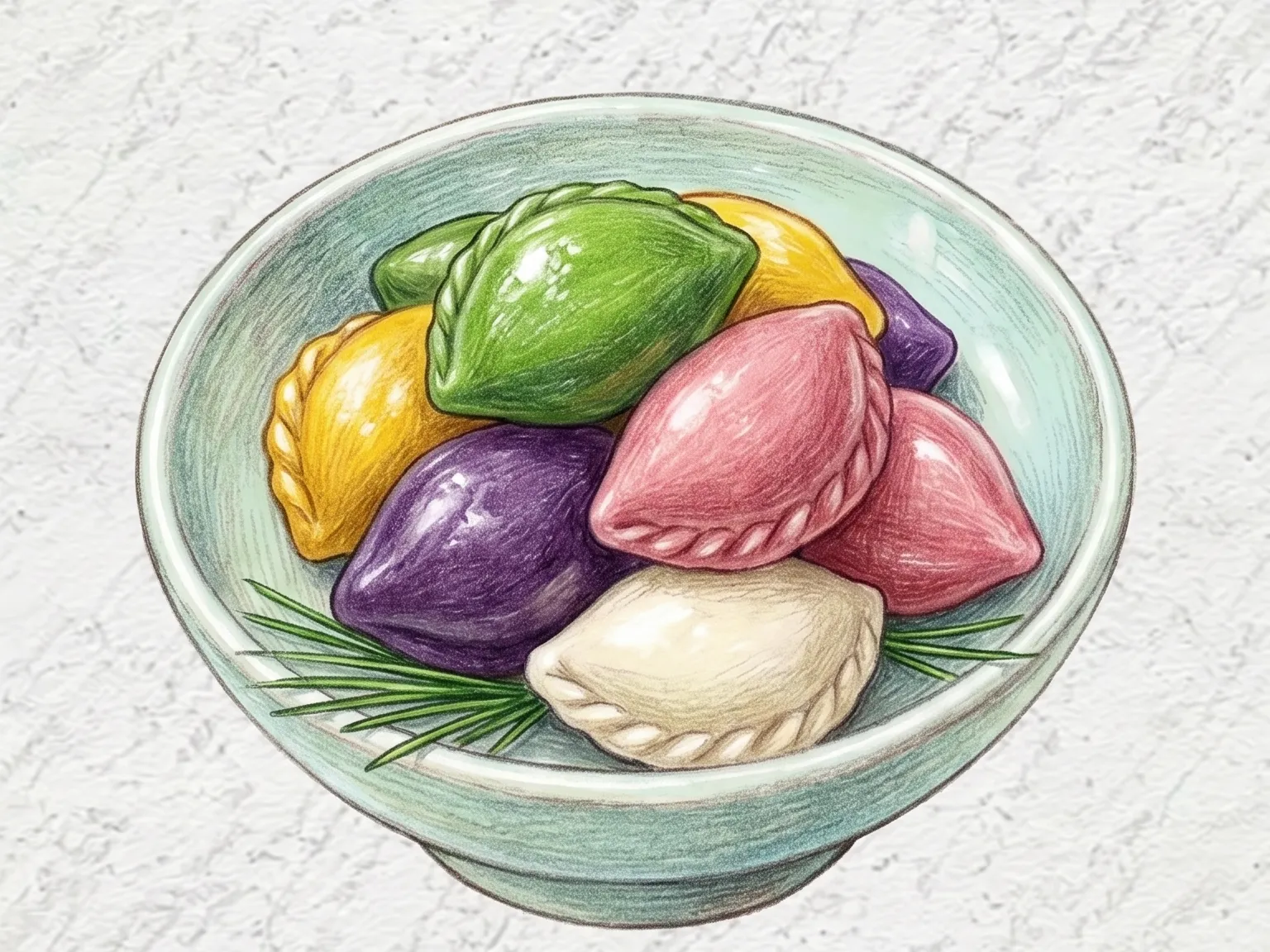
Korean Five-Color Songpyeon
Osack songpyeon are five-color rice cakes made for Chuseok, Korea's harvest festival. Rice flour dough is divided into portions and tinted with natural colorants including mugwort powder for green, gardenia water for yellow, and grape juice for purple, then kneaded with boiling water to develop a chewy, cohesive texture that raw-water dough cannot achieve. Each piece is filled with toasted sesame mixed with sugar or with sweetened red bean paste, then carefully pinched shut and shaped into a half-moon. Steaming for 20 minutes on a thick bed of pine needles imparts a subtle resinous fragrance to the surface, creating a layered aroma of wood and cooked grain that is distinctive to songpyeon and nothing else. A brush of sesame oil applied immediately after steaming gives each cake a glossy finish and prevents them from sticking together as they cool. The temperature and quantity of the boiling water during the kneading stage are the main variables that determine whether the final texture is perfectly chewy or disappointingly stiff. Traditionally, the entire family gathers the night before Chuseok to shape the rice cakes together, and that shared effort is considered inseparable from the taste.

Pan-Fried Sweet Rice Cake
Bukkumi is a traditional Korean pan-fried rice cake made from glutinous rice flour dough filled with sweet red bean paste seasoned with cinnamon and sugar. Using hot water to form the dough partially gelatinizes the starch, creating a pliable skin that stretches without cracking - though the dough must stay covered with a damp cloth throughout assembly to prevent the surface from drying out. Folding the dough into half-moon shapes seals in a cinnamon-laced bean paste filling that lifts the dense sweetness of the red bean with a warm spice note. Pan-frying on low heat builds a golden crust on each side while keeping the filling warm and molten at the center. A light drizzle of honey or a pinch of sugar right after frying adds a final layer of sweetness.
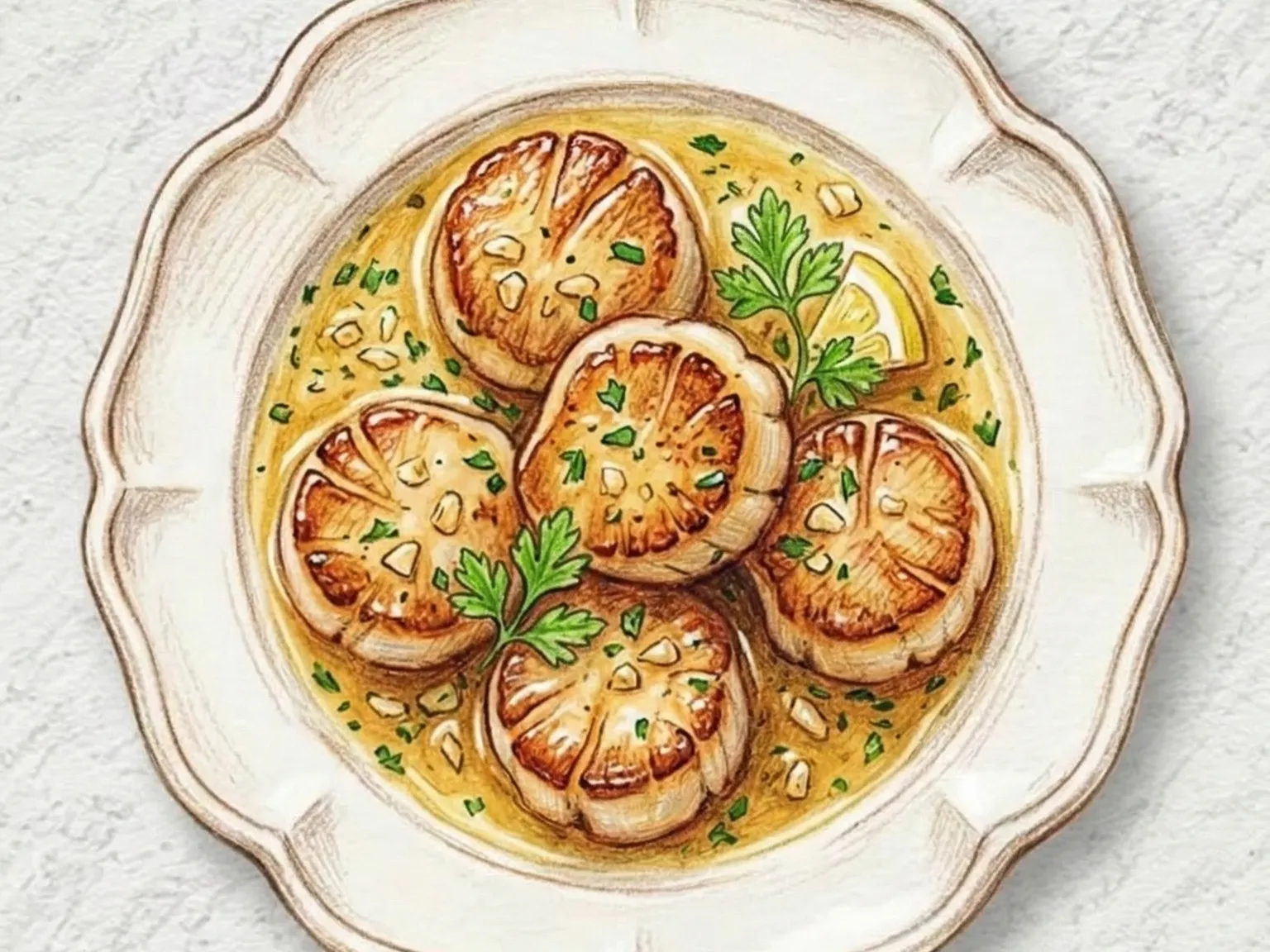
Korean Butter-Grilled Scallops
Garibi butter-gui sears fresh scallops in garlic butter until each side develops a deep golden-brown crust, then finishes with lemon juice and parsley to balance the richness. Removing every trace of surface moisture with paper towels before seasoning is the single most important step -- water on the surface of the scallop causes it to steam rather than sear, and no caramelized crust will form until that moisture has evaporated. Each side cooks for only one to two minutes at the highest heat the pan can sustain, leaving the center just barely opaque and the texture tender rather than rubbery. After flipping, butter and minced garlic are added directly to the hot pan and spooned continuously over the scallops so the aroma infuses the surface. A squeeze of lemon and a scatter of chopped parsley added just before removing from heat layers acidity and freshness over the butter richness. Simple to prepare and fast to cook, this dish appears regularly at home gatherings in Korea as a crowd-pleasing appetizer.
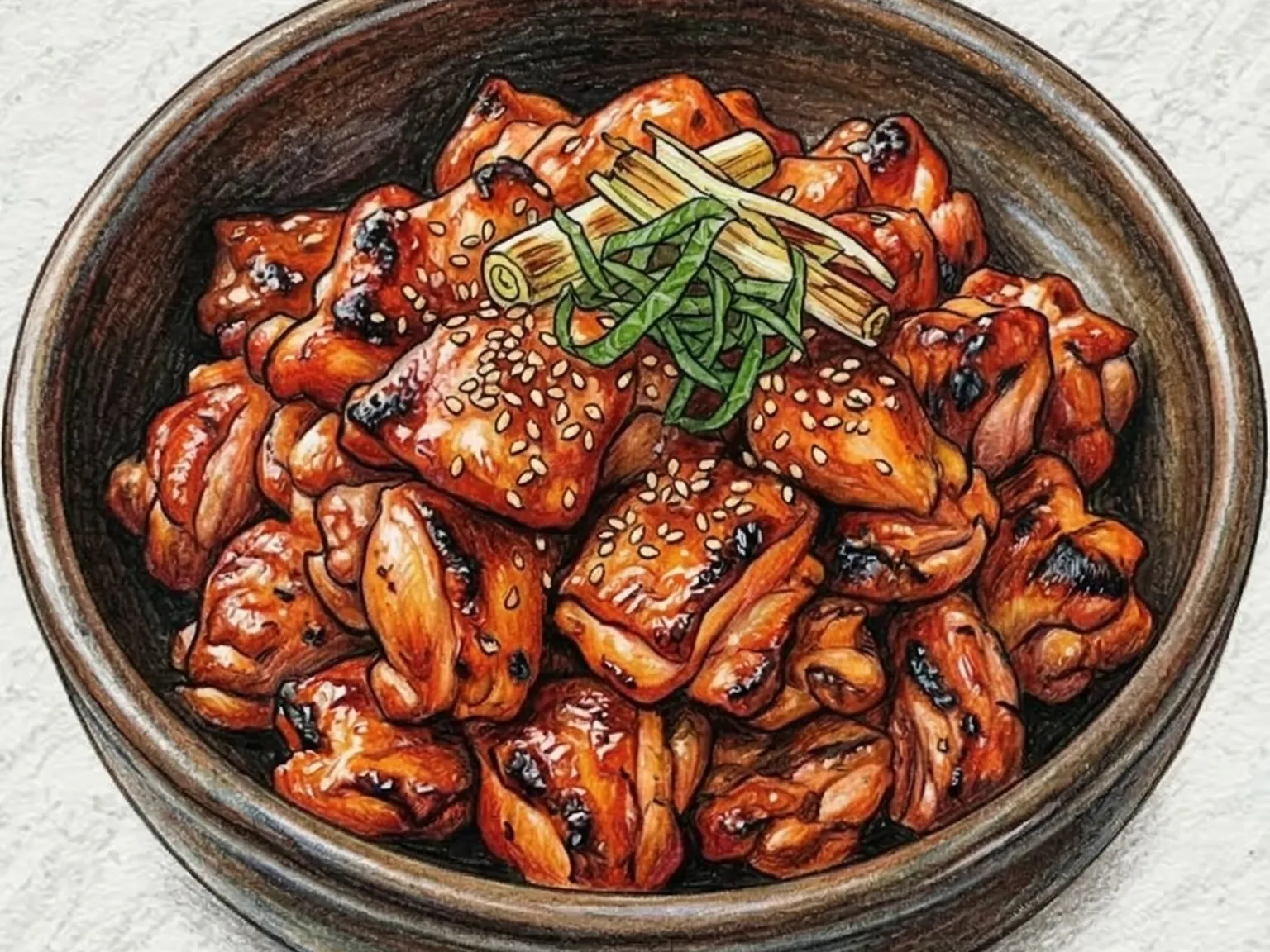
Korean Grilled Spicy Chicken Ribs
Dakgalbi-gui is the original Chuncheon-style grilled chicken dish, where bone-in thigh and leg pieces marinate in a crimson paste of gochujang, soy sauce, sugar, garlic, sesame oil, and ginger before cooking directly over an open flame or on a very hot pan. Unlike the more widely known iron-plate dakgalbi stir-fried with vegetables, this grilled version focuses solely on the meat to maximize char and smoky flavor on the surface. Deboned thigh meat spread flat exposes more surface area to both the marinade and the heat, concentrating flavor throughout, and a minimum two-hour rest in the marinade ensures the spice penetrates deep into the flesh. The gochujang caramelizes at high temperatures, forming edges that are simultaneously spicy, sweet, and faintly bitter from the char.
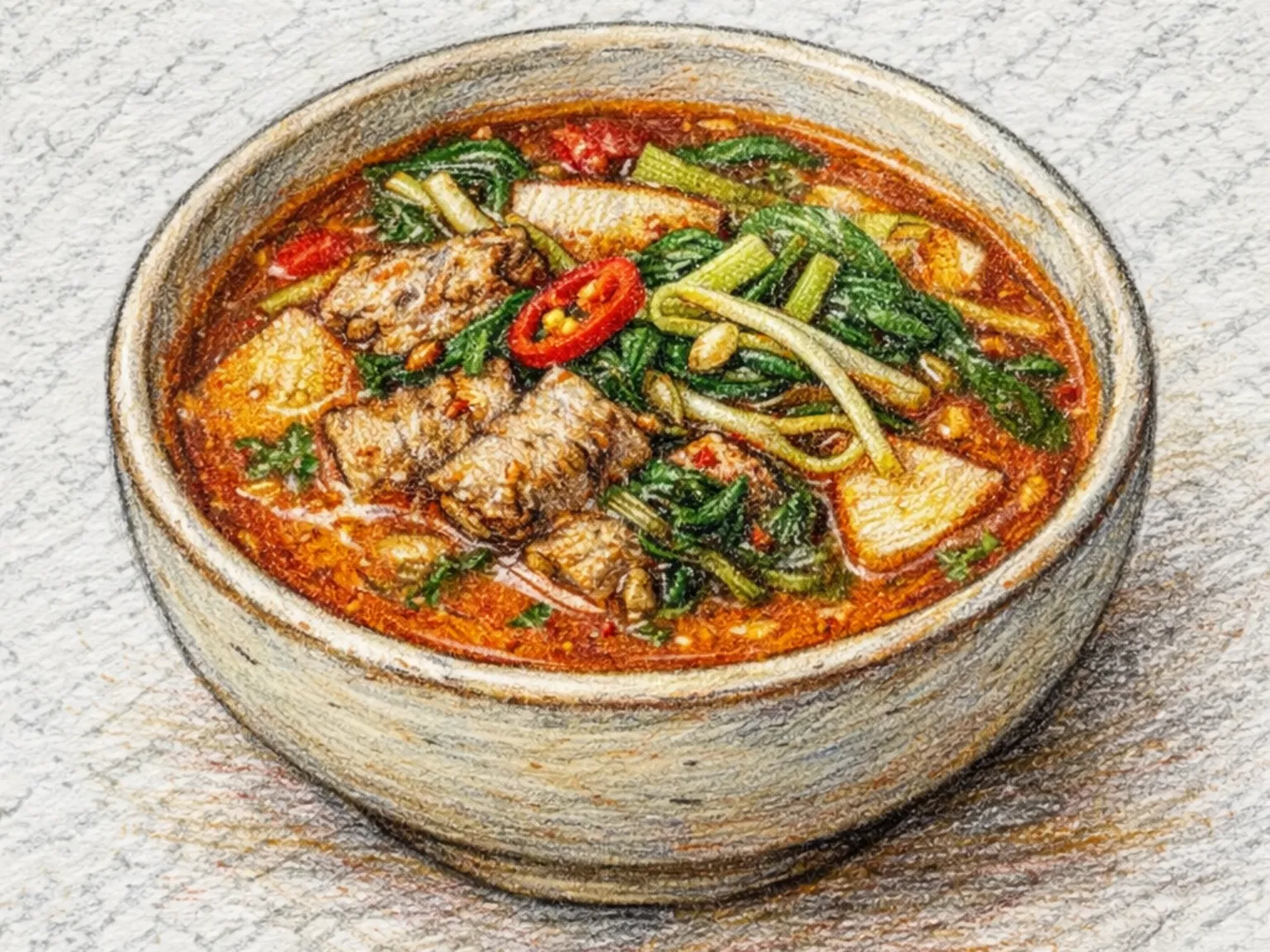
Korean Spicy Freshwater Fish Soup
Eotang is a traditional Korean soup from the Chungcheong region, made by boiling whole freshwater fish for over forty minutes to coax a thick, deeply savory broth from both flesh and bone. The stock is strained twice through a fine sieve to remove every small bone, then returned to heat with radish, doenjang, and minced garlic for another twenty minutes of simmering. The earthy, nutty richness of freshwater fish blends with fermented soybean paste to build a broth of layered depth, and the radish softens fully over the long cook, helping the liquid take on a slightly silky body. Red chili flakes and thick-cut green onion stirred in at the end sharpen the heat and amplify the savory undercurrent of the broth. The preparation takes time and attention, but the dense, bone-drawn concentration of flavor the process produces is difficult to achieve any other way.
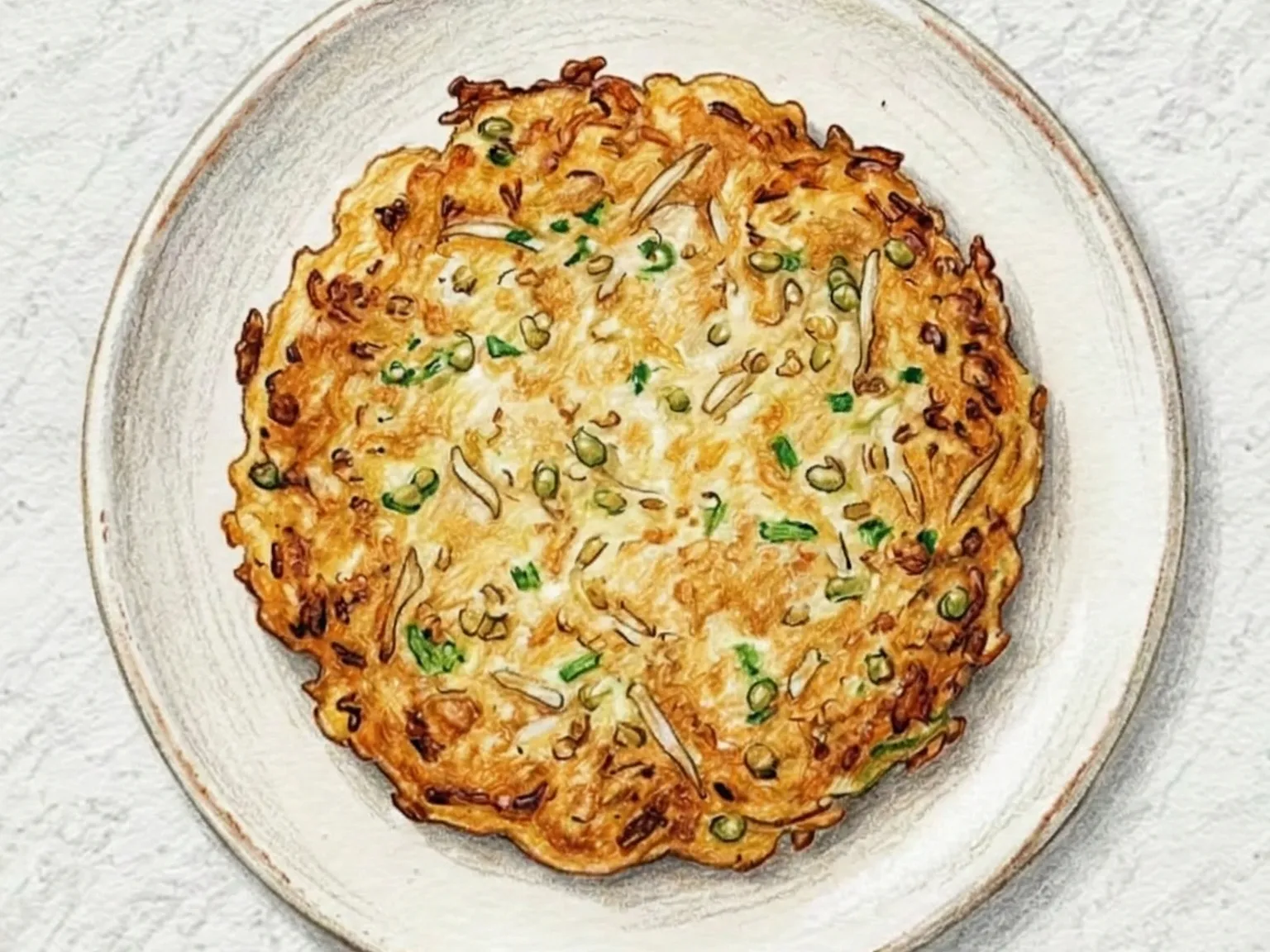
Korean Mung Bean Sprout Bindaetteok
Soaked mung beans are ground into a thick, dense batter and combined with mung bean sprouts, ground pork, and kimchi to make a traditional bindaetteok. The mung bean base delivers a hearty, nutty flavor that nothing else quite replicates; the sprouts thread through the batter and lighten the texture with their crunch. Fermented kimchi introduces a tangy sourness that cuts through the pork fat, and the pork's rendered juices bind the whole pancake into something substantial enough to serve as a full meal. Pressing the pancake flat and frying slowly in a generous amount of oil builds a thick, crackling crust - the stage where most of the flavor development happens.
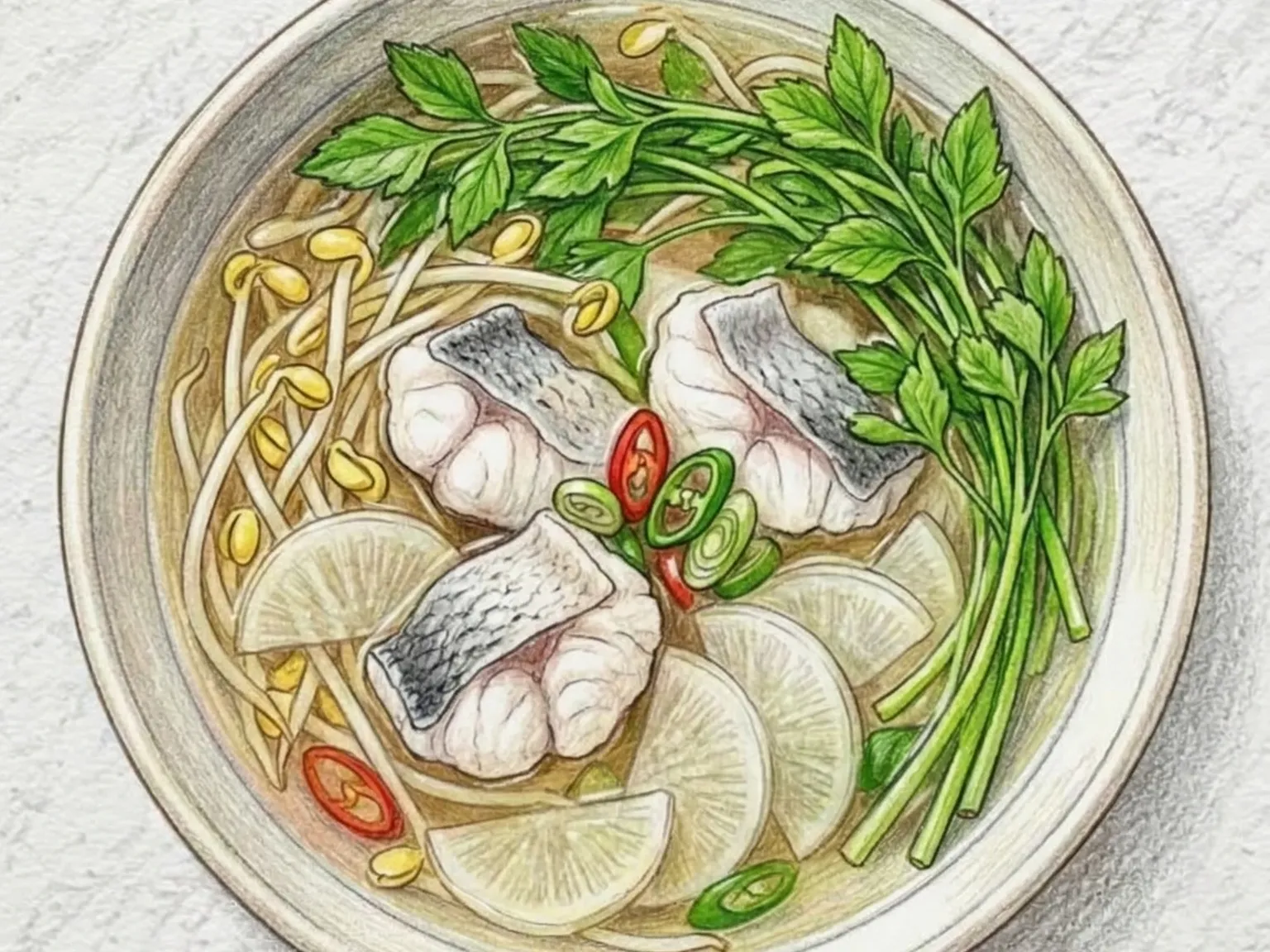
Korean Mild Puffer Fish Stew
Bok-jiri-jjigae is a clear-broth stew built around puffer fish fillet simmered with Korean radish, bean sprouts, and water dropwort, seasoned lightly with soup soy sauce and salt. The dish relies entirely on the natural flavors of its core ingredients rather than heavy seasoning, so the quality of the puffer fish is the defining factor. Cooking the fish with its skin releases collagen into the broth, giving the liquid a subtle viscosity and sheen that plain fish stock cannot replicate. Radish goes in first and simmers until it turns translucent and releases its gentle sweetness into the base, while bean sprouts are added later to retain their characteristic crunch. Water dropwort and green onion go in last, their herbal fragrance layering over the clear, cooling broth just before serving. Depending on availability, different cuts can be incorporated alongside the fillet: the liver, roe sac, and skin each contribute distinct notes to the broth and change its character considerably. Beyond its role as an everyday meal, bok-jiri-jjigae has a long-standing reputation as a hangover remedy, prized for its restorative, cooling effect after a night of drinking. Soup soy sauce should be added gradually so the broth stays light and the natural flavor of the fish remains prominent. A sliced cheongyang chili added just before the end introduces sharp heat without muddying the clarity of the stock, and a block of soft tofu added alongside provides extra body and a smooth texture that absorbs the surrounding broth.
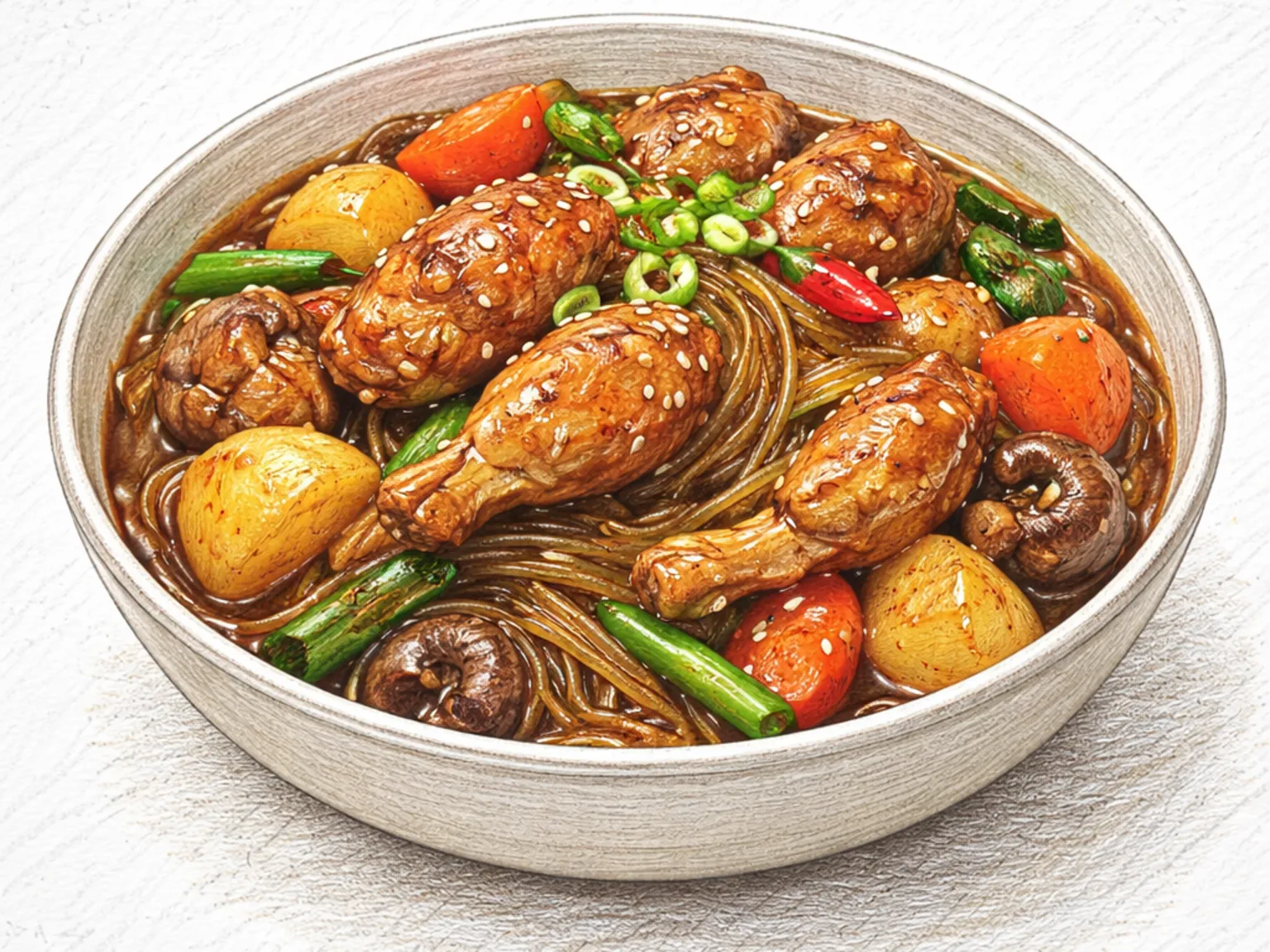
Korean Andong Braised Chicken
Andong jjimdak is said to have taken its modern form in Andong's old market during the 1980s, though soy-braised chicken has been a Gyeongsang Province tradition for far longer. Chicken pieces braise in a concentrated sauce of soy sauce, sugar, gochugaru, garlic, and ginger until the meat nearly separates from the bone. Glass noodles, dangmyeon, are added toward the end and absorb the braising liquid until they turn translucent and deeply stained with the sauce, becoming the most sought-after component. Potatoes and carrots provide bulk and sweetness, while dried red chilies and sliced cheongyang pepper build a layered heat that develops gradually. The finished dish arrives at the table in a wide, shallow pot, every component coated in the reduced soy glaze. It became a nationwide phenomenon in the early 2000s and remains one of Korea's most popular communal dishes, typically shared between two or three people over steamed rice.
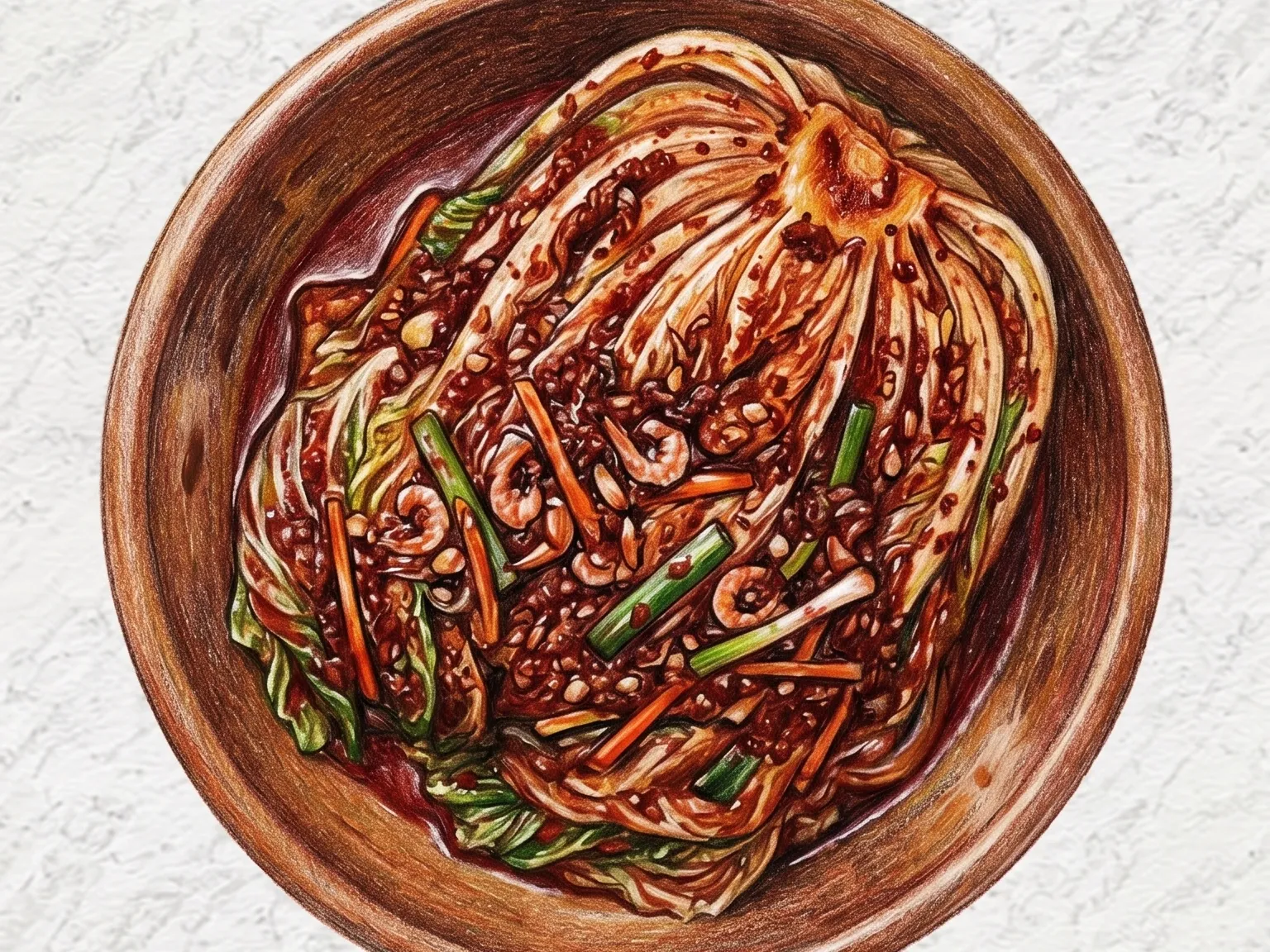
Authentic Jeolla-style Kimchi
Authentic Jeolla-style Kimchi is a traditional Southern-style cabbage kimchi featuring a rich, deep flavor profile. The sauce is built on a base of glutinous rice paste combined with chili flakes, minced garlic, and chopped sea staghorn, which adds a refreshing oceanic note as it ferments. A distinct savory depth is achieved by combining rich anchovy fish sauce with yellow croaker sauce. Shredded radish and green onions are tossed into this paste before stuffing it generously between each leaf of the salted cabbages. The cabbages are then wrapped with their outer leaves to lock in the seasonings. Packing the kimchi tightly into containers to minimize air exposure during fermentation prevents off-odors and ensures a clean, intense flavor profile typical of Southern Korean cuisine.
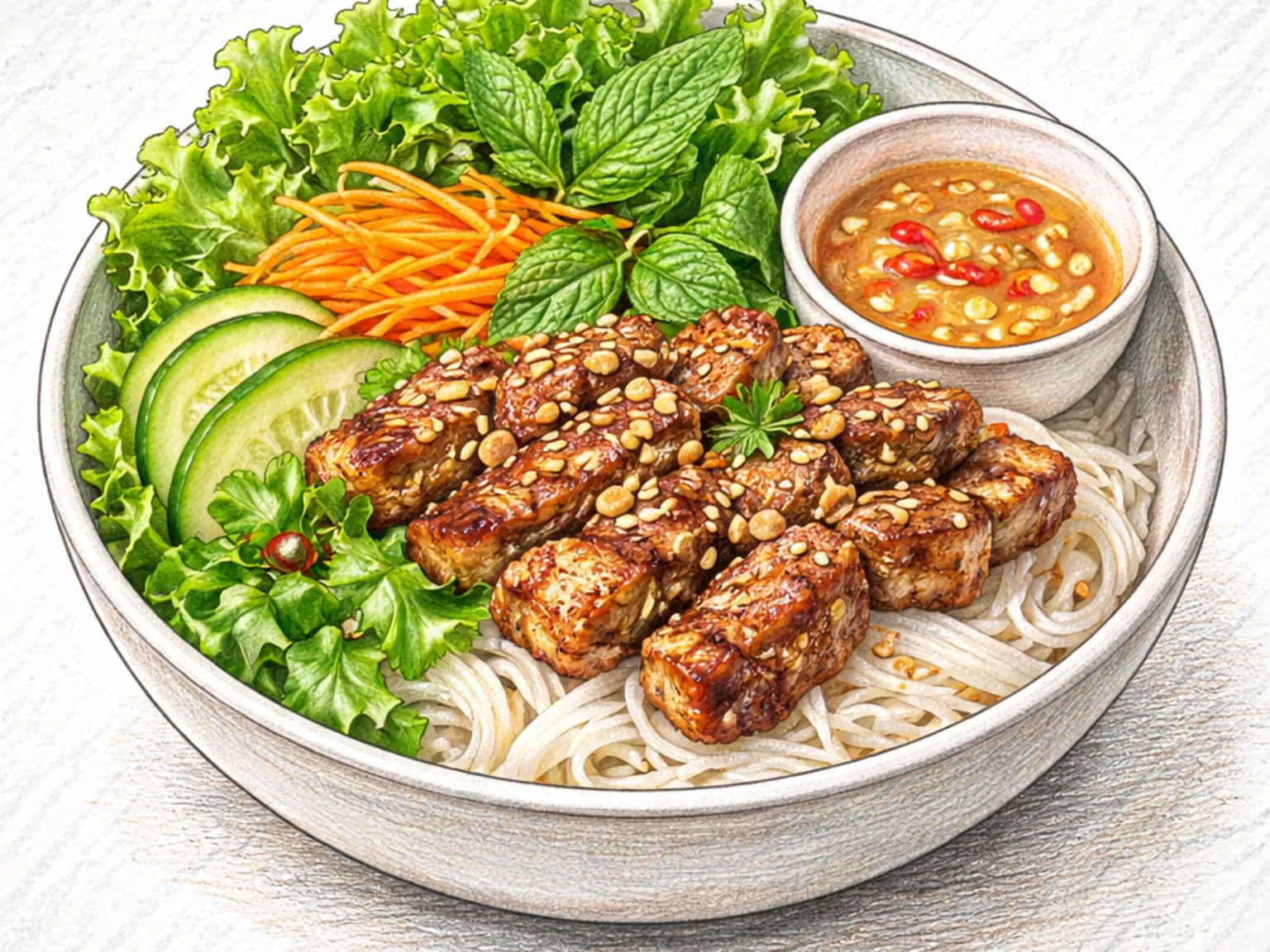
Vietnamese Grilled Pork Vermicelli
Charcoal-grilled pork is placed over cold rice vermicelli and eaten mixed with nuoc cham in this southern Vietnamese noodle bowl. The pork marinates in fish sauce, sugar, and garlic before grilling, so direct heat caramelizes the surface sugars into a deep brown crust while the interior holds its moisture. Fresh mint, cilantro, and coarsely crushed roasted peanuts are scattered on top, layering herbal fragrance with crunch. Nuoc cham, built from lime juice, sugar, fish sauce, and chili, is the sweet-sour-salty binding agent that pulls together the warm meat, cool noodles, and raw herbs into a single coherent bowl. The temperature contrast between hot pork and chilled vermicelli is central to the eating experience. Pickled daikon and carrot add a final note of acidity that keeps each bite clean. No broth is needed; the bowl is filling and bright.
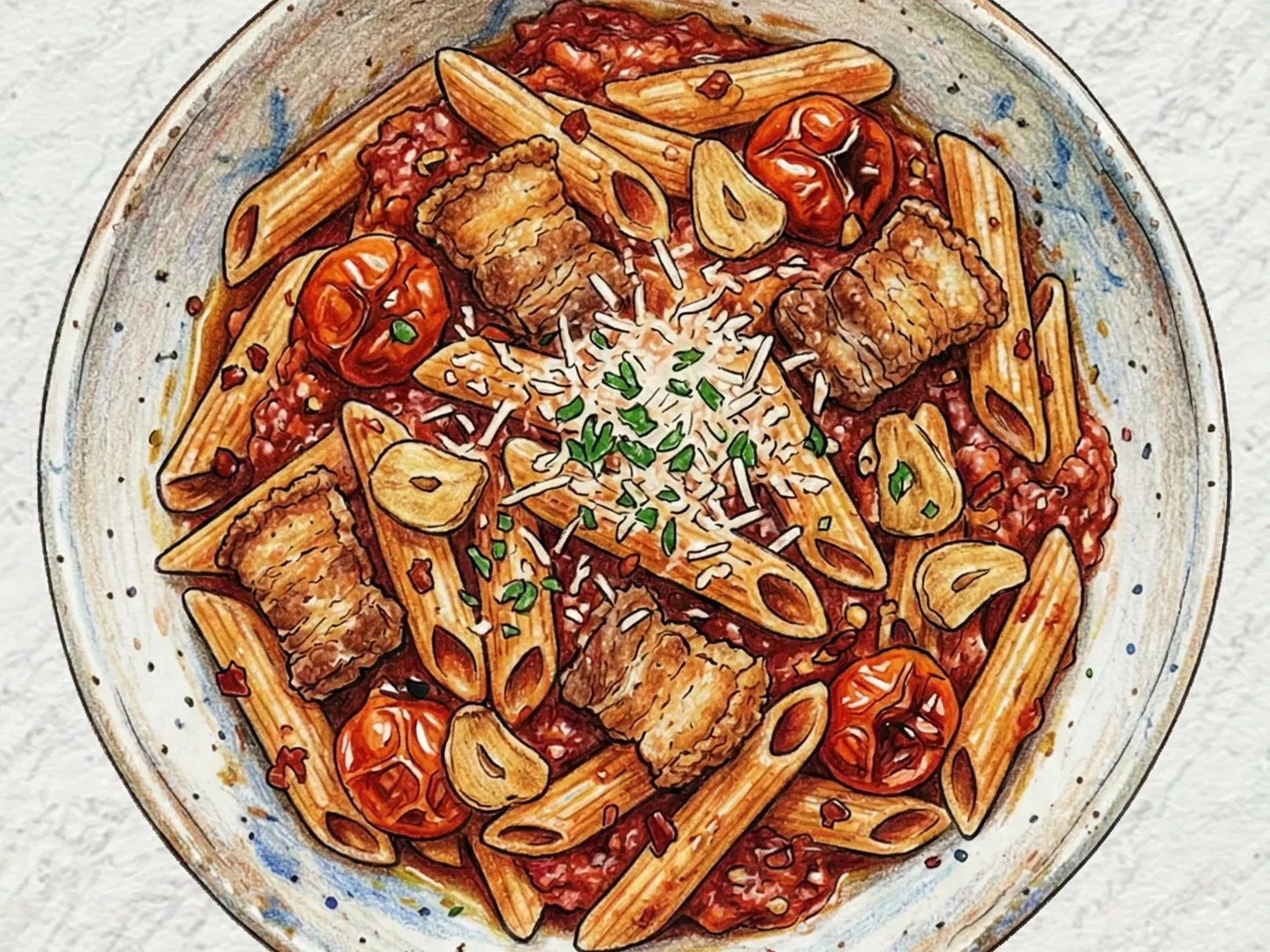
Chili Garlic Pork Belly Arrabbiata Penne
Chili garlic pork belly arrabbiata penne builds its flavor entirely from the fat rendered out of slowly crisped pork belly. Cooking the belly over medium-low heat until the surface is crackling and golden draws out the fat gradually, infusing it with a deep, savory richness that becomes the sauce's foundation. Minced garlic goes into the rendered fat next, followed by crushed tomatoes that reduce into a concentrated, spicy sauce. The tomato's natural acidity cuts through the fat's weight, preventing the sauce from turning heavy. A small ladle of starchy pasta water added before tossing emulsifies everything into a glossy coating. Penne's hollow tubes and ridged exterior capture the sauce both inside and out, so every bite delivers the smoky pork fat, tangy tomato, and chili heat simultaneously. Finishing with the reserved crispy pork pieces scattered on top adds a textural contrast between the sauce-soaked pasta and the crunchy meat.
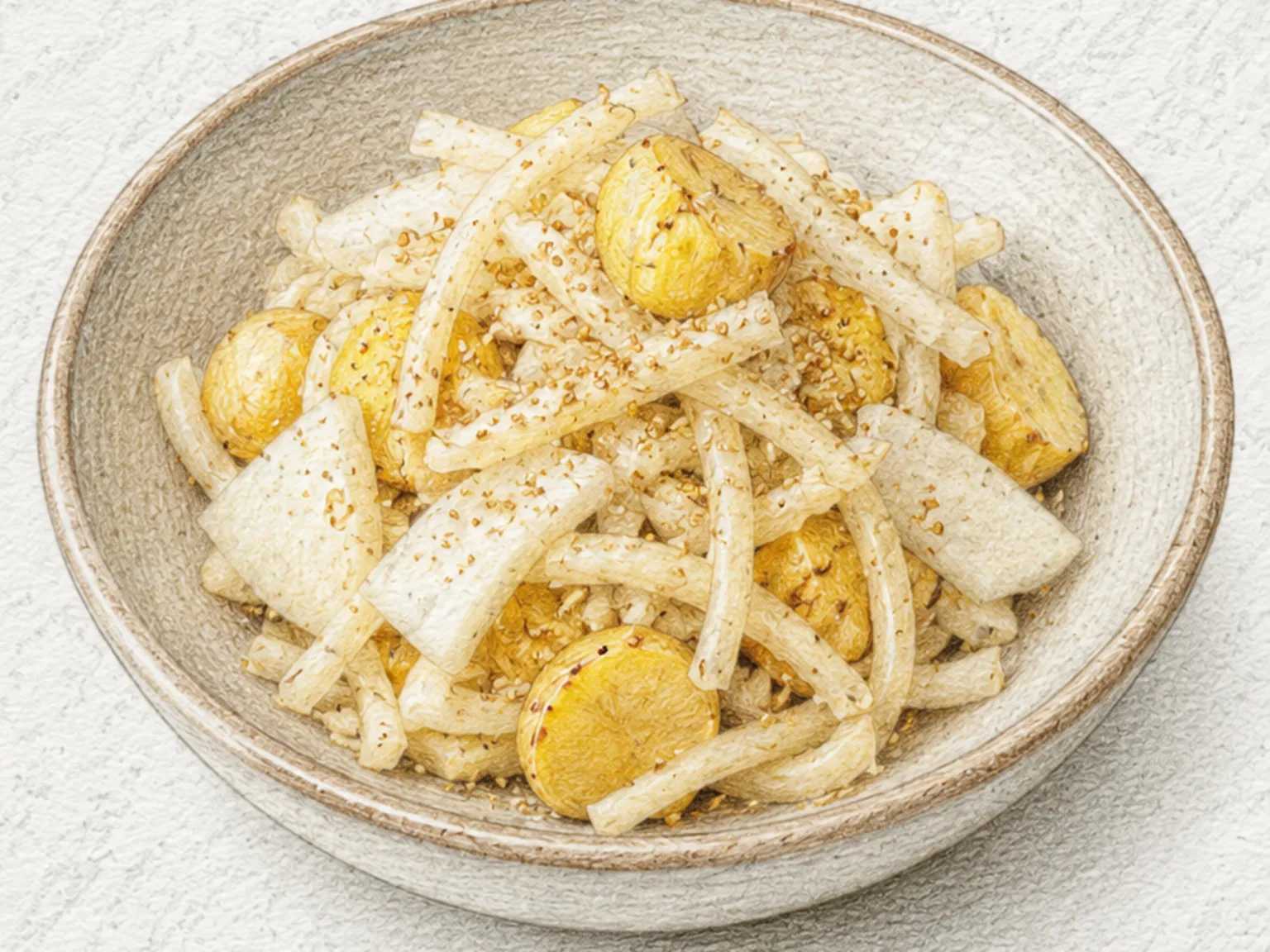
Bellflower Root, Chestnut & Perilla Salad
Doraji chestnut perilla salad brings together blanched bellflower root, boiled chestnuts, and Korean pear in a combination that captures the flavors of Korean autumn. Blanching doraji tempers its raw bitterness to a clean, gentle edge and softens its crunch just enough to make it pleasant to eat without cooking out its character entirely. Boiled chestnut contributes a starchy warmth and sweetness that is entirely different from fruit sugars - it is dense and slightly powdery, more comforting than bright. Korean pear introduces cool juice and a delicate crunch that refreshes the palate between bites of root and nut. Ground perilla seeds tie the ingredients together with a nutty, faintly grassy aroma rooted in their omega-3 fatty acid content, a flavor profile that cannot be replicated by sesame alone. The dressing is built from apple cider vinegar for fruit acidity, honey for sweetness, and olive oil to emulsify and smooth the transitions between components. Both bellflower root and chestnuts peak in autumn, so the salad is at its most rewarding when made with freshly harvested seasonal ingredients. The color combination of ivory doraji, cream-colored chestnut, and pale pear gives the bowl a quiet, autumnal visual quality.
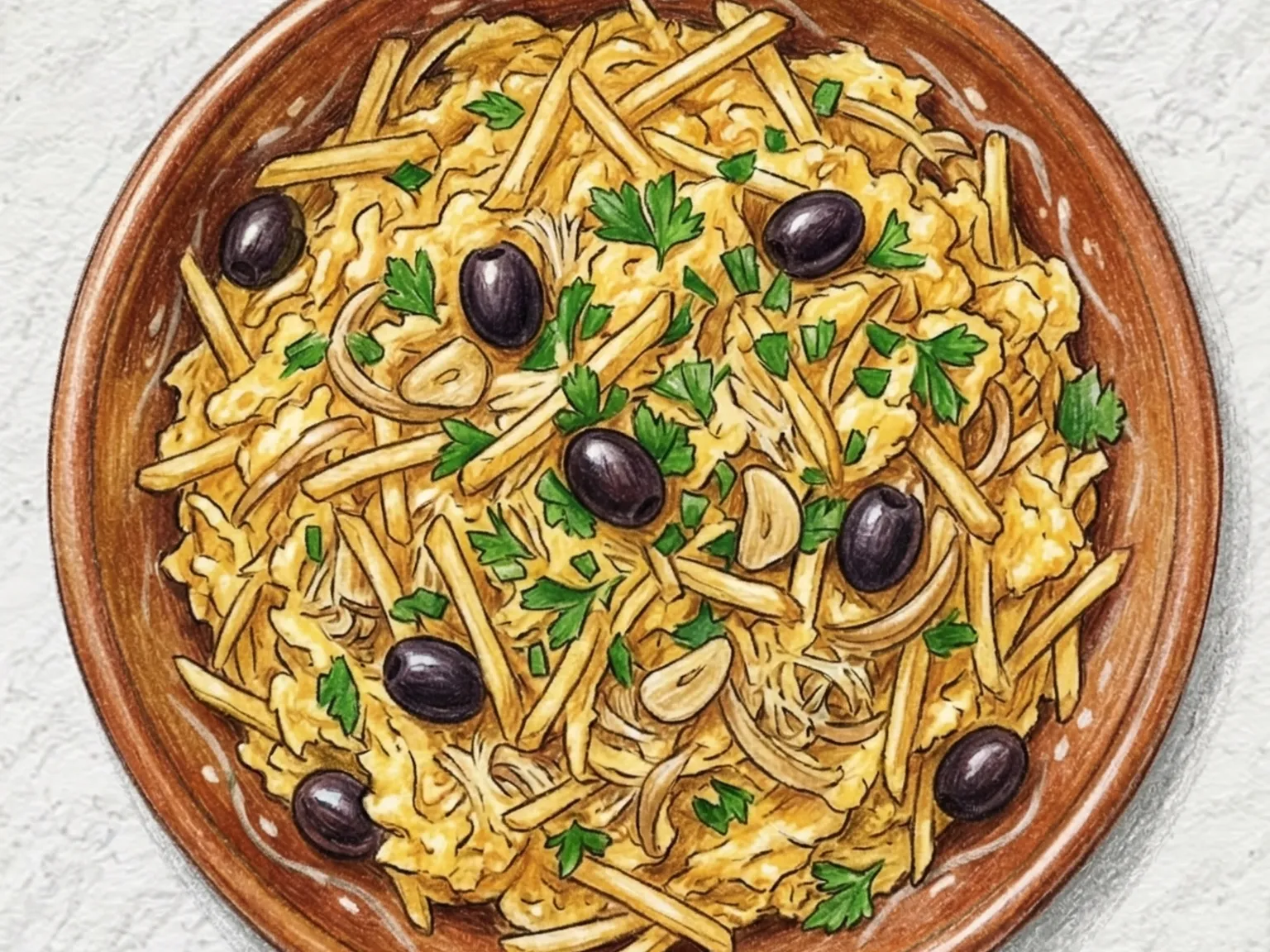
Bacalhau a Bras Recipe - Classic Portuguese Salt Cod with Eggs and Crispy Potatoes
Bacalhau a bras is one of the most beloved preparations among the hundreds of ways Portugal cooks salt cod, born from the long history of Atlantic cod fishing. The salt cod is soaked for 24 to 48 hours with frequent water changes to draw out the salt, then shredded by hand into fine strands. Potatoes cut matchstick-thin are fried until crisp, and the shredded cod is sauteed in olive oil with onion until the onion turns translucent and the fish edges take on a little color. Beaten eggs are poured in and stirred gently off the heat so they form creamy curds that bind the potatoes and fish together without scrambling fully. The finished dish is a golden mound of inseparably tangled crisp potato, silky egg, and salty cod fiber. Black olives and parsley add a sharp salty accent and herbal note. Named after a 19th-century Lisbon tavern keeper, this is a fixture of Portuguese tascas and Sunday family lunches.
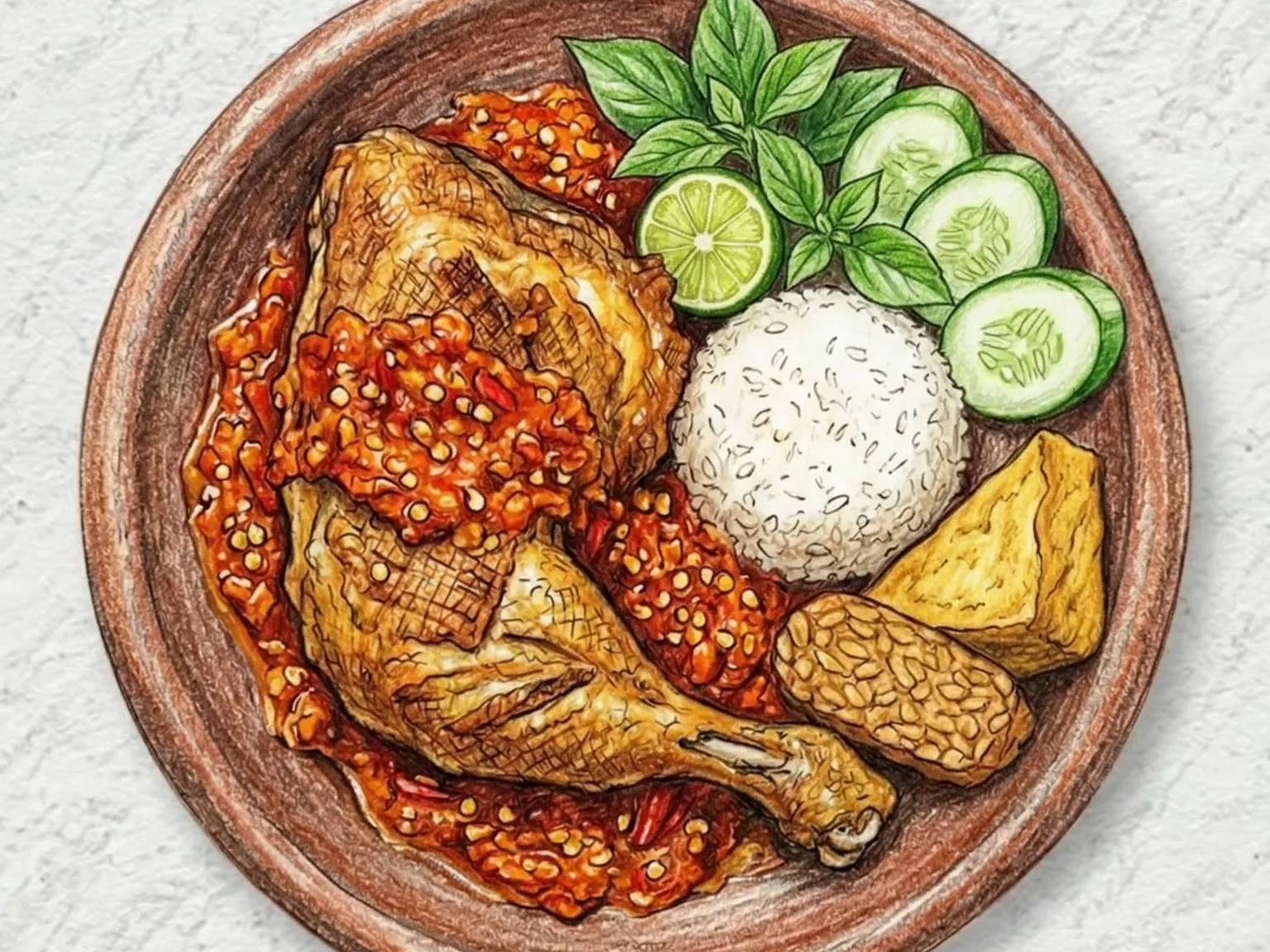
Ayam Penyet (Javanese Smashed Fried Chicken with Sambal)
Ayam penyet means smashed chicken in Javanese and describes an East Javanese street dish in which the chicken is deliberately crushed with a pestle after frying. The process begins by braising the bird in turmeric and galangal-scented water until fully cooked through, then deep-frying until the skin blisters, darkens to mahogany, and turns properly crisp. The final press against a stone mortar cracks the skin open to expose the moist interior and creates irregular ridges and cavities across the surface that the sambal fills and clings to. That sambal - pounded fresh from bird eye chilies, shallots, tomato, and shrimp paste - is the defining element of the dish, delivering a ferocious heat alongside the deep, funky salinity of fermented shrimp paste. The two flavors hit at the same time and neither yields to the other. Served on a banana leaf with steamed rice, fried tofu, and raw vegetables, the full plate comes together the way street-stall food in Java typically does: quickly assembled, intensely seasoned, and eaten without ceremony.

Baba au Rhum (French Rum-Soaked Yeast Cake)
Baba au rhum originates from 18th-century Poland, where King Stanislaw Leszczynski is said to have soaked a dry kugelhopf cake in rum, naming it after Ali Baba from One Thousand and One Nights. The dessert traveled from Poland to Naples and then to Paris, where French patissiers reshaped it into the small, cylindrical, individual-portion yeast cakes recognized today. The dough is heavily enriched with butter and eggs, which produces a tender, porous crumb riddled with open air pockets. After baking, the cakes are submerged in a hot syrup of sugar, water, and dark rum in substantial proportion until those air pockets drink up the liquid and the cakes swell to close to double their baked size. The syrup must penetrate all the way to the center - soaking time cannot be rushed - and the finished texture is dense, spongy, and completely saturated, releasing a burst of warm rum with each bite as the crumb is compressed. A rosette of creme chantilly sits on top, made from lightly sweetened whipped cream with a vanilla note, and its cold, airy quality sits in direct contrast to the dense, alcohol-soaked base beneath. The rum is not a background flavor here but the primary one, which makes baba au rhum an unambiguously adult dessert.
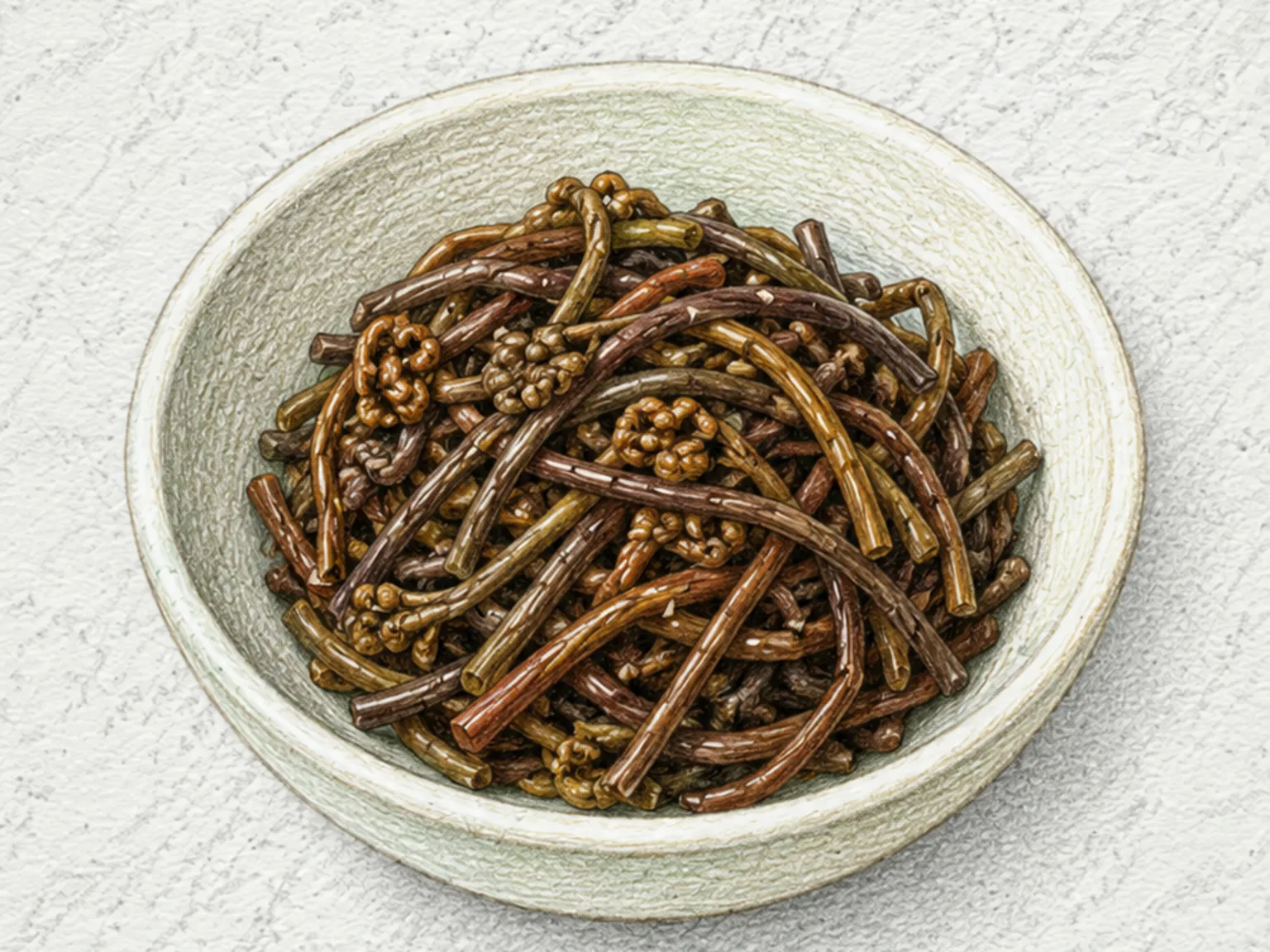
Korean Seasoned Bracken Fern
Gosari, the Korean name for bracken fern, is one of the oldest foraged vegetables in Korean cooking, with consumption records tracing back to the Three Kingdoms period. It is a mandatory component of bibimbap and a required dish on jesa, the ancestral rite table set for ceremonies honoring the dead. Dried gosari must soak overnight in cold water and then boil until the tough, wiry fibers relax into a distinctively springy, almost elastic chew that no fresh vegetable can replicate. The rehydrated fern is stir-fried in perilla oil with minced garlic until fragrant, then a small amount of soup soy sauce and water goes in and the pan is covered to let the liquid absorb and the fern braise briefly. This short braising step is what rounds the flavor and ensures the seasoning penetrates the fibrous strands rather than sitting only on the surface. Perilla oil is the traditional fat of choice rather than sesame oil because its green, herbal quality pairs more naturally with the woodsy, forest-floor flavor of gosari, amplifying rather than competing with it. Large batches are typically made during Chuseok or Seollal and eaten over several days, as the flavor improves and deepens as the dish sits.
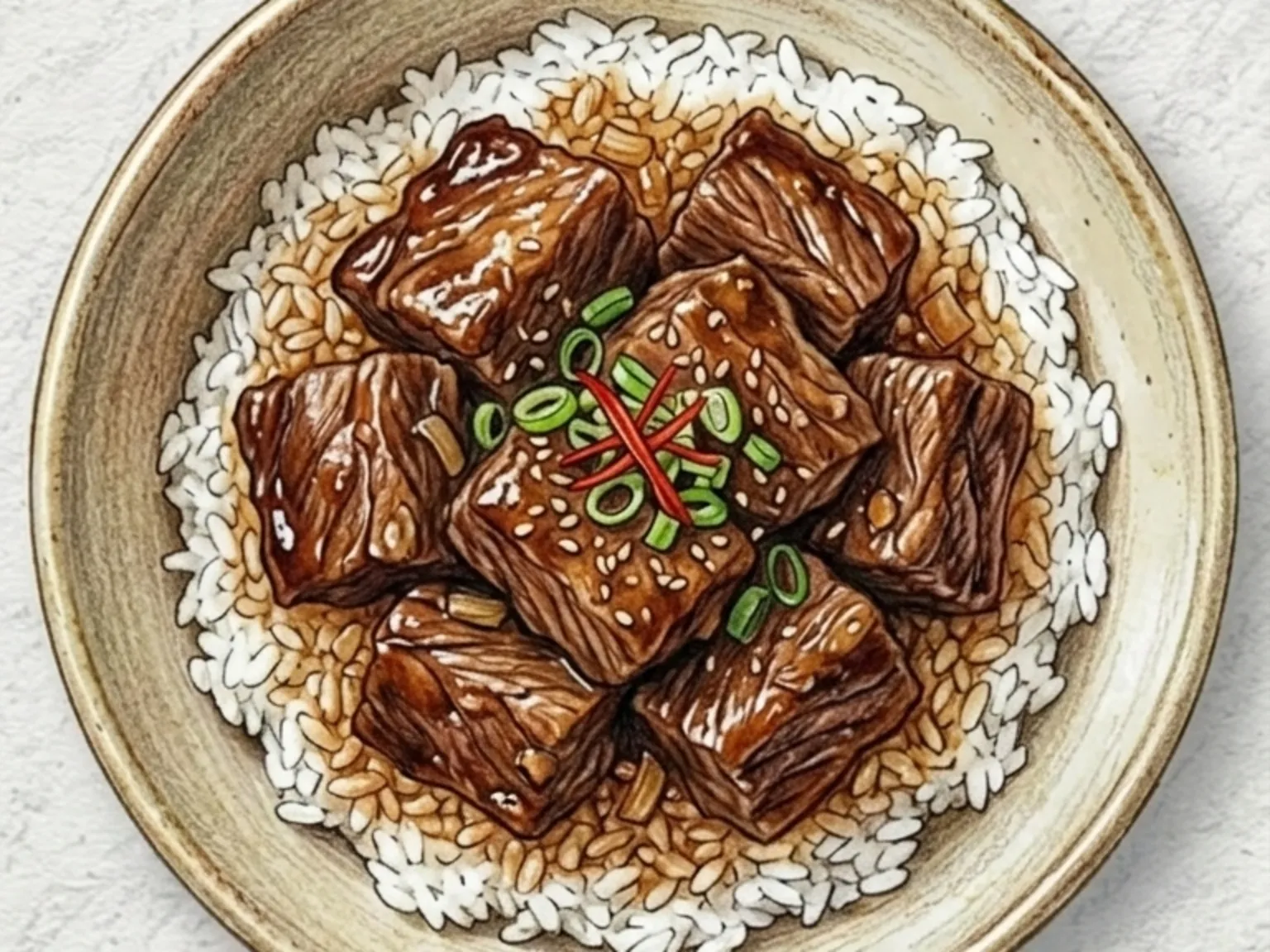
Korean Braised Short Rib Rice Bowl
Galbi deopbap is a Korean rice bowl topped with beef short ribs slow-braised in a soy, sugar, and grated Asian pear marinade until the connective tissue dissolves and the meat separates from the bone at the lightest touch. Grated pear serves a dual purpose in the braise: the enzymes break down tough muscle fibers while the juice introduces a gentle fruit sweetness that sets the dish apart from heavier, wine-based braises. Grated onion dissolves completely into the braising liquid over the long simmer, deepening the savory foundation without leaving visible pieces. As the liquid reduces over one hour or more, it transforms into a dark, glossy sauce that coats the ribs and drips down onto the rice below. Spooning the sauce generously over the steamed rice allows each grain to absorb the soy-sweet glaze from the bottom up, making the rice itself as flavorful as the meat. Despite the long cooking time, the dish demands minimal active attention because the braise works inside the pot without stirring. Scattered sliced green onion on top provides a crisp, fresh contrast against the richness of the braised ribs.
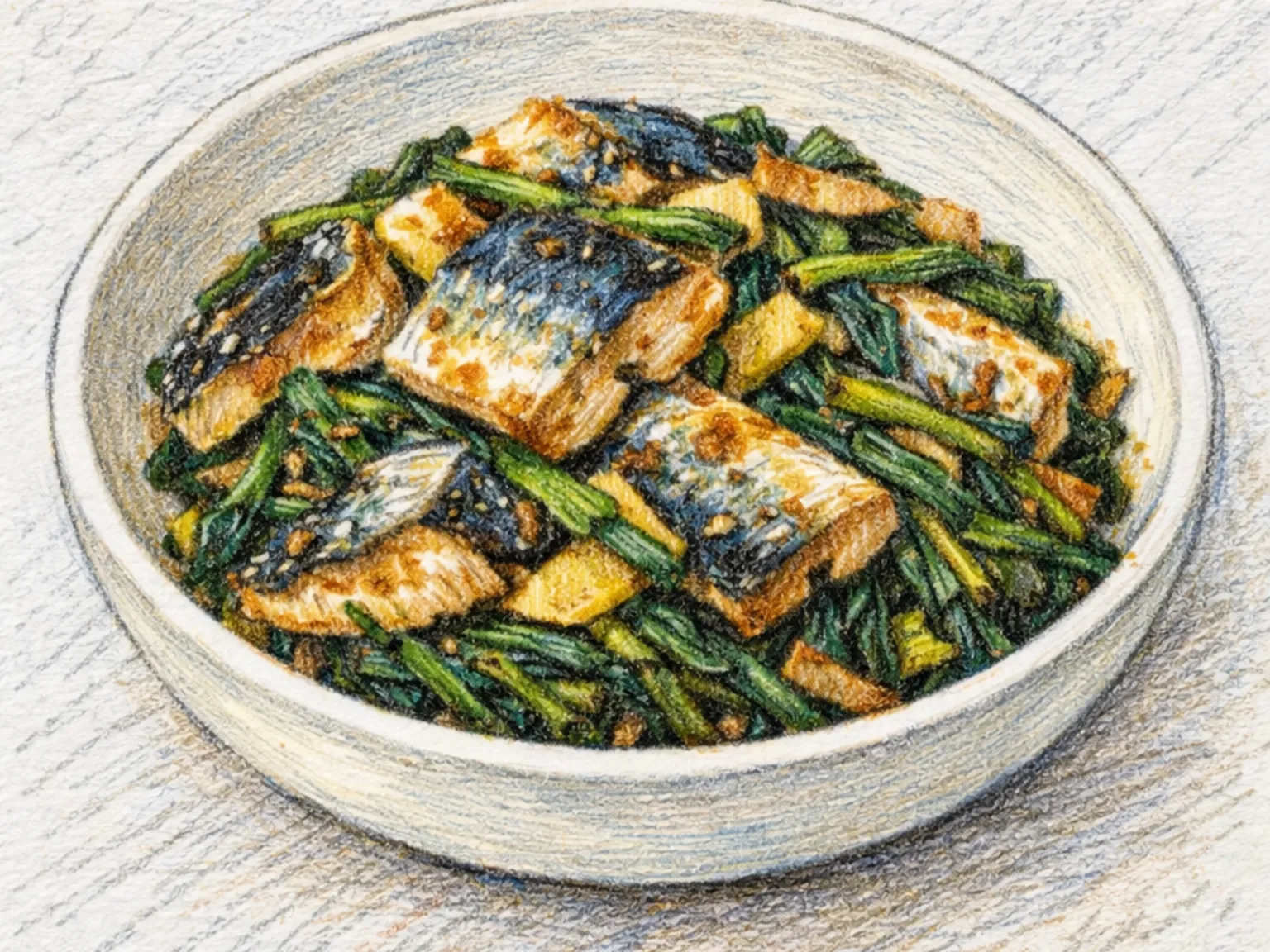
Korean Thistle Greens & Mackerel Stir-fry
Gondre godeungeo bokkeum pairs pan-seared mackerel with blanched gondre thistle greens in a gochujang-soy stir-fry. The mackerel is first marinated briefly in ginger juice to reduce any sharpness, then seared on both sides until a firm, golden crust forms. That outer layer keeps the fish intact during the final toss with the greens. Gondre is pre-seasoned in perilla oil and garlic to draw out its earthy, herbal fragrance before hitting the pan, and squeezing out the excess moisture is essential so the sauce stays concentrated rather than watery. The gochujang-soy combination brings heat, depth, and a subtle sweetness that bridges the rich umami of the fatty fish and the grassy character of the greens. Gondre from the Gangwon-do highlands has a mild, nutty quality once blanched that holds its own alongside oily blue-backed fish. The dish works equally well as a rice accompaniment or a drinking snack.
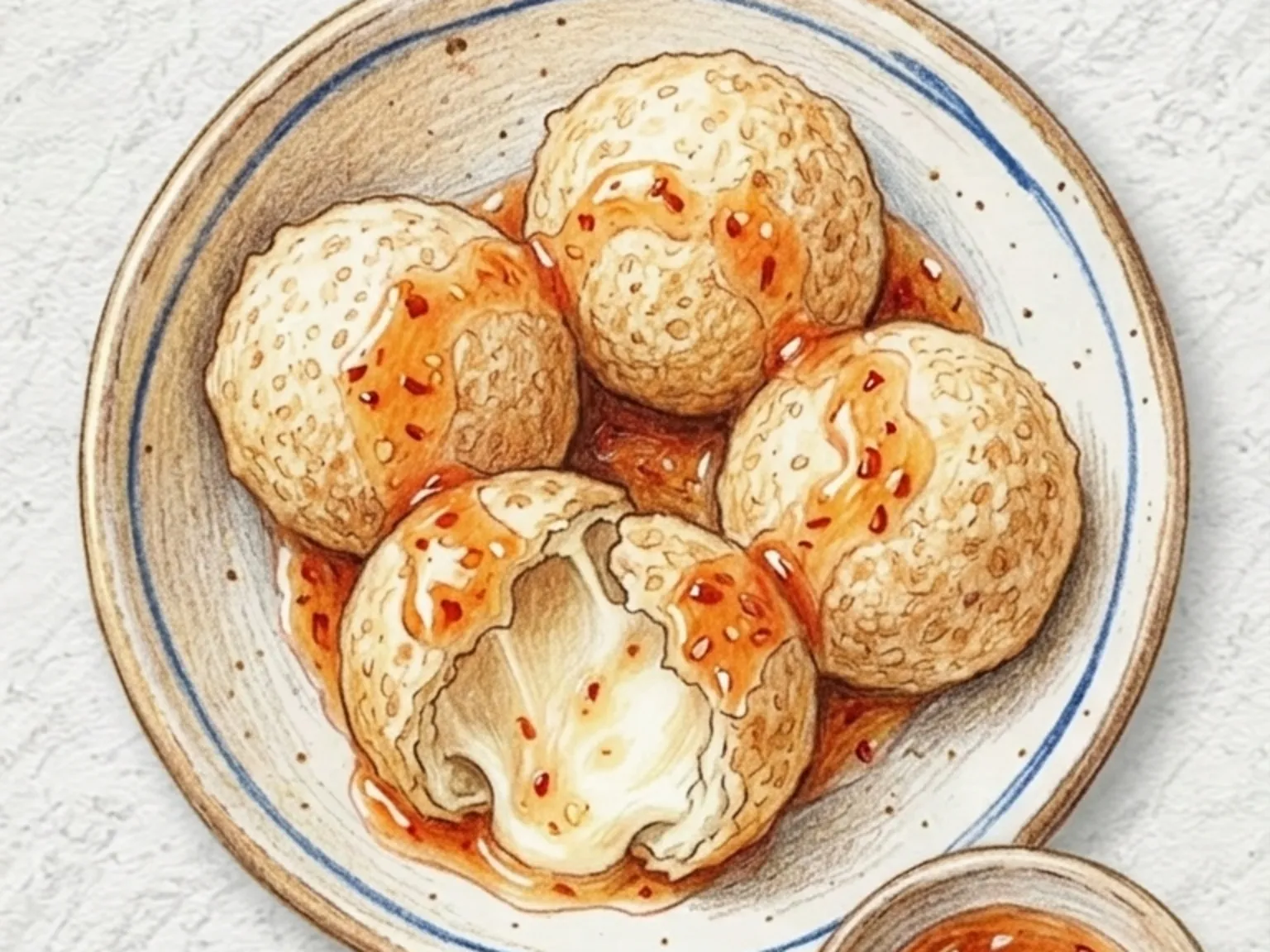
Korean Sweet Chili Cheese Balls
Sweet chili cheese balls are a fried snack made from glutinous rice flour dough mixed with milk, wrapped around mozzarella cubes, shaped into spheres, and deep-fried at 160 degrees Celsius. Adding a small amount of baking powder to the dough causes it to puff evenly during frying, creating a thin, crisp crust on the outside while the mozzarella inside melts into a soft, stretchy core. Keeping the oil at a moderate 160 degrees is the critical step, because a higher temperature browns and sets the shell before the cheese inside has had enough time to melt fully. Dipping in sweet chili sauce brings a layer of fruity sweetness and gentle heat over the creamy mozzarella, and the sauce's slight tanginess cuts the fried richness to leave the palate feeling clean. Sealing the seam of each ball tightly when wrapping is important, as any gap will let the melting cheese escape into the oil during frying.