🌙 Late Night Recipes
Quick and satisfying late-night bites
651 recipes. Page 4 of 28
Late-night cravings call for quick, easy recipes that satisfy without too much effort. Ramyeon, egg fried rice, tuna-mayo rice bowls, and simple toasts - these are dishes you can throw together when hunger strikes after dark. Cooking at home beats delivery in both cost and healthiness.
The ideal late-night snack is fast to make, easy to clean up, and just filling enough. These recipes hit that sweet spot - comforting without being heavy.
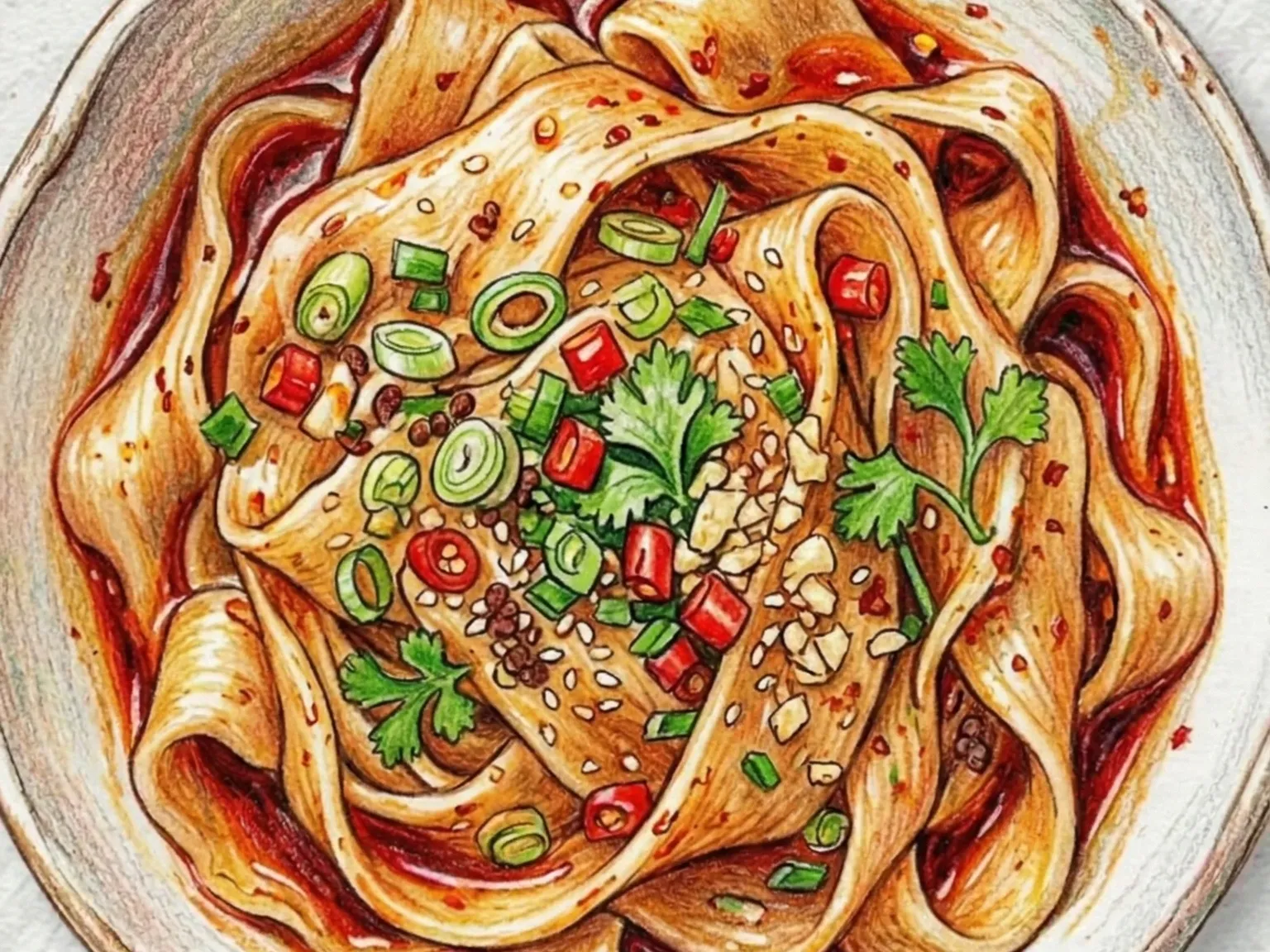
Biang Biang Mian (Xi'an Hand-Pulled Belt Noodles with Chili Oil)
Biang biang mian takes its name from the sound the dough makes when the cook slaps it against the counter to stretch it into wide, belt-like ribbons, a technique practiced in Xi'an and across Shaanxi Province for centuries. The dough is made from high-gluten flour and rested for at least thirty minutes to an hour until fully pliable; insufficient resting causes the noodles to tear during the pulling stage. Once rested, the dough is pulled by hand into strips as wide as a belt and as long as an arm, with an uneven thickness that creates varying chew across a single strand. The cooked noodles are dressed with a topping of minced garlic, chili flakes, Sichuan peppercorn powder, and chopped scallion, then smoking-hot rapeseed oil is poured directly at the table. The sizzle activates the aromatics and blooms the chili into a fragrant rust-colored oil that coats each strand. Soy sauce and black vinegar are stirred through to add a salty-sour backbone that anchors the richness of the chili oil. The character for biang, written in one of the most complex Chinese characters with over fifty strokes, is said to encode the sounds of the kitchen: slapping dough, sizzling oil, and the satisfied sighs of eaters. No standard digital font includes the character, and it must be written by hand. The dish belongs to the category of belt noodles found across Shaanxi and is considered one of the province's most representative street foods, eaten at breakfast, lunch, or as a late-night meal.
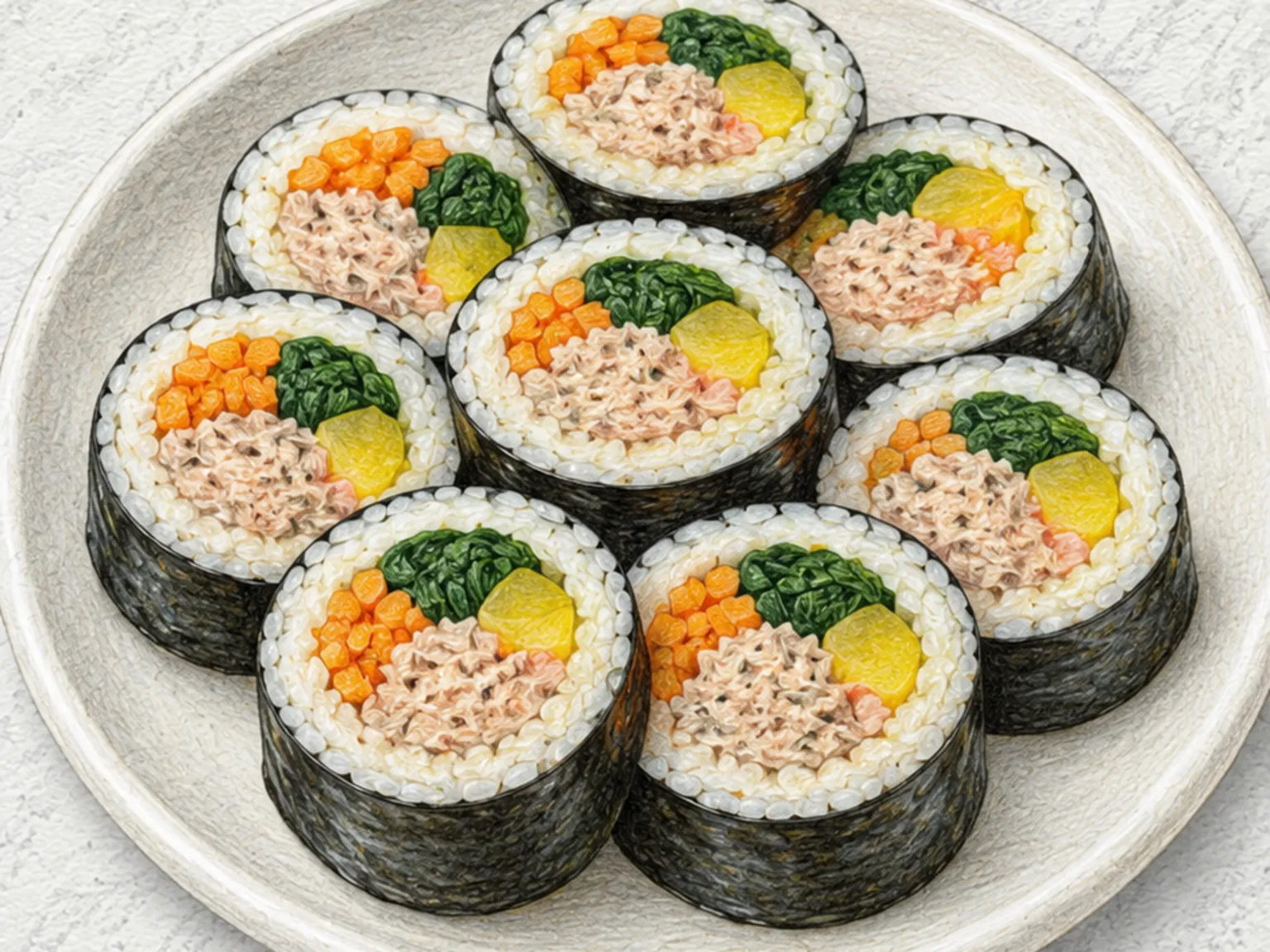
Korean Tuna Gimbap (Chamchi Gimbap)
Chamchi gimbap is a Korean seaweed rice roll filled with canned tuna mixed with mayonnaise, along with carrot, spinach, and pickled radish, all wrapped in seasoned rice and a sheet of roasted gim. The creamy tuna filling contrasts with the crisp vegetables, while the tangy pickled radish cuts through the richness and keeps each bite lively. A longtime staple in Korean lunchboxes and picnic spreads, the roll slices neatly into rounds that are easy to eat without utensils. Sesame oil brushed on the outside adds a subtle sheen and a nutty aroma. Spacing the fillings evenly before rolling ensures a clean, colorful cross-section with every cut - part of what makes well-made gimbap visually satisfying alongside the taste.
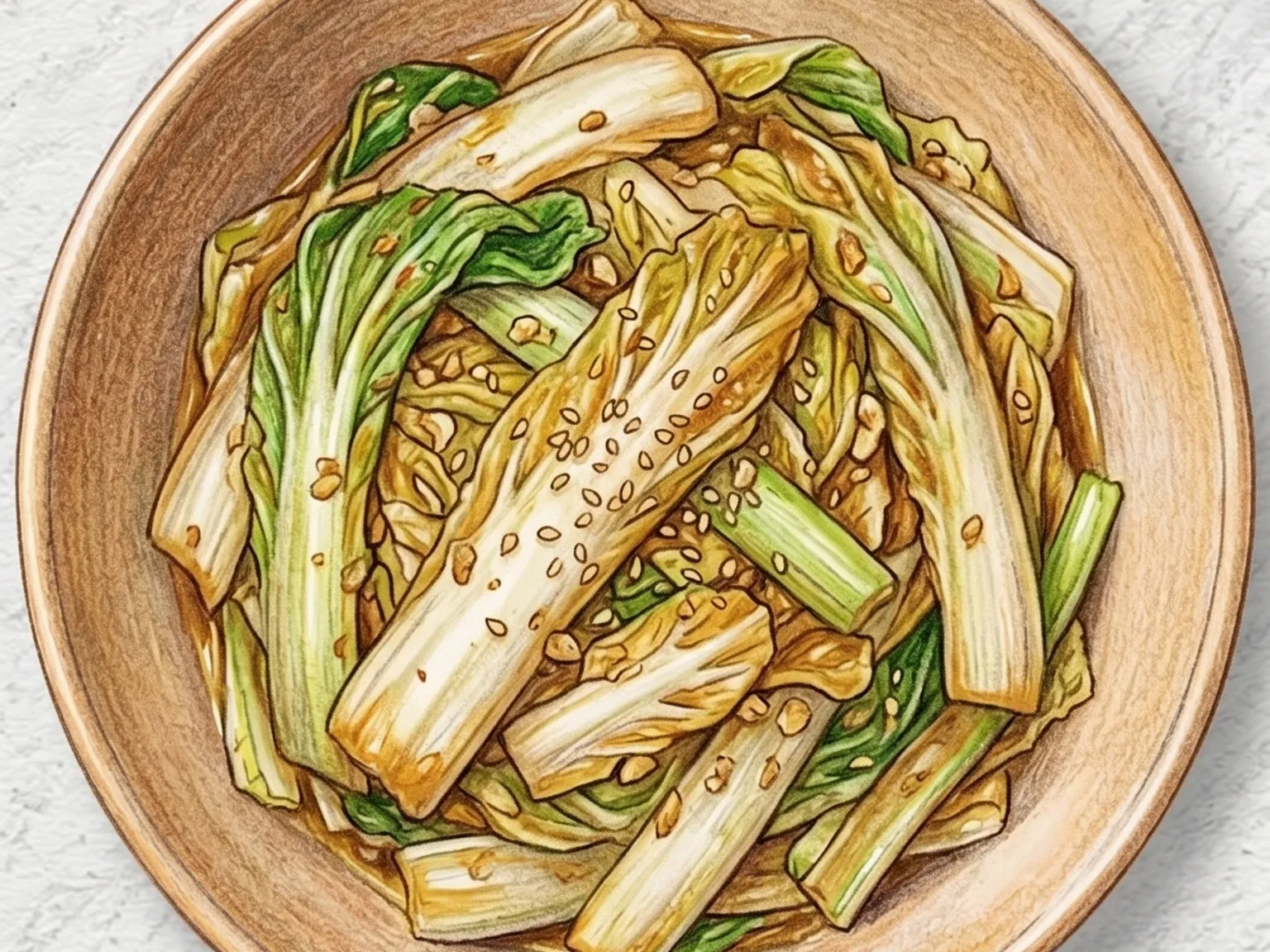
Korean Cabbage Doenjang Stir-Fry
Baechu doenjang bokkeum is a Korean home-style side dish where napa cabbage is stir-fried with doenjang (fermented soybean paste) in perilla oil. The cabbage goes into a hot pan first and is tossed until slightly wilted, then the doenjang is added and the heat lowered so the paste spreads evenly and coats every piece. Minced garlic goes in with the cabbage, its sharpness merging into the fermented depth of the doenjang as both cook together. The thicker stem sections go into the pan before the leaves to preserve their crunch, and the leafy parts follow later so they stay tender rather than limp. A final drizzle of perilla oil just before removing the pan from heat reinforces the nutty aroma, finished with a scatter of toasted sesame seeds. The seasoning is minimal, but the salty intensity of the doenjang and the natural sweetness of napa cabbage strike a balance that makes this side dish a reliable staple with steamed rice. No soup or stew is needed alongside it.
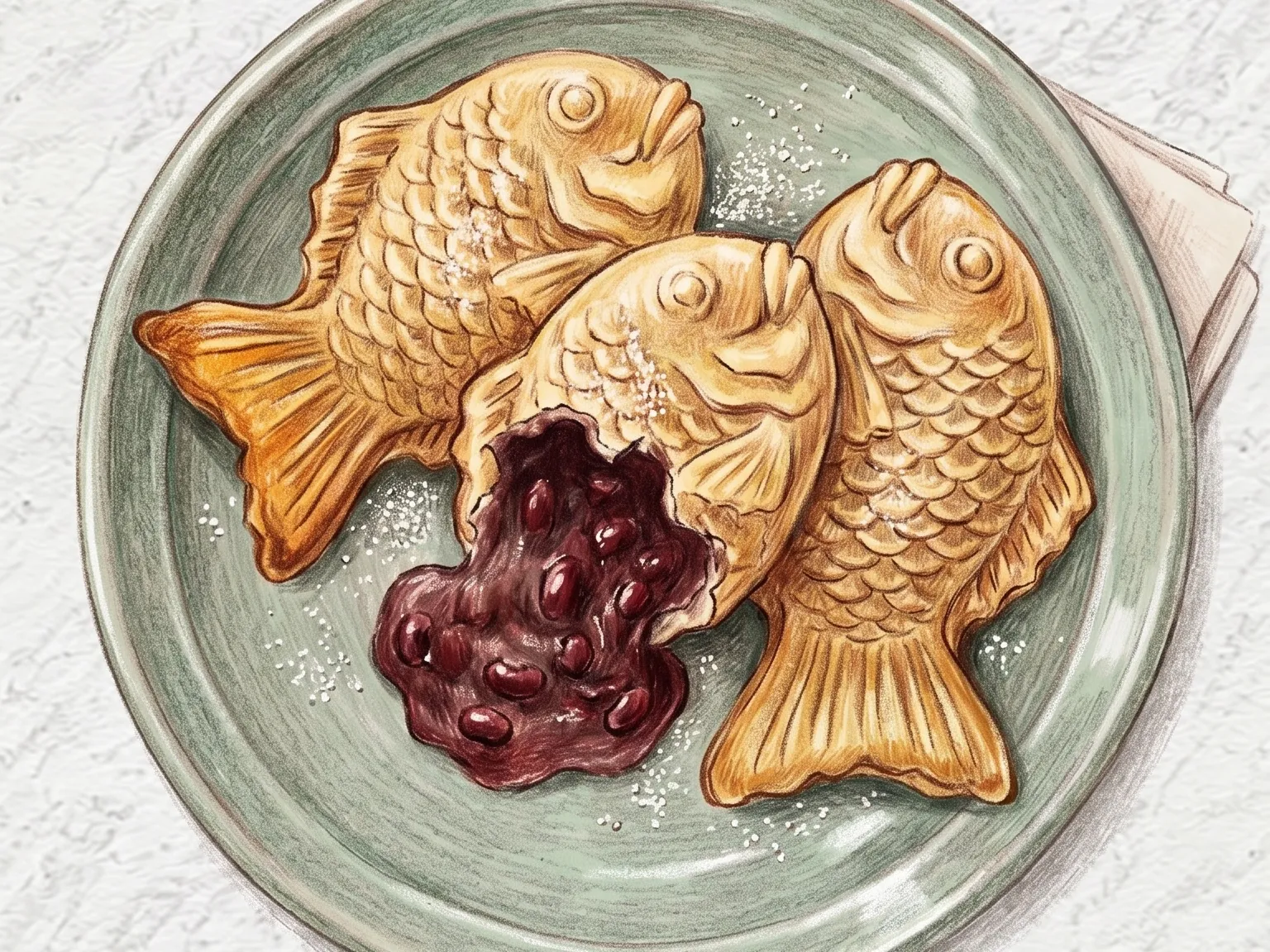
Korean Fish-Shaped Bread (Sweet Red Bean Filled Wheat Waffle)
Bungeoppang is a Korean fish-shaped pastry made by filling a heated iron mold with wheat batter and sweet red bean paste. The preheated mold creates a thin, crisp shell on the outside while the interior bakes into soft, pillowy dough cradling the dense, smooth bean filling. The red bean paste has a thick consistency that flows slowly when bitten into, delivering a concentrated sweetness. The tail section bakes crispiest because the batter layer is thinnest there, while the belly holds the largest pocket of filling - giving each part of the fish a distinct texture. A staple of Korean winter street stalls, it is eaten hot, straight from the mold.
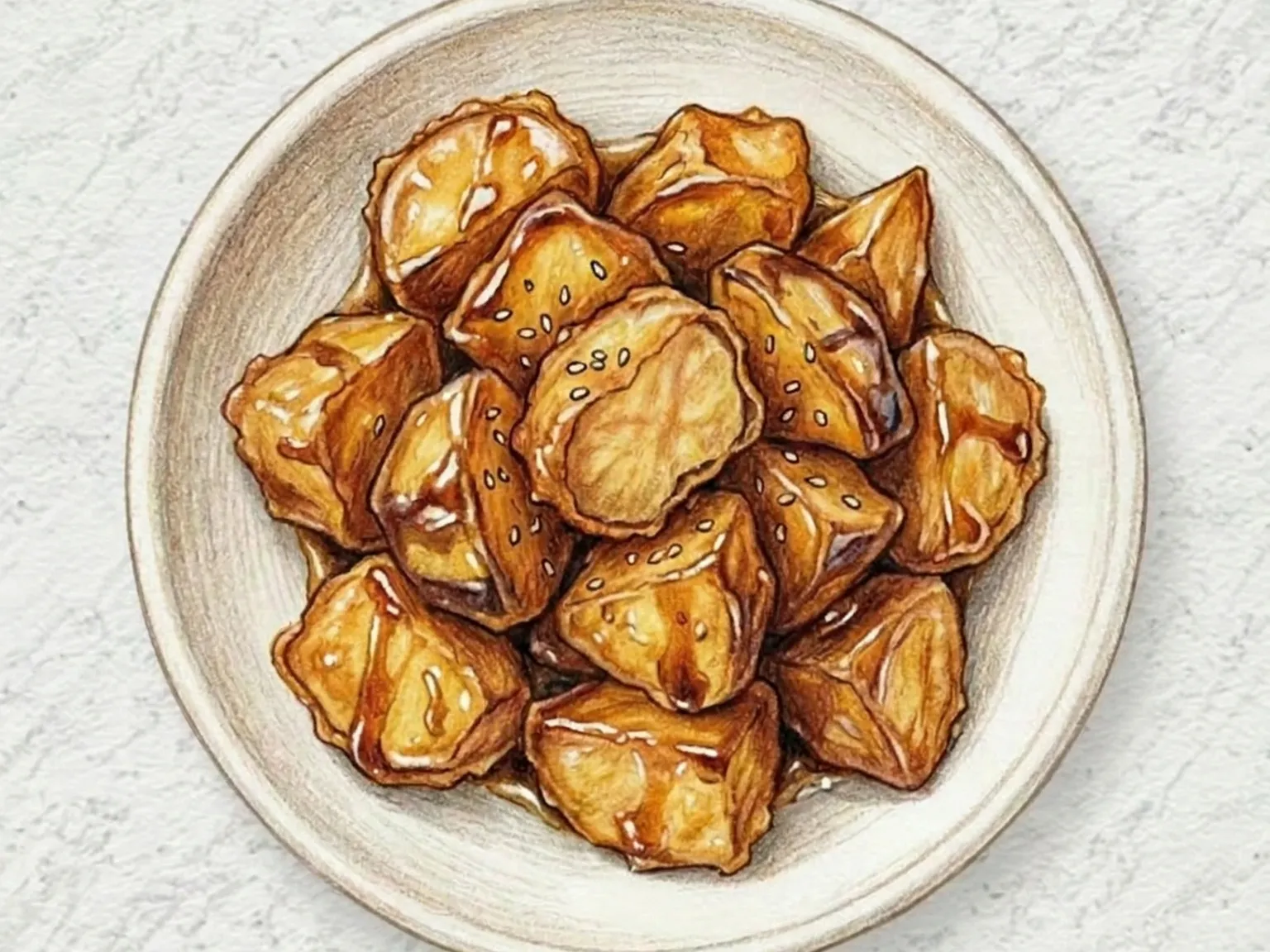
Candied Sweet Potato
Goguma mattang is a Korean candied sweet potato snack made by cutting peeled sweet potatoes into large chunks and deep-frying them at 170 degrees Celsius until the interior turns floury and soft. A syrup of sugar, corn syrup, water, and a measured splash of soy sauce is cooked separately until large, foamy bubbles form - the visual cue for adding the fried sweet potatoes. Everything must be coated within thirty seconds to lock in a thin, glass-like caramel shell that crisps and turns translucent as it cools. The soy sauce shifts the flavor from purely sweet to a rounded, slightly savory depth. Pre-draining surface moisture from the cut sweet potatoes reduces oil splatter during frying and helps the syrup grip the pieces evenly. Black sesame seeds are scattered over the finished pieces for a toasted, nutty note, and each piece is spread individually on parchment paper while still warm so they cool without sticking together.
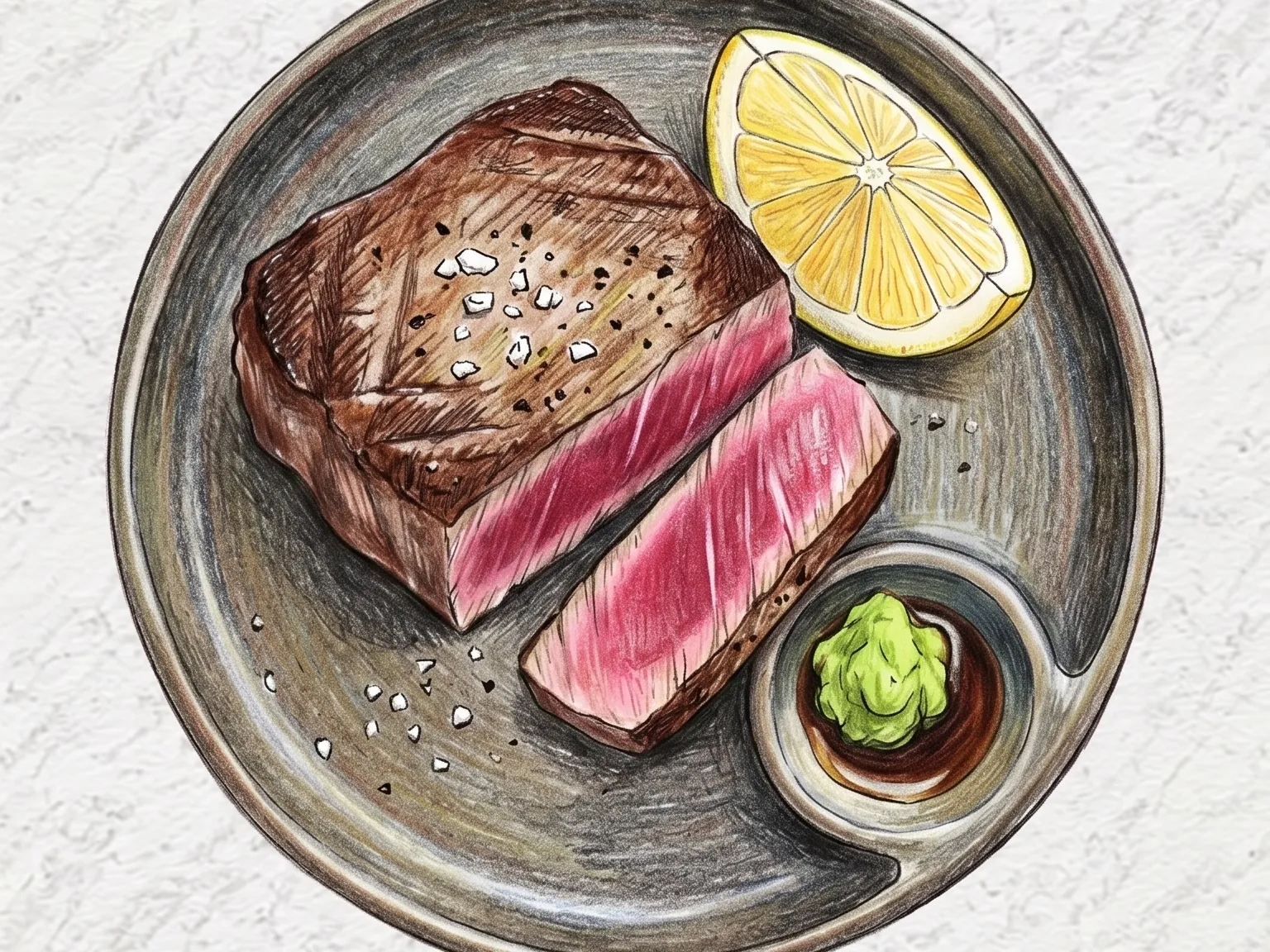
Tuna Steak
Chamchi steak is a pan-seared fresh tuna dish where a thick block of tuna is seasoned with olive oil, salt, and black pepper, then pressed onto a smoking-hot pan for under thirty seconds per side. This extreme brevity is deliberate: it produces a dark, caramelized Maillard crust on the surface while leaving the interior a vivid, translucent pink that is barely cooked through. Temperature control is the central technique - if the pan is not hot enough, the tuna releases moisture and steams rather than sears, so the oil should be at the point of just-visible smoke before the fish goes in. A squeeze of lemon at the end brightens the rich, iron-forward flavor of the raw center.
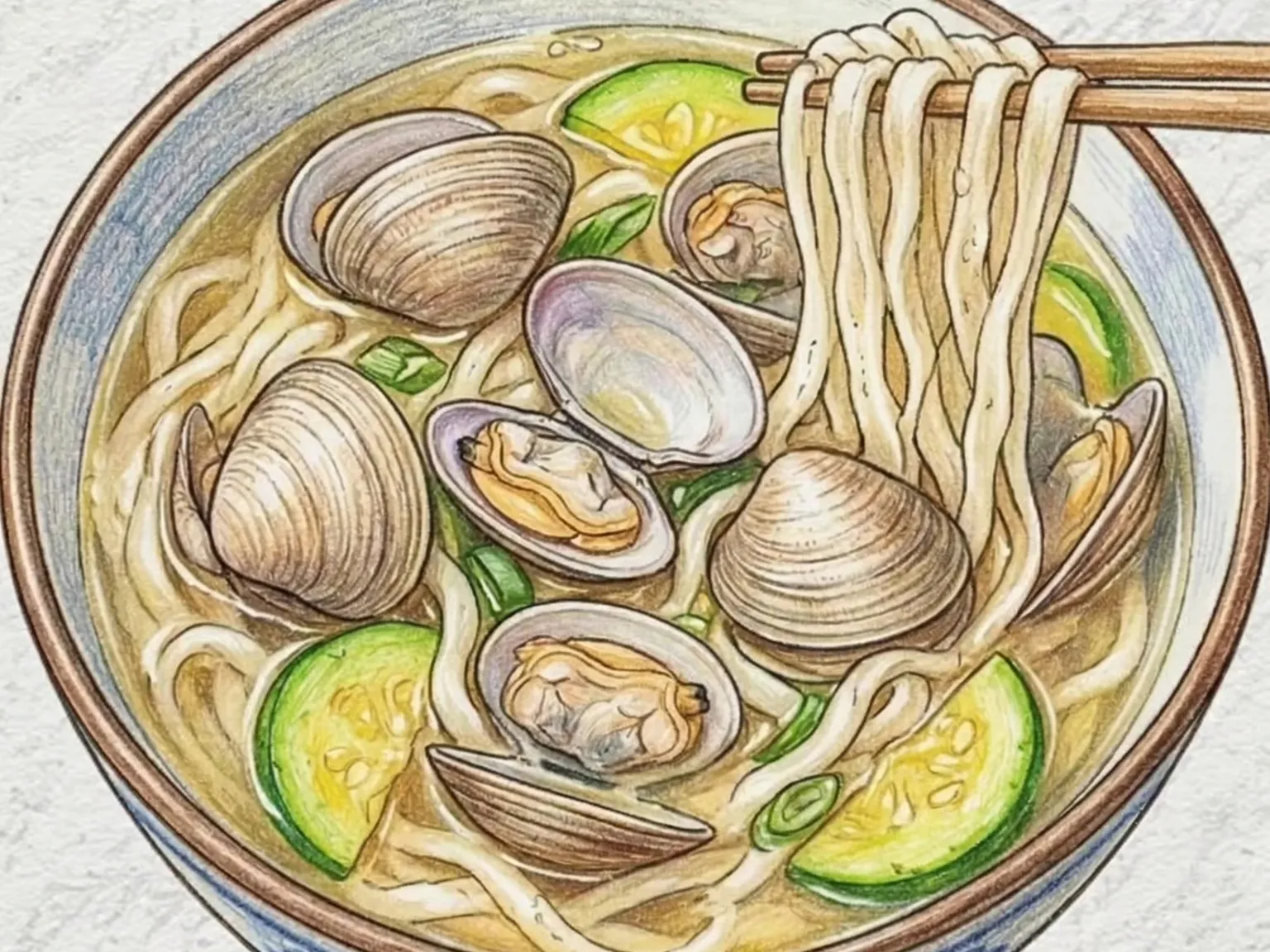
Korean Manila Clam Knife-Cut Noodle Soup
Bajirak kalguksu is a prominent Korean noodle dish that consists of wheat noodles prepared by hand and cooked in a broth made from manila clams. The process begins with the preparation of the clams, which are soaked in cold water for at least one hour. This purging stage is necessary to ensure that the clams expel any internal sand or debris before they are boiled. Once cleaned, the clams are placed in fresh water and boiled until their shells open fully. The shells are then discarded, and the resulting stock is strained through a fine cloth to remove every remaining particle of grit. This meticulous straining produces a clear broth where the natural oceanic flavor of the clams remains the primary focus. The salinity of this base is mineral and clean, which distinguishes it from the flavor profile of dashi made with dried and concentrated anchovies. Sliced Korean zucchini and scallions are added to the strained broth and allowed to simmer for five minutes. These vegetables contribute a mild sweetness that helps to soften the natural saltiness of the clam extract. When the hand-cut noodles are added to the boiling liquid, they release starch as they cook. This starch gradually transforms the consistency of the broth, making it slightly thick and viscous so that it adheres to the individual noodle strands. This specific change in texture is what separates kalguksu from other varieties of Korean noodle soup. The noodles are boiled for six to seven minutes until they become translucent, after which the reserved clam meat is returned to the pot. Seasoning with soup soy sauce is performed with caution because the clam stock already contains a high level of natural salinity. Adding an excessive amount of soy sauce can easily mask the delicate marine qualities that define the dish. The overall concentration of the broth is a direct result of the quantity of clams used and the length of the simmering process. If a more assertive flavor profile is preferred, the number of clams used in the initial stage should be increased rather than adding more external seasoning.
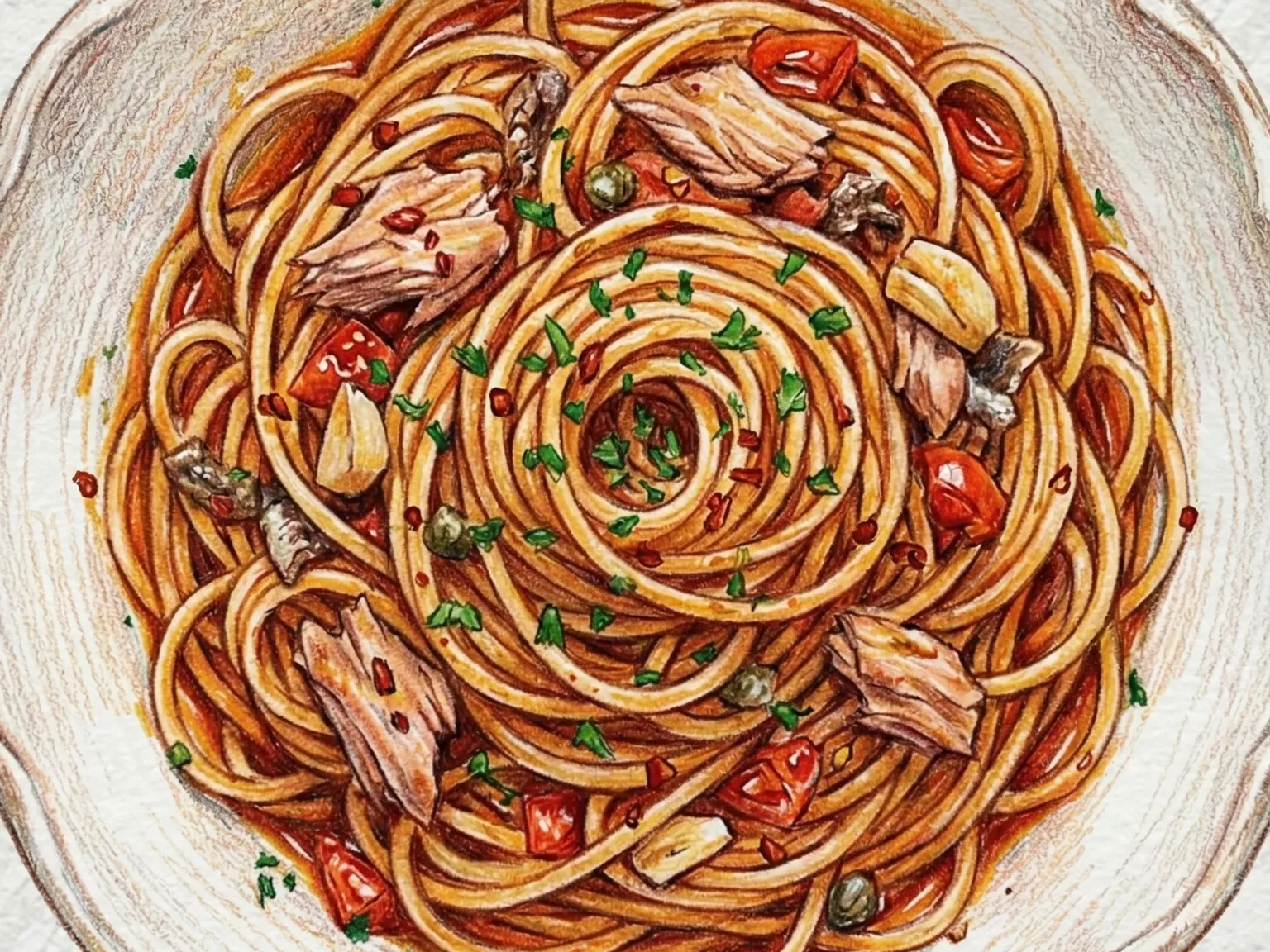
Gochu Oil Tuna Puttanesca Spaghetti
The foundation of this Gochu oil tuna puttanesca spaghetti is established by integrating the olive oil reserved from a can of tuna with a secondary portion of chili oil. This combined oil serves as the medium for sautéing sliced garlic and whole anchovy fillets over a consistently low heat. The process continues until the anchovies have fully dissolved into the warm fat, a step that allows their natural saltiness to permeate the base while eliminating any lingering traces of fishiness. Crushed tomatoes are then introduced to the pan and left to simmer for six minutes over medium heat. This period of simmering reduces the liquid content, which in turn concentrates the flavors and makes the natural acidity of the tomatoes more prominent. After this reduction, capers and black olives are added to provide distinct layers of brine and a characteristic hint of bitterness to the mixture. The solid pieces of tuna are folded in during the final two minutes of cooking. This short duration ensures that the tuna maintains its structure and provides a firm texture instead of disintegrating into the liquid. The cooked spaghetti and a small quantity of starchy pasta water are then combined with the sauce over high heat. This rapid tossing emulsifies the fats and liquids into a glossy coating that adheres uniformly to every surface of the pasta. To finish the dish, a handful of chopped parsley is scattered on top to introduce a fresh herbal quality that lightens the dense and salty profile of the sauce. Red chili flakes can be included at any stage of the process to allow for the precise adjustment of heat levels.
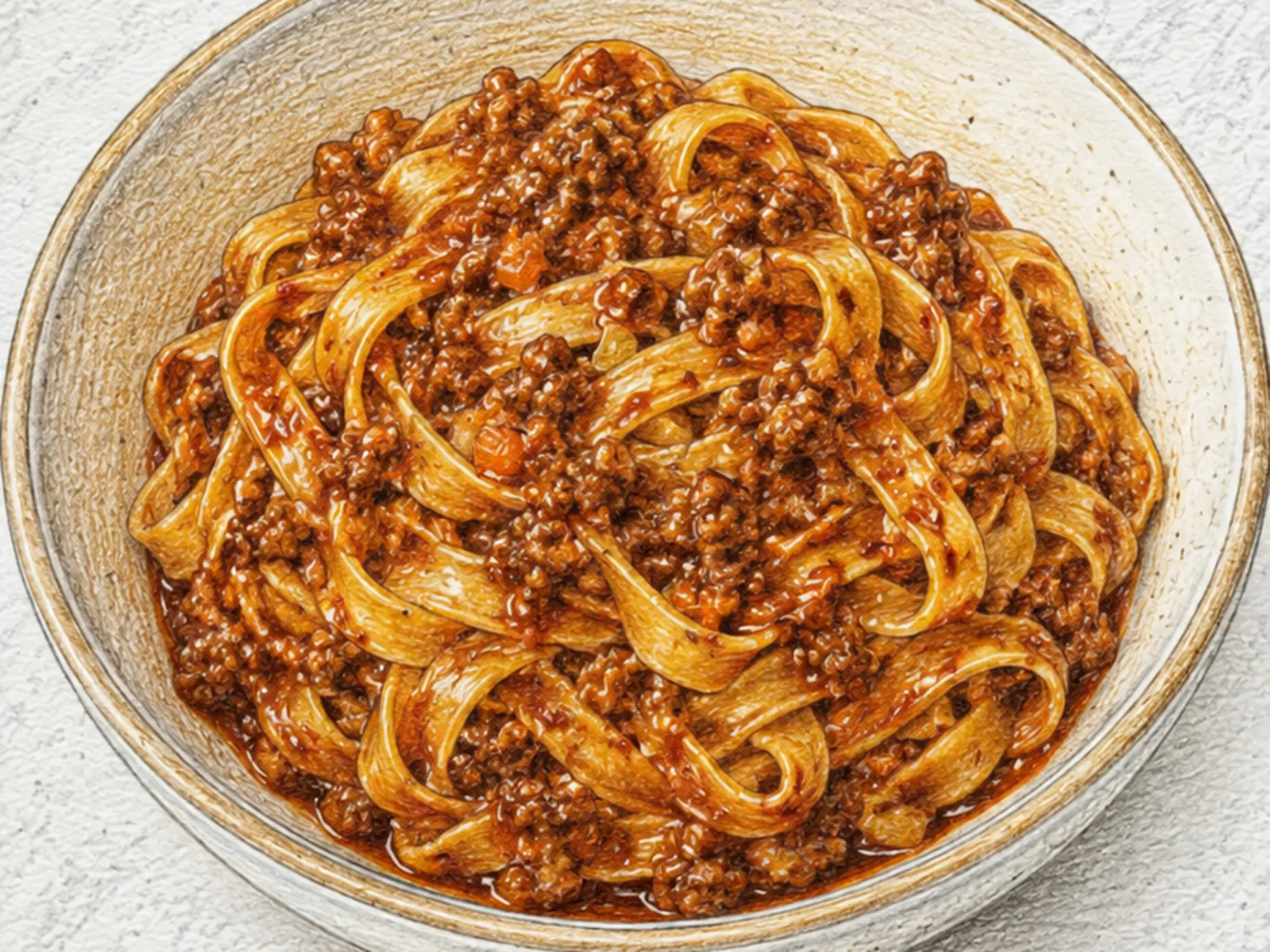
Slow-Simmered Meat Sauce Pasta
Beef ragu tagliatelle is an Italian braised meat sauce pasta built on slow cooking rather than speed. Ground beef and a soffritto of finely diced onion, carrot, and celery are cooked together in a heavy pot for ninety minutes or longer until the vegetables dissolve entirely into the sauce. Tomato paste is stirred in and caramelized during the early stages to deepen its sweetness and concentrate flavor, then red wine deglazes the pot, lifting the browned fond from the bottom into the liquid. The long, low simmer breaks the meat down into small, tender pieces suspended in a thick, glossy sauce. Wide tagliatelle ribbons are ideal here because their surface texture and broad folds trap the heavy ragu rather than letting it slide off, delivering concentrated beef flavor with every bite.
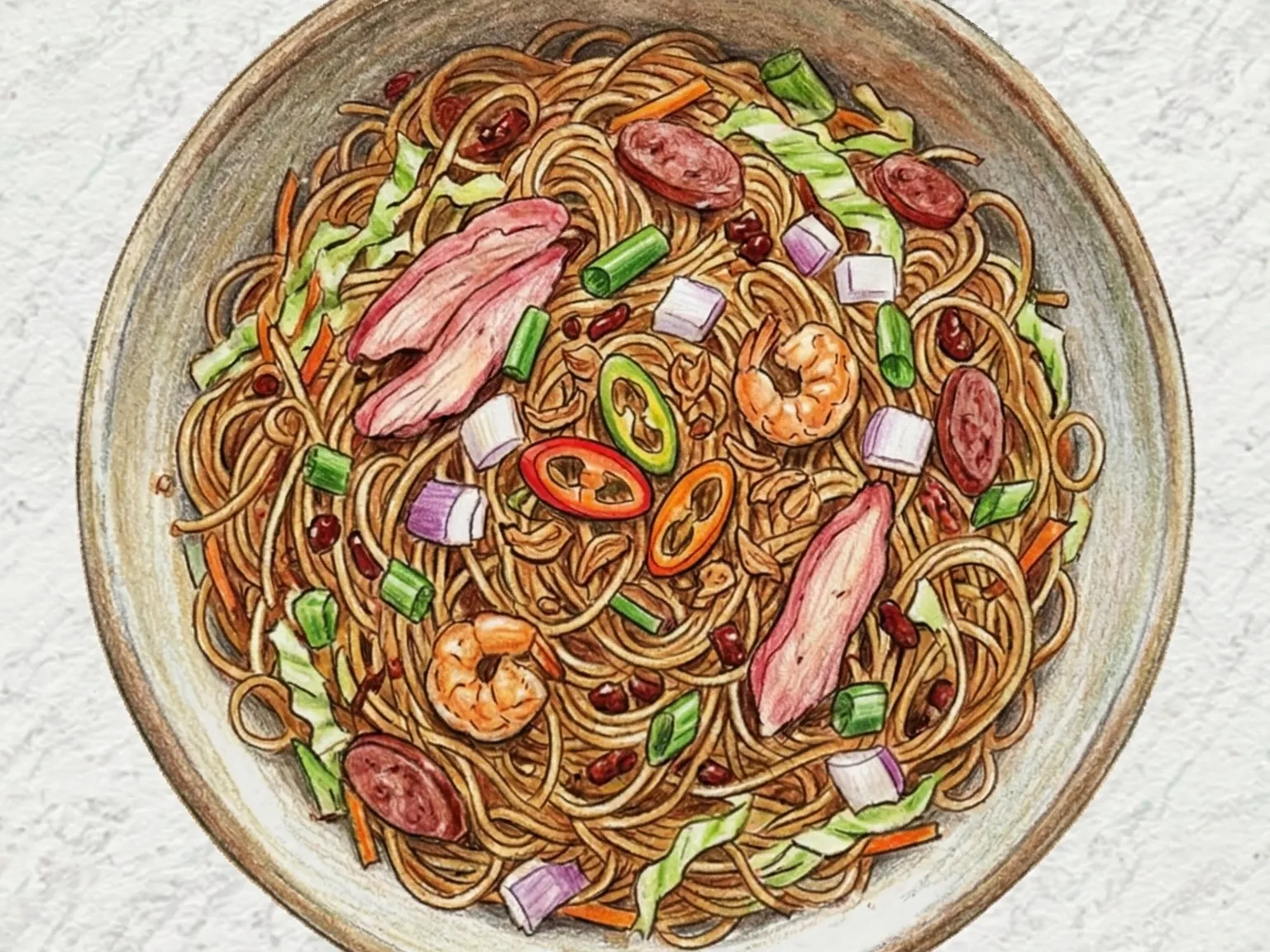
Bihun Goreng (Indonesian Stir-Fried Rice Vermicelli with Sweet Soy)
Bihun goreng is fried rice vermicelli sold at street stalls and warung throughout Indonesia and Malaysia from early morning through midnight. Thin rice noodles soaked just until pliable go into a wok heated until it smokes, alongside garlic, shallots, and a generous spoonful of sambal that sizzles the moment it hits the surface. Kecap manis, the thick Indonesian sweet soy sauce, caramelizes rapidly against the hot metal and wraps each strand in a dark, sticky glaze that is the defining characteristic of the dish. Cabbage, bean sprouts, and sliced carrot are added quickly so they retain their crunch against the softness of the noodles. The technique requires constant lifting and turning to prevent the noodles from breaking or clumping while they absorb the sauce. A fried egg laid on top, its edges lacy from being cooked in very hot oil, is the standard finish. The flavor of bihun goreng rests on four layers stacked one over another: the sweetness of kecap manis, the smokiness from the wok, the heat of the sambal, and the salt of a dash of fish sauce added at the end. The ratio shifts from vendor to vendor but the underlying structure holds across regions.
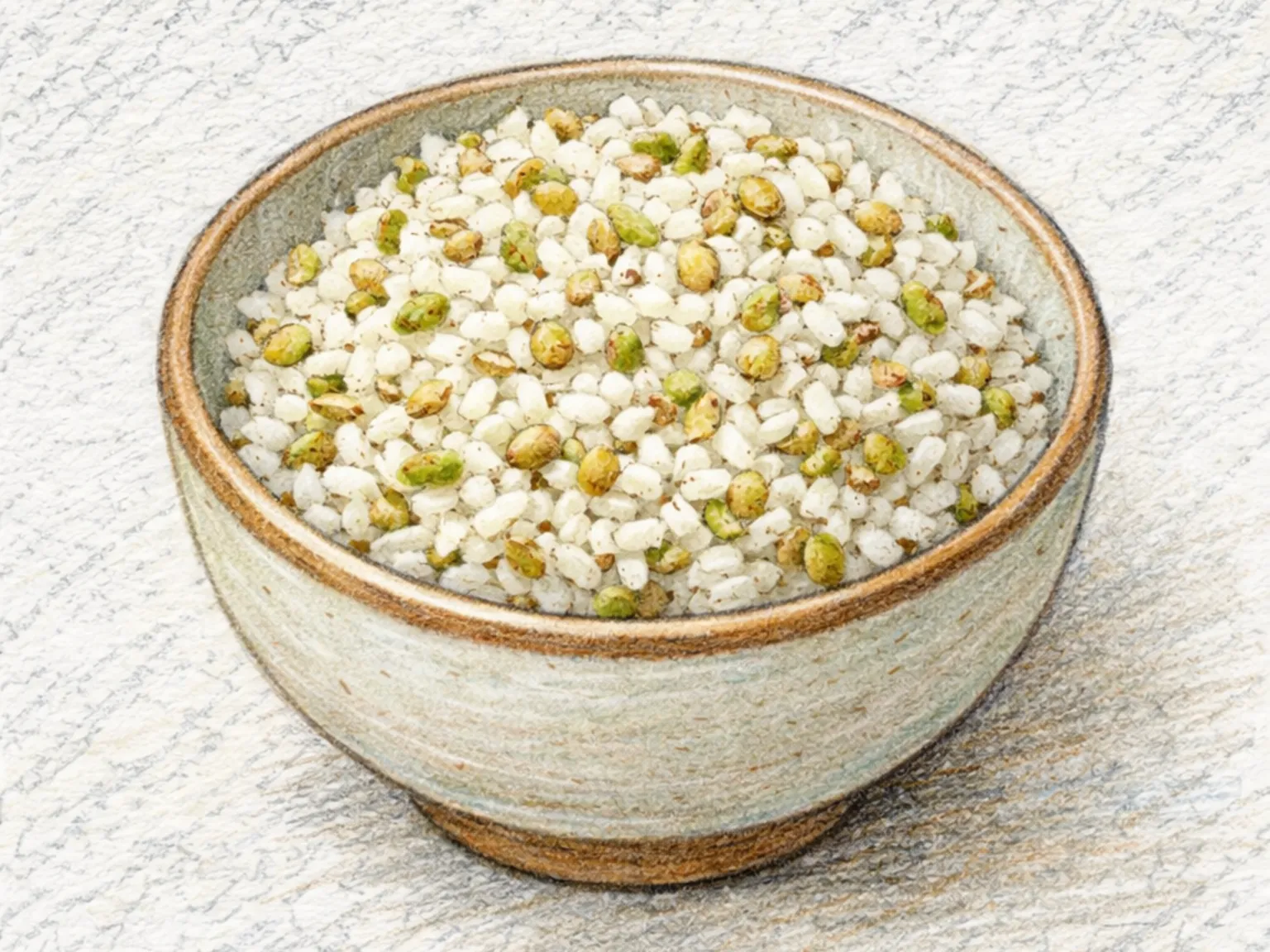
Korean Hemp Seed Rice (Nutty Protein-Rich Grain Rice)
Cheongsam bap is a Korean nutritional rice cooked with toasted hemp seeds. The hemp seeds contribute a nutty, subtly grassy aroma and a gentle popping texture that transforms plain short-grain rice into something more layered. Hemp seeds are nutritionally notable for their high plant protein content and a well-balanced ratio of omega-3 to omega-6 fatty acids, which is why they have attracted attention as a functional food in Korea. The preparation requires no extra technique beyond standard rice cooking - the seeds and a small amount of salt go in with the rice before the cooker starts. Lightly toasting the seeds in a dry pan for about five minutes before adding them deepens their fragrance noticeably compared to untoasted seeds. The finished rice pairs well with virtually any Korean side dish, and the mild, toasty flavor holds up equally well when the rice is eaten on its own as a simple, wholesome bowl.
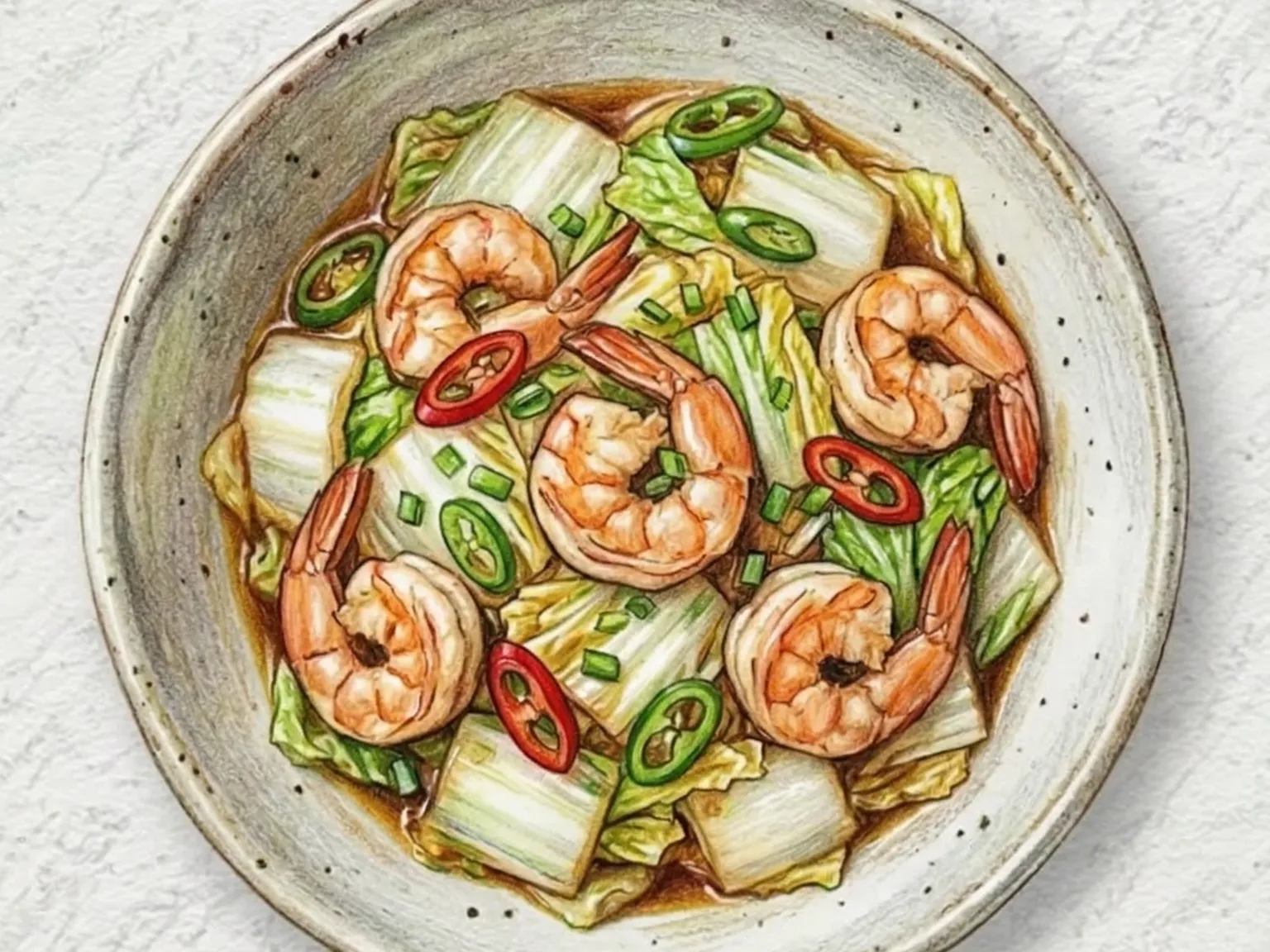
Korean Napa Cabbage Shrimp Stir-fry
Baechu saeu bokkeum is a Korean stir-fry of napa cabbage and medium shrimp seasoned with soy sauce and fish sauce. The shrimp are deveined and scored along the back so they curl attractively and absorb seasoning more readily. They go into a hot oiled pan first for thirty seconds to sear the surface, then are removed while the cabbage stems are stir-fried until slightly wilted. Soy sauce, fish sauce, and minced garlic are added along with the cabbage leaves, and the shrimp return to the pan for a final thirty-second toss so everything seasons evenly. Sliced cheongyang chili and scallion go in last for a hit of heat and freshness. The entire stir-fry stays under three to four minutes of active cooking, which preserves the crunch of the cabbage stems and the firm bite of the shrimp. The combination of soy sauce and fish sauce provides a layered saltiness that brings out the natural sweetness of both the cabbage and the shrimp.
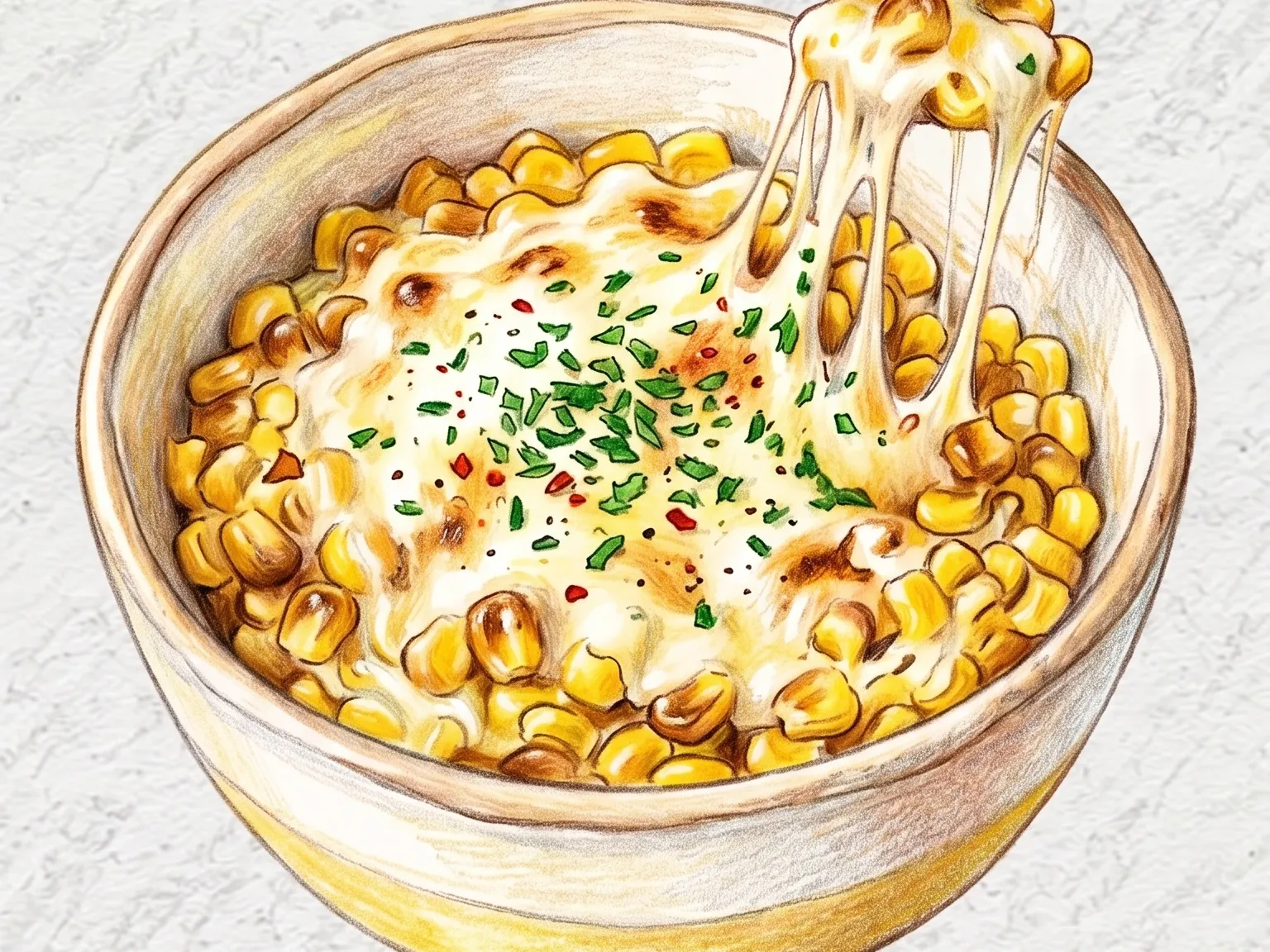
Korean Beoteo Oksusu Cup (Butter Corn Cup)
Butter corn cup is a Korean street snack made by stir-frying drained sweet corn in butter, then mixing it with mayonnaise and topping it with mozzarella in a heatproof cup before a final round of heating. Cooking the corn in butter drives off residual moisture from the canned or frozen kernels and lightly caramelizes their surfaces, concentrating the natural sweetness and adding a layer of nuttiness that plain steamed corn cannot provide. Mayonnaise coats every kernel in a creamy, slightly tangy film, while the mozzarella melted over the top creates a stretchy, gooey cheese layer that pulls apart with each spoonful. Sugar, salt, and black pepper balance the overall profile into a sweet-salty combination with just enough seasoning to keep the corn flavor central. A sprinkle of parsley adds a faint herbal note at the finish. The dish is rich from the combination of butter and mayonnaise, and mozzarella loses its stretch quickly as it cools, which makes eating it immediately out of the cup the correct approach.
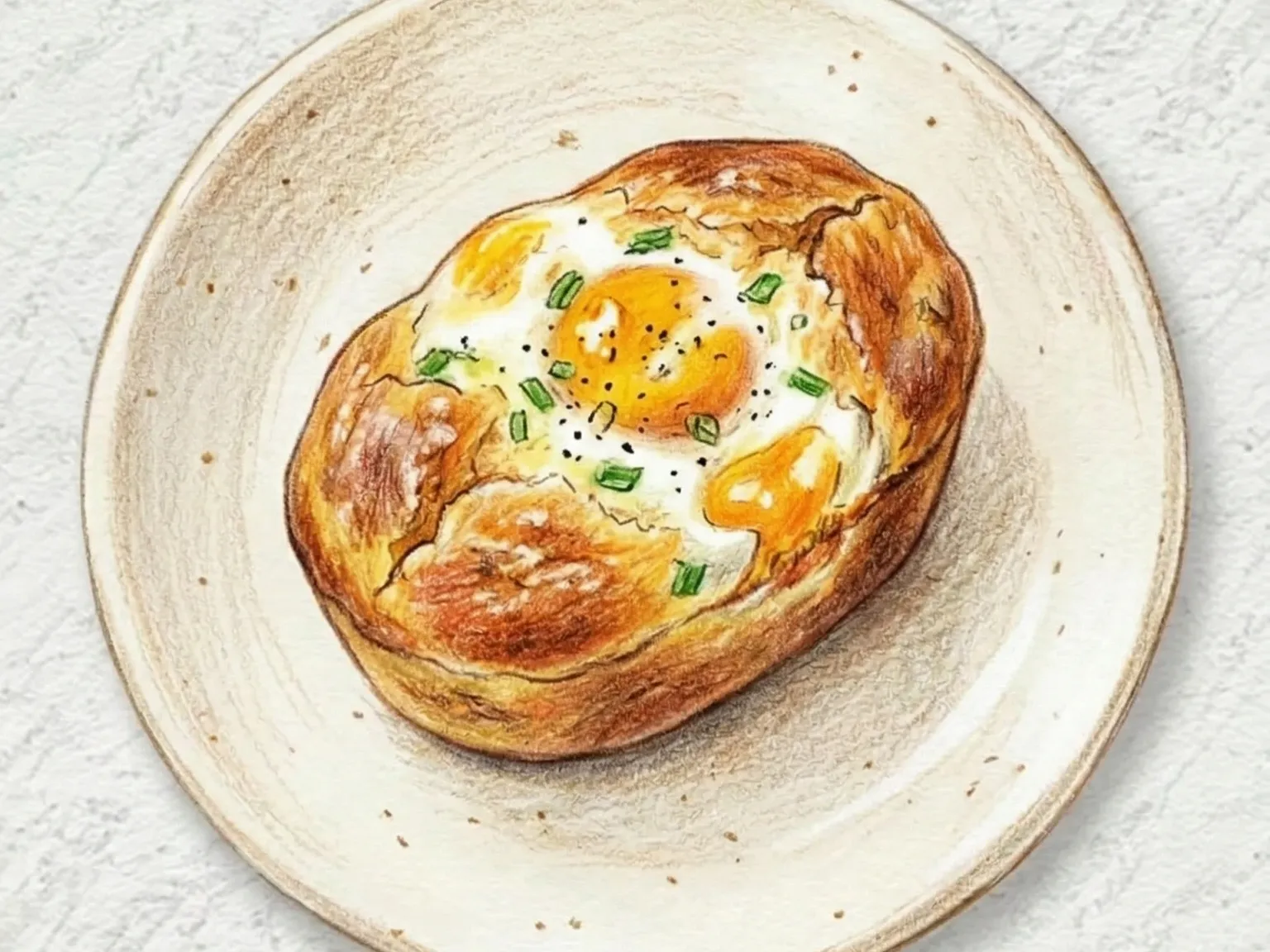
Korean Street Egg Bread (Sweet Batter Muffin with Whole Egg)
Winter streets in Seoul feature this warm handheld snack prepared by baking a whole egg atop a sweet batter. The base consists of cake flour, baking powder, milk, and melted butter poured into muffin molds. Adding a layer of finely diced ham beneath the egg creates a salty contrast against the sweetness of the dough. When baked at 180 degrees Celsius, sixteen minutes results in a soft and runny yolk, while eighteen minutes produces a firm center. Vanilla extract mixed into the batter helps neutralize the natural scent of the egg for a clean finish. A light dusting of dried parsley on the domed surface adds a subtle herbal scent as the bread turns golden in the oven. Small amounts of shredded cheese can be added to the batter to balance the sweetness. Serving the bread while it remains warm ensures the interior stays moist. This egg bread functions well as a quick breakfast option and can be made in paper muffin cups if metal molds are unavailable.
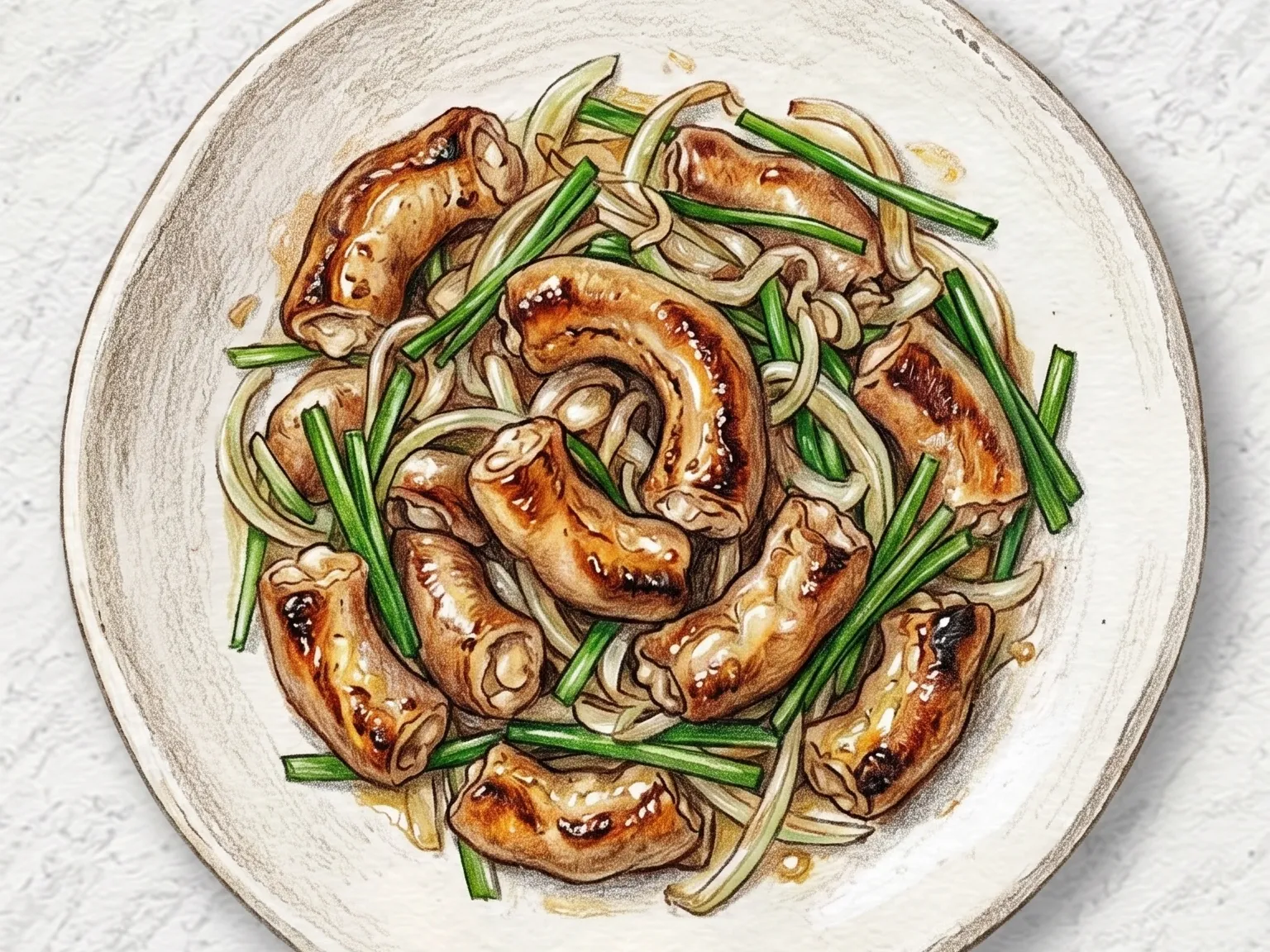
Korean Grilled Beef Daechang
Daechang-gui is Korean grilled beef large intestine, cleaned and lightly seasoned with salt, black pepper, minced garlic, and sesame oil before being seared on a high-heat pan. The thick layer of fat lining the inside of the intestine renders quickly over intense heat, and it is this fat that produces the dish's characteristic richness and crisp exterior as the outer surface browns. The fat is also the reason moderation matters: too much rendered fat left in the pan makes the finished dish greasy rather than luxuriously fatty, so blotting with a paper towel midway through cooking keeps the balance. Adding julienned onion and garlic chives at the end introduces vegetable moisture and fresh, sharp aromatics that cut through the heaviness. Daechang is one of the most sought-after cuts at Korean gopchang restaurants, where it is cooked tableside on a grill and eaten immediately - because the intestine tightens and toughens as it cools, eating it directly off the heat is the only way to catch it at its best. Soju or cold beer alongside is standard, and the contrast between the fatty meat and the cold, clean drink is a central part of the experience.
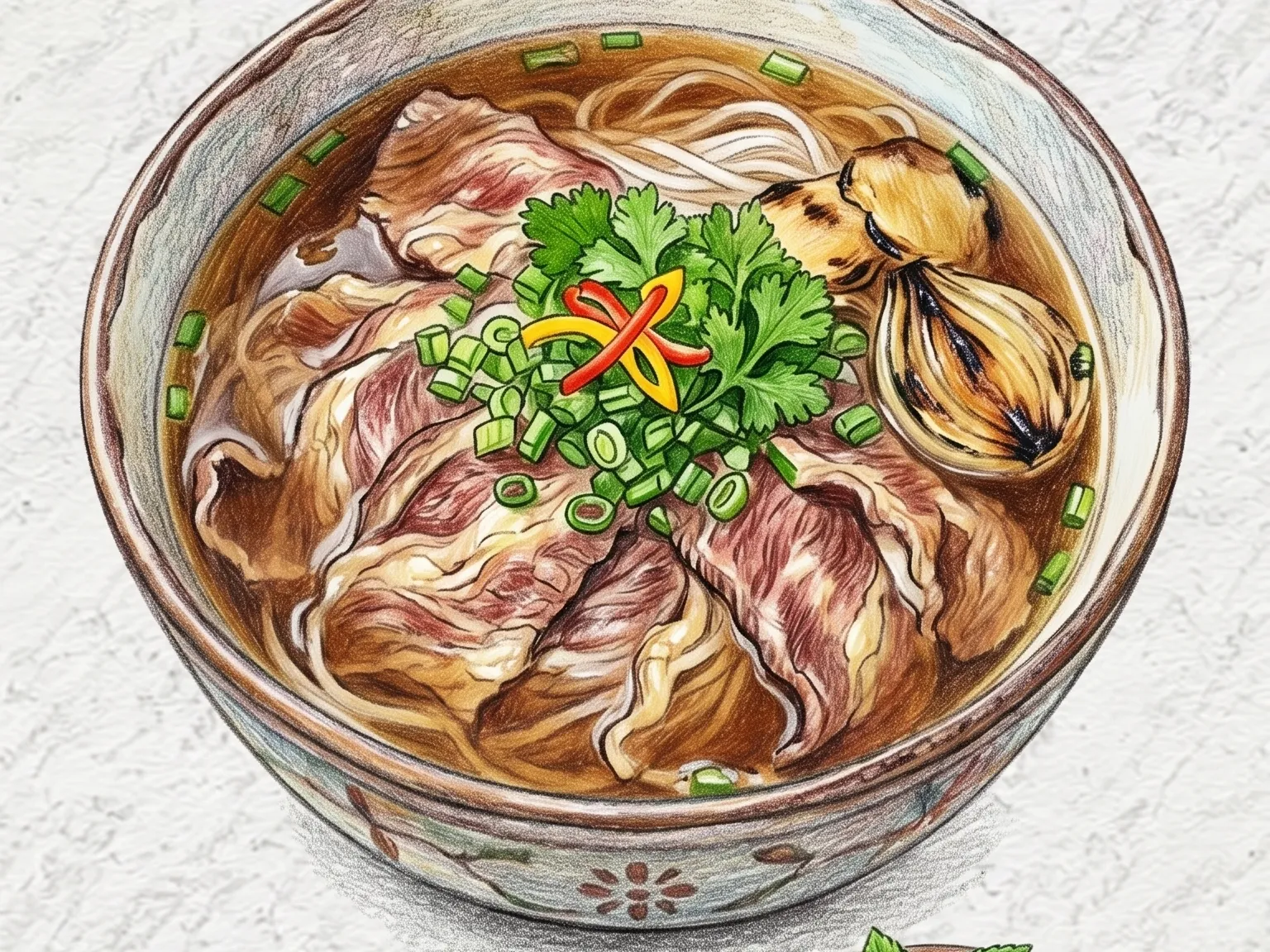
Beef Brisket Pho Guksu (Charred Ginger Beef Rice Noodle Soup)
Beef pho guksu is a Vietnamese-style rice noodle soup that pairs the clean, sweet depth of charred-onion-and-ginger broth with thin slices of Korean chadolbaegi brisket. The broth starts with dry-charring whole onion and ginger directly in a pan until the surfaces blacken. This step burns off the raw pungency and draws out a caramelized sweetness that defines the soup's aroma. Fish sauce and a measured amount of sugar season the strained broth, producing a full-flavored liquid that finishes clean. To cook the brisket, the boiling broth is poured directly over the thinly sliced meat in the bowl, allowing gentle heat to set the beef while leaving it tender and slightly pink. Bean sprouts, cilantro, and lime wedges arrive on the side so each person adjusts freshness and acidity to taste, following Vietnamese table tradition. The marbled fat in Korean brisket adds a richer body to the broth than standard pho, making this a distinct take that sits between Korean gomtang and Vietnamese pho.
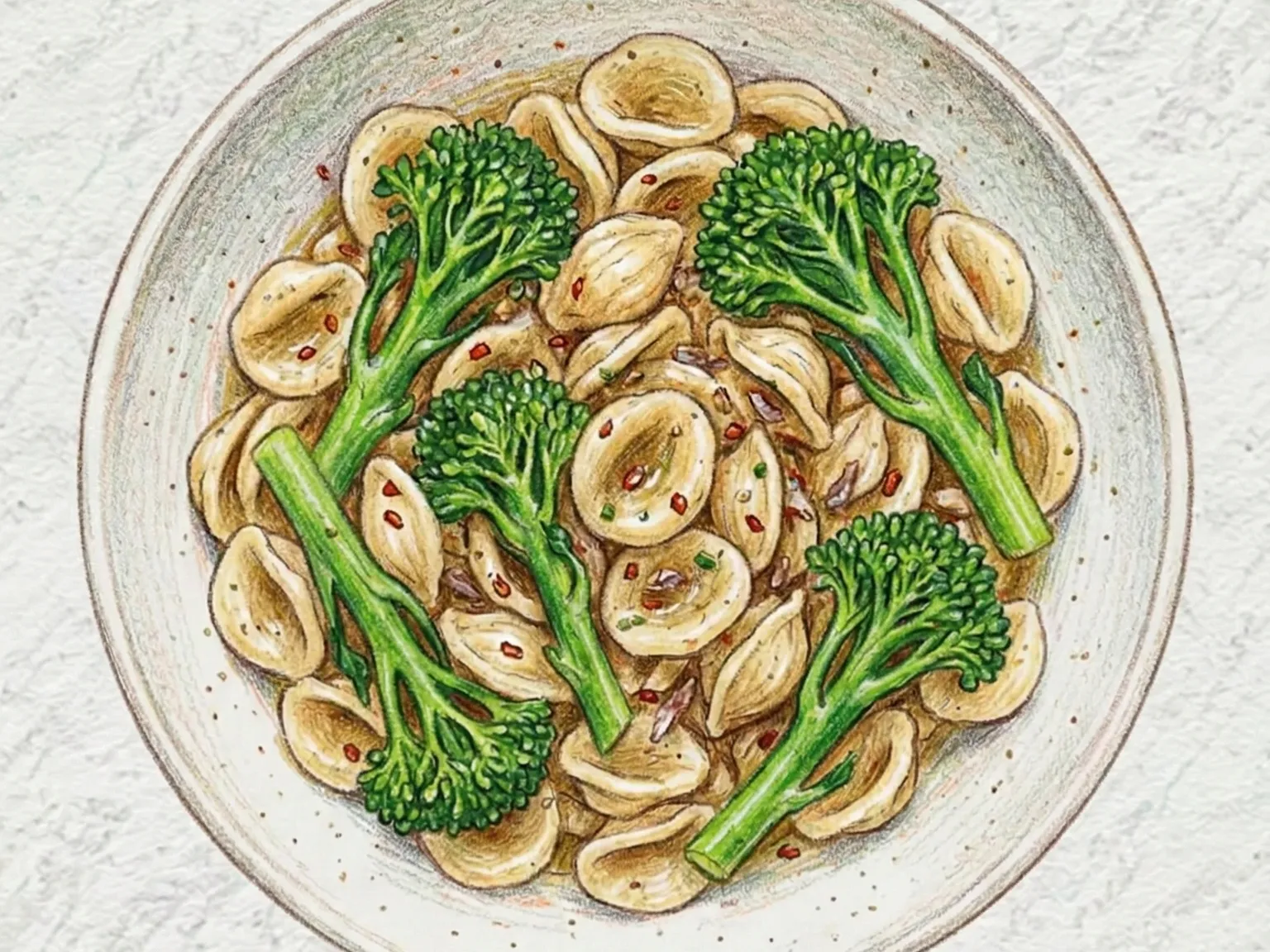
Gochugaru Anchovy Broccolini Orecchiette
Gochugaru anchovy broccolini orecchiette uses anchovy fillets dissolved in olive oil as the flavor foundation. The fillets go into the pan with garlic over low heat and are stirred continuously until they break apart and disappear into the oil, leaving behind deep salinity without any trace of fishiness. Korean red pepper flakes are added next and fried in the anchovy oil for twenty seconds so their aromatic compounds are released into the fat without scorching. The tomato sauce goes in immediately after and simmers for three minutes to cut its raw acidity against the rich oil base. Broccolini is blanched directly in the pasta cooking water during the final two minutes of boiling, which saves a separate pot and keeps the florets just crisp with a slightly bitter edge intact. Breadcrumbs toasted separately in a dry pan until golden are scattered over the plated pasta for crunch, since orecchiette's small ear shape traps sauce inside but offers a soft bite throughout. A squeeze of lemon juice is added off the heat to cut through the oil and brighten the plate. Parmesan shaved over the top adds a final layer of sharp saltiness.
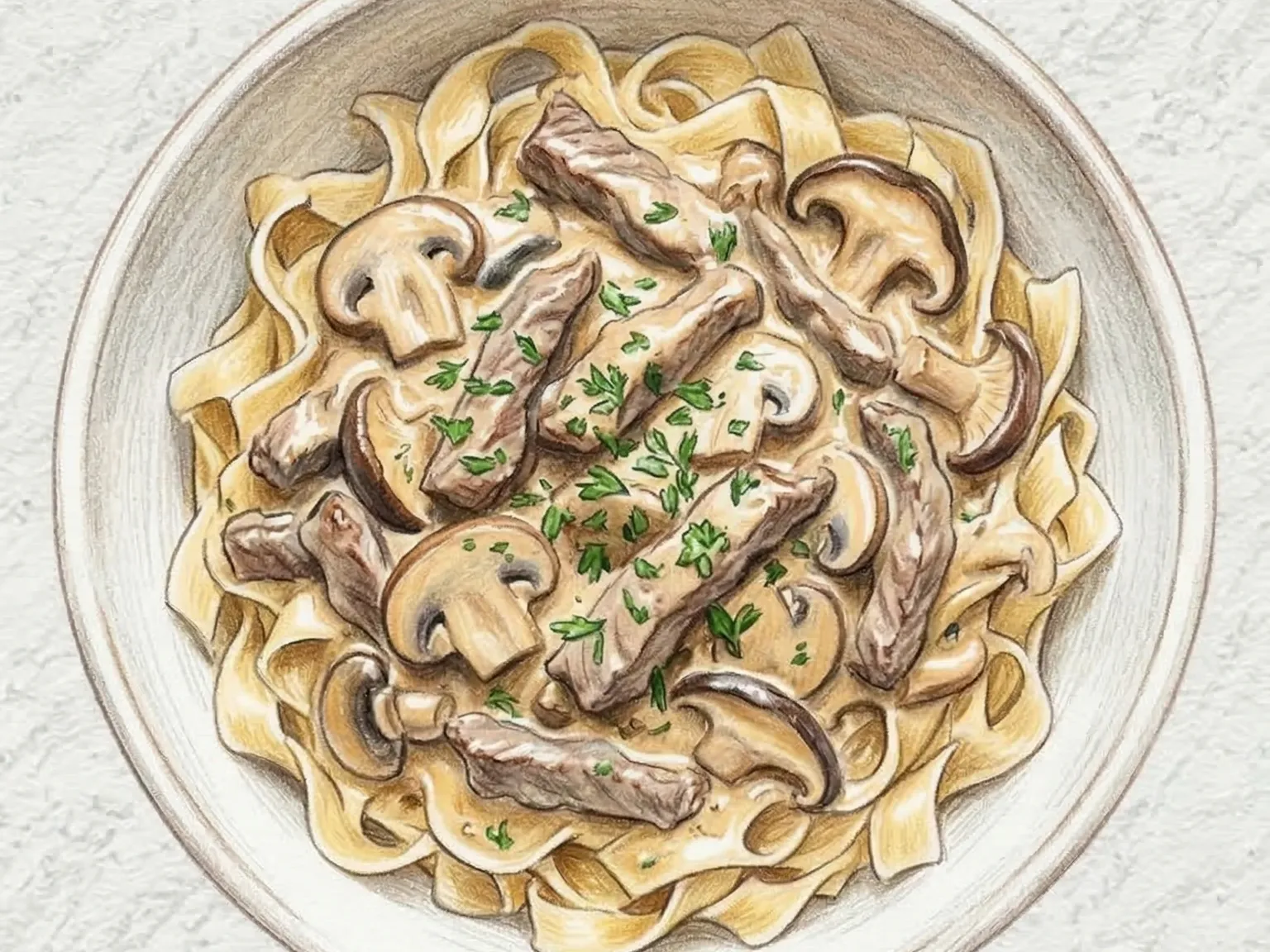
Beef Stroganoff
Beef stroganoff sears thin strips of sirloin over high heat just long enough to brown the surface while keeping the interior pink and tender, then folds them into a pan sauce built from sauteed mushrooms, onions, and sour cream. The mushrooms must cook until properly browned in the pan, not just softened, to lose their excess moisture and concentrate their savory depth alongside the beef. Sour cream is stirred into the hot pan drippings at the end, transforming them into a sauce that is simultaneously creamy and subtly tangy without curdling. A touch of mustard sharpens the finish without announcing itself. Spooned over egg noodles or mashed potatoes, the cream sauce soaks into the starch below, pulling every element of the plate together into a rich, cohesive meal that traces its origins to nineteenth-century Russian cuisine.
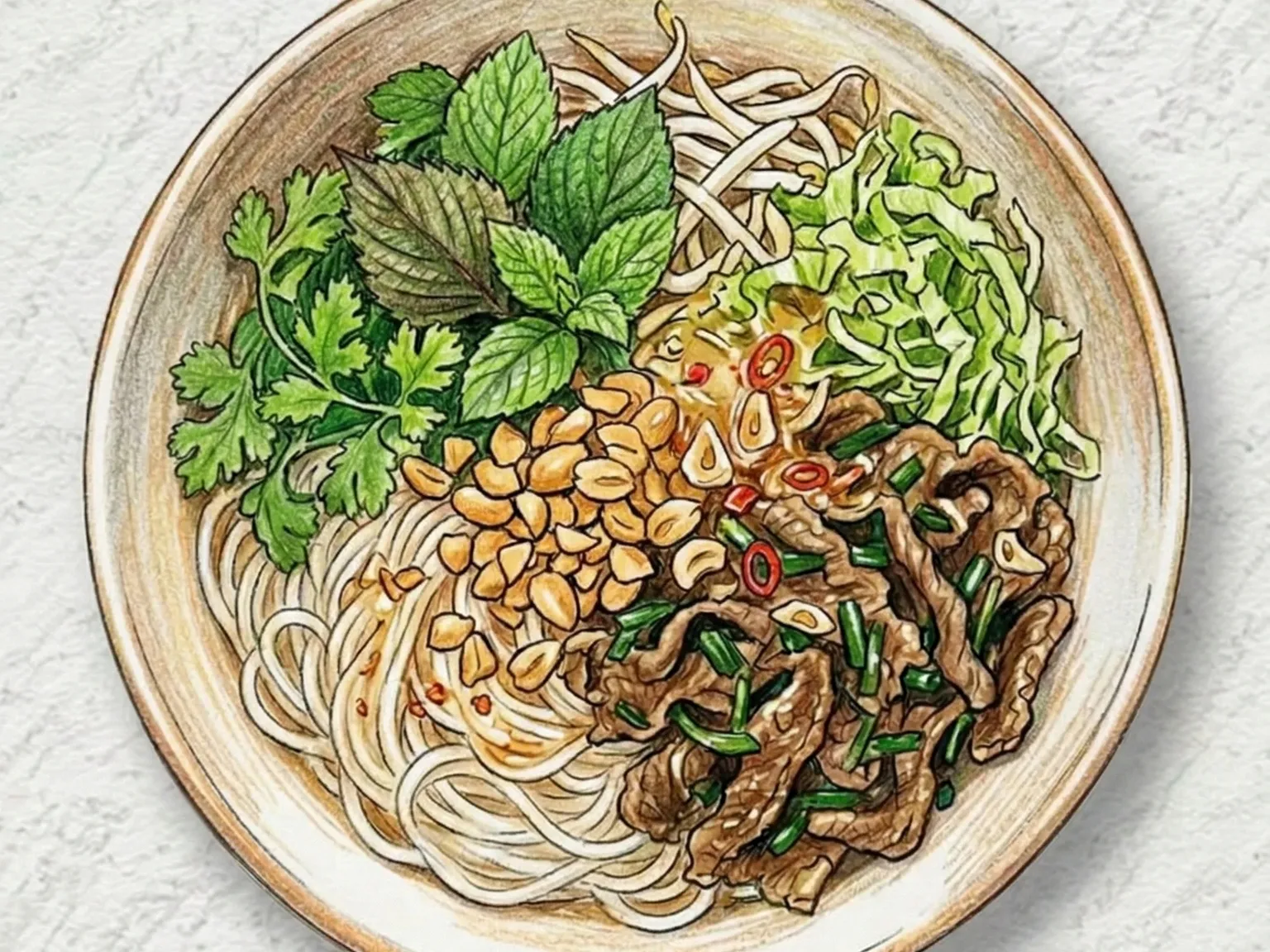
Bun Bo Nam Bo (Vietnamese Dry Beef Noodle Bowl with Herbs)
Bun bo nam bo - literally 'southern beef noodles' - is a Hanoi take on southern Vietnamese flavors, assembled as a dry noodle bowl rather than a soup. The dish layers cold rice vermicelli with stir-fried beef marinated in lemongrass and garlic, then tops it with a generous pile of fresh herbs: cilantro, Thai basil, mint, and perilla. Crushed roasted peanuts and fried shallots scatter on top, contributing crunch and a background sweetness. The binding element is nuoc cham - the sweet-sour-salty-spicy sauce built from fish sauce, lime, sugar, garlic, and chili - poured over and tossed through at the table. The beef is seared on maximum heat for under a minute so it stays medium-rare inside while the lemongrass marinade caramelizes along the edges. The pleasure of the bowl is in its temperature contrasts: cold noodles, cold herbs, warm beef, and room-temperature sauce all meeting in each chopstick-lifted tangle. Found on nearly every street in Hanoi's Old Quarter, it is the reliable lunch for office workers who return to their preferred stall day after day.
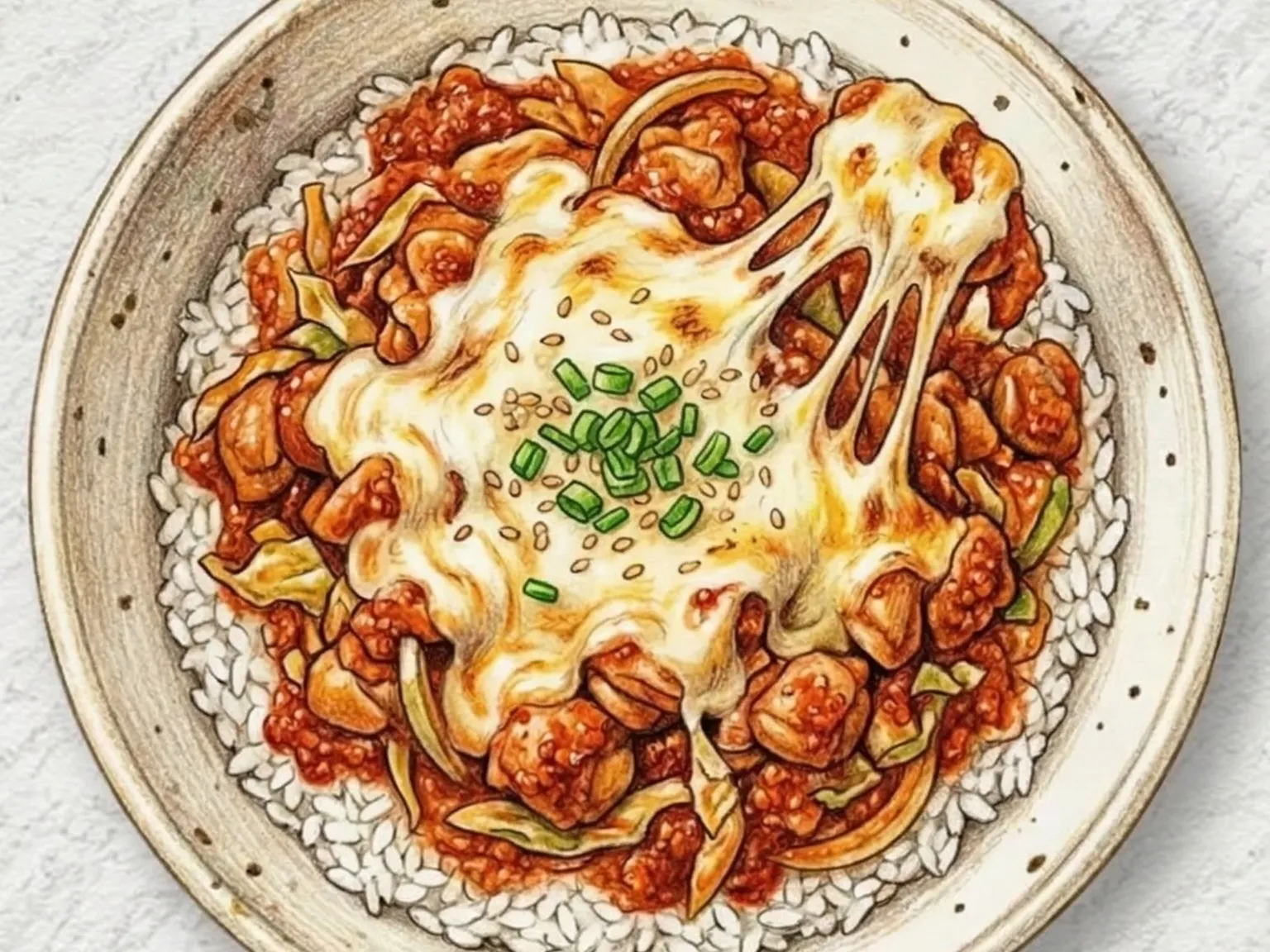
Korean Cheesy Dakgalbi Rice Bowl
Cheese dakgalbi deopbap is a rice bowl built on the flavors of Chuncheon-style spicy chicken stir-fry, finished with a blanket of melted mozzarella. Chicken thighs are marinated in gochujang, gochugaru, soy sauce, and sugar for at least thirty minutes, then stir-fried in a ripping-hot pan with rough-cut cabbage and onion until the sauce reduces and coats every surface. The heat must be high enough to evaporate moisture quickly; if the pan is too cool, the ingredients steam and the sauce turns thin. Thigh meat stays moist throughout cooking because of its higher fat content, making it far more forgiving than breast meat in a fast stir-fry. Cabbage cooked at high heat for a short time keeps enough crunch to stand against the richness of the cheese and sauce. Mozzarella laid over the top melts in the residual heat into long, stretchy strands that soften the chili sharpness with every bite. The whole dish comes together in under fifteen minutes with pantry staples, which makes it a natural choice for a quick solo dinner or late-night meal.
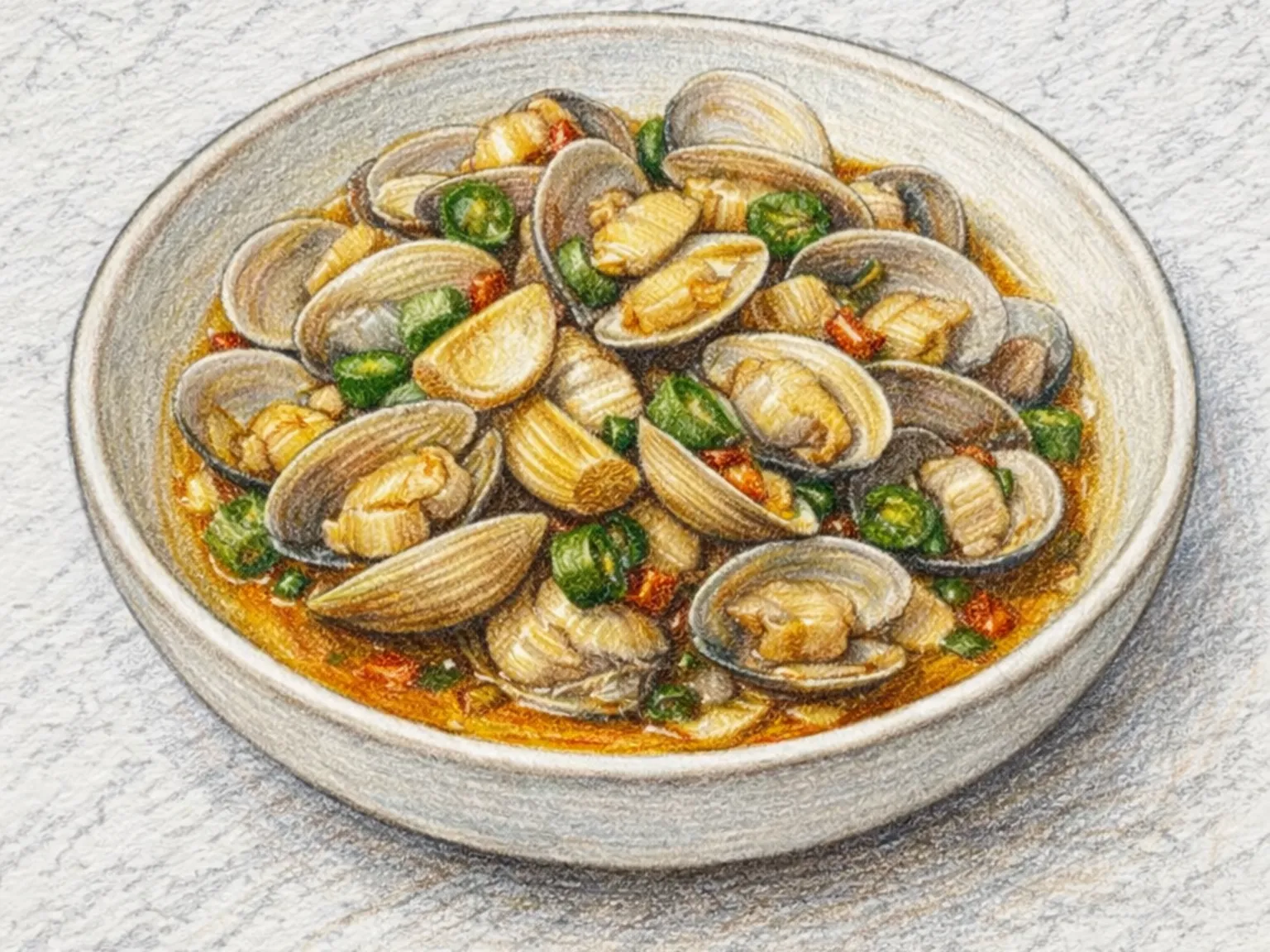
Korean Clam Stir-Fry (Manila Clams with Butter, Garlic and Chili)
Bajirak bokkeum is a Korean clam stir-fry where purged manila clams are cooked quickly over high heat with butter, garlic, and cheongyang chili. Thorough purging in salted water beforehand removes all sand and prevents grit from appearing in the finished dish. Rice wine goes in first with the lid closed, so the alcohol steam helps the clams open rapidly while eliminating any lingering briny or muddy off-notes. Once the shells open, butter is added and emulsifies naturally with the released clam juices, building a salty, savory sauce without any additional effort or thickening agent. Generous sliced garlic infuses the butter sauce with depth as it cooks, and the cheongyang chili introduces a bright, sharp heat that prevents the richness from becoming too heavy. A small measure of soy sauce adjusts the final seasoning, though it must be kept minimal because the clams already contribute their own pronounced salinity. Scallion is tossed in at the very end for a clean, herbal finish before the pan comes off the heat. Total cooking time must stay within three to four minutes: beyond that window, the clam meat contracts, toughens, and loses its tender, juicy texture entirely. The sauce left in the pan after eating is intensely concentrated with shellfish flavor and pairs exceptionally well with crusty bread for soaking up every last drop. The dish works equally as a drinking snack alongside beer or as a side with steamed rice, and frozen manila clams produce reliably good results when fresh ones are unavailable.
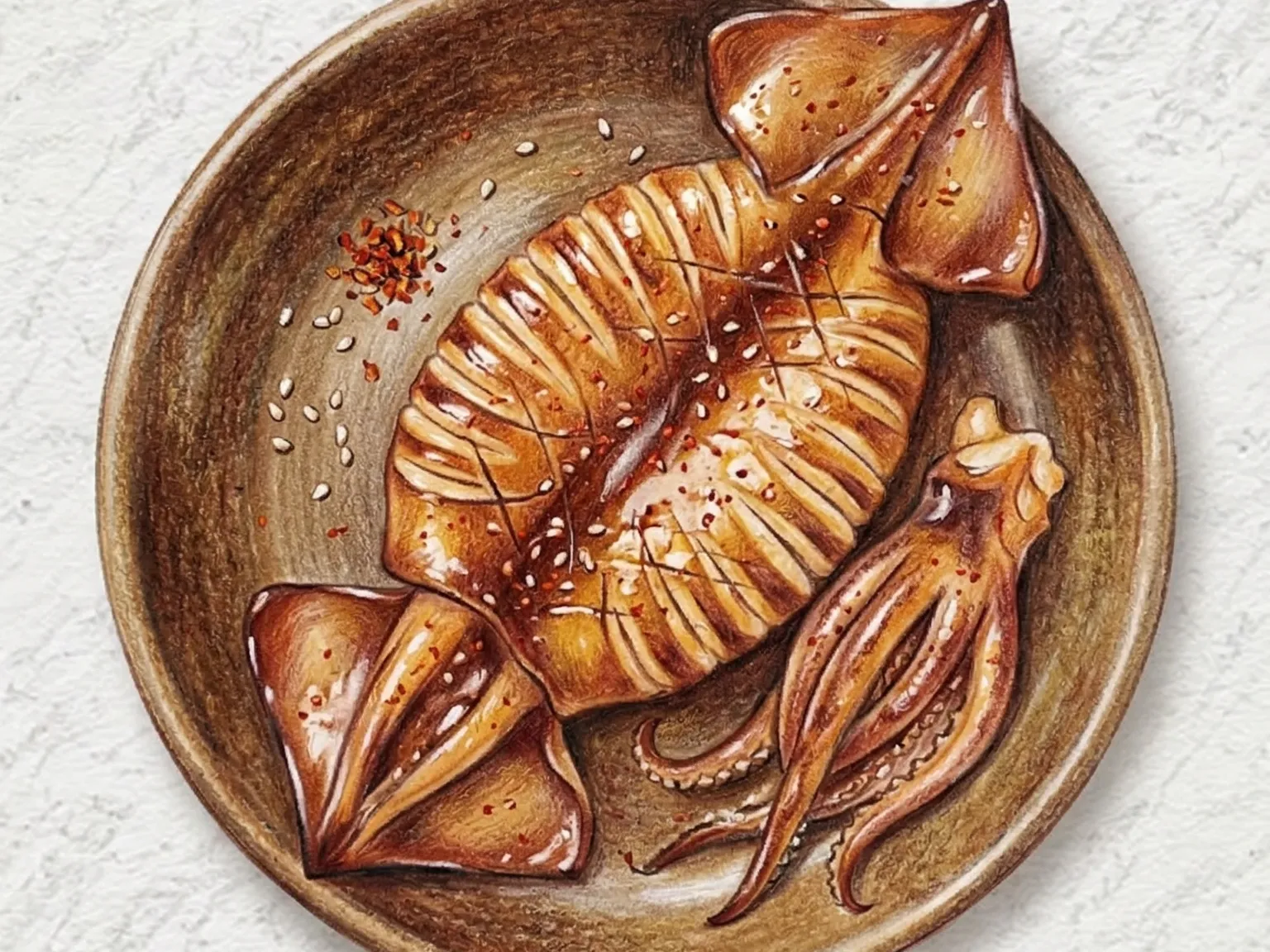
Korean Beoteo Ojingeo Gui (Butter Grilled Squid)
Butter ojingeo gui is a Korean street snack of semi-dried squid scored with shallow cuts, seared in butter on a flat iron griddle, then coated in a glaze of soy sauce, oligosaccharide syrup, and gochugaru. Semi-dried squid has less moisture than fresh and a more concentrated chew, which means it develops a toasty crust from the butter quickly without steaming through. The scoring allows the glaze to penetrate into the flesh rather than sitting only on the surface. Over high heat, the soy-and-syrup mixture caramelizes fast, coating the squid in a glossy, sweet-salty lacquer. Gochugaru adds a round, lingering heat at the finish. A scatter of sesame seeds goes on last, releasing a nutty aroma with each bite. The combination of butter richness, soy glaze, and chile heat has made this one of the most recognizable items at Korean pojangmacha stalls.
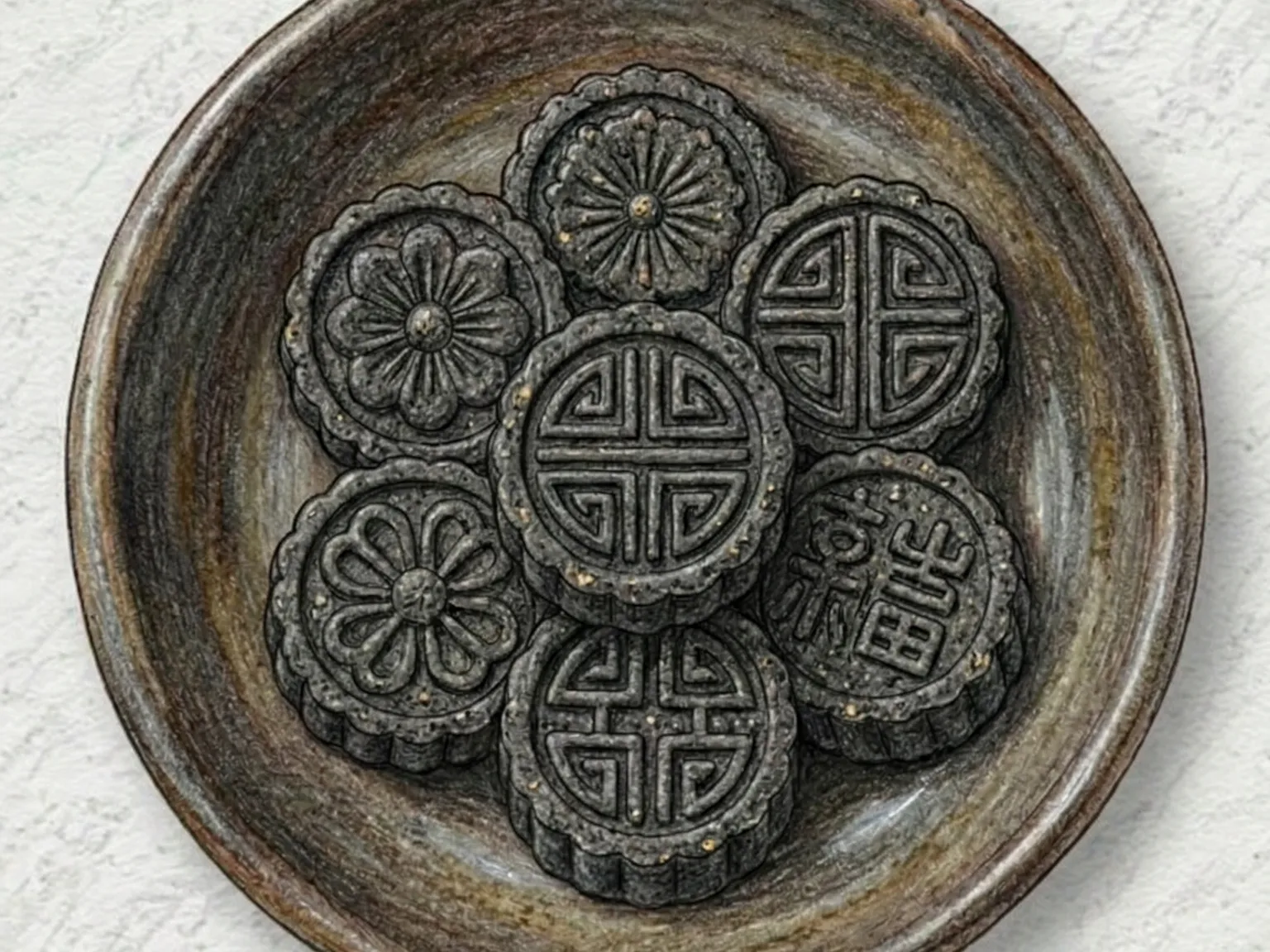
Black Sesame Tea Cookies (No-Bake Korean Pressed Cookies)
Heukimja dasik is a traditional Korean pressed tea cookie made by binding roasted black sesame powder and almond flour with honey and rice syrup, then pressing the mixture into a decorative wooden mold. No heat is applied at any point: the rich, toasty depth of the sesame and the fatty body of the almond combine within the sticky honey base to produce a crumbly, melt-in-the-mouth texture. A small measure of sesame oil improves binding, and dusting the mold with pine nut powder before pressing yields a sharply defined surface pattern. Resting the shaped cookies in an airtight container for thirty minutes allows them to firm up, resulting in bite-sized confections traditionally served alongside tea at a Korean tea table.
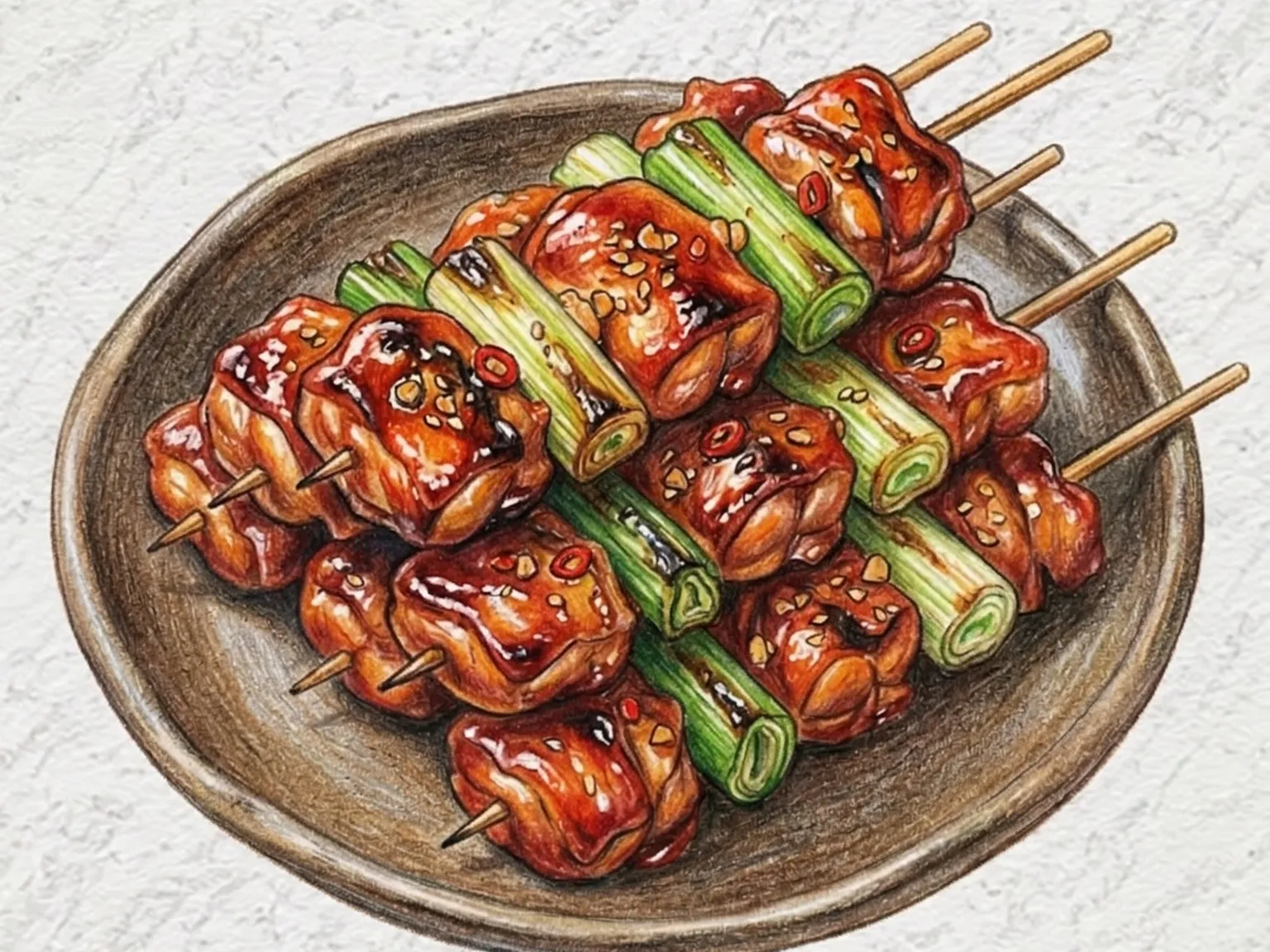
Korean Grilled Chicken Skewers
Dak-kkochi-gui is a Korean grilled chicken skewer built on the flavors of street-stall cooking, made by threading bite-sized chicken breast or thigh onto bamboo sticks and painting them with a sauce of gochujang, soy sauce, honey, and minced garlic. Thigh meat is the better choice because its higher fat content keeps each piece juicy over direct heat, while breast will dry out quickly. Applying the glaze in two or three separate coats rather than all at once builds a thick, sticky, caramelized surface. Cutting the chicken into uniform cubes ensures even cooking, and alternating pieces with slices of green onion or bell pepper adds moisture and prevents the meat from tightening up. Turning the skewers frequently over medium heat keeps the sugars in the sauce from scorching while the surface develops an even, deep char. The same result comes out well in an air fryer at 200 degrees Celsius for twelve to fourteen minutes. Gochujang's fermented heat against the sweetness of honey and the smell of searing meat is the unmistakable signature of Korean pojangmacha.