🌙 Late Night Recipes
Quick and satisfying late-night bites
651 recipes. Page 6 of 28
Late-night cravings call for quick, easy recipes that satisfy without too much effort. Ramyeon, egg fried rice, tuna-mayo rice bowls, and simple toasts - these are dishes you can throw together when hunger strikes after dark. Cooking at home beats delivery in both cost and healthiness.
The ideal late-night snack is fast to make, easy to clean up, and just filling enough. These recipes hit that sweet spot - comforting without being heavy.
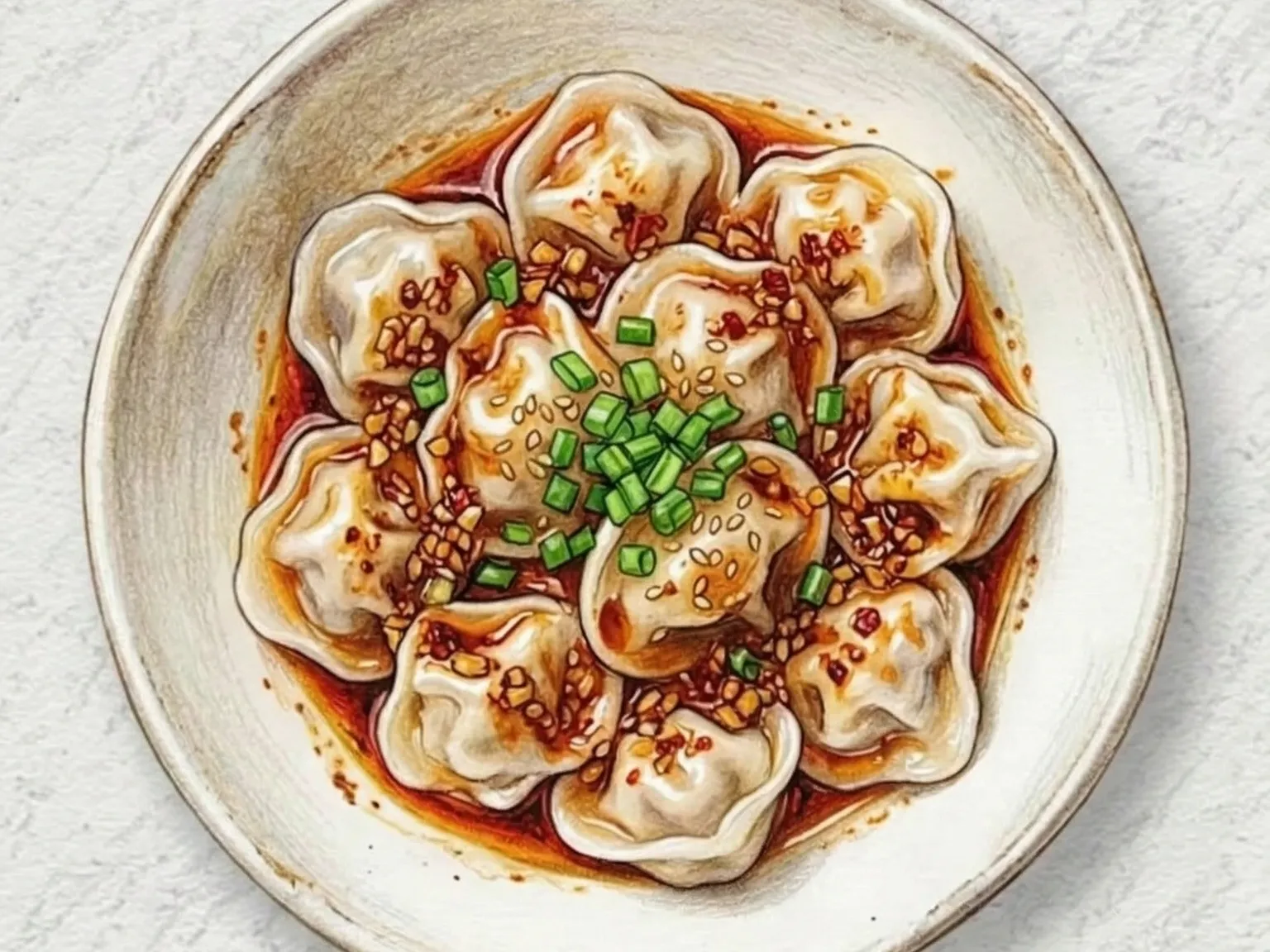
Korean Chili Oil Boiled Dumplings
Boiling dumplings until they float and then giving them an extra two minutes in the water results in a springy texture that holds up well to a heavy dressing. Effective draining is crucial to prevent residual water from thinning the sauce, which consists of soy sauce, vinegar, minced garlic, sugar, and chili oil. The vinegar and soy sauce establish a sharp and salty foundation, while the chili oil provides a warm spice and a slick, red sheen across the surface of the wrappers. Folding the ingredients together gently ensures the skins remain intact while becoming fully coated. Adding fresh scallions provides a crisp element that balances the weight of the oil. For a profile closer to Sichuan cuisine, a dusting of Sichuan pepper powder introduces a characteristic numbing sensation alongside the heat. Heat levels are easily controlled by varying the amount of chili oil used in the mixture. Replacing the soy sauce with oyster sauce creates a thicker, more savory base for the dressing. This preparation works with frozen dumplings by extending the boiling time by a minute or two to account for the temperature difference. The sauce is compatible with various fillings including pork, shrimp, or vegetable varieties.
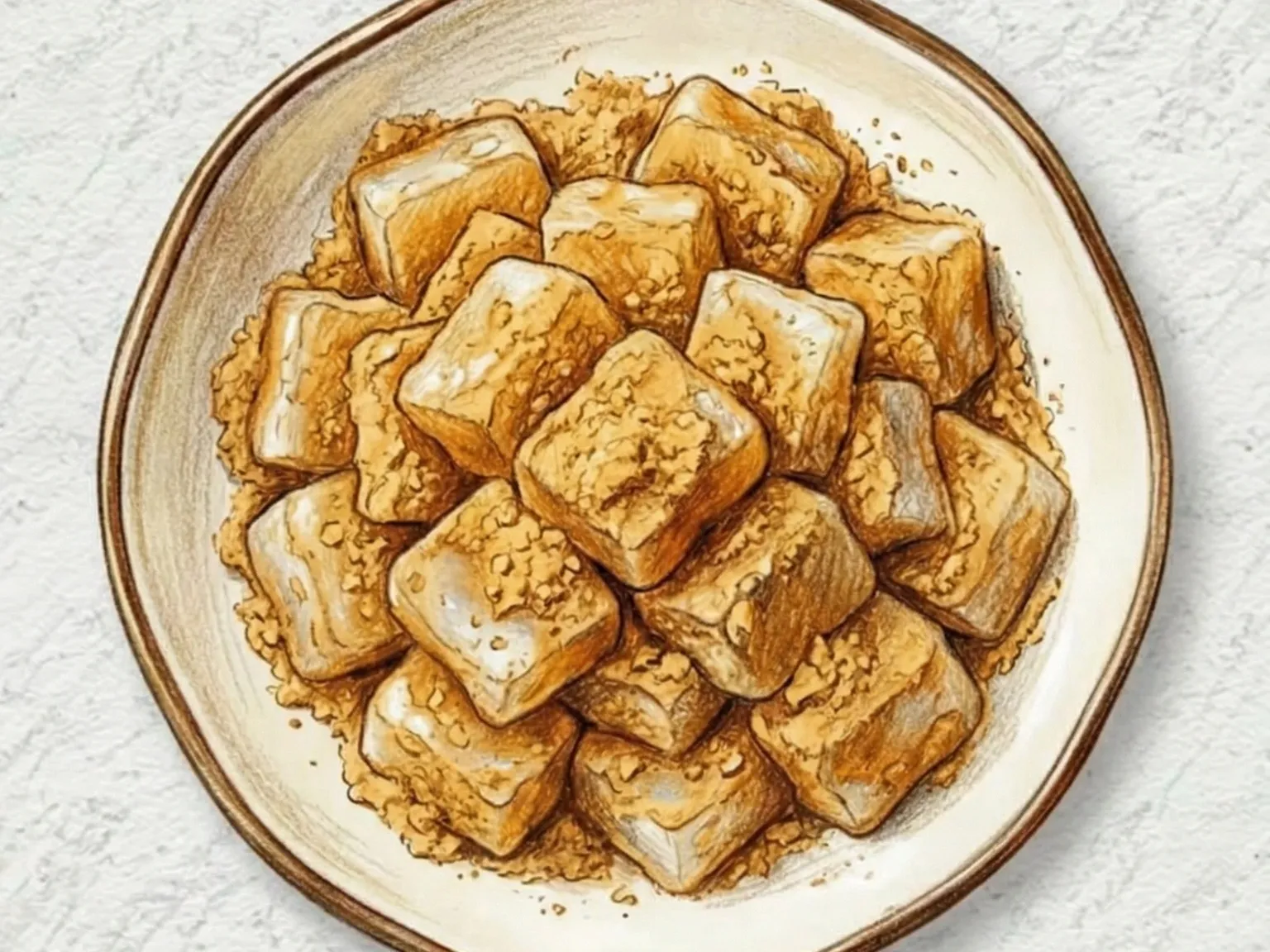
Glutinous Rice Cake with Soybean Powder
Injeolmi is a Korean glutinous rice cake made by kneading rice flour dough with hot water, steaming it for fifteen minutes, then pounding or beating it vigorously for at least five minutes to develop the characteristic elasticity. The pounding step determines the final texture: insufficient working produces a weak dough that cracks apart, while thorough pounding yields the signature stretchy, chewy pull that injeolmi is known for. The finished dough is stretched out, cut into bite-sized pieces, and rolled in a mixture of roasted soybean powder and sugar, which coats each piece in a fragrant, toasted-grain aroma. Applying a thin layer of sesame oil to both hands and knife before cutting prevents the dough from sticking, and the soybean powder coating is best applied immediately before serving to keep the surface dry and powdery rather than absorbing moisture. Injeolmi appears regularly at ancestral rites, first birthday celebrations, and traditional ceremonies across Korea.
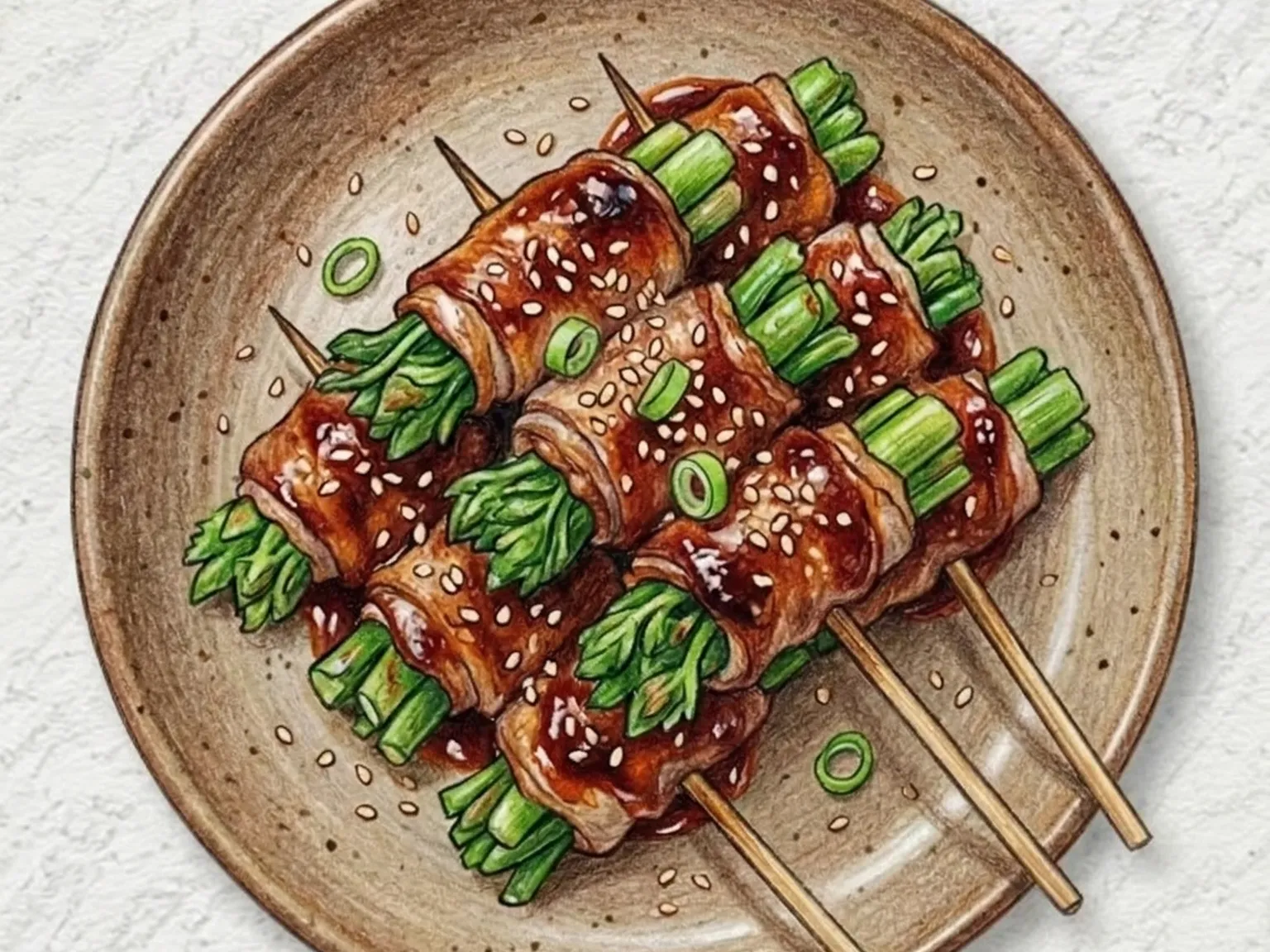
Korean Aralia Shoot Pork Belly Skewers
Dureup-samgyeop-kkochi-gui is a Korean spring skewer in which blanched aralia shoots (dureup) are wrapped in thin slices of pork belly, threaded onto skewers, glazed with a gochujang-based sauce, and grilled. The aralia shoots must be blanched in lightly salted boiling water for no more than thirty seconds. Longer blanching destroys the firm, slightly snappy bite and drives off the volatile aromatic compounds responsible for dureup's characteristic bitter-herbal fragrance -- the defining quality that makes this a spring seasonal dish. After blanching, the shoots should be thoroughly blotted dry so the pork belly adheres cleanly without slipping. The glaze is made from gochujang, soy sauce, maesil-cheong (plum extract syrup), minced garlic, and sesame oil, and it should be applied in two stages -- once before grilling and once partway through -- to build up a layered, intensely flavored coating. Over the grill, the fat in the pork belly renders and bastes the dureup inside the wrap, while the shoot's clean, slightly astringent bitterness cuts through the pork's richness in a pairing that is complementary rather than competing. The plum extract in the glaze caramelizes under direct heat into a sticky, sweet-tart lacquer, and a finishing scatter of whole sesame seeds adds both visual contrast and a toasted, nutty close. The dish works equally well as a drinking snack or as a main banchan.
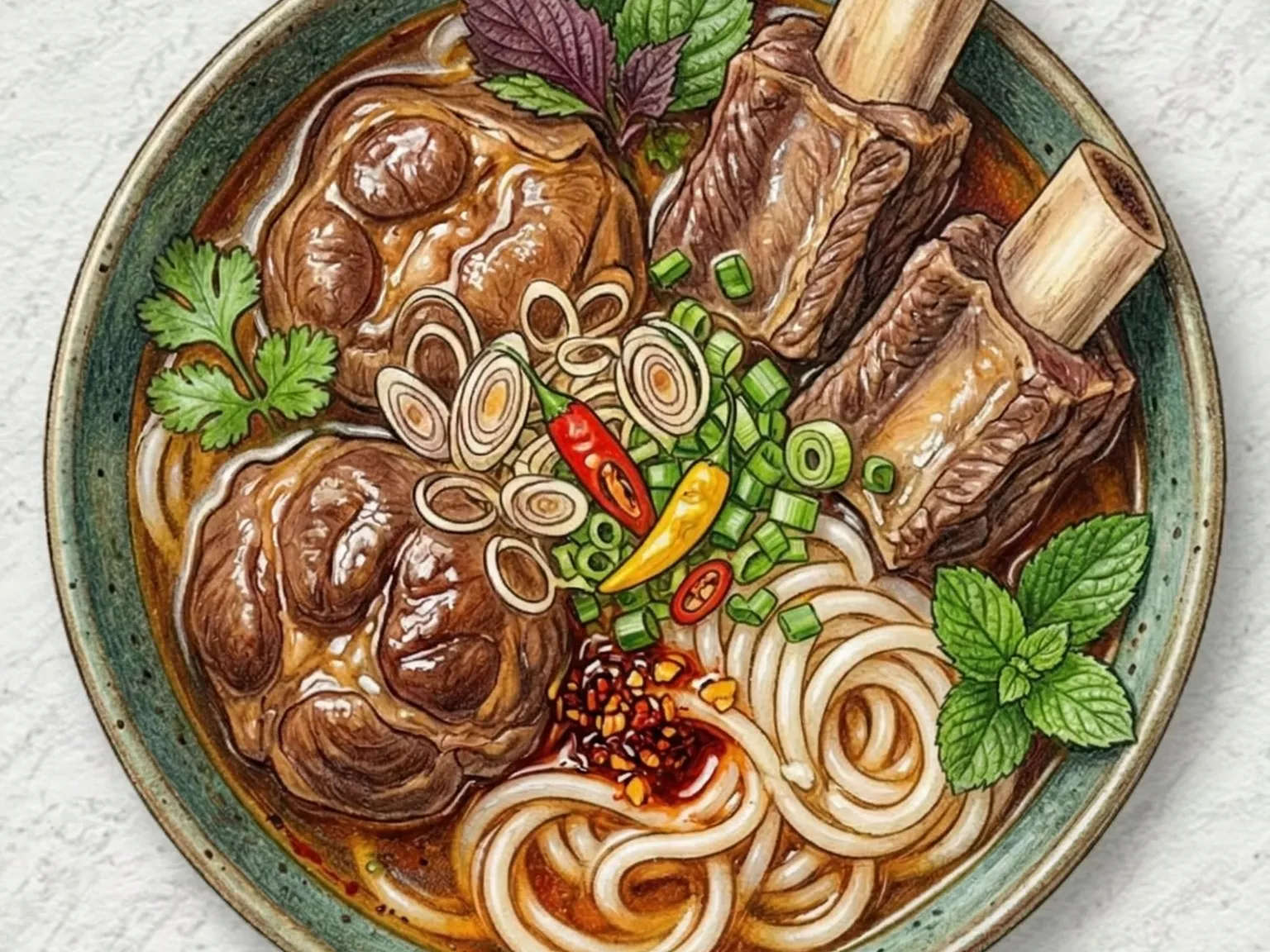
Vietnamese Spicy Beef Noodle Soup
Bun bo Hue is a spicy beef rice noodle soup from the central Vietnamese city of Hue, distinguished from northern-style pho by the defining combination of lemongrass and fermented shrimp paste that gives the broth its assertive, layered character. Beef shank simmers for hours at low heat to yield a rich, collagen-heavy stock, and it is into this base that dried chilies, lemongrass stalks, and a measured quantity of mam ruoc, the fermented shrimp paste specific to central Vietnam, are introduced, building a spiciness that is complex rather than simply hot. A bright-red slick of chili oil floating on the surface signals the heat level before the first sip, and that first spoonful delivers the deep umami of the shrimp paste layered beneath the citrusy, grassy brightness of lemongrass, a combination unlike anything in other Vietnamese noodle soups. The noodles, called bun, are thick, round rice noodles chewier and more substantial than the flat strands in pho, with enough body to stand up to the heavy, assertive broth without becoming waterlogged. Bean sprouts, shredded raw banana flower, and a squeeze of lime are served alongside and added at the table, where their crisp textures and sharp acidity cut directly through the richness and temper the heat. Sliced pork blood sausage and braised pig's knuckle are the traditional additions that bring the bowl into full alignment with what is served in the street stalls of Hue itself.
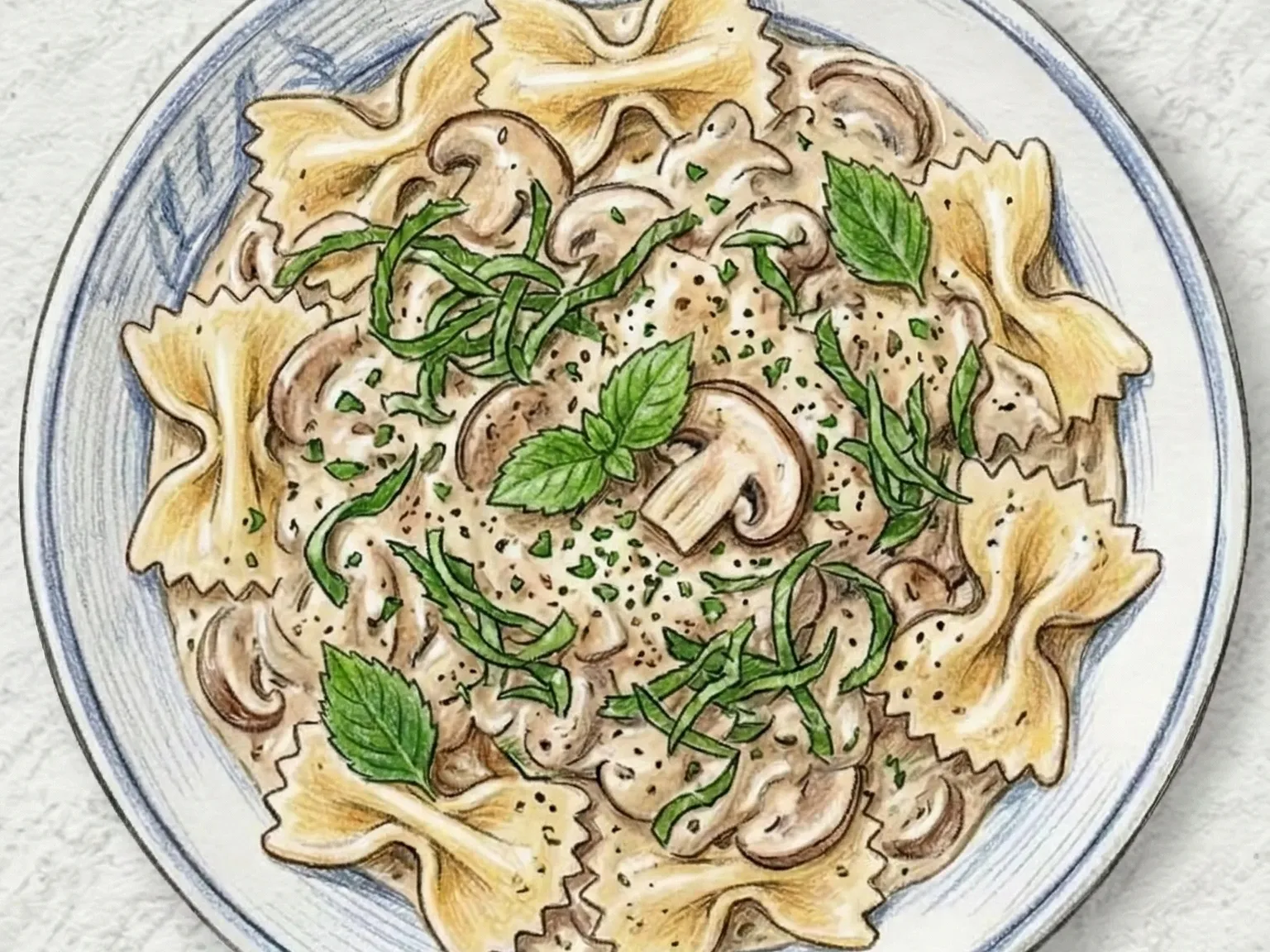
Kkaennip Mushroom Cream Farfalle
Kkaennip mushroom cream farfalle combines sliced button mushrooms and fresh perilla leaves in a cream sauce over bow-tie pasta. The mushrooms are sauteed in olive oil until their moisture cooks off and their flavor concentrates, with onion and garlic building the aromatic base. Heavy cream is then added to form the sauce, and shredded perilla goes in at the end so the leaves wilt just enough to release their fragrance without losing it to the heat. Parmesan contributes salt and a nutty underpinning, while farfalle's ridged and folded surface holds the sauce across every piece. The defining quality of the dish is the perilla itself, whose scent belongs to the sesame family and sits in entirely different territory from basil or mint - grassy, faintly resinous, and unmistakably Korean. Few other herbs could give a cream pasta this specific character.
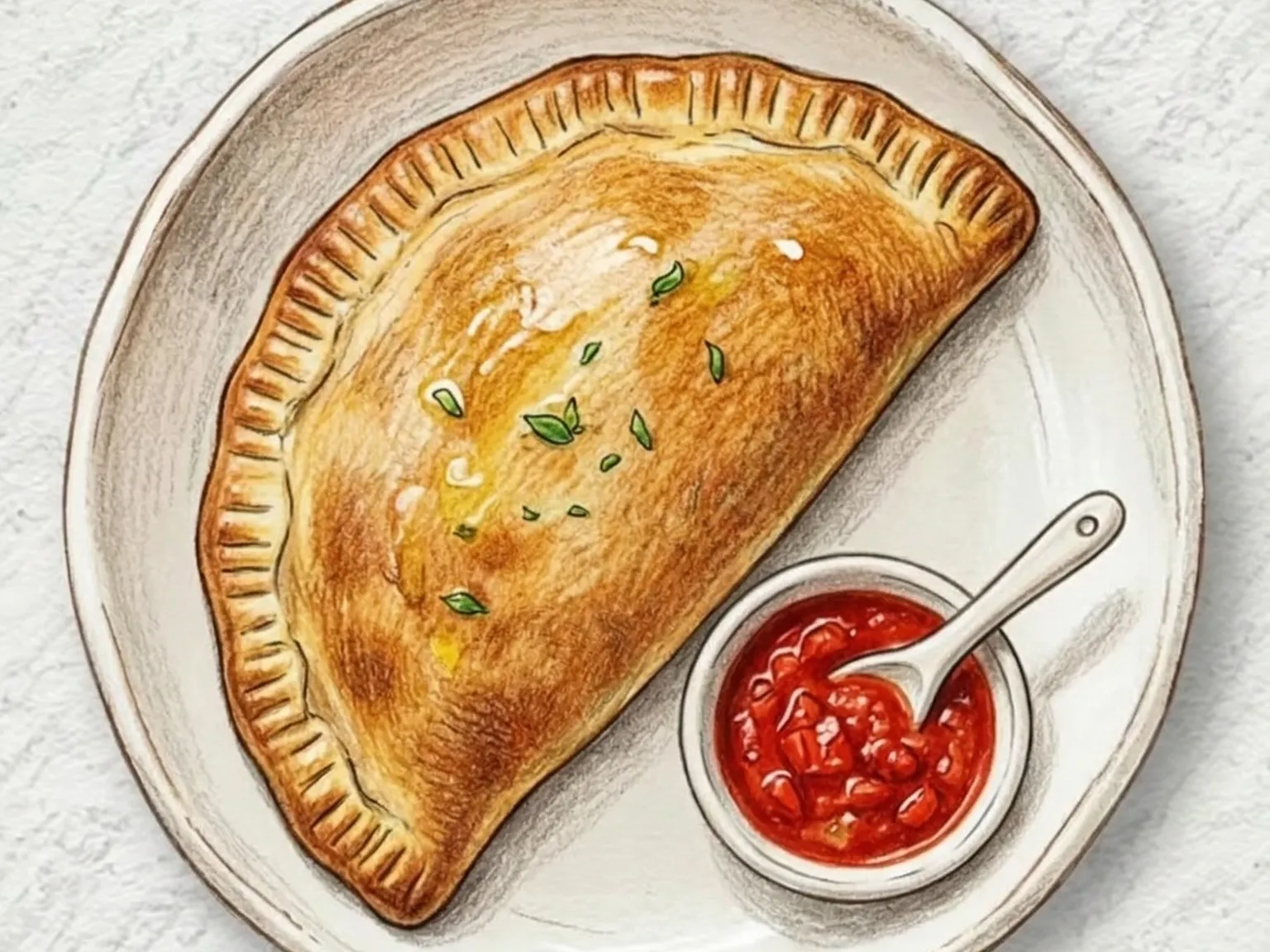
Calzone
Calzone rolls pizza dough into a circle, fills one half with ricotta, mozzarella, diced ham, and fresh basil, then folds into a half-moon shape, seals the edges with a fork, and bakes until golden at 220 degrees Celsius. Leaving a two-centimeter border free of filling is critical -- overstuffing causes steam pressure to burst the seam during baking. Brushing a thin line of water along the edge before pressing firmly with a fork creates a tighter seal that holds through the full bake. Fifteen to twenty minutes in a well-preheated oven produces a crisp, burnished exterior while the interior heats the ricotta into a soft cream and melts the mozzarella into long, stretchy strings. Brushing olive oil on the surface before baking adds a richer color and a slight nuttiness to the crust. Tomato sauce served on the side for dipping provides an acidic counterpoint that cuts through the dense cheese filling and keeps each bite feeling balanced.
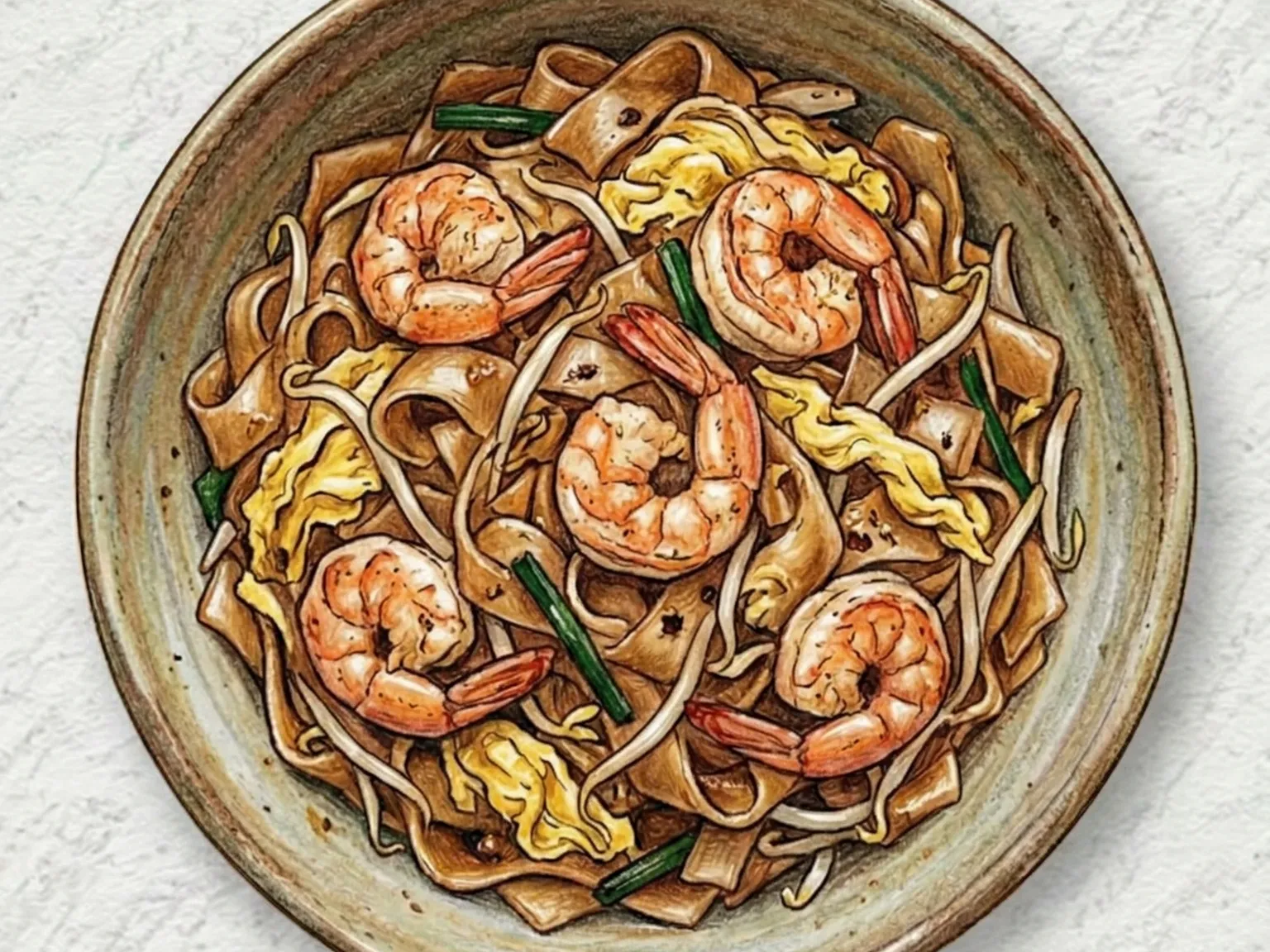
Char Kway Teow (Penang Wok-Fried Flat Rice Noodles with Prawns)
Char kway teow originated in Penang as a meal for Chinese laborers who needed something filling and cheap, cooked fast over high heat with whatever was affordable. Wide flat rice noodles go into a scorching wok with prawns, cockles, egg, bean sprouts, Chinese chives, and sliced lap cheong sausage. Dark soy sauce and oyster sauce stain the noodles a deep, smoky brown as they caramelize against the iron of the wok. The defining quality of the dish is wok hei, the charred, slightly acrid breath of the wok that comes only from cooking at extreme temperatures with the noodles thrown directly through open flame. Achieving wok hei requires both a wok that has reached its full temperature and enough physical space inside it for the noodles to make sustained contact with the hot surface rather than steaming in their own moisture. Traditionally cooked in pork lard, the rendered fat coats every noodle strand with a richness no vegetable oil can match. Penang hawker stalls cook one plate at a time because crowding the wok traps moisture and kills the sear. The result carries a charred, faintly bitter edge beneath the sweet-salty sauce that has made it one of the most recognized street foods in Southeast Asia.
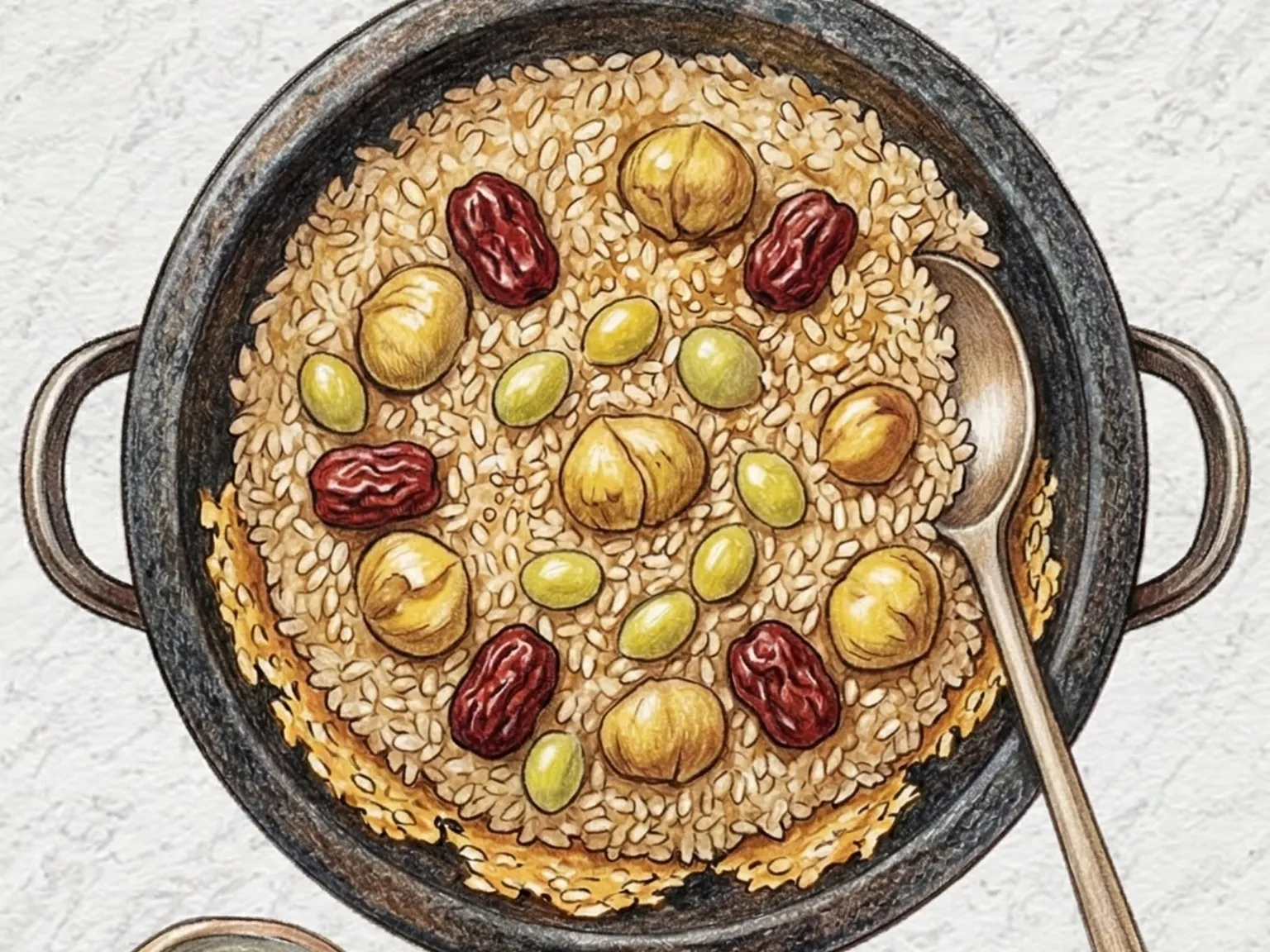
Korean Hot Stone Pot Rice
Dolsot bap consists of rice prepared within a heavy, pre-heated stone pot, a method that relies on slow heat to cook the grains thoroughly. The primary base involves rice that has been soaked in water beforehand, combined with specific additions including dried jujubes, whole chestnuts, and small ginkgo nuts. Because the stone pot has thick walls, the heat spreads in a uniform manner during the entire cooking process. This results in rice grains that appear glossy and have a texture that is both plump and somewhat sticky from top to bottom. Each added ingredient provides a distinct element to the final profile. Jujubes offer a light sweetness, chestnuts provide a dense and nutty quality, and ginkgo nuts introduce a subtle bitter quality that balances the other flavors to prevent the dish from becoming cloying. To prepare the pot, the interior surface is coated with a layer of sesame oil prior to adding the rice and other components. This step is essential for developing a golden and crispy layer of scorched rice, known as nurungji, which forms at the very bottom of the vessel. After the heat is turned off, the rice must remain covered to steam for a duration of ten minutes. This resting period allows the moisture to move through every layer of the pot before the lid is removed. When it is time to serve, the lid should be lifted at a slow pace so the steam does not leave the pot immediately, as a sudden release of vapor can cause the top layer of rice to become dry. Dolsot bap is typically served with a dipping sauce made of soy sauce and sesame oil. Diners mix the rice and ingredients at the table, allowing for a meal where each bite features a contrast between the soft, aromatic grains and the firm, crunchy crust found at the base.
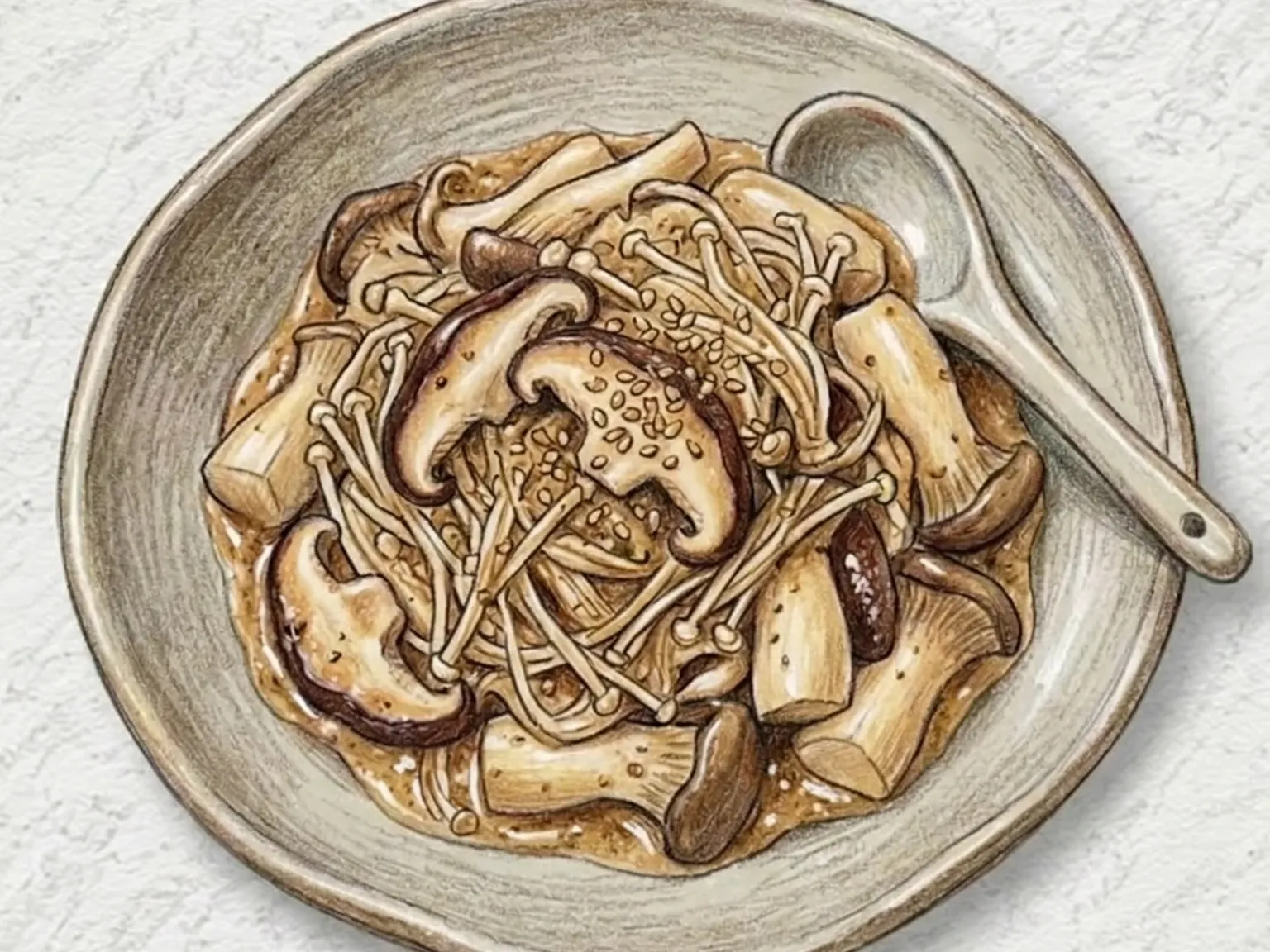
Korean Mushroom Perilla Seed Stir-Fry
Three varieties of mushroom, shiitake, enoki, and oyster, are stir-fried over high heat until their moisture fully evaporates, then dusted with ground perilla seed that releases a surge of nutty fragrance the moment it contacts the hot surface. Each mushroom contributes a distinct texture to a single dish: shiitake offers firm, satisfying chew when torn along the grain; enoki provides delicate, threadlike strands; and oyster adds thick, meaty bites that hold their shape through the heat. The perilla seed powder must be added only in the final minute of cooking because its aromatic oils are volatile: longer exposure turns them acrid rather than nutty, and the window between perfectly toasted and burned is narrow. Soy sauce and a pinch of salt adjust the seasoning without masking the mushrooms, and a finishing drizzle of sesame oil rounds everything off with a gentle, fat-carried richness. At around 90 calories per serving, this side dish works as an everyday component of any meal without adding weight, and the unsaturated fatty acids in perilla seeds add nutritional substance well beyond what a side this light might suggest. Tearing shiitake along its natural grain accelerates moisture release during cooking, and pulling enoki apart by hand before adding it to the pan prevents the strands from clumping.
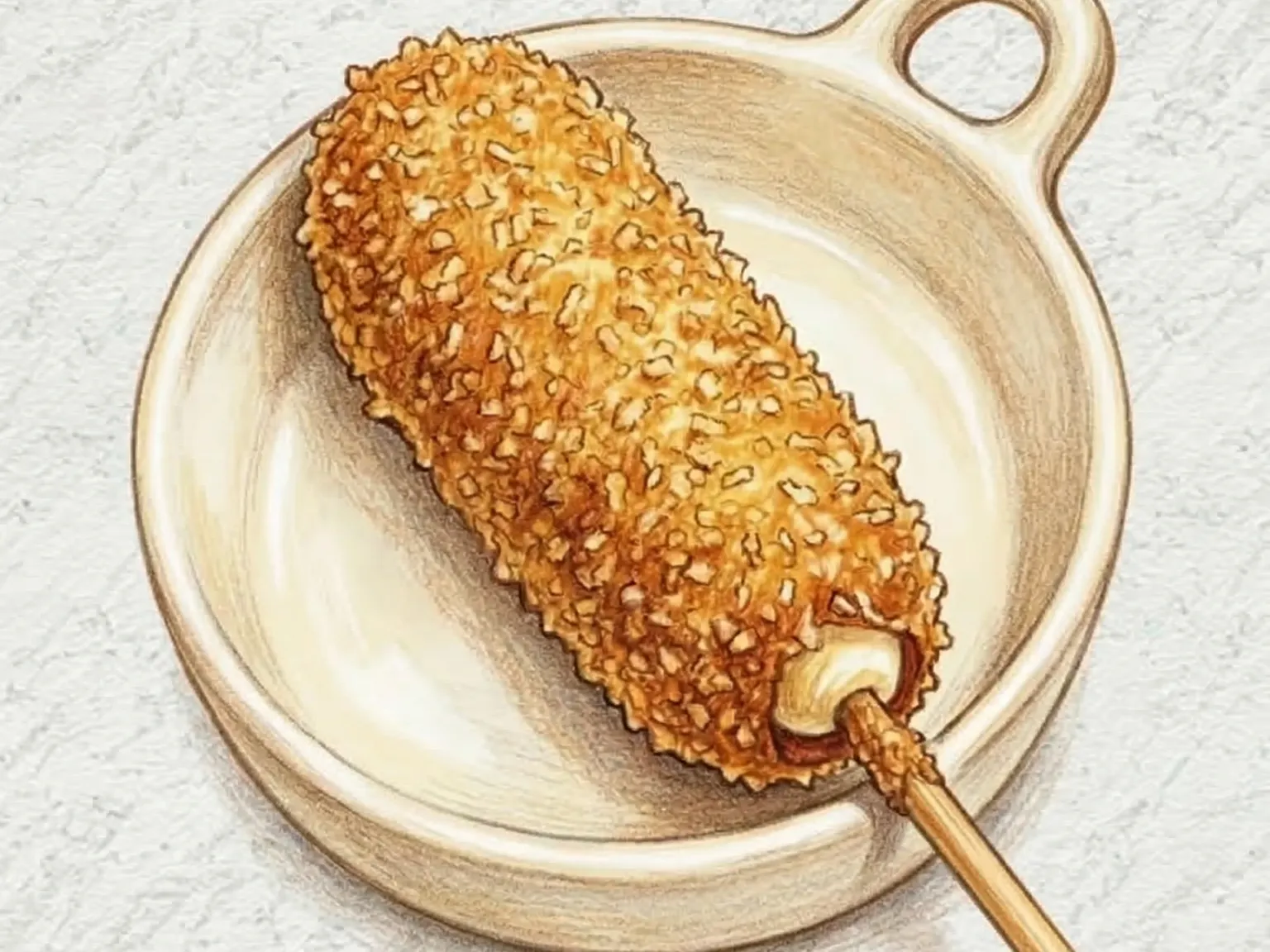
Korean Cream Cheese Hotdog
Cream cheese hotdog is a Korean street corn dog made by threading sausage and a log of cream cheese together on a stick, coating in wheat batter, rolling in breadcrumbs, and deep-frying at 170 degrees Celsius. The breadcrumb crust fries to a golden, audibly crunchy shell, while the batter layer underneath stays soft and doughy, creating a distinct middle texture between crust and filling. Each bite delivers the salty snap of sausage alongside the smooth, tangy richness of melted cream cheese. Briefly freezing the cream cheese before assembly is the key step - without it, the cheese melts out through the batter before the crust has a chance to set.
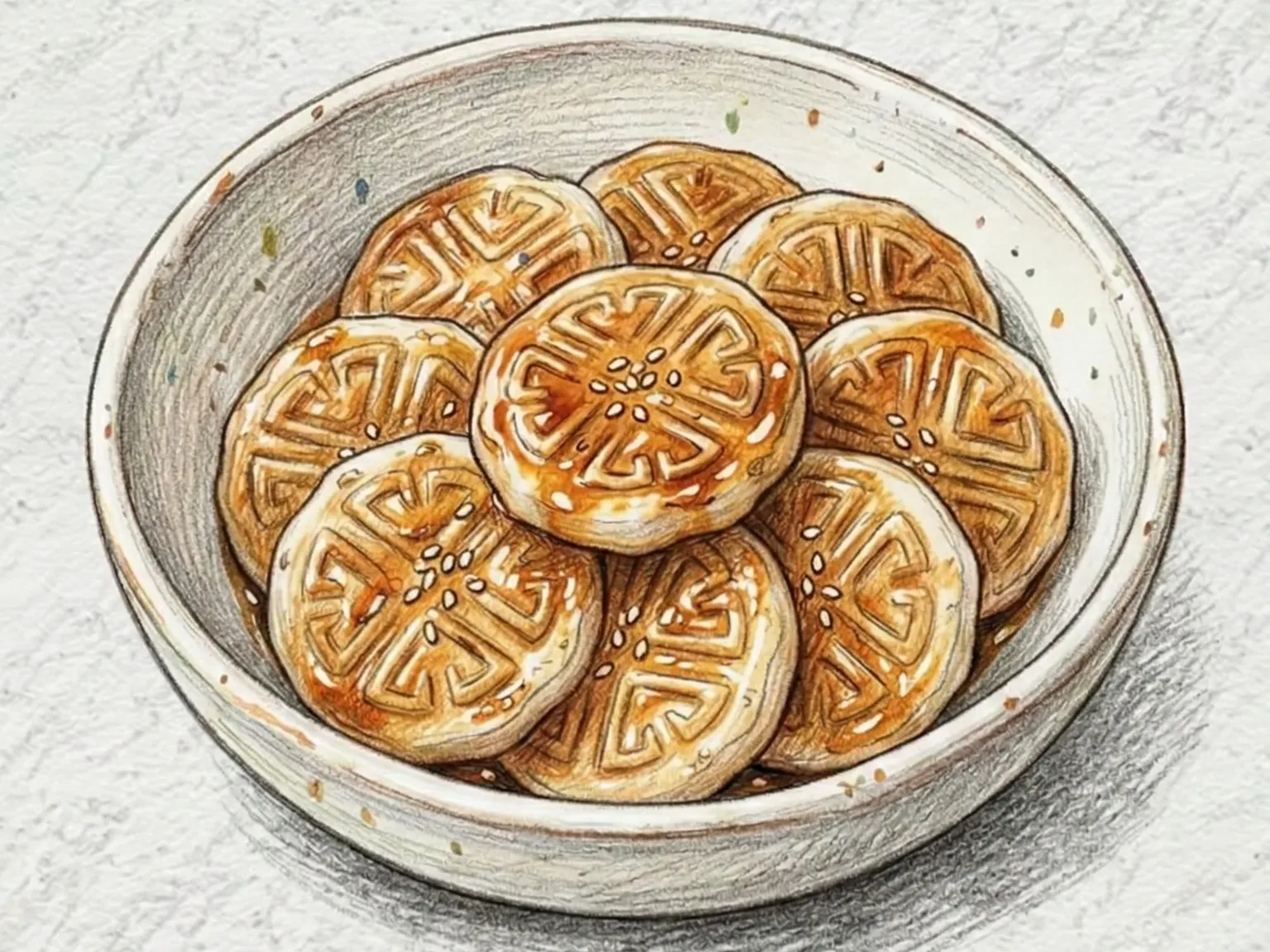
Grilled Sliced Rice Cake (Pan-Fried Rice Cake with Soy Honey Glaze)
Jeolpyeon-gui is a Korean grilled rice cake snack made by pan-frying flat rice cake slices in sesame oil over medium-low heat until golden on both sides, then glazing them in a sauce of soy sauce, honey, sugar, and water over low heat. Searing the rice cakes in sesame oil before adding the glaze creates a thin, crisped surface layer that performs two functions at once: it keeps the interior from losing its chewy, dense character and creates enough texture for the glaze to cling to rather than slide off. Once the glaze goes in, the heat must drop immediately to low -- the sugar content is high enough to burn in seconds if left on medium heat. The entire coating step takes only two to three minutes of flipping the pieces until the sauce reduces into a lacquered shell. Soy sauce delivers a salty, savory backbone, honey brings a weighted sweetness that granulated sugar alone would flatten, and together they form a glaze that tastes more complex than the ingredient list suggests. Toasted sesame seeds and pine nuts scattered over the finished pieces add a nutty fragrance that plays off the soy-based umami below. Leftovers reheat well in a dry pan and regain most of their crispness.
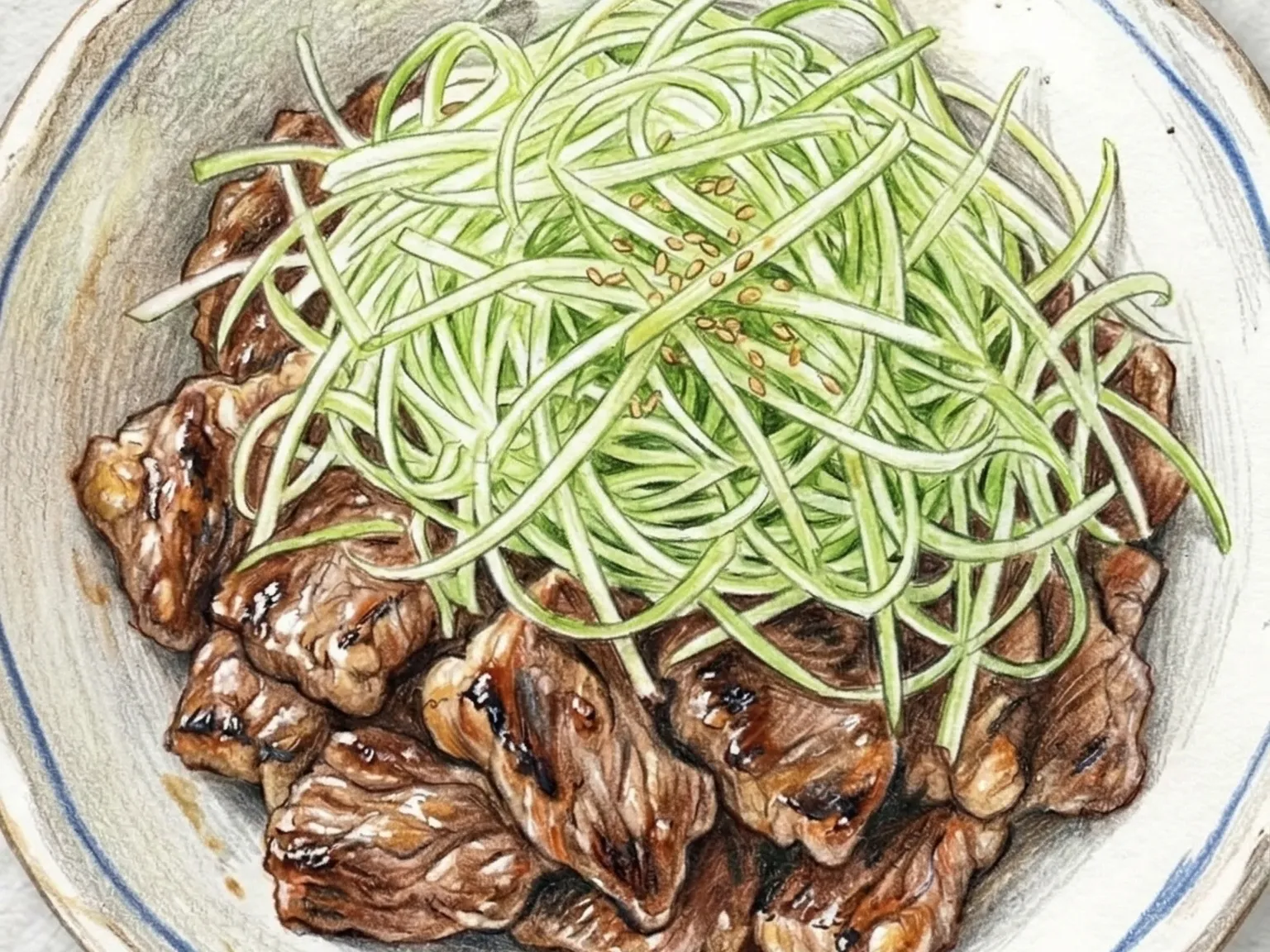
Korean Grilled Beef Short Ribs with Scallions
Galbisal-pachae-gui is a Korean grilled beef dish featuring short rib finger meat marinated in dark soy sauce, sugar, sesame oil, and garlic for at least one hour, then seared over high heat and served under a pile of cold-dressed shredded green onion. Rib finger meat sits between the rib bones and carries a well-balanced ratio of fat to lean, which allows the soy marinade to penetrate the fat layers and produce a deep, lingering savory flavor when exposed to direct heat. High heat causes the edges of the marinated meat to char quickly, creating a brief overlap of caramelized sweetness and smoke that defines the overall aroma of the dish. The shredded green onion is soaked in cold water until the sharp raw pungency fades and the cell walls firm up, then lightly tossed with sesame oil and toasted sesame to complement rather than compete with the heavy soy note of the beef. When a piece of hot seared meat and a tangle of cold scallion are eaten together, the contrast between the temperature, the rich beef fat, and the clean, sharp allium flavor creates a layered experience that cannot be replicated by eating either component alone. This dish is often made for home gatherings centered on table grilling, and the visual contrast of dark caramelized beef against the white-green scallion mound makes it striking as a shared centerpiece.
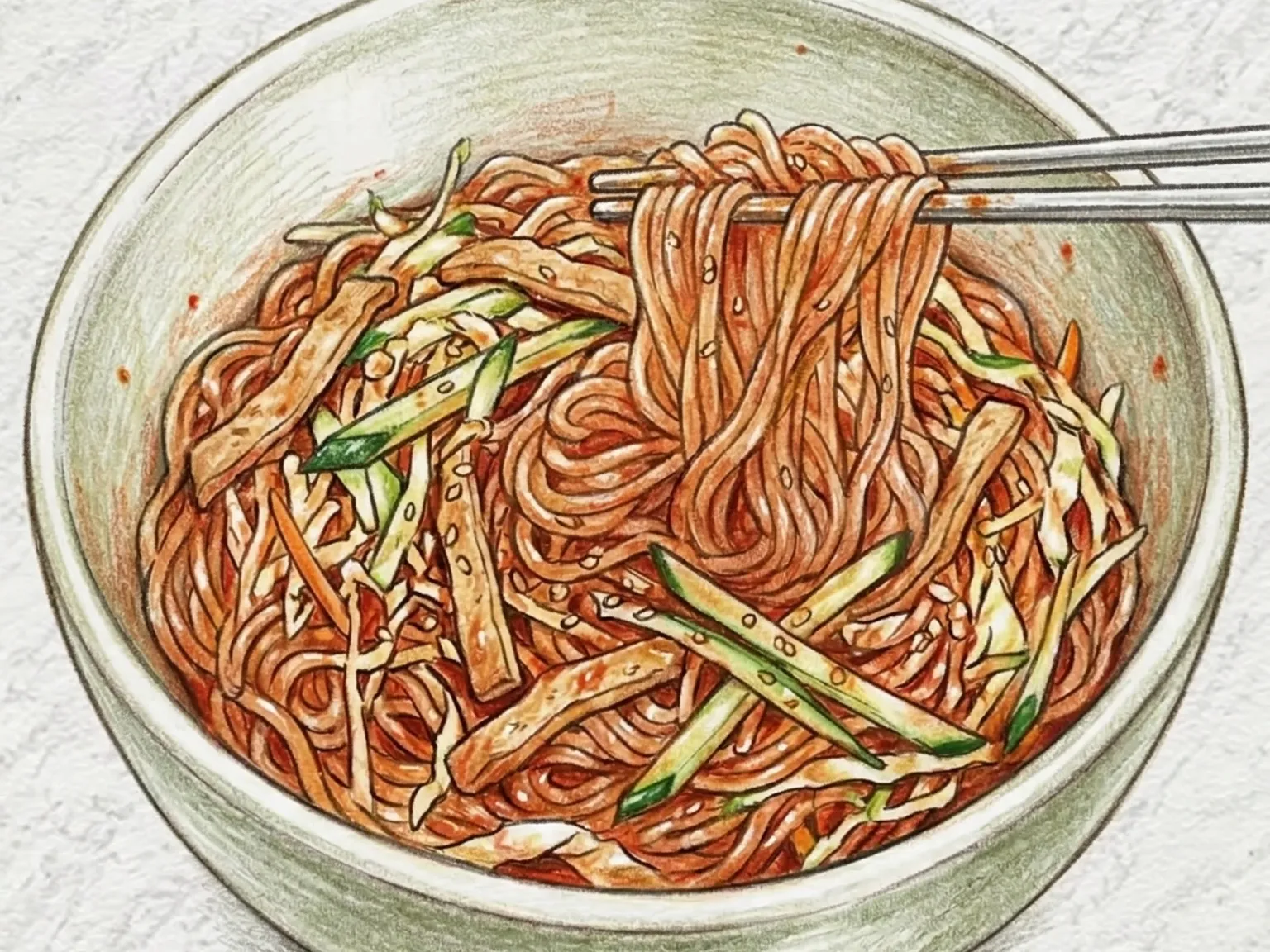
Korean Spicy Mixed Glass Noodles
Busan bibim dangmyeon is a spicy mixed noodle dish rooted in the street food culture of Busan's traditional markets, built around springy sweet-potato glass noodles tossed with sliced fish cake, cucumber, and cabbage in a bold chili paste and soy sauce dressing. The translucent noodles are highly elastic and cling tenaciously to the sauce, so each mouthful delivers a concentrated hit of the spicy-sweet seasoning. Fish cake contributes a soft, savory depth that contrasts with the firm chew of the noodles, while shredded cucumber and cabbage add bursts of crunch throughout the bowl. Sesame oil and toasted sesame seeds finish the dish with a warm, nutty undertone. Because the recipe requires only boiling the noodles and tossing everything with a pre-mixed sauce, it comes together in a matter of minutes. The chili paste ratio can be adjusted freely to control heat level, and in Busan the dish is typically served in a single bowl and mixed at the table with a fork.
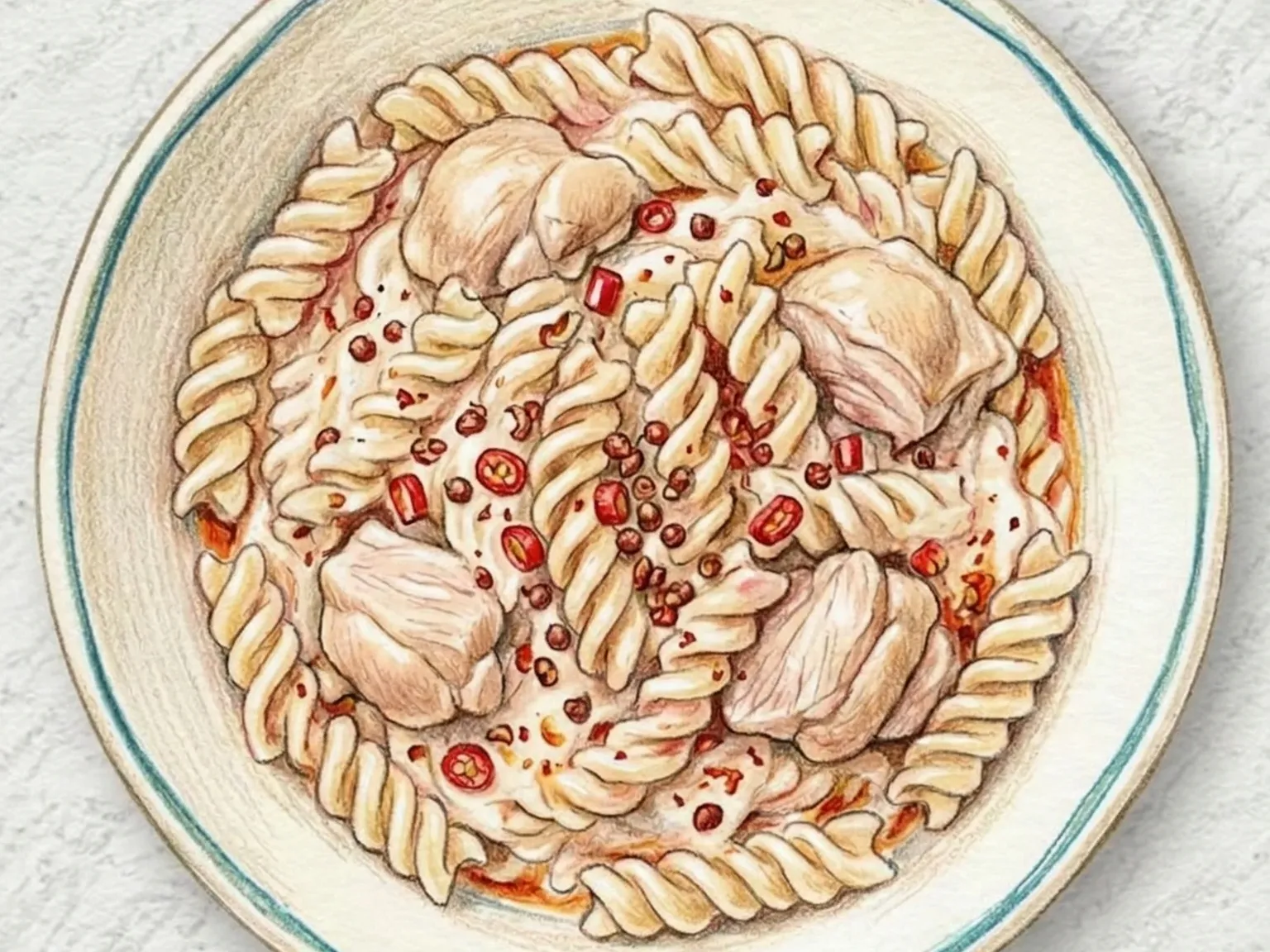
Mala Chicken Alfredo Fusilli
Mala chicken Alfredo fusilli is a fusion pasta that brings Sichuan mala sauce -- built on the numbing tingle of Sichuan peppercorn and the heat of dried chili -- into a cream-and-Parmesan Alfredo base. Chicken thigh is cut into bite-sized pieces and pan-seared to build a browned crust, then garlic and onion are sautéed in the residual fat to form the aromatic foundation. The Alfredo sauce is assembled from heavy cream, milk, and Parmigiano-Reggiano, with mala sauce stirred in to layer the peppercorn numbness against the dairy's richness. The amount of mala sauce added can be adjusted freely, making it straightforward to dial the level of tingling heat to preference. Fusilli's spiral ridges trap the thick sauce deep into their grooves so each piece delivers an even coating of flavor, and butter acts as a bridge between the cream base and the assertive spice, pulling both into a cohesive, glossy whole.
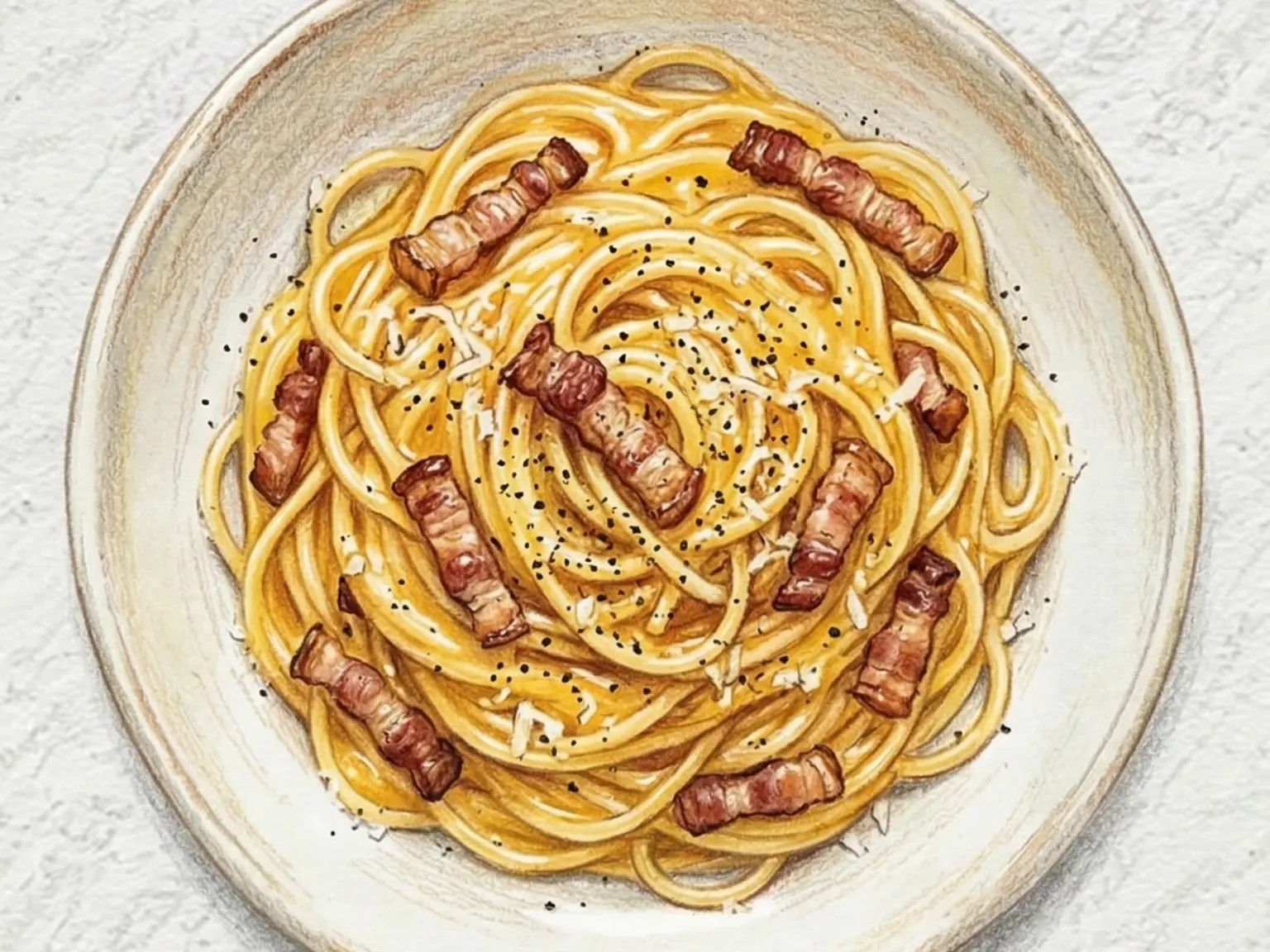
Spaghetti Carbonara
Carbonara is a Roman pasta whose sauce is built from egg yolks, Pecorino Romano or Parmesan, and coarsely ground black pepper emulsified with hot pasta water -- no cream is used at any stage. Guanciale or bacon is rendered slowly over low heat until its fat runs clear, and that rendered fat coats the drained spaghetti before anything else goes into the pan. With the heat fully off, the egg-cheese mixture is tossed in quickly; residual warmth from the pasta and the pan finishes cooking the eggs just enough to form a glossy, clinging sauce without scrambling. The starch dissolved in reserved pasta water acts as the emulsifier that binds the cheese protein and egg fat into a cohesive, velvety texture. Temperature control throughout is the defining technical challenge: too hot and the eggs seize, too cool and the emulsion breaks. Coarsely ground black pepper adds a sharp, aromatic counterpoint to the richness of the cheese and cured pork. Because the sauce continues to tighten as it cools, carbonara must be served immediately after plating. A properly made carbonara is one of the most technically demanding two-ingredient sauces in Italian cooking, rewarding precision with an extraordinarily silky result.
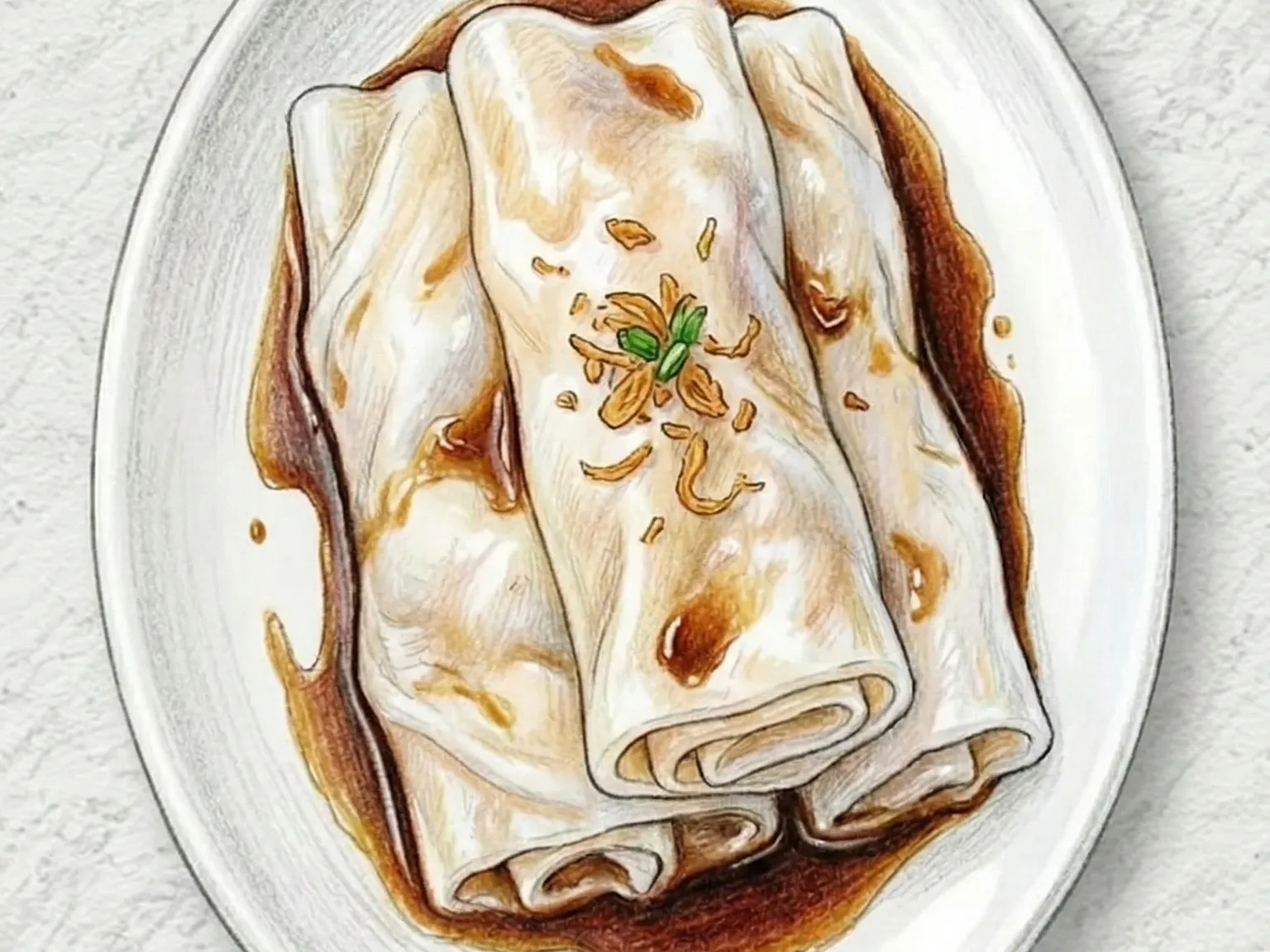
Cheung Fun (Cantonese Steamed Rice Noodle Rolls with Shrimp)
Cheung fun -- rice noodle rolls -- are a cornerstone of Cantonese dim sum, present on every yum cha table from Hong Kong's tea houses to Guangzhou's morning restaurants. A thin batter of rice flour and tapioca starch is poured onto an oiled steel plate, steamed for under a minute, then peeled off as a translucent, trembling sheet. The sheet is rolled around fillings such as shrimp, char siu, or beef, or served plain, its own silky texture being the point. The ratio of rice flour to starch determines everything: too much rice flour and the sheet is stiff; too much starch and it becomes gummy. A lightly sweetened soy sauce is poured over the rolls at the table, pooling in the plate and coating each piece as it is lifted with chopsticks. Street vendors in Hong Kong steam cheung fun on pushcarts, peeling each sheet from a metal drawer with a flat scraper in a motion that draws onlookers. For many dim sum regulars, it is the first dish ordered and the benchmark by which a restaurant is judged.
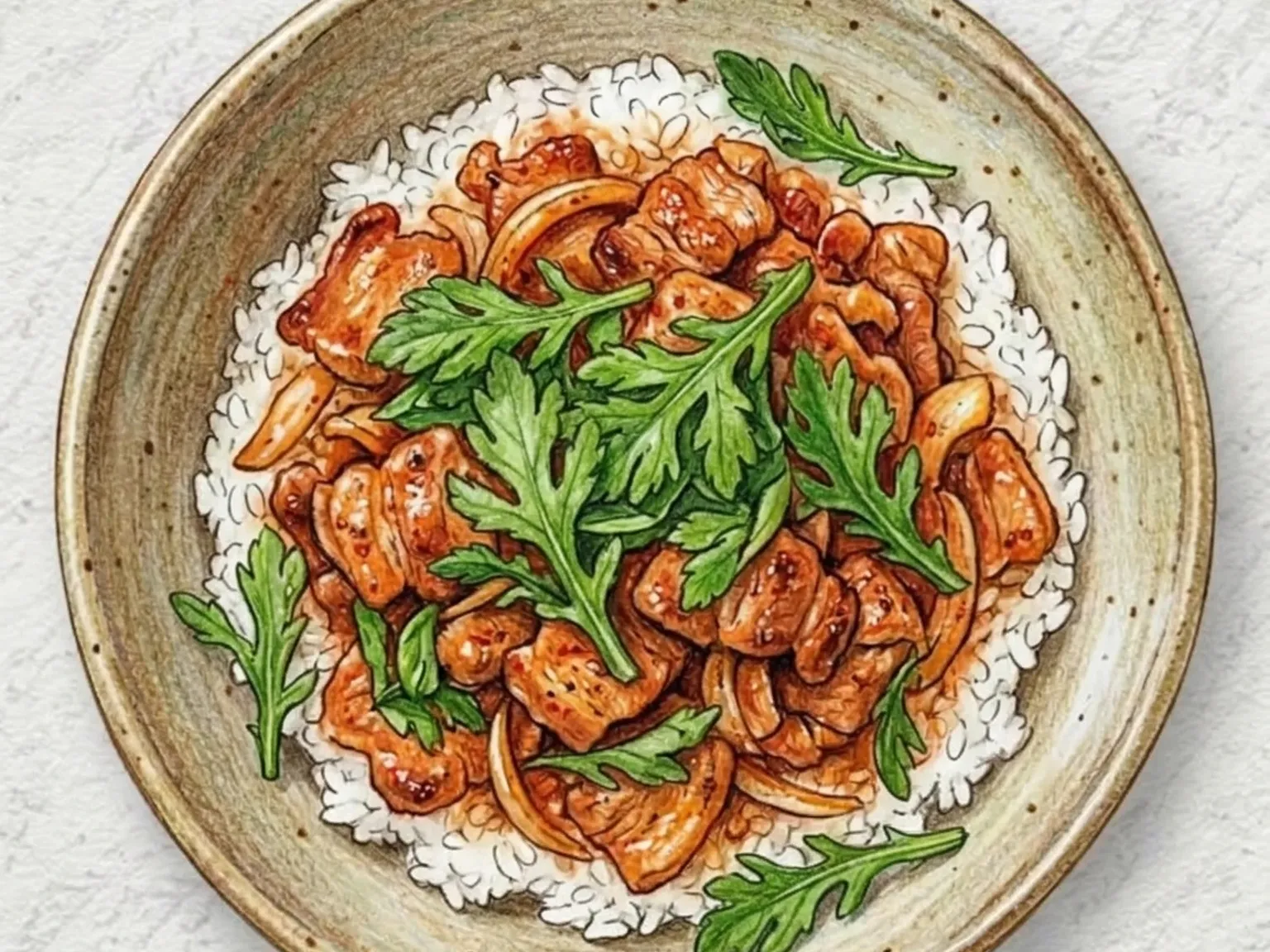
Korean Bulgogi Deopbap (Pork Rice Bowl)
Dwaeji-bulgogi-ssukgat-deopbap is a Korean rice bowl of gochujang-marinated pork stir-fried with onion over high heat, mounded over steamed rice and finished at the last moment with crown daisy greens. The marinade builds from gochujang, chili flakes, soy sauce, sugar, and minced garlic into a sauce that is simultaneously spicy, sweet, and deeply savory. A small amount of pear or kiwi juice added to the marinade tenderizes the pork shoulder before cooking. High heat over a short cooking time is essential for developing a browned crust on the meat, which produces a roasted, smoky depth that low-and-slow cooking cannot replicate. Pork shoulder carries enough intramuscular fat that once it renders under heat, it mingles with the sauce and soaks down into the rice below, creating a rich, glossy base at the bottom of the bowl. The crown daisy -- ssukgat -- goes in during the last thirty seconds before the heat is cut. The timing window is narrow: add it too early and the aromatic oils cook off, leaving only bitterness; add it with the heat already off and the fragrance stays locked inside the leaves. At the right moment, heat releases ssukgat's distinctive chrysanthemum-family herbaceousness, a green, almost medicinal brightness that cuts cleanly through the heaviness of the pork and sauce. The finished bowl is complete without side dishes.
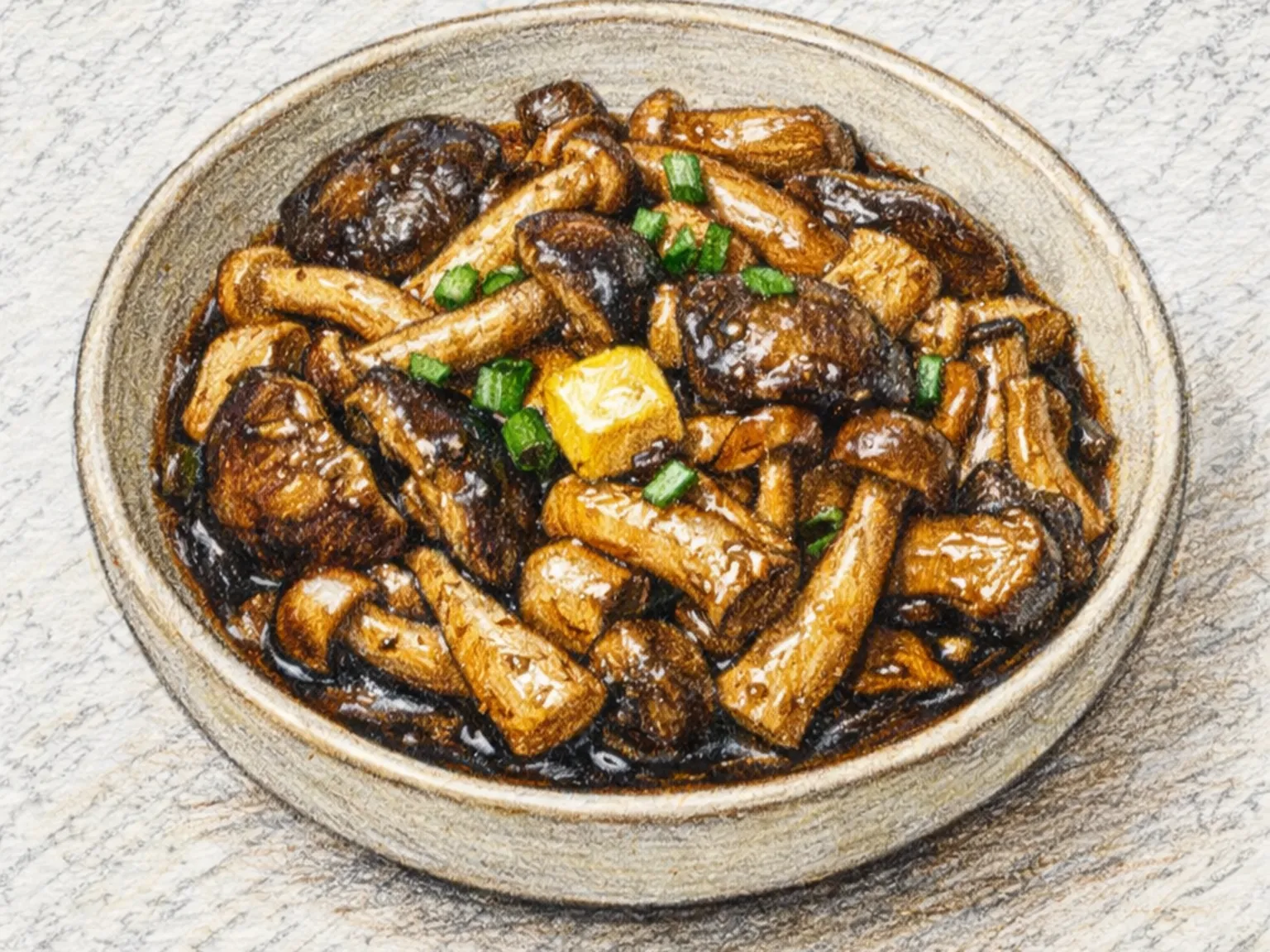
Korean Soy-Glazed Mushroom Stir-Fry
Oyster mushrooms and shiitake are sauteed in melted butter, then finished with a measured pour of soy sauce that reduces into a glossy, caramelized glaze across the surface of each piece. Sliced garlic goes into the butter first and cooks until fragrant, building an aromatic base before the mushrooms are added. Cooking over strong heat is the non-negotiable step: moderate temperatures cause the mushrooms to release moisture and stew in their own liquid rather than sear, losing the slightly crisp exterior that defines the dish. Once the mushrooms are colored and their edges firm up, soy sauce is added and tossed rapidly so it coats every surface and reduces rather than pools. The butter infuses the mushrooms during cooking with a rich, almost nutty undertone, while the soy sauce caramelizes under heat to produce a salty-sweet lacquer. A small knob of additional butter stirred in off the heat gives the sauce a final sheen. With only five ingredients, the dish depends entirely on the interplay between butter depth and soy intensity to deliver flavor well beyond its simplicity. Spooned over steamed rice, it turns a plain bowl into a complete meal.
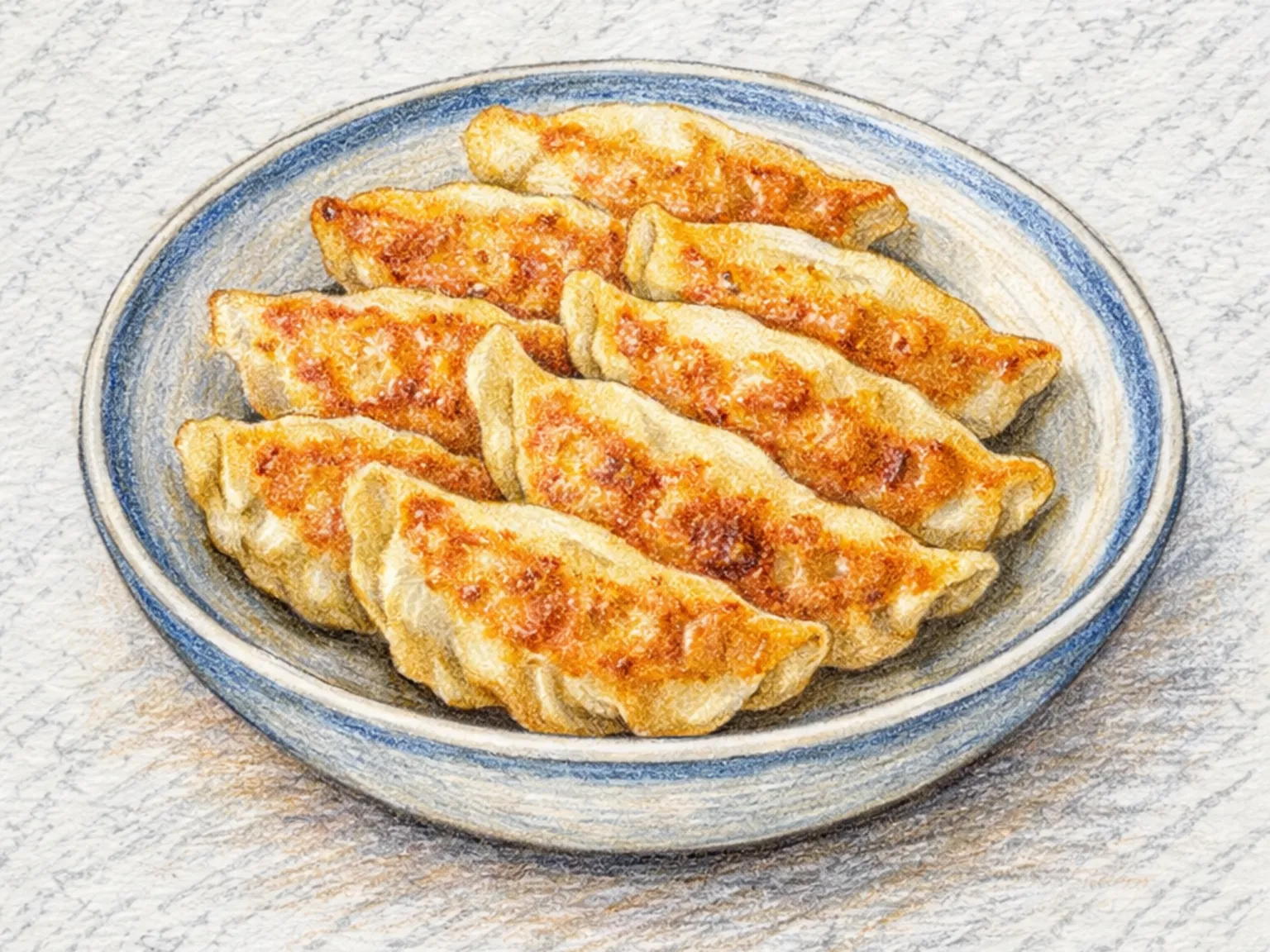
Korean Crispy Pan-Fried Dumplings
Crispy gunmandu uses a two-stage pan-frying method to give frozen dumplings a golden, crunchy base while keeping the tops moist. The dumplings are seared in oil first until the bottoms turn golden, then water is added and the lid goes on to steam the filling through. Once the water evaporates, the lid comes off and the base crisps up a second time. Adding a flour-and-water slurry instead of plain water creates a lacy, connected crust that bridges all the dumplings together along the bottom, widening the crisp surface area and letting them lift out of the pan as one sheet. Dipped in a sauce of soy sauce, vinegar, and gochugaru, the nutty browned base contrasts sharply with the moist, seasoned filling inside.
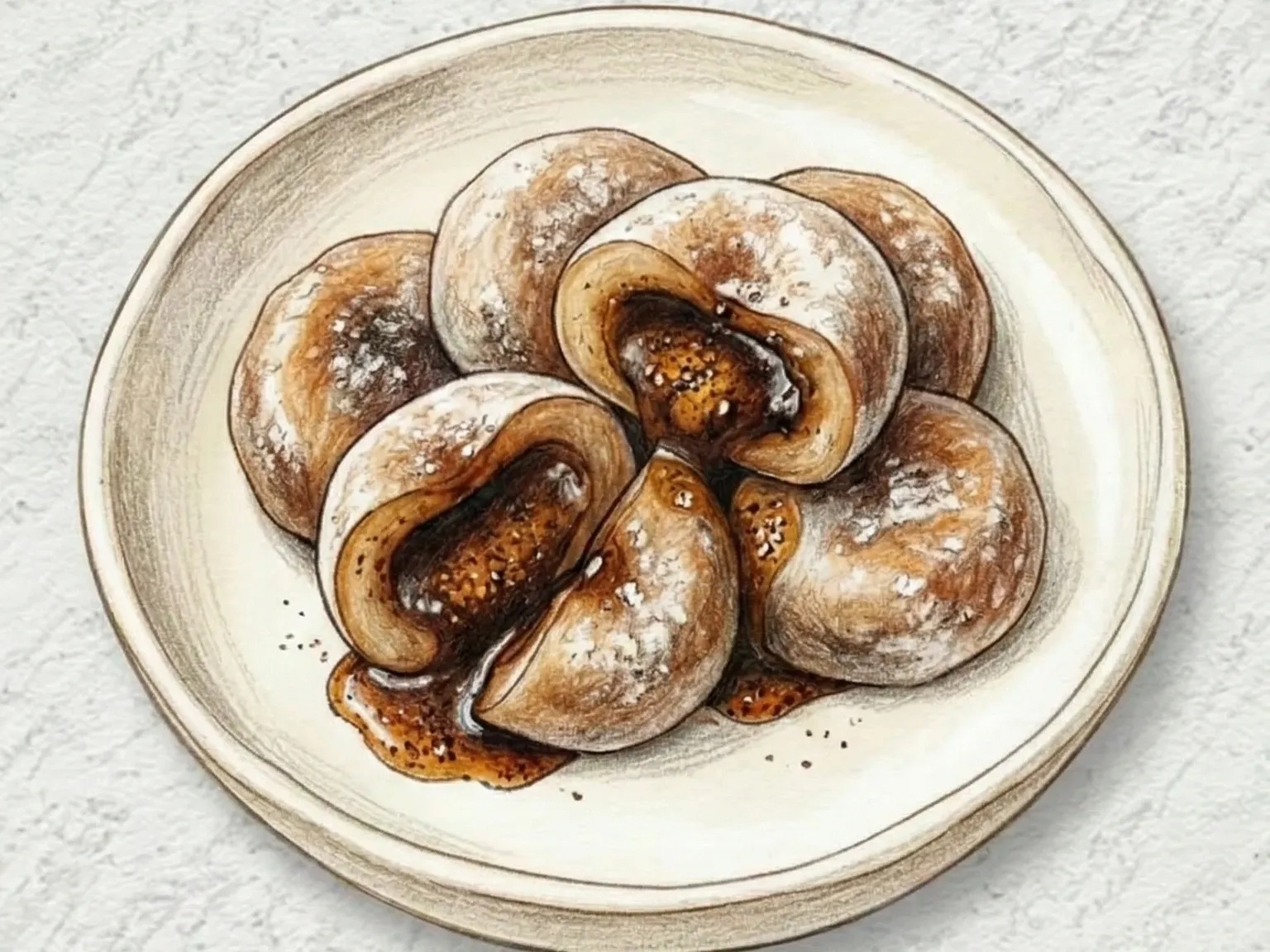
Honey-Filled Rice Cakes (Steamed Glutinous Rice with Brown Sugar Syrup)
Kkultteok are bite-sized Korean rice cakes made by kneading glutinous rice flour with hot water, wrapping each 20-gram round of dough around a filling of dark brown sugar, ground cinnamon, and chopped walnuts, then steaming for eight to ten minutes. After steaming, a light brush of sesame oil gives the surface a sheen and keeps the pieces from sticking together, and a final roll in roasted soybean powder adds a dry, nutty outer coating. Biting through the soft, chewy shell releases a pool of melted brown sugar syrup with cinnamon warmth, while the walnut fragments provide crunch against the sticky interior. The most critical step is pinching the dough seam shut as tightly as possible: if the seal fails during steaming, the molten brown sugar syrup leaks out and the rice cake ends up hollow and dry.
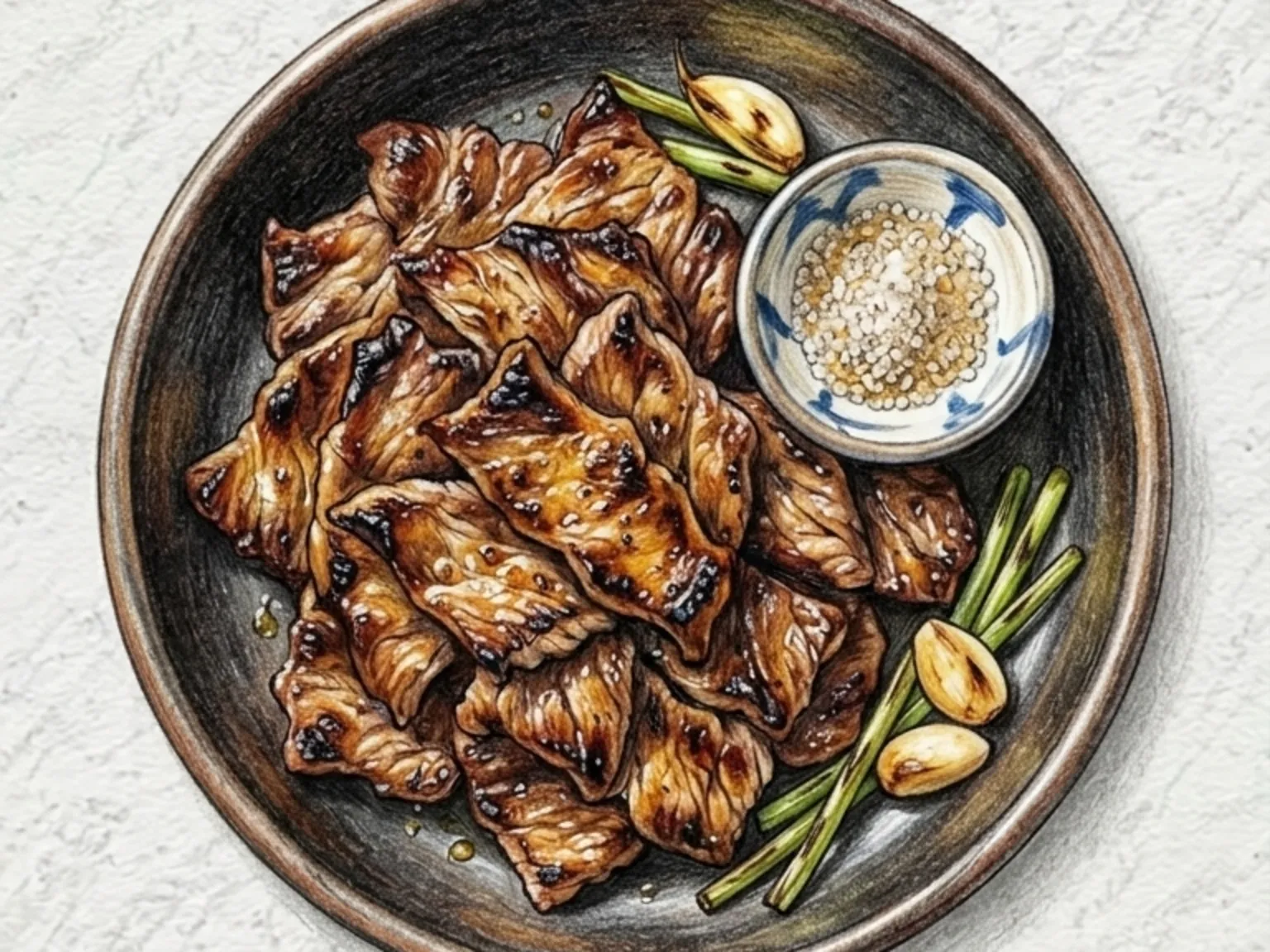
Korean Grilled Pork Skirt Meat
Galmaegisal-gui consists of grilled pork skirt steak harvested from the diaphragm muscle of the pig. This specific cut is recognized in Korean cuisine for its scarcity, as a single animal yields only between 200 and 300 grams of meat. Due to this limited supply, the cut is categorized as a specialty item within Korean barbecue establishments rather than a standard staple. Structurally, the meat resembles beef skirt steak because it features a very pronounced grain. This physical characteristic results in a texture that provides a substantial and firm chew. Additionally, the cut carries a specific fatty aroma that is characteristic of pork yet distinct from other common grilled parts of the animal. Before the meat reaches the heat, it typically receives a light seasoning composed of soy sauce, minced garlic, and cracked black pepper. The cooking process requires a high temperature, using either a bed of natural charcoal or a heavily heated pan to sear the exterior rapidly. Because the slices are relatively thin, the preparation involves keeping each side over the maximum heat source for less than sixty seconds. This timing ensures that the surface undergoes the Maillard reaction to achieve caramelization without drying out the interior. Ideally, the center of the meat remains slightly pink, reaching a medium level of doneness. If the cooking time extends beyond this window, the muscle fibers tend to contract and tighten significantly. Such overcooking removes the springy and resilient texture that defines the quality of this particular cut. When prepared over charcoal, the smoke particles are able to enter the juices of the pork, which produces a complex layer of smokiness. This specific flavor profile is difficult to achieve when using a standard gas or electric heating element. Once removed from the grill, the hot slices are traditionally dipped into a small saucer containing sesame oil and coarse grains of salt. This combination allows the toasted scent of the oil to blend with the smoky residue from the charcoal. For the final step of the meal, the meat is often placed inside a wrap made of fresh perilla or lettuce leaves. The addition of these greens introduces a botanical flavor that balances the inherent richness of the grilled pork.
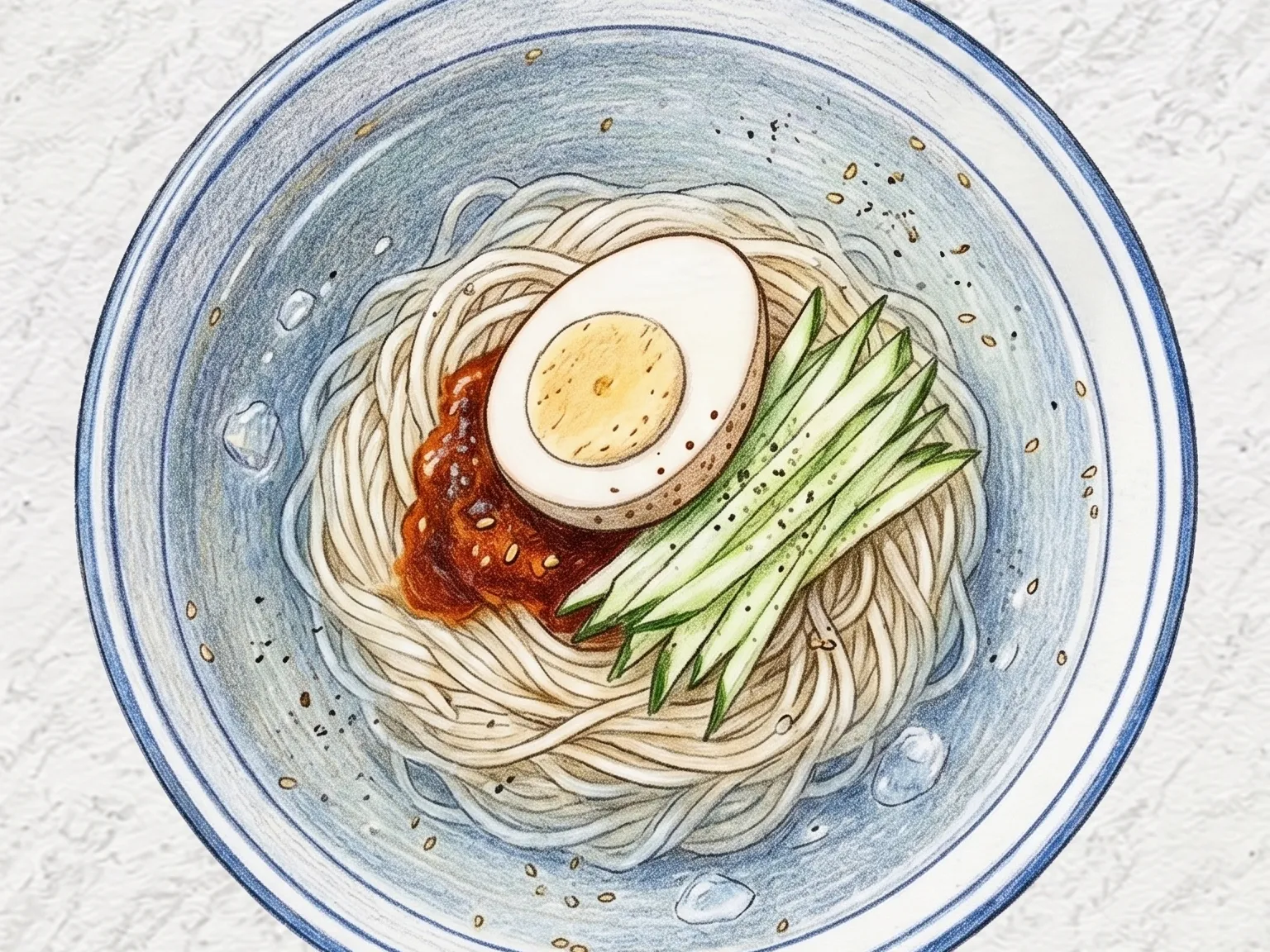
Busan Milmyeon (Korean Cold Wheat Noodles)
Busan milmyeon is a cold noodle dish unique to the city of Busan, built around chewy noodles made from wheat flour and starch served in a thoroughly chilled beef bone broth. The broth is made by simmering beef bones for a long time, then chilling it until the solidified fat can be skimmed cleanly from the surface, which produces a clear, lean broth that is savory without being heavy. A mound of spicy-sweet chili paste placed on top of the noodles introduces a sharp kick that cuts through the cold and stimulates appetite even on the most sweltering days. The noodles are softer and more yielding than the buckwheat strands used in pyongyang-style naengmyeon, and they absorb the beefy broth with each bite. Cutting the noodles with scissors and alternating between sips of cold broth and bites of dressed noodles is the local eating ritual that distinguishes milmyeon from other cold noodle dishes. Half a boiled egg and thin cucumber slices form the standard garnish, and a splash of vinegar and a dab of mustard on the table allow each diner to adjust the flavor balance to taste. The dish traces its origin to the wartime period of the early 1950s, when refugees displaced to Busan during the Korean War began making cold noodles with wheat flour as a substitute for the buckwheat they could no longer obtain from the north.
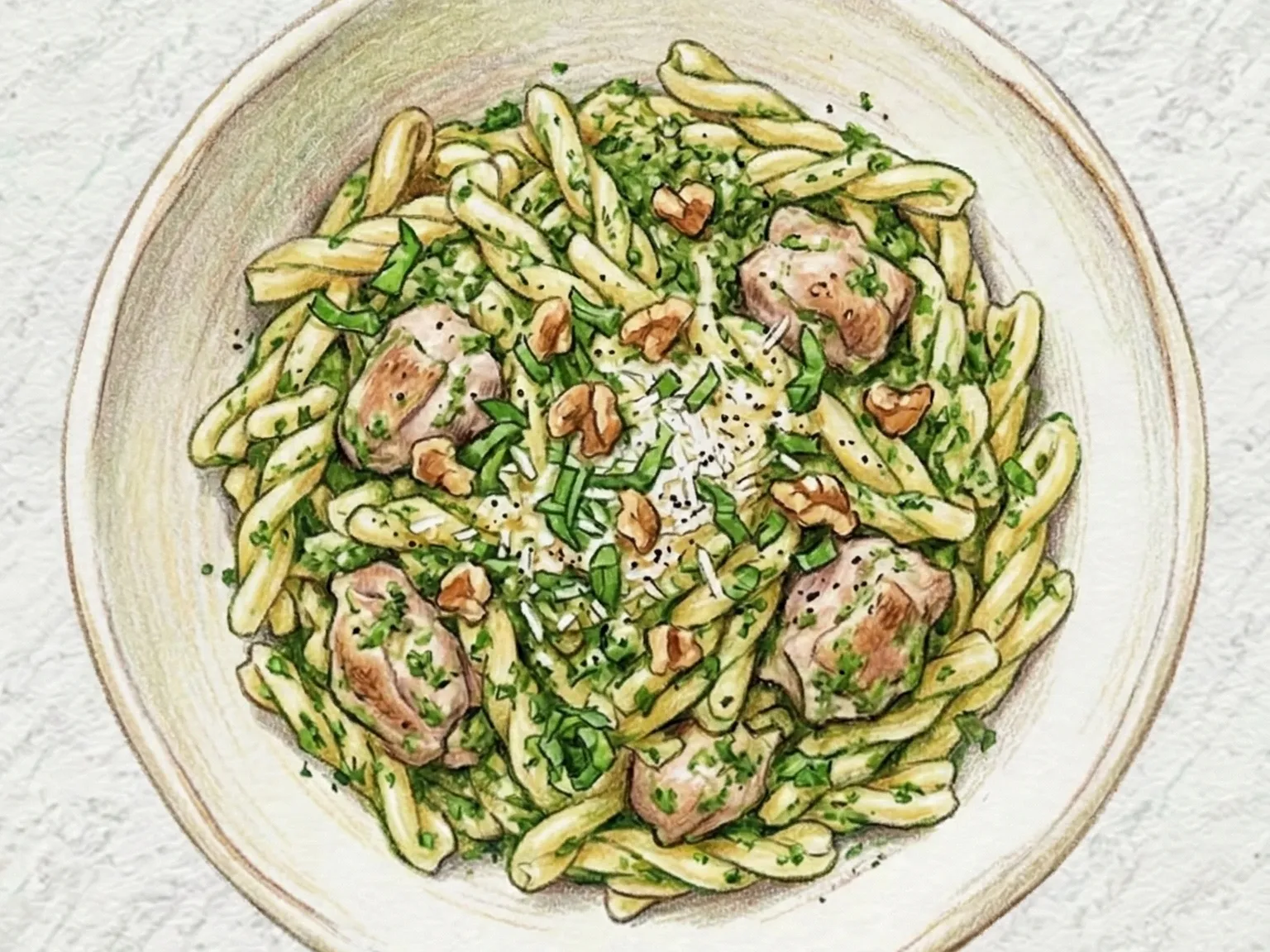
Minari Pesto Chicken Gemelli
Minari pesto chicken gemelli is built on a sauce made by grinding Korean water parsley and walnuts together into a pesto that reads as herbaceous and faintly bitter rather than the sweet, basil-forward character of the Italian original. Minari has a clean, lightly peppery green aroma with a slight cooling quality that carries through to the finished sauce. Walnuts replace pine nuts, adding a denser, earthier nuttiness along with a coarser texture in the paste. Chicken thighs are seared in a hot pan until the skin side develops a proper golden crust through the Maillard reaction, which adds savory depth the breast cut lacks. Parmesan cheese and olive oil give the pesto its creamy, cohesive body. Lemon juice is added last to cut through the oil and brighten the entire dish without making it feel acidic. Gemelli is a natural choice because its tightly twisted double-helix shape traps the thick sauce inside each coil, ensuring good coverage in every bite. If minari is unavailable, ssukgat can substitute, but the flavor profile shifts toward a more bitter, chrysanthemum-like note.
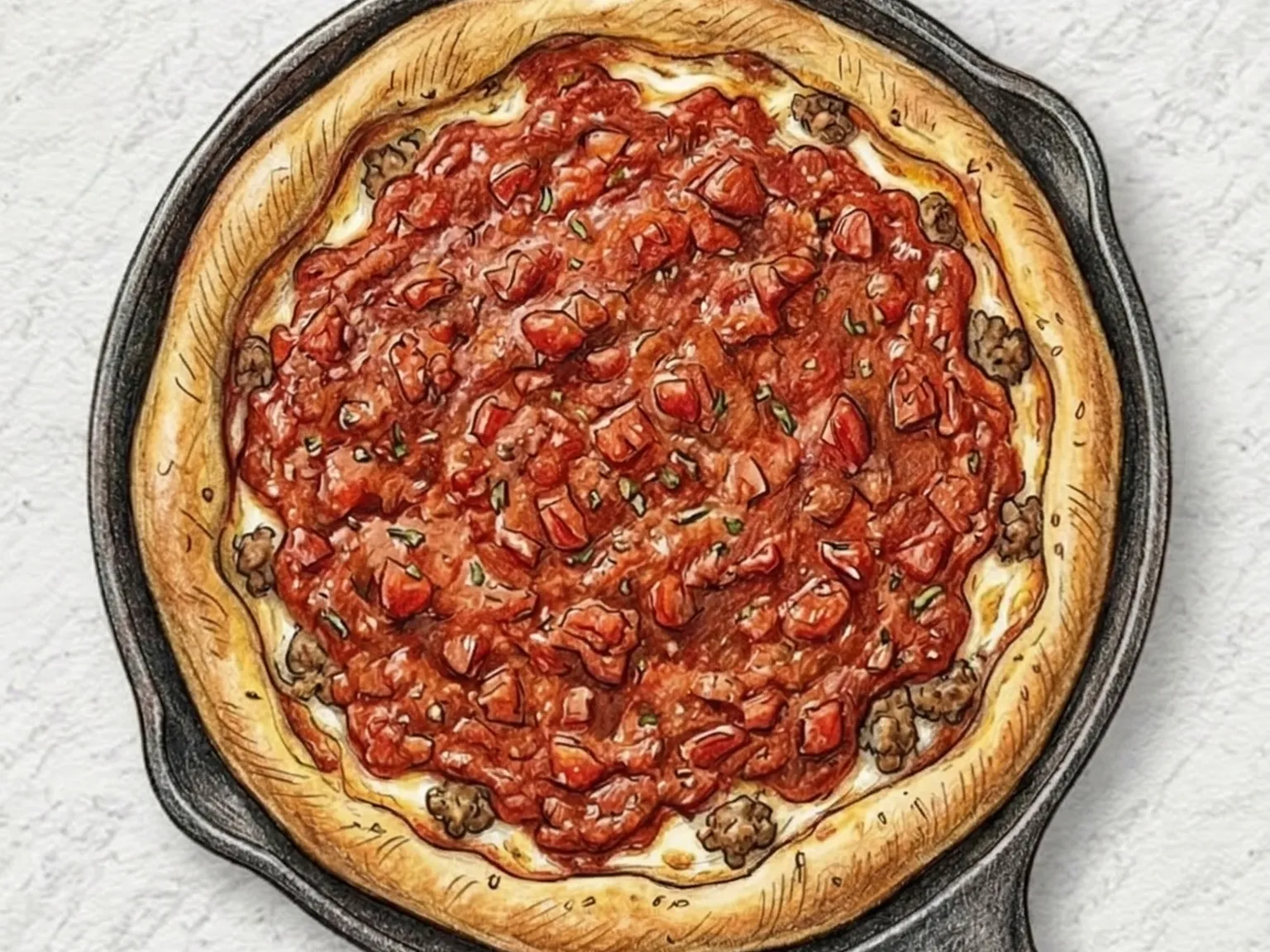
Chicago Deep Dish Pizza
Chicago deep dish pizza is a pie-style pizza where dough is pressed into a deep cast iron or dark metal pan to cover the bottom and climb the walls, then layered with mozzarella cheese and Italian sausage before crushed tomatoes and oregano are spread across the top. Positioning the sauce on the uppermost layer shields the cheese from direct oven heat, preventing it from scorching while the tomato reduces and concentrates over the long bake. The sausage must be pre-cooked with onion to drive off excess moisture, keeping the thick base from turning soggy under the weight of the filling. Stretching the dough wide enough to reach the rim keeps the molten contents contained during baking. After 30 to 35 minutes at 220 degrees Celsius, the pizza requires at least ten minutes of resting before slicing so the interior sets and the layers hold their shape when cut. The dish traces its origins to Pizzeria Uno in Chicago in 1943 and has since become one of the city's defining foods.