🌙 Late Night Recipes
Quick and satisfying late-night bites
651 recipes. Page 7 of 28
Late-night cravings call for quick, easy recipes that satisfy without too much effort. Ramyeon, egg fried rice, tuna-mayo rice bowls, and simple toasts - these are dishes you can throw together when hunger strikes after dark. Cooking at home beats delivery in both cost and healthiness.
The ideal late-night snack is fast to make, easy to clean up, and just filling enough. These recipes hit that sweet spot - comforting without being heavy.
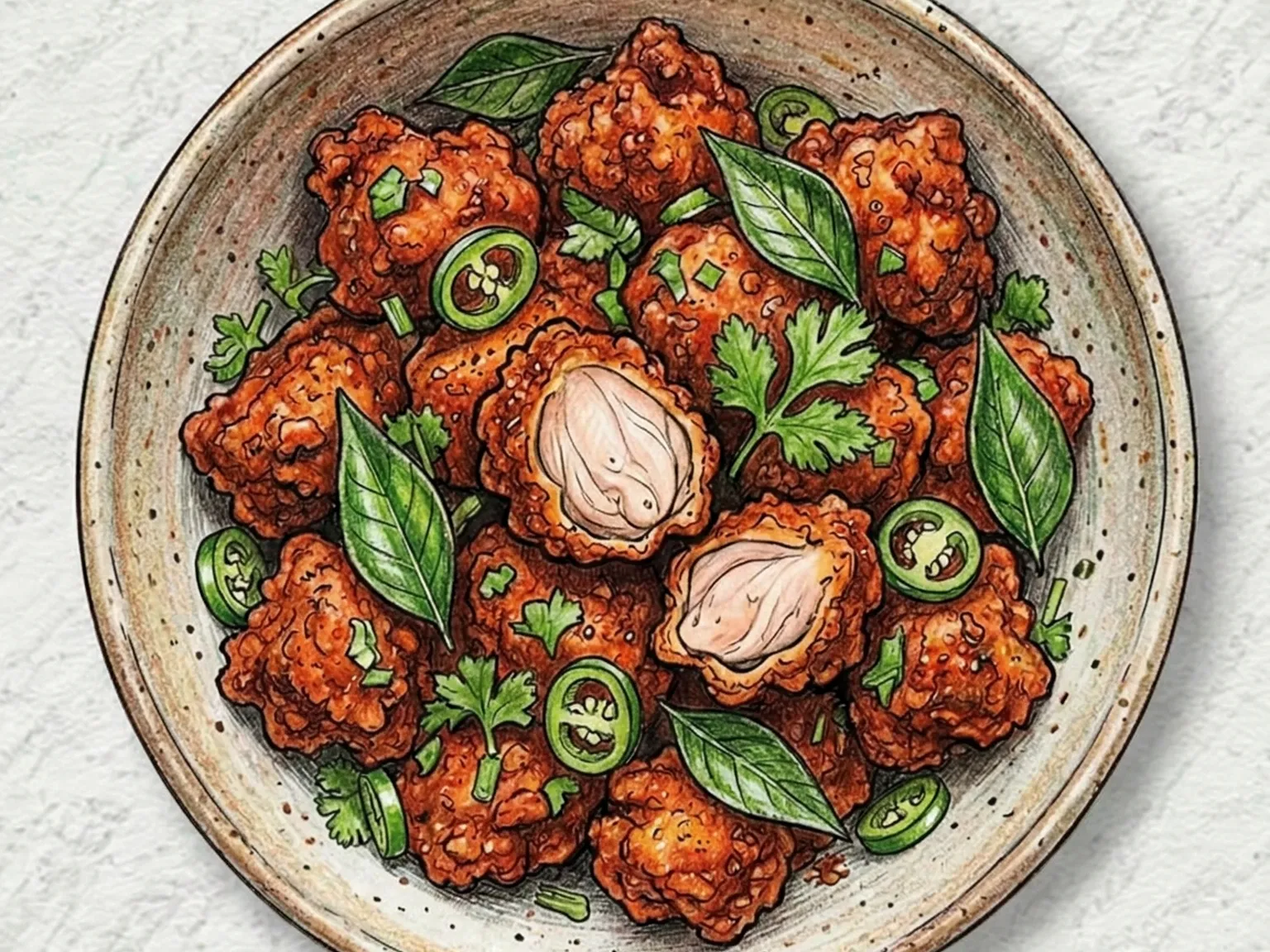
Chicken 65 (South Indian Deep-Fried Spiced Yogurt Chicken)
Chicken 65 is a South Indian deep-fried chicken dish that traces its origin to the Buhari Hotel in Chennai, where it first appeared on the menu in 1965. The name has generated a minor mythology: one theory says it was the 65th item on the original menu, another claims the recipe calls for exactly 65 ingredients, and a third insists the chicken required 65 days of marination - none of which has been conclusively verified. The marinade is built around whole-milk yogurt, red chili powder, turmeric, and a coarse ginger-garlic paste, which work together to tenderize the chicken while depositing both heat and tang deep into the fibers. After marinating for several hours, the pieces are dusted in cornstarch and fried until the exterior forms a thin, crackling shell while the interior stays moist from the dairy in the marinade. The dish is not finished after frying. The fried chicken goes back into a hot pan where it is tossed briskly with curry leaves, whole dried red chilies, and mustard seeds in a small amount of oil. When curry leaves hit hot fat, they release a distinctive aroma - something between roasted nuts and citrus peel - that clings to the surface of each piece and layers over the chili-yogurt flavors already present. This double-cooking method is what separates chicken 65 from generic fried chicken. Originally a bar snack in South India's pub culture, it spread across the subcontinent and now appears on menus everywhere from Bangalore to Delhi. The heat level varies significantly by restaurant, ranging from gently warming to genuinely tongue-numbing.
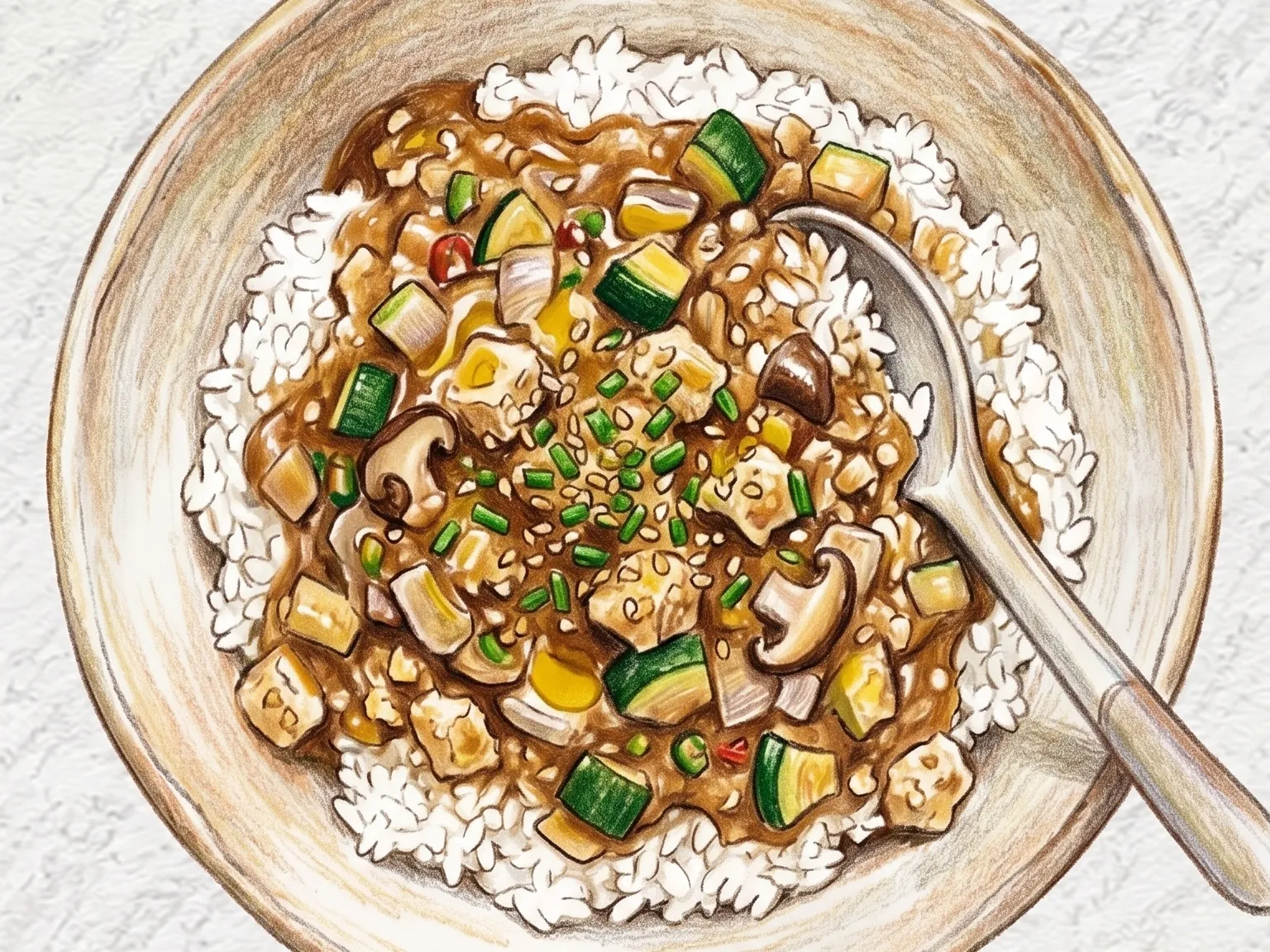
Korean Thick Doenjang Bibimbap
Gangdoenjang-bibimbap is a rice bowl built around gangdoenjang, a reduced and concentrated version of the fermented soybean paste cooked down with vegetables and tofu until most of the moisture has evaporated. Where ordinary doenjang jjigae centers on broth, gangdoenjang is intentionally reduced to intensify the fermented depth, allowing the paste to cling to rice like a thick sauce when spooned over and mixed in. Minced garlic is bloomed in sesame oil first, then diced onion and zucchini are added and cooked through before the dissolved doenjang and minced shiitake go into the pan to reduce over gentle heat. Firm tofu is crumbled in during the final stage, breaking apart as it cooks and giving the sauce a heavier, more substantial body. Water is added in 20 to 40 milliliter increments to adjust consistency depending on the saltiness of the paste. A chopped cheongyang chili raises the heat and sharpens the savory quality of the doenjang. An extra drizzle of sesame oil when mixing amplifies the nuttiness, and a fried egg or crumbled dried seaweed on top turns the bowl into a complete and filling meal.
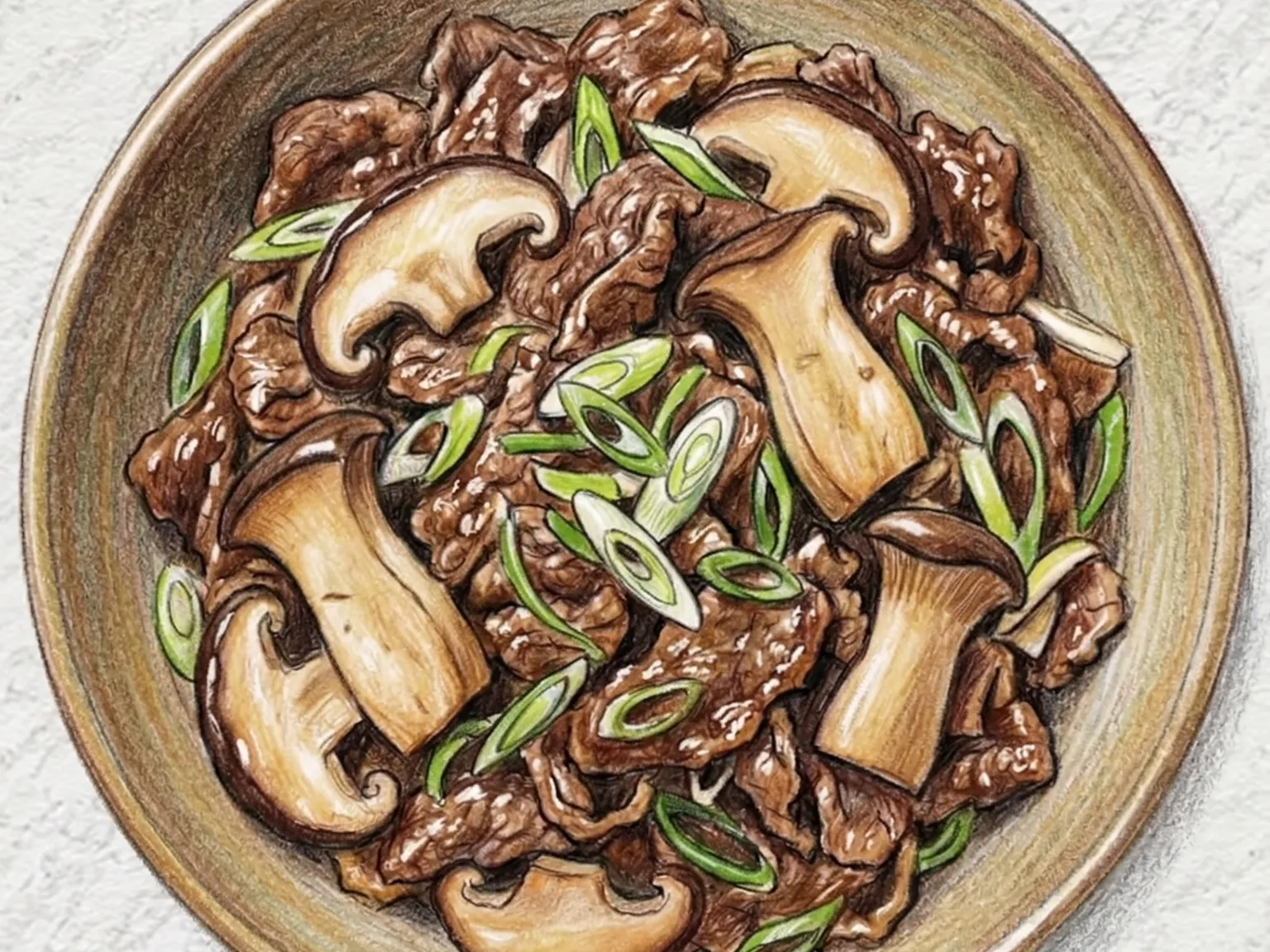
Korean Soy Bulgogi with Mushrooms
Thinly sliced beef is marinated in soy sauce, Korean pear juice, and sesame oil, then stir-fried over high heat together with shiitake and king oyster mushrooms. Pear juice acts as a natural tenderizer: its enzymes break down muscle proteins so each slice pulls apart along the grain instead of resisting the tooth, and its fructose tempers the salt of the soy sauce into a balanced sweet-salty base. The two mushroom varieties are not interchangeable in role - shiitake brings a firm, chewy bite while king oyster delivers a thick, clean meatiness that holds its shape through the heat. Crowding the pan is the single most common mistake: when too much goes in at once, the temperature drops and the ingredients steam rather than sear, resulting in gray, soft pieces instead of the glazed, caramelized coating the dish depends on. Work in small batches over sustained high heat so the marinade reduces against the hot pan surface. Green onion added in the final minute retains its sharp, fresh character and cuts through the sweet richness, providing the finishing contrast the dish needs.
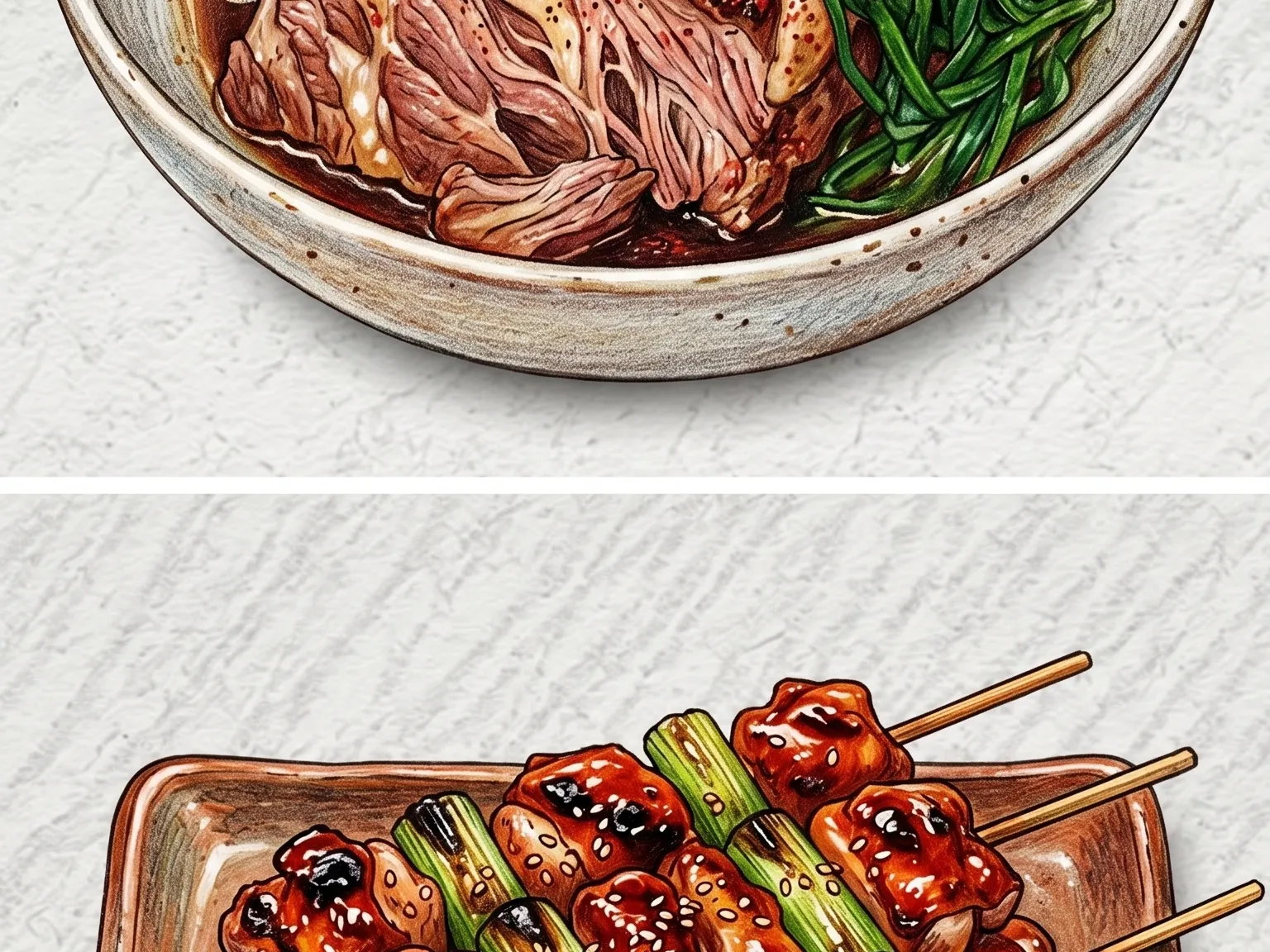
Korean Spicy Chicken Skewers
Spicy dak-kkochi threads boneless chicken thigh and green onion segments onto skewers, then grills them while brushing on a gochujang-based glaze in multiple rounds. Chicken thigh meat stays moist throughout cooking due to its higher fat content, and the green onion segments sweeten and caramelize under direct heat, providing a counterbalance to the spicy sauce. The glaze -- gochujang blended with sugar, garlic, and soy sauce -- caramelizes against the hot surface to build a sticky, lacquered coating on each piece. Applying the glaze two or three times during grilling stacks distinct layers of sweet-spicy flavor that gradually penetrate deeper into the meat.
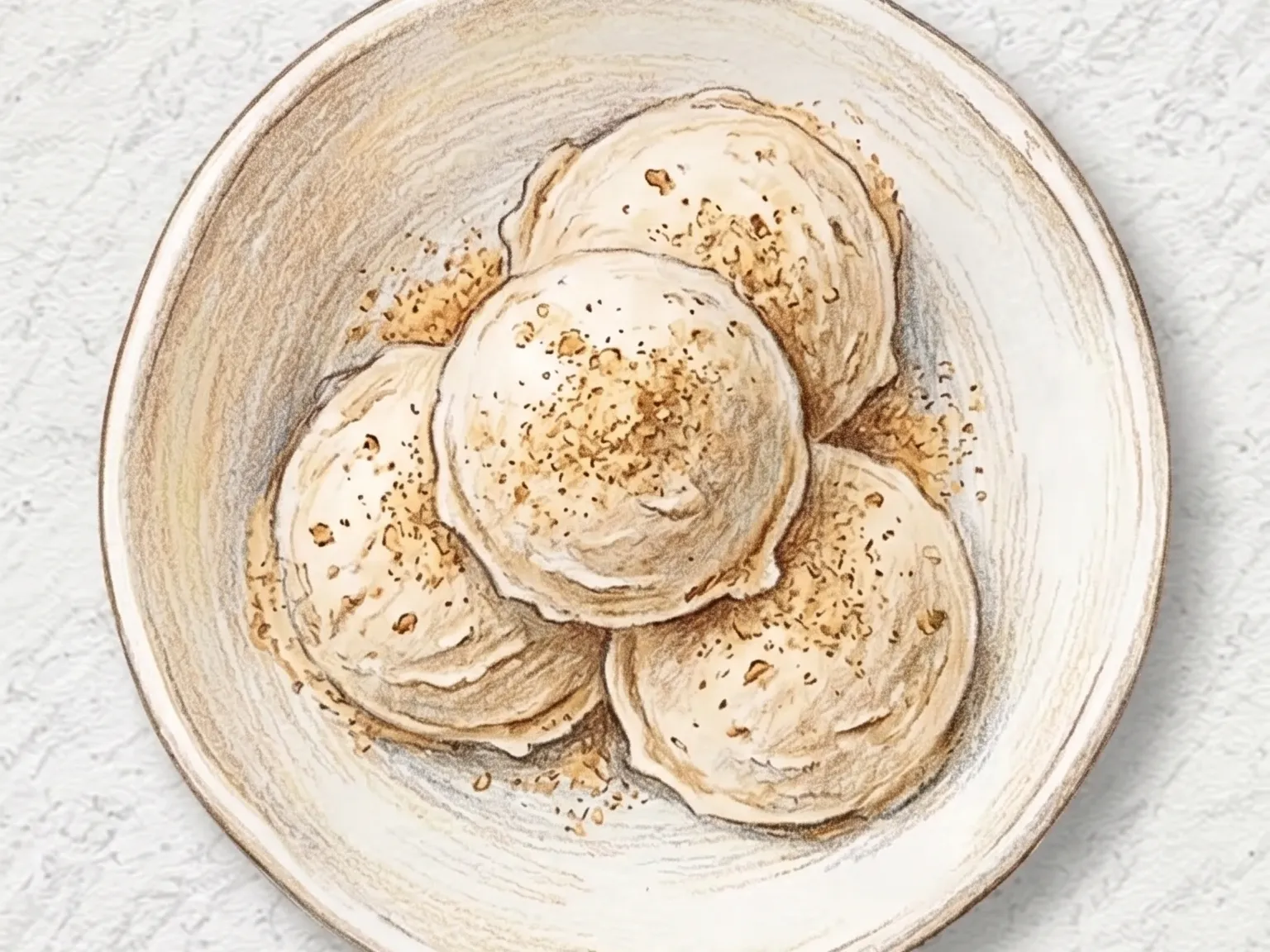
Misugaru Grain Ice Cream
Misugaru Grain Ice Cream is a frozen dessert made by blending roasted multi-grain powder with milk and heavy cream. The misugaru is whisked into milk to dissolve any lumps before honey, condensed milk, and a pinch of salt are added to establish a sweet, nutty base. Separately, heavy cream is whipped to soft peaks and gently folded into the mixture using J-shaped strokes to maintain aeration. The mixture is placed in a shallow container to freeze. To achieve a smooth texture, the surface is scraped with a fork every hour for three hours, breaking up ice crystals. Using black bean grain powder provides a richer taste, and topping the ice cream with chopped nuts adds a crunchy contrast to the creamy texture.
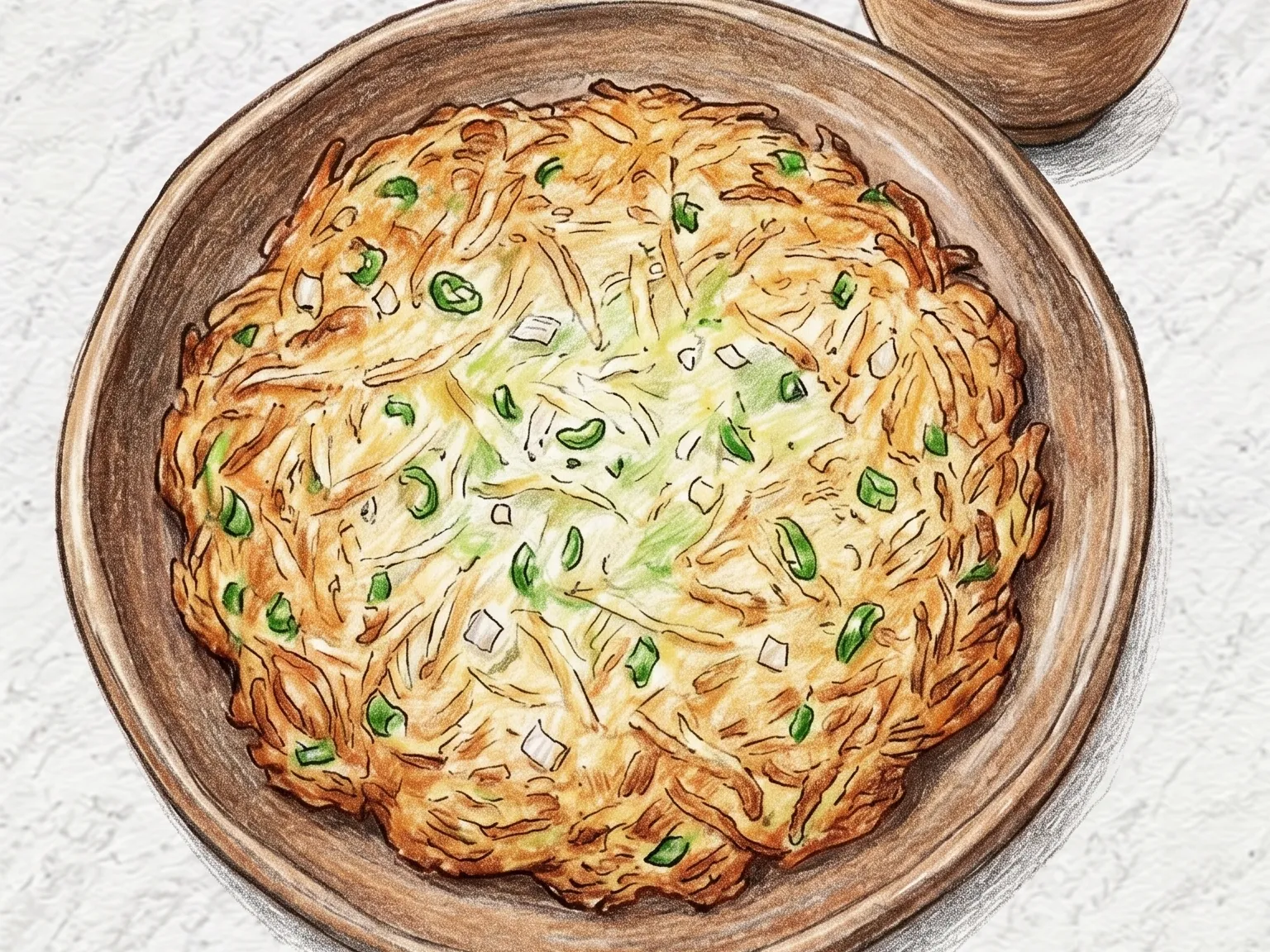
Korean Gangwon-style Potato Pancake
Gangwon-gamja-jeon is a traditional potato pancake from the mountainous Gangwon province, made by finely grating potatoes and incorporating the settled starch sediment back into the batter to achieve a uniquely chewy, mochi-like center with crisp edges. After grating, the potato liquid is left to sit until white starch settles at the bottom. The water on top is poured off and the dense starch is folded back in. Skipping this step produces a flat, crumbly pancake instead of the trademark sticky pull. Finely chopped Cheongyang chili peppers add a clean, sharp heat that cuts through the potato's natural sweetness, while minced onion reinforces that sweetness without adding excess moisture. The batter must be spread thin in a generously oiled pan and cooked patiently until the edges darken to deep golden brown. Rushing the process leaves the interior gummy and causes the pancake to fall apart when flipped. Even when the batter still looks soft and undercooked on top, waiting until the underside is fully set is what makes the flip clean. Makgeolli is the traditional pairing.
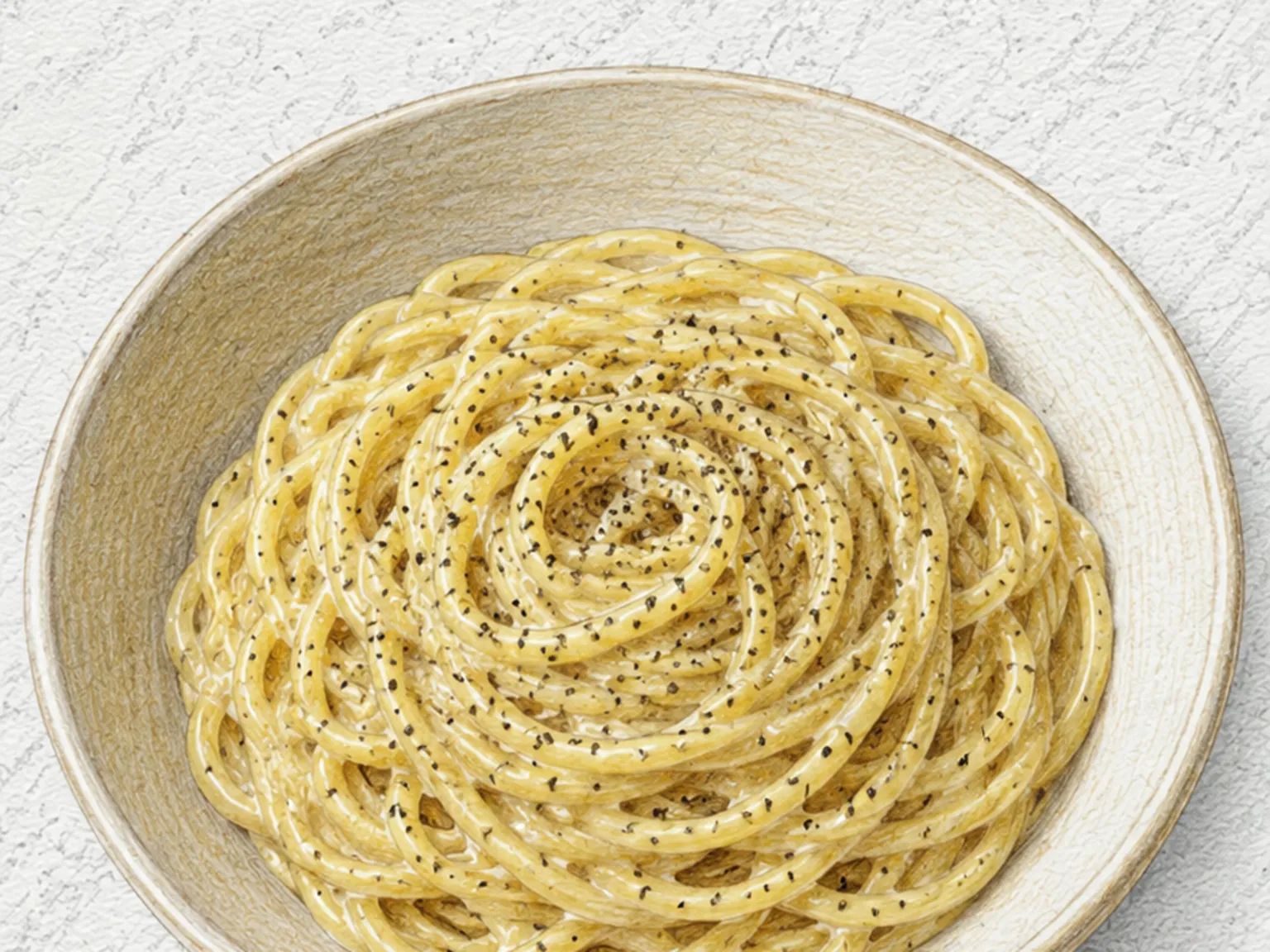
Cacio e Pepe (Pecorino Cheese and Black Pepper Pasta)
This Roman classic reaches remarkable depth from just two core ingredients: Pecorino Romano cheese and black pepper. Technique determines the outcome. Finely grated cheese must be stirred off the heat into starchy pasta water to form a glossy, clump-free sauce that clings evenly to every strand. Toasting whole peppercorns in a dry pan before coarsely crushing them releases volatile oils that give the dish its distinctive sharp, almost floral sting. The cheese's salty, tangy intensity needs no additional seasoning. Tonnarelli or spaghetti, with their round cross-sections, hold the sauce most effectively, ensuring each forkful carries a full charge of peppery, cheesy richness. Timing is decisive: even a few extra seconds of heat can fracture the smooth sauce into grainy, broken clumps, so the pasta must come off the heat at exactly the right moment.
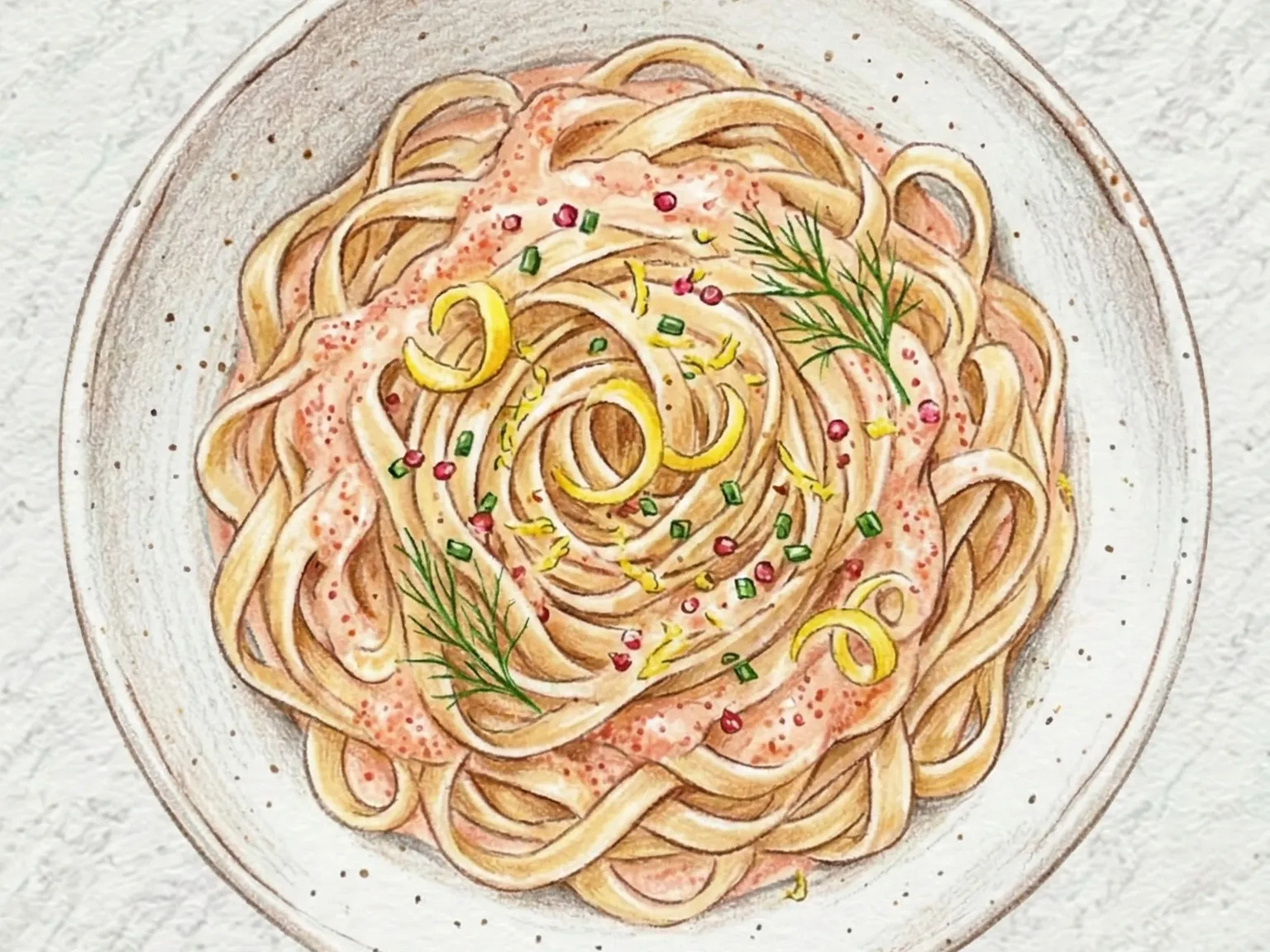
Myeongran Lemon Cream Fettuccine
Myeongran lemon cream fettuccine wraps wide pasta ribbons in a sauce made from salted pollock roe, heavy cream, butter, and lemon zest. The small eggs of the roe are left intact and stirred into the sauce off the heat so they stay soft and burst with briny flavor when bitten rather than turning granular or hard. Garlic bloomed in butter forms the aromatic base, and a mixture of heavy cream with milk tempers the roe's saltiness into a smooth, balanced coating. Using lemon zest rather than juice adds a bright citrus fragrance without diluting the sauce or introducing acidity that would curdle the cream. Parmigiano-Reggiano deepens the savory foundation, and fettuccine's broad, flat surface holds the thick cream more effectively than thinner pasta shapes. The entire dish takes about twenty minutes from start to plate, making it a practical weeknight option that does not sacrifice depth of flavor for speed. The critical technique -- incorporating the roe off the heat -- keeps the texture creamy throughout and prevents the eggs from cooking into tough, unpleasant morsels.
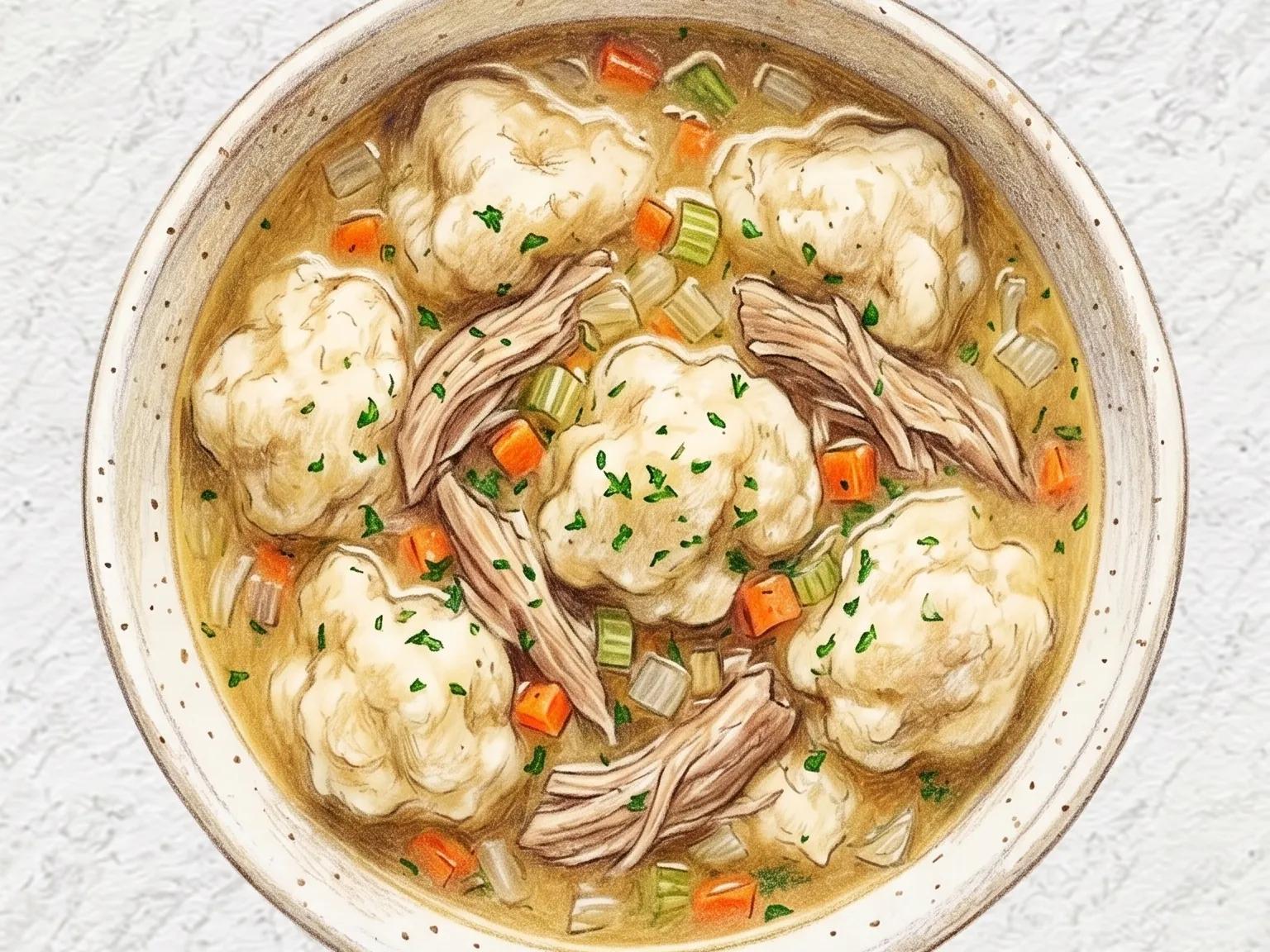
Chicken and Dumplings
Chicken and dumplings is a Southern American comfort dish built on simplicity and patience. Bone-in or boneless chicken thighs simmer with carrot, onion, and celery in chicken stock for about fifteen minutes, after which the meat is lifted out, shredded along the grain, and returned to the pot. Shredding rather than cubing matters because the torn fibers absorb broth more deeply, carrying more flavor into every bite. The vegetables release natural sugars as they cook, and those sugars combine with the chicken stock to create a layered, savory-sweet base. Once a simple batter of flour, baking powder, butter, and milk is spooned in spoonfuls onto the simmering surface, the lid goes on and must stay closed for a full twelve minutes. Steam trapped inside puffs the dumplings into light, pillow-like rounds, and lifting the lid even briefly lets the steam escape, resulting in flat, doughy discs instead. The finished dumplings are soft on the outside and tender and bread-like inside, and eating them together with the rich broth in a single spoonful is the point of the whole dish.
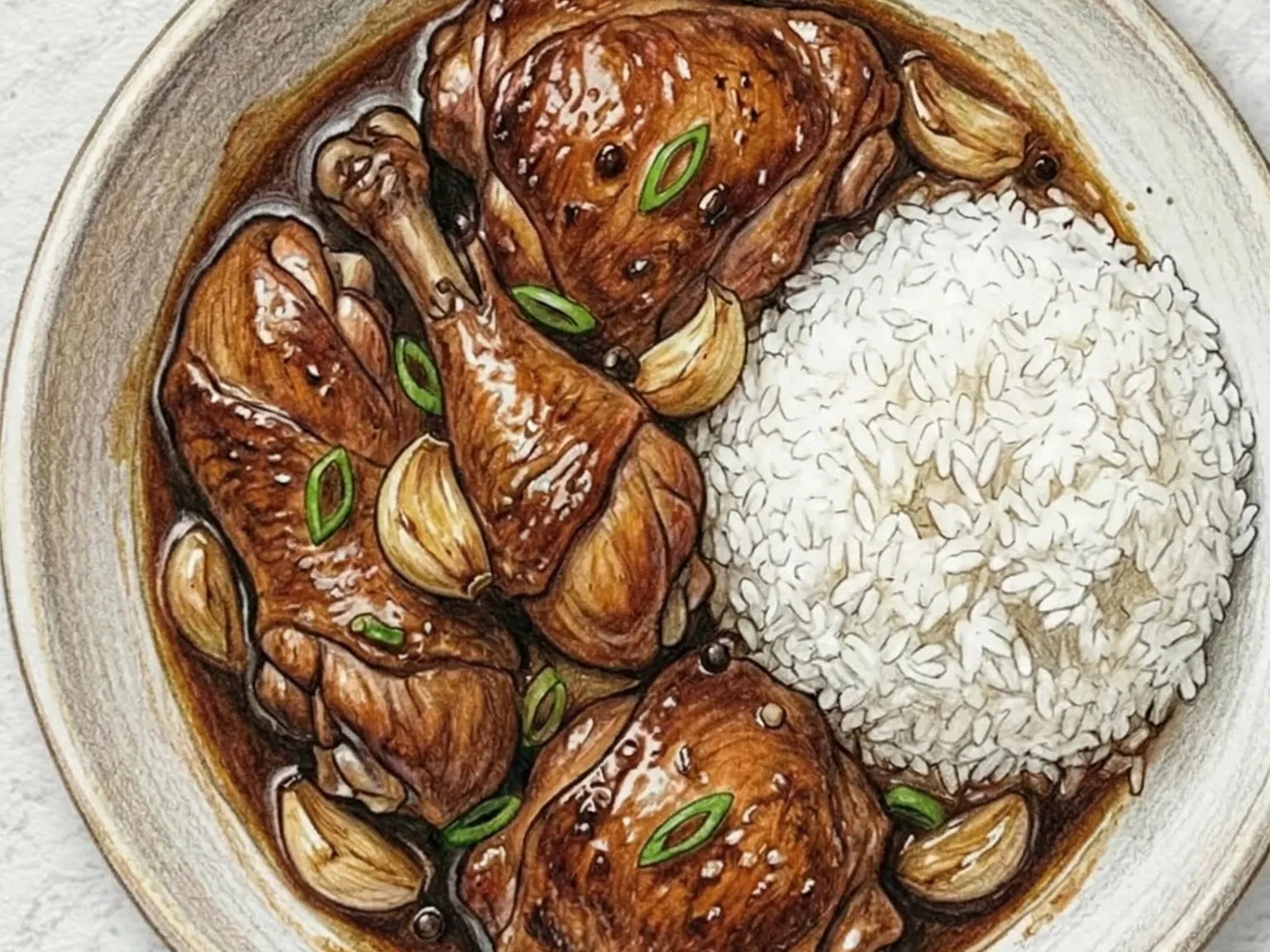
Chicken Adobo (Filipino Vinegar Soy Braised Chicken)
Chicken adobo is the unofficial national dish of the Philippines, rooted in a pre-colonial preservation technique of braising meat in vinegar to extend its shelf life in tropical heat long before refrigeration. Chicken simmers uncovered in soy sauce, cane vinegar, crushed whole garlic cloves, bay leaves, and whole black peppercorns until the sharp acidity of the vinegar mellows into a layered, salty-sour sauce with a caramelized depth that no amount of shortcutting can replicate. Once braised, the chicken pieces are removed from the sauce and pan-fried until the skin turns deep golden and audibly crisp, then returned to the reduced liquid for a final coat. The moment the crackling skin absorbs the thick, glossy sauce is the defining pleasure of a well-made adobo. Every Filipino household holds its own ratio of soy sauce to vinegar as a point of pride, and the unresolvable debate over whose mother makes the best version is practically a national institution. This tolerance for variation is part of why the dish has endured for centuries across a country of more than seven thousand islands. It is always served over steamed white rice with extra sauce ladled over generously, and adobo famously tastes better the next day, after the proteins have had time to reabsorb the deepened, overnight flavors from the refrigerator.
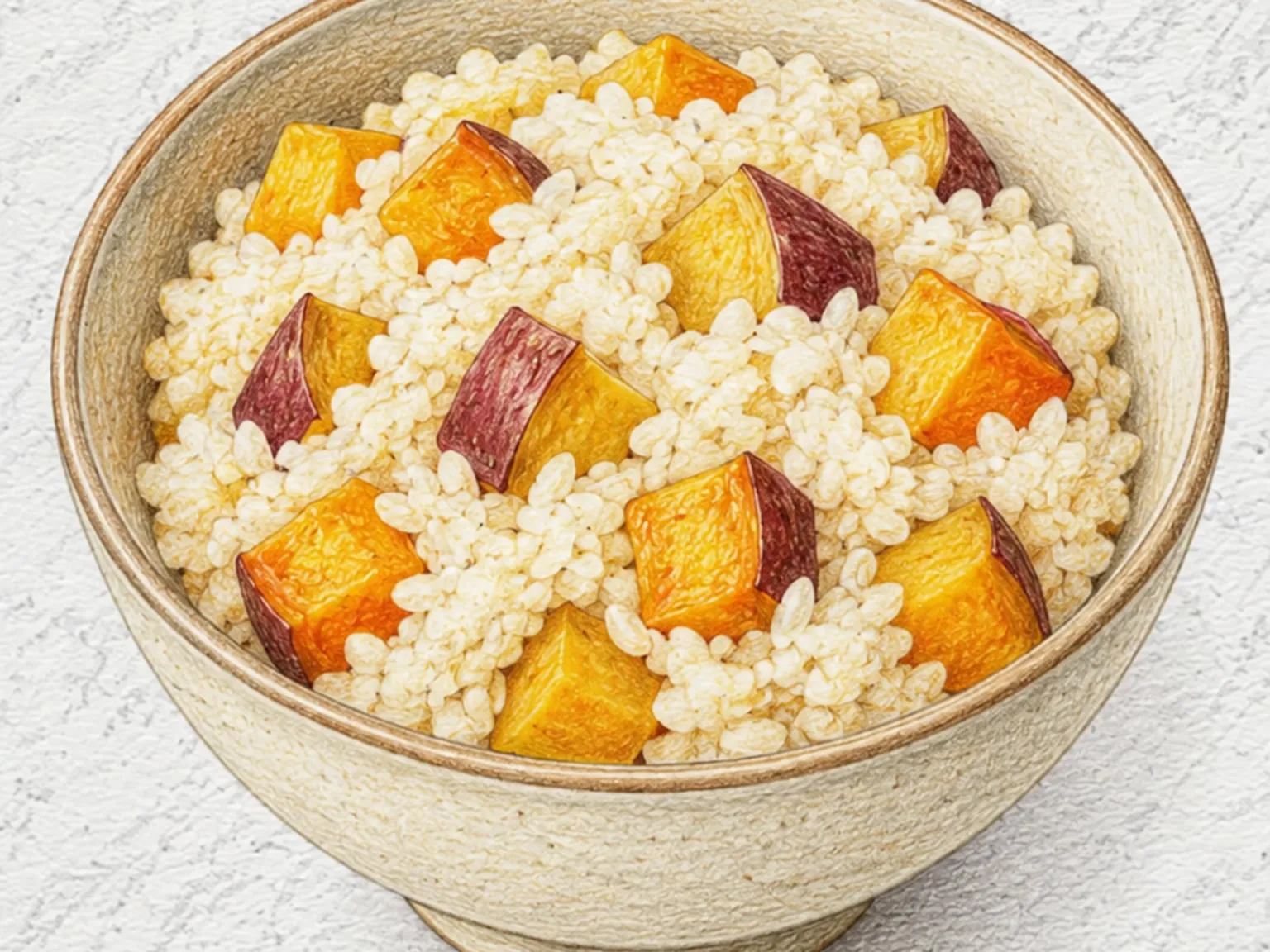
Korean Sweet Potato Rice (Steamed Grain Bowl with Natural Sweetness)
Cubed sweet potato is placed on top of washed rice and cooked together in a single pot. As the rice steams, the sweet potato's natural sugars seep into the grains, lending a gentle sweetness without any added seasoning, and the orange chunks against white rice create an inviting visual contrast. Cutting the sweet potato to roughly 2 cm ensures it cooks through at the same rate as the rice. A small pinch of salt sharpens the sweetness, and pairing the finished bowl with doenjang soup or kimchi provides a satisfying salty counterpoint. The choice of sweet potato variety matters: milbam-goguma, the chestnut-type, gives a denser and more restrained sweetness, while hobak-goguma, the butternut type, produces a softer, moister result with a more pronounced sugary flavor. Either way, goguma-bap requires minimal technique and is a reliable first recipe for anyone learning to cook Korean rice dishes.
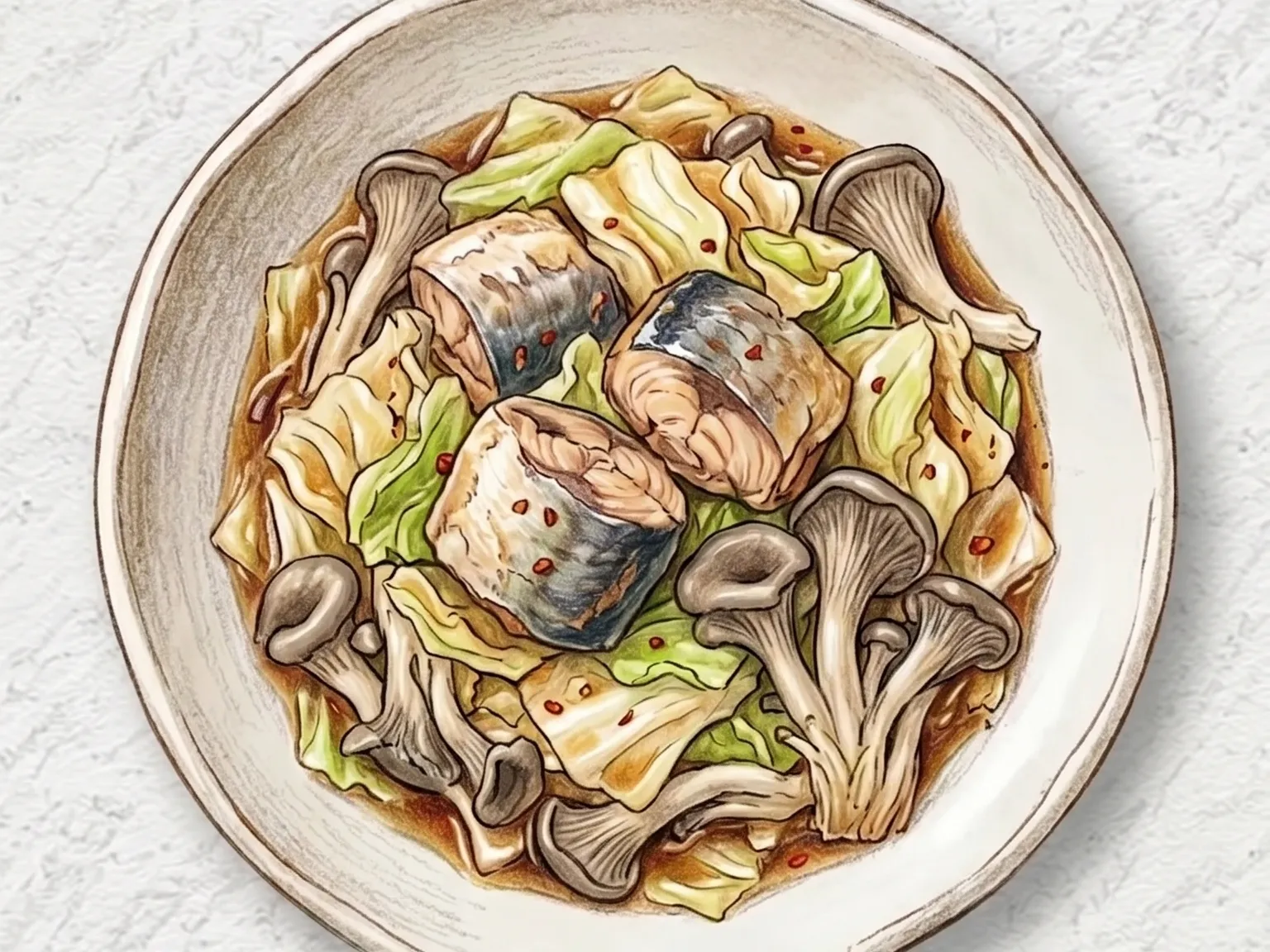
Korean Mushroom and Saury Soy Stir-fry
Beoseot kkongchi ganjang bokkeum is a stir-fry built on drained canned saury, oyster mushrooms, and cabbage seasoned with soy sauce, chili flakes, and sugar. Because the canned fish is already fully cooked and its bones have softened through the canning process, the saury only needs to be added in the final stage and folded in gently; stirring too aggressively breaks the flesh into flakes that lose all textural interest. Moisture released from the oyster mushrooms as they cook combines with the soy sauce base to form a light, natural sauce without any added water. The cabbage contributes a steady sweetness that tempers the concentrated fish umami and prevents the seasoning from reading as too heavy. A small squeeze of lemon juice at the very end of cooking lifts the entire dish, neutralizing any residual fishiness and brightening the overall profile. The whole recipe is built around a single pantry can of canned saury, requires less than fifteen minutes from start to finish, and delivers substantial protein at minimal cost.

Korean Dalgona Candy (Caramel Honeycomb Baking Soda Sugar Candy)
Dalgona is a Korean street candy made by melting sugar slowly over low heat until it reaches a light amber caramel, then removing the pan from heat and adding salt and milk powder before stirring in baking soda. The baking soda must be incorporated within five seconds of adding it -- any longer and the carbon dioxide escapes unevenly, producing large irregular bubbles instead of the fine, honeycomb-like structure the candy needs. Once the mixture is dropped onto lightly oiled parchment and pressed flat with a mold or spatula, it cools into a thin, brittle disc that shatters cleanly with a sharp bite. The flavor sits in the range of gentle caramel sweetness layered with the milky richness of the powder, and the salt added before the baking soda gives the sweetness a grounded quality that keeps the taste from going flat. Timing the removal from heat before the caramel darkens too far is the single most critical step -- over-cooked sugar turns bitter, and no amount of adjustment recovers the flavor after that point.
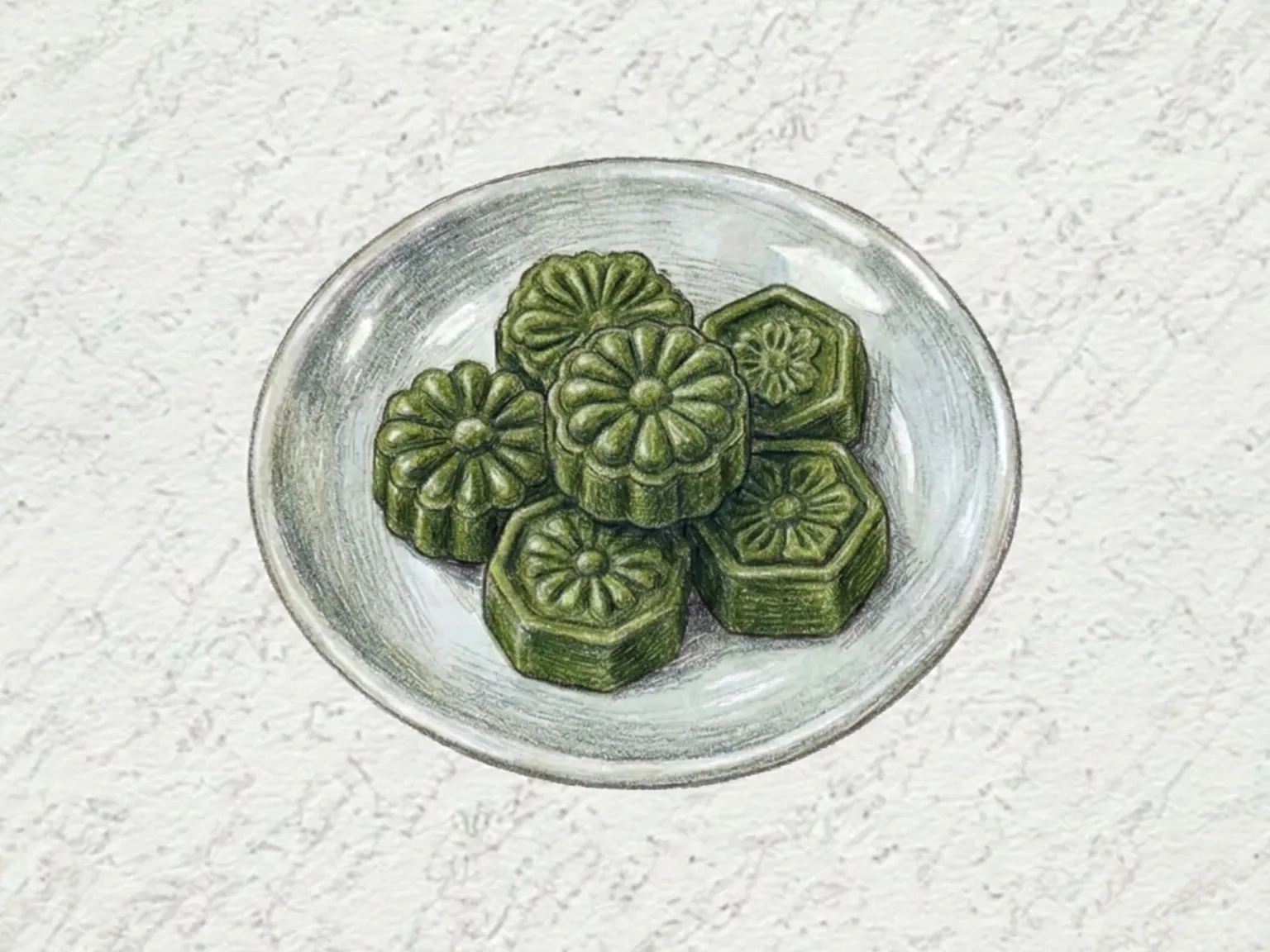
Green Tea Dasik Cookies (No-Bake Korean Matcha Pressed Cookies)
Nokcha dasik are Korean pressed tea cookies formed by binding roasted soybean powder and matcha with honey, rice syrup, and a touch of sesame oil, then stamping the mixture in a traditional wooden mold. No oven or heat is needed; the key is achieving a moisture ratio that lets the dough hold together under pressure without cracking. If the dough is too dry, the surface splits when unmolded; too wet, and the stamped pattern loses definition. Rice syrup quantity is the primary lever for adjusting consistency. On the tongue, the cookie dissolves gently, releasing the toasty depth of roasted soybean first, followed by the grassy bitterness of green tea that cleans the palate. The embossed pattern from the mold gives each piece a refined, ornamental appearance, and a brief air-dry at room temperature firms the surface enough for neat storage. Arranged two or three to a small plate beside a cup of tea, they make a composed and properly presented traditional tea-table spread.
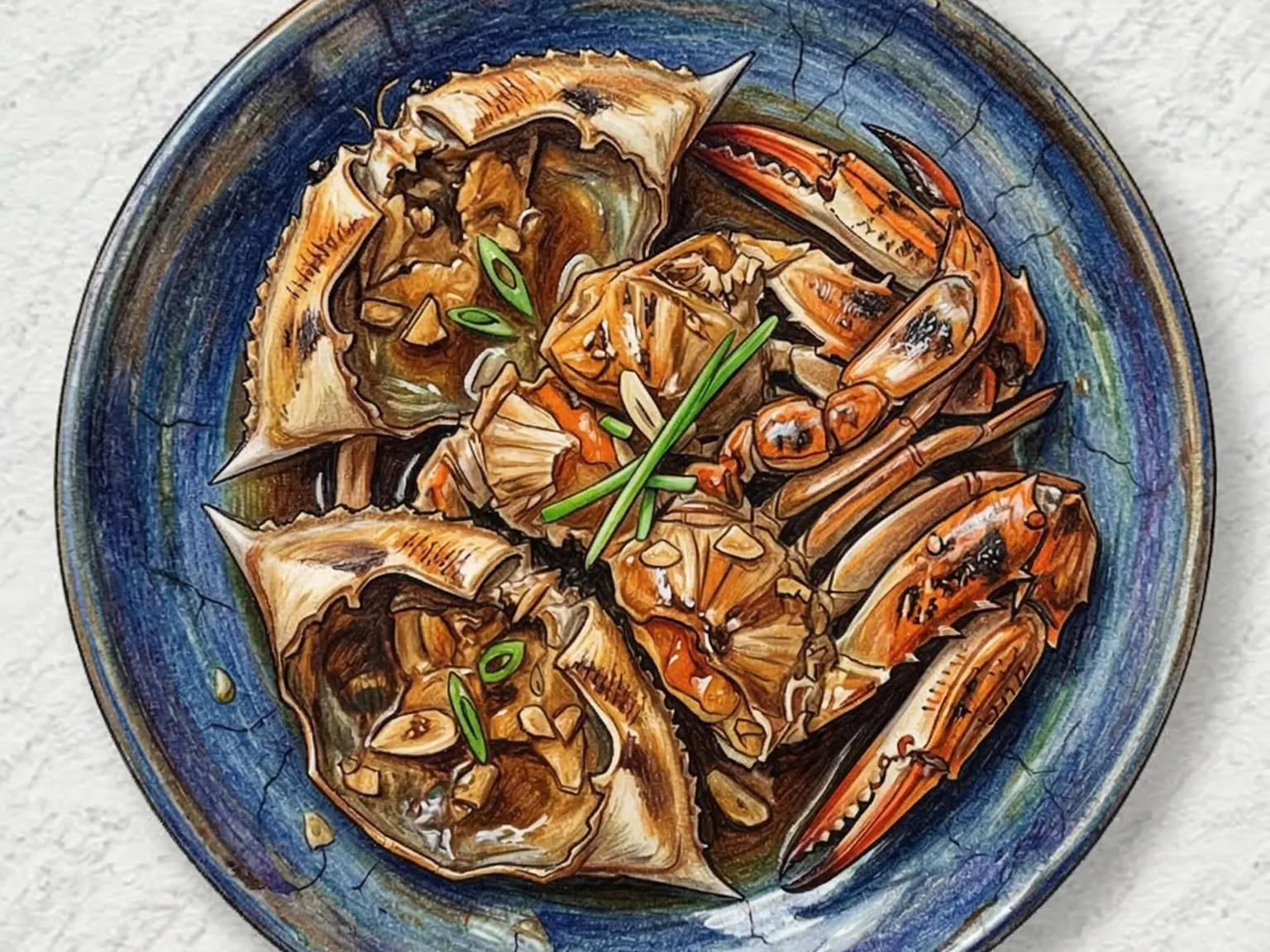
Korean Grilled Soy-Marinated Blue Crab
Ganjang-gejang-gui is a Korean grilled blue crab dish where the crab is halved, marinated in soy sauce with garlic, ginger juice, and sesame oil, then cooked on a grill or in an oven until the shell chars and the meat absorbs the salty-sweet seasoning. The key flavor element is the crab's hepatopancreas inside the top shell, which solidifies under heat into a thick, intensely savory paste that acts as a built-in sauce when eaten with the leg and body meat. The sugars in the soy marinade caramelize over high heat, forming a glossy glaze across the shell surface, and a final brush of sesame oil before serving adds a toasted nuttiness over the briny crab flavor. Marinating time matters considerably: a minimum of thirty minutes allows the soy to penetrate the surface, but refrigerating the crab for one to two hours gives the seasoning time to reach the interior flesh, producing noticeably deeper flavor. Placing the grilled crab over a bowl of rice and mixing the shell's concentrated juices and tomalley into the grains makes a complete meal without any additional side dishes.
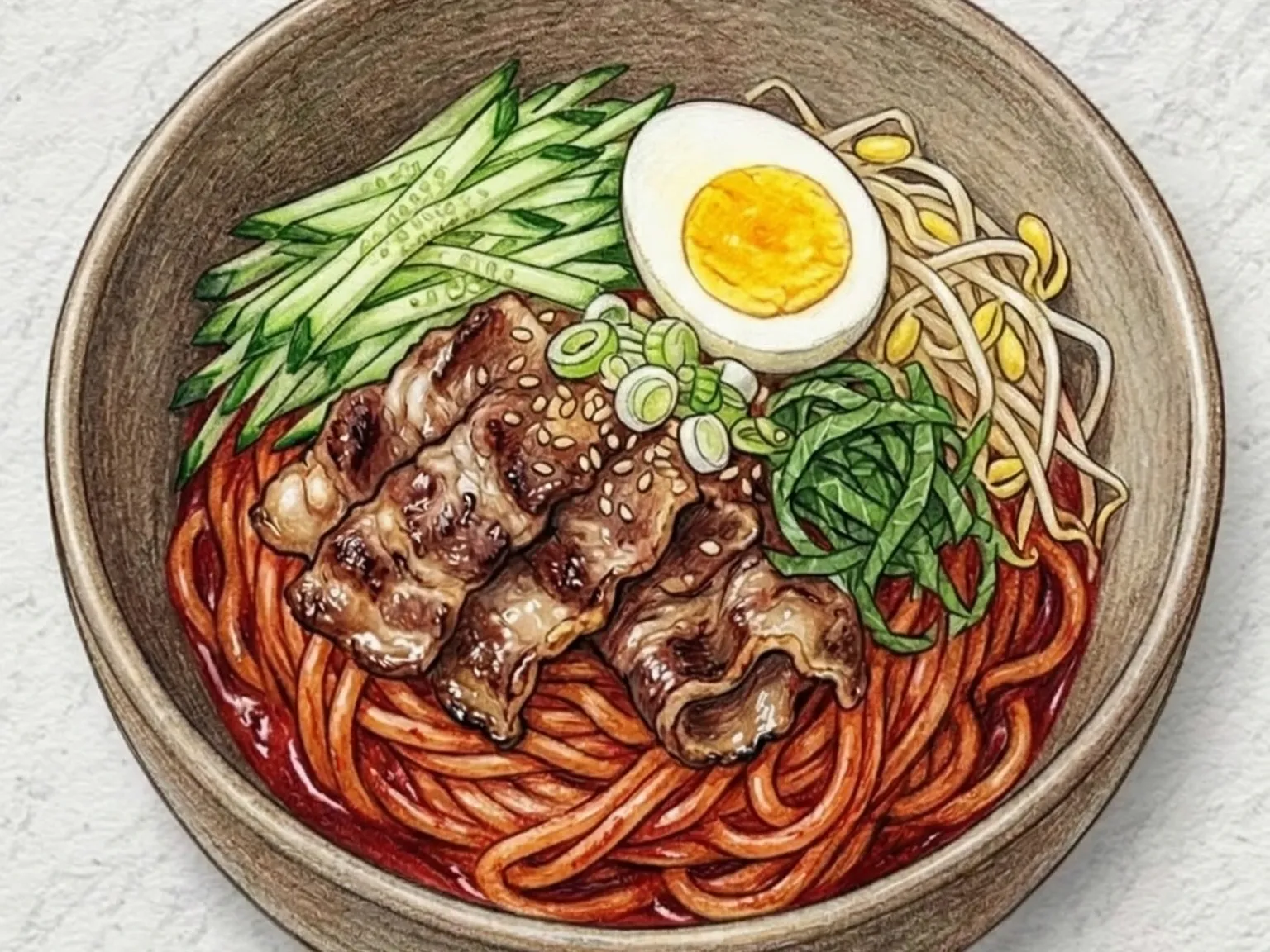
Korean Beef Brisket Jjolmyeon
Cha-dol jjolmyeon puts seared thin-sliced beef brisket on top of chewy jjolmyeon noodles dressed in gochujang sauce. The brisket is spread flat on a hot dry pan and cooked on high heat for no more than a minute per side so the exterior browns while the intramuscular fat stays in place. Cooking too long renders the fat out entirely, leaving the slices dry and tough, which defeats the purpose of using brisket over leaner cuts. Jjolmyeon noodles are made with a higher proportion of starch than ordinary wheat noodles, giving them a rubber-band elasticity that lets sauce cling to the surface from the first bite to the last. The standard accompaniments are julienned cucumber and a halved boiled egg, both of which temper the spiciness with their mild, cool flavors. Bean sprouts add a crunchy contrast in texture, while perilla leaves sharpen the overall aroma. The dish is eaten cold in summer and is also a common late-night order, often finished with a splash of vinegar stirred into the remaining sauce at the bottom of the bowl.
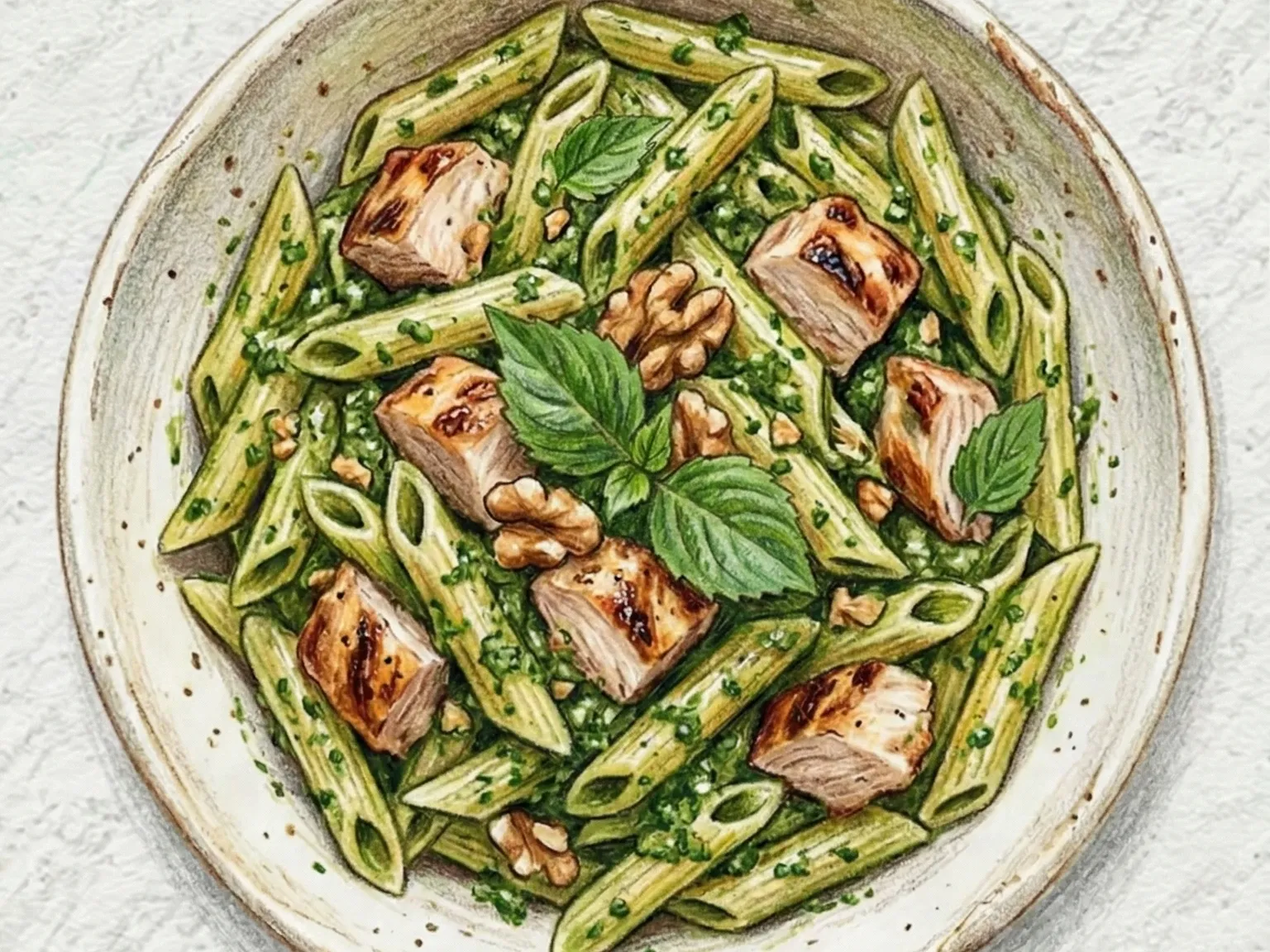
Perilla Pesto Chicken Penne
Perilla pesto chicken penne uses Korean perilla leaves and walnuts blended with olive oil into a thick, aromatic pesto that coats penne and thinly sliced seared chicken breast. Perilla leaves carry a grassy, slightly bitter fragrance with a faint sesame-like undertone that sets them entirely apart from basil - closer in character to shiso, but with a more pronounced herbal edge. Walnuts add a creamy, substantial body to the pesto and leave a lingering nuttiness after each bite. The chicken breast is seared in olive oil until golden on the outside, then sliced thin so it distributes evenly through the pasta rather than sitting in one heavy portion. Parmesan contributes salt and umami to bind the sauce, and fresh lemon juice cuts through the richness of the oil with enough acidity to keep each forkful from feeling heavy. Penne's hollow tube shape catches pesto inside as well as out, so every bite carries full flavor even when sauce coverage on the surface looks minimal.
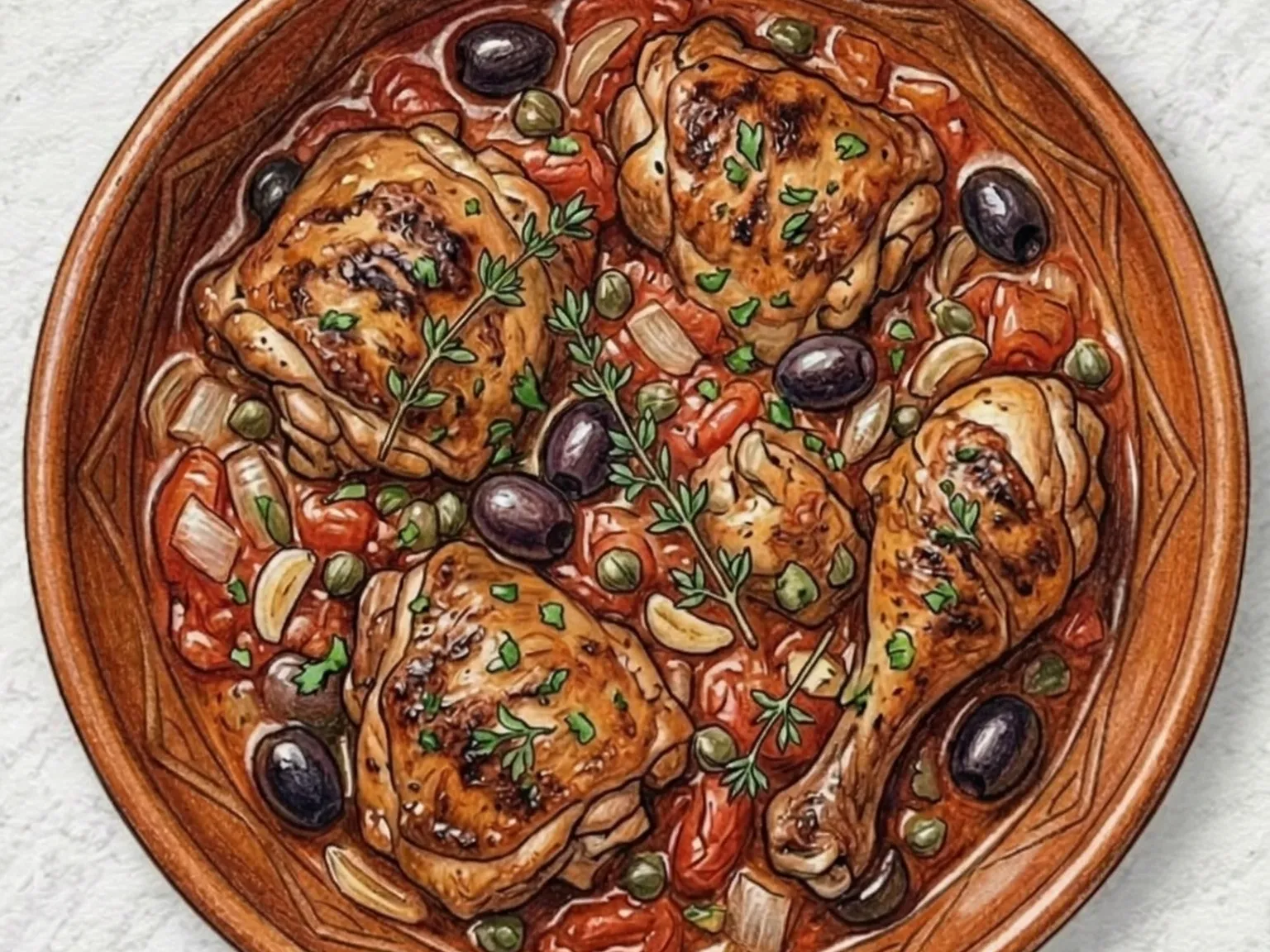
Chicken Cacciatore
Chicken cacciatore is an Italian countryside dish where chicken pieces are seared hard in olive oil until deeply browned, then braised over low heat for forty minutes with onion, garlic, canned tomatoes, black olives, capers, red wine, and thyme. The initial sear in a very hot pan triggers a Maillard reaction on the skin and surface of the meat; those browned flavors dissolve into the braising liquid and dramatically deepen the sauce as it simmers. Red wine is added and simmered for two minutes to cook off the alcohol before the remaining ingredients go in, leaving only the acidity and fruit character of the wine to layer with the tomato. The briny, savory taste of the olives and the tart, floral sharpness of the capers keep the sweetness of the canned tomatoes in check, while thyme runs as a steady, quiet herbal thread throughout. This dish improves substantially when reheated the next day, as the flavors penetrate further into the meat overnight. Leftover braising sauce is excellent tossed with pasta or spooned over soft polenta.
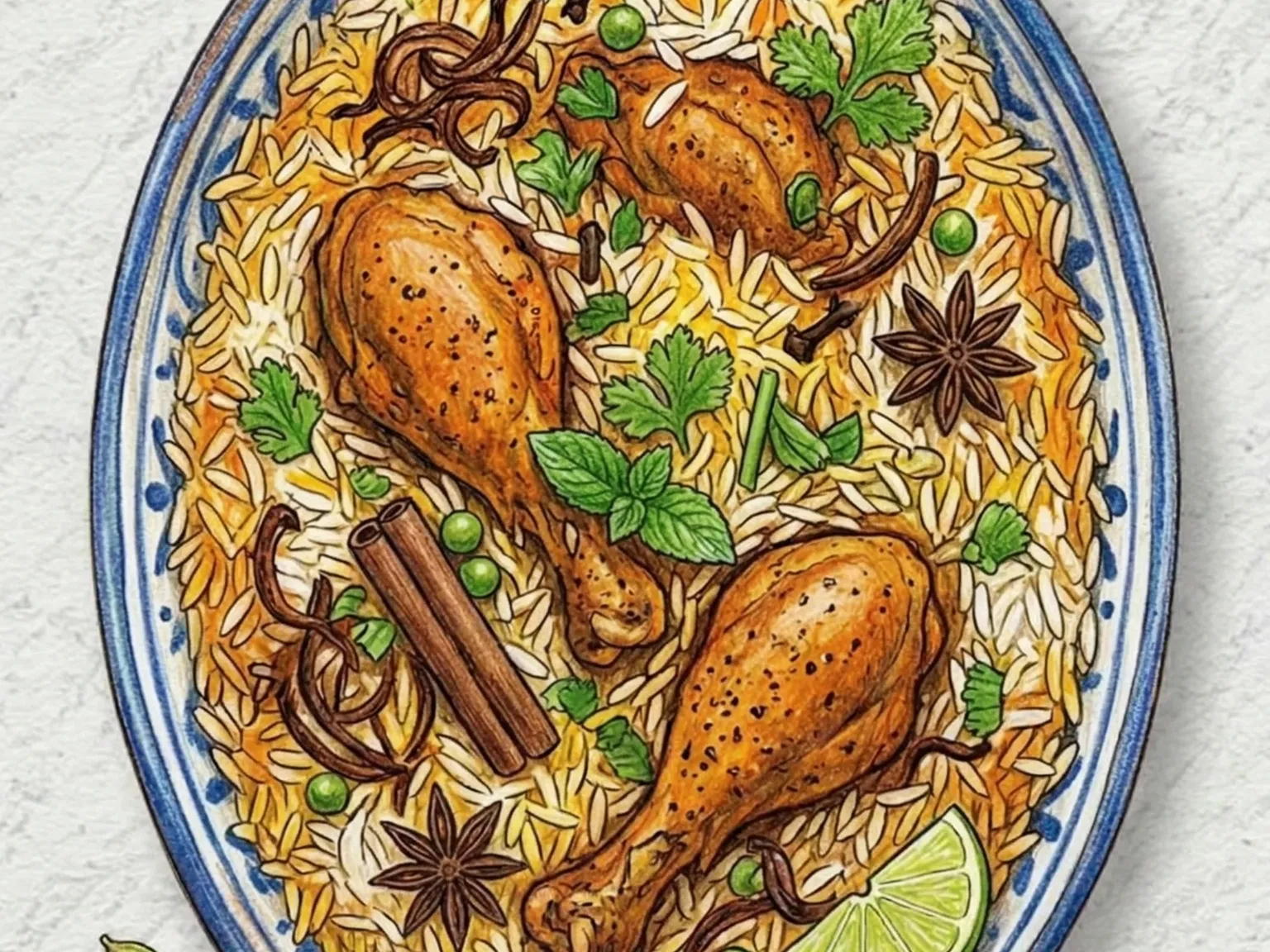
Chicken Biryani (Mughal Spiced Saffron Layered Rice with Chicken)
Biryani emerged from the encounter between Persian pilaf technique and Indian spice culture during the Mughal Empire, and it remains a ceremonial dish served at weddings, festivals, and Friday prayer gatherings across the Indian subcontinent. Chicken is marinated in yogurt, saffron, garam masala, and ginger-garlic paste, then layered in a heavy-bottomed pot with par-cooked basmati rice, saffron milk, fried onions, and fresh mint placed between each layer. The pot is sealed with a flour-and-water dough in a technique called dum. Inside the sealed vessel, steam circulates and the rice and meat cook in each other's aromatic vapors, exchanging flavor in a way that open-pot cooking cannot replicate. When the dough seal is broken at the table, the released cloud of saffron, cardamom, and rosewater is the dish's most dramatic moment and the signal that it is properly done. In a well-executed biryani, each grain of basmati should stand apart and carry the seasoning evenly, and the bottom layer of rice should have formed a crisp, golden crust similar to Persian tahdig. The Hyderabadi and Lucknowi styles represent two distinct traditions: the former layers raw chicken directly with par-cooked rice and cooks everything together, while the latter par-cooks both components separately before assembling, producing a cleaner, more delicate result.
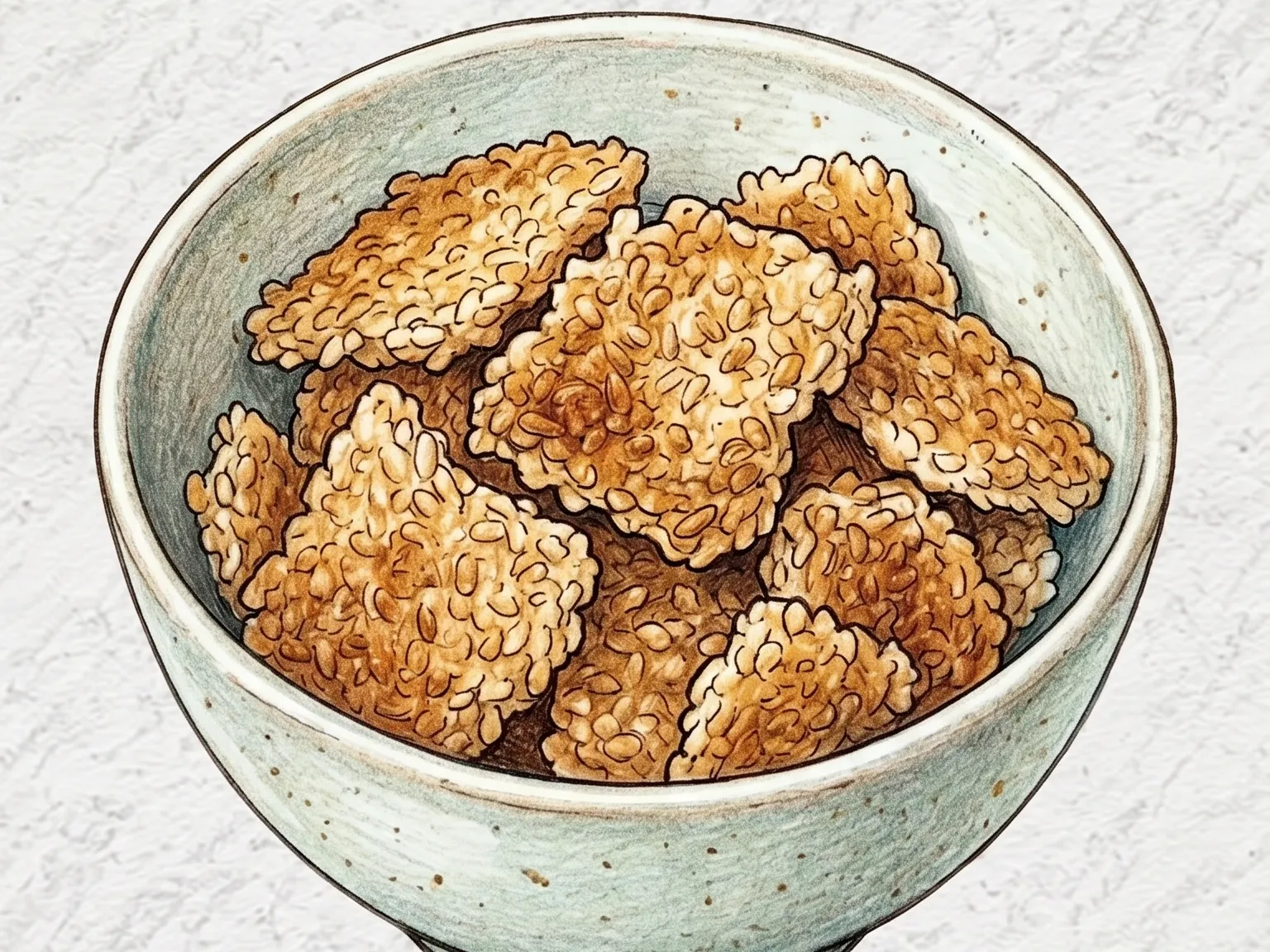
Handmade Scorched Rice
This recipe guides you to make handmade scorched rice, called nurungji, using leftover cooked rice. The process starts by warming cold rice in the microwave to soften the grains, allowing them to spread smoothly into a thin sheet. After placing the rice on a preheated pan, a small amount of water is sprinkled over the surface to act as an adhesive, ensuring the grains bind together firmly instead of crumbling. The rice is cooked over low heat for several minutes without disturbance until the edges dry and the bottom develops a golden color. After checking the color with a spatula, the sheet is flipped to toast the other side. Once both sides are crispy and toasted, the sheet is cooled and broken into bite-size pieces. It can be eaten as a snack with sugar or boiled in water to make a traditional sungnyung beverage.
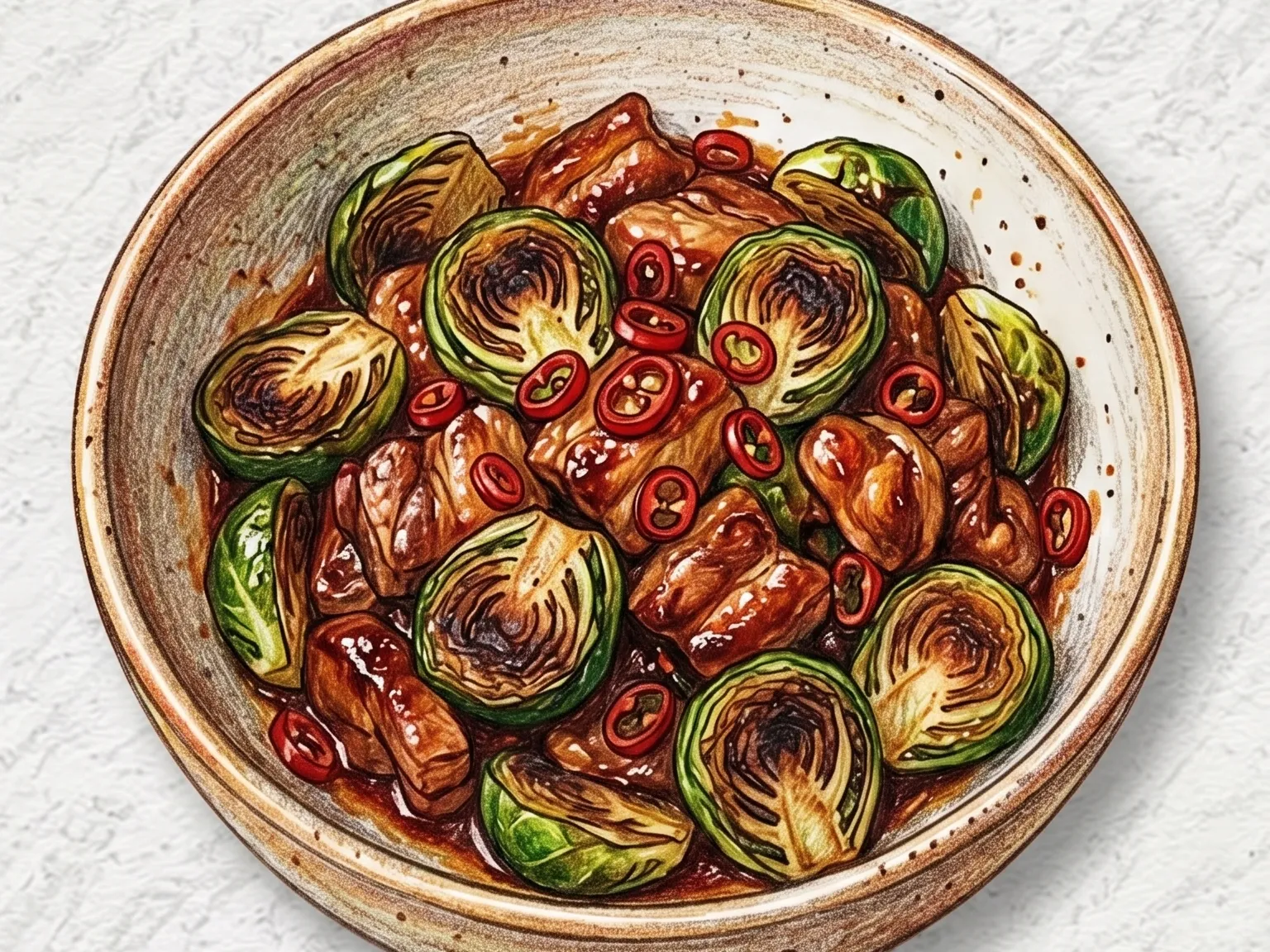
Korean Beuraussel Kong Dwaeji Bokkeum (Brussels Sprout Pork Stir-fry)
Pork shoulder is marinated in gochujang and soy sauce, then stir-fried with halved Brussels sprouts over high heat in this Korean-fusion dish. The gochujang absorbs into the meat during resting, building a spicy-sweet umami base, while oligosaccharide syrup caramelizes into a thin glaze under the heat of the pan. Brussels sprouts must be placed cut-side down and left undisturbed until the flat surface browns; that Maillard reaction converts their raw bitterness into a toasted, near-nutty quality that complements the pork. A splash of vinegar added at the very end cuts through the rendered fat and residual sweetness, sharpening the finish. Scattered sliced red chili provides visual contrast of red against green while delivering an additional layer of fresh heat. The same marinade works equally well with mushrooms or firm tofu added to the pan, making it easy to extend the dish into a more vegetable-forward meal.
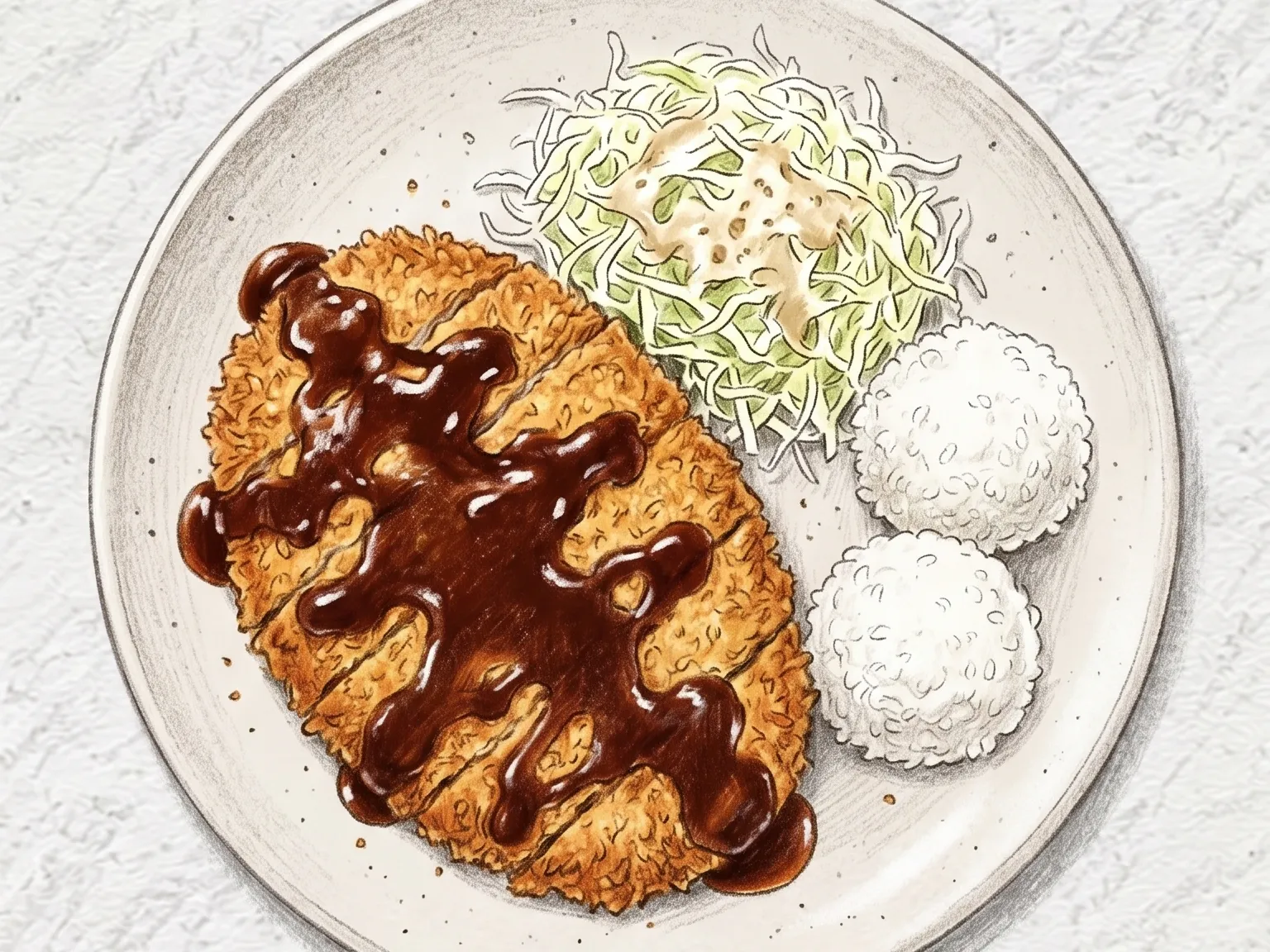
Tonkatsu Korean Style (Panko-Breaded Pork Cutlet with Sweet Sauce)
Donkatsu is Korean-style breaded pork cutlet, made by dredging pork loin through flour, egg, and panko breadcrumbs in sequence before deep-frying in hot oil. Pounding the loin with a meat mallet to an even thickness ensures uniform heat transfer so the interior cooks through while staying moist, and the panko shell turns golden and audibly crunchy. Korean donkatsu sauce blends ketchup, Worcestershire sauce, and sugar into a sweet-salty condiment that is noticeably sweeter than Japanese tonkatsu's demi-glace-based sauce. Shredded raw cabbage served alongside provides a crisp, refreshing contrast to the fried cutlet and cuts through the richness. In Korean bunsik restaurants, donkatsu typically arrives as a set with rice and soup.
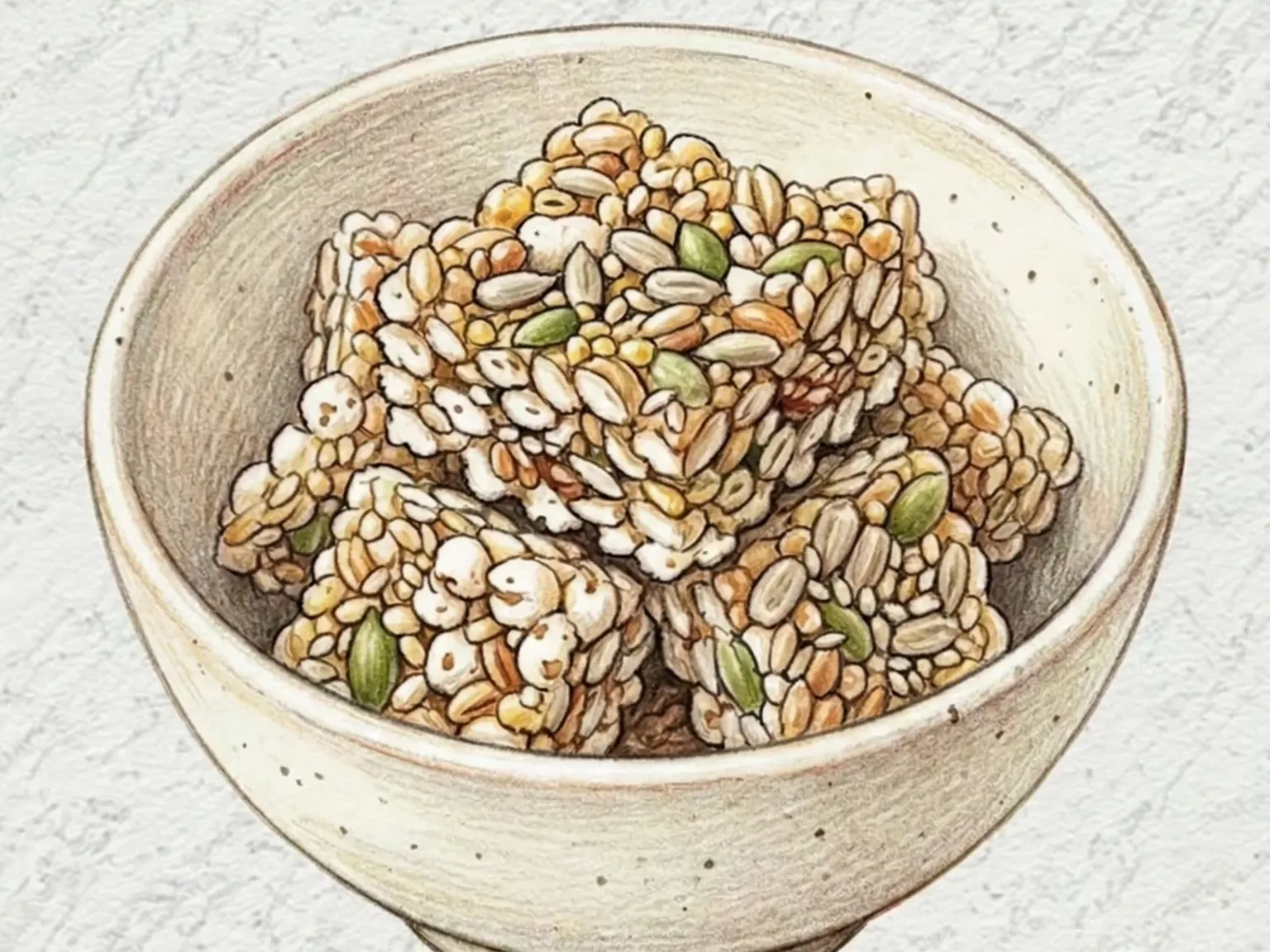
Five-Grain Crispy Bars (Korean Puffed Rice and Seed Honey Bars)
Ogok gangjeong is a traditional Korean grain bar that binds five ingredients - puffed rice, toasted brown rice, sunflower seeds, pumpkin seeds, and black sesame - with a syrup of rice syrup and honey. The syrup simmers over low heat for two to three minutes to build viscosity, then gets poured over the grain mixture and pressed into a lined pan within one minute before it sets. Each bite layers the airy crunch of puffed rice against the denser chew of brown rice, while sunflower and pumpkin seeds contribute a rich oiliness and black sesame delivers a roasted undertone throughout. Cutting with a lightly oiled knife after the bars cool completely produces clean edges, and airtight storage keeps them crisp for several days.
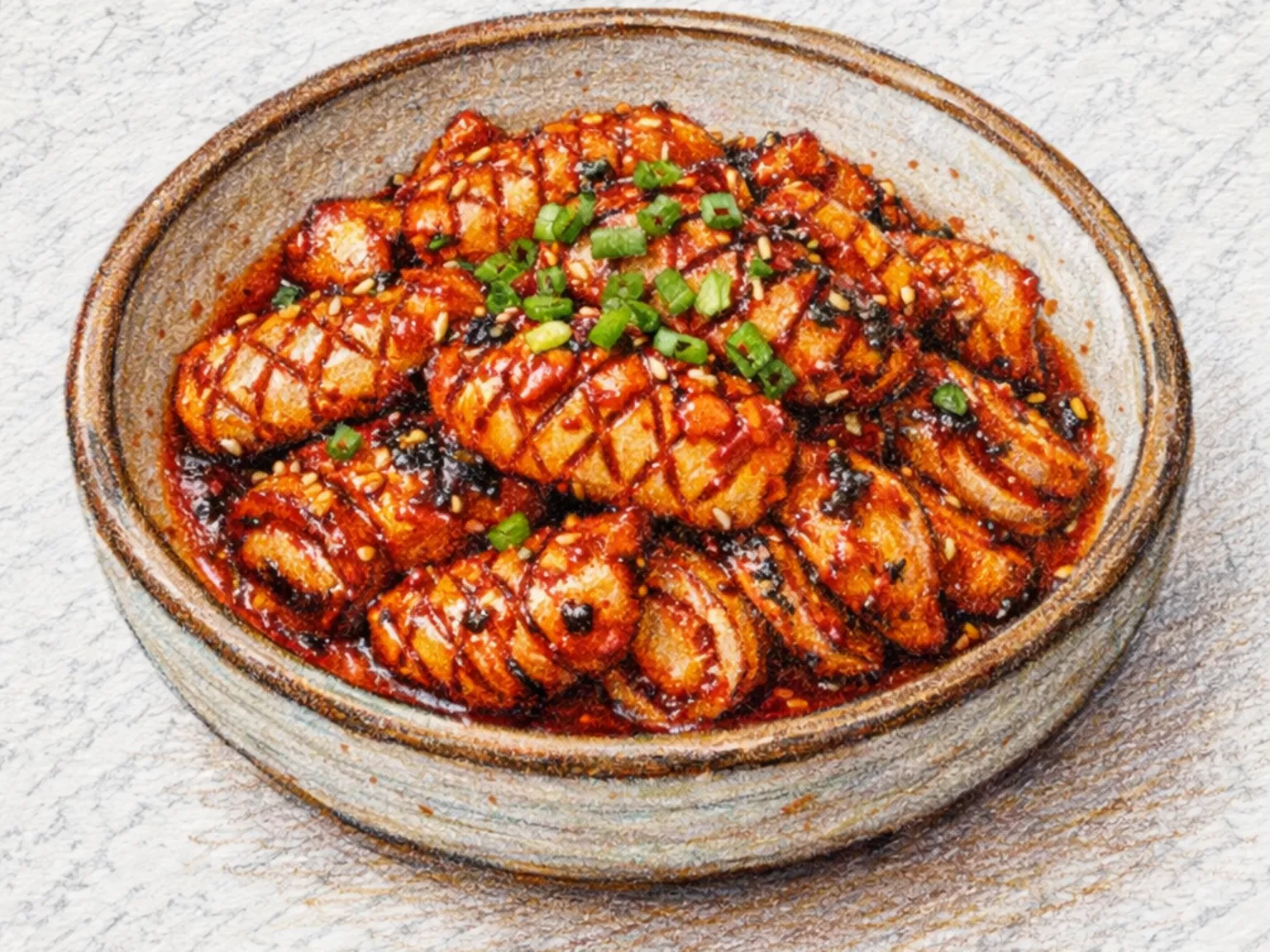
Korean Gapojingeo Yangnyeom Gui (Spicy Grilled Cuttlefish)
Gapojingeo-yangnyeom-gui is spicy grilled cuttlefish prepared by scoring the body in a deep crosshatch pattern and coating it with a glaze of gochujang, Korean chili flakes, soy sauce, oligosaccharide syrup, and garlic. The deep scoring is critical for the thick cuttlefish body: it allows the marinade to penetrate the flesh fully and causes the scored sections to curl open under high heat, creating a flower-like shape that maximizes surface contact with the glaze. When gochujang's heat and the syrup's sticky sweetness hit high heat together, they caramelize into a glossy, deep-red coating that clings to the cuttlefish, while sesame oil folded into the marinade adds a toasted undertone beneath the spice. Chunky-cut onion and green onion grilled alongside release moisture that evaporates into sweetness, naturally tempering the intensity of the chili glaze without diluting the marinade's savory depth. Patting the cuttlefish completely dry before marinating ensures the glaze adheres evenly rather than sliding off, and keeping the cooking time short over high heat prevents the flesh from turning tough and rubbery.