🌙 Late Night Recipes
Quick and satisfying late-night bites
651 recipes. Page 8 of 28
Late-night cravings call for quick, easy recipes that satisfy without too much effort. Ramyeon, egg fried rice, tuna-mayo rice bowls, and simple toasts - these are dishes you can throw together when hunger strikes after dark. Cooking at home beats delivery in both cost and healthiness.
The ideal late-night snack is fast to make, easy to clean up, and just filling enough. These recipes hit that sweet spot - comforting without being heavy.
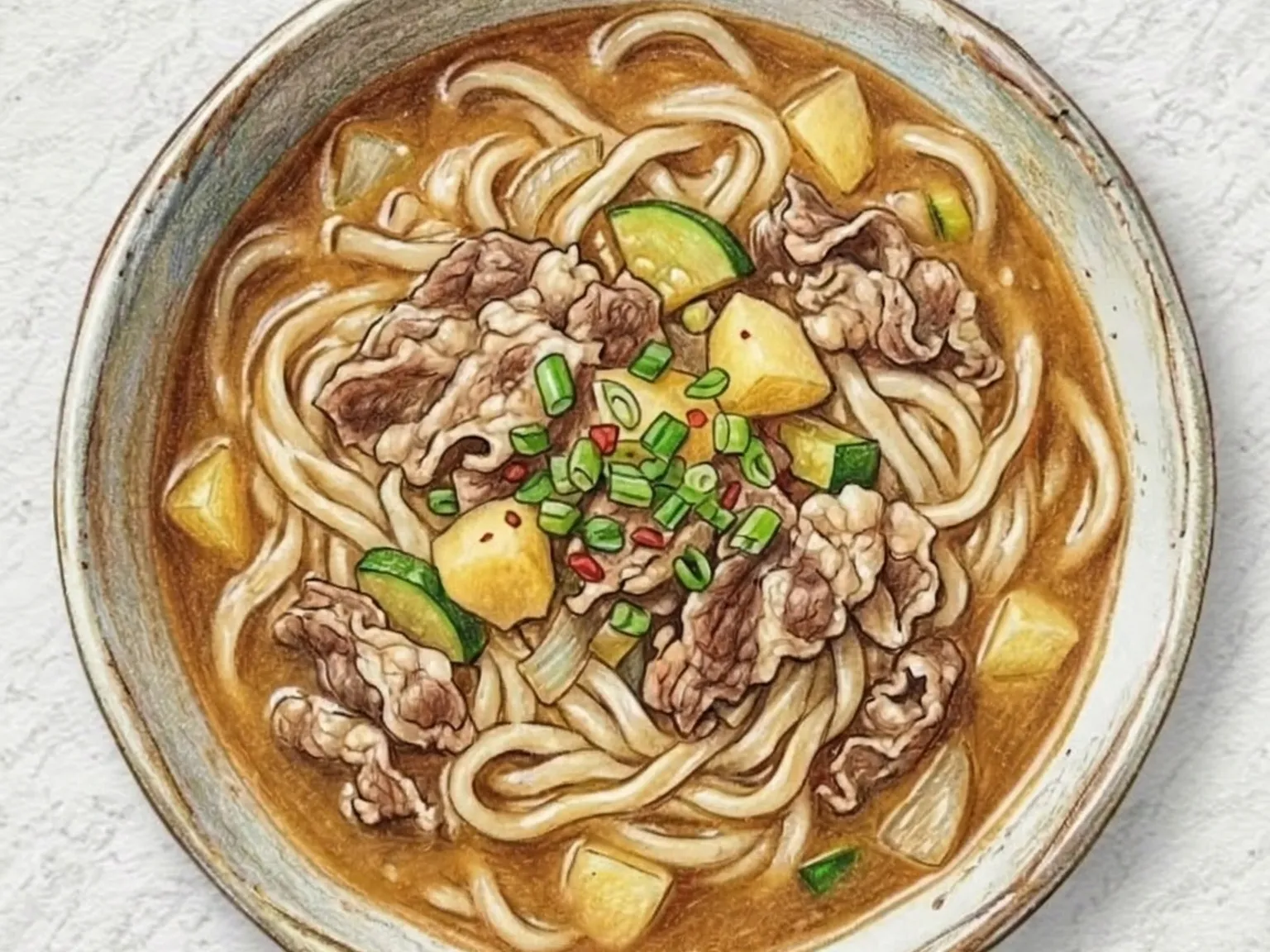
Korean Beef Brisket Soybean Paste Noodles
Chadol doenjang kalguksu is a Korean noodle soup made by simmering thin slices of beef brisket in a soybean paste broth and adding hand-cut wheat noodles to finish the bowl. The doenjang gives the broth a fermented, earthy depth, and the marbled fat from the brisket slowly renders into the simmering liquid, adding body and a gentle richness that rounds out each spoonful. Kalguksu noodles are rolled thin by hand and cut with a knife, so they are naturally uneven in thickness. Thicker sections retain a satisfying chew while thinner edges go silky and absorb the broth more readily, which means a single bowl contains multiple textures without any deliberate effort. Zucchini, potato, and onion are added early and cook down into the broth, contributing natural sweetness that tempers the saltiness of the doenjang. Minced garlic and sliced scallion stirred in near the end lift the aroma and add a fresh, sharp note at the finish. Because doenjang concentrates as the broth reduces, starting with more water than seems necessary is a practical safeguard against the soup becoming too salty before the noodles are cooked through. Serving the noodles immediately after cooking prevents them from absorbing too much liquid and going soft.
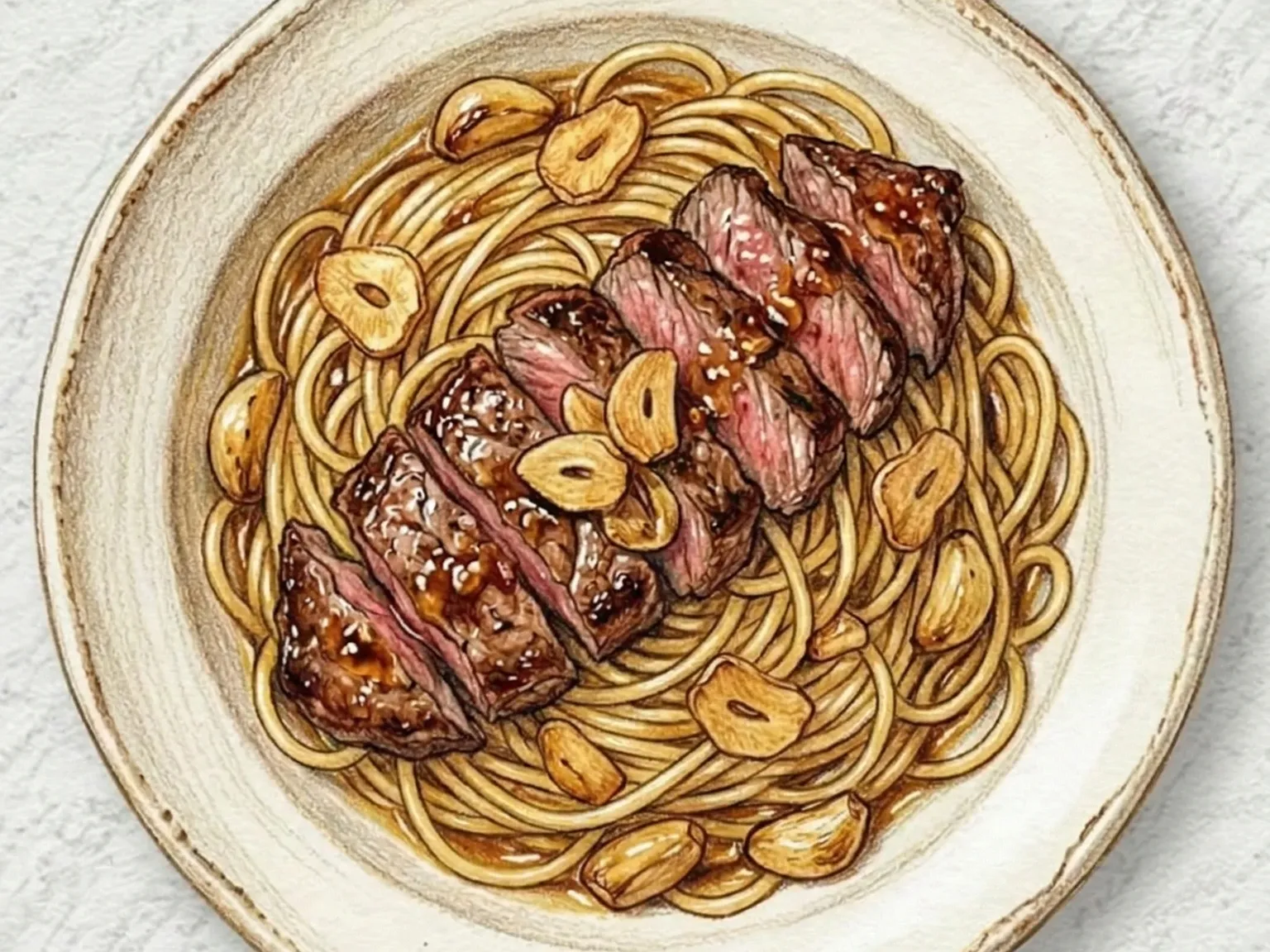
Soy Butter Steak Garlic Spaghetti
Thick-cut sirloin seared at high heat, then glazed in soy sauce and butter, forms the base of this steak pasta. The fond left in the pan gets deglazed with soy sauce and butter, then emulsified with pasta water into a thin, shiny coating that clings to each strand without turning greasy. Generous garlic browned in olive oil beforehand builds a deep, roasted-garlic base that runs through the entire sauce, and tsuyu -- a Japanese seasoning concentrate made from kombu and bonito -- adds the round umami depth of dashi without any extra steps. The steak is best cooked to medium-rare and sliced against the grain before laying over the pasta; resting the meat first keeps the juices from running out when cut. Black pepper and sliced scallions cut through the richness at the end. The full cook time is about 20 minutes, and pasta water volume controls the final sauce consistency.
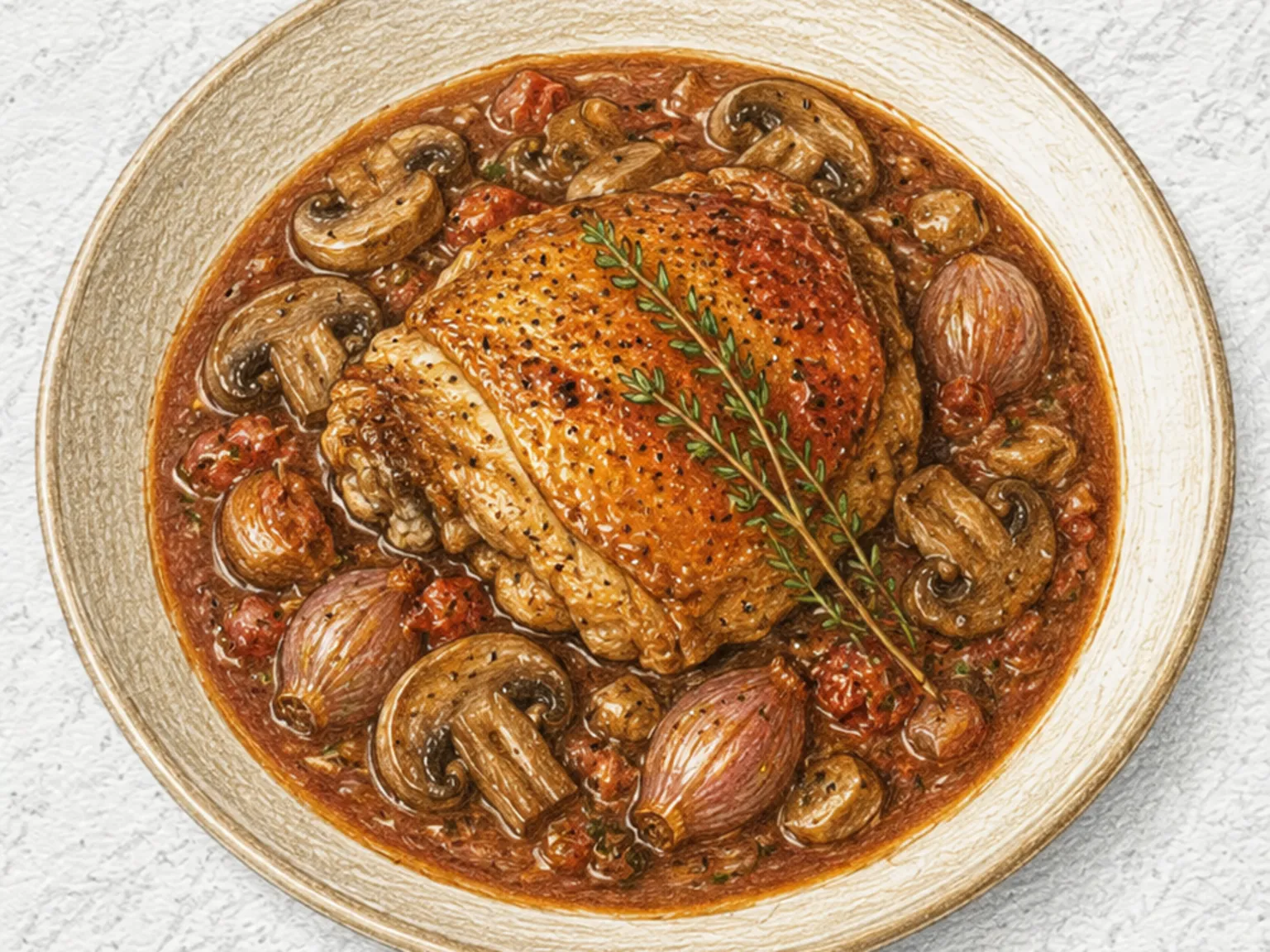
Chicken Chasseur
Chicken chasseur is a French braised chicken dish where thighs are seared skin-side down until the skin renders crispy and golden, then set aside while button mushrooms, shallots, and garlic are sauteed in the same pan with butter. White wine goes in next to deglaze the fond left on the bottom of the pan, and after the wine reduces by half, tomato puree, chicken stock, and fresh thyme sprigs go in before the seared chicken returns to the pot for a covered braise of twenty-five minutes. The initial searing step is not optional from a flavor standpoint, because the caramelized residue left on the pan, the fond, is the primary source of the sauce's roasted depth. Rushing the sear causes the skin to stick and tear, and results in a paler, thinner-tasting sauce. Mushrooms need to be spread out in a single layer in a hot, wide pan so they brown before their moisture escapes, since crowding them generates steam that leaves them pale and soft rather than giving them the earthy intensity the dish depends on. As the wine reduces, its acidity concentrates and sharpens, which is what makes the sauce bright enough to balance the richness of the braised chicken. Tomato puree adds a quiet, rounded sweetness and deepens the red color of the sauce, while thyme brings an herbal warmth that accumulates slowly over the course of the braise. Removing the lid for the final five minutes allows the sauce to thicken to the right consistency. Mashed potatoes or crusty bread served alongside catch every bit of the sauce.
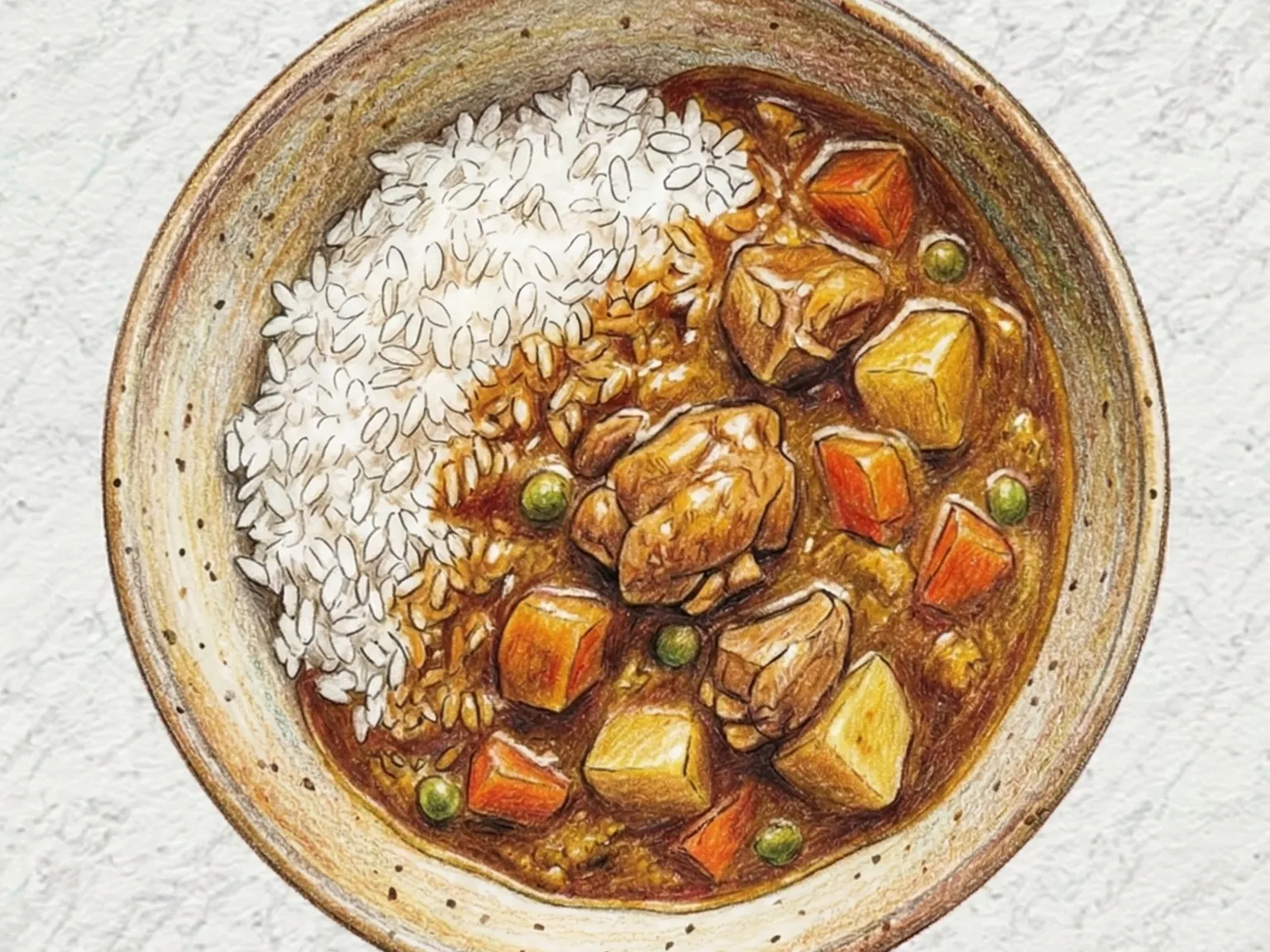
Chicken Curry
Chicken curry is one of the world's most universal dishes, adapted as it traveled from the Indian subcontinent through Japan and into Korea, each culture reshaping it to local taste. The Japanese-style version uses a flour-and-butter roux for a thick, mild sauce, while Indian preparations build complexity by browning onions deeply and layering whole and ground spices with tomato. Chicken, potato, carrot, and onion simmer together until the vegetables release their starch and sweetness into the sauce, creating a velvety body. The essential pleasure is spooning the curry over steamed rice and watching it seep between the grains. Leftover curry reheated the next day tastes notably deeper - the Japanese call this nikkame no curry (second-day curry) and many prefer it to the fresh pot, as the spice compounds have had time to meld and the starches further thicken the sauce. Despite the simplicity of its core ingredients, the virtually limitless variation in spice blending is what makes this dish endlessly compelling across cultures.
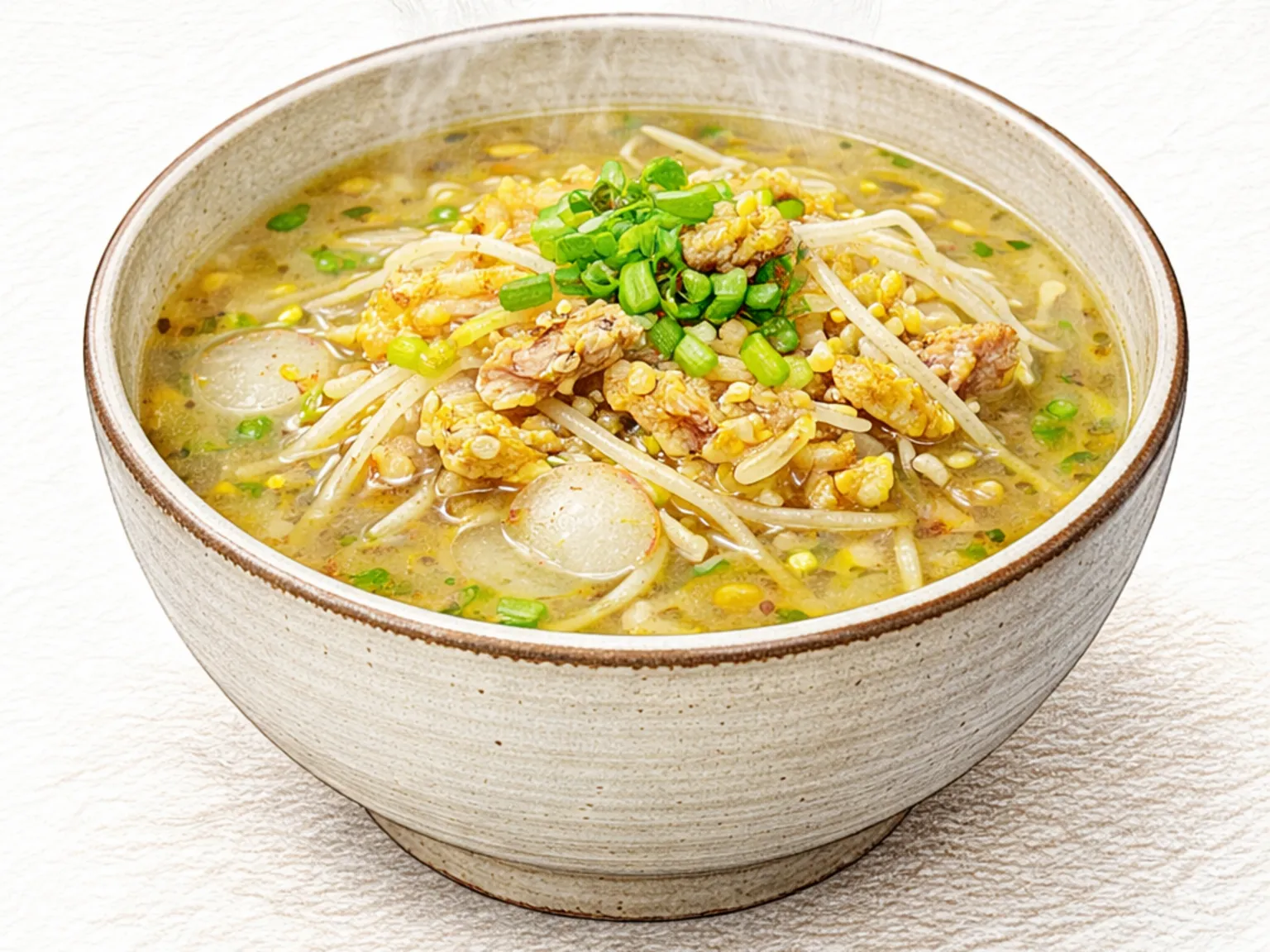
Korean Dried Pollock Bean Sprout Soup Rice
Hwangtae kongnamul gukbap is a hangover-recovery rice soup built on a broth of stir-fried dried pollock strips, bean sprouts, and radish. The dried pollock is soaked briefly in water to restore some moisture, then stir-fried in sesame oil. The frying step drives off any fishiness and releases a deep, toasted aroma that becomes the flavor backbone of the entire broth. Without this step, the soup tastes thin and vaguely fishy; with it, the broth has a satisfying nuttiness even before any other ingredients are added. Sliced radish goes into the water next and simmers until it softens and releases its natural sweetness into the liquid. Bean sprouts go in after the radish, and here a small detail matters: the lid stays on throughout the bean sprout cooking. If the lid is removed while the sprouts cook, their distinctive raw smell rises with the steam and lingers in the broth. Keeping the lid sealed lets the sprouts cook in their own steam and the smell dissipates harmlessly. Soup soy sauce seasons the broth with a clean saltiness that does not darken the liquid as much as regular soy sauce would, keeping the broth pale and clear-looking. Sliced green onion goes in at the very end for a fresh accent. The soup is poured over a bowl of rice to serve.
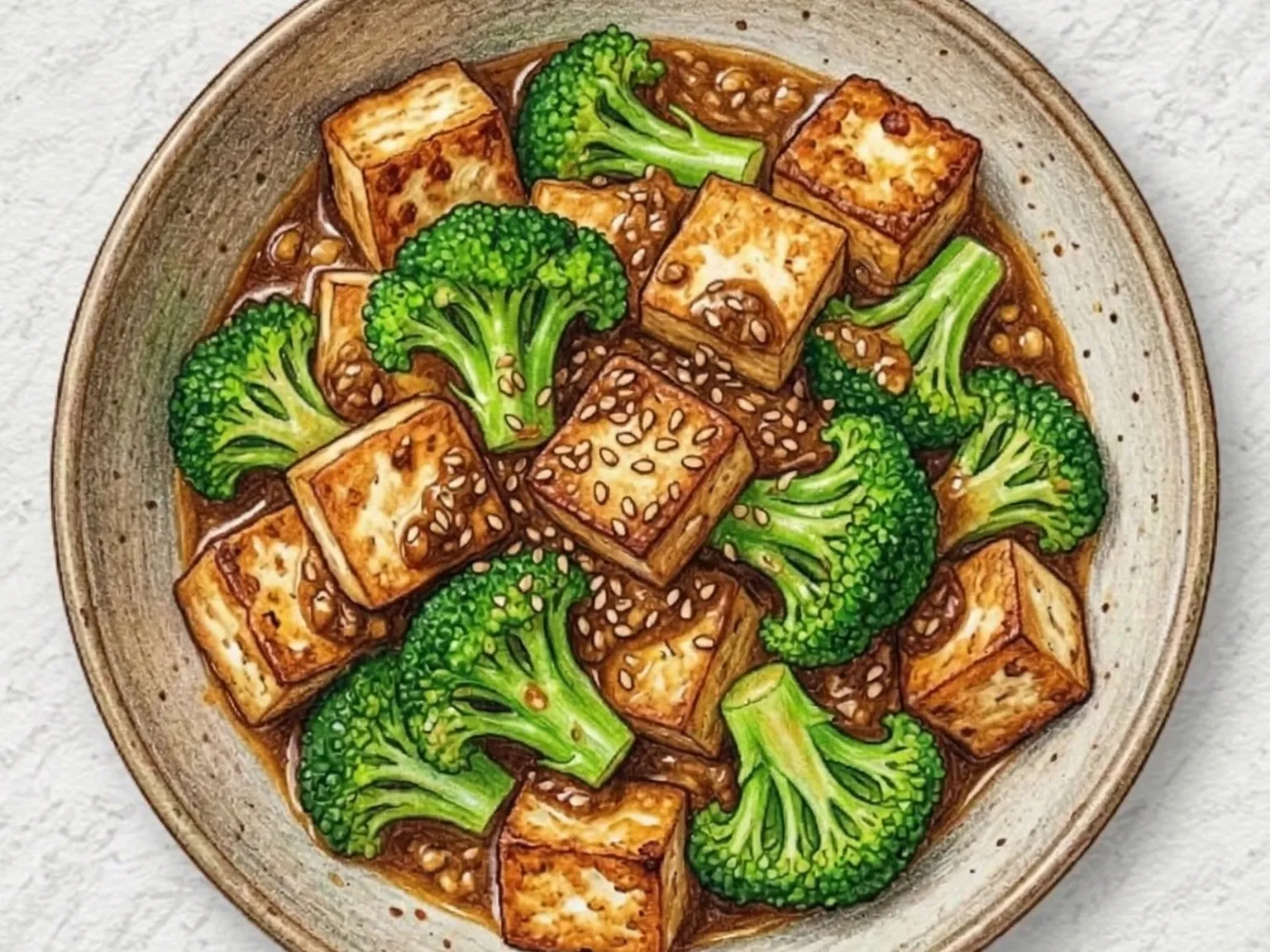
Korean Beurokolli Dubu Doenjang Bokkeum (Broccoli Tofu Doenjang Stir-fry)
Broccoli florets and firm tofu are stir-fried in a sauce made by dissolving doenjang in water, producing a Korean vegetarian side dish with layered fermented-soybean depth. Pan-searing the tofu in perilla oil until golden before combining with the other ingredients prevents crumbling during stir-frying and creates a crisp shell around a soft center. The broccoli is blanched for only 40 seconds to lock in its crunch, then added to the pan where the doenjang sauce coats each floret and suppresses any raw green bitterness, converting it into a mellow savoriness. Because doenjang carries significant salt on its own, soy sauce should be adjusted only at the very end after tasting. Toasted sesame seeds scattered over the top add a final layer of nuttiness. The dish provides plant-based protein from the tofu and dietary fiber from the broccoli in a single well-balanced plate. For a spicier variation, a small amount of gochujang stirred into the doenjang sauce deepens both the color and the heat without needing extra chili flakes. The ratio of doenjang to water also matters: too little water leaves the sauce overly salty and the broccoli unevenly coated, while too much thins the fermented depth. A starting ratio of one part doenjang to two parts water by volume gives consistent results.
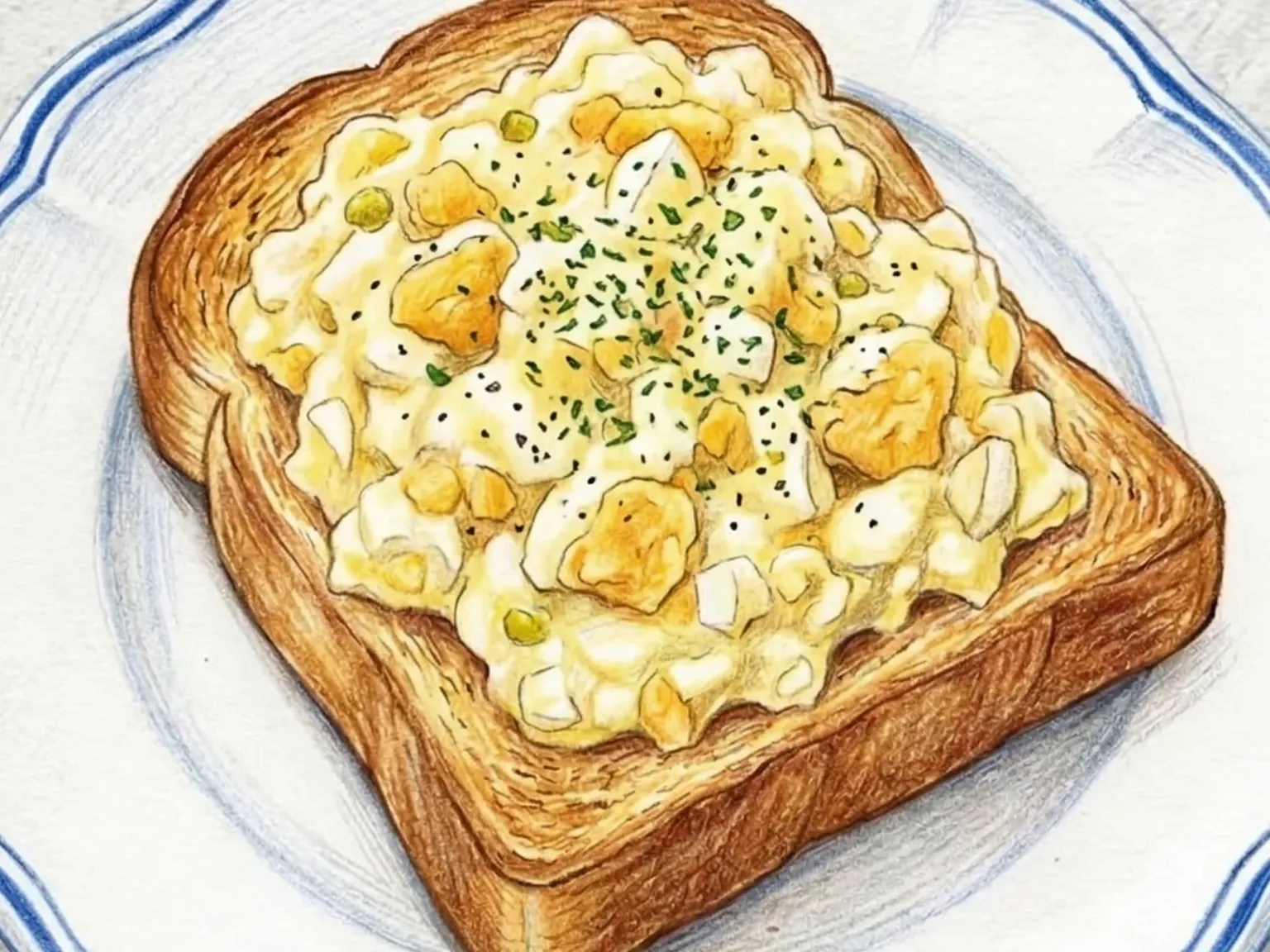
Korean Egg Mayo Toast
Egg mayo toast mashes three hard-boiled eggs with a fork, mixes them with mayonnaise, salt, and pepper, and piles the mixture onto freshly toasted bread. Crushing the eggs to uneven sizes -- some finely mashed, some left in larger pieces -- creates a textural variation between smooth sections and chunks in each bite, which is more interesting than a uniformly smooth paste. The mayonnaise binds the crumbly eggs into a cohesive, creamy spread, and placing the cool egg salad onto hot toast produces a temperature contrast that carries through the entire piece. Adding a small amount of mustard or finely chopped pickles introduces acidity that cuts through the richness of the mayonnaise and prevents the filling from tasting heavy. The eggs should be fully cooled before mashing -- adding mayonnaise to warm eggs causes it to thin out and can make the texture loose and uneven. With these adjustments, a simple combination of three ingredients becomes considerably more satisfying.

Omija Bead Ice Cream
This dessert features omija syrup shaped into small frozen spheres using a molecular gastronomy technique. The natural five-flavored profile of omija berries is concentrated into each tiny bead. The recipe uses two types of base mixtures: a clear pink omija juice and an opaque pink liquid made by blending the juice with milk and yogurt powder. These liquids are dropped from a pipette into a cup of cooking oil that has been chilled in the freezer for at least one hour. Upon contact with the cold oil, the droplets solidify into round spheres. The frozen beads are scooped out with a strainer, rinsed in cold water to remove the oil coating, and stored in the freezer. The clear red and milky pink beads are served mixed together, and they can also be added to sparkling water to make a beverage.
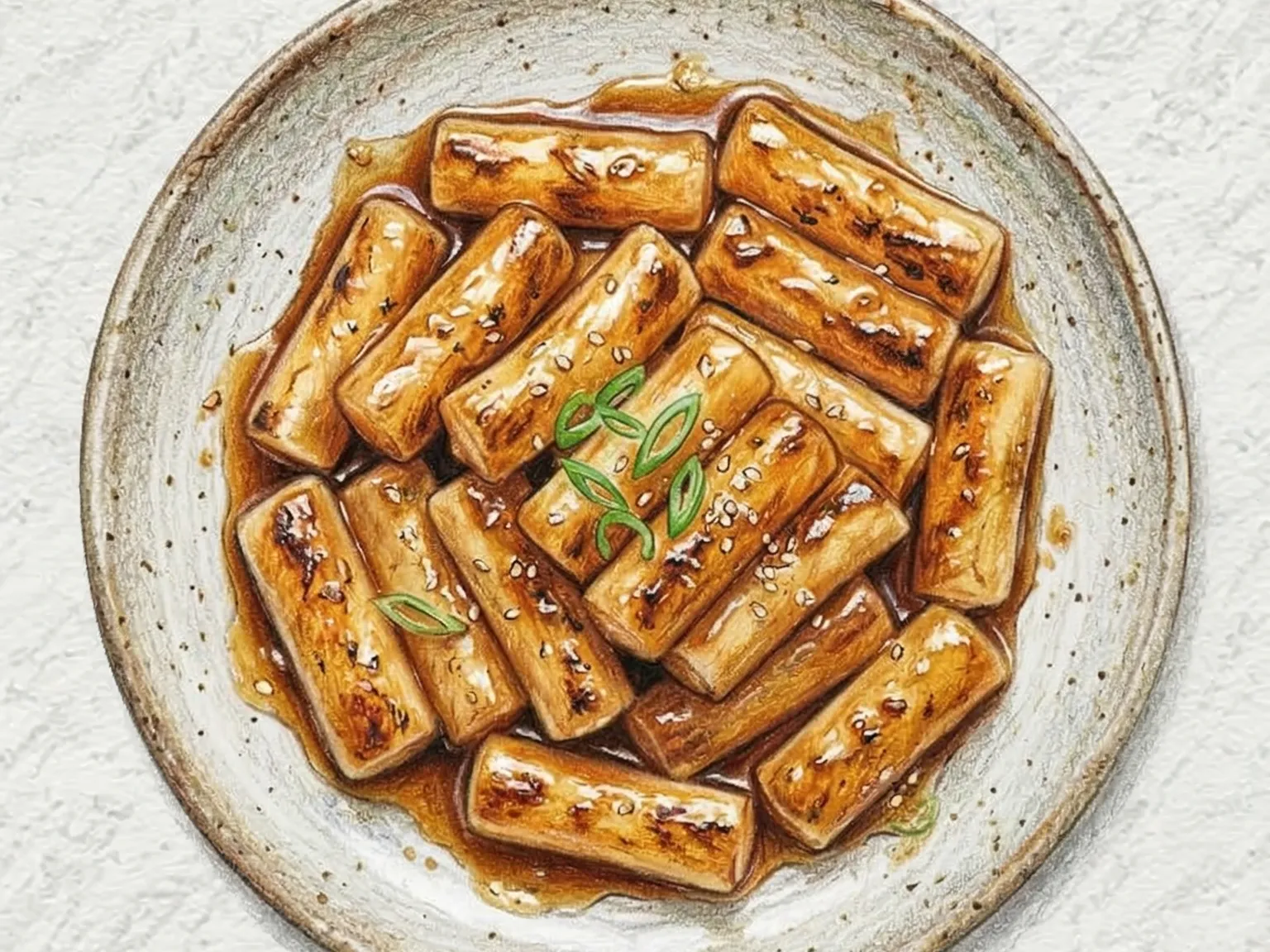
Korean Soy-Glazed Grilled Rice Cakes
Garaetteok-ganjang-gui is a Korean soy-glazed grilled rice cake dish where cylindrical garaetteok is sliced on the diagonal, pan-fried until the cut surfaces blister and brown, then coated in a reduced sauce of soy sauce, rice syrup, and butter. Briefly dipping the rice cakes in boiling water for thirty seconds before grilling softens their outer layer so the glaze absorbs evenly, and the pan-frying then produces a dual texture of crunchy shell and stretchy, chewy interior. A one-to-one ratio of soy sauce to rice syrup, reduced over medium heat until thick and viscous, gives the surface a lacquered sheen, and stirring a knob of butter in off the heat adds a creamy richness that rounds out the soy's saltiness without overwhelming it. A finishing scatter of crumbled seaweed and ground sesame introduces oceanic and nutty notes that elevate this from a plain grilled rice cake to a finished snack. A small spoonful of gochujang stirred into the glaze produces a spicy version, and a slice of cheese melted over the top just before serving gives it a Western-influenced character that works surprisingly well against the chewy rice cake base.
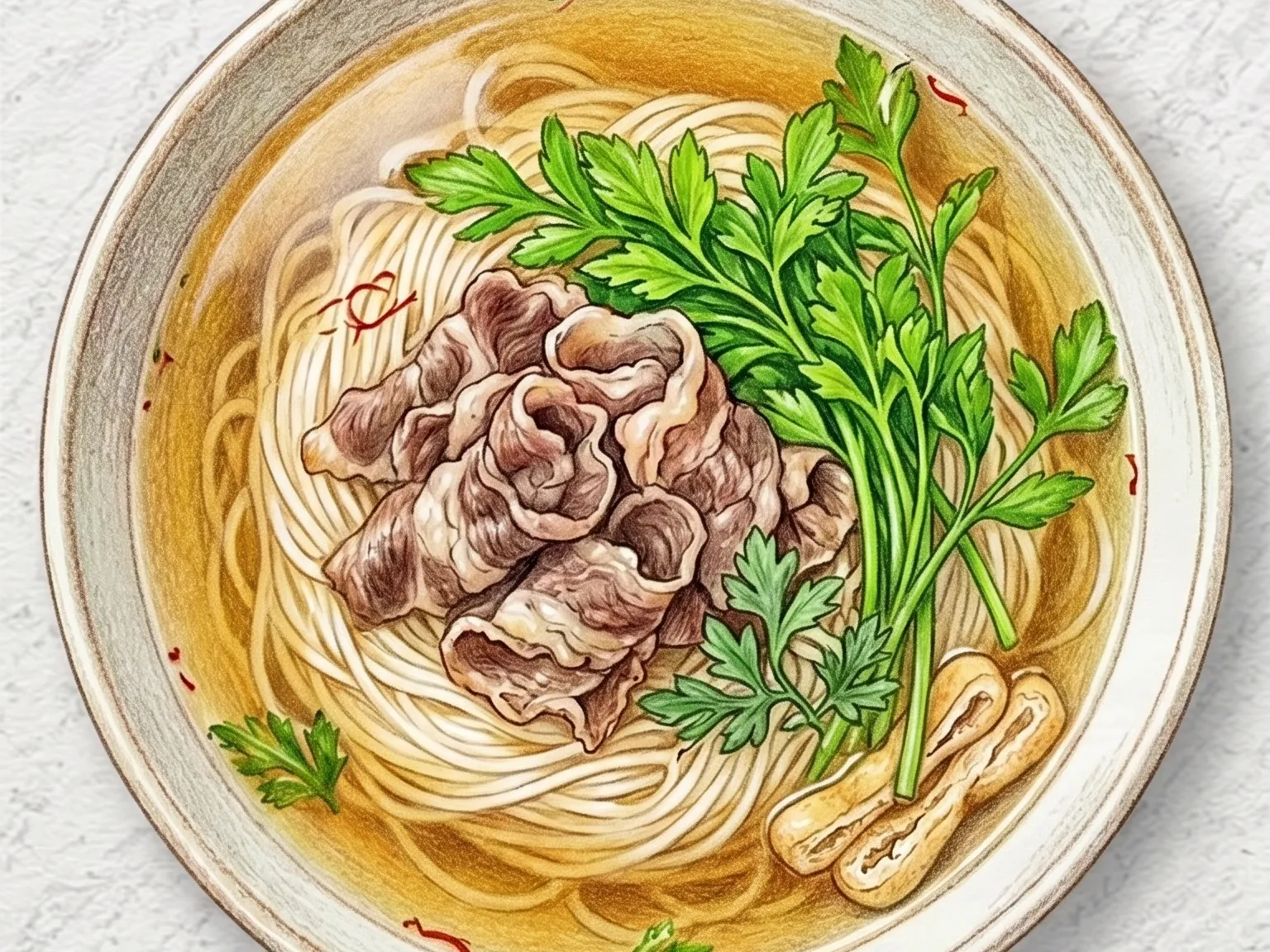
Korean Warm Brisket Parsley Noodles
Thin somyeon noodles rest in a warm broth seasoned only with gukganjang, topped with sliced brisket and fresh minari. When the brisket meets the hot broth, the fat melts out and adds a mild, savory depth to the liquid, while the minari's clean, herbal bite cuts through any richness and keeps the aftertaste light. The noodles are fine enough to carry broth with every slurp without becoming heavy. Seasoning with gukganjang alone keeps the flavor profile transparent, letting the character of each ingredient register separately rather than blending into a heavy sauce. Blanching the brisket briefly in plain boiling water before adding it to the broth is an optional step that reduces excess fat and produces an even cleaner soup. Crown daisy or fried tofu pouches can be added to vary the texture and taste. On a cool day, this understated noodle soup provides lasting warmth without the weight of a richer broth.
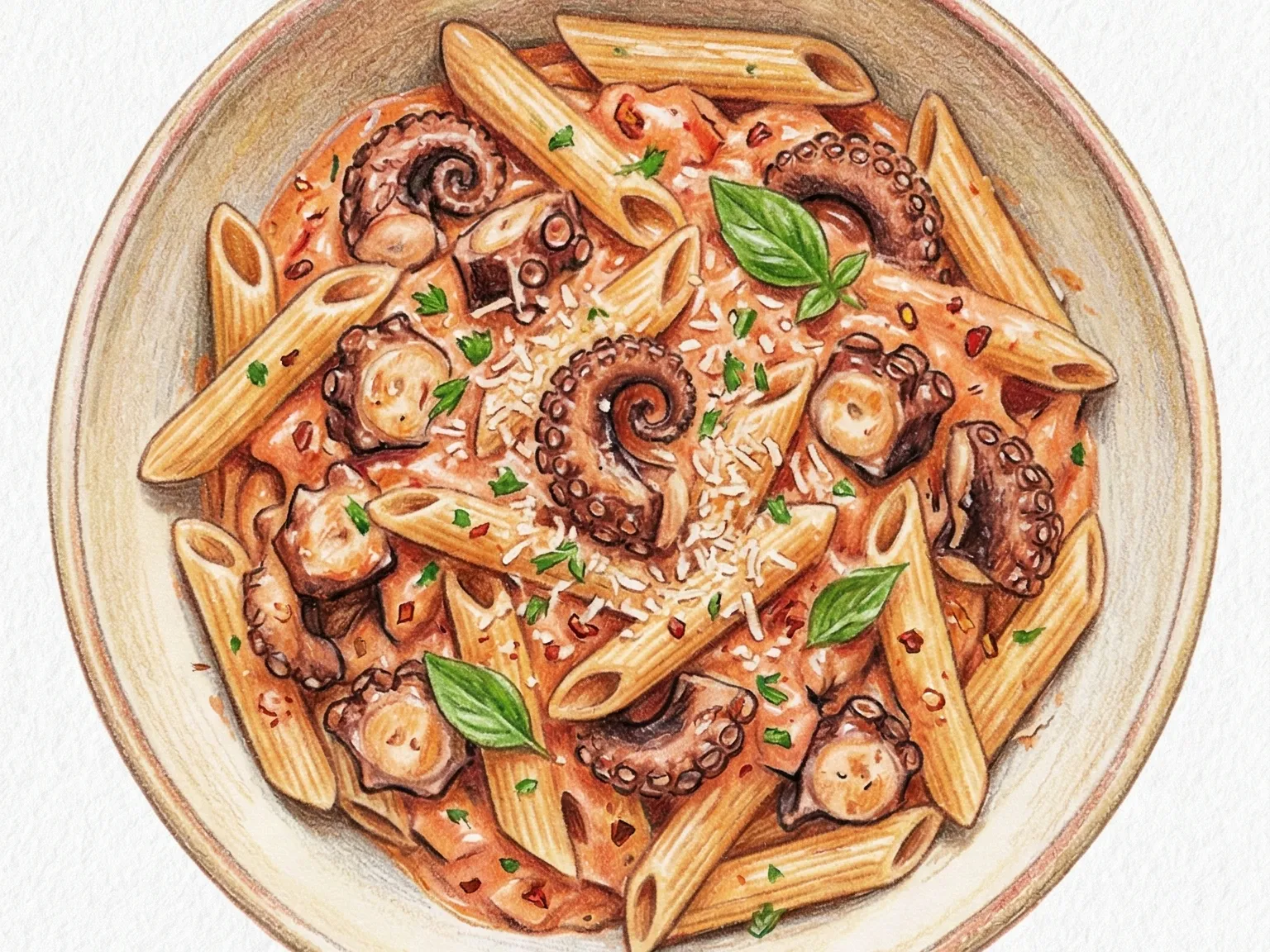
Spicy Octopus Rose Penne (Octopus Penne in Rose Sauce)
Spicy octopus rose penne starts with pre-cooked octopus that is seared in a very hot, dry pan to burn off surface moisture and trigger a Maillard crust on the skin. This step does more than remove water - it eliminates any residual fishiness and builds a firm outer layer that contrasts with the tender interior when you bite through. The rose sauce is built from tomato passata and heavy cream spiked with Korean gochugaru. The chili flakes are bloomed in oil for no more than 20 seconds, enough to coax out heat and color but not long enough to develop bitterness. Butter is added to the finished sauce to encourage emulsification, keeping the cream and tomato components cohesive and allowing the mixture to coat each piece of pasta evenly rather than pooling at the bottom of the pan. Penne holds this sauce particularly well because its tubular shape captures the thick liquid inside each piece, delivering cream and spice simultaneously with every bite. Fresh basil is stirred in off the heat at the very end, its volatile aromatics intact, providing an herbal lift that cuts the heaviness of the cream base. The natural salinity and sweetness of octopus from the sea add a briny depth that cream-only sauces cannot replicate on their own.
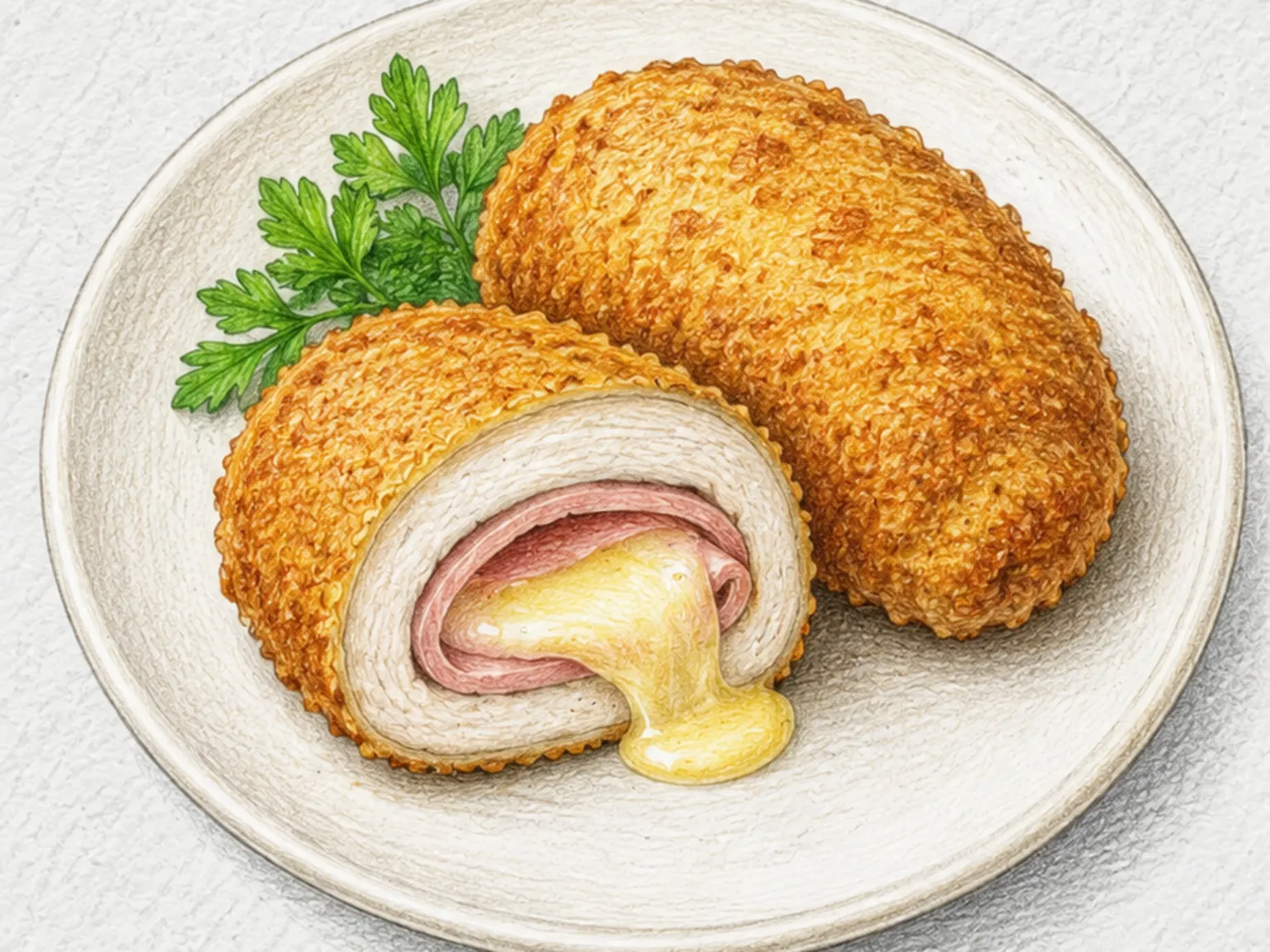
Chicken Cordon Bleu
Chicken cordon bleu is a Swiss-French dish where chicken breast is pounded flat to five-millimeter thickness, layered with ham and Emmental cheese, rolled tightly, and secured with toothpicks before being coated in flour, beaten egg, and breadcrumbs. The thin, even pounding is critical: uneven thickness causes the outer sections to overcook while the thicker center remains undercooked. Pan-frying in a mixture of butter and oil over medium heat for four to five minutes per side allows the breadcrumb crust to turn golden and crisp while conducting enough heat inward to melt the cheese completely. Cutting into the finished roll reveals a cross-section of molten cheese oozing between layers of ham and chicken. The ham provides a salty counterpoint to the mild breast meat, and the melted Emmental adds a nutty, stretchy richness that holds the interior layers together. Resting the roll for two minutes after removing from the pan prevents the cheese from spilling out all at once when cut.
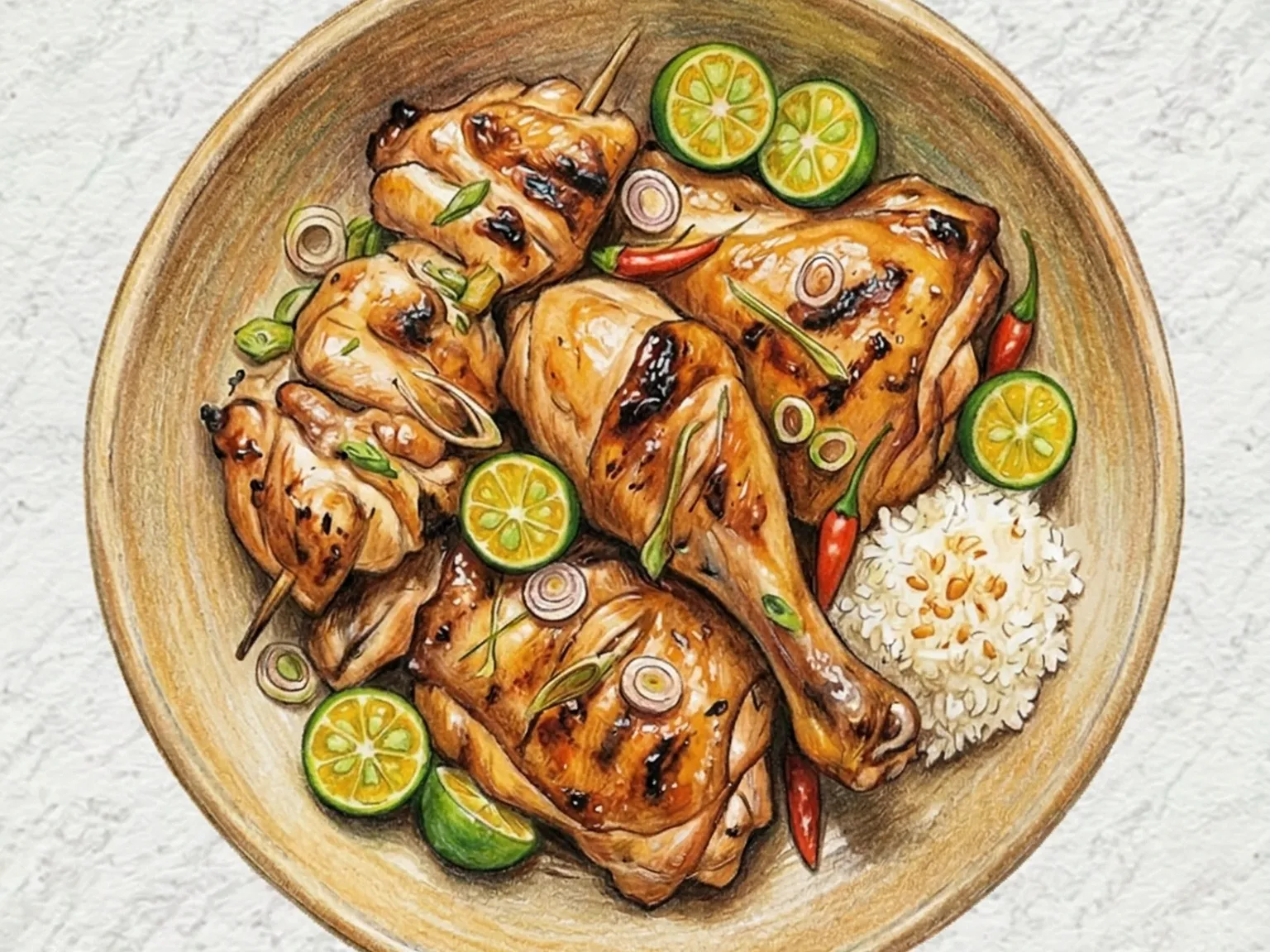
Chicken Inasal (Bacolod Citrus Lemongrass Grilled Chicken)
Chicken inasal is the defining grilled chicken of Bacolod City in the Western Visayas region of the Philippines, so inseparable from its origin that it is commonly called Bacolod chicken. An overnight marinade of calamansi juice, cane vinegar, lemongrass, and garlic allows the acid to work deep into the muscle fibers, tenderizing the meat while coating it in layered citrus and herb fragrance. During grilling over coconut-shell charcoal, the chicken is basted repeatedly with annatto oil, which stains the skin a vivid orange and keeps the exterior perpetually moist so it never dries over the coals. The charcoal smoke combines with the calamansi and lemongrass aromatics to build a smoky-citrus flavor profile that distinguishes inasal from other grilled chicken preparations. The chicken is served alongside garlic rice with a small dish of chicken oil mixed with calamansi juice for dipping. In Bacolod, an entire street called Manokan Country is lined with dozens of inasal stalls that operate simultaneously every evening, filling the neighborhood with charcoal haze.
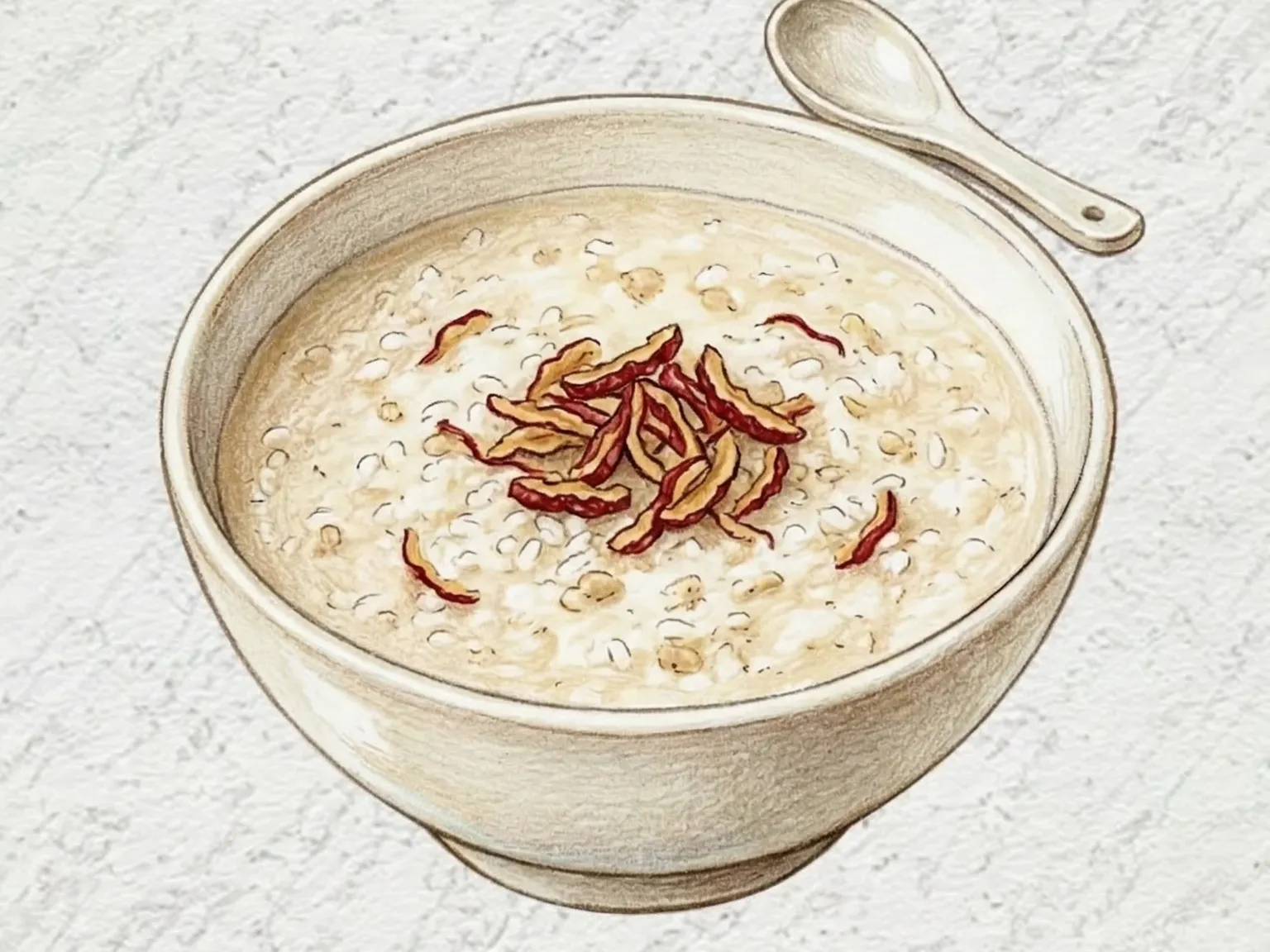
Korean Pine Nut Porridge (Creamy Nutty Nourishing Rice Porridge)
Pine nuts are blended with water into a smooth milk, then stirred into soaked rice that has been sauteed in sesame oil to bring out its starch aroma. The pine nut milk is added after the rice has already simmered for ten minutes, because prolonged boiling diminishes the nuts' volatile fragrance. The finished porridge has a pale cream hue and leaves a lingering resinous pine-nut note on the palate. Thinly sliced jujube garnish adds a pop of red color and gentle natural sweetness that complements the nuttiness.
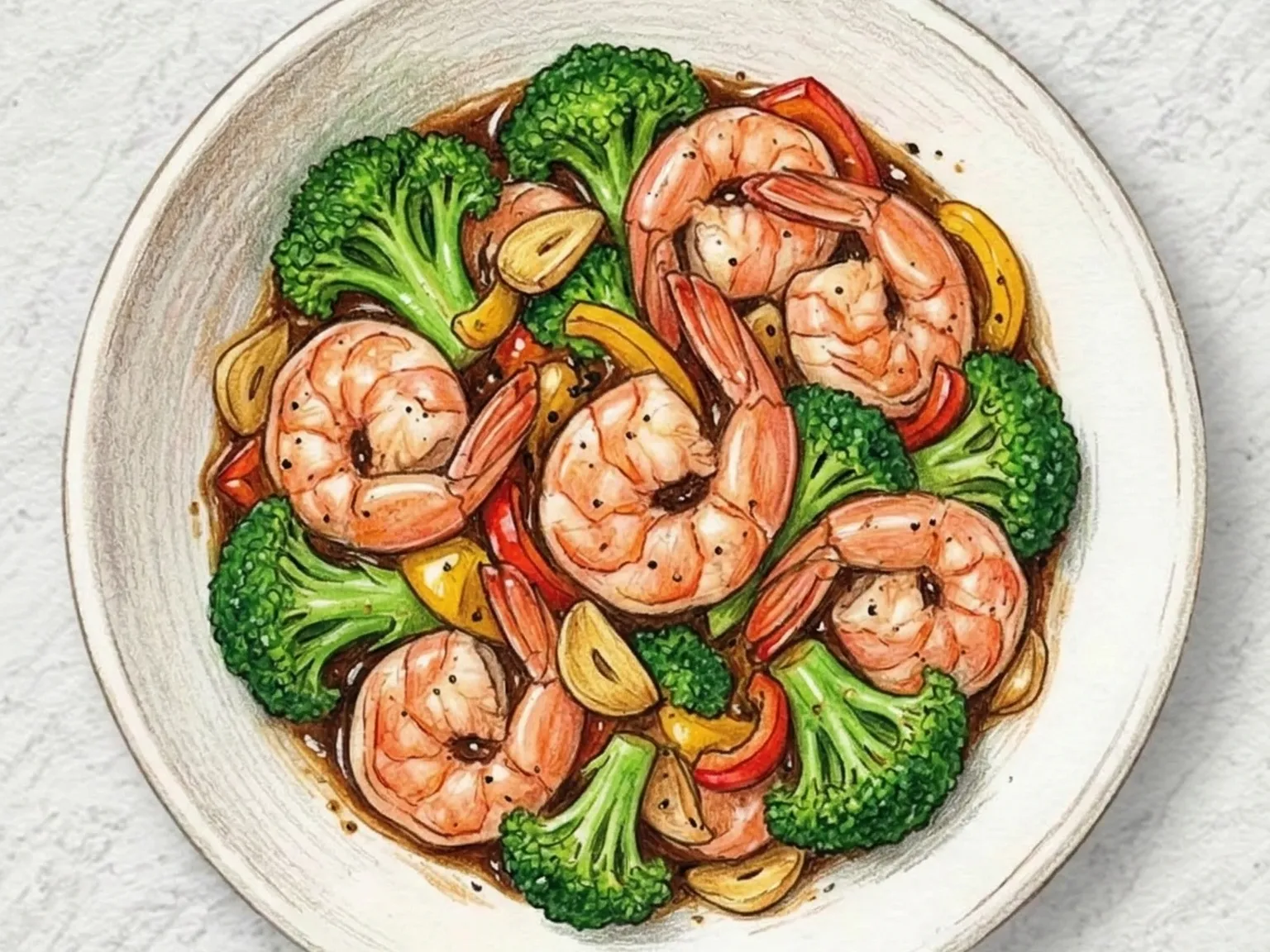
Korean Beurokolli Saeu Bokkeum (Broccoli Shrimp Stir-fry)
Peeled and deveined shrimp are seasoned with cooking wine and pepper, then stir-fried over high heat alongside blanched broccoli. The shrimp reach their ideal texture the instant they turn pink; cooking any further causes the proteins to contract and the flesh to toughen. Blanching the broccoli briefly beforehand means it releases less water once it hits the pan, keeping the sauce concentrated and clinging to the ingredients rather than pooling at the bottom. Soy sauce and oyster sauce form the savory backbone, while sliced garlic infused into the oil at the start builds a fragrant base that runs through every mouthful. Bell pepper adds a crisp snap and a vivid color. The whole dish takes under fifteen minutes and delivers a full plate of protein and vitamin C in a light, satisfying format. Served over steamed rice, it works just as well as a rice bowl.
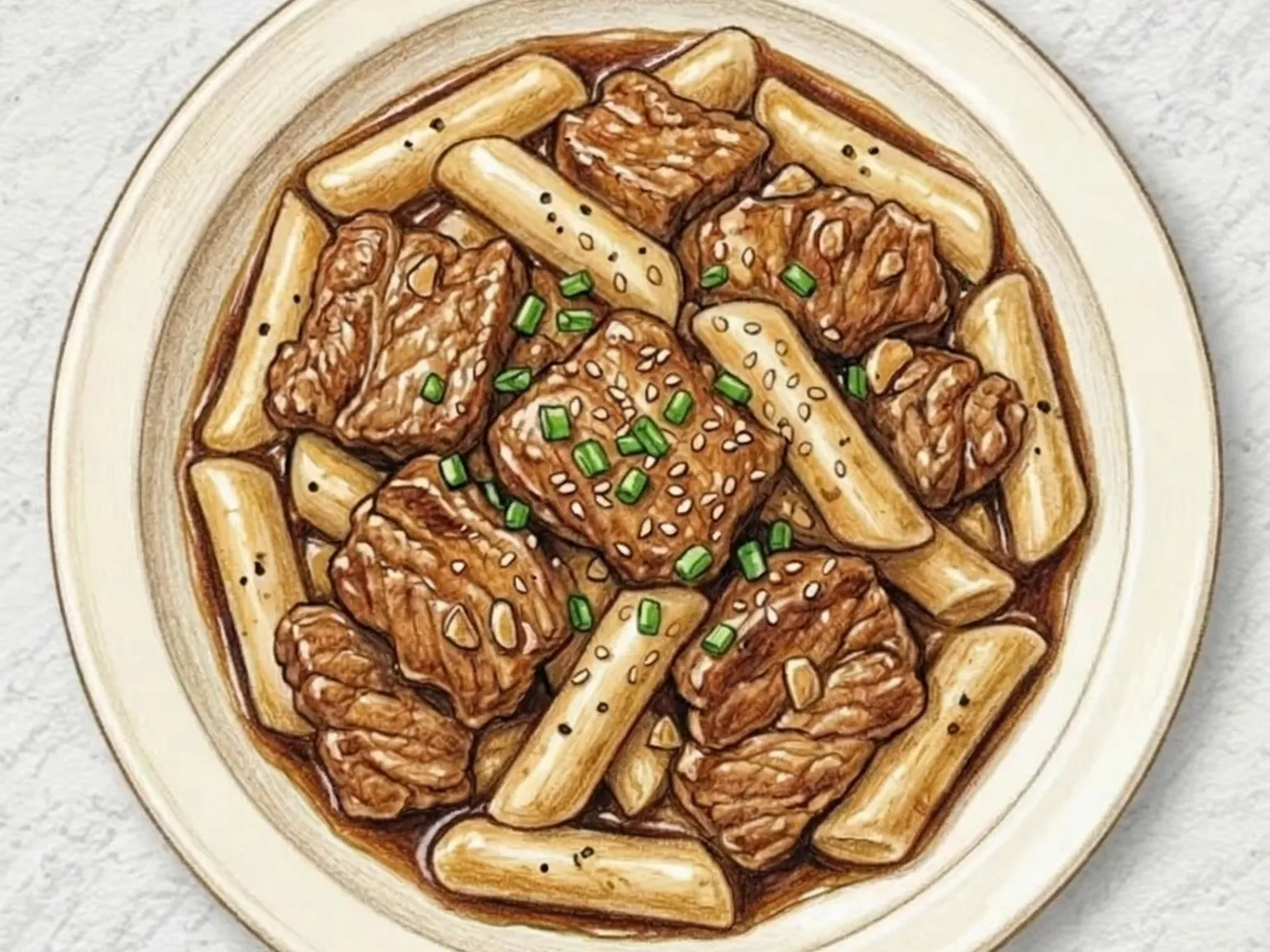
Korean Galbi Tteokbokki (Soy-Braised Pork Rib Rice Cake Stir-Fry)
Galbi tteokbokki marinates boneless pork ribs in soy sauce, sugar, mirin, garlic, and sesame oil for fifteen minutes before the dish comes together in a single pan. The ribs go in first over high heat, searing until the surface caramelizes and the rendered fat begins to collect in the pan. Water and rice cakes are added next, and the mixture simmers on medium until the sauce reduces into a concentrated glaze that coats each tteok thoroughly. No gochujang enters the recipe at any point - the flavor profile is entirely soy-and-sugar sweet-salty, made deeper by the pork's own fat and juices as they cook down. The finished dish shows a visible sheen on both the rice cakes and the meat, with green onion and sesame seeds scattered over the top.
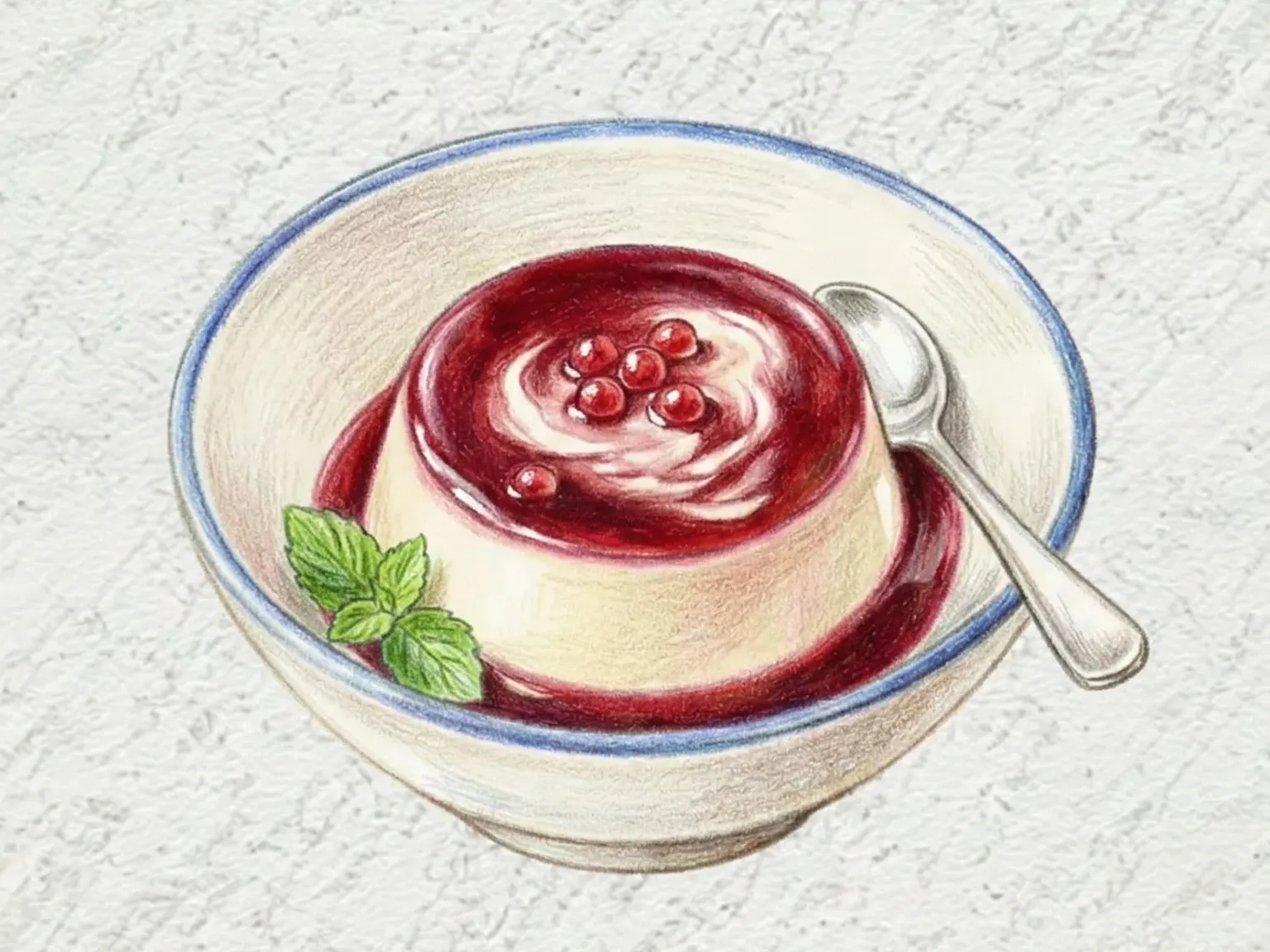
Omija Panna Cotta (Italian Cream Set with Schisandra Berry Sauce)
Omija panna cotta tops a classic Italian gelatin-set cream dessert with a sauce made from Korean schisandra berry syrup. The cream and milk mixture is heated just until small bubbles form at the edges before the bloomed gelatin is stirred in, ensuring a smooth, even set. Three hours of refrigeration produces a custard that wobbles gently when lifted with a spoon. A sauce of omija syrup mixed with lemon juice adds a tart, berry-forward acidity that cuts through the richness of the cream and forms a vivid red layer on the surface. Mixed berries served alongside burst with juice, contrasting the silky body of the panna cotta beneath. Omija berries carry five distinct tastes, sour, sweet, bitter, salty, and pungent, making them a natural counterweight to the cream's sweetness rather than a simple topping.
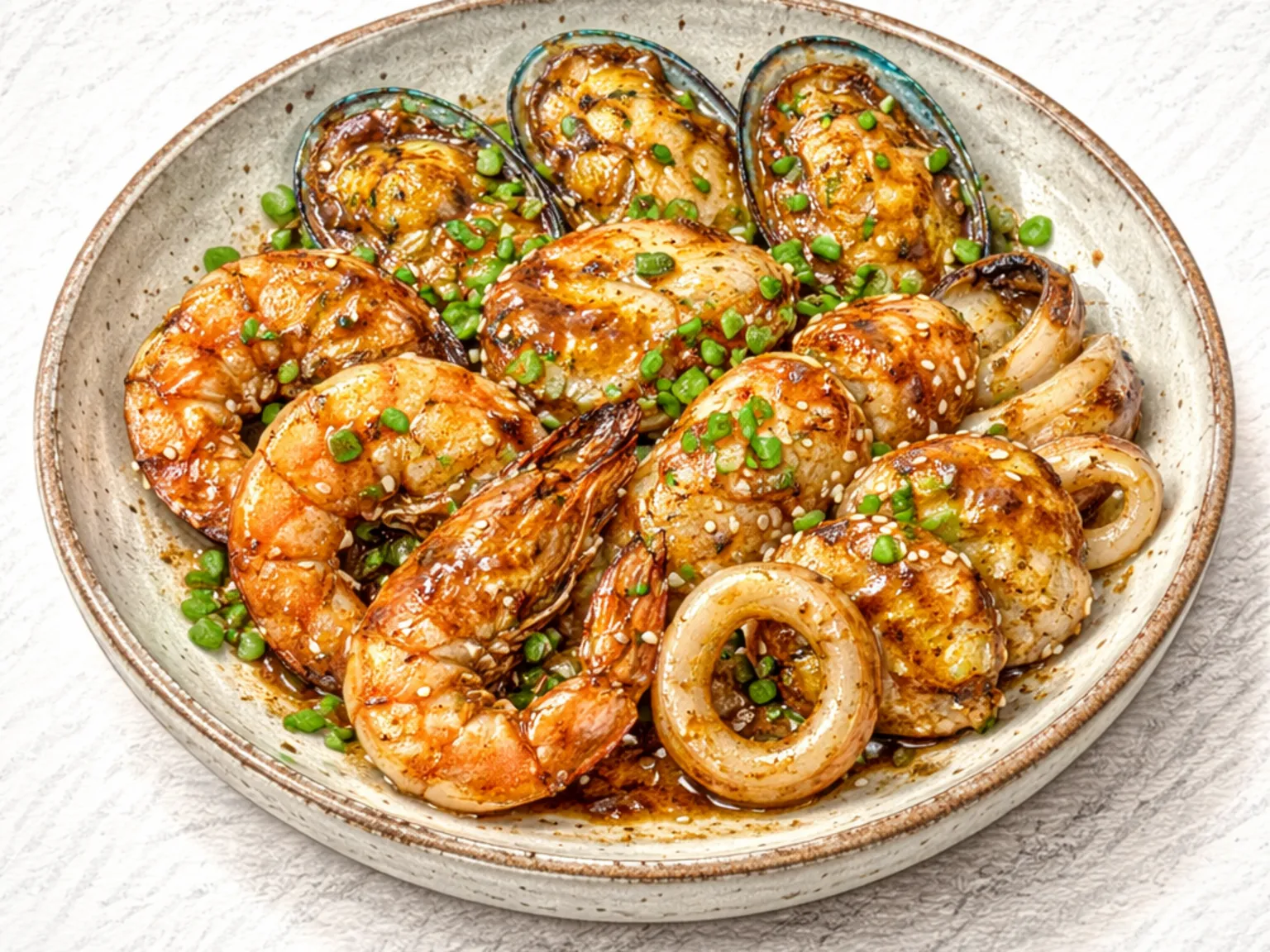
Korean Seafood with Doenjang Sauce Grill
Haemul doenjang-gui is a Korean grilled seafood dish in which shrimp and squid are brushed with a paste of doenjang, a measured amount of gochujang, minced garlic, sesame oil, and sugar before being grilled or pan-fried until the coating caramelizes. The fermented soybean paste contributes a deep, earthy umami that layers over the natural brine of the seafood, producing a complexity that neither ingredient could achieve alone. The gochujang serves as a supporting element rather than a dominant one, providing a quiet background heat that amplifies the doenjang without overpowering it. Sugar in the paste is non-negotiable: without it, the protein-dense doenjang scorches on the grill before caramelization can develop. The dish is finished when the sauce darkens to a mahogany brown and releases a nutty, fragrant aroma; hold the heat too long past that point and a bitter char begins to overtake the flavor. It functions well as a side dish with rice or as a grilled snack alongside drinks.
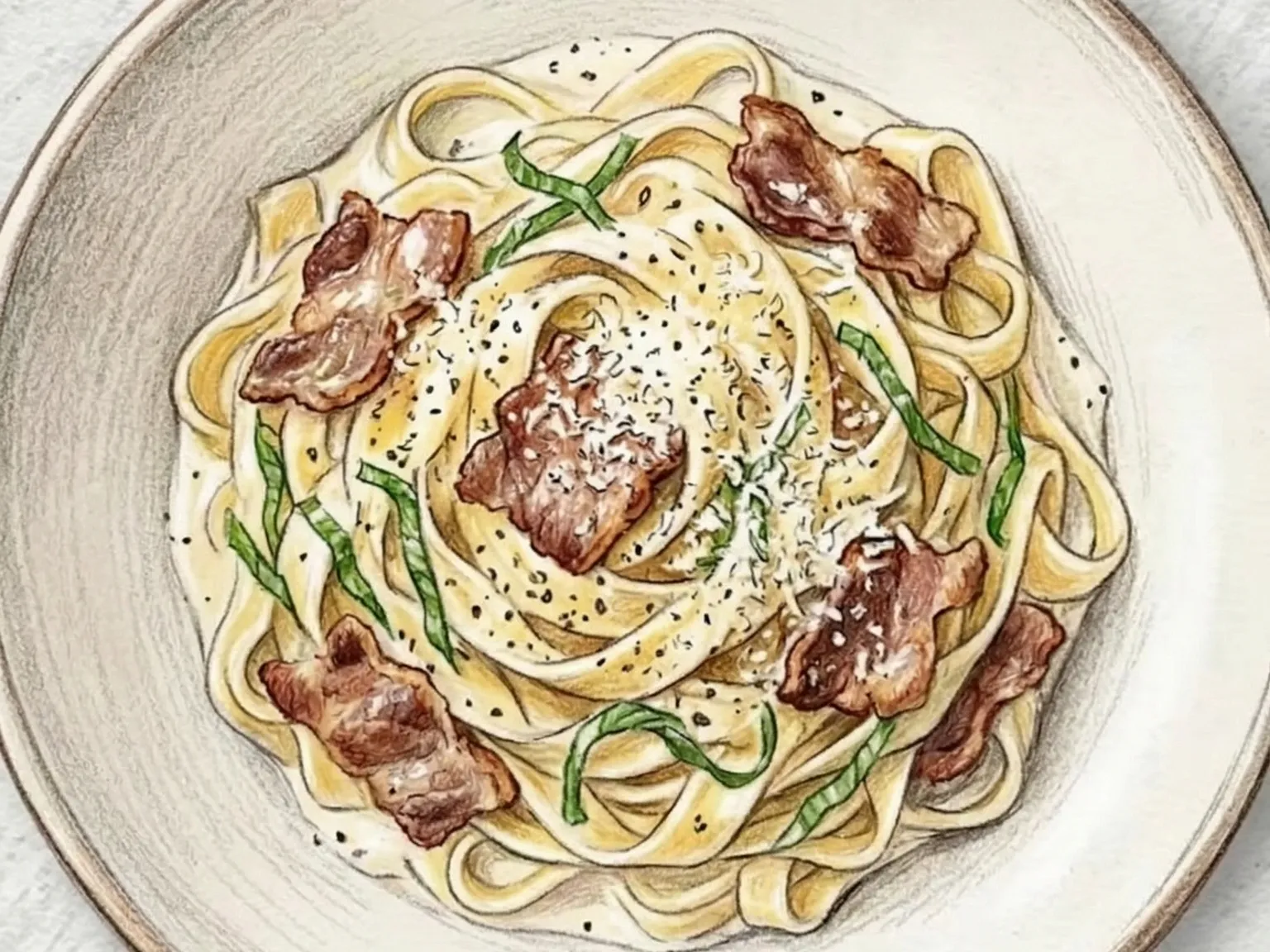
Beef Brisket Perilla Cream Fettuccine
Chadol perilla cream fettuccine pairs Italian cream sauce with thinly sliced Korean beef brisket and the resinous fragrance of perilla leaves. The brisket is seared in a dry, hot pan without added oil, since its own fat content is sufficient and extra oil prevents proper caramelization on the edges. After searing and draining the rendered fat, the crisped brisket is folded back into a sauce of heavy cream and milk so its savory depth permeates every drop. Perilla leaves must be added only when the heat is turned off, because their volatile aromatic oils evaporate quickly; adding them too early leaves only a faint bitterness. The perilla's herbal note lifts the heaviness of the cream and introduces a register absent from any European herb. Fettuccine's broad, flat surface catches sauce generously, ensuring each bite is fully coated without the sauce pooling at the bottom of the bowl. Grated Parmigiano-Reggiano adds sharpness and salt, while cracked black pepper gives a punctuating finish. The dish works because the rich fat of the brisket and the clean herbal top note of perilla occupy different flavor registers and strengthen rather than compete with each other.
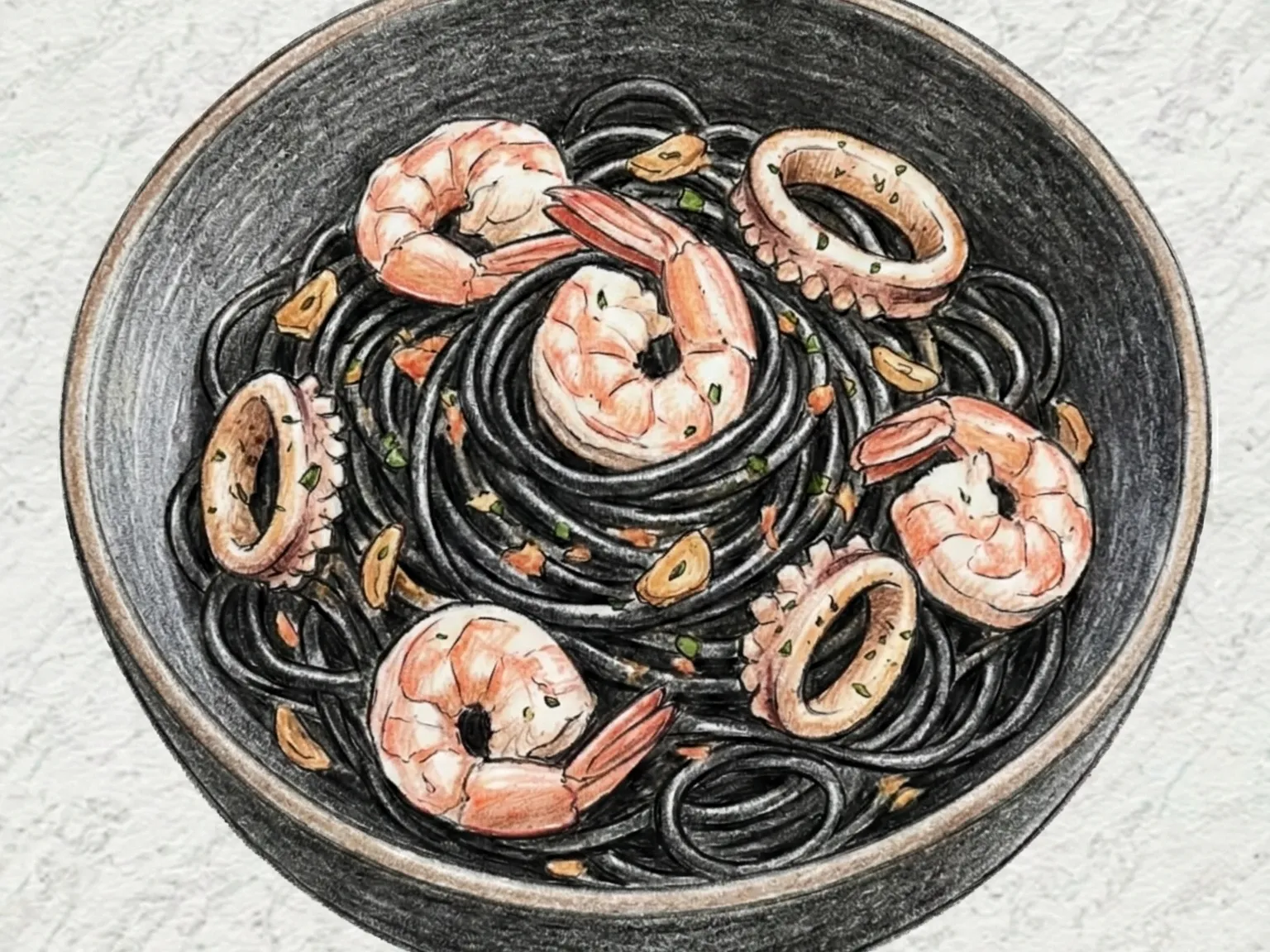
Squid Ink Seafood Linguine
Squid ink seafood linguine dissolves squid ink in reserved pasta water before adding it to the pan, ensuring even distribution without clumping. Shrimp and squid rings are seared quickly over high heat to set their surfaces, then finished during the final emulsification step so they stay springy rather than rubbery. Sliced garlic infused slowly in olive oil forms the aromatic base, and white wine with halved cherry tomatoes introduces a gentle acidity once the alcohol cooks off. The ink coats linguine in a glossy black sauce that carries concentrated brininess, and chopped parsley scattered on top provides a fresh herbal contrast. A small squeeze of lemon juice added at the end brightens the deep, saline richness of the squid ink and makes the oceanic flavors more vivid with each bite.
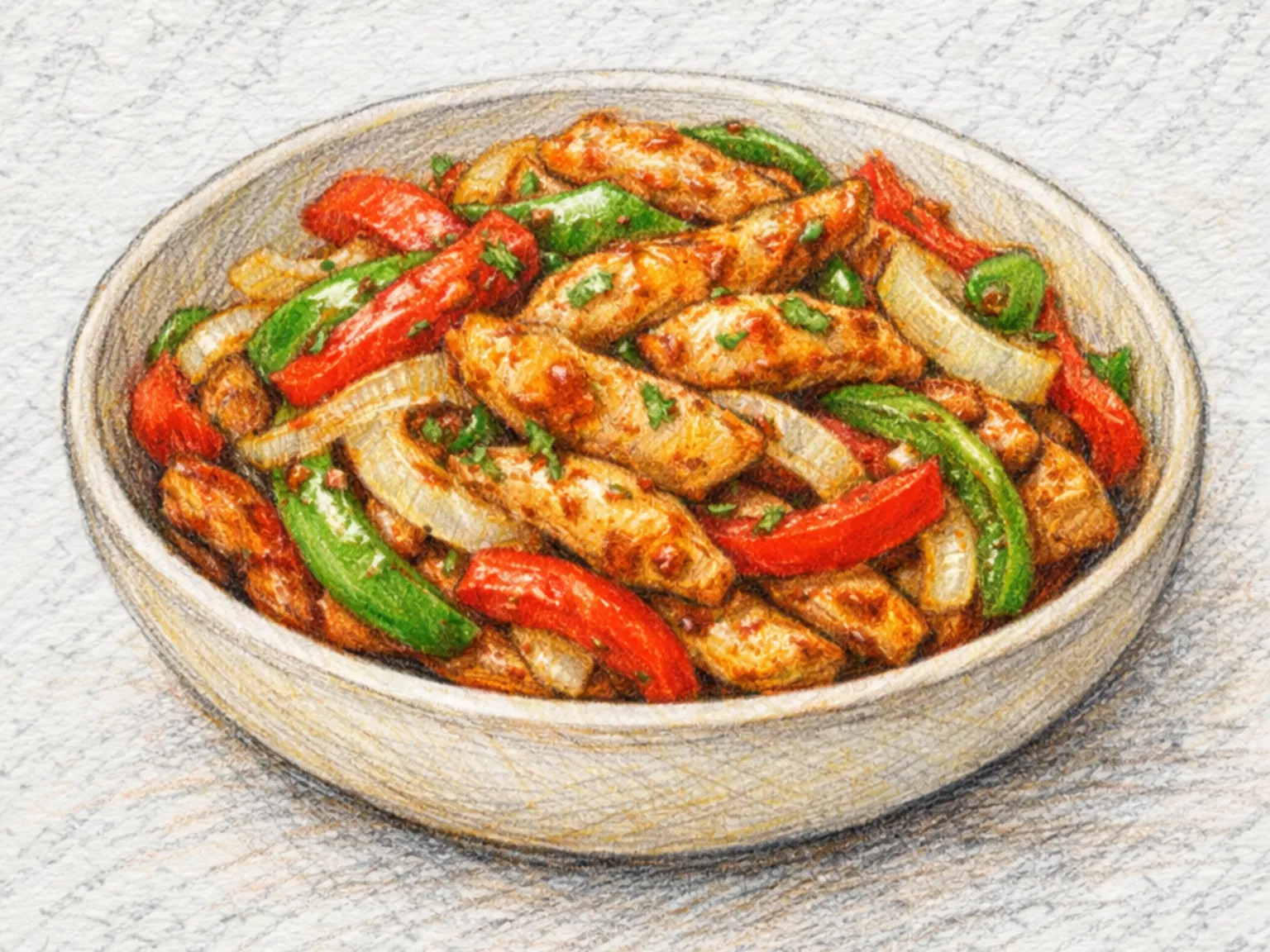
Chicken Fajitas
Chicken fajitas are a Mexican dish built around thinly sliced chicken thigh marinated for ten minutes in lime juice, paprika powder, and olive oil, then seared at high heat before being wrapped in warm flour tortillas with strips of bell pepper and onion. The lime marinade breaks down surface proteins in the meat, making it more tender and allowing the smoky, sweet paprika to penetrate rather than just coat the exterior. A hot pan is not optional. When the surface temperature is high enough, the chicken makes immediate contact with the metal, seals in its moisture, and develops a charred crust in the first two minutes. A pan that is only moderately warm causes the meat to release liquid instead, turning the cook into a braise rather than a sear and stripping out the flavor that high heat is meant to produce. The vegetables are added to the same pan after the chicken comes out and cooked only until the edges soften and a hint of caramelization appears, because extended cooking pulls out too much moisture and leaves the strips limp. Tortillas need thirty to forty seconds in a dry pan, flipped once, to become pliable enough to fold without cracking down the center. Sour cream or guacamole served on the side provides a cool, rich contrast to the spiced, charred filling, and the temperature difference between the two makes each bite more dynamic.
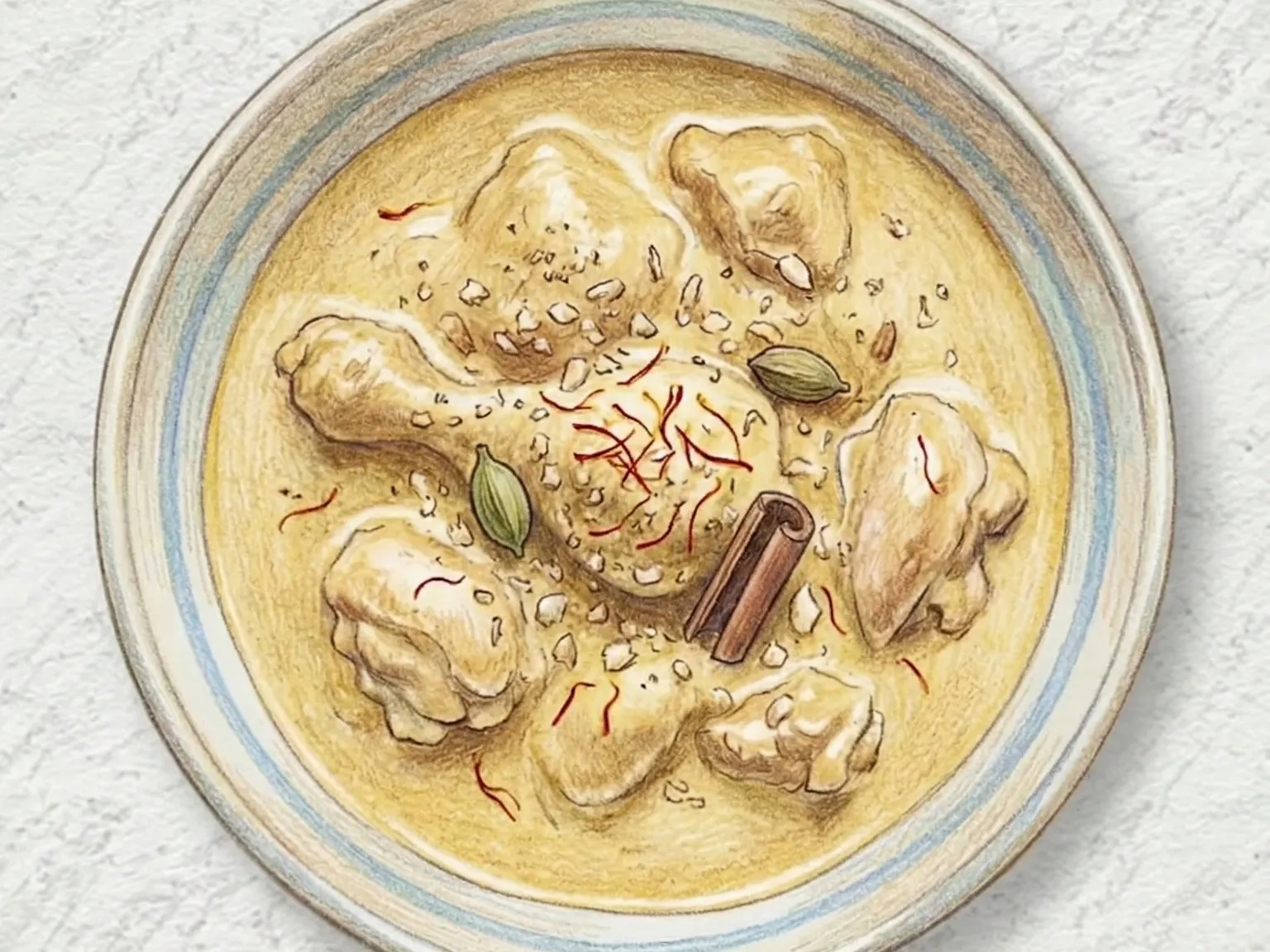
Chicken Korma (Creamy Cashew Curry)
Chicken korma developed in the kitchens of the Mughal courts, where cooks built dishes around layered subtlety rather than raw heat. The sauce begins with cashews or almonds soaked overnight and ground into a fine paste, which gives the gravy a velvety body and toasted-nut richness without any cream. Chicken is marinated in yogurt with whole spices - cardamom pods, cloves, cinnamon sticks, and mace blades - then brought to a low simmer where the warm aromatics slowly infuse the liquid and meet the tang of the yogurt, producing a flavor that is complex yet entirely without aggression. Saffron dissolved in warm milk and stirred in near the end stains the sauce a deep gold and adds a faint floral quality, two elements that mark a properly made korma. The dish is frequently recommended to diners encountering Indian food for the first time because of its mildness, but the dense nut-paste base, the careful balancing of a dozen aromatics, and the slow integration of yogurt make korma one of the most technically demanding preparations in the North Indian canon - far more than a simple mild curry.
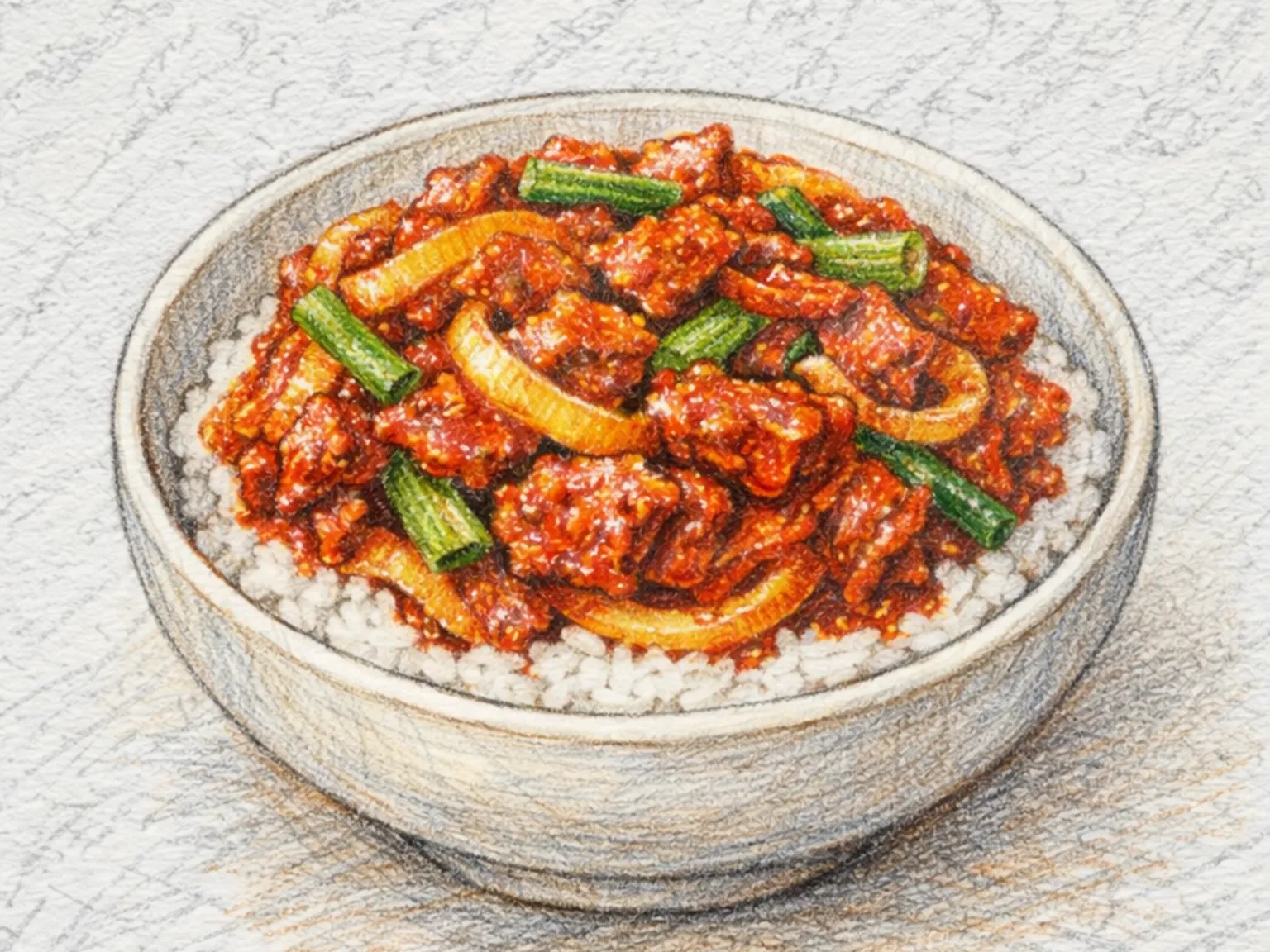
Korean Spicy Pork Rice Bowl
Pork shoulder is sliced into strips, marinated in gochujang, chili flakes, soy sauce, garlic, and sugar for ten minutes, then stir-fried over high heat until the edges caramelize. Onion goes in first to build sweetness, and green onion added at the end brings a sharp, fresh bite that cuts through the spicy-sweet glaze. A final drizzle of sesame oil rounds out the aroma. Served over steamed rice, the bold sauce coats every grain, making this a satisfying single-bowl meal that comes together in under thirty minutes.
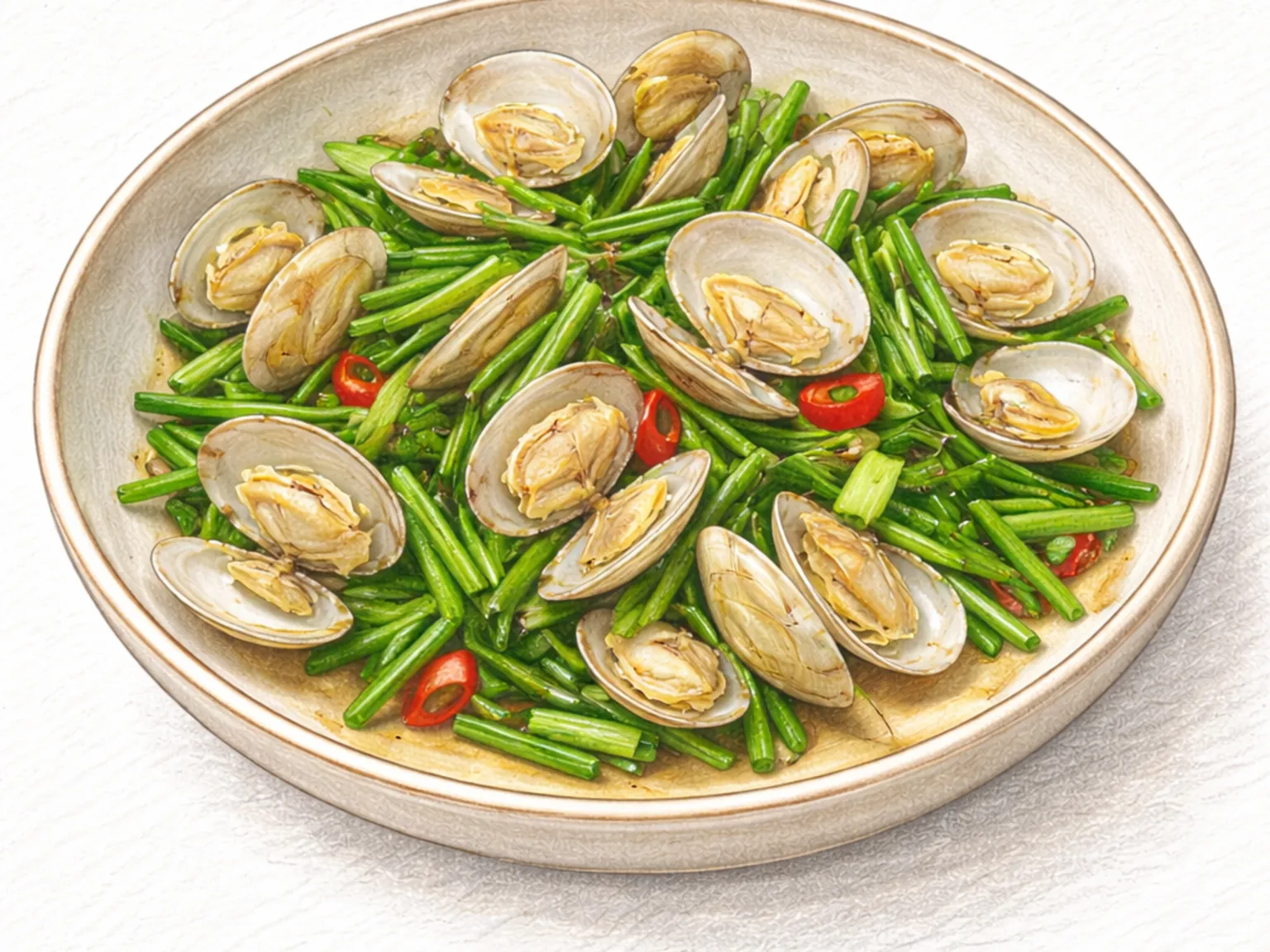
Korean Garlic Chive & Clam Stir-fry
Clams purged in salt water are steamed with rice wine until their shells open, then stir-fried with garlic chives, soy sauce, and oyster sauce. Rice wine strips away briny off-notes while amplifying the clean oceanic umami, and the liquid the clams release as they open provides a built-in sauce that needs no extra seasoning. Garlic chives go in during the last 40 seconds only; longer exposure to heat wilts them into a stringy mass and disperses their aroma. Sliced red chili contributes more visual contrast than actual heat, and a final drizzle of sesame oil rounds out the overall character. Any clam that fails to open after steaming should be discarded. The dish suits both a drinking table alongside soju and a dinner spread as a protein-rich rice side.