Baking Recipes
250 recipes. Page 2 of 11
Baking transforms flour, butter, sugar, and eggs into breads, cookies, cakes, muffins, and more. The aroma of something freshly baked is one of the great pleasures of cooking at home.
Black Rice Coconut Muffins
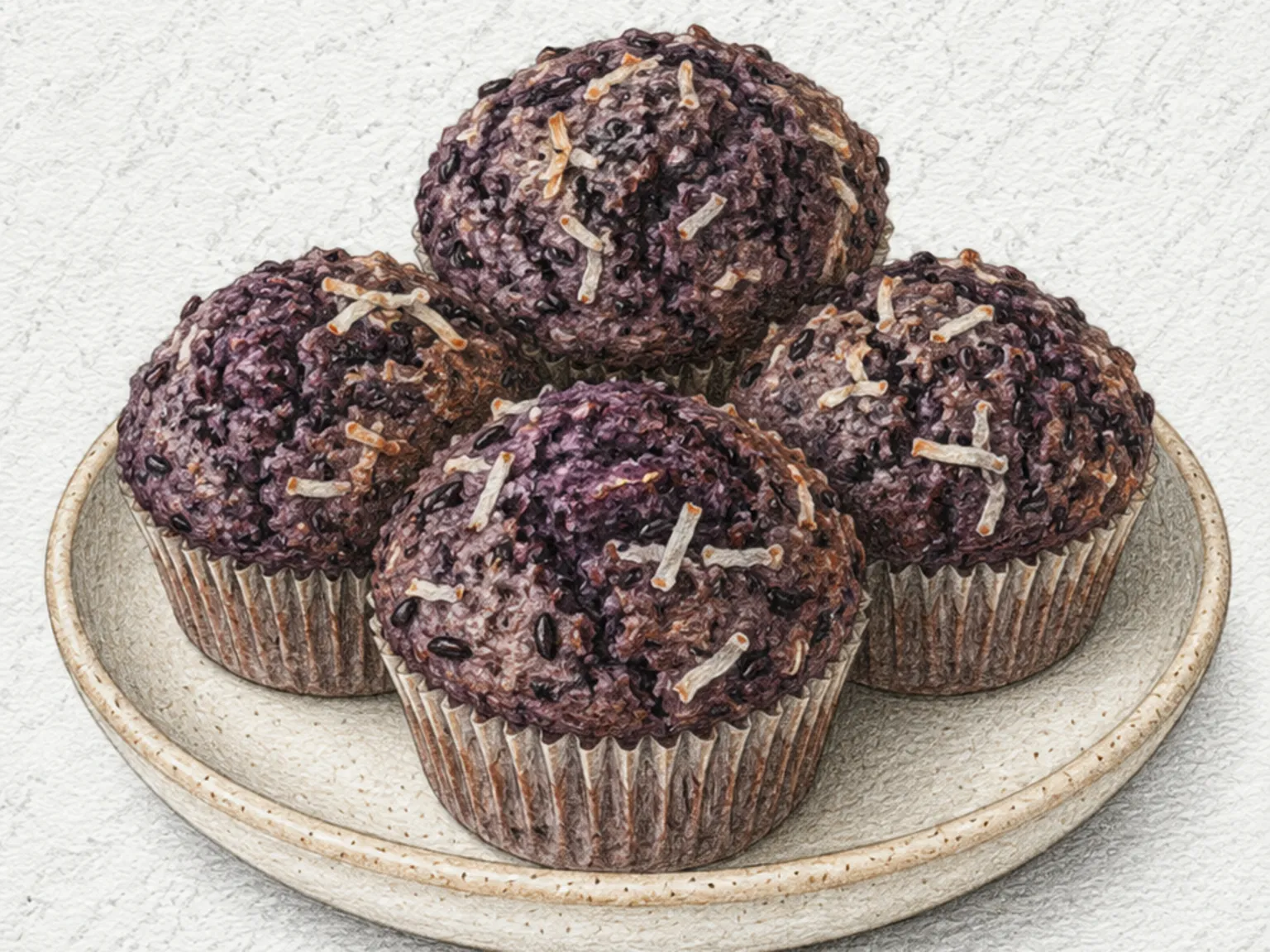
Black rice flour is blended into all-purpose flour until the batter takes on a distinctive purple-gray hue, and the grain brings a toasted, nutty quality that plain flour cannot provide on its own. Coconut milk stands in for regular dairy, producing a crumb that is noticeably more moist and tender than a standard muffin while the tropical scent settles into the batter without the need for any extract or flavoring. Desiccated coconut folded in before baking survives the oven and creates small chewy pockets throughout the finished crumb, varying the texture bite by bite. The anthocyanin pigments in the black rice deepen visibly on the muffin tops during baking, giving them a pronounced purple that signals the presence of the grain before a single bite is taken. Both ingredients reinforce the nutty note from their own direction, one earthy and grainy, the other sweet and tropical, and together they give the muffin more depth than a recipe built on white flour alone.
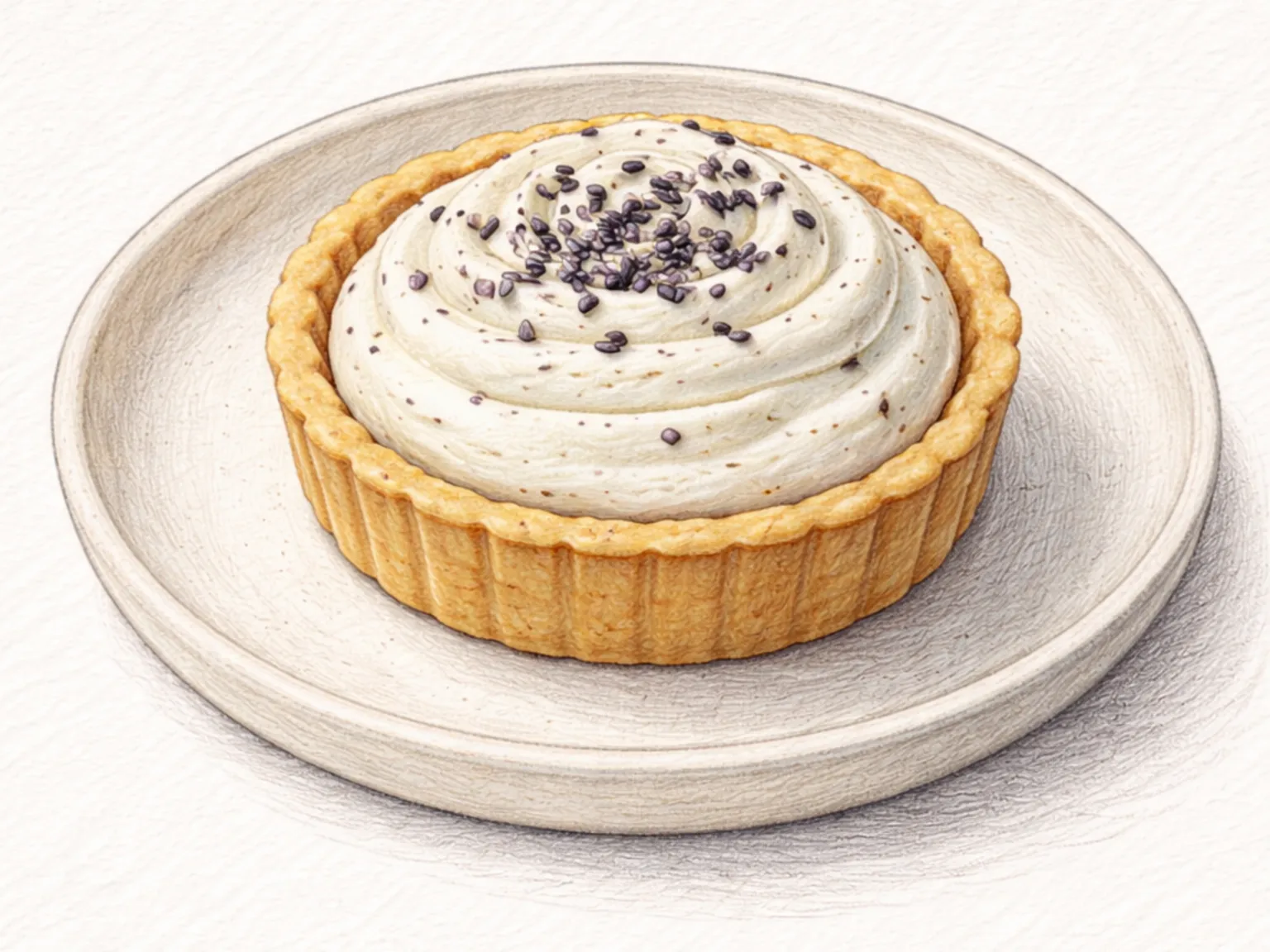
Black Rice Cream Cheese Tart
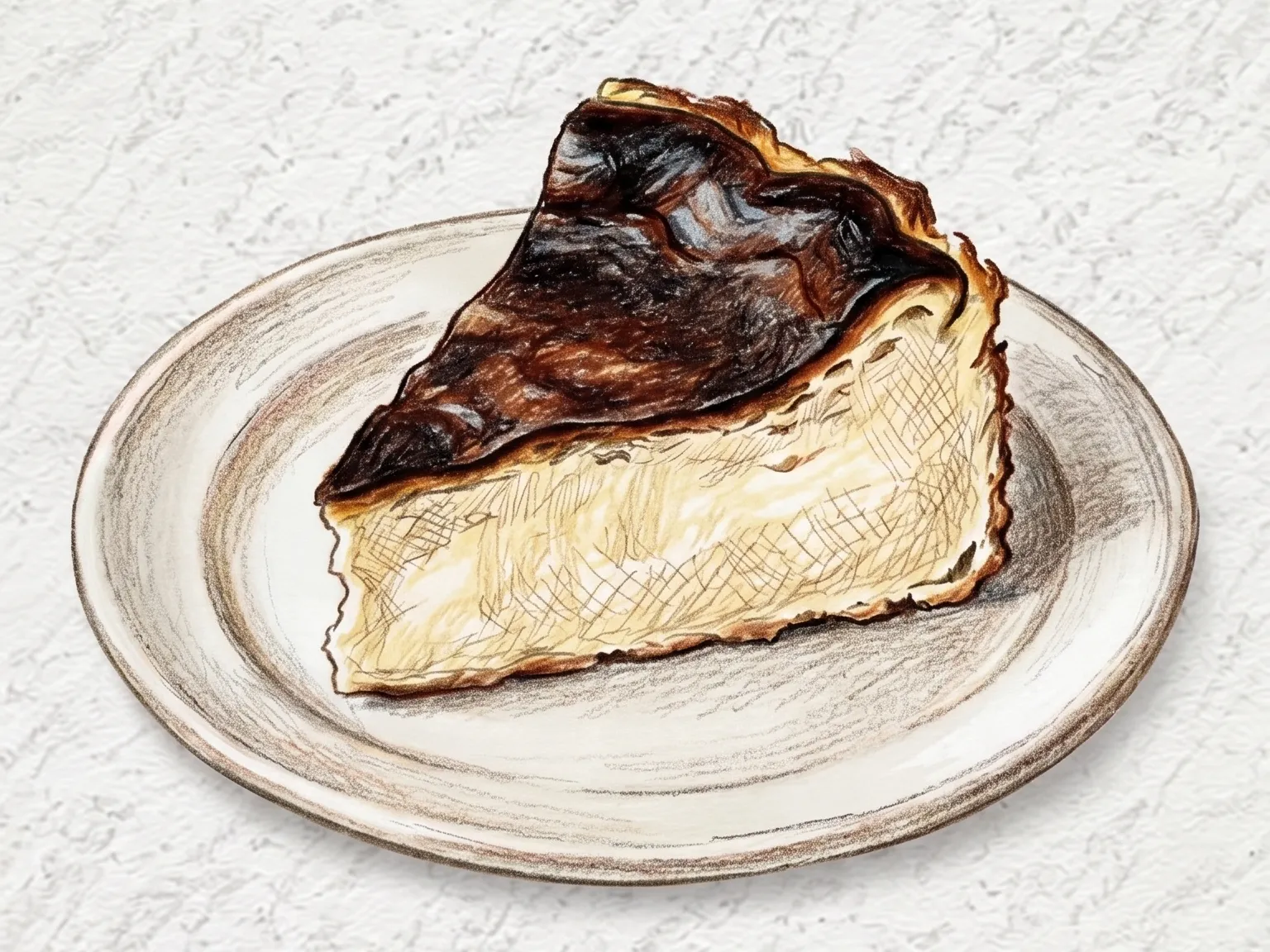
Black rice cream cheese tart is a Korean-style baked tart that combines a crisp, buttery shell with a cream cheese filling tinted and flavored with black rice flour. The filling is made by blending cream cheese, sugar, egg, and heavy cream until smooth, then folding in black rice powder, which gives the mixture a pale purple color and a subtle roasted grain character. Baked at a moderate temperature, the filling puffs gently in the oven before settling back into a dense, silky layer as it cools - the texture sits between a cheesecake and a custard tart, smooth and rich but not heavy. The pre-baked tart shell provides a firm, buttery crunch that contrasts the soft filling above. Vanilla extract ties the tangy cream cheese to the earthy black rice notes, rounding out the flavor so neither element dominates.
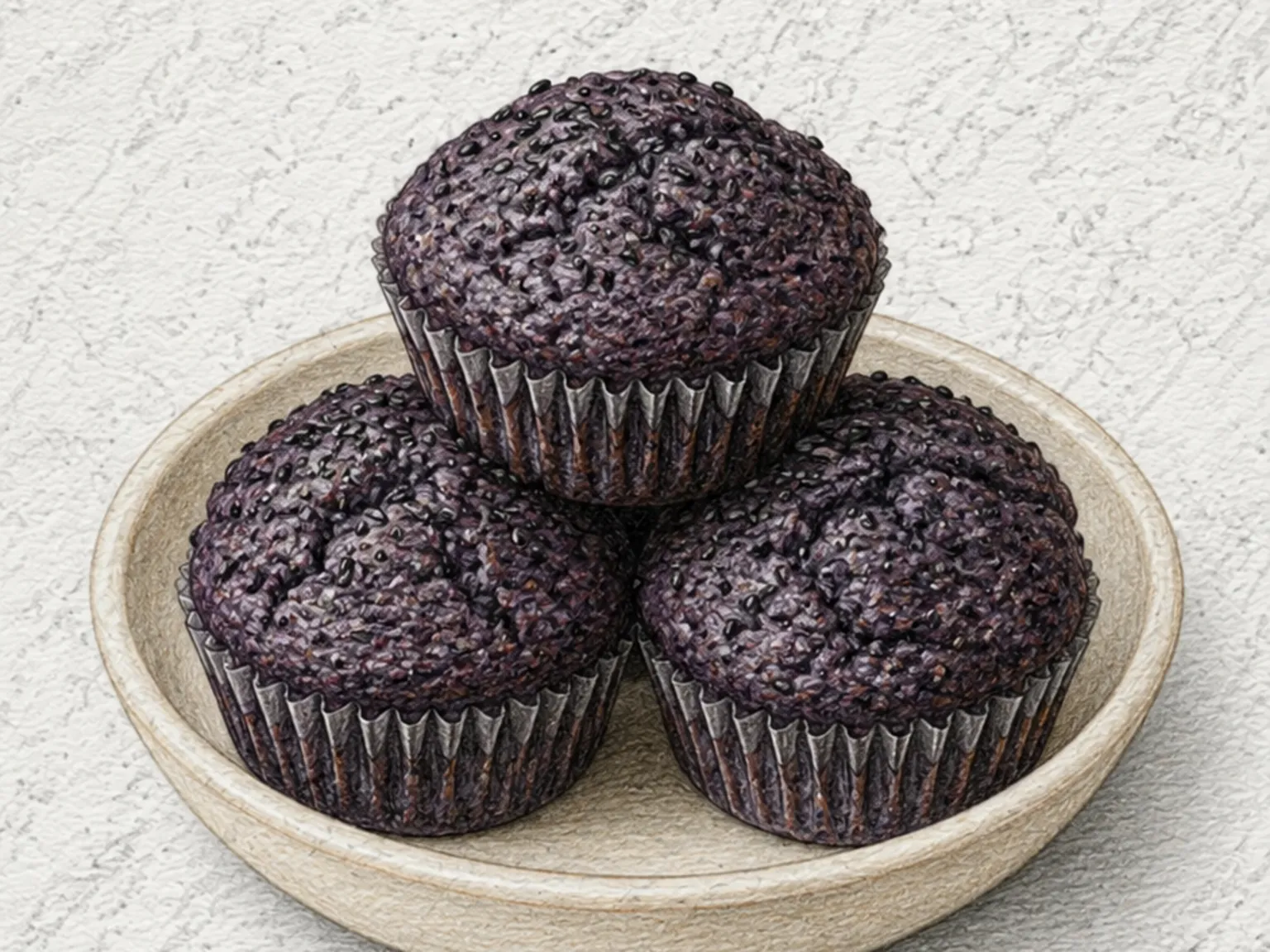
Black Rice Black Sesame Muffins
Black rice black sesame muffins bring together two of Korean baking's most distinctive ingredients into a single pastry with layered flavor and an unusual deep color. Black rice flour and cake flour form the dry base, with roasted black sesame seeds folded in to add concentrated nuttiness and tiny bursts of crunch throughout the crumb. Plain yogurt and milk provide the moisture and a faint tang that offsets the sweetness, while neutral oil keeps the fat light. During baking, the heat activates the oils within the sesame seeds, intensifying their roasted aroma as the muffins rise. The finished interior stays moist and tender, and the crust develops a subtle chew. The color is a striking deep purple-gray from the black rice. Flavor arrives in sequence: the earthy, slightly mineral depth of black rice leads, and the bold, roasted sesame note finishes. The restrained sweetness makes these muffins as well-suited to coffee or tea as they are to eating on their own.
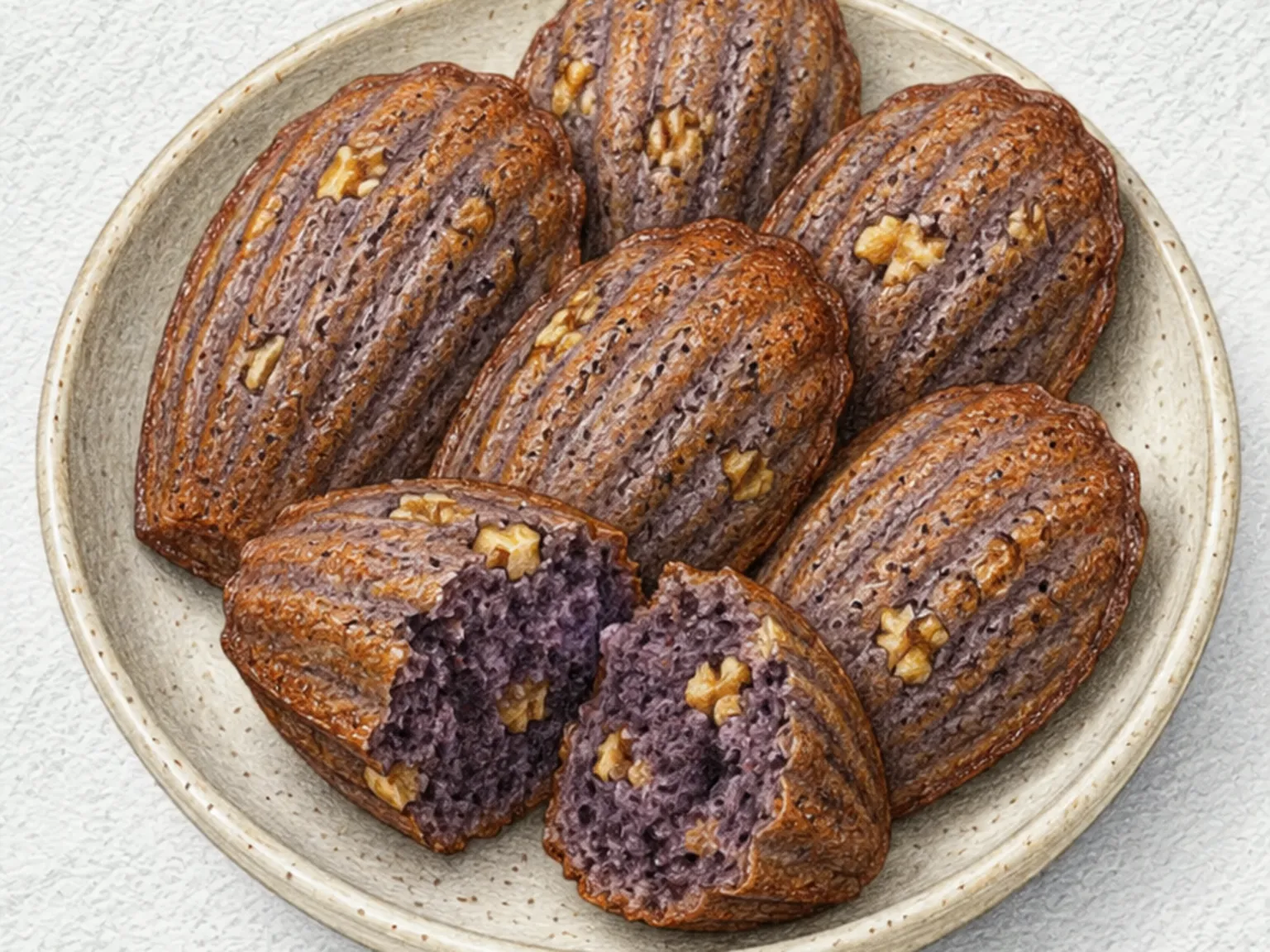
Black Rice Walnut Madeleines
Black rice walnut madeleines put a Korean spin on the French shell-shaped cake by substituting part of the wheat flour with black rice flour, producing a striking purple-brown crumb and a toasty, grain-forward flavor that sets them apart from the classic version. The batter depends on fully melted butter for the signature belly bump to rise cleanly during baking, creating a thin, crisp outer shell while the interior stays dense and moist. Chopped walnuts folded into the batter form crunchy pockets distributed throughout, so nearly every bite contains a textural contrast against the soft crumb. Honey replaces a portion of the sugar to add a rounded depth that granulated sugar alone cannot deliver. Stored in an airtight container, these madeleines hold their crisp exterior for about two days. They make an ideal homemade gift or an afternoon snack alongside coffee or a warm cup of tea.
Black Sesame Fudge Brownies
Black sesame fudge brownies layer the roasted nuttiness of black sesame over the bittersweet depth of dark chocolate in a dense, compact bar. Melted chocolate and butter form the rich, fatty base of the batter, and black sesame paste is worked in to add an earthy, faintly smoky dimension that dark chocolate alone cannot provide. Cocoa powder reinforces both the color and the intensity of the chocolate, while keeping the flour ratio low ensures the baked brownie stays fudgy and tight rather than turning cakey or dry. The first bite delivers chocolate sweetness, and the roasted sesame follows with a lingering, slightly bitter aftertaste. Cooling the brownies increases their density noticeably, making each piece substantial in the hand and on the palate. Served alongside coffee, the sesame aftertaste becomes more distinct and cuts cleanly through the bitterness of the drink.
Black Sesame Cruffin (Croissant Dough Muffin with Sesame Swirl)
A black sesame cruffin is a hybrid pastry made by baking laminated croissant dough in a muffin mold, layered generously with roasted black sesame paste. The dough is rolled thin, spread with concentrated black sesame filling, rolled up tight, and cut to fit the tin, where the exposed layers fan out into crisp, caramelized petals at the top during baking while the center stays tender and moist. The black sesame paste melts between the laminated layers as heat builds, creating charcoal-gray swirls throughout the interior and releasing an intense, roasted aroma. The contrast between the golden, shatteringly crisp exterior and the dark sesame spiral inside makes for a striking cross-section. The richness of the butter layers and the nuttiness of the sesame land together in every bite. These reheat well in an air fryer for two to three minutes after refrigeration, recovering most of their original crispness.
Black Sesame Pound Cake (Dense Roasted Sesame Grey-Crumb Cake)
Black sesame pound cake is built on the classic equal-ratio formula of butter, eggs, sugar, and flour, with a generous addition of black sesame paste worked into the batter. The paste shifts the color to a deep grey-brown and fills the kitchen with a roasted, nutty fragrance as the loaf bakes. Only a small amount of baking powder is used, keeping the rise modest and the crumb tight - the result is a dense loaf that still yields softly when bitten, with a texture that holds together cleanly on the fork rather than crumbling apart. Milk regulates the moisture balance, preventing the dense structure from turning stiff or dry at the edges. When sliced, every cross-section shows finely ground sesame particles distributed evenly throughout, visible as tiny dark flecks against the grey crumb. The loaf pairs best with green tea or black coffee, beverages whose bitterness echoes and sharpens the sesame flavor without overwhelming it. Stored in an airtight container at room temperature, it holds its moisture for two to three days and often tastes better on the second day once the sesame has had time to settle fully into the crumb structure.
Black Sesame Butter Scones
Black sesame scones are made by folding a generous amount of roasted black sesame powder directly into the butter-and-cream dough before baking. The resulting crumb is distinctively grey, streaked with flecks of ground sesame, and the nutty fragrance from the roasted seeds is present in every bite. The exterior bakes to a cracked, golden-brown shell while the interior stays soft and cohesive, held together by the heavy cream worked into the dough. Unlike plain butter scones that depend on jam or clotted cream to carry the eating experience, these have enough inherent flavor to stand on their own, though a thin coat of honey draws out additional sweetness and complements the nuttiness of the sesame. They are best eaten within minutes of coming out of the oven, when the sesame oil is still warm and the crust is at its crispest. Once cooled and sealed, they hold reasonably well for a day, retaining the sesame aroma if not the full textural contrast. The flavor is distinctly Korean in character despite the European scone format, making it a natural bridge pastry between the two traditions.
Black Sesame Tangyuan (Glutinous Rice Balls with Sesame Paste Filling)
Black sesame tangyuan are Chinese glutinous rice dumplings filled with a dense, jet-black sesame paste and traditionally served in a light ginger broth during Yuanxiao Festival and the Winter Solstice -- occasions when eating round dumplings represents family reunion and wholeness. The filling is made by grinding toasted black sesame seeds and mixing them with sugar and softened butter until a thick, almost solid paste forms; chilling this paste before wrapping makes it much easier to handle and prevents it from oozing out during shaping. The outer dough is shaped from glutinous rice flour mixed with just enough boiling water to create a smooth, pliable skin that seals without cracking. Dropped into boiling water, the dumplings are ready when they float to the surface, at which point they should be transferred promptly to avoid overcooking and tearing. A single bite breaks through the springy, chewy exterior and releases the molten sesame filling, which flows out with concentrated nuttiness. Served in a ginger syrup made by simmering fresh ginger slices with rock sugar, the warmth and mild spice of the broth complement the heavy richness of the sesame, making the bowl feel balanced despite its density. The textural contrast between the elastic skin and the flowing interior is what makes tangyuan distinctly satisfying.
Brown Sugar Cinnamon Rolls
Brown sugar replaces white sugar in the filling of these cinnamon rolls, contributing a molasses-like depth that elevates the pastry well beyond the standard version. The yeast dough, enriched with milk, egg, and butter, rises into a soft elastic sheet that rolls easily around the dark sugar and cinnamon mixture. During baking, the brown sugar melts into a sticky caramel layer that clings to every spiraled edge. The rolls emerge darker in color and richer in character, carrying a mineral sweetness that white sugar cannot replicate. Cinnamon warmth penetrates every layer from edge to center without fading at the core. A cream cheese glaze drizzled over the hot rolls immediately after baking introduces a tangy counterpoint that prevents the sweetness from becoming one-dimensional, and the contrast between the warm, dark filling and the cool, pale glaze makes each pull-apart layer worth eating slowly.
Blondie Bars
Blondie bars take the dense, fudgy structure of brownies and replace the chocolate with the caramel depth of browned butter and brown sugar. Cooking the butter slowly until it turns a deep golden-brown color produces a pronounced nutty, toasted aroma that functions as the flavor backbone of the entire bar - more complex than plain melted butter can deliver. Brown sugar dissolves into the browned butter and contributes a toffee-like sweetness with a molasses undertone that white sugar simply cannot replicate. Eggs and vanilla extract add warmth, richness, and depth to round out the flavor. Using a modest amount of flour is deliberate: too much tips the texture toward cakey, while the right quantity keeps the baked bars dense, chewy, and slightly underdone in the center. The surface develops a thin, crackly shell during baking, while the interior stays soft and slightly sticky - that contrast of textures is central to a properly made blondie. The bars must cool completely before slicing; cutting too early causes them to collapse and lose their clean edges.
Blueberry Banana Bread
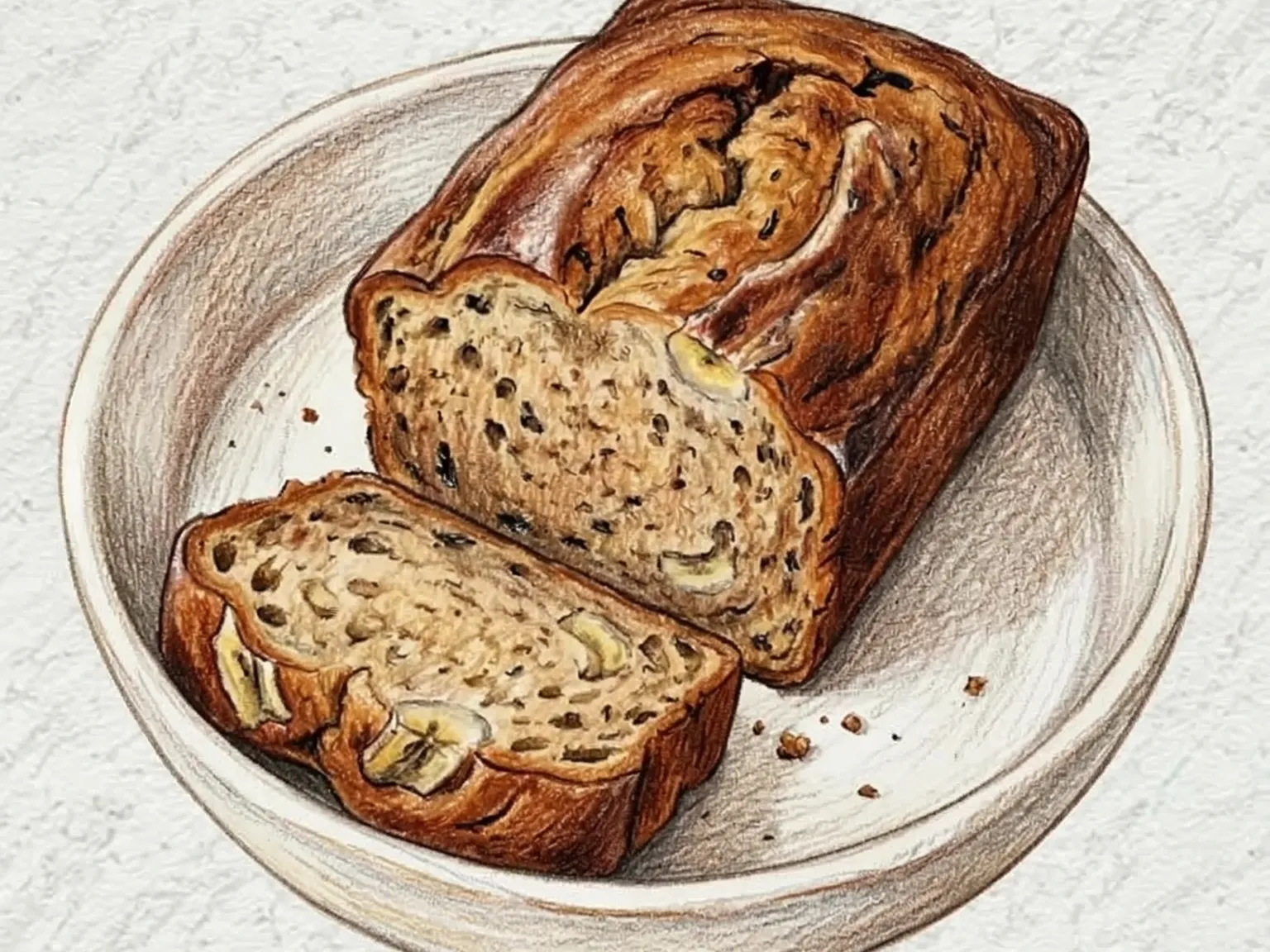
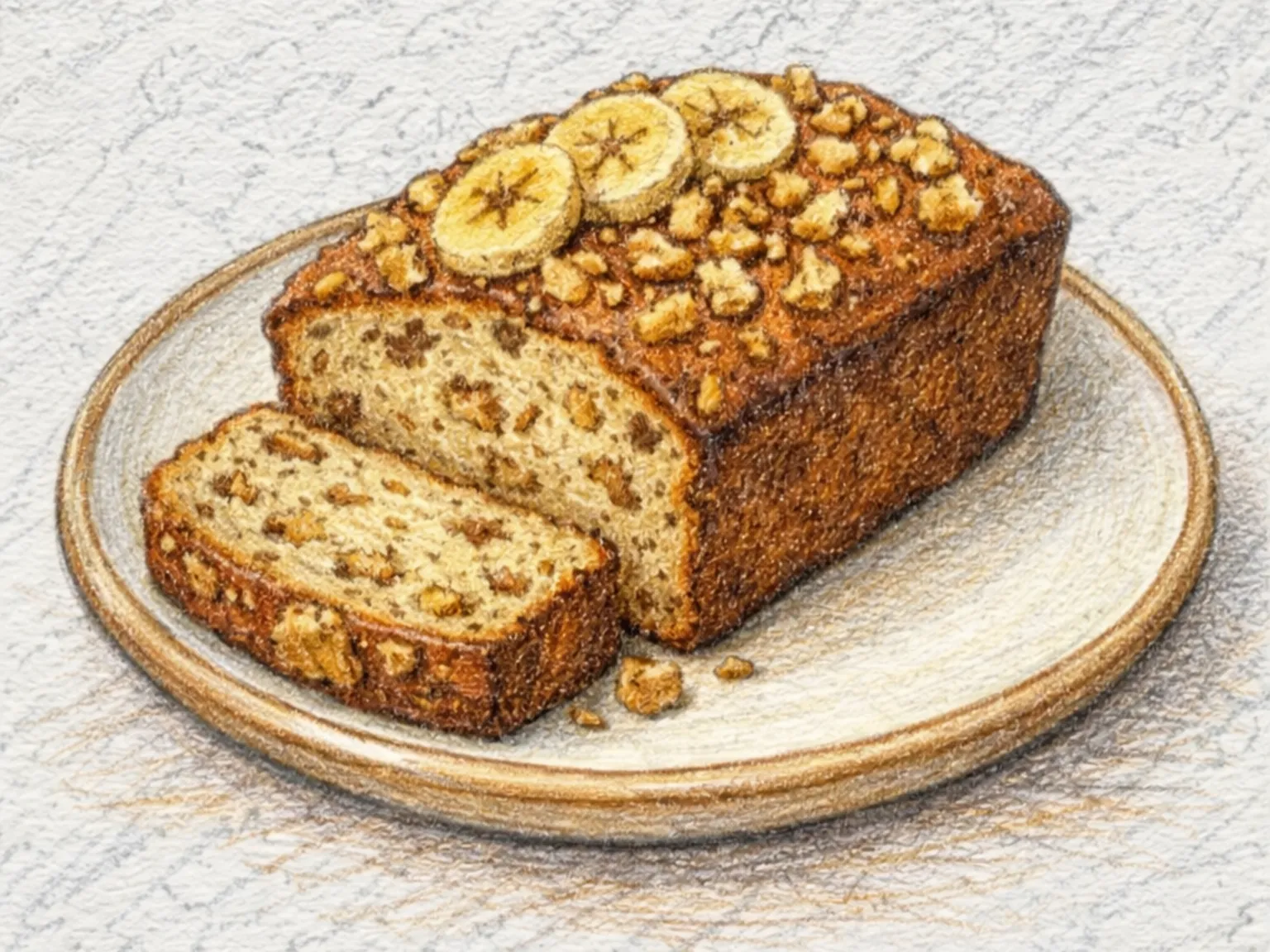
Blueberry banana bread is a quick bread that pairs the dense, sweet moisture of ripe bananas with the sharp burst of blueberries. The riper the banana, the more sugar has converted from starch, which means the bread needs less added sweetener while still tasting distinctly sweet. Melted butter enriches the crumb without weighing it down the way oil can, and baking soda creates a fine, tender rise that keeps the interior soft. Blueberries burst during baking and streak the crumb with rivulets of purple juice, making every slice visually distinct as well as flavorful. The most important technique is restraint with the mixing - once the flour is added, stirring just until the dry streaks disappear prevents gluten from over-developing and keeps the crumb moist rather than tough. Because the fruit carries most of the sweetness and moisture, this is a reasonable choice as a daily snack or a healthier baked good. Sliced warm with butter or cream cheese, it works as a simple brunch dish, and it keeps well for several days at room temperature before the crumb begins to dry.
Blueberry Lemon Scones
Blueberry lemon scones bring together the bright zing of lemon zest and the sweet tartness of fresh blueberries in a buttery, crumbly pastry. Cold butter is worked into flour by hand until the mixture resembles coarse crumbs, then bound with heavy cream into a shaggy dough - the technique that produces scones with a crisply fractured exterior and a layered, tender center. Lemon zest is distributed throughout the dough so every bite opens with a citrus fragrance before the pop of a blueberry follows with its rush of sweet-tart juice. Sugar is kept to a minimum, allowing the fruit and zest to carry the flavor without sweetness overwhelming them. The restrained sugar level also makes these scones a natural fit for clotted cream or preserves on the side.
Blueberry Yogurt Scones
Blueberry yogurt scones incorporate plain yogurt into the dough to produce a crumb that is noticeably softer and more moist than the standard butter-and-cream version. The mild tang of the yogurt runs through the dough and, together with the butter, leaves a clean, rounded finish rather than a heavy one. Blueberries partially burst during baking, sending violet-blue streaks through the pale interior and releasing a fruity fragrance into each slice. The interaction between baking powder and the acidity of the yogurt gives the dough a gentle lift, so the exterior develops a light crust while the inside stays open and tender instead of dense. Sugar is kept deliberately low, which lets the natural sweet-tart character of the berries carry the dominant flavor without competition from the base dough.
Bomboloni (Italian Cream-Filled Deep-Fried Yeast Doughnuts)
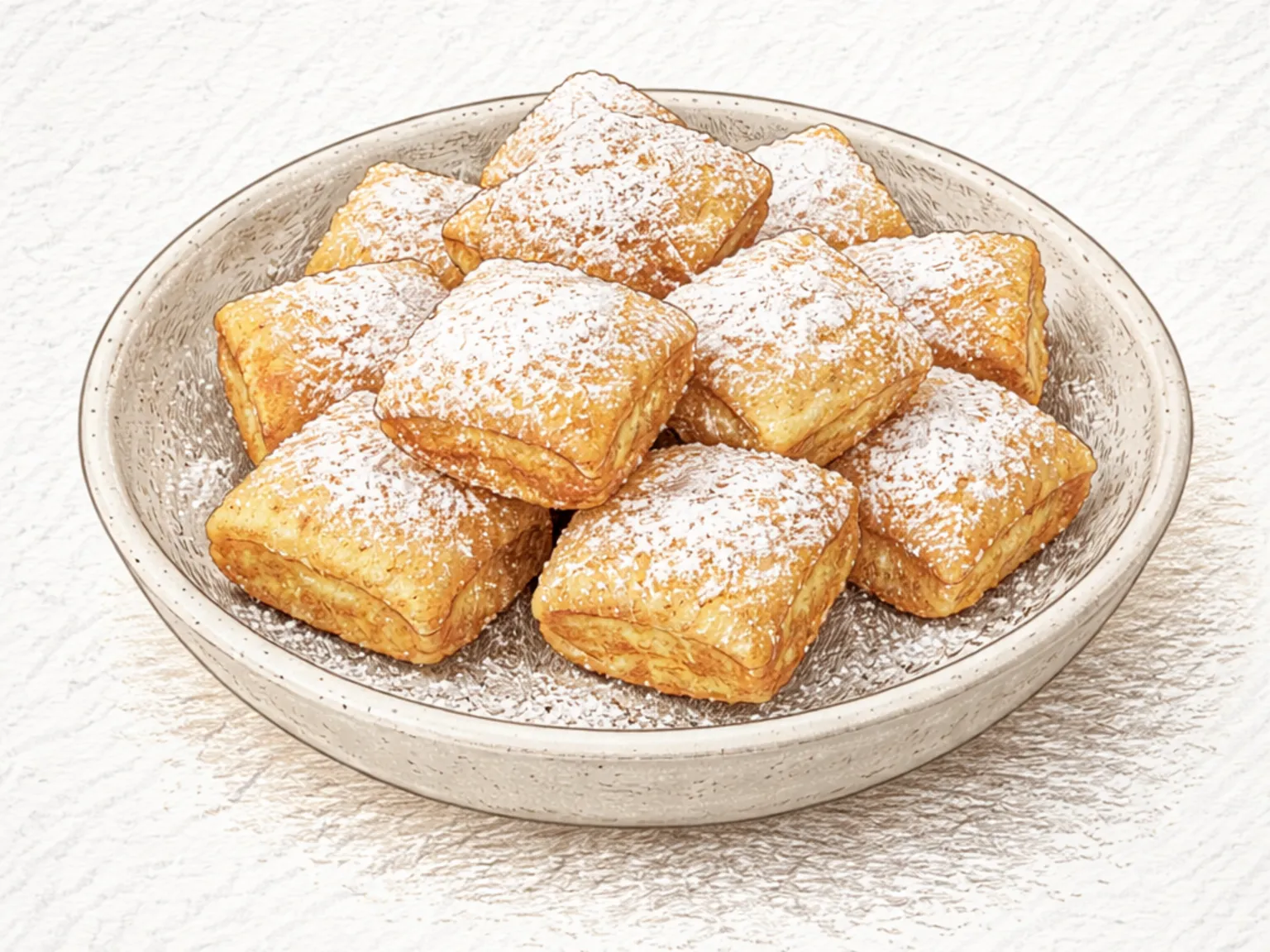
Bomboloni are Italian filled doughnuts made from an enriched yeasted dough that is shaped into balls, deep-fried, and piped full of cream or jam while still warm. The dough - built on bread flour, eggs, butter, and milk - develops strong gluten during proofing, which gives the fried result a thin, crisp outer shell enclosing a pillowy soft interior. Rolling the hot doughnuts in granulated sugar immediately after frying coats them in a crunchy, sweet layer that crackles on the first bite. Vanilla custard is the classic filling, its smooth richness contrasting with the airy bread, though strawberry jam and chocolate cream are equally popular variations. Bomboloni are best eaten within minutes of frying.
Boston Cream Pie
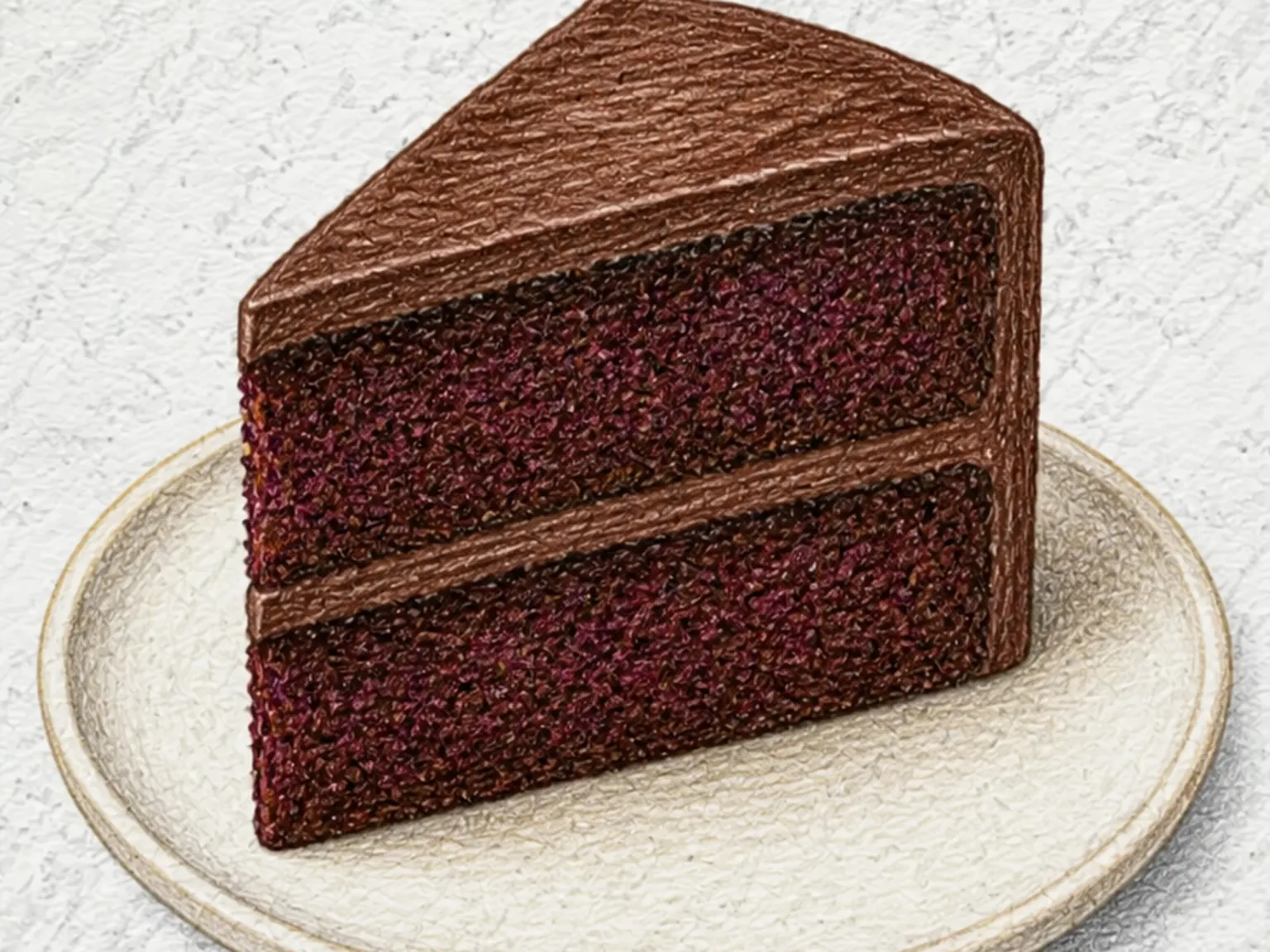
Boston cream pie is, despite its name, a layered cake rather than a pie. Two rounds of tender sponge sandwich a thick vanilla pastry cream, and the top is cloaked in a glossy dark chocolate glaze. The sponge bakes from cake flour and eggs to a fine, pillowy crumb that compresses gently under a fork without crumbling. The pastry cream -- cooked from milk, cornstarch, and egg yolks -- sets into a thick, silky custard that holds its shape when sliced but melts smoothly on the tongue. The chocolate glaze cools into a thin, shiny shell that cracks cleanly when pressed, mixing with the cream beneath. Each forkful delivers the sequence of bitter chocolate, sweet vanilla custard, and plain sponge in quick succession. Making the custard a day ahead and refrigerating it overnight ensures it holds firmly when the layers are assembled and sliced. Pour the glaze when it has cooled slightly -- warm enough to flow but not so hot that it thins out and drips unevenly.
Bread Pudding
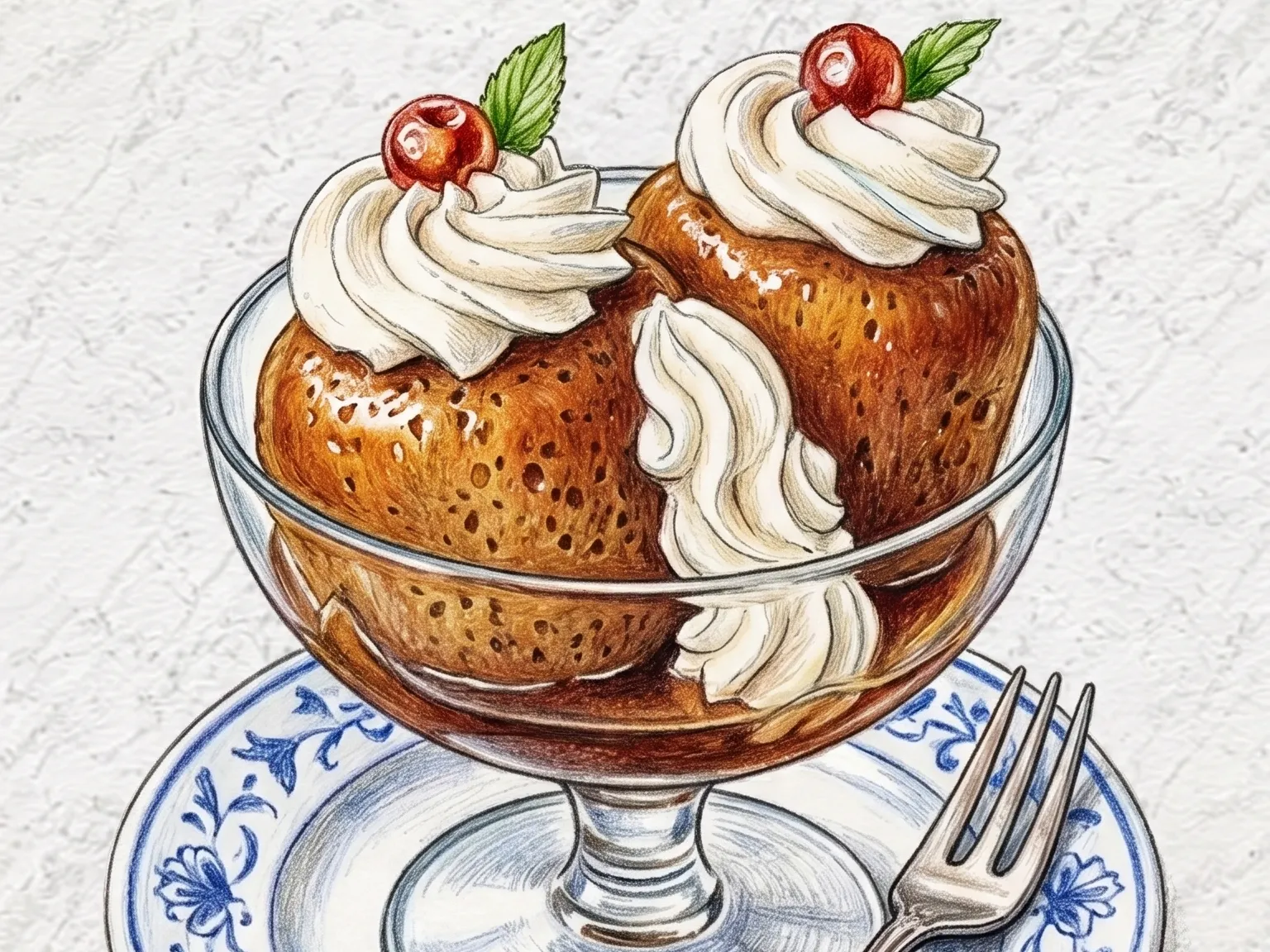
Bread pudding transforms leftover bread into a warm, custardy dessert by soaking thick slices in a mixture of eggs, whole milk, and heavy cream, then baking until the custard sets. Allowing the bread to soak for at least twenty minutes before baking ensures the liquid penetrates all the way through each slice so the interior bakes into something closer to a soft, yielding pudding, while the top layer exposed to the oven heat crisps into a golden-brown crust. Cinnamon stirred into the custard base distributes a warm spiced fragrance through the entire dish, and vanilla extract rounds out the egg flavor. Served warm with a scoop of vanilla ice cream or a pour of bourbon caramel sauce, the contrast between the hot pudding and the cold topping adds another dimension. Originally a practical solution to stale bread, this dish has been a fixture of English and American Southern home cooking for generations.
Brioche Loaf
Brioche loaf is a French enriched bread defined by a high ratio of eggs and butter to flour. Softened butter is added in stages during kneading, small amounts at a time, until the fat is fully absorbed and the gluten has developed enough for the dough to stretch into a thin, nearly translucent sheet without tearing. The extended mixing time and the cold retard during overnight proofing give the final crumb its extraordinarily fine structure. Baked in a loaf pan, brioche comes out with a deep golden crust that is thin and slightly brittle, enclosing an interior that tears into long, cotton-soft strands. The butter flavor runs through every layer, so the bread is rich enough to eat on its own without any spread. Once sliced and lightly toasted, the contrast between the crisp outer face and the soft, moist center becomes more pronounced. Brioche absorbs custard quickly and holds its shape under heat, which makes it a preferred base for French toast and bread pudding.
Brownie Cookie Bars (Layered Brownie and Cookie Bar)
Brookie bars combine brownie batter and cookie dough in a single baking pan, stacking the two components so that each cut piece delivers both in one bite. The cookie layer sits at the bottom of the pan and is built on brown sugar and melted butter, which together produce a deep caramel flavor that plain white sugar cannot achieve. At the edges, where the batter is thinnest and heat penetrates fastest, the cookie bakes into a crisp, snapping crust. Toward the center, the same layer stays chewy and slightly underdone, with a pull to the texture that contrasts with the firmer brownie above. The brownie layer uses both cocoa powder and dark chocolate chips, a dual approach that delivers two distinct expressions of chocolate flavor. Cocoa powder spreads its bitter intensity throughout the entire layer, while the chips melt into pockets of concentrated richness that survive as soft inclusions in the finished bar. Where the two layers press against each other during baking, a narrow transition zone forms in which cookie and brownie are partially merged. This interstitial region carries the vanilla-butter warmth of the cookie alongside the bitter darkness of the brownie simultaneously. The bars must cool completely before cutting. Removing them from the pan too soon results in crumbling and smearing that destroys the clean cross-section that makes brookie bars visually satisfying.
Brown Butter Chocolate Chip Cookies
Brown butter chocolate chip cookies build on the familiar template by introducing browned butter, which is cooked over medium heat until the milk solids caramelize and turn golden, releasing an aroma of toasted hazelnuts and toffee that standard melted or creamed butter cannot produce. The browned butter is combined directly with brown sugar while still warm, which helps it dissolve completely and speeds up the mixing process. A high ratio of brown sugar relative to white sugar produces cookies with thin, crisp edges and a dense, chewy center that sinks slightly when pressed. Dark chocolate cut into rough chunks melts unevenly during baking, leaving some pockets fully liquid and others still partially solid, creating texture variation in each bite. Flaky sea salt pressed lightly onto the tops of the cookies before baking sharpens the sweetness and amplifies the chocolate flavor in a way that fine salt mixed into the dough cannot replicate. Fresh from the oven the cookies look underdone and collapse slightly when touched, but ten minutes of resting on the pan allows the structure to set: the edges firm up to a gentle snap while the center stays yielding and fudgy.
Butter Cookies
Butter cookies are a classic pastry built around the flavor of high-quality butter, aiming for a melt-in-the-mouth texture and a clean, rich aroma. Unsalted butter is creamed thoroughly with powdered sugar to incorporate air, creating the foundation for a crumbly, delicate crumb. Egg yolk and cake flour are mixed in just enough to form a smooth dough, and vanilla essence adds a sweet depth that complements the butter without distracting from it. Piped into flower or ring shapes, the cookies bake until the thin edges turn crisp and golden while the thicker centers remain tender and soft. Resting the piped shapes in the refrigerator for fifteen to twenty minutes before baking helps them hold their definition rather than spreading in the oven. The sweetness is deliberately restrained so the butter's own flavor comes through clearly. Stored in an airtight tin, the cookies maintain their snap and fragrance for over a week.
Butter Mochi Cake (Hawaiian Glutinous Rice Coconut Cake)
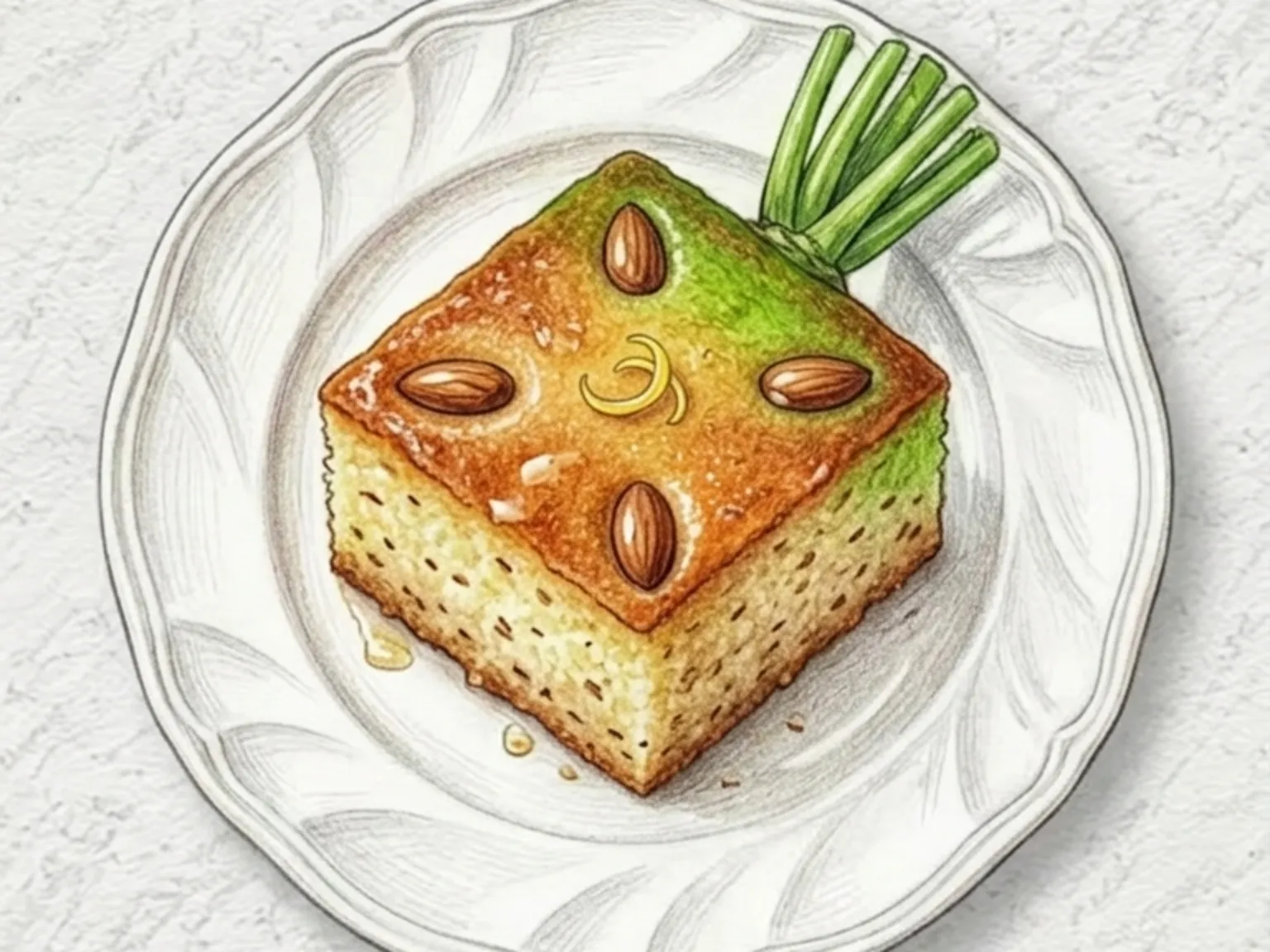
Butter mochi cake is a Hawaiian baked dessert that uses sweet glutinous rice flour as its structural foundation, resulting in a single slice that contains both the dense chewiness of a mochi rice cake and the golden, lightly crisp crust of a conventional baked good. The batter is thin and pourable - sweet rice flour combined with sugar, eggs, melted butter, whole milk, and coconut milk - and it is baked low and slow in a rectangular pan until fully set. During the long bake, the bottom of the cake densifies and becomes chewy in the way mochi does, trapping moisture within the glutinous starch structure. The top surface, meanwhile, dries out and the sugars caramelize into a thin hazelnut-brown crust with a faint crunch. Coconut milk threads a subtle tropical aroma throughout every bite without dominating. The butter dissolves into the starch matrix during baking, replacing the neutral, slightly sticky character that plain mochi can have with a warm, dairy-rich depth. At room temperature, the chewiness is most pronounced. Gently rewarmed in an oven or toaster, the crust crisps back up and the textural contrast between the two layers becomes more vivid.
Butter Tart (Canadian Gooey Brown Sugar Tart)
Butter tarts are a Canadian institution -- small pastry shells filled with a mixture of butter, brown sugar, eggs, and corn syrup or maple syrup, baked until the edges set while the center remains gloriously gooey and molten. The brown sugar creates a toffee-like depth that goes well beyond ordinary sweetness, and the egg binds the filling into something suspended between liquid caramel and soft custard. The pastry shell must be baked firm enough to hold the sticky interior without softening, delivering a shatteringly crisp, flaky contrast with every bite. Getting that balance right between a set edge and a still-flowing center is the defining technical challenge of the recipe -- a few minutes too long in the oven and the filling turns grainy and tight. Some versions fold in plump raisins, chopped walnuts, or pecans for texture and flavor, though committed purists argue the unadulterated butter filling needs no embellishment. Served slightly warm, the caramel fragrance intensifies and the center flows freely; cooled to room temperature, the filling firms to a pleasant, chewy consistency that holds its shape when cut. Either way, the ratio of buttery, molten center to a shatteringly crisp pastry defines a properly made butter tart, and the debate between runny-center and firm-center devotees is one Canada has never quite settled.
German Butter Cake (Yeasted Sheet Cake with Almond Topping)
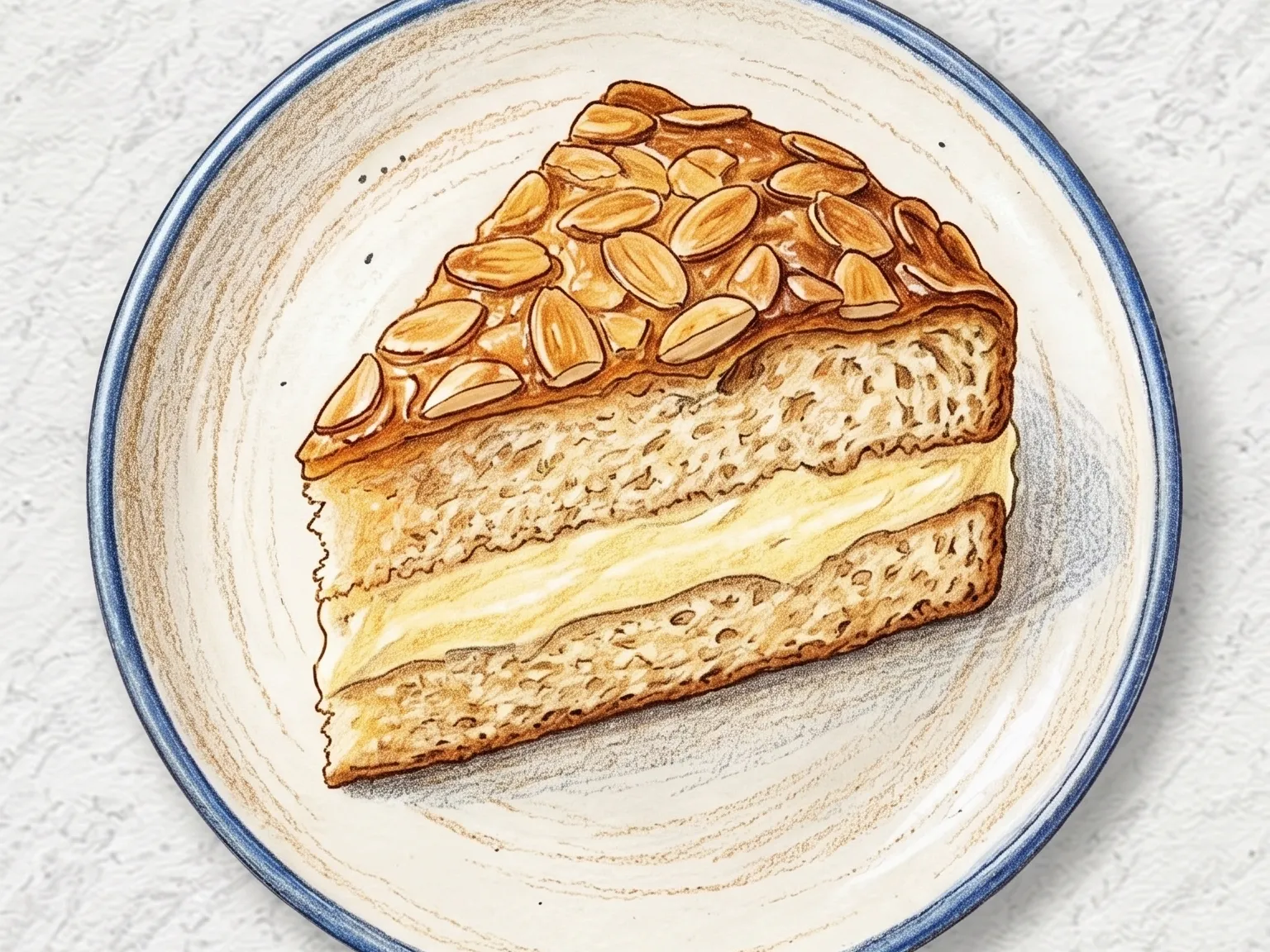
Butterkuchen is a traditional German yeasted cake that relies on generous amounts of butter for its character. The dough is a soft, enriched bread base similar to brioche that rises into a pillowy sheet before baking. The surface is dimpled with fingertips and small pieces of cold butter are pressed into each hollow, so that as the cake bakes, the butter melts into caramelized pools that create pockets of salty-sweet richness across the top. Sliced almonds scattered over the surface toast to a golden crunch, adding textural contrast to the soft, open-crumbed interior. The finished cake is tender and buttery without being heavy - each square holds together cleanly when sliced, the almonds staying anchored by the caramelized glaze rather than scattering. The recipe has remained largely unchanged in northern German bakeries and family kitchens for generations, where simplicity of ingredients is the point rather than the limitation. A cup of strong filter coffee alongside a warm slice is the standard pairing, and the combination holds up without improvement.
About Baking
Precise measurements are the key to successful baking. Each recipe here includes detailed ingredient ratios and oven temperatures, so even beginners can achieve consistent results. From simple scones to layered cakes, this collection covers a wide range of baking projects.