Side dishes Recipes
624 recipes. Page 13 of 26
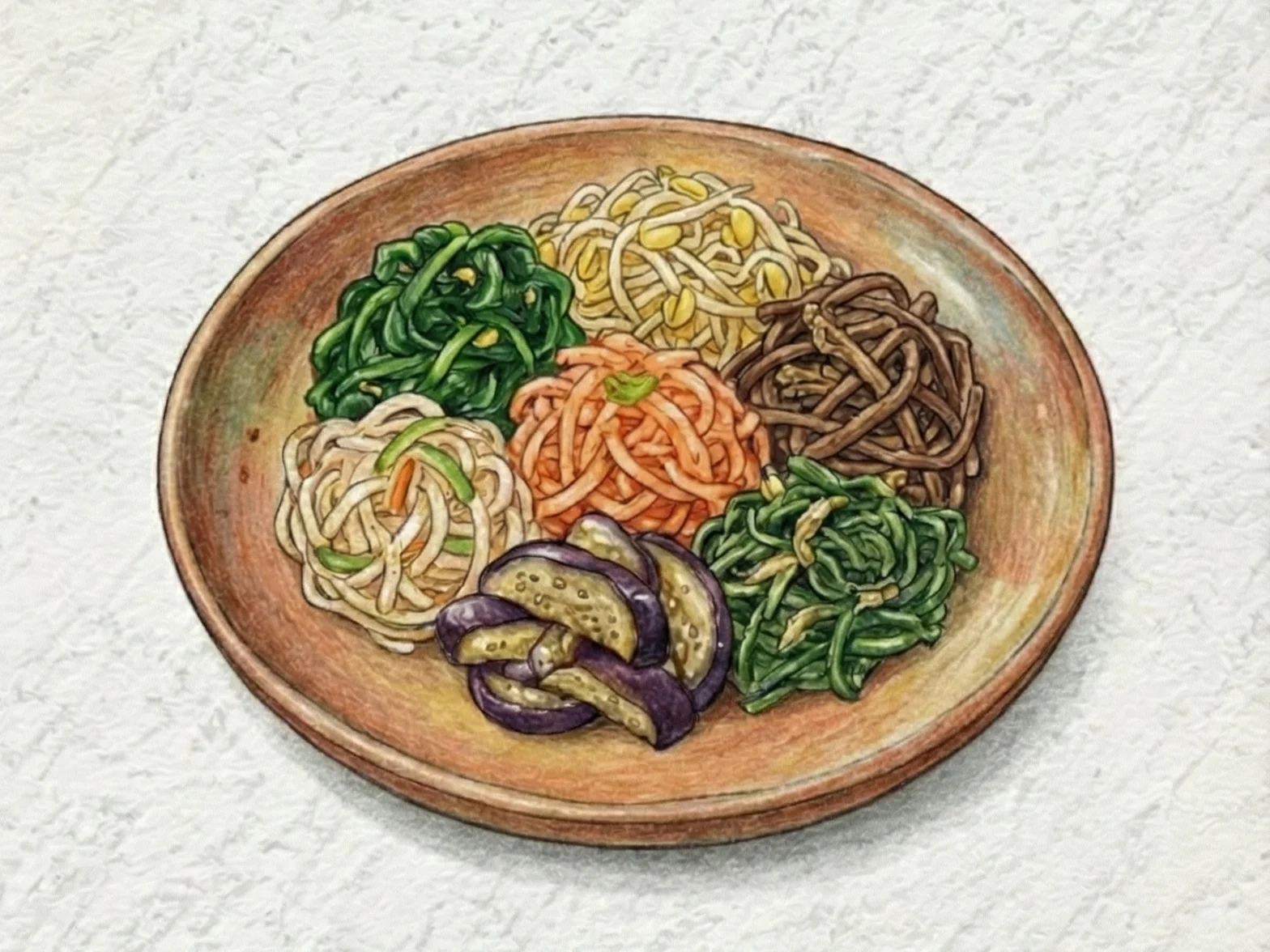
Side dishes (banchan) are the heart of Korean dining culture. A typical meal features multiple small plates - seasoned vegetables (namul), braised dishes (jorim), pickled items, and salted seafood. Classics like spinach namul, bean sprout salad, and stir-fried anchovies can be prepared in advance and enjoyed over several days.
Korean Spicy Braised Hairtail
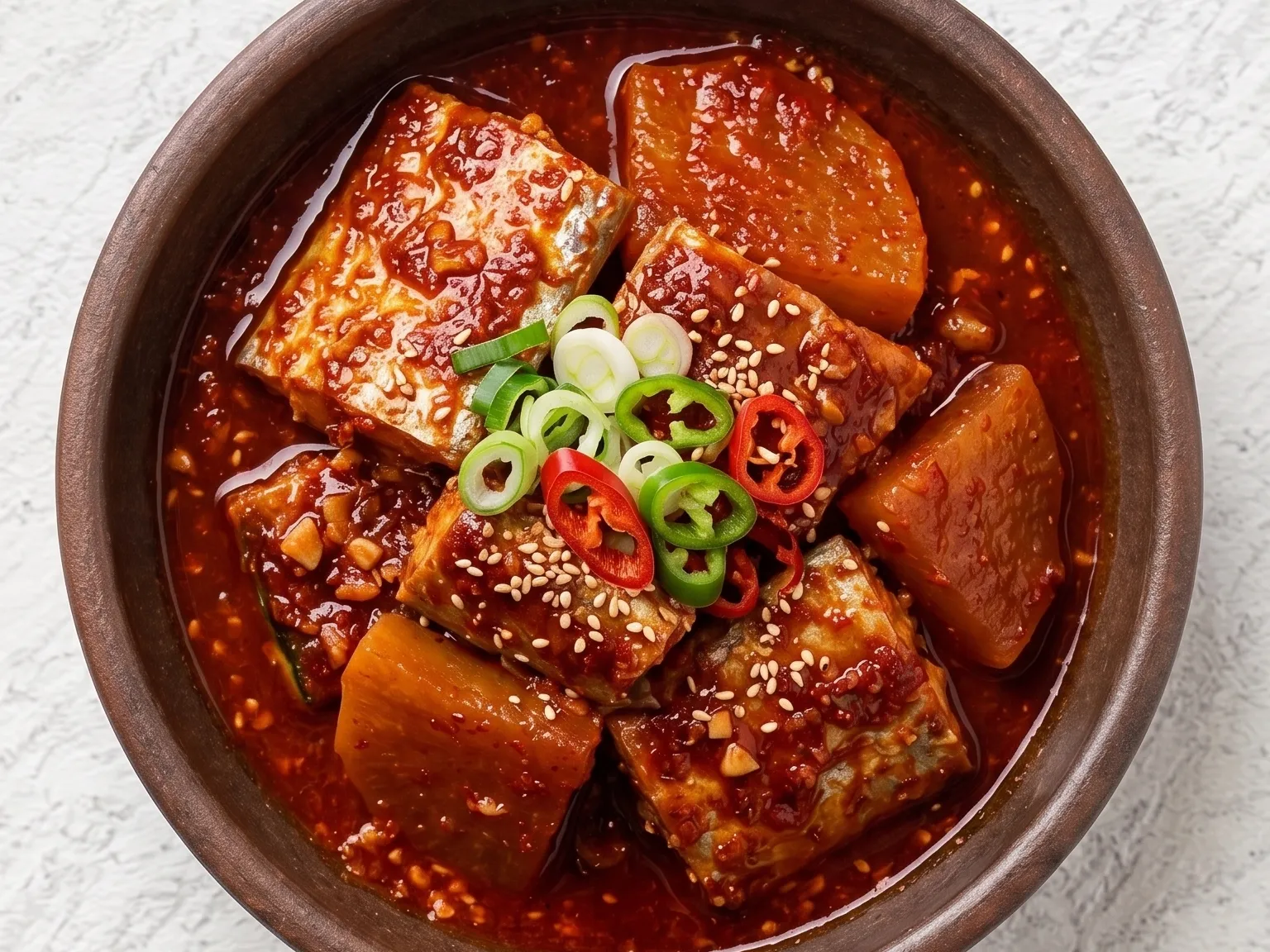
Galchi-yangnyeom-jorim is a Korean braised hairtail made by simmering sectioned cutlassfish and radish in a spicy-sweet sauce of gochugaru, soy sauce, and minced garlic. The seasoning penetrates the hairtail flesh as it cooks, suppressing any lingering fishiness while developing a layered, concentrated umami. Radish pieces are laid on the bottom of the pot first so they cook through completely and absorb the braising liquid, turning sweet and tender in a way that contrasts with the flaky fish above. Finishing with the lid off allows the sauce to reduce until it clings to the fish surface in a glossy, tight glaze. Fresh hairtail holds its shape better under heat, so the flesh can be lifted with chopsticks intact, while older fish tends to break apart during cooking. Adding Cheongyang chili increases the sharp heat, and a thin slice of fresh ginger worked into the sauce at the start removes any remaining fishiness before braising begins.
Korean Fresh Eggplant Kimchi
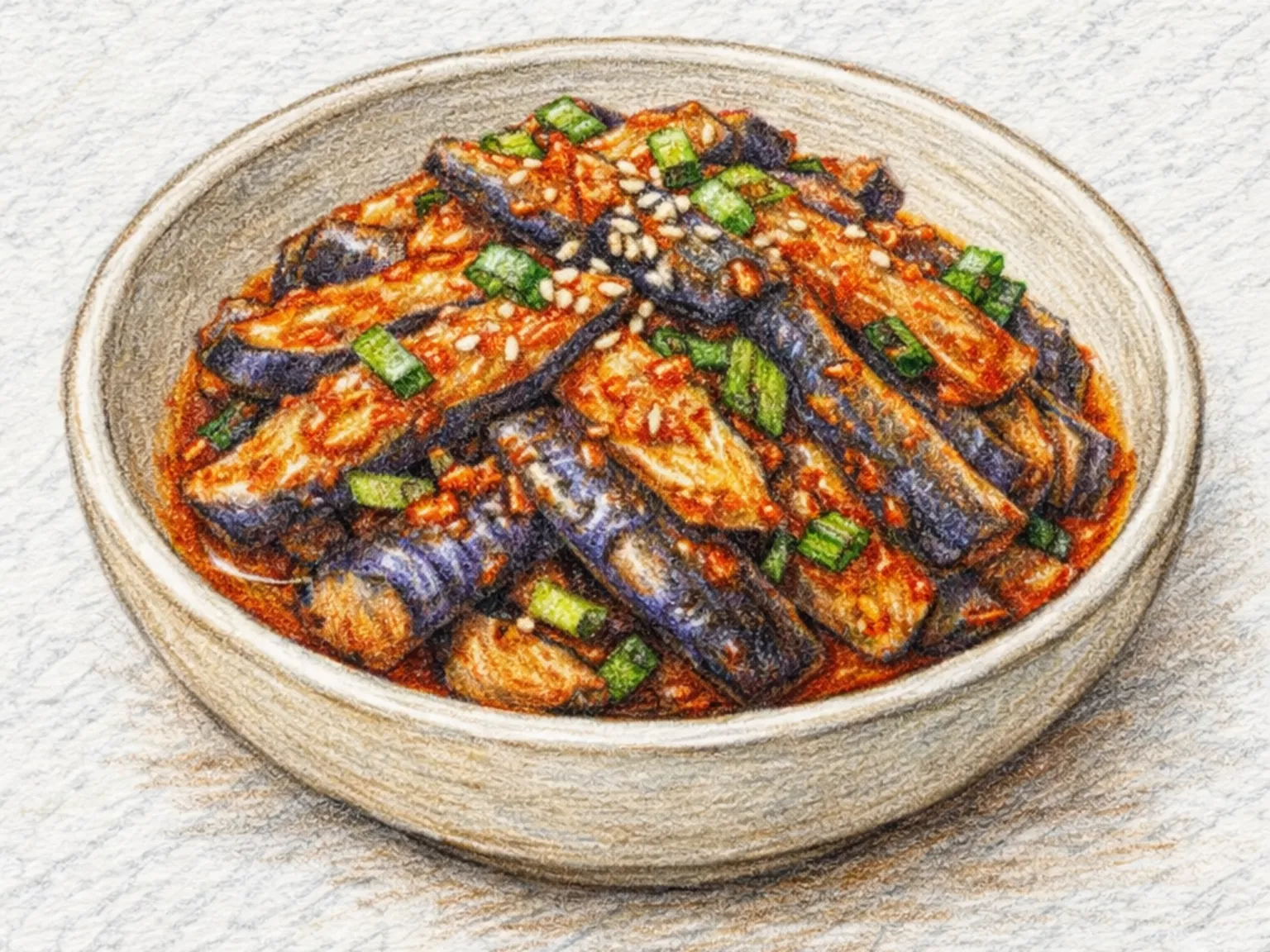
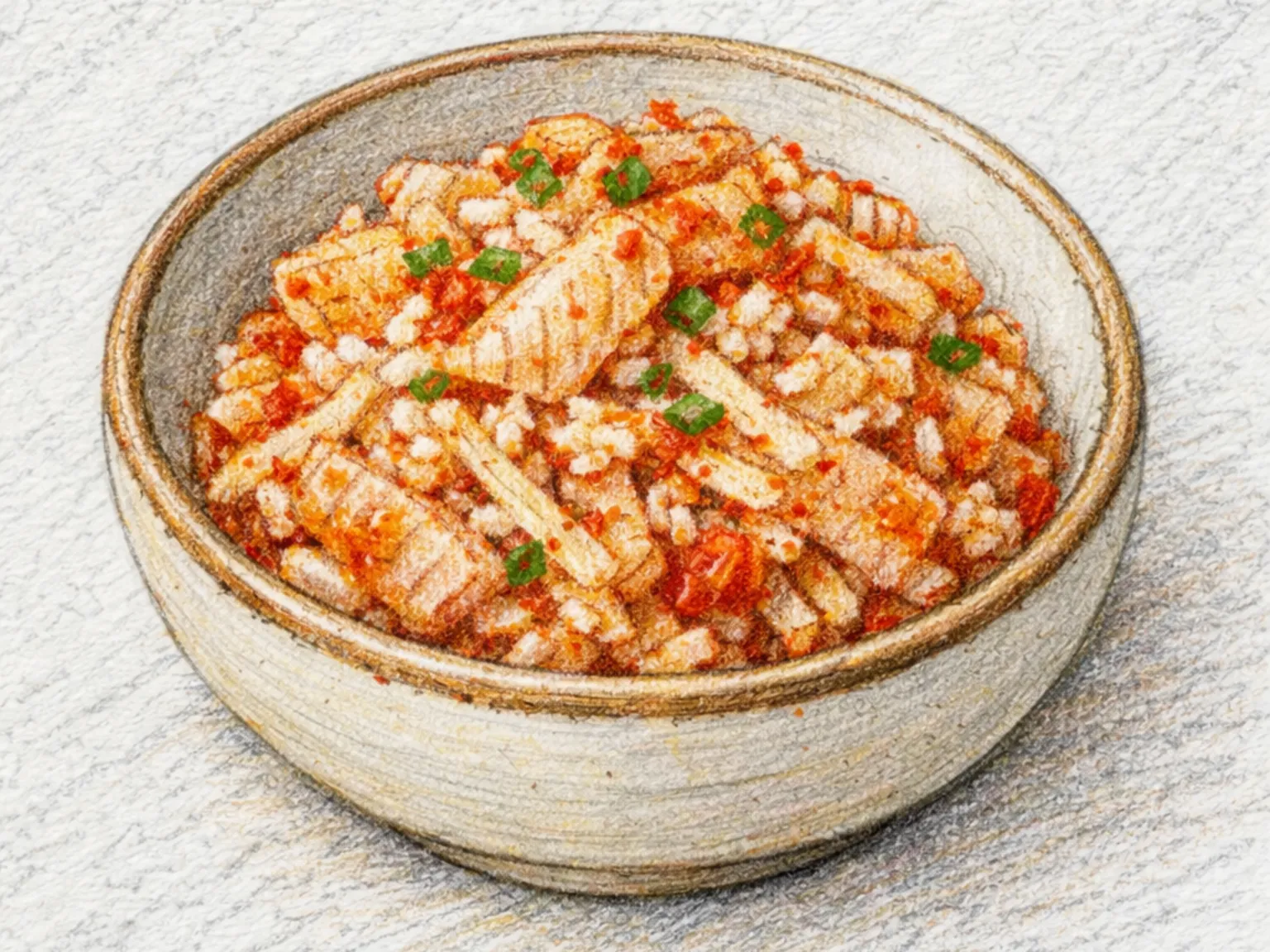
Gaji kimchi is a fresh eggplant kimchi that requires no fermentation and can be eaten immediately after preparation. Eggplant is steamed until it becomes pliable and soft throughout, then torn by hand along the grain rather than cut with a knife. Tearing along the natural fibers creates a rough, open surface that allows the seasoning of gochugaru, fish sauce, garlic, and sesame oil to penetrate deep into the flesh rather than merely coating the outside. The result is an even distribution of spicy, salty flavor throughout every bite rather than concentrated only at the surface. Scallions folded in at the end add a fresh, sharp lift, and toasted sesame seeds provide a nutty, fragrant finish. Because no fermentation is involved, this kimchi is best suited to seasons when eggplant is at its peak, particularly summer, when the vegetable is widely available and a quick, no-cook banchan is most welcome. Piled over a bowl of cold leftover rice and mixed together, the seasoning soaks into the grains while the soft steamed eggplant adds body, making it a satisfying one-bowl meal without needing additional soup or side dishes.
Korean Steamed Eggplant Namul
Gaji namul strips eggplant down to its most restrained form, a banchan dressed with nothing more than soy sauce, garlic, and sesame oil. The eggplant is halved and steamed for around seven minutes until the flesh is uniformly tender throughout, then pulled into long shreds by hand along the grain. Tearing rather than cutting creates a rougher, more uneven surface that grips the minimal seasoning more effectively than clean knife edges would. There is no chili powder, no vinegar, no fermented paste. The soy sauce and sesame oil soak into the porous, spongy flesh, staining it a deep, glossy color and pulling the flavors in without competing with the eggplant itself. The texture is softer than almost any other Korean namul, collapsing gently when pressed and practically dissolving when stirred into warm rice. Gaji namul is a traditional dish in Korean Buddhist temple food, a cuisine where the absence of strong flavors is a deliberate choice rather than an oversight, and where simplicity is the point.
Korean Tofu and Vegetable Stir-Fry
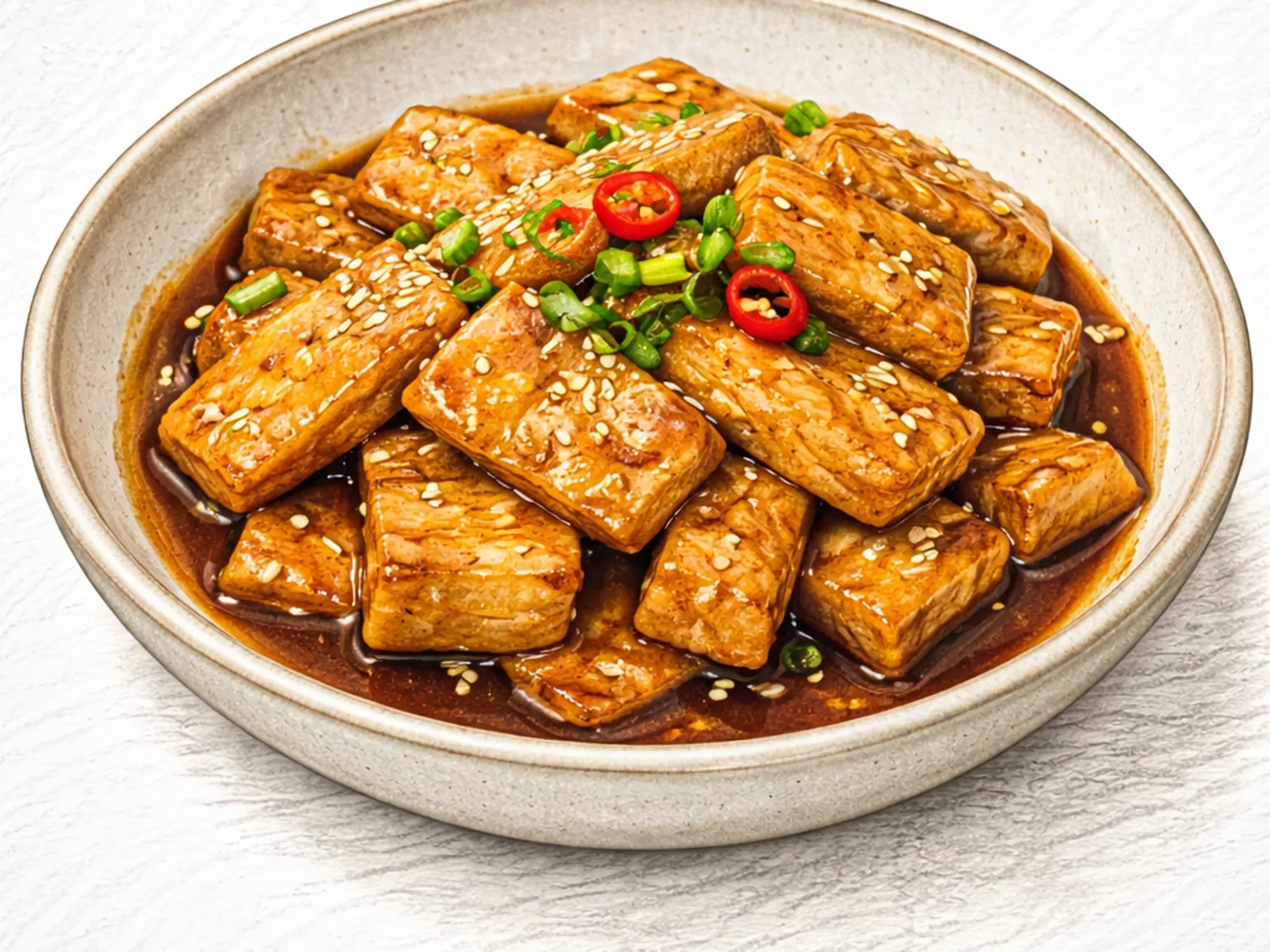
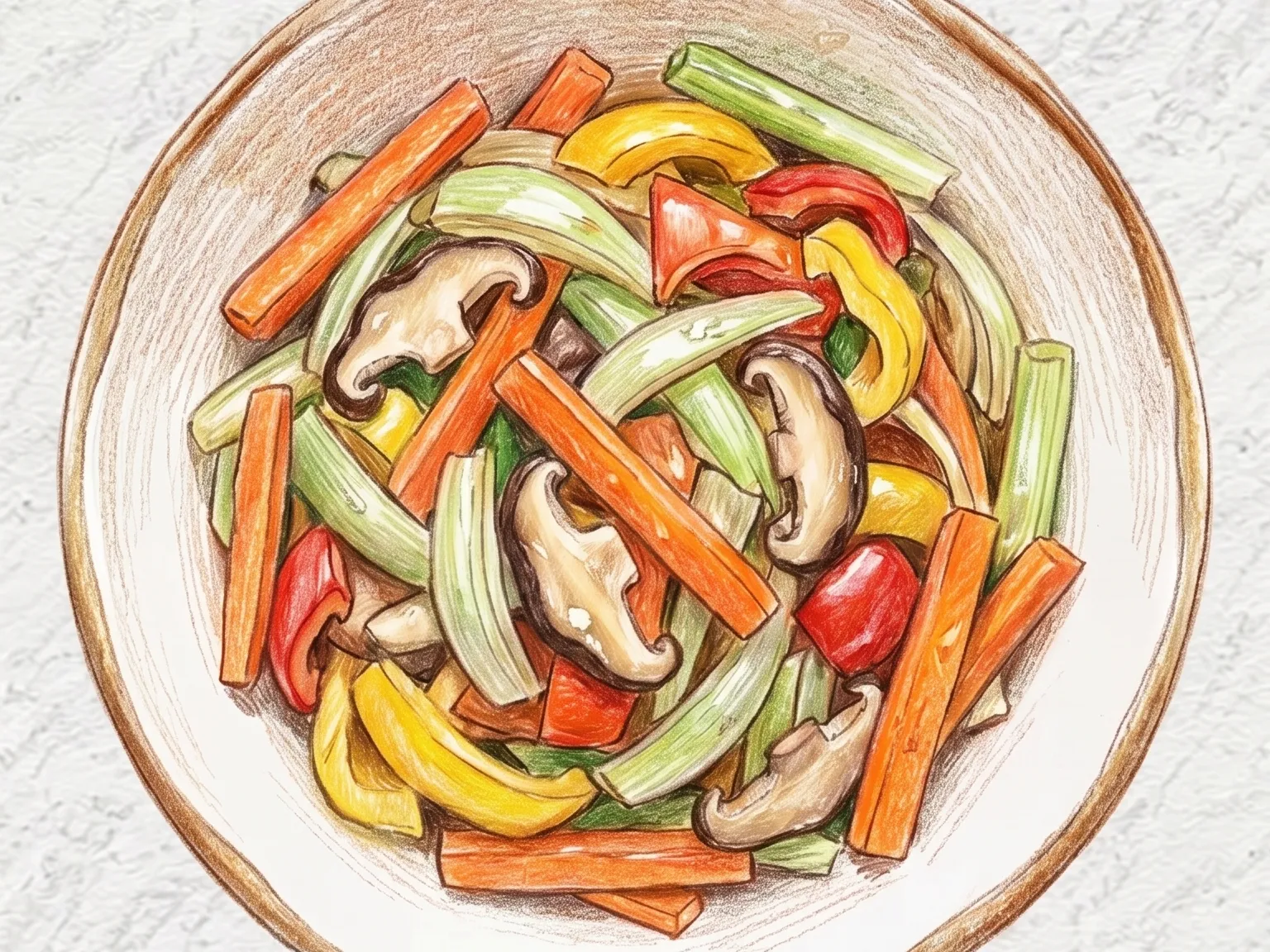
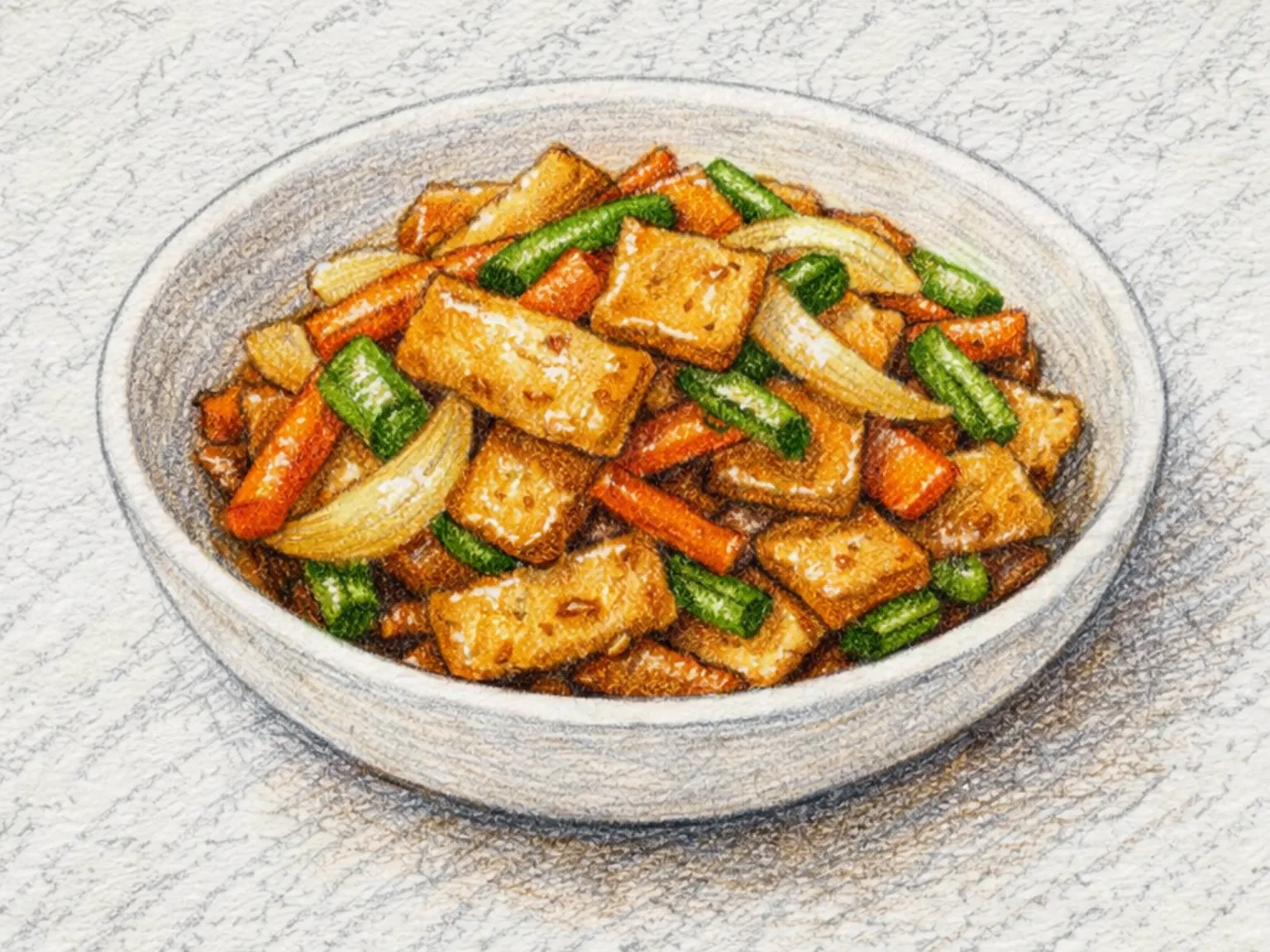
Dubu-yachae-bokkeum is a Korean stir-fry of pan-fried tofu with carrots, onions, and bell peppers in a light soy-based sauce. Before anything else, the tofu has to be pressed to expel excess moisture, then pan-fried on both sides until a firm golden crust develops, which keeps the pieces from breaking apart when they go back into the wok with the vegetables. Because the vegetables cook at different rates, they are added in sequence to preserve each one's texture. The seasoning of soy sauce, sesame oil, minced garlic, and a small amount of sugar sits on the lighter side, letting the natural sweetness and fragrance of the vegetables come through without being masked. Gochugaru or a spoonful of gochujang can be incorporated for a spicier variation. Sesame seeds and a final drizzle of sesame oil finish the dish with a nutty fragrance that ties all the elements together. The combination of plant protein from the tofu and dietary fiber from the vegetables makes it both nutritious and satisfying, and it is commonly packed into Korean lunch boxes.
Korean Shrimp Jeon (Egg-Battered Pan-Fried Shrimp Pancake)
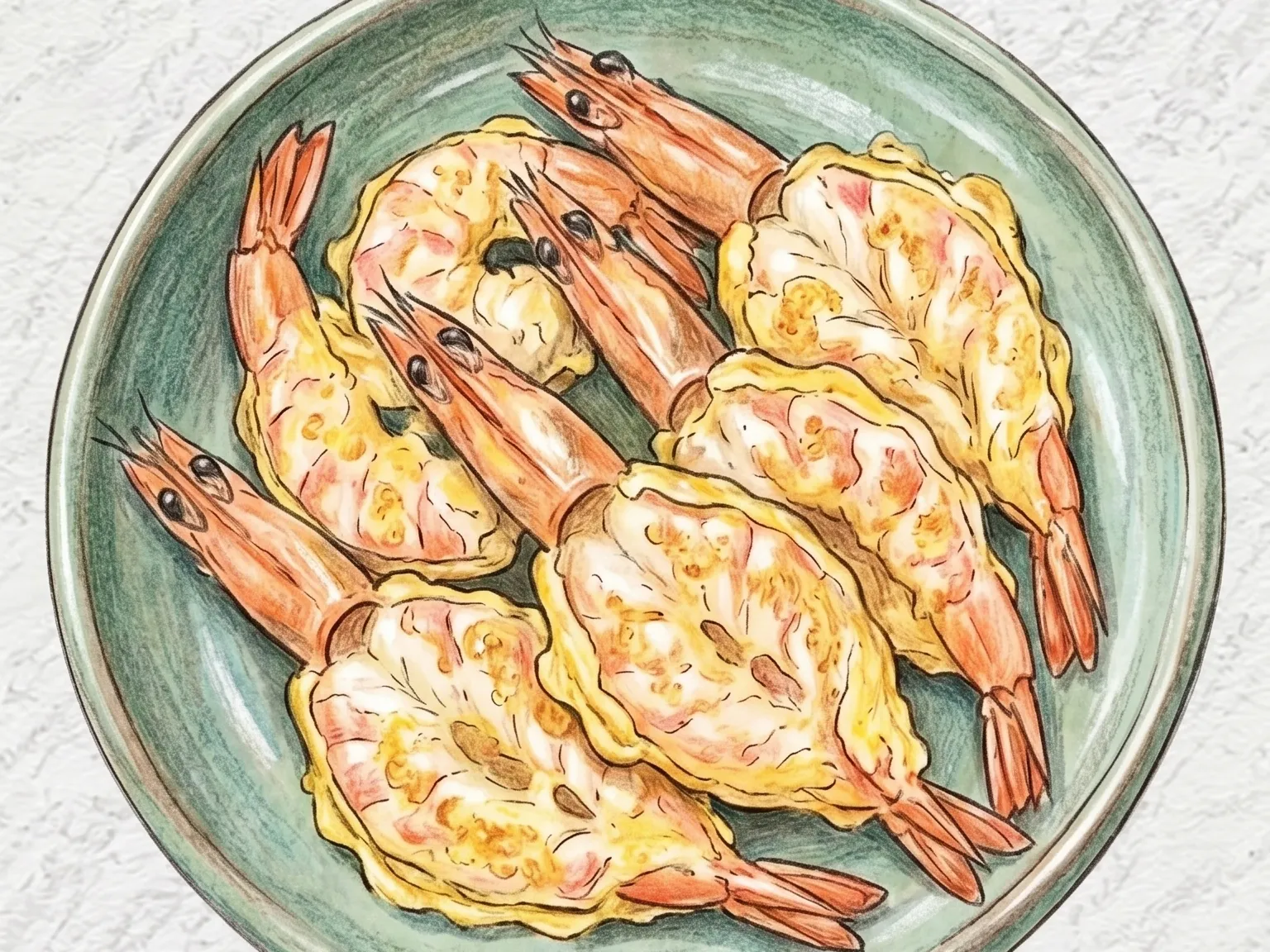
Saeu-jeon is a Korean shrimp pancake where peeled, deveined medium shrimp are butterflied, seasoned with salt and pepper, dredged in flour, dipped in beaten egg, and pan-fried for one to two minutes per side over medium heat. Butterflying flattens each shrimp so heat transfers evenly across the surface, and the flour layer between the shrimp and egg acts as adhesive that keeps the coating from sliding off. Shaking excess flour through a sieve before dipping ensures an even egg coat and uniform thickness across every piece, and medium heat is essential-too high and the egg scorches while the shrimp inside stays undercooked. The shrimp should be removed the moment the flesh turns pink; any additional time on the heat contracts the protein and turns the texture tough.
Korean Braised Potato and Fish Cake
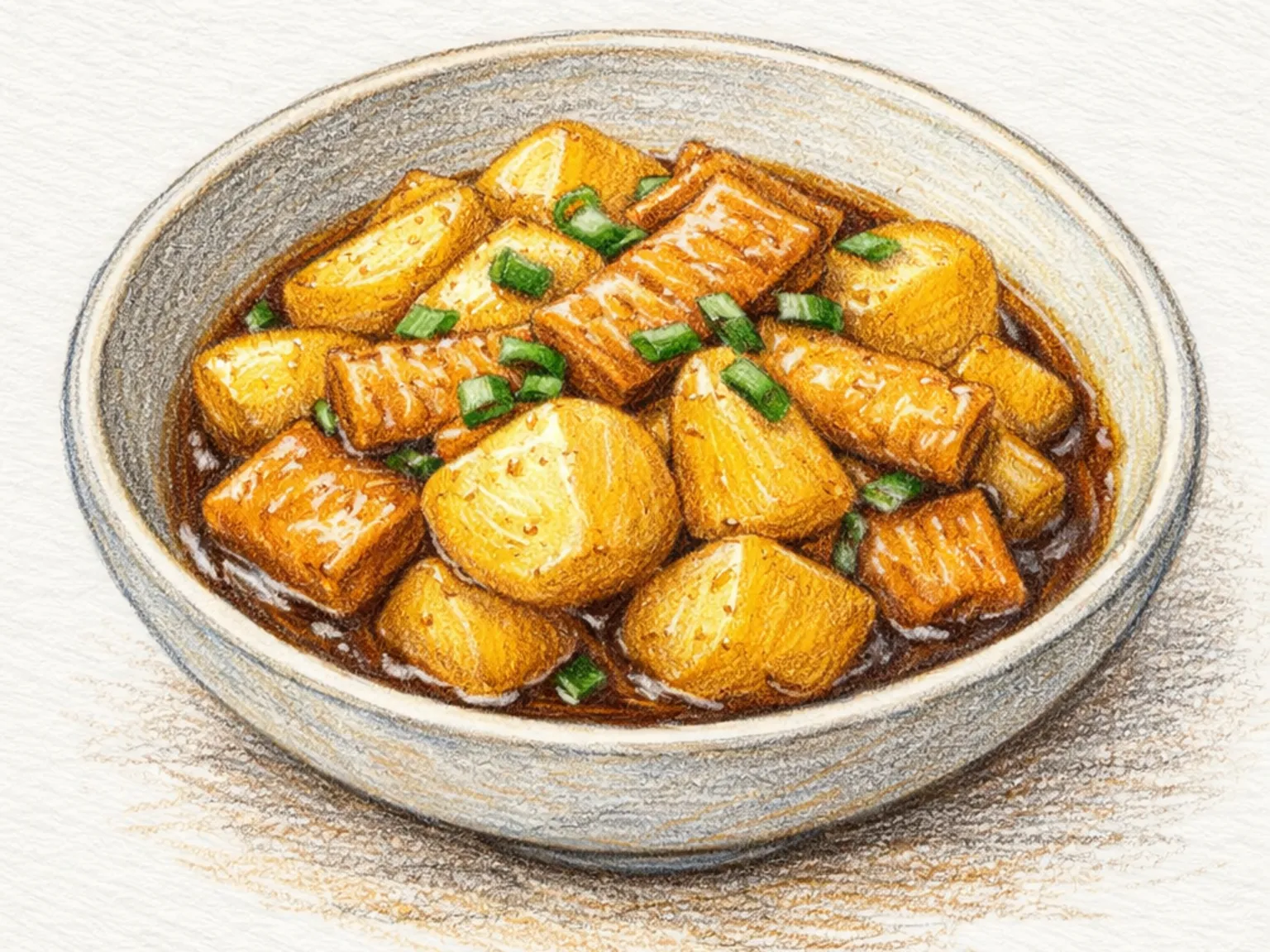
Gamja eomuk jorim is a Korean home-style braised side dish of potato chunks and fish cake sheets, simmered together in a sauce of soy sauce and oligosaccharide syrup. The starchy potato cubes slowly absorb the seasoning as they cook, turning soft and floury in texture while carrying the full depth of the soy glaze. Fish cake sheets provide a springy, chewy counterpoint that holds its shape throughout braising. Minced garlic is stirred in early to mellow into the sauce, and a finishing drizzle of sesame oil adds a roasted, nutty fragrance that ties the dish together. The recipe requires minimal preparation and cooks in under twenty minutes, making it a practical choice for weekday meals. It is one of the most frequently packed Korean lunchbox items and a staple side dish on everyday home tables.
Korean Mustard Leaf Kimchi
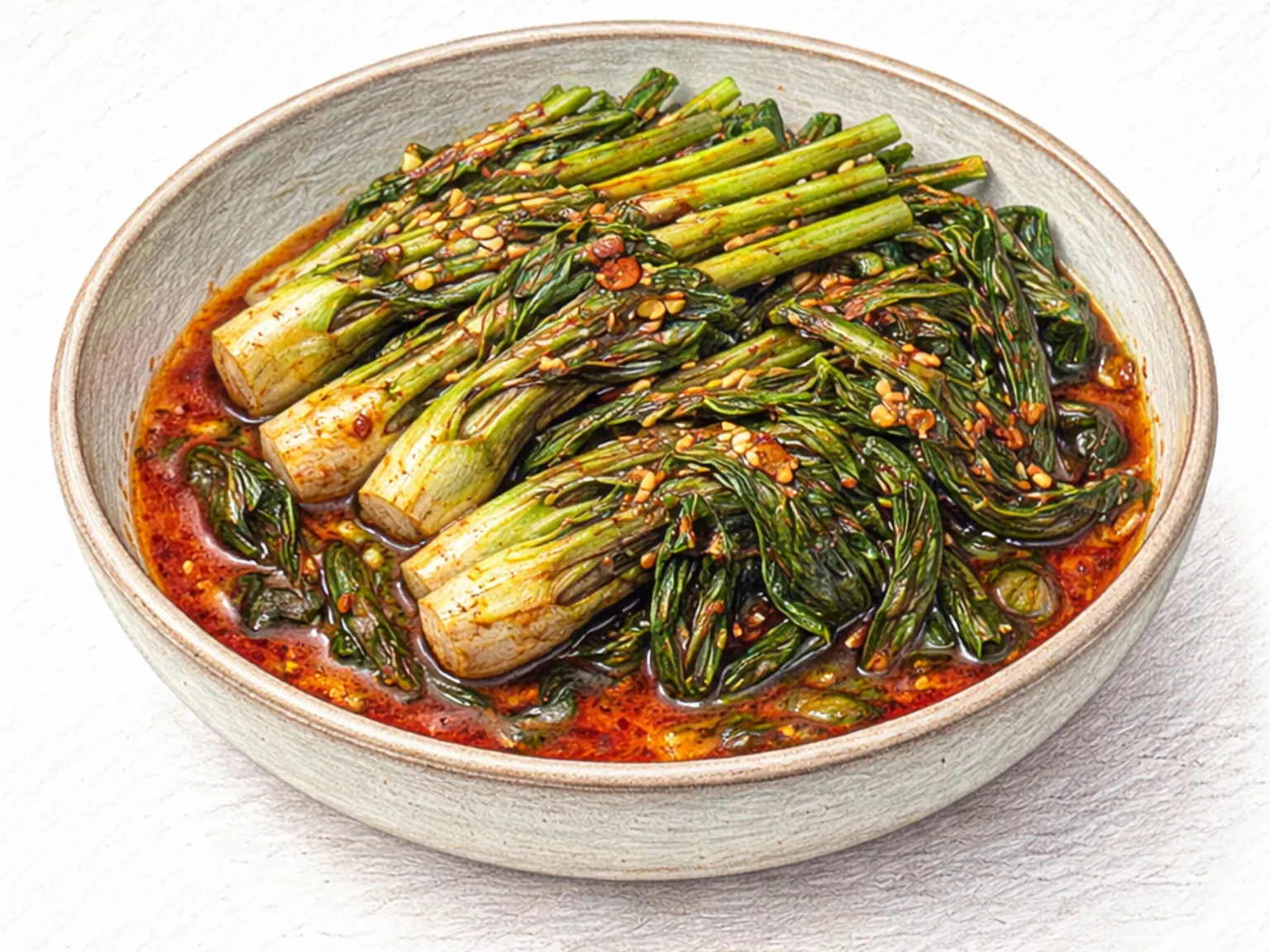
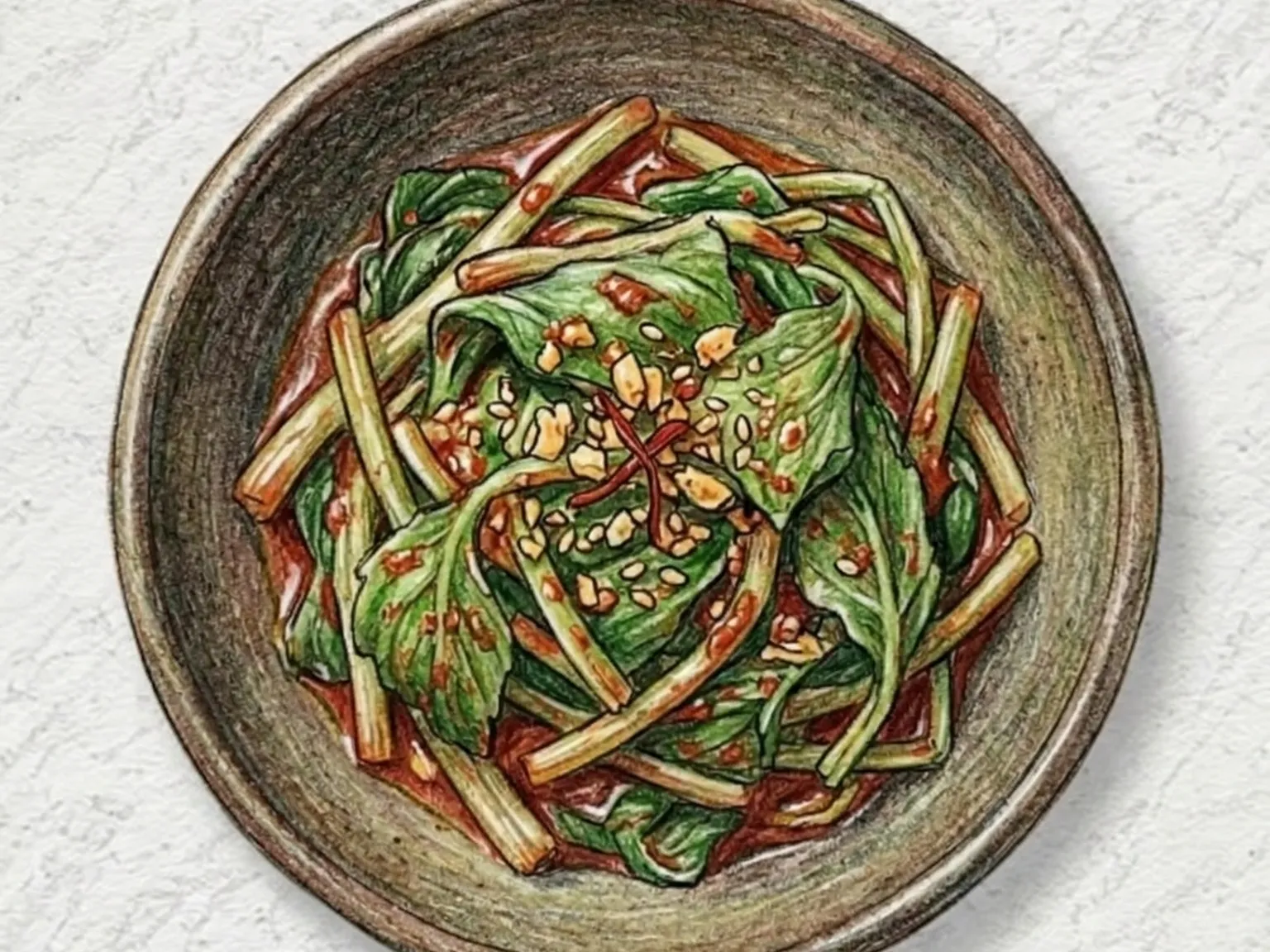
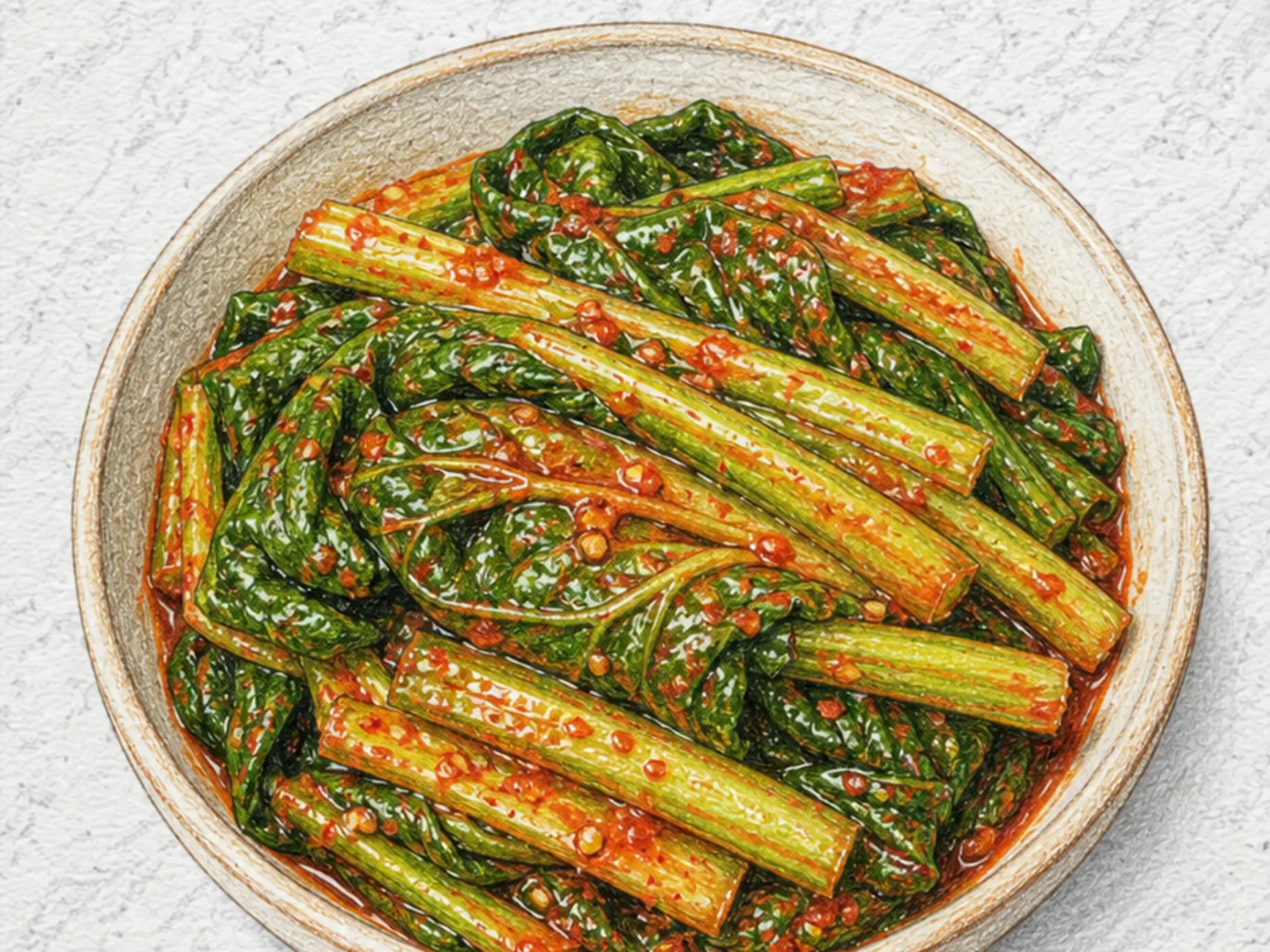
Gat kimchi is a Jeolla-province kimchi made from salted mustard greens (gat) fermented with gochugaru, anchovy fish sauce, garlic, and plum extract. The brassica oils in the leaves transform during fermentation into a sharp, nose-tingling pungency distinctly different from standard napa cabbage kimchi. Anchovy fish sauce lays down deep umami while plum extract softens the acidity, balancing the aggressive aroma against the pronounced saltiness. Served alongside fatty pork or soup-rice bowls, it cuts through richness and refreshes the palate forcefully between bites. Dolsan gat, grown on Dolsando Island in Yeosu, is considered the most aromatic variety, and the kimchi reaches its ideal balance of pungency and fermentation tang after two to three days of resting rather than immediately after preparation.
Korean Raw Hairtail Slices
Galchi hoe uses 300 grams of hairtail fillet labeled for raw consumption with a parasite-control freezing history verified through the supplier. Keep the fillet at or below 4 degrees Celsius until preparation and work only with a cleaned board and knife. Pat the surface dry with a paper towel, inspect it for bones, remove remaining pin bones with cleaned fish tweezers, and check the flesh again with a fingertip. The silver surface is not a safety condition; leave it intact or lightly tidy it with the back of a knife according to preference. Slice the prepared hairtail into thin 0.3-centimeter strips. Arrange 50 grams lettuce and the fish on a plate, then serve 4 garlic cloves, 1 green chili pepper, 3 tablespoons sweet chili paste sauce, and 2 tablespoons ssamjang alongside. Squeeze 0.5 lemon over the fish immediately before eating. Continue cold handling after the freezing history is confirmed, keep the completed dish cold, and consume it at once.
Korean Pork and Kimchi Stir-Fry
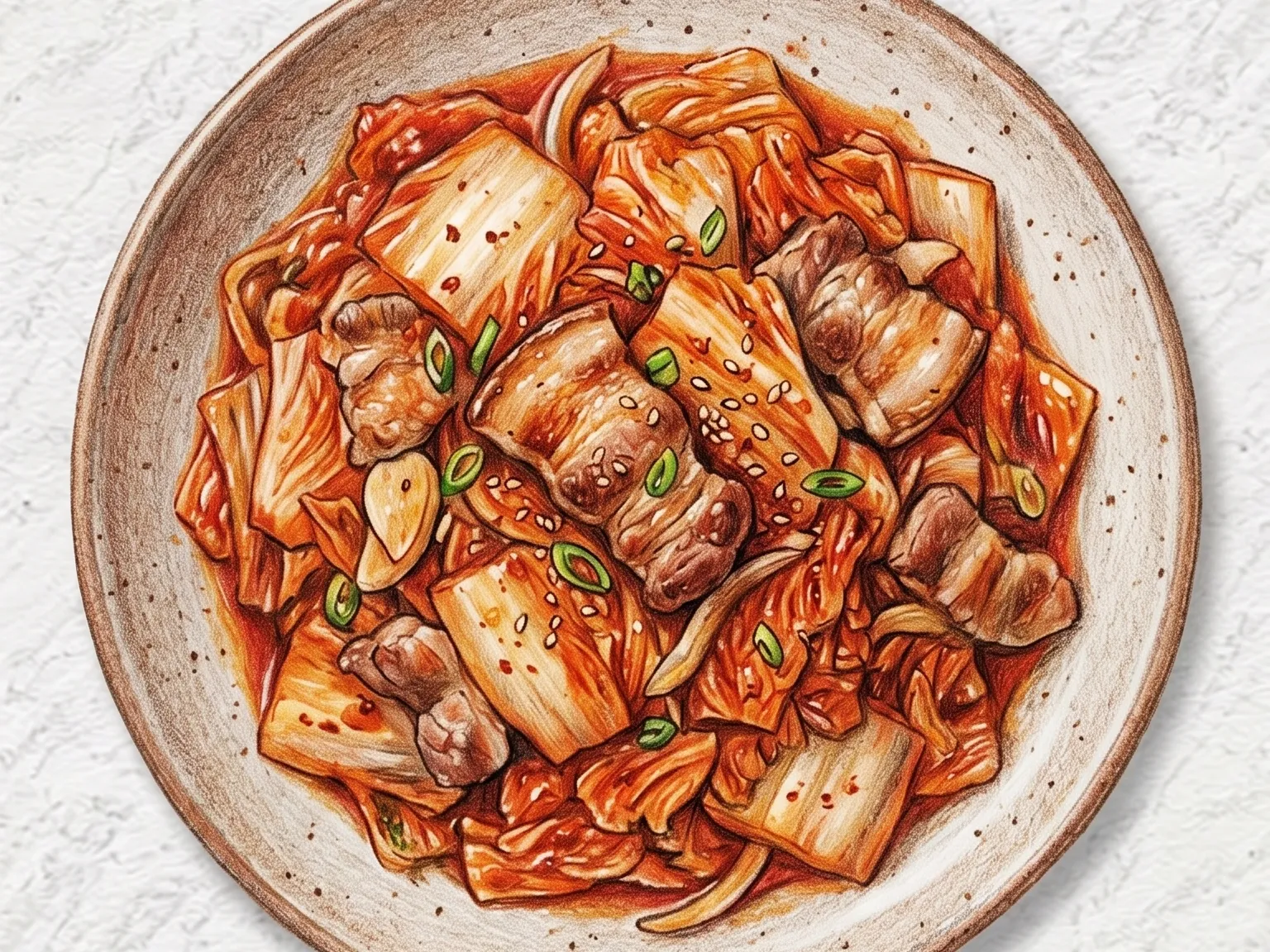
Dwaejigogi kimchi bokkeum browns pork shoulder first, cooks squeezed napa cabbage kimchi in the rendered fat, and finishes the pan with soy sauce, gochugaru, green onion, and sesame oil. Two hundred fifty grams pork shoulder is cut into 4 cm pieces and dried. Two hundred grams kimchi is squeezed firmly and cut to the same length, while 1 green onion is sliced diagonally. A pan is heated over medium-high, coated with 1 tablespoon cooking oil, and filled with the pork in one layer. The pieces are left mostly undisturbed for the first 2 minutes so their surfaces brown rather than steam. When the edges color and fat begins to render, the pork cooks for 1 additional minute but is not finished through yet. The kimchi is added for a 5-minute stir-fry over medium-high heat. The burner is lowered slightly only if the pan becomes dry, and cooking continues until the kimchi absorbs the pork fat and deepens in color. One tablespoon soy sauce and 0.5 tablespoon gochugaru go in for another 2 minutes. Any seasoning catching on the pan bottom is scraped and folded through before it turns bitter. The green onion is mixed for 30 seconds with the heat off, followed by 1 tablespoon sesame oil. The thickest pork piece is checked for complete doneness before serving.
Korean Shiitake Tofu Pancake
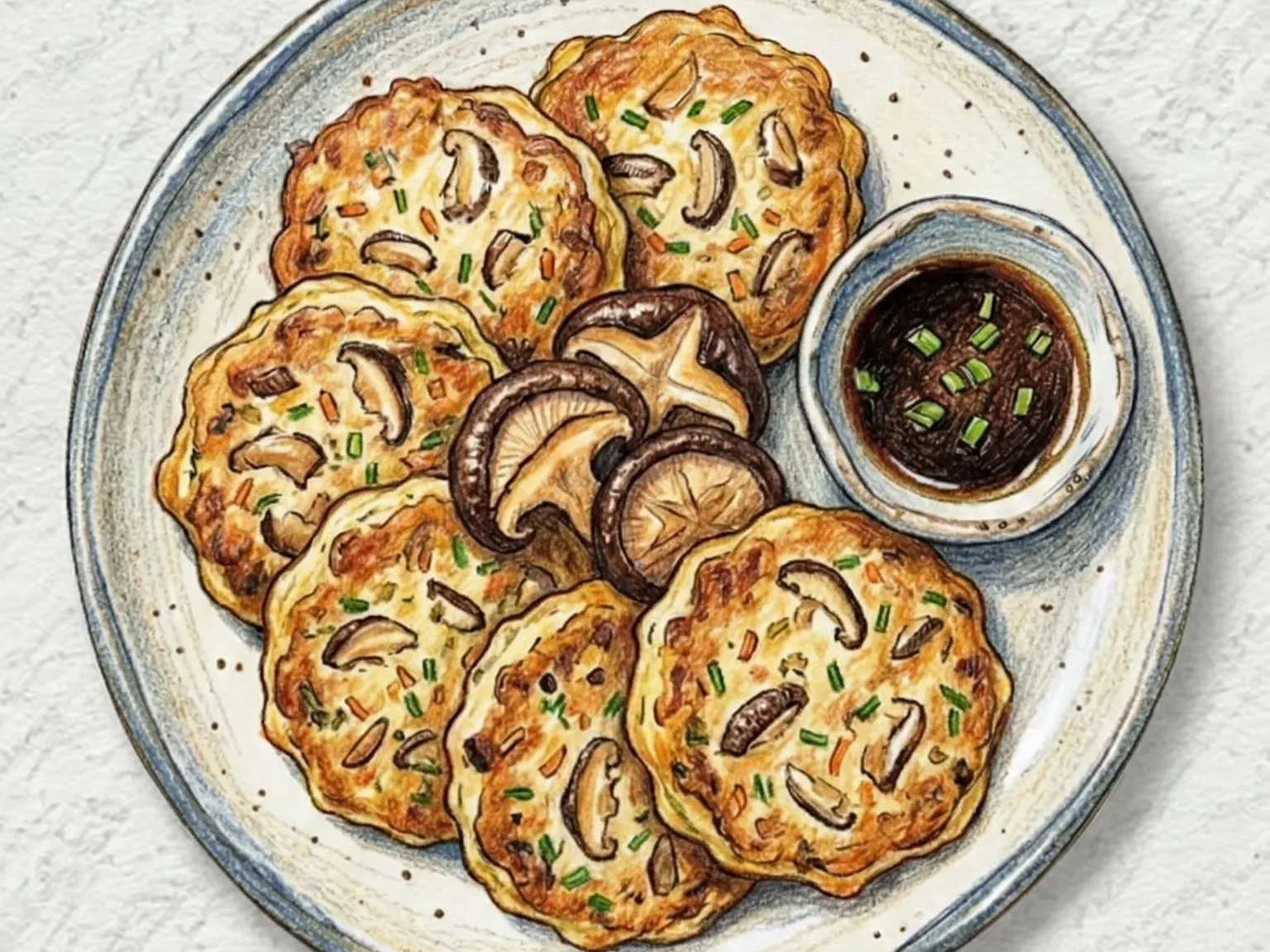
Shiitake-tofu jeon is a savory Korean pancake made by finely chopping fresh shiitake mushrooms and firm tofu, then mixing them into a batter of pancake mix, egg, and a touch of sesame oil before pan-frying. The shiitakes contribute a meaty chew and pronounced umami depth, while the tofu lightens the texture and keeps the interior moist. Carrot and chives are added for color contrast and a fresh, slightly pungent bite. The egg binds everything together, and the sesame oil in the batter gives a nutty fragrance. Cooked uncovered over medium-low heat until both sides are golden, the exterior crisps up while the inside stays tender. When using dried shiitakes, soaking them in water first is worthwhile because the soaking liquid can be reserved for use in soups or braising liquid. Served with a dipping sauce of soy sauce and vinegar, the salty acidity sharpens the overall savory flavor.
Korean Soy-Braised Potatoes
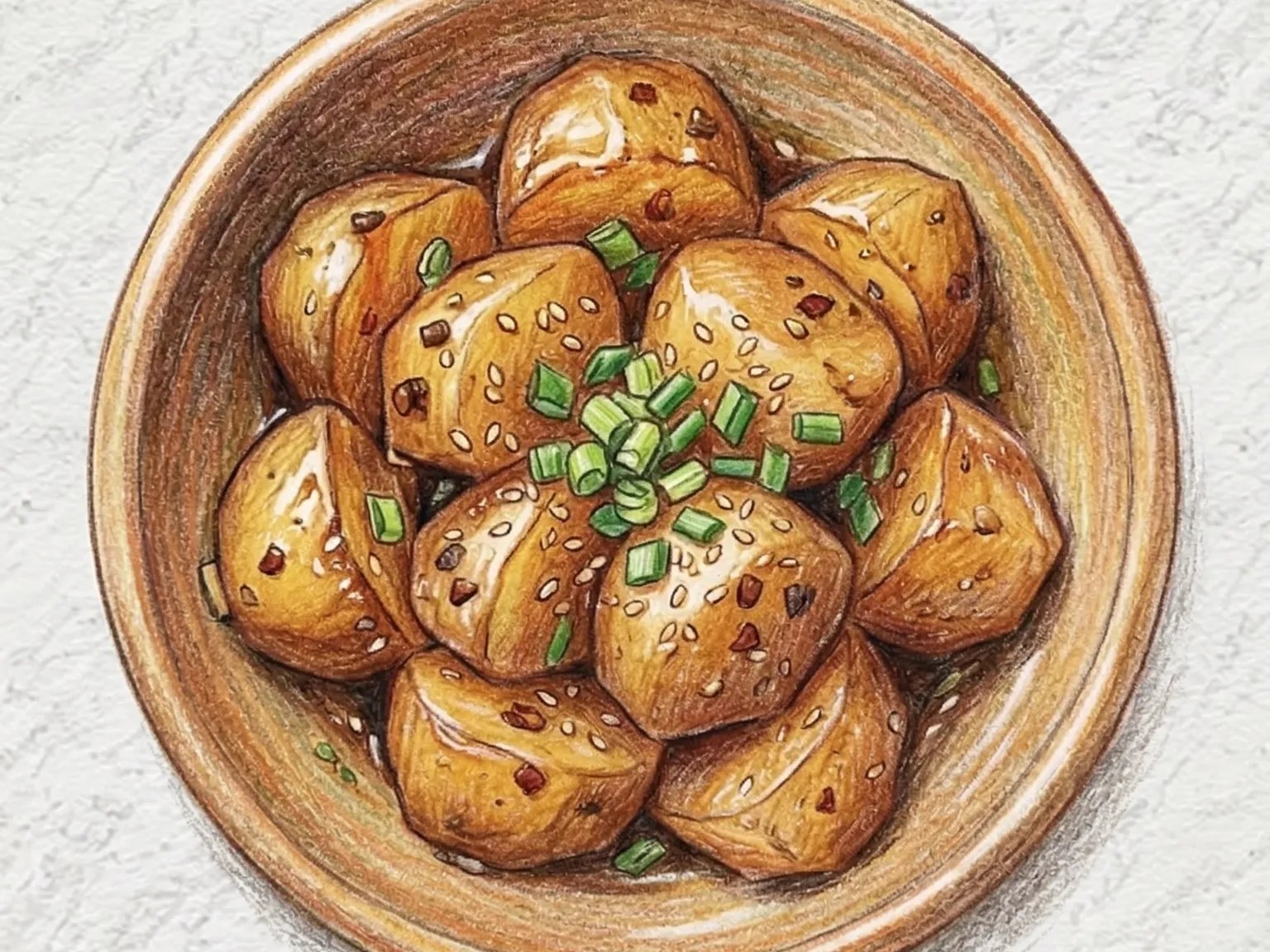
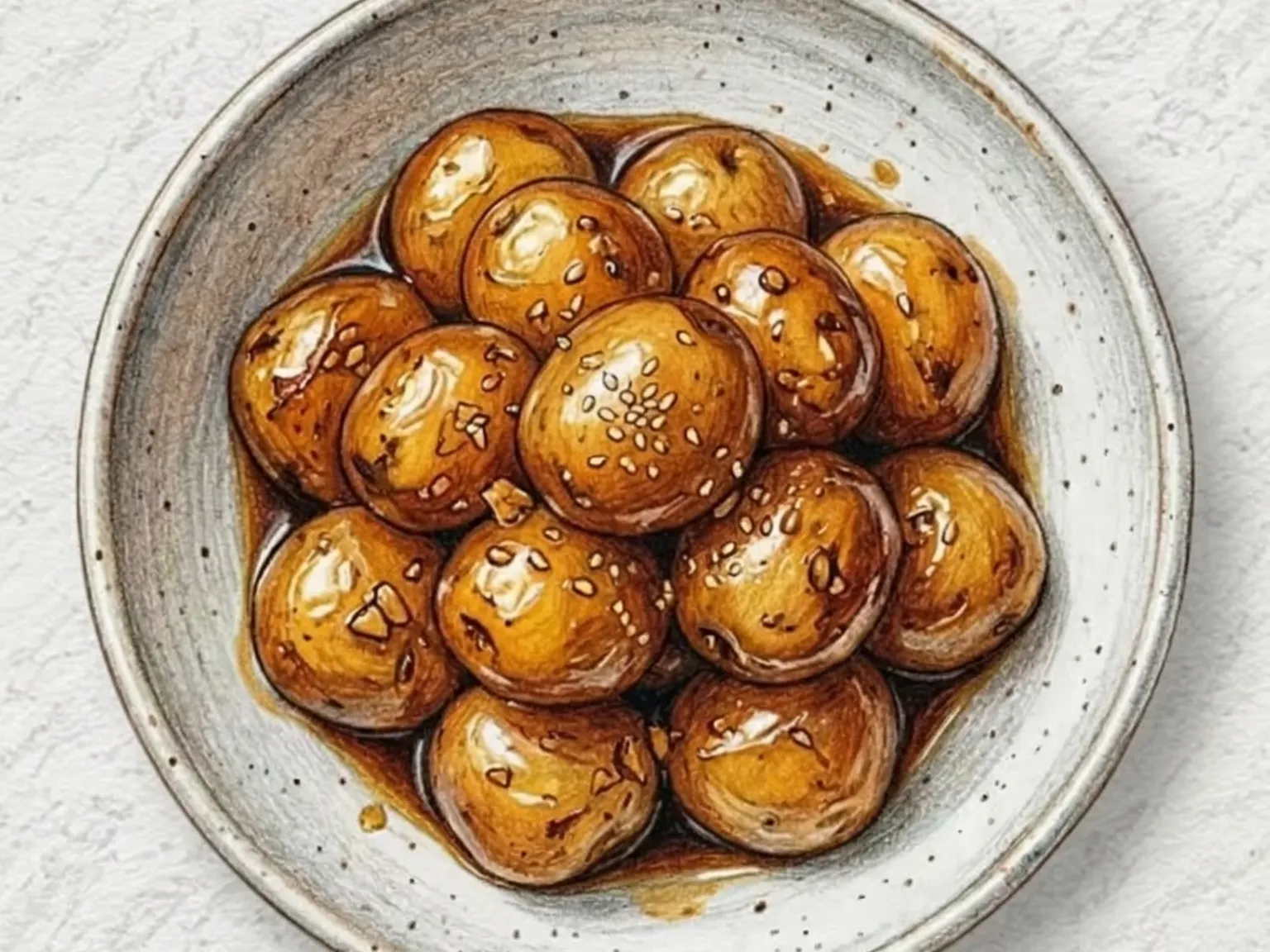
Gamja-jjim is a Korean braised potato banchan made by simmering potato pieces in a sauce of soy sauce, sugar, and minced garlic until the liquid reduces to a thick, glossy glaze. As the sauce concentrates, it coats every cut surface of the potato with a lacquered sheen while the seasoning penetrates through to the center, so the flavor is consistent from the outside in. The sugar caramelizes slightly during the final minutes of reduction, adding a faint toffee-like sweetness to the soy's deeper, saltier notes. Minced garlic breaks down in the heat and melds into the sauce, providing an umami backbone that rounds out the simpler flavors. Finishing with sesame oil and a generous scatter of sliced chives introduces a toasted, nutty aroma and a fresh herbal brightness. The potato itself holds its shape but is cooked through to a fluffy, yielding interior beneath the sticky exterior. Simple to make and requiring few ingredients, it is the kind of side dish that disappears from the table without much fanfare, pairing effortlessly with a bowl of rice.
Swiss Chard Kimchi
Swiss chard kimchi uses 500 g Swiss chard, treating the thick stems and tender leaves separately before coating both with a cooled rice-paste seasoning. Wash the chard and cut the stems away from the leaves. Dissolve 50 g coarse salt in water, soak the stems for 30 minutes first, then add the leaves for only 15 more minutes. This staggered timing gives the firm stems enough time to soften without leaving the leaves in the brine for the full period. Dissolve 10 g glutinous rice flour in water, boil it into a thin paste, and let it cool completely. Mix the cold paste with 40 g red pepper powder, 30 ml anchovy fish sauce, 20 g minced garlic, 5 g minced ginger, and 20 ml plum syrup. Rinse the salted chard in cold water and squeeze out excess moisture so the seasoning is not diluted. Coat the folds of the leaves and the cut stems evenly, using a light hand rather than crushing them. Pack the kimchi into an airtight container, leave it at room temperature for half a day as directed, and then refrigerate it for further fermentation. Choosing fresh chard with sturdy stems helps preserve a clear difference between the firmer stems and softer leaves after salting.
Korean Seasoned Gamtae Seaweed
Gamtae is a green seaweed harvested only in winter from Korea's southern coast, particularly around Wando and Jangheung. It is thinner and more delicate than roasted gim, and its oceanic fragrance is sharper and more pronounced. For this banchan, dried gamtae sheets are torn by hand into large pieces and tossed with a dressing of soy sauce, vinegar, sesame oil, gochugaru, sugar, and minced garlic. Speed matters more than technique here. Once the dressing makes contact with the seaweed, it begins drawing out moisture immediately. Past twenty seconds of mixing, the fronds absorb liquid, lose their texture, and collapse into a sodden tangle. The dressing should be added and the whole thing tossed in one quick motion before serving. Vinegar does important work in this dish: its acidity counters the seaweed's natural brininess and leaves the palate clean between bites. Fresh gamtae is a strictly seasonal product, available only through winter markets in the Jeolla and Gyeongnam regions. Dried gamtae, however, keeps well and is available year-round, making this a quick, reliable side dish that pairs particularly well with plain steamed rice.
Korean Stir-fried Fish Cake with Vegetables
Eomuk-yachae-bokkeum is a Korean stir-fry that brings together fish cake sheets with onion, carrot, and green bell pepper in a soy-based glaze. Square eomuk is cut into bite-sized rectangles without any further preparation, and the vegetables are sliced to roughly matching dimensions so everything cooks through at the same rate. The textural contrast between the chewy fish cake and the crisp-tender vegetables is the defining quality of this dish - both elements are present in each chopstickful, preventing either from becoming monotonous. Soy sauce and oligosaccharide syrup form the base glaze, producing a glossy, lightly sweet and salty coating that clings evenly to each piece. Sesame oil and toasted sesame seeds stirred in at the end add a nutty finish. Adding a sliced cheongyang chili during the stir-fry introduces a sharp heat that prevents the overall flavor from reading as too sweet. The entire dish comes together in under ten minutes from prep to plate, making it a reliable candidate for packed lunches and weeknight tables that need a quick, universally liked side dish.
Korean Dried Radish Greens Pancake
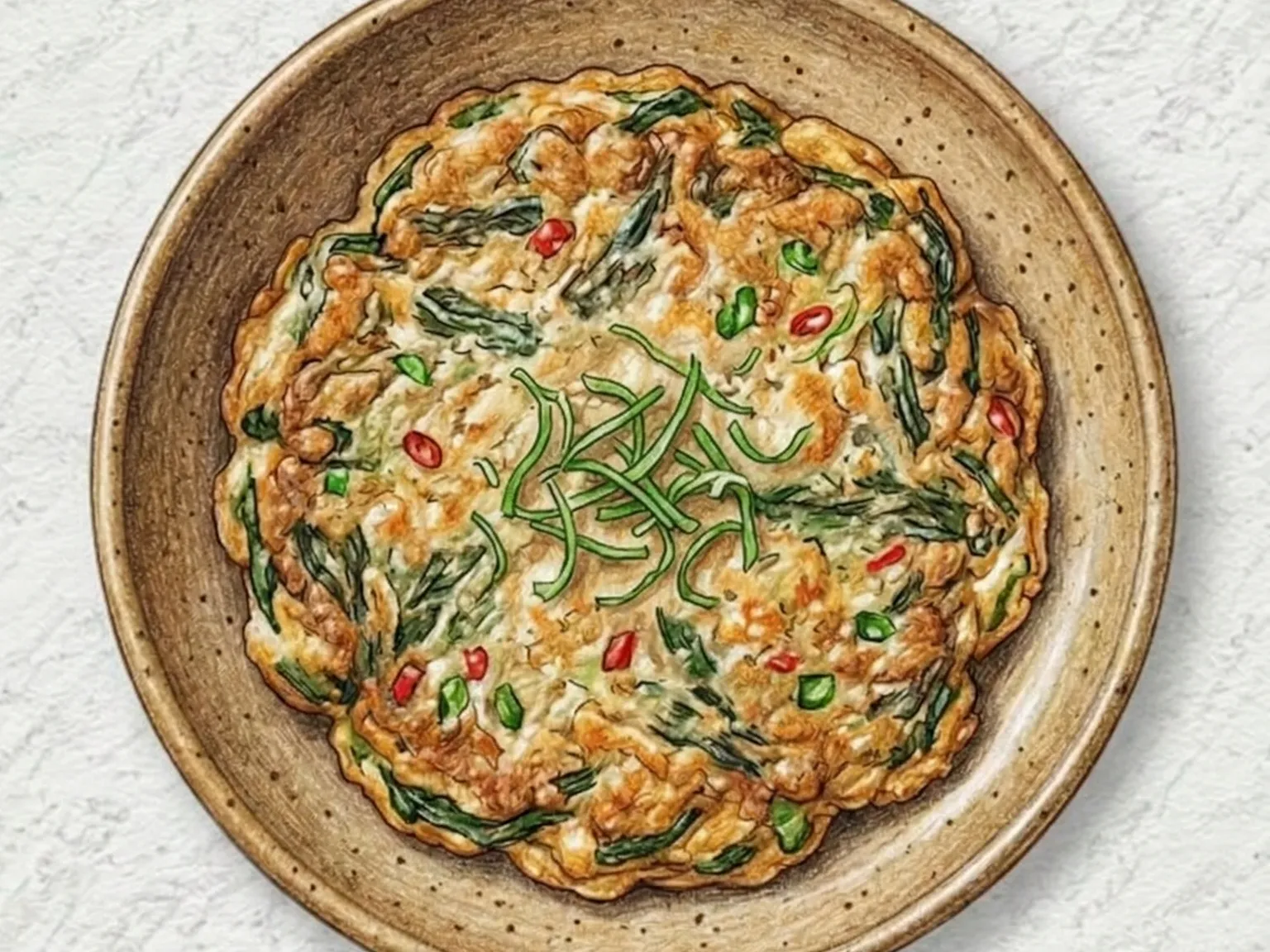
Boiled dried radish greens are combined with doenjang and pan-fried into a dense, rustic jeon with deep fermented character. The fibrous texture of the radish greens gives the pancake a satisfying chew, and the soybean paste saturates the batter so thoroughly that no dipping sauce is necessary. Buckwheat flour adds an earthy coarseness that suits the greens well. Cheongyang chili provides a spicy accent throughout. Minced garlic benefits from a brief saute in oil before being mixed into the batter-the raw edge cooks off and the garlic's savory depth integrates fully into the finished pancake. Cooking over low heat lets the inside set without burning the outside, producing a crisp surface and a tender, flavorful center.
Korean Braised Potatoes (Soy-Glazed Braised Potato Banchan)
Gamja-jorim - soy-braised potatoes - is among the top five most frequently made banchan in Korean households, alongside kimchi, kongnamul, and gyeran-mari. Small potatoes are parboiled whole until just fork-tender, then transferred to a mixture of soy sauce, sugar, rice syrup, garlic, and water. The braising happens over medium-low heat for fifteen minutes with the lid off, allowing the sauce to reduce gradually into a thick, syrupy glaze. Constant gentle stirring prevents the soft potatoes from sticking or breaking apart. As the liquid evaporates, each potato develops a dark amber, lacquered surface while the interior remains starchy and yielding. The taste is straightforwardly sweet-salty with a garlic undertone - comfort food in its most elemental form. Korean mothers often make a large batch on weekends, refrigerating it to serve cold throughout the week. The dish improves overnight as the glaze continues to penetrate the potato's interior.
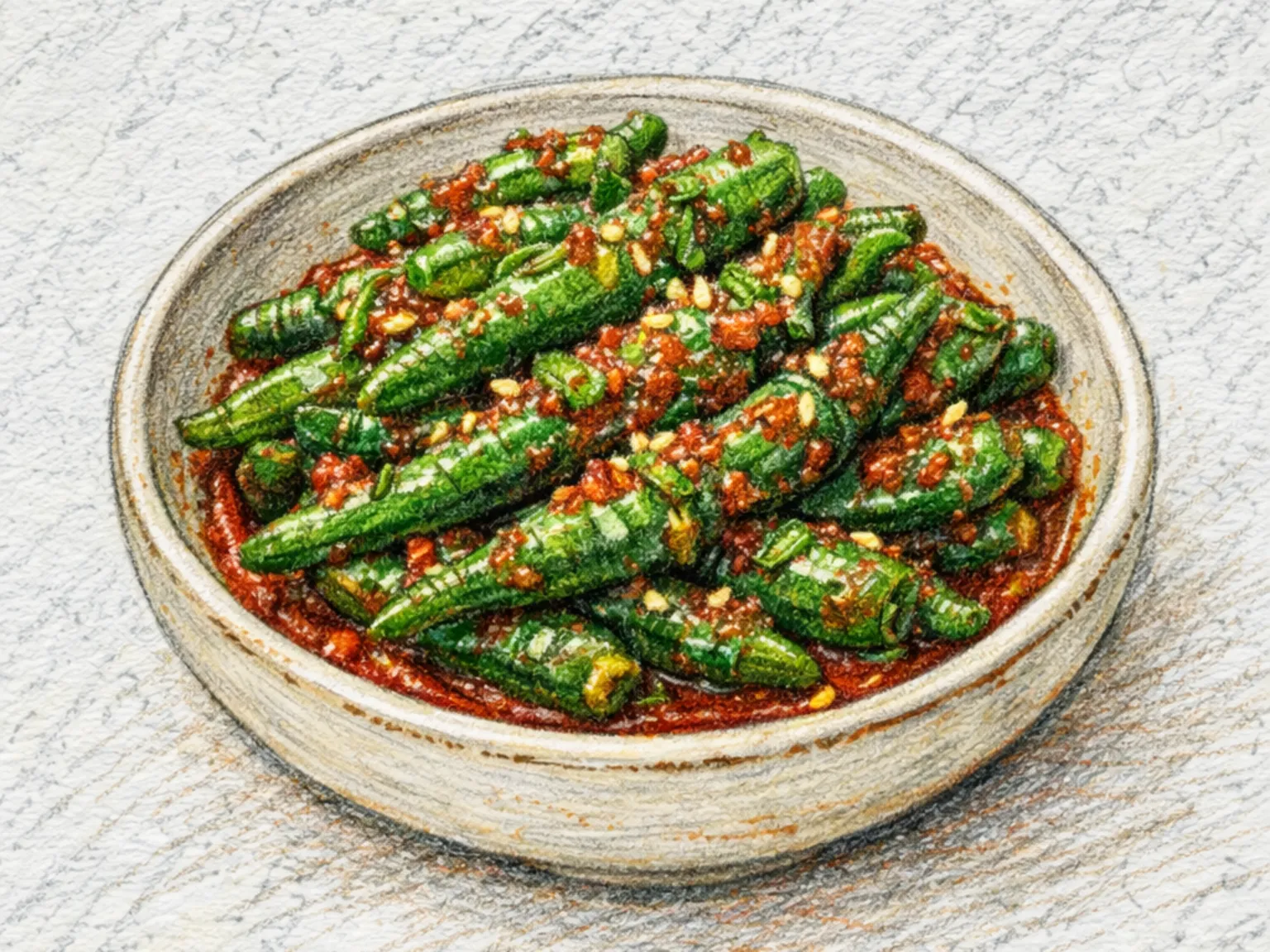
Korean Pickled Green Peppers
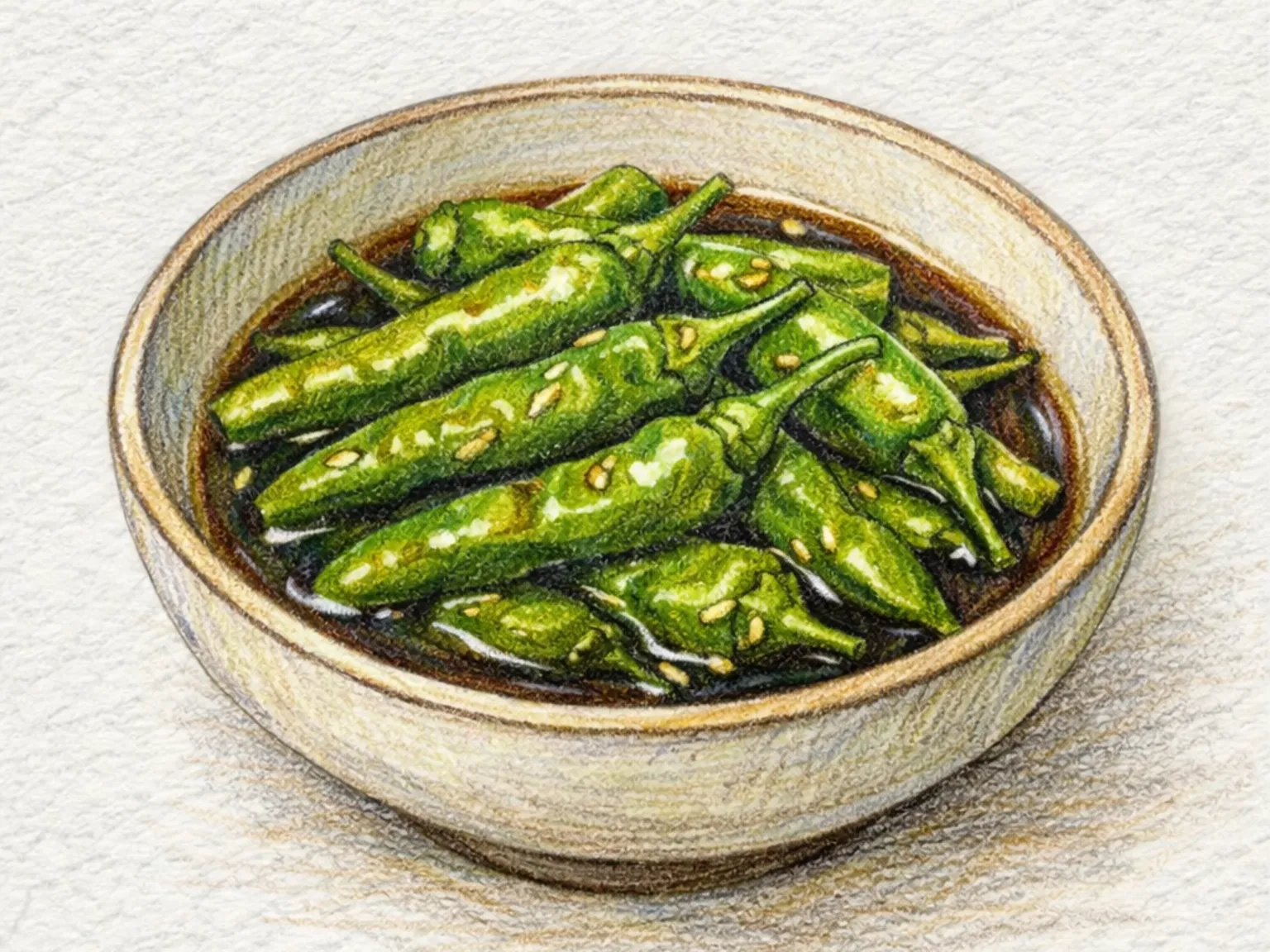
Gochu jangajji - soy-pickled green peppers - is a traditional Korean preservation method that traces back to the era before refrigeration, when summer's abundance of green peppers had to be kept edible through leaner months. Each pepper is stemmed and pierced several times with a toothpick so the brine can penetrate through the thick walls of the flesh and reach the seeds inside. A brine of soy sauce, vinegar, sugar, and water is brought to a full boil and poured directly over the peppers while still scalding hot; this flash of heat slightly blanches the exterior, brightening the green color, while the interior stays raw and crisp. Repeating this step the following day - draining the cooled brine, returning it to the pot, reboiling it, and pouring again - is what separates a well-made batch from a mediocre one. The second pour deepens the penetration of the seasoning, reinforces preservation, and allows the pickles to keep under refrigeration for over a month without losing crunch. Once fully pickled, the flavor is a layered combination of salty depth from the soy, gentle acidity from the vinegar, and the pepper's own lingering capsaicin heat, which mellows in brine but never entirely disappears. Placed on a bowl of plain rice, two or three pickled peppers are enough to make a full meal. Using cheongyang chili peppers instead of regular green peppers produces a sharper, hotter version, while kkwari peppers yield a milder and more tender result.
Ganjang Gejang (Korean Soy-Marinated Raw Crab)
Ganjang gejang is raw crab submerged in a thoroughly chilled soy marinade and aged under refrigeration. The soy sauce does not cook the crab, so use only 1 kg crab sold specifically for raw consumption and keep it at 4 C or below throughout preparation and marination. Scrub the shells and joints under running water with a kitchen brush, trim the leg tips, and dry the crabs completely. For the marinade, combine 800 ml dark soy sauce, 1.2 L water, 200 ml mirin, 100 g whole garlic, 30 g ginger, 1 apple, and 100 g green onion in a pot. Bring it to a boil over high heat, reduce to medium-low, and simmer for 30 minutes to extract the aromatics. Strain the liquid into a shallow metal container and set that container over an ice bath. Cool it rapidly, then refrigerate until the entire marinade, not only the surface, is at 4 C or below. Do not pour warm liquid over the raw crab, because it changes the meat texture and interrupts cold-temperature handling. Arrange the crabs belly-side up in a sterilized container. Add the fully chilled marinade and 4 sliced Cheongyang chili peppers, making sure every crab remains submerged, then cover and refrigerate for two days. After those two days, keep the crab refrigerated at 4 C or below while pouring only the marinade back into a pot and boiling it. Transfer the liquid again to a shallow metal container, cool it over an ice bath to 4 C or below throughout, and return it to the crab. Refrigerate for one additional day. Maintain the cold chain from cleaning through the final aging period and do not leave the raw seafood standing at room temperature.
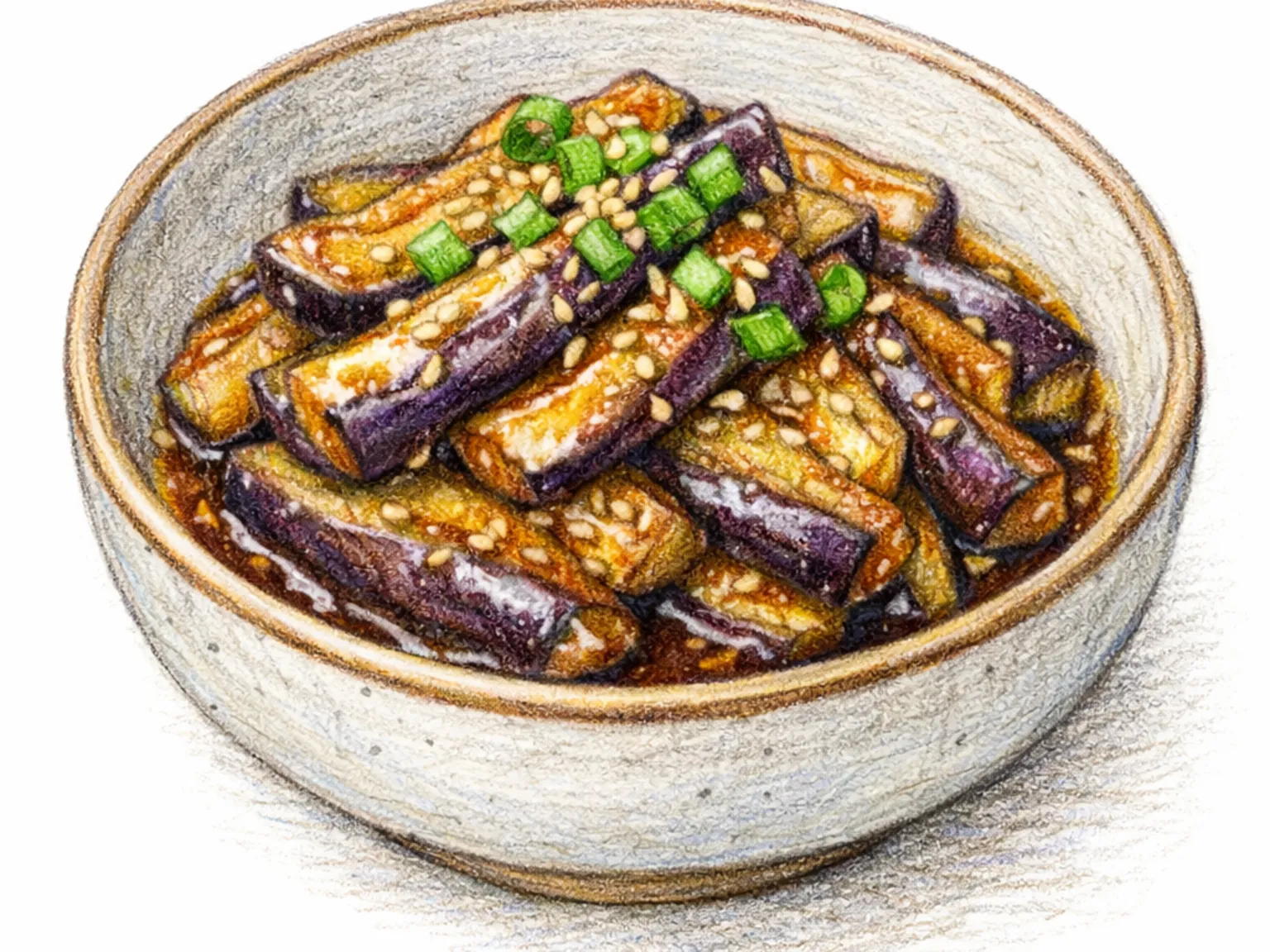
Korean Stir-Fried Eggplant Banchan
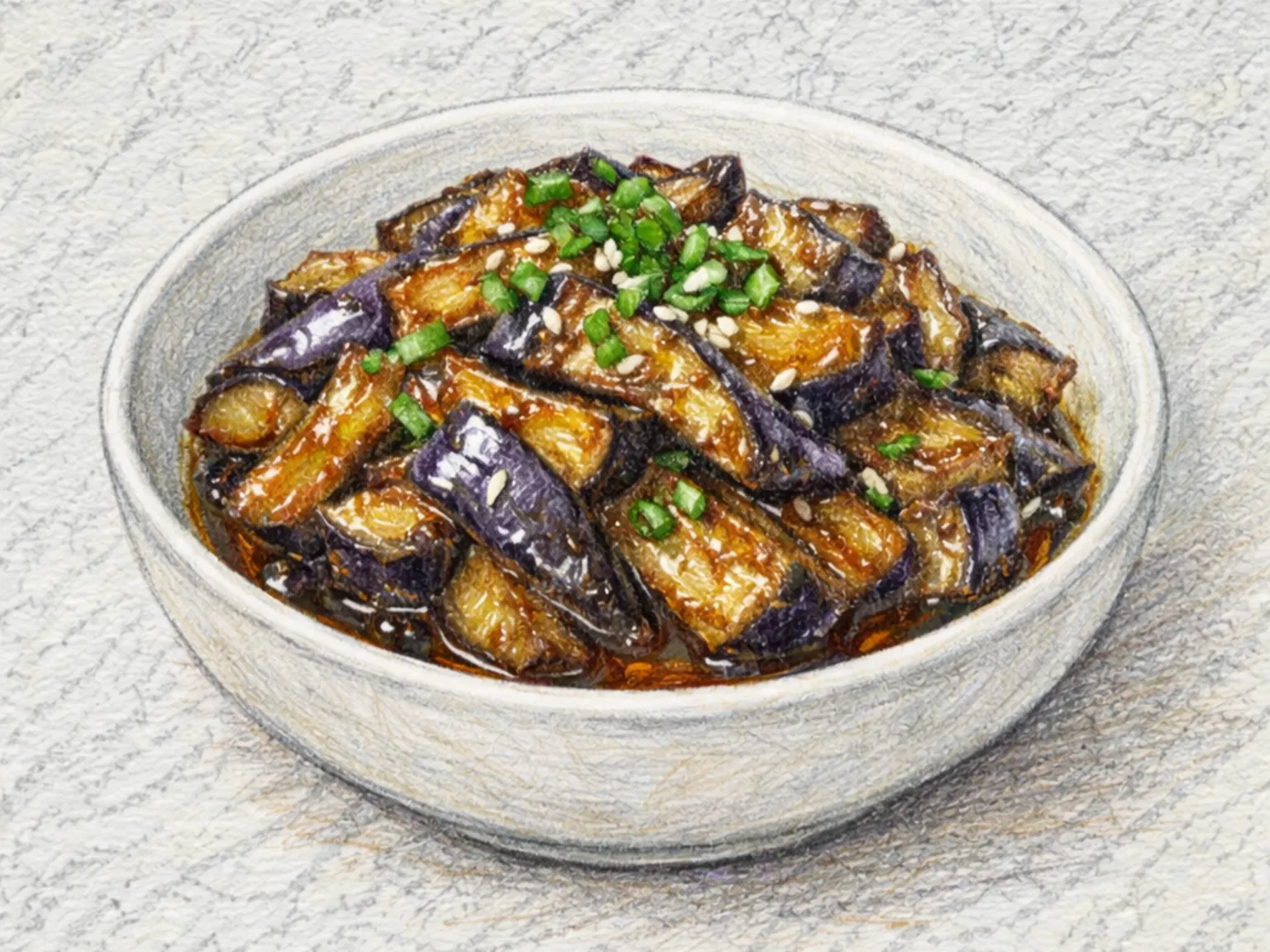
Gaji bokkeum turns eggplant, a vegetable Koreans have cultivated since the Goryeo period, into a quick, oil-glazed banchan where cooking speed matters as much as the seasoning. The eggplant is sliced into half-moons, and the pan must be smoking hot before they go in - any hesitation and the pieces steam rather than sear, collapsing into a soggy mass. High heat with restrained oil produces lightly charred edges while the interior becomes silky and almost custardy, two contrasting textures in the same bite. Soy sauce, garlic, and sesame oil go in during the final thirty seconds, sizzling against the hot surface and coating each piece in a thin, caramelized glaze. The result has a concentrated, clean umami quality that a braised preparation cannot match. Because the spongy cellular structure of eggplant absorbs oil rapidly, starting with too much fat leaves each piece greasy rather than glazed - the dish relies on pan temperature, not oil volume. Korean home cooks return to this recipe as a weeknight banchan precisely because the whole process, from cutting board to table, takes under ten minutes, and the payoff is consistently good.
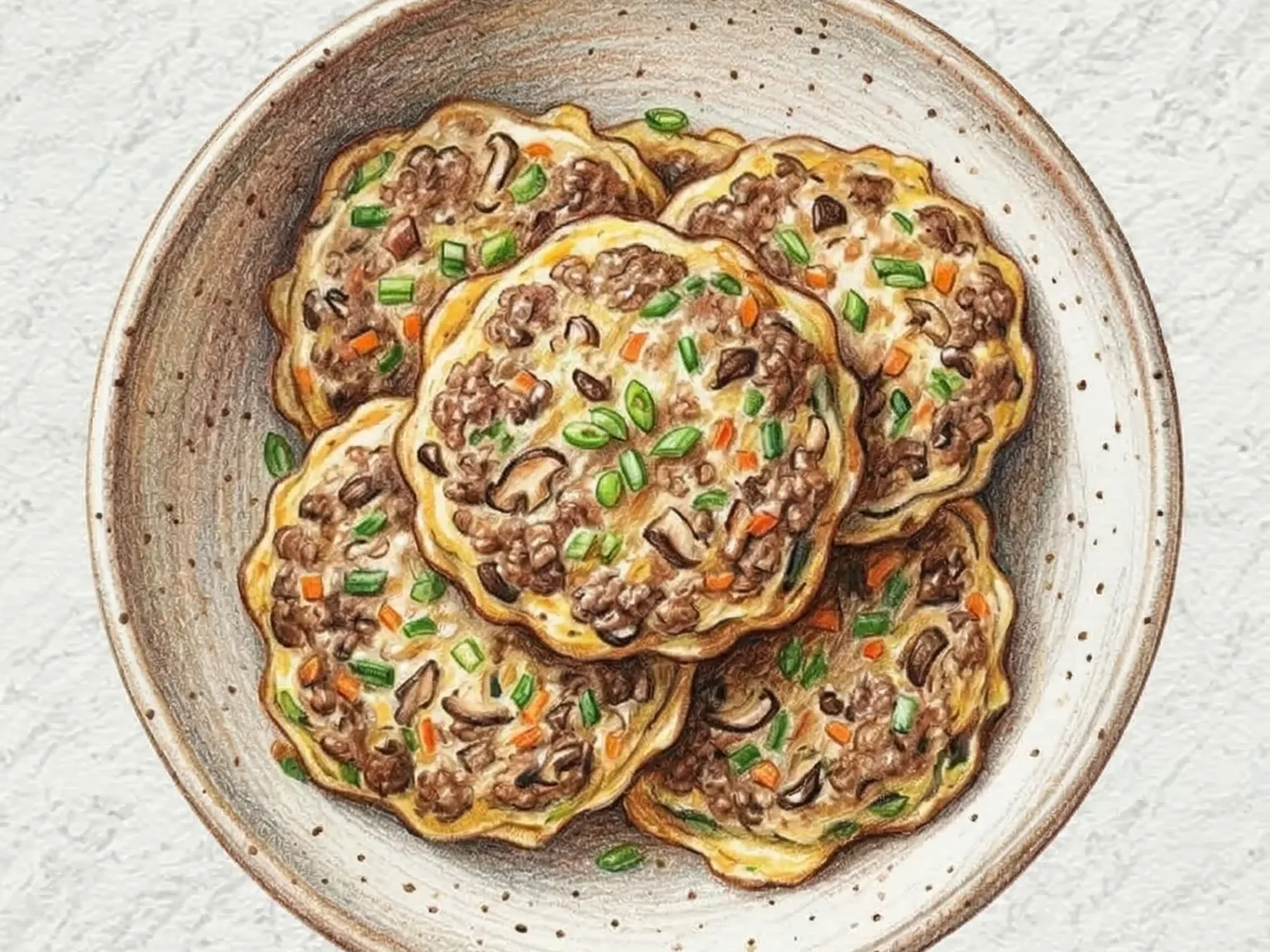
Korean Beef and Mushroom Pancake
Ground beef is mixed with finely chopped shiitake mushrooms and pressed tofu, then kneaded until the three textures merge into a cohesive, sticky mass seasoned with soy sauce and sesame oil. Small patties are shaped, dusted in flour, dipped through beaten egg, and pan-fried over medium heat until the egg coating sets into a thin golden shell that traps moisture inside. The shiitake contributes a deep umami undertone, while the tofu keeps the interior soft rather than dense. This is a classic Korean jeon served at holiday gatherings and special-occasion meals.
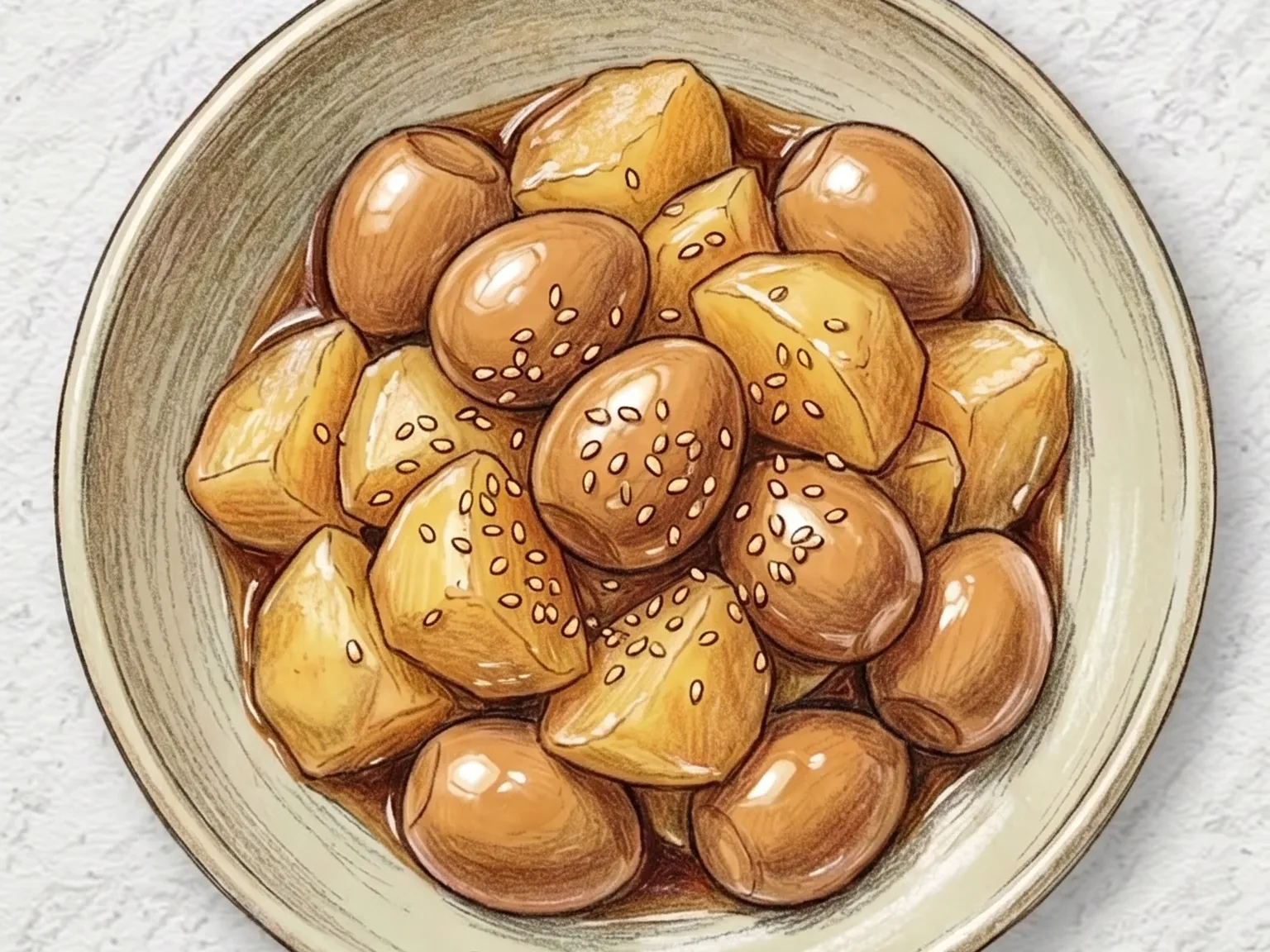
Korean Braised Potatoes and Quail Eggs
Gamja-mechu-rial-jorim is a Korean braised side dish of potatoes and hard-boiled quail eggs cooked together in a soy-based seasoning. What makes this banchan interesting is the way the two main ingredients absorb flavor differently: quail eggs, with their smooth, porous surface, drink in the soy liquid and turn a deep brown throughout the long simmer, while potato pieces soak up the sauce while simultaneously releasing starch that thickens the glaze. Oligosaccharide syrup adds natural shine and a gentle sweetness, and the combination of sesame seeds and sesame oil provides a nutty finish that rounds out the savory, sticky sauce. The result is a banchan that hits several textural notes at once -- firm quail eggs, yielding potato, and a reduced sauce that coats every surface. It has been a mainstay of Korean children's lunchboxes for decades, practical to prepare in large batches and flavorful enough to eat with plain white rice day after day.
Korean Green Chili Kimchi
Gochu kimchi is a spicy Korean kimchi made with whole or halved green chili peppers that are salted, then dressed in gochugaru, salted shrimp, anchovy fish sauce, and garlic before a short fermentation period. The thick pepper walls retain a firm crunch through salting and fermentation, and the seeds clustered inside deliver a concentrated burst of heat when bitten into. Salted shrimp brings immediate umami even without extended aging, and the pepper's own grassy sweetness supports the seasoning in place of added sugar. Salting the peppers for thirty to forty minutes with coarse salt draws out moisture without making them overly salty, which keeps the finished kimchi well-balanced. Served alongside grilled pork belly or bossam, this kimchi acts as a sharp, refreshing counterpoint that cuts through the richness of fatty meats.
Korean Garlic Sesame Broccoli Muchim
Garlic broccoli muchim is a modern Korean namul that became a household staple as broccoli grew widely available in Korean supermarkets from the early 2000s. The technique is straightforward: blanch florets and peeled, thinly sliced stems in well-salted boiling water for ninety seconds, then immediately transfer them to ice water to stop the cooking. The cold shock locks in the vivid green color and preserves a firm, crisp bite that distinguishes a properly made namul from one that is soft and dull. Peeling the stems and cutting them thin ensures the entire head of broccoli is used rather than discarding the lower portion. The dressing is deliberately minimal: soup soy sauce, minced garlic, sesame oil, and toasted sesame seeds. Keeping the seasoning light allows the broccoli's mild, slightly bitter flavor to come through clearly, with the garlic adding an aromatic sharpness that sits on top rather than overwhelming the vegetable. A final toss brings everything together into a clean, satisfying side dish that is ready in five minutes and keeps well in the refrigerator for two days.
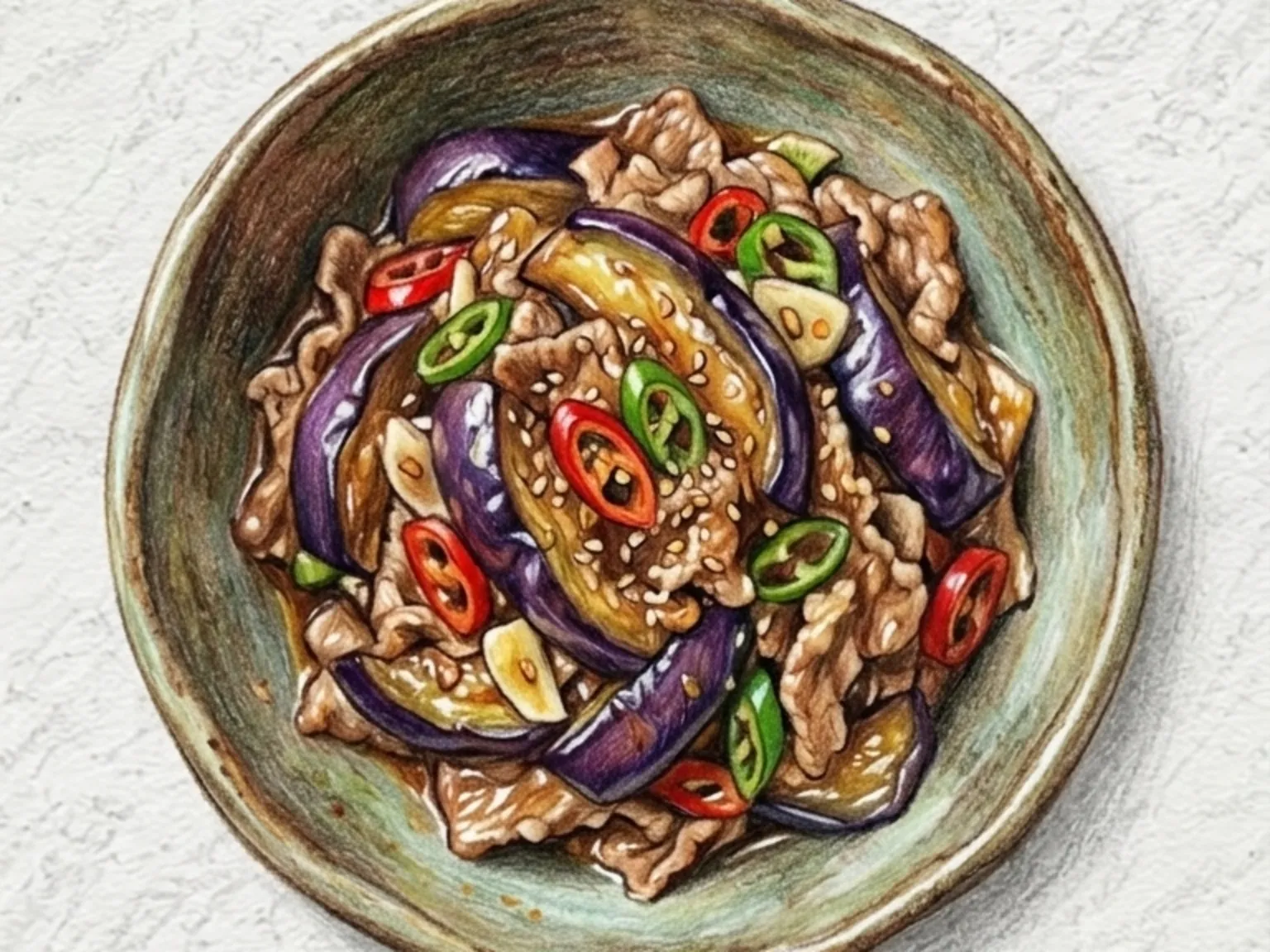
Korean Gaji Dwaejigogi Bokkeum (Eggplant Pork Stir-fry)
Gaji-dwaejigogi-bokkeum is a Korean stir-fry of eggplant and thinly sliced pork seasoned with garlic and fresh chili. The eggplant absorbs oil and sauce as it cooks, turning silky and melding seamlessly with the pork. Garlic infuses the dish with an intense aroma while the chili adds a clean, sharp heat throughout. Heat management is the key technique: cooking over medium or low heat draws too much moisture from the eggplant and turns the stir-fry into a braise, so keeping the flame high from the start is what gives the eggplant a lightly seared exterior. A combination of soy sauce and gochujang balances salt and spice, and a final drizzle of sesame oil rounds out the flavor with a nutty finish. It is especially flavorful in summer when eggplant is at its seasonal peak, and it is substantial enough to serve over rice as a complete meal.
About Side dishes
Great banchan balances seasoning with the natural flavor of each ingredient. Sesame oil, perilla oil, soy sauce, and fermented pastes work together to pack deep flavor into every small serving.