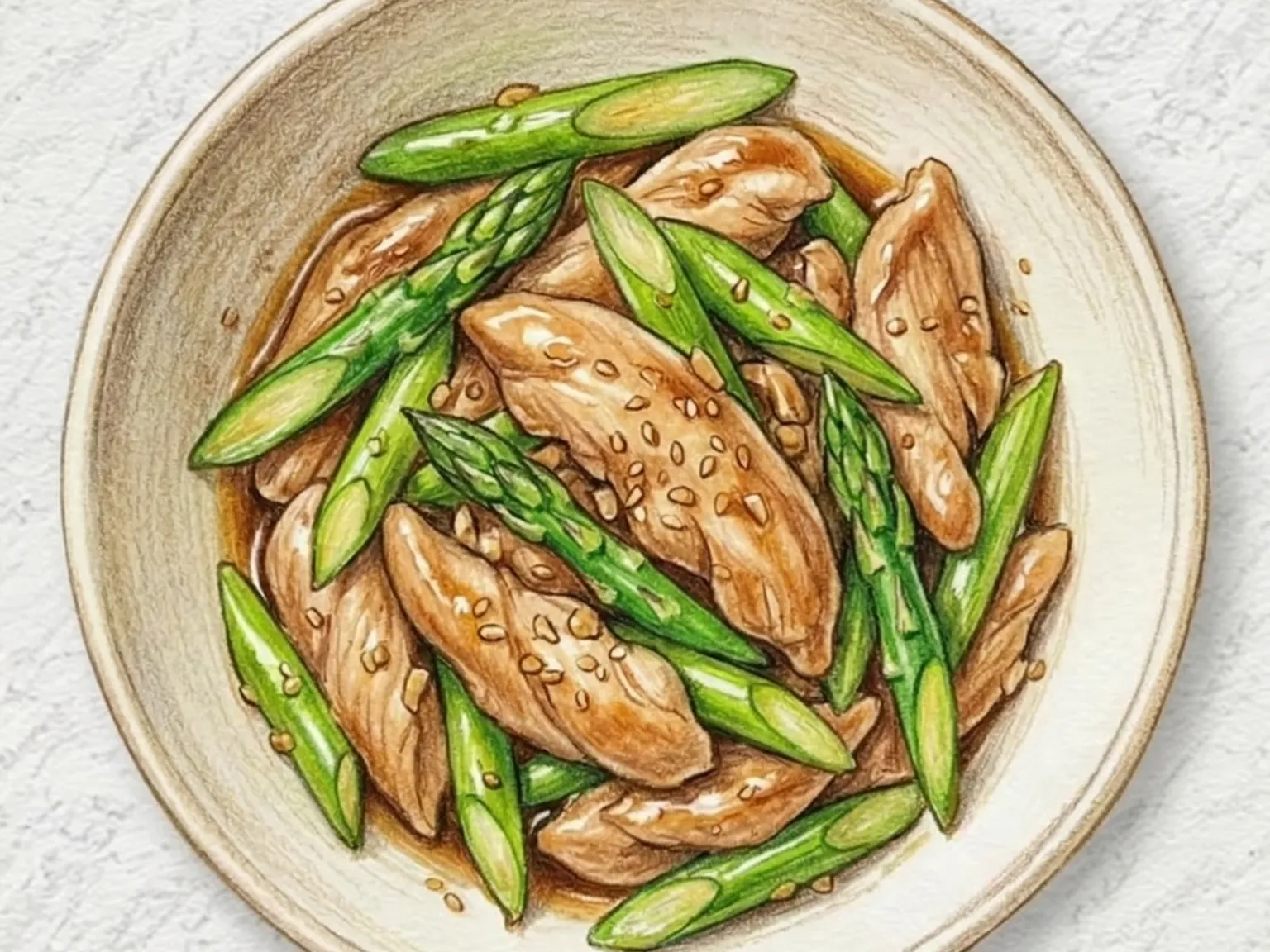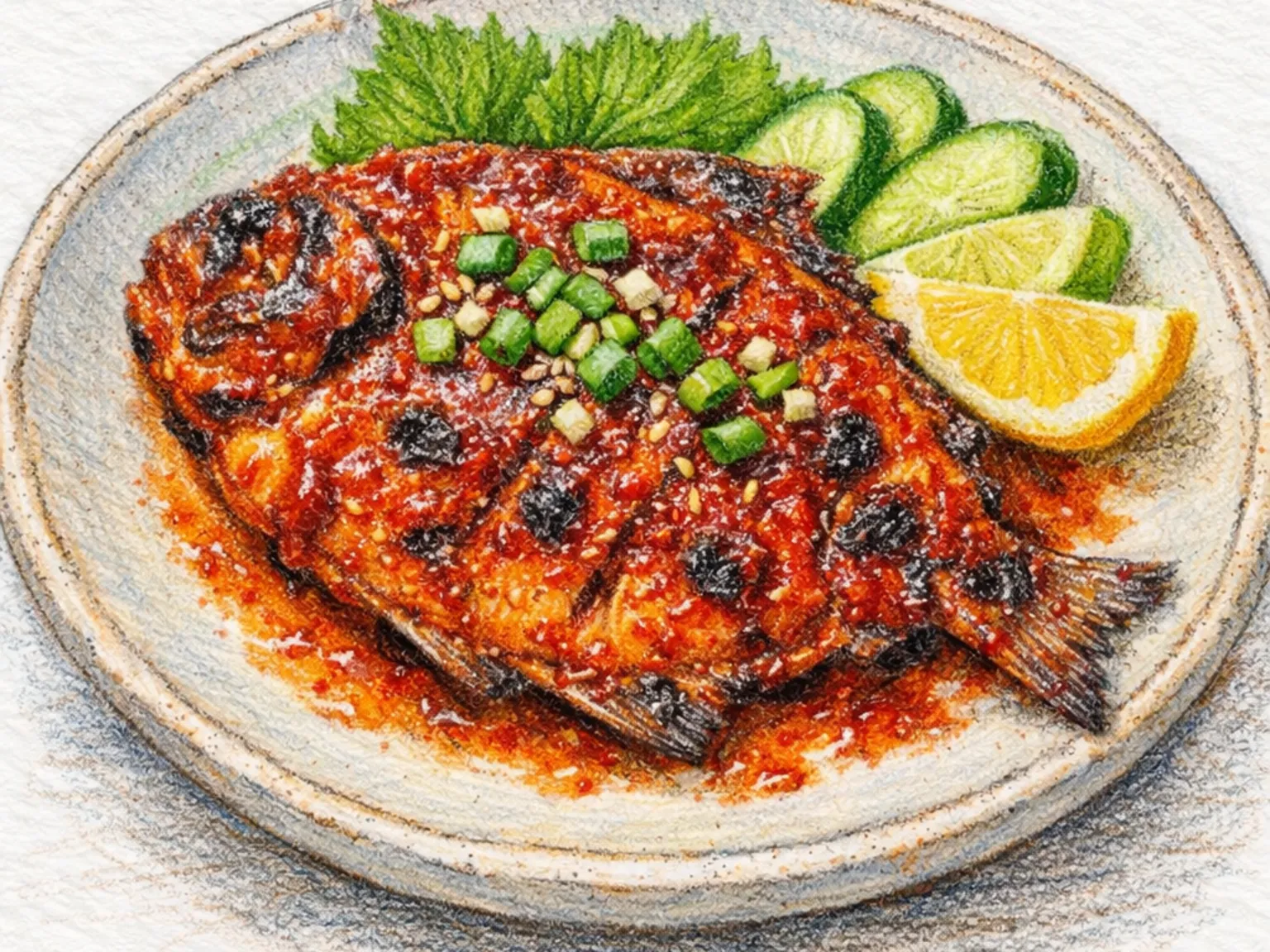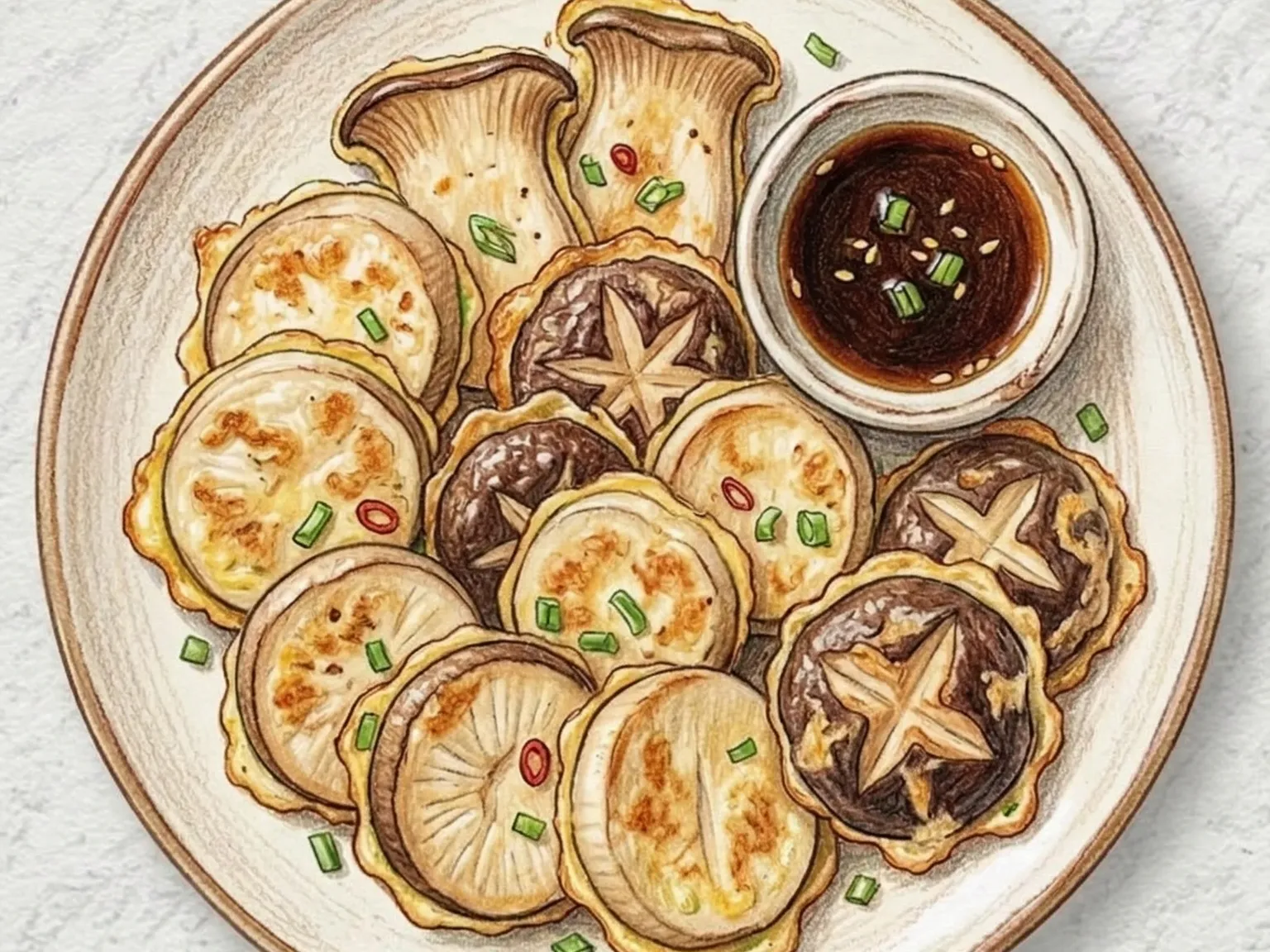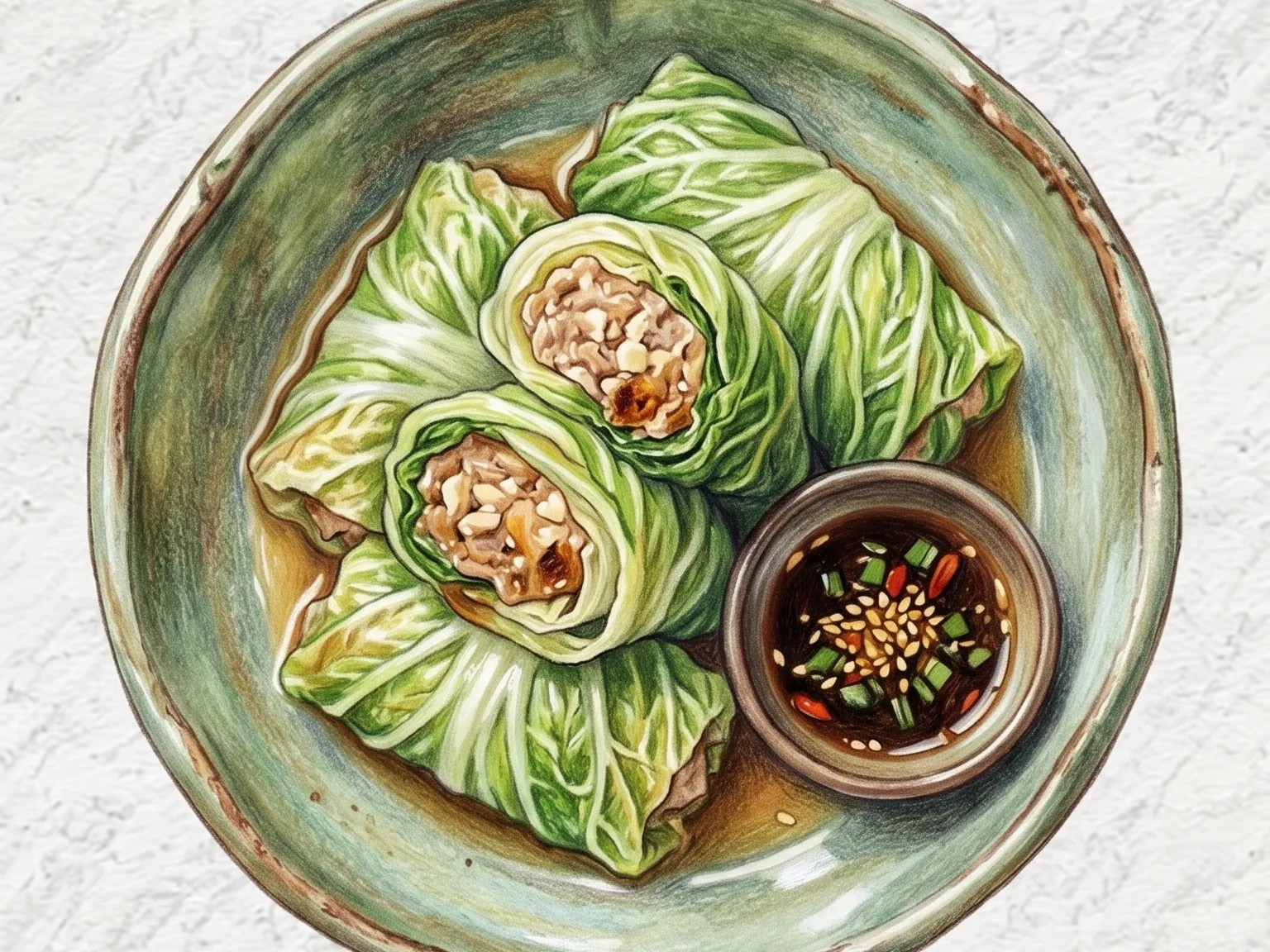
Side dishes
Side dishes

Side dishes Recipes

186 recipes. Page 2 of 8

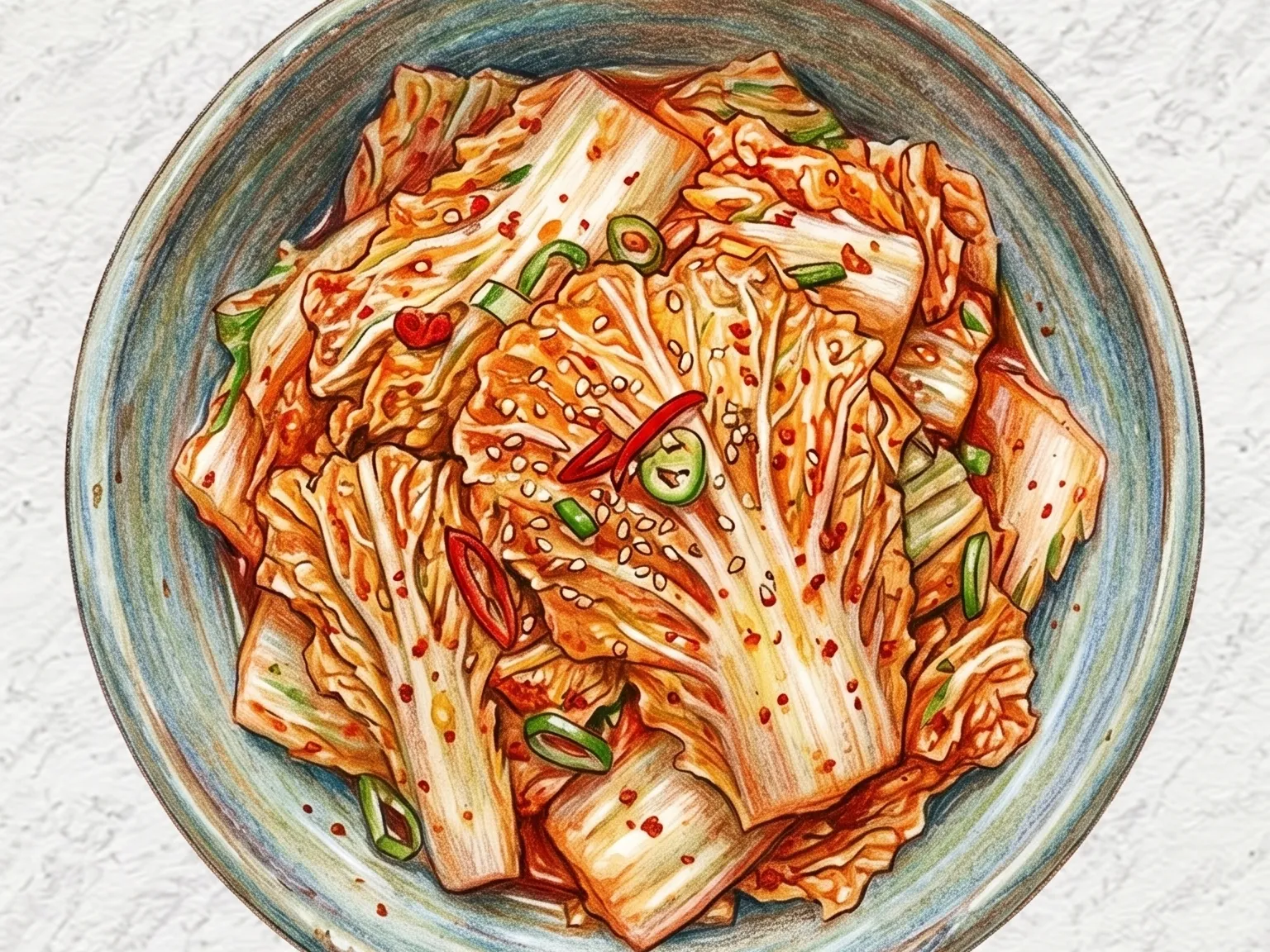
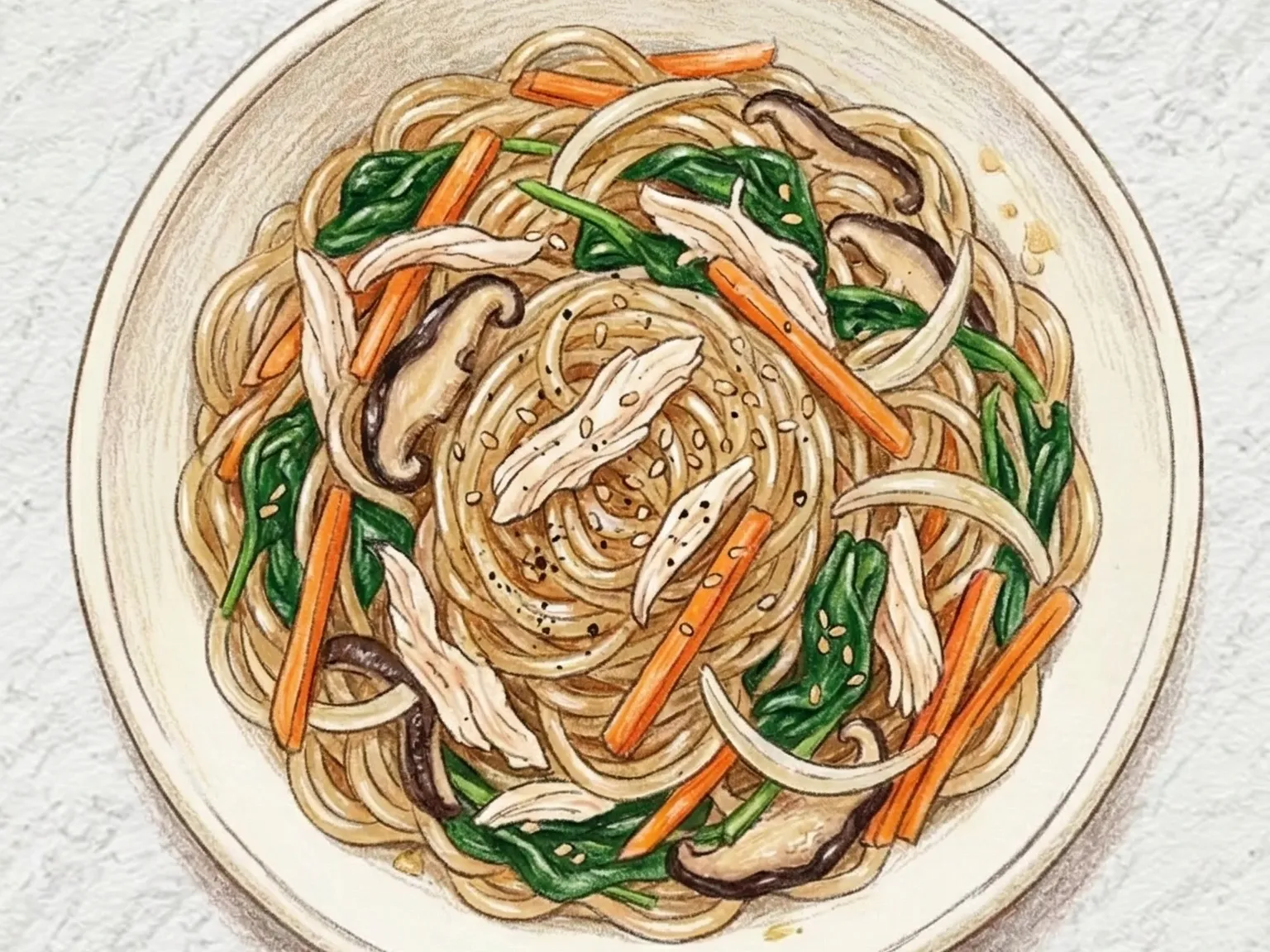
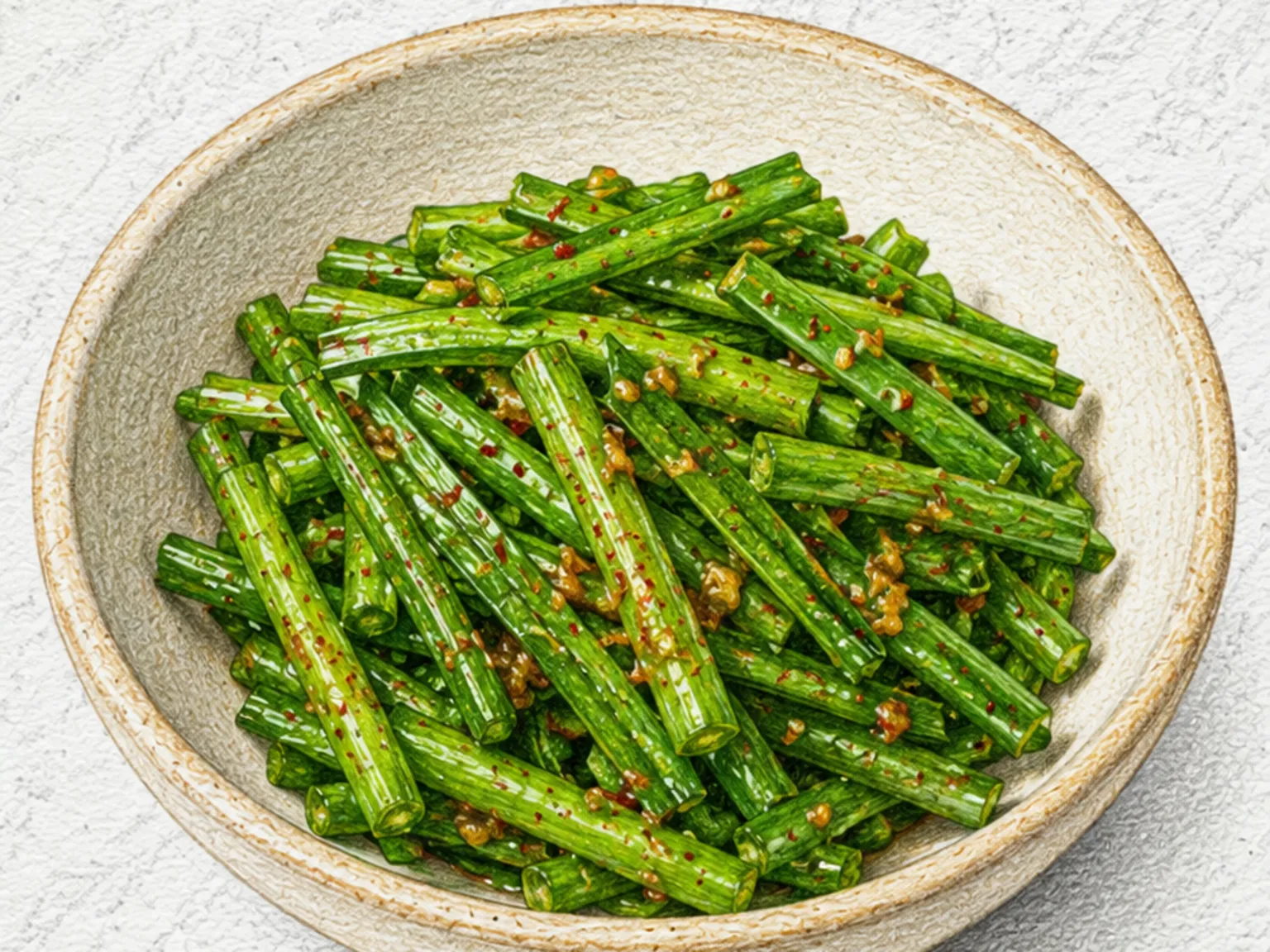
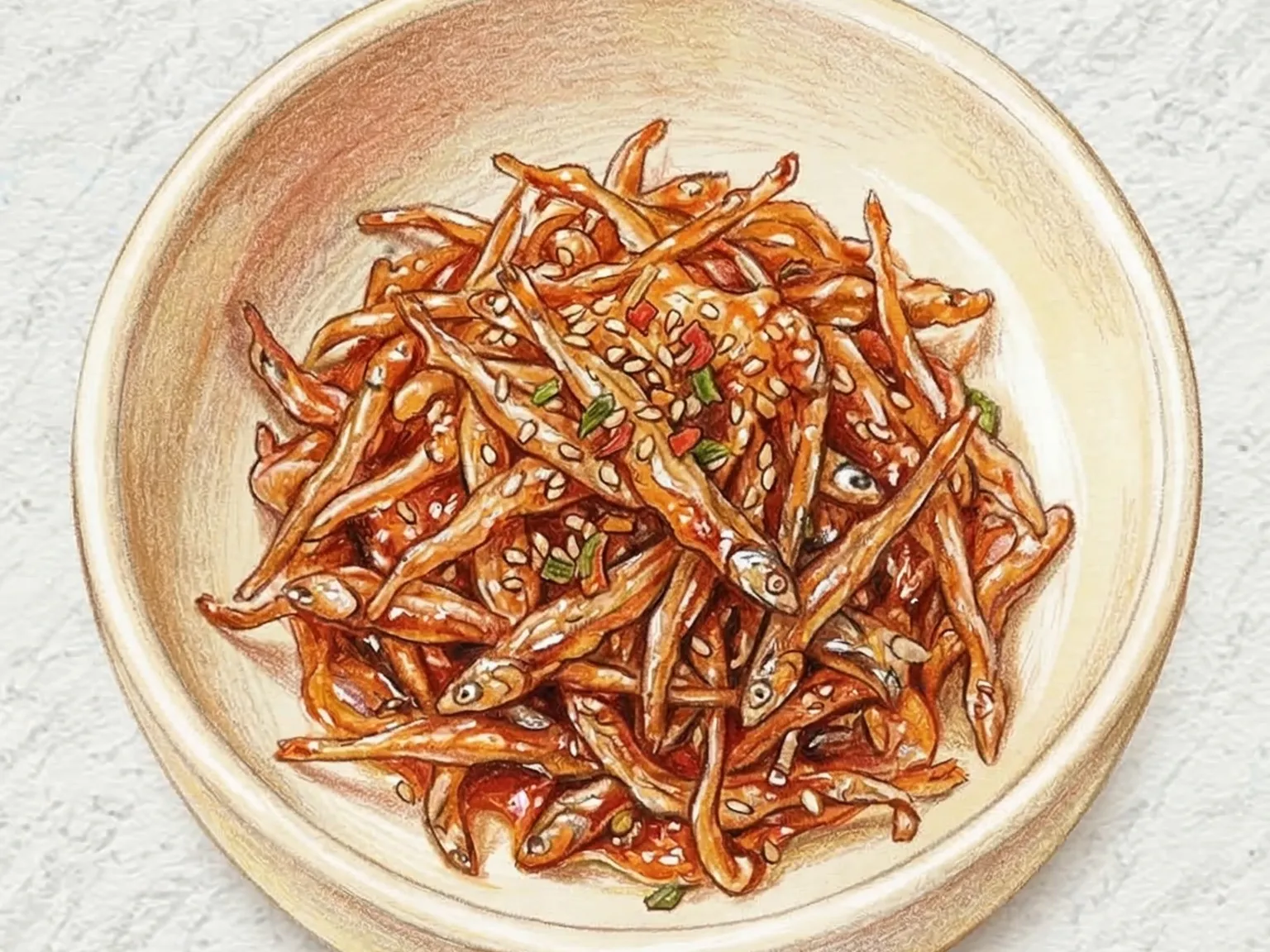
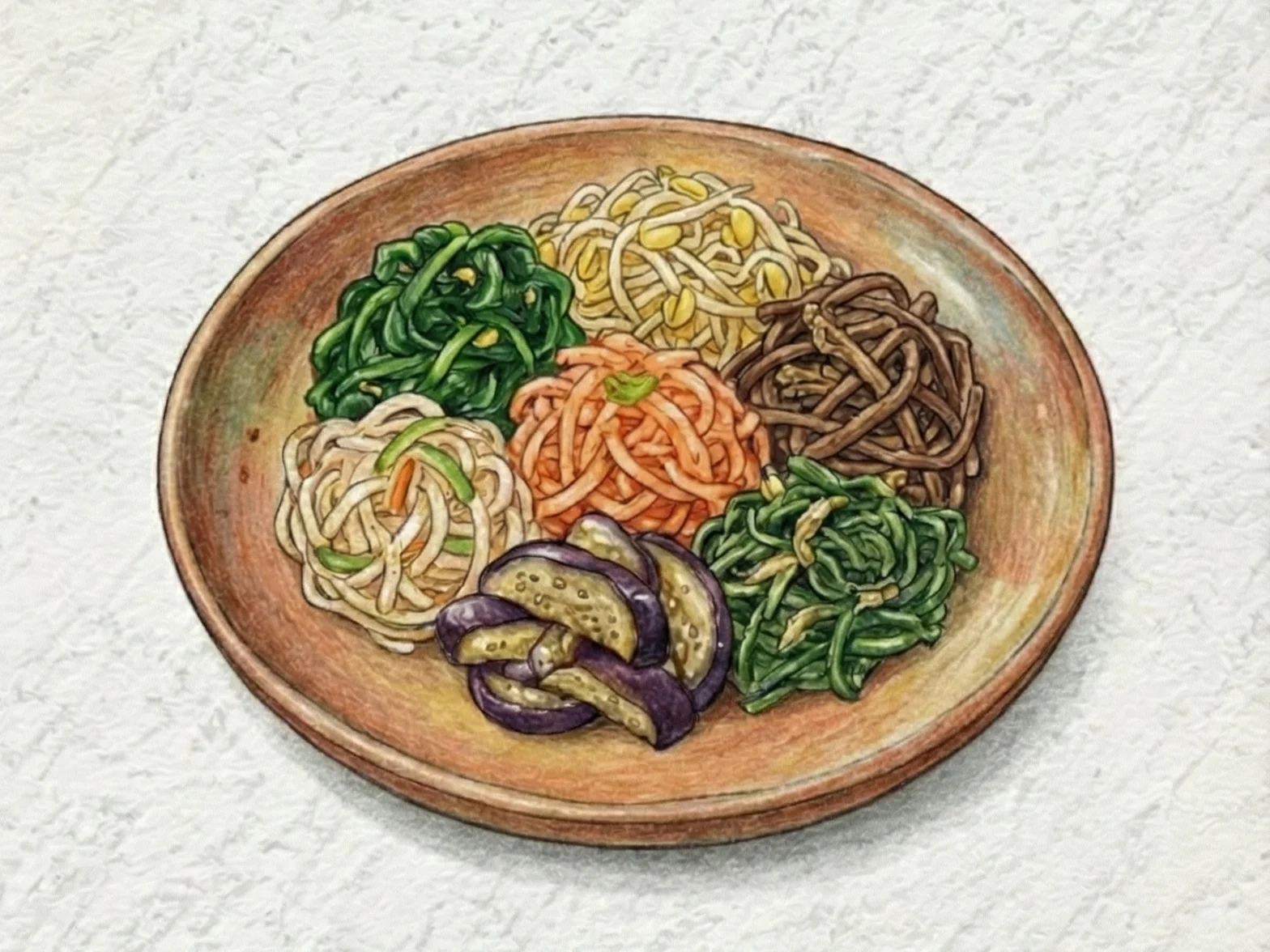
Side dishes (banchan) are the heart of Korean dining culture. A typical meal features multiple small plates - seasoned vegetables (namul), braised dishes (jorim), pickled items, and salted seafood. Classics like spinach namul, bean sprout salad, and stir-fried anchovies can be prepared in advance and enjoyed over several days.

Great banchan balances seasoning with the natural flavor of each ingredient. Sesame oil, perilla oil, soy sauce, and fermented pastes work together to pack deep flavor into every small serving.

Korean Seasoned Green Seaweed
Side dishes Easy

Korean Seasoned Green Seaweed

Cheonggak is a branching green seaweed harvested from the tidal flats of Korea's southern coast, recognizable by its dense, tree-like fronds and a sharp, concentrated oceanic smell. Blanching it in boiling water for exactly ten seconds brightens the color to a vivid green and preserves the cartilage-like crunch that defines the texture. Even a few seconds beyond that and the seaweed begins to collapse, so a timer is worth setting. After blanching, it is rinsed in cold water, squeezed firmly to remove moisture, and cut to finger lengths. The dressing uses vinegar as its leading ingredient alongside soy sauce, gochugaru, minced garlic, and sugar - the acidity of the vinegar dispels the sharp brininess of the seaweed and gives the finished dish a clean, refreshing quality. The seasoned cheonggak must be served immediately; within a few hours the seaweed releases liquid and the texture deteriorates beyond recovery. It appears in coastal markets across Jeollanam-do from midwinter through early spring and is absent from shelves the rest of the year.

🥗 Light & Healthy 🏠 Everyday
Prep 10min Cook 2min 2 servings
Korean Stir-Fried Bok Choy with Oyster Sauce
Side dishes Easy

Korean Stir-Fried Bok Choy with Oyster Sauce

A Chinese-Korean banchan that became a weeknight fixture in Korean homes from the 1990s onward. The technique depends on a scorching-hot pan: oil and garlic go in first, then halved bok choy hits the surface for barely a minute. Oyster sauce and a splash of water form a quick glaze that coats each stem. Leaf edges char lightly while the white stalks stay juicy and crisp throughout. A final drizzle of sesame oil adds a toasted note. Start to finish, the cook takes under five minutes.

🏠 Everyday 🍱 Lunchbox
Prep 8min Cook 5min 2 servings
Korean Seasoned Bok Choy Namul
Side dishes Easy

Korean Seasoned Bok Choy Namul

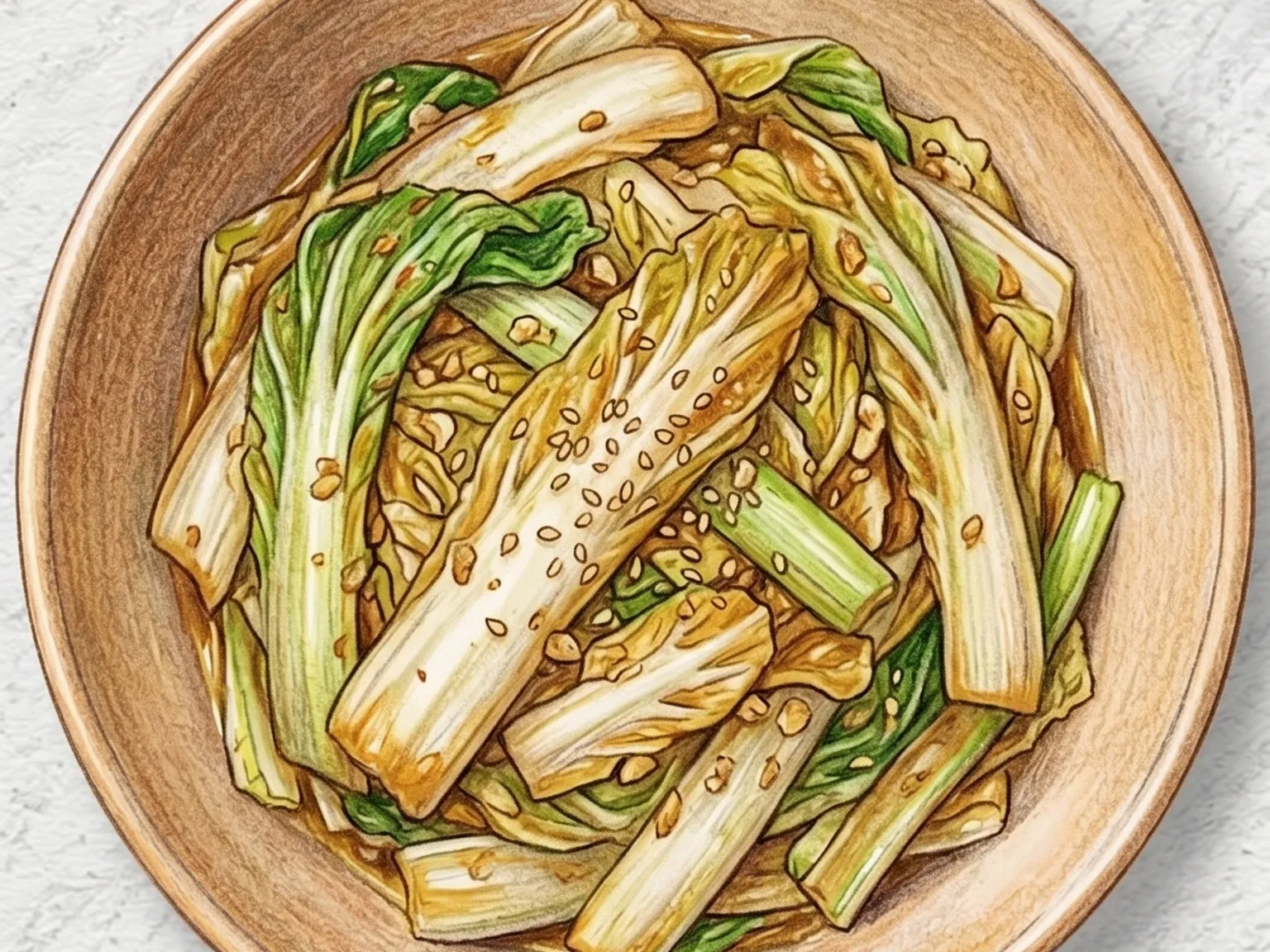
Unlike high-heat stir-fried bok choy with oyster sauce, this namul follows Korea's traditional blanch-and-dress method. One minute in boiling water wilts the leaves fully while keeping the pale stalks firm enough to provide a mild crunch. The greens are squeezed dry, cut into short lengths, and rubbed by hand with a mixture of doenjang, soup soy sauce, and minced garlic, working the seasoning into every piece rather than just tossing. The fermented soybean paste adds a deeply savory, slightly earthy quality that transforms the mild vegetable into something with real character. Sesame oil gives the finished dish a glossy coating and a nutty fragrance, and sesame seeds scattered on top add a final textural contrast against the soft leaves.

🏠 Everyday 🍱 Lunchbox
Prep 8min Cook 4min 2 servings
Korean Seasoned Mung Bean Jelly Salad
Side dishes Easy

Korean Seasoned Mung Bean Jelly Salad

Cheongpo muk - mung bean jelly - is made by dissolving starch in water, boiling it until thick, then leaving it to set into a translucent, firm block. It has appeared in Joseon-era palace banquet records as a traditional food. The jelly is blanched briefly, cut into matchstick strips, and tossed with julienned cucumber and carrot. A dressing of soy sauce, vinegar, and sugar gives a clean, sharp edge. The jelly itself is nearly flavorless, functioning as a cool, slippery carrier for the seasoning. The crunch of the vegetables contrasts with the smooth jelly, and the vinegar keeps the whole dish light. Gentle tossing is essential to avoid breaking the blocks apart. Served well-chilled, this is a classic Korean summer banchan.

🥗 Light & Healthy 🏠 Everyday
Prep 15min Cook 2min 4 servings
Korean Chive Salad with Doenjang Dressing
Side dishes Easy

Korean Chive Salad with Doenjang Dressing

Garlic chives -- buchu -- carry a sharper, more pungent bite than Western chives, and this banchan keeps them raw to preserve every bit of that intensity. Chives are cut into short segments, rinsed in cold water to crisp up the cell walls, then tossed for no more than twenty seconds in a dressing of doenjang, vinegar, and gochugaru. Going beyond that window draws out moisture from the leaves, leaving the whole dish limp and waterlogged before it even reaches the table. The fermented paste locks onto the flat surface of each blade, releasing a salty, umami-heavy punch with every bite. Vinegar cuts through the richness of the doenjang with a light acidity that keeps the finish clean, and the gochugaru adds a dry, lingering heat. Best assembled minutes before serving and eaten alongside a bowl of rice.

🏠 Everyday 🍱 Lunchbox
Prep 8min Cook 2min 2 servings
Korean Spicy Ponytail Radish Salad
Side dishes Medium

Korean Spicy Ponytail Radish Salad

Chonggak - small ponytail radishes sold with their green tops still attached - appear at Korean markets through the autumn season. Unlike chonggak kimchi, which ferments for weeks, this fresh muchim salts sliced radishes for just 15 minutes to draw out water and concentrate their crunch before seasoning. Gochugaru, fish sauce, garlic, sugar, and vinegar coat the slices in a spicy-sour glaze that clings tightly to each piece. Young Korean radishes have a sharp, peppery bite that is more assertive than that of larger, older radishes, and that edge comes through clearly in the finished dish. Including the radish greens adds a softer texture that varies the mouthfeel. Best eaten on the day it is made, before the salt continues to draw moisture and soften the flesh.

🏠 Everyday 🍱 Lunchbox
Prep 20min 4 servings
Korean Aster Herb Namul (Blanched Mountain Greens Seasoned)
Side dishes Easy

Korean Aster Herb Namul (Blanched Mountain Greens Seasoned)

Chwinamul - aster scaber - is among Korea's most prized mountain herbs, foraged from hillsides every spring. Its broad leaves carry a distinctly bitter, herbaceous edge that sets it apart from milder greens. A one-to-two minute blanch in salted boiling water tames rawness while keeping the woodland scent intact. Using perilla oil rather than sesame oil is the key step: sauteing in perilla oil lifts and deepens the herb's wild character in a way sesame cannot replicate. The seasoning is simple - garlic and salt - whether the greens are dressed as a cold namul or briefly stir-fried. A staple of bibimbap and temple cuisine across Korea, dried chwinamul is rehydrated in cold water and cooked the same way through winter, making it a reliable pantry ingredient beyond the spring harvest.

🏠 Everyday 🍱 Lunchbox
Prep 10min Cook 5min 2 servings
Korean Chwinamul with Doenjang
Side dishes Easy

Korean Chwinamul with Doenjang

This banchan brings together chwinamul, a foraged spring green with a pronounced bitter edge, and doenjang, Korea's pungent fermented soybean paste, producing a side dish where two assertive flavors push against each other and settle into something deeper than either alone. The greens are blanched for two minutes, squeezed firmly to remove excess water, and cut to an even length before seasoning. Doenjang, soup soy sauce, minced garlic, sesame oil, and perilla powder are added and worked in by hand, pressing the thick paste into the porous leaf tissue so that the salty, fermented depth clings to every strand and the seasoning does not slide off during plating. The natural bitterness of the chwinamul does not disappear under the doenjang but transforms instead, losing its sharpness and becoming layered and rounded. Letting the dressed greens rest for five minutes before serving allows the seasoning to penetrate fully, which sharpens and deepens the overall flavor in a way that is noticeable even from the first resting period. In winter months, dried chwinamul soaked overnight in cold water is used instead of fresh; the texture is softer and less fibrous but the compatibility with doenjang holds completely.

🏠 Everyday 🍱 Lunchbox
Prep 18min Cook 7min 4 servings
Korean Chwinamul with Perilla Powder
Side dishes Medium

Korean Chwinamul with Perilla Powder

Where the doenjang version of chwinamul leans on fermented soybean depth, this preparation wraps the greens in a perilla seed coating that is mild, nutty, and warm rather than assertive. After blanching, the chwinamul is seasoned with a base of soup soy sauce, garlic, and green onion, then sauteed briefly in perilla oil to amplify the seed character before any liquid is added. Water is stirred in for a light braise that softens the stems fully. The critical step comes off the heat: reducing the flame before adding perilla powder is essential, because adding the powder while the pan is still hot causes the seed oils to separate, leaving a gritty, uneven coating rather than the smooth, pale paste that should coat every strand. When done correctly, the finished dish has a silky, enrobing texture that clings to the greens and releases the full fragrance of the perilla seed in each mouthful. The chwinamul aromatics remain distinct throughout, but the perilla shifts their overall character from sharp and herbal toward something rounder and more comforting.

🏠 Everyday 🍱 Lunchbox
Prep 18min Cook 7min 4 servings
Chicken Cabbage Wraps
Side dishes Easy

Chicken Cabbage Wraps

Simple chicken tenderloin and cabbage wraps, ideal for a diet-friendly side dish.

🔥 Trending Now ⚡ Quick
Prep 15min Cook 15min 2 servings
Korean Seasoned Wild Chive
Side dishes Easy

Korean Seasoned Wild Chive

Dallae-muchim is a raw spring side dish made from Korean wild chives dressed in soy sauce, gochugaru, vinegar, sugar, and sesame oil -- one of the clearest markers that spring has arrived. Dallae emerges from hillsides in March, finer in stem than cultivated chives and carrying an intensely sharp, garlic-like aroma that vanishes almost immediately when cooked, which is why the herb is always used raw. The small bulbs and slender leaves are washed root-and-all, cut to three or four centimeters, and tossed in the seasoning just before serving. The result is a pungent, nose-clearing mouthful that contrasts directly with the deep, fermented warmth of doenjang-jjigae when the two are eaten together. The season for dallae is brief -- a few weeks in early spring -- making this banchan one of the more fleeting pleasures of the Korean table.

🏠 Everyday 🍱 Lunchbox
Prep 10min 4 servings
Korean Seasoned Carrot Namul
Side dishes Easy

Korean Seasoned Carrot Namul

Carrot namul is one of the five-color banchan Koreans prepare for ancestral rites, where the orange of carrot represents fire in the traditional symbolic scheme. Julienned thin, the carrots are salted briefly to pull out excess moisture, then stir-fried with minced garlic over medium heat for two to three minutes - just enough to cook off the raw edge while preserving an audible crunch in every strand. No soy sauce or chili powder enters the pan; seasoning is kept to salt alone so that the carrot's natural sweetness remains the central flavor rather than being buried under stronger condiments. A final drizzle of sesame oil and a scatter of sesame seeds round out this clean, single-ingredient side dish that earns its place on both ceremonial tables and everyday meals.

🏠 Everyday 🍱 Lunchbox
Prep 8min Cook 6min 2 servings
Korean Seasoned Kelp Strips
Side dishes Easy

Korean Seasoned Kelp Strips

Kelp strips are soaked in cold water for ten minutes to draw out excess salt, then blanched for twenty seconds, just long enough to turn them pliable without losing their snap. The strips are dressed with gochugaru, vinegar, soy sauce, sugar, and garlic while julienned cucumber adds a cool, refreshing contrast. The seasoning sits over the mineral-dense ocean flavor of the kelp, layering a bright, acidic kick onto each bite. Sesame oil and whole sesame seeds finish the dish. The strips keep a satisfying resistance between the teeth that sets them apart from softer Korean seaweed preparations. Best served cold; the texture and flavor hold up well in packed lunches. Blanching beyond twenty seconds causes the kelp to soften and lose the chew that defines this banchan.

🥗 Light & Healthy 🏠 Everyday
Prep 12min Cook 3min 2 servings
Korean Braised Kelp Strips
Side dishes Medium

Korean Braised Kelp Strips

Dasima jorim is a banchan that repurposes dried kelp - typically discarded after making stock - into a glossy, chewy side dish through slow braising. The kelp is soaked in cold water for at least twenty minutes until it softens and becomes pliable, then cut into strips roughly one centimeter wide. Simmered in soy sauce, rice syrup, cooking wine, and garlic over medium-low heat for fifteen minutes or more, the braising liquid gradually reduces and thickens into a lacquer-like glaze that coats each strip on all sides. The rice syrup contributes both sweetness and the shine that gives the dish its visual appeal. The resulting texture is difficult to compare - somewhere between the springiness of gummy candy and the firm bite of pasta al dente, resilient but with a clean snap when bitten through. Refrigerated overnight, the seasoning penetrates the dense seaweed fibers more deeply, and the flavor continues to intensify over several days, making it a banchan that improves the longer it sits.

🥗 Light & Healthy 🏠 Everyday
Prep 15min Cook 20min 4 servings
Korean Spicy Seasoned Deodeok
Side dishes Medium

Korean Spicy Seasoned Deodeok

Deodeok - Codonopsis lanceolata - is a mountain root that has been used in Korean cooking and folk medicine for centuries. Its flesh is fibrous, sticky, and carries a ginseng-like bitterness that becomes pronounced when the root is raw. Peeling and pounding with a mallet splits the fibers into rough, ribbon-like shreds with a textured surface that holds seasoning well. A soak in cold water draws out the sharpest of the bitterness before the root is drained and tossed. The dressing - gochujang, vinegar, minced garlic, sugar, and gochugaru - is sweet, sour, and spicy in roughly equal measure, tempering the root's wild, resinous character while leaving the chewy texture intact.

🏠 Everyday 🍱 Lunchbox
Prep 20min 4 servings
Korean Perilla Soybean Sprout Namul
Side dishes Easy

Korean Perilla Soybean Sprout Namul

Kongnamul, soybean sprouts, are among the most consumed vegetables in Korea, and this perilla-dressed version adds a nutty, full-bodied depth that the plain sesame oil variety lacks. The sprouts are steamed with the lid sealed for five minutes, which drives off the raw bean smell while keeping the heads firm and crunchy. Tossed with perilla powder, soup soy sauce, garlic, and sesame oil while still warm, the powder absorbs the moisture and dissolves into a pale coating that makes each sprout feel creamy on the tongue. Chopped scallion contributes a sharp, grassy contrast that balances the richness, and resting the finished dish for five minutes before serving lets the seasoning penetrate evenly so the flavor comes together more completely.

🥗 Light & Healthy 🏠 Everyday
Prep 10min Cook 8min 4 servings
Dollnamul Muchim (Korean Seasoned Stonecrop Salad)
Side dishes Easy

Dollnamul Muchim (Korean Seasoned Stonecrop Salad)

Dollnamul muchim is a spring banchan of raw stonecrop (Sedum sarmentosum) dressed in a seasoning mix of gochugaru, vinegar, fish sauce, garlic, and sugar. The plant grows on rocky stream banks and low walls across Korea; its plump, jade-green leaves carry a faintly sour, grassy juice that releases when bitten. Heat collapses the texture entirely - a few seconds of blanching is enough to destroy the crunch - so dollnamul is always dressed raw. The process is minimal: a quick rinse in cold water, a firm shake to remove excess moisture, and an immediate toss with the seasoning. The structural logic of the dressing has fish sauce providing fermented depth beneath the vinegar's sharp acidity; if either element dominates, the herb's clean, fresh aroma disappears. The dish must be eaten within minutes of dressing. Osmotic pressure begins pulling juice from the leaves almost immediately, and the texture softens to a limp mass within half an hour. Dollnamul muchim is a common addition to spring picnic lunches and is best served cold.

🏠 Everyday 🍱 Lunchbox
Prep 12min 4 servings
Korean Stir-fried Balloon Flower Root
Side dishes Medium

Korean Stir-fried Balloon Flower Root

Doraji -- balloon flower root -- has been cultivated in Korea for centuries, valued in cooking and herbal medicine alike. The raw root carries a pronounced bitterness from saponins, so it must be shredded into thin strips, rubbed vigorously with salt, left for ten minutes, then rinsed twice in cold water. The salt scrub draws out the saponins while preserving the root's firm, snappy bite. A base of green onion goes into the pan first to build a fragrant oil, then the prepared doraji stir-fries for two minutes before gochujang, soy sauce, and oligosaccharide syrup go in for another three minutes. The heat is raised at the end to drive off moisture, so the sauce tightens and clings to each strip rather than pooling in the pan. The result is a glossy, sweet-spicy banchan with a distinctly chewy pull.

🏠 Everyday 🍱 Lunchbox
Prep 20min Cook 10min 2 servings
Korean Seasoned Bellflower Root
Side dishes Medium

Korean Seasoned Bellflower Root

Doraji -- balloon flower root -- has been used in Korean cooking since the Goryeo dynasty, valued as both a medicinal herb and a staple namul ingredient. Unlike doraji-bokkeum, which stir-fries the root with gochujang and heat, this cold muchim preserves the characteristic firm, snappy crunch that makes doraji distinctive. The roots are shredded along the grain into thin strips, then vigorously rubbed with salt to draw out the saponins responsible for their sharp bitterness, and rinsed multiple times until the water runs clear. A seasoning of gochujang, vinegar, sugar, and sesame oil works into each fibrous strand, layering sweet, sour, and spicy notes over the residual earthiness of the root. This banchan appears on both Chuseok and Seollal holiday tables as one of the five-color namul, where the white of the doraji root represents the metal element in the five-phase system. Because the root holds its crunch well, this dish can be prepared ahead of time without losing texture, making it a practical choice for large gatherings.

🏠 Everyday 🎉 Special Occasion
Prep 30min Cook 5min 4 servings
Korean Pan-Fried Tofu with Seasoned Soy Sauce
Side dishes Easy

Korean Pan-Fried Tofu with Seasoned Soy Sauce

Dubu buchim yangnyeom is one of the most common Korean home banchan, a dish that appears on the table because the technique is straightforward and the ingredients are always in the kitchen. Firm tofu is cut into thick slices, salted lightly to pull moisture from the surface, then pan-fried in a minimal amount of oil until both faces develop a golden, crackling crust while the interior stays soft and warm. The yangnyeom jang, the seasoned sauce, is assembled directly at the stove: soy sauce, gochugaru, chopped scallion, garlic, and sesame oil stirred together, then spooned over the hot tofu the moment it comes out of the pan. The residual heat of the tofu gently wilts the raw scallion and opens the sesame oil, releasing its fragrance into the sauce without any additional cooking. The ratio of ingredients in the sauce varies from household to household, with some reducing the gochugaru and adding toasted sesame seeds, and others adding cheongyang chili for extra heat. In Korean temple cuisine, this preparation has served for centuries as the primary protein source in meat-free meals.

🏠 Everyday 🍱 Lunchbox
Prep 10min Cook 12min 2 servings
Korean Tofu with Spicy Soy Dressing
Side dishes Easy

Korean Tofu with Spicy Soy Dressing

Dubu cheongyang ganjang muchim is a pan-fried tofu banchan that takes the classic dubu buchim in a sharper direction by centering the dressing on cheongyang chili, the hottest pepper in everyday Korean cooking. The most important part of the technique is getting a proper mahogany crust on the tofu. The pan must be hot before the tofu goes in, and the heat must stay high throughout. Too low a flame causes the tofu to steam in its own released moisture rather than sear, resulting in a soft surface with no textural contrast. When seared correctly, the outer layer becomes a firm, slightly chewy barrier while the interior stays silken and creamy. The dressing is raw and uncooked: soy sauce, minced cheongyang chili, scallion, garlic, and sesame oil combined without heat. It is poured over the tofu while the tofu is still steaming hot, which causes the raw garlic and chili to bloom slightly in the residual heat and release their full aromatic sharpness. Cheongyang pepper heat is clean and immediate rather than slow-building - it registers on the tongue quickly and fades without lingering the way dried gochugaru does. The dish is a natural pairing for mild, smooth soups like miyeok-guk, where the chili's sharpness provides a sharp counterpoint to the gentle seaweed broth. It also works alongside plain steamed rice as a standalone side.

🥗 Light & Healthy 🏠 Everyday
Prep 10min Cook 6min 4 servings
Korean Crispy Glazed Tofu Bites
Side dishes Medium

Korean Crispy Glazed Tofu Bites

Dubu gangjeong applies the double-coating logic of Korean fried chicken to tofu, pressing each cube dry before dredging in potato starch, frying until the shell turns shattering crisp, then tossing in a concentrated sticky glaze. The dish originated in temple cuisine as a meatless adaptation of gangjeong and has since become a staple anju in Korean bars. Pressing the tofu is non-negotiable: at least twenty minutes under a heavy weight wrapped in paper towels removes enough moisture to prevent oil from splattering and allows the starch coating to adhere evenly. Potato starch produces a noticeably thinner and more translucent crust than wheat flour, which cracks cleanly rather than bending when bitten. The glaze is made by boiling gochujang, soy sauce, sugar, and rice syrup together until large bubbles break on the surface, signaling that the mixture has concentrated and will cling rather than pool. Pouring the hot glaze over the fried tofu and tossing quickly coats every surface in an even, lacquer-like finish. The defining quality of a well-made dubu gangjeong is the contrast between the caramelized shell with its slight chew and the soft, almost custard-like interior. Once made, it must be eaten within ten minutes before the coating absorbs moisture and goes soft.

🏠 Everyday 🧒 Kid-Friendly
Prep 18min Cook 15min 2 servings
Korean Braised Tofu and Egg
Side dishes Easy

Korean Braised Tofu and Egg

Dubu-gyeran-jorim is a practical braised banchan that combines two of the most affordable protein sources in Korean cooking -- tofu and hard-boiled eggs -- in a single soy-based sauce. The tofu is pan-fried until golden on each side, building a lightly crisped surface that holds up during braising. The eggs are hard-boiled, peeled, and added alongside the tofu in a sauce made from soy sauce, sugar, minced garlic, and water. Over fifteen or more minutes of gentle simmering on low heat, the tofu draws the dark braising liquid into its porous interior, becoming dense with savory flavor throughout. The eggs develop a tan exterior as the soy sauce stains the outer white, while the inside remains fully set with a pale yellow yolk. As the liquid reduces, it thickens into a glossy coat that clings to every curve of both ingredients. This banchan is a staple of Korean school cafeterias and lunchboxes alike, valued for its keeping power -- it refrigerates well for up to five days, and the seasoning continues to deepen overnight, making day-two leftovers often better than the freshly cooked batch.

🏠 Everyday 🍱 Lunchbox
Prep 10min Cook 20min 2 servings
Korean Braised Tofu in Spicy Sauce
Side dishes Easy

Korean Braised Tofu in Spicy Sauce

Dubu-jorim is one of the most reliably prepared tofu dishes in Korean home cooking, made from ingredients that are almost always on hand, yet the sequence of steps makes a significant difference to the result. Before the tofu ever touches the braising sauce, it must be fried in a dry pan until each face develops a thin, golden crust. That crust serves two purposes simultaneously: it keeps the tofu slabs intact as the sauce reduces around them, and it acts as a permeable layer through which the seasoning gradually penetrates toward the center during braising. The sauce - soy sauce, gochugaru, minced garlic, sugar, and water - simmers around the tofu for eight to ten minutes until it has reduced by roughly half and thickened into a glossy, spicy-sweet glaze that coats the exterior in a dark, caramelized layer. The finished tofu has three distinct zones in every slice: the outermost layer where the sauce has caramelized and taken on a slightly chewy quality, a middle band where the seasoning has fully soaked in, and a white, creamy center that provides a bland, soft contrast to the intensely flavored exterior. All three zones are present in a single bite, which is what makes this dish more texturally interesting than a standard braise. Korean home cooks typically double the recipe and refrigerate half for weekday meals, where the flavors deepen further after a night in the cold.

🏠 Everyday 🍱 Lunchbox
Prep 10min Cook 15min 4 servings