Rice Recipes
174 recipes. Page 2 of 8
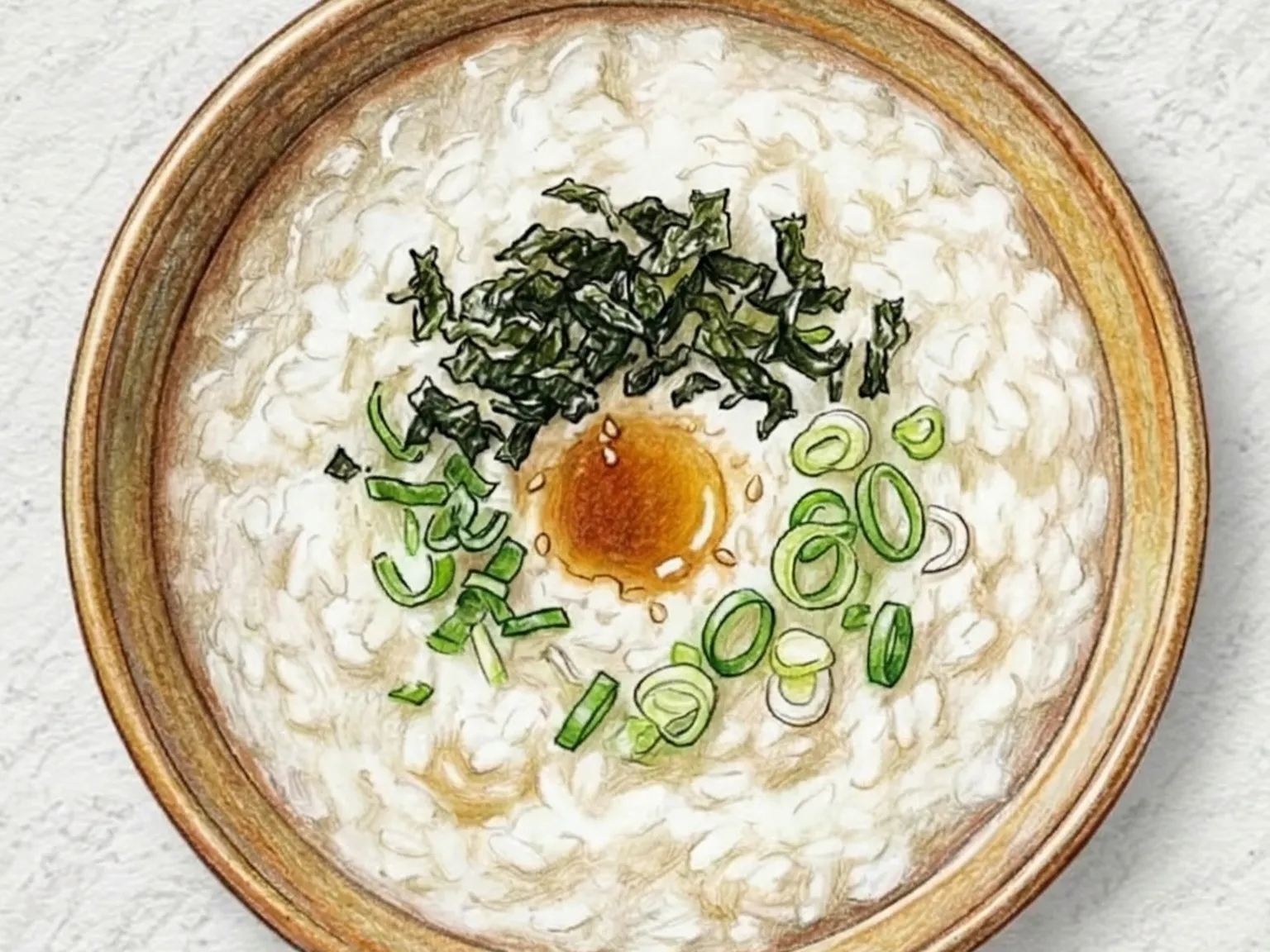
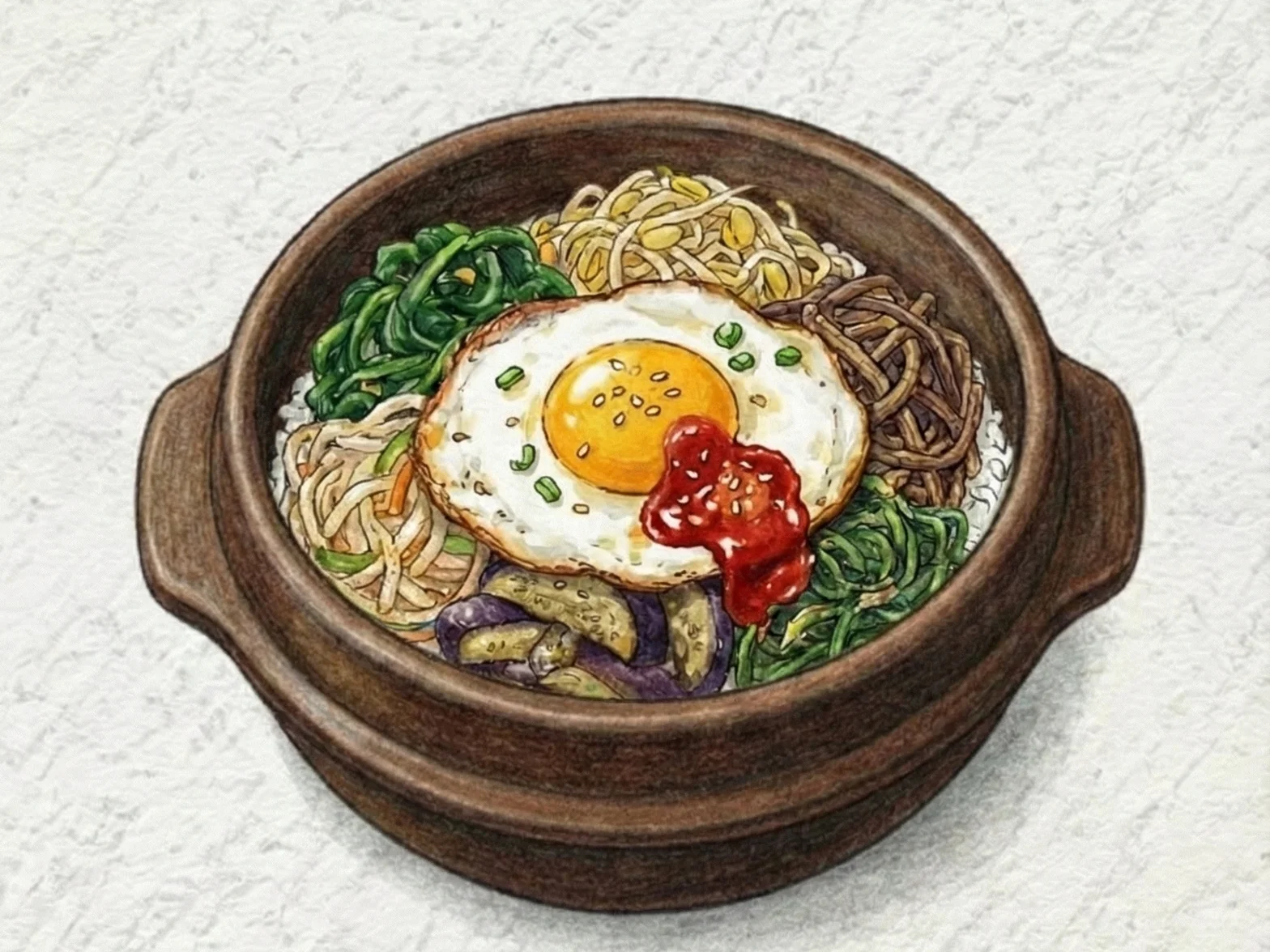
Rice is the foundation of Korean cuisine, appearing not only as steamed white rice but also as fried rice, bibimbap, clay-pot rice (sotbap), and gimbap rolls. Porridge (juk) - made by slow-cooking rice into a silky consistency - is comfort food for cold days or when you need something gentle on the stomach. Abalone porridge, pumpkin porridge, and chicken porridge are all classics.
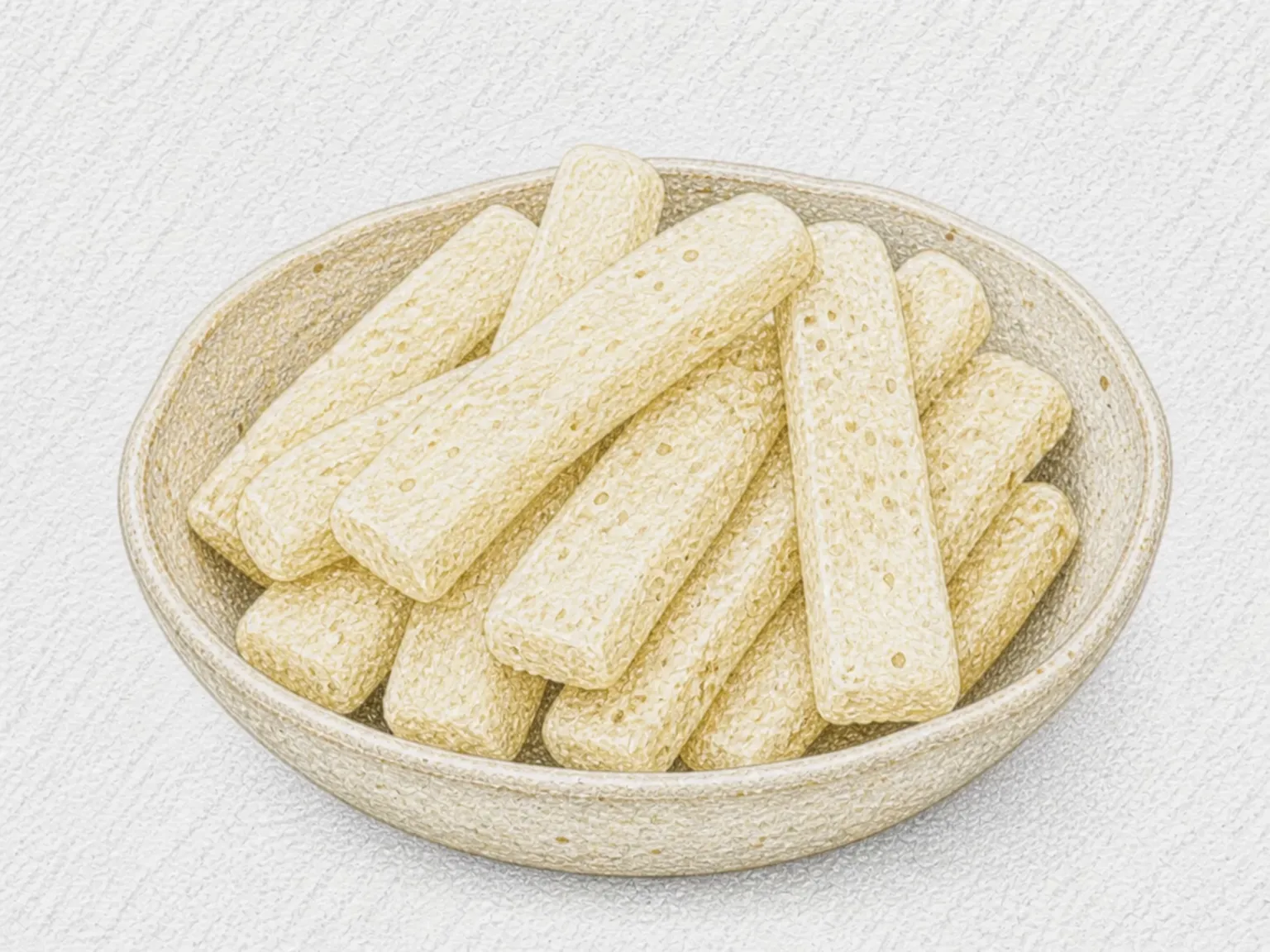
A bowl of freshly steamed rice with a drizzle of sesame oil and a fried egg makes a satisfying meal on its own. Leftover rice transforms into fried rice or crispy nurungji (scorched rice), both beloved staples.
Chicken Curry Rice
Chicken curry rice is a Japanese-style curry where bite-sized chicken thigh, potato, carrot, and onion simmer together until the curry roux melts into a thick, glossy sauce. The spice blend is gentle rather than fiery, with a mellow sweetness drawn from the slowly cooked vegetables. Chicken thigh meat stays moist and succulent even after prolonged simmering, absorbing the curry flavor throughout. The potato pieces break down slightly at the edges, thickening the sauce further and giving it a starchy body that clings to each spoonful of rice. A one-pot format makes it easy to scale -- prepare a large batch and the flavor deepens further overnight as everything continues to meld, making it well-suited for family dinners or weekly meal prep.
Korean Chicken Mayo Rice Bowl
Chikin mayo deopbap is a Korean rice bowl topped with pan-fried chicken breast glazed in a sweet-salty soy sauce and finished with a generous drizzle of mayonnaise. The chicken is cooked over medium-high heat until the exterior turns golden and slightly crisp while the inside stays moist. A soy sauce and sugar glaze added near the end caramelizes around each piece, creating a sticky coating that clings well. The mayonnaise adds creaminess and a mild tang that balance the saltiness of the glaze; when it hits the warm chicken and rice, it loosens slightly into a sauce that seeps down through the bowl. With only a handful of everyday ingredients and around fifteen minutes of cooking time, it matches the convenience of a packaged lunch box while delivering noticeably better flavor and texture.
Korean Chwinamul Pot Rice
Chwinamul sotbap is a Korean pot rice made by layering lightly seasoned wild chwinamul greens over soaked rice and cooking everything together in kelp stock until done. The greens release their distinctively herbal, faintly bitter fragrance directly into the rice as it steams, filling the room with an earthy mountain scent when the lid is lifted. Mixed at the table with a soy-sesame sauce, the initial bitterness softens into a pleasant background that makes each spoonful layered and grounding. It is best prepared in spring when chwinamul is freshly picked, offering the sharpest aroma and the most tender stems. Dried chwinamul, soaked and squeezed before use, extends the recipe across all four seasons, though the fresh version carries a vitality and brightness that dried leaves cannot fully replicate.
Korean Cream Chicken Rice Bowl
Cream chicken deopbap is a Korean fusion rice bowl where bite-sized chicken breast pieces are seared in butter to develop color and a light crust, then simmered in heavy cream and garlic until the sauce reduces into a glossy, velvety coating. Searing the chicken in butter first builds a Maillard layer that gives the final dish more depth than if the cream were added at the start. As the garlic cooks down in the cream, it loses its raw sharpness and releases a mild sweetness that permeates the entire sauce. A straightforward seasoning of salt and pepper is all the dish needs to come together. The concept takes the richness of a Western cream pasta sauce and serves it over steamed rice instead of noodles, letting the grains absorb the sauce and carry the flavor all the way through. A sprinkle of flat-leaf parsley or coarsely cracked black pepper over the top sharpens the finish.
Korean Curry Fried Rice (Golden Spiced Chicken Fried Rice)
Curry bokkeumbap is a Korean fried rice where curry powder coats each grain with warm spice and gives the rice a vivid golden color. Chicken breast, onion, carrot, and bell pepper are stir-fried together before the rice goes in, distributing protein and vegetables evenly through every serving. The curry fragrance develops gradually with each bite - more present than plain fried rice but lighter than a curry sauce, landing at a satisfying middle point between the two. Bell pepper adds sweetness and a visual contrast of color against the golden rice. Topping with a fried egg raises the dish further: when the yolk breaks and mixes into the rice, a layer of creaminess runs through each bite. The recipe works well with day-old rice and requires few ingredients, making it a practical weeknight meal.
Korean Chicken Breast Perilla Porridge
Dakgaesal deulkkae juk is a traditional style of Korean porridge that utilizes shredded chicken breast alongside finely chopped onions and carrots as its primary components. The preparation begins by stir-frying these ingredients together, after which they are simmered slowly with a combination of soaked rice and chicken stock. As the cooking process nears its conclusion, perilla seed powder is incorporated into the pot. This specific ingredient dissolves thoroughly into the liquid to produce a final texture that is notably thick and creamy. The aroma produced by the perilla seeds is deeply nutty and serves as the most prominent characteristic of the dish. While sesame seeds are known for a sharp and roasted quality, perilla seeds offer a flavor that is more round and carries an herbaceous nuttiness. This gives the porridge a unique profile that is common in Korean cuisine. The inclusion of shredded chicken breast provides a source of lean protein that does not feel heavy, ensuring the meal remains nourishing and simple for the body to digest. Because of these qualities, this porridge is often used as a recovery meal for individuals after they have finished exercising or for anyone whose energy levels feel low. It also serves as a functional choice when a gentle meal is required for a sensitive stomach. Adjusting the final result is possible by increasing the quantity of perilla powder, which results in a more intense fragrance and an even thicker consistency for people seeking a richer bowl.
Korean Dakgalbi Fried Rice
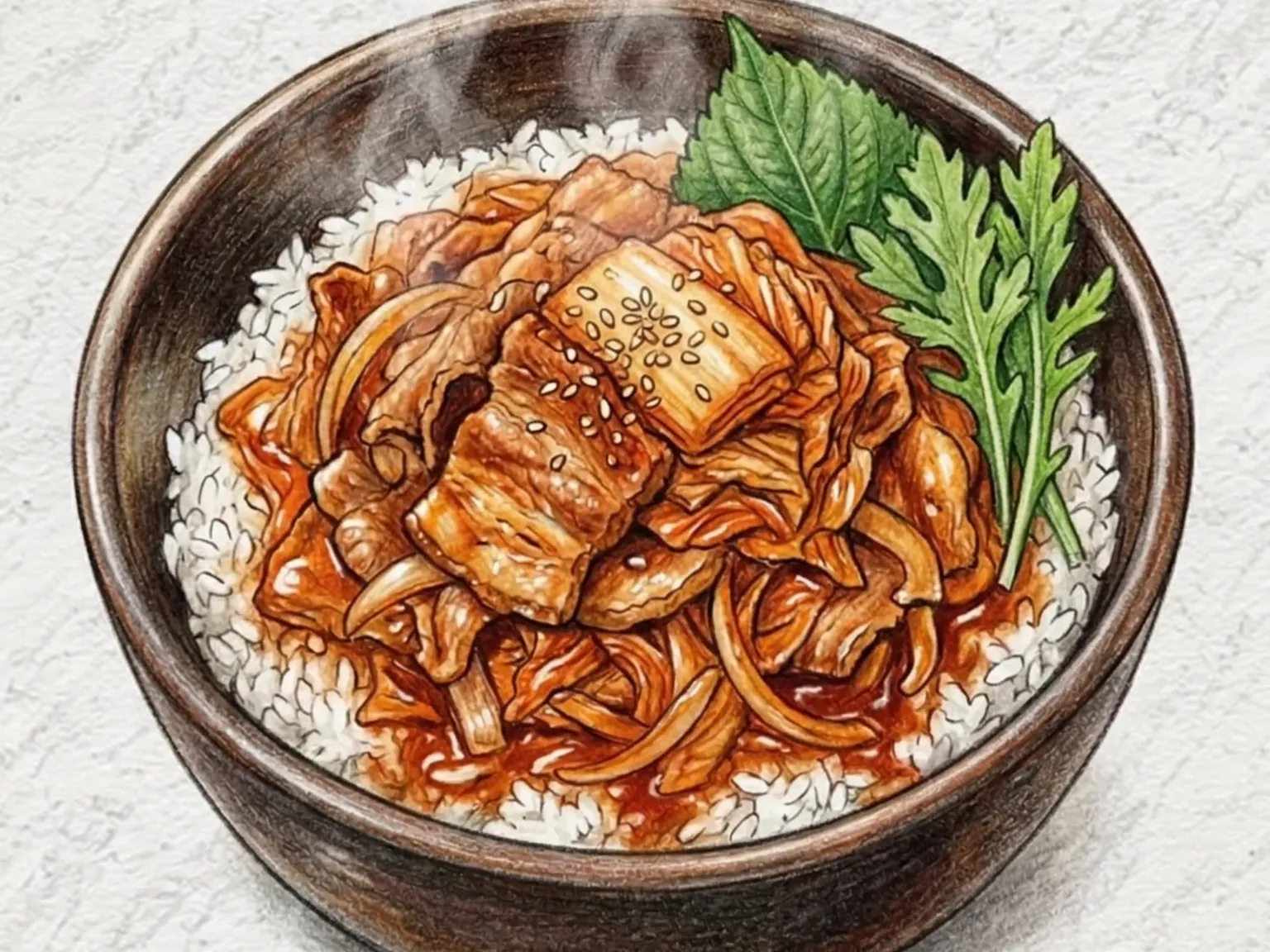
Dakgalbi bokkeumbap is a fried rice made by stir-frying gochujang-marinated boneless chicken thigh with cabbage and onion over high heat, then adding day-old rice to the pan and frying until every grain absorbs the sweet-spicy marinade. The dish originated from the Chuncheon tradition of finishing a dakgalbi meal by stir-frying the leftover sauce and scraps with rice, effectively turning what remains in the pan into a second course. Day-old rice is essential: fresh rice holds too much moisture and clumps together, while refrigerated rice separates cleanly on the hot surface and makes sufficient contact with the pan to develop slightly charred bits at the bottom. These caramelized patches add a smoky crunch that contrasts with the sauced grains above and elevate the dish beyond a simple fried rice. Cabbage and perilla leaves added at the very end of cooking retain a faint crunch that cuts through the richness of the gochujang marinade. Plating the rice with a few perilla leaves laid on top and a scatter of sesame seeds over the surface finishes the dish without requiring anything further.
Korean Cheesy Dakgalbi Rice Bowl
Cheese dakgalbi deopbap is a rice bowl built on the flavors of Chuncheon-style spicy chicken stir-fry, finished with a blanket of melted mozzarella. Chicken thighs are marinated in gochujang, gochugaru, soy sauce, and sugar for at least thirty minutes, then stir-fried in a ripping-hot pan with rough-cut cabbage and onion until the sauce reduces and coats every surface. The heat must be high enough to evaporate moisture quickly; if the pan is too cool, the ingredients steam and the sauce turns thin. Thigh meat stays moist throughout cooking because of its higher fat content, making it far more forgiving than breast meat in a fast stir-fry. Cabbage cooked at high heat for a short time keeps enough crunch to stand against the richness of the cheese and sauce. Mozzarella laid over the top melts in the residual heat into long, stretchy strands that soften the chili sharpness with every bite. The whole dish comes together in under fifteen minutes with pantry staples, which makes it a natural choice for a quick solo dinner or late-night meal.
Korean Spicy Dakgalbi Rice Bowl
Dakgalbi deopbap serves the core flavors of Chuncheon's famous spicy chicken in a single rice bowl. Boneless chicken thigh is stir-fried alongside cabbage, onion, and green onion in a gochujang-based marinade balanced with sugar and a splash of soy sauce. The chicken is cooked over high heat throughout -- this creates a caramelized crust on the meat's surface and keeps the vegetables at a slight crunch rather than softening them completely. Sesame oil is added off the heat as a final step, contributing a toasty fragrance that rounds out the bold seasoning without overpowering it. At traditional dakgalbi restaurants in Chuncheon, the meal ends with fried rice made by mixing cooked rice directly into the residual sauce left on the hot iron plate -- this bowl captures that same moment in a format that can be made at home without a cast-iron griddle. The dish requires no banchan; the seasoned protein and vegetables together with the rice form a self-contained meal.
Korean Chicken Rice Porridge
Dakjuk is a Korean chicken rice porridge built from a straightforward foundation: a whole chicken breast poached in water until tender, then shredded along the grain and returned to the broth with soaked short-grain rice. The rice and minced garlic are first sauteed briefly in sesame oil so each grain takes on a faint nuttiness before the stock is added, which carries through into the finished porridge. As the rice simmers and slowly breaks down over twenty-five or more minutes of regular stirring, it releases starch that thickens the liquid into a smooth, flowing consistency without turning gluey. The chicken adds lean protein without weighing the dish down, and the garlic mellows from sharp to a quiet warmth. Sliced green onion scattered on top provides a fresh, grassy contrast to the mild, savory base. Dakjuk has been a household staple in Korea for generations, reached for when the body needs recovery, when the stomach asks for something gentle, or when a warm and undemanding breakfast is simply the right start to the morning.
Korean Wild Chive Soy Butter Rice
Dallae ganjang butter bap is a Korean one-bowl meal that comes together in under ten minutes by folding melted butter, soy sauce, and wild chives into warm rice. The butter coats each grain with richness, soy sauce provides a salty backbone, and the wild chives, called dallae, deliver a sharp, garlicky bite that lifts the bowl out of plainness. A raw egg yolk placed on top breaks into a golden sauce when stirred in, binding the ingredients into a velvety mixture. The chives are best in spring when their pungency is at its peak, and they need only twenty seconds in the buttered pan to release their aroma before the heat drives it off. With just a handful of pantry staples, this dish fills the gap on evenings when the refrigerator offers little else. Green onion or garlic chives can substitute for dallae, but the particular sharpness of wild chives is unique and worth seeking out when spring is in season.
Korean Danhobak Haemul Juk (Kabocha Seafood Porridge)
Danhobak haemul juk is a traditional Korean rice porridge that uses kabocha squash, shrimp, and squid as its primary ingredients. The foundation of the dish begins with short grain rice that has been soaked in water until it becomes opaque. This rice is then lightly toasted in a pot with a small amount of toasted sesame oil. This initial sauteing process is functional, as the oil forms a thin layer around each grain. This fat coating prevents the rice from disintegrating too quickly during the boiling process and provides a subtle, toasted depth of flavor to the entire dish. Once the rice is prepared, it is simmered in a stock made from either dried anchovies or dried kelp. Diced pieces of kabocha squash are added to the liquid early in the cooking process. As the rice and squash cook together, the squash eventually becomes tender enough to yield under light pressure. At this point, a spoon is used to press several pieces of the squash against the interior wall of the cooking pot, mashing them into a fine pulp. This pulp dissolves into the liquid, providing a natural thickening agent for the porridge and introducing a mild sweetness that intensifies during the simmering period. The seafood components, consisting of cleaned shrimp and sliced squid, are introduced to the pot only during the final minutes of cooking. They are heated just until their proteins set and their flesh becomes firm. This specific timing is necessary to ensure the seafood retains a snappy and tender texture, avoiding the rubbery consistency that results from excessive heat exposure. The inherent salinity of the shrimp and squid provides a direct contrast to the sweetness of the kabocha squash, creating a complex flavor profile. The only seasoning used for this porridge is salt, which is added to taste. This minimalist approach allows the natural flavors of the squash and seafood to remain prominent. From a nutritional perspective, the dish is balanced through the combination of protein from the aquatic ingredients and the high beta-carotene content found in the squash.
Deodeok Butter Rice Bowl (Korean Mountain Root)
Deodeok butter bap is a rice bowl of peeled, pounded deodeok pan-fried in butter until golden, then reduced in soy sauce and oligosaccharide syrup until each strip is coated in a thin, glossy glaze. The root's natural bittersweet aroma, assertive when raw, softens in the butter without disappearing - it stays present and clean throughout the bowl. Soy sauce and the mild sweetness of the syrup build a savory-sweet glaze that clings to the root's rough-pounded surface. A second knob of butter stirred into the sauce just before plating melts into the reduction and adds a final layer of richness. The glazed deodeok is spooned over warm rice with the pan sauce, then scattered with sliced scallion and sesame seeds. The dish is best in spring when fresh deodeok is in season and its fragrance is at its most pronounced. It works as a standalone donburi or as a strong side dish alongside plain rice.
Korean Deodeok Gochujang Bibimbap
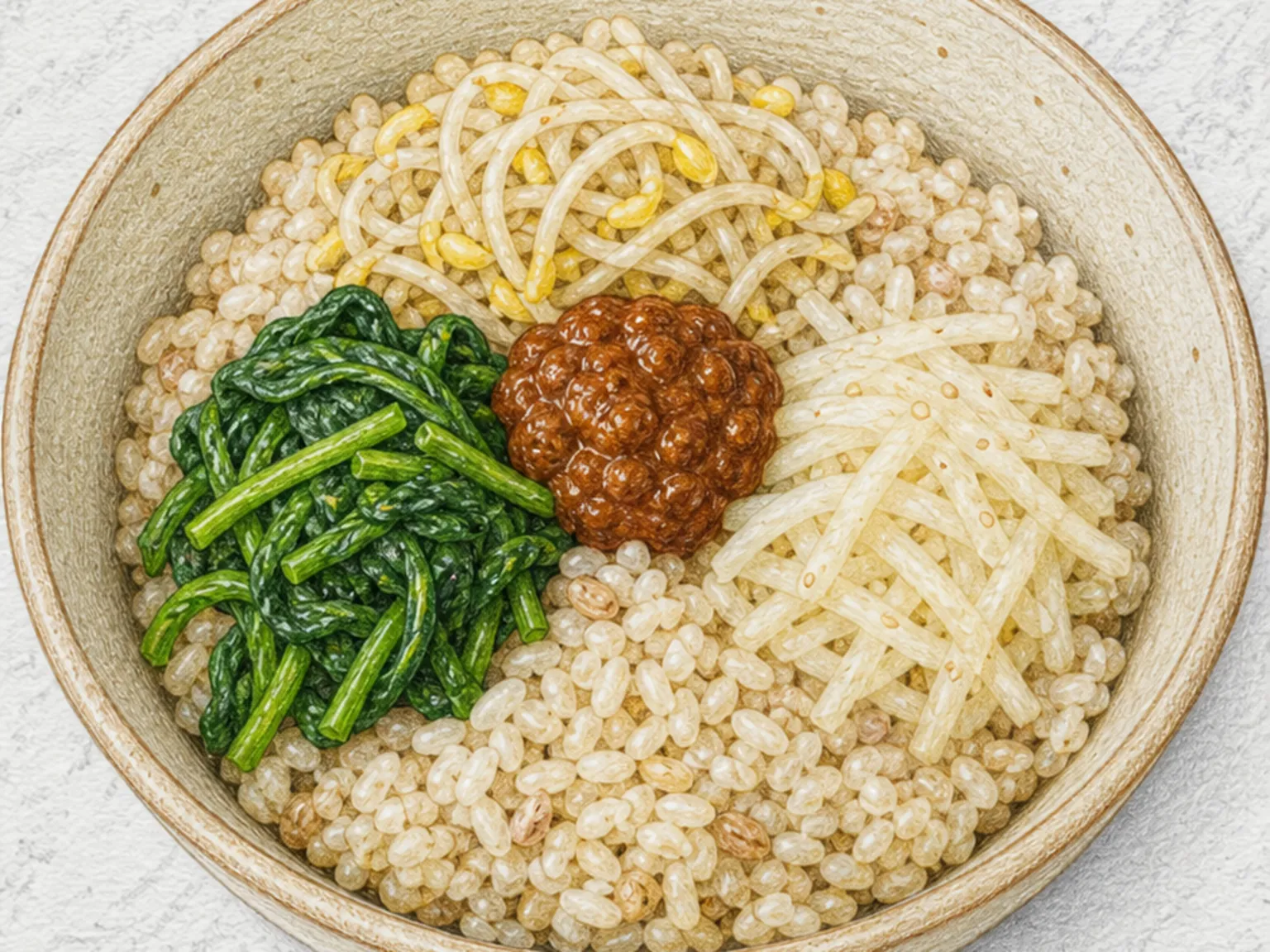
Deodeok gochujang bibimbap is a Korean mixed rice bowl that centers on wild mountain root dressed in a spicy-sweet gochujang sauce. The deodeok is peeled, lightly pounded, and torn into strips along the grain, then briefly stir-fried to mellow its bitter, herbal edge while preserving the fibrous crunch that defines its texture. Julienned cucumber, carrot, and torn lettuce are arranged over rice alongside the glazed root, providing crisp, fresh counterpoints to the savory filling. Plum syrup and vinegar built into the sauce add a tangy brightness that prevents the gochujang from sitting heavily, and the sharp vegetables cut through any richness with each bite. A generous pour of sesame oil before mixing coats every grain of rice and every strand of vegetable evenly. The dish showcases deodeok's distinctive herbal character against the backdrop of Korea's most iconic condiment, and it reaches its peak in spring when the roots carry the most fragrance and remain at their most tender.
Korean Perilla Seed Porridge
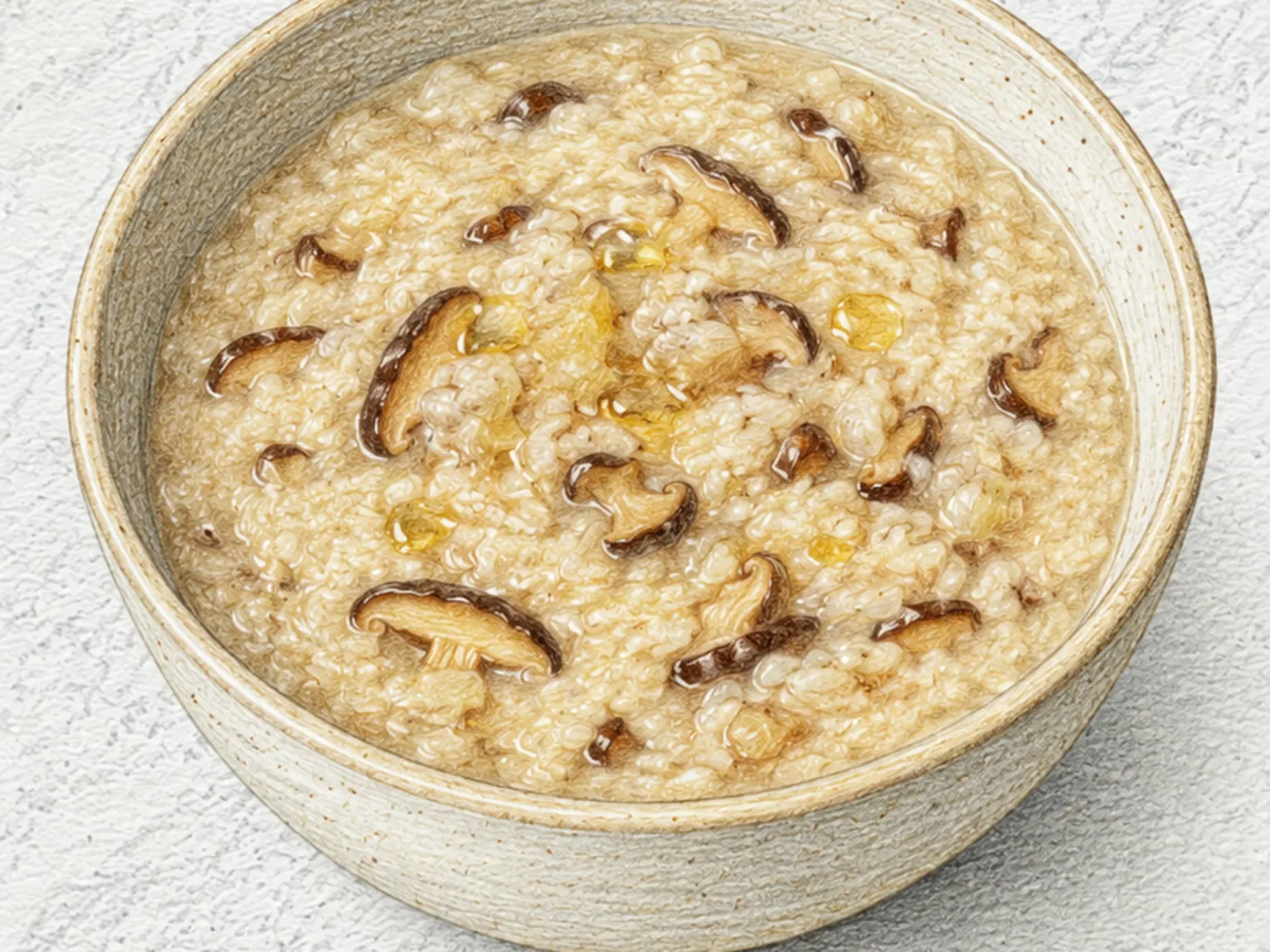
Deulkkae juk is a traditional Korean porridge made by blending toasted perilla seeds into a smooth liquid and simmering it with soaked rice. Toasting the seeds beforehand unlocks a deep, earthy nuttiness that defines every spoonful of the finished porridge. The rice is first stir-fried briefly in sesame oil, then the perilla liquid is poured in and the mixture is stirred over low heat until the starch from the rice and the natural oils from the seeds combine into a thick, creamy consistency. Salt is the only seasoning needed - the perilla carries enough flavor on its own to make the bowl complete. The porridge is easy to digest and coats the stomach gently, making it suitable as a morning meal or a restorative dish during illness. In Korean tradition, deulkkae juk has long served as a warming winter food, valued for its ability to nourish without burdening the body.
Korean Hot Stone Pot Rice
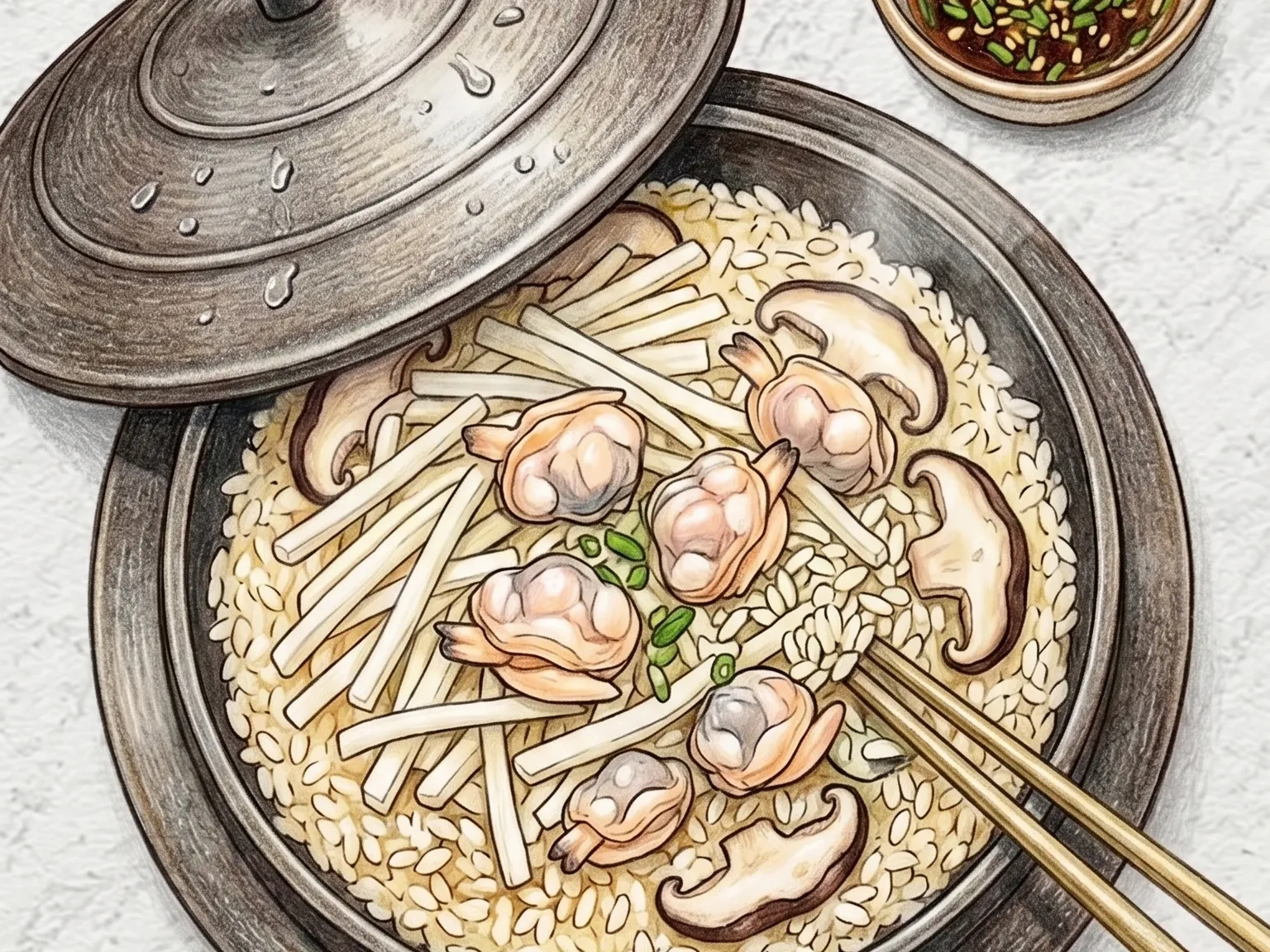
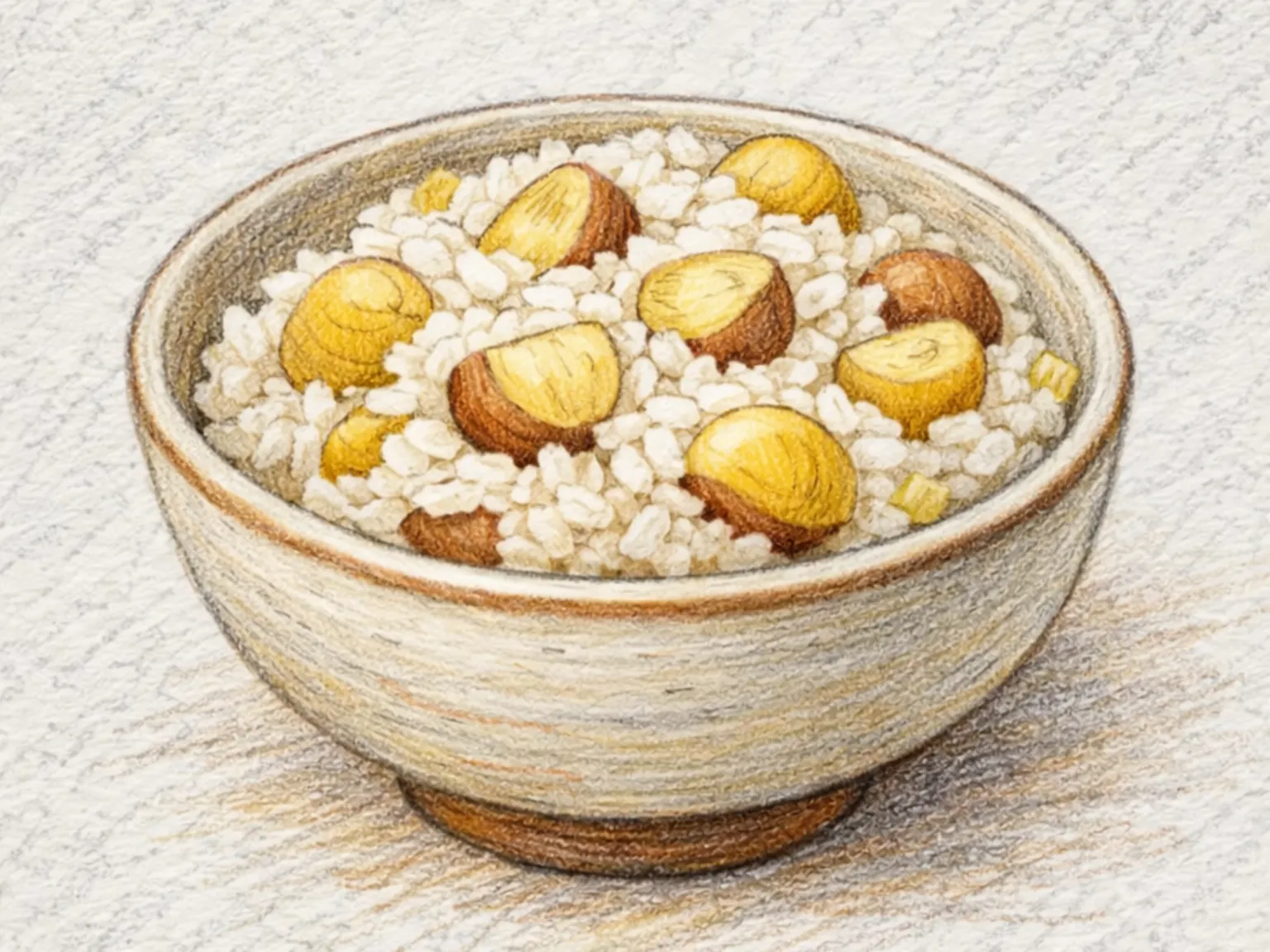
Dolsot bap consists of rice prepared within a heavy, pre-heated stone pot, a method that relies on slow heat to cook the grains thoroughly. The primary base involves rice that has been soaked in water beforehand, combined with specific additions including dried jujubes, whole chestnuts, and small ginkgo nuts. Because the stone pot has thick walls, the heat spreads in a uniform manner during the entire cooking process. This results in rice grains that appear glossy and have a texture that is both plump and somewhat sticky from top to bottom. Each added ingredient provides a distinct element to the final profile. Jujubes offer a light sweetness, chestnuts provide a dense and nutty quality, and ginkgo nuts introduce a subtle bitter quality that balances the other flavors to prevent the dish from becoming cloying. To prepare the pot, the interior surface is coated with a layer of sesame oil prior to adding the rice and other components. This step is essential for developing a golden and crispy layer of scorched rice, known as nurungji, which forms at the very bottom of the vessel. After the heat is turned off, the rice must remain covered to steam for a duration of ten minutes. This resting period allows the moisture to move through every layer of the pot before the lid is removed. When it is time to serve, the lid should be lifted at a slow pace so the steam does not leave the pot immediately, as a sudden release of vapor can cause the top layer of rice to become dry. Dolsot bap is typically served with a dipping sauce made of soy sauce and sesame oil. Diners mix the rice and ingredients at the table, allowing for a meal where each bite features a contrast between the soft, aromatic grains and the firm, crunchy crust found at the base.
Korean Dolsot Bulgogi Bibimbap
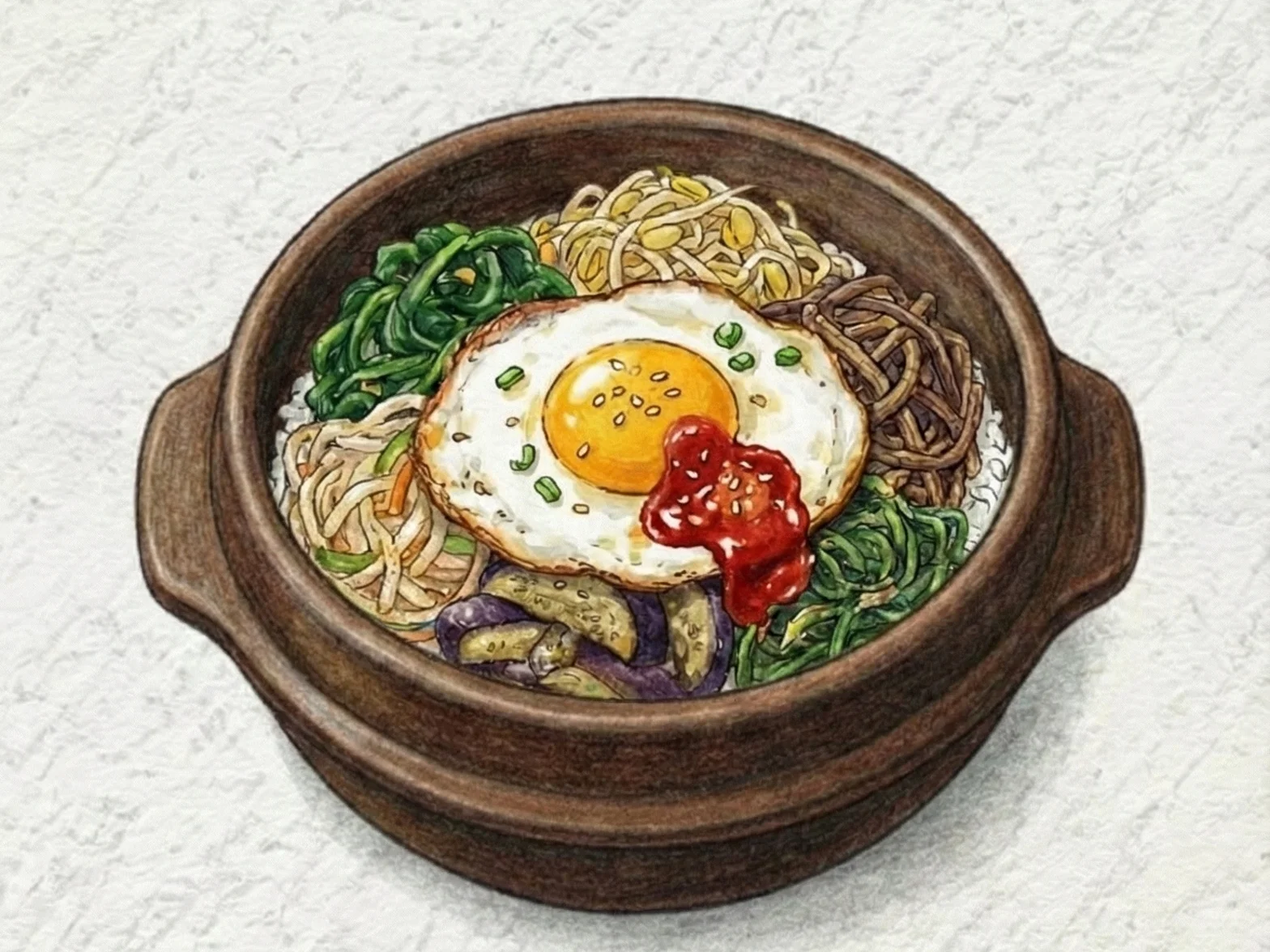
Dolsot bulgogi bibimbap arrives in a superheated stone bowl that continues cooking the rice against its surface throughout the meal, building a layer of crispy nurungji that grows thicker and crunchier the longer you wait to mix. Thinly sliced beef marinated in soy sauce, sugar, and sesame oil is seared quickly over high heat to keep it juicy, then arranged alongside separately sauteed zucchini, shiitake mushroom, and carrot over a base of hot rice. A raw egg yolk sits at the center, ready to be broken and stirred through with a generous spoonful of gochujang. As the bibimbap is mixed, the yolk turns into a silky binder that coats every grain of rice and every vegetable strand, while the gochujang distributes its warmth evenly through the bowl. The sizzling sound of the stone pot and the aroma of charring rice rising from the bottom are part of the experience from the first moment the bowl lands on the table. Scraping up the caramelized nurungji at the very end delivers a final crunch that contrasts the tender toppings throughout.
Korean Tofu Seaweed Egg Rice Bowl
Dubu gim gyeran deopbap is a Korean rice bowl built from three pantry staples: pan-fried tofu, soft scrambled egg, and roasted seaweed flakes, all layered over a bowl of steamed rice. The tofu is pressed dry, cut into cubes, and seared until the edges turn golden before being tossed with soy sauce and syrup to form a salty-sweet glaze that coats each piece. Eggs are scrambled to a barely-set, custard-like consistency rather than cooked through, creating a deliberate contrast with the firm, glazed tofu beneath them. Crumbled seaweed scattered over the top introduces a brittle crunch and a faintly briny, toasty aroma that lingers with each bite. A final drizzle of sesame oil draws all three components together into a coherent flavor. Because tofu, eggs, and dried seaweed are refrigerator and pantry staples in most Korean households, the dish can be assembled in roughly ten minutes without a special shopping trip, making it one of the most dependable meals for busy mornings or quick lunches.
Korean Braised Tofu Rice Bowl
Dubu jorim deopbap places soy-braised tofu over a bowl of hot steamed rice, using the reduced braising glaze as the primary seasoning for the entire dish. Firm tofu is sliced into rectangles, patted dry to remove surface moisture, and pan-fried over high heat until a dense golden crust forms on both sides. This crust is essential - without it, the tofu absorbs the braising sauce too quickly and falls apart. With it, the exterior holds its structure while the interior slowly soaks up the seasoning from the inside out. The braising sauce is built from soy sauce, sugar, minced garlic, and a small amount of water. Sliced onion cooks alongside the tofu in the sauce, softening and dissolving into the liquid to contribute sweetness as the sauce reduces to a sticky, mahogany-colored glaze. Cheongyang chili, sliced on the bias, introduces a sharp clean heat that cuts through the sweetness of the sauce. Green onion goes in last, just before plating, to keep its fragrance intact. The finished sauce is spooned over the rice along with the tofu, where it seeps into each grain and ensures that flavor remains consistent from the first bite to the last. The dish stands on its own without additional side dishes and provides a practical source of plant protein for vegetarian meals.
Korean Dureup Pot Rice (Spring Angelica Shoot Pot Rice)
Durup sotbap is a Korean spring pot rice centered on dureup, the young shoots of the Aralia elata tree that appear for only a few weeks between late March and late April. During this narrow season, the shoots carry a pleasantly bitter, faintly woodsy flavor that is unlike any other vegetable used in Korean cooking, and sotbap is one of the most direct ways to taste that character. The rice cooks in kelp stock rather than plain water, giving every grain a subtle umami base, with soup soy sauce and garlic seasoning from within the pot. Blanching the dureup requires restraint: twenty to thirty seconds in boiling water is enough to soften the fibrous ends and mellow the sharpness slightly, while keeping the bright green color intact and the slender stems with just enough resistance. Blanching longer dulls both the color and the flavor. The shoots are placed over the nearly finished rice just before the pot rests with its lid sealed for ten minutes. During that resting period the steam carries the herbal fragrance of the dureup into every grain of rice. The lid must not be opened during this time, as releasing the steam interrupts even cooking. Served with a soy-sesame dipping sauce mixed through the rice, the nuttiness of the oil wraps around the bitterness of the shoots, and the combination captures something specifically tied to early spring in the Korean mountains.
Korean Bulgogi Deopbap (Pork Rice Bowl)
Dwaeji-bulgogi-ssukgat-deopbap is a Korean rice bowl of gochujang-marinated pork stir-fried with onion over high heat, mounded over steamed rice and finished at the last moment with crown daisy greens. The marinade builds from gochujang, chili flakes, soy sauce, sugar, and minced garlic into a sauce that is simultaneously spicy, sweet, and deeply savory. A small amount of pear or kiwi juice added to the marinade tenderizes the pork shoulder before cooking. High heat over a short cooking time is essential for developing a browned crust on the meat, which produces a roasted, smoky depth that low-and-slow cooking cannot replicate. Pork shoulder carries enough intramuscular fat that once it renders under heat, it mingles with the sauce and soaks down into the rice below, creating a rich, glossy base at the bottom of the bowl. The crown daisy -- ssukgat -- goes in during the last thirty seconds before the heat is cut. The timing window is narrow: add it too early and the aromatic oils cook off, leaving only bitterness; add it with the heat already off and the fragrance stays locked inside the leaves. At the right moment, heat releases ssukgat's distinctive chrysanthemum-family herbaceousness, a green, almost medicinal brightness that cuts cleanly through the heaviness of the pork and sauce. The finished bowl is complete without side dishes.
Korean Pork Soup with Rice
Dwaeji gukbap is Busan's definitive pork and rice soup, constructed around a broth that simmers pork shoulder or neck in a bone stock base for well over an hour, until the liquid becomes pale, rich, and deeply flavored. The pork is always blanched in plain water first and the water discarded, removing blood and impurities that would cloud the broth or introduce an off-flavor. After blanching, the meat transfers to the main pot where it cooks long and low until the muscle fibers loosen and the collagen begins to dissolve into the liquid, adding a gentle body that coats the inside of the bowl. That collagen-thickened base absorbs the mineral depth of the simmered bones beneath it, building a broth that cannot be rushed or replicated quickly. The cooked pork is sliced thin across the grain, arranged over a bowl of steamed rice, and doused with a generous pour of the boiling broth, which soaks into the rice and makes each spoonful carry the flavor of both. Sliced green onion and garlic chives piled on top add a fresh, grassy brightness that cuts through the richness. Fermented shrimp paste and minced fresh chili sit on the side for each diner to season individually - a ritual that is specific to this dish. In Busan, gukbap shops that have kept the same stockpot simmering for decades are treated with the same reverence as landmarks.
Korean Fish Cake Fried Rice
Eomuk bokkeumbap is a Korean fried rice built around diced fish cake, carrot, egg, and soy sauce -- a dish that earns its place precisely because it comes together in under ten minutes from pantry basics. The fish cake develops a lightly crisped exterior when stir-fried in hot oil, and as it cooks, its mild, briny savoriness infuses every grain of rice it comes into contact with. Egg is scrambled on one side of the pan before being folded through, adding a layer of richness without complicating the overall flavor. Soy sauce seasons the rice throughout while a drizzle of sesame oil at the very end coats the finished dish with a glossy, nutty finish. Chopped green onion tossed in just before plating provides a fresh, aromatic contrast to the savory base. The saltiness can be dialed up or down easily by adjusting the soy sauce, and a scatter of toasted sesame seeds or crumbled dried seaweed over the top adds both flavor and visual appeal. The dish requires nothing more than leftover rice and a few pieces of fish cake, making it one of the most reliable quick-meal options in the Korean home kitchen, practical for a rushed lunch or a light after-school snack for children.
Korean Fried Rice (Simple Leftover Rice Stir-Fry)
Korean fried rice is the ultimate utility dish, built to turn leftover rice and whatever vegetables remain in the refrigerator into a satisfying meal in under ten minutes. Green onion hits the hot oil first to create a fragrant scallion-infused base, followed by diced carrot and beaten egg that gets scrambled into rough curds before the rice goes in. Cold rice is essential here - its lower moisture content prevents clumping and allows a thin film of oil to coat each grain, carrying seasoning evenly through the whole pan. Soy sauce poured along the rim sizzles on contact with the hot metal, developing a toasted depth that distinguishes a well-made fried rice from a mediocre one. A crack of black pepper and a final swirl of sesame oil complete the seasoning. The recipe is intentionally open-ended: ham, kimchi, shrimp, canned tuna, or any leftover protein slots in without altering the basic method, which is why this dish appears on Korean dinner tables more often than almost any other. The total active cooking time rarely exceeds five minutes, making it the default choice on busy weekdays and late nights alike.