Stews Recipes
142 recipes. Page 6 of 6
Korean stews (jjigae) are heartier and more intensely seasoned than soups, packed with vegetables, tofu, meat, or seafood. Kimchi jjigae, doenjang jjigae, and sundubu jjigae rank among the most beloved everyday meals, bubbling away in stone pots at the table.
Korean Soybean Sprout Stew
Soybean sprout jjigae is a spicy home-style stew built around kongnamul, with tofu and pork adding substance to a broth seasoned with gochugaru and soup soy sauce. The sprouts release their own clean, slightly sweet liquid as they cook, and that natural base broth combines with the heat of the chili flakes to produce the sharp, refreshing character the dish is best known for. A critical technique rule applies to the sprouts: once the lid is placed, it should not be lifted during cooking. If the lid is removed and steam escapes, the sprouts develop an unpleasant grassy smell that cannot be reversed. If the lid is accidentally opened, the only correction is to leave it off and continue cooking without it until the end. Tofu absorbs the broth and provides a soft contrast to the crunchy sprouts, while the pork contributes fat and savory depth that enriches the broth. Green onion and minced garlic add aroma, and cracking a beaten egg into the pot as the broth comes to a full boil creates soft egg pieces throughout. The whole dish comes together in under twenty minutes from start to finish, making it a practical weeknight soup.
Korean Ssuk Deulkkae Jjigae (Mugwort Perilla Stew)
This seasonal Korean stew combines fresh mugwort and perilla seed powder in a base of rice-rinse water. The preparation begins by boiling cubed potatoes in the rice water to create a hearty foundation. Oyster mushrooms and firm tofu are added next, seasoned with soup soy sauce and minced garlic. To achieve a smooth consistency, the perilla seed powder is mixed with a small amount of water to form a slurry before it is stirred into the hot broth. The fresh mugwort, with its tough stems removed, is added during the final two minutes of cooking. This brief exposure to heat preserves both its green color and its aromatic, slightly bitter herbal notes. Simmering on medium-low heat at the very end ensures the delicate mugwort fragrance is not lost, resulting in a comforting dish where the nutty perilla broth balances the earthy herbs.
Korean Clam Sujebi Stew (Hand-Torn Dough in Clam Broth)
This stew combines hand-torn flour dumplings with clams, potato, and zucchini simmered in an anchovy-kelp stock. Adding clams to the base broth builds a clean, briny depth that anchovy stock alone cannot achieve. The dough is torn directly into the pot in uneven, thick pieces that cook into chewy, irregular shapes, each one slightly different in texture depending on thickness. As the potato softens it partially dissolves into the broth, thickening the liquid naturally without any starch addition. Zucchini and onion release gentle sweetness that rounds out the savory base. Soup soy sauce keeps the broth clear and properly seasoned, and sliced green onion finishes the bowl with fresh aroma. Because the sujebi itself serves as the starch, this one-bowl dish covers both soup and carbohydrate in a single serving, making it a satisfying, complete meal on its own.
Korean Beef & Mung Bean Sprout Stew
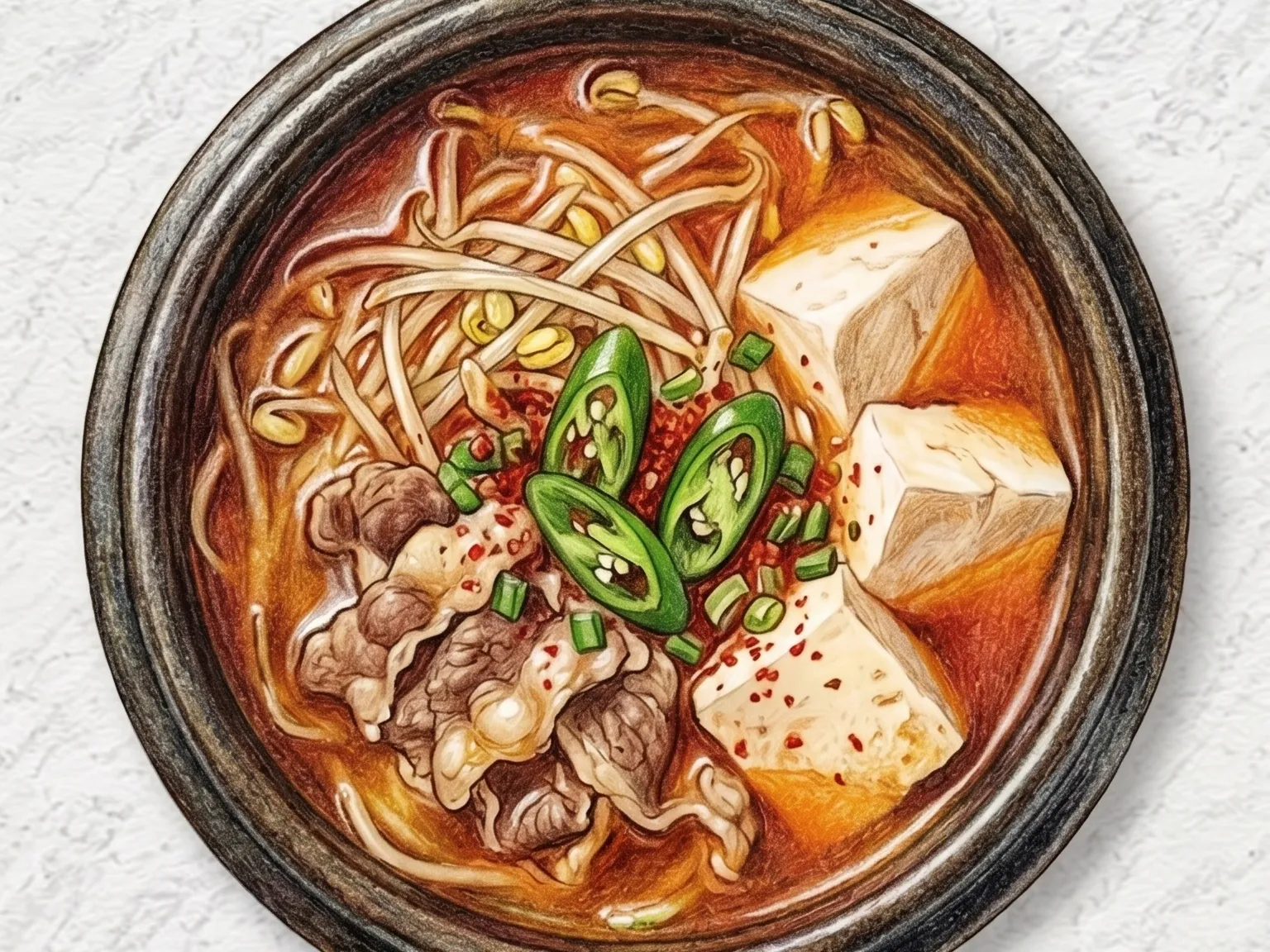
Sukju soegogi jjigae is a spicy, clean-finishing Korean stew made by simmering beef brisket and mung bean sprouts together in a gochugaru-seasoned broth. The brisket is soaked in cold water to draw out blood before being briefly boiled and skimmed, which keeps the broth clear and free of off-flavors as it simmers. As the brisket slowly cooks through, it releases a deep, meaty base that forms the backbone of the stew's flavor, seasoned with chili flakes and soup soy sauce for a spicy, savory kick. Korean radish cooked alongside the meat counteracts any heaviness in the broth and contributes a clean, refreshing note to the finish, while oyster mushrooms add a layer of chewy umami. Mung bean sprouts go in last and should cook for no more than two minutes to preserve their snap; prolonged heat softens them completely and removes the textural contrast that defines the dish. Ladled over a bowl of steamed rice, the spicy broth seeps into every grain and turns the whole combination into a satisfying single-bowl meal.
Korean Blood Sausage Perilla Stew
Perilla seed powder transforms beef bone broth into a thick, nutty liquid that serves as the foundation for this particular type of Korean stew. The main component, sundae, uses pork intestine as a casing to hold a mixture of glass noodles, glutinous rice, and vegetables, resulting in a chewy exterior and a multi-layered interior structure. This texture provides a different eating experience compared to stews that rely on standard cuts of meat. The oily characteristics of the ground seeds interact with the sausage filling to create a savory profile that stands apart from more common jjigae varieties. Pieces of cabbage maintain their firm texture throughout the simmering process, adding volume and a clean element that balances the heavy base. Just before the pot leaves the stove, fresh perilla leaves are added to introduce a grassy scent into the fatty broth, which helps manage the overall richness. A single spoonful of gochugaru provides enough heat to sharpen the nutty qualities of the perilla without overpowering the savory elements. Because the sausage casing can burst if boiled for too long, the pieces are only heated briefly at the very end of the cooking process. Serving the stew in a heavy stone pot ensures that the liquid remains at a boiling temperature for the duration of the meal.
Korean Blood Sausage Hot Pot
Sundae-jeongol is a spicy Korean hot pot built around blood sausage, cooked together with cabbage, perilla leaves, and onion in a gochugaru-seasoned beef bone broth. The collagen-rich broth from ox bones forms the body of the soup, and combining gochugaru with a spoonful of doenjang transforms the base into something both fiery and deeply savory. The sundae heats through fully in the simmering broth, its filling of glass noodles and coagulated blood absorbing the liquid and becoming pleasantly dense and chewy. Doenjang softens the raw sharpness of the chili and adds fermented complexity that bare gochugaru cannot provide alone. Cabbage slowly releases its sweetness into the broth as it cooks down, while perilla leaves should be added just before serving to preserve their herbal aroma. The broth concentrates and deepens the longer the pot simmers, making it a dish that rewards eating slowly over time. A filling and convivial pot suited for cold-weather gatherings around a shared table.
Korean Silken Tofu Seafood Stew
Sundubu haemul jjigae is a seafood soft tofu stew that combines silken tofu with shrimp and Manila clams in an anchovy stock seasoned with gochujang and Korean chili flakes. The aromatics are stir-fried in sesame oil first to build a deeper base before the stock is added. As the shrimp and clams cook through, they release their own briny juices into the spicy broth and push the umami noticeably higher. An egg cracked in at the end binds gently with the silken tofu, adding richness and a slight body to the broth. Deveining the shrimp and removing the back intestine keeps the flavor clean, and soaking the clams in lightly salted water beforehand purges any sand that would otherwise cloud the stock.
Korean Soft Tofu Stew (Silken Tofu in Spicy Clam Broth)
Sundubu-jjigae is one of Korea's most recognizable stews, built around silken soft tofu simmered in a fiery broth with clams, ground pork, and gochugaru. The process starts by frying sesame oil, chili flakes, and garlic together until the fat turns red and fragrant, which becomes the flavor foundation of the entire pot. Stock is poured in and brought to a hard boil, then two eggs are cracked directly onto the surface of the stew and left to set into a soft, barely-cooked yolk. Clams bring a clean oceanic salinity to the broth while the pork provides a meatier, rounder depth, and the two work together to create a layered complexity that neither delivers alone. The stew is served still boiling in an earthenware pot because the clay retains heat far longer than metal, keeping every spoonful scalding from first to last. A scoop of rice stirred into the leftover broth absorbs the spicy, savory liquid completely.
Korean Turnip Perilla Seed Stew
Sunmu deulkkae jjigae is a gentle Korean stew that simmers turnip with ground perilla seed in a kelp stock base. As the turnip cooks slowly, it softens and releases a quiet natural sweetness, while the perilla powder thickens the broth into a creamy, nutty layer that coats each spoonful. Oyster mushrooms add a chewy bite and soft tofu contributes protein, rounding out the bowl into a balanced meal on its own. Adding the perilla powder late in the cooking process preserves its aroma, and the stew should be finished within two to three minutes of the broth returning to a boil to prevent any bitterness from developing. Seasoned with soup soy sauce and a drizzle of sesame oil at the end, the result is a clean, quietly satisfying stew that is easy on the stomach.
Korean Tomato Beef Rib Stew
Tomato galbi jjigae is a fusion Korean stew that combines beef short ribs with ripe tomatoes in a spicy broth seasoned with gochujang and gochugaru. The preparation requires soaking the ribs to remove blood, followed by a ten-minute blanching step to eliminate impurities. The ribs are then simmered with onions and minced garlic for twenty-five minutes to extract a golden beef stock. Ripe tomatoes and large potato chunks are added to the pot along with soy sauce, chili paste, and chili powder. As the mixture simmers for twelve minutes, the natural acidity of the tomatoes balances the rich fat from the ribs, creating a thick, savory broth. The potatoes cook until soft and floury, adding substance to the stew. The dish is finished by letting it rest off the heat for three minutes, ensuring the beef ribs become tender throughout.
Korean Taro Stem Stew (Perilla-Thickened Soybean Broth)
Torandae jjigae is a traditional Korean autumn stew featuring taro stems simmered in a beef and doenjang broth thickened with perilla seed powder. First, beef soup cuts are boiled to make a rich stock, into which doenjang, gochugaru, and garlic are dissolved. Taro stems are soaked in cold water to reduce their natural slipperiness before being simmered in the broth for twelve minutes until tender. To ensure the perilla seed powder thickens the stew without clumping, it is mixed with hot broth before being added back in batches. The stew is seasoned with soup soy sauce and finished with green onions. This dish highlights the spongy texture of autumn taro stems paired with the warm richness of the thick perilla broth.
Korean Burdock Perilla Seed Stew
Ueong-deulkkae-jjigae is a Korean stew built on burdock root, potatoes, and oyster mushrooms simmered in an anchovy-kelp broth and thickened with perilla seed powder. The burdock root holds a firm, earthy crunch through the cooking while the potatoes soften and begin to break at the edges, and the oyster mushrooms add a pulling, fibrous chew that makes the stew feel substantial without any meat. Anchovy-kelp broth forms a clean, savory base, and a generous measure of perilla seed powder stirred in at the end creates a creamy, nutty consistency that coats every piece of vegetable and makes each spoonful feel round and warming. Soaking the burdock in cold water before cooking draws out bitterness and prevents the cut surfaces from darkening, which keeps the broth clear. Adding the potatoes after the burdock has partly cooked prevents them from collapsing entirely. Perilla seed powder should go in just before the heat is turned off so the toasted, nutty fragrance stays sharp rather than cooking away.
Korean Napa Leaf & Tuna Stew
This home-style Korean stew combines blanched napa cabbage outer leaves and canned tuna in a savory doenjang broth. Before cooking, the cabbage leaves are massaged with doenjang and garlic to eliminate grassy flavors. An anchovy stock forms the soup base, which is simmered with the seasoned leaves for ten minutes to soften their fibrous texture. Onion slices and gochugaru are added next to contribute sweetness and a light spicy note. Only half of the canned tuna oil is used to keep the broth savory yet light. Canned tuna chunks and firm tofu slices are introduced near the end and cooked gently over low heat for seven minutes to prevent the tofu from breaking. The stew is completed with fresh green onions and simmered for one more minute. It is a comforting dish with a deep flavor, served hot alongside steamed rice.
Korean Ugeoji Doenjang Stew
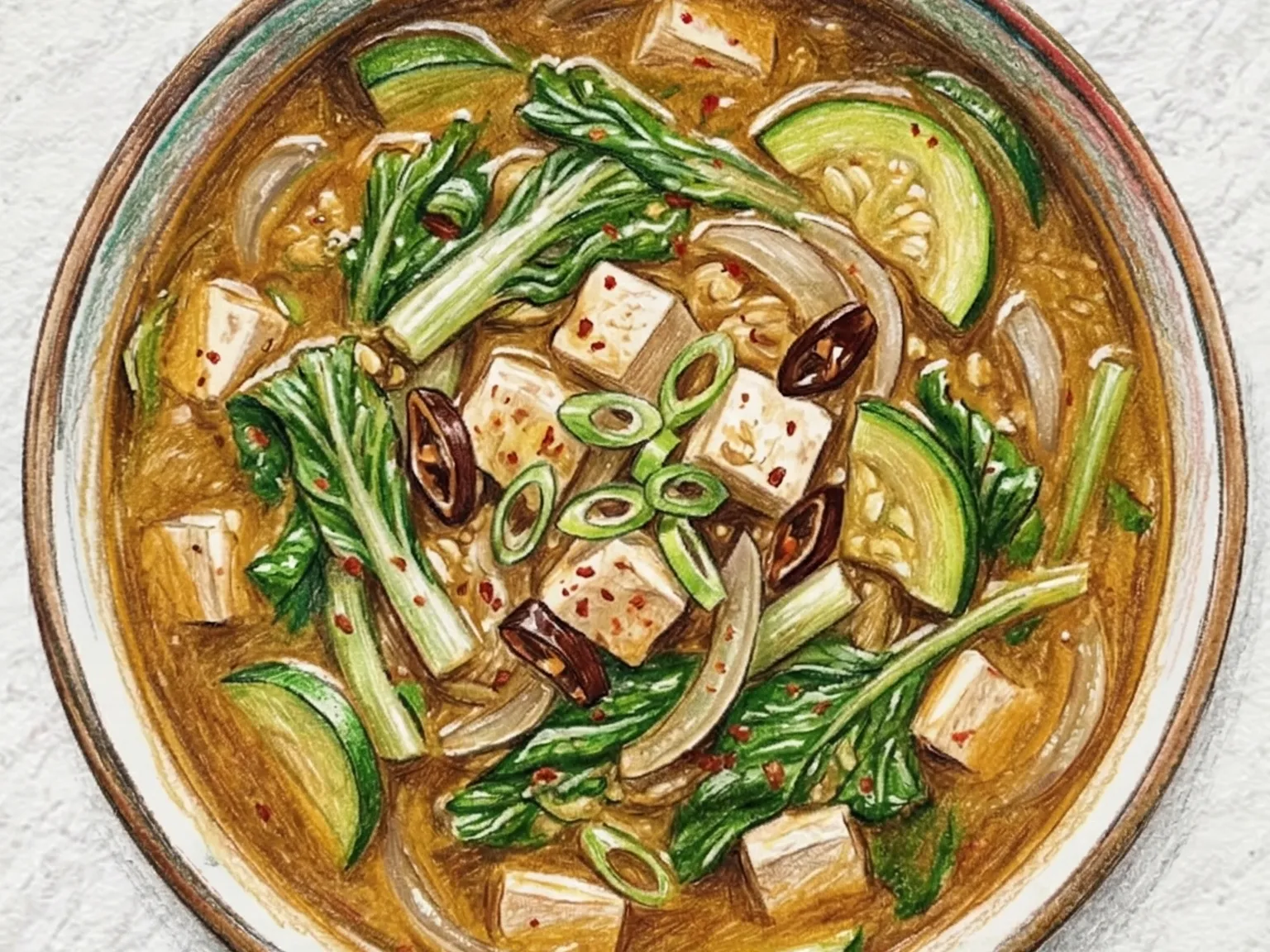
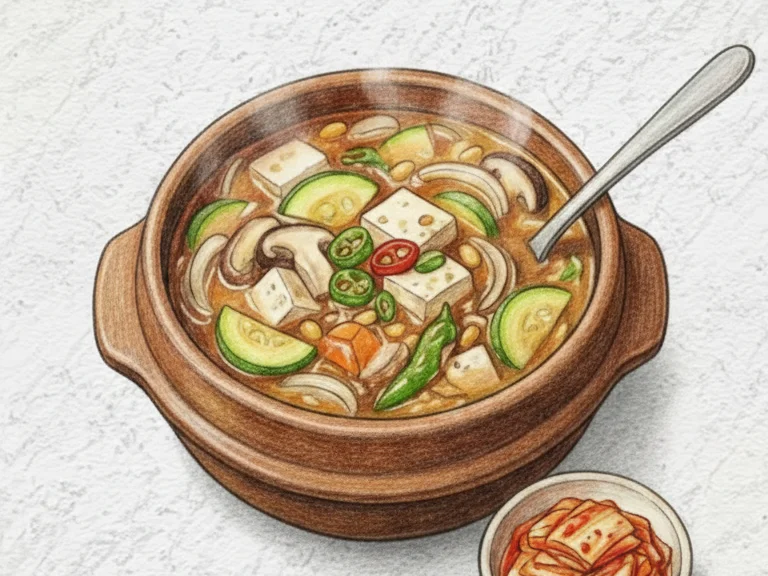
Ugeoji-doenjang-jjigae simmers the tough outer leaves of napa cabbage in rice-rinse water with doenjang and a spoonful of gochujang into a deeply savory, comforting stew. The outer leaves are blanched in salted water, rinsed in cold water, and squeezed out firmly before use, a step that removes bitterness and opens the fibrous leaves to absorb the seasoning. The starchy rice-rinse water gives the broth a naturally smooth and slightly thickened body without any added starch, and adjusting the amount of rice water controls the final consistency. Korean radish, zucchini, and tofu contribute natural sweetness that balances the saltiness of the fermented paste, while garlic and cheongyang green chili add heat and depth. A tablespoon of perilla oil added just before the pot comes off the heat releases a distinctive nutty fragrance that permeates the entire stew and deepens its character. Served in a dolsot earthenware pot that keeps the stew bubbling at the table, every spoonful stays hot to the last. The longer the ugeoji simmers, the more it softens and melds with the doenjang broth, producing the layered, slow-cooked depth that defines this classic Korean home-cooked stew.
Korean Beef Cabbage Leaf Stew
This comforting Korean stew features tender beef brisket and blanched napa cabbage outer leaves simmered in doenjang stock. Thinly sliced brisket is first seared in perilla oil, then stir-fried with doenjang and gochugaru for a minute to bloom the aromas. Water and the cabbage leaves are added, and the pot is simmered over medium-low heat for twenty-five minutes. This slow cooking allows the rich meat broth to permeate the fibrous leaves, making them tender. The perilla oil adds a nutty finish that balances the salty notes of the fermented soybean paste. Slicing the beef against the grain ensures the meat remains soft and easy to chew. Blanching the greens beforehand reduces grassy flavors and yields a cleaner soup. The stew is seasoned with soup soy sauce and finished with sliced green onions before being served hot.
Korean Uijeongbu-Style Budae Jjigae
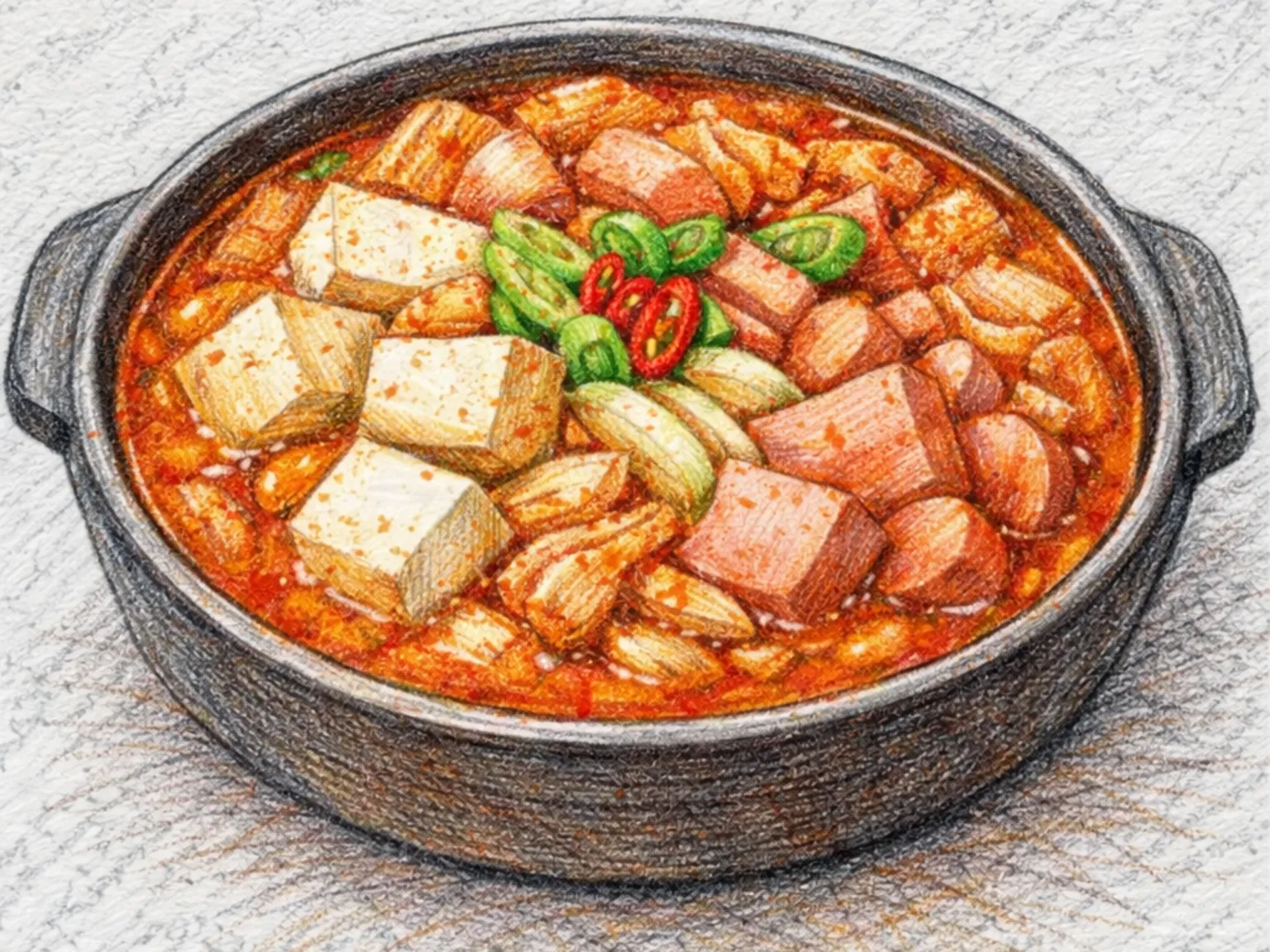
Uijeongbu-style budae-jjigae is a spicy communal stew that combines luncheon meat, cocktail sausages, well-fermented kimchi, and baked beans in an anchovy broth seasoned with gochujang and gochugaru. The fermented kimchi is a key flavoring element here, contributing acidity and deep umami that balance out the salt-heavy processed meats. Tofu and onion mellow the aggressive flavors by absorbing into the broth and adding softness. A block of instant noodles is added at the end to soak up the heavily seasoned liquid. Uijeongbu, a city north of Seoul, is recognized as the origin of this dish, where it developed near a US military base after the Korean War and took on its distinctly hybrid character from the military surplus ingredients available at the time.
Korean Apple Snail Doenjang Stew
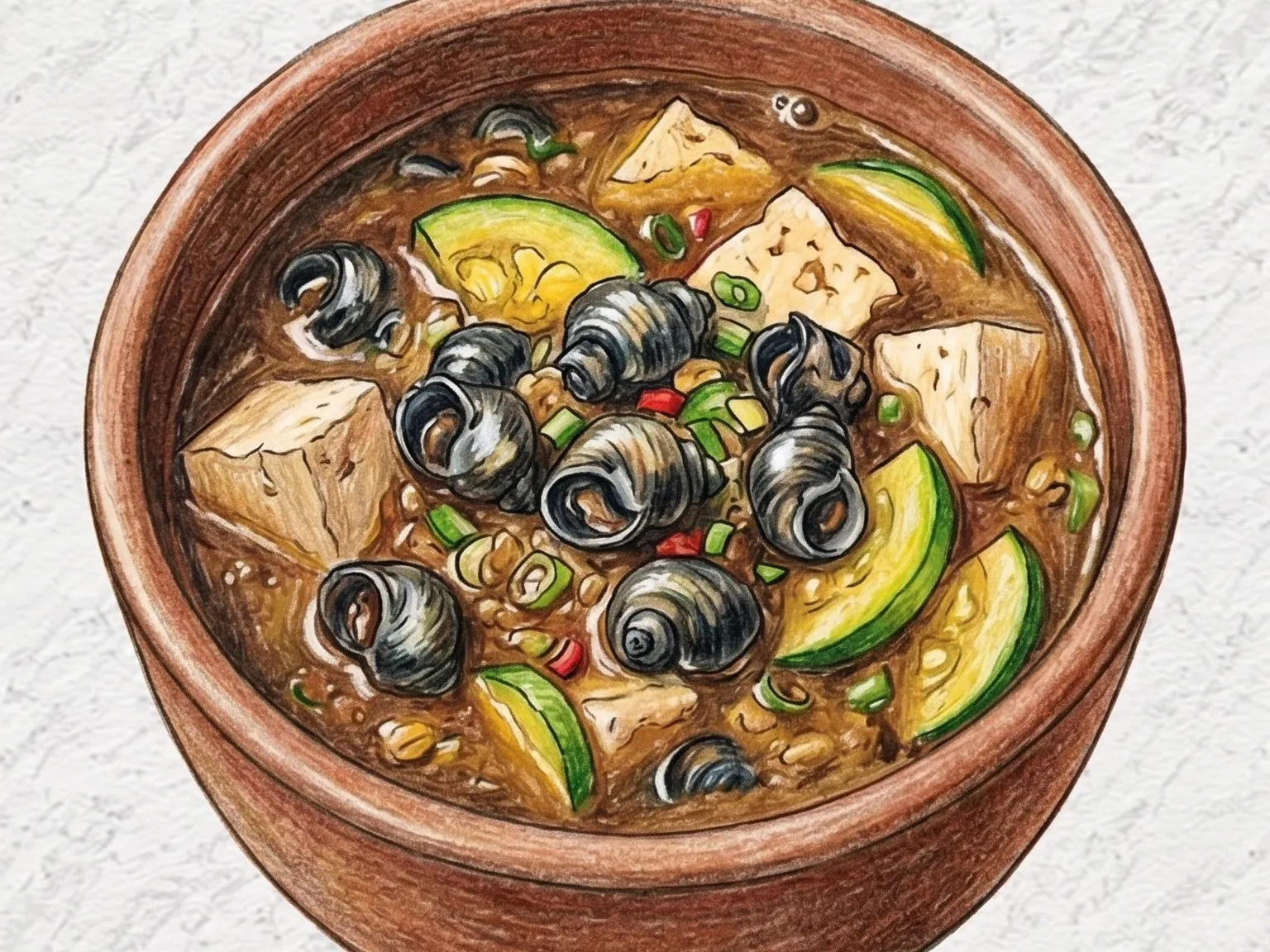
Ureong doenjang jjigae is a rustic Korean stew featuring chewy apple snails and fermented soybean paste in an anchovy broth. Rooted in traditional Korean countryside cooking where snails were gathered from rice paddies, this dish highlights the contrast between the mild, chewy snails and the deep flavor of the doenjang. Preparing the dish begins by rubbing the snails in salted water to remove grit. Next, doenjang is dissolved into boiling anchovy broth, and sliced zucchini is added to cook until tender. The cleaned snails are added along with minced garlic and simmered briefly. It is important to cook the snails for only five to six minutes, as overcooking makes them tough. Tofu and green onions are added at the very end to complete the stew. The resulting dish offers a rich broth with a pleasant contrast of soft tofu and chewy snails.
Korean Beef Brisket & Bean Sprout Chili Stew
This spicy Korean stew combines thin slices of beef brisket and mung bean sprouts with Cheongyang chilies. The cooking begins by stir-frying the brisket with minced garlic to render the fat, followed by chili flakes and soup soy sauce to build a rich seasoning base. Simmering this mixture in anchovy stock along with onion and tofu creates a deep, savory broth. Mung bean sprouts and Cheongyang chilies are added during the final two minutes of cooking, preserving the crisp texture of the sprouts and keeping the heat clean and sharp. Finishing with green onions adds a subtle aroma. The richness of the beef fat balances the direct spice from the chilies, making it a satisfying choice when a meal needs a hot, spicy stew.
Korean Yeolmu Doenjang Stew
Seasonal young radish greens and fermented soybean paste come together in this refreshing summer stew designed to cool the body. The preparation begins with a clean anchovy and kelp stock, where doenjang is carefully dissolved to ensure a smooth consistency without clumps. Young radish greens, or yeolmu, contribute a signature crunch and a faint bitterness that softens as it simmers alongside sweet onions and zucchini. This natural sweetness from the onion balances the earthy profile of the fermented paste while gochugaru adds a hint of heat and a warm red hue to the broth. To preserve the crisp texture of the greens, add them after the doenjang and limit the simmering time to about five to seven minutes. Tofu should be introduced at the very end to prevent it from breaking apart while absorbing the savory liquid. The clean mineral finish provided by the kelp makes this dish an excellent companion for barley rice during humid months. For additional layers of flavor, sliced Cheongyang chilies increase the spiciness and a spoonful of perilla powder introduces a toasted quality to the base. If using low-sodium paste, a small amount of soup soy sauce helps achieve a balanced profile. Since young radish greens possess a distinct herbal fragrance at their peak, this stew delivers its best quality when served immediately on the day it is prepared.
Korean Lotus Root Perilla Seed Stew
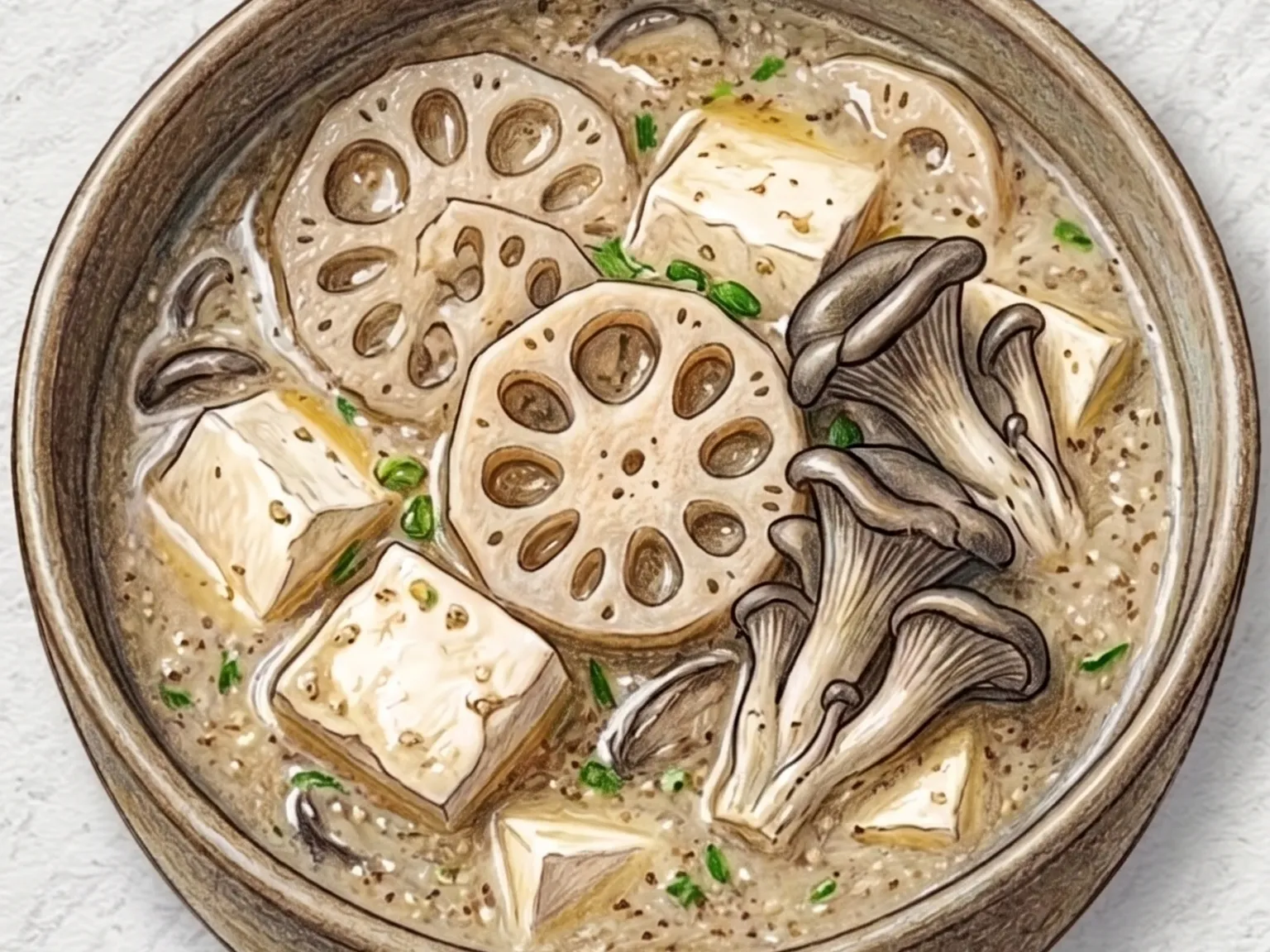
Korean lotus root perilla seed stew is a vegetable stew that features crisp lotus root and oyster mushrooms cooked in a thick perilla seed broth. The process begins by soaking sliced lotus root in vinegar water for five minutes to prevent browning and reduce astringency. Onion and oyster mushrooms are stir-fried in sesame oil before adding the lotus root and vegetable stock. After simmering until the lotus root is tender, soup soy sauce and minced garlic are stirred in. Finally, four tablespoons of perilla seed powder are dissolved into the soup along with tofu, and the stew is heated over low heat. Adding the perilla powder at the end preserves its rich, nutty aroma without making the broth chalky. Built on vegetable stock without meat or fish, this dish offers a clean taste and varied textures.
Korean Octopus and Tofu Hot Pot
This Korean hot pot features fresh octopus and soft tofu cooked in a clear, savory anchovy broth. The preparation starts by simmering thinly sliced Korean radish in the broth for eight minutes to extract a natural sweetness and refreshing depth. After seasoning the base lightly with soup soy sauce and minced garlic, the sliced tofu and cleaned octopus are added to cook for five minutes. Precise timing is essential, as the octopus must only simmer until its legs curl and turn opaque to prevent the flesh from becoming tough. To finish, fresh water dropwort and green onion are placed on top and simmered for another three minutes. The water dropwort adds a bright herbal aroma that neutralizes any seafood odor while providing a crisp texture. This dish is served hot at the table, allowing diners to enjoy the tender octopus and clean broth together.
Korean Clear Broth Tofu Stew
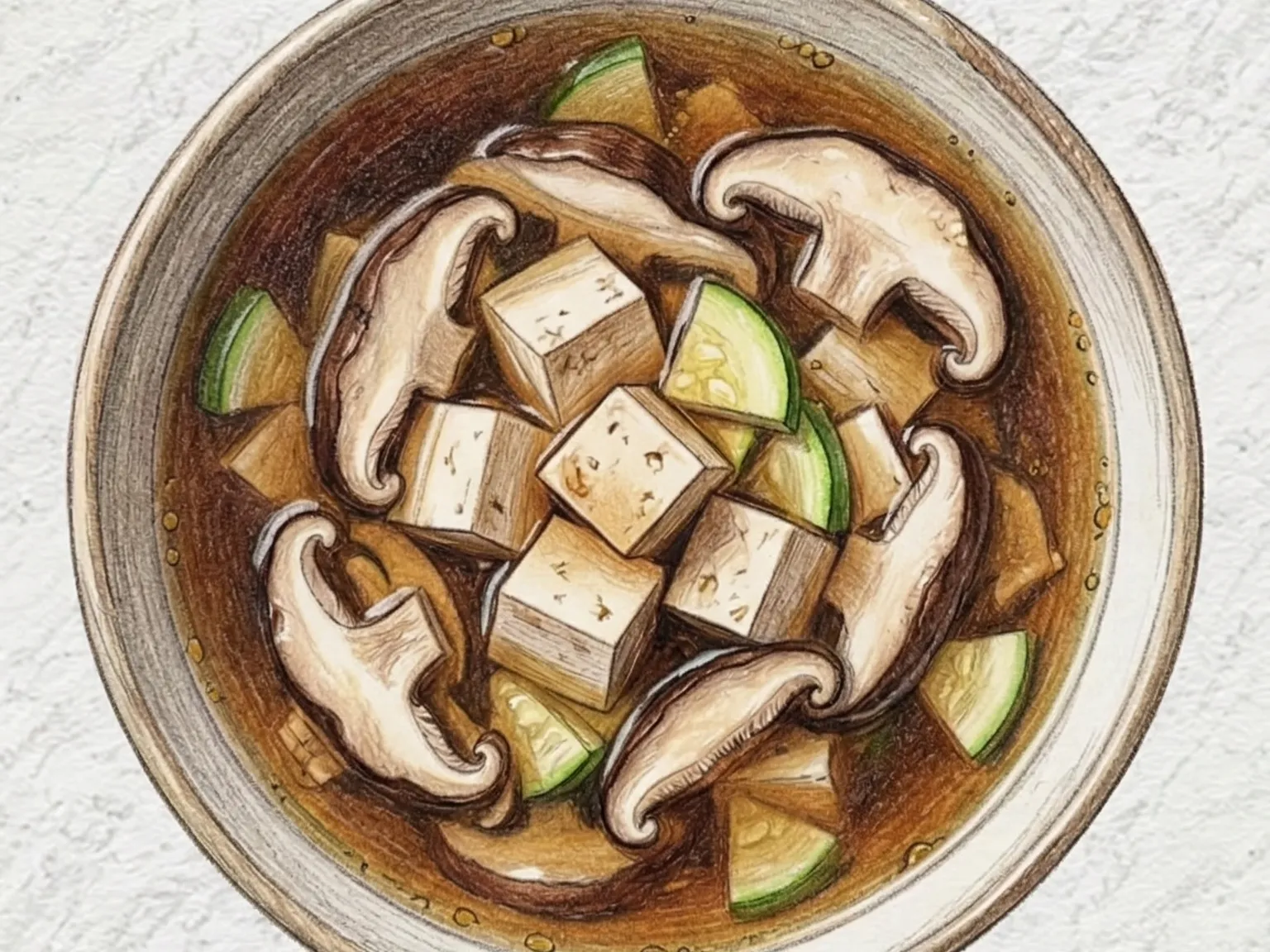
This clear Korean tofu stew is prepared by simmering tofu cubes, shiitake mushrooms, and zucchini in seasoned beef stock. The base relies on a rich beef broth, enhanced by the earthy umami of sliced shiitake mushrooms. Zucchini slices add a mild sweetness as they cook to a tender, translucent state. Seasoned simply with Korean soup soy sauce, salt, and minced garlic, the broth maintains a clean, savory taste without chili heat. To prevent the tofu from breaking, the cubes are gently settled into the pot and simmered over medium-low heat. Sliced green onions are added at the end of cooking to infuse a mild herbal note. Serving the stew hot after letting it rest briefly highlights the natural flavors of the ingredients. The tofu can be lightly pan-seared beforehand to add a nutty flavor and firmer texture.
About Stews
The depth of flavor comes from fermented pastes - doenjang, gochujang, and gochugaru. Stews are also a practical way to use up leftover ingredients, making them a staple of home cooking.