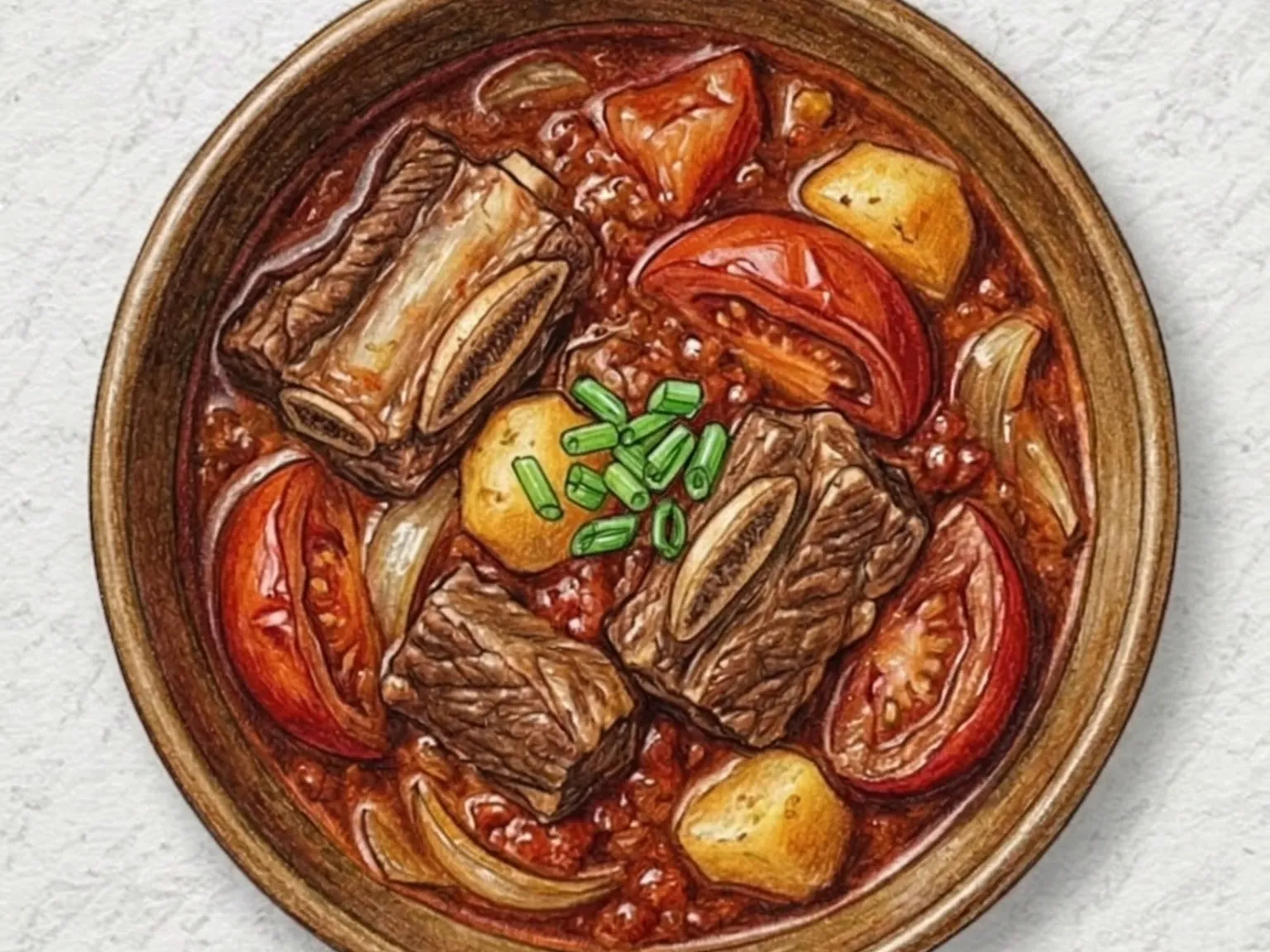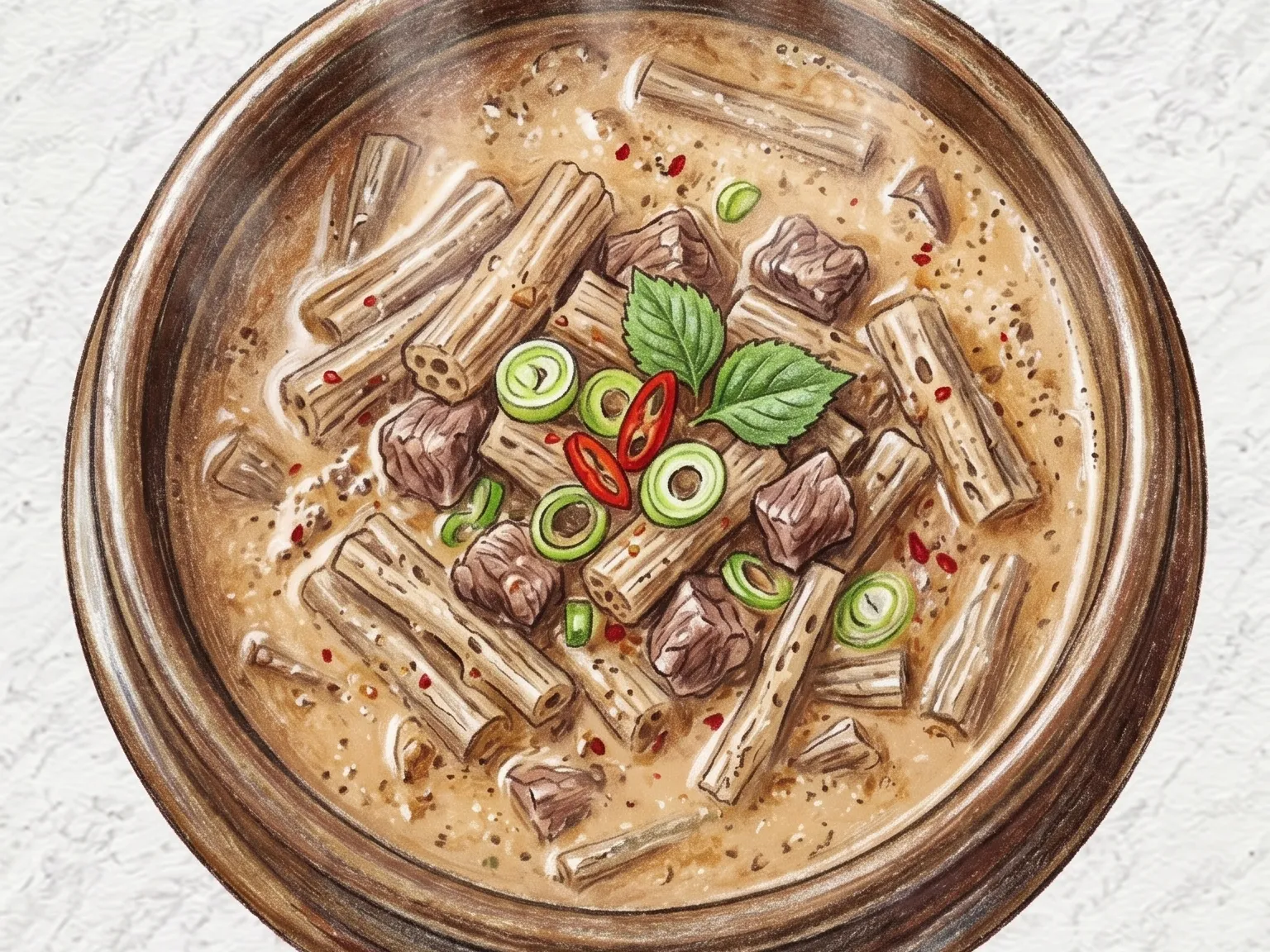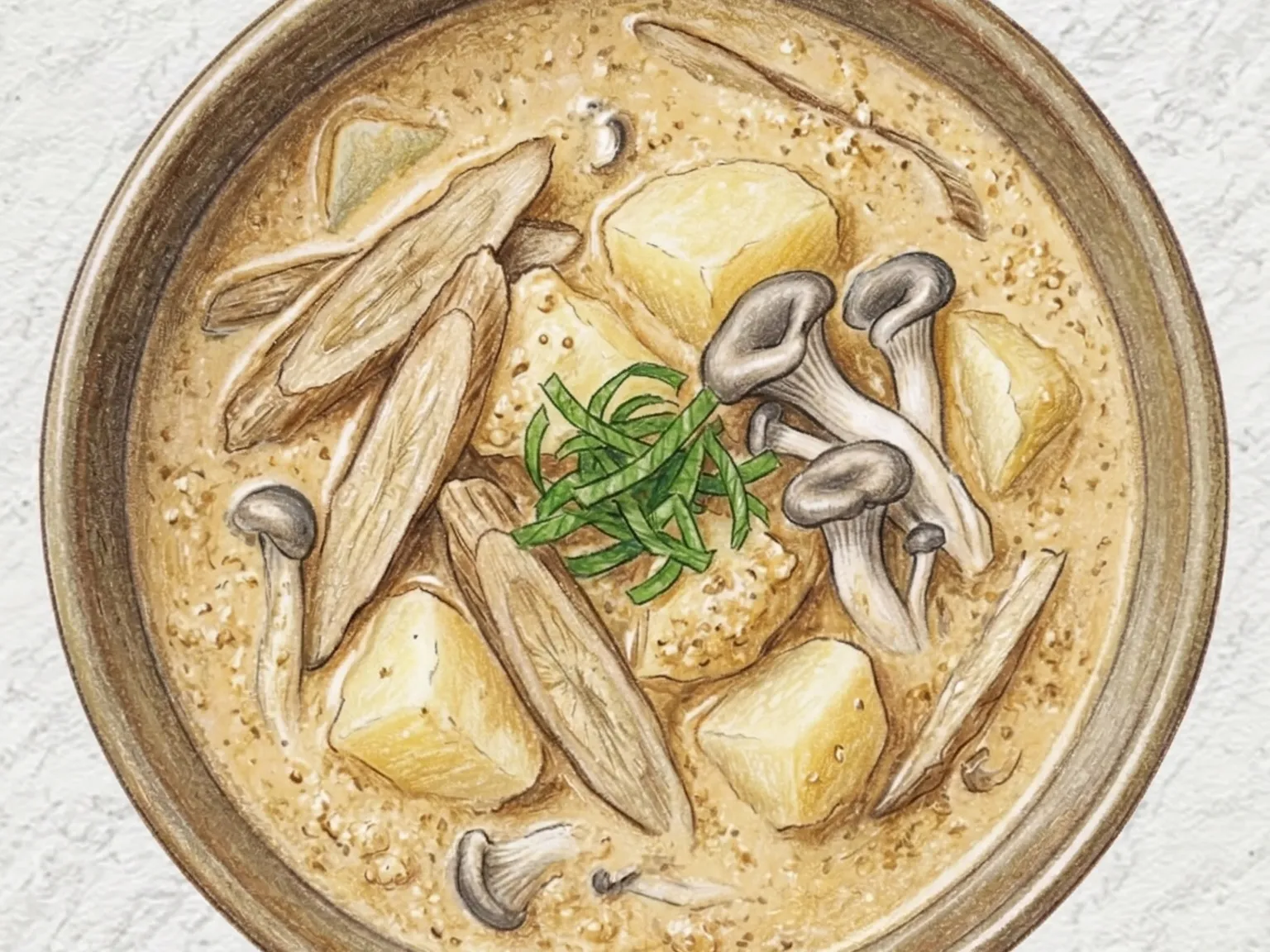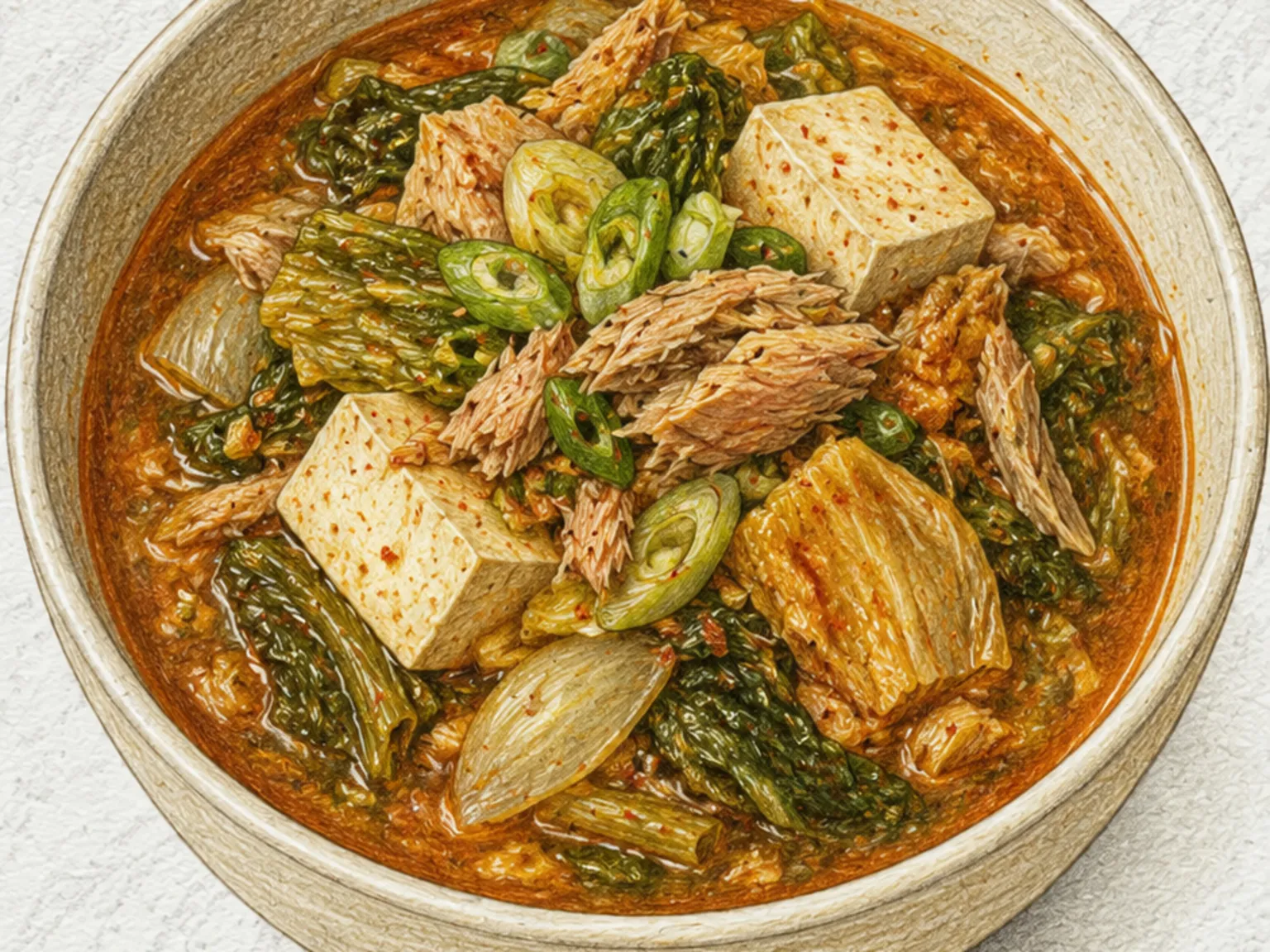
Stews
Stews

Stews Recipes

142 recipes. Page 5 of 6

Korean stews (jjigae) are heartier and more intensely seasoned than soups, packed with vegetables, tofu, meat, or seafood. Kimchi jjigae, doenjang jjigae, and sundubu jjigae rank among the most beloved everyday meals, bubbling away in stone pots at the table.

The depth of flavor comes from fermented pastes - doenjang, gochujang, and gochugaru. Stews are also a practical way to use up leftover ingredients, making them a staple of home cooking.

Korean Beef Tripe Hot Pot
Stews Hard

Korean Beef Tripe Hot Pot

Naejang jeongol is a Korean offal hot pot that combines mixed beef innards with rich bone broth, onion, bean sprouts, and green onion in a single pot. The typical cut selection includes small intestine, tripe, and abomasum, each bringing a distinct texture and flavor to the bowl. Thorough preparation is what separates a clean-tasting naejang jeongol from one with an unpleasant odor: the innards are kneaded repeatedly with flour and salt to remove impurities, soaked in cold water to draw out residual blood, then rinsed fully before any heat is applied. A half spoonful of doenjang added to the broth neutralizes remaining gaminess through the fermented paste's enzymes, while gochugaru and generous garlic build a spicy, warming character that defines the dish. The chewy, elastic texture of the offal plays against the milky, collagen-saturated bone broth, and that contrast of texture against rich liquid is the core pleasure of the bowl. Bean sprouts are added at the end to preserve their crunch, and green onion goes in last for its fresh aroma. Naejang jeongol has served for generations as a classic soju pairing and a trusted hangover soup.

🍺 Bar Snacks 🎉 Special Occasion
Prep 35min Cook 30min 4 servings
Korean Shepherd's Purse Doenjang Jjigae
Stews Easy

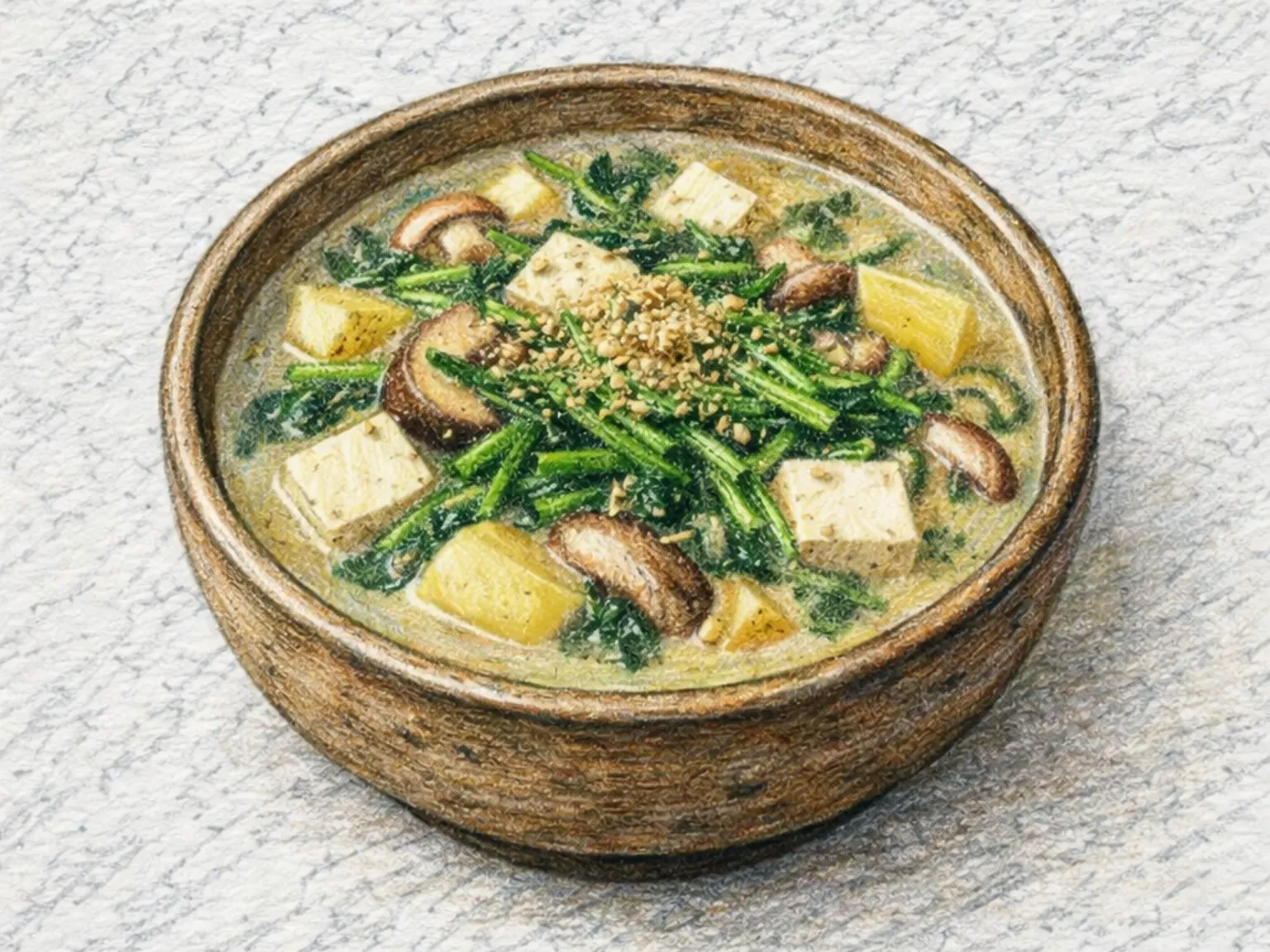
Korean Shepherd's Purse Doenjang Jjigae

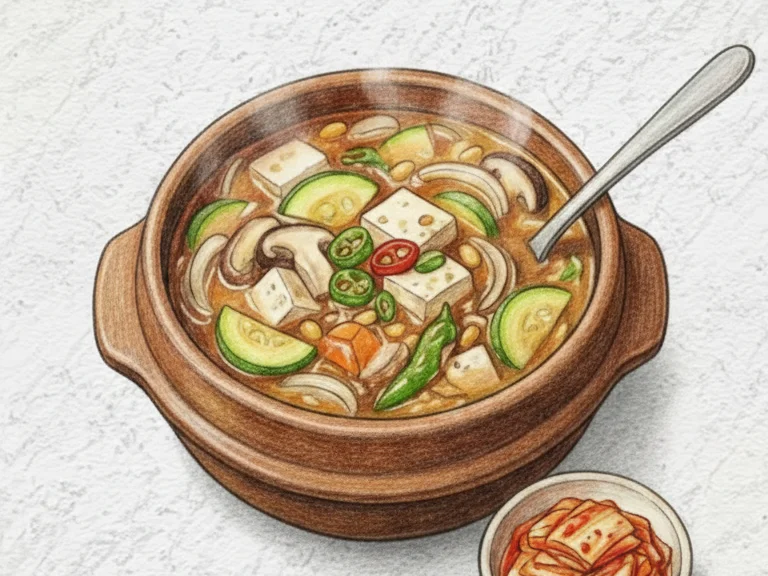
This seasonal doenjang jjigae highlights shepherd's purse (naengi), a foraged spring herb prized in Korean cooking. Potato, zucchini, onion, and tofu simmer in anchovy stock with soybean paste, creating a hearty base. The naengi contributes a distinctive earthy, slightly bitter aroma that complements the fermented depth of doenjang. Using the whole plant including the roots intensifies its characteristic fragrance.

🏠 Everyday ⚡ Quick
Prep 12min Cook 18min 2 servings
Korean Shepherd's Purse and Oyster Stew
Stews Medium

Korean Shepherd's Purse and Oyster Stew

Naengi-gul-jjigae is a doenjang-based stew that pairs two winter-season ingredients, shepherd's purse and fresh oysters, in a broth built on kelp stock. Shepherd's purse grown through cold months concentrates its aromatic compounds in the root, delivering a grassy, faintly bitter fragrance that sets it apart from other greens. Oysters harvested in cold water are at their firmest and most intensely flavored, making them a natural match for the fermented depth of doenjang. Radish and soft tofu provide body to the broth, while the oysters and shepherd's purse go in last so their freshness survives the heat. The oceanic sweetness of the oysters, the herbal bite of naengi, and the fermented richness of doenjang fit together without any single flavor dominating. A small amount of gochugaru adds a low, steady heat underneath the stew, and adding a few slices of cheongyang chili brings a sharper edge if desired. Washing the roots of the shepherd's purse thoroughly to remove grit is important, and leaving the stems long enough to retain their aroma makes a noticeable difference in the finished bowl.

🏠 Everyday 🎉 Special Occasion
Prep 15min Cook 16min 2 servings
Nakgopsae (Octopus, Intestine, and Shrimp Stew)
Stews Medium

Nakgopsae (Octopus, Intestine, and Shrimp Stew)

A spicy Busan-style stew with a perfect harmony of octopus, intestines, and shrimp.

🔥 Trending Now 🏠 Everyday
Prep 20min Cook 15min 2 servings
Korean Octopus Hot Pot (Spicy Gochujang Broth with Herbs)
Stews Medium

Korean Octopus Hot Pot (Spicy Gochujang Broth with Herbs)

Nakji jeongol is a spicy Korean hot pot built around small octopus simmered in anchovy stock seasoned with gochujang and gochugaru, together with napa cabbage, water parsley, onion, and tofu. Anchovy stock works particularly well here because it has a clean, salty depth that amplifies rather than competes with the oceanic flavor of the octopus. The gochujang contributes a fermented sweetness to the broth while the gochugaru layer on top provides the sharp, direct heat, producing a multi-dimensional spicy broth that is more complex than either ingredient alone. Octopus is highly sensitive to overcooking. Cooked within two minutes, it stays springy and pleasantly chewy. Beyond that, the protein fibers contract and the texture becomes tough and rubbery. Water parsley loses its fresh herbal fragrance quickly under heat, so it is best added about one minute before serving to keep that clean, slightly grassy brightness intact. Cooking the hot pot at the table allows diners to add octopus in small batches at their own pace, which is the most reliable way to keep every piece at the ideal doneness.

🍺 Bar Snacks 🎉 Special Occasion
Prep 25min Cook 18min 2 servings
Korean Octopus Soft Tofu Stew
Stews Easy

Korean Octopus Soft Tofu Stew

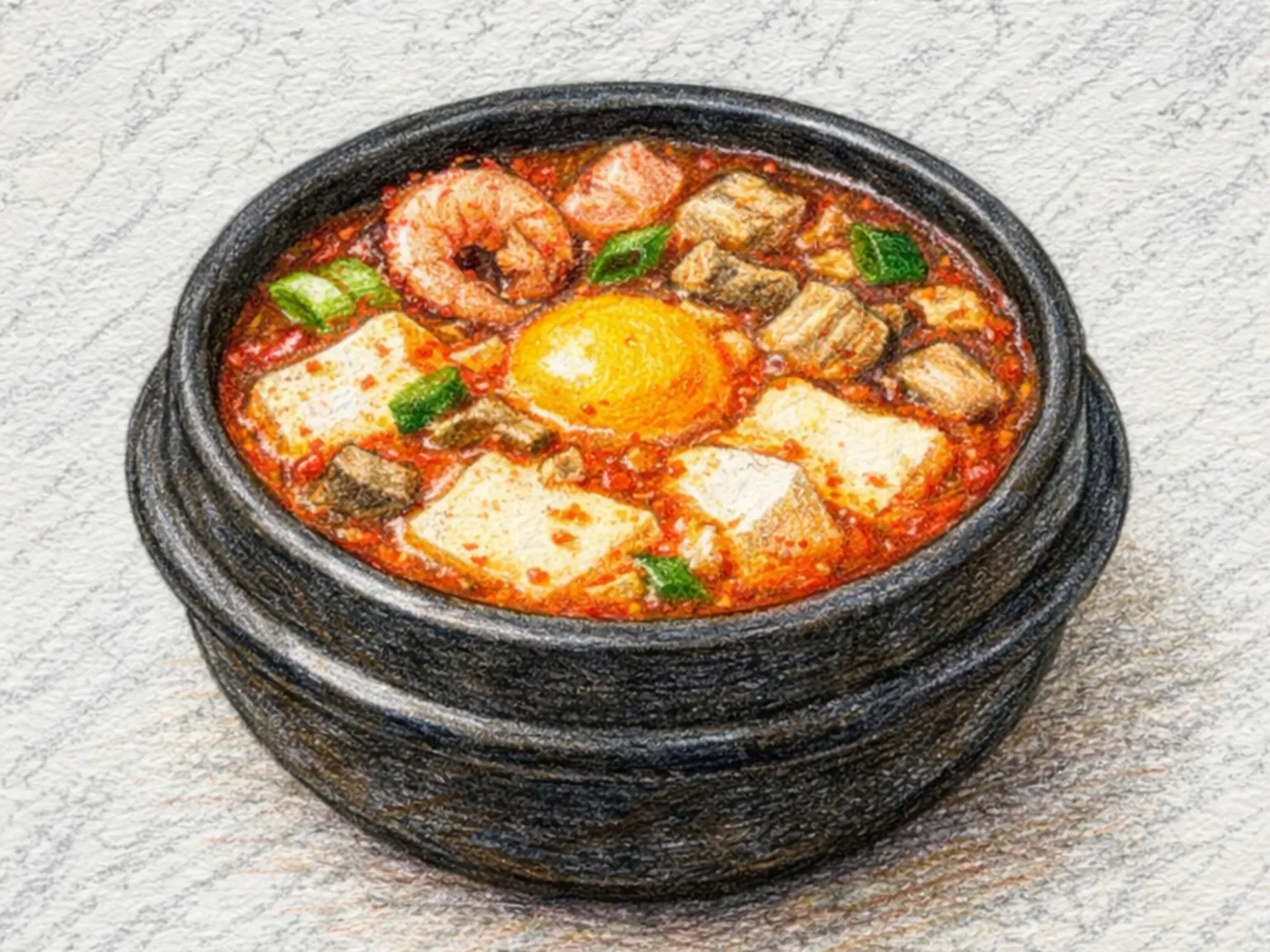
Nakji-sundubu-jjigae is a Korean stew that pairs silky soft tofu with small octopus in a deeply spiced anchovy broth. The broth is built from anchovy and kelp stock seasoned with gochugaru, which gives it a bright red color and a layered heat that comes from the fermented pepper rather than raw chili alone. Soft tofu is dropped in large, undisturbed spoonfuls so it holds together during cooking instead of crumbling into the broth. The octopus is cut into manageable pieces and added last, once the broth is at a full boil, and should be cooked for no more than 90 to 120 seconds before the heat is cut. Octopus contracts and toughens quickly when overcooked, so adding it after every other ingredient is ready is essential for keeping it springy and tender. A cracked egg is dropped in at the end and the lid is closed for 30 seconds, which lets the yolk set partially before it dissolves into the broth, adding richness and a gentle smoothness to the heat. The contrast between the yielding, almost liquid texture of sundubu and the firm chew of the octopus is what defines the experience of the dish, with the spiced broth pulling both elements together. Serving in a stone pot keeps the stew at eating temperature through the entire meal.

🍺 Bar Snacks 🏠 Everyday
Prep 10min Cook 15min 2 servings
Korean Wild Mushroom Hot Pot
Stews Medium

Korean Wild Mushroom Hot Pot

This mushroom hot pot showcases neungi mushrooms alongside shiitake and oyster mushrooms, simmered with napa cabbage and tofu in a simple broth seasoned with soup soy sauce and black pepper. Neungi mushrooms are prized for their intense, almost meaty aroma that permeates the entire pot. The trio of mushroom varieties creates layered earthy flavors, making this a satisfying meat-free dish with remarkable depth.

🎉 Special Occasion 🥗 Light & Healthy
Prep 25min Cook 25min 4 servings
Korean Scorched Rice Seafood Stew
Stews Medium

Korean Scorched Rice Seafood Stew

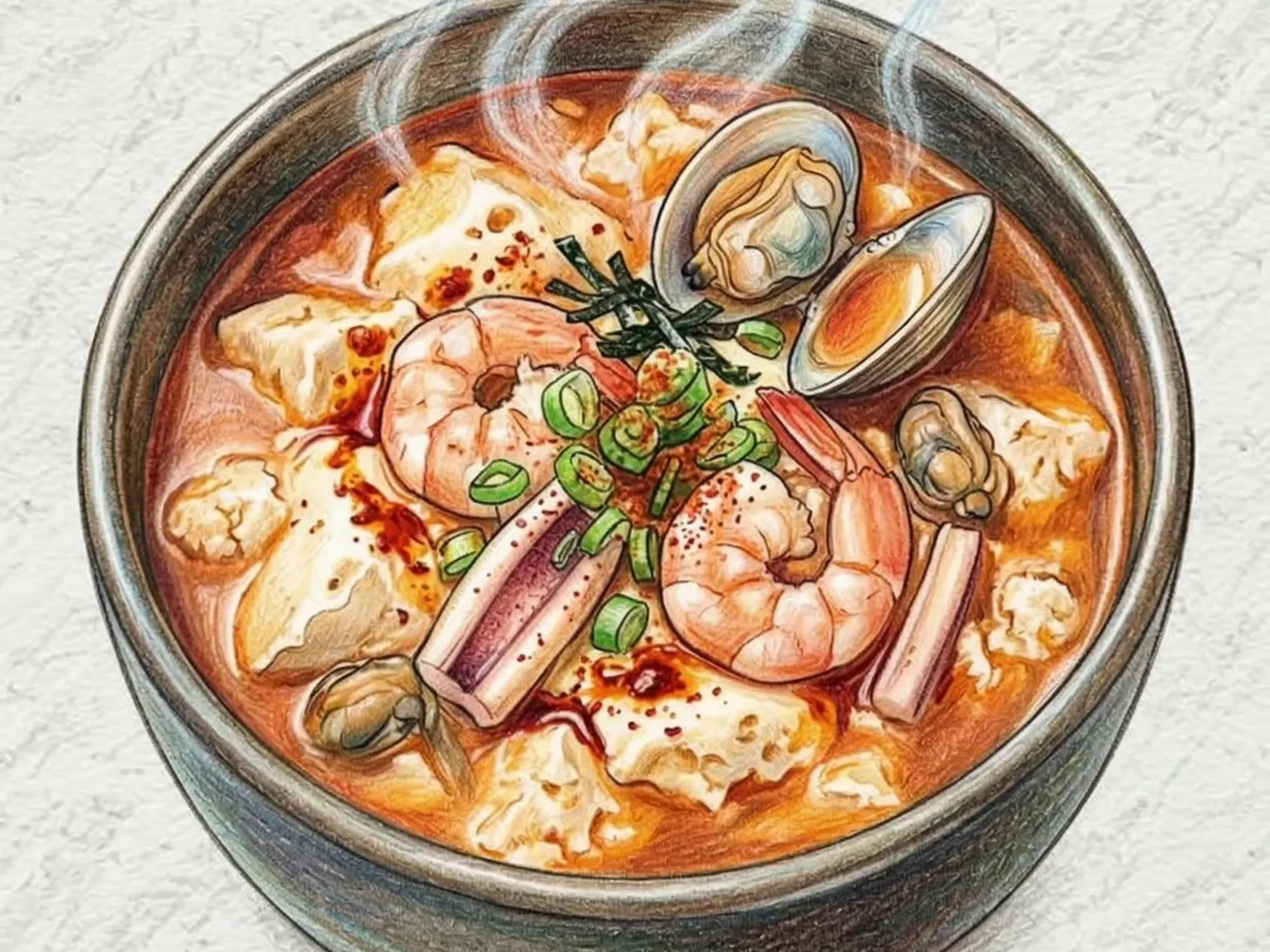
Nurungji haemul jjigae is a seafood stew built around scorched rice, anchovy-kelp stock, squid, shrimp, and clams. The nurungji starts out as a hard, dried slab and enters the broth intact. As the stew heats and the seafood begins to release its juices, the scorched rice gradually softens and expands, thickening the broth and contributing a toasty, nutty quality that plain rice or noodles cannot replicate. Squid holds its springy texture best when not overcooked, so it goes in later. Shrimp turns opaque and firm in a matter of minutes. Clams are added while still closed and are done when the shells open and the meat loosens from its hinge. The combined liquid from all three seafood forms a broth that is briny, sweet, and clean in the way that multiple shellfish together often produce. Zucchini and onion add mild sweetness and soften the overall character of the stew. Gochugaru brings moderate heat and the red color typical of many Korean jjigae. The stew reaches its best texture when the nurungji has fully softened at the edges but still retains some chew at the center. At that point the broth is thick and the flavors are fully integrated. Served in a single bowl with the nurungji, seafood, and vegetables together, it functions as a complete meal without needing additional rice.

🏠 Everyday 🎉 Special Occasion
Prep 18min Cook 20min 4 servings
Korean Squid Stew
Stews Easy

Korean Squid Stew

Ojingeo jjigae simmers a whole cleaned squid in an anchovy broth enriched with gochujang and chili flakes, producing a sweet-spicy stew that pairs directly with steamed rice. The squid body is scored with diagonal cuts before going into the pot, which lets the bold red pepper paste seasoning penetrate the flesh so that each bite carries the full flavor of the broth. Tofu and zucchini cook alongside, absorbing the spicy liquid while softening enough to contrast with the firm, chewy squid. The natural sweetness of gochujang is well matched to the mild, clean flavor of squid, keeping the stew from tasting one-dimensional despite its deep red color. Timing matters: squid added too early toughens quickly, so it goes in during the final five minutes and cooks just until opaque. Cheongyang chili peppers can be added for extra heat, and a handful of sliced green onion stirred in at the end provides a fresh aromatic note. The braising liquid, spiced and slightly thickened from the vegetables, is rich enough to spoon over rice and eat on its own.

🏠 Everyday 🍺 Bar Snacks
Prep 15min Cook 20min 2 servings
Korean Pork Kimchi Stew (Fermented Kimchi & Pork Shoulder)
Stews Easy

Korean Pork Kimchi Stew (Fermented Kimchi & Pork Shoulder)

Pork kimchi jjigae is one of the most beloved home-cooked Korean stews, built on aged kimchi and pork shoulder. The marbled fat from the pork shoulder melts into the broth, balancing the kimchi's sharp acidity with richness. Tofu and onion bulk up the pot, while soup soy sauce and chili flakes season the liquid. The riper and more sour the kimchi, the better this stew tastes - it is the ideal use for old kimchi.

🏠 Everyday
Prep 12min Cook 25min 2 servings
Korean Spicy Fish Stew (Mackerel in Chili-Radish Broth)
Stews Medium

Korean Spicy Fish Stew (Mackerel in Chili-Radish Broth)

Saengseon jjigae is a spicy Korean fish stew made with mackerel or beltfish cut into chunks, simmered alongside daikon radish and zucchini. Gochujang, gochugaru, soy sauce, and garlic build a bold, peppery broth in an anchovy stock base. The radish neutralizes any fishiness while adding natural sweetness to the soup. Picking the flaky fish off the bone and eating it with spoonfuls of the fiery broth over rice is the traditional way to enjoy it.

🏠 Everyday
Prep 15min Cook 20min 2 servings
Korean Ox Bone Broth (Milky Collagen-Rich Marrow Soup)
Stews Medium

Korean Ox Bone Broth (Milky Collagen-Rich Marrow Soup)

Sagol-guk is a Korean bone broth soup made by simmering beef marrow bones for six hours or longer until the dissolved collagen and marrow turn the liquid a dense, opaque white that looks closer to milk than water. The seasoning is intentionally minimal, limited to green onion, garlic, and salt, because the entire point of the dish is the bone itself and what slow heat extracts from it over time. Before the long simmer begins, the bones are soaked in cold water to draw out the blood and then briefly blanched to remove any remaining impurities that would cloud or bitter the broth. The same bones can be reboiled three or four times, with each successive batch yielding a progressively lighter and cleaner-tasting liquid. The soup is served piping hot alongside rice, with salt and white pepper passed at the table so each person can season according to preference. Alongside seolleongtang and gomtang, sagol-guk forms one of the three pillars of Korea's long bone broth tradition, and its restorative reputation makes it a natural choice on cold days or when the body needs warmth and something uncomplicated.

🏠 Everyday 🎉 Special Occasion
Prep 60min Cook 480min 4 servings
Mixed Korean Army-Style Stew
Stews Easy

Mixed Korean Army-Style Stew

Seokkeo jjigae, or mixed stew, is a streamlined everyday version of budae jjigae that brings together kimchi, sliced ham, and tofu in a broth seasoned with gochujang and gochugaru. The fermented tang of well-ripened kimchi, the saltiness of the ham, and the soft neutral presence of tofu create a balanced combination where each component gives the others something to push against. Onion and green onion mellow the broth as they cook, their sweetness rounding off the sharpest spicy edges, while the gochujang contributes fermented depth that pure heat alone cannot provide. The stew comes together in under twenty minutes using common refrigerator staples, making it a reliable weeknight meal that requires almost no preparation. Served alongside a bowl of steamed rice, the spicy broth absorbs into each grain and keeps the dish satisfying to the very last spoonful. A portion of instant noodles or rice cakes added to the pot turns it into a more substantial one-pot meal.

🏠 Everyday
Prep 20min Cook 25min 4 servings
Korean Blood Curd Hangover Stew
Stews Medium

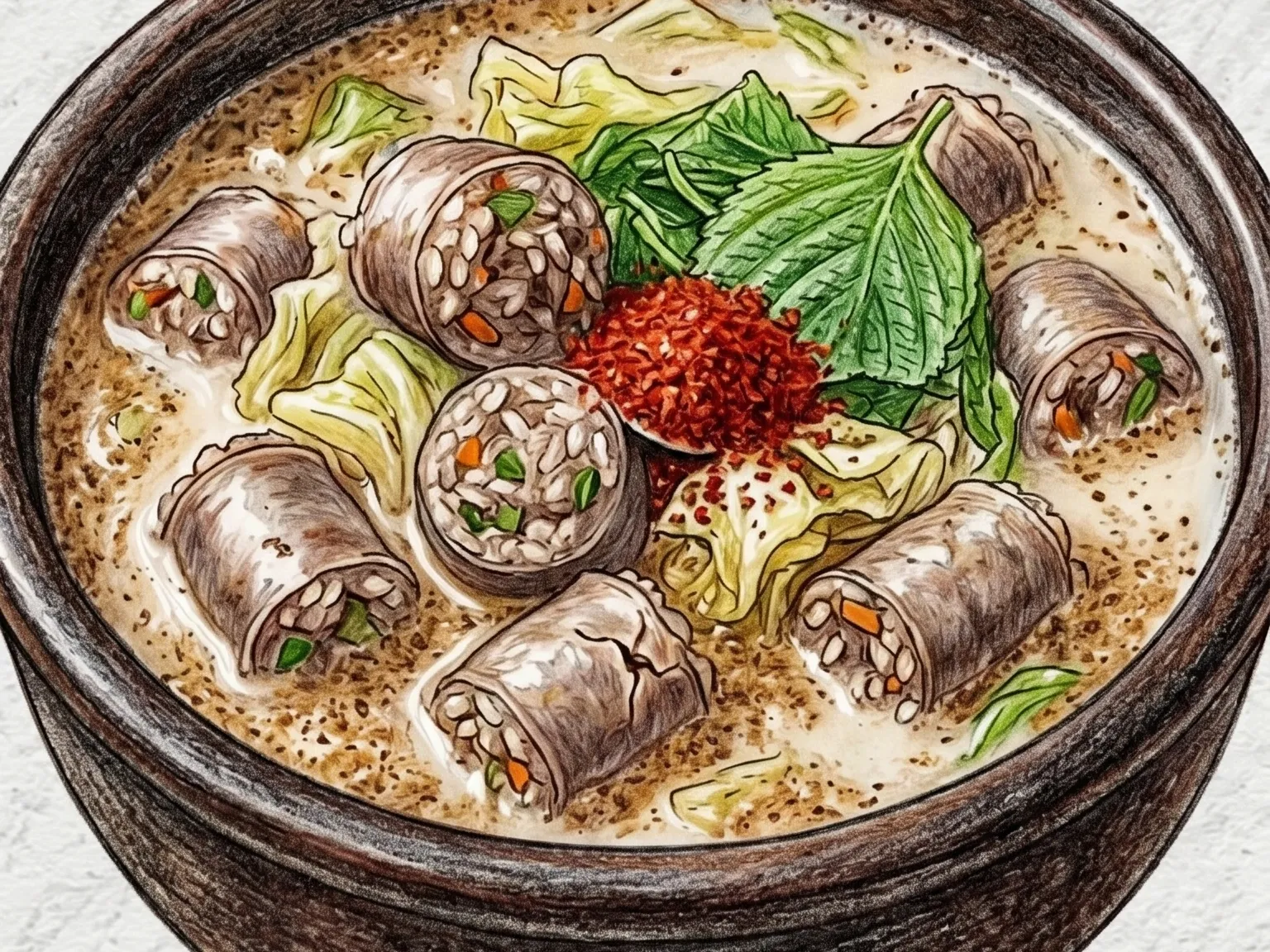
Korean Blood Curd Hangover Stew

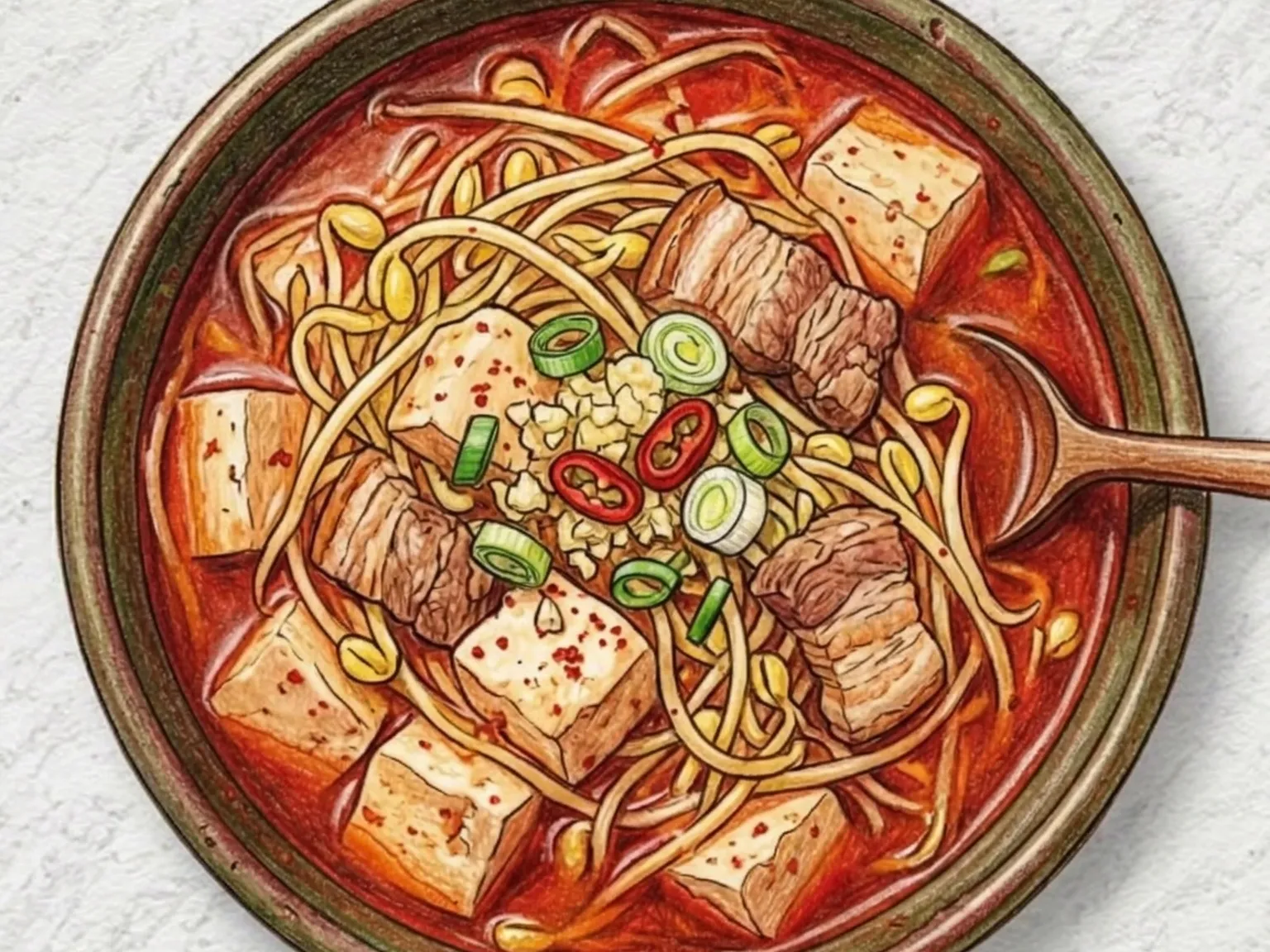
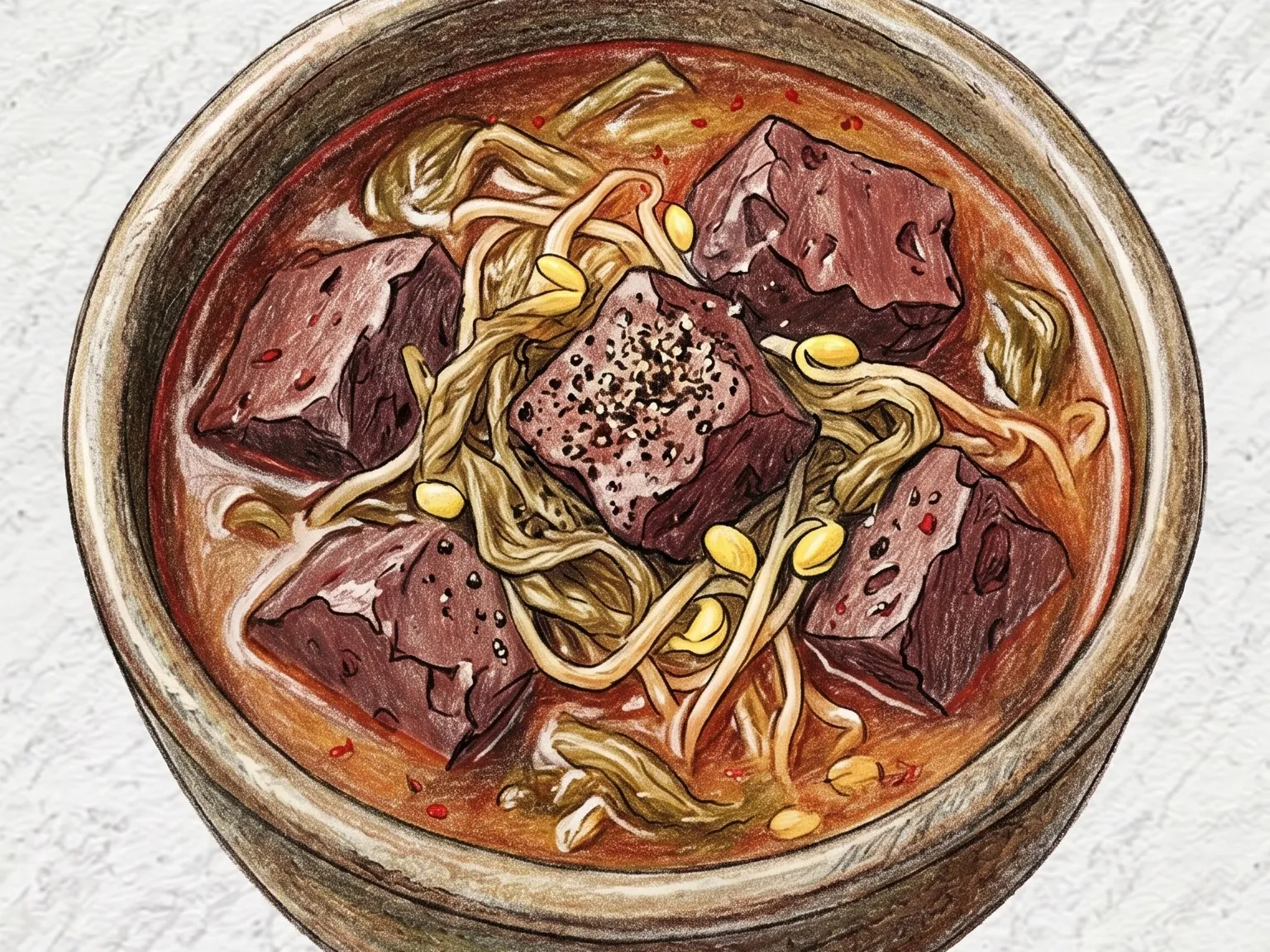
Seonji haejang jjigae is a traditional Korean hangover stew featuring beef blood curd (seonji), wilted napa cabbage leaves (ugeoji), and soybean sprouts simmered in beef stock. The blood curd has a soft, custard-like texture that dissolves slightly into the broth, while ugeoji adds a hearty, earthy chew and the sprouts contribute crunch. Seasoned with soup soy sauce, gochugaru, and black pepper, this stew has been a trusted morning-after remedy in Korea for generations.

🍺 Bar Snacks 🏠 Everyday
Prep 20min Cook 25min 2 servings
Korean Sigeumchi Dubu Jjigae (Spinach Tofu Stew)
Stews Easy

Korean Sigeumchi Dubu Jjigae (Spinach Tofu Stew)

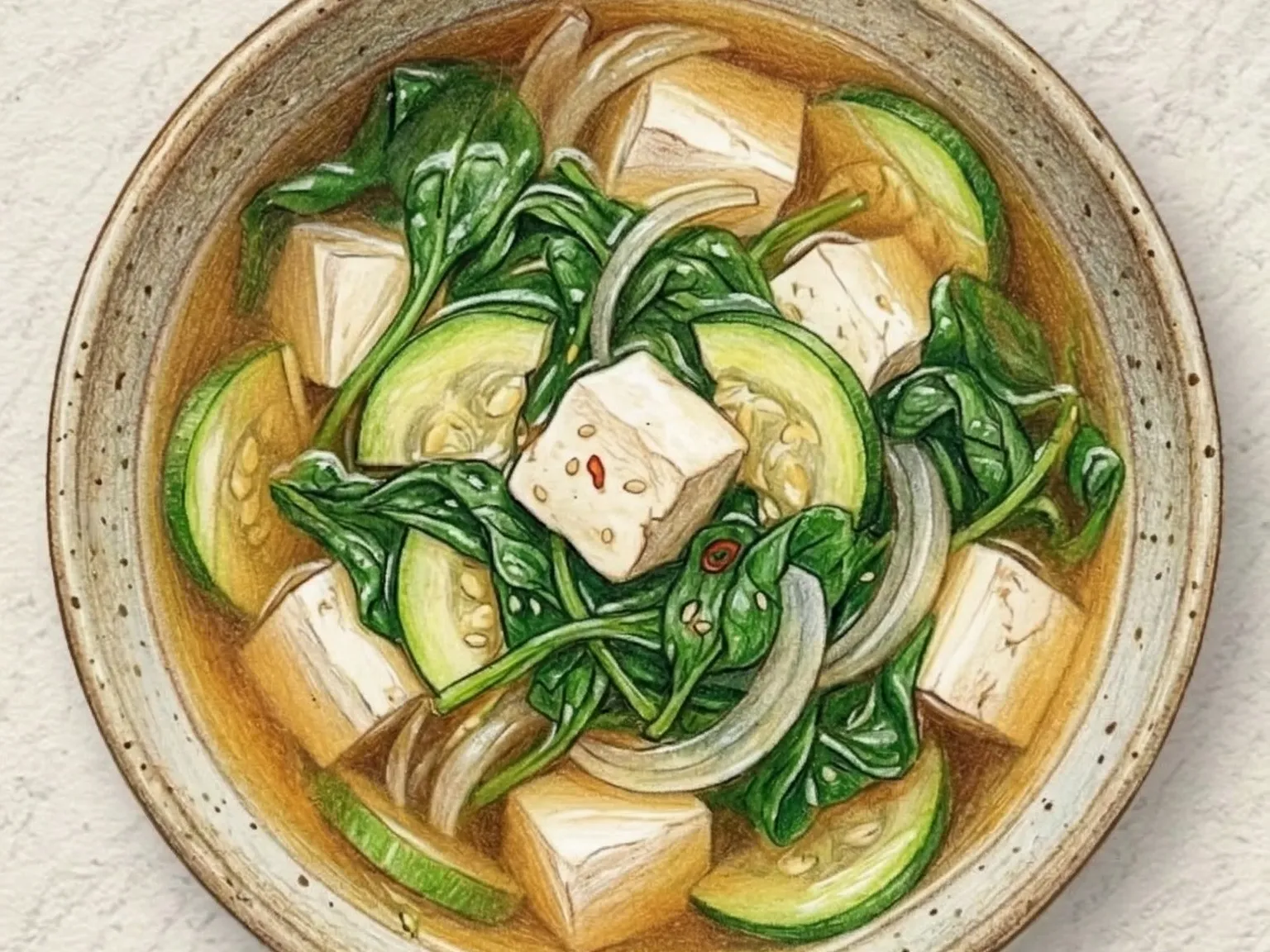
Sigeumchi-dubu-jjigae is a Korean stew built from fresh spinach and soft tofu simmered in anchovy-kelp stock, seasoned with soup soy sauce and perilla oil. The process starts by warming perilla oil in the pot and softening minced garlic until its sharpness mellows into a rounded fragrance that transfers into the oil, giving the broth a subtle depth that would be absent if the garlic were added raw. Zucchini and onion release their natural sweetness as they cook, rounding out the broth and preventing it from tasting flat or austere. Soft tofu, added mid-way, absorbs the seasoned liquid gradually as it heats through, holding its shape while taking on the flavor of the broth around it. Spinach goes in last, only long enough to wilt, because extended cooking destroys the color and reduces the leaves to a limp, dull mass that works against the dish. The iron-forward earthiness of spinach pairs naturally with the mild creaminess of tofu and the nutty undercurrent of perilla oil, producing a stew that reads as simple but carries enough layered flavor to satisfy. This is a standard of Korean home cooking that earns its place at the table for being genuinely easy on the stomach, particularly welcome when appetite is low or the body calls for something clean.

🥗 Light & Healthy 🏠 Everyday
Prep 12min Cook 18min 2 servings
Country-style Soybean Paste Stew
Stews Easy

Country-style Soybean Paste Stew

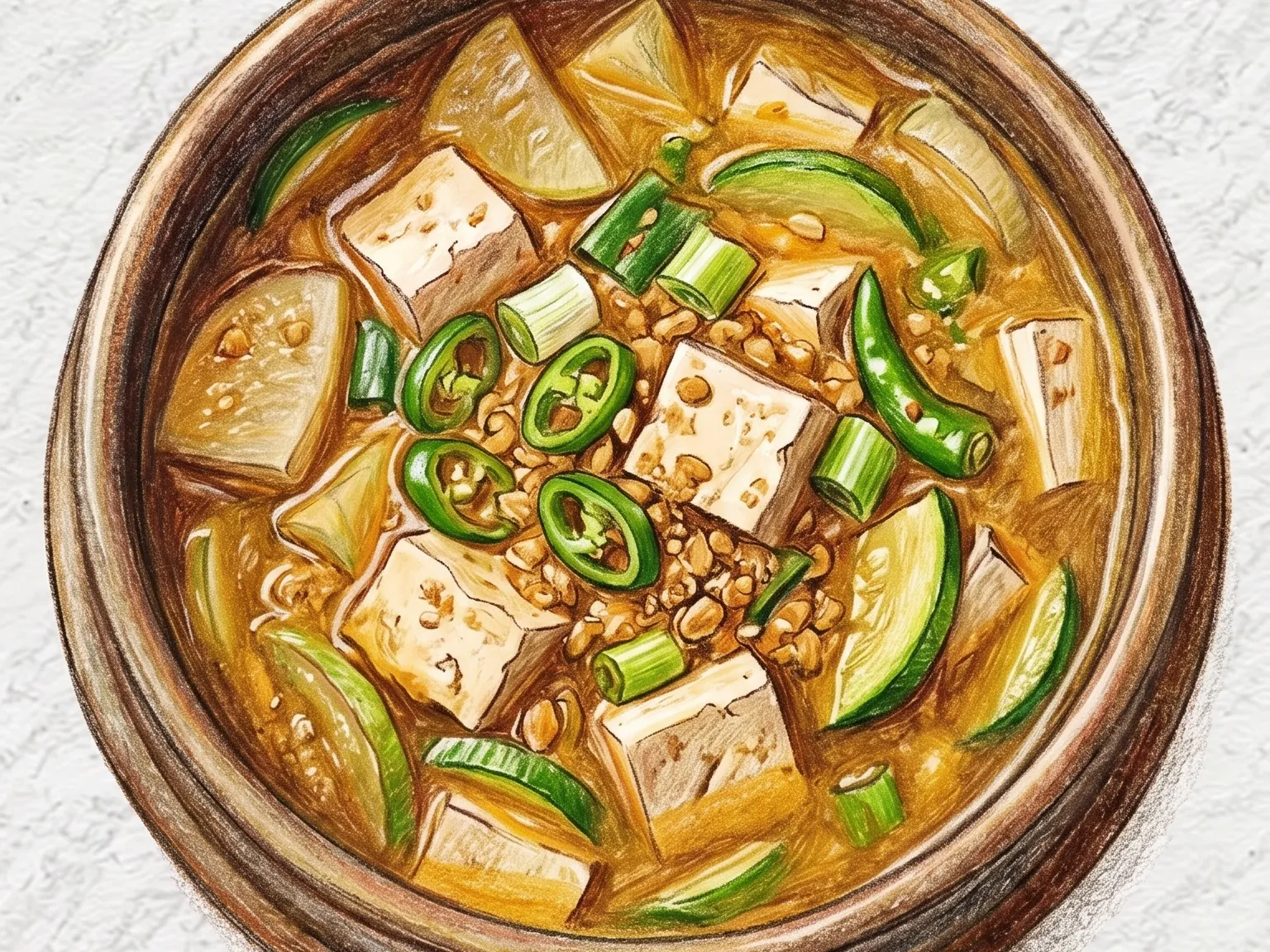
A traditional stew featuring the deep, earthy flavor of country-style fermented soybean paste.

🔥 Trending Now 🏠 Everyday
Prep 15min Cook 20min 2 servings
Royal Korean Hot Pot (Court-Style Beef & Tofu Banquet)
Stews Hard

Royal Korean Hot Pot (Court-Style Beef & Tofu Banquet)

Sinseollo is a traditional Korean royal court hot pot featuring ground beef, tofu, shiitake mushrooms, carrot, and napa cabbage arranged in a rich beef broth. Seasoned with soup soy sauce and finished with beaten egg, the broth develops a velvety body. Historically served in a brass charcoal-heated vessel at the royal table, each ingredient is placed with care to showcase its color and shape. The layered umami from the diverse ingredients creates a remarkably complex flavor.

🎉 Special Occasion 🥗 Light & Healthy
Prep 45min Cook 30min 4 servings
Korean Dried Radish Greens & Clam Soybean Stew
Stews Medium

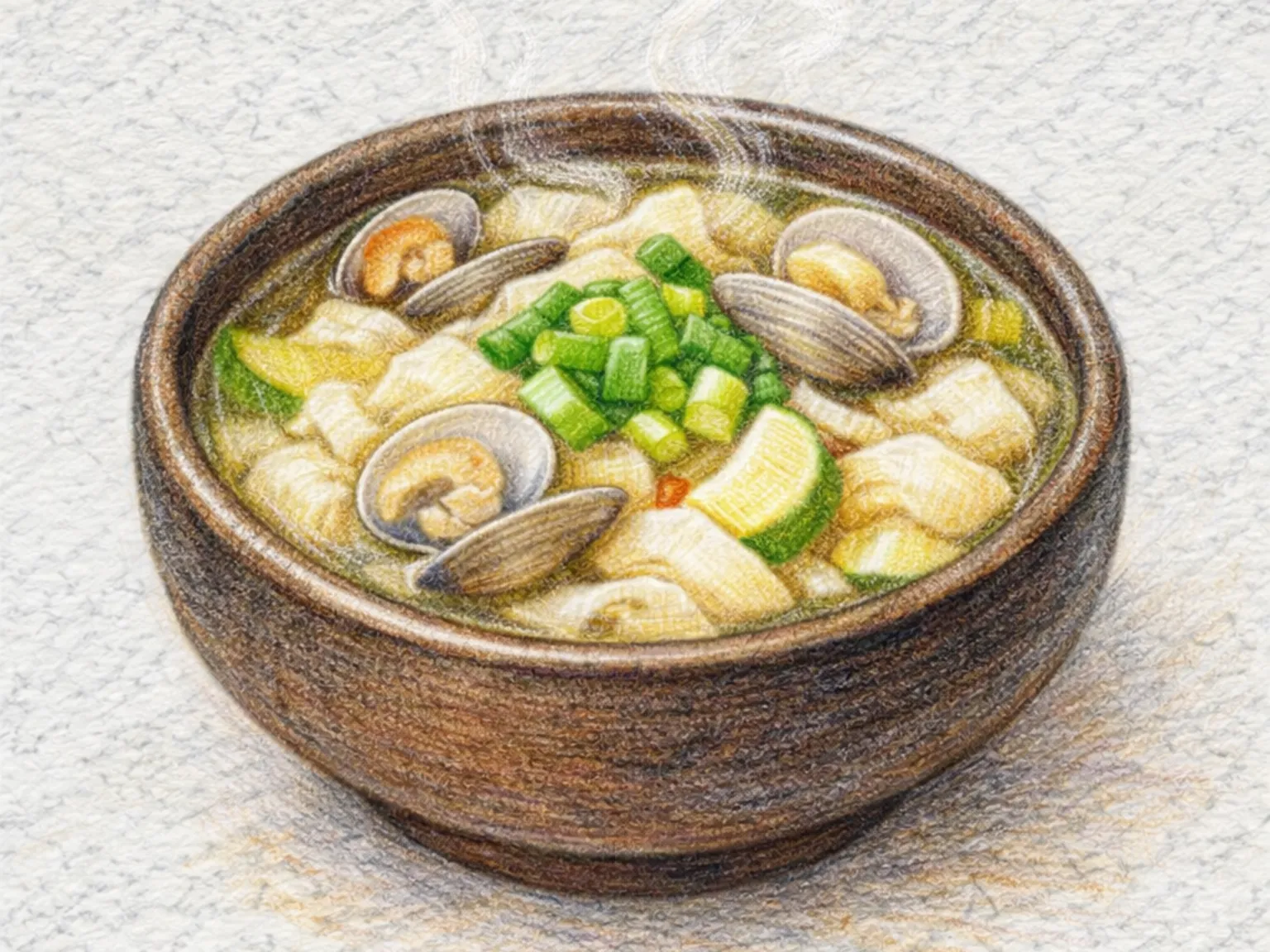
Korean Dried Radish Greens & Clam Soybean Stew

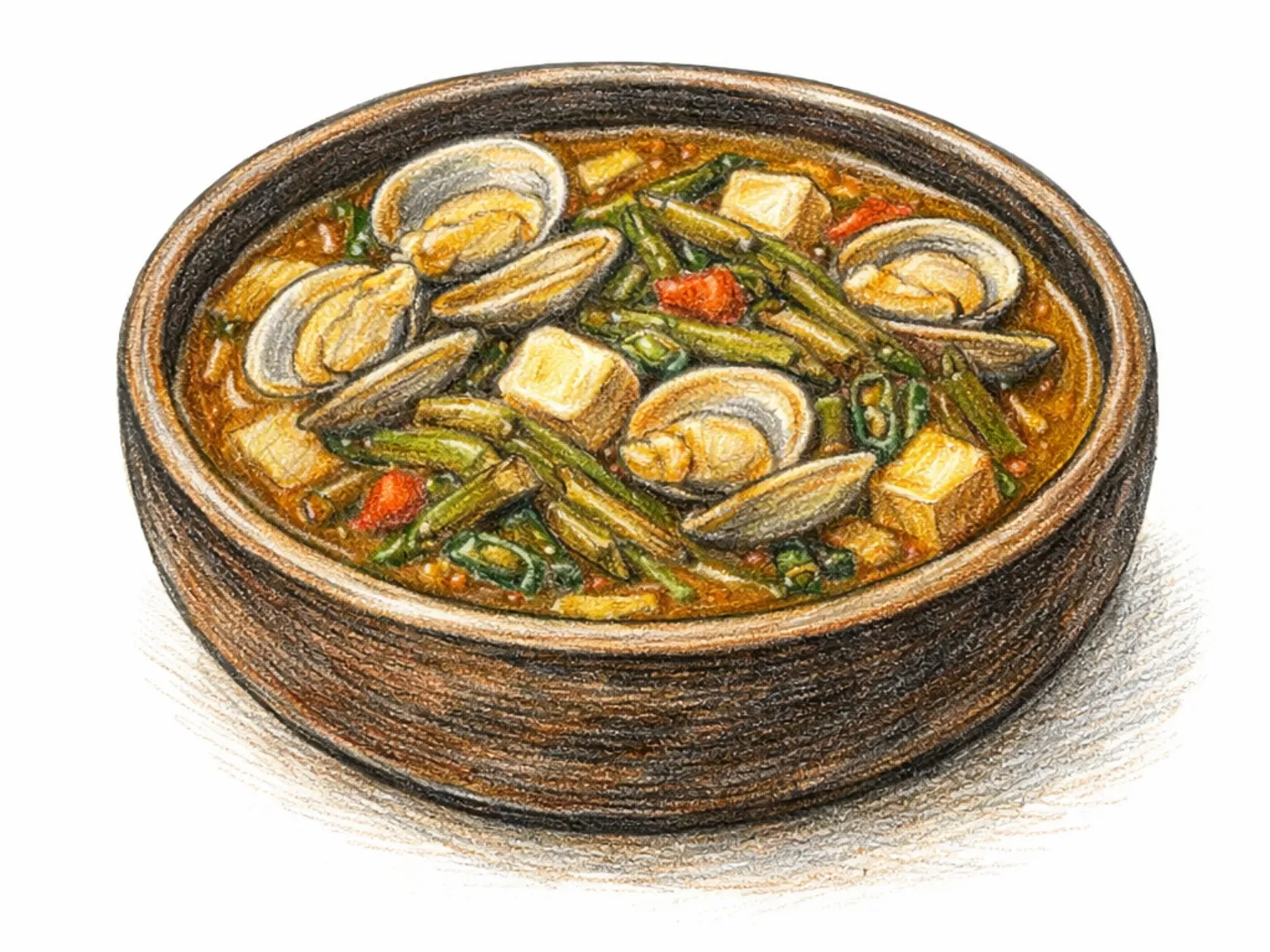
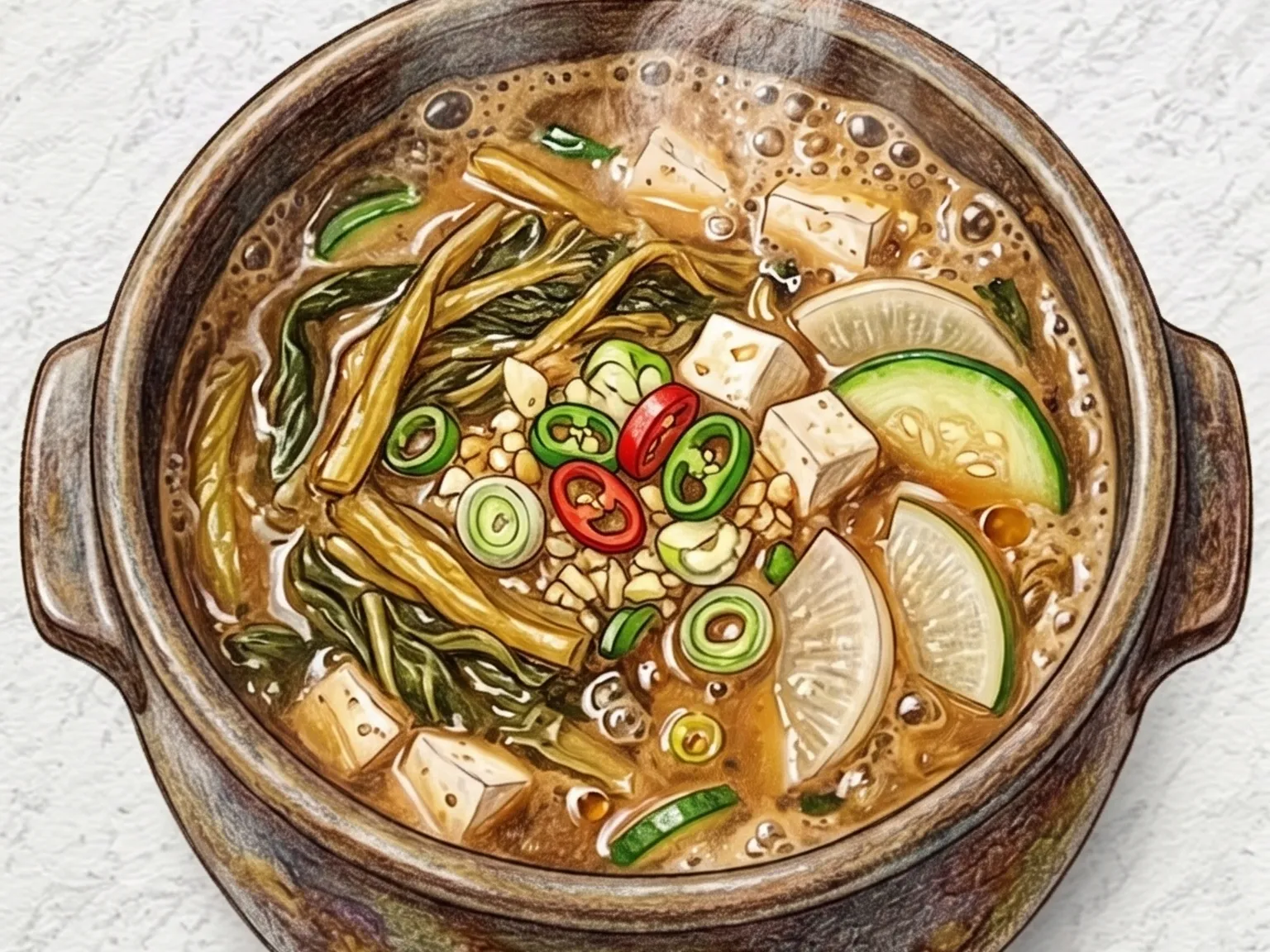
This stew pairs rehydrated dried radish greens with fresh clams in a broth of rice-rinse water seasoned with doenjang and a measured amount of gochujang. The radish greens go into perilla oil first, sauteing until their nutty aroma blooms fully before the clams are added. As the clams open, they release a clean, briny liquid that merges with the fermented soybean paste to form a layered, deeply savory base. Korean radish and onion contribute background sweetness, while green onion and garlic anchor the aromatic profile with a sharp edge. The rice-rinse water introduces a gentle body to the broth, giving it a slightly thickened, silky texture that coats each spoonful. The doenjang works its way into the fibrous radish greens during cooking, so each bite carries the full weight of the seasoning. This is the kind of stew that makes plain rice disappear from the bowl without effort.

🏠 Everyday
Prep 20min Cook 25min 4 servings
Korean Dried Radish Greens Perilla Stew
Stews Medium

Korean Dried Radish Greens Perilla Stew

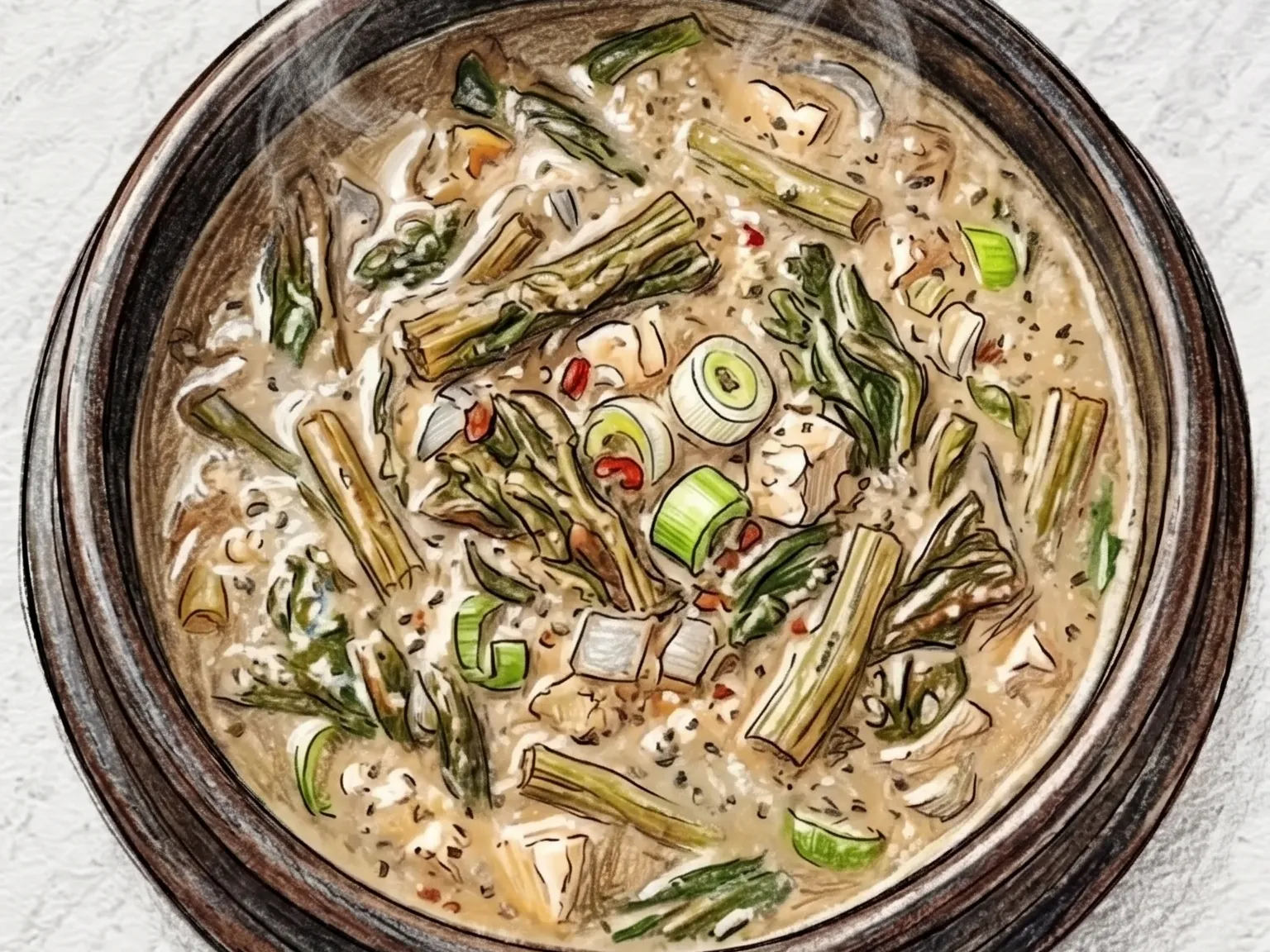
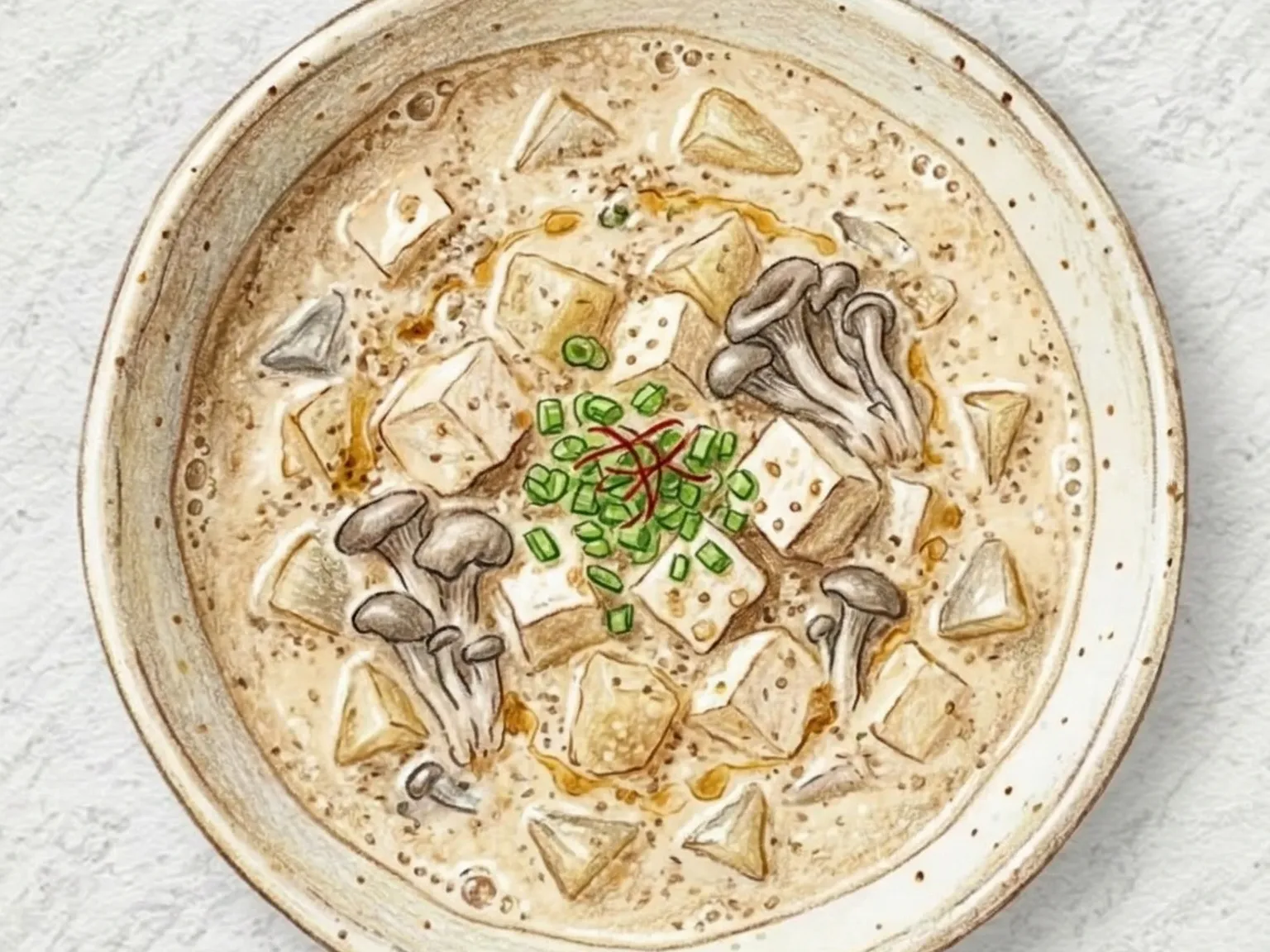
This stew simmers rehydrated dried radish greens in rice-rinse water thickened with a generous four tablespoons of perilla seed powder. A small amount of doenjang and gochujang provides savory depth, and using rice-rinse water instead of plain water adds a natural starchiness that helps the perilla powder integrate into the broth more smoothly. The perilla powder creates a creamy, nutty soup with a pale beige hue, and the chewy, fibrous texture of the radish greens contrasts with the richness of the liquid. The radish greens need to be fully rehydrated and pre-boiled so they absorb the broth evenly during cooking rather than remaining tough. Onion and green onion add layers of sweetness and fragrance, and seasoning gradually while the stew cooks produces a more balanced result than adding everything upfront. Served bubbling in an earthenware pot on cold days, this is one of the most comforting staples in Korean winter home cooking.

🏠 Everyday
Prep 25min Cook 30min 4 servings
Korean Dried Greens Mackerel Stew
Stews Medium

Korean Dried Greens Mackerel Stew

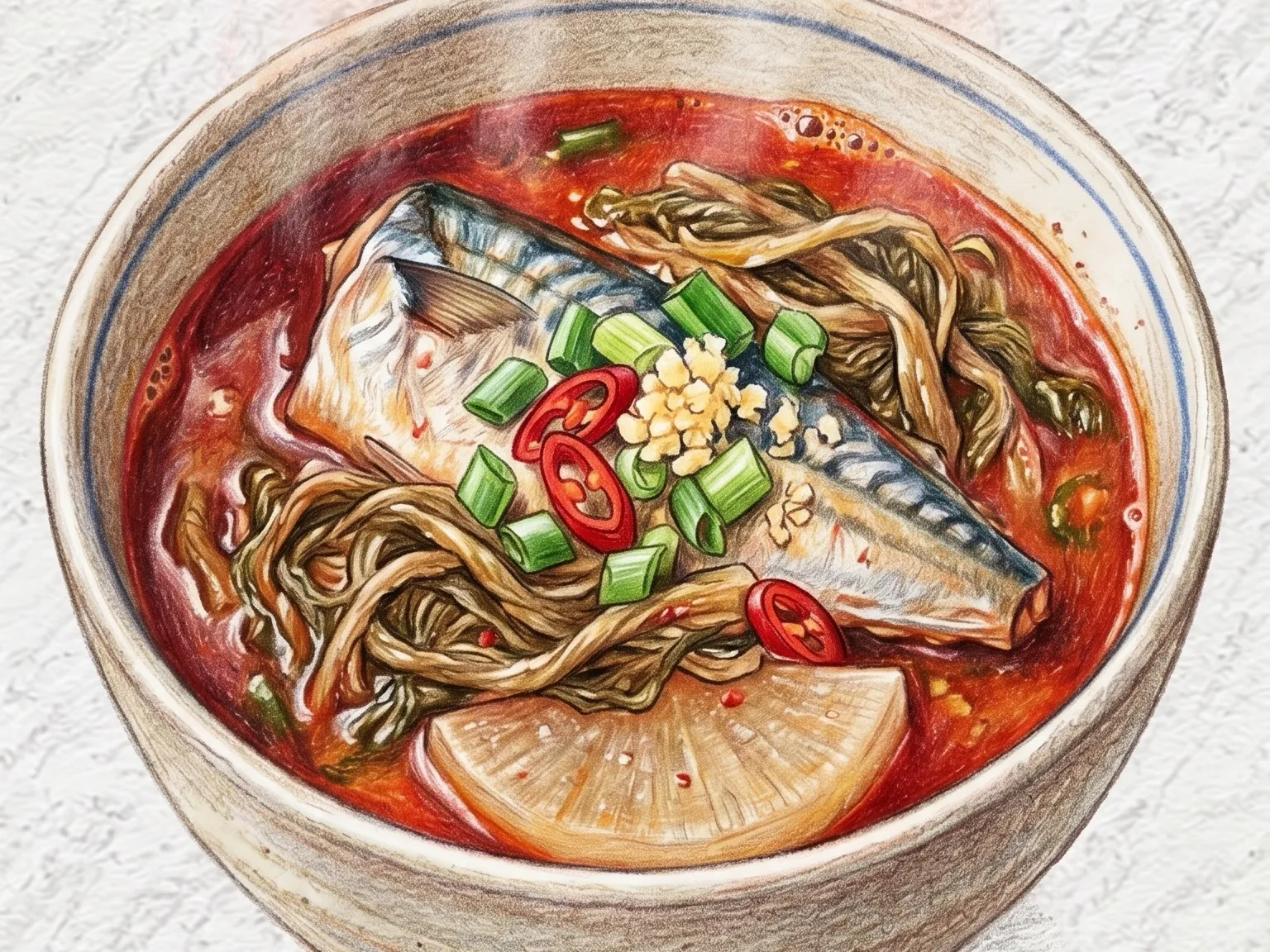
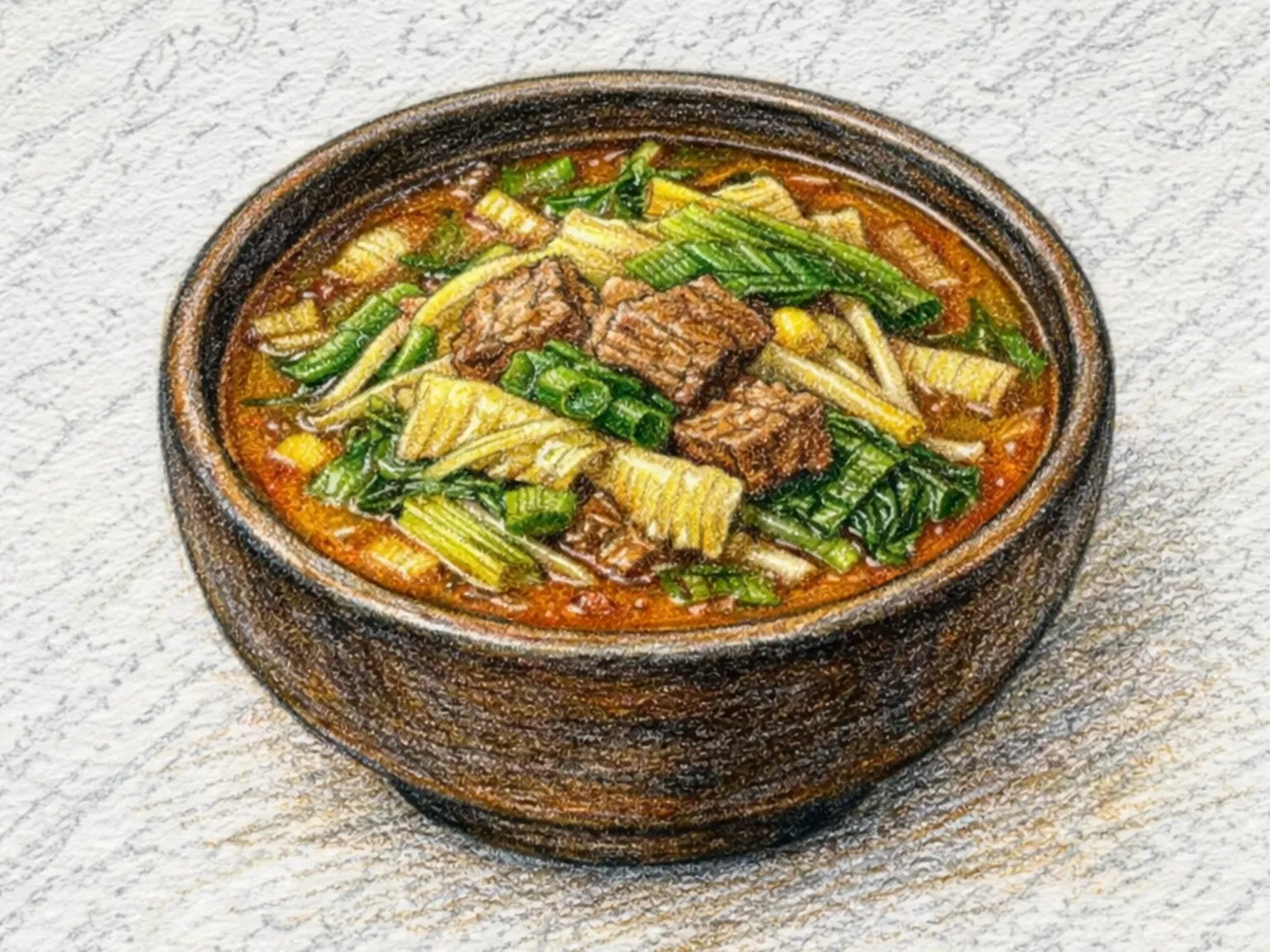
Siraegi-godeungeo-jjigae is a spicy Korean stew that combines mackerel and boiled dried radish greens in a gochugaru-seasoned broth. The oily, pronounced umami of the mackerel and the earthy, slightly musty depth of the dried greens amplify each other in the pot, while Korean radish maintains a clean, refreshing base that prevents the combination from becoming too heavy. Using rice-rinse water as the broth foundation is a traditional technique that neutralizes the mackerel's fishiness while simultaneously giving the liquid a mild, rounded body that plain water cannot provide. The radish greens must be well squeezed after boiling to remove any grassy, off-putting odor; briefly sauteing them in perilla oil before adding them to the stew deepens their nutty character further. Seasoning with gochugaru alone, without gochujang, preserves the clarity and clean red color of the broth and keeps its defining quality: a penetrating spiciness that is simultaneously bracing and warming rather than paste-thick and murky. Onion, green onion, and minced garlic round out the aromatics and complete the flavor profile of a classic everyday Korean jjigae. Mackerel is typically added bone-in, and eating it by working the flesh off the bones with chopsticks as you go is part of the simple, unhurried character of the dish.

🏠 Everyday
Prep 20min Cook 35min 4 servings
Korean Beef Mushroom Stew
Stews Medium

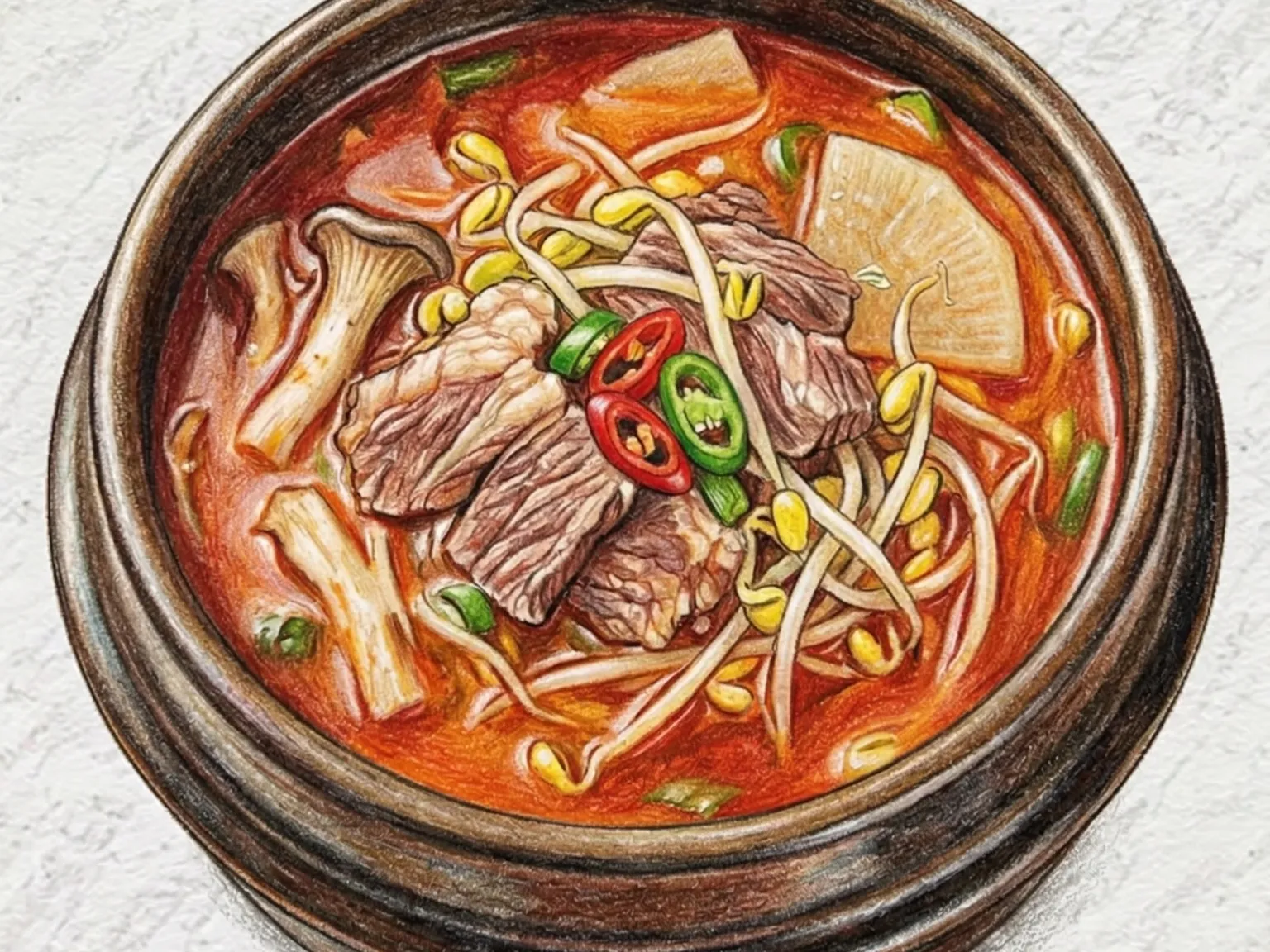
Korean Beef Mushroom Stew

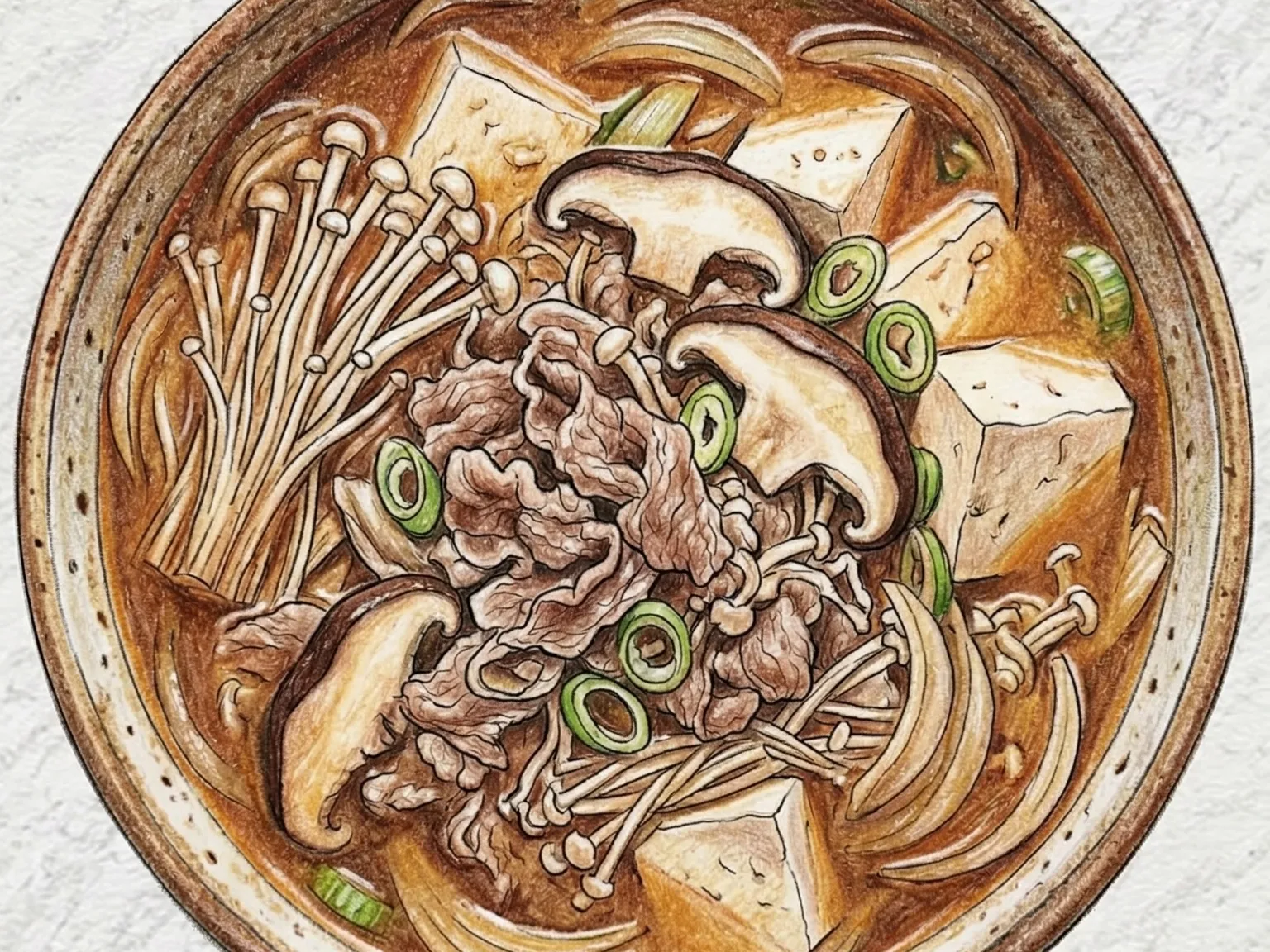
Soegogi-beoseot-jjigae is a Korean stew featuring thinly sliced beef with oyster mushrooms and shiitake mushrooms in a beef stock base. The beef stays tender throughout the cooking time because it is cut thin, and the two varieties of mushrooms contribute layered umami that deepens the broth considerably. Firm tofu absorbs the surrounding liquid and takes on the flavors of the stew while adding protein and body to the pot. Onion and green onion provide sweetness and fragrance that round out the savory base. The stew is seasoned simply with soup soy sauce and garlic, which keeps the natural flavors of beef and mushroom prominent. Tearing oyster mushrooms by hand along their grain allows the broth to penetrate the fibers better than cutting, and removing the tough stems from shiitake mushrooms before adding them keeps the broth clean and free of bitterness.

🏠 Everyday
Prep 18min Cook 24min 4 servings
Korean Beef Doenjang Jjigae
Stews Easy

Korean Beef Doenjang Jjigae

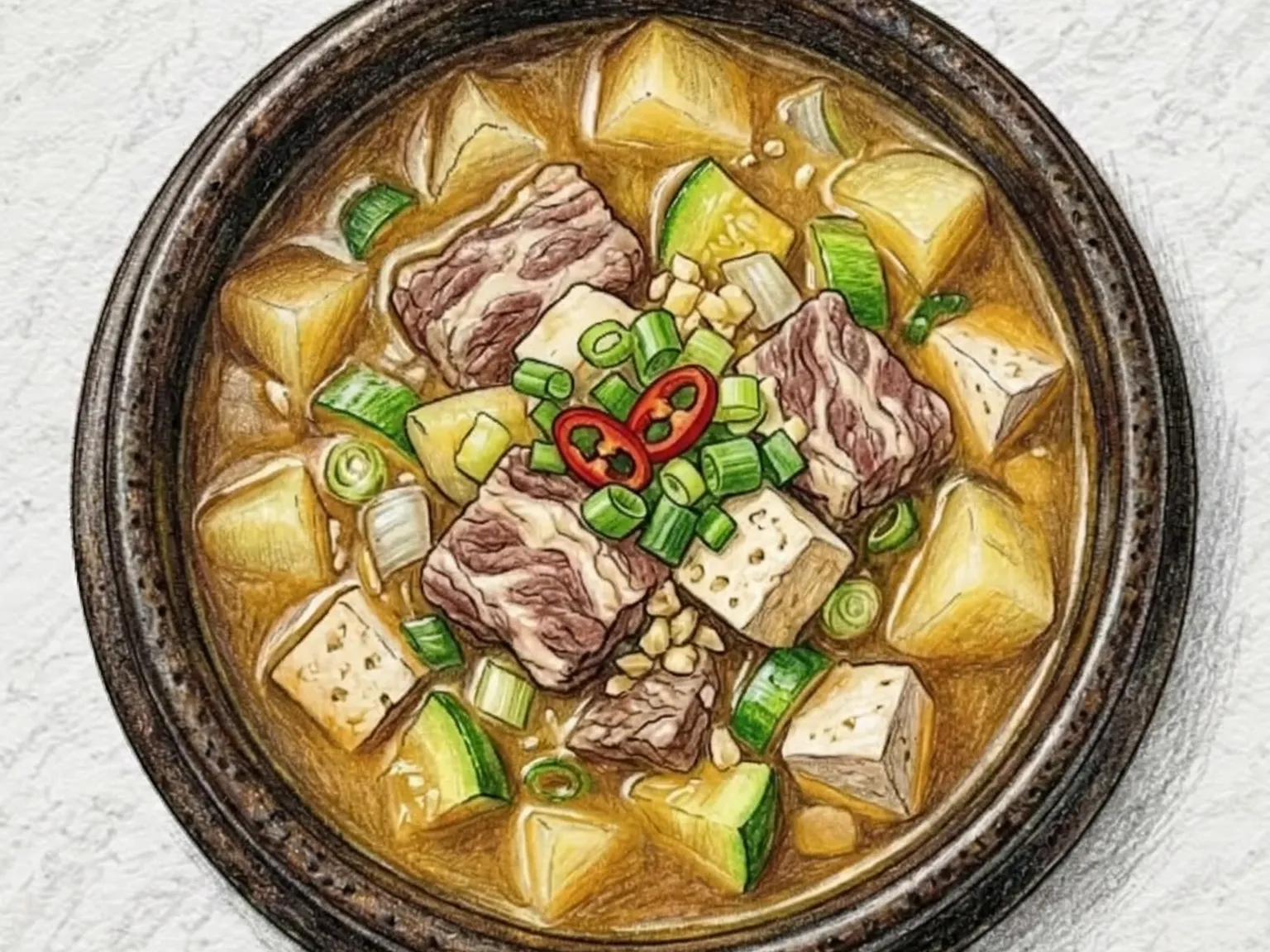
Soegogi doenjang jjigae is a foundational Korean home-cooked stew, made with beef brisket and fermented soybean paste as the foundation, filled out with potato, zucchini, tofu, and onion, and simmered in the starchy water left from rinsing rice. The brisket rewards long cooking by releasing its fibers and pushing a rich, distinctly beefy flavor into the broth, and the mild starch from the rice water softens that richness so it blends smoothly with the fermented depth of the doenjang. As the stew simmers, potato breaks down partially at the edges, thickening the liquid and giving it body without the need for any additional starch. Green onion and minced garlic anchor the aroma and keep the flavor from going flat. Adding the doenjang in stages and tasting between additions rather than putting it all in at once is the reliable method for hitting the right depth without oversalting. Paired with freshly cooked rice, this is a stew that fits into the daily rotation without ever feeling repetitive.

🏠 Everyday ⚡ Quick
Prep 12min Cook 18min 2 servings
Korean Beef Vegetable Hot Pot
Stews Medium

Korean Beef Vegetable Hot Pot

Soegogi jeongol is a Korean hot pot built on a soy sauce-seasoned beef broth and brought to the table with baby napa cabbage, oyster mushrooms, and bok choy arranged over the beef before cooking begins. The seasoning stays deliberately simple, just soy sauce and minced garlic, so the natural flavors of each ingredient rise through the broth cleanly. Savory depth from the beef mingles with the gentle sweetness that the cabbage and bok choy release as they soften, and the oyster mushrooms hold their springy texture through the simmer. Because the pot cooks at the table and everyone serves themselves directly from it, the dish is as much about the shared experience as it is about the food itself.

🎉 Special Occasion
Prep 25min Cook 18min 4 servings
Korean Beef and Daikon Stew
Stews Easy

Korean Beef and Daikon Stew

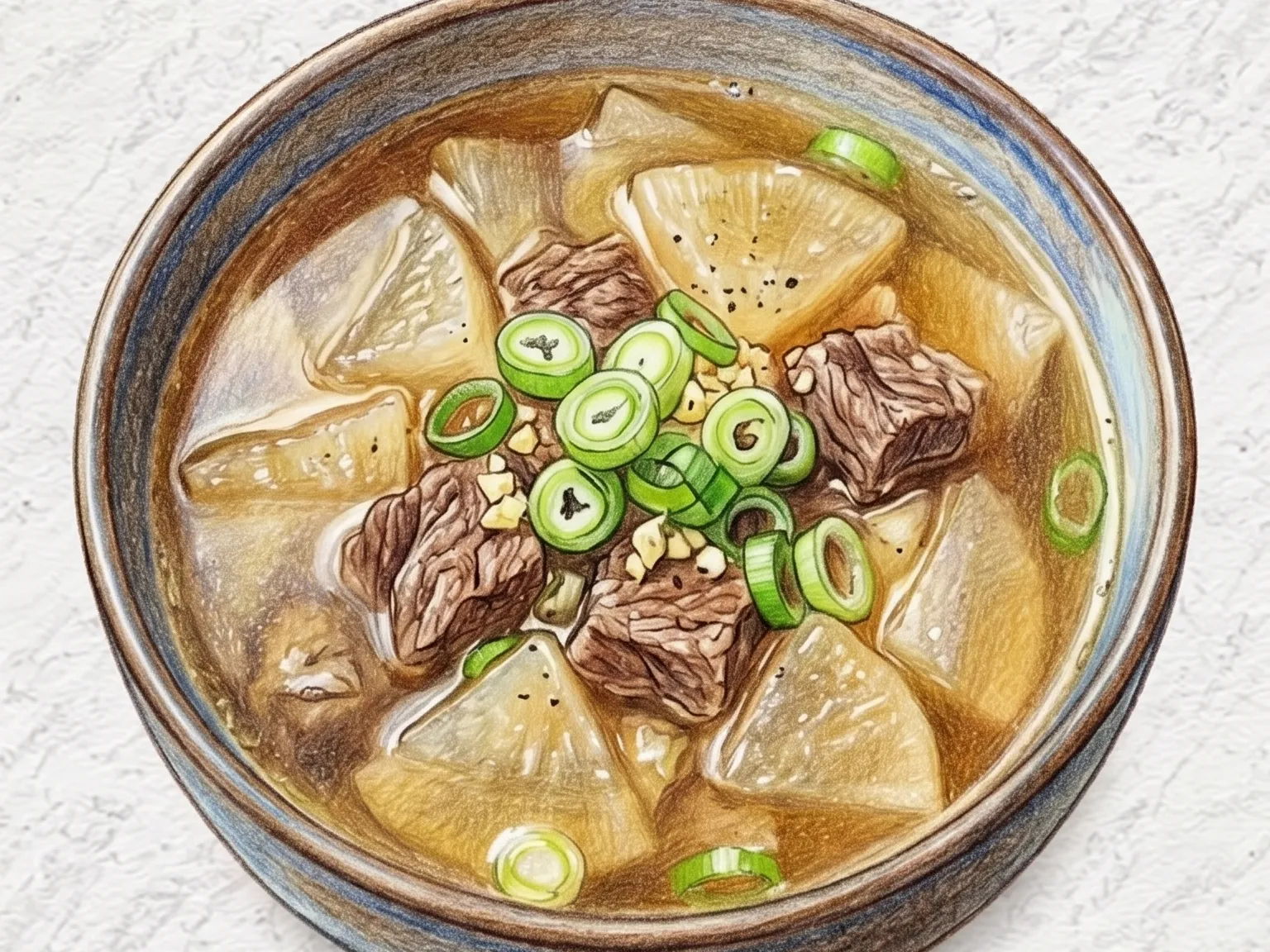
Soegogi muguk jjigae is a clear, soothing stew made by first sauteing beef brisket and daikon radish together in sesame oil to build a savory base, then adding water and simmering until the broth deepens in flavor. Soup soy sauce seasons the liquid while green onion and garlic round out the aroma. Despite a short ingredient list, the stew develops surprising depth as the brisket renders slowly into the broth and the radish turns translucent and sweet. Cutting the radish thick allows its natural sweetness to infuse gradually, enriching the broth over the full cooking time. It is a simple, grounding bowl most often eaten with rice stirred directly into the broth.

🏠 Everyday
Prep 10min Cook 25min 2 servings