Western Recipes
662 recipes. Page 17 of 28
This category brings Western-style dishes - pasta, steak, risotto, gratin, and more - into the home kitchen. In Korea, "Western food" (yangsik) includes not only authentic European recipes but also Korean-adapted classics like donkatsu (pork cutlet) and hambak steak (Hamburg steak).
Eggs Benedict
Eggs Benedict is assembled from toasted English muffins, browned bacon or ham, poached eggs, and warm hollandaise. Because the sauce and eggs need to arrive at the table in good condition, prepare the components before cooking: melt 80 g butter and let it cool until warm rather than scorching, split 2 English muffins, and set out 4 slices of bacon or ham. For the hollandaise, whisk 2 egg yolks with 1 tablespoon lemon juice over a double boiler. Keep the heat gentle for 2 to 3 minutes, until the bubbles become fine and the mixture begins to coat a spoon. Pour in the melted butter in a very thin stream while whisking continuously. Adding it too quickly can overwhelm the emulsion and separate the sauce. Once it is glossy and thick, season with 1/4 teaspoon salt and 1/8 teaspoon cayenne pepper, then keep it warm without exposing it to direct high heat. Bring a separate pot of water to a bare simmer, where only small bubbles rise, and add 1 tablespoon vinegar. Lower in 4 eggs one at a time and poach for 3 to 4 minutes, until the whites are set while the yolks remain fluid. Meanwhile, toast the muffin halves until golden and cook the bacon or ham until the edges are crisp. Stack the meat and one drained poached egg on each muffin portion, spoon over the hollandaise, and serve immediately. If the sauce begins to split, whisk in 1 teaspoon cold water to bring the emulsion back together.
Cornbread
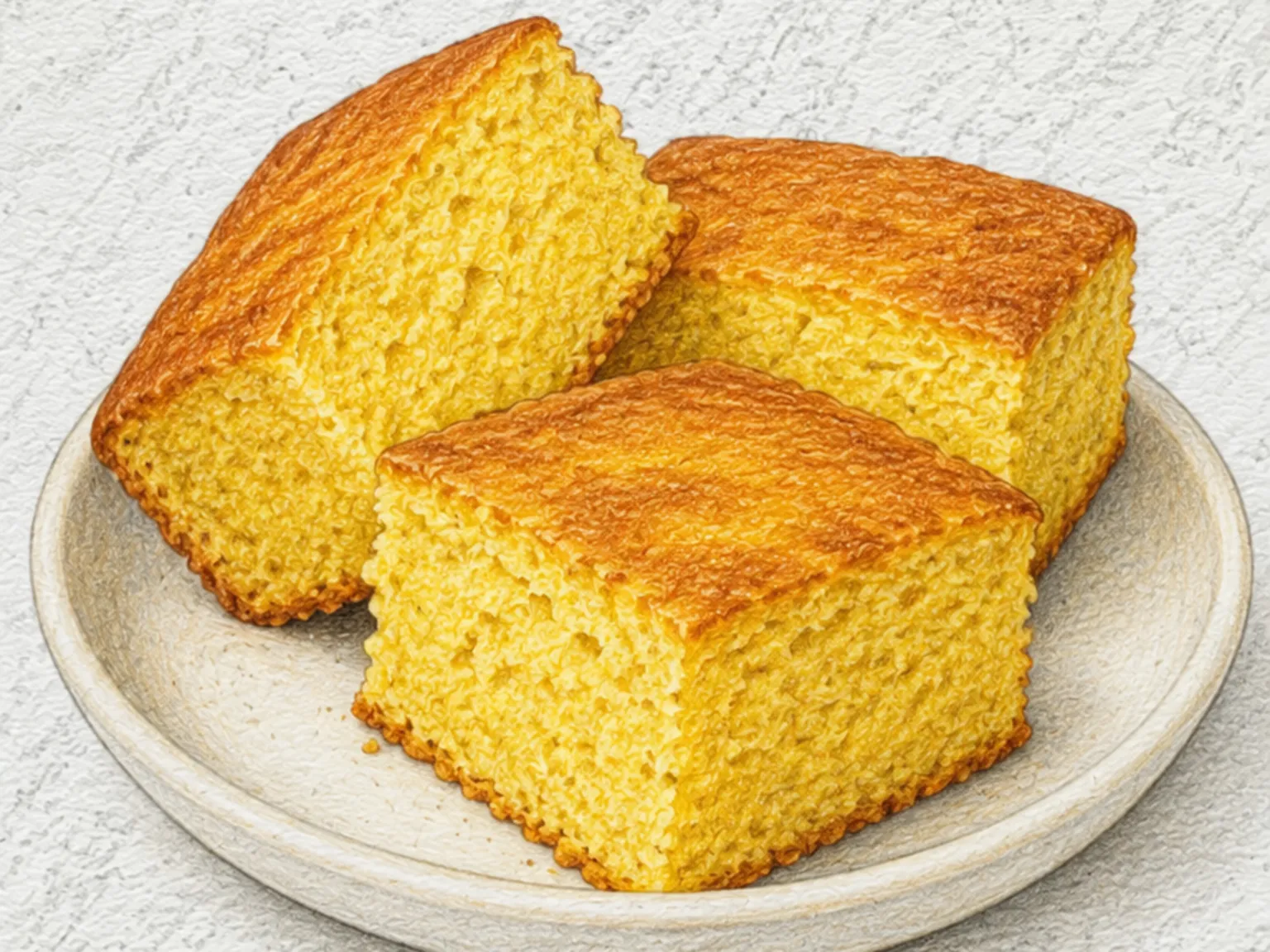
Cornbread is a Southern American quick bread made from cornmeal, flour, sugar, baking powder, milk, egg, and melted butter, baked until golden. Mixing the wet and dry ingredients separately and combining them with minimal stirring prevents overdeveloping gluten, which keeps the crumb tender and moist rather than tough. Baking at 200 degrees Celsius for twenty-two to twenty-five minutes produces a crisp exterior with a lightly sweet, nutty interior characteristic of cornmeal. The bread pairs well with stews, chili, and soups; its coarse grain absorbs broth and sauce effectively, making every bite more flavorful the longer it sits in the bowl.
Perilla Oil Potato Gnocchi with Pancetta
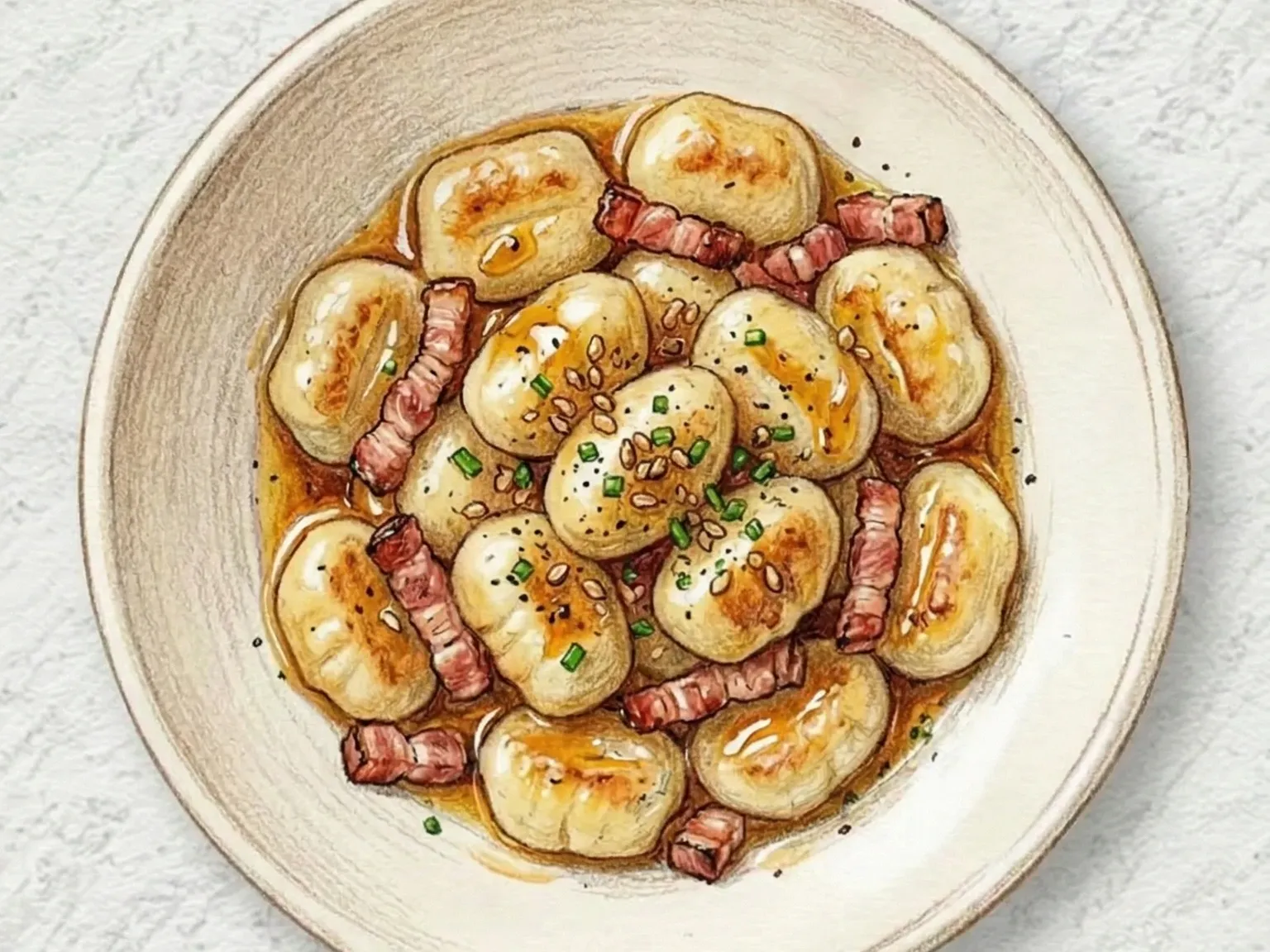
Perilla oil potato gnocchi with pancetta boils the gnocchi first, browns it in rendered pancetta fat, and builds a pan sauce with chicken stock and Parmesan before adding perilla oil off the heat. Finely dice 70g onion and slice 2 garlic cloves. Pat 4 perilla leaves dry, stack and shred them, and reserve them for the finish. Drop 300g potato gnocchi into salted boiling water and stir once to prevent sticking. Lift the gnocchi out as soon as it floats after 1 to 2 minutes, drain it well, and spread it in one layer. Cook 80g pancetta in a wide pan over medium heat for about 3 minutes, until the edges are brown and crisp, but leave the rendered fat in the pan. Add the onion and garlic and cook for about 2 minutes. When the onion is translucent, melt in 15g butter. Add the drained gnocchi, raise the heat to medium-high, and leave it undisturbed for about 2 minutes so the bottom can brown. Turn the pieces gently, pour in 80ml chicken stock, and reduce for 1 minute. When the liquid looks glossy and lightly coats the gnocchi, lower the heat and stir in 25g Parmesan with 0.4 teaspoon black pepper. Turn off the heat completely before adding 1.5 tablespoons perilla oil and the shredded leaves. Keeping the gnocchi still during browning and reserving the perilla oil for the off-heat finish are the two key controls in this sequence.
Eggs Florentine
Eggs Florentine bring four temperature and moisture states together at assembly: dry toasted muffins, squeezed spinach, softly poached eggs, and warm hollandaise that has not split. Split 2 English muffins and toast the cut faces until golden and dry at the edges. Keep the halves spread apart on a plate so trapped steam does not soften them again. Melt 1 tablespoon butter in a pan over medium-low heat and cook 120 g spinach for only 1 to 2 minutes. Remove it as soon as it wilts, then squeeze out excess water that would otherwise soak the muffins. For the hollandaise, whisk 2 egg yolks with 1 tablespoon lemon juice over a gentle bain-marie until thickened. The water underneath should barely steam, not boil hard; reduce the heat immediately if the yolks begin to set. Melt the remaining 2 tablespoons butter and drizzle it into the yolks in a thin stream while whisking continuously. Slow addition keeps the sauce smooth rather than separating into fat and cooked egg. When it coats a spoon, season with 1/2 teaspoon salt and 1/4 teaspoon black pepper. Keep the poaching water at a bare simmer and add 4 very fresh eggs one at a time. Cook each for about 3 minutes, until the white encloses the yolk while the center remains runny. Arrange the squeezed spinach over the toasted muffin halves, place a poached egg on each portion, and spoon over the warm hollandaise. Serve immediately, before the sauce and spinach transfer enough moisture to soften the toast.
Cornish Pasty (British Hand Pie with Beef and Root Vegetables)
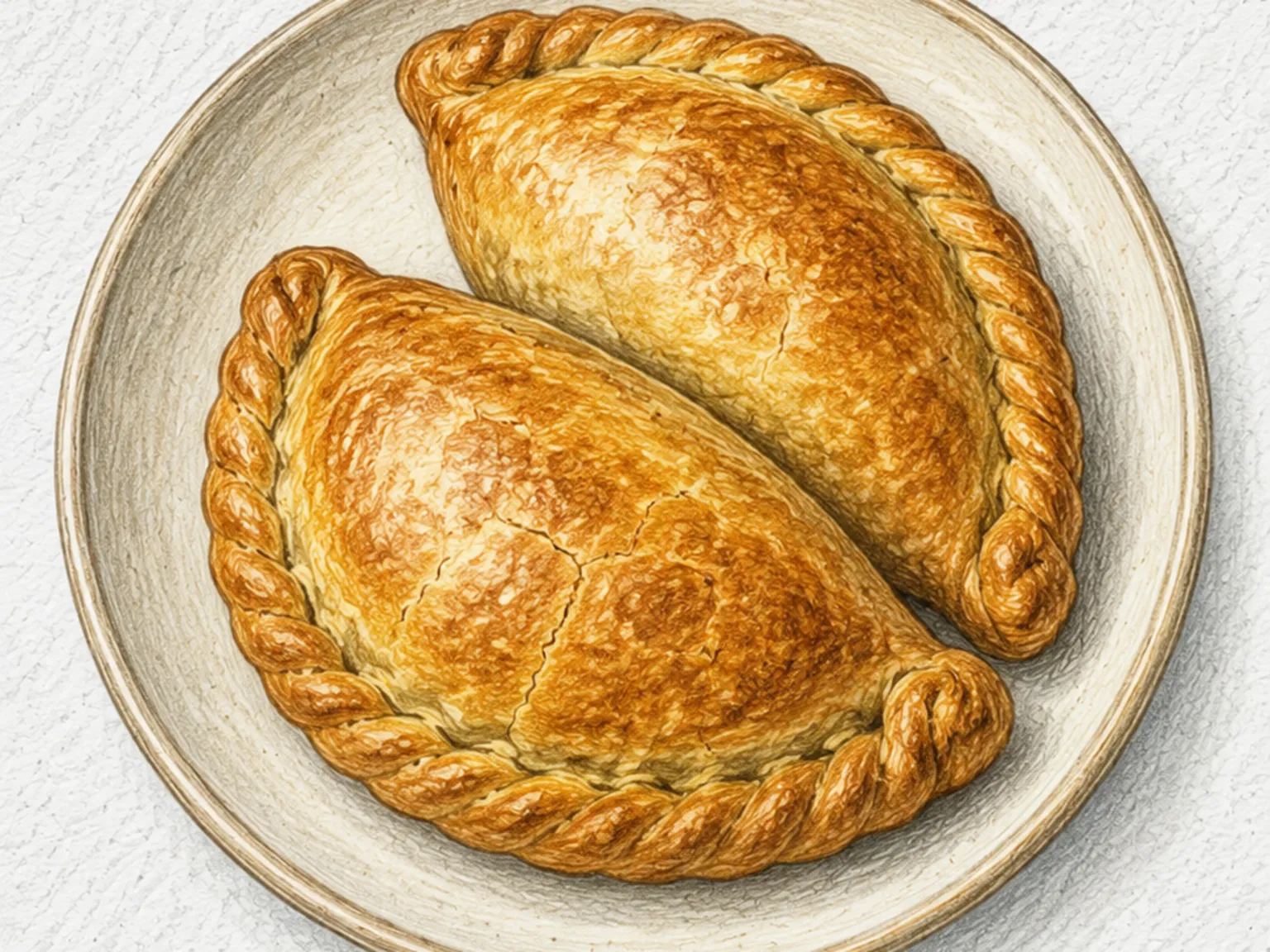
Cornish pasty is a traditional British hand pie from Cornwall, made by sealing raw diced beef, potatoes, rutabaga, and onion inside a sturdy pastry of flour, butter, salt, and water. The filling is not pre-cooked before sealing, so the meat and vegetables steam inside the crust during baking. Their juices collect and concentrate inside the sealed shell, forming a rich, savory interior gravy that makes the pasty deeply satisfying without any additional sauce. Crimping the edges tightly is essential to contain this liquid during the forty-to-forty-five-minute bake at 200 degrees Celsius. Cutting the filling into pieces no larger than about one centimeter ensures everything cooks evenly through. An egg wash brushed over the surface before baking develops a glossy, amber crust. The pasty originated as a practical working meal for Cornish tin miners, who held the pastry by its thick crimped edge to avoid contaminating the food with dirty hands, then discarded that portion when finished.
Perilla Pesto Chicken Penne
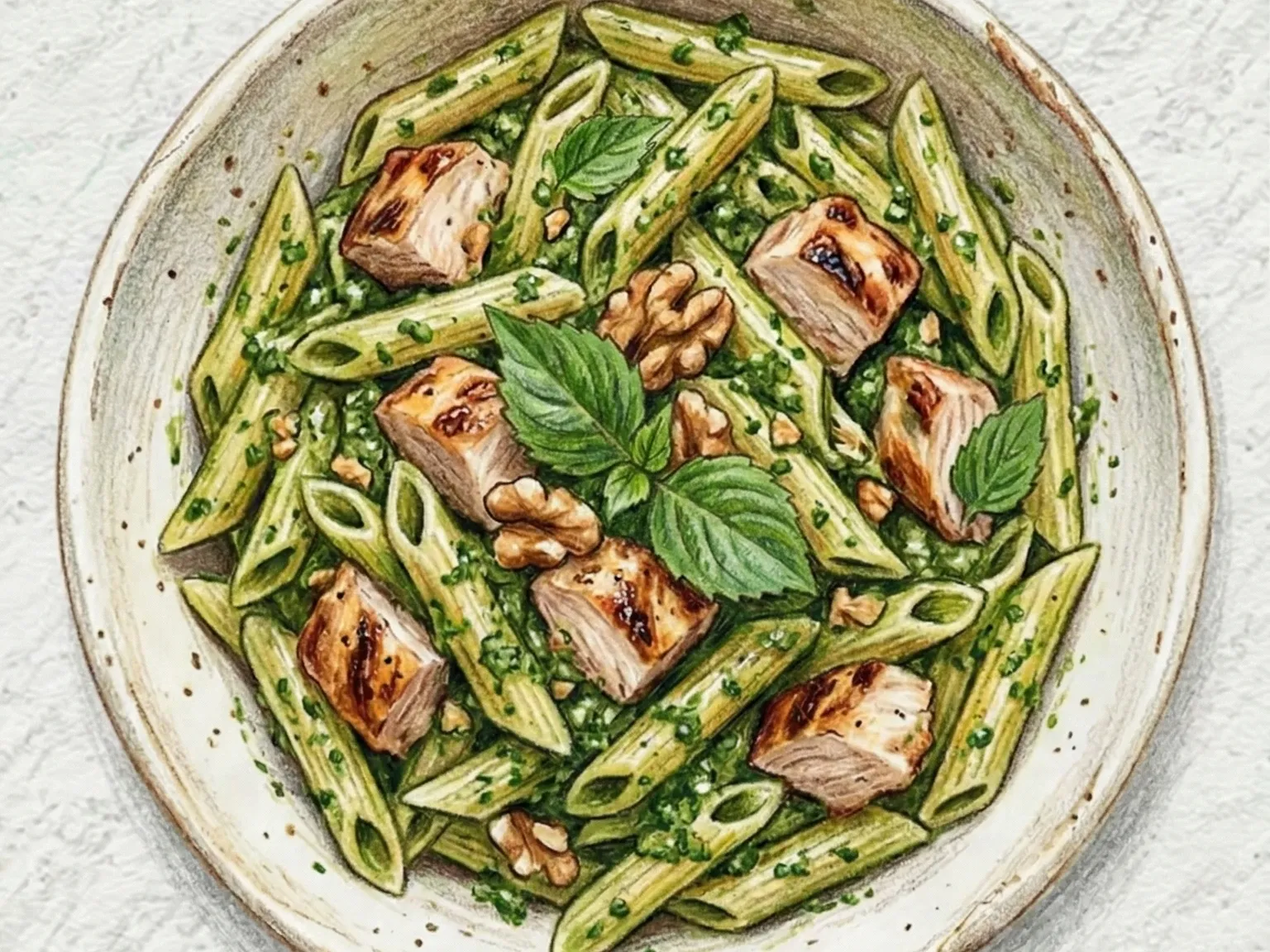
Perilla pesto chicken penne uses Korean perilla leaves and walnuts blended with olive oil into a thick, aromatic pesto that coats penne and thinly sliced seared chicken breast. Perilla leaves carry a grassy, slightly bitter fragrance with a faint sesame-like undertone that sets them entirely apart from basil - closer in character to shiso, but with a more pronounced herbal edge. Walnuts add a creamy, substantial body to the pesto and leave a lingering nuttiness after each bite. The chicken breast is seared in olive oil until golden on the outside, then sliced thin so it distributes evenly through the pasta rather than sitting in one heavy portion. Parmesan contributes salt and umami to bind the sauce, and fresh lemon juice cuts through the richness of the oil with enough acidity to keep each forkful from feeling heavy. Penne's hollow tube shape catches pesto inside as well as out, so every bite carries full flavor even when sauce coverage on the surface looks minimal.
Fabada Asturiana (White Bean and Chorizo Stew)
Fabada Asturiana is the bean stew of the Asturias region in northern Spain, a dish with deep roots in the mountain agriculture and difficult winters that shaped the region's food culture. Large, creamy faba beans are soaked overnight, then placed in a single pot with chorizo, morcilla (blood sausage), and smoked pork shoulder and simmered over the lowest possible heat for at least two hours. The rendered paprika fat from the chorizo bleeds slowly into the cooking liquid, turning the broth a deep reddish-orange while fat and protein dissolve in to create a naturally thick consistency without flour or cream. The goal is beans that are intact but fully saturated with the broth, each one soft at the center but not burst. Morcilla contributes an earthy, iron-rich depth that tempers the sharpness of the smoked paprika, and the combination of two cured meats produces a layered savoriness that plain pork stock alone cannot achieve. The starch released from the beans as they cook binds the fat and liquid into a coherent body rather than a greasy soup. Served in a wide, deep bowl with thick slices of crusty bread, a full portion constitutes an entire meal. The dish is associated with cold weather and is traditionally cooked in quantity, as the flavor deepens considerably on the second day.
Cream Horn Pastry
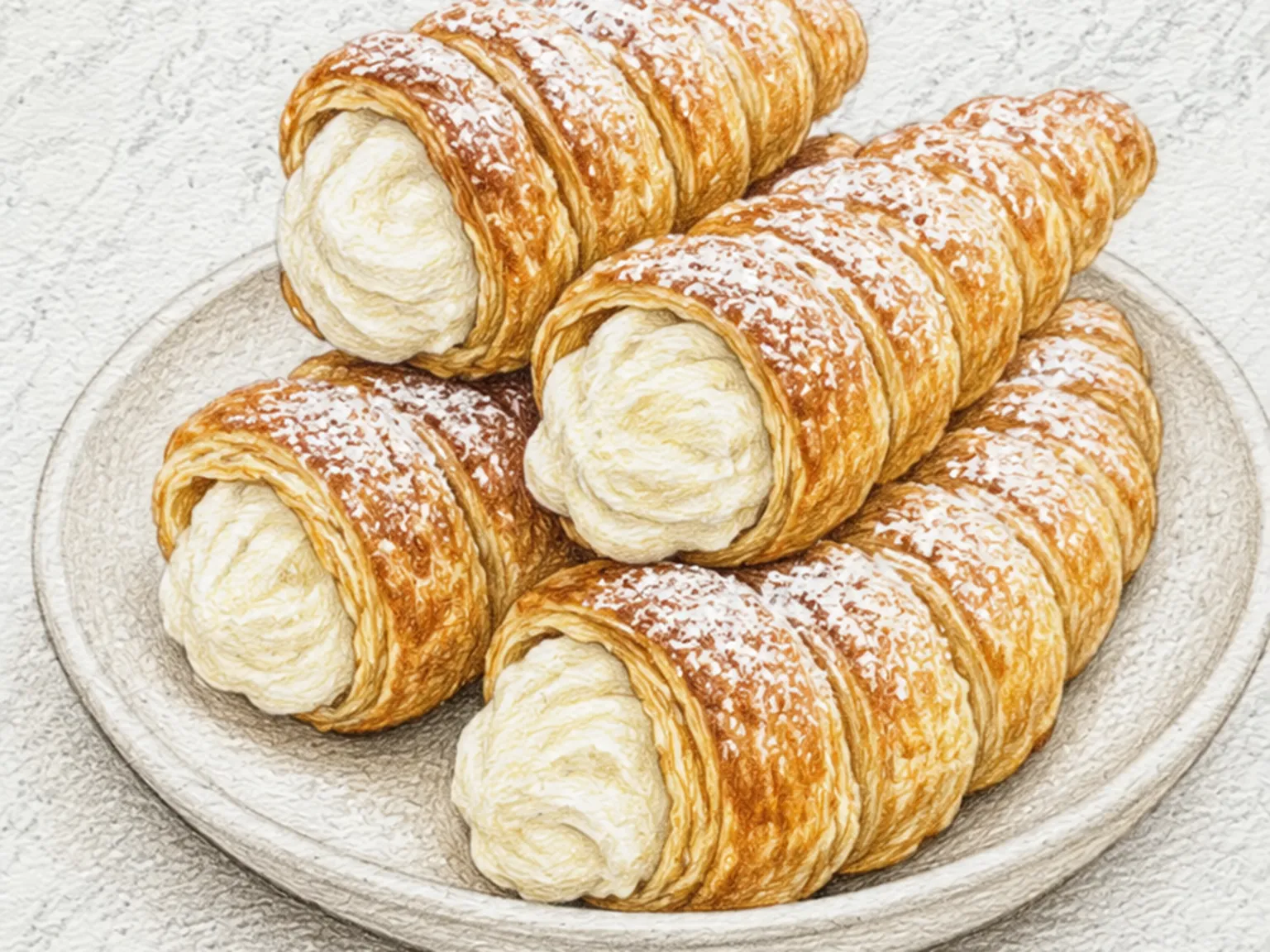
Cream horn pastry is made by wrapping cold puff pastry strips around conical molds, baking them into hollow spirals, and filling the cooled shells with cream cheese cream. Preheat the oven fully to 200°C. Keep the thawed pastry cold and cut it with a sharp knife into long strips about 2cm wide, without rolling it thinner or pulling it out of shape. Starting at the narrow tip of each mold, wind a strip upward with about 0.5cm overlap. Press the joins lightly so gaps do not open during baking. Brush the surface with beaten egg, sprinkle the measured sugar evenly over the pastry, and press gently so it adheres. After 15 to 18 minutes of baking, the visible layers should be open and the shells deep golden. Leave the molds in place until the pastry has cooled completely, then twist each shell gently to release the metal cone. For the filling, whip the cold heavy cream until stiff peaks stand. Beat the softened cream cheese until smooth, then fold the whipped cream into it in 2 additions. Pipe the thick filling through the hollow center only when the pastries are ready to serve, and finish with powdered sugar. Filling at the last moment keeps the cream from sitting against the crisp pastry for an extended period and preserves the distinct spiral ridges around the shell.
Pesto Genovese Pasta
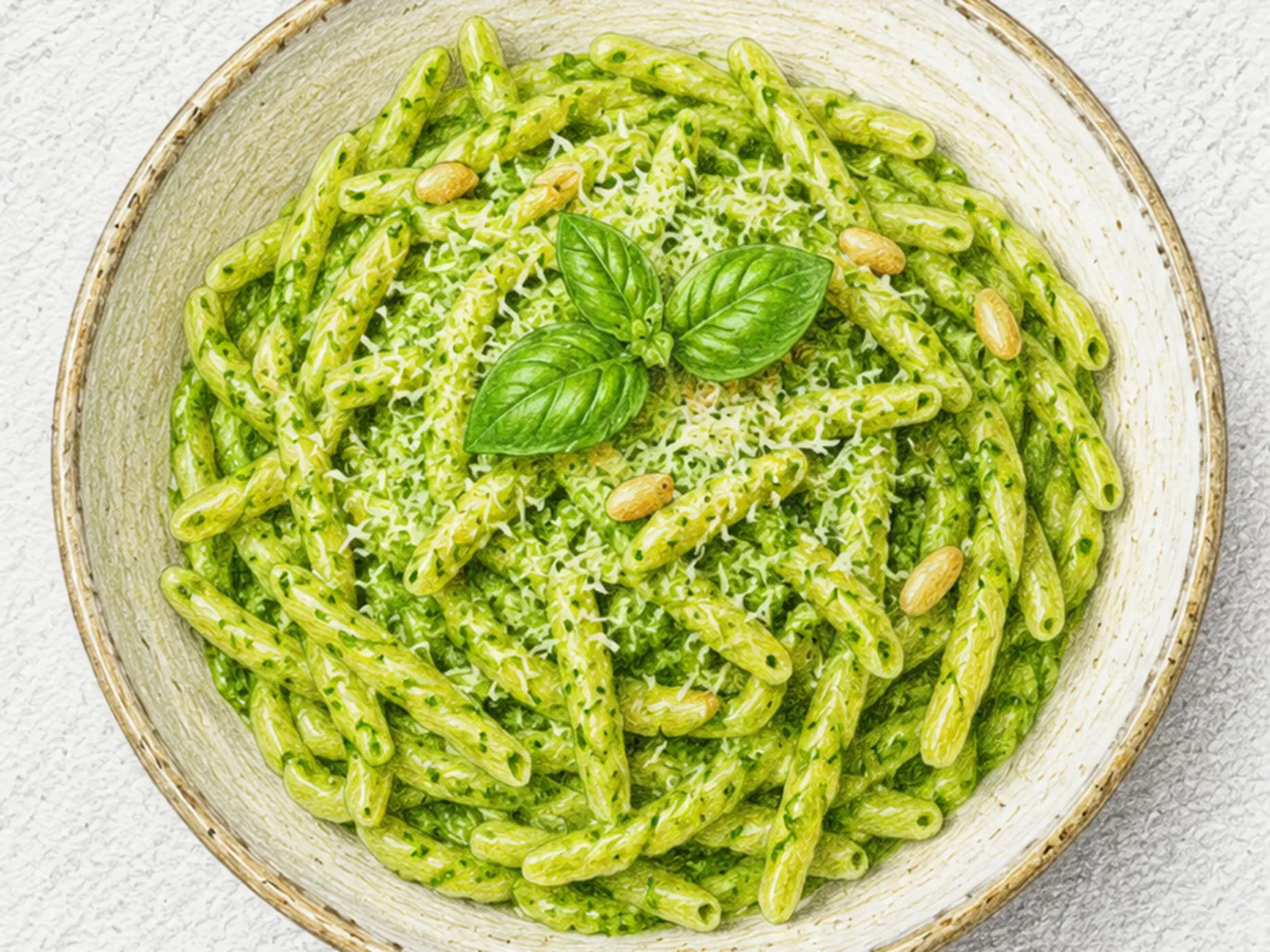
Pesto Genovese pasta protects basil from prolonged heat in both the food processor and the pan. The cooked spaghetti is tossed in a large bowl rather than over direct heat, preserving the pesto's fresh aroma and green color. Remove tough stems from 60 g fresh basil and pat the leaves dry if damp. Toast 25 g pine nuts in a dry pan over low heat for about 2 minutes, moving them frequently and stopping at a light golden color. Bring a large pot of water to a full boil, add 1 teaspoon salt, and cook 180 g spaghetti for about 1 minute less than the package time. Stir as soon as the pasta enters the water. While it cooks, place the basil, toasted pine nuts, 40 g Parmesan, and 2 garlic cloves in a food processor. Pulse in short bursts and scrape down the sides between pulses. Continuous blending raises the temperature and can dull both the leaves and their aroma. Add 80 ml extra-virgin olive oil in 2 or 3 portions, pulsing briefly after each one. Stop when the pesto is thick but falls slowly from a spoon rather than running the machine until completely smooth. Reserve some pasta water and transfer the al dente spaghetti to a large bowl. Do not place the pesto in the hot cooking pot or a heated skillet. Add the sauce and 2 tablespoons pasta water, then toss rapidly with tongs. If the coating remains tight or clumpy, add a little more pasta water. Check the salt and serve as soon as the pesto looks glossy and evenly distributed over the noodles.
Feijoada (Black Bean and Pork Stew)
Feijoada is ready when the black beans crush easily and the broth, enriched by pork shoulder and smoked sausage, has become thick and glossy. For 4 servings, use 350 g black beans, 450 g pork shoulder, 180 g smoked sausage, 160 g onion, 3 garlic cloves, 2 bay leaves, 1400 ml water, and 1 tablespoon olive oil. Rinse the beans under running water, rubbing them gently, and soak them in plenty of water for at least 4 hours. Remove any floating beans or grit. Cut the pork into bite-size pieces and slice the sausage thickly so it retains texture through the long simmer. Finely chop the onion and garlic. Heat the olive oil in a heavy pot over medium heat and cook the onion for about 3 minutes. Add the garlic once the onion turns translucent and stir only until fragrant. Raise the heat to medium-high, add the pork, and brown its surfaces lightly for about 5 minutes. Add the sausage during the final 2 minutes to release its smoky aroma. Add the soaked beans, water, and bay leaves and bring to a boil. Skim the foam, reduce the heat to low, and simmer gently for 90 minutes, stirring occasionally to prevent the beans from catching. When the beans crush easily and the liquid looks thick, season with salt and simmer for 20 minutes more. Serve hot with rice and orange wedges, which provide a fresh contrast to the rich stew.
Croquembouche (French Caramel-Glazed Cream Puff Tower Centerpiece)
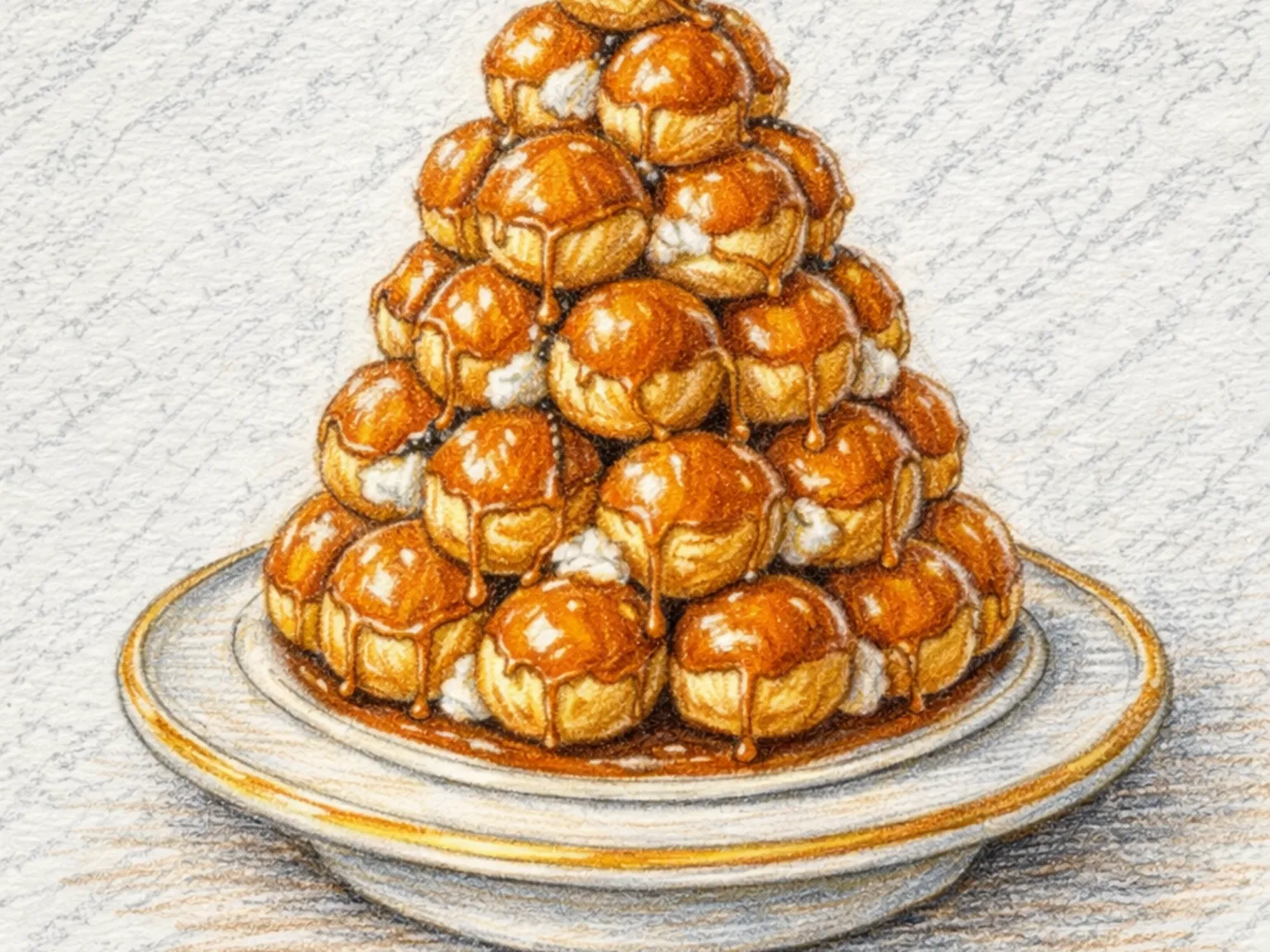
Croquembouche is a French celebration centerpiece constructed by dipping cream-filled choux puffs in hot caramel and stacking them into a tall conical tower. Each profiterole is baked until the interior is hollow and dry, filled with vanilla pastry cream, then submerged briefly in caramelized sugar that hardens into a thin shell on contact and bonds each puff to its neighbors. As the tower rises, caramel strands are stretched between the puffs, cooling into a web of spun sugar threads that wrap around the entire structure. A finished tower can stand several feet tall, and guests detach individual puffs from the top downward to eat. Cracking the hardened caramel shell with teeth reveals soft choux pastry underneath and cold cream inside, a progression of textures that plays out in a single bite. The name itself comes from the French for crunching in the mouth. In France the croquembouche is a traditional centrepiece at weddings and christenings, where it stands in place of a tiered cake.
Porcini Truffle Mushroom Tagliatelle
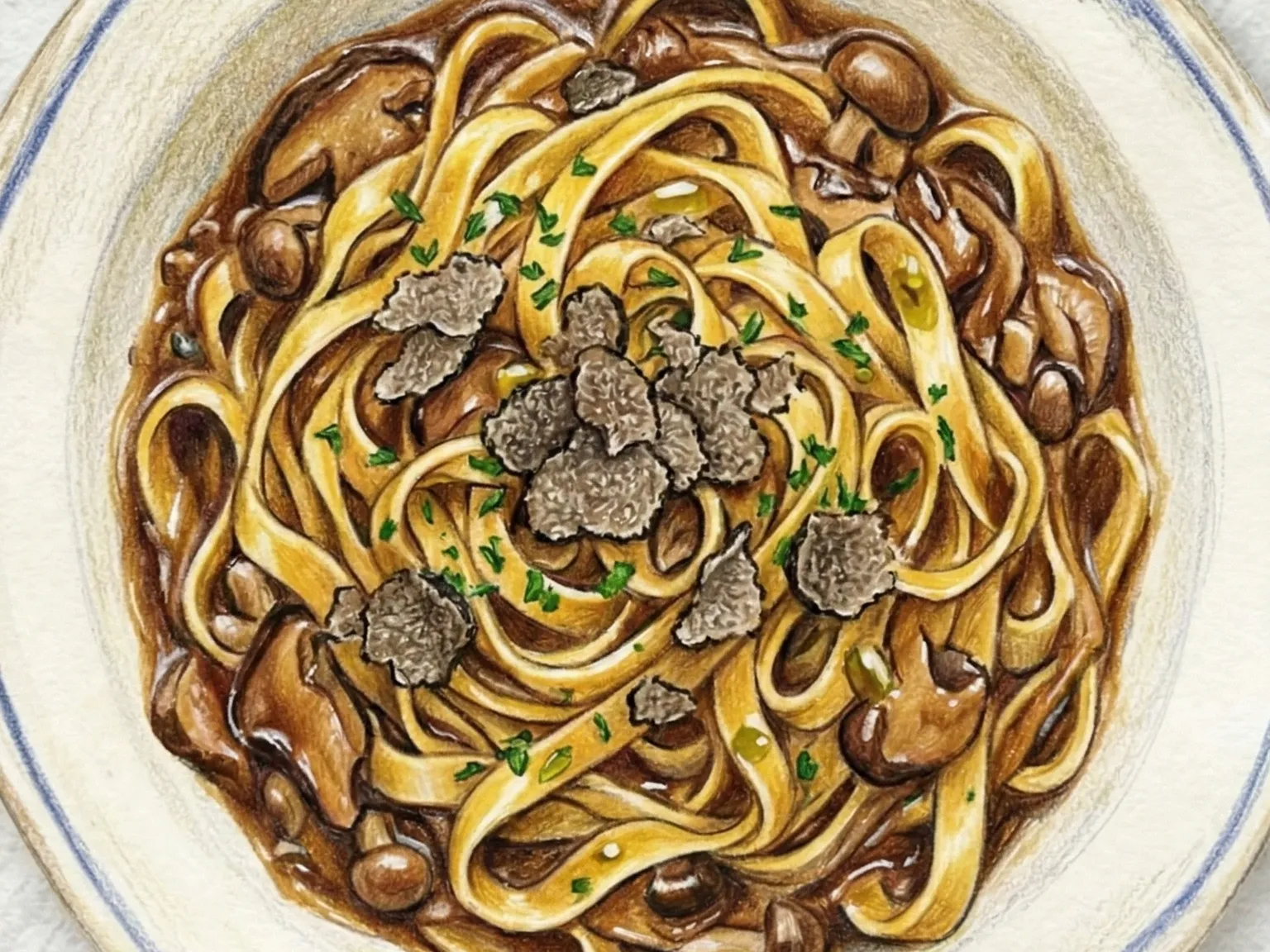
Porcini truffle mushroom tagliatelle relies on the liquid left over from rehydrating dried porcini as the flavor engine of the entire dish. Soaking dried porcini for thirty minutes or more produces a deep brown, intensely earthy liquid that carries far more umami than any fresh mushroom can alone. Shallots and garlic are cooked slowly in butter and olive oil until soft, then white wine is added to deglaze the pan and lift the savory residue from the bottom. Rehydrated porcini and a selection of fresh mixed mushrooms go in next, followed by the strained soaking liquid, and the sauce is simmered down until concentrated and thick. Truffle paste is stirred in only after the pan is removed from heat - adding it while still on the flame burns off the volatile compounds responsible for its aroma. Grated Parmigiano-Reggiano and flat-leaf parsley are folded through at the end. Wide tagliatelle ribbons are the ideal carrier: their surface area and chewy structure hold the dense sauce without falling apart.
Fig Jam Baguette with Cream Cheese
Three ripe figs cook gently with sugar into a thick jam that keeps visible seeds and small pieces of softened fruit. The jam is spooned over a generous layer of cream cheese on warm baguette slices, giving each bite a crisp crust, tender crumb, cool tang, and concentrated fruit sweetness. Low heat matters because a hard boil dulls the fresh fig aroma and can make the sugar catch before the fruit releases enough moisture. Warm the baguette whole, then cut it into four pieces so the interior stays soft while the crust regains its crispness. Serve the finished open toasts with a cup of hot drip coffee for a simple breakfast.
Crunchy Chocolate Chip Baguette
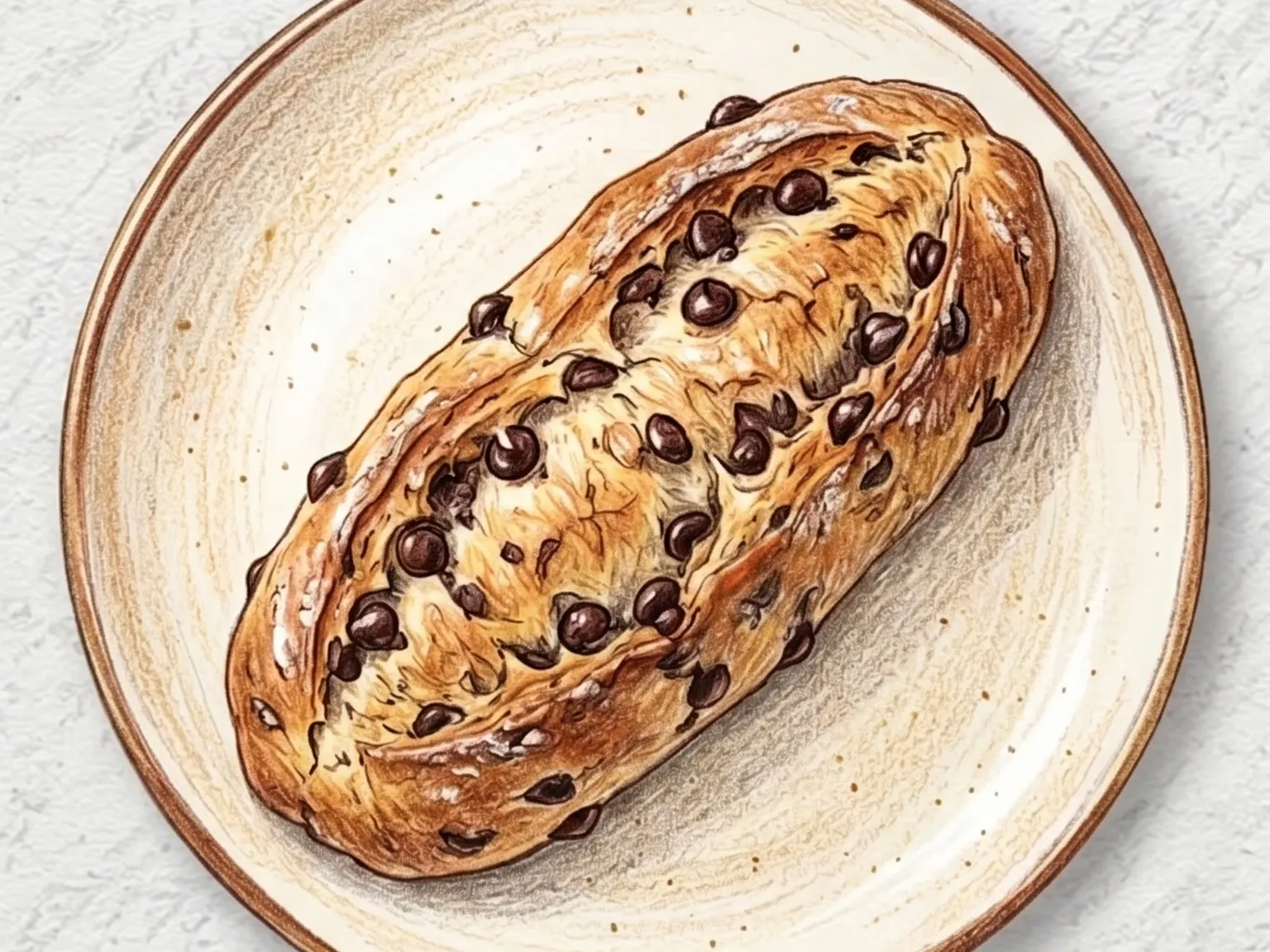
This baking recipe explains how to make a chocolate baguette featuring a crispy crust and a bittersweet crumb. The dough combines bread flour, cocoa powder, sugar, salt, and instant dry yeast, which is kneaded with lukewarm water until smooth and elastic. Chocolate chips are folded into the dough at the end of kneading to distribute them evenly without melting. After a one-hour first fermentation, the dough is divided and shaped into long ovals, then left to rise again for thirty minutes. Before baking, the loaves are scored to expose the chocolate chips during the oven spring and sprayed with water. Baking at 220°C with steam creates a firm, crispy crust while keeping the inside soft. The finished baguette offers a rich cocoa aroma and sweet pockets of melted chocolate chips in every bite.
Ricotta Spinach Gnudi (Naked Ricotta Dumplings)
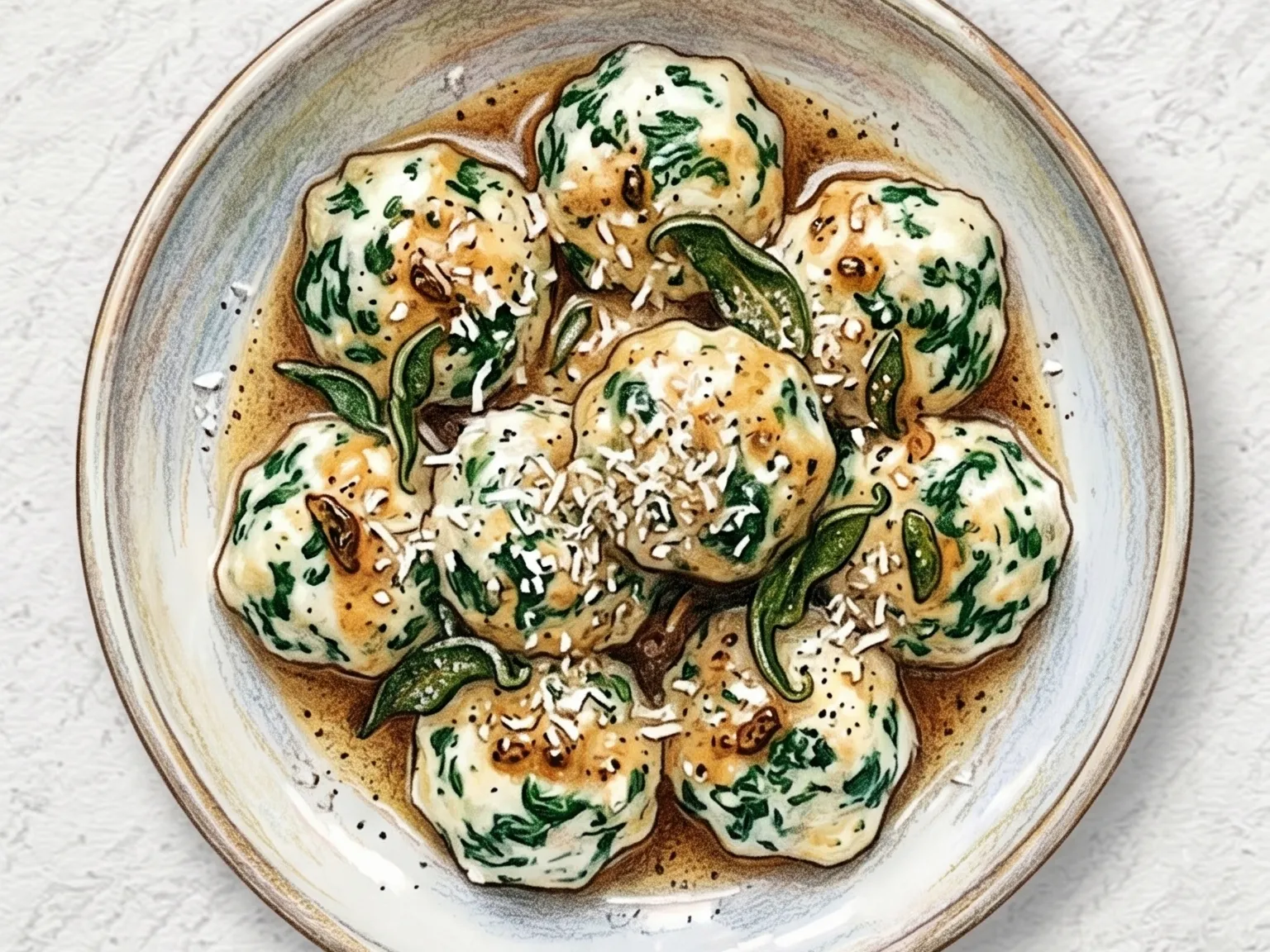
Ricotta-spinach gnudi stay intact in the cooking water through moisture control, not through loading the delicate cheese mixture with flour. Blanch 180 g spinach for only 30 seconds, cool it in cold water, and squeeze it very firmly in a cloth. Continue until almost no drops come out, then chop it finely. Combine the spinach with 350 g ricotta, 60 g Parmigiano Reggiano, 2 egg yolks, and salt, pressing gently with a spatula until the green pieces are evenly distributed. Start with only half of the 90 g all-purpose flour. The mixture should hold together while remaining slightly tacky. If it is still loose, add more flour 1 tablespoon at a time rather than tipping in the remainder automatically. Excess flour and heavy handling both make the dumplings dense. Chill the mixture for 20 minutes. Lightly dust your hands and a tray with the remaining flour, then roll small ovals without compacting them. Keep a wide pot of salted water at a gentle boil, since violent bubbling can knock the soft gnudi against one another. Add them in batches. Once a dumpling floats, cook it for 1 minute more and lift it out carefully with a slotted spoon. For the finish, melt 50 g unsalted butter with 8 sage leaves over medium-low heat until the butter turns light brown and smells nutty. Add the drained gnudi and roll them very gently to coat their surfaces without breaking them. Serve immediately while the brown butter is fluid and the centers remain tender.
Fish and Chips
Fish and chips require two different frying plans to meet at the serving plate: the potatoes are fried twice, while the cod receives one coating of cold sparkling-water batter and one steady fry. Cut 350 g potatoes into thick sticks, soak them in cold water for 10 minutes to remove surface starch, and dry them completely. Residual water causes splattering and interferes with an even crisp surface. Press 320 g cod dry with paper towels until it feels tacky rather than wet. Season both sides lightly with salt and black pepper, then keep the fish cold until the batter is ready. Mix 120 g flour with 1/2 teaspoon baking powder and pour in 160 ml cold sparkling water. Stir only briefly and stop while a few small lumps remain, avoiding a heavy, overmixed coating. Heat 500 ml cooking oil to 170C and fry the potatoes for about 4 minutes. Remove them while their centers are tender but their surfaces have not taken on deep color, then drain and rest them. Raise the oil to 175C. Coat the cold cod evenly in batter and lower it into the oil immediately. Keep the temperature steady until the crust is golden and the fish separates cleanly into flakes. After lifting out the cod, return the rested potatoes to the 175C oil for about 2 minutes. Drain both components thoroughly when the chips are crisp and golden. Serve at once, before steam trapped under the batter and on the potato surfaces begins to soften the crusts.
Dacquoise (Almond Meringue Disc with Butter Cream Filling)
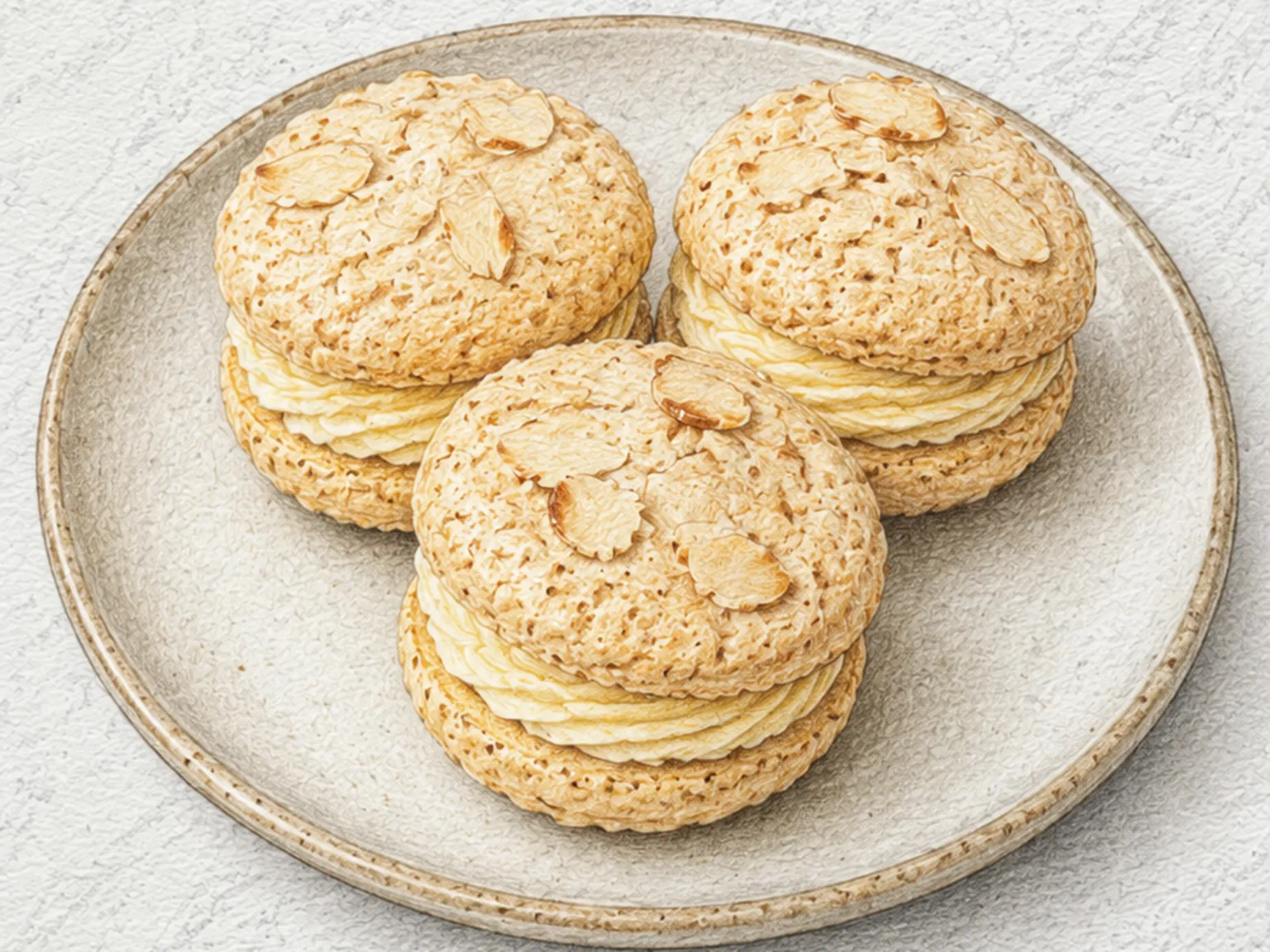
Dacquoise is a French confection originating in the town of Dax in the southwest, made by folding almond flour into stiff beaten egg whites, piping the batter into flat discs, and baking until the surface forms a thin, dry shell. That outer layer cracks cleanly underfoot, while the almond oils inside keep the meringue moist and chewy, so two distinct textures inhabit the same bite. Two discs are sandwiched around a layer of buttercream, which provides richness and holds the halves together; the filling varies widely, vanilla, matcha, pistachio, or fruit curd depending on the baker. In Korean cafes, dacquoise has been scaled down to single-portion bite-sized pieces and individually wrapped for takeaway, a format that has made them one of the most popular items alongside afternoon coffee. The key to the right texture is folding the almond flour into the meringue without deflating it, preserving the open crumb that gives each piece its characteristic chew.
Rigatoni all'Amatriciana (Roman Guanciale Tomato Spicy Pasta)
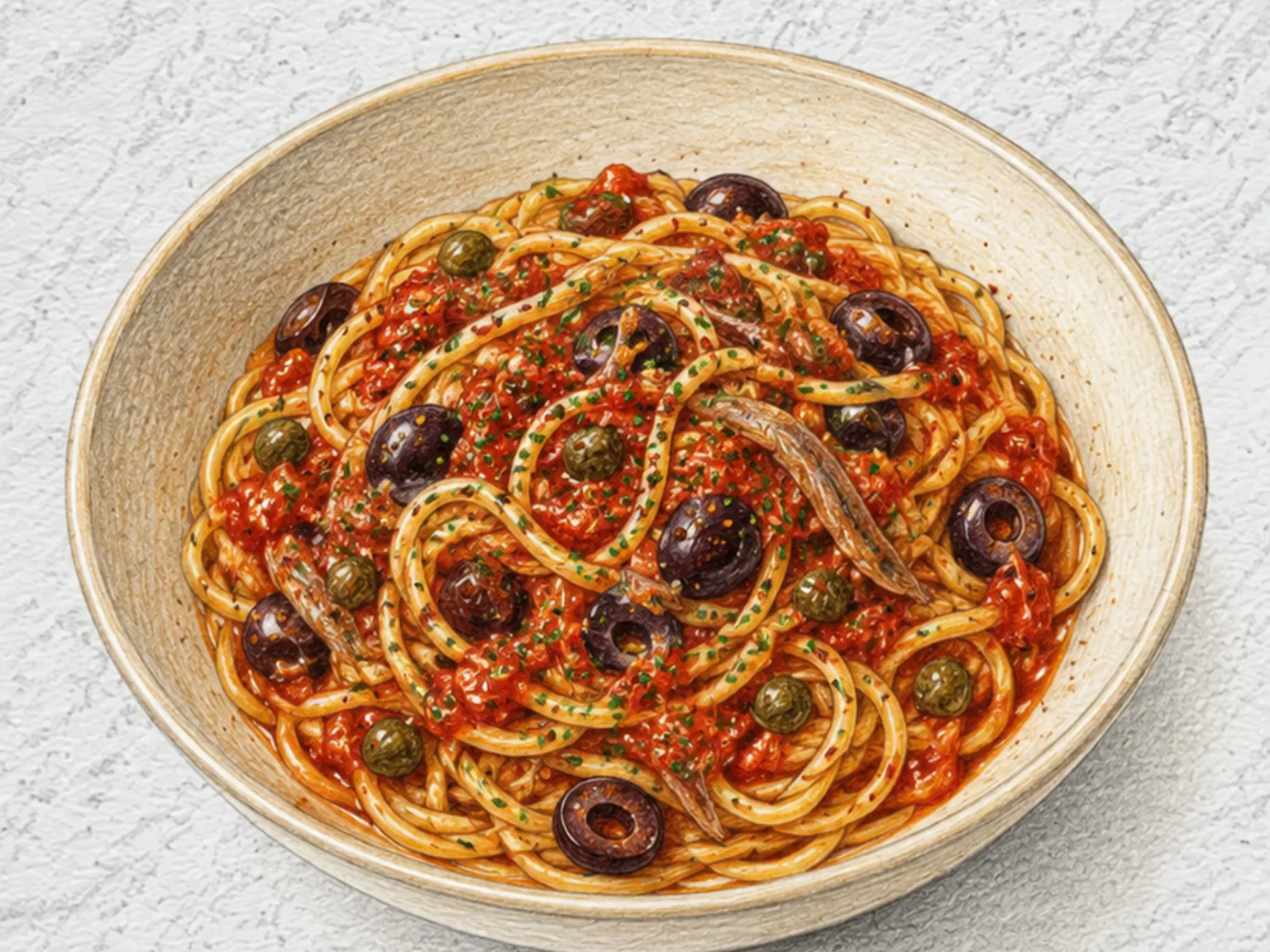
This two-serving rigatoni all'Amatriciana uses 200 g pasta, 120 g guanciale, and 400 g whole peeled tomatoes. Cut the guanciale into small batons and give it 6 to 8 minutes with 1 tablespoon olive oil at medium-low heat. The next ingredients should not go in until the pork fat has rendered and the edges are brown and crisp. Add the broken peperoncino for only 30 seconds, then pour in 50 ml white wine and scrape the browned residue from the pan while the sharp alcohol aroma cooks off. Crush the tomatoes by hand so some texture remains, add them to the pan, and maintain a gentle simmer for 15 minutes. The sauce is reduced enough when it coats a spoon instead of running off in a thin stream. Taste before adding salt because both guanciale and the 50 g Pecorino Romano contribute substantial seasoning. Boil the rigatoni until al dente, transfer it to the sauce, and toss for 1 minute with the burner low so the ridges collect the reduced tomato mixture. Grate the Pecorino over the finished pasta, where its sharp saltiness balances the tomato acidity and the rendered cured-pork fat.
Fish Pie
Fish pie is a British baked dish with white fish in a creamy sauce under a browned mashed-potato topping. Cut 700 g potatoes into even pieces and boil them for 15 to 20 minutes, until a skewer reaches the center easily. Drain thoroughly and let the steam escape before mashing with some of the butter and milk. Keep the mash soft enough to spread but not runny, since it must form a stable top layer. In a separate pan, cook 120 g finely chopped onion over medium-low heat for 4 to 5 minutes until translucent. Add the remaining butter and 2 tablespoons all-purpose flour, stirring for about 1 minute to remove the raw flour smell. Pour in 350 ml milk in several additions and whisk after each one so the roux loosens smoothly without lumps. Reduce the heat when the sauce lightly coats the back of a spoon. Add 500 g white fish cut into bite-size pieces and 80 g peas, then fold gently over low heat for only 3 minutes. The fish will continue cooking in the oven, so it should begin turning opaque without breaking apart at this stage. Spread the filling evenly in a baking dish and cover it with mashed potato all the way to the edges. Draw ridges across the surface with a fork and scatter 60 g cheddar over them; the raised areas give the topping more places to brown. Bake in a preheated 200 C oven for about 20 minutes. Once the sauce bubbles around the sides and the potato is golden, rest the pie for 5 minutes so the filling settles and each serving holds both layers.
Danish Pastry
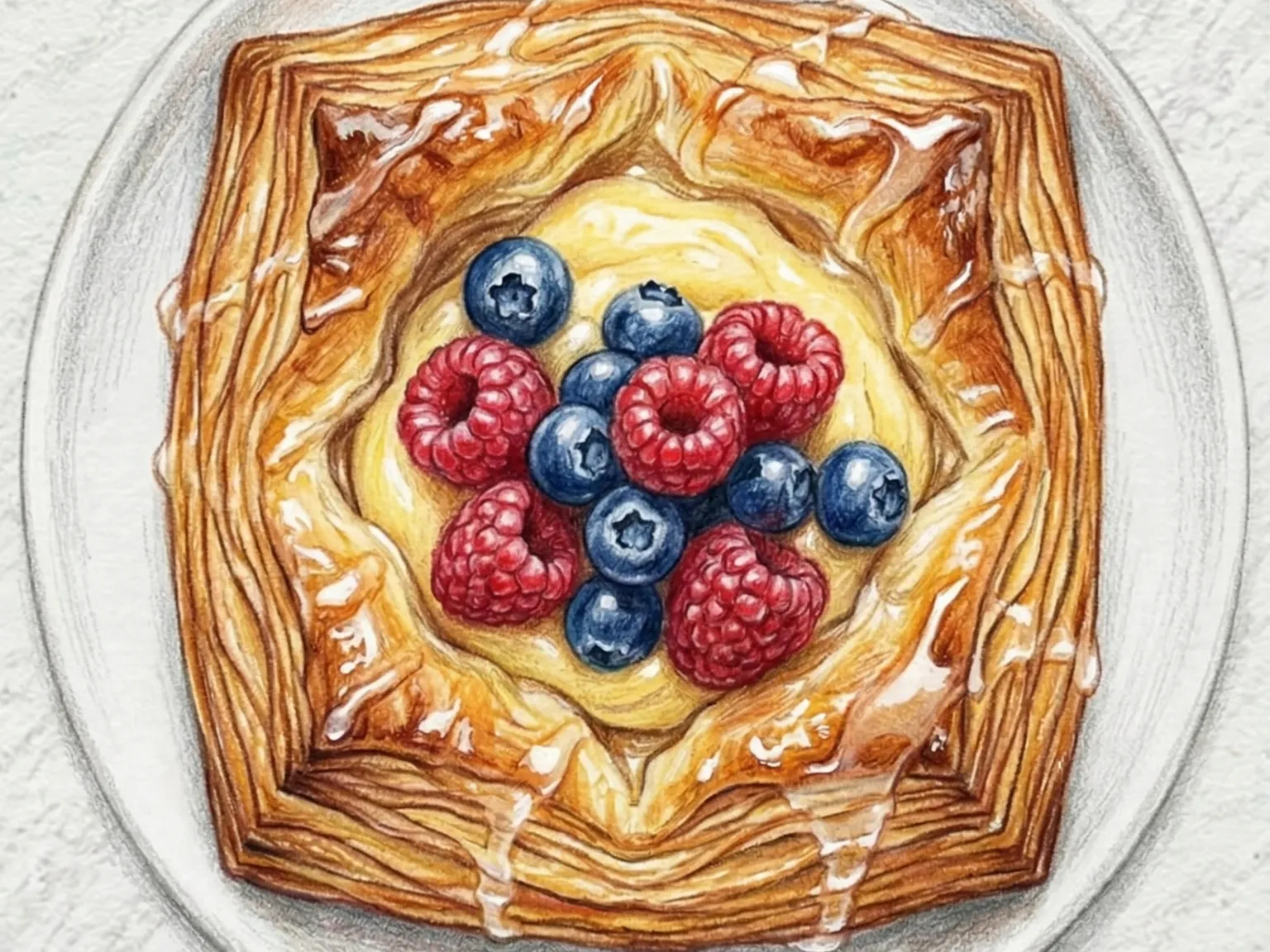
Danish pastry is made by enclosing a cold butter slab in yeast dough, completing 3 folds with chilled rests, and baking pastry cream in a shallow center well. Mix the bread flour, milk, sugar, and instant yeast until the dough is smooth and elastic, then let it complete its first rise until visibly puffy. If the dough feels warm or sticky, chill it briefly before beginning the butter work. Flatten 180g cold butter into an even slab that feels slightly firmer than the dough. When it cracks under light pressure, give it a short rest until it can bend and roll without breaking into pieces. Wrap the dough completely around the butter, roll the packet into a long sheet, and fold it. Complete 3 folds in total, refrigerating between the turns so the butter remains a distinct layer inside the dough. Roll the chilled laminated dough evenly and cut it into 8 squares. Press a shallow well in the center of each piece while leaving the exposed edges uncompressed, since those edges need room to lift. Divide 180g pastry cream among the wells and keep the filling gathered in the centers. Return the shaped pieces to the refrigerator if the dough softens. At 190°C, the baking takes 16 to 18 minutes. Remove the pastries when the layers have opened, the surface is deep golden, and the cream looks set and glossy. Let the pieces cool slightly before moving them so the raised borders and warm custard centers stay in place.
Roasted Pumpkin Alfredo Fettuccine
This pasta dish incorporates a smooth purée of kabocha squash roasted until the edges reach a caramelized state at 200 degrees Celsius. The roasting process concentrates the natural starches, providing a thick body to the sauce without additional thickening agents. Onions and garlic sautéed in butter form the aromatic base, which is then blended with the squash and heavy cream for a uniform texture. Grated Parmigiano-Reggiano introduces a salty, nutty profile, while a small measure of ground nutmeg provides a warm complexity that balances the sweetness of the squash. The wide ribbons of fettuccine are chosen specifically to hold the heavy sauce effectively. For improved efficiency, the squash can be prepared a day in advance and stored in the refrigerator. Using a ladle of starchy pasta water during the blending stage allows for precise control over the final consistency. To finish the plate, sage leaves fried in brown butter offer a bitter herbal contrast to the squash. White pepper adds a subtle heat while preserving the bright orange color of the sauce. Butternut squash serves as a functional substitute if kabocha is unavailable.
French Beef Stew
French beef stew builds its sauce by lightly flouring the beef, browning it in uncrowded batches, and dissolving the dark fond from the pot with red wine. Cut 800 g beef chuck into 4 to 5 cm pieces and pat every surface dry. Season with salt and black pepper, then coat with 1 tablespoon flour in a thin layer rather than a heavy paste. Heat a heavy pot over high heat and melt 1 tablespoon butter. Add the beef in several batches so the pieces never overlap. Sear each face for 2 to 3 minutes until a deep brown crust forms, then remove the pieces while keeping the fond in the pot. Lower the heat to medium and cook 1 chopped onion and 2 carrots for about 5 minutes. Stir in 1 tablespoon tomato paste and cook for 1 minute, letting it darken slightly without sticking. Pour in 350 ml red wine and scrape every browned bit from the bottom into the liquid. Boil for 3 to 5 minutes, until the sharp alcohol aroma softens and the wine looks slightly concentrated. Return the beef and its juices with 400 ml beef stock and 1 teaspoon thyme. Bring to a boil, reduce to low, and simmer for 90 minutes with the lid slightly ajar and only small bubbles rising. Add 300 g potatoes for the final 25 to 30 minutes so they become tender without disappearing into the stew. Adjust the seasoning when a fork easily separates the beef. Turn off the heat and rest for 10 minutes before serving, allowing the sauce to settle around the meat and vegetables.
Dark Chocolate Baguette
This rustic chocolate baguette features a crisp crust filled with dark chocolate chips. The dough is prepared by combining bread flour, cocoa powder, dry yeast, salt, sugar, and lukewarm water. Once the dough becomes elastic after kneading, dark chocolate chips are folded in gently. After the first rise, the dough is divided and rested before being shaped into long, tapered ovals. This shaping helps retain moisture in the thicker crumb during baking. The loaves are proofed a second time, scored diagonally, and sprayed generously with water. Baking them at 220 degrees Celsius with oven steam creates a distinct double-layered crispy crust. High-quality cocoa powder and dark chocolate chips ensure a deep cacao flavor throughout the bread, offering a subtle sweetness inside a crusty exterior.
Sesame Soy Eggplant Tomato Penne
Sesame soy eggplant tomato penne is a Korean-Italian fusion pasta that combines salt-sweated eggplant with fresh diced tomato, soy sauce, and penne for a meat-free dish with genuine depth. Salting the eggplant and allowing it to rest for at least fifteen minutes draws out both water and any residual bitterness, so the flesh cooks down softer and more concentrated when sauteed in olive oil. Once the eggplant has absorbed the oil fully, it behaves like a sponge for the surrounding sauce, pulling flavor into each dense, yielding piece. Soy sauce brings a fermented, savory quality that layers directly on top of tomato's own natural glutamates, creating a double-umami effect that gives the sauce a richness typically associated with meat-based preparations. Sesame oil is added off the heat at the very end to preserve its raw, toasted fragrance - cooking it destroys the volatile compounds that make it distinctive. Toasted sesame seeds scattered over the finished pasta provide a nutty crunch that contrasts the soft eggplant. Fresh basil introduces a herbal brightness at the finish, and the base of onion and garlic cooked at the start gives the sauce its aromatic foundation.
About Western
Olive oil, butter, cream, and cheese create the rich flavors these dishes are known for. From special-occasion dinners to quick weeknight meals, these recipes make Western cooking approachable.