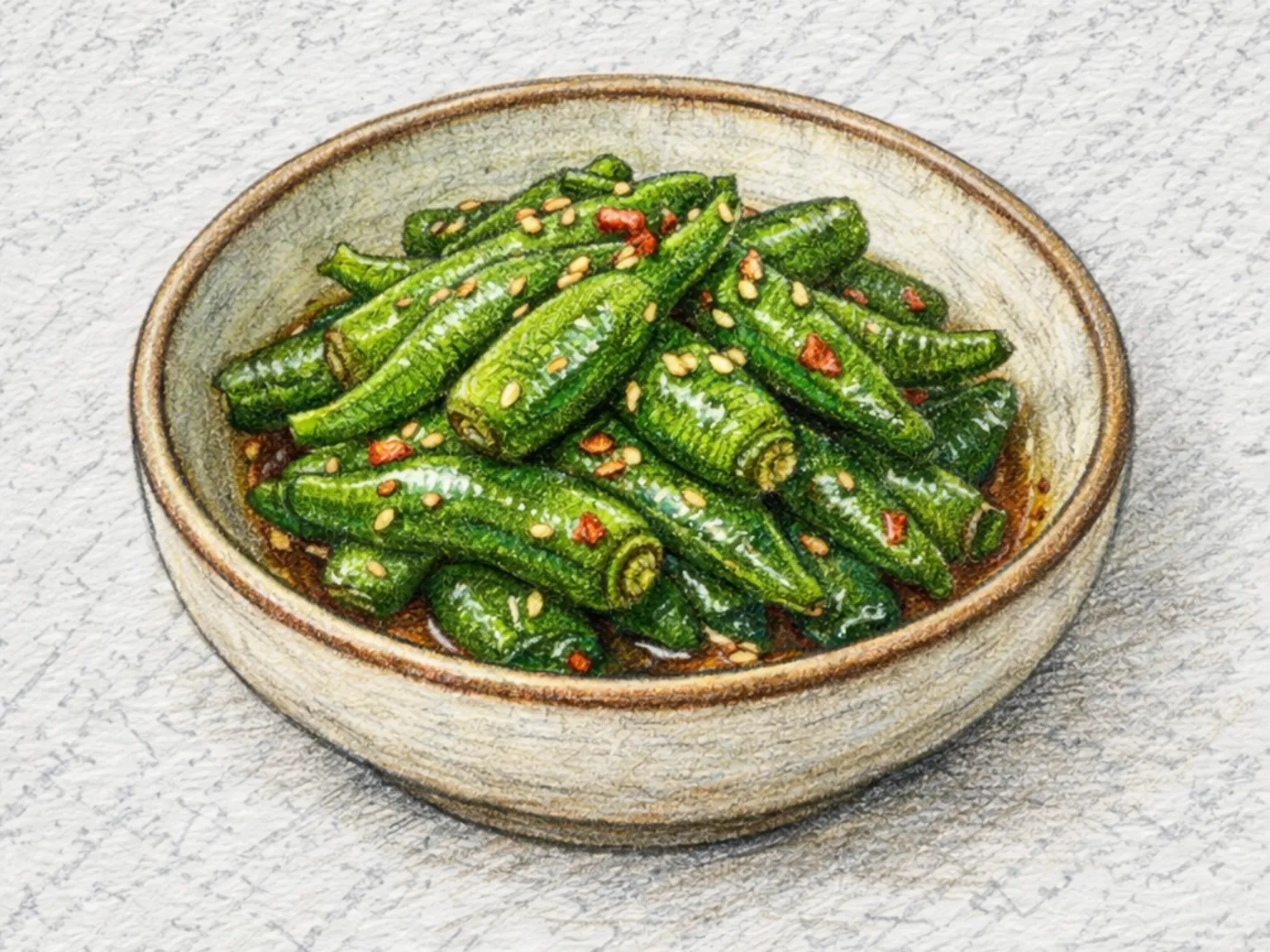
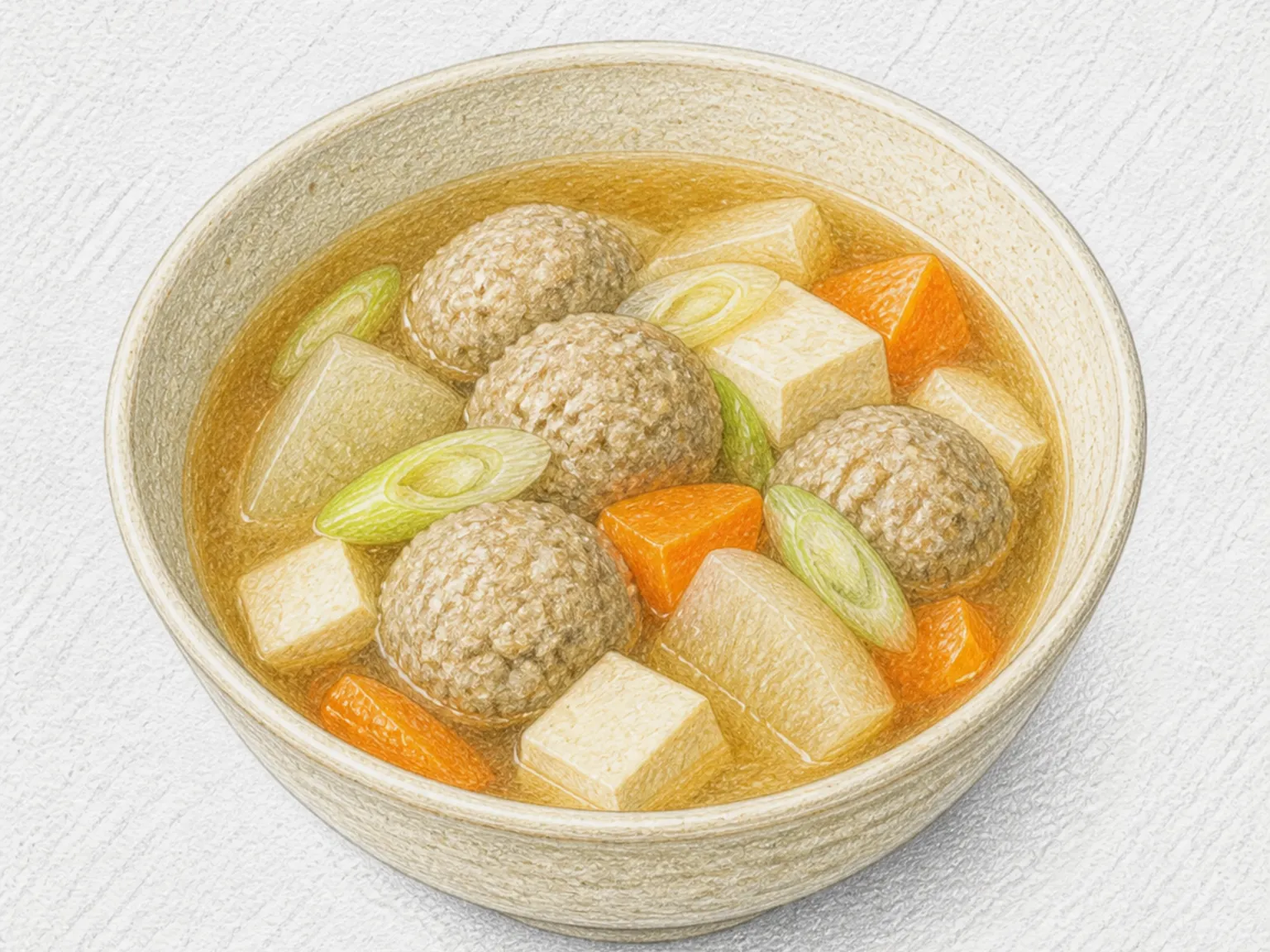
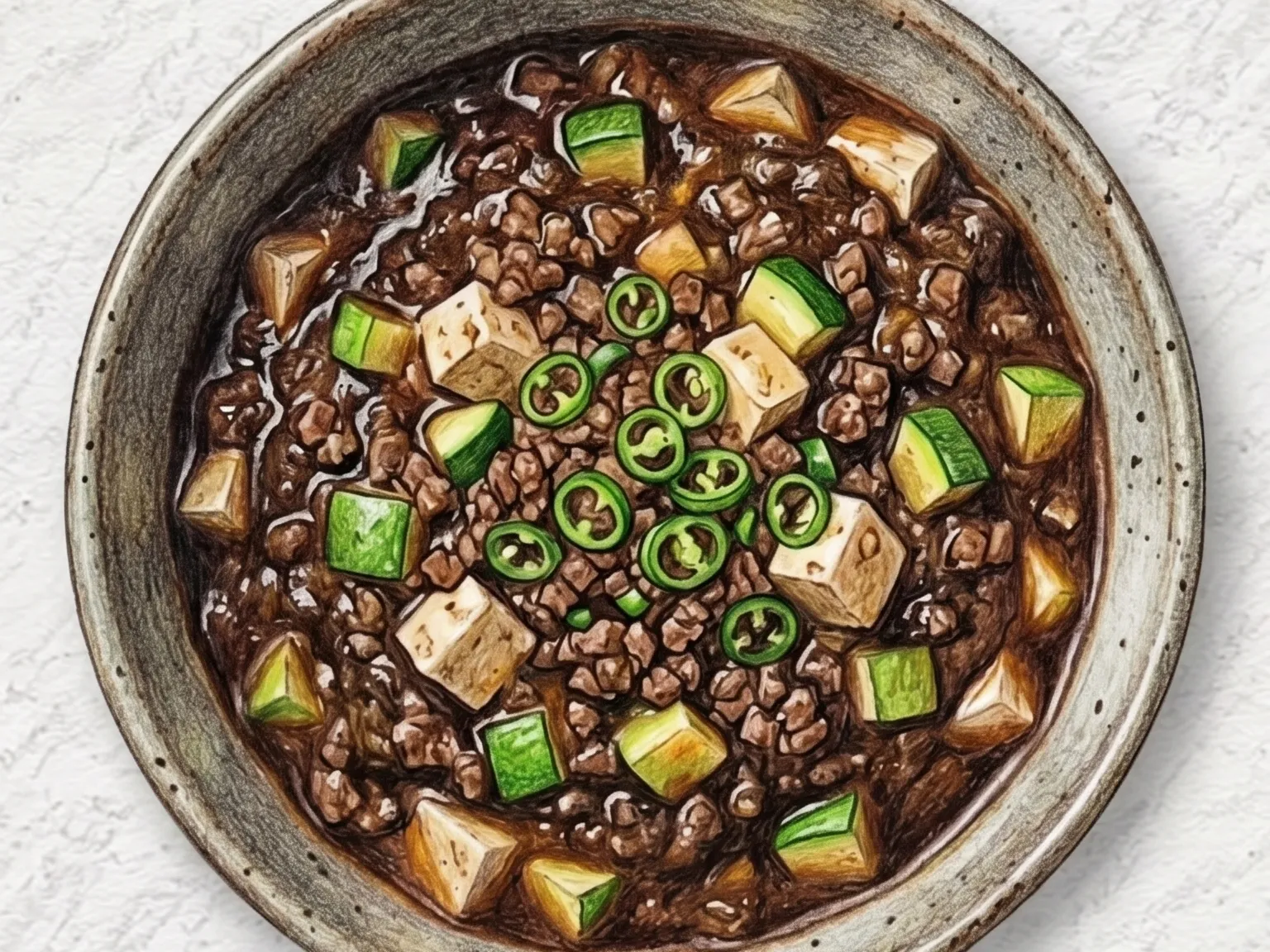
Korean Crisp Chili Pepper Salad
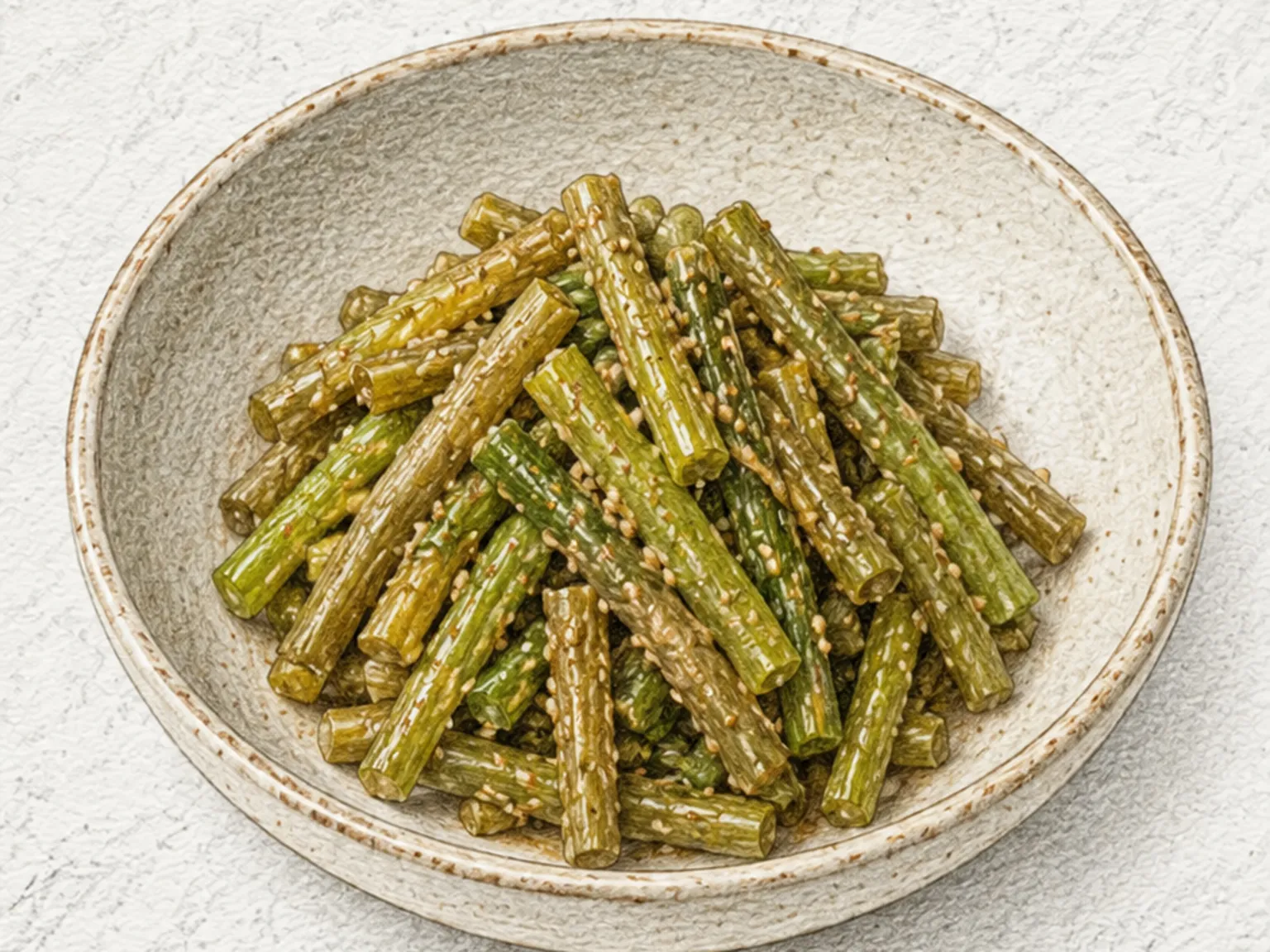
Asakigochu is a specific variety of Korean pepper characterized by its thick walls and a distinct snap when bitten. This pepper was developed to prioritize texture over spiciness, resulting in a vegetable that offers a significant crunch without the heat of other varieties. The preparation of this dish involves a brief blanching process where the peppers are submerged in boiling water for a duration of exactly twenty seconds. This short exposure to heat is sufficient to eliminate the raw, grassy aroma often found in uncooked peppers, yet it is not long enough to soften the cellular structure. Consequently, the characteristic crispness remains unchanged. The seasoning sauce is a mixture of two traditional fermented pastes. Doenjang provides a salty and fermented depth, while gochujang adds complexity. To balance these heavy flavors, vinegar is added for sharpness and oligosaccharide syrup is used to adjust the consistency and add a subtle sweetness. This combination creates a contrast between the deep, funky notes of the fermented beans and a bright acidity that highlights the clean taste of the pepper. Timing is important for the final result. It is best to allow the seasoned peppers to rest for five minutes before serving. This pause allows the flavors from the thick sauce to soak into the pepper walls instead of simply sitting on the exterior. This side dish functions well as a standard accompaniment to a bowl of rice or as a more robustly flavored snack to be consumed while drinking soju.

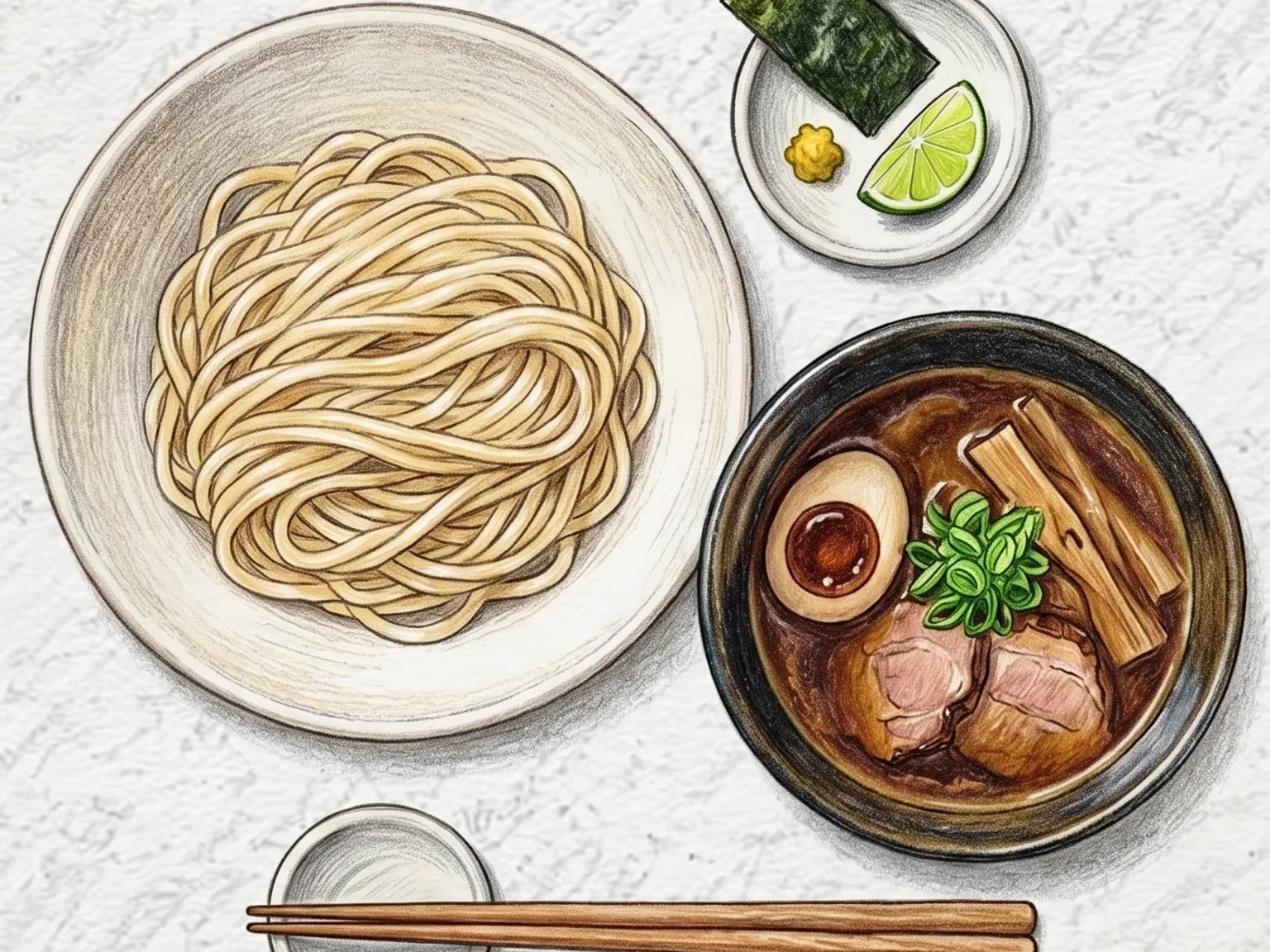
Korean Spicy Freshwater Fish Noodle Soup
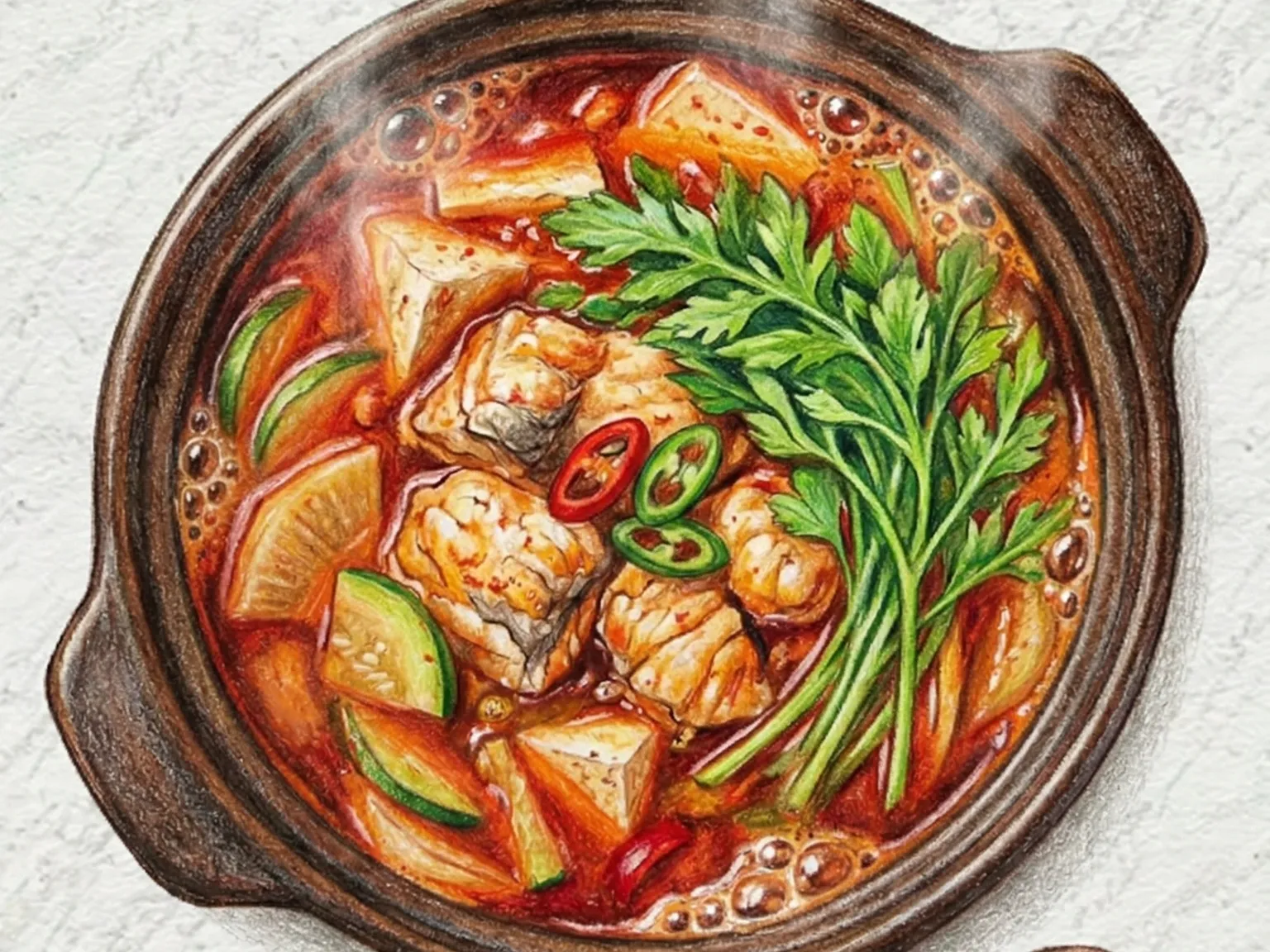
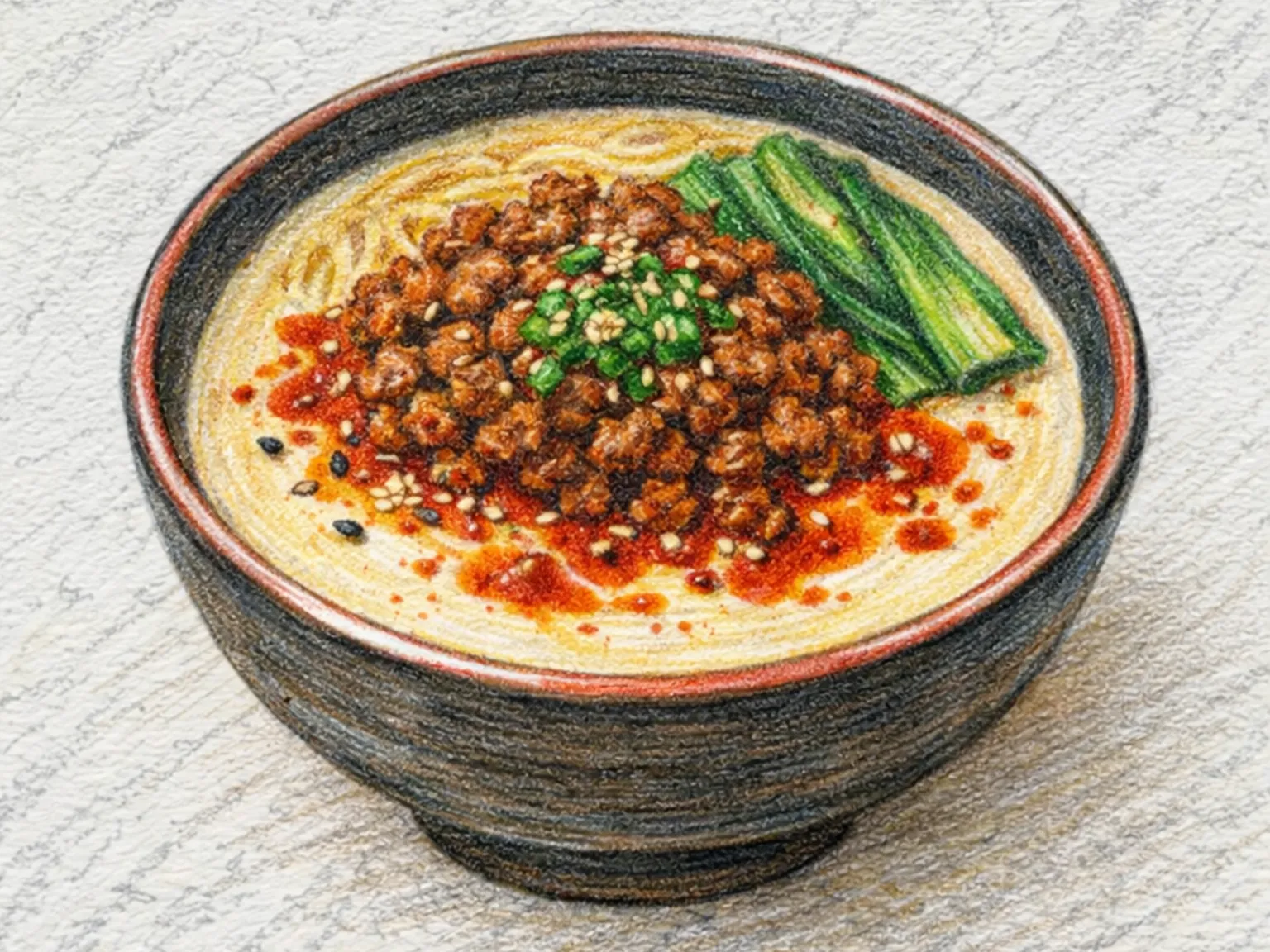
Eotang guksu is a regional noodle soup from the Chungcheong inland provinces, built on a broth made by simmering freshwater fish for an extended time until the bones and flesh give up their concentrated, savory extract. Freshwater fish releases fishy oils as it cooks, so straining the broth two or three times through a fine sieve to remove bone fragments and surface oils is what separates a clean, drinkable broth from a murky one. Doenjang is stirred in to neutralize residual fishiness while contributing a fermented, savory roundness. Gochugaru adds heat and color to the otherwise clear, oil-free liquid, giving direction to what might otherwise be a flat broth. A beaten egg poured in at the end forms soft, wispy ribbons that float across the surface. Somyeon noodles are added last. This dish evolved in landlocked Chungcheong communities that turned to river fish in place of coastal seafood, and its character reflects that resourcefulness.

Korean Doenjang Thin Noodle Soup
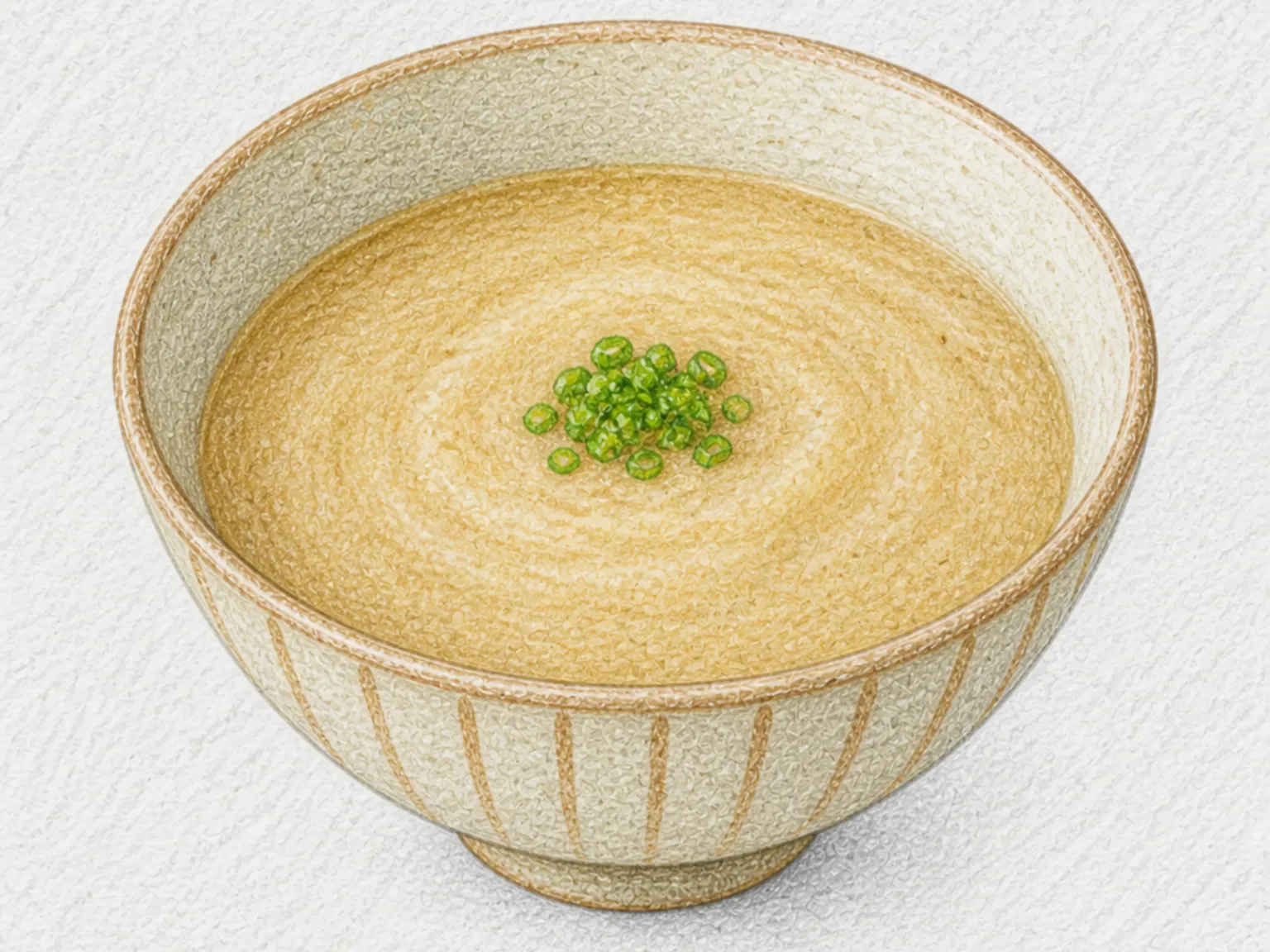
Doenjang somyeon is a Korean noodle soup of thin wheat noodles in a fermented soybean paste broth built on anchovy stock. Potato, zucchini, and onion - or whatever vegetables are available - go into the broth first, simmering until they release their moisture and natural sugars into the liquid, which rounds out the earthy doenjang base. The somyeon noodles take only three to four minutes to cook, so they go in last to stay firm. Sliced green onion scattered on top adds a clean, bright note against the fermented broth. The ingredient list is short and adaptable, but the doenjang delivers enough layered depth to make this a satisfying weeknight dinner without any complex technique.

Korean Grilled Hard Clams with Doenjang Sauce
Baekhap doenjang gui is a Korean grilled clam dish where hard clams are topped with a doenjang sauce and cooked over direct flame or in an oven. The clams must be purged in salt water for at least three hours before cooking, then shucked so that only the half shell carrying the meat remains. The sauce -- doenjang, minced garlic, cheongyang chili, and sesame oil -- is spread in a thin layer over each clam; too thick a coating and the fermented salt of the doenjang drowns out the natural brininess of the shellfish itself. Over high direct heat for three to four minutes, the doenjang surface scorches lightly, developing a caramelized, roasted aroma while the clam meat contracts and concentrates its juices within the shell. Finely sliced scallion scattered on top adds a green visual accent against the brown doenjang glaze. Timing is critical: the moment the liquid pooled in the concave shell begins to bubble, the clams should be lifted off the heat immediately, because even one additional minute toughens the meat to the point of unpleasantness. The dish depends on the interplay between two distinct kinds of salt -- the oceanic brine of the clam and the fermented depth of the doenjang -- which converge into a single concentrated bite that rewards restraint in the sauce application.

Korean Crab Doenjang Stew
Gejang-jjigae is a Korean stew made by simmering a whole blue crab in an anchovy broth base seasoned with doenjang, the fermented soybean paste. The crab shell and meat release a concentrated seafood stock as they cook, and that liquid merges with the doenjang to create a broth that is simultaneously briny, earthy, and deeply savory. Using anchovy broth as the foundation amplifies the oceanic notes rather than diluting them, so both the doenjang umami and the crab sweetness come through at the same time. Tofu and zucchini absorb the rich cooking liquid throughout the simmering process, becoming flavorful in their own right rather than acting merely as filler. The tofu in particular pulls in the solids that settle from the fermented paste, softening into a silky texture that contrasts with the firmer crab meat. Picking the sweet crab meat out of the shell with chopsticks is one of the characteristic pleasures of eating this stew, and the contrast between the naturally sweet crab flesh and the bold, fermented broth gives each mouthful a satisfying complexity.

Korean Seasoned Butterbur Stems
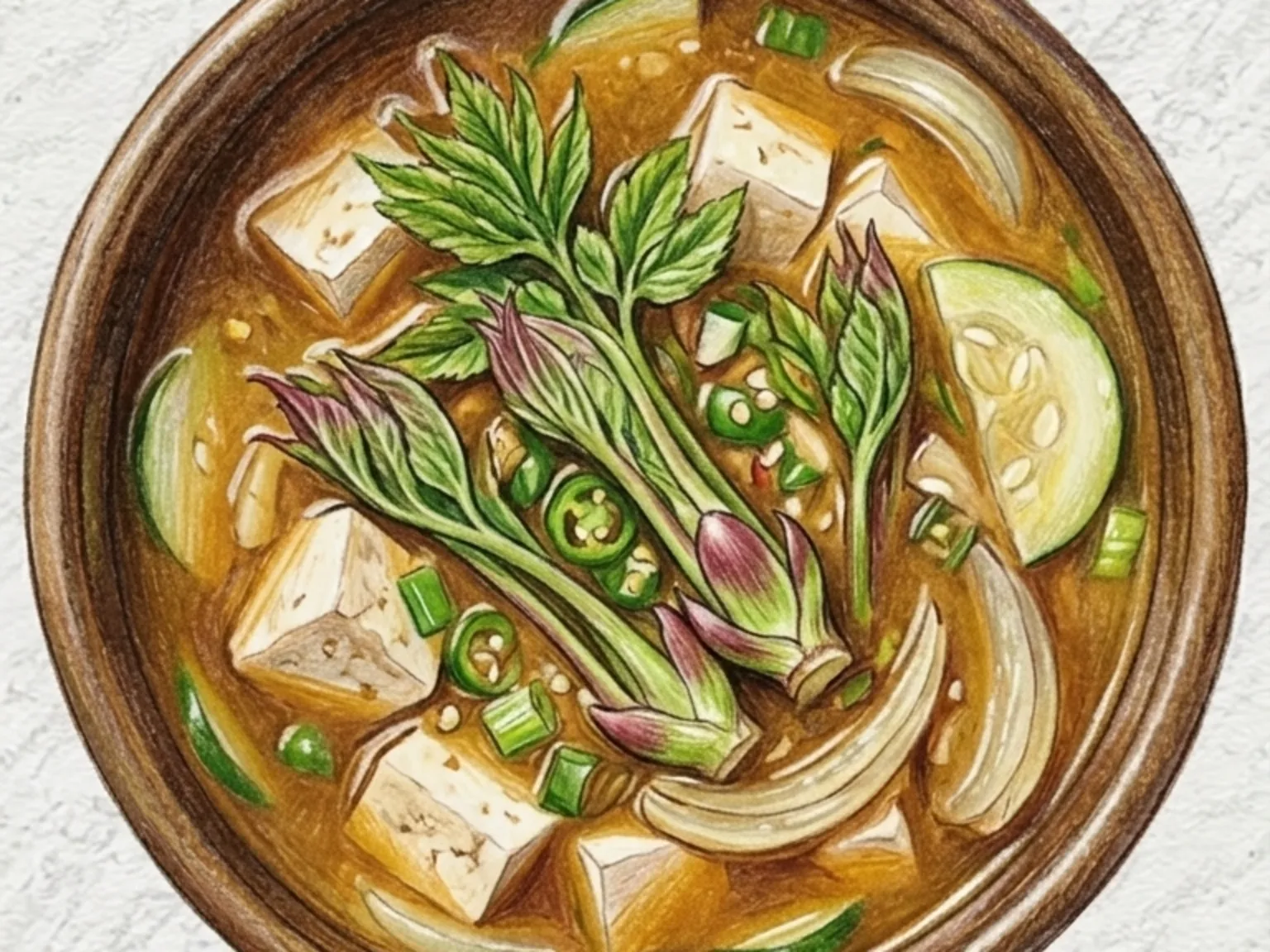
Meoui-namul-muchim is a seasonal spring namul made by blanching butterbur stems and dressing them with doenjang and ground perilla seeds. Butterbur grows wild along hillsides and stream banks throughout Korea. The stems are the edible part; the leaves contain pyrrolizidine alkaloids and are generally not consumed. Peeling the tough outer skin from each stem before cooking is a required preparation step, since unpeeled stems leave unchewable fibers in the mouth even after blanching. The blanching process drives off about half of the plant's inherent bitterness, leaving a subtle astringent quality that creates a layered interplay between the earthy savoriness of doenjang and the nutty richness of perilla seed powder. Adding perilla generously softens the bitter edge and makes the dish more approachable. March through April is peak season, when fresh butterbur appears briefly at Korean markets. Dried butterbur rehydrated in water is available year-round as a substitute but cannot replicate the fragrance and texture of the fresh spring harvest. The faint bitterness and herbal aroma typical of spring greens make this namul a classic palate-awakening side dish.

Korean Namdo-Style Loach Soup
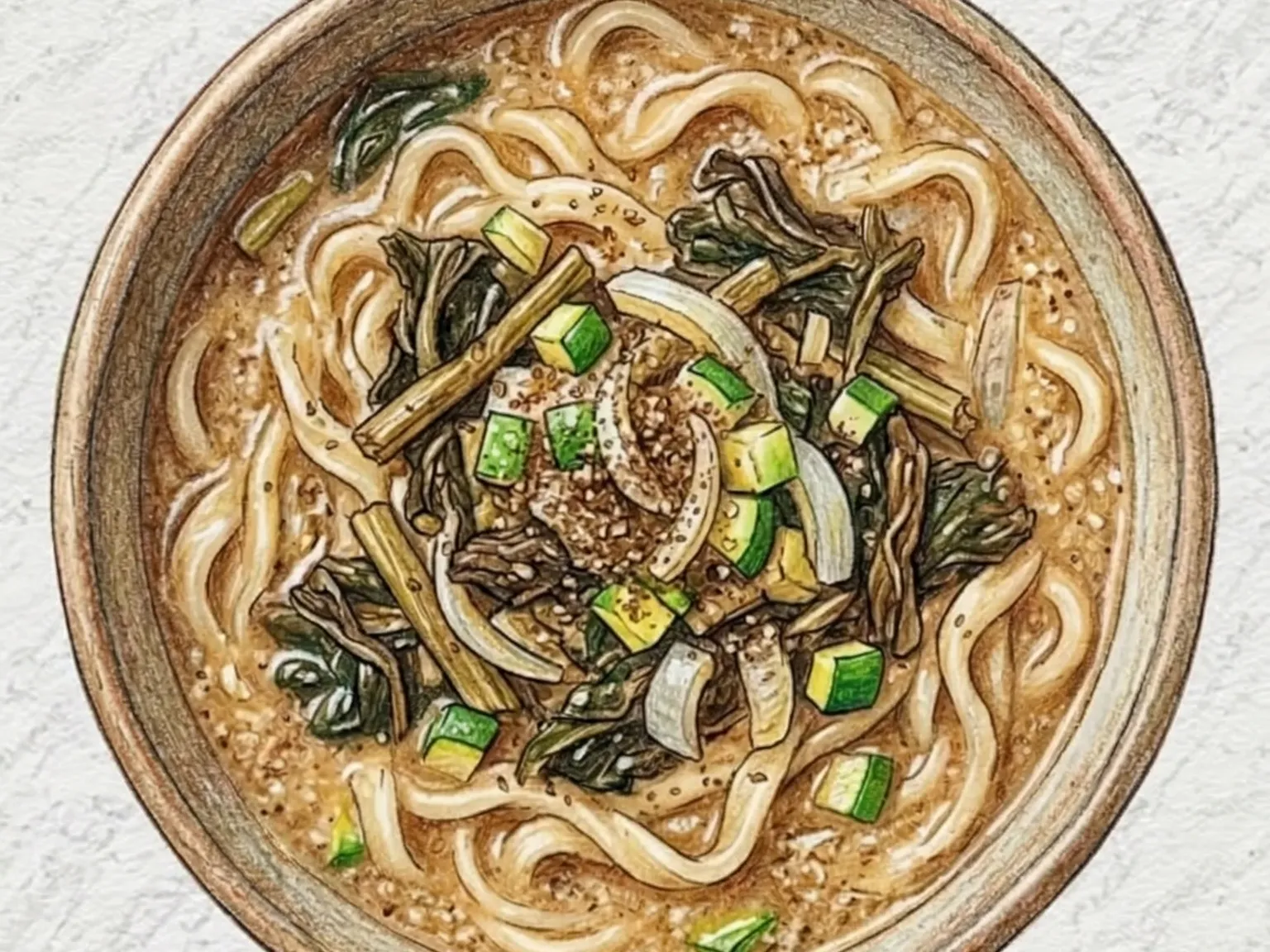
Namdo-chueotang is the southern Korean take on loach soup, distinguished from other regional versions by grinding the entire loach - bones and all - into a thick, porridge-like broth. The loaches are first boiled until completely soft, then blended and strained to produce a dense, opaque base packed with protein and calcium. Dried radish greens simmer in this liquid, contributing a rustic, earthy backbone. Doenjang and gochujang season the soup with fermented depth and moderate heat, while a generous addition of perilla seed powder lends a nutty richness that rounds out the heavy flavors. A final dusting of sancho pepper tames any lingering fishiness and adds a tingling, aromatic kick. This is restorative cooking at its most direct - a thick, warming bowl meant to rebuild energy during the colder months.

Korean Seasoned Rapeseed Greens
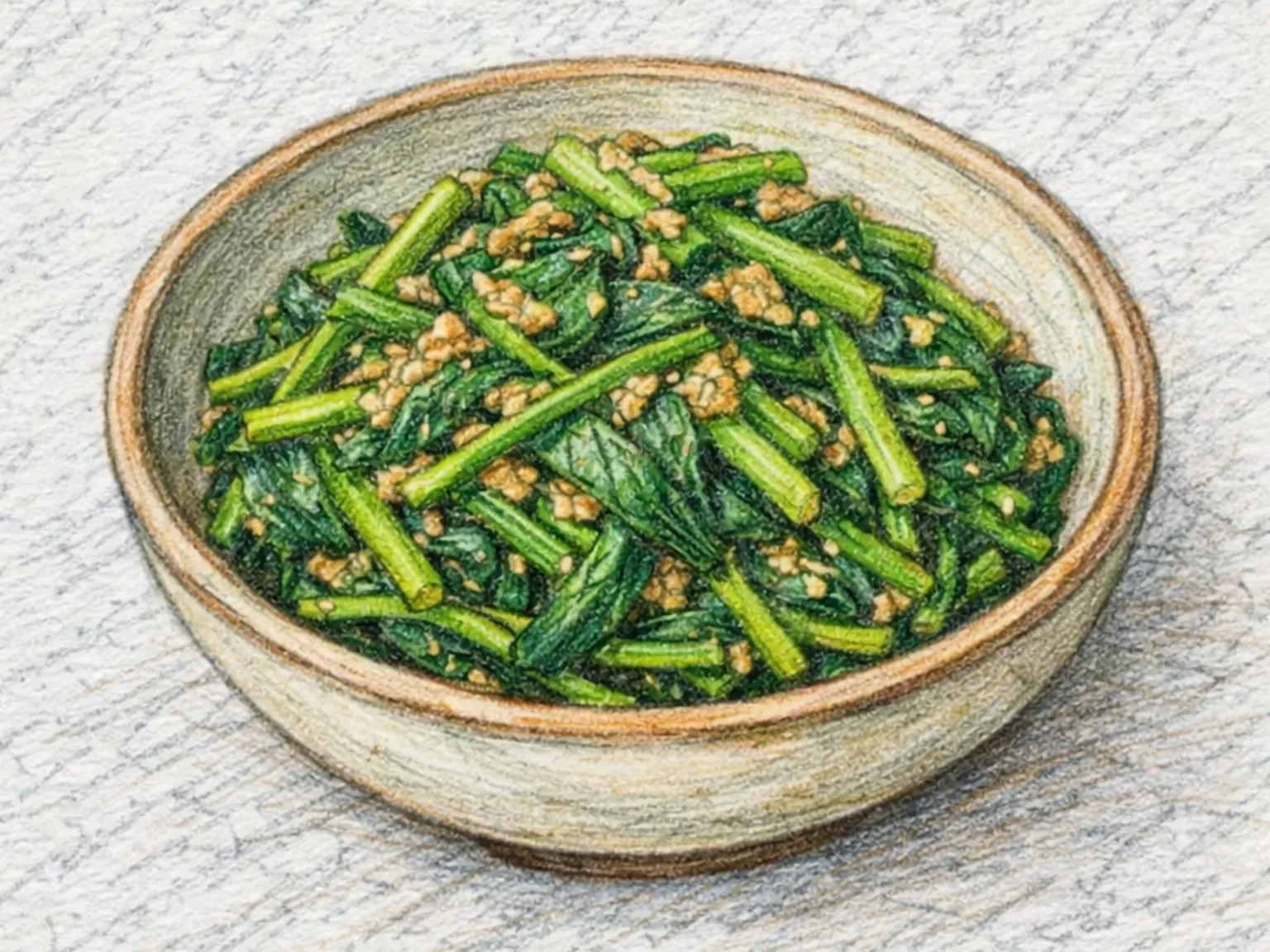
Young rapeseed greens are blanched for just 40 seconds in salted water, then squeezed dry and tossed with doenjang, minced garlic, green onion, sesame oil, and ground sesame. The brief blanching preserves the stems' gentle snap, and the fermented soybean paste brings an earthy depth that pairs naturally with the greens' mild grassy flavor. Squeezing out excess water before seasoning keeps the dressing concentrated on each piece rather than pooling at the bottom. From prep to plate, this banchan takes under fifteen minutes.

Korean Stir-Fried Dried Napa Cabbage Leaves
Dried outer leaves of napa cabbage, known as ugeoji, are rehydrated, boiled, and stir-fried with doenjang and ground perilla seeds to create a deeply savory banchan. These tough outer leaves, too coarse to eat fresh, develop a satisfying chewy texture once dried and reconstituted, offering a bite that ordinary cabbage cannot match. Doenjang introduces its fermented umami during the stir-fry, layering complexity onto the cabbage's otherwise neutral flavor. Ground perilla seeds dissolve into the residual moisture, forming a creamy, pale coating that enriches every strand with a nutty warmth. A small amount of anchovy and kelp stock added mid-cook creates just enough liquid for the seasonings to soak into the fibrous leaves before evaporating. Perilla oil used as the cooking fat establishes a fragrant base from the first moment the pan heats, and minced garlic stirred in partway through adds a sharp accent that cuts through the richness. The finished dish pairs naturally with a bowl of steamed rice and a hot soup.

Black Sesame Miso Cornbread
This fusion cornbread combines roasted black sesame powder and doenjang with a classic American cornmeal batter. Adding ground heukimja tints the batter a deep charcoal grey and introduces a toasted-nut richness that ordinary cornbread simply does not have. A small amount of doenjang dissolved into the wet ingredients spreads a quiet, fermented savoriness throughout the crumb, not asserting itself as bean paste but registering as an unexplained depth and complexity that makes the bread more interesting with each bite. Coarse cornmeal preserves the grainy, slightly gritty chew that defines good cornbread, while butter and buttermilk keep the crumb moist rather than dry. The salt in the doenjang holds the sweetness of the sugar in check, landing the bread in an ambiguous zone between savory and sweet rather than firmly in either camp. A drizzle of honey or a pat of butter on a warm slice amplifies the nuttiness of the sesame. The bread also pairs naturally with soups and Korean jjigae, where its savoriness harmonizes with broth-based dishes in a way that plain cornbread would not.

Korean Dried Radish Greens Pork Soup
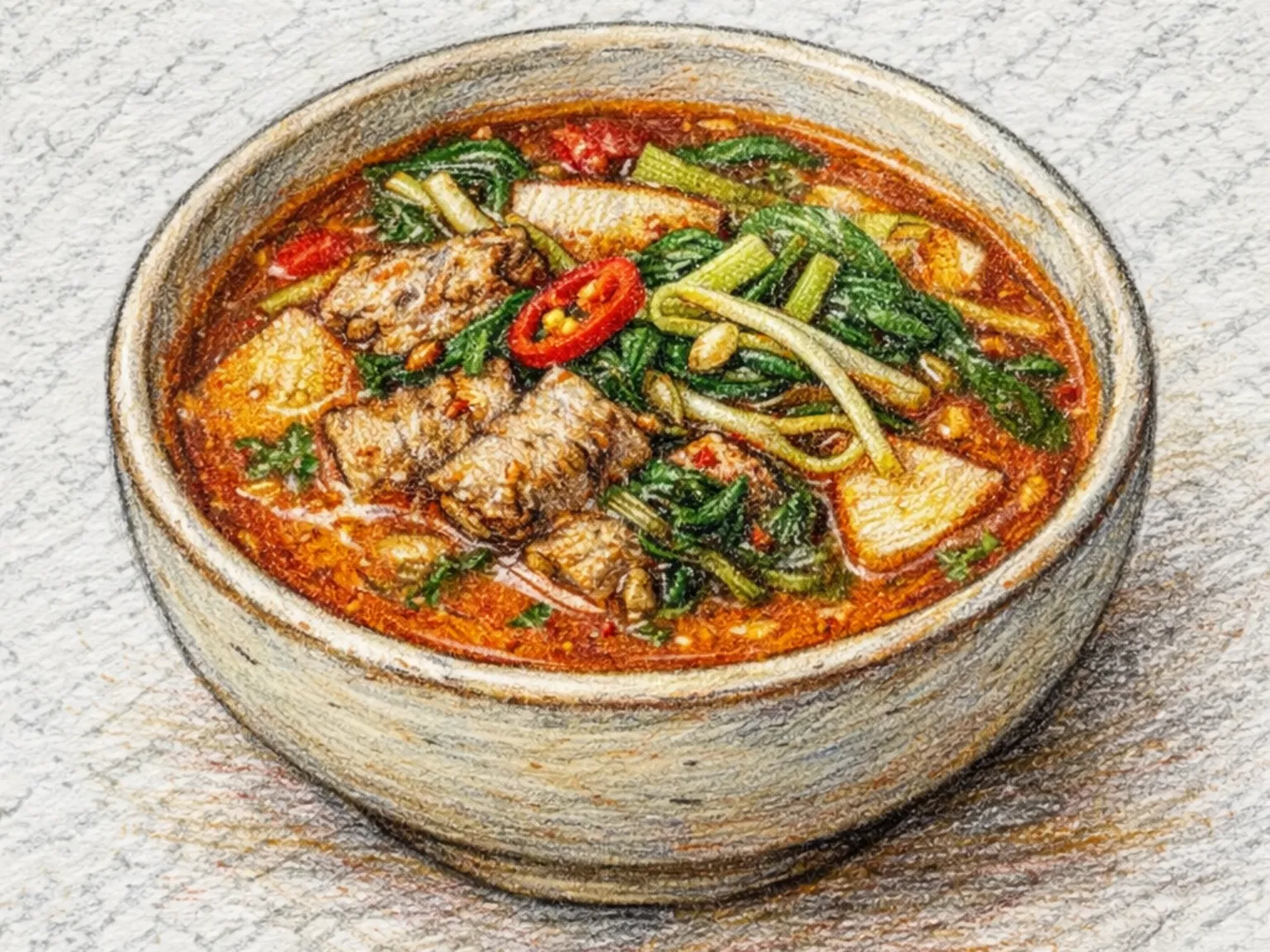
Siraegi-dwaejigogi-guk is a hearty Korean soup that marries dried radish greens with pork in a broth deepened by doenjang and warmed with a moderate dose of gochugaru. The dried greens are first boiled until pliable, then dressed with soybean paste so the fermented flavor works its way into every fiber. Pork shoulder or neck, cut into bite-sized pieces, simmers alongside, releasing rendered fat that enriches the broth and adds a full-bodied mouthfeel. The chili flakes turn the liquid a dark reddish-brown and introduce a gentle heat that prevents the pork fat from feeling heavy. Garlic and green onion build the aromatic base, and some cooks add a splash of perilla oil at the end for an extra layer of nuttiness. The greens keep a pleasant chew even after long cooking, providing textural contrast to the tender pork. Served over rice with plenty of broth ladled on top, each spoonful delivers doenjang, pork, and radish greens in a single, satisfying combination. This soup is at its best during winter, when dried radish greens from the autumn harvest are at peak flavor and the cold weather demands something hot and substantial.

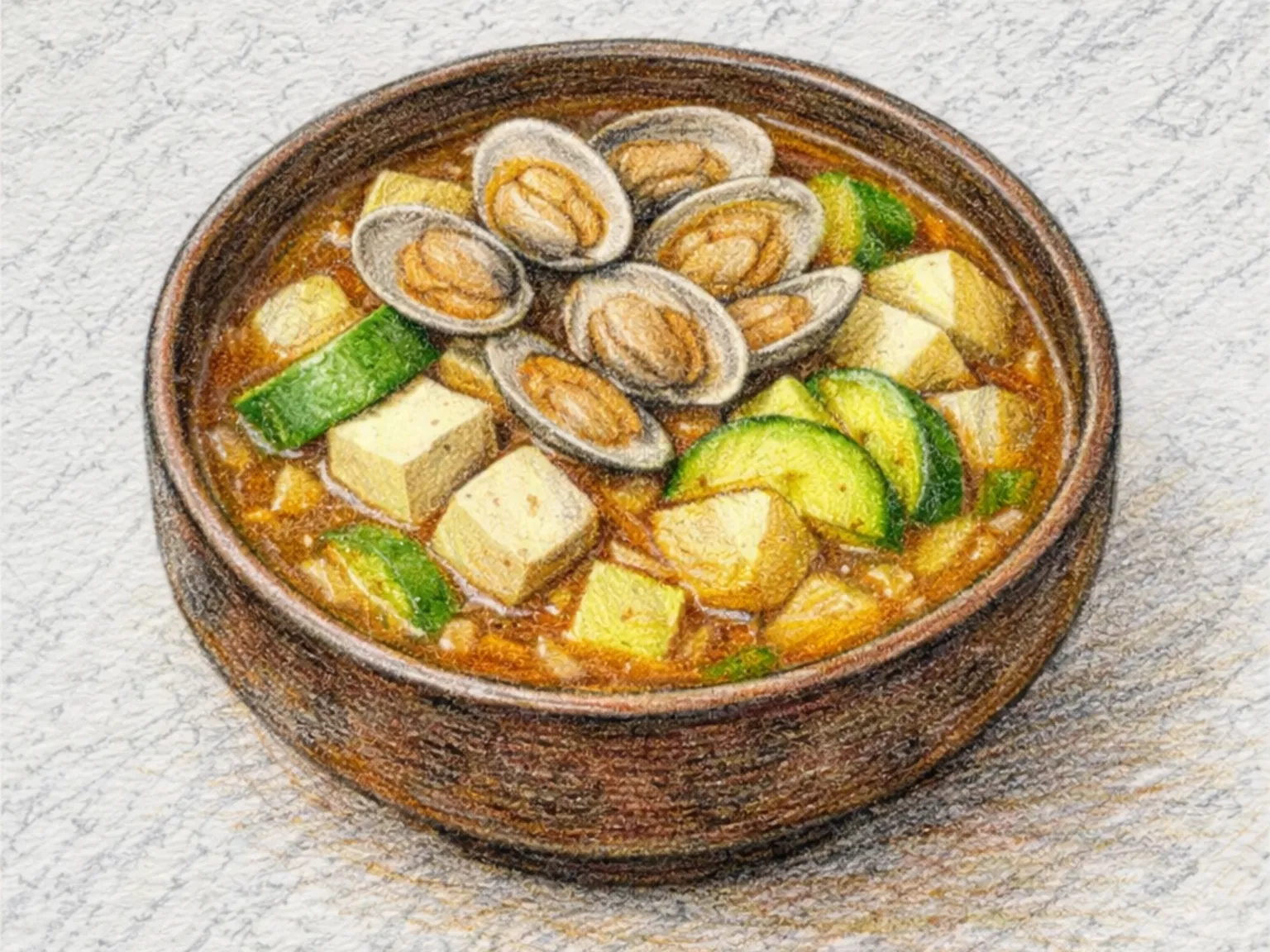
Korean Mallow & Clam Stew
Auk-bajirak-jjigae is a thick, meal-weight stew that takes the logic of the milder auk-bajirak-guk and pushes it further: more doenjang, a denser ingredient list, and cheongyang chili for heat. The clams go in first while the water is still cold, then the pot comes to a boil so the shells open slowly and release their concentrated sea juice into the base. Doenjang and gochugaru dissolve into the liquid together, creating a foundation that is simultaneously earthy, saline, and warm with chili. Cubed tofu and sliced zucchini fill out the pot and convert what might have been a soup into something substantial enough to anchor a meal with rice. Mallow leaves added at the end bring their natural mucilage, which thickens the broth and gives it a cling that plain stews lack. Sliced cheongyang chili on top cuts through the richness with a sharp, direct heat. On a cold evening eaten alongside steamed rice, this jjigae sits at the dense, deeply layered end of the Korean stew spectrum.

Korean Dried Radish Leaf Rice
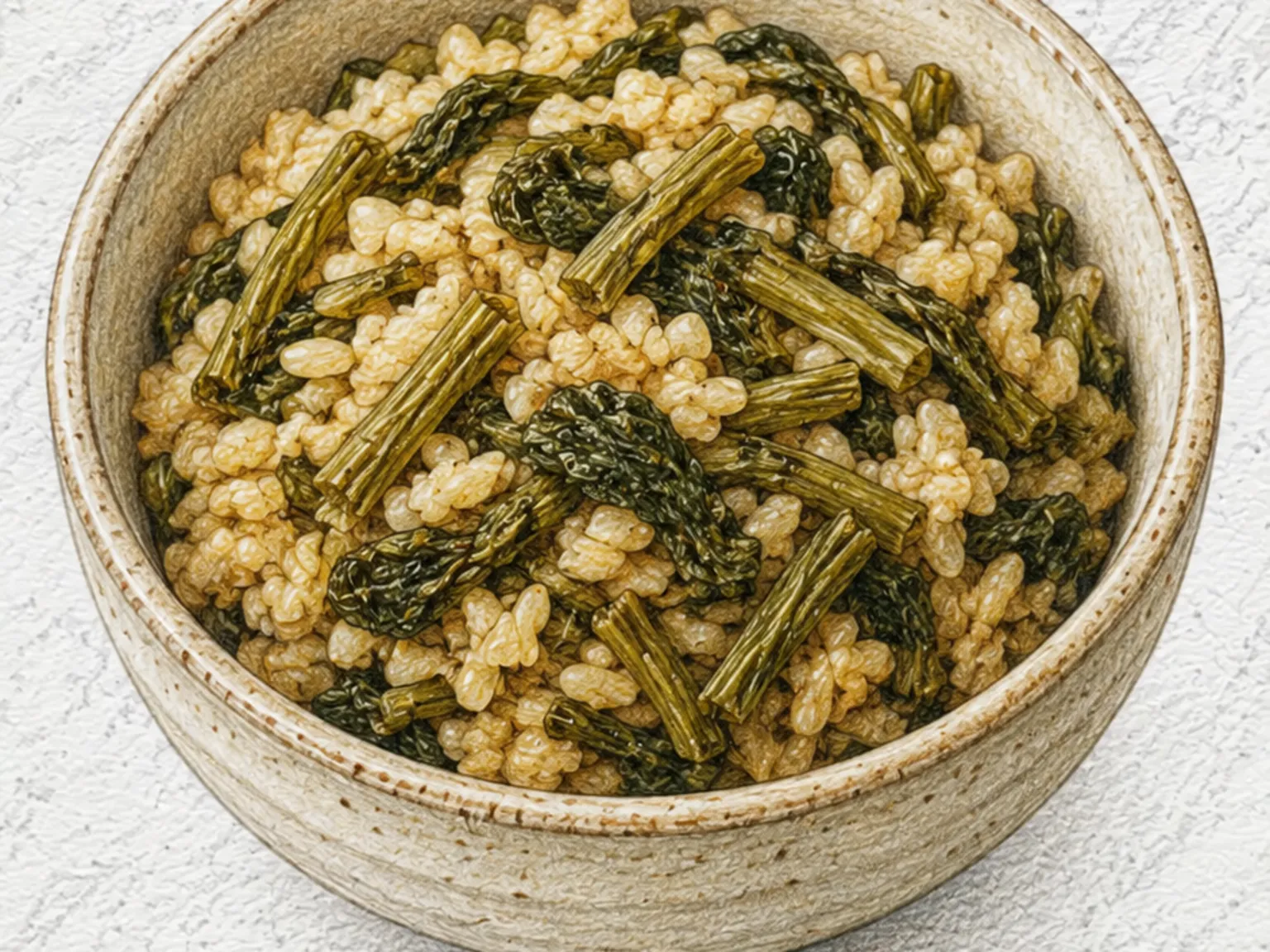
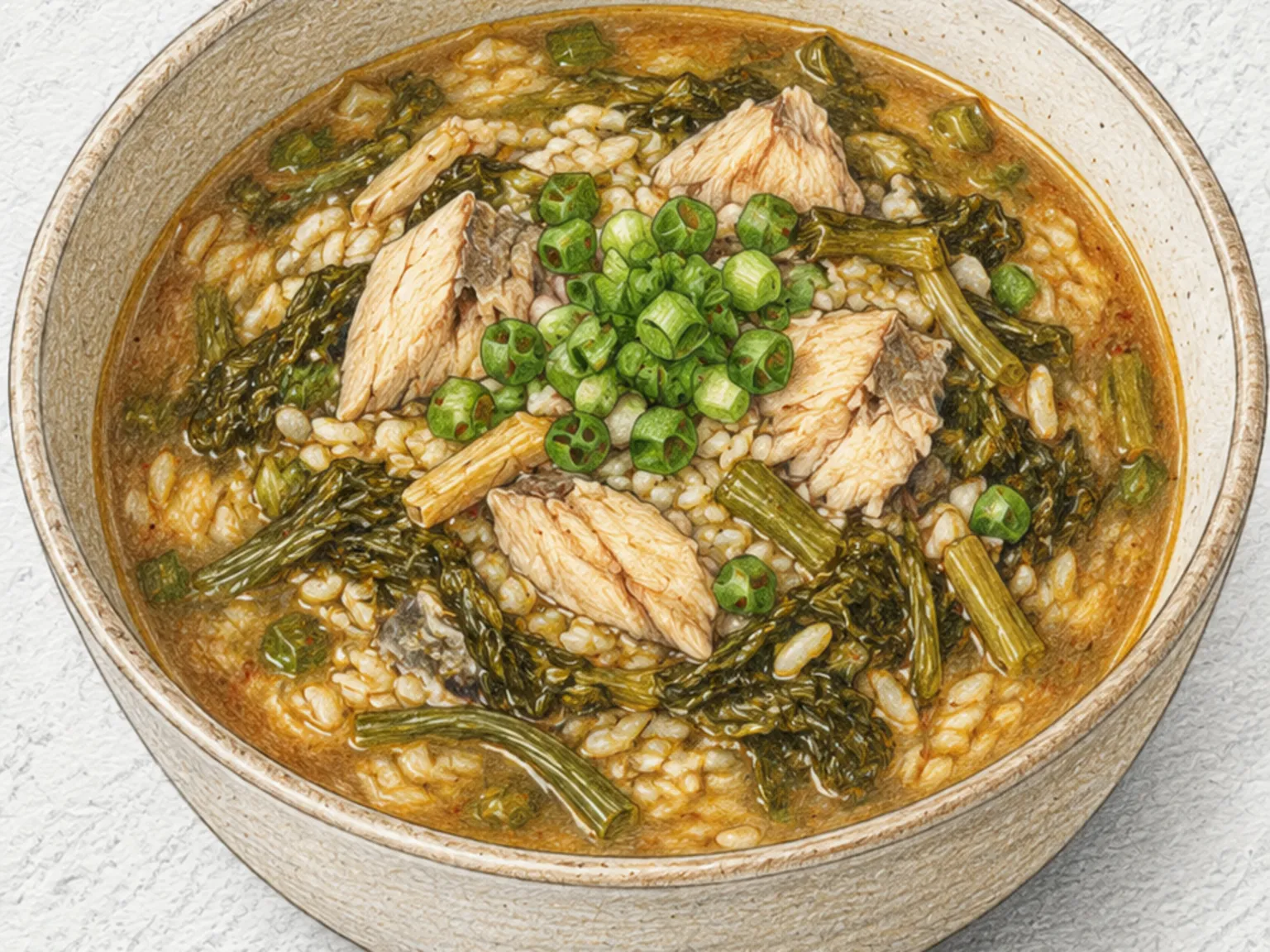
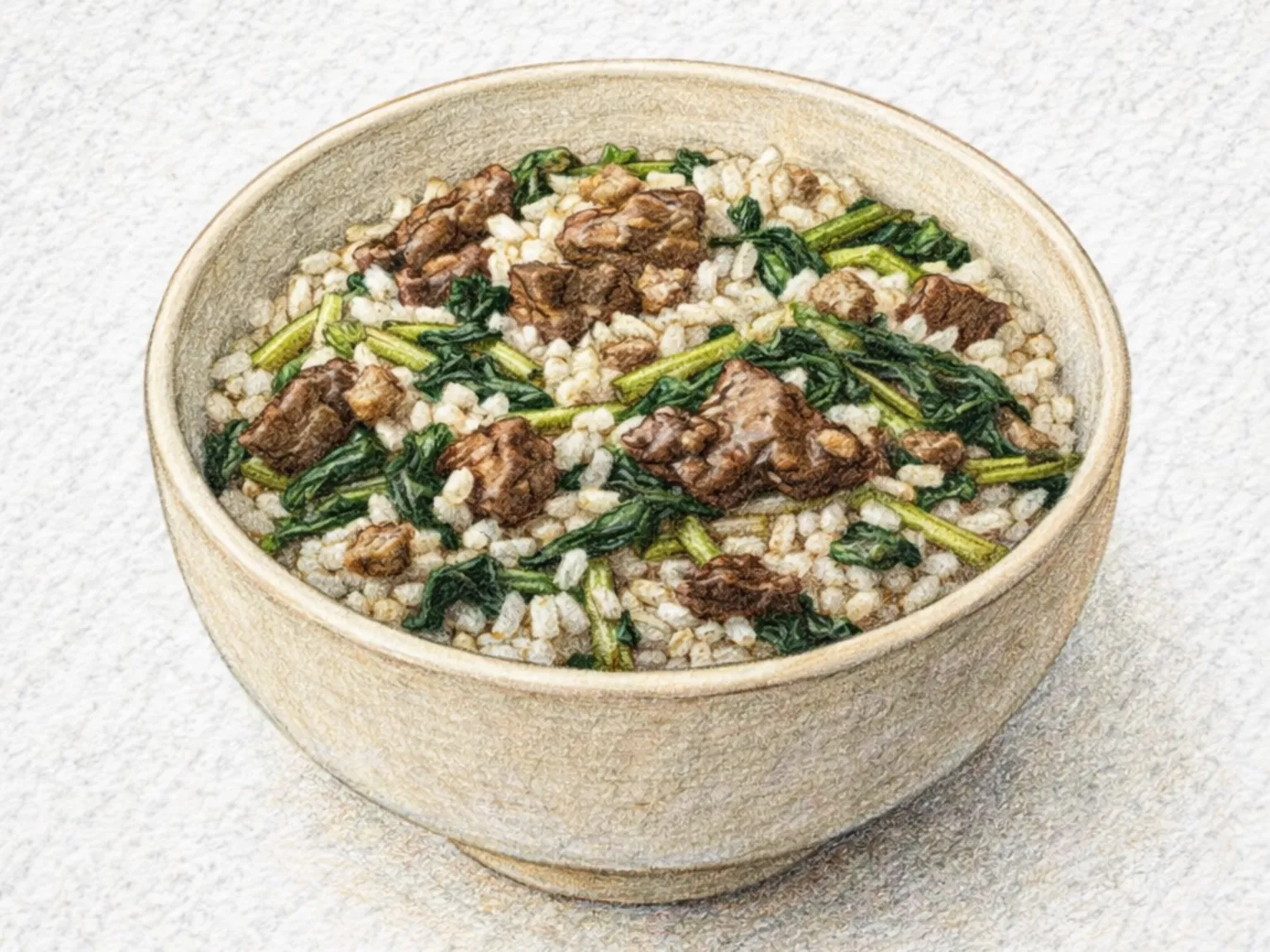
Sirae-gi-bap cooks dried radish greens with rice, then mixes everything with a doenjang-based seasoning sauce for a deeply savory bowl. The dried greens are first boiled until soft and pliable, cut into bite-size pieces, and layered over soaked rice before the pot is sealed. As the rice steams, the greens release their concentrated earthy aroma into every grain. The dipping sauce - doenjang, soy sauce, sesame oil, chili flakes, and scallion - is folded in at the table, adding layers of salty, nutty, and mildly spicy flavor. The fibrous texture of the reconstituted greens provides a satisfying chew that makes the meal feel substantial. This is a traditional Korean home-cooked dish that turns humble winter-dried vegetables into a warm, filling meal.

Gamjaguk (Potato Doenjang Anchovy Soup)
Gamjaguk is a clear, mild Korean soup built on a foundation of anchovy stock with potatoes as the main ingredient, seasoned with either doenjang or plain salt. As the potatoes cook through, they release starch gradually into the broth, giving it a subtle body that makes each spoonful feel substantial without turning the liquid cloudy. When doenjang is used, the fermented paste contributes a layered, earthy savoriness that wraps around the gentle sweetness of the potato. Seasoning with salt alone lets the potato's natural, unadorned flavor stand at the center without competition. Garlic and green onion are added as the aromatic base, providing a mild, savory fragrance that keeps the broth from tasting flat. A handful of zucchini slices added midway through cooking introduces a soft, yielding texture and a touch of pale green color. The potatoes need to be pulled from heat at the point when a chopstick slides through without resistance, because overcooking breaks them apart and muddies the broth. With only a few ingredients required, this soup comes together quickly even when the refrigerator is nearly empty, which is part of why it appears on Korean tables more consistently than almost any other soup.

Korean Doenjang Mushroom Udon
Doenjang mushroom udon is a Korean noodle soup where thick-cut shiitake mushrooms simmer in an anchovy-kelp broth with dissolved soybean paste, building layered depth from two distinct fermented and dried umami sources. The shiitake's aromatic depth stacks on top of the doenjang's fermented, mellow character, while onion adds a quiet sweetness that prevents the broth from tasting one-dimensionally salty. Passing the doenjang through a fine sieve before stirring it into the broth ensures no lumps remain and the paste disperses evenly. Parboiling the udon noodles separately in plain water and rinsing briefly strips away surface starch, keeping the broth clear and clean to the last spoonful. A pinch of gochugaru added during the seasoning stage introduces a faint warmth at the finish that sharpens the overall flavor, and a few thin slices of cheongyang chili on top add color and a sharper bite. Adding silken tofu or sliced zucchini makes the bowl substantial enough to serve as a full meal.

Korean Braised Dried Radish Greens with Doenjang
Dried radish greens, once rehydrated and boiled tender, are braised in a doenjang-based seasoning until the liquid reduces to a concentrated glaze. The fermented soybean paste melts into the coarse fibers of the greens, infusing each strand with deep, earthy umami. A splash of anchovy stock is added after the initial stir-fry in perilla oil, and the pan is covered so the greens can absorb the broth slowly over low heat. As the liquid evaporates, the seasoning thickens and clings to every piece, producing a chewy, salty-savory bite that releases its flavors gradually when chewed. Gochugaru contributes a mild, lingering warmth rather than sharp heat, while garlic softens into a mellow sweetness that rounds out the intensity of the doenjang. Patience during the final reduction is essential: only when the braising liquid has nearly disappeared does the dish reach the dense, flavorful consistency that makes it an ideal topping for steamed rice.

Korean Ox Bone Broth with Napa Outer Leaves
Sagol-ugeoji-guk is a hearty Korean soup that combines milky ox bone broth with seasoned outer napa cabbage leaves. The ugeoji is pre-mixed with doenjang, gochugaru, garlic, and perilla oil, then stir-fried in the pot for three minutes to develop its aroma before the bone broth is poured in. Simmering over medium heat for thirty-five minutes softens the fibrous greens completely while the doenjang seasoning dissolves into the broth, building layers of fermented depth. The collagen-rich, white bone stock provides a heavy, lingering richness, and the fermented doenjang character of the greens layers on top of that foundation, so each spoonful coats the palate with something dense and warming. Soup soy sauce adjusts the final salt level, and sliced green onion goes in just before serving. Blanching the ugeoji before seasoning it removes any bitterness and off-odors, which keeps the finished broth cleaner and more balanced. This soup belongs to the restorative end of the Korean soup tradition, substantial enough to anchor a cold-weather meal on its own.

Charred Broccolini Doenjang Lentil Salad
Charred broccolini doenjang lentil salad halves broccolini lengthwise, coats it in olive oil, and chars it in a very hot pan for 4 to 5 minutes until the cut edges darken and take on a bitter, smoky note. Cooked lentils add a starchy, filling body to the bowl. A dressing of doenjang, Dijon mustard, apple cider vinegar, and minced garlic layers fermented depth against sharp acidity. Roughly chopped walnuts break open with each bite and release a fatty, toasted richness. The apple cider vinegar cuts through the salt of the doenjang, keeping the dressing balanced. Draining the lentils thoroughly is necessary to prevent the dressing from diluting, and letting the assembled bowl rest five minutes before serving allows the grains to draw in the seasoning.

Korean Young Napa Soft Tofu Stew
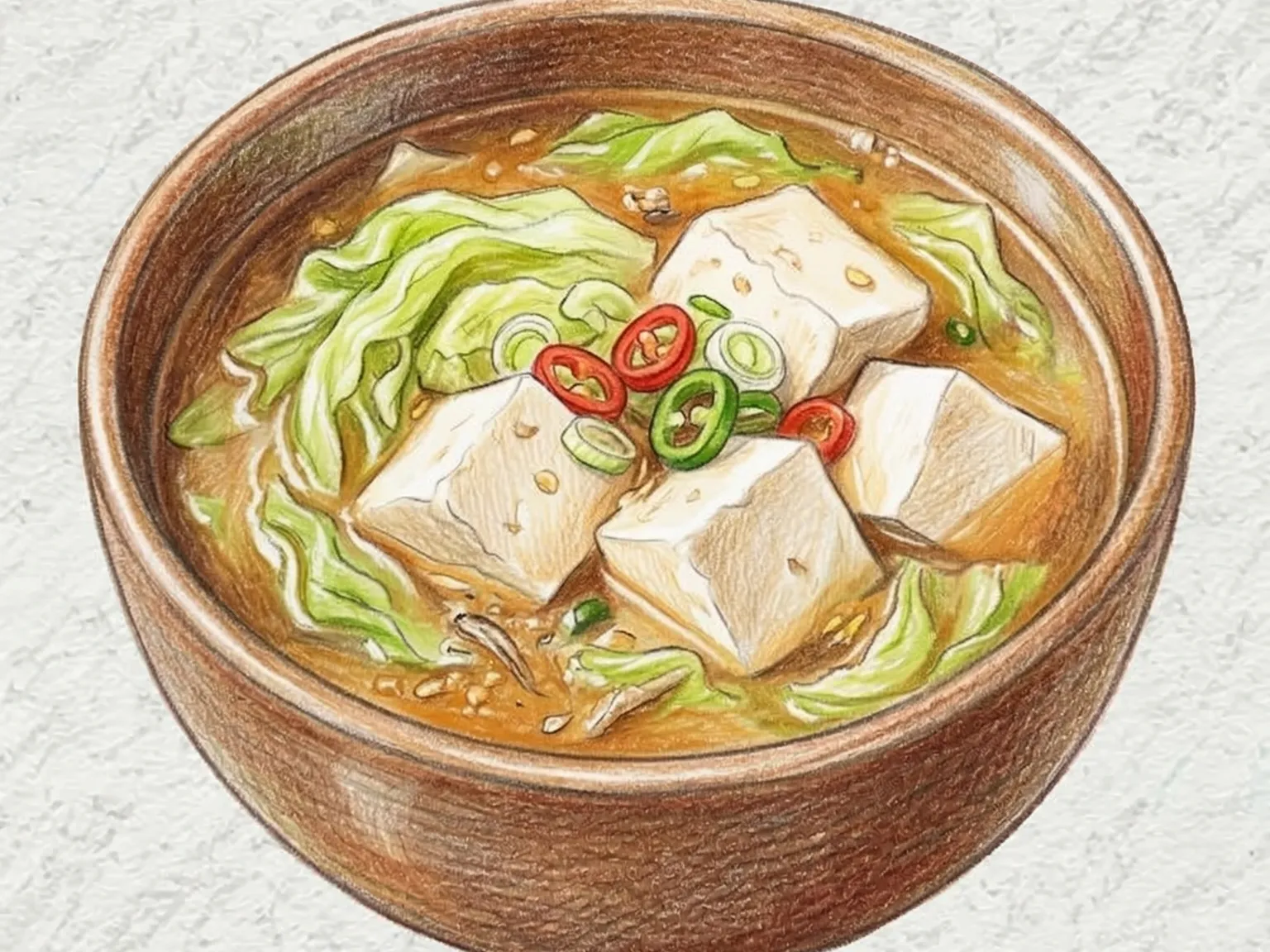
Eolgari-sundubu-doenjang-jjigae is a gentle Korean stew that pairs soft tofu with young napa cabbage (eolgari baechu) in a kelp stock base seasoned with doenjang and a small measure of gochujang. The doenjang brings fermented soybean depth to the broth, while the gochujang adds a measured spiciness that stays mild rather than sharp -- the two pastes work together to produce a broth that is simultaneously savory, slightly sweet, and lightly spiced. Potato and onion are added early to contribute their natural sugars, and the potato softens gradually into the liquid, lending slight body to the stock. Soft tofu should be spooned in gently rather than stirred, as it breaks apart easily -- rocking the pot from side to side distributes it without tearing the curds into pieces. Once in the stew, the soft tofu slowly releases some of its moisture and takes on the broth around it, spreading a silky, almost cream-like texture throughout the liquid. Young napa cabbage provides a light crunch that contrasts with the velvet texture of the tofu and the smoothness of the broth. A finishing addition of minced garlic and a drop of perilla oil deepens the savory fragrance just before serving. The stew is mild enough to work as a morning meal and substantial enough to stand as a light dinner.

Korean Beef Cabbage Leaf Soup
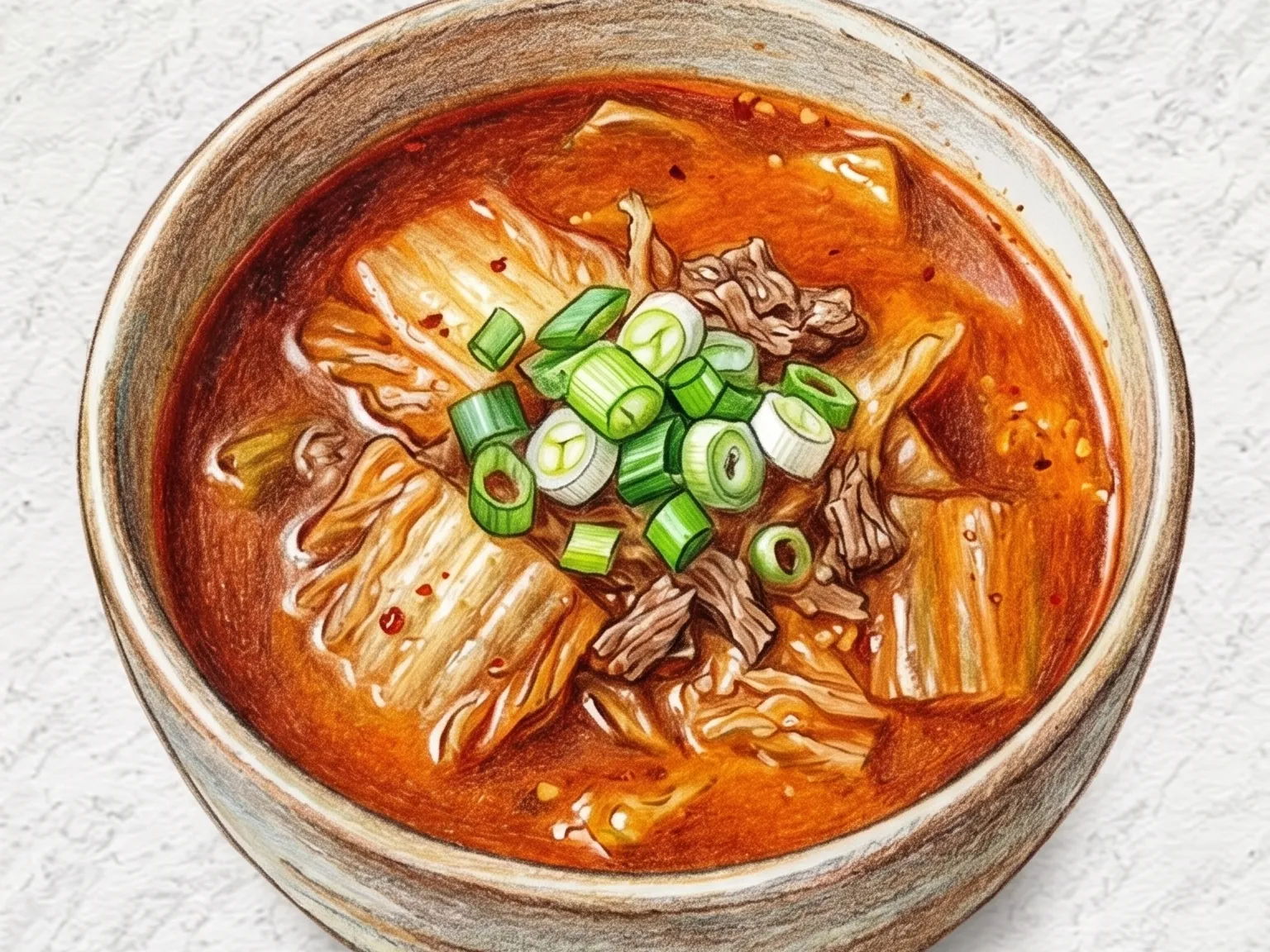
Ugeoji soegogi-guk is a spicy, savory Korean beef soup that draws its character from pre-seasoned napa cabbage outer leaves and a brisket-based broth. The ugeoji is rubbed with doenjang and gochugaru before it enters the pot, so when it meets the simmering beef stock, it releases both fermented soybean depth and a steady chili warmth that stains the broth a ruddy brown. The brisket, simmered until the fibers separate easily, is shredded and returned to the pot, adding lean, clean beef flavor throughout. As the ugeoji softens over extended cooking, it absorbs the surrounding liquid like a sponge, so each bite delivers a concentrated burst of the combined seasoning. Daikon radish, if included, tempers the heat with its natural sweetness, while generous amounts of sliced scallion perfume the entire bowl. The overall effect is a soup that is warming and substantial without being aggressive - the spice level is calibrated to soothe rather than overwhelm, which makes it a go-to choice on cold days when the body needs both heat and substance.

Korean Dried Radish Greens Perilla Stew
This stew simmers rehydrated dried radish greens in rice-rinse water thickened with a generous four tablespoons of perilla seed powder. A small amount of doenjang and gochujang provides savory depth, and using rice-rinse water instead of plain water adds a natural starchiness that helps the perilla powder integrate into the broth more smoothly. The perilla powder creates a creamy, nutty soup with a pale beige hue, and the chewy, fibrous texture of the radish greens contrasts with the richness of the liquid. The radish greens need to be fully rehydrated and pre-boiled so they absorb the broth evenly during cooking rather than remaining tough. Onion and green onion add layers of sweetness and fragrance, and seasoning gradually while the stew cooks produces a more balanced result than adding everything upfront. Served bubbling in an earthenware pot on cold days, this is one of the most comforting staples in Korean winter home cooking.

Korean Perilla Sprout & Tofu Soybean Paste Stir-fry
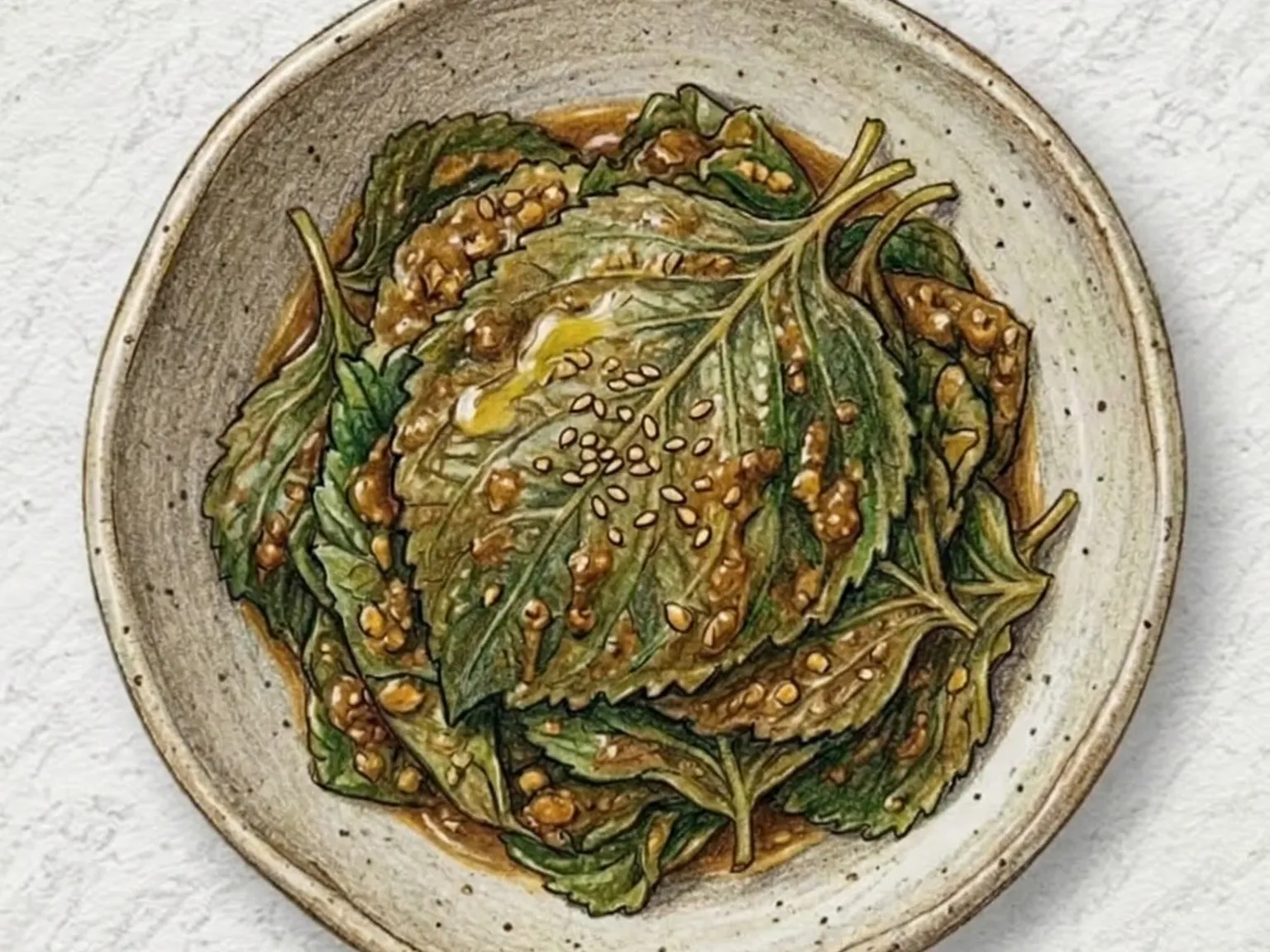
Kkaetsun dubu doenjang bokkeum pairs pan-seared firm tofu with perilla sprouts in a doenjang sauce. The tofu must be pressed dry with paper towels before it goes into the pan; residual moisture causes the oil to spit and prevents the surface from crisping. Dissolving the doenjang in water before adding it to the pan distributes the saltiness evenly and stops the paste from scorching against the hot surface. The doenjang coats the golden tofu pieces with a salty, earthy glaze, while perilla sprouts, far softer than mature perilla leaves, release a delicate perilla-sesame fragrance as they wilt into the sauce. The contrast between the crisp tofu edges and the just-wilted greens gives the dish its defining texture. Cheongyang chili cuts through the fermented weight of the doenjang with a clean, sharp heat that brightens the aftertaste. A final drizzle of perilla oil added off the heat brings the fragrance back to the surface before serving. When perilla sprouts are not available, mature perilla leaves cut into thick strips work as a direct substitute.

Korean Pork Gochujang Jjigae
This pork gochujang stew simmers pork shoulder in a sauce of gochujang and doenjang, two fermented pastes that together build a more layered flavor than either would alone. Using gochujang on its own produces a heat that comes across as sharp and one-dimensional, but adding half a tablespoon of doenjang rounds out the fermented soybean depth and gives the broth a fuller, earthier backbone. A full tablespoon of gochugaru deepens the red color and adds texture to the spice rather than just boosting intensity. The 180 grams of pork shoulder render their juices into the 700 milliliters of broth as the stew cooks, gradually enriching the base. Potato, zucchini, onion, and tofu go into the same pot and contribute a range of textures that keep each spoonful varied. The combination of both fermented pastes means this version has noticeably more complexity than a standard gochujang stew, and the finished broth is the kind that makes it difficult to stop eating before the bowl is empty.

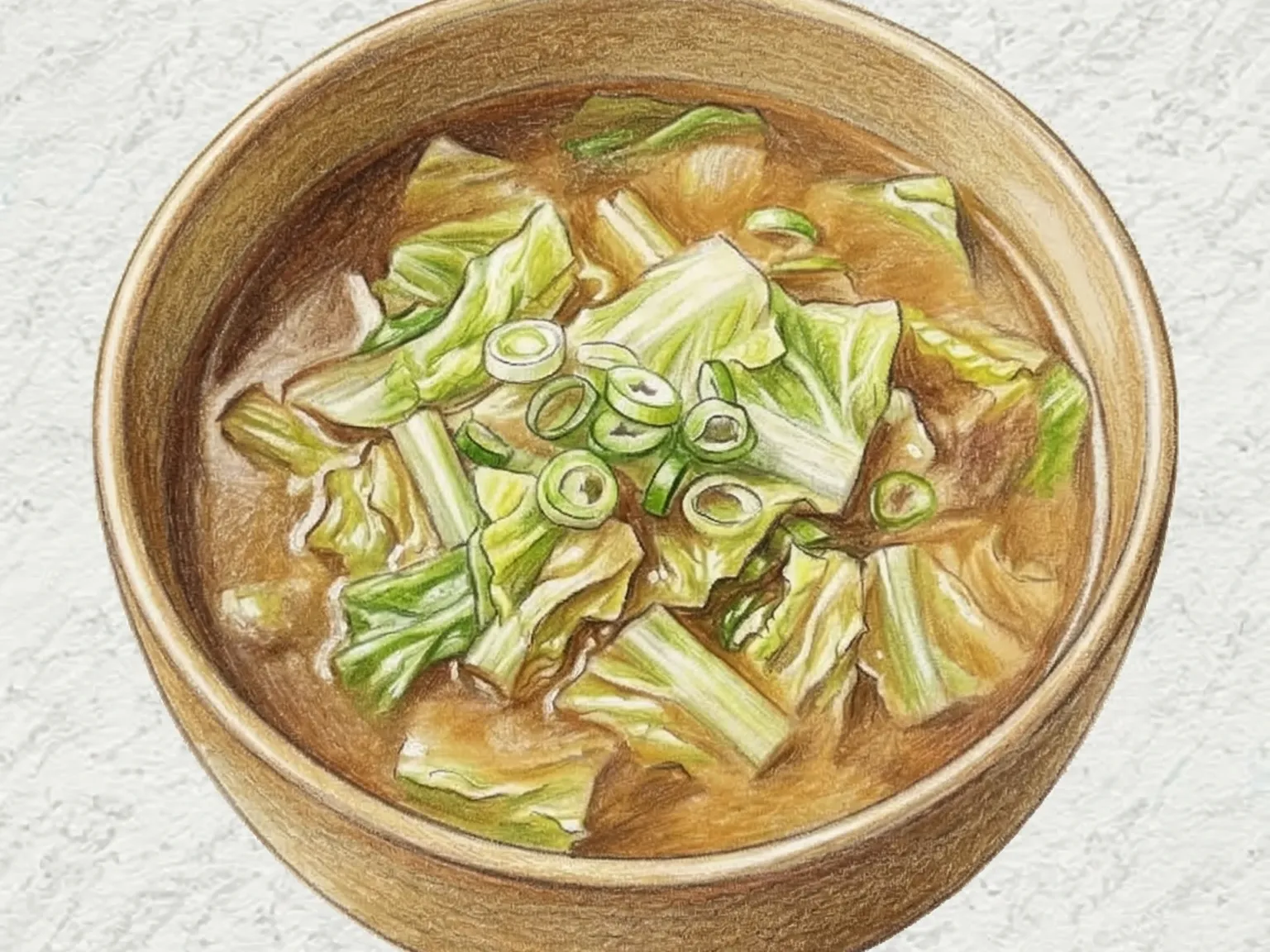
Korean Ugeoji Doenjang Stew
Ugeoji-doenjang-jjigae simmers the tough outer leaves of napa cabbage in rice-rinse water with doenjang and a spoonful of gochujang into a deeply savory, comforting stew. The outer leaves are blanched in salted water, rinsed in cold water, and squeezed out firmly before use, a step that removes bitterness and opens the fibrous leaves to absorb the seasoning. The starchy rice-rinse water gives the broth a naturally smooth and slightly thickened body without any added starch, and adjusting the amount of rice water controls the final consistency. Korean radish, zucchini, and tofu contribute natural sweetness that balances the saltiness of the fermented paste, while garlic and cheongyang green chili add heat and depth. A tablespoon of perilla oil added just before the pot comes off the heat releases a distinctive nutty fragrance that permeates the entire stew and deepens its character. Served in a dolsot earthenware pot that keeps the stew bubbling at the table, every spoonful stays hot to the last. The longer the ugeoji simmers, the more it softens and melds with the doenjang broth, producing the layered, slow-cooked depth that defines this classic Korean home-cooked stew.