Charim

2686 Korean & World Recipes

2686+ Korean recipes, clean and organized. Ingredients to instructions, all at a glance.

Recipes with doenjang

24 recipes

Buy doenjang
Korean Wild Chive Soybean Paste Soup
SoupsEasy

Korean Wild Chive Soybean Paste Soup

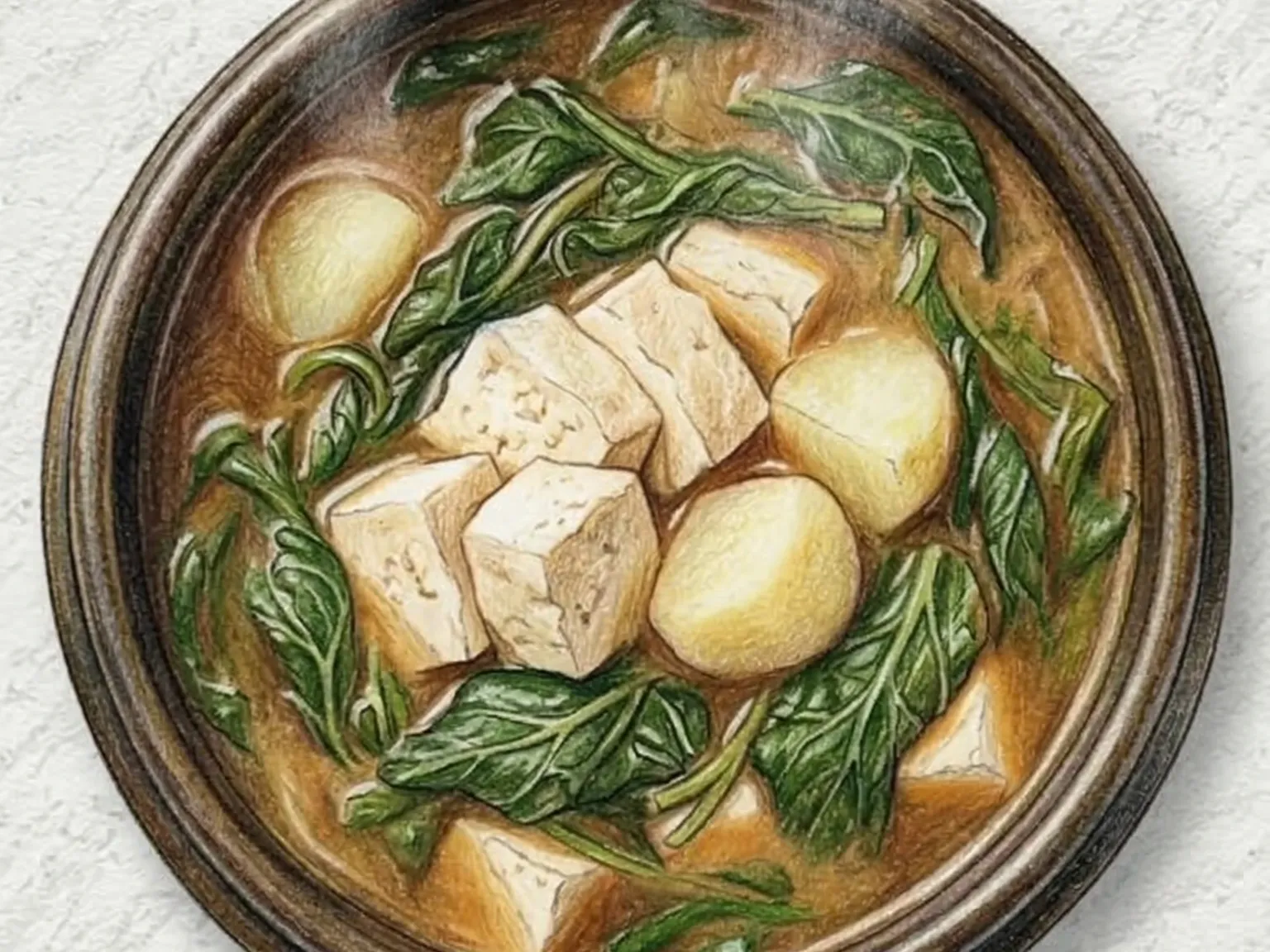
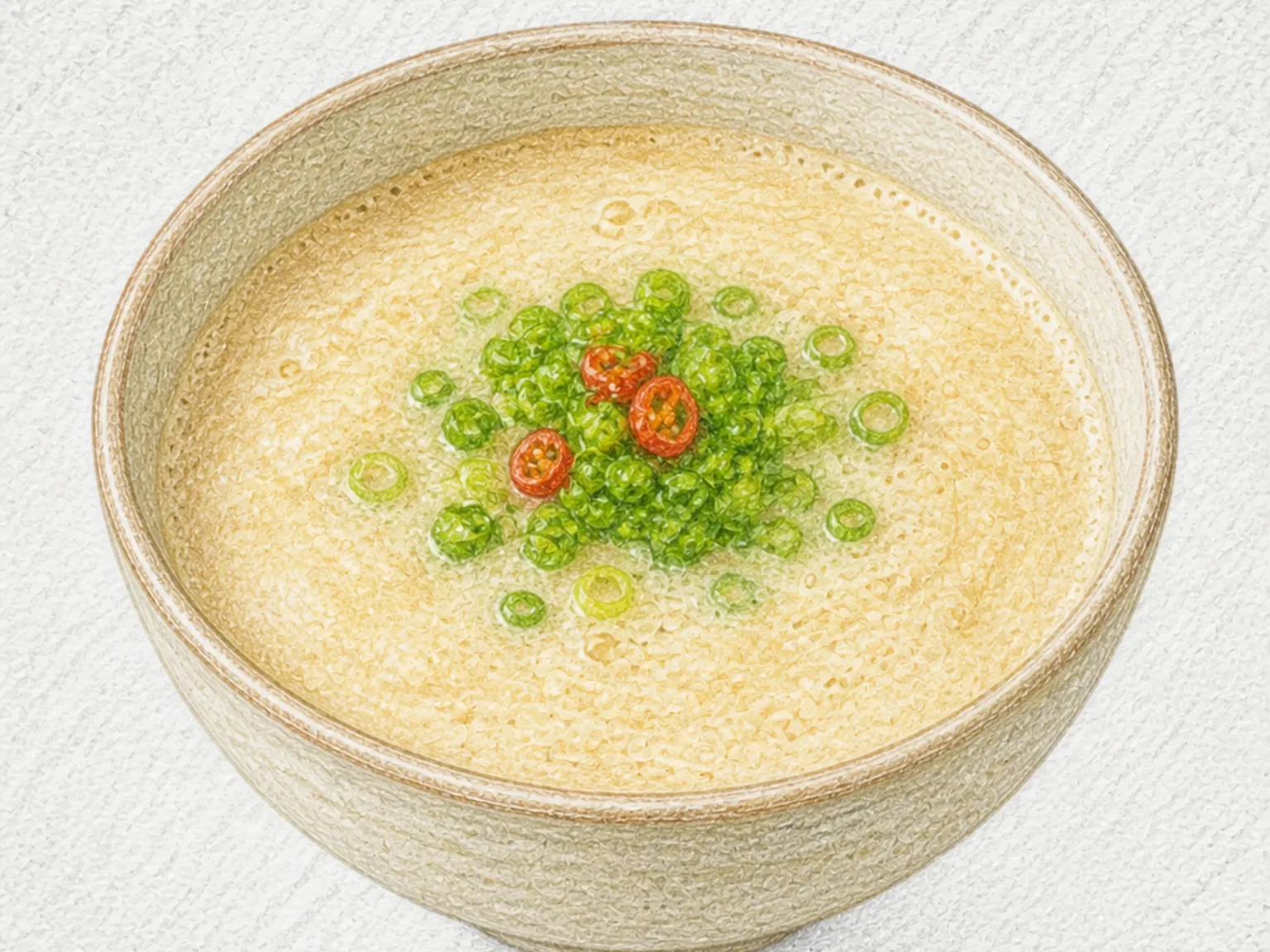
Dallae doenjang-guk is a springtime Korean soybean paste soup that showcases wild chives, a seasonal ingredient valued for its sharp, garlicky bite and short availability window. The anchovy-kelp stock is first simmered with potato and onion to build body and sweetness, then doenjang is dissolved in and tofu added for a soft, tender contrast against the broth. Wild chives go in only during the final minute of cooking, because their pungent aroma dissipates rapidly under sustained heat; cooking them too long makes them indistinguishable from ordinary green onion in both flavor and appearance. The bulb end of each chive stalk carries a stronger bite than the leaves, so mincing the bulbs finely distributes their flavor more evenly through the broth. A half teaspoon of gochugaru tints the soup a faint red that visually matches the chive's natural heat. Because dallae is in season for only a brief window, setting a few raw stalks aside to place at the table as a garnish amplifies the fresh spring character of the dish.

🏠 Everyday
Prep 12minCook 15min2 servings
Korean Mushroom Doenjang Stew
StewsEasy

Korean Mushroom Doenjang Stew

Three types of mushrooms - shiitake, oyster, and enoki - are simmered together in doenjang-seasoned anchovy broth. The anchovy stock lays the foundational depth of umami, and each mushroom type adds its own compounds to the broth as they cook, building flavor in distinct layers. Shiitake holds its meaty chew, oyster mushroom separates into silky strands along its grain, and enoki stays crisp, so the bowl delivers varied textures from a single pot. Soft tofu absorbs the broth all the way through, carrying the fermented soybean flavor to the center of each cube. The stew is satisfying as a full meal without any meat. A sliced cheongyang chili sharpens the finish if extra heat is wanted.

🏠 Everyday
Prep 15minCook 20min3 servings
Naengi Doenjang Mushroom Salad
SaladsEasy

Naengi Doenjang Mushroom Salad

Naengi is blanched for about thirty seconds in boiling water to remove its raw grassy edge while keeping the earthy, faintly sweet spring aroma that makes it distinctive. Oyster mushrooms go onto a dry, well-heated pan with no oil, pressed gently as they cook, so the moisture evaporates and the surfaces caramelize to a light golden color, concentrating their savory depth. The dressing is made by dissolving doenjang in yuja marmalade, rice vinegar, and sesame oil, producing a layered flavor that is nutty and fermented at the base with a bright citrus lift. Baby greens spread across the plate as a soft, neutral bed, and halved cherry tomatoes add bursts of juice that cut through the weight of the fermented paste. A few drops of sesame oil and toasted sesame seeds add a roasted, nutty finish, and minced garlic folded into the dressing contributes a quiet warmth that ties the individual flavors together without dominating. Using freshly foraged naengi in early spring gives the salad a vivid seasonal character that dried or stored greens cannot replicate.

🥗 Light & Healthy
Prep 15minCook 10min2 servings
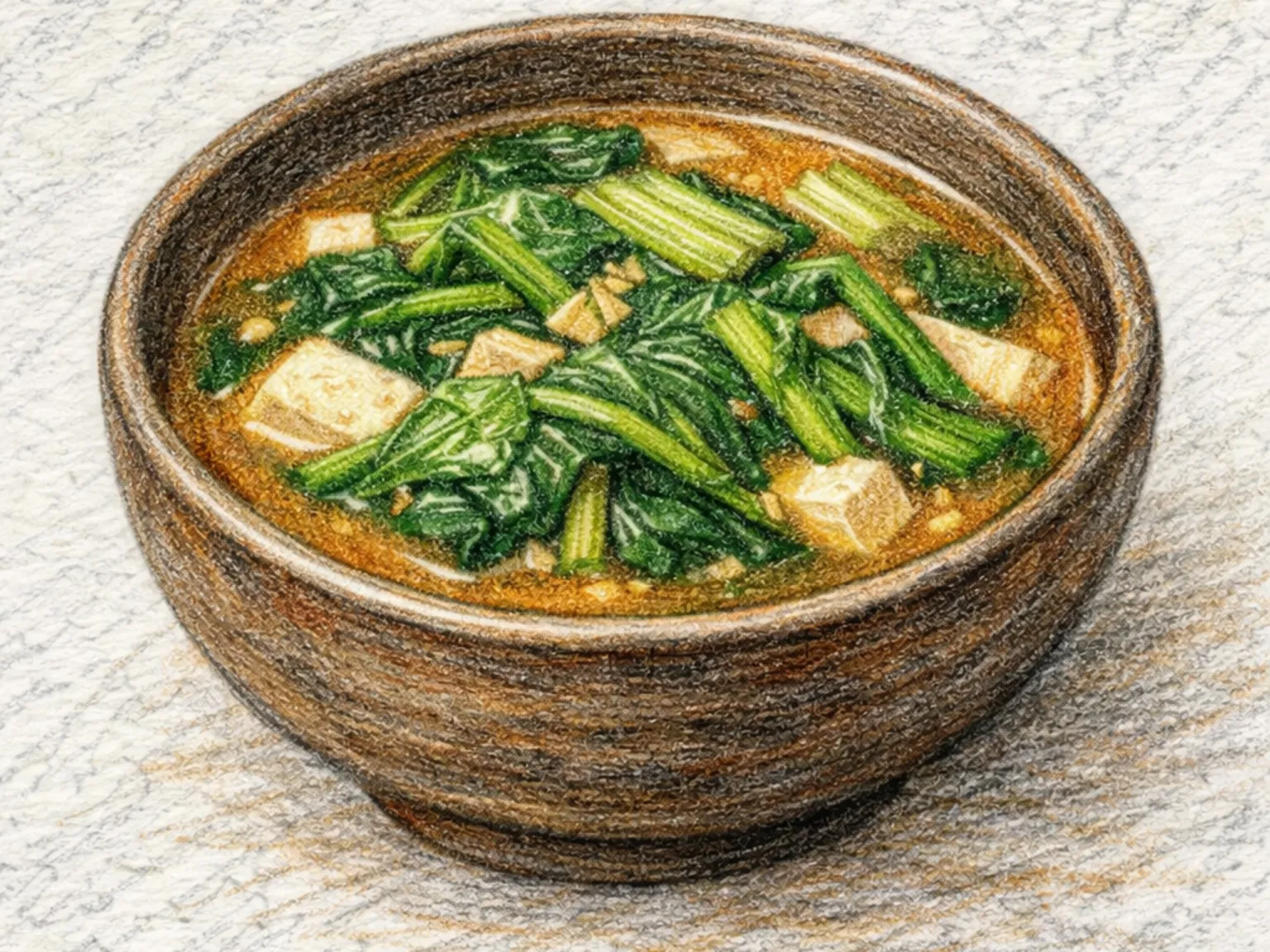
Korean Bok Choy Soybean Paste Soup
SoupsEasy

Korean Bok Choy Soybean Paste Soup

Cheonggyeongchae doenjang-guk is a Korean soybean paste soup built on anchovy-kelp stock, featuring bok choy, zucchini, and tofu. Unlike napa cabbage or spinach, bok choy brings a crisp, juicy stem alongside soft leaves, and it adds a mild, clean sweetness to the broth that differs from the earthier notes of Korean brassicas. The stock simmers first with onion and garlic for six minutes to build an aromatic base, and the doenjang is pressed through a sieve so it dissolves evenly without leaving paste clumps in the finished soup. Bok choy and tofu go in during the final three minutes, which is long enough to wilt the leaves while the stems keep their bite and the green color stays bright. Though bok choy is more common in Chinese cooking, it pairs naturally with doenjang and is available year-round in Korean supermarkets, making it a reliable alternative when napa cabbage is not on hand.

🏠 Everyday
Prep 15minCook 18min4 servings
Korean Gondre Dubu Doenjang Bokkeum (Thistle Tofu Doenjang Stir-fry)
Stir-fryMedium

Korean Gondre Dubu Doenjang Bokkeum (Thistle Tofu Doenjang Stir-fry)

Gondre dubu doenjang bokkeum is a stir-fried side dish that pairs pan-seared firm tofu with blanched gondre thistle greens in a doenjang-based sauce. Searing the tofu separately in perilla oil before combining it with the greens is the step that makes the difference: the firm, lightly crisped surface that forms holds its shape through the subsequent stir-frying and absorbs the seasoning without breaking down into chunks. Doenjang dissolved in a small amount of water is stirred through the gondre so the fermented paste coats every strand evenly, and a small addition of soup soy sauce deepens the savory character without pushing the salt level too high. Sliced cheongyang chili adds a gentle heat that lingers at the finish. Perilla oil, with its nutty, herbal scent, binds the flavors and gives the dish its distinctive aromatic character. Gondre is a thistle variety grown in the Gangwon mountain region and pairs particularly well with doenjang because its earthy, slightly sweet fragrance complements the depth of the fermented paste.

🏠 Everyday🍱 Lunchbox
Prep 18minCook 10min2 servings
Korean Pork & Swiss Chard Stir-fry
Stir-fryEasy

Korean Pork & Swiss Chard Stir-fry

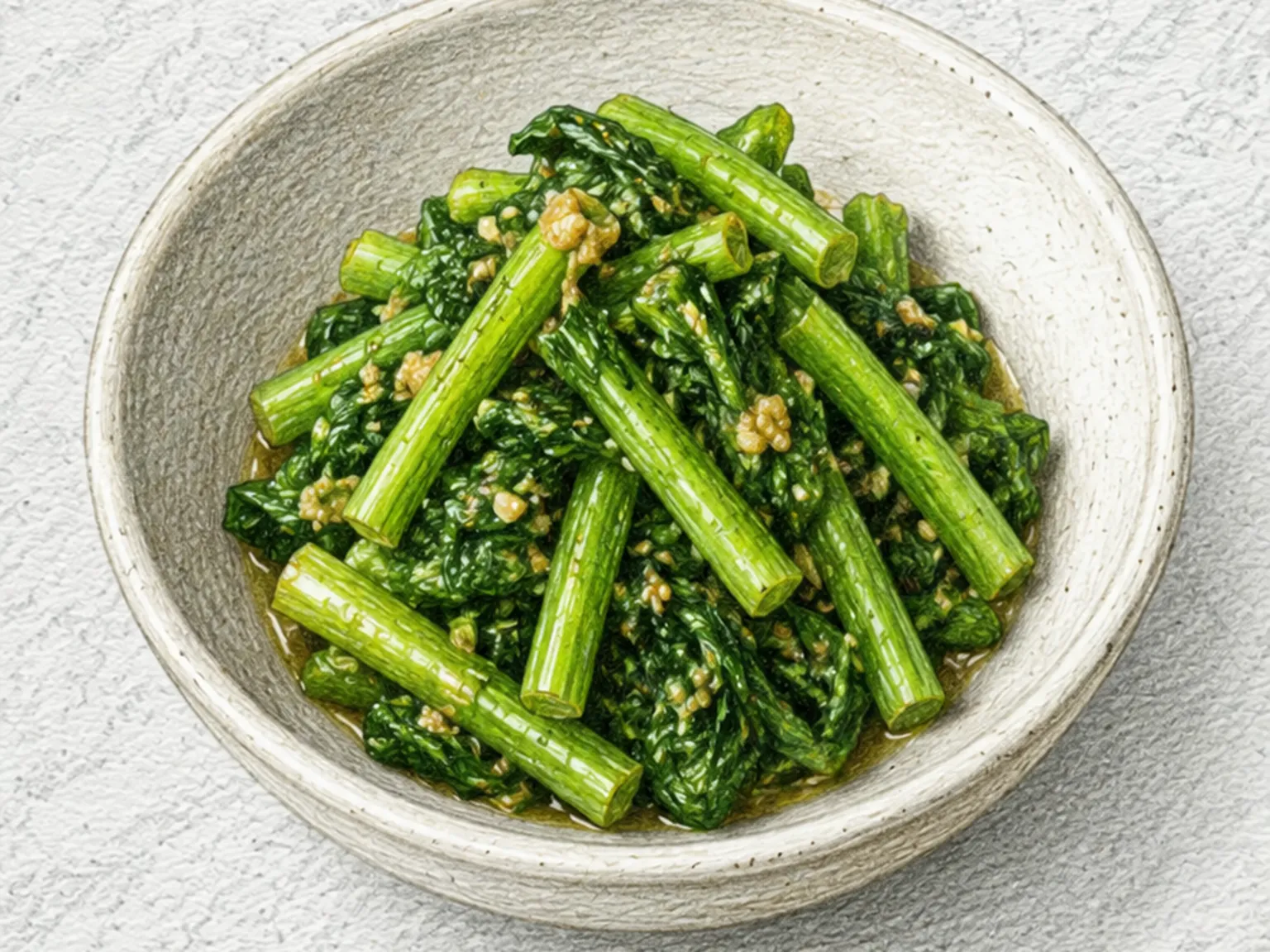
Geundae-doenjang-dwaejigogi-bokkeum is a home-style Korean stir-fry of pork and Swiss chard in a doenjang sauce. Separating the chard stems from the leaves and adding them to the pan at different times is the practical technique that makes the dish work: the stems go in first to cook through while keeping a slight crunch, and the leaves follow just long enough to wilt without becoming limp. Doenjang absorbs and suppresses any gamey undertones from the pork while adding a deep, fermented soybean backbone to the sauce. Sesame oil stirred in at the end wraps the entire dish in a warm, nutty finish. A small amount of gochugaru brings the mild heat that distinguishes Korean home-cooking from milder preparations. The earthy, slightly mineral quality of Swiss chard pairs naturally with the fermented funk of doenjang, and spooned over steamed rice the sauce soaks into the grains and turns the whole bowl into a complete, satisfying meal.

🏠 Everyday🍱 Lunchbox
Prep 15minCook 12min2 servings
Siraegi Guk (Korean Perilla Radish Greens Soup)
SoupsEasy

Siraegi Guk (Korean Perilla Radish Greens Soup)

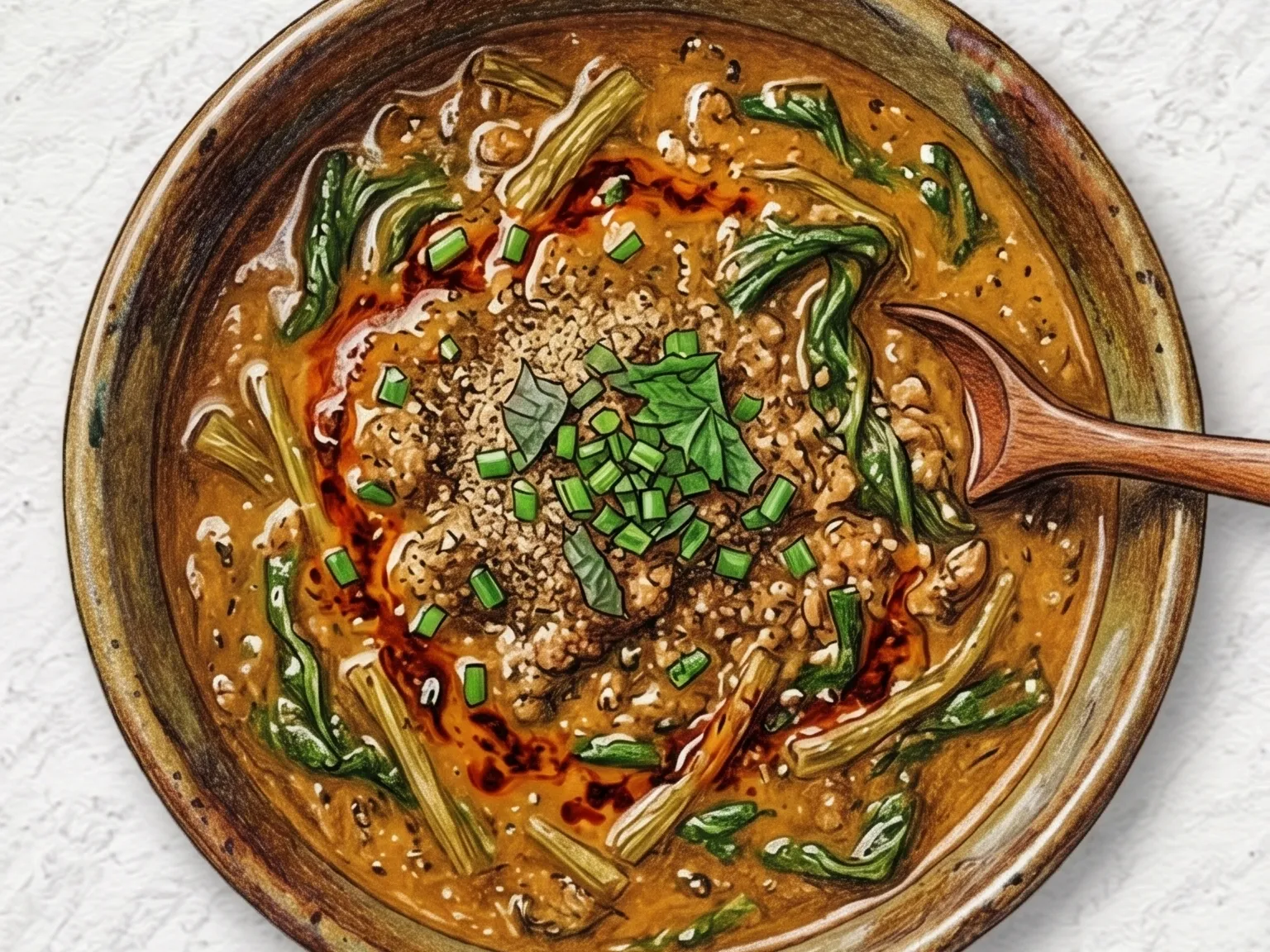
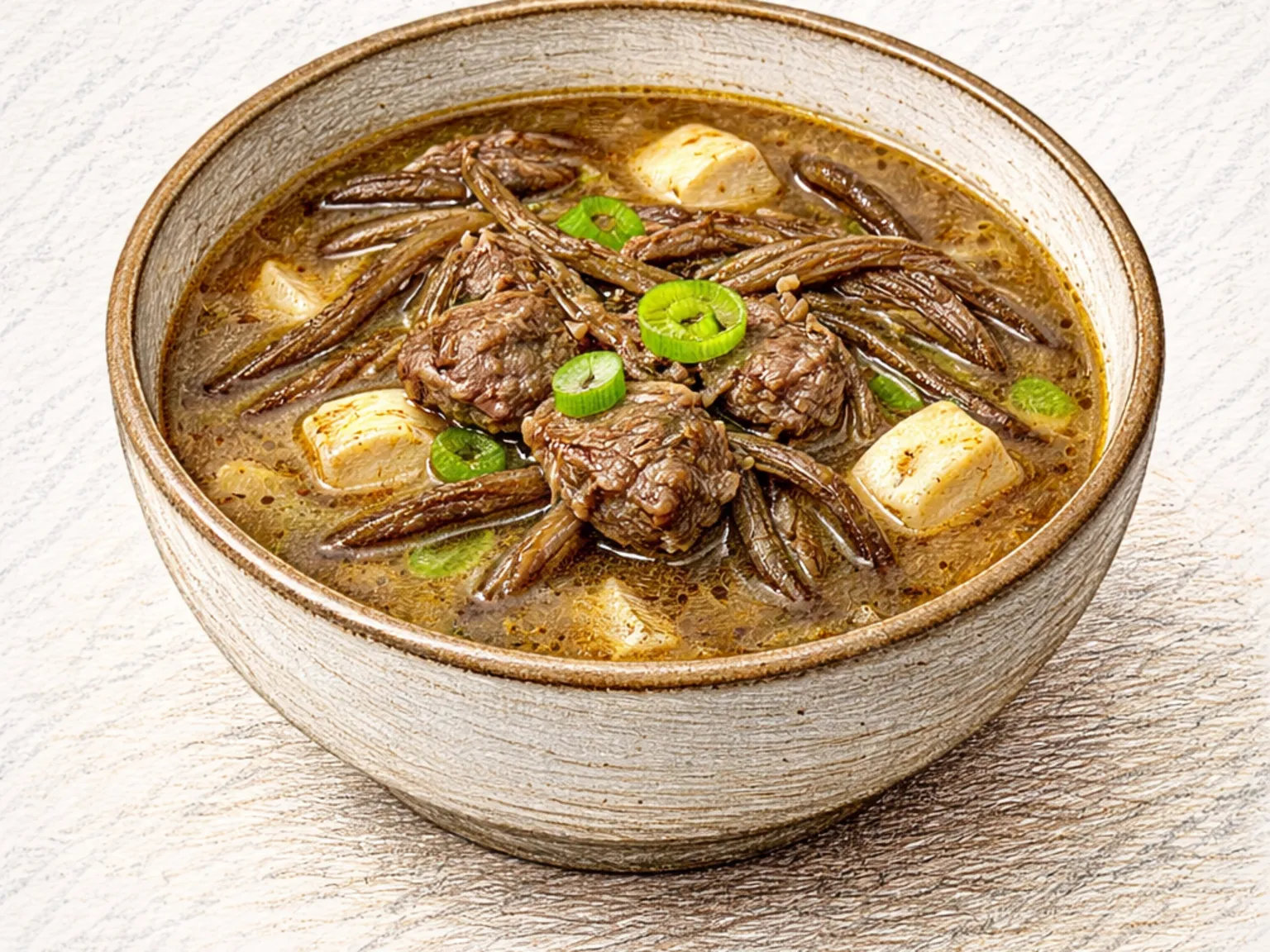
Deulkkae siraegi guk is a rich, nutty Korean soup made by simmering dried radish greens that have been pre-seasoned with doenjang and soup soy sauce in an anchovy broth for at least twenty minutes. Siraegi, which refers to radish leaves that have been dried and then rehydrated before cooking, carries a concentrated earthiness and a fibrous, chewy texture that fresh greens cannot replicate. Massaging the greens with doenjang and garlic before they go into the pot allows the fermented seasoning to penetrate into the fibers over the extended cooking time rather than merely coating the surface. The anchovy broth beneath provides a clean, saline umami that supports the deeper, fermented notes of the doenjang without competing. Perilla powder added in two separate additions dissolves evenly through the broth without clumping, turning the liquid an opaque, milky white and thickening it to a consistency that clings to each spoonful and gives the soup its characteristic weight. Green onion added during the final three minutes of cooking contributes a fresh, sharp aroma that sits lightly on top of the perilla fragrance, completing the layered, hearty character of the soup.

🏠 Everyday
Prep 18minCook 35min4 servings
Korean Grilled Salmon with Doenjang
GrilledEasy

Korean Grilled Salmon with Doenjang

Salmon fillets are coated with a glaze of doenjang, gochujang, honey, minced garlic, sesame oil, and lemon juice, then grilled skin-side down over medium-low heat. The fermented soybean paste gives a deep, earthy savoriness while honey and lemon provide contrasting sweetness and brightness. A second brushing of glaze near the end builds a glossy crust without burning, leaving the flesh moist inside.

🍺 Bar Snacks
Prep 15minCook 12min2 servings
Charred Daepa Gamja Doenjang Salad (Charred Leek Potato Salad)
SaladsEasy

Charred Daepa Gamja Doenjang Salad (Charred Leek Potato Salad)

Charred daepa gamja doenjang salad combines boiled potatoes with large green onion segments that have been seared until deeply caramelized and smoky. The high heat strips away the raw onion bite and replaces it with a concentrated sweetness and char aroma. A dressing made from doenjang, lemon juice, honey, and olive oil layers fermented depth with bright acidity and a touch of sweetness, drawing out the mild flavor of the potato. Tossing the potatoes while still warm allows the dressing to absorb into the starchy flesh rather than sitting on the surface. Red chard adds color and a faint bitterness that gives the bowl a sense of direction, while black sesame seeds contribute a final nutty accent.

🥗 Light & Healthy
Prep 15minCook 18min2 servings
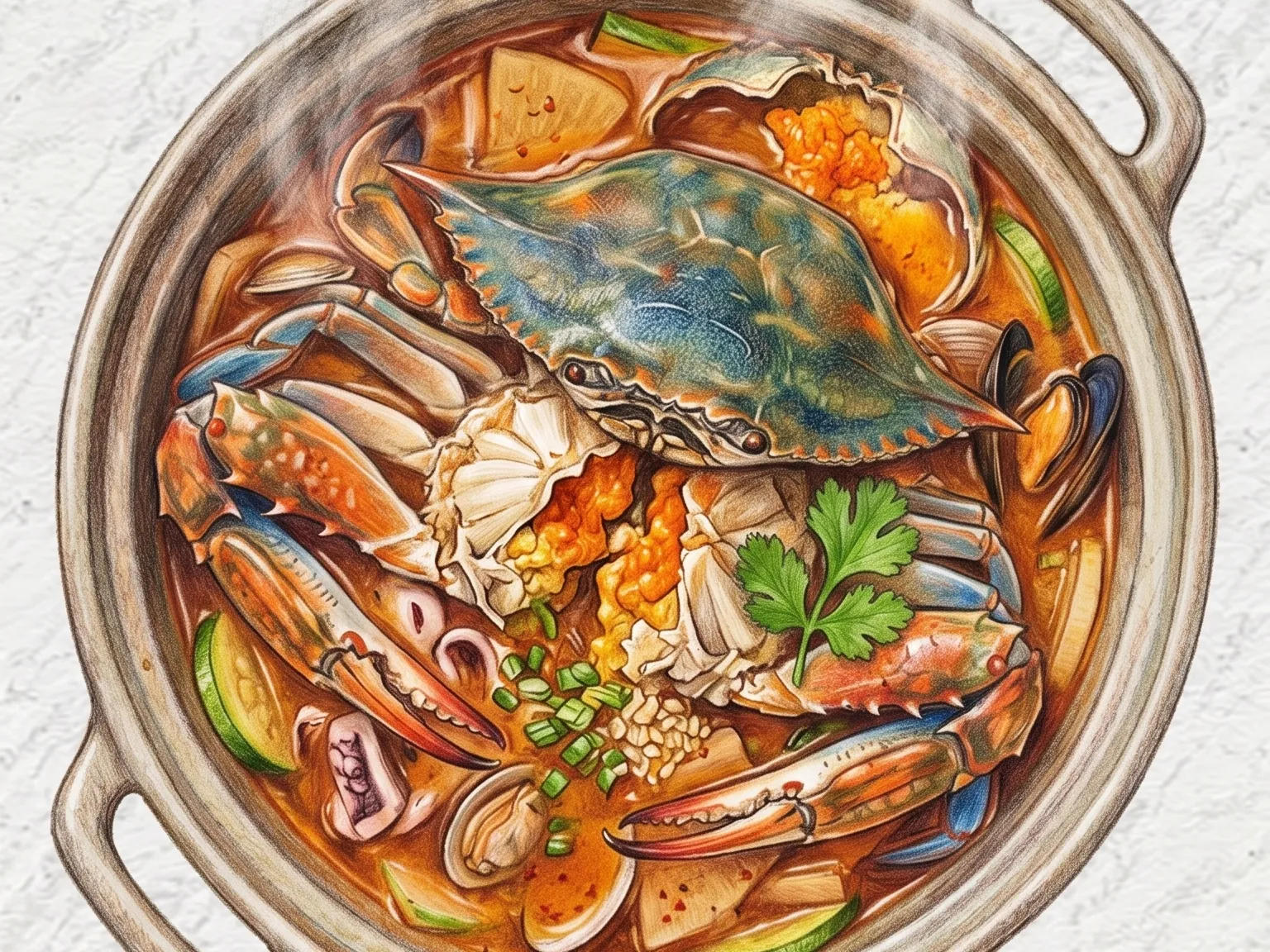
Korean Seafood Doenjang Stew
StewsEasy

Korean Seafood Doenjang Stew

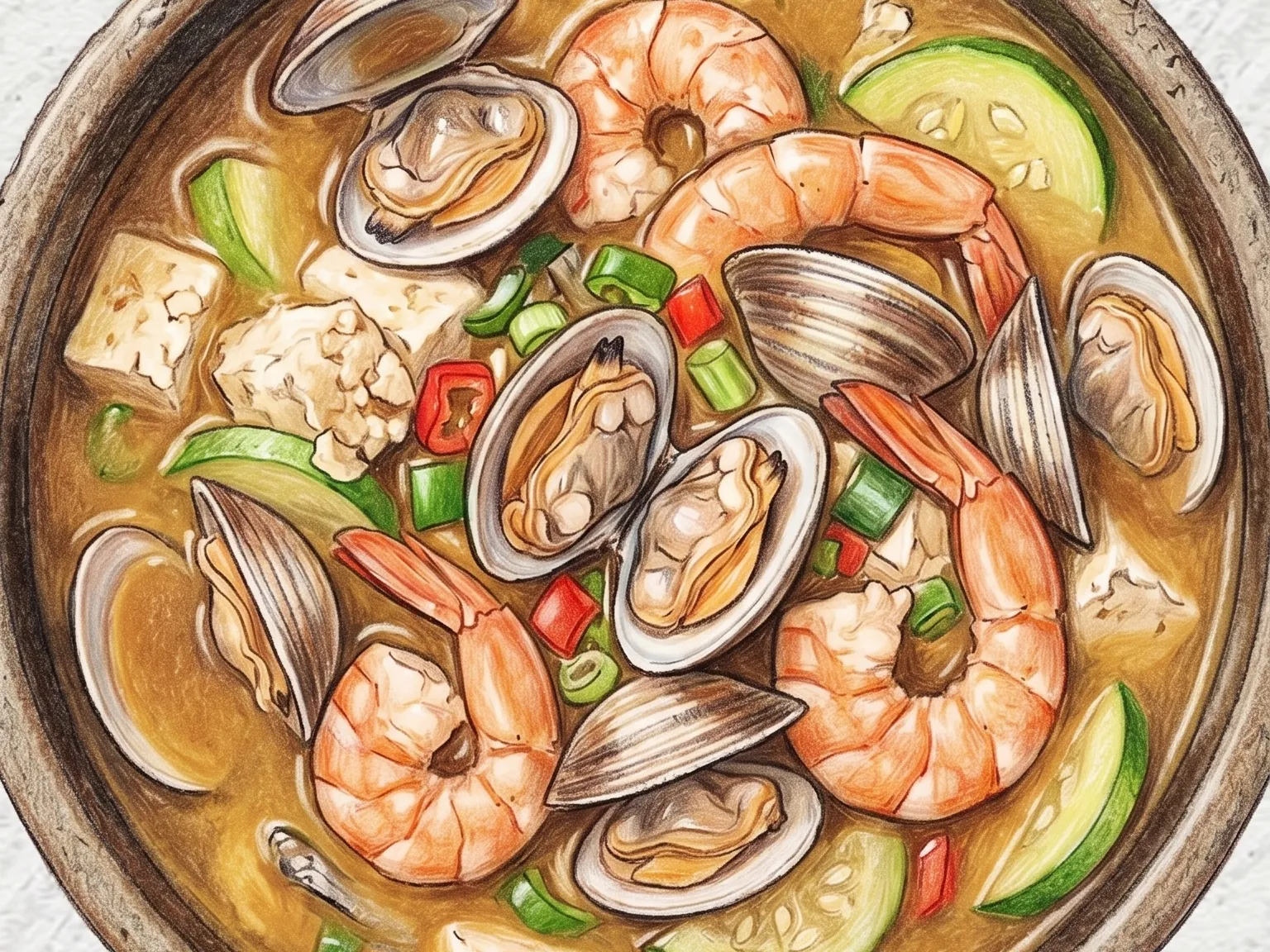
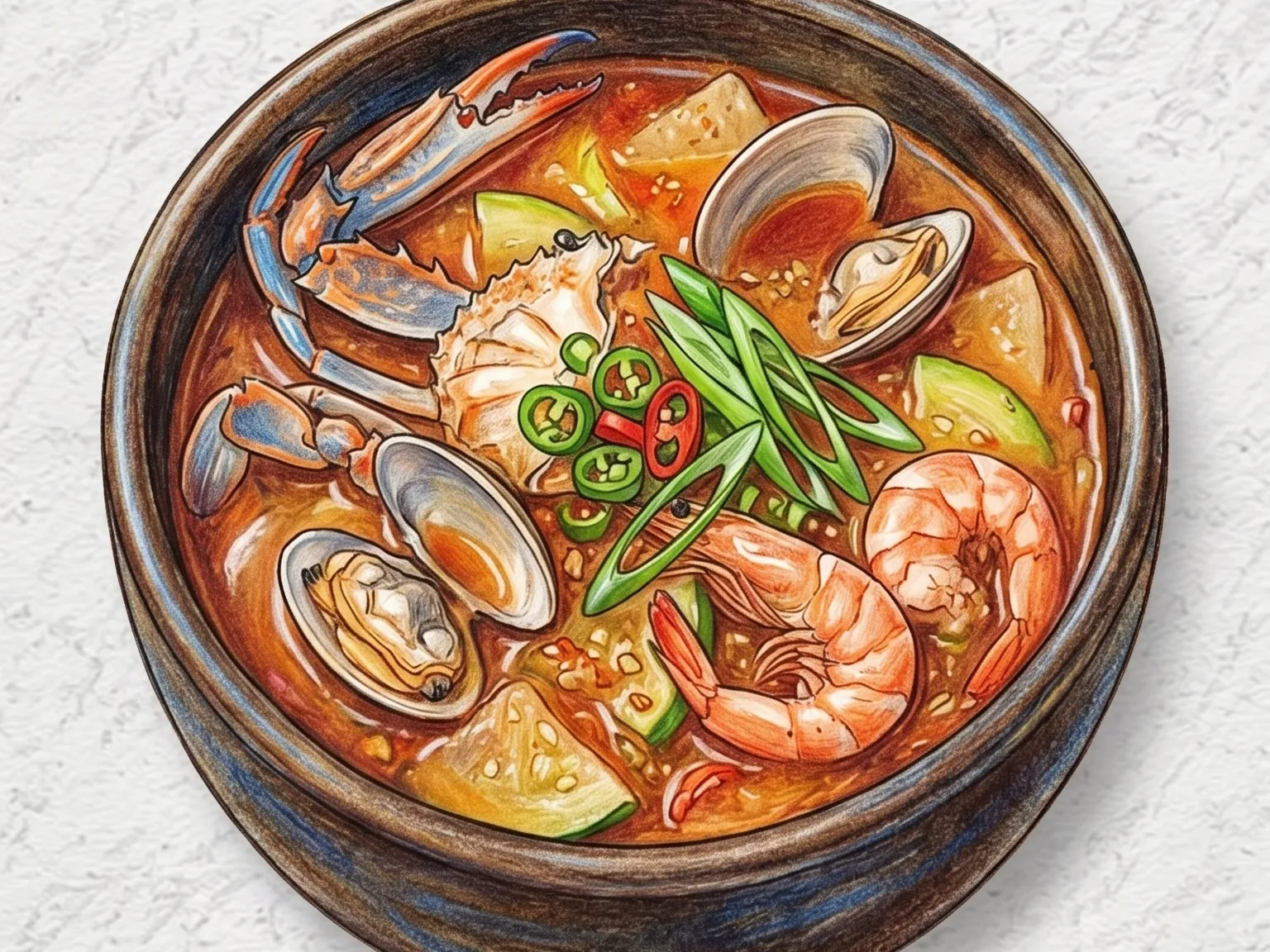
Haemul doenjang jjigae is a Korean soybean paste stew enriched with clams and shrimp. The broth is built on a kelp and dried anchovy stock into which doenjang is dissolved, then clams are added and the pot is brought to a boil. As the clams open, they release their clear, briny liquor into the doenjang base, adding a layer of ocean flavor that plain vegetable stews cannot replicate. Shrimp go in next and contribute their own distinct seafood sweetness. Tofu and zucchini round out the stew with soft, yielding textures that absorb the enriched broth fully. Clams should be purged in salted water beforehand to eliminate any grit, and doenjang is best added conservatively at the start and adjusted gradually during cooking to avoid over-salting. The seafood transforms the already satisfying doenjang stew into something noticeably more layered and complex, making it equally at home as a rice accompaniment or as food alongside drinks.

🏠 Everyday
Prep 15minCook 20min2 servings
Korean Sea Squirt Soybean Paste Soup
SoupsMedium

Korean Sea Squirt Soybean Paste Soup

Mideodeok-doenjang-guk is a Korean soybean paste soup made with sea squirt, one of the more unusual and intensely flavored combinations in everyday Korean cooking. Sea squirt, called mideodeok in Korean, belongs to the same class of sea creatures as the better-known meongge. What sets it apart is the small pocket of brine inside its leathery outer skin. When bitten, the skin pops and releases a burst of concentrated ocean liquid that spreads through the surrounding broth. Combined with the fermented earthiness of doenjang, this creates a double layer of umami that lingers well past the last spoonful. The soup is built on anchovy-kelp stock, which reinforces the seafood character and keeps the base clean. Doenjang is stirred in once the stock is fully boiling so it dissolves evenly without losing its fermented depth. Radish and zucchini are added to balance the intensity: both vegetables absorb the strong flavors of the broth while contributing a quiet sweetness. One or two Cheongyang chili peppers provide a clean, building heat that cuts through any richness. Generous sliced green onion added just before serving keeps the finish bright and aromatic. Sea squirt should not be scored or cut before the soup is finished, as breaking the skin early causes the inner liquid to drain away into the pot rather than releasing inside the mouth. Along the southern coast of South Korea, particularly in Tongyeong and Geoje where mideodeok is harvested in large quantities, this soup is ordinary home cooking. Elsewhere it is a deliberate seasonal choice, best in late spring and early summer.

🏠 Everyday
Prep 12minCook 18min2 servings
Korean Cauliflower Soybean Paste Pork Stir-fry
Stir-fryMedium

Korean Cauliflower Soybean Paste Pork Stir-fry

Kollipeullawo doenjang dwaeji bokkeum begins with pork shoulder seared hard over high heat until the exterior turns deep brown, building a crust that holds flavor through the rest of the cook. Doenjang and gochugaru go in next and fry briefly in the rendered pork fat, releasing their fermented, spiced aroma into the oil. Cauliflower blanched for forty seconds and thoroughly drained is folded in last. Draining the cauliflower matters: excess moisture would dilute the sauce and prevent it from concentrating on the meat and vegetables. The fermented saltiness of doenjang merging with the pork fat creates an earthy depth that straight doenjang jjigae does not have, and the cauliflower's mild, slightly sweet character offsets the heavier notes of the paste, making the dish feel lighter than the ingredient list suggests. With low carbohydrate content, it slots naturally into reduced-carb meal plans without compromise.

🥗 Light & Healthy🏠 Everyday
Prep 18minCook 12min2 servings
Dipping Ramen (Japanese Thick Noodles with Concentrated Dipping Broth)
NoodlesHard

Dipping Ramen (Japanese Thick Noodles with Concentrated Dipping Broth)

Tsukemen is a Japanese dipping ramen where thick noodles and a concentrated broth are served separately. The broth - typically tonkotsu or seafood-soy based - is reduced to roughly double the intensity of standard ramen soup. Noodles are rinsed in cold water after boiling, which firms their texture and creates a temperature contrast when dipped into the hot broth. Toppings such as chashu pork, soft-boiled egg, and nori are arranged alongside the noodles. The recipe takes about 50 minutes, with most time spent building and reducing the dipping broth.

🎉 Special Occasion
Prep 20minCook 30min1 servings
Korean Seasoned Radish Greens
Side dishesMedium

Korean Seasoned Radish Greens

Mucheong-namul is a Korean banchan made from the leafy stems attached to daikon radish, blanched and dressed with doenjang and perilla oil. Unlike fully dried siraegi, fresh or semi-dried mucheong retains a grassy vitality that carries through to the finished dish. Radish greens emerge as a byproduct of the autumn kimjang harvest, when whole radishes are pulled from the ground, and rural Korean kitchens have long turned these tops into namul or hung them to dry for winter. Fresh mucheong requires at least five minutes of boiling to break down its tough stem fibers so they soften properly. A thorough rinse in cold water follows, washing away the bitter, astringent edge that develops during cooking. Seasoning with doenjang and soup soy sauce layers the fermented paste's earthy depth over the greens' faintly bitter, grassy character, creating a contrast that makes each bite more interesting than either ingredient alone. Perilla oil is preferred over sesame because its lighter, quieter fragrance complements the greens' natural flavor rather than overpowering it. Stirring in ground perilla seeds at the end thickens the dressing and wraps each strand of mucheong in a nutty coating, producing a noticeably deeper-flavored version than mucheong-namul made without them. A hearty, clean-tasting winter banchan tied to the rhythm of the radish harvest.

🏠 Everyday🍱 Lunchbox
Prep 20minCook 15min4 servings
Korean Seasoned Amaranth Greens
Side dishesEasy

Korean Seasoned Amaranth Greens

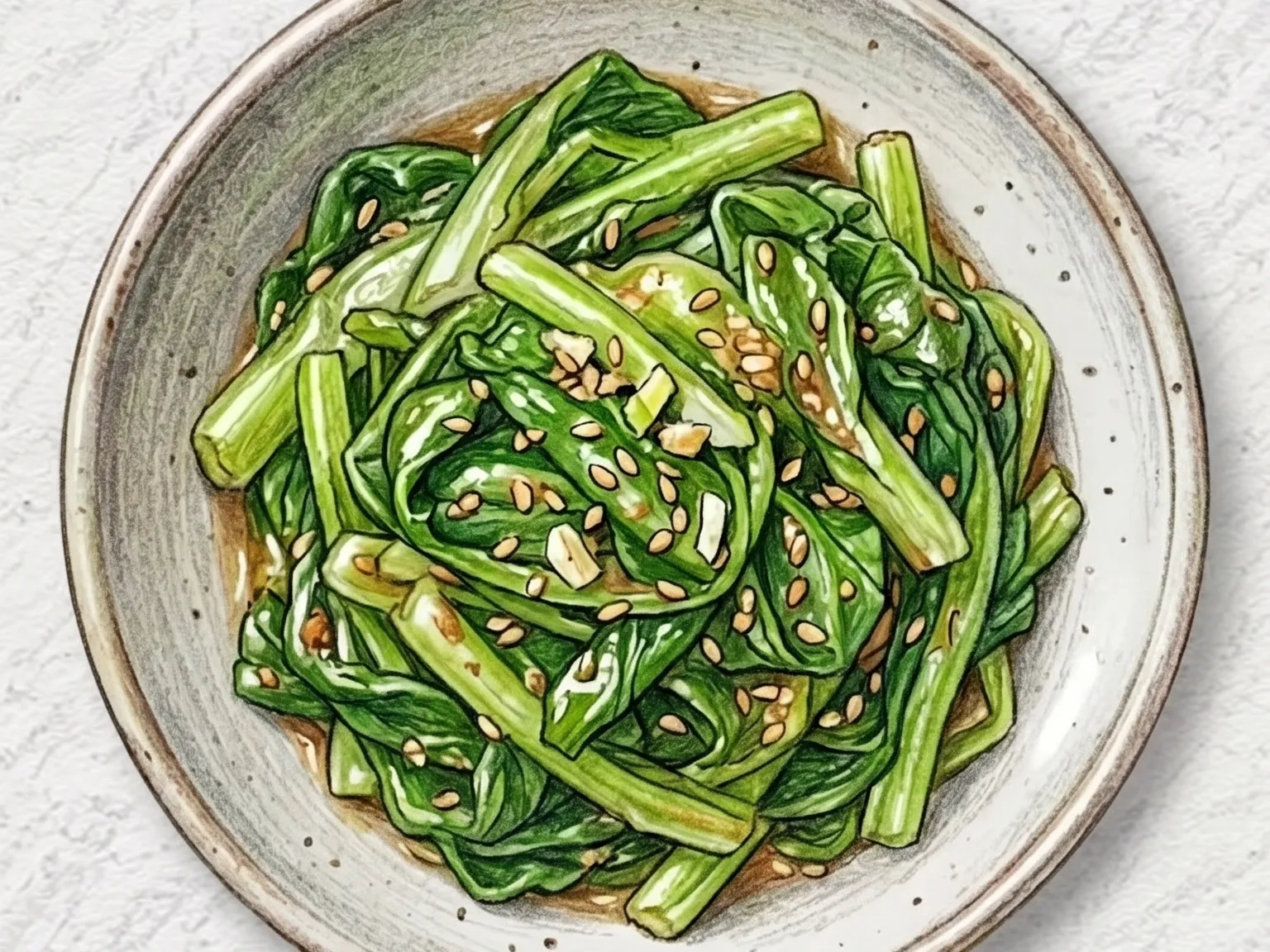
Amaranth greens, biryeom in Korean, are a short-season summer vegetable with deep green, purple-tinged leaves that bleed red into the blanching water. They need to come out in under a minute or the leaves lose their structure. After squeezing out the water, the greens are dressed with doenjang, soup soy sauce, garlic, and scallion. Perilla oil stands in for sesame oil, lending a herbal, grass-edged nuttiness that matches the mineral character of amaranth. The leaves are firmer than spinach or mallow, so the dressing clings without the greens collapsing into a wet mass. The unsaturated fats in perilla oil also increase the nutritional density of the dish. A countryside banchan available only during its brief summer window.

🏠 Everyday🍱 Lunchbox
Prep 10minCook 4min4 servings
Korean Saeu Doenjang Beoteo Gui (Doenjang Butter Shrimp Grill)
GrilledEasy

Korean Saeu Doenjang Beoteo Gui (Doenjang Butter Shrimp Grill)

Saeu-doenjang-beoteo-gui is Korean doenjang-butter grilled shrimp, where deveined large shrimp are tossed with two-thirds of a sauce made from doenjang, melted unsalted butter, minced garlic, lemon juice, and black pepper, marinated for eight minutes, then seared on a hot grill pan for two minutes per side. The fermented soybean paste and butter fat together create a deeply savory richness distinct from any Western butter sauce, and the lemon juice cuts through that heaviness with clean acidity. Total cooking time must stay under five minutes to keep the shrimp flesh snappy rather than rubbery, and brushing the reserved sauce on during a final one-minute sear builds a concentrated doenjang-butter crust on the surface. Because doenjang is inherently salty, any additional salt should only be considered after tasting the finished dish.

🍺 Bar Snacks
Prep 15minCook 8min2 servings
Korean Young Radish Doenjang Soup
SoupsEasy

Korean Young Radish Doenjang Soup

Yeolmu doenjang-guk is a summer soybean paste soup that uses rice-rinse water as its base, giving the broth a smoother texture than plain water would. Young radish greens are cut into five-centimeter lengths and simmered for eight minutes until they soften and lose their raw grassy edge. Diced tofu, garlic, and a half tablespoon of chili flakes go in next, cooking for six more minutes so the tofu absorbs the fermented soybean flavor. Soup soy sauce and green onion finish the pot, resulting in a mellow, earthy soup that complements a simple rice-and-banchan meal.

🏠 Everyday
Prep 10minCook 20min4 servings
Korean Loach Soup (Blended Loach and Dried Radish Greens Tonic)
SoupsHard

Korean Loach Soup (Blended Loach and Dried Radish Greens Tonic)

Chueo-tang is a southern Korean tonic soup made by blending blanched loach into a smooth puree, straining out bones and skin, then simmering the liquid with doenjang and gochujang for depth. The straining step is what separates a clean, richly flavored broth from a gritty one; every bit of bone and skin must be removed before the long simmer begins. Dried radish greens, siraegi, are added midway and cooked for twenty-five minutes, contributing a fibrous chew that contrasts the velvety broth. Perilla seed powder stirred in near the end thickens the soup to a creamy, pale consistency and layers in a pronounced nutty fragrance that carries through each spoonful. A final pinch of ground sansho pepper leaves a tingling numbness on the tongue that clears any lingering earthiness from the freshwater fish. Loach is high in protein and calcium, and the soup has long been eaten as a summer restorative; a broth that is thick and deeply concentrated is the standard by which a well-made chueo-tang is judged.

🏠 Everyday🎉 Special Occasion
Prep 30minCook 45min4 servings
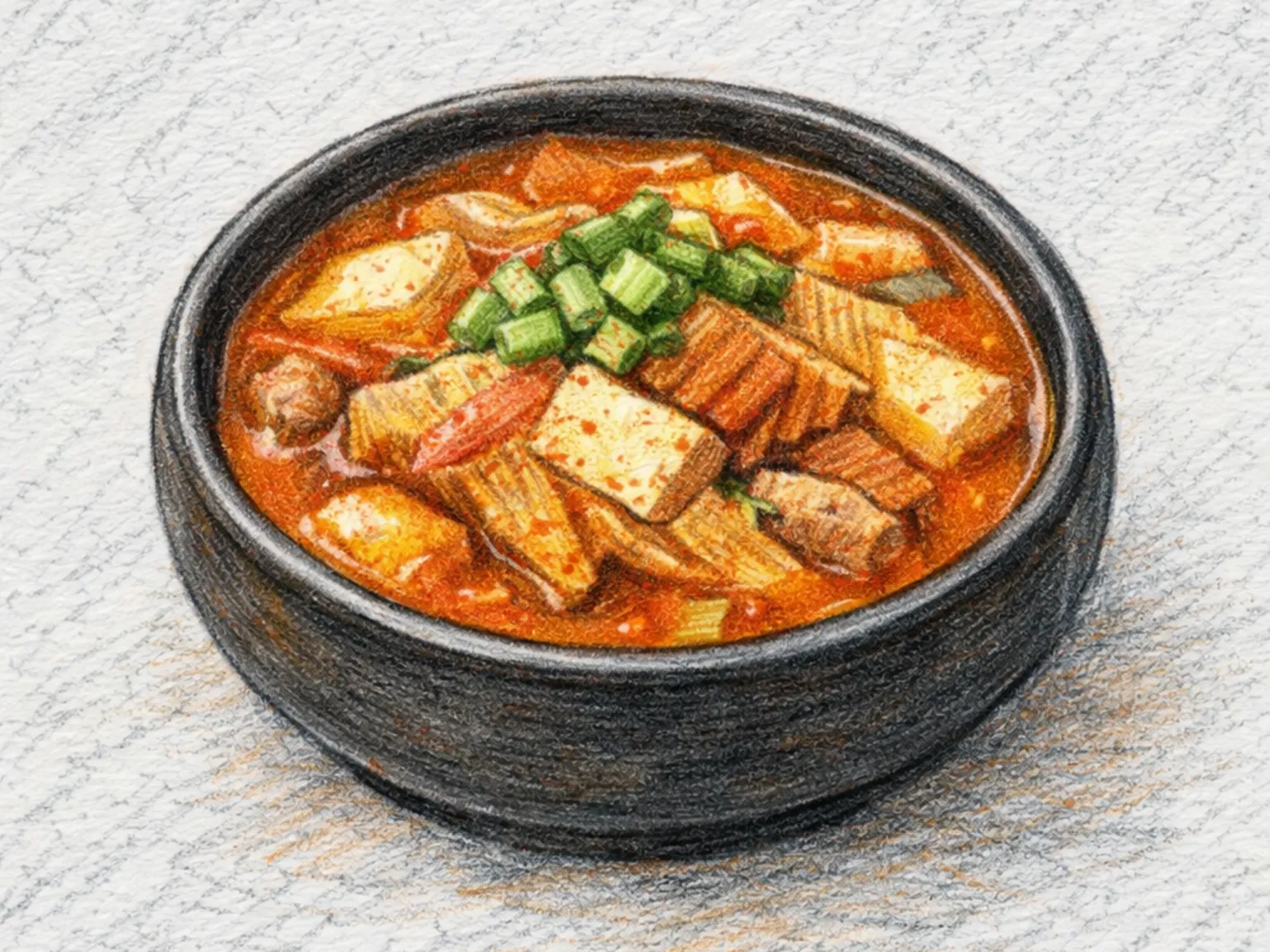
Korean Gangwon-Style Soybean Paste Stew
StewsEasy

Korean Gangwon-Style Soybean Paste Stew

Gangwon-style doenjang jjigae is a regional variation of the fermented soybean paste stew defined by an unusually generous quantity of potatoes - 300 grams - which break down during cooking and release starch into the broth, giving it a thick, substantial body rarely found in other regional versions. Three tablespoons of doenjang dissolved in 1.1 liters of anchovy stock form a solid base. As the diced potatoes cook through, their starch gradually thickens the surrounding liquid and softens into pieces with a texture somewhere between firm and yielding. Oyster mushrooms contribute a distinctly chewy quality that holds up through extended simmering while also enriching the savory depth of the broth. Zucchini, onion, and firm tofu round out the pot, making it substantial enough to serve as a complete meal without anything else on the table. Gangwon Province, with its mountainous terrain, cooler summers, and long winters, developed a style of home cooking that favors generous quantities and long cooking times over refinement. The stew should be simmered until the potatoes are completely soft before serving so the broth reaches its intended consistency.

🏠 Everyday
Prep 15minCook 25min4 servings
Korean Stir-fried Cabbage with Doenjang
Stir-fryEasy

Korean Stir-fried Cabbage with Doenjang

Yangbaechu-doenjang-bokkeum stir-fries bite-size cabbage pieces with doenjang, gochugaru, and garlic over high heat. The doenjang is dissolved in a small amount of water to create an even sauce that coats the cabbage, and the heat is turned off before the cabbage fully wilts to preserve some crunch. The cabbage's natural sweetness intensifies with cooking and contrasts against the salty, fermented depth of the doenjang, while gochugaru adds a faint background heat. The entire dish comes together in under fifteen minutes, relying on doenjang alone to deliver concentrated flavor.

🏠 Everyday🍱 Lunchbox
Prep 8minCook 7min2 servings
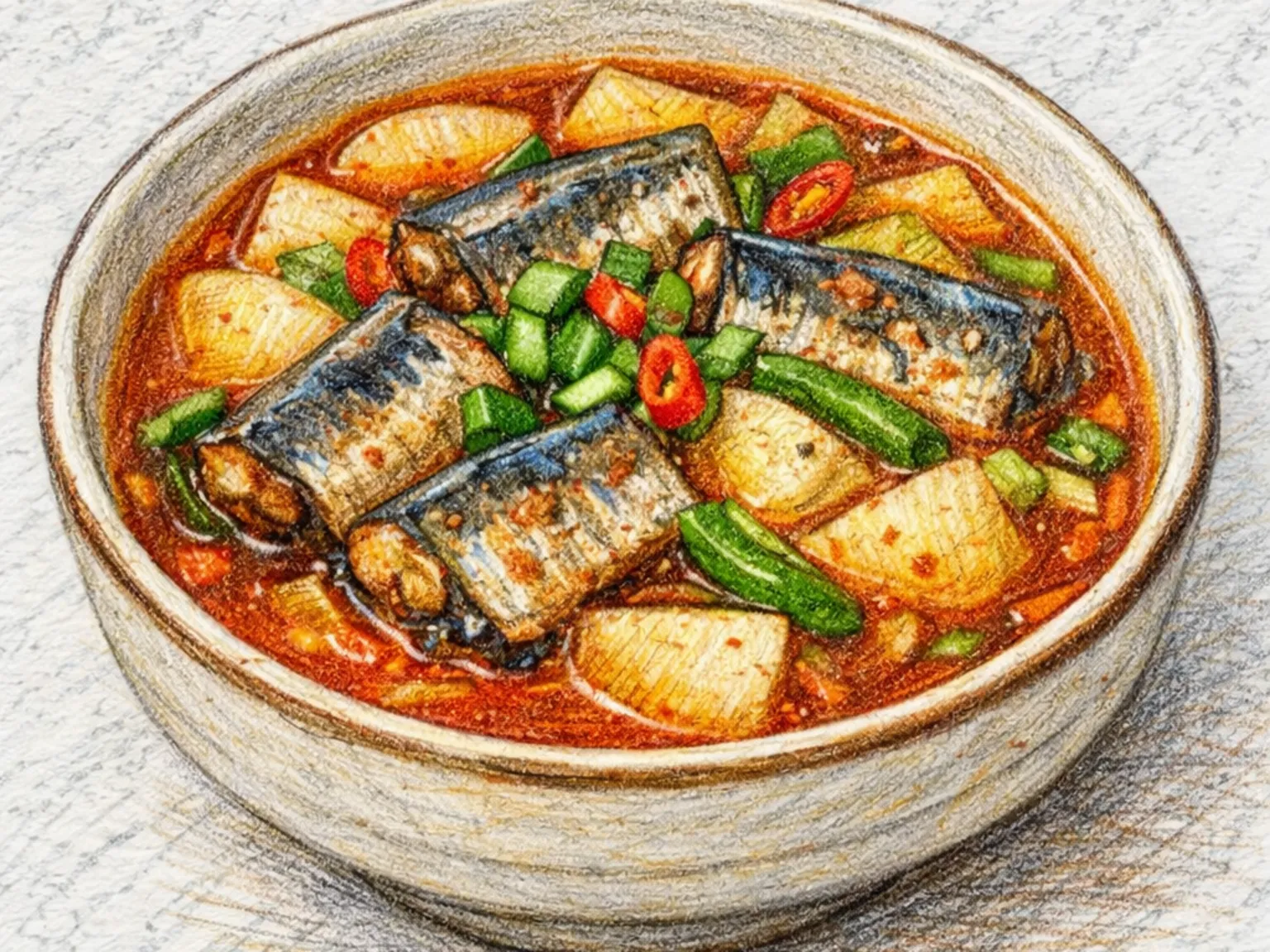
Korean Mackerel and Dried Greens Rice Soup
RiceMedium

Korean Mackerel and Dried Greens Rice Soup

Siraegi-godeungeo gukbap is a hearty Korean rice soup that simmers mackerel fillet and dried radish greens in a doenjang-based broth, then ladles everything over rice. The mackerel contributes a bold, oily umami while the siraegi adds an earthy vegetal depth - together in the fermented soybean broth, they create a rich, layered flavor. Anchovy stock forms the base, and a spoonful of gochugaru gives the soup a gentle heat that warms from the inside. The dried greens are boiled until completely tender before going into the pot, and the mackerel is deboned for easy eating. Finished with scallion and garlic, the broth soaks into the rice grains, making each spoonful a complete bite of soup, fish, greens, and grain.

🏠 Everyday
Prep 25minCook 35min4 servings
Korean Freshwater Snail Soup
SoupsMedium

Korean Freshwater Snail Soup

Olgaengi-guk is a defining dish of the Chungcheong region, a rustic and deeply flavored Korean soup made with freshwater snails called daseugi and mallow leaves simmered in a doenjang-based broth. Pressing the soybean paste through a fine strainer before adding it to the pot keeps the broth smooth and free of lumps, which gives the finished soup a cleaner appearance than versions made by simply dropping a spoonful into the water. Mallow leaves go in first and simmer for eight minutes, gradually releasing a soft, vegetal flavor that works its way through every corner of the broth. The snail meat follows, adding a delicate freshwater umami that is noticeably lighter and cleaner than the brine-forward taste of ocean shellfish. Ground perilla seed stirred in at the very end coats the liquid in a nutty richness and acts as a binding element that pulls the doenjang, the snail, and the mallow into a single coherent whole. The result is a bowl that is simple in its list of ingredients but quietly complex in flavor, a soup that reflects the rivers, fields, and fermentation culture of central Korea. It rarely appears on menus outside its home territory, making it one of those genuinely regional dishes that most people encounter only when they find themselves in Chungcheong.

🏠 Everyday
Prep 30minCook 35min4 servings
Korean Dried Radish Greens Soup
SoupsMedium

Korean Dried Radish Greens Soup

Siraegi-guk is a Korean dried radish greens soup that transforms a humble preserved vegetable into something deeply flavorful through the medium of doenjang. The greens are dried in autumn, then reconstituted by boiling until soft - a process that concentrates their earthy, slightly bitter character. When simmered in stock with dissolved soybean paste, that concentrated flavor meets fermented umami and the result is a broth richer than the ingredient list would suggest. Adding ground perilla seeds pushes the soup further, turning the liquid creamy and nutty. Garlic and green onion form the aromatic backbone. The soup works well without meat, but many cooks stir-fry a small amount of beef in perilla oil before adding the liquid, which introduces a beefy depth that rounds out the overall profile. The critical step is managing the initial boiling of the dried greens: not enough, and the bitterness overwhelms; too much, and the greens become bland. Experienced Korean cooks leave just enough edge to give the soup its distinctive character - a pleasant astringency that makes doenjang taste more interesting rather than less. Siraegi-guk is pantry cooking at its finest, relying on dried goods and fermented paste to produce a bowl that tastes like slow, patient effort.

🏠 Everyday
Prep 20minCook 35min4 servings
Korean Beef Doenjang Bibimbap
RiceMedium

Korean Beef Doenjang Bibimbap

Chadol doenjang bibimbap stir-fries thinly sliced beef brisket in a doenjang-based sauce, then serves it over rice with seasoned vegetable namul and egg. The fatty brisket and fermented soybean paste together create a savory depth that is fundamentally different from gochujang-based bibimbap -- earthier, less spicy, and more complex in its umami structure. As the bowl is mixed, the doenjang dressing coats each grain of rice and pulls together the flavors of every component into a coherent, intensely savory bite. Namul vegetables provide a crisp contrast that cuts through the richness of the brisket fat. A fried egg placed on top adds a silky layer, and breaking the yolk releases it to act as an additional sauce that binds the bold flavors. Using doenjang instead of gochujang as the primary seasoning is a single substitution that produces an entirely different character of bibimbap -- one that leans into fermented, miso-adjacent depth rather than heat. Garnishing with sesame oil and toasted sesame seeds before mixing ties the whole bowl together.

🏠 Everyday🍱 Lunchbox
Prep 15minCook 15min2 servings