Charim

2686 Korean & World Recipes

2686+ Korean recipes, clean and organized. Ingredients to instructions, all at a glance.

Recipes with egg

24 recipes

Buy egg
Bugeoguk (Korean Dried Pollack Hangover Soup)
SoupsEasy

Bugeoguk (Korean Dried Pollack Hangover Soup)

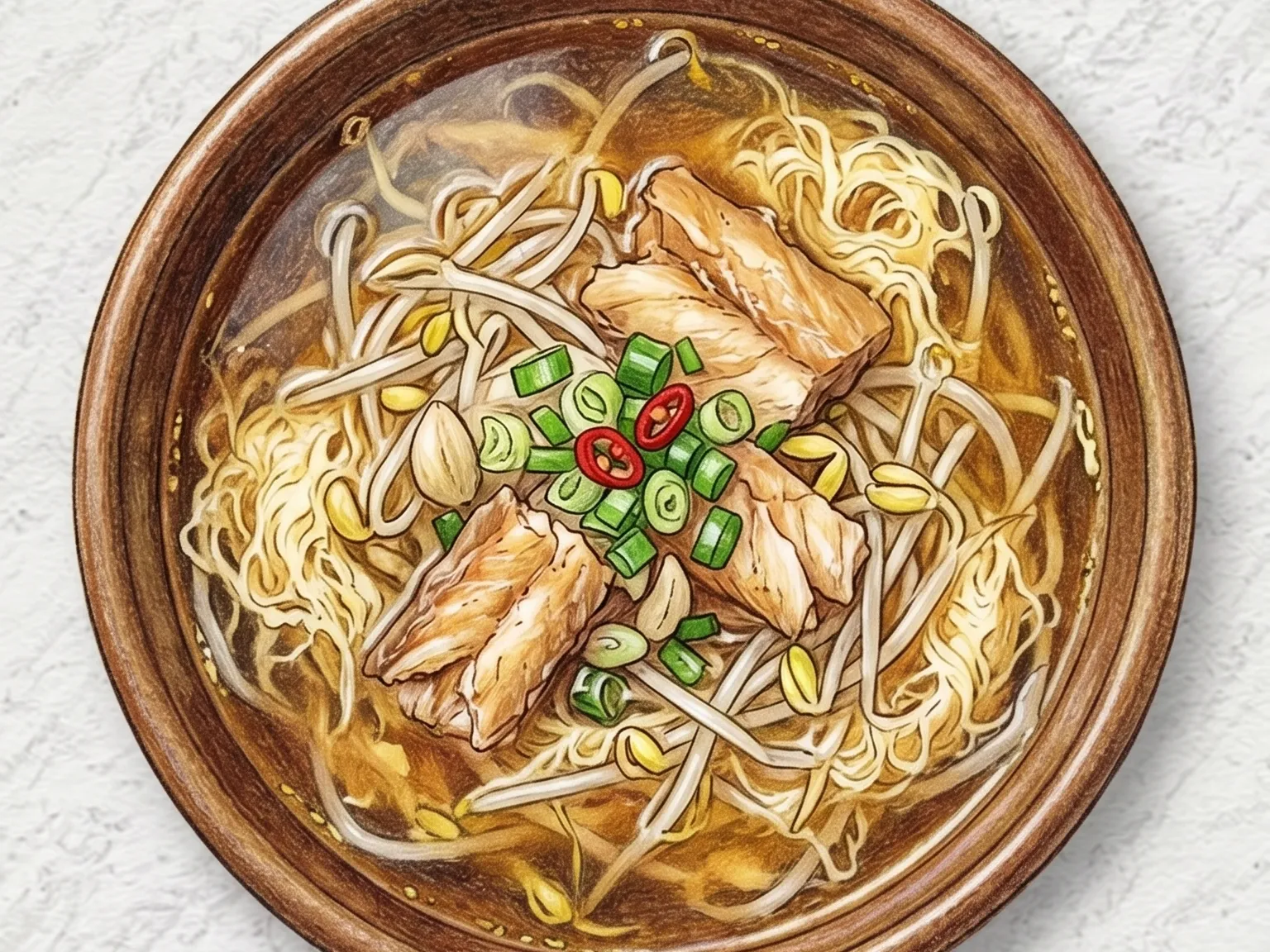
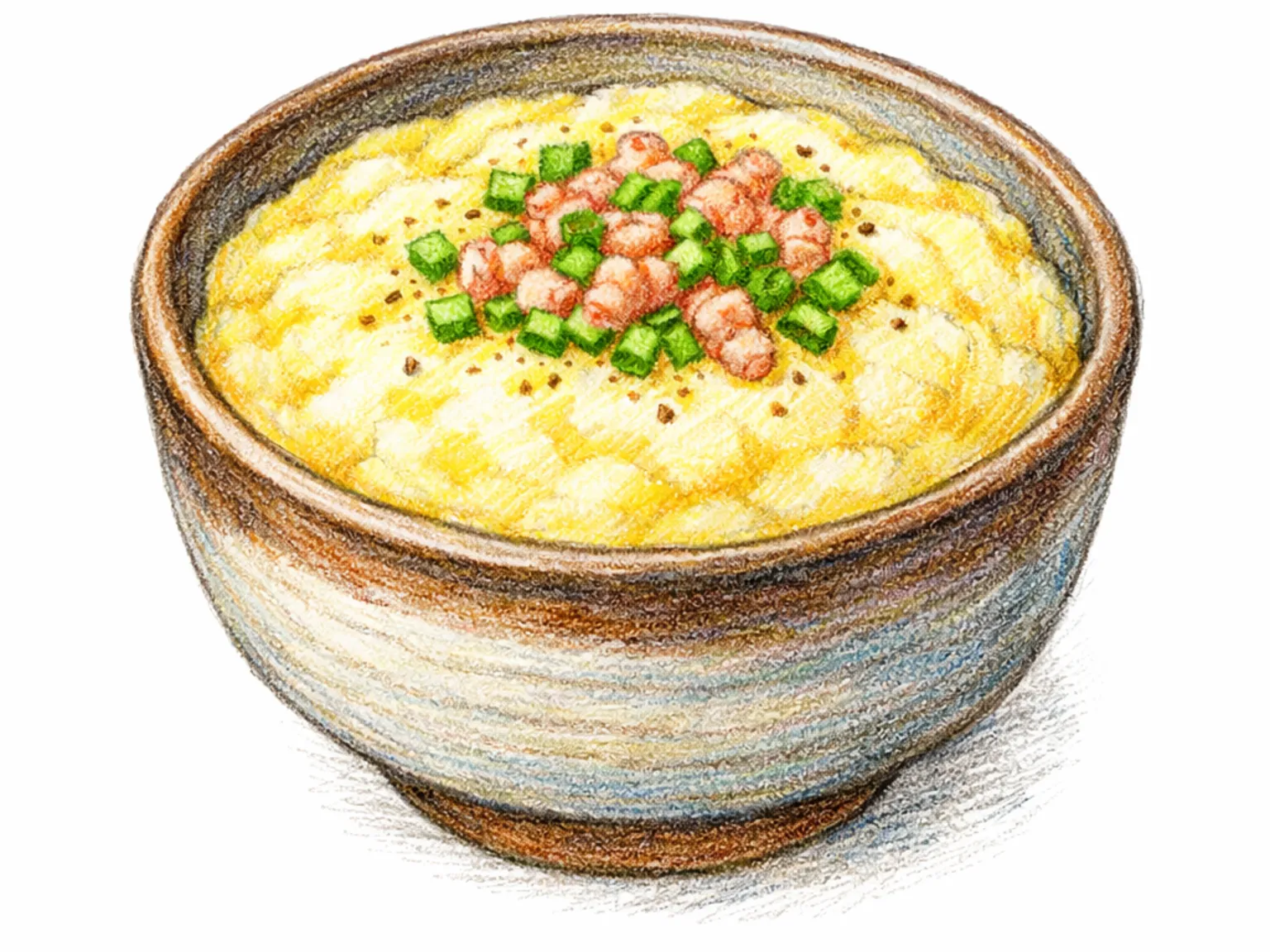
Bugeoguk is one of the most recognized hangover soups in Korea: a clear, restorative broth of dried pollock strips stir-fried in sesame oil, then simmered with tofu and beaten egg. The sesame oil step is non-negotiable; skipping it leaves the broth flat and one-dimensional. Skimming foam during the initial boil produces a noticeably cleaner stock. Substituting hwangtae, the freeze-dried variety, yields a softer texture and a deeper savory note, favored at breakfast for its mild, restorative quality.

🏠 Everyday
Prep 15minCook 15min2 servings
Korean Eggplant & Pork Pancake
PancakesMedium

Korean Eggplant & Pork Pancake

Thick eggplant slices are topped with seasoned ground pork, coated in Korean pancake batter, dipped in beaten egg, and pan-fried until golden on both sides. As the eggplant absorbs oil over heat, it cooks through to a silky, yielding texture, and the pork filling stays juicy inside the batter crust. Minced garlic and onion season the pork mixture and mask any gaminess, while the egg coating forms a thin, evenly browned exterior. A soy-based dipping sauce sharpens the mild eggplant and savory pork into a balanced bite.

🍺 Bar Snacks
Prep 20minCook 15min4 servings
Korean Octopus Soft Tofu Stew
StewsEasy

Korean Octopus Soft Tofu Stew

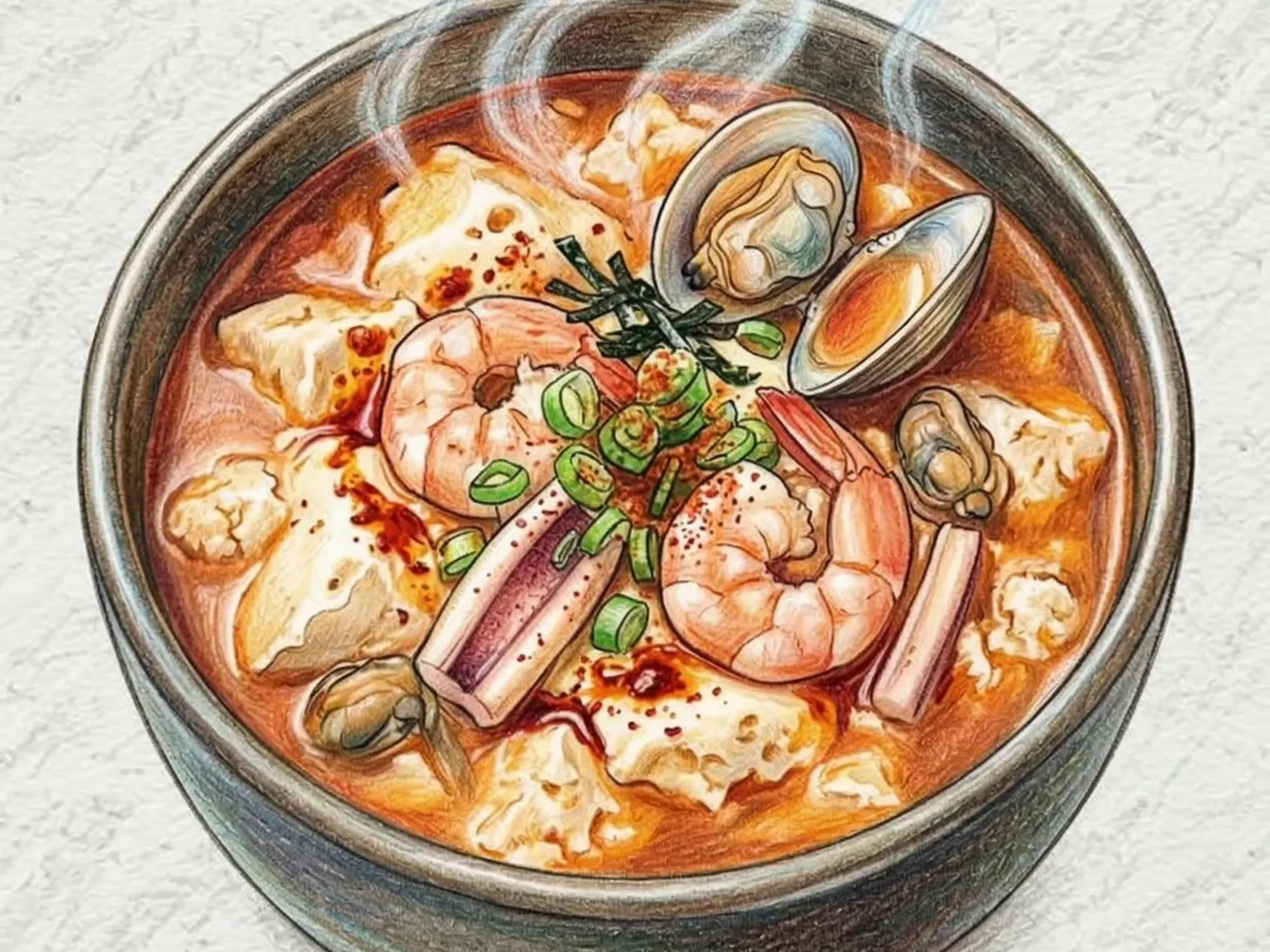
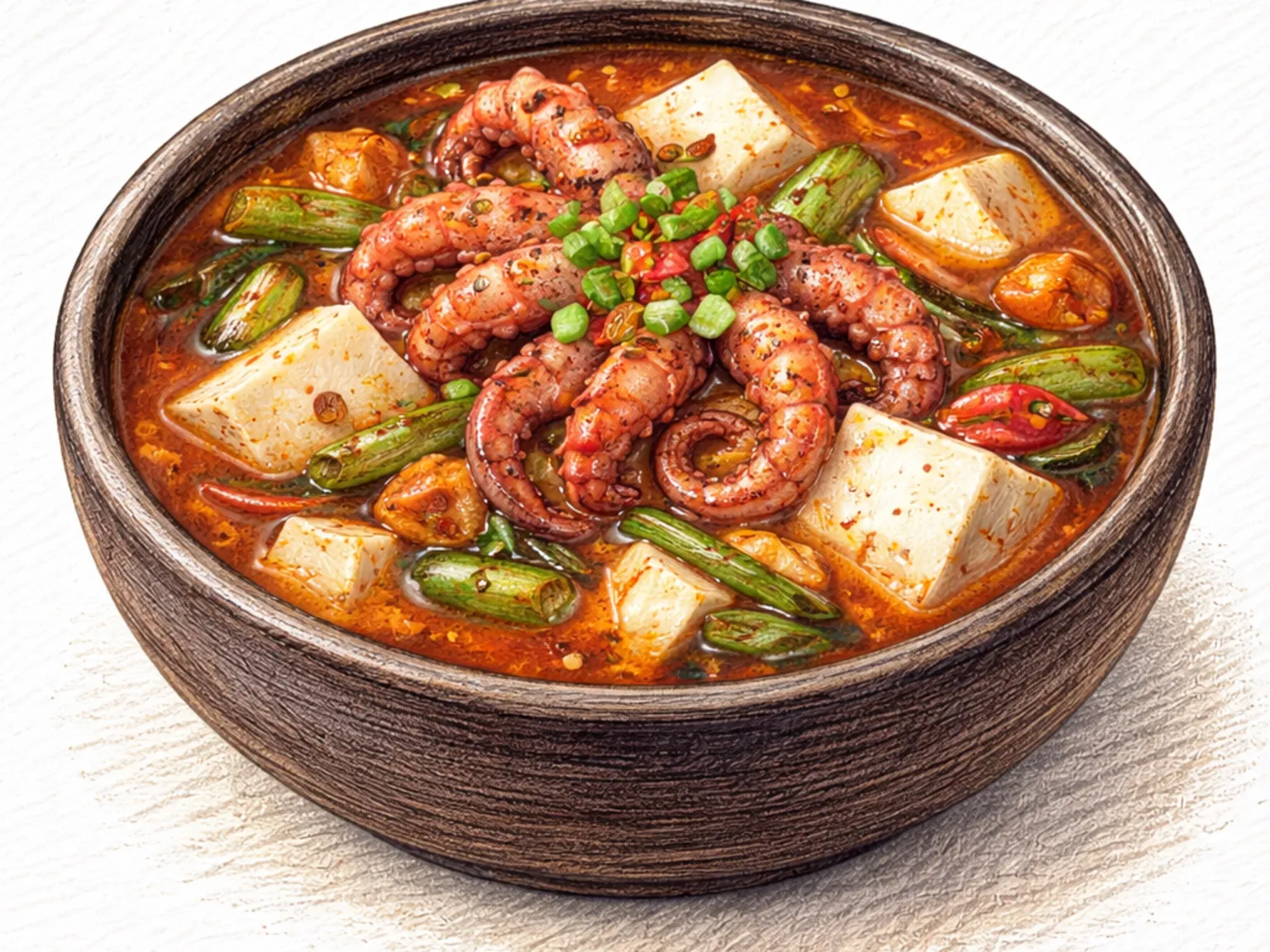
Nakji-sundubu-jjigae is a Korean stew that pairs silky soft tofu with small octopus in a deeply spiced anchovy broth. The broth is built from anchovy and kelp stock seasoned with gochugaru, which gives it a bright red color and a layered heat that comes from the fermented pepper rather than raw chili alone. Soft tofu is dropped in large, undisturbed spoonfuls so it holds together during cooking instead of crumbling into the broth. The octopus is cut into manageable pieces and added last, once the broth is at a full boil, and should be cooked for no more than 90 to 120 seconds before the heat is cut. Octopus contracts and toughens quickly when overcooked, so adding it after every other ingredient is ready is essential for keeping it springy and tender. A cracked egg is dropped in at the end and the lid is closed for 30 seconds, which lets the yolk set partially before it dissolves into the broth, adding richness and a gentle smoothness to the heat. The contrast between the yielding, almost liquid texture of sundubu and the firm chew of the octopus is what defines the experience of the dish, with the spiced broth pulling both elements together. Serving in a stone pot keeps the stew at eating temperature through the entire meal.

🍺 Bar Snacks🏠 Everyday
Prep 10minCook 15min2 servings
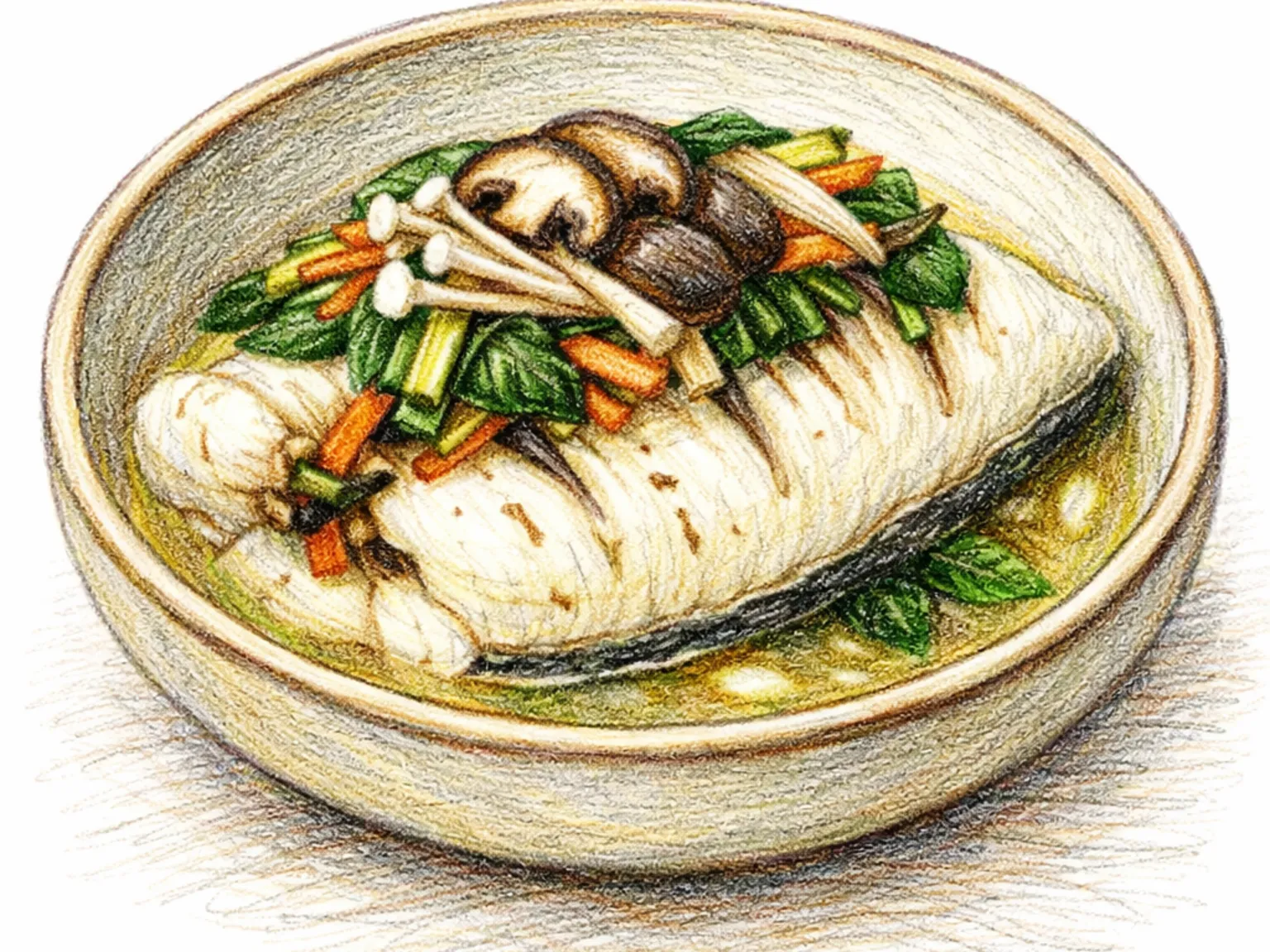
Korean Stuffed Fish Steam
SteamedHard

Korean Stuffed Fish Steam

Eoseon-jjim is a traditional Korean court dish in which sea bream fillet is topped with julienned oyster mushrooms, cucumber, and carrot, then wrapped in a thin egg crepe and steamed. Steaming keeps the fish flesh moist throughout while the vegetables hold a slight bite. A light seasoning of soy sauce and vinegar accents the mild sea bream with delicate acidity without overpowering it. Sesame oil is brushed on at the end for fragrance. The cross-section, when cut, reveals layered colors of vegetable and egg, making this dish as visually deliberate as it is carefully seasoned.

🎉 Special Occasion
Prep 30minCook 18min2 servings
Korean Chicken Janchi Guksu
NoodlesEasy

Korean Chicken Janchi Guksu

Korean janchi guksu topped with poached chicken breast. Thin wheat noodles are placed in a clear anchovy-kelp broth and finished with generous shreds of chicken that has been simmered and pulled apart along the grain. The chicken adds lean protein that makes each bowl more substantial than the classic version while keeping the broth light and clean. Julienned zucchini, crumbled dried seaweed, and thin egg-crepe strips add color and textural variety, and a small dish of soy-based seasoning sauce on the side lets diners adjust the saltiness to their preference. The noodles are boiled separately and rinsed in cold water to lock in their springiness before being placed in the hot broth just before serving, so they stay firm rather than turning soft. Because the recipe scales up without difficulty, it is a reliable choice for celebratory gatherings and large groups where a warm noodle dish is needed.

🏠 Everyday
Prep 15minCook 20min2 servings
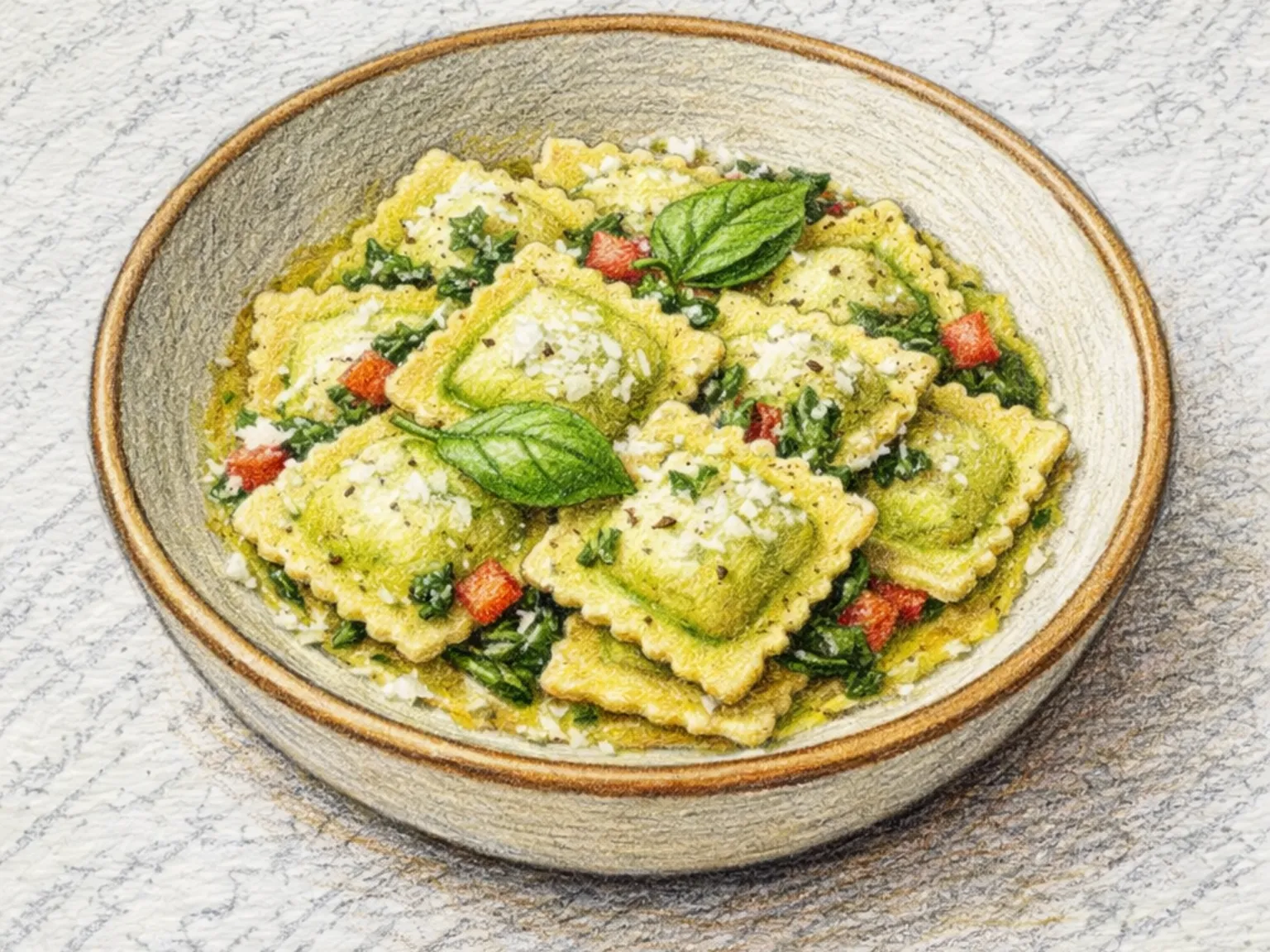
Tofu Ricotta Spinach Ravioli
PastaHard

Tofu Ricotta Spinach Ravioli

Tofu ricotta spinach ravioli is a pasta dish featuring a filling made from firm tofu that has been thoroughly pressed, combined with ricotta cheese, blanched spinach, Parmigiano Reggiano, and a measured amount of nutmeg, all of which are enclosed within sheets of fresh pasta. The inclusion of tofu serves to diminish the heavy richness often associated with ricotta, although it ensures that the internal mixture maintains a consistency that is both smooth and creamy. The nutmeg provides a warm spice element that functions to bridge the flavor gap between the earthy qualities of the spinach and the various dairy ingredients. It is essential to press the tofu until the vast majority of its liquid content has been removed. Failure to eliminate this excess water will result in a filling that is too thin, which subsequently makes it difficult to achieve a clean and effective seal on the pasta sheets. To prevent the ravioli from opening or splitting during the boiling process, the edges of the pasta must be crimped firmly using a fork. This technique establishes a tight seal capable of withstanding the three to four minutes of cooking time required for the dish. Once the ravioli has been drained, it should be immediately transferred into brown butter infused with sage and tossed for approximately thirty seconds. This specific step prevents the exterior surface of the pasta from becoming dry and ensures that every piece is evenly coated in a layer of herb-scented fat. Since the boiling period is quite short, the subtle and delicate flavors contained within the filling are successfully preserved. This recipe is designed to yield four servings, which makes the dish a suitable option for a dinner event where the visual presentation of the food is a priority.

🎉 Special Occasion
Prep 45minCook 15min4 servings
Kimbap Salad Bowl (Without the rice)
SaladsEasy

Kimbap Salad Bowl (Without the rice)

Kimbap salad bowl strips away the rice and seaweed wrapper from a traditional kimbap roll and presents its core fillings as a deconstructed salad. Blanched spinach, julienned carrot, pickled radish, and thin egg strips are arranged in a bowl and dressed with soy sauce and sesame oil, the same combination that seasons a finished roll. The dressing replicates the savory, nutty quality of kimbap without the rice bulk, and pickled radish brings enough acidity and salt to balance the entire bowl without additional seasoning. Dried seaweed flakes must be added at the last moment before eating; any earlier and they absorb moisture and lose their snap and sea aroma. The bowl delivers a recognizable kimbap experience for anyone managing carbohydrate intake, and its components can be assembled from ingredients prepared in advance, making it a practical weekday lunchbox option.

🥗 Light & Healthy
Prep 18minCook 8min2 servings
Avgolemono Soup (Greek Egg-Lemon Chicken Rice Soup)
WesternMedium

Avgolemono Soup (Greek Egg-Lemon Chicken Rice Soup)

Avgolemono - from the Greek avgo (egg) and lemoni (lemon) - is a soup with roots reaching back to Sephardic Jewish communities of the Byzantine Empire who brought egg-lemon sauces to the eastern Mediterranean, where they were absorbed into Greek cooking and eventually became one of the country's most enduring culinary signatures. Chicken broth is simmered with short-grain rice until the grains swell and release enough starch to give the liquid a faint body before the egg mixture even goes in. The defining technique is tempering: beaten eggs and freshly squeezed lemon juice are whisked together until frothy and unified, then ladles of hot broth are drizzled in one by one while whisking constantly, gradually raising the temperature of the egg mixture without allowing it to set. This tempered liquid is then stirred back into the pot with the heat off, transforming the broth into a pale-yellow, velvet-smooth cream. Lemon acidity registers first on the palate, clean and forward, followed by the warmth and body of the chicken stock settling in behind it. The soup must never return to a boil after the eggs are incorporated - even a brief simmer will cause the proteins to seize and turn the broth grainy and opaque. Shredded poached chicken stirred in at the end makes it a complete, sustaining meal, and a final grating of lemon zest over each bowl sharpens the citrus note for those who want more brightness. In Greece, avgolemono is considered the default remedy for cold days and illness, made more often in home kitchens than ordered in restaurants.

🎉 Special Occasion
Prep 15minCook 30min4 servings
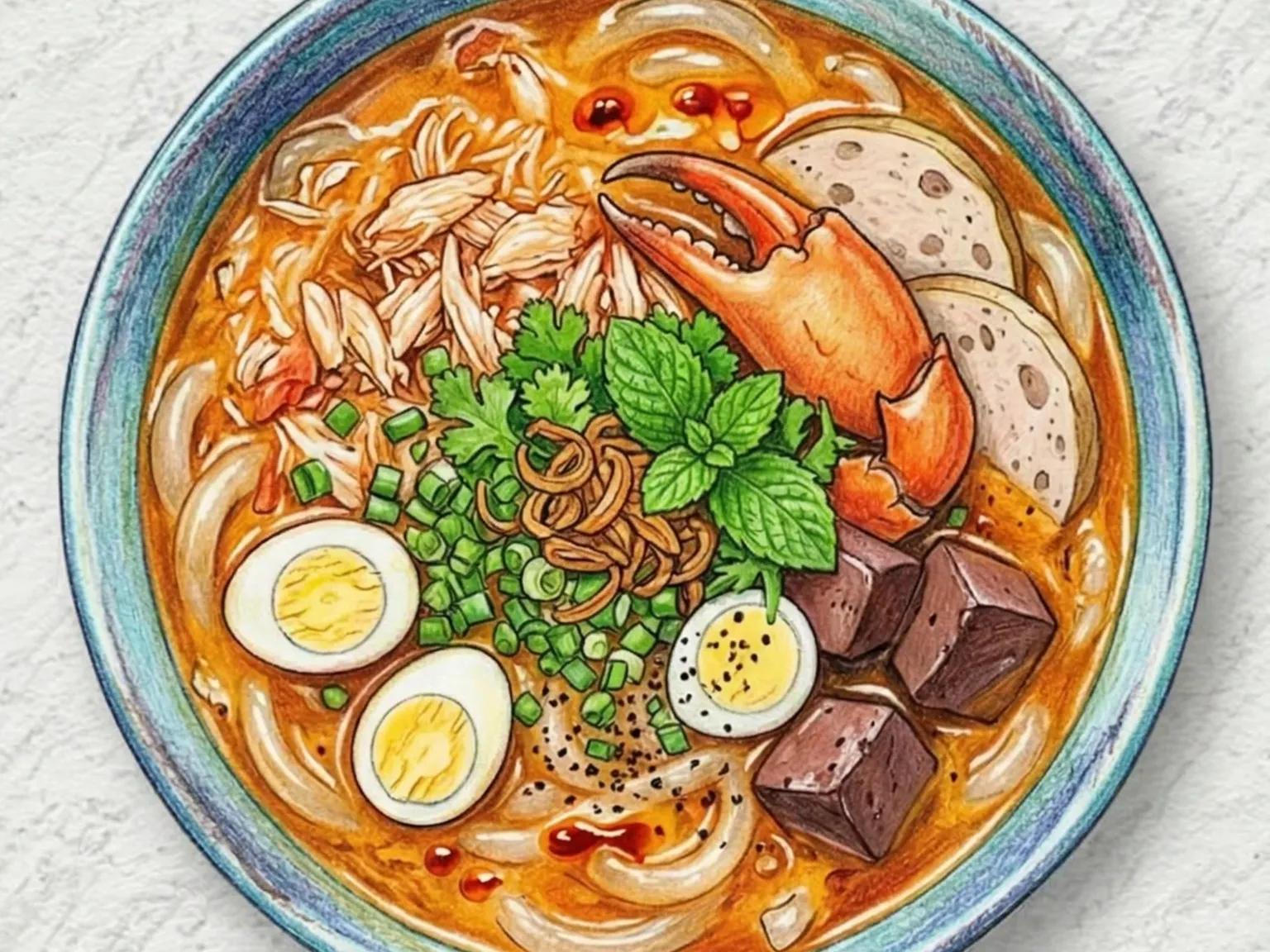
Char Kway Teow (Penang Wok-Fried Flat Rice Noodles with Prawns)
AsianMedium

Char Kway Teow (Penang Wok-Fried Flat Rice Noodles with Prawns)

Char kway teow originated in Penang as a meal for Chinese laborers who needed something filling and cheap, cooked fast over high heat with whatever was affordable. Wide flat rice noodles go into a scorching wok with prawns, cockles, egg, bean sprouts, Chinese chives, and sliced lap cheong sausage. Dark soy sauce and oyster sauce stain the noodles a deep, smoky brown as they caramelize against the iron of the wok. The defining quality of the dish is wok hei, the charred, slightly acrid breath of the wok that comes only from cooking at extreme temperatures with the noodles thrown directly through open flame. Achieving wok hei requires both a wok that has reached its full temperature and enough physical space inside it for the noodles to make sustained contact with the hot surface rather than steaming in their own moisture. Traditionally cooked in pork lard, the rendered fat coats every noodle strand with a richness no vegetable oil can match. Penang hawker stalls cook one plate at a time because crowding the wok traps moisture and kills the sear. The result carries a charred, faintly bitter edge beneath the sweet-salty sauce that has made it one of the most recognized street foods in Southeast Asia.

🏠 Everyday🌙 Late Night
Prep 15minCook 12min2 servings
Banana Bread
BakingEasy

Banana Bread

Banana bread is a quick bread leavened with baking soda rather than yeast, which means no rising time and a straightforward one-bowl process. The most important variable is the banana: heavily blackened, overripe fruit is essential because the starches have converted to sugar, the flesh mashes effortlessly, and the concentrated banana aroma permeates every part of the crumb. Melted butter adds richness without creaming, a single egg provides structure, and vanilla extract amplifies the banana's fragrance. The batter mixes in one bowl and goes directly into the oven at 170 degrees Celsius for roughly sixty minutes. A toothpick inserted into the center should come out clean. The bread is good warm from the oven, but the flavor is measurably deeper the following day as banana sugars continue to penetrate the interior. Walnuts or chocolate chips folded into the batter add textural contrast without changing the essential character of the loaf.

🧒 Kid-Friendly
Prep 15minCook 60min1 servings
Korean Rolled Omelette (Layered Vegetable Egg Roll)
Side dishesEasy

Korean Rolled Omelette (Layered Vegetable Egg Roll)

Gyeran-mari - Korean rolled omelette - is a staple of Korean lunchboxes and dinner tables, a dish every Korean home cook masters early. Finely diced carrot, onion, and scallion are mixed into beaten eggs and poured in a thin stream across a lightly oiled rectangular pan. When the egg layer is half-set, it is rolled from one side to the other, then more egg mixture is poured beside the roll and the process repeats three to four times, building concentric yellow layers visible when sliced. Air trapped between the thin sheets gives the omelette its characteristic pillowy softness. Temperature control is critical - too hot and the egg browns; too cool and the layers will not bond. After cooking, wrapping the roll in a bamboo mat or kitchen towel for two minutes sets its shape into a clean cylinder. Found in school cafeterias, picnic bento boxes, and family dinners across Korea.

🏠 Everyday🧒 Kid-Friendly
Prep 10minCook 8min2 servings
Korean Dolsot Bulgogi Bibimbap
RiceMedium

Korean Dolsot Bulgogi Bibimbap

Dolsot bulgogi bibimbap arrives in a superheated stone bowl that continues cooking the rice against its surface throughout the meal, building a layer of crispy nurungji that grows thicker and crunchier the longer you wait to mix. Thinly sliced beef marinated in soy sauce, sugar, and sesame oil is seared quickly over high heat to keep it juicy, then arranged alongside separately sauteed zucchini, shiitake mushroom, and carrot over a base of hot rice. A raw egg yolk sits at the center, ready to be broken and stirred through with a generous spoonful of gochujang. As the bibimbap is mixed, the yolk turns into a silky binder that coats every grain of rice and every vegetable strand, while the gochujang distributes its warmth evenly through the bowl. The sizzling sound of the stone pot and the aroma of charring rice rising from the bottom are part of the experience from the first moment the bowl lands on the table. Scraping up the caramelized nurungji at the very end delivers a final crunch that contrasts the tender toppings throughout.

🏠 Everyday
Prep 25minCook 20min2 servings
Korean Chocolate Custard Bungeoppang
Street foodMedium

Korean Chocolate Custard Bungeoppang

Choco-custard bungeoppang is a variation of Korean fish-shaped bread made with cocoa powder worked into the batter and filled with chocolate custard cream. The cocoa gives the shell a darker brown color than the classic red-bean version and produces a bitter chocolate aroma as it bakes in the cast-iron mold. The chocolate custard inside flows out like cream when bitten while still warm, delivering a rich, concentrated sweetness that contrasts with the faint bitterness of the cocoa shell. The mold must reach full temperature before pouring the batter to ensure a properly crisp shell, and the custard filling should be spooned into the center in small amounts to prevent leaking at the seam. With both the batter and filling built on chocolate, the finished pastry stacks layers of deep sweetness and mild bitterness that differ noticeably from the earthier flavor of the traditional red-bean filling.

🧒 Kid-Friendly
Prep 20minCook 18min4 servings
Korean Street Egg Bread (Sweet Batter Muffin with Whole Egg)
DessertsEasy

Korean Street Egg Bread (Sweet Batter Muffin with Whole Egg)

Winter streets in Seoul feature this warm handheld snack prepared by baking a whole egg atop a sweet batter. The base consists of cake flour, baking powder, milk, and melted butter poured into muffin molds. Adding a layer of finely diced ham beneath the egg creates a salty contrast against the sweetness of the dough. When baked at 180 degrees Celsius, sixteen minutes results in a soft and runny yolk, while eighteen minutes produces a firm center. Vanilla extract mixed into the batter helps neutralize the natural scent of the egg for a clean finish. A light dusting of dried parsley on the domed surface adds a subtle herbal scent as the bread turns golden in the oven. Small amounts of shredded cheese can be added to the batter to balance the sweetness. Serving the bread while it remains warm ensures the interior stays moist. This egg bread functions well as a quick breakfast option and can be made in paper muffin cups if metal molds are unavailable.

🧒 Kid-Friendly
Prep 15minCook 18min4 servings
Korean Tuna and Kimchi Pancake
GrilledEasy

Korean Tuna and Kimchi Pancake

Chamchi-kimchi-jeon is a Korean pancake made from drained canned tuna and finely chopped aged kimchi mixed into a batter of Korean pancake flour, water, and egg. The tuna provides mild protein bulk while the fermented kimchi delivers tangy acidity and deep savory depth, and the minimal batter lets both flavors come through without being muted. Pressing the tuna firmly through a strainer right after opening the can removes most of its tinned odor, and a small splash of kimchi brine stirred into the batter deepens both the color and the overall savoriness. Using well-aged kimchi intensifies the sour depth that offsets the tuna's mildness, and the egg in the batter helps the pancake hold together during flipping. The whole pancake comes together in under ten minutes from pantry staples, making it one of the quickest jeon varieties for a casual meal or drinking snack.

🍺 Bar Snacks
Prep 10minCook 15min2 servings
Korean Mung Bean Jelly Soup
SoupsEasy

Korean Mung Bean Jelly Soup

Cheongpo-muk-guk is a traditional Korean soup built on a clear beef brisket broth, with thick-cut strips of mung bean jelly as the main ingredient. The jelly, set from mung bean starch, has a slippery yet springy texture that sets it apart from any noodle or dumpling -- it glides over the tongue while offering a gentle, elastic resistance. Cutting the jelly into thick strips and rinsing briefly in cold water removes surface starch, and simmering for only three minutes keeps the pieces intact; a longer cook dissolves the jelly into the broth and makes it cloudy. Beaten egg drizzled in thin streams forms delicate floating ribbons throughout the pot, adding color against the pale jelly and clear broth. Roasted seaweed flakes scattered on top contribute a toasty, oceanic fragrance, and a seasoning of soup soy sauce with a small amount of minced garlic keeps the bowl from tasting flat.

🏠 Everyday
Prep 10minCook 15min2 servings
Korean Stuffed Perilla Leaf Pancakes
PancakesMedium

Korean Stuffed Perilla Leaf Pancakes

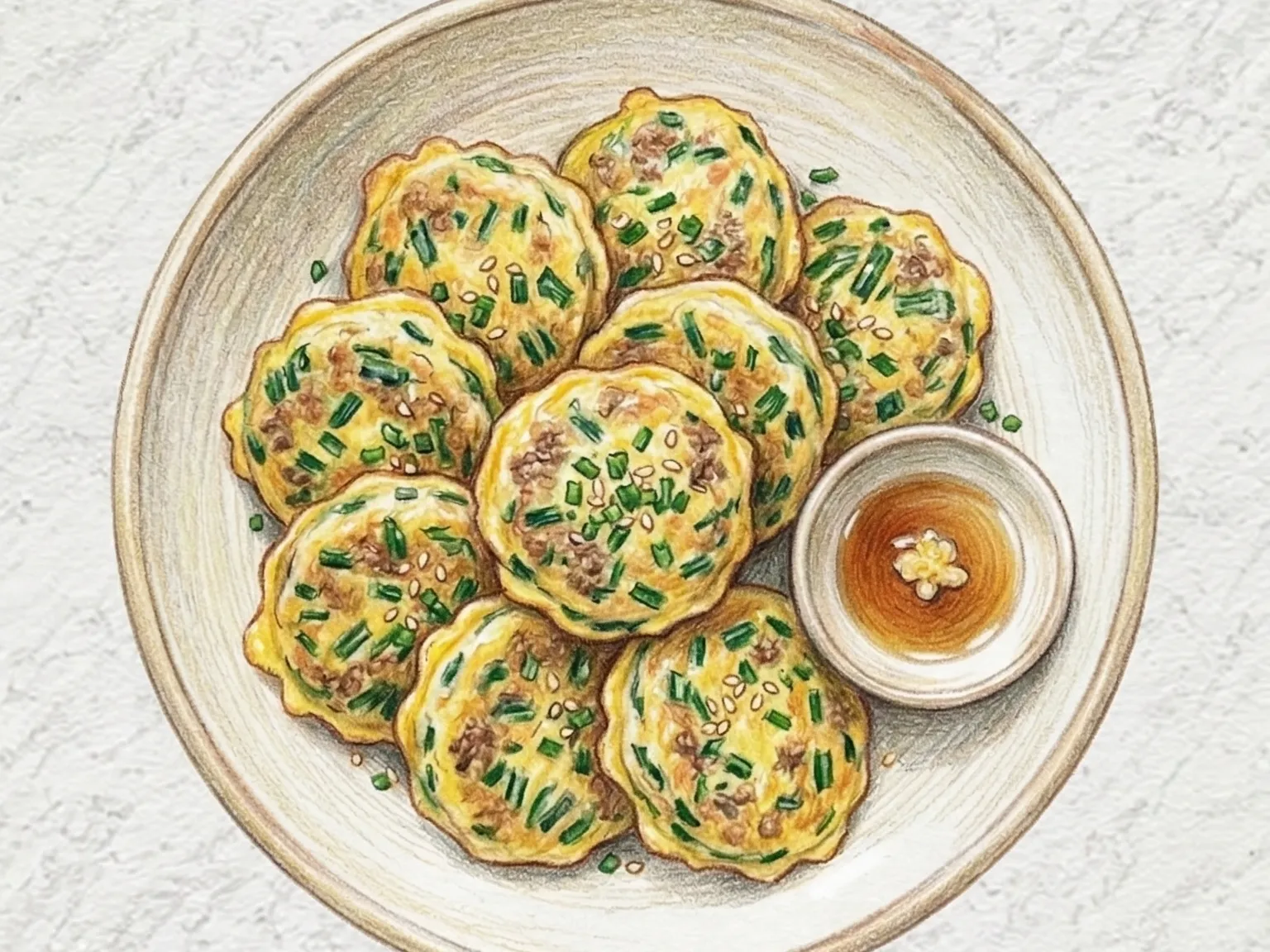
Kkae-ip-jeon are pan-fried perilla leaf parcels stuffed with a filling of ground pork and firm tofu, coated in flour and egg. The tofu must be squeezed dry in a cloth before mixing; excess moisture causes the filling to spread and stick to the pan. Garlic chives and onion add crunch and fragrance to the mix, and the filling seasoned with soy sauce and black pepper pairs cleanly with the perilla's strong herbal character. Dusting with flour first, then dipping in egg, produces an even coating, and frying covered over medium-low heat for two minutes per side ensures the filling is cooked through to the center. The bite-sized pieces work well as a packed lunch side or as bar food.

🍺 Bar Snacks🎉 Special Occasion
Prep 22minCook 12min2 servings
Royal Korean Hot Pot (Court-Style Beef & Tofu Banquet)
StewsHard

Royal Korean Hot Pot (Court-Style Beef & Tofu Banquet)

Sinseollo is a traditional Korean royal court hot pot featuring ground beef, tofu, shiitake mushrooms, carrot, and napa cabbage arranged in a rich beef broth. Seasoned with soup soy sauce and finished with beaten egg, the broth develops a velvety body. Historically served in a brass charcoal-heated vessel at the royal table, each ingredient is placed with care to showcase its color and shape. The layered umami from the diverse ingredients creates a remarkably complex flavor.

🎉 Special Occasion
Prep 45minCook 30min4 servings
Vietnamese Braised Pork and Eggs
SteamedMedium

Vietnamese Braised Pork and Eggs

Thit kho trung is a Vietnamese home-style braise of pork and hard-boiled eggs simmered low and slow in coconut water, fish sauce, and a caramel base for nearly an hour. Sugar is cooked in the pot until it reaches a deep amber caramel before the pork is added, coating the meat in a dark, slightly bitter glaze that underpins the entire flavor of the dish. Coconut water contributes a gentle tropical sweetness and keeps the meat from drying out through the long simmer in a way that plain water cannot. The eggs, peeled and added from the start, absorb the braising liquid through the full cooking time and turn brown all the way to the yolk, taking on the complete range of salty-sweet seasoning. Spoon the sauce over steamed rice and the combination delivers the characteristic Vietnamese balance of fermented fish depth, caramel bitterness, and coconut softness all at once. Pork shoulder or pork belly with skin attached works best for this recipe because the collagen in the connective tissue melts into the braising liquid during the long cook, giving the sauce a glossy, slightly viscous body that clings to the rice.

🎉 Special Occasion🍱 Lunchbox
Prep 20minCook 60min4 servings
Korean Banquet Noodles (Thin Noodles in Anchovy Kelp Broth)
NoodlesEasy

Korean Banquet Noodles (Thin Noodles in Anchovy Kelp Broth)

Janchi-guksu is a classic Korean celebration noodle soup with thin wheat noodles served in a clear broth drawn from dried anchovies and kelp. The broth balances the anchovies' deep umami against the kelp's restrained sweetness, with soup soy sauce used for seasoning so the liquid stays transparent and clean rather than cloudy or heavily salted. Julienned zucchini and carrot are stir-fried separately and arranged as garnishes on top, joined by strips of pan-fried egg crepe and crumbled roasted seaweed, giving the bowl its characteristic layered appearance of white, green, yellow, and black. The dish traces back to the custom of serving noodles to guests at weddings, birthdays, and first-birthday celebrations, with the long shape of the noodle carrying a folk belief about longevity that made it a natural fixture at auspicious events. The ingredients are few, but the care taken with the broth determines the character of the bowl - it is a dish that appears simple but rewards proper attention.

🏠 Everyday
Prep 20minCook 25min4 servings
Avocado Eggs Benedict
WesternHard

Avocado Eggs Benedict

Avocado eggs Benedict reimagines the classic brunch dish by replacing the traditional Canadian bacon with ripe avocado, trading cured-pork saltiness for a creamy, grassy richness. A split English muffin is toasted until the cut face is golden and craggy, creating a sturdy base that holds up under the toppings without soaking through. Thick slices of avocado fan across each half before the poached egg is placed on top, its white set firm and the yolk still entirely liquid. Piercing the yolk releases a slow golden flow that runs over the avocado and settles into the muffin's porous surface. Hollandaise - made by emulsifying clarified butter with egg yolks and lemon juice - adds a tangy, buttery richness over the top. Many versions simplify by skipping the hollandaise in favor of a squeeze of lemon and flaky salt, relying on the egg yolk alone as a sauce. The dish spread from the brunch culture of Melbourne and Los Angeles during the 2010s avocado boom and has since become a fixture on cafe menus worldwide, particularly as a plant-leaning alternative to the original.

🎉 Special Occasion
Prep 15minCook 15min2 servings
Chicken 65 (South Indian Deep-Fried Spiced Yogurt Chicken)
AsianMedium

Chicken 65 (South Indian Deep-Fried Spiced Yogurt Chicken)

Chicken 65 is a South Indian deep-fried chicken dish that traces its origin to the Buhari Hotel in Chennai, where it first appeared on the menu in 1965. The name has generated a minor mythology: one theory says it was the 65th item on the original menu, another claims the recipe calls for exactly 65 ingredients, and a third insists the chicken required 65 days of marination - none of which has been conclusively verified. The marinade is built around whole-milk yogurt, red chili powder, turmeric, and a coarse ginger-garlic paste, which work together to tenderize the chicken while depositing both heat and tang deep into the fibers. After marinating for several hours, the pieces are dusted in cornstarch and fried until the exterior forms a thin, crackling shell while the interior stays moist from the dairy in the marinade. The dish is not finished after frying. The fried chicken goes back into a hot pan where it is tossed briskly with curry leaves, whole dried red chilies, and mustard seeds in a small amount of oil. When curry leaves hit hot fat, they release a distinctive aroma - something between roasted nuts and citrus peel - that clings to the surface of each piece and layers over the chili-yogurt flavors already present. This double-cooking method is what separates chicken 65 from generic fried chicken. Originally a bar snack in South India's pub culture, it spread across the subcontinent and now appears on menus everywhere from Bangalore to Delhi. The heat level varies significantly by restaurant, ranging from gently warming to genuinely tongue-numbing.

🎉 Special Occasion
Prep 25minCook 20min2 servings
Banana Walnut Bread
BakingEasy

Banana Walnut Bread

As a quick bread, this loaf relies on baking soda instead of yeast for its structure. The process begins by mashing bananas that have developed dark spots or turned entirely black on the outside. This level of ripeness indicates that the starches have shifted into sugars, providing a natural sweetness to the batter. Combining these bananas with melted butter, eggs, and brown sugar creates the base. When adding the flour and baking soda, it is important to fold the mixture gently. Overworking the dough leads to gluten development, which results in a tough, dense crumb instead of the intended soft texture. Ground cinnamon provides a warm aromatic layer that complements the fruit. Roughly chopped walnuts are stirred in last; their irregular sizes ensure that every bite offers a different level of crunch. During the fifty-minute bake in a 9 by 5 inch pan, the walnuts toast within the crumb and release their natural oils. Slicing the bread while warm can cause a sticky interior, so the loaf should reach room temperature before being cut. It yields roughly eight slices and stays fresh for two to three days when wrapped. Reheating a slice in a toaster helps the exterior regain its crisp texture and brings out the scent of the toasted nuts.

🧒 Kid-Friendly
Prep 15minCook 50min4 servings
Korean Zucchini Pancakes (Egg-Battered Pan-Fried Slices)
Side dishesEasy

Korean Zucchini Pancakes (Egg-Battered Pan-Fried Slices)

Hobak-jeon is a Korean pan-fried zucchini pancake made by dredging thin slices in flour then coating them in beaten egg before cooking in oil. The technique is the foundational jeon method used across Korean cuisine: a dry flour coat first to help the egg adhere, then the egg layer that fries into a golden, slightly spongy crust. Cutting the zucchini to an even 0.5 cm thickness matters for consistent cooking, and salting the slices briefly then patting them dry ensures the flour sticks uniformly. Low heat is important: a gentle pan allows the egg coating to set gradually and turn evenly golden while the zucchini inside softens and becomes almost creamy. High heat sets the egg too fast and leaves the interior undercooked. Dipped in cho-ganjang, a simple mix of soy sauce and vinegar, the acidity provides contrast to the oiliness of the fried coating. During Chuseok and Seollal, households prepare assorted stacks of jeon for the ritual offering table and subsequent family meal, and hobak-jeon is reliably present among them. With only zucchini, flour, eggs, and salt required, this is one of the most straightforward Korean recipes to attempt.

🏠 Everyday🍱 Lunchbox
Prep 10minCook 10min2 servings