Recipes with egg

435 recipes. Page 6 of 19

Buy egg
Beet Chocolate Cake
Baking Medium

Beet Chocolate Cake

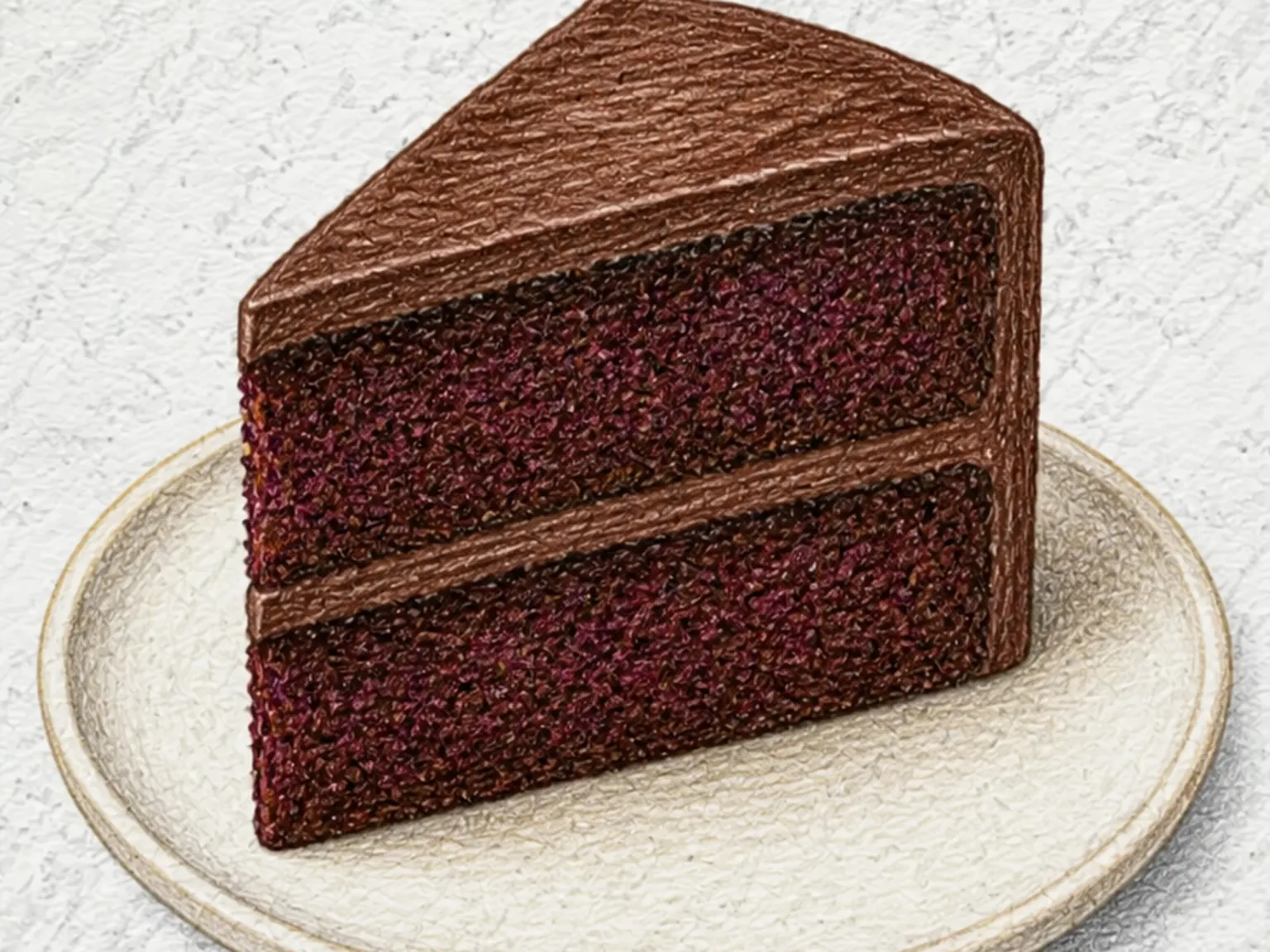
A rich and moist chocolate cake using beet puree to enhance the texture and sweetness along with dark chocolate.

🏠 Everyday 🧒 Kid-Friendly
Prep 20min Cook 45min 8 servings
Tsukeage (Satsuma Fried Fish Cakes)
Side dishes Medium

Tsukeage (Satsuma Fried Fish Cakes)

Tsukeage is a Kagoshima fried fish cake made by grinding white fish paste with salt until sticky, then incorporating blanched and firmly squeezed cotton tofu, egg, potato starch, local sake, light soy sauce, sugar, and a little oil. The seasoned paste is formed into flat rods, squares, or ovals and fried at about 160°C. In Kagoshima, the local name tsukeage is used more often than satsuma-age. It can be eaten warm as a side dish or accompaniment to drinks, cooled for a lunchbox, or added later to simmered dishes. Because the thick paste contains raw fish and egg, browning alone is not enough; the center must cook completely before serving.

🏠 Everyday 🍺 Bar Snacks
Prep 20min Cook 20min 4 servings
Korean Fried Rice (Simple Leftover Rice Stir-Fry)
Rice Easy

Korean Fried Rice (Simple Leftover Rice Stir-Fry)

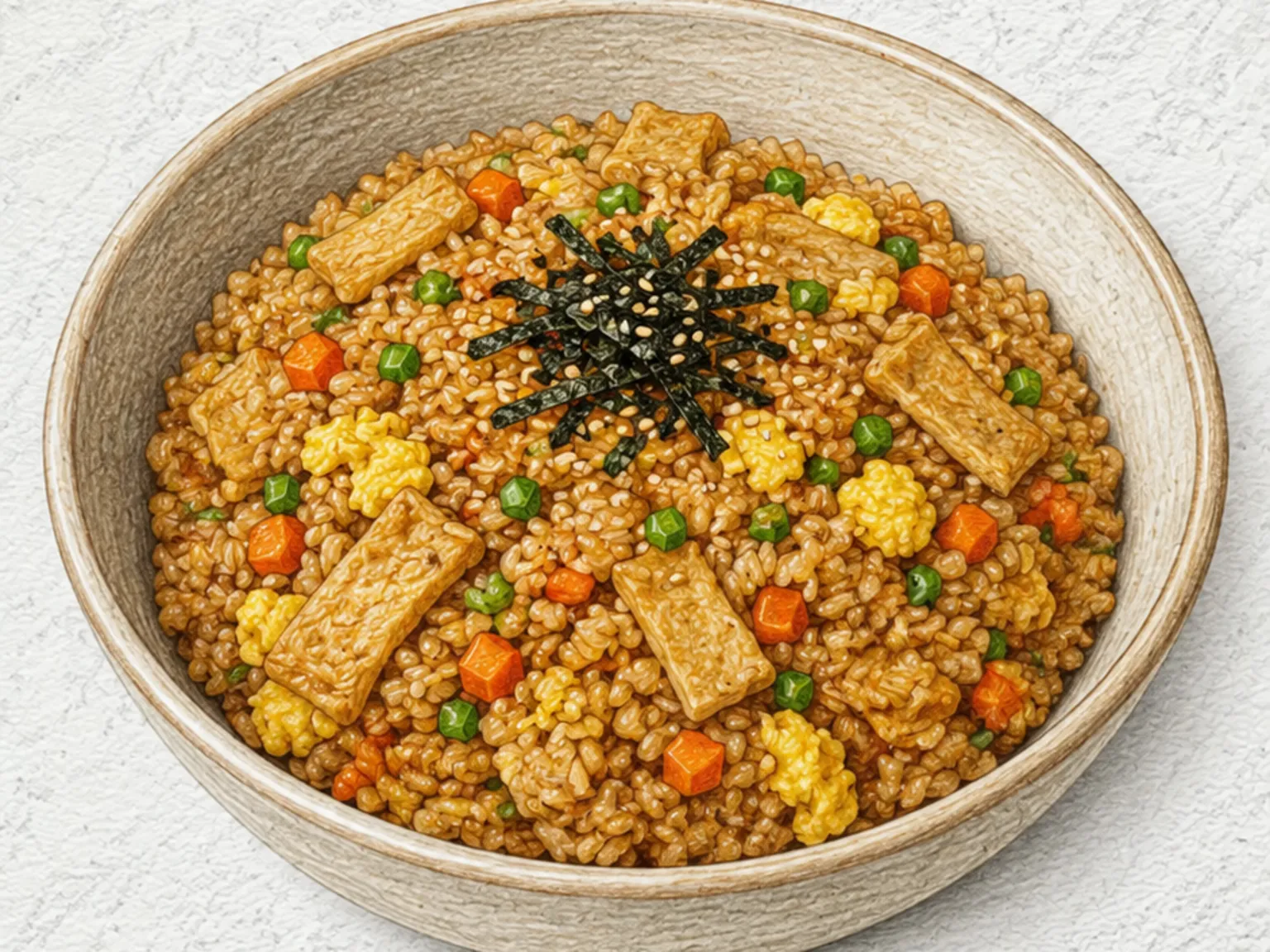
Korean fried rice is the ultimate utility dish, built to turn leftover rice and whatever vegetables remain in the refrigerator into a satisfying meal in under ten minutes. Green onion hits the hot oil first to create a fragrant scallion-infused base, followed by diced carrot and beaten egg that gets scrambled into rough curds before the rice goes in. Cold rice is essential here - its lower moisture content prevents clumping and allows a thin film of oil to coat each grain, carrying seasoning evenly through the whole pan. Soy sauce poured along the rim sizzles on contact with the hot metal, developing a toasted depth that distinguishes a well-made fried rice from a mediocre one. A crack of black pepper and a final swirl of sesame oil complete the seasoning. The recipe is intentionally open-ended: ham, kimchi, shrimp, canned tuna, or any leftover protein slots in without altering the basic method, which is why this dish appears on Korean dinner tables more often than almost any other. The total active cooking time rarely exceeds five minutes, making it the default choice on busy weekdays and late nights alike.

🏠 Everyday ⚡ Quick
Prep 5min Cook 10min 2 servings
Tonkatsu Korean Style (Panko-Breaded Pork Cutlet with Sweet Sauce)
Street food Easy

Tonkatsu Korean Style (Panko-Breaded Pork Cutlet with Sweet Sauce)

Donkatsu is Korean-style breaded pork cutlet, made by dredging pork loin through flour, egg, and panko breadcrumbs in sequence before deep-frying in hot oil. Pounding the loin with a meat mallet to an even thickness ensures uniform heat transfer so the interior cooks through while staying moist, and the panko shell turns golden and audibly crunchy. Korean donkatsu sauce blends ketchup, Worcestershire sauce, and sugar into a sweet-salty condiment that is noticeably sweeter than Japanese tonkatsu's demi-glace-based sauce. Shredded raw cabbage served alongside provides a crisp, refreshing contrast to the fried cutlet and cuts through the richness. In Korean bunsik restaurants, donkatsu typically arrives as a set with rice and soup.

🧒 Kid-Friendly 🌙 Late Night
Prep 20min Cook 15min 2 servings
Korean Pan-fried Oyster Jeon
Grilled Easy

Korean Pan-fried Oyster Jeon

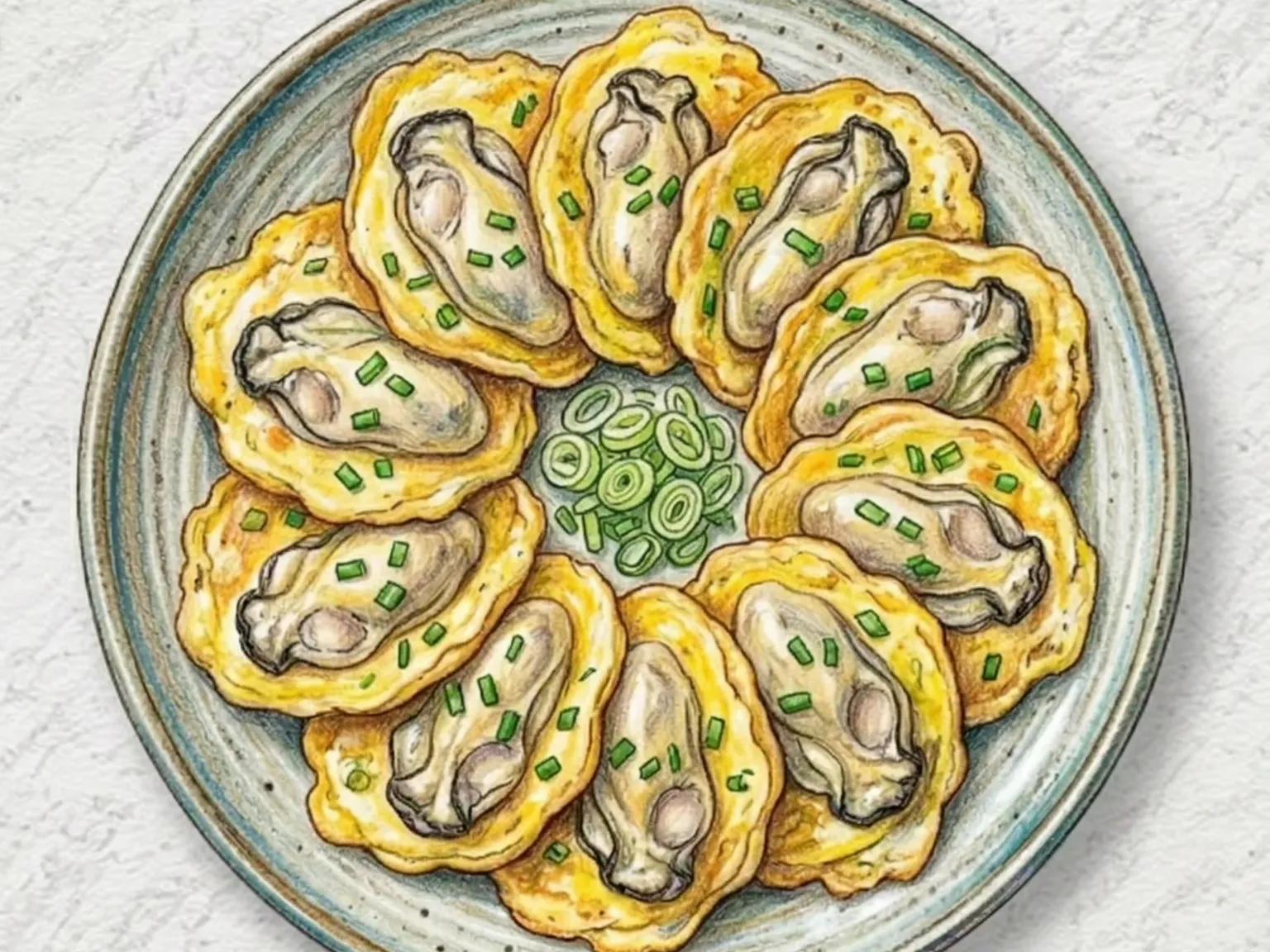
Gul-jeon is a Korean dish featuring oysters that are pan-fried in a delicate coating of flour and egg. The preparation starts with fresh seasonal oysters that are rinsed carefully in a mild salt water solution to ensure they are clean. Once the rinsing is complete, it is necessary to pat each oyster until it is thoroughly dry. This particular step is crucial because residual water leads to oil splattering during the frying process and prevents the flour from adhering to the surface in a uniform manner. The intended result is a very thin layer of flour, as a thick coating will muffle the natural oceanic brine of the oyster. After the light dusting of flour, the oysters are submerged in beaten egg. This egg batter serves as an insulating layer that conducts heat slowly into the center of the seafood. This specific cooking method keeps the interior of the oyster plump and moist while the exterior reaches a soft golden color. As the oysters cook, they release a distinct mineral aroma associated with fresh seafood. Adding finely chopped garlic chives shortly before the cooking is finished provides a sharp, garlicky contrast that emphasizes the natural mineral profile of the dish. It is important to cook the oysters over a steady medium flame for approximately two minutes on each side. If the heat is set too high, the egg exterior will scorch before the inside is sufficiently warmed through. When flipping the oysters, you should do so carefully and avoid pressing down on them with a spatula. In instances where the oysters are exceptionally large, pressing them into a flatter shape prior to the start of the cooking process will facilitate more even heat distribution throughout the piece.

🍺 Bar Snacks ⚡ Quick
Prep 18min Cook 12min 2 servings
Kuurijishi (Okinawan Pork, Winter Melon, and Egg Soup)
Soups Medium

Kuurijishi (Okinawan Pork, Winter Melon, and Egg Soup)

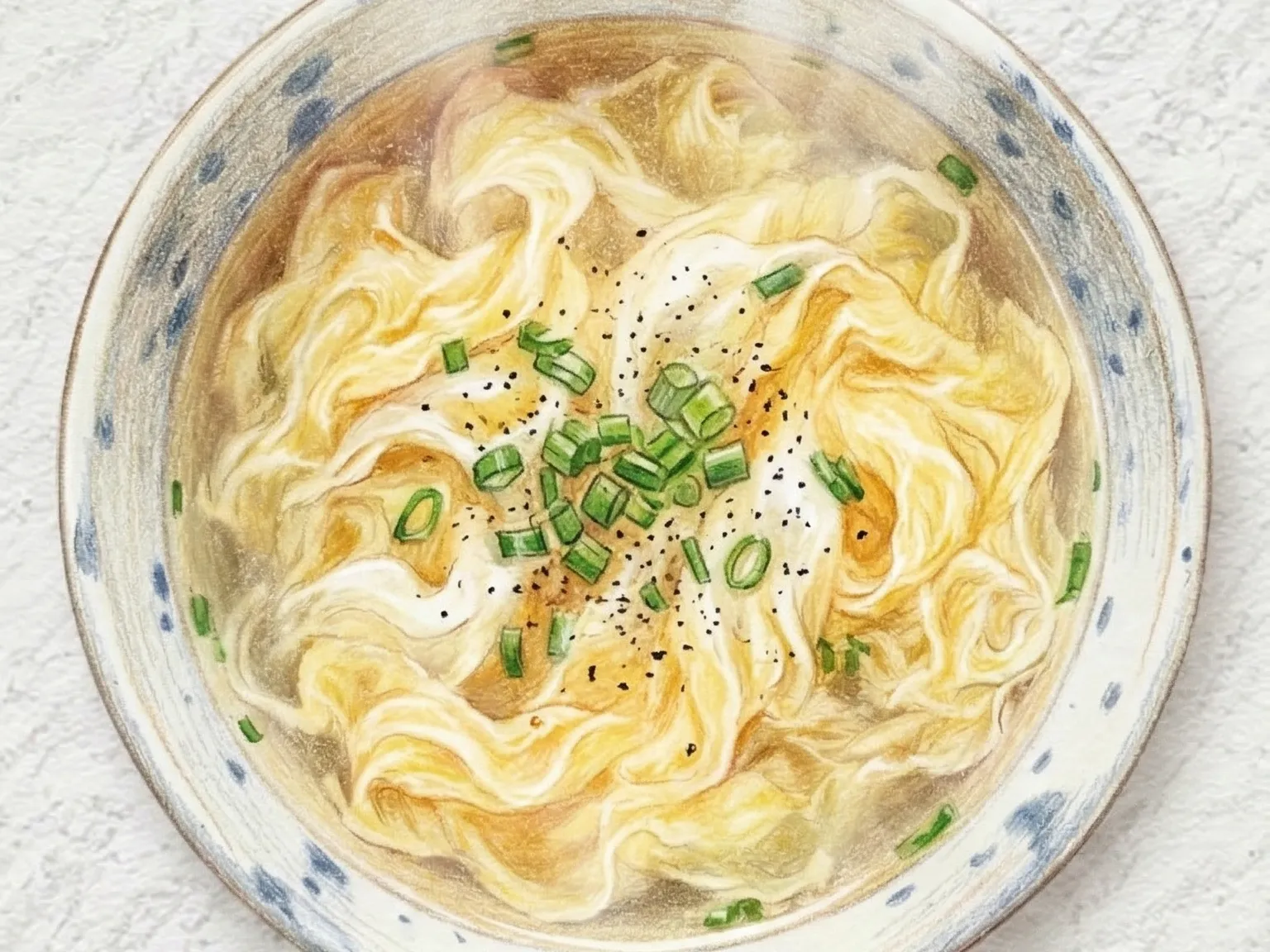
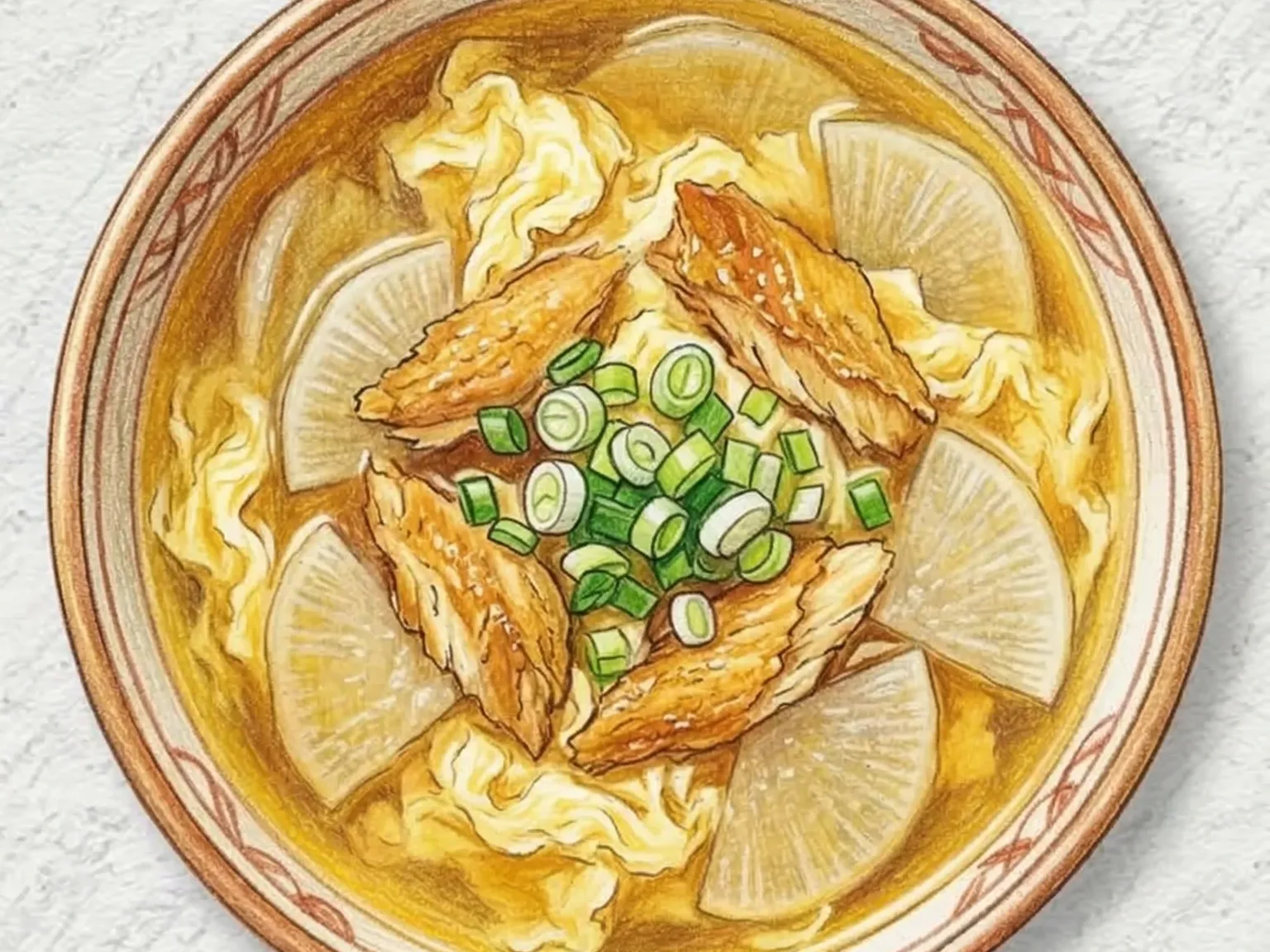
Kuurijishi is an Okinawan clear soup of boiled, thinly cut pork, winter melon, shiitake, and konnyaku in bonito stock, seasoned lightly with salt and soy sauce and finished with softly streamed egg. In the name, kuuri means ice and jishi means meat, but ice refers to the white egg spreading across the bowl like snow rather than to serving temperature. Before the war, when eggs were precious, families prepared it during Obon to express welcome for ancestral spirits. Firm winter-melon flesh near the skin is preferred because the soft portion around the seed cavity breaks down easily. The soup is served warm with the egg barely set and fluffy.

🏠 Everyday
Prep 20min Cook 30min 4 servings
Korean Radish & Shrimp Pancake
Pancakes Easy

Korean Radish & Shrimp Pancake

Julienned Korean radish and small peeled shrimp are combined in a pancake batter fortified with a measured amount of potato starch for added crispiness. Egg is mixed into the batter to improve binding and keep the pancake intact when flipped. Scallions are distributed throughout for a mild, grassy fragrance. Radish releases notable moisture as it cooks, so frying over high heat is essential to drive off that liquid quickly and achieve a crisp outer surface. The sharp, slightly bitter edge of raw radish disappears with heat and gives way to a gentle natural sweetness that pairs cleanly with the mild, delicate flavor of the shrimp. Pressing the center of the pancake down with a spatula while frying encourages even browning all the way through.

🍺 Bar Snacks ⚡ Quick
Prep 15min Cook 12min 2 servings
Korean Warm Noodles with Kimchi Dumplings
Noodles Easy

Korean Warm Noodles with Kimchi Dumplings

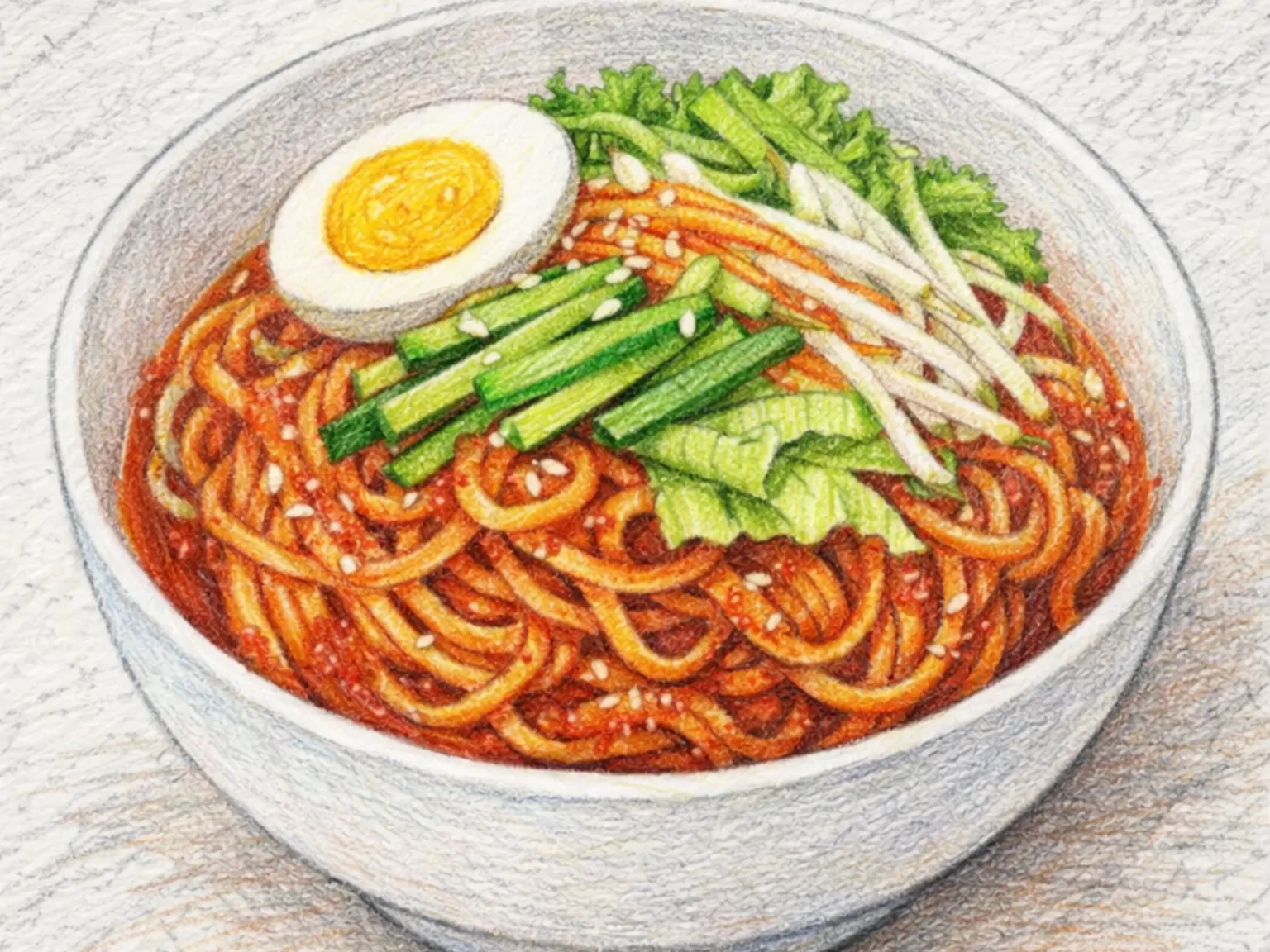
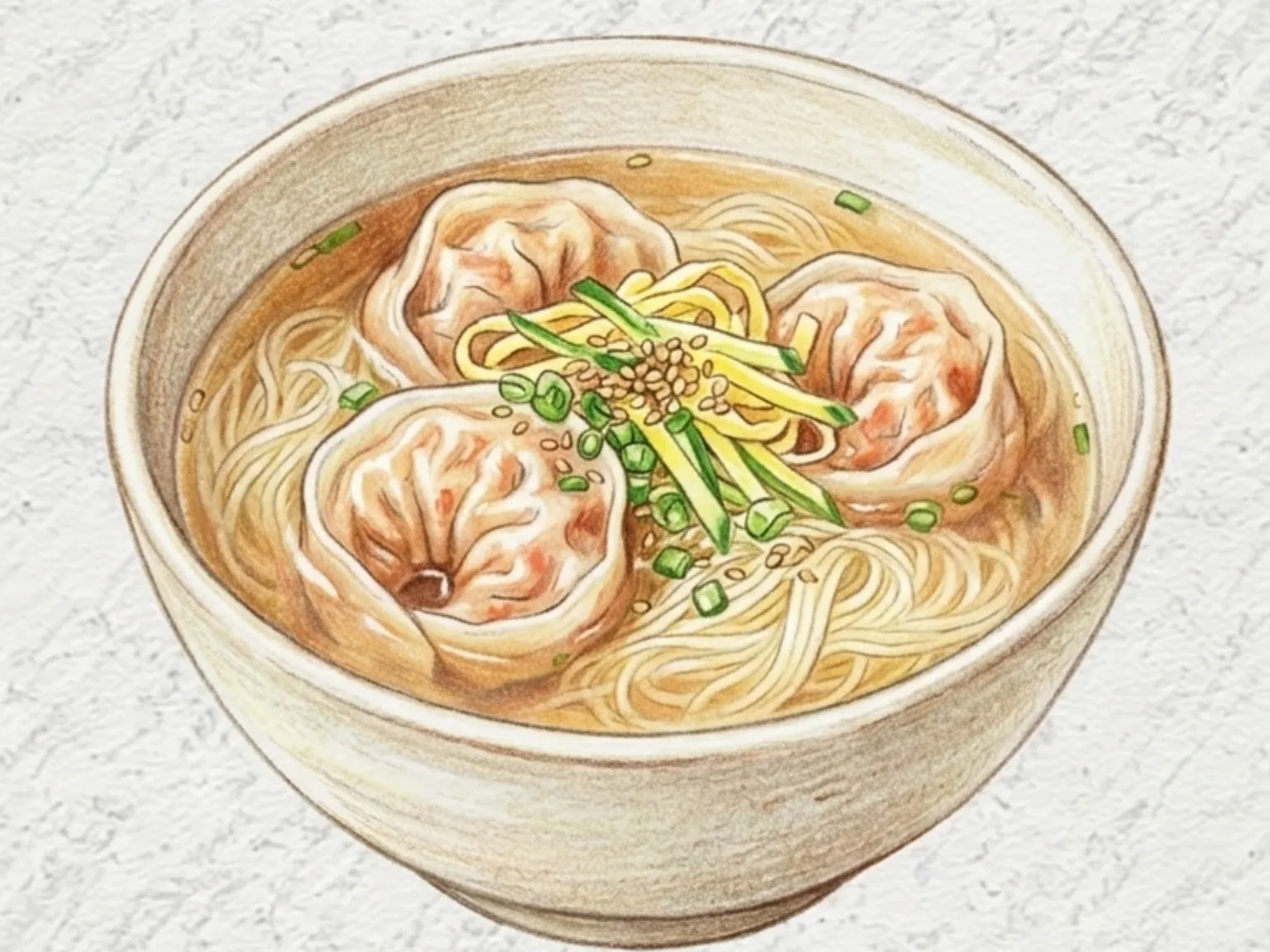
Kimchi mandu onmyeon is a Korean warm noodle dish that combines kimchi dumplings simmered in anchovy-kelp stock with thin wheat noodles served in the hot broth. The filling of kimchi and pork inside each dumpling gradually releases savory depth into the clean dashi as the dumplings cook, building a broth that feels substantive without requiring heavy seasoning. Soup soy sauce and minced garlic are the only seasoning additions, keeping the overall flavor clear and well-defined. Thin wheat noodles are boiled separately and rinsed under cold water before serving, which prevents the cooking starch from clouding the broth and keeps the noodles smooth and springy in texture rather than swollen and soft. Julienned zucchini added to the broth and a thin stream of beaten egg swirled in just before serving add color and textural variety to the finished bowl. Since the sodium content of kimchi dumplings varies considerably by brand, soup soy sauce should be added in small increments at the end rather than all at once. Overcooking the dumplings causes the wrapper to loosen and the broth to cloud, so once the dumplings float to the surface the noodles should go in and the dish brought together quickly. Gochugaru or sliced cheongyang chili transforms the bowl into a spicier version, and a drop of sesame oil stirred in just before eating rounds out the nuttiness of the broth. Equally suited as a late-night solo meal or a warming bowl on a cold day.

🏠 Everyday ⚡ Quick
Prep 10min Cook 18min 2 servings
Chicken Cordon Bleu
Western Medium

Chicken Cordon Bleu

Chicken cordon bleu is a Swiss-French dish where chicken breast is pounded flat to five-millimeter thickness, layered with ham and Emmental cheese, rolled tightly, and secured with toothpicks before being coated in flour, beaten egg, and breadcrumbs. The thin, even pounding is critical: uneven thickness causes the outer sections to overcook while the thicker center remains undercooked. Pan-frying in a mixture of butter and oil over medium heat for four to five minutes per side allows the breadcrumb crust to turn golden and crisp while conducting enough heat inward to melt the cheese completely. Cutting into the finished roll reveals a cross-section of molten cheese oozing between layers of ham and chicken. The ham provides a salty counterpoint to the mild breast meat, and the melted Emmental adds a nutty, stretchy richness that holds the interior layers together. Resting the roll for two minutes after removing from the pan prevents the cheese from spilling out all at once when cut.

🎉 Special Occasion 🍺 Bar Snacks
Prep 25min Cook 20min 2 servings
Jianbing (Chinese Savory Breakfast Crepe)
Asian Medium

Jianbing (Chinese Savory Breakfast Crepe)

Jianbing is a northern Chinese street breakfast crepe assembled on a flat griddle within minutes. A thin batter of mung bean flour and wheat flour is spread into a wide circle, then an egg is cracked directly on top and smeared across the surface while still liquid. Chopped scallion is scattered over the egg before the crepe is flipped briefly to set the other side. Sweet bean sauce and chili sauce are brushed on, followed by fresh cilantro and a crispy fried wonton sheet that provides the signature crunch. The mung bean flour gives the batter a distinctive nutty flavor and slightly crisp edge that plain wheat flour cannot replicate. The whole assembly is folded into a neat rectangle meant to be eaten by hand. Timing is critical for the wonton cracker, which should be added last to prevent sogginess, creating a layered contrast of soft crepe, runny egg, sharp sauce, and shattering crunch.

🏠 Everyday ⚡ Quick
Prep 20min Cook 15min 2 servings
Beignet (New Orleans Square Fried Dough with Powdered Sugar)
Baking Medium

Beignet (New Orleans Square Fried Dough with Powdered Sugar)

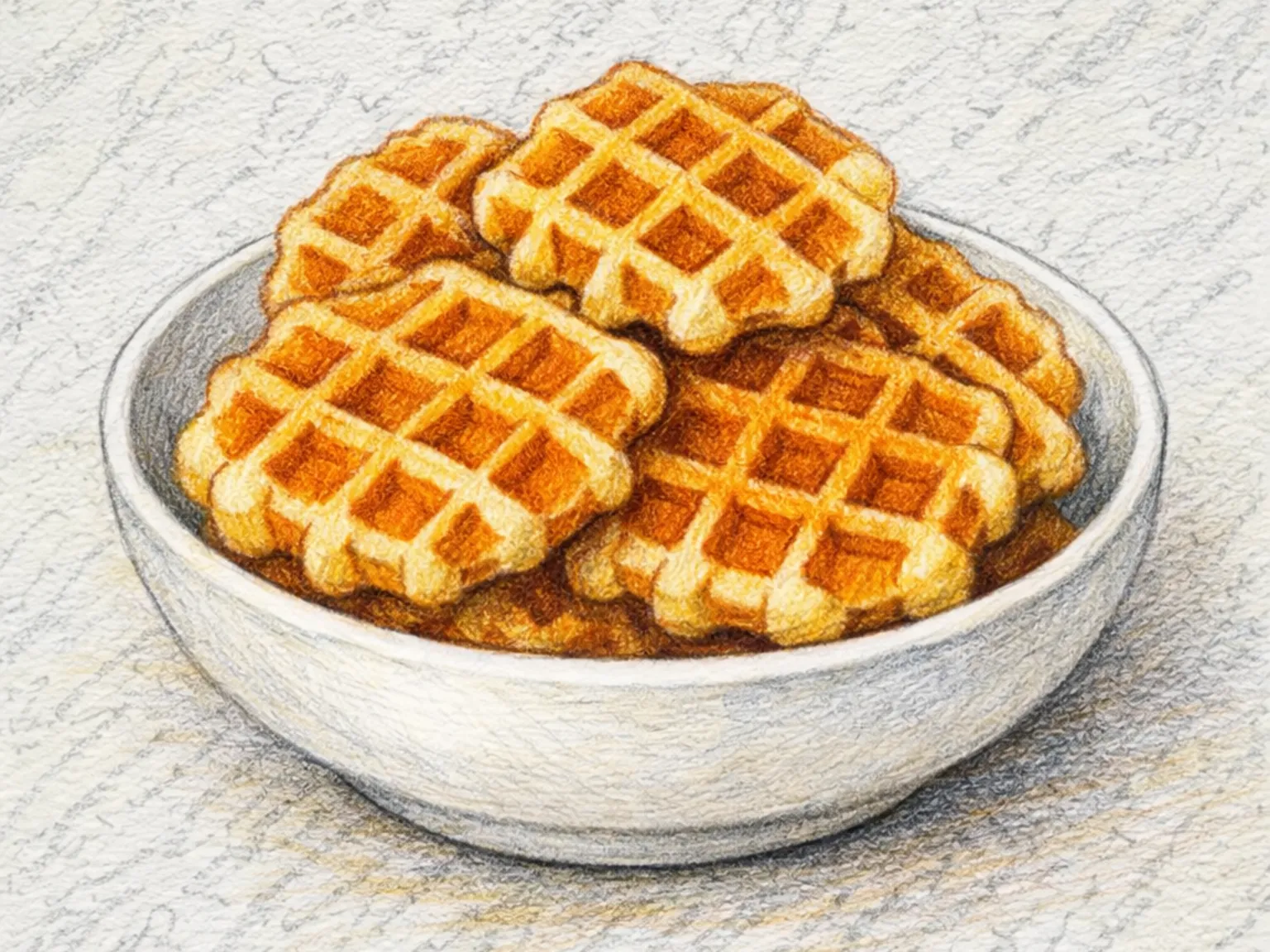
Beignets are square fried dough pastries that arrived in Louisiana with French colonists and became a defining food of New Orleans. A yeast-leavened dough of flour, milk, sugar, egg, and butter rises until airy, then is rolled and cut into rough squares before being dropped into hot oil. Each piece puffs up rapidly as it fries - the center becomes pillow-soft while the outside sets into a thin, light golden shell. Pulled from the oil, the beignets are immediately buried under a heavy dusting of powdered sugar that begins to melt against the warm surface. At Cafe du Monde in the French Quarter they have been served three to a plate with chicory coffee for over a century. In New Orleans, beignets are eaten at any hour of the day, morning through midnight.

🧒 Kid-Friendly
Prep 30min Cook 15min 4 servings
Korean Crown Daisy Pancake
Side dishes Easy

Korean Crown Daisy Pancake

Fragrant crown daisy leaves are coated in a light pancake batter and pan-fried until the edges crisp and the herb's aroma intensifies. Heat amplifies the crown daisy's grassy, slightly bitter character, and the scent rises through the thin layer of batter as the jeon cooks. Egg in the batter provides structure, helping the exterior hold its crunch, while a small addition of potato starch keeps the texture light and prevents sogginess as the pancake cools. Sliced onion mixed into the batter introduces a gentle sweetness that offsets the herb's bitterness. Cooking over medium-low heat with ample oil ensures the interior sets evenly before the surface browns too deeply, and waiting until one side has fully firmed before flipping prevents the pancake from falling apart. The finished jeon is served with a dipping sauce of soy sauce and vinegar, whose acidity lifts the richness of the fried exterior and highlights the crown daisy's herbal notes.

🏠 Everyday 🍱 Lunchbox
Prep 10min Cook 10min 2 servings
Korean Gimbap-Style Rice Bowl
Rice Easy

Korean Gimbap-Style Rice Bowl

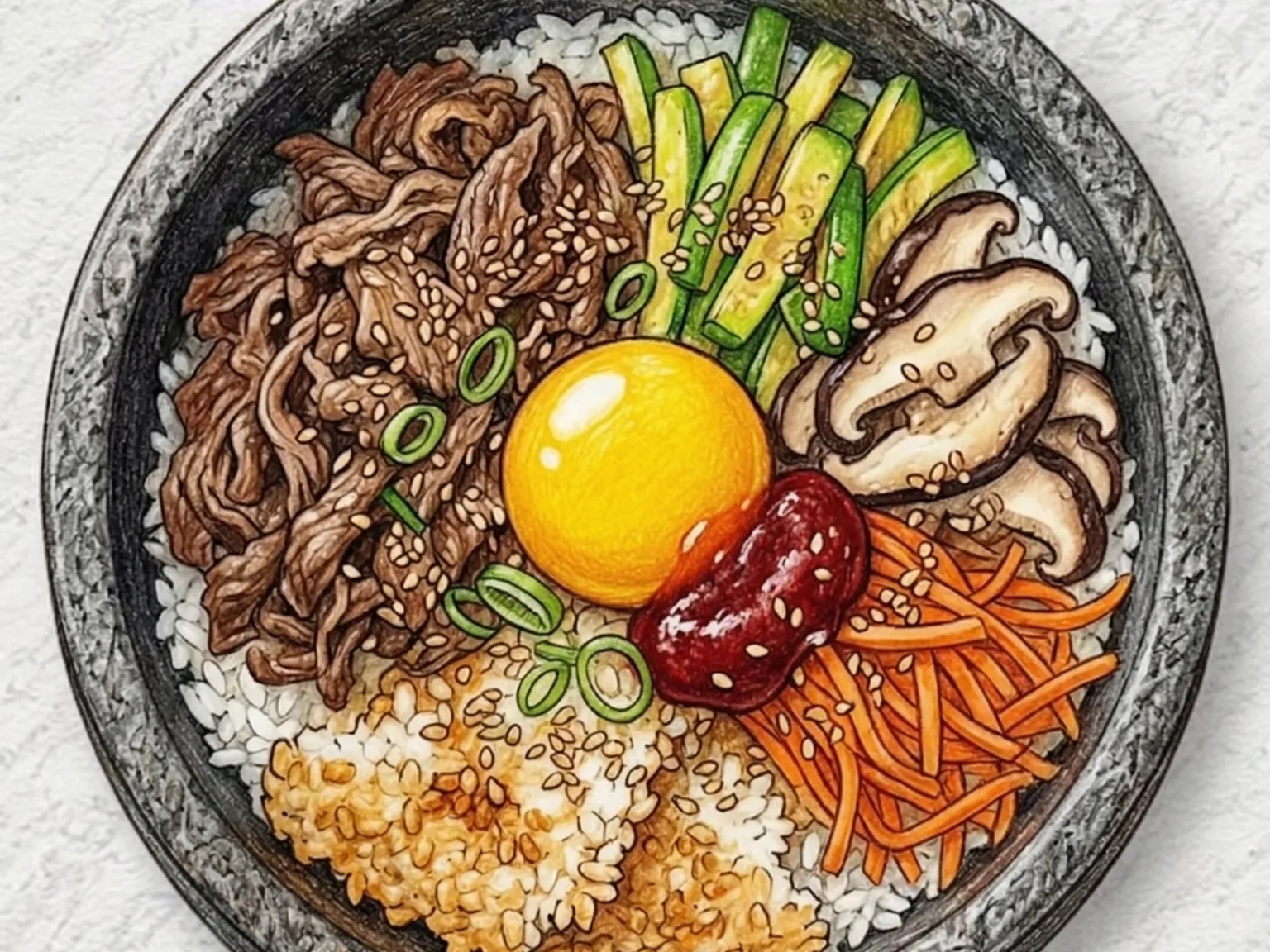
Gimbap-bap is a rice bowl that takes all the standard gimbap fillings - egg strips, imitation crab, blanched spinach, and stir-fried carrot - and serves them over sesame-oil-seasoned rice without rolling them in seaweed. The familiar flavor combination of gimbap is preserved while the rolling step is eliminated, which cuts preparation time considerably and allows each topping to be adjusted to taste. Adding pickled radish and fish cake on the side brings the result closer to the complete profile of traditional gimbap. The rice seasoned with sesame oil and salt serves as the unifying base that holds the individual flavors of each component together. It is particularly well-suited to quick solo meals.

🏠 Everyday 🍱 Lunchbox
Prep 20min Cook 10min 1 servings
Korean Egg Mayo Toast
Street food Easy

Korean Egg Mayo Toast

Egg mayo toast mashes three hard-boiled eggs with a fork, mixes them with mayonnaise, salt, and pepper, and piles the mixture onto freshly toasted bread. Crushing the eggs to uneven sizes -- some finely mashed, some left in larger pieces -- creates a textural variation between smooth sections and chunks in each bite, which is more interesting than a uniformly smooth paste. The mayonnaise binds the crumbly eggs into a cohesive, creamy spread, and placing the cool egg salad onto hot toast produces a temperature contrast that carries through the entire piece. Adding a small amount of mustard or finely chopped pickles introduces acidity that cuts through the richness of the mayonnaise and prevents the filling from tasting heavy. The eggs should be fully cooled before mashing -- adding mayonnaise to warm eggs causes it to thin out and can make the texture loose and uneven. With these adjustments, a simple combination of three ingredients becomes considerably more satisfying.

🌙 Late Night ⚡ Quick
Prep 10min Cook 5min 1 servings
Assorted Korean Pancakes (Holiday Mixed Jeon Platter)
Grilled Medium

Assorted Korean Pancakes (Holiday Mixed Jeon Platter)

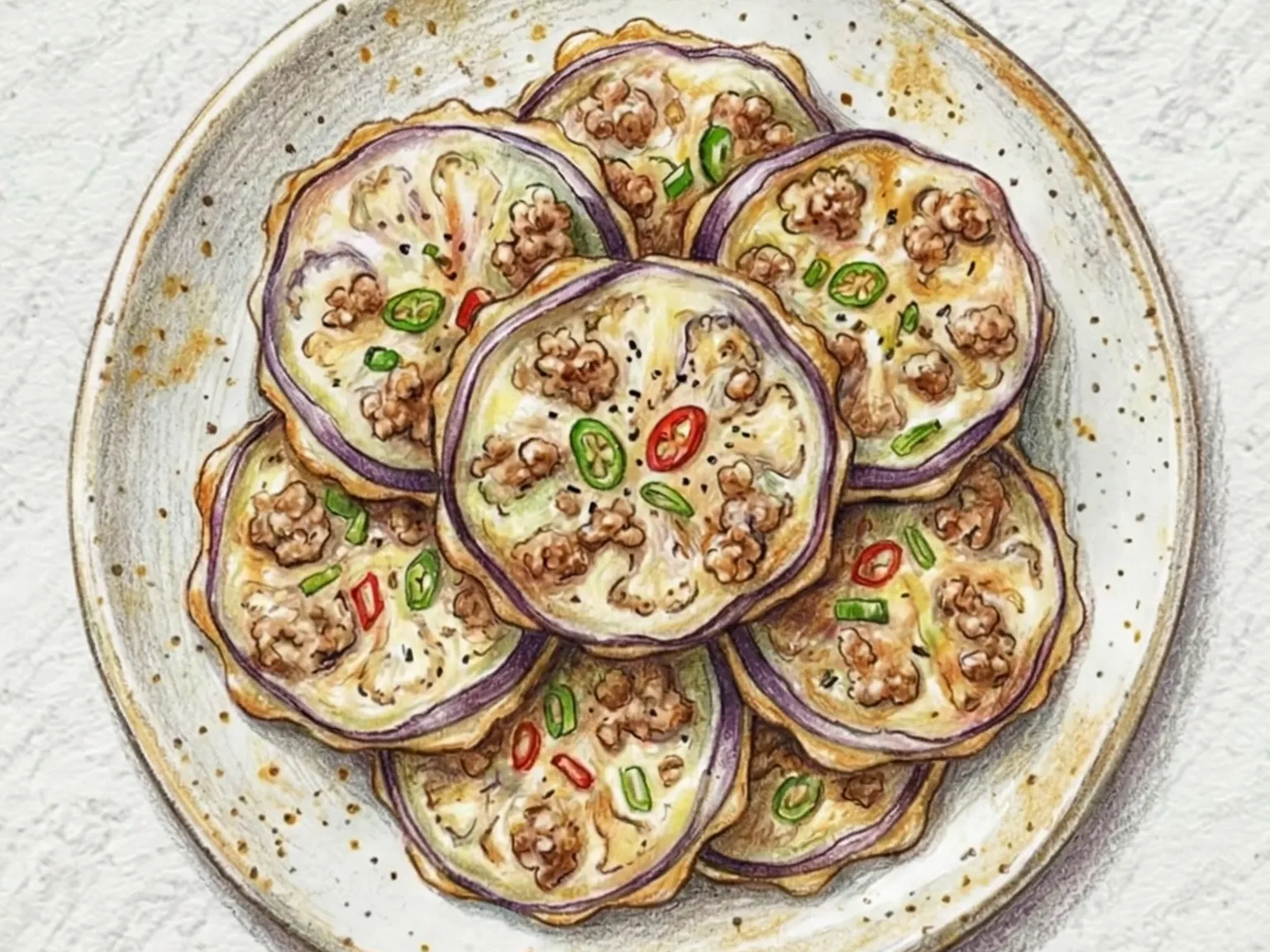
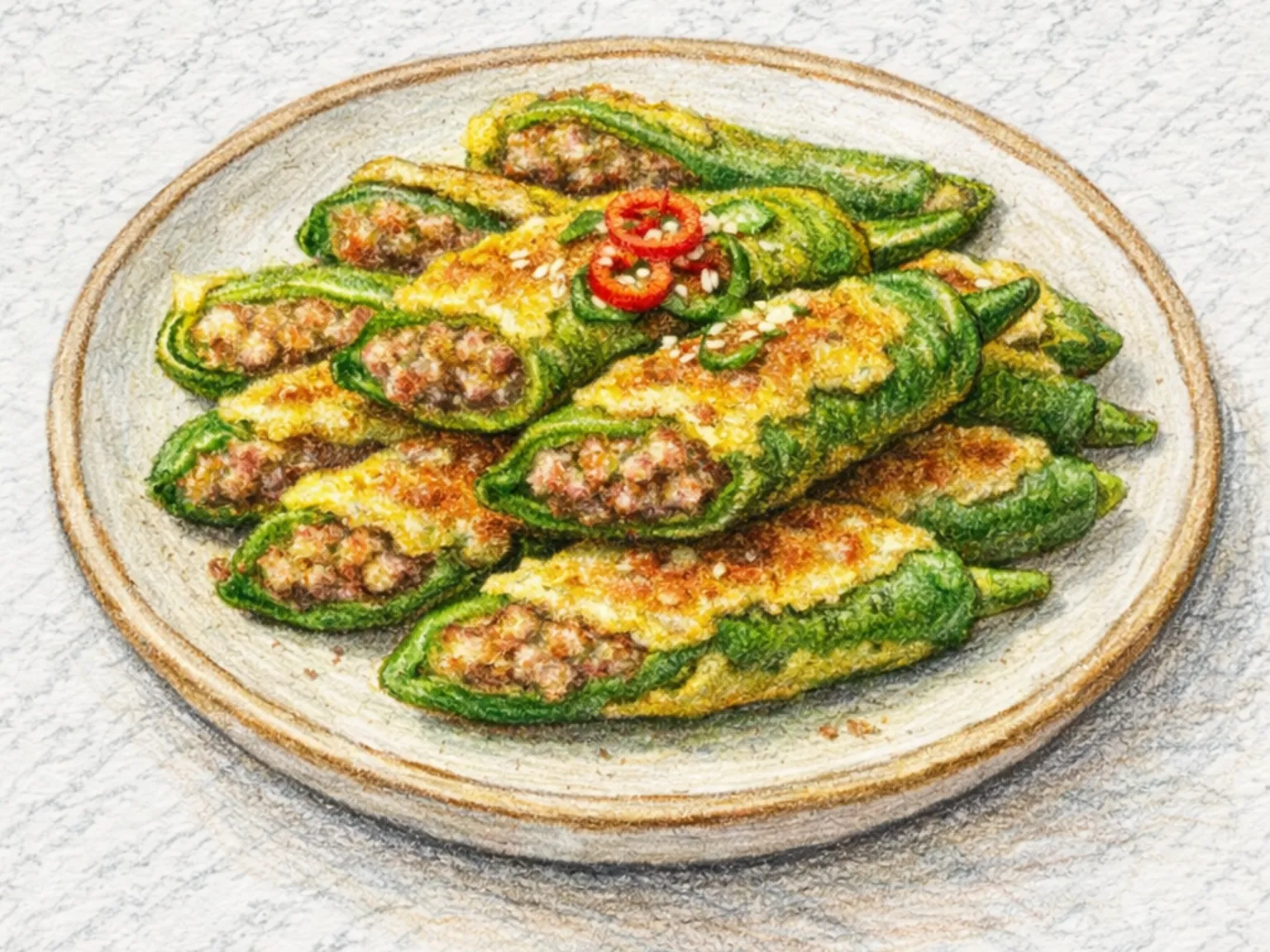
Hanjeongsik jeon-modeum is a mixed Korean pancake platter that brings together meat patties, zucchini jeon, shiitake mushroom jeon, and stuffed green chili jeon on a single serving board, forming the visual and gastronomic centerpiece of Seollal and Chuseok holiday tables. Each ingredient is cut to portion size, dusted lightly in flour, coated in beaten egg, and pan-fried over medium heat until both sides turn a deep golden. The single most important rule is to fry in small batches of three to four pieces at a time -- overcrowding drops the pan temperature sharply and causes the egg batter to absorb oil rather than set, leaving the jeon heavy and greasy instead of crisp and light. Meat patties made from a balanced mix of tofu, beef, and pork hold their shape while staying tender, and zucchini rounds need to be salted and pressed dry beforehand to prevent oil spatter during frying. For shiitake, removing the stem and dusting flour onto the inner gill side ensures the egg coating adheres evenly. A small dipping bowl of cho-ganjang -- soy sauce sharpened with a splash of rice vinegar -- cuts through the richness of the oil and draws out the contrast between the patties' deep savory flavor, the mild sweetness of zucchini, and the subtle heat of the peppers.

🍺 Bar Snacks 🎉 Special Occasion
Prep 30min Cook 30min 4 servings
Manduguk (Korean Dumpling Clear Broth Soup)
Soups Easy

Manduguk (Korean Dumpling Clear Broth Soup)

Manduguk is a Korean dumpling soup in which hand-folded dumplings stuffed with ground pork, tofu, scallion, and garlic are dropped into a clear, simmering broth, typically anchovy-kelp stock or beef broth, and cooked until they float. As the dumplings cook, their thin wheat-flour wrappers release a subtle starch that gives the broth a barely perceptible body, while the filling leaks savory juices that enrich the liquid gradually. A thin drizzle of beaten egg stirred in near the finish creates silken wisps on the surface of the broth and gives the bowl a more finished appearance. Shredded egg strips and crumbled dried seaweed scattered on top add a pleasant contrast in color and a faint oceanic note to the flavor. Many Korean households serve manduguk on Lunar New Year as an alternative to tteokguk, and some combine the two by adding sliced rice cakes alongside the dumplings. Dumplings can be made in large batches and frozen raw, which means this soup can be pulled together quickly on weeknights without sacrificing any of the flavor that comes from homemade filling. A small dish of soy-vinegar dipping sauce served alongside lets each person adjust the seasoning at the table, and the light acidity of the sauce cuts through the mild broth in a way that makes the contrast between the two worth trying.

🏠 Everyday 🎉 Special Occasion
Prep 10min Cook 15min 4 servings
Korean Shepherd's Purse & Napa Pancake
Pancakes Medium

Korean Shepherd's Purse & Napa Pancake

Naengi Baechu Jeon is a seasonal Korean pancake that features wild shepherd's purse and sweet napa cabbage. To prepare this dish, the roots of the shepherd's purse are thoroughly scrubbed to remove soil and chopped into short lengths, while the cabbage is sliced, lightly salted to draw out moisture, and squeezed. The batter consists of Korean pancake mix, rice flour, an egg, cold water, and soup soy sauce, which provides a clean base that allows the flavors of the vegetables to stand out. Mixing rice flour into the batter ensures that the edges of the pancake turn crispy and remain tender even after cooling. The prepared greens are gently folded into the mixture, then pan-fried in oil over medium heat until both sides are golden brown. It is sliced on a board and served warm.

🍺 Bar Snacks 🏠 Everyday
Prep 18min Cook 14min 4 servings
Hot Pot Udon (Japanese Earthenware Pot Noodle Soup)
Noodles Medium

Hot Pot Udon (Japanese Earthenware Pot Noodle Soup)

Nabeyaki udon is a Japanese hot-pot noodle dish cooked and served directly in a small earthenware pot, designed to stay piping hot at the table from first bite to last. The base is a dashi stock seasoned with soy sauce and mirin, which produces a broth that is clear but carries substantial depth of flavor. Chicken thigh cooked directly in the pot releases fat and juices into the surrounding liquid, enriching the stock in a way that chicken breast cannot replicate. Narutomaki fish cake, with its pink spiral cross-section, adds a visual accent that is as much a part of the dish's identity as any flavor it contributes, while enoki mushrooms soak up the broth and give back a delicate umami in return. The egg is cracked into the center of the pot and covered to cook gently until the white sets and the yolk remains soft and runny. When the yolk breaks and bleeds into the hot broth, it creates a brief silky richness that changes the texture of each spoonful. Shrimp tempura is placed on top of the finished dish at the very last moment, not submerged, because the batter collapses from steam and heat within seconds of hitting liquid. Spinach added in the final minute retains its bright color and stays tender without turning soft. The earthenware pot retains heat far longer than a regular bowl, which is why this dish reads as a cold-weather staple in Japan.

🎉 Special Occasion 🌙 Late Night
Prep 15min Cook 20min 1 servings
Chicken Francese (Egg-Battered Chicken in Lemon Butter Sauce)
Western Medium

Chicken Francese (Egg-Battered Chicken in Lemon Butter Sauce)

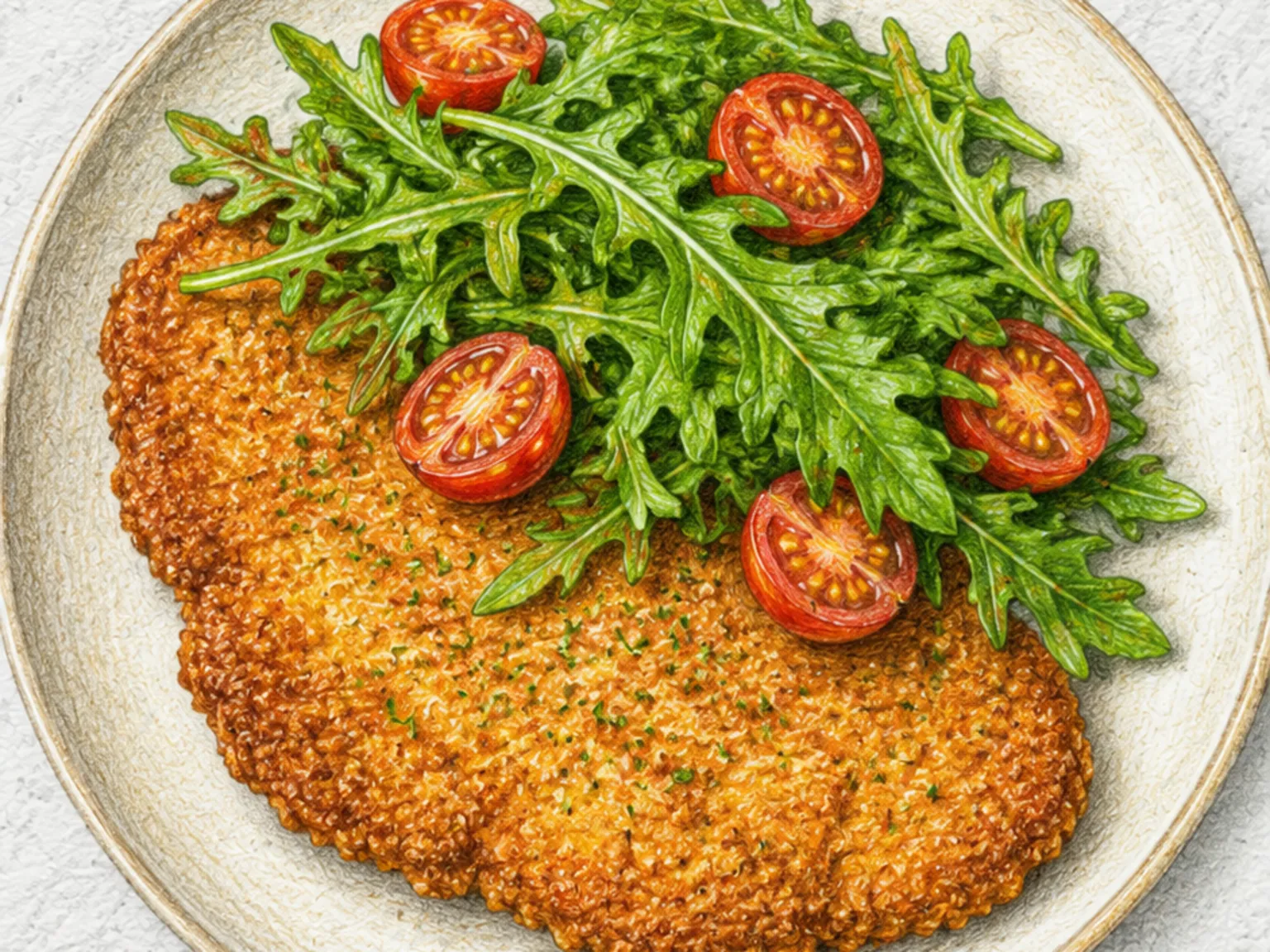
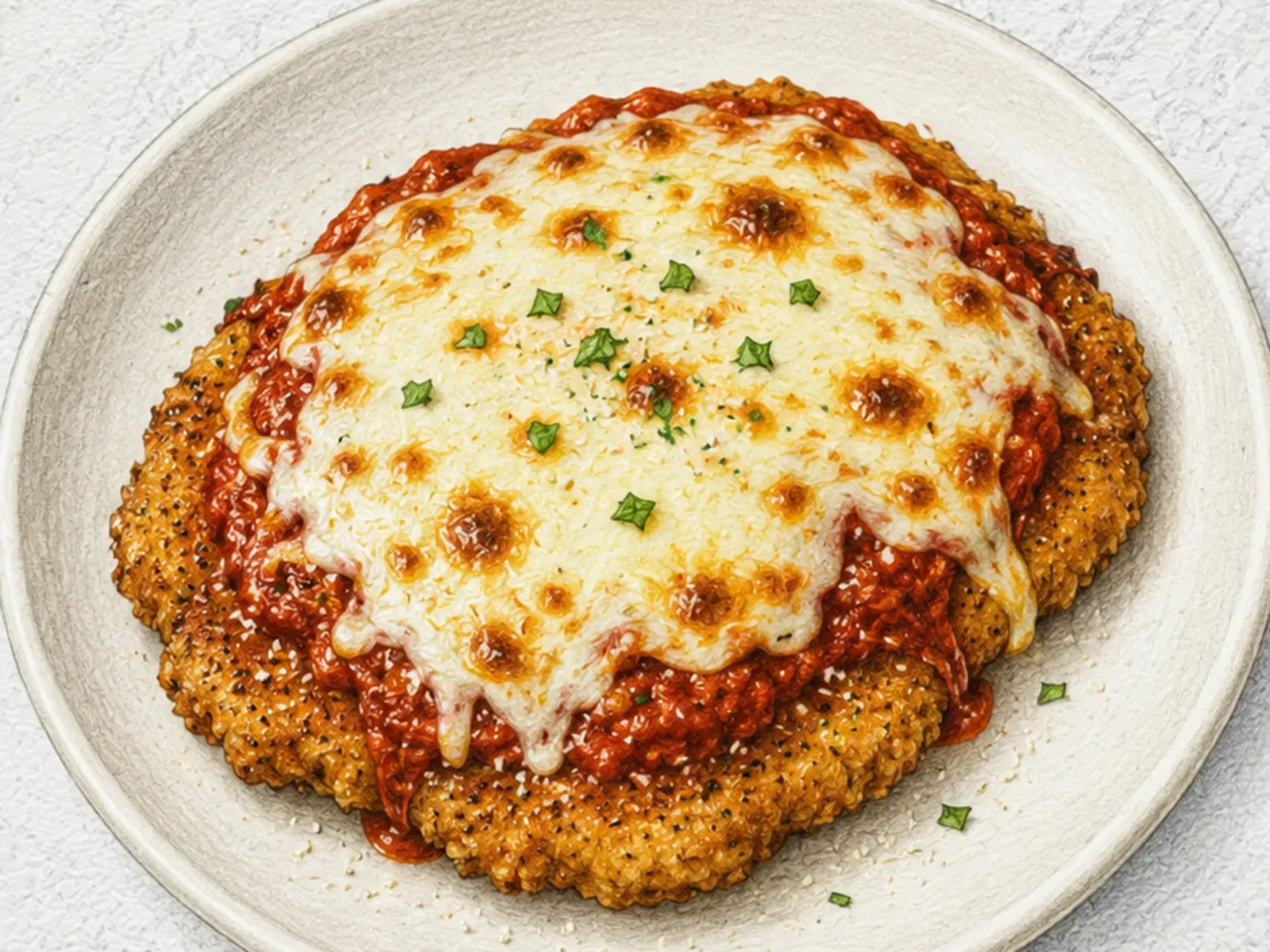
Chicken Francese originated within the Italian-American culinary tradition and focuses on preparing butterflied chicken breast cutlets through a specific sequence of coating and frying. Each piece of meat is first lightly dredged in a layer of flour and then thoroughly dipped into beaten eggs before being placed into a hot pan. This cooking method results in a surface that is golden in color. The presence of the egg coating acts as a barrier that keeps the natural moisture of the poultry trapped inside during the frying process. Meanwhile, the thin interaction between the flour and the heat of the pan creates a texture that is light and somewhat crisp, intentionally avoiding the formation of a heavy or thick crust. Once the chicken has been cooked and removed from the heat, the same pan is used to build the sauce. A portion of butter is melted down, after which chicken stock and fresh lemon juice are poured in to simmer for approximately three minutes. As the liquid boils, it loosens the small browned particles that adhered to the metal surface during the initial frying. These bits incorporate into the liquid to provide a specific roasted complexity that simple fresh ingredients cannot produce on their own. The prepared chicken is then placed back into the simmering sauce for an additional two minutes. During this time, the cook spoons the lemon-butter liquid over the cutlets, allowing the egg coating to fully soak up the flavors. This step ensures that the final dish offers a combination of sharp citrus acidity and the concentrated richness of the butter in every mouthful. A final dusting of finely chopped parsley is added across the surface to introduce a clean herbal quality that helps mitigate the density of the butter sauce. Because the recipe results in a significant amount of liquid, it is common to serve the chicken with pasta or slices of crusty bread so that no part of the lemon-butter sauce is left behind.

🎉 Special Occasion 🍺 Bar Snacks
Prep 15min Cook 18min 2 servings
Katsu Sando (Japanese Crispy Pork Cutlet Sandwich)
Asian Medium

Katsu Sando (Japanese Crispy Pork Cutlet Sandwich)

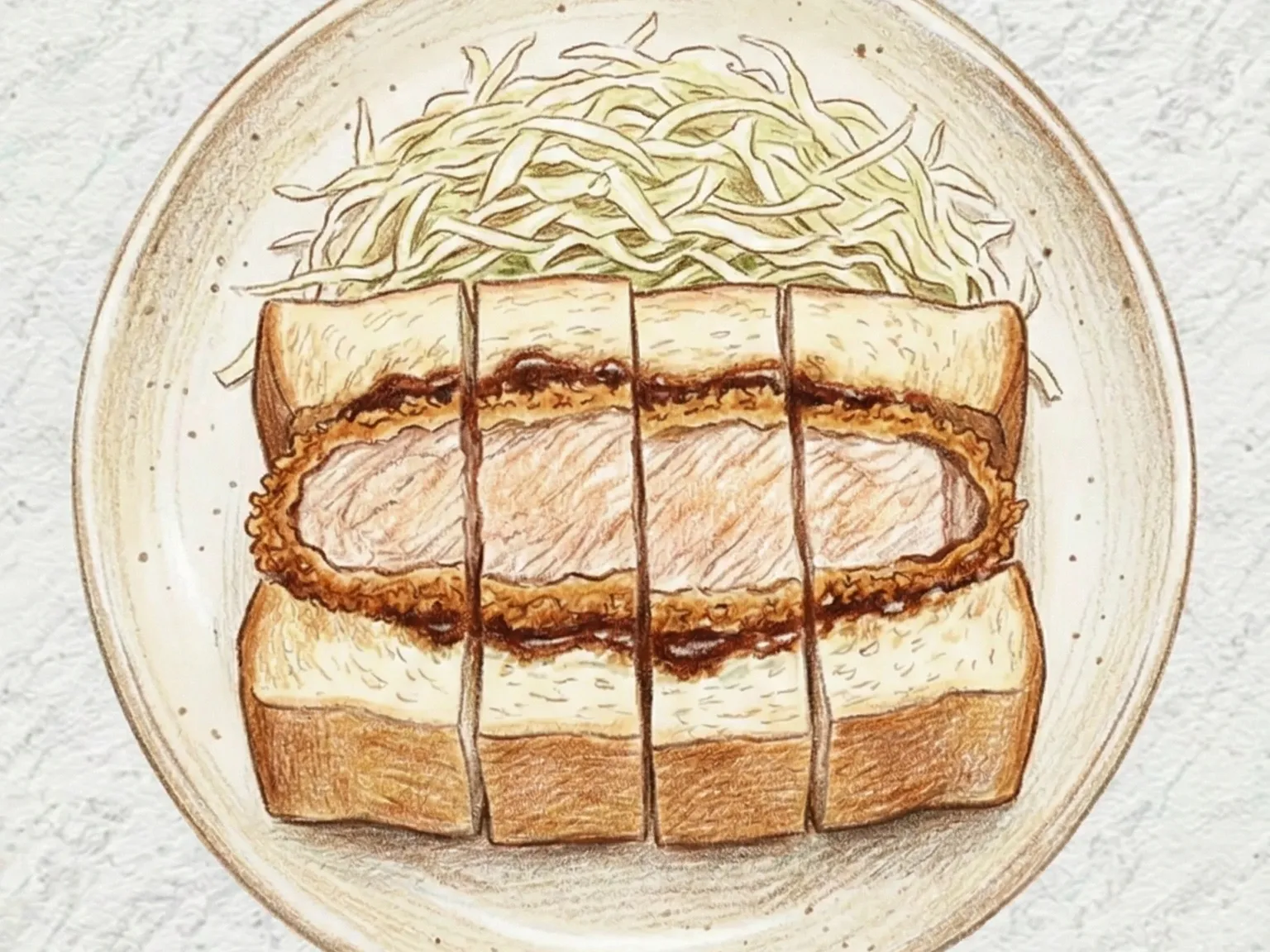
Katsu sando is a Japanese sandwich built around a thick, crispy pork cutlet pressed between slices of soft milk bread. The pork loin is sliced at least two centimeters thick, pounded lightly to tenderize, seasoned with salt and pepper, then coated in flour, beaten egg, and coarse panko breadcrumbs before being lowered into oil at 180 degrees Celsius. The result is a deep golden crust that shatters on the first bite while the interior stays moist and tender. Tonkatsu sauce, a thick condiment with a fruity, sweet-savory profile similar to Worcestershire, is spread generously on one side of the bread, while a thin layer of Japanese mayonnaise goes on the other. Finely shredded cabbage is layered beneath the cutlet, providing a fresh, watery crunch that cuts through the richness of the fried meat. The crusts are trimmed from the bread, the sandwich is pressed firmly and sliced cleanly in half, and the cross-section of pale bread, pale cabbage, and dark golden cutlet becomes the defining visual of the dish. Katsu sando works as a packed lunch, a picnic item, a late-night snack, or a quick meal at the counter of a butcher shop in Tokyo.

🧒 Kid-Friendly 🍱 Lunchbox
Prep 20min Cook 18min 2 servings
Bienenstich (German Bee Sting Cake)  -  Caramelized Almond and Custard Recipe
Baking Medium

Bienenstich (German Bee Sting Cake) - Caramelized Almond and Custard Recipe

Bienenstich, German for bee sting, is a traditional German bakery cake built on enriched yeasted dough topped with caramelized sliced almonds cooked in butter and sugar before baking. The almond layer sets into a crunchy golden crust in the oven while the dough below stays pillowy and soft. Once the cake has cooled completely, it is split horizontally and filled generously with vanilla custard or whipped cream. A single bite moves through three distinct layers: the shattering almond topping, the tender yeasted bread, and the cool, smooth cream within. Pressing the almond topping firmly onto the dough before baking prevents it from sliding off during the bake. If making custard from scratch, chilling it completely before filling keeps the bread from turning soggy.

🎉 Special Occasion 🧒 Kid-Friendly
Prep 35min Cook 30min 4 servings
Tamagoyaki (Sweet Edo-Style Rolled Omelet)
Side dishes Medium

Tamagoyaki (Sweet Edo-Style Rolled Omelet)

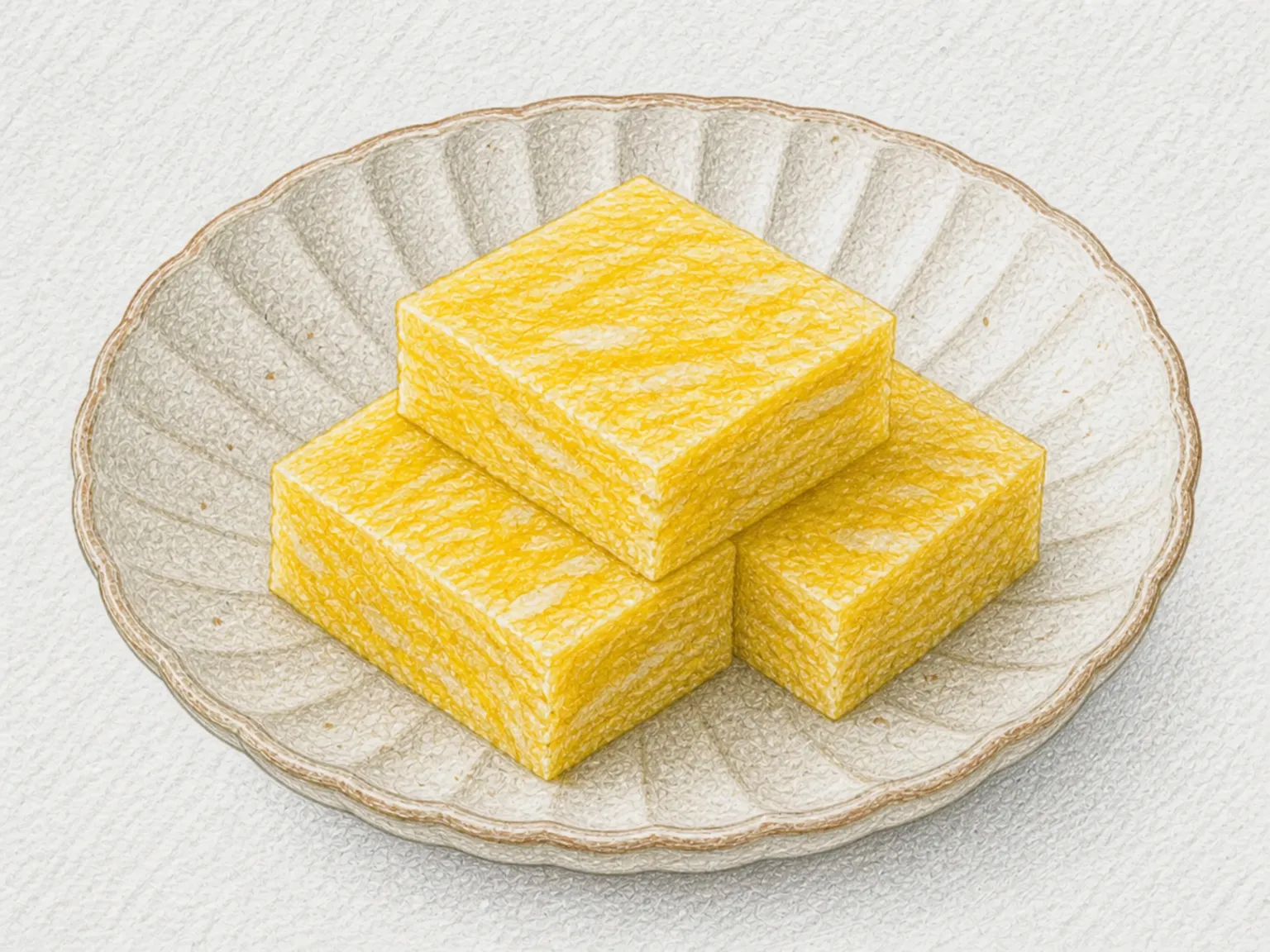
Tamagoyaki is a Tokyo rolled omelet made by mixing eggs with bonito dashi, sugar, salt, and soy sauce. One quarter of the mixture is spread thinly in a rectangular pan, rolled while still softly set, and the process repeats four times to build a thick layered log. This Edo-style formula is sweeter and more lightly browned than Kansai dashimaki, with clear bonito aroma and resilient layers. Reapply only a thin film of oil before every pour and let fresh egg run underneath the previous roll so the layers join. Shape the hot omelet in a bamboo mat, confirm its center reaches at least 71C, then cool briefly before slicing.

🍱 Lunchbox 🏠 Everyday
Prep 8min Cook 10min 2 servings
Korean Egg Porridge (Silky Sesame-Scented Rice Porridge)
Rice Easy

Korean Egg Porridge (Silky Sesame-Scented Rice Porridge)

Gyeran juk is a mild, gentle rice porridge that starts by stir-frying soaked rice in sesame oil before any liquid is added, a step that coats the starch granules in oil to prevent the finished porridge from clumping and works the sesame fragrance evenly into every grain. Water is added and the pot simmers on low heat for twenty minutes with frequent stirring, breaking down the grains gradually until they dissolve into a smooth, cohesive base. Constant stirring on low heat is what prevents the rice from scorching on the bottom and what creates the uniformly silky texture that defines a well-made juk. Beaten egg is drizzled in at the very end in a thin stream and folded gently for just one minute, creating soft, ribbony layers of cooked egg throughout the porridge without allowing them to toughen. Soup soy sauce and salt provide restrained seasoning that stays behind the sesame fragrance rather than overpowering it, and sliced green onion scattered on top adds a fresh note over the warm nuttiness beneath. This is the kind of bowl that asks nothing of the stomach, which makes it the standard choice after illness, on mornings when appetite is low, or whenever a light and restorative meal is needed.

🥗 Light & Healthy 🏠 Everyday
Prep 10min Cook 30min 2 servings
Surimi-age (Fried Fish Cakes)
Street food Medium

Surimi-age (Fried Fish Cakes)

Surimi-age is a Toyama home dish that turns fresh fish paste into crisp, bite-size fried cakes. In this version, sardines are cleaned, pounded, and ground with ginger juice before grated mountain yam, beaten egg, and miso are worked in to make a cohesive, airy paste. Chopped onion, carrot, burdock, and shiso provide texture, while a small amount of potato starch helps each spoonful hold together in the oil. The exterior fries thin and crisp as the center stays fluffy. Toyama households and izakaya serve the cakes as a side dish or sake snack, and they can also become ingredients in oden or hot pot.

🏠 Everyday 🍺 Bar Snacks
Prep 30min Cook 15min 4 servings