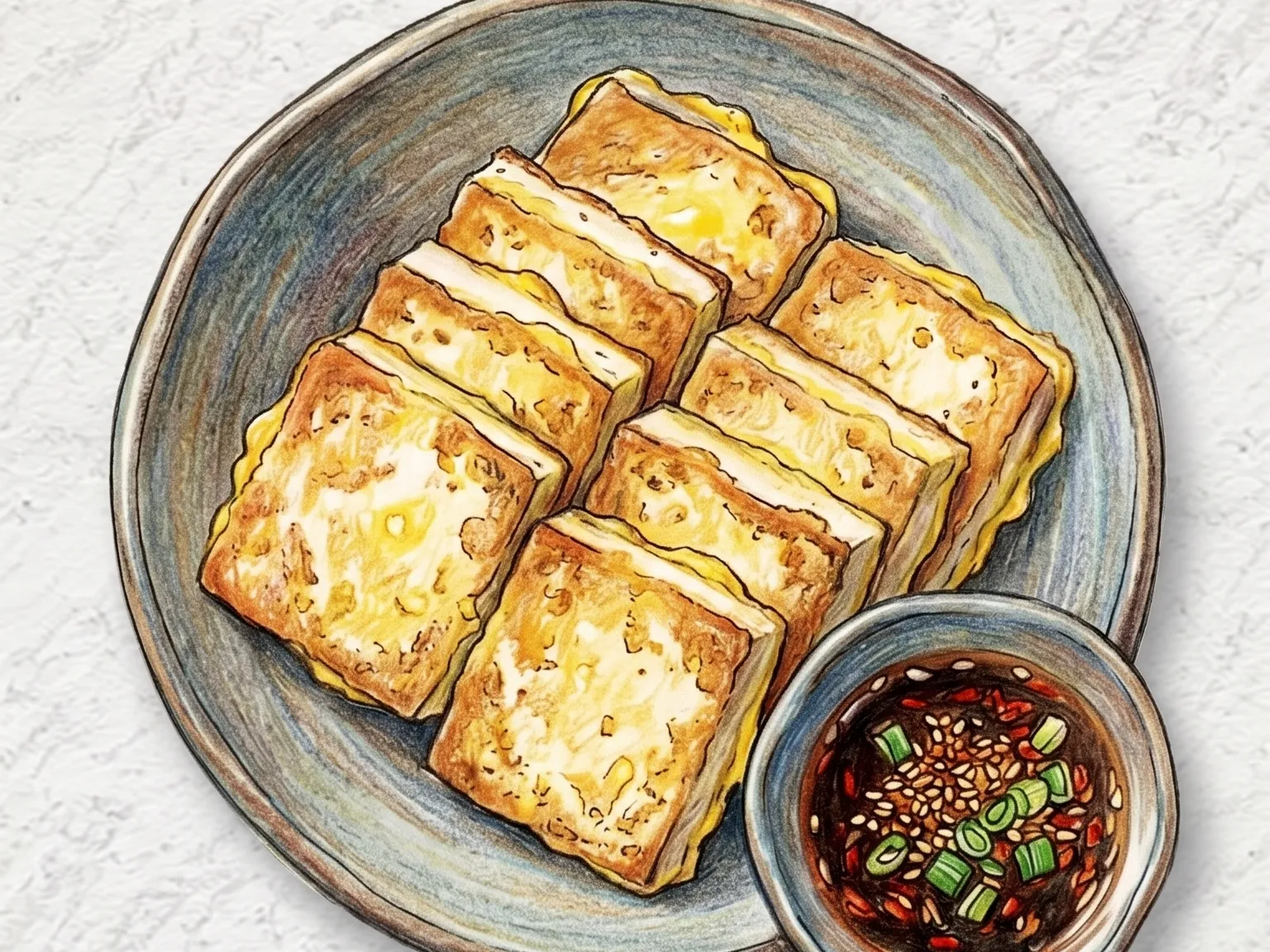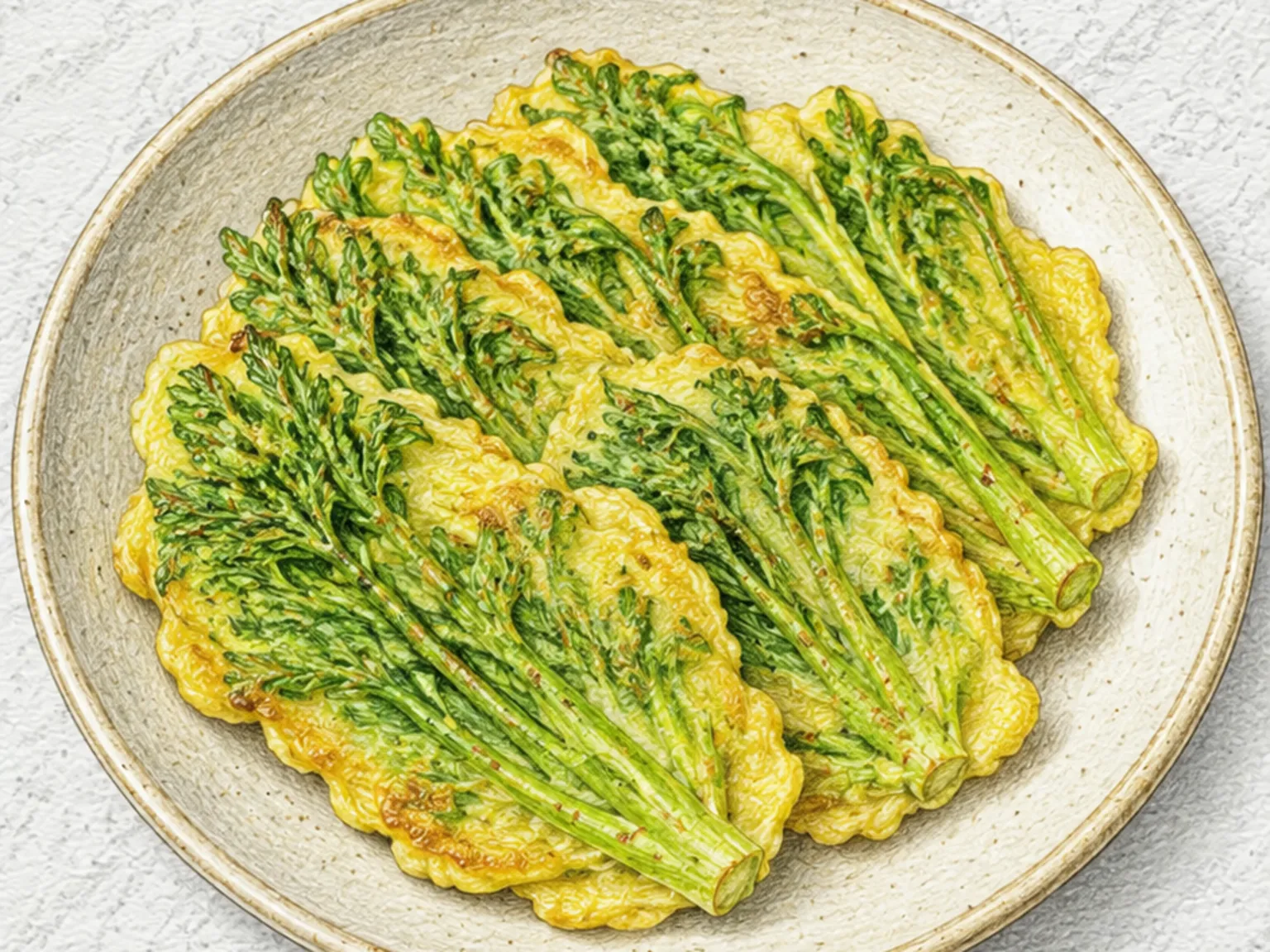
Korean Aralia Shoot Jeon (Spring Herb Shoot Pancake)
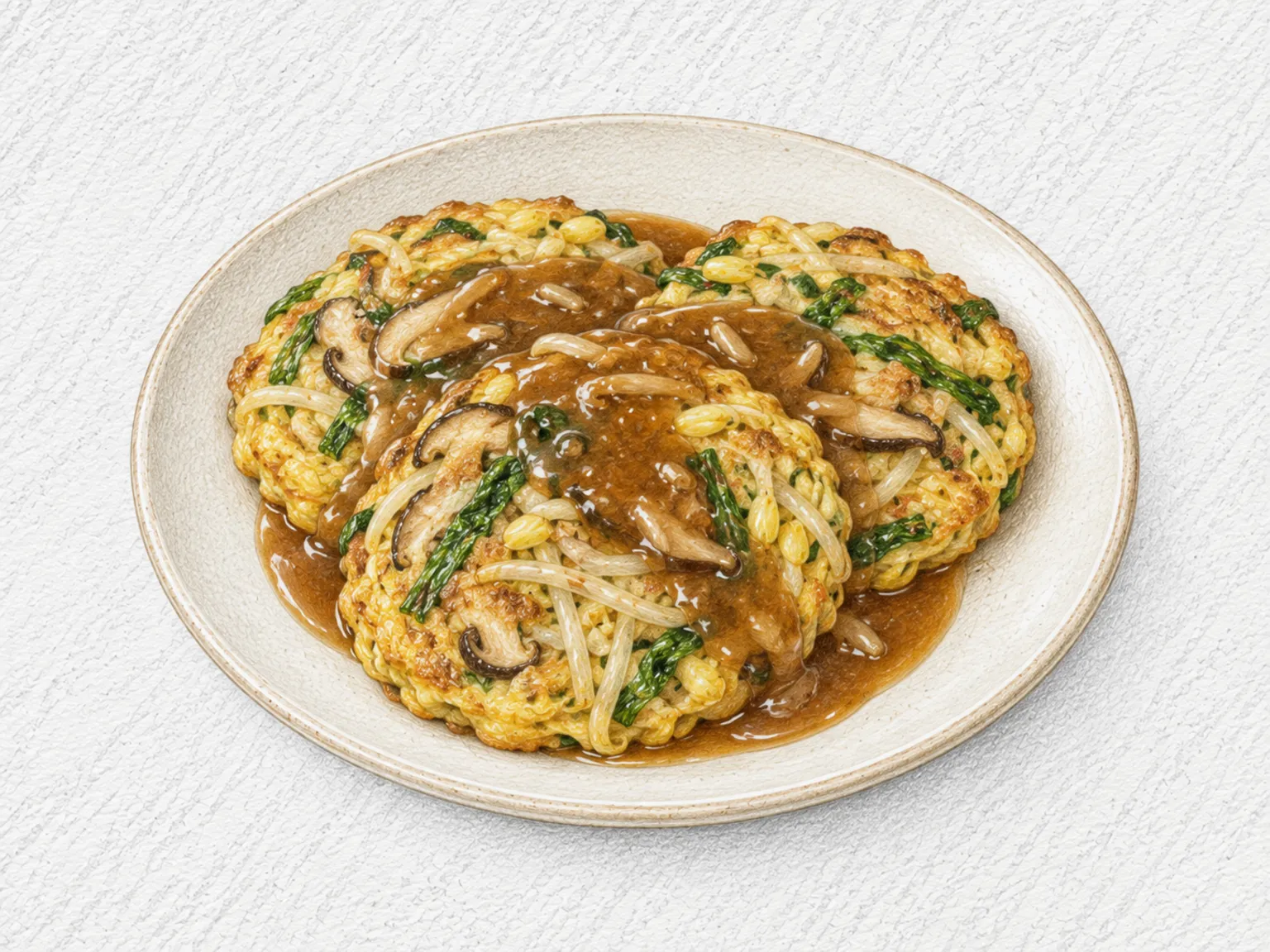
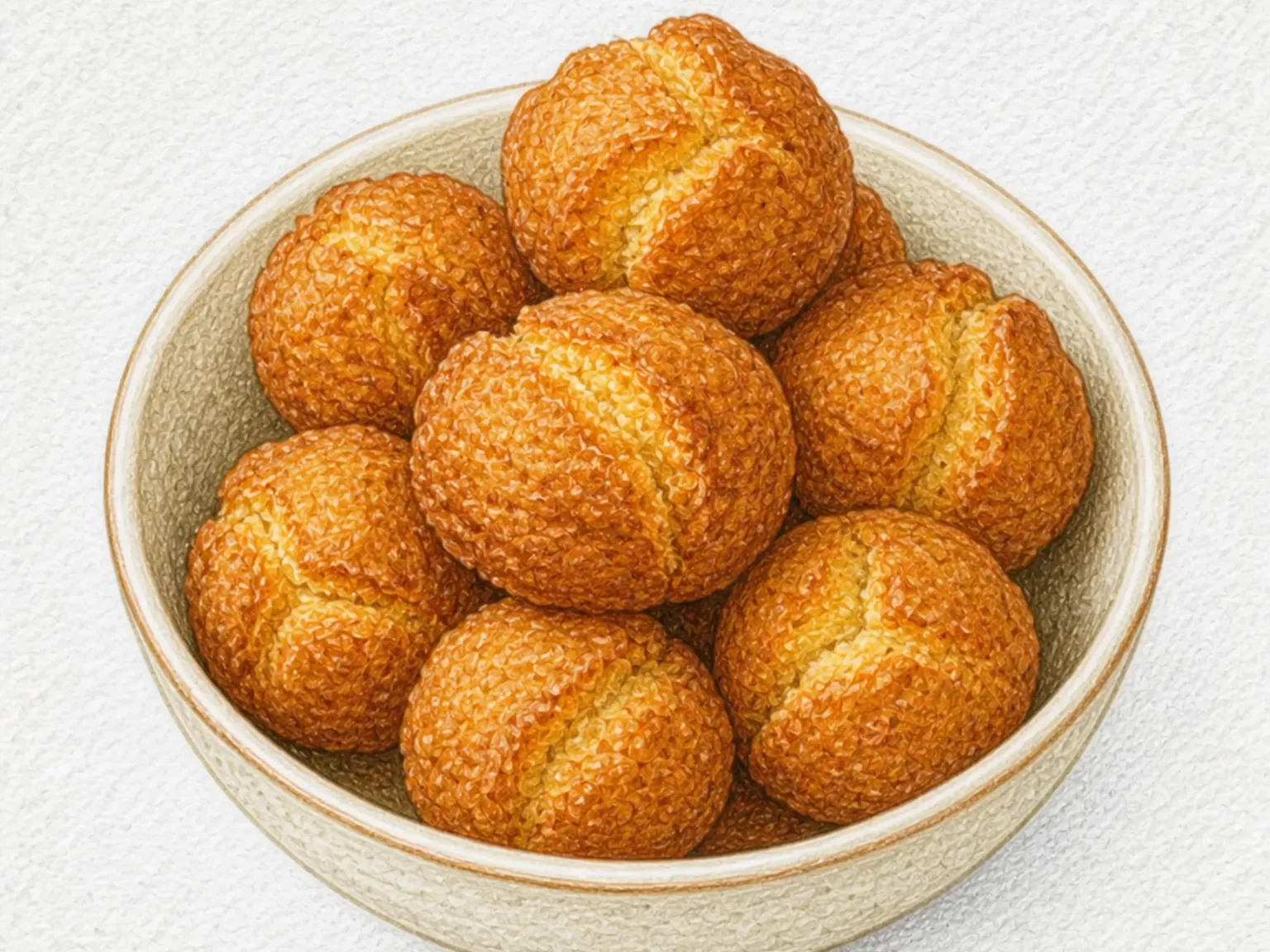
Durup-jeon is a seasonal Korean pancake made during the brief spring window when aralia shoots are available, wrapped in a thin coating of flour and egg wash to let the vegetable's bitter-herbal fragrance come through without interruption. The shoots are blanched for thirty seconds in vinegared boiling water to tone down their harshness while preserving the crunch of the stems, then patted thoroughly dry before a light dusting of flour ensures the egg coating clings evenly. Cooking over medium-low heat matters here because the egg browns steadily without scorching, giving time for the heat to reach the interior of each stem and soften it fully. Higher heat browns the outside quickly but leaves the inner stem tough and stringy. Dipping the finished pancakes in cho-ganjang, a mixture of soy sauce and vinegar, sharpens the distinctive wild mountain herb character that defines aralia. Because the shoots appear only in early spring, this pancake marks the season at the table in a way no other dish does.
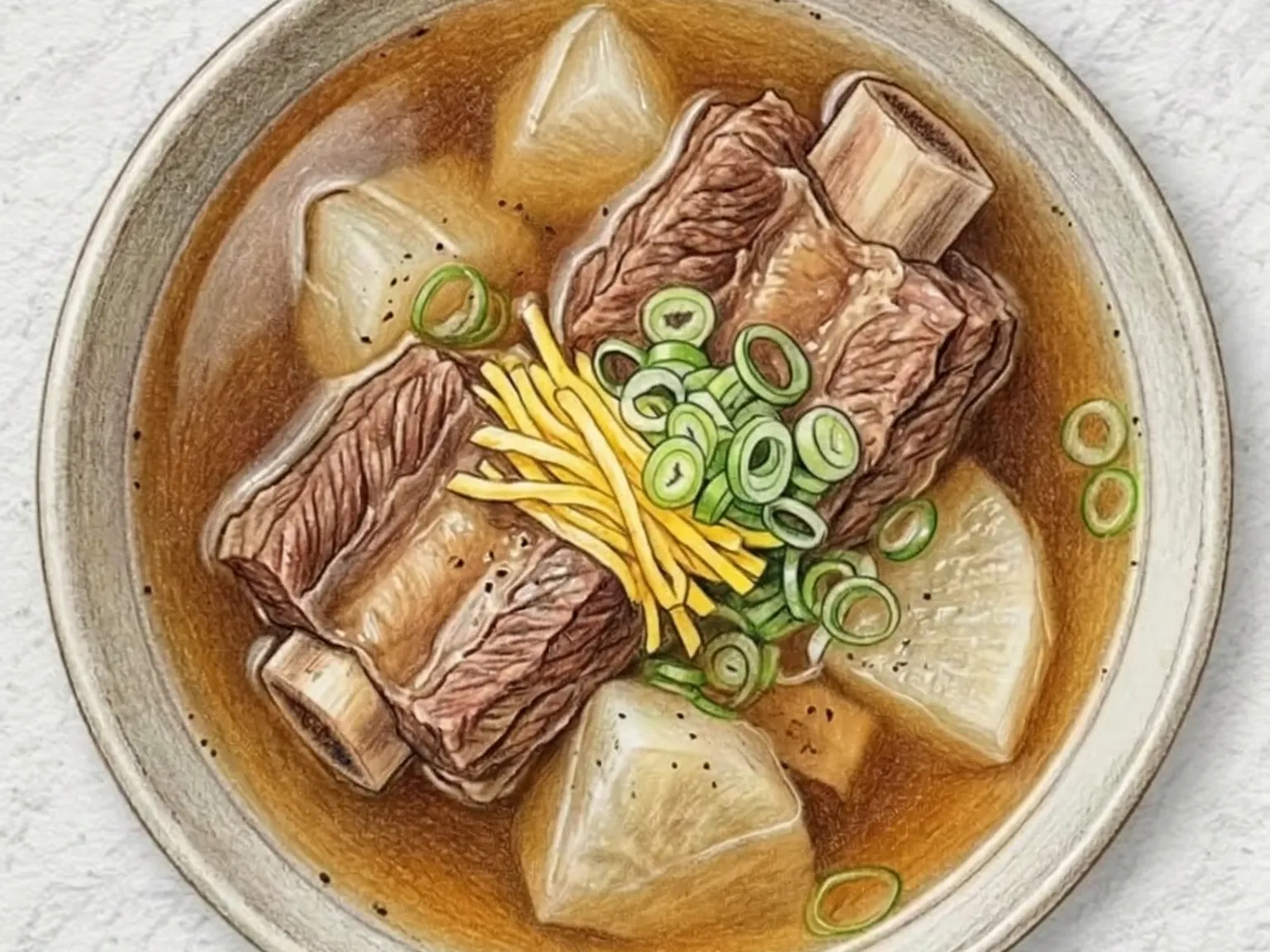
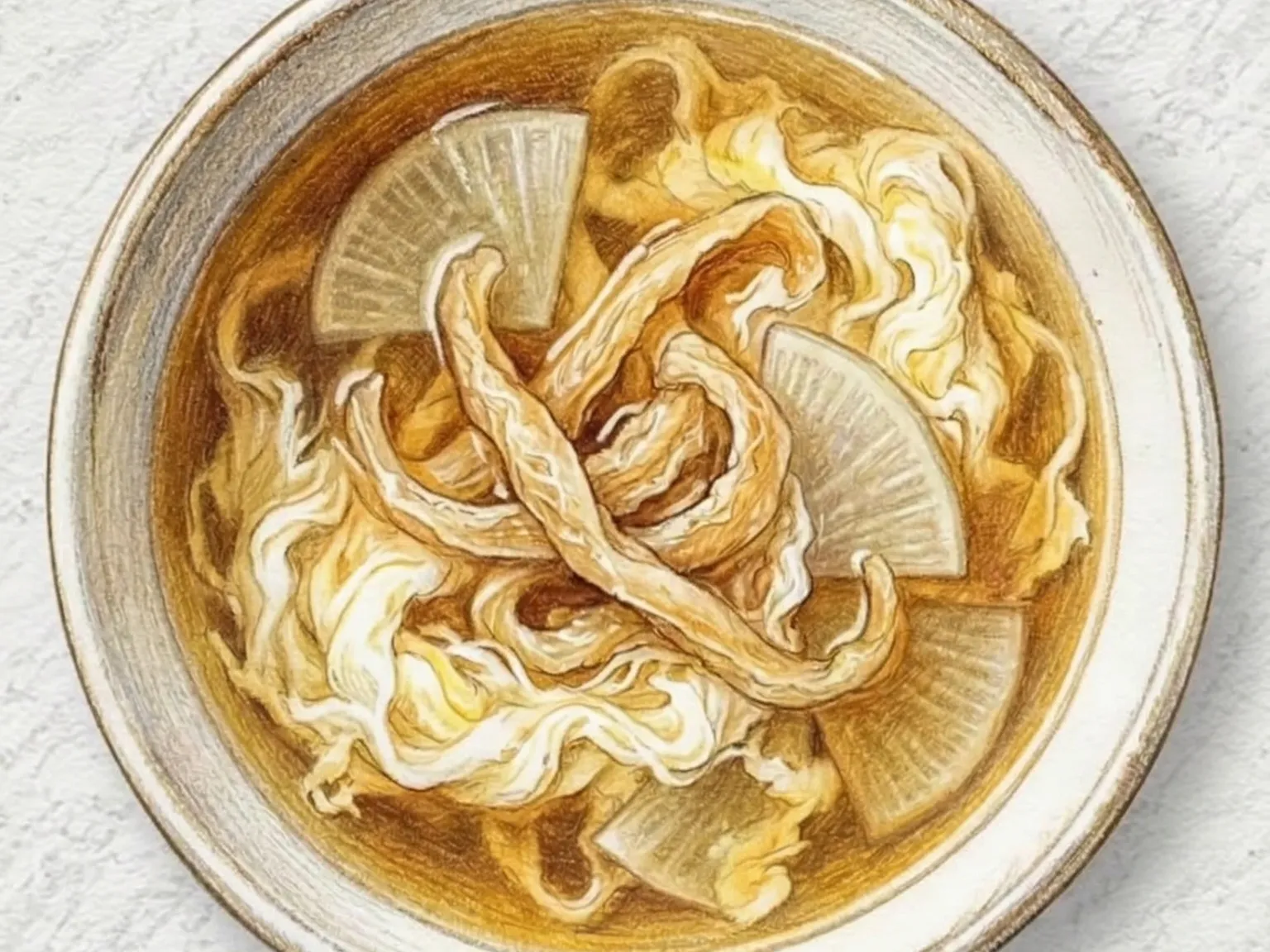
Korean Dried Pollack Egg Soup
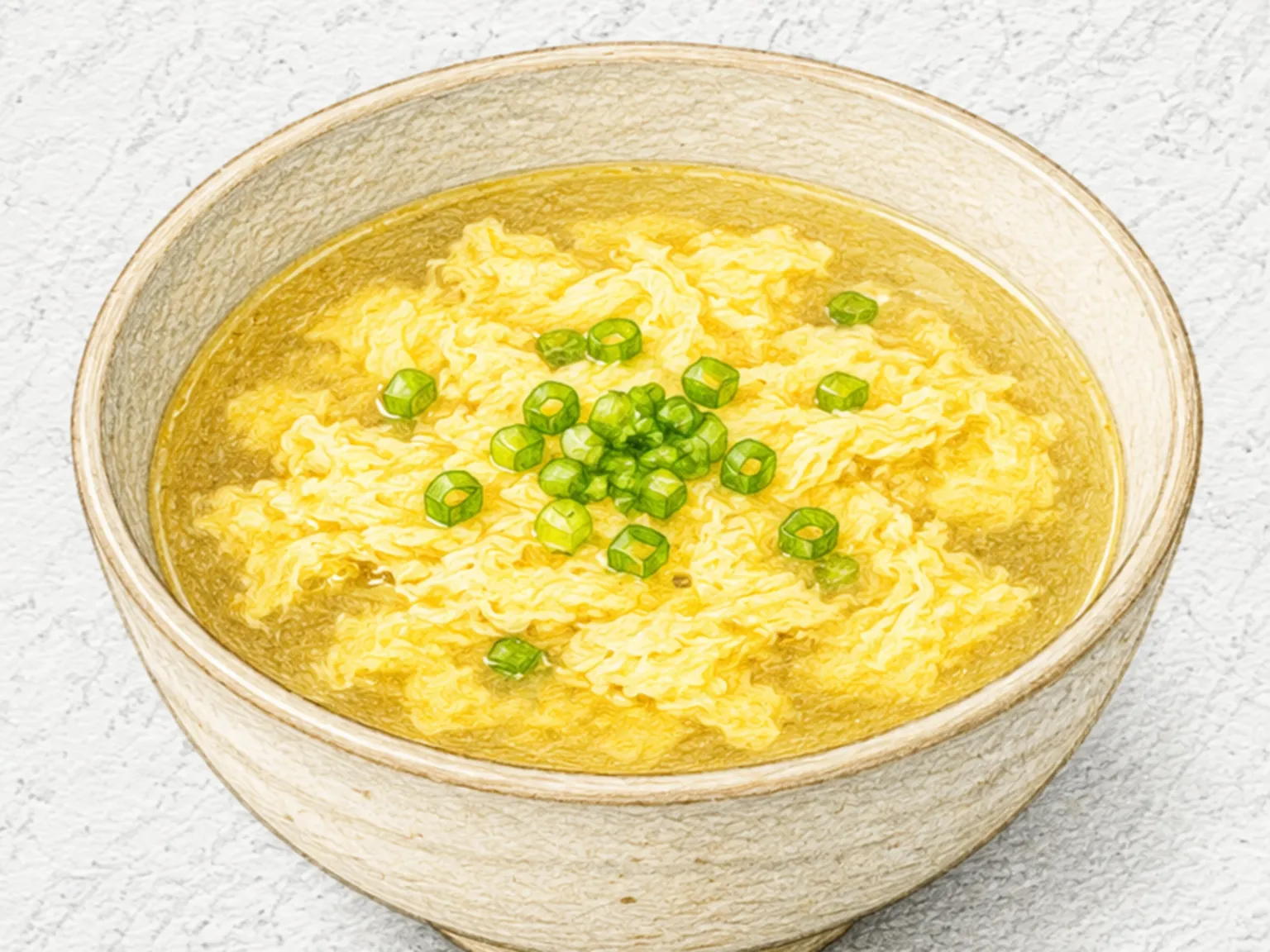
Hwangtae-gyeran-guk is a Korean clear soup that pairs dried pollock with silken egg threads in the same bowl. Toasting the pollock strips in sesame oil at the start is what gives the broth its foundation: the oil absorbs the nutty, roasted fragrance and carries it throughout the liquid as it simmers. Radish and green onion add a clean sweetness and mild sharpness, and once the broth is seasoned with soup soy sauce and garlic, beaten egg is streamed in slowly to form wispy, floating ribbons. The chewy pollock and the soft egg offer a changing texture from one spoonful to the next. Hwangtae is produced on outdoor racks in the Gangwon-do mountains through a winter-long cycle of freezing and thawing that breaks down the protein into a more digestible form and increases the amino acid content. In Korean households this soup appears at both the breakfast table and the post-drinking recovery meal, favored because the protein-rich pollock is gentle on a tired stomach and the whole pot comes together in under twenty minutes.
Korean Radish & Shrimp Pancake
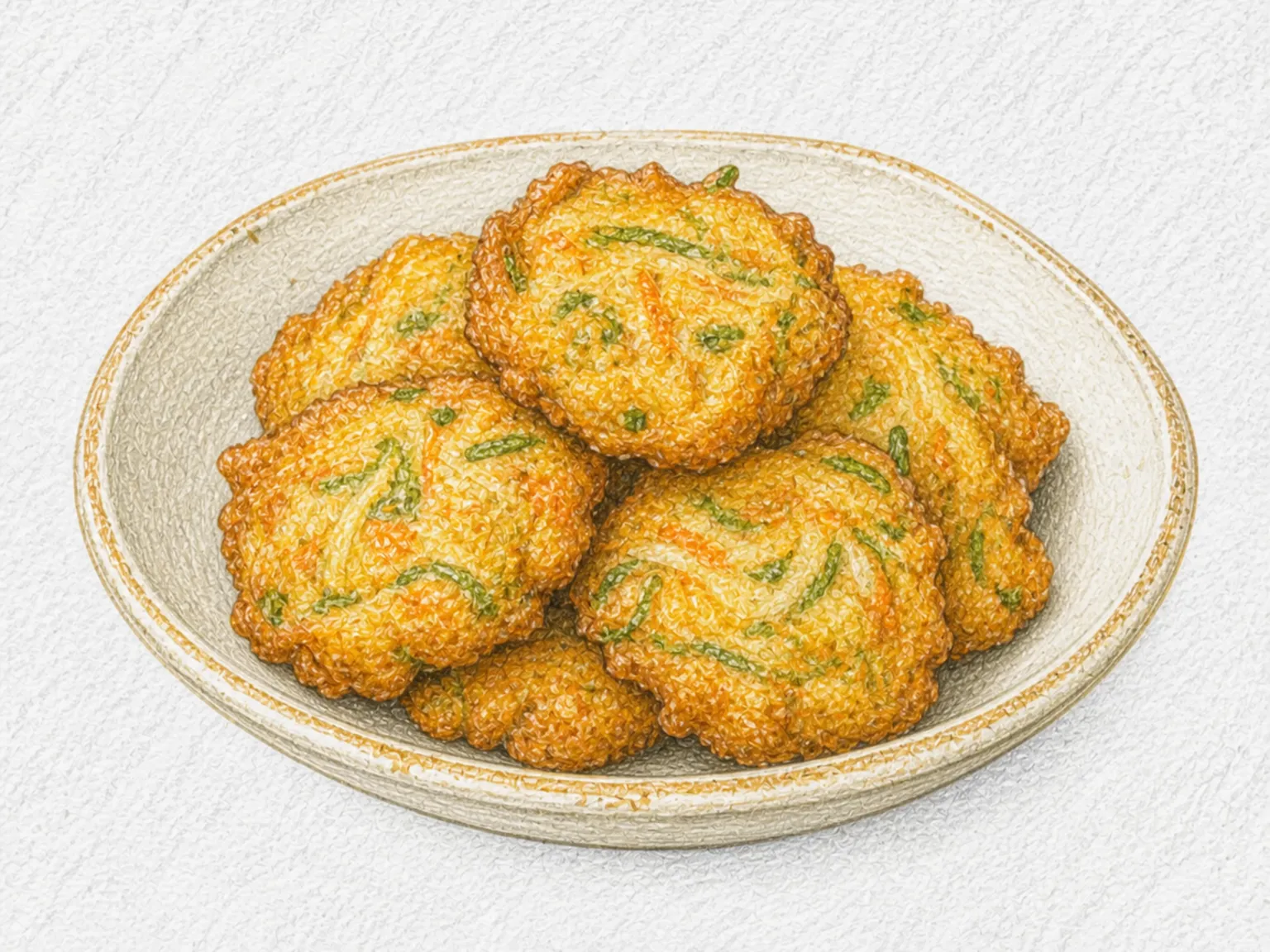
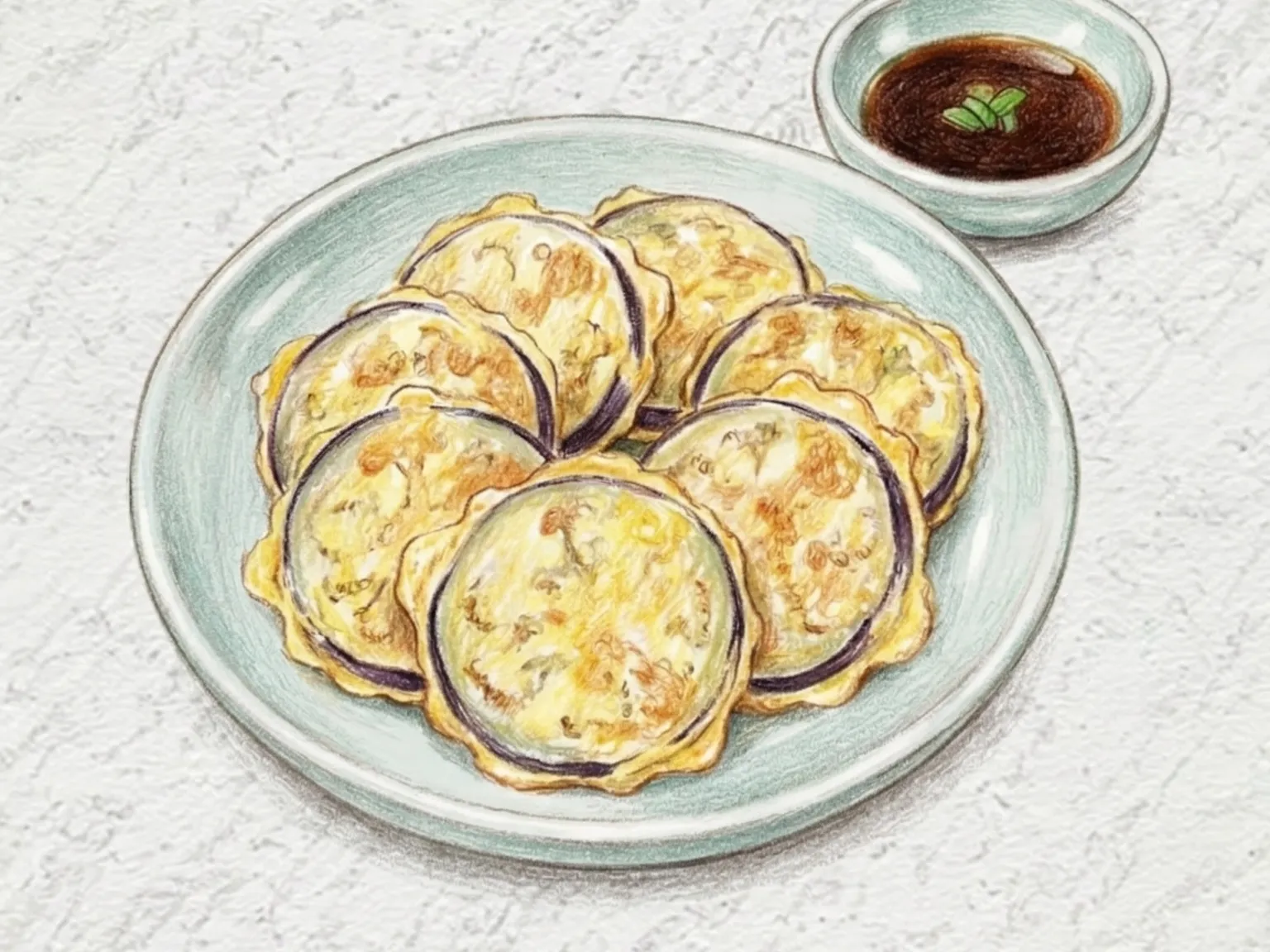
Julienned Korean radish and small peeled shrimp are combined in a pancake batter fortified with a measured amount of potato starch for added crispiness. Egg is mixed into the batter to improve binding and keep the pancake intact when flipped. Scallions are distributed throughout for a mild, grassy fragrance. Radish releases notable moisture as it cooks, so frying over high heat is essential to drive off that liquid quickly and achieve a crisp outer surface. The sharp, slightly bitter edge of raw radish disappears with heat and gives way to a gentle natural sweetness that pairs cleanly with the mild, delicate flavor of the shrimp. Pressing the center of the pancake down with a spatula while frying encourages even browning all the way through.
Kimchi Butter Udon (Tangy Kimchi Stir-Fried in Butter)
Kimchi butter udon is a fusion stir-fried noodle that pairs the tangy, spicy acidity of well-fermented kimchi with the deep richness of butter. The first half of the butter goes into the pan to saute onion and garlic until they release their sweetness, then chopped kimchi is added and stir-fried for two minutes to cook off the moisture, which concentrates the flavor and mellows the sharp sourness. Blanched udon noodles and soy sauce are tossed in over high heat so the seasoning coats every strand evenly, and the remaining butter is added off-heat immediately after, keeping its aroma intact while lending a glossy sheen and fuller depth to the noodles. A soft-cooked egg placed on top breaks into a creamy sauce when stirred in, while seaweed flakes and sliced scallion contribute crunch and a fresh herbal lift. If the kimchi leans salty, reducing the soy sauce to one tablespoon keeps the balance in check. The whole dish, including prep, comes together in about twelve minutes.
Chicken and Waffles
Chicken and waffles is a Southern American soul food dish that places crispy fried chicken thighs on freshly made waffles and finishes everything with a pour of maple syrup. Soaking the chicken in buttermilk for at least an hour before dredging tenderizes the meat and gives the finished crust a more pronounced crunch; without this step the coating is drier and less flavorful. The double-dredge technique -- flour first, then beaten egg, then flour again -- builds a thick, irregular crust that shatters at the bite after eight to ten minutes in 170-degree oil, while the interior stays moist and fully cooked. The waffle batter includes melted butter, which is what creates waffles that are genuinely crisp on the patterned exterior while staying soft and airy on the inside; waffles made without fat in the batter tend to turn limp quickly. Waffles are cooked first and kept warm in a low oven so they are ready the moment the chicken is lifted from the oil. The appeal of the dish lies entirely in contrast: the hot, salty, fatty crunch of the fried chicken meets the sweet yielding softness of the waffle and the maple syrup, and the interplay of those opposing sensations is what turns a straightforward combination of ingredients into something that stays in memory.
Hot and Sour Soup
Hot and sour soup is among the most widely recognized Chinese soups, and its defining character comes not from chili but from two specific sources: black vinegar's sharp acidity and white pepper's slow, creeping heat. Chicken broth forms the base, simmered with cubed tofu, reconstituted wood ear mushrooms, and sliced shiitake. A cornstarch slurry is worked in gradually, small additions at a time, to build a lightly viscous consistency without tipping the broth into something gluey and heavy. Beaten egg is poured in a thin, steady stream while the soup is stirred, forming delicate ribbons that float throughout. Two timing rules matter: the slurry goes in slowly, and the vinegar goes in last, after the heat is reduced, because its volatile aroma dissipates quickly if boiled. Wood ear mushrooms provide a springy, almost cartilaginous chew that contrasts with the softness of the tofu and the wispy egg threads. The white pepper heat lingers and builds after each spoonful, arriving late rather than hitting immediately, which gives the soup its characteristic slow warmth.
Basque Burnt Cheesecake
Basque burnt cheesecake originates from La Vina bar in San Sebastian, Spain, and is defined by a deliberately scorched top and an intentionally underset center. Cream cheese, sugar, eggs, heavy cream, and a small amount of flour are blended smooth, poured into a parchment-lined pan, and baked at above 220 degrees Celsius until the surface reaches a deep, near-black caramelization. That blackened layer contributes a pronounced bittersweet edge that cuts through the richness underneath. The interior remains loose and custardy - closer in texture to a very dense panna cotta than to a conventional baked cheesecake. Served at room temperature, the contrast between the firm, caramelized shell and the barely-set, creamy core is at its sharpest and most satisfying.
Korean Paengi Beoseot Jeon (Enoki Pancake)
Paengibeoseot-jeon is a thin Korean pancake built around 200 grams of enoki mushrooms separated into loose strands and coated in a light batter of pancake mix, egg, and water. Cooked over medium-low heat, the batter spreads thin enough that the edges turn golden and crisp while the mushroom clusters in the center stay moist and chewy. Chopped scallions add color and a mild onion fragrance throughout. The pancake is served with a dipping sauce of soy sauce, vinegar, and a pinch of chili flakes, whose acidity and salt lift the subtle earthiness of the mushrooms. Keeping the heat moderate is essential - too high and the outside burns before the interior sets.
Korean Gimbap-Style Rice Bowl
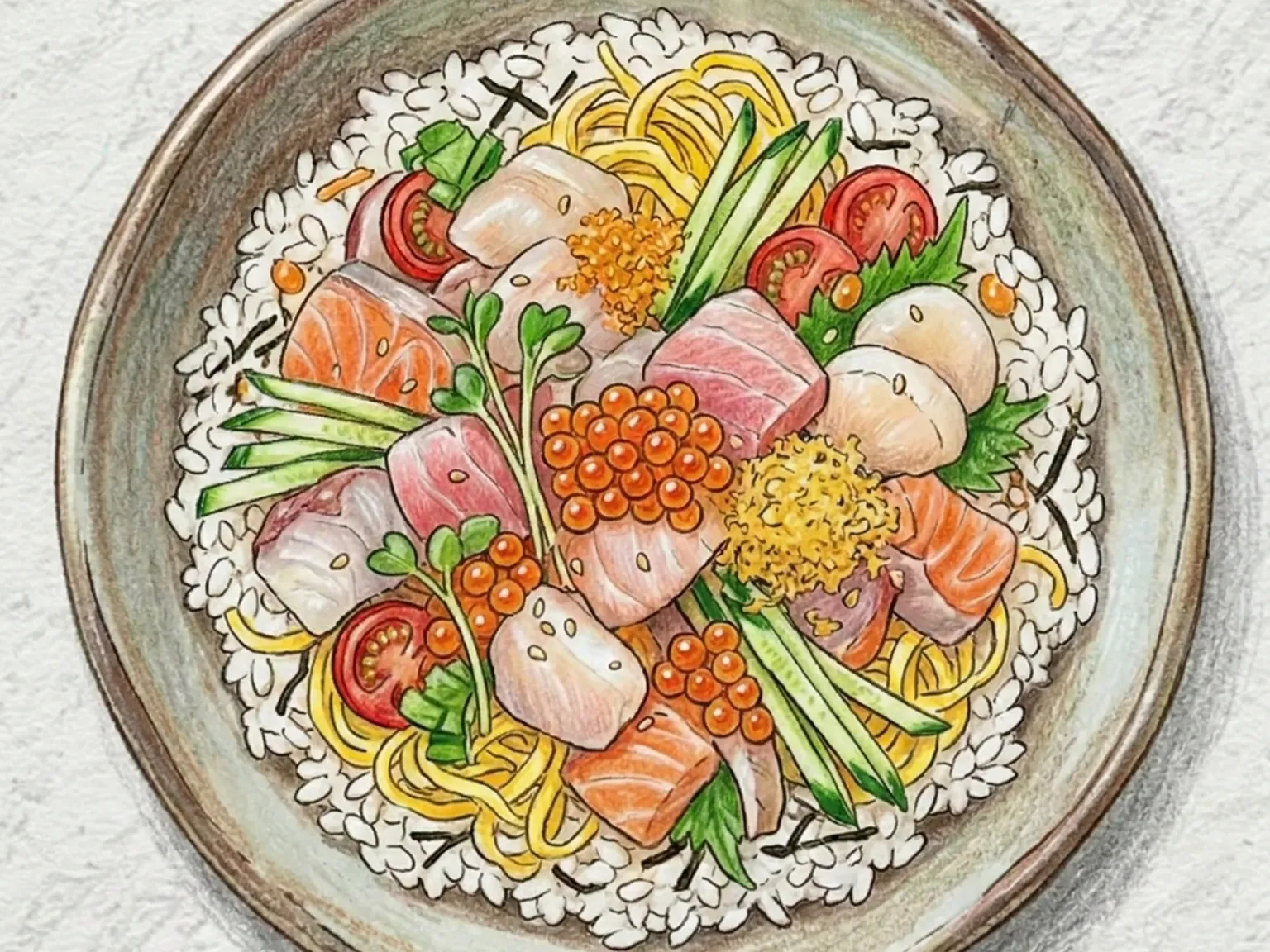
Gimbap-bap is a rice bowl that takes all the standard gimbap fillings - egg strips, imitation crab, blanched spinach, and stir-fried carrot - and serves them over sesame-oil-seasoned rice without rolling them in seaweed. The familiar flavor combination of gimbap is preserved while the rolling step is eliminated, which cuts preparation time considerably and allows each topping to be adjusted to taste. Adding pickled radish and fish cake on the side brings the result closer to the complete profile of traditional gimbap. The rice seasoned with sesame oil and salt serves as the unifying base that holds the individual flavors of each component together. It is particularly well-suited to quick solo meals.
Tonkatsu Korean Style (Panko-Breaded Pork Cutlet with Sweet Sauce)
Donkatsu is Korean-style breaded pork cutlet, made by dredging pork loin through flour, egg, and panko breadcrumbs in sequence before deep-frying in hot oil. Pounding the loin with a meat mallet to an even thickness ensures uniform heat transfer so the interior cooks through while staying moist, and the panko shell turns golden and audibly crunchy. Korean donkatsu sauce blends ketchup, Worcestershire sauce, and sugar into a sweet-salty condiment that is noticeably sweeter than Japanese tonkatsu's demi-glace-based sauce. Shredded raw cabbage served alongside provides a crisp, refreshing contrast to the fried cutlet and cuts through the richness. In Korean bunsik restaurants, donkatsu typically arrives as a set with rice and soup.
Korean Stuffed Chili Pepper Pancake
Gochu-jeon is a Korean holiday pancake made by splitting mild green chili peppers in half lengthwise, removing the seeds, and stuffing them with a filling of ground pork, pressed tofu, and minced garlic that is seasoned before being spooned in. The mixture is then coated in flour and egg before being pan-fried until golden on both sides. The pepper's gentle heat wraps around the pork's savory richness and the tofu's silky interior, creating a layered contrast of flavor and texture in every bite. Squeezing all moisture out of the tofu in a cloth is essential; any remaining water causes the oil to splatter and the filling to fall apart during frying. Using cucumber peppers or shishito peppers instead of regular green chilies eliminates nearly all spiciness for those with lower heat tolerance, and filling each pepper to about seventy percent capacity prevents the shell from bursting as the filling expands with heat. This jeon has a fixed place on Seollal and Chuseok ancestral tables and everyday holiday spreads alike, and it tastes best served immediately while still hot, alongside a soy-vinegar dipping sauce that sharpens the meat filling's umami and complements the pepper's fresh aroma.
Manduguk (Korean Dumpling Clear Broth Soup)
Manduguk is a Korean dumpling soup in which hand-folded dumplings stuffed with ground pork, tofu, scallion, and garlic are dropped into a clear, simmering broth, typically anchovy-kelp stock or beef broth, and cooked until they float. As the dumplings cook, their thin wheat-flour wrappers release a subtle starch that gives the broth a barely perceptible body, while the filling leaks savory juices that enrich the liquid gradually. A thin drizzle of beaten egg stirred in near the finish creates silken wisps on the surface of the broth and gives the bowl a more finished appearance. Shredded egg strips and crumbled dried seaweed scattered on top add a pleasant contrast in color and a faint oceanic note to the flavor. Many Korean households serve manduguk on Lunar New Year as an alternative to tteokguk, and some combine the two by adding sliced rice cakes alongside the dumplings. Dumplings can be made in large batches and frozen raw, which means this soup can be pulled together quickly on weeknights without sacrificing any of the flavor that comes from homemade filling. A small dish of soy-vinegar dipping sauce served alongside lets each person adjust the seasoning at the table, and the light acidity of the sauce cuts through the mild broth in a way that makes the contrast between the two worth trying.
Korean Shepherd's Purse & Napa Pancake
Naengi Baechu Jeon is a seasonal Korean pancake that features wild shepherd's purse and sweet napa cabbage. To prepare this dish, the roots of the shepherd's purse are thoroughly scrubbed to remove soil and chopped into short lengths, while the cabbage is sliced, lightly salted to draw out moisture, and squeezed. The batter consists of Korean pancake mix, rice flour, an egg, cold water, and soup soy sauce, which provides a clean base that allows the flavors of the vegetables to stand out. Mixing rice flour into the batter ensures that the edges of the pancake turn crispy and remain tender even after cooling. The prepared greens are gently folded into the mixture, then pan-fried in oil over medium heat until both sides are golden brown. It is sliced on a board and served warm.
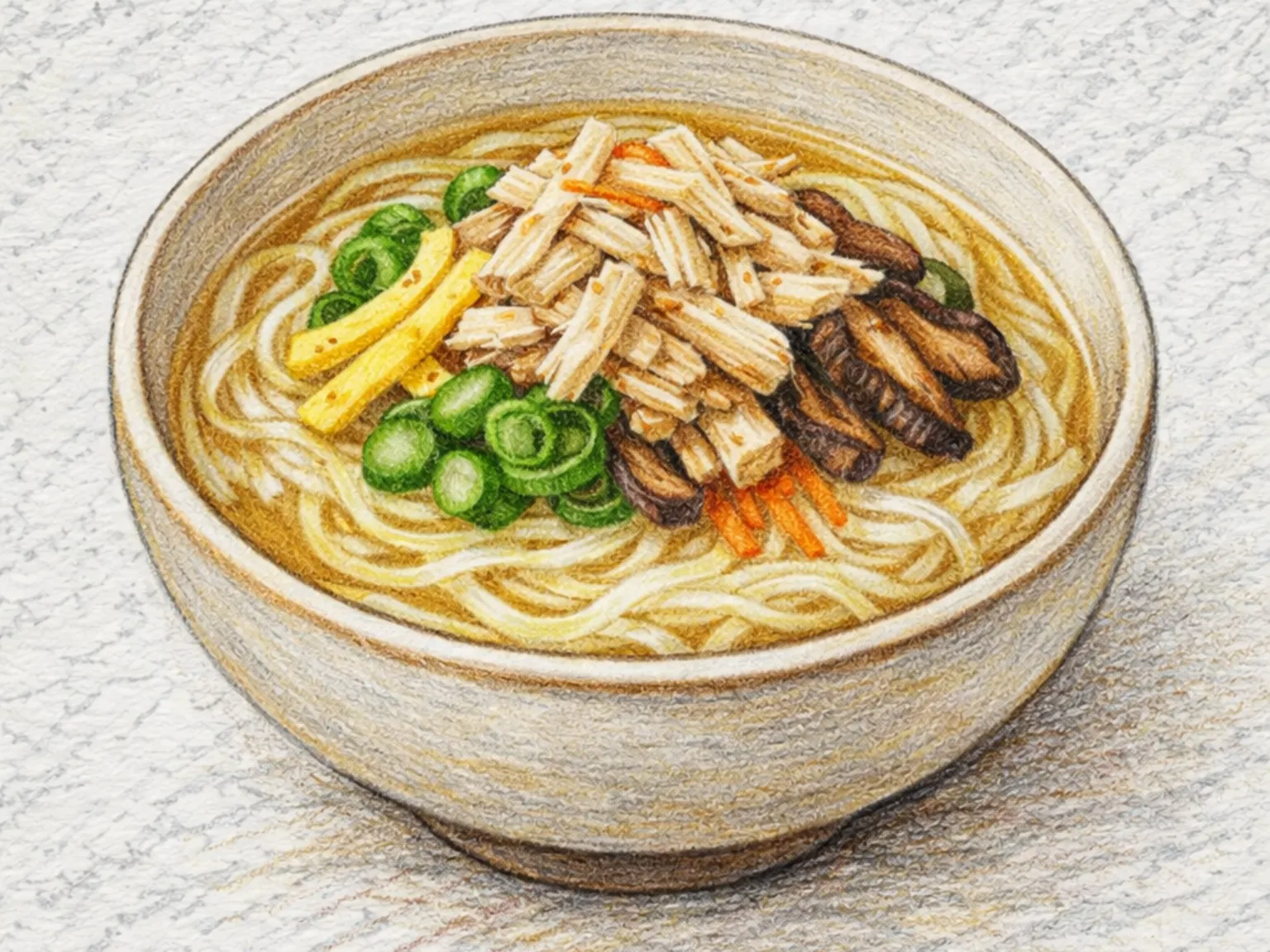
Korean Warm Noodles with Kimchi Dumplings
Kimchi mandu onmyeon is a Korean warm noodle dish that combines kimchi dumplings simmered in anchovy-kelp stock with thin wheat noodles served in the hot broth. The filling of kimchi and pork inside each dumpling gradually releases savory depth into the clean dashi as the dumplings cook, building a broth that feels substantive without requiring heavy seasoning. Soup soy sauce and minced garlic are the only seasoning additions, keeping the overall flavor clear and well-defined. Thin wheat noodles are boiled separately and rinsed under cold water before serving, which prevents the cooking starch from clouding the broth and keeps the noodles smooth and springy in texture rather than swollen and soft. Julienned zucchini added to the broth and a thin stream of beaten egg swirled in just before serving add color and textural variety to the finished bowl. Since the sodium content of kimchi dumplings varies considerably by brand, soup soy sauce should be added in small increments at the end rather than all at once. Overcooking the dumplings causes the wrapper to loosen and the broth to cloud, so once the dumplings float to the surface the noodles should go in and the dish brought together quickly. Gochugaru or sliced cheongyang chili transforms the bowl into a spicier version, and a drop of sesame oil stirred in just before eating rounds out the nuttiness of the broth. Equally suited as a late-night solo meal or a warming bowl on a cold day.
Chicken Cordon Bleu
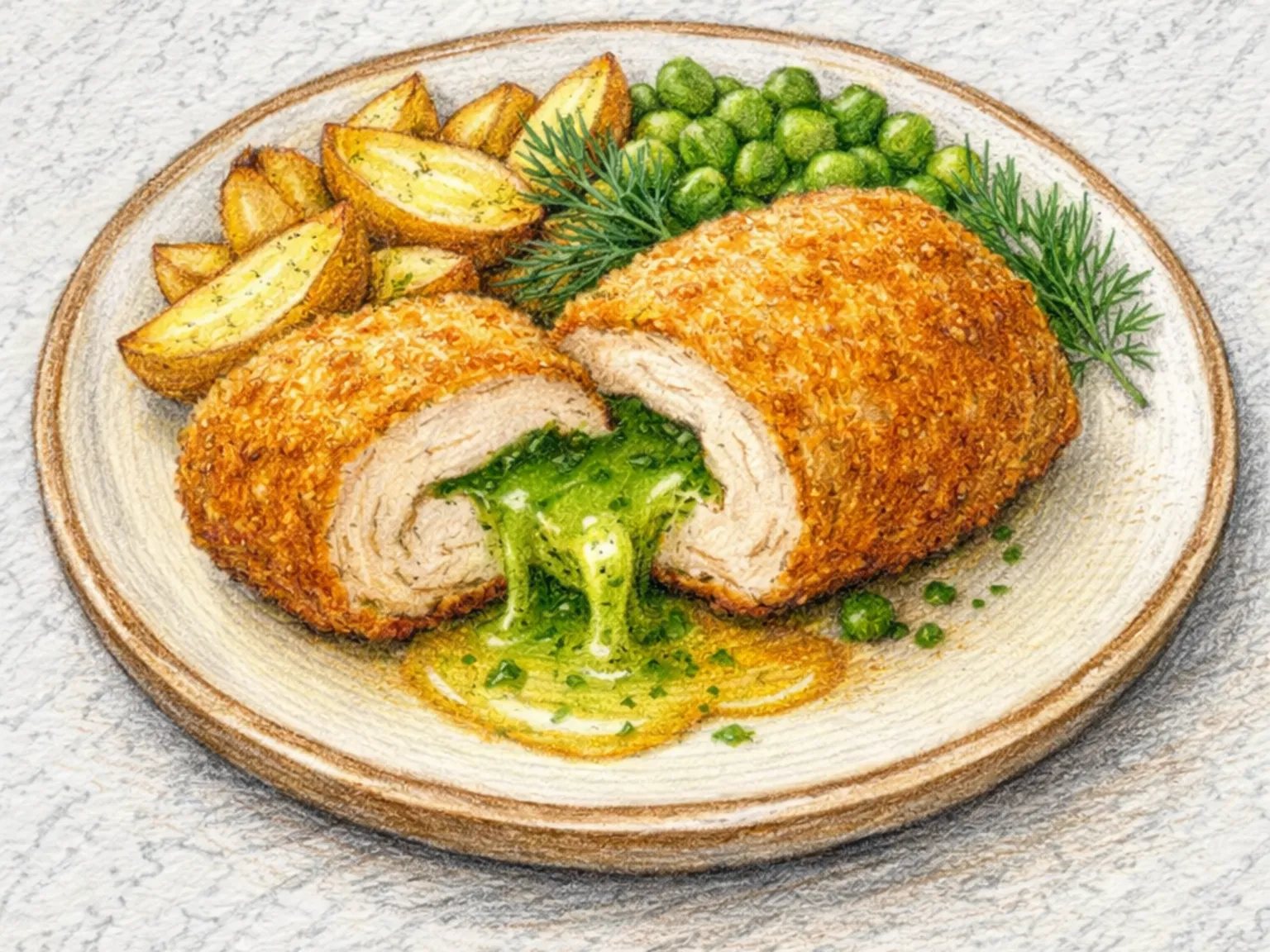
Chicken cordon bleu is a Swiss-French dish where chicken breast is pounded flat to five-millimeter thickness, layered with ham and Emmental cheese, rolled tightly, and secured with toothpicks before being coated in flour, beaten egg, and breadcrumbs. The thin, even pounding is critical: uneven thickness causes the outer sections to overcook while the thicker center remains undercooked. Pan-frying in a mixture of butter and oil over medium heat for four to five minutes per side allows the breadcrumb crust to turn golden and crisp while conducting enough heat inward to melt the cheese completely. Cutting into the finished roll reveals a cross-section of molten cheese oozing between layers of ham and chicken. The ham provides a salty counterpoint to the mild breast meat, and the melted Emmental adds a nutty, stretchy richness that holds the interior layers together. Resting the roll for two minutes after removing from the pan prevents the cheese from spilling out all at once when cut.
Jianbing (Chinese Savory Breakfast Crepe)
Jianbing is a northern Chinese street breakfast crepe assembled on a flat griddle within minutes. A thin batter of mung bean flour and wheat flour is spread into a wide circle, then an egg is cracked directly on top and smeared across the surface while still liquid. Chopped scallion is scattered over the egg before the crepe is flipped briefly to set the other side. Sweet bean sauce and chili sauce are brushed on, followed by fresh cilantro and a crispy fried wonton sheet that provides the signature crunch. The mung bean flour gives the batter a distinctive nutty flavor and slightly crisp edge that plain wheat flour cannot replicate. The whole assembly is folded into a neat rectangle meant to be eaten by hand. Timing is critical for the wonton cracker, which should be added last to prevent sogginess, creating a layered contrast of soft crepe, runny egg, sharp sauce, and shattering crunch.
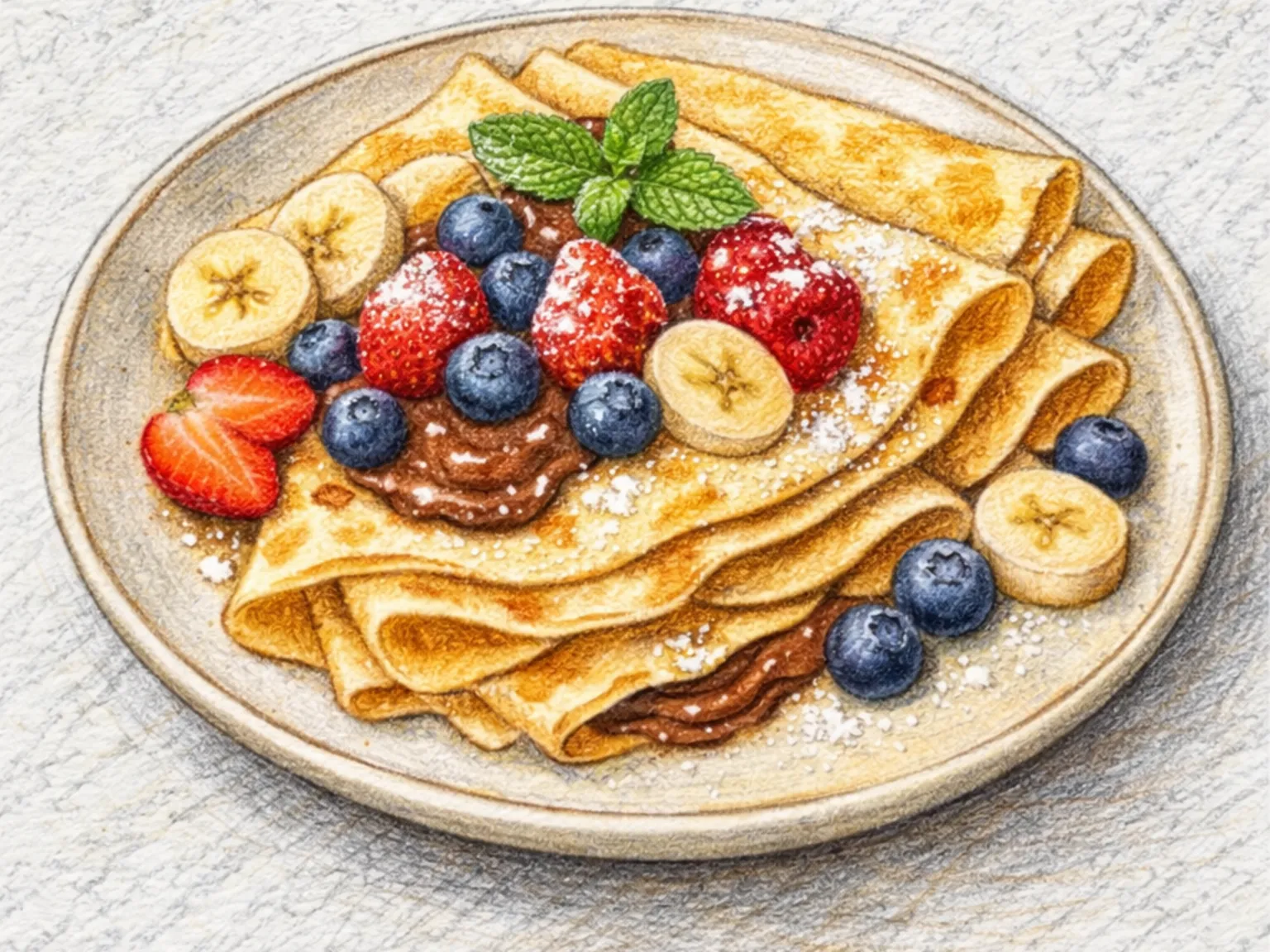
Beignet (New Orleans Square Fried Dough with Powdered Sugar)
Beignets are square fried dough pastries that arrived in Louisiana with French colonists and became a defining food of New Orleans. A yeast-leavened dough of flour, milk, sugar, egg, and butter rises until airy, then is rolled and cut into rough squares before being dropped into hot oil. Each piece puffs up rapidly as it fries - the center becomes pillow-soft while the outside sets into a thin, light golden shell. Pulled from the oil, the beignets are immediately buried under a heavy dusting of powdered sugar that begins to melt against the warm surface. At Cafe du Monde in the French Quarter they have been served three to a plate with chicory coffee for over a century. In New Orleans, beignets are eaten at any hour of the day, morning through midnight.
Korean Crown Daisy Pancake
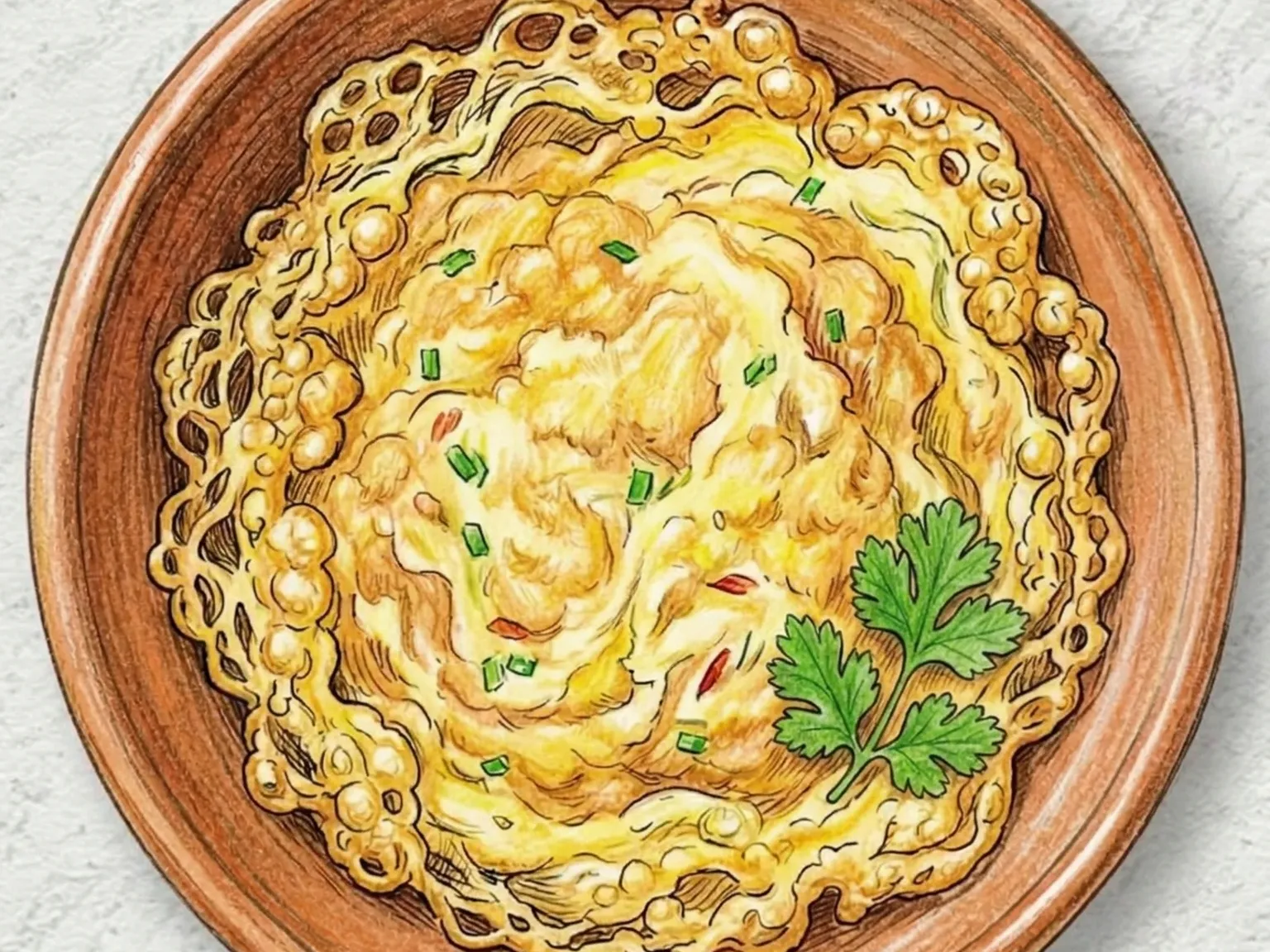
Fragrant crown daisy leaves are coated in a light pancake batter and pan-fried until the edges crisp and the herb's aroma intensifies. Heat amplifies the crown daisy's grassy, slightly bitter character, and the scent rises through the thin layer of batter as the jeon cooks. Egg in the batter provides structure, helping the exterior hold its crunch, while a small addition of potato starch keeps the texture light and prevents sogginess as the pancake cools. Sliced onion mixed into the batter introduces a gentle sweetness that offsets the herb's bitterness. Cooking over medium-low heat with ample oil ensures the interior sets evenly before the surface browns too deeply, and waiting until one side has fully firmed before flipping prevents the pancake from falling apart. The finished jeon is served with a dipping sauce of soy sauce and vinegar, whose acidity lifts the richness of the fried exterior and highlights the crown daisy's herbal notes.
Korean Egg Porridge (Silky Sesame-Scented Rice Porridge)
Gyeran juk is a mild, gentle rice porridge that starts by stir-frying soaked rice in sesame oil before any liquid is added, a step that coats the starch granules in oil to prevent the finished porridge from clumping and works the sesame fragrance evenly into every grain. Water is added and the pot simmers on low heat for twenty minutes with frequent stirring, breaking down the grains gradually until they dissolve into a smooth, cohesive base. Constant stirring on low heat is what prevents the rice from scorching on the bottom and what creates the uniformly silky texture that defines a well-made juk. Beaten egg is drizzled in at the very end in a thin stream and folded gently for just one minute, creating soft, ribbony layers of cooked egg throughout the porridge without allowing them to toughen. Soup soy sauce and salt provide restrained seasoning that stays behind the sesame fragrance rather than overpowering it, and sliced green onion scattered on top adds a fresh note over the warm nuttiness beneath. This is the kind of bowl that asks nothing of the stomach, which makes it the standard choice after illness, on mornings when appetite is low, or whenever a light and restorative meal is needed.
Korean Egg Mayo Toast
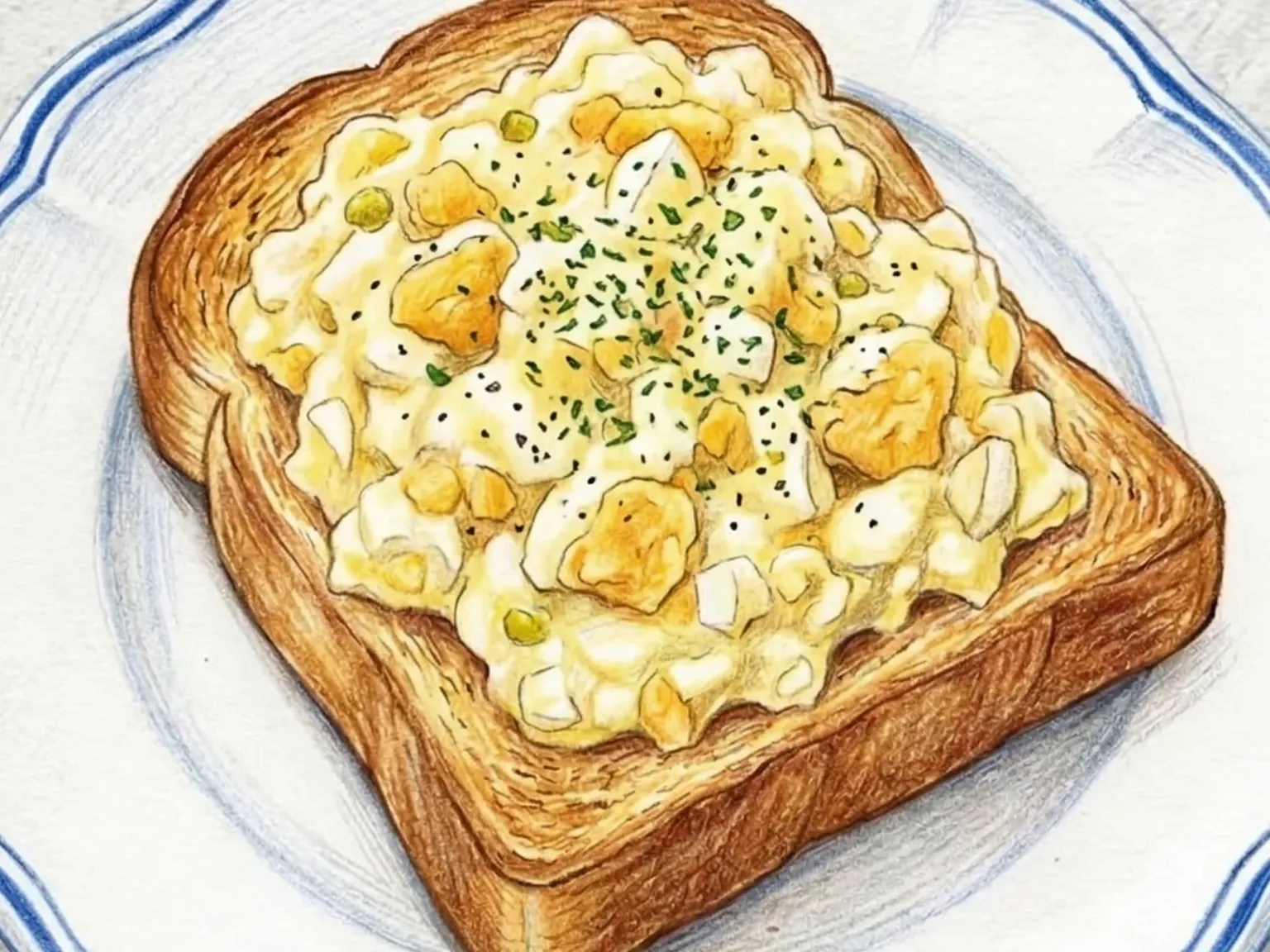
Egg mayo toast mashes three hard-boiled eggs with a fork, mixes them with mayonnaise, salt, and pepper, and piles the mixture onto freshly toasted bread. Crushing the eggs to uneven sizes -- some finely mashed, some left in larger pieces -- creates a textural variation between smooth sections and chunks in each bite, which is more interesting than a uniformly smooth paste. The mayonnaise binds the crumbly eggs into a cohesive, creamy spread, and placing the cool egg salad onto hot toast produces a temperature contrast that carries through the entire piece. Adding a small amount of mustard or finely chopped pickles introduces acidity that cuts through the richness of the mayonnaise and prevents the filling from tasting heavy. The eggs should be fully cooled before mashing -- adding mayonnaise to warm eggs causes it to thin out and can make the texture loose and uneven. With these adjustments, a simple combination of three ingredients becomes considerably more satisfying.
Korean Pan-fried Oyster Jeon
Gul-jeon is a Korean dish featuring oysters that are pan-fried in a delicate coating of flour and egg. The preparation starts with fresh seasonal oysters that are rinsed carefully in a mild salt water solution to ensure they are clean. Once the rinsing is complete, it is necessary to pat each oyster until it is thoroughly dry. This particular step is crucial because residual water leads to oil splattering during the frying process and prevents the flour from adhering to the surface in a uniform manner. The intended result is a very thin layer of flour, as a thick coating will muffle the natural oceanic brine of the oyster. After the light dusting of flour, the oysters are submerged in beaten egg. This egg batter serves as an insulating layer that conducts heat slowly into the center of the seafood. This specific cooking method keeps the interior of the oyster plump and moist while the exterior reaches a soft golden color. As the oysters cook, they release a distinct mineral aroma associated with fresh seafood. Adding finely chopped garlic chives shortly before the cooking is finished provides a sharp, garlicky contrast that emphasizes the natural mineral profile of the dish. It is important to cook the oysters over a steady medium flame for approximately two minutes on each side. If the heat is set too high, the egg exterior will scorch before the inside is sufficiently warmed through. When flipping the oysters, you should do so carefully and avoid pressing down on them with a spatula. In instances where the oysters are exceptionally large, pressing them into a flatter shape prior to the start of the cooking process will facilitate more even heat distribution throughout the piece.
Korean Dried Pollock & Water Parsley Soup
This soup begins with dried pollock strips - stir-fried in sesame oil until golden and deeply fragrant - then simmered in water to draw out a clear, nutty broth that carries the unmistakable aroma of toasted sesame and cured fish. Water dropwort goes in at the very end, contributing a fresh green lift that counterbalances the richness of the pollock. A beaten egg is swirled into the simmering liquid, forming delicate ribbons that soften the broth's texture. Radish slices, added early, sweeten the stock gently in the background. The seasoning stays simple: soup soy sauce, garlic, and salt if needed, keeping the flavor profile clean and digestible. In Korea, this style of pollock soup is regarded as one of the best remedies for a hangover because the amino acids in dried pollock and the hydrating broth are believed to support liver recovery. Morning vendors near traditional markets sell bowls of it to customers who arrive before the sun is fully up. The addition of minari elevates what is already a restorative soup into something that smells and tastes distinctly of spring.
Korean Perilla Leaf Chicken Jeon
Perilla Leaf Chicken Jeon is a savory Korean pan-fried pancake stuffed with ground chicken and tofu. The filling is made by combining lean ground chicken with pressed, crumbled tofu, green onions, garlic, salt, and pepper, kneaded together until cohesive. This mixture is spread in a thin layer onto the floured side of perilla leaves, which are then folded in half and pressed to seal. To cook, the folded leaves are dusted with flour, dipped in beaten egg, and pan-fried over medium-low heat to ensure the egg coating does not burn while the interior cooks through. The mild flavor and soft texture of the chicken and tofu filling offer a balanced contrast to the herbal, aromatic qualities of the perilla leaves. To preserve the juices, the finished jeon should rest briefly and be cut into bite-sized pieces just before serving.
Hot Pot Udon (Japanese Earthenware Pot Noodle Soup)
Nabeyaki udon is a Japanese hot-pot noodle dish cooked and served directly in a small earthenware pot, designed to stay piping hot at the table from first bite to last. The base is a dashi stock seasoned with soy sauce and mirin, which produces a broth that is clear but carries substantial depth of flavor. Chicken thigh cooked directly in the pot releases fat and juices into the surrounding liquid, enriching the stock in a way that chicken breast cannot replicate. Narutomaki fish cake, with its pink spiral cross-section, adds a visual accent that is as much a part of the dish's identity as any flavor it contributes, while enoki mushrooms soak up the broth and give back a delicate umami in return. The egg is cracked into the center of the pot and covered to cook gently until the white sets and the yolk remains soft and runny. When the yolk breaks and bleeds into the hot broth, it creates a brief silky richness that changes the texture of each spoonful. Shrimp tempura is placed on top of the finished dish at the very last moment, not submerged, because the batter collapses from steam and heat within seconds of hitting liquid. Spinach added in the final minute retains its bright color and stays tender without turning soft. The earthenware pot retains heat far longer than a regular bowl, which is why this dish reads as a cold-weather staple in Japan.