Charim

2686 Korean & World Recipes

2686+ Korean recipes, clean and organized. Ingredients to instructions, all at a glance.

Recipes with ginger

24 recipes

Buy ginger
Ayam Goreng (Indonesian Spiced Fried Chicken Without Coating)
AsianMedium

Ayam Goreng (Indonesian Spiced Fried Chicken Without Coating)

Ayam goreng is Indonesia's answer to fried chicken, but the technique diverges sharply from Western versions - there is no flour coating. Instead, chicken pieces are simmered in a paste of garlic, ginger, coriander, turmeric, and coconut milk until the liquid reduces to almost nothing and the spices have permeated the meat to the bone. Only then does the chicken hit hot oil, where the coconut-milk residue on the skin fries into a thin, uneven crust with a deep golden hue. The flavor is aromatic rather than salty, with turmeric's earthiness and coriander's citrus notes layered into every bite. Street stalls across Jakarta and Yogyakarta serve it with sambal, lalapan (raw vegetables), and steamed rice.

🎉 Special Occasion
Prep 25minCook 25min4 servings
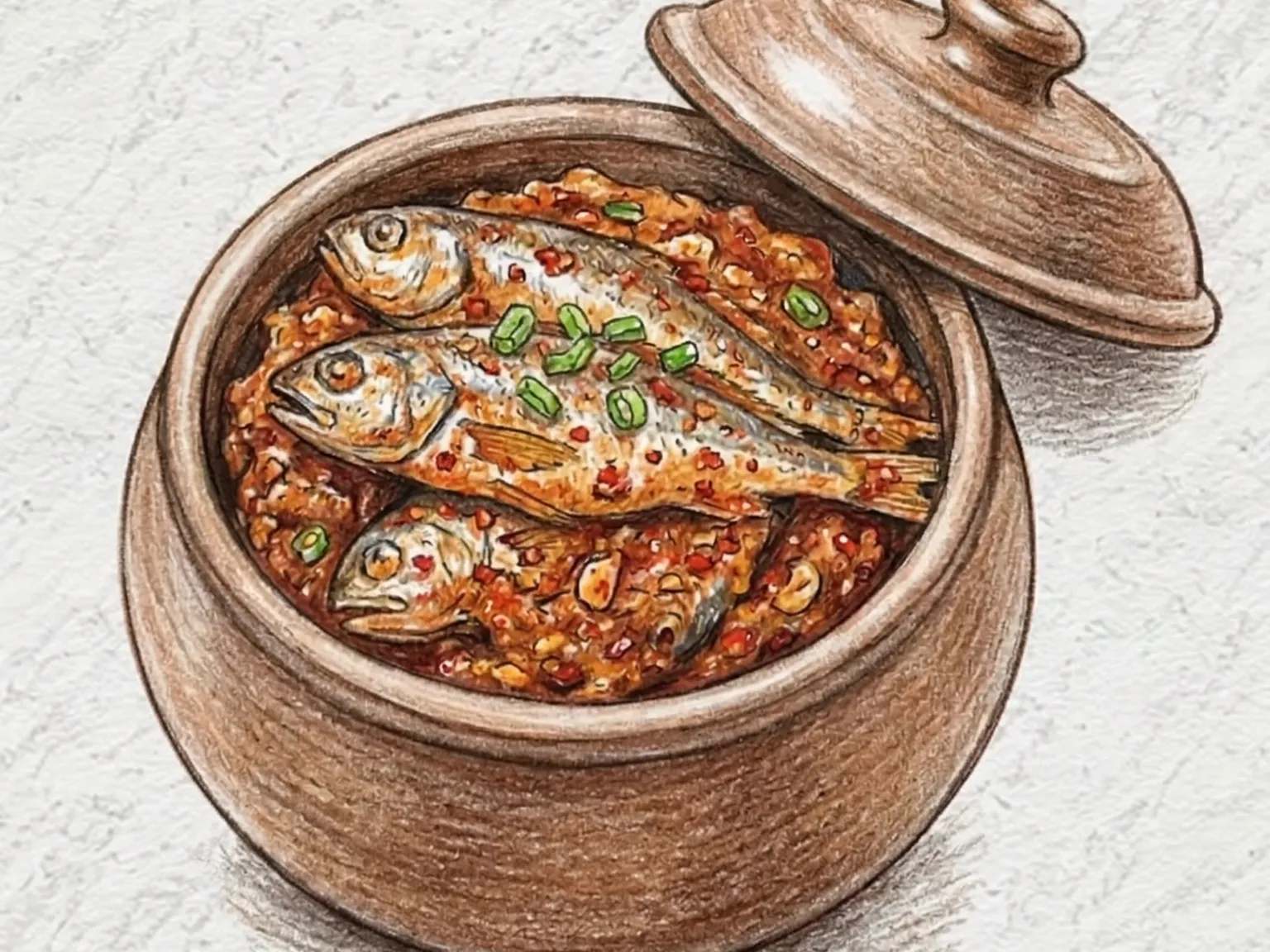
Korean Grilled Mackerel Rice Bowl
RiceMedium

Korean Grilled Mackerel Rice Bowl

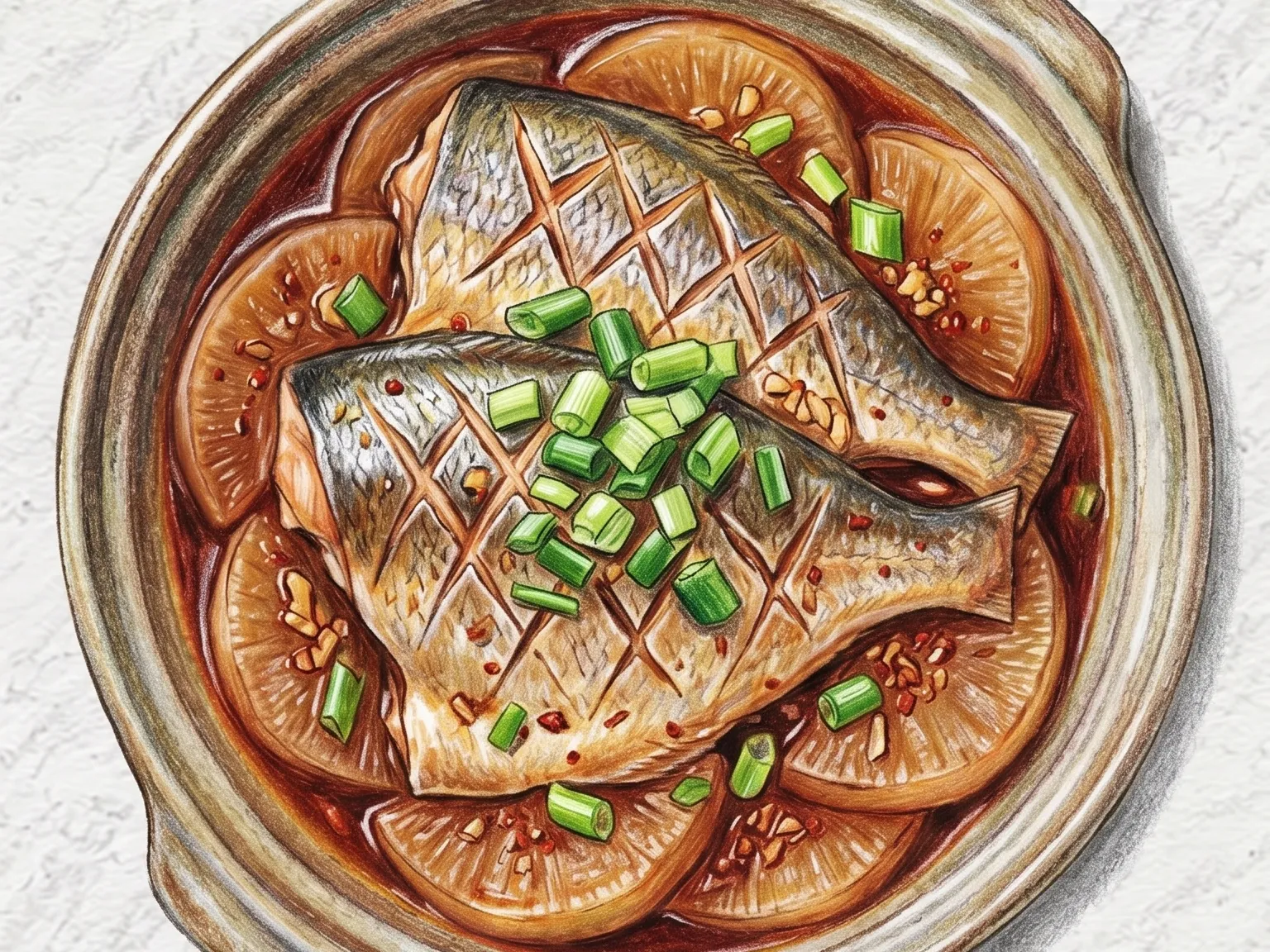
Mackerel fillet is pan-seared skin-side down until the skin turns crisp and golden, then served over rice with a quick sauce of soy sauce, cooking wine, oligosaccharide syrup, minced ginger, and softened onion. The oily flesh of the mackerel absorbs the soy-ginger glaze, producing a clean, salty-sweet finish without fishiness. Keeping the pan still for the first minute of searing is the key technique for achieving skin that crisps evenly rather than steaming in its own moisture. Brushing the fillet with a little cooking wine before cooking further neutralizes any residual odor. Chopped chives scattered on top complete the bowl with color and a mild onion bite. Cooking the sauce in the same pan using the rendered mackerel fat deepens the umami and ties the two components together.

🏠 Everyday
Prep 15minCook 20min2 servings
Korean Soy Braised Chicken Wings
Stir-fryMedium

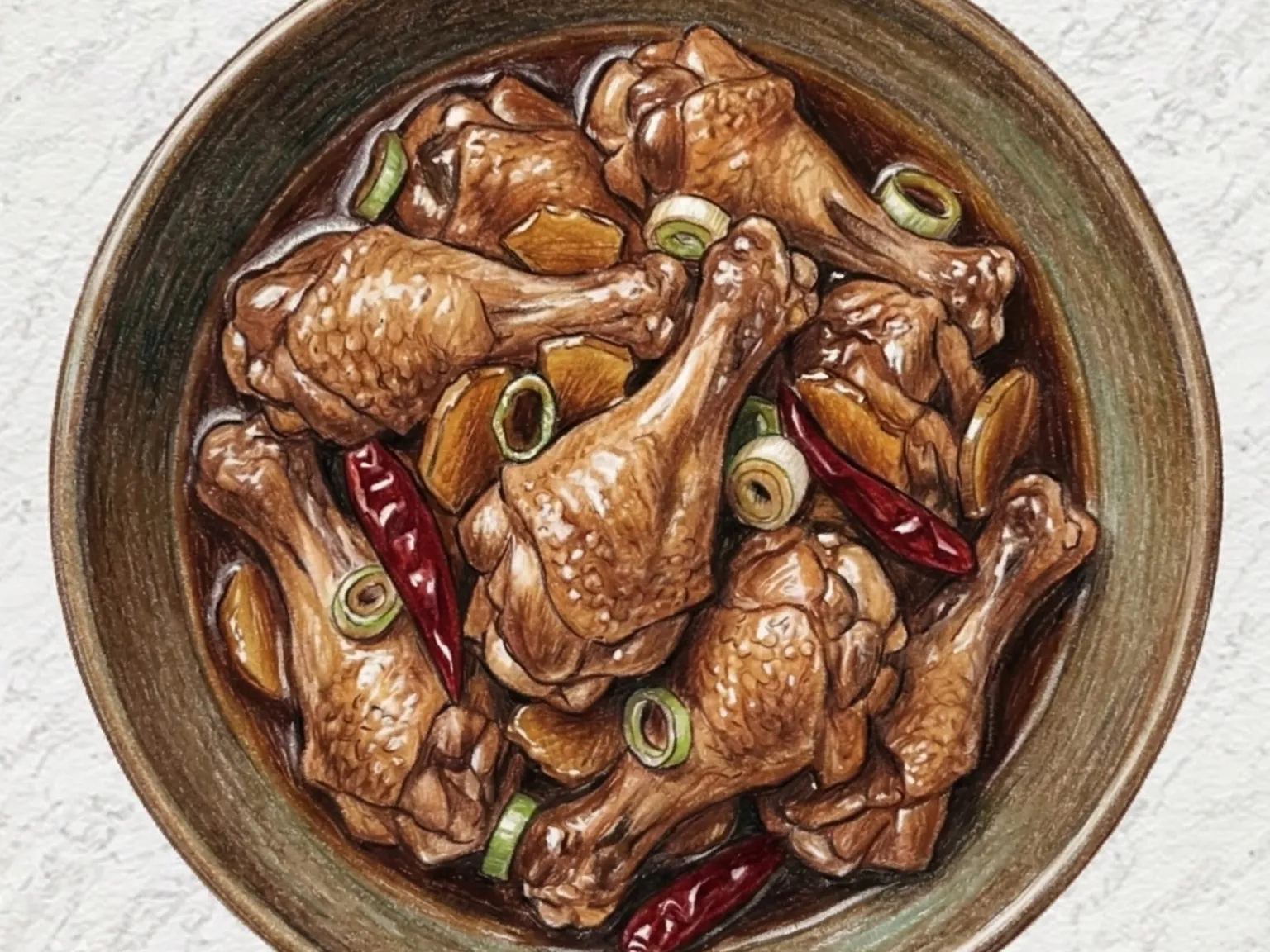
Korean Soy Braised Chicken Wings

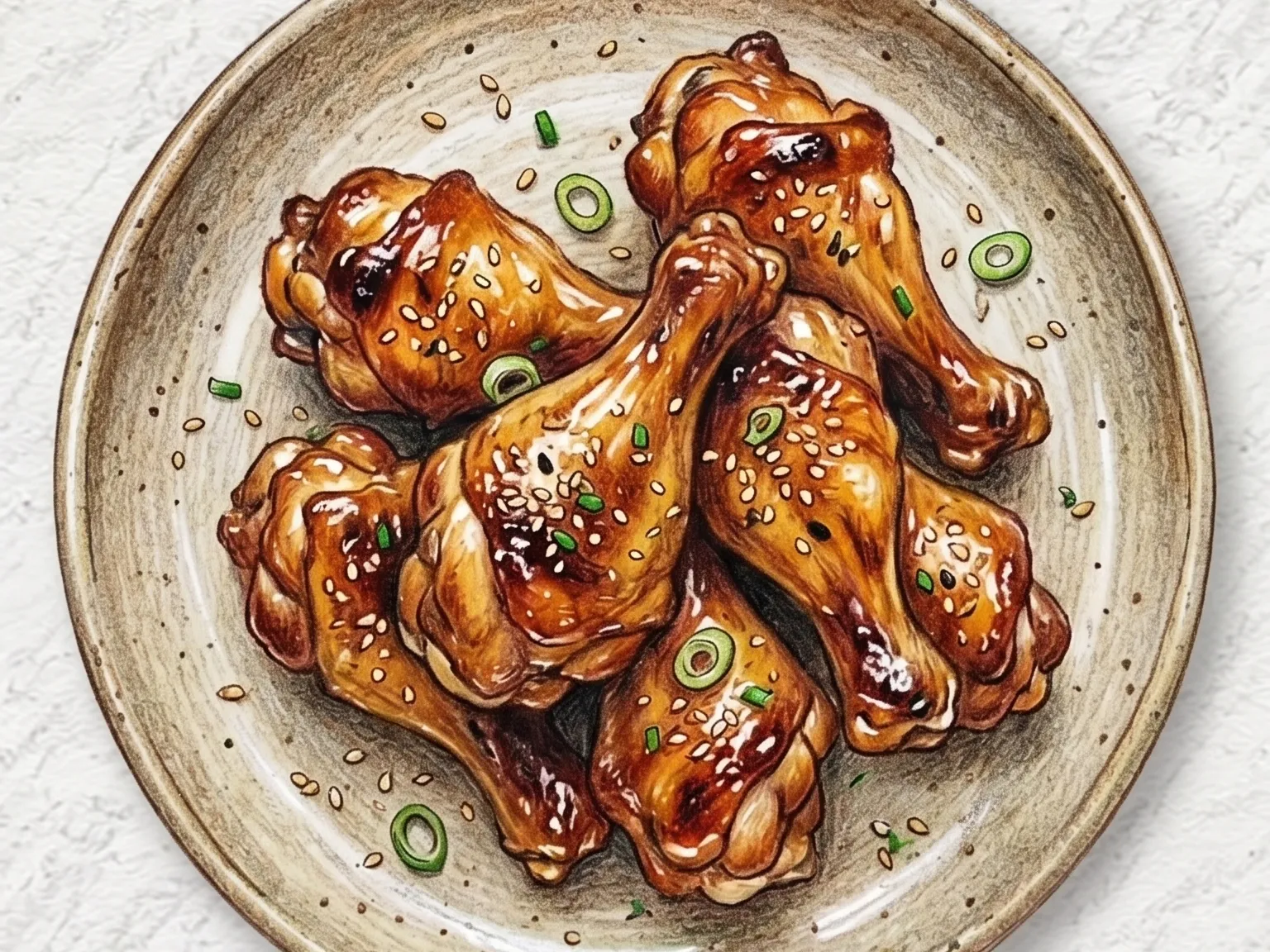
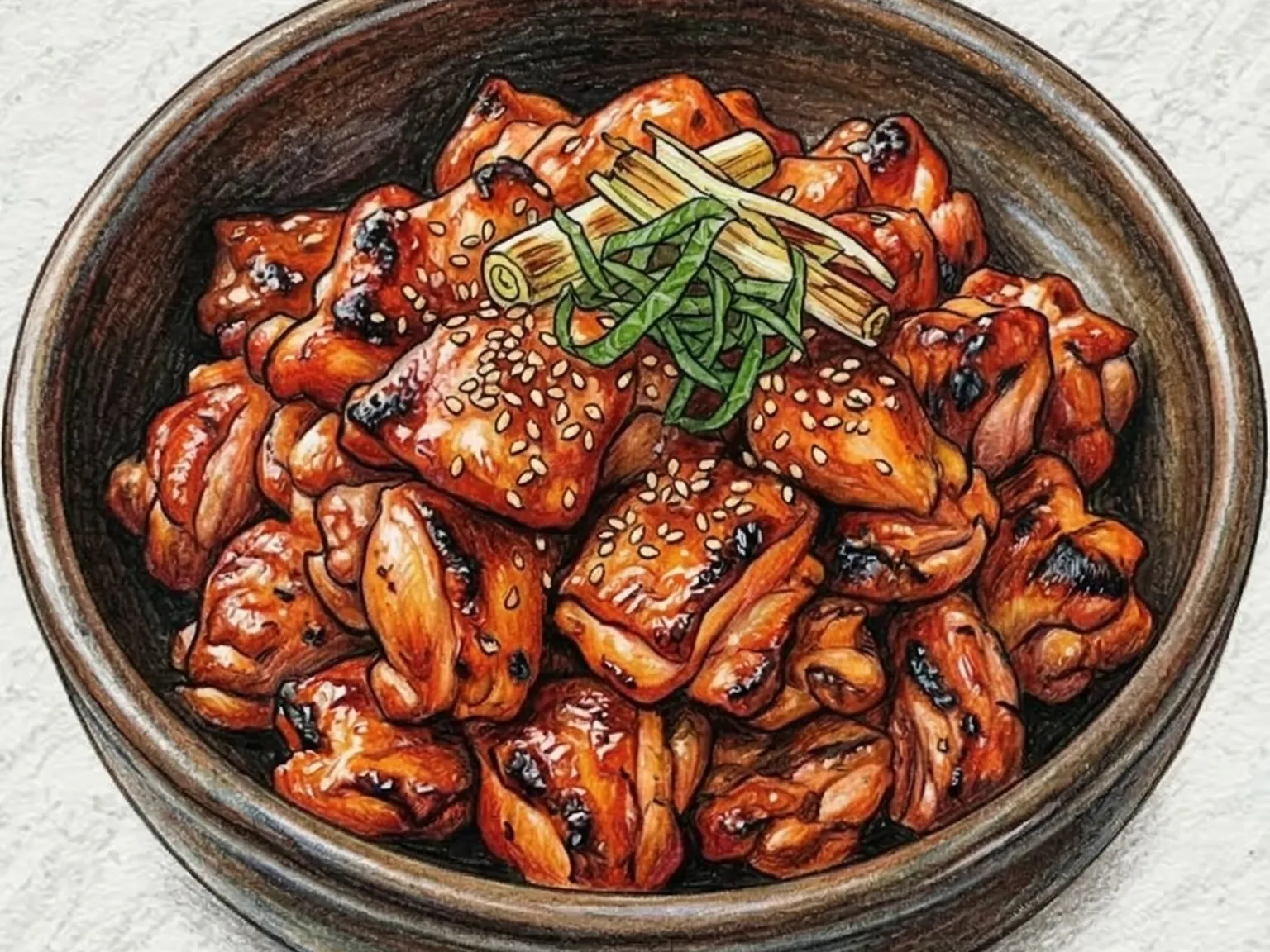
Dak-bong jorim is a Korean braised chicken wingette dish where pieces are slowly reduced in a sweet soy glaze over medium-low heat until the sauce thickens into a glossy coating around each piece. As the liquid reduces, the seasoning concentrates and adheres to the surface, leaving the skin sticky and lacquered from absorbing the sauce while the meat inside turns soft enough to pull cleanly from the bone. Adding ginger and green onion from the start neutralizes the poultry's gaminess and keeps the braising liquid clean. Starting with the lid off at higher heat to bring the sauce to a boil, then reducing the heat and covering the pot, prevents the meat from drying out during the long braise. A large batch keeps well in the refrigerator and reheats without any loss of seasoning, making it a practical banchan to prepare in advance and portion out over several days or pack into a lunch box.

🏠 Everyday
Prep 12minCook 22min2 servings
Saenggang Jeonggwa (Candied Ginger)
DessertsMedium

Saenggang Jeonggwa (Candied Ginger)

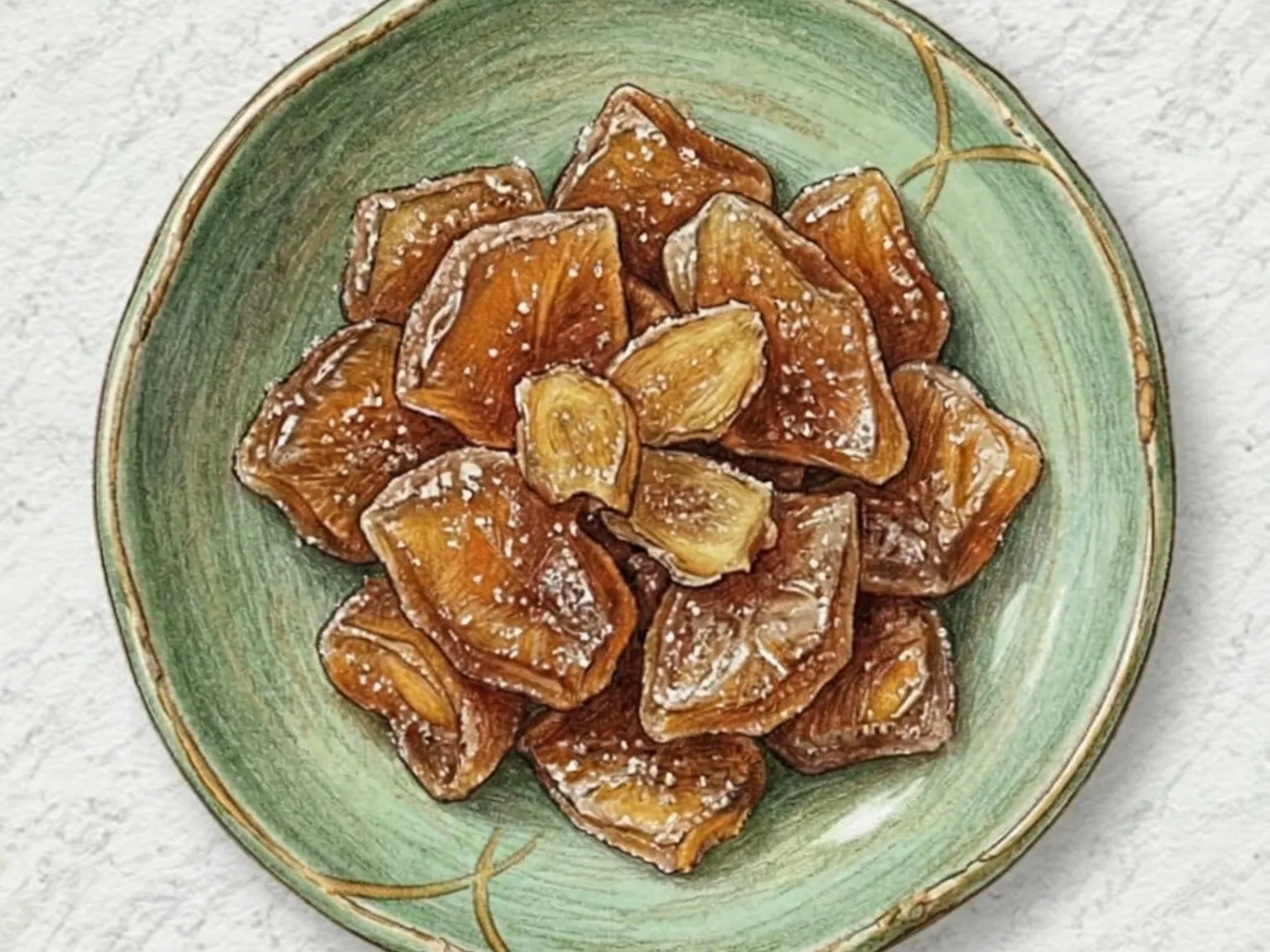
Saenggang jeonggwa is a traditional Korean candied ginger prepared by slicing fresh ginger thin, blanching it twice to reduce the raw heat, then simmering the pieces slowly in a glaze of sugar and grain syrup. A ten-minute soak in cold water draws out the sharpest bite first, and two rounds of boiling soften the pungency further while leaving the clean, aromatic core intact. The slices are cooked on low heat until the syrup reduces to a thick, glossy coat on the surface, at which point lemon juice is added to introduce an acidity that keeps the sweetness from becoming cloying. Once dried on a rack and rolled in granulated sugar, the finished pieces carry a crisp, crystalline shell on the outside. On the first bite, the sugar crust shatters, and the chewy, syrup-saturated ginger beneath releases a slow, building warmth that lingers well after the piece is finished.

🎉 Special Occasion🧒 Kid-Friendly
Prep 15minCook 45min4 servings
Korean Kudzu Root Tea (Earthy Herbal Root Brew)
DrinksEasy

Korean Kudzu Root Tea (Earthy Herbal Root Brew)

Chik-cha is a traditional Korean tea made by soaking dried kudzu root in cold water to remove dust, then slowly simmering it with sliced ginger, scored jujubes, and a cinnamon stick for at least twenty-five minutes on low heat. The kudzu root releases an earthy, starchy depth that forms the tea's backbone, while ginger adds warm pungency and cinnamon contributes a sweet, woody spice layer. Honey is stirred in only after the heat is turned off to preserve its floral aroma, and longer simmering intensifies the kudzu's flavor. In traditional Korean medicine, kudzu root has long been used to address fever and thirst, and the tea was commonly brewed at the first sign of a cold. Straining out the solids and storing the tea in a thermos keeps it warm and drinkable throughout the day.

🍺 Bar Snacks
Prep 10minCook 35min2 servings
Korean Pork Ribs (Sweet Pear-Marinated BBQ Ribs)
GrilledMedium

Korean Pork Ribs (Sweet Pear-Marinated BBQ Ribs)

Dwaeji-galbi is one of the most recognized Korean barbecue dishes, made with LA-cut pork ribs marinated in a thick sauce of pureed pear, soy sauce, sugar, corn syrup, garlic, and onion. The pear puree serves a dual purpose: it sweetens the marinade naturally while its proteolytic enzymes break down the muscle fibers, allowing the meat to pull away from the bone with minimal resistance. Marinating for four to six hours lets the seasoning penetrate deep into these thick cuts, but extending beyond a full day causes the enzymes to degrade the surface too aggressively, resulting in a mushy texture. Searing over high heat on a charcoal grill until the sugary glaze chars and caramelizes is essential to the dish. The blackened edges where the sugars meet open flame produce the defining sweet-smoky crust that separates galbi from ordinary grilled pork. Eaten wrapped in leafy greens with rice or as a standalone plate, it is a fixture at Korean outdoor grills and social gatherings.

🍺 Bar Snacks
Prep 30minCook 25min4 servings
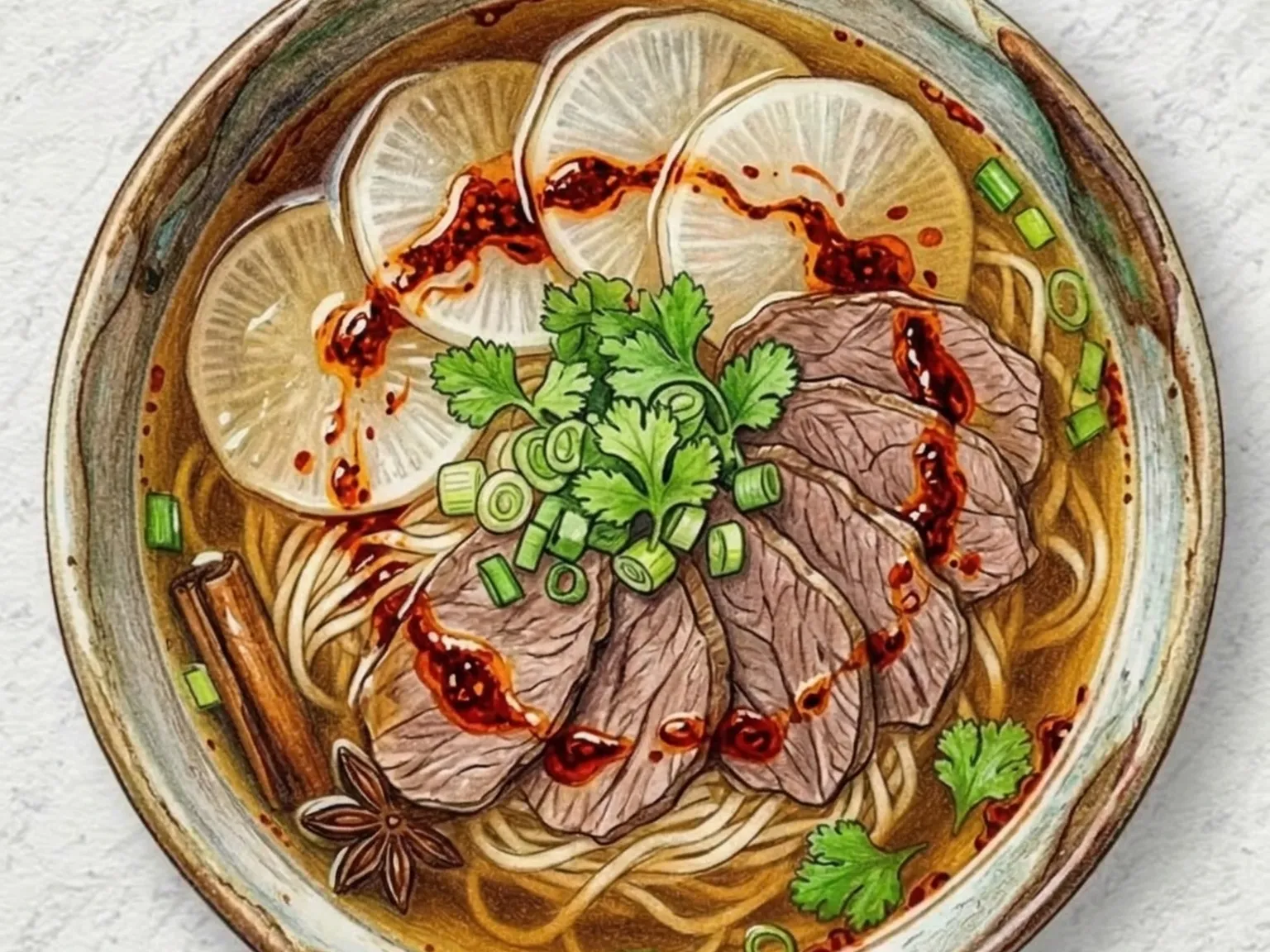
Korean Chicken Radish Soup
SoupsMedium

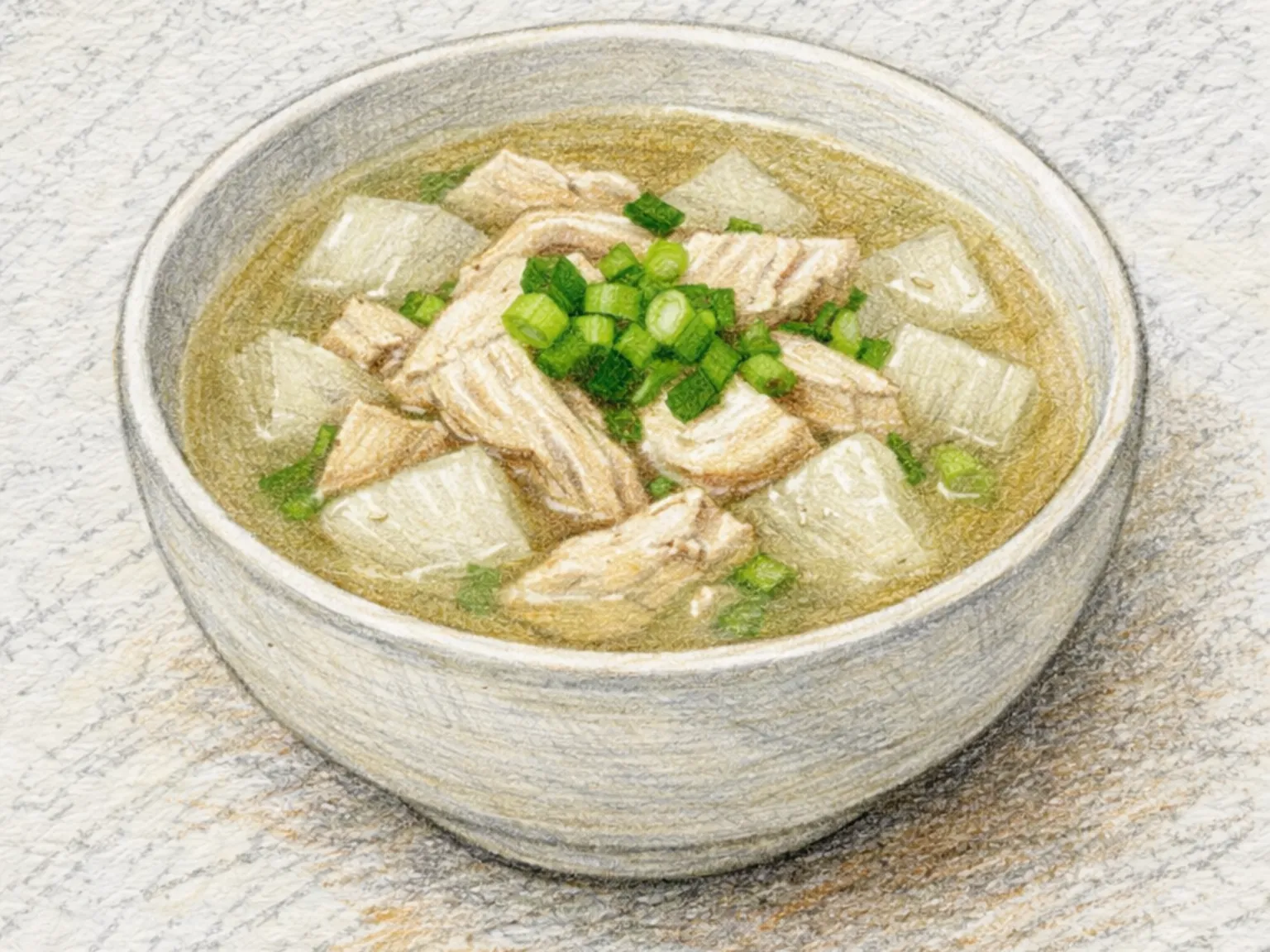
Korean Chicken Radish Soup

Dak mu-guk is a Korean chicken and radish soup that produces a clear, deeply flavored broth from two simple main ingredients. Chicken thigh meat, cut into bite-sized pieces, is blanched for one minute in boiling water before the main simmer - this step removes impurities and blood, which is the most reliable way to achieve a transparent broth rather than a cloudy one. Onion and ginger then build the aromatic backbone over twenty minutes of gentle, low heat, allowing the chicken's natural depth to develop without aggressive boiling. The radish is cut into thin, flat squares rather than thick slabs; this shape turns translucent within ten minutes and releases its clean sweetness into the liquid quickly and evenly. Soup soy sauce and salt season the broth, and diagonally sliced green onion goes in just before the heat is turned off to preserve its color and mild bite. The result balances the richness of chicken stock against the cool, vegetal sweetness of radish in a soup that is light enough to eat when recovering from illness yet satisfying as an everyday meal.

🏠 Everyday
Prep 20minCook 35min4 servings
Korean Braised Beef Knee Cartilage
SteamedHard

Korean Braised Beef Knee Cartilage

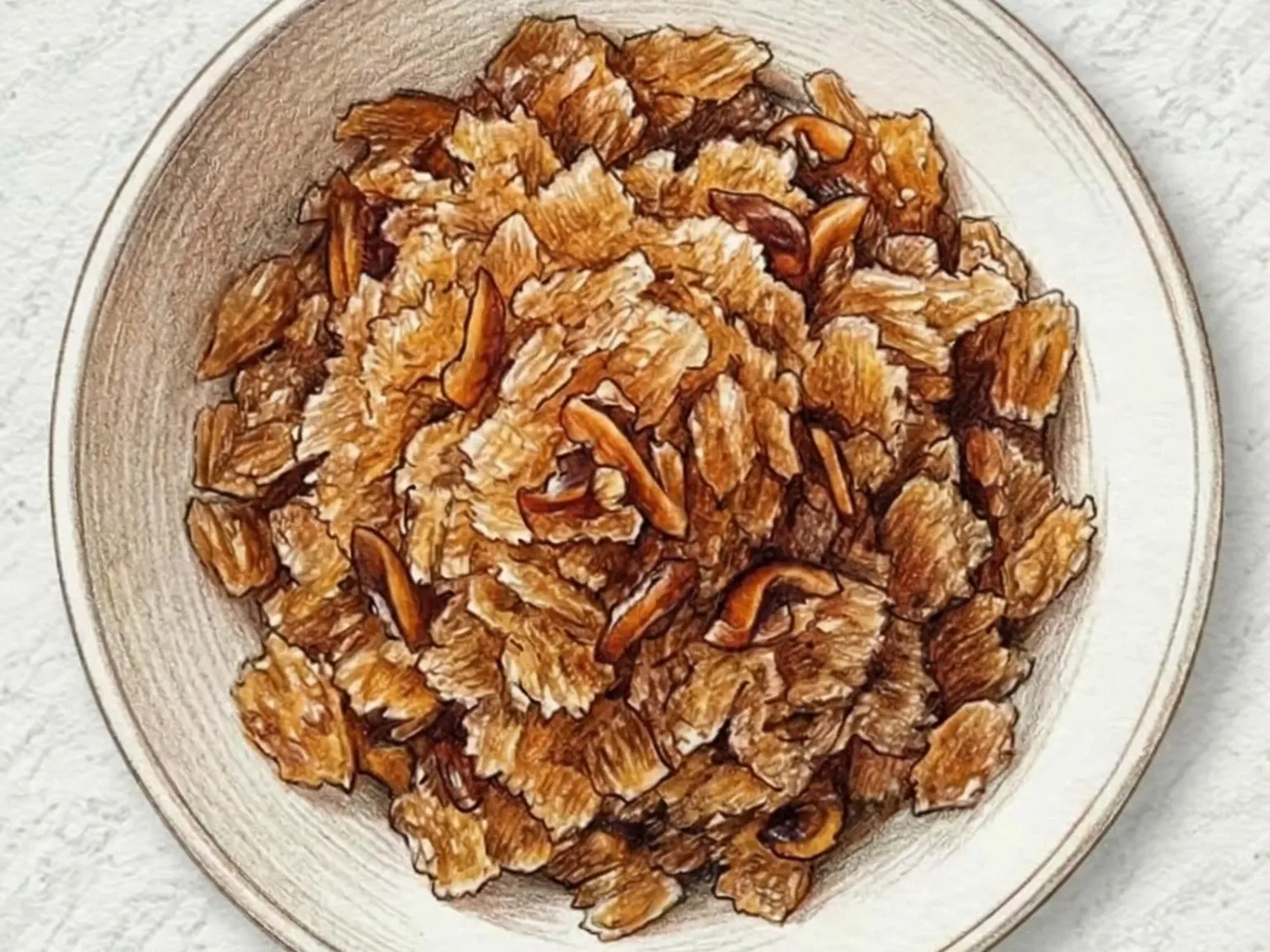
Dogani-jjim is beef knee cartilage slow-braised with soy sauce, cooking wine, garlic, and ginger until the connective tissue turns completely tender and gelatinous. Hours of gentle simmering dissolve the collagen in the cartilage and tendons so each piece becomes jiggly and yielding, while the braising liquid reduces into a broth so rich it firms up like aspic when cooled. Onion and green onion mellow any off-flavors and add a quiet sweetness, and ginger keeps the finish clean. Before cooking, soaking the dogani in cold water for at least one hour to draw out the blood removes much of the gamey smell, and skimming the foam during the first stage of simmering is equally important. Long regarded in Korean traditional medicine and food culture as beneficial for joint health, this braised dish has been prepared since the Joseon period and remains especially popular in winter and among older generations.

🎉 Special Occasion
Prep 30minCook 100min4 servings
Korean Coastal Herb Pickle
KimchiEasy

Korean Coastal Herb Pickle

Bangpungnamul jangajji is a Korean soy-pickled side dish made from coastal hog fennel, a spring herb with a distinctive fragrance and a mild bitterness. The pickling liquid is made by bringing soy sauce, water, vinegar, and sugar to a boil, then pouring it hot over the cleaned herb sealed in a jar. Garlic cloves and ginger slices added to the brine deepen the aromatic complexity over time. After about two days, the herb has absorbed enough of the soy-vinegar liquid to be flavorful, and the taste continues to develop over subsequent weeks. Stored under refrigeration, the pickle keeps for over a month. Its pungent, faintly bitter character stands out among milder side dishes and serves as a palate stimulant between bites of plainer food. The standard way to eat it is in small portions alongside rice.

🍱 Lunchbox
Prep 18minCook 10min4 servings
Ayam Gulai (Indonesian Spiced Coconut Chicken Curry)
AsianMedium

Ayam Gulai (Indonesian Spiced Coconut Chicken Curry)

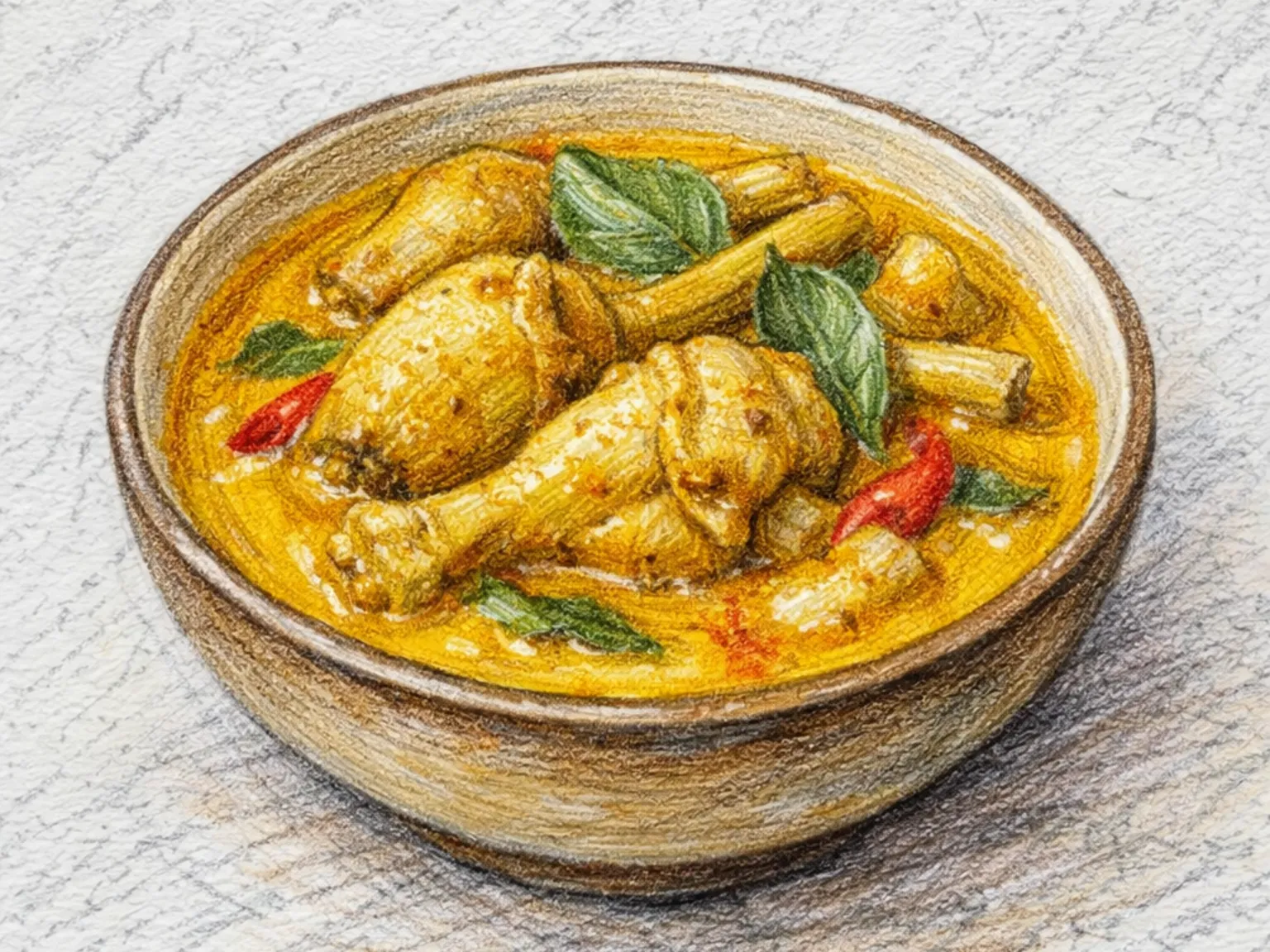
Traditional Indonesian cuisine from West Sumatra relies heavily on the complex application of spices and coconut milk. Ayam gulai serves as a primary example of this Minangkabau tradition. The process starts by grinding shallots, garlic, ginger, galangal, turmeric, and candlenuts into a wet paste called rempah. This mixture requires continuous stirring over low heat until the oil visibly separates from the solids. This separation indicates that the moisture has completely evaporated, allowing the aromatic compounds to develop fully. Skipping this step results in a sauce with an unpleasant raw texture. Once the base is ready, chicken pieces are braised in the spiced coconut liquid for at least thirty minutes. This duration ensures the meat becomes tender enough to fall off the bone while the sauce reduces to a bright yellow consistency that clings to the poultry. Turmeric and galangal establish an earthy base, while kaffir lime leaves contribute a sharp citrus scent to offset the heavy coconut milk. The natural fats in the coconut serve to carry these different aromatics across the palate, creating a long-lasting aftertaste. In a traditional Padang establishment, servers place numerous small plates on the table before any specific order is made. This service style reflects the local hospitality of the region. Diners are charged only for the dishes they touch, a practice that remains a defining element of the dining experience alongside the technical preparation of the curry itself.

🎉 Special Occasion
Prep 20minCook 40min4 servings
Korean Lotus Root Chicken Porridge
RiceMedium

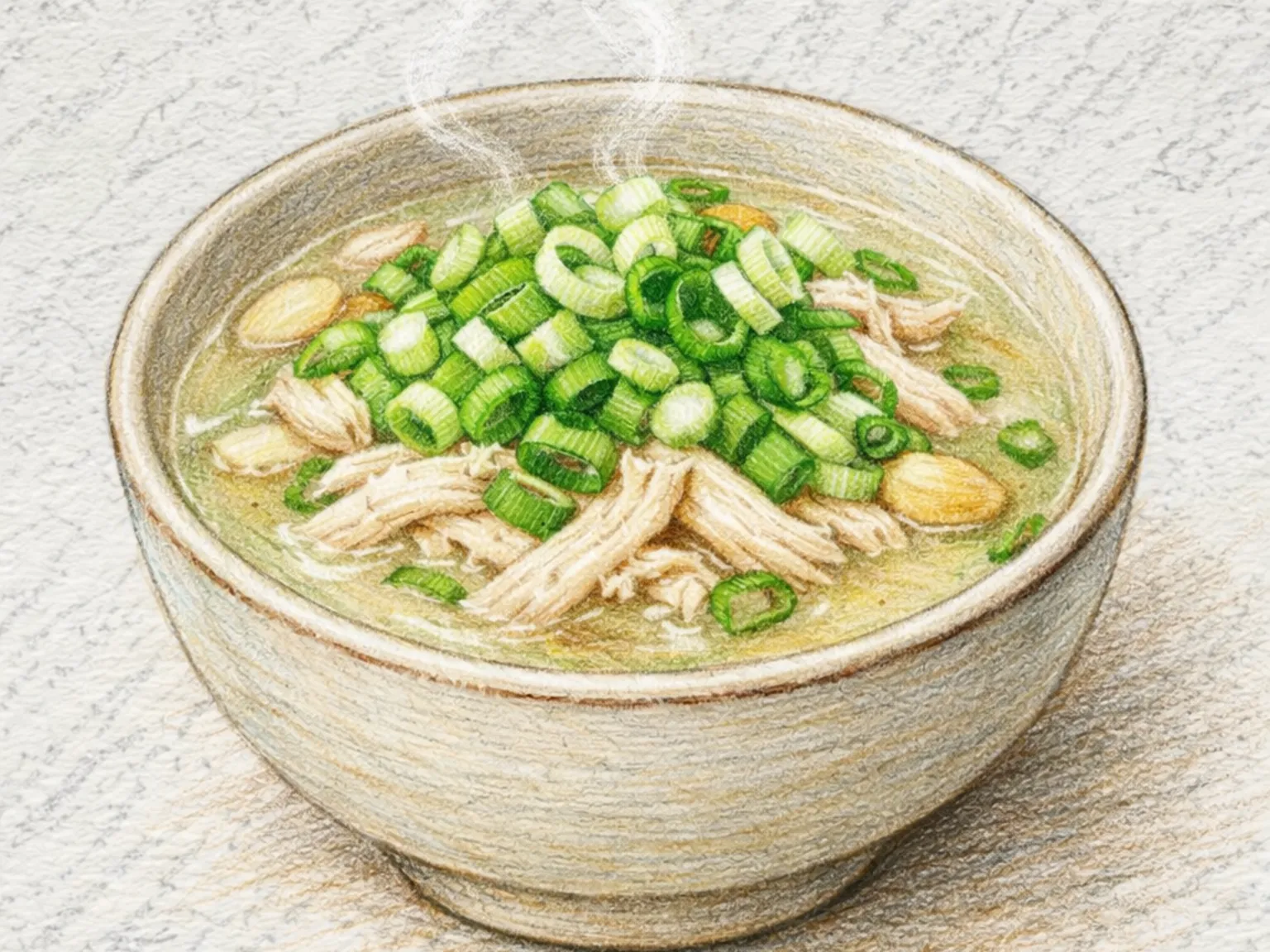
Korean Lotus Root Chicken Porridge

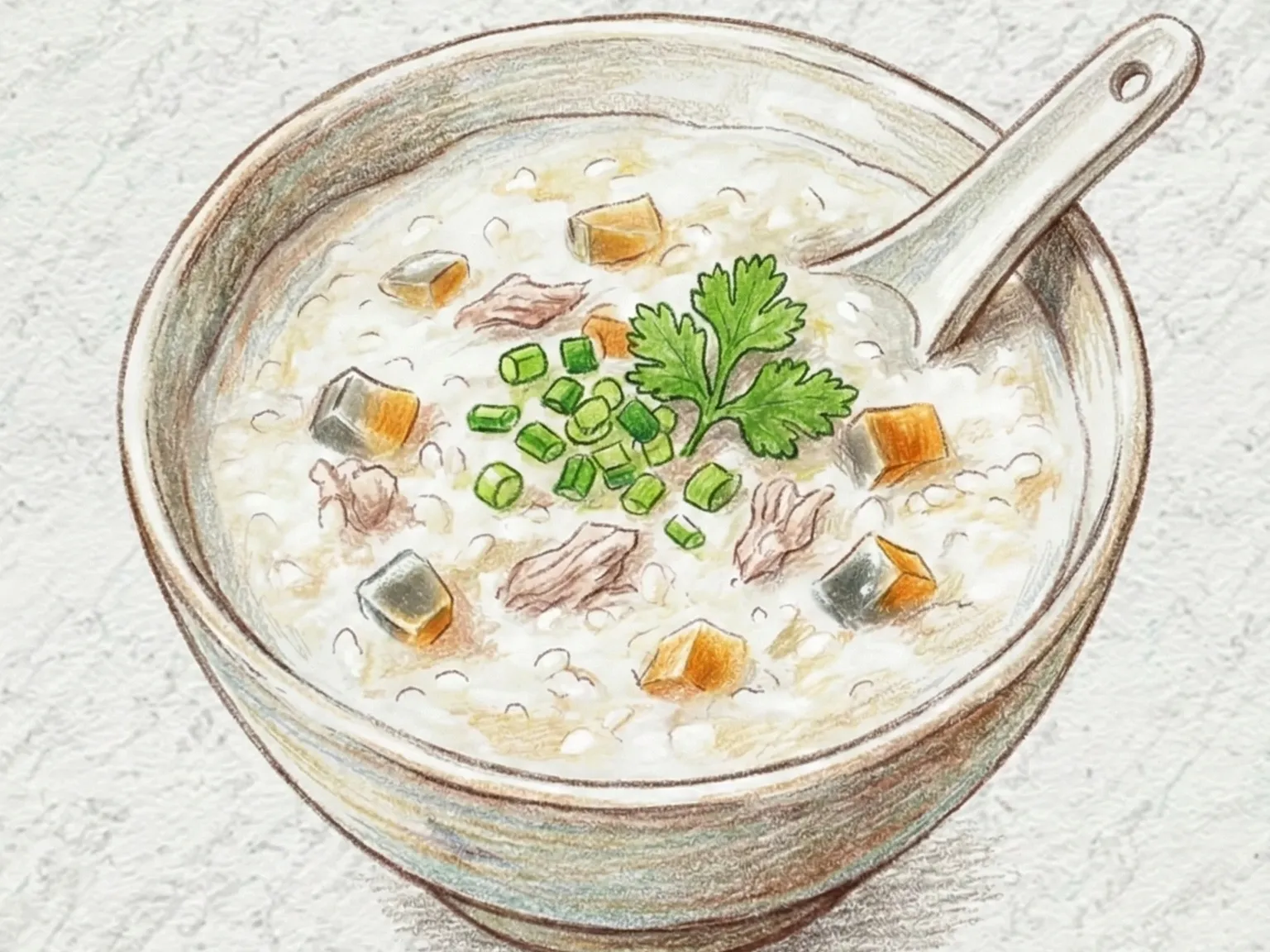
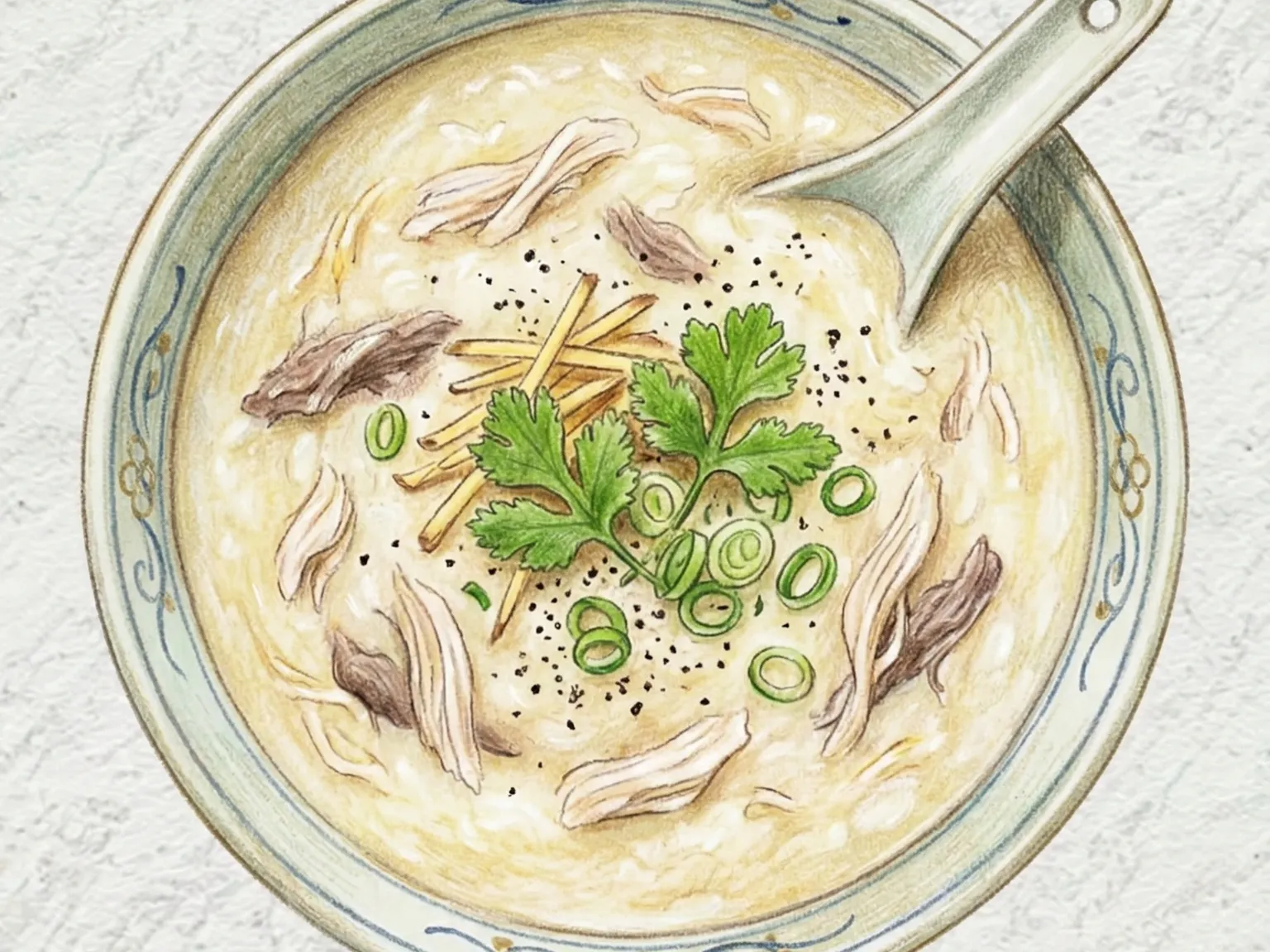
Yeongeun-dak-juk is a Korean porridge that simmers diced lotus root and shredded chicken breast in a rice base. The finely chopped lotus root introduces small pockets of crunch throughout the otherwise creamy porridge. Green onion and ginger remove any gaminess from the chicken while adding a clean aroma. Since the porridge uses chicken stock as its foundation, it carries depth of flavor without heavy seasoning. The result is a light yet filling bowl suited to mornings or recovery meals.

🏠 Everyday
Prep 20minCook 40min4 servings
Korean Soy Braised Chicken Wings
Stir-fryEasy

Korean Soy Braised Chicken Wings

Dak-nalgae-ganjang-jorim is a Korean braised chicken wings dish slow-cooked in a seasoning mixture of soy sauce, sugar, garlic, and ginger over medium-low heat until the sauce reduces to a thick, sticky glaze. The thin skin on the wings absorbs the braising liquid as it reduces, developing a glossy brown coating that clings to each piece. Cartilage near the joints softens progressively the longer the wings cook, shifting from a firm snap to a yielding, almost gelatinous texture. Green onion is added early to neutralize any off-flavors from the chicken, while ginger contributes a subtle warmth that rounds out the overall aroma. The braising liquid is allowed to reduce almost completely so the last traces of sauce concentrate into a dense, caramelized coating rather than a loose broth. Eating the wings by hand, pulling the meat from the bone, is part of the appeal, and this hands-on quality makes the dish a regular presence on Korean drinking tables alongside beer or soju.

🏠 Everyday🧒 Kid-Friendly
Prep 15minCook 30min4 servings
Sweet Rice Punch (Traditional Korean Malted Barley Grain Drink)
DessertsMedium

Sweet Rice Punch (Traditional Korean Malted Barley Grain Drink)

Sikhye is a traditional Korean sweet rice punch made by steeping malted barley powder in lukewarm water, straining the liquid, adding cooked rice, and holding the mixture at around 60 degrees Celsius for one hour until the rice grains float to the surface. The amylase enzymes in the malt break down the rice starch, producing a distinctly malty, clear sweetness with grain depth that no sugar alone can replicate. Only the clear top liquid is used after settling -- discarding the sediment keeps the punch from turning cloudy. Simmering with sugar and sliced ginger for 20 minutes rounds the sweetness and adds a gentle, spiced warmth to the finish. Served well chilled with the reserved floating rice grains and pine nuts on top, the cold temperature sharpens the malty aroma and makes each sip crisp. Temperature control during the steeping stage is critical: if the mixture exceeds 70 degrees Celsius, the amylase denatures and the grains will not float, so keeping a steady 60-degree hold determines whether the preparation succeeds.

🎉 Special Occasion🧒 Kid-Friendly
Prep 20minCook 180min4 servings
Korean Jujube Tea (Simmered Dried Jujube Ginger Brew)
DrinksMedium

Korean Jujube Tea (Simmered Dried Jujube Ginger Brew)

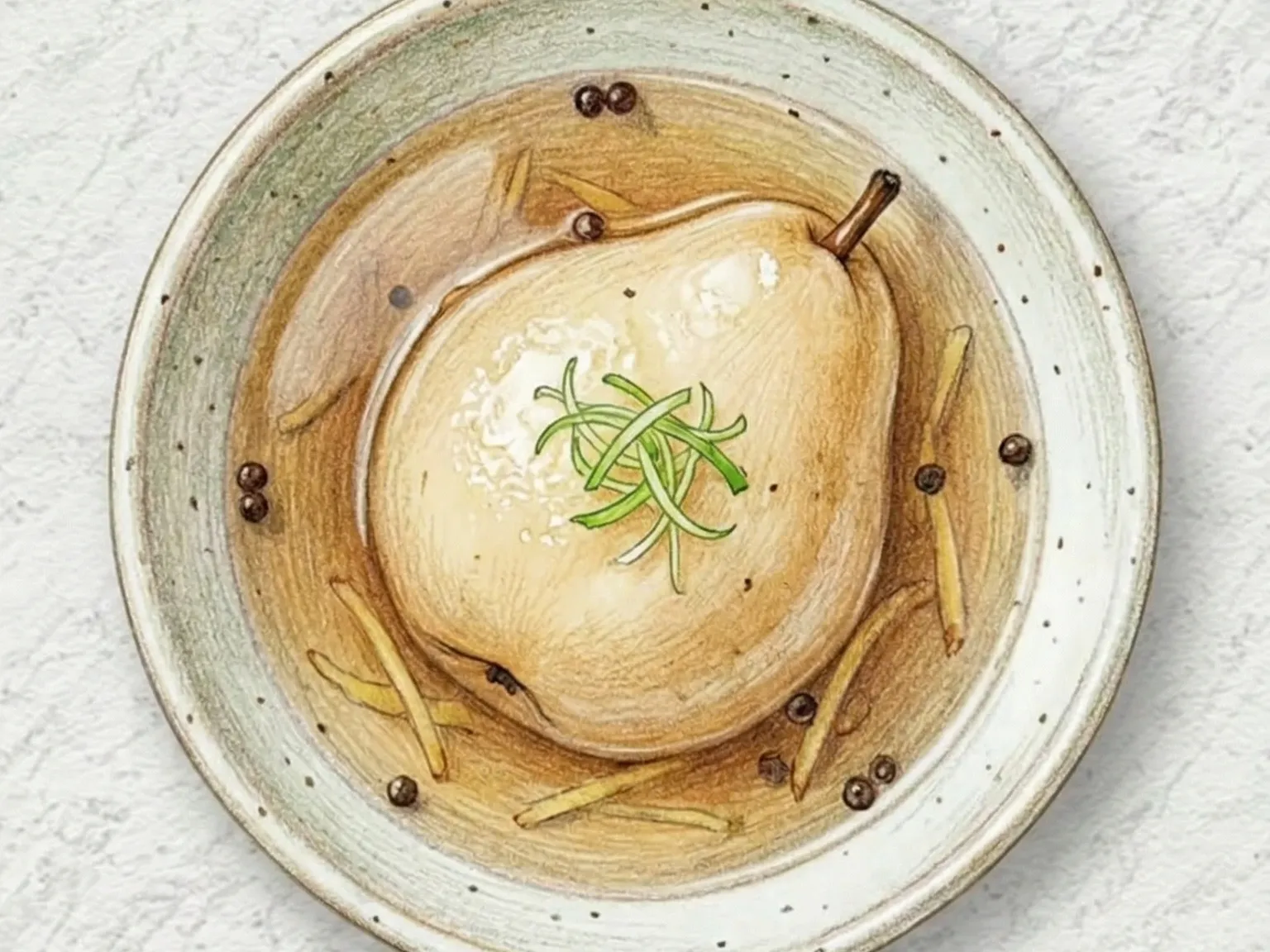
Daechucha is prepared by boiling pitted dried jujubes and sliced ginger in water over medium heat for thirty minutes, then removing the jujubes and pressing them through a strainer so only the smooth pulp returns to the pot. This technique gives the tea a naturally thick, sweet body without any added thickener. Ginger provides a quiet warmth underneath the jujube's dominant sweetness, and honey is stirred in off the heat to preserve its aroma. A few pine nuts floated on top contribute a subtle oily richness that extends the finish. The result is a warming, amber-colored tea served on cold days and during recovery from illness in Korean households.

🍺 Bar Snacks
Prep 10minCook 35min4 servings
Korean Spicy Glazed Tongue Sole
GrilledMedium

Korean Spicy Glazed Tongue Sole

Seodae-yangnyeom-gui is a Korean spicy-glazed tongue sole dish where cleaned sole is coated with two-thirds of a sauce blending gochujang, soy sauce, Korean chili flakes, plum syrup, sugar, minced garlic, and ginger, marinated for ten minutes, then pan-fried over medium heat for four minutes per side. The flat body shape of tongue sole allows the marinade to adhere evenly across the entire surface, and because the flesh is thin, the salty-sweet seasoning penetrates all the way through quickly. Plum syrup in the sauce contributes a fruit-forward acidity that lifts the heaviness of gochujang, and together with sugar it caramelizes at pan temperature into a glossy brown coating. Brushing the remaining sauce on during the final two minutes builds a double-layered glaze, and finishing with sesame oil and chopped green onion releases a fragrant aroma from the residual heat.

🍺 Bar Snacks🏠 Everyday
Prep 20minCook 14min2 servings
Korean Ginger Chicken Gomtang
SoupsMedium

Korean Ginger Chicken Gomtang

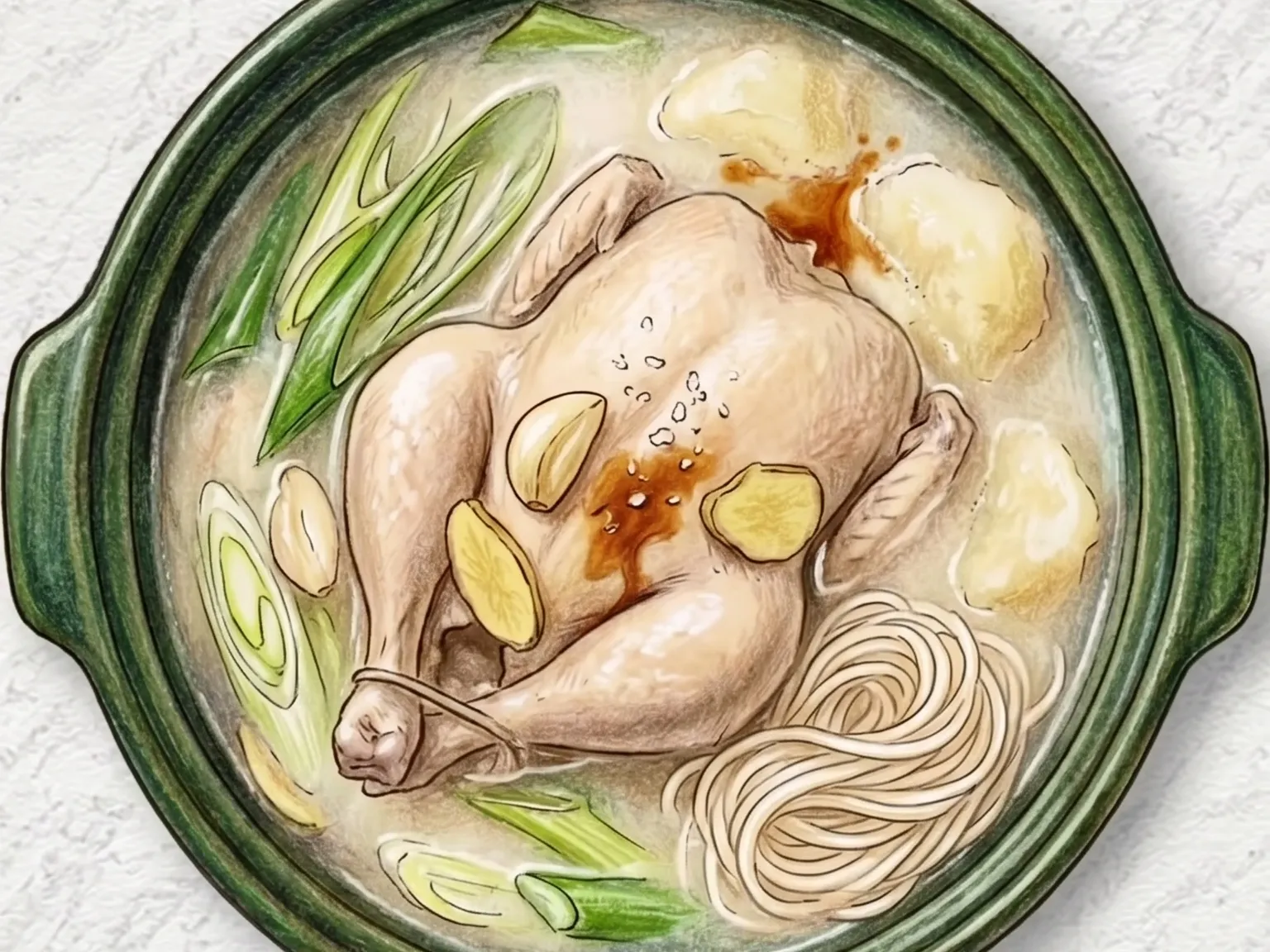
This ginger chicken gomtang is a clear, restorative Korean soup made by simmering a whole chicken low and slow with fresh ginger, onion, garlic, and green onion until the broth turns golden and develops a quietly complex flavor. Unlike beef-bone soups, which derive their richness from marrow and connective tissue, chicken gomtang achieves its depth through the prolonged extraction of collagen and gelatin from the bones and skin, resulting in a broth that coats the palate softly without feeling heavy. The ginger is added early so its sharp, warming oils can fully disperse through the liquid, while sliced onion gradually sweetens the broth as it cooks down. Once the broth is strained, it is remarkably clean-tasting despite its depth: a quality that Korean cooks describe as siwonhada, a coolness and clarity that settles the stomach while nourishing the body. The chicken is pulled from the bones and shredded along the grain into generous pieces before being returned to the bowl. Seasoning is kept minimal, a small pour of soup soy sauce, a pinch of salt, and a very generous amount of freshly cracked black pepper, whose heat amplifies the ginger and warms the whole dish. Korean households reach for this soup when someone is ill or recovering from fatigue, but it is equally at home as a restorative weekday dinner or a refined first course when served in small portions before a larger meal.

🏠 Everyday
Prep 20minCook 70min4 servings
Korean Jeju Style Pork Suyuk
SteamedEasy

Korean Jeju Style Pork Suyuk

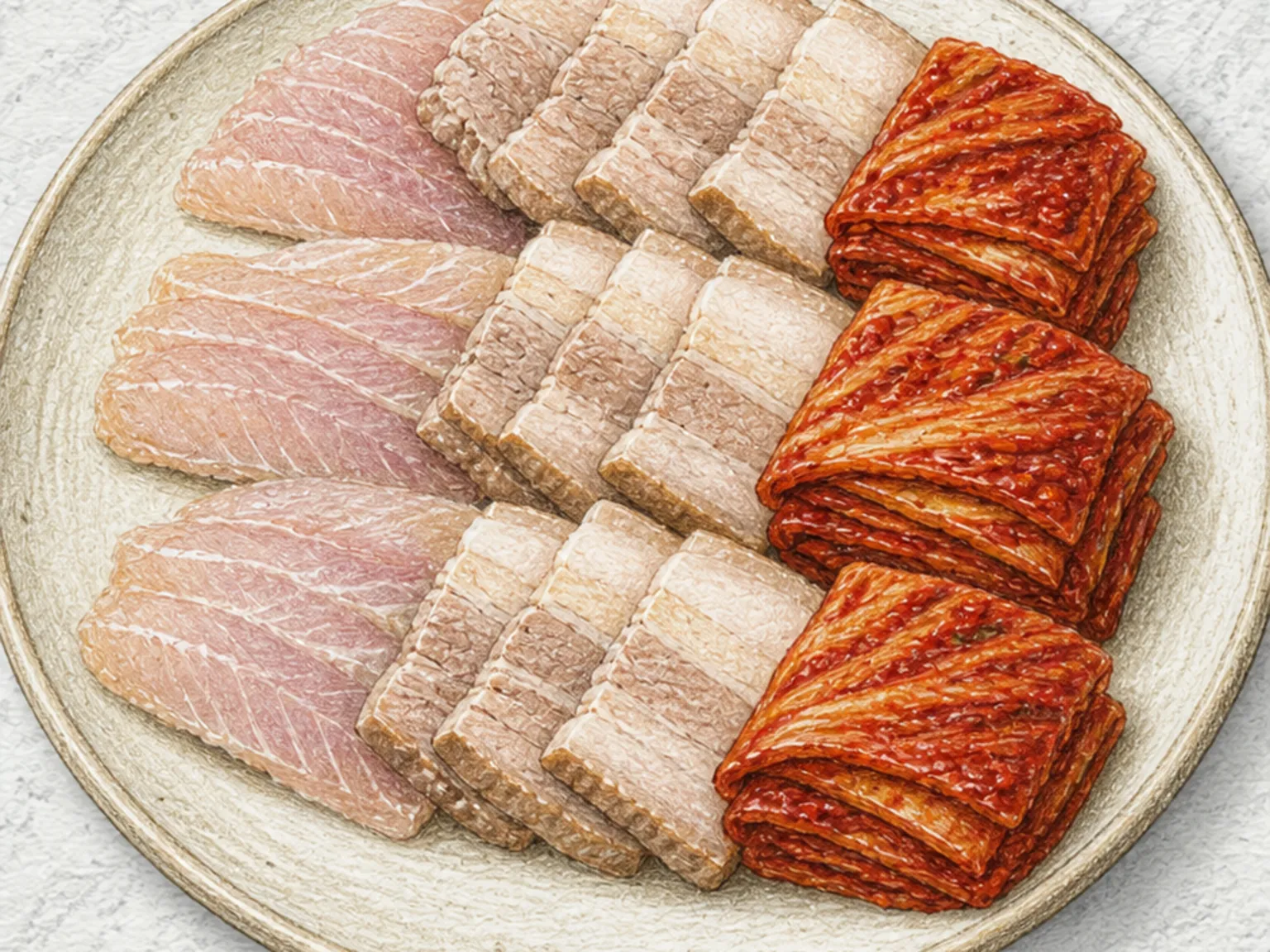
Dombae-suyuk is a Jeju-style boiled pork dish made by simmering skin-on pork belly low and slow with doenjang, green onion, garlic, and ginger. The doenjang in the cooking water draws out the gamey odor specific to pork, leaving the meat clean and mild. A long, gentle boil renders the skin translucent and gives it a gelatinous, bouncy bite, while the interior fat layers become soft enough to melt against the tongue. Sliced thick and laid out at room temperature, each piece offers a layered contrast between the springy rind, the fatty middle, and the lean inner meat. Salted anchovy sauce or fermented shrimp paste served alongside is the traditional accompaniment -- the briny, fermented condiments cut through the richness and define the eating rhythm. The name comes from dombae, the Jeju word for cutting board, referring to the old practice of serving the meat directly sliced on the board.

🎉 Special Occasion
Prep 10minCook 60min4 servings
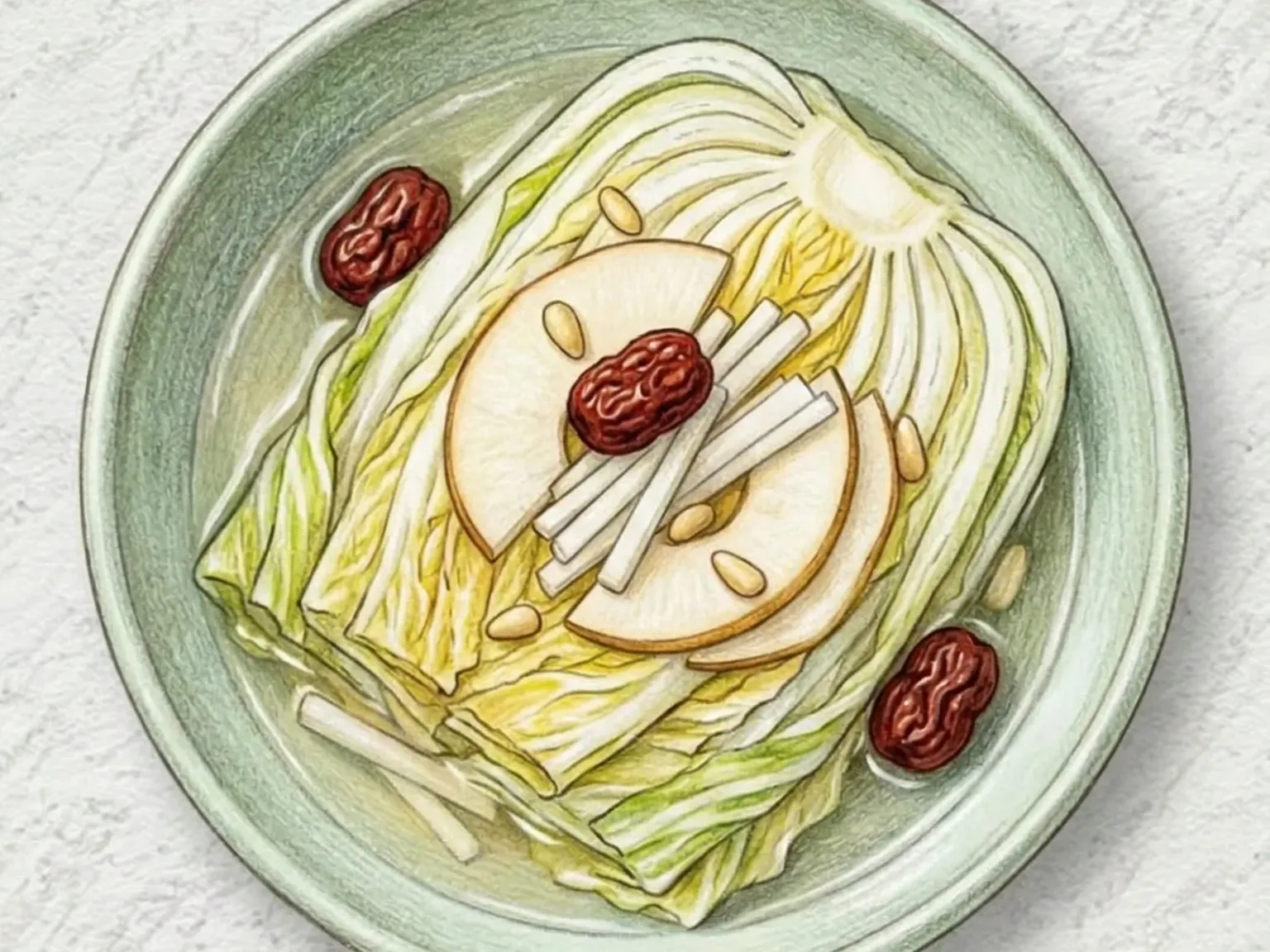
Korean Coastal Hogfennel Kimchi
KimchiMedium

Korean Coastal Hogfennel Kimchi

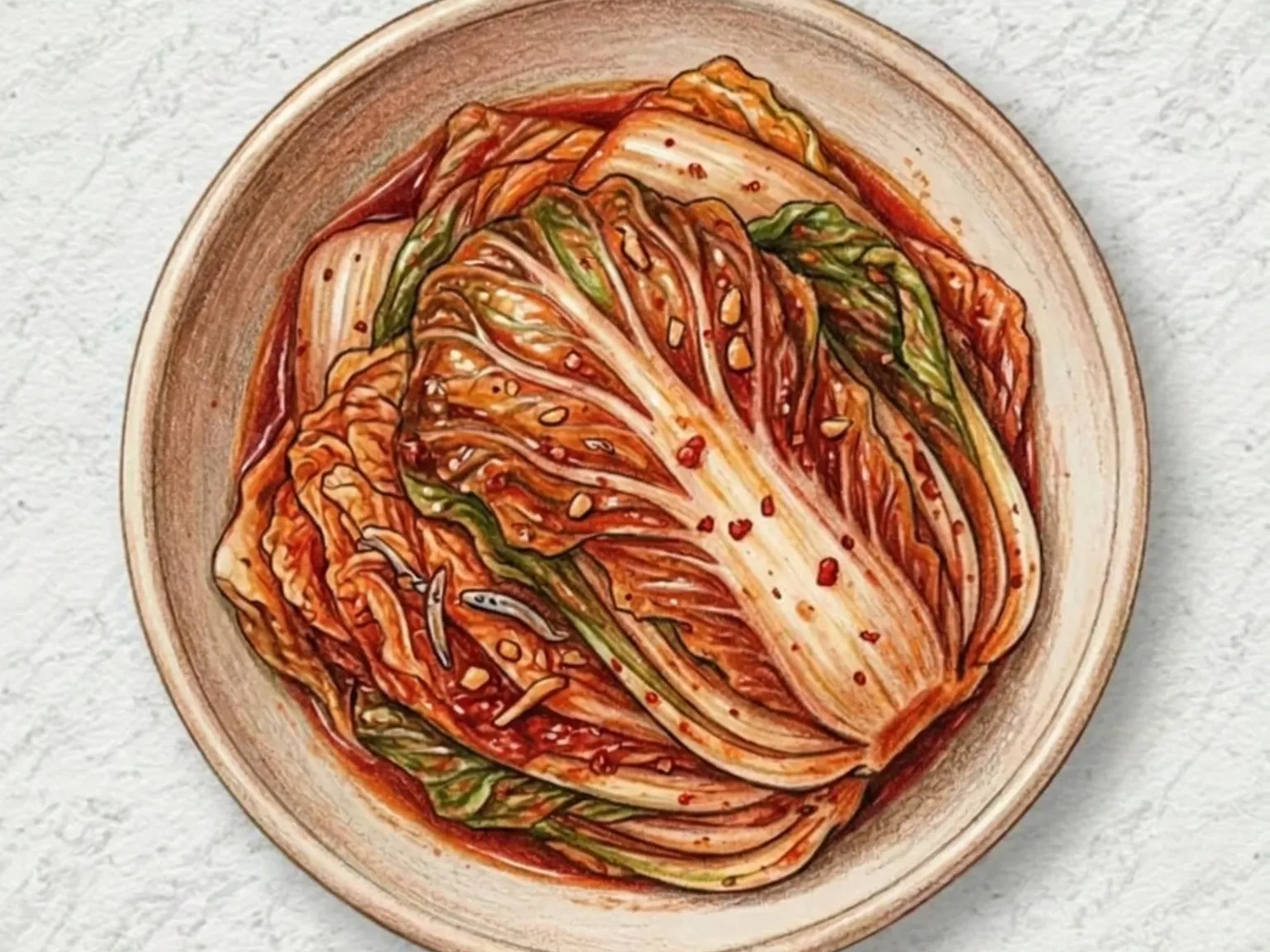
Bangpungnamul kimchi is a seasonal Korean kimchi made during spring by dressing coastal hogfennel in a chili-based seasoning paste. Bangpungnamul grows along coastal cliffs and mountain foothills, identifiable by its distinctive bitter-herbaceous aroma and mild sharpness. Traditional Korean medicine has long valued this plant for its properties in treating rheumatic conditions - its name literally combines the words for wind and prevention. The herb is lightly salted first to draw out excess moisture and soften its fibrous structure, then tossed with Korean chili flakes, anchovy fish sauce, soup soy sauce, minced garlic, and ginger. Sweet rice paste works as a binder, helping the thick seasoning cling evenly to each strand of herb rather than pooling at the bottom of the bowl. Sliced scallions add a crisp element that survives the marinating process intact. The herb's natural bitterness mellows considerably as lactic fermentation develops, producing a flavor profile unmistakably different from standard napa cabbage kimchi. One day at room temperature initiates fermentation without letting it run too far, after which refrigerated storage holds the kimchi at an ideal stage of acidity for two to three weeks.

🏠 Everyday🍱 Lunchbox
Prep 35minCook 8min2 servings
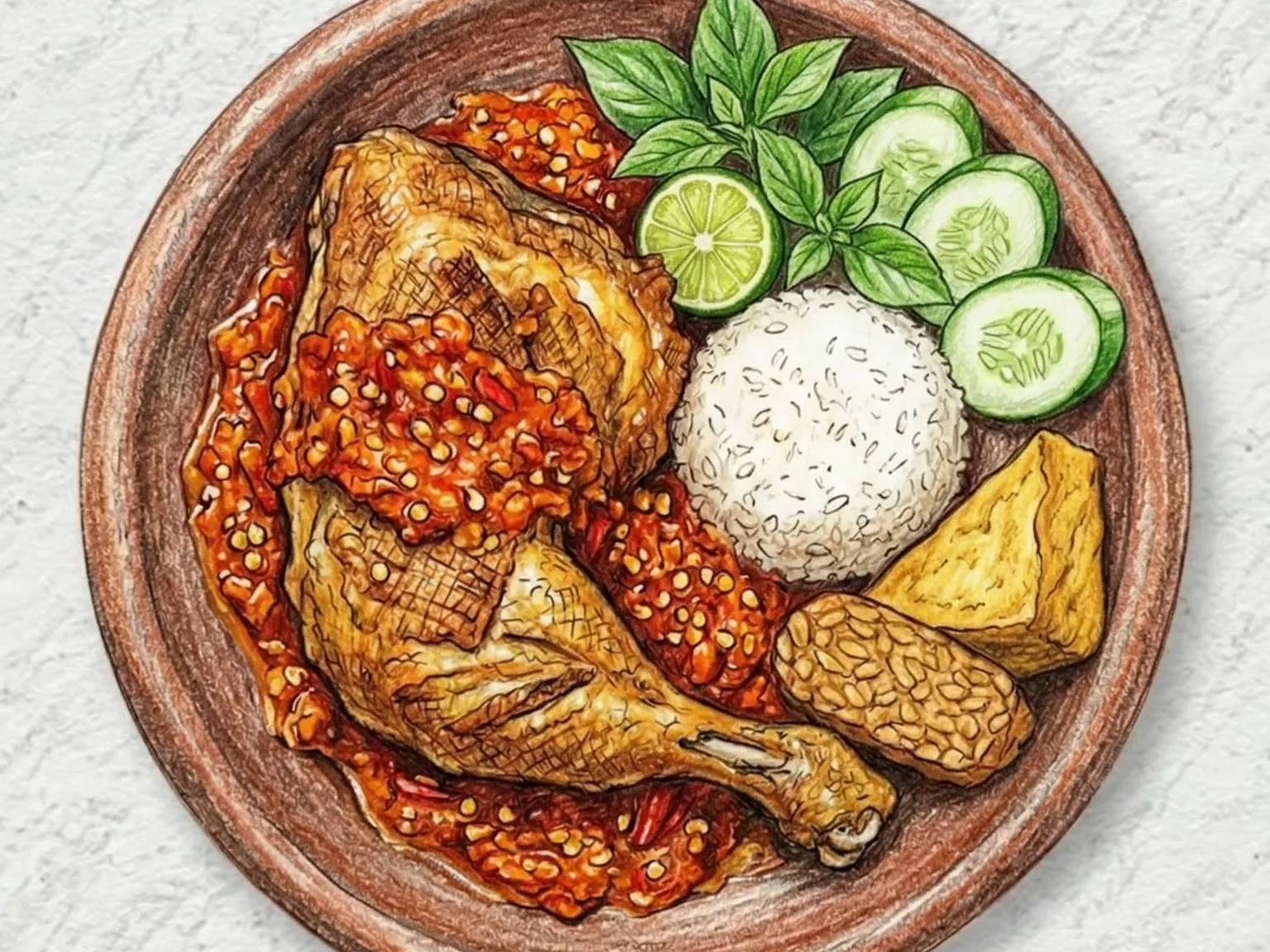
Ayam Penyet (Javanese Smashed Fried Chicken with Sambal)
AsianMedium

Ayam Penyet (Javanese Smashed Fried Chicken with Sambal)

Ayam penyet means smashed chicken in Javanese and describes an East Javanese street dish in which the chicken is deliberately crushed with a pestle after frying. The process begins by braising the bird in turmeric and galangal-scented water until fully cooked through, then deep-frying until the skin blisters, darkens to mahogany, and turns properly crisp. The final press against a stone mortar cracks the skin open to expose the moist interior and creates irregular ridges and cavities across the surface that the sambal fills and clings to. That sambal - pounded fresh from bird eye chilies, shallots, tomato, and shrimp paste - is the defining element of the dish, delivering a ferocious heat alongside the deep, funky salinity of fermented shrimp paste. The two flavors hit at the same time and neither yields to the other. Served on a banana leaf with steamed rice, fried tofu, and raw vegetables, the full plate comes together the way street-stall food in Java typically does: quickly assembled, intensely seasoned, and eaten without ceremony.

🎉 Special Occasion
Prep 20minCook 25min2 servings
Korean Soy-Glazed Chicken Stir-Fry
Stir-fryEasy

Korean Soy-Glazed Chicken Stir-Fry

This soy-glazed chicken stir-fry marinates thinly sliced chicken breast in soy sauce, garlic, and ginger before a quick pan-fry over high heat. Slicing the breast thin ensures each piece absorbs the marinade rapidly and cooks through without drying out, avoiding the rubbery texture that plagues overcooked white meat. The ginger cuts through any poultry aroma while the soy sauce provides a steady umami backbone throughout. A drizzle of sesame oil at the end ties together the flavors with a warm, nutty finish. A single cheongyang chili added during cooking gives the dish a clean heat, and it holds up well for meal prep or packed lunches. Practical for diet-conscious cooking or post-workout protein without sacrificing flavor.

🏠 Everyday🌙 Late Night
Prep 10minCook 10min2 servings
Cinnamon Persimmon Ice (Korean Spiced Punch Scraped Ice Dessert)
DessertsEasy

Cinnamon Persimmon Ice (Korean Spiced Punch Scraped Ice Dessert)

Sujeonggwa granita converts the traditional Korean cinnamon-ginger punch into a flaky frozen dessert by sweetening the steeped liquid with dark brown sugar and then breaking it into coarse crystals through repeated scraping. Cinnamon sticks and fresh ginger are simmered in water for at least twenty minutes to draw out the full depth of both spices before being strained. The sweetened liquid is poured into a shallow metal tray, which chills more quickly and freezes more evenly than deep containers. Every hour for three to four rounds a fork is dragged through the solidifying surface, breaking up any sheets of ice and encouraging the formation of separate, granular crystals. Scraping more frequently and starting promptly after the first hour produces a finer, more uniform texture, while leaving it too long between sessions allows solid blocks to form that are harder to break up. The spice compounds concentrate into each ice shard as the water freezes around them, so the granita delivers a cold but intensely flavored mouthful at every bite. Thin strips of dried persimmon and pine nuts placed on top before serving add the same garnishes used in traditional sujeonggwa: the persimmon brings a sticky chewiness and concentrated sweetness, while the pine nuts contribute a mild, buttery richness that contrasts with the crunchy, crystalline ice beneath.

🧒 Kid-Friendly
Prep 15minCook 25min4 servings
Korean Bellflower Root Pear Cooler
DrinksMedium

Korean Bellflower Root Pear Cooler

Deodeok-bae cooler uses a base built by simmering peeled and gently pounded deodeok root with fresh ginger over low heat for ten minutes, then straining and cooling the infusion completely. Clear pear juice pressed from freshly grated Korean pear, honey, lemon juice, and a pinch of salt are stirred into this base to form a concentrate. Poured over ice and topped slowly with sparkling water, the drink balances the herbal bitterness of deodeok against the clean, bright sweetness of pear. Carbonation carries the aromatics upward so each sip delivers the herbal note first, then the fruit. Adjusting the ratio of honey to lemon juice lets the drink lean sweeter or more tart depending on preference.

🍺 Bar Snacks
Prep 20minCook 12min4 servings
Gomtang (Slow-Simmered Ox Bone Beef Soup)
SoupsHard

Gomtang (Slow-Simmered Ox Bone Beef Soup)

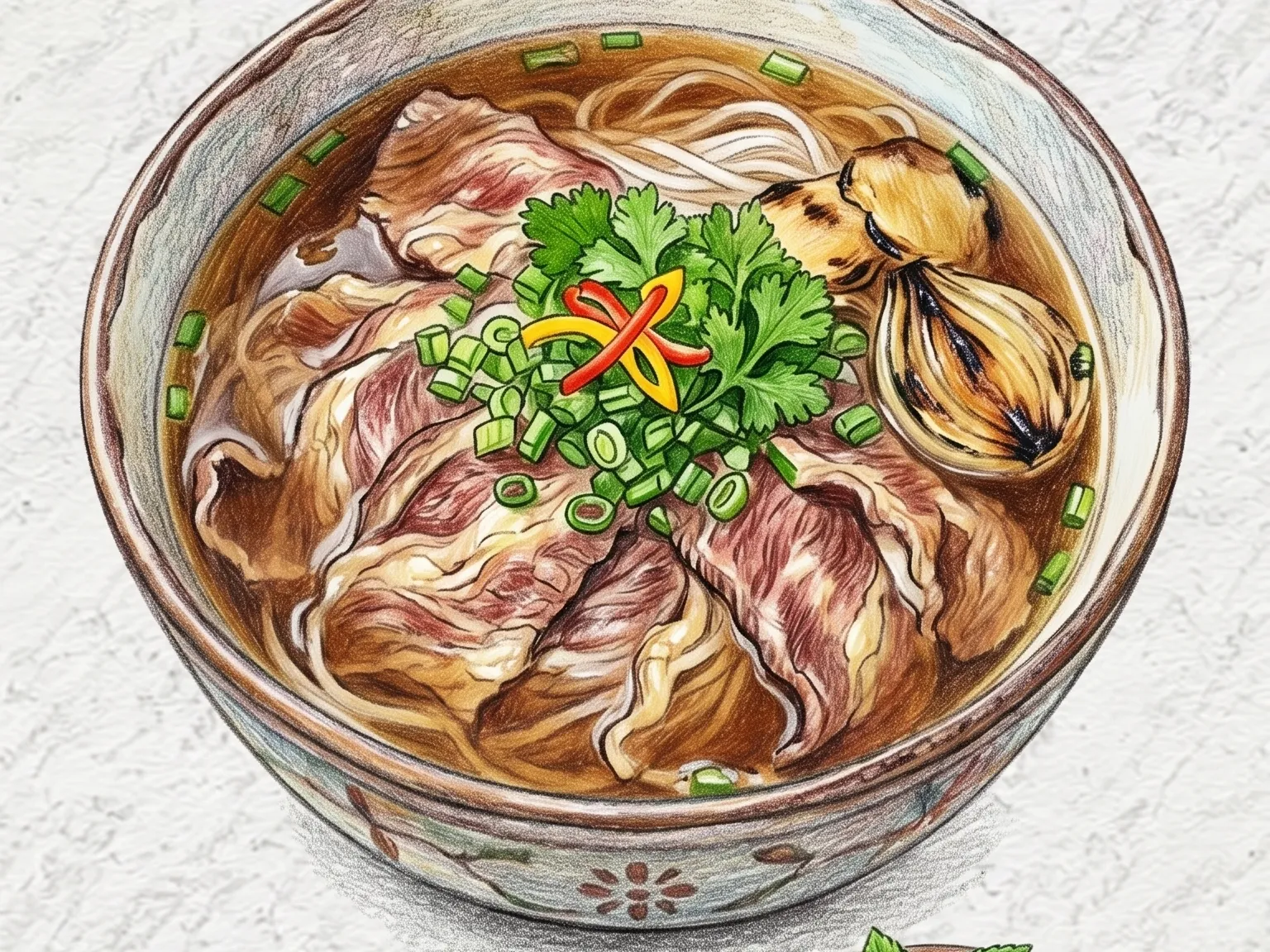
Gomtang is a Korean bone soup made by simmering beef leg bones and brisket in water for five to six hours or longer until the broth turns opaque and milky white. The prolonged cooking extracts collagen, marrow, and fat from the bones, giving the liquid a creamy texture and a deep beefy flavor that needs only salt and black pepper to taste complete. Before the long simmer begins, the bones should be soaked in cold water for at least an hour to draw out the blood, then parboiled briefly in a fresh pot of water and rinsed clean so that the final broth comes out clear and free of off flavors. The brisket is removed partway through cooking, sliced thin against the grain, and arranged on top of the steaming soup for serving. Sliced green onion and a generous shake of black pepper cut cleanly through the richness of the milky broth. The most common way to eat gomtang is with a bowl of steamed rice submerged directly into the soup, letting the grains soak up all the flavor. This is slow food in the truest sense - the hours of effort yield a pot that can sustain a family across two meals - and it remains one of the dishes Koreans reach for instinctively when the cold sets in.

🏠 Everyday🎉 Special Occasion
Prep 60minCook 360min4 servings
Korean Steamed Sea Bream (Whole Fish with Soy Ginger Rice Wine)
SteamedMedium

Korean Steamed Sea Bream (Whole Fish with Soy Ginger Rice Wine)

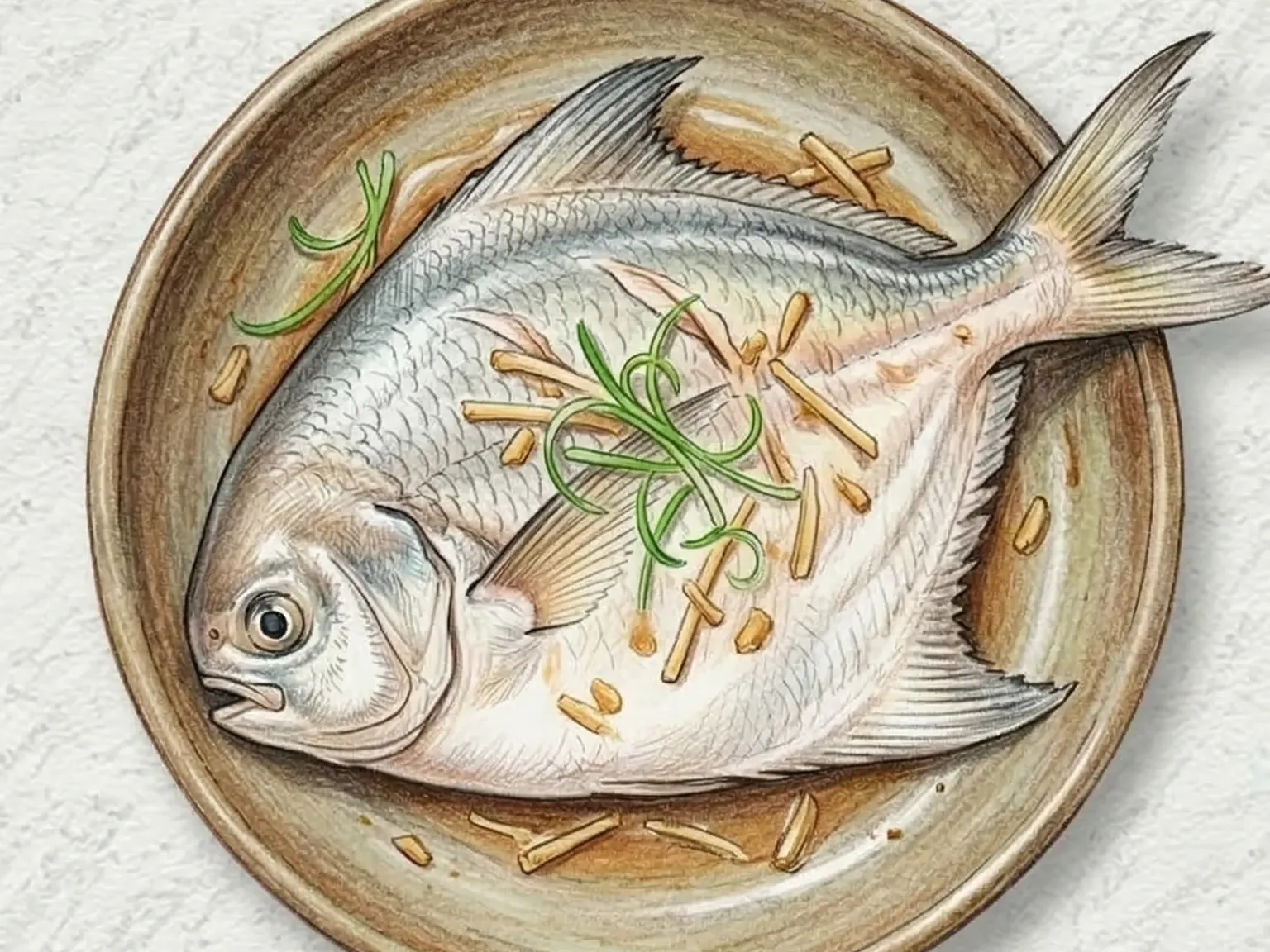
Domi-jjim is a whole sea bream steamed with soy sauce, rice wine, and ginger. Sea bream is a firm-fleshed white fish with a naturally mild, clean taste, and steaming preserves its moisture and delicate texture far better than dry-heat methods. Rice wine and ginger remove any remaining fishiness from the flesh, leaving only a refined umami that speaks to the quality of the fish itself. Soy sauce is used sparingly as an understated seasoning that enhances without overpowering. Because the fish is steamed rather than roasted or pan-fried, the flesh stays supple and springs back with each bite. Bringing a whole fish to the table makes a strong visual impression, which explains its frequent appearance at holiday meals and formal gatherings. The finished dish is typically garnished with julienned scallion and red chili before a final drizzle of hot sesame oil.

🎉 Special Occasion
Prep 20minCook 25min4 servings