Charim

2686 Korean & World Recipes

2686+ Korean recipes, clean and organized. Ingredients to instructions, all at a glance.

Recipes with gochujang

24 recipes

Buy gochujang
Korean Braised Semi-Dried Pollock
Side dishesMedium

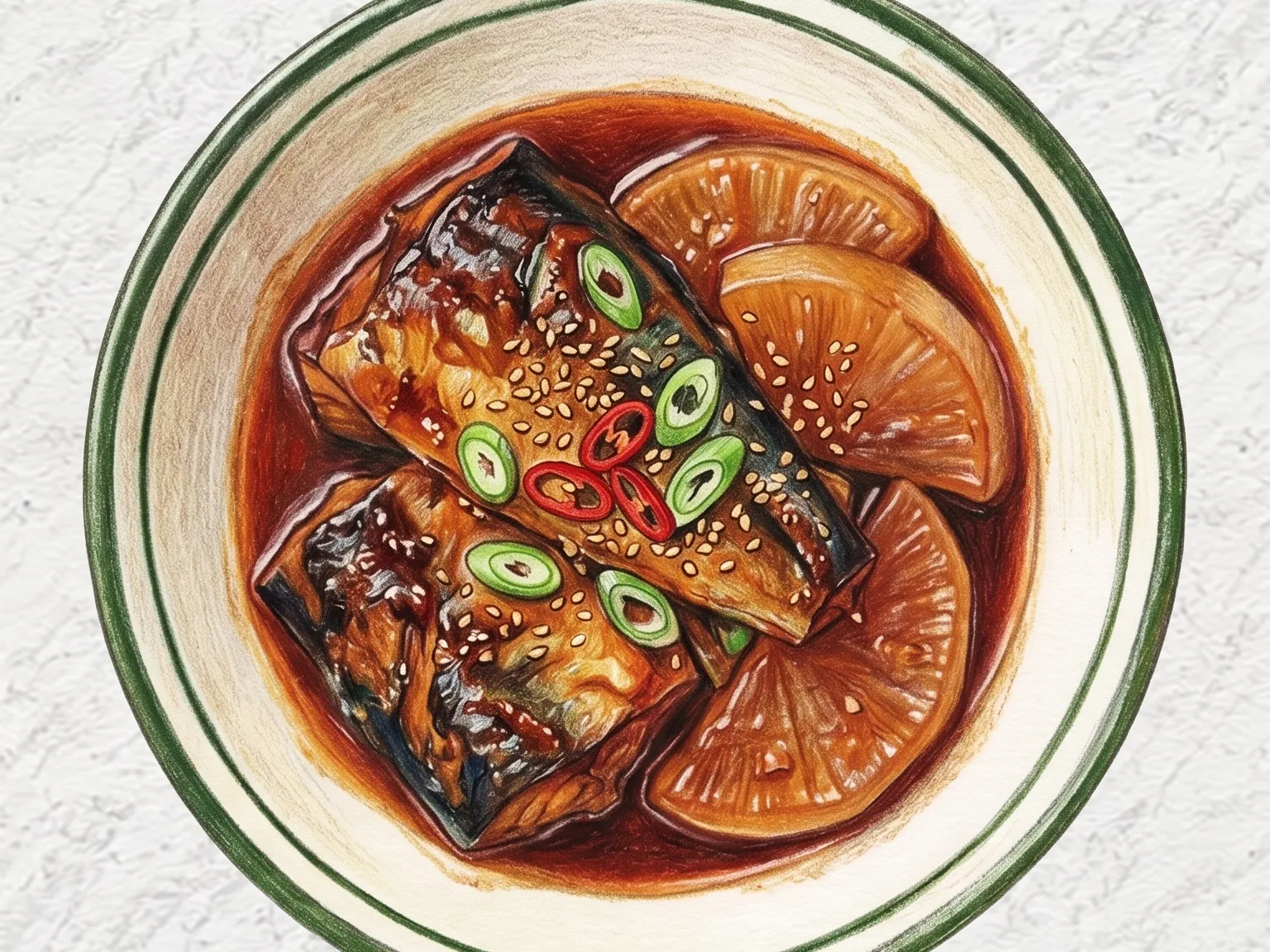
Korean Braised Semi-Dried Pollock

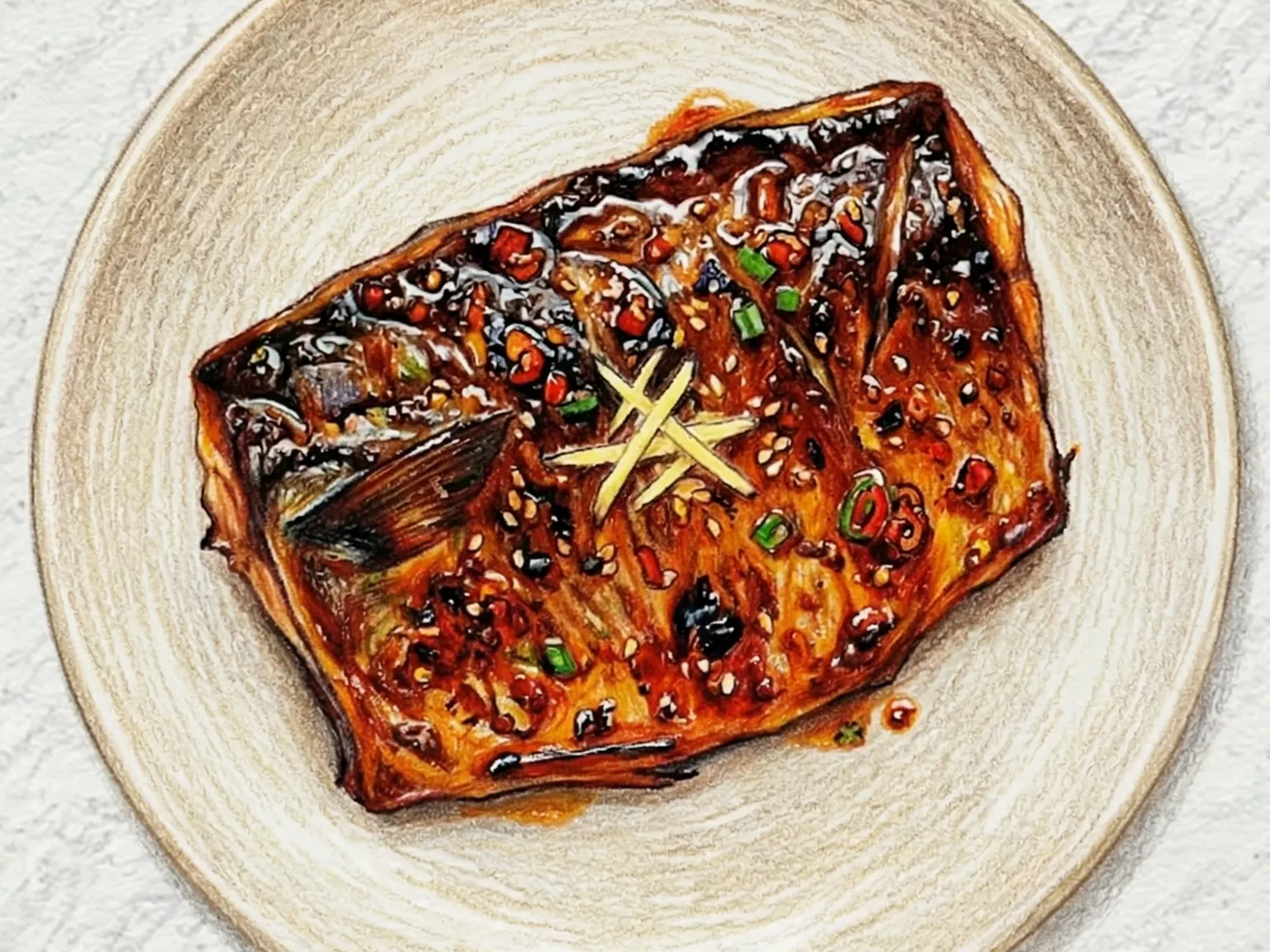
Kodari-jorim braises semi-dried pollock with radish in a gochujang-soy glaze, occupying a middle ground between fresh fish stew and fully dried fish preparations. Kodari is whole pollock gutted and hung in pairs along the East Sea coast, air-dried for two to three weeks and halted before full dehydration so the flesh retains enough moisture to stay supple after cooking, unlike the spongy texture of fully dried hwangtae. Layering radish on the bottom of the pot serves a structural purpose: it prevents the fish from sitting directly on the heat source and scorching. A sauce of soy, gochujang, gochugaru, sugar, and garlic is poured over and brought to a boil, then reduced to medium heat for about thirty minutes, spooning the liquid over the fish periodically. Overnight refrigeration lets the seasoning penetrate evenly and deepens the flavor. The leftover sauce is potent enough to repurpose as a bibimbap dressing.

🏠 Everyday🍱 Lunchbox
Prep 25minCook 35min4 servings
Korean Mountain Herb Bibimbap
RiceEasy

Korean Mountain Herb Bibimbap

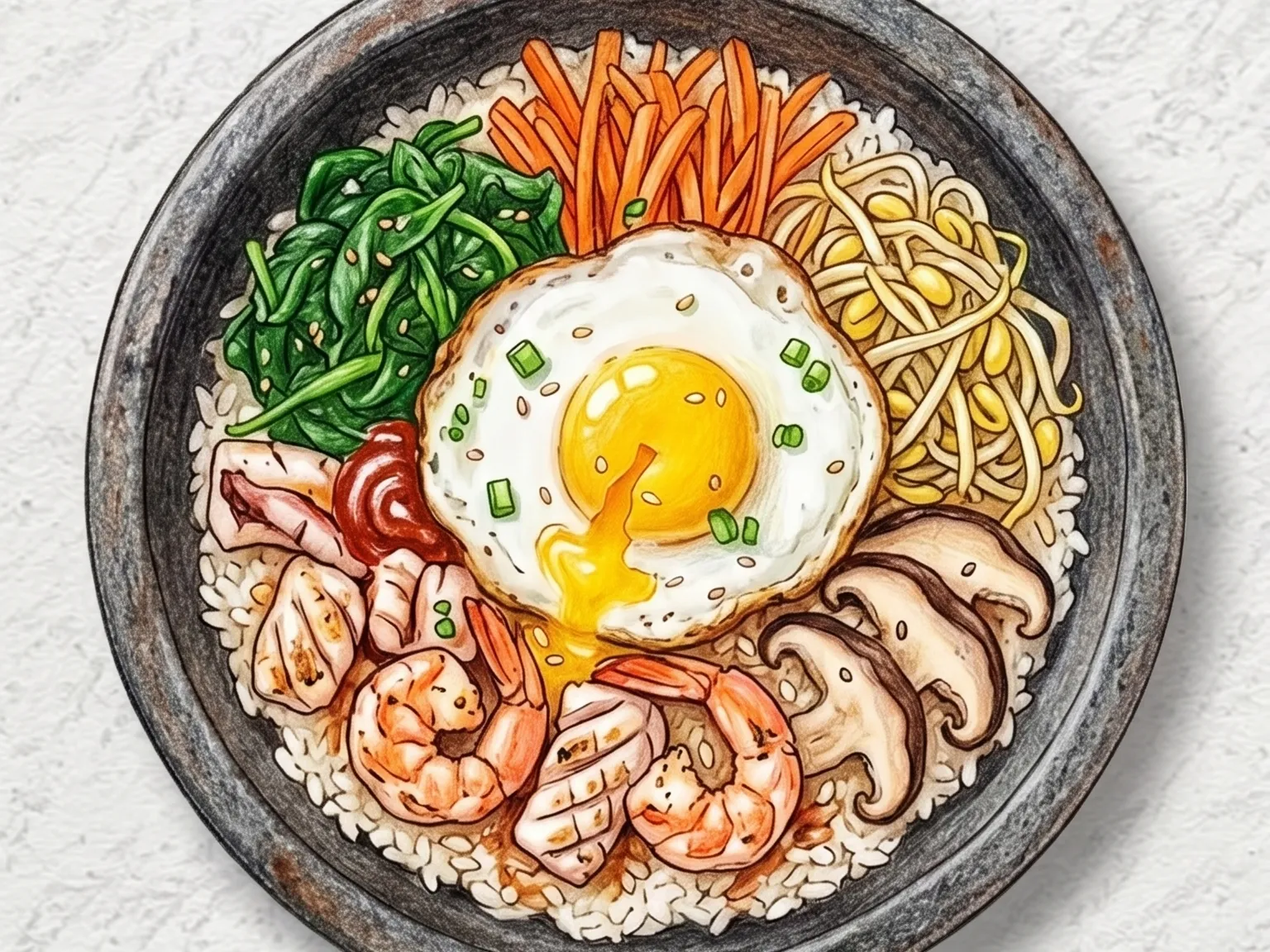
Sanchae bibimbap arranges individually seasoned mountain vegetables including fernbrake, bellflower root, and chwi-namul over a bowl of rice, then brings everything together at the table with a spoonful of gochujang. Each wild green is treated separately to preserve its distinct character. Fernbrake is stir-fried in sesame oil and soy sauce until tender and lightly caramelized. Bellflower root is salted, kneaded vigorously, and rinsed to remove its characteristic bitterness before being left with a clean crunch. Chwi-namul, the young leaves of Korean mountain aster, is blanched for just a few seconds to soften it while locking in its herbal, slightly resinous fragrance. Julienned carrot or radish kimchi adds bright color contrast across the bowl. A second drizzle of sesame oil when mixing helps the greens coat evenly and carries the nutty aroma through every bite. The spicy, subtly sweet gochujang ties the earthy, grassy, and faintly bitter notes of the individual namul into one cohesive, energizing bowl. The dish traces its roots to Korean mountain temple cuisine, where foraged seasonal greens combined with plain rice formed the foundation of a simple but nourishing plant-based meal.

🏠 Everyday
Prep 20minCook 15min2 servings
Korean Spicy Pork Stir-fry
Stir-fryEasy

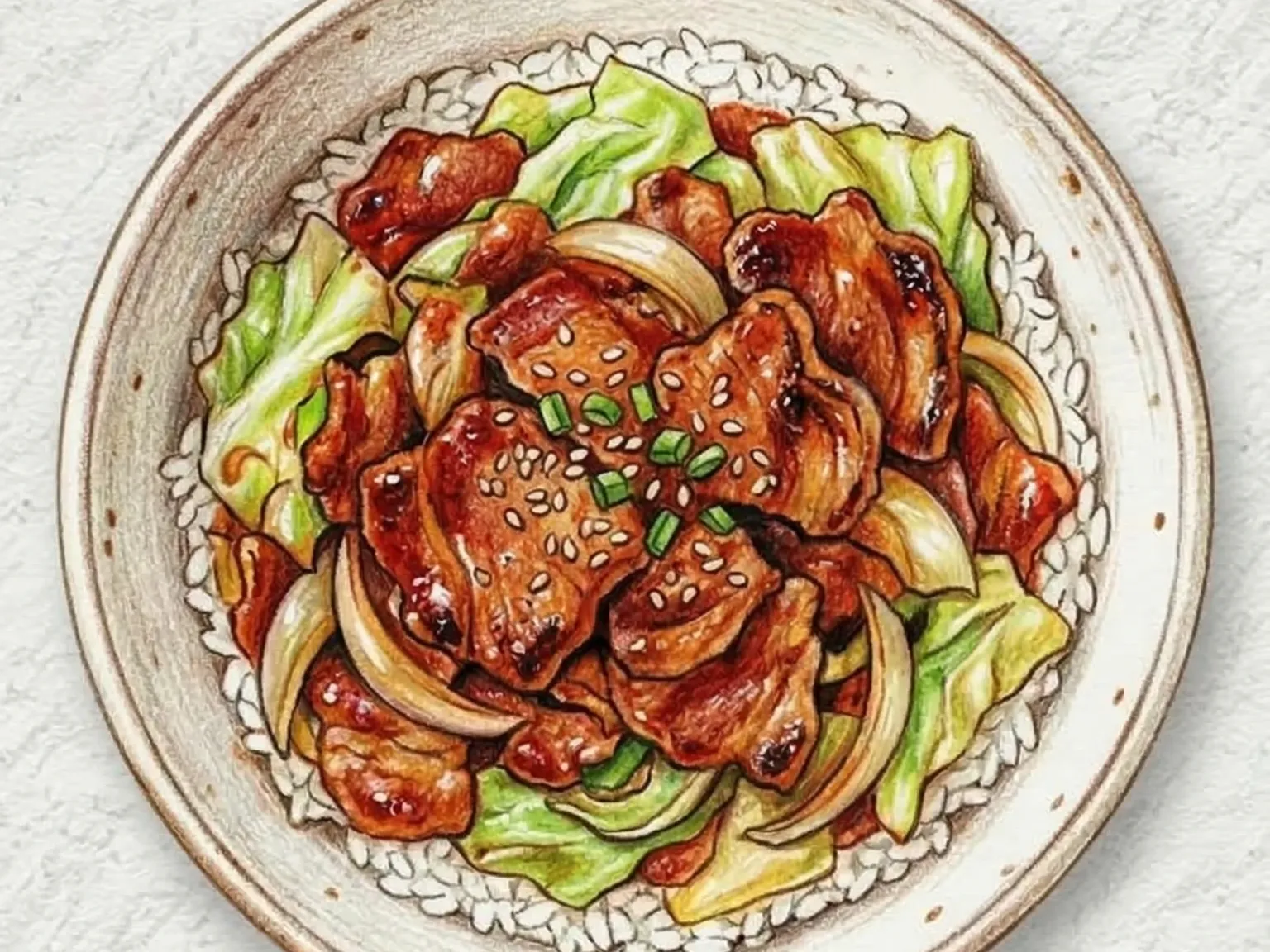
Korean Spicy Pork Stir-fry

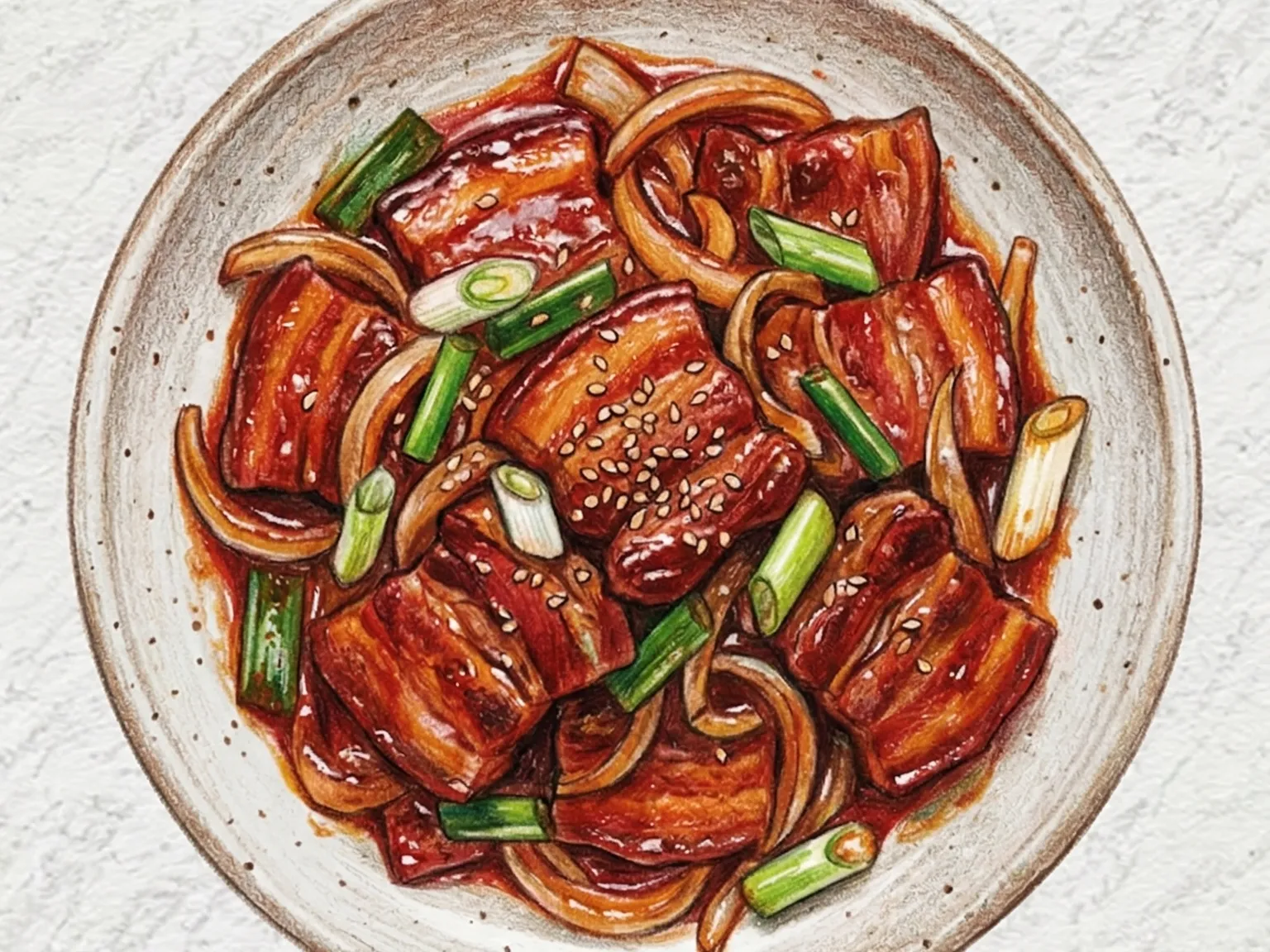
Jeyuk-bokkeum is a Korean spicy pork stir-fry where sliced pork is marinated in gochujang, soy sauce, sugar, and garlic, then wok-tossed with vegetables over high heat. The marinade sinks into the meat, combining chili heat with caramelized sweetness, while onions and scallions release moisture that balances the bold seasoning. Quick cooking at high temperature lets the pork develop a lightly charred exterior that adds another layer of flavor. It is commonly served over rice as a donbap or wrapped in lettuce leaves.

🏠 Everyday🍱 Lunchbox
Prep 15minCook 15min2 servings
Korean Blood Sausage Skewers
Street foodEasy

Korean Blood Sausage Skewers

Soondae-kkochi are Korean blood sausage skewers threaded alternately with onion and green onion pieces, pan-grilled and glazed with a sauce made from gochujang, ketchup, oligosaccharide syrup, and soy sauce. Applying the glaze in two separate rounds rather than all at once is critical: the first coat caramelizes and sets, then a second layer is brushed on over low heat to build a glossy, deeply lacquered finish without burning. The sundae must be cooked slowly over low heat, rolling it gently so the casing does not split while the interior stays chewy throughout. Onion and scallion segments release their moisture on the grill, concentrating into a natural sweetness that balances the bold, iron-rich flavor of the sausage and provides a textural shift between bites. A scatter of toasted sesame seeds over the finished skewers adds a final layer of nutty fragrance.

🧒 Kid-Friendly
Prep 15minCook 12min2 servings
Korean Spicy Pork Bulgogi Grill
GrilledMedium

Korean Spicy Pork Bulgogi Grill

Pork shoulder is marinated for at least thirty minutes in a mixture of gochujang, soy sauce, sugar, and ginger juice, then grilled over high flame. The sugars in the marinade caramelize at high heat, forming a dark, flavorful crust on the surface. Wrapping the grilled meat in fresh lettuce leaves combines the charred smokiness with the crunch and freshness of raw greens.

🍺 Bar Snacks
Prep 30minCook 15min2 servings
Korean Seafood Hot Pot (Shrimp, Squid & Crab Spicy Pot)
StewsMedium

Korean Seafood Hot Pot (Shrimp, Squid & Crab Spicy Pot)

Haemul jeongol is a Korean seafood hot pot that brings together shrimp, Manila clams, squid, and blue crab in a spicy kelp-based broth seasoned with gochujang and gochugaru. The two chili seasonings serve different purposes: gochujang contributes fermented umami depth and body to the broth, while gochugaru adds clean heat and the vivid red color that makes the dish visually striking. Each type of seafood contributes something distinct to the pot. The clams release their natural briny-sweet liquor as they open, forming the backbone of the broth's flavor. The blue crab sweetens the stock progressively as it simmers, adding a richness that builds over time. The squid provides a chewy textural counterpoint to the softer elements, and the shrimp contribute a clean, delicate sweetness. Tofu and zucchini round out the pot with soft contrast between the firm seafood, and soup soy sauce is used for final seasoning rather than regular soy sauce to avoid darkening the broth. Because jeongol is served bubbling at the table and eaten while still cooking, the seafood should not be fully cooked before serving - shrimp and squid in particular should be added just as the broth comes to a boil and cooked only briefly, since prolonged heat makes them rubbery and dry. The wide vessel and communal style of eating, with everyone reaching into the same pot, is central to what makes haemul jeongol a gathering dish rather than a solo meal.

🎉 Special Occasion
Prep 20minCook 20min4 servings
Korean Aged Kimchi Tuna Mixed Noodles
NoodlesEasy

Korean Aged Kimchi Tuna Mixed Noodles

Mukeunji tuna bibim myeon is a quick Korean mixed noodle dish that combines the deep, fermented sourness of aged kimchi with the savory richness of canned tuna, all tossed together in a gochujang-based sauce. Scraping the filling out of the aged kimchi and chopping it finely keeps the sourness from overwhelming the dish, while draining the tuna oil thoroughly prevents the dressing from turning watery. The sauce is built from gochujang, rice vinegar, oligosaccharide syrup, and sesame oil, which together create a balance of spicy, sour, and sweet that works well with both the kimchi and the fish. Boiling the wheat noodles for five to six minutes and rinsing them under cold water gives them a firm, springy bite, and shaking off all excess moisture before tossing ensures the sauce clings to every strand rather than pooling at the bottom of the bowl. Sliced scallion and ground sesame seeds scattered on top add freshness and nuttiness, and a small adjustment of vinegar or syrup at the table lets each person dial in their preferred balance. The whole dish comes together in under fifteen minutes with pantry ingredients, making it a reliable option for a quick lunch.

🏠 Everyday🌙 Late Night
Prep 15minCook 7min2 servings
Korean Seaweed Salad (Tangy Chili-Vinegar Dressed Miyeok)
Side dishesEasy

Korean Seaweed Salad (Tangy Chili-Vinegar Dressed Miyeok)

Miyeok-muchim consists of rehydrated seaweed seasoned with either a vinegared chili paste called cho-gochujang or a vinegared soy sauce known as cho-ganjang. In Korean culinary traditions, this preparation represents one of the most frequent methods for consuming seaweed outside of the traditional soup typically served on birthdays. To prepare the foundation of the dish, approximately thirty grams of dried miyeok requires a twenty-minute immersion in water. During this period, the volume of the seaweed expands by eight to ten times its original size, which results in a quantity sufficient for two individual portions. A frequent error made by individuals unfamiliar with this ingredient involves using an excessive amount of the dried seaweed because the dramatic scale of its expansion is often underestimated. Following the soaking stage, the seaweed undergoes a brief blanching process in boiling water. This technique intensifies the color of the miyeok into a vivid green while simultaneously reducing the strong marine odor associated with the raw plant. Immediately after blanching, a thorough rinse in cold water is required to lock in the specific texture of the seaweed, which is characterized as being both slippery and bouncy. For the dressing, the spicy cho-gochujang variation combines fermented chili paste with vinegar and sugar to create a profile that is sweet, sour, and spicy. This combination serves to temper the inherent saltiness found in the seaweed. Many versions of the dish include thinly julienned cucumber to provide a crisp textural contrast to the silkiness of the miyeok. Alternatively, the cho-ganjang dressing offers a more subtle flavor for individuals preferring a clean taste without the heat of chili. From a nutritional standpoint, a single portion contains roughly fifty kilocalories and is recognized as a significant source of dietary fiber and iodine. These attributes make the dish a consistent feature in Korean home cooking focused on health and nutrition. The salad is typically kept in the refrigerator and served chilled, making it particularly refreshing during the summer months when people often experience a decrease in their appetite.

🏠 Everyday🍱 Lunchbox
Prep 20min2 servings
Korean Young Radish Barley Bibimbap
RiceEasy

Korean Young Radish Barley Bibimbap

Barley-mixed rice has a hearty, popping texture and a nutty flavor that pairs naturally with the crisp, tart bite of freshly made young radish kimchi. The crunchy stems of the kimchi contrast with the chewy barley grains, and stirring in gochujang ties the tangy, spicy, and sweet elements together into a cohesive bowl. A spoonful of sesame oil folded in at the end adds a roasted fragrance that lifts the overall depth of flavor. This bibimbap is especially refreshing in the summer months as a cooling, appetite-stimulating meal.

🏠 Everyday🍱 Lunchbox
Prep 18minCook 22min2 servings
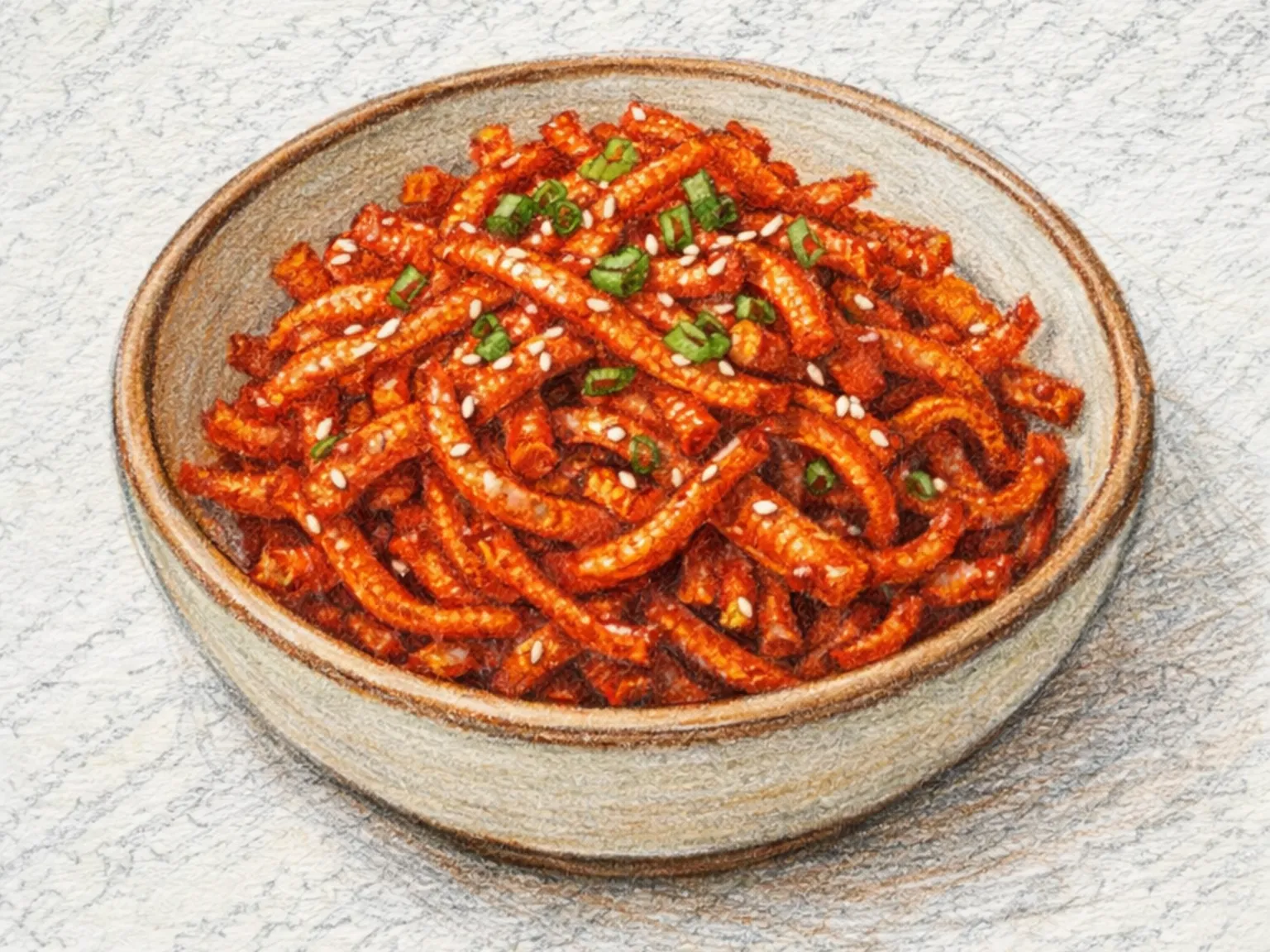
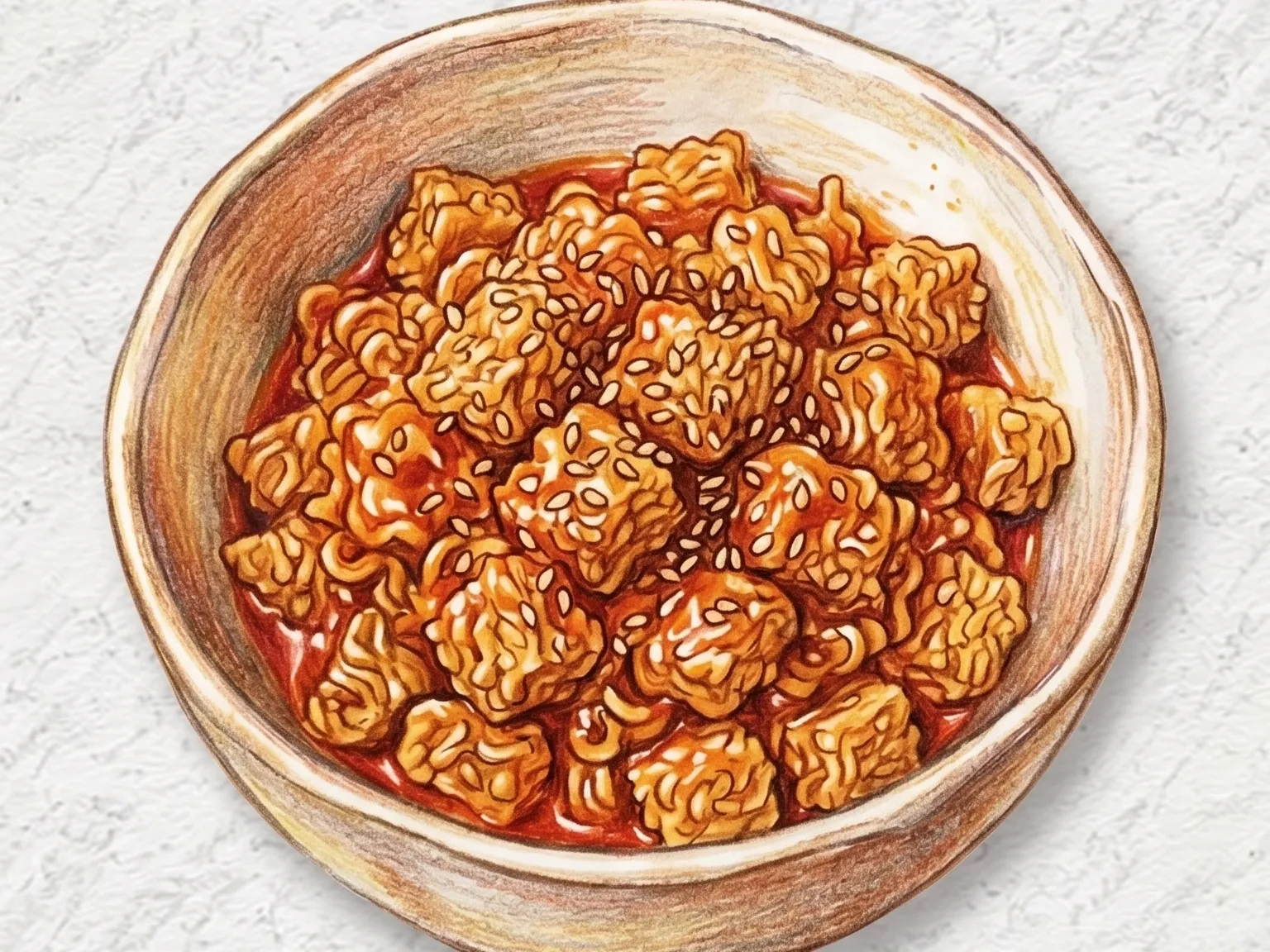
Korean Sweet Spicy Stir-fried Filefish Jerky
Stir-fryEasy

Korean Sweet Spicy Stir-fried Filefish Jerky

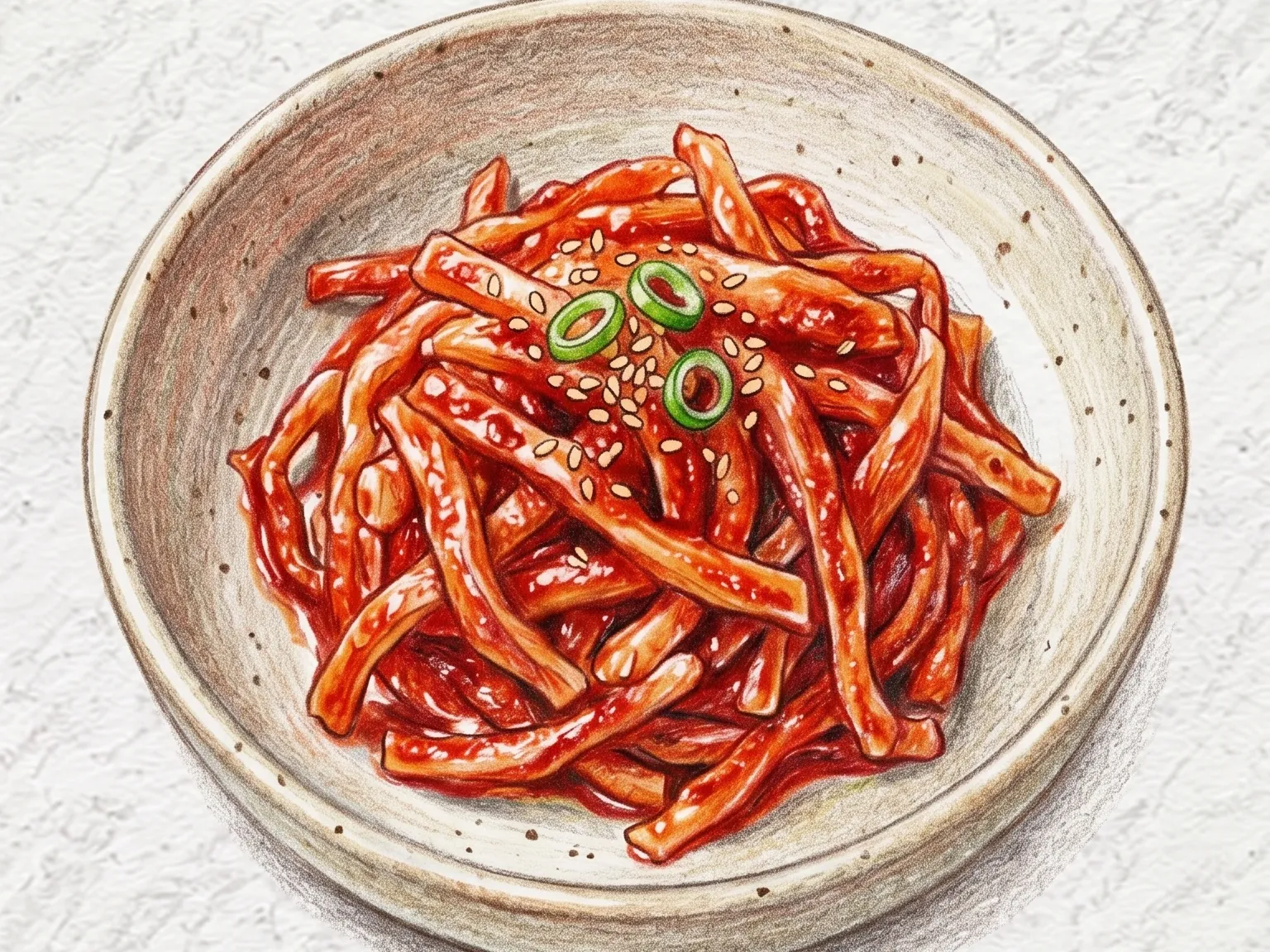
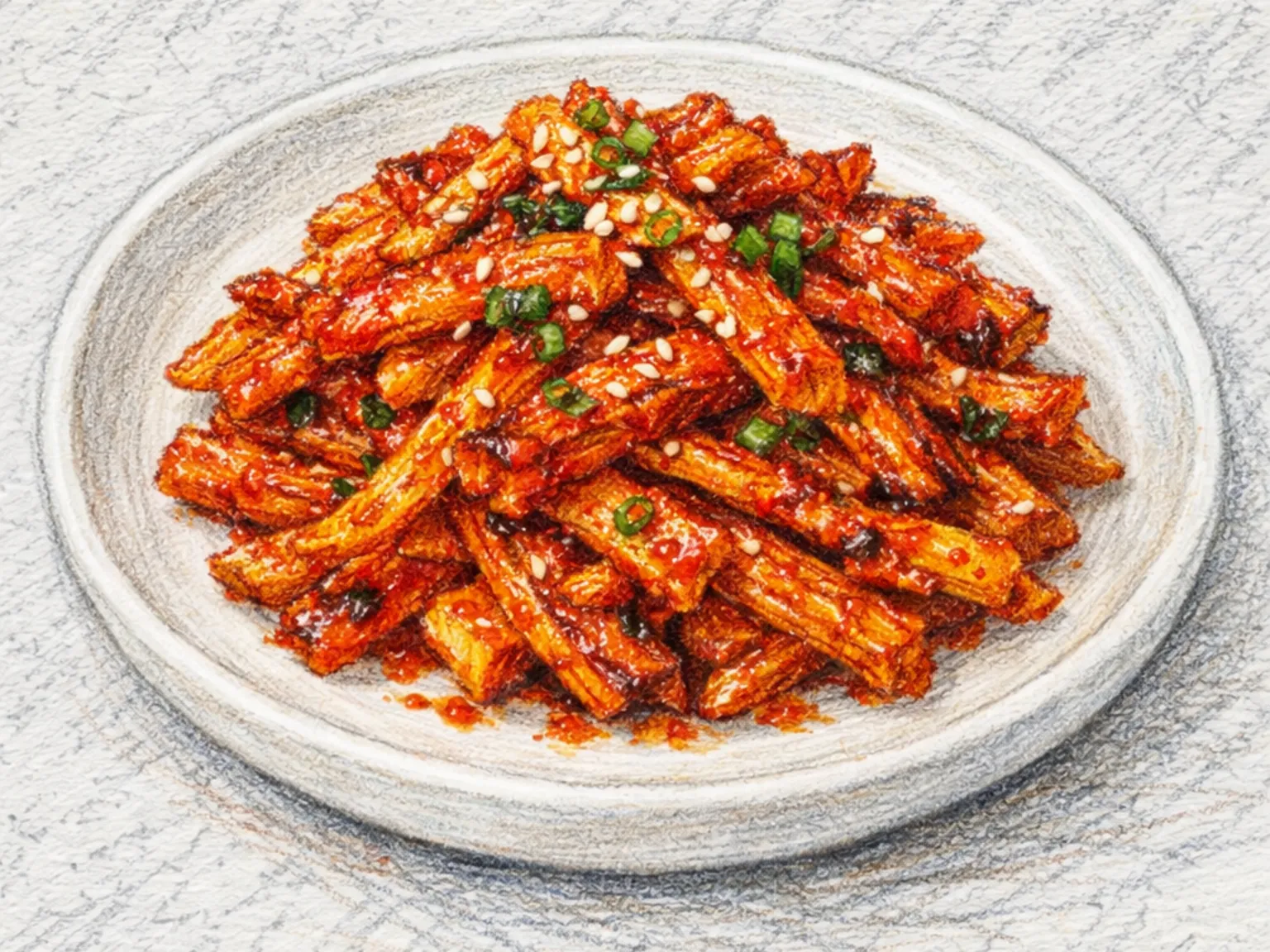
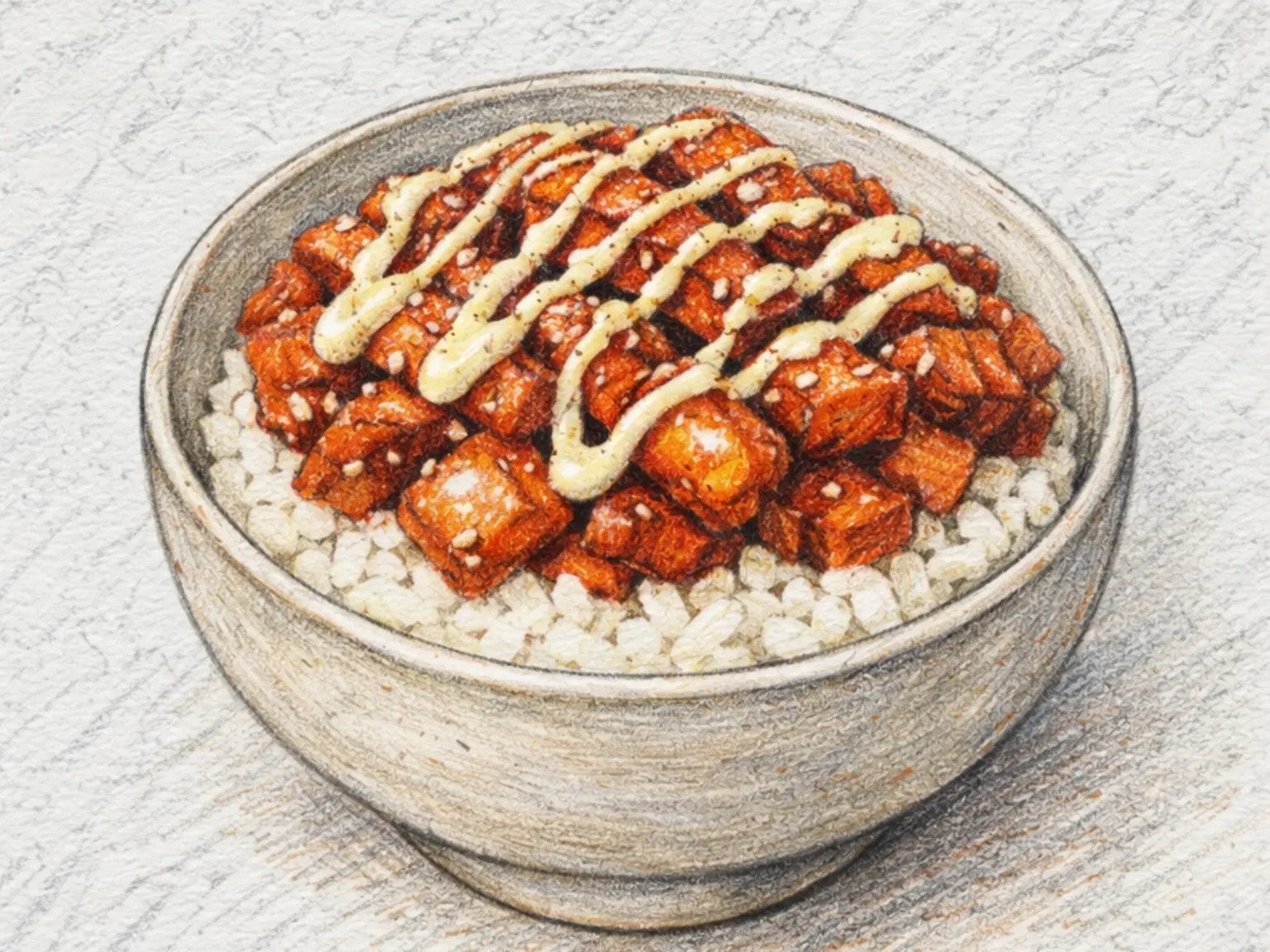
Jjipo-bokkeum is a Korean side dish made from flat dried filefish jerky tossed in a sweet and spicy glaze of gochujang, oligosaccharide syrup, soy sauce, garlic, and sesame oil. The jerky pieces are lightly pan-fried in a small amount of oil first to develop a toasty, nutty surface before the sauce goes in, which builds an initial layer of flavor and texture before the glaze coats the outside. The seasoning sauce is added over low heat and the pan is kept moving to prevent the sugar in the oligosaccharide syrup from burning, coating each piece evenly in a glossy, sticky layer. The syrup softens the otherwise tough chew of the dried fish so that each piece bends slightly rather than snapping, and every bite releases the filefish's concentrated, deeply savory umami that builds with each chew. Made ahead and stored refrigerated, jjipo-bokkeum keeps its flavor well for five to seven days, making it one of the more practical banchan to prepare in advance. It works equally well as a rice side, an afternoon snack eaten on its own, or served alongside drinks as an anju.

🏠 Everyday🍱 Lunchbox
Prep 8minCook 7min4 servings
Korean Sotteok Sotteok Skewers
Street foodEasy

Korean Sotteok Sotteok Skewers

Sotteok-sotteok is a Korean street snack of alternating mini sausages and cylinder rice cakes on a skewer, pan-grilled and coated in a sweet-spicy glaze of gochujang, ketchup, and oligosaccharide syrup. The rice cakes are soaked in warm water beforehand to soften them, ensuring they cook through on the pan and achieve maximum chewiness. Sausages are lightly scored to prevent splitting, and the skewers are rolled over medium heat until evenly browned. The glaze is tossed on quickly over low heat so it clings in a glossy layer, and the sauce gradually seeps into the rice cakes with each bite.

🧒 Kid-Friendly
Prep 15minCook 12min2 servings
Korean Grilled Webfoot Octopus
GrilledMedium

Korean Grilled Webfoot Octopus

Cleaned webfoot octopus is tossed in a marinade of gochujang, chili flakes, soy sauce, and sugar for ten minutes, then seared on high heat for just three to four minutes. Webfoot octopus has thicker tentacles than nakji and a more resilient chew, which makes it particularly well suited to this type of spicy, high-heat preparation. The short cooking time is not a shortcut -- it is the point. Overcooking webfoot octopus makes it rubbery and dry, and the difference between three minutes and five minutes is the difference between tender-chewy and tough. High heat is equally important: the goal is to sear, not steam, so the pan must be very hot and the pieces should not be crowded. Where the glaze catches on the pan surface and scorches slightly, it leaves behind charred bits that coat the octopus with a smoky depth the marinade alone cannot provide. Green onion added in the final seconds cuts through the heat with a sharp, fresh note. Just before the main harvest season in spring, webfoot octopus carries roe that adds a rich, creamy nuttiness to each bite, and this is when Korean cooks consider the ingredient at its peak. The cooked pieces wrap well in perilla leaves and are also popular as a fried rice finisher.

🍺 Bar Snacks
Prep 20minCook 8min2 servings
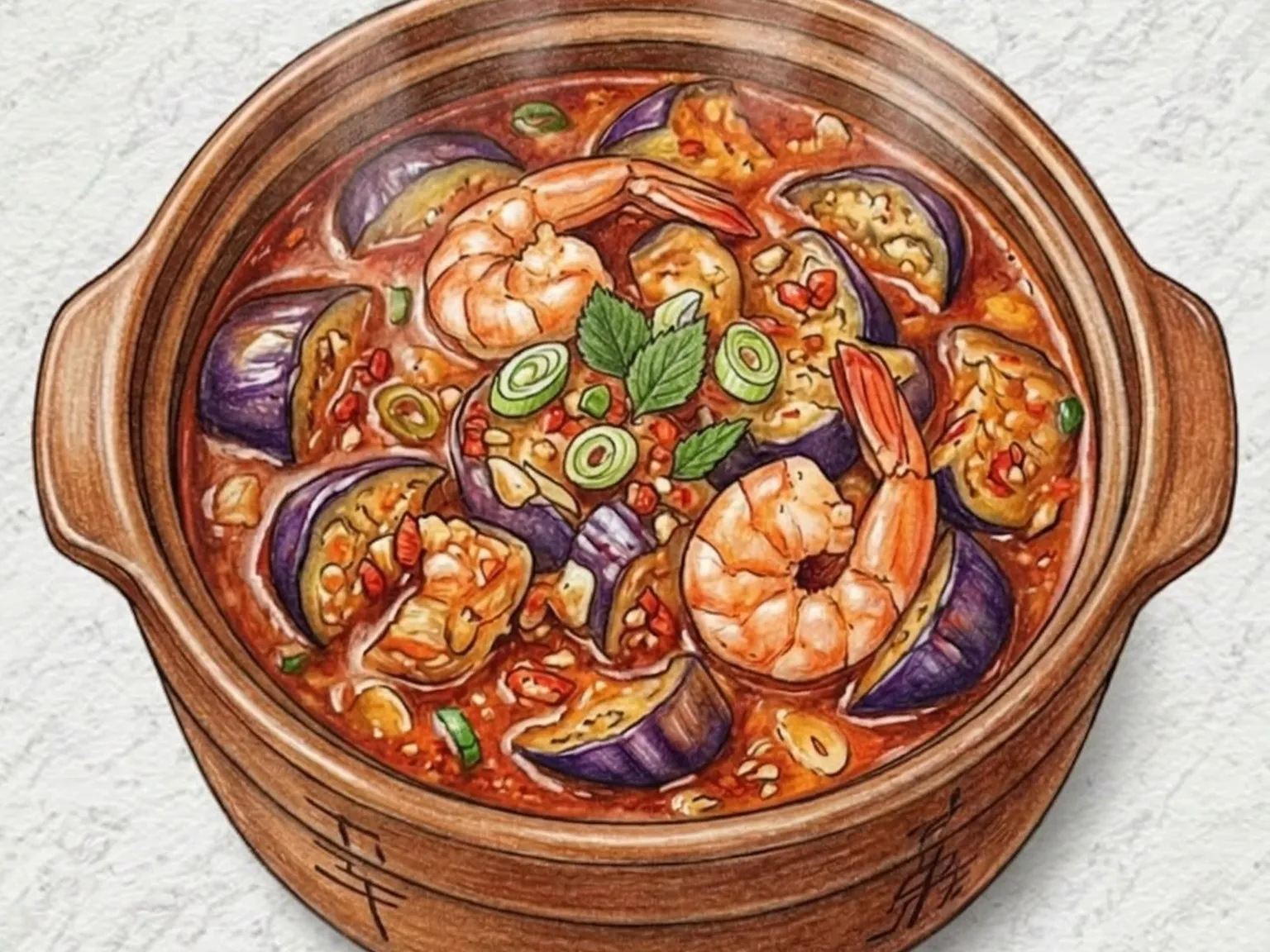
Korean Seafood Stew (Shrimp, Squid & Clam Spicy Pot)
StewsMedium

Korean Seafood Stew (Shrimp, Squid & Clam Spicy Pot)

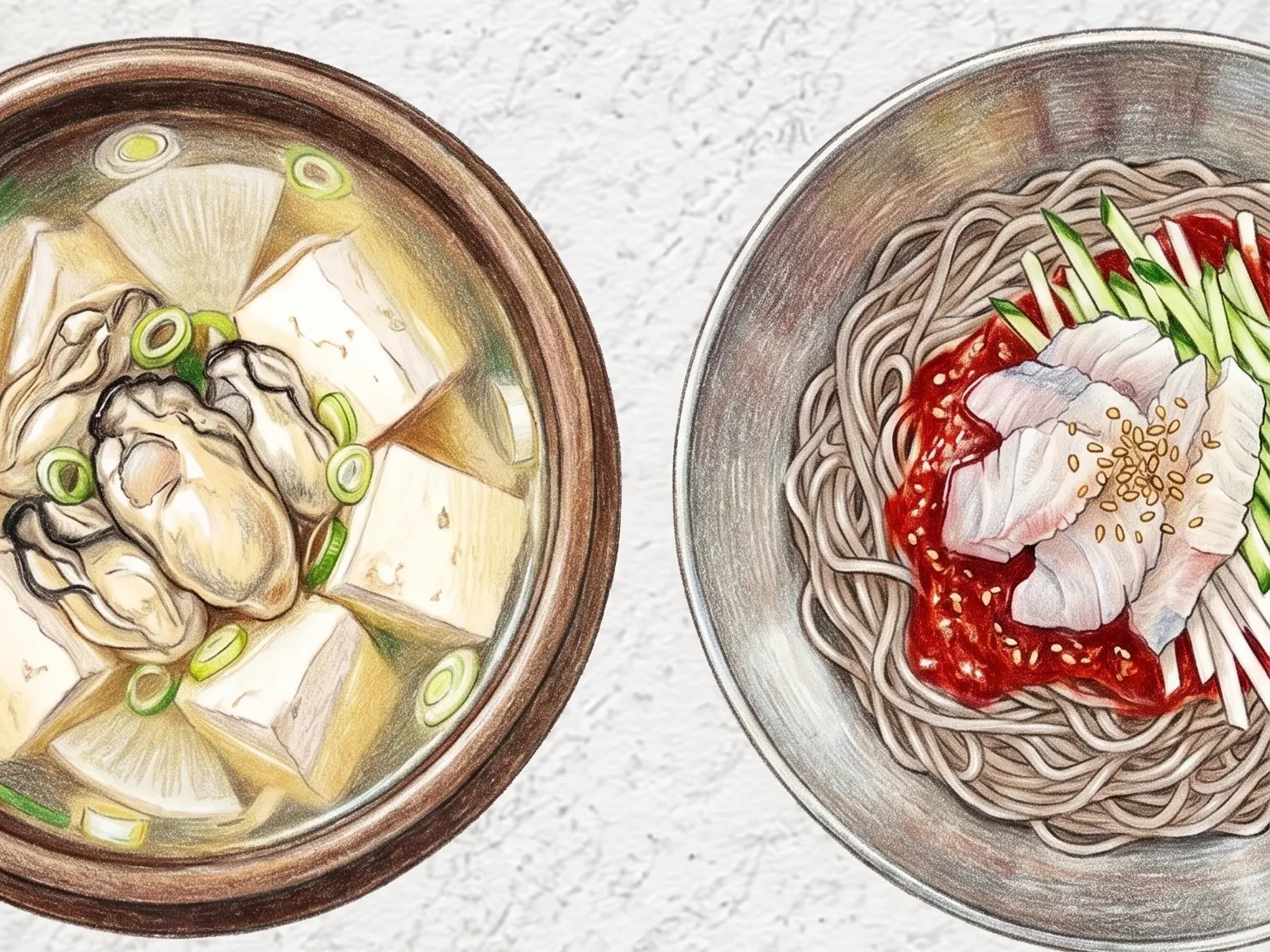
Haemul jjigae is a fiery Korean seafood stew that loads shrimp, squid, and clams into a broth fired with gochugaru and gochujang. As the clams open during cooking, they release a clean, saline sweetness that forms the backbone of the broth, and the chili paste and flakes layer in a deep red heat that amplifies rather than masks the flavor of the sea. Large pieces of tofu and sliced zucchini cook alongside the seafood, soaking up the spiced shellfish stock and adding substance to every spoonful. Green onion and cheongyang chili added at the end contribute color and a fresh aromatic sharpness. Serving directly in the stone pot keeps the stew bubbling at the table throughout the meal, and the steady heat means the last spoonful tastes as vivid as the first. A bowl of steamed white rice alongside absorbs the broth between bites and makes the meal complete.

🏠 Everyday
Prep 15minCook 20min2 servings
Korean Myeongi Jangajji Bibim Udon (Wild Garlic Pickle Udon)
NoodlesEasy

Korean Myeongi Jangajji Bibim Udon (Wild Garlic Pickle Udon)

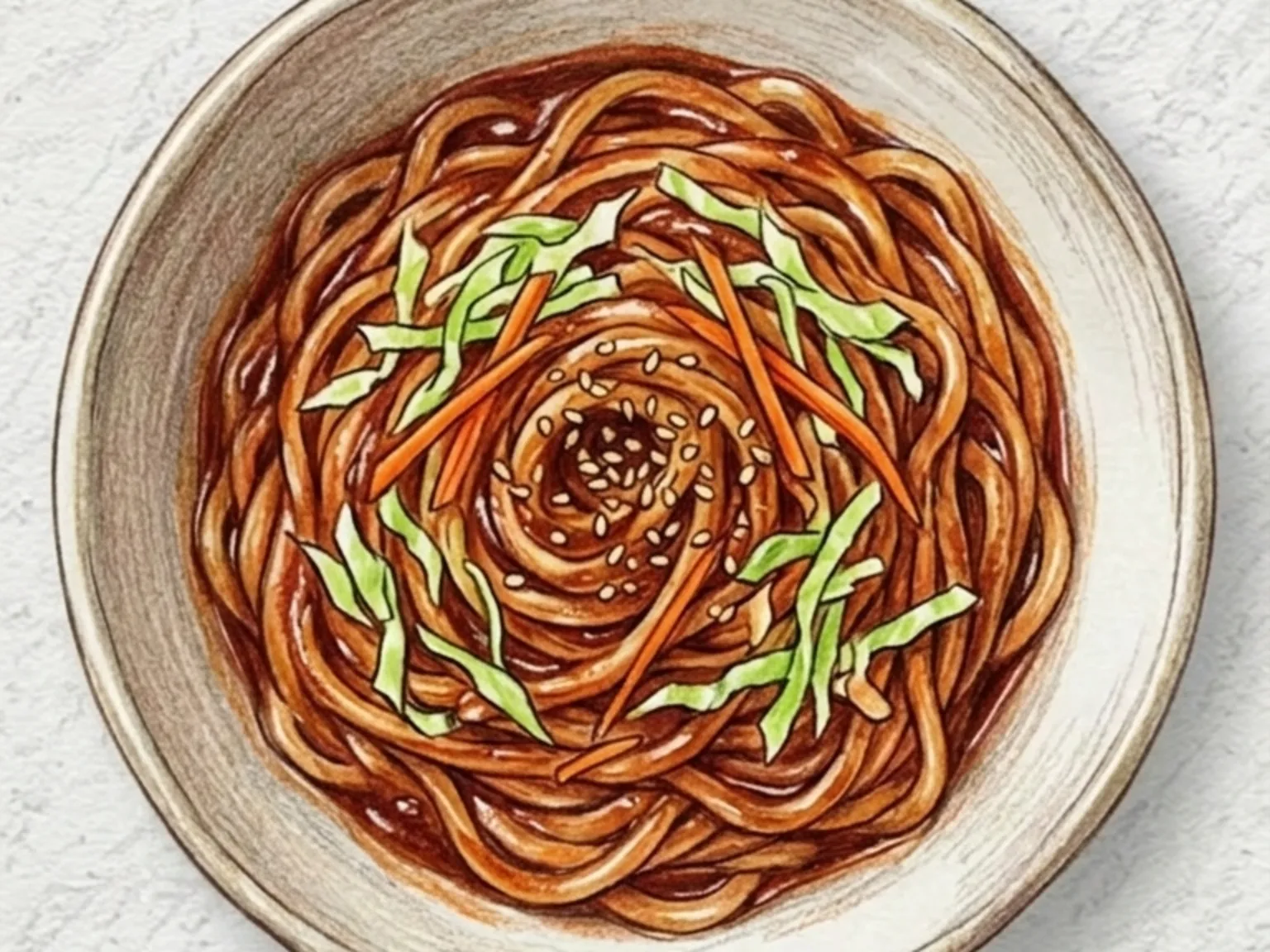
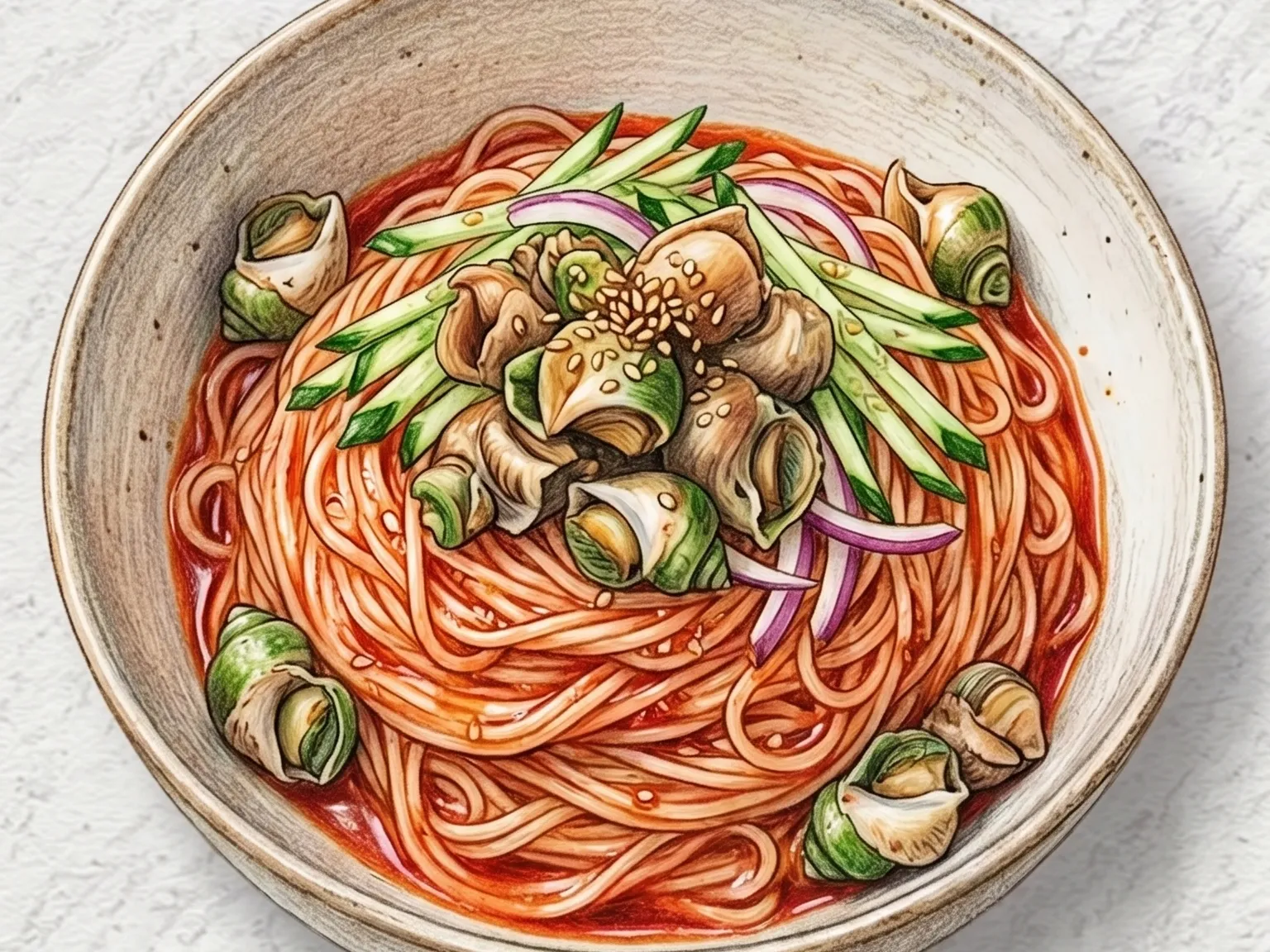
Myeongi jangajji bibim udon is a Korean mixed noodle dish where springy udon noodles are tossed with sliced soy-pickled wild garlic, gochujang sauce, canned tuna, and julienned cucumber. The pickle brine is used in place of plain vinegar in the dressing, which introduces a fermented depth that regular acidity cannot replicate. Squeezing excess moisture from the pickled leaves before slicing ensures they distribute evenly among the noodles. Drained tuna adds protein and a savory richness, while the cucumber brings a crisp, watery crunch that counterbalances the salty pickles and spicy gochujang. Draining the udon thoroughly after cooking is essential so the sauce stays concentrated and coats each strand.

🏠 Everyday
Prep 12minCook 10min2 servings
Korean Spicy Squid Salad (Gochujang Blanched Squid)
Side dishesEasy

Korean Spicy Squid Salad (Gochujang Blanched Squid)

Ojingeo-muchim tosses blanched squid in a gochujang-vinegar dressing for a tangy, spicy seafood banchan that works equally well as a rice side dish or as anju with drinks. Squid, unlike vegetables, has an extremely narrow blanching window that determines the entire outcome: one minute to ninety seconds in boiling water is the limit. Beyond that, the proteins contract and the texture turns rubbery; under that, the interior stays translucent and fishy. Plunging into ice water immediately after blanching halts carryover cooking and locks in the ideal springy-bouncy texture. The dressing combines gochujang, gochugaru, vinegar, sugar, garlic, sesame oil, and sesame seeds, with vinegar playing the pivotal role - it introduces a sharp acidity over the squid's marine umami, forming a triangular balance with the chili heat. Julienned onion and cucumber mixed in add textural variety and stretch the portion. A popular variation stirs in one tablespoon of mayonnaise, whose emulsified fat wraps around the heat and produces a milder, creamier version.

🏠 Everyday🍱 Lunchbox
Prep 15minCook 5min4 servings
Korean Spicy Webfoot Octopus Stir-Fry
Stir-fryEasy

Korean Spicy Webfoot Octopus Stir-Fry

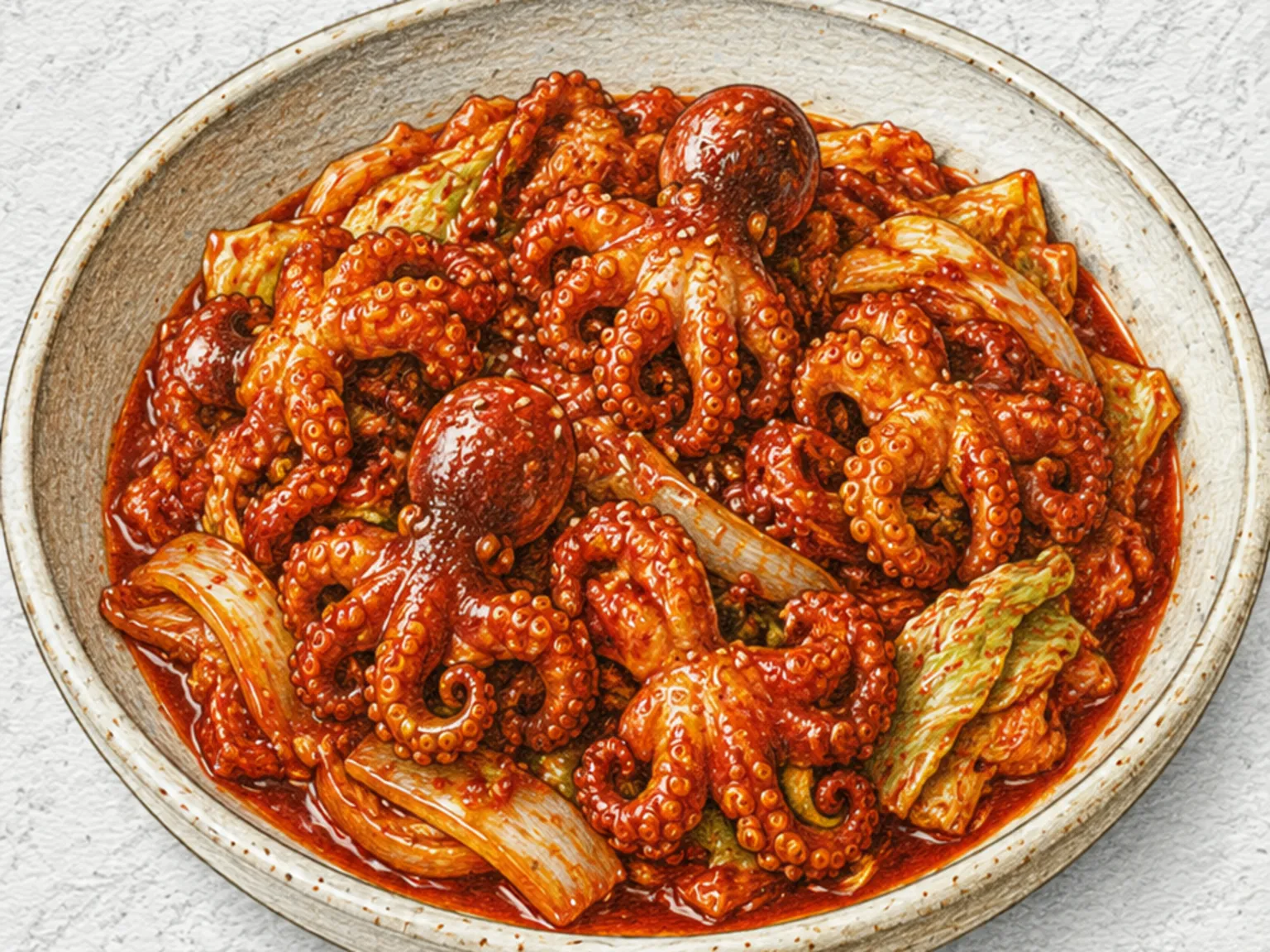
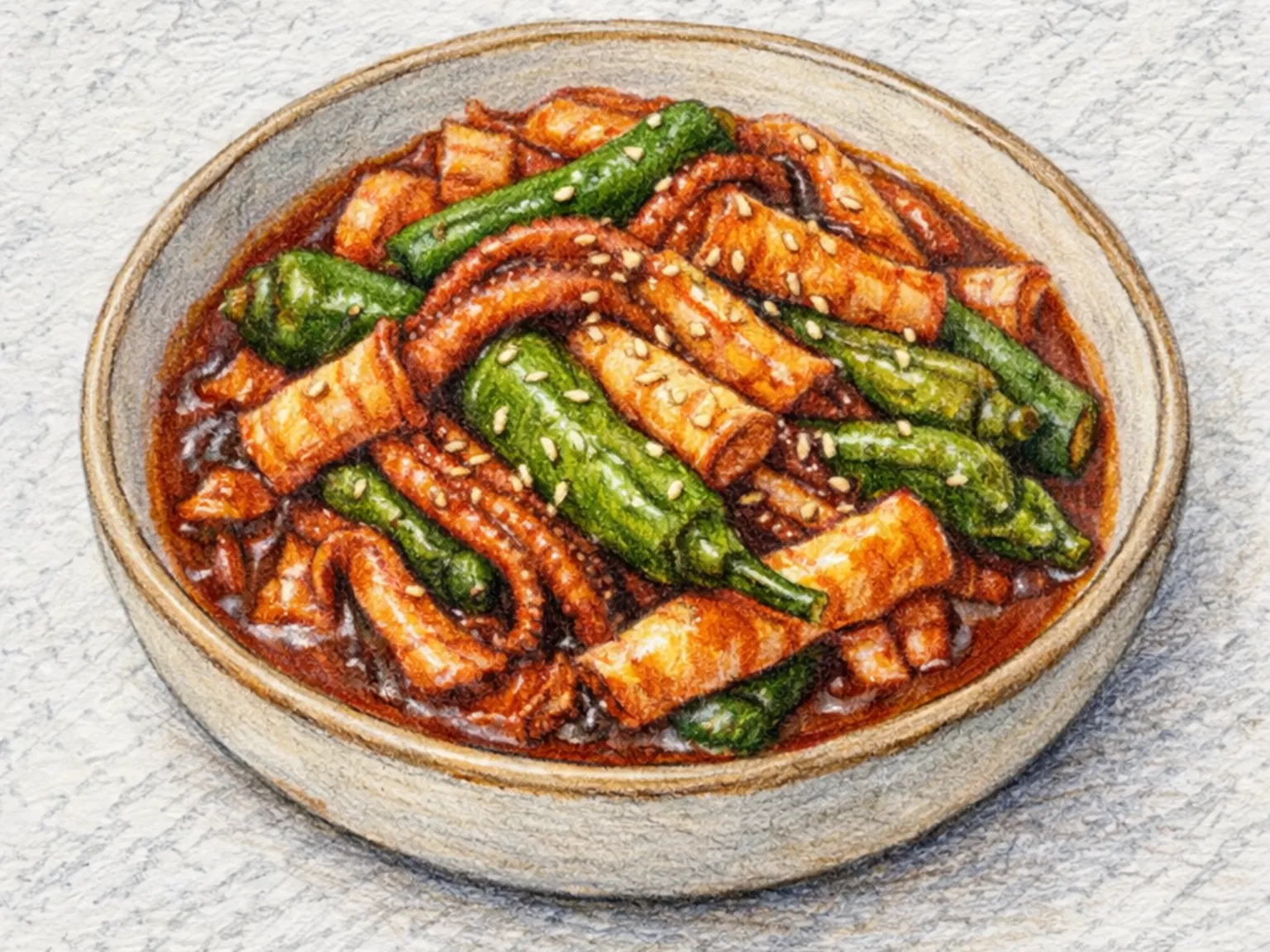
Jjukkumi-bokkeum is a Korean seafood stir-fry made by tossing cleaned small webfoot octopus with vegetables in a bold gochujang and gochugaru sauce over very high heat. Cleaning the octopus properly is essential: the innards inside the head must be removed and the body scrubbed with coarse salt to strip the slippery surface coating. The octopus is marinated ahead in a sauce of gochujang, red pepper flakes, soy sauce, sugar, minced garlic, and sesame oil, allowing the seasoning to penetrate before the heat hits. Onion and scallion go into the hot oiled pan first to develop their sweetness, then the marinated octopus is added and stir-fried on maximum heat for no more than two minutes. Keeping the cooking time short is non-negotiable: jjukkumi turns rubbery and tough if it stays over heat too long, and a chewy, springy texture is what separates a well-made version from an overcooked one. The intense heat of gochujang and coarsely ground red pepper defines the character of the dish, while the natural sweetness of onion and scallion rounds the sharp edges of the spice. Spring jjukkumi caught when the roe sacs are full adds a burst of texture when bitten into, which is why the spring season version is considered especially worth seeking out. The dish pairs naturally with steamed rice or as a drinking snack alongside soju.

🏠 Everyday🌙 Late Night
Prep 15minCook 10min2 servings
Korean Maekom Mayo Yubu Pocket (Spicy Mayo Tofu Pockets)
Street foodEasy

Korean Maekom Mayo Yubu Pocket (Spicy Mayo Tofu Pockets)

Spicy mayo yubu pockets are seasoned tofu pouches stuffed with rice, canned tuna, chopped pickled radish, and cucumber, all bound together with a gochujang-mayonnaise sauce. The tuna must be thoroughly drained before mixing so the mayonnaise coats evenly, and the ratio of gochujang to mayo controls both the heat level and the creamy consistency of the filling. Diced pickled radish and cucumber introduce a satisfying crunch that keeps each bite from feeling heavy. Sesame oil and toasted sesame seeds mixed into the rice build a nutty foundation that balances the spice from the sauce. The sweet and salty braised tofu pouch wraps around everything, delivering multiple layers of flavor in a single bite. These pouches pack well for lunch boxes and hold up in the refrigerator, where the tofu slowly absorbs moisture from the filling and becomes even softer.

🍱 Lunchbox
Prep 18minCook 8min4 servings
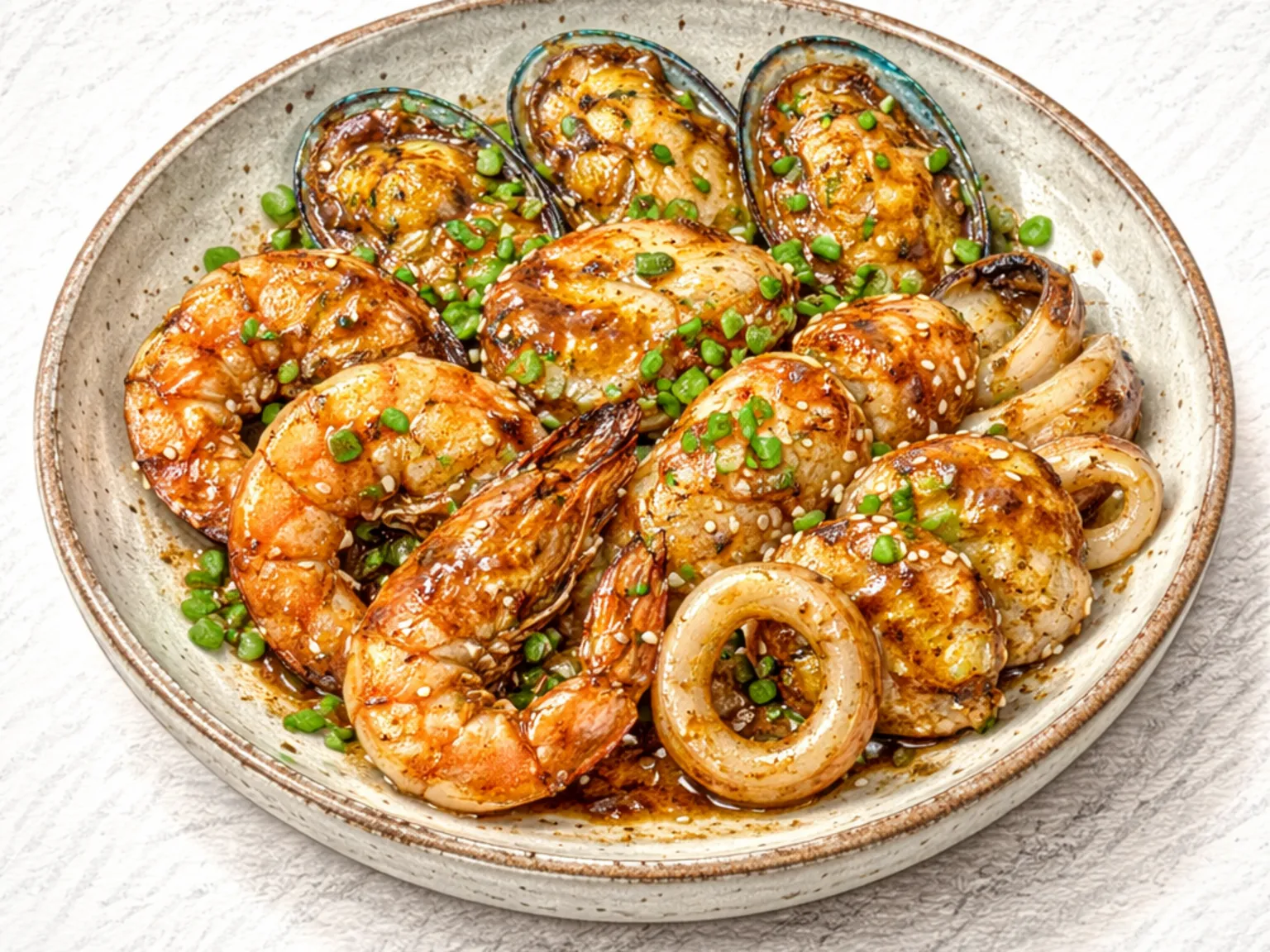
Korean Kkomak Yangnyeom Gui (Spicy Grilled Cockles)
GrilledMedium

Korean Kkomak Yangnyeom Gui (Spicy Grilled Cockles)

Cockles are purged in salt water, blanched for just two minutes in boiling water until they open, then topped with a sauce of gochujang, chili flakes, soy sauce, garlic, sugar, and sesame oil before grilling over high heat for three to four minutes. Keeping the blanch to two minutes is the key step: longer cooking shrinks the flesh and makes it rubbery, while a brief blanch leaves the cockles firm, bouncy, and moist inside. The strong flame rapidly caramelizes and reduces the sauce into a spicy, salty crust on the surface while the interior stays juicy. A final thirty seconds over open flame, where available, adds a distinct smokiness that deepens the overall flavor. The cooking liquid that pools at the bottom of the pan, a mix of the seasoning paste and the brininess released by the cockles, is intensely savory and works well spooned over rice. Cockle season runs from winter through early spring, when the flesh is at its fullest and most flavorful.

🍺 Bar Snacks
Prep 20minCook 10min2 servings
Korean Ham-Packed Budae Jjigae
StewsEasy

Korean Ham-Packed Budae Jjigae

This version of budae jjigae is built around a generous load of Spam and Vienna sausages, simmered alongside well-fermented kimchi in a wide pot of anchovy or dashi stock. Gochujang and Korean chili flakes build layered heat while the kimchi's sourness cuts through the salt of the processed meats and keeps the overall flavor from becoming one-dimensional. Adding a bundle of ramen noodles toward the end allows them to absorb the deeply seasoned broth as they cook. With 900ml of stock, this is a communal pot meant to be shared at the table. Budae jjigae originated in the years after the Korean War, when surplus American military rations such as ham and sausage were combined with Korean staples near military base towns. The ham-forward version puts the salty, meaty character of the processed ingredients at the center of the dish.

🍺 Bar Snacks🏠 Everyday
Prep 15minCook 20min2 servings
Korean Tteokbokki Noodles
NoodlesEasy

Korean Tteokbokki Noodles

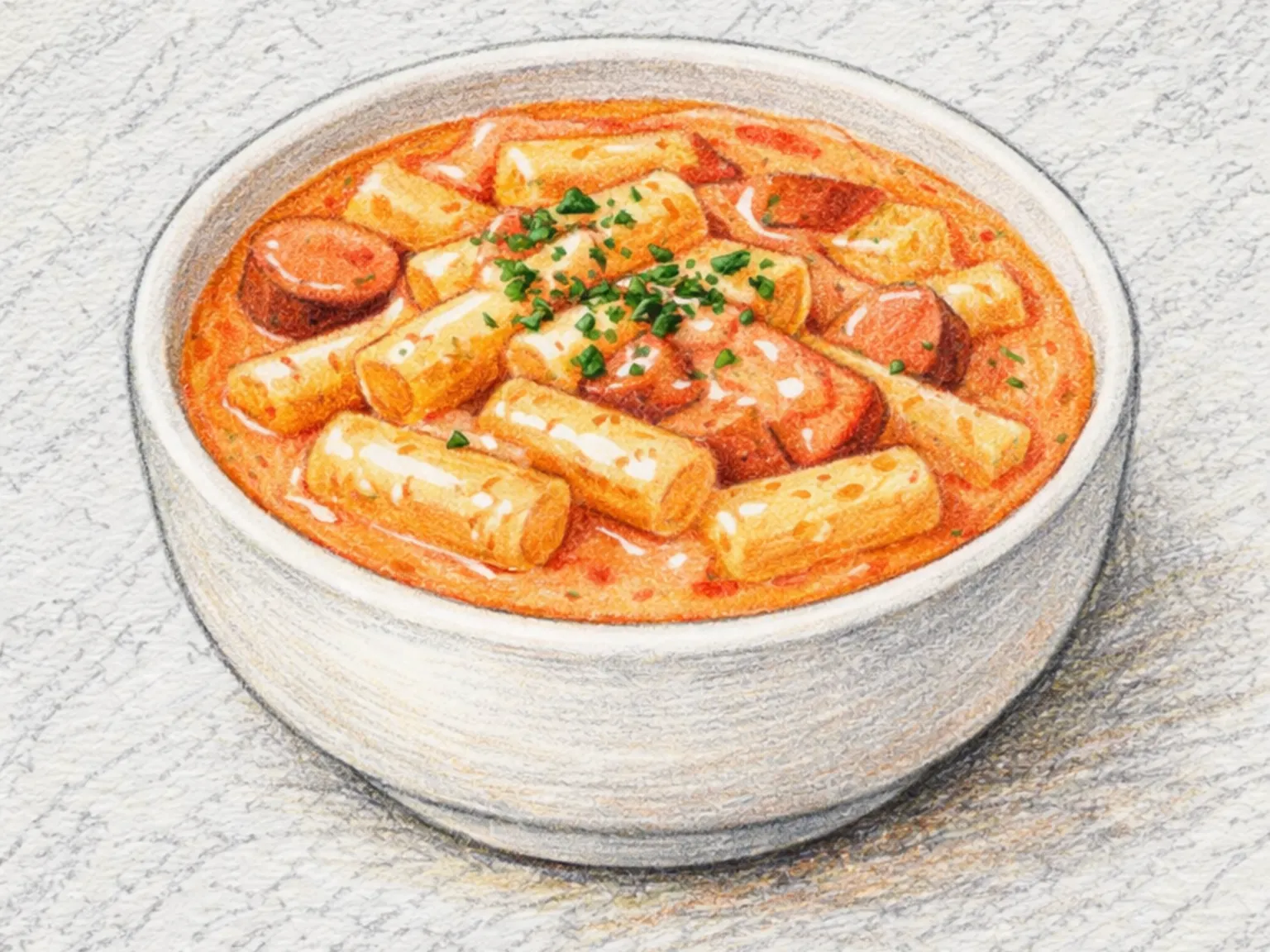
Tteok-bokkeum-myeon stir-fries udon noodles and cylindrical rice cakes together in a gochujang-based sauce that is both spicy and slightly sweet. The two main components offer contrasting textures - stretchy rice cakes and springy noodles - coated in the same thick, red sauce. Fish cake and boiled eggs are common additions. The dish takes about 25 minutes from start to plate, with most of the work being chopping ingredients and stirring everything in a single pan. It is a staple of Korean street-food culture.

🏠 Everyday🌙 Late Night
Prep 10minCook 15min2 servings
Korean Seasoned Green Laver
Side dishesEasy

Korean Seasoned Green Laver

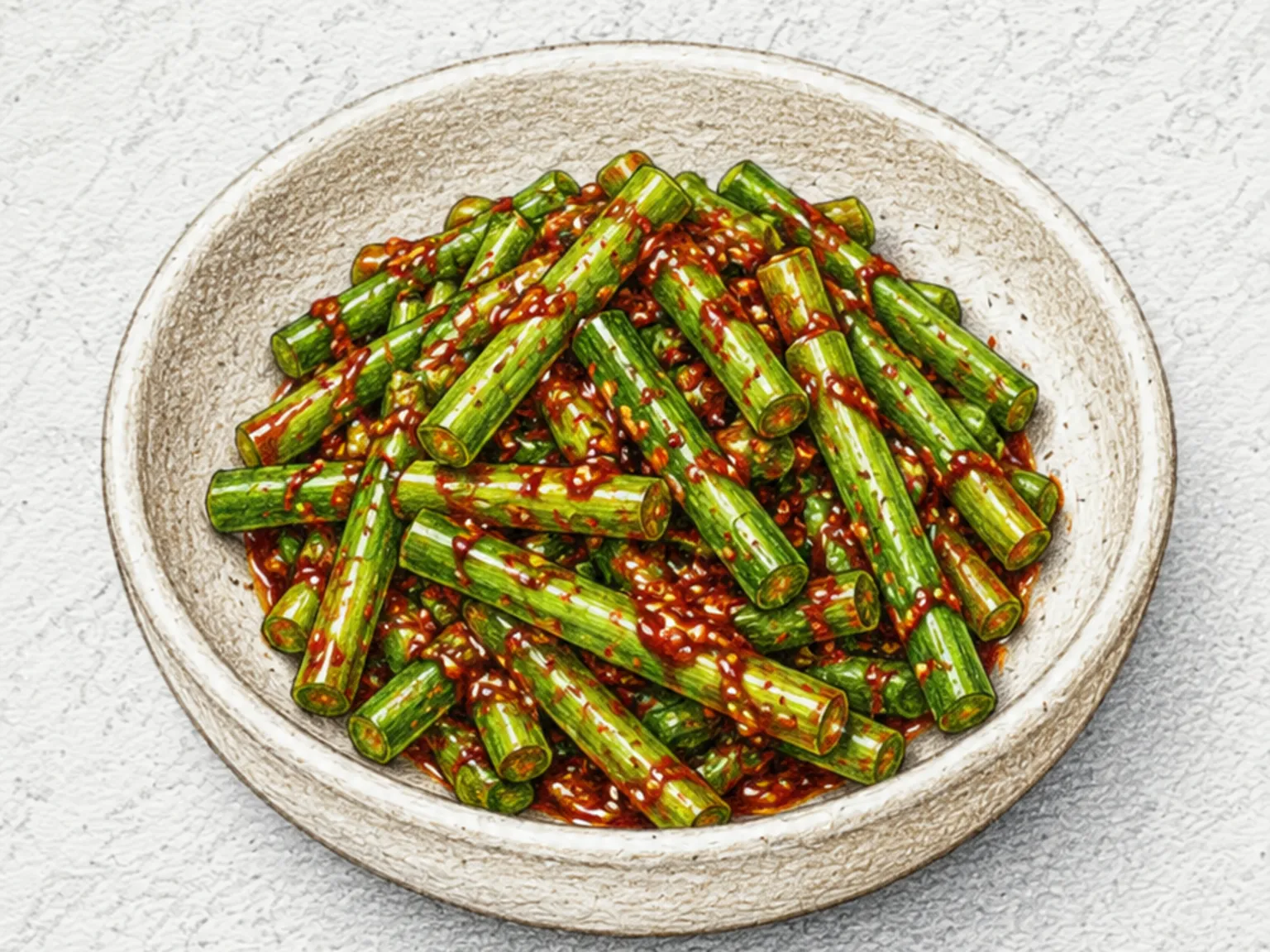
Parae-muchim dresses winter-season green laver in a vinegared gochujang sauce that balances the seaweed's natural brininess with sweet, sour, and spicy notes. The laver must be washed at least five times with fresh water to remove every grain of sand embedded in its delicate fronds. A brief 10-second blanch in boiling water tames any fishy undertone while keeping the texture soft and slippery. The dressing - gochujang, vinegar, sugar, minced garlic, and sesame oil - clings to the damp strands, coating them in a glossy, reddish glaze. Each bite delivers a wave of ocean flavor followed by the slow warmth of the chili paste.

🏠 Everyday🍱 Lunchbox
Prep 15min4 servings
Korean Stir-Fried Kale and Pork with Gochugaru
Stir-fryMedium

Korean Stir-Fried Kale and Pork with Gochugaru

Keil-dwaeji-gochugaru-bokkeum stir-fries marinated pork shoulder with kale in a chili-forward gochugaru and gochujang sauce. The pork marinates to develop deep, spicy savoriness, then sears quickly at high heat for a lightly charred edge. Kale holds up to the heat better than most leafy greens, retaining a pleasant chew that contrasts with the tender pork and cuts through its richness. The dish works well wrapped in lettuce without any extra dipping sauce, or simply piled over a bowl of steamed rice.

🏠 Everyday🌙 Late Night
Prep 18minCook 14min4 servings
Korean Stir-fried Sundae (Sundae Bokkeum)
Street foodEasy

Korean Stir-fried Sundae (Sundae Bokkeum)

Sundae-bokkeum is a spicy Korean stir-fry of blood sausage with cabbage, onion, and green onion in a sauce made from gochujang, gochugaru, soy sauce, sugar, and garlic. High heat and a short cooking time are essential because prolonged stir-frying causes the sundae casing to burst and the filling to toughen, while the cabbage and onion release just enough moisture as they wilt to help the sauce coat every piece evenly. The seasoning stacks direct heat from gochujang, a gentler radiant warmth from gochugaru flakes, and sweetness from sugar into a multidimensional spicy-sweet profile. Green onion is held until the very last moment so its fragrance survives the heat; added earlier, the aroma disappears before the dish reaches the table. Adding tteokbokki rice cakes transforms the dish into the popular combo known as tteoksuni, and a layer of melted cheese on top rounds out the spice.

🍺 Bar Snacks🌙 Late Night
Prep 10minCook 15min2 servings
Korean Spicy Grilled Hagfish
GrilledHard

Korean Spicy Grilled Hagfish

Cleaned hagfish is marinated for fifteen minutes in a bold mixture of gochujang, chili flakes, soy sauce, sugar, ginger juice, and cooking wine, then grilled fast on a thoroughly preheated pan or wire rack. The high heat preserves the hagfish's distinctively chewy, elastic bite, though the sugar-heavy sauce demands frequent flipping to prevent burning. Green onion is stirred in at the end, and a final drizzle of sesame oil spreads a toasted fragrance through the fiery dish.

🍺 Bar Snacks🎉 Special Occasion
Prep 25minCook 12min2 servings