Gochujang Cream Pasta (Spicy Fermented Chili Cream Sauce)
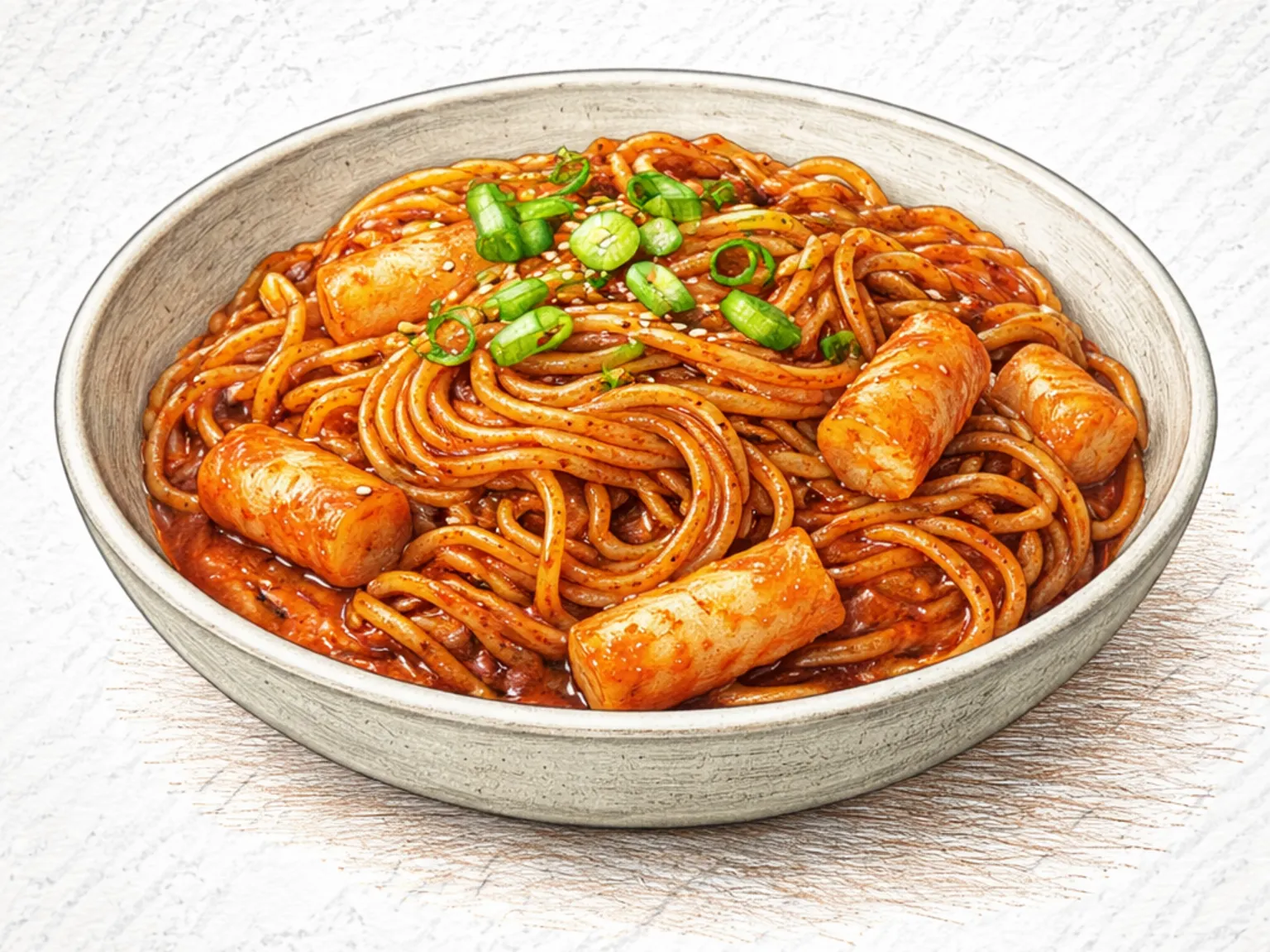
Gochujang cream pasta is a fusion dish that incorporates the fermented heat of Korean red chili paste into an Italian-style cream sauce. Heavy cream forms the base and parmesan provides the sharp, aged umami, while gochujang contributes a slow-building spice and the complex fermented sweetness that sets it apart from using raw chili pepper. Bacon is rendered first to extract enough fat for sauteing the onion and garlic, and that combination of cured pork fat, aromatic vegetables, and fermented paste forms the flavor core of the sauce before any liquid is added. Gochujang should be added at a reduced heat and stirred in gradually rather than dropped in all at once, since the paste can scorch quickly when exposed to a high-temperature pan. A ladleful of starchy pasta water adjusts the consistency and acts as an emulsifier, helping the fat from the cream and bacon stay bound with the aqueous components rather than separating. The result is a glossy, clinging sauce that coats each strand of pasta evenly. The balance between the richness of the cream and the acidity and heat of the fermented paste is what has made this combination popular in Korean home kitchens and casual restaurants alike.

Korean Young Napa Beef Soup
This Korean soup begins by blanching young napa cabbage leaves, then thoroughly tossing them with doenjang, gochujang, dried chili flakes, and minced garlic before any liquid is added. Pre-seasoning the greens is the foundational technique: the paste coats every surface of the cabbage and later dissolves into the broth, giving the soup a fermented, layered depth that simply adding the condiments to the pot cannot replicate. The beef component is handled separately - simmered in water from cold, skimmed clean of foam, and left to cook for fifteen minutes until a clear, savory stock develops. Once the stock is ready, the pre-seasoned greens are added and the pot returns to a gentle boil for twelve minutes, long enough for the beef umami to saturate the cabbage fibers. Soup soy sauce provides the final salt adjustment, and sliced green onion goes in last, contributing a sharp, fresh lift that cuts through the dense, earthy base of the broth.

Korean Grilled Salmon with Doenjang
Salmon fillets are coated with a glaze of doenjang, gochujang, honey, minced garlic, sesame oil, and lemon juice, then grilled skin-side down over medium-low heat. The fermented soybean paste gives a deep, earthy savoriness while honey and lemon provide contrasting sweetness and brightness. A second brushing of glaze near the end builds a glossy crust without burning, leaving the flesh moist inside.

Mixed Korean Army-Style Stew
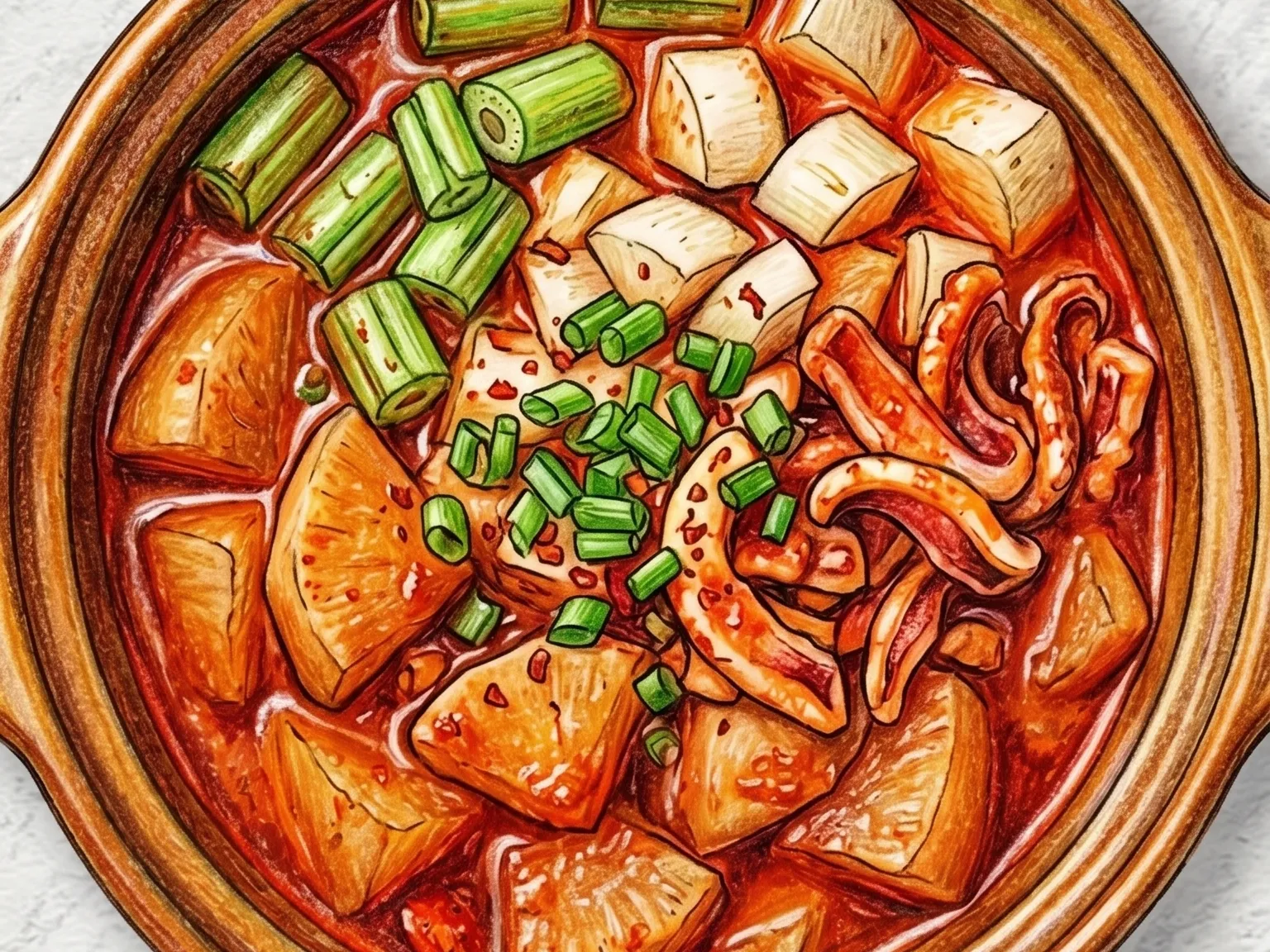
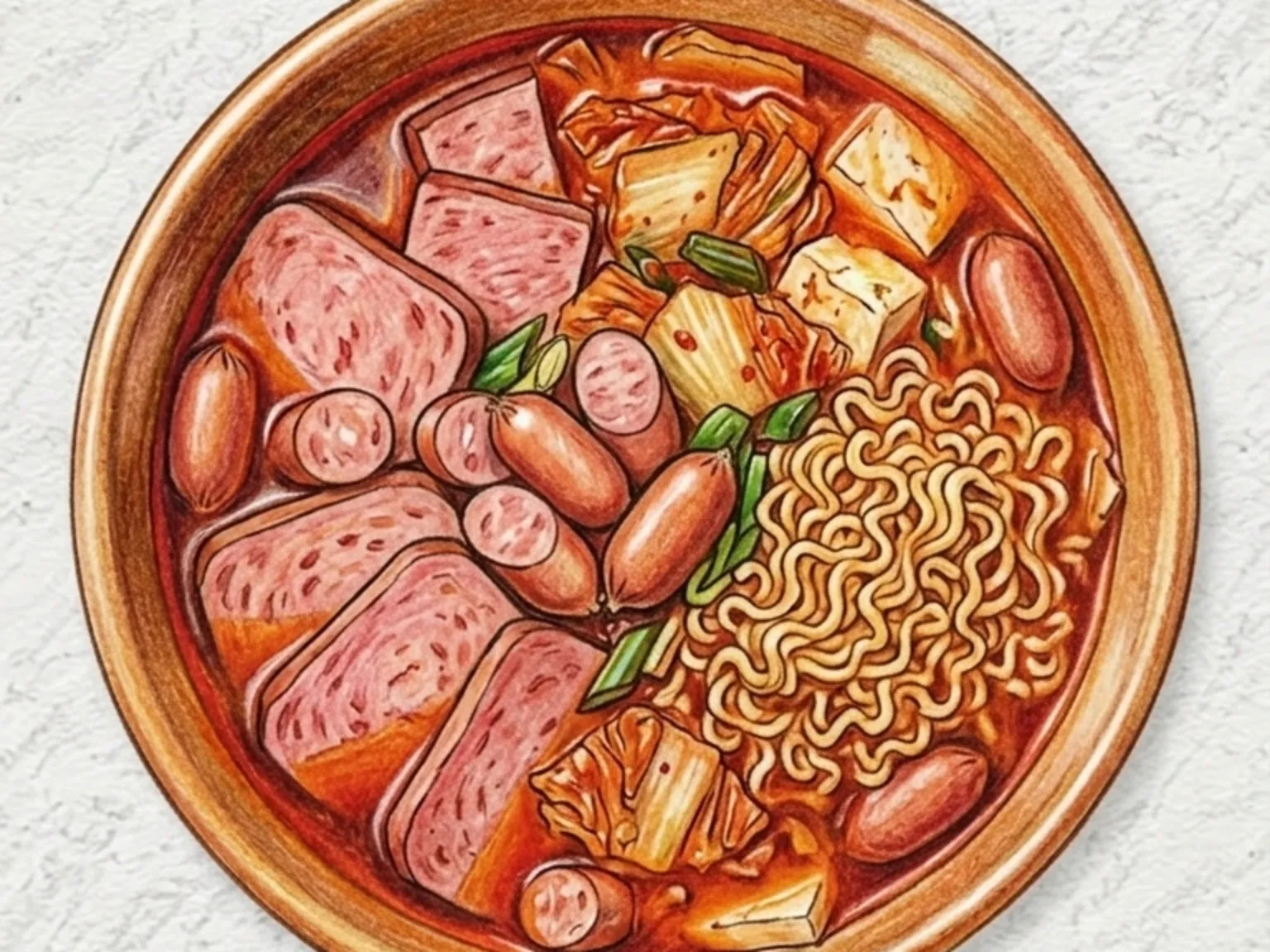
Seokkeo jjigae, or mixed stew, is a streamlined everyday version of budae jjigae that brings together kimchi, sliced ham, and tofu in a broth seasoned with gochujang and gochugaru. The fermented tang of well-ripened kimchi, the saltiness of the ham, and the soft neutral presence of tofu create a balanced combination where each component gives the others something to push against. Onion and green onion mellow the broth as they cook, their sweetness rounding off the sharpest spicy edges, while the gochujang contributes fermented depth that pure heat alone cannot provide. The stew comes together in under twenty minutes using common refrigerator staples, making it a reliable weeknight meal that requires almost no preparation. Served alongside a bowl of steamed rice, the spicy broth absorbs into each grain and keeps the dish satisfying to the very last spoonful. A portion of instant noodles or rice cakes added to the pot turns it into a more substantial one-pot meal.

Gochujang Chocolate Crinkle Cookies
Gochujang chocolate crinkle cookies merge the fermented heat of gochujang with deep chocolate flavor in a single bite. The signature cracked surface forms when balls of dough rolled in powdered sugar expand in the oven, splitting the white coating to reveal the dark interior beneath. Gochujang, added in a modest amount, threads a low, lingering warmth and an umami undertone through the chocolate without overtly announcing itself. Most tasters sense something unexpected at the finish but cannot immediately identify the source. The exterior sets into a thin, lightly crisp shell while the inside stays dense and fudgy, occupying the territory between a brownie and a cookie. Using both cocoa powder and melted chocolate increases the chocolate intensity beyond what either ingredient achieves alone. A pinch of flaky sea salt on top before baking sharpens the contrast between sweet and spicy, making the flavor more defined. Chilling the dough for at least 30 minutes before rolling ensures the powdered sugar coating adheres evenly and produces the consistent cracking pattern that defines the cookie's appearance.

Korean Dried Radish Greens Perilla Stew
This stew simmers rehydrated dried radish greens in rice-rinse water thickened with a generous four tablespoons of perilla seed powder. A small amount of doenjang and gochujang provides savory depth, and using rice-rinse water instead of plain water adds a natural starchiness that helps the perilla powder integrate into the broth more smoothly. The perilla powder creates a creamy, nutty soup with a pale beige hue, and the chewy, fibrous texture of the radish greens contrasts with the richness of the liquid. The radish greens need to be fully rehydrated and pre-boiled so they absorb the broth evenly during cooking rather than remaining tough. Onion and green onion add layers of sweetness and fragrance, and seasoning gradually while the stew cooks produces a more balanced result than adding everything upfront. Served bubbling in an earthenware pot on cold days, this is one of the most comforting staples in Korean winter home cooking.

Korean Cockle & Water Parsley Mixed Rice
Kkomak-minari bibimbap is a seasonal rice bowl that comes together when cockles are at their peak in early spring, pairing the ocean sweetness of briefly blanched cockle meat with the clean, grassy sharpness of raw water parsley (minari). The cockle meat is rinsed in light salt water to remove any residual sand, then blanched for no more than thirty seconds in boiling water so the flesh stays springy rather than contracting into a rubbery texture. Julienned carrot and zucchini are each stir-fried separately, controlling moisture and flavor independently, then set aside to cool before assembly. A bowl of well-steamed rice is layered with the blanched cockles, the sauteed vegetables, and the raw minari placed on top last to protect its volatile fragrance from the heat below. A bibimbap sauce made from gochujang, sesame oil, minced garlic, and a touch of vinegar ties everything together when mixed, balancing the briny umami of the cockles against the brightness of the parsley. Sesame oil and toasted sesame seeds added at the end round the flavors and give the bowl a warm, nutty finish.

Korean Seafood Bibimbap (Mixed Rice with Shrimp and Squid)
Haemul bibimbap features shrimp and squid seared quickly on high heat to preserve their springy texture, arranged over a bowl of rice alongside seasoned spinach and other namul vegetables, then mixed together with gochujang at the table. The critical technique is brevity at high heat: seafood that cooks too long turns tough and rubbery, while a brief, fierce sear keeps each piece tender and allows the natural juices to release and seep into the rice below, enriching the base flavor of every bite. A fried egg is customary - breaking the yolk and mixing it through coats each grain in a rich, golden film that rounds out the sharpness of the chili paste and ties all the components together. Because shrimp and squid carry their own natural salinity, less gochujang is needed here than in a standard bibimbap, and the seasoning balance tips slightly toward the savory and briny rather than the fiery. The combination of contrasting textures - slippery seafood, tender greens, and yielding rice - makes each mixed spoonful different from the last.

Korean Bulgogi Jjolmyeon (Marinated Beef on Chewy Spicy Noodles)
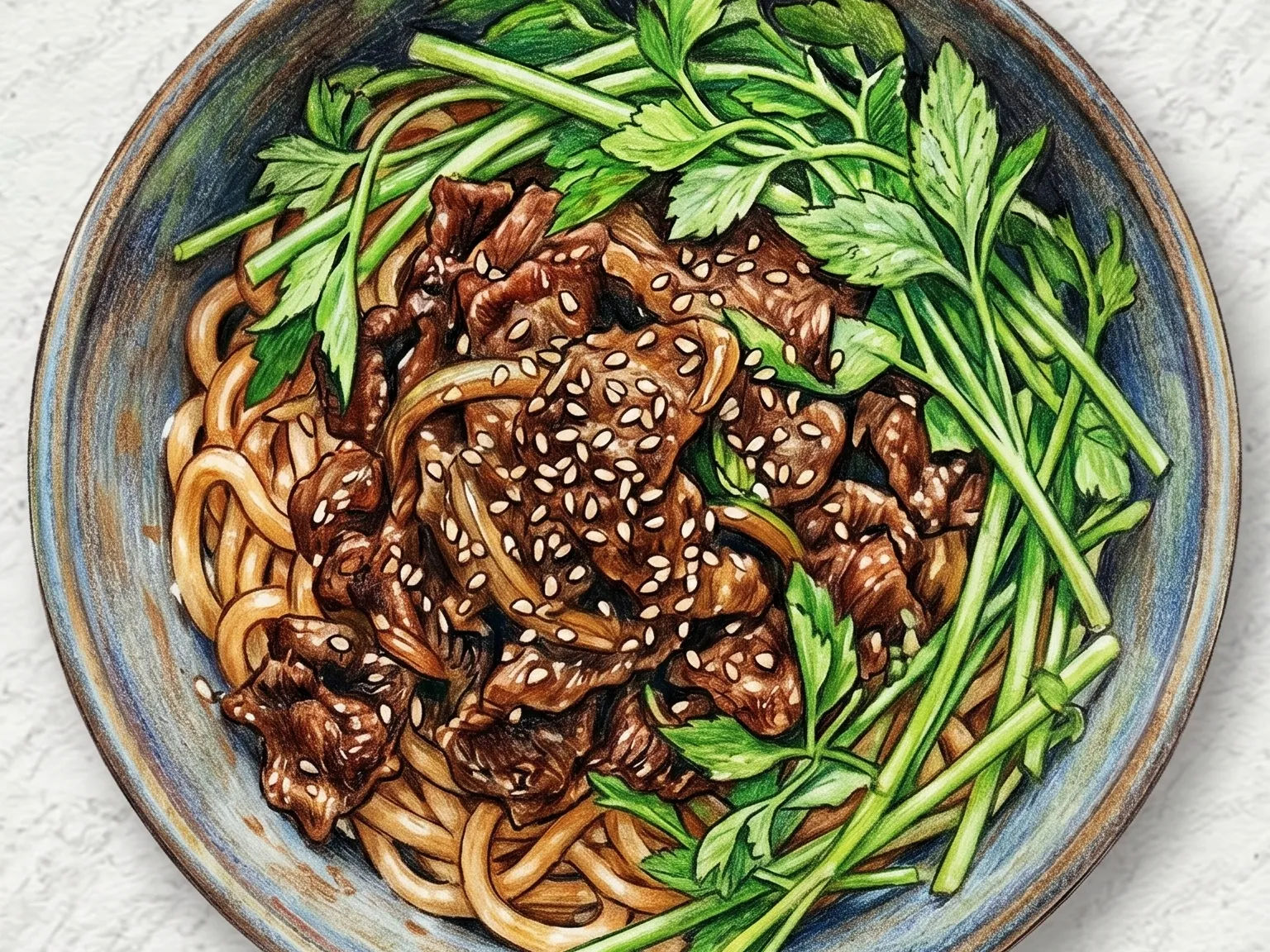
Thinly sliced beef marinated in soy sauce, sugar, and sesame oil sits atop a bed of noodles characterized by a dense, chewy structure. Jjolmyeon provides a firm texture that resists the teeth, offering a different physical experience compared to standard noodles. The accompanying sauce, created with gochujang, soy sauce, and vinegar, introduces spicy and acidic elements that balance the sweetness of the meat. To maintain tenderness, the beef requires rapid cooking over high heat, which prevents the thin slices from drying out or becoming tough. Shredded cabbage and carrots provide layers of crispness, while a soft-boiled egg helps temper the heat from the chili paste. Serving the ingredients in separate sections keeps the textures distinct and allows for mixing just before consumption. Rinsing the cooked noodles in cold water increases their characteristic firmness, creating a clear contrast with the texture of the stir-fried beef. Adding extra sesame seeds enhances the nutty scent, and incorporating spicy peppers increases the heat level.

Korean Lotus Root & Duck Chili Stir-fry
Yeongeun-ori-gochu-bokkeum stir-fries lotus root separately first to lock in its crunch, then combines it with rendered smoked duck and cheongyang chili in a spicy-sweet finish. The duck is cooked on medium-high heat to draw out excess fat, and a sauce of soy sauce, gochujang, and oligosaccharide syrup is built in the pan. The cheongyang chili's direct heat cuts through the smokiness and richness of the duck, while the returned lotus root absorbs the sauce and retains its firm bite. Three distinct flavors - smoky duck, sharp chili heat, and nutty lotus root - remain clearly defined in each bite.

Korean Grilled Chicken Drumsticks
Dakdari-gui is a Korean grilled chicken drumstick marinated for at least two hours in soy sauce, gochujang, honey, garlic, and ginger juice, then cooked on a pan or grill until the skin is deeply browned and the meat pulls from the bone. Starting skin-side down over medium heat renders the subcutaneous fat slowly, producing a crackling-crisp skin; too high a flame chars the sugar in the marinade before the fat has time to melt. Once the skin turns golden and rigid, flip the drumstick and cover the pan to let steam finish the interior quickly without drying the meat. Drumsticks tolerate longer cooking times better than breast meat because of their higher fat and connective tissue content, and the flavor peaks when the leg bone separates cleanly from the muscle. The layered marinade -- gochujang's fermented heat, honey's sweetness, and ginger's sharp warmth -- balances the richness of the rendered chicken fat rather than fighting it. A scatter of sesame seeds over the finished drumsticks adds a final nutty note on top of the caramelized crust.

Korean Spicy Steamed Baby Octopus
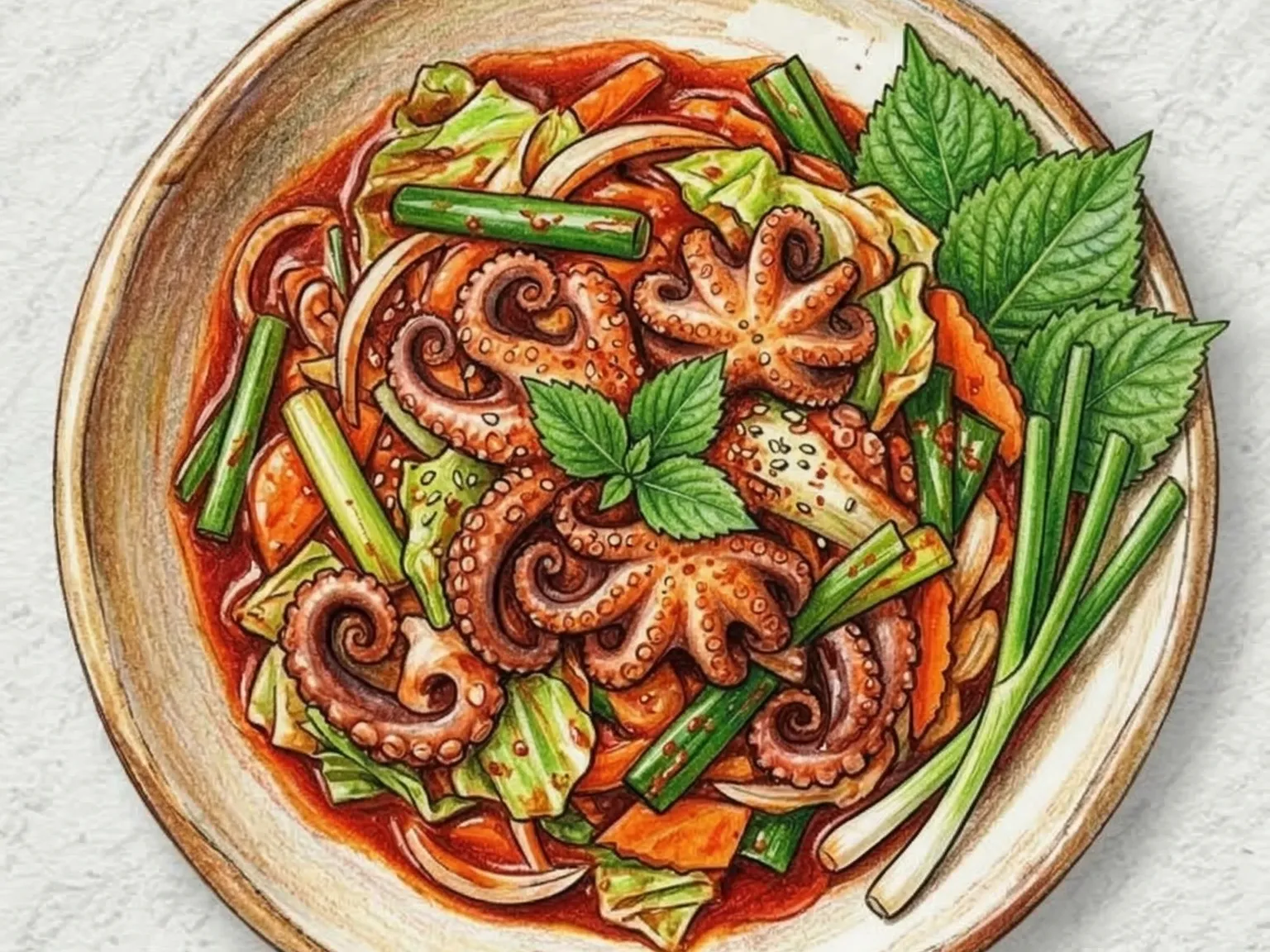
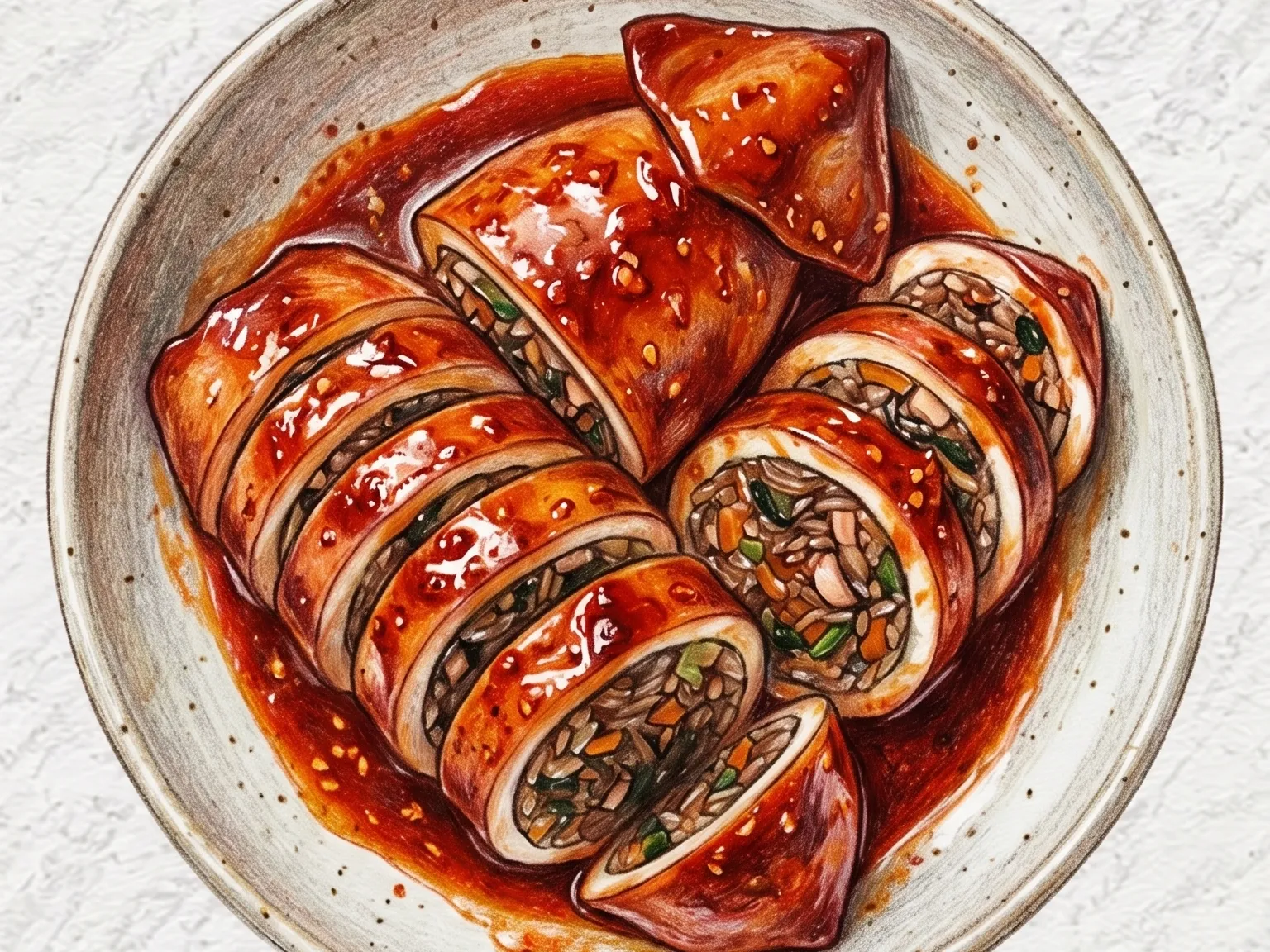
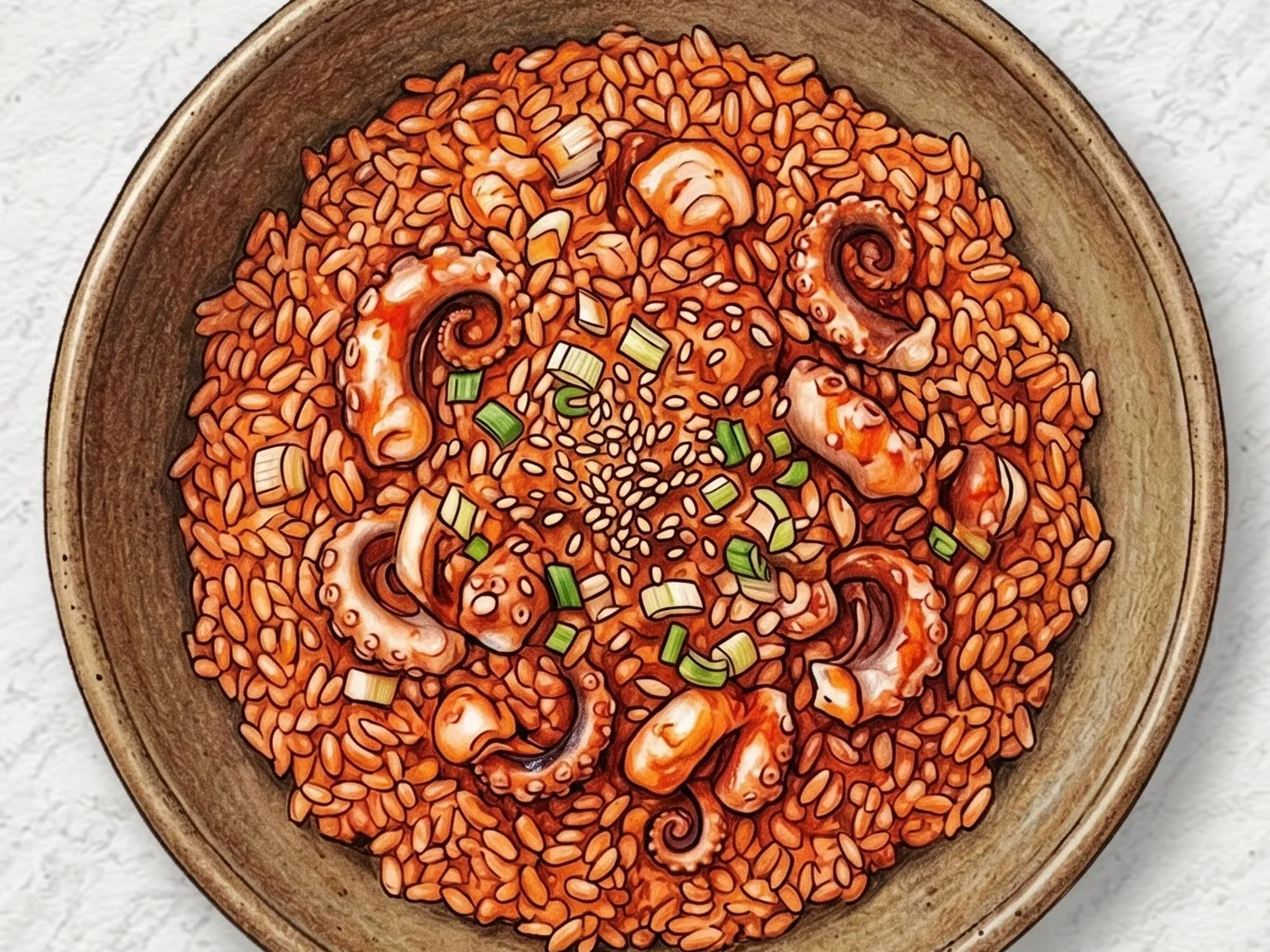
Jjukkumi-jjim is spicy steamed baby octopus marinated for ten minutes in a sauce of gochugaru, gochujang, soy sauce, and minced garlic, then steamed over a bed of cabbage and sliced onion. Baby octopus turns tough very quickly with excess heat, so steaming for roughly ten minutes is essential to keep the texture springy and bouncy. The cabbage absorbs the concentrated spice and provides a mild, slightly sweet contrast to the bold chili seasoning. A drizzle of sesame oil at the finish contributes a warm, nutty aroma that rounds out the heat. The dish is at its best in spring when baby octopus is in season and the ink sacs dissolve into the marinade, adding an extra layer of savory depth. Starting to steam only after the water has reached a full boil ensures the heat surrounds the ingredients evenly, and keeping the lid closed throughout prevents temperature drops that would extend cooking time.

Korean Braised Mackerel with Radish
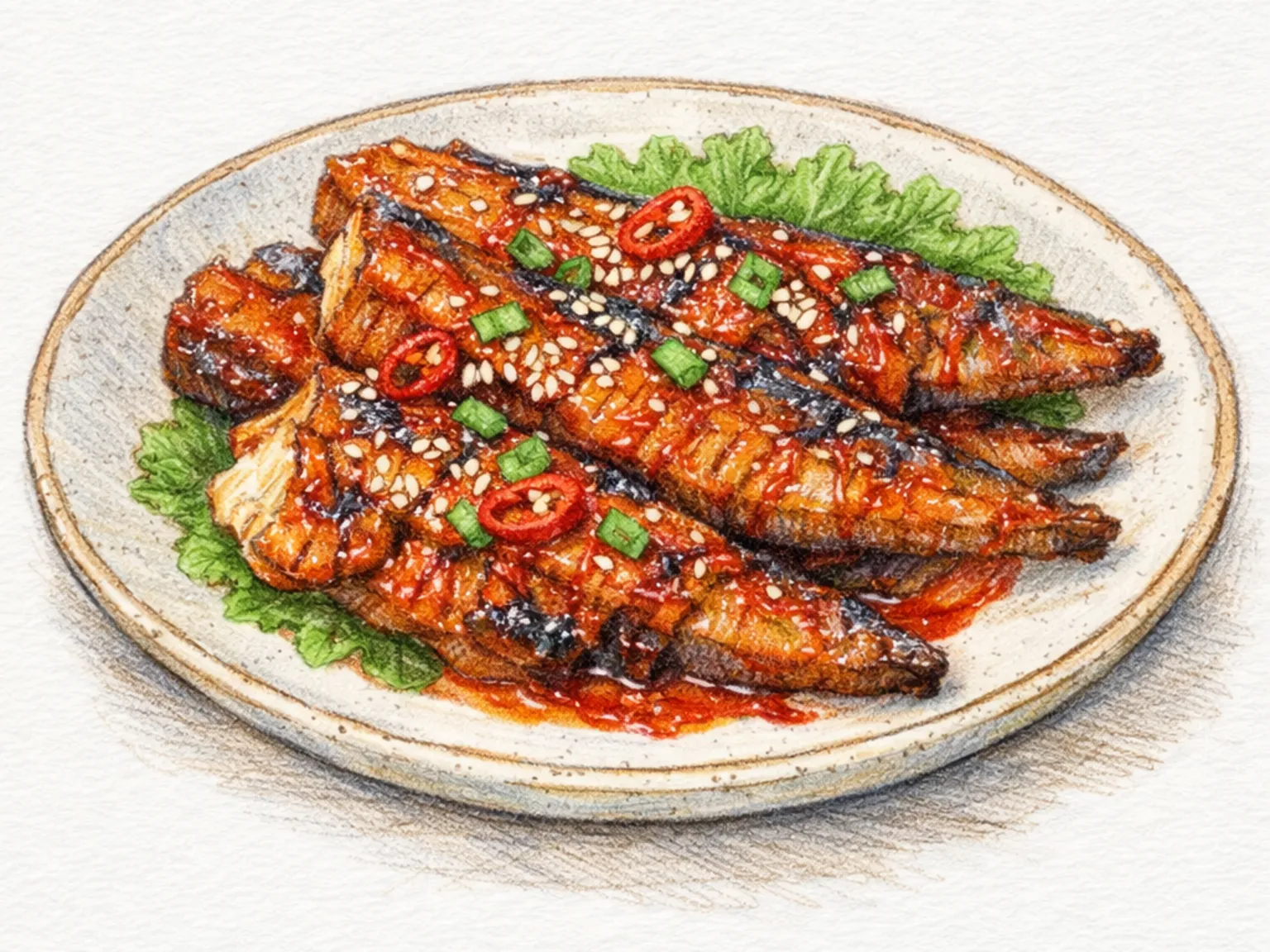
Layering thick slices of radish beneath fresh mackerel prevents the delicate fish from sticking to the pot while allowing the vegetables to soak up the seasoning like a sponge. This traditional Korean preparation uses a base of soy sauce, red chili powder, and red chili paste to create a thick braising liquid. As the pot simmers, the cook repeatedly spoons the sauce over the fish pieces to ensure the heat and spices reach every part of the mackerel. Ginger serves as a crucial ingredient to eliminate any strong fishy scents, so adding it early in the cooking process allows its aromatic properties to fully integrate into the broth. Over time, the radish softens into a translucent texture, absorbing the spicy and salty elements of the sauce until it becomes a substantial part of the meal. Adding onions and green onions during the final stages of cooking preserves their crispness and prevents their fresh aroma from fading. The process concludes when the liquid reduces into a glossy glaze that coats the mackerel. Serving this dish immediately over warm white rice allows the grains to catch the concentrated sauce. Beyond its taste, the mackerel provides omega-3 fatty acids while the radish contributes digestive enzymes and vitamin C to balance the natural oils of the fish.

Korean Seasoned Dried Squid Strips
Jinmichae-muchim tosses dried shredded squid directly in a spicy-sweet sauce with no cooking involved. The no-heat approach is what separates it from stir-fried jinmichae: without heat, the strands retain their characteristic jerky-like chew instead of softening. The sauce combines gochujang, gochugaru, and oligosaccharide syrup for the sweet-and-spicy base, with one tablespoon of mayonnaise added as the defining detail. The emulsified fat in the mayo coats each strand, preventing the rough, slightly scratchy texture that plain-dressed dry squid can have on the palate. After mixing, a ten-minute rest is necessary for the squid to absorb the seasoning evenly, so the flavor reaches all the way through each piece rather than sitting only on the surface. Because the finished dish contains virtually no liquid, it holds up well in lunchboxes without bleeding into neighboring banchan, and it keeps for several days refrigerated. Heat level adjusts simply by scaling gochugaru up or down, and the whole process from prep to finished dish takes about fifteen minutes.

Korean Spicy Webfoot Octopus & Pork Belly Stir-fry
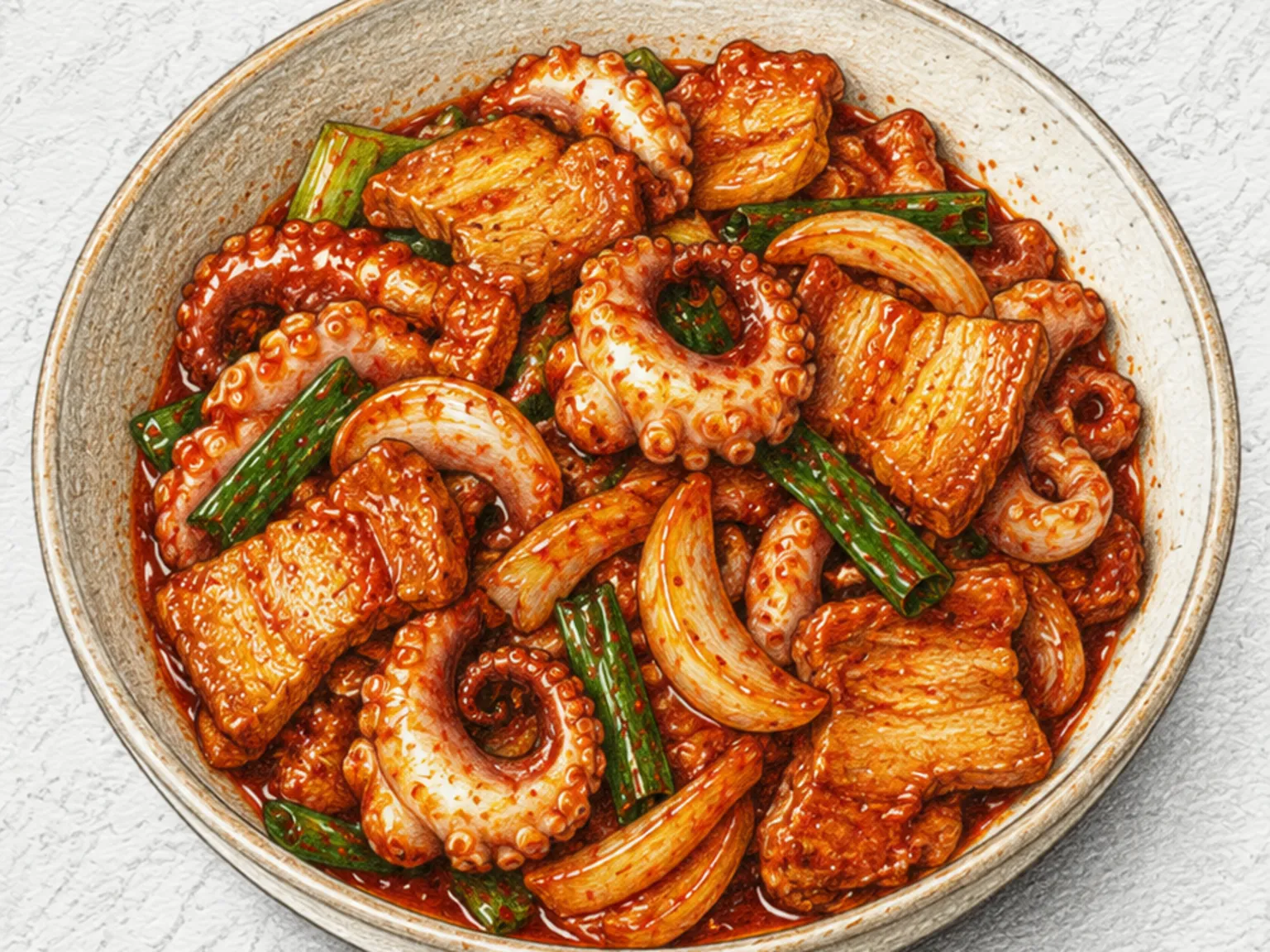
Jjukkumi-samgyeop-bokkeum combines chewy baby octopus and thick pork belly slices in a spicy stir-fry. The pork belly is first grilled until golden to render its fat, then the octopus and gochujang-based sauce are added for a fast, high-heat toss. Pork richness and the octopus's clean ocean flavor merge inside the chili seasoning, with onions and scallions adding sweetness. It is typically served sizzling on a hot plate, and diners often finish with fried rice made in the remaining sauce. Because baby octopus toughens rapidly with heat, adding it only after the pork is nearly cooked and pulling the pan off the heat within one to two minutes is the single most important step for keeping its signature chewy texture intact.

Korean Stir-fried Squid and Bean Sprouts
Ojingeo-sukju-bokkeum stir-fries bite-size squid pieces and bean sprouts in a gochujang-gochugaru sauce over very high heat, capturing smoky wok flavor. Garlic and the chili paste cook first to bloom their heat, then squid and onion go in for a fast sear. Bean sprouts are added only in the final minute or two, keeping them crisp and preventing the dish from becoming watery. Scallion joins at the same time for a sharp finish. The contrast between the squid's firm, chewy body and the sprouts' light crunch defines the texture, while the bold seasoning makes this a natural match for steamed rice.

Mung Bean Jelly Apple Chojang Salad
Cheongpomuk apple chojang salad combines blanched mung bean jelly sticks with crisp apple and cucumber, dressed in a chojang sauce of gochujang, vinegar, and green plum syrup. Blanching the jelly for only twenty seconds in boiling water removes the surface sliminess that fresh mung bean jelly develops while preserving the soft, slippery texture that defines it. Rinsing immediately in cold water and draining well prevents the chojang from becoming watery and losing its spicy-sour punch. The chojang layers spicy gochujang heat with the sweet-tart acidity of vinegar and plum syrup, lifting the otherwise neutral flavor of the jelly into something brighter. Shredded red cabbage adds a vivid color contrast and a slight bitterness that balances the sweetness. Roasted seaweed flakes contribute a briny crunch. Sesame oil and ground sesame seeds finish the bowl with a nutty note, keeping the dish light and oil-free. Any unused blanched cheongpomuk should be stored submerged in cold water to prevent the surface from drying out and becoming tough before serving.

Korean Spicy Pork Bean Sprout Stir-fry (Kongbul)
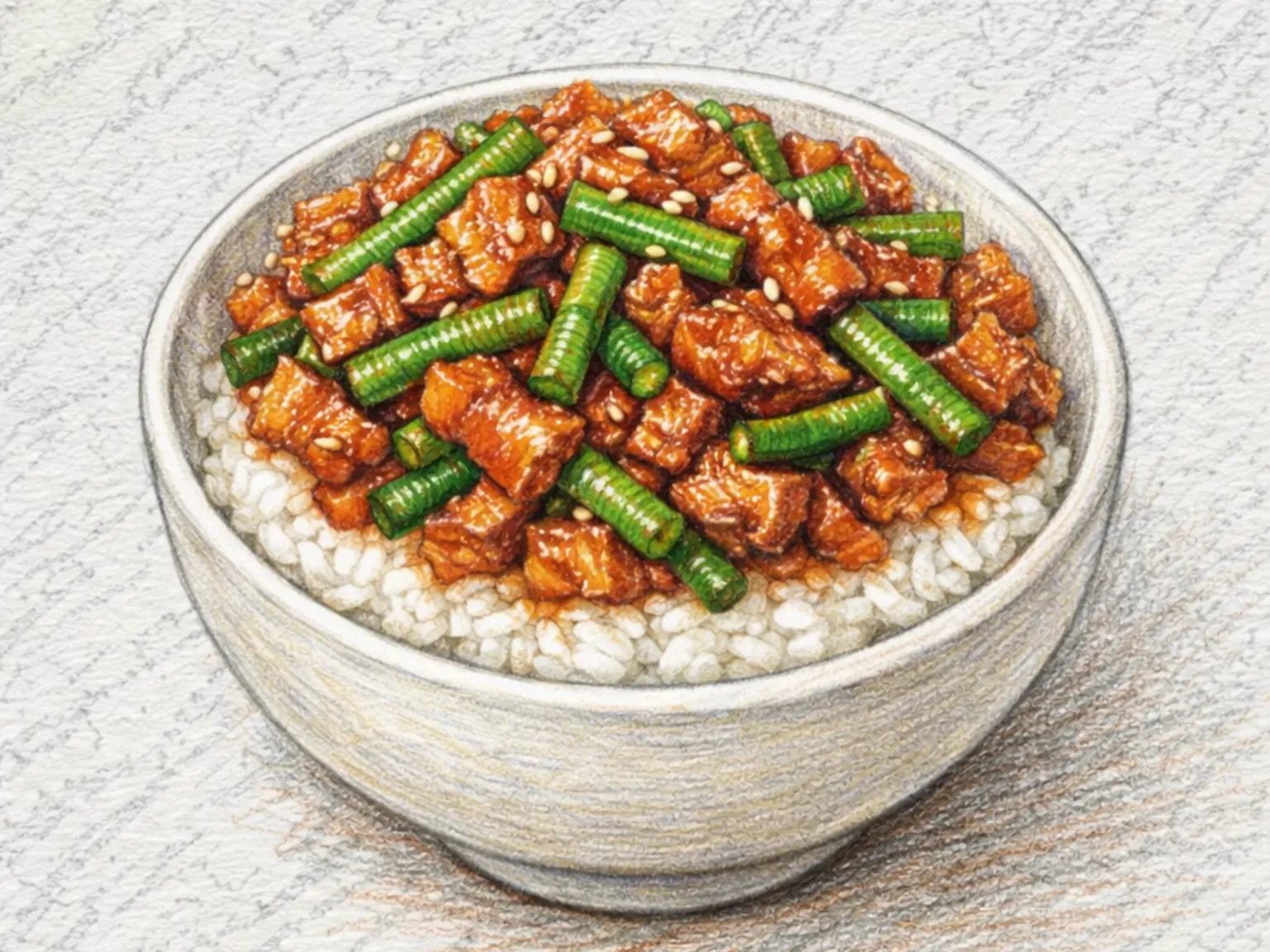
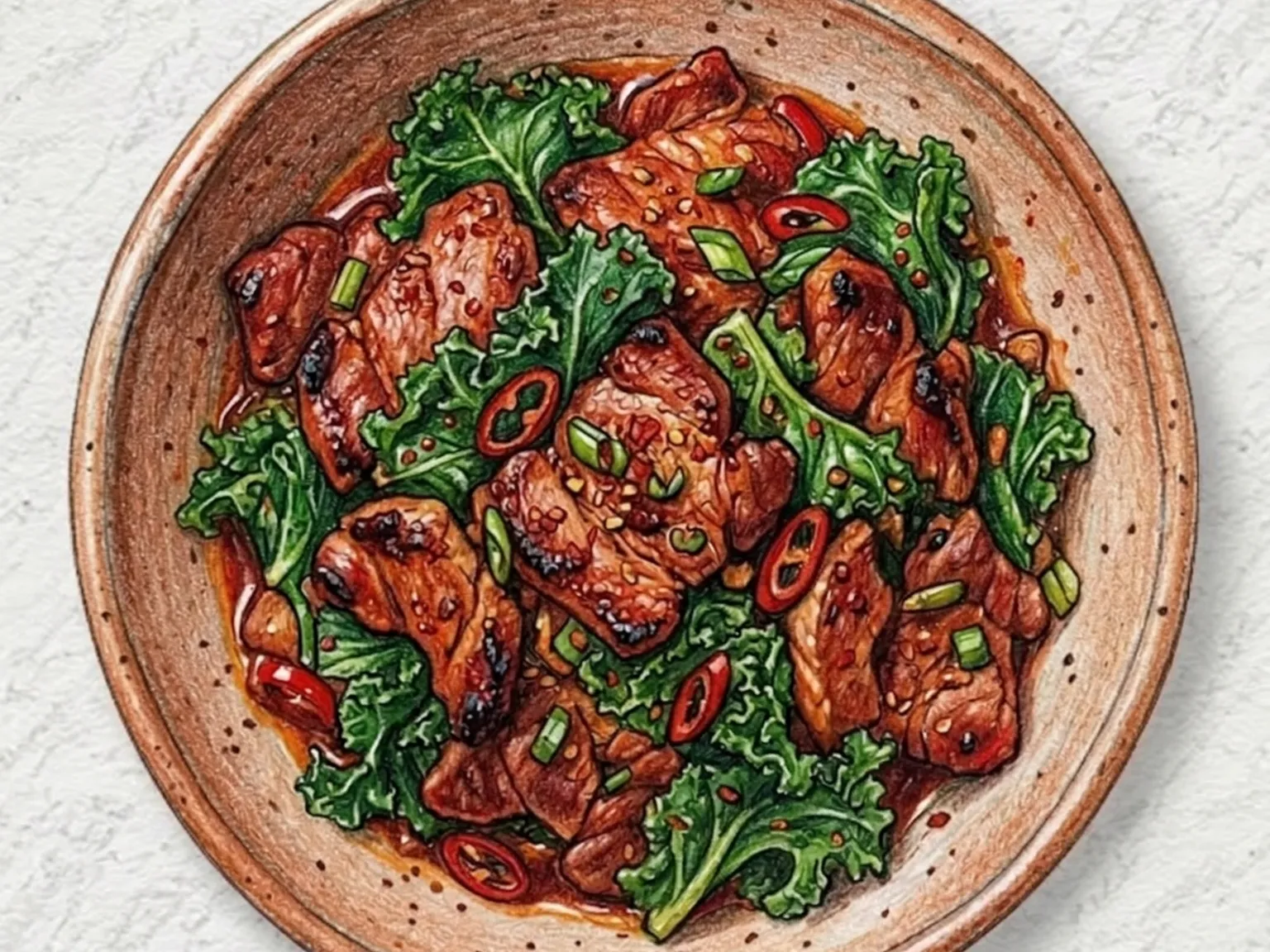
Kongbul is a fiery Korean stir-fry of pork shoulder tossed in a gochujang-gochugaru-soy sauce blend and cooked over high heat, with bean sprouts added at the very end to preserve their crunch. The gochujang's thick spiciness combines with rendered pork fat for an intense, mouth-coating savoriness, while the bean sprouts release just enough moisture to keep the sauce from scorching. The sprouts must be stir-fried only until barely wilted to maintain their snap. Chopped scallion goes in last, and mixing the whole thing into a bowl of rice stretches this into a full, hearty meal.

Korean Tteok Kkochi Yangnyeom Gui (Grilled Rice Cake Skewers)
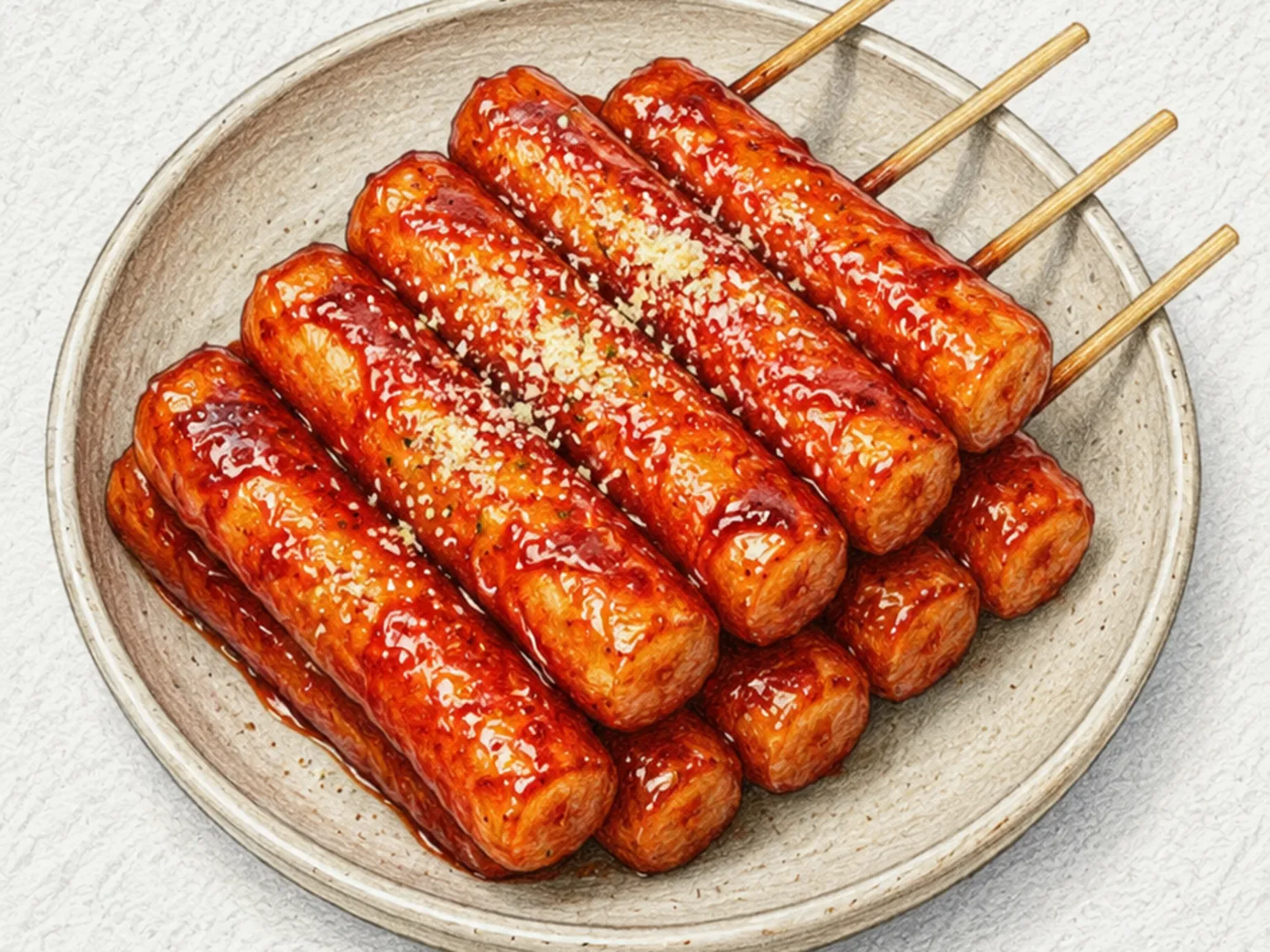
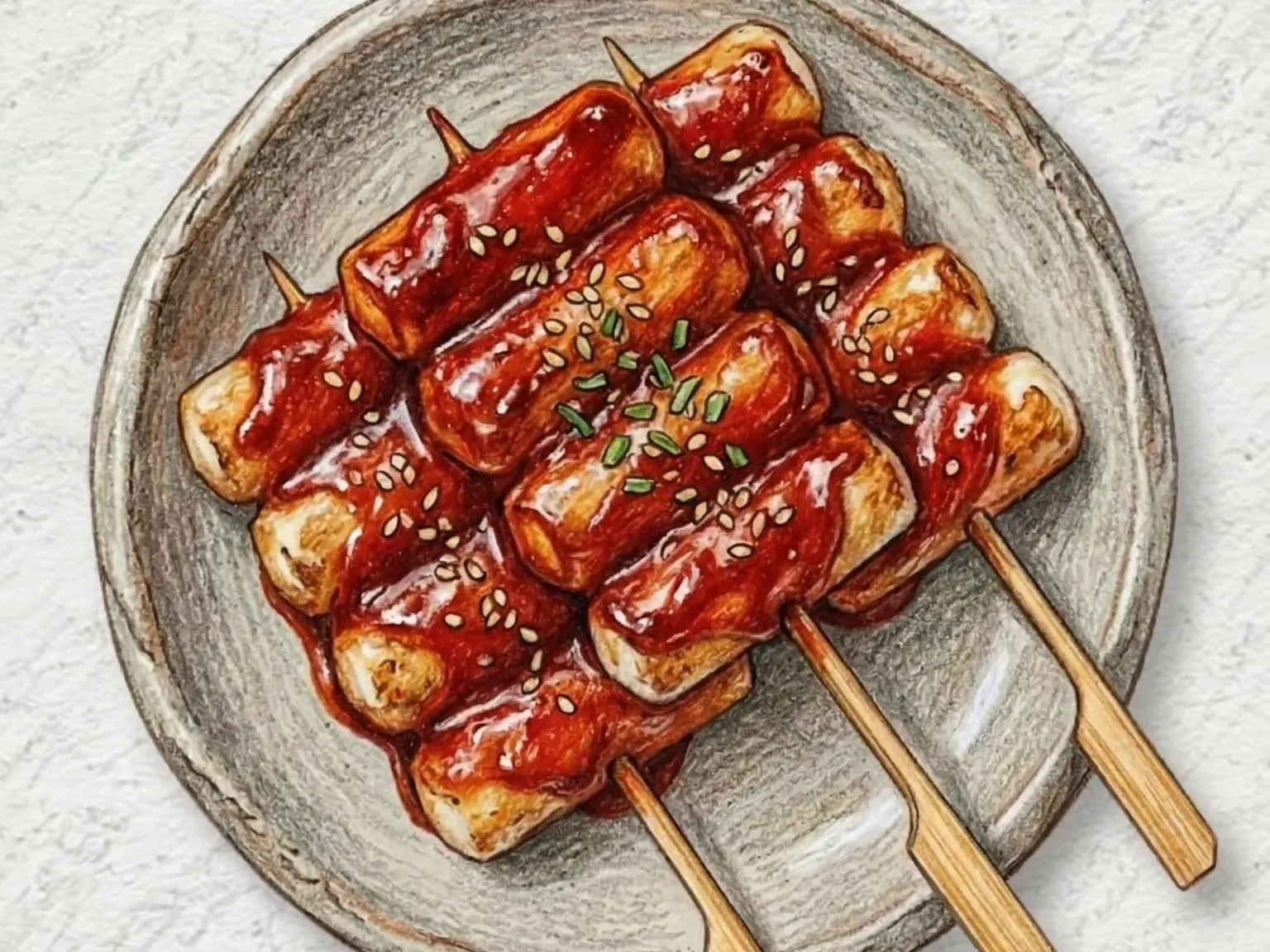
Cylinder rice cakes are threaded onto skewers, lightly brushed with oil, and rolled on a grill pan over medium heat for six to seven minutes until the exterior turns golden. A sauce of gochujang, ketchup, oligosaccharide syrup, soy sauce, and minced garlic is applied in two rounds, building a glossy red glaze that clings to the surface. The outer layer develops a slight crispness while the inside remains stretchy and dense - that textural duality is the hallmark of this dish. A light dusting of cheese powder turns it into a kid-friendly snack, and it stands as one of the most iconic items in Korean street-food culture.

Korean Kimchi Fried Rice (Kimchi Bokkeumbap)
Finely chopped aged kimchi is stir-fried together with ground pork until the fermentation tang of the kimchi and the fat rendered from the pork combine into a deep, layered umami base. Kimchi juice is added to the pan along with gochujang and a measured touch of sugar, glazing the rice in a spicy-sweet coating. High heat throughout the stir-fry is what keeps each grain separate and lightly crisp rather than soft and clumped; the pan also needs to be fully heated before the ingredients go in, or the rice will stick. A soft-fried egg placed on top lets the runny yolk temper the heat when it is broken and mixed in, and using well-fermented, deeply soured kimchi noticeably shifts the depth of the flavor. Adding spam or canned tuna are equally common household variations, and the dish adapts readily to whatever is available. A drizzle of sesame oil just before serving lifts a toasty, nutty fragrance over the finished bowl.

Korean Garlic Scape Salad
Maneuljong-muchim dresses briefly blanched garlic scapes in a cold gochujang and vinegar dressing, setting it apart from maneuljjong-bokkeum, which uses a soy-based sauce and relies on direct heat in a pan. The names maneuljong and maneuljjong describe the same part of the garlic plant, the slender flowering stalk that emerges in spring, but the two terms divide along regional dialect lines: speakers in Seoul and Gyeonggi province tend to say maneuljong while those in other parts of the country often use maneuljjong. Blanching must be kept well under thirty seconds to lock in the bright green color and crisp snap; beyond one minute the scapes soften and the color dulls noticeably. The gochujang dressing hits sweet, sour, and spicy in equal measure, and the vinegar component plays off the scapes' grassy, pungent aroma in a way that reads as distinctly springlike on the palate. Peak availability runs from April through May, when garlic plants push up their stalks before the heads are harvested, and vendors at traditional markets sell them bundled by the handful. Because no oil is involved and the sauce is relatively light, this preparation is considerably lower in calories than the stir-fried version, which is part of why it appears frequently in everyday Korean meal sets as a reliable, refreshing side.

Korean Kkotge Gochujang Gui (Spicy Grilled Crab)
Kkotge-gochujang-gui is a Korean spicy grilled crab where halved blue crabs are thoroughly coated in a thick paste of gochujang, gochugaru, soy sauce, oligosaccharide syrup, and garlic, then marinated for fifteen minutes before going onto a medium-heat grill. The sugar in the syrup and the fermented compounds in the gochujang caramelize over direct flame, forming a glossy, dark-red lacquer on the shell while the crab meat underneath is steam-cooked by the insulating shell, keeping it moist and sweet. Controlled medium heat is essential because the sauce scorches quickly: four minutes shell-side down first, then a flip for five to six more minutes ensures even cooking without burning. When the crab is turned, the sauce drips into the interior cavity and coats the exposed meat directly, intensifying the spice penetration on the flesh side. A final drizzle of sesame oil and a scatter of toasted sesame seeds layer a nutty, smoky fragrance over the lacquered coating.

Korean Octopus Chogochujang Buckwheat Noodles
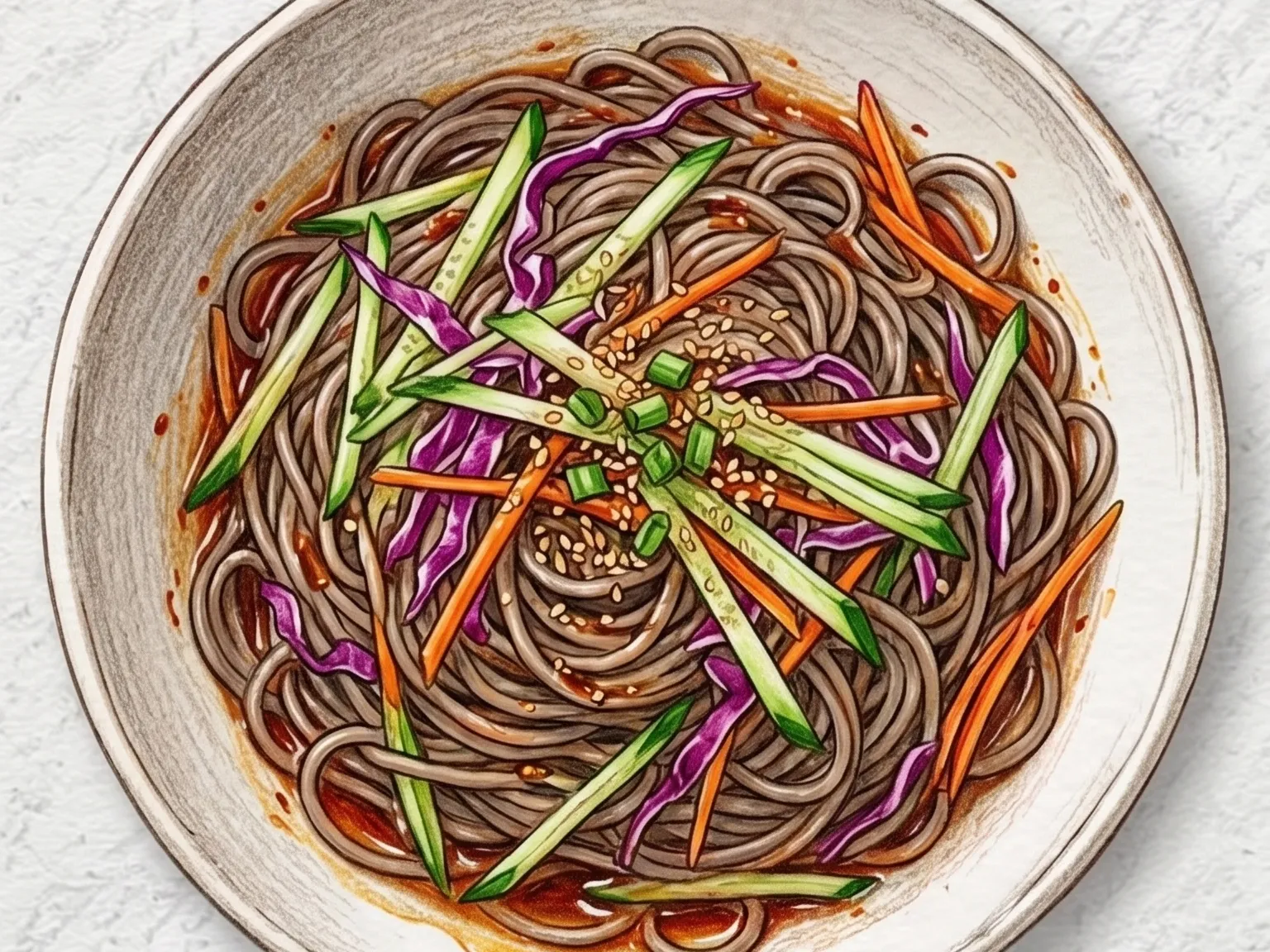
Muneo chogochujang memilmyeon is a Korean cold noodle dish featuring thinly sliced boiled octopus on chilled buckwheat noodles, dressed in chogochujang - a sauce made by combining gochujang with vinegar, sugar, garlic, and sesame oil. Patting the octopus dry after boiling helps the sauce adhere to each slice, and cooking the buckwheat noodles thirty seconds under the package time prevents them from breaking during the cold water rinse. The sweet-sour tang of the chogochujang complements the mild, clean flavor of the octopus without overpowering it. Shredded cabbage and perilla leaves contribute crunch and herbal fragrance, while a finishing sprinkle of sesame seeds adds nuttiness that ties the cold noodles and seafood together.

Korean Pork Gochujang Jjigae
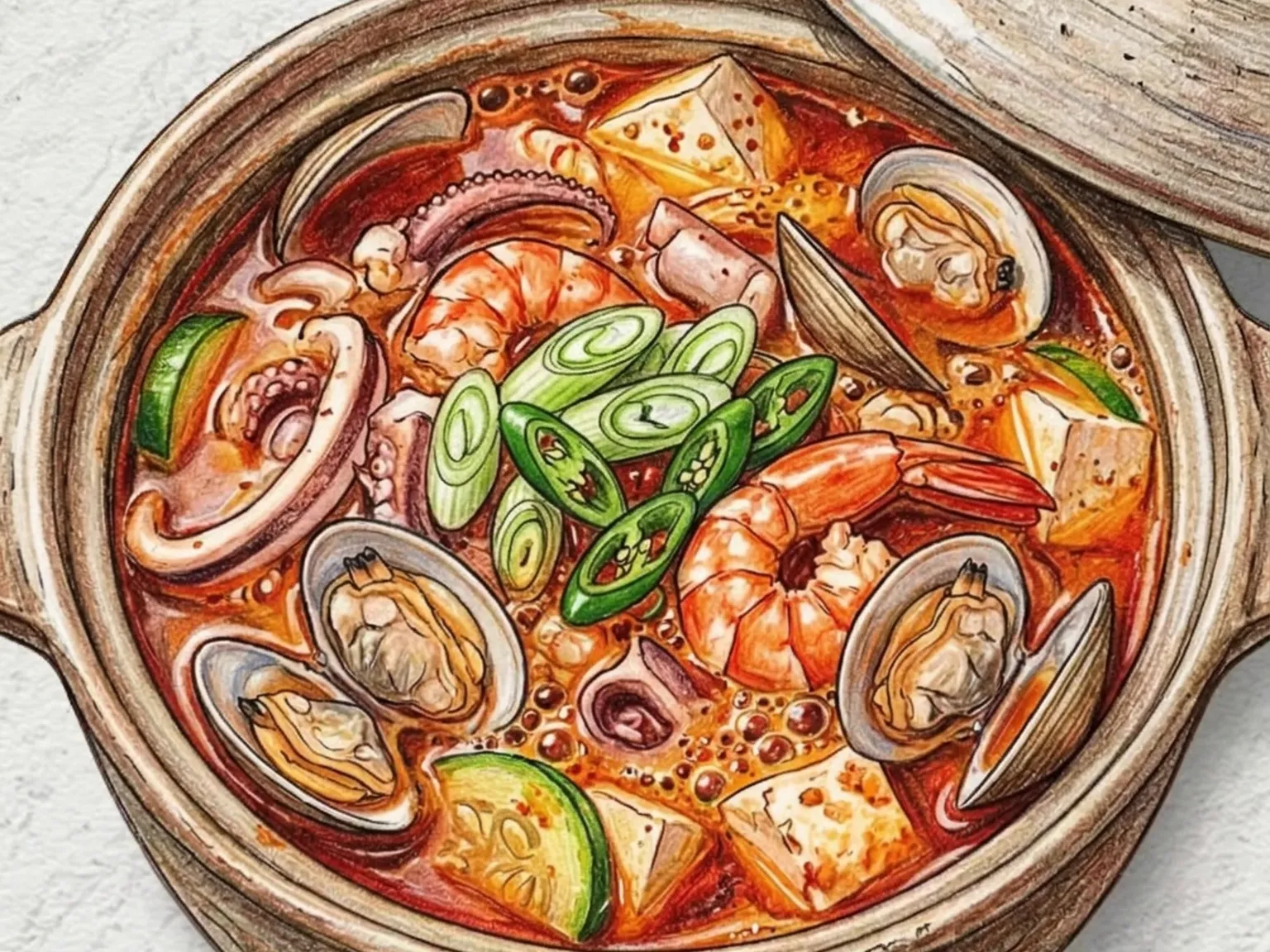
This pork gochujang stew simmers pork shoulder in a sauce of gochujang and doenjang, two fermented pastes that together build a more layered flavor than either would alone. Using gochujang on its own produces a heat that comes across as sharp and one-dimensional, but adding half a tablespoon of doenjang rounds out the fermented soybean depth and gives the broth a fuller, earthier backbone. A full tablespoon of gochugaru deepens the red color and adds texture to the spice rather than just boosting intensity. The 180 grams of pork shoulder render their juices into the 700 milliliters of broth as the stew cooks, gradually enriching the base. Potato, zucchini, onion, and tofu go into the same pot and contribute a range of textures that keep each spoonful varied. The combination of both fermented pastes means this version has noticeably more complexity than a standard gochujang stew, and the finished broth is the kind that makes it difficult to stop eating before the bowl is empty.