Charim

2686 Korean & World Recipes

2686+ Korean recipes, clean and organized. Ingredients to instructions, all at a glance.

Recipes with green onion

24 recipes

Buy green onion
Korean Gochujang Pork Belly Stir-Fry
Stir-fryEasy

Korean Gochujang Pork Belly Stir-Fry

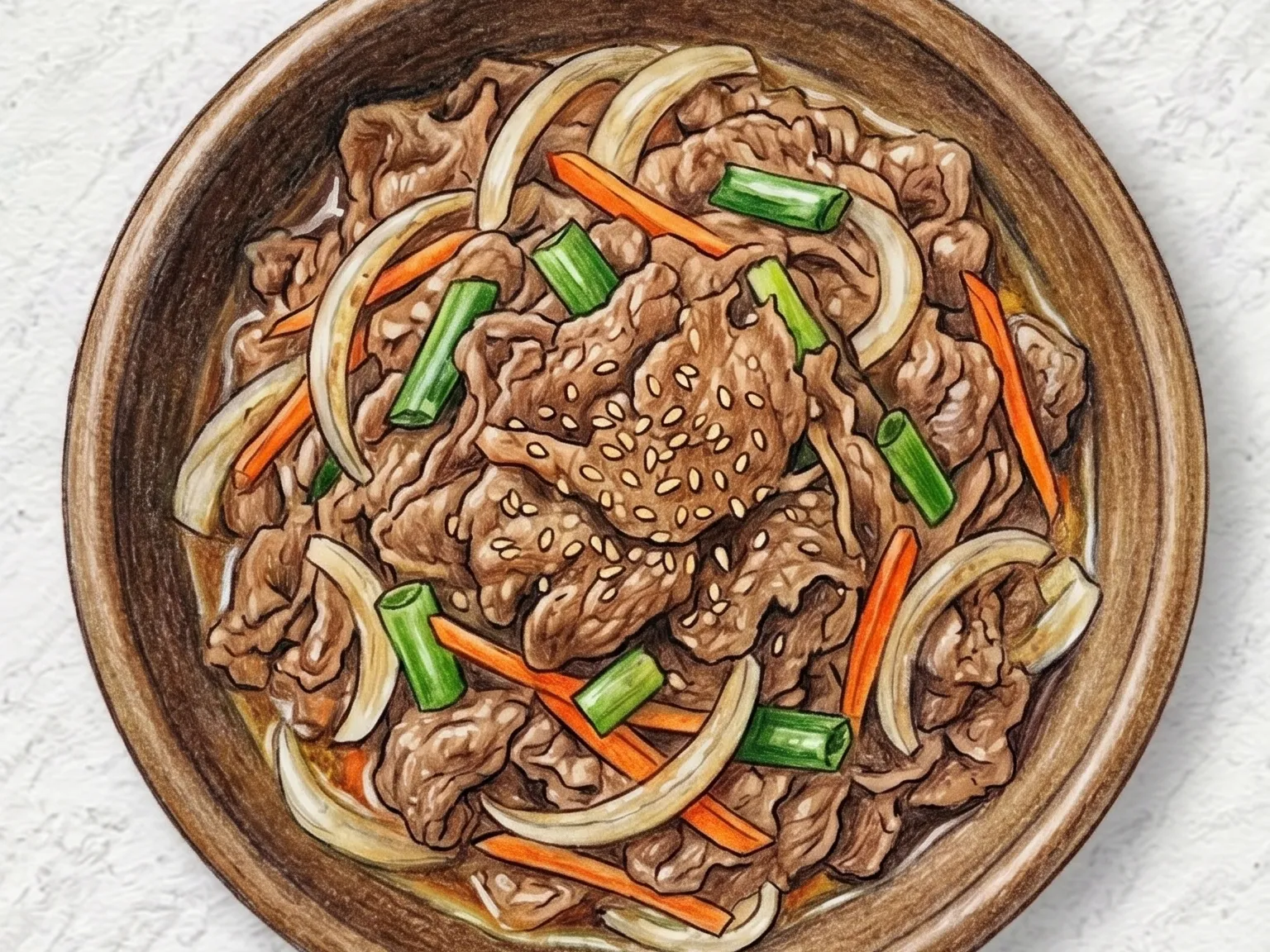
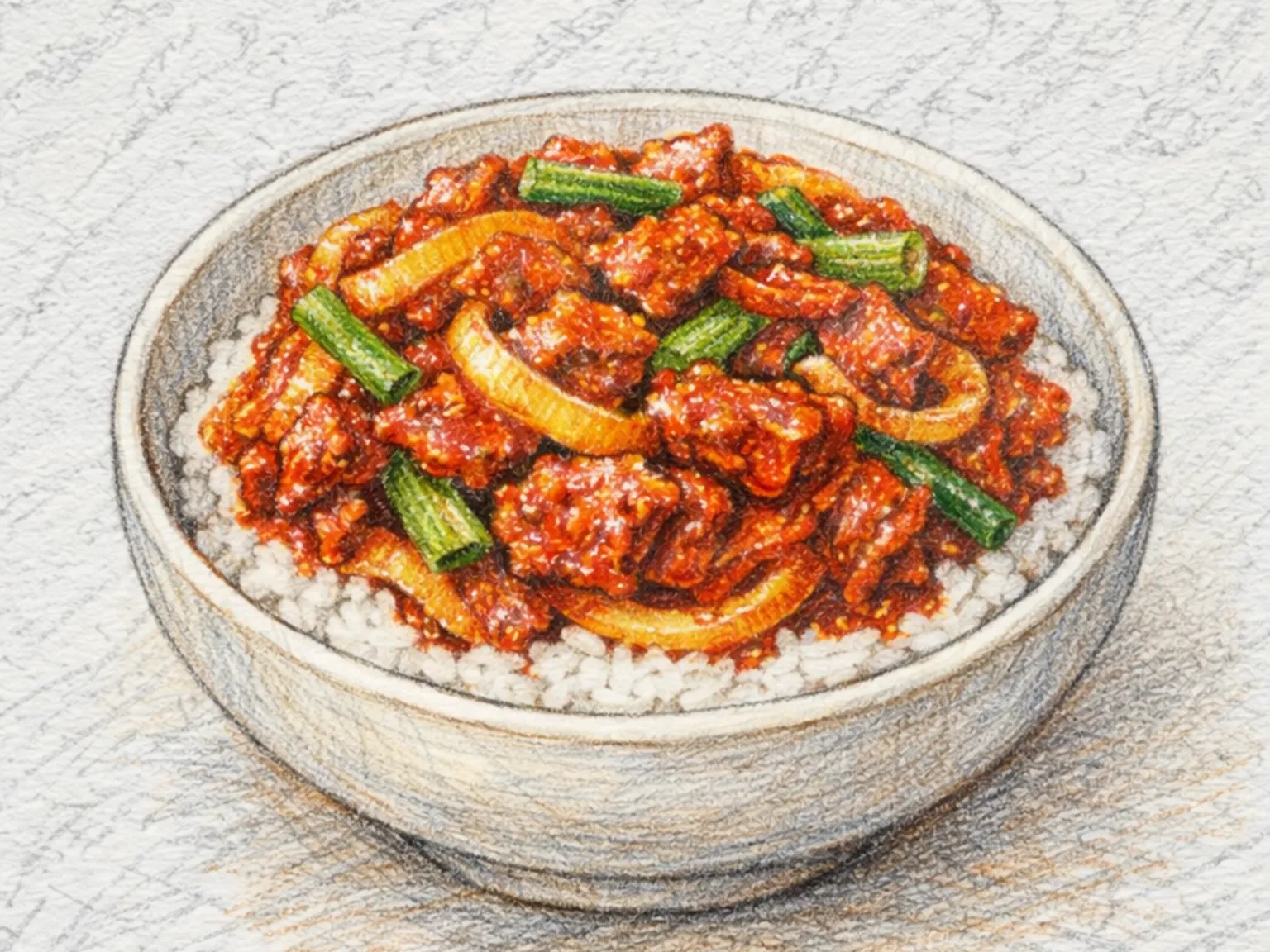
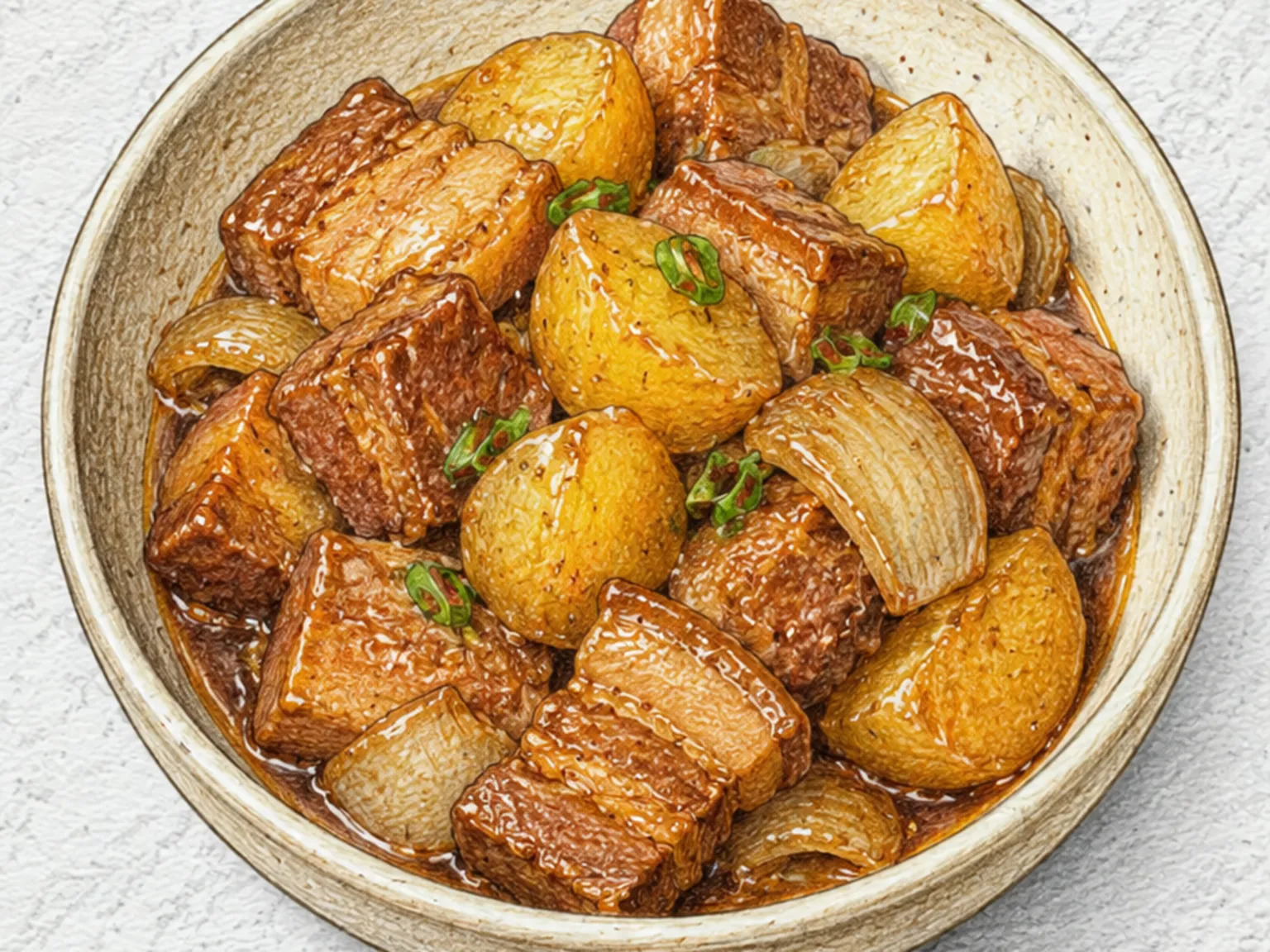
Gochujang samgyeop bokkeum stir-fries pork belly in a bold gochujang glaze without any added oil, relying entirely on the rendered fat from the belly slices. That fat carries the spicy-sweet sauce deep into each piece, creating a concentrated, layered flavor. Soy sauce and sugar moderate the chili heat, while onion and green onion brighten the dish with fresh aromatics and a bit of crunch. It is a straightforward dish that takes only 20 minutes yet delivers a punch of flavor suitable for both a weekday dinner over rice and a casual drinking snack.

🏠 Everyday🌙 Late Night
Prep 10minCook 10min2 servings
Korean Grilled Sea Snail with Gochujang
GrilledMedium

Korean Grilled Sea Snail with Gochujang

Pre-boiled sea snail meat is sliced thin, trimmed of tough visceral parts, and marinated for fifteen minutes with sliced onion in a sauce built on gochujang, gochugaru, soy sauce, oligosaccharide syrup, and minced garlic. A screaming-hot pan sears the marinated snail in three to four minutes, concentrating the spicy-sweet sauce onto the surface while preserving the snail's signature firm chew. Green onion goes in for the final minute, followed by a drizzle of sesame oil. The briny depth of the sea snail meets the fermented heat of gochujang in every bite.

🍺 Bar Snacks
Prep 20minCook 10min4 servings
Gamja Jogae-guk (Potato Manila Clam Soup)
SoupsEasy

Gamja Jogae-guk (Potato Manila Clam Soup)

Gamja jogae guk is a clear Korean soup that brings together the briny, umami-rich depth of manila clams and the gentle softness of potato in a light, unpretentious broth. The clams are purged of sand first, then added to a pot with potato cut into thin, flat slabs and sliced onion. As the clams open, they release a natural shellfish liquor that seasons the water without any additional stock, giving the broth a quiet but genuine depth. The potato slices cook down gradually, releasing a slight starchiness into the liquid that softens the broth's texture compared to a pure seafood soup. The moment the clams open is the cue to lower the heat, since leaving them in a boiling pot turns the flesh rubbery. Soup soy sauce adjusts the salt level without darkening the clear broth, and sliced green onion scattered over the top at the end adds a clean, grassy note. Despite having only a handful of ingredients and taking fewer than twenty minutes from start to finish, the pairing of clam and potato builds a layered, refreshing flavor that makes this one of the more satisfying simple soups in everyday Korean cooking.

🏠 Everyday
Prep 15minCook 20min2 servings
Korean Perilla Gamjatang (Nutty Perilla Pork Bone & Potato Stew)
StewsMedium

Korean Perilla Gamjatang (Nutty Perilla Pork Bone & Potato Stew)

This perilla-forward version of gamjatang places nutty richness at the center of the dish by adding a generous four tablespoons of ground perilla seed to the broth. Pork backbone weighing around 1.2 kilograms is soaked in cold water to draw out the blood, blanched once to clean the surface, then simmered into a heavy, collagen-rich stock that forms the base for everything else. Potatoes and salted napa outer leaves go in partway through cooking, absorbing the deeply savory liquid as they soften. The perilla powder added toward the end turns the broth noticeably pale and creamy, coating it in a smooth, roasted nuttiness that distinguishes this variation from the sharper, more aggressively spiced standard recipe. Twelve perilla leaves are added with the lid on during the final minutes, allowing their herbal fragrance to steep gently into the pot rather than cook off. A spoonful of doenjang strengthens the underlying umami. Gochugaru and gochujang are used to build heat, but the perilla softens and rounds the spice so the overall effect is warmer and less sharp than a conventional gamjatang. Frying leftover rice in the remaining broth at the end is a natural conclusion to the meal.

🏠 Everyday
Prep 30minCook 70min4 servings
Korean Steamed Clams
SteamedEasy

Korean Steamed Clams

Jogae-jjim is Korean steamed clams cooked with rice wine, garlic, green onion, and cheongyang chili over high heat in a covered pot. Properly purged clams open within minutes and release their natural juices into the pot, creating a clean, intensely savory seafood broth without any added stock. The chili adds a background warmth without overpowering the shellfish, and minimal salt lets the clams' natural salinity and sweetness come through unobstructed. Removing the clams from heat as soon as they open keeps the meat plump and tender rather than chewy and shrunken. The remaining broth is flavorful enough to serve as a base for noodles or porridge, so nothing goes to waste.

🍺 Bar Snacks🎉 Special Occasion
Prep 25minCook 15min4 servings
Korean Dried Radish Greens Doenjang Kalguksu
NoodlesMedium

Korean Dried Radish Greens Doenjang Kalguksu

This noodle soup features dried radish greens and soybean paste in a base of anchovy and kelp stock. The fermented soybean paste provides a savory foundation while the radish greens add an earthy bitterness. Adding onion and zucchini during the simmering process introduces a natural sweetness that balances the saltiness of the paste. A spoonful of perilla seed powder at the end gives the broth a toasted, nutty finish. Fresh kalguksu noodles thicken the soup as they cook, taking on a chewy yet soft texture. To ensure a clean taste and better texture, the radish greens are boiled, rinsed in cold water, and squeezed before being added to the pot. Toasting the dried anchovies in the pot before adding water removes any fishy scents from the stock. Since different types of soybean paste vary in saltiness, it helps to add the paste in small increments while tasting. Mixing in a small amount of cheonggukjang provides a stronger fermented character to the finished soup.

🏠 Everyday
Prep 20minCook 25min2 servings
Osaka-Style Takoyaki (Japanese Octopus Ball Street Snack)
AsianMedium

Osaka-Style Takoyaki (Japanese Octopus Ball Street Snack)

Osaka-style takoyaki are spherical batter balls filled with diced octopus, a street snack so closely tied to Osaka that it serves as an unofficial symbol of the city. The batter is deliberately thin and watery-flour, eggs, and dashi stock whisked together-which is what creates the signature contrast between a lightly crisp shell and a molten, custardy interior. Each well of the specialized cast-iron pan receives a pour of batter, a chunk of boiled octopus, sliced green onion, tenkasu tempura flakes, and pickled red ginger. As the edges set, each ball is rotated ninety degrees at a time with a pointed pick until it forms a perfect sphere. The finished takoyaki are lined up and drizzled with a thick, tangy-sweet takoyaki sauce and Japanese mayonnaise, then crowned with a flurry of bonito flakes that wave in the rising heat. The octopus delivers a chewy, briny bite at the center of each molten ball.

🧒 Kid-Friendly
Prep 15minCook 20min4 servings
Korean Seasoned Mung Bean Sprouts
Side dishesEasy

Korean Seasoned Mung Bean Sprouts

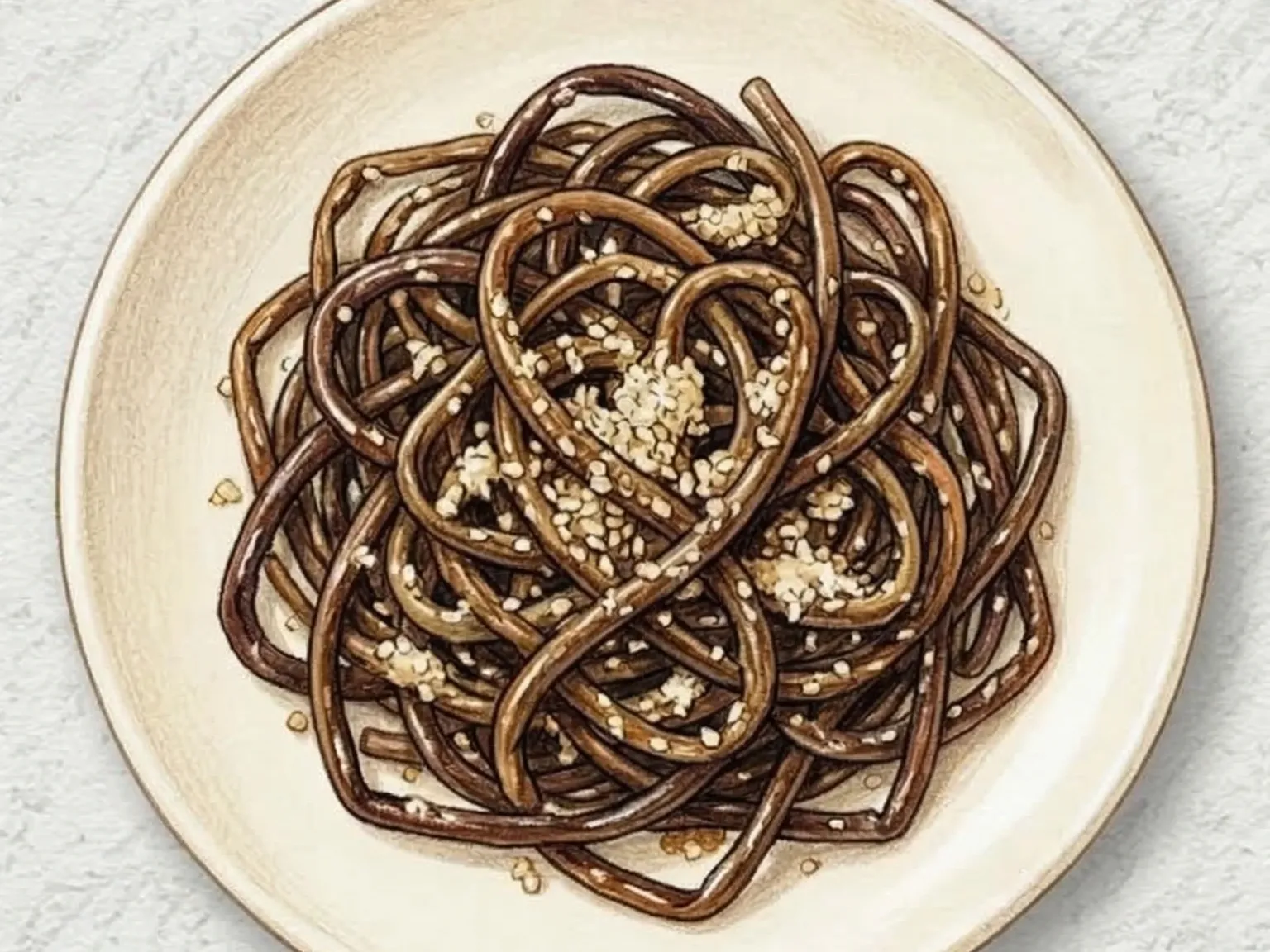
Mung bean sprouts are blanched briefly in boiling water and dressed with sesame oil, salt, garlic, and toasted sesame seeds to produce one of the cleanest-tasting namul dishes on the Korean table. The blanching window is narrow: thirty seconds is enough to soften the raw edge while keeping the stems crunchy from tip to tail. Plunging the sprouts into cold water immediately halts the cooking and preserves their pale, translucent appearance. Salt draws out the sprouts' mild natural sweetness, and sesame oil wraps each strand in a thin, fragrant coat that makes the mouthfeel smooth without adding weight. Garlic is used sparingly so it accents rather than dominates the sprouts' delicate flavor. Toasted sesame seeds contribute a nutty depth that elevates the otherwise minimal seasoning. Thorough squeezing removes the water trapped between the tangled sprouts, ensuring the dressing clings rather than pools at the bottom of the bowl. Gentle hand-mixing prevents the fragile sprouts from bruising.

🏠 Everyday🍱 Lunchbox
Prep 5minCook 5min4 servings
Korean Lotus Root Chicken Porridge
RiceMedium

Korean Lotus Root Chicken Porridge

Yeongeun-dak-juk is a Korean porridge that simmers diced lotus root and shredded chicken breast in a rice base. The finely chopped lotus root introduces small pockets of crunch throughout the otherwise creamy porridge. Green onion and ginger remove any gaminess from the chicken while adding a clean aroma. Since the porridge uses chicken stock as its foundation, it carries depth of flavor without heavy seasoning. The result is a light yet filling bowl suited to mornings or recovery meals.

🏠 Everyday
Prep 20minCook 40min4 servings
Korean Thistle Greens & Mackerel Stir-fry
Stir-fryHard

Korean Thistle Greens & Mackerel Stir-fry

Gondre godeungeo bokkeum pairs pan-seared mackerel with blanched gondre thistle greens in a gochujang-soy stir-fry. The mackerel is first marinated briefly in ginger juice to reduce any sharpness, then seared on both sides until a firm, golden crust forms. That outer layer keeps the fish intact during the final toss with the greens. Gondre is pre-seasoned in perilla oil and garlic to draw out its earthy, herbal fragrance before hitting the pan, and squeezing out the excess moisture is essential so the sauce stays concentrated rather than watery. The gochujang-soy combination brings heat, depth, and a subtle sweetness that bridges the rich umami of the fatty fish and the grassy character of the greens. Gondre from the Gangwon-do highlands has a mild, nutty quality once blanched that holds its own alongside oily blue-backed fish. The dish works equally well as a rice accompaniment or a drinking snack.

🏠 Everyday🎉 Special Occasion
Prep 20minCook 14min4 servings
Korean Grilled Beef Plate Rib
GrilledMedium

Korean Grilled Beef Plate Rib

Beef plate rib - a thick, fatty slab attached to the rib bone - delivers a more intense beef flavor than standard short ribs when grilled. After soaking in cold water to draw out blood, the scored meat marinates for at least thirty minutes in soy sauce, Korean pear juice, cooking wine, minced garlic, sesame oil, black pepper, and green onion. The marinade seeps into the score marks, seasoning the meat to its core. Grilled four to five minutes per side on medium-high heat and glazed with remaining marinade, the surface darkens to a lacquered finish. The meat near the bone has a pronounced chew, while fat-laced sections melt on the tongue with lingering umami.

🍺 Bar Snacks🎉 Special Occasion
Prep 25minCook 20min2 servings
Korean Gangwon-Style Dried Pollock Hangover Soup
SoupsEasy

Korean Gangwon-Style Dried Pollock Hangover Soup

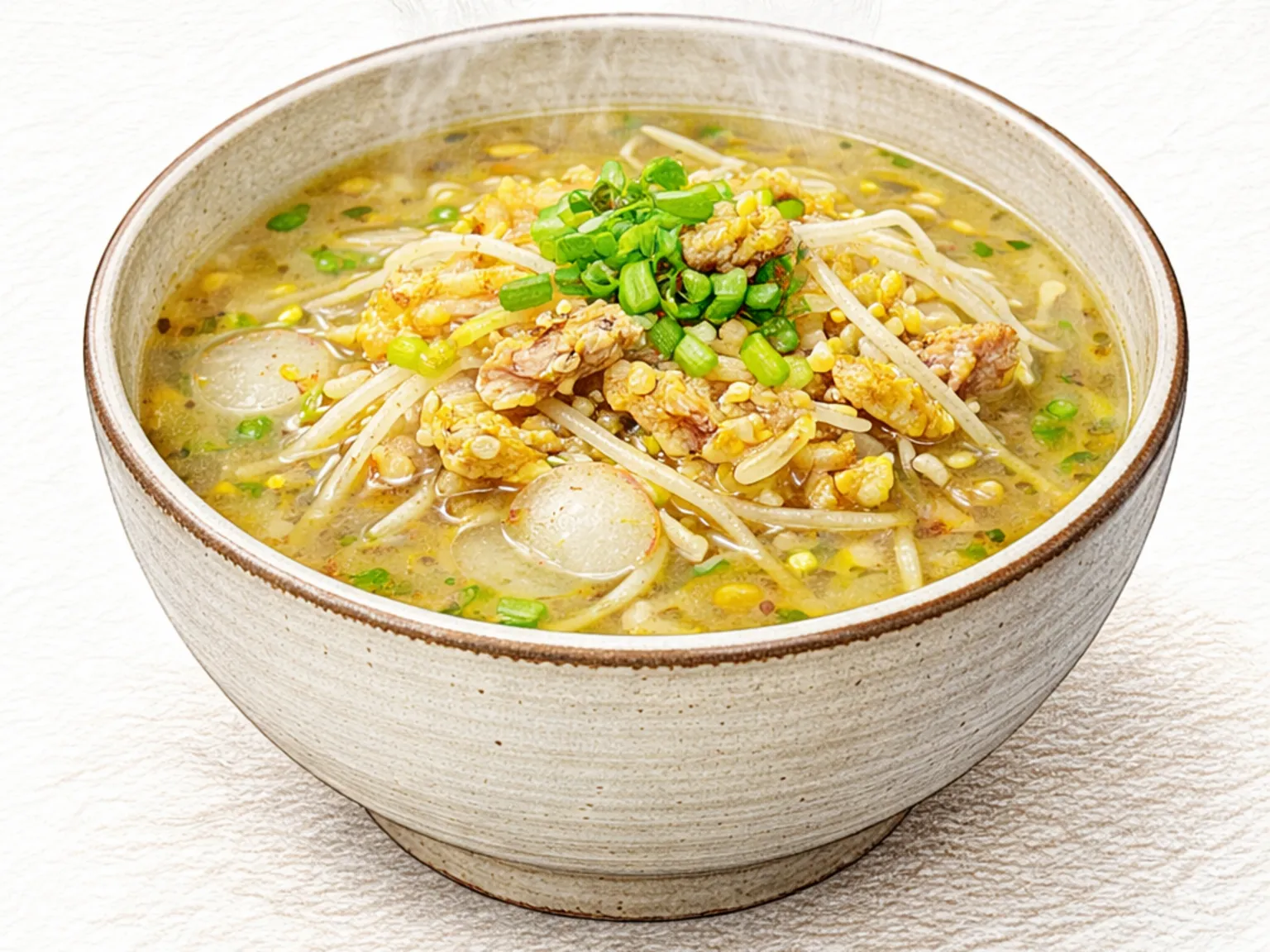
This Gangwon-province version of dried pollock hangover soup starts by stir-frying shredded dried pollock in sesame oil until it turns deeply fragrant and golden. That step is what sets it apart from other regions' pollock soups. The toasted sesame aroma permeates the entire broth and adds a richness that plain boiling cannot achieve. Radish simmers alongside, contributing a clean sweetness that tempers any fishiness. Garlic and soup soy sauce provide the savory foundation. Near the end, a beaten egg is swirled into the pot, forming soft, silky ribbons that give the clear broth a comforting body. The soup is intentionally mild and free of chili heat, designed to be gentle on an empty or troubled stomach. Koreans have relied on this kind of bugeo-guk for morning-after recovery for generations, and the Gangwon-style sesame preparation is considered one of the most satisfying versions. If the stir-frying step is rushed, the sesame oil does not coat the fish thoroughly, so cooking the pollock strands over medium heat until they are evenly golden is what draws out the full depth of flavor into the broth.

🏠 Everyday
Prep 20minCook 30min4 servings
Korean Red Pepper Paste Stew
StewsEasy

Korean Red Pepper Paste Stew

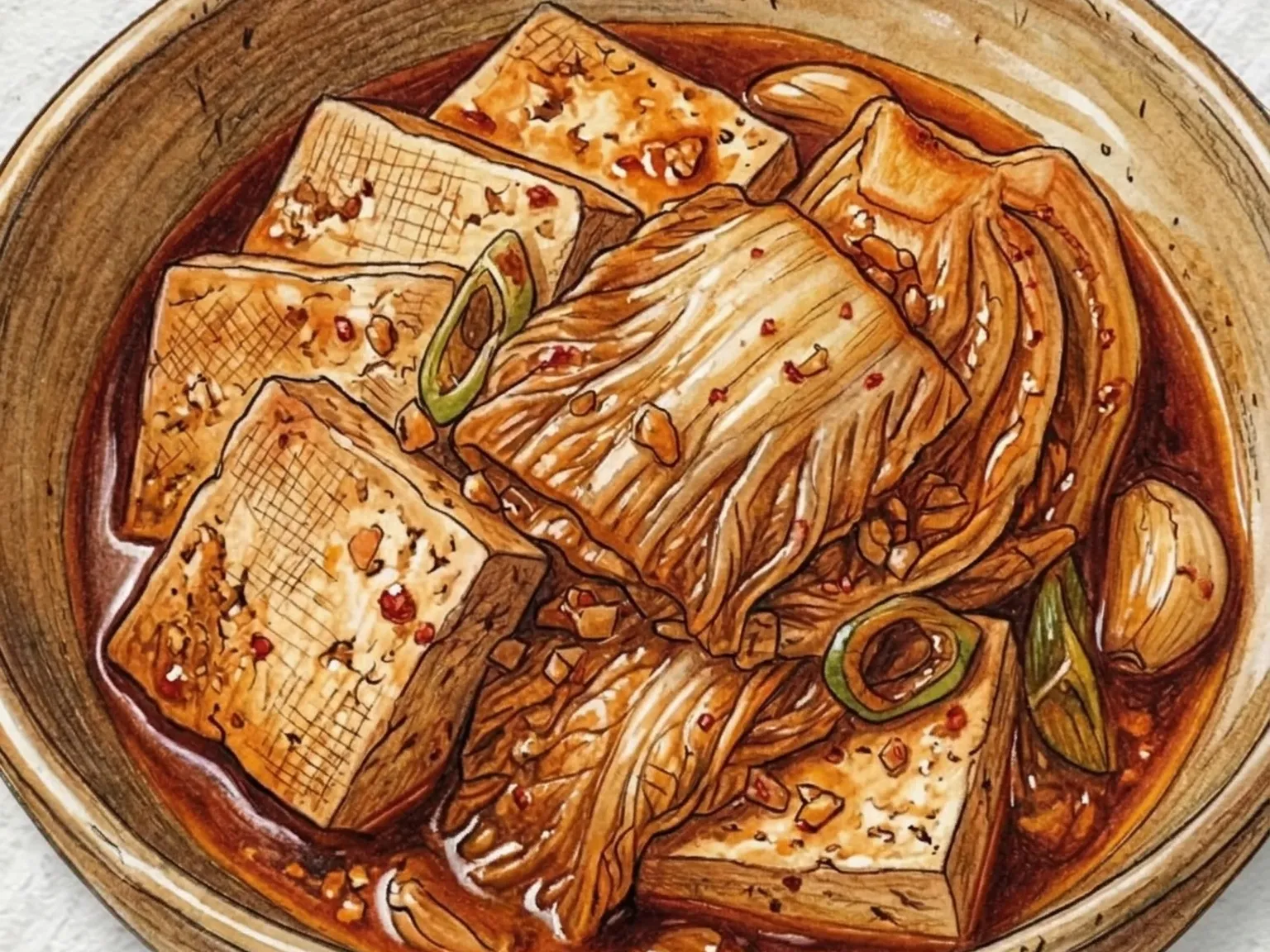
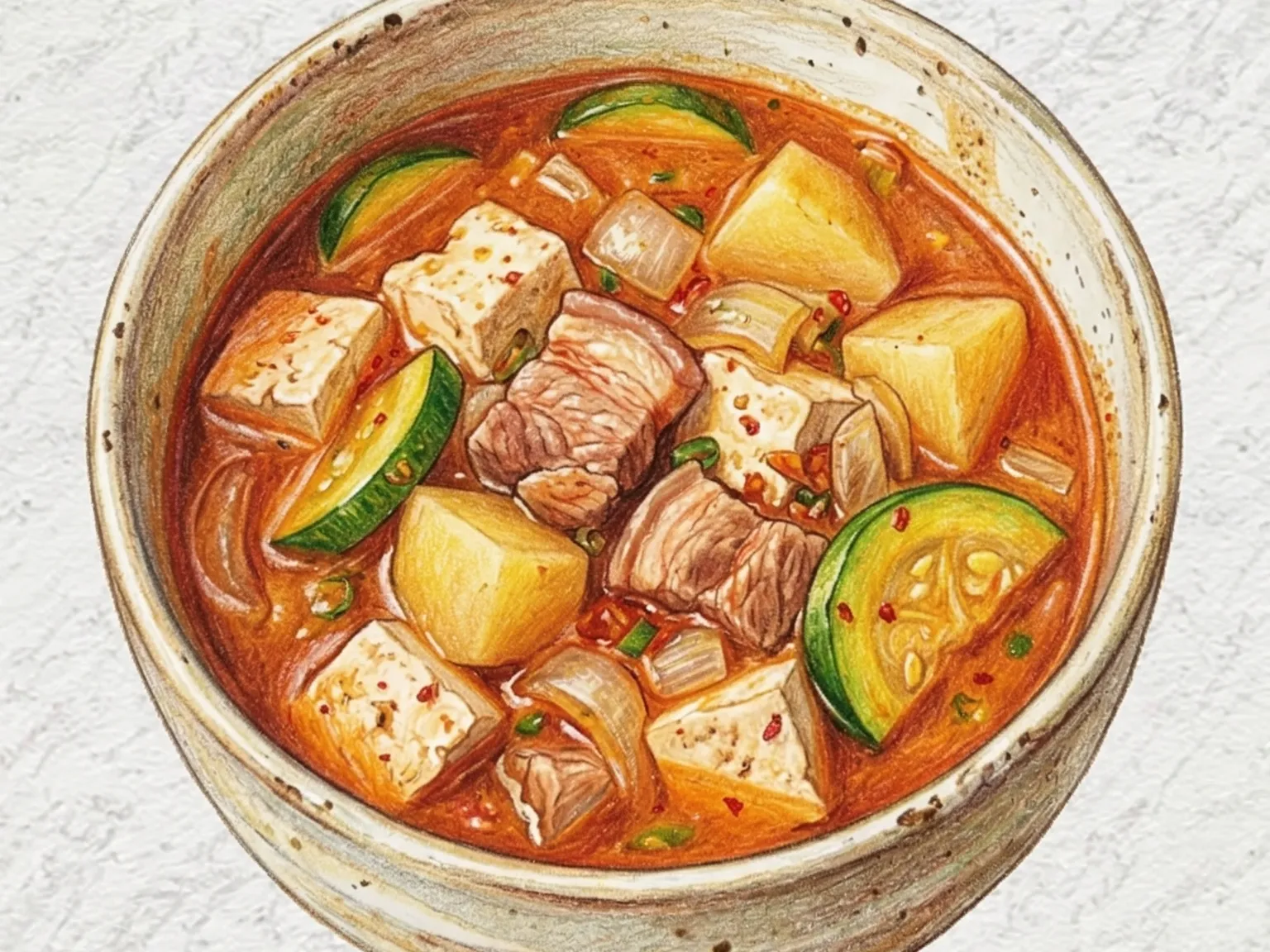
Gochujang-jjigae is a Korean stew centered on gochujang, the fermented chili paste, as its primary seasoning. It occupies a different flavor space from doenjang-based stews and kimchi-jjigae: the heat is direct and clean rather than layered with fermented funk or brined sourness. Pork shoulder is the standard protein. Browning the meat first in the pot keeps its juices sealed in and adds savoriness to the broth as the fond dissolves into the liquid. Two tablespoons of gochujang form the base, gochugaru adjusts the heat level, and soy sauce adds depth of saltiness. Potato absorbs the starch-thickened broth as it cooks and turns fluffy inside with a seasoned exterior. Zucchini softens into the thick broth, contributing gentle sweetness. Tofu soaks up the surrounding sauce and delivers a concentrated burst of gochujang flavor when bitten through. The longer the stew simmers, the more the ingredients exchange flavors, building a broth more complex than any single ingredient could produce on its own. In Korean home cooking, it is standard to ladle plenty of the broth over cold rice.

🏠 Everyday
Prep 10minCook 20min2 servings
Korean Steamed Yellow Croaker
SteamedMedium

Korean Steamed Yellow Croaker

Jogi-jjim is a steamed Korean yellow croaker banchan built around a two-stage cooking method that drives soy sauce, cooking wine, garlic, and ginger deep into the flesh. Scoring the fish on both sides before cooking is essential: the cuts open channels so the marinade reaches the interior rather than sitting on the surface. Half the sauce goes in first, and the fish steams until nearly done; then the remaining sauce and sliced green onion are added for a second round. Cooking wine and ginger together strip away fishiness, leaving the croaker clean and mild on the palate. The flesh is fine-grained and firm enough to pull apart in neat flakes with chopsticks without falling apart. Any sauce that collects in the pan spooned over rice makes the dish a complete meal without needing a separate soup.

🏠 Everyday🎉 Special Occasion
Prep 15minCook 25min2 servings
Korean Soft Tofu Noodle Soup
NoodlesEasy

Korean Soft Tofu Noodle Soup

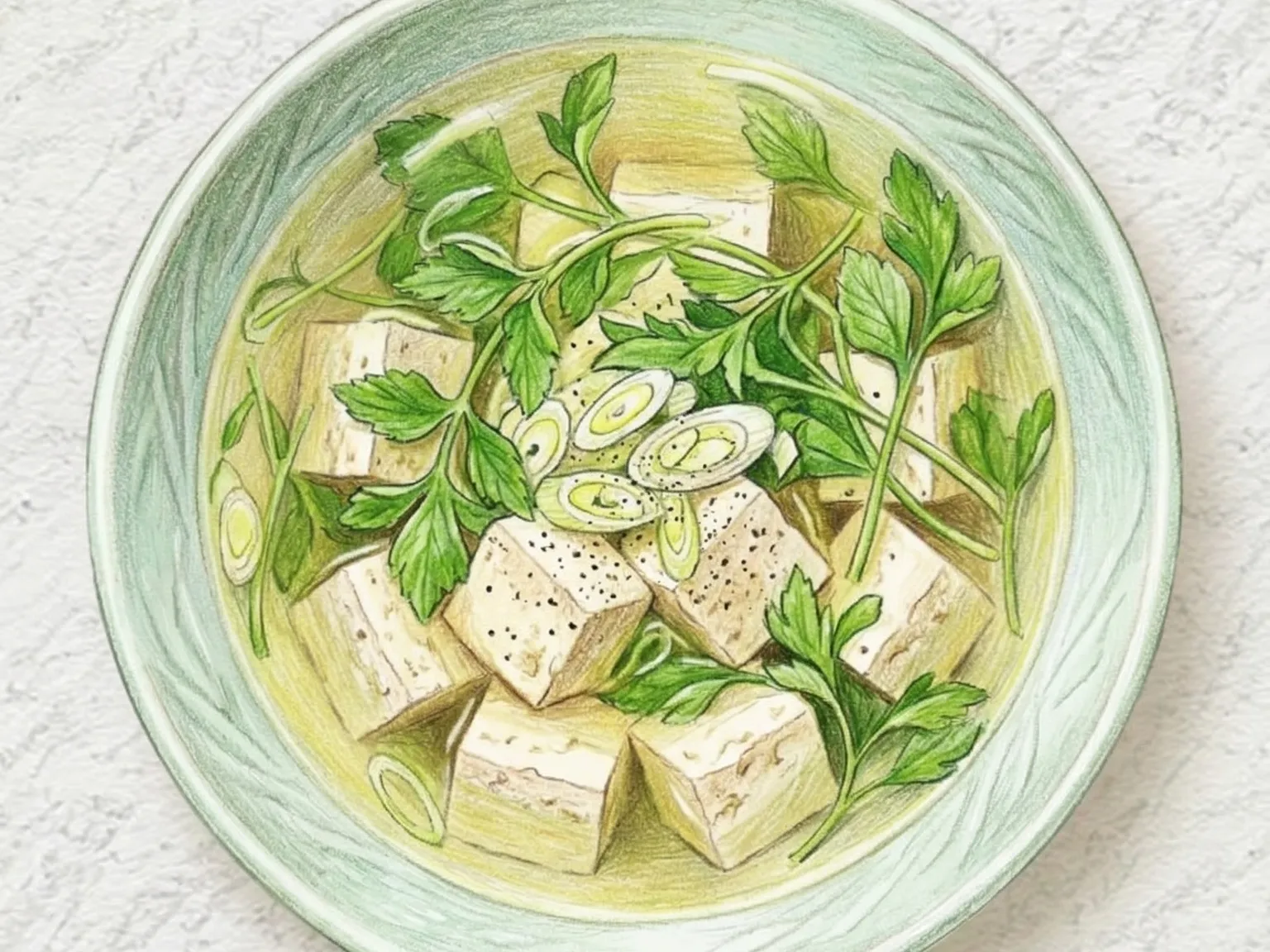
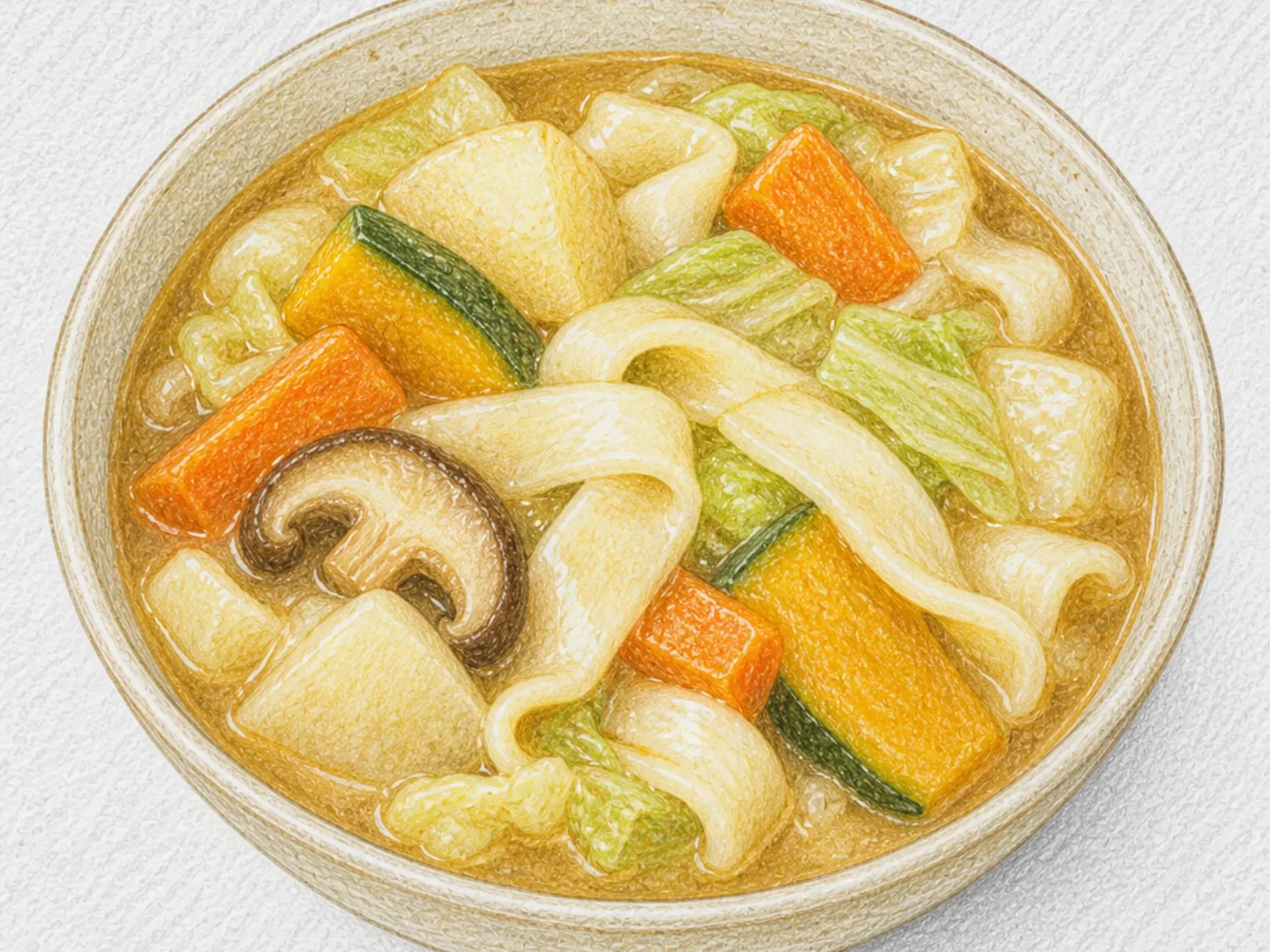
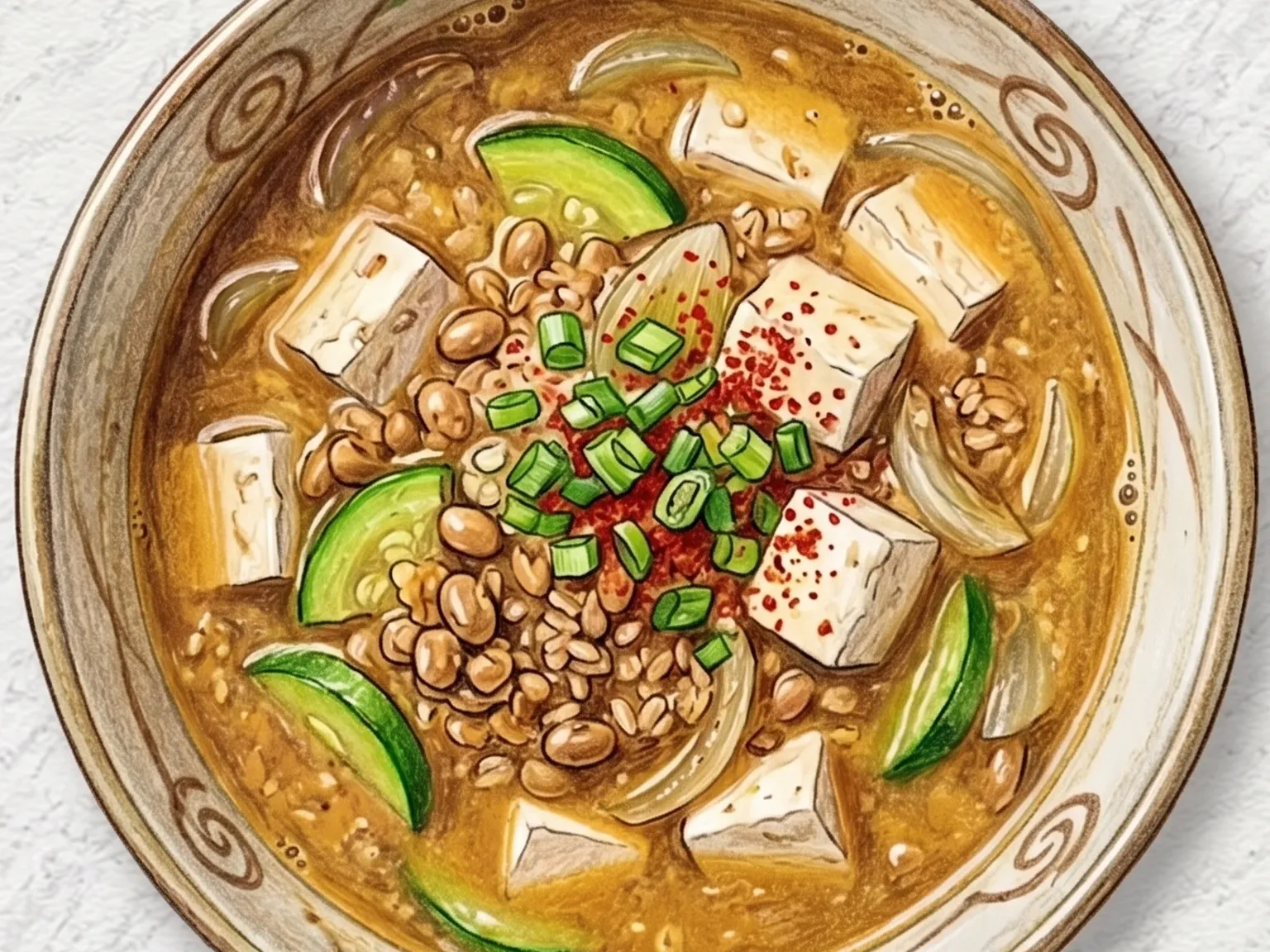
Sundubu guksu is a Korean noodle soup made by simmering silken tofu in anchovy-based broth with knife-cut wheat noodles. As the soft tofu breaks apart during cooking, it naturally thickens the broth into a creamy consistency without any dairy. The combination of anchovy umami and mild tofu keeps the flavor clean yet full. Total cooking time is around 25 minutes, and the recipe requires minimal seasoning. It is one of the simpler Korean noodle soups to prepare at home.

🏠 Everyday
Prep 10minCook 15min2 servings
Classic Tonkotsu Ramen (Pork Bone Milky Broth Noodles)
AsianHard

Classic Tonkotsu Ramen (Pork Bone Milky Broth Noodles)

Tonkotsu ramen is the iconic pork bone noodle soup from Kyushu, Japan, most closely associated with the city of Hakata. Pork back bones and trotters are boiled vigorously for eight hours or more, a sustained rolling boil that breaks down collagen and fat into a milky, opaque emulsion. The resulting broth has a rich, almost gelatinous body that coats the lips with each sip. Thin, firm noodles specific to the Hakata style hold up against this heavy broth, absorbing just enough flavor while maintaining a springy chew. Chashu pork belly, braised separately in soy sauce and mirin, drapes across the top alongside a marinated soft-boiled egg with a jammy yolk.

🎉 Special Occasion
Prep 30minCook 480min2 servings
Korean Spicy Beef Intestine Stir-fry
Stir-fryHard

Korean Spicy Beef Intestine Stir-fry

Gopchang-bokkeum is a Korean stir-fry of cleaned beef intestines tossed over high heat with onion, cabbage, scallion, gochujang, and gochugaru. The intestines develop a springy chew while releasing their natural fat, which melds with the spicy seasoning to create an intensely savory sauce. Vegetables stay crisp and soak up the bold flavors as the dish cooks quickly. It is one of the most popular late-night dishes in Korea, often served sizzling on a hot plate alongside rice and soju.

🍺 Bar Snacks🏠 Everyday
Prep 25minCook 15min2 servings
Korean Ureok Doenjang Gui (Doenjang Grilled Rockfish)
GrilledMedium

Korean Ureok Doenjang Gui (Doenjang Grilled Rockfish)

Rockfish fillets are patted dry, pin-boned, and brushed thinly with a paste of doenjang, gochujang, minced garlic, cooking wine, honey, and sesame oil before resting in the refrigerator for fifteen minutes. Cooking begins skin-side down for four minutes, then the fillet is flipped for three minutes, and a second thin coat of paste is applied for two final minutes. The key is thin, repeated applications - a thick layer burns before the fish is done. Rockfish's mild white flesh absorbs the complex, fermented savoriness of the doenjang-gochujang blend, producing a depth of flavor that plain grilled fish cannot match.

🍺 Bar Snacks🏠 Everyday
Prep 20minCook 18min2 servings
Korean Gangwon-Style Loach Soup
SoupsHard

Korean Gangwon-Style Loach Soup

Gangwon-style chueotang is a thick, hearty loach soup in which the entire fish is boiled, blended smooth, and returned to the pot with ground perilla seeds and dried radish greens. Pulverizing the loach whole dissolves its small bones into the broth, creating a calcium-rich liquid with a distinctive earthy depth. Perilla seed powder transforms the soup into something creamy and nutty, far removed from a typical clear broth. Dried radish greens, rehydrated and chopped, provide a pleasantly chewy counterpoint to the thick liquid. Doenjang and gochugaru add fermented savoriness and gentle heat that deepen the overall flavor. Before blending, the loach should be soaked in salted water to purge any muddy taste, and the perilla powder is best stirred in after the soup reaches a boil so the nutty aroma does not cook off too quickly. The finished soup is dense and substantial, closer to a stew than a broth, and is traditionally eaten in autumn and winter as a stamina food. In the mountainous Gangwon province, chueotang holds a near-legendary status as a warming, restorative meal on the coldest days.

🏠 Everyday🎉 Special Occasion
Prep 30minCook 50min4 servings
Korean Godeungeo Mu Jjigae (Mackerel Radish Stew)
StewsMedium

Korean Godeungeo Mu Jjigae (Mackerel Radish Stew)

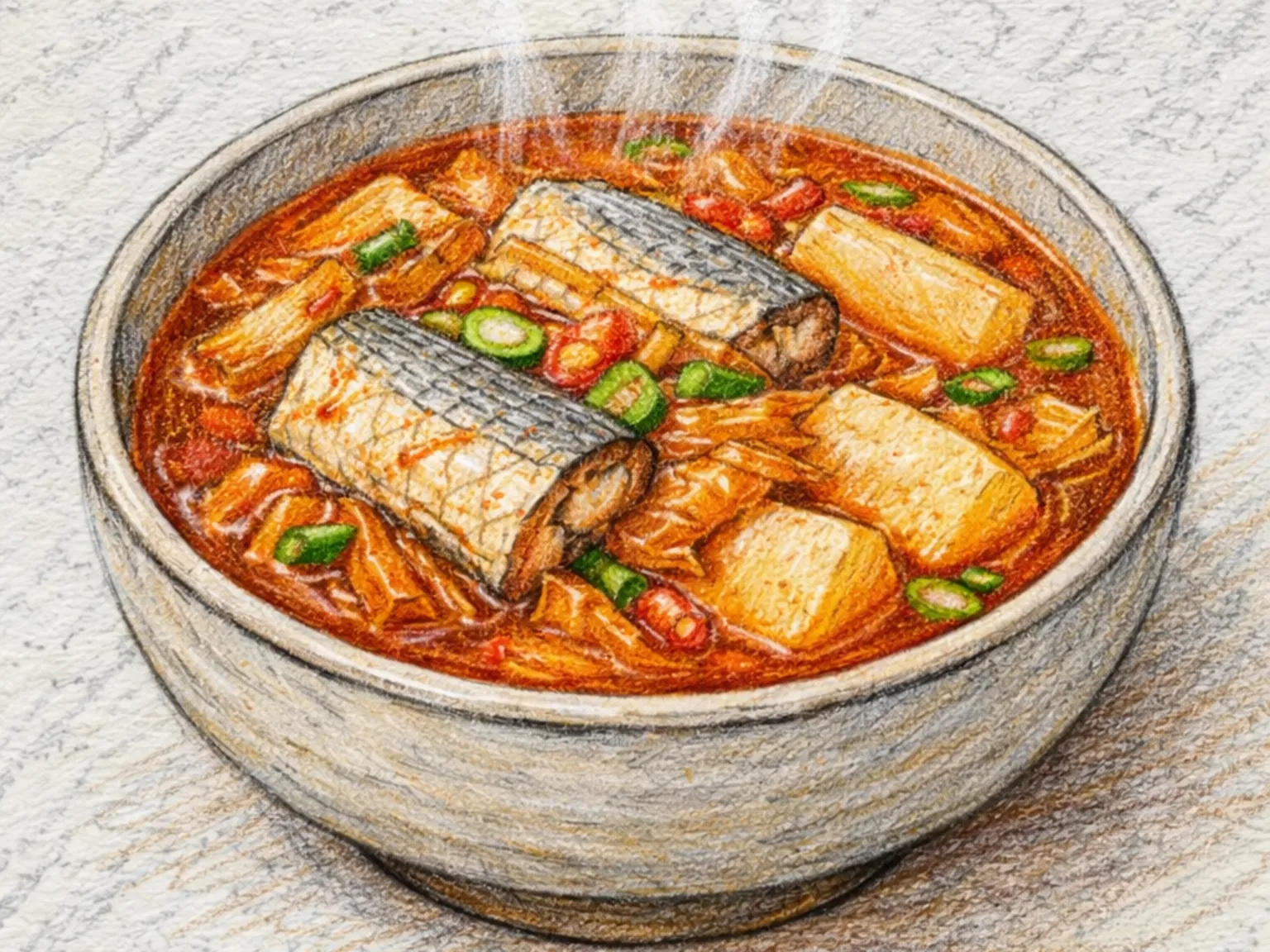
Godeungeo-mu-jjigae is a spicy Korean stew that pairs mackerel with Korean radish in a gochugaru and gochujang broth. Mackerel is an oily, fatty fish, and as it simmers, those fats render into the surrounding liquid, giving the broth a richness and depth of savory flavor that leaner fish cannot produce. The radish is laid on the bottom of the pot before the mackerel is placed on top - a deliberate positioning that lets the radish absorb the direct heat of the base while soaking up the fish juices and rendered fat dripping down from above. Radish cooked this way turns tender and sweet, and each bite releases concentrated broth from within the vegetable. Using both gochugaru and gochujang in the seasoning paste is important: gochugaru provides clean, direct heat and red color while gochujang adds fermented depth and body to the broth that chili powder alone cannot achieve. Soup soy sauce for the final seasoning keeps the saltiness measured and blended rather than sharp. Sliced green onion and cheongyang chili pepper added toward the end contribute freshness and a sharper layer of heat. For those sensitive to fishiness, thin slices of ginger added to the initial seasoning paste are effective at suppressing the odor without altering the stew's overall flavor profile. The traditional way to eat this is to spoon the broth-soaked radish and a piece of mackerel over rice, letting the concentrated cooking liquid soak into each grain.

🏠 Everyday
Prep 20minCook 35min4 servings
Korean Steamed Pacific Saury
SteamedMedium

Korean Steamed Pacific Saury

Kkongchi-jjim braises Pacific saury with Korean radish, onion, and green onion in a gochugaru and soy sauce broth until the liquid reduces to a concentrated, deeply spiced glaze. The saury's naturally oily flesh absorbs the bold seasoning without drying out, while the radish softens in the braising liquid and draws out any fishiness that would otherwise distract from the sauce. Garlic and ginger scrub the broth clean, and the chili's penetrating heat opens the appetite in a way that milder seasonings cannot. The remaining sauce, ladled over rice, is what most people eat last and remember longest - a humble fish dish that punches well above its price.

🏠 Everyday🍱 Lunchbox
Prep 20minCook 30min2 servings
Tomato Egg Lamian (Chinese Home-Style Tomato Scrambled Egg Noodle Soup)
NoodlesEasy

Tomato Egg Lamian (Chinese Home-Style Tomato Scrambled Egg Noodle Soup)

Tomato egg lamian is a Chinese home-style noodle soup where ripe tomatoes are sauteed until they break down into a tangy, slightly sweet broth. Soft-scrambled eggs are folded in, adding mild richness. Fresh wheat noodles go directly into the pot, picking up the broth's flavor as they cook. No heavy spices are involved - the dish relies on the natural taste of its few ingredients. It takes about 27 minutes total and is widely eaten across China as an everyday meal.

🏠 Everyday🌙 Late Night
Prep 12minCook 15min2 servings
Xiaolongbao (Shanghai Pork Soup Dumplings)
AsianHard

Xiaolongbao (Shanghai Pork Soup Dumplings)

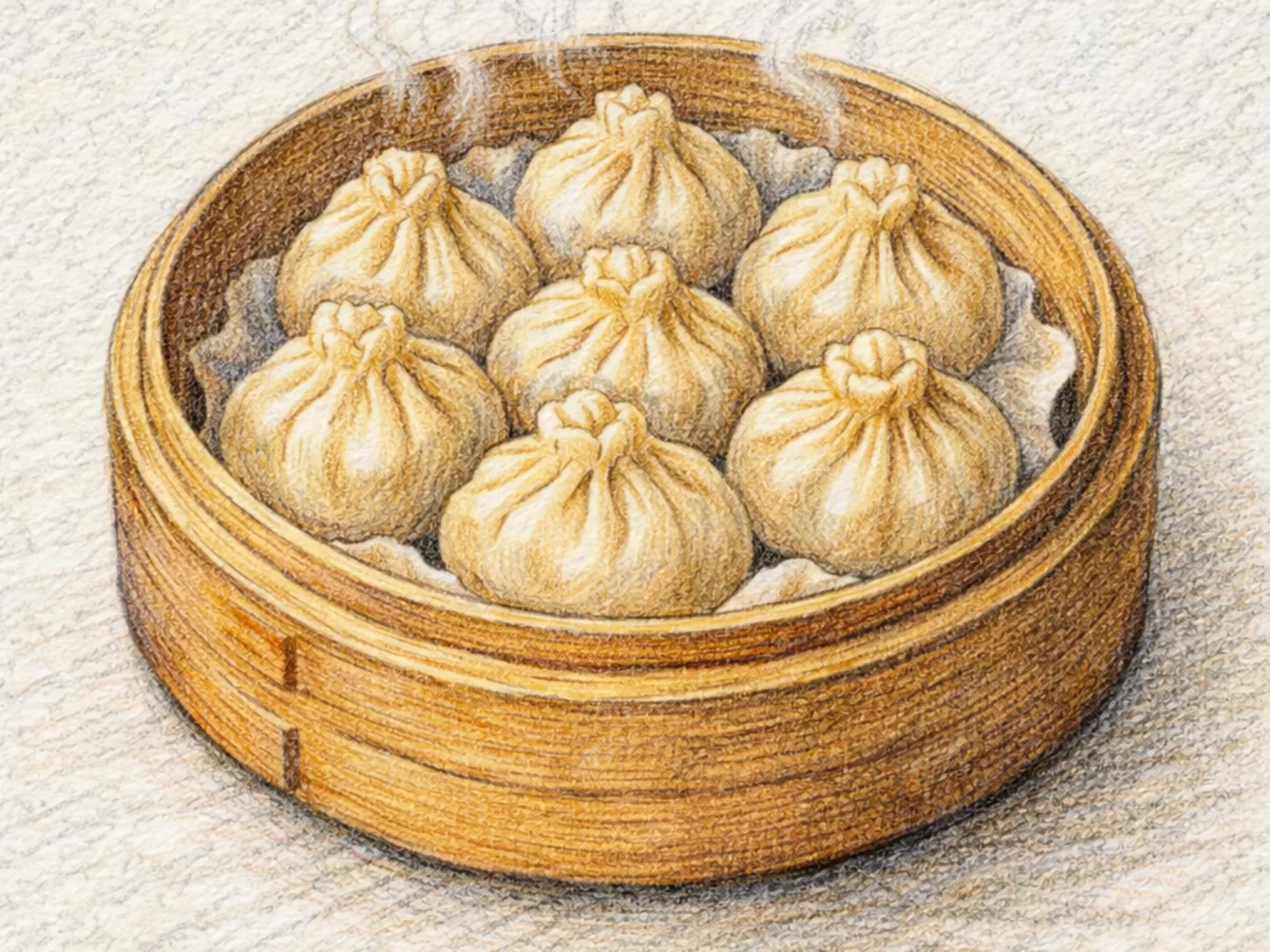
Xiaolongbao are Shanghai-style soup dumplings in which a thin wheat wrapper encloses both a pork filling and a measure of hot broth. The liquid inside starts as a firm pork aspic - gelatinized stock cut into small pieces and mixed with seasoned ground pork. When steamed in bamboo baskets, the gelatin melts back into soup, pressurizing the wrapper from within. The dough is rolled thin enough to be almost translucent yet strong enough to hold the liquid without tearing. Eating them properly requires care: each dumpling is lifted onto a spoon, a small hole is bitten in the skin, and the broth is sipped before the filling is consumed. A dipping sauce of black vinegar and shredded ginger accompanies each basket.

🎉 Special Occasion
Prep 120minCook 15min4 servings
Korean Oyster Water Parsley Stir-fry
Stir-fryEasy

Korean Oyster Water Parsley Stir-fry

Gul-minari-bokkeum is a quick stir-fry of plump raw oysters and fragrant water parsley (minari) seasoned with gochugaru and light soy sauce over high heat. The oysters cook only until they just firm around the edges, retaining their briny interior juices while contracting slightly, and the minari stays crisp with its herbal freshness intact. The salty, sweet umami of the oysters meets the clean grassy quality of the minari, and the two flavors balance without either overpowering the other. Winter is the prime season for this dish, when cold-water oysters reach peak plumpness and flavor. Cooking the oysters too long drives out their moisture and makes them rubbery, so the stir-fry must stay brief.

🍺 Bar Snacks🏠 Everyday
Prep 15minCook 8min2 servings