Korean Eggplant, Perilla & Tofu Stew
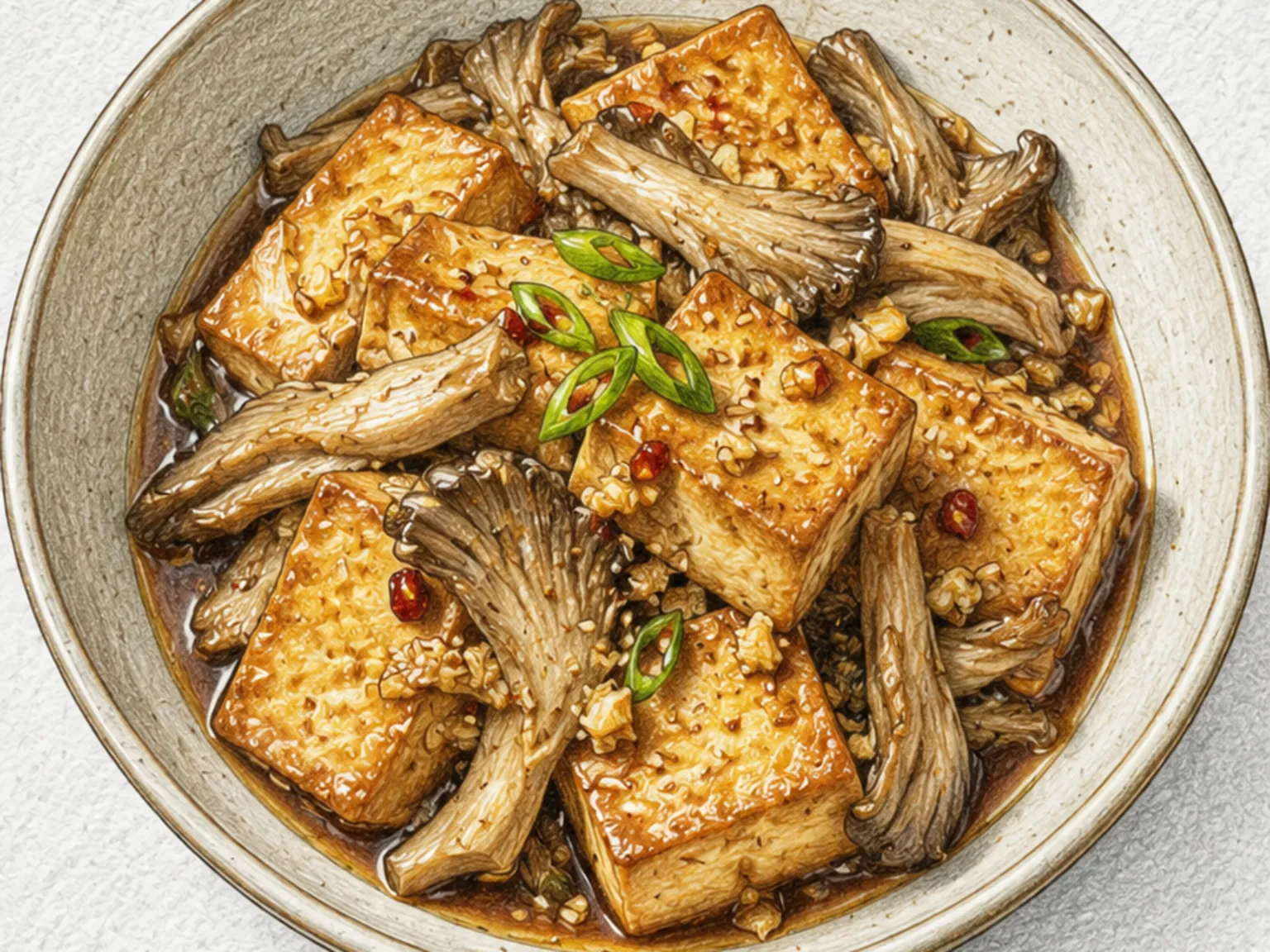
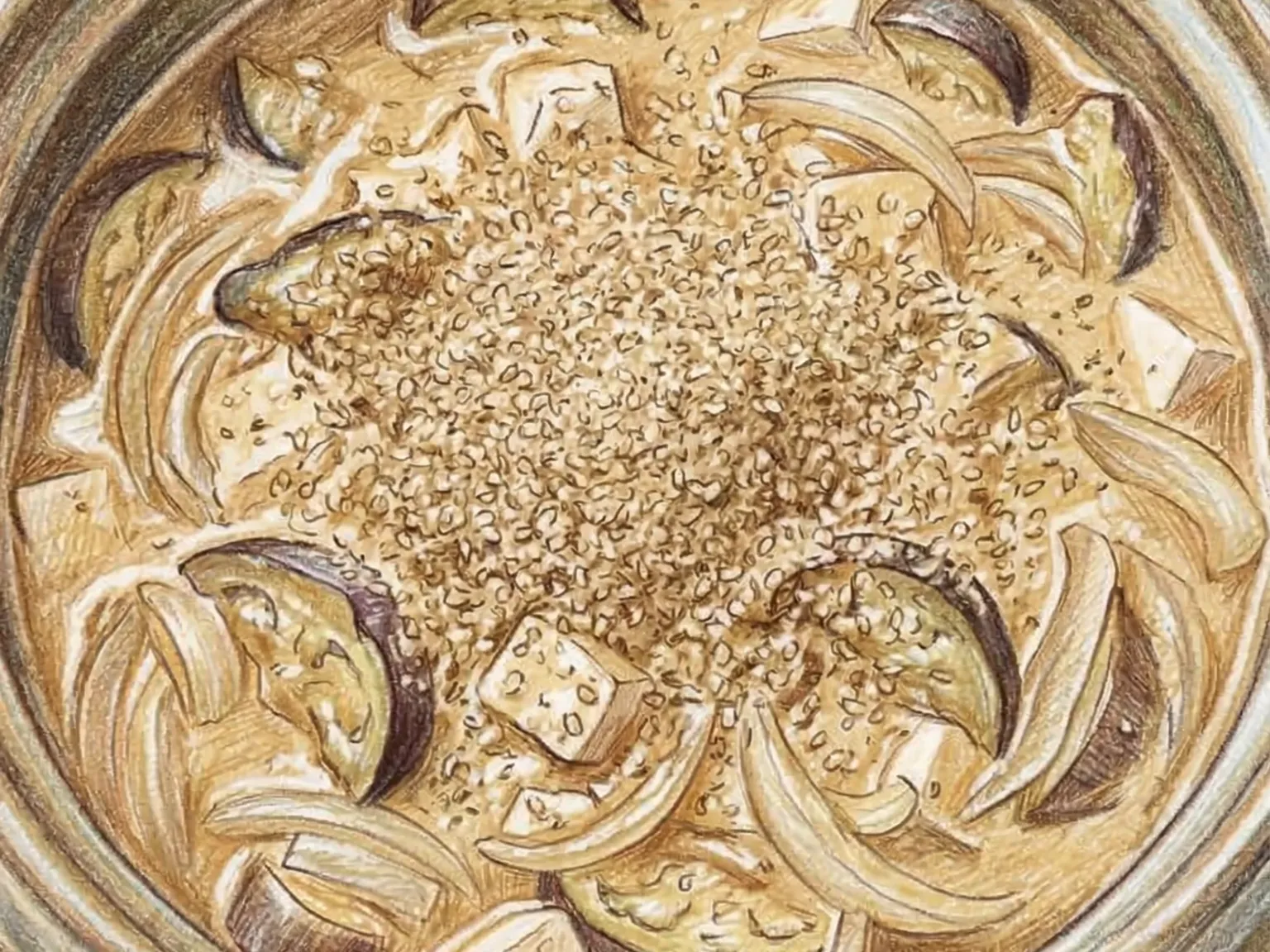
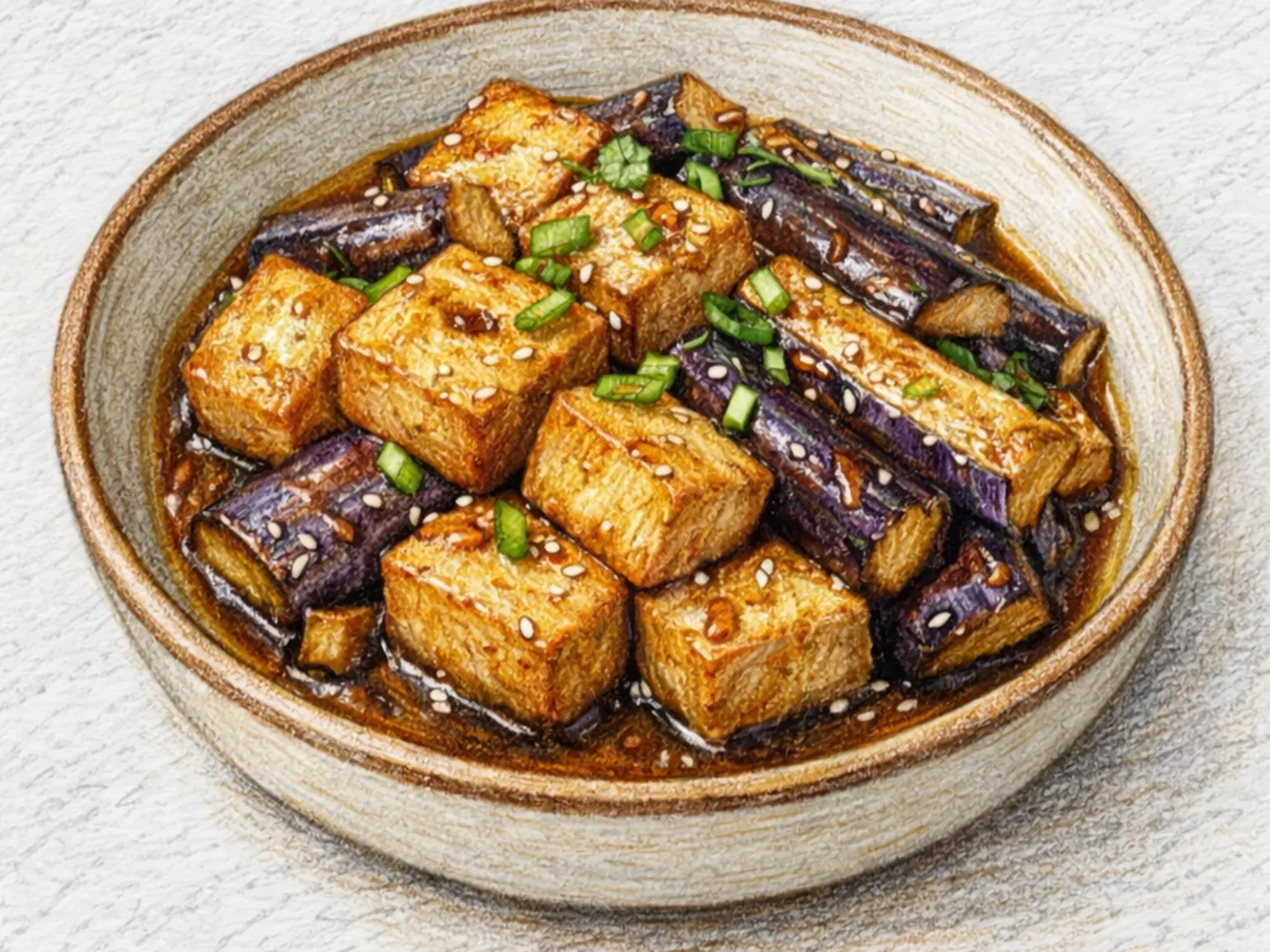
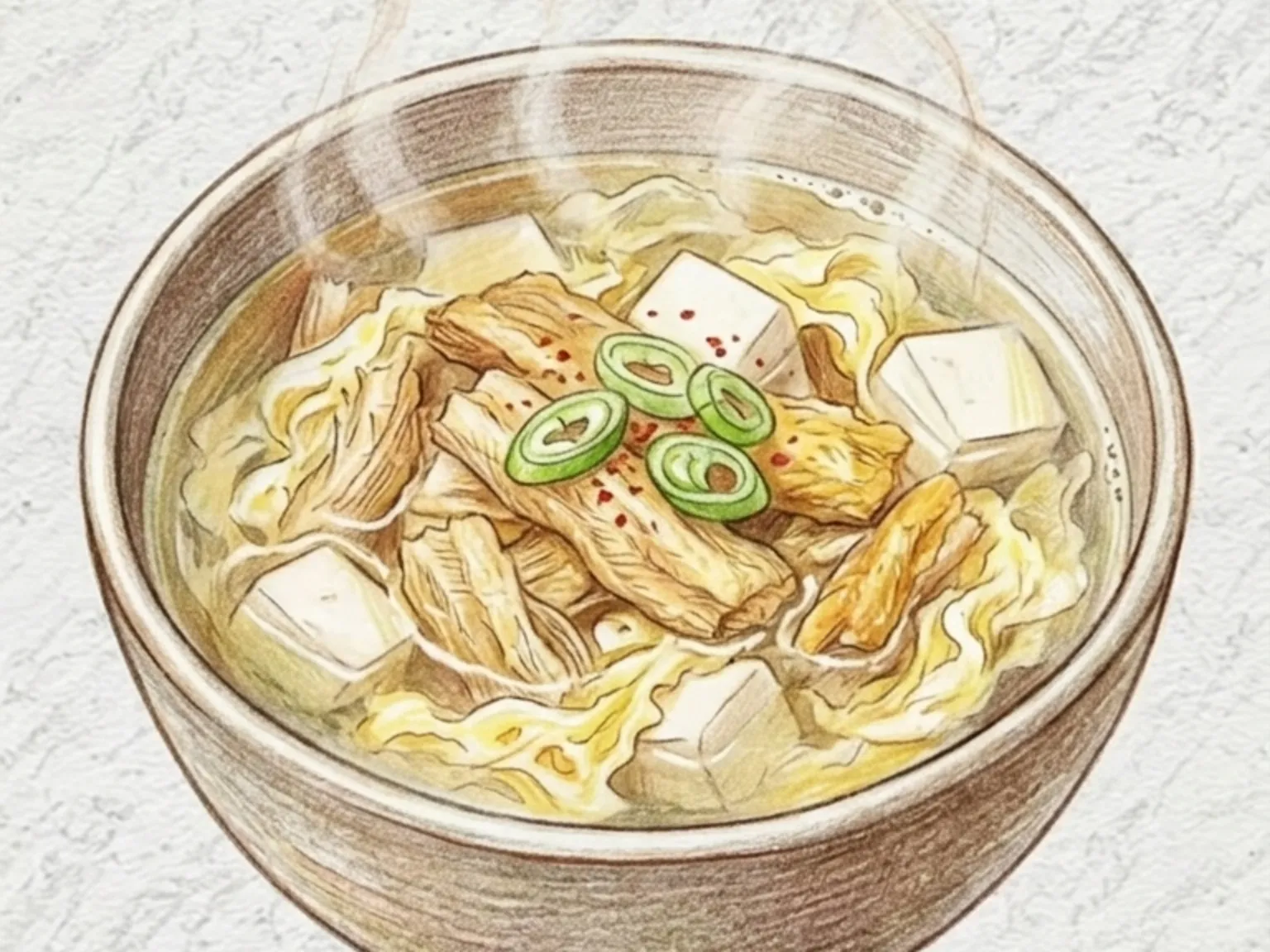
Gaji deulkkae dubu jjigae is a Korean stew of eggplant and tofu simmered in a broth thickened with ground perilla seeds. Ground perilla stirred into anchovy-kelp stock creates a creamy, nutty liquid as heat activates the oils in the seeds. Eggplant cooks slowly in this broth, breaking down until completely soft and absorbing the surrounding perilla flavor. Dicing the tofu into small cubes increases its surface area and allows the broth to penetrate from more angles. Gochugaru adds a layered warmth to the richness of the perilla, and soup soy sauce provides the salt structure. The textural contrast between the silky, yielding eggplant and the firmer tofu gives the stew a variety that makes each spoonful interesting. Even without meat, the fatty acids in perilla provide enough body and satiety to make this a substantial main-course stew, particularly well suited to vegetarian cooking.

Chinese Red-Braised Fish (Hong Shao Yu)
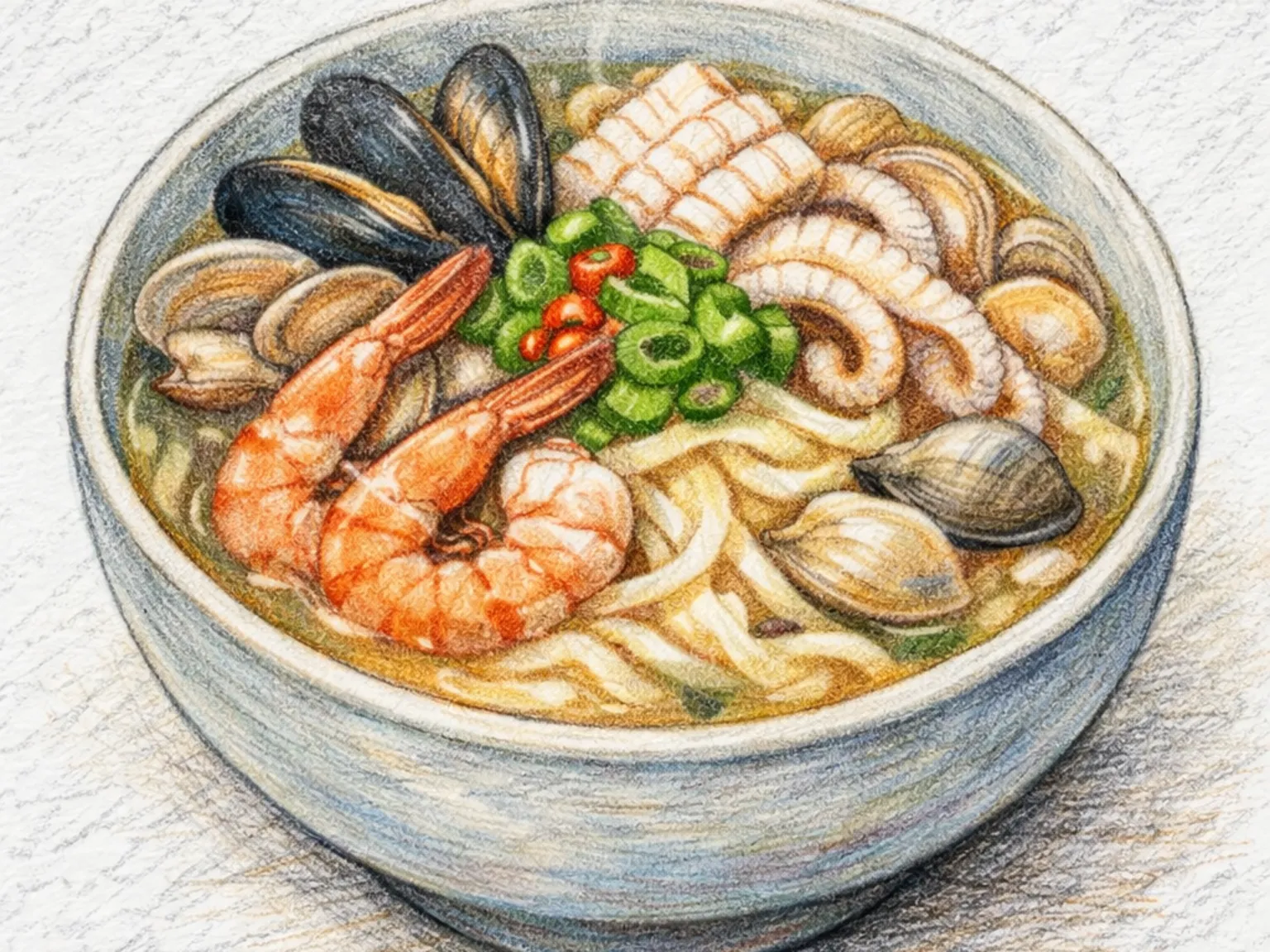
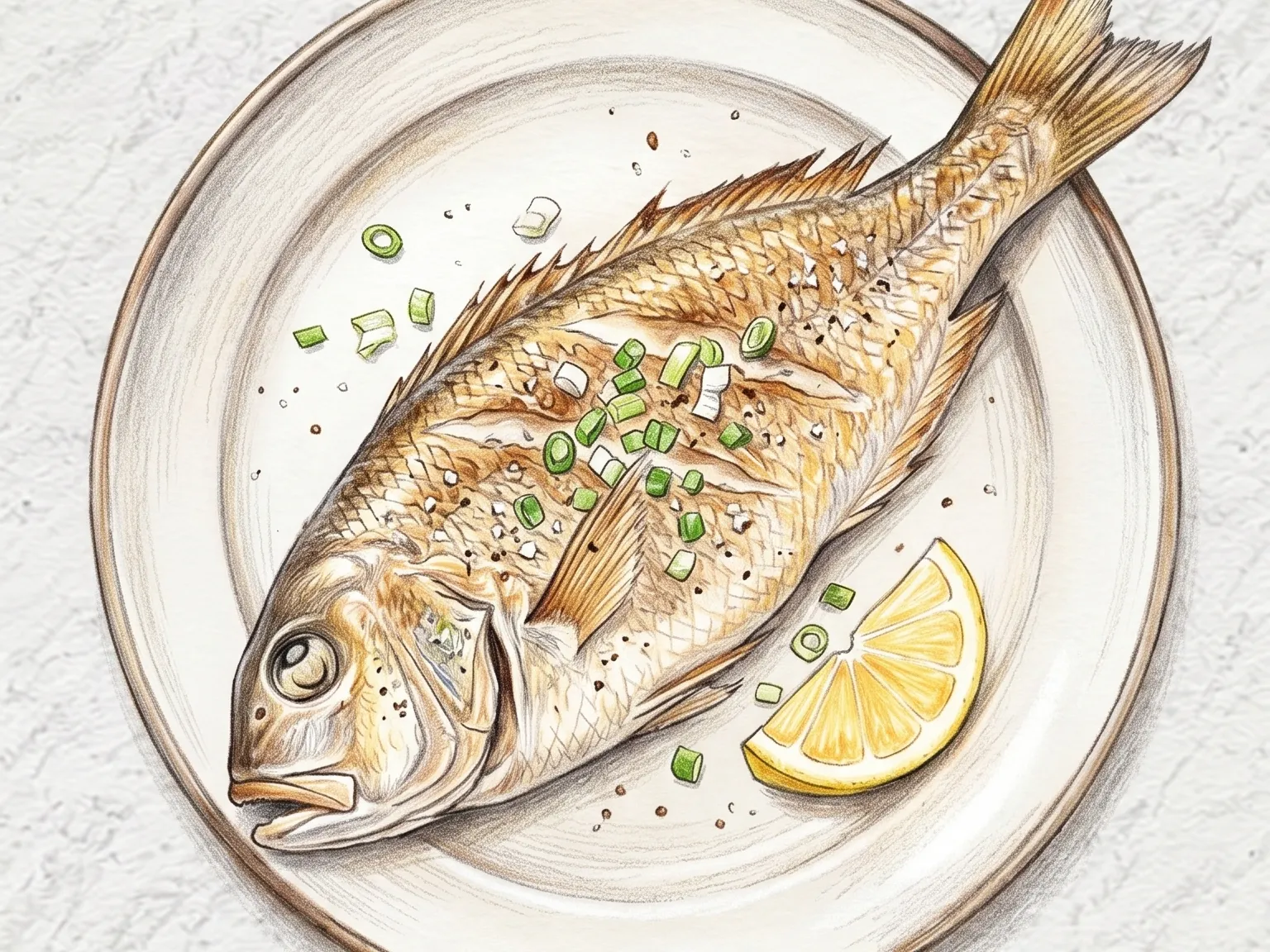
Hong shao yu is a Chinese braised fish dish made by pan-searing white fish until golden, then pouring over a sauce of soy sauce, sugar, ginger, green onion, and Shaoxing wine and simmering over medium heat until the liquid reduces to a glaze. Searing the fish first firms up the surface so the flesh holds together during braising, and the browning from the sear adds a savory depth to the final sauce that straight braising cannot achieve on its own. Sugar softens the saltiness of the soy sauce into a sweet-savory balance, while ginger neutralizes any fishiness and contributes a sharp, clean aroma throughout the braise. As the sauce reduces it coats each piece of fish in a glossy, dark glaze well suited to spooning over steamed rice. The dish comes together in under thirty minutes, and thicker white fish holds moisture better through the braise than thin fillets. Patting the fish thoroughly dry before placing it in the pan prevents oil splatter and ensures the surface browns evenly rather than steaming.

Korean Soy Udon with Scallion Salad
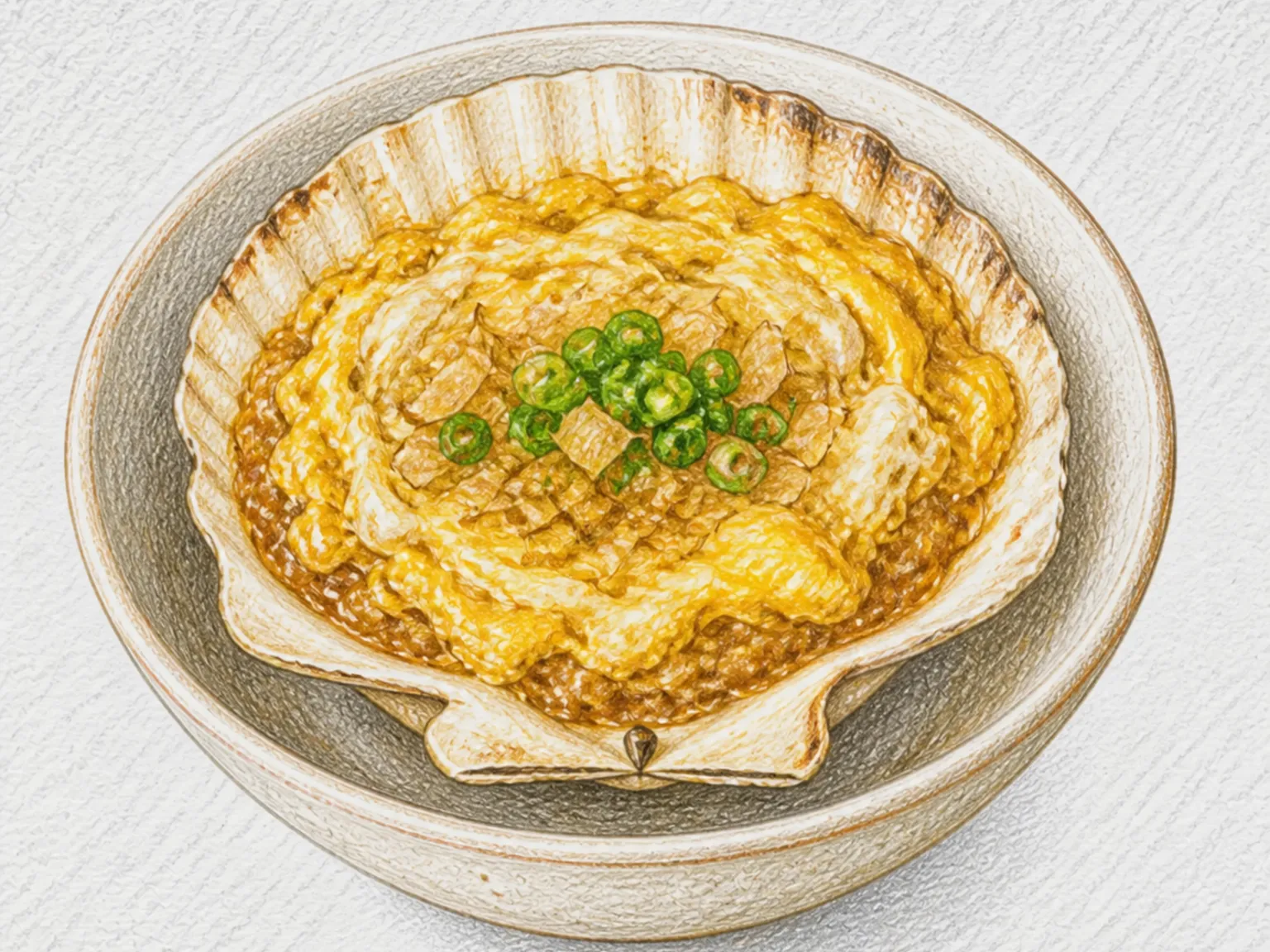
Pajeori ganjang bibim udon is a Korean mixed udon dish centered on crisp shredded scallion that has been soaked in cold water to tame its raw sharpness without sacrificing texture. Soaking for at least five minutes softens the aggressive bite while the strands retain their crunch, releasing a clean, fresh note with every forkful. A dressing of soy sauce, vinegar, sugar, chili flakes, and sesame oil builds a layered base that is simultaneously sweet, salty, tangy, and mildly spicy. The udon noodles are tossed first with half the dressing so every strand carries an even base coating before the drained scallion and remaining sauce are folded in. The pungent freshness of the scallion plays directly against the seasoned noodles, drawing out a depth of flavor that far exceeds what the short ingredient list would suggest. Keeping the noodles slightly underdone ensures a springy, bouncy bite throughout, and a scatter of whole sesame seeds adds a warm, nutty finish. Skipping the cold water soak leaves the raw sharpness of the scallion untempered, throwing the entire balance off, so that step should never be rushed.

Hakodate Shio Ramen (Hokkaido Clear Salt-Seasoned Chicken Ramen)
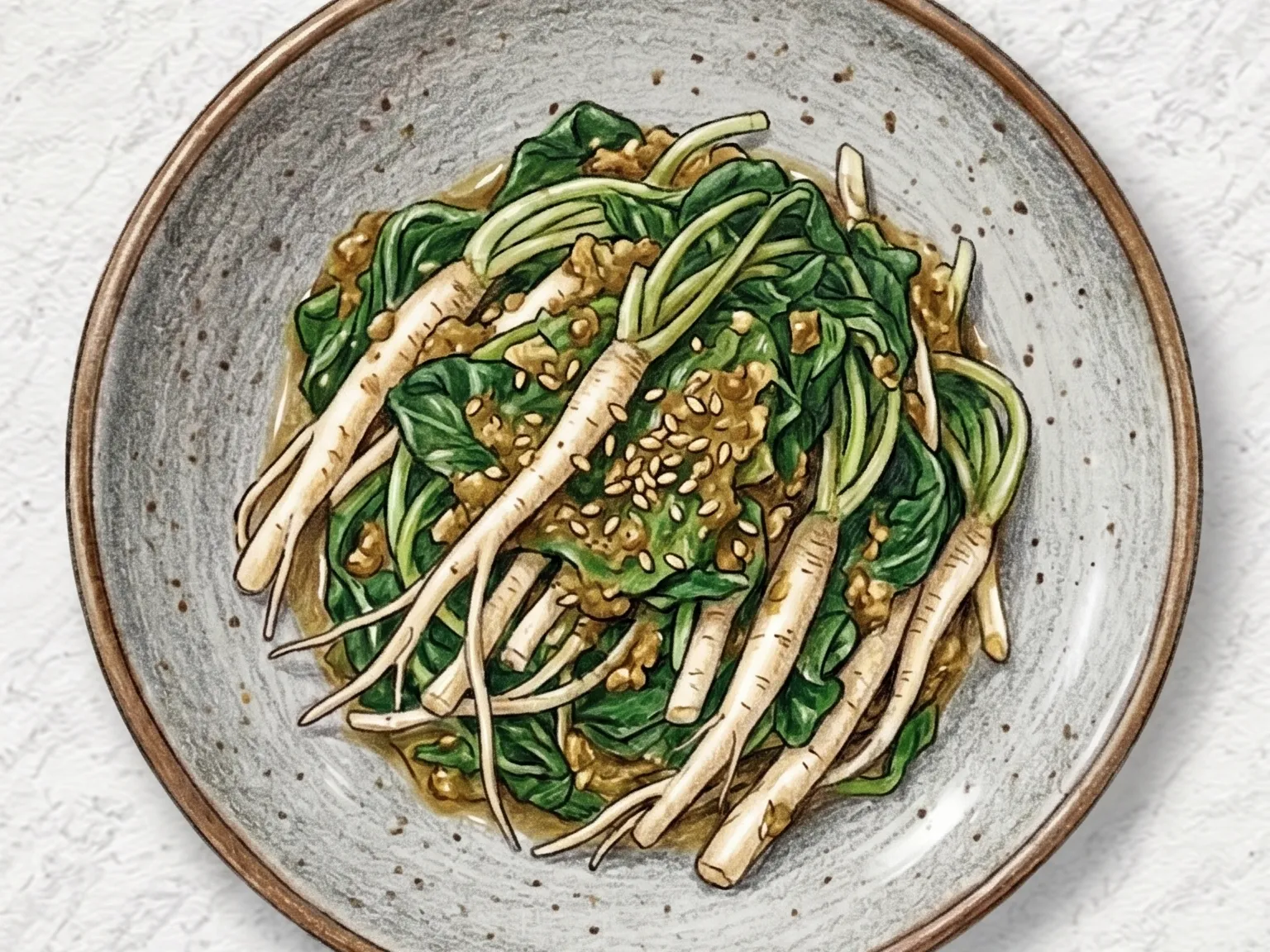
Hakodate shio ramen is the oldest style of ramen in Hokkaido, originating from the port city of Hakodate in the south of the island. The broth is built from chicken and pork bones simmered at a gentle, never rolling, boil so the liquid stays clear and golden rather than turning cloudy. Seasoning comes from salt alone - no miso, no soy sauce - which places the burden of flavor entirely on the quality of the stock. Medium-wavy noodles are the standard choice, their curls catching just enough broth in each bite. Toppings are kept minimal: a slice or two of chashu pork, strips of menma bamboo shoots, and chopped scallion. The appeal of shio ramen lies in its transparency, both visual and gustatory - there is nowhere for imperfections to hide, and every sip delivers a clean, uncluttered umami.

Korean Bracken Fern Namul with Perilla
This perilla-scented bracken fern namul begins by pre-seasoning 250 grams of boiled bracken with soup soy sauce, minced garlic, and half the perilla oil for five minutes so the flavor seeps into the chewy fibers. Green onion is sauteed briefly in the remaining perilla oil to build an aromatic base before the seasoned bracken joins the pan for a two-minute stir-fry that drives off excess moisture. Adding water and ground perilla seeds, then simmering gently for five minutes, transforms the dish into a lightly sauced namul where every strand carries a nutty, earthy depth. Sesame seeds scattered at the end add a visual accent and a faint crunch that complements the bracken's dense chew.

Korean Tomato Egg Fried Rice
Eggs are scrambled first and set aside, then tomatoes are stir-fried in the same pan until their juices burst and coat the wok. Day-old or freshly cooked rice goes in next, tossed at high heat so the grains absorb the tomato's sweet-tart moisture while staying individually distinct. The scrambled egg is folded back in at the end, distributing soft, fluffy curds throughout the fried rice. Rooted in the Chinese classic of tomato and egg, this version turns those familiar flavors into a satisfying one-bowl fried rice.

Korean Gochujang Pork Bulgogi
Gochujang dwaeji bulgogi is a Korean main course that marinates sliced pork neck in a sauce of gochujang, gochugaru, soy sauce, plum syrup, and minced garlic before stir-frying over high heat. The fermented heat of gochujang provides depth and a slow burn, while the plum syrup contributes a bright tanginess that prevents the sweetness from feeling flat. Onion softens and releases its natural sugar into the sauce during cooking, rounding out the overall flavor profile. Green onion adds a fresh, pungent note throughout. Perilla leaves are added at the final moment before the heat is off, preserving the herb's volatile oils so its distinctive grassy aroma and slight bitterness remain intact. That herbal character is what cuts through the richness of the pork fat and brings the dish together. Served over rice or wrapped in lettuce leaves with rice, both presentations make a filling and well-seasoned main.

Korean Grilled Pork Belly
Samgyeopsal-gui is Korean grilled pork belly, the country's most iconic barbecue dish, where 400 grams of pork belly is cut into ten-centimeter lengths and grilled on a preheated pan or griddle over high heat without added oil-the alternating layers of fat and lean render enough grease to cook the meat in. Flipping only once, after four to five minutes per side, is critical because frequent turning lets juices escape before the fat has properly rendered and crisped. Once golden and cooked through, the meat is cut into bite-sized pieces with scissors, and thinly sliced garlic is toasted on the same surface until lightly browned. Each piece is eaten wrapped in lettuce with ssamjang, grilled garlic, and green onion, and an optional side of green onion oil dip-sesame oil mixed with salt and chopped scallion-adds nutty depth and a sharp allium kick on top of the pork fat's richness.

Korean Short Rib and Octopus Soup
Galnak-tang is a Korean restorative soup that combines beef short ribs and fresh octopus in the same pot, producing a broth that carries two distinct umami registers simultaneously. The ribs are simmered first until tender and the initial cooking water is discarded along with the rendered fat, leaving a cleaner base for the second round of simmering. Radish goes in early alongside the ribs, gently sweetening the broth while absorbing some of the beefy richness so that the seafood flavor added later can come through more clearly. Octopus is added only at the end and needs no more than two to three minutes in the hot broth. Any longer and the texture turns rubbery, losing the springy bite that makes octopus worth eating. As the octopus cooks, its juices release into the soup and merge with the beef stock, blending the fatty depth of braised meat with the clean, mineral brightness of the sea. A small amount of gochugaru added near the end gives the broth a mild heat that cuts through the richness without overwhelming either protein. In Korean food culture, this soup belongs to the category of stamina dishes called boyangsik, traditionally sought out during the three hottest days of summer, after illness, or the morning following a night of drinking.

Korean Galchi Kimchi Jjigae (Hairtail Kimchi Stew)
Galchi kimchi jjigae is a Korean stew that pairs hairtail fish with deeply fermented aged kimchi, simmered together in a base of anchovy and dried kelp stock. The richness of hairtail - an oily, full-flavored white fish - works in counterpoint to the sharp, acidic punch of well-aged kimchi, and as the two cook together their flavors blur into something more complex than either ingredient alone. Korean radish and onion go into the pot first, their natural sweetness dissolving into the broth to form a mild, rounded base before the fish is added. The hairtail is laid in gently and cooked covered to preserve the flesh, which would fall apart if stirred. Gochugaru and soup soy sauce season the broth with spice and salt, while the fish releases its own deep umami gradually, enriching every spoonful of liquid. Pouring the stew over a bowl of rice is one of the most common ways to eat it - the broth soaks into the grains and pulls every element of the dish together. It is particularly well-suited to cold-weather cooking, when a hot, assertive broth is exactly what is needed.

Korean Steamed Eel (Soy Ginger Glazed Two-Stage)
Jangeo-jjim is Korean steamed eel prepared in two distinct stages that are both essential to the final result. The eel is first steamed with rice wine until cooked through, which simultaneously firms the flesh and neutralizes the fishiness that would otherwise overpower the dish. It is then brushed thoroughly with a glaze made from soy sauce, sugar, ginger juice, and rice wine, topped with green onion, and steamed a second time. The two-stage process matters: the first steam allows fat to render out partially so that the glaze in the second stage penetrates deeper and clings more evenly, while the finished surface develops a glossy sheen. Ginger juice specifically cuts through the eel's natural oiliness, and the sweet-savory soy glaze complements the rich flesh in a way that makes it an ideal match for plain steamed rice. Eel is dense in protein and unsaturated fatty acids, which is why it has been a prized restorative food eaten on the hottest days of the Korean summer since ancient times. The dish is best served hot, straight from the steamer, when the glaze is still moist and aromatic.

Korean Perilla Seed Kalguksu
Perilla kalguksu is a Korean noodle soup where ground perilla seeds give the broth a distinctly nutty, creamy quality. Potatoes are simmered first to release starch, naturally thickening the liquid before the noodles go in. Onion and garlic add mild sweetness, and soup soy sauce seasons the bowl without darkening the color. The perilla powder is stirred in near the end of cooking to preserve its fragrance.

Tokyo-Style Shoyu Ramen (Classic Japanese Soy Sauce Chicken Broth Ramen)
Tokyo-style shoyu ramen is considered the closest descendant of the original ramen that appeared in Japan over a century ago. The broth starts with chicken carcasses simmered until the liquid turns a warm amber, then seasoned with kaeshi - a concentrated blend of soy sauce, mirin, and sugar that has been cooked and rested. A thin film of chicken fat floats on the surface, trapping heat and delivering a gentle richness with each spoonful. The noodles are thin and straight, designed to be slurped quickly before they soften, and their wheat flavor stands distinct against the soy-tinged broth. Classic toppings include narutomaki fish cake with its pink spiral, strips of menma, a halved soft-boiled egg, and a sheet of nori. The bowl is intentionally restrained - no heavy pork fat, no thick miso - letting the clarity of the soy-chicken combination speak for itself.

Korean Seasoned King Oyster Mushroom
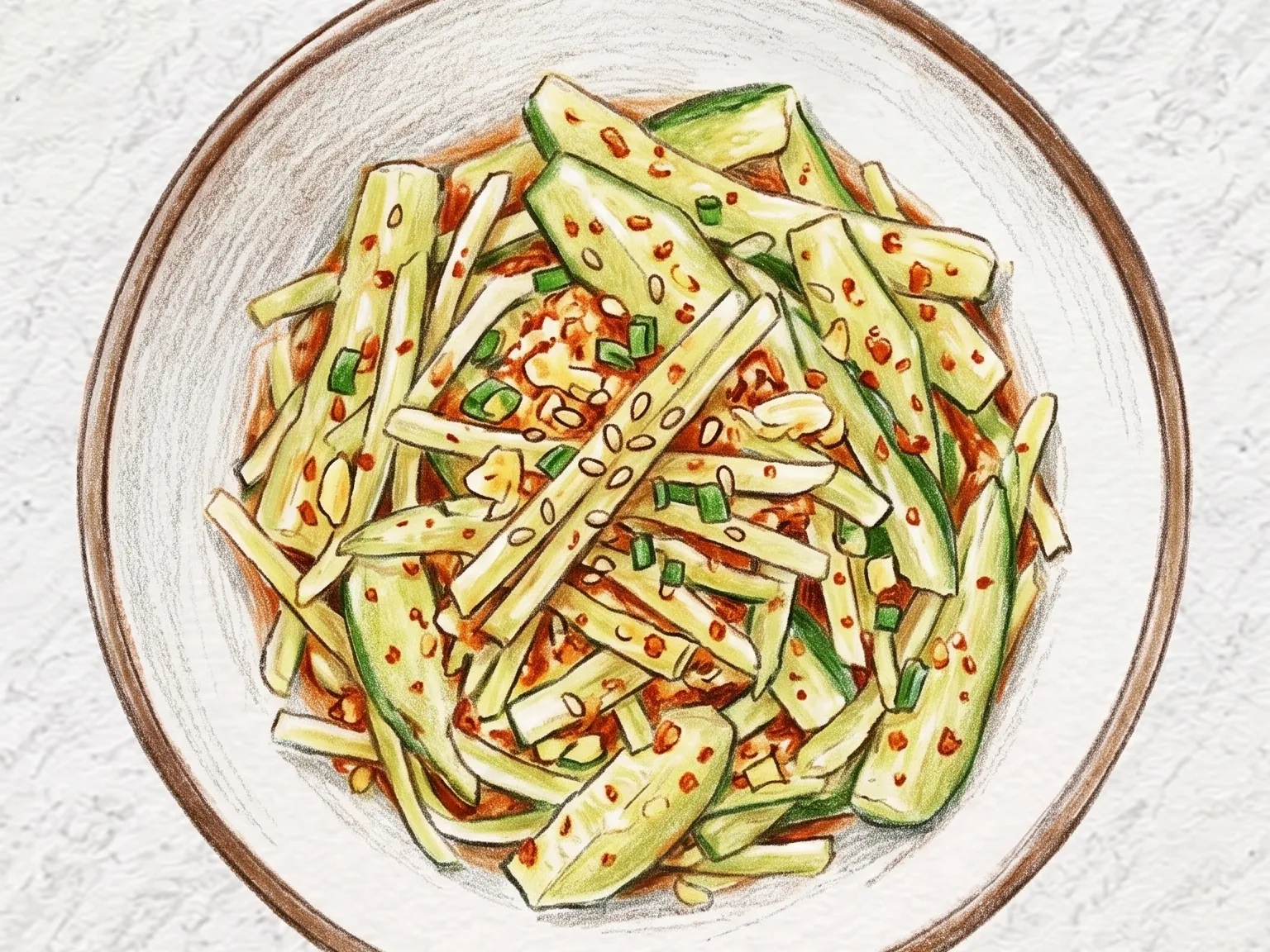
Saesongi-beoseot-muchim steams 250 grams of king oyster mushrooms, torn into strips along the grain, for six minutes over high heat to preserve their chewy, fibrous texture better than boiling would. After cooling slightly and squeezing out excess moisture, the strips are tossed in a dressing of soy sauce, vinegar, chili flakes, garlic, and sugar. The vinegar provides a tangy lift, while the chili flakes introduce gentle warmth without overwhelming the mushroom's mild flavor. Sesame oil and sesame seeds finish the dish with a nutty aroma. It holds up well when chilled and served cold, making it a convenient banchan to prepare ahead of time.

Yakitori Rice Bowl (Soy-Mirin Glazed Grilled Chicken over Rice)
Direct heat and a repetitive glazing process define the preparation of this chicken skewer bowl. Small pieces of chicken thigh are secured onto skewers and grilled over a flame while a mixture of soy sauce, mirin, and sugar is applied in thin, sequential layers. This technique builds a lacquered surface through caramelization, which directs the sweet and salty flavors to the exterior of the meat. Applying the sauce too heavily in a single pass often leads to burning and an uneven crust. Because chicken thigh contains natural fats, the meat remains moist and tender even under high temperatures. When the cooked pieces are removed from the skewers and placed onto the rice, the excess glaze permeates the grains to provide sufficient seasoning. Sprinkling shichimi togarashi or sansho powder introduces a sharp or citrus-like contrast to the sweetness of the chicken. While chicken breast serves as a leaner alternative, it requires a longer marinating period and a shorter time on the grill to prevent the meat from drying out. The tare sauce can be prepared in advance and stored in the refrigerator for several weeks. Adding a halved soft-boiled egg or sliced scallions provides different textures and prevents the meal from feeling repetitive.

Korean Gochujang Fish Cake Stir-fry
Gochujang eomuk bokkeum stir-fries chewy fish cake sheets in a glossy sauce of gochujang, soy sauce, oligosaccharide syrup, and minced garlic. Briefly blanching the fish cakes before they go into the pan removes excess grease, producing a cleaner-tasting dish where the spicy-sweet glaze clings evenly to each surface without any slipperiness. Onion lends natural sweetness that rounds out the chili heat, while diagonally sliced green onion adds a fresh, sharp finish. Sesame oil and toasted sesame seeds complete the dish with a nutty layer. Adding a small splash of water to the sauce keeps things moist if a softer finish is preferred. This is one of Korea's most reliable everyday banchan, equally suited to a weekday dinner and a packed lunchbox.

Korean Spicy Glazed Tongue Sole
Seodae-yangnyeom-gui is a Korean spicy-glazed tongue sole dish where cleaned sole is coated with two-thirds of a sauce blending gochujang, soy sauce, Korean chili flakes, plum syrup, sugar, minced garlic, and ginger, marinated for ten minutes, then pan-fried over medium heat for four minutes per side. The flat body shape of tongue sole allows the marinade to adhere evenly across the entire surface, and because the flesh is thin, the salty-sweet seasoning penetrates all the way through quickly. Plum syrup in the sauce contributes a fruit-forward acidity that lifts the heaviness of gochujang, and together with sugar it caramelizes at pan temperature into a glossy brown coating. Brushing the remaining sauce on during the final two minutes builds a double-layered glaze, and finishing with sesame oil and chopped green onion releases a fragrant aroma from the residual heat.

Korean Potato Perilla Seed Soup
Gamja-deulkkae-guk is a Korean home soup of potatoes and ground perilla seed simmered in anchovy stock. The potatoes go in first and cook until they begin to fall apart, releasing their starch into the liquid and giving the broth a natural, gentle thickness. Ground perilla seed is stirred in toward the end of cooking, turning the clear stock opaque and white and filling the pot with a toasty, earthy fragrance that is distinctive to perilla. The flavor sits in its own space: it has none of the fermented depth of doenjang soup and none of the oceanic quality of miyeok-guk, but the perilla leaves a long, nutty finish that builds with each spoonful rather than fading immediately. Soup soy sauce brings the seasoning together, and onion and green onion laid in at the start provide a background sweetness that keeps the broth from tasting flat. The texture is thick and warming without being heavy or greasy. This is a soup that rarely appears on restaurant menus but comes up frequently on home dinner tables during the cold months, the kind of everyday dish that fits naturally into a simple meal.

Korean Pork Bone Stew (Slow-Simmered Pork Spine & Potato)
Gamjatang is one of Korea's most recognized bone soups, made by simmering pork spine for a long time until the broth turns milky white and rich with collagen. Doenjang and gochugaru form the seasoning foundation, while perilla seed powder -- a signature addition -- gives the broth a nutty, slightly creamy depth that is hard to replicate with any substitute. Potatoes simmer until they absorb the broth and soften to the core, and the dried napa cabbage leaves add a chewy, vegetal contrast to the thick liquid. A handful of perilla leaves stirred in near the end brings a fresh herbal note, and the ritual of picking tender pork off the bones with chopsticks is part of what makes eating gamjatang a hands-on, satisfying experience. It is traditionally sought out as a late-night meal or a hangover cure.

Chinese Soy-Braised Beef Shank
Jiang niu rou is a Chinese soy-braised beef shank simmered for at least ninety minutes with soy sauce, dark soy sauce, star anise, ginger, green onion, and sugar. The long, unhurried braise gradually breaks down the dense connective tissue in the shank while keeping the meat structurally intact, so it can be sliced cleanly across the grain once it has cooled completely. Star anise infuses the fatty cut with its distinctive warm, licorice-edged fragrance, and dark soy sauce deepens the color to a lacquered mahogany while adding a subtle sweetness that rounds out the saltiness. The sweet-savory balance of soy and sugar penetrates all the way through the meat rather than staying on the surface, which means the flavor holds up even when the shank is served cold straight from the refrigerator. The leftover braising liquid retains its full concentration of aromatics and is traditionally repurposed for cooking soy-braised eggs, making it a practical two-for-one preparation.

Korean Instant Ramen (Spicy Chewy Noodles in Five Minutes)
Ramyeon is Korea's iconic instant noodle dish, ready in under five minutes by boiling chewy wheat noodles with seasoning packets in water. Common additions include egg, scallion, kimchi, sliced rice cakes, and cheese, each customizing the bowl to personal taste. Cooking the noodles one minute less than the package suggests lets residual heat finish them at the right chewiness. Using slightly less water than directed concentrates the broth into a more intense flavor.

Kanto-Style Sukiyaki (Japanese Beef Hot Pot in Sweet Soy Warishita Broth)
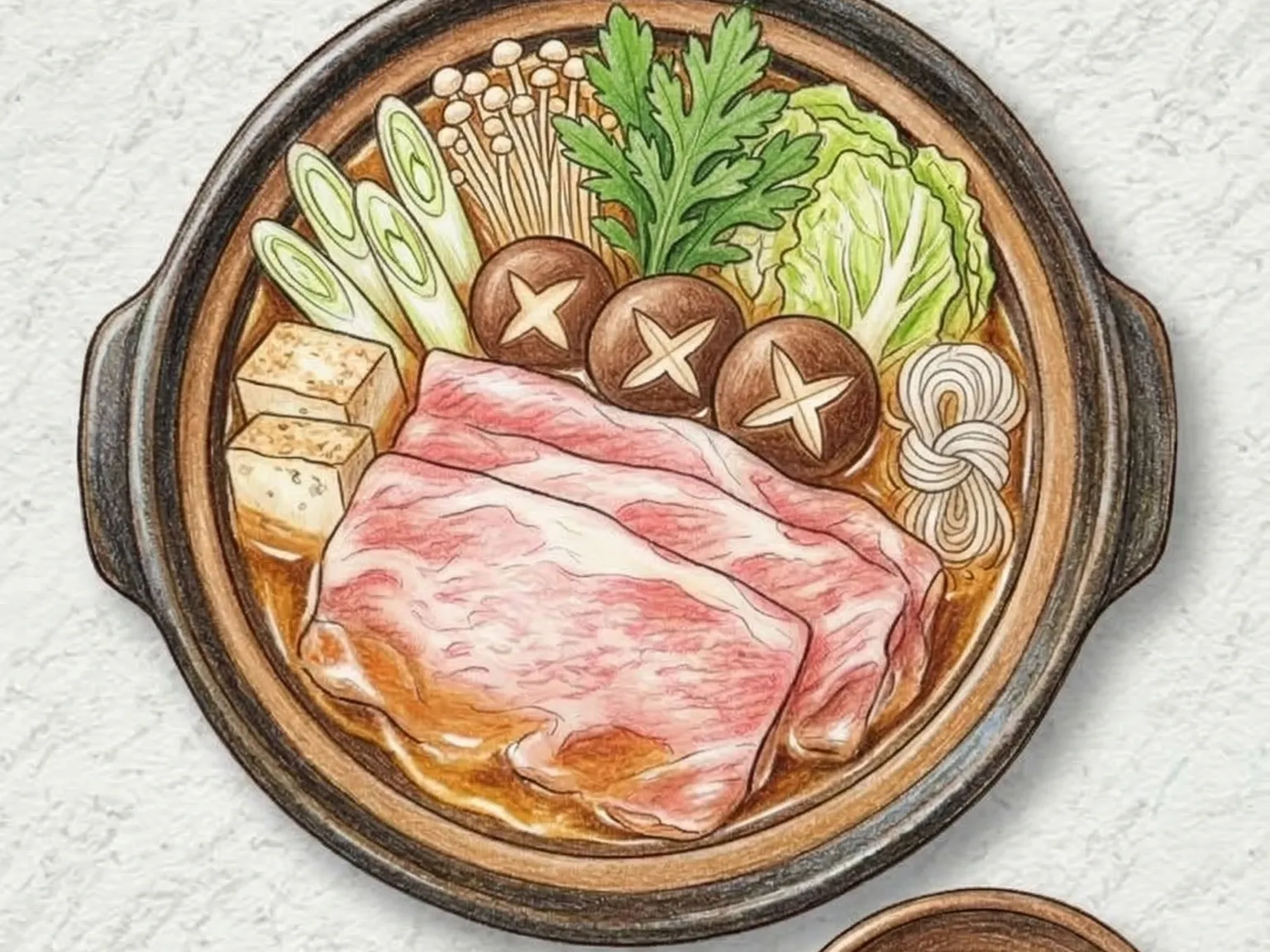
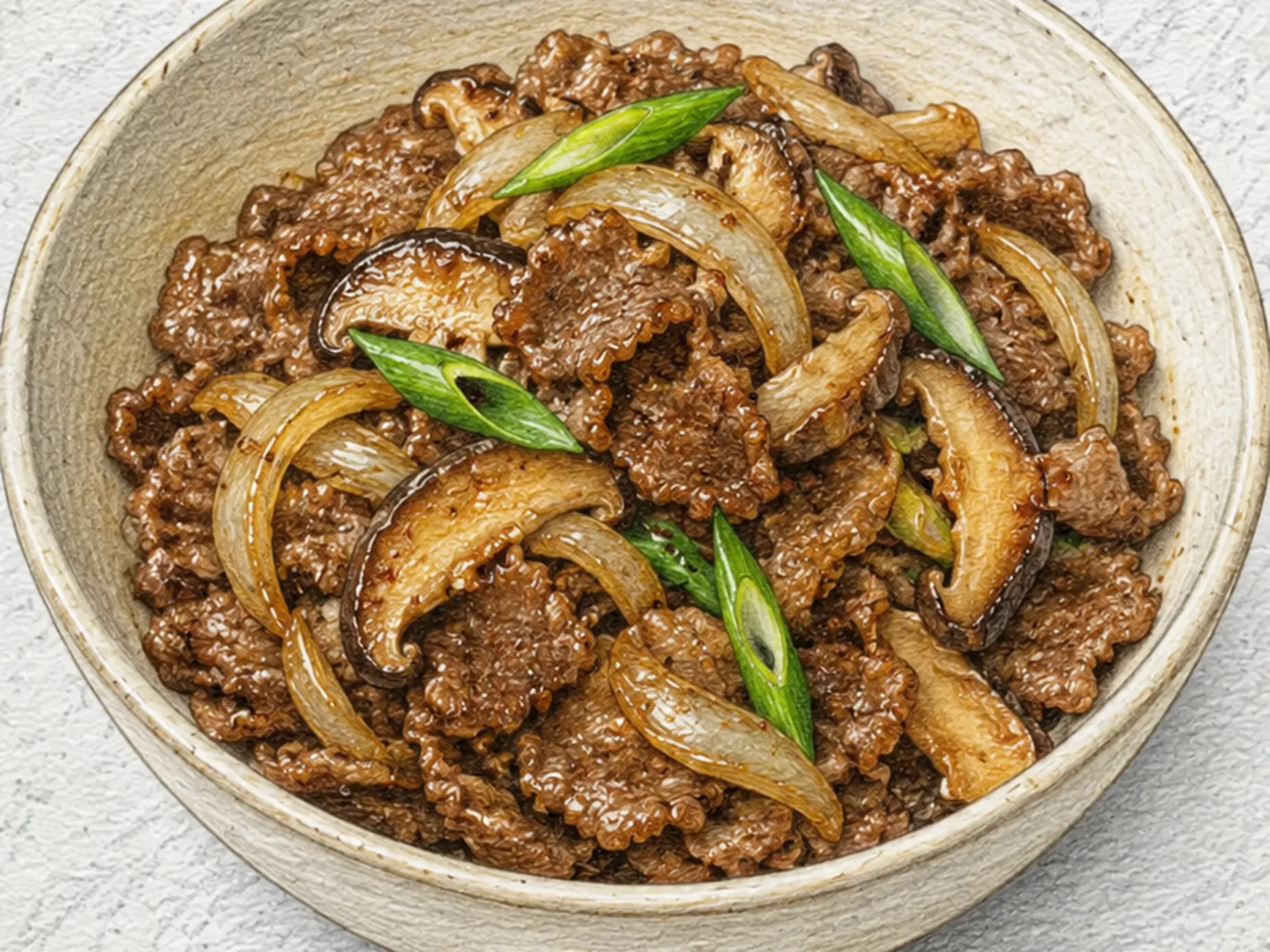
Kanto-style sukiyaki is a Japanese hot pot in which thinly sliced beef, vegetables, and tofu simmer together in a pre-made broth called warishita-a mixture of soy sauce, mirin, sugar, and sake. The preparation begins by searing thick-cut leek in beef fat to release its sweetness, then pouring in the warishita and adding the remaining ingredients: napa cabbage, shiitake mushrooms, grilled tofu, and shirataki noodles. Each component absorbs the sweet-salty broth differently-the cabbage wilts and soaks it up, the mushrooms intensify their earthiness, and the tofu becomes a sponge for the surrounding liquid. The signature ritual is dipping each cooked morsel into a bowl of beaten raw egg before eating; the egg forms a silky coat that tempers the concentrated sauce and adds richness. Sukiyaki is a fixture of Japanese winter cooking, prepared at the table over a portable burner so the pot stays bubbling throughout the meal.

Korean Stir-Fried Mung Bean Sprouts and Mushrooms
Mung bean sprouts and oyster mushrooms are tossed together in a hot pan for a stir-fry that contrasts the sprouts' crisp snap with the mushrooms' tender chew. Speed is critical: the sprouts lose their crunch within seconds of overcooking, so the entire process finishes in under a minute once the ingredients hit the oil. Tearing the oyster mushrooms along their natural grain rather than chopping them exposes more surface area, allowing the seasoning to penetrate each strand. Soup soy sauce seasons the dish with depth while keeping the color clean and light, and minced garlic and sliced green onion provide an aromatic backbone that fills the kitchen as the pan sizzles. Sesame oil is added just before removing from heat so its fragrance survives intact, and a scattering of toasted sesame seeds supplies a nutty accent. Both ingredients release significant moisture, so either salting them briefly beforehand or ensuring the pan is blazing hot prevents the stir-fry from turning soggy.

Korean Salmon Pot Rice (Salmon Fillet Steamed Directly on Rice)
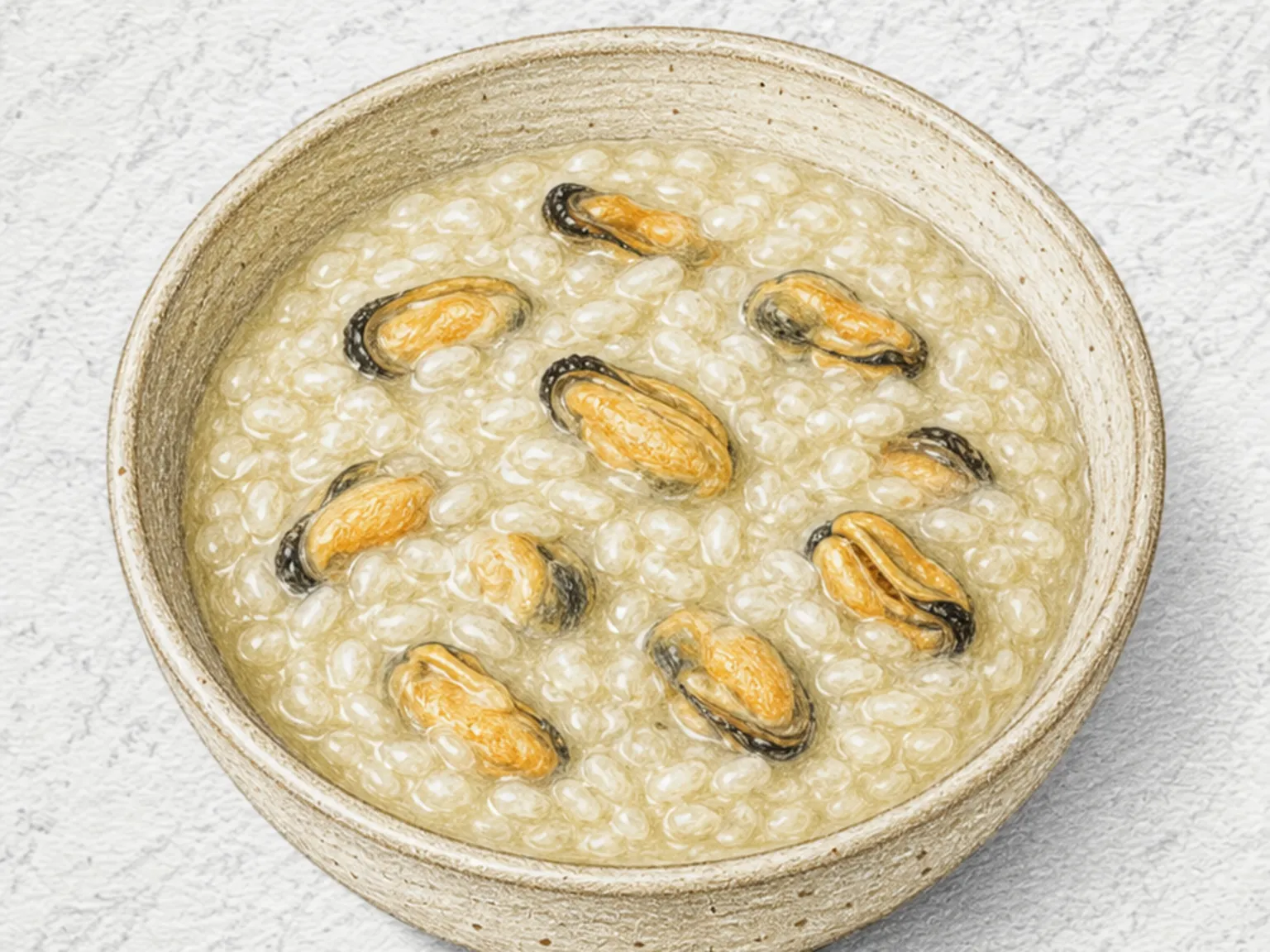
A whole salmon fillet is placed directly on top of rice in a heavy pot before cooking begins. As the rice steams, the salmon's oils melt downward and seep between the grains, lending a natural richness and sheen without any added fat. During the resting stage the fish finishes cooking gently, turning tender enough to flake apart with chopsticks and mix evenly through the rice. A soy-wasabi sauce drizzled over the bowl and stirred in adds a sharp, salty kick that carries through to the last spoonful.