Korean Kimchi Cheese Gamja Jeon Cup (Kimchi Cheese Potato Cup)
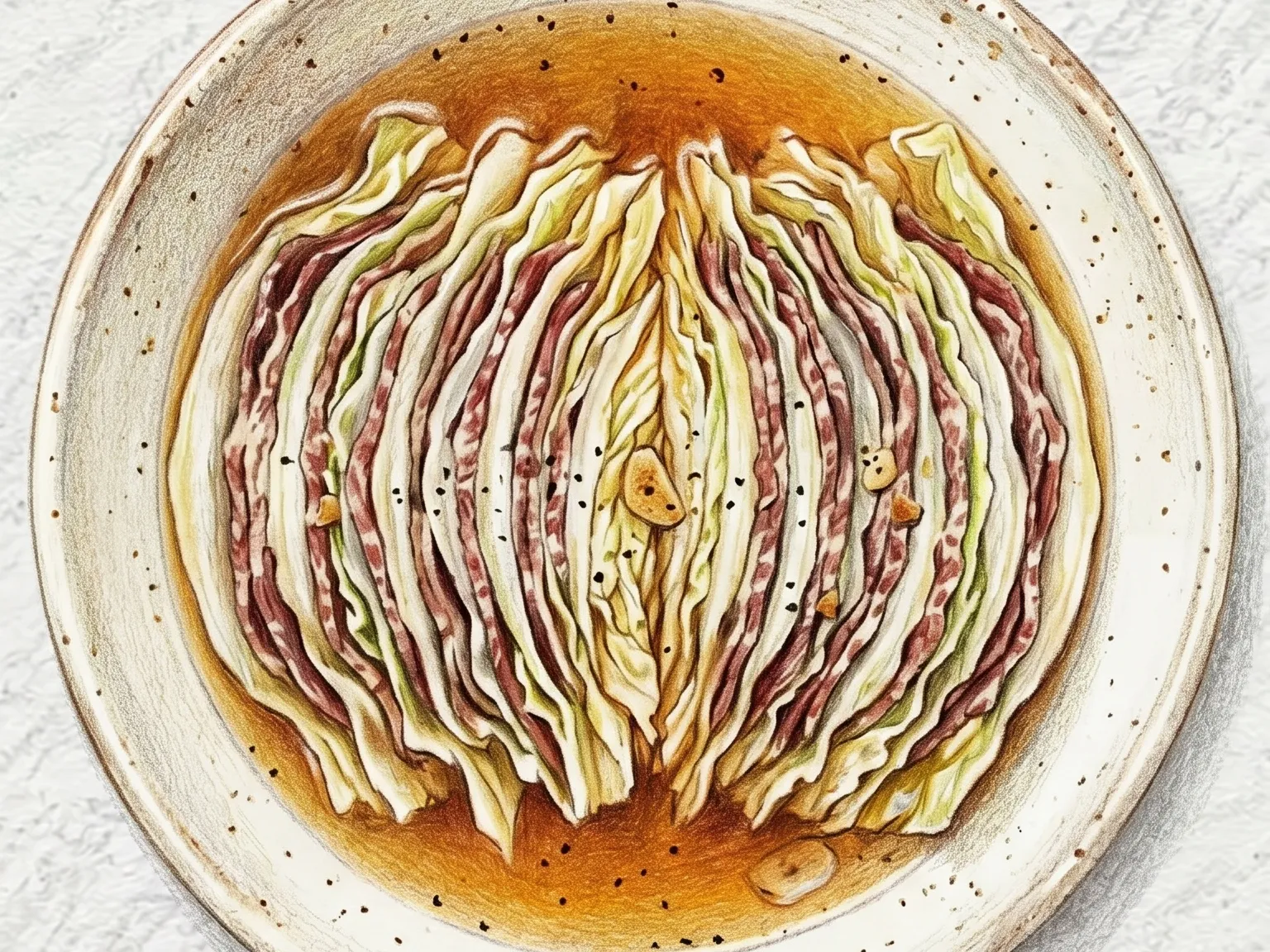
Kimchi cheese gamja jeon cups start with julienned raw potato and chopped kimchi mixed into a batter of Korean pancake mix and egg, pressed into cup shapes directly in the pan, then filled with shredded mozzarella and sliced green onion before a lid traps the steam that melts the cheese. The starch naturally present in the potato acts as a binder, holding each cup together as it fries, while the contact surface builds a golden, crispy crust. As the lid seals in heat, the cheese softens and merges with the spicy kimchi, and the potato contributes a gentle, almost sweet starchiness that balances the heat. Wringing excess moisture from the kimchi before mixing is the single most important step: leftover liquid loosens the batter and causes the cups to collapse before the crust sets. The compact shape makes them easy to pick up, so they work equally well as a lunchbox side or a party finger food.

Korean Braised Butterfish
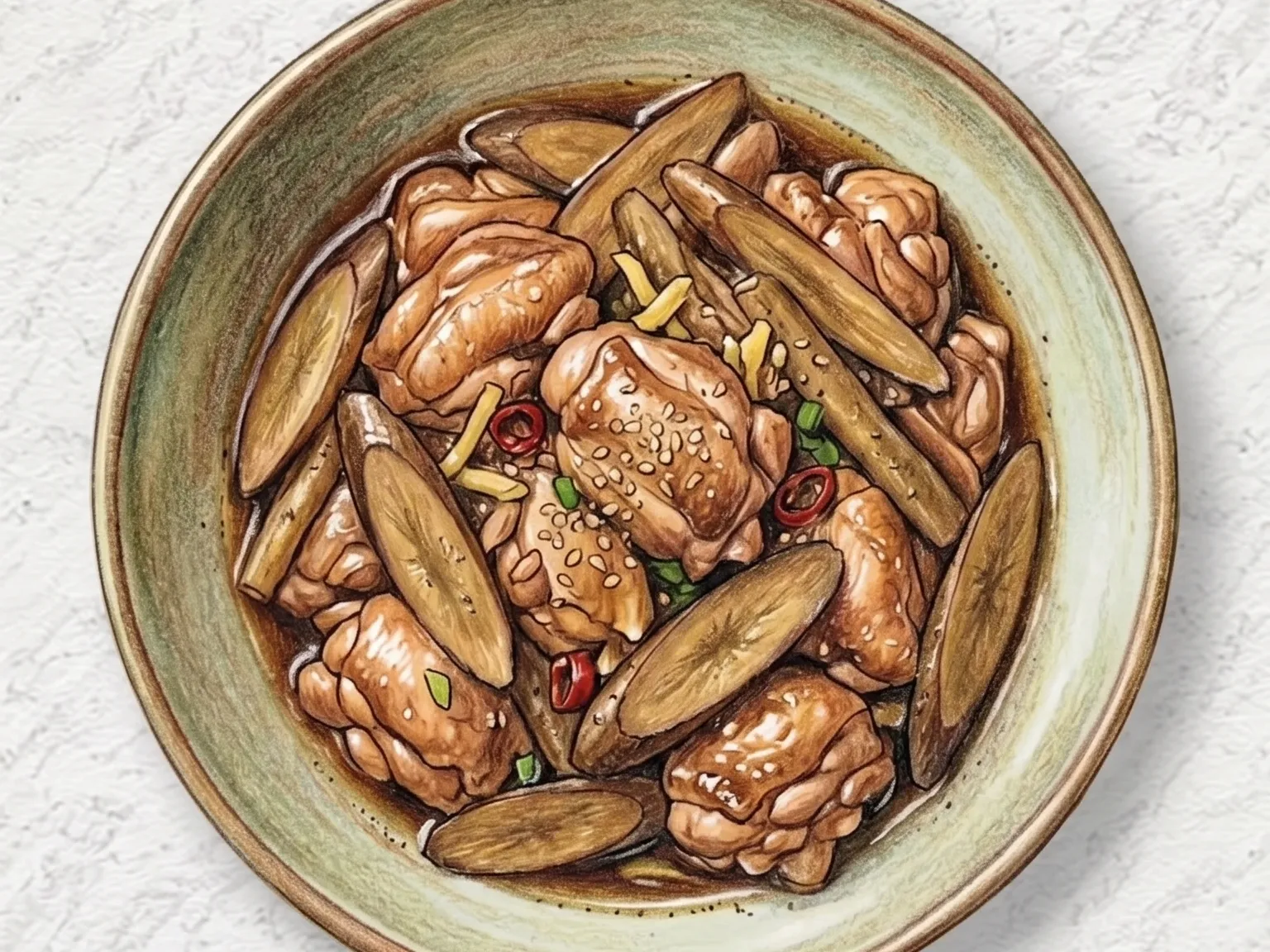
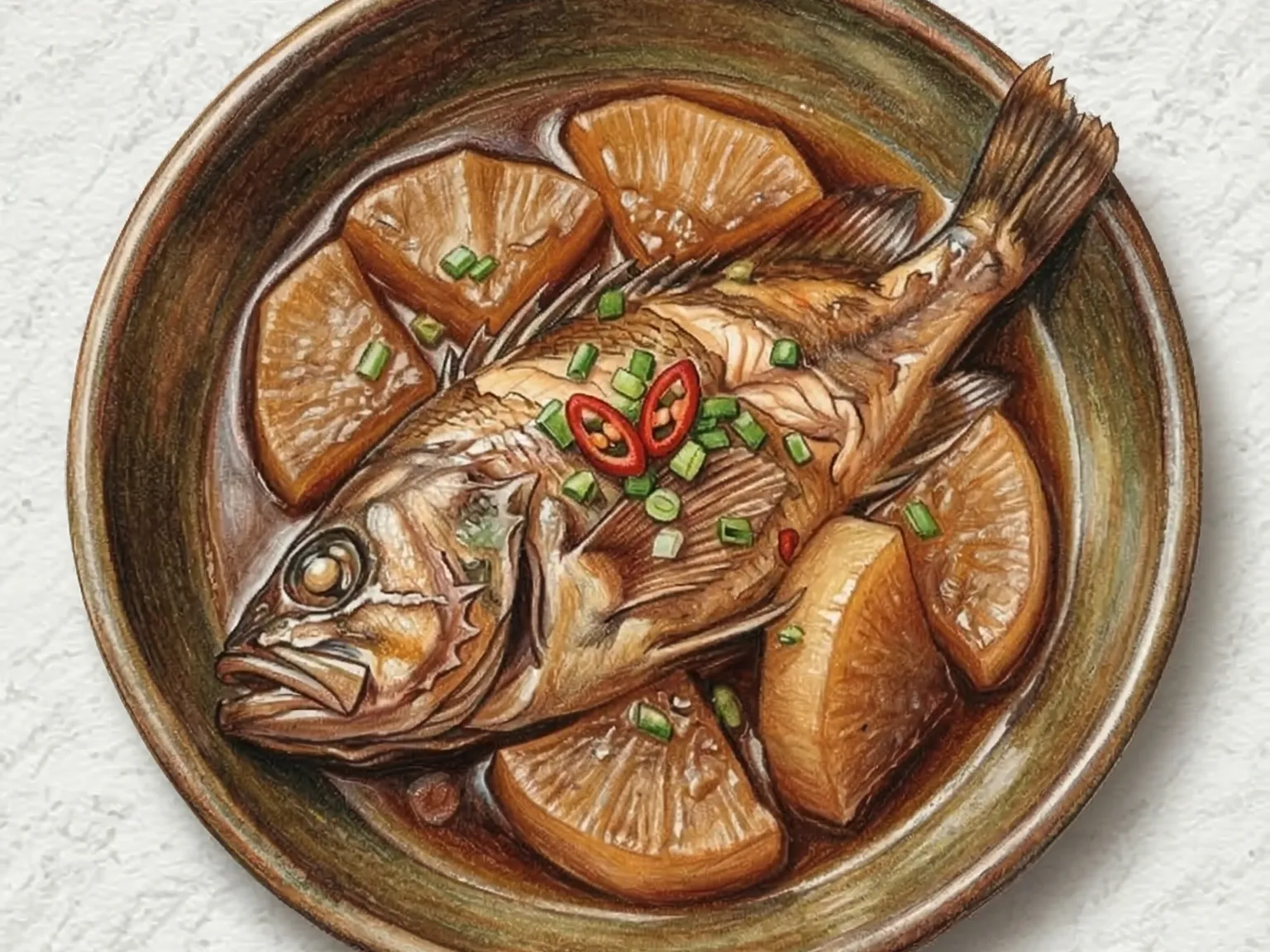
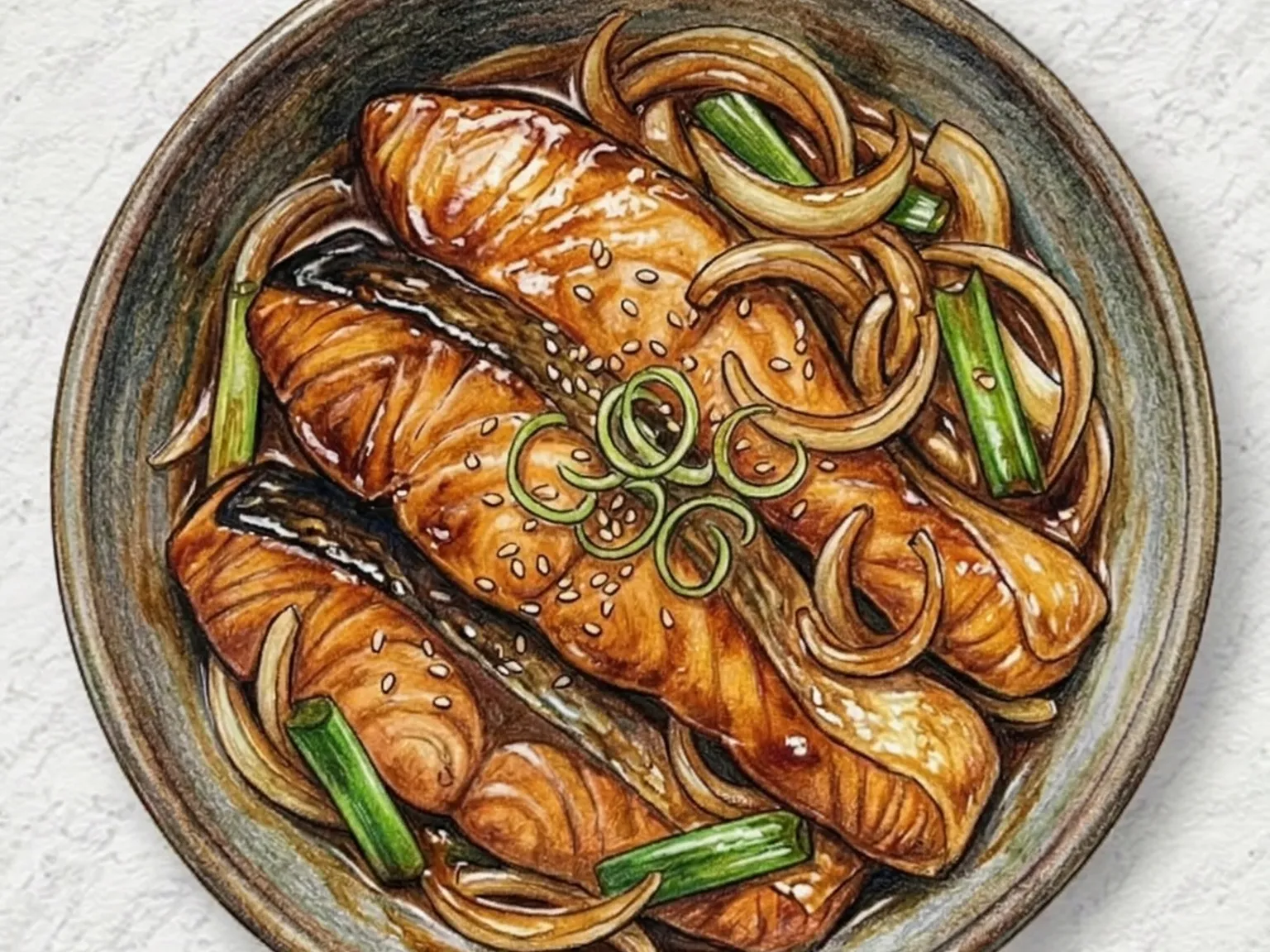
Byeongeo jorim is a Korean braised fish dish in which scored butterfish is set on a bed of sliced radish and slowly cooked in a soy-gochugaru braising liquid with garlic and ginger. Scoring the fish allows the seasoning to penetrate to the center of each fillet. The radish layer on the pot bottom serves two purposes: it cushions the delicate fish to prevent it from sticking and breaking apart, and it absorbs the braising liquid as it cooks, becoming a deeply savory, slightly sweet side dish on its own. Butterfish flesh is exceptionally fragile, so the fillets are never flipped during cooking. Instead, the braising liquid is spooned continuously over the surface to ensure even heat and even seasoning on top. Ginger added at the start neutralizes any fishiness, and gochugaru provides a mild, building heat that adds complexity to the clean flavor of the fish without masking it. Scallion pieces dropped in during the final two minutes release fragrance into the steam, rounding out the aromatic profile of the finished dish. At 330 calories and 31 grams of protein per serving, byeongeo jorim is a lean, nutritionally complete main course that pairs naturally with steamed rice.

Korean Stir-fried Aster Scaber with Garlic
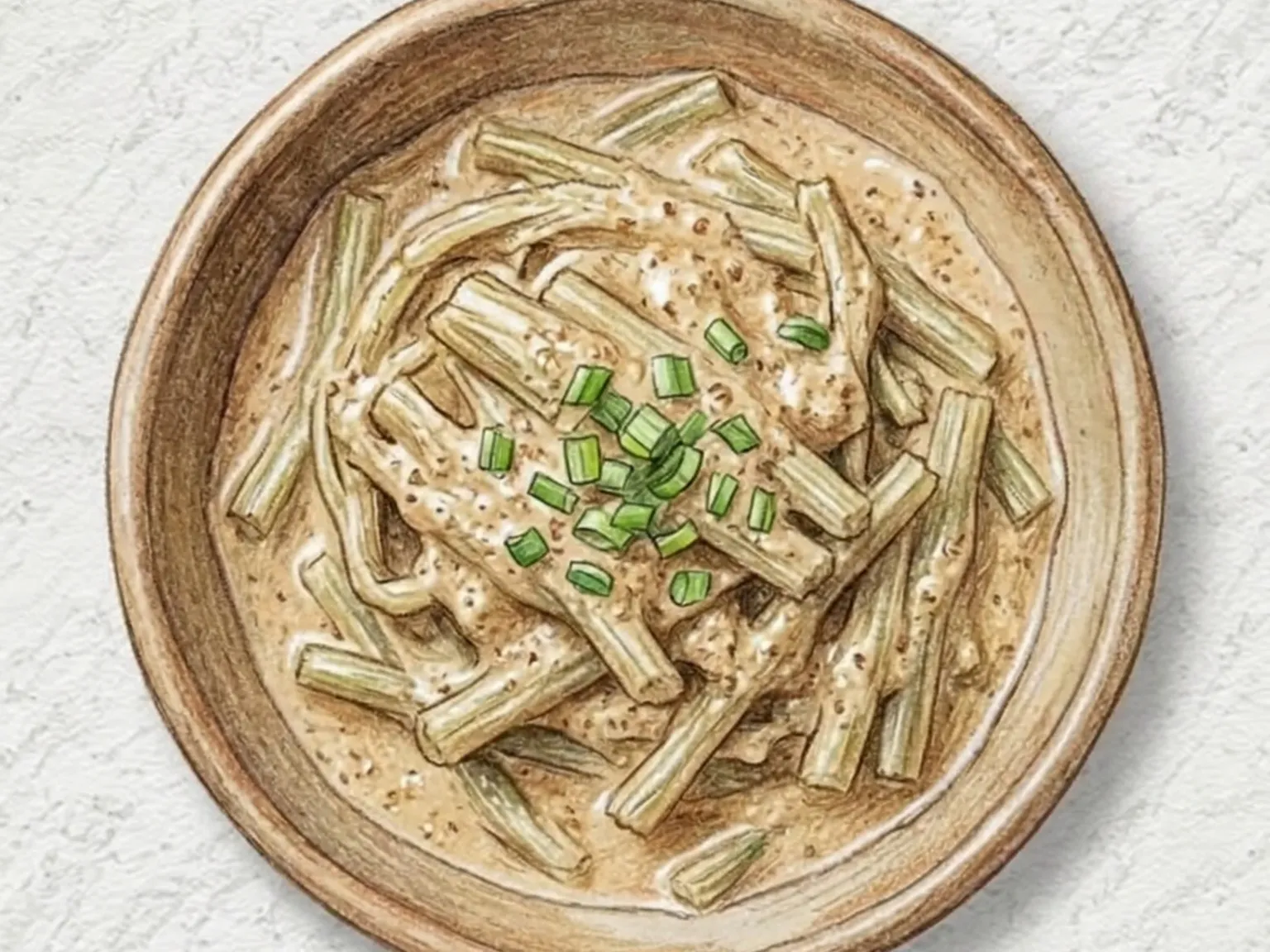
Chwinamul-maneul-bokkeum stir-fries rehydrated aster scaber greens with garlic, soup soy sauce, and perilla oil, keeping the distinctive bitter-herbal aroma of the wild greens intact. Chwi-namul, also called cham-chwi, is one of Korea's most recognized spring mountain greens; dried after the spring harvest, it can be stored and cooked year-round. Perilla oil is the preferred fat here -- it carries a heavier, more earthy character than sesame oil and matches the pronounced flavor of dried mountain greens without getting lost. Ground perilla seeds added during cooking deepen the nuttiness further. Green onion contributes a mild sweetness that balances the greens' inherent bitterness, and as the rehydrated greens lose their soaked moisture in the hot pan, they firm up into a chewy, satisfying texture rather than going limp. The strong herbal flavor is concentrated enough that a small portion alongside steamed rice carries a full bowl.

Korean Spicy Stir-Fried Fish Cake
Square sheets of fish cake are sliced into uniform, bite-size pieces before being stir-fried in a seasoned glaze that balances spicy heat with a clear sweetness. One specific technique used in this recipe involves blanching the fish cake pieces in boiling water for a very short period before they enter the pan. This process serves two functions: it removes the excess oil from the manufacturing process and causes the surface of the fish cake to open up. This allows the sauce to adhere more consistently to each piece during the cooking process. When stir-fried over high heat, the edges of the fish cake undergo a light caramelization. This results in a subtle smoky flavor that adds a layer of complexity to the overall dish. The base of the sauce consists of gochujang, soy sauce, and oligodang. Oligodang is a Korean corn syrup that is used to give the dish a shiny, glossy finish while simultaneously tempering the sharp intensity of the fermented chili paste. During the cooking process, sliced onions are added and allowed to soften. The moisture released by the onions helps to deglaze the pan, which reintegrates concentrated flavors into the sauce and contributes a natural sweetness. Green onions are added just before the heat is turned off so they retain their fresh aroma and provide a crisp texture that contrasts with the rich sauce. To finish the dish, toasted sesame seeds are scattered over the top to provide a mild nutty flavor. This side dish is frequently included in packed lunches because the glaze maintains its integrity and the flavors become more concentrated as the dish cools.

Korean Pork & Swiss Chard Stir-fry
Geundae-doenjang-dwaejigogi-bokkeum is a home-style Korean stir-fry of pork and Swiss chard in a doenjang sauce. Separating the chard stems from the leaves and adding them to the pan at different times is the practical technique that makes the dish work: the stems go in first to cook through while keeping a slight crunch, and the leaves follow just long enough to wilt without becoming limp. Doenjang absorbs and suppresses any gamey undertones from the pork while adding a deep, fermented soybean backbone to the sauce. Sesame oil stirred in at the end wraps the entire dish in a warm, nutty finish. A small amount of gochugaru brings the mild heat that distinguishes Korean home-cooking from milder preparations. The earthy, slightly mineral quality of Swiss chard pairs naturally with the fermented funk of doenjang, and spooned over steamed rice the sauce soaks into the grains and turns the whole bowl into a complete, satisfying meal.

Korean Shepherd's Purse Clam Soup
Naengi-bajirak-guk is a Korean spring soup that brings together shepherd's purse and clams in a clear broth. The clams go in first, opening their shells and releasing a briny, savory liquor that forms the backbone of the soup. Cubed tofu simmers alongside, absorbing the surrounding flavor while contributing a soft texture. Shepherd's purse is added only in the final minutes to preserve its distinctive earthy fragrance; overcooking flattens the aroma that defines the herb's character. Soup soy sauce and garlic provide restrained seasoning, letting the natural salinity of the clams and the grassy scent of the naengi carry through. Before cooking, the shepherd's purse requires thorough rinsing since its roots hold grit, and the clams need to be purged in salted water so the broth stays clear and clean. On Korean spring tables, this soup is one of the first signs that the cold season has passed and the mountain greens have returned.

Korean Steamed Spanish Mackerel
Samchi jjim is a Korean steamed-braised Spanish mackerel dish cooked over radish slices with soy sauce, garlic, and cooking wine. The radish cushions the fish from direct heat while releasing a clean sweetness into the braising liquid, and soy sauce seasons the delicate flesh evenly. Because the mackerel is soft and flaky, it is never flipped; instead the sauce is spooned over it repeatedly. Green onion and fresh chili are added at the end for a pop of color and gentle heat. Paired with rice and a ladle of the reduced sauce, it highlights the clean flavor of the fish alongside soy-based umami.

Korean Hairtail & Fernbrake Stew
Galchi gosari jjigae pairs hairtail fish with boiled fernbrake in a deeply spiced Korean stew. The broth begins with anchovy-kelp stock seasoned with gochugaru and soup soy sauce, building a clean, peppery heat without heaviness. Korean radish and onion go in early to dissolve their natural sugars into the broth, adding a cool sweetness that tempers the chili. As the hairtail simmers, its flesh breaks into tender pieces and releases the fish's inherent oils into the liquid, enriching every spoonful with a maritime depth. The fernbrake brings a resilient, slightly meaty chew that stands up well to the long simmer. Rooted in the fish stew traditions of Jeju Island and the southern coastal regions of Korea, this dish is a regional staple that pairs seamlessly with plain rice.

Korean Spicy Fish Roe Braise
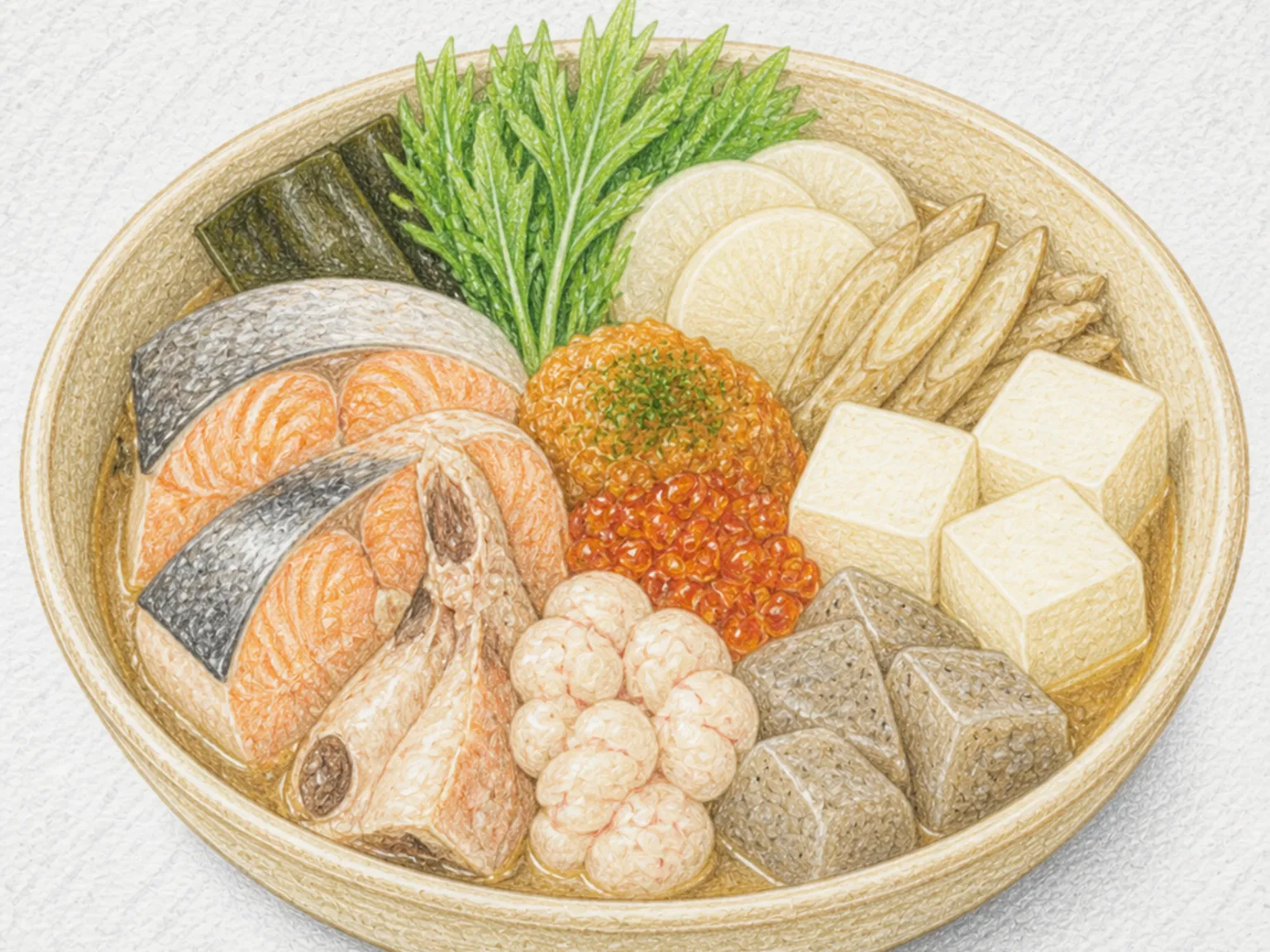
Al-jjim is a Korean braised dish built around pollock roe sacs and milt - the parts of the fish that most home cooks discard or that are sold separately at markets near fishing ports. The two components come from the same fish but behave completely differently when cooked. The roe sacs firm up into a dense, granular texture as they heat, each individual egg becoming distinct and slightly resistant to the bite. The milt, by contrast, softens to a custard-like consistency, breaking apart in soft curds that dissolve into the braising sauce. Radish slices line the pot bottom, providing a sweet buffer against the aggressive saltiness of the gochugaru-soy braising liquid and preventing the more delicate milt from burning. The dish cooks at low heat for about fifteen minutes, during which the roe and milt release their marine oils into the sauce, adding an oceanic richness to the spicy, salty base. Green onions or scallions added at the end contribute a fresh, sharp counterpoint that keeps the heavy sauce from becoming monotonous. Al-jjim is a winter specialty in Korea's east coast fishing ports - Pohang, Gangneung, Sokcho - where fresh pollock roe is available during the winter spawning season. Frozen roe can be substituted year-round, but it releases fewer marine oils into the sauce, producing a noticeably less rich broth than the fresh version.

Korean Shepherd's Purse Pollack Soup
Naengi-bugeo-guk is a clear Korean soup that brings together dried pollack strips and fresh shepherd's purse, pairing the hearty depth of a winter pantry staple with the clean, herbaceous fragrance of early spring. Sautéing the pollack strips in sesame oil before adding water is the foundational step, as the dry heat coaxes a toasty, nutty aroma out of the surface proteins and primes the broth to carry deep flavor from the first minute of simmering. As the soup cooks, the concentrated umami locked inside the dried fish slowly dissolves into the liquid, building a broth that feels rich without being heavy. Cubed tofu goes in mid-cook, softening into a silky texture while keeping the overall flavor clean and mild. The shepherd's purse is added at the very end, just long enough to wilt, so that its faintly bitter, earthy spring perfume remains in the finished bowl rather than cooking off. Soup soy sauce and minced garlic season without clouding the broth. This soup is a fixture of Korean spring cooking, prized for being gentle on the stomach while delivering genuine depth.

Korean Dried Radish Leaf Rice
Sirae-gi-bap cooks dried radish greens with rice, then mixes everything with a doenjang-based seasoning sauce for a deeply savory bowl. The dried greens are first boiled until soft and pliable, cut into bite-size pieces, and layered over soaked rice before the pot is sealed. As the rice steams, the greens release their concentrated earthy aroma into every grain. The dipping sauce - doenjang, soy sauce, sesame oil, chili flakes, and scallion - is folded in at the table, adding layers of salty, nutty, and mildly spicy flavor. The fibrous texture of the reconstituted greens provides a satisfying chew that makes the meal feel substantial. This is a traditional Korean home-cooked dish that turns humble winter-dried vegetables into a warm, filling meal.

Korean Spicy Whelk Stir-fry
Golbaengi bokkeum is a spicy Korean whelk stir-fry that uses canned whelk with a sauce built from gochujang, gochugaru, vinegar, sugar, and sesame oil. The firm, chewy texture of the whelk is the defining quality of the dish, which means cooking time must stay within two to three minutes to prevent the meat from toughening further. Vinegar adds a tangy brightness that lifts and balances the heat from the chili components. A splash of the canning liquid stirred in during cooking enhances the whelk's natural brininess and keeps the sauce from drying out. Julienned cucumber, sliced onion, and scallion are added off the heat so they stay crisp and retain their raw freshness rather than wilting into the sauce. As a banchan, it pairs directly with rice, but served alongside thin wheat noodles or glass noodles it transforms into one of Korea's most beloved drinking snacks, a staple of old-school pojangmacha stalls where the combination of cold beer and spicy, chewy whelk has been a fixture for decades.

Korean Beef and Mushroom Rice Bowl
Sogogi-beoseot deopbap is a Korean beef and mushroom rice bowl that sautees sliced beef with king oyster and shiitake mushrooms in soy-butter sauce. The beef is seared first over high heat to develop a golden crust, then the thickly cut mushrooms go in and absorb the rendered juices, forming a naturally concentrated sauce in the pan. A knob of butter melted in at the end adds a creamy richness, while soy sauce ties everything together with a salty umami backbone. Minced garlic and sliced scallion layered into the stir-fry build an aromatic base that makes the topping fragrant the moment it hits the rice. The mushrooms hold their springy bite against the tender beef, giving each mouthful a satisfying textural contrast.

Kimchi Soegogi-guk (Fermented Kimchi Beef Soup)
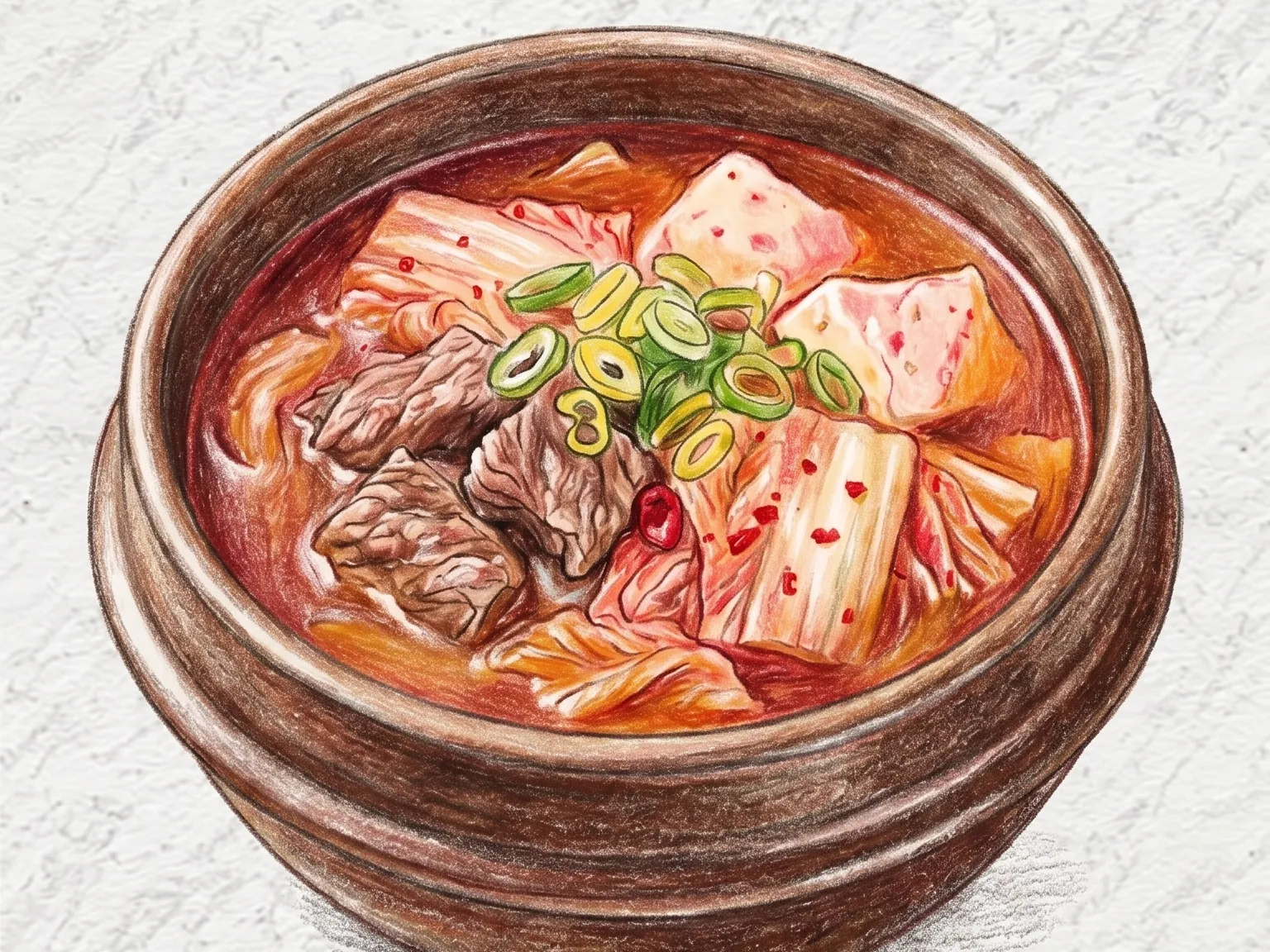
Kimchi-soegogi-guk is a Korean soup that unites two powerhouse ingredients, well-fermented kimchi and beef, in a ruddy, aromatic broth. The beef is stir-fried in sesame oil first, building a savory foundation, then chopped kimchi joins the pan and cooks until its acidity mellows and merges with the rendered fat. Water is added, and as the pot simmers, the kimchi continues to break down, thickening the liquid and staining it a deep red. Soup soy sauce and garlic adjust the seasoning, while blocks of tofu absorb the surrounding flavors and provide a soft counterpoint to the chewy beef. The finished soup is hearty and warming, with the tangy complexity of aged kimchi meeting the clean savoriness of beef in every spoonful. It pairs inseparably with a bowl of steamed rice, which soaks up the broth and balances the heat.

Korean Taro Soup (Autumn Taro in Nutty Perilla Seed Broth)
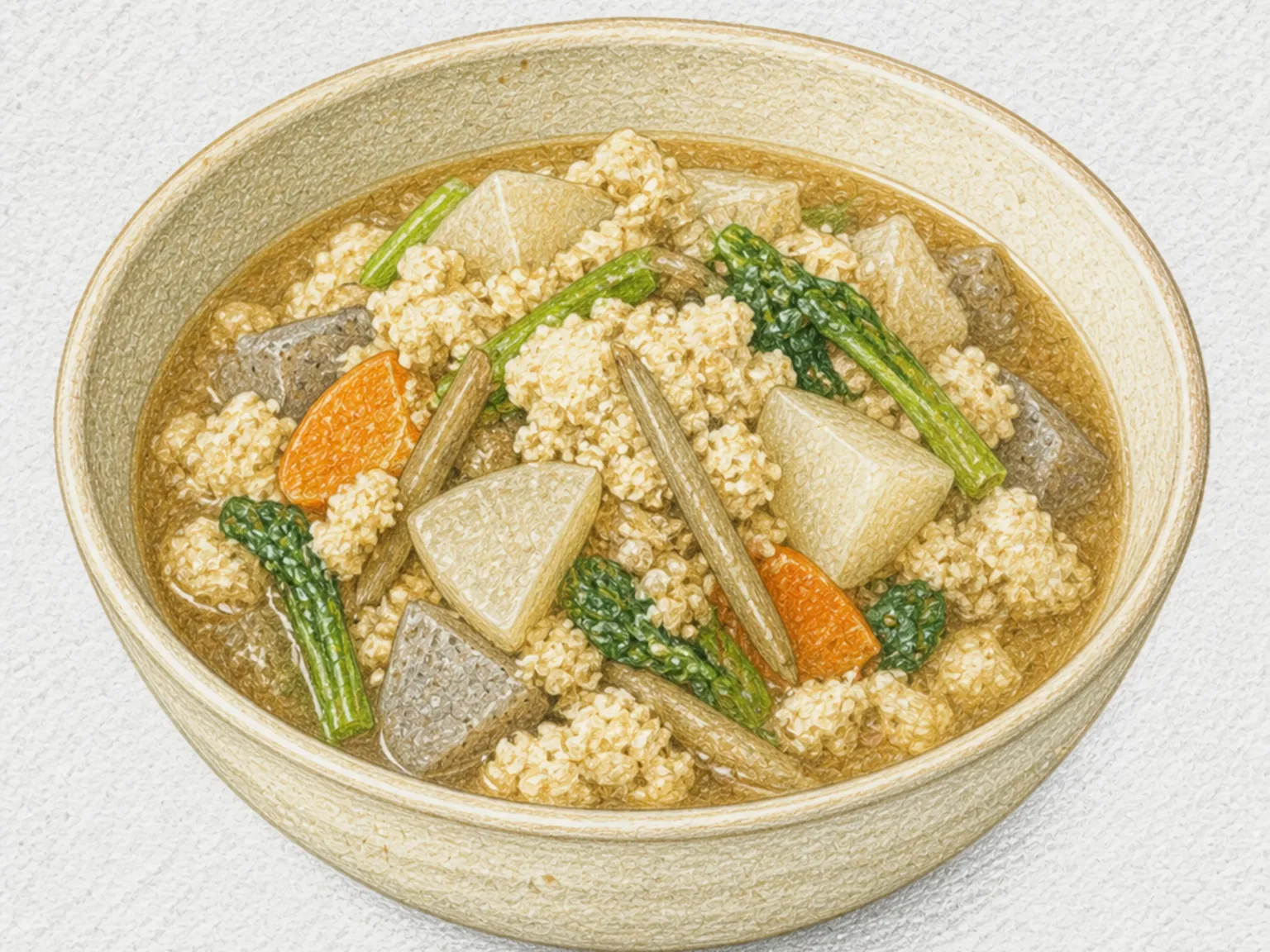
Toran-guk is an autumn soup centered on taro root, which is first parboiled to remove its slippery mucilage, then simmered in a broth thickened with ground perilla seeds. The taro pieces cook to a texture that falls somewhere between potato and chestnut - they crumble softly on the tongue yet retain a subtle stickiness that gives each bite a gentle cling. Ground perilla dissolves into the liquid and turns it opaque and creamy, layering a nutty richness over the taro's mild, earthy flavor. Beef is often added for depth, its rendered fat and juices rounding out the broth, while an anchovy-kelp base underneath sharpens the umami. The soup is closely associated with Chuseok, the Korean harvest festival, when taro is freshly dug and at its peak sweetness. Cooking the taro just long enough to soften without disintegrating is the key challenge - underdone pieces are chalky and irritate the throat, while overcooked ones dissolve into the broth and lose their identity. Served hot with steamed rice, toran-guk is one of those seasonal dishes that Koreans anticipate all year and miss the moment autumn ends.

Korean Soy Braised Cockles
Kkomak jorim is a soy-glazed cockle side dish made by blanching purged cockles in boiling water just until their shells crack open, then simmering them briefly in a sauce of soy sauce, minced garlic, sugar, Cheongyang chili, and green onion. The cockles' naturally briny, chewy flesh pairs with the sweet and spicy soy glaze to produce an intensely savory result. Timing is the most critical factor: cockle protein tightens and toughens with extended heat, so once the shells are in the sauce the braise should be finished within five to six minutes. A drizzle of sesame oil pulled off the heat at the end rounds out the flavor with a nutty fragrance, and a scatter of sesame seeds completes the presentation. Because cockles themselves carry salt from the sea, the amount of soy sauce in the braise needs to be adjusted accordingly, or the finished dish can end up overseasoned. Thorough purging in salted water before cooking is equally important: insufficient soaking can leave sand or grit in the sauce. Ladled over steamed rice with the sauce spooned generously on top, the soy and cockle juices soak into the grain and transform a simple side into a fully satisfying meal.

Korean Clear Mushroom Tofu Soup
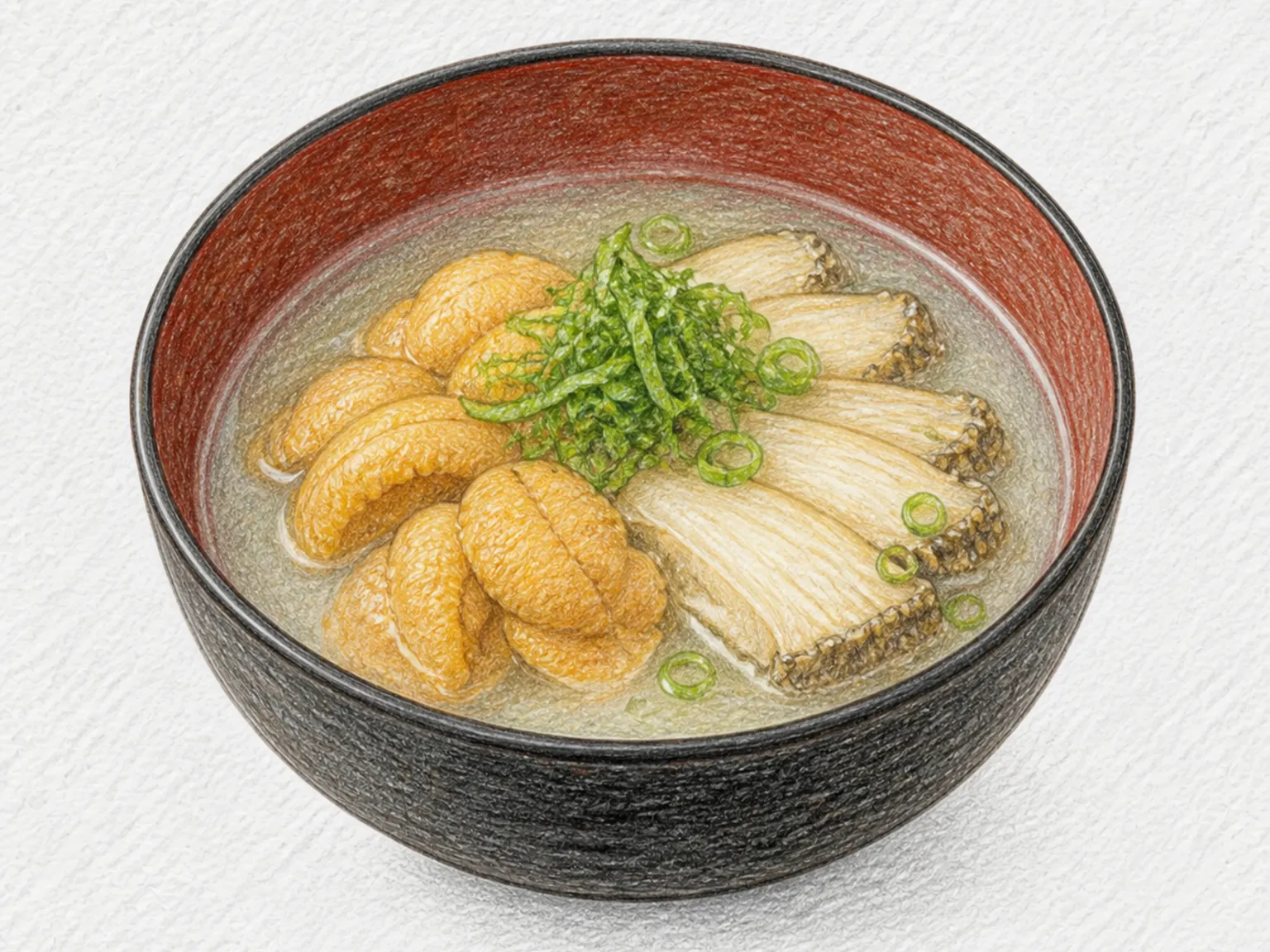
This clear Korean soup draws its umami from oyster and shiitake mushrooms simmered in plain water for four minutes, seasoned with only soup soy sauce and salt to keep the broth light and direct. Two varieties of mushrooms working together - oyster for soft texture, shiitake for depth - produce a broth that holds its own without meat. Cubed tofu goes in near the end so the pieces stay intact, and chopped green onion finishes the bowl with a clean, mild sharpness. At 155 calories per serving, the dish is genuinely low-calorie without sacrificing the layered, savory quality that makes it worth returning to.

Korean Steamed Croaker (White Fish Radish Soy)
Mineo-jjim is a Korean steamed croaker prepared with Korean radish, green onion, ginger, and rice wine. Croaker is prized among white fish for its fine-grained flesh and mild aroma, and steaming preserves its delicate, moist texture without drying it out. Ginger and rice wine work together to eliminate any trace of fishiness, while the radish releases a gentle sweetness into the broth as it cooks. Seasoned with just a touch of soy sauce at the end, this dish lets the natural flavor of the fish take center stage and is well suited for formal meals.

Korean Braised Cod with Vegetables
Daegu-jjim braises thick cod fillets with Korean radish, onion, and green onion in a sauce built from gochugaru, soy sauce, garlic, and cooking wine. Cod holds up well to braising: its firm, flaky flesh absorbs the spiced cooking liquid without breaking apart, even after extended time in the pot. The radish soaks up the braising sauce and turns sweet against the backdrop of chili heat. Garlic and cooking wine together neutralize any fishiness from the cod. The dish is done when just enough glossy sauce remains at the bottom of the pan to spoon over steamed rice for a satisfying one-bowl meal. The same method works with pollock or monkfish in place of cod.

Korean Cod and Radish Soup
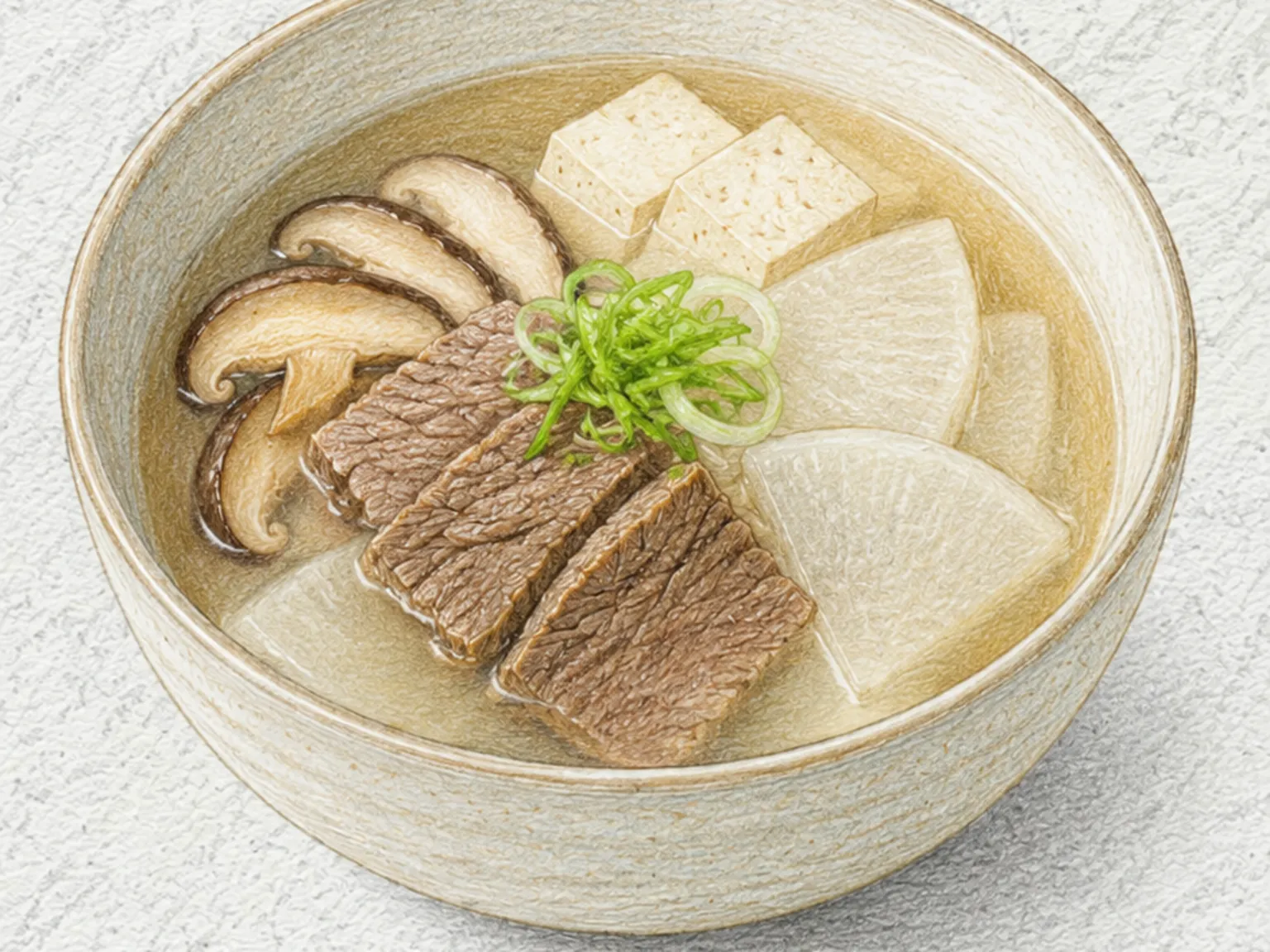
Daegu mu-tang is a Korean cod and radish soup in which the radish simmers first in anchovy broth for eight minutes to release its natural sweetness before the fish goes in. Cod fillets are briefly marinated in rice wine to neutralize any fishiness, then cooked gently - stirring must be kept to a minimum to keep the flesh in large, intact pieces. The finished broth is remarkably clear and light because cod carries very little fat, and the sweetness of the radish merges with the fish's mild umami to create a clean, layered depth. Crown daisy added in the final thirty seconds of cooking releases a sharp herbal fragrance that lifts the entire bowl. Many Koreans reach for this soup as a hangover remedy, prizing the cool, clean aftertaste it leaves.

Korean Clam Soft Tofu Soup
Bajirak sundubu guk is a Korean soup where the clean brininess of manila clams meets the delicate softness of uncurdled tofu in a broth built from radish and the clams themselves. Radish simmers first to release its cool natural sweetness into the water before the purged clams are added, and that sweetness counterbalances the saltiness of the clam juices, producing a base that is savory without feeling heavy. Once the shells open, soft tofu is scooped in with a large spoon and set down gently; vigorous stirring at this stage dissolves the tofu completely and clouds the broth with fine white particles, while gentle placement keeps the tofu in loose, cloud-like masses that hold their shape through the rest of cooking. Soup soy sauce and minced garlic provide the seasoning backbone, and sliced scallion goes in last for a fresh aromatic lift. Each spoonful carries a piece of soft tofu that releases a pocket of clam-infused broth as it gives way, making the eating experience simultaneously mild and deeply flavored. The clam meat toughens quickly with prolonged heat, so the tofu should go in immediately after the shells open and the entire soup should be finished within three minutes of that point. This soup is also popular as a recovery dish after drinking, valued for how gently it settles the stomach while still delivering enough substance to feel satisfying.

Korean Mussel Soup Noodles
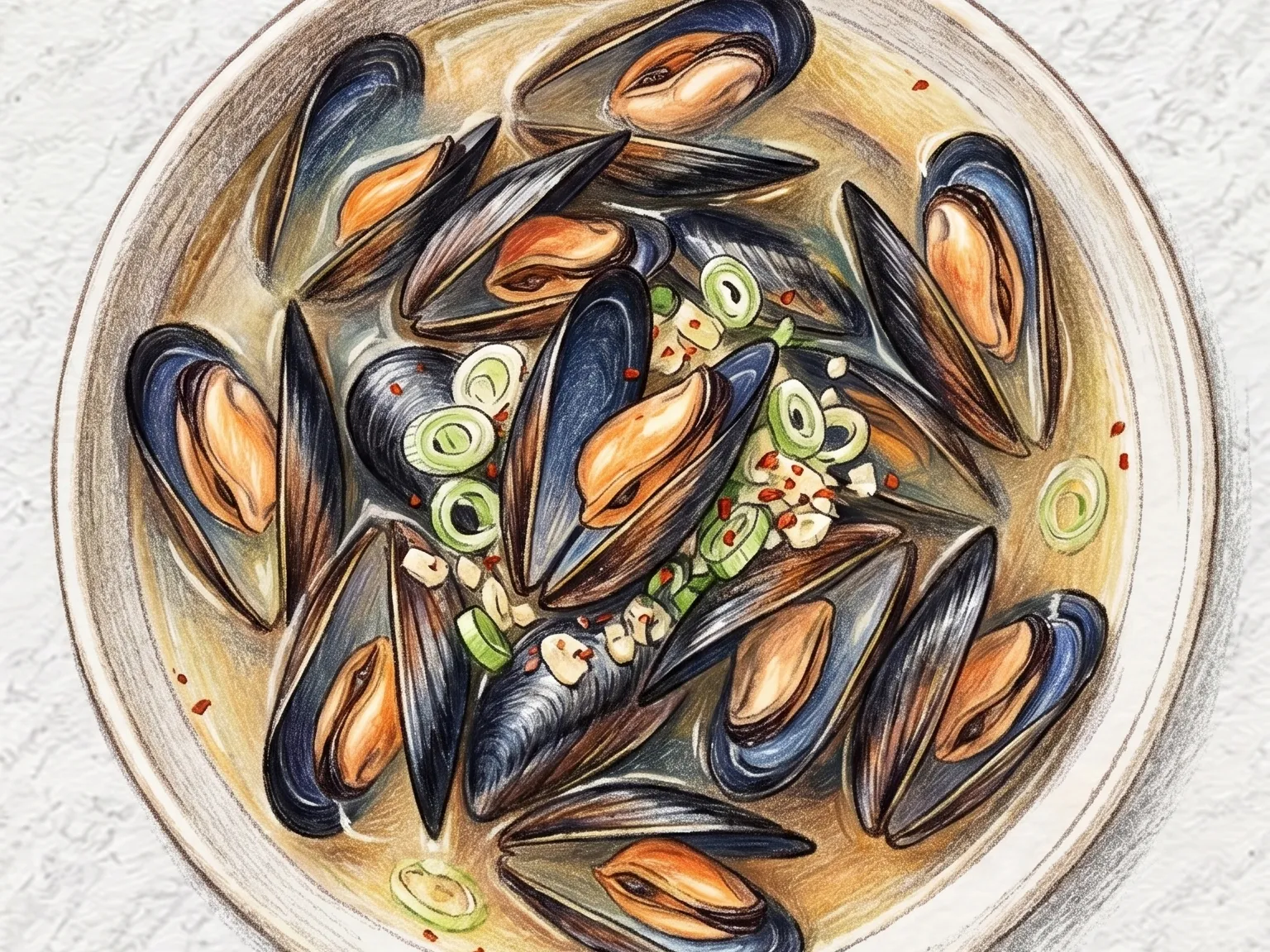
Honghap tangmyeon is a mussel noodle soup where a generous quantity of mussels is simmered to produce a deeply briny, clear broth that serves as the foundation of the entire dish without the use of prepared stock. The mussels release their concentrated sea flavor directly into the pot, and this self-made broth is what distinguishes the dish from simpler seafood noodle soups. Korean radish is cooked alongside from the start, lending a natural sweetness and a refreshing clarity to the liquid as it breaks down gently. Soup soy sauce and cooking wine adjust the seasoning and temper the salt that the mussels contribute, pulling the flavor into balance. Minced garlic and green onion build an aromatic layer that keeps any fishiness in check, leaving only a clean, deep savoriness in its place. A generous crack of black pepper over the steaming bowl sharpens the marine character of the broth and warms the palate. The noodles should not be overcooked; they need enough bite to hold up against the rich, hot liquid. A few slices of cheongyang chili on top add a brisk heat that makes the broth feel simultaneously cool and fiery, the defining sensation of good Korean seafood soup.

Korean Seasoned Cucumber Pickle Salad
Oiji-muchim takes oiji - cucumber that has been salt-brined for a month or longer - rinses out the excess salinity, and dresses it in a sweet-sour-spicy sauce. Oiji is a traditional Korean preserved food: summer cucumbers are submerged in a concentrated salt brine and aged until their moisture migrates out, transforming the texture from fresh and crisp into something firm, almost crunchy-chewy - a chew fundamentally different from raw cucumber. If the pickle is too salty, soaking in cold water for thirty minutes to an hour draws the brine down to a palatable level. After thorough squeezing, the cucumber pieces are tossed with gochugaru, vinegar, sugar, sesame oil, minced garlic, and scallion. Vinegar and sugar layer a bright sweet-sour dimension over the pickle's inherent saltiness, balancing it for pairing with rice. Julienned oiji absorbs more dressing and delivers a different eating experience than diagonal-cut slices - each approach has its advocates. Made during the summer cucumber glut, oiji keeps refrigerated for over a month.

Korean Perilla Noodles with Aster Leaves
Chwi namul, a wild aster green gathered in spring, is blanched and rinsed in cold water to temper its bitterness before being seasoned lightly with soup soy sauce. Ground perilla seeds are stirred into the broth, turning the liquid a milky white and giving it a toasted, nutty weight that holds against the herbaceous bite of the greens. The perilla richness subdues the sharpest edge of the bitterness while leaving the wild mountain aroma intact so each mouthful reads clearly as foraged rather than cultivated. Soup soy sauce adds only enough seasoning to tie the elements without masking any of the natural fragrance. Somyeon wheat noodles, soft and fine-stranded, bridge the greens and the broth without competing with either. Spring-harvested chwi namul carries the most pronounced aroma, and a thorough rinse after blanching controls the bitterness to a palatable level. The resulting bowl is understated and seasonal, built on the flavor of a single wild ingredient.