Charim

2686 Korean & World Recipes

2686+ Korean recipes, clean and organized. Ingredients to instructions, all at a glance.

Recipes with green onion

24 recipes

Buy green onion
Korean Doenjang Braised Tofu
Stir-fryEasy

Korean Doenjang Braised Tofu

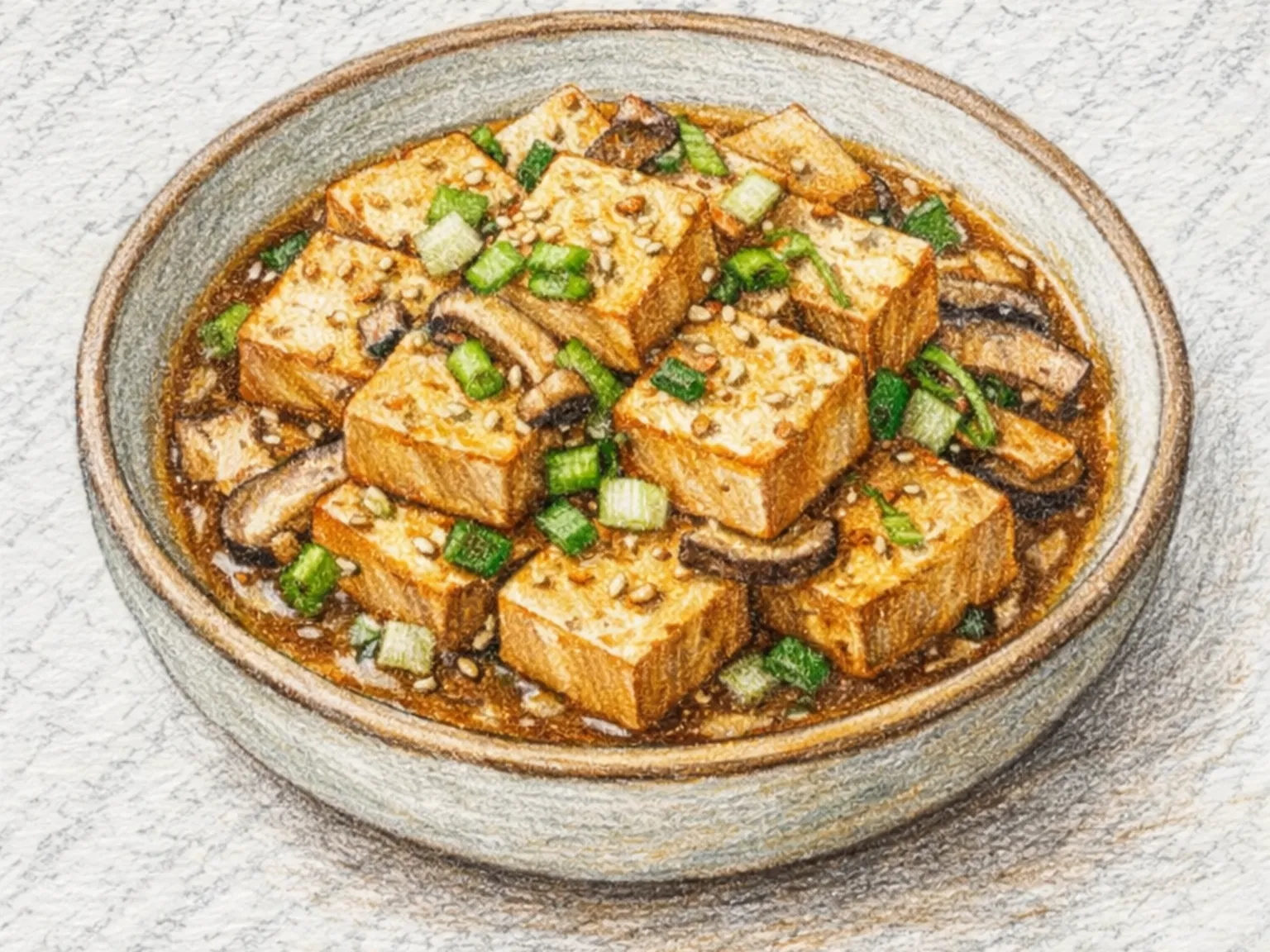
Doenjang-dubu-jorim is a braised tofu banchan in which tofu slices are simmered in a broth of fermented soybean paste, water, and aromatics until the liquid reduces and the seasoning permeates the tofu throughout. Doenjang is a Korean fermented soybean paste with a deeply savory, earthy character distinct from Japanese miso, and its slow penetration into the porous interior of the tofu produces a richness that simple soy-seasoned tofu does not achieve. Zucchini and onion are added to the same pot, and their natural sweetness tempers the salt of the paste, giving the final braise a more balanced flavor. The tofu is braised until its surface firms slightly, which helps it hold its shape while the interior stays soft and fully seasoned. Any remaining braising liquid is well-seasoned and pairs naturally with a bowl of rice. It is an economical banchan that requires minimal preparation and stores in the refrigerator for several days.

🏠 Everyday🍱 Lunchbox
Prep 10minCook 15min2 servings
Korean Flanken Ribs (Pear-Soy Marinated LA-Cut Beef Short Ribs)
GrilledMedium

Korean Flanken Ribs (Pear-Soy Marinated LA-Cut Beef Short Ribs)

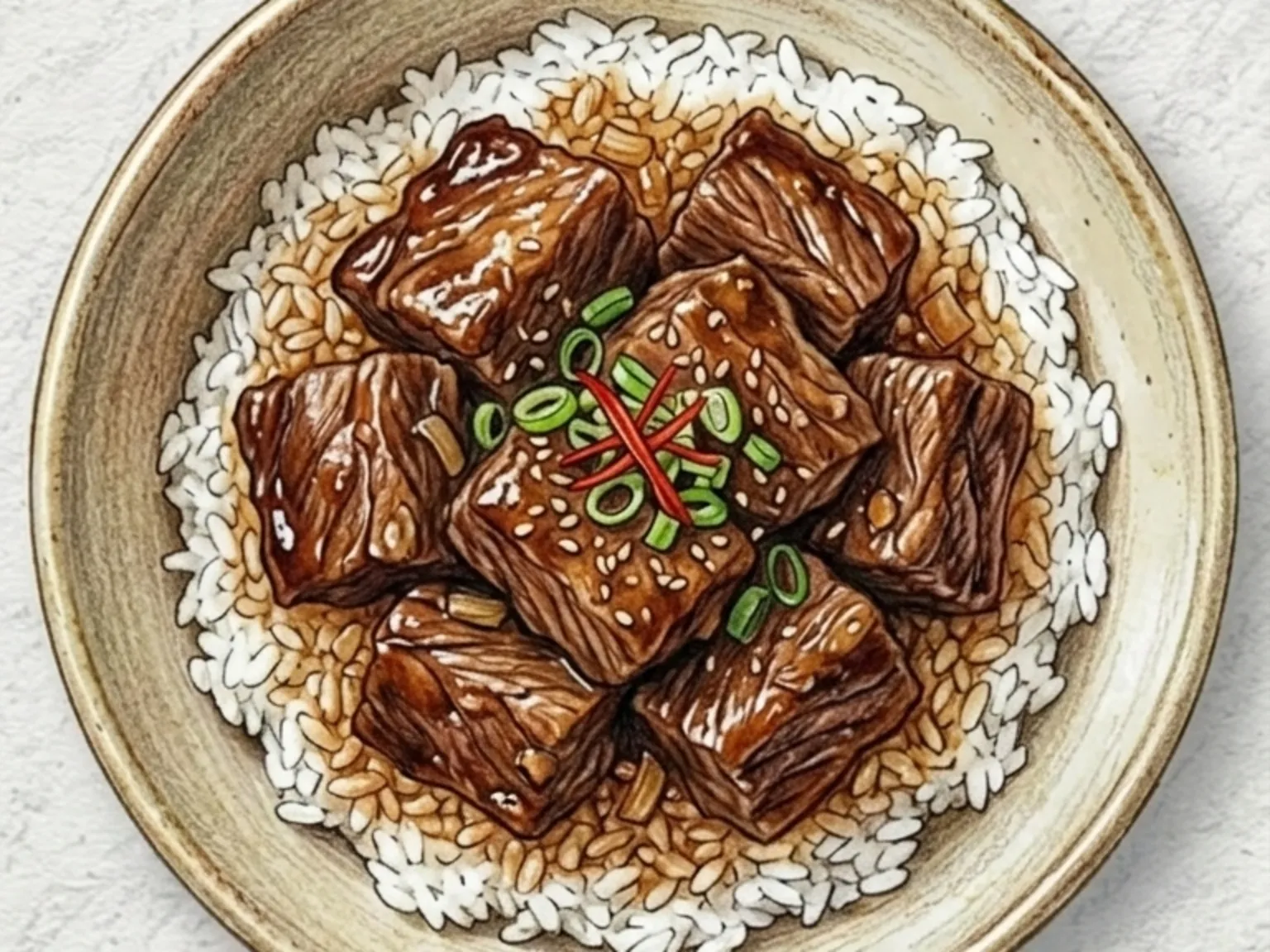
LA-galbi-gui is a Korean grilled short rib dish using flanken-cut beef ribs, where the bones are sliced laterally so several ribs run across each strip in a thin, even slab. This cross-cut format gives the meat a wide surface area and a uniform thickness that makes it both receptive to marinade and quick to cook through evenly. The marinade combines Asian pear juice, soy sauce, sugar, minced garlic, sesame oil, black pepper, and sliced green onion. Enzymes in the pear juice break down muscle fibers in the thin-sliced meat, while the combination of soy sauce and sugar triggers simultaneous Maillard browning and caramelization over high heat, forming a dark, lacquered crust on the surface. Because the marinade carries substantial sugar, cooking over medium heat and flipping frequently is essential; high heat without attention causes the exterior to char before the interior has cooked through. Each side needs three to four minutes to reach full doneness around the bone. Marinating overnight in the refrigerator allows the seasoning to penetrate fully between the bones, producing a noticeably deeper sweet-salty flavor once grilled. Resting the meat for two to three minutes after pulling it off the grill keeps the juices from running out immediately.

🍺 Bar Snacks🎉 Special Occasion
Prep 35minCook 20min4 servings
Korean Perilla Chicken Soup
SoupsEasy

Korean Perilla Chicken Soup

Deulkkae samgye-guk is a perilla-enriched Korean chicken soup that delivers the warming, restorative depth of samgyetang with a considerably simpler preparation -- no glutinous rice to stuff, no ginseng required, just chicken pieces and perilla seed powder. The chicken is cut into large pieces and placed in cold water from the start, then simmered for forty minutes so the collagen and flavor compounds dissolve gradually into the broth, turning it milky and full-bodied. Perilla powder must be pre-dissolved in a small cup of water before being stirred in -- adding it dry causes it to clump -- and ten more minutes of gentle simmering allows its oils to emulsify fully into the chicken stock, creating a broth with a smooth, nutty coating on every sip. Seasoning with only soup soy sauce and salt lets the natural savoriness of the chicken and the distinctive fragrance of perilla come through without distraction. Rich in the omega-3 fatty acids of perilla seed and the protein of chicken, this soup is eaten as a restorative meal during hot summers and whenever energy levels drop.

🏠 Everyday
Prep 15minCook 60min4 servings
Korean Frozen Pollack Stew
StewsMedium

Korean Frozen Pollack Stew

Dongtae jjigae is a spicy Korean stew built around whole frozen pollack, which separates into flaky, delicate pieces as it cooks through. Korean radish brings a clean, sweet undertone to the broth, while tofu and zucchini fill out each bowl with mild, soft contrasts to the fish. Gochugaru combined with a spoonful of doenjang creates a broth that is at once spicy, salty, and deeply savory rather than sharp in a single direction. Generous amounts of green onion and Cheongyang chili are added toward the end to cut through any fishiness and keep the heat clear and warming.

🏠 Everyday
Prep 15minCook 25min4 servings
Korean Braised Skate Wing with Radish
SteamedHard

Korean Braised Skate Wing with Radish

Gaori jjim is a Korean braised skate dish, slow-cooked with radish in a bold sauce of gochugaru and soy sauce. Skate has a texture unlike most fish: its flesh is lean and mild, but the cartilaginous fibers throughout give it a distinctly chewy, springy quality that absorbs the braising sauce deeply during a long, slow cook. Radish pieces nestle in the pot alongside the fish, soaking up the spiced liquid until they turn sweet-savory and tender all the way through. Mirim and minced garlic work together to suppress the sharper marine smell that skate can carry, and the result is a clean, bold flavor without any fishiness. Green onion scattered over the top adds color and a fresh note at the finish, and the remaining braising sauce spooned over rice is one of the best parts of the dish.

🎉 Special Occasion🍱 Lunchbox
Prep 25minCook 35min4 servings
Korean Kimchi Glass Noodle Stir-Fry
NoodlesEasy

Korean Kimchi Glass Noodle Stir-Fry

Kimchi japchae is a variation on classic Korean glass noodle stir-fry that replaces the usual assortment of vegetables with well-fermented aged kimchi, giving the dish a bold tangy heat that the original does not have. Glass noodles are boiled, rinsed in cold water to stop the cooking, and pre-seasoned with soy sauce so they absorb flavor before hitting the pan. Pork shoulder goes in first to render its fat and build a savory base in the wok, then the kimchi -- thoroughly squeezed dry -- is added and stir-fried until the sourness concentrates and caramelizes slightly. Removing the kimchi's moisture is a non-negotiable step: excess liquid steams the noodles rather than frying them, causing the noodles to swell and the overall seasoning to turn watery and flat. Sliced onion goes in with the kimchi to contribute a natural sweetness that softens the acidity. Once the aromatics are cooked down, the noodles are tossed in with additional soy sauce and a small amount of sugar if the kimchi is especially sour. The pan comes off the heat before sesame oil is added to preserve its fragrance, and whole sesame seeds finish the dish. The combination of the noodles' chewy elasticity and the kimchi's pungent, fermented character produces a version of japchae that tastes fundamentally different from the traditional preparation.

🏠 Everyday🍱 Lunchbox
Prep 15minCook 15min2 servings
Lumpiang Shanghai (Filipino Deep-Fried Pork Spring Rolls)
AsianMedium

Lumpiang Shanghai (Filipino Deep-Fried Pork Spring Rolls)

Lumpiang Shanghai is the spring roll that appears without fail at every Filipino celebration, from birthday parties to holiday feasts and town fiestas. Ground pork is mixed with finely diced carrots, onions, and scallions, seasoned with soy sauce and black pepper, then rolled into finger-length cylinders using thin spring roll wrappers before being deep-fried to a golden, audibly crisp shell. The moment teeth break through the shattering exterior, well-seasoned and juicy meat pours out from within, and that contrast is the core of its appeal. Served alongside a sweet chili dipping sauce or a sharp vinegar sauce, the richness of the pork and the acidity of the condiment lock together in a way that makes stopping at one piece genuinely difficult. The rolls hold their crispness at room temperature far longer than most fried foods, which is why trays of them tend to disappear within minutes at any gathering. Adding shrimp to the pork filling introduces a springy bite and a layer of brininess that takes the flavor a step further.

🎉 Special Occasion
Prep 30minCook 15min4 servings
Korean Braised Saury in Spicy Sauce
Side dishesMedium

Korean Braised Saury in Spicy Sauce

Kkongchi-jorim simmers Pacific saury with daikon radish in a soy-gochujang sauce until the bones soften enough to eat whole - a thrifty Korean fish braise built on one of autumn's most affordable catches. The radish lines the pot bottom, cushioning the fish from direct heat to prevent breakage while absorbing the braising liquid into sweet, flavor-soaked wedges. After bringing the sauce to a boil, twenty-five minutes of medium-low simmering renders the fine bones edible without adding vinegar. Canned saury, with bones already softened during processing, halves the cooking time for weeknight shortcuts. Green onion placed on top in the final two minutes tempers the fish's natural oiliness and adds a visual accent. Like most jorim-style banchan, this dish improves over several days in the refrigerator as the seasoning continues to penetrate.

🏠 Everyday🍱 Lunchbox
Prep 10minCook 30min4 servings
Korean Shiitake Mushroom Rice
RiceEasy

Korean Shiitake Mushroom Rice

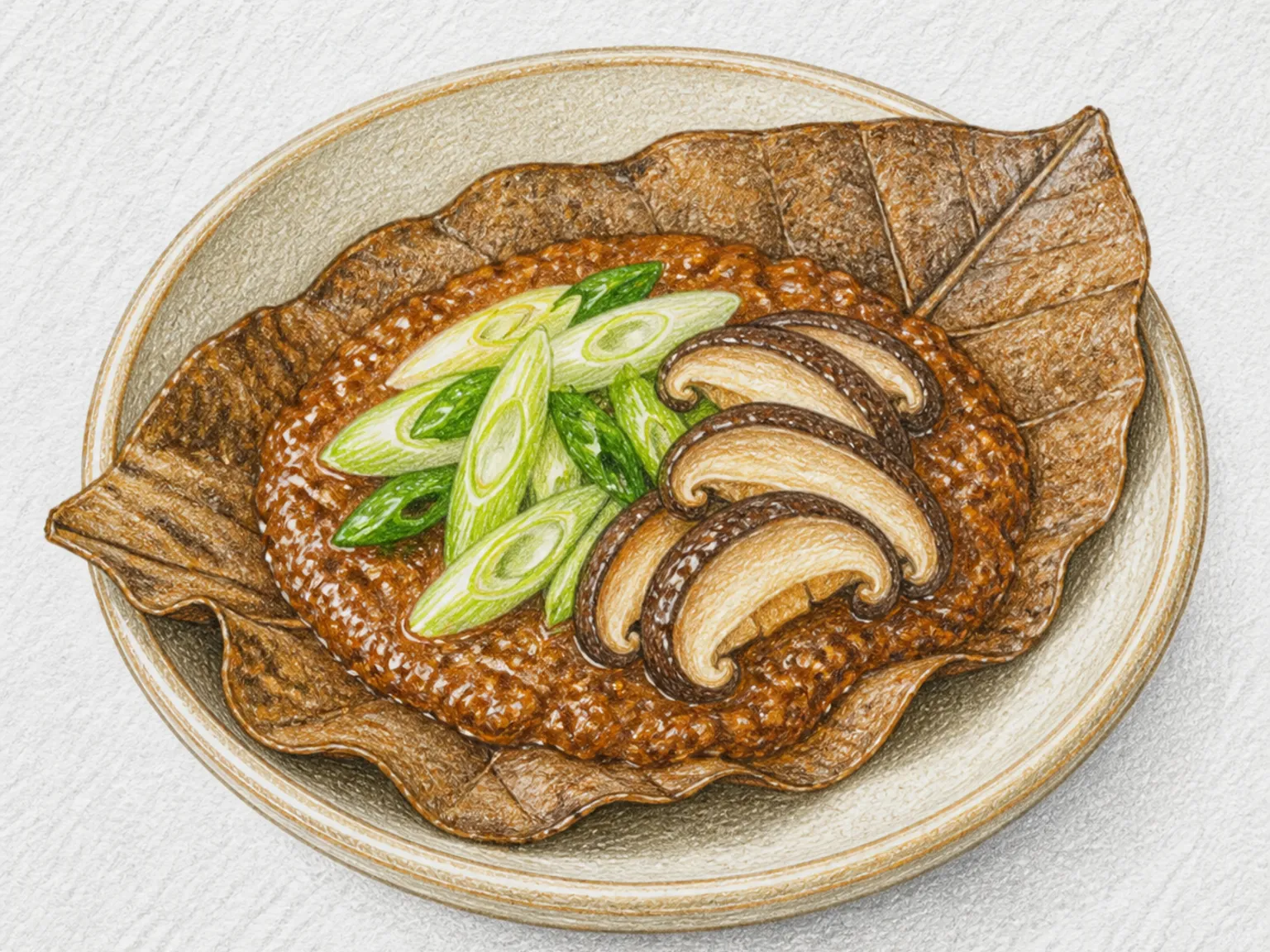
Pyogo-beoseot-bap is a Korean pot rice that cooks thickly sliced fresh shiitake mushrooms directly on top of soaked rice, allowing the mushrooms' concentrated umami and earthy aroma to infuse every grain as steam circulates inside the sealed pot. Once the rice is done, it is mixed with a soy-sesame dipping sauce made from soy sauce, sesame oil, chopped scallion, and toasted sesame seeds, which amplifies the earthy depth already present in the rice and ties all the flavors into a cohesive bowl. The shiitake mushrooms retain a satisfying meaty chew even after the cooking process, giving the dish a substantive bite that rivals meat-based rice bowls and makes the absence of protein go unnoticed. Adding julienned carrot to the pot introduces a subtle natural sweetness and a vivid splash of color to the cross-section when the rice is served. This is a classic vegetarian option in Korean home cooking, valued for the remarkable way a single key ingredient can carry an entire meal without requiring broth, seasoning, or complexity beyond the mushroom itself.

🏠 Everyday
Prep 15minCook 25min2 servings
Korean Spicy Pork Duruchigi
Stir-fryEasy

Korean Spicy Pork Duruchigi

Duruchigi is a Korean spicy pork stir-fry made by flash-cooking sliced pork shoulder with onions and scallions in a gochujang-based sauce over high heat. Pork shoulder has a balanced ratio of fat to lean meat, which prevents it from drying out even at the high temperatures required for a proper stir-fry. The intense heat chars the edges of the meat slightly and introduces a smoky wok flavor that deepens the dish beyond what the seasoning alone provides. Gochujang contributes fermented chili heat and a savory, slightly sweet undertone, while added sugar reinforces that sweetness, and scallions provide a sharp, clean finish in the back of the palate. Cooking the onion first to soften before adding the meat controls the amount of liquid released and keeps the sauce from becoming watery. Duruchigi works as a straightforward rice side dish, wrapped in lettuce leaves, or as the protein base for fried rice with the leftovers. It ranks among the most dependable everyday pork dishes in Korean restaurants and home kitchens, and also sees regular use as a late-night snack or drinking table side.

🏠 Everyday🍱 Lunchbox
Prep 15minCook 12min2 servings
Korean Grilled Soy-Doenjang Pork
GrilledMedium

Korean Grilled Soy-Doenjang Pork

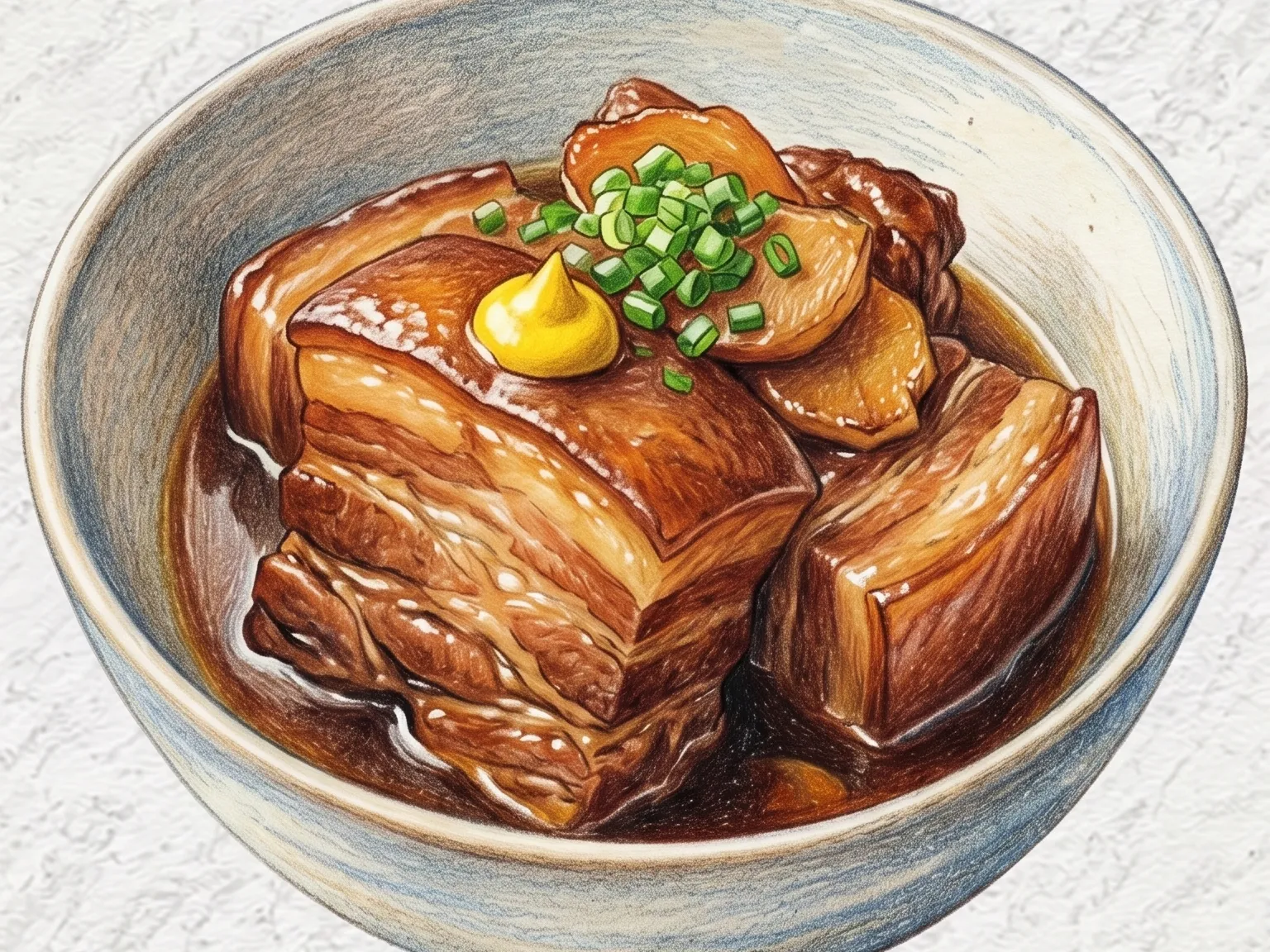
Maekjeok-gui is a traditional Korean grilled pork dish that is traced back to the Goguryeo period, prepared by marinating thick-cut pork neck in a paste of doenjang, soy sauce, rice syrup, minced garlic, ginger powder, sesame oil, and black pepper before grilling. Unlike most contemporary Korean marinades, which center on gochujang or sugar, maekjeok uses doenjang as its primary seasoning, which means the dominant flavor is a deep, fermented umami rather than sweetness or heat. The soybean paste bonds with the abundant intramuscular fat in pork neck during grilling, producing an intense savory quality that develops layer by layer over the heat, while the viscous rice syrup reduces into a shiny lacquer-like glaze on the surface. Shallow scoring on both faces of each thick pork slice allows the marinade to penetrate beyond the surface and reach the interior, and at least thirty minutes of marinating time is recommended for this effect. Doenjang scorches significantly faster than sugar, so the correct technique is to sear both sides first and then apply any final glaze only after reducing the heat or briefly pulling the meat from direct flame, which preserves the gloss without introducing bitterness. After removing from the grill, letting the meat rest for two minutes under a scattering of sliced green onion allows the juices to redistribute, so the pork stays moist and does not run when cut.

🍺 Bar Snacks
Prep 20minCook 18min4 servings
Korean Tofu Soy Broth Soup
SoupsEasy

Korean Tofu Soy Broth Soup

Dubu jangguk is a clear Korean soup seasoned with soup soy sauce and built around tofu, radish, and shiitake mushrooms. The radish goes in first and simmers for seven minutes, releasing a mild sweetness that forms the foundation of the broth. Shiitake and garlic follow for another four minutes, adding guanylate-rich umami that layers onto the radish base. The result is a broth with genuine depth built from water and a single seasoning. Tofu is always the last ingredient added. Put it in from the beginning and the surface becomes rough and the edges crumble; lower the heat and cook it for just three minutes at the end, and the tofu holds its clean white surface intact. Scooping tofu in with a spoon rather than slicing with a knife creates irregular, rough surfaces that soak up far more broth. Replacing water with anchovy stock raises the umami by another level, though the amount of soy sauce should be reduced slightly to keep the salt in balance.

🏠 Everyday
Prep 10minCook 15min4 servings
Korean Tofu Hot Pot (Tofu & Beef Kelp Broth Pot)
StewsMedium

Korean Tofu Hot Pot (Tofu & Beef Kelp Broth Pot)

Dubu jeongol is a Korean hot pot centered on tofu and beef simmered in kelp broth at the table. Shiitake mushrooms contribute a deep savory note, while napa cabbage and green onion add freshness and textural variety. The broth is seasoned with soup soy sauce, keeping it light and clear enough to let each ingredient's flavor come through without becoming heavy. Thin-sliced or ground beef works equally well; marinating it briefly in soy sauce and minced garlic before adding it to the pot layers the broth with additional depth. Pan-frying the tofu slices lightly in oil before placing them in the jeongol prevents them from breaking apart during the long simmer and gives each piece a slightly firmer exterior. Traditionally served bubbling directly on the table, this is a communal dish meant to be eaten at a relaxed pace, with diners adding broth and pieces to their own bowls throughout the meal.

🎉 Special Occasion
Prep 25minCook 20min4 servings
Korean Steamed Scallops
SteamedEasy

Korean Steamed Scallops

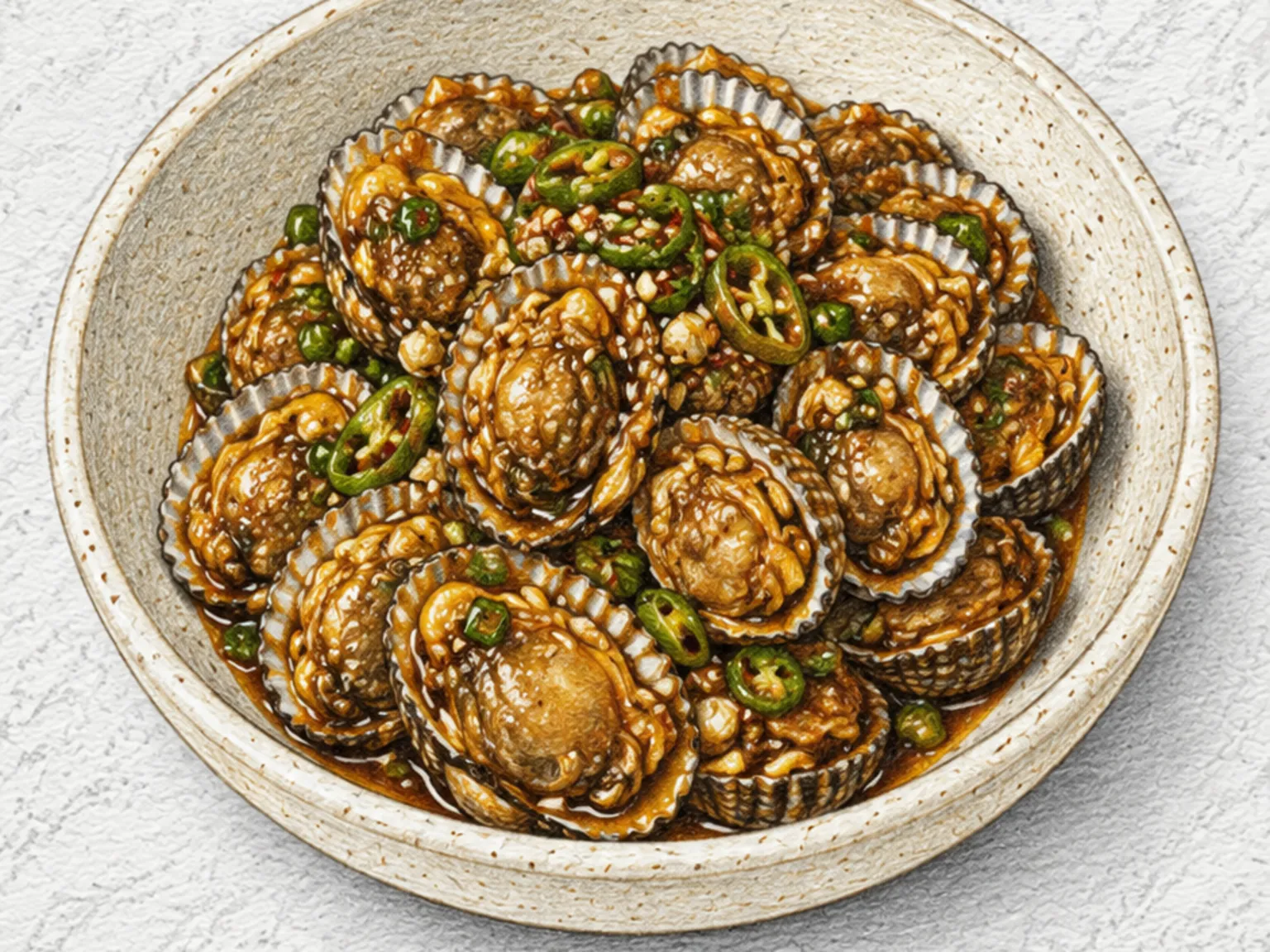
Garibi-jjim is a Korean steamed scallop dish that depends as much on timing as on seasoning. The scallops are placed in their shells, covered, and steamed with rice wine, garlic, and butter. Rice wine vapor penetrates the flesh as it cooks, stripping away the oceanic sharpness while the shells trap the released juices underneath. Pulling the scallops off heat before they contract fully is the key move - left too long, they turn rubbery and lose their natural sweetness. Butter melts into the pooled juices inside each shell, forming a warm, savory sauce without any extra work. A small pour of soy sauce sharpens the umami, and thinly sliced green onion laid over the top cuts through the richness with a fresh note. The entire preparation takes under fifteen minutes, which makes this a practical choice for an impromptu drinking spread or as a starter when a more elaborate main follows.

🍺 Bar Snacks
Prep 15minCook 10min2 servings
Korean Warm Noodles with Kimchi Dumplings
NoodlesEasy

Korean Warm Noodles with Kimchi Dumplings

Kimchi mandu onmyeon is a Korean warm noodle dish that combines kimchi dumplings simmered in anchovy-kelp stock with thin wheat noodles served in the hot broth. The filling of kimchi and pork inside each dumpling gradually releases savory depth into the clean dashi as the dumplings cook, building a broth that feels substantive without requiring heavy seasoning. Soup soy sauce and minced garlic are the only seasoning additions, keeping the overall flavor clear and well-defined. Thin wheat noodles are boiled separately and rinsed under cold water before serving, which prevents the cooking starch from clouding the broth and keeps the noodles smooth and springy in texture rather than swollen and soft. Julienned zucchini added to the broth and a thin stream of beaten egg swirled in just before serving add color and textural variety to the finished bowl. Since the sodium content of kimchi dumplings varies considerably by brand, soup soy sauce should be added in small increments at the end rather than all at once. Overcooking the dumplings causes the wrapper to loosen and the broth to cloud, so once the dumplings float to the surface the noodles should go in and the dish brought together quickly. Gochugaru or sliced cheongyang chili transforms the bowl into a spicier version, and a drop of sesame oil stirred in just before eating rounds out the nuttiness of the broth. Equally suited as a late-night solo meal or a warming bowl on a cold day.

🏠 Everyday
Prep 10minCook 18min2 servings
Miso Soup
AsianEasy

Miso Soup

Miso shiru is the soup that appears at nearly every Japanese meal, from a simple breakfast to an elaborate multi-course dinner. Its foundation is dashi - a stock made from kombu seaweed and bonito flakes - into which miso paste is dissolved just before serving so the living cultures in the paste are preserved. Cubed silken tofu and rehydrated wakame seaweed are the most common additions, finished with a scattering of sliced scallions. The soup is deliberately understated, its role being to complement rather than compete with the dishes around it. White miso yields a mild, slightly sweet version, while red miso produces a saltier, more assertive bowl. Every household and region has its own preferred combination of miso type and ingredients.

Quick
Prep 5minCook 10min2 servings
Korean Braised Semi-Dried Pollock
Side dishesMedium

Korean Braised Semi-Dried Pollock

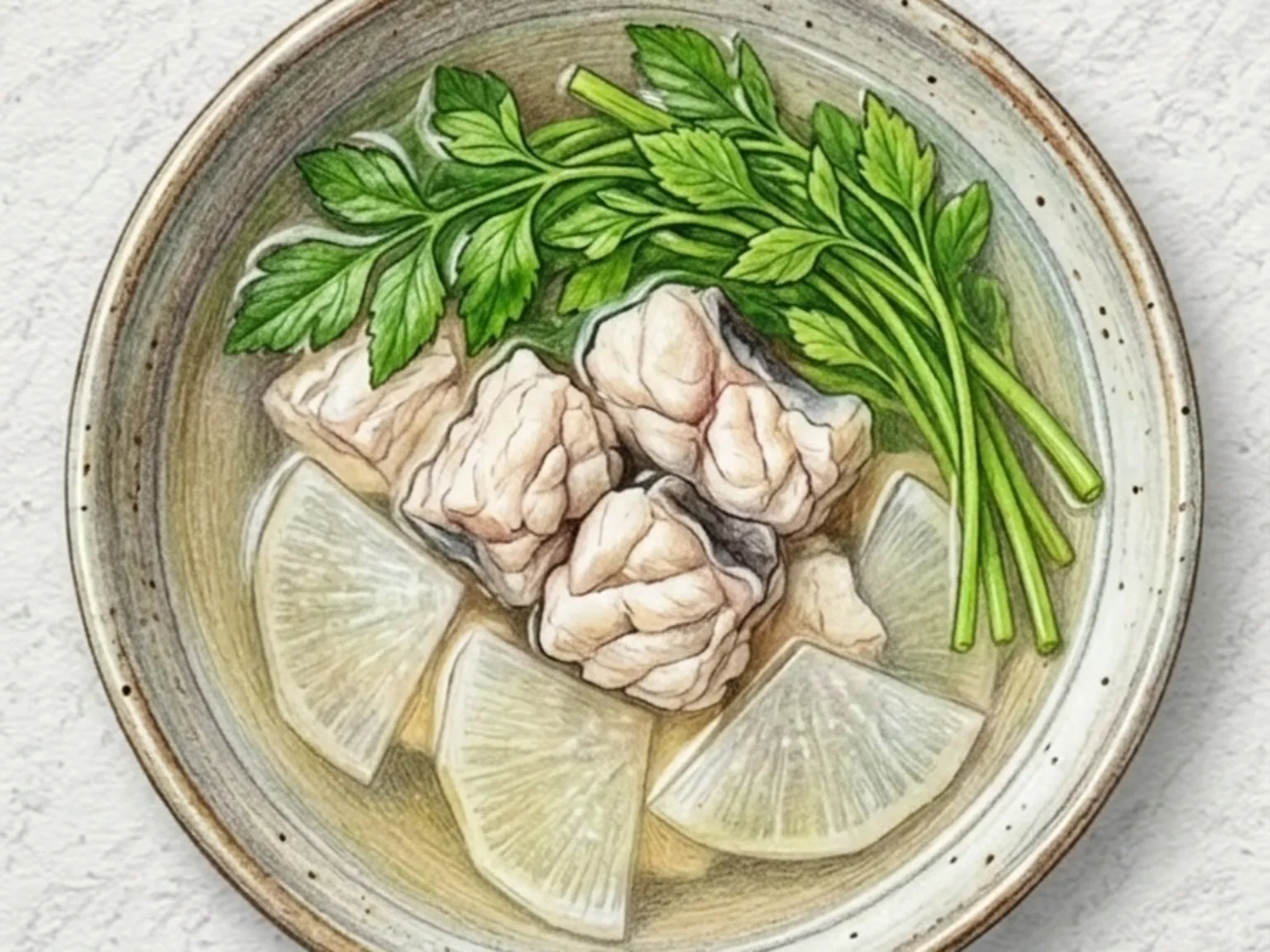
Kodari-jorim braises semi-dried pollock with radish in a gochujang-soy glaze, occupying a middle ground between fresh fish stew and fully dried fish preparations. Kodari is whole pollock gutted and hung in pairs along the East Sea coast, air-dried for two to three weeks and halted before full dehydration so the flesh retains enough moisture to stay supple after cooking, unlike the spongy texture of fully dried hwangtae. Layering radish on the bottom of the pot serves a structural purpose: it prevents the fish from sitting directly on the heat source and scorching. A sauce of soy, gochujang, gochugaru, sugar, and garlic is poured over and brought to a boil, then reduced to medium heat for about thirty minutes, spooning the liquid over the fish periodically. Overnight refrigeration lets the seasoning penetrate evenly and deepens the flavor. The leftover sauce is potent enough to repurpose as a bibimbap dressing.

🏠 Everyday🍱 Lunchbox
Prep 25minCook 35min4 servings
Korean Dried Radish Greens Chicken Porridge
RiceEasy

Korean Dried Radish Greens Chicken Porridge

This porridge combines shredded poached chicken breast with siraegi (dried radish greens) and rice for a clean, protein-rich bowl. The siraegi lends a grounding earthiness to the porridge base, while the hand-torn chicken provides a fibrous, lean texture in every spoonful. Rice is first stir-fried in sesame oil to add a nutty layer before water is poured in and everything simmers slowly until the grains dissolve into a thick, smooth consistency. Scallion and garlic build aromatic depth, and a splash of light soy sauce ties the flavors together without heaviness. Low in fat and easy to digest, this is a restorative meal that feels light on the stomach while still delivering substance and warmth.

🏠 Everyday
Prep 25minCook 35min4 servings
Korean Pork and Kimchi Stir-Fry
Stir-fryEasy

Korean Pork and Kimchi Stir-Fry

Dwaejigogi kimchi bokkeum is a stir-fry of pork and well-aged napa cabbage kimchi and one of the most common home-cooked dishes in Korean households. The sharp, deep acidity of the fermented kimchi meets the fat in the pork, and the longer the two cook together, the more they absorb each other and change in character. A handful of Korean chili flakes is added to intensify the color and build a second layer of heat on top of the kimchi. The dish asks for no special technique and appears on the set-meal menu of nearly every Korean restaurant as a result. The quality of the kimchi makes a noticeable difference: kimchi that has been aging in the refrigerator for several weeks produces a far richer stir-fry than freshly made kimchi.

🏠 Everyday🌙 Late Night
Prep 10minCook 15min2 servings
Korean Buckwheat Crepes with Kimchi Filling
GrilledMedium

Korean Buckwheat Crepes with Kimchi Filling

Memil-jeonbyeong is a buckwheat crepe from Korea's Gangwon province, filled with stir-fried aged kimchi, tofu, ground pork, green onion, and gochugaru, then rolled and pan-fried again until the exterior crisps. The batter is made from buckwheat flour and water mixed to a thin consistency, but buckwheat contains no gluten and the batter tears easily on the pan if used immediately. Resting it for at least ten minutes allows the flour particles to hydrate fully, giving the batter enough cohesion to be spread thin without breaking. The thinner the crepe is spread, the more pronounced the characteristic chewy texture of the buckwheat becomes after cooking. The filling is prepared separately. Aged kimchi may be rinsed to moderate its acidity, but leaving it unwashed preserves the deep, funky sourness that forms the backbone of the filling's flavor. Ground pork contributes richness, tofu adds a mild, clean counterpoint, and together with the fermented kimchi they produce a filling with several distinct flavor layers. The filling is placed along one edge of the crepe, which is then rolled tightly and pressed closed. The rolled jeonbyeong is returned to the pan and turned slowly on all sides until the outside is golden and crisp. The contrast between the chewy, slightly earthy buckwheat wrapper and the spiced, savory interior is the defining characteristic of the dish.

🍺 Bar Snacks
Prep 30minCook 20min4 servings
Korean Young Napa Soybean Paste Soup
SoupsEasy

Korean Young Napa Soybean Paste Soup

Eolgari doenjang-guk is a soybean paste soup that uses rice-rinse water as its base liquid rather than plain water. The starch left in the rinse water tempers the sharpness of doenjang, softening the broth and adding a mild, rounded sweetness that plain water cannot replicate. Young napa cabbage is added near the end of cooking, just long enough to wilt slightly while retaining its fresh, lightly grassy flavor and a faint crunch. Anchovy powder is stirred in early to establish a quiet savory foundation, while a sliced cheongyang chili introduces a gentle, building heat that lingers on the finish. A finishing handful of sliced green onion adds aroma and rounds out the bowl, producing a broth that is simultaneously simple and satisfying alongside steamed rice.

🏠 Everyday
Prep 15minCook 25min4 servings
Korean Tofu Stew (Spicy Kimchi & Firm Tofu Pot)
StewsEasy

Korean Tofu Stew (Spicy Kimchi & Firm Tofu Pot)

Dubu jjigae is a spicy Korean stew built on firm tofu and fermented kimchi simmered together in anchovy stock. Gochugaru goes into the broth first to establish a vivid red, peppery base; from that point, the kimchi releases its fermented tang with each additional minute over heat, steadily deepening the broth. Green onion adds fragrance, and the tofu absorbs the surrounding liquid the longer it cooks. With only five or so main ingredients, this is an efficient dish - the fermented kimchi handles the complexity, producing layered acidity and depth that reads far richer than the short ingredient list would suggest.

🏠 Everyday
Prep 10minCook 15min2 servings
Korean Steamed Stuffed Chili Peppers
SteamedMedium

Korean Steamed Stuffed Chili Peppers

Gochu-jjim is a traditional Korean banchan in which mild green chili peppers are hollowed out, dusted inside with a light coating of flour, then packed with a filling of ground pork, crumbled firm tofu, garlic, and scallion before being steamed until cooked through. The flour coating is not decoration; it creates a thin binding layer that keeps the filling anchored inside the pepper during the entire steaming process, so each piece arrives at the table intact and firmly stuffed. Soy sauce and sesame oil work through the filling as it cooks, producing a savory, slightly nutty flavor that contrasts with the clean bitterness of the pepper skin. The steamed pepper itself stays slightly firm at the bite while the stuffing is soft and moist, and the interplay of those two textures is what makes a simple list of ingredients into a dish worth returning to. Gochu-jjim appears as a regular everyday banchan alongside rice and also earns a place on Korean holiday tables for its restrained elegance.

🏠 Everyday🍱 Lunchbox
Prep 20minCook 15min3 servings
Korean Maesaengi Oyster Kalguksu
NoodlesMedium

Korean Maesaengi Oyster Kalguksu

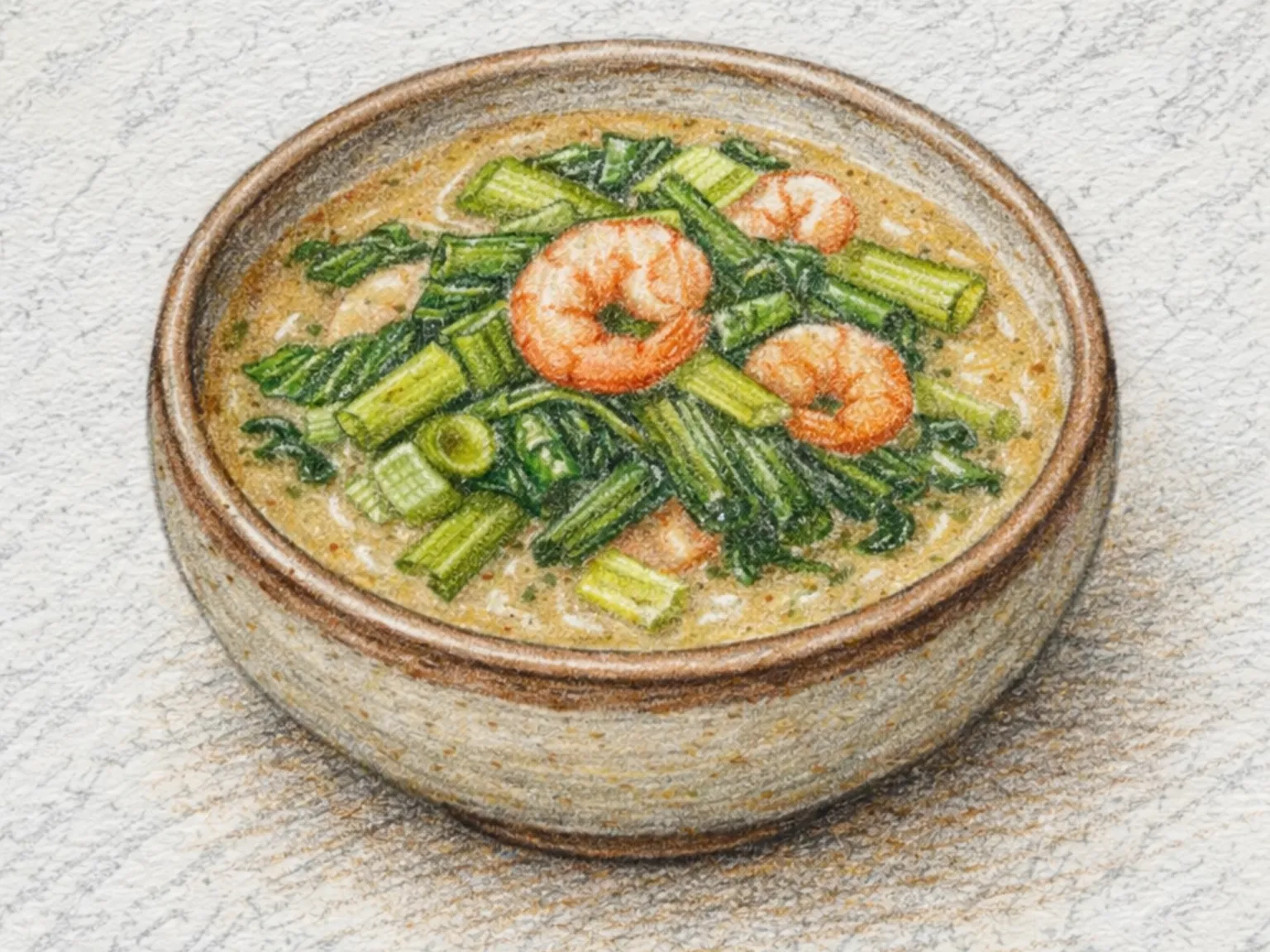
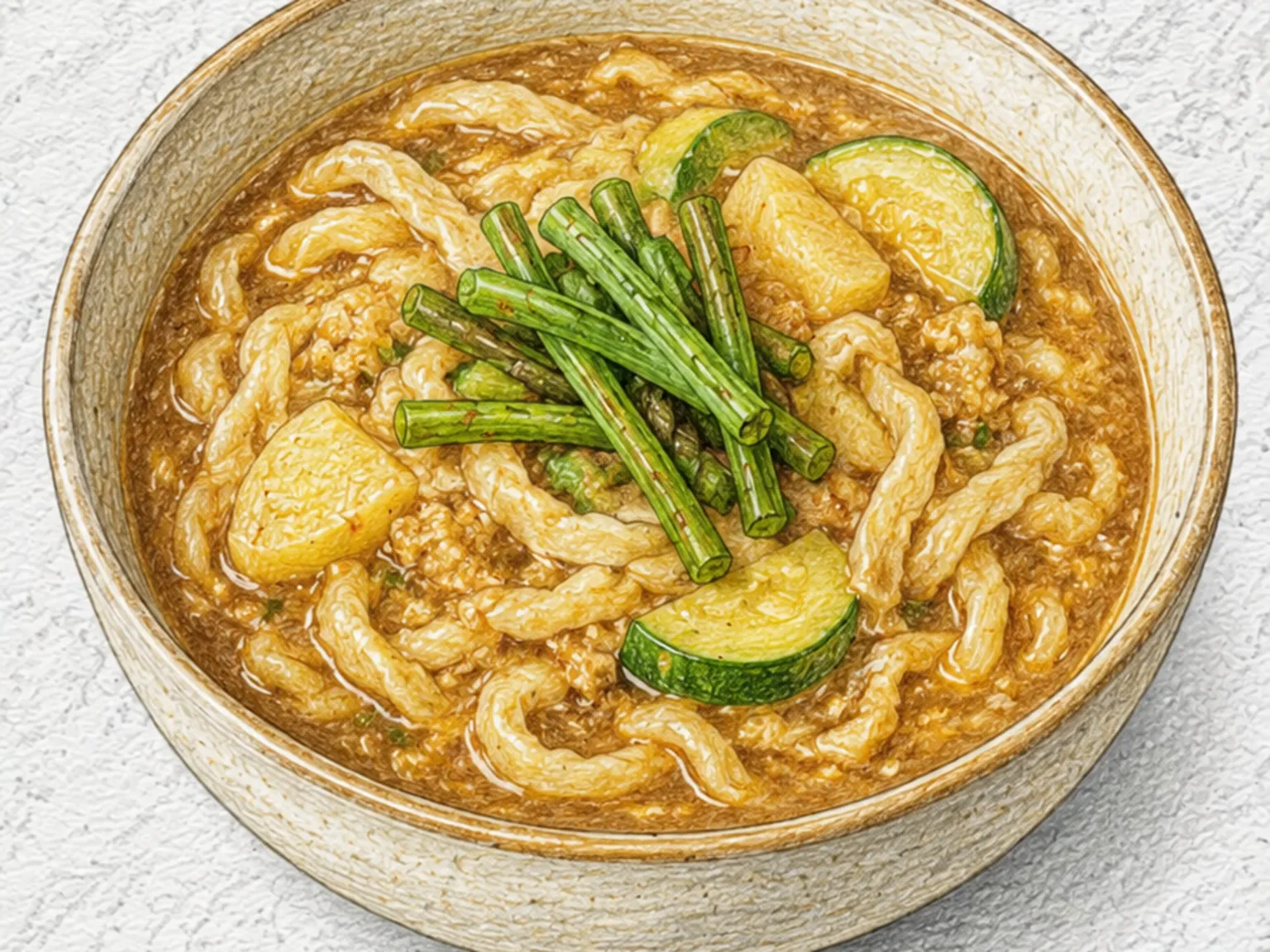
Maesaengi oyster kalguksu is a Korean seasonal noodle soup built around maesaengi, a hair-thin dark green seaweed harvested along Korea's southern coast in winter, and freshly shucked oysters. The broth is anchovy-kelp stock seasoned with soup soy sauce, minced garlic, and salt. Timing controls the outcome more than any other variable in this dish. Knife-cut noodles go in first and cook for four to five minutes until nearly done. Oysters follow and need no more than two minutes of heat because the proteins tighten quickly and turn rubbery if pushed further. Maesaengi goes in last, needing under a minute to warm through while keeping its vivid green color and the dense marine aroma that defines the soup. Sliced scallion finishes the bowl. Both maesaengi and oysters are at their fullest flavor between December and February, and making this dish outside that window noticeably diminishes the broth.

🎉 Special Occasion
Prep 20minCook 18min2 servings