Charim

2686 Korean & World Recipes

2686+ Korean recipes, clean and organized. Ingredients to instructions, all at a glance.

Recipes with green onion

24 recipes

Buy green onion
Peking Duck
AsianHard

Peking Duck

Peking duck is a centuries-old Chinese banquet dish refined in the imperial kitchens of Beijing. A whole duck is air-dried to tighten the skin, then roasted at high heat until the exterior shatters like glass while the fat beneath renders almost entirely away. The skin is the centerpiece: a lacquered sheet of crunch that carries a faint sweetness from the maltose glaze applied before roasting. Traditionally, a skilled carver slices the skin and meat tableside into thin pieces. Diners place a few slices onto a paper-thin wheat pancake, add julienned scallion and cucumber, streak on hoisin sauce, then roll everything into a tight parcel. Each bite layers crisp skin, supple meat, raw vegetable crunch, and the fermented sweetness of the sauce into a single mouthful.

🎉 Special Occasion
Prep 90minCook 70min4 servings
Korean Seasoned Bean Sprouts
Side dishesEasy

Korean Seasoned Bean Sprouts

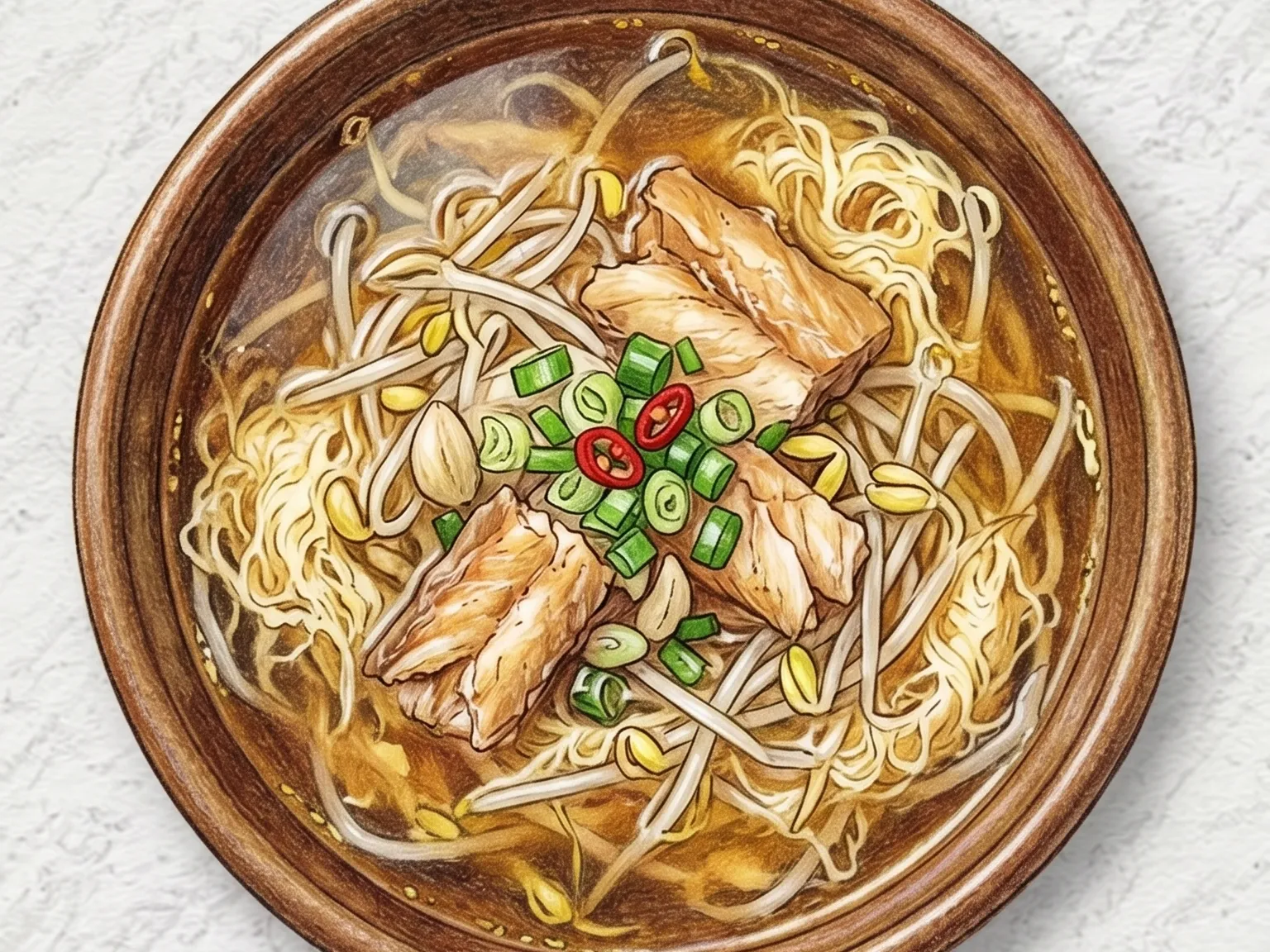
Kongnamul-muchim is arguably the most frequently served banchan on Korean family tables, boiled soybean sprouts dressed simply with sesame oil, garlic, and salt. The famous never-open-the-lid rule during cooking has a clear biochemical basis: the lipoxygenase enzyme in soybeans activates during the early stages of heating and produces the raw-bean off-odor that makes poorly cooked sprouts unpleasant. Keeping the lid firmly sealed maintains a full rolling boil at 100 degrees Celsius, which rapidly deactivates the enzyme before it can do much damage. Three minutes of covered boiling is the standard. A cold water rinse immediately after cooking halts carryover heat, preserving the crisp stem texture that defines a well-made batch, and thorough hand-squeezing prevents the dressing from becoming diluted and watery. Adding gochugaru creates the spicy red version; leaving it out yields the white baek-kongnamul variant. This namul is one of the mandatory components of bibimbap and is particularly associated with Jeonju, where kongnamul-gukbap and bibimbap together define the city's culinary identity around the same ingredient. Nail the cooking time, the rinse temperature, and the squeeze, and the result is consistent every single time.

🏠 Everyday🍱 Lunchbox
Prep 5minCook 5min4 servings
Korean Dried Radish Greens Beef Pot Rice
RiceMedium

Korean Dried Radish Greens Beef Pot Rice

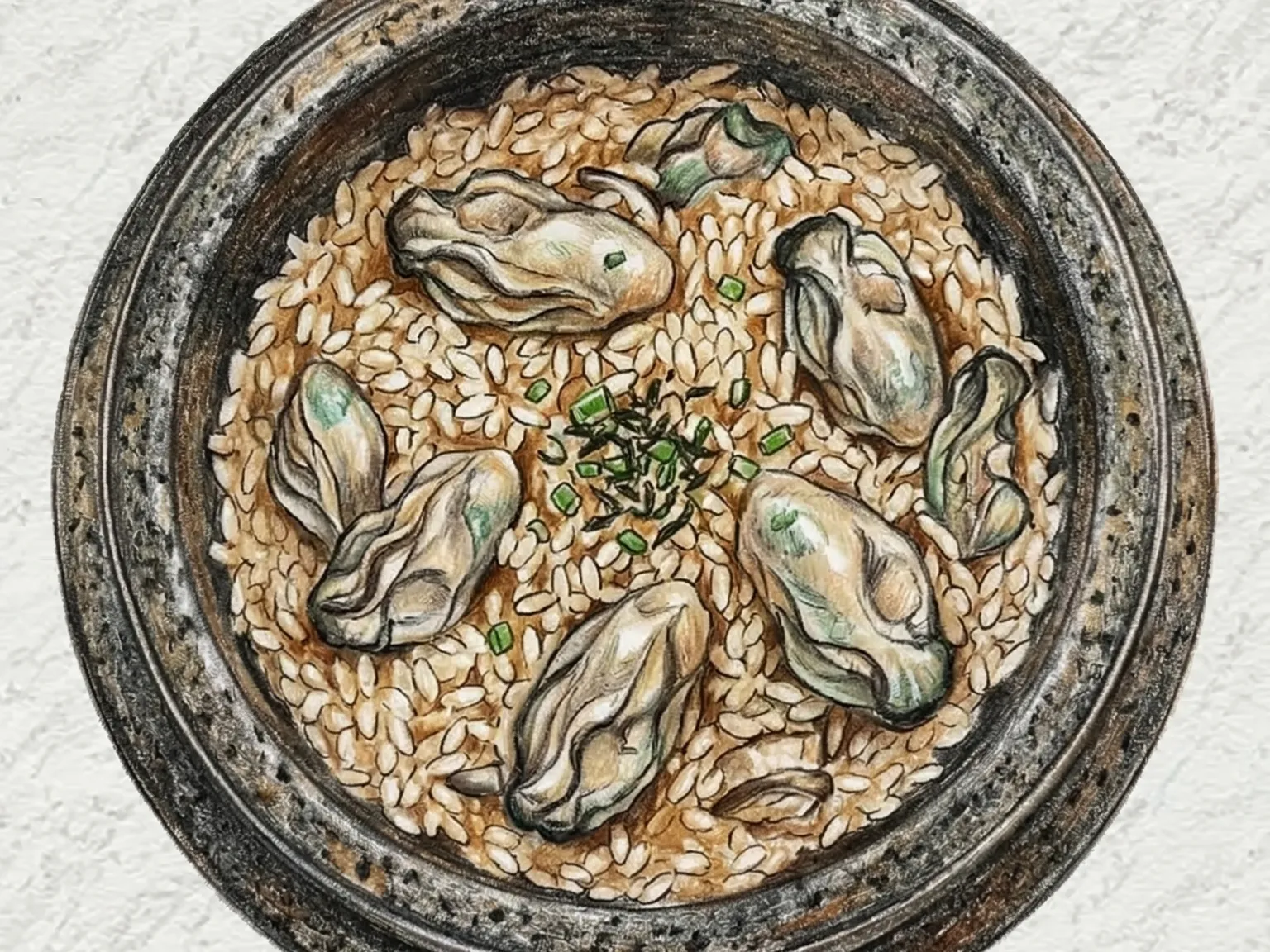
This pot rice layers soy-garlic marinated beef and softened siraegi over soaked rice, then cooks everything together in a heavy pot so the meat juices and earthy green flavors permeate every grain. Perilla oil is added to the pot, giving the finished rice a glossy sheen and a distinctly nutty aroma. As the rice cooks, the beef releases its savory juices downward while the siraegi steams on top, creating a gradient of flavor from meaty bottom to herbaceous top. A doenjang-based sauce mixed in at the table adds a salty, fermented punch that amplifies both the beef and the greens. The crispy scorched rice - nurungji - that forms at the bottom of the pot provides a crunchy finish to an otherwise soft, deeply flavored meal.

🏠 Everyday
Prep 25minCook 35min4 servings
Korean Braised Flounder with Radish
Stir-fryEasy

Korean Braised Flounder with Radish

Gajami-jorim is a Korean braised flounder dish where the fish is gently simmered with Korean radish in a soy sauce and chili flake broth. The delicate flounder flesh absorbs the seasoning deeply while careful low-heat cooking prevents it from breaking apart. Radish serves a dual purpose in the dish: it draws out and neutralizes the fishy odor while contributing a clean, refreshing sweetness that adds depth to the braising liquid. Spooning the reduced sauce over rice makes it a complete, standalone meal without the need for additional side dishes. Because flounder fillets are thin, the braising time is short, and the heat should be turned off once the liquid has reduced by at least half to keep the flesh moist and tender.

🏠 Everyday🍱 Lunchbox
Prep 15minCook 25min2 servings
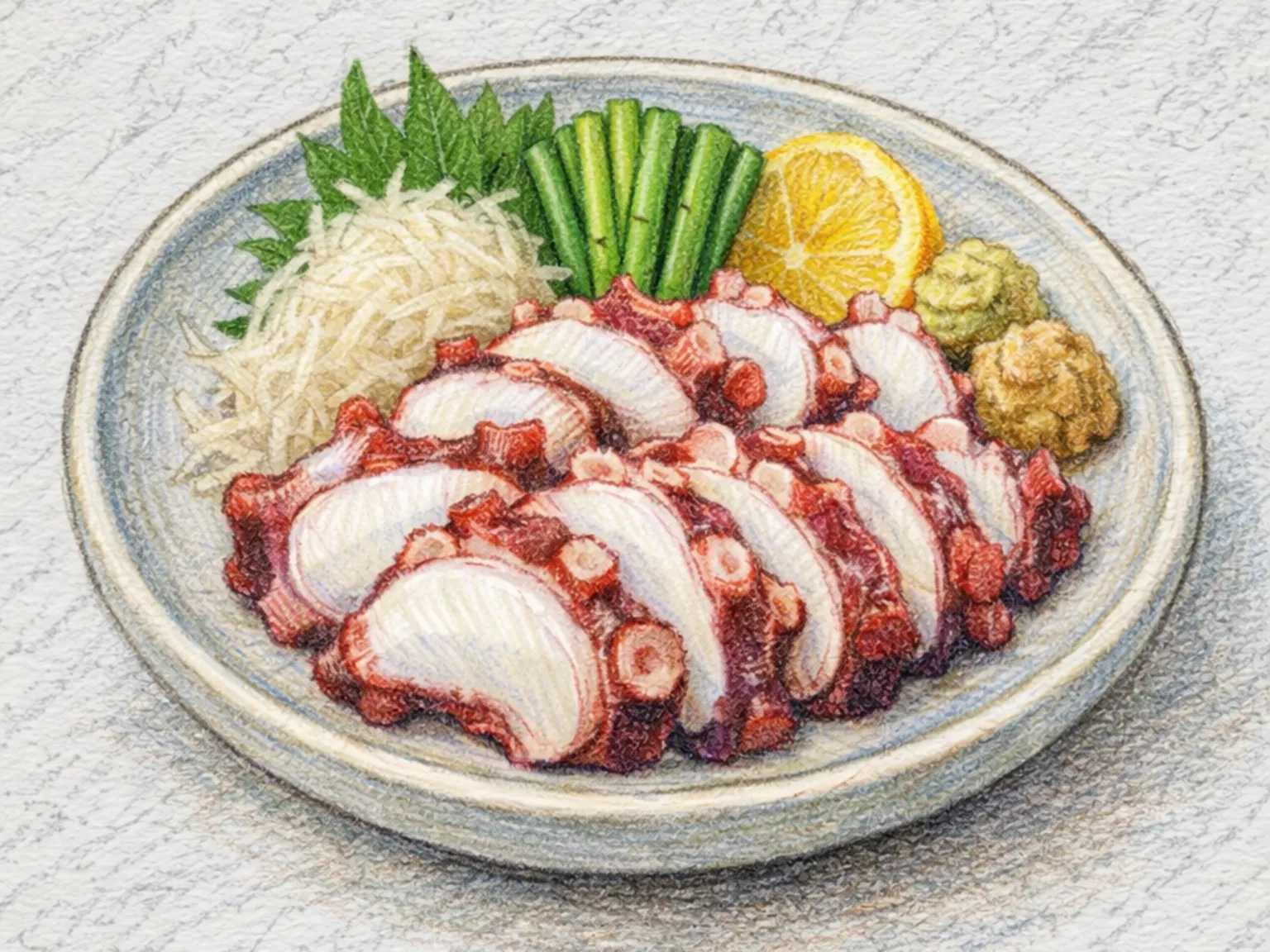
Korean Spicy Grilled Octopus
GrilledMedium

Korean Spicy Grilled Octopus

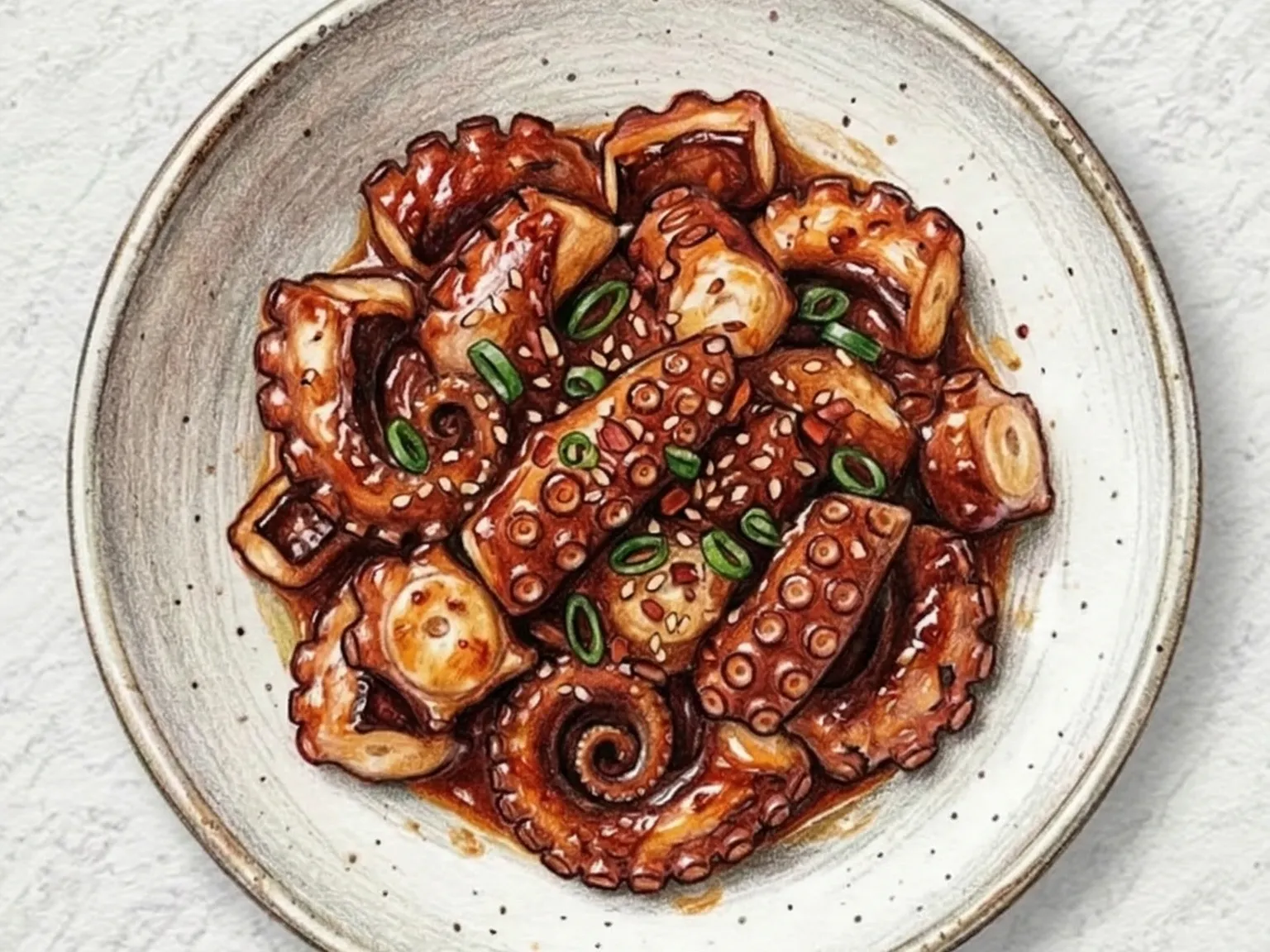
Muneo-yangnyeom-gui is a Korean spicy grilled octopus dish where pre-boiled octopus is cut into bite-sized pieces, marinated for ten minutes in gochujang, gochugaru, soy sauce, oligosaccharide syrup, and minced garlic, then seared quickly in a smoking-hot pan. Since the octopus is already cooked, extended heat exposure only toughens it-the entire grilling step should finish within three to four minutes. Blotting the octopus completely dry before cooking prevents the sauce from becoming watery and ensures rapid caramelization at high temperature. Sesame oil, sliced green onion, and sesame seeds are tossed in after the heat is off, adding a toasted, aromatic layer over the spicy-sweet glaze.

🍺 Bar Snacks
Prep 20minCook 10min2 servings
Eomuk-guk (Fish Cake Radish Clear Soup)
SoupsEasy

Eomuk-guk (Fish Cake Radish Clear Soup)

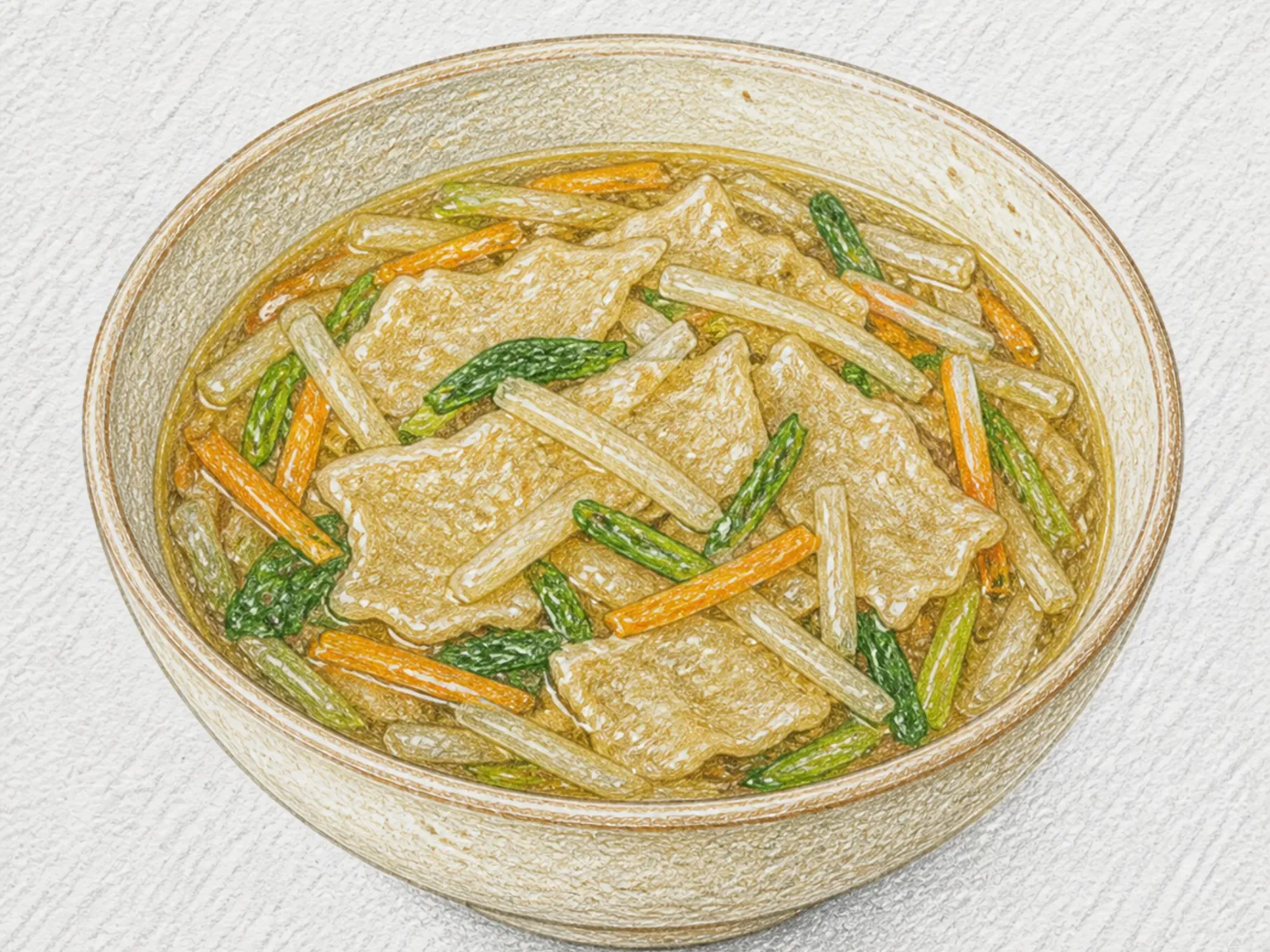
Eomuk-guk is a straightforward Korean soup centered around fish cakes and a base liquid prepared by simmering sliced radish. The initial step involves boiling the radish in water for a sufficient duration so that it releases a mild, natural sweetness into the broth while the liquid itself takes on a slightly translucent appearance. Depending on individual preference, the radish can be taken out of the pot or left in as part of the final dish. Once the base is ready, pieces of fish cake are added to the boiling liquid along with soup soy sauce and minced garlic. The mixture then simmers for approximately six minutes, a period during which the fish cakes soften and absorb the saltiness of the soy sauce while simultaneously contributing their own flavor back into the soup base. To finish the preparation, thinly sliced green onions and a sprinkle of black pepper are stirred in. These final additions provide a sharp fragrance and a gentle heat that helps recreate the specific taste found at traditional Korean snack bars and street food carts. The entire cooking procedure is completed in about twenty minutes. Because the required ingredients are minimal and often staples, this recipe serves as a practical option for times when there are few groceries available in the kitchen. This makes the dish accessible even when the refrigerator is nearly empty and only basic pantry items remain.

🏠 Everyday
Prep 10minCook 20min2 servings
Korean Young Napa Cabbage & Salted Shrimp Stew
StewsMedium

Korean Young Napa Cabbage & Salted Shrimp Stew

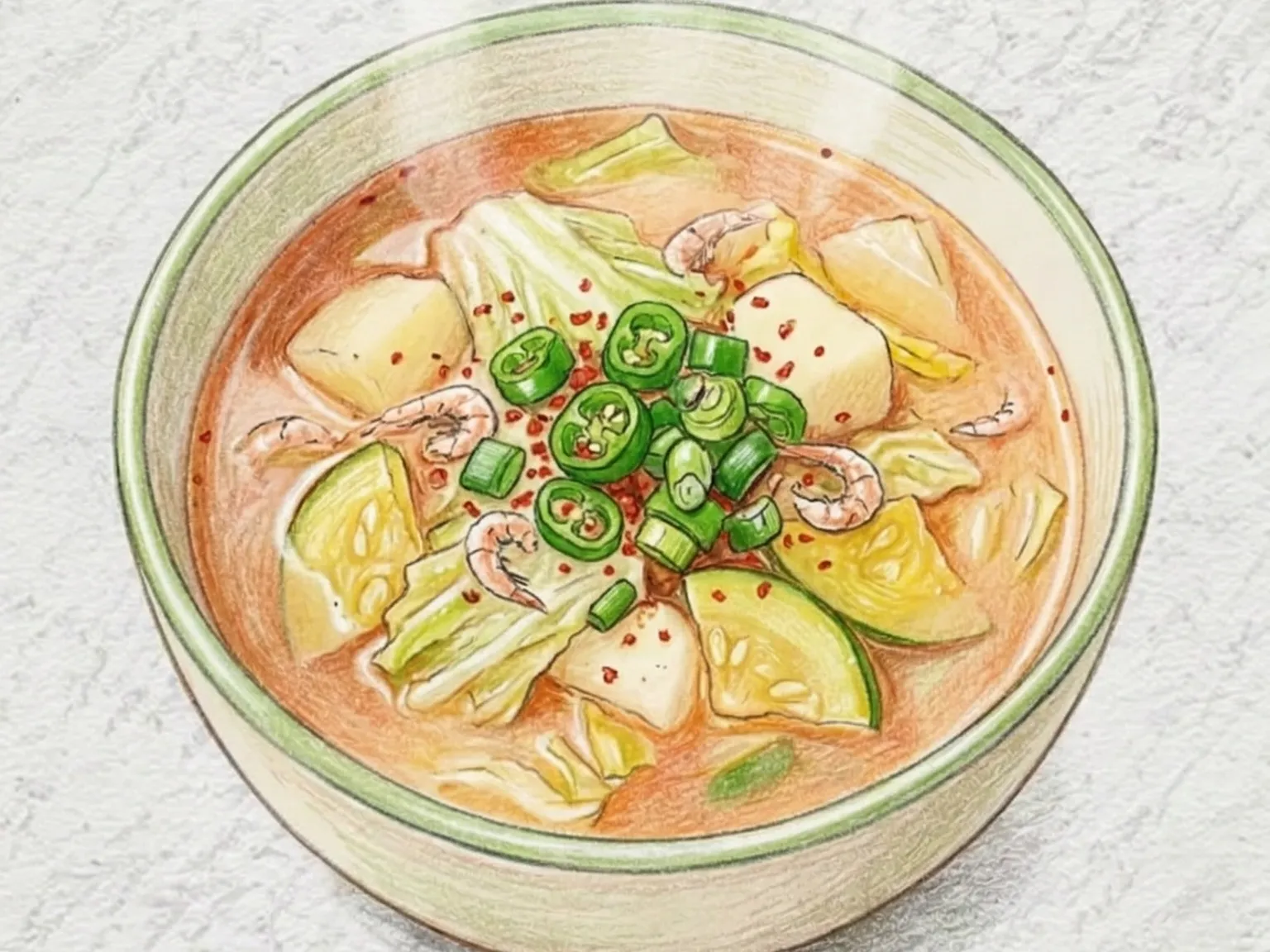
Eolgari saeujeot jjigae is a jjigae seasoned with salted fermented shrimp rather than the more common doenjang or gochujang. Young napa cabbage, potato, and zucchini simmer together in rice-rinse water, absorbing the fermented shrimp's concentrated brininess as they cook. Gochugaru adds color and a measured heat, while cheongyang chili and green onion bring additional sharpness to the broth. The timing of the salted shrimp matters: adding it too early causes the salt to concentrate and the delicate umami to dissipate, so it should go in just before the heat is reduced. The result is a broth that is intensely savory and clean-tasting without feeling heavy -- an everyday jjigae that pairs naturally with plain steamed rice.

🏠 Everyday
Prep 18minCook 22min4 servings
Korean Steamed Thistle Greens with Perilla
SteamedEasy

Korean Steamed Thistle Greens with Perilla

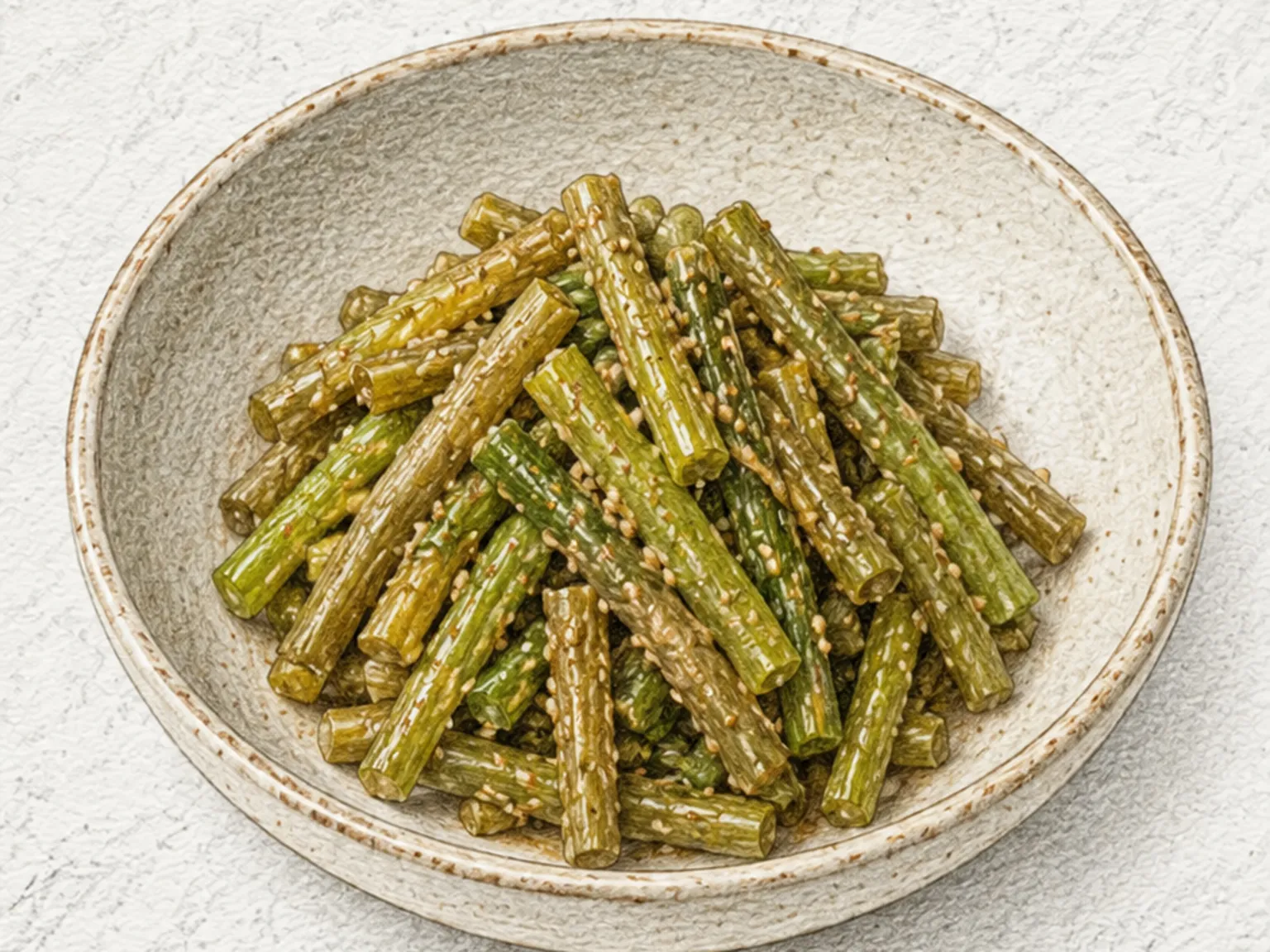
Gondre deulkkae jjim is a steamed side dish of blanched thistle greens cooked down with ground perilla seeds, perilla oil, and soup soy sauce. The greens are seasoned with garlic and oil first, then covered and left to steam over low heat so the liquid is slowly absorbed into the fibrous leaves rather than evaporating away. Adding the perilla powder toward the end of cooking, rather than at the beginning, prevents the nutty flavor from turning bitter or chalky from prolonged heat exposure. The soft, absorbent fibers of the thistle greens hold the seasoning exceptionally well, meaning each bite carries a concentrated burst of savory, nutty flavor throughout. Pulling the pan off the heat while a little texture remains in the greens keeps the dish from turning mushy. Green onion cut into rough pieces is added on top at the end, and a final drizzle of perilla oil revives the aroma. The ingredient list is short, but the result is a deeply satisfying dish often piled over hot rice or served as a companion to gondre bibimbap.

🥗 Light & Healthy🍱 Lunchbox
Prep 15minCook 20min2 servings
Korean Clear Noodle Soup (Anchovy Broth Somyeon)
NoodlesEasy

Korean Clear Noodle Soup (Anchovy Broth Somyeon)

Mul guksu is a Korean noodle soup where thin somyeon noodles sit in a clear anchovy-kelp broth, served warm or chilled as a refreshing summer meal. The broth is made by simmering dried anchovies with heads and innards removed, along with kelp, green onion, and garlic, for about fifteen minutes over medium heat. Briefly dry-toasting the anchovies in a pan before boiling reduces any fishiness and adds a subtle nuttiness to the base. Seasoning with salt and chilling the broth before serving heightens the clean, cooling quality that makes this soup appealing in hot weather. Somyeon noodles are boiled and rinsed several times in cold water to strip away surface starch, which keeps the strands translucent, separate, and satisfyingly bouncy rather than clumped and gluey. The chilled broth poured over the rinsed noodles stays clear and light, not clouded by starch. Dried seaweed flakes and sesame seeds add a briny nuttiness, sliced green onion provides a sharp aromatic contrast against the mild broth, and a drizzle of sesame oil rounds everything off. This soup is equally good served warm with a hot broth or cold with an iced one, and works as a light lunch that satisfies without weighing down.

🏠 Everyday
Prep 10minCook 20min2 servings
Beijing Zhajiangmian (Northern Chinese Fermented Bean Paste Noodles)
AsianMedium

Beijing Zhajiangmian (Northern Chinese Fermented Bean Paste Noodles)

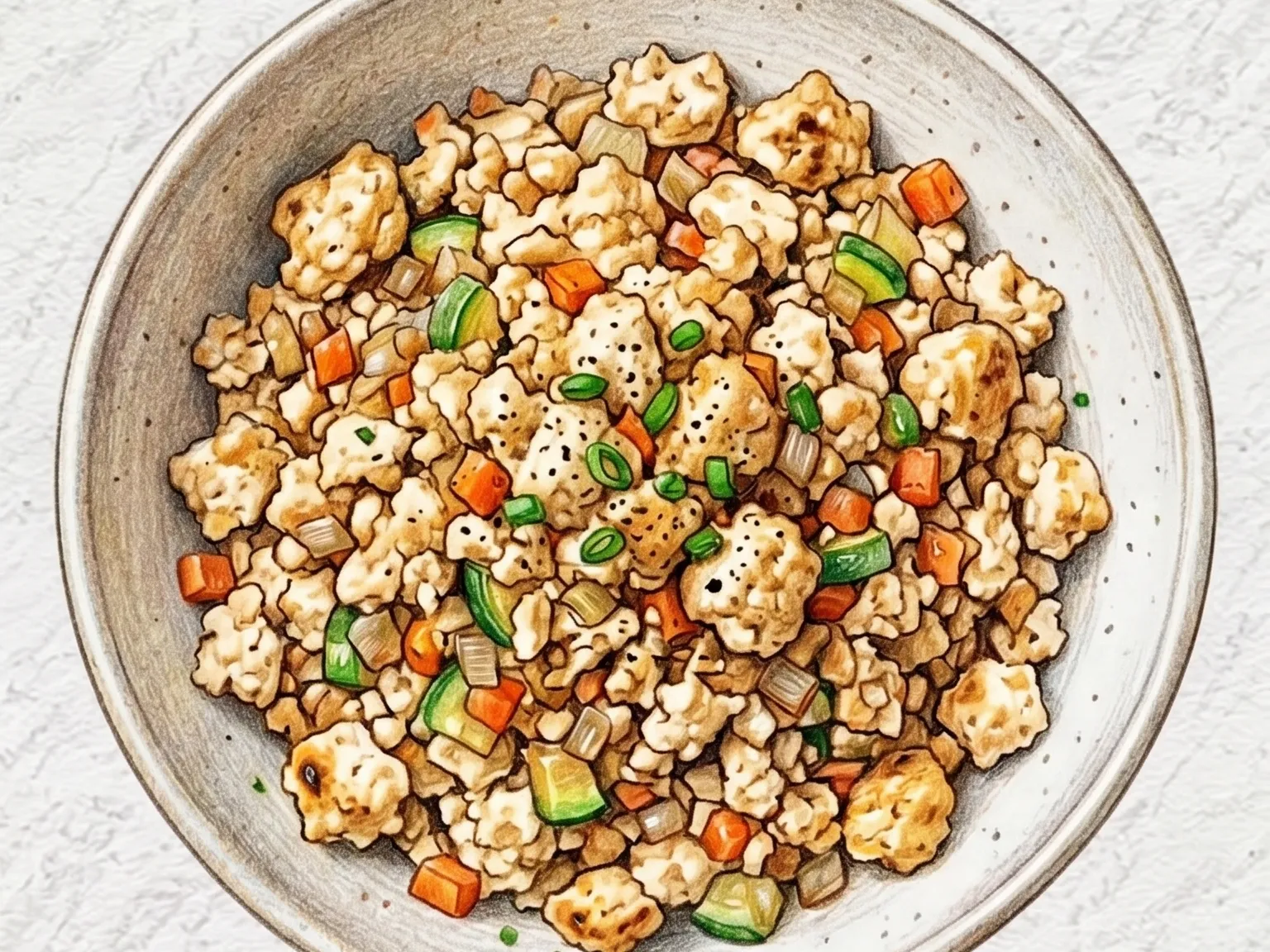
Beijing zhajiangmian is the northern Chinese ancestor of Korean jajangmyeon, though the two have diverged significantly in flavor and presentation. The sauce is built from ground pork stir-fried with huangjiang, a fermented soybean paste darker and saltier than miso, until the fat separates and the paste turns glossy. Thick hand-pulled or machine-cut wheat noodles form the base, and an array of raw garnishes - julienned cucumber, radish sprouts, bean sprouts, and shredded scallion - are arranged neatly on top. The dish is meant to be tossed vigorously at the table so the sauce coats every strand. The contrast between the warm, intensely savory paste and the cool, crisp vegetables defines the eating experience. In summer, the noodles are often rinsed in cold water before serving.

🏠 Everyday🎉 Special Occasion
Prep 20minCook 25min4 servings
Korean Seasoned Shepherd's Purse
Side dishesEasy

Korean Seasoned Shepherd's Purse

Naengi-namul-muchim is a fragrant spring banchan made from shepherd's purse (naengi), a wild green foraged from rice paddy edges and field margins in early spring. The root is eaten along with the leaves - its distinctive earthy, almost truffle-like aroma defines the dish, and discarding it halves the point of using naengi at all. Cleaning the roots of clinging soil is the most time-consuming prep step, requiring careful scraping with a knife. Blanching must stay under thirty seconds to preserve the volatile aromatics, with immediate cold-water shocking to lock in color and fragrance. Doenjang, soup soy sauce, minced garlic, and sesame oil form the dressing - the fermented paste's earthy depth meets the herb's soil-scented fragrance to create a layered spring flavor. Doenjang rather than gochujang is the traditional choice because chili heat would overwhelm naengi's delicate perfume. Available at Korean markets only during the brief February-to-March window, it is one of the most anticipated seasonal namul.

🏠 Everyday🍱 Lunchbox
Prep 15minCook 3min4 servings
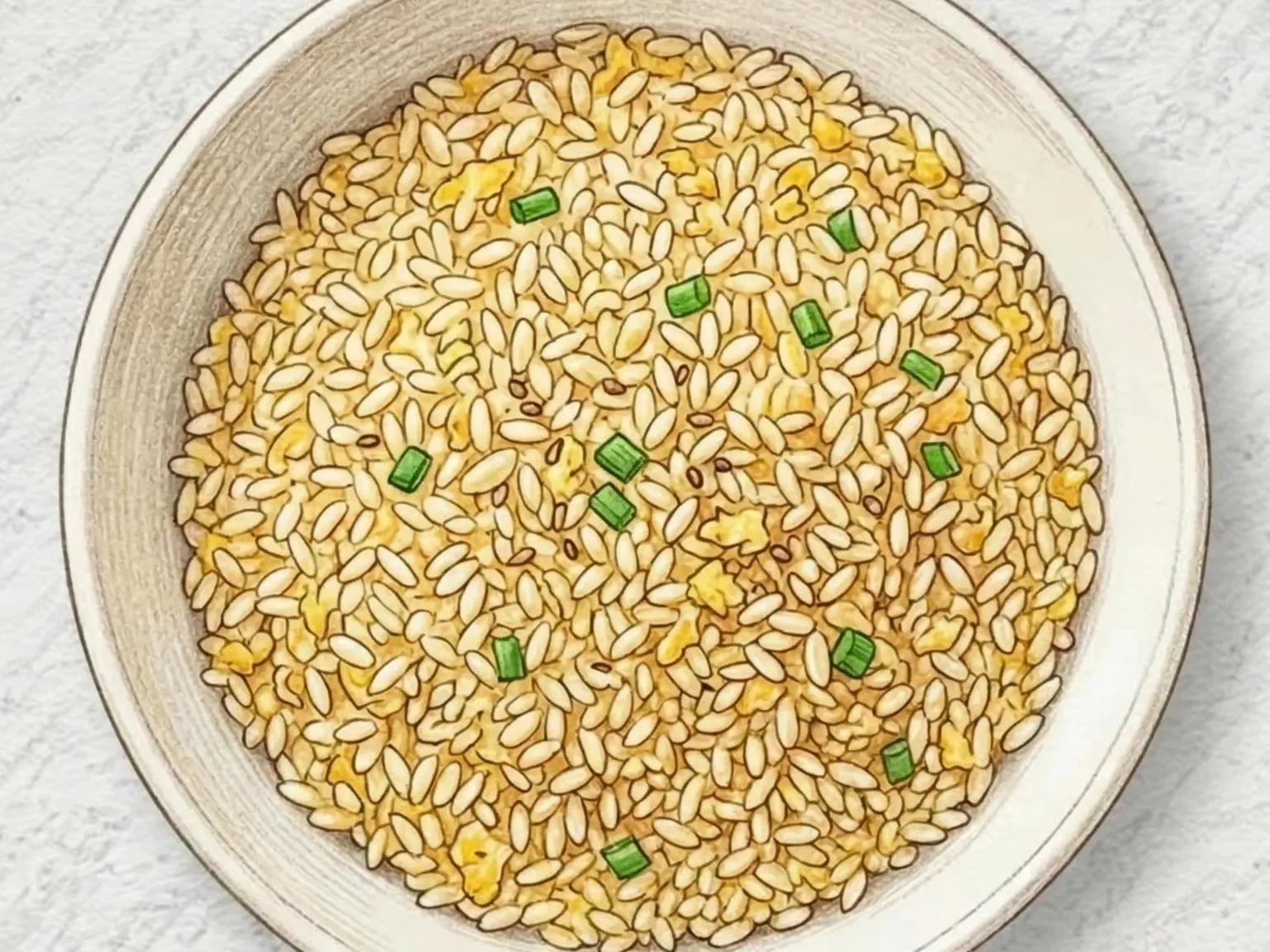
Korean Spam Fried Rice (Crispy Spam Cubes with Egg and Rice)
RiceEasy

Korean Spam Fried Rice (Crispy Spam Cubes with Egg and Rice)

Spam bokkeumbap is a Korean fried rice built around crispy cubes of pan-seared Spam, whose salty, caramelized edges give the dish an addictive quality. The Spam is diced small and dry-fried without added oil - its own rendered fat crisps the outside while keeping the inside moist and savory. Onion and scallion go in next for aromatic depth, followed by cold leftover rice that is tossed over high heat until every grain picks up the salty pork flavor left in the pan. Beaten egg is scrambled into the rice, coating the grains in a thin, soft layer. A splash of soy sauce and a drizzle of sesame oil finish the dish with umami and nuttiness. The whole thing comes together in under ten minutes, making it one of the fastest comfort meals in the Korean home-cooking repertoire.

Quick
Prep 5minCook 10min2 servings
Korean Braised Beltfish with Potatoes
Stir-fryMedium

Korean Braised Beltfish with Potatoes

Galchi-gamja-jorim is a Korean braise of ribbonfish and potatoes cooked together in a soy-based sauce seasoned with gochugaru, garlic, and onion. Ribbonfish has naturally oily, tender flesh that holds together well during braising, and as the fat renders into the liquid it builds a deep seafood umami that defines the dish. The potatoes absorb this concentrated broth as they cook, becoming floury and well-seasoned all the way through rather than just on the surface. Onion breaks down and dissolves into the sauce as it reduces, contributing sweetness that balances the salt and spice. The heat level is adjustable: standard gochugaru gives color and mild warmth, while adding cheongyang chili peppers sharpens the spice. The dish is best served when the sauce has reduced to a thick, glossy consistency that clings to each piece. A spoonful of that sauce over plain rice rounds out the meal. Sliced Korean radish added to the pot introduces a clean, slightly peppery sweetness to the broth.

🏠 Everyday
Prep 18minCook 22min2 servings
Korean Mung Bean Pancake (Traditional Bindaetteok with Pork and Kimchi)
GrilledMedium

Korean Mung Bean Pancake (Traditional Bindaetteok with Pork and Kimchi)

Nokdu-jeon is a traditional Korean mung bean pancake made by soaking dried mung beans for at least six hours, grinding them into a thick, starchy batter, and mixing in ground pork, mung bean sprouts, squeezed kimchi, and scallions before pan-frying in oil. The extended soaking is critical because undersoaked beans leave gritty particles that no amount of blending will smooth out, and the natural starch in the batter holds the pancake together without flour or egg. Kimchi must be thoroughly squeezed of its liquid before chopping fine, or the excess moisture thins the batter and prevents a proper crust from forming. Cooking over medium heat for three to four minutes per side caramelizes the mung bean starch into a crackly golden crust, while the pork juices and kimchi's tang settle into the earthy, slightly sweet flavor of the bean itself. Using enough oil and sliding a spatula fully under the pancake in one motion prevents tearing during the flip, and keeping the heat steady ensures even browning across the surface.

🍺 Bar Snacks🎉 Special Occasion
Prep 50minCook 20min4 servings
Korean Spicy Freshwater Fish Soup
SoupsHard

Korean Spicy Freshwater Fish Soup

Eotang is a traditional Korean soup from the Chungcheong region, made by boiling whole freshwater fish for over forty minutes to coax a thick, deeply savory broth from both flesh and bone. The stock is strained twice through a fine sieve to remove every small bone, then returned to heat with radish, doenjang, and minced garlic for another twenty minutes of simmering. The earthy, nutty richness of freshwater fish blends with fermented soybean paste to build a broth of layered depth, and the radish softens fully over the long cook, helping the liquid take on a slightly silky body. Red chili flakes and thick-cut green onion stirred in at the end sharpen the heat and amplify the savory undercurrent of the broth. The preparation takes time and attention, but the dense, bone-drawn concentration of flavor the process produces is difficult to achieve any other way.

🏠 Everyday🎉 Special Occasion
Prep 30minCook 80min2 servings
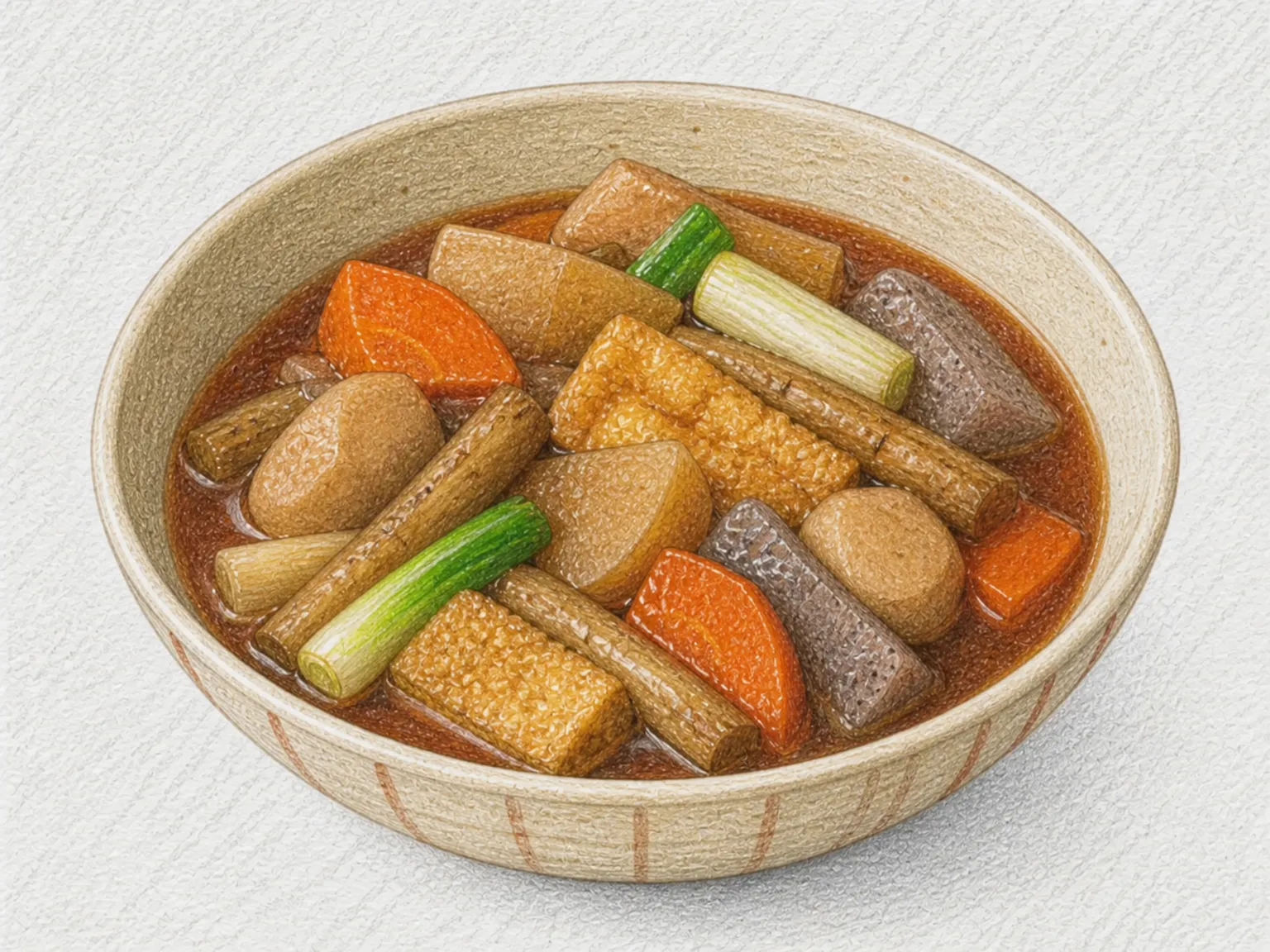
Korean Fish Cake Hot Pot (Skewered Fish Cakes in Clear Broth)
StewsEasy

Korean Fish Cake Hot Pot (Skewered Fish Cakes in Clear Broth)

Eomuk jeongol is a Korean fish cake hot pot simmered in a clear broth built on dried kelp and anchovy stock. Large pieces of Korean radish cook alongside the fish cakes, releasing their natural sweetness into the liquid and keeping the broth light and refreshing as it reduces. Shiitake mushrooms add earthy umami depth, and using soup soy sauce alone for seasoning keeps the understated savory character of the fish cakes front and center. Cheongyang chili brings a sharp heat, and sliced green onion layers in a gentle sweetness as it softens in the bubbling pot. Fish cakes that spend more time in the broth turn silky and absorb the surrounding flavors, growing more flavorful with each passing minute. Using several shapes and thicknesses of fish cake side by side gives the pot different textures that makes eating it more interesting. The hot pot captures the warmth of street-stall eomuk-tang and brings it to the dinner table as a shared dish on cold days.

🏠 Everyday🎉 Special Occasion
Prep 20minCook 25min4 servings
Korean Steamed Egg (Gyeran-jjim)
SteamedEasy

Korean Steamed Egg (Gyeran-jjim)

Gyeran-jjim is a Korean steamed egg dish made by whisking eggs together with anchovy stock and salted shrimp, then cooking the mixture slowly in a stone pot over low heat with the lid on. The anchovy stock establishes a deep savory backbone, and the salted shrimp adds a fermented, briny salinity that eliminates the need for additional seasoning. Straining the egg mixture through a fine sieve before cooking removes air bubbles and ensures the finished custard has a smooth, unbroken surface rather than the pitted texture that forms when bubbles are trapped and burst during cooking. The stone pot should not be preheated before the egg mixture is added. Starting cold and bringing the heat up slowly with the lid in place traps steam inside, which gives the custard its signature cloud-like softness and prevents the surface from drying out. Small pieces of carrot and sliced green onion add color, and a final drizzle of sesame oil with a scatter of sesame seeds brings a nutty fragrance to each spoonful. The right point to remove it from heat is when the center still wobbles slightly when the pot is nudged, because residual heat will finish setting the middle as it rests.

🍱 Lunchbox Quick
Prep 5minCook 12min2 servings
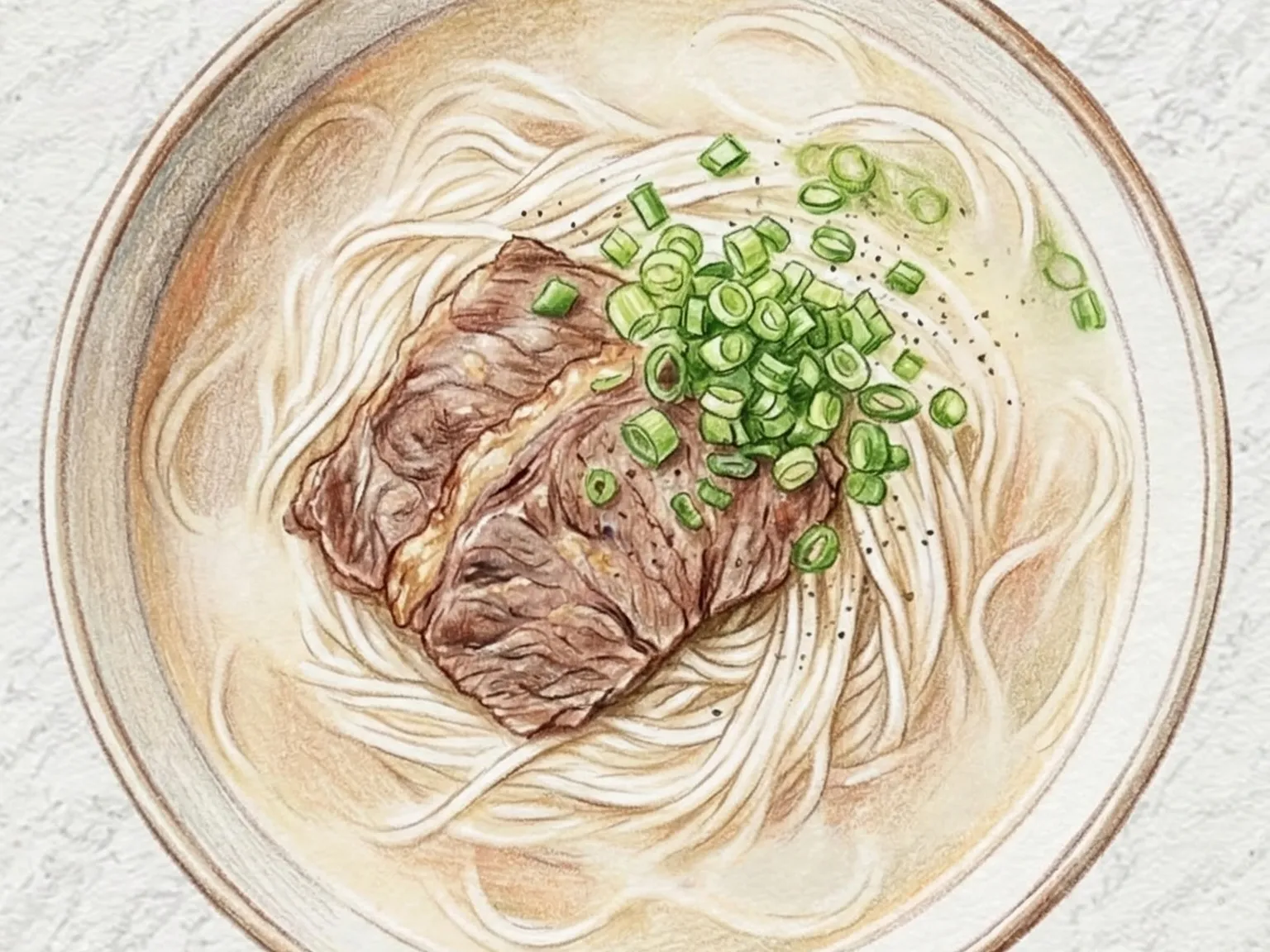
Onmyeon (Korean Warm Somyeon in Beef Brisket Broth)
NoodlesEasy

Onmyeon (Korean Warm Somyeon in Beef Brisket Broth)

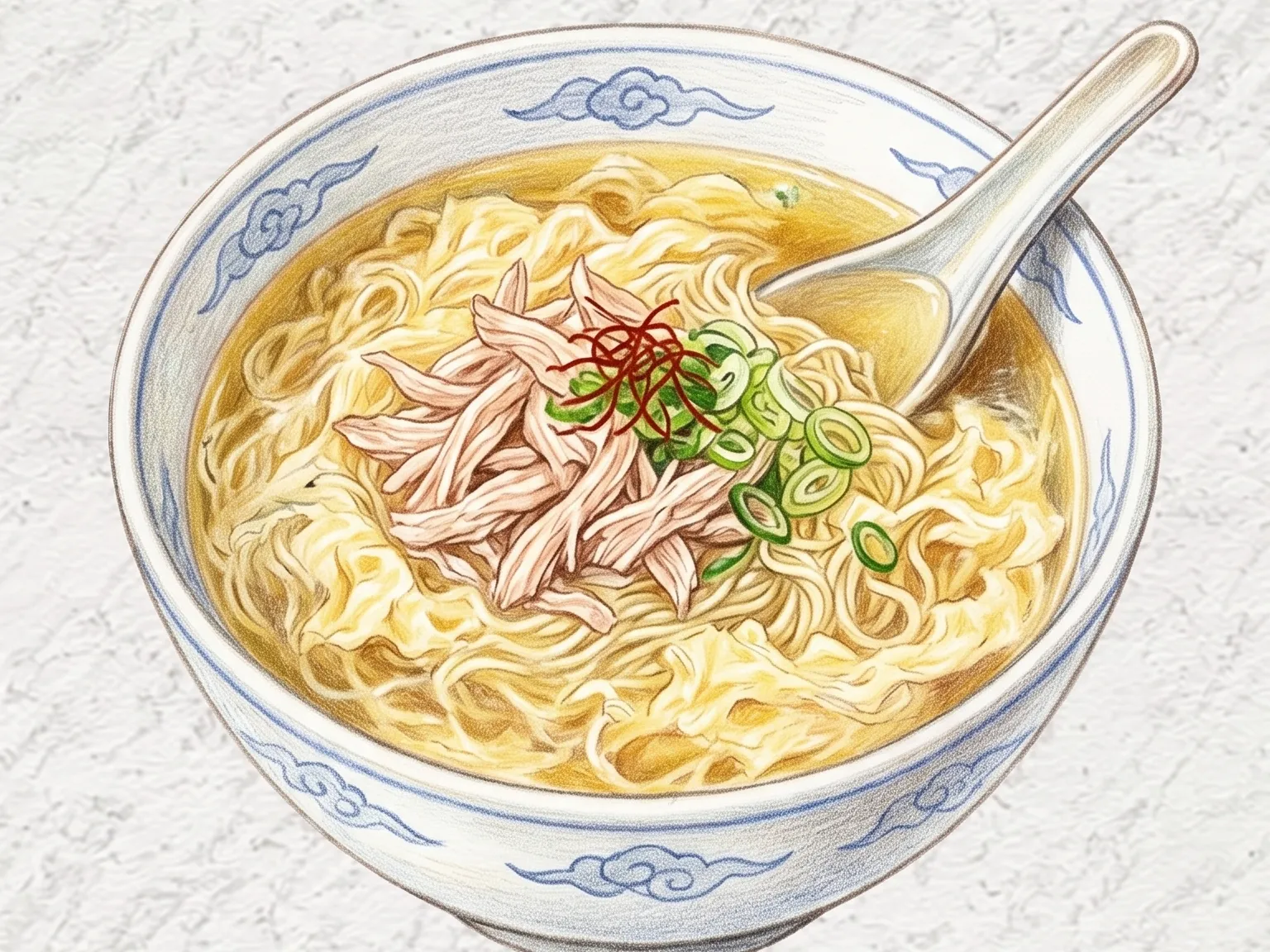
Onmyeon is a Korean warm noodle soup built on a clear beef brisket broth served over thin somyeon noodles. The brisket simmers in water for about twenty-five minutes to produce a light yet flavorful stock, which is then strained to remove fat and sediment for clarity. Soup soy sauce seasons the broth gradually so its color stays pale, preserving the clean appearance that defines this dish. The noodles are cooked separately and rinsed in cold water to wash away surface starch before being placed in bowls, which keeps the broth from turning cloudy. Shredded brisket, thin egg garnish, and sliced scallion are arranged on top, and hot broth poured over them releases gentle waves of beef aroma and egg richness.

🏠 Everyday
Prep 15minCook 30min2 servings
Hanoi-Style Chicken Pho (Pho Ga)
AsianMedium

Hanoi-Style Chicken Pho (Pho Ga)

Hanoi-style pho ga is a chicken noodle soup that trades the beefy richness of pho bo for a lighter, cleaner bowl. Chicken bones and thighs simmer together until the broth turns golden and fragrant, then the meat is pulled into long shreds and piled over flat rice noodles. The spice profile is gentle - a knob of charred ginger and a single star anise - keeping the chicken flavor at the forefront. The broth has a silky quality from the natural gelatin in the bones, giving each spoonful a body that belies its clarity. Scallion, cilantro, and a squeeze of lime are the standard accompaniments. Some vendors add a torn fried dough stick for crunch. Pho ga is widely considered the everyday breakfast pho in Hanoi, less ceremonial than its beef counterpart but no less satisfying.

🎉 Special Occasion
Prep 20minCook 55min4 servings
Korean Scallion Salad (Spicy Green Onion Grilled Meat Side)
Side dishesEasy

Korean Scallion Salad (Spicy Green Onion Grilled Meat Side)

Pa-muchim is a julienned green onion salad that serves as a classic accompaniment to Korean grilled meat. The onions are soaked in cold water for 10 minutes to draw out harsh sulfur compounds, leaving only a clean crispness behind. A dressing of soy sauce, red pepper flakes, sugar, vinegar, and sesame oil coats the thin strands, delivering a balance of salty, sweet, sour, and spicy notes in each bite. Toasted sesame seeds scattered on top contribute a lingering nuttiness. The salad should be eaten promptly after tossing, as the onions begin to wilt within minutes; placed on top of grilled pork belly or bulgogi, the sharp freshness cuts through the richness of the meat.

🏠 Everyday🍱 Lunchbox
Prep 10min4 servings
Tomato Egg Rice Bowl (Stir-fried Tomatoes with Soft Scrambled Eggs)
RiceEasy

Tomato Egg Rice Bowl (Stir-fried Tomatoes with Soft Scrambled Eggs)

Ripe tomatoes are cut into wedges and stir-fried over high heat until they release their juices and form a natural, tangy sauce. Beaten eggs are poured in and gently folded so they stay soft and barely set, mingling with the tomato pulp. A small amount of sugar and soy sauce brings the sweet-tart balance into focus. Spooned over hot rice, the sauce soaks into the grains and the whole bowl comes together in under ten minutes, drawing on the simplicity of Chinese home cooking.

🏠 Everyday
Prep 10minCook 12min2 servings
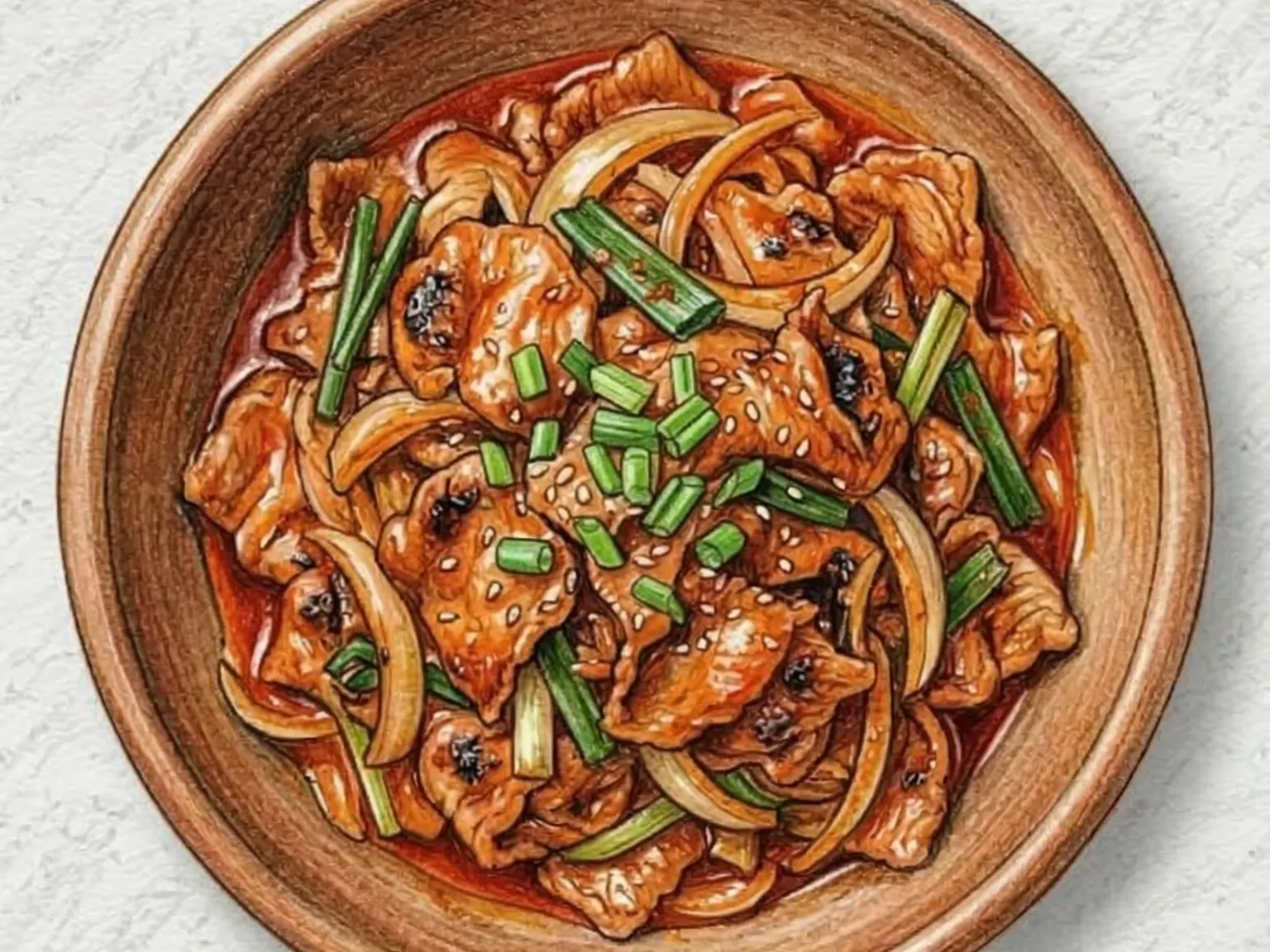
Korean Spicy Gochujang Bulgogi
Stir-fryMedium

Korean Spicy Gochujang Bulgogi

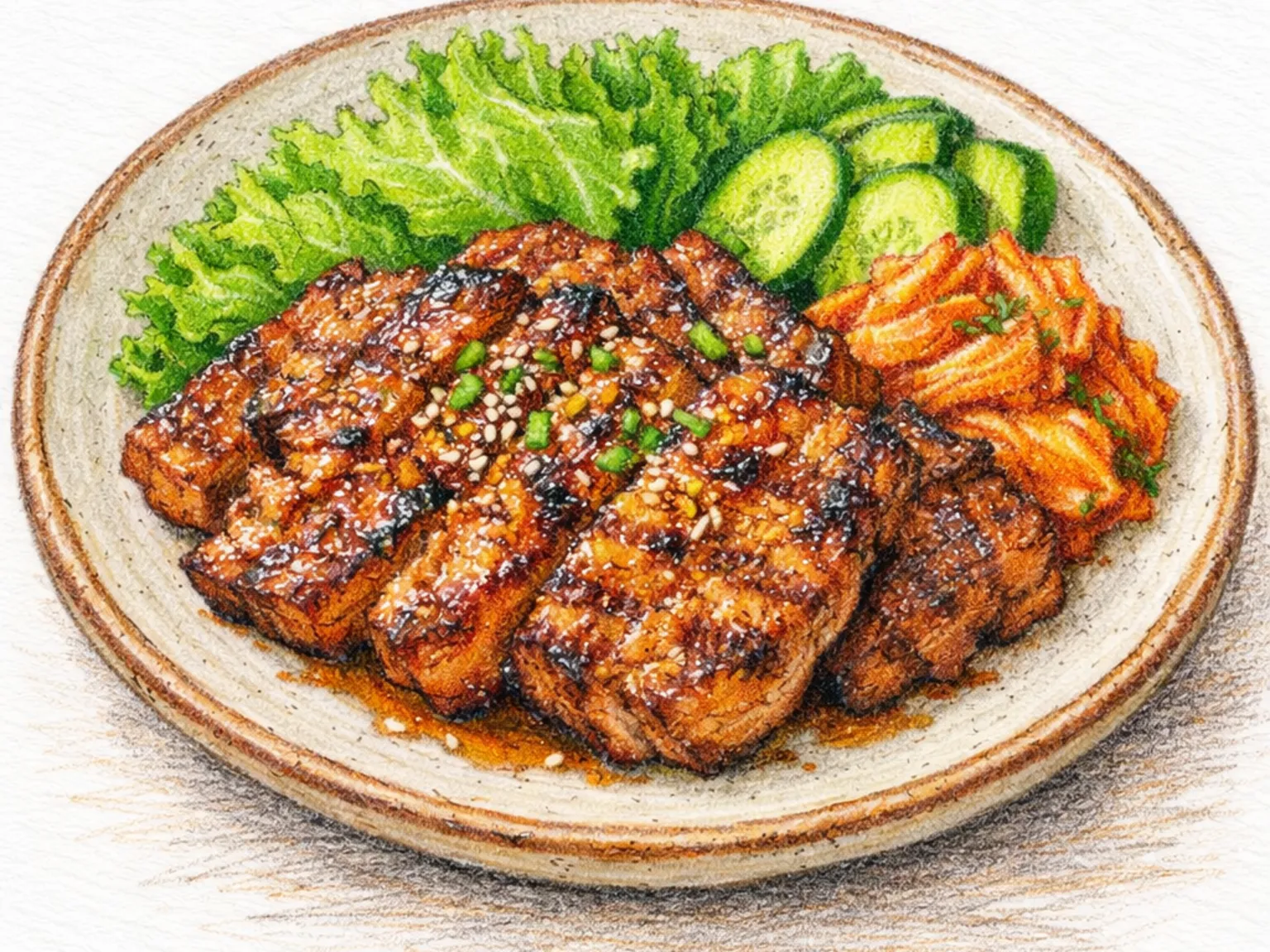
Spicy gochujang pork bulgogi builds its bold flavor from a marinade of gochujang, Korean chili flakes, soy sauce, corn syrup, and garlic applied to thick-cut pork neck, then stir-fried over high heat. The gochujang delivers a deep, fermented heat while the corn syrup adds a glossy sweetness that helps the sauce caramelize on the surface of the meat. Adding chili flakes separately from the gochujang introduces a different texture and heat quality, creating a more complex spice profile than either ingredient alone would produce. Allowing the moisture to evaporate before adding the onion is important, as onion releases liquid when it hits the pan and will thin the sauce if added too early. The natural sugars in the onion contribute a mild sweetness that tempers the chili heat once the moisture has cooked off. Scoring thicker pieces of pork two or three times with a knife allows the marinade to penetrate more evenly and ensures consistent seasoning throughout. Finishing with green onion over high heat for thirty seconds adds a smoky char note while leaving a fresh aromatic lift. The recipe yields a generous four servings, making it a practical main dish for family meals or a filling for ssam wraps.

🏠 Everyday🌙 Late Night
Prep 20minCook 14min4 servings
Korean Okdom Sogeum Gui (Salt-Grilled Tilefish)
GrilledEasy

Korean Okdom Sogeum Gui (Salt-Grilled Tilefish)

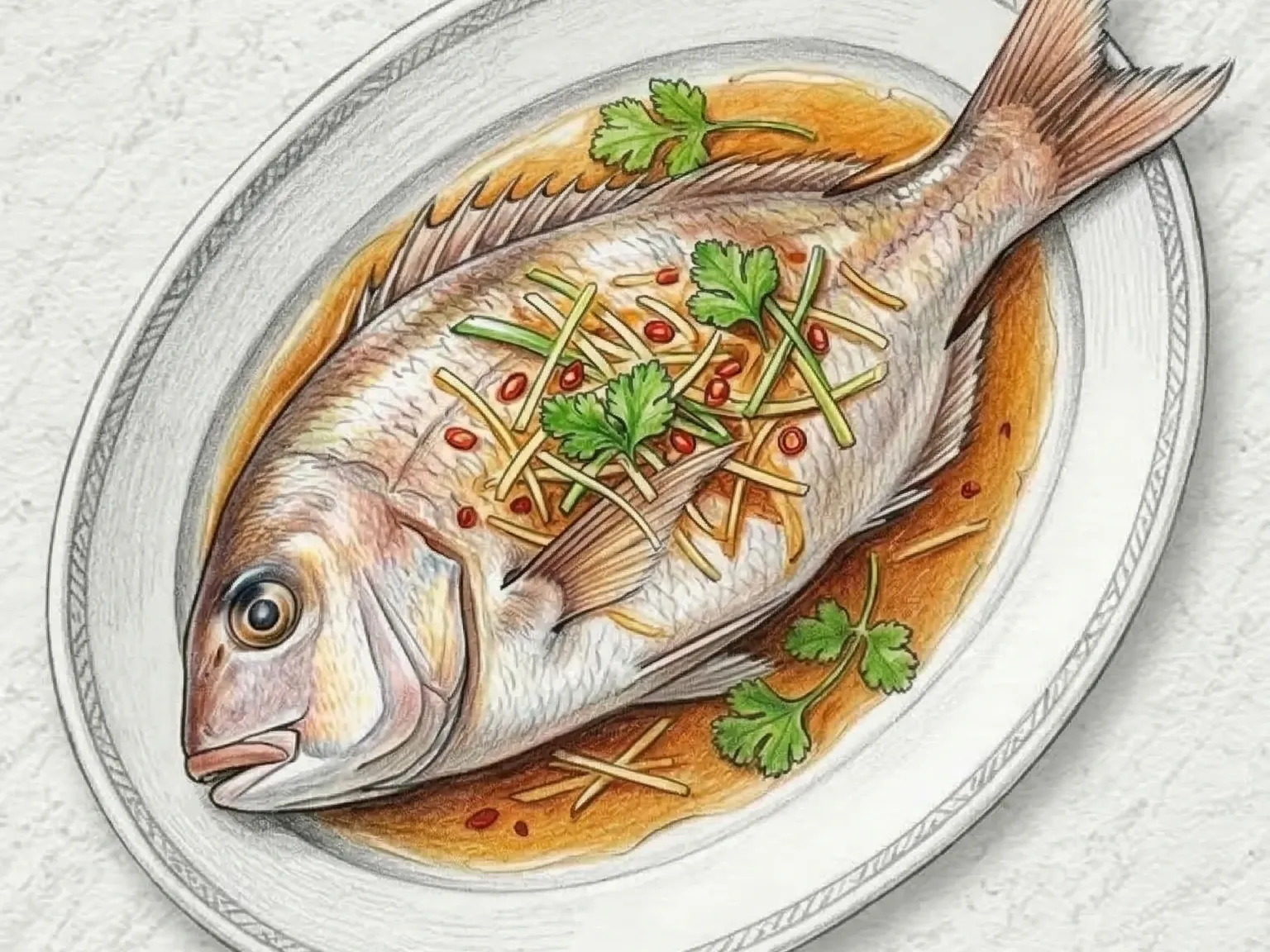
Okdom sogeum-gui is a salt-grilled tilefish dish iconic to Jeju Island, where the whole cleaned fish is rubbed with a thin layer of ginger juice, seasoned with coarse salt and pepper, and pan-fried skin-side down for six to seven minutes over medium-high heat. Tilefish has moderately fatty, firm flesh that develops deep umami with salt alone, and the ginger juice is applied sparingly-just enough to neutralize any fishiness without masking the fish's own character. Thorough surface drying with paper towels before cooking is non-negotiable for crisp skin, and the pan must be fully preheated or the fish will stick immediately. Chopped green onion and fresh lemon juice served alongside provide a sharp, aromatic contrast to the clean, mellow flavor of the grilled tilefish.

🍺 Bar Snacks🏠 Everyday
Prep 15minCook 14min2 servings
Galbitang (Clear Korean Beef Short Rib Soup)
SoupsMedium

Galbitang (Clear Korean Beef Short Rib Soup)

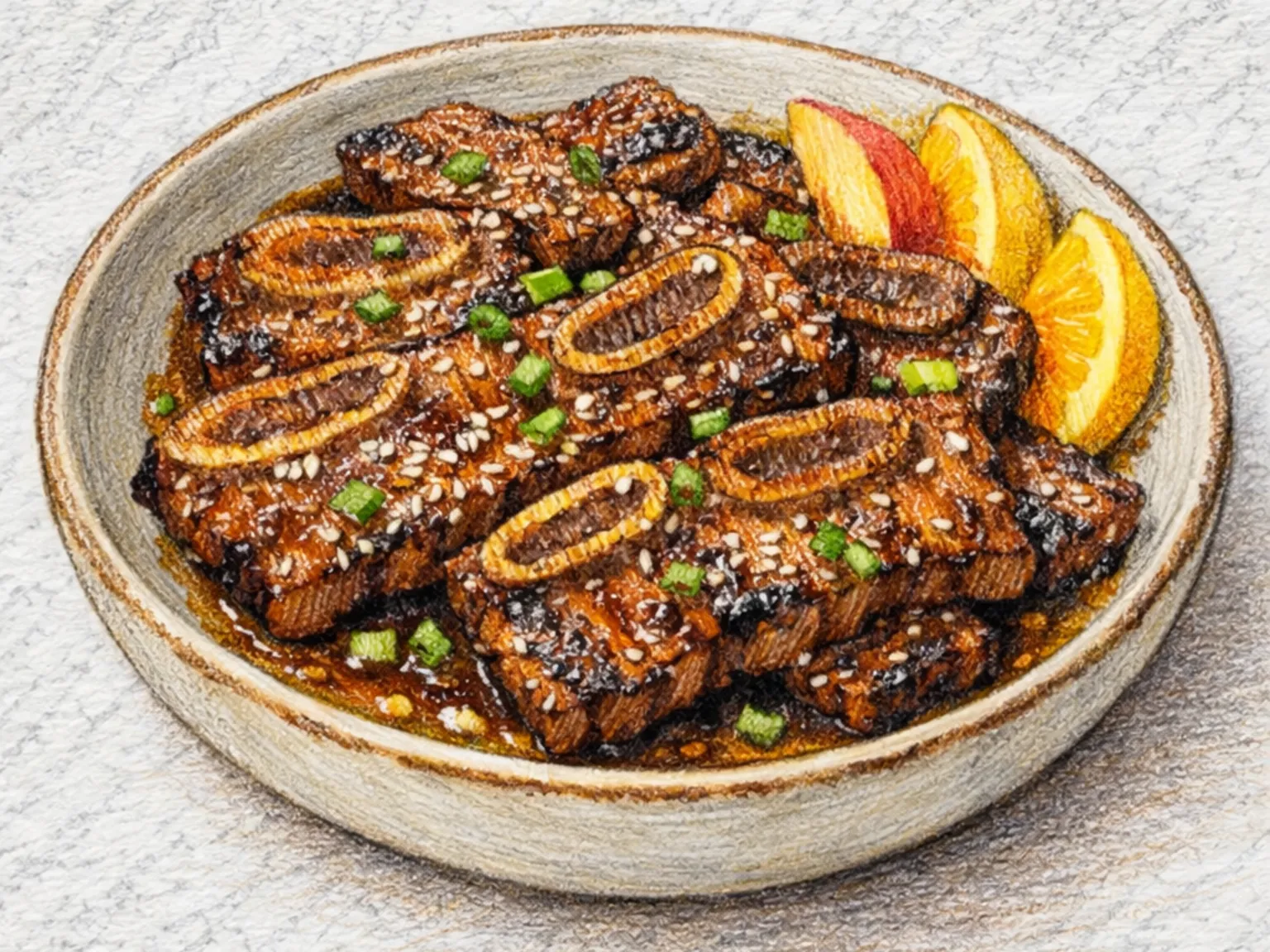
Galbitang is a clear Korean soup built from long-simmered beef short ribs, extracting a deep, clean beef flavor without the milky opacity of seolleongtang or gomtang. Before cooking, the ribs are soaked in cold water for one to two hours to draw out blood, which is what allows the finished broth to stay clear and free of off-flavors. The radish goes in from the beginning, slowly releasing a gentle sweetness as it absorbs the surrounding broth and becomes fully saturated with beef flavor. The ribs need time - the measure of doneness is the meat sliding cleanly off the bone with minimal pressure from chopsticks. Unlike bone-based broths that turn white from emulsified collagen and fat, galbitang remains translucent because the fat from the rib meat dissolves more gently, leaving a subtle richness rather than heaviness. Seasoning is deliberately restrained, using only salt and white pepper at the table so nothing interferes with the honest taste of the beef. Garnishes of sliced egg crepe and green onion add color and a fresh note. The soup is served year-round in Korean restaurants, always arriving steaming hot alongside a bowl of plain rice.

🏠 Everyday🎉 Special Occasion
Prep 60minCook 120min4 servings