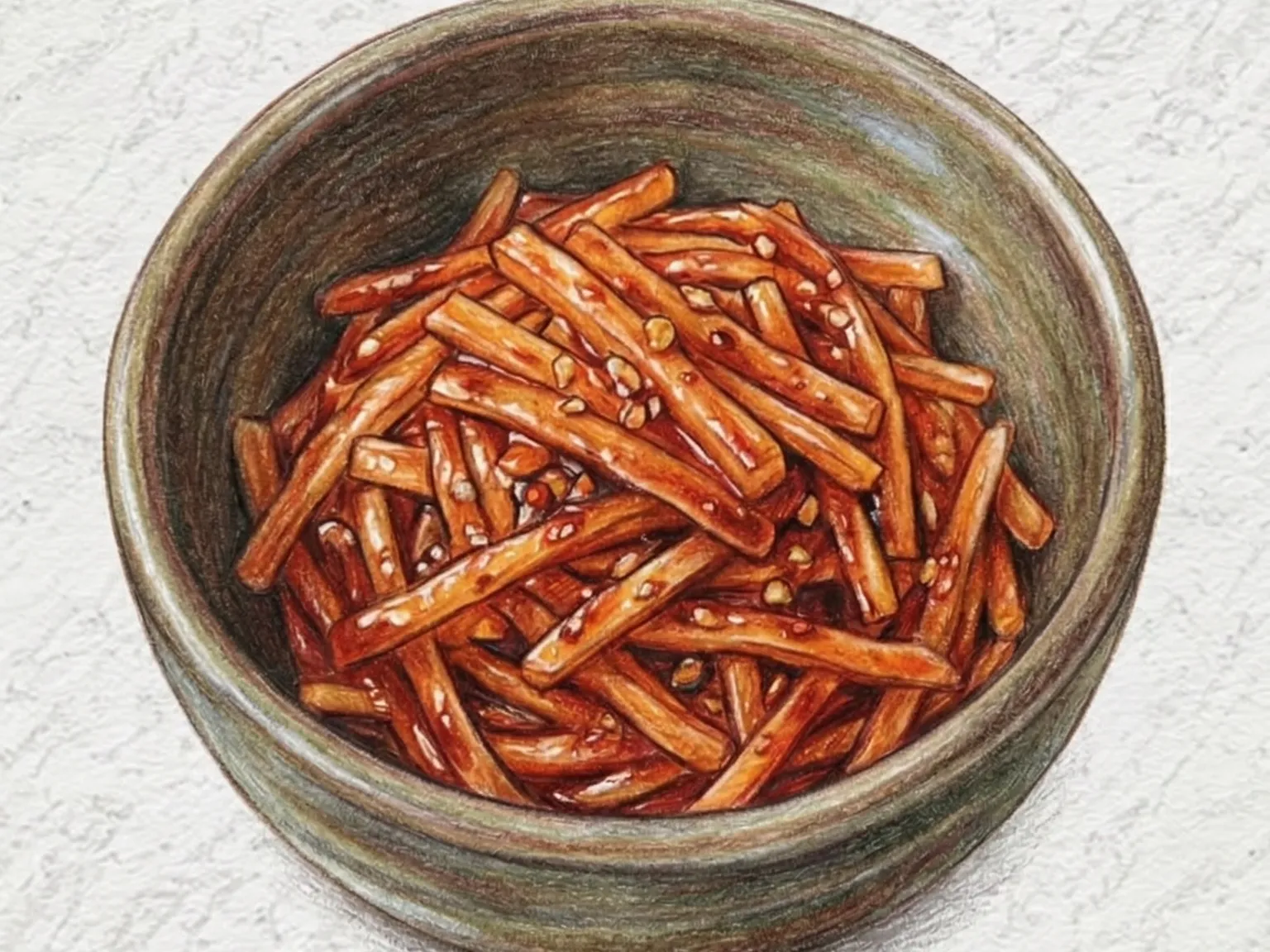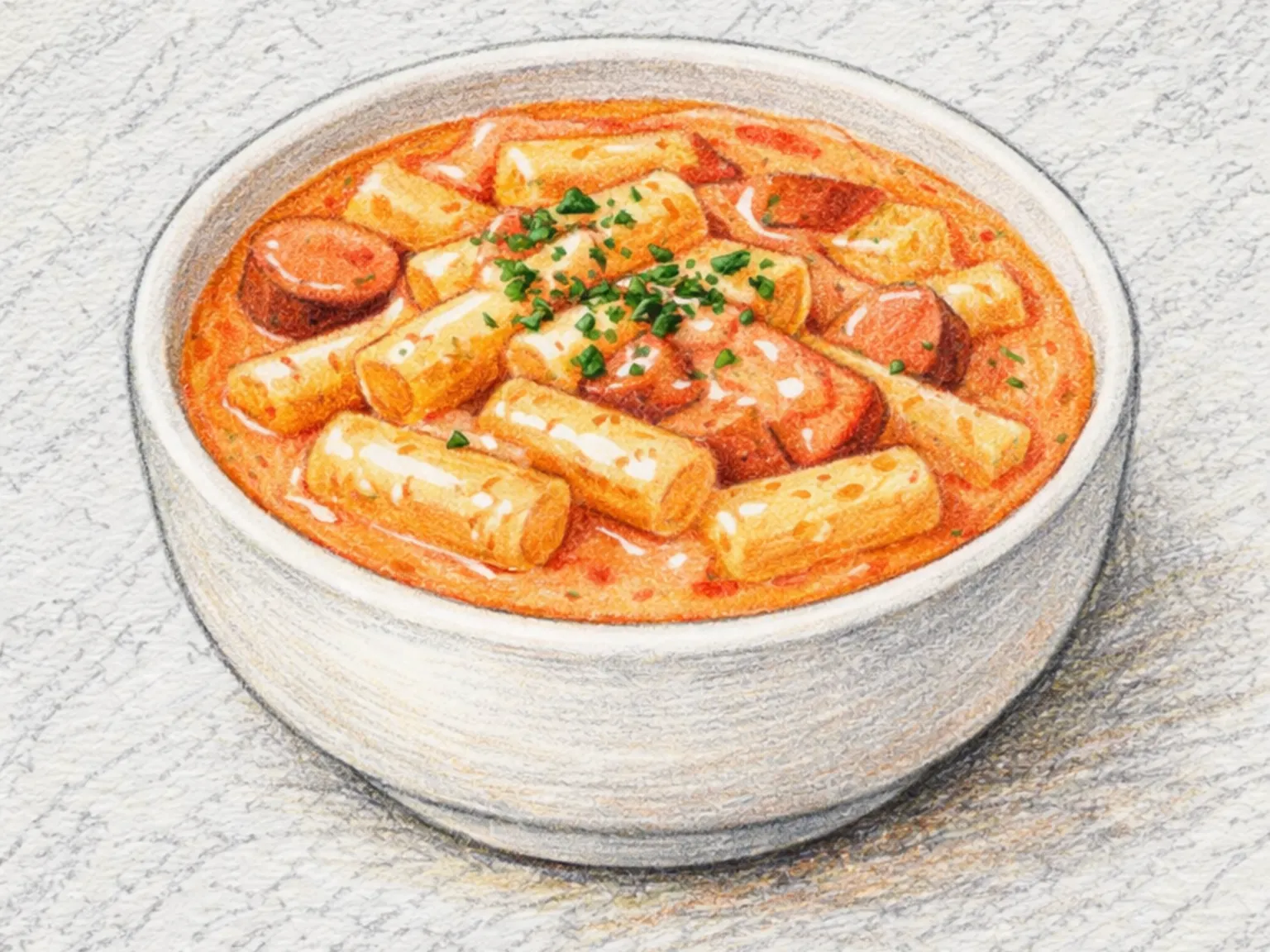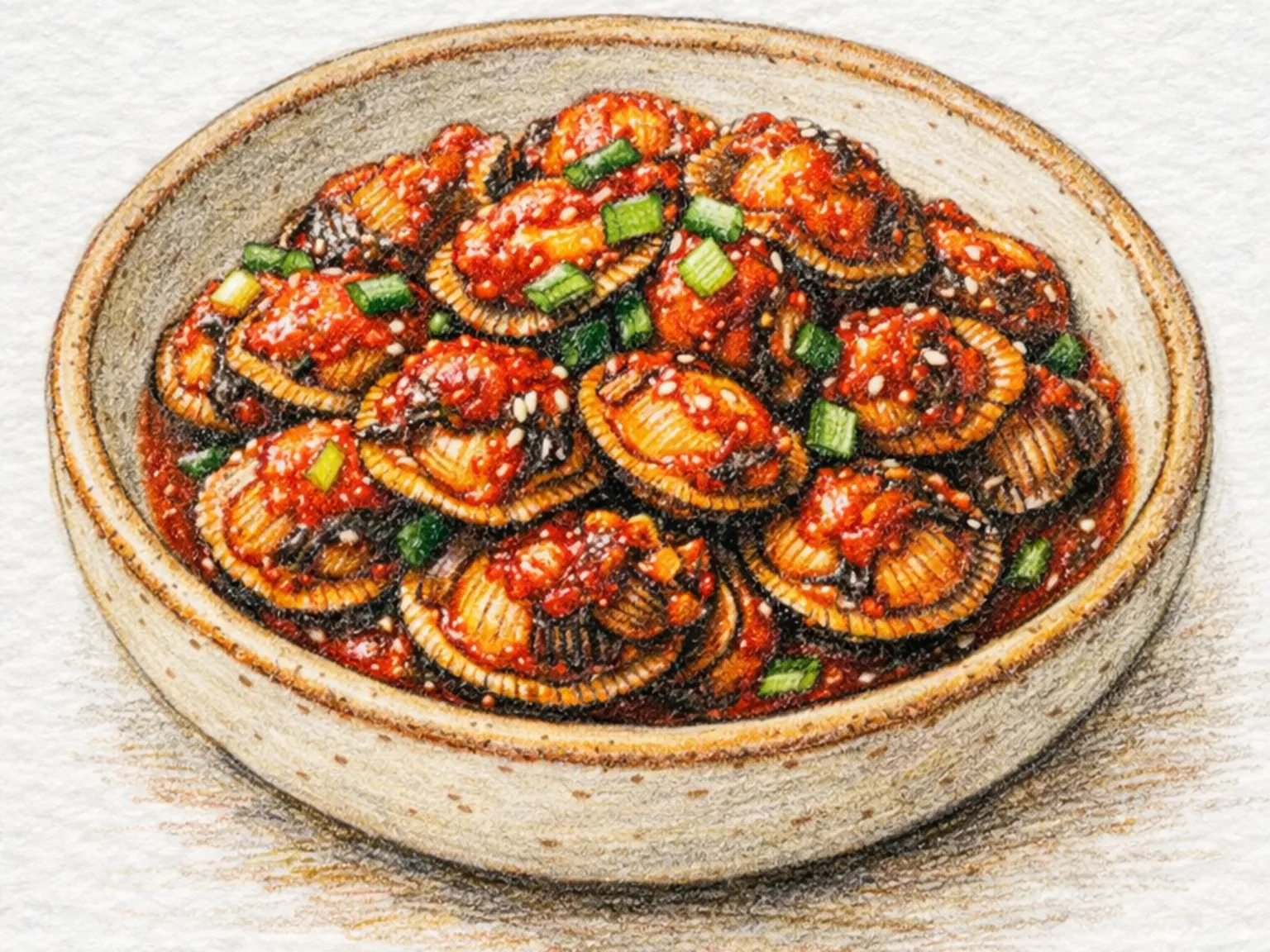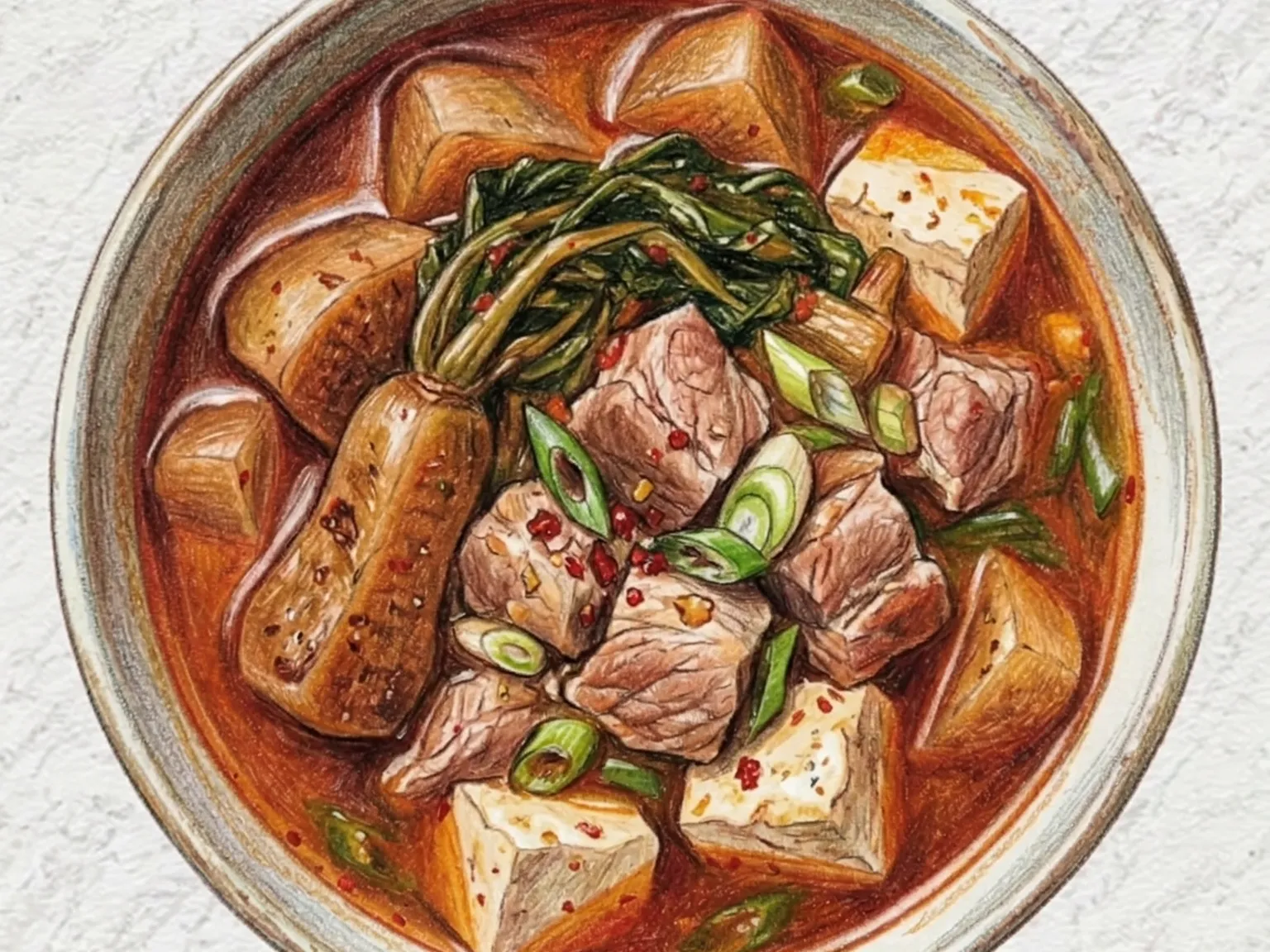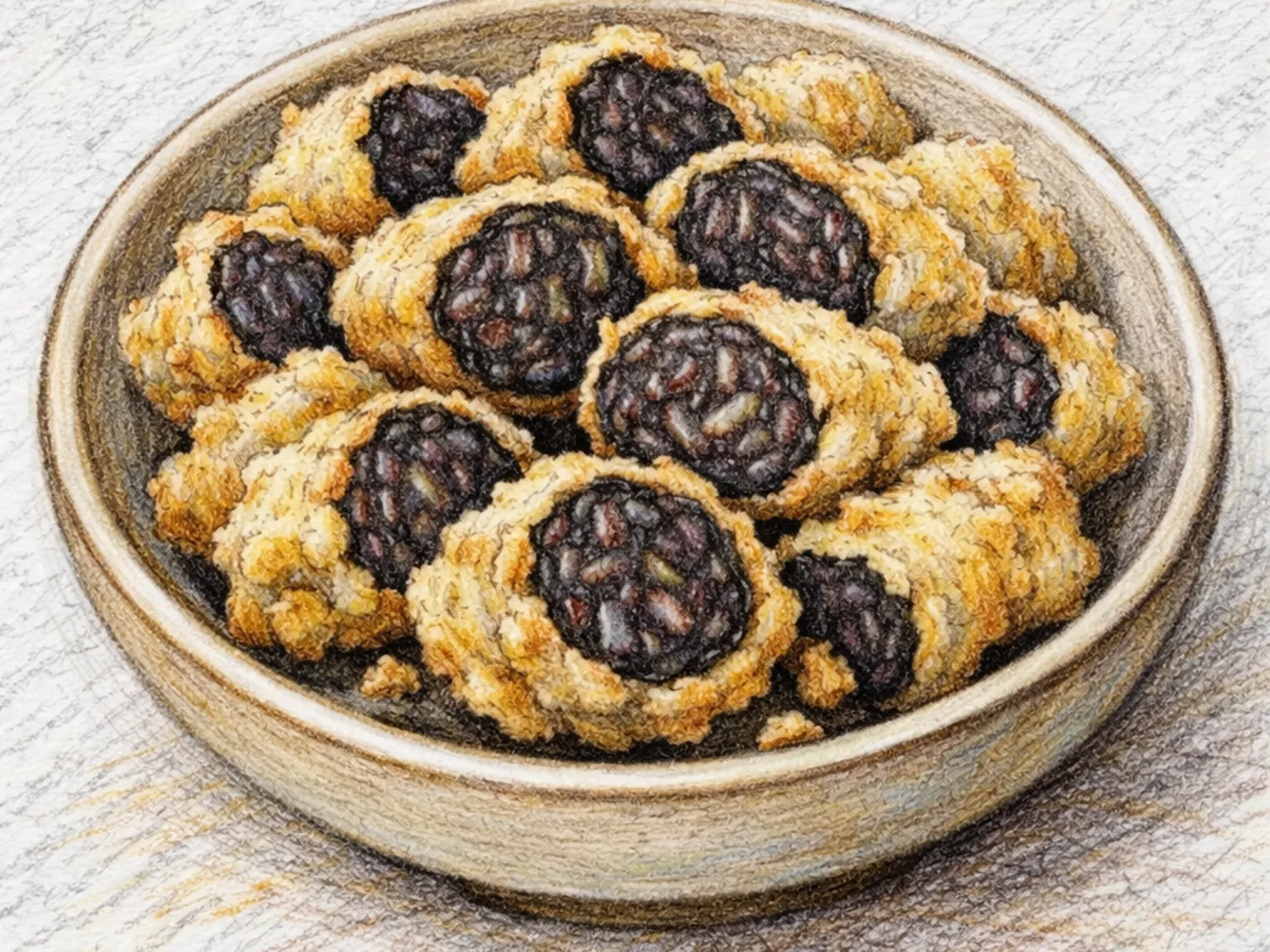
Kadhi Pakora (Yogurt Curry with Fritters)
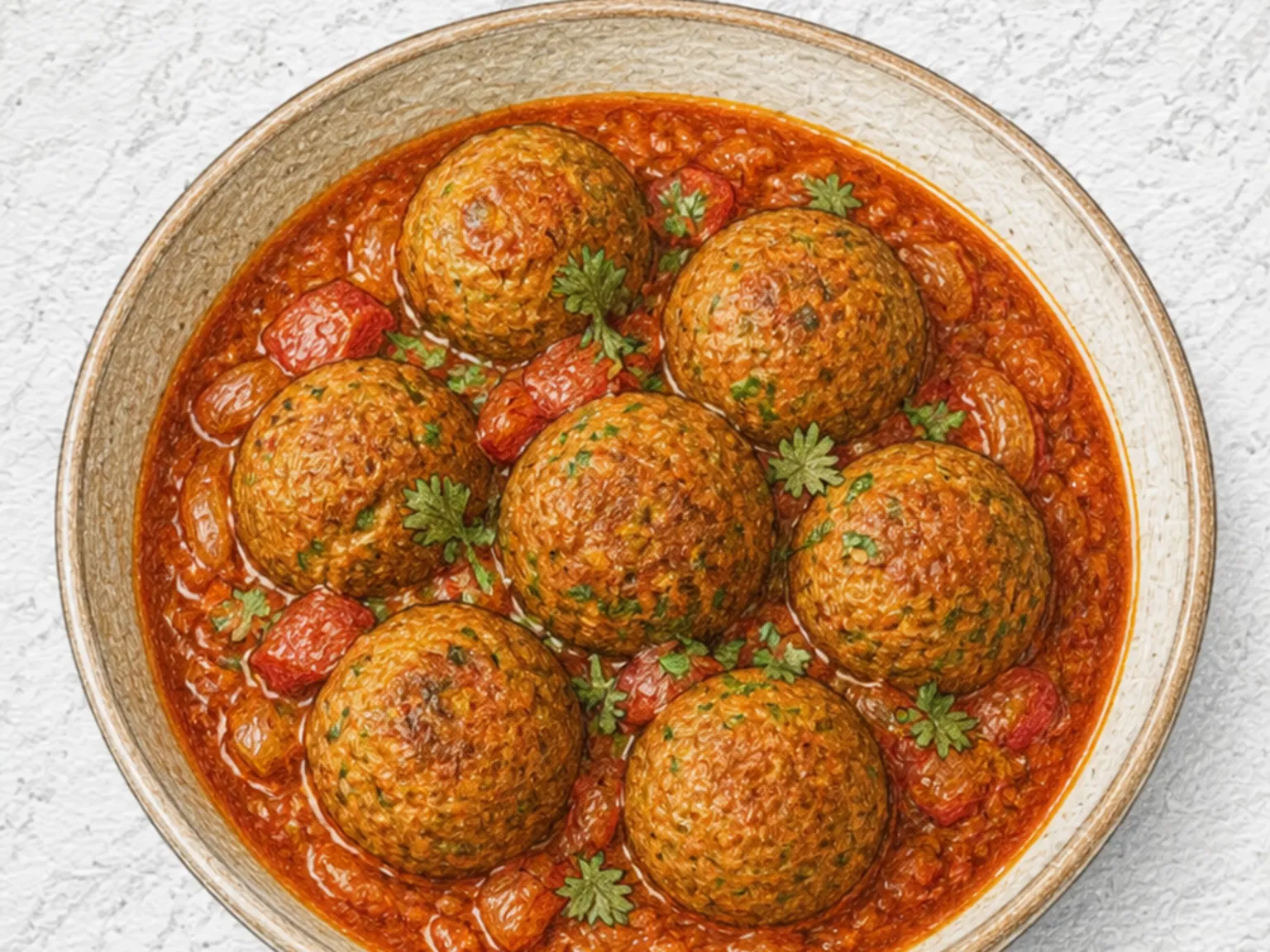
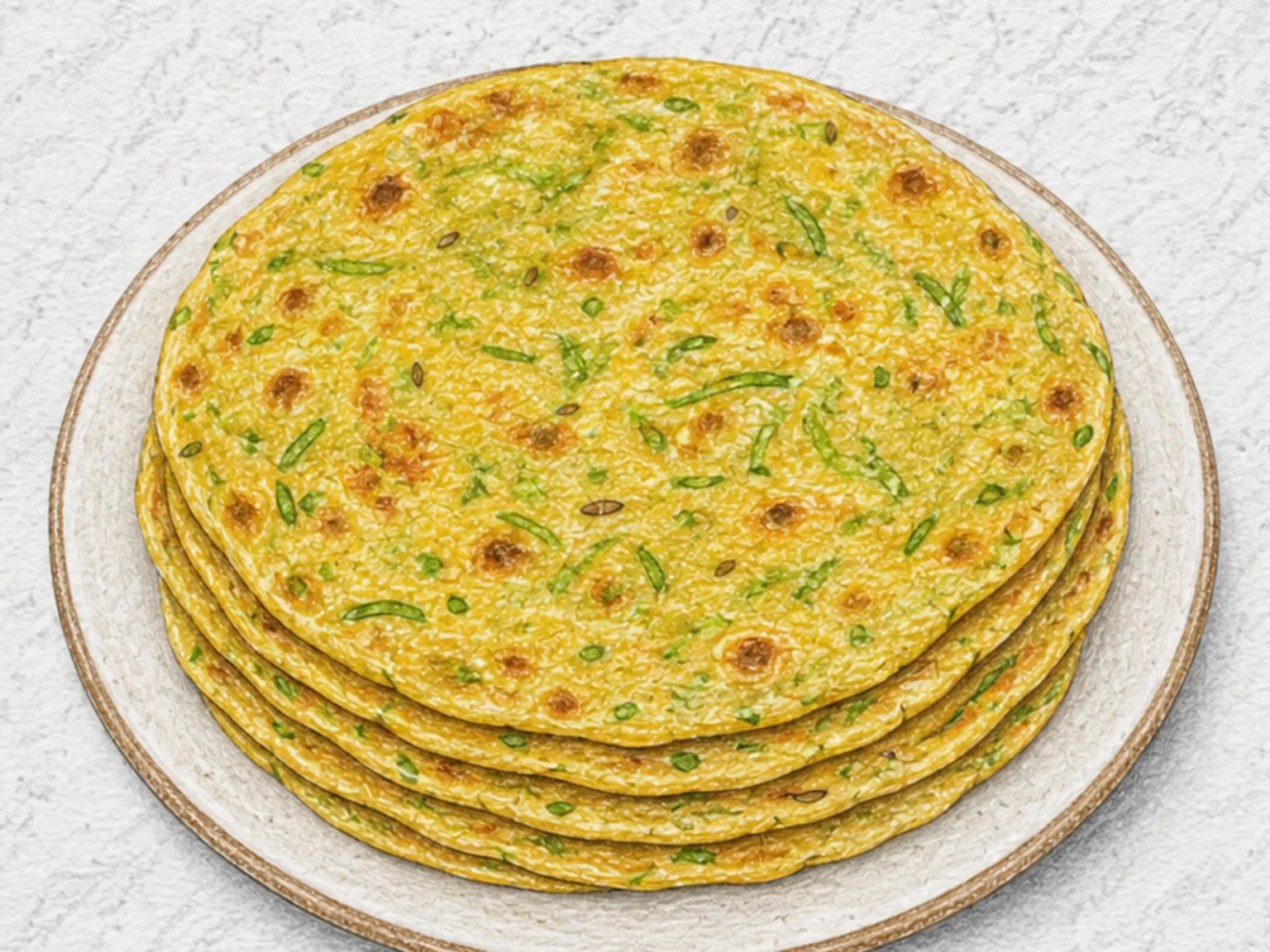
Kadhi pakora is a yogurt-based curry from North India, especially popular in Punjabi home cooking, where gram flour fritters are simmered in a tangy, spiced yogurt gravy. The pakoras are made by mixing a portion of gram flour with sliced onion, salt, and water into a thick batter, then deep-frying spoonfuls until golden. The remaining gram flour is whisked with yogurt, water, turmeric, and red chili powder to form the kadhi base, which must be stirred constantly in the early stages to prevent the yogurt from splitting. Cumin seeds are bloomed in oil to release their aroma before the kadhi mixture is poured in and simmered gently for twenty minutes, allowing the raw flour taste to cook out completely. Adding the fried pakoras near serving time preserves some of their texture, while longer simmering lets them absorb the gravy and turn soft throughout.

Korean Pan-Fried Tofu with Seasoned Soy Sauce
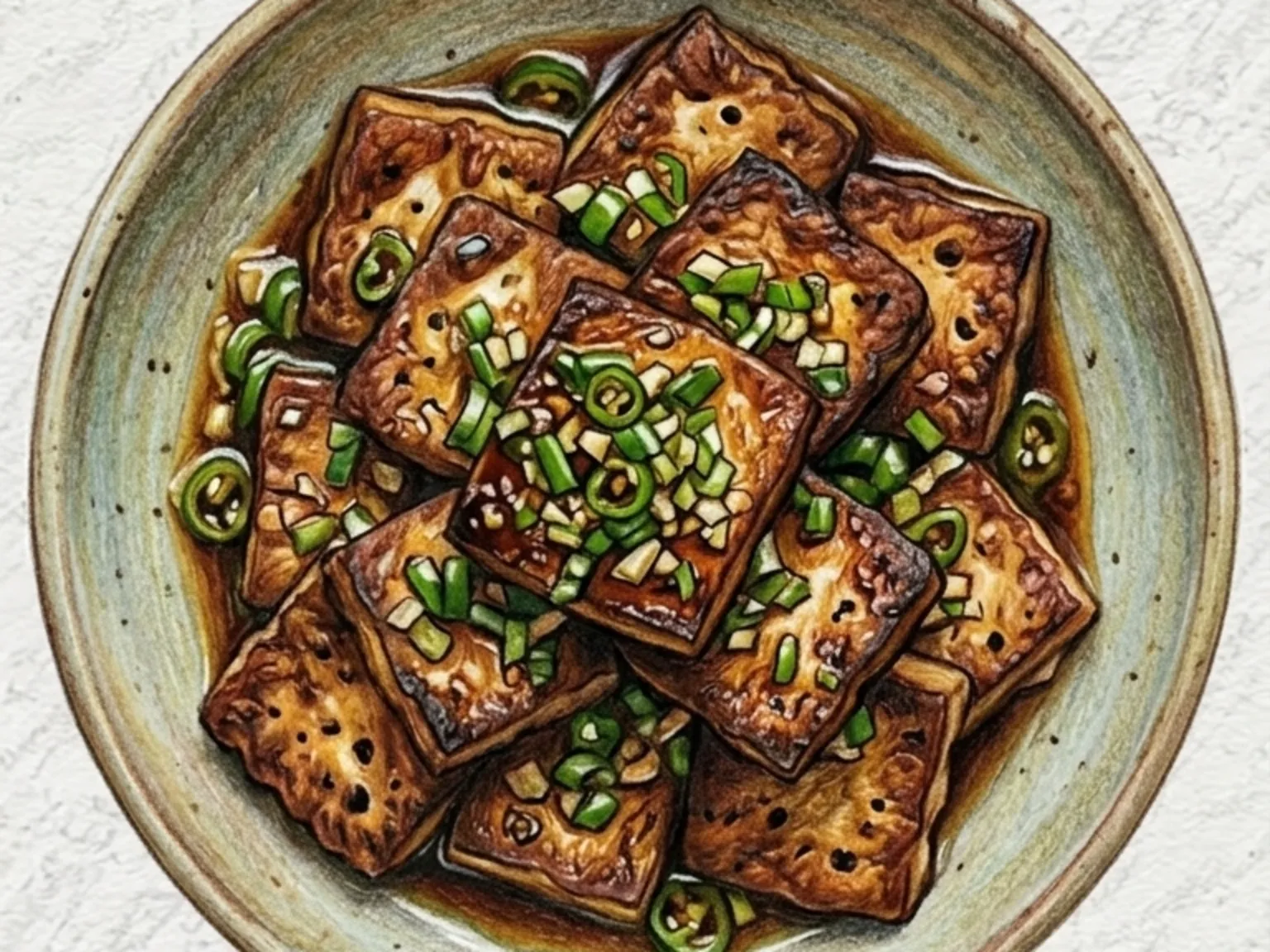
Dubu buchim yangnyeom is one of the most common Korean home banchan, a dish that appears on the table because the technique is straightforward and the ingredients are always in the kitchen. Firm tofu is cut into thick slices, salted lightly to pull moisture from the surface, then pan-fried in a minimal amount of oil until both faces develop a golden, crackling crust while the interior stays soft and warm. The yangnyeom jang, the seasoned sauce, is assembled directly at the stove: soy sauce, gochugaru, chopped scallion, garlic, and sesame oil stirred together, then spooned over the hot tofu the moment it comes out of the pan. The residual heat of the tofu gently wilts the raw scallion and opens the sesame oil, releasing its fragrance into the sauce without any additional cooking. The ratio of ingredients in the sauce varies from household to household, with some reducing the gochugaru and adding toasted sesame seeds, and others adding cheongyang chili for extra heat. In Korean temple cuisine, this preparation has served for centuries as the primary protein source in meat-free meals.

Korean Spicy Stir-Fried Octopus Rice Bowl
Spicy stir-fried baby octopus in a gochujang sauce is served over a bowl of steamed rice. The octopus delivers a satisfying chew, coated alongside onion and cheongyang chili in a well-seasoned glaze that makes each bite of rice deeply flavorful. Stir-frying on high heat for just a few minutes keeps the octopus springy rather than tough, and scrubbing it with flour before rinsing ensures a clean taste free of any sliminess. Adding a layer of bean sprouts under the stir-fry introduces a contrasting crunch.

Korean Braised Beltfish with Potatoes
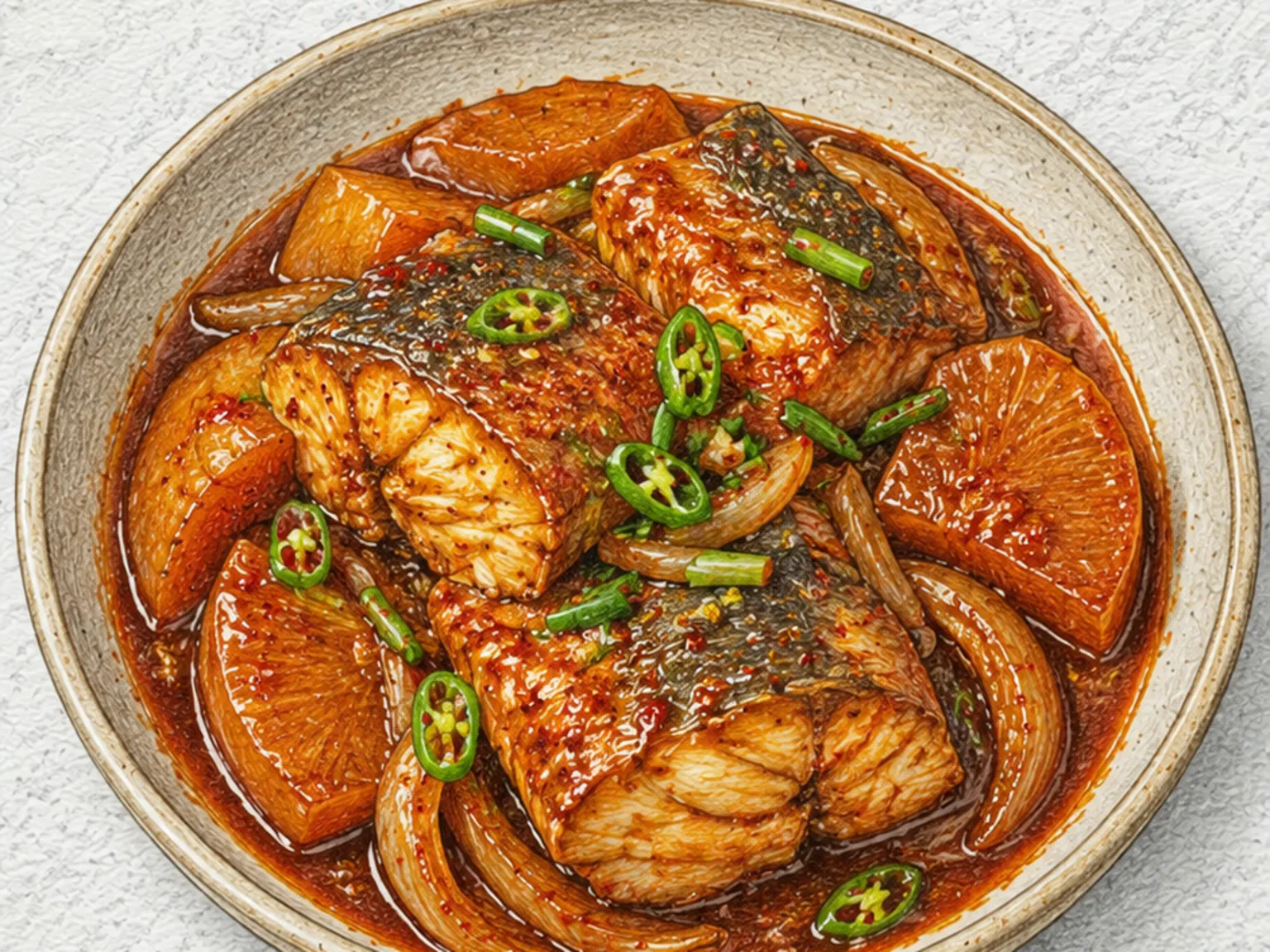
Galchi-gamja-jorim is a Korean braise of ribbonfish and potatoes cooked together in a soy-based sauce seasoned with gochugaru, garlic, and onion. Ribbonfish has naturally oily, tender flesh that holds together well during braising, and as the fat renders into the liquid it builds a deep seafood umami that defines the dish. The potatoes absorb this concentrated broth as they cook, becoming floury and well-seasoned all the way through rather than just on the surface. Onion breaks down and dissolves into the sauce as it reduces, contributing sweetness that balances the salt and spice. The heat level is adjustable: standard gochugaru gives color and mild warmth, while adding cheongyang chili peppers sharpens the spice. The dish is best served when the sauce has reduced to a thick, glossy consistency that clings to each piece. A spoonful of that sauce over plain rice rounds out the meal. Sliced Korean radish added to the pot introduces a clean, slightly peppery sweetness to the broth.

Korean Ramen Tteokbokki (Spicy Rice Cake and Ramen Noodle Stir-Fry)
A sauce of gochujang, red pepper flakes, soy sauce, and sugar is dissolved in water and brought to a boil, then rice cakes are cooked for five minutes before ramen noodles and fish cake are added for three more minutes. The ramen noodles absorb the spicy tteokbokki sauce, producing a more concentrated flavor than tteokbokki alone, and the dish is finished with green onion and halved boiled eggs once the broth has thickened. Adding half a packet of ramen seasoning powder boosts the overall umami.

Korean Grilled Pork Makchang
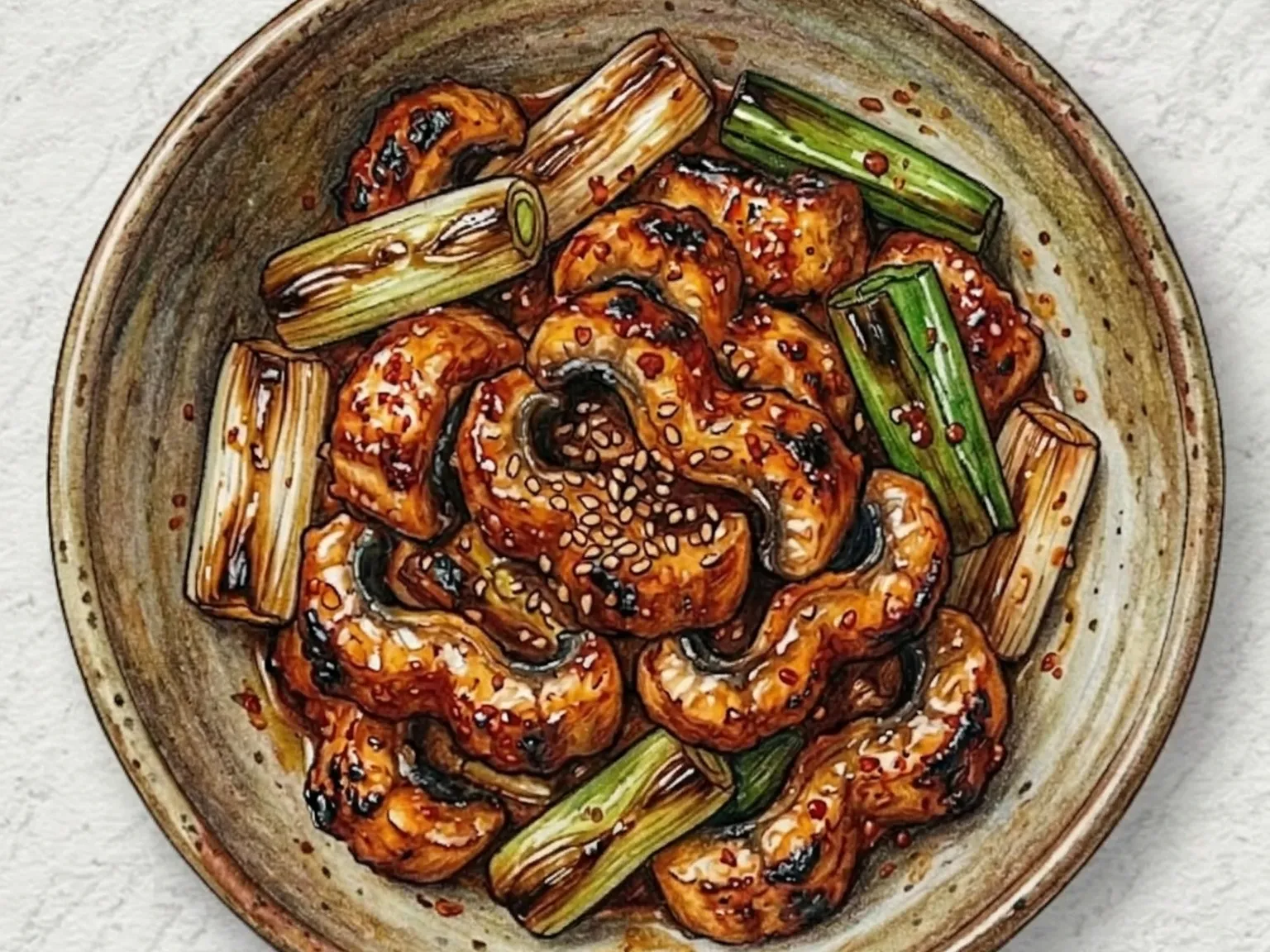
Makchang-gui is a Korean grilled pork large intestine dish where the offal is thoroughly cleaned, blanched for seven minutes to remove impurities and excess fat, then coated in a marinade of gochujang, soy sauce, sugar, minced garlic, gochugaru, sesame oil, and black pepper. The blanching step eliminates off-flavors and firms the intestine's texture so it holds up on the grill without falling apart. After fifteen minutes of marinating, the deeply wrinkled surface absorbs the sweet-spicy sauce, which caramelizes into a dark, sticky glaze over medium heat as the interior moisture slowly evaporates. The result is a chewy exterior with a rich, fatty interior that releases its flavor gradually with each bite. Patience with medium heat prevents the sugar-heavy sauce from scorching before the intestine is cooked through. Scissored into bite-sized pieces at the table and wrapped in perilla leaves or napa cabbage with a dab of doenjang, makchang-gui is a late-night staple in Korean grilled meat restaurants, particularly in the Daegu and Busan regions where the dish is most deeply rooted.

Kimchi Dwaejigogi-guk (Kimchi Pork Tofu Soup)
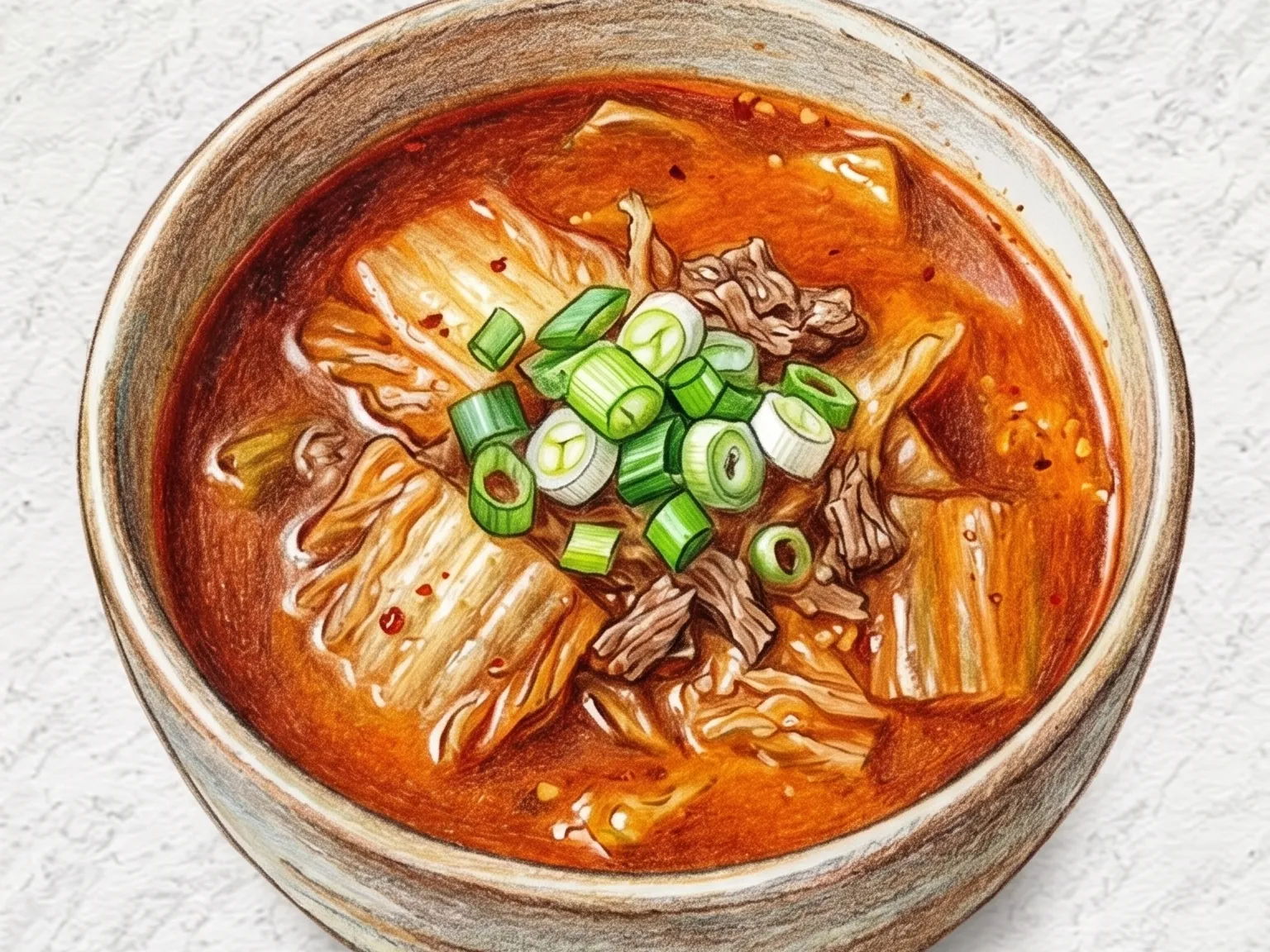
Kimchi-dwaejigogi-guk starts by stir-frying pork shoulder and well-fermented sour kimchi together in perilla oil. The pork is cooked first until its fat renders fully, then chili flakes join the pan for three more minutes of cooking alongside the kimchi. This initial stir-fry step is what gives the soup its depth - the caramelized kimchi acidity and rendered pork fat fuse into a base that a plain simmered broth cannot replicate. Water and sliced onion are added and simmered for fifteen minutes, then blocks of firm tofu go in near the end, soaking up the spicy, ruddy broth and providing a soft contrast to the chewy pork. The soup has considerably more liquid than a jjigae, making it well suited for pouring over rice in a bowl. Kimchi that has fermented longer delivers more lactic tang and a more complex broth. Pork belly can replace shoulder for a richer, fattier result.

Korean Spicy Braised Chicken
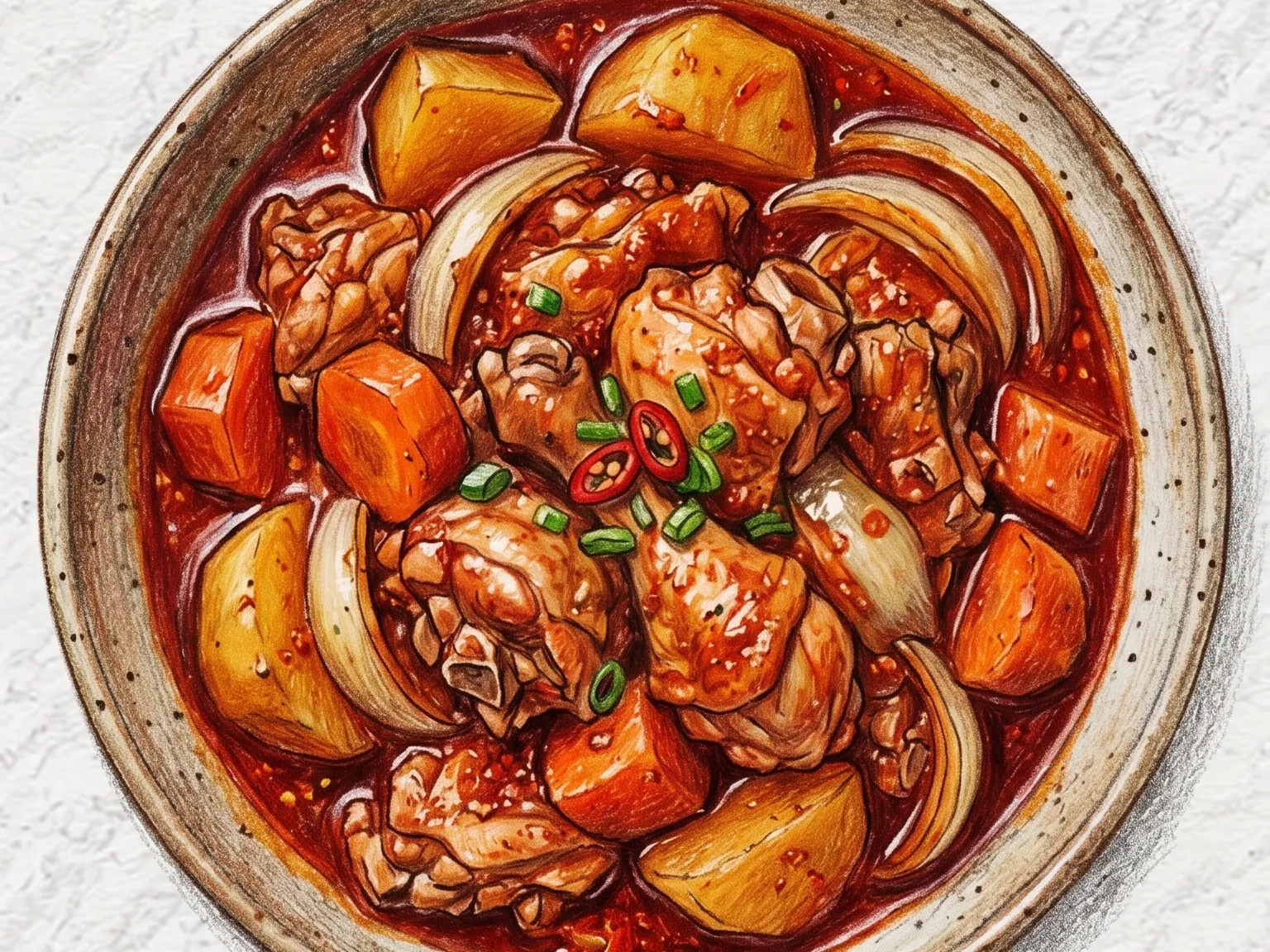
Dakdoritang is a Korean braised chicken dish where bone-in pieces are simmered with potato, carrot, and onion in a sauce built from gochujang, gochugaru, soy sauce, garlic, and sugar. As the chicken cooks, it releases juices into the sauce that blend with the gochujang to create a thick, glossy braising liquid that coats every surface it touches. The potato breaks down gradually over the cooking time, adding starch that thickens the sauce further without any additional effort. Carrot and onion absorb the braising liquid and take on its full flavor, making them as central to the meal as the chicken itself. Sugar moderates the sharp heat of the chilies into a warm, rounded spice that lingers rather than burns. A finishing touch of sesame oil and sliced green onion added just before serving adds a nutty fragrance and fresh brightness that lifts the richness of the braise.

Korean Braised Tofu with Kimchi
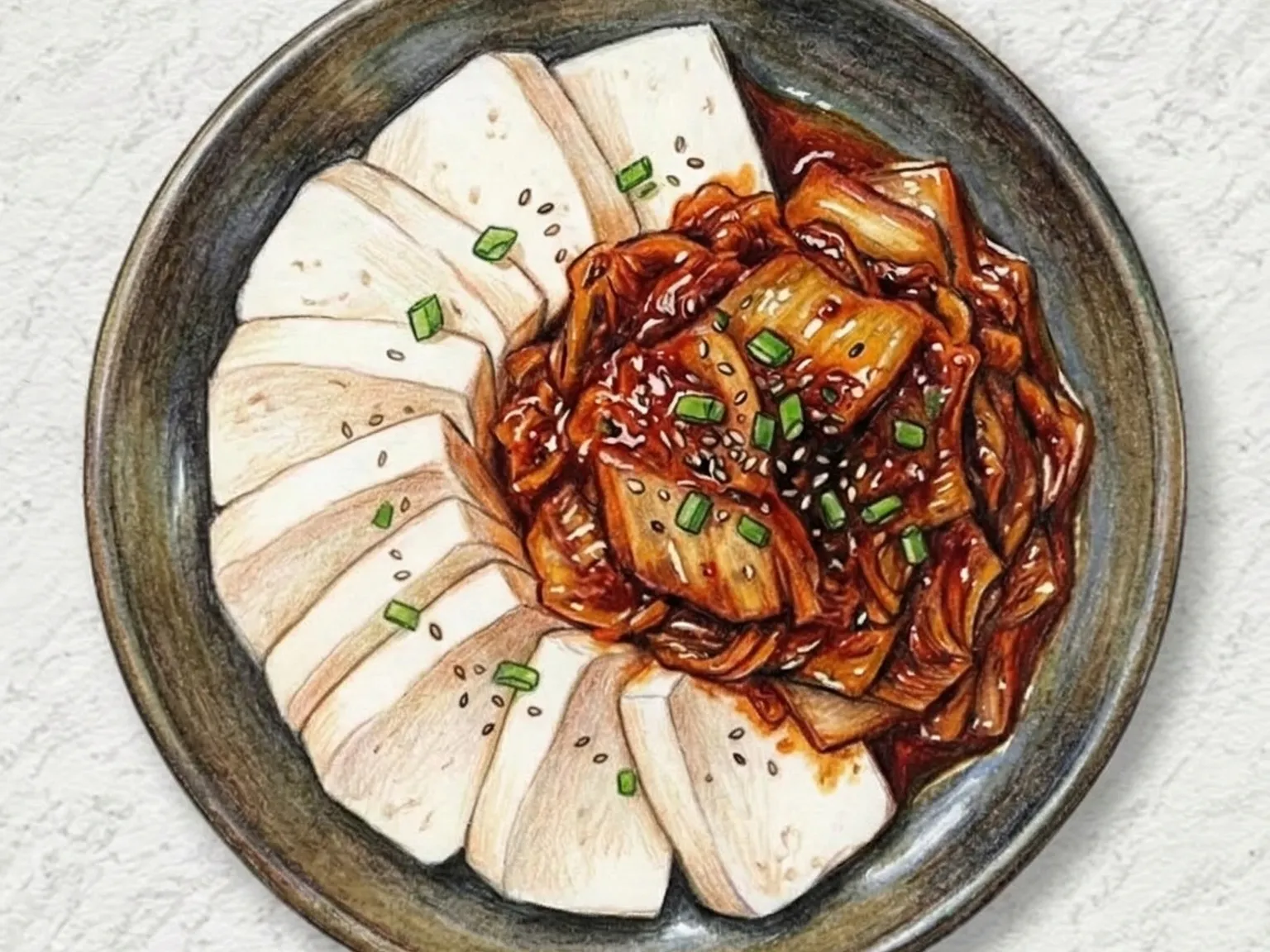
Dubu-kimchi-jorim is firm tofu braised with well-fermented aged kimchi in a sauce of soy sauce, gochugaru, minced garlic, and a pinch of sugar. The sharp acidity of the aged kimchi mellows during braising while its deep, fermented flavor remains fully intact. The tofu absorbs the chili-stained braising liquid like a sponge, carrying the kimchi flavor into every bite. Sugar takes the edge off the sourness just enough, and sesame oil stirred in at the end ties all the flavors together. Pressing the tofu before cooking prevents excess moisture from diluting the sauce, and pan-frying the pieces until golden on both sides before braising creates a firmer surface that holds together better. This dish is an efficient way to use kimchi that has sat in the refrigerator for months, as the stronger the sourness, the better suited it is for braising. Adding thinly sliced pork shoulder deepens the flavor considerably. It goes best spooned generously over a bowl of hot steamed rice.

Korean Ponytail Radish Kimchi
Chonggak kimchi is a traditional Korean kimchi made with whole young ponytail radishes salted for two hours, then coated in a paste of gochugaru, anchovy fish sauce, garlic, ginger, and scallions before fermenting. Blooming the chili flakes in fish sauce first softens their texture and intensifies the red color, and garlic and ginger are added afterward to build aromatic depth into the heat. Radish tops that are left too long turn fibrous, so trimming them short before seasoning keeps the kimchi crisp from root to leaf. One day at room temperature produces light carbonation and a cool, refreshing tang that signals the fermentation is alive. Refrigerating after that preserves the radish crunch and spicy umami for weeks. A year-round staple, this kimchi appears at Korean tables across every season.

Korean Soy Udon with Scallion Salad
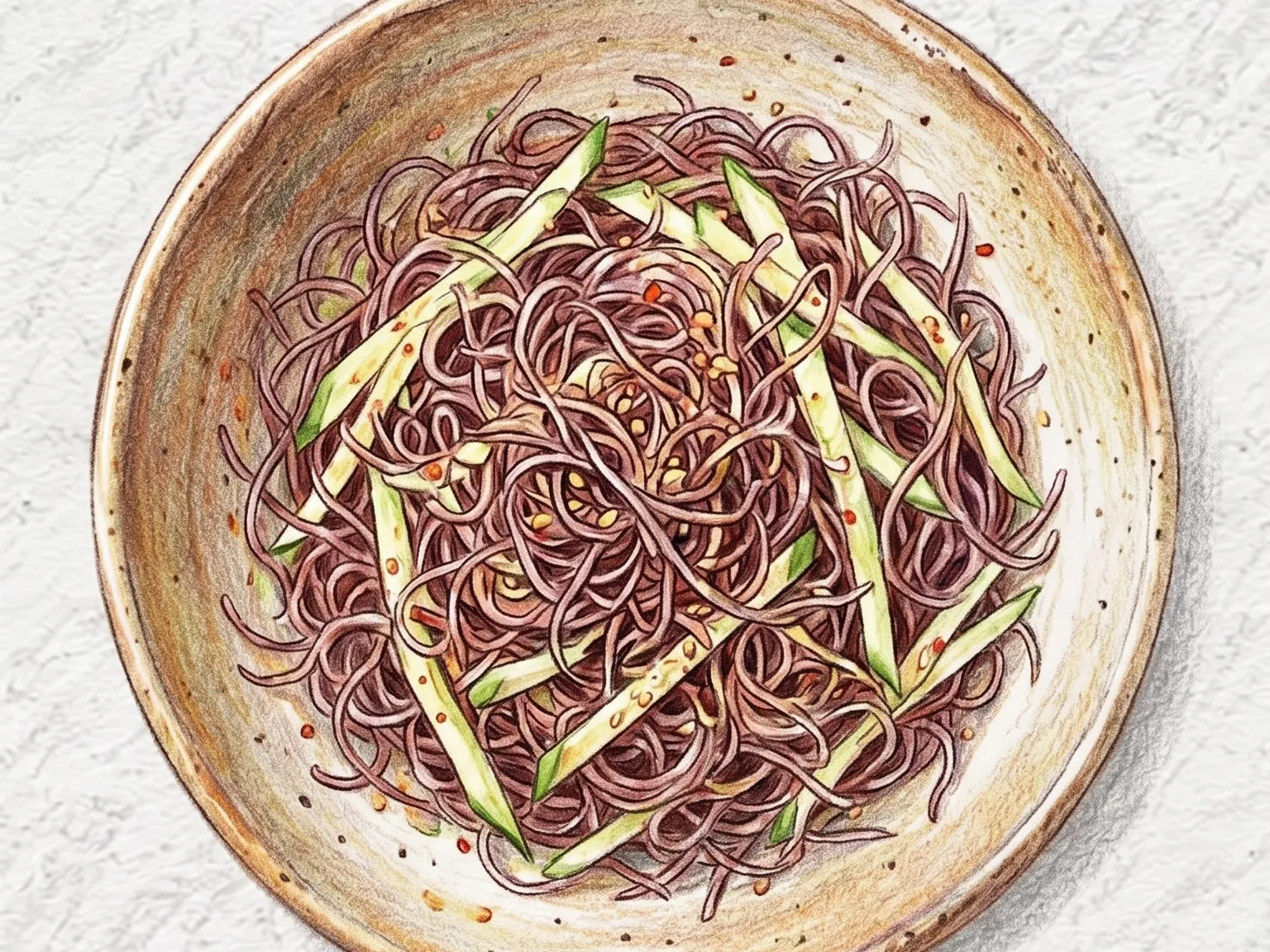
Pajeori ganjang bibim udon is a Korean mixed udon dish centered on crisp shredded scallion that has been soaked in cold water to tame its raw sharpness without sacrificing texture. Soaking for at least five minutes softens the aggressive bite while the strands retain their crunch, releasing a clean, fresh note with every forkful. A dressing of soy sauce, vinegar, sugar, chili flakes, and sesame oil builds a layered base that is simultaneously sweet, salty, tangy, and mildly spicy. The udon noodles are tossed first with half the dressing so every strand carries an even base coating before the drained scallion and remaining sauce are folded in. The pungent freshness of the scallion plays directly against the seasoned noodles, drawing out a depth of flavor that far exceeds what the short ingredient list would suggest. Keeping the noodles slightly underdone ensures a springy, bouncy bite throughout, and a scatter of whole sesame seeds adds a warm, nutty finish. Skipping the cold water soak leaves the raw sharpness of the scallion untempered, throwing the entire balance off, so that step should never be rushed.

Larb Gai (Thai Isan Minced Chicken Herb Salad with Lime)
Larb gai is a minced chicken salad from the Isan region of northeastern Thailand. The chicken is cooked just until it loses its raw color, then dressed while still warm with lime juice, fish sauce, and a generous pinch of toasted rice powder that gives each bite a nutty, sandy crunch. Fresh mint, cilantro, and thinly sliced shallots add layers of brightness, while dried chili flakes bring a slow-building heat. Traditionally scooped up with balls of sticky rice, it works equally well wrapped in lettuce leaves or cabbage cups. The dish is light enough for hot weather yet full-flavored enough to anchor a meal.

Korean Tofu with Spicy Soy Dressing
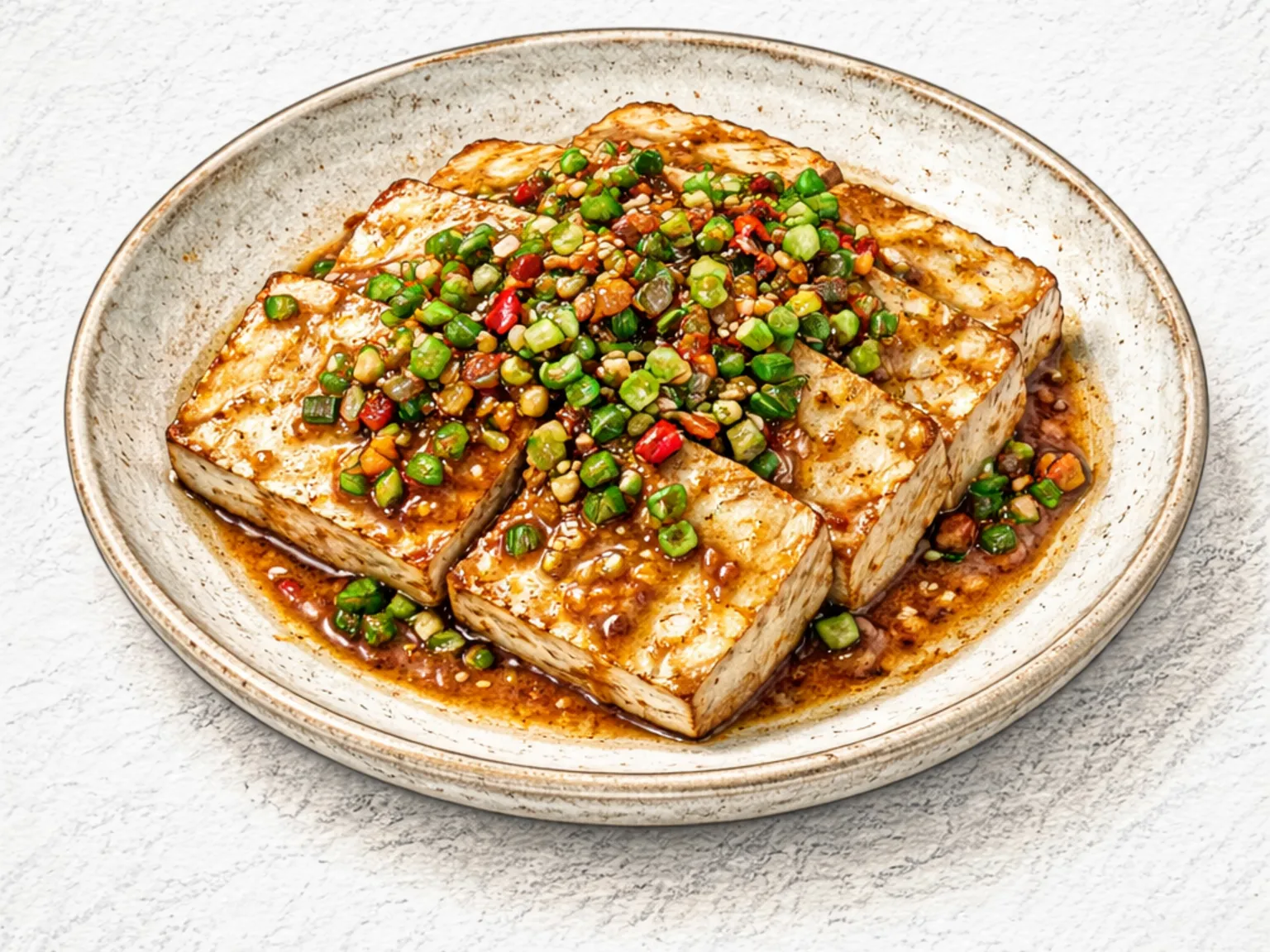
Dubu cheongyang ganjang muchim is a pan-fried tofu banchan that takes the classic dubu buchim in a sharper direction by centering the dressing on cheongyang chili, the hottest pepper in everyday Korean cooking. The most important part of the technique is getting a proper mahogany crust on the tofu. The pan must be hot before the tofu goes in, and the heat must stay high throughout. Too low a flame causes the tofu to steam in its own released moisture rather than sear, resulting in a soft surface with no textural contrast. When seared correctly, the outer layer becomes a firm, slightly chewy barrier while the interior stays silken and creamy. The dressing is raw and uncooked: soy sauce, minced cheongyang chili, scallion, garlic, and sesame oil combined without heat. It is poured over the tofu while the tofu is still steaming hot, which causes the raw garlic and chili to bloom slightly in the residual heat and release their full aromatic sharpness. Cheongyang pepper heat is clean and immediate rather than slow-building - it registers on the tongue quickly and fades without lingering the way dried gochugaru does. The dish is a natural pairing for mild, smooth soups like miyeok-guk, where the chili's sharpness provides a sharp counterpoint to the gentle seaweed broth. It also works alongside plain steamed rice as a standalone side.

Korean Spicy Stir-Fried Squid Rice Bowl
Scored squid, onion, cabbage, and scallion are stir-fried together in a gochujang-based sauce over high heat and served on a bowl of steamed rice. Cutting a crosshatch pattern into the squid before cooking causes each piece to curl into a compact cylinder as it hits the heat, producing a thick, bouncy texture while giving the sauce more surface area to cling to. Because squid turns rubbery in a matter of minutes if left on the heat too long, the vegetables go into the pan first to drive off their moisture, and the squid is added only for the final three to four minutes over maximum heat. The sauce, built from gochujang, gochugaru, soy sauce, sugar, and sesame oil, caramelizes quickly against the hot pan and coats both the vegetables and the squid in a glossy, deep-red glaze. The natural sweetness of the onion and cabbage tempers the chili heat and keeps the dish balanced rather than one-dimensionally spicy. Leaving a small pool of sauce in the pan when plating allows it to soak into the rice, making the whole bowl worth mixing together before eating.

Korean Spicy Gochujang Bulgogi
Spicy gochujang pork bulgogi builds its bold flavor from a marinade of gochujang, Korean chili flakes, soy sauce, corn syrup, and garlic applied to thick-cut pork neck, then stir-fried over high heat. The gochujang delivers a deep, fermented heat while the corn syrup adds a glossy sweetness that helps the sauce caramelize on the surface of the meat. Adding chili flakes separately from the gochujang introduces a different texture and heat quality, creating a more complex spice profile than either ingredient alone would produce. Allowing the moisture to evaporate before adding the onion is important, as onion releases liquid when it hits the pan and will thin the sauce if added too early. The natural sugars in the onion contribute a mild sweetness that tempers the chili heat once the moisture has cooked off. Scoring thicker pieces of pork two or three times with a knife allows the marinade to penetrate more evenly and ensures consistent seasoning throughout. Finishing with green onion over high heat for thirty seconds adds a smoky char note while leaving a fresh aromatic lift. The recipe yields a generous four servings, making it a practical main dish for family meals or a filling for ssam wraps.

Korean Rosé Cup Tteokbokki
A base of equal parts water and milk is whisked together with gochujang, red chili flakes, sugar, and minced garlic, then brought to a simmer before rice cakes and fish cake are added. The sauce cooks over medium-low heat long enough for the rice cakes to absorb the seasoned liquid and turn glossy. Milk fat wraps around the capsaicin in the chili paste, softening the raw heat while keeping the fermented depth of gochujang intact. Mozzarella cheese is stirred in at the very end, off the heat or with the flame nearly out, so it melts smoothly into the sauce rather than turning stringy and tough. Keeping a consistently moderate flame is the single most important technique here, because high heat causes the milk to break and the sauce to turn grainy. Serving it in a cup format means the portion cooks and cools evenly, and the open top allows excess moisture to evaporate so the final consistency is thick and coating.

Korean Gochujang Grilled Garlic Scapes
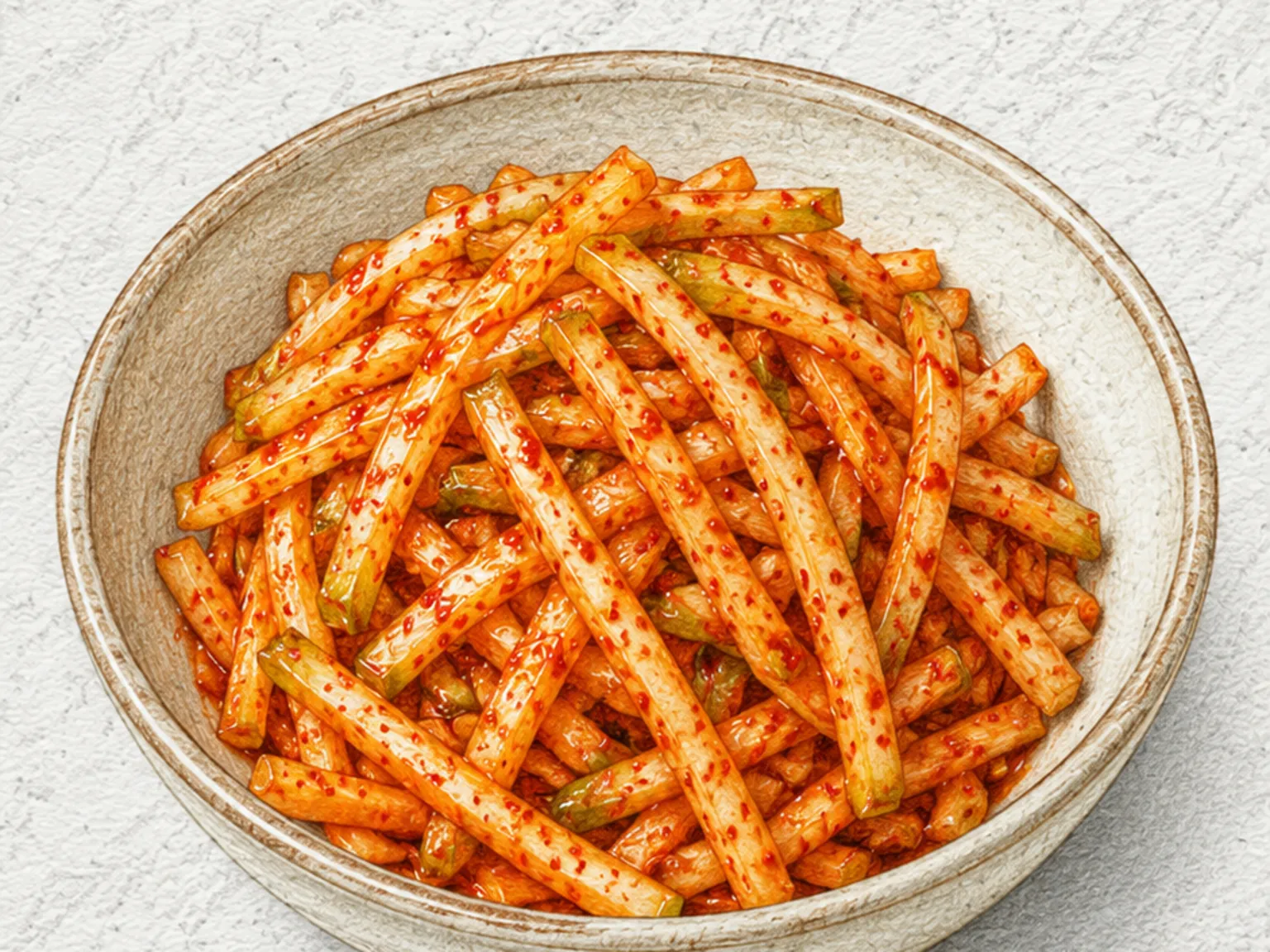
Maneuljjong-gochujang-gui is a Korean vegetable side dish where garlic scapes cut into six-centimeter pieces are blanched for just thirty seconds, then stir-grilled in a pan with a sauce built from gochujang, gochugaru, soy sauce, oligosaccharide syrup, and minced garlic. The thirty-second blanch is precisely timed to loosen the tough outer fibers of the scape so the sauce has a surface to cling to, while the crisp interior stays intact. Plunging the scapes into cold water immediately after blanching is necessary to halt carryover cooking and lock in the texture. The garlic scape's own sharp, pungent bite merges with gochujang's fermented depth to build a layered spiciness that carries more complexity than raw chili heat alone, and the oligosaccharide syrup contributes both a glossy coating and a restrained sweetness that rounds off the sauce. When the sauce starts catching on the pan, adding a tablespoon of water loosens it without washing out the flavor. Sesame oil and toasted sesame seeds go on at the very end to finish the dish with a nutty, roasted aroma.

Naejang-tang (Spicy Mixed Beef Tripe Soup)
Naejang-tang is a Korean offal soup that simmers a combination of beef innards including large intestine, tripe, abomasum, and omasum together with gochugaru, gochujang or doenjang, generous amounts of garlic, and green onion into a thick, aggressively seasoned broth. Each organ contributes a distinct texture to the bowl: the small intestine is chewy and springy, the large intestine is fatty and yielding, and the stomach linings are firm with a near-crunchy resistance that gradually releases umami as it is chewed. Long cooking renders the intramuscular fat and collagen from the innards directly into the broth, producing a body and richness that cannot be replicated by shorter-cooked, leaner soups. Some versions incorporate seonji, coagulated ox blood, cooked alongside the other organs; it darkens the broth significantly and introduces a mineral, iron-forward depth that distinguishes the blood-enriched variant as a richer, more fortifying bowl. Abundant green onion and garlic form the aromatic backbone, and gochugaru raises the heat to a level that is meant to be felt as much as tasted. The soup is traditionally served in a stone pot or a heavy ceramic vessel that retains heat and keeps the broth at a bubbling simmer through the meal. In Korea, naejang-tang is closely tied to early-morning hangover recovery: restaurants specializing in the dish, often located near traditional markets or late-night drinking districts, begin service well before dawn to catch customers emerging from long nights. The combination of fat, protein, intense heat, and restorative minerals is widely understood to ease alcohol-related discomfort and replenish the body.

Korean Wild Chive Clam Chili Stew
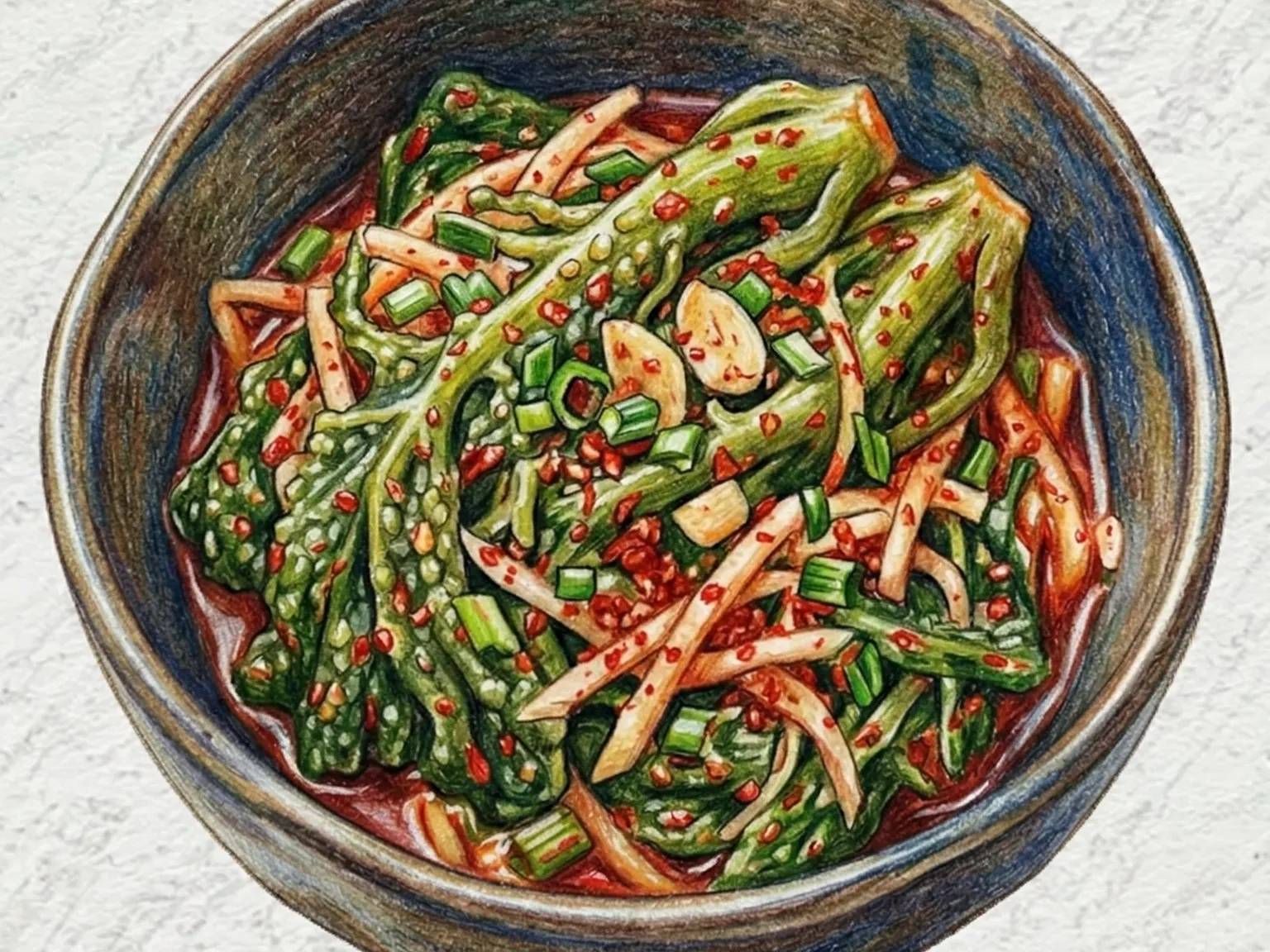
Dalrae bajirak gochujang-jjigae is a spring stew that brings together wild chives and short-neck clams in a gochujang-spiked anchovy broth. When the clams are added to the simmering stock and begin to open, they release a concentrated brine that deepens the base flavor considerably. Gochujang folds in a fermented heat that runs through the whole bowl. Dalrae, a wild allium that grows in Korean fields from late February through April, goes in near the very end of cooking; its sharp, garlic-like scent stays intact that way and cuts through any marine fishiness. Potato pieces absorb the spicy broth as they cook and give the stew weight, while tofu provides a soft counterpoint to the heat. Before cooking, soaking the clams in salted water for thirty minutes purges any sand so the broth stays clean. The combination of early-spring dalrae with clams makes this a recipe with a narrow seasonal window.

Korean Braised Flounder with Radish
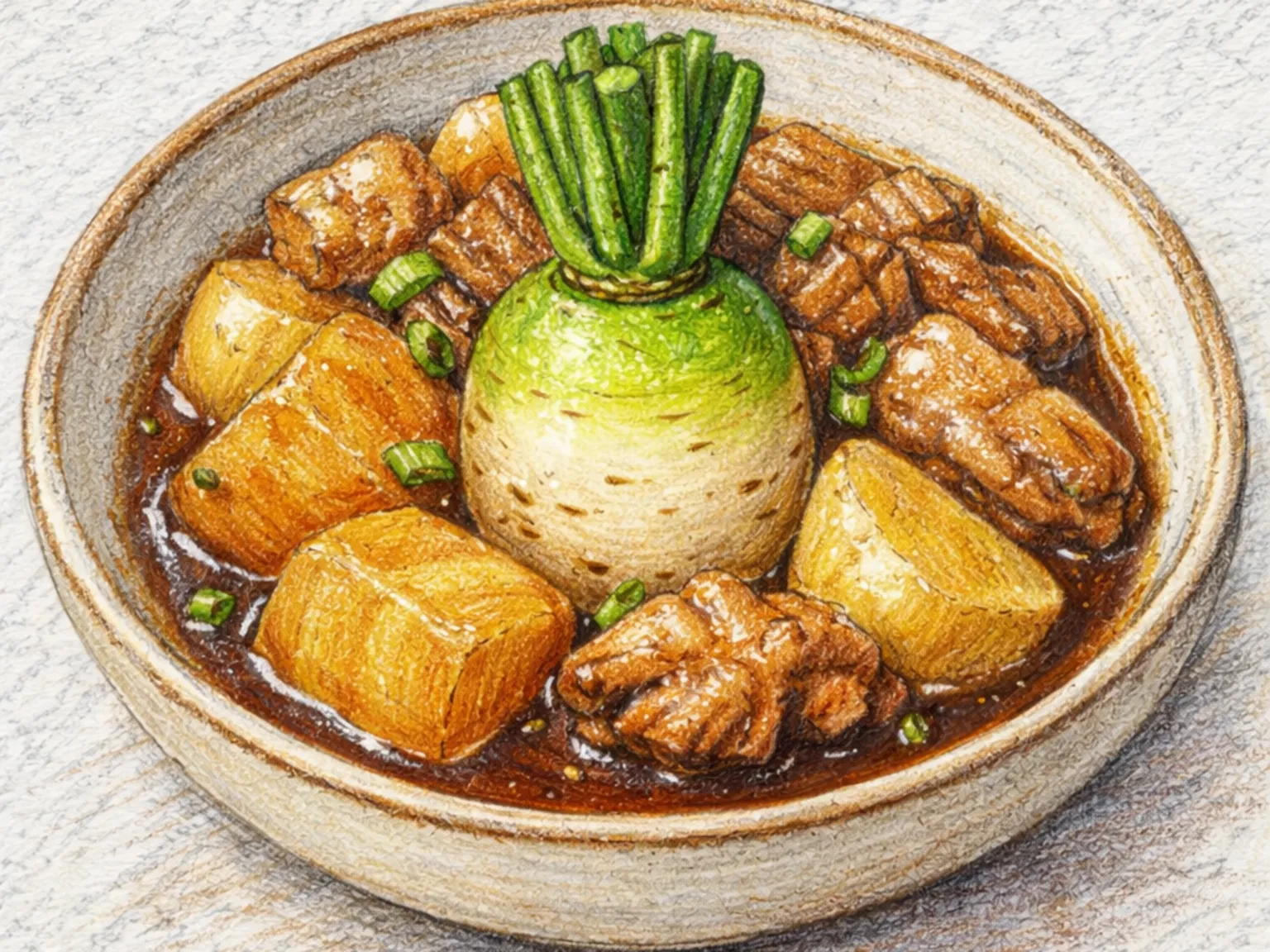
Gajami mu jorim is a Korean braised flounder dish in which flounder pieces and thick slices of Korean radish are cooked down together in a soy sauce and gochugaru broth until the liquid reduces to a concentrated, savory glaze. The radish absorbs the fat and juices released from the fish as it braises, soaking up the spicy seasoning until each slice becomes as flavorful and satisfying as the fish itself. Gochugaru and fresh Cheongyang chili provide a clean, penetrating heat, while soy sauce contributes deep umami and minced garlic adds a sharp aromatic backbone to the broth. Allowing the liquid to reduce until only a small amount remains thickens the sauce significantly, and spooning that concentrated braising liquid over plain steamed rice is one of the most common ways to finish the meal, with the sauce soaking into the grains and making it nearly impossible to stop eating. Flounder's naturally lean, delicate flesh, which pulls apart easily along the grain, pairs well with the extended braising method, which keeps the fish moist while infusing it with the bold seasonings. This combination of practical cooking technique and deep, satisfying flavor has made gajami mu jorim one of the most enduring everyday fish side dishes in Korean home cooking.

Korean Green Onion Kimchi
Daepa kimchi is made by cutting large green onions into six- to seven-centimeter lengths and coating them in a paste of gochugaru, anchovy fish sauce, soy sauce, plum extract, and glutinous rice paste. The rice paste acts as a binding agent that keeps the seasoning adhered to the onion surfaces through the entire fermentation period rather than pooling at the bottom of the container. Handling the stalks carefully so they do not bend or split is important for keeping each piece intact, and splitting the thicker white portions lengthwise down the center gives the paste more exposed surface area to penetrate. Eight hours of room-temperature fermentation followed by two days in the refrigerator brings the kimchi to its best point, when the sharp bite of the green onion and the deep fermented umami of the fish sauce have worked fully into each stalk. Daepa kimchi is a natural pairing with grilled pork belly or boiled pork, and it also makes a practical use for green onions before they go past their prime.

Korean Spicy Beef Soup Noodles
Yukgaejang guksu starts with a deep broth made by simmering beef brisket until the liquid turns rich and full-bodied. The meat is shredded along the grain and returned to the pot alongside fernbrake, bean sprouts, and green onion that have been seasoned with gochugaru, sesame oil, and garlic before a brief stir-fry. This pre-seasoning step lets the chili heat dissolve into the oil, producing a rounded spiciness rather than raw powder burn. Korean soup soy sauce adjusts the salt level without clouding the broth's color. Thin wheat somyeon noodles are boiled separately and added at the end so they absorb the broth without turning mushy. Swapping in glass noodles changes the texture to a chewier, more slippery bite that holds onto the soup longer.

Nasi Kandar (Penang Indian-Muslim Rice with Mixed Curries)
Nasi kandar is a Penang-born rice dish rooted in the culinary traditions of Malaysia's Indian-Muslim community. A mound of steamed white rice is doused with multiple curry gravies and accompanied by a choice of protein and vegetable sides. The defining technique is kuah campur - the deliberate mixing of different curry sauces so they pool together and soak into the rice, creating a layered complexity no single curry could achieve alone. Coconut milk lends a gentle richness, curry powder supplies aromatic depth, and chili brings lingering warmth. Diners select their own combination from a counter full of dishes, making each plate unique.

Korean Braised Tofu in Spicy Sauce
Dubu-jorim is one of the most reliably prepared tofu dishes in Korean home cooking, made from ingredients that are almost always on hand, yet the sequence of steps makes a significant difference to the result. Before the tofu ever touches the braising sauce, it must be fried in a dry pan until each face develops a thin, golden crust. That crust serves two purposes simultaneously: it keeps the tofu slabs intact as the sauce reduces around them, and it acts as a permeable layer through which the seasoning gradually penetrates toward the center during braising. The sauce - soy sauce, gochugaru, minced garlic, sugar, and water - simmers around the tofu for eight to ten minutes until it has reduced by roughly half and thickened into a glossy, spicy-sweet glaze that coats the exterior in a dark, caramelized layer. The finished tofu has three distinct zones in every slice: the outermost layer where the sauce has caramelized and taken on a slightly chewy quality, a middle band where the seasoning has fully soaked in, and a white, creamy center that provides a bland, soft contrast to the intensely flavored exterior. All three zones are present in a single bite, which is what makes this dish more texturally interesting than a standard braise. Korean home cooks typically double the recipe and refrigerate half for weekday meals, where the flavors deepen further after a night in the cold.