Bellflower Root, Chestnut & Perilla Salad
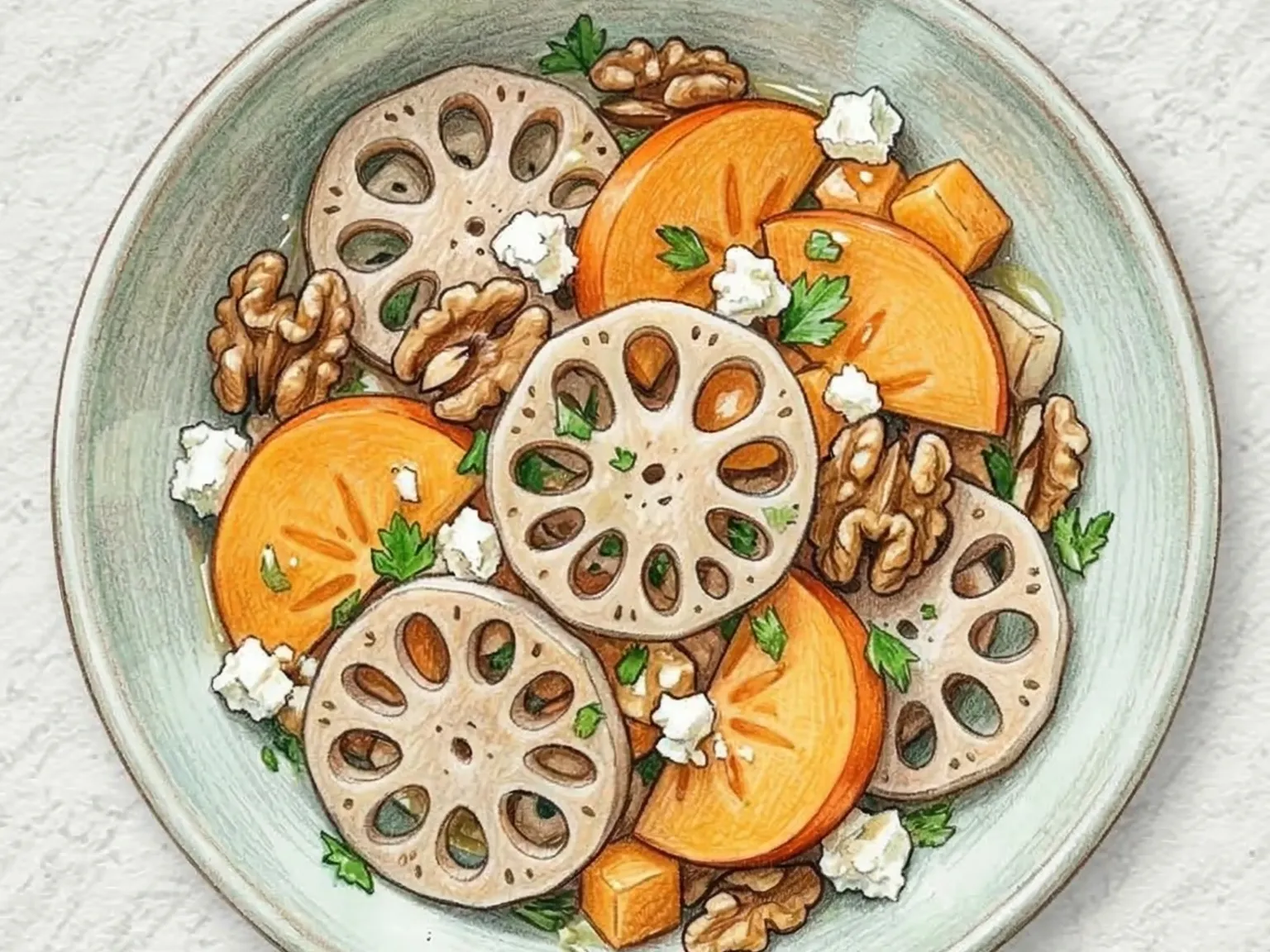
Doraji chestnut perilla salad brings together blanched bellflower root, boiled chestnuts, and Korean pear in a combination that captures the flavors of Korean autumn. Blanching doraji tempers its raw bitterness to a clean, gentle edge and softens its crunch just enough to make it pleasant to eat without cooking out its character entirely. Boiled chestnut contributes a starchy warmth and sweetness that is entirely different from fruit sugars - it is dense and slightly powdery, more comforting than bright. Korean pear introduces cool juice and a delicate crunch that refreshes the palate between bites of root and nut. Ground perilla seeds tie the ingredients together with a nutty, faintly grassy aroma rooted in their omega-3 fatty acid content, a flavor profile that cannot be replicated by sesame alone. The dressing is built from apple cider vinegar for fruit acidity, honey for sweetness, and olive oil to emulsify and smooth the transitions between components. Both bellflower root and chestnuts peak in autumn, so the salad is at its most rewarding when made with freshly harvested seasonal ingredients. The color combination of ivory doraji, cream-colored chestnut, and pale pear gives the bowl a quiet, autumnal visual quality.

Seafood Saffron Risotto
Seafood saffron risotto is built by stirring Arborio rice into warm seafood stock one ladle at a time, coaxing out starch until the grains are creamy yet intact. Saffron threads steeped in a small amount of warm stock release their golden color and floral, slightly metallic aroma evenly through the rice. Toasting the rice in olive oil before adding liquid coats each grain in fat, which controls starch release and prevents the risotto from turning gluey. White wine added early provides acidity that tempers the richness of the seafood. Shrimp and squid go in during the final minutes to keep their texture firm and springy. Butter and Parmesan folded in off the heat create the signature wave-like consistency that should flow slowly across a tilted plate.

Crispy Pork Belly Roast
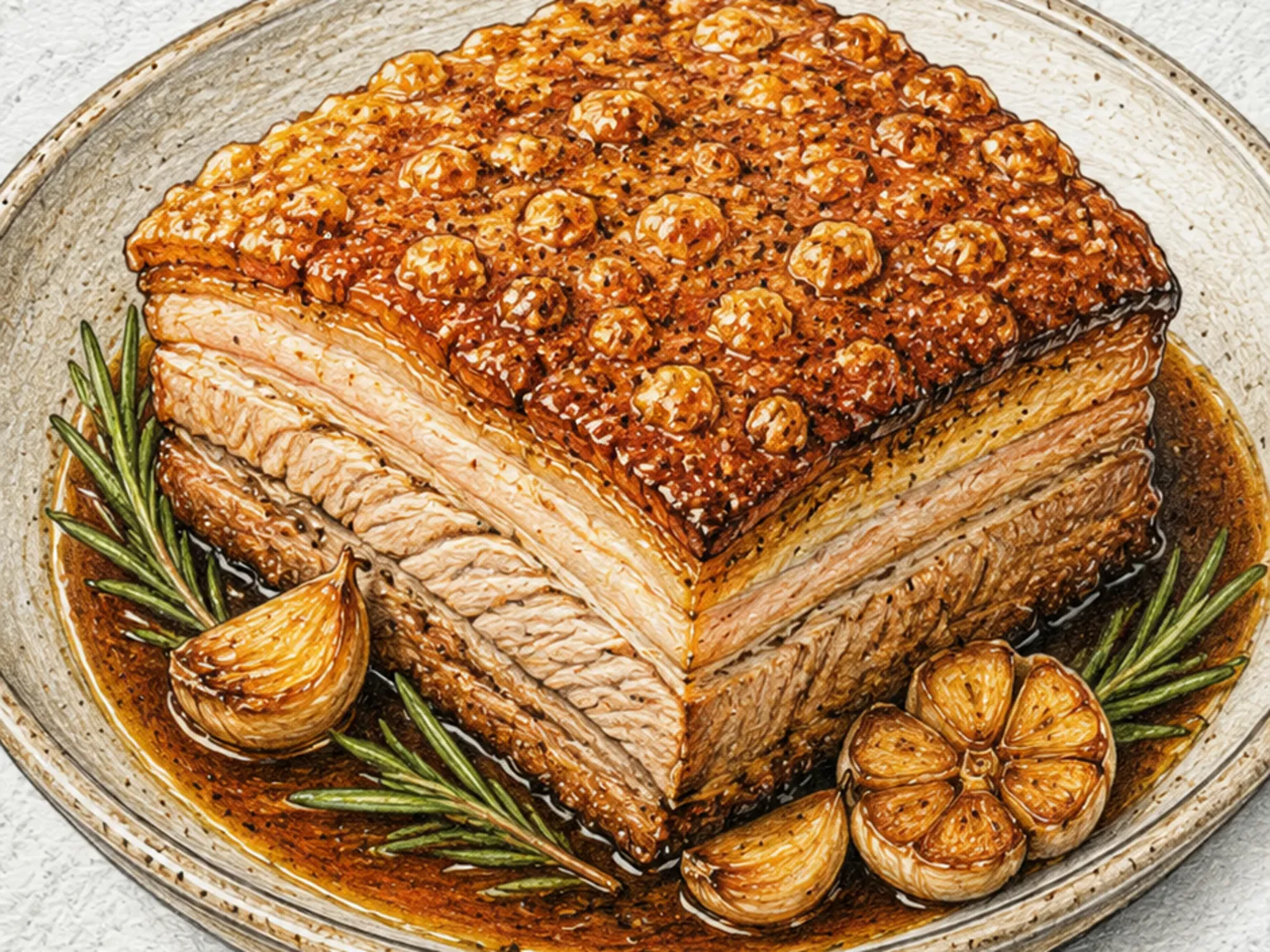
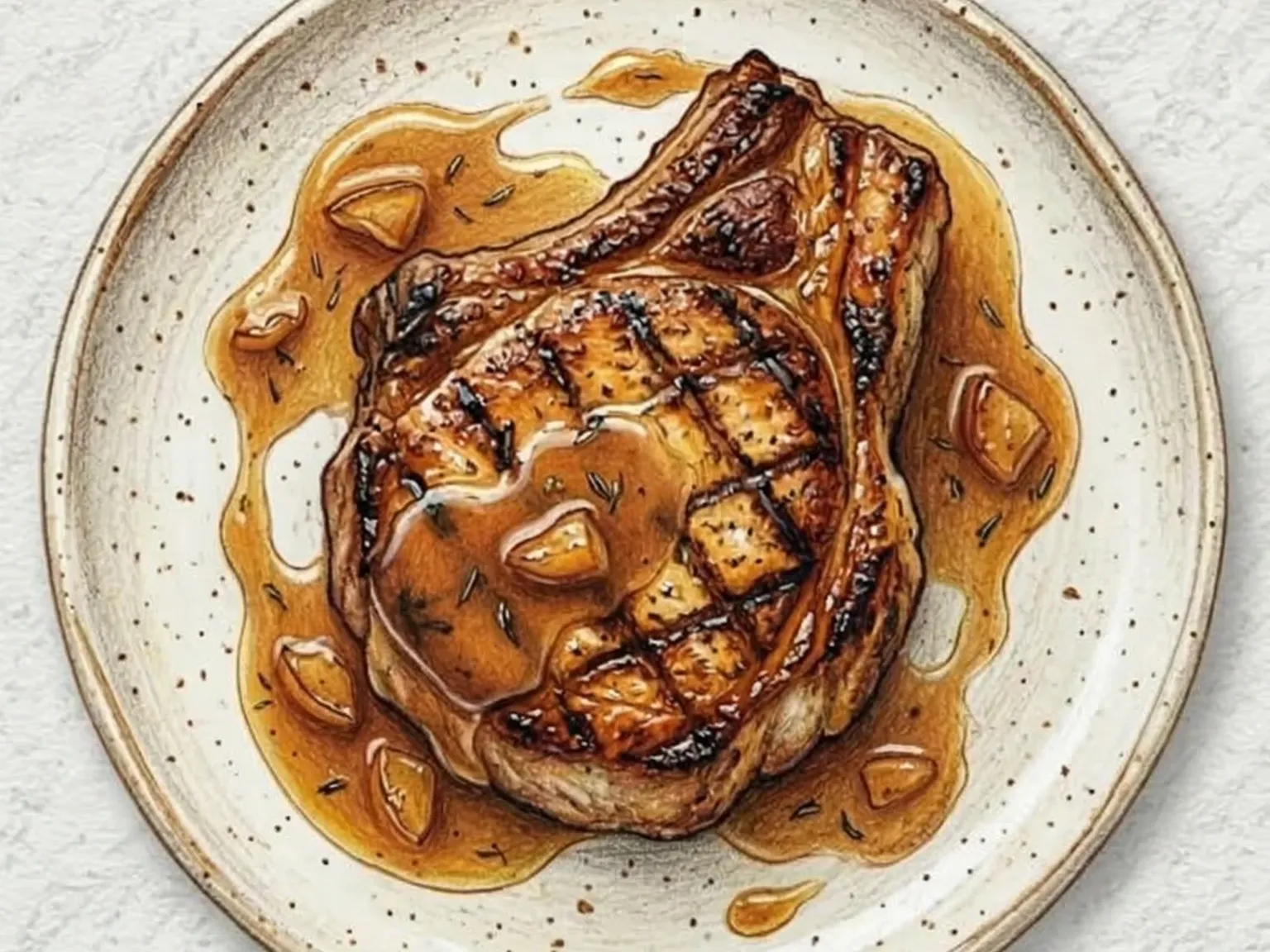
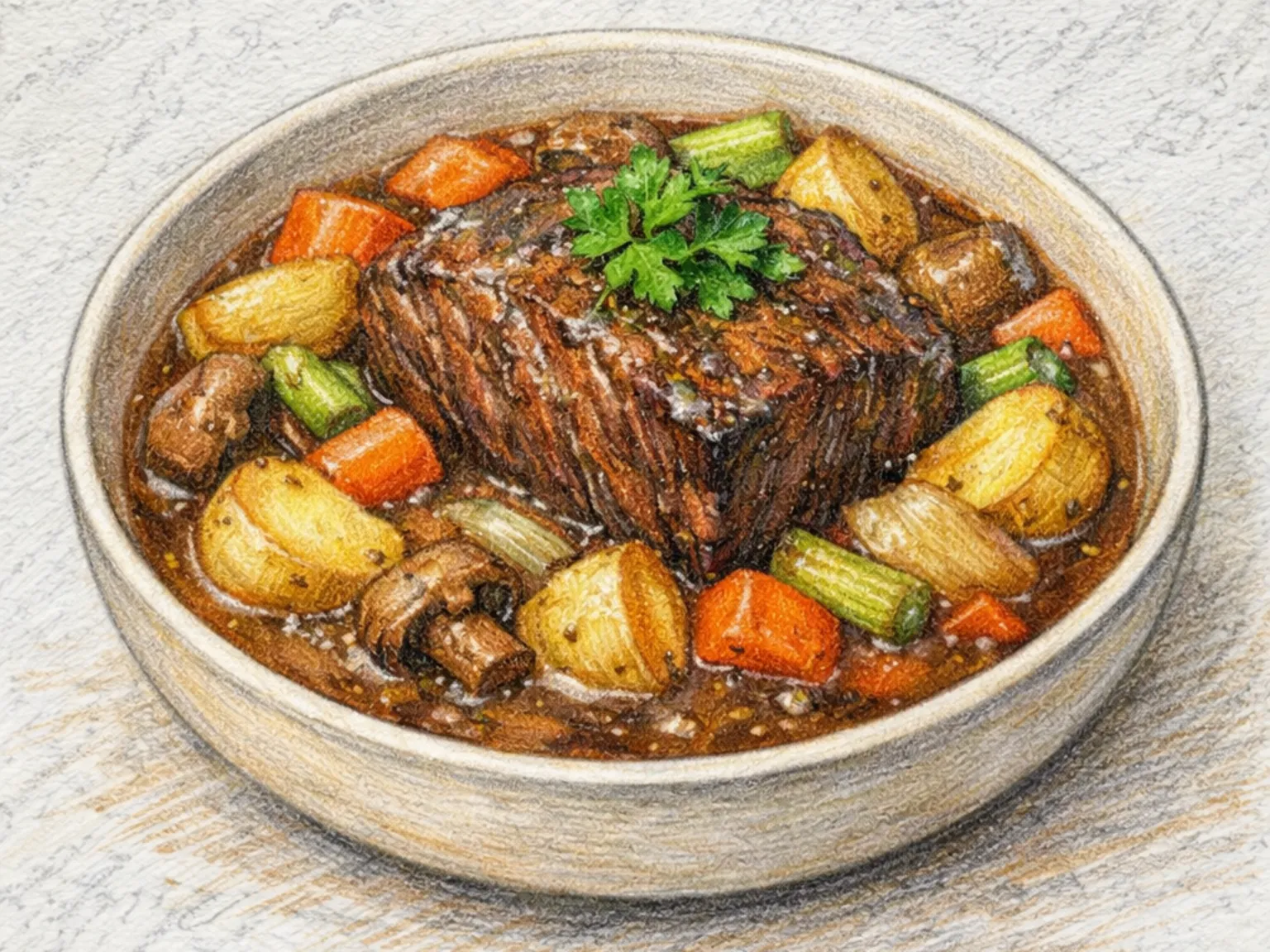
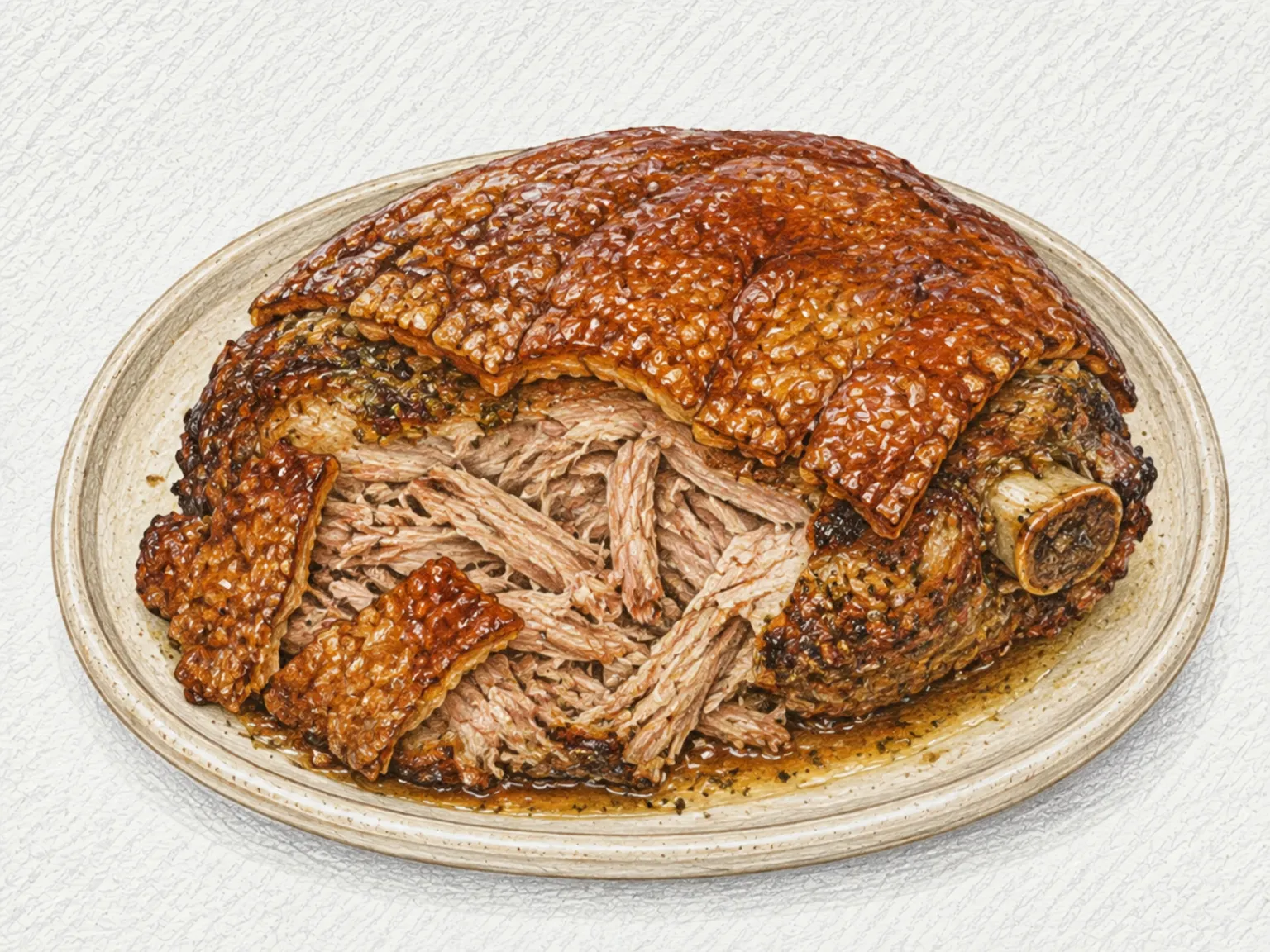
Crispy Pork Belly Roast is a British oven roast focused on achieving a perfectly shattered crackling atop tender, slow-rendered meat. The skin is scored in tight parallel lines and rubbed with coarse salt, then left uncovered in the refrigerator overnight to draw out surface moisture - the first condition for crackling that actually cracks. The initial thirty minutes at 230 degrees Celsius or higher blisters the skin and sets its structure, after which the temperature drops to 160 degrees to slowly melt the internal fat layer, leaving the meat soft and the skin glass-crisp. Garlic cloves and rosemary sprigs placed beneath the belly perfume the meat from below as the oven heat circulates. The rendered pan juices are deglazed to make a quick gravy that carries the pork's own flavor. A rest of at least ten minutes before slicing is essential to keep the juices locked inside the meat.

Chicken Milanese
Chicken Milanese is an Italian-style cutlet that butterflies and pounds chicken breast until thin, coats it in flour, beaten egg, and breadcrumbs mixed with grated Parmesan, then pan-fries it in olive oil until the crust turns a deep, even gold. The step of pounding the meat uniformly thin is not optional: it ensures that the interior cooks through at exactly the same rate as the crust browns, eliminating the frustrating situation of overcooked breading on raw chicken. The Parmesan folded into the breadcrumbs contributes a savory, slightly granular texture that plain breadcrumbs alone cannot achieve; the cheese's proteins also brown more readily under heat, deepening the crust's color and flavor. Allowing the breaded chicken to rest for five minutes before it goes into the pan is another critical step, giving the egg time to fully adhere the crumbs to the surface so the coating does not slide off when the cutlet is flipped. The fat used for frying matters as well: good-quality olive oil adds a subtle fruitiness that butter cannot replicate, and a combination of the two achieves the best of both. A squeeze of fresh lemon juice immediately after plating is not a garnish but a necessary finish, its acidity cutting through the oil and amplifying the aroma of the Parmesan. A mound of lightly dressed arugula on top provides a peppery, bitter counterpoint to the rich, crisp crust, and halved cherry tomatoes sharpen the plate with bright color and additional acidity.

Charred Daepa Gamja Doenjang Salad (Charred Leek Potato Salad)
Charred daepa gamja doenjang salad combines boiled potatoes with large green onion segments that have been seared until deeply caramelized and smoky. The high heat strips away the raw onion bite and replaces it with a concentrated sweetness and char aroma. A dressing made from doenjang, lemon juice, honey, and olive oil layers fermented depth with bright acidity and a touch of sweetness, drawing out the mild flavor of the potato. Tossing the potatoes while still warm allows the dressing to absorb into the starchy flesh rather than sitting on the surface. Red chard adds color and a faint bitterness that gives the bowl a sense of direction, while black sesame seeds contribute a final nutty accent.

Spanakopita (Greek Spinach and Feta Phyllo Pie)
Spanakopita is a Greek savory pie where spinach is sauteed with onion to drive off moisture, then combined with crumbled feta cheese, beaten eggs, and fresh dill to make a filling that is layered between sheets of buttered phyllo dough and baked at 190 degrees Celsius for thirty-five to forty minutes. Removing as much water from the spinach as possible is the single most important step - any residual moisture soaks through the thin pastry and prevents it from crisping. Phyllo sheets dry out within minutes of being exposed to air, so they must be kept under a damp towel and worked one at a time, each brushed with melted butter before stacking. Four layers on the bottom and four on top provide enough structure and crunch. Scoring the surface before baking allows steam to escape and helps the layers puff and separate into distinct, flaky sheets.

Salade Niçoise
Salade Nicoise is a classic salad from Nice in southern France that arranges tuna, soft-boiled eggs, olives, anchovies, tomatoes, and blanched green beans in separate sections on a plate, finished with a vinaigrette of olive oil, lemon juice, and Dijon mustard. The traditional presentation keeps each ingredient in its own zone rather than tossing everything together. Soft-boiling the eggs for six minutes yields a runny yolk that acts as a natural dressing when broken. The salty depth of anchovies and the oily richness of olives add complexity over the mild tuna, while the mustard vinaigrette brightens and ties the whole plate together with its acidity.

Picadillo Cubano (Cuban Ground Beef with Olives and Raisins)
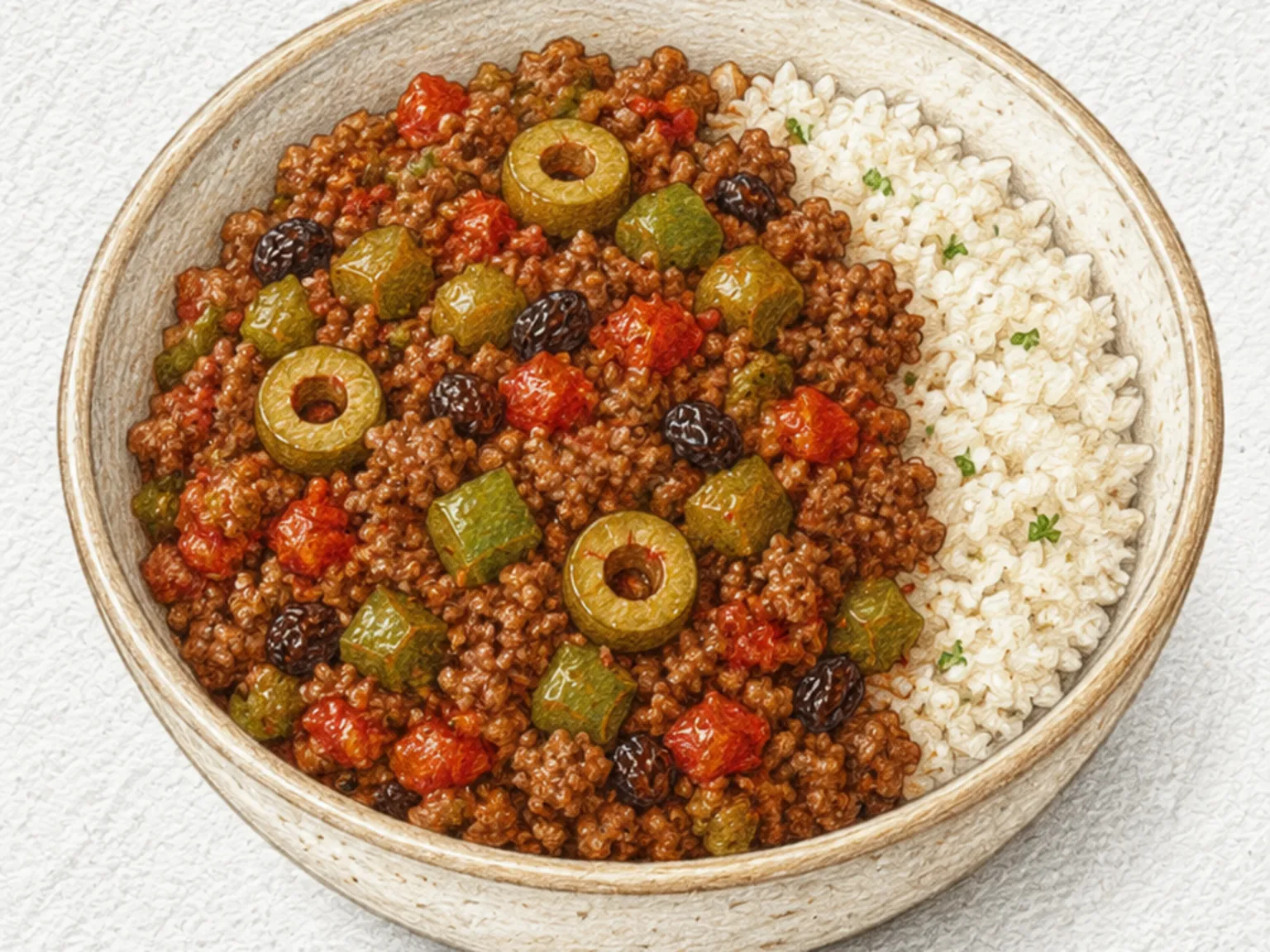
Picadillo Cubano is a cornerstone of Cuban home cooking, made by browning ground beef and simmering it with crushed tomatoes, green olives, and raisins. The identity of the dish lies in the interplay between the briny, savory olives and the subtle sweetness of the raisins, creating a sweet-salty balance within a single pan. The beef must be spread in a single layer over high heat so moisture evaporates quickly and the meat develops brown caramelization - crowding the pan causes it to steam and turn gray. Cumin and oregano contribute the earthy, warm spice profile characteristic of Latin cooking, while diced bell pepper adds a crisp freshness. Served over white rice in the most traditional fashion, it becomes a complete Cuban plate when accompanied by black beans and fried plantains.

Polenta con Funghi (Italian Creamy Cornmeal with Sauteed Mushrooms)
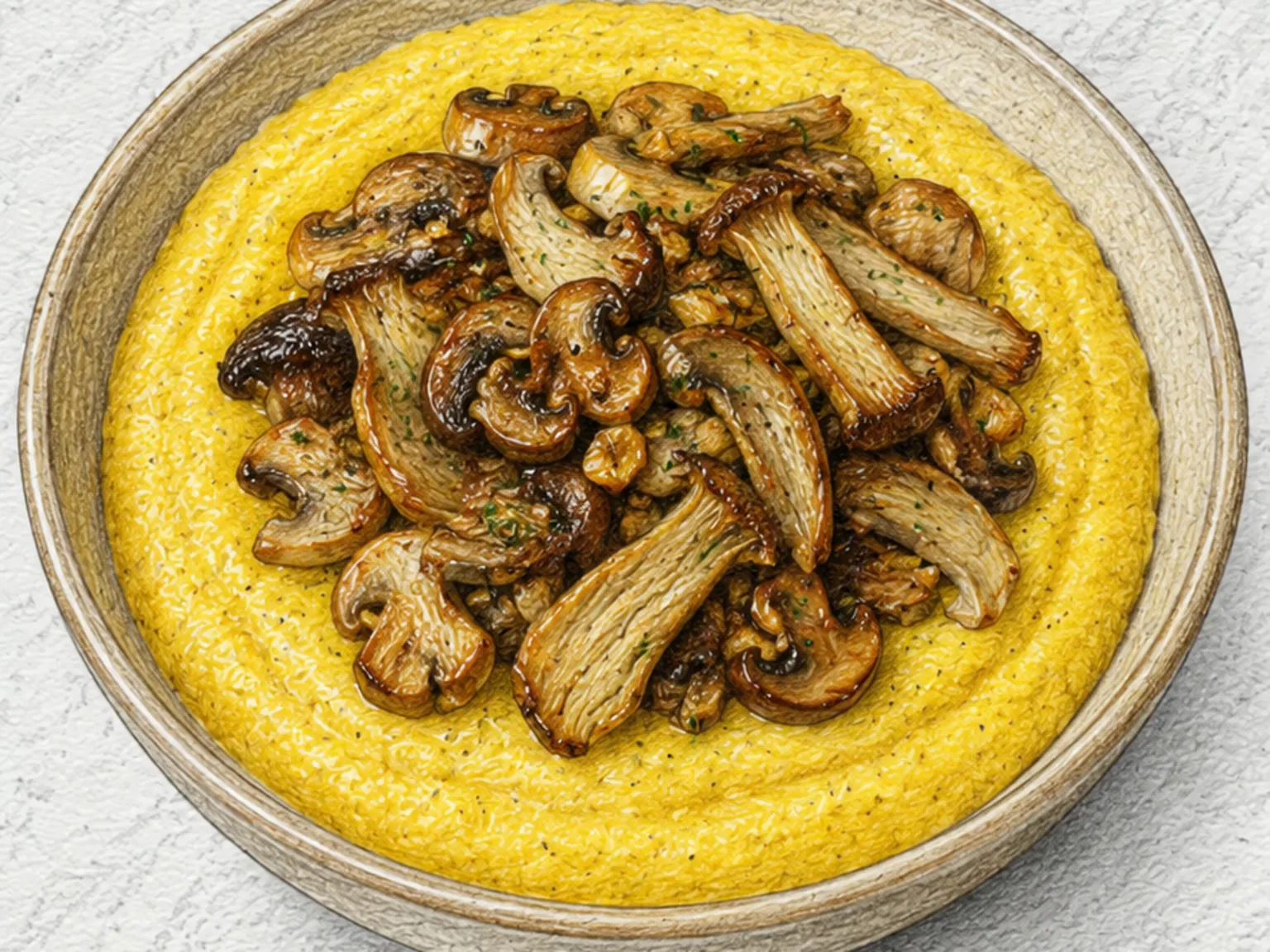
Polenta con Funghi is a staple winter dish in northern Italian households, made by stirring cornmeal into water or stock for over thirty minutes to achieve a smooth, porridge-like consistency, then topped with sauteed mushrooms. Constant stirring is essential - pausing even briefly causes the polenta to stick to the bottom and form lumps. Folding in butter and grated Parmigiano-Reggiano at the end transforms the coarse grain into a velvety texture enriched with dairy fat and cheese umami. The mushrooms - a mix of porcini, oyster, and cremini - are cooked quickly in olive oil with garlic over high heat to drive off moisture and allow the edges to caramelize and develop depth. The gentle sweetness of the cornmeal against the earthy, woodsy mushrooms creates a pairing that is humble yet deeply satisfying.

Chicken Gyro
Chicken gyro is a Greek pita wrap in which chicken thigh is marinated in olive oil, lemon juice, salt, pepper, and dried oregano before being grilled or pan-seared until the skin side develops a golden, crisp char. Chicken thigh withstands high-heat cooking far better than breast because its higher fat content keeps the meat moist and tender even when the exterior is well caramelized. Tzatziki is made by squeezing excess water out of grated cucumber and mixing it into plain Greek yogurt with minced garlic, fresh dill, a small pour of olive oil, and a pinch of salt. Its cold, sharp acidity is the necessary counterweight to the richness of the grilled meat, cooling every bite. Thinly sliced red onion adds a pungent crunch while halved cherry tomatoes or diced tomato bring bright juiciness inside the wrap. The pita should be warmed on a dry pan or grill for about thirty seconds per side immediately before assembling so it stays soft and pliable enough to wrap without cracking under the filling. Assembled and eaten immediately, the contrast between the hot, charred chicken and the cold sauce defines the dish.

Olive Herb Flat Bread (Leaf-Shaped Provencal Bread)
Fougasse is a flatbread from Provence in southern France, shaped with decorative slashes that resemble a leaf or wheat sheaf. The dough is enriched with olive oil and studded with Kalamata olives, rosemary, and thyme, distributing pockets of briny, herbal flavor throughout the bread. The distinctive cuts serve more than an aesthetic purpose - they increase the crust-to-crumb ratio dramatically, so thinner sections bake to a crackling crispness while thicker areas remain soft and chewy. This variation in texture within a single piece is what makes fougasse more interesting than a uniform loaf. The surface is brushed with olive oil before baking, which produces a golden, glossy finish. Best eaten warm, when the aromatic oils from the herbs and olives are most volatile. It pairs naturally with southern French dishes, charcuterie boards, or a simple bowl of good olive oil for dipping.

Korean Shrimp Tomato Knife-Cut Noodles
Saeu tomato kalguksu is a Korean fusion noodle soup that simmers fresh knife-cut noodles and shrimp in a tomato-based broth. Blanched and diced tomatoes are cooked down with garlic and onion in olive oil to build a naturally sweet, acidic base before water is added. Shrimp go in near the end of cooking to stay plump and springy. A light dusting of Parmesan over the finished bowl bridges Korean and Mediterranean flavors.

Roasted Vegetable Salad
Roasted vegetable salad cuts bell pepper, zucchini, eggplant, and onion into evenly sized pieces, roasts them at 200 degrees Celsius for 20 to 25 minutes, and serves them over peppery arugula with a drizzle of balsamic vinegar. At high oven heat the surface moisture evaporates rapidly, triggering both the Maillard reaction and caramelization simultaneously, so the vegetables develop concentrated natural sweetness alongside scattered charred edges that carry a smoky depth. The bitter, peppercorn-like bite of arugula provides a direct counterpoint to the caramelized sweetness of the roasted vegetables, keeping each forkful from feeling one-dimensional. Balsamic vinegar's thick, concentrated acidity pulls the disparate flavors together into a single coherent whole. Maintaining a thickness of 1.5 to 2 centimeters for each piece is important because thinner cuts dry out completely in the oven's dry heat and turn leathery, losing the interior moisture that makes roasted vegetables satisfying. Shaving Parmigiano-Reggiano over the top or scattering pine nuts adds a savory, nutty layer that makes the salad more substantial.

Pasta al Limone (Italian Lemon Butter Cream Pasta)
Pasta al limone is a pasta from southern Italy that relies entirely on lemon zest, lemon juice, butter, cream, and Parmesan for its sauce, with no tomato and no meat to complicate the flavor. The citrus oils drawn from the zest dissolve into warm butter and spread their aroma evenly through the fat before any liquid is added, which is what gives the finished sauce its rounded, lingering lemon character rather than a sharp acidic bite. A ladleful of starchy pasta water is then added to emulsify everything into a glossy, clingy coating that holds to each strand of linguine without pooling at the bottom of the plate. Cooking the sauce over low heat throughout is critical: cream added to high heat separates and loses its silky texture. Linguine cooked al dente provides enough resistance to stand up to the light sauce without the combination feeling heavy or cloying. Total preparation from filling a pot with water to plating takes roughly twenty minutes, making it a realistic weeknight option despite its refined result.

Duck Ragu Pappardelle (Braised Duck Pasta)
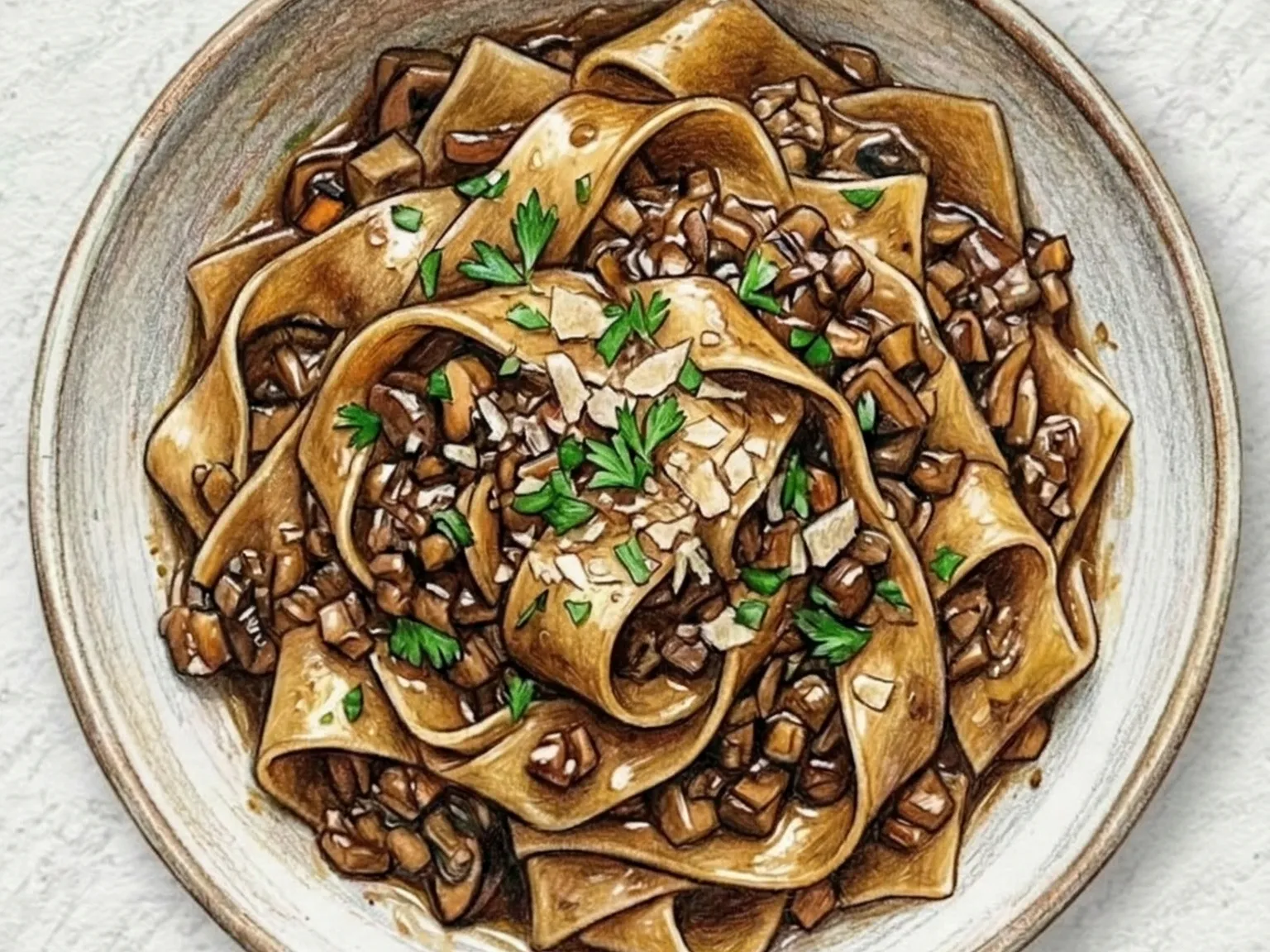
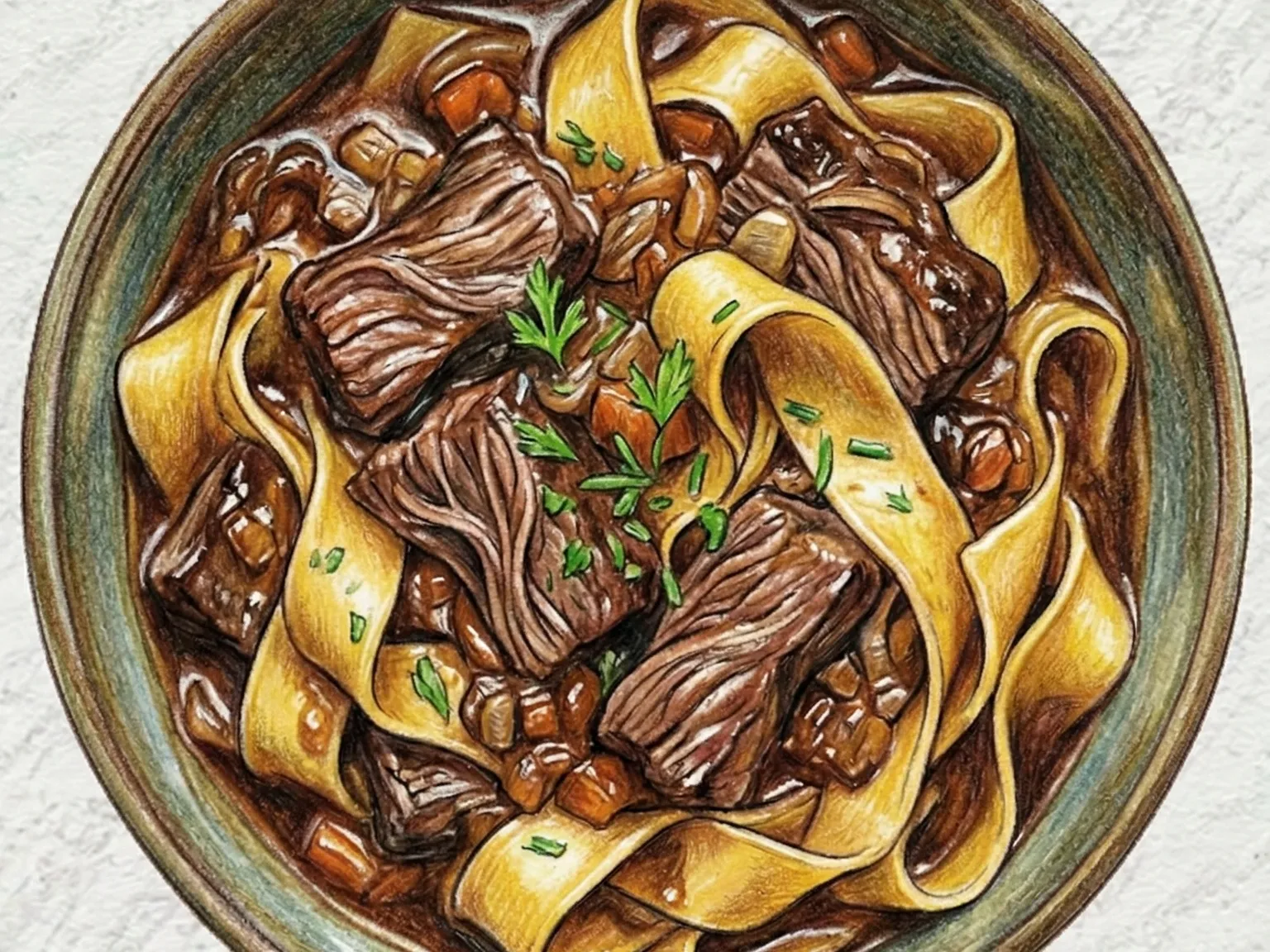
Duck ragu pappardelle is an Italian braised pasta that begins with a hard sear of seasoned duck legs in olive oil until the skin turns a deep, mahogany brown. The fond left on the pan base is the backbone of the sauce, so the sear must be thorough. Onion, carrot, and celery go into the same pan and cook for eight minutes until soft and faintly sweet. Garlic and tomato paste follow, stirred over heat until the paste darkens slightly, then red wine goes in to deglaze every browned bit before reducing by half. The duck returns to the pot with chicken stock and bay leaf for a slow ninety-minute braise at the lowest simmer, until the meat pulls from the bone with no resistance. Shredded duck meat goes back into the sauce, which cooks down another ten minutes to reach a coating consistency. Broad pappardelle is boiled two minutes short of al dente and tossed in the ragu for a final minute so the wide noodles fully absorb the rich, meaty sauce. The ragu deepens noticeably after resting overnight.

Kale Apple Walnut Salad
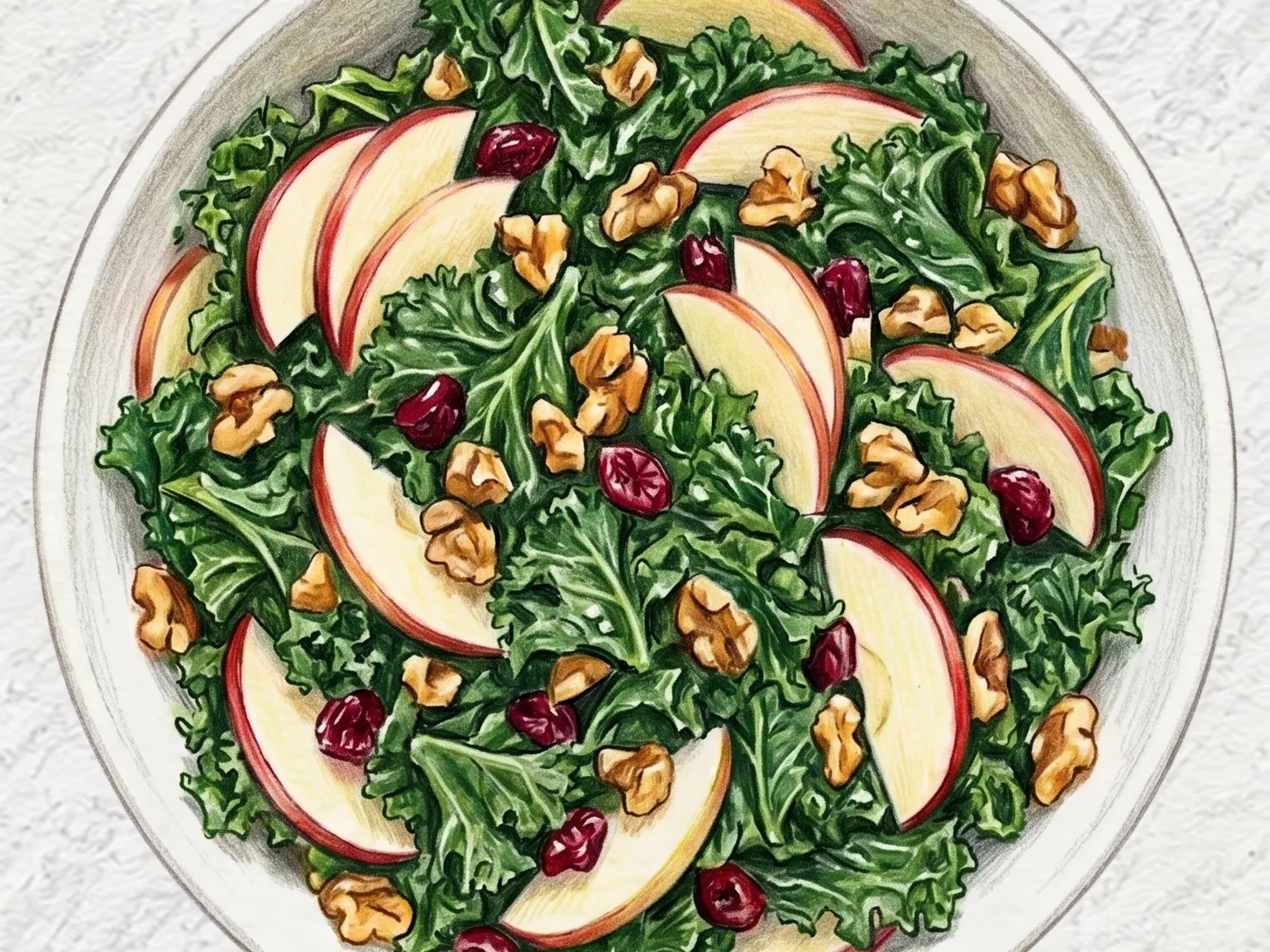
Kale apple walnut salad strips kale leaves from their stems, tears them small, and massages them with part of a lemon-honey dressing to soften the tough fibers before adding thinly sliced apple, roughly chopped walnuts, and dried cranberries with the remaining dressing. Raw kale has a coarse, chewy texture that can feel rough on the palate, but massaging it with the acidic dressing breaks down the cell walls, reducing volume and turning the leaves tender. The lemon juice pulls double duty - it tempers the kale's bitterness and prevents the apple slices from browning. Olive oil and honey round out the acid with a smooth richness and gentle sweetness. Toasting the walnuts in a dry pan for just one minute brings their oils to the surface, roughly doubling the nutty aroma, while pockets of dried cranberries add tart-sweet bursts throughout.

Spinach Ricotta Cannelloni
Spinach ricotta cannelloni fills tube-shaped pasta with a mixture of sautéed spinach, ricotta cheese, garlic, and Parmesan, then bakes them in tomato sauce topped with mozzarella. Removing as much moisture from the spinach as possible is the most important step - excess water thins the filling and causes the tubes to split during baking. Half the Parmesan goes into the filling for depth, while the rest is scattered on top with mozzarella to build a golden, bubbling crust. Baking covered at 190 degrees Celsius for the first 25 minutes lets the sauce steam the pasta through, and uncovering for the final 10 minutes crisps the cheese surface. Resting the dish for 10 minutes after it comes out of the oven allows the sauce to thicken and the filling to set, producing cleaner portions when sliced.

Tuna Steak
Chamchi steak is a pan-seared fresh tuna dish where a thick block of tuna is seasoned with olive oil, salt, and black pepper, then pressed onto a smoking-hot pan for under thirty seconds per side. This extreme brevity is deliberate: it produces a dark, caramelized Maillard crust on the surface while leaving the interior a vivid, translucent pink that is barely cooked through. Temperature control is the central technique - if the pan is not hot enough, the tuna releases moisture and steams rather than sears, so the oil should be at the point of just-visible smoke before the fish goes in. A squeeze of lemon at the end brightens the rich, iron-forward flavor of the raw center.

Charred Broccolini Doenjang Lentil Salad
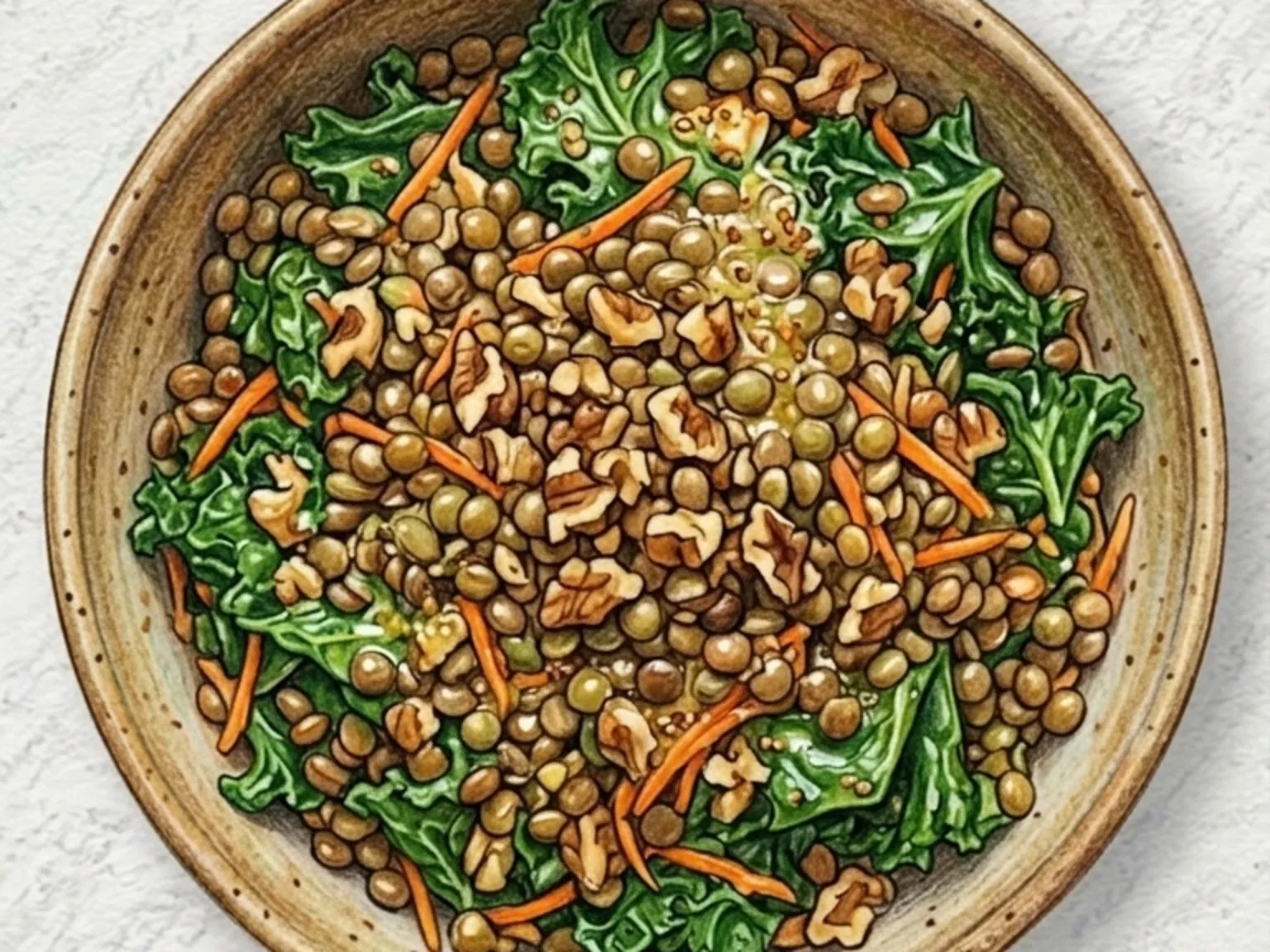
Charred broccolini doenjang lentil salad halves broccolini lengthwise, coats it in olive oil, and chars it in a very hot pan for 4 to 5 minutes until the cut edges darken and take on a bitter, smoky note. Cooked lentils add a starchy, filling body to the bowl. A dressing of doenjang, Dijon mustard, apple cider vinegar, and minced garlic layers fermented depth against sharp acidity. Roughly chopped walnuts break open with each bite and release a fatty, toasted richness. The apple cider vinegar cuts through the salt of the doenjang, keeping the dressing balanced. Draining the lentils thoroughly is necessary to prevent the dressing from diluting, and letting the assembled bowl rest five minutes before serving allows the grains to draw in the seasoning.

Beet and Goat Cheese Salad
Beet and goat cheese salad begins with whole beets wrapped in foil and roasted at 200°C for forty-five to sixty minutes, long enough for their raw, earthy undertone to convert almost entirely into a concentrated, caramel-adjacent sweetness. Peeling the skins while the beets are still warm requires only the pressure of a paper towel - they slip off cleanly - and slicing them before they cool preserves the vivid crimson-purple cross-section that makes the dish visually striking. Crumbled goat cheese placed on the warm slices softens slightly, and its tangy acidity cuts through the dense sweetness of the roasted root rather than competing with it. Walnuts toasted briefly in a dry pan lose much of their raw bitterness, developing a nuttiness that bridges the mineral quality of the beet and the dairy sharpness of the cheese. Balsamic reduction does more than dress the plate: its concentrated sweet-tart intensity ties the separate components into a coherent whole. Arugula underneath the beet slices provides a peppery bitterness that sharpens the contrast against the sweetness, giving the salad a complexity well beyond what its short ingredient list suggests. A simple dressing of extra-virgin olive oil and lemon juice over the greens keeps the balance light and clear.

Rosemary Garlic Grissini
These Italian breadsticks are made from a simple yeasted dough enriched with olive oil, minced garlic, and fresh rosemary. After a forty-minute proof, the dough is rolled flat, cut into narrow strips, and twisted before baking at high heat until deeply golden and audibly crisp. The garlic infuses the crumb with a mellow, roasted warmth, while the rosemary contributes a piney, slightly resinous aroma that intensifies during baking. A dusting of grated Parmesan on top melts into a thin, salty crust that makes the first bite immediately savory. Keeping the strips uniform in thickness ensures even baking - thin ones will burn while thick ones stay pale if mixed on the same tray. The breadsticks cool to a firm snap and store well in an airtight container, maintaining their crunch for several days. They work equally well alongside a bowl of soup, a cheese board, or a glass of wine.

Chwinamul Smoked Mackerel Salad
Flaked smoked mackerel sits at the center of this salad, bringing an oily, smoke-forward richness that contrasts directly with the clean, grassy notes of briefly blanched chwinamul. The chwinamul is blanched just long enough to remove its raw edge while retaining its green color and faint herbal bitterness. Cooked green lentils add earthy substance and make the salad genuinely filling. Halved cherry tomatoes introduce a burst of juice that cuts through the mackerel fat and keeps the dish from feeling heavy. A vinaigrette built from Dijon mustard, apple cider vinegar, and olive oil draws the separate elements together, and the smoky fat from the mackerel gradually bleeds into the dressing as it sits, deepening the overall flavor. The combination of protein from the fish, fiber from the lentils and greens, and healthy fat from the mackerel and olive oil makes this a nutritionally complete single-bowl meal.

Mediterranean Chickpea Salad
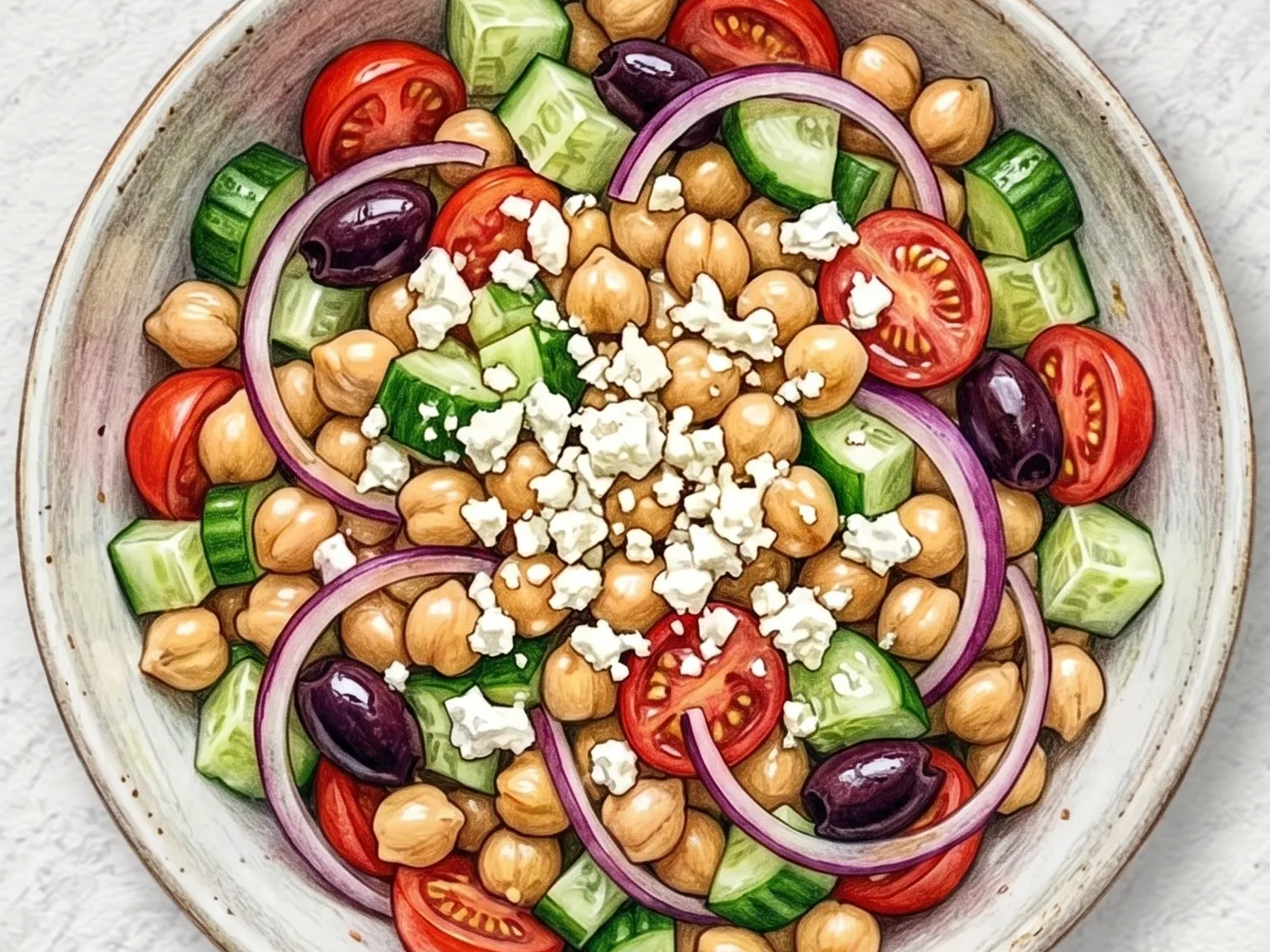
This Mediterranean salad centers on cooked chickpeas for their starchy, satisfying chew, surrounded by diced cucumber, halved cherry tomatoes, black olives, and thinly sliced red onion. A stripped-down vinaigrette of red wine vinegar and olive oil keeps the dressing from overpowering any single ingredient, and crumbled feta added at the end provides a salty, creamy contrast that pulls the whole bowl together. The red onion should soak in cold water for five minutes before going in so its sharpness softens and it blends smoothly with the milder components. No heat is needed anywhere in the preparation, and the whole salad takes about twelve minutes to assemble. A twenty-minute rest in the refrigerator allows the vinaigrette to distribute evenly and deepens the overall flavor. Pita bread for dipping or grilled chicken laid across the top turns this easily into a full meal.

Creamy Garlic Shrimp Pasta
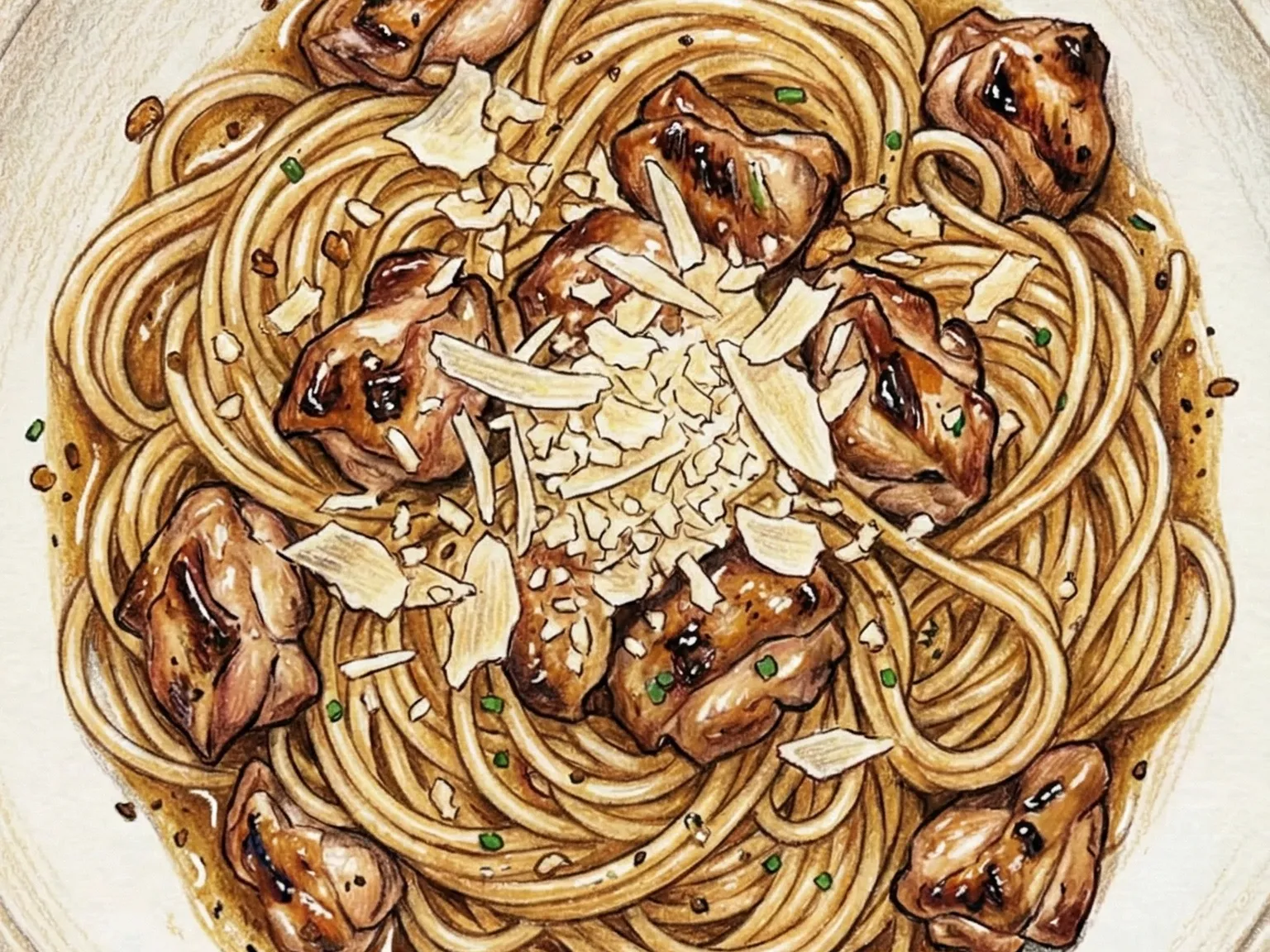
Creamy garlic shrimp pasta begins with a slow, low-heat saute of minced garlic in olive oil and butter. The garlic should be pulled when it turns pale gold rather than brown, which preserves its sweet, mellow depth without any bitterness. Shrimp go in next and cook for roughly two minutes in total, just long enough for both sides to turn pink. At that point the flesh is at its sweetest and the texture is still springy. The shrimp come out of the pan and rest while heavy cream goes in, simmering over medium-low heat for two to three minutes. During that simmer the garlic-infused fat and the shrimp juices left in the pan dissolve into the cream, building the sauce's depth without any additional flavoring. Spaghetti is boiled one minute short of the package time so it finishes cooking in the sauce rather than on its own. Grated Parmesan and a small ladle of pasta water go in together, and the mixture is tossed until the cheese melts into a smooth, silky coating that clings evenly to the noodles. The reserved shrimp return for a final thirty seconds of warming, just enough to heat through without firming up, so every bite carries both the tender sweetness of the seafood and the rich, savory garlic cream.