Korean Burdock Matchstick Pancake
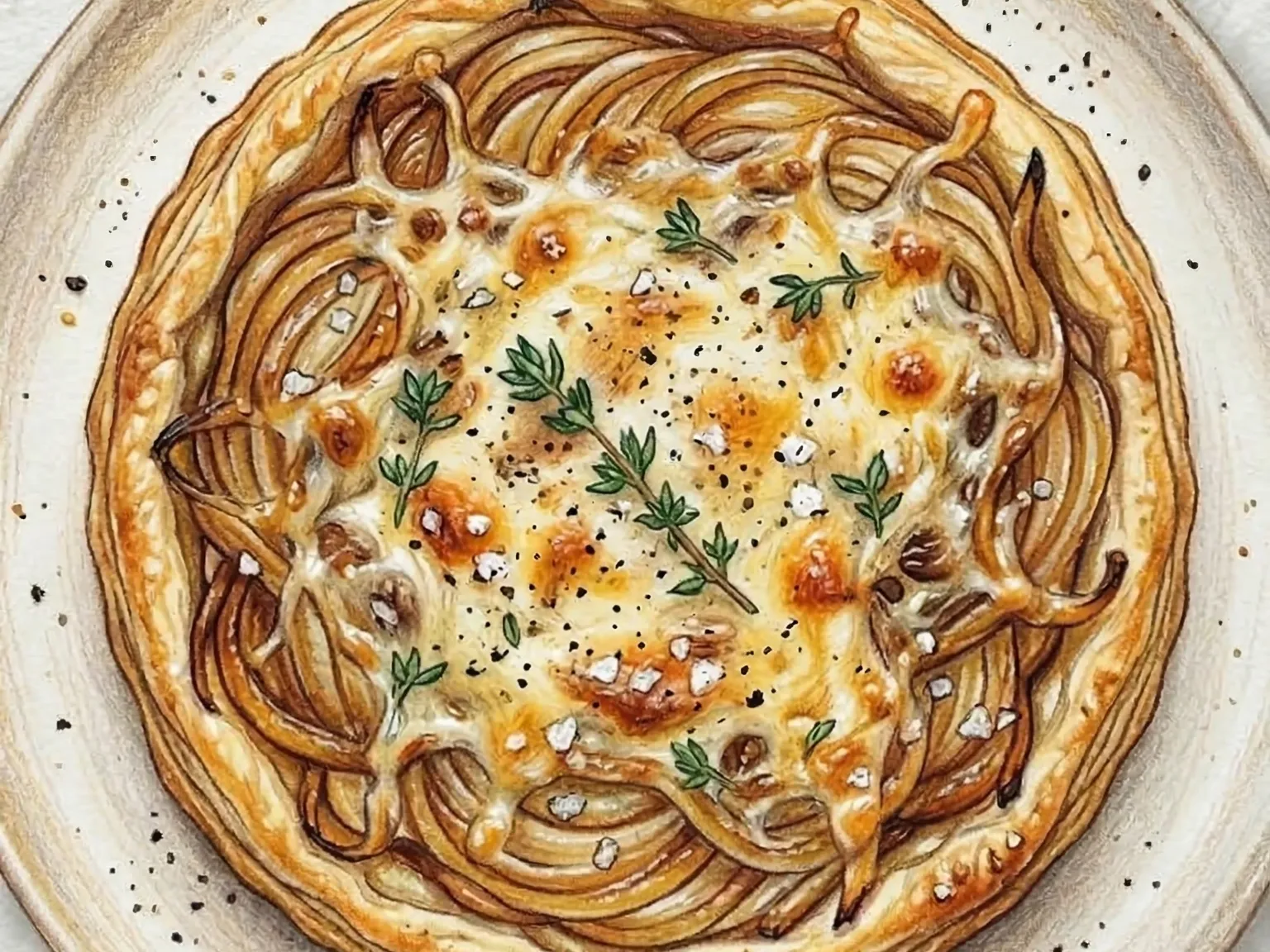
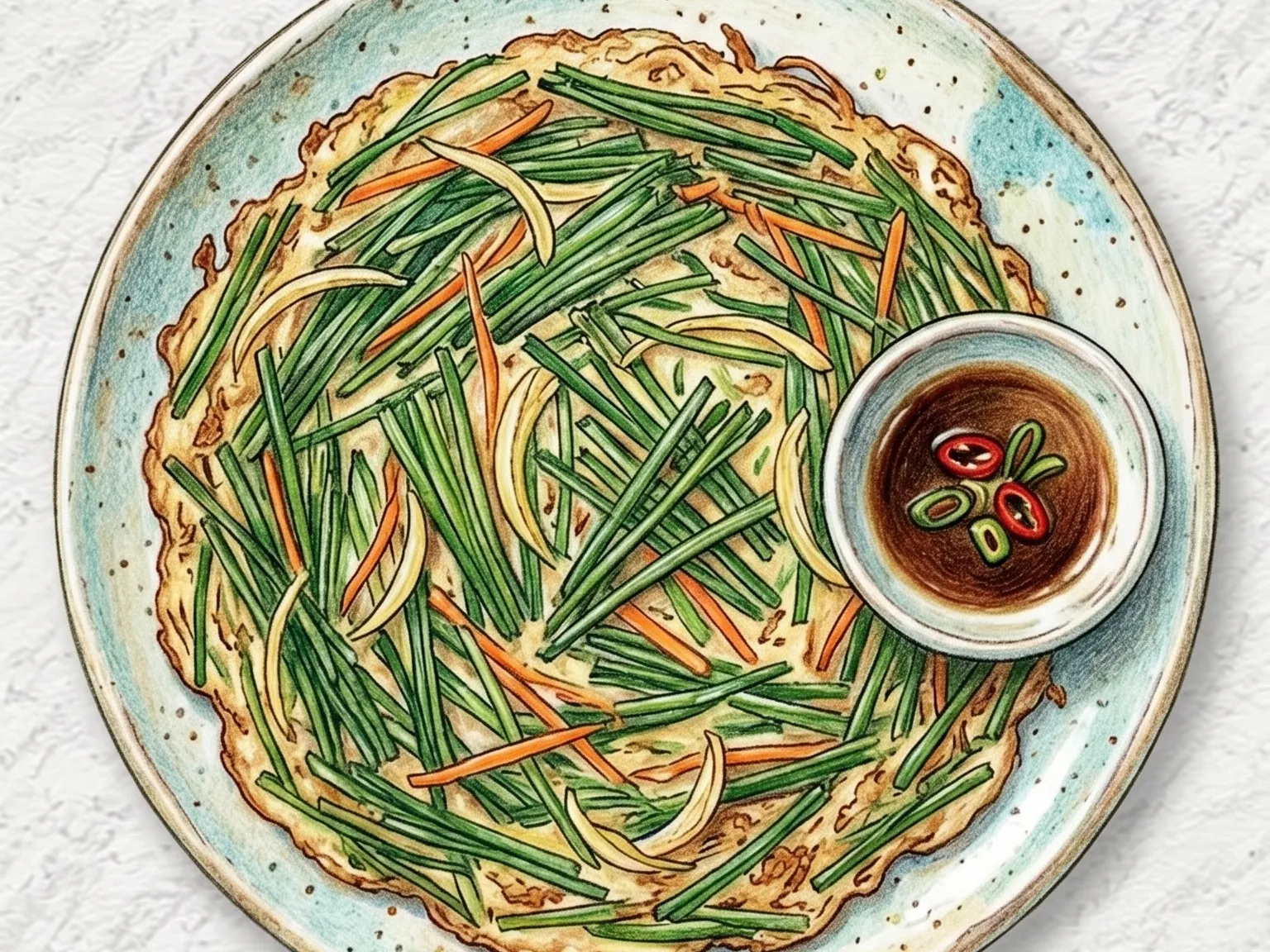
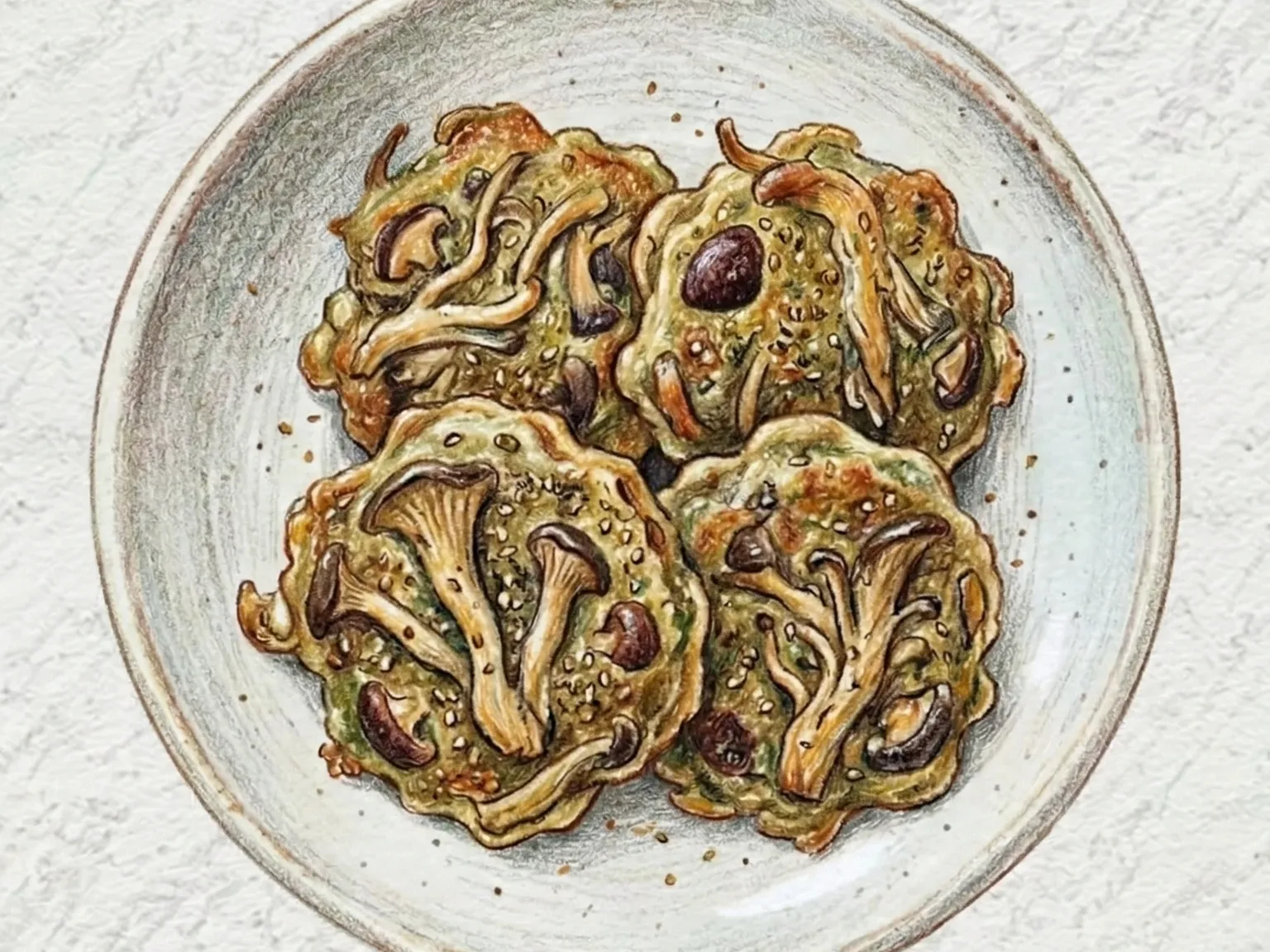
Burdock root, julienned into thin matchstick strips and pan-fried with onion and cheongyang chili, is a jeon with texture as its main argument. The combination of Korean pancake mix and tempura flour in the batter produces a result that is crispier than standard jeon, particularly at the edges where the thin strips of burdock protrude from the batter and catch the heat. Burdock has an earthy, faintly bitter flavor that holds up in the pan, and the onion provides sweetness alongside it. Cheongyang chili cuts through with a slow-building, lingering heat. Cold water keeps the batter loose and inhibits gluten development, so the finished jeon stays light rather than dense. Hot from the pan, the edges shatter; cooled, they turn chewy.

Korean Napa Cabbage Anchovy Stew
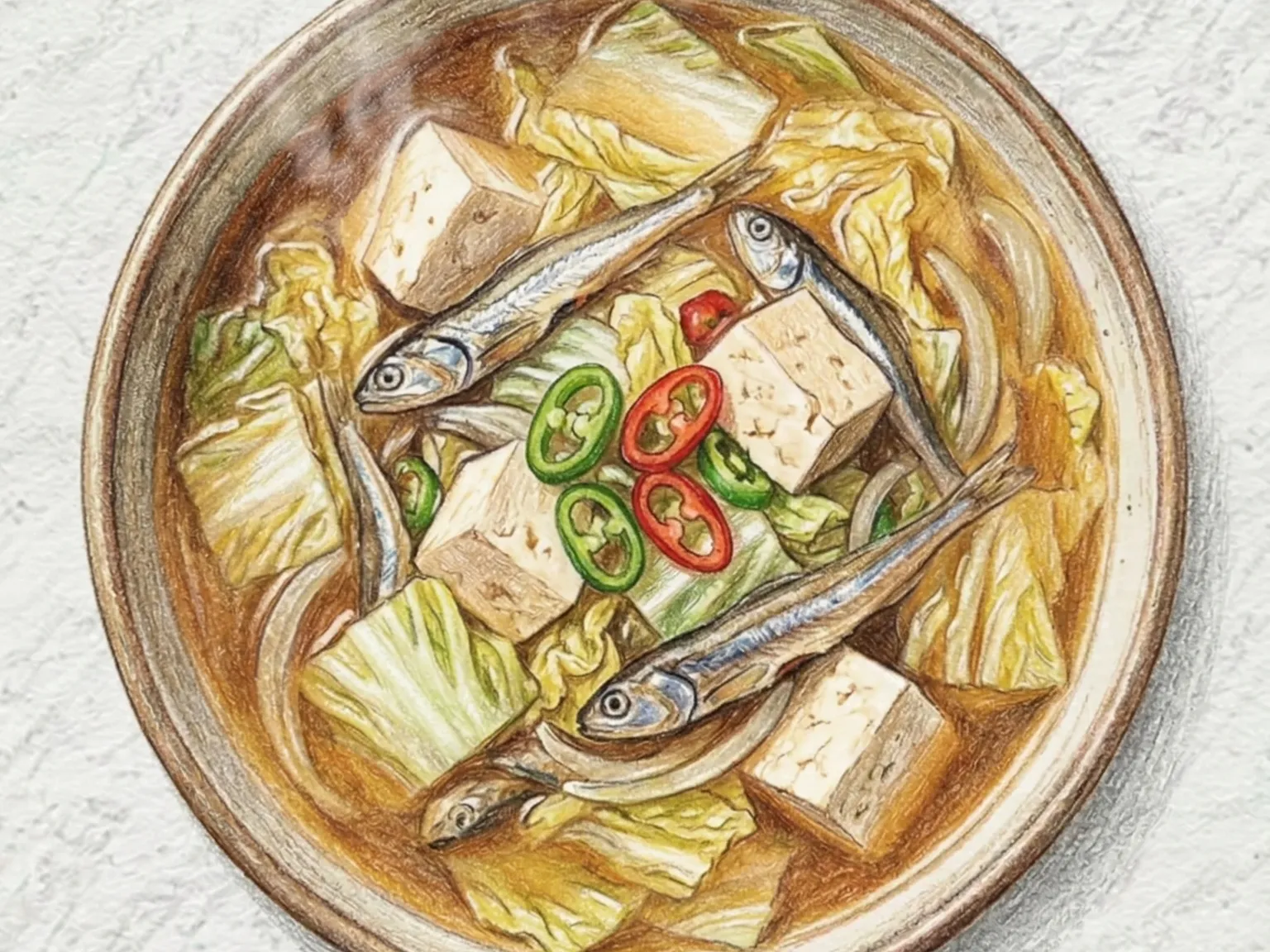
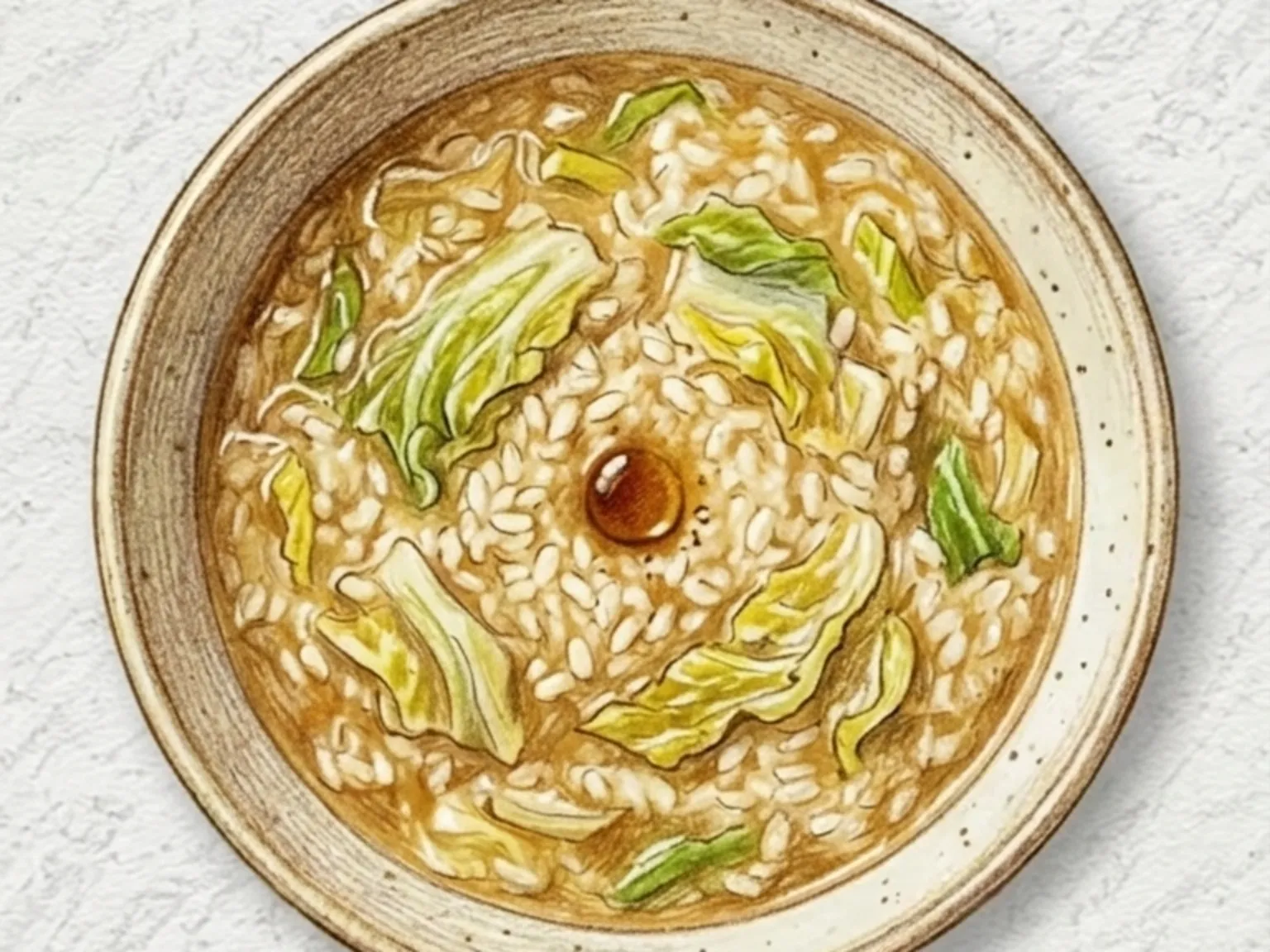
Baechu myeolchi jjigae is a homestyle Korean stew that relies on dried anchovy stock as its flavor base, with napa cabbage as the central vegetable. Large dried anchovies and kelp are simmered together for ten minutes to build a stock with pronounced umami, then strained so the broth is clear and clean. Baby napa cabbage cut into long vertical strips releases the natural sweetness of its pale inner stems into the broth as it cooks, providing a counterpoint to the saltiness of the anchovy stock. Thick-cut tofu slabs are placed between the cabbage layers, and thinly sliced onion adds another source of sweetness to the liquid. Diagonally cut cheongyang chili introduces a direct, sharp heat that gives life to what would otherwise be an entirely mild broth. Fifteen to twenty minutes of simmering is sufficient for the cabbage to soften fully and for its sugars to fully dissolve into the stock, creating the natural sweetness that defines this stew. No gochujang, no doenjang, no complicated sauce: the stew demonstrates a principle central to Korean home cooking, which holds that a well-constructed stock and a single honest vegetable can generate depth and satisfaction without further layering.

Korean Andong Braised Chicken
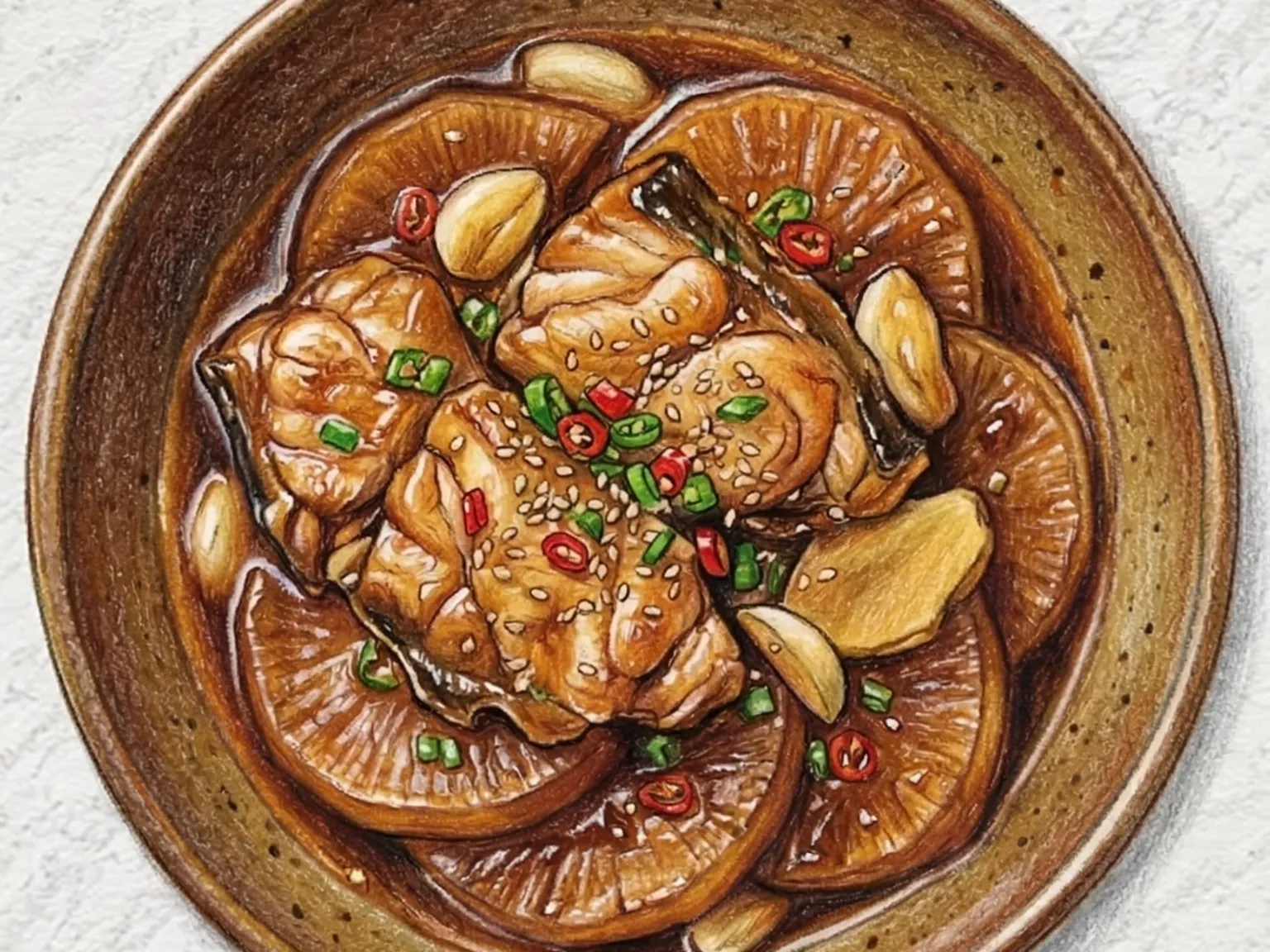
Andong jjimdak is said to have taken its modern form in Andong's old market during the 1980s, though soy-braised chicken has been a Gyeongsang Province tradition for far longer. Chicken pieces braise in a concentrated sauce of soy sauce, sugar, gochugaru, garlic, and ginger until the meat nearly separates from the bone. Glass noodles, dangmyeon, are added toward the end and absorb the braising liquid until they turn translucent and deeply stained with the sauce, becoming the most sought-after component. Potatoes and carrots provide bulk and sweetness, while dried red chilies and sliced cheongyang pepper build a layered heat that develops gradually. The finished dish arrives at the table in a wide, shallow pot, every component coated in the reduced soy glaze. It became a nationwide phenomenon in the early 2000s and remains one of Korea's most popular communal dishes, typically shared between two or three people over steamed rice.

Korean Soy Pickled Beet (Vinegar Soy Brine Jangajji)
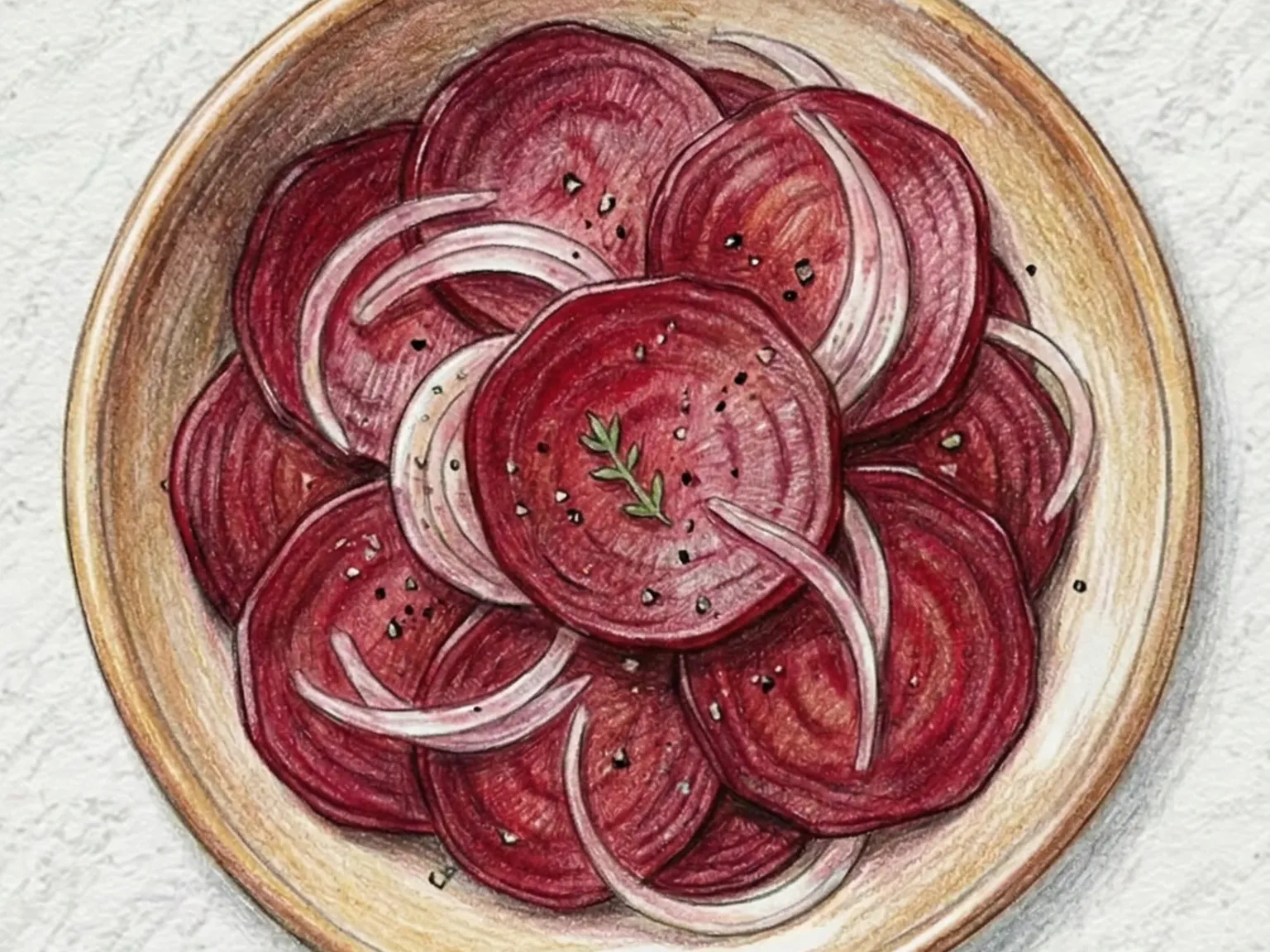
Beet jangajji is a Korean soy-pickled beet prepared by slicing beets thin and submerging them in a cooled brine of soy sauce, vinegar, and sugar. The vinegar cuts through the beet's earthy undertone, leaving a clean sweetness sharpened by acidity, and onion adds a mellow depth to the pickling liquid. As the brine cools, the beet's vivid red pigment bleeds into the liquid, creating a visually striking jar that stands out on the table. After at least a day of pickling, the flavor penetrates fully, producing a crisp, refreshing side dish suited to rice or grilled meats. Julienned beets pickle faster and are ready within a day, while thicker slices need two days or more for the brine to reach the center. Stored in the refrigerator, the pickles keep well for over two weeks, making a large batch practical.

Korean Beef Brisket Soybean Paste Noodles
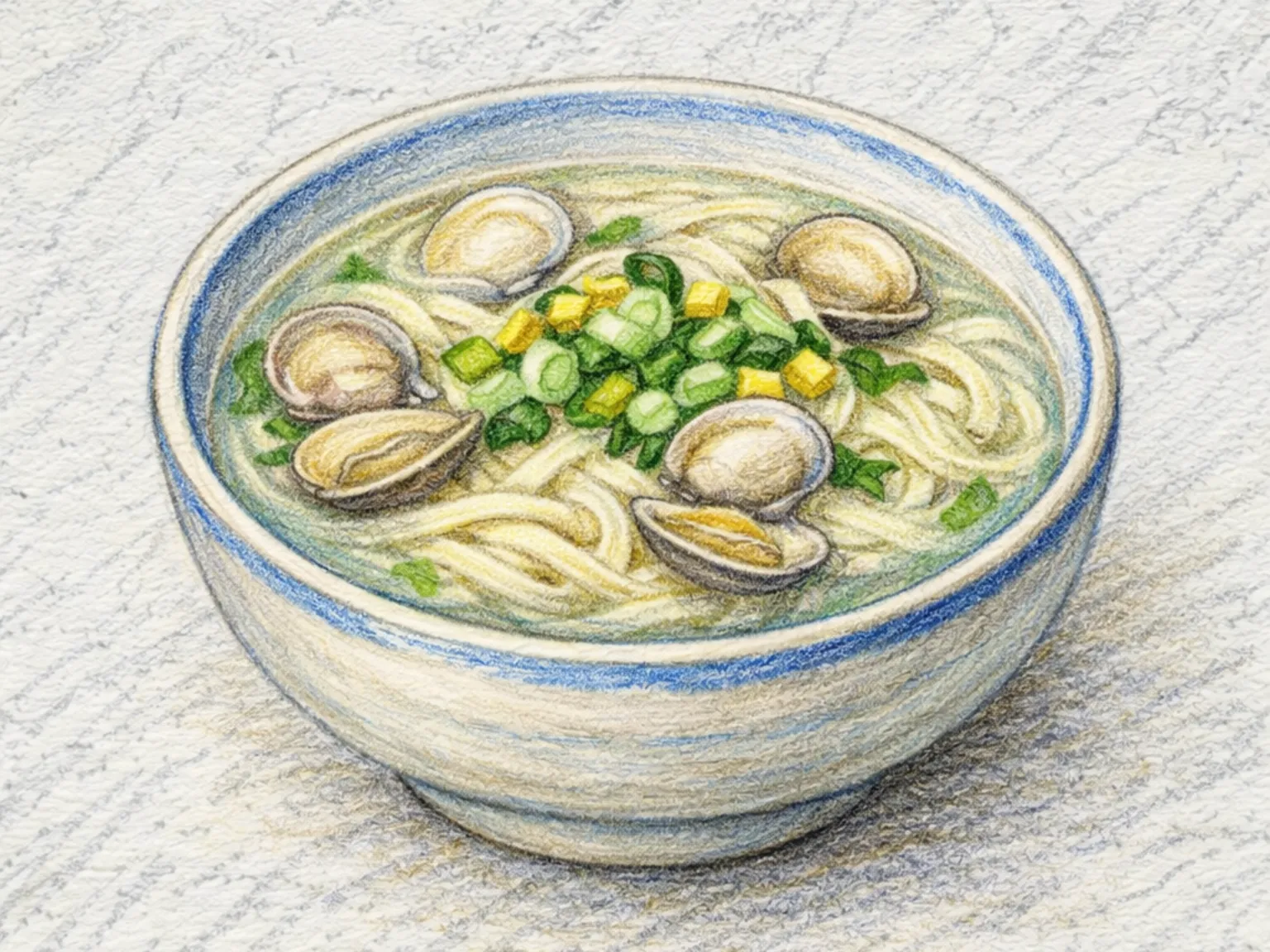
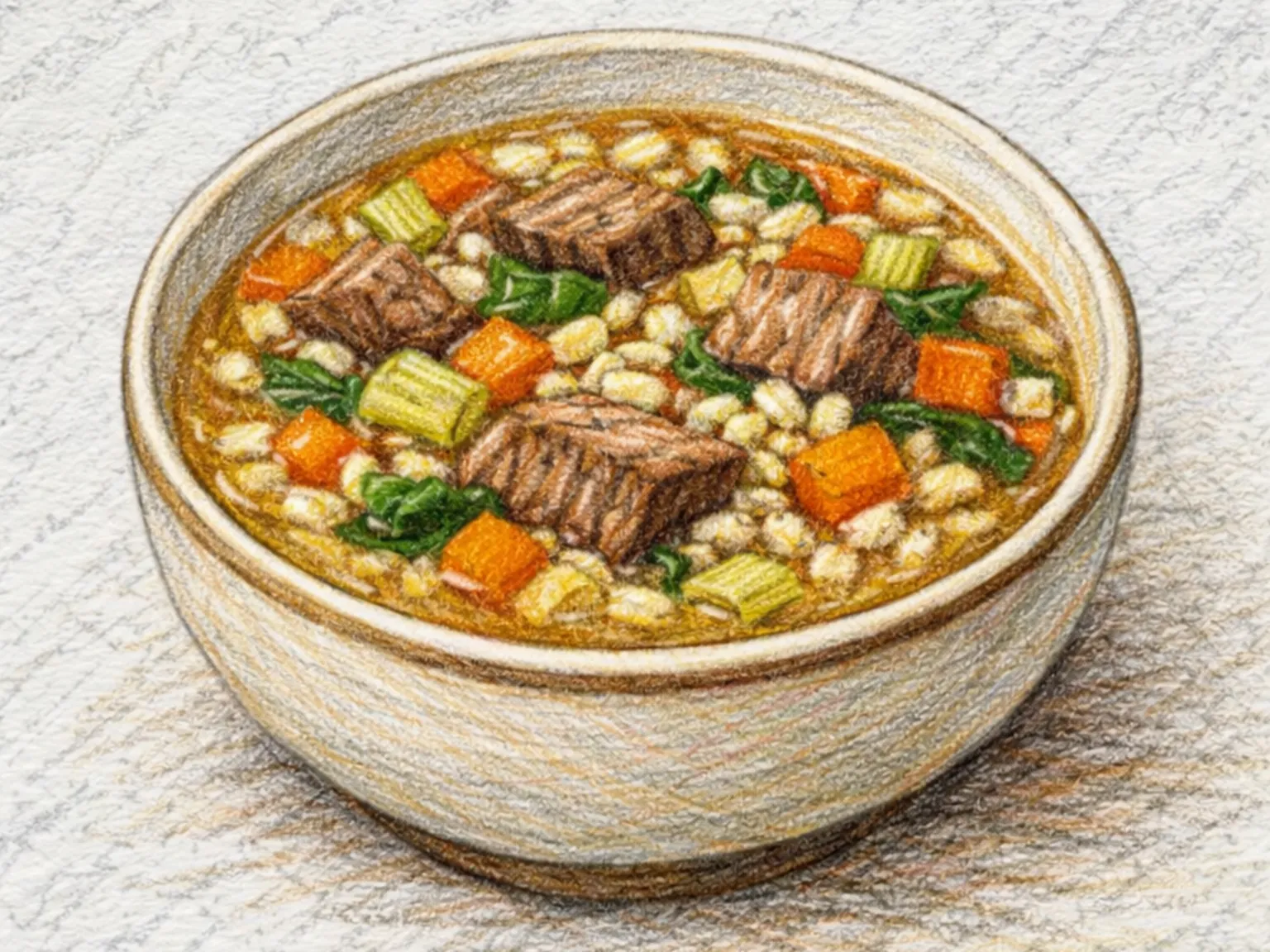
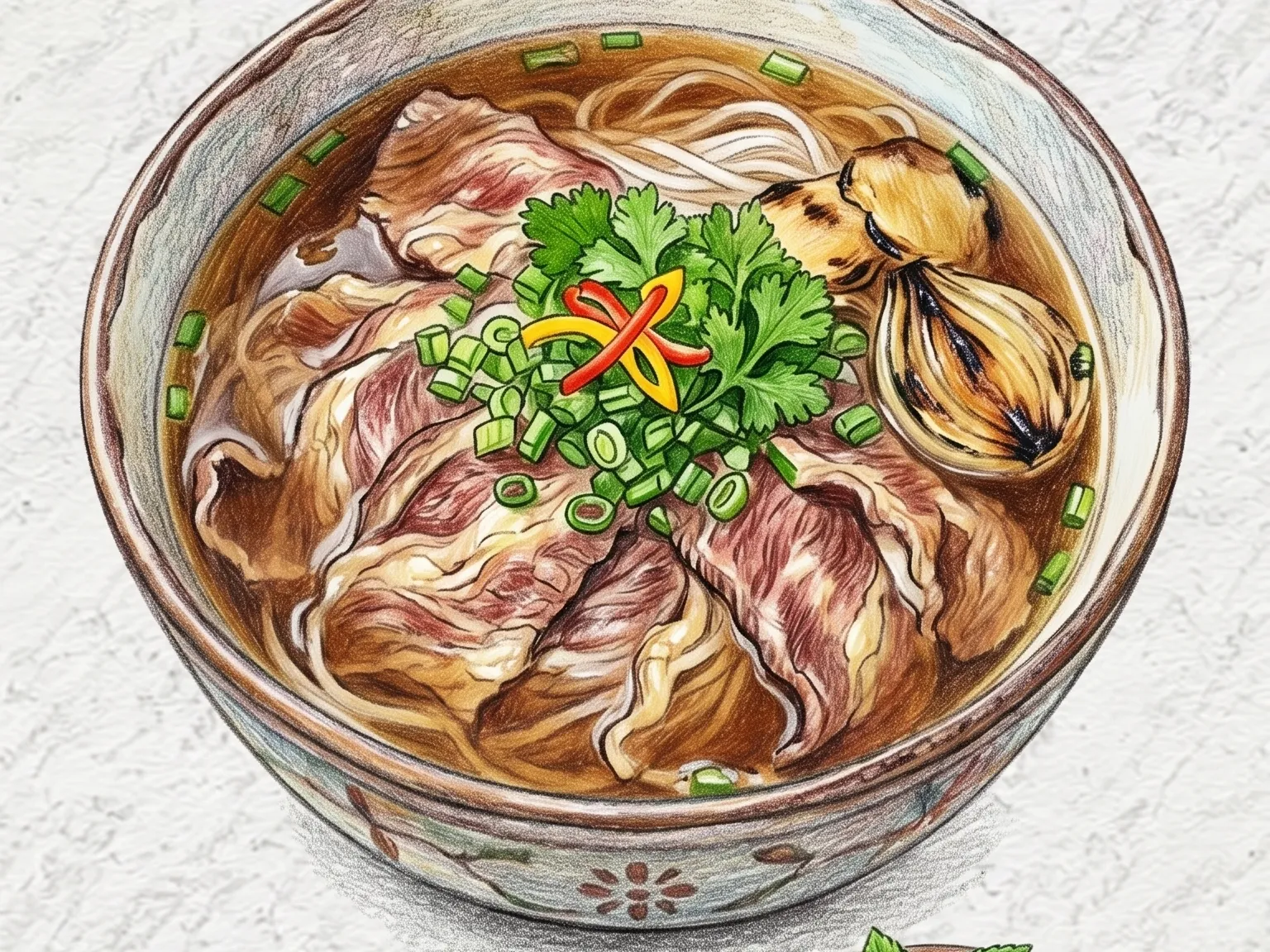
Chadol doenjang kalguksu is a Korean noodle soup made by simmering thin slices of beef brisket in a soybean paste broth and adding hand-cut wheat noodles to finish the bowl. The doenjang gives the broth a fermented, earthy depth, and the marbled fat from the brisket slowly renders into the simmering liquid, adding body and a gentle richness that rounds out each spoonful. Kalguksu noodles are rolled thin by hand and cut with a knife, so they are naturally uneven in thickness. Thicker sections retain a satisfying chew while thinner edges go silky and absorb the broth more readily, which means a single bowl contains multiple textures without any deliberate effort. Zucchini, potato, and onion are added early and cook down into the broth, contributing natural sweetness that tempers the saltiness of the doenjang. Minced garlic and sliced scallion stirred in near the end lift the aroma and add a fresh, sharp note at the finish. Because doenjang concentrates as the broth reduces, starting with more water than seems necessary is a practical safeguard against the soup becoming too salty before the noodles are cooked through. Serving the noodles immediately after cooking prevents them from absorbing too much liquid and going soft.

Bulgogi Meatball Tomato Spaghetti
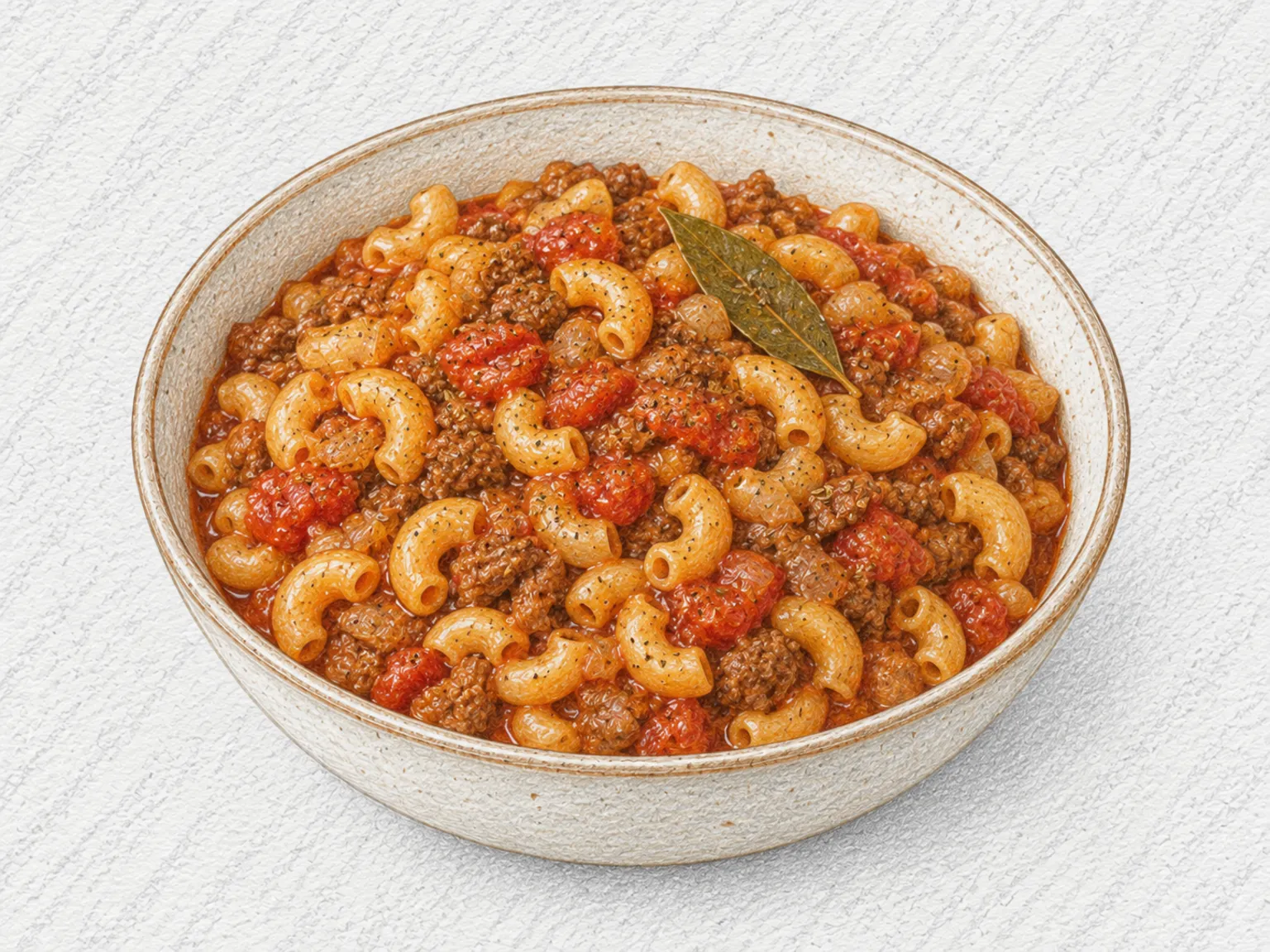
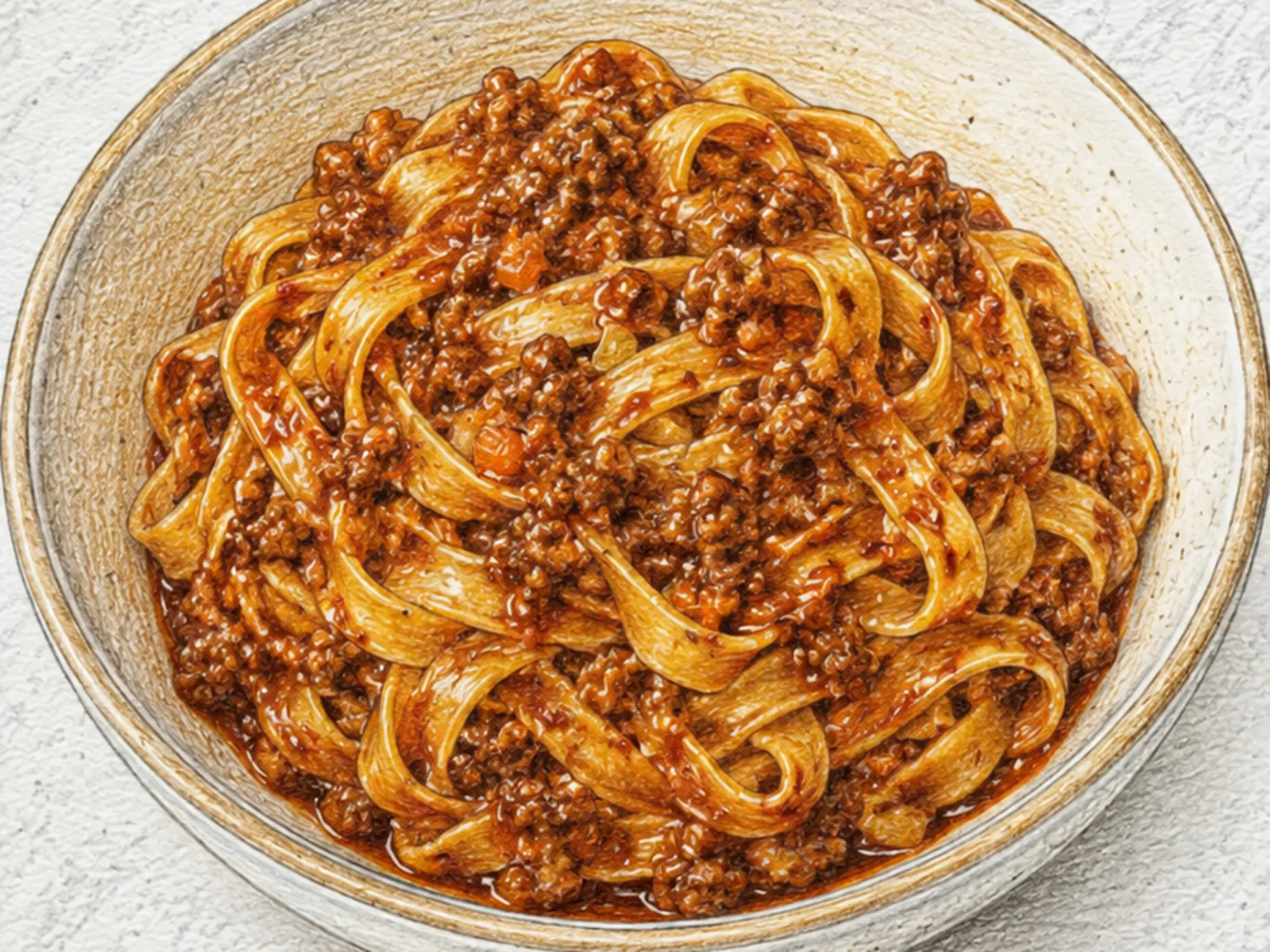
Bulgogi meatball tomato spaghetti grounds the concept of Korean bulgogi - soy sauce, sugar, garlic, sesame - into a meatball format and cooks it inside an Italian tomato sauce. The ground beef is seasoned with the bulgogi mix, then breadcrumbs and egg are added to trap moisture so the meatballs hold together and stay tender through the twenty-minute simmer in passata. Searing the exterior first in a hot pan builds a Maillard crust that dissolves into the sauce as the meatballs cook through, thickening and deepening it in a way that uncooked meatballs dropped straight into the sauce cannot achieve. The soy-sugar seasoning intersects with the tomato's natural acidity to produce a sweet-salty depth that neither Korean nor Italian cooking arrives at independently. As the meatballs finish cooking inside the sauce, the boundary between meat and liquid blurs - each absorbs character from the other. Basil or parsley added at the end provides an herbal brightness that offsets the richness of the meat and tomato.

Falafel Salad Bowl
A falafel salad bowl arranges crisp, herb-packed chickpea fritters over a bed of mixed greens or grains alongside chopped cucumber, tomato, red onion, and pickled vegetables. The falafel are made from soaked raw chickpeas blended with parsley, cilantro, cumin, and garlic, then fried or baked until the exterior turns deeply golden while the interior stays bright green and moist. A generous drizzle of tahini dressing ties the bowl together with its nutty, slightly bitter sesame character, and a squeeze of fresh lemon lifts the entire dish. Adding cooked quinoa, bulgur, or couscous underneath turns it into a filling one-bowl meal. Each bite moves between crispy falafel, crunchy raw vegetables, and creamy dressing, so no two forkfuls feel the same. Originating across the Middle East, falafel has become an internationally recognized symbol of plant-based cooking, and this bowl format balances protein and fiber in a well-rounded single serving.

Bacalhau a Bras Recipe - Classic Portuguese Salt Cod with Eggs and Crispy Potatoes
Bacalhau a bras is one of the most beloved preparations among the hundreds of ways Portugal cooks salt cod, born from the long history of Atlantic cod fishing. The salt cod is soaked for 24 to 48 hours with frequent water changes to draw out the salt, then shredded by hand into fine strands. Potatoes cut matchstick-thin are fried until crisp, and the shredded cod is sauteed in olive oil with onion until the onion turns translucent and the fish edges take on a little color. Beaten eggs are poured in and stirred gently off the heat so they form creamy curds that bind the potatoes and fish together without scrambling fully. The finished dish is a golden mound of inseparably tangled crisp potato, silky egg, and salty cod fiber. Black olives and parsley add a sharp salty accent and herbal note. Named after a 19th-century Lisbon tavern keeper, this is a fixture of Portuguese tascas and Sunday family lunches.

Tamarind Fish Noodle Soup
Asam laksa is Penang's defining noodle soup, recognized by UNESCO as one of Malaysia's intangible cultural heritage items. Where Singapore's curry laksa builds its richness on coconut milk, this version draws its entire character from a tamarind-soured fish broth that is tart, briny, and aggressively aromatic in a way that coconut-based versions never are. Whole mackerel is poached until it flakes, then removed and broken apart by hand; the remaining liquid is blended with torch ginger flower, lemongrass, and galangal pounded into a coarse paste to build the broth's layered fragrance. Tamarind sourness arrives first and dominates the initial impression, followed by a slow build of chili heat and the ocean depth of fish sauce. Thick rice noodles sit at the bottom of the bowl, their chewy resistance offering physical contrast to the sharp, lean broth that pours over them. The table condiments - julienned cucumber, fresh mint leaves, thinly sliced onion, and a spoonful of belacan-enriched prawn paste - are not optional garnishes but integral components: the fermented prawn paste in particular adds a dimension of umami that rounds the broth's acidity into something far more complex. Every hawker stall in Penang has its own spice ratios handed down through family lines, which is why no two bowls taste exactly alike.

Korean Mushroom Japchae (Shiitake Glass Noodle Stir-Fry)
Beoseot japchae replaces beef with shiitake mushrooms as the primary source of savory depth, making it a staple of Buddhist temple cuisine and vegetarian tables alike. Sweet potato noodles are soaked and boiled, then rinsed in cold water immediately to lock in a firm, springy texture. Shiitake, spinach, carrot, and onion are each cooked separately - their moisture levels and heat tolerances differ enough that combining them prematurely flattens every component. Soy sauce, sugar, minced garlic, and sesame oil bring the noodles and vegetables together, and the finished dish rests for ten minutes so the seasoning penetrates the noodles evenly. The result is a japchae where the mushroom carries genuine umami weight without any meat.

Korean Mushroom Perilla Seed Risotto
King oyster and button mushrooms are sauteed with onion and garlic, then Arborio rice is slowly cooked in warm vegetable stock, one ladle at a time, until the grains release their starch into a creamy consistency. Perilla seed powder and grated Parmesan are folded in at the very end, merging Italian creaminess with the distinctive roasted-nut flavor of Korean perilla. The key is keeping the stock warm throughout so the rice cooks evenly without seizing, and adding perilla powder last to preserve its volatile aroma. Even without meat, the mushrooms provide substantial umami depth and the perilla adds a rich, nutty finish.

Korean Andong-style Soy Bulgogi
Andong-style bulgogi departs from the Seoul version in one essential way: the beef is not grilled but braised in its marinade. In Andong, a city in North Gyeongsang Province that has carefully preserved Joseon-era culinary customs, thinly sliced beef is first marinated in soy sauce, sugar, sesame oil, garlic, and pear juice, then layered in a wide, flat pan with glass noodles, onion, scallion, and mushroom. The pan goes over heat and simmers until the liquid reduces; as it does, the sweet soy marinade thickens into a glaze that coats every ingredient with a lacquered sheen. Glass noodles absorb the concentrated braising liquid, taking on a deeply seasoned richness. The finished dish is noticeably wetter and more intensely flavored than grilled bulgogi, and spooning it over steamed rice turns it into a complete bowl. In Andong, this dish has long appeared at ancestral rite ceremonies and family gatherings, where the pan itself is brought to the table and diners serve themselves directly. The preparation reflects the inland Gyeongbuk preference for soy sauce as the primary seasoning agent rather than gochujang or doenjang.

Korean Deep-Fried Seaweed Rice Roll
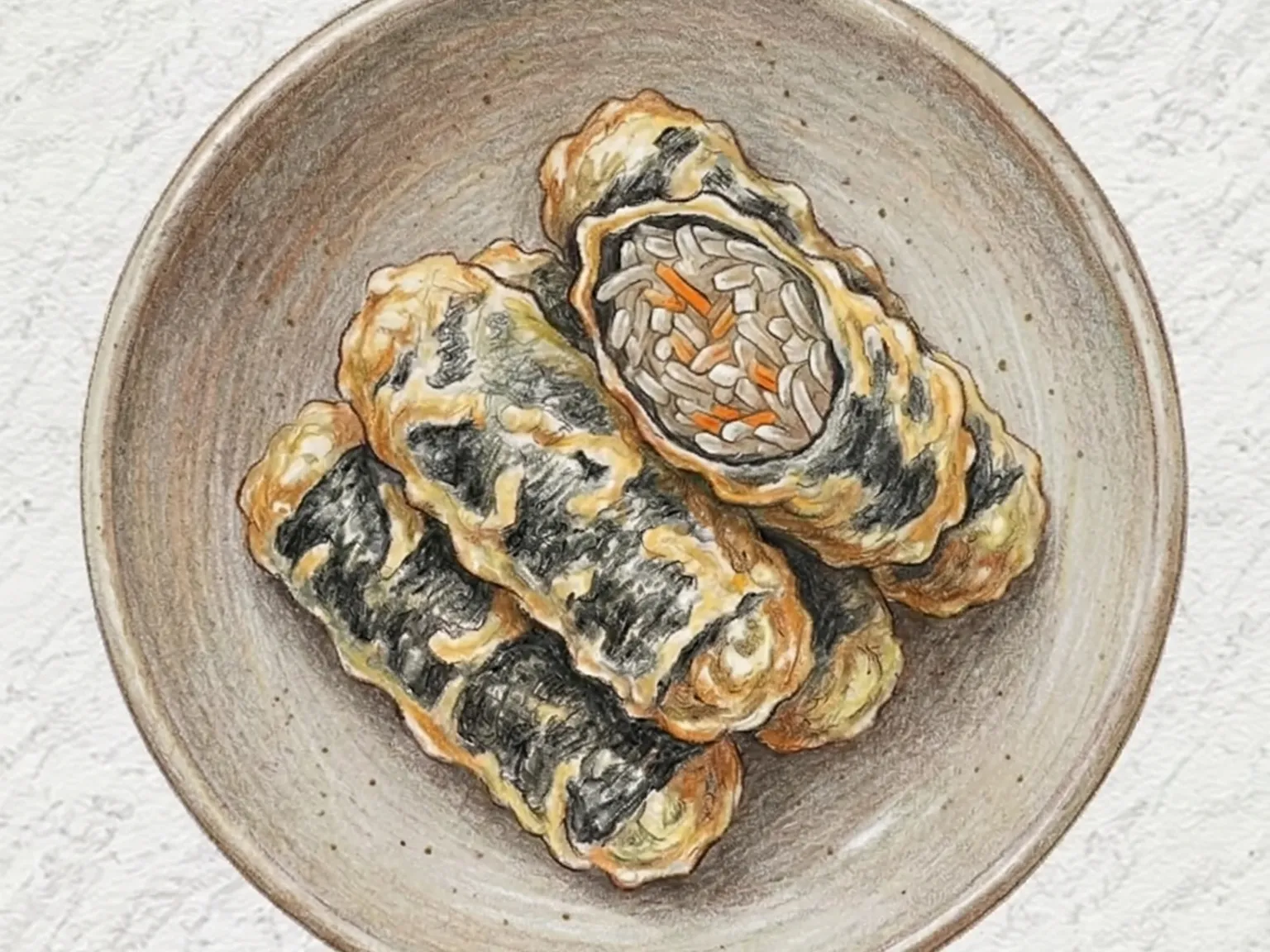
Gimmari is a Korean street snack of glass noodles seasoned with soy sauce and sesame oil, rolled tightly inside sheets of dried seaweed with julienned carrot and onion, then coated in a light batter and deep-fried until golden. At around 160 degrees Celsius, the seaweed barely absorbs oil during frying, crisping into a thin, taut shell while the glass noodles inside retain their characteristic springy, chewy pull. The first bite delivers the simultaneous crunch of the fried coating and the intensified savory depth of the toasted seaweed, followed by the elastic bounce of the glass noodles and the underlying soy-sesame seasoning that runs through the filling. One of gimmari's more notable qualities is the way high-heat frying concentrates the seaweed's natural umami, making the wrapper more flavorful than it would be raw. The classic accompaniment is tteokbokki sauce: the tangy, gochujang-based spice of the sauce against the crisp exterior creates one of the most iconic pairings in Korean street food. Eomuk broth on the side rounds out the combination, and the trio of gimmari, tteokbokki, and eomuk is essentially the standard order at any Korean bunsik stall.

Korean Spicy Sea Snail Salad
Golbaengi-muchim is a Korean spicy sea snail salad made with canned sea snails drained thoroughly and tossed with sliced cucumber, onion, and green onion in a sauce of gochujang, gochugaru, rice vinegar, and sugar. The snails are firm and bouncy with a dense chew that stands apart from almost every other seafood in Korean cooking, and the sharpness of the gochujang-vinegar dressing cuts through their richness without overpowering the texture. Soaking the sliced onion in cold water for five minutes removes its harsh pungency, leaving it with a milder sweetness that integrates more smoothly into the dressing. Cucumber and green onion bring contrasting crunch and freshness. Sesame oil and sesame seeds are added at the end, coating everything in a nutty fragrance that softens the heat slightly. The dish must be served immediately after mixing, before the salt in the dressing draws moisture from the vegetables and turns the whole thing wet and limp. Laying a bed of thin somyeon noodles in the bowl before spooning the dressed snails on top produces golbaengi-somyeon, a preparation that shifts the dish from a snack into a more substantial accompaniment that works as both drinking food and a light meal. The noodles absorb the dressing and become coated in the gochujang-sesame sauce.

Korean BBQ Beef
Bulgogi stands as the most widely recognized marinated beef preparation within the Korean culinary tradition. The dish typically utilizes thinly sliced cuts of meat such as sirloin or chuck, which are soaked in a mixture composed of soy sauce, grated Korean pear, sugar, minced garlic, and sesame oil. Following the marination process, the beef is cooked rapidly over a high heat source. The inclusion of Korean pear in the marinade serves two specific functions during the preparation. First, the natural enzymes found within the pear fruit actively work to break down the muscle fibers of the beef. This chemical reaction ensures that each individual slice becomes tender and yields easily when eaten. Second, the fructose from the pear combines with the soy sauce during cooking to form a characteristic sweet and salty glaze that coats the entire surface of the meat. The specific technique used during the cooking phase is as critical as the composition of the marinade itself. If an excessive amount of meat is added to the pan at one time, the surface temperature of the cooking vessel will drop significantly. When this happens, the beef begins to steam in its own released liquids rather than searing against the hot surface. This often leads to a gray and chewy texture instead of the caramelized brown edges that the dish is known for. To achieve the correct result, the beef should be prepared in small batches while maintaining a consistent high heat. This method allows the liquid from the marinade to reduce quickly against the hot pan, creating the glossy and sticky coating that characterizes properly made bulgogi. To finish the preparation, a small amount of sesame oil is drizzled over the beef and toasted sesame seeds are scattered on top. These final additions provide a roasted and nutty quality that balances the sweet and salty base to complete the flavor profile.

Korean Chicken Bone Broth Soup
Dak-gomtang is a Korean clear chicken bone broth soup made by simmering a whole chicken with onion, garlic, and ginger over medium-low heat for at least fifty minutes. After the meat is removed and hand-shredded, the bones return to the pot for another fifteen minutes, releasing gelatin that gives the broth a silky body. When refrigerated, the liquid sets into a soft gel, a sign of its collagen richness. Skimming the fat layer after refrigeration produces a noticeably cleaner, clearer taste on reheating. The broth is seasoned simply with soup soy sauce and salt, and sliced green onion added at the end brings a fresh, sharp contrast to the mellow chicken flavor. Unlike samgyetang, which is stuffed with ginseng and glutinous rice, dak-gomtang relies entirely on the chicken itself for depth, representing a more restrained approach to Korean restorative cooking. The soup dates back to the Joseon era and is traditionally eaten during convalescence or hot summer days. Adding cooked rice or thin noodles turns it into a complete one-bowl meal.

Korean Tuna & Perilla Leaf Fritters
Chamchi-kkaennip-jeon is a Korean pan-fried pancake made with canned tuna and perilla leaves. The oil is drained from the tuna before mixing, which keeps the batter from becoming greasy. Perilla leaves, chopped into the batter, contribute their distinctive herbal fragrance - sharp and slightly anise-like - which cuts through the brininess of the tuna and gives the pancake its character. The combination lands somewhere between a vegetable pancake and a fish cake: more substantial than the former, lighter than the latter. Egg binds the batter and produces a smooth, even surface when cooked. Onion and carrot are finely diced so the pancake spreads thin and cooks through uniformly, rather than leaving thick raw patches at the center. Adequate oil in the pan and medium heat produce a thin, crisp exterior without burning. The pancake holds its texture reasonably well at room temperature, making it a practical lunchbox side dish. A soy-based dipping sauce brings out the perilla fragrance more clearly when eaten alongside.

Korean White Kimchi Tofu Stew
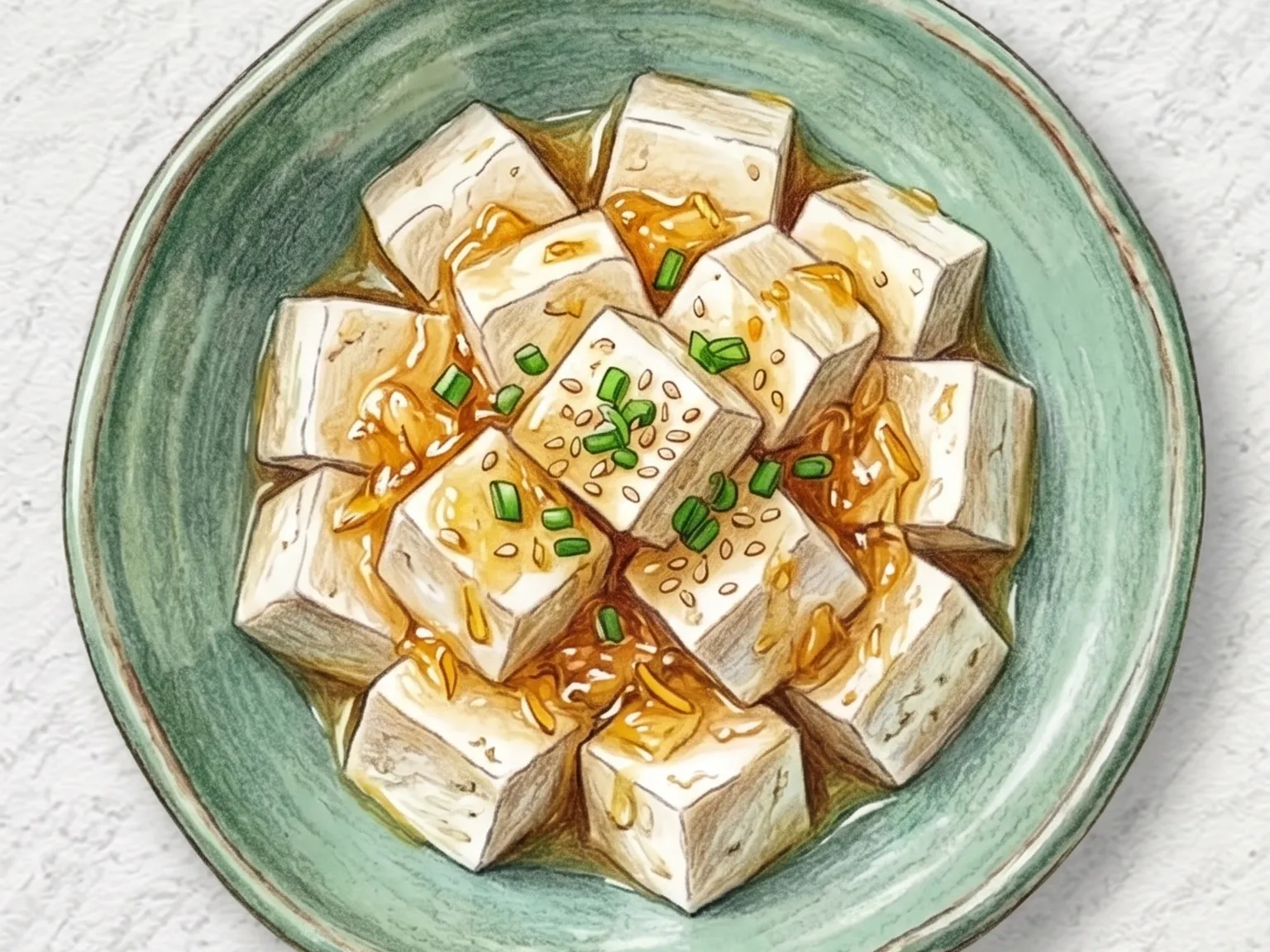
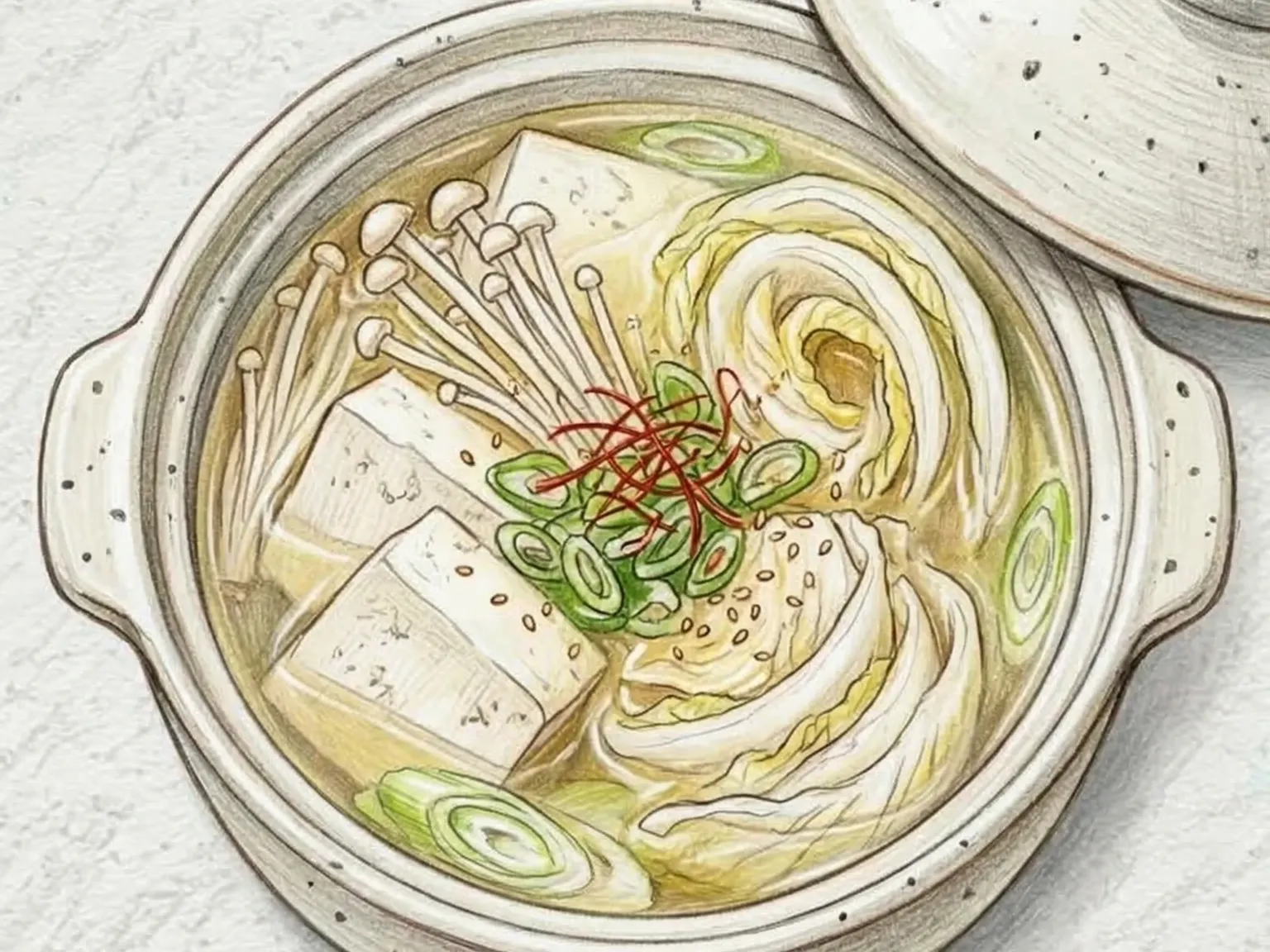
Baek kimchi dubu jjigae is a mild Korean stew where the gentle tang of white kimchi takes the place of regular red kimchi as the flavor anchor. Anchovy-kelp stock forms the umami foundation, and finely chopped white kimchi is added so its lactic fermentation acidity gradually dissolves into the broth, creating a refreshingly clean and clear flavor that diverges sharply from the bold heat of standard kimchi jjigae or the earthy weight of doenjang jjigae. Thick tofu slabs are added after the broth comes to a full boil so the blocks hold together rather than crumbling, and enoki mushrooms go in during the final two minutes to preserve their delicate texture. Guk-ganjang adjusts the salinity carefully, since the white kimchi itself already carries a noticeable saltiness from the brining process. Adding a sliced cheongyang chili introduces a measured spicy note into the otherwise gentle broth without overwhelming its clean character. Unlike the intense, opaque red broth of standard kimchi jjigae, this version stays transparent, lightly tart, and nearly fat-free, making it noticeably easy on the stomach. White kimchi is fermented without gochugaru, preserving all the lactic sourness while eliminating the heat and pigment, which makes it particularly well suited as a braising base for delicate ingredients like tofu and enoki.

Korean Steamed Napa Cabbage Rolls
Baechu jjim consists of blanched napa cabbage leaves wrapped tightly around a filling of minced pork and mashed tofu, then steamed until fully cooked through. The filling uses pork and tofu at a 2:1 ratio, seasoned with soy sauce, sesame oil, and minced garlic, then kneaded until the mixture develops enough cohesion to stay intact during steaming. Tofu serves a functional purpose here beyond flavor - its moisture content prevents the pork from drying out over the extended steaming time, while the pork fat renders slowly into the surrounding cabbage leaf, adding richness to every bite. The cabbage leaves are blanched for thirty seconds to soften the stems, then squeezed dry and rolled from the stem end toward the tip with the filling placed at the base. In the steamer, rolls are arranged seam-side down so they hold their shape without any fastening, and cooked over vigorous steam for twelve to fifteen minutes. During this time, the meat juices work their way outward into the cabbage. The natural sweetness of napa cabbage - more pronounced after blanching - envelops the savory filling without sharpness, producing a mellow, layered result. A soy-based dipping sauce adds the saltiness needed to anchor the dish as a proper rice accompaniment, and leftovers reheat well without significant textural loss.

Korean Pickled Broccoli (Blanched Soy Vinegar Brine)
Broccoli jangajji is a Korean soy-pickled broccoli dish prepared by briefly blanching florets and stems, then submerging them in a cooled brine of soy sauce, vinegar, and sugar. Minimizing the blanch time deliberately preserves two distinct textures: crisp, substantial stems and softer, more tender floret heads. The vinegar's acidity and the soy sauce's savory depth together lift broccoli's naturally mild, clean flavor into something more complex. Bell pepper and onion are added to the same pickling jar to contribute natural sweetness and create a vivid visual contrast of green and red. Pouring the brine only after it has cooled completely protects the broccoli's color and prevents the texture from going soft. The seasoning fully penetrates the vegetables after three to four days of refrigeration, and the jangajji keeps well for up to two weeks, making it a practical and versatile everyday banchan.

Korean Warm Brisket Parsley Noodles
Thin somyeon noodles rest in a warm broth seasoned only with gukganjang, topped with sliced brisket and fresh minari. When the brisket meets the hot broth, the fat melts out and adds a mild, savory depth to the liquid, while the minari's clean, herbal bite cuts through any richness and keeps the aftertaste light. The noodles are fine enough to carry broth with every slurp without becoming heavy. Seasoning with gukganjang alone keeps the flavor profile transparent, letting the character of each ingredient register separately rather than blending into a heavy sauce. Blanching the brisket briefly in plain boiling water before adding it to the broth is an optional step that reduces excess fat and produces an even cleaner soup. Crown daisy or fried tofu pouches can be added to vary the texture and taste. On a cool day, this understated noodle soup provides lasting warmth without the weight of a richer broth.

Chili Garlic Pork Belly Arrabbiata Penne
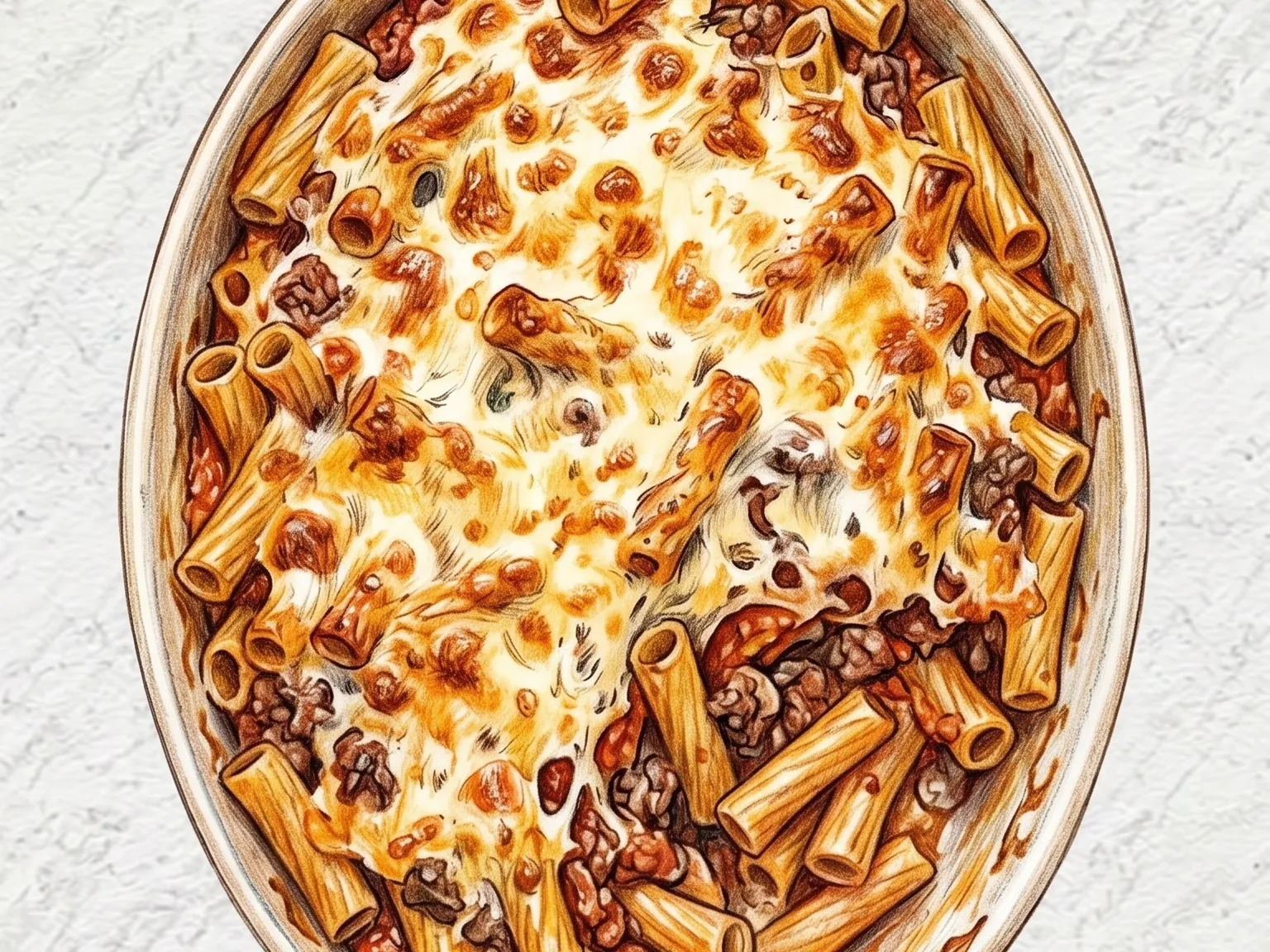
Chili garlic pork belly arrabbiata penne builds its flavor entirely from the fat rendered out of slowly crisped pork belly. Cooking the belly over medium-low heat until the surface is crackling and golden draws out the fat gradually, infusing it with a deep, savory richness that becomes the sauce's foundation. Minced garlic goes into the rendered fat next, followed by crushed tomatoes that reduce into a concentrated, spicy sauce. The tomato's natural acidity cuts through the fat's weight, preventing the sauce from turning heavy. A small ladle of starchy pasta water added before tossing emulsifies everything into a glossy coating. Penne's hollow tubes and ridged exterior capture the sauce both inside and out, so every bite delivers the smoky pork fat, tangy tomato, and chili heat simultaneously. Finishing with the reserved crispy pork pieces scattered on top adds a textural contrast between the sauce-soaked pasta and the crunchy meat.

Grilled Octopus & Water Parsley Salad
Grilled octopus and minari salad is a Korean seafood salad made by searing pre-cooked octopus over high heat for two to three minutes to pick up char and smoke, then tossing it with water parsley cut into 4 to 5 cm lengths, shredded red bell pepper, and sliced onion in a gochugaru-vinegar dressing. Patting the octopus completely dry before searing is essential to get a proper char rather than steaming, and keeping the cooking time short over high heat leaves the interior chewy while the exterior picks up color; prolonged heat makes the flesh rubbery. The dressing of vinegar, olive oil, gochugaru, and minced garlic leads with bright acidity and builds into a gentle, lingering heat that gives the octopus's mild savoriness a clearer direction. Minari should be added at the end so its clean, grassy fragrance does not dissipate, and letting the dressed salad rest for three minutes allows the dressing to absorb evenly into each component. The contrast between the red bell pepper and the bright green minari makes this salad a visually striking addition to a spread, and the whole dish comes together in about ten minutes, making it practical when adding a quick side.

Bacalhau com Natas (Portuguese Salt Cod Cream Gratin)
Bacalhau com natas - salt cod with cream - is a Portuguese casserole-style gratin that layers desalted cod, potatoes, and softened onion beneath a thick blanket of cream-enriched bechamel, then bakes until the surface blisters and turns golden brown. The cod requires prolonged soaking, typically forty-eight hours or more with several water changes, to draw out enough salt while preserving the firm, flaky texture of the fish. It is then briefly poached and separated into large pieces that retain structure in the baking dish rather than dissolving into the sauce. Thinly sliced potatoes, parboiled until just softened, alternate with the fish in even layers, and sweet, slowly cooked onion fills the gaps between them. A bechamel made with heavy cream - natas in Portuguese - is poured over everything, seeping into the crevices before baking begins. As the dish heats, the cream sauce tightens, potato edges that protrude through the surface curl and crisp, and the top develops scattered patches of deep gold where the milk proteins have caramelized. The result is simultaneously rich and precise: the cod residual mineral salinity cuts through the cream smoothness and prevents the dish from becoming cloying. Bacalhau com natas is a fixture of the Portuguese Christmas Eve meal known as consoada, appearing alongside other salt cod preparations at a table where bacalhau takes on a near-ritual significance.