Charim

2686 Korean & World Recipes

2686+ Korean recipes, clean and organized. Ingredients to instructions, all at a glance.

Recipes with onion

24 recipes

Buy onion
Korean Beef and Water Parsley Pot Rice
RiceMedium

Korean Beef and Water Parsley Pot Rice

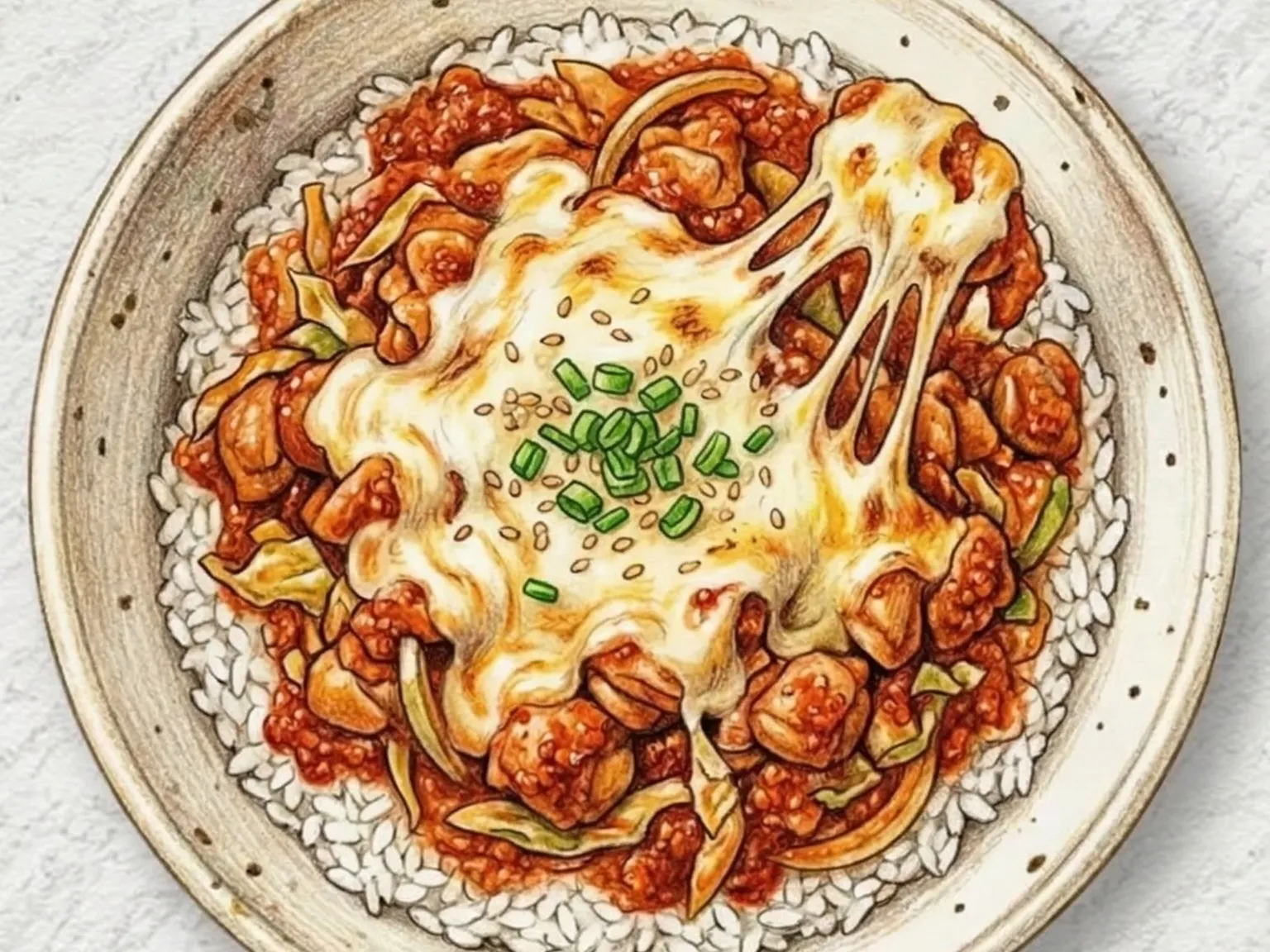
Soy-marinated beef is layered with rice in a heavy pot and cooked until the meat juices soak into every grain. Onion and beef are first seared on high heat for depth, then soaked rice and water go in for a slow, covered cook. Water parsley added just before resting contributes a fresh, aromatic lift that cuts through the richness of the beef. The heavy-bottomed pot also creates an even layer of crispy scorched rice at the bottom, adding a satisfying crunch to every serving.

🏠 Everyday
Prep 20minCook 25min2 servings
Korean Gochujang Pork Bulgogi
Stir-fryEasy

Korean Gochujang Pork Bulgogi

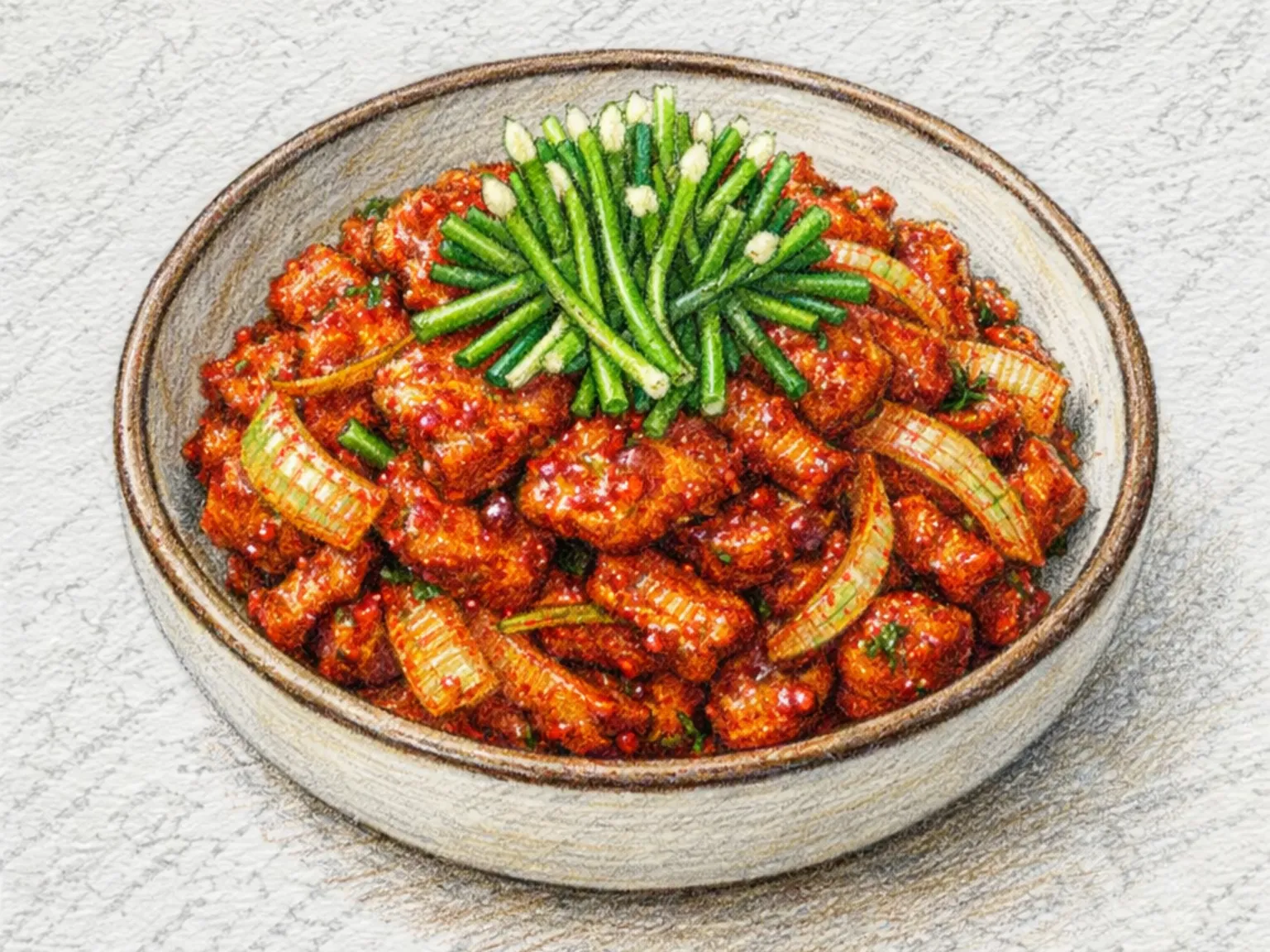
Gochujang dwaeji bulgogi is a Korean main course that marinates sliced pork neck in a sauce of gochujang, gochugaru, soy sauce, plum syrup, and minced garlic before stir-frying over high heat. The fermented heat of gochujang provides depth and a slow burn, while the plum syrup contributes a bright tanginess that prevents the sweetness from feeling flat. Onion softens and releases its natural sugar into the sauce during cooking, rounding out the overall flavor profile. Green onion adds a fresh, pungent note throughout. Perilla leaves are added at the final moment before the heat is off, preserving the herb's volatile oils so its distinctive grassy aroma and slight bitterness remain intact. That herbal character is what cuts through the richness of the pork fat and brings the dish together. Served over rice or wrapped in lettuce leaves with rice, both presentations make a filling and well-seasoned main.

🏠 Everyday🌙 Late Night
Prep 15minCook 10min2 servings
Korean Eggplant, Perilla & Tofu Stew
StewsEasy

Korean Eggplant, Perilla & Tofu Stew

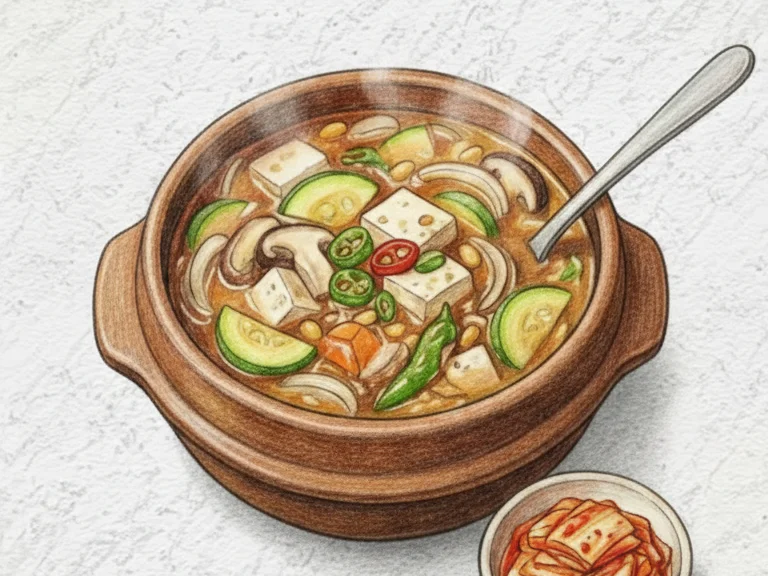
Gaji deulkkae dubu jjigae is a Korean stew of eggplant and tofu simmered in a broth thickened with ground perilla seeds. Ground perilla stirred into anchovy-kelp stock creates a creamy, nutty liquid as heat activates the oils in the seeds. Eggplant cooks slowly in this broth, breaking down until completely soft and absorbing the surrounding perilla flavor. Dicing the tofu into small cubes increases its surface area and allows the broth to penetrate from more angles. Gochugaru adds a layered warmth to the richness of the perilla, and soup soy sauce provides the salt structure. The textural contrast between the silky, yielding eggplant and the firmer tofu gives the stew a variety that makes each spoonful interesting. Even without meat, the fatty acids in perilla provide enough body and satiety to make this a substantial main-course stew, particularly well suited to vegetarian cooking.

🏠 Everyday🥗 Light & Healthy
Prep 14minCook 16min2 servings
Korean Braised Tofu with Shishito Peppers
SteamedEasy

Korean Braised Tofu with Shishito Peppers

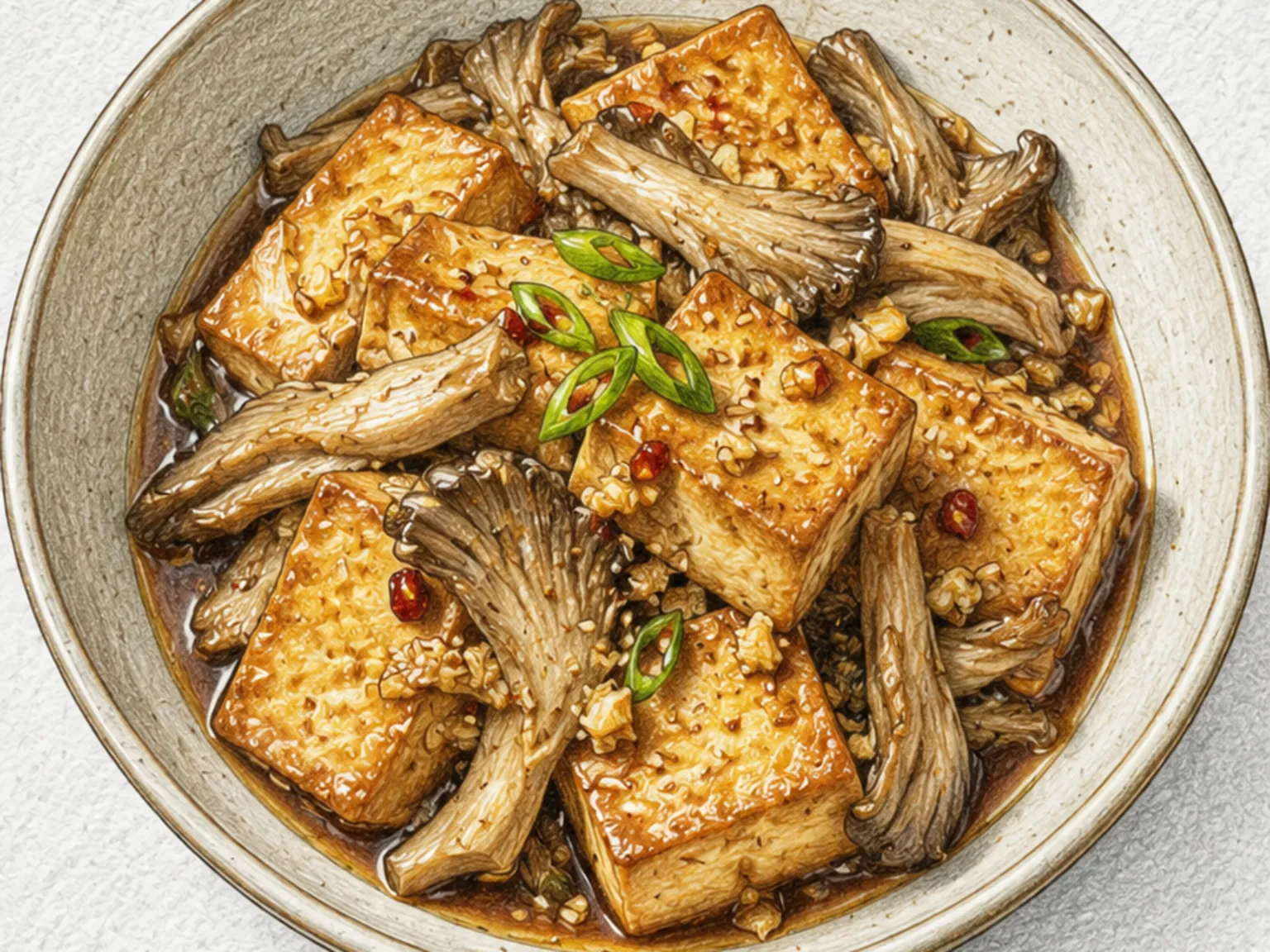
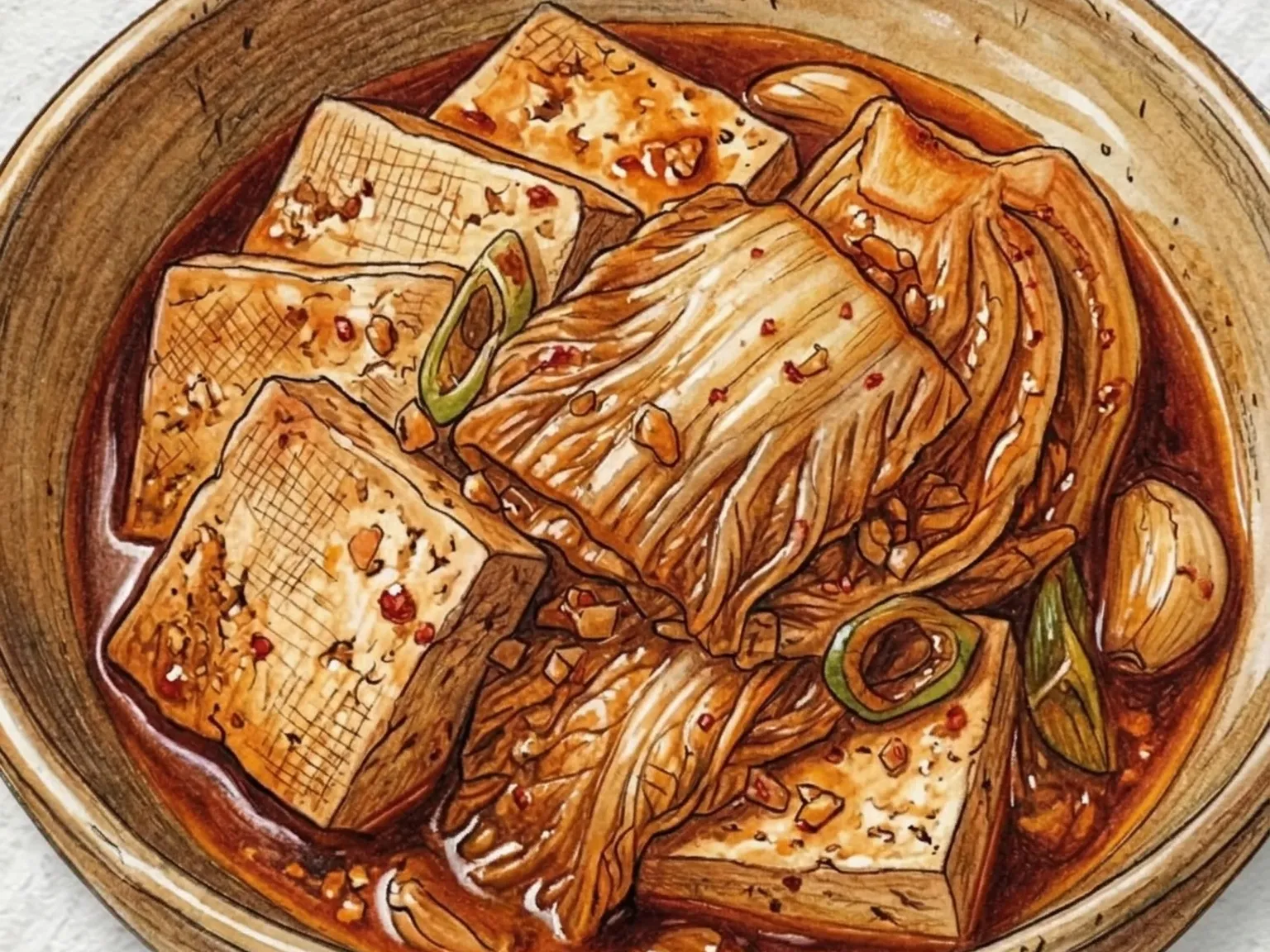
Kkwarigochu-dubu-jorim is a Korean braised dish of pan-fried tofu and shishito peppers in a soy sauce, gochugaru, and garlic seasoning. The tofu is seared first to create a firm, golden crust that contrasts with its soft interior once it finishes braising in the sauce. Shishito peppers absorb just enough liquid to carry the seasoning while adding their own fresh, vegetal note. Soy sauce and sesame oil pull the flavors together into a cohesive, savory whole, making this a satisfying plant-based banchan that holds its own on any table. Mixing the braising sauce into a bowl of rice alongside makes for a simple but rewarding meal.

🏠 Everyday🍱 Lunchbox
Prep 10minCook 20min2 servings
Japanese Stir-Fried Udon
NoodlesMedium

Japanese Stir-Fried Udon

Yaki udon is a Japanese stir-fried noodle dish where thick udon noodles are tossed in a soy-based sauce over high heat with sliced pork or seafood and vegetables such as cabbage, carrot, and scallion. The high heat gives the noodles lightly charred edges while keeping their chewy center intact. Bonito flakes (katsuobushi) are often scattered on top just before serving, where they wave from the residual heat. The recipe takes about 25 minutes and depends on maintaining strong heat throughout the stir-fry to avoid steaming the noodles.

🏠 Everyday🌙 Late Night
Prep 10minCook 15min2 servings
Keullaem Chaudeo (Clam Chowder)
WesternEasy

Keullaem Chaudeo (Clam Chowder)

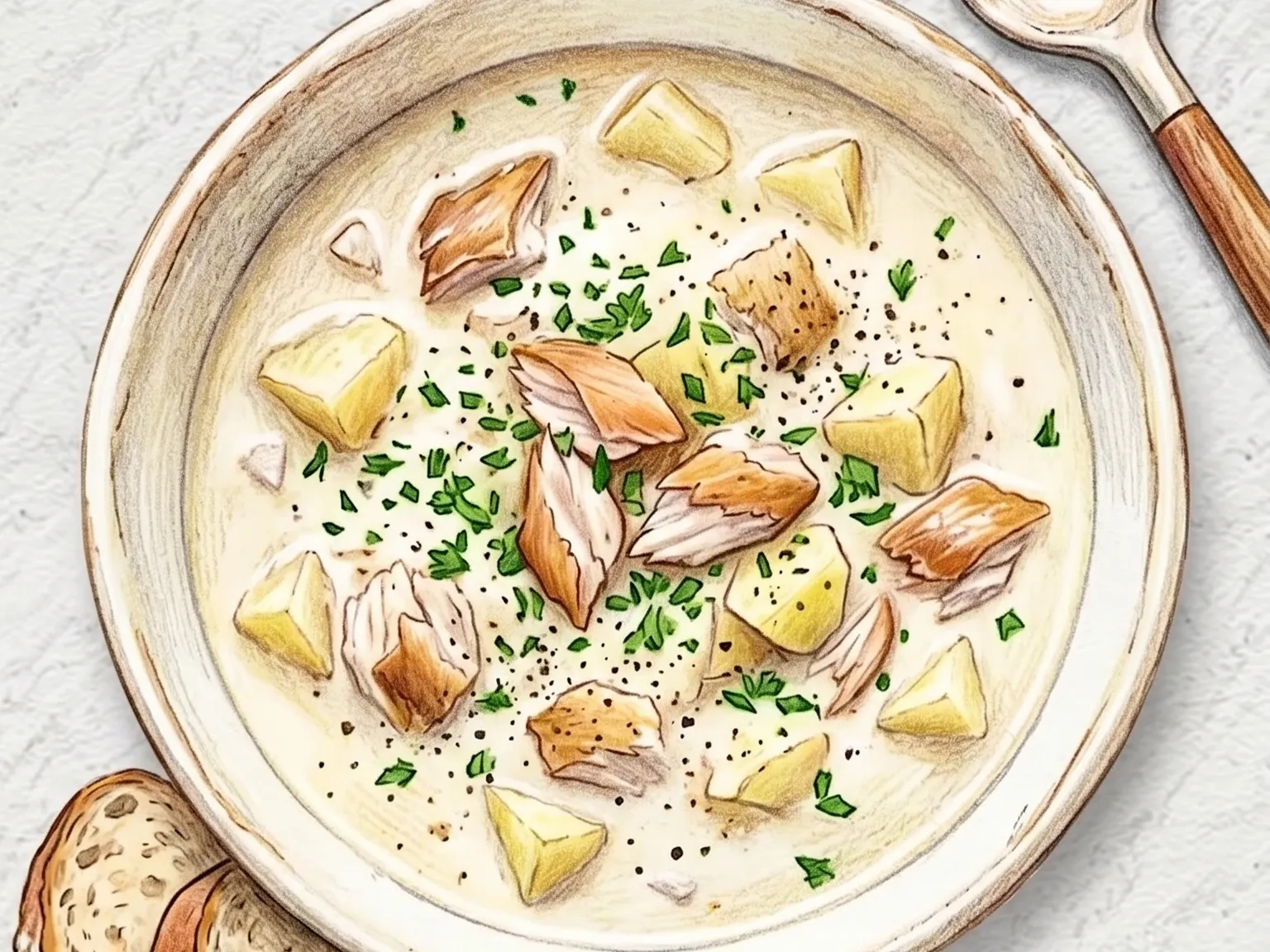
Clam chowder is a thick American soup that combines clams, diced potatoes, onion, and celery in a milk-based broth thickened with a butter-and-flour roux. Sauteing the onion and celery in butter for three minutes draws out their natural sweetness before the flour goes in. Adding milk gradually while whisking prevents lumps and builds a smooth, creamy consistency. The potatoes simmer for twelve minutes until tender, and the clams are added only in the final three minutes to keep them from turning rubbery. Each spoonful delivers a balance of briny, oceanic depth from the clams and mild richness from the milk base.

🎉 Special Occasion
Prep 15minCook 30min4 servings
Japanese Curry Rice
AsianEasy

Japanese Curry Rice

Kare raisu is one of the most frequently cooked meals in Japanese households, using commercially prepared curry roux blocks that produce a milder, thicker, and sweeter result than Indian curry. Beef or chicken is cut into bite-sized pieces and stir-fried with onion, potato, and carrot before water is added and the pot simmers until the potatoes turn tender. The heat is lowered and the curry roux blocks are broken in and stirred until fully dissolved; the roux contains flour and fat that thicken the liquid into a glossy, coating sauce. Keeping the heat low after adding the roux is critical because high heat causes the thick sauce to scorch on the bottom. The finished curry deepens in flavor if rested overnight, as the vegetables continue to release their sweetness into the sauce. Unlike Indian curry with its layered spice blends, Japanese curry draws its appeal from the consistent, approachable flavor that a single roux block delivers every time.

🏠 Everyday🧒 Kid-Friendly
Prep 20minCook 35min4 servings
Korean Radish Greens Shrimp Porridge
RiceEasy

Korean Radish Greens Shrimp Porridge

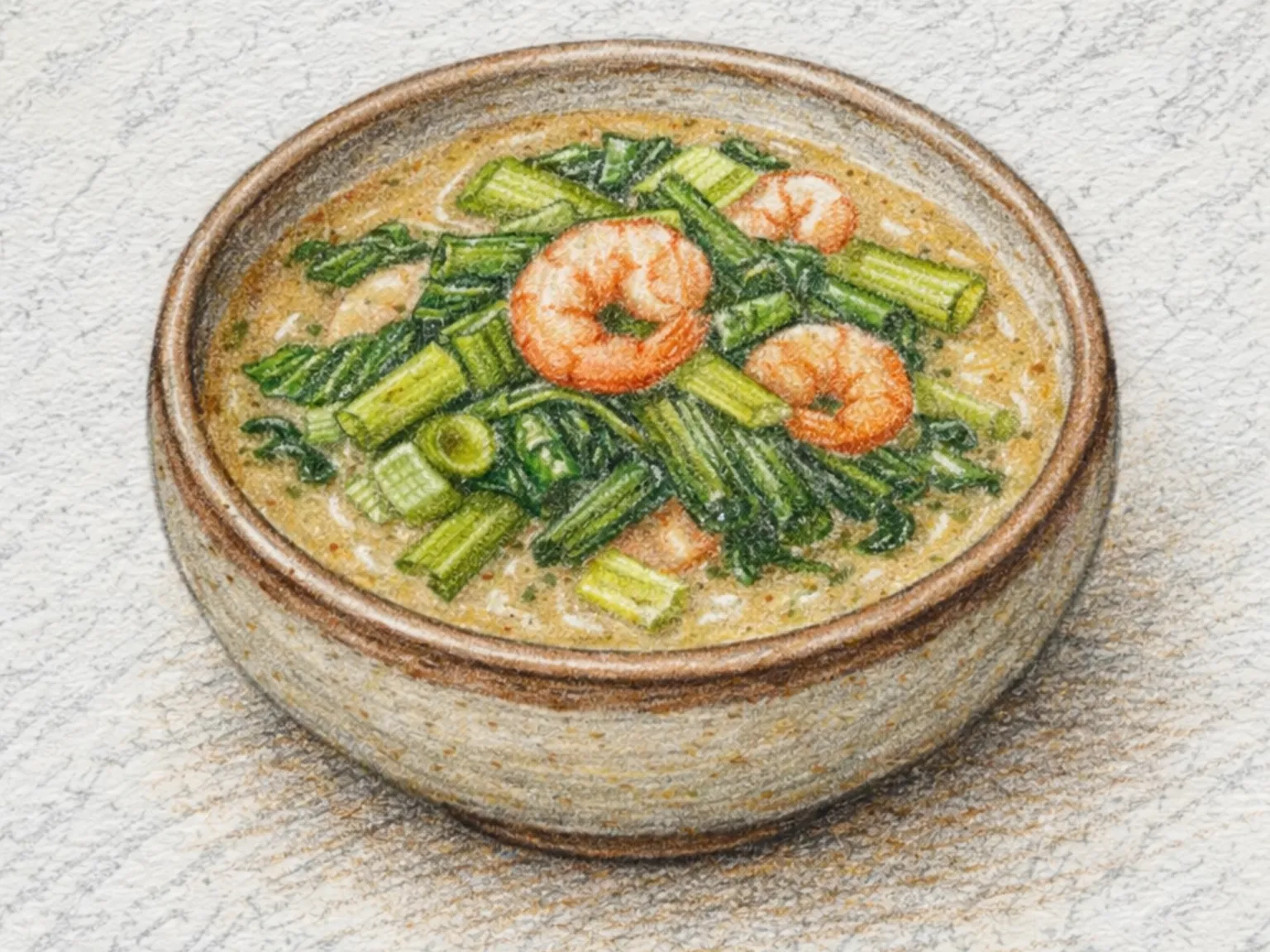
Mucheong-saeu-juk is a Korean porridge built on blanched, chopped radish greens and minced shrimp sauteed together in perilla oil before soaked rice and water are added and the whole pot is simmered down to a smooth, savory consistency. Blanching the radish greens before anything else is essential for two reasons. The coarse, fibrous texture that would otherwise remain tough and unpleasant in a smooth porridge softens significantly after a brief immersion in boiling water, and a portion of the greens' natural bitterness is drawn out at the same time. Chopping them finely after blanching allows them to integrate seamlessly throughout the porridge so that no identifiable clumps disrupt the texture. Shrimp handled differently than simple mincing produces a better result: crushing each piece lightly with the flat of a knife releases umami into the cooking liquid more evenly than finely minced shrimp, while avoiding the concentrated fishiness that over-processed seafood can carry. Perilla oil differs meaningfully from sesame oil in its flavor profile. Alongside a shared nuttiness it carries a distinctly herbal quality that pairs particularly well with vegetable-forward preparations. Using soup soy sauce rather than plain salt keeps sodium in check while still contributing the subtle, fermented depth that flat salt lacks. Radish greens supply vitamin C and dietary fiber, and shrimp provides lean, complete protein with minimal fat, making this a nutritionally well-rounded bowl in a small volume. Because the porridge is easy to digest and gentle on the stomach, it works equally well as a light morning meal, a recovery dish during illness, a post-surgery restorative, or simply a warming option on days when anything heavier feels like too much. Frozen shrimp can substitute for fresh; it should be fully thawed and thoroughly dried before going into the pan so that excess water does not dilute the finished porridge. Leftovers thicken considerably as they cool; a small addition of water and gentle reheating over low heat restores the original consistency.

🏠 Everyday
Prep 18minCook 28min2 servings
Korean Gochujang Fish Cake Stir-fry
Stir-fryEasy

Korean Gochujang Fish Cake Stir-fry

Gochujang eomuk bokkeum stir-fries chewy fish cake sheets in a glossy sauce of gochujang, soy sauce, oligosaccharide syrup, and minced garlic. Briefly blanching the fish cakes before they go into the pan removes excess grease, producing a cleaner-tasting dish where the spicy-sweet glaze clings evenly to each surface without any slipperiness. Onion lends natural sweetness that rounds out the chili heat, while diagonally sliced green onion adds a fresh, sharp finish. Sesame oil and toasted sesame seeds complete the dish with a nutty layer. Adding a small splash of water to the sauce keeps things moist if a softer finish is preferred. This is one of Korea's most reliable everyday banchan, equally suited to a weekday dinner and a packed lunchbox.

🏠 Everyday🍱 Lunchbox
Prep 12minCook 10min2 servings
Korean Gaji Saewoo Jjigae (Eggplant Shrimp Stew)
StewsEasy

Korean Gaji Saewoo Jjigae (Eggplant Shrimp Stew)

Gaji-saewoo-jjigae is a spicy Korean stew of eggplant and shrimp simmered in a gochujang-based broth seasoned with perilla oil and tuna fish sauce. The vegetables and shrimp are stir-fried in perilla oil first to develop fragrance, then water is added and the whole pot brought to a boil. Eggplant cut in thick lengthwise slices or on the bias presents a large surface area that soaks up the spicy, savory broth, so each bite releases a burst of liquid from inside the softened flesh. The shrimp cook quickly and contribute a sweet, briny flavor that lifts the fermented chili paste. Tuna fish sauce adds depth and umami without any fishy edge, and the perilla oil's distinctive nutty fragrance runs through the entire broth. The soft, yielding eggplant and the firm, springy shrimp create a textural contrast in each bowl, and the characteristic sweetness built into gochujang-based broths makes this a summer dish that stimulates appetite even in the heat.

🏠 Everyday
Prep 14minCook 17min2 servings
Korean Spicy Braised Semi-Dried Pollock
SteamedMedium

Korean Spicy Braised Semi-Dried Pollock

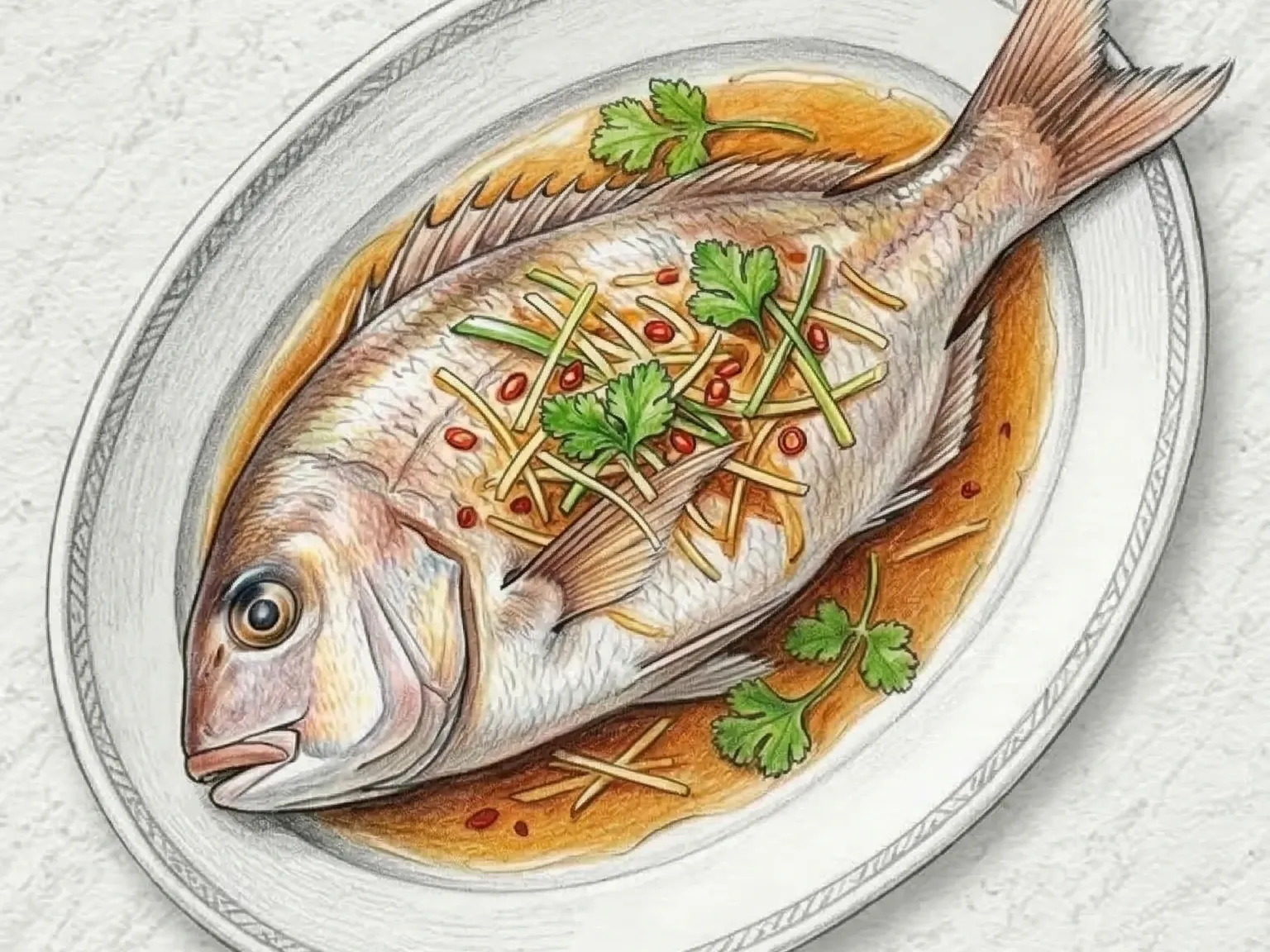
Kodari-jjim is a Korean braised dish of semi-dried pollock slow-cooked with radish and onion in a gochugaru and soy sauce seasoning. The drying stage removes moisture from the pollock, firming the flesh so it absorbs the seasoning deeply while holding its shape throughout cooking. Radish tempers the chili heat and contributes a natural sweetness, and a small addition of doenjang adds a savory depth that rounds out the sauce. As the liquid reduces to a thick, clinging glaze, the pollock takes on an intensely spiced quality that makes it a natural companion to steamed rice. Mixing the reduced sauce into hot rice is a well-known Korean habit, since every drop carries concentrated spice and brine.

🏠 Everyday🎉 Special Occasion
Prep 15minCook 30min4 servings
Zhajiangmian (Chinese Black Bean Paste Noodles with Ground Pork)
NoodlesMedium

Zhajiangmian (Chinese Black Bean Paste Noodles with Ground Pork)

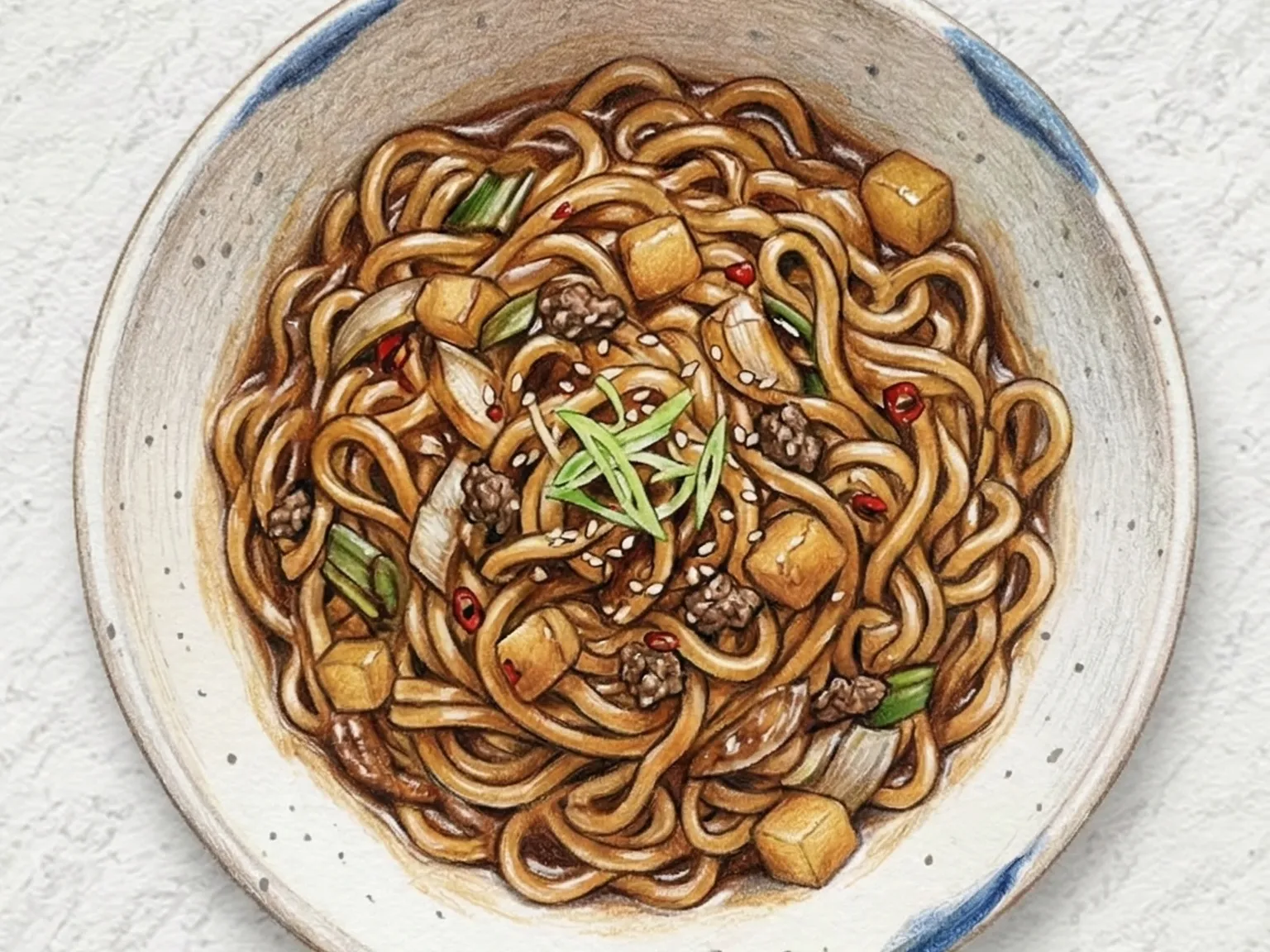
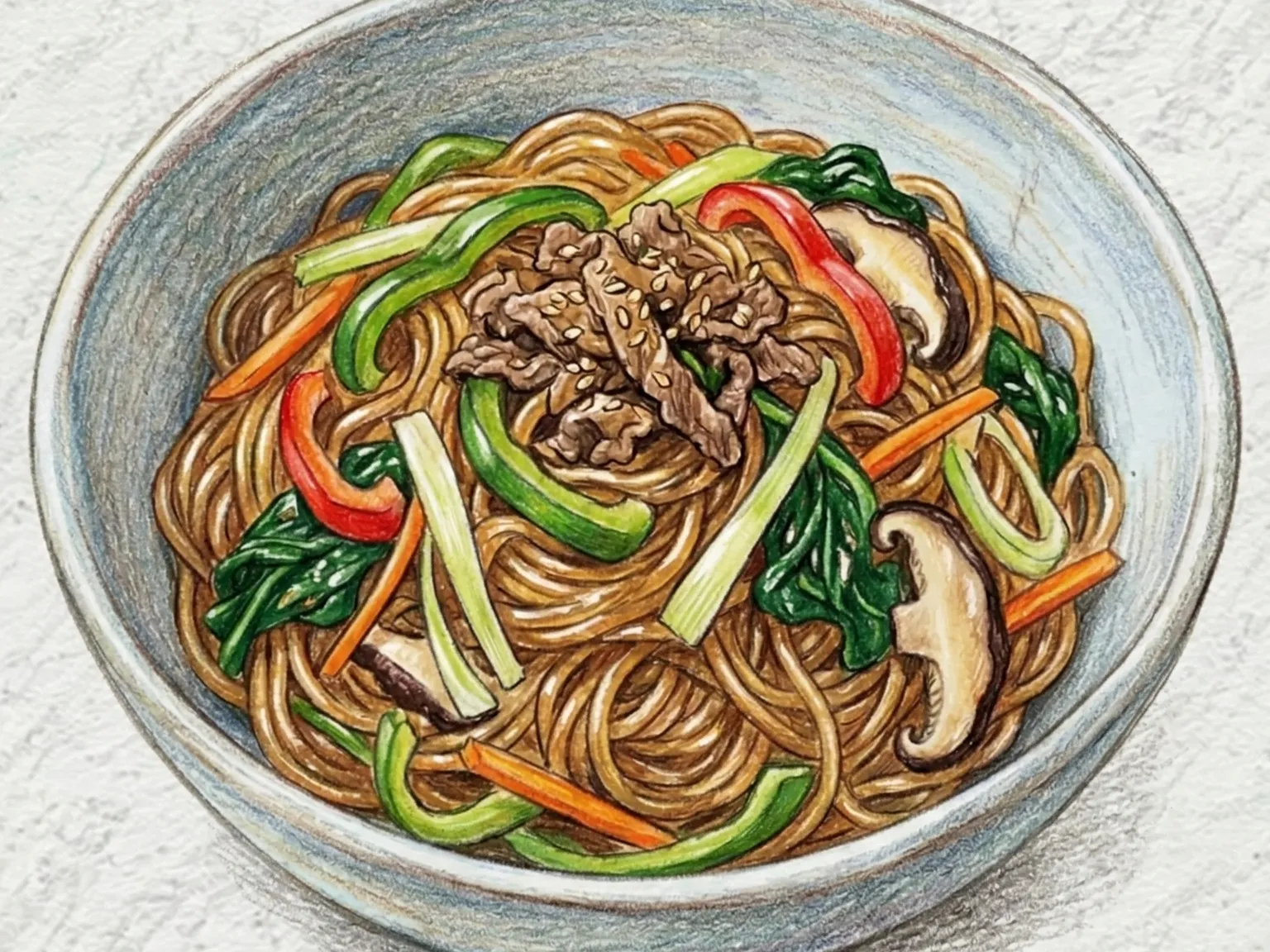
Zhajiangmian is a Chinese noodle dish built on a thick sauce of ground pork and onion stir-fried with chunjang, a fermented black bean paste. The paste must be fried thoroughly in oil to draw out its roasted, savory character and eliminate the raw bitterness it carries before cooking. Adding soy sauce and sugar, then simmering on low heat for five minutes, concentrates the sauce into a glossy, dark coating. Fresh wheat noodles are boiled, briefly rinsed, and drained so the sauce clings without being diluted. Julienned cucumber served on top provides a crisp, cool contrast that balances the dense, salty depth of the bean paste.

🏠 Everyday🌙 Late Night
Prep 20minCook 20min2 servings
Cottage Pie
WesternMedium

Cottage Pie

Cottage pie is a British comfort dish that layers a rich ground-beef filling under buttery mashed potatoes and bakes the whole thing until the top is golden and the interior is bubbling. The filling starts with beef browned alongside diced onion and carrot, then simmers with tomato paste, Worcestershire sauce, beef stock, and green peas until the liquid reduces to a thick, concentrated sauce that holds its shape in the dish. Adding beef stock to the simmer deepens the flavor considerably compared to water alone. The potatoes must be mashed immediately after draining while still steaming hot: mashing cool potatoes produces a gluey texture instead of a smooth, creamy layer. Scoring the surface with a fork before the dish goes into the oven creates ridges that catch the heat and brown in the oven at 200 degrees Celsius over twenty minutes, adding a lightly crisp layer over the soft interior. During baking, the heat from the filling rises through the potato crust, allowing the two layers to exchange aromas. The defining characteristic of the dish is the contrast between the deeply savory, umami-packed meat layer below and the soft, golden, buttery potato crust above.

🎉 Special Occasion
Prep 25minCook 45min4 servings
Curry Udon
AsianEasy

Curry Udon

Kare udon is a Japanese curry noodle dish built on dashi stock, which separates it from curry rice despite sharing the same roux. Thinly sliced pork and onion are stir-fried in oil first, then dashi made from katsuobushi and kombu is added and brought to a boil. Curry roux blocks are stirred in next, transforming the stock into a thick, clinging sauce that coats the pot and every strand of noodle. The heat must drop to low the moment the roux goes in, with constant stirring to prevent the starchy sauce from scorching. Katsuobushi and kombu contribute an umami depth that the curry spices intensify rather than mask, producing a broth more layered than either element alone. The fat, chewy udon strands absorb the sauce and carry it from pot to mouth with each lift of the chopsticks. Finishing with sliced scallions or shichimi adds fragrance and a mild bite. Though the same roux block appears in kare raisu, the presence of dashi and noodles makes this a distinctly different dish in taste, texture, and character.

🏠 Everyday🌙 Late Night
Prep 10minCook 20min2 servings
Korean Bulgogi Mushroom Rice Bowl
RiceEasy

Korean Bulgogi Mushroom Rice Bowl

Soy-and-pear-juice-marinated beef is stir-fried together with torn oyster mushrooms and served over rice for a deeply savory bowl. Cooking the mushrooms first in the hot pan allows their excess moisture to evaporate, keeping the sauce thick and glossy once the marinated beef goes in rather than pooling at the bottom. Pear juice contains natural tenderizing enzymes that soften the beef fibers noticeably even after a short marinating time, and its understated sweetness bridges the saltiness of the soy sauce without adding a fruity flavor. A drizzle of sesame oil at the end of stir-frying lays a toasted, nutty fragrance over the sweet-salty glaze that rounds out the whole bowl. When pear juice is not available, one teaspoon of sugar dissolved in one tablespoon of water provides a workable substitute that approximates the sweetness without the tenderizing effect.

🏠 Everyday🍱 Lunchbox
Prep 15minCook 12min2 servings
Korean Gochujang Pork Belly Stir-Fry
Stir-fryEasy

Korean Gochujang Pork Belly Stir-Fry

Gochujang samgyeop bokkeum stir-fries pork belly in a bold gochujang glaze without any added oil, relying entirely on the rendered fat from the belly slices. That fat carries the spicy-sweet sauce deep into each piece, creating a concentrated, layered flavor. Soy sauce and sugar moderate the chili heat, while onion and green onion brighten the dish with fresh aromatics and a bit of crunch. It is a straightforward dish that takes only 20 minutes yet delivers a punch of flavor suitable for both a weekday dinner over rice and a casual drinking snack.

🏠 Everyday🌙 Late Night
Prep 10minCook 10min2 servings
Korean Galchi Kimchi Jjigae (Hairtail Kimchi Stew)
StewsMedium

Korean Galchi Kimchi Jjigae (Hairtail Kimchi Stew)

Galchi kimchi jjigae is a Korean stew that pairs hairtail fish with deeply fermented aged kimchi, simmered together in a base of anchovy and dried kelp stock. The richness of hairtail - an oily, full-flavored white fish - works in counterpoint to the sharp, acidic punch of well-aged kimchi, and as the two cook together their flavors blur into something more complex than either ingredient alone. Korean radish and onion go into the pot first, their natural sweetness dissolving into the broth to form a mild, rounded base before the fish is added. The hairtail is laid in gently and cooked covered to preserve the flesh, which would fall apart if stirred. Gochugaru and soup soy sauce season the broth with spice and salt, while the fish releases its own deep umami gradually, enriching every spoonful of liquid. Pouring the stew over a bowl of rice is one of the most common ways to eat it - the broth soaks into the grains and pulls every element of the dish together. It is particularly well-suited to cold-weather cooking, when a hot, assertive broth is exactly what is needed.

🏠 Everyday
Prep 20minCook 35min4 servings
Korean Steamed Spicy Pork and Bean Sprouts
SteamedMedium

Korean Steamed Spicy Pork and Bean Sprouts

Kongbul-jjim is a steamed rather than stir-fried take on the classic spicy pork and bean sprout combination, cooked with a lid on to trap moisture inside the pot. As the bean sprouts release their liquid under the sealed lid, a natural broth forms and carries the gochujang-and-gochugaru seasoning evenly into every piece of pork. The double-layer chili heat is assertive, but the bean sprouts, still holding a light crunch, soften the impact of each bite. Because far less oil is used than in a stir-fry, the seasoning comes through cleaner and more direct. Stirring rice into the remaining broth at the end, or dropping in thin somyeon noodles, makes full use of the deeply flavored liquid at the bottom of the pot. Adding extra garlic builds additional layers of savory depth, and a cut like pork shoulder with some texture stays noticeably more moist through the steaming process than a leaner loin cut.

🏠 Everyday
Prep 20minCook 20min3 servings
Cream of Mushroom Soup
WesternEasy

Cream of Mushroom Soup

The preparation of cream of mushroom soup begins by sautéing chopped onion and minced garlic to establish a fragrant aromatic foundation for the dish. Once these aromatics have softened, sliced button mushrooms are added to a mixture of butter and olive oil. These mushrooms are cooked for a duration of eight to ten minutes, a process that continues until their internal moisture has fully evaporated and the slices have taken on a deep brown color. Dried thyme is incorporated during the cooking process to provide an earthy herb quality that works in conjunction with the savory profile of the mushrooms. To build the body of the soup, flour is stirred into the fat and cooked for approximately one minute. This step is essential for creating a roux that will thicken the liquid effectively while ensuring the base remains smooth. Chicken stock is then introduced by whisking it in gradually, which prevents the formation of lumps. Heavy cream is added at the final stage of cooking, followed by a brief period of simmering to allow the flavors to combine and the texture to gain its characteristic richness. To achieve the final consistency, only half of the soup is processed in a blender. This technique produces a result that is simultaneously velvety and full of chunky mushroom pieces.

🏠 Everyday
Prep 15minCook 25min2 servings
Katsu Curry
AsianMedium

Katsu Curry

Katsu curry is a Japanese single-plate meal of crisp deep-fried pork cutlet served beside a thick, glossy curry sauce over steamed rice. The pork loin is pounded to an even thickness, seasoned with salt and pepper, then coated in three layers: flour, beaten egg, and panko. Panko breadcrumbs have a coarser, more jagged texture than standard breadcrumbs, which creates more air pockets in the crust and produces a crunch that stays crisp longer after frying. The breaded cutlet is lowered into oil heated to 170 degrees Celsius and fried for four to five minutes until deep golden brown, then lifted onto a wire rack to rest for two minutes. The resting period allows the residual heat to finish cooking the center while the juices redistribute and the crust firms up. The curry sauce is built separately: onion and carrot are sauteed until their natural sweetness develops fully, then water is added and everything simmers until the vegetables are tender. The curry roux blocks are added and dissolved over low heat until the sauce reaches a thick, velvety consistency. Resting the curry overnight deepens its flavor as the vegetables continue to release sugars and the spices meld together. At the table, the curry fills one side of the plate and the sliced katsu occupies the other so the crust stays dry until deliberately pushed into the sauce, preserving the contrast between the two textures.

🎉 Special Occasion🧒 Kid-Friendly
Prep 25minCook 25min2 servings
Korean Spicy Stir-Fried Octopus Rice Bowl
RiceMedium

Korean Spicy Stir-Fried Octopus Rice Bowl

Spicy stir-fried baby octopus in a gochujang sauce is served over a bowl of steamed rice. The octopus delivers a satisfying chew, coated alongside onion and cheongyang chili in a well-seasoned glaze that makes each bite of rice deeply flavorful. Stir-frying on high heat for just a few minutes keeps the octopus springy rather than tough, and scrubbing it with flour before rinsing ensures a clean taste free of any sliminess. Adding a layer of bean sprouts under the stir-fry introduces a contrasting crunch.

🏠 Everyday
Prep 15minCook 10min2 servings
Korean Thistle Greens & Mackerel Stir-fry
Stir-fryHard

Korean Thistle Greens & Mackerel Stir-fry

Gondre godeungeo bokkeum pairs pan-seared mackerel with blanched gondre thistle greens in a gochujang-soy stir-fry. The mackerel is first marinated briefly in ginger juice to reduce any sharpness, then seared on both sides until a firm, golden crust forms. That outer layer keeps the fish intact during the final toss with the greens. Gondre is pre-seasoned in perilla oil and garlic to draw out its earthy, herbal fragrance before hitting the pan, and squeezing out the excess moisture is essential so the sauce stays concentrated rather than watery. The gochujang-soy combination brings heat, depth, and a subtle sweetness that bridges the rich umami of the fatty fish and the grassy character of the greens. Gondre from the Gangwon-do highlands has a mild, nutty quality once blanched that holds its own alongside oily blue-backed fish. The dish works equally well as a rice accompaniment or a drinking snack.

🏠 Everyday🎉 Special Occasion
Prep 20minCook 14min4 servings
Korean Red Pepper Paste Stew
StewsEasy

Korean Red Pepper Paste Stew

Gochujang-jjigae is a Korean stew centered on gochujang, the fermented chili paste, as its primary seasoning. It occupies a different flavor space from doenjang-based stews and kimchi-jjigae: the heat is direct and clean rather than layered with fermented funk or brined sourness. Pork shoulder is the standard protein. Browning the meat first in the pot keeps its juices sealed in and adds savoriness to the broth as the fond dissolves into the liquid. Two tablespoons of gochujang form the base, gochugaru adjusts the heat level, and soy sauce adds depth of saltiness. Potato absorbs the starch-thickened broth as it cooks and turns fluffy inside with a seasoned exterior. Zucchini softens into the thick broth, contributing gentle sweetness. Tofu soaks up the surrounding sauce and delivers a concentrated burst of gochujang flavor when bitten through. The longer the stew simmers, the more the ingredients exchange flavors, building a broth more complex than any single ingredient could produce on its own. In Korean home cooking, it is standard to ladle plenty of the broth over cold rice.

🏠 Everyday
Prep 10minCook 20min2 servings
Korean Steamed Beef with Radish Greens
SteamedHard

Korean Steamed Beef with Radish Greens

Mucheong sogogi jjim is a Korean braised beef dish where short rib meat is marinated in Korean pear juice and soy sauce, then slow-cooked with blanched radish greens and onion. The pear juice tenderizes the beef and lends a subtle fruit sweetness that deepens over the long braise. Radish greens are added near the end to preserve their earthy aroma and slight chew, bringing a rustic contrast to the soft meat. Ginger juice keeps the flavor clean, and sesame oil ties everything together with a toasted finish. The sauce reduces to a concentrated glaze meant to be spooned over rice.

🎉 Special Occasion
Prep 25minCook 70min4 servings