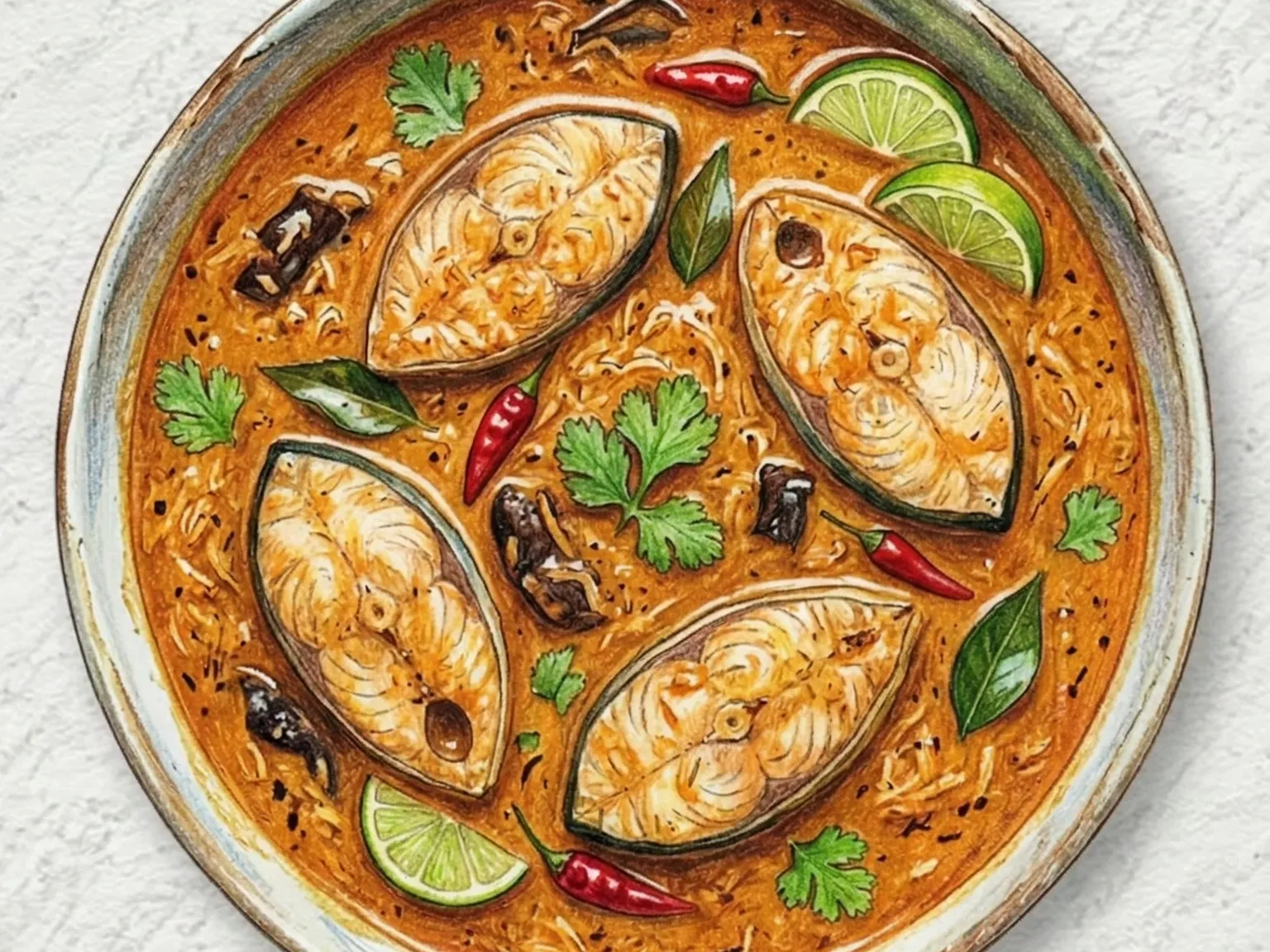
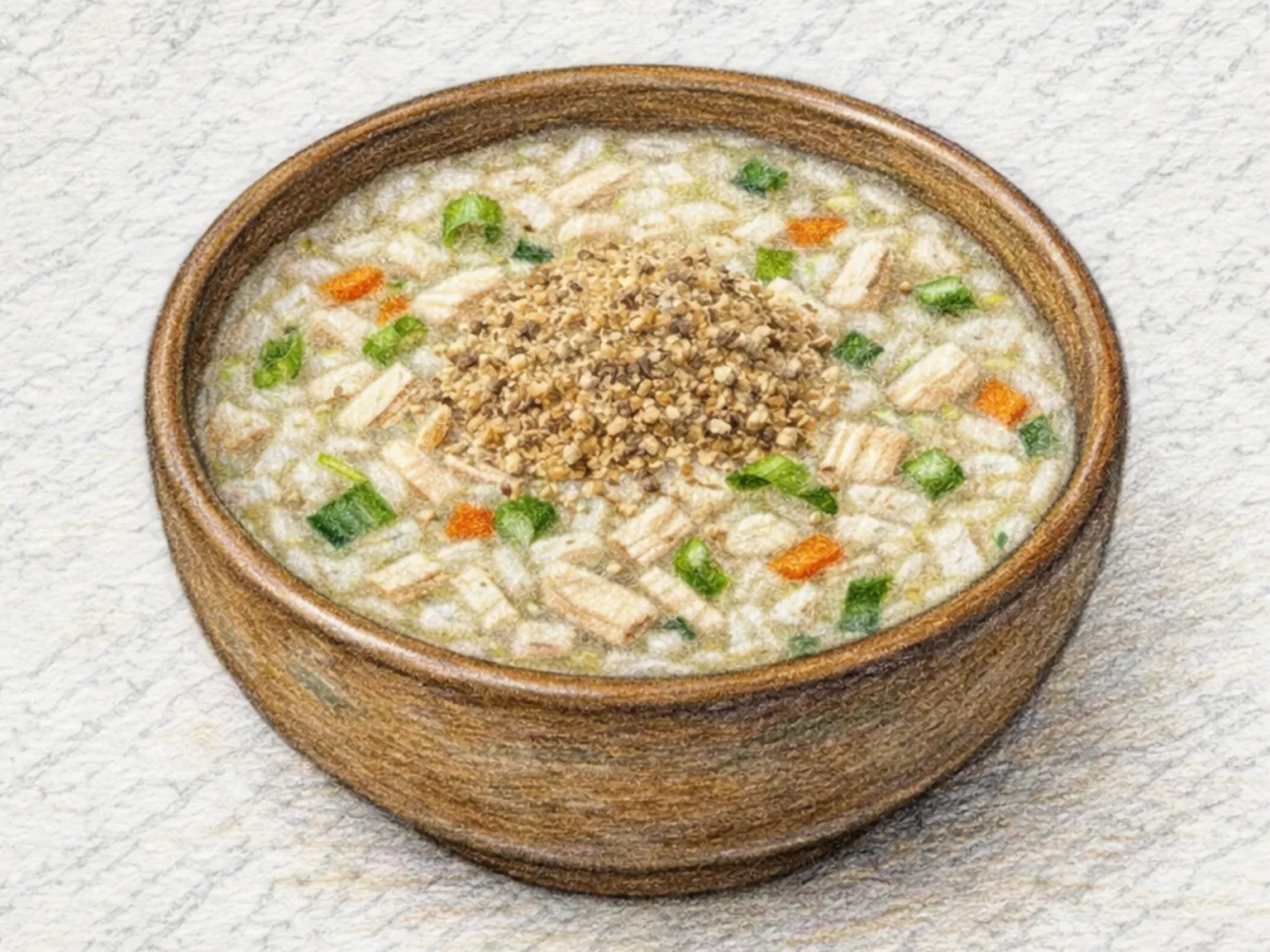
Korean Braised Beltfish with Potatoes
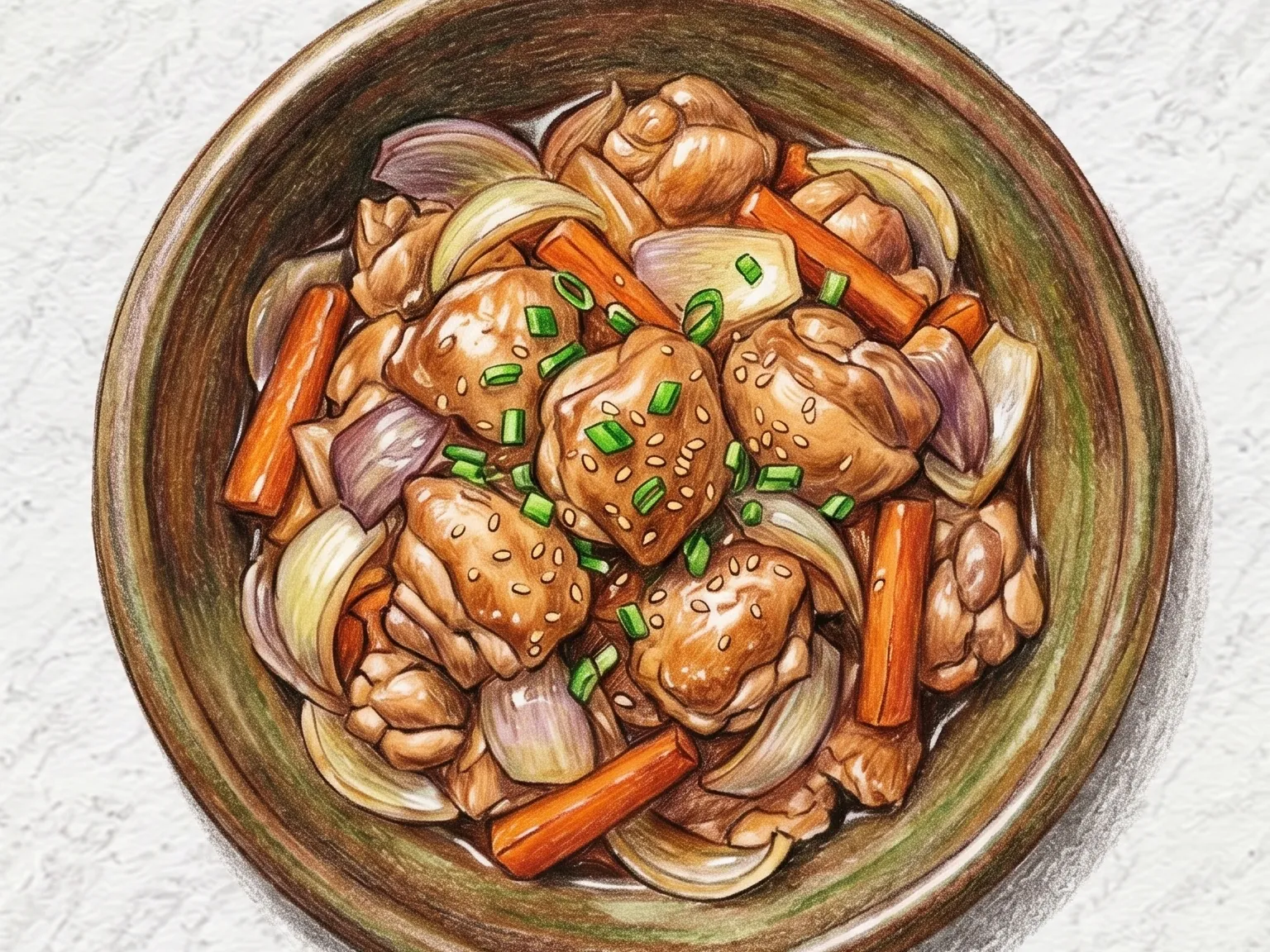
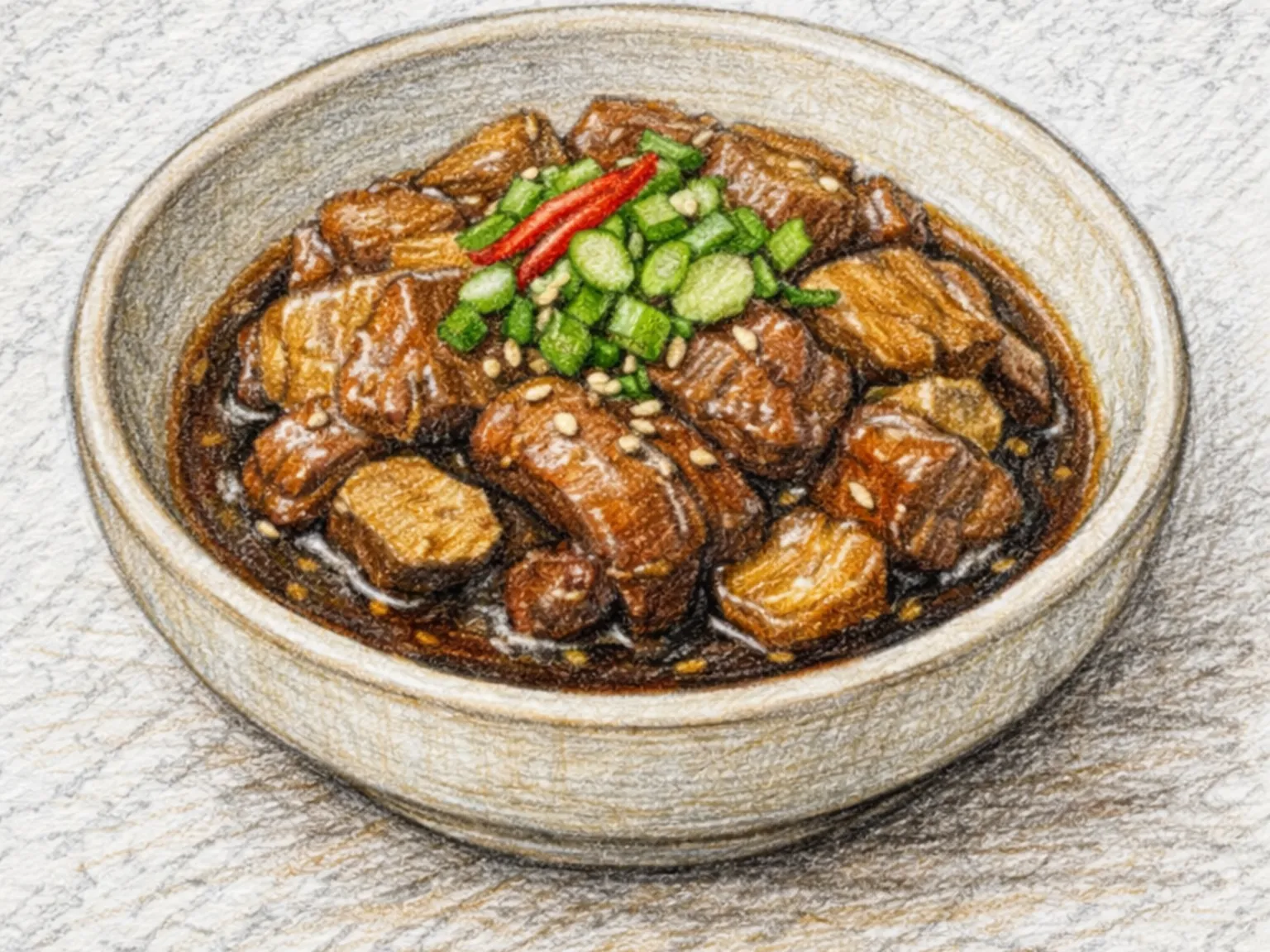
Galchi-gamja-jorim is a Korean braise of ribbonfish and potatoes cooked together in a soy-based sauce seasoned with gochugaru, garlic, and onion. Ribbonfish has naturally oily, tender flesh that holds together well during braising, and as the fat renders into the liquid it builds a deep seafood umami that defines the dish. The potatoes absorb this concentrated broth as they cook, becoming floury and well-seasoned all the way through rather than just on the surface. Onion breaks down and dissolves into the sauce as it reduces, contributing sweetness that balances the salt and spice. The heat level is adjustable: standard gochugaru gives color and mild warmth, while adding cheongyang chili peppers sharpens the spice. The dish is best served when the sauce has reduced to a thick, glossy consistency that clings to each piece. A spoonful of that sauce over plain rice rounds out the meal. Sliced Korean radish added to the pot introduces a clean, slightly peppery sweetness to the broth.

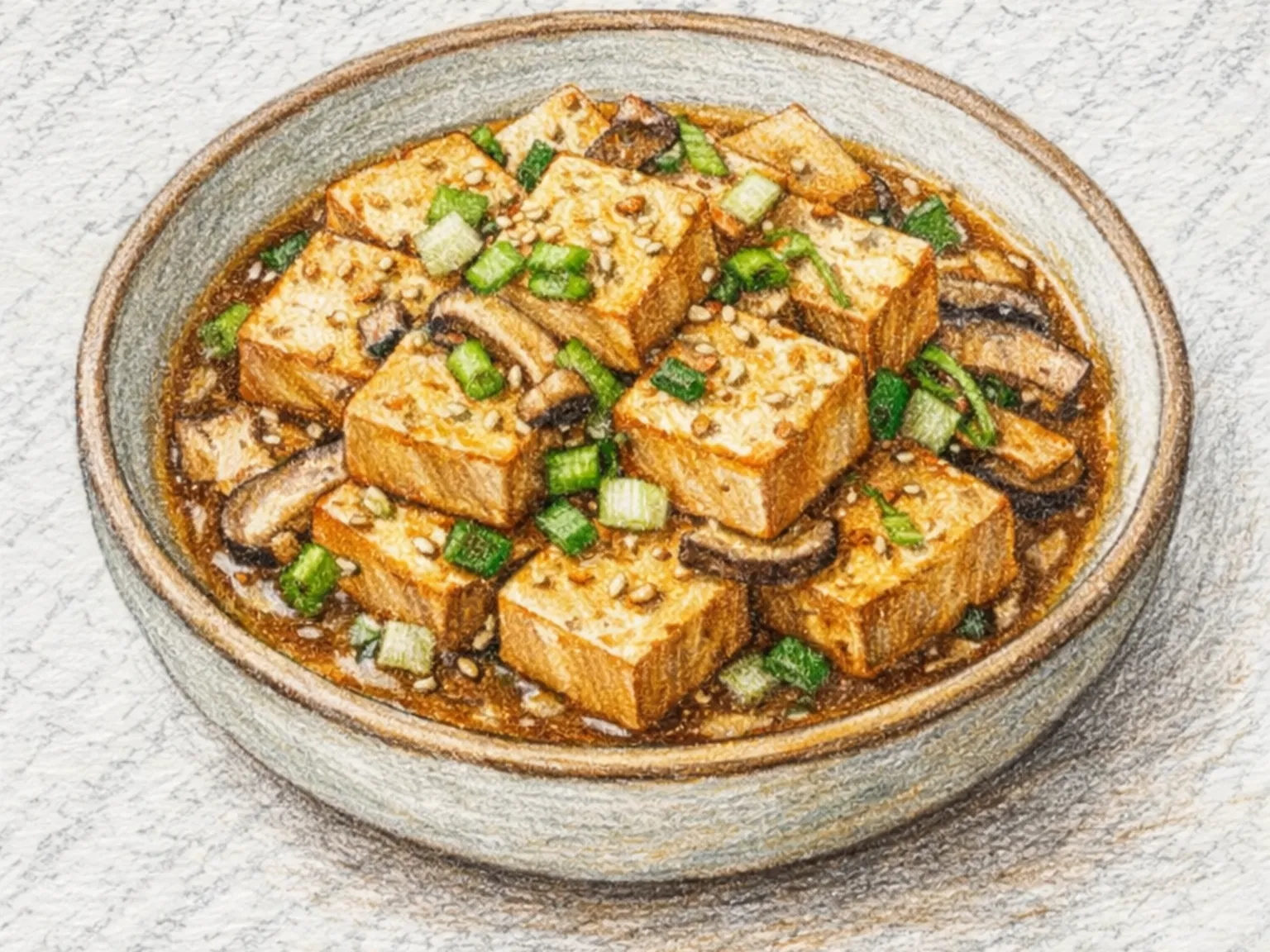
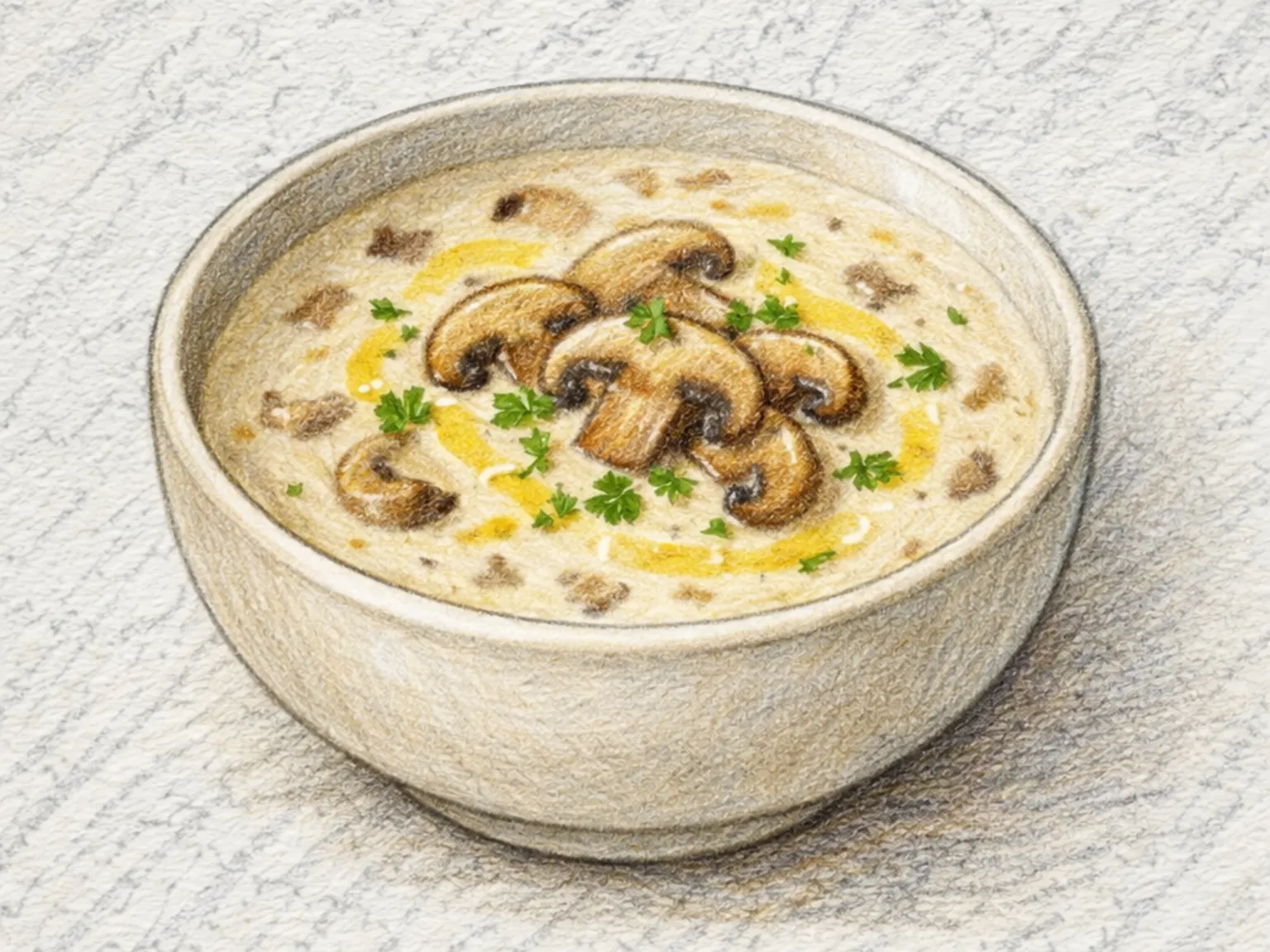
Korean Aralia Shoot Soybean Paste Stew
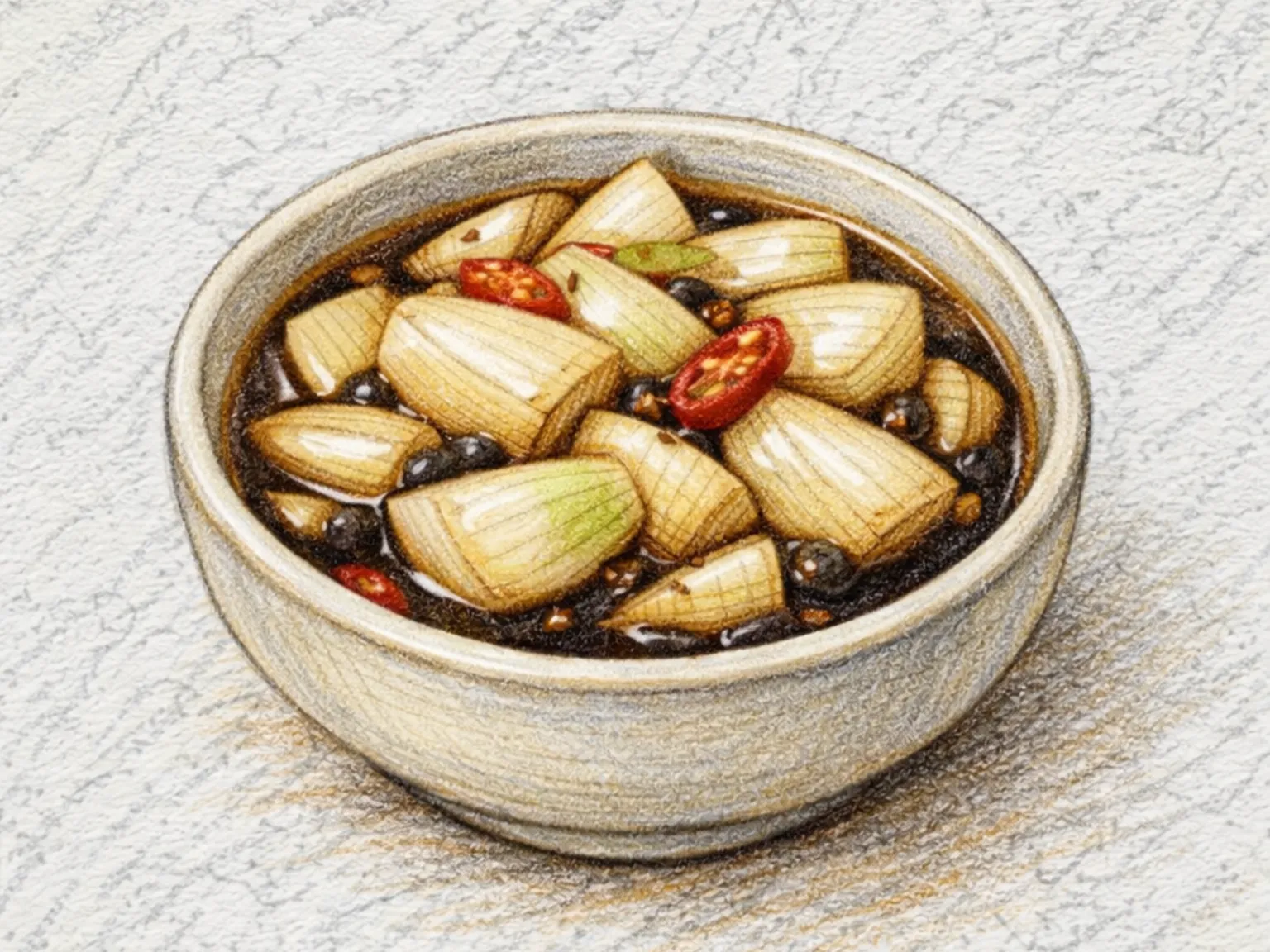
Dureup, the young shoots of the aralia tree, appear for only a few weeks in spring. Their pleasant bitterness and firm bite translate well into the savoury heat of doenjang broth. Anchovy stock forms the base, and both doenjang and gochujang are stirred in together to give the soup an earthy depth with a steady background heat. Zucchini and onion round out the bitterness with sweetness. Tofu fills the bowl with a soft contrast. The shoots go in late in the cooking so their crunch survives the heat of the broth.

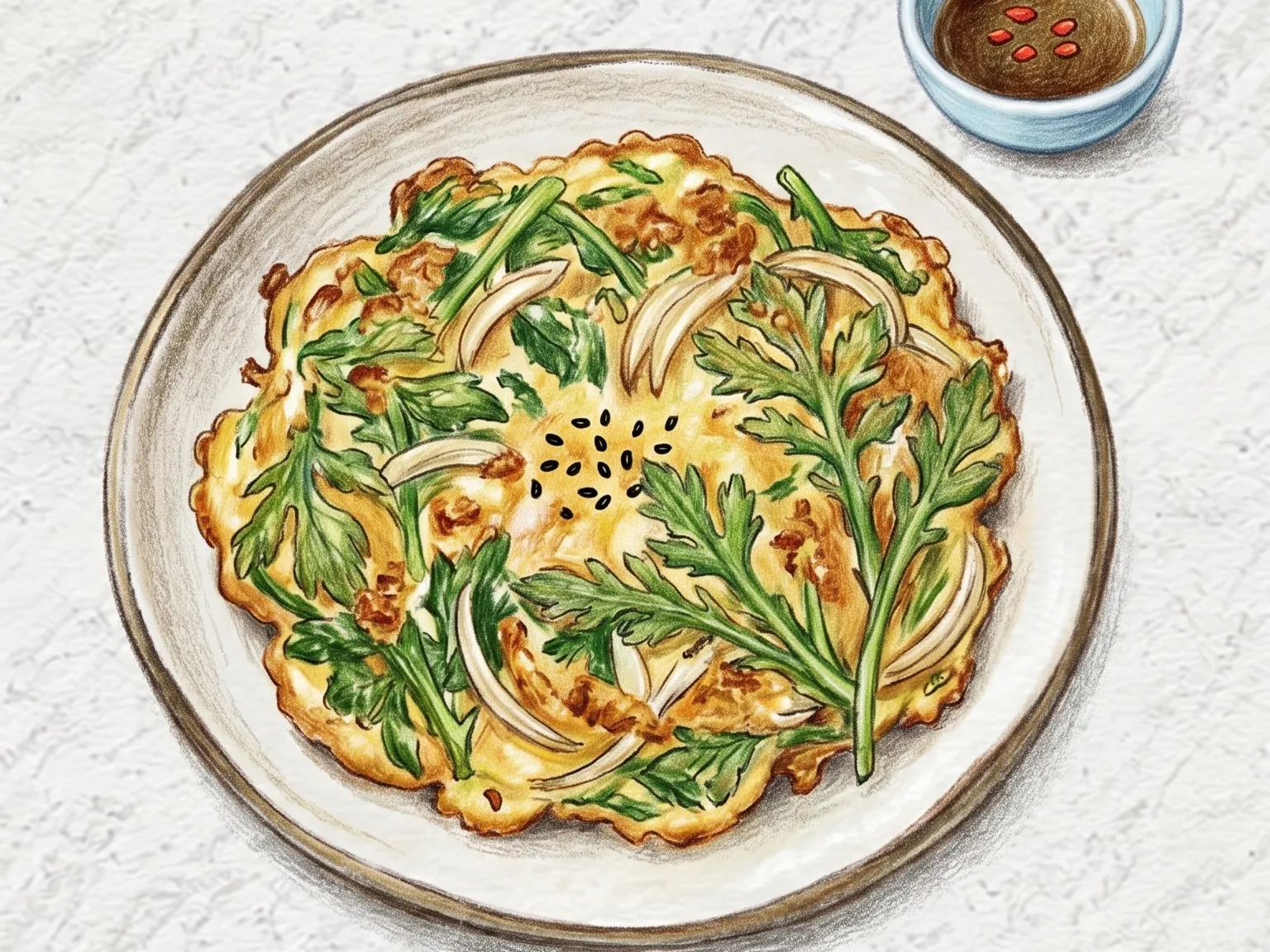
Korean Steamed Fermented Skate
Hongeo-jjim is a specialized culinary preparation originating from the Jeolla Province of South Korea that features steamed fermented skate as its central element. The flavor of the dish is developed using a seasoning mixture composed of gochugaru, gochujang, finely minced garlic, and soy sauce. The skate, known as hongeo, is processed through a traditional curing method that results in the formation of ammonia-based compounds. This specific fermentation process produces the sharp and pungent aroma that characterizes the dish, which often results in a polarizing experience for individuals who encounter the preparation for the first time. This aggressive fermentation quality tends to soften once the fish is exposed to heat and combined with the depth of the chili-based seasoning. Over time, repeated consumption often reveals complex layers of flavor that establish this dish as one of the most uniquely prepared items within Korean regional cuisine. During the cooking process, onions are included to release their natural sweetness, which functions to balance the sharper edges of the concentrated spice paste. Minari is introduced during the concluding stages of steaming to provide a clean and herbaceous quality that offers a contrast to the intensity of the fermented fish. Prior to steaming, rice wine is applied to the skate to moderate the fermentation scent without completely removing the fundamental characteristics of the fish. Removing the lid of the cooking vessel at the end of the process allows excess moisture to evaporate, ensuring that the seasoning adheres properly to the surface of the skate. In the cultural context of Jeolla Province, hongeo-jjim is a staple at ceremonial events and various celebratory meals. The dish is traditionally served in the company of makgeolli or hongtak, forming a combination that local residents typically refer to as hongeo samhap.

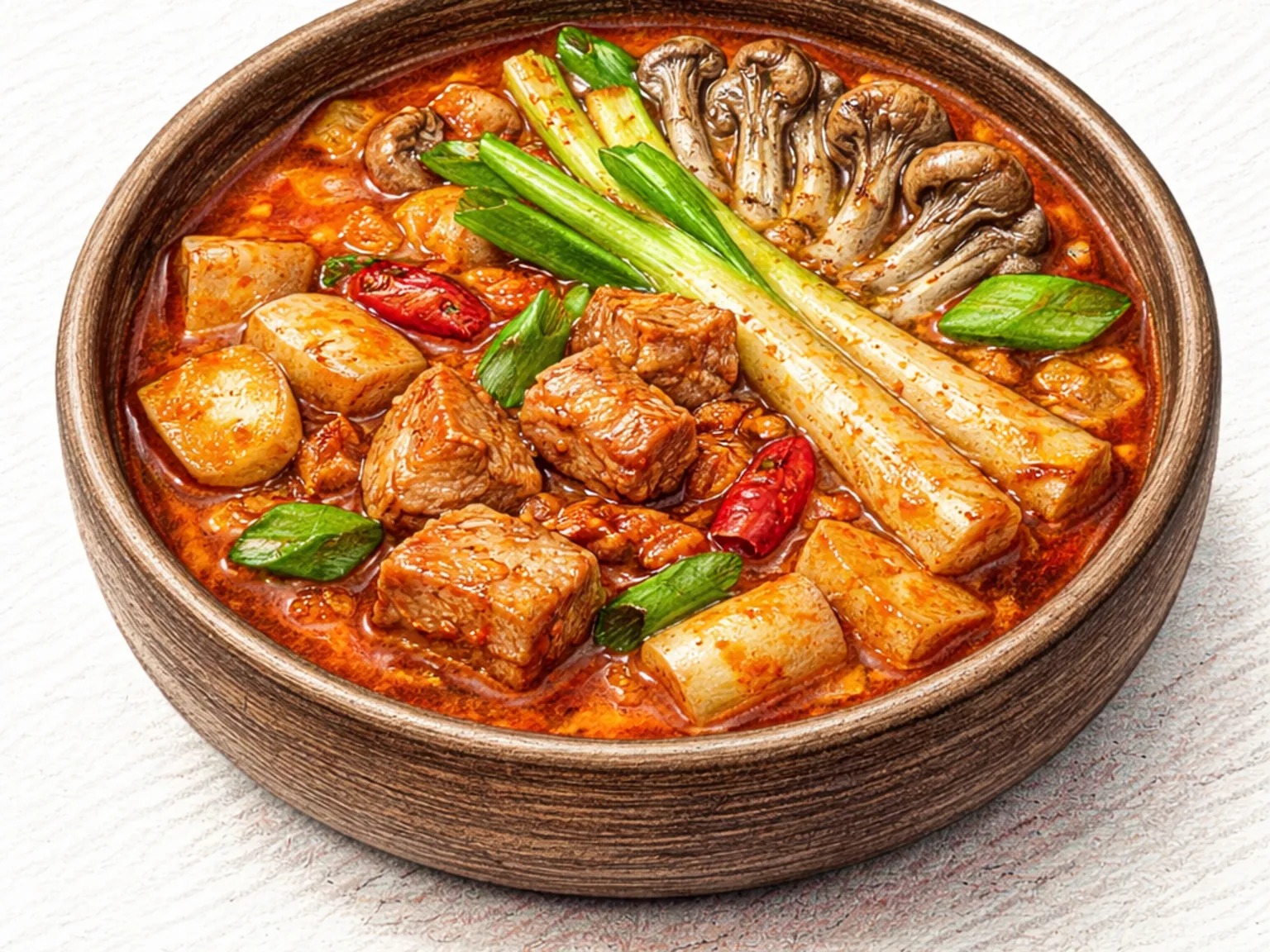
Korean Perilla Seed Kalguksu
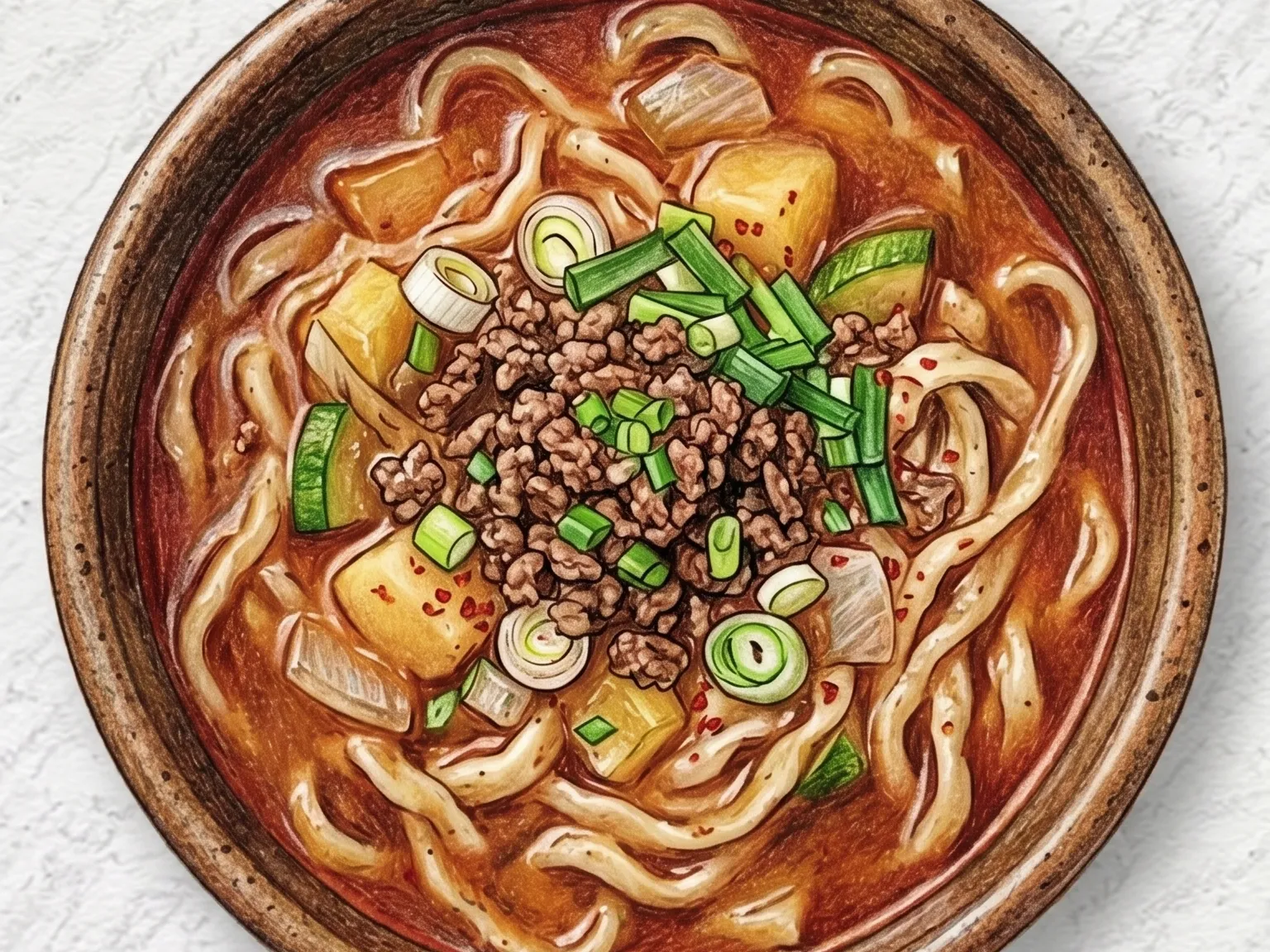
Perilla kalguksu is a Korean noodle soup where ground perilla seeds give the broth a distinctly nutty, creamy quality. Potatoes are simmered first to release starch, naturally thickening the liquid before the noodles go in. Onion and garlic add mild sweetness, and soup soy sauce seasons the bowl without darkening the color. The perilla powder is stirred in near the end of cooking to preserve its fragrance.

Ssamjang Chicken Spinach Orecchiette (Ssamjang Chicken Pasta)
Ssamjang chicken spinach orecchiette dissolves ssamjang directly in milk rather than frying it first, which softens the fermented paste's sharp edges into a smooth, savory cream sauce without bitterness. Boneless chicken thigh is seared until the skin turns golden and fat renders out, then combined with sauteed onion and garlic that build a sweet aromatic base underneath the fermented sauce. Spinach goes in at the very end to preserve its bright color and slight bite, and the concave, ear-shaped form of orecchiette cups the thick sauce inside each piece so every bite carries a full measure of flavor. Parmesan and black pepper are folded in off the heat so the cheese melts gradually without breaking. Reserving a small amount of pasta cooking water to loosen the sauce at the end helps achieve the right consistency.

Chicken Tikka Masala
Chicken tikka masala marinates chicken overnight in yogurt, curry powder, garlic, and ginger, then grills or broils it at high heat to develop char on the surface before finishing in a sauce of tomato puree, garam masala, and heavy cream. The lactic acid in yogurt gently breaks down surface proteins while acting as a vehicle to drive the spices deeper into the meat. Browning diced onion in butter, then cooking tomato puree with garam masala for at least fifteen minutes allows the sharp, raw edges of the spices to mellow and integrate fully, building a sauce base with genuine depth. Heavy cream added just before serving wraps the tomato acidity and chili heat in a smooth, rich body that unifies the dish. Overnight marination makes a substantial difference compared to a short soak, as the spices have time to penetrate to the center of each piece. Basmati rice or naan bread served alongside is standard, and dragging the bread through the sauce captures the full range of flavor in a single bite.

Japanese Beef Bowl (Gyudon)
Gyudon starts with paper-thin slices of beef and thinly cut onion simmered together in a broth of soy sauce, mirin, sugar, and grated ginger. The key is keeping the heat at medium rather than high, which prevents the beef from toughening and allows the onion to break down gently, releasing sweetness into the sauce. As the liquid reduces to a glossy, concentrated state, the flavors intensify into a layered combination of salty, sweet, and faintly sharp ginger notes. A one-minute rest off the heat lets the beef absorb more of the seasoned broth before it goes over the rice. The dish differs from stir-fried beef bowls in that the meat is never seared; instead it poaches in the simmering liquid, staying notably soft. A runny egg on top is traditional and adds richness when the yolk breaks into the sauce.

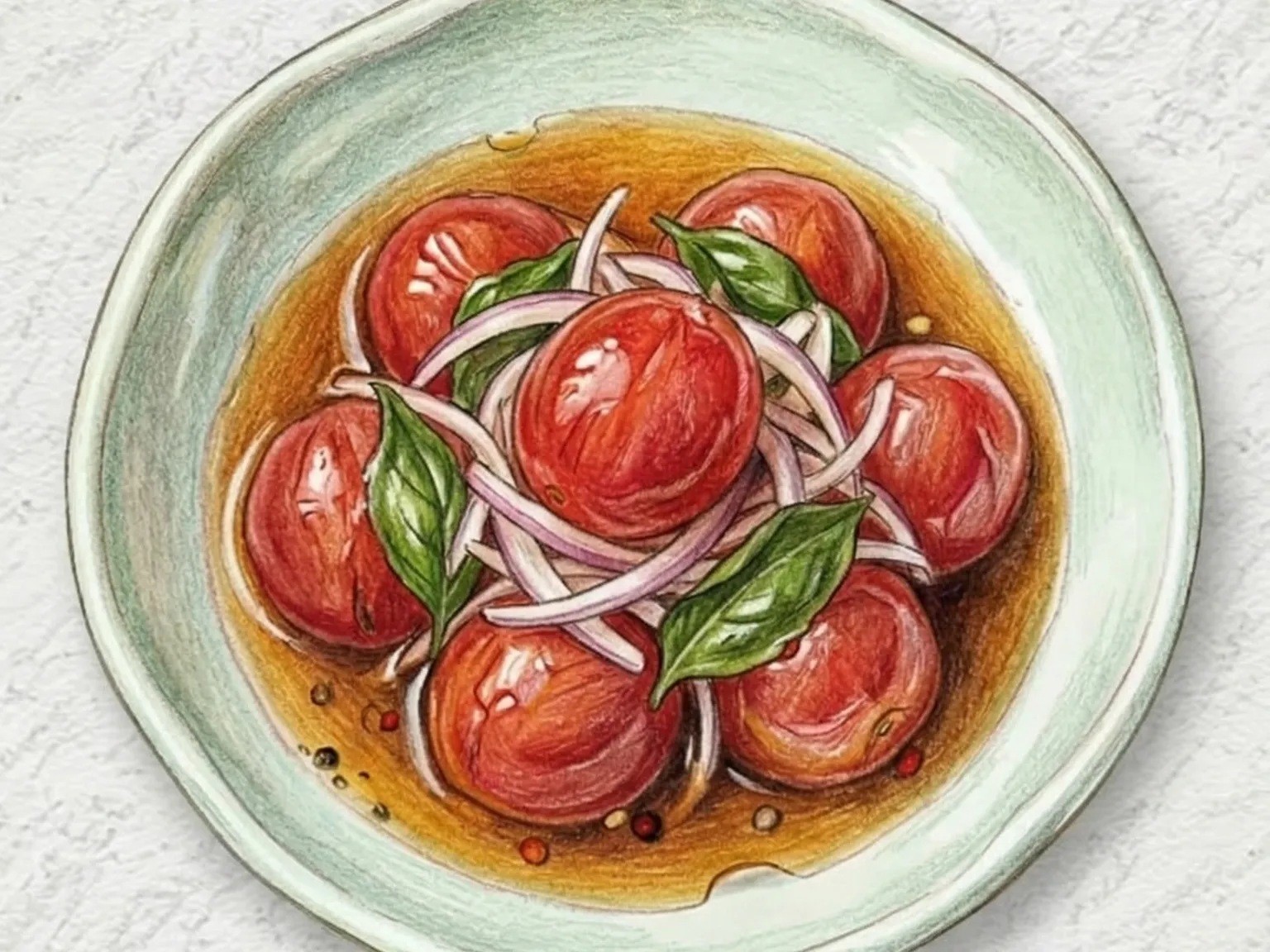
Korean Seasoned Hijiki Seaweed
Fresh hijiki seaweed is blanched and dressed in a chogochujang sauce - gochujang, vinegar, and sugar combined - that highlights the sea vegetable's briny character. Hijiki's slender, dark strands turn deeper black after blanching, and their texture firms into a distinctive pop that crunches lightly between the teeth. The dressing's tangy heat meets the seaweed's subtle ocean salinity, producing a refreshing umami interplay that makes this banchan especially appealing in warmer months. Sugar tempers the vinegar's sharpness, rounding the overall flavor into something balanced rather than aggressive. Thinly sliced raw onion mixed in adds a crisp contrast to the seaweed's softer chew, and minced garlic contributes a pungent depth beneath the sauce's bright surface. Rinsing the hijiki in cold water immediately after blanching and draining it thoroughly prevents the strands from turning tough. The finished dish is rich in iron and calcium, making it as nutritionally substantial as it is flavorful.

Korean Blue Crab Doenjang Pot Rice
Cleaned blue crab sits atop soaked rice in a heavy pot, cooked in anchovy-kelp stock that has been infused with dissolved doenjang. Garlic and vegetables are sauteed first in perilla oil to build an aromatic base before the stock-doenjang mixture is poured in and brought to a boil. The crab goes on top and the pot is covered for five minutes on high heat, fifteen minutes on low, then ten minutes off the heat to rest and steam through. The crab's briny sweetness and the doenjang's fermented, earthy depth soak into every grain of rice during the long, slow cook. Zucchini and shiitake mushrooms add a mild sweetness that tempers the saltiness and rounds out the bowl. One additional minute on low heat after resting creates a golden, nutty nurungji crust at the bottom, a prized texture in Korean pot rice. Doenjang saltiness varies by brand, so tasting the diluted stock before adding rice lets you calibrate without oversalting. A few slices of cheongyang chili on top cut through the fermented richness and add a sharp finishing heat.

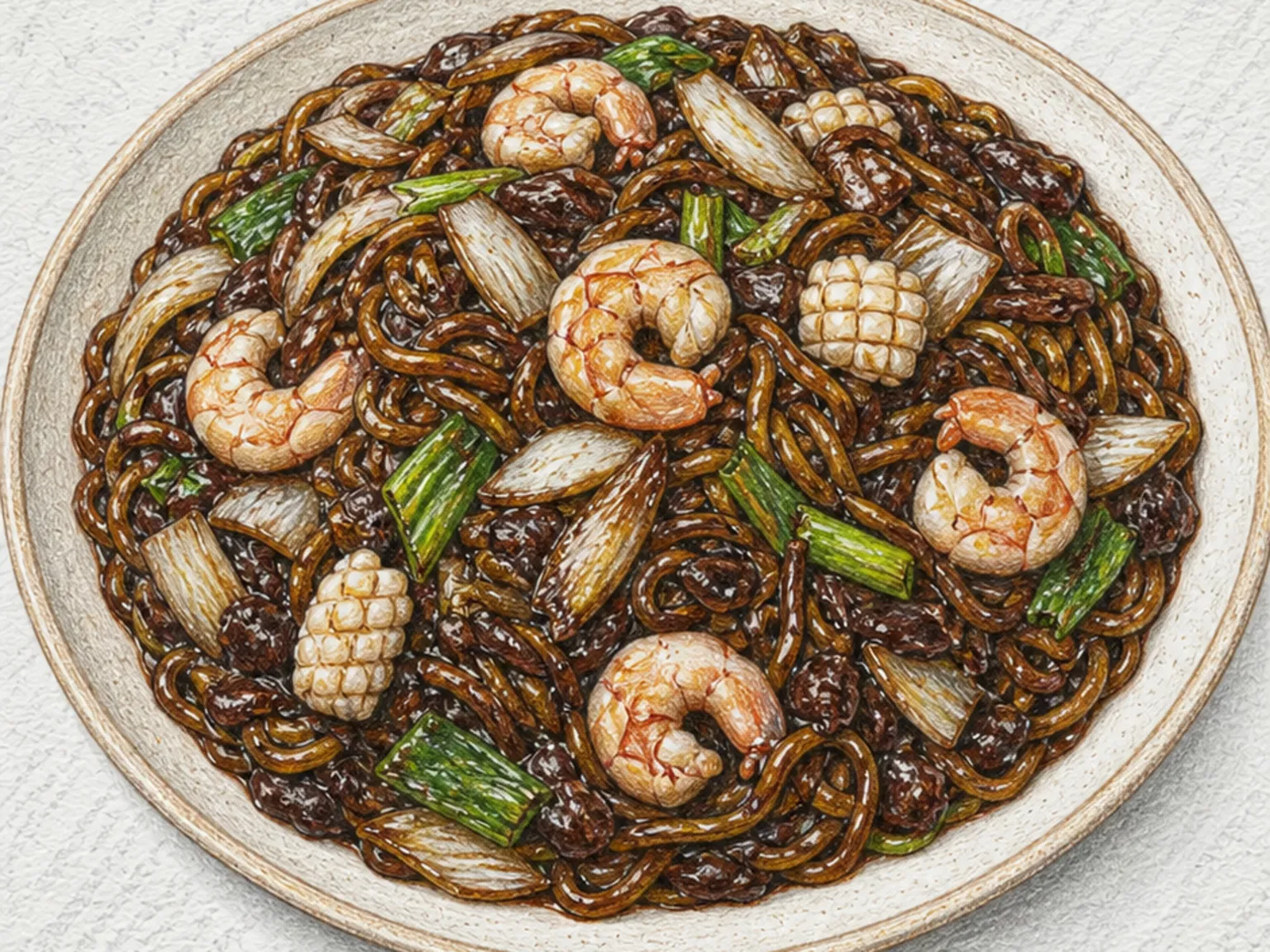
Pepper and Pork Stir-fry (Chinese-Style Julienned Bell Pepper and Pork)
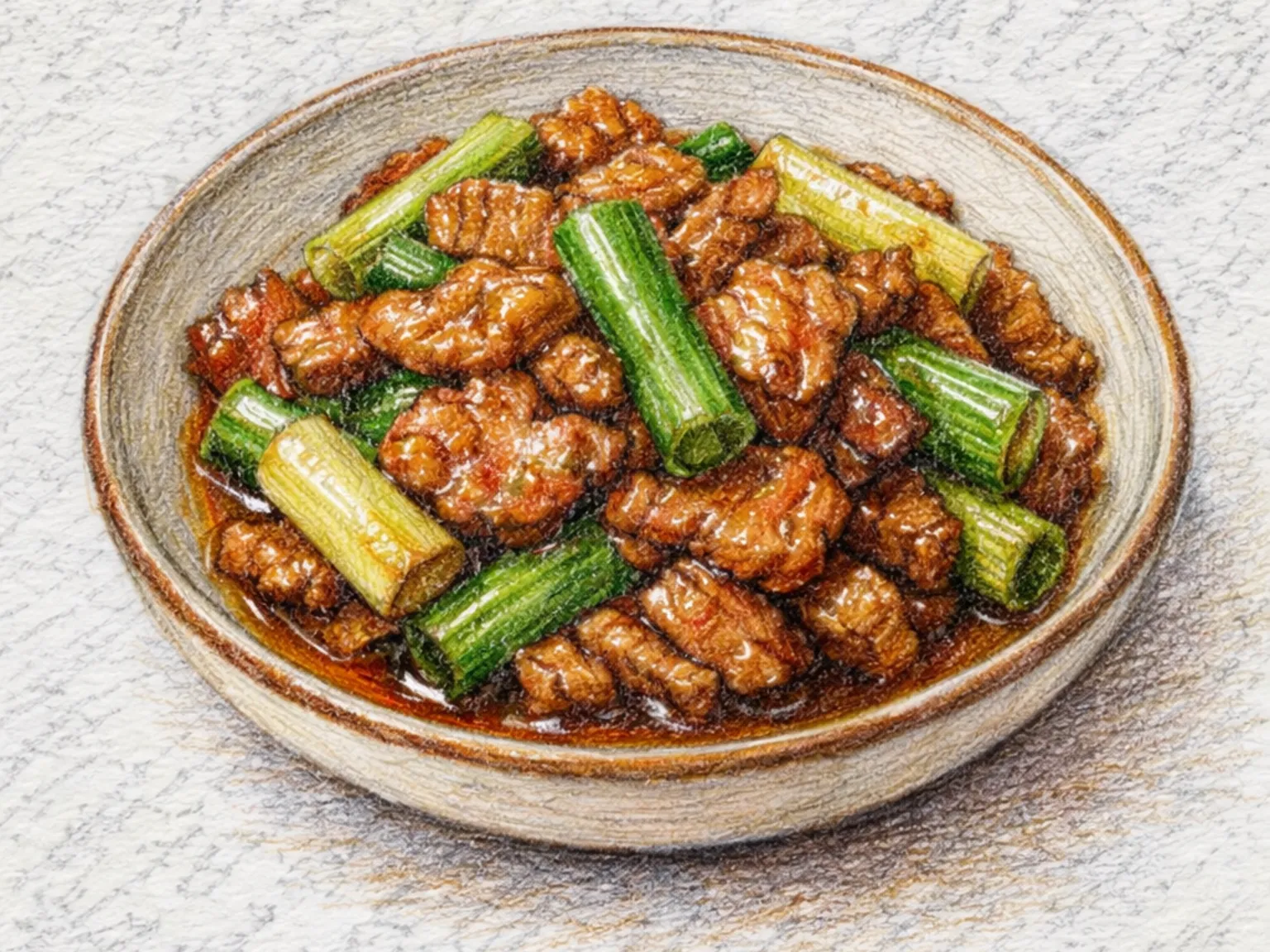
Gochu-japchae is a Korean-Chinese stir-fry of julienned bell peppers and pork loin cooked fast over high heat in a combined soy and oyster sauce base. The pork is pre-marinated with soy sauce and cornstarch before cooking: the starch coats each strip and holds in moisture, so the meat stays tender through the high-heat cooking rather than drying out. Soy sauce and oyster sauce together give the dish a clean, savory base where saltiness and umami are balanced without either dominating. Bell peppers are kept in the pan for only a short time, just enough to soften slightly while retaining their crunch and bright color. The high heat of the wok or pan is what sears the surface of the ingredients and creates the light, smoky char that distinguishes this kind of stir-fry from gentler cooking methods. Served over rice it works as a straightforward weeknight meal, or rolled into steamed flower buns or tortillas it becomes a more casual, hand-held meal. The whole dish comes together in under thirty minutes, making it one of the more practical examples of Korean-Chinese home cooking.

Korean Soybean Paste Stew with Clams and Zucchini
Bajirak aehobak doenjang jjigae is a Korean soybean paste stew that draws its distinctive clean depth from littleneck clams cooked alongside zucchini, potato, and tofu in rice-rinse water. As the clams open during cooking, they release their briny, slightly sweet liquor directly into the doenjang broth, deepening the fermented base with a layer of ocean salinity that soybean paste alone cannot produce. Potato breaks down gradually as the stew simmers, adding a subtle body to the broth without turning it starchy. Tofu and zucchini provide contrasting textures, the tofu soft and custardy while the zucchini retains a gentle resistance. Onion and minced garlic supply the sweet, aromatic foundation of the broth, and a Cheongyang chili introduces a clean, sharp heat that prevents the flavors from becoming too heavy. The pairing of the clams' saline, briny character with the earthy fermented depth of doenjang is what gives this particular version of the stew its reputation as one of the most satisfying everyday versions, served with a bowl of plain steamed rice.

Korean Steamed Pacific Saury
Kkongchi-jjim braises Pacific saury with Korean radish, onion, and green onion in a gochugaru and soy sauce broth until the liquid reduces to a concentrated, deeply spiced glaze. The saury's naturally oily flesh absorbs the bold seasoning without drying out, while the radish softens in the braising liquid and draws out any fishiness that would otherwise distract from the sauce. Garlic and ginger scrub the broth clean, and the chili's penetrating heat opens the appetite in a way that milder seasonings cannot. The remaining sauce, ladled over rice, is what most people eat last and remember longest - a humble fish dish that punches well above its price.

Singapore Rice Noodles (Curry-Spiced Stir-Fried Vermicelli with Shrimp)
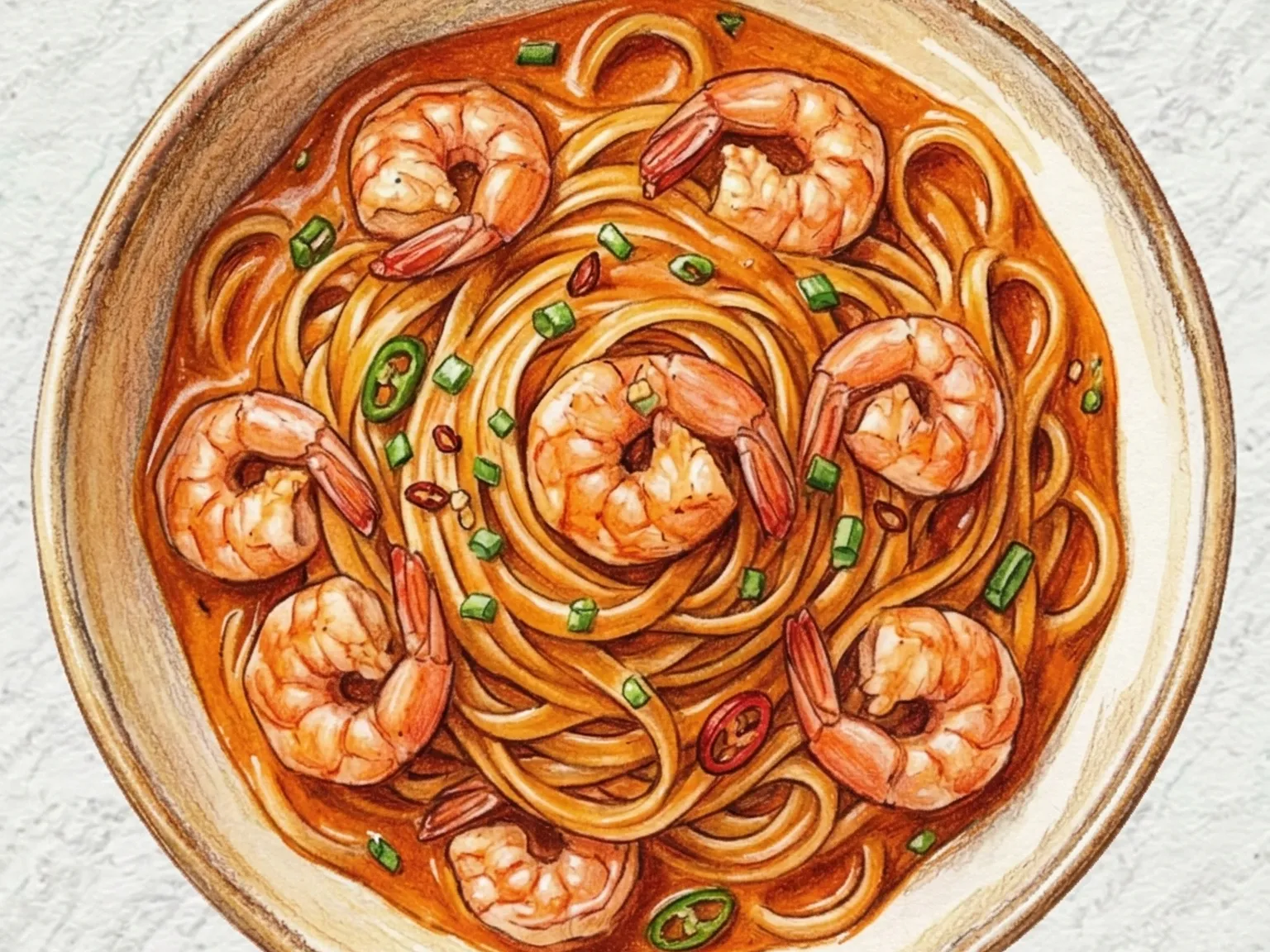
Singapore rice noodles are a Cantonese-style stir-fry of thin rice vermicelli tossed with curry powder, shrimp, and mixed vegetables over high heat. The curry powder is bloomed in hot oil at the edge of the wok to unlock its full aroma before being mixed into the noodles. Soy sauce adds seasoning depth, and bean sprouts go in during the last thirty seconds to keep their crunch. Soaking the vermicelli for only eight minutes prevents the noodles from breaking apart during stir-frying.

Tteokgalbi Ragu Ziti Bake (Korean BBQ Ziti Gratin)
Tteokgalbi ragu ziti bake starts with ground beef seasoned and browned in soy sauce and sugar, a step that reproduces the sweet-salty profile of Korean grilled tteokgalbi rather than a standard Italian soffritto base. Tomato puree and gochujang are then added and reduced together for 12 minutes. The gochujang contribution goes beyond simple heat; its fermented complexity adds a savory depth that distinguishes this ragu from a conventional bolognese. Undercooking the ziti by two minutes before it goes into the oven is important: pasta that enters the oven already fully cooked will turn soft and mushy by the time the bake is done. Even coverage of mozzarella followed by 12 to 15 minutes at 200 degrees Celsius produces a surface that caramelizes to a golden crust while the interior remains moist. The recipe yields four portions and is designed to be served directly from the oven dish, making it practical for a family dinner or a small gathering.

Chili con Carne
Chili con carne is a Mexican-influenced American dish that simmers ground beef, kidney beans, and diced tomatoes together with chili powder, cumin, and other spices in a single pot. Onion and garlic are cooked first to build an aromatic foundation, and the meat is browned thoroughly over high heat so the Maillard reaction develops a savory depth that simmering alone cannot produce. Adding the spices and cooking them in the fat for one minute before the liquid goes in blooms the heat and earthy character of the blend throughout the oil. Simmering on low heat for thirty minutes or more mellows the acidity of the tomatoes and allows the beans and meat to absorb the seasoning fully, producing a thick, concentrated richness. Resting the chili overnight and reheating it the following day deepens the flavor further as the spices continue to meld. Sour cream or cheese on top introduces a creamy, tangy layer that balances the bold spice profile. The heat level adjusts easily by varying the chili powder quantity, and cayenne pepper added to taste produces a sharper, more intense warmth. Soaking and cooking dried beans rather than using canned ones yields a firmer texture with more presence. The finished chili works equally well over rice, alongside tortilla chips, or as a taco filling the next day.

Idli Sambar (Steamed Rice Cakes with Lentil Stew)
Idli sambar is a foundational South Indian breakfast that pairs soft, steamed rice cakes with a deeply spiced lentil and vegetable stew. The idli batter is made by soaking and grinding rice and urad dal separately, then mixing and leaving the combination to ferment overnight; this fermentation is what produces the airy, spongy texture when the batter is poured into molds and steamed for ten to twelve minutes. The resulting discs absorb sauces readily and have a mild, slightly tangy flavor from the fermentation. The sambar starts with toor dal simmered until completely soft and partially mashed to give the broth body, then combined with sauteed onion and tomato along with sambar powder and tamarind water for a ten-minute simmer. Tamarind's pronounced sourness balances the earthiness of the lentils and keeps the broth from tasting heavy, while the spice blend in sambar powder adds a warm background heat without becoming harsh. The final and essential step is tempering: mustard seeds are dropped into very hot oil until they pop and scatter, then the spiced oil is stirred into the finished stew, releasing a nutty, aromatic burst that threads through the whole pot. Dipping or soaking the mild, fluffy idli in the bold, tangy sambar creates the contrast that defines this combination and distinguishes it from eating either component alone. Coconut chutney served alongside adds a cool, creamy counterpoint.

Korean Yangbaechu Kkae Bokkeum (Sesame Cabbage Stir-fry)
Shredded cabbage, onion, and carrot are stir-fried over high heat with soup soy sauce and finished with sesame oil and a generous handful of toasted sesame seeds. Cabbage benefits from fast, hot cooking: the edges char lightly and caramelize while the interior retains its crisp bite, and the heat unlocks a gentle natural sweetness hidden in the raw leaves. Soup soy sauce seasons the vegetables with depth while keeping the finished dish pale and clean-looking, and minced garlic stirred in early fills the pan with fragrance. Carrot goes into the pan first to draw out its sugar, and as the onion softens, its moisture deglazes the surface and adds another layer of mellow sweetness. Sesame oil drizzled off-heat coats the vegetables in a nutty sheen, and the sesame seeds scattered on top provide a crunchy, aromatic punctuation with every bite. The dish is lean and uncomplicated, relying on the quality of fresh vegetables and precise timing rather than heavy seasoning, making it a banchan suited to daily meals.

Korean Soy Pulp Porridge (High-Protein Okara Anchovy Stock Porridge)
Soy pulp (okara) and soaked rice simmer together in anchovy stock, creating a thick, protein-rich porridge with a hearty body. Onion and garlic are first sauteed in sesame oil to build an aromatic base, then the rice goes in for a brief toast before the stock is added. Once the rice is half-cooked, soy pulp and diced zucchini join the pot, and constant stirring over low heat is essential since okara scorches quickly if left unattended. Seasoned with just salt and black pepper, this juk has a nutty, beany depth from the soy pulp paired with the clean umami of anchovy stock, making it filling yet light on the palate. Making the okara at home by blending soaked soybeans in a blender yields a noticeably fresher, more pronounced soy aroma than the packaged version and elevates the overall flavor of the finished porridge.

Korean Spicy Gochujang Bulgogi
Spicy gochujang pork bulgogi builds its bold flavor from a marinade of gochujang, Korean chili flakes, soy sauce, corn syrup, and garlic applied to thick-cut pork neck, then stir-fried over high heat. The gochujang delivers a deep, fermented heat while the corn syrup adds a glossy sweetness that helps the sauce caramelize on the surface of the meat. Adding chili flakes separately from the gochujang introduces a different texture and heat quality, creating a more complex spice profile than either ingredient alone would produce. Allowing the moisture to evaporate before adding the onion is important, as onion releases liquid when it hits the pan and will thin the sauce if added too early. The natural sugars in the onion contribute a mild sweetness that tempers the chili heat once the moisture has cooked off. Scoring thicker pieces of pork two or three times with a knife allows the marinade to penetrate more evenly and ensures consistent seasoning throughout. Finishing with green onion over high heat for thirty seconds adds a smoky char note while leaving a fresh aromatic lift. The recipe yields a generous four servings, making it a practical main dish for family meals or a filling for ssam wraps.

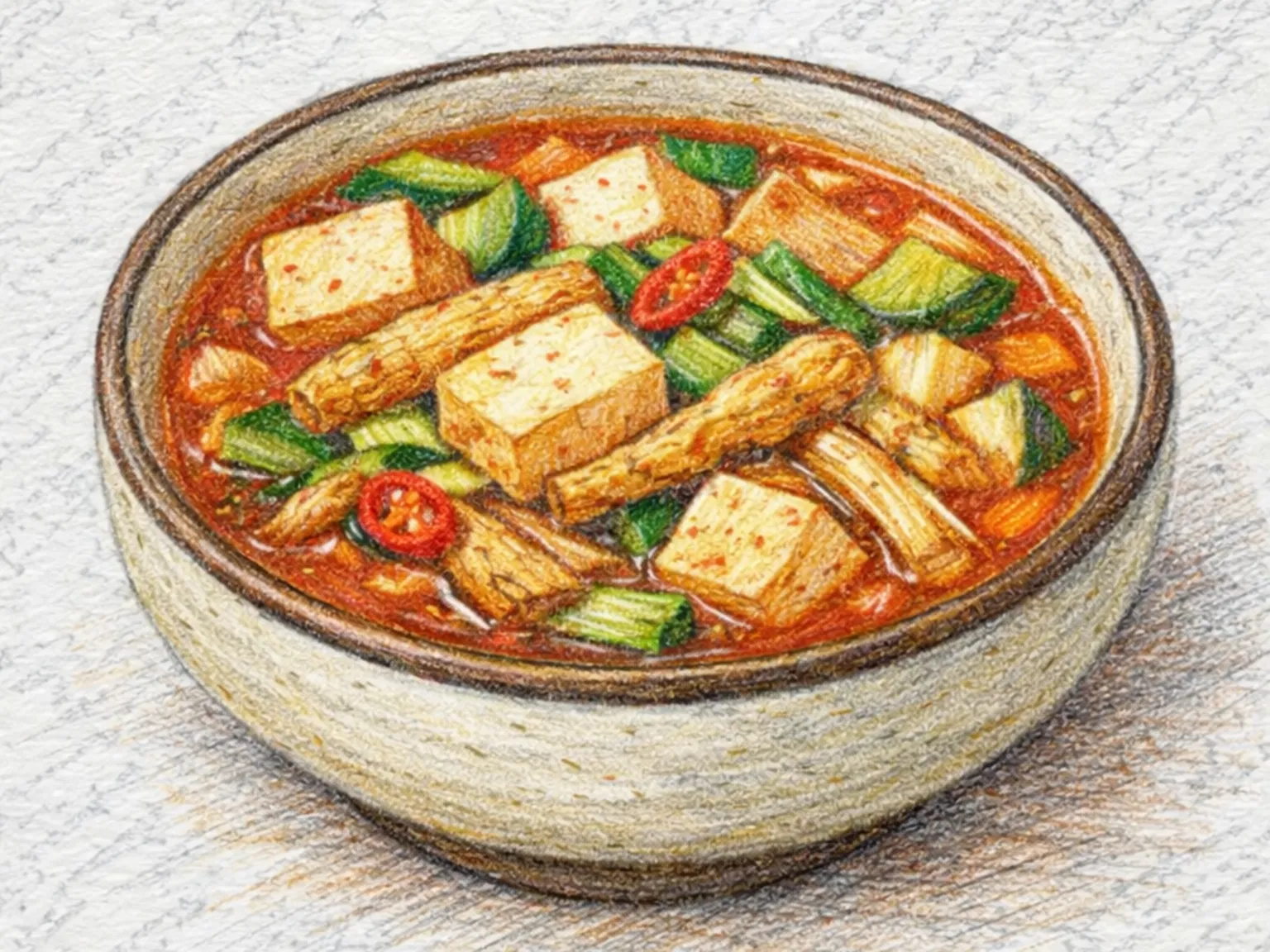
Korean Young Napa Soybean Paste Stew
Young napa cabbage (eolgari) takes center stage in this doenjang jjigae, wilting into the broth and releasing a mild sweetness. The stock is built from dried anchovies and kelp, then seasoned with fermented soybean paste for a full-bodied base. Firm tofu and onion add substance, while a green chili provides a sharp finish. Eolgari is a tender spring-harvested young cabbage with soft fibers and a pronounced natural sweetness, so when combined with the savory doenjang broth it contributes a mellow, round flavor without any bitterness. Adding a generous amount of tofu helps the cubes absorb the saltiness of the paste and brings the entire soup into a well-balanced, smooth finish that pairs naturally with steamed rice.

Korean Braised Squid with Shishito Peppers
Kkwari-ojingeo-jorim is a Korean braise of squid and shishito peppers simmered in a gochujang and soy sauce seasoning. The squid retains its chewy bounce while soaking in the bold sauce, and the peppers absorb enough flavor to stand on their own while keeping a slight crunch. Gochujang brings a warm spiciness that combines with soy sauce's depth into a multilayered seasoning, and garlic with ginger neutralizes any seafood odor. As the liquid reduces, it coats each piece in a concentrated glaze that makes this banchan work especially well spooned over a bowl of steamed rice.

Korean Dried Radish Greens Doenjang Kalguksu
This noodle soup features dried radish greens and soybean paste in a base of anchovy and kelp stock. The fermented soybean paste provides a savory foundation while the radish greens add an earthy bitterness. Adding onion and zucchini during the simmering process introduces a natural sweetness that balances the saltiness of the paste. A spoonful of perilla seed powder at the end gives the broth a toasted, nutty finish. Fresh kalguksu noodles thicken the soup as they cook, taking on a chewy yet soft texture. To ensure a clean taste and better texture, the radish greens are boiled, rinsed in cold water, and squeezed before being added to the pot. Toasting the dried anchovies in the pot before adding water removes any fishy scents from the stock. Since different types of soybean paste vary in saltiness, it helps to add the paste in small increments while tasting. Mixing in a small amount of cheonggukjang provides a stronger fermented character to the finished soup.

Cioppino (Italian-American Seafood Tomato Wine Stew)
Cioppino is an Italian-American seafood stew where shrimp, mussels, and white fish are simmered in a tomato and white wine broth built on fish stock. Sauteing onion and garlic in olive oil until fully softened forms the aromatic base, then white wine is added and reduced for two minutes to cook off the raw alcohol before the tomatoes and stock go in. Fifteen minutes of simmering concentrates the broth and integrates the flavors before any seafood enters the pot. Adding mussels first, then fish fillets, then shrimp last accounts for their different cooking times and prevents any piece from going rubbery or dry. The broth that results combines the brine drawn from the shellfish, the acidity of tomatoes, and the clean brightness of the wine into a complex, deeply savory liquid. Crusty bread served alongside is not optional in the traditional sense; soaking it in the stew is the standard way to consume every last bit of the broth. The dish originated with Italian immigrant fishermen in San Francisco who pooled the day's leftover catch into a communal pot.

Kadhi Pakora (Yogurt Curry with Fritters)
Kadhi pakora is a yogurt-based curry from North India, especially popular in Punjabi home cooking, where gram flour fritters are simmered in a tangy, spiced yogurt gravy. The pakoras are made by mixing a portion of gram flour with sliced onion, salt, and water into a thick batter, then deep-frying spoonfuls until golden. The remaining gram flour is whisked with yogurt, water, turmeric, and red chili powder to form the kadhi base, which must be stirred constantly in the early stages to prevent the yogurt from splitting. Cumin seeds are bloomed in oil to release their aroma before the kadhi mixture is poured in and simmered gently for twenty minutes, allowing the raw flour taste to cook out completely. Adding the fried pakoras near serving time preserves some of their texture, while longer simmering lets them absorb the gravy and turn soft throughout.