Charim

2686 Korean & World Recipes

2686+ Korean recipes, clean and organized. Ingredients to instructions, all at a glance.

Recipes with onion

24 recipes

Buy onion
Fabada Asturiana (White Bean and Chorizo Stew)
WesternMedium

Fabada Asturiana (White Bean and Chorizo Stew)

Fabada Asturiana is the bean stew of the Asturias region in northern Spain, a dish with deep roots in the mountain agriculture and difficult winters that shaped the region's food culture. Large, creamy faba beans are soaked overnight, then placed in a single pot with chorizo, morcilla (blood sausage), and smoked pork shoulder and simmered over the lowest possible heat for at least two hours. The rendered paprika fat from the chorizo bleeds slowly into the cooking liquid, turning the broth a deep reddish-orange while fat and protein dissolve in to create a naturally thick consistency without flour or cream. The goal is beans that are intact but fully saturated with the broth, each one soft at the center but not burst. Morcilla contributes an earthy, iron-rich depth that tempers the sharpness of the smoked paprika, and the combination of two cured meats produces a layered savoriness that plain pork stock alone cannot achieve. The starch released from the beans as they cook binds the fat and liquid into a coherent body rather than a greasy soup. Served in a wide, deep bowl with thick slices of crusty bread, a full portion constitutes an entire meal. The dish is associated with cold weather and is traditionally cooked in quantity, as the flavor deepens considerably on the second day.

🎉 Special Occasion
Prep 15minCook 120min4 servings
Classic Katsudon (Pork Cutlet Egg Rice Bowl)
AsianMedium

Classic Katsudon (Pork Cutlet Egg Rice Bowl)

Classic katsudon is a Japanese rice bowl that transforms a crispy pork cutlet into something altogether different by simmering it briefly with onion, egg, and seasoned dashi broth. Thinly sliced onion cooks first in a shallow pan of tsuyu -- a combination of soy sauce, mirin, and dashi -- until soft and sweet. The fried cutlet, sliced into strips, is laid into the onion broth, then lightly beaten egg is poured over the top and cooked just until it sets into a custard-like layer. This half-set egg clings to the panko crust, creating a contrast between the still-crunchy edges and the silky coating. The entire mixture is slid onto a bowl of steaming rice, where the savory broth soaks into the grains. In Japan, katsudon is traditionally eaten before exams or competitions as a good-luck ritual. Pulling the pan off the heat within thirty seconds of covering it keeps the egg in that soft, barely-set state -- overcooking turns the layer rubbery and loses the signature texture entirely.

🏠 Everyday
Prep 20minCook 18min2 servings
Korean Spicy Stir-Fried Squid Rice Bowl
RiceMedium

Korean Spicy Stir-Fried Squid Rice Bowl

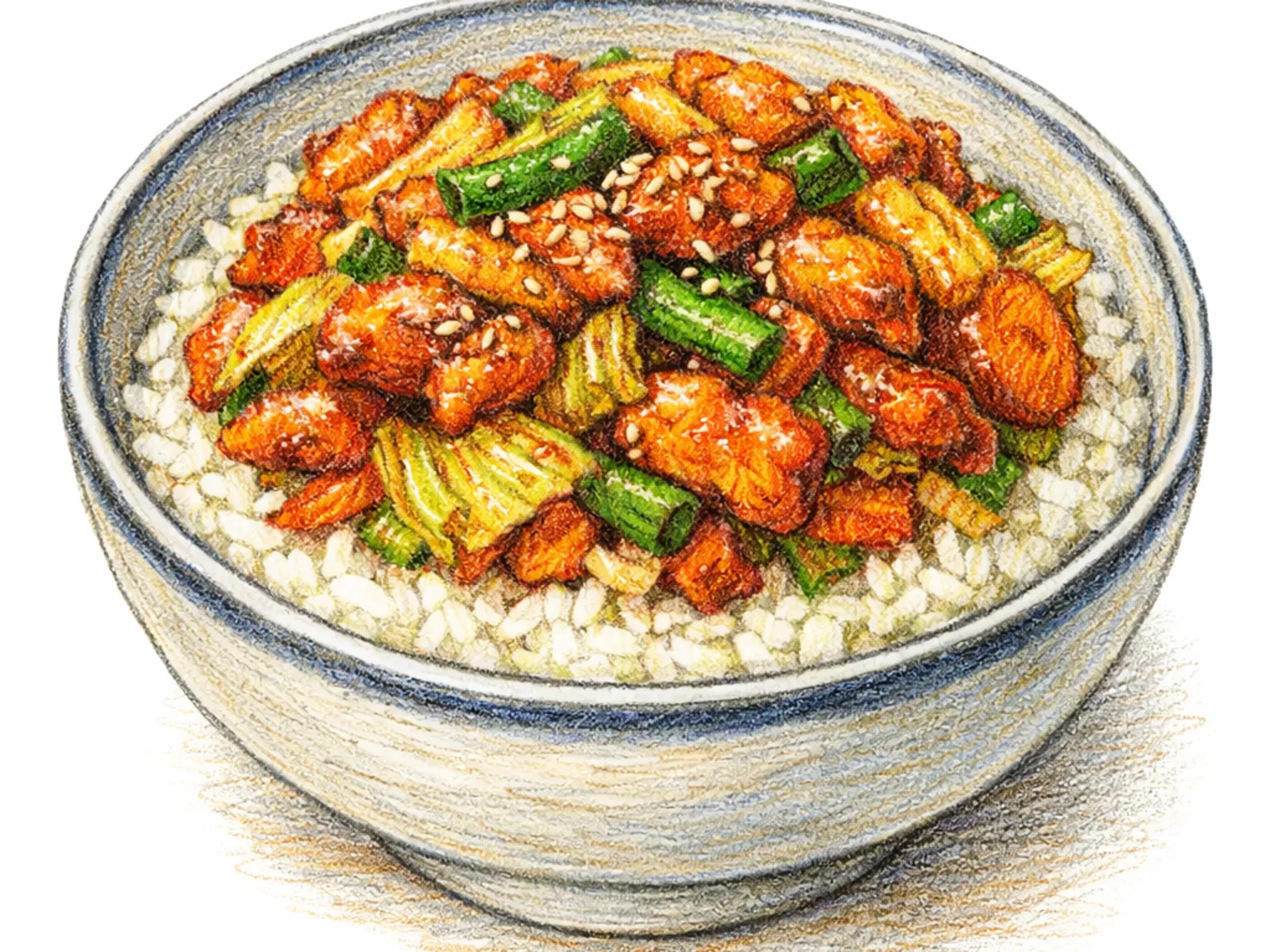
Scored squid, onion, cabbage, and scallion are stir-fried together in a gochujang-based sauce over high heat and served on a bowl of steamed rice. Cutting a crosshatch pattern into the squid before cooking causes each piece to curl into a compact cylinder as it hits the heat, producing a thick, bouncy texture while giving the sauce more surface area to cling to. Because squid turns rubbery in a matter of minutes if left on the heat too long, the vegetables go into the pan first to drive off their moisture, and the squid is added only for the final three to four minutes over maximum heat. The sauce, built from gochujang, gochugaru, soy sauce, sugar, and sesame oil, caramelizes quickly against the hot pan and coats both the vegetables and the squid in a glossy, deep-red glaze. The natural sweetness of the onion and cabbage tempers the chili heat and keeps the dish balanced rather than one-dimensionally spicy. Leaving a small pool of sauce in the pan when plating allows it to soak into the rice, making the whole bowl worth mixing together before eating.

🏠 Everyday
Prep 15minCook 12min2 servings
Korean Spicy Beef Intestine Stir-fry
Stir-fryHard

Korean Spicy Beef Intestine Stir-fry

Gopchang-bokkeum is a Korean stir-fry of cleaned beef intestines tossed over high heat with onion, cabbage, scallion, gochujang, and gochugaru. The intestines develop a springy chew while releasing their natural fat, which melds with the spicy seasoning to create an intensely savory sauce. Vegetables stay crisp and soak up the bold flavors as the dish cooks quickly. It is one of the most popular late-night dishes in Korea, often served sizzling on a hot plate alongside rice and soju.

🍺 Bar Snacks🏠 Everyday
Prep 25minCook 15min2 servings
Korean Godeungeo Mu Jjigae (Mackerel Radish Stew)
StewsMedium

Korean Godeungeo Mu Jjigae (Mackerel Radish Stew)

Godeungeo-mu-jjigae is a spicy Korean stew that pairs mackerel with Korean radish in a gochugaru and gochujang broth. Mackerel is an oily, fatty fish, and as it simmers, those fats render into the surrounding liquid, giving the broth a richness and depth of savory flavor that leaner fish cannot produce. The radish is laid on the bottom of the pot before the mackerel is placed on top - a deliberate positioning that lets the radish absorb the direct heat of the base while soaking up the fish juices and rendered fat dripping down from above. Radish cooked this way turns tender and sweet, and each bite releases concentrated broth from within the vegetable. Using both gochugaru and gochujang in the seasoning paste is important: gochugaru provides clean, direct heat and red color while gochujang adds fermented depth and body to the broth that chili powder alone cannot achieve. Soup soy sauce for the final seasoning keeps the saltiness measured and blended rather than sharp. Sliced green onion and cheongyang chili pepper added toward the end contribute freshness and a sharper layer of heat. For those sensitive to fishiness, thin slices of ginger added to the initial seasoning paste are effective at suppressing the odor without altering the stew's overall flavor profile. The traditional way to eat this is to spoon the broth-soaked radish and a piece of mackerel over rice, letting the concentrated cooking liquid soak into each grain.

🏠 Everyday
Prep 20minCook 35min4 servings
Korean Braised Pork Back Ribs with Aged Kimchi
SteamedMedium

Korean Braised Pork Back Ribs with Aged Kimchi

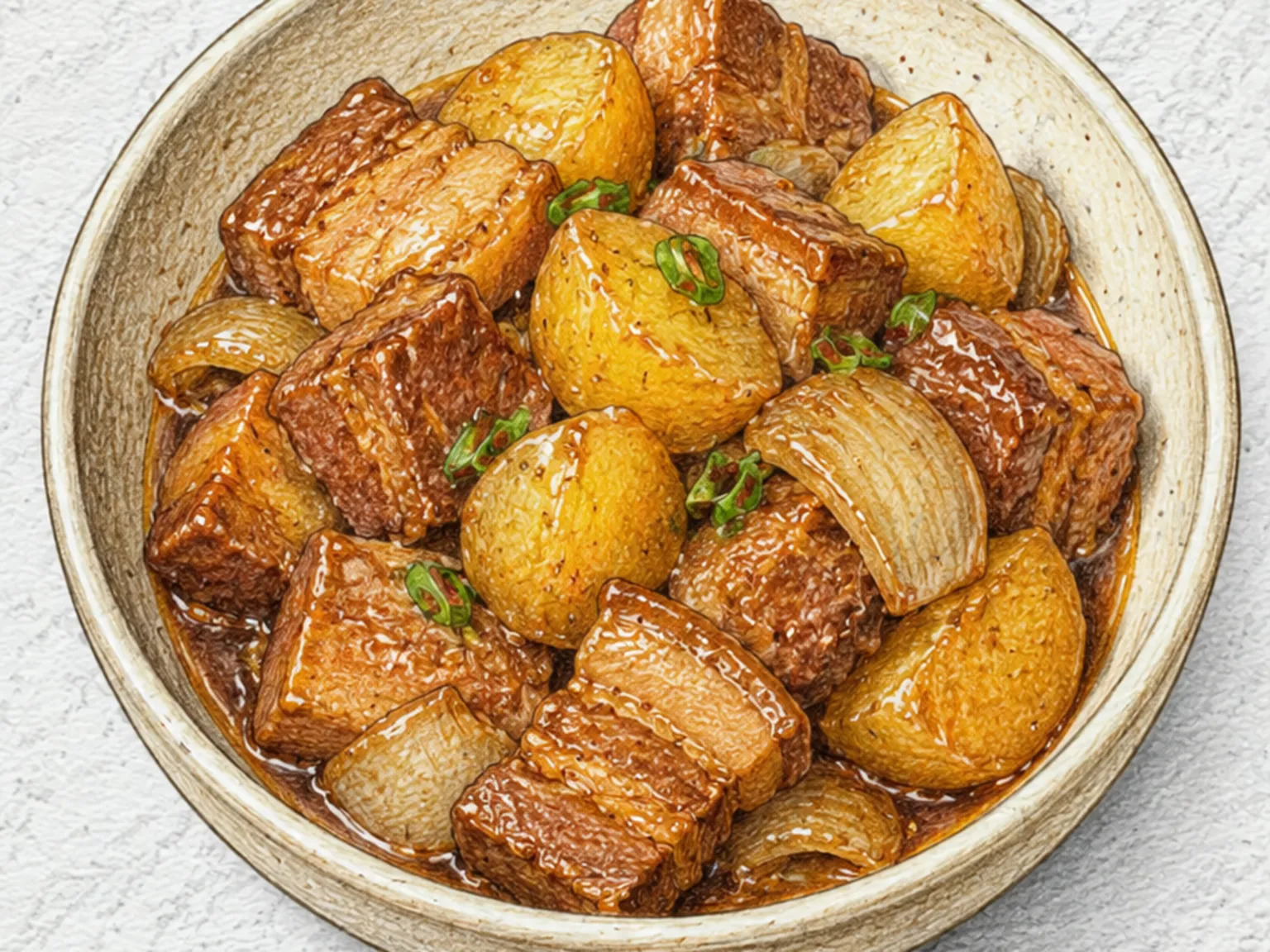
Mukeunji deunggalbi jjim is a Korean braise of pork back ribs and well-aged kimchi simmered low and slow in a sauce built from gochugaru, gochujang, and soy sauce. The bones release a rich, collagen-heavy stock as they cook, and the deep fermented tang of kimchi aged for a year or more layers a complex acidity onto that savory foundation. Reducing the braising liquid down to roughly one-third of its original volume concentrates the flavors into a thick, lacquered glaze that coats every rib. The kimchi fibers soften through the long cook but its sharp, pungent character remains present to the final bite. By the time the dish is ready, the meat pulls cleanly from the bone with minimal effort. Served with steamed rice, it makes a filling and warming meal, and the older and more deeply fermented the kimchi, the richer and more complex the finished result.

🏠 Everyday🎉 Special Occasion
Prep 25minCook 70min4 servings
Feijoada (Black Bean and Pork Stew)
WesternMedium

Feijoada (Black Bean and Pork Stew)

Feijoada is Brazil's national dish, a deeply layered stew of black beans and multiple pork cuts that demands hours of unhurried simmering. Collagen-heavy pieces such as ears, tails, and trotters dissolve slowly into the pot, turning the broth thick and glossy with body. Smoked sausages and dried meats send waves of smokiness through the liquid that the beans absorb over the long cook. By the end, the beans have become creamy inside while their skins hold their shape, and the broth around them is nearly as rich as a sauce. Garlic and bay leaves anchor the aromatics throughout. Feijoada is served alongside white rice, farofa, which is cassava flour toasted in butter and absorbs the broth while adding a dry, crumbly crunch, sauteed collard greens, and orange slices whose acidity slices cleanly through the fat. In Brazil, the dish carries cultural weight beyond its ingredients: it is a Saturday ritual, a slow communal meal that marks the end of the work week.

🎉 Special Occasion
Prep 20minCook 120min4 servings
Keema Matar (Indian Spiced Minced Meat and Pea Curry)
AsianEasy

Keema Matar (Indian Spiced Minced Meat and Pea Curry)

Keema matar is a North Indian curry of seasoned minced meat and green peas cooked down into a thick, almost dry gravy. Onions are fried until deep golden to form a sweet, caramelized base, followed by garlic and ginger that release their sharpness into the fat. Ground lamb or beef is added and stirred continuously to break up clumps before the spices go in. Turmeric, cumin, garam masala, and chili powder build the spice profile, while diced tomatoes provide acidity and moisture that allow the spices to cook through without scorching. Green peas are added near the end of cooking so they retain a pop of texture and natural sweetness. Because the finished dish is relatively dry with little sauce, it clings well to flatbreads such as naan or chapati and also works as a topping over plain steamed rice. The whole preparation takes under forty-five minutes with minimal knife work, making it one of the more practical Indian curries for weeknight cooking. Blooming the cumin in hot oil at the start, using the tadka technique, deepens the aroma significantly and lifts the overall flavor of the dish.

🏠 Everyday🎉 Special Occasion
Prep 15minCook 30min4 servings
Korean Corn Cheese Pot Rice
RiceEasy

Korean Corn Cheese Pot Rice

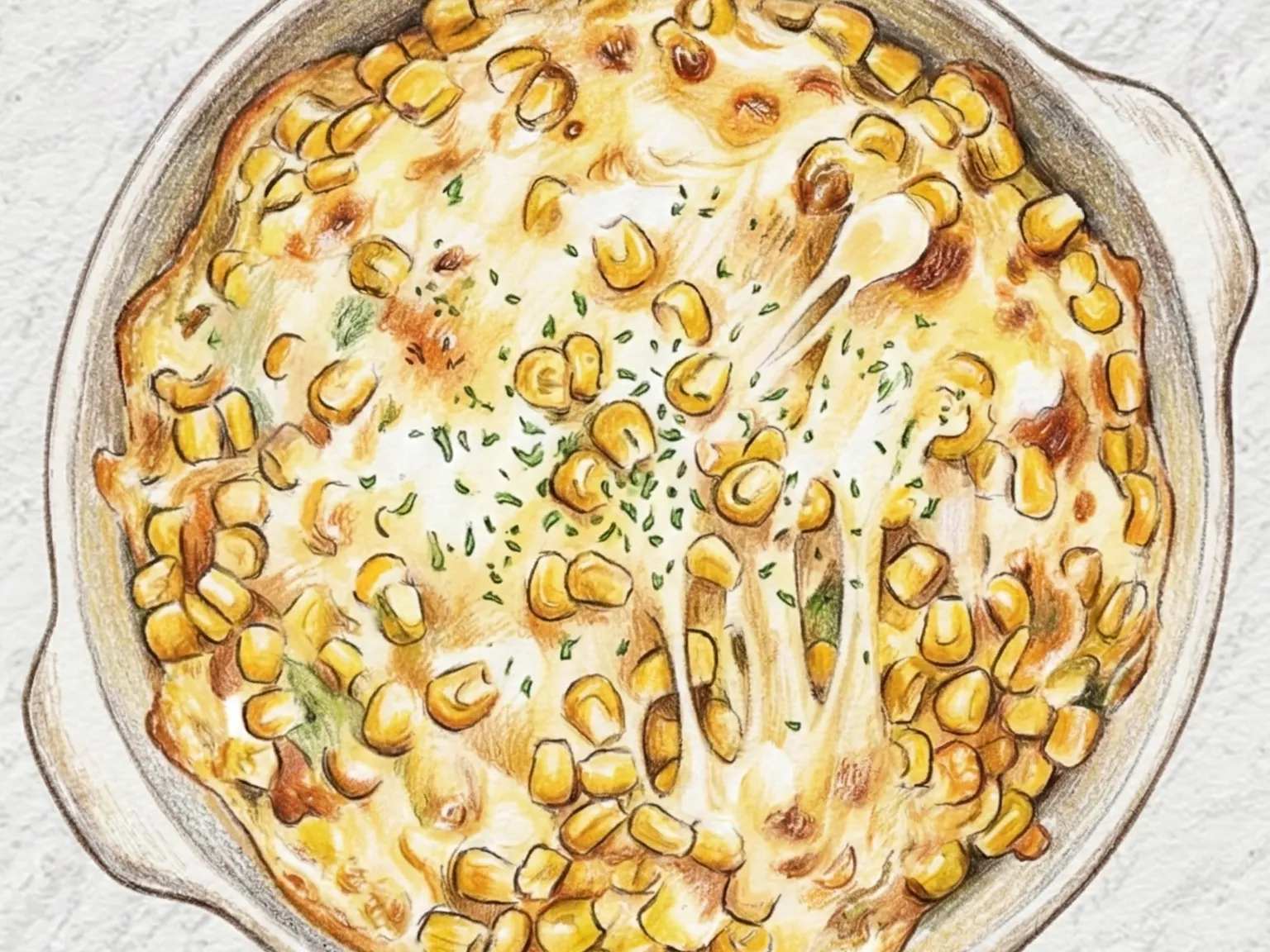
Oksusu cheese sotbap is a Korean pot-cooked rice dish built on butter-sauteed onions and corn that infuse the grains with sweetness as the rice steams, then topped with mozzarella placed on after the heat is cut so it melts into long, stretchy strands rather than browning. Each spoonful delivers the pop of individual corn kernels alongside the soft, creamy pull of melted cheese, with butter coating every grain in a glossy richness. Replacing part of the cooking water with milk deepens the creamy texture and gives the finished rice a density and smoothness that plain water cannot achieve. With the lid closed for two to three minutes after the heat is off, the residual steam inside the pot is sufficient to melt the cheese completely without any additional heat. The combination of sweet corn, buttery rice, and stretchy mozzarella lands in a flavor register that needs no side dishes to feel complete, and it appeals across a wide age range without effort.

🧒 Kid-Friendly🍱 Lunchbox
Prep 10minCook 22min2 servings
Korean Oyster Water Parsley Stir-fry
Stir-fryEasy

Korean Oyster Water Parsley Stir-fry

Gul-minari-bokkeum is a quick stir-fry of plump raw oysters and fragrant water parsley (minari) seasoned with gochugaru and light soy sauce over high heat. The oysters cook only until they just firm around the edges, retaining their briny interior juices while contracting slightly, and the minari stays crisp with its herbal freshness intact. The salty, sweet umami of the oysters meets the clean grassy quality of the minari, and the two flavors balance without either overpowering the other. Winter is the prime season for this dish, when cold-water oysters reach peak plumpness and flavor. Cooking the oysters too long drives out their moisture and makes them rubbery, so the stir-fry must stay brief.

🍺 Bar Snacks🏠 Everyday
Prep 15minCook 8min2 servings
Korean Thistle Herb Soybean Paste Stew
StewsEasy

Korean Thistle Herb Soybean Paste Stew

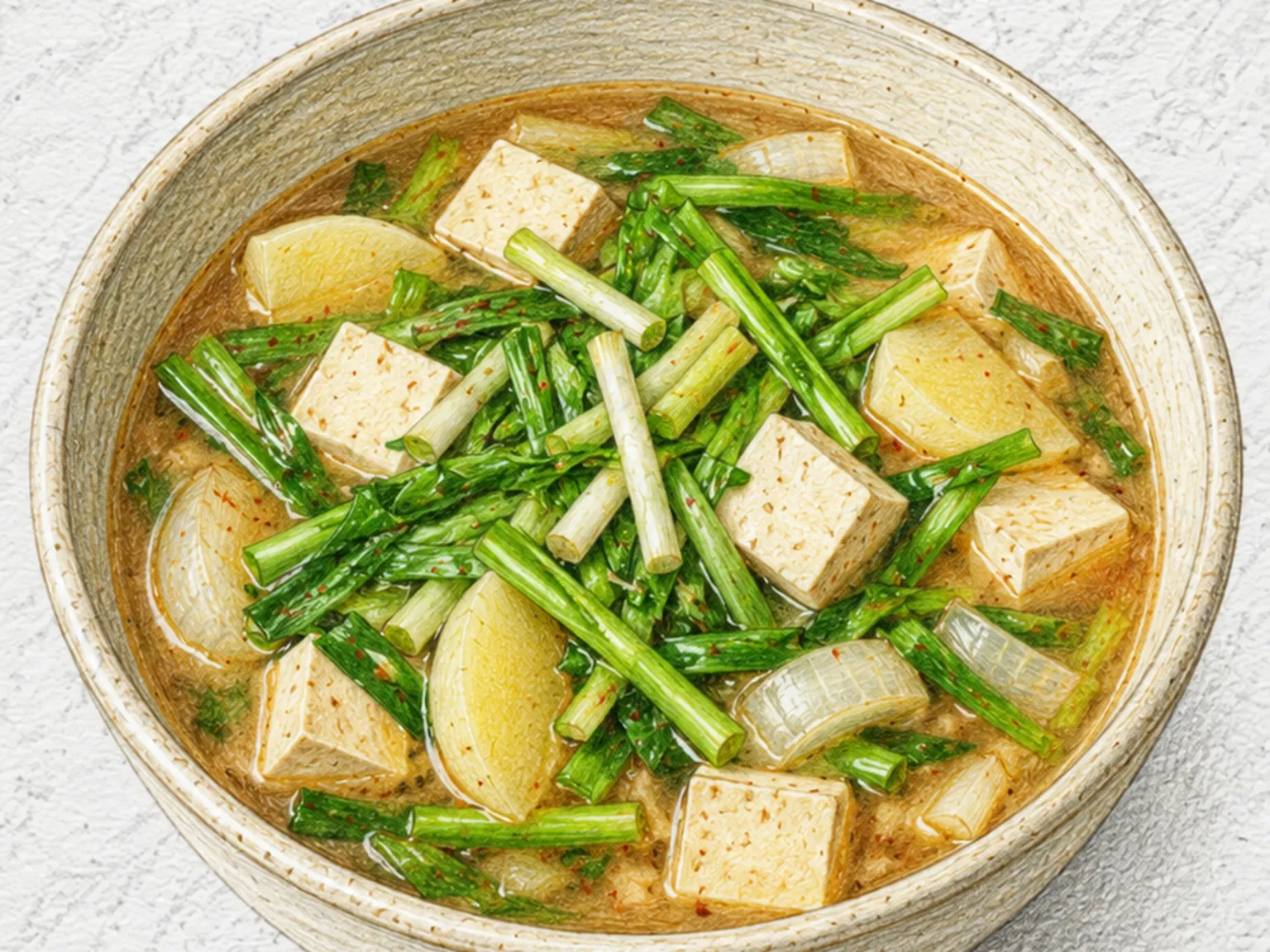
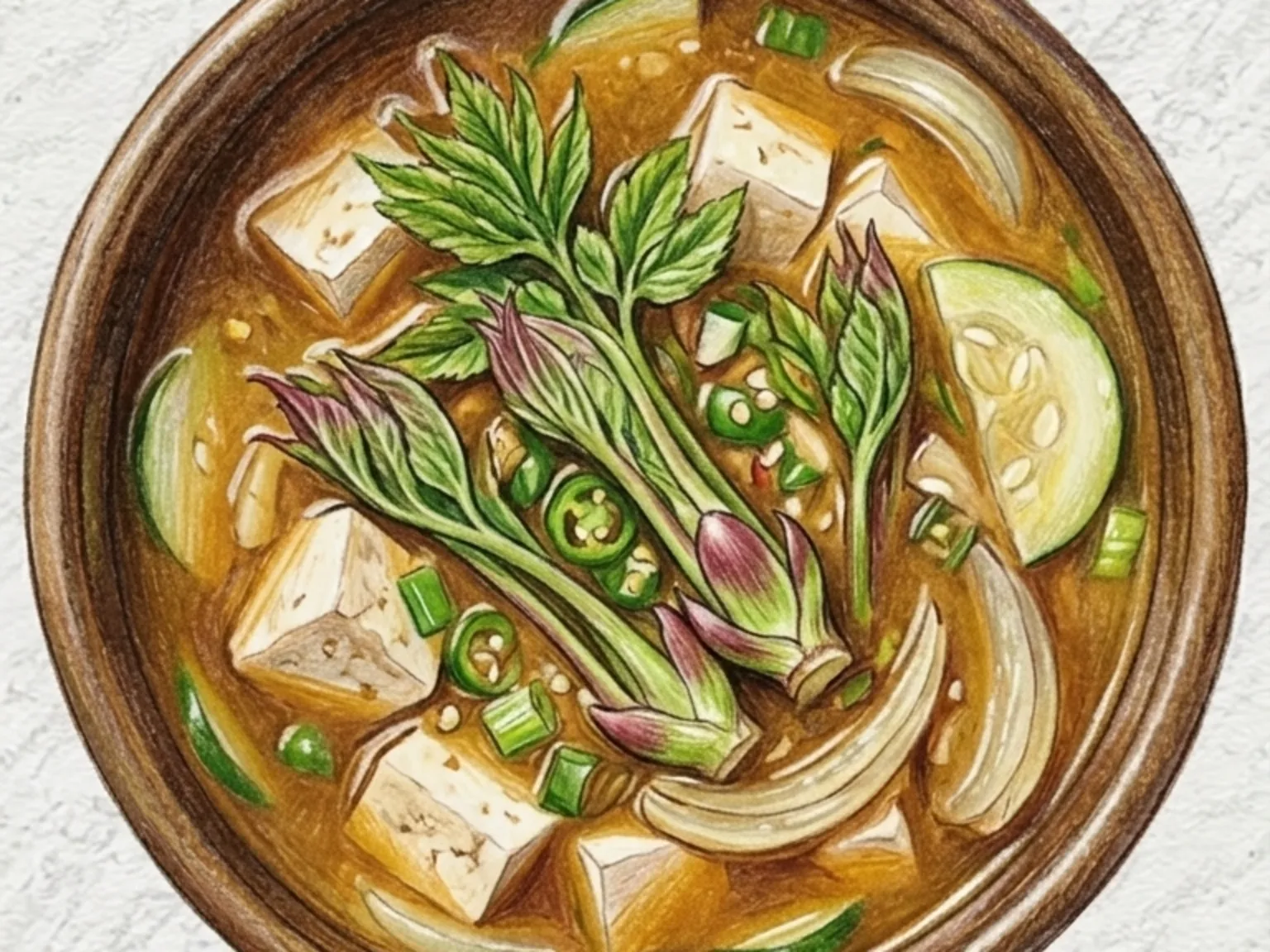
This doenjang jjigae features blanched gondeure, Korean thistle greens that are a prized mountain herb in Gangwon Province. The greens belong to the Korean thistle family and have a mild bitterness alongside a warm, earthy aroma that pairs naturally with the depth of fermented soybean paste. Potato and firm tofu add substance to the anchovy-kelp stock base. The result is a gentle, aromatic stew without aggressive spice, a direct expression of Korean mountain cuisine. When using dried gondeure, soaking it thoroughly in water before blanching is essential to prevent a tough, fibrous texture in the finished stew. Fresh gondeure should be blanched and rinsed in cold water to remove excess bitterness. The key to this jjigae is restraint with the doenjang: using just enough for seasoning, rather than making the fermented paste the dominant flavor, allows the mountain herb's natural scent to come through clearly in every spoonful.

🏠 Everyday
Prep 15minCook 20min2 servings
Korean Spicy Steamed Squid
SteamedMedium

Korean Spicy Steamed Squid

Ojingeo-jjim is a Korean spicy steamed squid dish cooked with onion and green onion in a sauce of gochugaru, gochujang, and soy sauce. The key is keeping the total cooking time to around ten minutes, starting on high heat and finishing on medium, so the squid stays chewy rather than turning rubbery. Gochujang provides a thick, coating heat while the chili flakes add a sharper spiciness on top. One final toss at the end ensures every piece is evenly glazed with the red sauce. This quick-cooking dish works equally well as a banchan alongside rice or as an accompaniment to drinks.

🍺 Bar Snacks🏠 Everyday
Prep 18minCook 12min2 servings
Flammkuchen (Alsatian Crème Fraîche Flatbread)
WesternMedium

Flammkuchen (Alsatian Crème Fraîche Flatbread)

Flammkuchen is a traditional flatbread from Alsace, the border region between France and Germany. The dough is rolled paper-thin and spread with a layer of creme fraiche, then topped with thinly sliced onions and lardons before going into a blazing hot oven. The extreme heat crisps the dough edges to a char while the center stays just pliable enough to fold. Creme fraiche reduces under the heat into a concentrated, tangy cream that replaces the cheese found on pizza - indeed, traditional Flammkuchen uses no cheese at all. The onions soften and caramelize in the oven, releasing sweetness that balances the salt and smoke of the bacon. In Alsace, it is traditionally eaten during the autumn grape harvest with glasses of new wine, torn apart by hand at communal tables rather than sliced with a knife.

🍺 Bar Snacks🎉 Special Occasion
Prep 20minCook 12min2 servings
Khao Mok Gai (Thai-Muslim Spiced Chicken Biryani)
AsianMedium

Khao Mok Gai (Thai-Muslim Spiced Chicken Biryani)

Khao mok gai is a Thai-Muslim take on biryani, in which spice-marinated chicken is cooked together with turmeric-tinted rice until the grains absorb the meat's juices. The chicken is rubbed with yogurt, cumin, coriander, and cinnamon, then briefly seared before being buried in parboiled rice seasoned with cardamom, cloves, and bay leaves. The pot is sealed and left on low heat so steam circulates through the layers, infusing every grain with aromatic depth. Turmeric gives the rice its signature golden hue. The dish originated in the Muslim communities of southern Thailand and reflects the culinary crossroads of Indian, Middle Eastern, and Southeast Asian cooking traditions. It is served with a sweet chili sauce for dipping, a bowl of clear chicken broth on the side, and a scattering of crispy fried shallots on top.

🎉 Special Occasion
Prep 20minCook 30min4 servings
Korean Omelette Rice (Ketchup Fried Rice in Egg Wrap)
RiceMedium

Korean Omelette Rice (Ketchup Fried Rice in Egg Wrap)

Omurice wraps ketchup-fried rice in a thin, softly set egg sheet, producing a one-plate meal that balances sweet-tangy tomato notes with rich buttery egg. Diced onion, carrot, and ham are sauteed in butter until fragrant, then tossed with cooked rice and ketchup to build a lightly caramelized fried rice base. A separate egg mixture enriched with a splash of milk is spread thin in a hot pan and folded around the rice while still slightly runny, so cutting into it reveals a creamy, flowing center. Green peas mixed into the rice add pops of sweetness and color. The contrast between the glossy egg exterior and the savory-sweet filling has made omurice one of the most comforting one-plate meals in both Japanese-origin home cooking and Korean everyday cuisine. Tilting the pan and nudging the egg sheet against the curved edge is the standard technique for shaping the signature oval.

🏠 Everyday🧒 Kid-Friendly
Prep 10minCook 15min2 servings
Korean Royal Soy Sauce Tteokbokki
Stir-fryMedium

Korean Royal Soy Sauce Tteokbokki

Gungjung-tteokbokki traces its roots to the royal court cuisine of the Joseon dynasty, where the condiment gochujang had no place at the table. Soy sauce and sesame oil provide the seasoning instead, producing a mild, sweet-savory glaze rather than heat. Sliced garae-tteok rice cakes are stir-fried together with marinated beef, shiitake mushrooms, carrot, and onion until the soy seasoning coats everything evenly and the rice cakes develop a subtle gloss. The beef is marinated separately in soy sauce, sugar, and sesame oil before going into the pan, which lets the meat develop its own depth as it sears. Shiitake mushrooms reinforce the savoriness and add fragrance without overwhelming the other components. The rice cakes need enough time in the pan to absorb the seasoning and become slightly caramelized on the surface, but if cooked too long they turn hard and lose their chew. Using sesame oil rather than cooking oil throughout adds a nutty warmth that elevates the dish. Without any chili heat, this is one of the few tteokbokki variations that suits every age group and is a common presence on festive or holiday tables.

🏠 Everyday🌙 Late Night
Prep 15minCook 15min2 servings
Korean Beef Intestine Hot Pot
StewsHard

Korean Beef Intestine Hot Pot

Gopchang jeongol is a hot pot built around beef intestines and tripe, simmered in a rich bone stock. The 500 grams of intestines and 200 grams of tripe provide a chewy, bouncy texture that defines the dish. Napa cabbage and oyster mushrooms balance the richness of the offal, while gochujang and gochugaru season the broth with a moderate heat. Thorough cleaning is essential before cooking: the intestines should be scrubbed repeatedly with coarse salt and flour to eliminate any off-odor, then blanched briefly to skim away the fat that rises to the surface, which makes the final broth noticeably cleaner. Once the pot is set up at the table and brought to a rolling boil, the offal turns glossy and the broth deepens into a dark, spicy richness. Wrapping pieces of intestine in perilla leaves with a smear of doenjang is a popular eating method, and the remaining broth is often used to make a finishing fried rice after the main course is done. Served bubbling at the table, this communal dish is meant to be shared.

🍺 Bar Snacks🎉 Special Occasion
Prep 30minCook 35min4 servings
Korean Steamed Stuffed Squid
SteamedHard

Korean Steamed Stuffed Squid

Ojingeo sundae jjim is a Korean stuffed squid dish from the Gangwon-do region, where whole squid bodies are filled with a mixture of glass noodles, ground pork, onion, carrot, and garlic chives, then steamed. The chewy squid exterior encases a moist, savory stuffing that melds together during cooking. Soy sauce and sesame oil in the filling season it from within, and the squid's own moisture keeps everything from drying out. Slicing the squid after a brief rest reveals clean, attractive cross-sections with the noodles and vegetables visible inside. This dish is a common choice for home gatherings where a visually striking centerpiece is wanted.

🎉 Special Occasion
Prep 25minCook 20min3 servings
French Beef Stew
WesternMedium

French Beef Stew

French beef stew transforms inexpensive, collagen-rich cuts like chuck or brisket into something deeply tender through unhurried heat. The process begins by cutting the beef into large chunks, dusting them with flour, and searing in a hot pan until every surface is properly browned. That browning step is not optional: the Maillard crust formed at high heat becomes the flavor foundation of the entire pot. Red wine and beef stock are then added, and the pot cooks at a low, gentle temperature for at least two hours. During that time the tough connective tissue in the shank breaks down completely, and the meat becomes soft enough to fall apart with a fork. Root vegetables including carrots, potatoes, celery, and onion braise alongside the beef, gradually releasing natural sugars and body into the liquid. The red wine reduces throughout the cook, its sharp acidity mellowing away while the fruit depth and tannic structure remain, giving the sauce a rounded, full-bodied backbone. Thyme and bay leaf infuse the broth with herbal warmth from the first moment and continue building throughout the long cook. The stew improves overnight, when the flavors continue to develop in the refrigerator and the seasoning penetrates every part of the meat.

🎉 Special Occasion
Prep 25minCook 120min4 servings
Thai Fried Rice
AsianEasy

Thai Fried Rice

Khao pad is Thailand's definitive fried rice, and the entire dish depends on one preparatory decision made the day before: using cold, day-old rice rather than freshly cooked grains. Freshly steamed rice retains too much moisture and clumps together in the wok, steaming rather than frying and resulting in a heavy, gummy texture. Cold rice separates easily under the heat, allowing the individual grains to coat in oil and achieve the distinct, lightly chewy texture that defines good khao pad. The wok is heated until it smokes before garlic goes in, building a fragrant base in seconds. Eggs are scrambled into large, soft curds alongside the garlic before the rice is added and tossed vigorously with fish sauce, soy sauce, and a small pinch of sugar, which rounds the saltiness into something rounder and more complex. The most important quality that separates a superior khao pad from a mediocre version is wok hei: the faint, smoky breath that comes from sustained contact between the ingredients and a very hot wok surface. A plate of khao pad is always accompanied by a lime wedge, sliced cucumber, and chopped scallion. In its simplest form it needs no protein, but shrimp, chicken, or crab are common and equally traditional additions.

🏠 Everyday🌙 Late Night
Prep 12minCook 10min2 servings
Korean Beef Porridge (Sesame Oil-Toasted Rice with Minced Beef)
RiceMedium

Korean Beef Porridge (Sesame Oil-Toasted Rice with Minced Beef)

Sogogi-juk is a Korean beef porridge that begins by stir-frying minced beef and soaked rice together in sesame oil, building a savory, nutty foundation before water is added. As the beef renders in the oil, its umami dissolves into the fat, and the rice grains pick up that flavor as they toast alongside the meat. Slow simmering over low heat allows the rice to break down gradually into a thick, silky porridge while the beef broth permeates every spoonful. Finely diced carrot and onion can be added for a touch of natural sweetness that softens the overall flavor profile. Widely relied on as a recovery food after illness and as a warming breakfast, this porridge is gentle on the stomach yet deeply satisfying in its quiet, meaty richness.

🏠 Everyday
Prep 15minCook 35min2 servings
Korean Seafood Japchae (Glass Noodles with Shrimp, Squid and Vegetables)
Stir-fryMedium

Korean Seafood Japchae (Glass Noodles with Shrimp, Squid and Vegetables)

Haemul-japchae is a seafood version of the Korean glass noodle stir-fry, featuring shrimp, squid, spinach, carrots, and onions tossed together in soy sauce and sesame oil. Replacing meat with seafood allows the briny, mineral depth of the ocean to soak into the chewy sweet potato noodles, while the vegetables' natural sweetness keeps the overall flavor light and balanced. The noodles absorb the seasoning and take on a springy, glossy character, and the shrimp and squid contribute two distinct textures: a firm, bouncy snap from the shrimp and a satisfying chew from the squid. Scoring the squid before cooking causes it to curl and develop a pattern on the surface as it hits the heat, improving both texture and presentation. Seafood must be cooked over high heat and quickly to stay tender rather than rubbery, and the noodles should be soaked thoroughly beforehand so they absorb the seasoning evenly during the stir-fry. The dish often replaces beef japchae on holiday and celebration tables, and adding mussels or scallops deepens the broth-like quality of the finished dish.

🏠 Everyday
Prep 20minCook 20min4 servings
Korean Seoul-style Gopchang Jeongol
StewsHard

Korean Seoul-style Gopchang Jeongol

Seoul-style gopchang jeongol is a hot pot of beef intestines cooked in beef bone broth, where the key distinction from other regional versions is the use of soup soy sauce rather than gochujang as the primary seasoning. Gochujang-based hot pots run thick and heavy; this Seoul version stays clear and clean-tasting, with the depth coming from the bone broth and the intestines themselves rather than from fermented paste. Six hundred grams of cleaned beef intestines go into the pot along with cabbage, oyster mushrooms, and perilla leaves. The perilla leaves are added toward the end and contribute a distinctive herbal scent that cuts through the richness of the intestines. Gochugaru provides color and a measured level of heat. The intestines need to cook for at least twenty minutes after the broth reaches a boil to eliminate any off-odors and reach the tender, slightly chewy texture that defines the dish. This preparation traces back to the gopchang alley restaurants concentrated around Seoul's Euljiro and Majang-dong districts, where the combination of gopchang and soju has been the standard order for decades.

🍺 Bar Snacks🎉 Special Occasion
Prep 30minCook 30min4 servings
Korean Steamed Duck with Chives
SteamedMedium

Korean Steamed Duck with Chives

Ori-buchu-jjim is a Korean braised duck dish where duck meat is marinated in soy sauce, cooking wine, garlic, and black pepper, then placed over a layer of sliced onion with water added and the lid on. Over thirty minutes of steady heat, the fat rendered from the duck is skimmed away periodically, which removes the gamey heaviness and keeps the final result clean on the palate. Fresh garlic chives go in only at the end, wilting just enough to soften while releasing their sharp, green fragrance into the pot. That herbal sharpness is precisely what balances the deep, fatty richness of duck. As the liquid reduces near the end of cooking, the soy-based marinade thickens and clings to the surface of each piece, glazing the meat with concentrated seasoning. Duck has long been regarded in Korean food culture as a restorative ingredient, and this preparation honors that reputation by delivering full flavor while skimming away the excess fat. It is a main course suited to summer tables when the body needs replenishment.

🎉 Special Occasion
Prep 20minCook 45min4 servings