Korean Tuna Stew
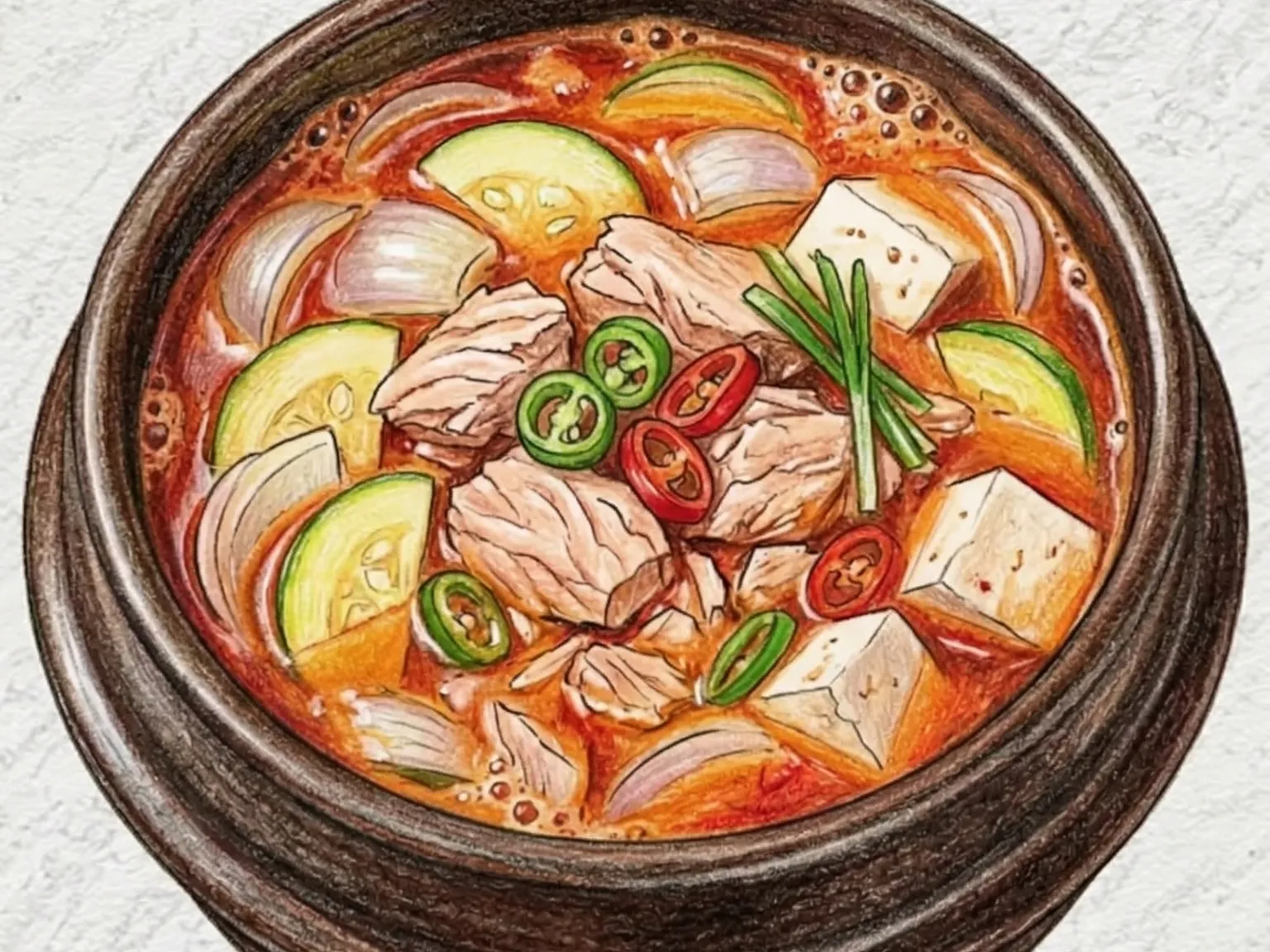
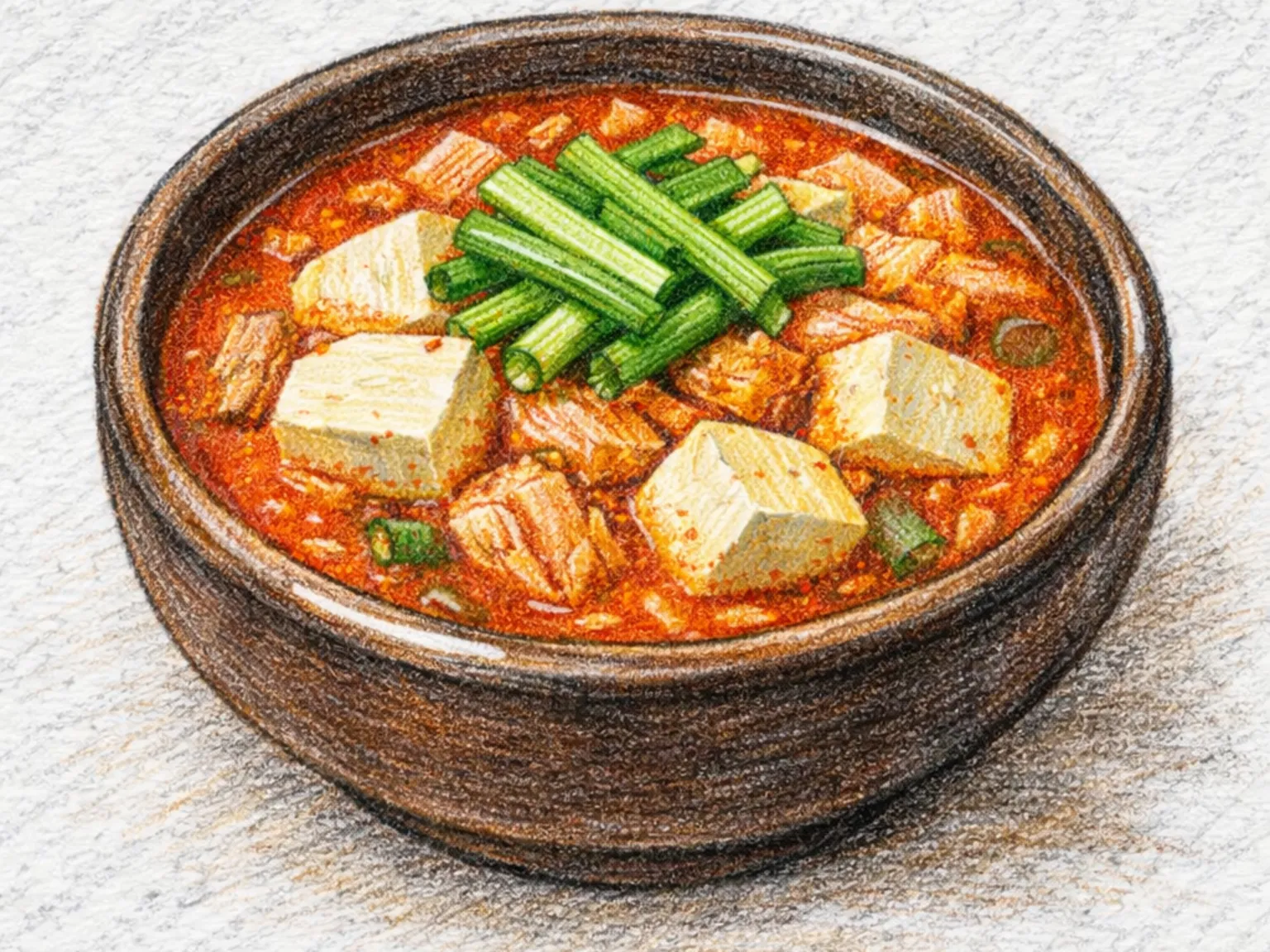
A weeknight stew built from a single can of tuna. The canned oil and flaked meat break into the water with gochugaru and soup soy sauce, building a sharp, savory broth without stock. Zucchini and onion add natural sweetness, tofu provides a soft counterweight, and a cheongyang chili pushes the heat up a notch. No extra broth needed - the fat from the can does the work.

Korean Dakbong Gochujang Jorim (Gochujang-Braised Chicken Drumettes)
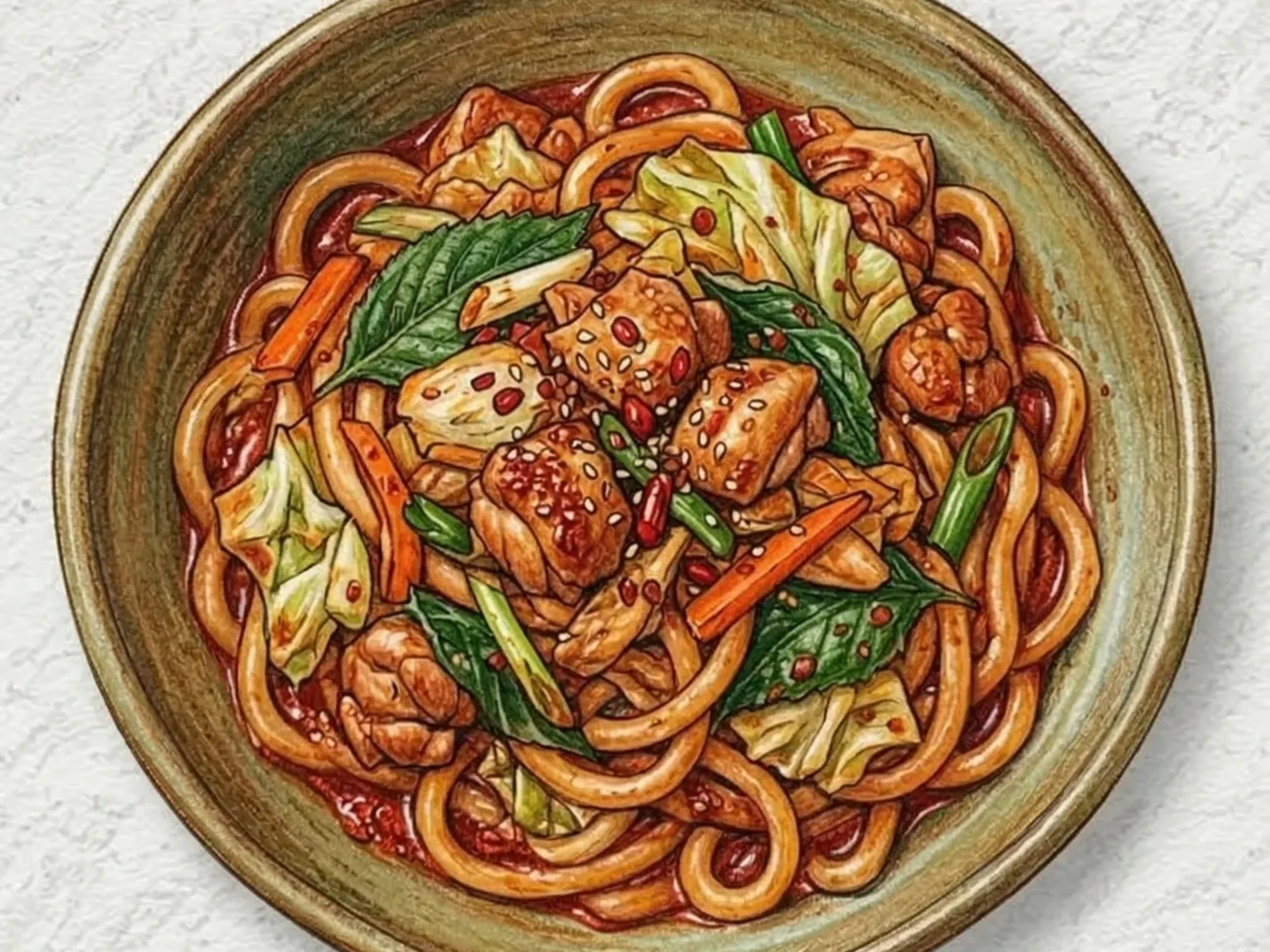
Dakbong gochujang jorim is chicken drumettes braised with potato in a sauce made from gochujang, soy sauce, chili flakes, and oligosaccharide syrup. The meat surrounding the small bones turns dense and pleasantly chewy as it simmers, holding onto the thick, reduced sauce at every surface. Potato pieces soften in the braising liquid until starchy and tender throughout, absorbing the chili-soy base from the outside in. The oligosaccharide syrup wraps the gochujang heat in a shiny glaze that keeps you reaching for another piece. A stalk of green onion stirred in at the very end adds a sharp, pungent aroma that lifts the finished dish.

Korean Sweet Potato Stem Kimchi
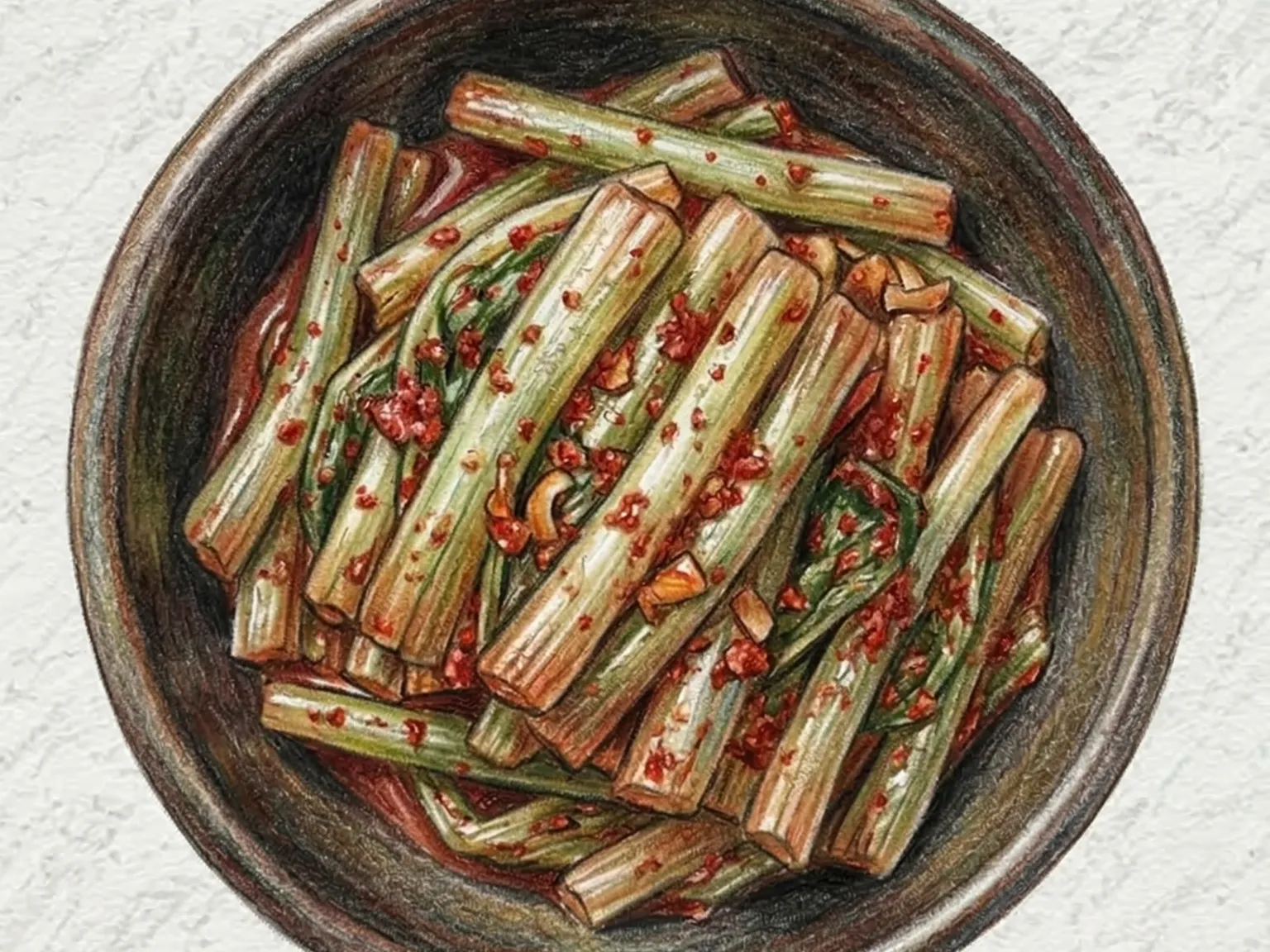
Goguma julgi kimchi is made from sweet potato stems, prepared by carefully peeling their tough, stringy outer skin to expose the elastic inner fiber, blanching briefly, then seasoning with gochugaru, anchovy fish sauce, minced garlic, and glutinous rice paste before being left to ferment. Once stripped of the outer skin, the stems retain only their springy, chewy core, which gives every bite a bouncy, almost springy resistance that sets this kimchi apart from leafy varieties. As the fermentation progresses, the seasoning works its way deep into the fibrous channels of each stem, building a well-balanced spicy-salty flavor throughout. Scallions bring a fresh herbal note, and onion rounds the sharp edges of the chili seasoning with natural sweetness. The peeling is time-consuming, but the distinctive texture rewards the effort. Made in peak summer when sweet potato stems are freshest, this kimchi is considered a seasonal treat.

Gan Jjajangmyeon (Dry-Fried Black Bean Sauce Noodles)
Gan jjajangmyeon is a Korean-Chinese noodle dish built on the character of deeply fried black bean paste. Chunjang is cooked in oil over moderate heat, long enough for the paste to lose its raw bitterness and develop a roasted, almost charred aroma before the other ingredients enter the pan. Ground pork and onion are then added and stir-fried over high heat -- unlike standard jjajangmyeon, no cornstarch slurry is used, so the finished sauce arrives on the noodles in the form of a glossy, oil-carried stir-fry rather than a thick, starchy gravy. The distinction matters to how the sauce interacts with the wheat noodles: without starch to hold the sauce in suspension, the oily coating distributes itself across every strand of noodle as the dish is tossed, producing a different mouthfeel from the standard version. Prolonged cooking caramelizes the natural sugars in the onion, creating a sweetness that offsets the salt and bitterness of the fermented paste. Julienned cucumber served on the side provides a cool, crisp counterpoint to the richness of the oily black bean sauce.

Gochujang Corn Cream Cavatappi
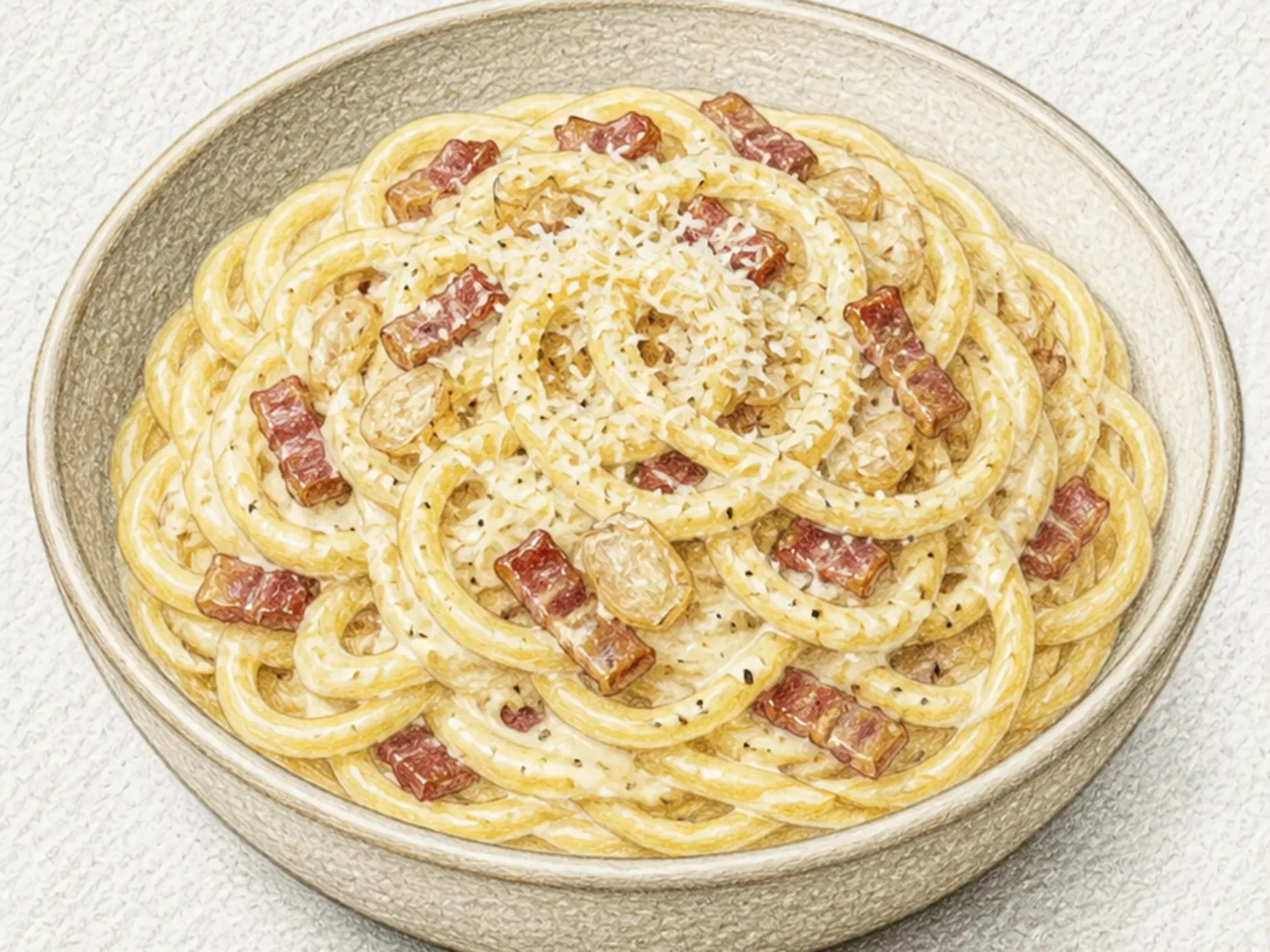
Gochujang corn cream cavatappi sautees onion and sweet corn kernels in butter, blooms gochujang in the pan for thirty seconds, then simmers everything with heavy cream and milk into a thick, spicy-sweet sauce for corkscrew-shaped pasta. Cooking the corn first for two minutes drives off surface moisture and concentrates its natural sweetness before the gochujang goes in. The cream and milk reduce together, merging the corn's sweetness with the chili paste's heat into a smooth, rounded spiciness. Pasta water adjusts the consistency, and melted Parmigiano adds a sharp, salty depth that elevates the entire sauce. Cavatappi's helical shape traps the dense cream inside its spirals, releasing bursts of the corn-gochujang sauce with each bite.

Ground Beef Tacos
Beef tacos season ground beef with chili powder, cumin, garlic powder, and smoked paprika, then cook it in a skillet until the moisture cooks off and every granule of meat is coated in a concentrated spice crust. Spooned into crispy taco shells, the filling creates an immediate textural contrast as the shell cracks and the seasoned meat gives a dense, juicy resistance underneath. Salsa adds tomato acidity and chili heat on top, while avocado slices provide a cooling, fatty layer that moderates the spice without neutralizing it. Sour cream contributes a mild dairy tang, and a squeeze of lime over everything sharpens all the other flavors at once. The handheld format makes it easy to eat a second and third shell, since each one delivers the full range of spicy, tangy, creamy, and savory in a few bites.

Bo Luc Lac (Vietnamese Shaking Beef Sirloin Wok Stir-Fry)
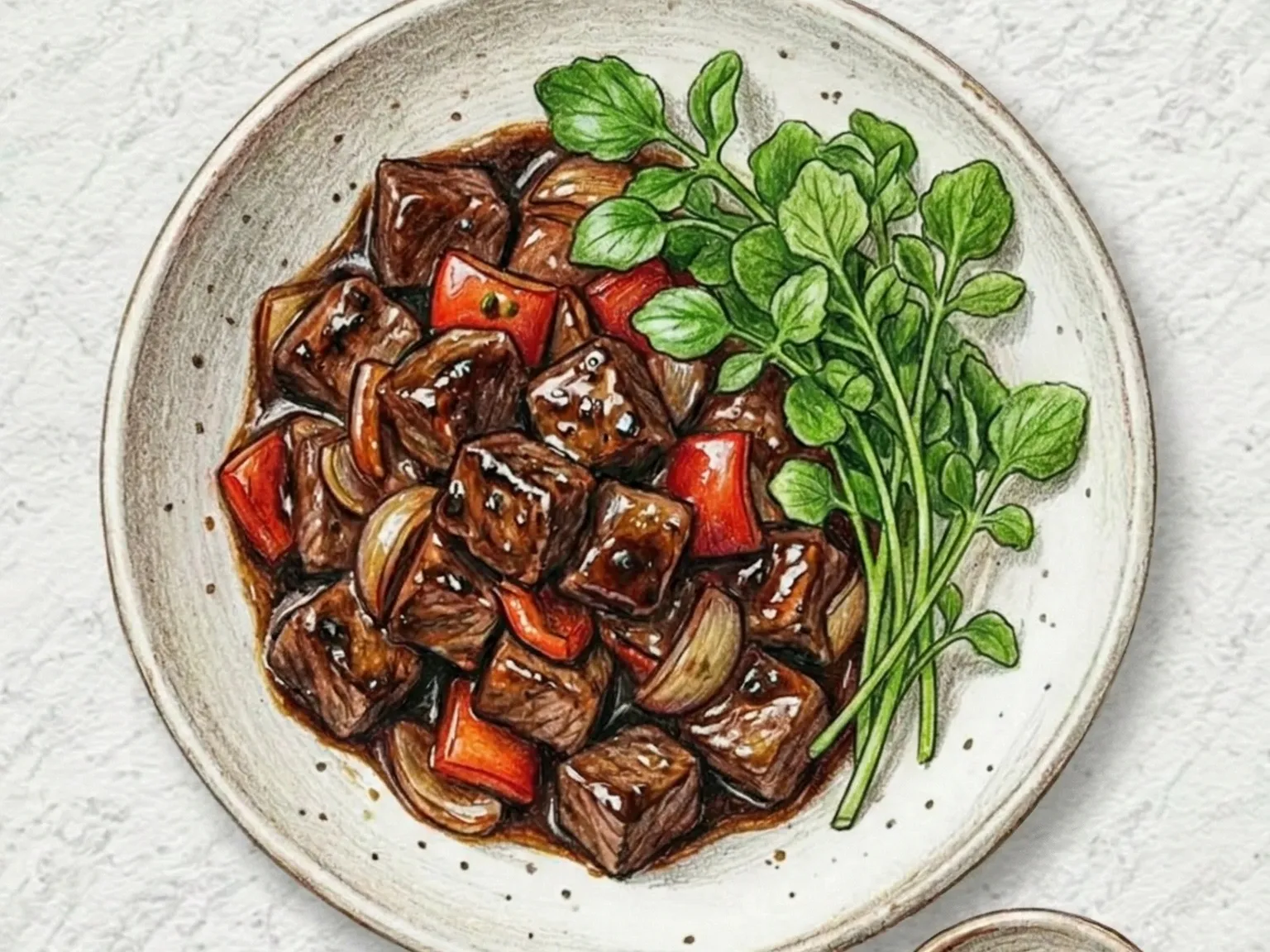
Bo luc lac takes its name from the shaking motion that defines how the dish is cooked. Cubed beef tenderloin or sirloin, marinated in soy sauce, oyster sauce, garlic, and sugar, goes into a wok heated to the point of smoking. The cook shakes the wok vigorously to toss the cubes through the oil, searing each face in seconds while the tossing motion keeps steam from building up and stewing the meat. The result is a dark, caramelized crust on the outside while the center stays pink and rare. The dish emerged from Vietnamese-French fusion cooking in colonial Saigon, when Western beef cuts became available and Vietnamese cooks applied their own techniques to them. The beef is plated over watercress dressed with lime juice and cracked black pepper; the sharpness of the watercress and the acidity of the lime cut through the rich, soy-glazed exterior. A dipping sauce of salt, pepper, and lime juice accompanies the plate. The contrast between the charred, deeply savory meat and the cool raw greens beneath has kept this one of Saigon's most recognizable dishes for decades.

Korean Rolled Omelette (Layered Vegetable Egg Roll)
Gyeran-mari - Korean rolled omelette - is a staple of Korean lunchboxes and dinner tables, a dish every Korean home cook masters early. Finely diced carrot, onion, and scallion are mixed into beaten eggs and poured in a thin stream across a lightly oiled rectangular pan. When the egg layer is half-set, it is rolled from one side to the other, then more egg mixture is poured beside the roll and the process repeats three to four times, building concentric yellow layers visible when sliced. Air trapped between the thin sheets gives the omelette its characteristic pillowy softness. Temperature control is critical - too hot and the egg browns; too cool and the layers will not bond. After cooking, wrapping the roll in a bamboo mat or kitchen towel for two minutes sets its shape into a clean cylinder. Found in school cafeterias, picnic bento boxes, and family dinners across Korea.

Korean Chicken Breast Perilla Porridge
Dakgaesal deulkkae juk is a traditional style of Korean porridge that utilizes shredded chicken breast alongside finely chopped onions and carrots as its primary components. The preparation begins by stir-frying these ingredients together, after which they are simmered slowly with a combination of soaked rice and chicken stock. As the cooking process nears its conclusion, perilla seed powder is incorporated into the pot. This specific ingredient dissolves thoroughly into the liquid to produce a final texture that is notably thick and creamy. The aroma produced by the perilla seeds is deeply nutty and serves as the most prominent characteristic of the dish. While sesame seeds are known for a sharp and roasted quality, perilla seeds offer a flavor that is more round and carries an herbaceous nuttiness. This gives the porridge a unique profile that is common in Korean cuisine. The inclusion of shredded chicken breast provides a source of lean protein that does not feel heavy, ensuring the meal remains nourishing and simple for the body to digest. Because of these qualities, this porridge is often used as a recovery meal for individuals after they have finished exercising or for anyone whose energy levels feel low. It also serves as a functional choice when a gentle meal is required for a sensitive stomach. Adjusting the final result is possible by increasing the quantity of perilla powder, which results in a more intense fragrance and an even thicker consistency for people seeking a richer bowl.

Korean Stir-fried Mung Bean Jelly
Mung bean jelly is cut into thick strips, blanched for thirty seconds to remove surface starch, then stir-fried gently with julienned carrot and onion in a soy sauce seasoning. The brief blanch firms up the jelly's exterior just enough to survive the tossing in the pan without crumbling, and washing away the starch allows the jelly to absorb the flavors of its companion vegetables more readily. Low heat and a careful hand are non-negotiable; aggressive stirring breaks the strips into shapeless lumps. The carrot contributes a faint natural sweetness, and the onion releases a light caramel note as it softens, both of which fill in the jelly's inherently neutral taste with understated warmth. Chopped green onion added at the very end lifts the dish with a sharp, fresh bite. One tablespoon of sesame oil swirled in after the flame is off coats everything in a glossy sheen and a final wave of nuttiness. At 180 calories and 9 grams of fat, this is a low-calorie side with enough fiber to sit gently in the stomach. The pale yellow color of mung bean jelly - a signature of the ingredient - comes through clearly on the finished plate, giving the dish a clean, orderly appearance that matches its delicate flavor.

Korean Snack Bar Omelet Rice
Finely diced onion, carrot, and ham are stir-fried first to drive off moisture and draw out their natural sweetness, then cold leftover rice is added and tossed over high heat until every grain separates cleanly. Ketchup and Worcestershire sauce season the fried rice with a sweet-tangy balance that defines the bunsik-style flavor. The egg, mixed with a pinch of salt, is poured into a lightly oiled pan over low heat and spread into a thin sheet, then the fried rice is placed at the center and the egg is folded around it while still soft and barely set. Low heat is the key to keeping the omelet smooth and unbroken. The roll is shaped into an oval on the plate and finished with a neat zigzag of ketchup across the top. The warm egg shell traps the heat of the rice inside, keeping the filling moist until the first cut.

Korean Cabbage Tuna Jeon (Crispy Shredded Cabbage Tuna Pancake)
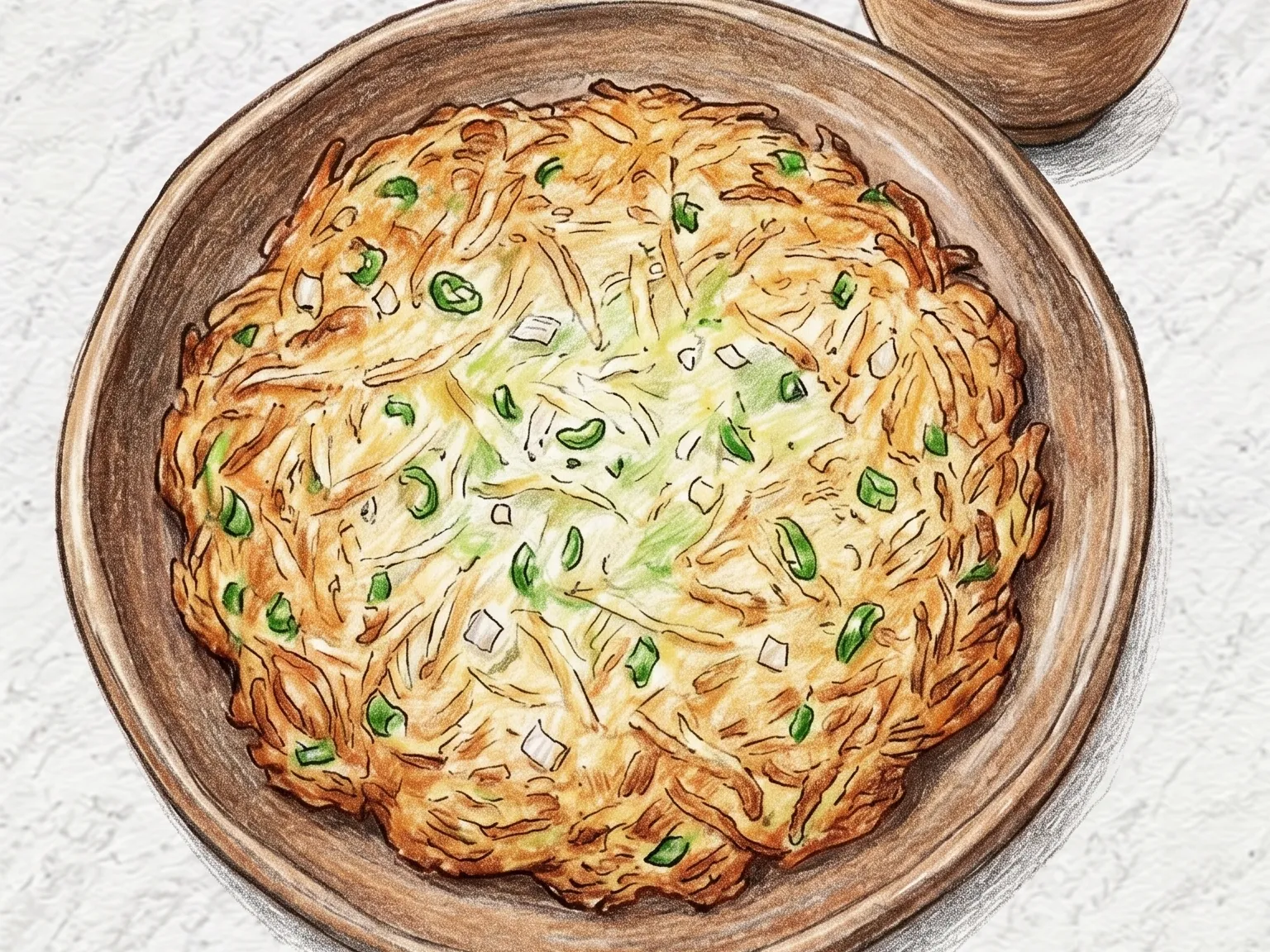
Finely shredded cabbage, drained canned tuna, and thinly sliced onion are folded into a light batter of Korean pancake mix, egg, and salt, then spread thin in an oiled pan. As the cabbage cooks, it releases moisture and develops a natural sweetness that balances the tuna's salty, savory character. Spreading the batter thin ensures crisp edges throughout, and making smaller pancakes simplifies flipping. High in protein and relatively low in calories, this jeon doubles as a quick standalone meal or a diet-friendly option, finished with a scattering of chopped green onion on top.

Kimchi Dwaejigogi-guk (Kimchi Pork Tofu Soup)
Kimchi-dwaejigogi-guk starts by stir-frying pork shoulder and well-fermented sour kimchi together in perilla oil. The pork is cooked first until its fat renders fully, then chili flakes join the pan for three more minutes of cooking alongside the kimchi. This initial stir-fry step is what gives the soup its depth - the caramelized kimchi acidity and rendered pork fat fuse into a base that a plain simmered broth cannot replicate. Water and sliced onion are added and simmered for fifteen minutes, then blocks of firm tofu go in near the end, soaking up the spicy, ruddy broth and providing a soft contrast to the chewy pork. The soup has considerably more liquid than a jjigae, making it well suited for pouring over rice in a bowl. Kimchi that has fermented longer delivers more lactic tang and a more complex broth. Pork belly can replace shoulder for a richer, fattier result.

Korean Tuna Kimchi Stew
Aged kimchi and canned tuna are cooked together in this streamlined version of kimchi jjigae that skips the traditional pork. The tuna's oil enriches the broth quickly without a long simmer, while the well-fermented kimchi provides a deep sourness that anchors the stew's flavor. Firm tofu, onion, and green onion fill out the pot, and a spoonful of chili flakes keeps the heat assertive. Draining most of the oil from the canned tuna before adding it prevents the broth from becoming too greasy. Using thoroughly aged kimchi with a pronounced sour tang is what gives the broth its depth, and simmering uncovered over high heat for two to three minutes at the end thickens the liquid to a consistency that coats rice well.

Korean Braised Beef Knee Cartilage
Dogani-jjim is beef knee cartilage slow-braised with soy sauce, cooking wine, garlic, and ginger until the connective tissue turns completely tender and gelatinous. Hours of gentle simmering dissolve the collagen in the cartilage and tendons so each piece becomes jiggly and yielding, while the braising liquid reduces into a broth so rich it firms up like aspic when cooled. Onion and green onion mellow any off-flavors and add a quiet sweetness, and ginger keeps the finish clean. Before cooking, soaking the dogani in cold water for at least one hour to draw out the blood removes much of the gamey smell, and skimming the foam during the first stage of simmering is equally important. Long regarded in Korean traditional medicine and food culture as beneficial for joint health, this braised dish has been prepared since the Joseon period and remains especially popular in winter and among older generations.

Korean Zucchini Kimchi (Summer Fresh Gochugaru Quick)
Hobak kimchi represents a seasonal Korean vegetable preparation specifically associated with the summer months. This timing is chosen because domestic aehobak reach their peak levels of natural sweetness and maintain a particularly tender internal structure during this time of year. To prepare the zucchini for seasoning, the vegetable is typically sliced into thin half-moon shapes or uniform rectangular pieces. The salting stage for these slices is kept intentionally brief. This limited salting time serves a specific functional purpose in the recipe by preventing the extraction of excessive moisture from the vegetable cells. If the zucchini remains in salt for an extended period, the individual slices tend to lose their structural integrity and collapse, which eliminates the characteristic crispness that defines the quality of the finished dish. Once the brief salting process is complete, the zucchini pieces are rinsed in cold water and squeezed firmly by hand to remove as much residual liquid as possible. The seasoning phase involves thoroughly tossing the prepared slices with a combination of red chili flakes known as gochugaru, fish sauce, and finely minced garlic. Rather than utilizing refined sugar for seasoning, this recipe relies on the addition of plum extract. The extract provides a balanced and rounded natural sweetness to the profile of the dish without the need for processed additives. Fresh garlic chives are integrated into the mixture to contribute an aromatic and grassy quality that connects the different flavor elements together. Thinly sliced onions are also added to provide a subtle savory depth in the background. This particular variety is a no-fermentation kimchi, meaning it is designed to be consumed on the same day it is made or within two days at the most. Beyond this forty-eight hour window, the texture of the zucchini softens significantly and the initial freshness of the ingredients begins to dissipate. To maintain the best possible quality during this short period, the kimchi should be kept in a tightly sealed container and stored in the refrigerator.

Korean Steamed Kimchi Mushroom Noodles
Gimchi beoseot tteumyeon is a steamed noodle dish built on a simple idea: ripe kimchi and oyster mushrooms are spread across the bottom of a pot, raw noodles are laid on top, and the whole thing is sealed with a lid and cooked entirely by steam. No additional water is poured in. The moisture locked inside the fermented kimchi converts to vapor as the pot heats, rising up through the noodles and infusing them from below. The fermented tang and chili seasoning of the kimchi penetrate the noodles in a way that boiling cannot replicate - the flavor is absorbed directly rather than diluted into cooking water. The noodles themselves take on a denser, more elastic chew than their boiled counterparts, because the gentler steam heat allows the starch to set gradually. Oyster mushrooms contribute their own moisture to the enclosed steam environment, extending the cooking vapor, while their fibers soften into a meaty texture with a clean umami note. A drizzle of sesame oil added just before serving releases a nutty aroma that rises above the spicy steam and rounds off the dish. Because everything cooks in one pot and the ingredient list stays short, this recipe shows up frequently as a weeknight dinner with a rewarding depth that belies its simplicity.

Gochujang Eggplant Ricotta Lasagna Rolls
Gochujang eggplant ricotta lasagna rolls begin by roasting diced eggplant with olive oil and salt at 200 degrees Celsius. Fifteen minutes in the oven drive out moisture and collapse the flesh into a soft, dense interior. The roasted eggplant is combined with ricotta and spread across boiled lasagna sheets, which are rolled tight and arranged in a baking dish. A sauce of tomato puree, gochujang, sauteed onion and garlic, and dried oregano is simmered for ten minutes until the chili paste loses its raw edge and the tomato acidity settles into the mix, producing a layer that is spicy and faintly tangy. The rolled sheets are covered in sauce and topped with mozzarella, then baked until the cheese browns and blisters into a firm crust. Below that crust the eggplant-ricotta filling stays moist and soft, and the contrast between the crisp cheese cap and the tender interior defines each slice.

Blanquette de Veau (French Veal Stew in Creamy Egg-Lemon Sauce)
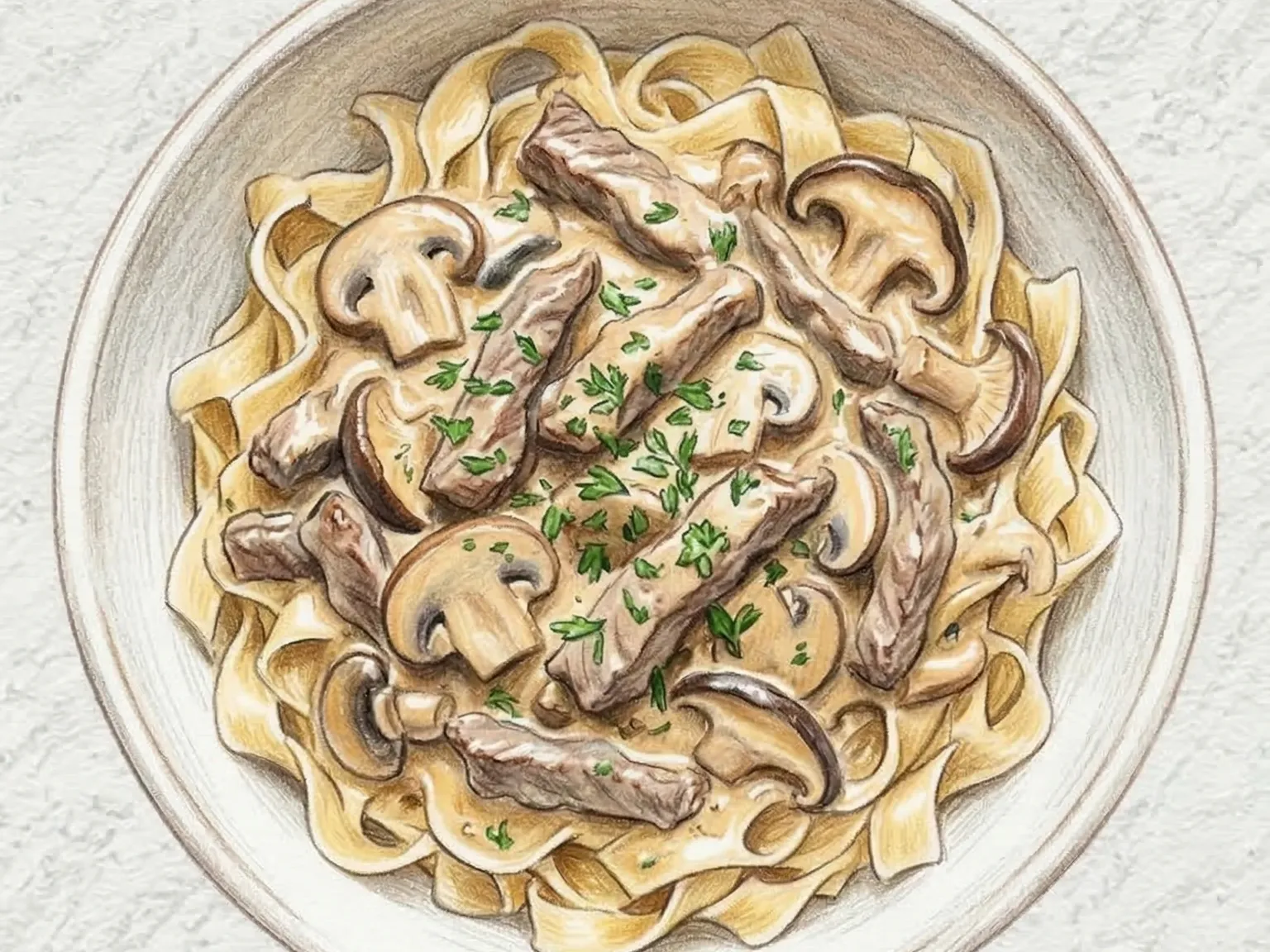
Blanquette de veau is a French white stew in which veal shoulder is first blanched in cold water to remove impurities and then gently simmered in fresh water with carrot, onion, and a bouquet garni for over an hour until the meat becomes completely tender. The name comes from blanc -- white -- and the defining rule of the dish is that the meat must never be browned at any stage; searing would change both the color and the delicate character of the final stew. The braising liquid is used to build the sauce: a butter-flour roux is whisked smooth, the warm broth is added gradually, and the finished veloute is enriched with a liaison of heavy cream and egg yolks to create a velvety coating. Once the yolks go in, the sauce must not boil -- even a brief simmer will cause the eggs to curdle, breaking the emulsion in a way that is difficult to repair. A small squeeze of lemon at the end brightens the richness of the cream, and button mushrooms sauteed separately in butter add an earthy note when folded in just before serving. The dish has been a staple of French bourgeois cooking since the 18th century, originally developed as a way to make the most of secondary cuts without the demanding technique required for braises like boeuf bourguignon.

Buta Shogayaki (Japanese Ginger Pork Stir-Fry with Soy Mirin Glaze)
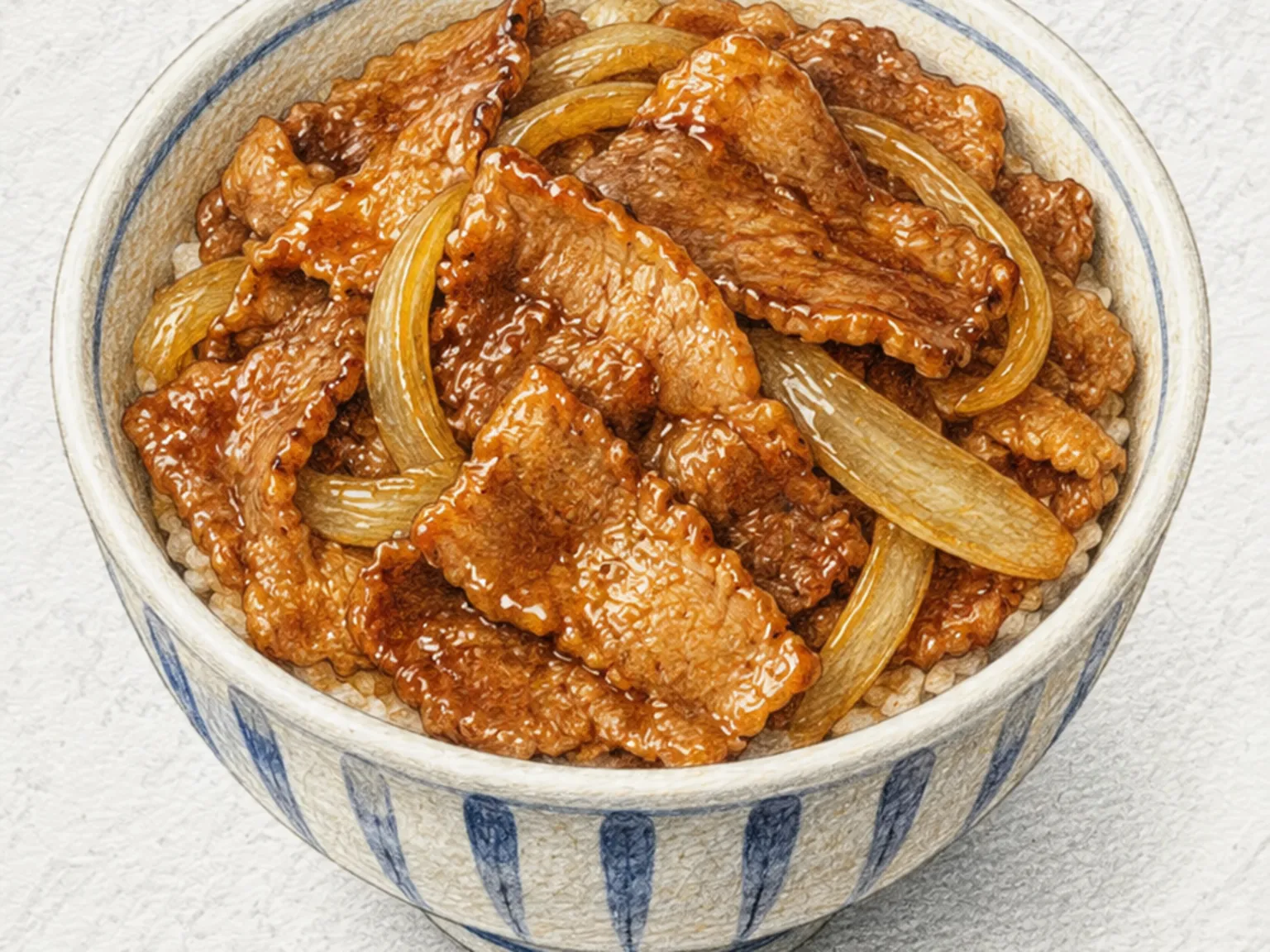
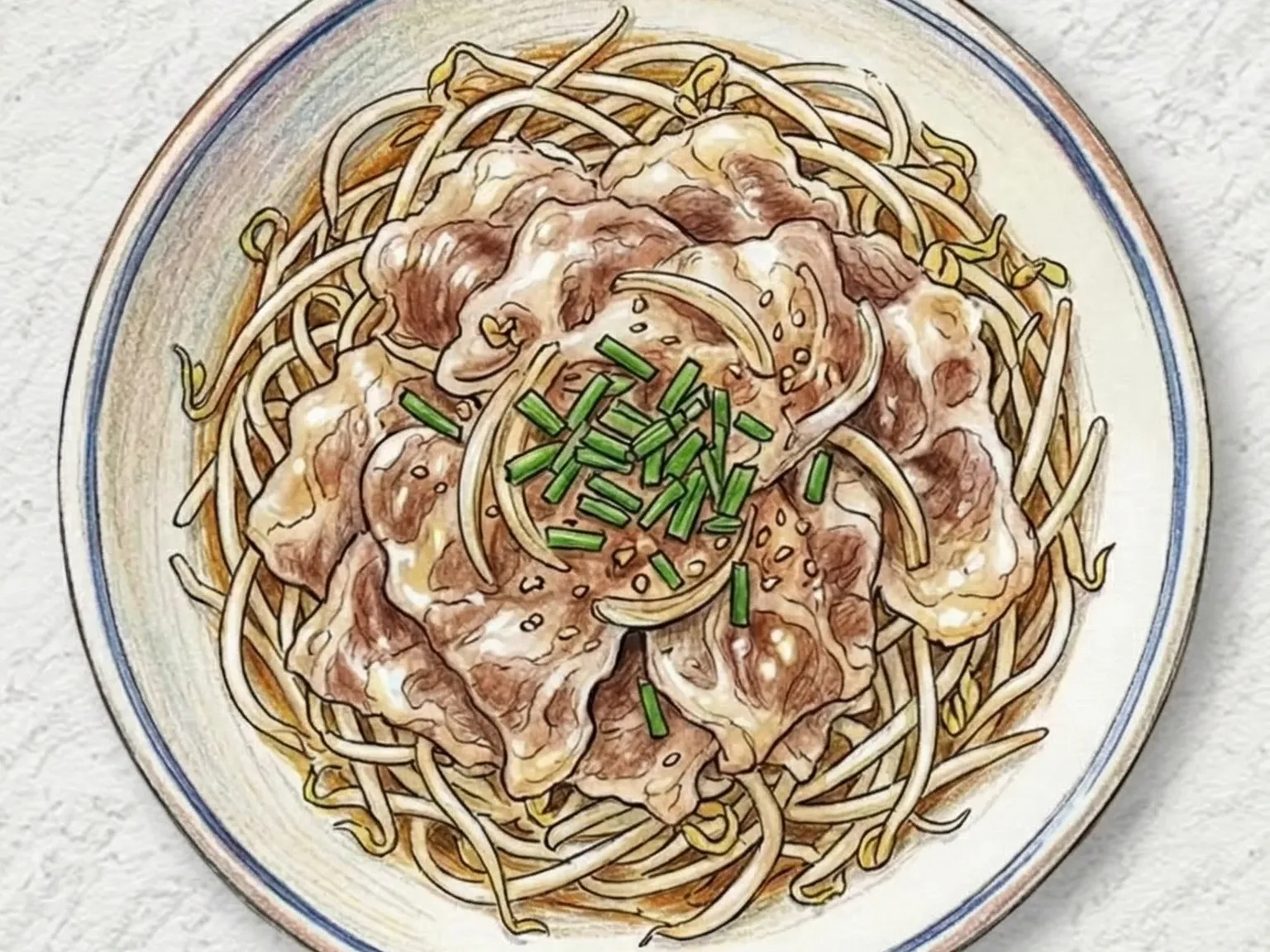
Buta shogayaki is one of the most frequently cooked dishes in Japanese home kitchens, appearing in bento boxes, teishoku set meals, and university cafeterias with equal regularity. The name translates directly as pork ginger stir-fry, and the technique is as precise as it is simple: thinly sliced pork loin or shoulder is marinated briefly in a mixture of soy sauce, mirin, sake, and freshly grated ginger, then seared quickly in a hot pan and finished with a reduction of the marinade. The ginger does more than add flavor -- it contains proteolytic enzymes that break down muscle fibers, measurably tenderizing the meat even in a marinade as short as ten minutes. The slices must not overlap in the pan; piling them causes steam to accumulate and the pork poaches rather than sears, losing the caramelized, slightly charred edges that define the dish. The marinade is added only in the final thirty seconds so it reduces rapidly into a sticky, glossy glaze that adheres to every surface rather than pooling at the bottom of the pan. Placing the finished pork over a mound of shredded raw cabbage is not optional in traditional presentation -- the cold, crunchy vegetable contrasts sharply with the hot, lacquered meat and cuts through the sweetness of the mirin glaze. Shogayaki has been a menu fixture since the mid-20th century, when rising pork production in Japan made it affordable enough for everyday cooking. From pantry to plate in fifteen minutes, it demands nothing more than a hot pan, fresh ginger, and attention to heat control.

Korean Stir-Fried Kimchi (Caramelized Aged Kimchi Banchan)
Kimchi-bokkeum is the default way Korean households use kimchi that has fermented past its fresh prime and developed a sharp lactic acidity that makes it too sour to eat on its own. Stir-frying over heat fundamentally transforms that sourness, cooking it down into something mellower, sweeter, and more rounded. Onion goes in first and cooks until translucent, building a sweet foundation before the kimchi and garlic join the pan. Maintaining medium heat is the key to driving off moisture gradually and building the thick, concentrated sauce that distinguishes well-made kimchi-bokkeum from a watery stir-fry. A small addition of gochugaru deepens the color and reinforces the chili heat, while a pinch of sugar balances the fermented sourness without making the dish sweet. A tablespoon of kimchi brine stirred in near the end amplifies the umami contributed by the lactobacillus cultures in the kimchi itself. Adding sliced pork belly or canned tuna to the pan along with the kimchi increases the protein and gives the dish more substance. The finished banchan is versatile enough to serve straight alongside rice, fold into fried rice, or pile on top of ramyeon.

Korean Dakgalbi Fried Rice
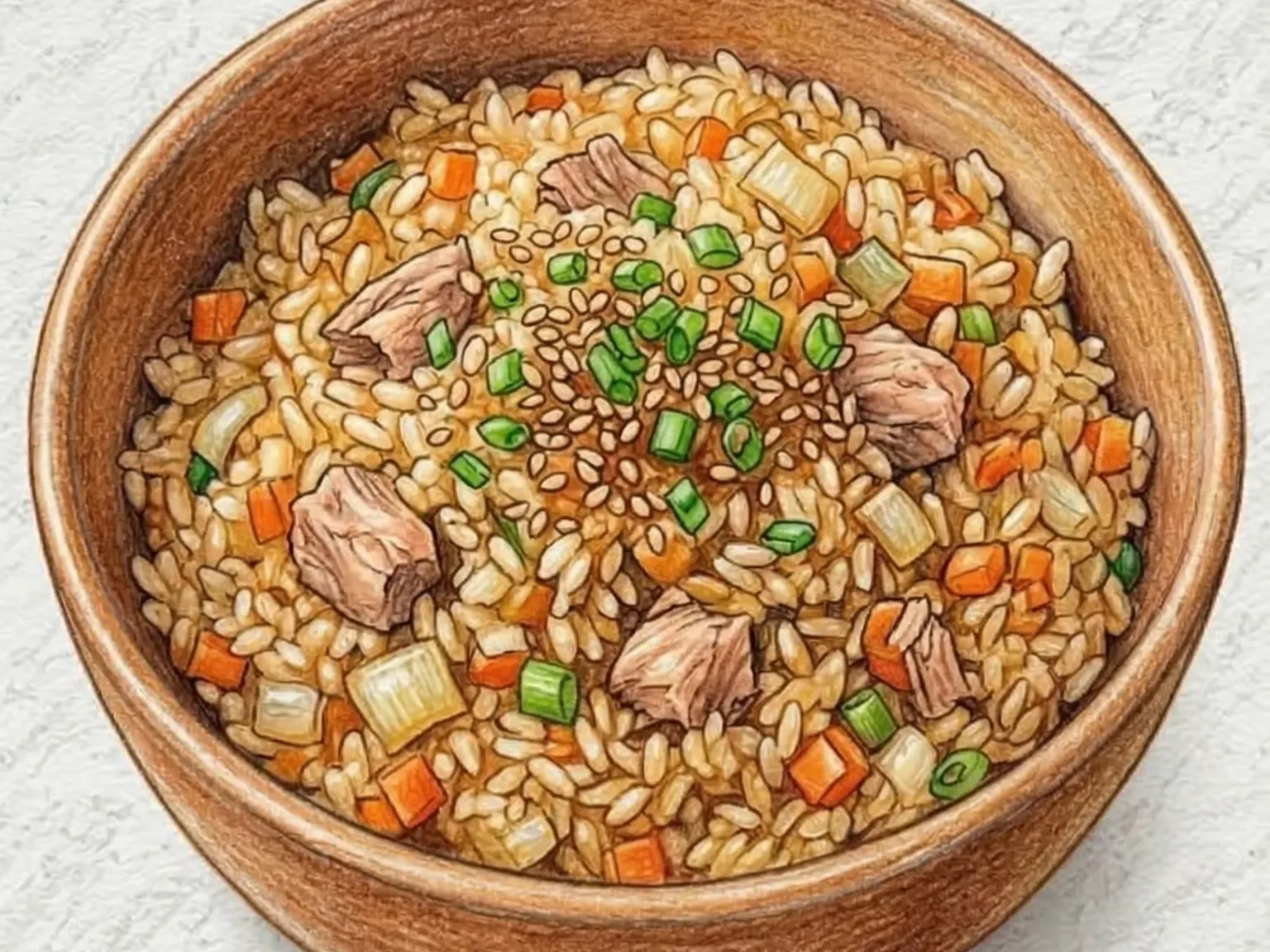
Dakgalbi bokkeumbap is a fried rice made by stir-frying gochujang-marinated boneless chicken thigh with cabbage and onion over high heat, then adding day-old rice to the pan and frying until every grain absorbs the sweet-spicy marinade. The dish originated from the Chuncheon tradition of finishing a dakgalbi meal by stir-frying the leftover sauce and scraps with rice, effectively turning what remains in the pan into a second course. Day-old rice is essential: fresh rice holds too much moisture and clumps together, while refrigerated rice separates cleanly on the hot surface and makes sufficient contact with the pan to develop slightly charred bits at the bottom. These caramelized patches add a smoky crunch that contrasts with the sauced grains above and elevate the dish beyond a simple fried rice. Cabbage and perilla leaves added at the very end of cooking retain a faint crunch that cuts through the richness of the gochujang marinade. Plating the rice with a few perilla leaves laid on top and a scatter of sesame seeds over the surface finishes the dish without requiring anything further.

Korean Aster Greens Beef Stir-fry
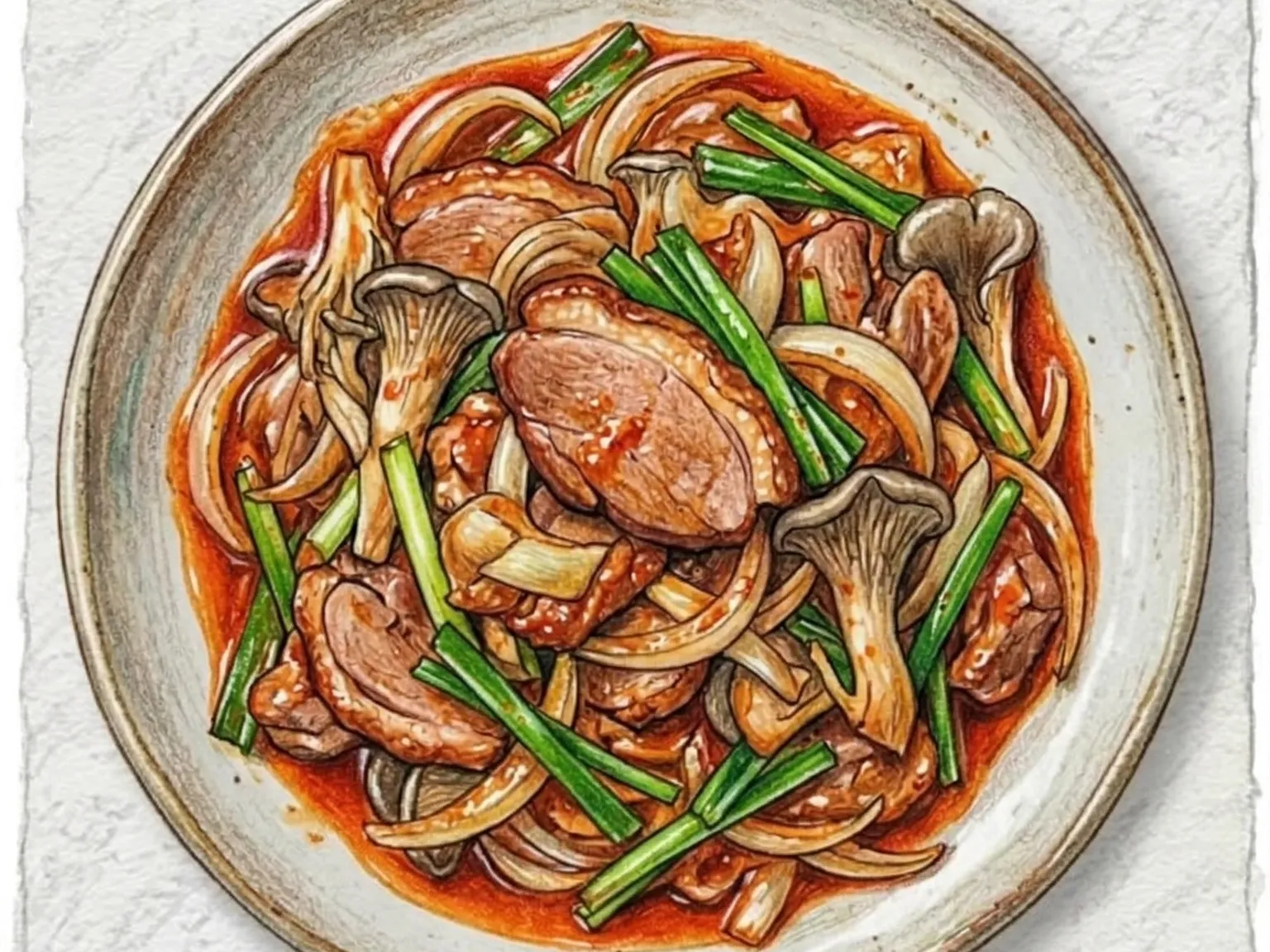
This stir-fry brings together fragrant chwi-namul wild greens and thinly sliced bulgogi-cut beef on a single plate, where the greens' herbal bitterness meets the meat's savory depth. Pre-seasoning the beef with soy sauce and cooking wine means that as the meat cooks, the seasoning transfers into the greens without the need for additional salt at the end. Onion softens during cooking, releasing sweetness that takes the edge off the overall saltiness and rounds the flavor. A finishing drizzle of perilla oil adds a distinctly Korean nuttiness, and whole sesame seeds scattered on top provide small pops of texture throughout each mouthful. This banchan works as a hearty, protein-rich complement to an otherwise vegetable-heavy table, substantial enough to serve as a main side dish alongside steamed rice.

Korean Shrimp Mandu (Chunky Shrimp and Pork Dumplings)
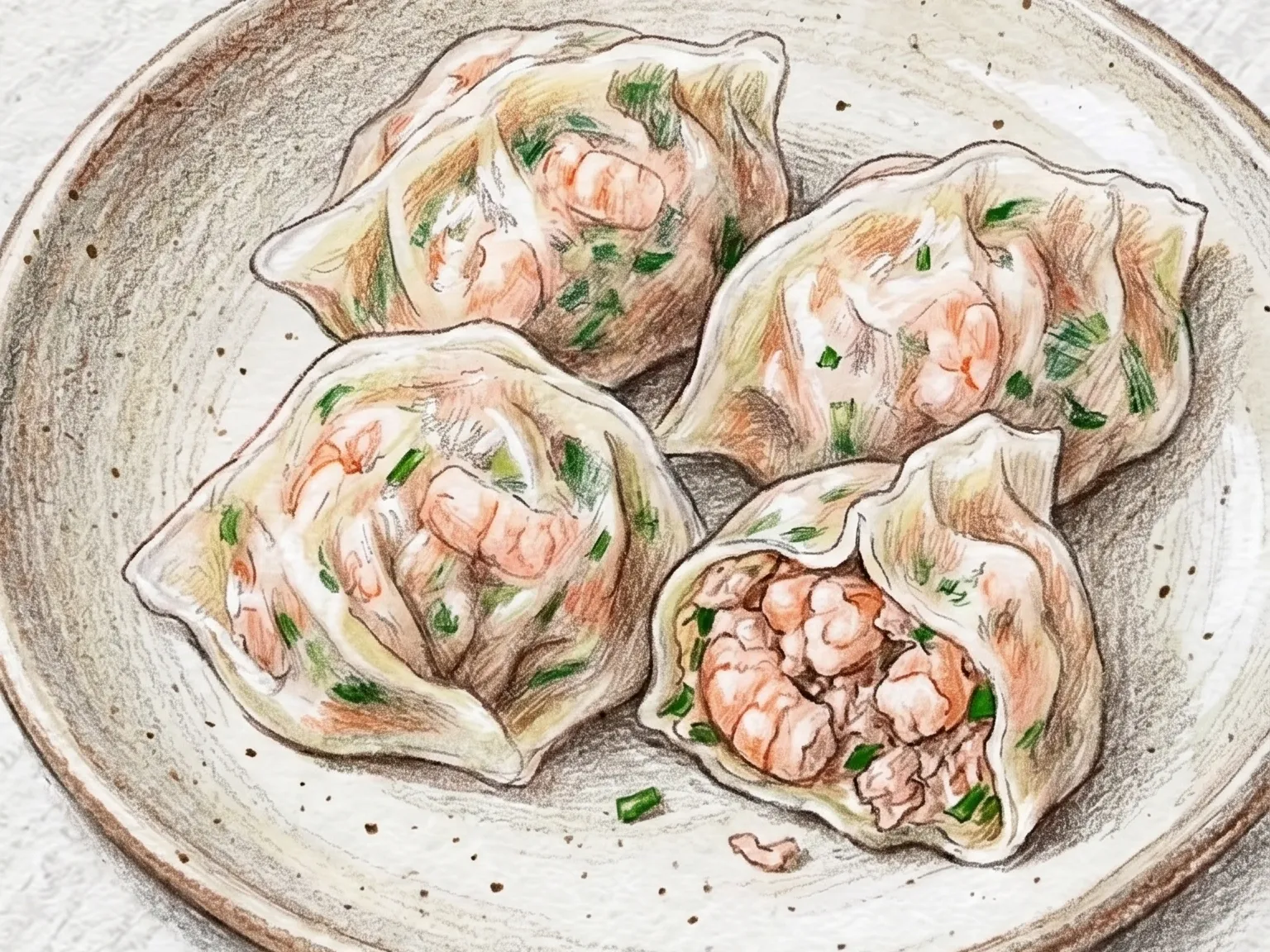
Saeu-mandu are Korean dumplings filled with coarsely chopped shrimp, ground pork, garlic chives, and onion. The shrimp is intentionally left in chunky pieces so each bite delivers a distinct pop of texture alongside the pork. The filling is seasoned with sesame oil and garlic, keeping the flavor clean with a gentle seafood sweetness underneath. Steaming turns the wrappers translucent and lets the pink shrimp show through, while pan-frying gives a golden, crisp bottom that contrasts with the soft upper shell.