Charim

2686 Korean & World Recipes

2686+ Korean recipes, clean and organized. Ingredients to instructions, all at a glance.

Recipes with onion

24 recipes

Buy onion
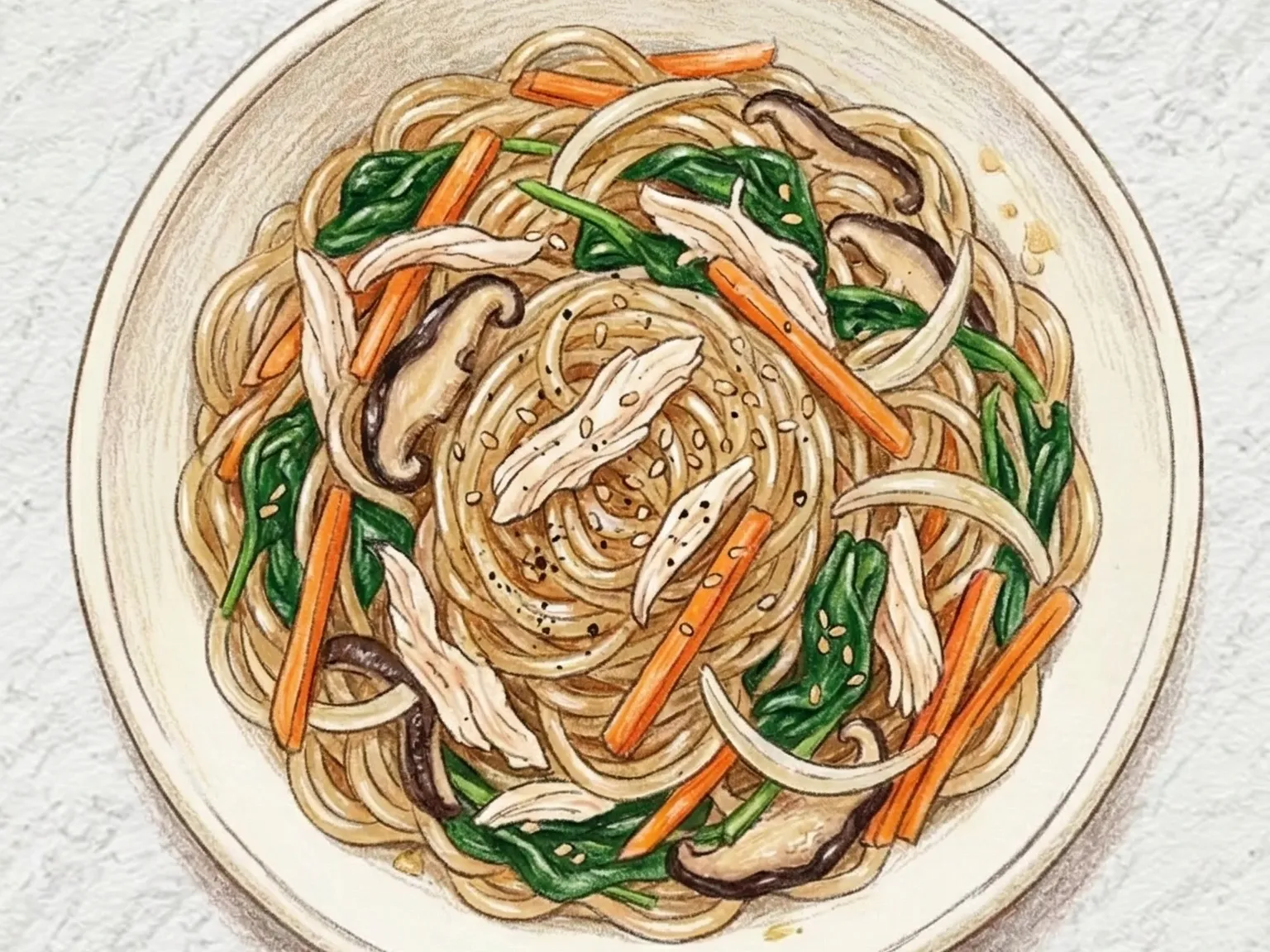
Korean Warm Perilla Mushroom Rice Noodles
NoodlesEasy

Korean Warm Perilla Mushroom Rice Noodles

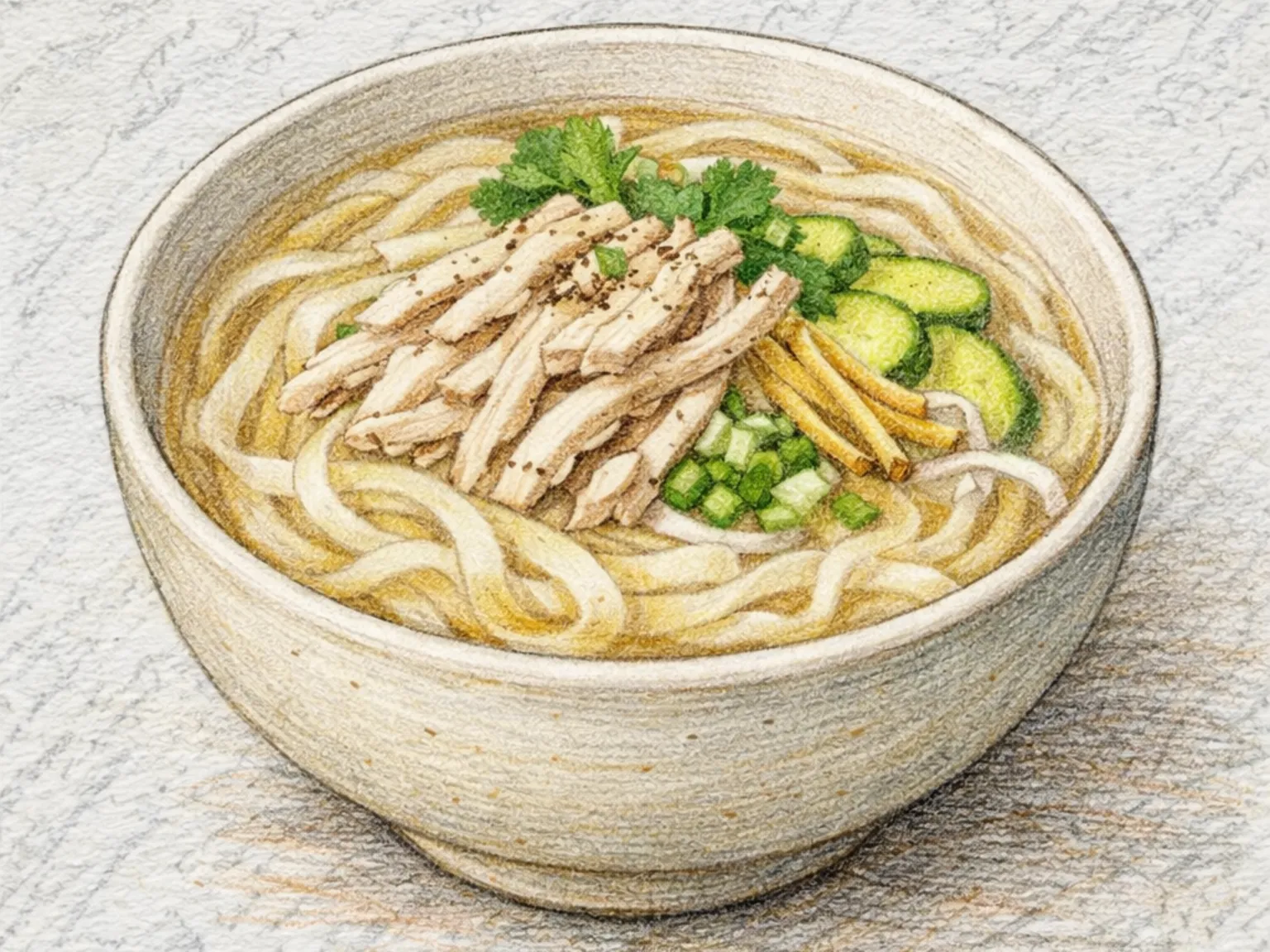
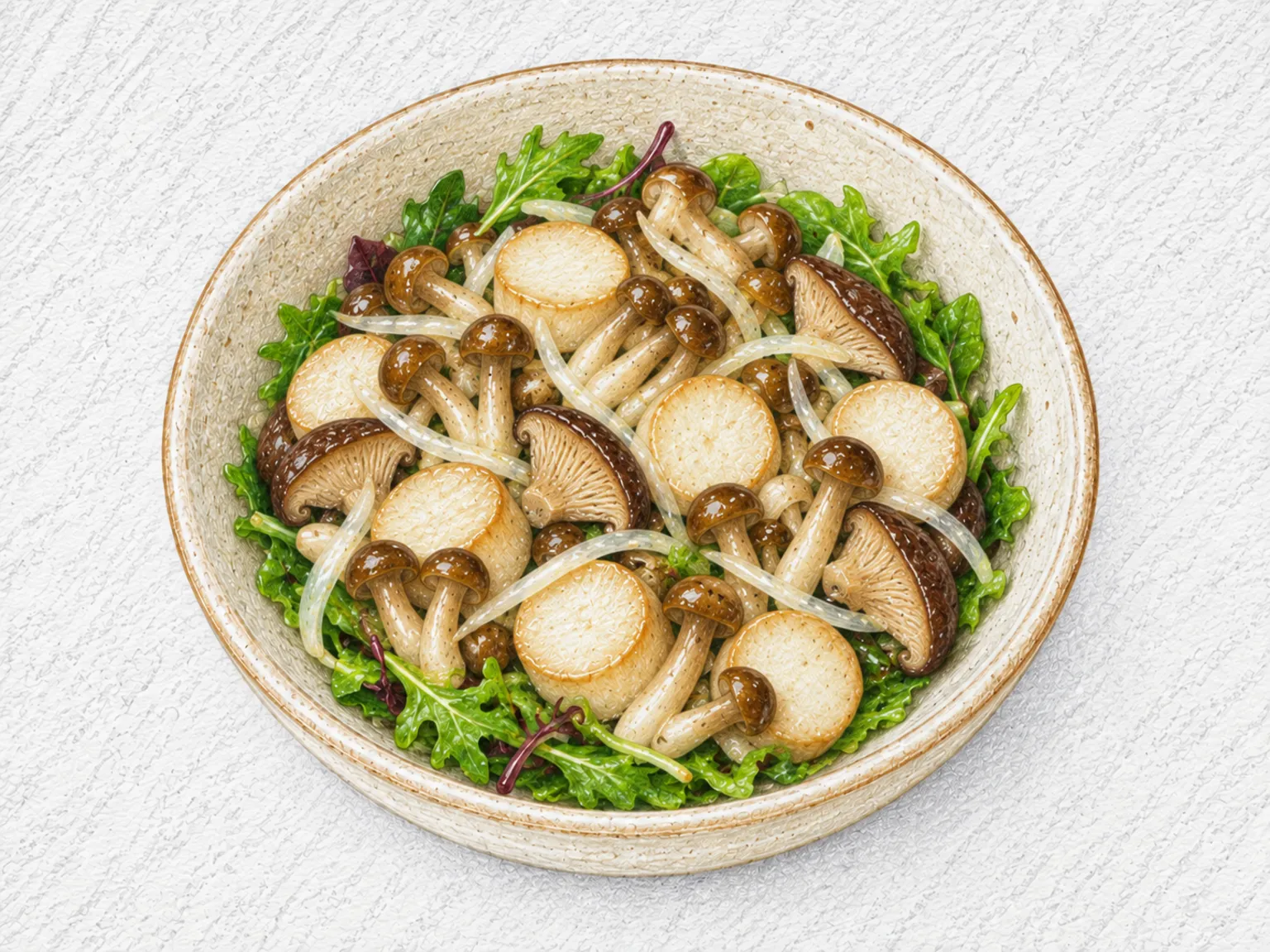
Deulkkae beoseot on ssalguksu is a warm Korean noodle soup built on kelp stock simmered with oyster and shiitake mushrooms, then enriched with ground perilla seeds into a creamy, opaque broth. Rice noodles are smoother and more slippery than wheat varieties, sliding through the rich liquid with ease, while the mushrooms provide a firm, chewy counterpoint. Adding the perilla powder at the very end preserves its roasted, nutty fragrance on the surface of each spoonful rather than cooking it off. Soup soy sauce seasons the broth cleanly without the heaviness of fermented soybean paste. Using dried shiitake mushrooms instead of fresh ones and soaking them in cold water first draws out a concentrated mushroom stock that deepens the base significantly. Substituting king oyster mushrooms cut into thick rounds for oyster mushrooms adds more substantial chew. The dish contains no wheat and suits gluten-free diets. It is particularly fitting on cold days as a light but warming meal.

🥗 Light & Healthy🏠 Everyday
Prep 20minCook 20min4 servings
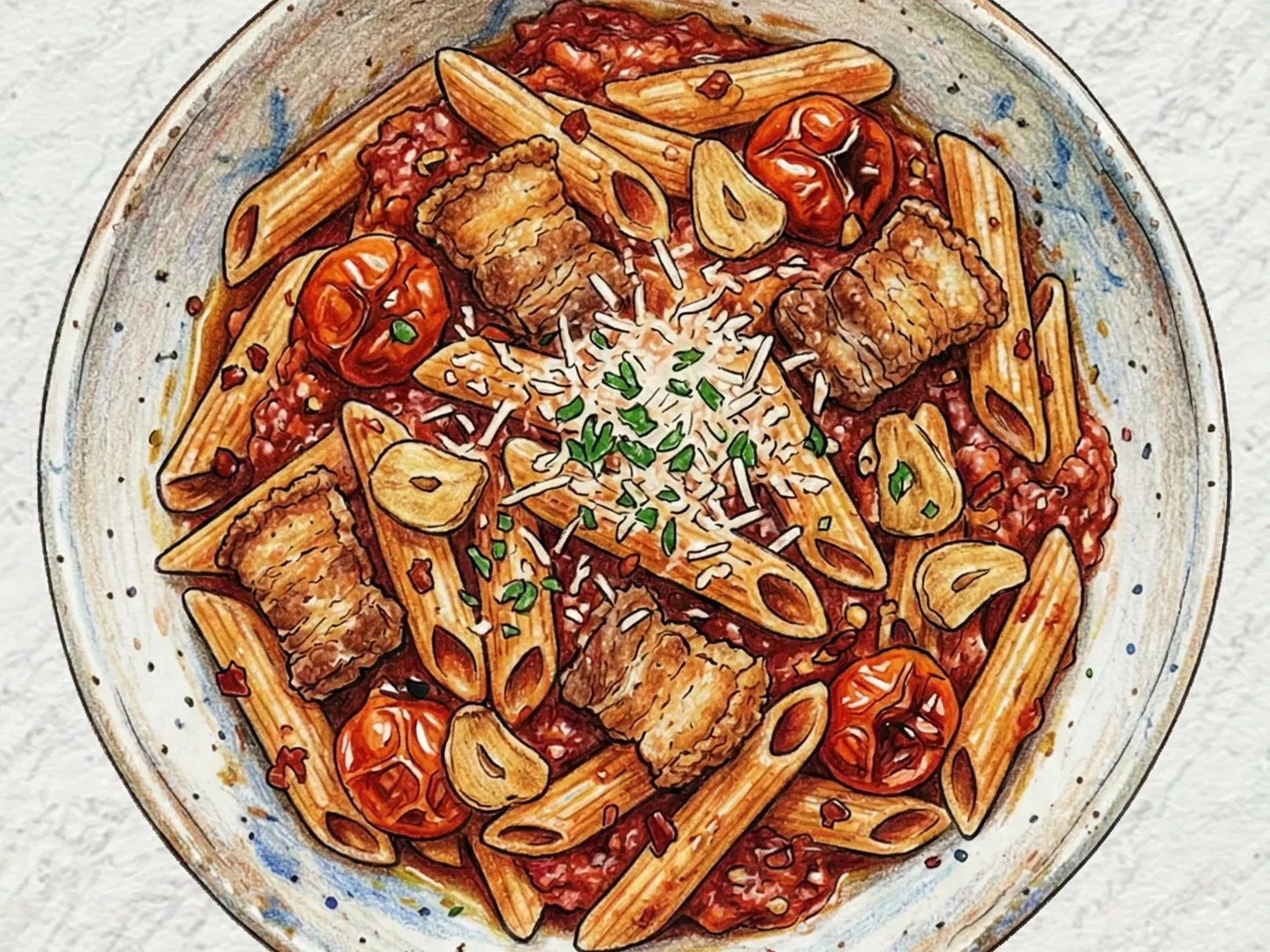
Gochugaru Sausage Rose Fusilli
PastaEasy

Gochugaru Sausage Rose Fusilli

Gochugaru sausage rose fusilli starts by removing the casing from Italian sausages and breaking the meat into irregular pieces before browning it in a pan over high heat. Irregular pieces create more surface area than a smooth patty, which means more of the meat comes into contact with the hot pan and browns more thoroughly, producing a deeper meaty base for the sauce. Onion and garlic are added to the rendered sausage fat and cooked for three minutes to build sweetness underneath the savory elements. Korean red pepper flakes are stirred into the fat next and fried for just twenty seconds so their aromatic compounds bloom without burning, giving the sauce a warm, rounded heat rather than sharp spiciness. Tomato sauce goes in immediately and simmers for three minutes to concentrate and shed its raw acidity against the fat. Heavy cream and a ladle of pasta cooking water are added together and the sauce is reduced until it turns the characteristic pink of a rose sauce. Fusilli is tossed directly in the pan so the thick sauce can work its way into every spiral groove, ensuring each fork-load is well coated from surface to center. Finishing with grated Parmesan adds saltiness and helps the sauce emulsify slightly, while fresh basil leaves torn over the top provide a clean aromatic note.

🏠 Everyday🧒 Kid-Friendly
Prep 10minCook 20min2 servings
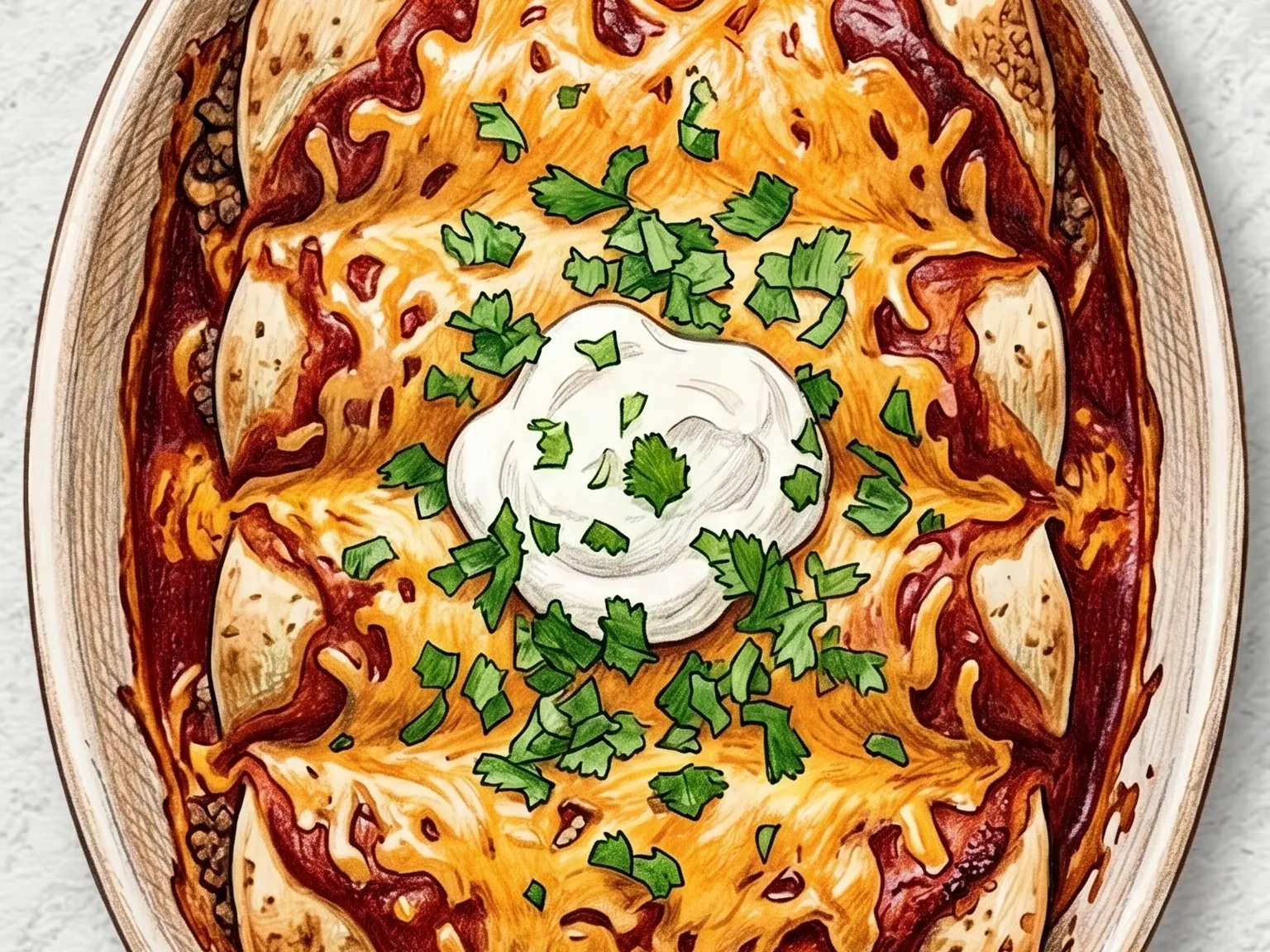
Beef Enchiladas
WesternMedium

Beef Enchiladas

Beef enchiladas are made by seasoning ground beef with chili powder, cumin, and oregano, wrapping it with shredded cheese inside corn tortillas, and arranging the rolls seam-side down in a baking dish before drowning them in red enchilada sauce and baking until bubbling. During baking, the dried-chili-based sauce penetrates the tortillas from the outside in: the interior absorbs moisture and turns soft, while the portions near the exposed edges dry into chewy, concentrated bites. Melted cheese inside binds the meat into a cohesive, creamy layer. The quality of the enchilada sauce is the defining variable - a sauce built on rehydrated dried chilies rather than canned tomato produces a smokier, more complex base that store-bought versions rarely match. Sour cream and coarsely chopped cilantro added at the table cut through the fat and reset the palate between bites. Three or four per plate make a substantial meal, and the dish reheats well the next day as the sauce continues to saturate the tortillas overnight.

🎉 Special Occasion
Prep 20minCook 25min4 servings
Bistek Tagalog (Filipino Beef Steak with Calamansi Soy Sauce)
AsianEasy

Bistek Tagalog (Filipino Beef Steak with Calamansi Soy Sauce)

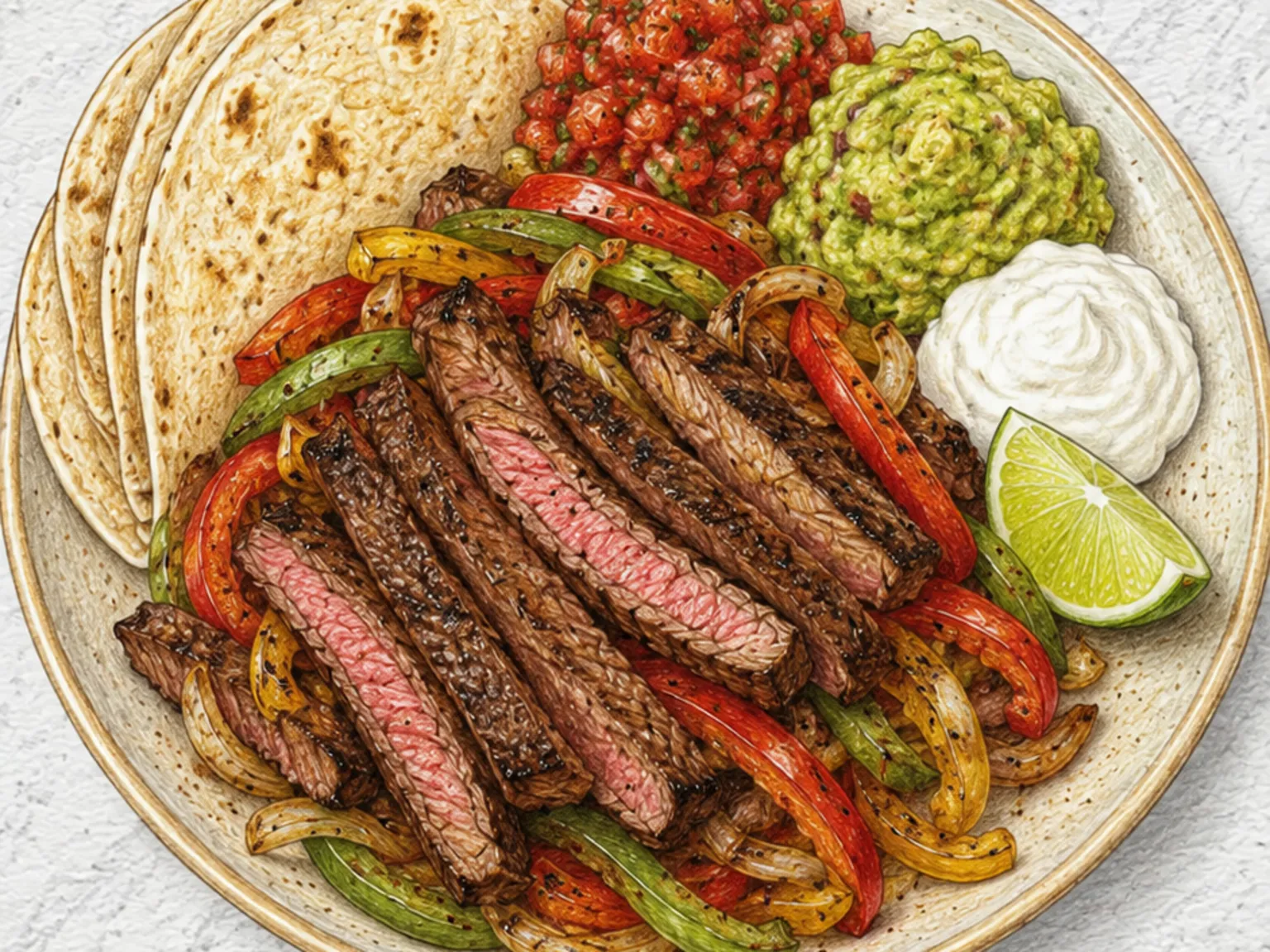
Bistek Tagalog adapts the Spanish bistec with a distinctly Philippine ingredient: calamansi citrus replaces wine or vinegar as the marinade acid, producing a brighter, more tropical tang than either. Thinly sliced beef sirloin soaks in soy sauce, calamansi juice, garlic, and black pepper for at least thirty minutes; the acid tenderizes the muscle fibers while the soy penetrates deeply. The beef is seared quickly in a very hot pan and set aside, leaving flavorful drippings in the pan. Thick onion rings cook in those drippings until softened and lightly caramelized, picking up the beef fond as they collapse. The marinade is poured back into the pan and reduced into a dark, glossy braising liquid. When the beef returns to the pan, it finishes cooking in this sauce and each piece gets coated. The soy provides a savory, umami-forward depth, and the calamansi keeps cutting through the heaviness of the reduced sauce and the fat from the beef. Served over steamed white rice with the caramelized onion rings piled on top, bistek tagalog is one of the most common weeknight meals across the Philippines.

🎉 Special Occasion
Prep 20minCook 12min2 servings
Korean Stir-fried Julienne Potatoes
Side dishesEasy

Korean Stir-fried Julienne Potatoes

Gamja-chae-bokkeum is a stir-fried julienned potato banchan where the cutting technique determines the outcome more than any seasoning. Potatoes are julienned into matchstick-thin strips, then soaked in cold water for at least ten minutes to rinse away surface starch - a step that is not optional. Skipping it means the strips clump together in the pan, glueing themselves into a starchy mass that cannot be salvaged. After draining and drying thoroughly, the strips hit a hot, lightly oiled pan and cook for just three to four minutes, stirred and tossed frequently to prevent browning. The target is a strip that is fully cooked through but retains an audible crunch when bitten, a narrow window between underdone rawness and mushy softness that takes practice to hit consistently. The seasoning is deliberately minimal - salt and a small splash of vinegar, occasionally a little sesame oil - to let the potato's clean, starchy sweetness remain the central flavor. Sliced cheongyang chili stirred in at the end adds a sharp heat without muddying the clean taste profile. This banchan has been a fixture of Korean school lunches and company cafeterias for decades precisely because it is vegetarian, inexpensive, and universally acceptable to even the most selective eaters.

🏠 Everyday🍱 Lunchbox
Prep 12minCook 8min4 servings
Korean Chicken Mayo Rice Bowl
RiceEasy

Korean Chicken Mayo Rice Bowl

Chikin mayo deopbap is a Korean rice bowl topped with pan-fried chicken breast glazed in a sweet-salty soy sauce and finished with a generous drizzle of mayonnaise. The chicken is cooked over medium-high heat until the exterior turns golden and slightly crisp while the inside stays moist. A soy sauce and sugar glaze added near the end caramelizes around each piece, creating a sticky coating that clings well. The mayonnaise adds creaminess and a mild tang that balance the saltiness of the glaze; when it hits the warm chicken and rice, it loosens slightly into a sauce that seeps down through the bowl. With only a handful of everyday ingredients and around fifteen minutes of cooking time, it matches the convenience of a packaged lunch box while delivering noticeably better flavor and texture.

🍱 Lunchbox
Prep 12minCook 15min2 servings
Korean Busan-Style Stir-fried Fish Cake
Stir-fryEasy

Korean Busan-Style Stir-fried Fish Cake

Busan-style stir-fried fish cake begins with a step that separates it from rushed versions: square fish cake sheets are blanched for twenty seconds in boiling water to remove the residual processing oil from manufacturing. Skipping this produces a flat, industrial greasiness in the finished dish that no amount of seasoning corrects. Oil goes into a hot pan, minced garlic is fried briefly until fragrant, and julienned onion and carrot are added next and cooked for two minutes until their natural sugars begin to release. The blanched fish cake strips go in, followed by soy sauce and oligosaccharide syrup. As the soy sauce hits the hot pan surface, it reduces almost instantly into a thin, glossy glaze that coats every surface; the oligosaccharide syrup caramelizes in the residual heat, building a sweet-salty layer underneath. High heat and a total cook time of three minutes or less is essential - fish cake left on the stove beyond that loses its moisture and turns rubbery. Diagonally sliced green onion goes in at the very end, added off the heat to preserve its fresh bite. A scatter of sesame seeds finishes the dish. Because the flavors are stable at room temperature and do not deteriorate as the dish cools, it is a reliable and practical side dish for packed lunches.

🏠 Everyday🍱 Lunchbox
Prep 12minCook 10min4 servings
Korean Steamed Mandu (Pork and Tofu Dumplings Steamed in Half-Moon Shape)
Street foodMedium

Korean Steamed Mandu (Pork and Tofu Dumplings Steamed in Half-Moon Shape)

Jjin mandu are Korean steamed dumplings filled with a mixture of ground pork, thoroughly squeezed tofu, soaked glass noodles, garlic chives, and onion, seasoned with soy sauce and sesame oil, then folded into crescent shapes and steamed for 12 to 15 minutes. The steaming method sets these apart from pan-fried or boiled dumplings in a fundamental way: no oil is added, so the wrapper stays moist and clings to the filling rather than crisping, and the filling's own flavors come through without the richness that frying introduces. Removing as much moisture as possible from the tofu before mixing it in is one of the most important steps - tofu that has not been squeezed dry will release liquid during steaming and make the filling watery and the wrapper soggy. Once the moisture is gone, the tofu blends into the pork and gives the filling a softer, more yielding texture than ground meat alone. Garlic chives provide a pungent, grassy bite that naturally cuts through the fat in the pork, while the glass noodles add a slippery, chewy element that contrasts with the tender meat. At the end of steaming, the wrappers turn translucent and the filling becomes just visible through the dough - a reliable sign that the dumplings are fully cooked. A dipping sauce of soy sauce, rice vinegar, and red chili flakes provides acidity and heat that lifts the mild, clean flavor of the filling.

🧒 Kid-Friendly
Prep 30minCook 15min4 servings
Korean Grilled Sea Snail with Gochujang
GrilledMedium

Korean Grilled Sea Snail with Gochujang

Pre-boiled sea snail meat is sliced thin, trimmed of tough visceral parts, and marinated for fifteen minutes with sliced onion in a sauce built on gochujang, gochugaru, soy sauce, oligosaccharide syrup, and minced garlic. A screaming-hot pan sears the marinated snail in three to four minutes, concentrating the spicy-sweet sauce onto the surface while preserving the snail's signature firm chew. Green onion goes in for the final minute, followed by a drizzle of sesame oil. The briny depth of the sea snail meets the fermented heat of gochujang in every bite.

🍺 Bar Snacks
Prep 20minCook 10min4 servings
Korean Oyster Soft Tofu Soup
SoupsEasy

Korean Oyster Soft Tofu Soup

Gul-sundubu-tang is a Korean soup that brings together briny fresh oysters and silky soft tofu in a lightly spicy broth. The flavor base starts with garlic and gochugaru bloomed in sesame oil, giving the entire pot a warm, aromatic heat from the first minute. Sliced zucchini and onion go in next, contributing a natural sweetness that tempers the chili. Water is added, and once simmering, spoonfuls of wobbly sundubu tofu are dropped in. The oysters go in at the very last moment so they stay plump and tender rather than shrinking into rubbery nuggets. Soup soy sauce adjusts the salt. The finished bowl is rust-red, gently spicy, and layered: the tofu melts on the tongue, the zucchini offers a mild crunch, and the oysters deliver bursts of sea flavor throughout.

🏠 Everyday
Prep 12minCook 18min2 servings
Korean Mung Bean Sprout Bindaetteok
PancakesHard

Korean Mung Bean Sprout Bindaetteok

Soaked mung beans are ground into a thick, dense batter and combined with mung bean sprouts, ground pork, and kimchi to make a traditional bindaetteok. The mung bean base delivers a hearty, nutty flavor that nothing else quite replicates; the sprouts thread through the batter and lighten the texture with their crunch. Fermented kimchi introduces a tangy sourness that cuts through the pork fat, and the pork's rendered juices bind the whole pancake into something substantial enough to serve as a full meal. Pressing the pancake flat and frying slowly in a generous amount of oil builds a thick, crackling crust - the stage where most of the flavor development happens.

🎉 Special Occasion
Prep 40minCook 20min4 servings
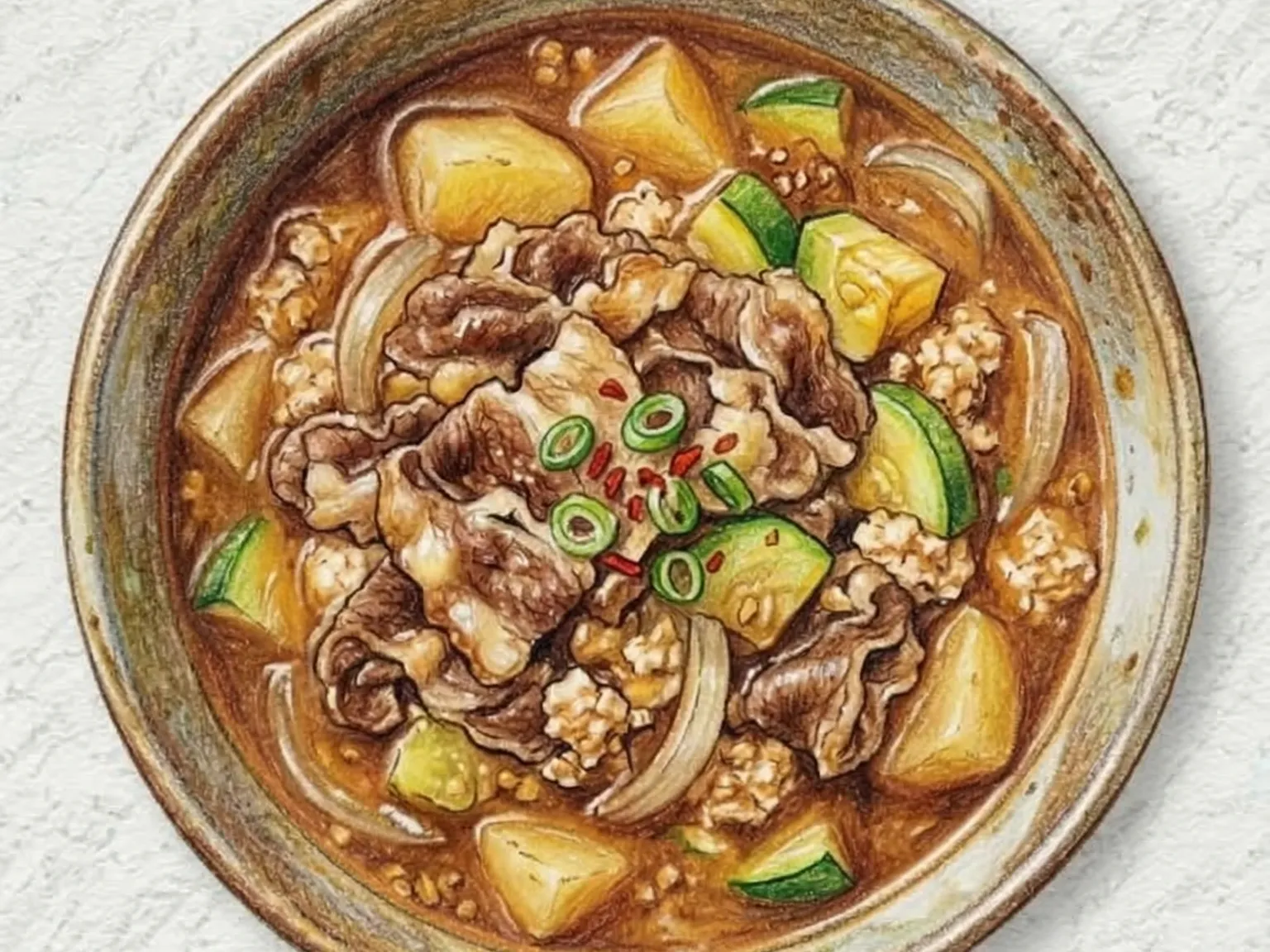
Korean Brisket Soybean Paste Stew
StewsEasy

Korean Brisket Soybean Paste Stew

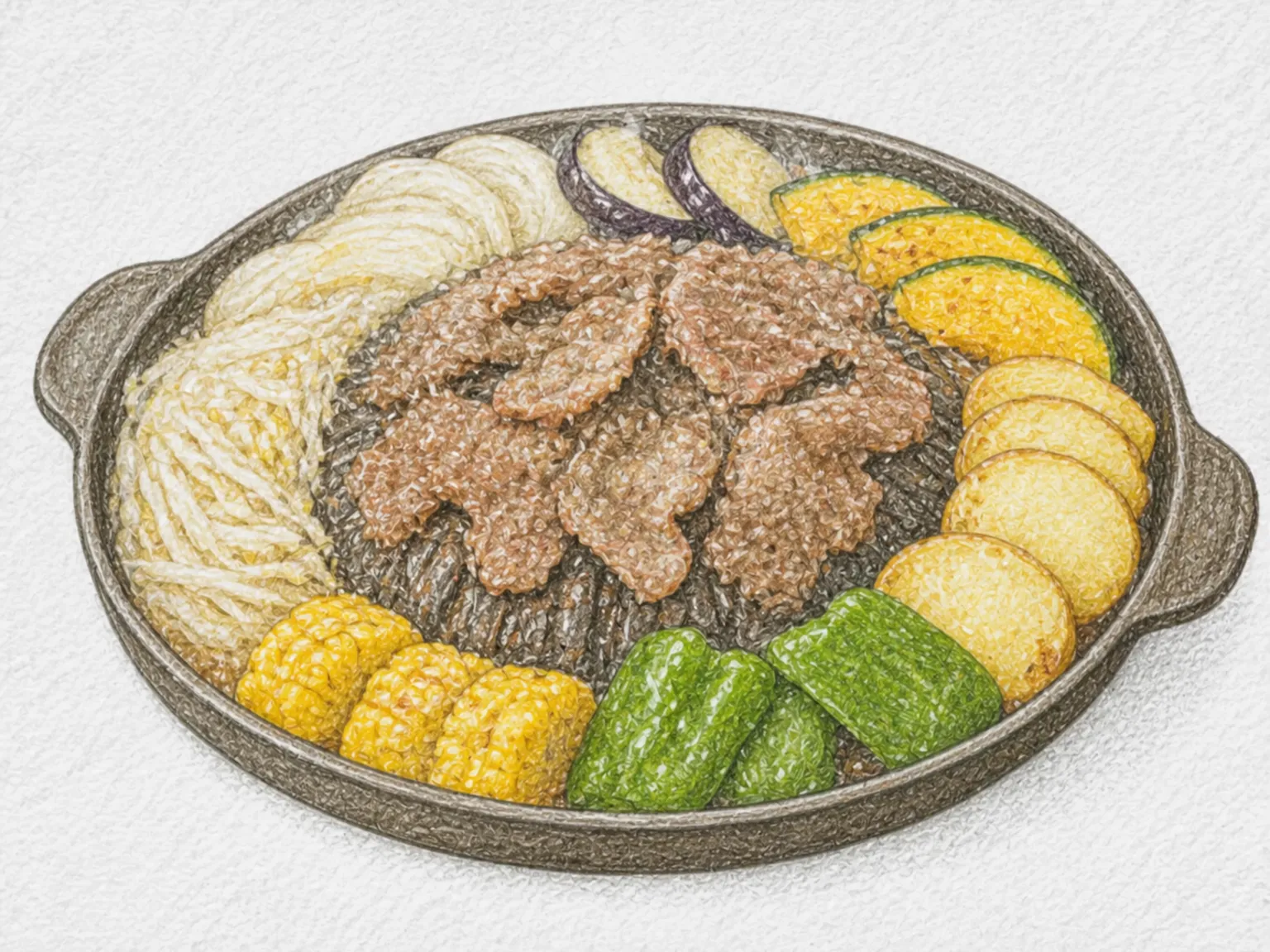
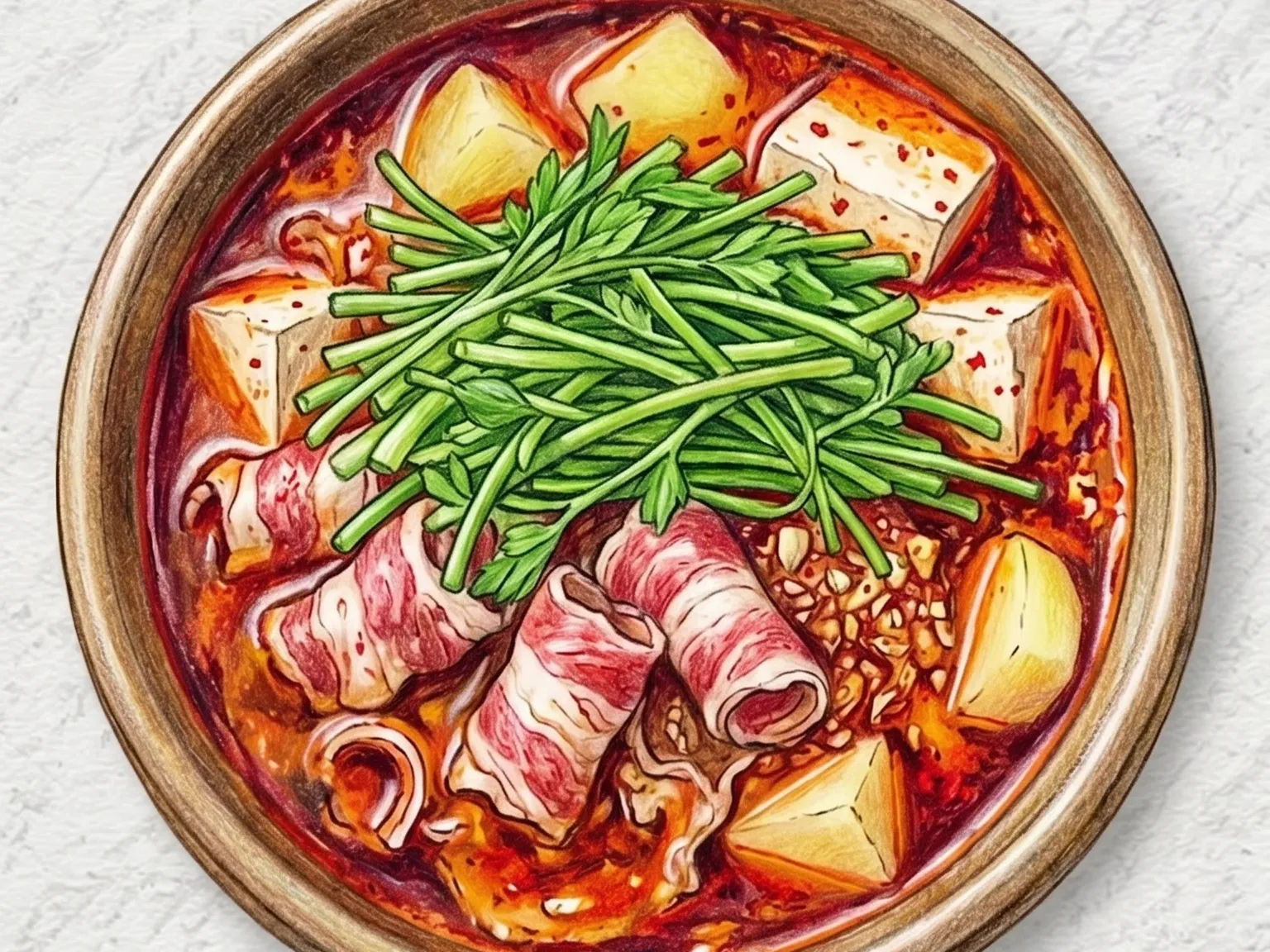
Thinly sliced brisket is added to the classic soybean paste stew base of rice-rinsing water and doenjang, cooked together with potato, zucchini, tofu, and cheongyang chili. The marbled fat in the brisket renders into the broth as it cooks, building a richer and more savory base than the standard vegetable-only version. The cheongyang chili delivers a sharp heat that makes this stew especially good with a bowl of rice. Adding the brisket slices after the vegetables have softened partially prevents the meat from overcooking and turning tough during the remaining simmer time.

🏠 Everyday
Prep 10minCook 15min2 servings
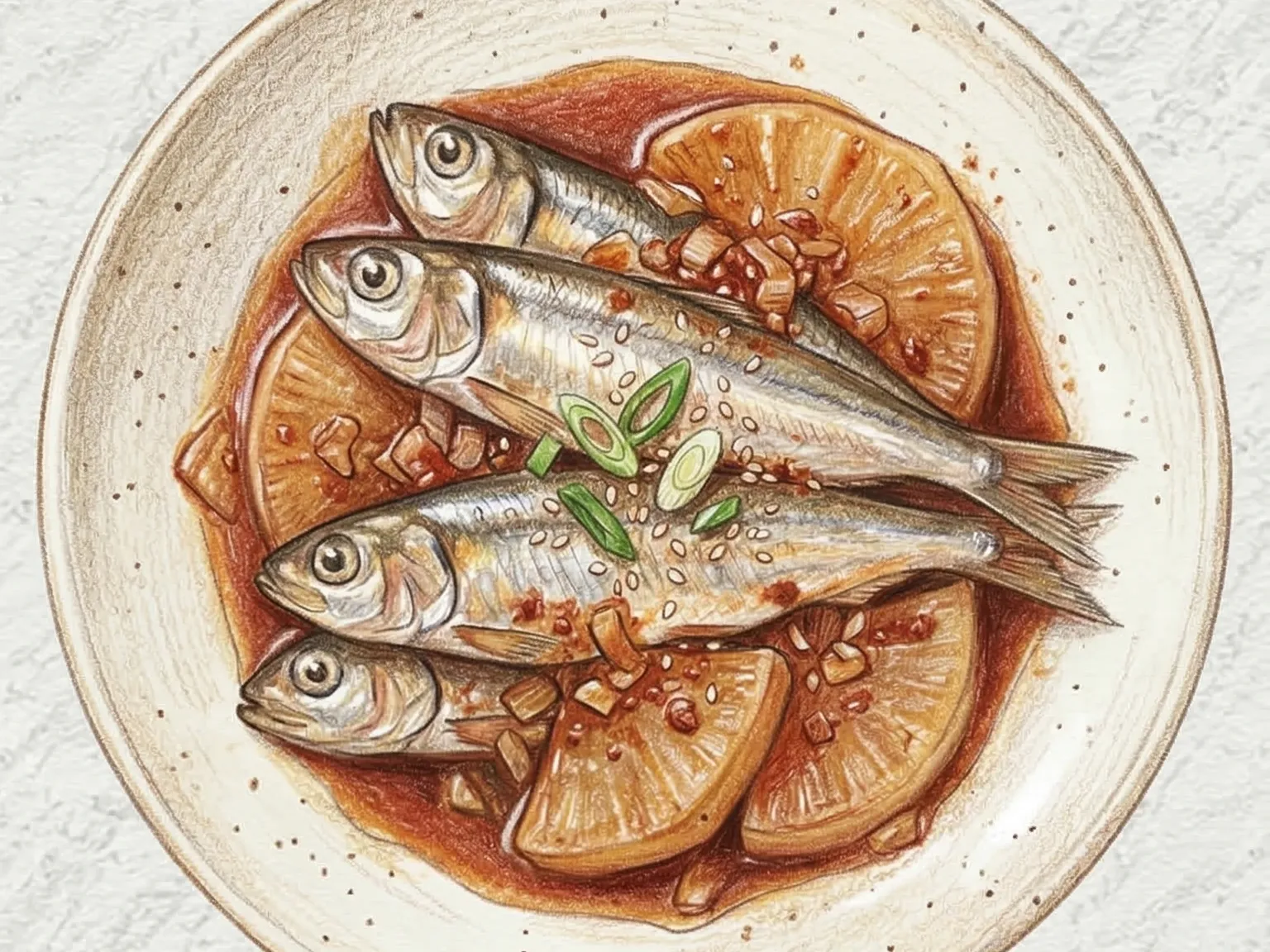
Korean Braised Chicken with Radish
SteamedMedium

Korean Braised Chicken with Radish

This braise combines bone-in chicken pieces with Korean radish and potato in a soy-and-gochugaru sauce. The radish absorbs both the chicken stock and the spiced seasoning, turning amber on the outside while going translucent within. Potato edges break down during the long simmer, thickening the sauce into a sticky glaze. Gochugaru and black pepper build a layered heat that soy sauce and sugar round off, so the dish is assertively spicy without being harsh. Reducing the liquid until it barely coats the bottom concentrates all the flavors onto the surface of each piece.

🎉 Special Occasion🍱 Lunchbox
Prep 18minCook 40min4 servings
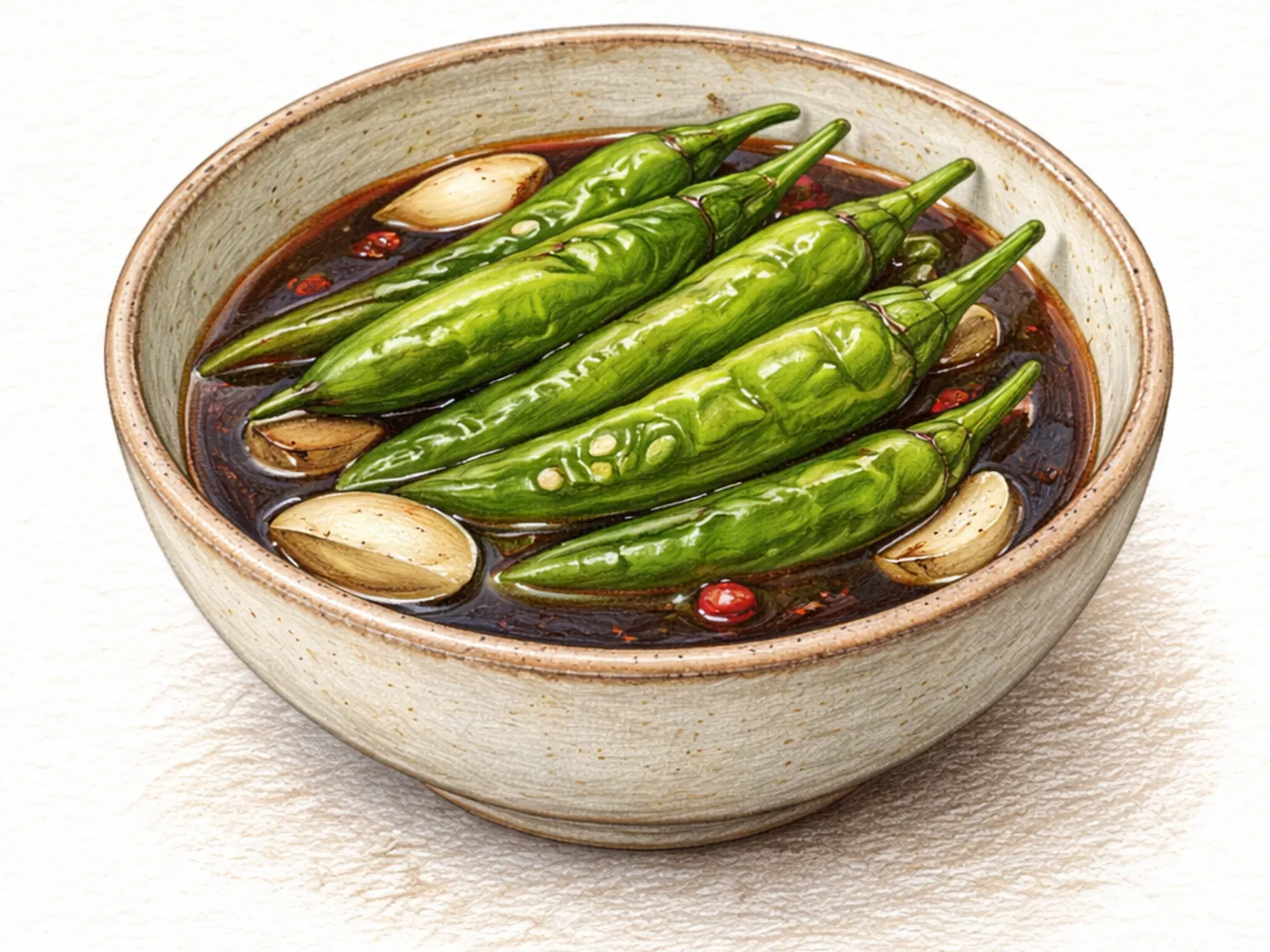
Korean Pepper Leaf Kimchi
KimchiMedium

Korean Pepper Leaf Kimchi

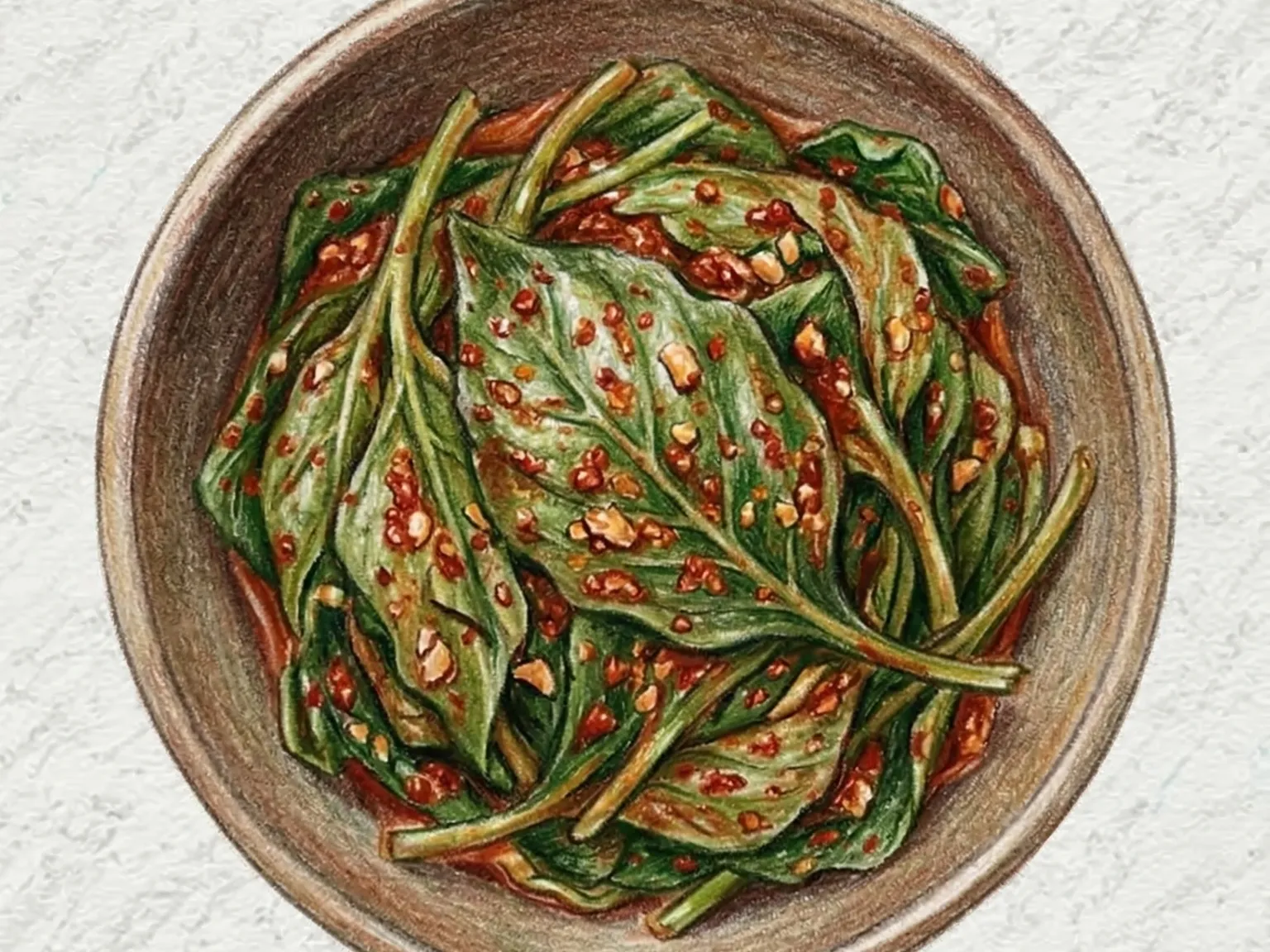
Gochuip kimchi is a seasonal Korean kimchi made from pepper leaves, prepared during late spring to summer when the leaves are available. Blanching is the essential first step. Fresh pepper leaves contain compounds that produce a raw bitterness, and simply seasoning them without pre-cooking leaves an unpleasant edge. A brief blanch of about 30 seconds collapses the cell structure, removing bitterness while dramatically reducing the volume of the leaves. The softened leaves also accept the seasoning more evenly across their surfaces. Glutinous rice paste added to the gochugaru, anchovy fish sauce, and garlic mixture thickens the coating so it adheres uniformly to each leaf and supports lactic acid fermentation even within the short one-day curing window. The herbaceous quality in pepper leaves survives fermentation, remaining as an undercurrent beneath the spicy coating and producing a green, herb-like character that distinguishes this kimchi from napa cabbage or young radish varieties.

🍱 Lunchbox
Prep 25minCook 8min4 servings
Korean Potato Ongsimi Kalguksu
NoodlesHard

Korean Potato Ongsimi Kalguksu

Gamja ongsimi kalguksu is a Gangwon-do regional noodle soup featuring two distinct components in one bowl: knife-cut wheat noodles and small potato dumplings called ongsimi. The dumplings are formed by grating raw potato, squeezing out as much moisture as possible, then binding the pulp with potato starch and rolling the mixture into small round balls. As the ongsimi cook in the simmering anchovy-kelp broth, their exterior firms up and turns translucent while the interior retains the starchy, floury character of cooked potato, creating a double texture in each individual piece. The broth itself is kept light and clean to let the natural potato flavor of the dumplings come through, with thinly sliced zucchini adding a subtle sweetness. Removing excess moisture from the grated potato before shaping is the critical step that determines whether the dumplings hold their form or dissolve into the broth. This dish originates from Gangwon-do's potato farming culture and represents one of the region's most beloved comfort foods.

🎉 Special Occasion
Prep 35minCook 30min4 servings
Gochujang Beef Ragu Rigatoni
PastaMedium

Gochujang Beef Ragu Rigatoni

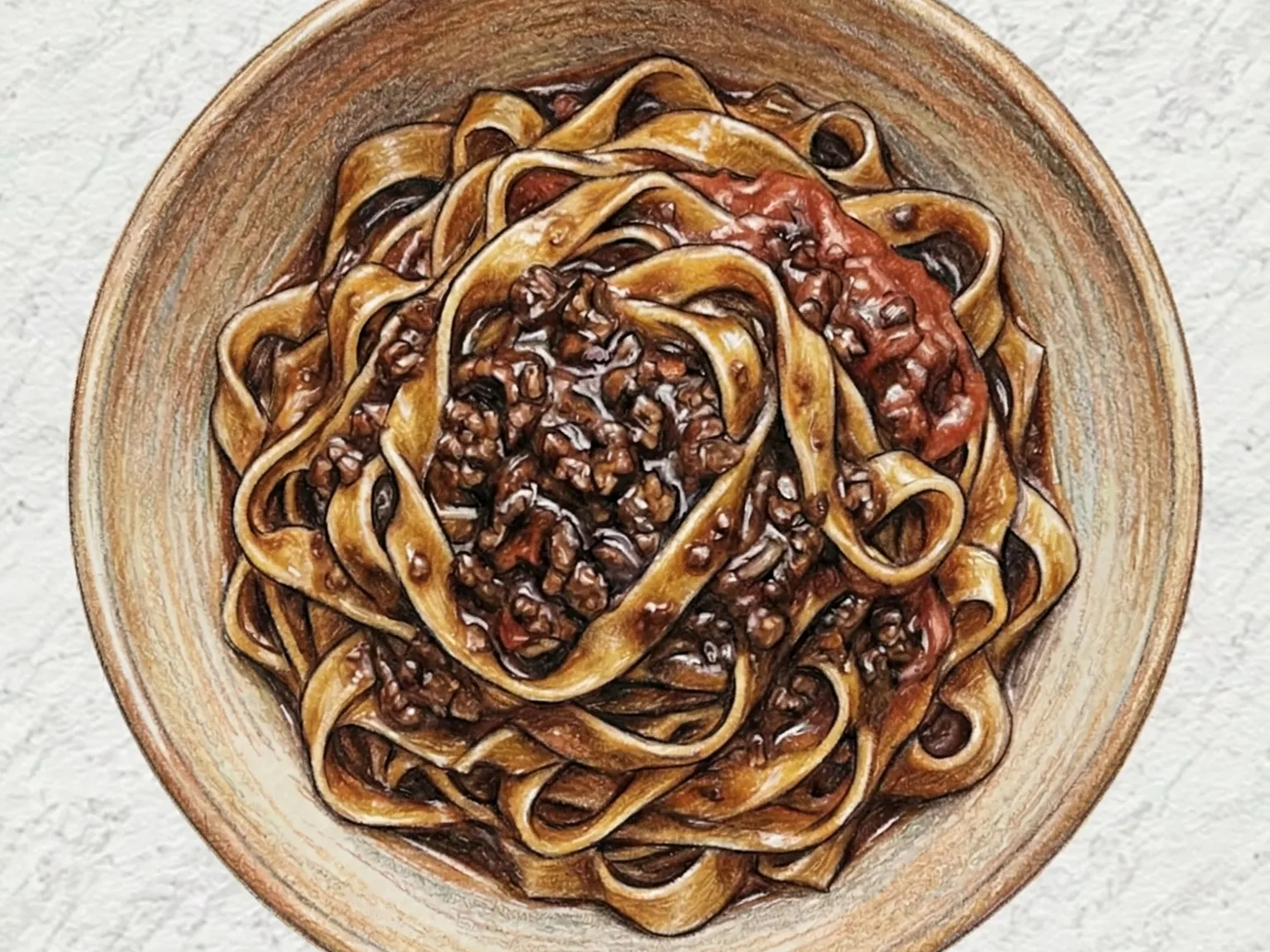
Gochujang beef ragu rigatoni builds depth in two stages: first, ground beef is seared undisturbed over high heat until a proper crust forms, then gochujang, tomato puree, and red wine are added and the whole pot simmers on medium-low heat for twenty minutes. The browning step is critical and non-negotiable-stirring too early releases steam and moisture from the meat, which prevents crust formation and produces braised ground beef instead of seared. Frying the gochujang in oil for a full minute before adding the tomato puree unlocks its fermented sweetness and blunts the raw edge of the paste; the acidity of the tomato then balances the gochujang's heat naturally. As the red wine reduces, it leaves behind layered fruit notes that add complexity the tomato alone cannot provide. Rigatoni is pulled from the water one minute before al dente and transferred to the sauce pan with a ladle of pasta water; the starch dissolves into the sauce and coats the tubes inside and out with a glossy, cohesive finish. Grated Parmesan stirred in at the end deepens the overall savory character of the ragu.

🎉 Special Occasion
Prep 15minCook 35min2 servings
Beef Stroganoff
WesternMedium

Beef Stroganoff

Beef stroganoff sears thin strips of sirloin over high heat just long enough to brown the surface while keeping the interior pink and tender, then folds them into a pan sauce built from sauteed mushrooms, onions, and sour cream. The mushrooms must cook until properly browned in the pan, not just softened, to lose their excess moisture and concentrate their savory depth alongside the beef. Sour cream is stirred into the hot pan drippings at the end, transforming them into a sauce that is simultaneously creamy and subtly tangy without curdling. A touch of mustard sharpens the finish without announcing itself. Spooned over egg noodles or mashed potatoes, the cream sauce soaks into the starch below, pulling every element of the plate together into a rich, cohesive meal that traces its origins to nineteenth-century Russian cuisine.

🎉 Special Occasion
Prep 15minCook 20min2 servings
Bo Kho (Vietnamese Lemongrass Beef Shank Stew)
AsianMedium

Bo Kho (Vietnamese Lemongrass Beef Shank Stew)

Bo kho is Vietnam's beef stew, born in the southern kitchens of Saigon where French colonial influence introduced slow-braised preparations and Vietnamese cooks adapted them with local aromatics. Beef shank and tendon are cut into large chunks and braised with lemongrass, star anise, cinnamon, and annatto oil - the annatto tinting the broth a vivid orange-red that sets bo kho apart from the darker tones of Western stews. Tomato paste and a spoonful of curry powder go in early, building a base that is simultaneously sweet, earthy, and warm. The stew simmers for two hours or more until the beef is fork-tender and the tendon has turned gelatinous, releasing its collagen into the broth and giving it a lip-coating richness. Carrots and daikon radish soften in the liquid during the final thirty minutes, absorbing the concentrated aromatics as they cook. Bo kho is eaten two ways - ladled over steamed rice, or alongside a crusty baguette torn for dipping into the broth. Street vendors in Ho Chi Minh City serve it from dawn, when the morning air carries the scent of star anise from their simmering pots across the alleyways.

🎉 Special Occasion
Prep 20minCook 80min4 servings
Korean Stir-fried Potato and Shrimp
Side dishesMedium

Korean Stir-fried Potato and Shrimp

Gamja-saeu-bokkeum pairs julienned potatoes with shell-on medium shrimp in a clean, garlic-forward stir-fry. The potatoes are soaked in cold water first to remove surface starch, as skipping this step leads to clumping in the pan and a starchy, heavy texture. Garlic sizzles in oil to build an aromatic base before the shrimp go in, cooking until half-done so their natural sweetness transfers to the potato strips when the two are combined. Seasoned with nothing more than salt, pepper, and a finish of sesame oil, this banchan lets the contrast between the potato's floury bite and the shrimp's springy snap carry the dish. Thin slices of Cheongyang chili pepper can be added for a clean, sharp heat that makes the stir-fry even more compatible as a rice side dish. The combination of orange shrimp, pale yellow potato, and green chili also gives the finished plate a natural visual balance.

🏠 Everyday🍱 Lunchbox
Prep 15minCook 10min4 servings
Korean Curry Fried Rice (Golden Spiced Chicken Fried Rice)
RiceEasy

Korean Curry Fried Rice (Golden Spiced Chicken Fried Rice)

Curry bokkeumbap is a Korean fried rice where curry powder coats each grain with warm spice and gives the rice a vivid golden color. Chicken breast, onion, carrot, and bell pepper are stir-fried together before the rice goes in, distributing protein and vegetables evenly through every serving. The curry fragrance develops gradually with each bite - more present than plain fried rice but lighter than a curry sauce, landing at a satisfying middle point between the two. Bell pepper adds sweetness and a visual contrast of color against the golden rice. Topping with a fried egg raises the dish further: when the yolk breaks and mixes into the rice, a layer of creaminess runs through each bite. The recipe works well with day-old rice and requires few ingredients, making it a practical weeknight meal.

🏠 Everyday🍱 Lunchbox
Prep 10minCook 10min2 servings
Korean Chicken Breast and Celery Stir-fry
Stir-fryEasy

Korean Chicken Breast and Celery Stir-fry

Bite-sized chicken breast pieces are marinated in soy sauce and minced ginger for ten minutes, then stir-fried over high heat with diagonally cut celery and thinly sliced onion. The ginger penetrates the meat during the brief rest, suppressing any bland poultry odor while leaving a bright, peppery note in the background. Soy sauce hitting the hot pan triggers a Maillard reaction on the chicken surface, building a thin layer of caramelized flavor that keeps the interior moist. Celery goes in only during the last two minutes so its stalks retain their crunch; including the leaves adds a noticeably herbal finish that sets this apart from standard chicken stir-fries. A teaspoon of oligosaccharide syrup gives the sauce just enough body to cling to each piece evenly rather than pooling at the bottom of the pan, and sliced red chili scattered in at the end contributes visual brightness more than significant heat. At 295 calories and 36 grams of protein per serving, this dish fits naturally into a post-workout meal or a calorie-conscious lunchbox without any sense of compromise.

🥗 Light & Healthy🏠 Everyday
Prep 14minCook 9min2 servings
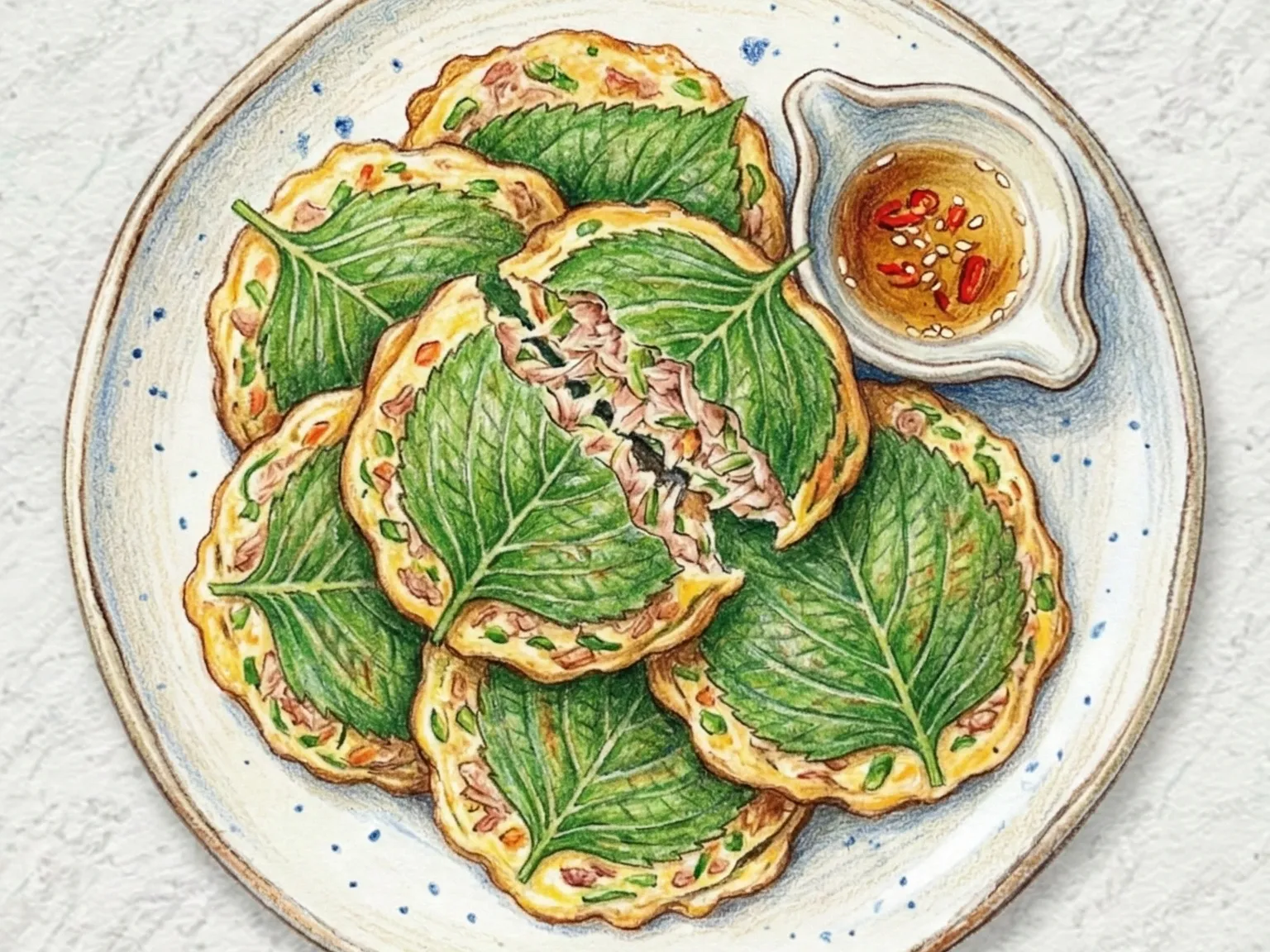
Korean Kkaennip Chamchi Jeon (Perilla Tuna Pancakes)
Street foodEasy

Korean Kkaennip Chamchi Jeon (Perilla Tuna Pancakes)

Kkaennip tuna jeon is made by mixing drained canned tuna with finely chopped onion, carrot, and perilla leaves, coating the mixture in pancake batter, then spooning it onto individual perilla leaves and pan-frying over medium-low heat. Each leaf wraps around the underside of the patty, acting as a natural mold that keeps the shape intact when flipping. Slow frying over moderate heat creates a crisp, golden exterior while locking enough moisture inside to keep the filling tender. The herbal, faintly minty character of the perilla leaf layers over the tuna's saltiness and cuts through any heaviness, leaving a clean finish. The combination works as a drinking snack or a packed lunch side equally well, and the bite-sized format makes it easy to serve at the table.

🧒 Kid-Friendly
Prep 12minCook 12min2 servings
Korean Meatball Jeon (Beef and Tofu Pan-Fried Meatball Patty)
GrilledMedium

Korean Meatball Jeon (Beef and Tofu Pan-Fried Meatball Patty)

Ground beef is kneaded with pressed tofu, minced onion, chopped scallion, and soy sauce until the mixture becomes sticky enough to hold its shape. Bite-sized balls are flattened slightly, dredged in flour, dipped in beaten egg, and pan-fried on both sides over medium heat. The egg wash forms a thin golden casing that seals in moisture, and the tofu in the filling makes each bite softer and lighter than an all-meat patty. Wanja-jeon is a fixture on Korean holiday tables and ancestral rite spreads, and it travels well in lunch boxes since the flavor and texture hold up at room temperature.

🍺 Bar Snacks🎉 Special Occasion
Prep 25minCook 15min4 servings
Korean Seafood Scorched Rice Soup
SoupsMedium

Korean Seafood Scorched Rice Soup

The structural transformation of scorched rice pieces within a hot seafood liquid defines the eating experience of this dish. Preparation starts with simmering shrimp, squid, and mussels to create a concentrated stock reflecting the natural saltiness of the sea. The central component involves nurungji, or the golden-brown sheets of rice toasted at the bottom of a pot until brittle. Adding these dried crusts to the boiling broth initiates a rapid absorption process. While the rice starts with a sharp crunch, it transitions into a chewy and slightly sticky consistency within minutes. Green bok choy provides a crisp visual and textural contrast to the softer seafood elements. A small addition of oyster sauce strengthens the savory profile of the liquid without overwhelming the other ingredients. The timing of consumption changes the texture significantly. Eating the rice immediately preserves the brittle state, while letting the dish sit for a few minutes creates a soft consistency similar to a thick porridge. The combination of toasted grain aromas and the savory seafood base provides a filling meal. Different seafood like abalone or scallops can elevate the ingredients, or tofu can be added for a lighter protein source. Storing pre-made dried rice crusts allows for easy preparation whenever a quick meal is needed.

🏠 Everyday
Prep 20minCook 25min2 servings