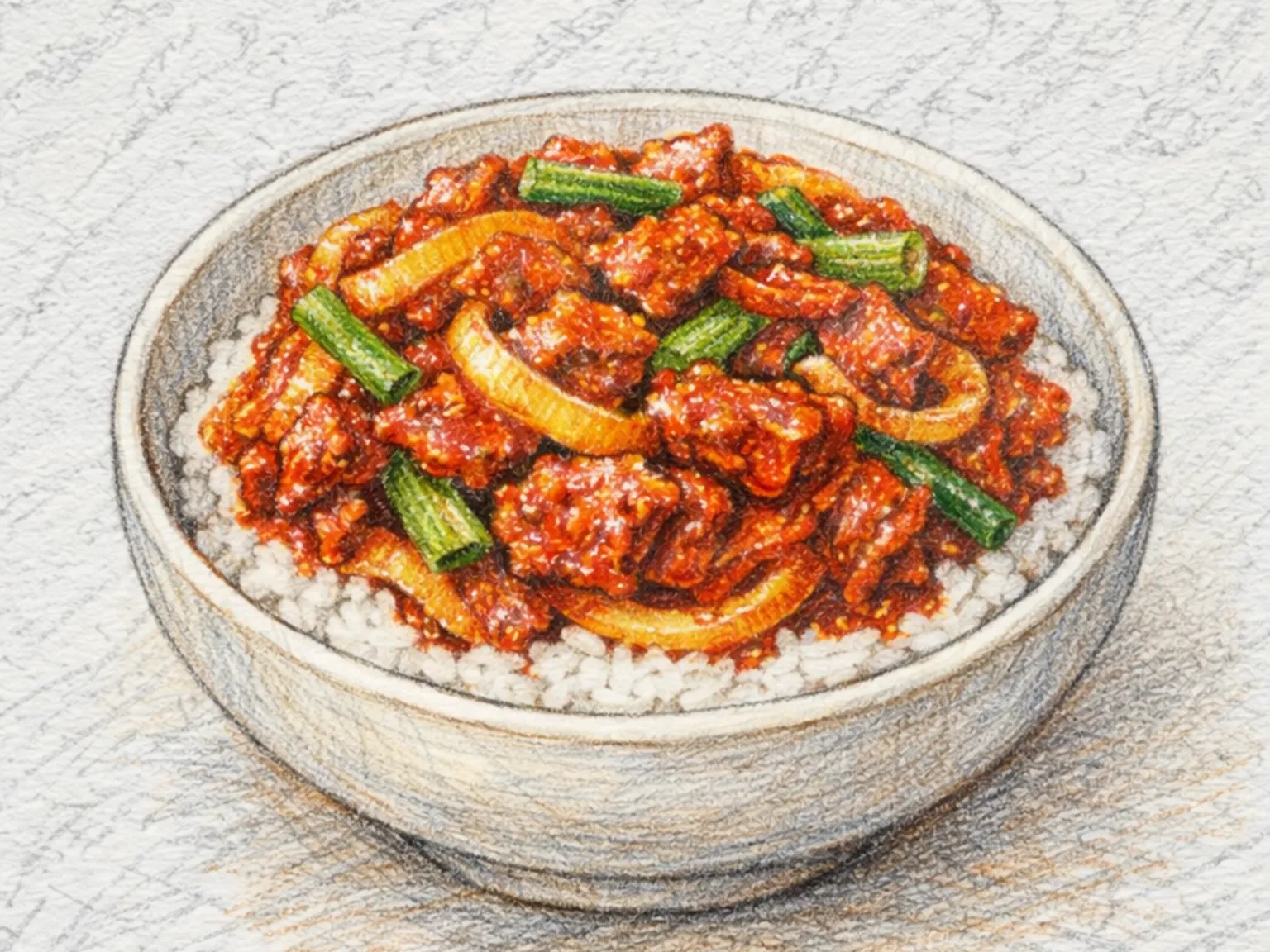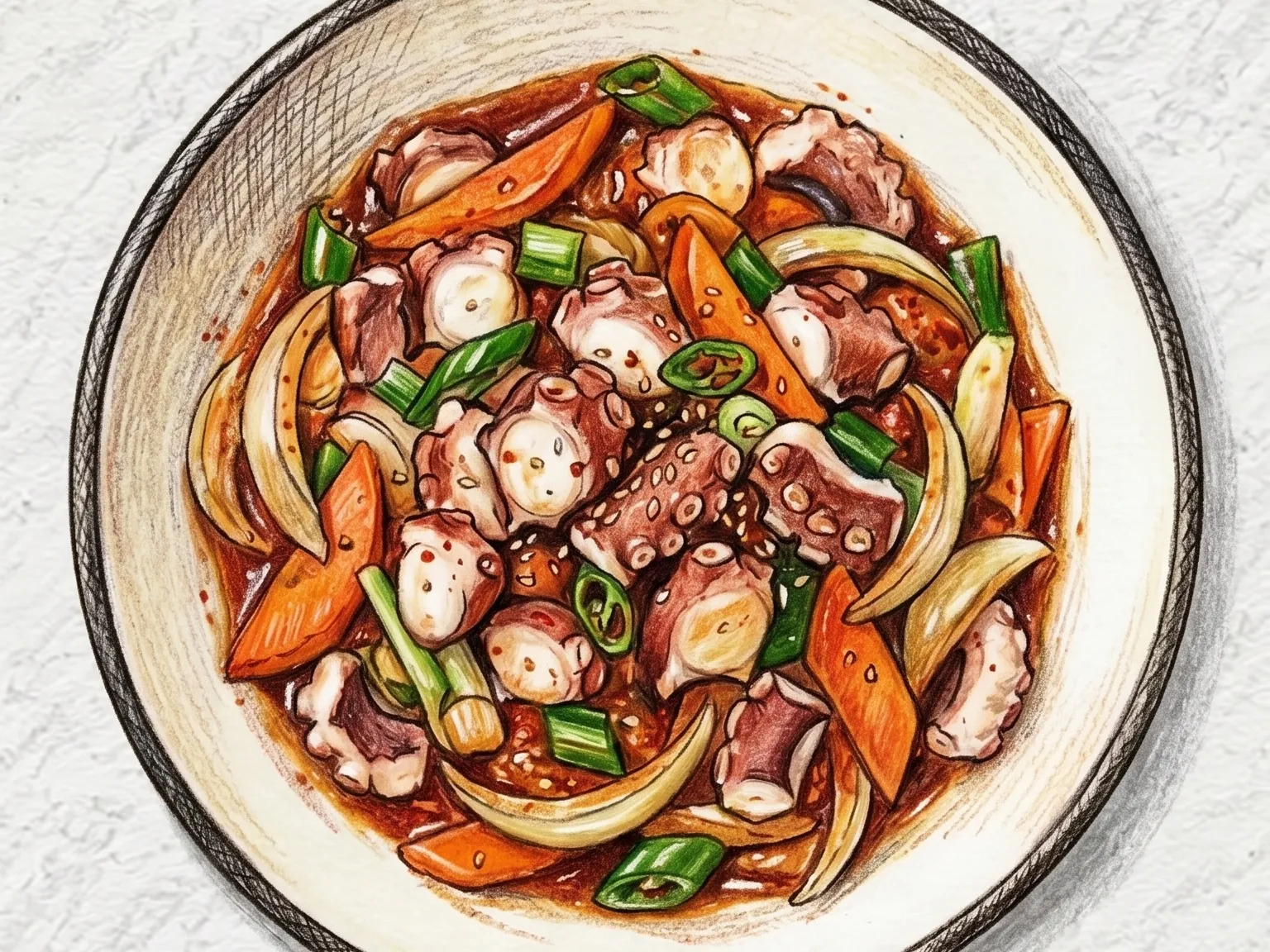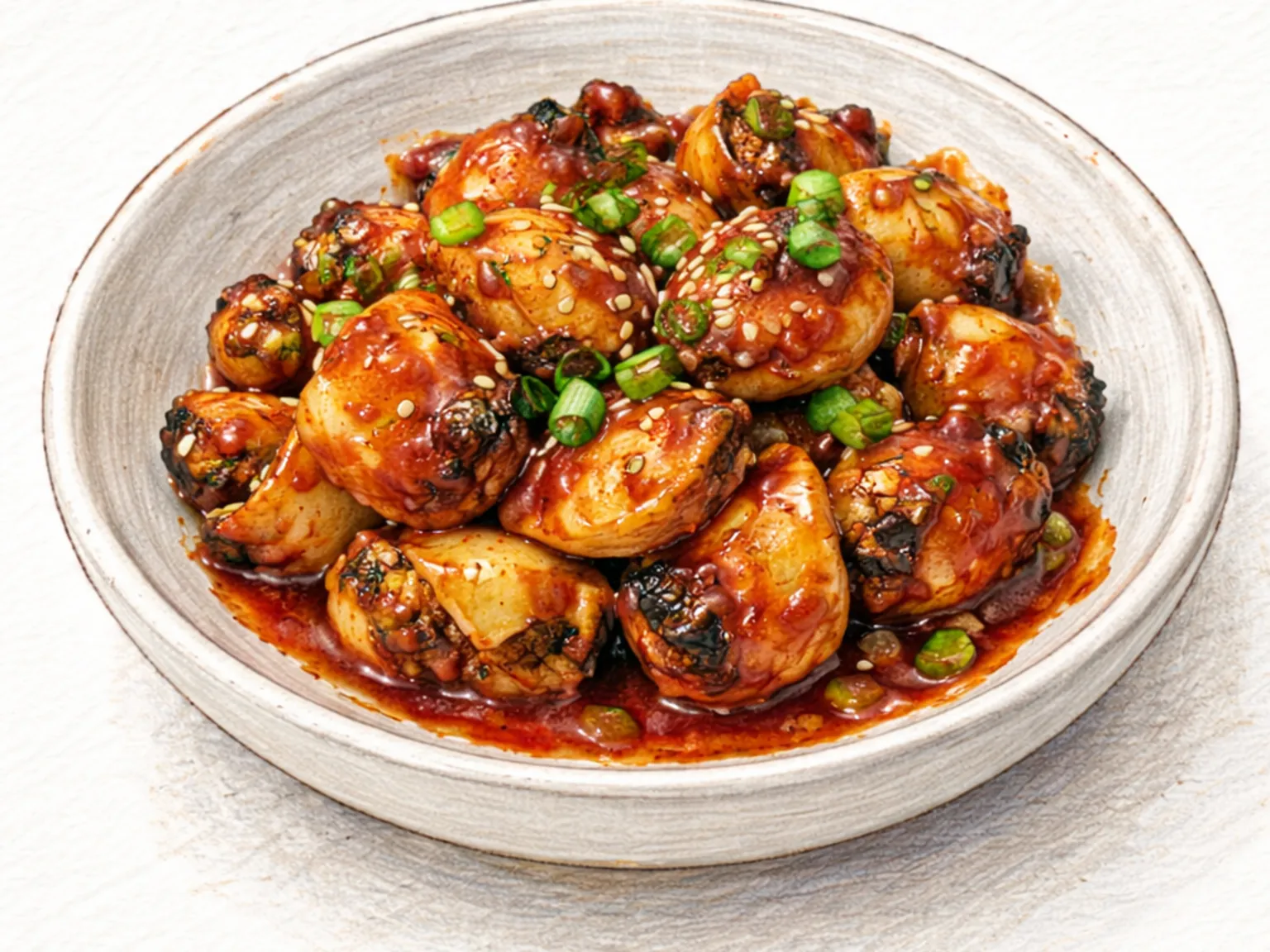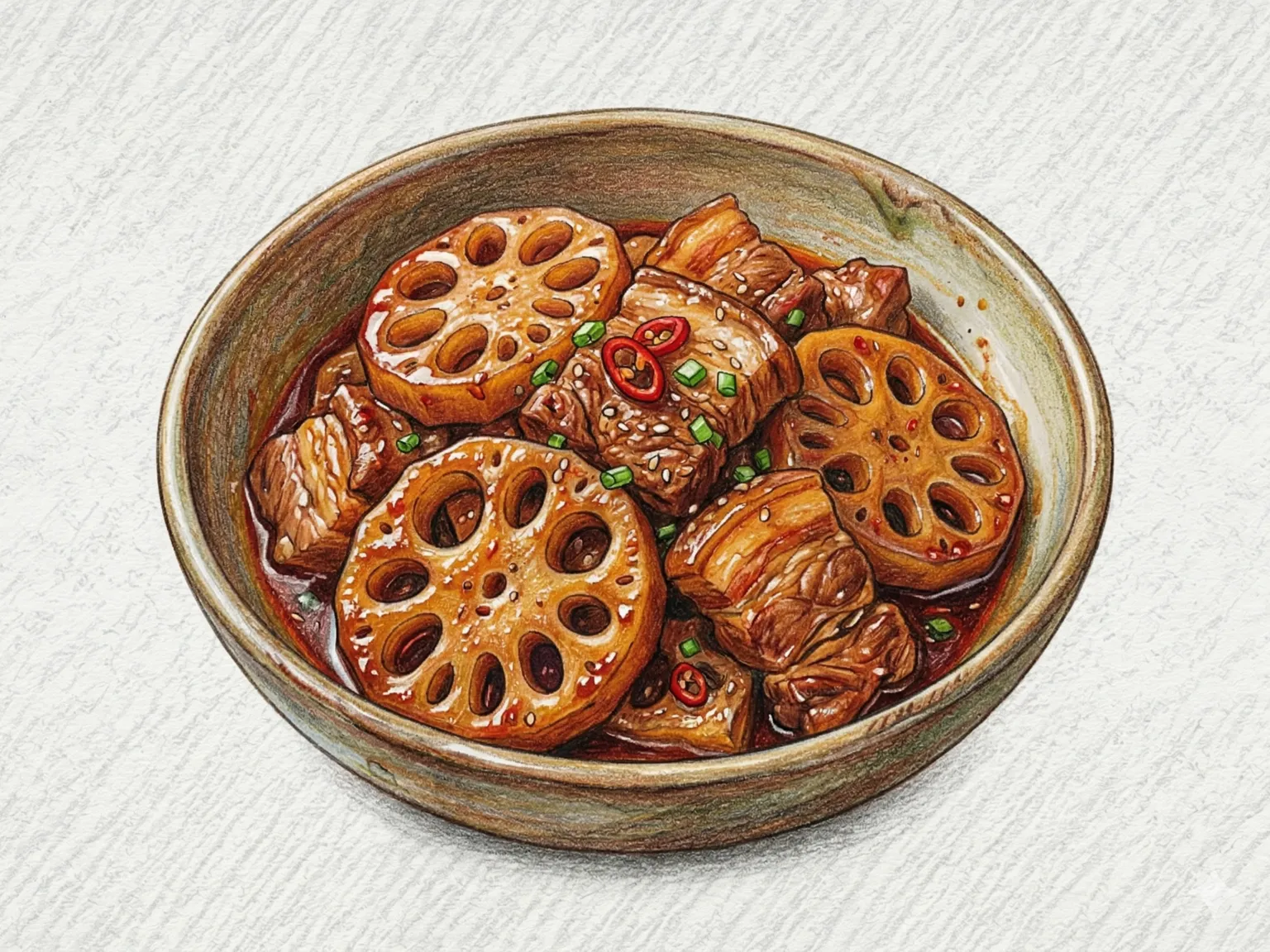
Charim

2686 Korean & World Recipes

2686+ Korean recipes, clean and organized. Ingredients to instructions, all at a glance.

Recipes with sesame oil

24 recipes

Buy sesame oil
Korean Grilled Beef Daechang
GrilledMedium

Korean Grilled Beef Daechang

Daechang-gui is Korean grilled beef large intestine, cleaned and lightly seasoned with salt, black pepper, minced garlic, and sesame oil before being seared on a high-heat pan. The thick layer of fat lining the inside of the intestine renders quickly over intense heat, and it is this fat that produces the dish's characteristic richness and crisp exterior as the outer surface browns. The fat is also the reason moderation matters: too much rendered fat left in the pan makes the finished dish greasy rather than luxuriously fatty, so blotting with a paper towel midway through cooking keeps the balance. Adding julienned onion and garlic chives at the end introduces vegetable moisture and fresh, sharp aromatics that cut through the heaviness. Daechang is one of the most sought-after cuts at Korean gopchang restaurants, where it is cooked tableside on a grill and eaten immediately - because the intestine tightens and toughens as it cools, eating it directly off the heat is the only way to catch it at its best. Soju or cold beer alongside is standard, and the contrast between the fatty meat and the cold, clean drink is a central part of the experience.

🍺 Bar Snacks
Prep 20minCook 15min2 servings
Korean Steamed Perilla Leaves
SteamedEasy

Korean Steamed Perilla Leaves

Kkaennip-jjim is a Korean banchan made by stacking perilla leaves one by one with a soy sauce, gochugaru, and garlic seasoning between each layer, then gently braising them covered over low heat. As the leaves wilt, they absorb the sauce and release their distinctive herbal aroma, which mingles with the soy's umami into a layered flavor. Sesame oil brushed between the leaves adds a nutty fragrance, while the chili flakes provide a slow-building warmth. Wrapping a spoonful of steamed rice in a single seasoned leaf makes for a complete bite, which is why this dish is considered one of Korea's most reliable everyday side dishes.

🍱 Lunchbox
Prep 15minCook 12min2 servings
Korean Seasoned Rapeseed Greens
Side dishesEasy

Korean Seasoned Rapeseed Greens

Young rapeseed greens are blanched for just 40 seconds in salted water, then squeezed dry and tossed with doenjang, minced garlic, green onion, sesame oil, and ground sesame. The brief blanching preserves the stems' gentle snap, and the fermented soybean paste brings an earthy depth that pairs naturally with the greens' mild grassy flavor. Squeezing out excess water before seasoning keeps the dressing concentrated on each piece rather than pooling at the bottom. From prep to plate, this banchan takes under fifteen minutes.

🏠 Everyday🍱 Lunchbox
Prep 8minCook 3min4 servings
Korean Lotus Root and Beef Stir-fry
Stir-fryMedium

Korean Lotus Root and Beef Stir-fry

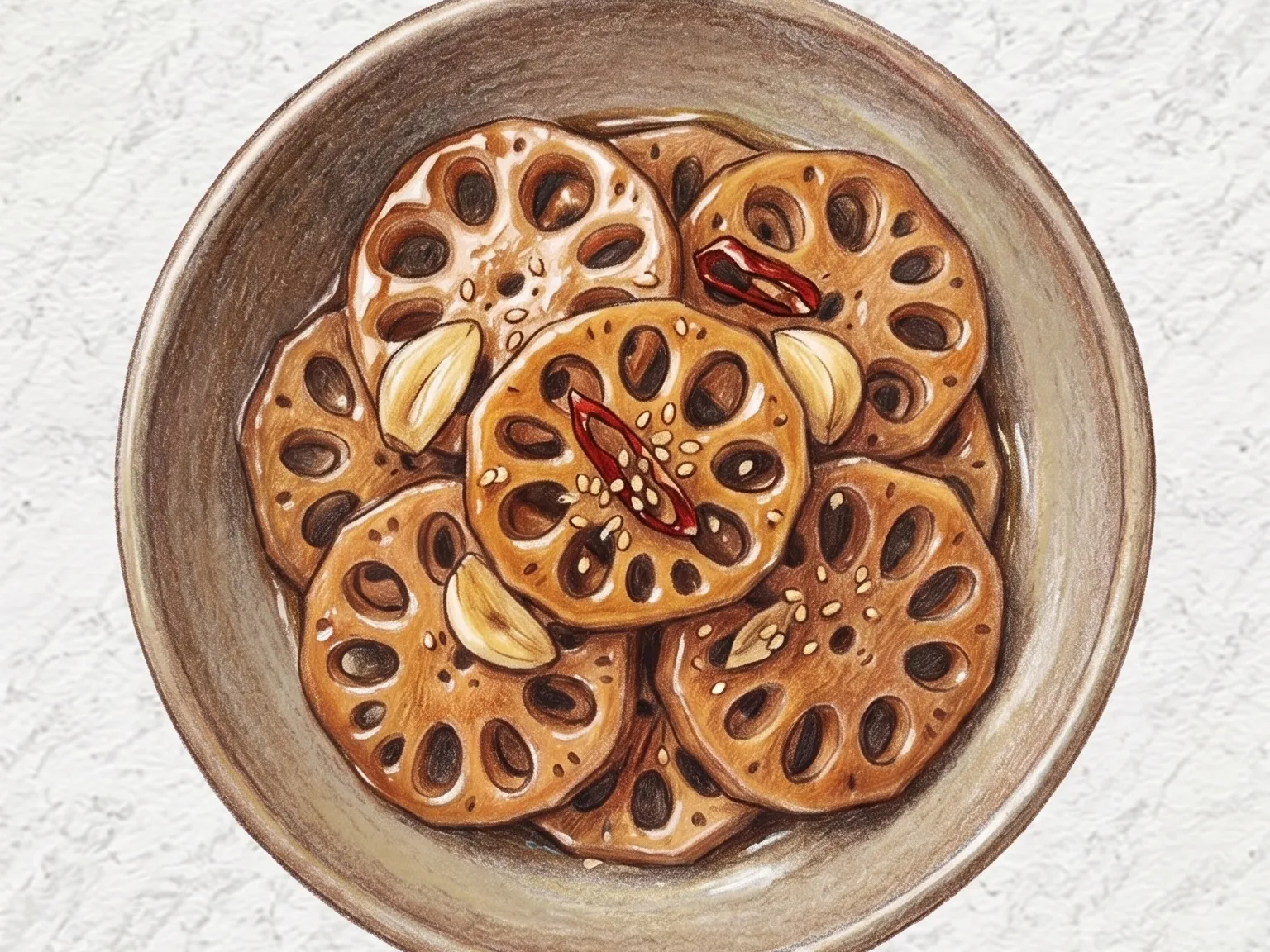
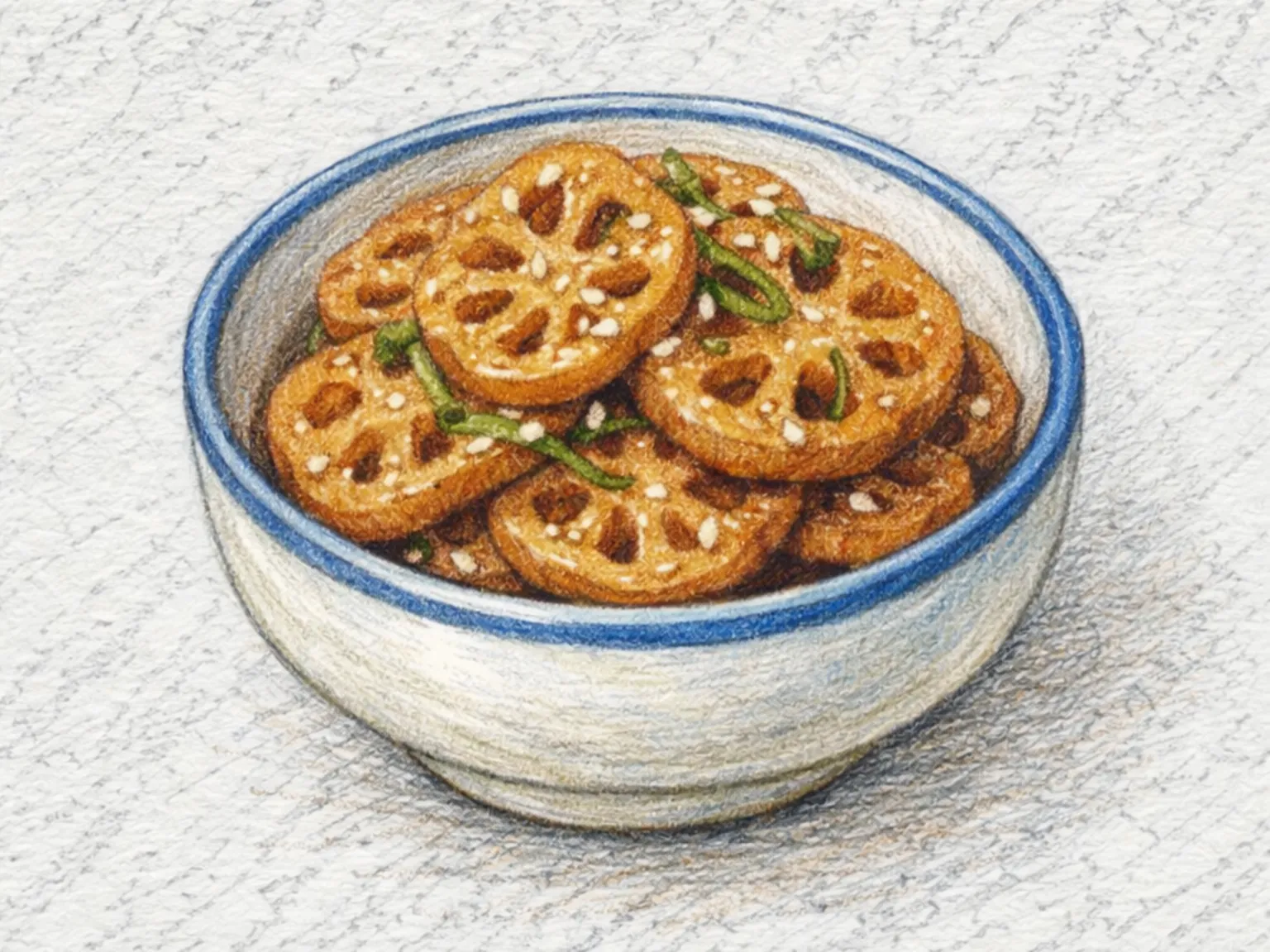
Yeongeun-soegogi-bokkeum is a Korean stir-fry of thinly sliced lotus root and beef in a soy sauce and oligosaccharide syrup glaze. The lotus root is soaked in vinegar water to prevent browning, then stir-fried briefly to keep its distinctive crunch, while the beef is pre-seasoned in soy sauce for deeper flavor. The syrup creates a thin, glossy coating that carries the sweet-salty seasoning evenly across every piece. A finishing drizzle of sesame oil rounds out the dish with a nutty fragrance, making it a versatile side for everyday rice meals and packed lunches.

🏠 Everyday🍱 Lunchbox
Prep 20minCook 12min3 servings
Korean Vegetable Porridge (Yachae Juk)
RiceEasy

Korean Vegetable Porridge (Yachae Juk)

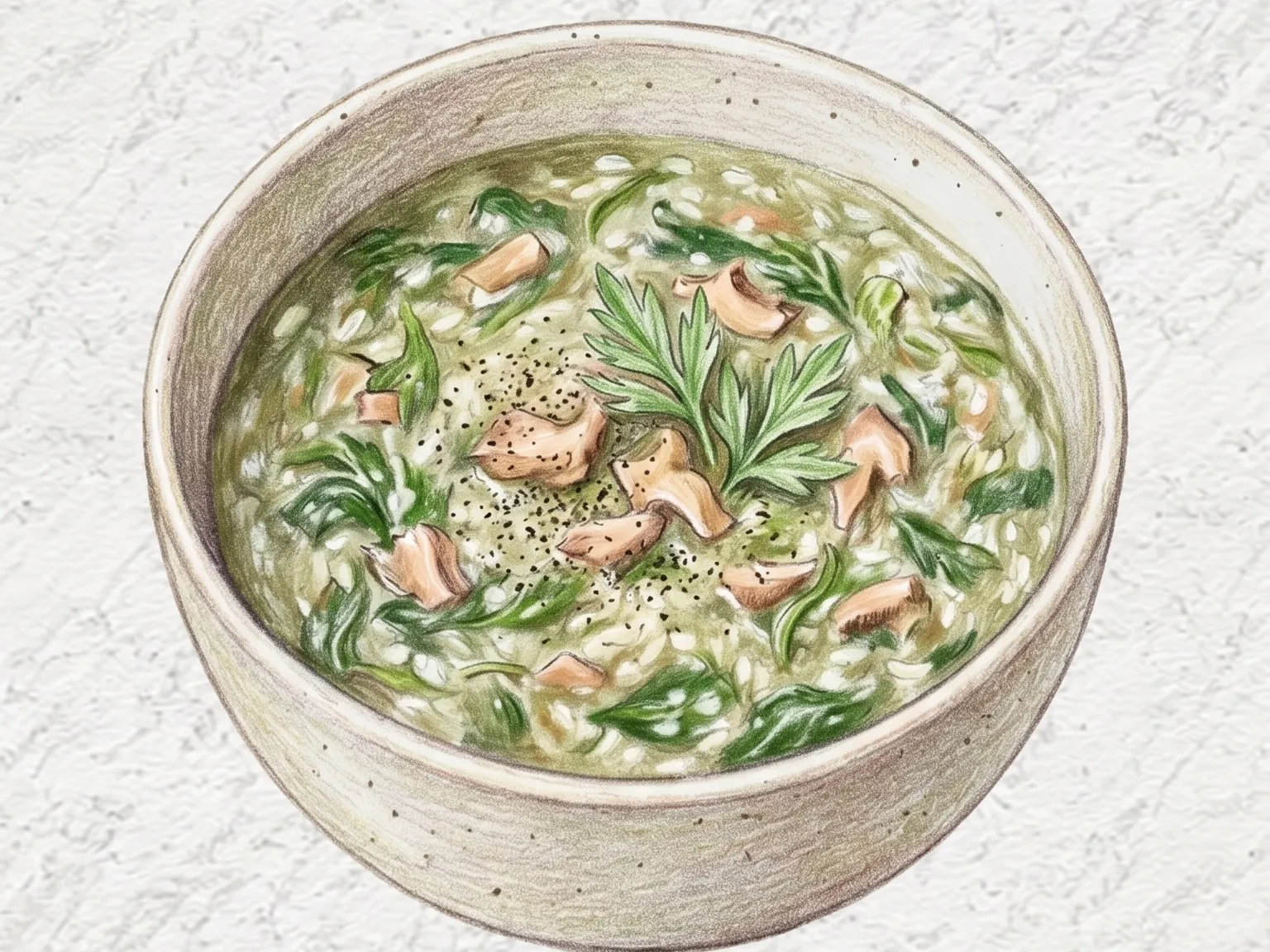
Finely diced carrots, zucchini, potato, and onion are simmered with soaked rice over low heat until the porridge turns creamy and the vegetables soften completely. The long, gentle cooking draws out the natural sweetness of each vegetable, so the porridge tastes mild and comforting without heavy seasoning. A thin drizzle of sesame oil stirred in at the end adds a quiet nuttiness that deepens the otherwise plain flavor. Easy to digest and gentle on the stomach, it works well as a morning meal or a restorative bowl when energy is low.

🥗 Light & Healthy
Prep 15minCook 35min2 servings
Braised Dried Pollock (Hwangtae-po Jorim)
Side dishesEasy

Braised Dried Pollock (Hwangtae-po Jorim)

Hwangtae-po jorim is a Korean braised side dish made from hwangtae, the air-dried pollock produced in the Gangwon-do mountains where bitter winter cold freezes and thaws the fish dozens of times across the season. Each freeze-thaw cycle breaks down the protein structure and opens up a sponge-like network of pores throughout the flesh. When braised in a ganjang-gochujang sauce, those pores draw the seasoning deep inside, so every bite carries the savory-sweet glaze all the way through rather than just coating the surface. Rehydrating the dried pollock for no more than three minutes preserves the chewy, springy bite; soaking it longer collapses the structure and leaves it soft and crumbly. Oligosaccharide syrup reduces into a glossy finish that coats each piece, and sesame oil goes in only after the heat is off to keep its fragrance intact. Refrigerated, the dish holds for more than a week, making it a practical addition to meal-prep banchan rotations.

🏠 Everyday🍱 Lunchbox
Prep 10minCook 12min4 servings
Korean Seasoned Cucumber Pickle Salad
Side dishesEasy

Korean Seasoned Cucumber Pickle Salad

Oiji-muchim takes oiji - cucumber that has been salt-brined for a month or longer - rinses out the excess salinity, and dresses it in a sweet-sour-spicy sauce. Oiji is a traditional Korean preserved food: summer cucumbers are submerged in a concentrated salt brine and aged until their moisture migrates out, transforming the texture from fresh and crisp into something firm, almost crunchy-chewy - a chew fundamentally different from raw cucumber. If the pickle is too salty, soaking in cold water for thirty minutes to an hour draws the brine down to a palatable level. After thorough squeezing, the cucumber pieces are tossed with gochugaru, vinegar, sugar, sesame oil, minced garlic, and scallion. Vinegar and sugar layer a bright sweet-sour dimension over the pickle's inherent saltiness, balancing it for pairing with rice. Julienned oiji absorbs more dressing and delivers a different eating experience than diagonal-cut slices - each approach has its advocates. Made during the summer cucumber glut, oiji keeps refrigerated for over a month.

🏠 Everyday🍱 Lunchbox
Prep 15min4 servings
Korean Stir-fried Potato Strips
Stir-fryEasy

Korean Stir-fried Potato Strips

Gamja-bokkeum is a fundamental Korean side dish made by stir-frying julienned potatoes until they are just tender with a remaining crunch, and it belongs on almost any Korean table regardless of what else is being served. Soaking the julienned potatoes in cold water for five to ten minutes removes the surface starch that would otherwise cause the pieces to stick together in the pan and clump into a mass. The drained potatoes go into an oiled pan over medium heat with garlic, which provides a gentle aromatic backdrop without competing with the potato's mild natural flavor, and salt is the only seasoning needed to let that flavor come through. The key to the right texture is restraint: the potatoes are ready when they have turned translucent and the edges have picked up a faint golden color, and cooking past that point makes them soft rather than crisp. A finishing drizzle of sesame oil and a scattering of sesame seeds add a warm nuttiness that elevates the simple seasoning into a complete flavor. Thinly sliced cheongyang chili added during cooking produces a spicier variation, and a small amount of bell pepper or carrot adds color without changing the character of the dish. It is the kind of banchan that disappears from the table quickly despite its simplicity.

🏠 Everyday🍱 Lunchbox
Prep 12minCook 10min2 servings
Korean Braised Potatoes and Quail Eggs
SteamedEasy

Korean Braised Potatoes and Quail Eggs

Gamja-mechu-rial-jorim is a Korean braised side dish of potatoes and hard-boiled quail eggs cooked together in a soy-based seasoning. What makes this banchan interesting is the way the two main ingredients absorb flavor differently: quail eggs, with their smooth, porous surface, drink in the soy liquid and turn a deep brown throughout the long simmer, while potato pieces soak up the sauce while simultaneously releasing starch that thickens the glaze. Oligosaccharide syrup adds natural shine and a gentle sweetness, and the combination of sesame seeds and sesame oil provides a nutty finish that rounds out the savory, sticky sauce. The result is a banchan that hits several textural notes at once -- firm quail eggs, yielding potato, and a reduced sauce that coats every surface. It has been a mainstay of Korean children's lunchboxes for decades, practical to prepare in large batches and flavorful enough to eat with plain white rice day after day.

🎉 Special Occasion🧒 Kid-Friendly
Prep 15minCook 25min4 servings
Korean Seasoned Young Radish Greens
Side dishesEasy

Korean Seasoned Young Radish Greens

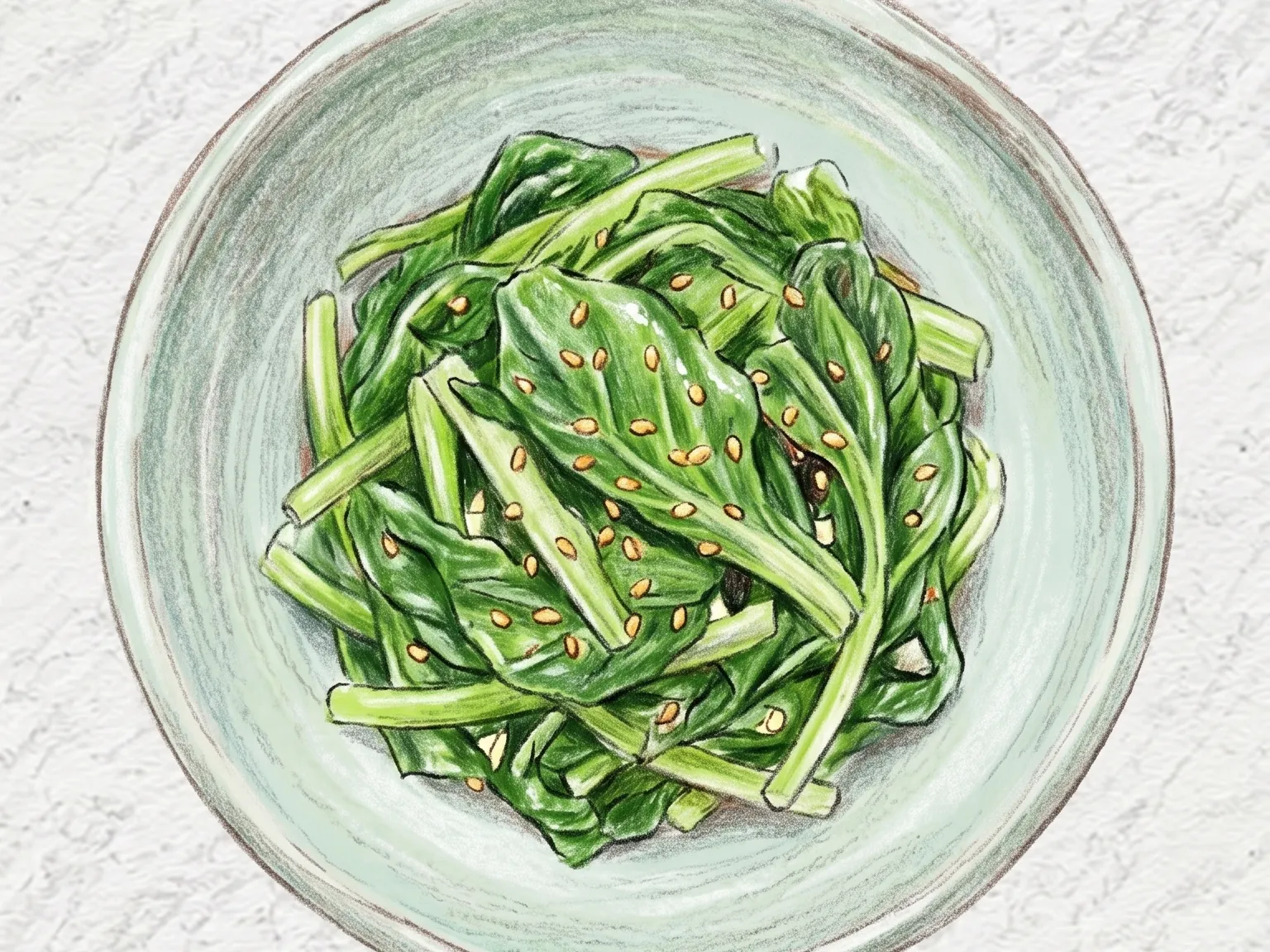
Preparing these young radish greens requires precision during the brief blanching stage to maintain their structural integrity. A quick ten to fifteen second dip in boiling water softens the leaves while keeping the stems firm. An immediate transition to a cold water bath locks in the pale green color and stops the cooking process. After squeezing out the excess moisture, the greens are tossed with soup soy sauce, minced garlic, sesame oil, and toasted sesame seeds. The soup soy sauce provides a subtle saltiness that highlights the natural grassy essence of the vegetable. Minced garlic contributes a sharp element to the mild base, and a light coating of sesame oil ensures a smooth mouthfeel. Each bite releases the toasted scent of sesame seeds. This side dish functions effectively as a palate cleanser when served alongside spicy stews or fatty grilled meats. Its appeal lies in a clean profile that avoids heavy seasonings, allowing the fresh character of the greens to remain central.

🏠 Everyday🍱 Lunchbox
Prep 10minCook 4min4 servings
Korean Aged Kimchi Mackerel Bibim Noodles
NoodlesHard

Korean Aged Kimchi Mackerel Bibim Noodles

Pan-searing mackerel until golden and pairing it with stir-fried aged kimchi creates a multi-layered Korean noodle bowl. Sprinkling salt over the fish for ten minutes draws out excess moisture to minimize any fishy scent. Once the fillet is crispy and flaked, the meat integrates easily into the noodles without the hindrance of bones. Stir-frying the aged kimchi for two minutes mellows its sharp acidity while anchoring the fermented profile of the dish. The dressing uses a base of gochujang and gochugaru, balanced with plum syrup, vinegar, and sesame oil to provide spicy, sweet, and tangy elements in every bite. Adding a touch of doenjang strengthens the connection to the fermented kimchi and builds a solid base of flavor. Draining the wheat noodles completely ensures the sauce stays concentrated and clings to each strand. Sliced cucumber and roasted seaweed flakes add texture and a hint of the sea to cut through the mackerel's natural oils, while julienned perilla leaves contribute a refreshing herbal scent. Mixing hot rice into the sauce remaining at the bottom of the bowl provides a final way to finish the meal.

🎉 Special Occasion
Prep 25minCook 15min2 servings
Korean Shrimp Seaweed Soup
SoupsEasy

Korean Shrimp Seaweed Soup

Saeu-miyeok-guk is a Korean seaweed soup made with shrimp rather than the more common beef, producing a lighter, ocean-forward bowl that carries a distinct marine clarity. The preparation begins by sauteing rehydrated seaweed and minced garlic together in sesame oil, a step that reduces any raw seaweed smell and builds a warm, nutty base before liquid is added. Shrimp are added to the pan and cooked just until they begin to turn pink, at which point their natural sweetness transfers into the seasoned oil. Water is poured in and the soup simmers on medium-low heat for twelve minutes, long enough for the mineral richness of the seaweed and the delicate shellfish umami to merge into a unified, clean-tasting broth. Soup soy sauce and salt provide the final seasoning without muddying the clarity of the stock. The textural interplay between the slippery, tender seaweed and the firm, bouncy shrimp makes each spoonful more satisfying than either ingredient would be on its own, and the overall lightness of the broth makes it a natural choice as a restorative meal or a birthday soup when a beef-heavy version feels too rich.

🏠 Everyday
Prep 15minCook 20min2 servings
Korean Stir-fried Seaweed and Anchovies
Stir-fryEasy

Korean Stir-fried Seaweed and Anchovies

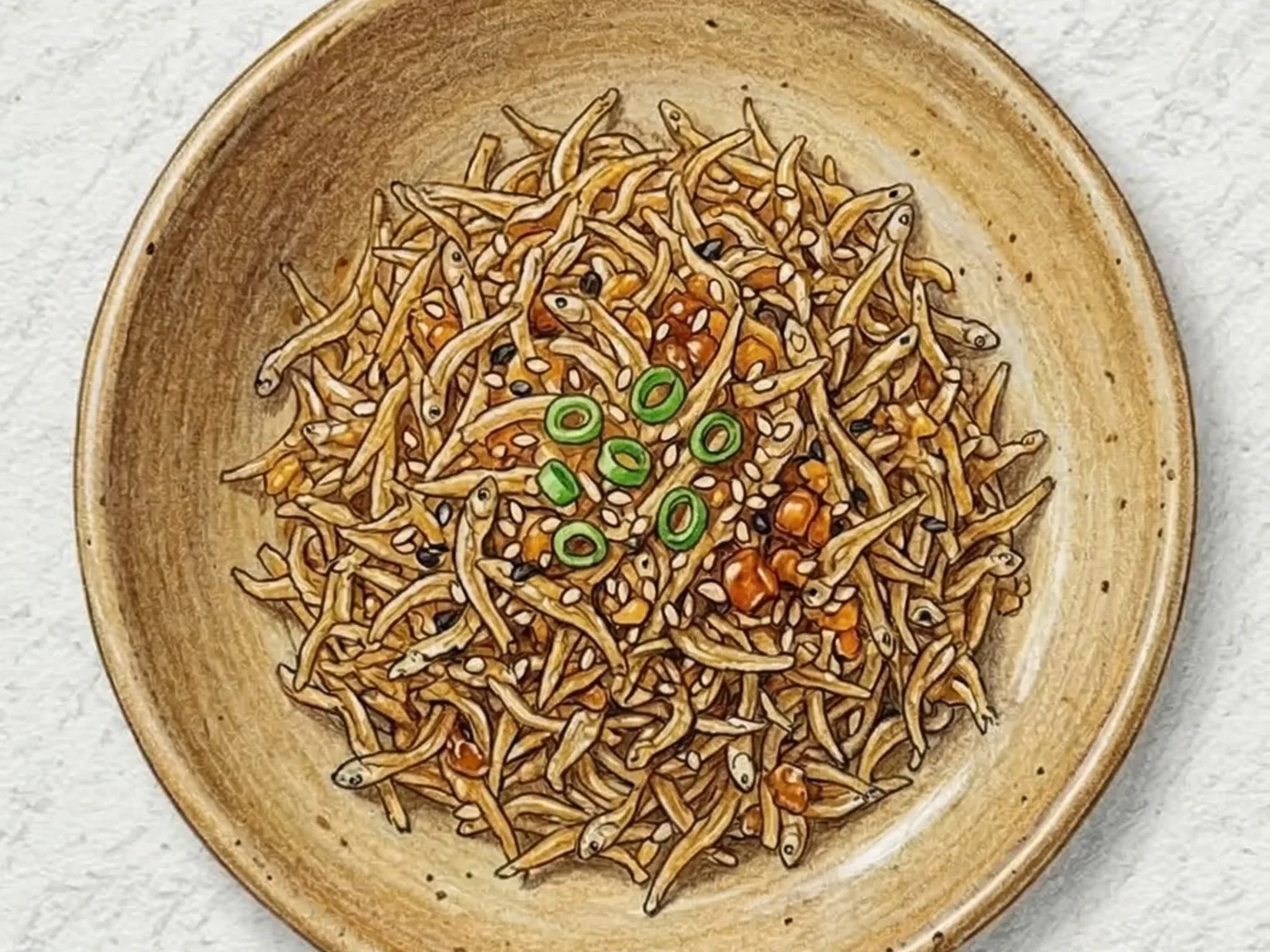
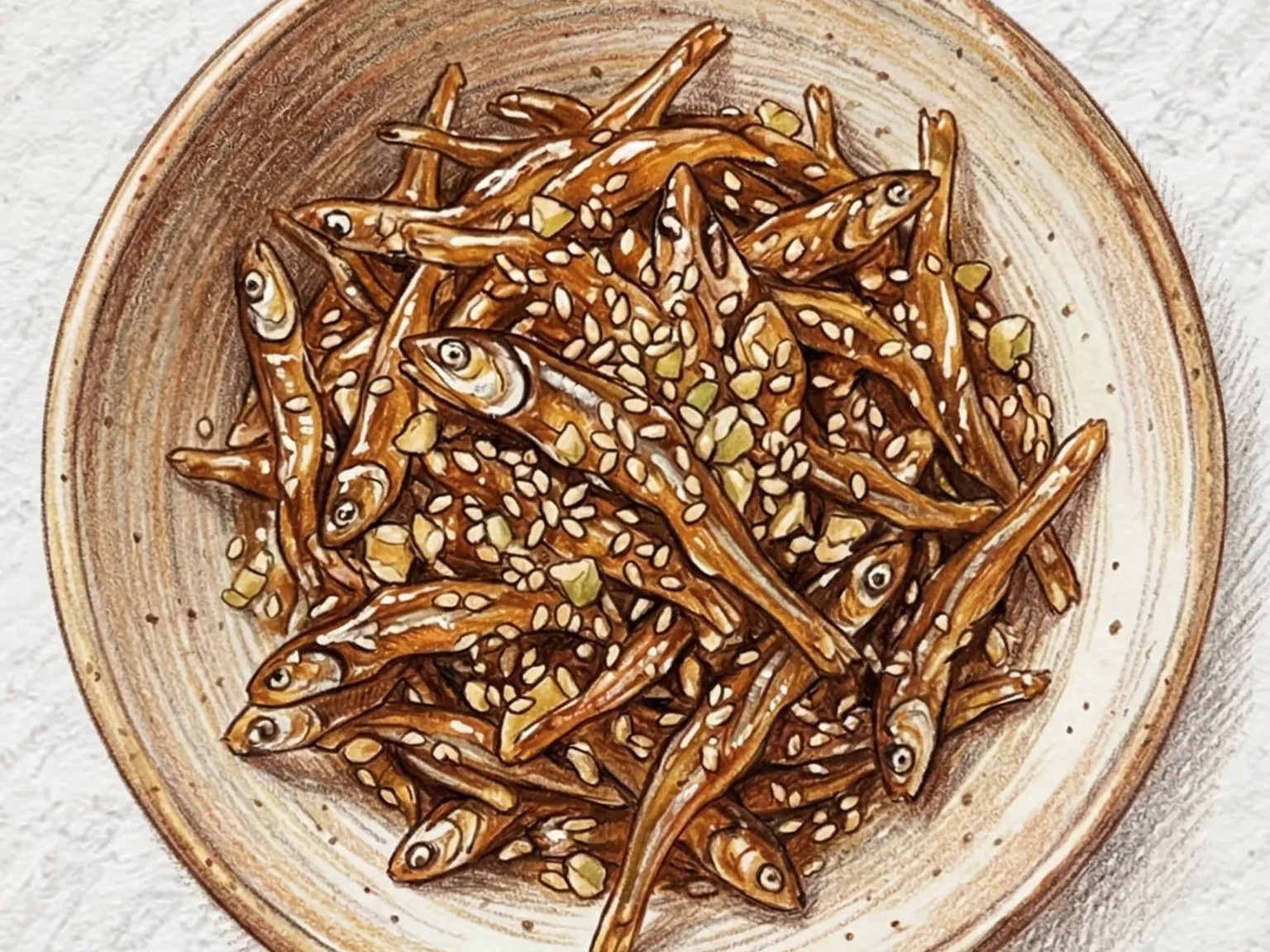
Gamtae myeolchi bokkeum is a crispy Korean banchan that combines small dried anchovies with gamtae seaweed and sliced almonds in a soy-syrup glaze. Gamtae is a green seaweed harvested along parts of Korea's southern coast, milder and less bitter than common sea lettuce, with a gentle oceanic fragrance that complements rather than overpowers the anchovies. The first step is toasting the anchovies in a dry pan without oil until they turn slightly golden and fragrant; this drives off moisture and mellows their fishy edge. The soy and oligosaccharide syrup glaze is added next, coating each anchovy in a glossy, lightly sweet-savory layer. Oligosaccharide syrup is preferred over honey or corn syrup because it is less viscous, which keeps the anchovies separated rather than clumped. Almond slices are stirred in to provide a larger, firmer crunch that contrasts with the tiny anchovies and adds a mild nutty sweetness. Gamtae is added only in the final seconds - ten seconds over heat is enough to warm it and release its aroma, and longer exposure will turn it yellow and dull. Once everything is cooled completely before sealing in an airtight container, the banchan holds its crunch for one to two weeks, making it an ideal make-ahead dish for weekly meal prep. The anchovies provide calcium and the gamtae contributes marine minerals, giving the dish a nutritional balance that matches its flavor.

🏠 Everyday🍱 Lunchbox
Prep 8minCook 7min4 servings
Korean Clam Pot Rice (Savory Clam Broth Cooked Rice Bowl)
RiceMedium

Korean Clam Pot Rice (Savory Clam Broth Cooked Rice Bowl)

Bajirak sotbap is a Korean pot rice where every grain is cooked in clam broth and topped with shucked clam meat just before serving. Purged clams are simmered with a piece of dried kelp until they open, then removed and shucked while the broth is strained through a fine sieve. The kelp contributes glutamic acid that reinforces the clam's natural umami, producing a cooking liquid with a depth that plain water cannot provide. This clam stock infuses every grain of rice as it cooks, embedding a marine character throughout. The rice, soaked for at least thirty minutes to ensure even absorption, goes into the pot with the measured clam broth and cooks over a sequence of high, medium, and low heat. Holding on low heat for an extra five minutes forms a thin nurungji - a lightly caramelized crust at the bottom - whose toasted aroma rises through the lid. During the resting phase, the shucked clam meat is placed on top of the rice so residual heat warms it through without further cooking; since the clams were already cooked once, additional heat would toughen them. A soy sauce and sesame oil dipping sauce is mixed into the rice at the table. The most memorable moment of the dish is lifting the lid, when the concentrated clam fragrance escapes in a sudden rush. After the rice is eaten, adding hot water to the pot dissolves the nurungji layer into a light, smoky scorched-rice tea that serves as a natural closer to the meal.

🎉 Special Occasion
Prep 20minCook 25min2 servings
Korean Zucchini Shrimp Stir-fry
Stir-fryEasy

Korean Zucchini Shrimp Stir-fry

Hobak-saeu-bokkeum is a light Korean stir-fry of thinly sliced zucchini and shrimp seasoned with soy sauce, cooking wine, and garlic. The dish relies on the inherent flavors of its ingredients rather than heavy seasoning, keeping the final result mild, clean, and free of excess grease. Zucchini softens as it cooks and releases its natural sweetness, but the heat must be managed carefully. Overcooking draws out too much moisture and turns the slices limp and watery, eliminating the slight crispness at the center that defines the ideal texture. A well-preheated pan and high heat are needed to sear the surface quickly before the interior softens all the way through. Shrimp are cooked only until they turn pink and curl into a gentle arc. At that moment the proteins have set just enough to give a plump, springy bite; cooking beyond that point tightens the muscle fibers further and makes them rubbery. Using soup soy sauce rather than dark soy sauce keeps the color light and the seasoning clean. A sliced green chili adds a sharp kick without changing the fundamental character of the dish. The entire stir-fry comes together in around ten minutes, making it one of the more practical banchan options when time is limited. It holds its flavor and texture at room temperature without deteriorating, which makes it a reliable choice for a packed lunchbox as well as a fresh dinner side. Lightly salting the shrimp and splashing on a small amount of cooking wine before cooking helps draw out any residual fishiness. Yellow squash or zucchini varieties can substitute freely for the Korean hobak, and adding squid alongside the shrimp introduces an additional layer of oceanic character to the finished dish.

🥗 Light & Healthy🏠 Everyday
Prep 12minCook 8min2 servings
Korean Aehobak Chamchi Bokkeum (Zucchini Tuna Stir-fry)
Stir-fryEasy

Korean Aehobak Chamchi Bokkeum (Zucchini Tuna Stir-fry)

Canned tuna and Korean zucchini are among the most constant fixtures in a Korean household refrigerator, and this stir-fry is one of the most efficient uses of both. The drained tuna brings protein and a clean saltiness that requires little beyond soup soy sauce to function as seasoning - no complex paste, no long list of aromatics. Zucchini provides mild sweetness and bulk. Garlic sauteed at the start builds a foundational aromatic layer, and cheongyang chili added shortly after threads a slow-building heat through the whole dish. The critical technique is brevity: the zucchini must come off heat while the half-moon slices still hold their shape. Overcooked zucchini releases water and collapses everything into a soft, wet mass. A finish of sesame oil seals the flavors and stabilizes the banchan at room temperature, which is why this dish transfers so well to lunchboxes.

🏠 Everyday🍱 Lunchbox
Prep 8minCook 12min2 servings
Korean Stir-fried Pork with Seaweed Stems
Stir-fryEasy

Korean Stir-fried Pork with Seaweed Stems

Miyeokjulgi-dwaejigogi-bokkeum stir-fries thinly sliced pork shoulder - pre-marinated in soy sauce and cooking wine - together with desalted seaweed stems, onion, and garlic. The pork is seared quickly over high heat to stay soft, then the seaweed stems join with the remaining seasoning for a fast 2-3 minute finish. The core appeal lies in the textural contrast: yielding pork against the crunchy, slightly rubbery stems that absorb the salty-sweet sauce. A final drizzle of sesame oil and a sprinkle of toasted sesame seeds round out the dish.

🥗 Light & Healthy🏠 Everyday
Prep 18minCook 10min2 servings
Korean Pollock Roe Egg Porridge
RiceEasy

Korean Pollock Roe Egg Porridge

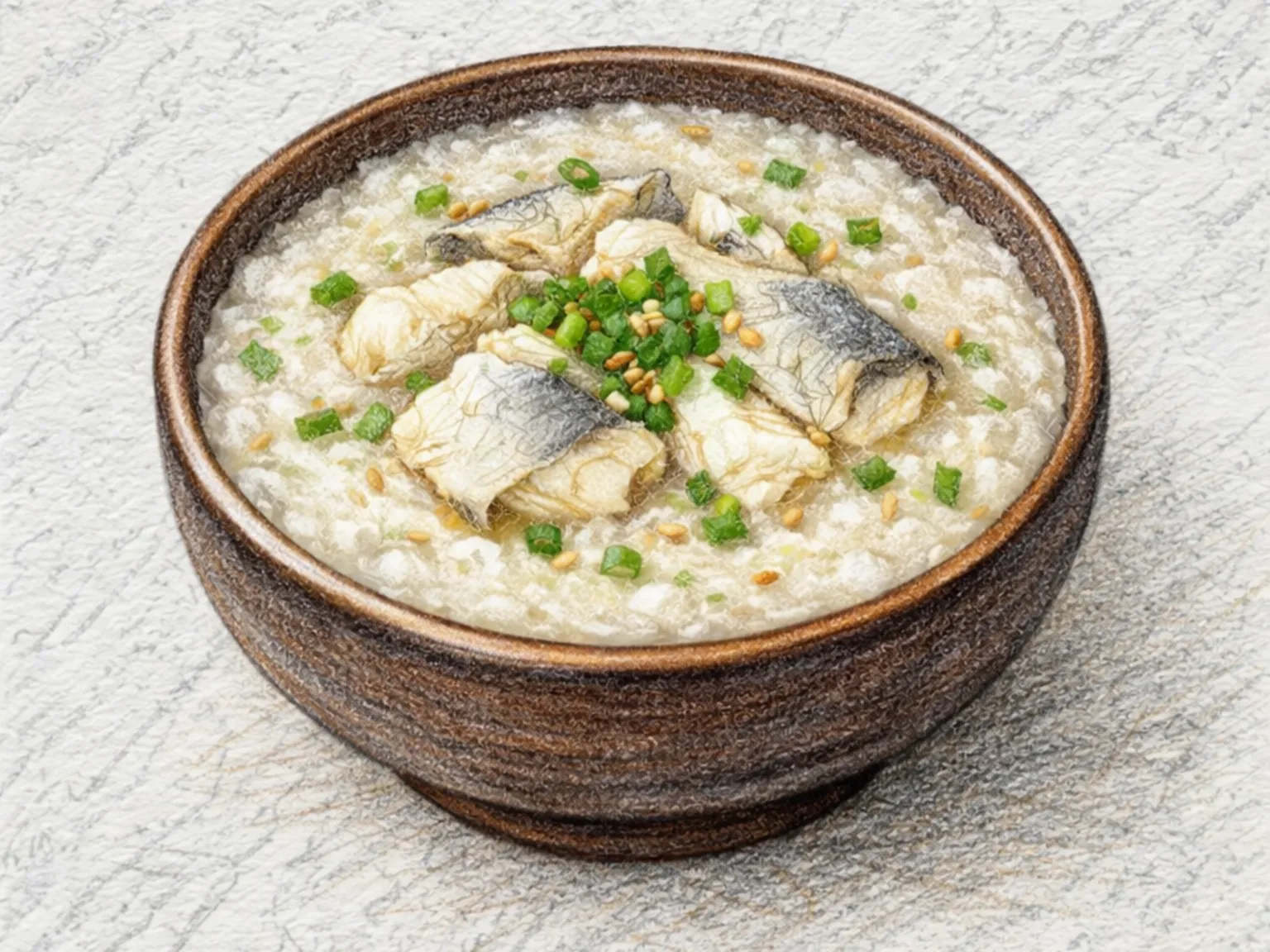
Rice is simmered in anchovy stock until the grains soften and the porridge thickens, then finished with pollock roe and beaten egg. The roe dissolves into the broth and spreads its briny, savory depth throughout the bowl, while the egg forms soft curds that add body to the texture. Because pollock roe already carries significant salt, soup soy sauce is added only in small amounts at the very end to fine-tune the seasoning rather than build the base flavor. Stirring the egg in gently over low heat produces delicate, smooth curds. Rushing the egg over high heat causes it to seize into rough clumps that interrupt the silky consistency of the porridge. A drizzle of sesame oil, a scattering of dried seaweed flakes, and sliced green onion finish the bowl with a nutty fragrance and a clean finish. This is a natural choice for days when appetite is low or the stomach feels unsettled, and the roe's depth of flavor means a small number of ingredients produces a genuinely satisfying result.

🏠 Everyday
Prep 10minCook 18min2 servings
Korean Grilled Eel (Soy Glazed Freshwater Eel BBQ)
GrilledMedium

Korean Grilled Eel (Soy Glazed Freshwater Eel BBQ)

Jangeo-gui is a grilled freshwater eel dish in which the cleaned eel is brushed repeatedly with a marinade of soy sauce, sugar, cooking wine, and minced garlic as it cooks over medium heat. The central technique is applying the glaze in two or three stages rather than all at once, allowing each coat to caramelize before the next is brushed on. This layered glazing builds a lacquered surface with concentrated flavor and a slight sweetness that the eel's rich fat absorbs. Before grilling, rubbing the eel with coarse salt removes the slippery mucus layer and eliminates any fishiness from the skin. Turning the eel requires care since the flesh is delicate and breaks easily under pressure. Charcoal grilling adds a smoky dimension as the dripping marinade hits hot coals and vaporizes, creating an aroma that is inseparable from the restaurant version of this dish. Eel is traditionally eaten in Korea during the hottest days of summer as a stamina food, valued for its fat content and dense protein.

🍺 Bar Snacks🏠 Everyday
Prep 20minCook 15min2 servings
Korean Fish Roe Rice Bowl
RiceEasy

Korean Fish Roe Rice Bowl

Albap is a casual Korean rice bowl that likely traces its origins to sushi-bar kitchen culture, where flying fish roe - tobiko - was always stocked and cooks needed a quick staff meal. Warm rice is first tossed with sesame oil and a small knob of butter, coating each grain with a glossy, slightly nutty film. The toppings are arranged by section over the rice: bright orange tobiko that bursts between the teeth, stir-fried kimchi whose lactic tartness has deepened into a roasted sour note, diced pickled radish for crunch and sweetness, and a layer of shredded seasoned seaweed. Everything is mixed together at the table, and the warmth of the rice softens the roe just enough that its briny juice seeps into the buttered grains. Sliced scallion scattered on top adds a fresh finish. Flying fish roe freezes well and delivers noticeable texture in small quantities, making this dish well suited to solo cooking, and it has taken on a distinct identity from Japanese ikura or tobiko donburi. With minimal prep and about ten minutes of active work, this bowl packs an unusual range of textures - burst, crunch, crisp, and soft - into a single serving.

🏠 Everyday
Prep 15minCook 12min2 servings
Korean Grilled Chicken Drumsticks
GrilledEasy

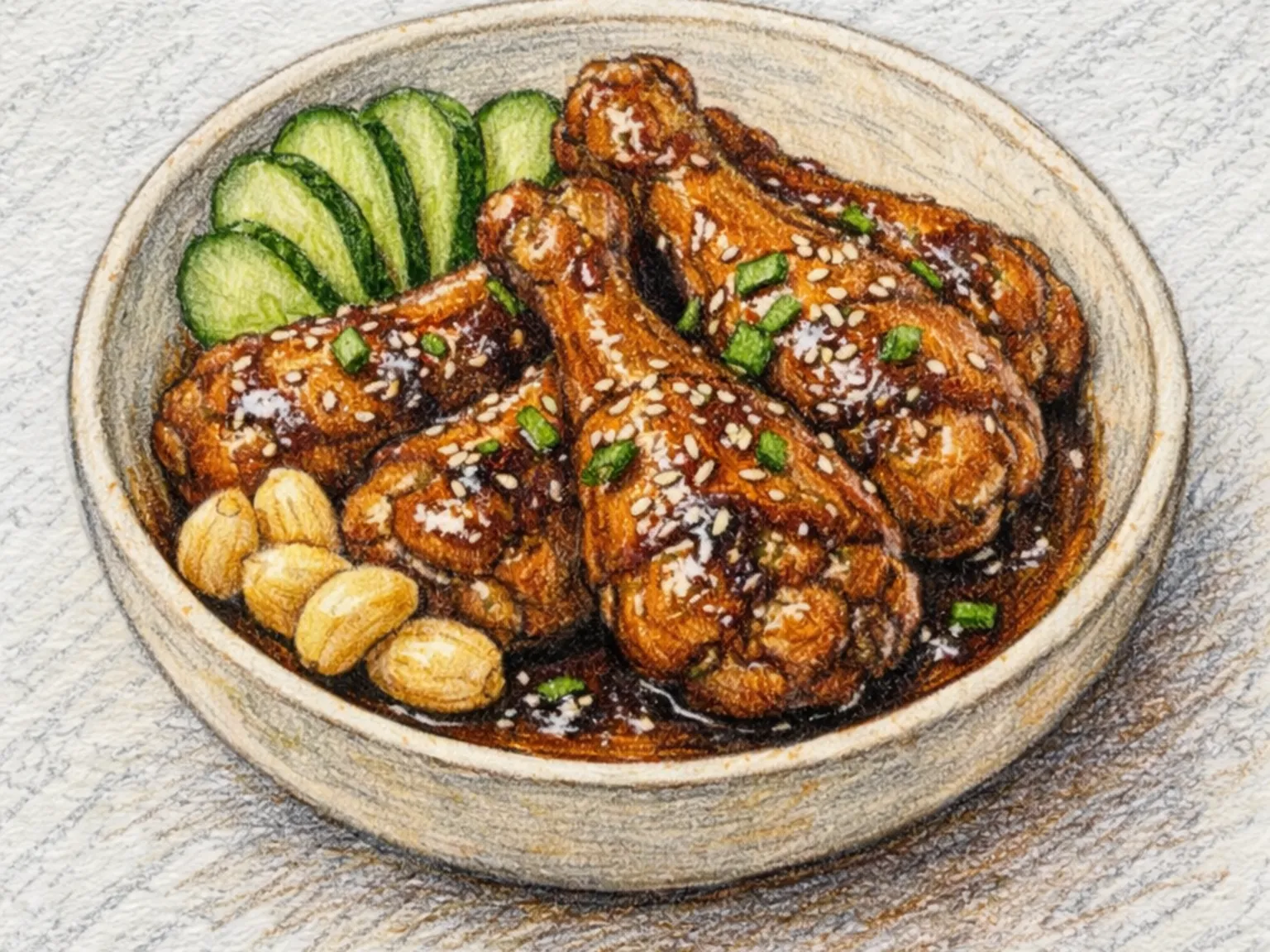
Korean Grilled Chicken Drumsticks

Dakdari-gui is a Korean grilled chicken drumstick marinated for at least two hours in soy sauce, gochujang, honey, garlic, and ginger juice, then cooked on a pan or grill until the skin is deeply browned and the meat pulls from the bone. Starting skin-side down over medium heat renders the subcutaneous fat slowly, producing a crackling-crisp skin; too high a flame chars the sugar in the marinade before the fat has time to melt. Once the skin turns golden and rigid, flip the drumstick and cover the pan to let steam finish the interior quickly without drying the meat. Drumsticks tolerate longer cooking times better than breast meat because of their higher fat and connective tissue content, and the flavor peaks when the leg bone separates cleanly from the muscle. The layered marinade -- gochujang's fermented heat, honey's sweetness, and ginger's sharp warmth -- balances the richness of the rendered chicken fat rather than fighting it. A scatter of sesame seeds over the finished drumsticks adds a final nutty note on top of the caramelized crust.

🍺 Bar Snacks
Prep 20minCook 30min2 servings
Korean Grilled Shishito with Doenjang
GrilledEasy

Korean Grilled Shishito with Doenjang

Kkwarigochu-doenjang-gui is a Korean grilled shishito pepper dish where the peppers are first dry-blistered in a hot pan until their skins wrinkle and char, then quickly tossed with a sauce of doenjang, gochujang, oligosaccharide syrup, and minced garlic. Blistering the peppers without oil first drives off moisture, removes the raw grassy taste, and concentrates their natural sweetness before any sauce is introduced. Pricking each pepper with a fork before cooking lets the seasoning penetrate the interior and prevents them from ballooning and bursting from steam. The sauce goes in only for the final two minutes so the fermented soybean paste keeps its full aroma, and a drizzle of sesame oil with toasted seeds at the end adds a roasted nuttiness.

🍺 Bar Snacks🏠 Everyday
Prep 10minCook 8min2 servings
Korean Abalone Radish Soup
SoupsMedium

Korean Abalone Radish Soup

Jeonbok-muguk is a refined Korean clear soup that simmers sliced abalone and radish in kelp broth, delivering a depth of flavor far beyond the simplicity of its preparation. The cooking begins by sauteing the abalone together with its viscera in sesame oil before any liquid is added. The innards, dark green and intensely flavored, dissolve into the oil and tint the eventual broth with a faint jade color while releasing a concentrated marine umami that kelp broth alone cannot provide. Radish sliced into thin rounds cooks alongside, softening steadily until translucent and releasing a natural sweetness that counterbalances the abalone's inherent salinity. Soup soy sauce and garlic are the only additional seasonings, deliberately minimal so the abalone's character defines the soup rather than the condiments. Adding the abalone too early toughens the meat; the right moment is when the radish has turned translucent, leaving the abalone just enough time to cook through while retaining its firm, chewy bite. In Korea, abalone carries cultural weight as a gift for new mothers, the ill, and guests at formal celebrations, making this soup a gesture of care as much as a recipe. The broth that results from this combination tastes far more expensive than the effort involved.

🏠 Everyday
Prep 20minCook 25min2 servings
Korean Stir-fried Cabbage with Doenjang
Stir-fryEasy

Korean Stir-fried Cabbage with Doenjang

Yangbaechu-doenjang-bokkeum stir-fries bite-size cabbage pieces with doenjang, gochugaru, and garlic over high heat. The doenjang is dissolved in a small amount of water to create an even sauce that coats the cabbage, and the heat is turned off before the cabbage fully wilts to preserve some crunch. The cabbage's natural sweetness intensifies with cooking and contrasts against the salty, fermented depth of the doenjang, while gochugaru adds a faint background heat. The entire dish comes together in under fifteen minutes, relying on doenjang alone to deliver concentrated flavor.

🏠 Everyday🍱 Lunchbox
Prep 8minCook 7min2 servings