Korean Spicy Gochujang Bulgogi
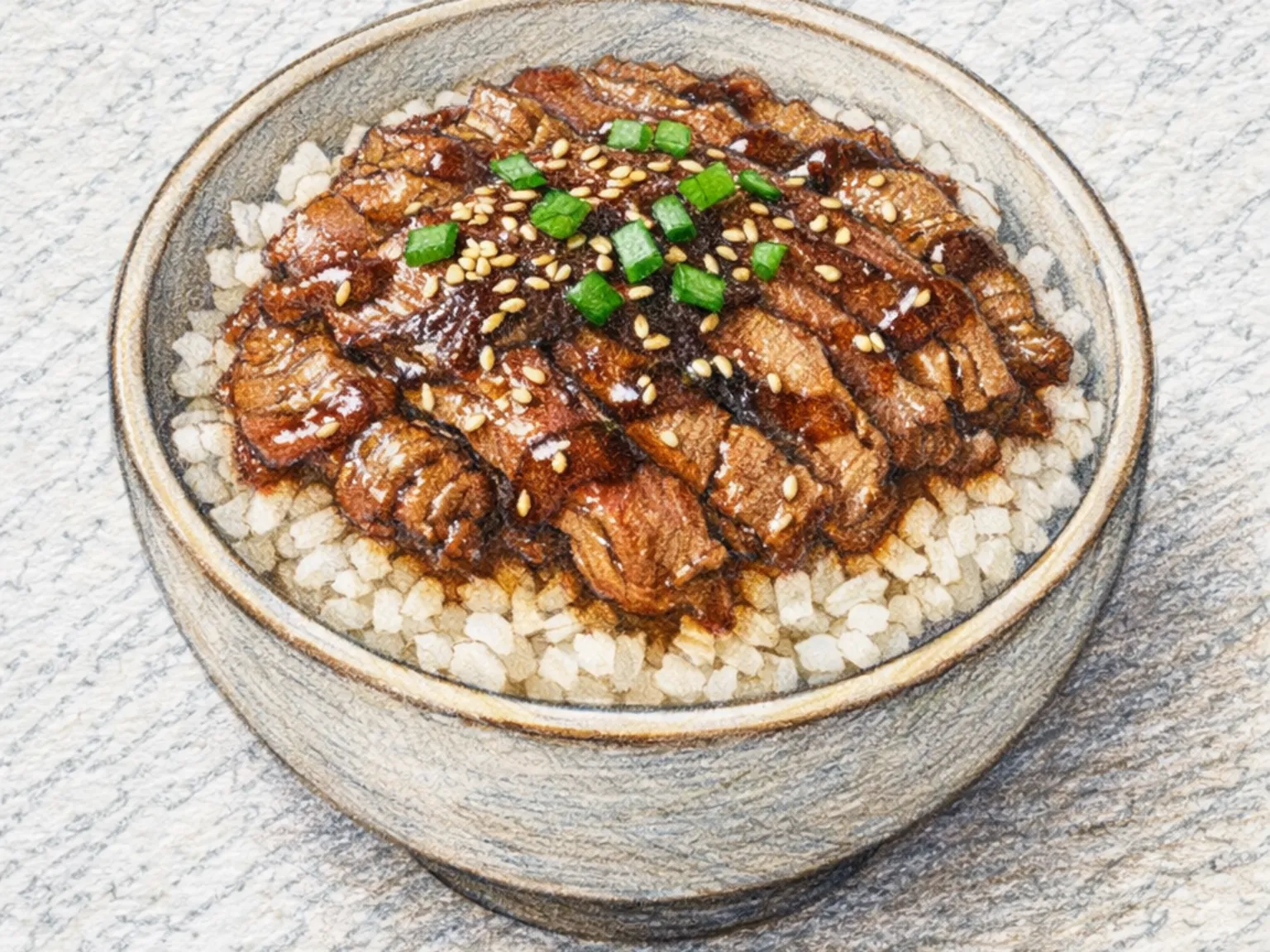
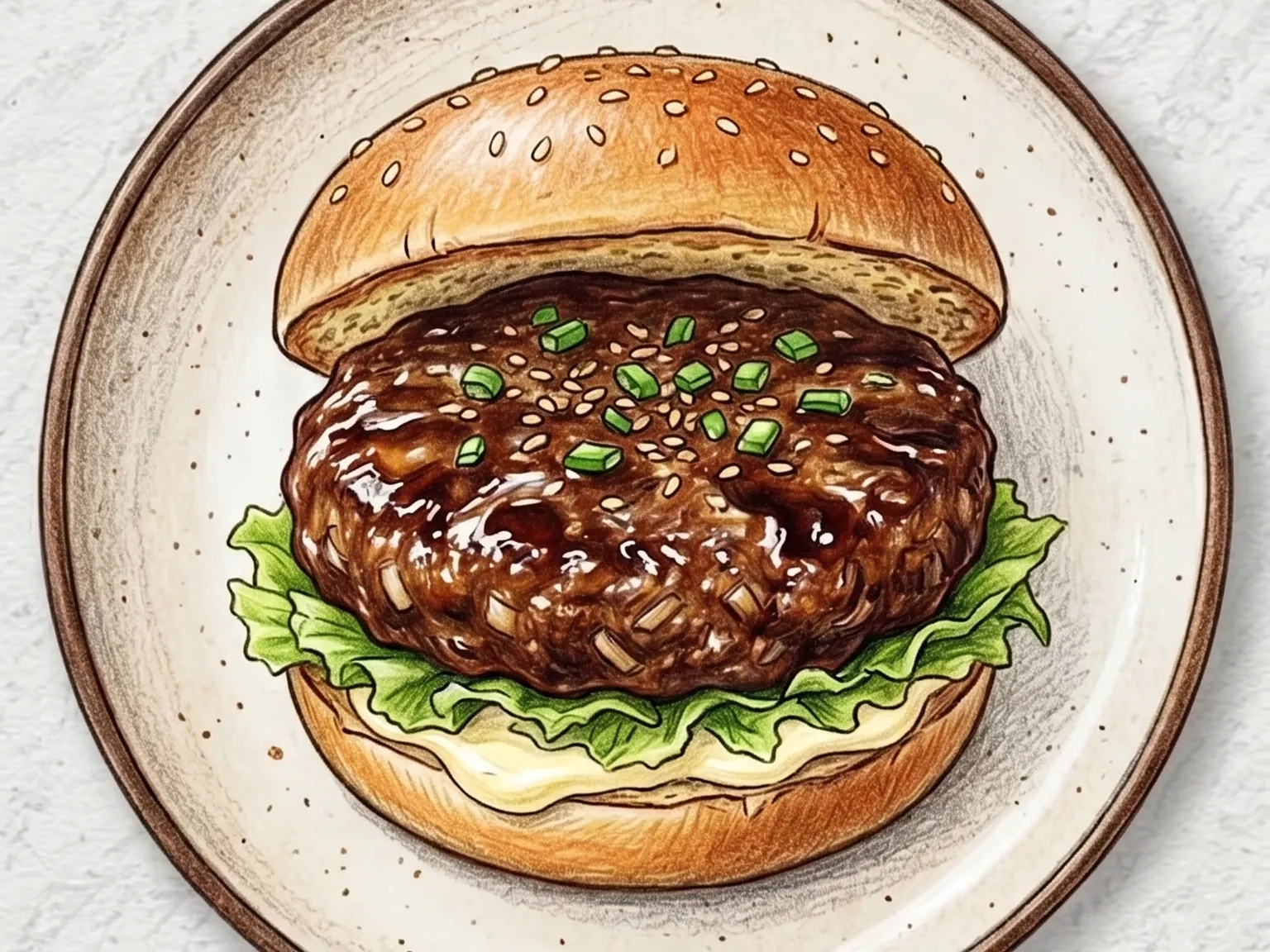
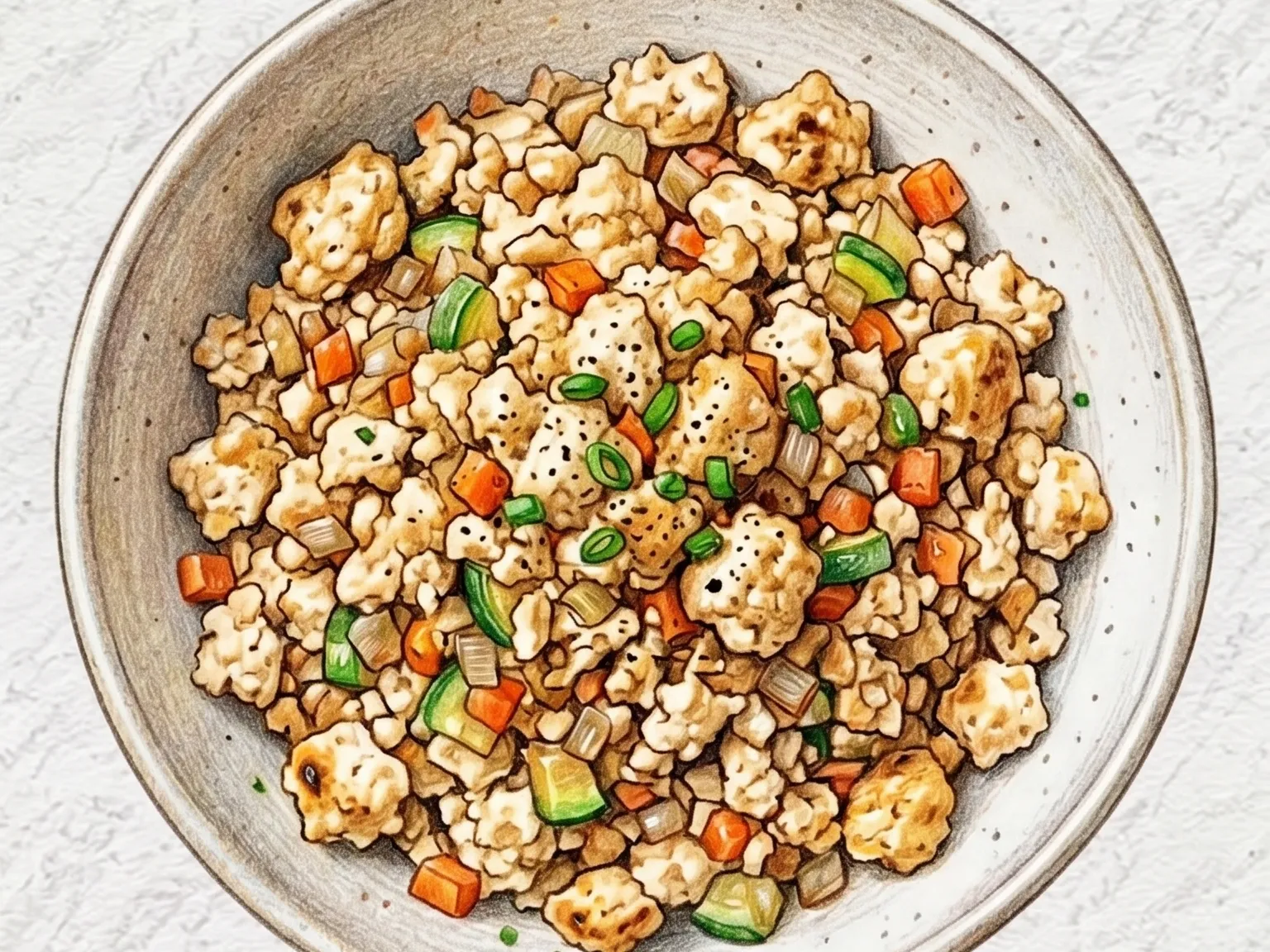
Spicy gochujang pork bulgogi builds its bold flavor from a marinade of gochujang, Korean chili flakes, soy sauce, corn syrup, and garlic applied to thick-cut pork neck, then stir-fried over high heat. The gochujang delivers a deep, fermented heat while the corn syrup adds a glossy sweetness that helps the sauce caramelize on the surface of the meat. Adding chili flakes separately from the gochujang introduces a different texture and heat quality, creating a more complex spice profile than either ingredient alone would produce. Allowing the moisture to evaporate before adding the onion is important, as onion releases liquid when it hits the pan and will thin the sauce if added too early. The natural sugars in the onion contribute a mild sweetness that tempers the chili heat once the moisture has cooked off. Scoring thicker pieces of pork two or three times with a knife allows the marinade to penetrate more evenly and ensures consistent seasoning throughout. Finishing with green onion over high heat for thirty seconds adds a smoky char note while leaving a fresh aromatic lift. The recipe yields a generous four servings, making it a practical main dish for family meals or a filling for ssam wraps.

Korean Kimchi Pork Crispy Dumplings
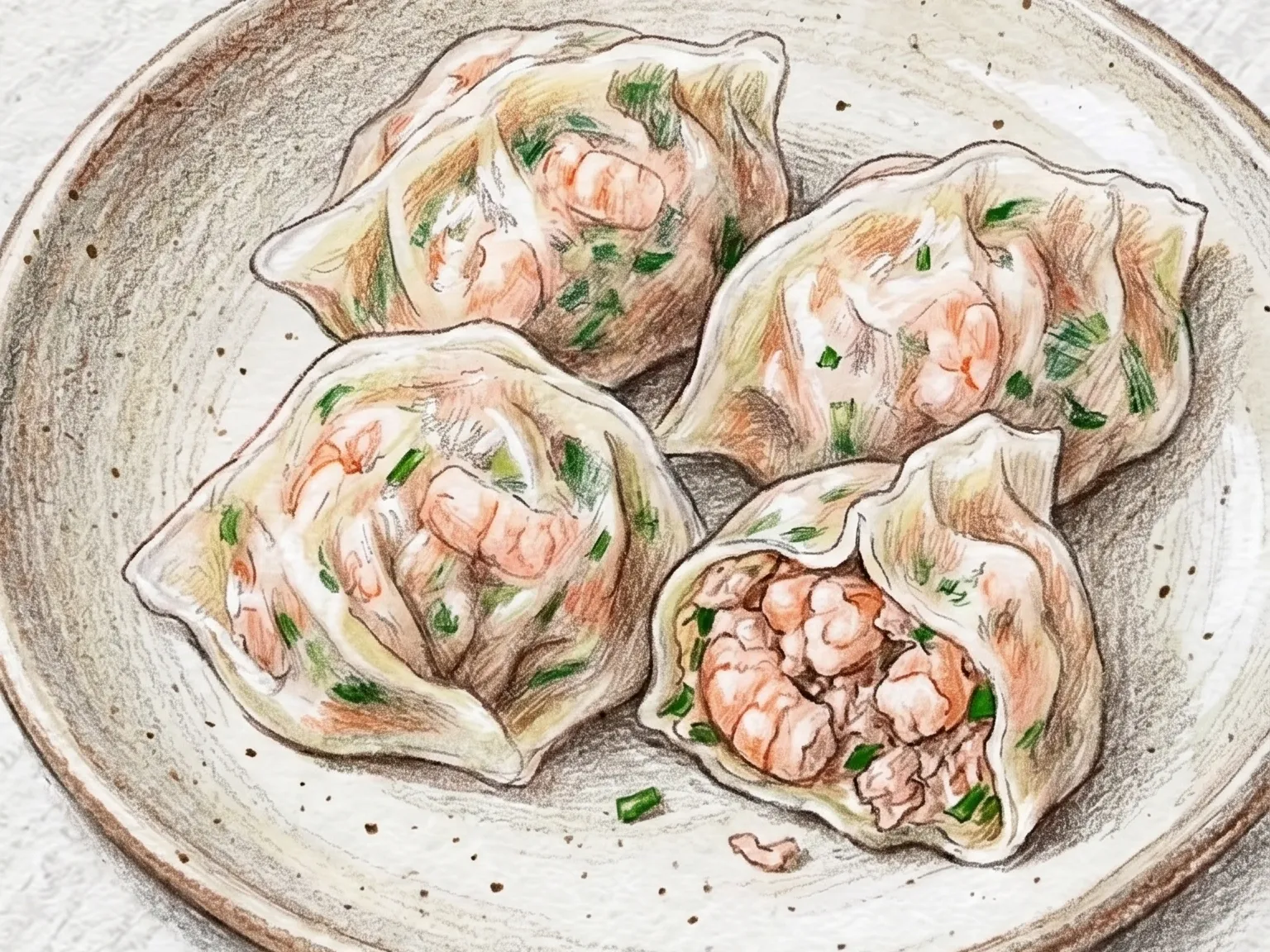
Kimchi pork gunmandu are pan-fried dumplings with a filling of ground pork, well-drained kimchi, garlic chives, firm tofu, soy sauce, garlic, and sesame oil. The near-equal ratio of 180g pork to 150g kimchi puts the kimchi's fermented tang front and center. Garlic chives add a sharp, onion-like depth, and the tofu absorbs excess moisture from the filling to prevent wrapper breakage. The dumplings are first pan-fried to crisp the bottoms, then steamed with a splash of water, and finished uncovered to evaporate remaining liquid.

Korean Pork Ribs (Sweet Pear-Marinated BBQ Ribs)
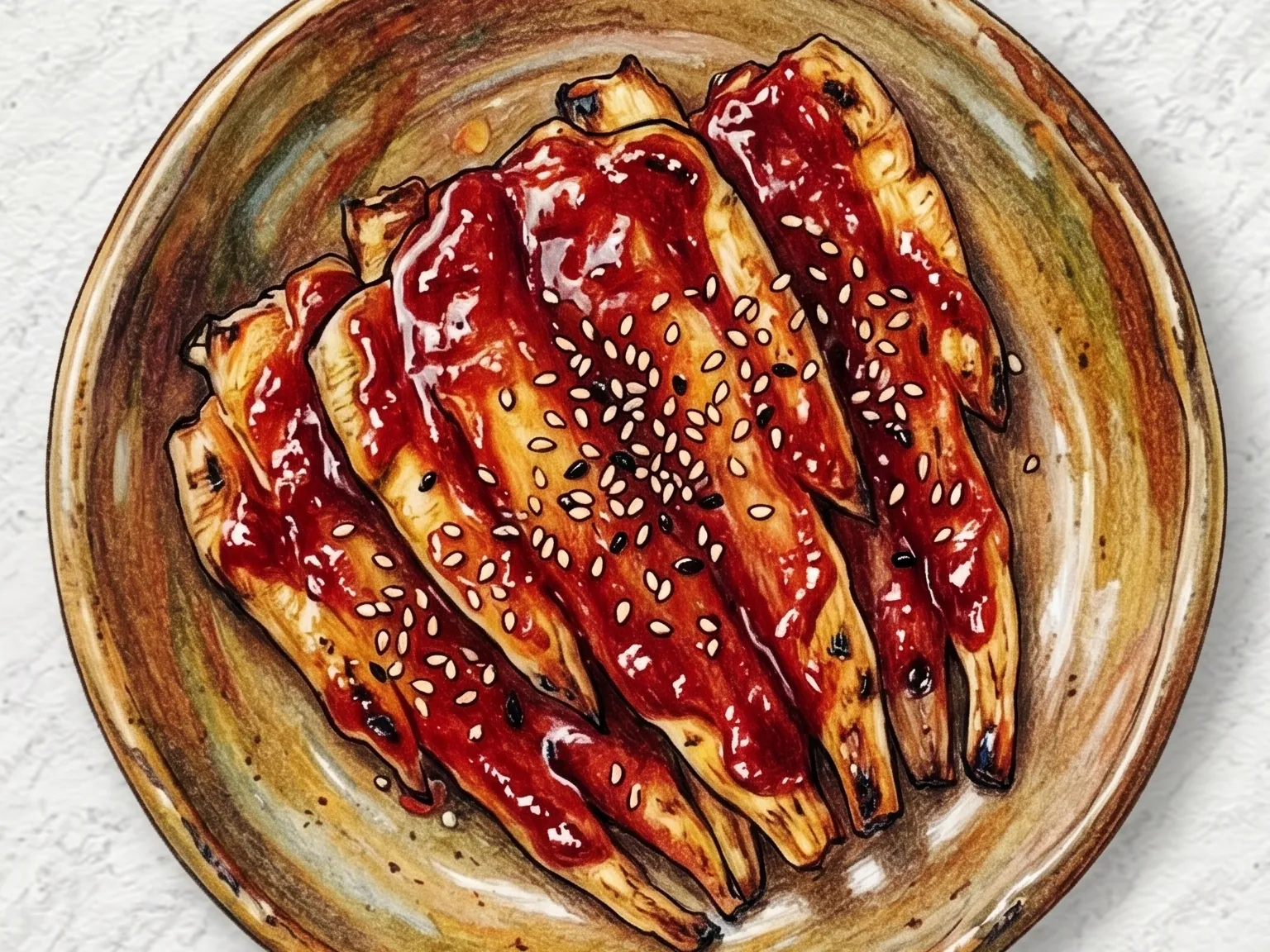
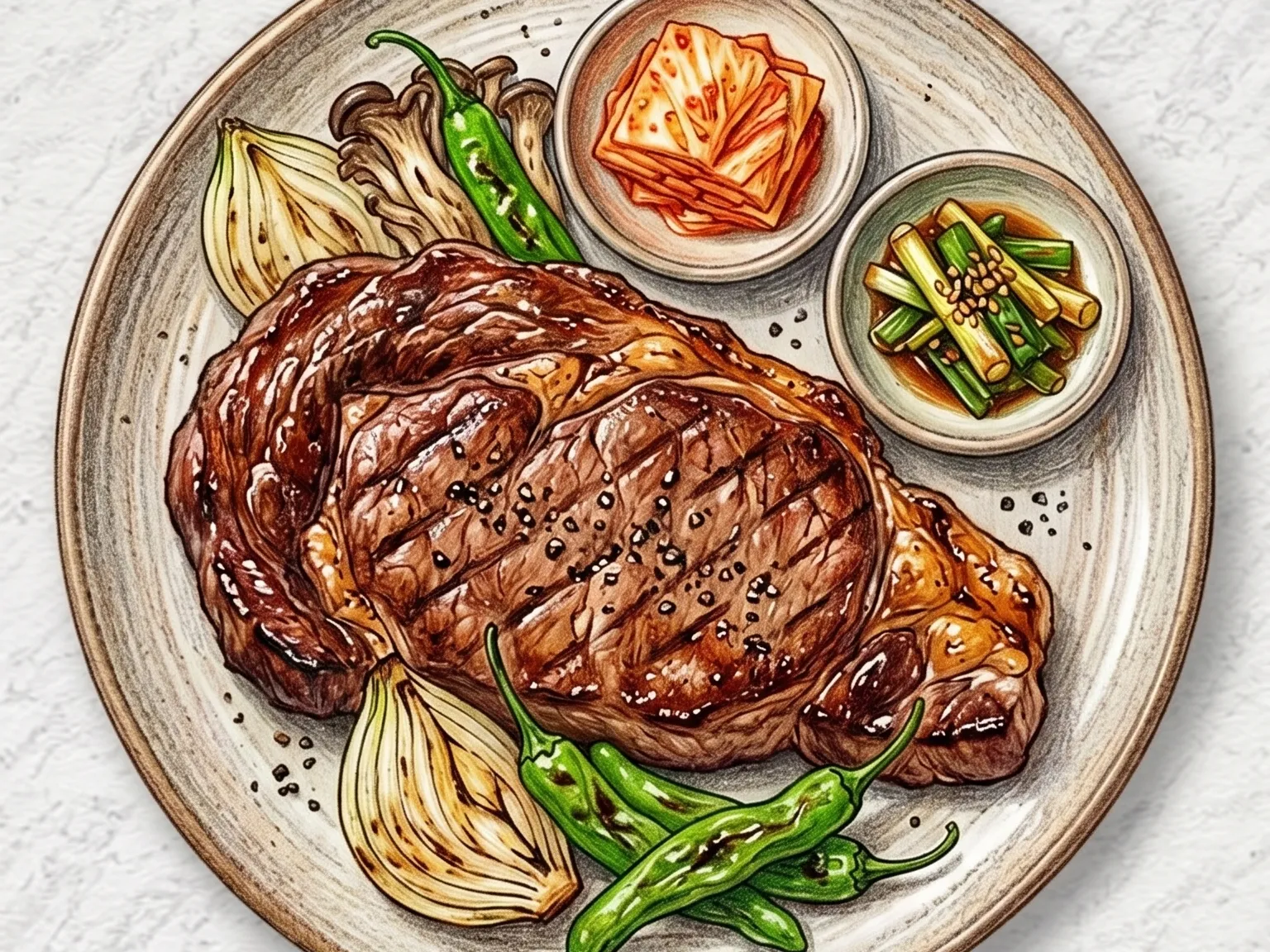
Dwaeji-galbi is one of the most recognized Korean barbecue dishes, made with LA-cut pork ribs marinated in a thick sauce of pureed pear, soy sauce, sugar, corn syrup, garlic, and onion. The pear puree serves a dual purpose: it sweetens the marinade naturally while its proteolytic enzymes break down the muscle fibers, allowing the meat to pull away from the bone with minimal resistance. Marinating for four to six hours lets the seasoning penetrate deep into these thick cuts, but extending beyond a full day causes the enzymes to degrade the surface too aggressively, resulting in a mushy texture. Searing over high heat on a charcoal grill until the sugary glaze chars and caramelizes is essential to the dish. The blackened edges where the sugars meet open flame produce the defining sweet-smoky crust that separates galbi from ordinary grilled pork. Eaten wrapped in leafy greens with rice or as a standalone plate, it is a fixture at Korean outdoor grills and social gatherings.

Manduguk (Korean Dumpling Clear Broth Soup)
Manduguk is a Korean dumpling soup in which hand-folded dumplings stuffed with ground pork, tofu, scallion, and garlic are dropped into a clear, simmering broth, typically anchovy-kelp stock or beef broth, and cooked until they float. As the dumplings cook, their thin wheat-flour wrappers release a subtle starch that gives the broth a barely perceptible body, while the filling leaks savory juices that enrich the liquid gradually. A thin drizzle of beaten egg stirred in near the finish creates silken wisps on the surface of the broth and gives the bowl a more finished appearance. Shredded egg strips and crumbled dried seaweed scattered on top add a pleasant contrast in color and a faint oceanic note to the flavor. Many Korean households serve manduguk on Lunar New Year as an alternative to tteokguk, and some combine the two by adding sliced rice cakes alongside the dumplings. Dumplings can be made in large batches and frozen raw, which means this soup can be pulled together quickly on weeknights without sacrificing any of the flavor that comes from homemade filling. A small dish of soy-vinegar dipping sauce served alongside lets each person adjust the seasoning at the table, and the light acidity of the sauce cuts through the mild broth in a way that makes the contrast between the two worth trying.

Korean Steamed Egg (Gyeran-jjim)
Gyeran-jjim is a Korean steamed egg dish made by whisking eggs together with anchovy stock and salted shrimp, then cooking the mixture slowly in a stone pot over low heat with the lid on. The anchovy stock establishes a deep savory backbone, and the salted shrimp adds a fermented, briny salinity that eliminates the need for additional seasoning. Straining the egg mixture through a fine sieve before cooking removes air bubbles and ensures the finished custard has a smooth, unbroken surface rather than the pitted texture that forms when bubbles are trapped and burst during cooking. The stone pot should not be preheated before the egg mixture is added. Starting cold and bringing the heat up slowly with the lid in place traps steam inside, which gives the custard its signature cloud-like softness and prevents the surface from drying out. Small pieces of carrot and sliced green onion add color, and a final drizzle of sesame oil with a scatter of sesame seeds brings a nutty fragrance to each spoonful. The right point to remove it from heat is when the center still wobbles slightly when the pot is nudged, because residual heat will finish setting the middle as it rests.

Korean Kimchi Glass Noodle Stir-Fry
Kimchi japchae is a variation on classic Korean glass noodle stir-fry that replaces the usual assortment of vegetables with well-fermented aged kimchi, giving the dish a bold tangy heat that the original does not have. Glass noodles are boiled, rinsed in cold water to stop the cooking, and pre-seasoned with soy sauce so they absorb flavor before hitting the pan. Pork shoulder goes in first to render its fat and build a savory base in the wok, then the kimchi -- thoroughly squeezed dry -- is added and stir-fried until the sourness concentrates and caramelizes slightly. Removing the kimchi's moisture is a non-negotiable step: excess liquid steams the noodles rather than frying them, causing the noodles to swell and the overall seasoning to turn watery and flat. Sliced onion goes in with the kimchi to contribute a natural sweetness that softens the acidity. Once the aromatics are cooked down, the noodles are tossed in with additional soy sauce and a small amount of sugar if the kimchi is especially sour. The pan comes off the heat before sesame oil is added to preserve its fragrance, and whole sesame seeds finish the dish. The combination of the noodles' chewy elasticity and the kimchi's pungent, fermented character produces a version of japchae that tastes fundamentally different from the traditional preparation.

Salmon Brown Rice Power Bowl
Salmon brown rice power bowl sears a salmon fillet four to five minutes per side until the skin crisps and the interior stays moist, then plates it over cooked brown rice with blanched spinach, julienned carrot, and sliced avocado. A sauce of soy sauce, lemon juice, and sesame oil layers umami depth, citrus brightness, and nutty aroma into a single drizzle that ties the mild grain to the rich fish. Brown rice's firm, chewy texture contrasts with the tender salmon flesh, and avocado fills the gap with a smooth, fatty creaminess. Pulling the salmon from heat while the center is still slightly translucent preserves moisture - overcooking causes the proteins to contract and squeeze out the juices.

Korean Seasoned Carrot Namul
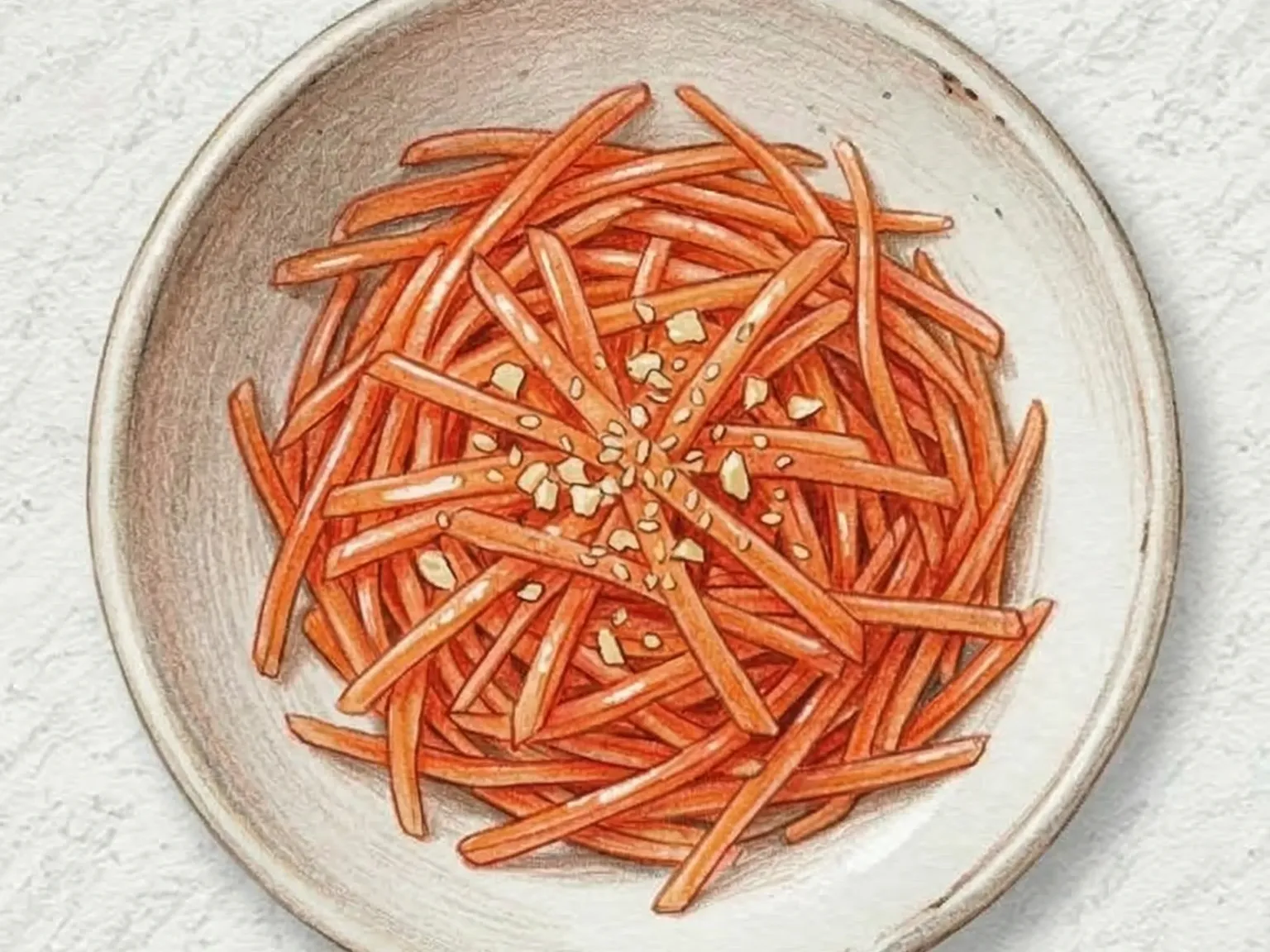
Carrot namul is one of the five-color banchan Koreans prepare for ancestral rites, where the orange of carrot represents fire in the traditional symbolic scheme. Julienned thin, the carrots are salted briefly to pull out excess moisture, then stir-fried with minced garlic over medium heat for two to three minutes - just enough to cook off the raw edge while preserving an audible crunch in every strand. No soy sauce or chili powder enters the pan; seasoning is kept to salt alone so that the carrot's natural sweetness remains the central flavor rather than being buried under stronger condiments. A final drizzle of sesame oil and a scatter of sesame seeds round out this clean, single-ingredient side dish that earns its place on both ceremonial tables and everyday meals.

Korean Braised Tofu Rice Bowl
Dubu jorim deopbap places soy-braised tofu over a bowl of hot steamed rice, using the reduced braising glaze as the primary seasoning for the entire dish. Firm tofu is sliced into rectangles, patted dry to remove surface moisture, and pan-fried over high heat until a dense golden crust forms on both sides. This crust is essential - without it, the tofu absorbs the braising sauce too quickly and falls apart. With it, the exterior holds its structure while the interior slowly soaks up the seasoning from the inside out. The braising sauce is built from soy sauce, sugar, minced garlic, and a small amount of water. Sliced onion cooks alongside the tofu in the sauce, softening and dissolving into the liquid to contribute sweetness as the sauce reduces to a sticky, mahogany-colored glaze. Cheongyang chili, sliced on the bias, introduces a sharp clean heat that cuts through the sweetness of the sauce. Green onion goes in last, just before plating, to keep its fragrance intact. The finished sauce is spooned over the rice along with the tofu, where it seeps into each grain and ensures that flavor remains consistent from the first bite to the last. The dish stands on its own without additional side dishes and provides a practical source of plant protein for vegetarian meals.

Korean Gochujang Pork Bulgogi
Gochujang dwaeji bulgogi is a Korean main course that marinates sliced pork neck in a sauce of gochujang, gochugaru, soy sauce, plum syrup, and minced garlic before stir-frying over high heat. The fermented heat of gochujang provides depth and a slow burn, while the plum syrup contributes a bright tanginess that prevents the sweetness from feeling flat. Onion softens and releases its natural sugar into the sauce during cooking, rounding out the overall flavor profile. Green onion adds a fresh, pungent note throughout. Perilla leaves are added at the final moment before the heat is off, preserving the herb's volatile oils so its distinctive grassy aroma and slight bitterness remain intact. That herbal character is what cuts through the richness of the pork fat and brings the dish together. Served over rice or wrapped in lettuce leaves with rice, both presentations make a filling and well-seasoned main.

Korean Mini Gimbap
Half-sheet seaweed is lined with a thin layer of rice seasoned with sesame oil, salt, and sesame seeds, then filled with just three ingredients: pickled radish for crunch, blanched spinach for softness, and sauteed carrot for a touch of natural sweetness. The roll is made about half the diameter of standard gimbap and cut at 2 cm intervals, producing pieces small enough to eat in a single bite. The simplicity of the seasoning means no dipping sauce is needed, and the combination of textures from the firm pickled radish, tender spinach, and lightly sweet carrot keeps each piece balanced. The small size and straightforward construction make this a popular choice for children's packed lunches or picnic spreads, and with only a few ingredients to prepare, the whole batch can be ready in under 10 minutes.

Korean Dwaeji Kkeopdegi Gui (Grilled Pork Skin)
Dwaeji-kkeopdegi-gui is grilled pork skin that has been parboiled to draw out excess fat and eliminate the raw, gamey odor of the skin before it meets the fire. After blanching, the skin is coated in a spicy marinade built on gochujang and gochugaru, reinforced with soy sauce, minced garlic, and sugar to balance heat with savory depth. The skin is almost pure collagen, which makes blanching time critical: too brief and it stays rubbery with an unpleasant resistance, too long and it goes limp, forfeiting the springy chew that defines the dish. As the marinated pieces hit a hot grill or cast iron, the skin contracts and buckles, forming ridges and shallow pockets that trap the glaze. Every bite delivers a concentrated hit of spicy-sweet flavor where the caramelized marinade has pooled in those grooves. The texture offers a satisfying, slightly elastic chew that is unlike any other grilled meat. It is most commonly eaten wrapped in a perilla leaf with ssamjang, or served straightforwardly alongside soju as a classic drinking snack.

Korean Buckwheat Jelly Cold Broth Bowl
Memil-muksabal is a chilled Korean dish in which firm blocks of buckwheat jelly sit submerged in cold, seasoned broth. The broth is typically made from anchovy or beef stock, cooled to refrigerator temperature, and sharpened with soy sauce, rice vinegar, and a touch of sugar that balances the acidity. Buckwheat jelly has a neutral, slightly earthy flavor and a slippery, springy texture that absorbs the surrounding seasonings with each bite. Julienned cucumber adds crunch, crushed roasted sesame seeds contribute nuttiness, and shredded dried seaweed brings a gentle oceanic accent. The dish is almost calorie-free compared to noodle soups and digests easily, which is why it appears on Korean tables most frequently during the hottest weeks of summer. Making the jelly from scratch involves boiling buckwheat starch until thick and letting it set, but store-bought blocks simplify the process to little more than slicing and assembling. The cold broth hits the palate first, followed by the yielding texture of the jelly - a sequence that feels instantly cooling.

Korean Braised Potatoes with Shishito Peppers
Kkwari-gamja-jorim is a Korean braised side dish of cubed potatoes and shishito peppers cooked down in soy sauce, oligosaccharide syrup, and minced garlic. The potatoes start in a sauce with enough moisture to cook through, and as the liquid reduces, the seasoning thickens into a glossy coating. By the time the pan is nearly dry, the outside of each potato piece has taken on a sweet-salty glaze while the inside stays floury and soft. Shishito peppers, with their wrinkled skins, hold the sauce well and require only brief cooking to stay crisp. A final drizzle of sesame oil and a scatter of sesame seeds add a nutty aroma and a visual finish that signals the dish is done. The heat level stays mild, suitable for children, and the glaze sets firmly enough that the dish travels well in a packed lunch without losing flavor at room temperature.

Kimchi Bean Sprout Miso Ramen
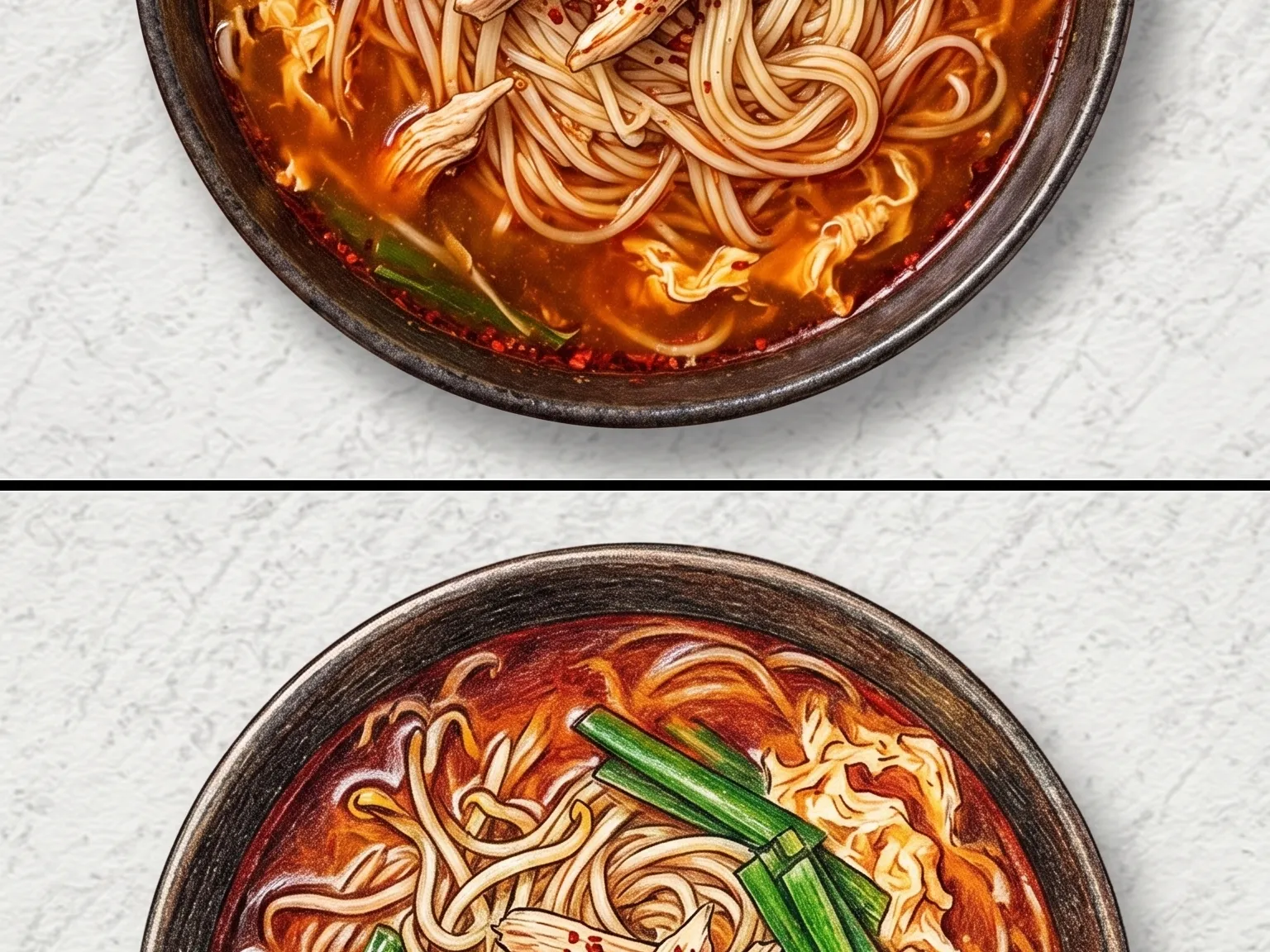
Kimchi kongnamul miso ramen layers three distinct flavors in one bowl: the deep tang of sauteed aged kimchi, the earthy umami of miso paste, and the clean crunch of bean sprouts. Garlic and kimchi are first stir-fried in sesame oil to mellow the kimchi's raw sourness, then chicken stock is added and brought to a boil. Bean sprouts go in and cook for just three minutes to keep their snap. Miso is dissolved separately and stirred in on low heat - boiling it aggressively would strip away its complex fermented aroma. Fresh ramen noodles are cooked in a separate pot, drained, and placed in the bowl before the broth is poured over. A halved soft-boiled egg on top rounds out the bowl with its creamy yolk.

Smoked Duck Chive Salad (Korean Chive Salad)
Smoked duck chive salad brings together pan-seared smoked duck and fresh Korean chives in a soy-mustard dressing that cuts through the meat's richness with precision. The duck is seared in a dry or lightly oiled pan for two to three minutes to render off the surface fat before it meets the other ingredients. Korean chives are cut to four-centimeter lengths and combined with shredded cabbage and sliced bell pepper, each element adding its own texture to the finished dish. A dressing of soy sauce, mustard, vinegar, honey, and sesame oil delivers a multi-layered hit of nose-clearing heat, sweet-sour acidity, and roasted depth that cleanses the palate after every fatty bite of duck. The cabbage provides firm, watery crunch against the chewy, smoke-infused meat, while toasted sesame seeds scatter a nutty fragrance across the top. Adding the chives at the very end keeps their herbal aroma vivid rather than grassy, and limiting the searing time prevents the duck from turning tough. The interplay between the dense smokiness of the duck and the sharp freshness of the chives is what gives this salad its character beyond a simple protein-and-greens combination.

Korean Seasoned Kelp Strips
Kelp strips are soaked in cold water for ten minutes to draw out excess salt, then blanched for twenty seconds, just long enough to turn them pliable without losing their snap. The strips are dressed with gochugaru, vinegar, soy sauce, sugar, and garlic while julienned cucumber adds a cool, refreshing contrast. The seasoning sits over the mineral-dense ocean flavor of the kelp, layering a bright, acidic kick onto each bite. Sesame oil and whole sesame seeds finish the dish. The strips keep a satisfying resistance between the teeth that sets them apart from softer Korean seaweed preparations. Best served cold; the texture and flavor hold up well in packed lunches. Blanching beyond twenty seconds causes the kelp to soften and lose the chew that defines this banchan.

Korean Dureup Pot Rice (Spring Angelica Shoot Pot Rice)
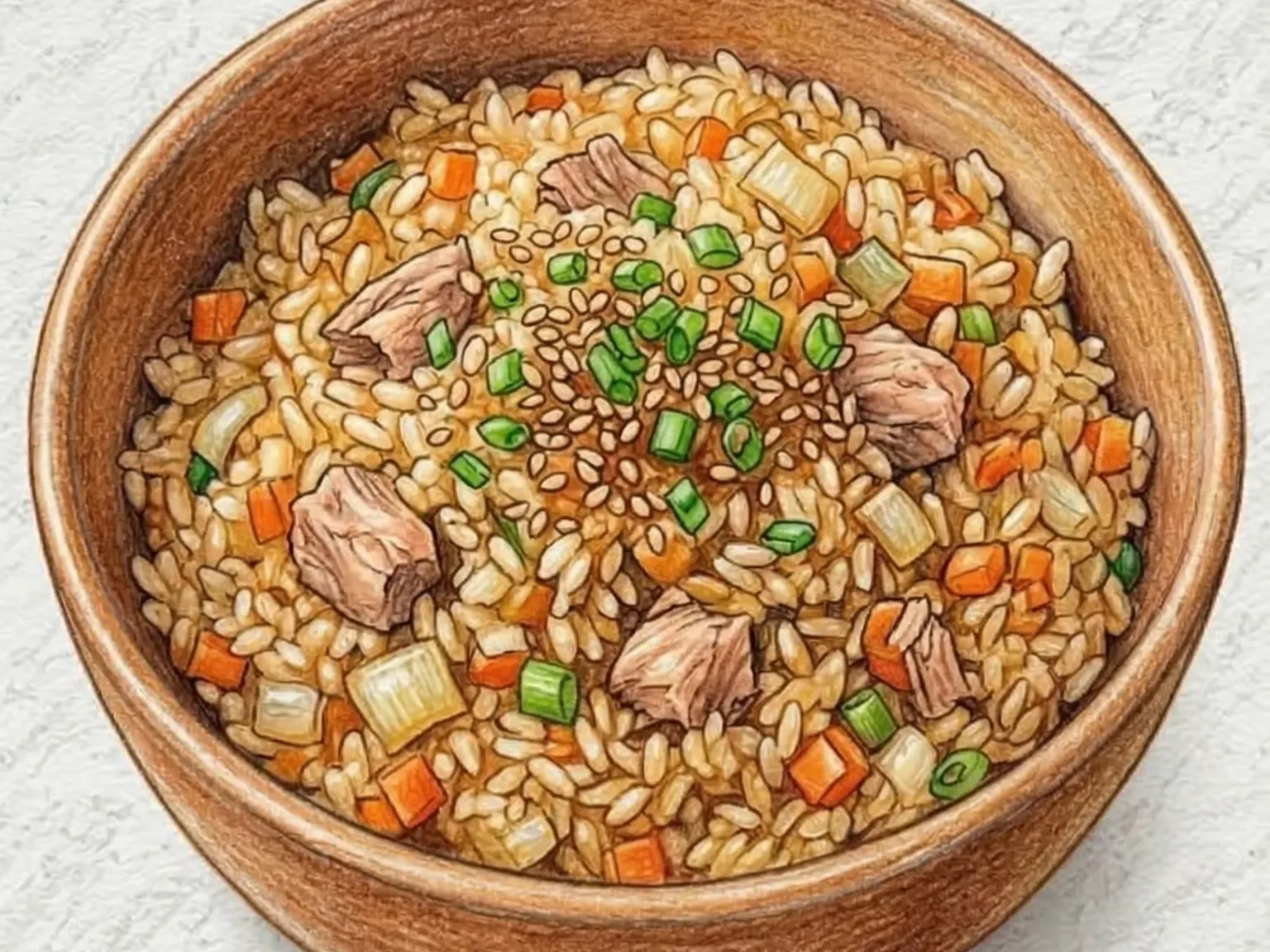
Durup sotbap is a Korean spring pot rice centered on dureup, the young shoots of the Aralia elata tree that appear for only a few weeks between late March and late April. During this narrow season, the shoots carry a pleasantly bitter, faintly woodsy flavor that is unlike any other vegetable used in Korean cooking, and sotbap is one of the most direct ways to taste that character. The rice cooks in kelp stock rather than plain water, giving every grain a subtle umami base, with soup soy sauce and garlic seasoning from within the pot. Blanching the dureup requires restraint: twenty to thirty seconds in boiling water is enough to soften the fibrous ends and mellow the sharpness slightly, while keeping the bright green color intact and the slender stems with just enough resistance. Blanching longer dulls both the color and the flavor. The shoots are placed over the nearly finished rice just before the pot rests with its lid sealed for ten minutes. During that resting period the steam carries the herbal fragrance of the dureup into every grain of rice. The lid must not be opened during this time, as releasing the steam interrupts even cooking. Served with a soy-sesame dipping sauce mixed through the rice, the nuttiness of the oil wraps around the bitterness of the shoots, and the combination captures something specifically tied to early spring in the Korean mountains.

Korean Gochujang Fish Cake Stir-fry
Gochujang eomuk bokkeum stir-fries chewy fish cake sheets in a glossy sauce of gochujang, soy sauce, oligosaccharide syrup, and minced garlic. Briefly blanching the fish cakes before they go into the pan removes excess grease, producing a cleaner-tasting dish where the spicy-sweet glaze clings evenly to each surface without any slipperiness. Onion lends natural sweetness that rounds out the chili heat, while diagonally sliced green onion adds a fresh, sharp finish. Sesame oil and toasted sesame seeds complete the dish with a nutty layer. Adding a small splash of water to the sauce keeps things moist if a softer finish is preferred. This is one of Korea's most reliable everyday banchan, equally suited to a weekday dinner and a packed lunchbox.

Korean Spicy Octopus Skewers
Blanched octopus is cut into bite-sized pieces, threaded onto skewers, and grilled on a pan or open flame while being basted repeatedly with a spicy sauce of gochujang, soy sauce, sugar, minced garlic, and sesame oil. Octopus toughens dramatically with prolonged heat, so high-temperature, quick grilling is essential. Adding a slice of ginger to the blanching water removes any fishiness before the octopus hits the grill. The layered sauce builds up with each basting: gochujang contributes heat, sugar balances it with sweetness, soy sauce deepens the umami, and sesame oil finishes with a nutty fragrance. Keeping the heat at medium-high and turning the skewers frequently prevents the sugar in the glaze from burning while still achieving light char marks. The result has a caramelized, sticky crust over a chewy, springy center. Equally at home as street food or as bar snacks alongside cold beer or soju, these skewers are a reliable crowd-pleaser.

Korean Grilled Eggplant (Soy Garlic Glazed Charred Eggplant)
Gaji-gui is Korean grilled eggplant, halved lengthwise, scored, and cooked slowly over medium heat until the flesh turns soft and creamy while the skin side holds a slight firmness. Salting the cut surface and resting it for ten minutes before cooking pulls out bitter moisture through osmosis and also reduces how aggressively the eggplant absorbs oil during grilling. The scoring pattern is functional as well as visual, creating channels that allow heat to penetrate into the thick interior so the eggplant cooks through evenly rather than remaining hard at the center while the outside chars. Covering the pan after laying the eggplant cut-side down traps steam and gently cooks the flesh from within. A sauce of soy sauce, sesame oil, Korean chili flakes, minced garlic, and sliced green onion is spooned over the grilled surface while the eggplant is still hot, and the residual heat releases the fragrance of garlic and sesame oil while the liquid seeps into the scored channels and seasons the interior. Toasted sesame seeds scattered over the top add a final layer of nuttiness that gives the otherwise mild eggplant the complexity needed to hold its own as a proper banchan.

Korean Sea Mustard Soybean Soup
Miyeok-doenjang-guk merges two foundations of Korean home cooking, seaweed soup and fermented soybean paste soup, into a single bowl that is earthier and more savory than either alone. Dried sea mustard is soaked, drained, and stir-fried briefly in sesame oil to develop a silky texture, then doenjang is dissolved directly into the pot rather than added at the end, which gives the fermented paste time to mellow and integrate with the seaweed's oceanic character. The result is something deeper and more complex than standard beef miyeok-guk, with a slightly funky, umami-saturated broth that reads as distinctly Korean even without meat. Anchovy-kelp stock used as the base amplifies the depth of the umami even further, while garlic and soup soy sauce keep the seasoning anchored. Because the protein and richness come from doenjang rather than beef, the soup leans naturally toward vegetarian territory and pairs well with a cube of soft tofu for added body. The broth thickens slightly from dissolved paste, which makes it cling to rice in a way that clear broths cannot match. Doenjang varies significantly in saltiness from brand to brand, so the final seasoning with soy sauce should be added gradually and tasted throughout.

Korean Braised Squid with Shishito Peppers
Kkwari-ojingeo-jorim is a Korean braise of squid and shishito peppers simmered in a gochujang and soy sauce seasoning. The squid retains its chewy bounce while soaking in the bold sauce, and the peppers absorb enough flavor to stand on their own while keeping a slight crunch. Gochujang brings a warm spiciness that combines with soy sauce's depth into a multilayered seasoning, and garlic with ginger neutralizes any seafood odor. As the liquid reduces, it coats each piece in a concentrated glaze that makes this banchan work especially well spooned over a bowl of steamed rice.

Korean Buckwheat Mixed Noodles
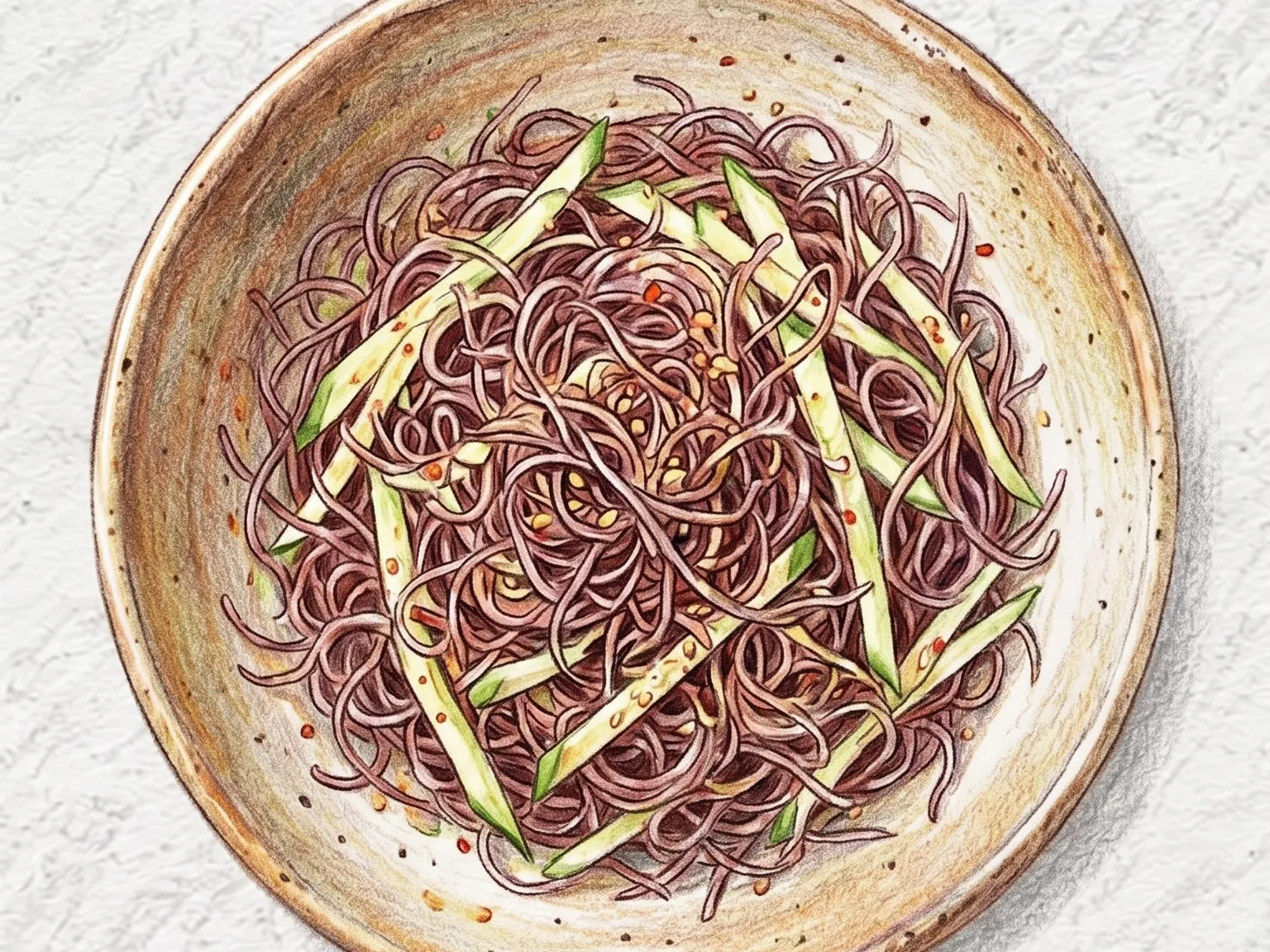
Memil makguksu is a Gangwon-do regional dish where nutty buckwheat noodles are mixed with a soy sauce, vinegar, and gochugaru dressing that balances sweet, sour, and spicy notes. Buckwheat noodles have low gluten content and break apart easily when overcooked, so precise timing is essential during boiling. Rinsing several times in cold water removes surface starch and prevents clumping. Chopped kimchi brings fermented tang and a crunchy bite, while julienned cucumber adds freshness and a crisp contrast. A touch of sesame oil gives the dressing a glossy richness, and extra vinegar can be added at the table to sharpen the acidity to individual preference.