Crown Daisy & Tofu Yuzu Salad
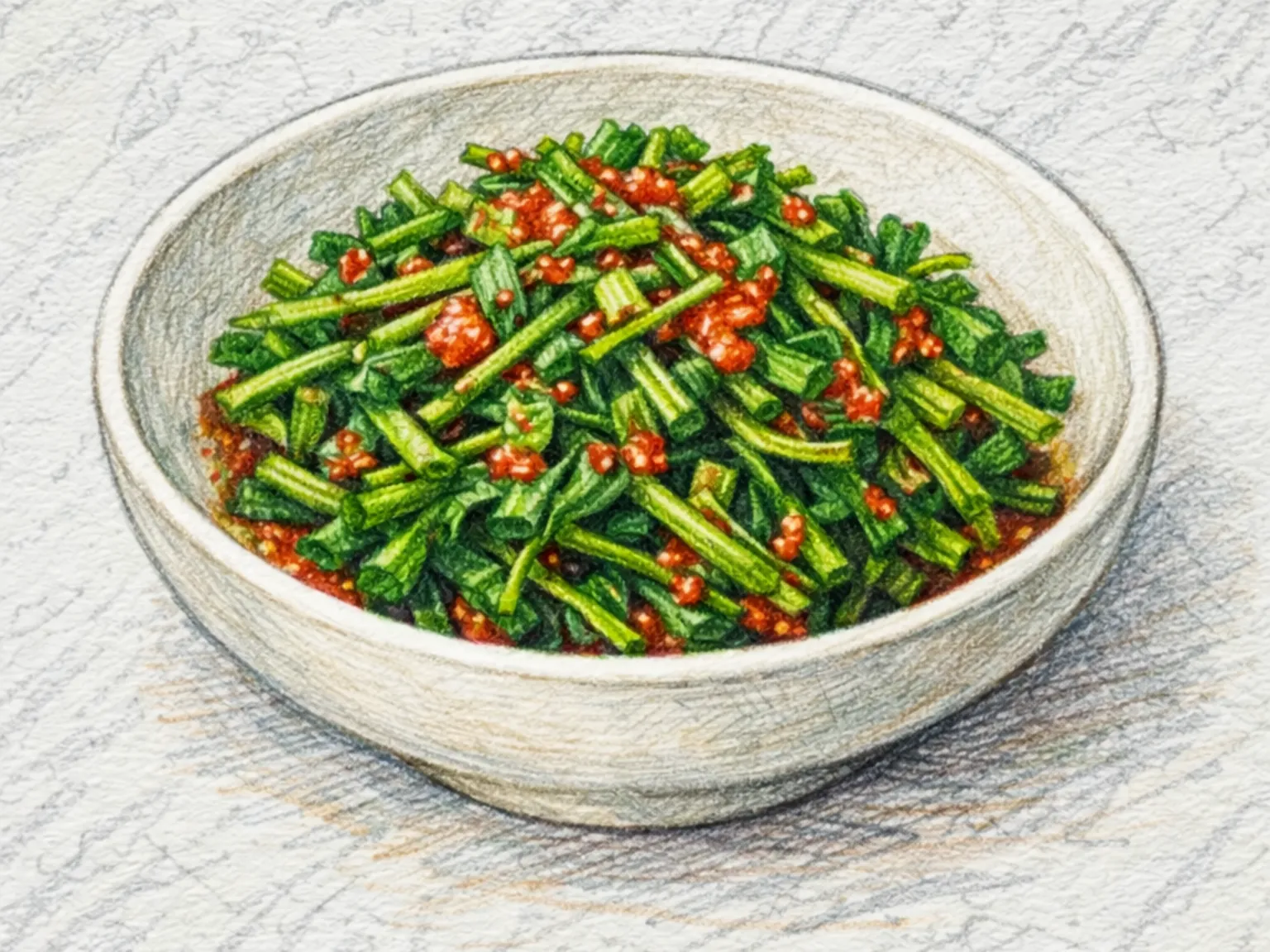
Crown daisy and tofu yuzu salad presses firm tofu dry, sears it in a pan for six to eight minutes until the surface develops a golden crust, and pairs it with crown daisy, half-moon cucumber slices, and thinly sliced red onion in a yuzu marmalade dressing. The yuzu's bright citrus fragrance and subtle bitterness meet crown daisy's bold herbal aroma, and the two botanical notes amplify each other rather than compete. Soy sauce and sesame oil anchor the dressing with fermented depth and nuttiness, preventing the floral top notes from floating untethered. The tofu's soft, creamy interior contrasts with the fibrous crown daisy stems, and cucumber's cool moisture keeps the overall impression light. Avoiding frequent flipping during searing lets a proper crust form on the tofu's surface.

Korean Braised Kelp Strips
Dasima jorim is a banchan that repurposes dried kelp - typically discarded after making stock - into a glossy, chewy side dish through slow braising. The kelp is soaked in cold water for at least twenty minutes until it softens and becomes pliable, then cut into strips roughly one centimeter wide. Simmered in soy sauce, rice syrup, cooking wine, and garlic over medium-low heat for fifteen minutes or more, the braising liquid gradually reduces and thickens into a lacquer-like glaze that coats each strip on all sides. The rice syrup contributes both sweetness and the shine that gives the dish its visual appeal. The resulting texture is difficult to compare - somewhere between the springiness of gummy candy and the firm bite of pasta al dente, resilient but with a clean snap when bitten through. Refrigerated overnight, the seasoning penetrates the dense seaweed fibers more deeply, and the flavor continues to intensify over several days, making it a banchan that improves the longer it sits.

Korean Bulgogi Deopbap (Pork Rice Bowl)
Dwaeji-bulgogi-ssukgat-deopbap is a Korean rice bowl of gochujang-marinated pork stir-fried with onion over high heat, mounded over steamed rice and finished at the last moment with crown daisy greens. The marinade builds from gochujang, chili flakes, soy sauce, sugar, and minced garlic into a sauce that is simultaneously spicy, sweet, and deeply savory. A small amount of pear or kiwi juice added to the marinade tenderizes the pork shoulder before cooking. High heat over a short cooking time is essential for developing a browned crust on the meat, which produces a roasted, smoky depth that low-and-slow cooking cannot replicate. Pork shoulder carries enough intramuscular fat that once it renders under heat, it mingles with the sauce and soaks down into the rice below, creating a rich, glossy base at the bottom of the bowl. The crown daisy -- ssukgat -- goes in during the last thirty seconds before the heat is cut. The timing window is narrow: add it too early and the aromatic oils cook off, leaving only bitterness; add it with the heat already off and the fragrance stays locked inside the leaves. At the right moment, heat releases ssukgat's distinctive chrysanthemum-family herbaceousness, a green, almost medicinal brightness that cuts cleanly through the heaviness of the pork and sauce. The finished bowl is complete without side dishes.

Korean Oyster Water Parsley Stir-fry
Gul-minari-bokkeum is a quick stir-fry of plump raw oysters and fragrant water parsley (minari) seasoned with gochugaru and light soy sauce over high heat. The oysters cook only until they just firm around the edges, retaining their briny interior juices while contracting slightly, and the minari stays crisp with its herbal freshness intact. The salty, sweet umami of the oysters meets the clean grassy quality of the minari, and the two flavors balance without either overpowering the other. Winter is the prime season for this dish, when cold-water oysters reach peak plumpness and flavor. Cooking the oysters too long drives out their moisture and makes them rubbery, so the stir-fry must stay brief.

Korean Stir-Fried Fish Cake Strips
Flat fish cake is sliced into strips and quickly stir-fried with red pepper flakes, soy sauce, sugar, and minced garlic in a hot pan. Blanching the fish cake beforehand removes surface oil so the seasoning adheres more cleanly, and a final toss with sesame oil and sesame seeds brings a nutty fragrance. Despite the short ingredient list and fast cook time, the balance between sweet and spicy is well defined.

Korean Grilled Beef Short Ribs with Scallions
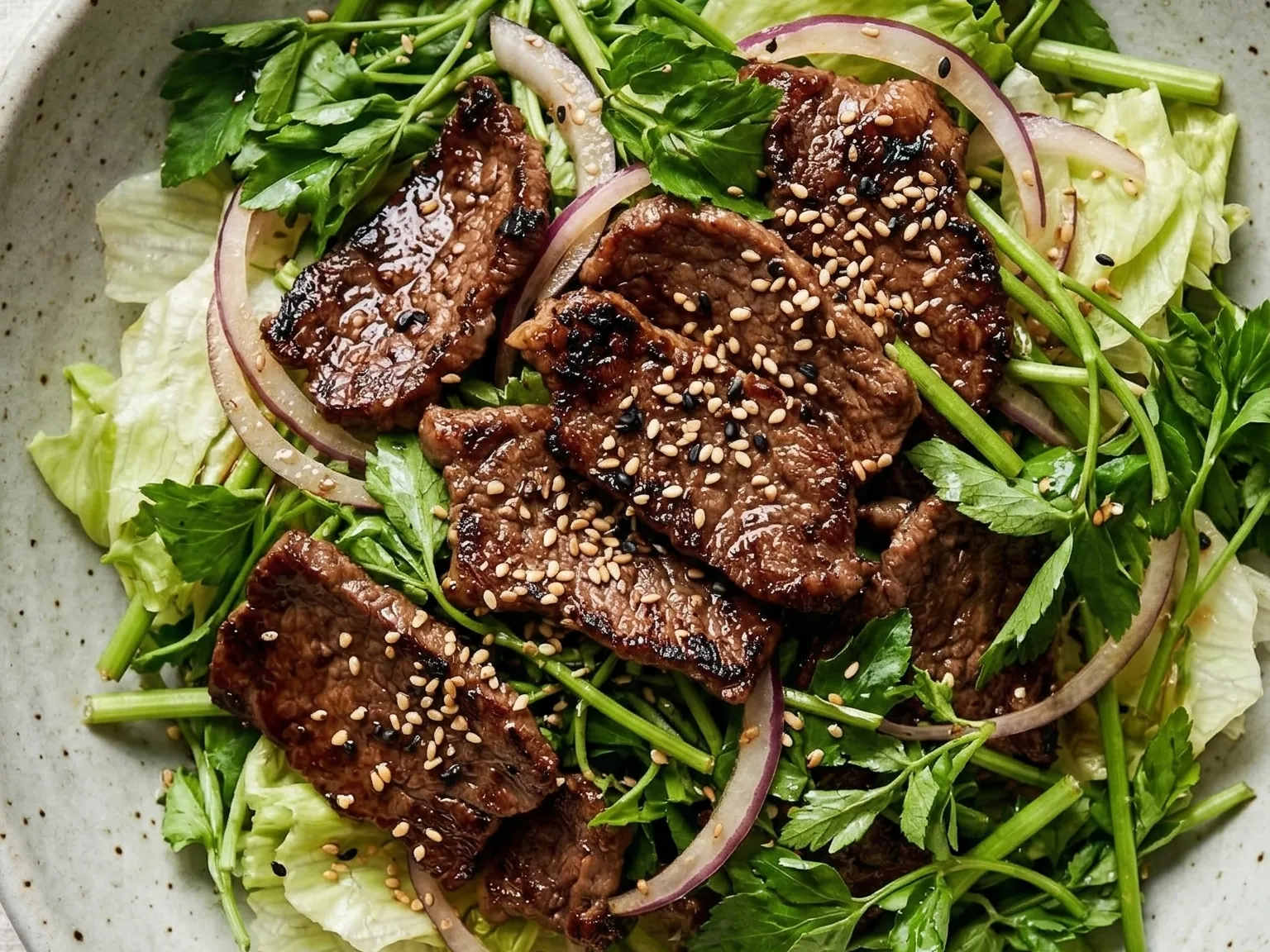
Galbisal-pachae-gui is a Korean grilled beef dish featuring short rib finger meat marinated in dark soy sauce, sugar, sesame oil, and garlic for at least one hour, then seared over high heat and served under a pile of cold-dressed shredded green onion. Rib finger meat sits between the rib bones and carries a well-balanced ratio of fat to lean, which allows the soy marinade to penetrate the fat layers and produce a deep, lingering savory flavor when exposed to direct heat. High heat causes the edges of the marinated meat to char quickly, creating a brief overlap of caramelized sweetness and smoke that defines the overall aroma of the dish. The shredded green onion is soaked in cold water until the sharp raw pungency fades and the cell walls firm up, then lightly tossed with sesame oil and toasted sesame to complement rather than compete with the heavy soy note of the beef. When a piece of hot seared meat and a tangle of cold scallion are eaten together, the contrast between the temperature, the rich beef fat, and the clean, sharp allium flavor creates a layered experience that cannot be replicated by eating either component alone. This dish is often made for home gatherings centered on table grilling, and the visual contrast of dark caramelized beef against the white-green scallion mound makes it striking as a shared centerpiece.

Miyeok-guk (Seaweed Beef Sesame Soup)
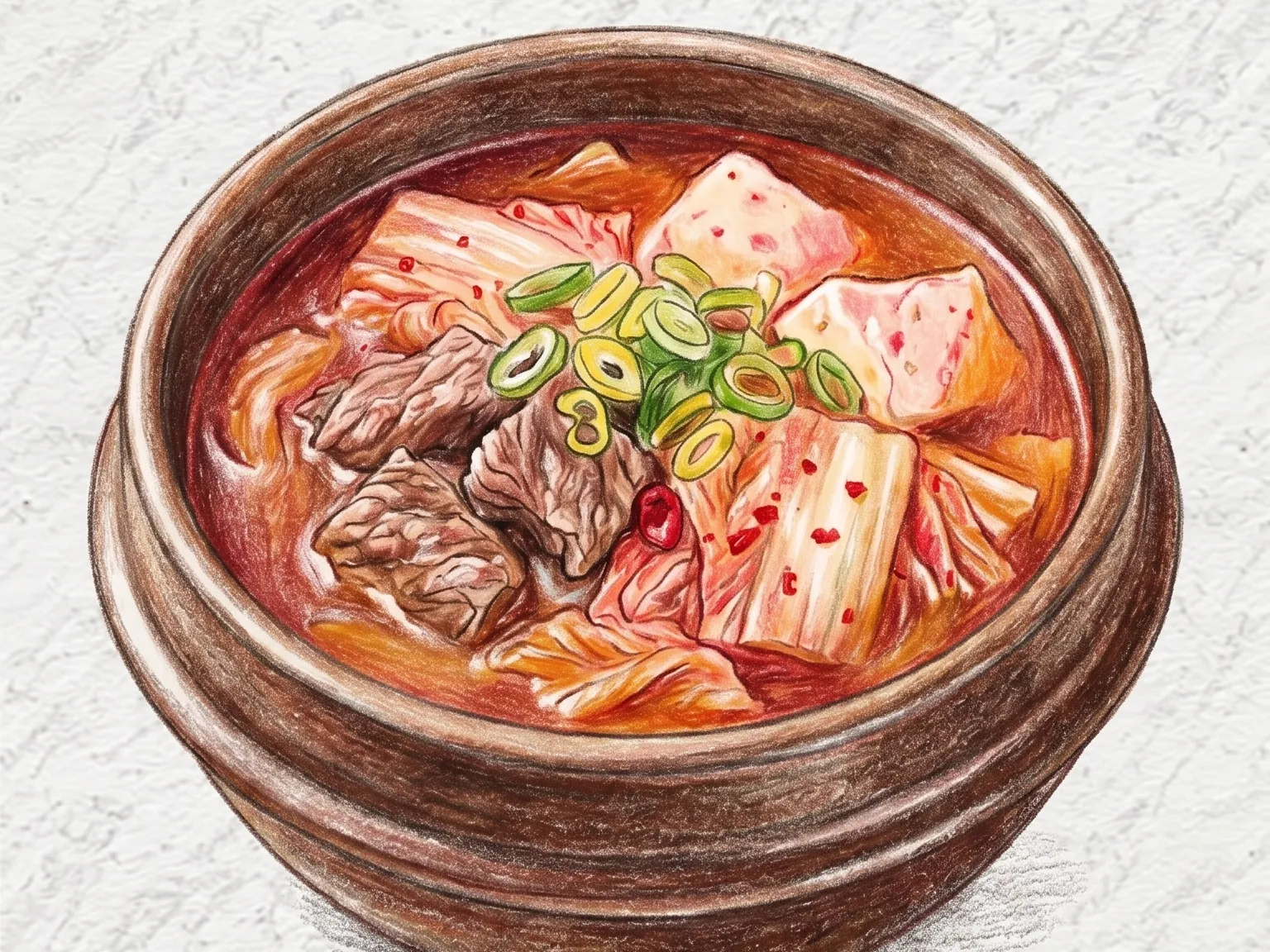
Miyeok-guk is one of the most culturally meaningful soups in Korean cuisine. Dried sea mustard is first rehydrated, then stir-fried in sesame oil until the strands glisten and deepen in color, and finally simmered with thinly sliced beef and water until the broth turns savory and lightly viscous from the seaweed's released gelatin. Seasoning is deliberately sparse: soup soy sauce, minced garlic, and a final touch of sesame oil are almost always sufficient, because the seaweed and beef provide the foundational umami. The soup is traditionally prepared for new mothers during the postpartum recovery period, as miyeok is rich in iodine, calcium, and iron. It also appears on every Korean birthday table as an act of remembrance toward the mother who endured childbirth on that day, making the bowl carry a weight of gratitude that goes far beyond nutrition. Beyond its symbolism, miyeok-guk is practical everyday cooking: it calls for few ingredients, comes together in under thirty minutes, and produces a broth that nourishes without heaviness. Substituting the beef with mussels, clams, or dried shrimp creates a lighter, more oceanic version that is equally rooted in tradition. The soup reheats well and frequently tastes even better the next day, once the seaweed has softened further and the flavors have had time to merge fully.

Steamed Komatsuna and Tofu
Komatsuna mushi is a Japanese steamed dish of mustard spinach and tofu, finished with a poured dashi-soy sauce. Komatsuna has less bitterness than regular spinach and keeps a firm bite after steaming, which stands in textural contrast to the soft tofu beneath it. The sauce is made from kombu and katsuobushi dashi seasoned with soy sauce and salt alone, so there is nothing artificial in the flavor and each ingredient comes through cleanly. No oil is used anywhere in the preparation, making this one of the lighter dishes in a multi-course Japanese home meal, where it commonly appears alongside several other small plates. A small amount of bonito flakes laid over the tofu at the end adds fragrance and gives the dish a tidy, composed appearance.

Korean Aged Kimchi Tuna Mixed Noodles
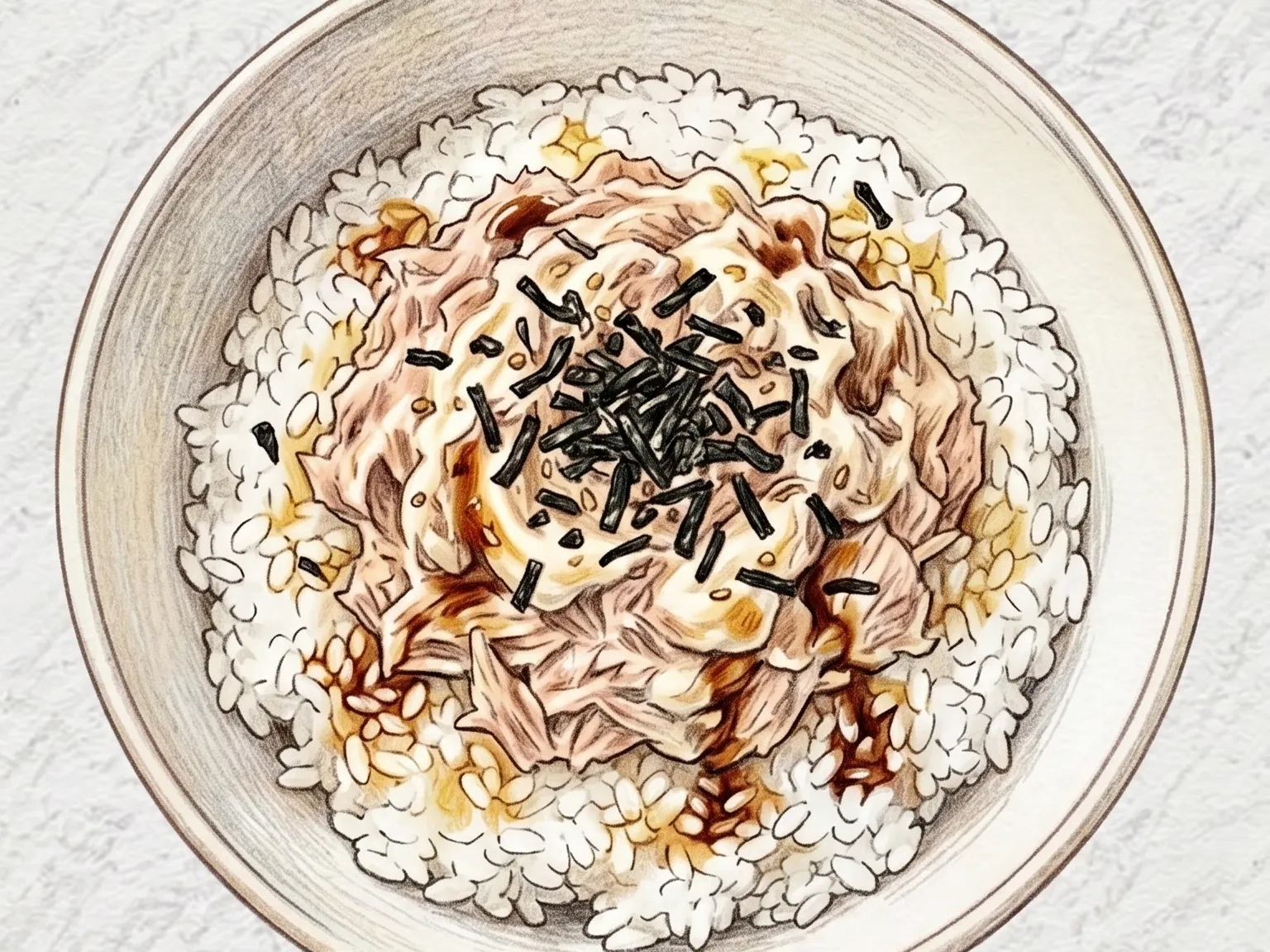
Mukeunji tuna bibim myeon is a quick Korean mixed noodle dish that combines the deep, fermented sourness of aged kimchi with the savory richness of canned tuna, all tossed together in a gochujang-based sauce. Scraping the filling out of the aged kimchi and chopping it finely keeps the sourness from overwhelming the dish, while draining the tuna oil thoroughly prevents the dressing from turning watery. The sauce is built from gochujang, rice vinegar, oligosaccharide syrup, and sesame oil, which together create a balance of spicy, sour, and sweet that works well with both the kimchi and the fish. Boiling the wheat noodles for five to six minutes and rinsing them under cold water gives them a firm, springy bite, and shaking off all excess moisture before tossing ensures the sauce clings to every strand rather than pooling at the bottom of the bowl. Sliced scallion and ground sesame seeds scattered on top add freshness and nuttiness, and a small adjustment of vinegar or syrup at the table lets each person dial in their preferred balance. The whole dish comes together in under fifteen minutes with pantry ingredients, making it a reliable option for a quick lunch.

Tofu Avocado Salad (Silken Tofu and Avocado Sesame Bowl)
Tofu avocado salad pairs pan-seared firm tofu with ripe avocado over a bed of mixed greens, dressed in soy sauce, sesame oil, and lemon juice. Pressing the tofu thoroughly before searing allows the surface to develop a golden Maillard crust that holds its shape even after tossing with the dressing. The avocado's creamy fat contrasts with the burst of juice from halved cherry tomatoes, creating textural variety in every bite. The dressing layers three dimensions - soy sauce for salinity, sesame oil for nuttiness, and lemon juice for acidity - giving depth to otherwise mild ingredients. Cutting the avocado just before serving prevents oxidation and keeps the color clean.

Korean Spicy Seasoned Deodeok
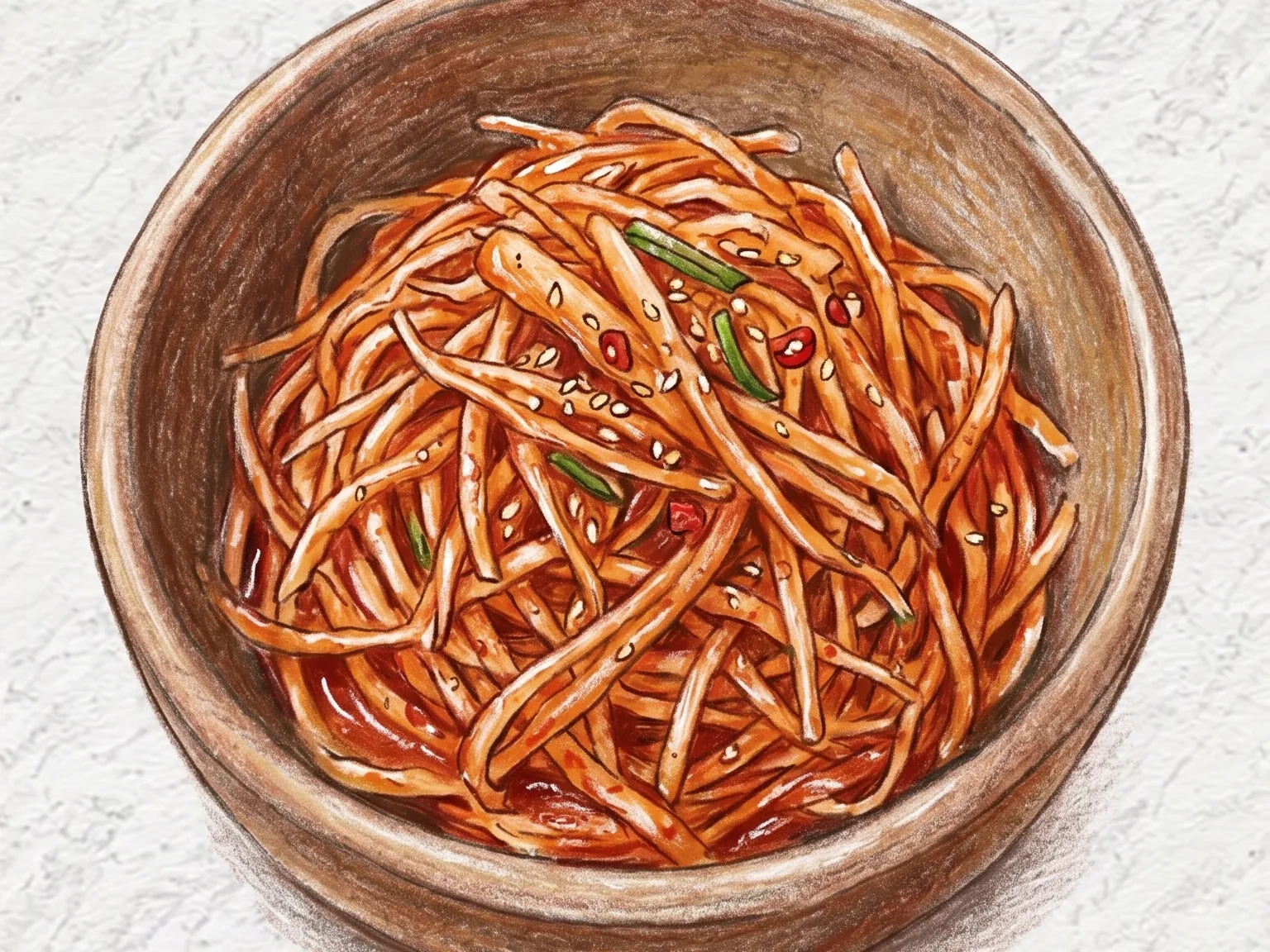
Deodeok - Codonopsis lanceolata - is a mountain root that has been used in Korean cooking and folk medicine for centuries. Its flesh is fibrous, sticky, and carries a ginseng-like bitterness that becomes pronounced when the root is raw. Peeling and pounding with a mallet splits the fibers into rough, ribbon-like shreds with a textured surface that holds seasoning well. A soak in cold water draws out the sharpest of the bitterness before the root is drained and tossed. The dressing - gochujang, vinegar, minced garlic, sugar, and gochugaru - is sweet, sour, and spicy in roughly equal measure, tempering the root's wild, resinous character while leaving the chewy texture intact.

Korean Fried Rice (Simple Leftover Rice Stir-Fry)
Korean fried rice is the ultimate utility dish, built to turn leftover rice and whatever vegetables remain in the refrigerator into a satisfying meal in under ten minutes. Green onion hits the hot oil first to create a fragrant scallion-infused base, followed by diced carrot and beaten egg that gets scrambled into rough curds before the rice goes in. Cold rice is essential here - its lower moisture content prevents clumping and allows a thin film of oil to coat each grain, carrying seasoning evenly through the whole pan. Soy sauce poured along the rim sizzles on contact with the hot metal, developing a toasted depth that distinguishes a well-made fried rice from a mediocre one. A crack of black pepper and a final swirl of sesame oil complete the seasoning. The recipe is intentionally open-ended: ham, kimchi, shrimp, canned tuna, or any leftover protein slots in without altering the basic method, which is why this dish appears on Korean dinner tables more often than almost any other. The total active cooking time rarely exceeds five minutes, making it the default choice on busy weekdays and late nights alike.

Korean Royal Soy Sauce Tteokbokki
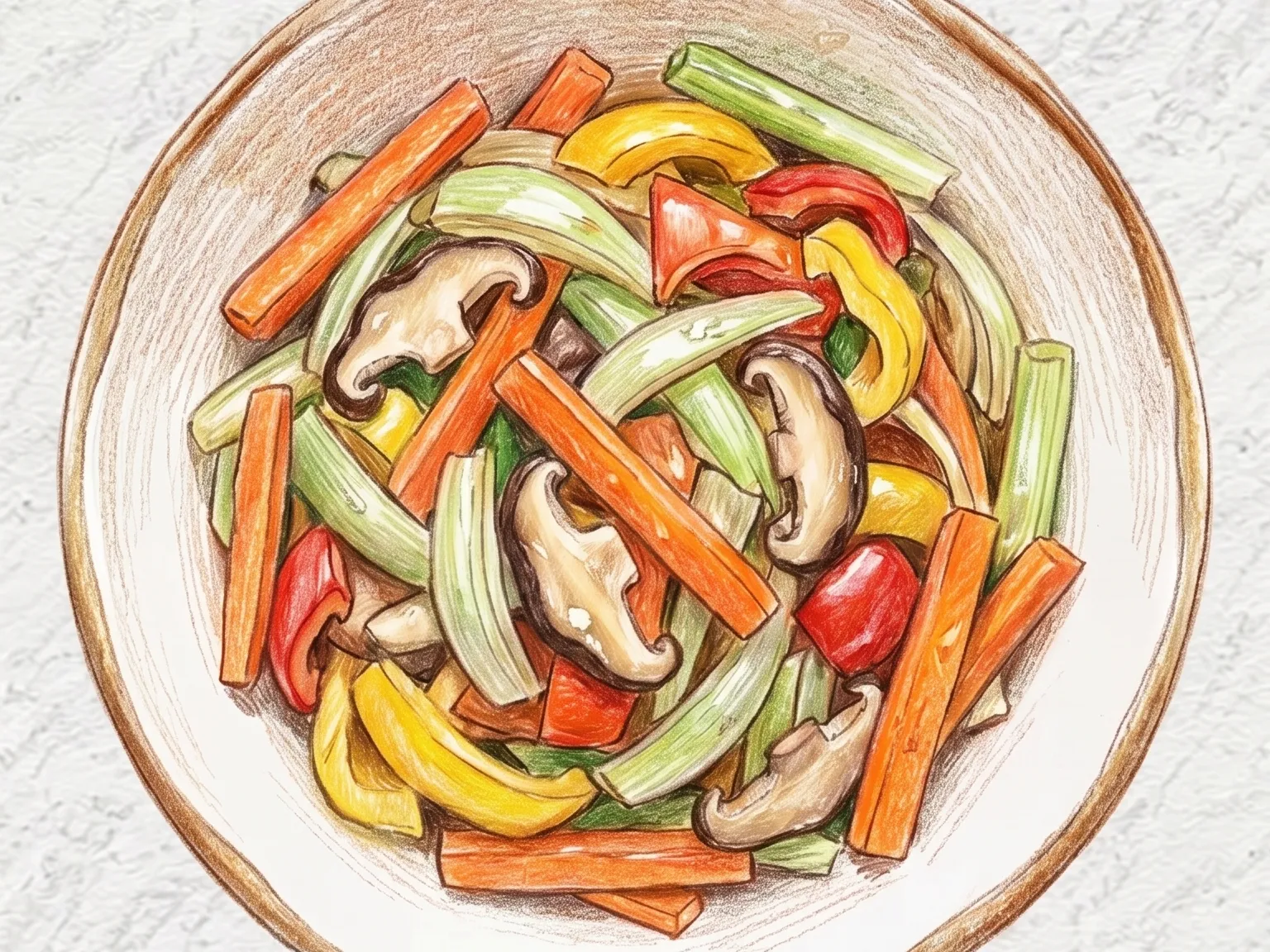
Gungjung-tteokbokki traces its roots to the royal court cuisine of the Joseon dynasty, where the condiment gochujang had no place at the table. Soy sauce and sesame oil provide the seasoning instead, producing a mild, sweet-savory glaze rather than heat. Sliced garae-tteok rice cakes are stir-fried together with marinated beef, shiitake mushrooms, carrot, and onion until the soy seasoning coats everything evenly and the rice cakes develop a subtle gloss. The beef is marinated separately in soy sauce, sugar, and sesame oil before going into the pan, which lets the meat develop its own depth as it sears. Shiitake mushrooms reinforce the savoriness and add fragrance without overwhelming the other components. The rice cakes need enough time in the pan to absorb the seasoning and become slightly caramelized on the surface, but if cooked too long they turn hard and lose their chew. Using sesame oil rather than cooking oil throughout adds a nutty warmth that elevates the dish. Without any chili heat, this is one of the few tteokbokki variations that suits every age group and is a common presence on festive or holiday tables.

Korean Shrimp Gimbap (Plump Shrimp and Vegetable Seaweed Roll)
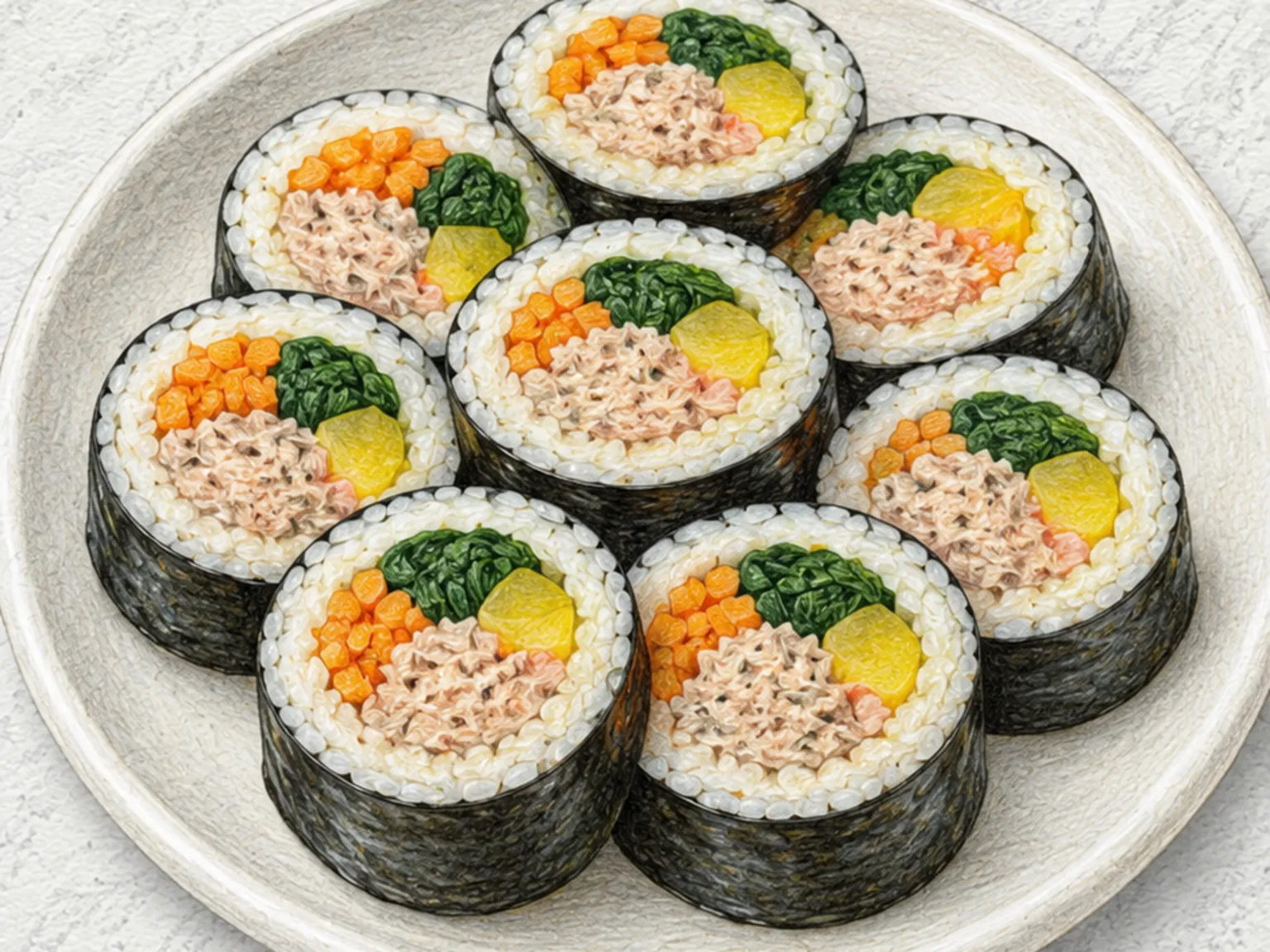
Shrimp are peeled and deveined with a toothpick before being blanched for two minutes, then rolled inside seasoned rice, egg strips, sauteed julienned carrot, and cucumber. Deveining before blanching is essential because the intestinal tract can leave a faint off-flavor in the finished roll. Large shrimp are halved lengthwise before rolling so the cross-section of each slice shows a generous amount of pink shrimp flesh rather than a thin crescent. The shrimp's clean, mild flavor does not compete with the sauteed carrot, egg, or cucumber, and the firm, springy bite of well-cooked shrimp gives each piece a distinct texture against the soft rice and yielding egg. The rice is seasoned with sesame oil and salt, but the sesame oil should be kept to no more than one tablespoon per two cups of cooked rice, as too much will soften the seaweed prematurely. Chilling the completed rolls for 30 minutes before cutting helps the cross-sections hold their shape cleanly on the cutting board. Saeu-gimbap is a common choice for children's lunchboxes because its flavors are mild and accessible, and it makes a lighter, less assertive option compared to rolls with stronger-seasoned fillings like braised burdock or spiced fishcake.

Korean Grilled Pork Skirt Meat
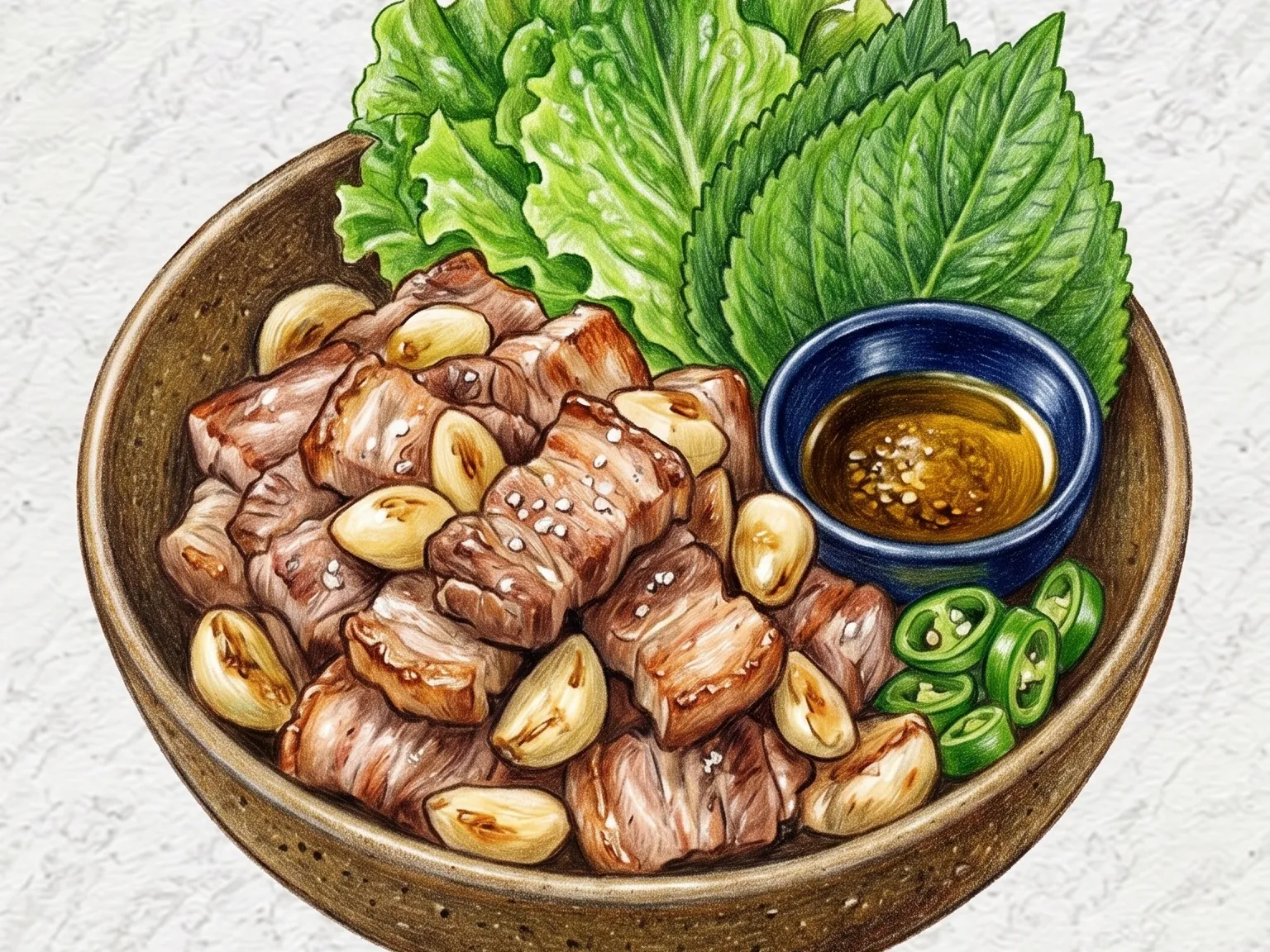
Galmaegisal-gui consists of grilled pork skirt steak harvested from the diaphragm muscle of the pig. This specific cut is recognized in Korean cuisine for its scarcity, as a single animal yields only between 200 and 300 grams of meat. Due to this limited supply, the cut is categorized as a specialty item within Korean barbecue establishments rather than a standard staple. Structurally, the meat resembles beef skirt steak because it features a very pronounced grain. This physical characteristic results in a texture that provides a substantial and firm chew. Additionally, the cut carries a specific fatty aroma that is characteristic of pork yet distinct from other common grilled parts of the animal. Before the meat reaches the heat, it typically receives a light seasoning composed of soy sauce, minced garlic, and cracked black pepper. The cooking process requires a high temperature, using either a bed of natural charcoal or a heavily heated pan to sear the exterior rapidly. Because the slices are relatively thin, the preparation involves keeping each side over the maximum heat source for less than sixty seconds. This timing ensures that the surface undergoes the Maillard reaction to achieve caramelization without drying out the interior. Ideally, the center of the meat remains slightly pink, reaching a medium level of doneness. If the cooking time extends beyond this window, the muscle fibers tend to contract and tighten significantly. Such overcooking removes the springy and resilient texture that defines the quality of this particular cut. When prepared over charcoal, the smoke particles are able to enter the juices of the pork, which produces a complex layer of smokiness. This specific flavor profile is difficult to achieve when using a standard gas or electric heating element. Once removed from the grill, the hot slices are traditionally dipped into a small saucer containing sesame oil and coarse grains of salt. This combination allows the toasted scent of the oil to blend with the smoky residue from the charcoal. For the final step of the meal, the meat is often placed inside a wrap made of fresh perilla or lettuce leaves. The addition of these greens introduces a botanical flavor that balances the inherent richness of the grilled pork.

Korean Shepherd's Purse Beef Soup
Naengi-soegogi-guk brings together sesame-oil-seared beef and shepherd's purse in a clear, deeply flavored broth. Thinly sliced brisket is stir-fried in sesame oil first, building a savory, aromatic base before water and a small amount of doenjang are added. The soup simmers until the beef releases its full flavor into the broth, then soup soy sauce and garlic round out the seasoning. Shepherd's purse goes in near the end and cooks for just five minutes so its characteristic earthy bitterness and wild green scent stay vivid rather than cooking out. The result is a bowl that feels both substantial and distinctly seasonal, with rich beef broth anchoring the delicate, slightly bitter quality of the spring herb. Adding the herb too early dulls its aroma, so timing is the most critical step in the preparation.

Korean Soy-Braised Black Beans
Kongjaban is a traditional Korean side dish of black soybeans slowly braised over low heat in a seasoning liquid of soy sauce, sugar, and corn syrup until the liquid reduces completely and the beans are glossy and lacquered. Starting with enough braising liquid is essential: the beans need time to absorb the seasoning gradually before the moisture evaporates, and rushing the heat causes scorching before the interiors have softened. As the liquid reduces, the sugars caramelize against the exterior of each bean, building the glossy dark coating that makes kongjaban recognizable on any Korean table. The soy sauce and sugar create a sweet-salty interplay that is quietly addictive, and sesame oil added at the very end contributes a nutty aroma that lingers. Soaking the dried beans overnight before boiling ensures a tender interior without losing the structural integrity that prevents them from turning to mush during the braise. Corn syrup keeps the exterior pliable and shiny even after the dish cools and is stored. Refrigerated in a clean container, kongjaban keeps for more than two weeks, which explains why it is one of the most consistently prepared staple side dishes in Korean households.

Korean Myeongi Jangajji Bibim Udon (Wild Garlic Pickle Udon)
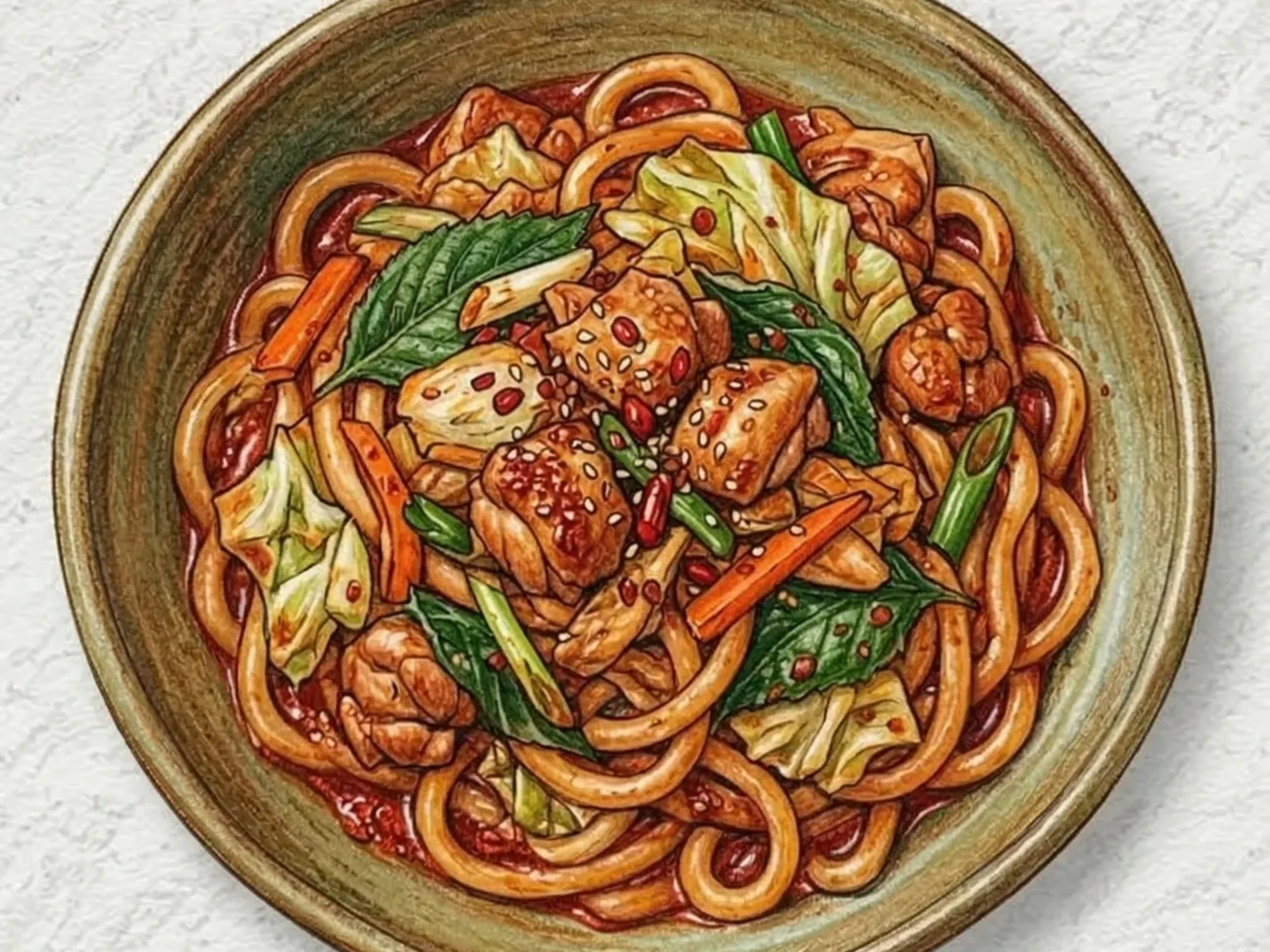
Myeongi jangajji bibim udon is a Korean mixed noodle dish where springy udon noodles are tossed with sliced soy-pickled wild garlic, gochujang sauce, canned tuna, and julienned cucumber. The pickle brine is used in place of plain vinegar in the dressing, which introduces a fermented depth that regular acidity cannot replicate. Squeezing excess moisture from the pickled leaves before slicing ensures they distribute evenly among the noodles. Drained tuna adds protein and a savory richness, while the cucumber brings a crisp, watery crunch that counterbalances the salty pickles and spicy gochujang. Draining the udon thoroughly after cooking is essential so the sauce stays concentrated and coats each strand.

Tofu Sesame Salad (Chilled Tofu with Roasted Sesame Dressing)
Tofu sesame salad starts with firm tofu cubes seared until golden on all sides, then placed over baby greens, shredded red cabbage, and julienned carrot, finished with a sesame-soy dressing. Pressing the tofu in paper towels for ten minutes removes enough moisture for the pan to produce a sizzling, nutty crust rather than steaming the surface. This crust absorbs the soy from the dressing while the soft interior provides a contrasting texture. The dressing - soy sauce, sesame oil, and vinegar - balances salt, richness, and acidity, tying the mild tofu and raw vegetables into a cohesive bowl. Tossing only half the dressing with the greens first prevents them from wilting before serving, and a final sprinkle of toasted sesame seeds releases a nutty fragrance with each bite.

Korean Perilla Soybean Sprout Namul
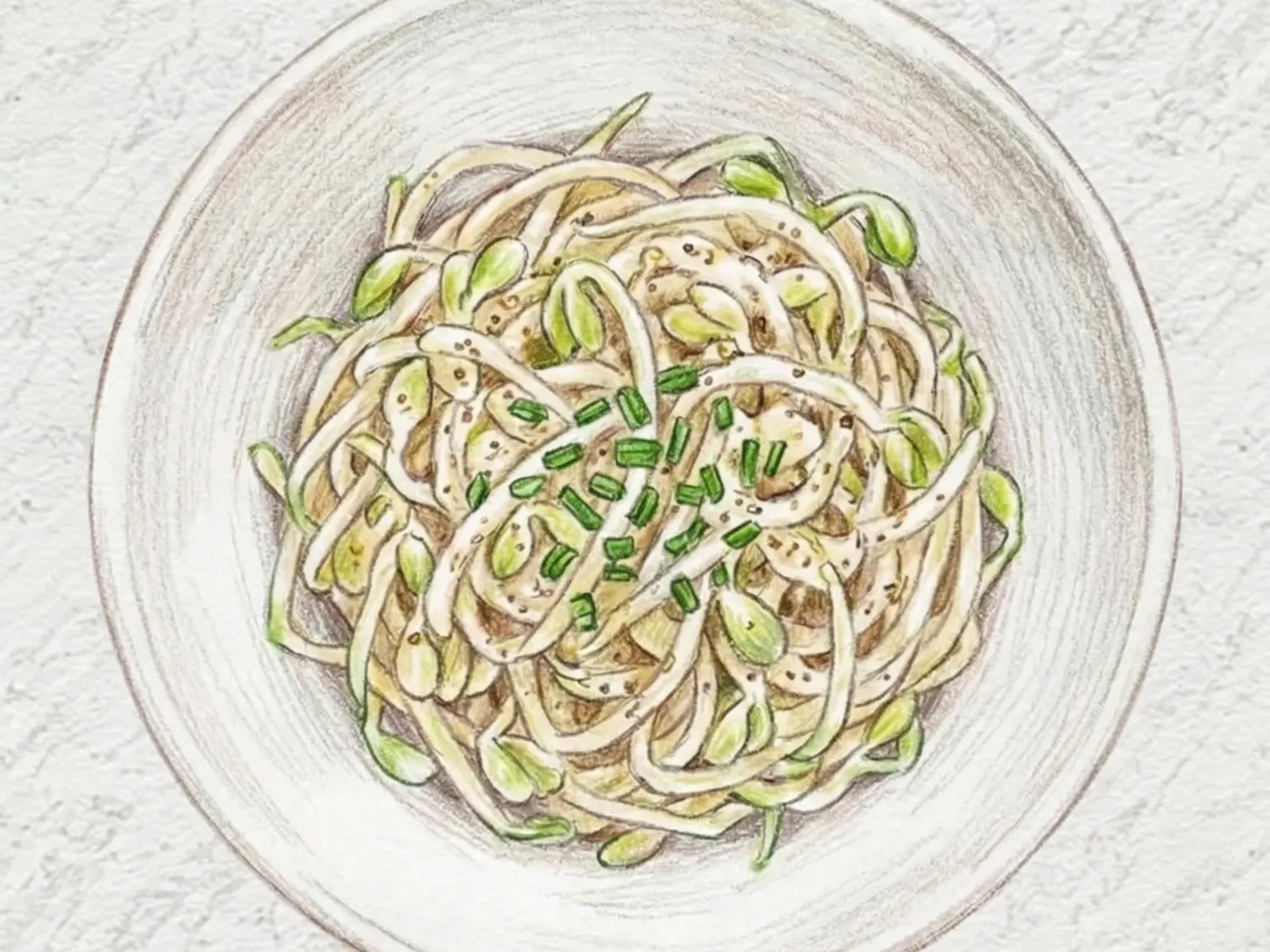
Kongnamul, soybean sprouts, are among the most consumed vegetables in Korea, and this perilla-dressed version adds a nutty, full-bodied depth that the plain sesame oil variety lacks. The sprouts are steamed with the lid sealed for five minutes, which drives off the raw bean smell while keeping the heads firm and crunchy. Tossed with perilla powder, soup soy sauce, garlic, and sesame oil while still warm, the powder absorbs the moisture and dissolves into a pale coating that makes each sprout feel creamy on the tongue. Chopped scallion contributes a sharp, grassy contrast that balances the richness, and resting the finished dish for five minutes before serving lets the seasoning penetrate evenly so the flavor comes together more completely.

Korean Eggplant Rice Bowl
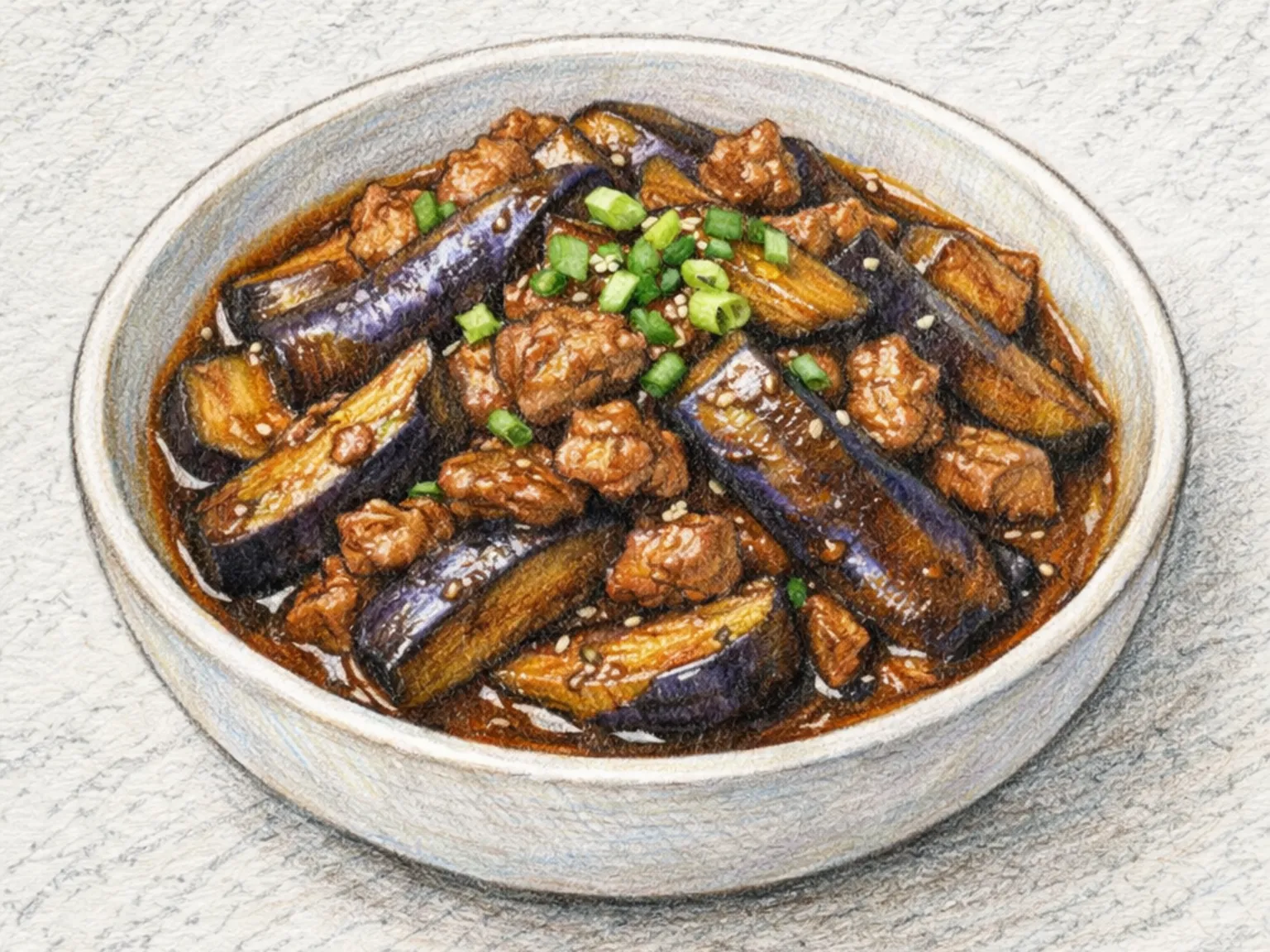
Gaji deopbap is a Korean eggplant rice bowl where sliced eggplant is pan-fried quickly in generous oil and then braised briefly with ground pork in a soy-based sauce. Soaking the eggplant in salted water for five minutes before cooking draws out bitterness and moisture. High heat is essential - eggplant absorbs oil rapidly, and fast searing creates a lightly crisp exterior while the inside collapses into a silky, almost creamy texture. The soy, sugar, and garlic sauce reduces in two minutes into a dark glaze that coats each piece, while the ground pork adds a savory depth that makes the dish feel more substantial. The sauce pools around the base of the rice and soaks into the grains, ensuring consistent flavor throughout the bowl. Green onion and sesame oil finish the dish. Summer eggplant, when the flesh is at its softest and most yielding, produces the best results. Kept cold, the eggplant holds its texture well enough to pack as a side dish for lunch.

Korean Seafood Japchae (Glass Noodles with Shrimp, Squid and Vegetables)
Haemul-japchae is a seafood version of the Korean glass noodle stir-fry, featuring shrimp, squid, spinach, carrots, and onions tossed together in soy sauce and sesame oil. Replacing meat with seafood allows the briny, mineral depth of the ocean to soak into the chewy sweet potato noodles, while the vegetables' natural sweetness keeps the overall flavor light and balanced. The noodles absorb the seasoning and take on a springy, glossy character, and the shrimp and squid contribute two distinct textures: a firm, bouncy snap from the shrimp and a satisfying chew from the squid. Scoring the squid before cooking causes it to curl and develop a pattern on the surface as it hits the heat, improving both texture and presentation. Seafood must be cooked over high heat and quickly to stay tender rather than rubbery, and the noodles should be soaked thoroughly beforehand so they absorb the seasoning evenly during the stir-fry. The dish often replaces beef japchae on holiday and celebration tables, and adding mussels or scallops deepens the broth-like quality of the finished dish.

Korean Shrimp Mandu (Chunky Shrimp and Pork Dumplings)
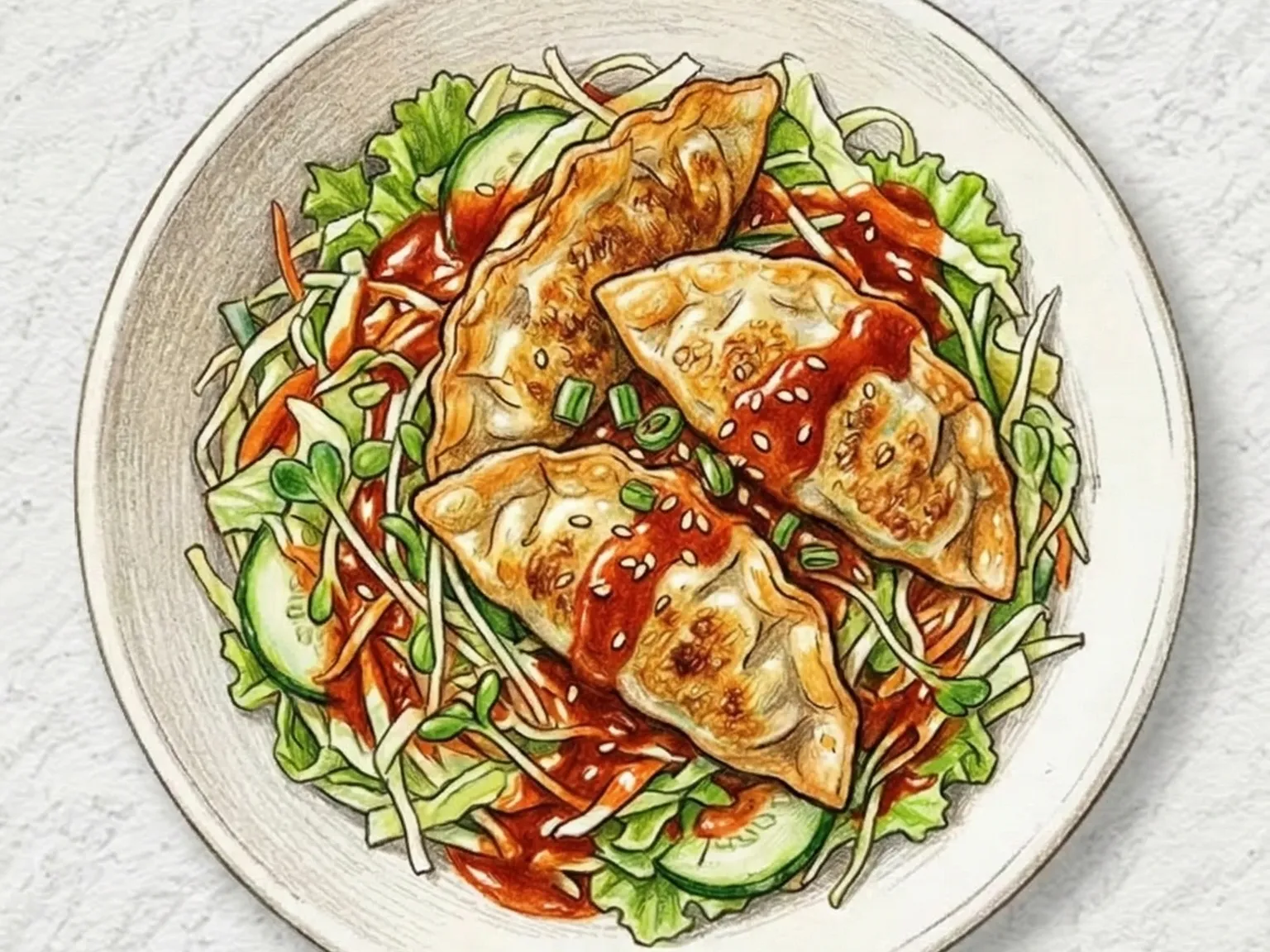
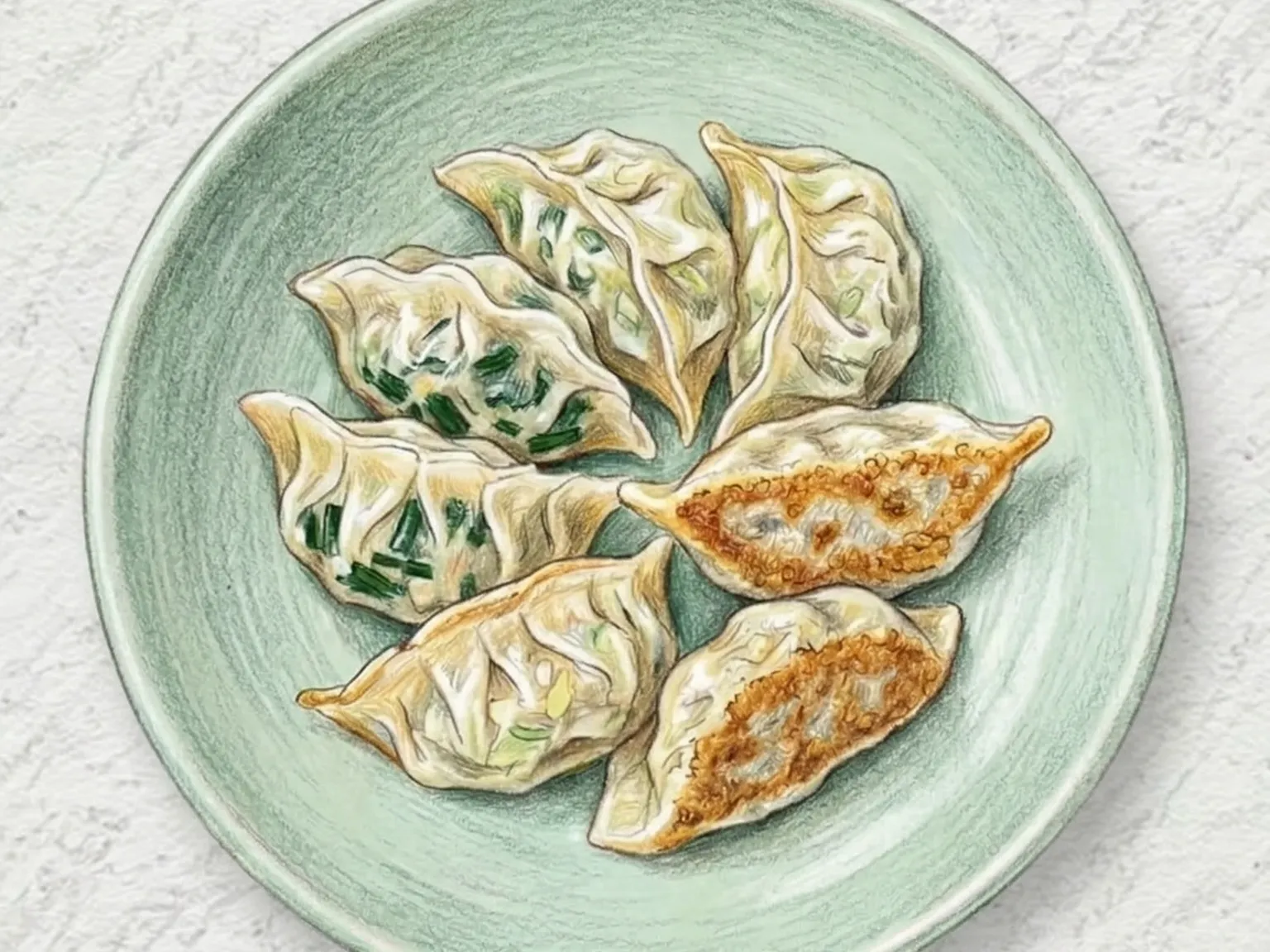
Saeu-mandu are Korean dumplings filled with coarsely chopped shrimp, ground pork, garlic chives, and onion. The shrimp is intentionally left in chunky pieces so each bite delivers a distinct pop of texture alongside the pork. The filling is seasoned with sesame oil and garlic, keeping the flavor clean with a gentle seafood sweetness underneath. Steaming turns the wrappers translucent and lets the pink shrimp show through, while pan-frying gives a golden, crisp bottom that contrasts with the soft upper shell.

Korean Grilled Soy-Marinated Blue Crab
Ganjang-gejang-gui is a Korean grilled blue crab dish where the crab is halved, marinated in soy sauce with garlic, ginger juice, and sesame oil, then cooked on a grill or in an oven until the shell chars and the meat absorbs the salty-sweet seasoning. The key flavor element is the crab's hepatopancreas inside the top shell, which solidifies under heat into a thick, intensely savory paste that acts as a built-in sauce when eaten with the leg and body meat. The sugars in the soy marinade caramelize over high heat, forming a glossy glaze across the shell surface, and a final brush of sesame oil before serving adds a toasted nuttiness over the briny crab flavor. Marinating time matters considerably: a minimum of thirty minutes allows the soy to penetrate the surface, but refrigerating the crab for one to two hours gives the seasoning time to reach the interior flesh, producing noticeably deeper flavor. Placing the grilled crab over a bowl of rice and mixing the shell's concentrated juices and tomalley into the grains makes a complete meal without any additional side dishes.