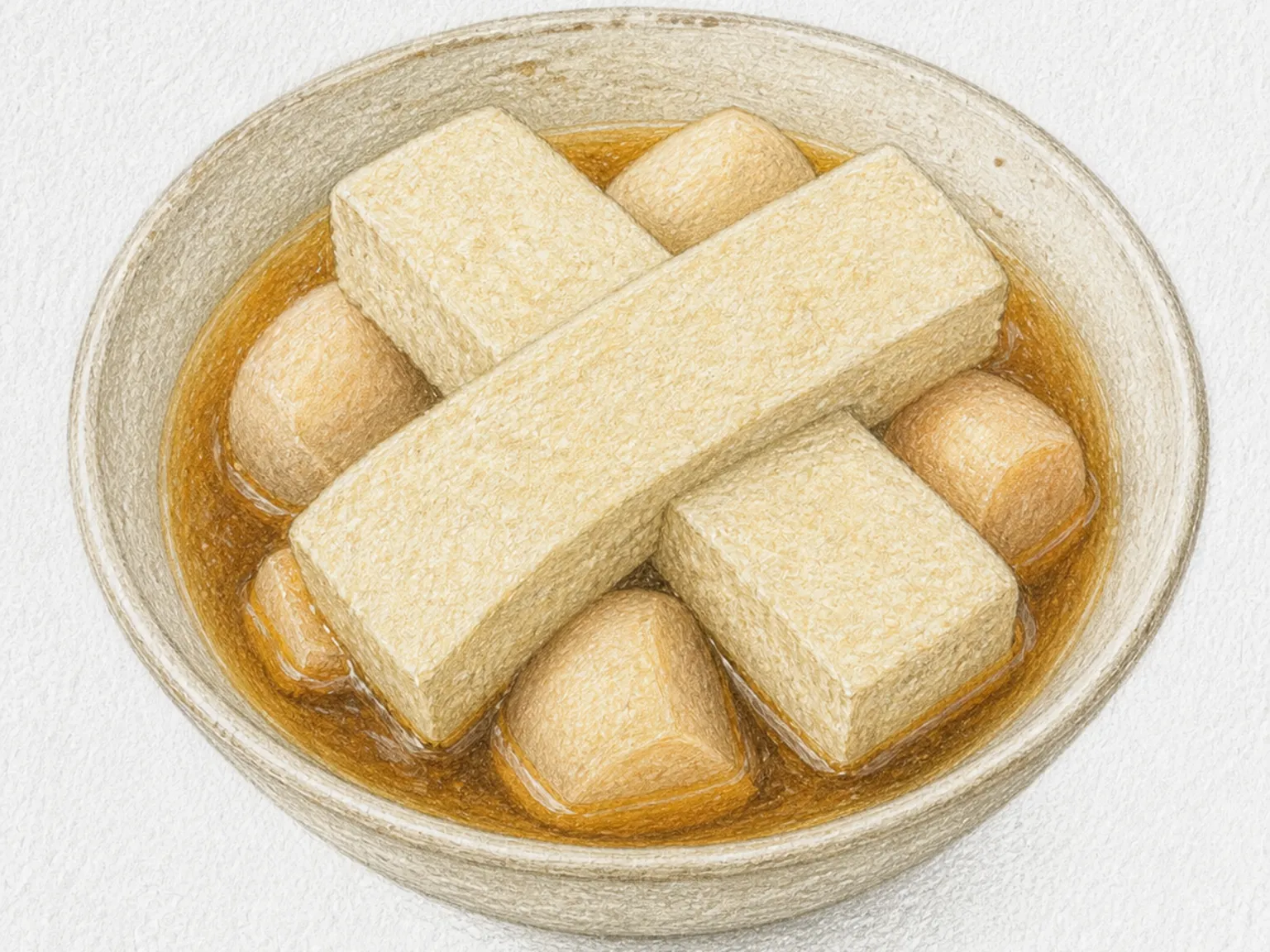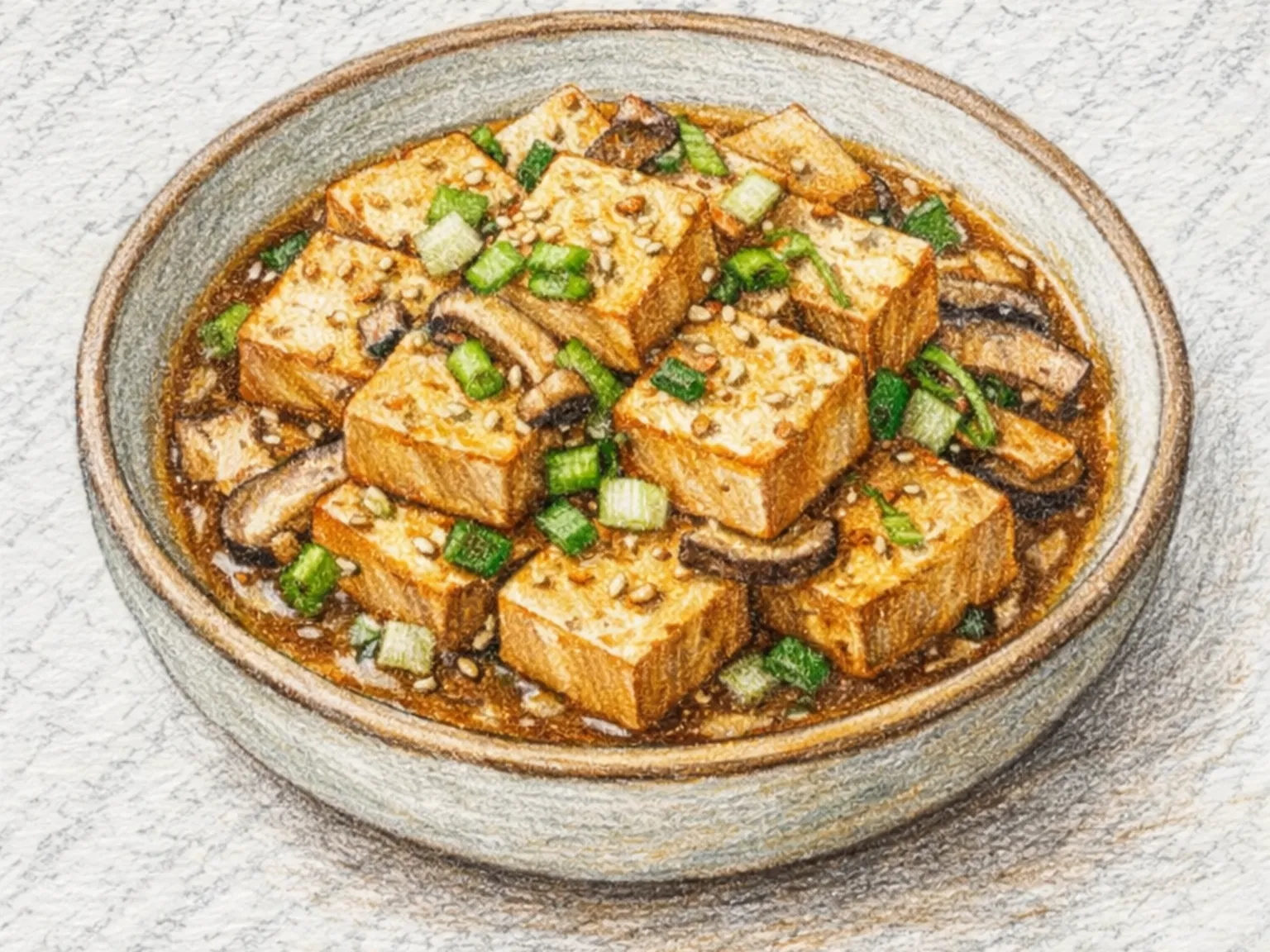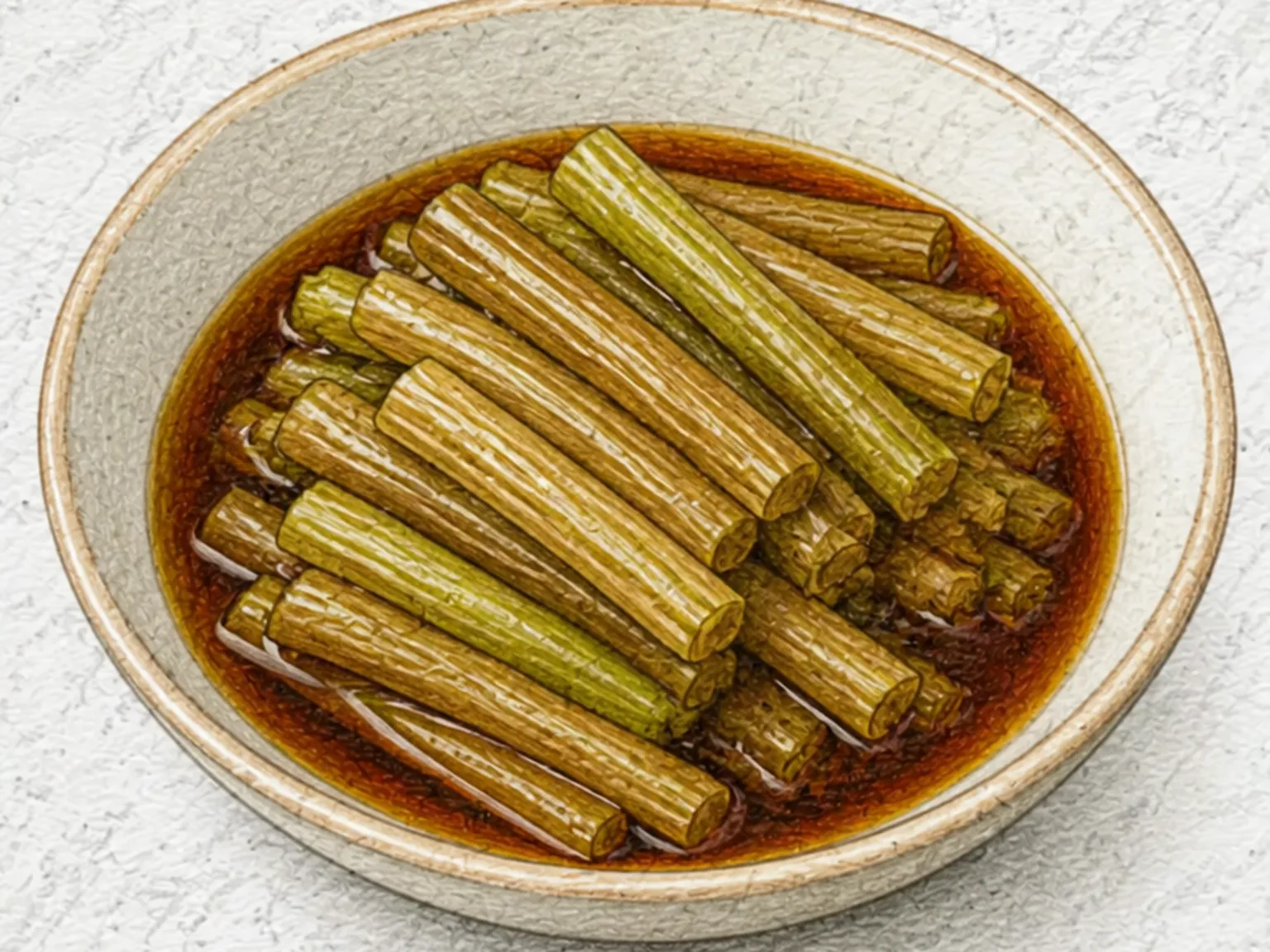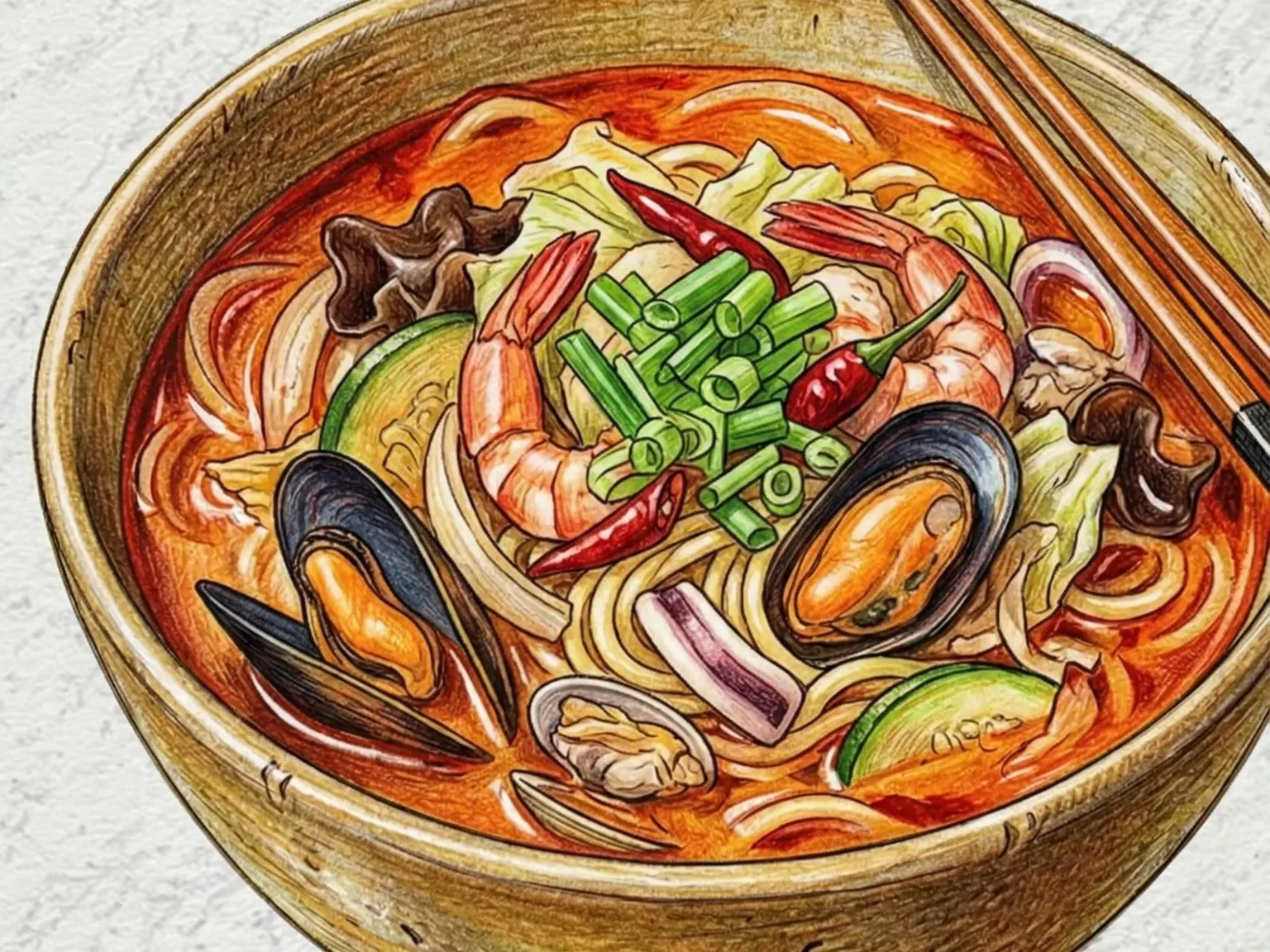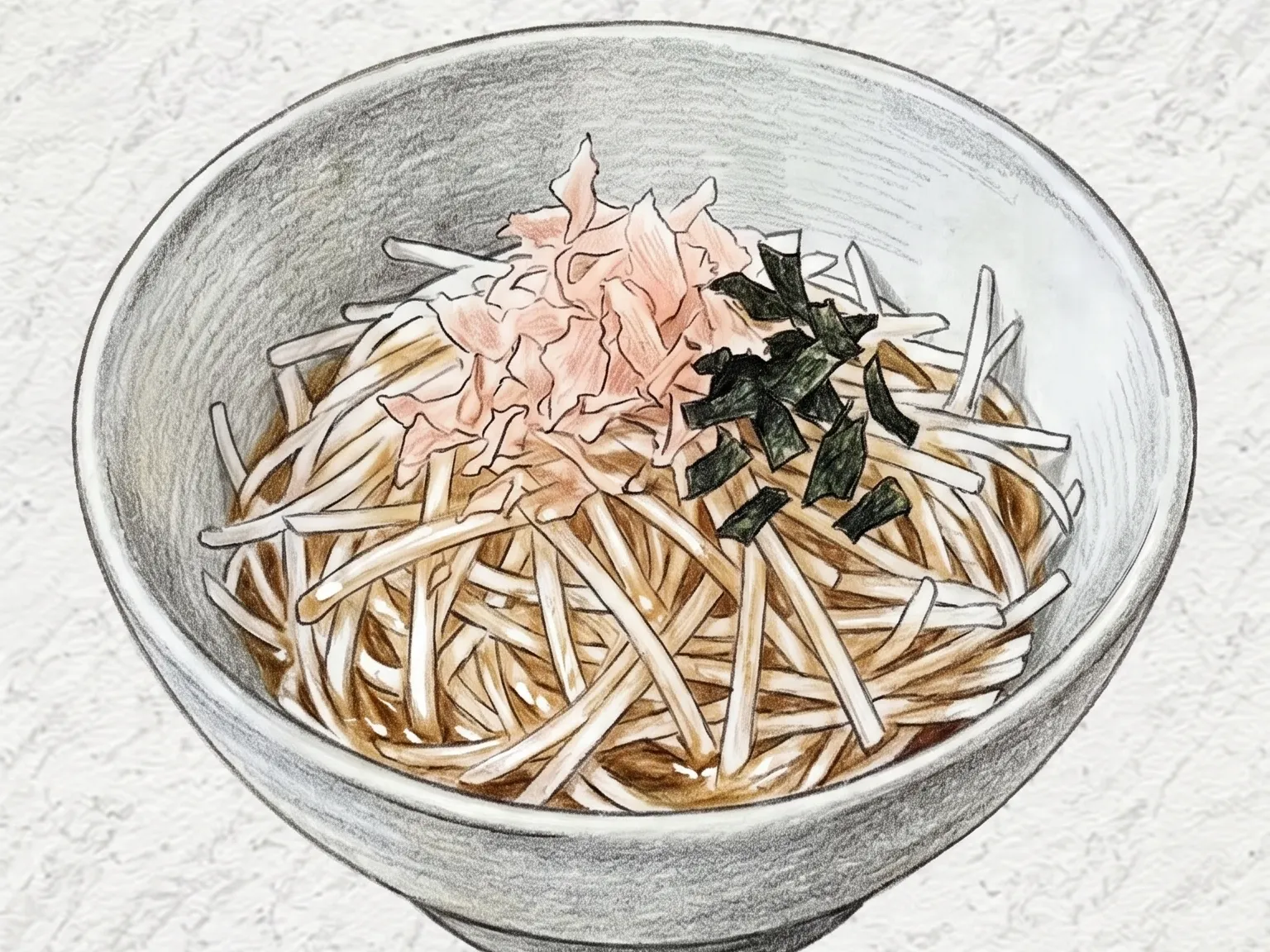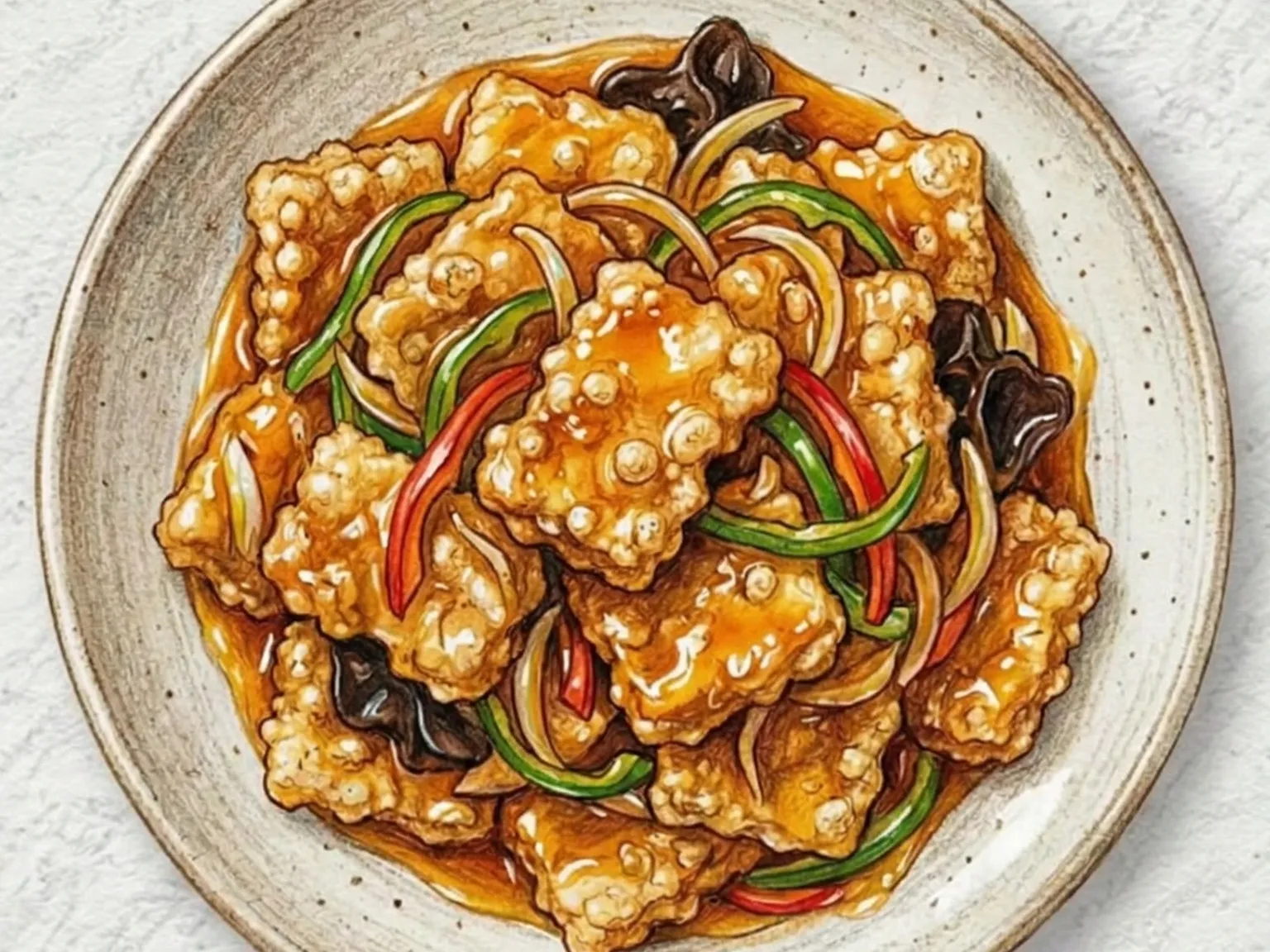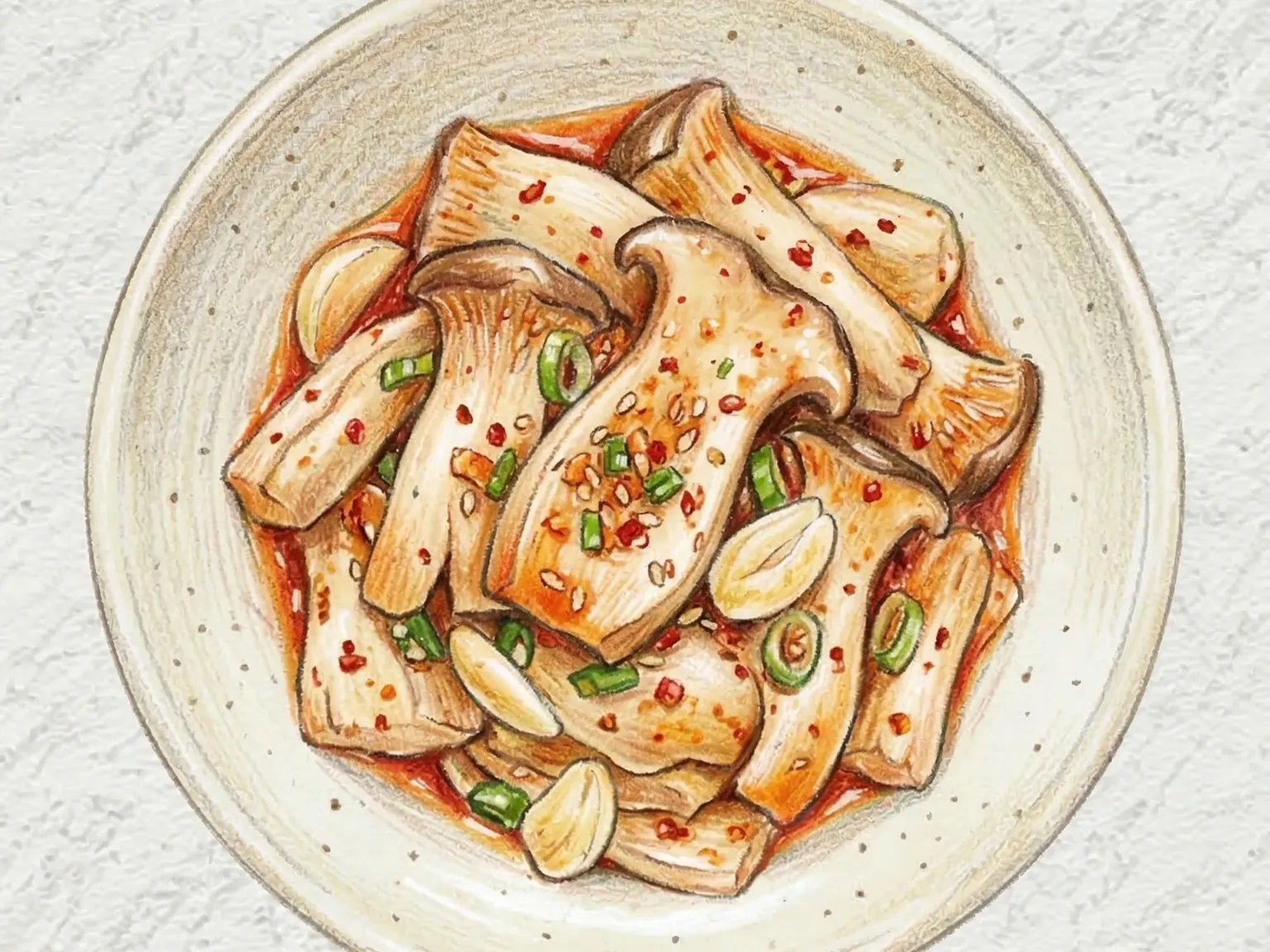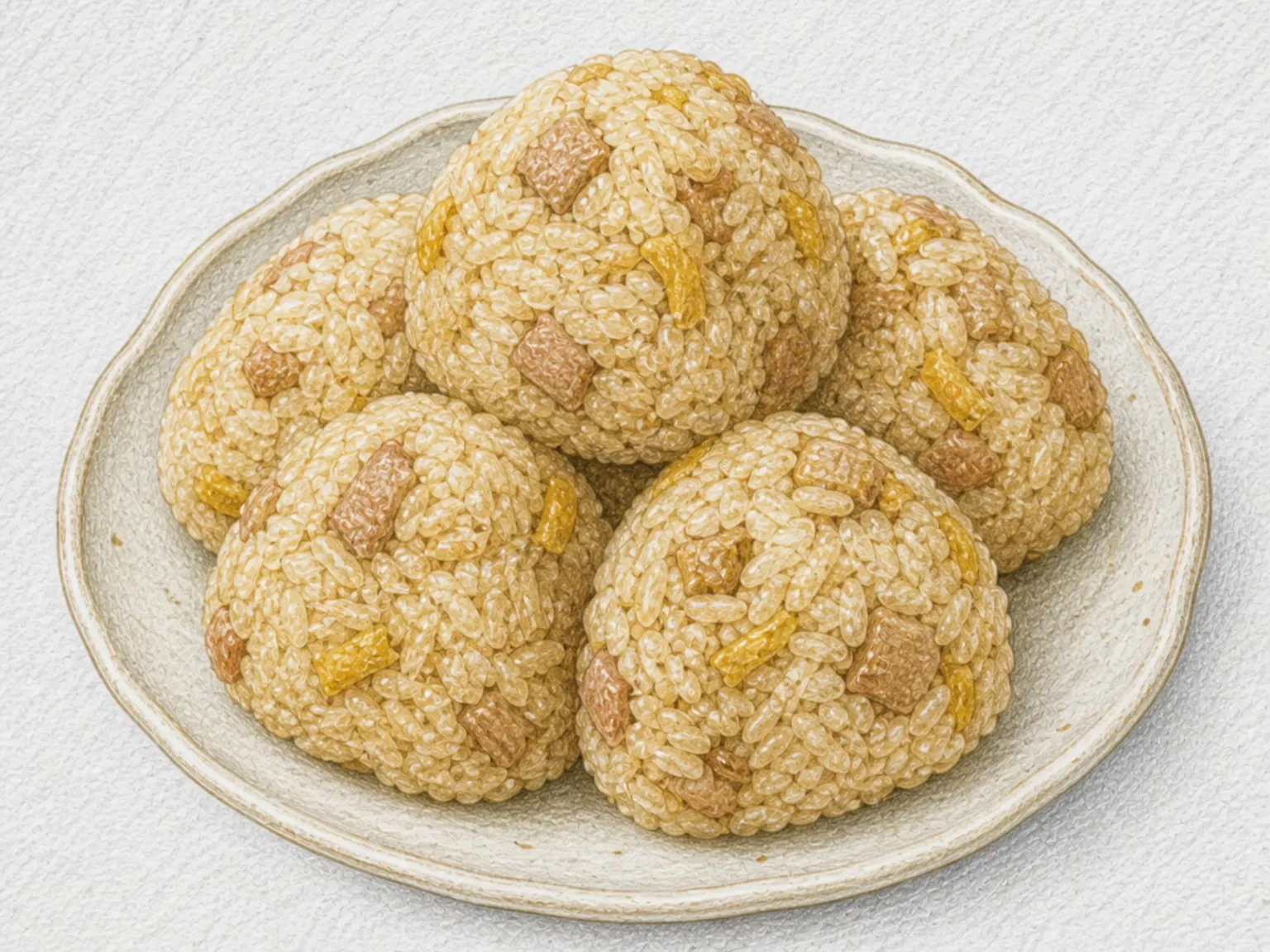
Korean Pickled Garlic (Soy-Vinegar Aged Whole Cloves)
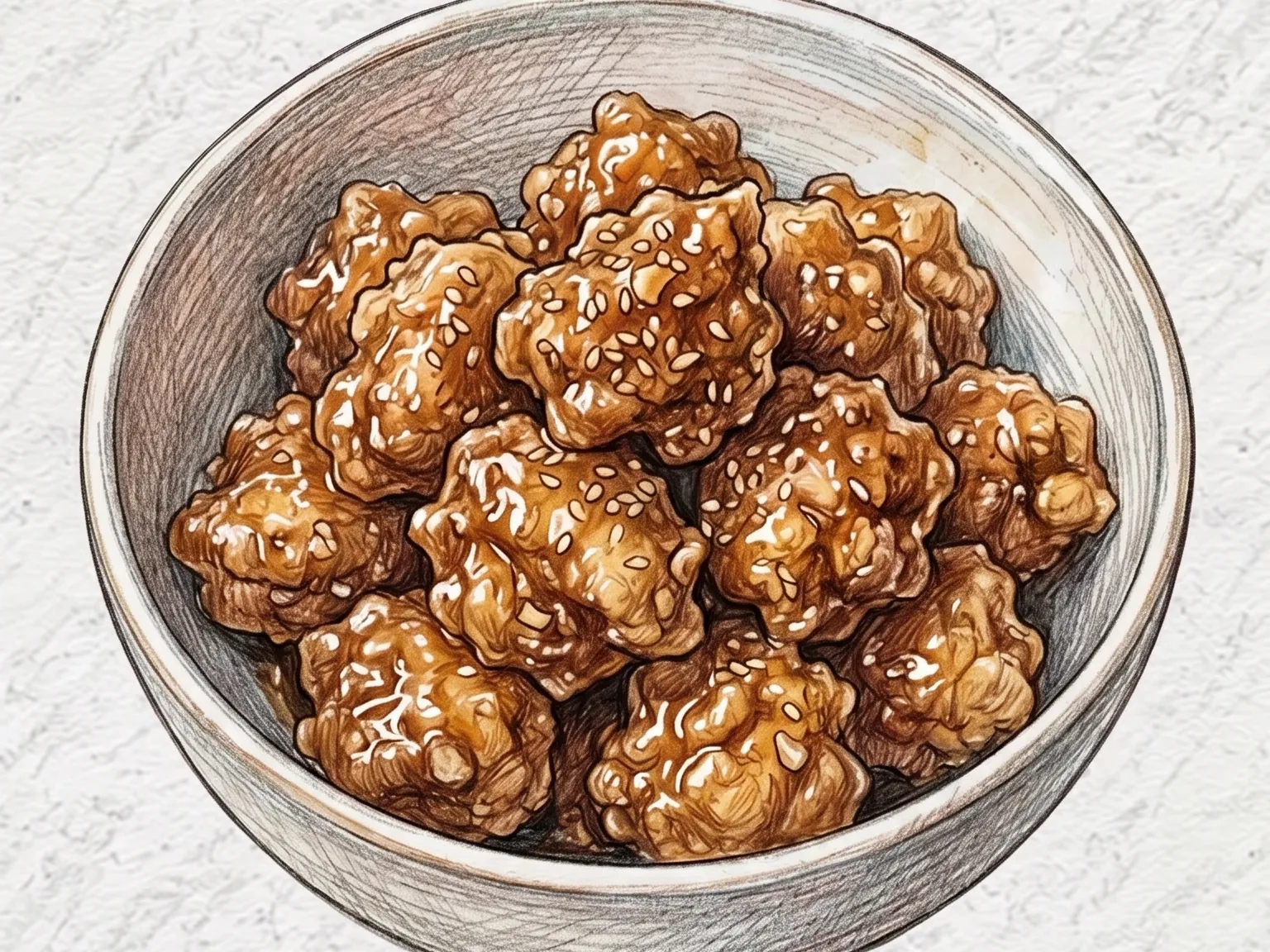
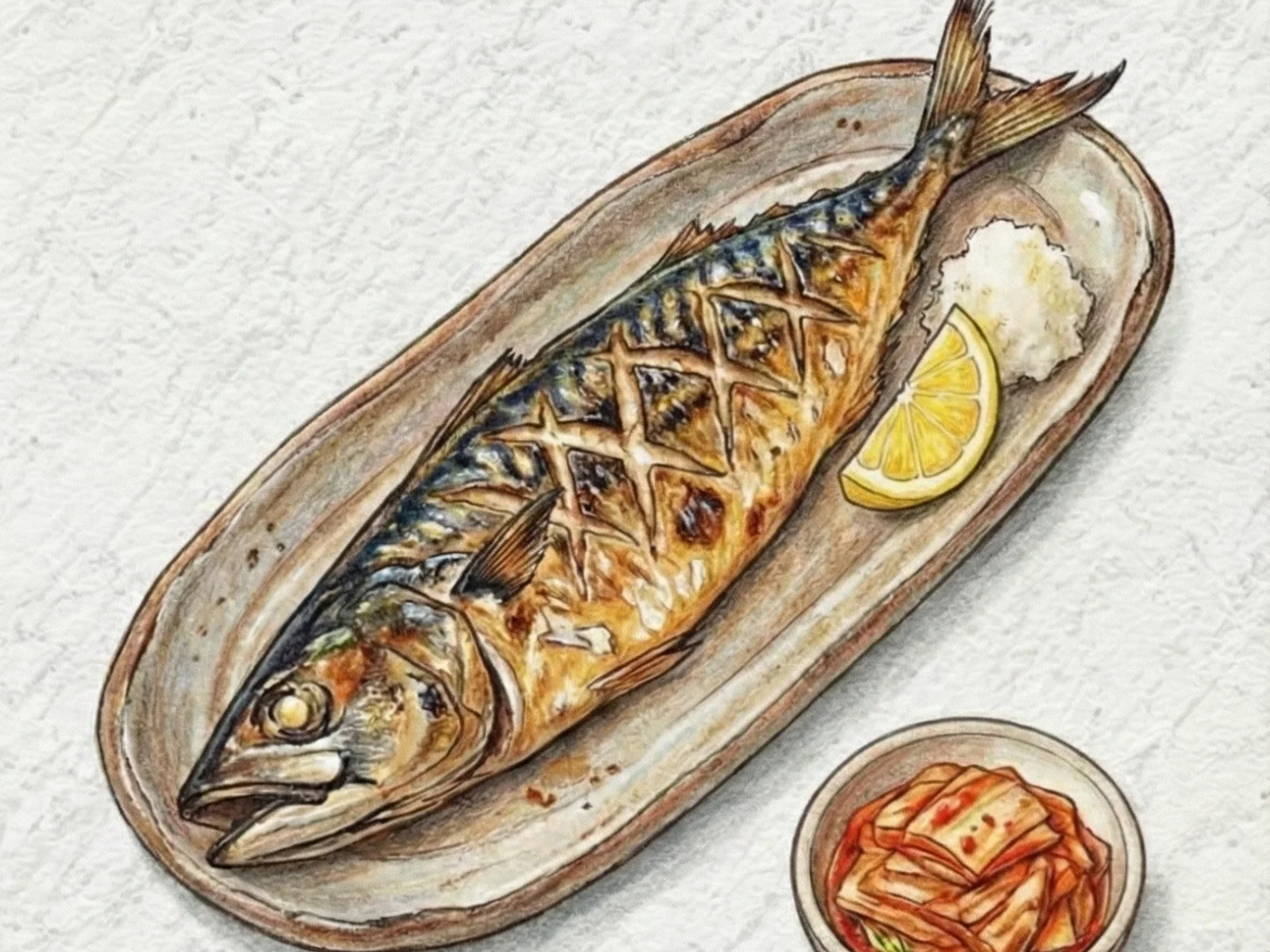
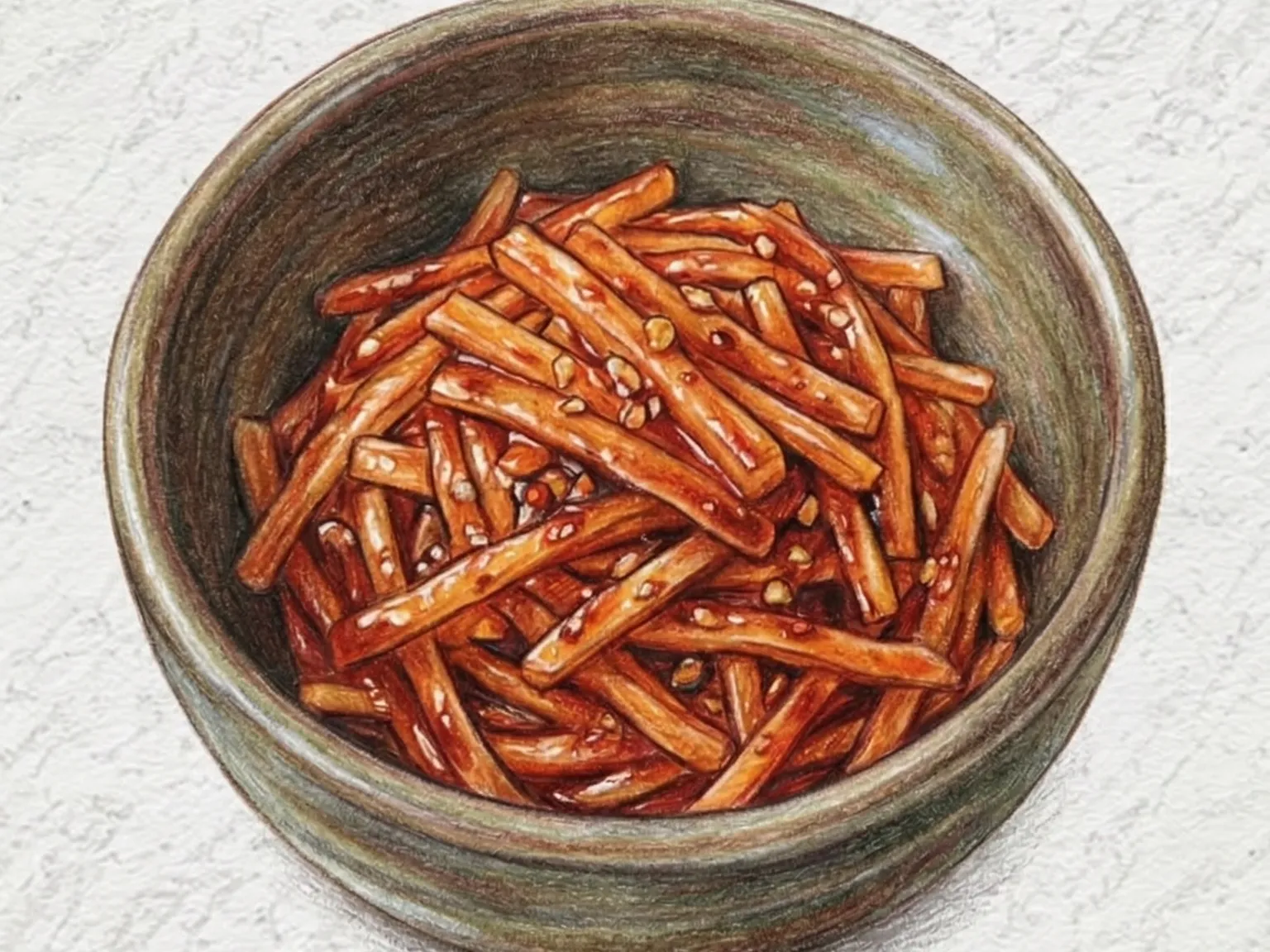
Maneul-jangajji is whole garlic cloves pickled in a soy-vinegar brine, a traditional Korean preserved banchan that sits near-permanently in the kimchi refrigerator alongside kimjang kimchi. The customary practice is to make it during the June fresh garlic harvest and eat it throughout the year, replenishing the supply annually. After three or more months submerged in the brine, every trace of the raw garlic's sharp, pungent bite disappears, leaving behind a clove that has become almost translucent, with a jelly-firm texture and a clean salty-sweet flavor with no heat at all. The baseline ratio for the brine is two parts soy sauce to one part vinegar. Increasing the vinegar beyond that ratio tips the flavor too far toward sourness, making the pickles difficult to eat alongside rice as a general banchan. The brine must be brought to a full boil and cooled completely before it is poured over the garlic - never hot, which would partially cook the cloves. Repeating the cycle of draining the brine, reboiling it, cooling it, and returning it to the jar every three days for three complete cycles significantly extends shelf life and builds a more layered depth of flavor than a single pouring achieves. Skipping this process results in a noticeably flatter pickle. After three days at room temperature to initiate fermentation, the jar moves to the refrigerator, where the lower temperature slows the process and preserves the characteristic crunch for months. The finished pickles are eaten one clove at a time alongside grilled pork belly or short ribs, where their acidity cuts through the fat. Minced finely and stirred into fried rice, they contribute a concentrated umami that is difficult to replicate with raw garlic.

Korean Spam Fried Rice (Crispy Spam Cubes with Egg and Rice)
Spam bokkeumbap is a Korean fried rice built around crispy cubes of pan-seared Spam, whose salty, caramelized edges give the dish an addictive quality. The Spam is diced small and dry-fried without added oil - its own rendered fat crisps the outside while keeping the inside moist and savory. Onion and scallion go in next for aromatic depth, followed by cold leftover rice that is tossed over high heat until every grain picks up the salty pork flavor left in the pan. Beaten egg is scrambled into the rice, coating the grains in a thin, soft layer. A splash of soy sauce and a drizzle of sesame oil finish the dish with umami and nuttiness. The whole thing comes together in under ten minutes, making it one of the fastest comfort meals in the Korean home-cooking repertoire.

Korean Spicy Gochujang Bulgogi
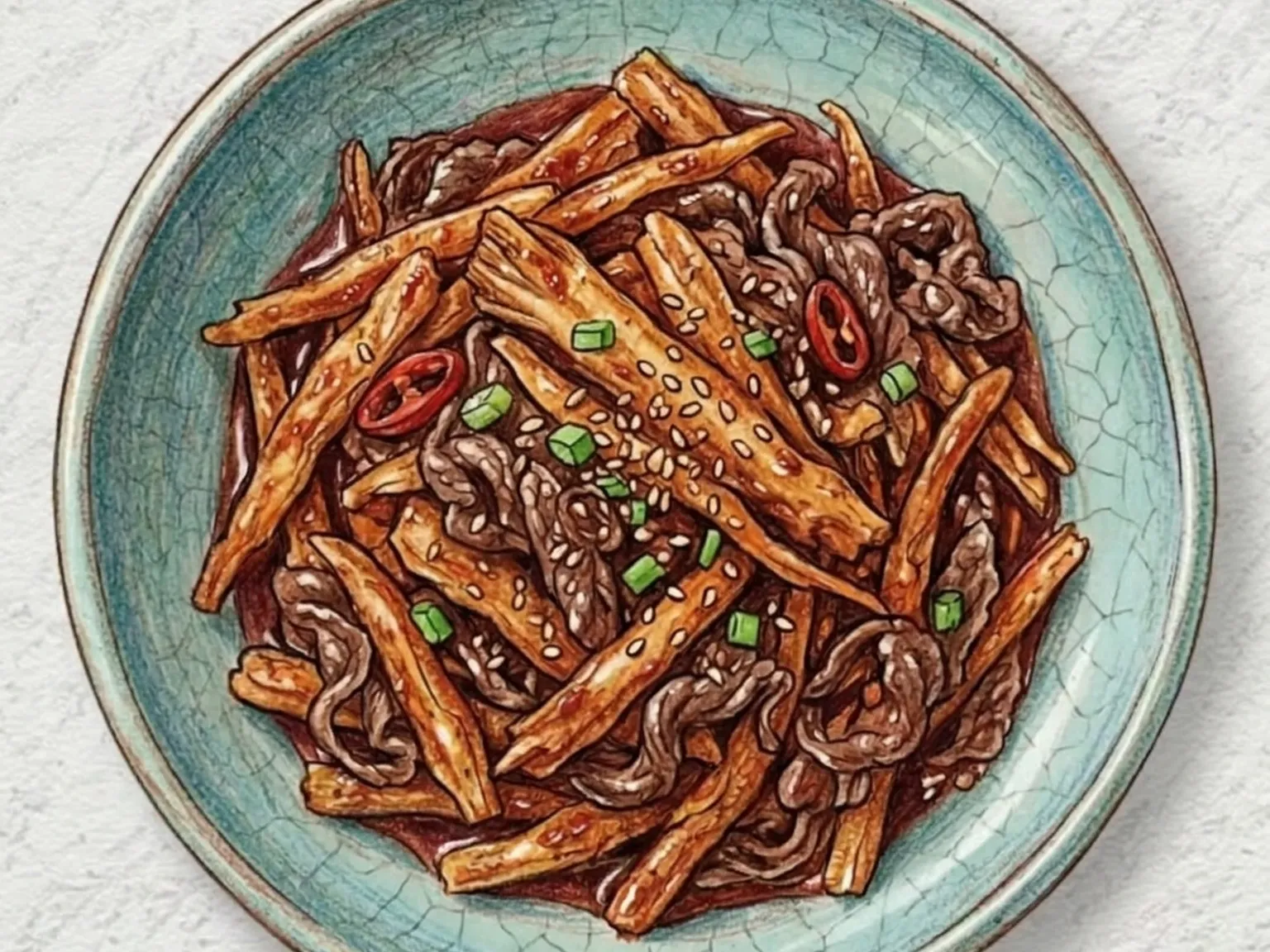
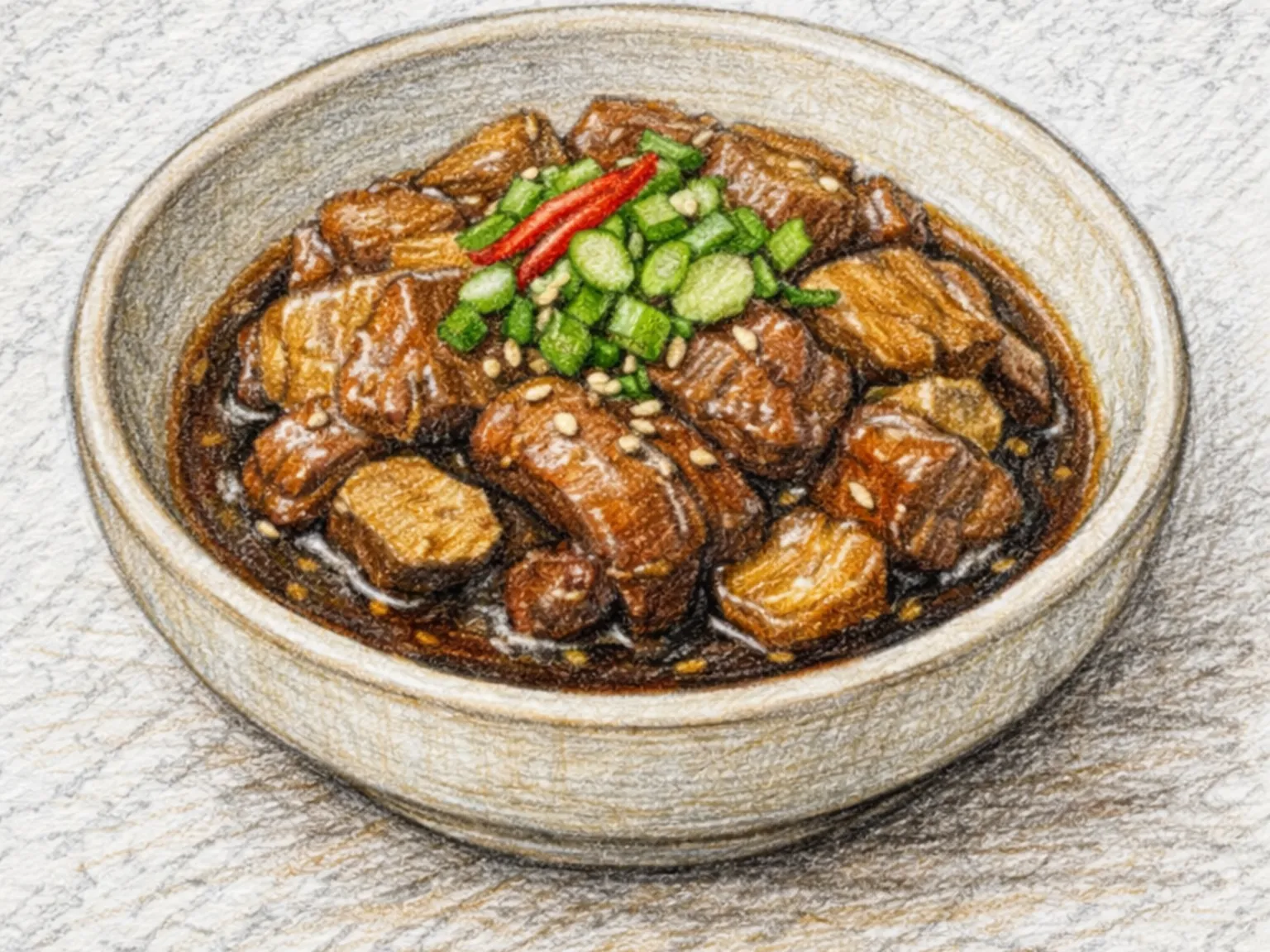
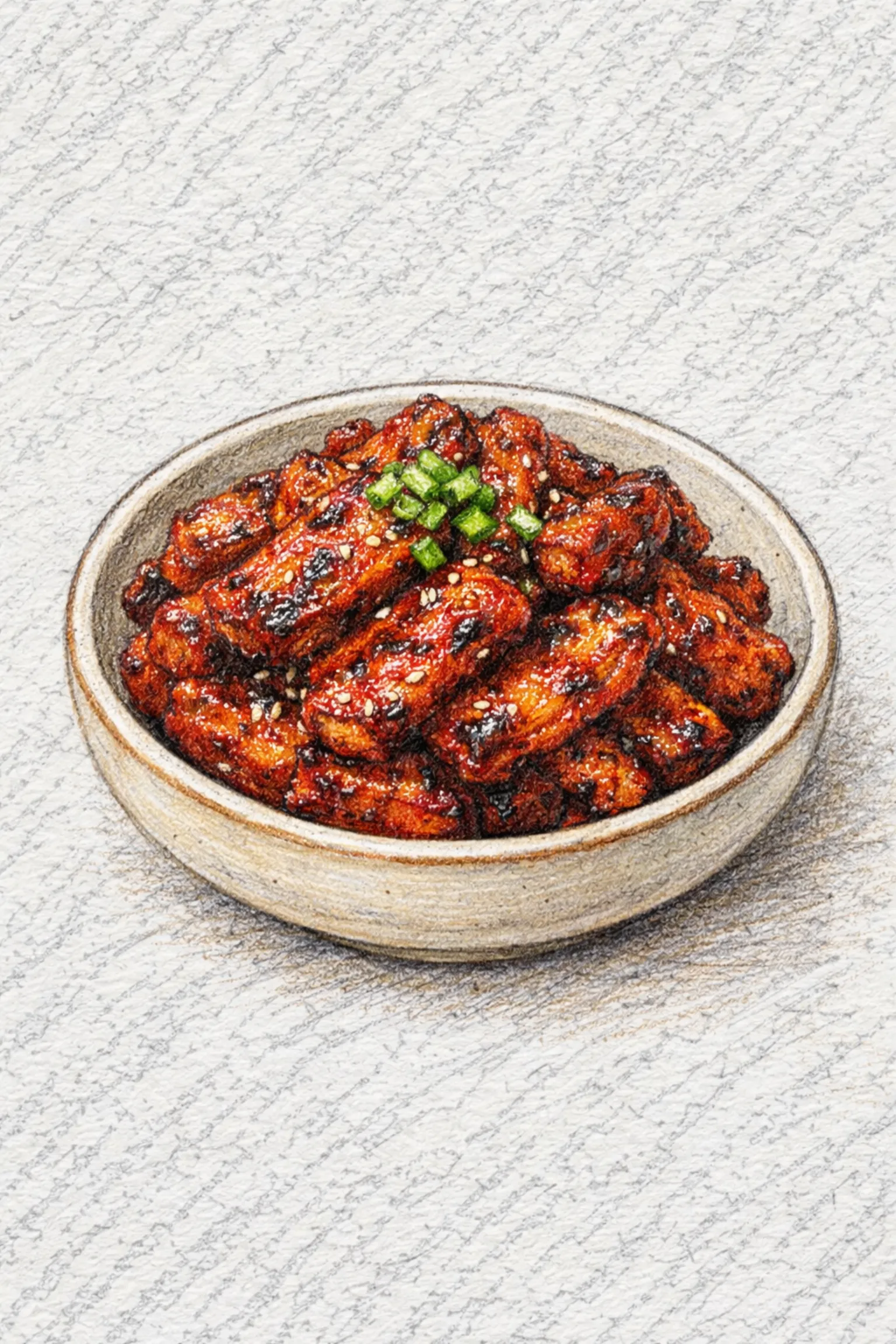
Spicy gochujang pork bulgogi builds its bold flavor from a marinade of gochujang, Korean chili flakes, soy sauce, corn syrup, and garlic applied to thick-cut pork neck, then stir-fried over high heat. The gochujang delivers a deep, fermented heat while the corn syrup adds a glossy sweetness that helps the sauce caramelize on the surface of the meat. Adding chili flakes separately from the gochujang introduces a different texture and heat quality, creating a more complex spice profile than either ingredient alone would produce. Allowing the moisture to evaporate before adding the onion is important, as onion releases liquid when it hits the pan and will thin the sauce if added too early. The natural sugars in the onion contribute a mild sweetness that tempers the chili heat once the moisture has cooked off. Scoring thicker pieces of pork two or three times with a knife allows the marinade to penetrate more evenly and ensures consistent seasoning throughout. Finishing with green onion over high heat for thirty seconds adds a smoky char note while leaving a fresh aromatic lift. The recipe yields a generous four servings, making it a practical main dish for family meals or a filling for ssam wraps.

Korean Vegetable Dumplings
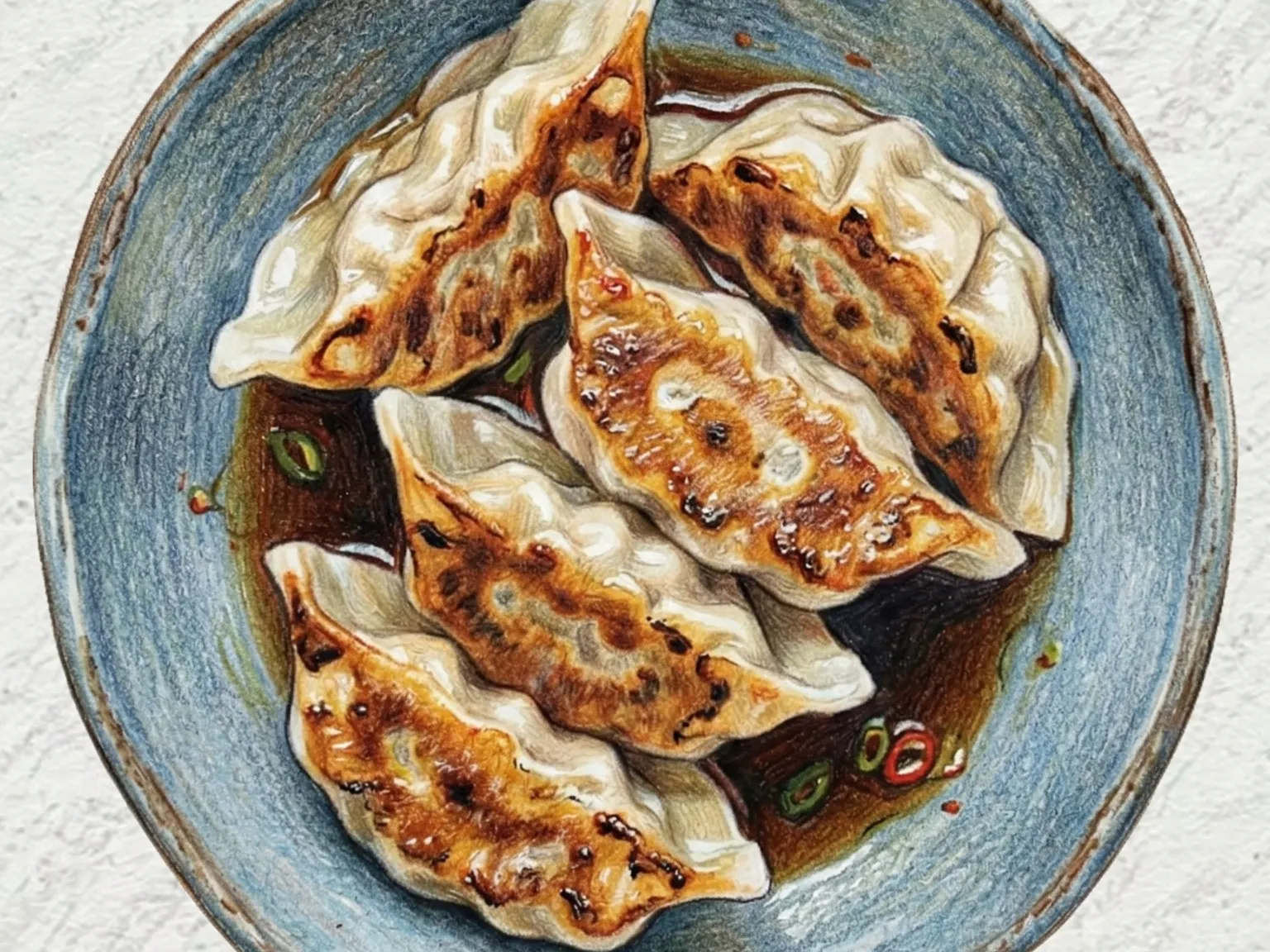
Yachae-mandu are Korean vegetable dumplings filled with finely chopped cabbage, garlic chives, rehydrated glass noodles, and crumbled firm tofu, seasoned with soy sauce, sesame oil, and minced garlic. Squeezing all moisture from the tofu through a clean cloth and salting the cabbage before pressing it dry are both essential steps that prevent the wrappers from bursting during cooking. The glass noodles, cut short before going into the filling, distribute a springy chew throughout each bite rather than clumping in one place. Garlic chives stand in for green onions and bring a pungent, grassy aroma that gives the filling its character without any meat. Pan-frying over medium heat creates a thin, golden crust along the bottom of each dumpling while the upper half stays soft and slightly moist, so every bite delivers a contrast between crisp and tender. Leaving enough border around the filling when sealing the edge prevents blowouts during cooking and keeps the shape intact through to the table.

Korean Stuffed Squid Grill
Ojingeo-sun-gui is grilled stuffed squid, a Korean dish where cleaned squid tubes are filled with a mixture of soaked glutinous rice, crumbled tofu, diced carrot, soy sauce, and sesame oil, sealed with toothpicks, and grilled over medium heat with frequent turning. The glutinous rice needs at least three hours of soaking to cook through evenly inside the squid cavity, and the tofu must be pressed dry in cheesecloth to prevent the filling from becoming waterlogged and falling apart. Filling only seventy to eighty percent of each tube is essential because the rice expands as it cooks, and overstuffed squid will burst on the grill. When sliced into 1.5-centimeter rounds after grilling, each piece reveals concentric layers in cross section: the chewy squid exterior, a sticky ring of glutinous rice, and a soft tofu core at the center. The seasoning built into the filling with soy sauce and sesame oil is sufficient on its own, so no dipping sauce is required.

Korean Steamed Oysters
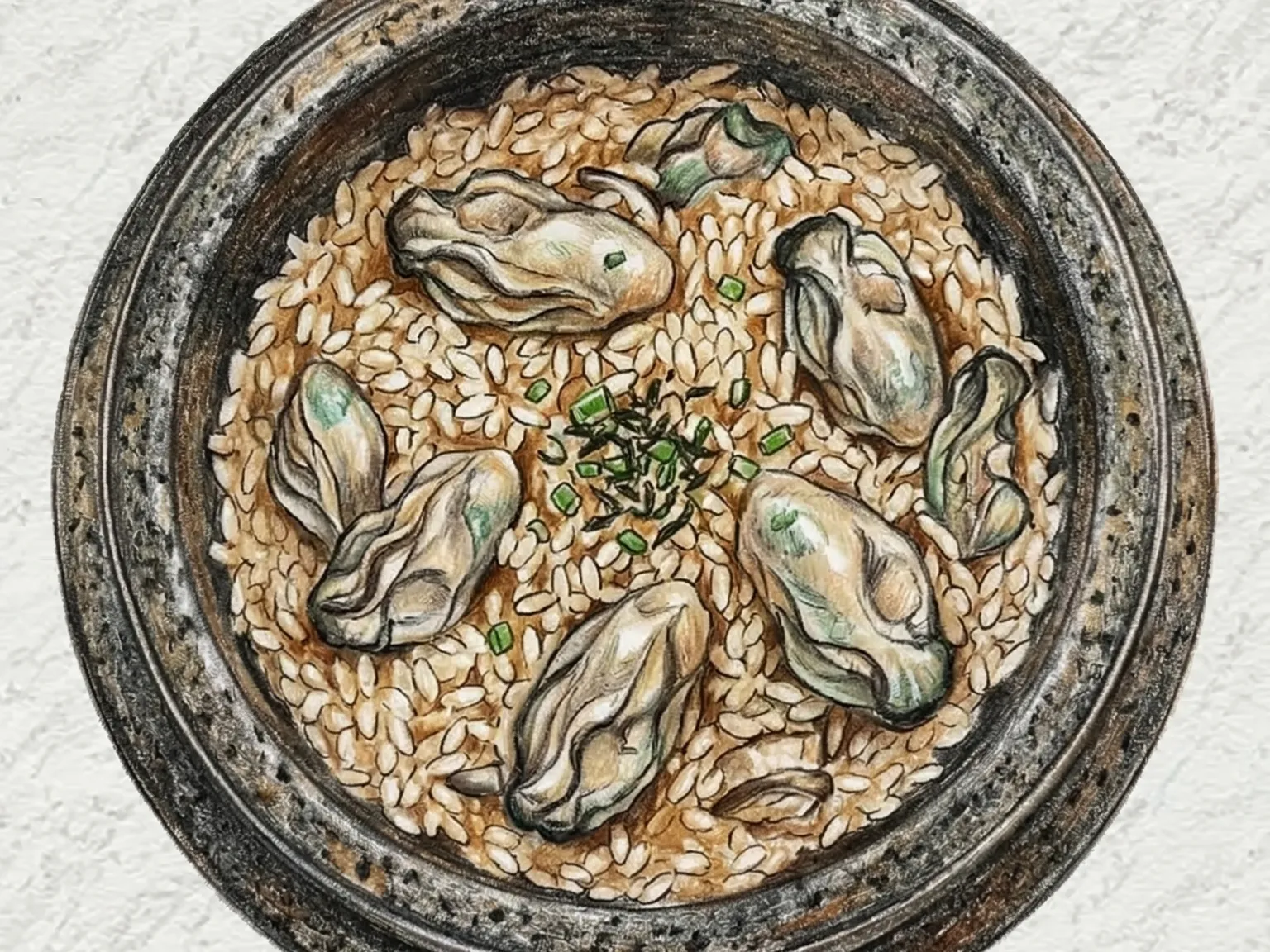
Gul-jjim is Korean steamed oysters cooked in their shells over high steam until the shells pop open. The shell acts as a natural vessel, trapping the briny liquor inside and keeping the oyster meat plump and moist throughout cooking. A dipping sauce made from soy sauce, vinegar, and gochugaru delivers a sharp, tangy contrast to the oyster's mild sweetness, while lemon wedges cut through any residual brininess and leave a clean finish. With minimal preparation and a cooking time under ten minutes, this dish is one of the most straightforward ways to enjoy winter oysters at their freshest. The single most important technique is removing the oysters from heat the moment the shells crack open, since even a minute of additional steaming causes the meat to shrink and toughen.

Zhajiangmian (Chinese Black Bean Paste Noodles with Ground Pork)
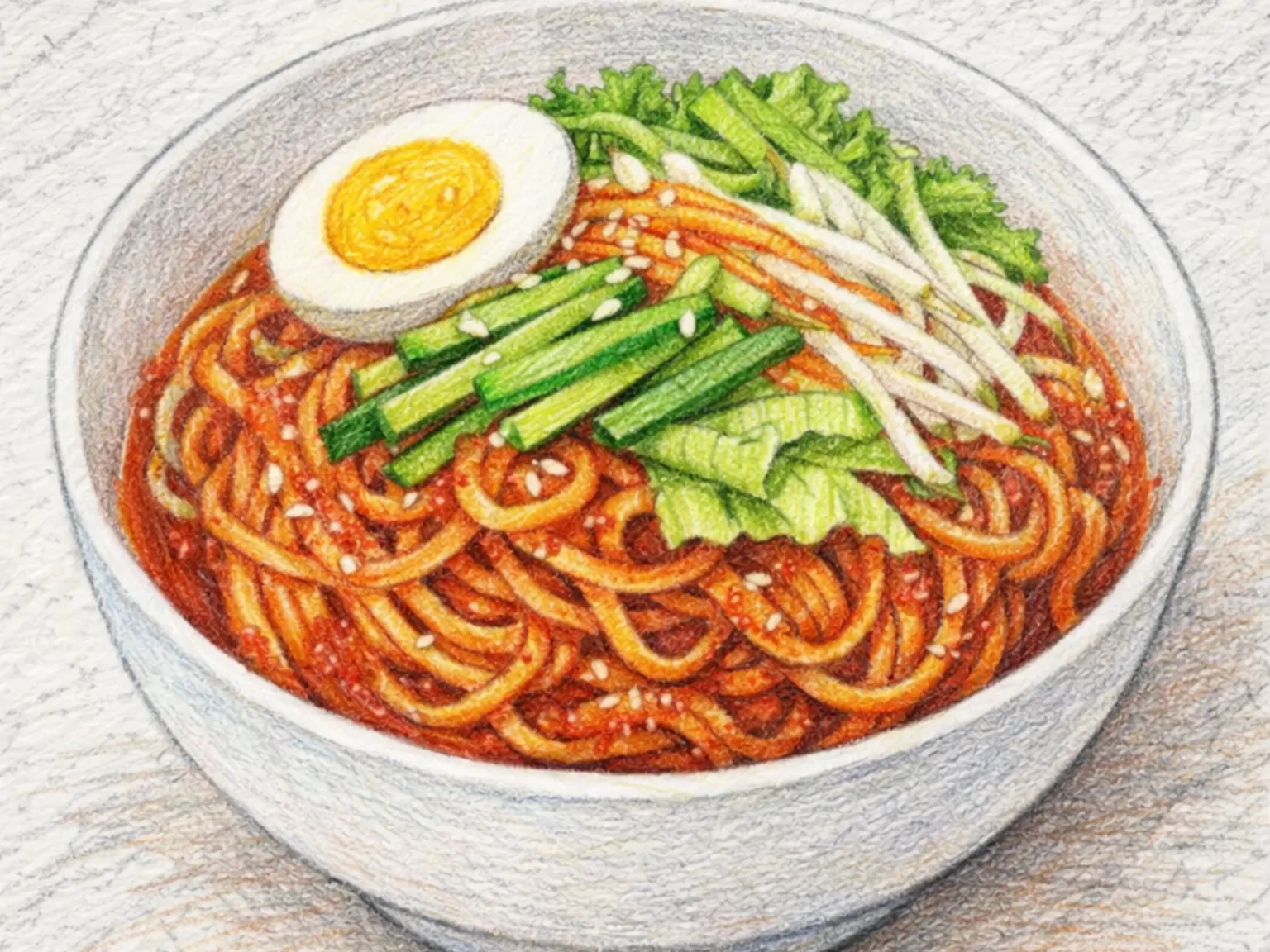
Zhajiangmian is a Chinese noodle dish built on a thick sauce of ground pork and onion stir-fried with chunjang, a fermented black bean paste. The paste must be fried thoroughly in oil to draw out its roasted, savory character and eliminate the raw bitterness it carries before cooking. Adding soy sauce and sugar, then simmering on low heat for five minutes, concentrates the sauce into a glossy, dark coating. Fresh wheat noodles are boiled, briefly rinsed, and drained so the sauce clings without being diluted. Julienned cucumber served on top provides a crisp, cool contrast that balances the dense, salty depth of the bean paste.

Thai Crab Fried Rice (Khao Pad Pu)
Khao pad pu is a Thai crab fried rice built on the premise that the sweetness of fresh crab meat carries the entire dish. The wok must reach smoking heat before minced garlic goes in and fries for ten seconds. Beaten egg follows and is scrambled into large, loose curds before cold jasmine rice is added and tossed rapidly to prevent sticking. Cold rice works here because its lower moisture content allows every grain to stay separate and pick up a direct scorch from the wok surface. Fish sauce and a small measure of soy sauce season the rice, and white pepper ground over the top adds a subtle, lingering heat. Lump crab meat goes in thirty seconds before the heat is cut and is stirred only gently, just enough to warm through without breaking the pieces down or toughening the texture. Prolonged heat would shrink the crab and strip out its sweetness entirely. The finished rice is plated and finished with a generous squeeze of lime, then garnished with spring onion, sliced cucumber, and fresh coriander. The salted umami of the fish sauce, the brightness of the lime, and the delicate sweetness of the crab come together cleanly on one plate.

Korean Pickled Garlic Scapes
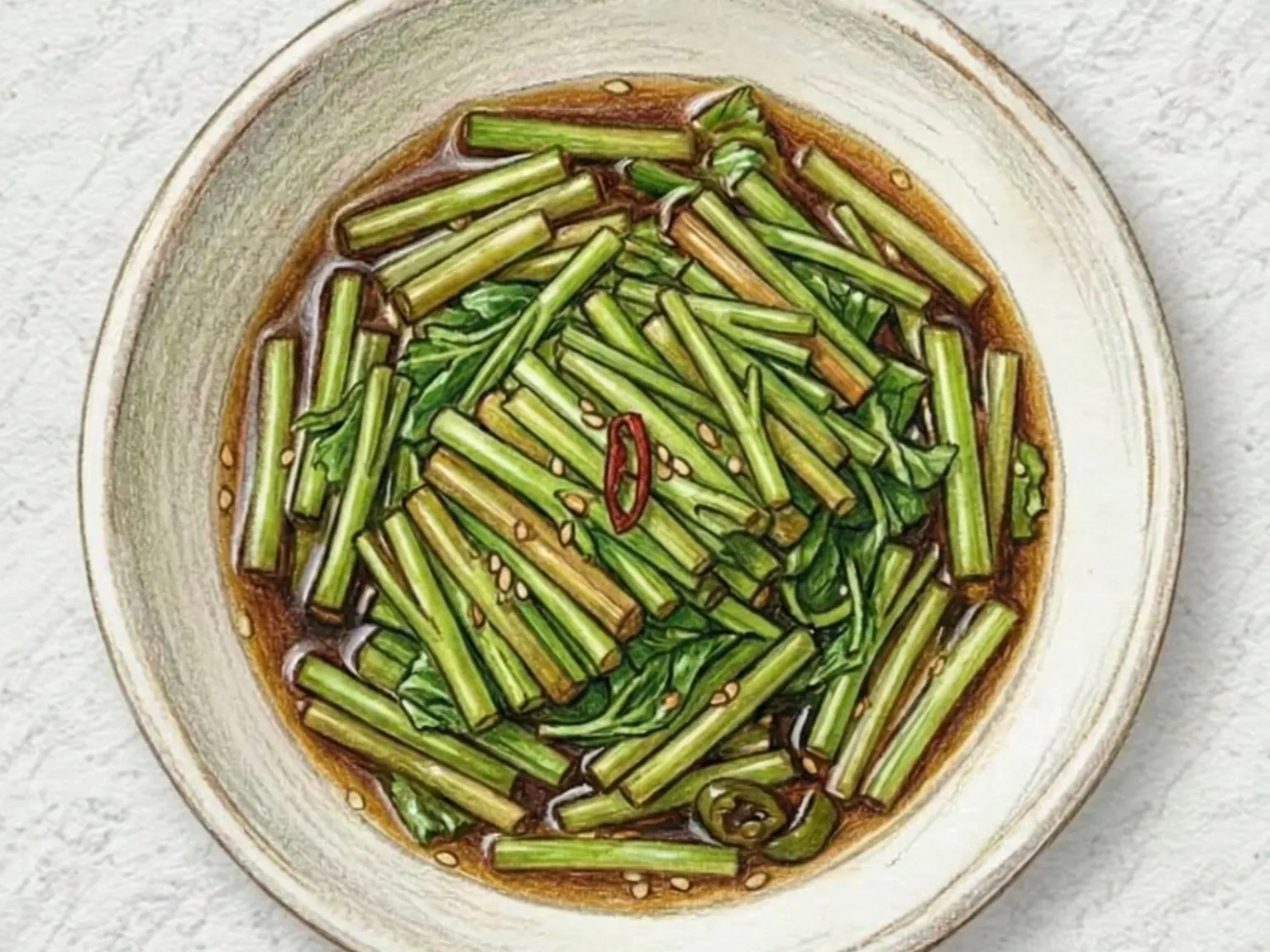
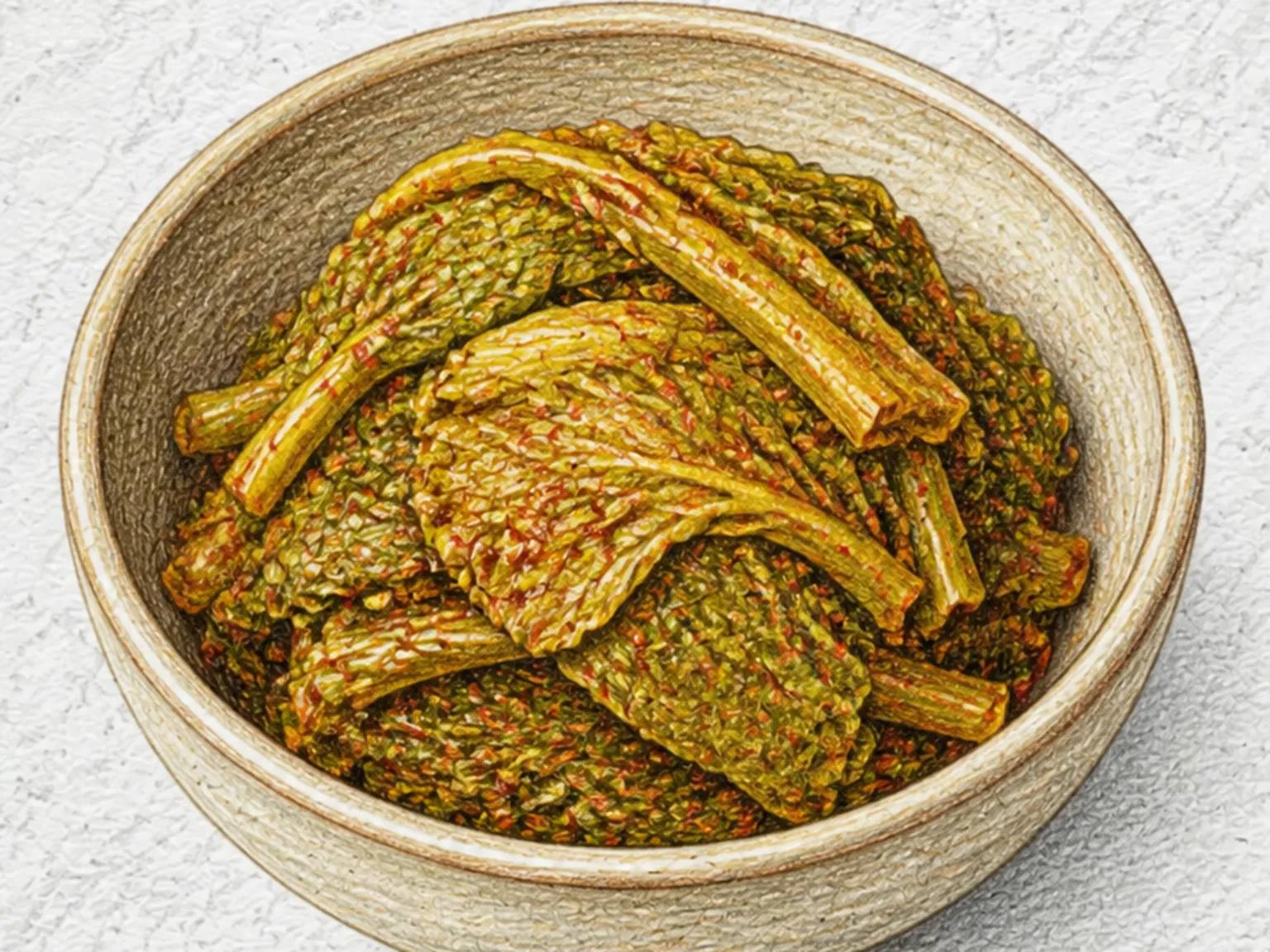
Maneuljjong-jangajji is a preserved side dish of garlic scapes pickled in a boiled soy sauce, vinegar, and sugar brine. The preservation principle is identical to that of whole garlic jangajji, but the scape, meaning the flowering stalk of the garlic plant, is used instead of the bulb, and there is one crucial technique difference. The scapes are cut into 4 cm lengths, packed tightly into glass jars, and covered with the brine immediately while it is still boiling hot. The heat partially cooks the outer layer of each scape, which creates a clean, crisp snap when the scape is bitten, unlike the soft texture that results from the cold-pour method used for whole garlic. Whole black peppercorns included in the jar release their warmth and spicy aroma slowly into the liquid during the aging period, adding a dimension beyond the straightforward salt-and-acid base. The pickles are ready after a single day, but day three is when seasoning has penetrated to the center while the scapes still push back satisfyingly under the teeth. The brine can be drained, reboiled, and poured back over the scapes once during storage, which significantly extends shelf life by suppressing bacterial growth. On the Korean table, these sharp, vinegary pickles serve as a natural counterbalance to fatty meat dishes, cutting through richness and clearing the palate between bites.

Steak Rice Bowl (Seared Beef with Soy-Garlic Glaze over Rice)
A thick-cut beef steak is seared at high heat until a deep brown crust forms, then sliced and fanned over a bowl of hot rice. A glaze of soy sauce, garlic, and mirin is spooned over the slices, coating them in a glossy, caramelized finish. As the warm rice absorbs the pan juices, each spoonful carries the full weight of the beef's seared flavor. A runny fried egg or a small dab of wasabi on the side balances the richness with creaminess or heat.

Korean Gochujang Pork Bulgogi
Gochujang dwaeji bulgogi is a Korean main course that marinates sliced pork neck in a sauce of gochujang, gochugaru, soy sauce, plum syrup, and minced garlic before stir-frying over high heat. The fermented heat of gochujang provides depth and a slow burn, while the plum syrup contributes a bright tanginess that prevents the sweetness from feeling flat. Onion softens and releases its natural sugar into the sauce during cooking, rounding out the overall flavor profile. Green onion adds a fresh, pungent note throughout. Perilla leaves are added at the final moment before the heat is off, preserving the herb's volatile oils so its distinctive grassy aroma and slight bitterness remain intact. That herbal character is what cuts through the richness of the pork fat and brings the dish together. Served over rice or wrapped in lettuce leaves with rice, both presentations make a filling and well-seasoned main.

Yaki Onigiri (Japanese Soy-Glazed Grilled Rice Balls)
Yaki onigiri are Japanese grilled rice balls prepared using freshly cooked rice that has been lightly seasoned with salt. The rice grains are shaped into triangles or rounds while they remain warm and pliable, as the grains lose their natural binding ability once they cool and lose their moisture. During the shaping process, pressure must be applied with even distribution across the rice to prevent the grains from becoming a dense and compacted mass. This careful handling ensures that the interior of the rice ball maintains a soft texture with each individual grain remaining distinct after the grilling process is complete. The cooking method involves pan-grilling the rice balls using a small amount of sesame oil over a medium-low flame. This specific heat level is necessary to allow the starch on the surface of the rice to caramelize at a slow pace, resulting in a thin and crackling crust while the center of the onigiri remains moist. It is important to let the rice balls sit undisturbed in the pan for three to four minutes on each side before they are turned. This waiting period allows the outer layer to set properly and prevents the rice from tearing or sticking to the pan when it is time to flip them. A glaze made from a combination of soy sauce, mirin, and sugar is applied to the surface in several thin coats. Brushing the glaze on in multiple light passes, rather than applying a large amount of the liquid at the start, prevents the sugar content from burning or charring. This technique creates a deep savory flavor and a lacquered sheen on the exterior of the rice. The finished onigiri have a savory and slightly sweet profile, with edges that become chewy where the glaze has concentrated during the cooking process. A narrow strip of nori seaweed is often wrapped around the base of the rice ball to provide a salty element that balances the glazed exterior. When served with miso soup and pickled radish, these grilled rice balls function as a light meal.

Korean Herb Grilled Duck Breast
Ori-gaseumsal herb-gui is Korean herb-grilled duck breast, scored at one-centimeter intervals across the skin and fat layer without cutting into the flesh, then rubbed all over with a mixture of salt, pepper, minced garlic, rosemary, thyme, and olive oil. Starting the breast skin-side down in a cold pan over medium-low heat is what allows the thick fat layer to render gradually rather than seizing up against sudden heat. After eight minutes the fat has largely melted out and the skin is golden and crisp; flipping for four more minutes finishes the flesh. Soy sauce and pear juice added at the end reduce within a minute on the residual heat, building a glossy, fruit-tinged glaze that coats the surface. Resting the breast on a cutting board for five full minutes before slicing against the grain is what keeps the juices in the meat rather than running onto the board. Each slice shows a cross-section of crackling, herb-scented skin over a rosy, medium-cooked interior.

Korean Spicy Braised Mixed Seafood
Haemul-jjim is a Korean mixed seafood braise that brings together squid, shrimp, and manila clams with bean sprouts and onion in a gochugaru and soy sauce seasoning. The vegetables are layered on the bottom of the pot to absorb heat first, with the seafood arranged on top and cooked quickly over high heat so the texture stays firm and springy. Each shellfish releases its natural brine into the broth as it opens, deepening the seasoning without any added stock. A starch slurry stirred in at the end creates a glossy coating that clings to every piece of seafood and vegetable. The dish comes together in under ten minutes of active cooking. Bean sprouts hold their crunch while the squid and shrimp stay tender, and the remaining sauce at the bottom of the pot makes it natural to spoon over rice. It is a standard centerpiece at Korean gatherings and a popular accompaniment to drinks.

Kiritanpo Nabe (Akita-Style Grilled Rice Stick Hot Pot)
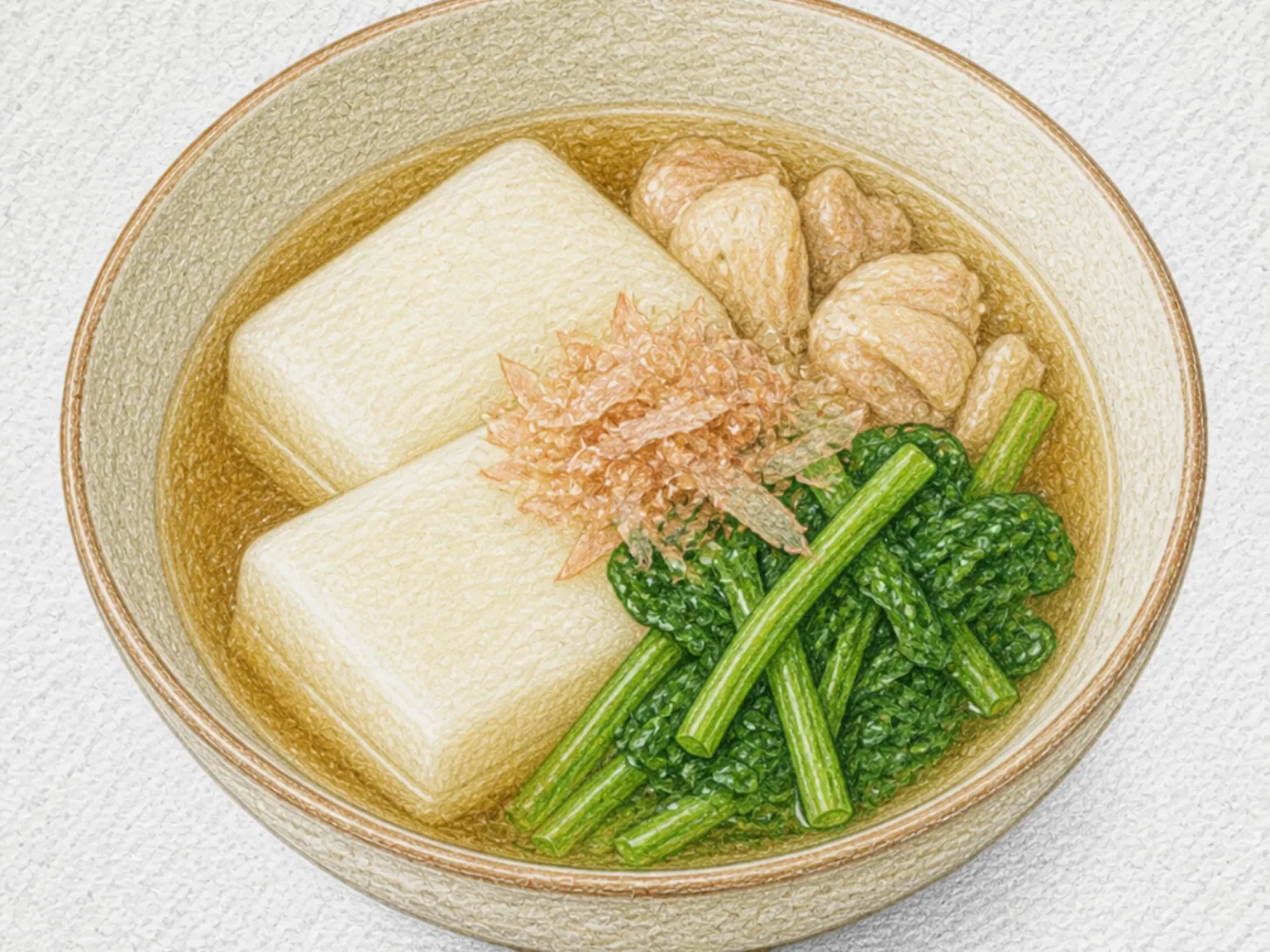
Kiritanpo nabe is a rustic hot pot from Akita Prefecture in northern Japan, built around grilled mashed-rice sticks simmered in chicken broth. Freshly cooked rice is pounded in a mortar until partially smooth and sticky, then wrapped around cedar skewers and toasted over charcoal until the surface develops a light char and a faint smokiness. The broth begins with bone-in chicken thighs cooked until the stock is rich and clear, seasoned simply with soy sauce and mirin, then loaded with burdock root, scallions, mushrooms, and Japanese parsley. The kiritanpo sticks are cut into segments and added to the simmering pot, where they absorb the rich broth and soften into a chewy, dumpling-like texture while still holding their cylindrical shape. Akita's harsh mountain winters gave this dish its purpose as a calorie-dense, warming meal built entirely from locally available ingredients. The faint smokiness from the charcoal grilling carries through into the finished broth, and this subtle background note is what distinguishes kiritanpo nabe from similar rice-cake hot pots made elsewhere in Japan.

Korean Water Parsley Salad
Minari-muchim is blanched water parsley seasoned with gochugaru, soy sauce, and vinegar, one of the most distinctly seasonal banchan on the Korean table. Minari is a semi-aquatic herb that grows along paddies, wetlands, and clean waterways throughout Korea. Its aroma belongs to a different family from Western parsley or celery: fresher, more herbal, with a green brightness that is difficult to compare to any common Western herb. That aroma is the entire reason to use minari in this dish, which makes the blanching time critical. Beyond twenty seconds in boiling water, the volatile aromatic compounds escape with the steam and what remains is texture without character. Trimming the toughest lower stems and cutting stalks to roughly five centimeters makes each piece easy to eat in a single bite. Transferring the blanched herb immediately to ice water or very cold water fixes the chlorophyll and holds the vivid green color. The vinegar in the dressing does two things simultaneously: it amplifies the herbal brightness of the minari and suppresses the faintly aquatic mustiness that water-grown plants sometimes carry. Gochugaru provides heat, soy sauce adds salted depth, and together they season the herb without masking it. International awareness of minari as an ingredient grew substantially after the 2020 film of the same name. Serving raw minari alongside cho-gochujang as a dipping green is another common spring preparation.

Egg Over Rice (Raw Egg Stirred into Hot Rice with Soy Sauce)
A raw egg is cracked over a bowl of freshly steamed rice and seasoned with soy sauce, then stirred vigorously until every grain is coated in a glossy, silky film. The residual heat of the rice gently warms the egg without fully cooking it, creating a custard-like consistency. Despite using only three core ingredients, the combination delivers a surprisingly deep umami flavor. Optional toppings like bonito flakes, shredded nori, or a drop of sesame oil add extra layers of aroma and texture.

Korean Gochujang Pork Belly Stir-Fry
Gochujang samgyeop bokkeum stir-fries pork belly in a bold gochujang glaze without any added oil, relying entirely on the rendered fat from the belly slices. That fat carries the spicy-sweet sauce deep into each piece, creating a concentrated, layered flavor. Soy sauce and sugar moderate the chili heat, while onion and green onion brighten the dish with fresh aromatics and a bit of crunch. It is a straightforward dish that takes only 20 minutes yet delivers a punch of flavor suitable for both a weekday dinner over rice and a casual drinking snack.

Yakisoba Pan (Noodle Bread)
A staple of Japanese street food culture, Yakisoba-pan combines a toasted, buttered hot dog bun with a filling of stir-fried egg noodles seasoned with yakisoba and soy sauce. Shredded cabbage, onions, and carrots start in the pan over high heat for exactly two minutes before the noodles are added. This timing ensures the vegetables remain crisp and provide a textural contrast to the soft noodles rather than becoming limp during the cooking process. As the yakisoba sauce hits the hot metal, it caramelizes quickly to wrap every noodle strand in a glossy, sweet-savory glaze. The act of spreading butter on the interior of the bun and giving it a quick toast serves a functional purpose beyond flavor. This butter layer acts as a moisture barrier, preventing the sauce from soaking into the bread and keeping the bun from turning soggy as it sits. The subtle richness of the butter bridges the gap between the savory noodle filling and the soft crumb of the bun. Sprinkling dried parsley over the top introduces a mild herbal scent that balances the heavy, concentrated sauce. For a burst of acidity, a small amount of beni shoga pickled ginger is tucked into the noodles to cleanse the palate. Spreading a layer of Japanese mayonnaise inside the bun alongside the butter creates an additional creamy texture. Softening the noodles in hot water before they hit the pan prevents clumping and allows for easier separation during the stir-frying stage.

Korean Grilled Squid and Pork
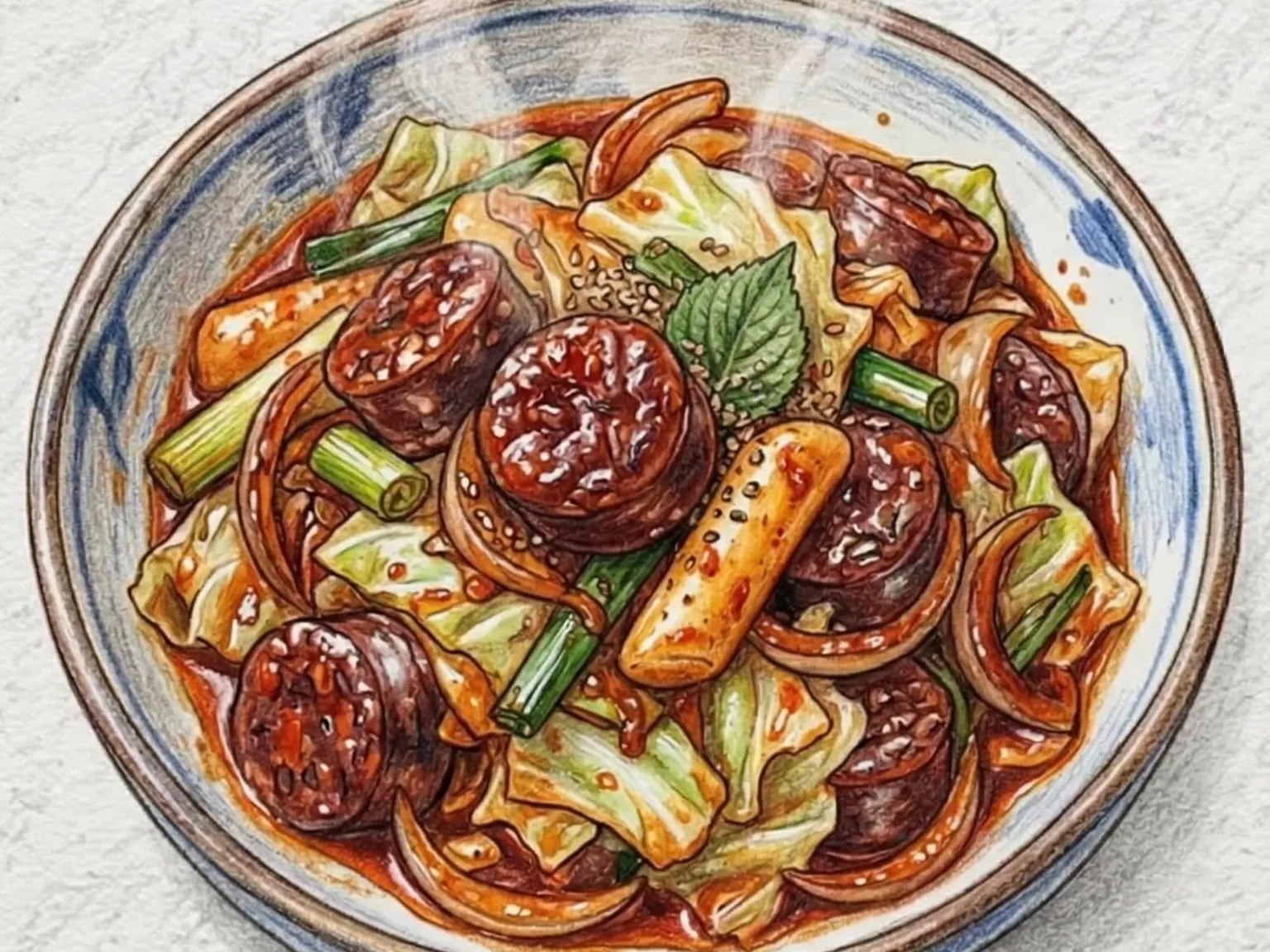
Osam-gui is a Korean mixed grill of squid and pork belly marinated together in a spicy sauce of gochujang, soy sauce, sugar, minced garlic, and sesame oil, then cooked on a pan or grill. As the pork belly renders its fat, it merges with the marinade to form a rich, savory-spicy sauce in the pan that the squid absorbs during cooking, producing a deeper flavor than either ingredient would achieve alone. The two proteins cook at very different rates, so the pork belly goes in first for five to six minutes to render its fat and partially cook through before the squid is added-squid toughens past three to four minutes of heat exposure. The gochujang paste scorches easily at high temperatures, so maintaining medium heat and turning the pieces frequently is necessary to build a glossy glaze without any burnt bitterness.

Chinese Red-Braised Fish (Hong Shao Yu)
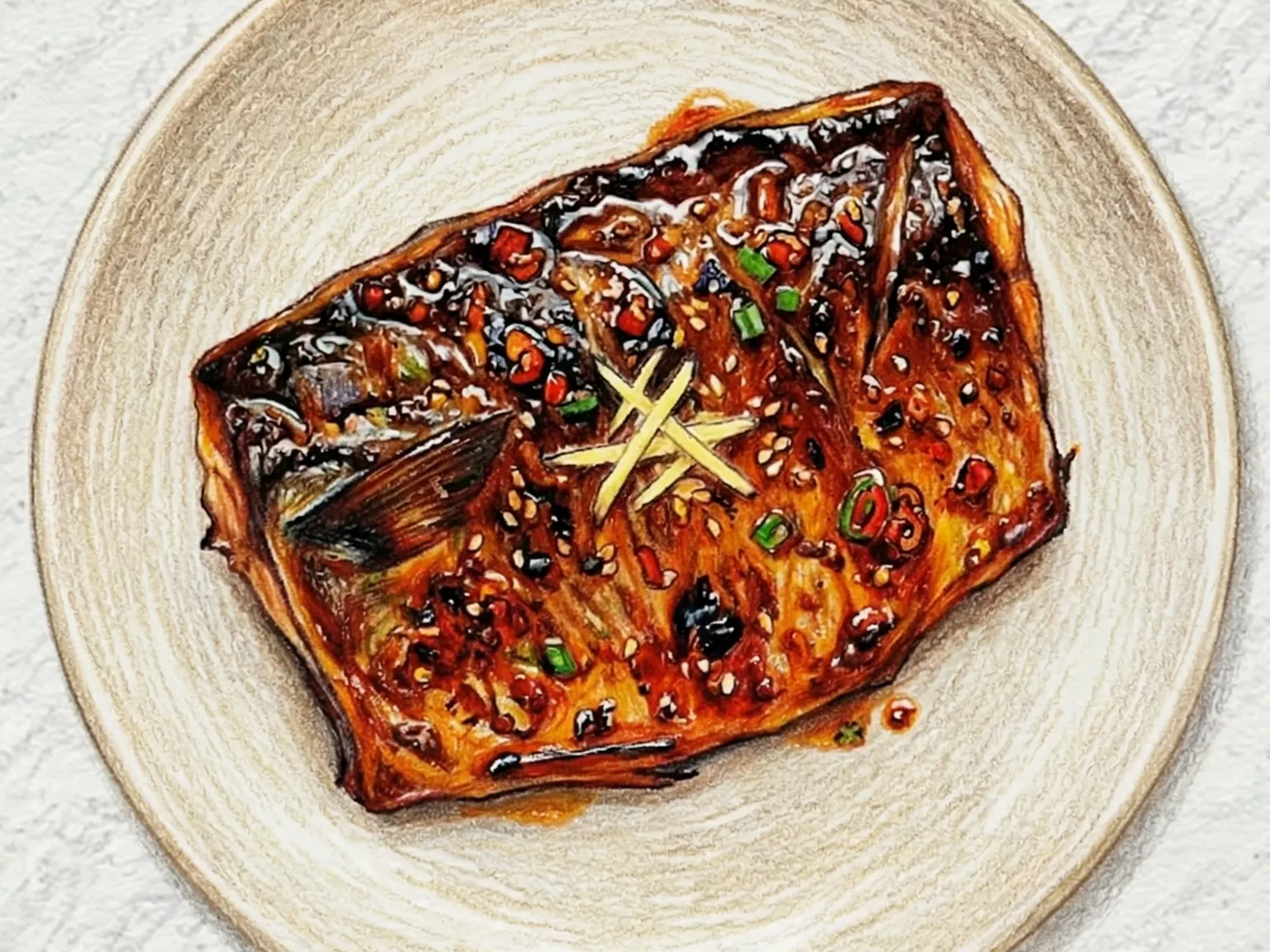
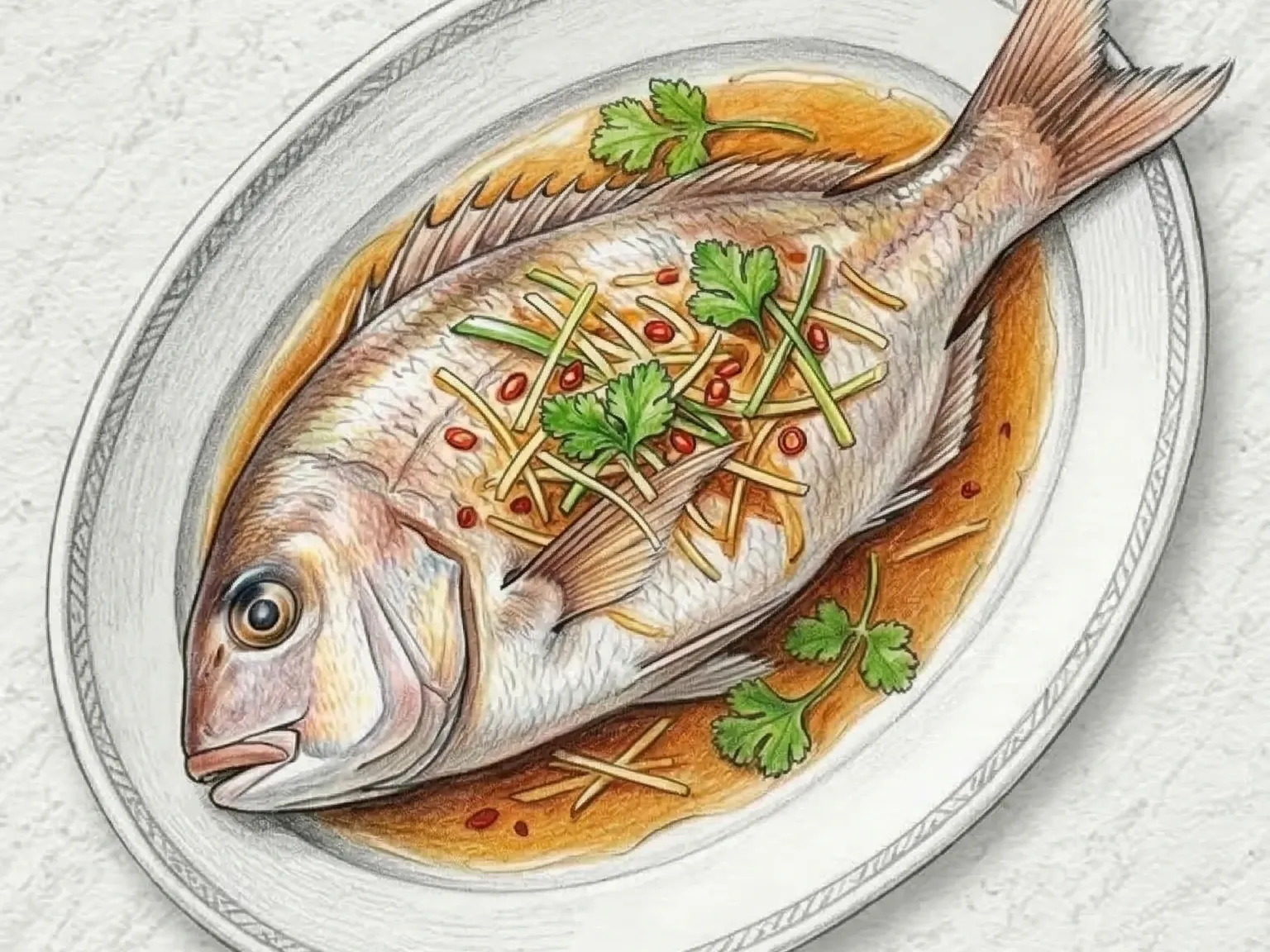
Hong shao yu is a Chinese braised fish dish made by pan-searing white fish until golden, then pouring over a sauce of soy sauce, sugar, ginger, green onion, and Shaoxing wine and simmering over medium heat until the liquid reduces to a glaze. Searing the fish first firms up the surface so the flesh holds together during braising, and the browning from the sear adds a savory depth to the final sauce that straight braising cannot achieve on its own. Sugar softens the saltiness of the soy sauce into a sweet-savory balance, while ginger neutralizes any fishiness and contributes a sharp, clean aroma throughout the braise. As the sauce reduces it coats each piece of fish in a glossy, dark glaze well suited to spooning over steamed rice. The dish comes together in under thirty minutes, and thicker white fish holds moisture better through the braise than thin fillets. Patting the fish thoroughly dry before placing it in the pan prevents oil splatter and ensures the surface browns evenly rather than steaming.

Osaka Kitsune Udon (Thick Noodles with Sweet Fried Tofu in Dashi)
Kitsune udon is Osaka's signature noodle bowl, defined by sweet simmered fried tofu draped over thick wheat noodles in a clear dashi broth. The broth is drawn from kombu and bonito flakes, then seasoned with light soy sauce in the Kansai tradition, pale in color but layered with umami. The aburaage tofu is simmered separately in a mixture of dashi, soy sauce, mirin, and sugar until it swells with sweet braising liquid, and each bite releases a burst of that concentrated sweetness into the bowl. Thick, chewy udon noodles sit in the steaming broth, their mild wheat flavor providing a neutral base for the delicate soup. Sliced green onion scattered on top adds freshness and a gentle bite. In Osaka, kitsune udon is eaten at all hours, as a quick breakfast before work, a light lunch, or a late-night bowl after drinks, and every neighborhood udon shop holds its own variation on the sweet tofu recipe passed down through the years.

Korean Seasoned Sea Mustard Sporophyll
Miyeokgwi-muchim is seasoned sea mustard sporophyll - the ruffled, root-adjacent part of the miyeok plant - blanched and tossed in a sweet-sour-spicy dressing. Though it comes from the same seaweed as regular miyeok-muchim, the sporophyll is a distinctly different eating experience. Its thicker, corrugated surface gives a chewy, almost bouncy texture compared to the silky softness of seaweed leaves. This particular part of the plant contains higher concentrations of alginic acid and fucoidan than the leaf portions, which has drawn attention in Korean health-food circles. After rinsing in cold water, blanching for exactly thirty seconds is ideal - going longer turns the texture rubbery. The gochugaru-soy-vinegar-sugar dressing tames the marine saltiness and builds a bright sweet-sour-spicy flavor profile that stimulates appetite alongside rice. Chilling for ten minutes before serving lets the dressing adhere to the bumpy surfaces and leaves a cool finish. At around fifty-two kilocalories per serving, it is a go-to diet banchan. Pre-trimmed miyeokgwi is widely available at Korean markets and online.

Tomato Egg Rice Bowl (Stir-fried Tomatoes with Soft Scrambled Eggs)
Ripe tomatoes are cut into wedges and stir-fried over high heat until they release their juices and form a natural, tangy sauce. Beaten eggs are poured in and gently folded so they stay soft and barely set, mingling with the tomato pulp. A small amount of sugar and soy sauce brings the sweet-tart balance into focus. Spooned over hot rice, the sauce soaks into the grains and the whole bowl comes together in under ten minutes, drawing on the simplicity of Chinese home cooking.