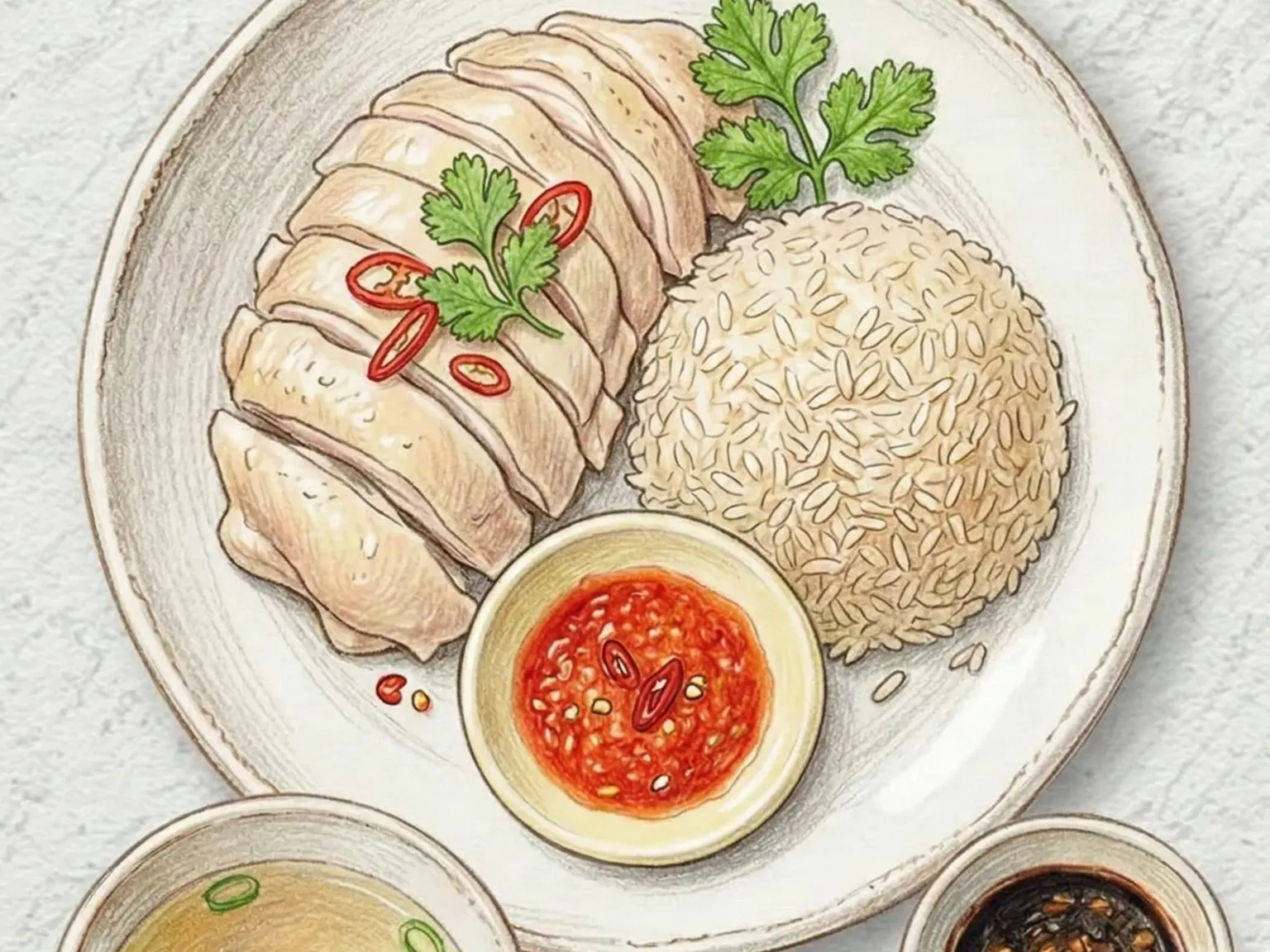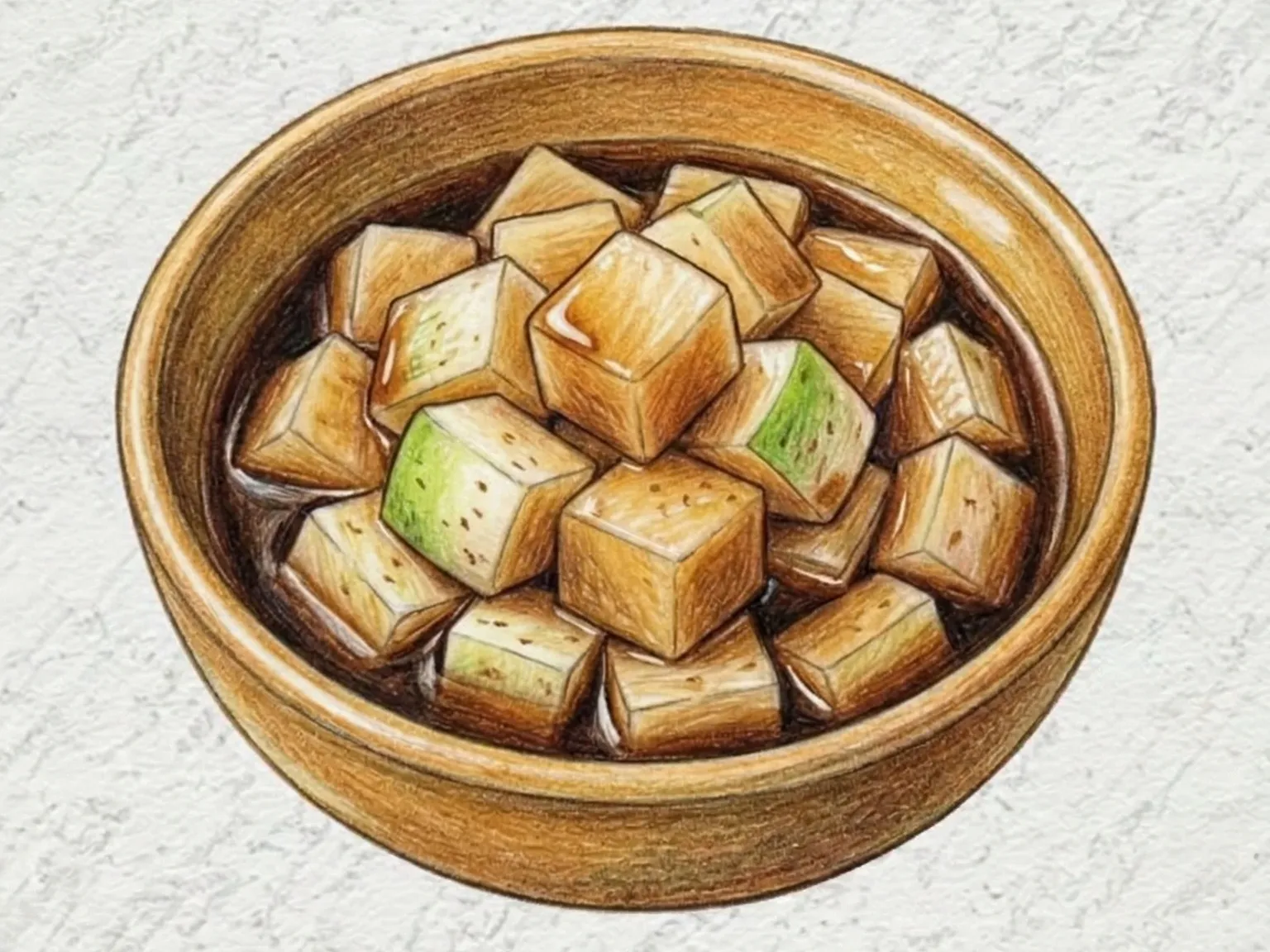
Korean Thistle Greens & Mackerel Stir-fry
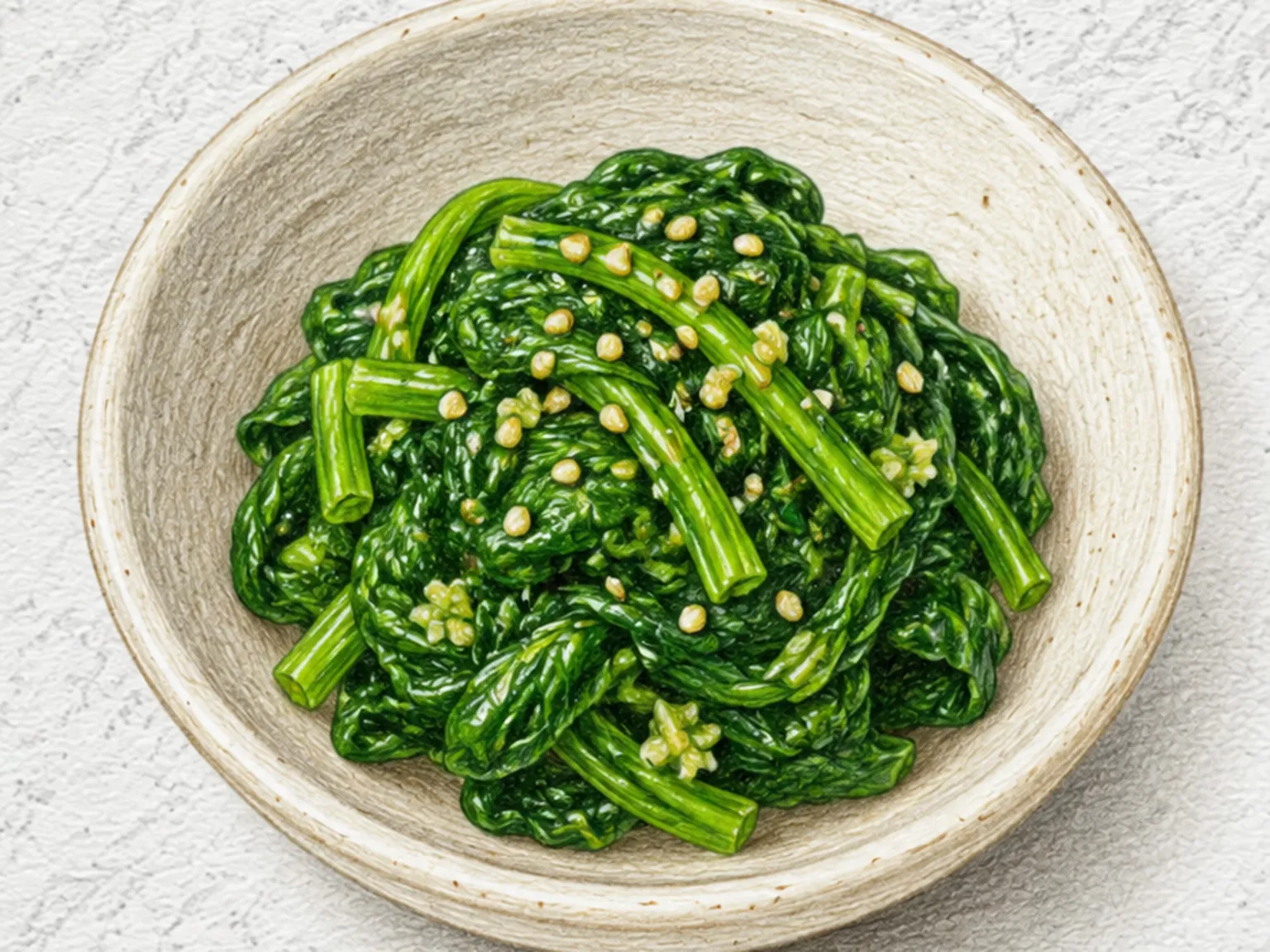
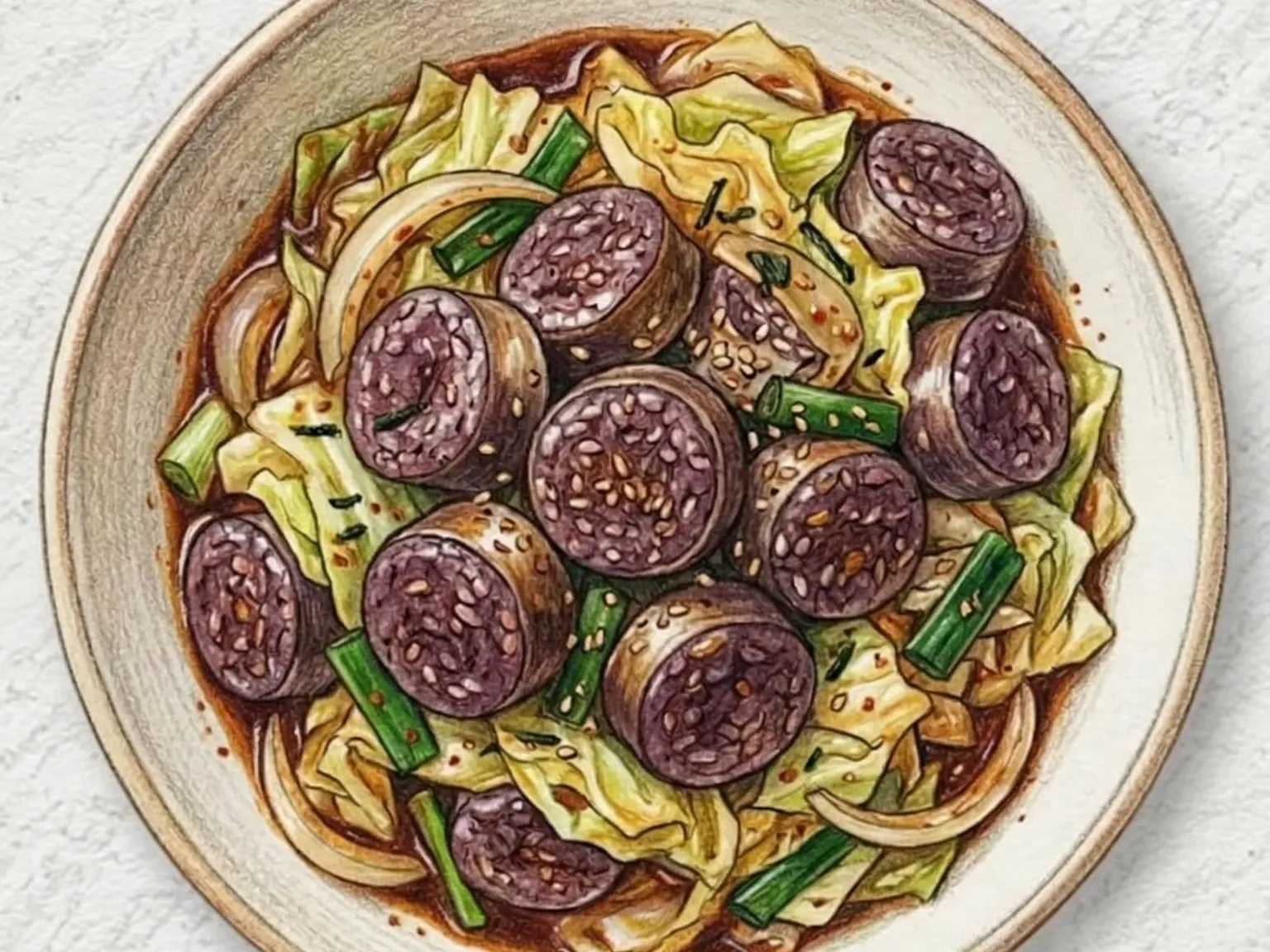
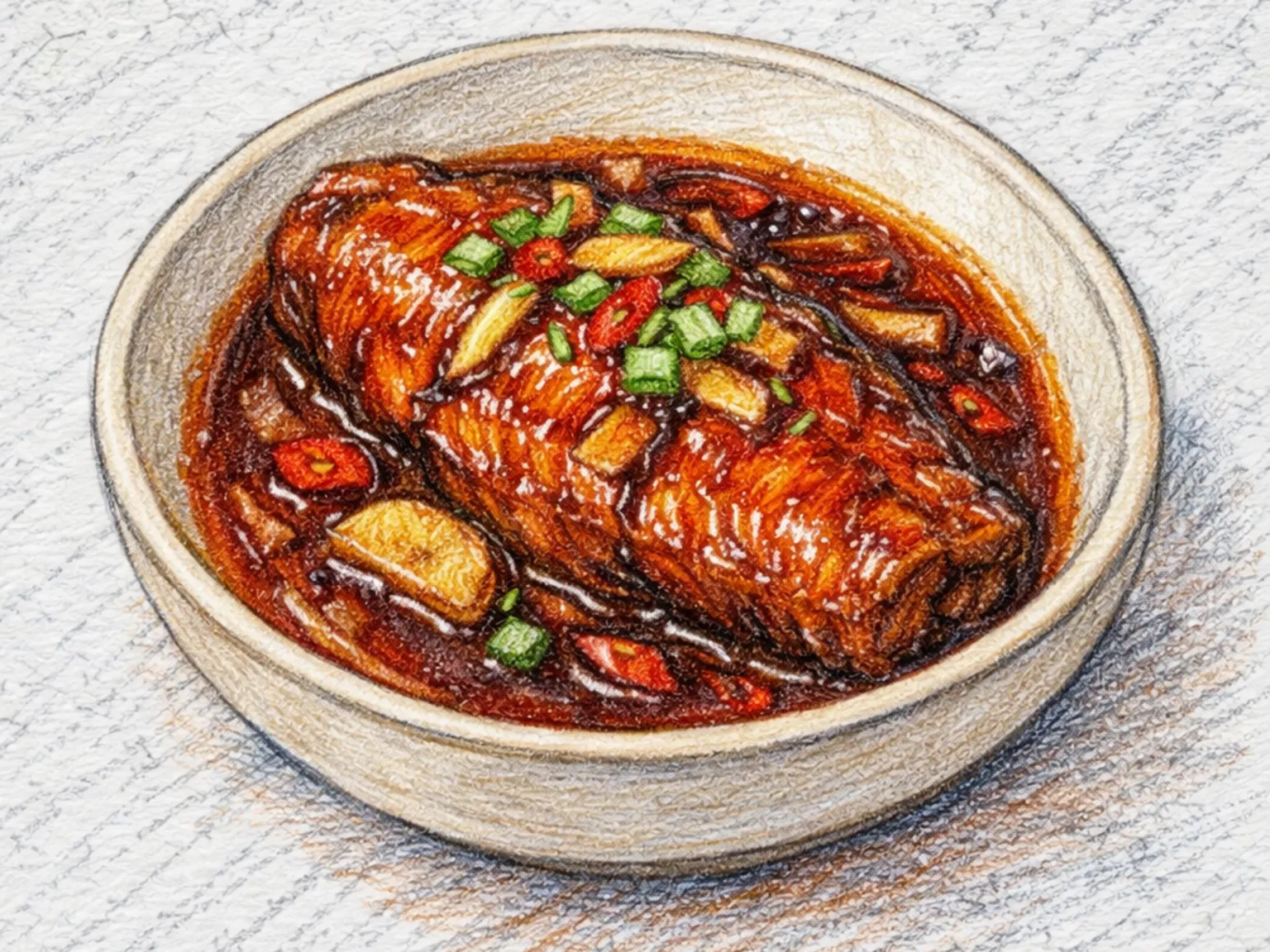
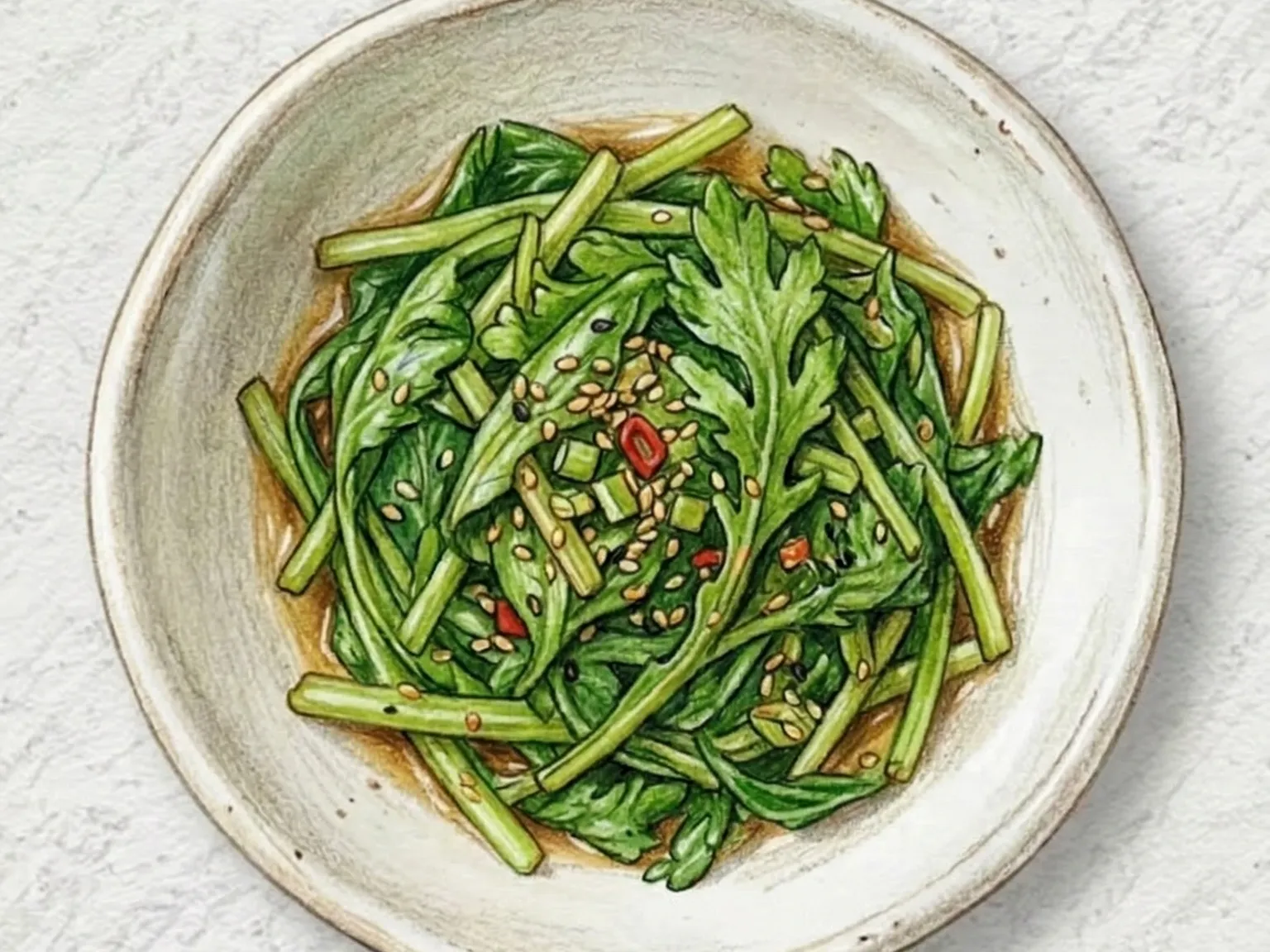
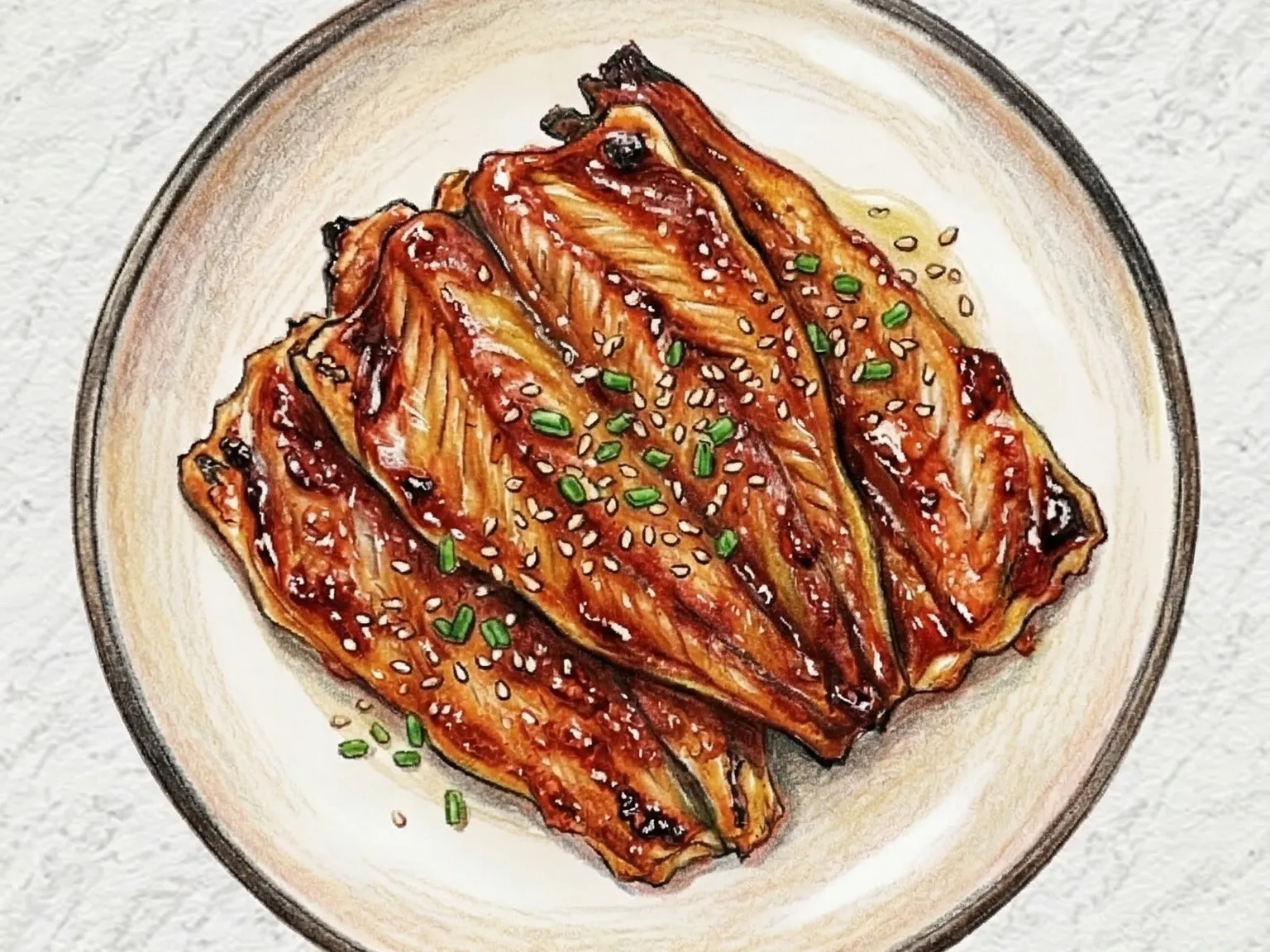
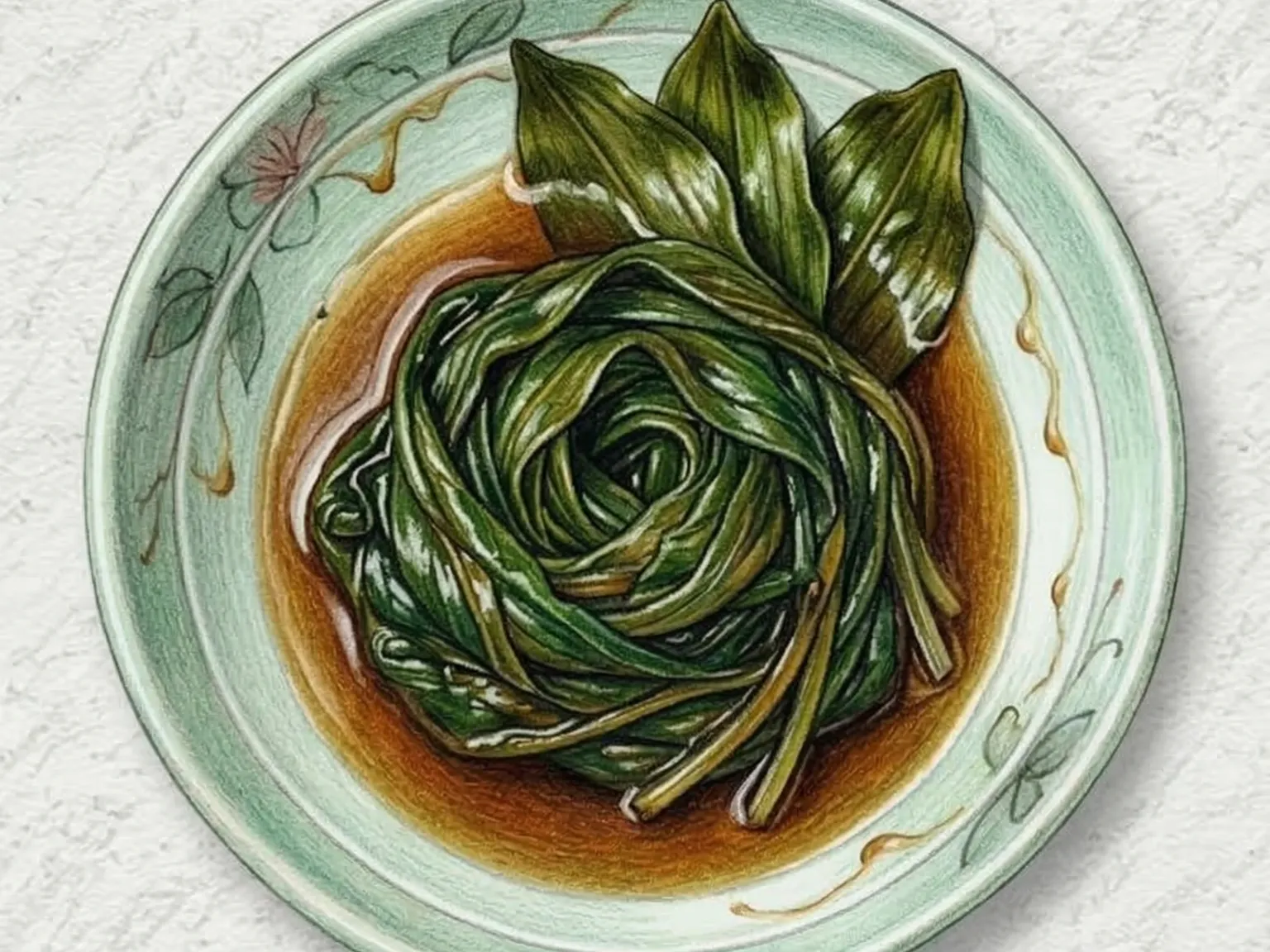
Gondre godeungeo bokkeum pairs pan-seared mackerel with blanched gondre thistle greens in a gochujang-soy stir-fry. The mackerel is first marinated briefly in ginger juice to reduce any sharpness, then seared on both sides until a firm, golden crust forms. That outer layer keeps the fish intact during the final toss with the greens. Gondre is pre-seasoned in perilla oil and garlic to draw out its earthy, herbal fragrance before hitting the pan, and squeezing out the excess moisture is essential so the sauce stays concentrated rather than watery. The gochujang-soy combination brings heat, depth, and a subtle sweetness that bridges the rich umami of the fatty fish and the grassy character of the greens. Gondre from the Gangwon-do highlands has a mild, nutty quality once blanched that holds its own alongside oily blue-backed fish. The dish works equally well as a rice accompaniment or a drinking snack.

Korean Sweet Spicy Dakgangjeong
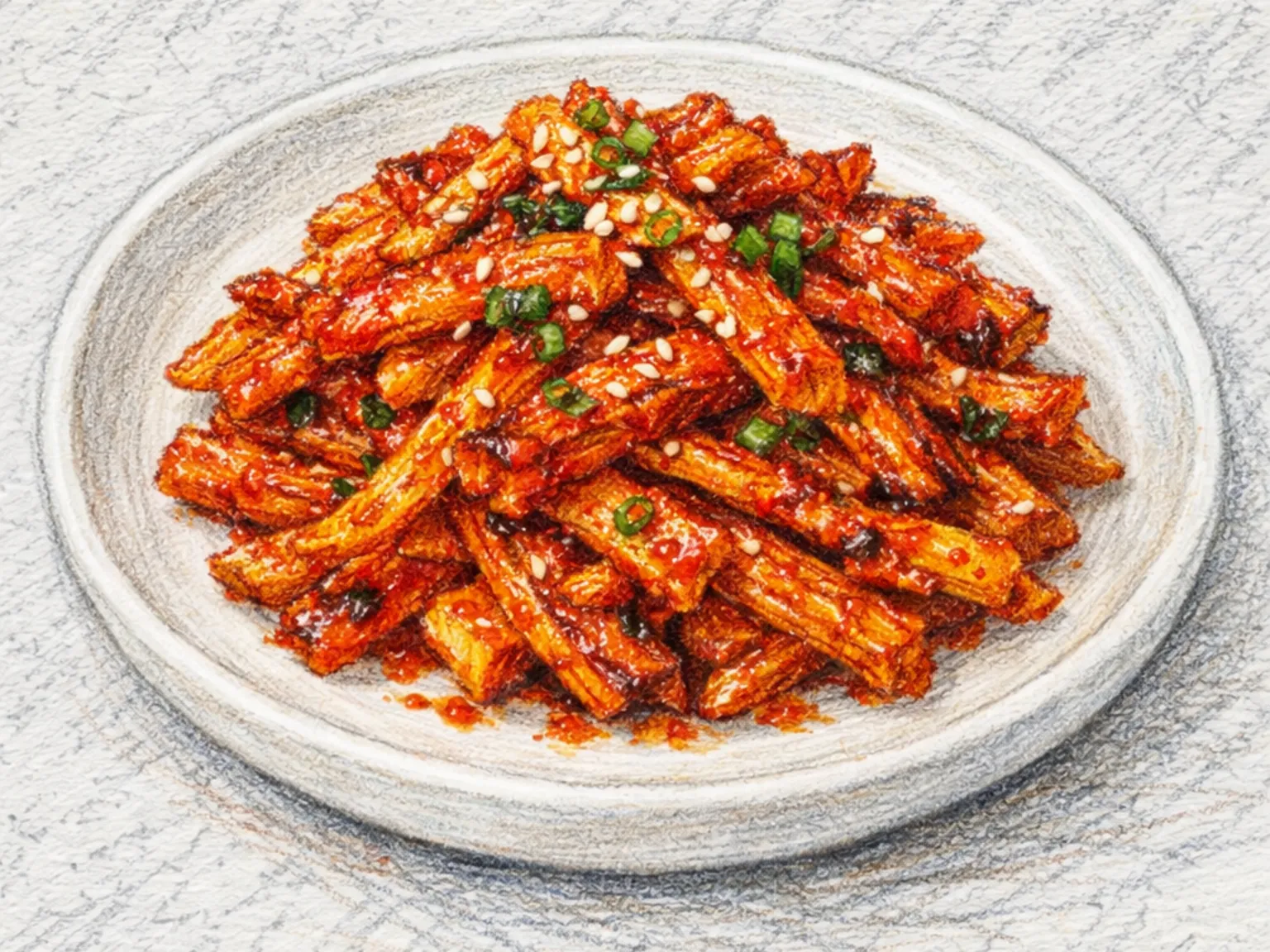
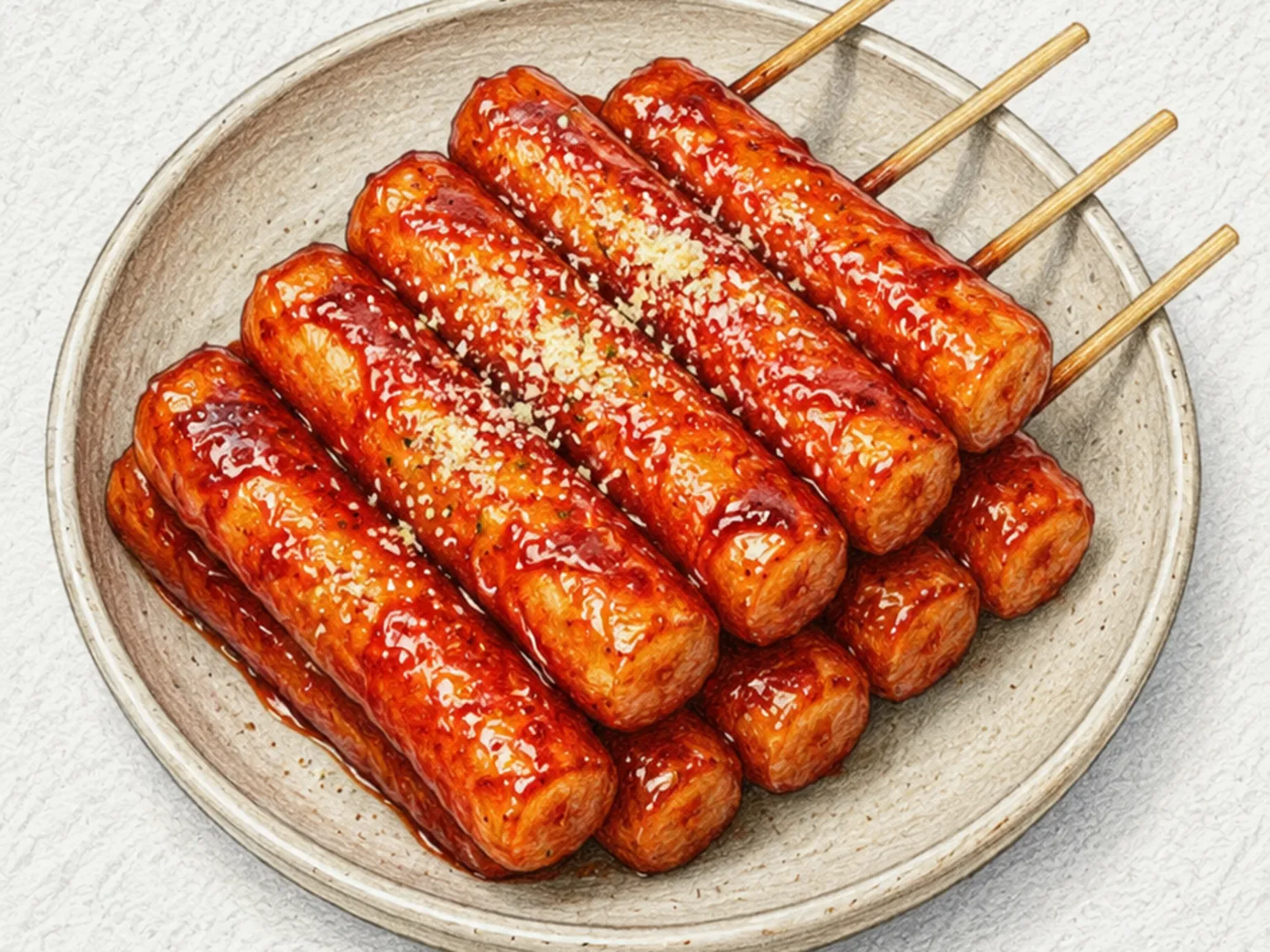
Yangnyeom dakgangjeong is Korean sweet-spicy fried chicken made by cutting boneless thigh meat into bite-size pieces, dredging them in potato starch, and running them through a two-stage fry. The first fry at 170 degrees Celsius cooks the meat through; the second fry at 185 degrees drives off the residual moisture the crust absorbed during the first pass, hardening the exterior into a shell that can withstand sauce tossing without collapsing. The glaze is a reduction of gochujang, gochugaru, corn syrup, and soy sauce, simmered down until the mixture is thick enough to coat a spoon without dripping off. Tossing the finished chicken in the hot glaze must happen off the heat and within twenty seconds, because the steam trapped between sauce and crust will turn the coating soggy if the process drags on. When done correctly, the result is a glossy, sticky exterior that crackles audibly at first bite even after the dish has cooled to room temperature, surrounding thigh meat that stays juicy inside.

Korean Scallion Pancake
Pa-jeon is a Korean scallion pancake made by cutting scallions into six-to-seven-centimeter lengths, laying them across an oiled pan, and pouring a batter of Korean pancake mix, water, egg, and salt directly over them before frying on medium heat. The method of placing the scallions first and covering them with batter means one side of each scallion presses against the hot pan surface, which caramelizes them and coaxes out a sweet, aromatic fragrance that would not develop if the scallions were simply mixed into the batter. Batter consistency is a meaningful variable: the mixture should flow off a spoon in a continuous stream rather than plopping, because anything thicker makes the pancake bready and reduces the proportion of scallion in each bite, while anything too thin prevents the distinctive crispy rim from forming around the edges. Adding an extra drizzle of oil around the perimeter before flipping fries the outer edge like a fritter, creating a sharp contrast between the crunchy border and the soft, scallion-loaded interior when dipped into a soy-based dipping sauce. Pa-jeon is also known in Korean culture as a dish that people instinctively crave on rainy days, a reputation closely tied to the sound of batter hitting a hot oiled pan.

Korean Steamed Fermented Skate
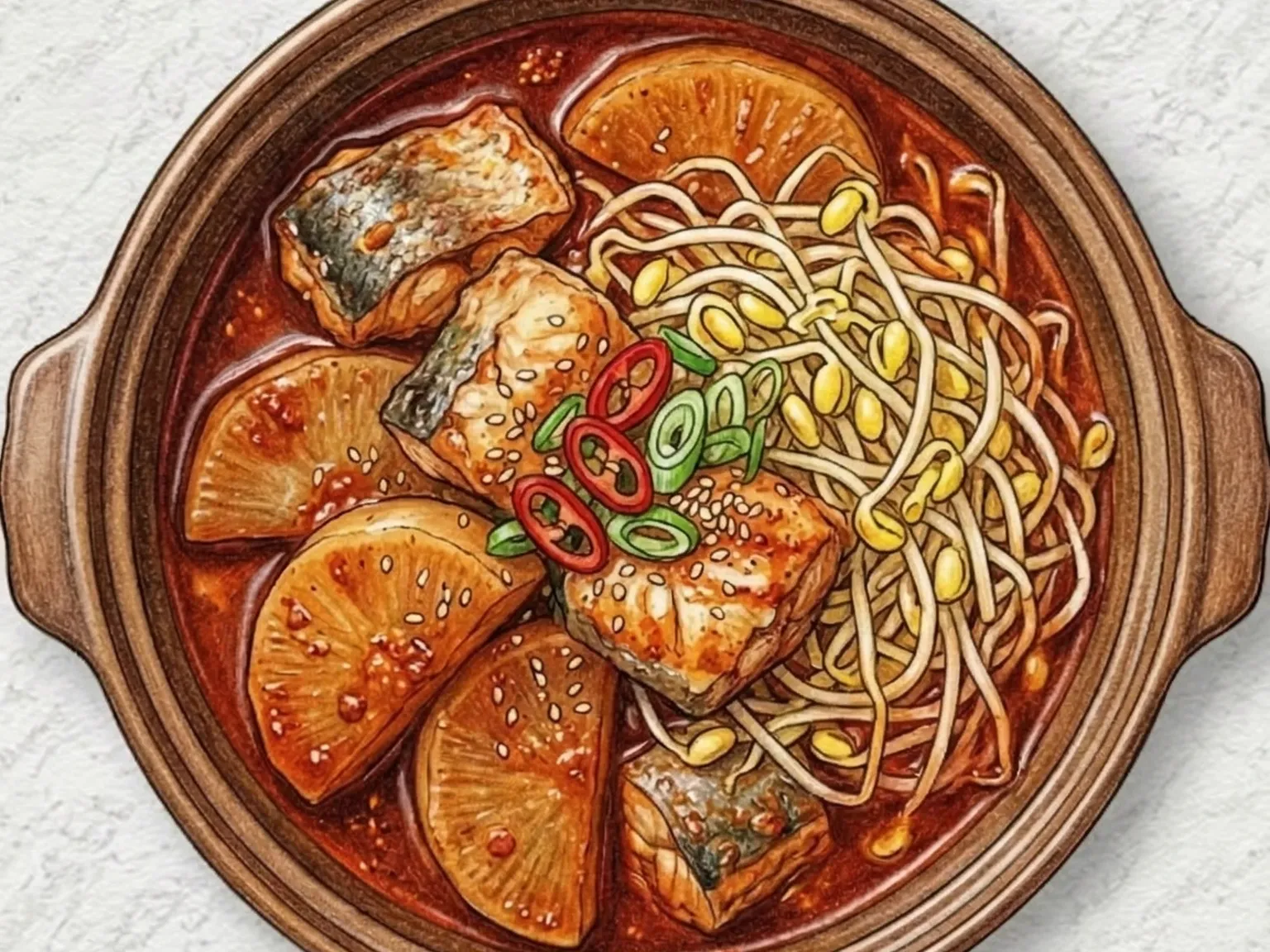
Hongeo-jjim is a specialized culinary preparation originating from the Jeolla Province of South Korea that features steamed fermented skate as its central element. The flavor of the dish is developed using a seasoning mixture composed of gochugaru, gochujang, finely minced garlic, and soy sauce. The skate, known as hongeo, is processed through a traditional curing method that results in the formation of ammonia-based compounds. This specific fermentation process produces the sharp and pungent aroma that characterizes the dish, which often results in a polarizing experience for individuals who encounter the preparation for the first time. This aggressive fermentation quality tends to soften once the fish is exposed to heat and combined with the depth of the chili-based seasoning. Over time, repeated consumption often reveals complex layers of flavor that establish this dish as one of the most uniquely prepared items within Korean regional cuisine. During the cooking process, onions are included to release their natural sweetness, which functions to balance the sharper edges of the concentrated spice paste. Minari is introduced during the concluding stages of steaming to provide a clean and herbaceous quality that offers a contrast to the intensity of the fermented fish. Prior to steaming, rice wine is applied to the skate to moderate the fermentation scent without completely removing the fundamental characteristics of the fish. Removing the lid of the cooking vessel at the end of the process allows excess moisture to evaporate, ensuring that the seasoning adheres properly to the surface of the skate. In the cultural context of Jeolla Province, hongeo-jjim is a staple at ceremonial events and various celebratory meals. The dish is traditionally served in the company of makgeolli or hongtak, forming a combination that local residents typically refer to as hongeo samhap.

Kottu Roti (Sri Lankan Shredded Flatbread Stir-Fry with Egg)
Kottu roti is a Sri Lankan griddle dish in which flatbread is shredded and stir-fried with vegetables, egg, and spices on a heavy iron surface. The defining feature of its preparation is the sound produced when the cook uses two flat metal blades to simultaneously chop and scrape the ingredients across the griddle in a steady, rhythmic pattern. The metallic clanging carries far enough to be heard from the street and serves as the primary advertisement for kottu roti stalls, most of which operate well into the early hours of the morning. Godamba roti, a thin unleavened flatbread, is sliced into small pieces roughly one centimeter on each side before cooking begins. The griddle is oiled and onion, cabbage, and carrot are fried until wilted, after which eggs are cracked directly onto the surface and scrambled in place. The roti pieces go in next, followed by curry powder, chili flakes, and soy sauce, with the blades kept moving continuously so the heat distributes evenly and the bread absorbs the seasonings rather than sitting on top of them. Soy sauce deepens the color and adds umami, while a ladleful of curry gravy poured over near the end binds the ingredients and prevents dryness. Versions with chicken, lamb, or seafood are widely available, and the spice level can be adjusted to order. The dish is understood to be street food in the fullest sense: fast, loud, served hot off the griddle, and closely associated with late-night eating.

Korean Sweet Stir-Fried Anchovies
Sweet stir-fried anchovies coat tiny dried anchovies in a glossy soy-syrup glaze without any chili heat, making it the classic lunchbox banchan for Korean children who cannot yet tolerate spice. The anchovies must be dry-toasted in an ungreased pan for about two minutes before any seasoning is added: this drives off residual moisture, raises a nutty aroma, and sets up the crispy texture that separates a well-made batch from a soggy, fishy-smelling one. Soy sauce, rice syrup or oligosaccharide, and sugar are then stirred in over low heat, and the single most important moment in the recipe is when the syrup first begins to bubble. The heat must drop immediately at that point, because syrup that overcooks transforms into a brittle, tooth-cracking candy once it cools. Generous sesame seeds tossed in at the end add nuttiness and a visual finish, and once the batch cools completely, the anchovies clump lightly together into loose clusters that are easy to pick up in one or two bites. Although made from the exact same ingredient, this sweet glaze version has a completely different character from the spicy gochujang version of the same dish, and many Korean households keep both prepared simultaneously, rotating between them throughout the week.

Korean Tomato Egg Fried Rice
Eggs are scrambled first and set aside, then tomatoes are stir-fried in the same pan until their juices burst and coat the wok. Day-old or freshly cooked rice goes in next, tossed at high heat so the grains absorb the tomato's sweet-tart moisture while staying individually distinct. The scrambled egg is folded back in at the end, distributing soft, fluffy curds throughout the fried rice. Rooted in the Chinese classic of tomato and egg, this version turns those familiar flavors into a satisfying one-bowl fried rice.

Korean Spicy Beef Intestine Stir-fry
Gopchang-bokkeum is a Korean stir-fry of cleaned beef intestines tossed over high heat with onion, cabbage, scallion, gochujang, and gochugaru. The intestines develop a springy chew while releasing their natural fat, which melds with the spicy seasoning to create an intensely savory sauce. Vegetables stay crisp and soak up the bold flavors as the dish cooks quickly. It is one of the most popular late-night dishes in Korea, often served sizzling on a hot plate alongside rice and soju.

Korean Stuffed Shiitake Jeon
Pyogo-jeon is a Korean holiday dish of fresh shiitake mushroom caps stuffed with seasoned ground pork, coated in flour and egg batter, and pan-fried until golden. After removing the stems, the inner surface of each cap is dusted with flour-this thin starch layer acts as glue that prevents the meat filling from separating during cooking. Placing the meat side down first allows the filling to set from the heat before flipping, so the stuffed mushroom holds its shape throughout. Three to four minutes per side over medium heat is enough to turn the egg coating golden-brown while cooking the pork through completely. The shiitake's deep, earthy umami merges with the pork juices inside the sealed egg shell, delivering a concentrated savory bite.

Korean Steamed Eel (Soy Ginger Glazed Two-Stage)
Jangeo-jjim is Korean steamed eel prepared in two distinct stages that are both essential to the final result. The eel is first steamed with rice wine until cooked through, which simultaneously firms the flesh and neutralizes the fishiness that would otherwise overpower the dish. It is then brushed thoroughly with a glaze made from soy sauce, sugar, ginger juice, and rice wine, topped with green onion, and steamed a second time. The two-stage process matters: the first steam allows fat to render out partially so that the glaze in the second stage penetrates deeper and clings more evenly, while the finished surface develops a glossy sheen. Ginger juice specifically cuts through the eel's natural oiliness, and the sweet-savory soy glaze complements the rich flesh in a way that makes it an ideal match for plain steamed rice. Eel is dense in protein and unsaturated fatty acids, which is why it has been a prized restorative food eaten on the hottest days of the Korean summer since ancient times. The dish is best served hot, straight from the steamer, when the glaze is still moist and aromatic.

Kung Pao Chicken
Kung pao chicken is one of the defining dishes of Sichuan cuisine, built around diced chicken, roasted peanuts, and dried chilies in a sauce that hits spicy, sweet, sour, and numbing at the same time. The chicken is cut into small cubes and given a brief marinade of soy sauce and cornstarch, which seals moisture in and creates a light coating that takes on color quickly in a screaming-hot wok. Dried red chilies and Sichuan peppercorns are fried in oil as the very first step, pulling their heat and the distinctive mala tingling sensation into the fat before anything else goes in. This flavored oil becomes the foundation the entire dish is built on. Soy sauce, black vinegar, and sugar are added at the end and reduced into a glossy glaze that coats every surface. Roasted peanuts go in last so they stay crunchy, and chopped scallion brings a clean, fresh finish. The interplay of sharp chili heat, tongue-numbing peppercorn, tangy vinegar, and toasty peanut in a single bite is what carries this dish beyond Sichuan into kitchens worldwide.

Korean Spicy Squid Salad (Gochujang Blanched Squid)
Ojingeo-muchim tosses blanched squid in a gochujang-vinegar dressing for a tangy, spicy seafood banchan that works equally well as a rice side dish or as anju with drinks. Squid, unlike vegetables, has an extremely narrow blanching window that determines the entire outcome: one minute to ninety seconds in boiling water is the limit. Beyond that, the proteins contract and the texture turns rubbery; under that, the interior stays translucent and fishy. Plunging into ice water immediately after blanching halts carryover cooking and locks in the ideal springy-bouncy texture. The dressing combines gochujang, gochugaru, vinegar, sugar, garlic, sesame oil, and sesame seeds, with vinegar playing the pivotal role - it introduces a sharp acidity over the squid's marine umami, forming a triangular balance with the chili heat. Julienned onion and cucumber mixed in add textural variety and stretch the portion. A popular variation stirs in one tablespoon of mayonnaise, whose emulsified fat wraps around the heat and produces a milder, creamier version.

Korean Truffle Mushroom Pot Rice
Shiitake and king oyster mushrooms are generously added to a pot of rice and cooked so their released moisture and earthy fragrance infuse every grain. The shiitake stays chewy while thick-sliced king oyster offers a meaty, substantial bite. Once the rice is done, a few drops of truffle oil are drizzled over the top, layering the mushrooms' natural earthiness with the truffle's deep, aromatic intensity. Mixing in a soy-seasoned sauce adds a salty edge that brings the whole bowl into balance.

Korean Seafood Japchae (Glass Noodles with Shrimp, Squid and Vegetables)
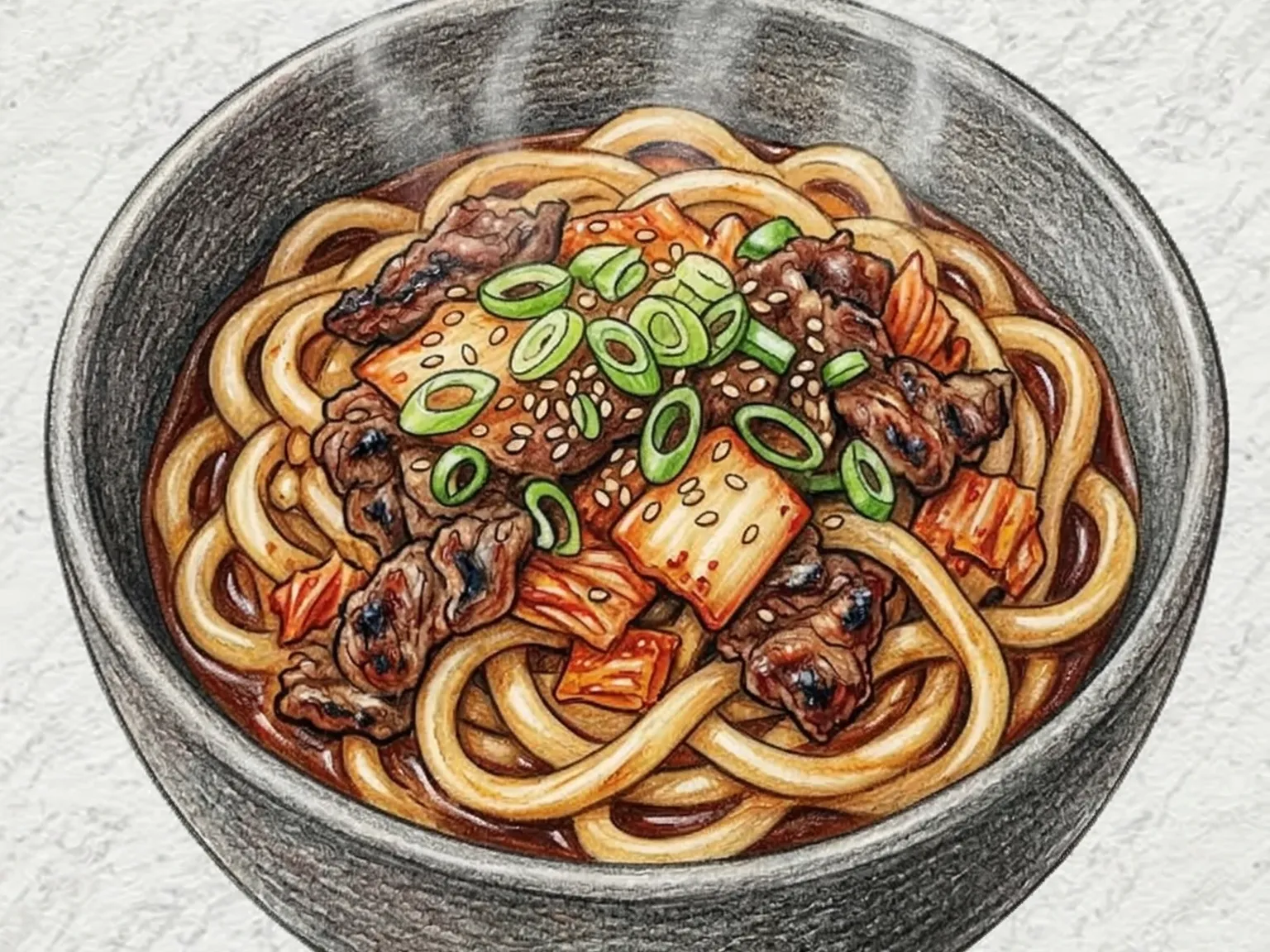
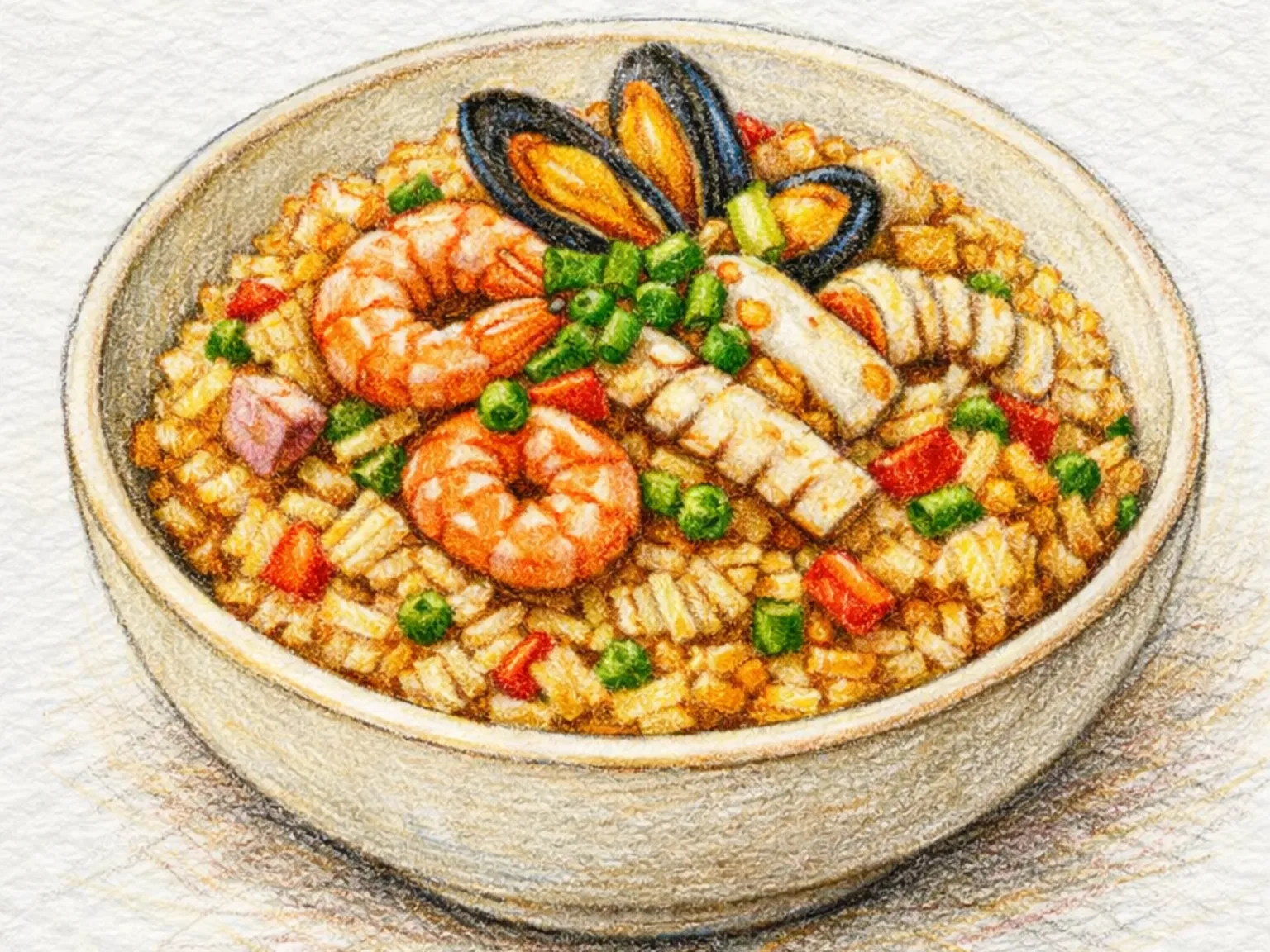
Haemul-japchae is a seafood version of the Korean glass noodle stir-fry, featuring shrimp, squid, spinach, carrots, and onions tossed together in soy sauce and sesame oil. Replacing meat with seafood allows the briny, mineral depth of the ocean to soak into the chewy sweet potato noodles, while the vegetables' natural sweetness keeps the overall flavor light and balanced. The noodles absorb the seasoning and take on a springy, glossy character, and the shrimp and squid contribute two distinct textures: a firm, bouncy snap from the shrimp and a satisfying chew from the squid. Scoring the squid before cooking causes it to curl and develop a pattern on the surface as it hits the heat, improving both texture and presentation. Seafood must be cooked over high heat and quickly to stay tender rather than rubbery, and the noodles should be soaked thoroughly beforehand so they absorb the seasoning evenly during the stir-fry. The dish often replaces beef japchae on holiday and celebration tables, and adding mussels or scallops deepens the broth-like quality of the finished dish.

Korean Grilled King Oyster Mushrooms
Saesongi-beoseot-gui is a Korean grilled king oyster mushroom dish where the mushrooms are sliced lengthwise to 0.7-centimeter thickness, seared in melted butter until golden on both sides, then glazed with a sauce of soy sauce, minced garlic, oligosaccharide syrup, and black pepper. King oyster mushrooms contain a lot of moisture, so arranging the slices in a single layer without overlap is essential-crowding steams rather than sears, preventing the Maillard browning that gives the surface its golden color and savory depth. Butter burns quickly above medium heat, so temperature control is key, and the soy glaze should only be added after both sides are already browned so it coats the surface rather than making it soggy. Chopped chives and sesame seeds scattered on top add a nutty, aromatic layer over the salty butter-soy base.

Chinese Soy-Braised Beef Shank
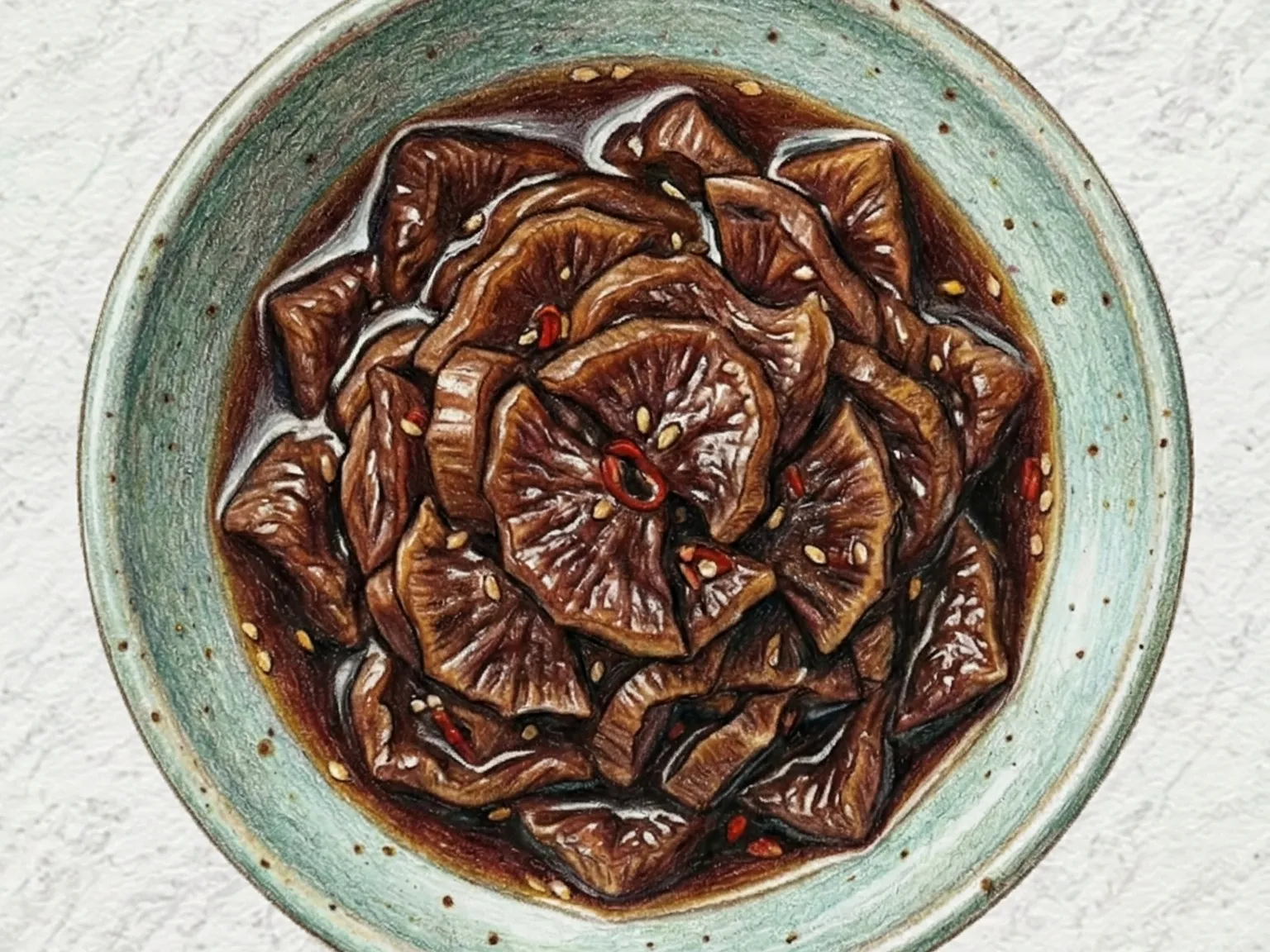
Jiang niu rou is a Chinese soy-braised beef shank simmered for at least ninety minutes with soy sauce, dark soy sauce, star anise, ginger, green onion, and sugar. The long, unhurried braise gradually breaks down the dense connective tissue in the shank while keeping the meat structurally intact, so it can be sliced cleanly across the grain once it has cooled completely. Star anise infuses the fatty cut with its distinctive warm, licorice-edged fragrance, and dark soy sauce deepens the color to a lacquered mahogany while adding a subtle sweetness that rounds out the saltiness. The sweet-savory balance of soy and sugar penetrates all the way through the meat rather than staying on the surface, which means the flavor holds up even when the shank is served cold straight from the refrigerator. The leftover braising liquid retains its full concentration of aromatics and is traditionally repurposed for cooking soy-braised eggs, making it a practical two-for-one preparation.

Lion's Head Meatballs (Chinese Braised Large Pork Meatballs with Cabbage)
Lion's head meatballs are a hallmark of Huaiyang cuisine from eastern China. Each meatball is shaped to the size of a fist from a loose mixture of ground pork, minced water chestnuts, and aromatics - the water chestnuts keeping the interior moist and giving it a subtle crunch even after long braising. The meatballs nestle into napa cabbage leaves in a clay pot, then simmer gently in a light soy and ginger broth until the cabbage wilts into silky ribbons and the pork turns spoon-tender. The name comes from how the cabbage wraps around each ball like a lion's mane. Served with steamed rice, the mild broth doubles as a soup course.

Korean Scallion Salad (Spicy Green Onion Grilled Meat Side)
Pa-muchim is a julienned green onion salad that serves as a classic accompaniment to Korean grilled meat. The onions are soaked in cold water for 10 minutes to draw out harsh sulfur compounds, leaving only a clean crispness behind. A dressing of soy sauce, red pepper flakes, sugar, vinegar, and sesame oil coats the thin strands, delivering a balance of salty, sweet, sour, and spicy notes in each bite. Toasted sesame seeds scattered on top contribute a lingering nuttiness. The salad should be eaten promptly after tossing, as the onions begin to wilt within minutes; placed on top of grilled pork belly or bulgogi, the sharp freshness cuts through the richness of the meat.

Korean Burdock Beef Pot Rice
Beef is marinated in soy sauce to build savory depth, then placed on top of rice with crisp-cut burdock root and cooked together in a heavy pot. The marinated beef releases its juices during cooking, and they soak into the rice so each grain carries flavor without any extra sauce. Burdock retains its firm texture even after pot-cooking, releasing an earthy sweetness with every chew. Adding carrot brings a gentle sweetness and color that rounds out the bowl.

Chinese Red-braised Pork Belly
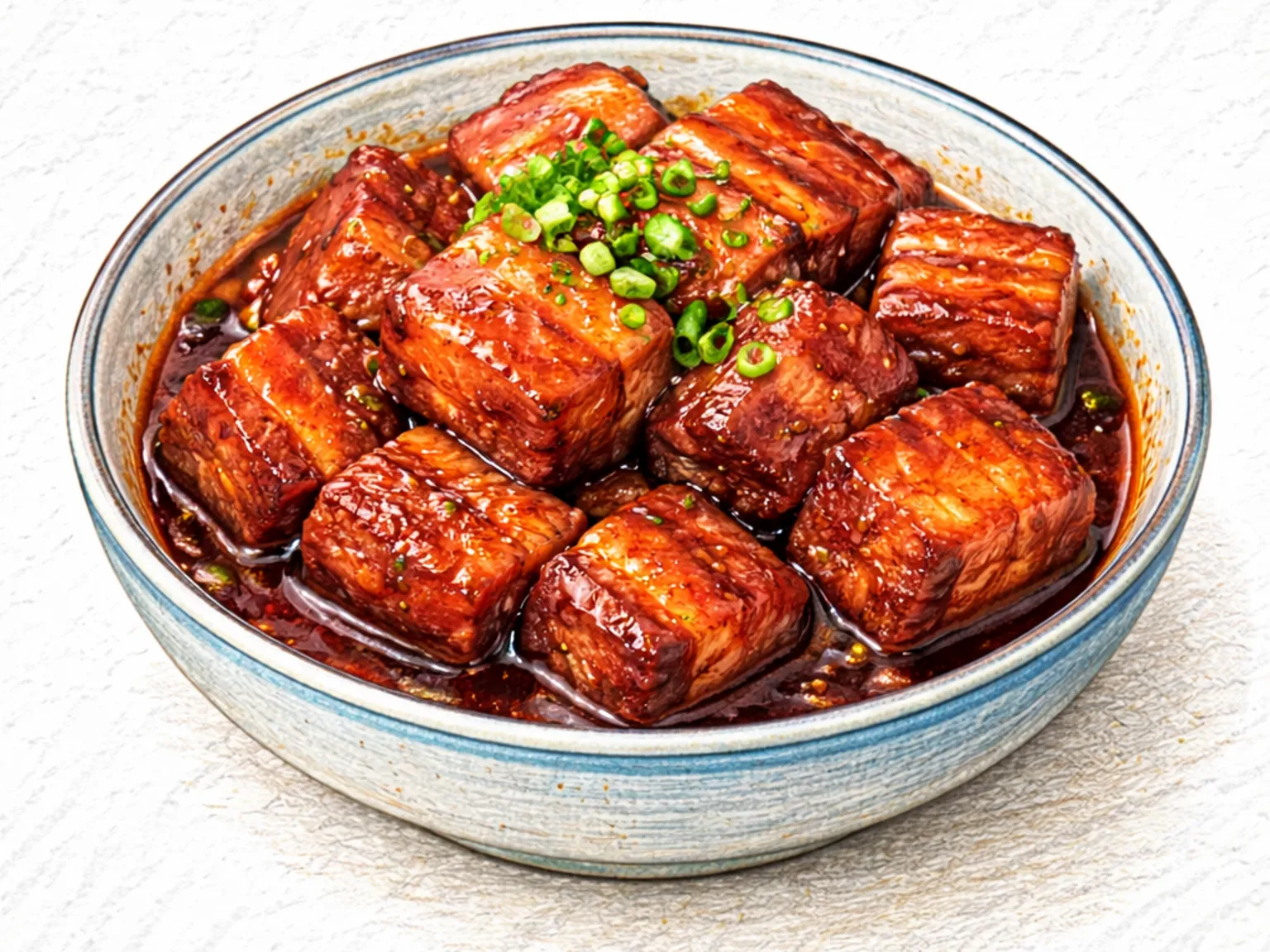
Hongshao rou is a traditional Chinese red-braised pork belly dish where thick-cut pork is slowly simmered in soy sauce, sugar, cooking wine, ginger, and scallion. The meat is first seared to render excess fat, then braised on low heat until the seasoning penetrates deeply. As it cooks, the pork becomes fork-tender and the sauce reduces into a thick, glossy glaze with a deep reddish hue. It is one of the most beloved home-cooked dishes across China, served simply over steamed rice. The benchmark for a well-made version is pork that yields at the slightest pressure from chopsticks.

Korean Beef and Mushroom Pancake
Ground beef is mixed with finely chopped shiitake mushrooms and pressed tofu, then kneaded until the three textures merge into a cohesive, sticky mass seasoned with soy sauce and sesame oil. Small patties are shaped, dusted in flour, dipped through beaten egg, and pan-fried over medium heat until the egg coating sets into a thin golden shell that traps moisture inside. The shiitake contributes a deep umami undertone, while the tofu keeps the interior soft rather than dense. This is a classic Korean jeon served at holiday gatherings and special-occasion meals.

Korean Steamed Yellow Croaker
Jogi-jjim is a steamed Korean yellow croaker banchan built around a two-stage cooking method that drives soy sauce, cooking wine, garlic, and ginger deep into the flesh. Scoring the fish on both sides before cooking is essential: the cuts open channels so the marinade reaches the interior rather than sitting on the surface. Half the sauce goes in first, and the fish steams until nearly done; then the remaining sauce and sliced green onion are added for a second round. Cooking wine and ginger together strip away fishiness, leaving the croaker clean and mild on the palate. The flesh is fine-grained and firm enough to pull apart in neat flakes with chopsticks without falling apart. Any sauce that collects in the pan spooned over rice makes the dish a complete meal without needing a separate soup.

Lo Mai Gai (Cantonese Lotus Leaf Glutinous Rice with Chicken)
Lo mai gai is a Cantonese dim sum staple of glutinous rice packed with diced chicken, shiitake mushrooms, Chinese sausage, and dried shrimp, all seasoned with oyster sauce and soy sauce, then wrapped tightly in dried lotus leaves and steamed. The lotus leaf is not incidental to the dish. When the package is exposed to steam heat, the leaf releases a grassy, subtly earthy fragrance that penetrates the rice and cannot be recreated by substituting parchment or foil. The glutinous rice absorbs the seasoning from the filling as it cooks, drawing in the savory-sweet fat of the Chinese sausage, the concentrated marine umami of the dried shrimp, and the deep, woodsy aroma of shiitake mushrooms. These flavors fuse into the rice so that every spoonful carries all of them at once rather than tasting like individual components. The parcel arrives at the table in a bamboo steamer, and unfolding the leaf at the table releases a rush of steam carrying the unmistakable lotus fragrance. The traditional way to eat it is directly off the opened leaf.

Korean Paengi Beoseot Jeon (Enoki Pancake)
Paengibeoseot-jeon is a thin Korean pancake built around 200 grams of enoki mushrooms separated into loose strands and coated in a light batter of pancake mix, egg, and water. Cooked over medium-low heat, the batter spreads thin enough that the edges turn golden and crisp while the mushroom clusters in the center stay moist and chewy. Chopped scallions add color and a mild onion fragrance throughout. The pancake is served with a dipping sauce of soy sauce, vinegar, and a pinch of chili flakes, whose acidity and salt lift the subtle earthiness of the mushrooms. Keeping the heat moderate is essential - too high and the outside burns before the interior sets.