Korean Vegetable Fried Rice
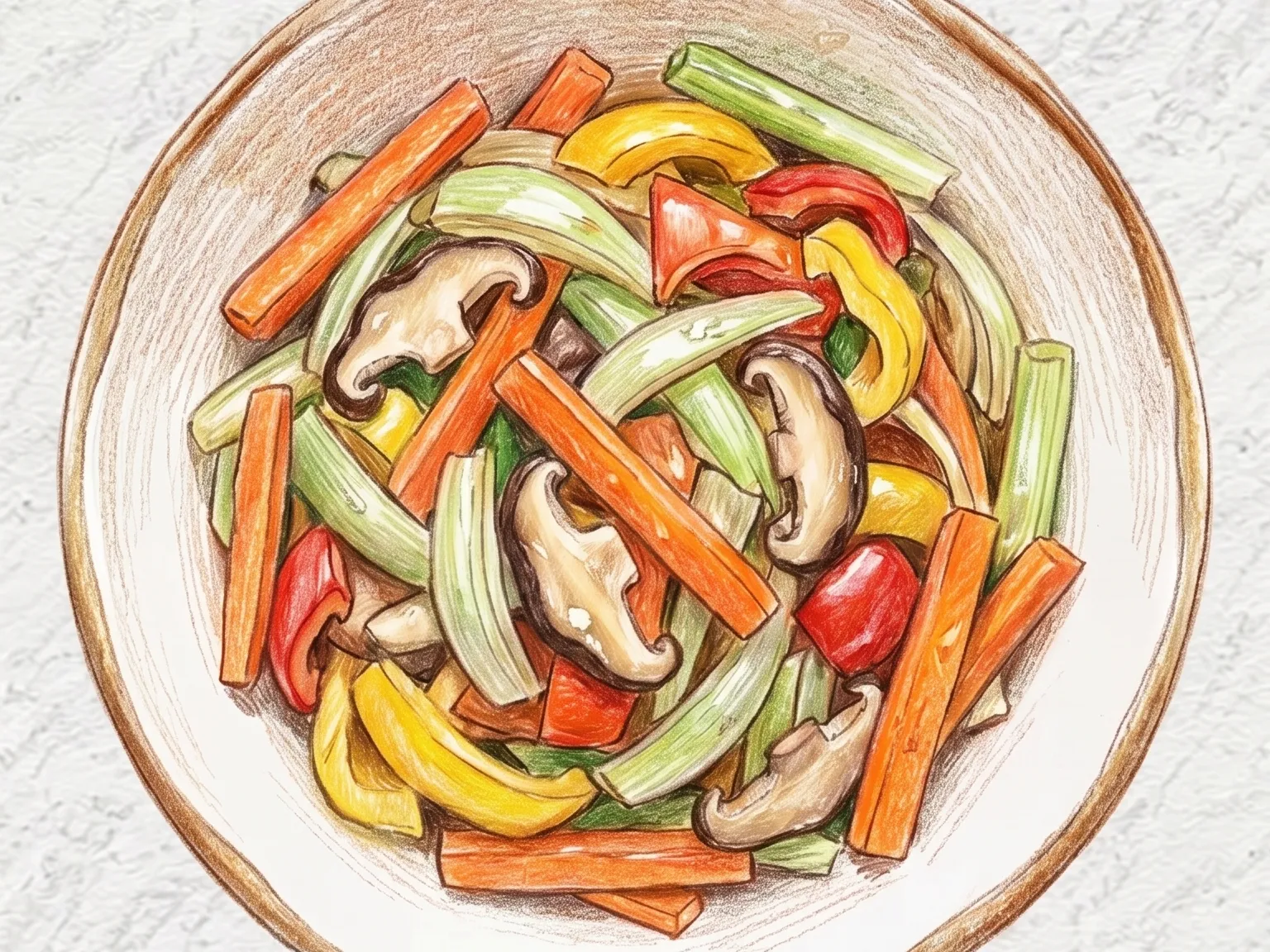
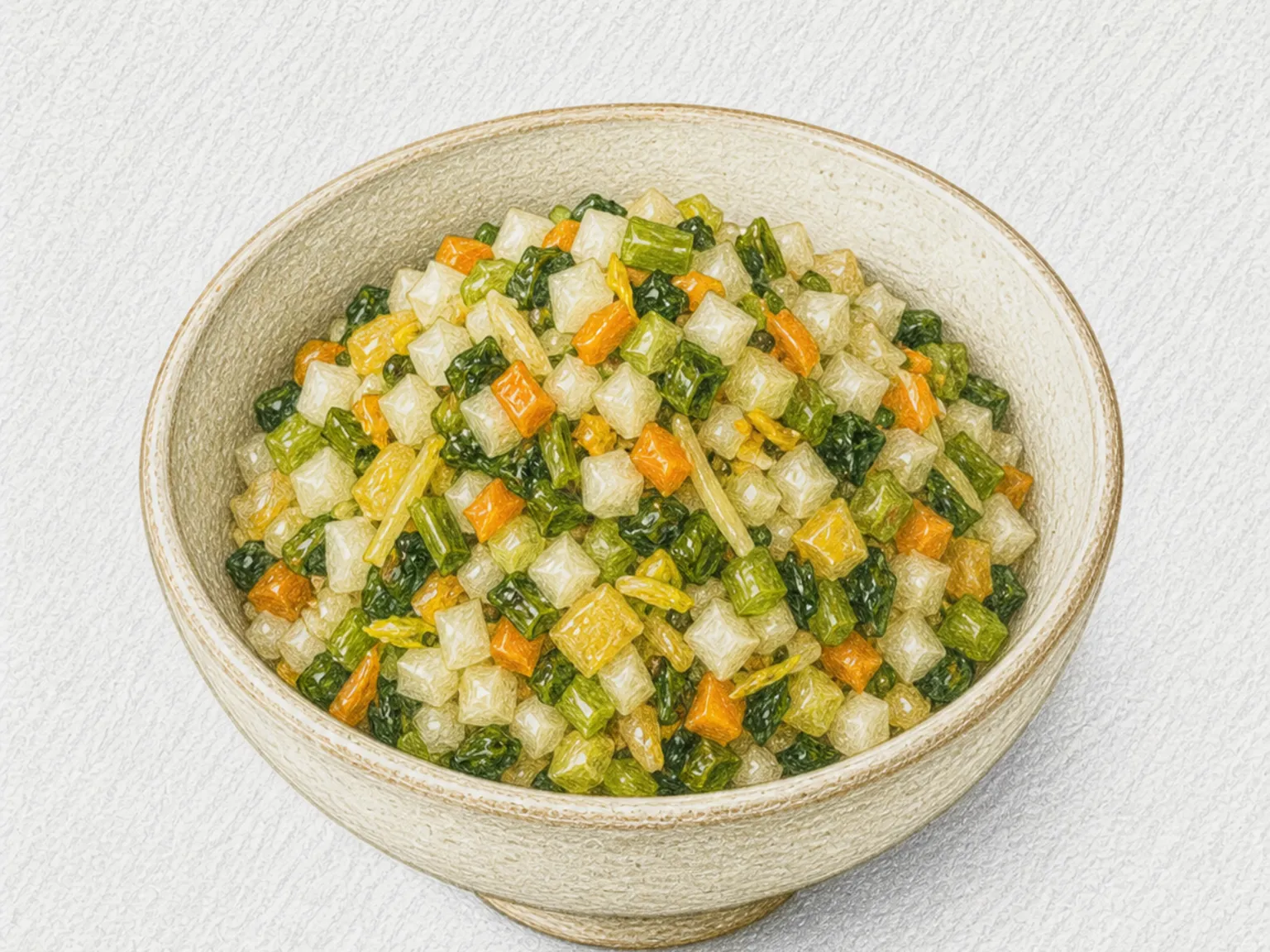
Carrots, onions, zucchini, and bell peppers are finely diced and tossed with rice in a hot wok, moving fast enough that each grain separates and picks up a light char. The vegetables release just enough moisture to keep the rice from drying out while the high heat ensures the grains stay individually distinct. Soy sauce and sesame oil provide a clean, nutty seasoning that lets the vegetable flavors come through. Topping with a fried egg or a shower of crushed nori turns this simple fried rice into a satisfying meal.

Korean Stir-fried Dried Pollock Strips
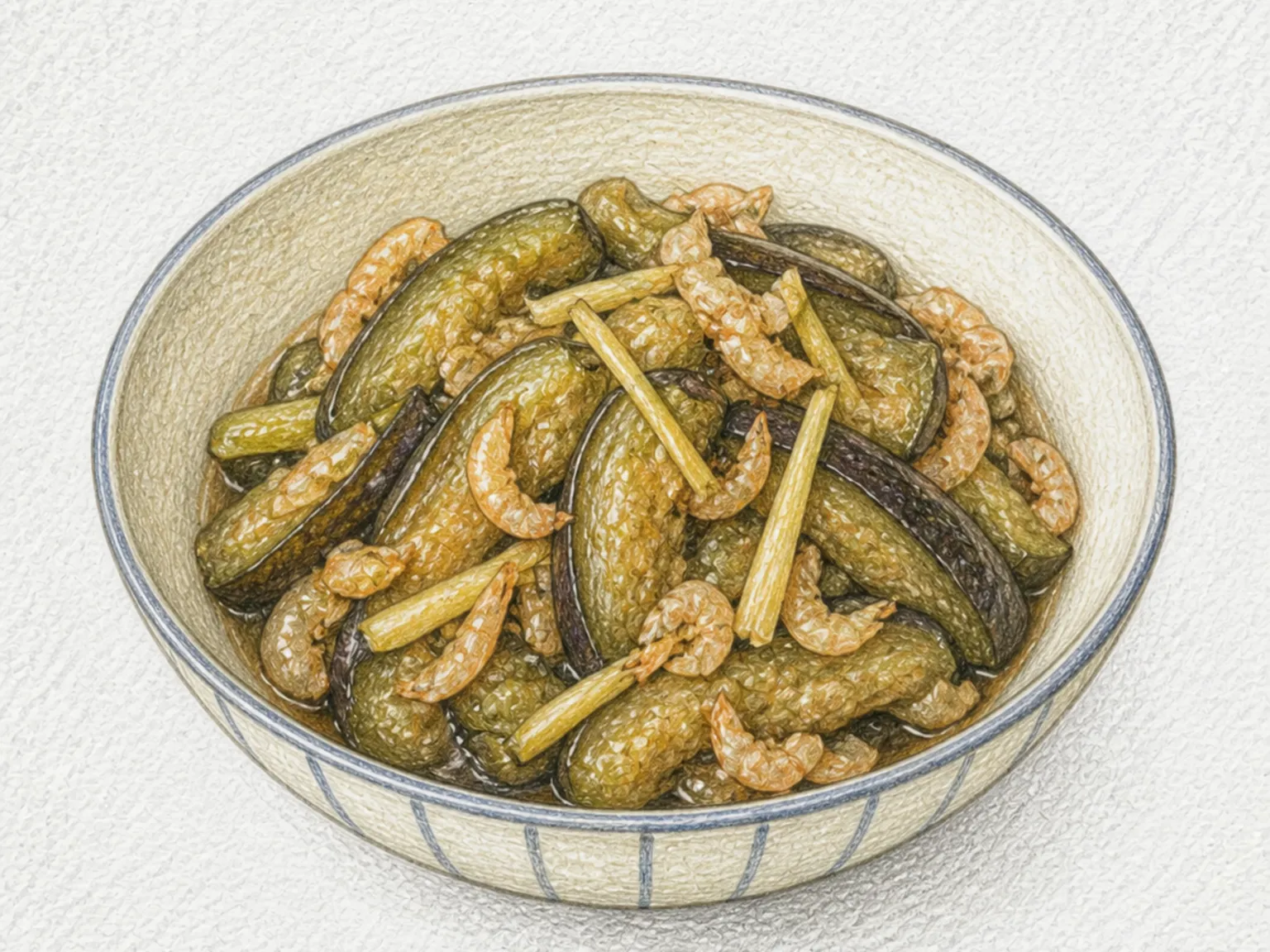
Hwangtae-chae-bokkeum is a Korean side dish of shredded dried pollock strips soaked until fully soft, then stir-fried in a gochujang, oligosaccharide syrup, and soy sauce glaze. Hwangtae is a specific type of dried pollock produced by repeated freeze-thaw cycles in cold mountain air over winter, which gives it a lighter, spongier texture than ordinary dried pollock -- that porosity is what allows it to absorb the seasoning so completely during cooking. Soaking the dried strips in cold water for at least twenty minutes is necessary to rehydrate the flesh fully; squeezing out the excess moisture before adding them to the pan helps the glaze cling evenly rather than diluting in the pan. As the pollock fries, it drinks in the seasoning and turns chewy and moist, with the gochujang's heat and the syrup's sweetness working together to neutralize any residual fishiness. A finishing drizzle of sesame oil and a scatter of sesame seeds rounds out the flavor. The dish keeps well in the refrigerator for four to five days, making it a practical banchan to prepare in advance for lunchboxes or as a casual snack alongside drinks.

Korean Beef Skewers (Soy-Glazed Grilled Beef)
Bite-sized beef cubes and chunks of bell pepper and onion are threaded onto wooden skewers in an alternating pattern. The beef marinates for twenty minutes in soy sauce, oligosaccharide syrup, minced garlic, sesame oil, and black pepper before assembly. Grilling over medium-high heat while rotating the skewers lets the marinade reduce into a sticky glaze on the meat, while the vegetables soften and pick up faint char. The result is a hand-held format where each bite delivers soy-seasoned beef alongside lightly smoky, still-crisp vegetables.

Korean Steamed Pacific Saury
Kkongchi-jjim braises Pacific saury with Korean radish, onion, and green onion in a gochugaru and soy sauce broth until the liquid reduces to a concentrated, deeply spiced glaze. The saury's naturally oily flesh absorbs the bold seasoning without drying out, while the radish softens in the braising liquid and draws out any fishiness that would otherwise distract from the sauce. Garlic and ginger scrub the broth clean, and the chili's penetrating heat opens the appetite in a way that milder seasonings cannot. The remaining sauce, ladled over rice, is what most people eat last and remember longest - a humble fish dish that punches well above its price.

Lu Rou Fan (Taiwanese Braised Pork Belly Rice Bowl)
Lu rou fan is Taiwan's most deeply embedded comfort food, a bowl of steamed white rice topped with minced pork that has been braised low and slow in soy sauce, rice wine, and five-spice powder until the fat renders completely and the cooking liquid reduces into a thick, glossy sauce. Star anise and cinnamon permeate the meat during the long simmer, contributing a warm, aromatic layer that is present but never sharp enough to dominate. Sold from roadside stalls and neighborhood restaurants across Taiwan at all hours and at minimal cost, it is both an everyday staple and a dish people return to throughout their lives. Pickled daikon served alongside cuts through the richness of the braising sauce with its crunch and acidity, providing the contrast that makes the combination more satisfying than either element alone. A soy-braised egg with a jammy yolk adds another textured component, and a small bunch of blanched greens rounds out the bowl with something light and clean. The braising liquid deepens significantly with time, so simmering for at least thirty minutes over gentle heat is what separates a properly developed lu rou fan from a rushed version.

Korean Tofu and Bell Pepper Salad
Paprika-dubu-muchim combines 300 grams of blanched firm tofu, crumbled coarsely by hand, with julienned red and yellow bell peppers, cucumber, and onion in a soy-vinegar dressing. Blanching the tofu for just one minute removes any raw bean flavor while preserving a soft, creamy texture that contrasts with the crisp, sweet snap of the peppers. The onion is soaked in cold water for three minutes to tame its bite before joining the bowl. Sesame oil and minced garlic round out the dressing, adding depth without heaviness. Chilling the finished dish for 10 minutes before serving sharpens the vegetable flavors and makes the tofu firmer to the bite.

Korean Sweet Glutinous Rice
Glutinous rice is soaked, steamed, and dressed with a mixture of soy sauce, sesame oil, and honey, then studded with jujubes, chestnuts, and pine nuts before a second steaming. The double-steaming process gives the rice a dense, chewy stickiness while the soy sauce penetrates each grain and tints it a deep amber. Jujubes lend a natural caramel-like sweetness, chestnuts add a crumbly, starchy contrast, and pine nuts contribute a subtle oiliness that enriches the overall taste. Traditionally prepared for the first full moon festival, yakbap is equally enjoyable as an everyday snack or packed lunch.

Korean Glass Noodle Stir-fry
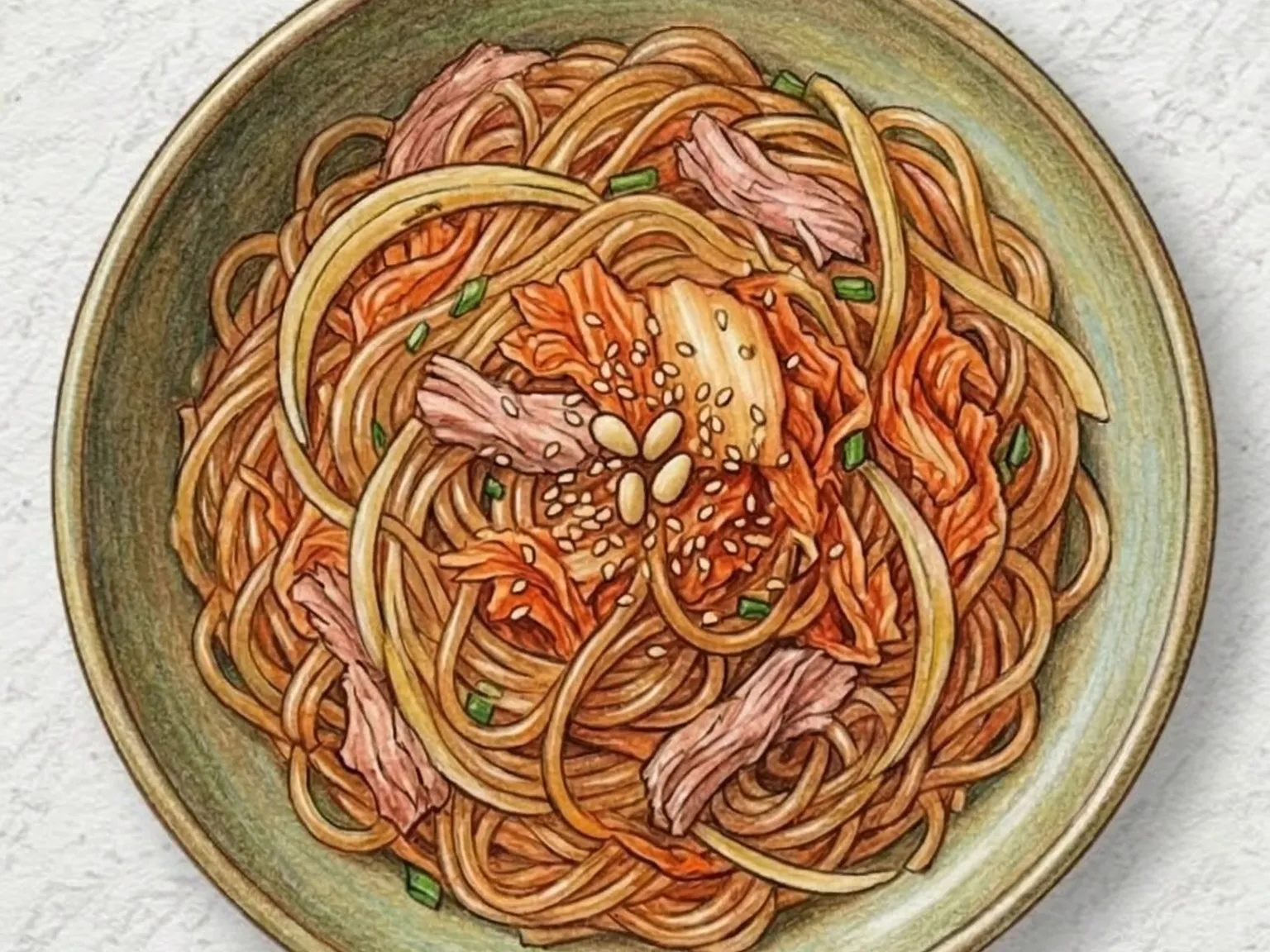
Japchae is a signature Korean dish of glass noodles stir-fried with beef, spinach, carrots, onions, and shiitake mushrooms in soy sauce and sesame oil. The noodles are made from sweet potato starch and turn translucent as they cook, absorbing the seasoning to become glossy and springy rather than starchy or heavy. The defining technique is cooking each component separately before combining them at the end. Spinach softens quickly and needs only a brief wilt; carrots are stir-fried to keep a slight bite; shiitake mushrooms are cooked until pleasantly chewy; and beef is marinated in soy sauce, sesame oil, sugar, garlic, and pepper before being stir-fried so it stays tender without any gamey edge. Tossing the noodles in soy sauce and sesame oil right after boiling prevents them from clumping together. When everything is brought together at the end, each ingredient keeps its individual texture while the seasoning unifies the dish. Japchae appears at virtually every Korean celebration including Chuseok, Lunar New Year, birthdays, and wedding feasts, and a large batch keeps its quality well into the following day.

Korean Perilla-Grilled Mushrooms
Songhwa mushrooms have thick caps with high moisture content, so they stay succulent and chewy when grilled. Sliced into thick pieces and tossed with a simple mix of perilla oil, soy sauce, garlic, salt, and pepper, they cook for about three minutes per side on a hot pan. The perilla oil imparts a distinctly nutty, toasted aroma that differs from sesame. Ground perilla seed is sprinkled on just before the heat is turned off, releasing fragrance without scorching. Finished with chopped chives, this vegetarian dish works equally well as a rice side or a drinking snack.

Korean Braised Oxtail (Soy Collagen Radish Braise)
Kkori-jjim is a Korean braised oxtail dish that begins with an extended soak in cold water to purge blood, followed by a preliminary boil to clean the joints before the main braise. The oxtail pieces go into a pot with soy sauce, sugar, minced garlic, ginger, and rice wine and cook low and slow for two hours or longer. The collagen concentrated in the tail joints breaks down gradually over that time, turning the braising liquid thick, glossy, and deeply gelatinous while the meat loosens away from bone without resistance. Korean radish and carrot cook alongside the meat, contributing natural sweetness and becoming saturated with the savory-sweet sauce. Jujubes and ginkgo nuts lend an herbal nuance and a subtle sweetness that distinguishes this dish from simpler braises. When chilled, the sauce sets into a firm jelly that liquefies again on reheating. The dish appears regularly on Korean holiday tables and is considered restorative food, valued for its concentrated beef flavor and the characteristic springy pull of slow-cooked collagen.

Lumpiang Shanghai (Filipino Deep-Fried Pork Spring Rolls)
Lumpiang Shanghai is the spring roll that appears without fail at every Filipino celebration, from birthday parties to holiday feasts and town fiestas. Ground pork is mixed with finely diced carrots, onions, and scallions, seasoned with soy sauce and black pepper, then rolled into finger-length cylinders using thin spring roll wrappers before being deep-fried to a golden, audibly crisp shell. The moment teeth break through the shattering exterior, well-seasoned and juicy meat pours out from within, and that contrast is the core of its appeal. Served alongside a sweet chili dipping sauce or a sharp vinegar sauce, the richness of the pork and the acidity of the condiment lock together in a way that makes stopping at one piece genuinely difficult. The rolls hold their crispness at room temperature far longer than most fried foods, which is why trays of them tend to disappear within minutes at any gathering. Adding shrimp to the pork filling introduces a springy bite and a layer of brininess that takes the flavor a step further.

Korean Seasoned King Oyster Mushroom
Saesongi-beoseot-muchim steams 250 grams of king oyster mushrooms, torn into strips along the grain, for six minutes over high heat to preserve their chewy, fibrous texture better than boiling would. After cooling slightly and squeezing out excess moisture, the strips are tossed in a dressing of soy sauce, vinegar, chili flakes, garlic, and sugar. The vinegar provides a tangy lift, while the chili flakes introduce gentle warmth without overwhelming the mushroom's mild flavor. Sesame oil and sesame seeds finish the dish with a nutty aroma. It holds up well when chilled and served cold, making it a convenient banchan to prepare ahead of time.

Yakitori Rice Bowl (Soy-Mirin Glazed Grilled Chicken over Rice)
Direct heat and a repetitive glazing process define the preparation of this chicken skewer bowl. Small pieces of chicken thigh are secured onto skewers and grilled over a flame while a mixture of soy sauce, mirin, and sugar is applied in thin, sequential layers. This technique builds a lacquered surface through caramelization, which directs the sweet and salty flavors to the exterior of the meat. Applying the sauce too heavily in a single pass often leads to burning and an uneven crust. Because chicken thigh contains natural fats, the meat remains moist and tender even under high temperatures. When the cooked pieces are removed from the skewers and placed onto the rice, the excess glaze permeates the grains to provide sufficient seasoning. Sprinkling shichimi togarashi or sansho powder introduces a sharp or citrus-like contrast to the sweetness of the chicken. While chicken breast serves as a leaner alternative, it requires a longer marinating period and a shorter time on the grill to prevent the meat from drying out. The tare sauce can be prepared in advance and stored in the refrigerator for several weeks. Adding a halved soft-boiled egg or sliced scallions provides different textures and prevents the meal from feeling repetitive.

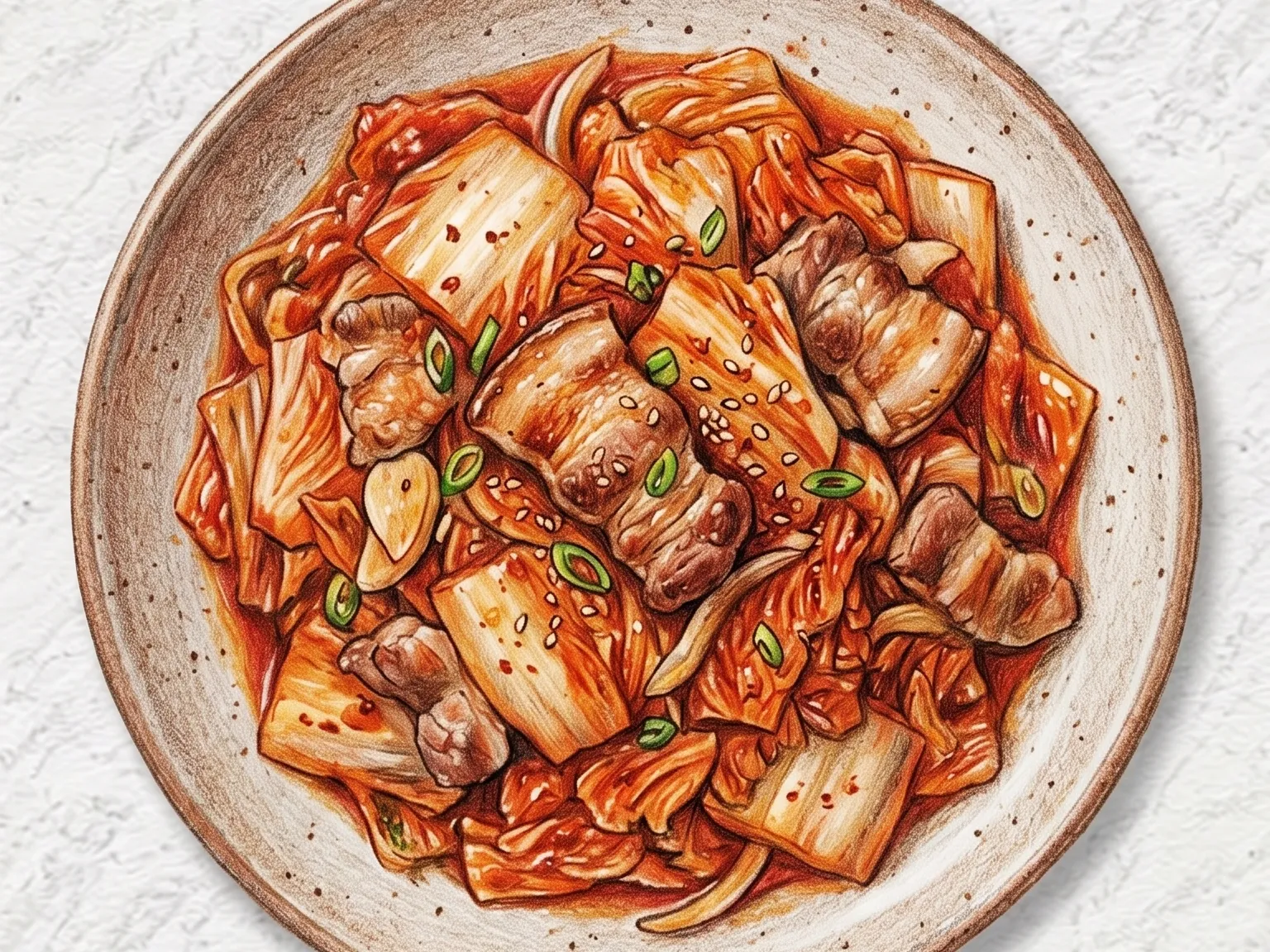
Korean Spicy Pork Stir-fry
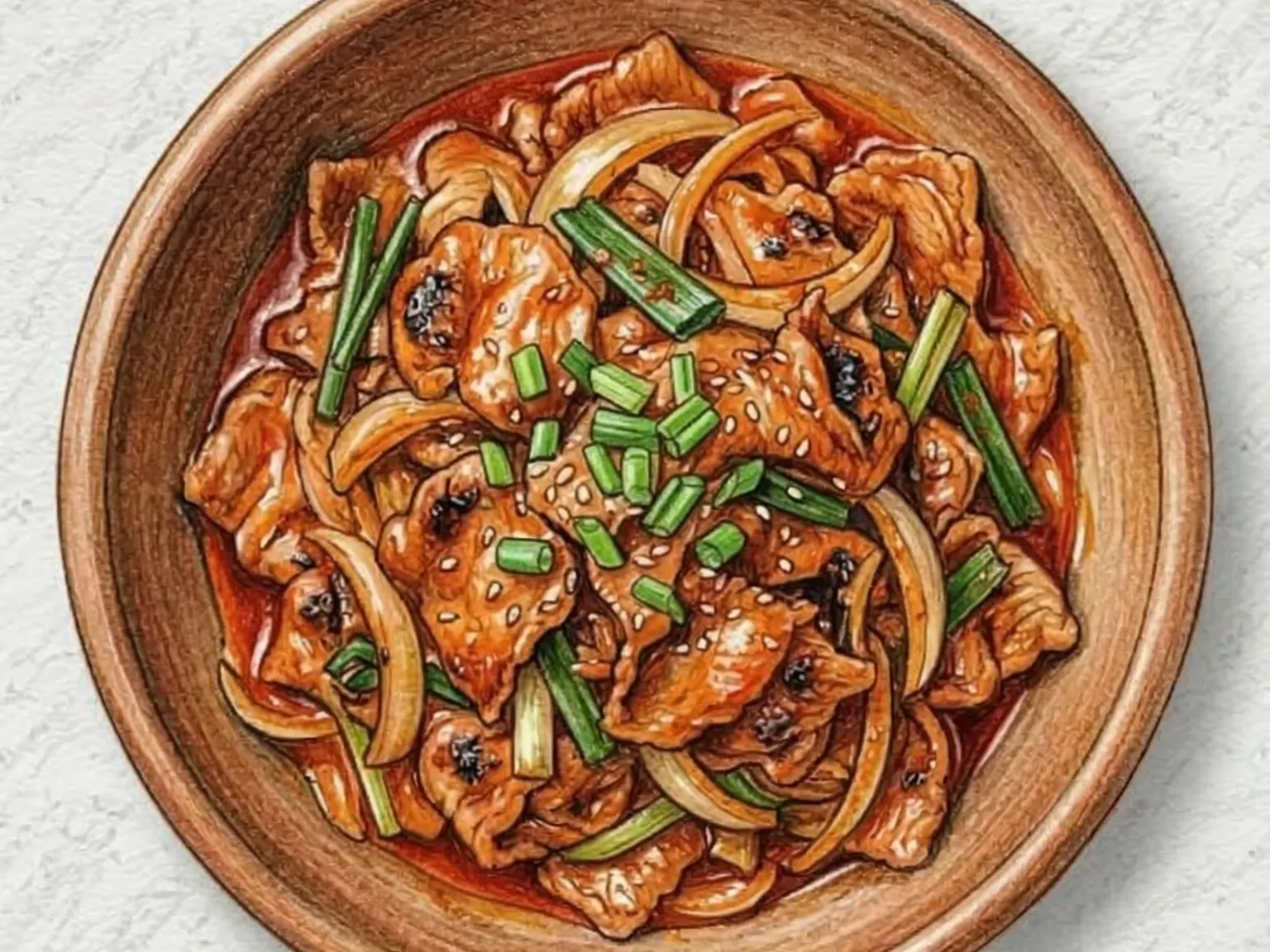
Jeyuk-bokkeum is a Korean spicy pork stir-fry where sliced pork is marinated in gochujang, soy sauce, sugar, and garlic, then wok-tossed with vegetables over high heat. The marinade sinks into the meat, combining chili heat with caramelized sweetness, while onions and scallions release moisture that balances the bold seasoning. Quick cooking at high temperature lets the pork develop a lightly charred exterior that adds another layer of flavor. It is commonly served over rice as a donbap or wrapped in lettuce leaves.

Korean Grilled Sea Snail with Gochujang
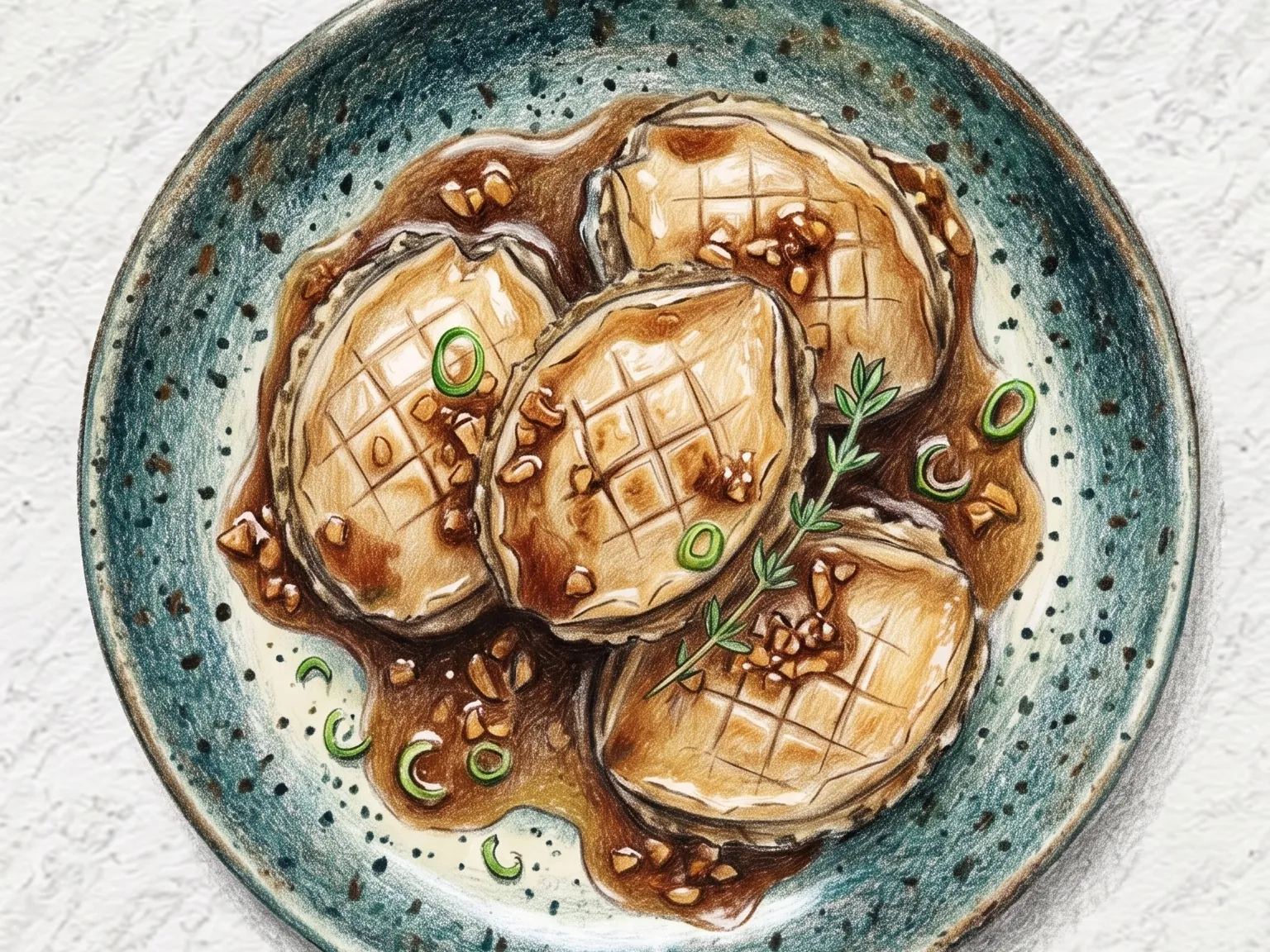
Pre-boiled sea snail meat is sliced thin, trimmed of tough visceral parts, and marinated for fifteen minutes with sliced onion in a sauce built on gochujang, gochugaru, soy sauce, oligosaccharide syrup, and minced garlic. A screaming-hot pan sears the marinated snail in three to four minutes, concentrating the spicy-sweet sauce onto the surface while preserving the snail's signature firm chew. Green onion goes in for the final minute, followed by a drizzle of sesame oil. The briny depth of the sea snail meets the fermented heat of gochujang in every bite.

Korean Steamed Blue Crab (Whole Shell Aromatics)
Kkotge-jjim is a Korean steamed blue crab dish cooked whole in a steamer with lightly salted water and aromatic vegetables. Steaming retains the natural juices and sweetness locked inside the shell more effectively than boiling or grilling, so the extracted meat delivers a concentrated, briny flavor with each bite. Dipping the pieces in vinegar soy sauce adds acidity that draws out and sharpens the crab's inherent sweetness, creating a clear contrast against the richness of the flesh. Blue crabs caught during their spring and fall peak seasons arrive heavy with roe and thick with tomalley, which means there is far more to eat beyond the white claw and body meat, and the flavor reaches its fullest depth. Cracking the shells by hand, working through each leg joint, and pulling out the meat is an integral part of how this dish is meant to be eaten. For those without a steamer, a shallow layer of water in a pot with a wire rack set above it works as a straightforward substitute.

Sichuan Spicy Tofu (Mapo Tofu)
Mapo tofu is the dish that defines Sichuan cooking for much of the world, and it earns that reputation through an uncompromising combination of heat and numbing spice. Blocks of silken tofu are slid carefully into a wok with ground pork, doubanjiang (fermented chili bean paste), and a generous measure of ground Sichuan pepper, then cooked at high heat until the sauce tightens and coats every cube completely. The doubanjiang provides fermented depth and an unmistakable rusty-red color that signals its flavor before the first bite, while the Sichuan pepper delivers the numbing, tingling sensation known as ma that separates this dish from any other spicy food. Each cube of tofu absorbs the sauce at its edges while remaining silken at the center, creating a contrast between the spiced exterior and the cool, neutral interior that makes each bite dynamic. Spooned generously over steamed rice, the thick sauce penetrates between every grain, pulling together the entire bowl into a single cohesive experience. The interplay of ma (numbing) and la (spicy heat) is the defining characteristic of Sichuan cuisine, and mapo tofu demonstrates that pairing with more clarity and intensity than almost any other dish in the repertoire.

Korean Fresh Lettuce Geotjeori
Sangchu-geotjeori is a last-minute lettuce salad where 120 grams of lettuce, torn into bite-size pieces, is tossed for no more than 20 seconds in a dressing of red pepper flakes, soy sauce, vinegar, plum syrup, minced garlic, and sesame oil. The lettuce must be thoroughly dried after washing so the dressing adheres to the leaves rather than pooling at the bottom. Thinly sliced onion adds crunch and a sharp edge that complements the mild bitterness of the lettuce. Plum syrup provides a fruity sweetness that is more subtle than granulated sugar, while the vinegar tempers the chili heat. Serving immediately is critical - within minutes the leaves begin to wilt, losing the crisp texture that defines this dish.

Korean Salmon Rice Bowl (Marinated Raw Salmon over Warm Rice)
Preparing a bowl of Yeoneo deopbap begins with slicing sashimi-grade salmon and tossing it in a light dressing of soy sauce, sesame oil, and wasabi. This Korean adaptation of Japanese donburi relies on a delicate balance where the seasoning merely coats the fish rather than overwhelming its natural texture. Placing these seasoned slices over warm steamed rice creates a temperature contrast that slightly firms the bottom of the fish while keeping the center raw and buttery. Topping the bowl with shredded perilla leaves or nori adds an earthy, oceanic scent that balances the natural fats of the salmon. For a sharper profile, the amount of wasabi can be increased, or a few drops of lemon juice can be added to the soy base to provide a bright acidity. High in omega-3 fatty acids and protein, this dish also contains astaxanthin, making it a nutritious choice that demands the highest level of freshness. Including sliced avocado offers a creamy element, while a spoonful of salmon roe adds small pops of saltiness. Because the residual heat from the rice gradually cooks the fish, assembling the bowl right before eating ensures the salmon maintains its intended consistency and stays fresh on the palate.

Korean Soy Braised Chicken with Glass Noodles
Jjimdak is a Korean braised chicken dish originating from the Andong region of North Gyeongsang Province, where competing chicken stalls in the Andong Old Market during the 1980s each developed their own version, eventually producing the dish now associated with the city. Bone-in chicken pieces, potatoes, and glass noodles are simmered together in a soy sauce glaze built from soy sauce, sugar, garlic, and corn syrup. The sauce penetrates the chicken and potatoes fully during the braise, delivering salty-sweet depth in every piece. Glass noodles swell as they absorb the reducing liquid, turning chewy and deeply flavored by the end of cooking, while the potatoes soften to a floury, starchy texture that holds sauce on every surface. As the liquid reduces further, the glaze thickens and turns glossy, coating each ingredient in a lacquered layer. Served over rice with the sauce poured across, it is easy to finish the bowl without noticing. Cheongyang chilies are often added for a spicier version, and sliced rice cakes folded in at the end are a popular addition.

Korean Sotteok-Sotteok Skewers
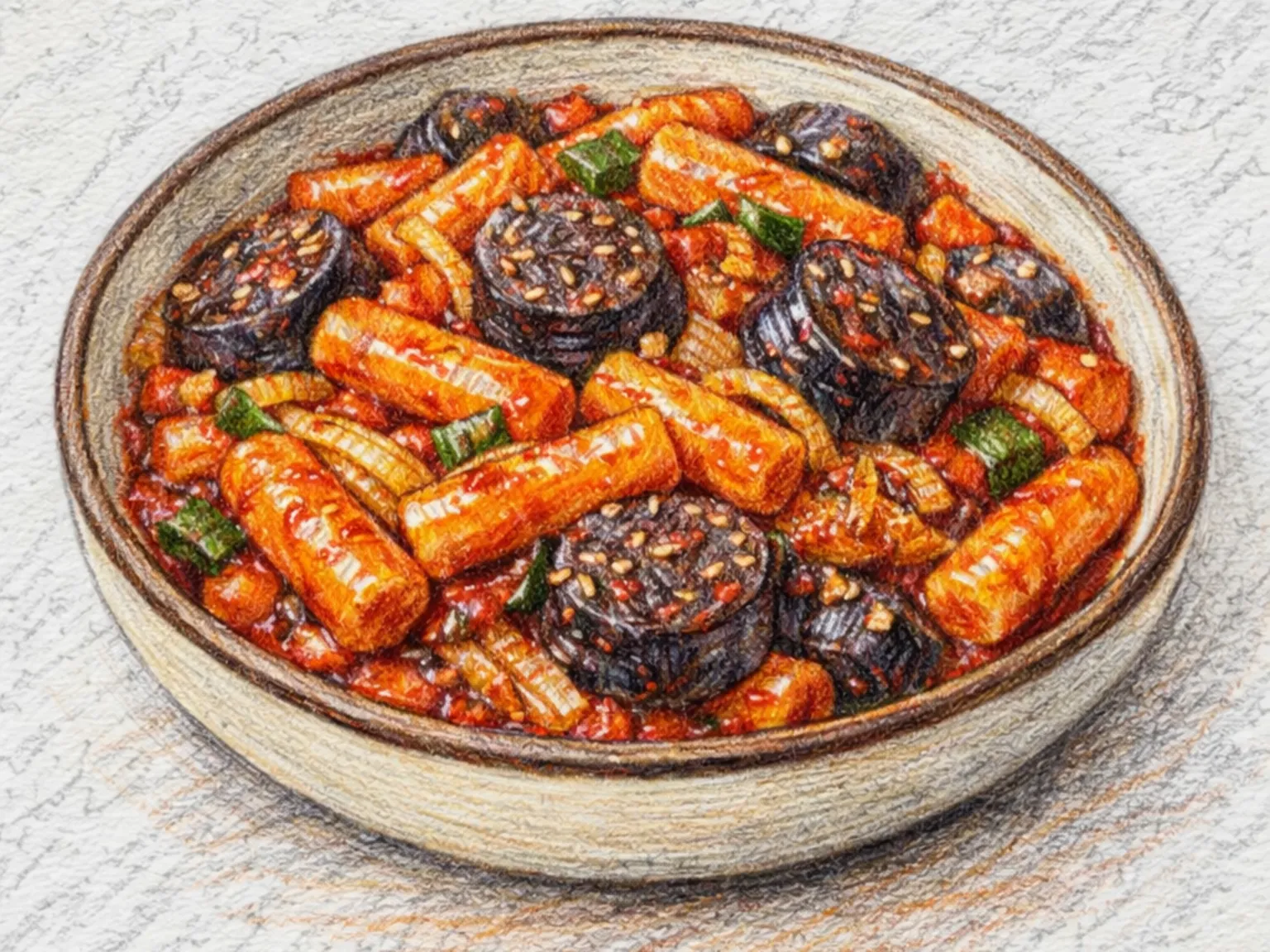
Cylinder-shaped rice cakes and mini sausages are skewered in alternating order, then pan-grilled for six to seven minutes until the surfaces turn golden. A glaze made from gochujang, ketchup, soy sauce, oligosaccharide syrup, and minced garlic is brushed on and cooked for two to three more minutes until glossy and sticky. Each skewer delivers a contrast between the dense chew of rice cake and the snappy bite of sausage, unified by the sweet-spicy coating. Originally a Korean street-food staple, sotteok-sotteok is also popular for camping trips and can be made quickly in an air fryer.

Korean Braised Potatoes with Shishito Peppers
Kkwari-gamja-jorim is a Korean braised side dish of cubed potatoes and shishito peppers cooked down in soy sauce, oligosaccharide syrup, and minced garlic. The potatoes start in a sauce with enough moisture to cook through, and as the liquid reduces, the seasoning thickens into a glossy coating. By the time the pan is nearly dry, the outside of each potato piece has taken on a sweet-salty glaze while the inside stays floury and soft. Shishito peppers, with their wrinkled skins, hold the sauce well and require only brief cooking to stay crisp. A final drizzle of sesame oil and a scatter of sesame seeds add a nutty aroma and a visual finish that signals the dish is done. The heat level stays mild, suitable for children, and the glaze sets firmly enough that the dish travels well in a packed lunch without losing flavor at room temperature.

Mee Bandung (Malaysian Johor Shrimp Tomato Gravy Noodles)
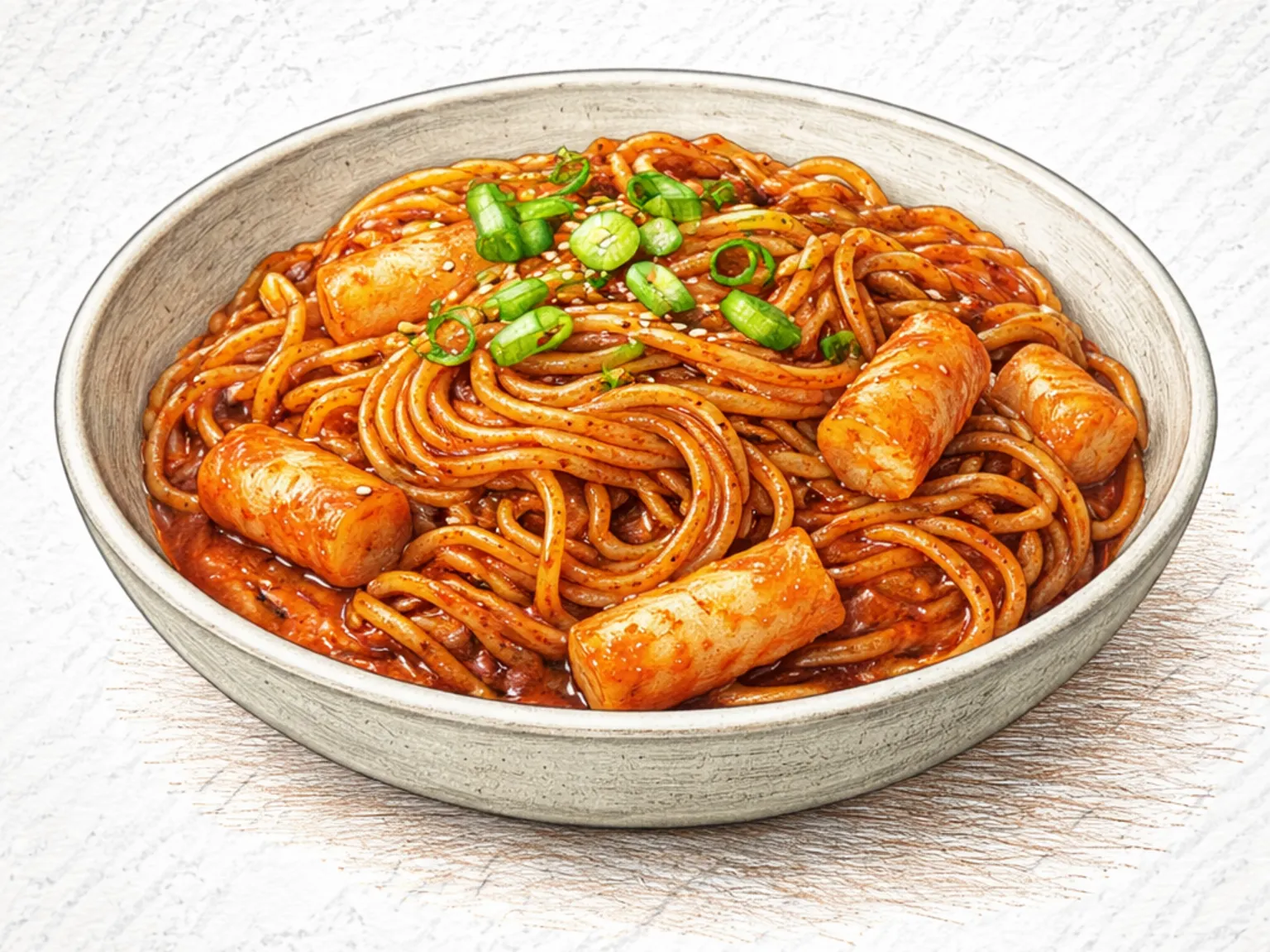
Mee bandung is a noodle dish from Johor in southern Malaysia, built around a thick, rust-colored gravy made from shrimp, tomato paste, and chili paste. The sauce has a distinctive character - simultaneously sweet, spicy, and briny - that sets it apart from the brothier noodle soups common elsewhere in the country. Yellow wheat noodles sit in the gravy rather than float in it, and the topping of whole shrimp, hard-boiled egg, and sliced scallions rounds out the bowl. The gravy clings to each strand of noodle, landing somewhere between a soup and a stir-fry in consistency. It is a night market staple in Johor Bahru and across southern Malaysia, rarely found outside that region.

Korean Acorn Jelly Salad with Sesame Soy Sauce
Sesame-dotorimuk-muchim is an acorn jelly salad that begins by slicing 400 grams of dotorimuk into 1-centimeter-thick pieces and blanching them for 20 seconds to firm up the surface and make the jelly more resilient to tossing. Julienned cucumber and thinly sliced onion - soaked briefly in cold water to remove sharpness - join the jelly in a bowl. The dressing of soy sauce, vinegar, red pepper flakes, and sesame oil brings a sharp, tangy bite that contrasts with the neutral mildness of the acorn jelly. Generous sesame seeds are scattered on top, and the dish rests for five minutes before serving so the dressing can seep into the jelly's porous surface. The result is a light, refreshing banchan with a range of textures from springy to crisp.