Charim

2686 Korean & World Recipes

2686+ Korean recipes, clean and organized. Ingredients to instructions, all at a glance.

Recipes with soy sauce

24 recipes

Buy soy sauce
Water Parsley & Beef Salad
SaladsMedium

Water Parsley & Beef Salad

Beef marinated in soy sauce and pear juice is seared over high heat just long enough to develop a caramelized, deeply savory crust on the outside while the interior stays moist and tender. The cooked bulgogi is laid over a bed of fragrant minari and crisp lettuce, so each forkful carries both the warm, rich meat and the cool, crunchy vegetables. Thinly sliced red onion soaked in cold water to tame its bite then scattered through the bowl melds smoothly with the sweet-savory marinade coating the beef. A light toss of the remaining sesame oil from the pan coats the greens with a round, nutty aroma, and toasted sesame seeds sprinkled generously over the top complete the plate. Minari wilts quickly and loses its herbal fragrance once it is dressed, so it should only be combined with the other ingredients moments before the dish reaches the table. The warm meat against the cold greens creates a temperature contrast that makes each bite more dynamic. A spoonful of ssamjang dressing or a splash of yuzu vinegar can shift the flavor profile when variety is wanted.

🥗 Light & Healthy
Prep 20minCook 10min2 servings
Cao Lau (Hoi An Chewy Rice Noodles with Braised Pork)
AsianMedium

Cao Lau (Hoi An Chewy Rice Noodles with Braised Pork)

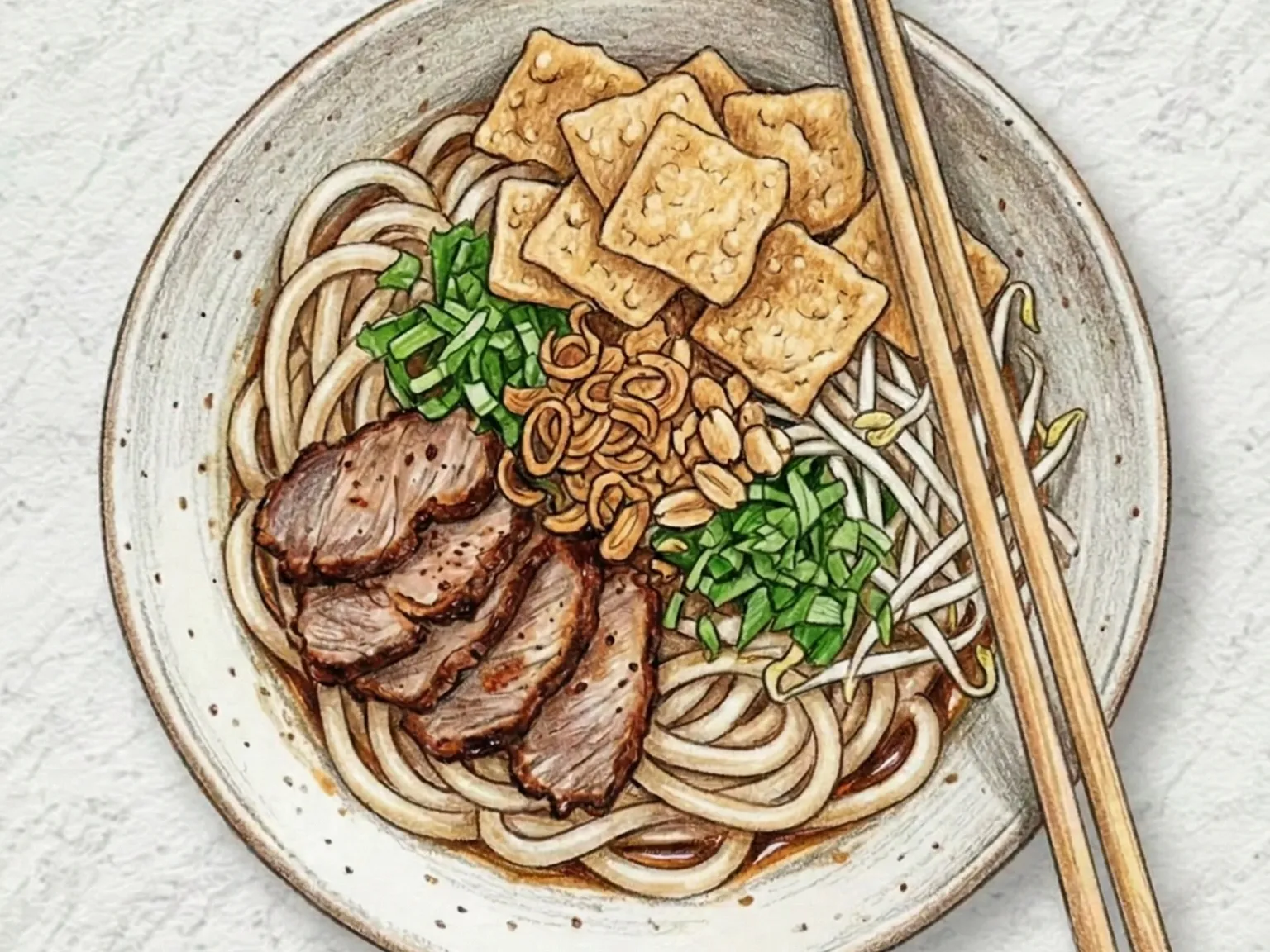
Cao lau is a dish with a single origin: Hoi An, a UNESCO-designated port town on Vietnam's central coast. Its defining characteristic is the noodle, which was traditionally prepared using water drawn from a specific ancient Cham well and lye derived from the ash of trees grown on the nearby Cham Islands. The combination of that mineral-rich water and alkaline lye gives the noodles a firm, dense chew and a distinctive amber color that no other Vietnamese noodle shares. Sliced pork braised in soy sauce, five-spice, and sugar until the exterior deepens and caramelizes is the main protein, placed on top of the noodles along with a handful of fresh herbs, crunchy bean sprouts, and torn pieces of fried wonton skin that have been crisped separately. Only a small amount of the pork braising liquid is spooned over the bowl - cao lau is a dry noodle dish, not a soup, and the absence of broth is essential to how the textures work together, each component staying distinct rather than softening in liquid. The flavors encoded in the dish are a record of the trading cultures that moved through Hoi An over several centuries: the soy-based braising sauce reflects Japanese culinary influence, the five-spice points to Chinese cooking traditions, and the abundant fresh herb garnish is unmistakably Vietnamese. The result is a dish whose full identity cannot be separated from its place of origin, making it one of the most geographically specific preparations in Southeast Asian cuisine.

🎉 Special Occasion
Prep 20minCook 30min2 servings
Korean Seasoned Kelp Strips
Side dishesEasy

Korean Seasoned Kelp Strips

Kelp strips are soaked in cold water for ten minutes to draw out excess salt, then blanched for twenty seconds, just long enough to turn them pliable without losing their snap. The strips are dressed with gochugaru, vinegar, soy sauce, sugar, and garlic while julienned cucumber adds a cool, refreshing contrast. The seasoning sits over the mineral-dense ocean flavor of the kelp, layering a bright, acidic kick onto each bite. Sesame oil and whole sesame seeds finish the dish. The strips keep a satisfying resistance between the teeth that sets them apart from softer Korean seaweed preparations. Best served cold; the texture and flavor hold up well in packed lunches. Blanching beyond twenty seconds causes the kelp to soften and lose the chew that defines this banchan.

🥗 Light & Healthy🏠 Everyday
Prep 12minCook 3min2 servings
Korean Braised Tofu Rice Bowl
RiceEasy

Korean Braised Tofu Rice Bowl

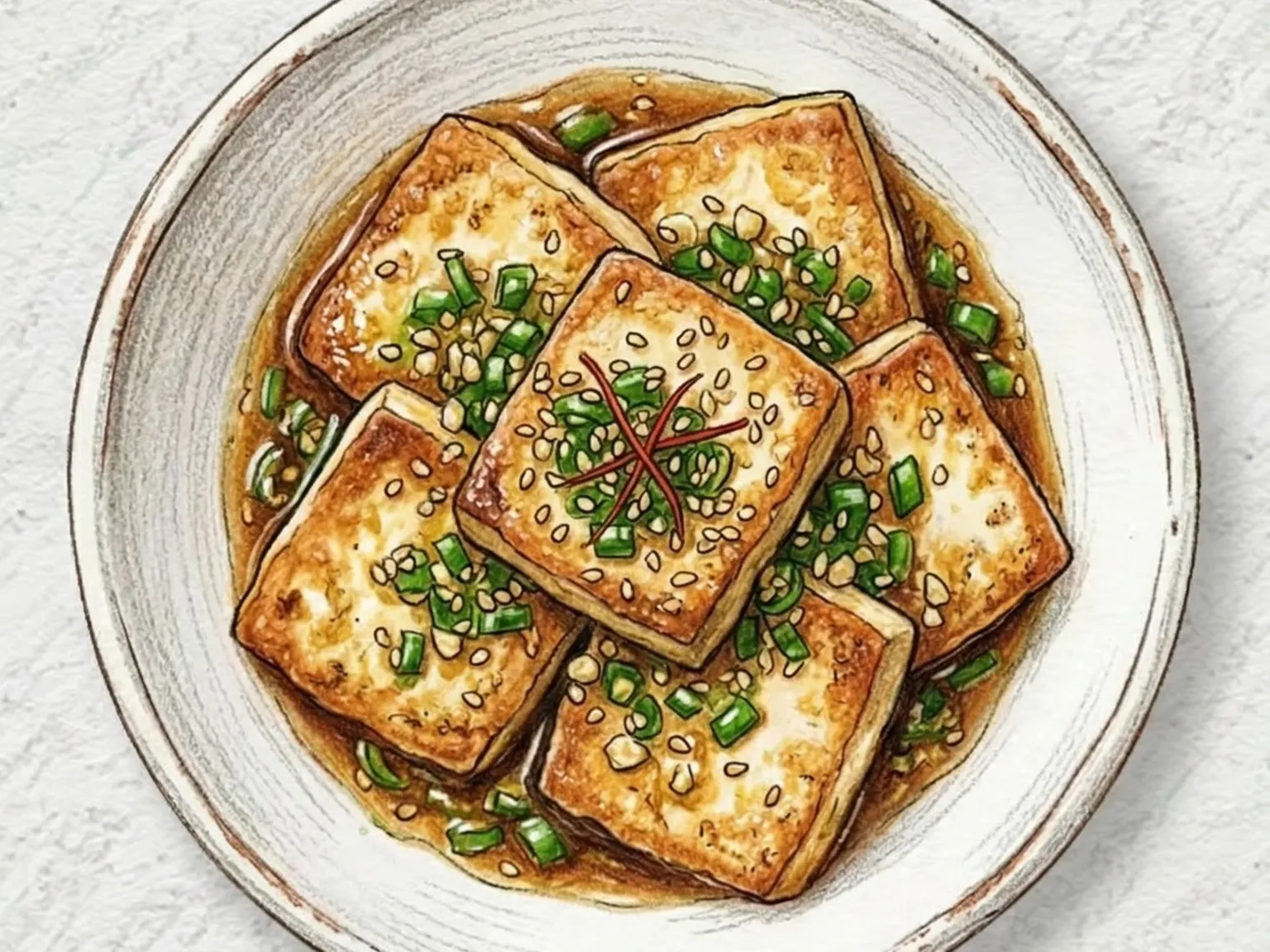
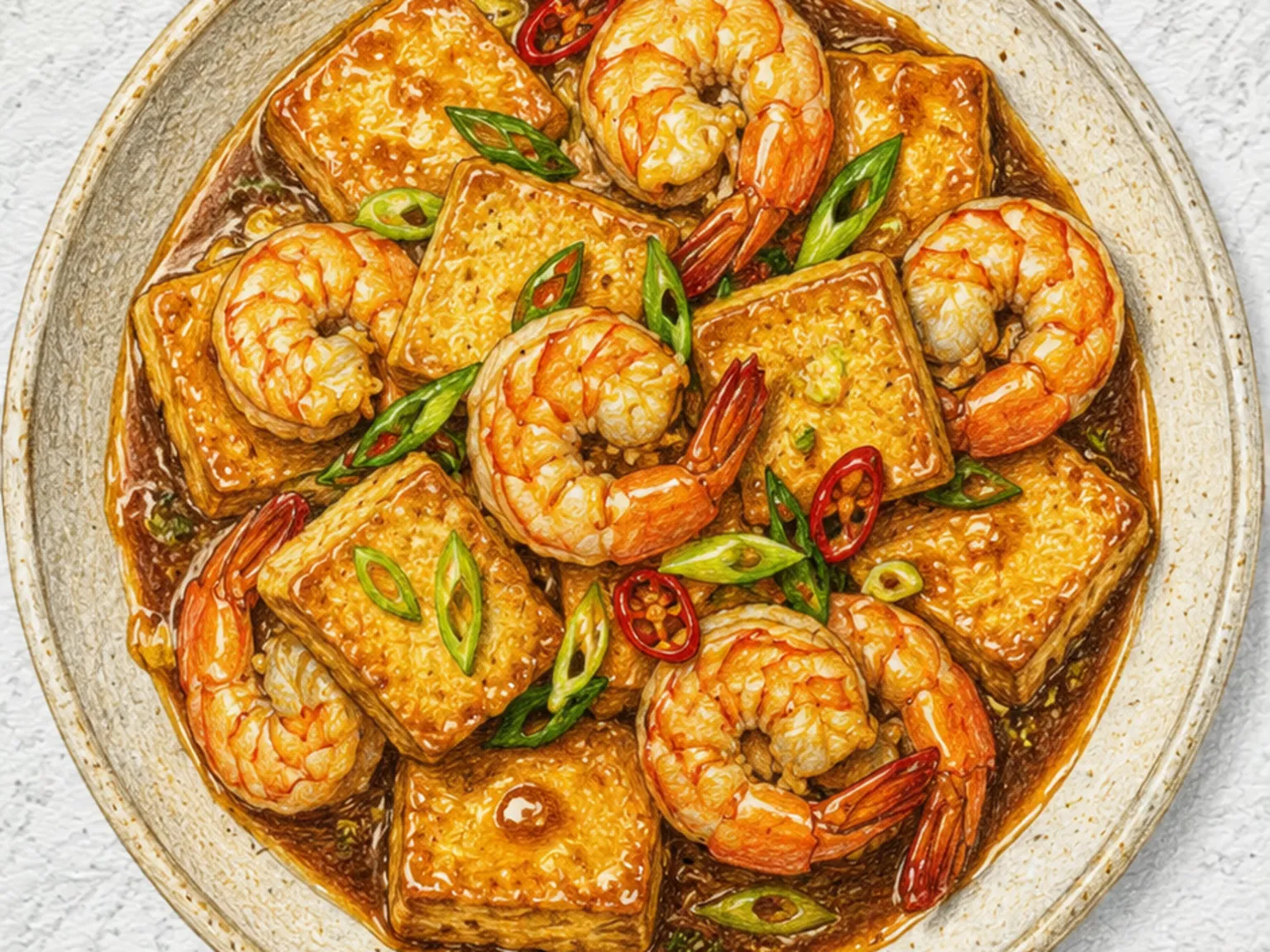
Dubu jorim deopbap places soy-braised tofu over a bowl of hot steamed rice, using the reduced braising glaze as the primary seasoning for the entire dish. Firm tofu is sliced into rectangles, patted dry to remove surface moisture, and pan-fried over high heat until a dense golden crust forms on both sides. This crust is essential - without it, the tofu absorbs the braising sauce too quickly and falls apart. With it, the exterior holds its structure while the interior slowly soaks up the seasoning from the inside out. The braising sauce is built from soy sauce, sugar, minced garlic, and a small amount of water. Sliced onion cooks alongside the tofu in the sauce, softening and dissolving into the liquid to contribute sweetness as the sauce reduces to a sticky, mahogany-colored glaze. Cheongyang chili, sliced on the bias, introduces a sharp clean heat that cuts through the sweetness of the sauce. Green onion goes in last, just before plating, to keep its fragrance intact. The finished sauce is spooned over the rice along with the tofu, where it seeps into each grain and ensures that flavor remains consistent from the first bite to the last. The dish stands on its own without additional side dishes and provides a practical source of plant protein for vegetarian meals.

🏠 Everyday
Prep 10minCook 15min2 servings
Korean Stir-fried Chives and Shrimp
Stir-fryEasy

Korean Stir-fried Chives and Shrimp

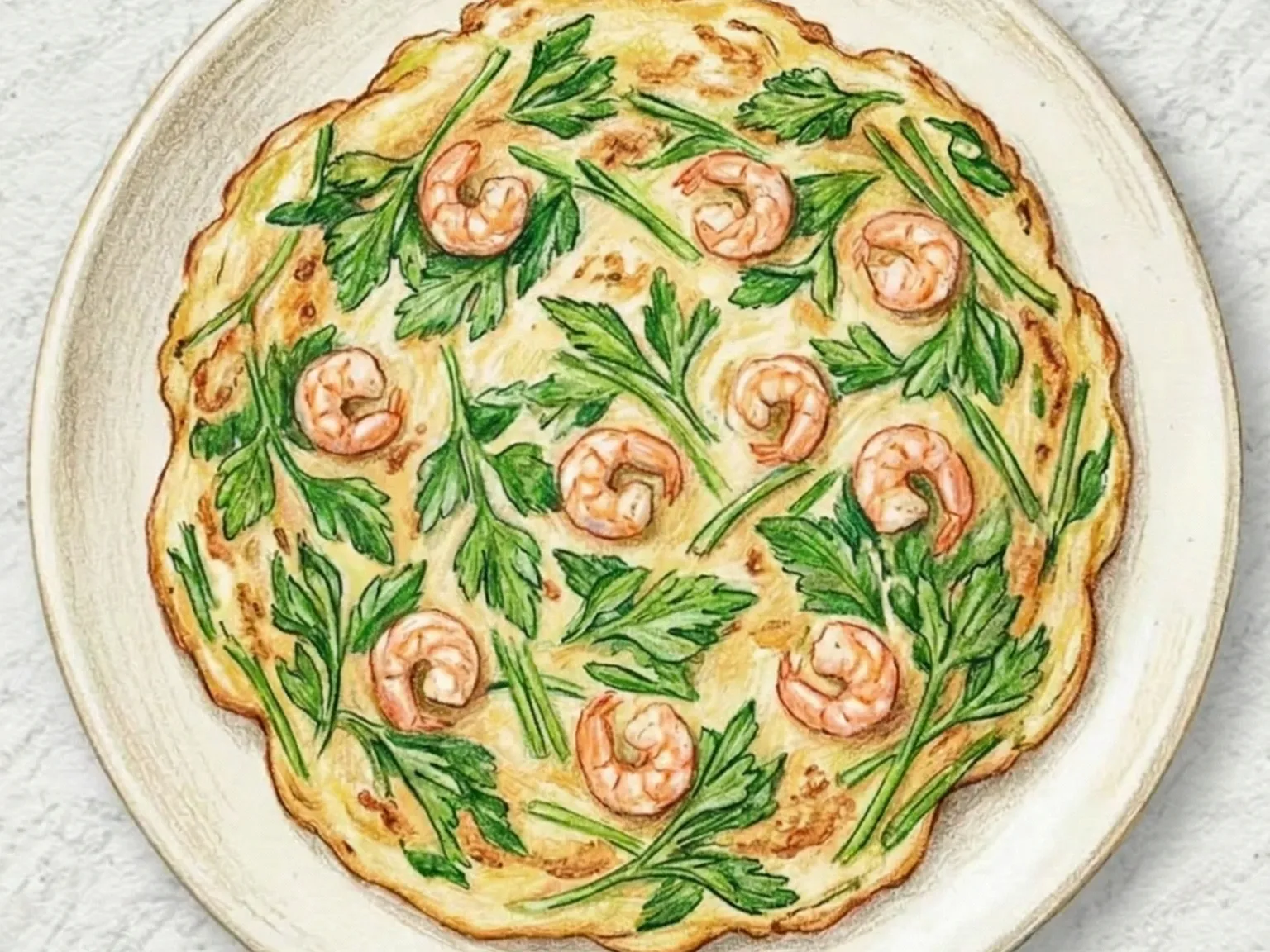
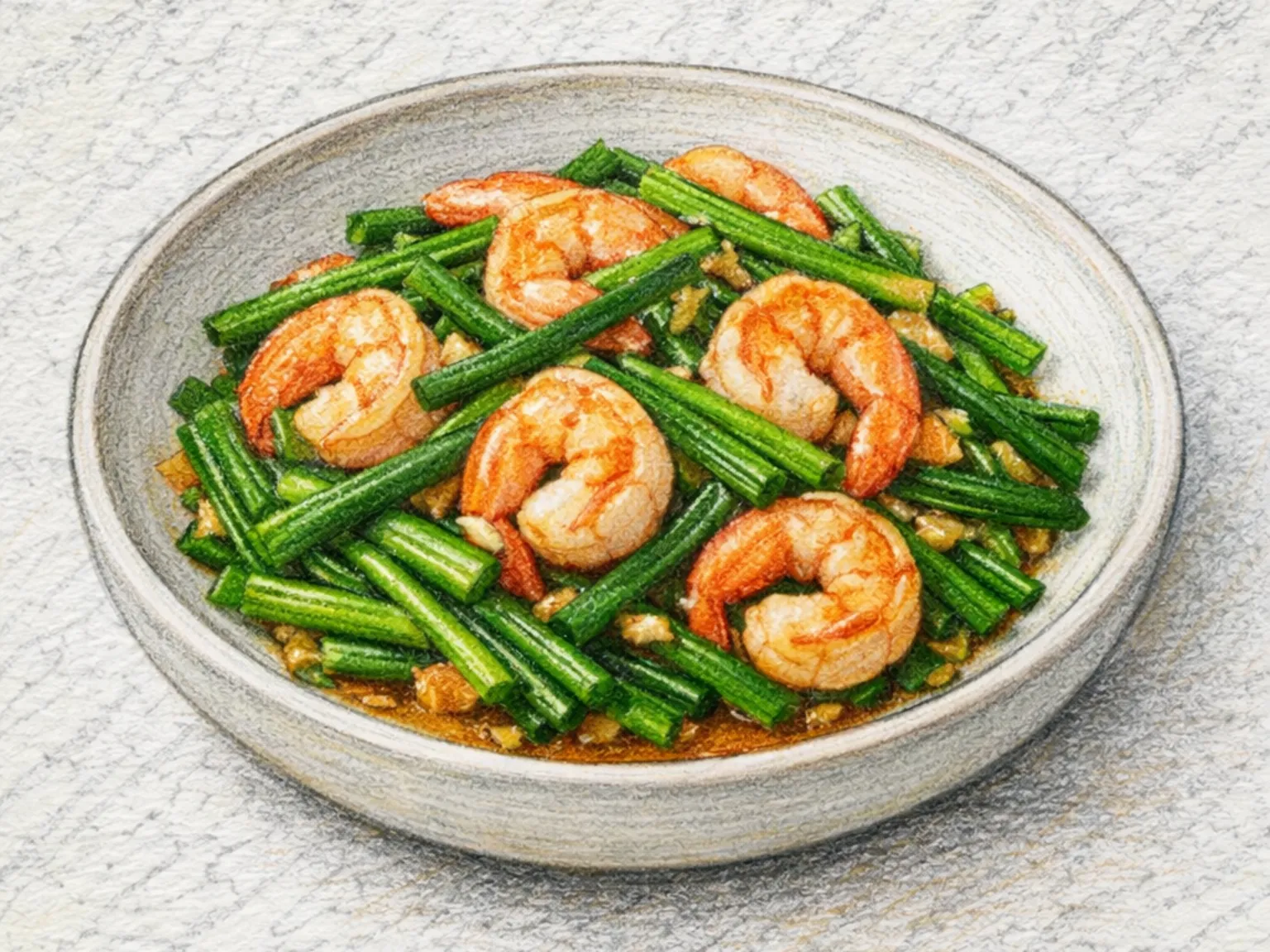
Deveined shrimp are dried thoroughly and seared over high heat until their shells turn pink, then tossed briefly with garlic chives for a stir-fry that takes under ten minutes from cutting board to plate. Removing every trace of surface moisture before the shrimp hit the pan is the single most important step; residual water generates steam and turns the sear into a braise, leaving the shrimp pale and soft instead of lightly caramelized. Sliced garlic goes into the oil first to build an aromatic base that clings to every ingredient. One tablespoon of soy sauce paired with a teaspoon of oyster sauce amplifies the natural seafood umami without tipping the dish into excessive saltiness, and black pepper sharpens the finish. The chives must go in last and cook for no more than sixty seconds; any longer and they lose their vivid color and turn stringy. At 220 calories with 26 grams of protein per serving, this dish fills the role of a satisfying yet light side that pairs well with steamed rice or slides neatly into a packed lunch.

🏠 Everyday🍱 Lunchbox
Prep 12minCook 8min2 servings
Korean Deep-Fried Seaweed Rice Roll
Street foodMedium

Korean Deep-Fried Seaweed Rice Roll

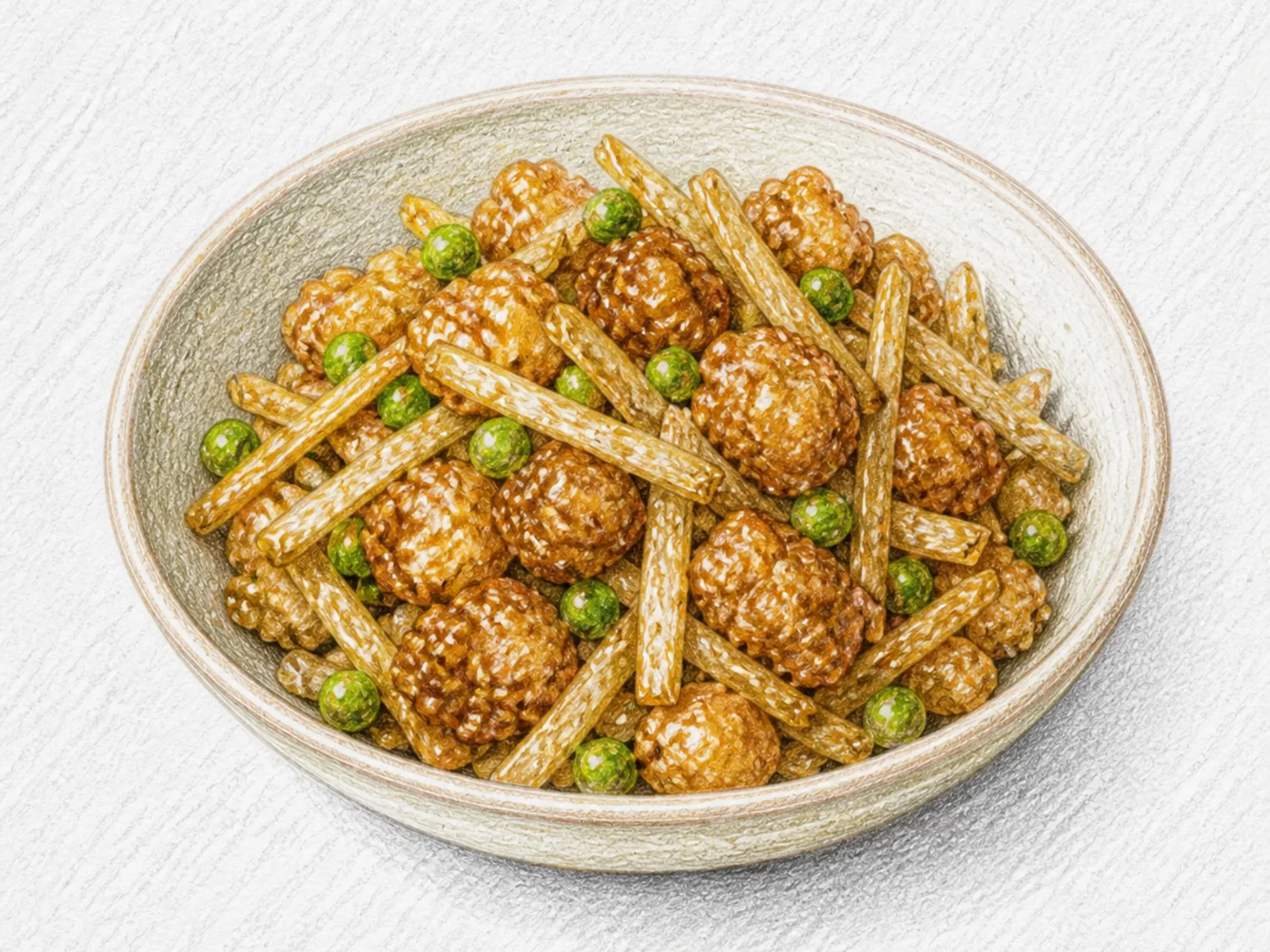
Gimmari is a Korean street snack of glass noodles seasoned with soy sauce and sesame oil, rolled tightly inside sheets of dried seaweed with julienned carrot and onion, then coated in a light batter and deep-fried until golden. At around 160 degrees Celsius, the seaweed barely absorbs oil during frying, crisping into a thin, taut shell while the glass noodles inside retain their characteristic springy, chewy pull. The first bite delivers the simultaneous crunch of the fried coating and the intensified savory depth of the toasted seaweed, followed by the elastic bounce of the glass noodles and the underlying soy-sesame seasoning that runs through the filling. One of gimmari's more notable qualities is the way high-heat frying concentrates the seaweed's natural umami, making the wrapper more flavorful than it would be raw. The classic accompaniment is tteokbokki sauce: the tangy, gochujang-based spice of the sauce against the crisp exterior creates one of the most iconic pairings in Korean street food. Eomuk broth on the side rounds out the combination, and the trio of gimmari, tteokbokki, and eomuk is essentially the standard order at any Korean bunsik stall.

🍺 Bar Snacks🧒 Kid-Friendly
Prep 20minCook 10min2 servings
Korean Pork Ribs (Sweet Pear-Marinated BBQ Ribs)
GrilledMedium

Korean Pork Ribs (Sweet Pear-Marinated BBQ Ribs)

Dwaeji-galbi is one of the most recognized Korean barbecue dishes, made with LA-cut pork ribs marinated in a thick sauce of pureed pear, soy sauce, sugar, corn syrup, garlic, and onion. The pear puree serves a dual purpose: it sweetens the marinade naturally while its proteolytic enzymes break down the muscle fibers, allowing the meat to pull away from the bone with minimal resistance. Marinating for four to six hours lets the seasoning penetrate deep into these thick cuts, but extending beyond a full day causes the enzymes to degrade the surface too aggressively, resulting in a mushy texture. Searing over high heat on a charcoal grill until the sugary glaze chars and caramelizes is essential to the dish. The blackened edges where the sugars meet open flame produce the defining sweet-smoky crust that separates galbi from ordinary grilled pork. Eaten wrapped in leafy greens with rice or as a standalone plate, it is a fixture at Korean outdoor grills and social gatherings.

🍺 Bar Snacks
Prep 30minCook 25min4 servings
Japanese Braised Chicken and Root Vegetables
SteamedMedium

Japanese Braised Chicken and Root Vegetables

Chikuzenni is a Japanese-style braise of chicken thigh with lotus root, burdock, and carrot simmered in dashi seasoned with soy sauce and mirin. The thigh is seared first to render its fat, which coats each root vegetable piece as they braise together, building savory depth in the broth. Lotus root holds its firm bite through the cook, while burdock develops an earthy, nutty quality that intensifies with chewing. Mirin's restrained sweetness rounds out the soy, producing a side dish that stays satisfying across multiple meals of steamed rice.

🎉 Special Occasion
Prep 25minCook 35min4 servings
Korean Bellflower Root Pickles
KimchiMedium

Korean Bellflower Root Pickles

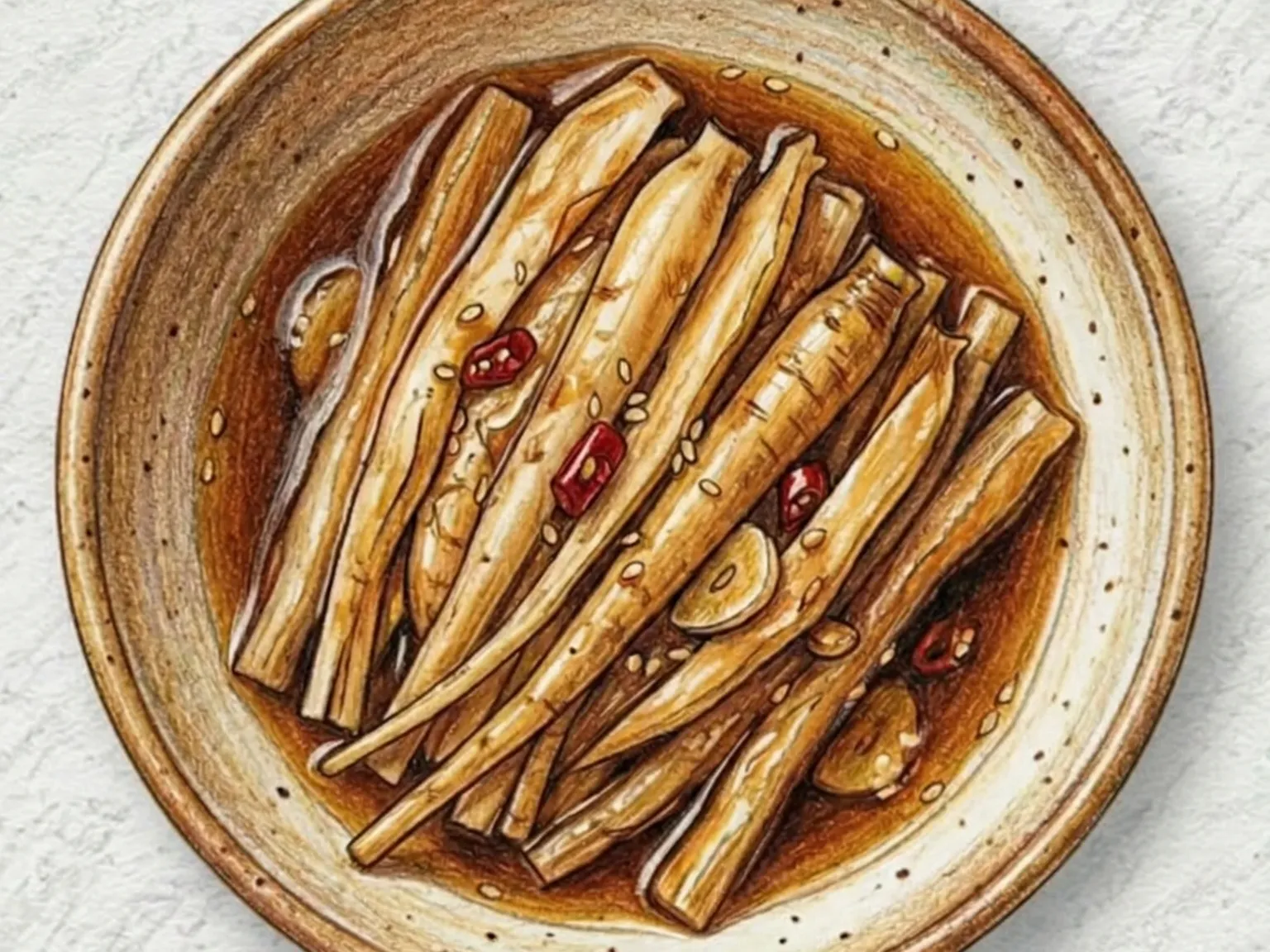
Doraji jangajji is a traditional Korean pickle made from bellflower root - the roots are peeled, salted and massaged by hand to draw out bitterness, then submerged in a boiled brine of soy sauce, rice vinegar, and sugar. Bellflower root has a pronounced bitter-herbal character that is both its defining quality and its challenge; salt-kneading before pickling pulls out the harsh edge while leaving the fragrant, almost floral undertone intact. As the brine meets the acidity of vinegar, the remaining bitterness softens further, and a chewiness that builds with each bite reveals a clean, aromatic depth. Ginger included in the brine counteracts the earthy, soil-forward quality that root vegetables often carry, and as the hot liquid cools it draws seasoning slowly and evenly through the root's fibrous tissue. Two days of curing is the minimum to achieve a balanced sweet-sour-salty profile; longer curing deepens the flavor further. Kept refrigerated, the pickle holds well for weeks and makes a reliable side dish to pull from the refrigerator at any meal.

🏠 Everyday🍱 Lunchbox
Prep 25minCook 10min4 servings
Korean Spicy Pork Mixed Noodles
NoodlesMedium

Korean Spicy Pork Mixed Noodles

Jeyuk bibim-guksu tops cold mixed noodles with stir-fried spicy pork, combining two popular Korean preparations into one bowl. Pork shoulder is marinated in gochujang and gochugaru, then seared quickly so the edges caramelize while the inside stays moist and tender. Shredded cabbage and onion provide a crisp contrast to the sauced pork, and soy sauce with sugar balances the heat with savory sweetness. The temperature contrast between chilled somyeon noodles and hot, sizzling pork creates a distinctive eating experience that is one of the dish's defining pleasures. Keeping the noodles and the pork separate until the moment of serving prevents the somyeon from absorbing moisture and going soft. A final drizzle of sesame oil adds a nutty send-off.

🍺 Bar Snacks🌙 Late Night
Prep 20minCook 15min2 servings
Naengi Beef Salad (Shepherd's purse)
SaladsMedium

Naengi Beef Salad (Shepherd's purse)

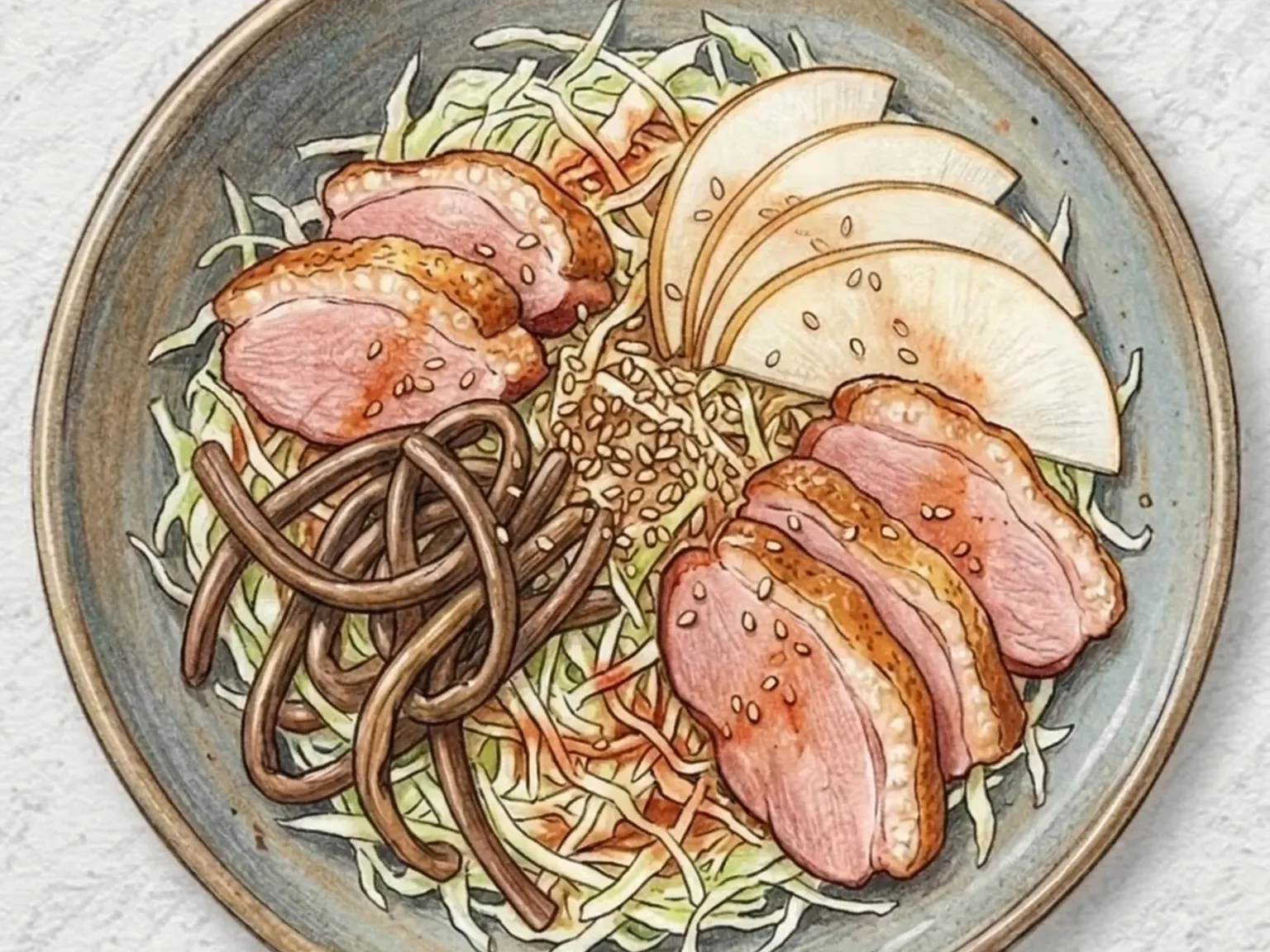
Fresh naengi - shepherd's purse - is blanched to mellow its earthy bite while keeping the fragrance intact. Beef sirloin is sliced thin and seared quickly so the surface chars lightly and the center stays moist. Julienned Korean pear bridges the beef's richness and the naengi's mild bitterness with clean sweetness. A dressing of soy sauce, vinegar, sesame oil, and plum extract balances salty, sour, and subtly sweet, while red onion and toasted sesame seeds finish with sharpness and nutty crunch.

🥗 Light & Healthy
Prep 25minCook 10min4 servings
Century Egg and Pork Congee
AsianMedium

Century Egg and Pork Congee

Century egg and pork congee - pi dan shou rou zhou - is the defining Cantonese breakfast, served from dawn at congee shops across Hong Kong, Guangzhou, and the broader Pearl River Delta. The congee base demands a full hour of slow simmering over low heat, during which the rice grains break down entirely into a silky, fluid suspension. In Cantonese this texture is called sang shui - meaning the rice and water have become indistinguishable from each other - and anything short of that is considered undercooked. Lean pork is sliced thin and added during the final minutes, cooking through immediately in the residual heat of the porridge without toughening. Century egg - duck egg preserved in an alkaline mixture of clay, ash, and salt for several weeks - transforms dramatically in the process: the white sets into translucent, trembling amber jelly and the yolk becomes a creamy, dark-green semi-solid with a dense, sulfurous depth. Cubed and stirred through the porridge, the egg's alkaline richness cuts through the clean blandness of the rice base, while the pork provides a grounding savory note. White pepper, a few drops of sesame oil, and sliced scallion finish the bowl. The congee thickens rapidly once it leaves the heat, narrowing the window of ideal texture, so it must be eaten as soon as it is served.

🏠 Everyday
Prep 15minCook 50min2 servings
Korean Braised Kelp Strips
Side dishesMedium

Korean Braised Kelp Strips

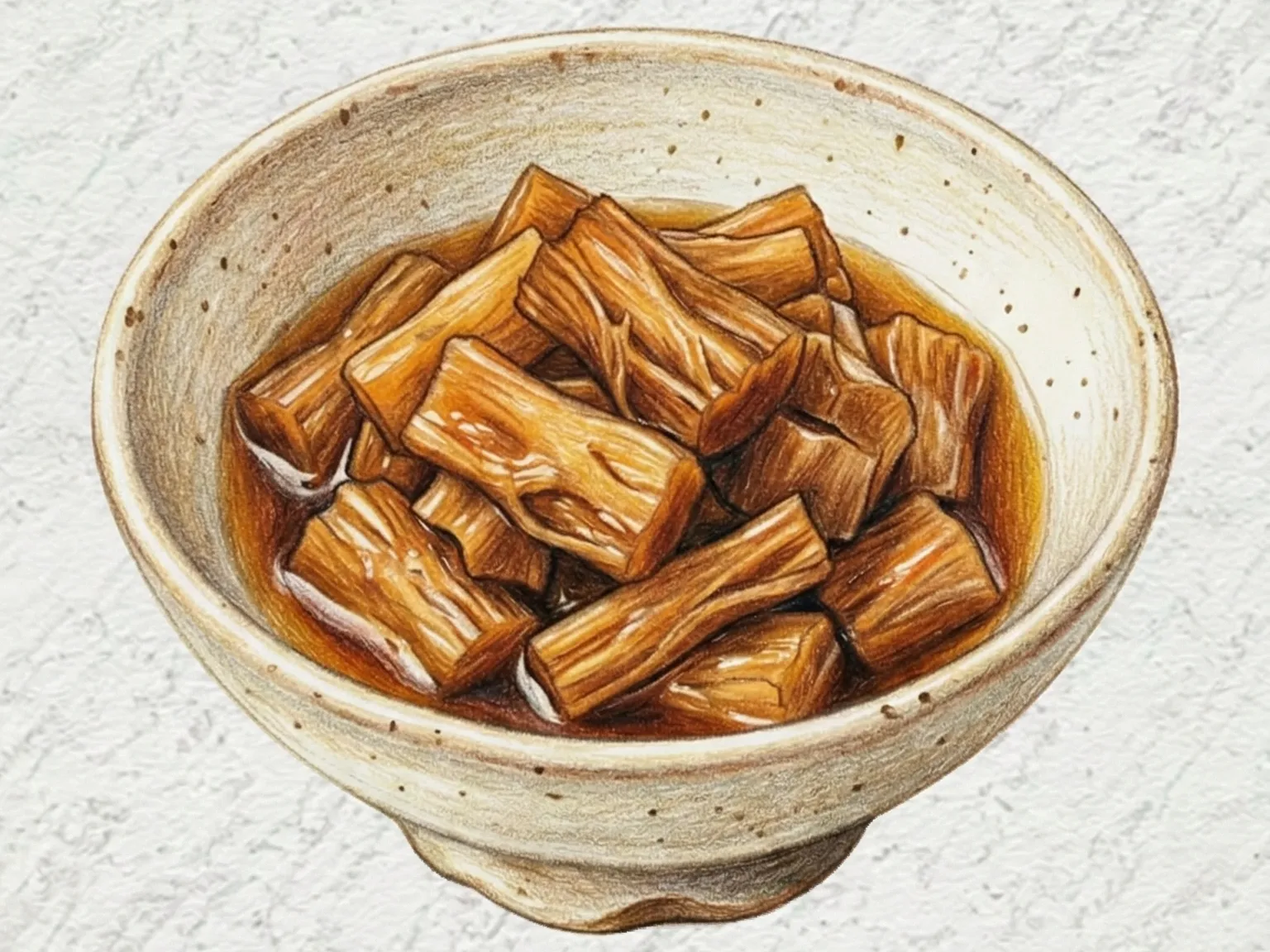
Dasima jorim is a banchan that repurposes dried kelp - typically discarded after making stock - into a glossy, chewy side dish through slow braising. The kelp is soaked in cold water for at least twenty minutes until it softens and becomes pliable, then cut into strips roughly one centimeter wide. Simmered in soy sauce, rice syrup, cooking wine, and garlic over medium-low heat for fifteen minutes or more, the braising liquid gradually reduces and thickens into a lacquer-like glaze that coats each strip on all sides. The rice syrup contributes both sweetness and the shine that gives the dish its visual appeal. The resulting texture is difficult to compare - somewhere between the springiness of gummy candy and the firm bite of pasta al dente, resilient but with a clean snap when bitten through. Refrigerated overnight, the seasoning penetrates the dense seaweed fibers more deeply, and the flavor continues to intensify over several days, making it a banchan that improves the longer it sits.

🥗 Light & Healthy🏠 Everyday
Prep 15minCook 20min4 servings
Korean Bulgogi Deopbap (Pork Rice Bowl)
RiceEasy

Korean Bulgogi Deopbap (Pork Rice Bowl)

Dwaeji-bulgogi-ssukgat-deopbap is a Korean rice bowl of gochujang-marinated pork stir-fried with onion over high heat, mounded over steamed rice and finished at the last moment with crown daisy greens. The marinade builds from gochujang, chili flakes, soy sauce, sugar, and minced garlic into a sauce that is simultaneously spicy, sweet, and deeply savory. A small amount of pear or kiwi juice added to the marinade tenderizes the pork shoulder before cooking. High heat over a short cooking time is essential for developing a browned crust on the meat, which produces a roasted, smoky depth that low-and-slow cooking cannot replicate. Pork shoulder carries enough intramuscular fat that once it renders under heat, it mingles with the sauce and soaks down into the rice below, creating a rich, glossy base at the bottom of the bowl. The crown daisy -- ssukgat -- goes in during the last thirty seconds before the heat is cut. The timing window is narrow: add it too early and the aromatic oils cook off, leaving only bitterness; add it with the heat already off and the fragrance stays locked inside the leaves. At the right moment, heat releases ssukgat's distinctive chrysanthemum-family herbaceousness, a green, almost medicinal brightness that cuts cleanly through the heaviness of the pork and sauce. The finished bowl is complete without side dishes.

🏠 Everyday
Prep 18minCook 14min2 servings
Korean Busan-Style Stir-fried Fish Cake
Stir-fryEasy

Korean Busan-Style Stir-fried Fish Cake

Busan-style stir-fried fish cake begins with a step that separates it from rushed versions: square fish cake sheets are blanched for twenty seconds in boiling water to remove the residual processing oil from manufacturing. Skipping this produces a flat, industrial greasiness in the finished dish that no amount of seasoning corrects. Oil goes into a hot pan, minced garlic is fried briefly until fragrant, and julienned onion and carrot are added next and cooked for two minutes until their natural sugars begin to release. The blanched fish cake strips go in, followed by soy sauce and oligosaccharide syrup. As the soy sauce hits the hot pan surface, it reduces almost instantly into a thin, glossy glaze that coats every surface; the oligosaccharide syrup caramelizes in the residual heat, building a sweet-salty layer underneath. High heat and a total cook time of three minutes or less is essential - fish cake left on the stove beyond that loses its moisture and turns rubbery. Diagonally sliced green onion goes in at the very end, added off the heat to preserve its fresh bite. A scatter of sesame seeds finishes the dish. Because the flavors are stable at room temperature and do not deteriorate as the dish cools, it is a reliable and practical side dish for packed lunches.

🏠 Everyday🍱 Lunchbox
Prep 12minCook 10min4 servings
Korean Oil Tteokbokki (Dry-Stir-Fried Rice Cakes in Chili Soy Glaze)
Street foodEasy

Korean Oil Tteokbokki (Dry-Stir-Fried Rice Cakes in Chili Soy Glaze)

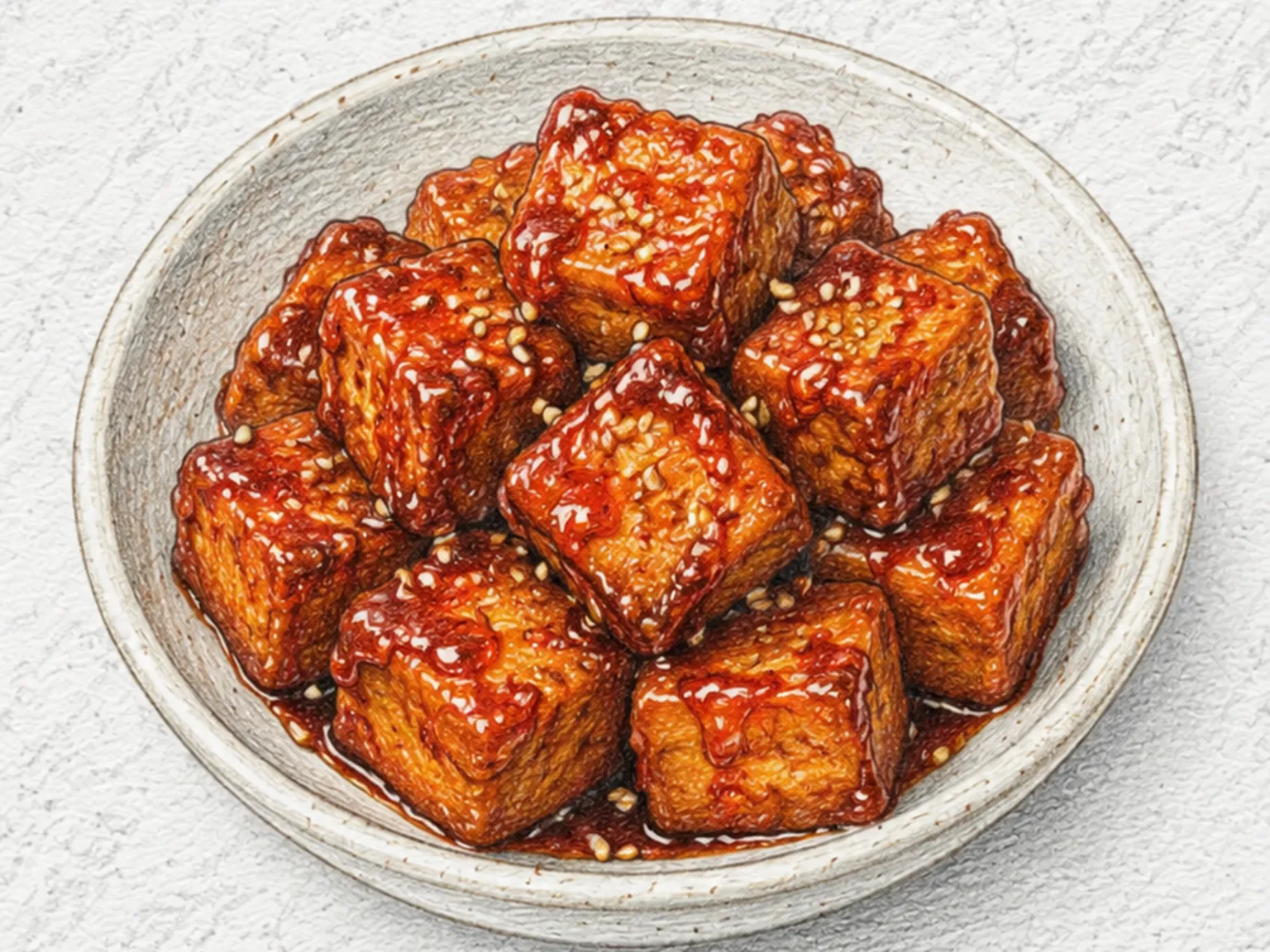
Gireum-tteokbokki is a dry-style tteokbokki where rice cakes are stir-fried in oil and coated with a concentrated paste of gochugaru, soy sauce, sugar, and garlic - no broth involved. Blooming the chili flakes briefly in oil draws out their nutty, toasted aroma rather than raw heat, and the soy sauce and sugar build layered sweetness and umami on top of that base. Without liquid, the seasoning clings tightly to each rice cake's surface. The key technique is restraint with stirring: letting each rice cake sit undisturbed long enough to develop a lightly crisped exterior while the inside stays chewy creates a dual texture that broth-based versions cannot replicate. Green onion and sesame seeds added at the end provide fresh fragrance and textural contrast against the rich coating. The seasoning should be applied generously so the flavors penetrate past the surface rather than sitting only on the outside. Believed to have originated in school-front snack shops in 1970s and 1980s Seoul, gireum-tteokbokki is milder than gochujang versions and accessible to those who find the spicier style too intense.

🧒 Kid-Friendly
Prep 10minCook 12min2 servings
Korean Dwaeji Kkeopdegi Gui (Grilled Pork Skin)
GrilledMedium

Korean Dwaeji Kkeopdegi Gui (Grilled Pork Skin)

Dwaeji-kkeopdegi-gui is grilled pork skin that has been parboiled to draw out excess fat and eliminate the raw, gamey odor of the skin before it meets the fire. After blanching, the skin is coated in a spicy marinade built on gochujang and gochugaru, reinforced with soy sauce, minced garlic, and sugar to balance heat with savory depth. The skin is almost pure collagen, which makes blanching time critical: too brief and it stays rubbery with an unpleasant resistance, too long and it goes limp, forfeiting the springy chew that defines the dish. As the marinated pieces hit a hot grill or cast iron, the skin contracts and buckles, forming ridges and shallow pockets that trap the glaze. Every bite delivers a concentrated hit of spicy-sweet flavor where the caramelized marinade has pooled in those grooves. The texture offers a satisfying, slightly elastic chew that is unlike any other grilled meat. It is most commonly eaten wrapped in a perilla leaf with ssamjang, or served straightforwardly alongside soju as a classic drinking snack.

🍺 Bar Snacks
Prep 20minCook 18min2 servings
Korean Dak Ganjang Jorim (Soy Braised Chicken)
SteamedMedium

Korean Dak Ganjang Jorim (Soy Braised Chicken)

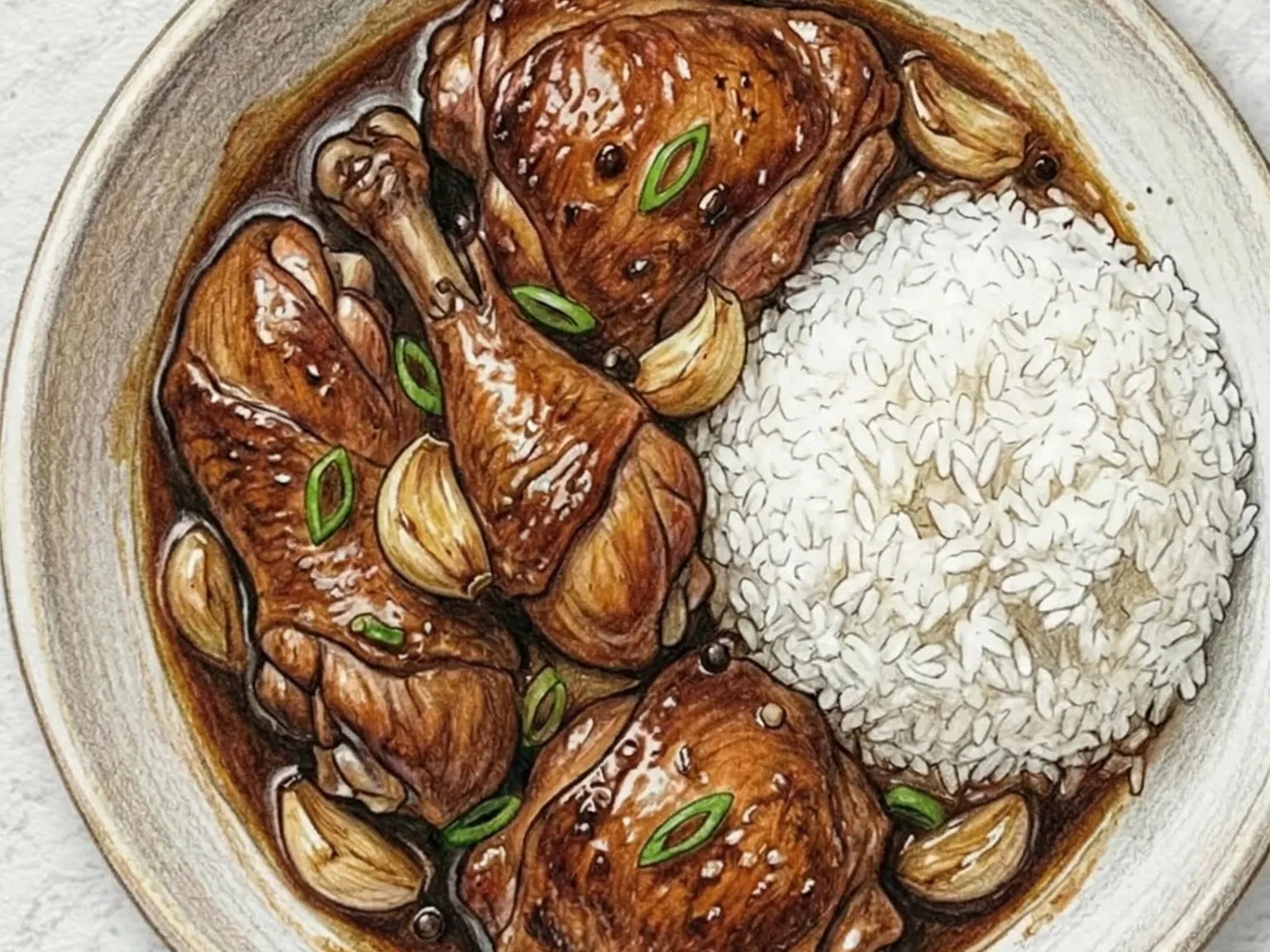
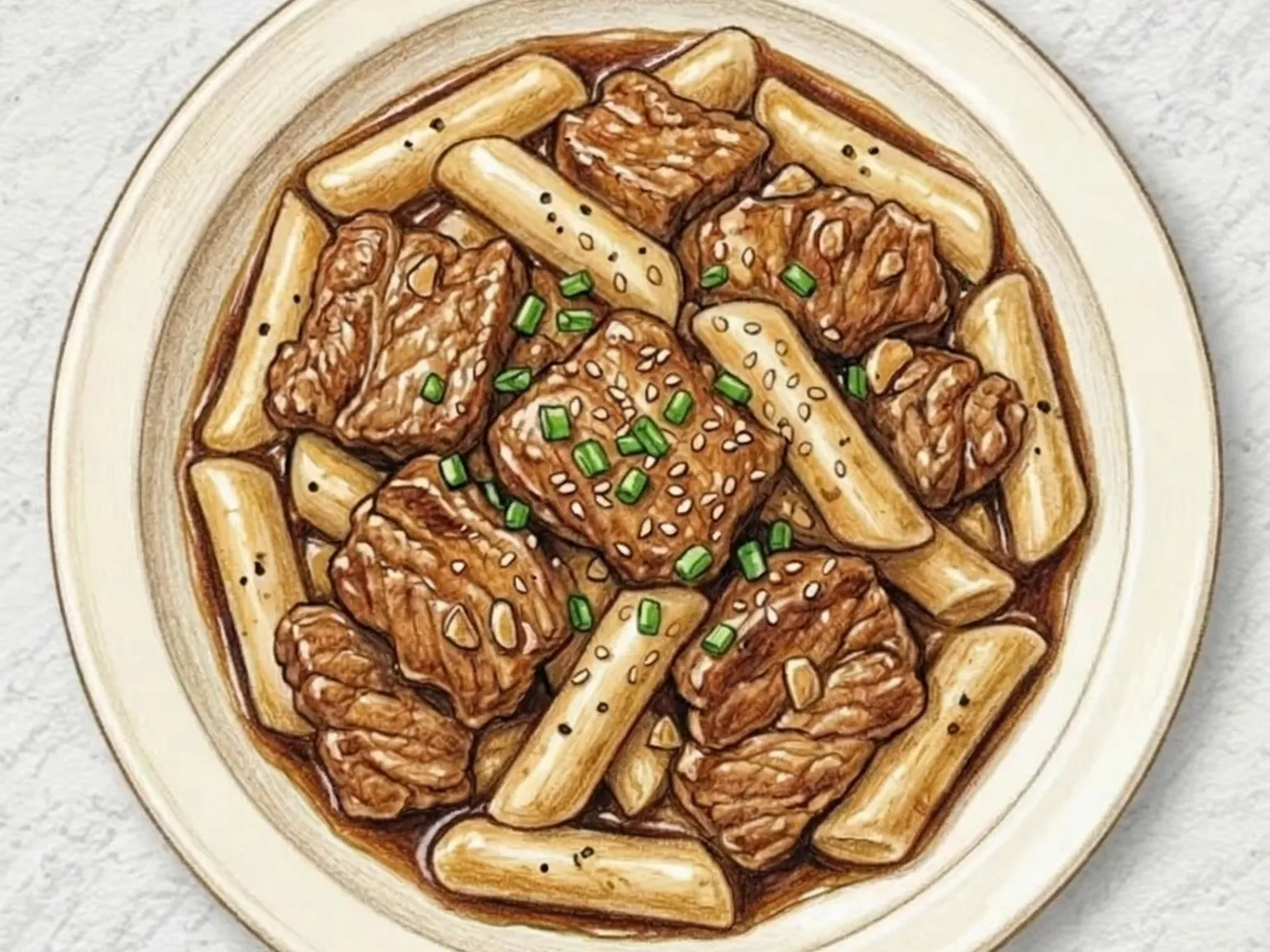
Dak ganjang-jorim is chicken thigh braised with potato in a soy sauce glaze enriched with oligosaccharide syrup, garlic, and ginger juice. As the thighs simmer, the soy base works its way between the muscle fibers, leaving the meat deeply seasoned with a glossy brown finish. Potato chunks break down slightly at the edges and soak up the braising liquid, turning starchy and satisfying. A single cheongyang chili added to the pot gives a mild, lingering kick that keeps the sweet-salty profile from becoming one-note. Patting the chicken thighs thoroughly dry before searing them in the pan builds a Maillard-browned surface that adds another layer of savory depth, and removing the lid for the final five minutes lets the sauce reduce into a thick, clingy glaze.

🎉 Special Occasion🍱 Lunchbox
Prep 18minCook 35min4 servings
Korean Aralia Shoot Soy Pickle
KimchiEasy

Korean Aralia Shoot Soy Pickle

Durup jangajji is a soy-pickled preparation that extends the brief spring season of aralia shoots into a long-lasting banchan. Fresh shoots go into the brine raw - without blanching - so the woody, bittersweet fragrance and the crisp snap of the stems survive the curing process intact. The brine is brought to a boil with soy sauce, vinegar, and sugar, then cooled completely before being poured over the shoots; hot liquid would soften them immediately. Brine ratios matter: too much vinegar buries the aralia's distinctive aroma under acid. Garlic and cheongyang chili go in with the shoots and slowly mellow into the liquid over the first few days, leaving a trailing heat at the finish. Refrigerated, the jangajji keeps well over two weeks, which means a single batch prepared at peak spring season carries through until early summer. Beyond rice pairings, a few strips work well tucked inside grilled-meat wraps, where the pickled bitterness cuts through fat.

🍱 Lunchbox
Prep 20minCook 15min4 servings
Korean Spicy Seafood Noodle Soup
NoodlesMedium

Korean Spicy Seafood Noodle Soup

Jjamppong is a Korean-Chinese noodle soup where seafood and vegetables are stir-fried in chili oil at very high heat before broth is added, a sequence that fundamentally shapes the soup. Blooming gochugaru in hot oil instead of adding it directly to liquid extracts fat-soluble compounds that carry a smoky, toasted depth the raw powder cannot contribute. Squid, mussels, and shrimp release their own juices during the fry stage, and those juices dissolve into the chicken stock when the liquid hits the pan. Cabbage and onion caramelize in the residual oil and give off natural sugars that temper the chili heat. Soy sauce binds the seasoning and gives the broth its reddish-brown depth. Springy fresh wheat noodles absorb the concentrated broth, and by the time they reach the table the noodles are already carrying the full flavor of the soup in every strand.

🏠 Everyday🌙 Late Night
Prep 20minCook 20min2 servings
Salmon Brown Rice Power Bowl
SaladsMedium

Salmon Brown Rice Power Bowl

Salmon brown rice power bowl sears a salmon fillet four to five minutes per side until the skin crisps and the interior stays moist, then plates it over cooked brown rice with blanched spinach, julienned carrot, and sliced avocado. A sauce of soy sauce, lemon juice, and sesame oil layers umami depth, citrus brightness, and nutty aroma into a single drizzle that ties the mild grain to the rich fish. Brown rice's firm, chewy texture contrasts with the tender salmon flesh, and avocado fills the gap with a smooth, fatty creaminess. Pulling the salmon from heat while the center is still slightly translucent preserves moisture - overcooking causes the proteins to contract and squeeze out the juices.

🥗 Light & Healthy
Prep 20minCook 15min2 servings
Cantonese Honey Char Siu (Glazed BBQ Pork with Five-Spice Honey)
AsianMedium

Cantonese Honey Char Siu (Glazed BBQ Pork with Five-Spice Honey)

Char siu is the defining roasted meat of Cantonese cooking, recognizable by the lacquered sheen and reddish-amber color of the cuts hanging in the windows of siu laap shops across Hong Kong and Guangzhou. Pork neck or shoulder is the preferred cut because the fat distribution throughout the muscle fibers keeps the meat moist during the high-temperature roast. The marinade combines soy sauce, hoisin sauce, five-spice powder, Shaoxing rice wine, and honey. Five-spice - star anise, cassia cinnamon, cloves, Sichuan pepper, and fennel seeds ground together - contributes an aromatic complexity that bridges the saltiness of soy and hoisin with the sweetness of honey. After an overnight marinade, the meat roasts at high heat while being basted repeatedly with a honey glaze that lacquers the surface with successive layers of caramel. The traditional method suspends the pork on hooks inside a lychee charcoal oven, exposing every surface to radiant heat and allowing fat to drip away freely. This technique produces a crust that is sweet and concentrated on the outside while the interior stays fatty and juicy. The edges of the cut, where the honey carbonizes against the direct heat, develop a thin, slightly bitter char that is the most prized part of any char siu. Char siu is eaten sliced over rice as a complete one-plate meal, piled over wonton noodles, or served cold with hot English mustard as a simple appetizer.

🎉 Special Occasion🍱 Lunchbox
Prep 20minCook 45min4 servings
Korean Stir-fried Balloon Flower Root
Side dishesMedium

Korean Stir-fried Balloon Flower Root

Doraji -- balloon flower root -- has been cultivated in Korea for centuries, valued in cooking and herbal medicine alike. The raw root carries a pronounced bitterness from saponins, so it must be shredded into thin strips, rubbed vigorously with salt, left for ten minutes, then rinsed twice in cold water. The salt scrub draws out the saponins while preserving the root's firm, snappy bite. A base of green onion goes into the pan first to build a fragrant oil, then the prepared doraji stir-fries for two minutes before gochujang, soy sauce, and oligosaccharide syrup go in for another three minutes. The heat is raised at the end to drive off moisture, so the sauce tightens and clings to each strip rather than pooling in the pan. The result is a glossy, sweet-spicy banchan with a distinctly chewy pull.

🏠 Everyday🍱 Lunchbox
Prep 20minCook 10min2 servings
Korean Fried Rice (Simple Leftover Rice Stir-Fry)
RiceEasy

Korean Fried Rice (Simple Leftover Rice Stir-Fry)

Korean fried rice is the ultimate utility dish, built to turn leftover rice and whatever vegetables remain in the refrigerator into a satisfying meal in under ten minutes. Green onion hits the hot oil first to create a fragrant scallion-infused base, followed by diced carrot and beaten egg that gets scrambled into rough curds before the rice goes in. Cold rice is essential here - its lower moisture content prevents clumping and allows a thin film of oil to coat each grain, carrying seasoning evenly through the whole pan. Soy sauce poured along the rim sizzles on contact with the hot metal, developing a toasted depth that distinguishes a well-made fried rice from a mediocre one. A crack of black pepper and a final swirl of sesame oil complete the seasoning. The recipe is intentionally open-ended: ham, kimchi, shrimp, canned tuna, or any leftover protein slots in without altering the basic method, which is why this dish appears on Korean dinner tables more often than almost any other. The total active cooking time rarely exceeds five minutes, making it the default choice on busy weekdays and late nights alike.

🏠 Everyday Quick
Prep 5minCook 10min2 servings