🥗 Light & Healthy Recipes
Light, healthy, low-calorie dishes
712 recipes. Page 4 of 30
These low-calorie recipes prove that healthy eating does not have to be boring. High-protein meals, vegetable-forward dishes, and low-carb options - all designed to support weight management and better eating habits.
Diet-friendly does not mean small portions or bland flavors. Chicken breast, tofu, konjac, and eggs provide lasting satiety, while smart seasoning and cooking methods keep the taste appealing. Build a sustainable, healthy routine with these recipes.
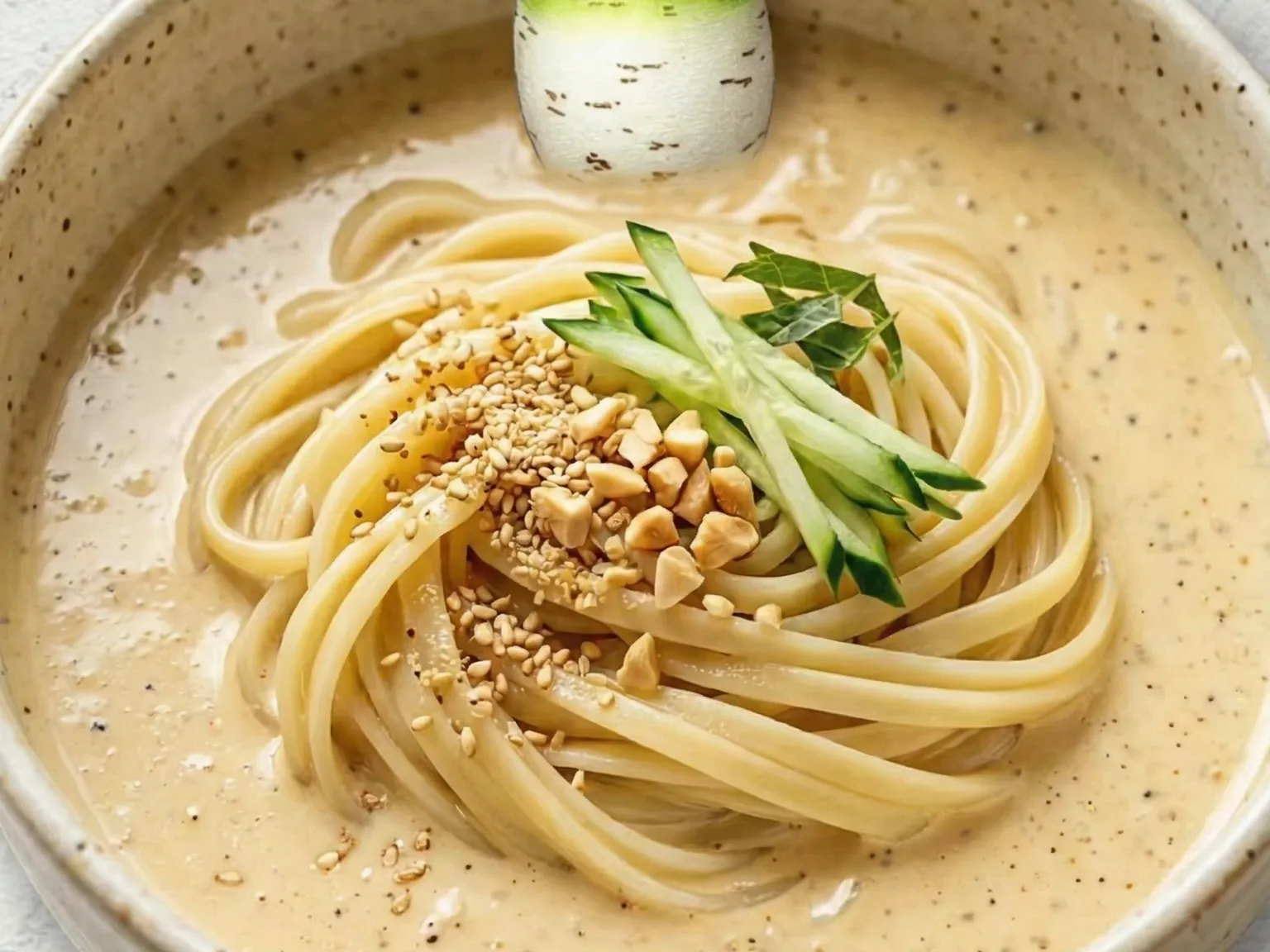
Kongguksu-Style Cold Linguine
Kongguksu-style cold linguine reinterprets Korea's chilled soy noodle soup using Italian linguine in place of traditional wheat noodles. Unsweetened soy milk is blended with toasted sesame seeds and peanut butter into a thick, nutty cold broth poured directly over the pasta at serving. The linguine is cooked al dente and immediately shocked in ice water to firm up the texture and chill it completely before the broth goes on. Julienned cucumber and halved cherry tomatoes scatter on top for fresh crunch and color. Salt and sugar are adjusted at the end to balance the broth's natural bean flavor against the richness from the peanut butter. The full preparation takes about ten minutes, with stovetop time limited strictly to boiling the pasta, which makes it one of the more practical cold dishes to assemble in summer heat. Adding more peanut butter thickens the broth further, while extra sesame seeds push the nuttiness higher.
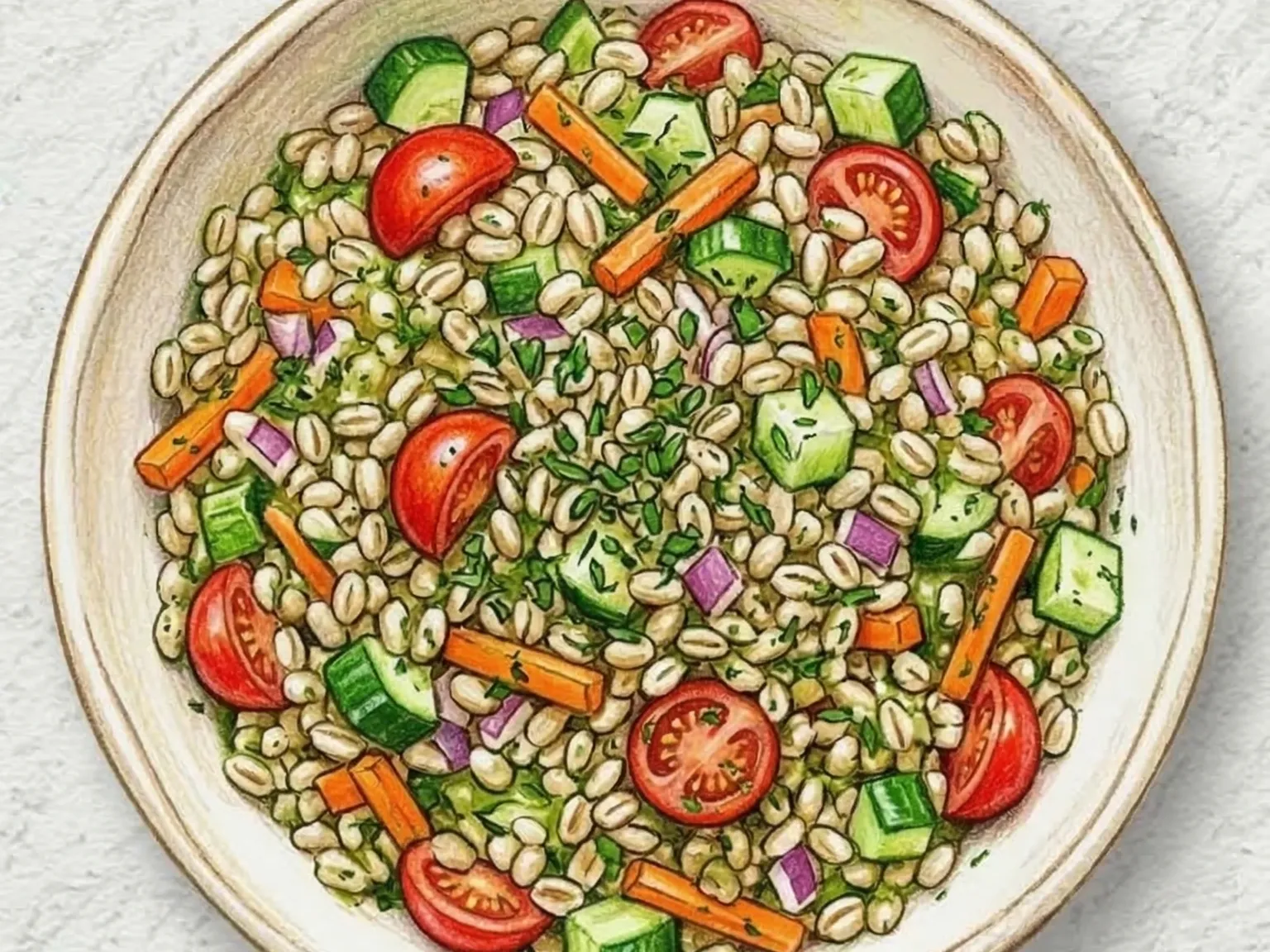
Barley Grain Salad
Barley grain salad is a Mediterranean-inspired dish built around the chewy, nutty character of well-cooked pearl barley. The grain is boiled until tender but with a slight resistance, then cooled completely before it is tossed with diced bell pepper, cucumber, and red onion. Cooling the barley fully before adding the vegetables is important; warm grain draws moisture out of the fresh vegetables and dilutes the dressing. Olive oil forms the base of the lemon-herb dressing, providing a rounded richness that complements the earthy depth of the barley, while fresh lemon juice cuts through and lifts the whole bowl with clean, bright acidity. The raw vegetables add crunch and moisture, breaking up the density of the grain with each bite. Red onion contributes a sharp edge that sharpens the overall flavor profile. High in dietary fiber, the salad is genuinely filling for its size and works equally well as a standalone light meal or as a substantial side alongside grilled meat or fish.

Chicken Piccata
Chicken piccata pounds chicken breast thin, dredges each piece in flour, and sears it in butter until the exterior is golden, then builds a pan sauce from white wine, lemon juice, and capers in the same skillet. Once the chicken is set aside, white wine poured into the hot pan dissolves the browned fond from the surface, and that fond becomes the concentrated flavor foundation of the sauce. Lemon juice adds a sharp, clean acidity that cuts against the richness of butter, while capers bring a briny, vinegar-like saltiness that gives the sauce its distinctive depth and prevents it from reading as merely buttery. Cold butter added in small pieces at the end, swirled rather than stirred, emulsifies the sauce into a glossy, cohesive consistency that clings evenly to the meat. Crucially, the lemon juice must go in off the heat so its volatile aromatic compounds do not cook off, preserving the bright, fresh acidity that defines the dish. Finished with chopped parsley and served over pasta or mashed potatoes with the sauce poured generously over everything, chicken piccata is a dish built entirely around the contrast between a mild, flour-coated protein and a bold, citrus-forward pan sauce.
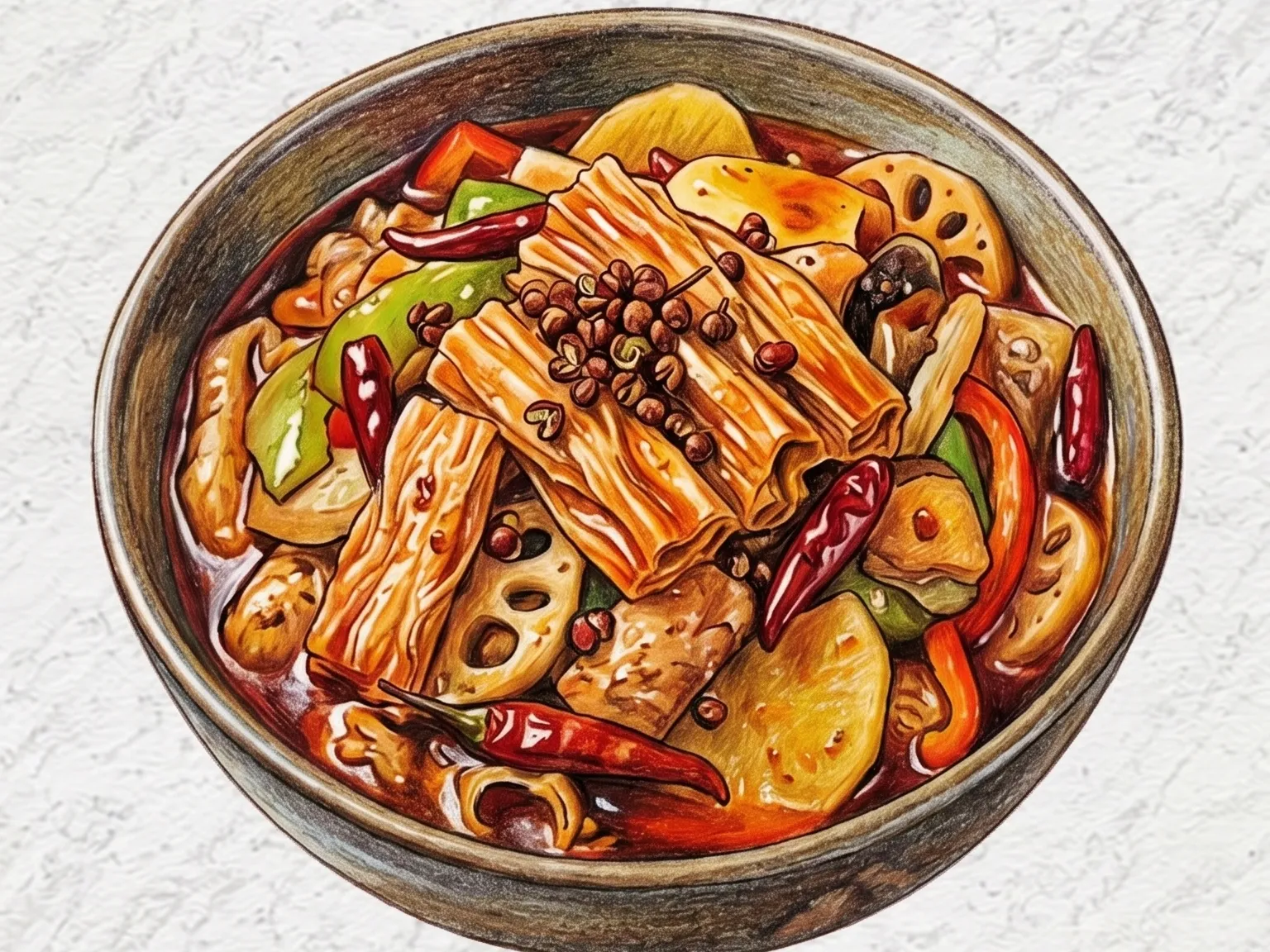
Fuzhu (Dried Bean Curd) Mala Xiang Guo
This spicy stir-fry features chewy fuzhu and crisp vegetables tossed in a numbing mala sauce. The dried bean curd skin is soaked in lukewarm water with a pinch of salt for at least two hours, giving it a soft, sponge-like structure that absorbs the savory sauce. To prepare the dish, minced garlic and dried chilies are sautéed in oil, followed by thinly sliced pork belly cooked on high heat until the fat renders. The rehydrated fuzhu and firm cabbage and bok choy stalks are added next, coated in the mala sauce, and stir-fried quickly. In the final seconds, bean sprouts and leafy greens are tossed in for less than thirty seconds to keep their crisp texture, creating a contrast with the chewy bean curd. Ingredients like fish balls or sliced lotus root can be added for extra texture.
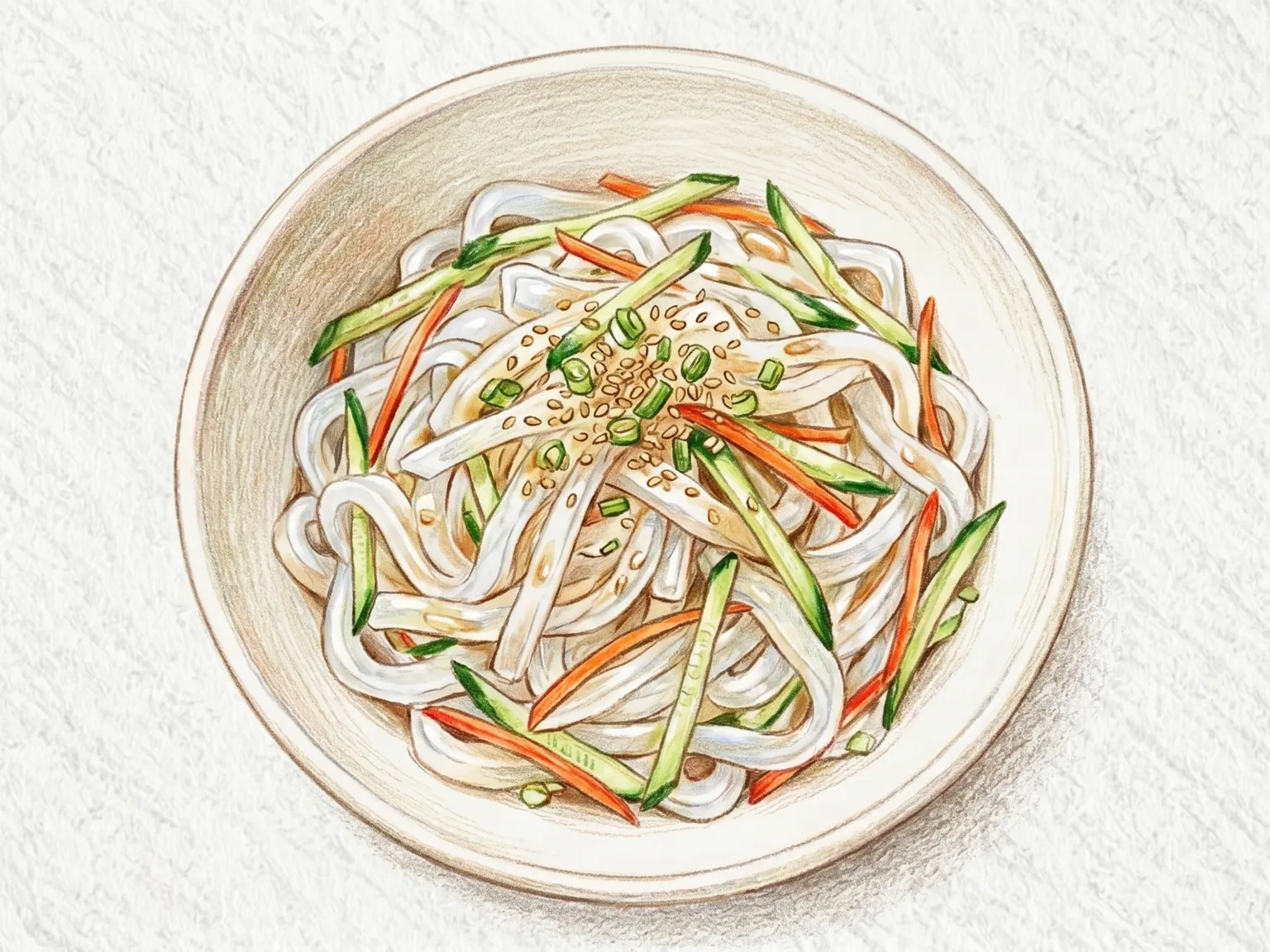
Korean Seasoned Mung Bean Jelly Salad
Cheongpo muk - mung bean jelly - is made by dissolving starch in water, boiling it until thick, then leaving it to set into a translucent, firm block. It has appeared in Joseon-era palace banquet records as a traditional food. The jelly is blanched briefly, cut into matchstick strips, and tossed with julienned cucumber and carrot. A dressing of soy sauce, vinegar, and sugar gives a clean, sharp edge. The jelly itself is nearly flavorless, functioning as a cool, slippery carrier for the seasoning. The crunch of the vegetables contrasts with the smooth jelly, and the vinegar keeps the whole dish light. Gentle tossing is essential to avoid breaking the blocks apart. Served well-chilled, this is a classic Korean summer banchan.
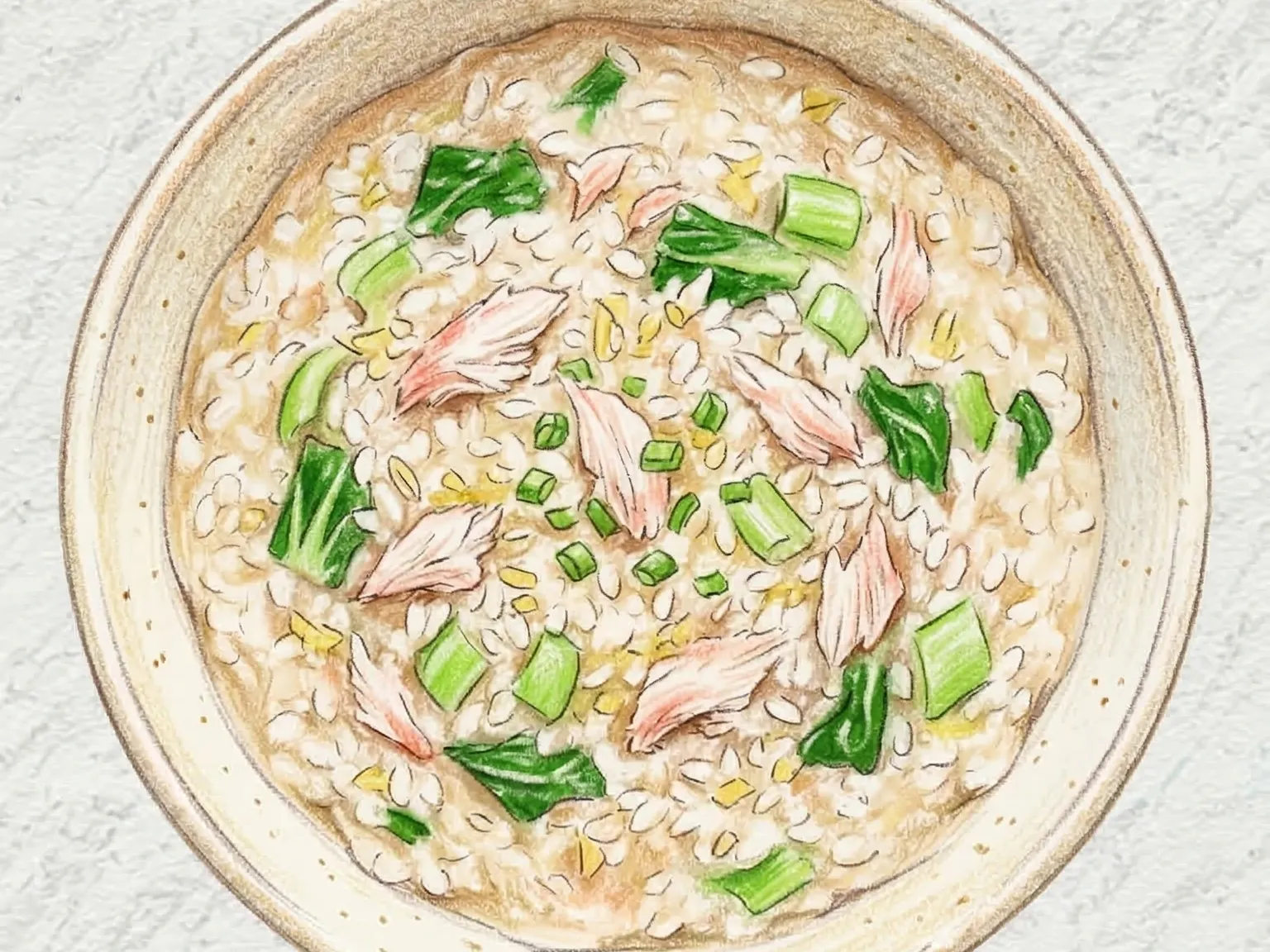
Korean Bok Choy Crab Porridge
Cheonggyeongchae gesal juk is a Korean porridge that begins by sauteing onion and ginger in sesame oil to build an aromatic base, then simmering soaked rice with crab meat until the grains soften into a smooth, flowing consistency. Bok choy goes in near the end to preserve its bright green color and gentle crunch. The crab brings a mild sweetness that spreads evenly through the porridge and adds a refined savoriness, while ginger keeps the flavor clean and free of any fishiness; sesame oil's fragrance lingers subtly throughout. Soaking the rice beforehand allows the grains to break down evenly within a shorter cook time, and stirring regularly prevents sticking at the bottom. Light on the stomach and gently warming, this porridge suits a morning meal, a day when the body needs something easy, or the shift between seasons.
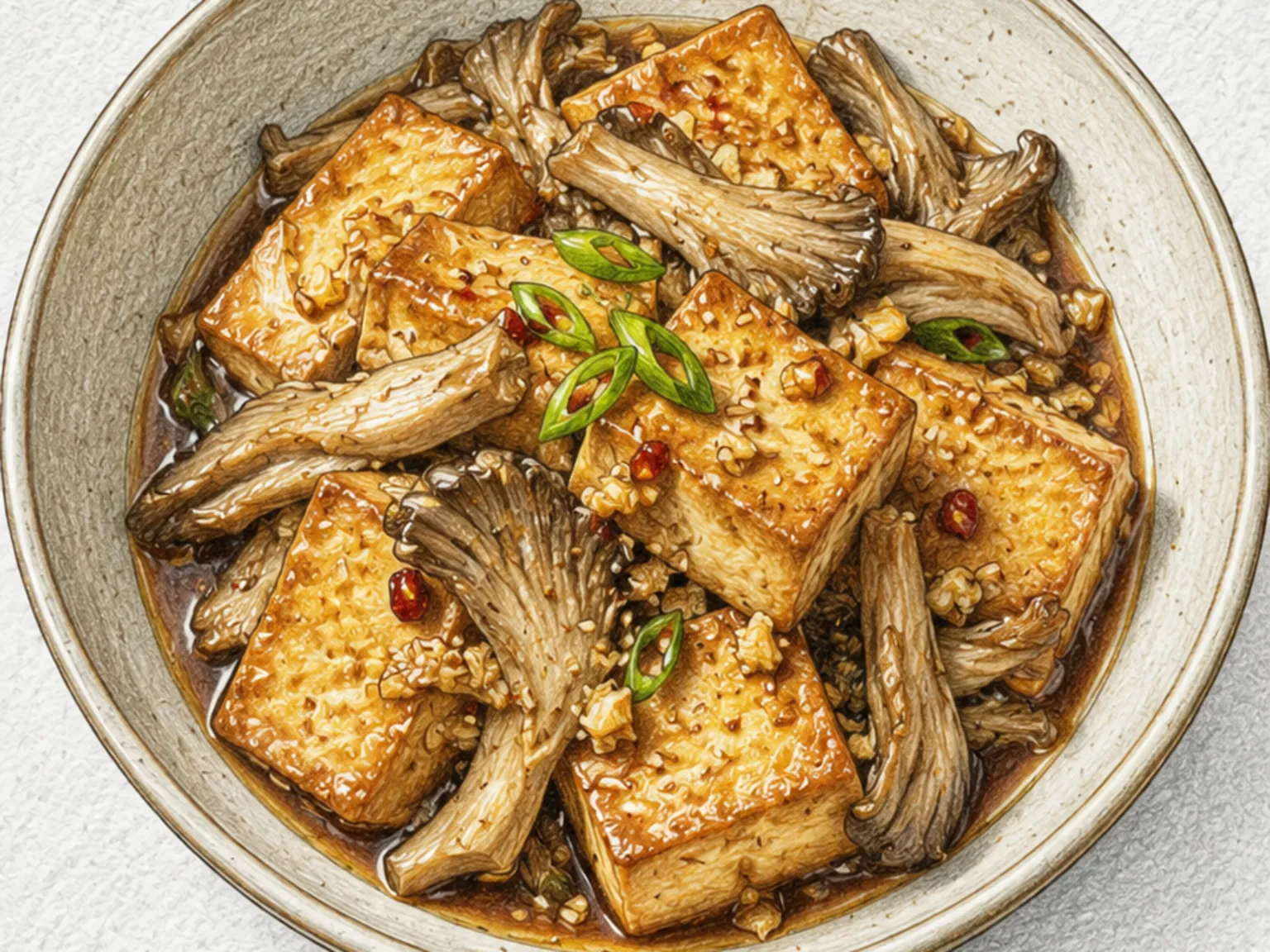
Korean Braised Tofu and Mushrooms
Dubu-beoseot-jorim is a Korean braised side dish of firm tofu and oyster mushrooms simmered in a soy-based sauce until the liquid reduces to a glossy, clinging coat. The tofu is pan-fried first in a lightly oiled skillet to form a firm outer crust before braising begins, which allows it to absorb the seasoned liquid without crumbling or losing its structure during cooking. The result is a cube with a slightly firmer exterior and a soft, custardy interior that holds together through each bite. Oyster mushrooms, torn along their natural grain rather than cut, contribute a pleasantly chewy texture and release their inherent umami into the braising liquid as they cook, adding depth without the need for separate stock. The sauce requires only soy sauce, water, garlic, gochugaru, and sesame oil, making this a straightforward braise that rewards careful heat management over elaborate preparation. When the sauce has reduced to just a small pool at the bottom of the pan, the dish is ready, well-seasoned enough to serve alongside plain rice or pack into a lunchbox.

Korean Baekseju Herbal Rice Wine
Baekseju is a traditional Korean herbal rice wine produced by infusing a fermented glutinous rice base with twelve medicinal ingredients including fresh ginseng, jujubes, ginger, wolfberry, and cinnamon, then sweetening the result with honey. The brand was launched by Kooksoondang in 1992 and has since become the dominant commercial representative of the yakju category - herbal Korean rice wine - in mainstream retail. The foundation is glutinous rice fermented with nuruk, a traditional wheat and grain-based starter culture that produces a mildly sweet, relatively low-acid alcohol. Fresh ginseng steeped in that fermenting liquid contributes its characteristic bitterness and earthy depth, which sit on top of the rice sweetness rather than replacing it. Jujubes lend a faint reddish tint and a dried-fruit sweetness that stays in the background, while ginger delivers a slow, peppery warmth that registers at the back of the throat after swallowing. The honey is added after primary fermentation has proceeded far enough that the yeast population is declining; this preserves residual sugar in the finished wine rather than having it fully fermented out. That residual sweetness is central to Baekseju's flavor identity and distinguishes it from drier yakju styles. Alcohol content sits around thirteen percent, comparable to a medium-bodied grape wine. The liquid is filtered clear and appears golden, substantially more transparent than unfiltered makgeolli. Served cold, the herbal complexity recedes and the wine drinks crisp and refreshing; at room temperature, the ginseng bitterness and jujube sweetness become more pronounced with each sip. It pairs well with fatty or strongly flavored Korean dishes - grilled pork belly, braised spicy chicken - where the medicinal herbaceousness cuts through the richness.
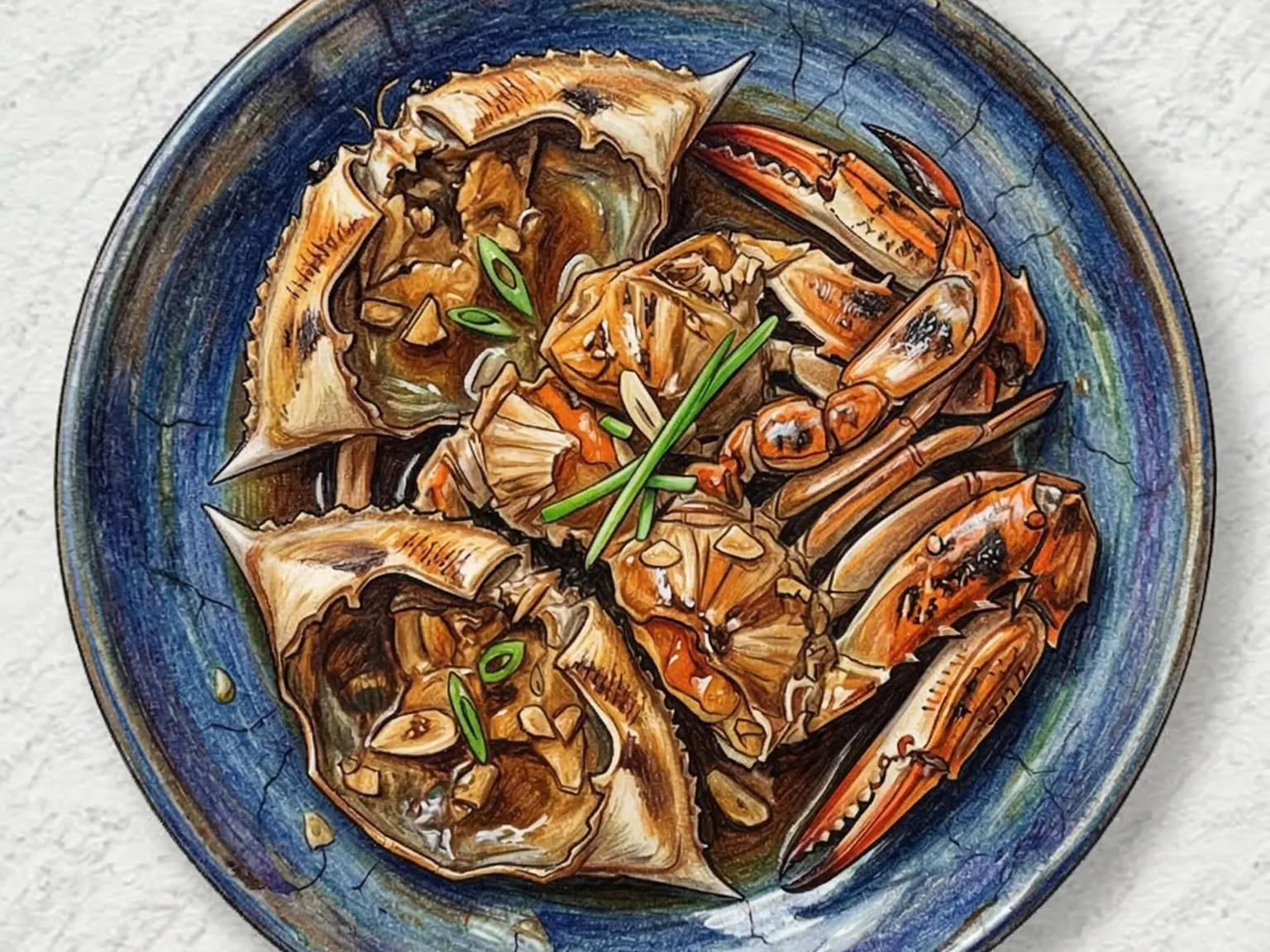
Korean Grilled Soy-Marinated Blue Crab
Ganjang-gejang-gui is a Korean grilled blue crab dish where the crab is halved, marinated in soy sauce with garlic, ginger juice, and sesame oil, then cooked on a grill or in an oven until the shell chars and the meat absorbs the salty-sweet seasoning. The key flavor element is the crab's hepatopancreas inside the top shell, which solidifies under heat into a thick, intensely savory paste that acts as a built-in sauce when eaten with the leg and body meat. The sugars in the soy marinade caramelize over high heat, forming a glossy glaze across the shell surface, and a final brush of sesame oil before serving adds a toasted nuttiness over the briny crab flavor. Marinating time matters considerably: a minimum of thirty minutes allows the soy to penetrate the surface, but refrigerating the crab for one to two hours gives the seasoning time to reach the interior flesh, producing noticeably deeper flavor. Placing the grilled crab over a bowl of rice and mixing the shell's concentrated juices and tomalley into the grains makes a complete meal without any additional side dishes.
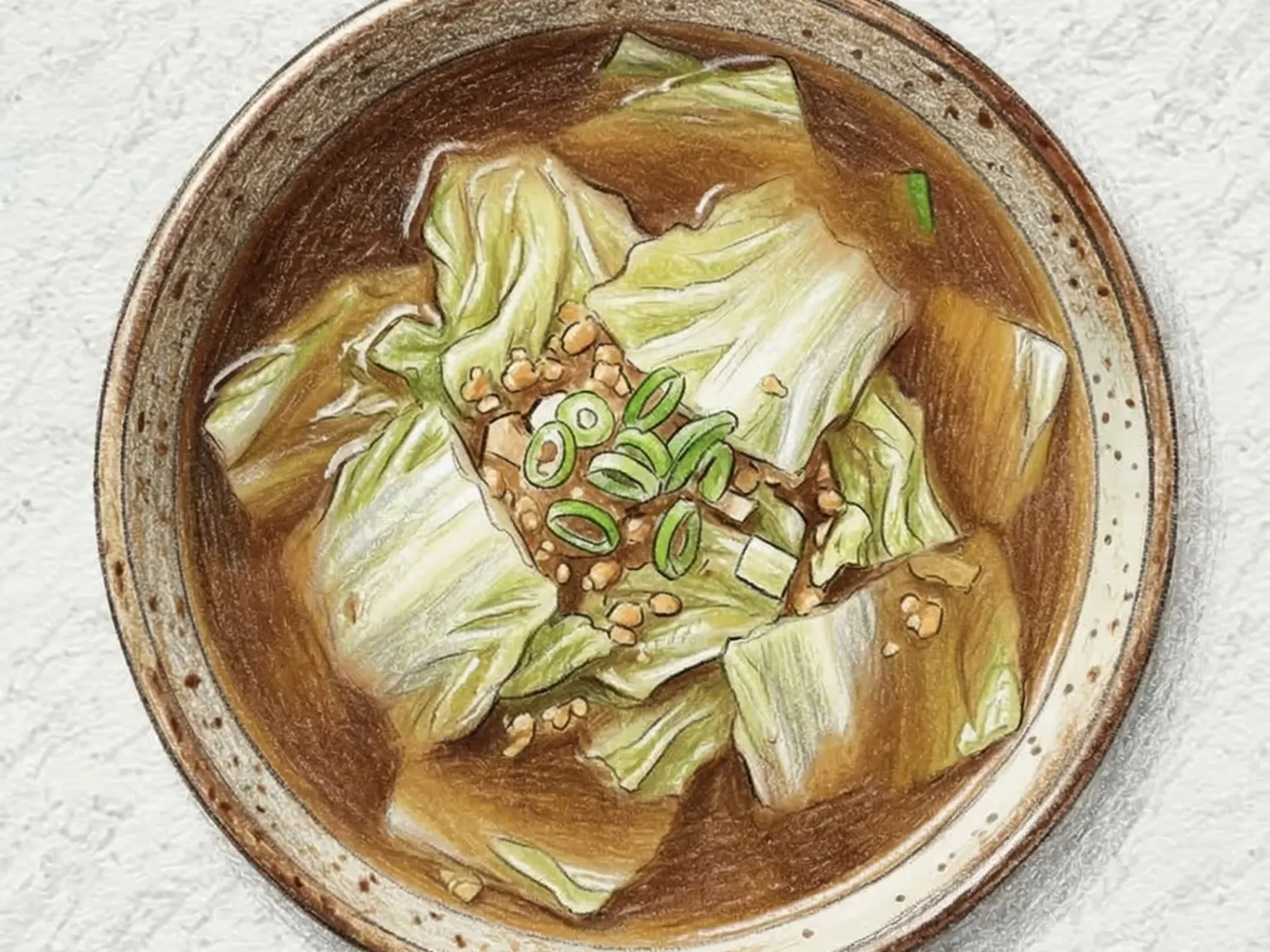
Korean Napa Cabbage Doenjang Soup
Baechu doenjang guk is a foundational Korean soup built on anchovy-kelp stock seasoned with fermented soybean paste and napa cabbage. Straining the doenjang through a fine sieve as it dissolves into the hot stock keeps the broth visually clear while extracting the full depth of its fermented, earthy flavor. The cabbage stalks go into the pot first and simmer for five minutes alone, drawing out their inherent sweetness before the leaf sections and cubed tofu are added. A small spoonful of gochujang introduced at this point gives the broth a gentle heat and a reddish cast that adds both visual contrast and flavor complexity beyond doenjang alone. Sliced cheongyang chili and scallion are stirred in during the final two minutes, contributing sharpness and aroma without turning limp. Doenjang saltiness varies significantly between brands and aged batches, so starting with a conservative amount and adjusting by taste prevents over-salting. As the cabbage softens fully, its natural sweetness seeps gradually into the broth, where it finds a natural balance with the deep fermented character of the paste. It is among the most accessible soups in Korean home cooking, requiring only the most common pantry and refrigerator ingredients.
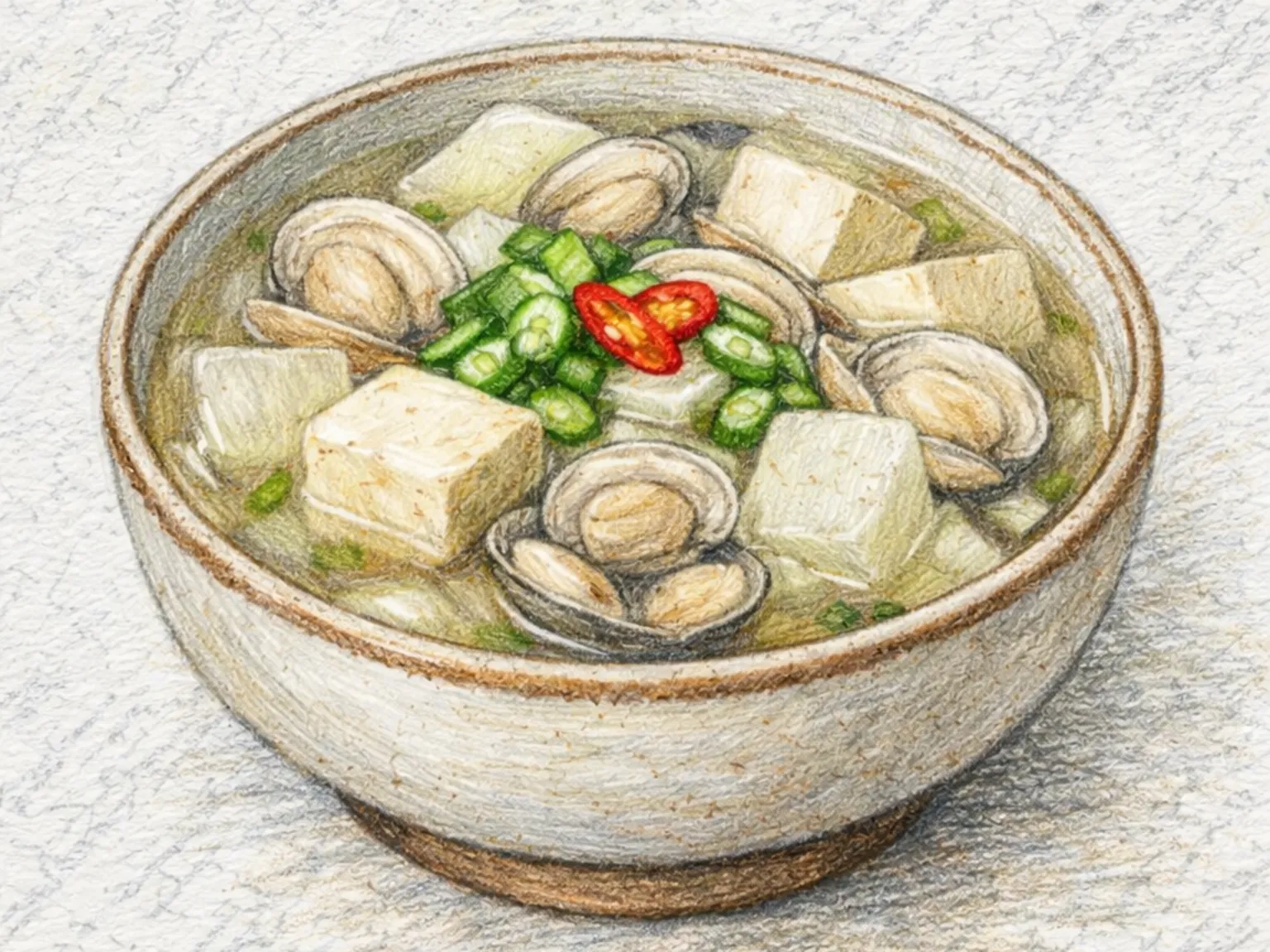
Korean Hard Clam Radish Stew
Sweet radish broth meets briny hard clams in this clean, deeply flavored Korean stew that needs no stock -- just clams, radish, and 35 minutes. The radish goes into the pot first and boils for ten minutes to release its natural sweetness, building the foundation of the broth before the clams are added. Once the clams open, their concentrated marine flavor layers over the radish sweetness, creating a broth that is simultaneously clean and complex. Seasoning is kept minimal with soup soy sauce, and minced garlic is added only after the clams open so it cooks through without remaining sharp and raw. Thick-cut firm tofu absorbs the surrounding broth, acting as a sponge for the clam umami. Diagonally sliced cheongyang and red chilies go in last, contributing a mild heat and visual contrast to the pale liquid. Any clams that fail to open must be removed immediately to keep the broth free of grit. The stew demonstrates how two primary ingredients, clams and radish, can produce a layered, satisfying broth without anchovy or kelp stock. The cool, lingering aftertaste of the clams is a hallmark of this particular combination.
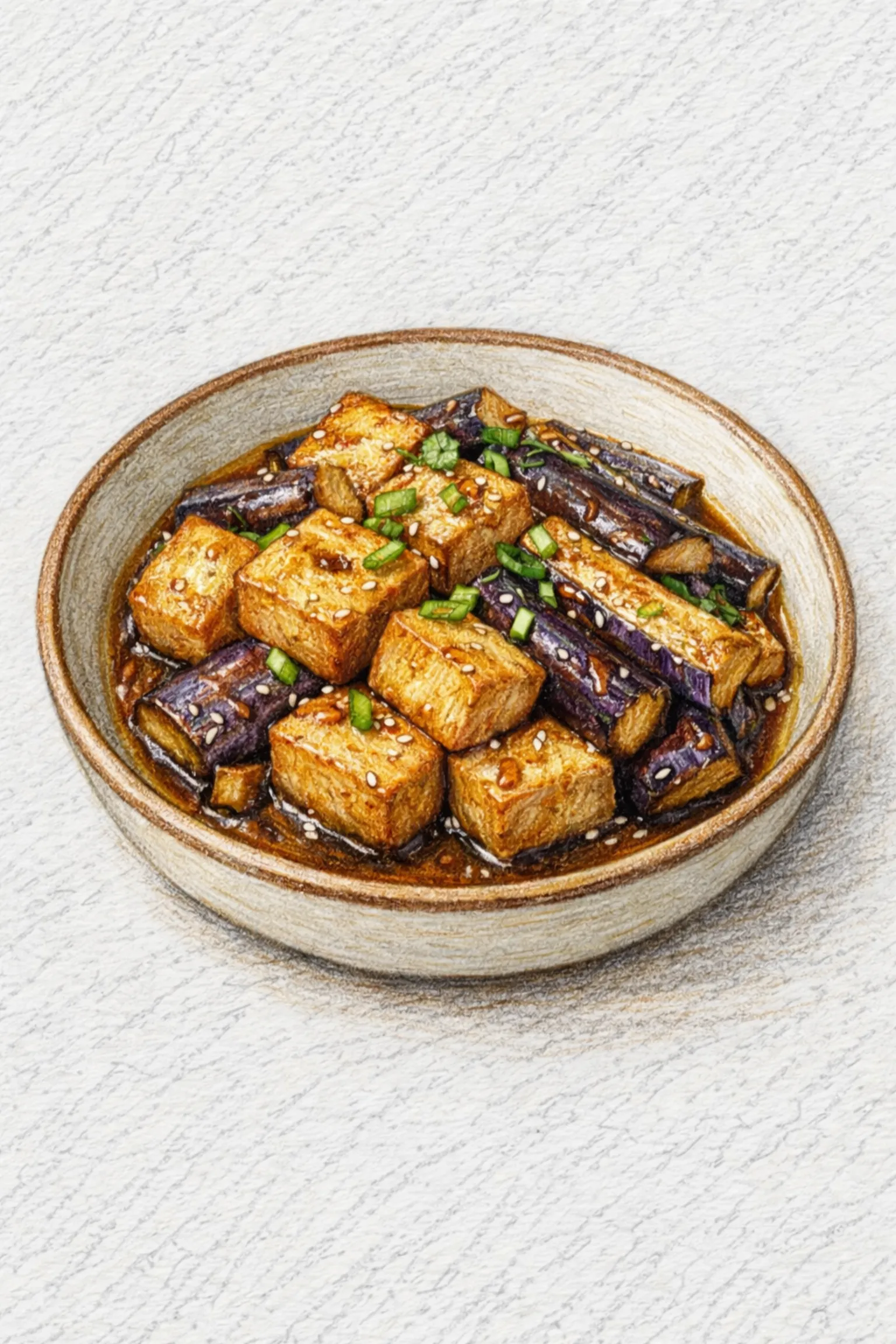
Korean Braised Eggplant and Tofu
Gaji dubu jorim combines eggplant and firm tofu braised together in a soy sauce and gochugaru seasoning. The eggplant soaks up the sauce and turns silky soft, while the pan-seared tofu holds its shape with a slight firmness on the outside. Garlic and green onion round out the flavor, creating a lightly spicy, umami-rich side dish. Salting the eggplant briefly before cooking draws out excess moisture so the pieces absorb the seasoning more deeply without falling apart during braising. Draining the tofu and pan-frying it on both sides before adding it to the sauce keeps the blocks intact and gives the surface a slightly chewy resistance against the tender eggplant. A practical vegetarian-friendly banchan that delivers both protein and vegetables without any meat.
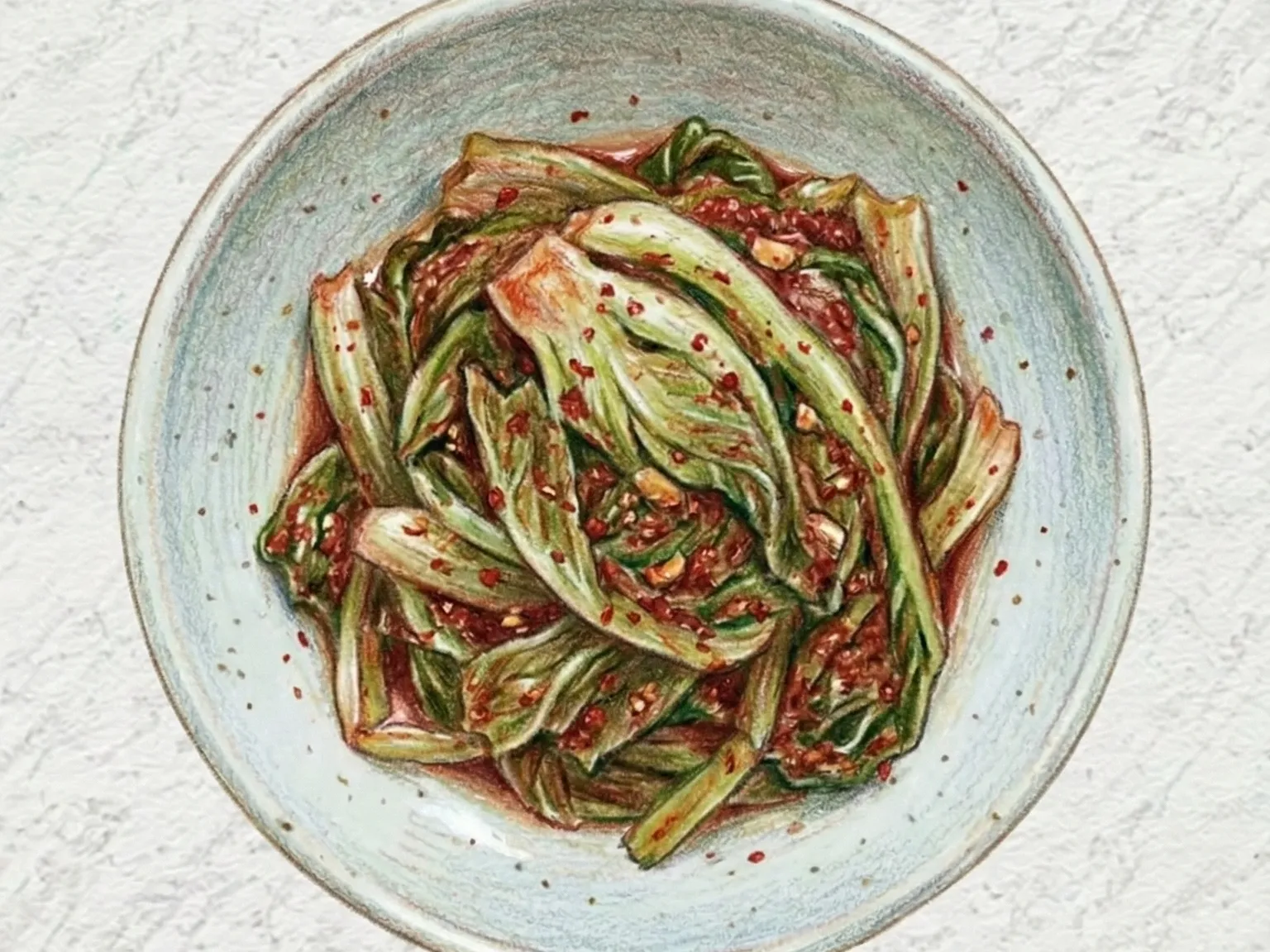
Korean Coastal Hogfennel Kimchi
Bangpungnamul kimchi is a seasonal Korean kimchi made during spring by dressing coastal hogfennel in a chili-based seasoning paste. Bangpungnamul grows along coastal cliffs and mountain foothills, identifiable by its distinctive bitter-herbaceous aroma and mild sharpness. Traditional Korean medicine has long valued this plant for its properties in treating rheumatic conditions - its name literally combines the words for wind and prevention. The herb is lightly salted first to draw out excess moisture and soften its fibrous structure, then tossed with Korean chili flakes, anchovy fish sauce, soup soy sauce, minced garlic, and ginger. Sweet rice paste works as a binder, helping the thick seasoning cling evenly to each strand of herb rather than pooling at the bottom of the bowl. Sliced scallions add a crisp element that survives the marinating process intact. The herb's natural bitterness mellows considerably as lactic fermentation develops, producing a flavor profile unmistakably different from standard napa cabbage kimchi. One day at room temperature initiates fermentation without letting it run too far, after which refrigerated storage holds the kimchi at an ideal stage of acidity for two to three weeks.
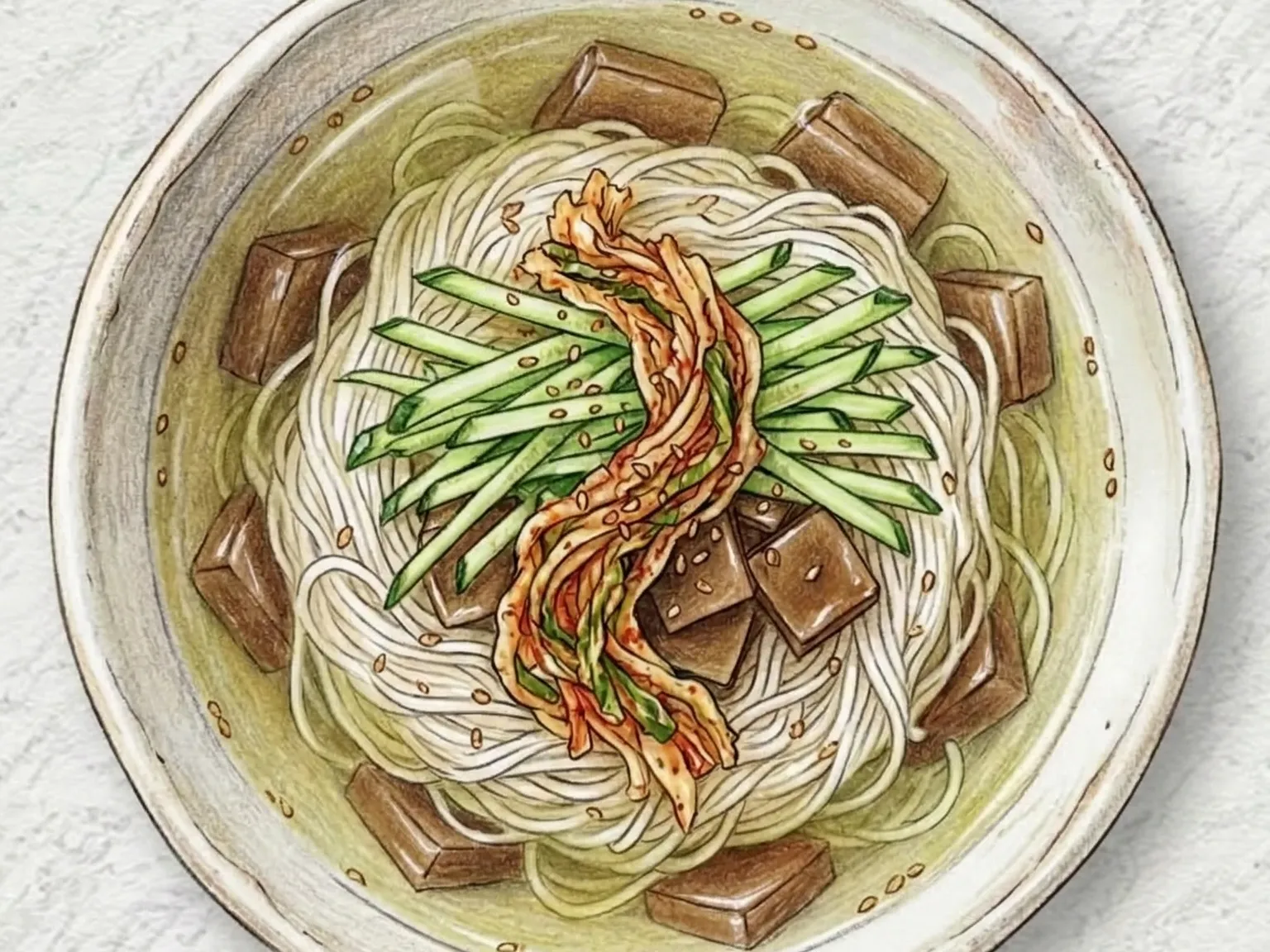
Korean Acorn Jelly Somyeon
Dotorimuk chae somyeon is a chilled Korean noodle dish that combines boiled somyeon and sliced acorn jelly in cold dongchimi radish water kimchi broth. The acorn jelly has a soft, slippery texture that contrasts with the fine, springy strands of the wheat noodles, and the fermented tang of the dongchimi broth wraps everything in a clean, refreshing acidity. Julienned cucumber adds crunch and a cool freshness, while a piece of kimchi contributes a spicy-savory accent. Refrigerating the acorn jelly or briefly soaking it in ice water beforehand keeps it firmer so it holds its shape when tossed with the noodles. A light drizzle of sesame oil and a scatter of sesame seeds bring a nutty warmth that plays well against the cold broth, making this a genuinely appetite-reviving meal for hot summer days.
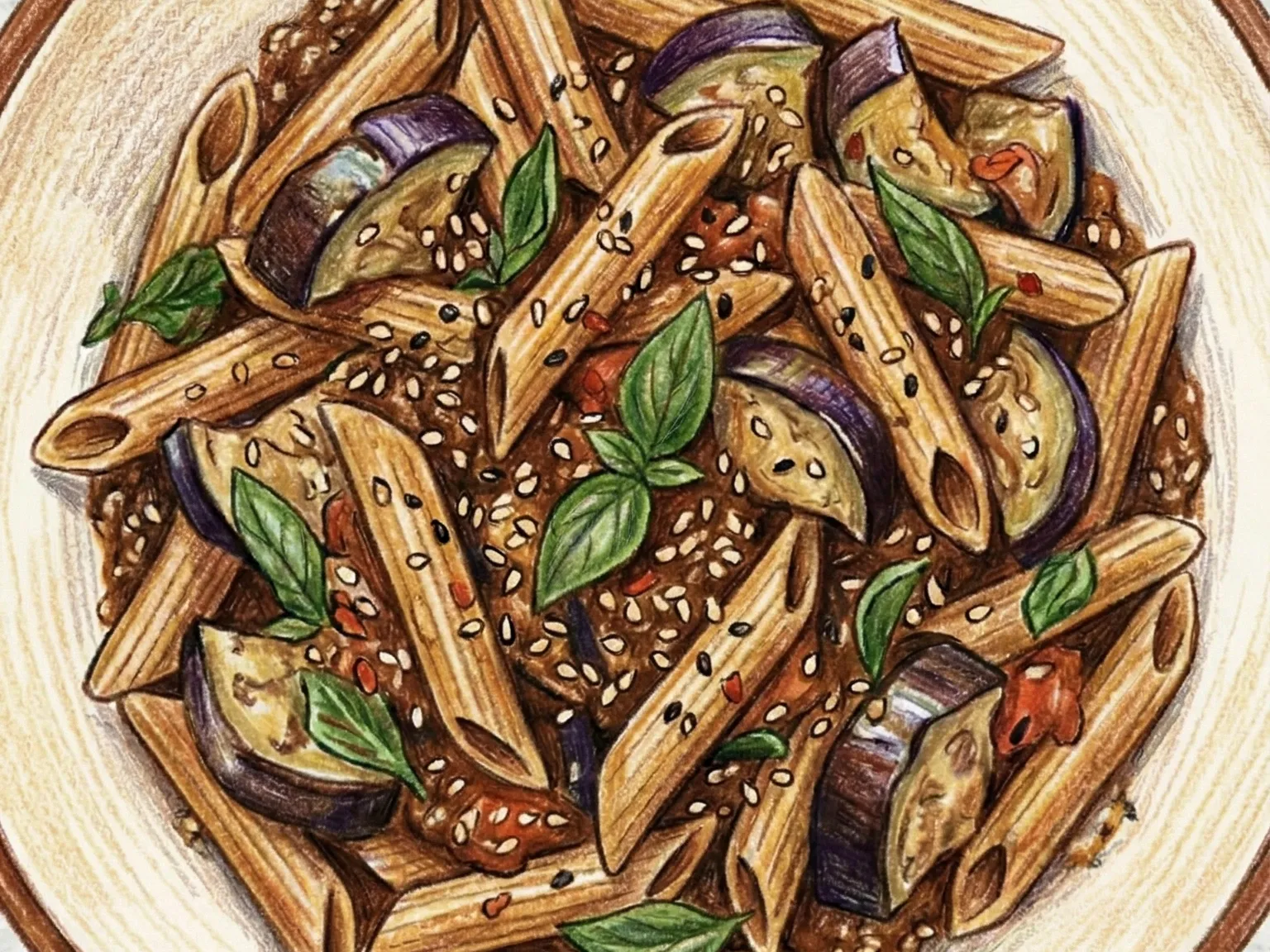
Sesame Soy Eggplant Tomato Penne
Sesame soy eggplant tomato penne is a Korean-Italian fusion pasta that combines salt-sweated eggplant with fresh diced tomato, soy sauce, and penne for a meat-free dish with genuine depth. Salting the eggplant and allowing it to rest for at least fifteen minutes draws out both water and any residual bitterness, so the flesh cooks down softer and more concentrated when sauteed in olive oil. Once the eggplant has absorbed the oil fully, it behaves like a sponge for the surrounding sauce, pulling flavor into each dense, yielding piece. Soy sauce brings a fermented, savory quality that layers directly on top of tomato's own natural glutamates, creating a double-umami effect that gives the sauce a richness typically associated with meat-based preparations. Sesame oil is added off the heat at the very end to preserve its raw, toasted fragrance - cooking it destroys the volatile compounds that make it distinctive. Toasted sesame seeds scattered over the finished pasta provide a nutty crunch that contrasts the soft eggplant. Fresh basil introduces a herbal brightness at the finish, and the base of onion and garlic cooked at the start gives the sauce its aromatic foundation.
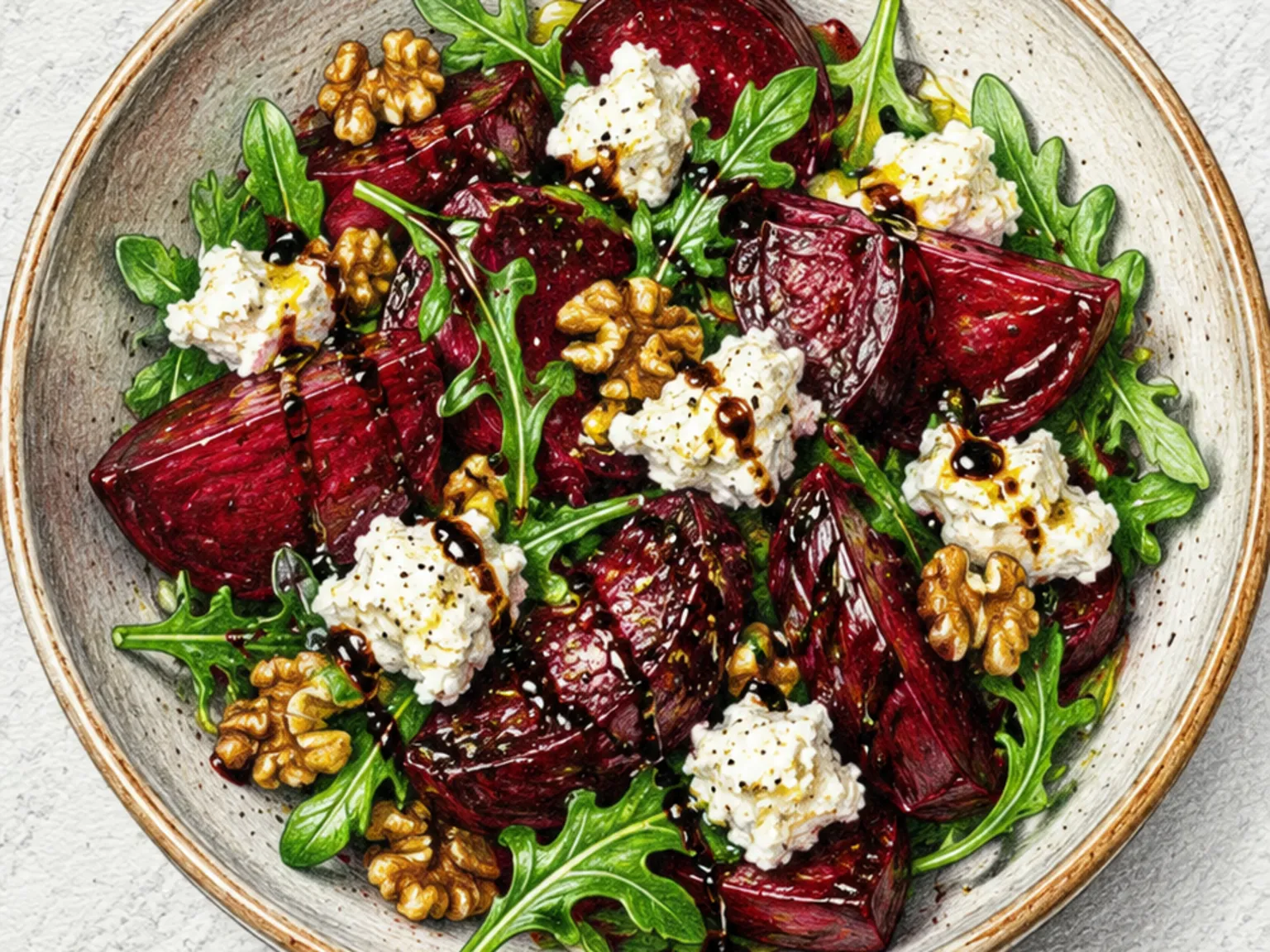
Beet and Goat Cheese Salad
Beet and goat cheese salad begins with whole beets wrapped in foil and roasted at 200°C for forty-five to sixty minutes, long enough for their raw, earthy undertone to convert almost entirely into a concentrated, caramel-adjacent sweetness. Peeling the skins while the beets are still warm requires only the pressure of a paper towel - they slip off cleanly - and slicing them before they cool preserves the vivid crimson-purple cross-section that makes the dish visually striking. Crumbled goat cheese placed on the warm slices softens slightly, and its tangy acidity cuts through the dense sweetness of the roasted root rather than competing with it. Walnuts toasted briefly in a dry pan lose much of their raw bitterness, developing a nuttiness that bridges the mineral quality of the beet and the dairy sharpness of the cheese. Balsamic reduction does more than dress the plate: its concentrated sweet-tart intensity ties the separate components into a coherent whole. Arugula underneath the beet slices provides a peppery bitterness that sharpens the contrast against the sweetness, giving the salad a complexity well beyond what its short ingredient list suggests. A simple dressing of extra-virgin olive oil and lemon juice over the greens keeps the balance light and clear.
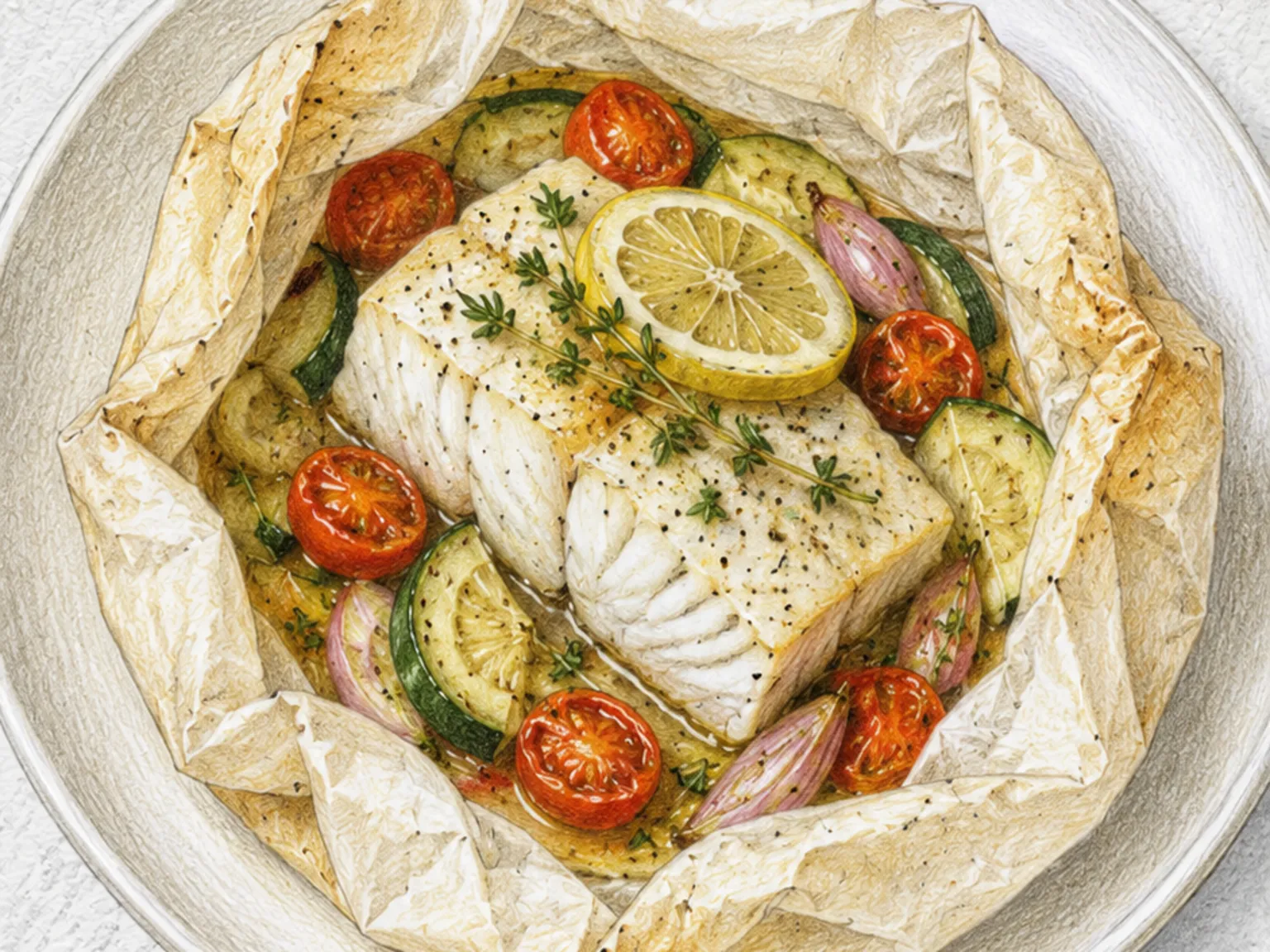
Cod en Papillote (French Parchment-Steamed Cod with Vegetables)
Cod en papillote involves wrapping cod fillets along with several specific ingredients including sliced zucchini, cherry tomatoes, shallots, fresh thyme, and rounds of lemon. These components are drizzled with olive oil and a small amount of dry white wine before being enclosed within a piece of parchment paper that is crimped tightly at the edges to create a secure seal. The prepared parcel is placed into an oven preheated to 200 degrees Celsius and baked for a duration of fifteen to eighteen minutes. This cooking technique relies on the sealed packet to trap steam inside, which cooks the fish with a gentle heat and ensures that the flesh remains moist throughout the entire process. As the white wine and lemon heat up, they produce an aromatic steam that penetrates the mild texture of the cod, providing it with a distinct brightness and a clean overall flavor profile. The addition of thyme introduces a subtle herbal quality that works in conjunction with the natural sweetness released by the vegetables as they soften under the heat. Olive oil serves to integrate the various elements of the dish while contributing a smooth and rich mouthfeel. When the parchment is eventually opened at the dining table, the accumulated aromas are released immediately, which turns the simple act of serving into an integral part of the meal. If parchment paper is unavailable, aluminum foil serves as an effective substitute for creating the necessary seal. Furthermore, the selection of vegetables is flexible and can be adjusted according to the current season, as ingredients such as sliced carrots, asparagus, or spinach can be incorporated as natural alternatives within the wrap.
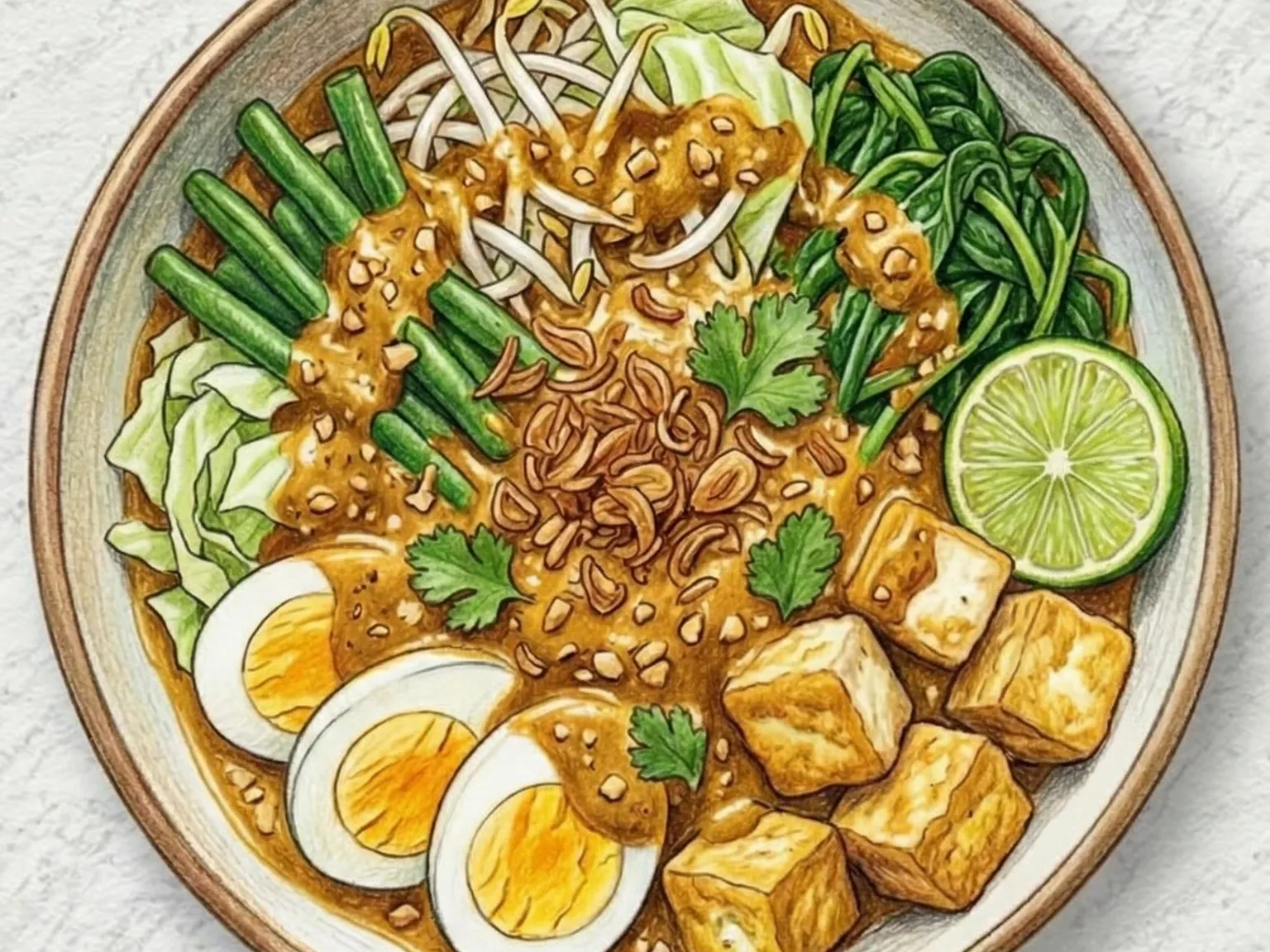
Gado-Gado (Indonesian Peanut Salad)
Gado-gado means mix-mix in Javanese, and the name describes exactly how the dish is assembled and eaten. Blanched spinach, bean sprouts, cabbage, and boiled potato are arranged on a plate alongside hard-boiled egg, fried tofu, and fried tempeh, then drenched generously with a thick peanut sauce before being mixed together at the table. The sauce is made by pounding freshly roasted peanuts in a mortar and mixing them with chili, garlic, tamarind, palm sugar, and kecap manis. The result is a complete flavor system in a single condiment -- nutty, spicy, sour, and sweet all at once -- so no additional seasoning is required. Street vendors pound the peanuts to order for each customer, and the smell of toasting nuts fills the air around their carts. Crushed kerupuk, the shrimp cracker common across Indonesian cooking, is scattered on top to add a shattering crunch that contrasts with the soft vegetables and protein. As the crackers absorb the sauce over the course of the meal they soften and swell, and that textural transition is considered part of the eating experience rather than a flaw. The dish adapts easily: built from vegetables alone it becomes a complete vegan meal, and loaded generously with egg and tofu it provides substantial protein. In Indonesia, gado-gado is eaten at any hour of the day with no particular seasonal or mealtime association, appearing at roadside carts and home tables with equal frequency.
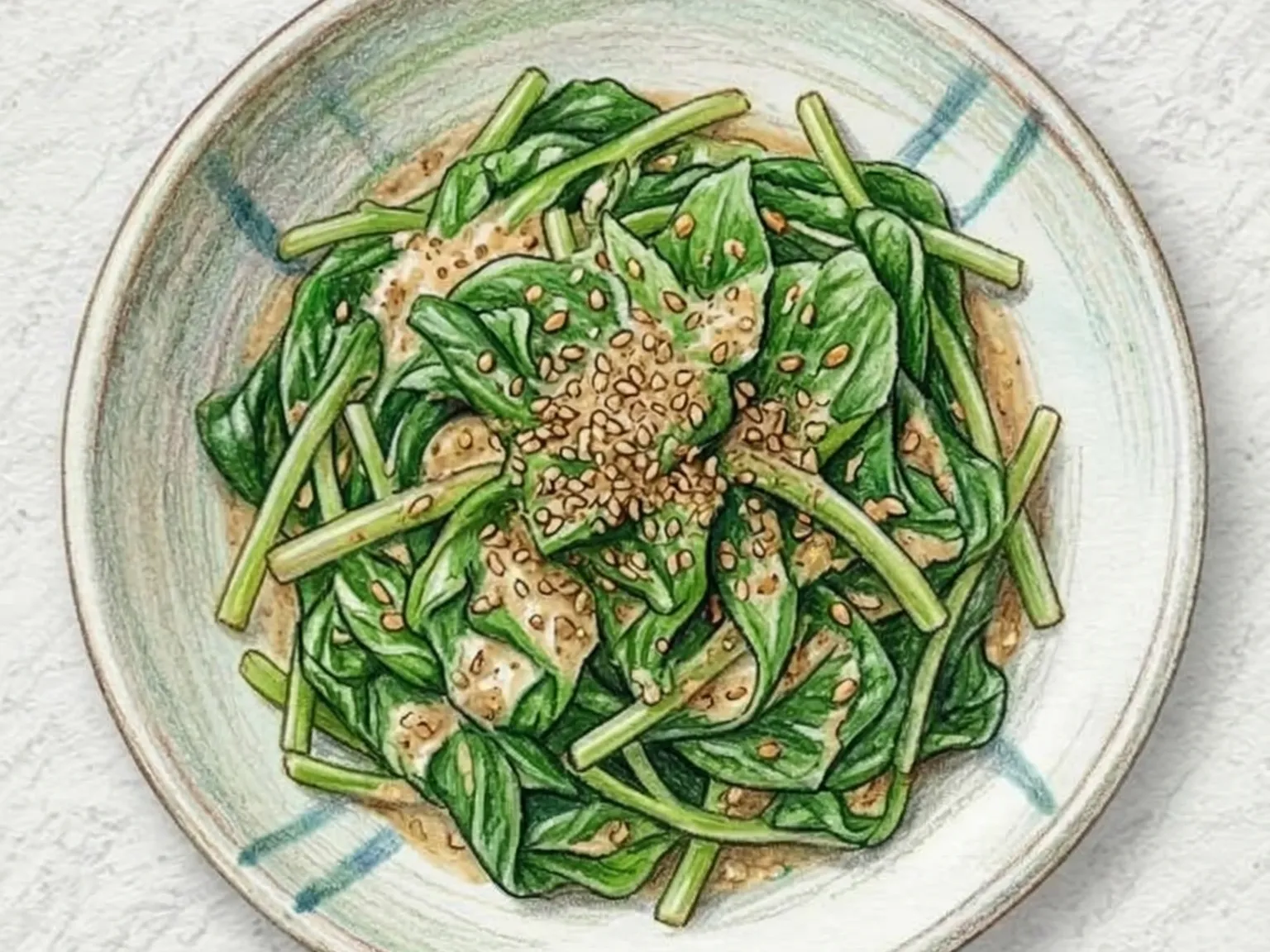
Korean Chwinamul with Perilla Powder
Where the doenjang version of chwinamul leans on fermented soybean depth, this preparation wraps the greens in a perilla seed coating that is mild, nutty, and warm rather than assertive. After blanching, the chwinamul is seasoned with a base of soup soy sauce, garlic, and green onion, then sauteed briefly in perilla oil to amplify the seed character before any liquid is added. Water is stirred in for a light braise that softens the stems fully. The critical step comes off the heat: reducing the flame before adding perilla powder is essential, because adding the powder while the pan is still hot causes the seed oils to separate, leaving a gritty, uneven coating rather than the smooth, pale paste that should coat every strand. When done correctly, the finished dish has a silky, enrobing texture that clings to the greens and releases the full fragrance of the perilla seed in each mouthful. The chwinamul aromatics remain distinct throughout, but the perilla shifts their overall character from sharp and herbal toward something rounder and more comforting.
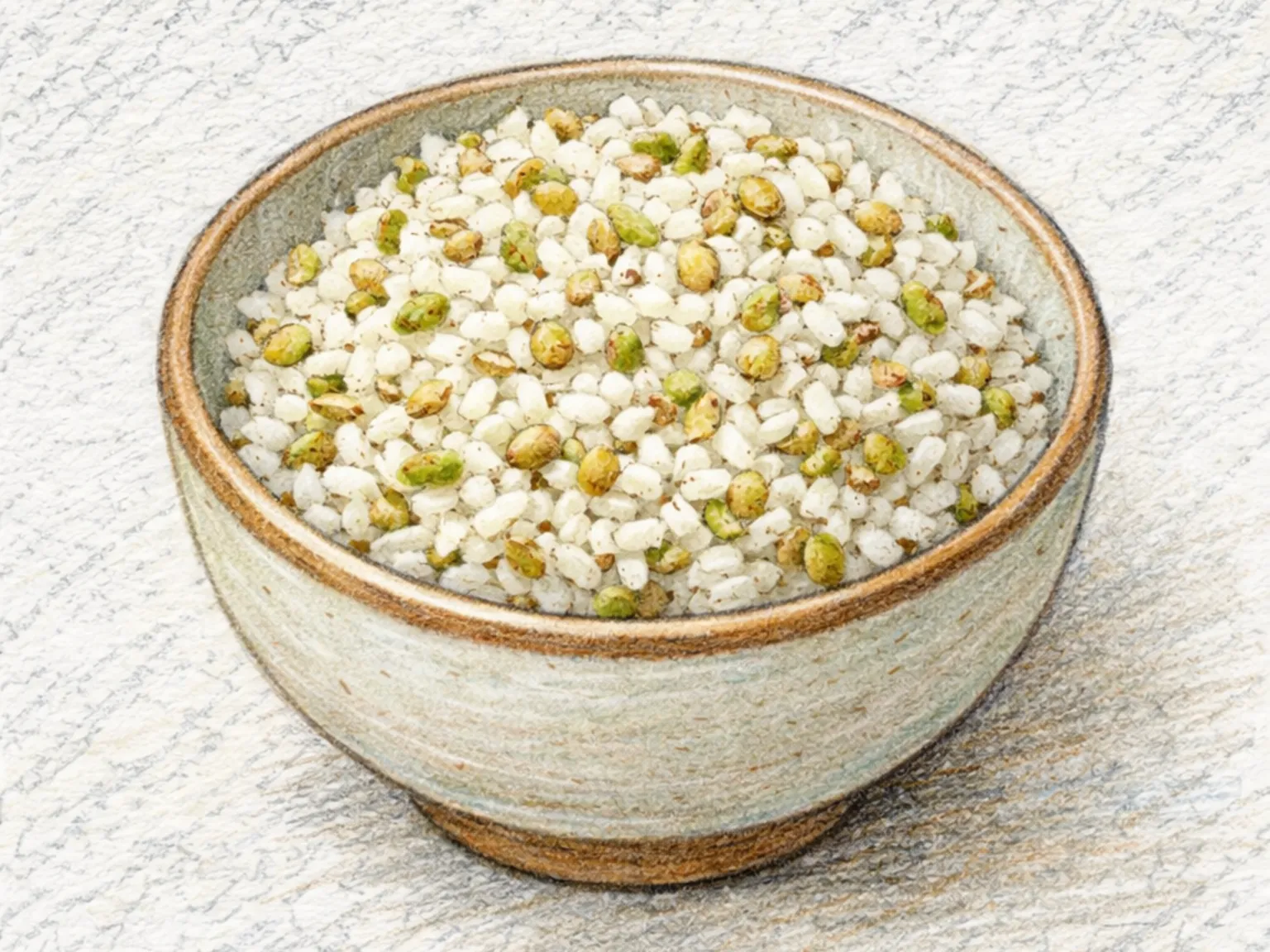
Korean Hemp Seed Rice (Nutty Protein-Rich Grain Rice)
Cheongsam bap is a Korean nutritional rice cooked with toasted hemp seeds. The hemp seeds contribute a nutty, subtly grassy aroma and a gentle popping texture that transforms plain short-grain rice into something more layered. Hemp seeds are nutritionally notable for their high plant protein content and a well-balanced ratio of omega-3 to omega-6 fatty acids, which is why they have attracted attention as a functional food in Korea. The preparation requires no extra technique beyond standard rice cooking - the seeds and a small amount of salt go in with the rice before the cooker starts. Lightly toasting the seeds in a dry pan for about five minutes before adding them deepens their fragrance noticeably compared to untoasted seeds. The finished rice pairs well with virtually any Korean side dish, and the mild, toasty flavor holds up equally well when the rice is eaten on its own as a simple, wholesome bowl.
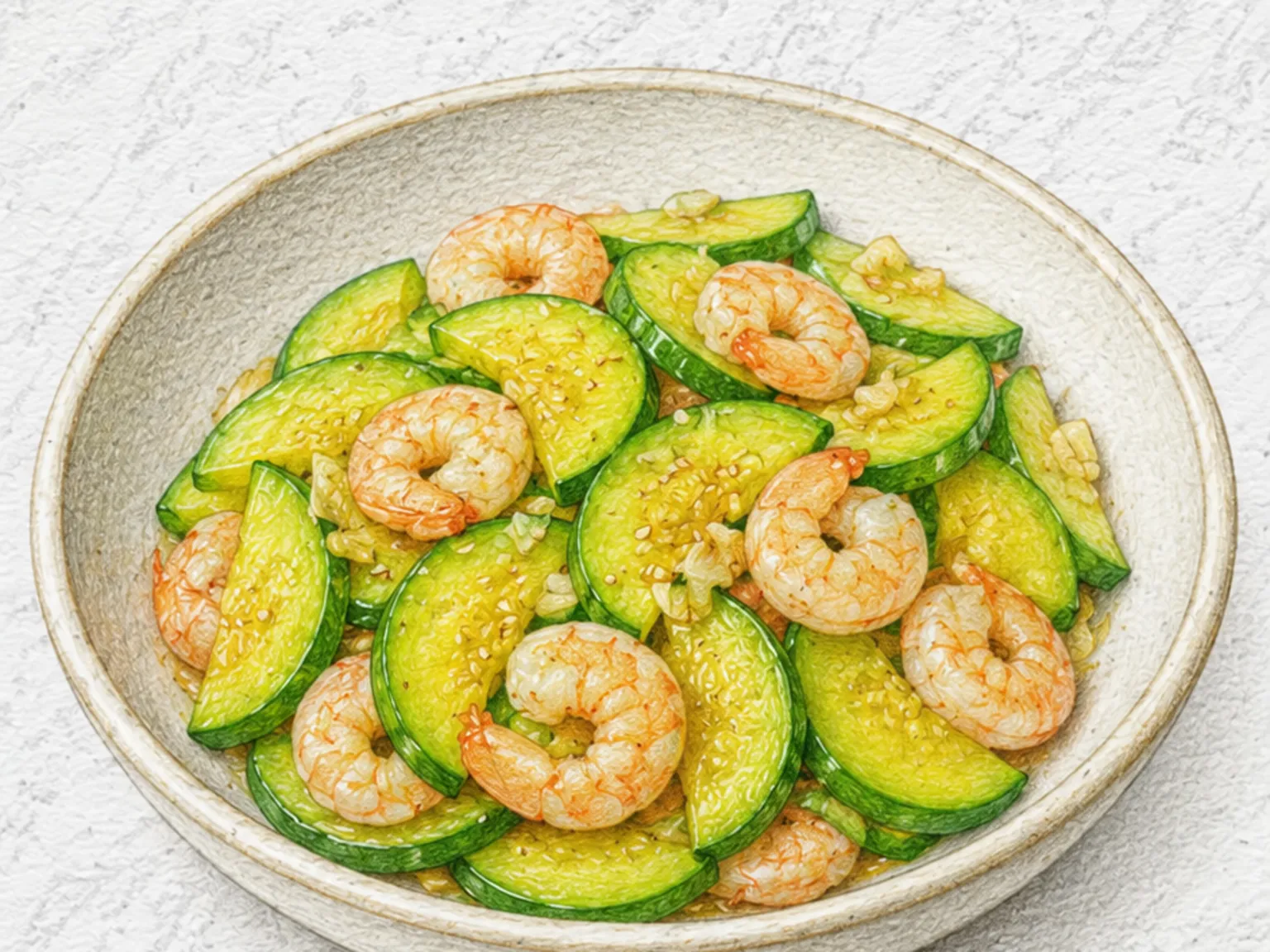
Korean Zucchini Shrimp Stir-fry
Hobak-saeu-bokkeum is a light Korean stir-fry of thinly sliced zucchini and shrimp seasoned with soy sauce, cooking wine, and garlic. The dish relies on the inherent flavors of its ingredients rather than heavy seasoning, keeping the final result mild, clean, and free of excess grease. Zucchini softens as it cooks and releases its natural sweetness, but the heat must be managed carefully. Overcooking draws out too much moisture and turns the slices limp and watery, eliminating the slight crispness at the center that defines the ideal texture. A well-preheated pan and high heat are needed to sear the surface quickly before the interior softens all the way through. Shrimp are cooked only until they turn pink and curl into a gentle arc. At that moment the proteins have set just enough to give a plump, springy bite; cooking beyond that point tightens the muscle fibers further and makes them rubbery. Using soup soy sauce rather than dark soy sauce keeps the color light and the seasoning clean. A sliced green chili adds a sharp kick without changing the fundamental character of the dish. The entire stir-fry comes together in around ten minutes, making it one of the more practical banchan options when time is limited. It holds its flavor and texture at room temperature without deteriorating, which makes it a reliable choice for a packed lunchbox as well as a fresh dinner side. Lightly salting the shrimp and splashing on a small amount of cooking wine before cooking helps draw out any residual fishiness. Yellow squash or zucchini varieties can substitute freely for the Korean hobak, and adding squid alongside the shrimp introduces an additional layer of oceanic character to the finished dish.
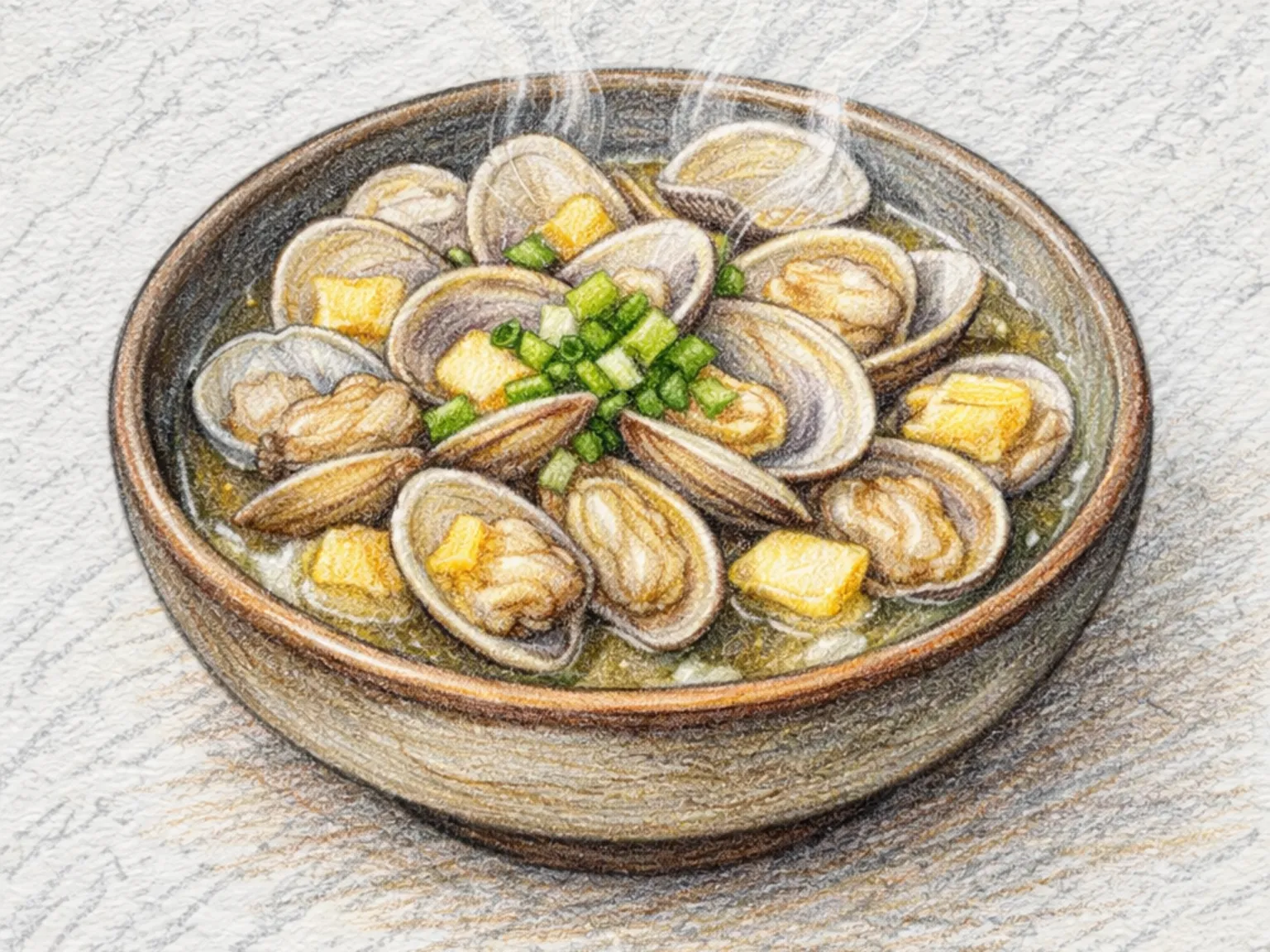
Korean Steamed Clams with Soju
Bajirak sul jjim is a Korean drinking snack of baby clams steamed open in soju with garlic and butter, producing a savory broth suited for dipping bread or cooking noodles afterward. The alcohol in soju evaporates quickly, steaming the clams open while stripping away any fishy odor, and leaving a faint grain-spirit aroma in the liquid. Butter is added after the shells open so it emulsifies with the released clam juice to form a rich, cohesive sauce; adding it from the start causes the fat to separate and float on top. Generous sliced garlic steams alongside the clams, losing its raw bite while retaining a mellow fragrance that builds depth in the sauce. Diagonally cut cheongyang chili adds a sharp heat accent to the salty, buttery liquid. Scallion is scattered on top at the end for a fresh finish. White wine can replace soju, adding acidity and a different aromatic character, but soju's clean grain note pairs more naturally with clams in a Korean context. Bajirak - short-neck clams - are smaller and sweeter than other Korean clams, making them well suited for quick steaming, and frozen clams release sufficient broth to make the dish work. Cooking thin wheat noodles in the remaining liquid after the clams are eaten makes an excellent final course.
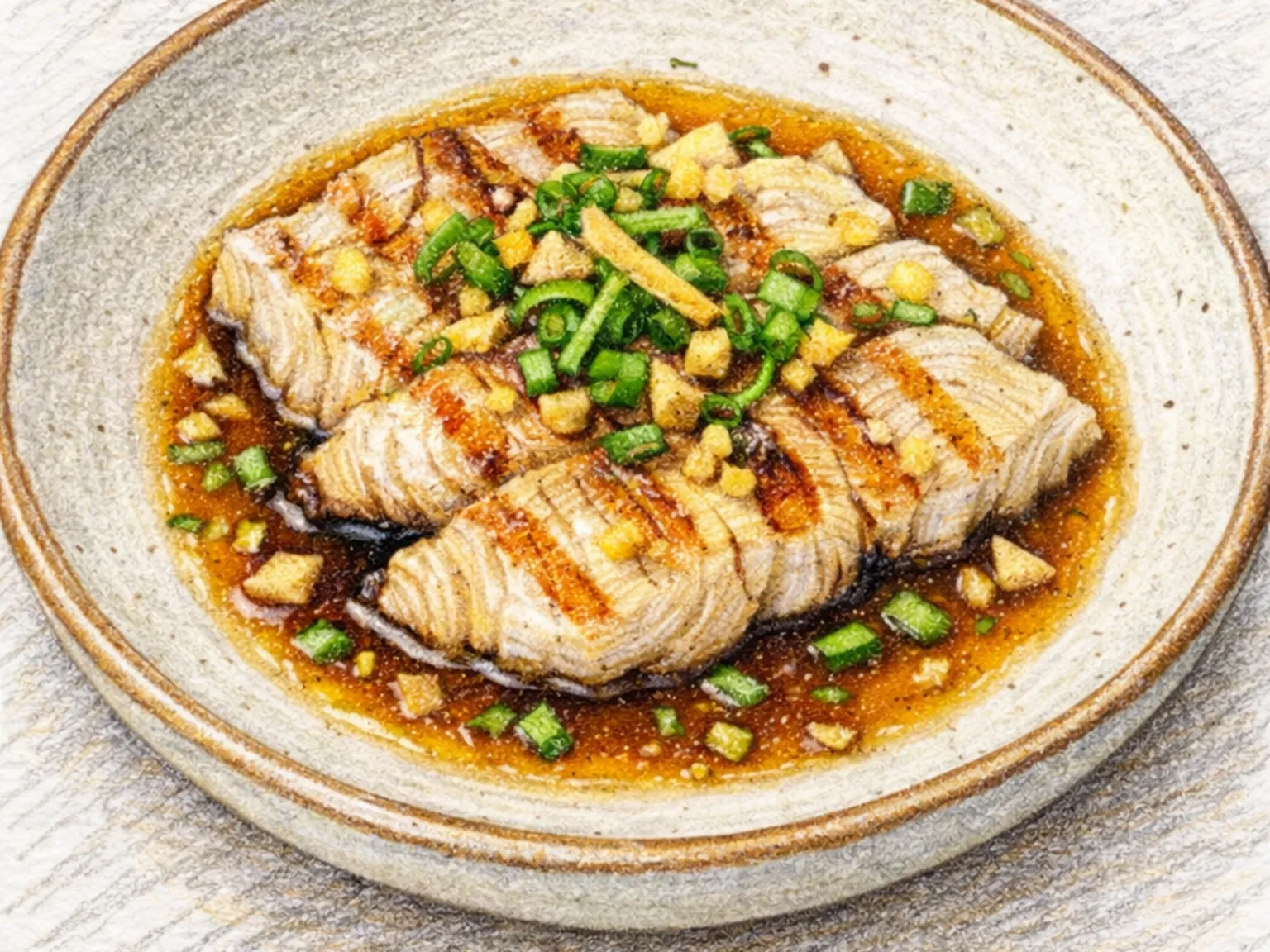
Korean Gwangeo Yuja Ganjang Gui (Yuja Soy Grilled Flounder)
Gwangeo yuja-ganjang-gui is a Korean grilled flounder dish where fillets are brushed with a glaze of soy sauce, yuzu marmalade, minced garlic, and ginger juice, left to marinate for ten minutes, then cooked in olive oil over medium heat for three minutes per side. The yuzu marmalade introduces a bright citrus acidity that sits cleanly on top of the soy sauce depth, building a layered flavor profile over the neutral, clean-tasting flesh of the flounder. The two elements do not compete: the soy provides the savory foundation and the yuzu supplies the brightness that keeps the dish from feeling heavy or monotonous. Brushing the remaining glaze over the fish during a final two to three minutes on low heat is what creates the glossy, lacquered sheen on the surface, caramelizing slightly as the sugars in the yuzu marmalade concentrate and reduce against the hot pan. Lemon zest and thinly sliced green onion scattered over the finished fish add a final layer of fragrance that lifts the dish just before serving. Flounder is a delicate fish with thin fillets that break easily if handled carelessly, so flipping the fish only once with a wide spatula in a single, confident motion is the technique that keeps the flesh intact and the presentation clean. The combination of fermented soy and citrus suits the mild white fish without masking its natural flavor.
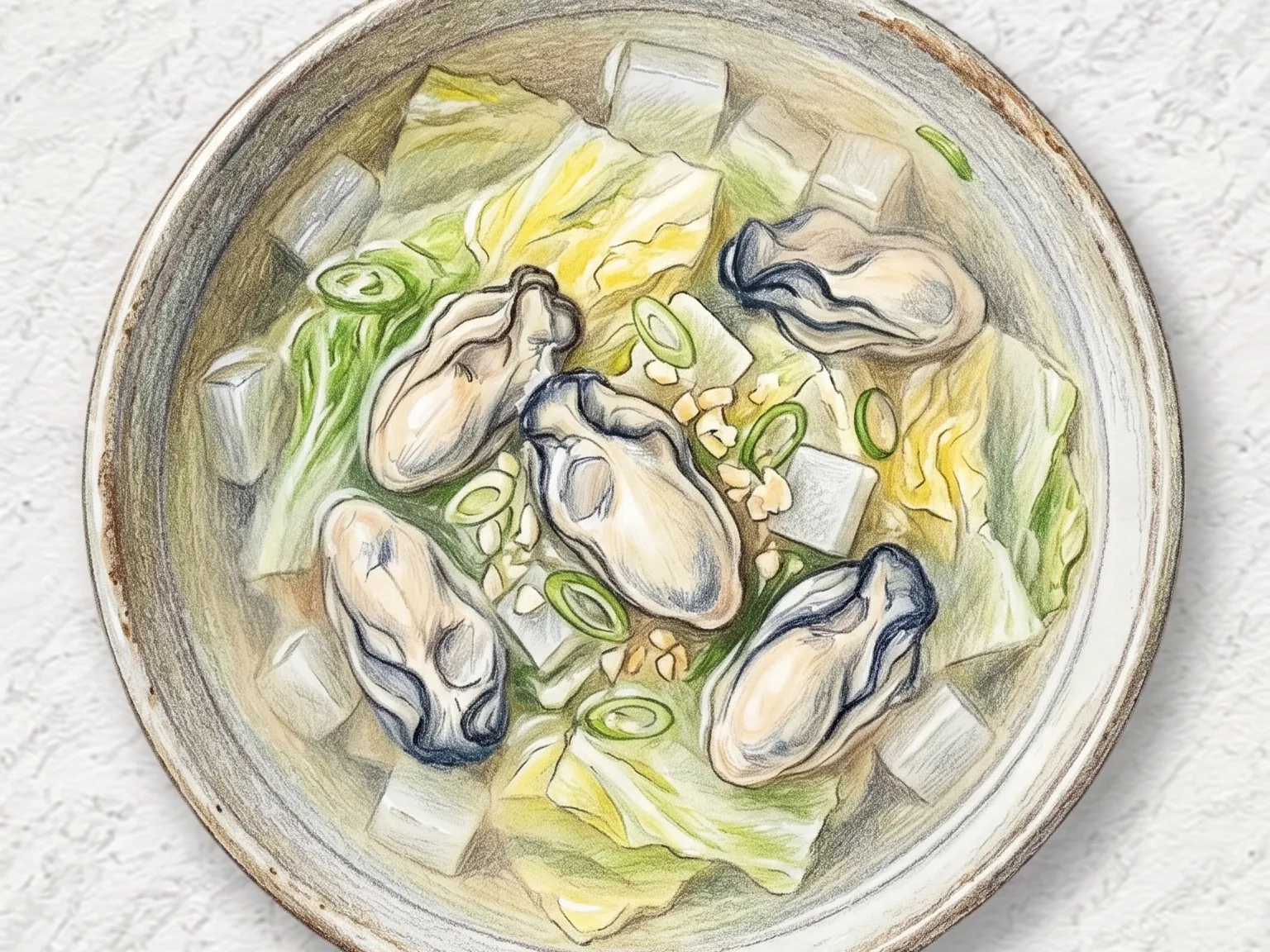
Korean Cabbage Oyster Soup
Baechu gul guk is a Korean winter soup that pairs seasonal napa cabbage with fresh oysters in a clear, unseasoned broth. Oysters are among the quickest-cooking and most easily overcooked shellfish, which makes their timing the single most critical variable. They are gently rinsed in salted water to remove grit and any briny off-flavors, then dropped in only during the final minute of simmering so they stay plump and custard-soft rather than rubbery. Napa cabbage and daikon radish go in from cold water and simmer together until their natural sugars dissolve into the broth, sweetening it without any added seasoning. Winter cabbage that has been exposed to frost accumulates more cellular sugar, which is why mid-winter specimens produce a noticeably sweeter stock. Seasoning is minimal: minced garlic and a measured amount of guk-ganjang, kept restrained because the oysters carry their own pronounced salinity and oceanic depth. Scallion, sliced thin on the diagonal, goes in last and releases a fresh green fragrance with each spoonful. The finished soup is a study in restraint, placing the soft sweetness of cabbage, the cool clarity of radish, and the deep umami of oyster in careful layers within a single bowl.