🏠 Everyday Recipes
Simple home-cooked meals for any day
1705 recipes. Page 41 of 72
These are the meals you can cook day after day without getting tired of them. Doenjang jjigae, rolled omelet, spicy pork stir-fry - the kind of home-cooked dishes that fill an ordinary day with comfort.
The beauty of everyday cooking is that it relies on common ingredients already in your fridge. No exotic items, no complicated techniques - just straightforward recipes for satisfying home meals.
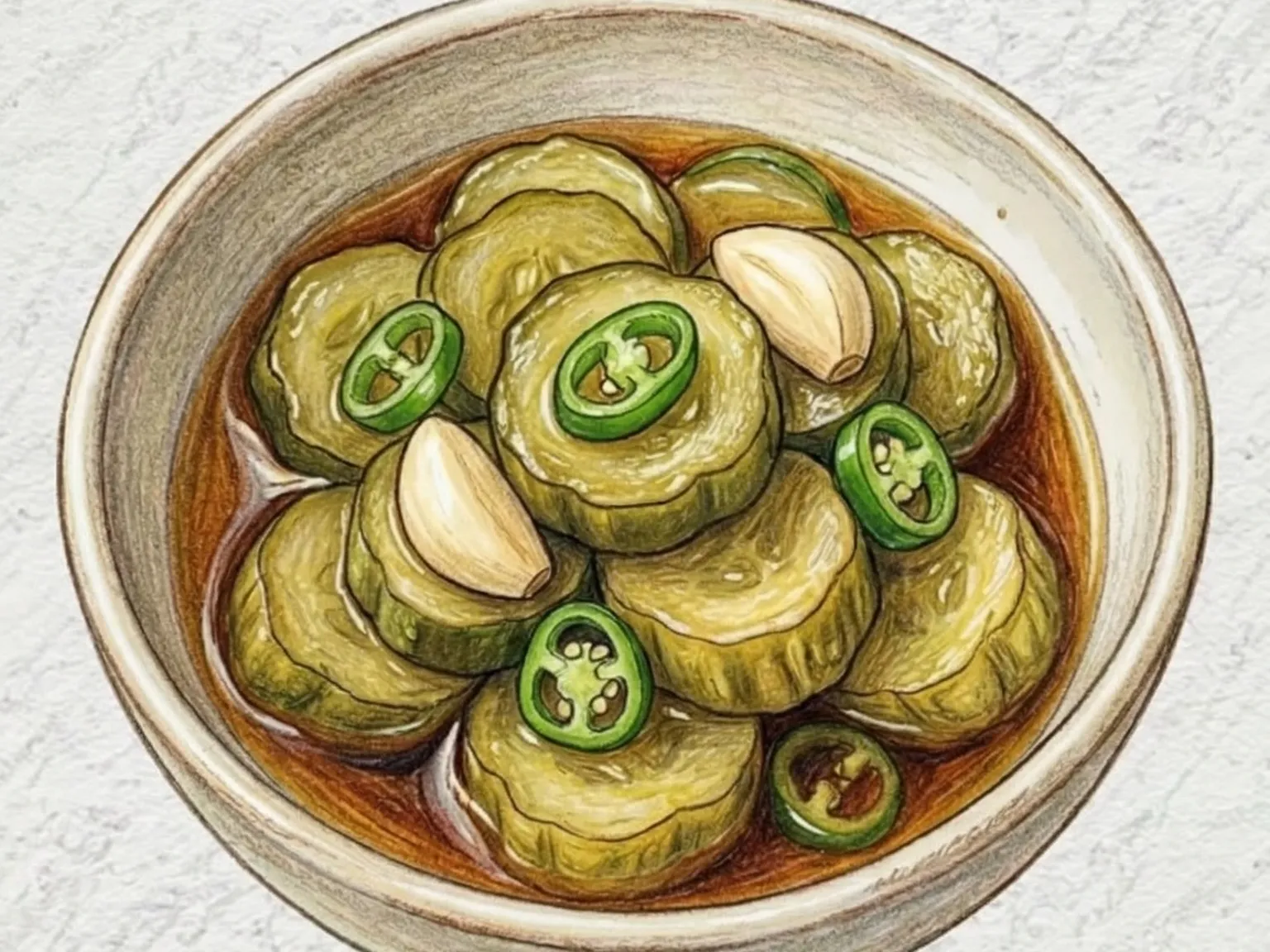
Korean Soy Pickled Cucumber
Oi jangajji is a Korean soy-pickled cucumber made by slicing cucumbers into one-centimeter rounds, lightly salting them to draw out surface moisture, then packing them into a sterilized jar with whole garlic cloves and green chilies before pouring over a boiling brine of soy sauce, water, vinegar, and sugar. The hot liquid partially cooks the cucumber surface while leaving the center firmly crisp, and two days of cold fermentation allows the sweet, salty, sour brine to penetrate all the way through. The green chilies leave a faint heat at the back of each bite, and the whole garlic cloves release their aroma gradually into the brine as they soften over the resting period, adding a layer of complexity beyond a straightforward soy pickle. Reboiling the spent brine and pouring it back over the cucumbers once extends the crunch considerably, turning this into a practical side dish that holds up well for more than a week in the refrigerator. It works alongside a bowl of rice, next to a hearty soup, or as a sharp palate-waker on a hot summer day when appetite runs low.
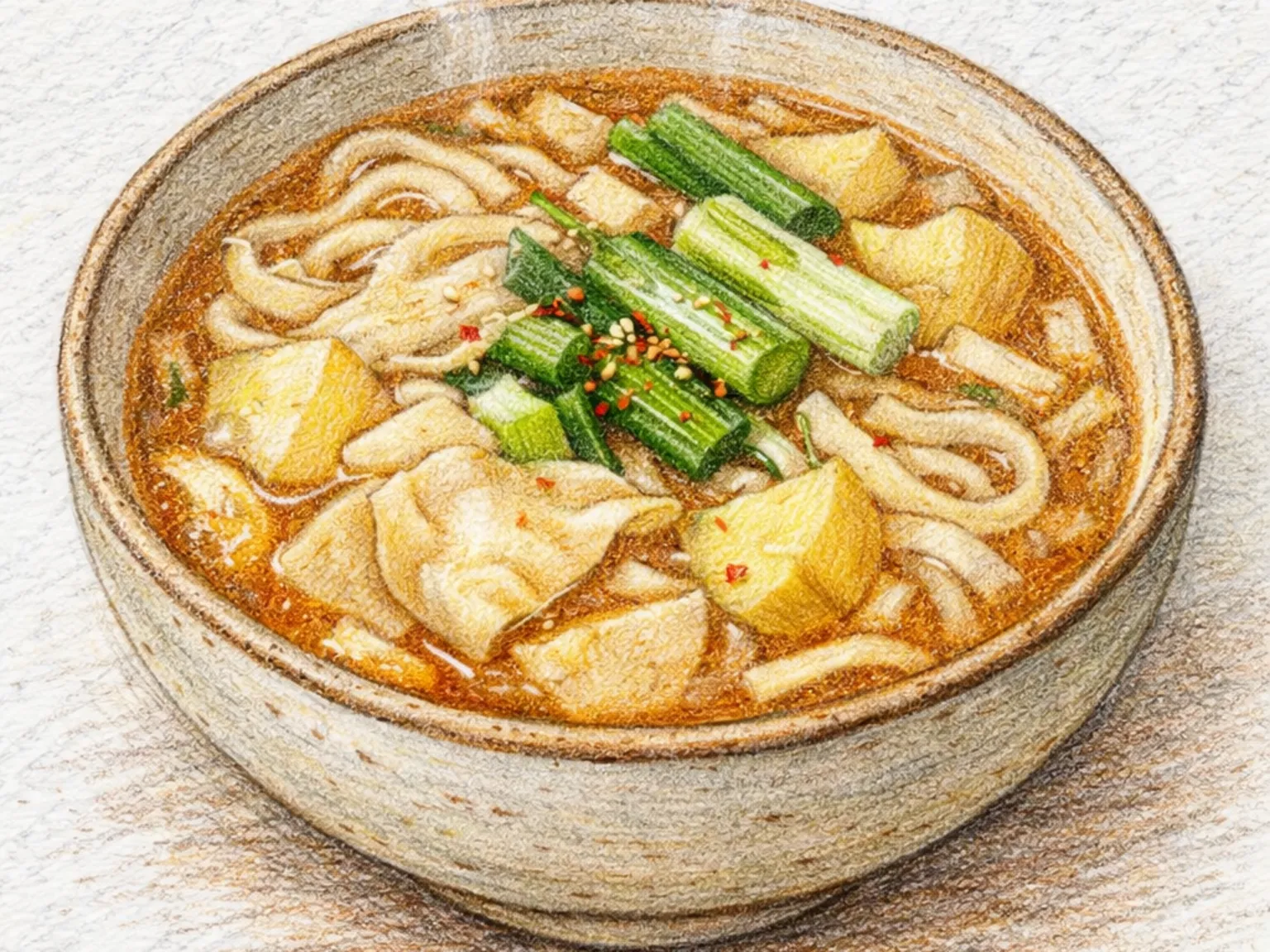
Korean Knife-Cut Noodles and Dough Flake Soup
Kaljebi is a Korean home-style soup that cooks knife-cut noodles and hand-torn dough flakes together in a single pot of anchovy-kelp broth. Sliced potato goes in first, releasing starch that thickens the broth to a gentle, savory body without any additive. The dough flakes are pinched thin and dropped in well ahead of the knife-cut noodles - because they need more time to cook through - so both elements finish together. Every spoonful holds two distinct textures: the broad, pillowy sheets of sujebi alongside the chewy strands of kalguksu. Zucchini and green onion round out the flavor, and a light hand with soup soy sauce keeps the bowl clear and clean-tasting rather than heavy. This is weekday cooking at its most practical, requiring only a handful of pantry staples.
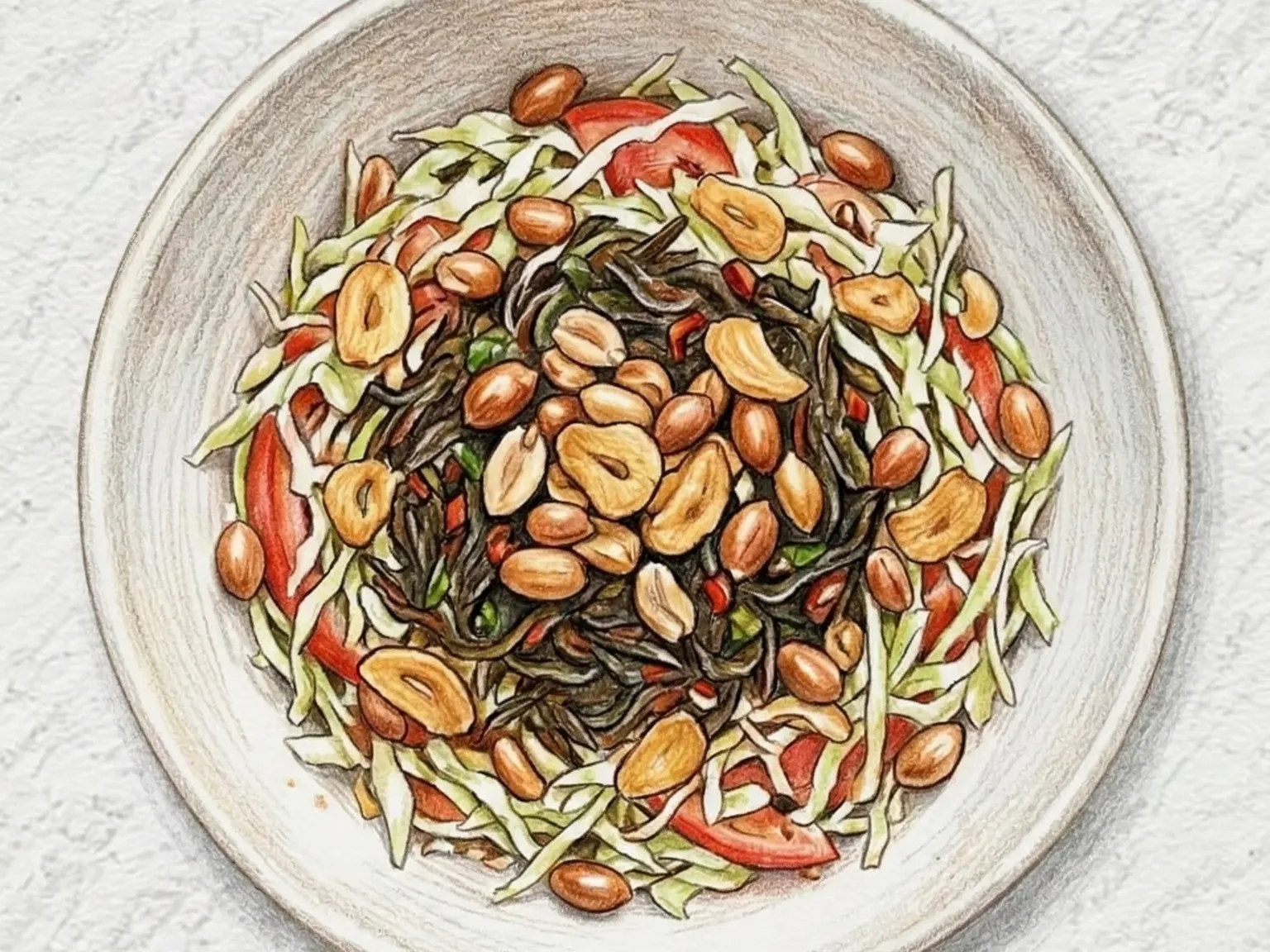
Laphet Thoke (Burmese s signature salad)
Laphet thoke is Myanmar's signature salad, built entirely around fermented tea leaves whose tannic bitterness and concentrated umami form the flavor foundation from which everything else is assembled. The leaves undergo a long fermentation that softens their rawness, coaxing out a layered sourness and complex savory depth that explains why laphet holds a ceremonial significance in Burmese food culture beyond its role as an everyday dish. Shredded cabbage provides a neutral, crunchy base, while chopped tomato adds juicy acidity that lightens the tea leaves' intensity and keeps the salad from feeling heavy. Roasted peanuts contribute a nutty richness, and fried garlic chips deliver a salty, crispy element that introduces textural contrast in every bite. The essential technique is dressing the tea leaves first with lime juice, sesame oil, and chili flakes, allowing the seasoning to soak fully into the leaves before the vegetables and nuts are folded in, so the bold flavors distribute evenly throughout the bowl rather than pooling at the bottom.

Sloppy Joe
Sloppy Joe is an American sandwich where ground beef is browned with diced onion until the moisture cooks off, then simmered in a sweet-savory sauce made from tomato paste, ketchup, Worcestershire sauce, and a small amount of sugar. Browning the beef thoroughly before adding the sauce ingredients is critical - residual moisture dilutes the sauce and prevents the meat from developing flavor. Tomato paste provides concentrated umami, ketchup adds sweetness and body, and Worcestershire contributes a fermented depth that ties the flavors together. The mixture is simmered on low heat for about eight minutes until thick enough that it holds its shape on a spoon rather than running off. Toasting the buns before assembly creates a barrier that slows the inevitable soaking, and pickles served alongside cut through the richness.
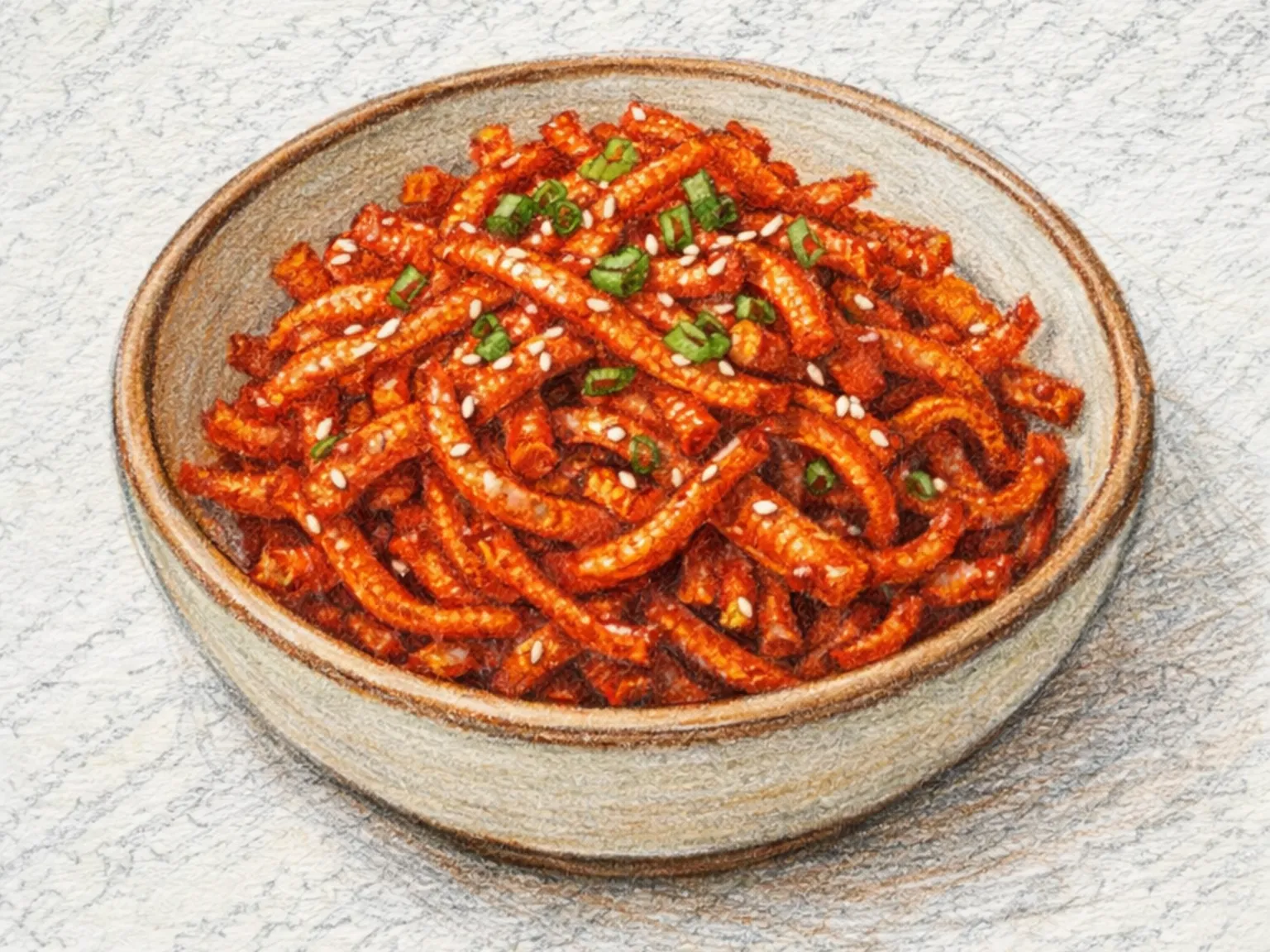
Korean Spicy Gochujang Dried Squid Stir-Fry
Jinmichae, shredded dried squid, is a Korean pantry staple valued for its chewy texture and the umami that builds and intensifies the longer you chew. This preparation coats the strands in a gochujang glaze, making it one of the most reliably present banchan in Korean households. Briefly soaking the dried squid in water before squeezing it dry softens the tough fibers and opens them to absorb the sauce more evenly. The sauce of gochujang, gochugaru, rice syrup, soy sauce, and garlic is stir-fried first over low heat to mellow the raw chili sharpness, then the squid is tossed through quickly over the same heat. Sesame oil and toasted sesame seeds are added off the heat, coating the strands in a sweet, spicy glaze that keeps well at room temperature for several days.
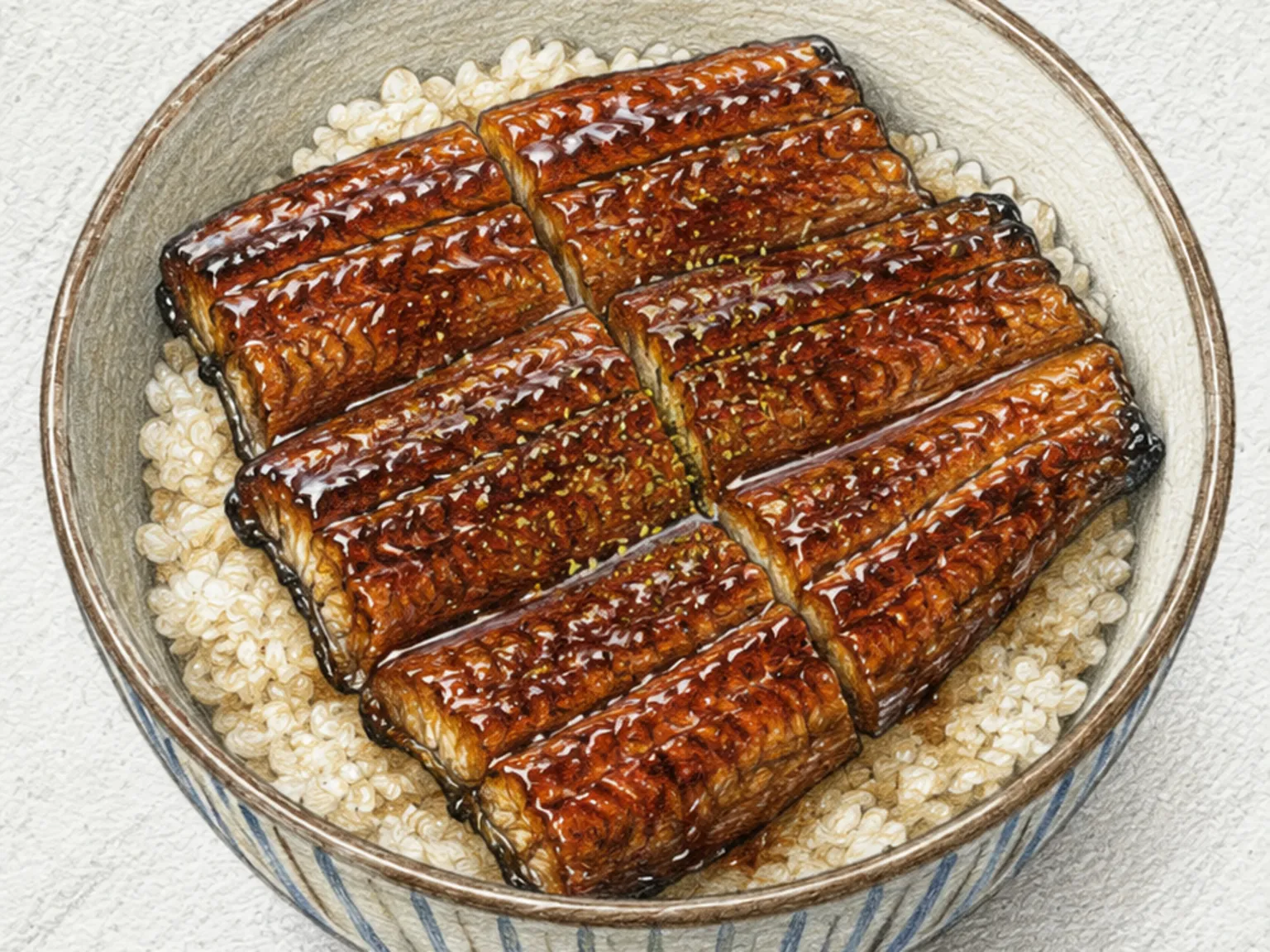
Korean Grilled Eel Rice Bowl
Jangeeo deopbap is a bowl of grilled freshwater eel over steamed rice, where the key technique is building up a thick, lacquered glaze through multiple applications of a sweet-salty sauce reduced from soy sauce, mirin, sugar, and ginger juice. The eel starts skin-side down on the grill over medium heat for around five minutes to crisp the skin, then is flipped and basted repeatedly with the sauce as it finishes cooking. A single coat of sauce produces a pale, thin color, so at least two applications and ideally three or more are needed to build the characteristic glossy surface. With each additional coat, the sugars in the sauce react with heat through both Maillard browning and caramelization, layering flavor with every pass. Because freshwater eel is naturally fatty, fat drips during grilling can cause flare-ups, so heat control is important throughout the process. Sansho pepper dusted on at the end cuts through the eel's inherent richness with a sharp, numbing fragrance that balances the sweet glaze and keeps the dish from feeling heavy.
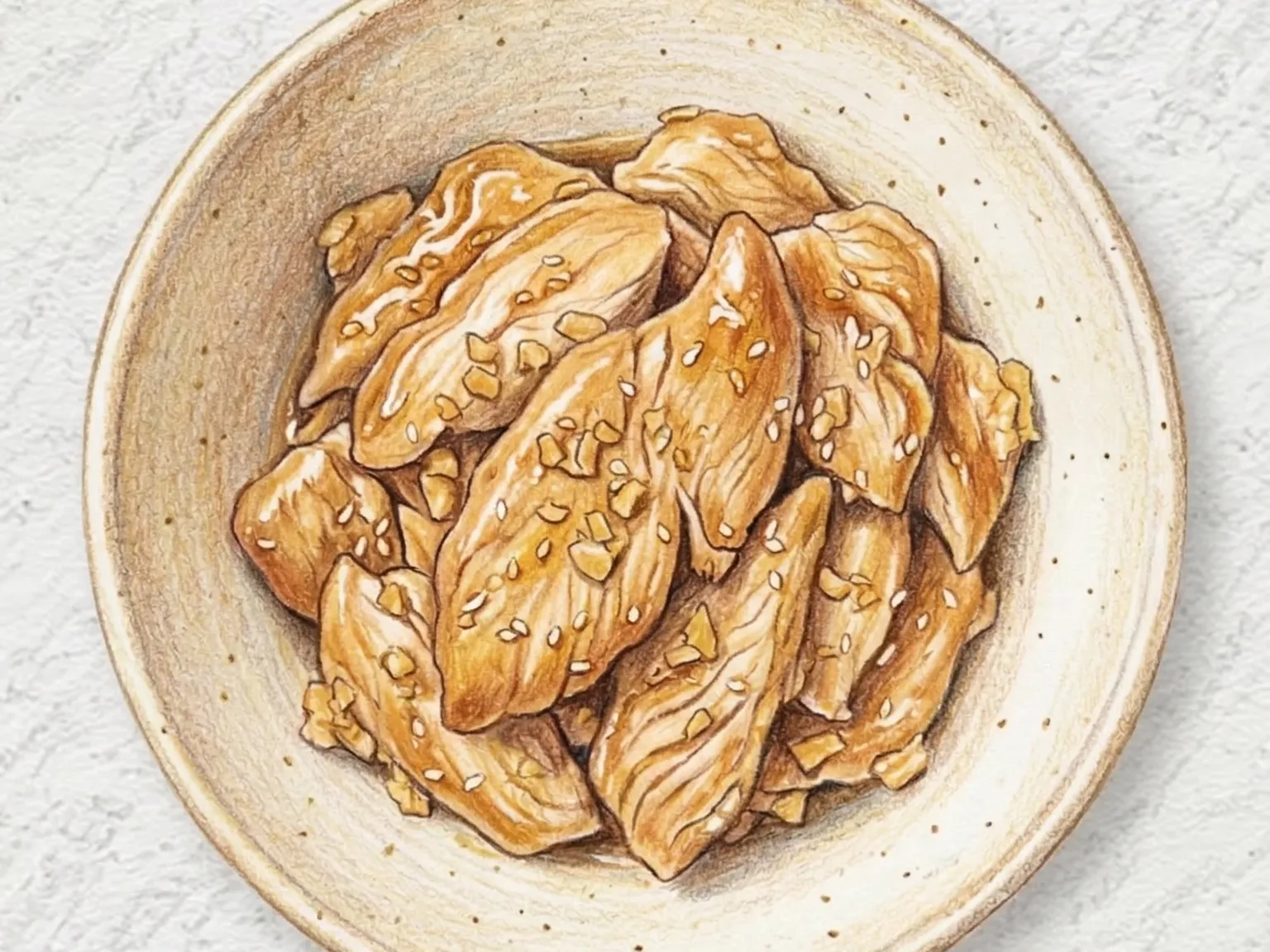
Korean Soy-Glazed Chicken Stir-Fry
This soy-glazed chicken stir-fry marinates thinly sliced chicken breast in soy sauce, garlic, and ginger before a quick pan-fry over high heat. Slicing the breast thin ensures each piece absorbs the marinade rapidly and cooks through without drying out, avoiding the rubbery texture that plagues overcooked white meat. The ginger cuts through any poultry aroma while the soy sauce provides a steady umami backbone throughout. A drizzle of sesame oil at the end ties together the flavors with a warm, nutty finish. A single cheongyang chili added during cooking gives the dish a clean heat, and it holds up well for meal prep or packed lunches. Practical for diet-conscious cooking or post-workout protein without sacrificing flavor.

Korean Snack Bar Omelet Rice
Finely diced onion, carrot, and ham are stir-fried first to drive off moisture and draw out their natural sweetness, then cold leftover rice is added and tossed over high heat until every grain separates cleanly. Ketchup and Worcestershire sauce season the fried rice with a sweet-tangy balance that defines the bunsik-style flavor. The egg, mixed with a pinch of salt, is poured into a lightly oiled pan over low heat and spread into a thin sheet, then the fried rice is placed at the center and the egg is folded around it while still soft and barely set. Low heat is the key to keeping the omelet smooth and unbroken. The roll is shaped into an oval on the plate and finished with a neat zigzag of ketchup across the top. The warm egg shell traps the heat of the rice inside, keeping the filling moist until the first cut.
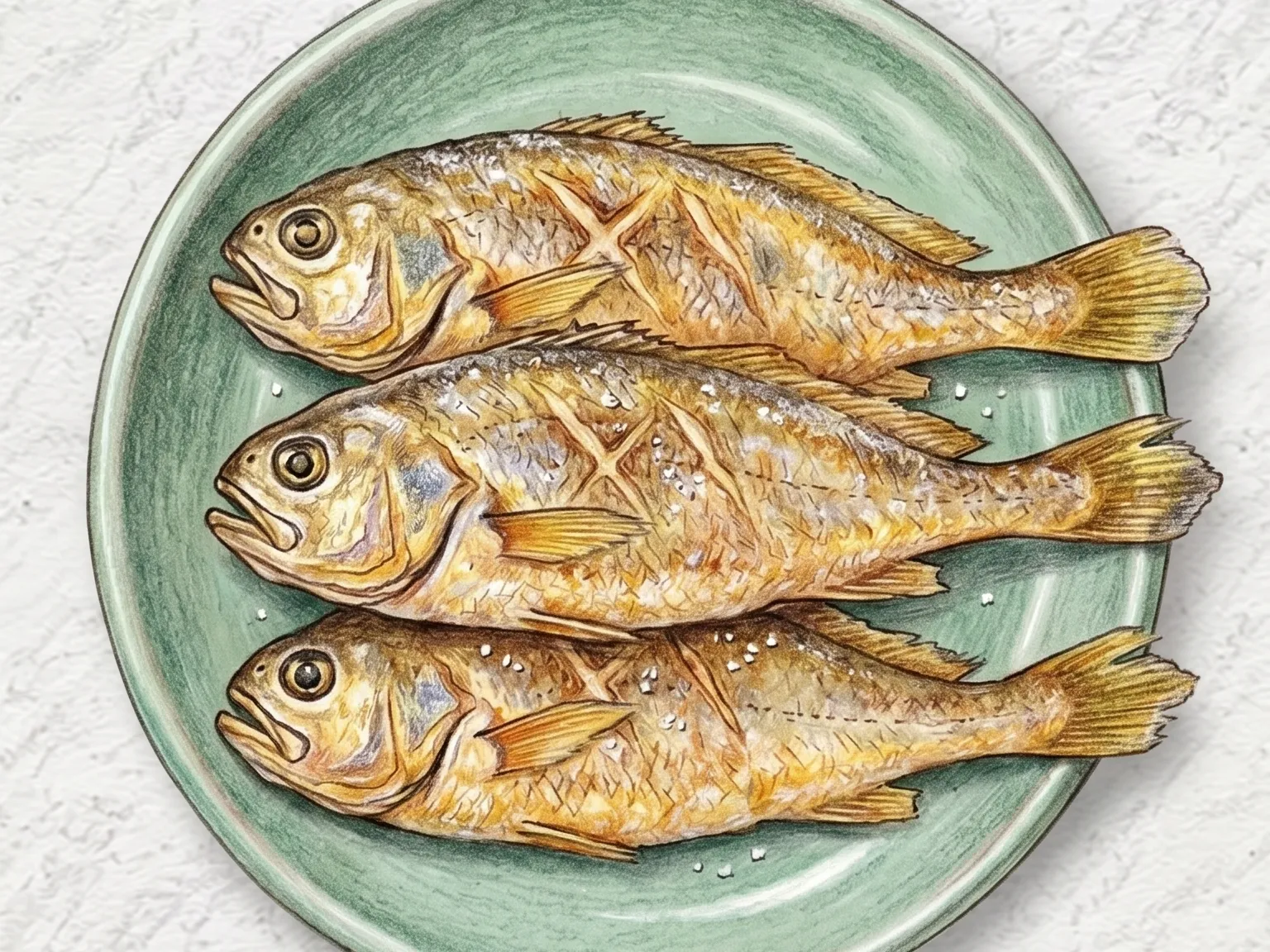
Korean Grilled Yellow Croaker
Yellow croaker is scaled and gutted, then salted for ten minutes to draw surface moisture out of the flesh, which simultaneously reduces any fishy odor and firms the exterior slightly before cooking. A light dusting of flour creates a thin barrier between the skin and the hot oil, preventing the delicate skin from sticking to the pan and forming a fine crisp layer that holds the juices inside. The mild, clean white flesh of yellow croaker is one of its most valued qualities, and the flour coating allows that flavor to express itself without interruption from heavy seasoning. Knowing when to flip is the central technique: the fish should not be touched until the underside has turned fully golden-brown and released naturally from the pan surface, at which point two wide spatulas used simultaneously keep the body intact through the turn. Yellow croaker has been a fixture on ancestral memorial tables (jesa-sang) and ceremonial spreads throughout Korean history, and remains a steady everyday banchan alongside rice and soup.
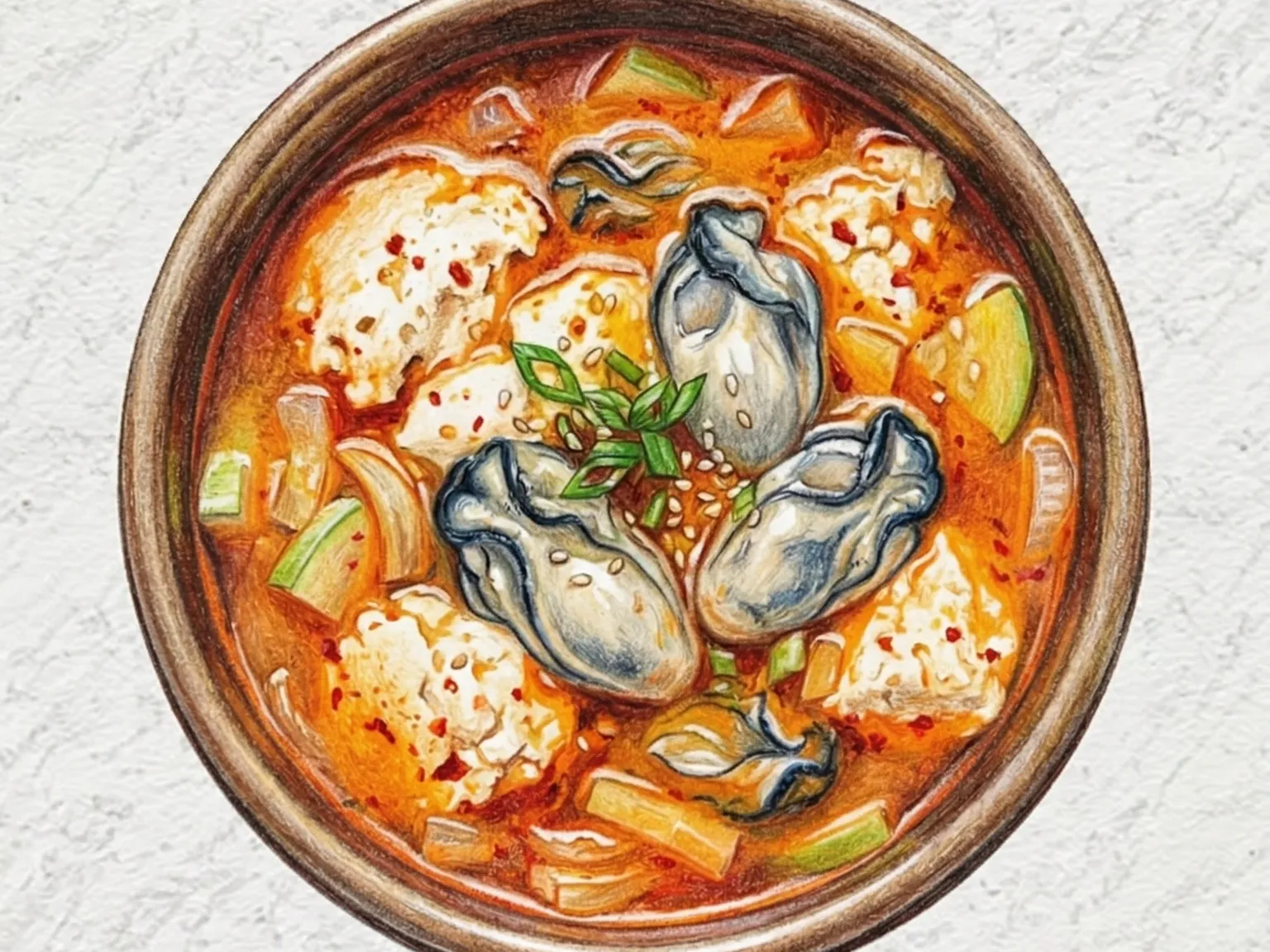
Korean Oyster Soft Tofu Soup
Gul-sundubu-tang is a Korean soup that brings together briny fresh oysters and silky soft tofu in a lightly spicy broth. The flavor base starts with garlic and gochugaru bloomed in sesame oil, giving the entire pot a warm, aromatic heat from the first minute. Sliced zucchini and onion go in next, contributing a natural sweetness that tempers the chili. Water is added, and once simmering, spoonfuls of wobbly sundubu tofu are dropped in. The oysters go in at the very last moment so they stay plump and tender rather than shrinking into rubbery nuggets. Soup soy sauce adjusts the salt. The finished bowl is rust-red, gently spicy, and layered: the tofu melts on the tongue, the zucchini offers a mild crunch, and the oysters deliver bursts of sea flavor throughout.
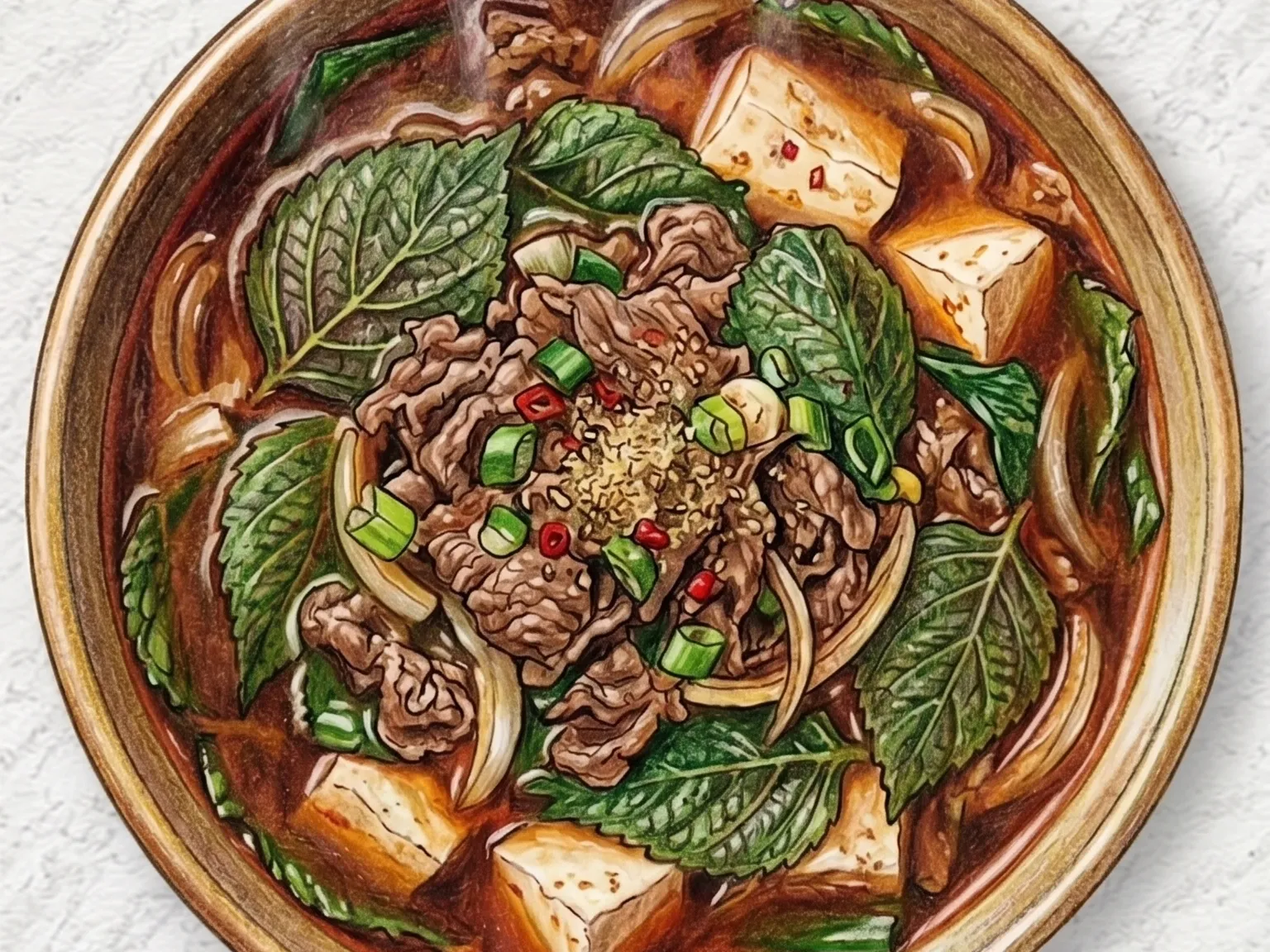
Korean Perilla Leaf Beef Stew
Korean perilla leaf beef stew is a savory broth dish that combines thinly sliced beef with perilla leaves. The cooking process starts by marinating the beef with soup soy sauce and minced garlic, then stir-frying it briefly with sliced onions to extract its natural flavors. Anchovy stock is then poured into the pot and brought to a boil. Red pepper flakes, soup soy sauce, and garlic are added to build a spicy broth, followed by cubes of firm tofu that simmer for several minutes to absorb the seasoning. At the very end of cooking, twelve fresh perilla leaves are sliced and added to the pot for just a minute or two along with green onions. This late addition ensures the delicate, herbal aroma of the perilla leaves is preserved, infusing the entire stew. Seasoned primarily with soup soy sauce, the stew highlights the distinct taste of beef and perilla without heavy seasonings.
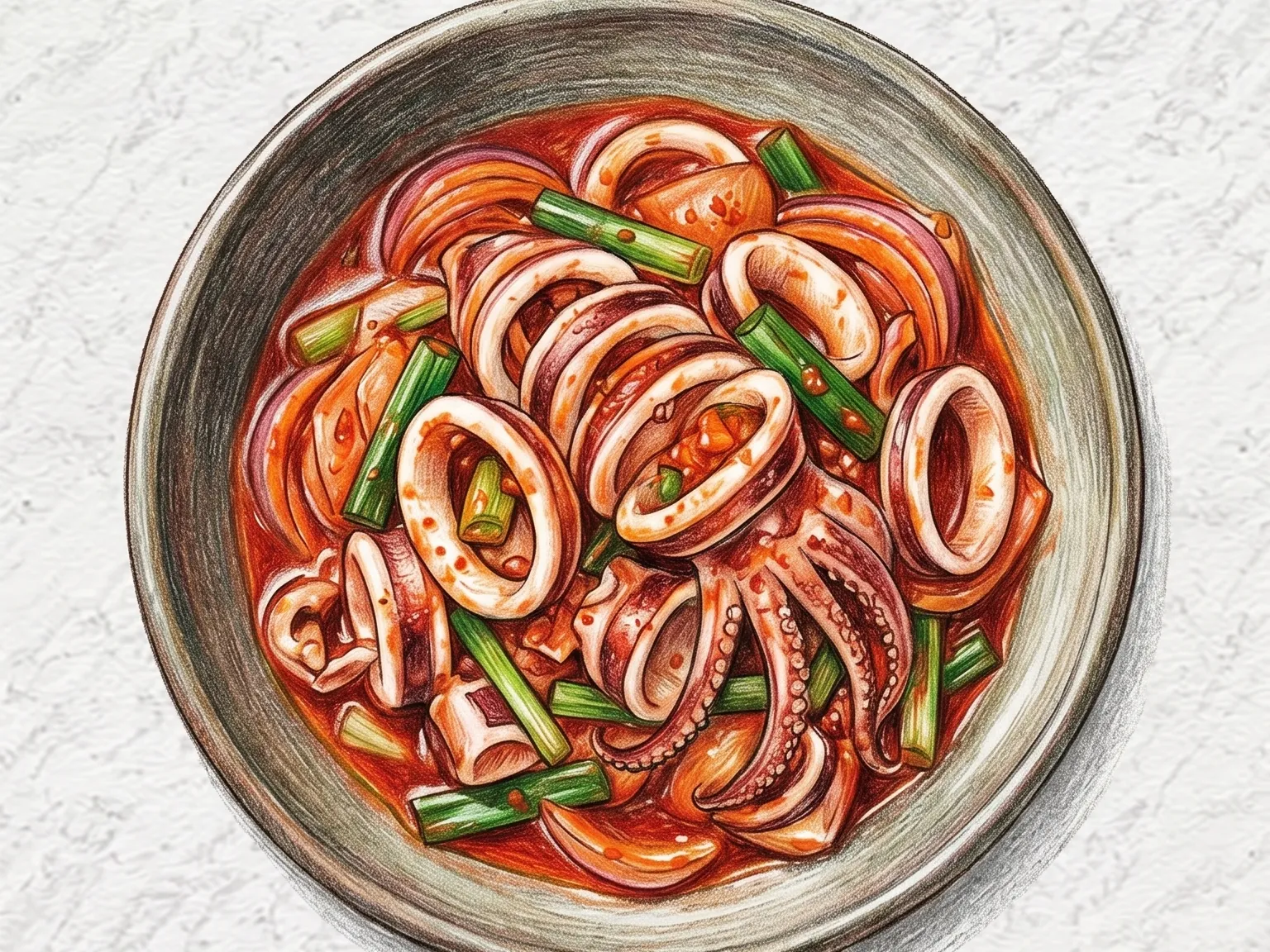
Korean Spicy Steamed Squid
Ojingeo-jjim is a Korean spicy steamed squid dish cooked with onion and green onion in a sauce of gochugaru, gochujang, and soy sauce. The key is keeping the total cooking time to around ten minutes, starting on high heat and finishing on medium, so the squid stays chewy rather than turning rubbery. Gochujang provides a thick, coating heat while the chili flakes add a sharper spiciness on top. One final toss at the end ensures every piece is evenly glazed with the red sauce. This quick-cooking dish works equally well as a banchan alongside rice or as an accompaniment to drinks.
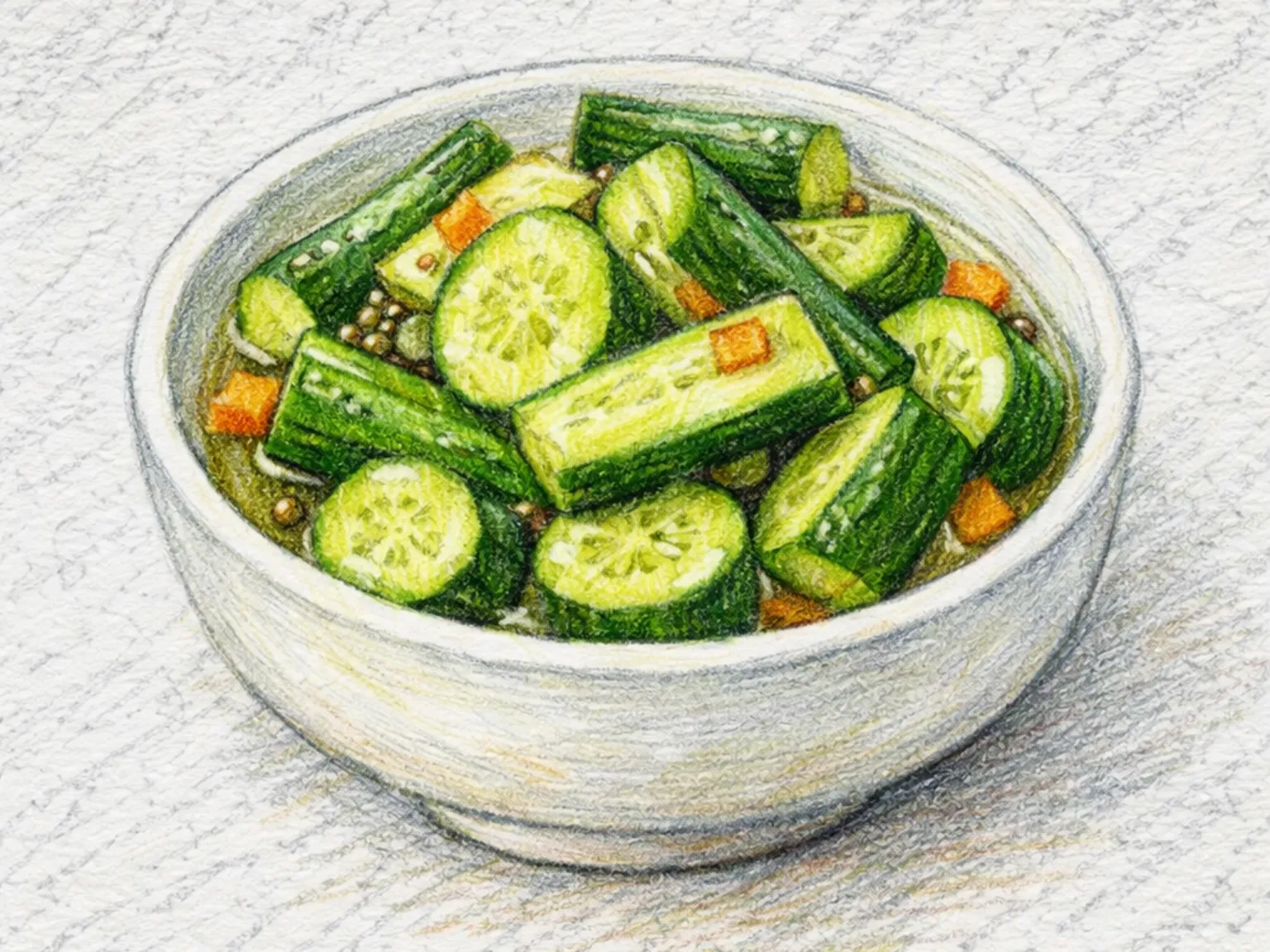
Korean-Style Cucumber Pickle
Oi pickle is a vinegar-brined cucumber pickle where one-centimeter-thick rounds are briefly salted to draw out surface moisture, then submerged in a hot brine of vinegar, water, sugar, salt, bay leaf, and whole black peppercorns. Pouring the hot brine directly over the salted cucumbers contracts their cell structure on contact, locking in a crunch that persists through multiple days of refrigeration. As the pickles rest, the sharp acidity of the vinegar softens and blends with the sugar into a balanced sweet-sour profile rather than a single piercing note. Bay leaf contributes a low, herbal background, and the peppercorns leave a faint heat at the finish that gives depth beyond plain vinegar sourness. The pickles are ready after twelve hours of chilling and keep well in a sealed container in the refrigerator for up to two weeks. Served alongside fried or fatty dishes, the clean acidity cuts through richness and refreshes the palate between bites.
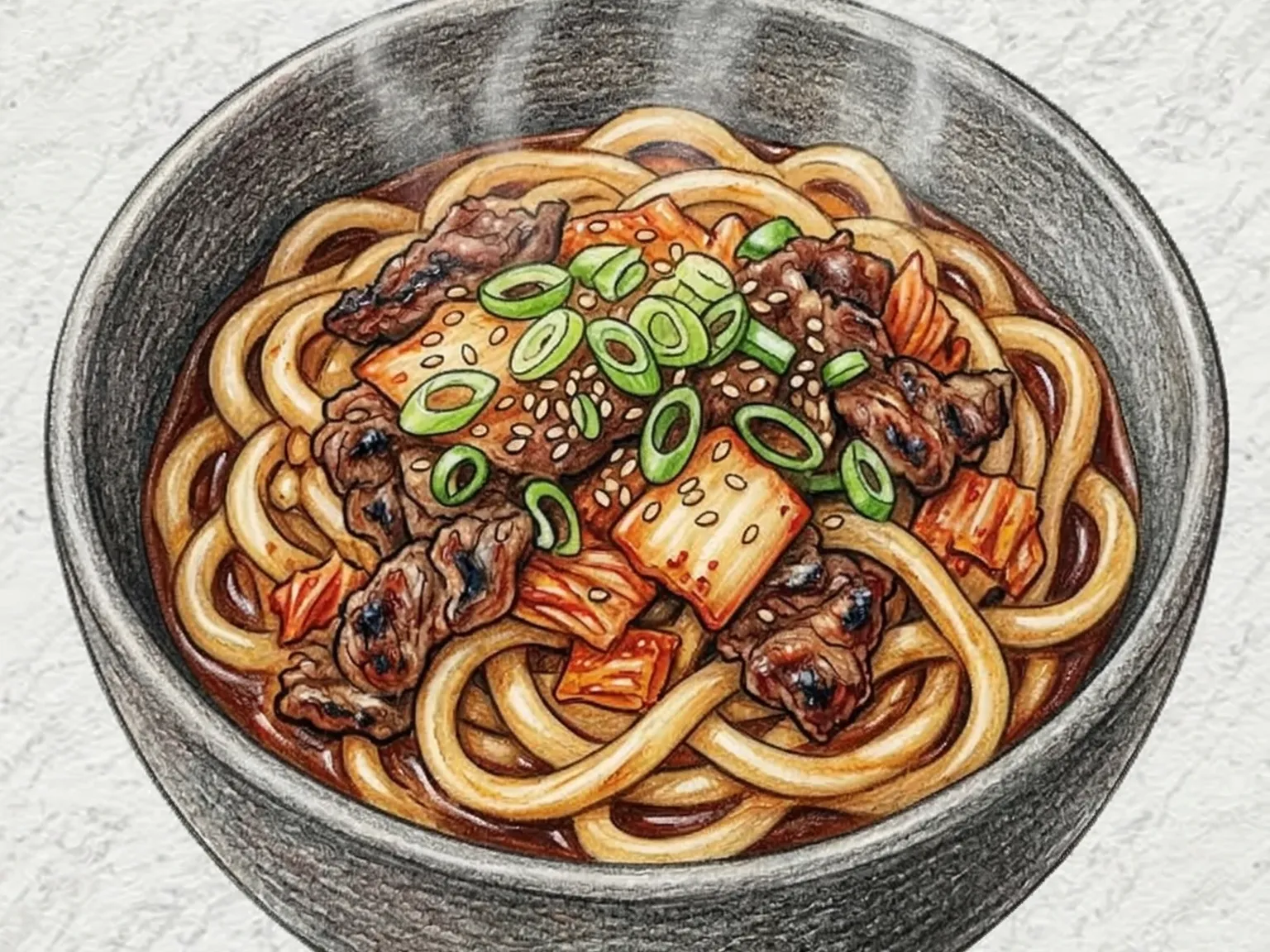
Korean Kimchi Bulgogi Udon
Kimchi bulgogi udon is a Korean stir-fried noodle dish that brings together the sharp acidity of well-fermented kimchi and the sweet, savory depth of thinly sliced bulgogi beef, all coating thick, round udon strands. The beef is seared quickly over high heat to develop browning on the surface before onion and kimchi join the pan and cook until nearly all their moisture evaporates, concentrating both flavor and color. A sauce of soy sauce, gochujang, and sugar goes in next, followed by briefly blanched udon noodles that get tossed on maximum heat for about one minute so every strand absorbs the sauce while retaining a firm bite. The thick cross-section of udon holds bold, clingy sauces better than thinner noodles and creates a satisfying, filling meal without any broth. When kimchi is especially sour, a small addition of sugar or a quick rinse of the kimchi before cooking brings the acidity back into proportion. Finishing with sliced scallion and toasted sesame seeds adds color and a nutty lift that completes the dish.
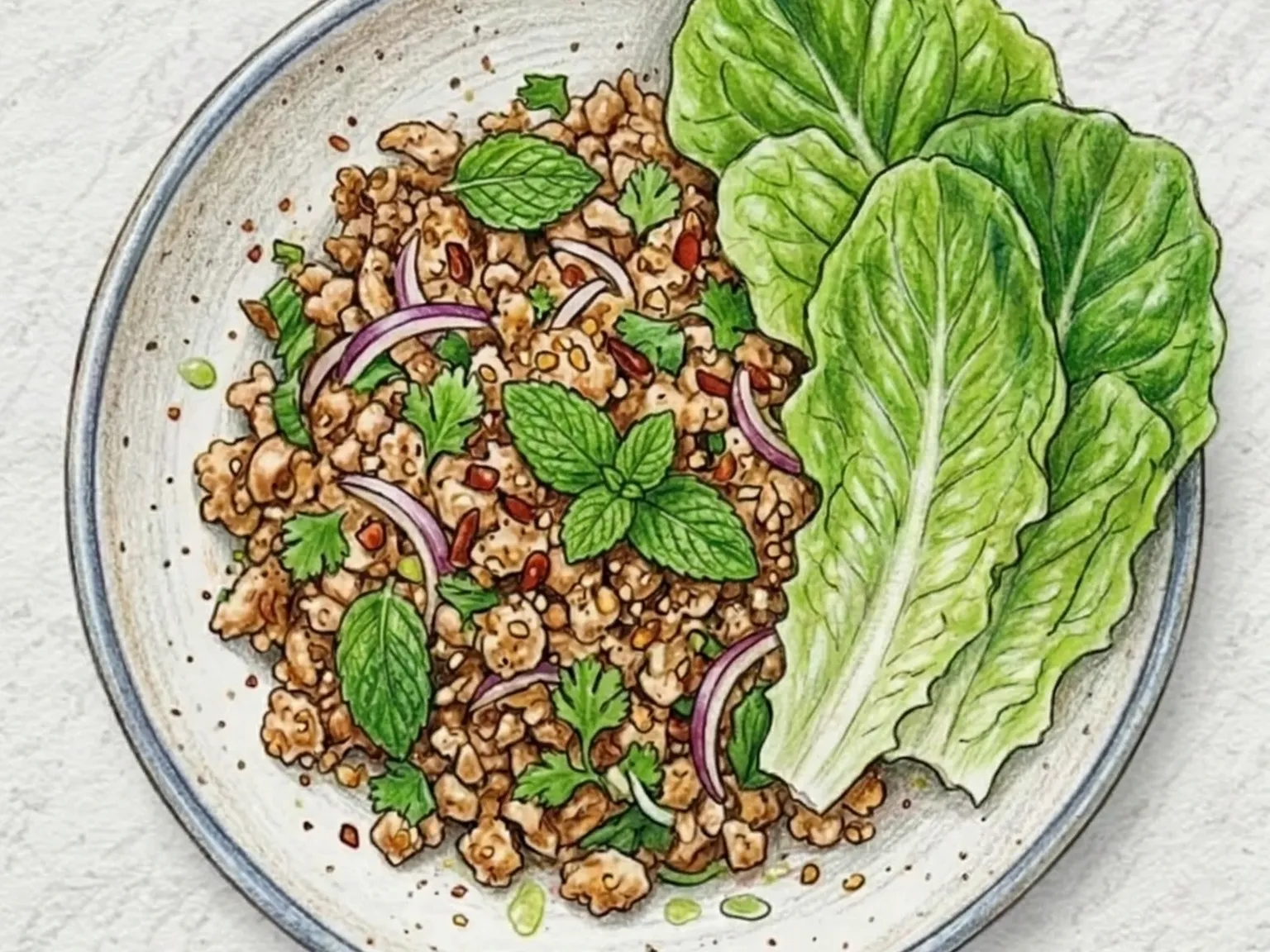
Thai Larb Gai
Larb gai is a traditional salad preparation originating from the Isan region of Thailand that uses ground chicken as its primary protein component. During the cooking process, the minced meat is simmered with a small volume of water to ensure that it remains soft and retains its natural moisture throughout the preparation. The chicken is then seasoned using a combination of fish sauce and the juice squeezed from fresh limes. A specific ingredient that gives this dish its unique character is khao khua, which is rice that has been dry-toasted and subsequently processed into a coarse powder. To create this, plain white rice is heated in a dry pan without the addition of any oil until the grains develop a golden brown color and release a toasted aroma. When this ground rice is added to the salad, it introduces a nutty and slightly smoky flavor profile that distinguishes larb from other types of minced meat preparations found in the region. The dish also incorporates thin slices of raw red onion, which provide a sharp flavor and a crisp texture. Additionally, fresh mint leaves are mixed in to provide a cooling herbal quality that balances the savory notes of the seasoned chicken. After the salad has been placed on a plate, the amount of lime juice can be adjusted according to individual preferences for acidity. The standard method for consuming larb gai involves placing a portion of the mixture into a fresh, crisp lettuce leaf, which provides an extra layer of crunch while helping to moderate the intensity of the spices.
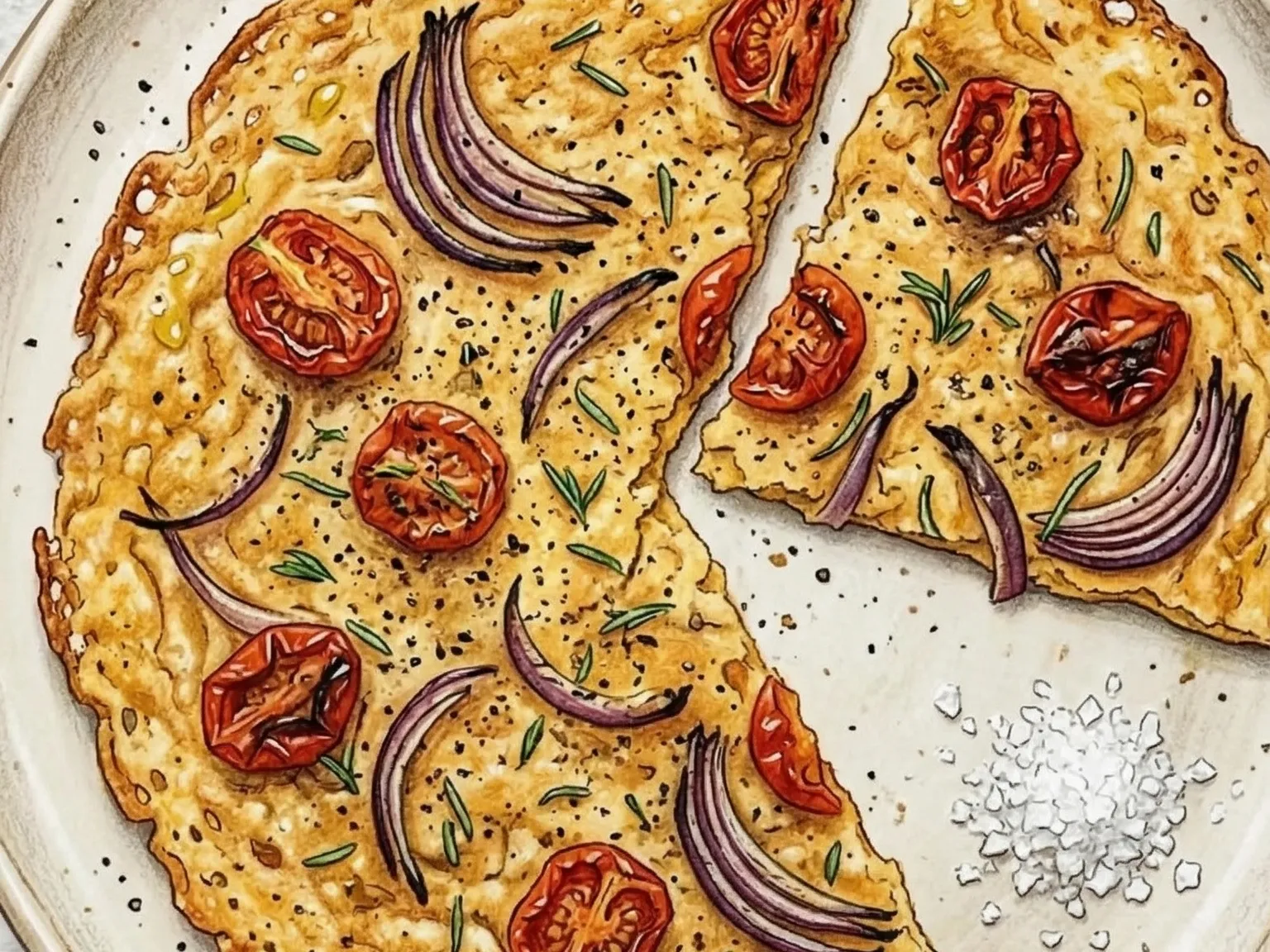
Socca Niçoise (French Chickpea Flour Flatbread)
Socca nicoise is a chickpea-flour flatbread from Nice, France, made by whisking chickpea flour with water, olive oil, salt, pepper, and rosemary, then baking the thin batter in a preheated oven-safe pan at 220 degrees Celsius for twelve to fifteen minutes. Resting the batter for ten minutes allows the flour to hydrate fully, which produces the characteristic texture - crisp and almost shatteringly crunchy at the edges, soft and slightly custardy in the center. The pan must be fully preheated and generously oiled so the batter sizzles on contact and releases cleanly. Sliced red onion and halved cherry tomatoes placed on top before baking lose their moisture in the oven and concentrate into sweet, slightly charred toppings. A final grind of coarse black pepper emphasizes the nutty, earthy flavor of the chickpea base.
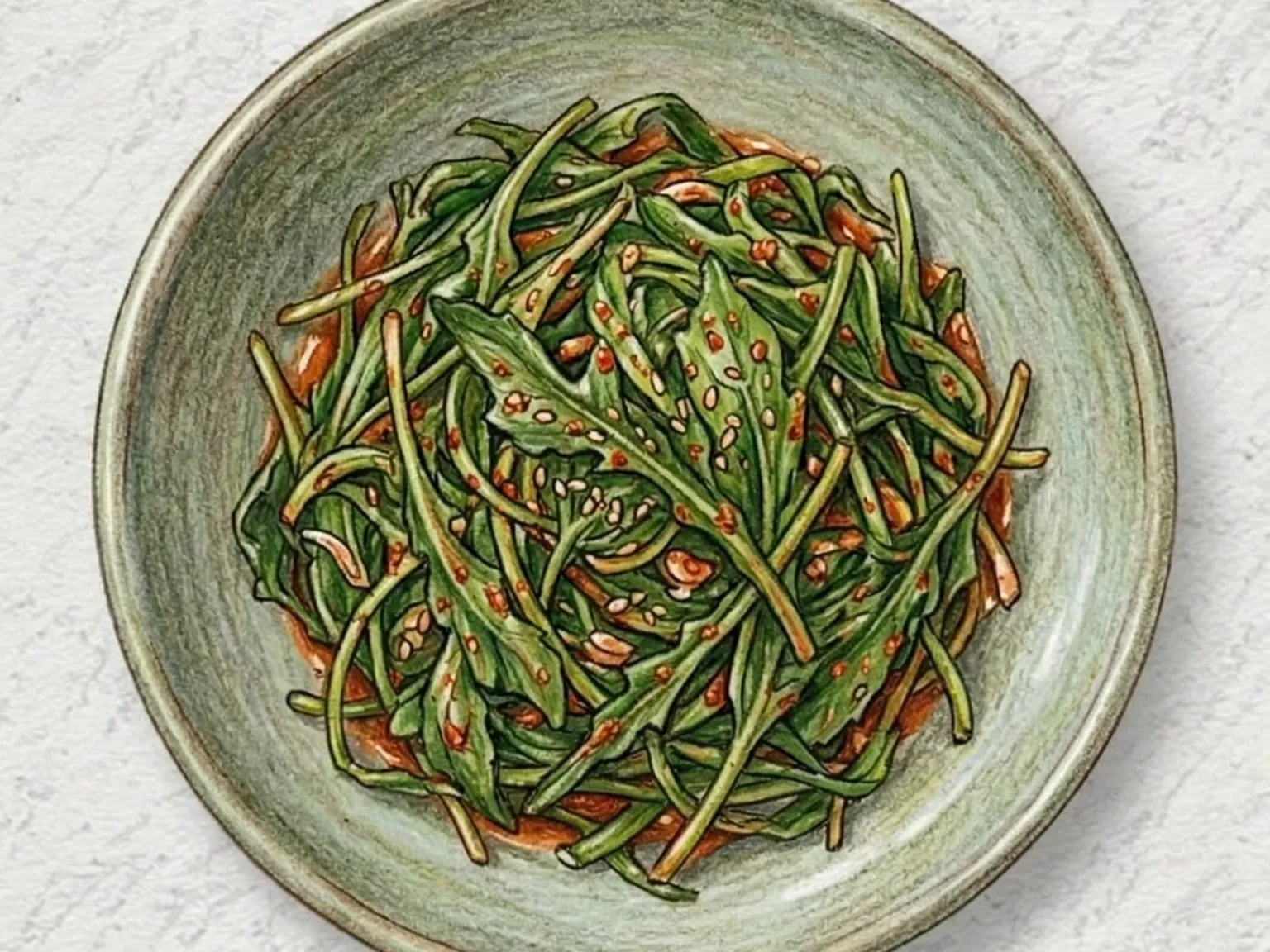
Seasoned Korean Wild Lettuce
Godeulppaegi muchim is a seasonal Korean side dish prepared with Ixeris dentata, a plant characterized by its thin, slender leaves. This botanical species belongs to the daisy family and has been traditionally foraged across the Korean peninsula for many generations. It serves as a versatile ingredient, often appearing on the dining table as a fermented kimchi or as a freshly seasoned vegetable dish known as banchan. The plant is recognized for a distinct and sharp bitter profile that is significantly more intense than the bitterness typically found in standard garden salad greens. Properly handling this inherent bitterness is the most important technical aspect of preparing the dish correctly. The leaves and stems undergo a brief blanching process in boiling water for a duration of approximately one to two minutes. Following this heat treatment, they are moved immediately to a cold water bath where they remain submerged for a minimum of thirty minutes. If the soaking duration is reduced or omitted entirely, the resulting dish will retain a level of bitterness that cannot be masked or balanced by any amount of additional seasoning. After the soaking period is complete, the greens are squeezed firmly by hand to remove excess moisture and then combined with a bold seasoning base. This dressing consists of a mixture of gochujang, gochugaru, vinegar, sugar, minced garlic, and toasted sesame oil. This specific combination provides a sharp acidity and spicy heat that coats the processed greens. The flavors are intended to complement the lingering bitterness of the plant instead of removing it, which creates a complex and layered taste profile that persists throughout the meal. This side dish is typically available from the beginning of spring through the early weeks of summer. During these months, the plant is a common sight in traditional rural markets located throughout South Gyeongsang and North Jeolla provinces. Individuals who value a strong and assertive flavor profile consider this preparation to be a highly valued seasonal specialty within Korean cuisine.
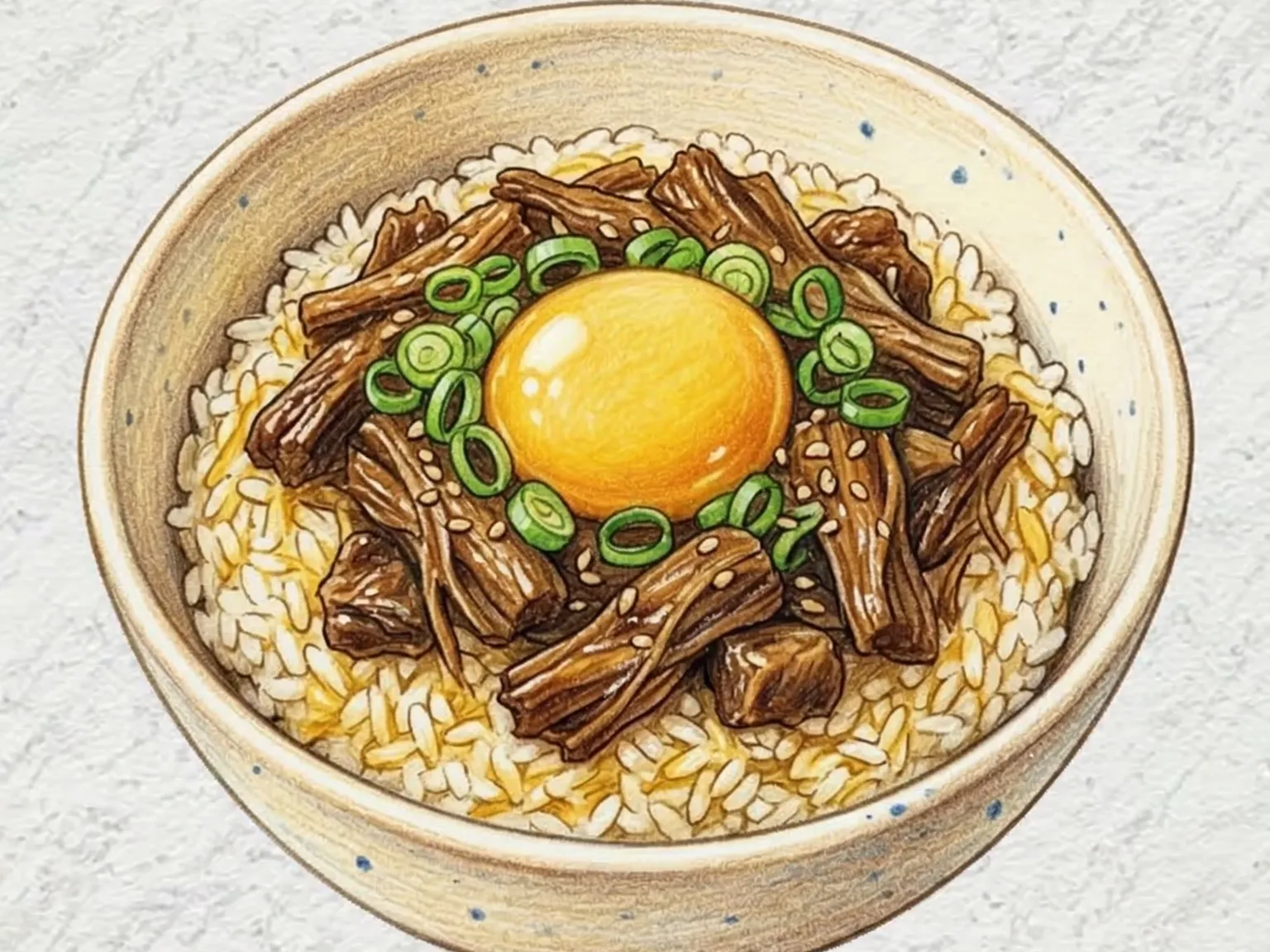
Korean Jangjorim Butter Rice
The preparation of this dish starts by placing a portion of unsalted butter directly onto a bowl of steaming, freshly cooked white rice. As the residual heat from the grains begins to melt the fat, the butter flows over the rice to coat each individual grain in a thin, smooth layer, which creates a rich and nutty foundation before any other components are introduced. Following the butter, a serving of shredded soy-braised beef is added to the bowl along with a generous amount of its dark and concentrated braising liquid. This liquid is infused with both salt and sweetness from the long cooking process of the beef, meaning that there is no need to include any extra seasonings or sauces to achieve a balanced flavor. A single raw egg yolk is then dropped into the center of the bowl and stirred through the mixture. This addition changes the overall texture of the dish, making it significantly more creamy while simultaneously intensifying the savory profile of the seasoned meat. To provide a necessary contrast to the heavy richness of the egg and butter, crushed roasted seaweed flakes are sprinkled over the surface. These flakes offer a brittle, crunchy texture and a distinct marine element that cuts through the fat. Finally, the dish is finished with a garnish of thinly sliced green onions and toasted sesame seeds for a clean and aromatic end. If the soy-braised beef is already available in the refrigerator, the entire meal can be put together in under fifteen minutes, making it an efficient option for a filling single-bowl meal in the routine of Korean home cooking.
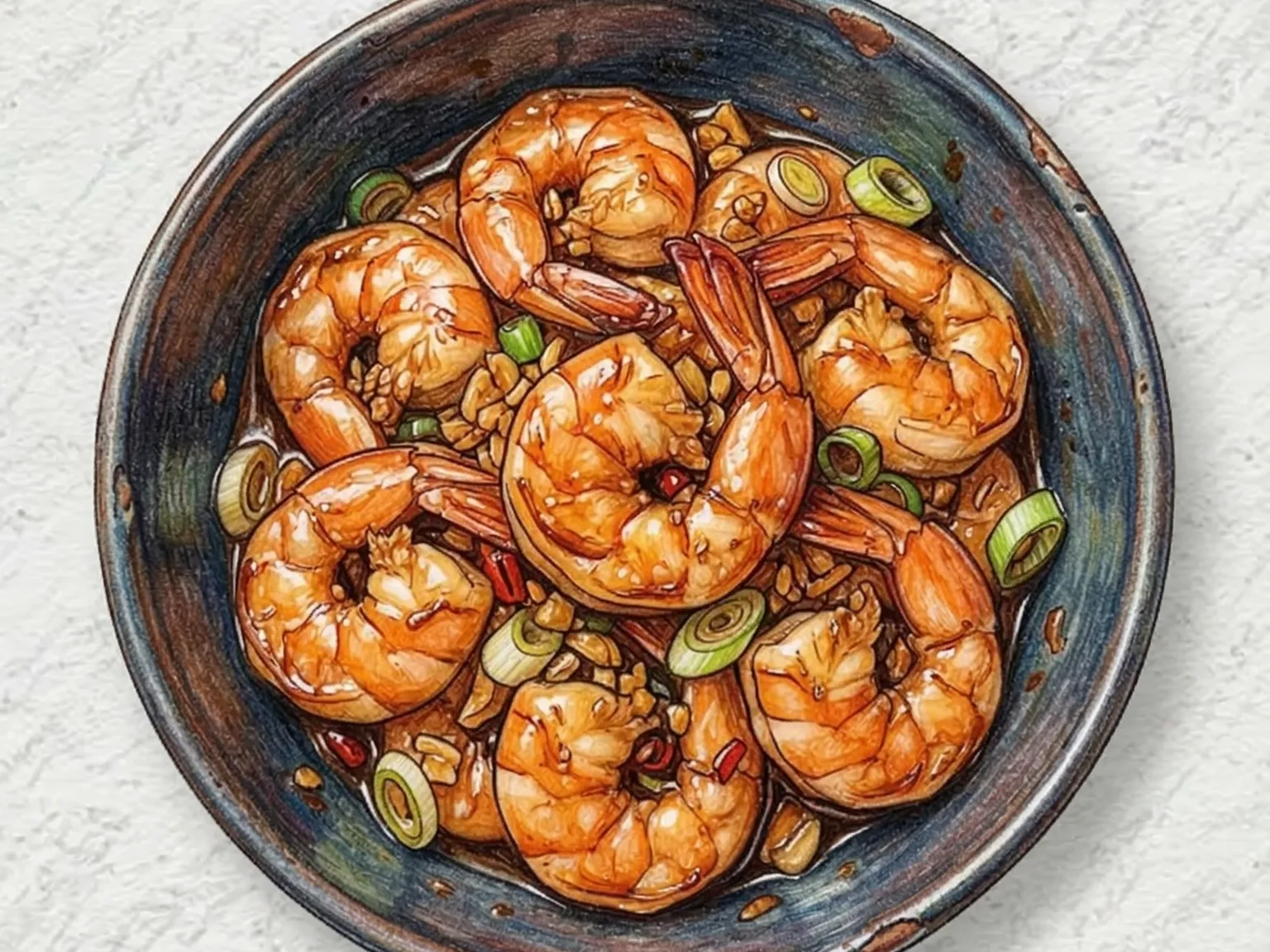
Korean Soy-Glazed Shrimp Stir-Fry
Ganjang saeu bokkeum coats plump shrimp in a sweet-savory soy glaze built on a base of melted butter and garlic. A single cheongyang chili adds a subtle kick that lifts the buttery richness without overpowering it. The key timing rule is to add the sauce the moment the shrimp turn pink: any longer and they become rubbery, but the glaze needs just enough heat to caramelize lightly and coat. Stir-frying the garlic in the butter before the shrimp go in lays a nutty base across the entire sauce. A final splash of soy sauce over high heat at the end creates the lacquered sheen that defines the finished dish. With only eight minutes of cooking time total, this works equally well as a quick banchan alongside rice or as an appetizer with drinks.
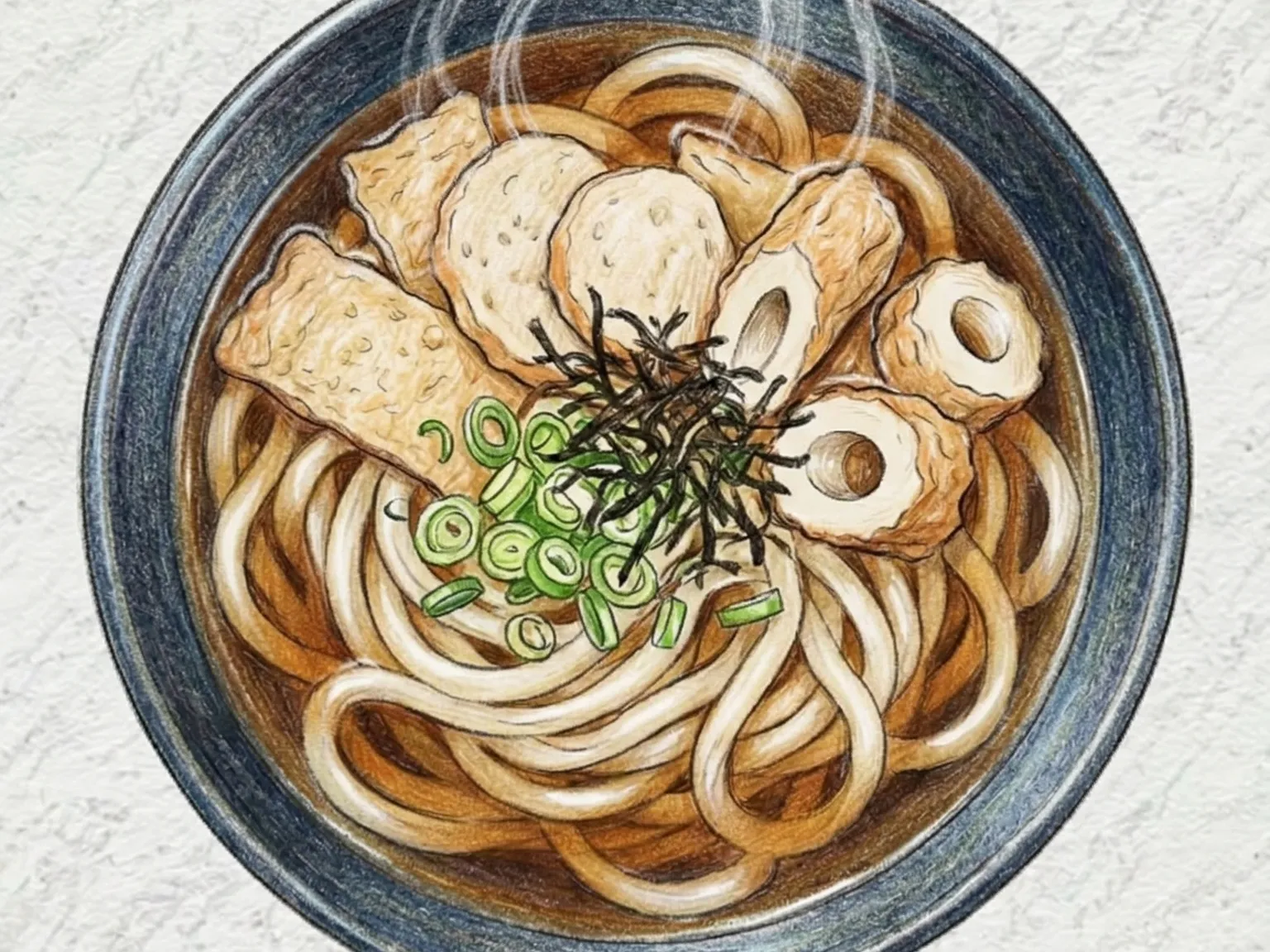
Korean Street Stall Udon (Dashi Broth Fish Cake Noodle Soup)
This street stall-style udon starts with kombu cold-steeped in water that is then brought to a gentle boil and simmered for eight minutes to extract its clean, mineral sweetness. The heat is turned off before bonito flakes are added, left to steep for two minutes until the broth turns golden and faintly smoky, then strained clear. Soup soy sauce and regular soy sauce are used together so the broth achieves both the right color and a balanced savory depth, and a small amount of sugar smooths the sharp edge of the soy without making the broth sweet. Fish cake slices are added directly to the hot broth and simmered for roughly five minutes, releasing their own mild umami into the liquid while absorbing the dashi flavor in return. Cooking them much longer causes the texture to deteriorate. Udon noodles are blanched separately in a second pot to wash off surface starch, then transferred to serving bowls while the broth is brought back to a rolling boil. Pouring the hot broth over the noodles at the last moment rather than simmering the noodles in the broth keeps them springy and prevents the soup from turning cloudy. Sliced scallion and dried seaweed flakes go on top as the final garnish.
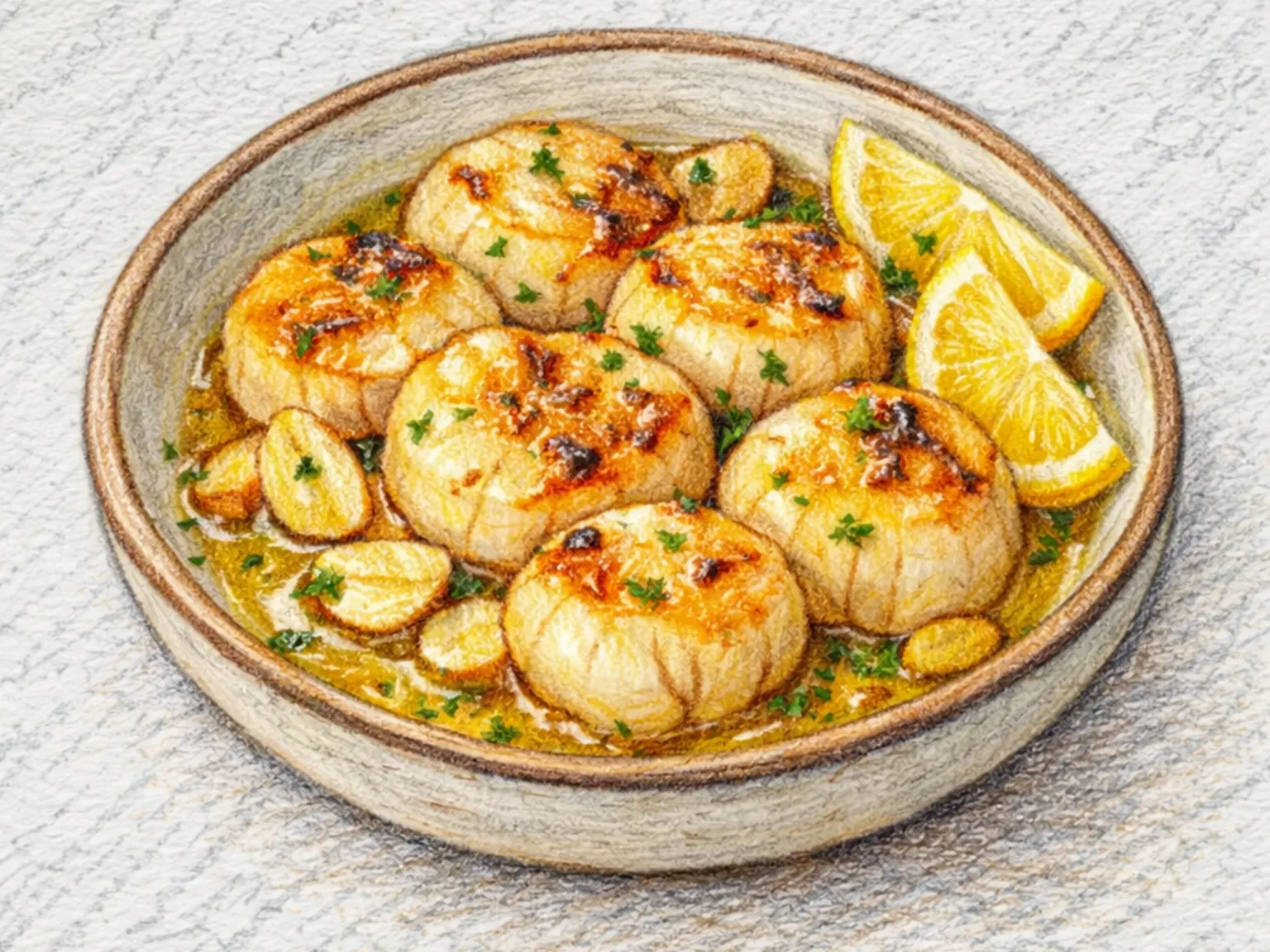
Kijogae Gwanja Butter-Grilled Scallops
Kijogae gwanja-beoteo-gui is a Korean dish of pen shell scallops seared quickly on a hot skillet and glazed with a garlic-lemon butter sauce. The scallops are patted dry, and thick pieces are halved. A sauce is prepared by melting unsalted butter with minced garlic, lemon juice, salt, and pepper. The scallops are coated in olive oil and seared on a preheated pan over medium-high heat. A hot pan is critical, as insufficient heat causes them to lose moisture and turn soggy. They are seared for ninety seconds on the first side, flipped for another minute, and brushed with the butter sauce. The total cooking time must stay under four minutes to preserve a springy, tender texture. Chopped parsley is added at the finish, and the scallops are served immediately.
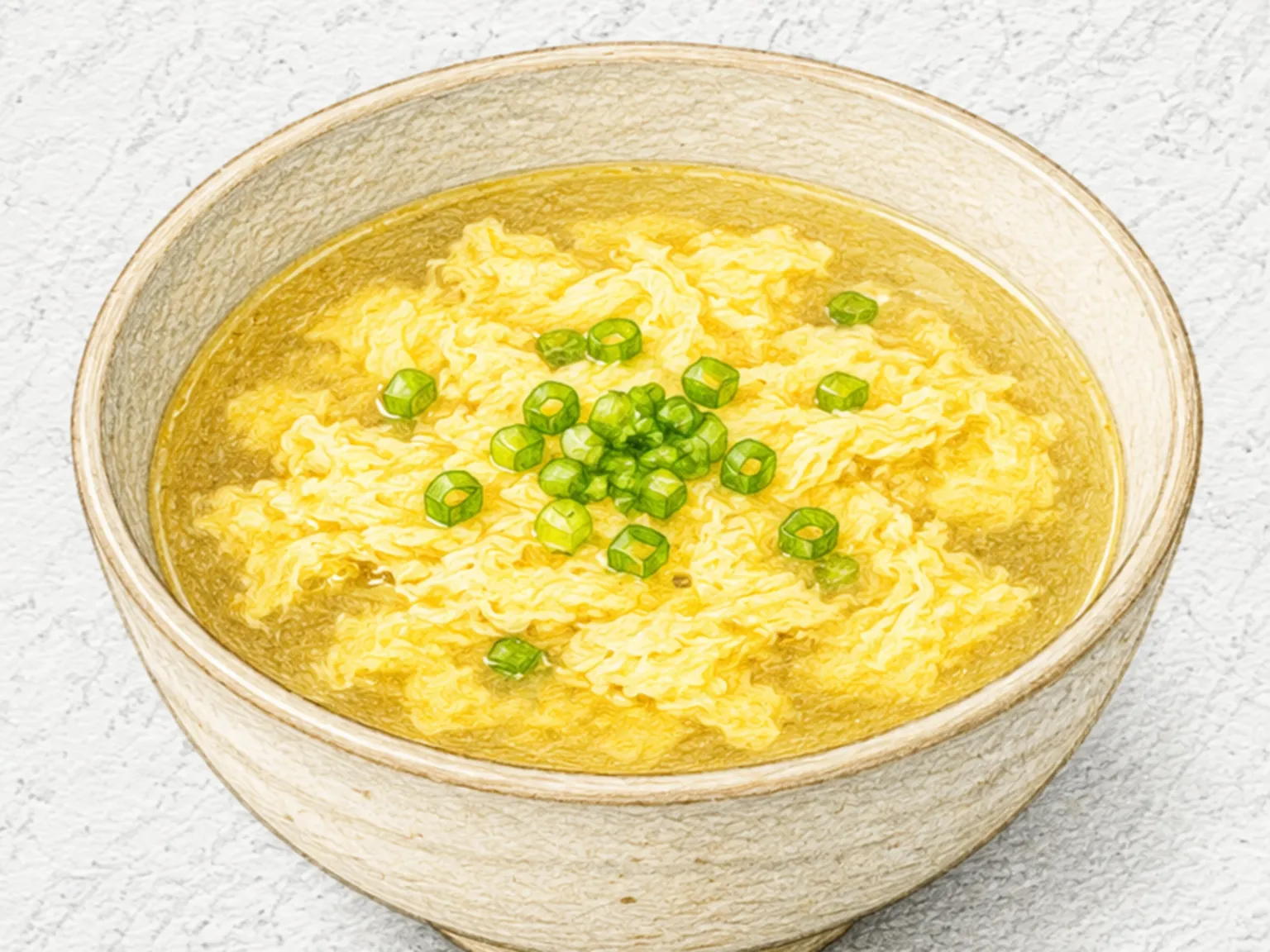
Gyeran-guk (Egg Drop Anchovy Broth Soup)
Gyeran-guk is Korea's most accessible comfort soup: a clear, golden broth seasoned with soy sauce and garlic into which a beaten egg is drizzled in a thin stream. When the egg hits the rolling boil, it sets almost instantly into delicate, flower-like ribbons that drift through the liquid in pale yellow sheets. Sliced green onion and a drop of sesame oil added at the end bring a gentle fragrance that lifts the otherwise clean, mild broth. The result is soothing and restorative, mild enough for a sick day yet substantial enough to anchor a full meal of rice and side dishes. Its near-universal appeal on Korean dinner tables comes partly from the fact that nearly every household keeps eggs, soy sauce, and garlic on hand, making it the soup most likely to appear with no planning at all. From start to finish the bowl is ready in under ten minutes.
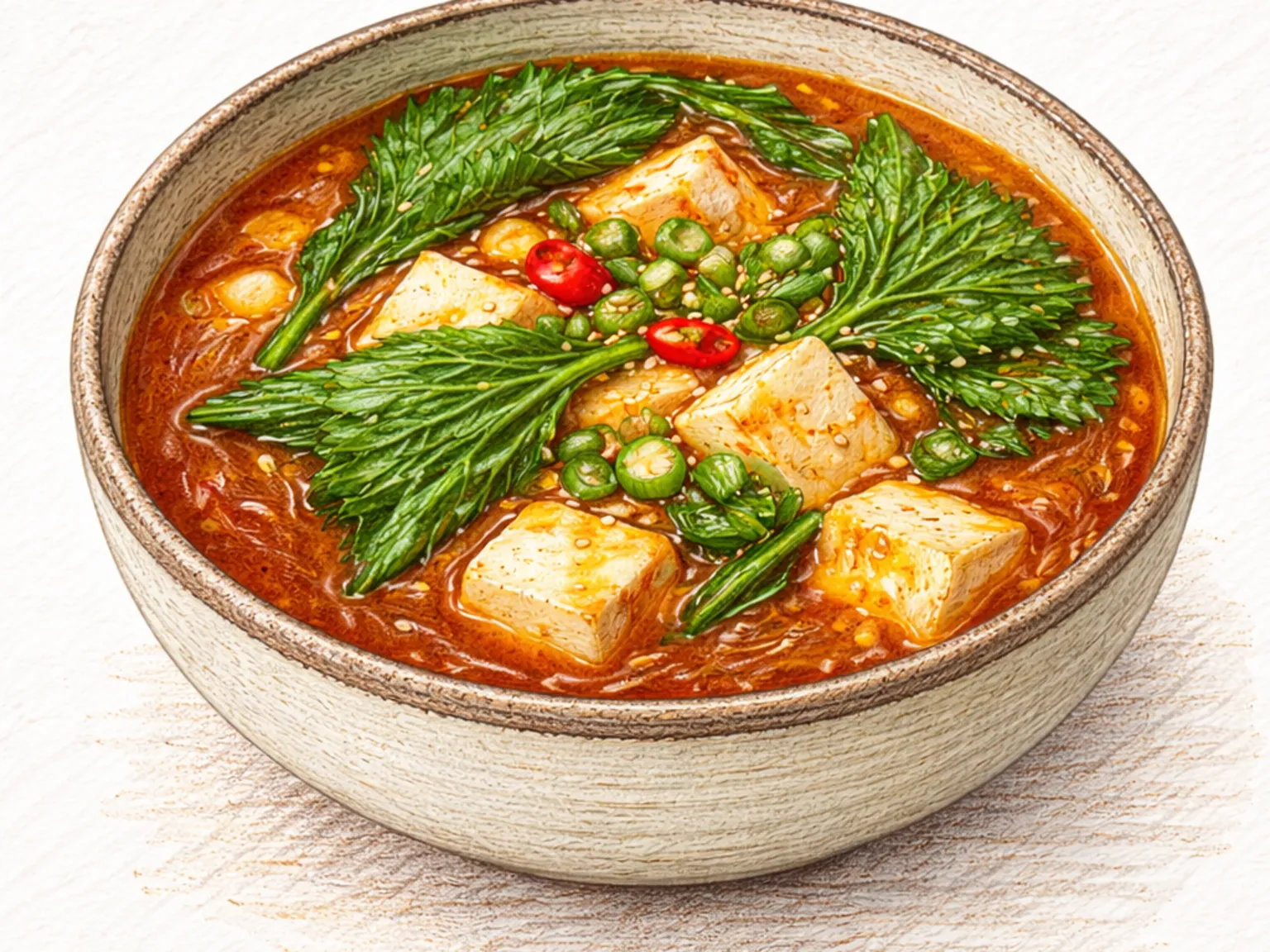
Korean Perilla Leaf Soft Tofu Stew
Kkaennip sundubu jjigae is a mild, gently seasoned stew of soft tofu and perilla leaves simmered in a light anchovy broth. The 350g of sundubu goes in as large, rustic pieces that hold their shape while cooking, then collapse into silky, cloud-like curds on the spoon. Twelve perilla leaves added stem-on release their aromatic oils gradually as the broth comes to a boil, giving the stew a distinctly herbal, faintly anise-like character that sets it apart from standard sundubu variations. Gochugaru and soup soy sauce provide just enough background seasoning to keep the perilla fragrance forward rather than overwhelmed by heat, and a drizzle of sesame oil at the finish adds a nutty warmth. Low in spice and gentle on the stomach, this is a practical choice on days when a soothing, unfussy bowl is what is needed.
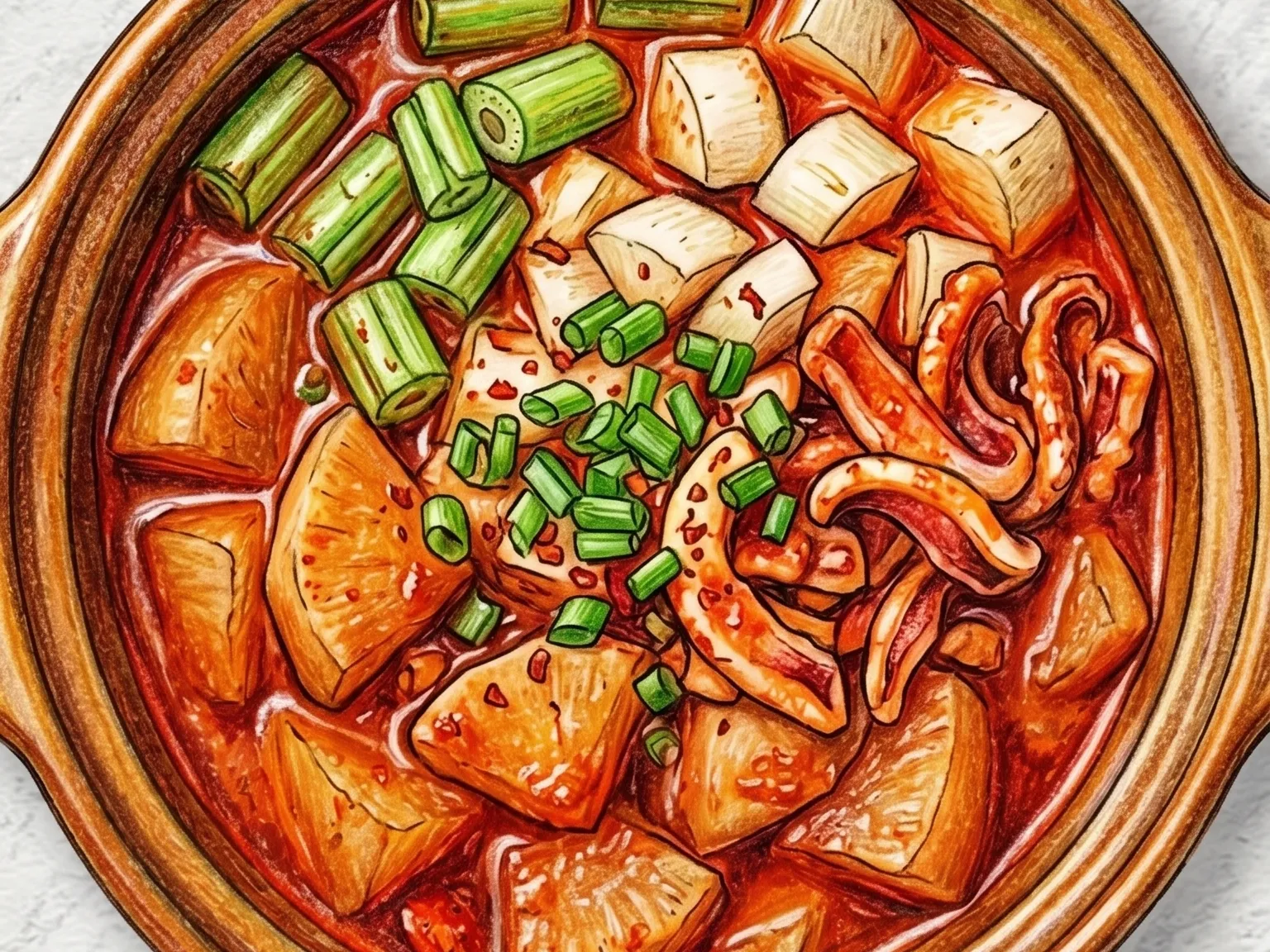
Korean Braised Squid with Radish
Ojingeo mu jorim is a Korean braised dish where radish is cooked first in a soy-based liquid until fully softened, then squid is added and the whole pot is reduced in a spiced sauce of gochugaru and gochujang. Giving the radish time to cook alone is the structural key to this dish: as it slowly absorbs the liquid and breaks down, it releases its natural sweetness into the broth, which merges with the salt and gentle umami of soy sauce to build the braising liquid into something more complex than its ingredients suggest. When the spice paste goes in, the resulting flavor sits at the intersection of heat and coolness - the particular sensation of Korean chili that stings without overwhelming. The single most important technique in this recipe is the timing of the squid. Squid turns rubbery when overcooked, and the window between tender and tough is narrow, so it is added only in the last five minutes of cooking. That brief time is enough for the squid to absorb the surrounding flavors while holding the springy, snapping bite that makes the dish texturally rewarding. Green onion stirred in at the finish adds a sharp herbal lift. The reduced sauce left in the pan is deliberately left shallow rather than thick, concentrated with the flavors of both the squid and the radish, and it is best used by spooning it over rice and eating everything together.