🏠 Everyday Recipes
Simple home-cooked meals for any day
1705 recipes. Page 40 of 72
These are the meals you can cook day after day without getting tired of them. Doenjang jjigae, rolled omelet, spicy pork stir-fry - the kind of home-cooked dishes that fill an ordinary day with comfort.
The beauty of everyday cooking is that it relies on common ingredients already in your fridge. No exotic items, no complicated techniques - just straightforward recipes for satisfying home meals.
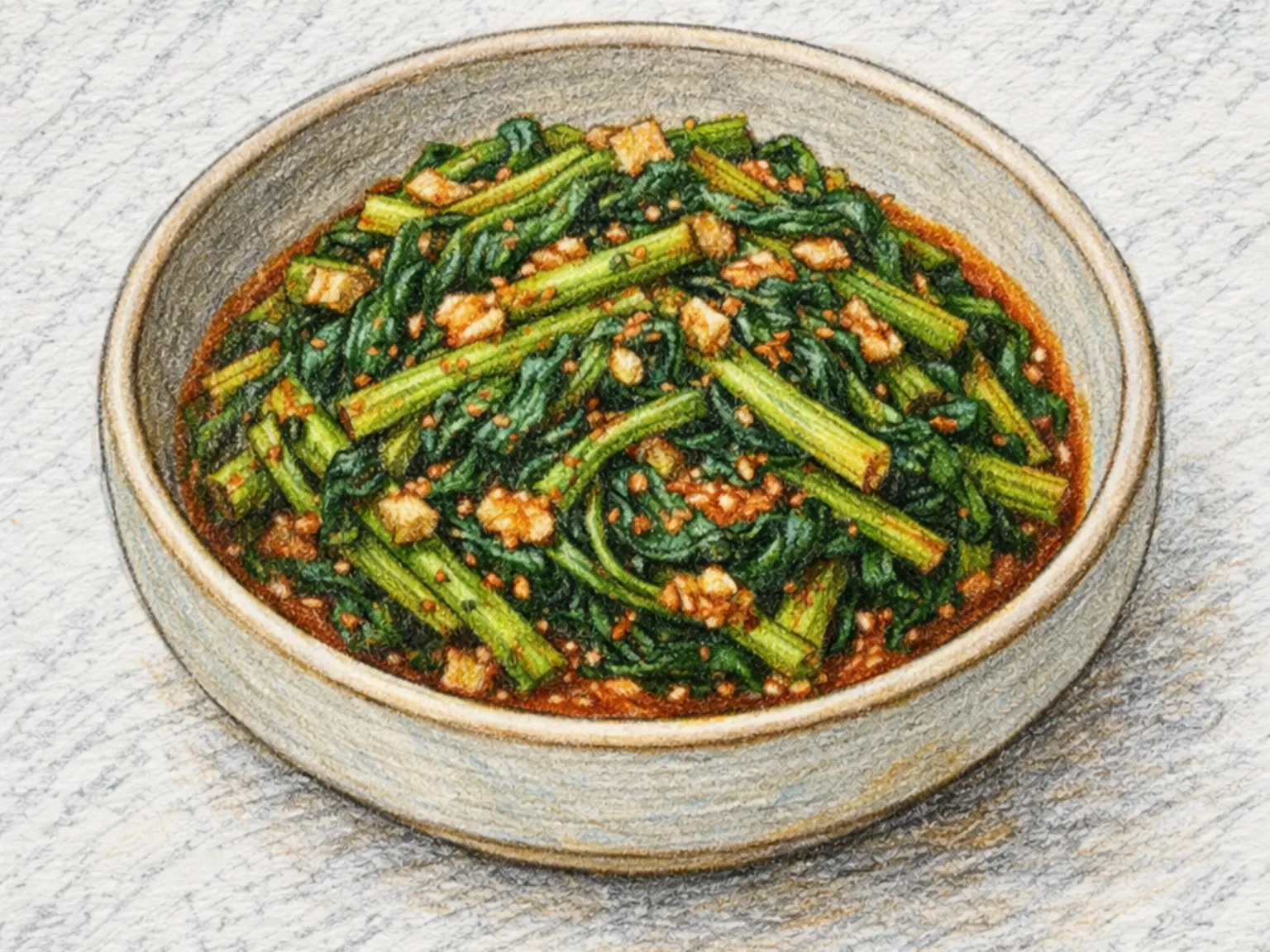
Korean Shepherd's Purse Kimchi
Naengi kimchi is a seasonal Korean side dish where shepherd's purse, an early-spring wild herb with a distinctive earthy fragrance, is blanched for just twenty seconds in boiling salted water. This brief blanching is the defining technique - long enough to strip away the raw bitterness and any soil odor, yet short enough to preserve the herb's own clean, spring-like aroma. The cooled and thoroughly squeezed greens are then dressed in a paste of gochugaru, anchovy fish sauce, minced garlic, and sweet rice paste, which provides enough body and viscosity to coat each slender stem evenly. The fish sauce's fermented depth meets the herb's green, earthy character, producing a layered flavor that neither ingredient achieves on its own. Sesame seeds scattered on top add a quiet toasted crunch. At least two hours of refrigeration allows the seasoning to settle and deepen before the kimchi is at its best.

Kake Udon (Plain Udon in Clear Dashi Broth)
Kake udon is the most elemental form of Japanese udon: thick, springy wheat noodles served in a clear dashi broth seasoned with soy sauce, mirin, and a small amount of salt. With so few components, the quality of the dashi determines everything about the dish. The broth is built on katsuobushi and dried kelp, producing a flavor that is restrained but unmistakably savory. The noodles must be thick enough to hold their chew and smooth enough to carry broth with each lift of the chopsticks. Toppings are deliberately kept to a minimum, typically sliced kamaboko fish cake and chopped green onion, so the stock and noodle texture remain the focus rather than any single garnish. The noodles should go directly from the pot into hot broth, as they soften quickly and lose their characteristic bounce if left to sit. In the Kansai region, pale usukuchi soy sauce is used to keep the broth nearly transparent, making the visual clarity of the soup another deliberate element of the dish.
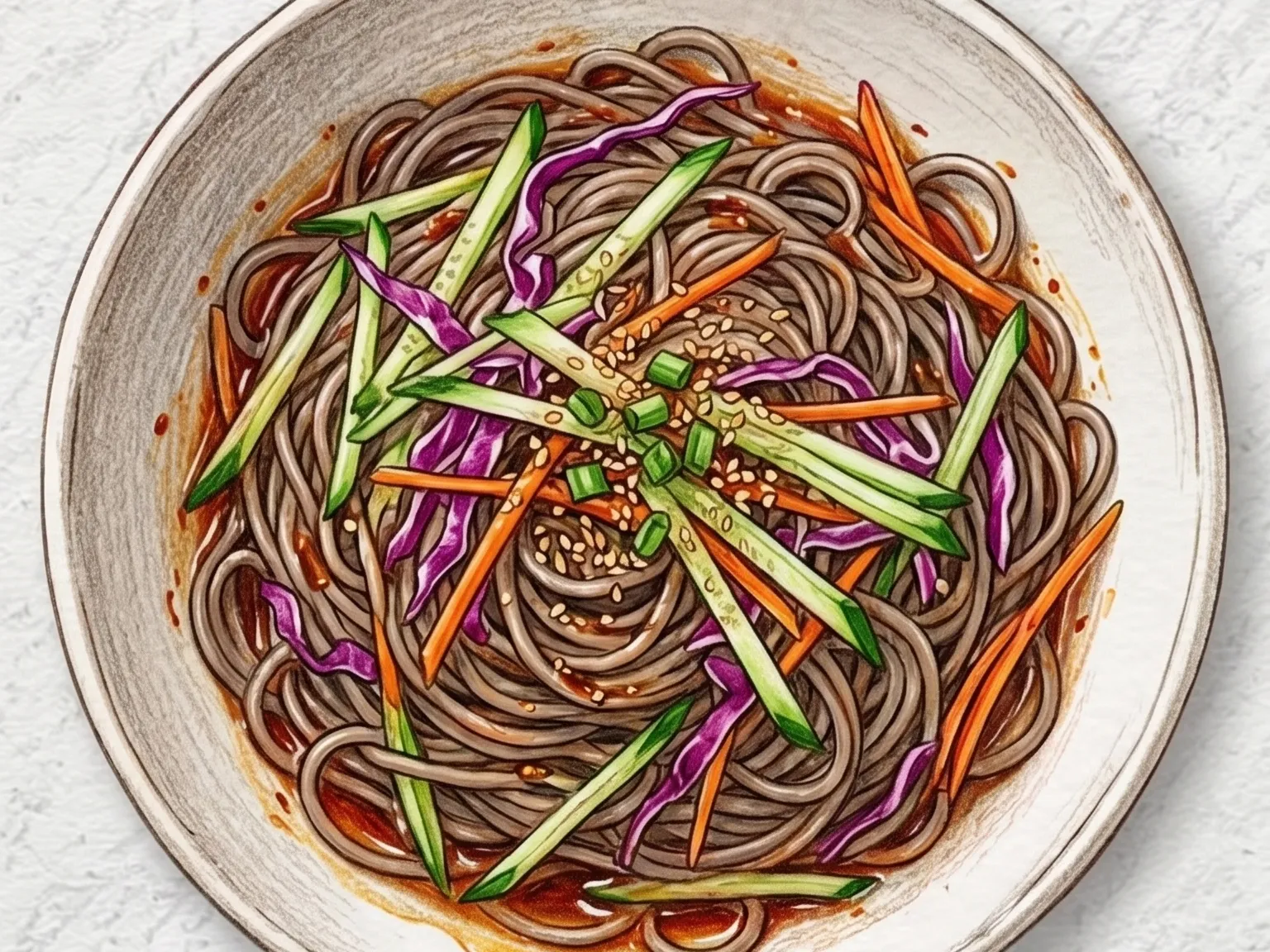
Korean Buckwheat Noodle Salad
Buckwheat noodles boiled and rinsed in cold water retain both their earthy, slightly nutty flavor and a satisfying springy bite, then get tossed with julienned cucumber, red cabbage, and carrot for color and crunch. A dressing of gochujang and vinegar provides a spicy-sour backbone, while soy sauce and sesame oil layer in savory depth and aromatic nuttiness underneath. Thorough rinsing to remove surface starch is critical - it keeps the noodles from clumping and ensures the dressing coats each strand evenly rather than pooling at the bottom of the bowl. Served chilled in warm weather, the salad functions well as a standalone light meal, refreshing enough to restore appetite without leaving you heavy. Toss the dressing in just before eating to prevent the noodles from softening.
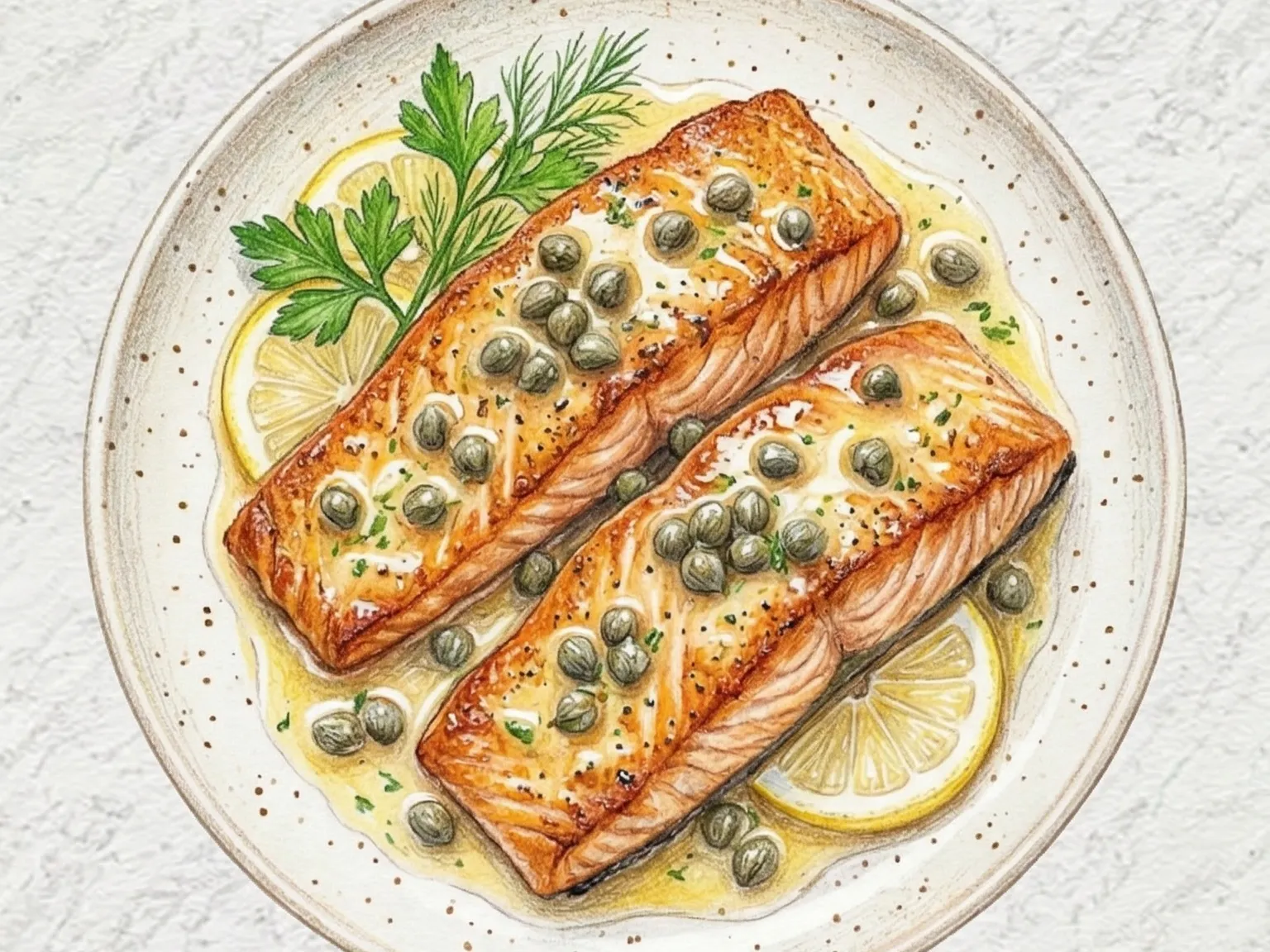
Salmon Piccata
Salmon piccata is an Italian fish dish where salmon fillets are seasoned, dusted in a thin layer of flour, and pan-seared in olive oil until golden on both sides. The flour coating promotes a Maillard crust on the surface while sealing moisture inside the flesh. Melting butter in the same pan and deglazing with lemon juice and chicken stock dissolves the caramelized fond into a bright sauce. Capers add bursts of briny saltiness that meet the lemon's acidity to create the piccata sauce's signature sharp, savory character, cutting cleanly through the salmon's rich fat. Because salmon dries out quickly when overcooked, the final step of returning it to the sauce should last no more than two minutes.
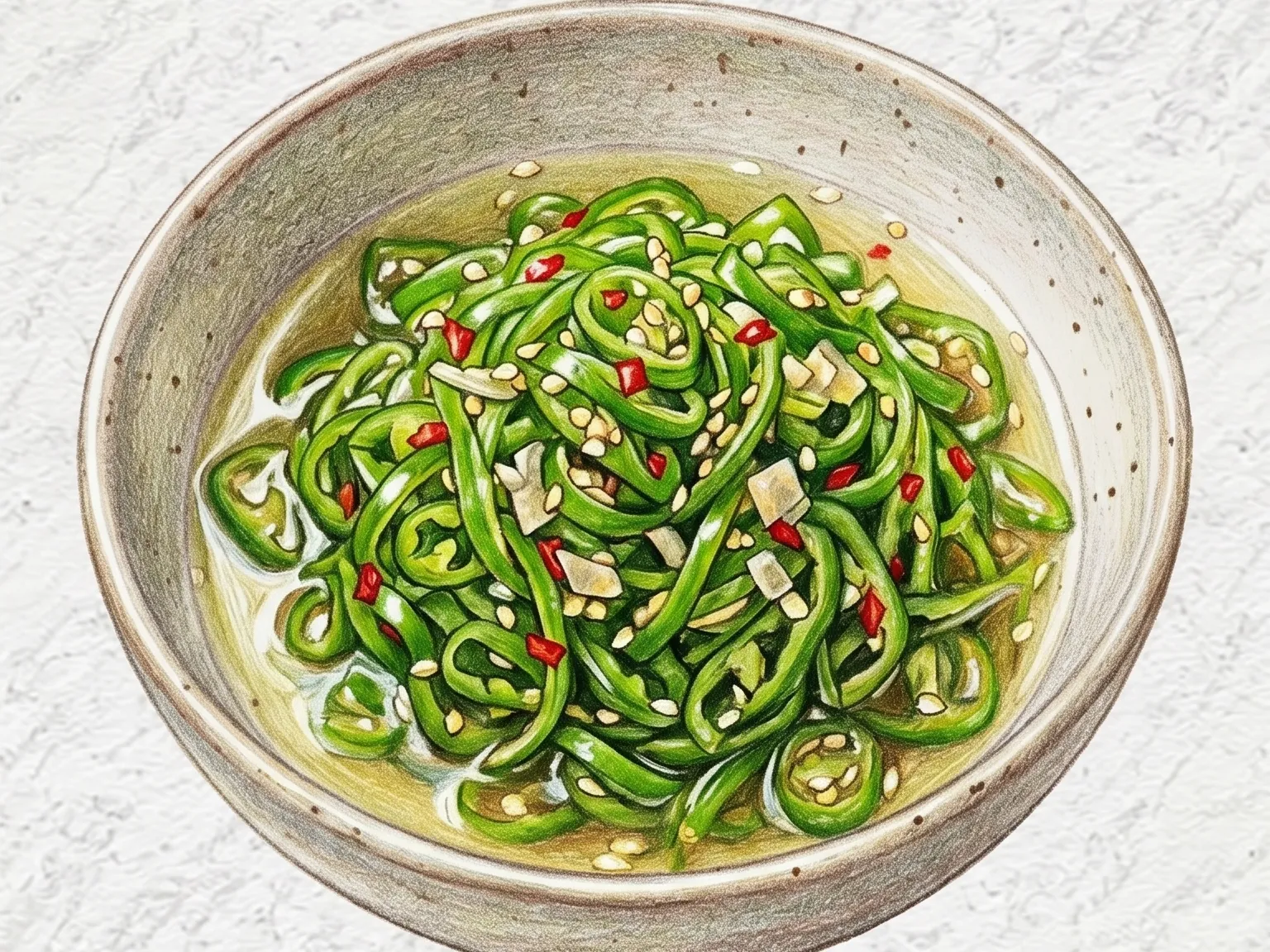
Shredded Chili Pickle
Shredded chili pickle is a spicy and sour side dish that pairs exceptionally well with grilled meat dishes. This recipe combines hot Cheongyang chilies and mild, crunchy cucumber peppers to balance the heat level and texture. The chilies are washed, dried, and cleaned of their seeds to eliminate any bitter taste. Slicing them into thin strips of two to three millimeters ensures that the brine penetrates quickly and evenly. The pickle liquid is made by boiling equal parts of soy sauce, vinegar, sugar, and water. Once boiled, the brine is cooled for ten to fifteen minutes to release the steam before being poured over the shredded chilies in an airtight container. The mixture is left at room temperature for four to six hours to cool, then sealed and kept in the refrigerator to be served from the next day.
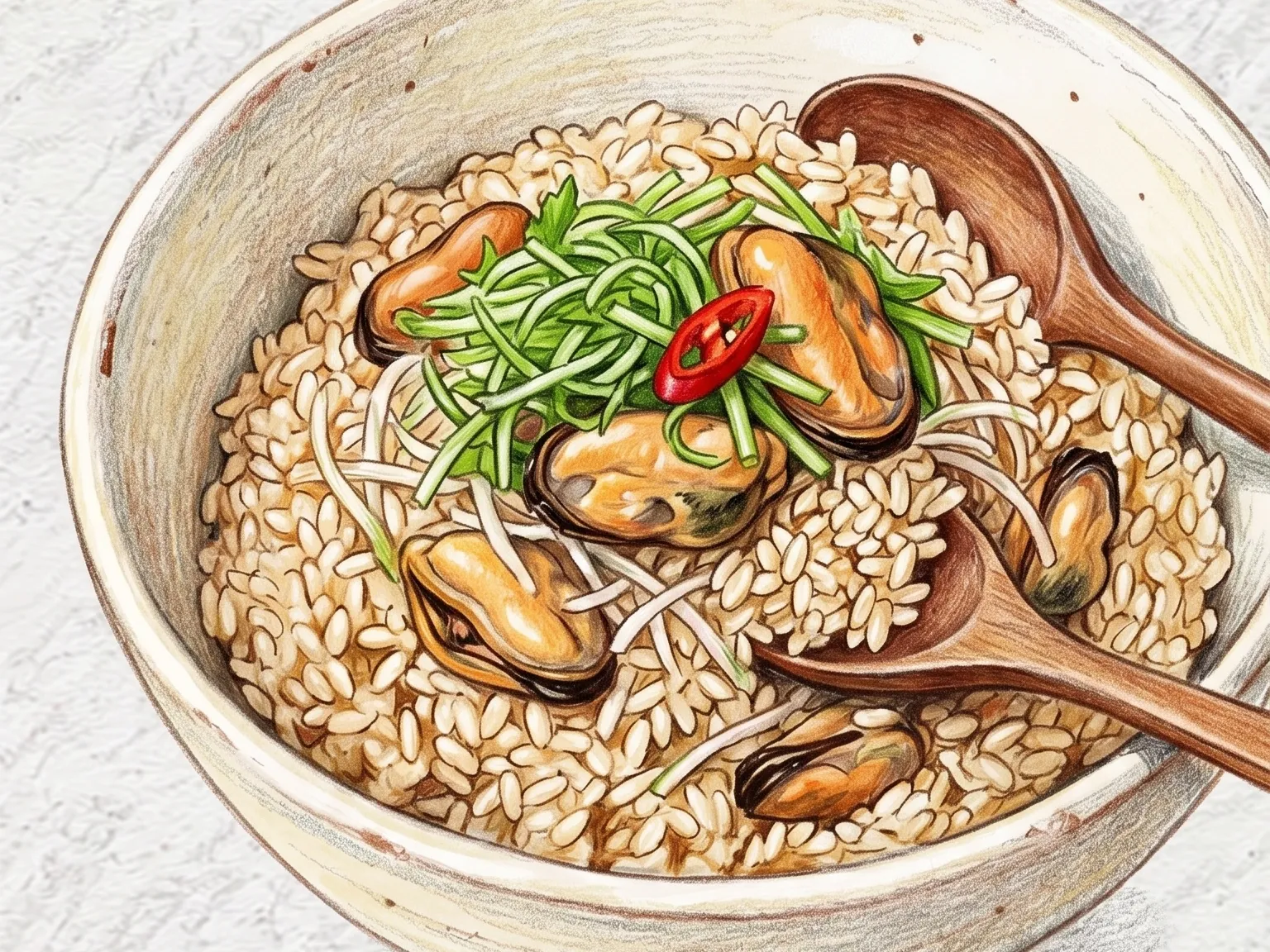
Korean Mussel Rice (Winter Pot Rice in Mussel Broth)
Cooking rice in a pot using the concentrated liquid from boiled mussels allows each grain to absorb the essence of the sea directly. Instead of simply serving seafood on top of plain white rice, this method uses the broth as the primary cooking medium to build a layered taste from the inside out. A thick layer of julienned radish lines the bottom of the pot, creating a physical barrier that prevents the rice from sticking while releasing a natural sweetness that balances the salty character of the shellfish. To maintain a tender texture, the mussel meat goes into the pot only after the heat is turned off, letting the remaining steam warm the protein without making it tough or rubbery. At the table, a mixture of soy sauce, sesame oil, and red chili flakes provides a sharp contrast to the savory base, allowing for personal adjustment of heat and saltiness. A handful of fresh water parsley added as a final touch introduces a bright, herbal quality that cleanses the palate. The resulting meal is satisfying enough to stand alone without additional soups, offering a high concentration of iron and omega 3 fatty acids in a single bowl.
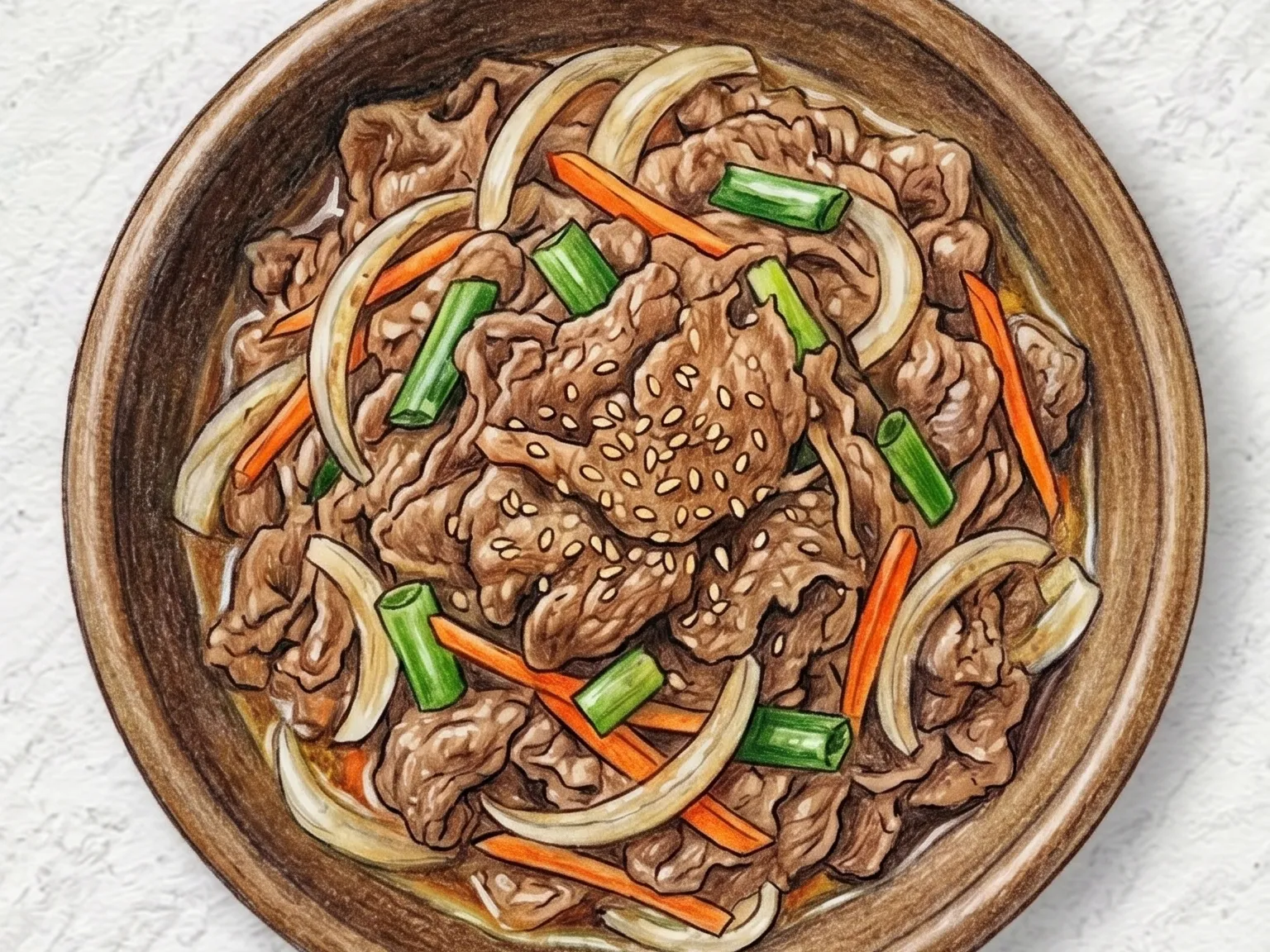
Korean Soy Sauce Bulgogi (Soy-Pear Marinated Thinly Sliced Beef)
Ganjang bulgogi is one of Korea's most enduring home-cooked main dishes, built around thinly sliced beef marinated in soy sauce, pear juice, sugar, garlic, and sesame oil. Pear juice acts as a natural tenderizer while adding a subtle sweetness that offsets the salt-forward depth of the soy. Onion, carrot, and green onion are stir-fried together with the beef over high heat, developing caramelized edges while keeping the center moist. Slicing the beef thin is essential: the short cooking time only penetrates marinade fully into thin cuts, and the pan must be properly preheated before the meat goes in to seal the juices. The soy-based seasoning is milder and less assertive than gochujang-marinated bulgogi, making it broadly appealing across ages and a consistent presence on both everyday dinner tables and guest menus.
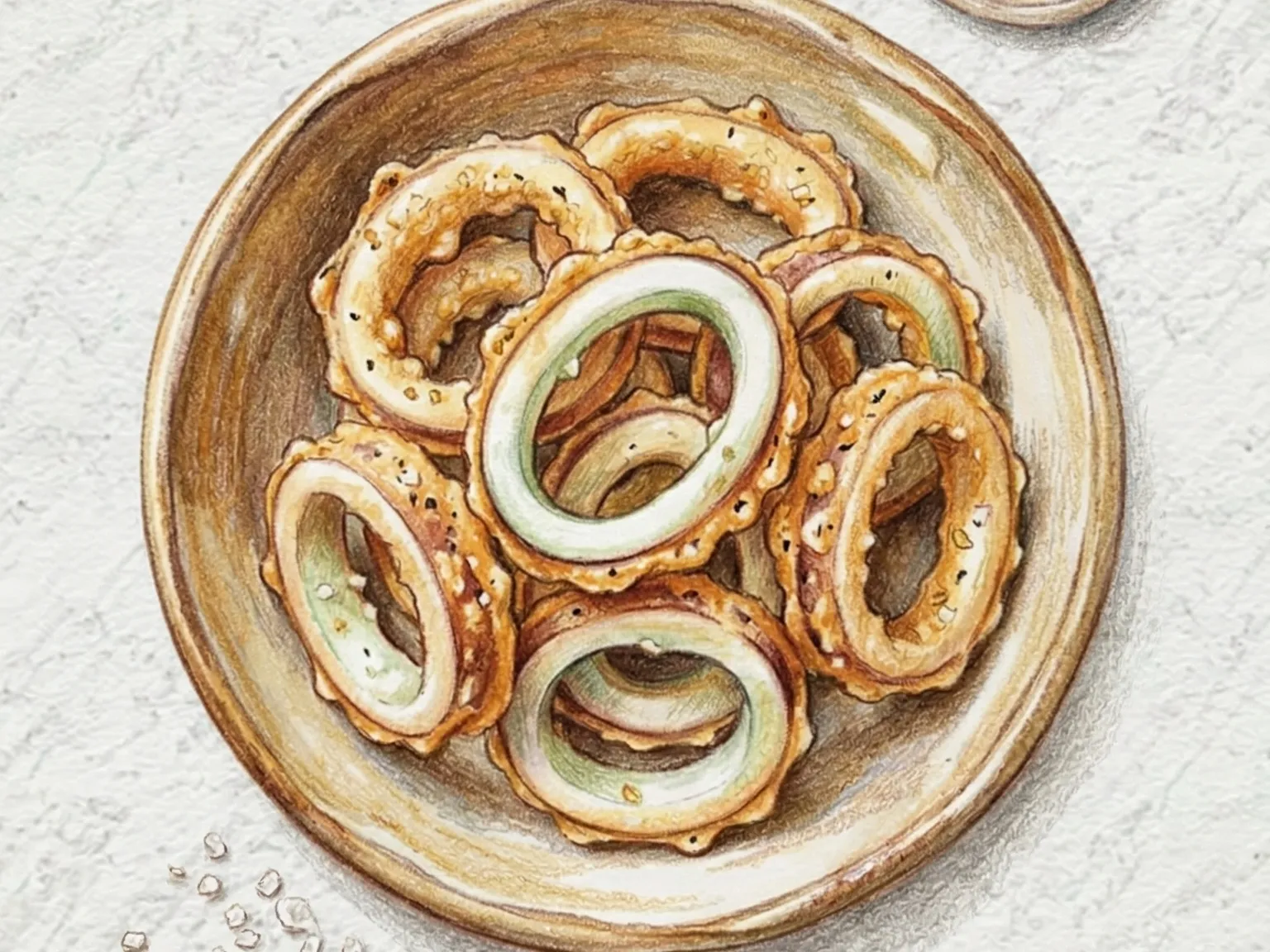
Korean Fried Squid
Cleaned squid is cut into 1 cm rings, dipped in a light batter of frying mix, cold water, and egg, then deep-fried at 170 degrees Celsius for three to four minutes until golden and crisp. Cold water is essential for the batter -- warm water activates the gluten in the flour and produces a thick, doughy coating instead of the thin, shatter-crisp shell this dish depends on. The batter should be mixed just enough to combine, leaving a few lumps intact, because those uneven patches fry up with irregular texture that adds to the crunch. Scoring the squid rings lightly with a knife or pounding them briefly helps them stay flat and allows the batter to adhere without sliding off. Frying in small batches matters, since crowding the pan drops the oil temperature and causes the rings to absorb fat rather than fry. The defining quality of this dish is the contrast between the springy, chewy squid and the airy, crisp coating that surrounds it, a contrast that only exists in the first few minutes after frying. Served with a pinch of salt or a soy-vinegar dipping sauce, these rings are a fixture at street food stalls and snack shops across Korea.
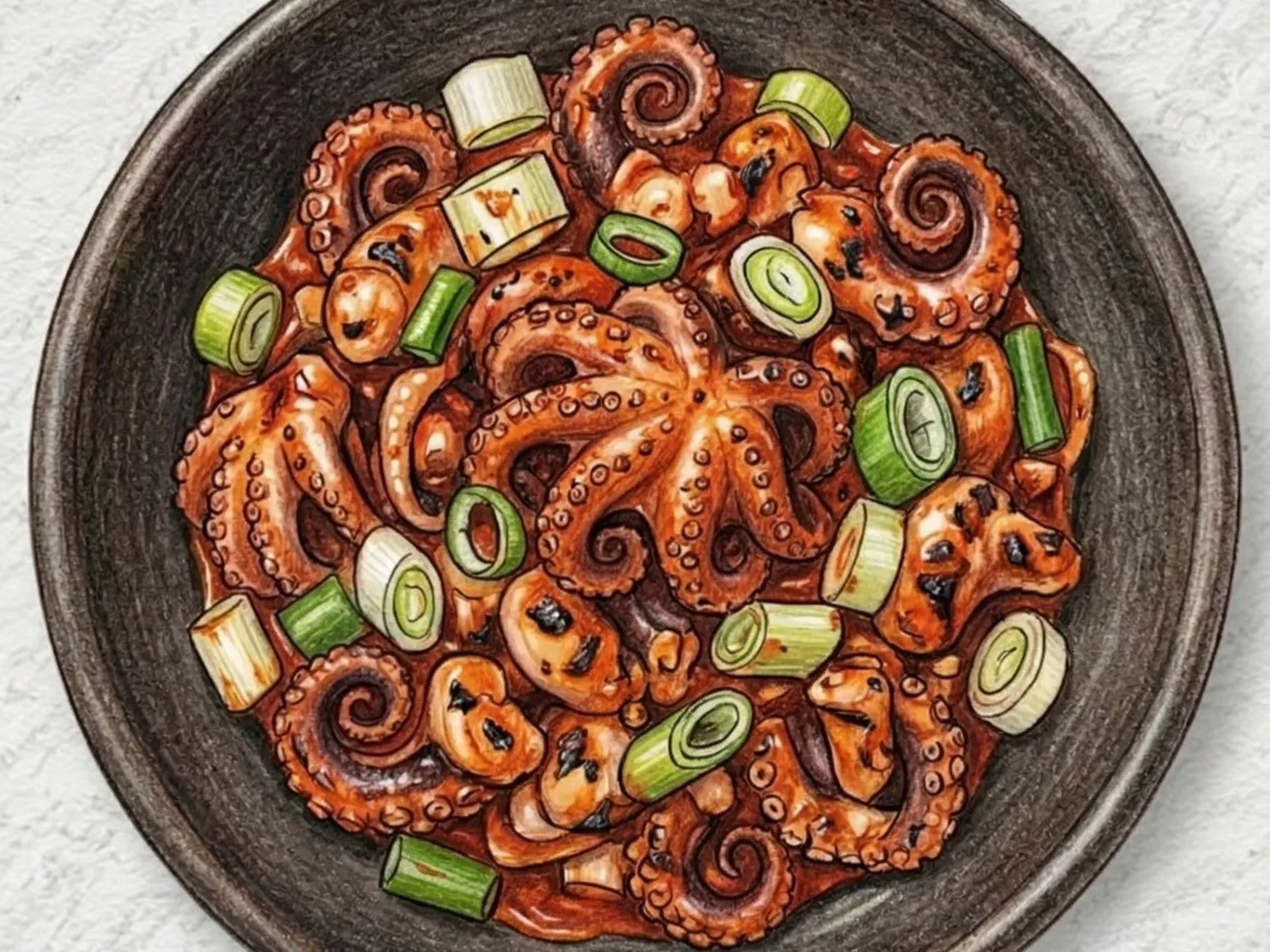
Korean Grilled Webfoot Octopus
Cleaned webfoot octopus is tossed in a marinade of gochujang, chili flakes, soy sauce, and sugar for ten minutes, then seared on high heat for just three to four minutes. Webfoot octopus has thicker tentacles than nakji and a more resilient chew, which makes it particularly well suited to this type of spicy, high-heat preparation. The short cooking time is not a shortcut -- it is the point. Overcooking webfoot octopus makes it rubbery and dry, and the difference between three minutes and five minutes is the difference between tender-chewy and tough. High heat is equally important: the goal is to sear, not steam, so the pan must be very hot and the pieces should not be crowded. Where the glaze catches on the pan surface and scorches slightly, it leaves behind charred bits that coat the octopus with a smoky depth the marinade alone cannot provide. Green onion added in the final seconds cuts through the heat with a sharp, fresh note. Just before the main harvest season in spring, webfoot octopus carries roe that adds a rich, creamy nuttiness to each bite, and this is when Korean cooks consider the ingredient at its peak. The cooked pieces wrap well in perilla leaves and are also popular as a fried rice finisher.
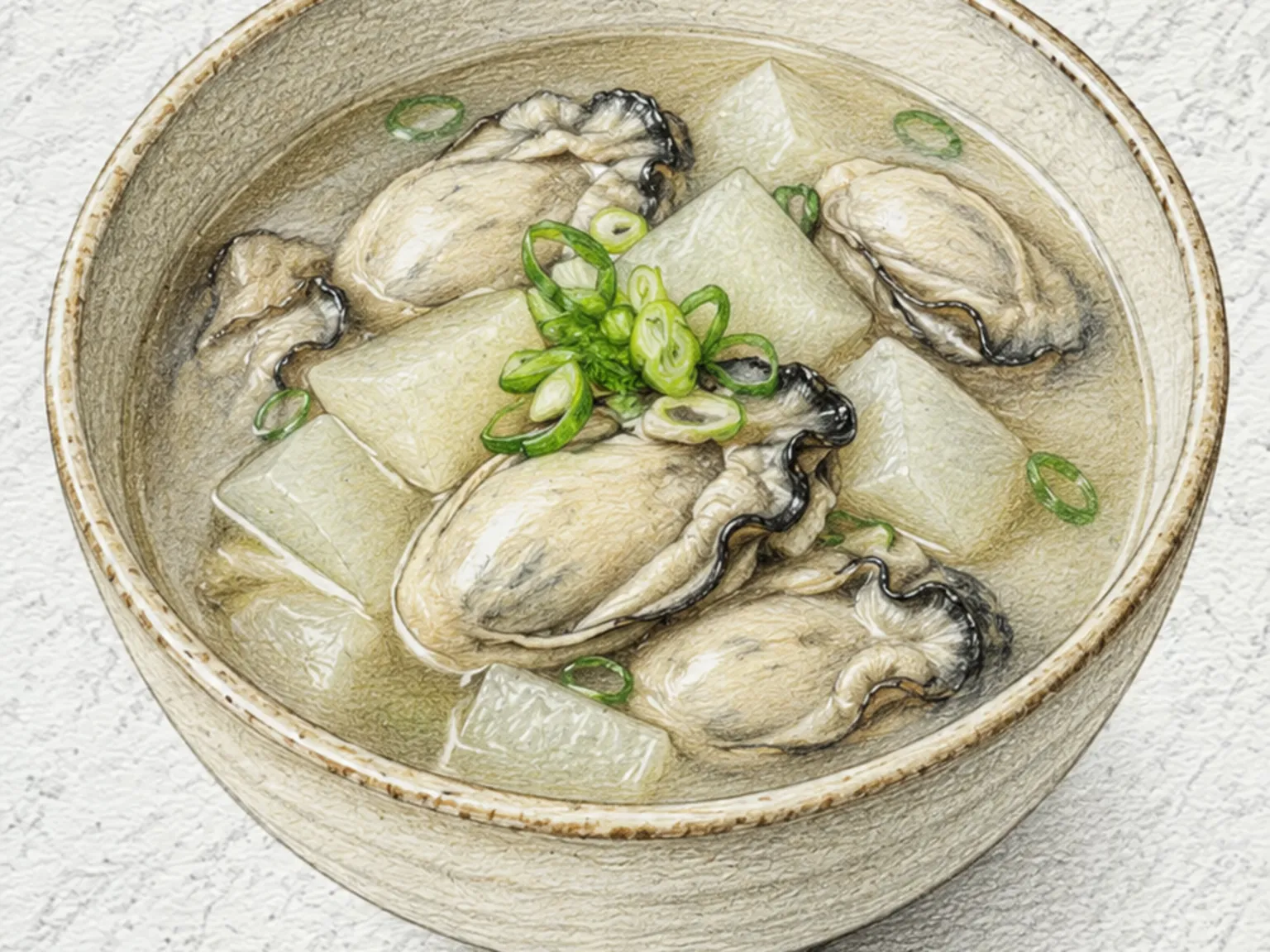
Gul-guk (Clear Oyster Radish Soup)
Gul-guk is a clear Korean oyster soup built on the simplest possible base: water, radish, and fresh winter oysters. Radish goes in first and simmers long enough to give the broth a clean, cool sweetness before the oysters are added near the end to keep them plump and springy. Seasoning is deliberately restrained; soup soy sauce and minced garlic are sufficient because the oysters themselves deliver an intense, briny depth that needs no reinforcement. The marine aroma of the oysters and the refreshing quality of the radish combine to produce a broth that is light in appearance but full in flavor. A bowl spooned over hot rice makes a restorative breakfast or hangover remedy, and along Korea's southern coast this soup is one of the most common preparations during the winter oyster harvest.
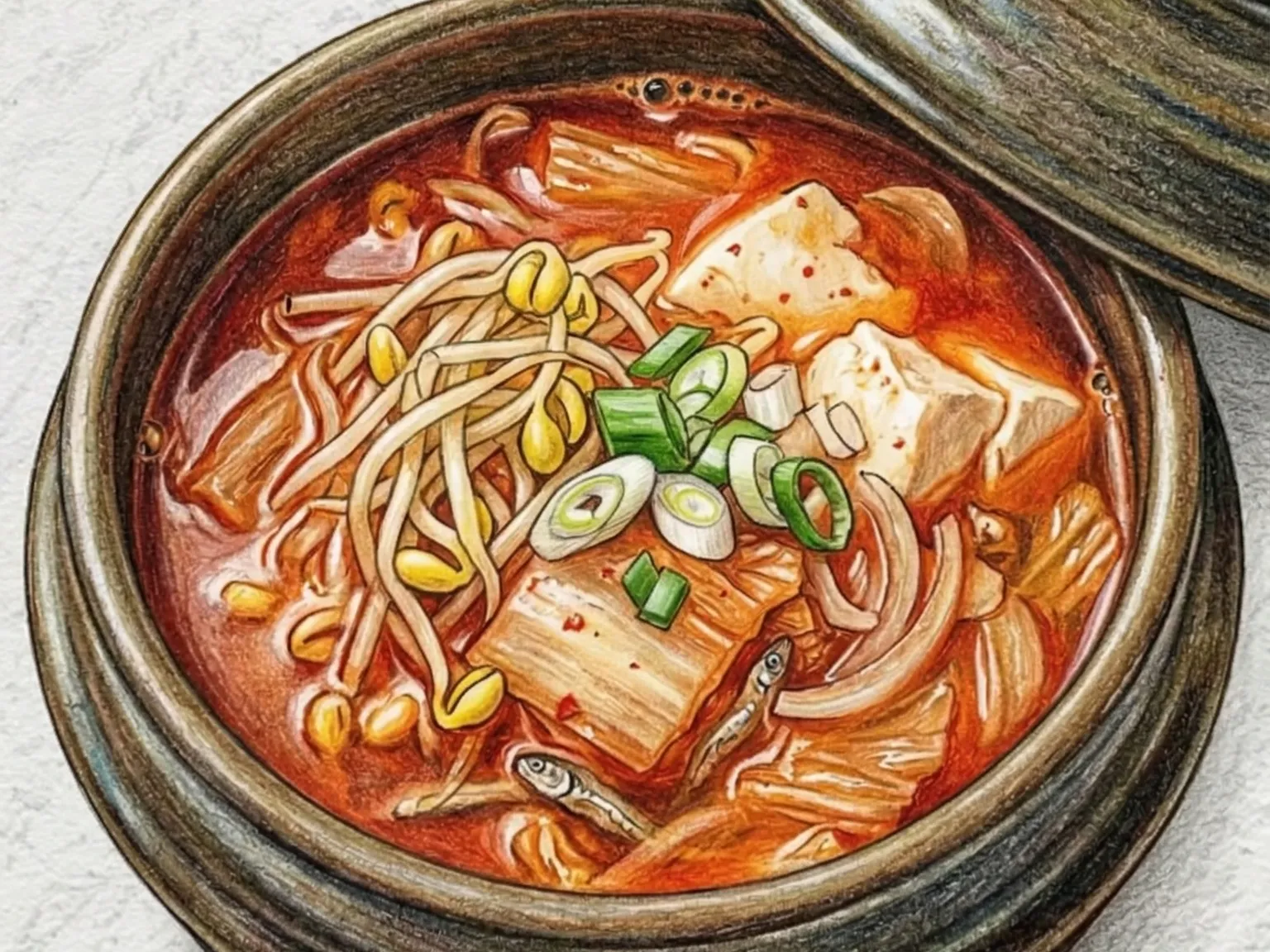
Korean Kimchi Bean Sprout Stew
This jjigae simmers fermented kimchi and soybean sprouts in an anchovy-based stock for a broth that is both refreshing and sharply spiced. The soybean sprouts contribute a crisp bite and a clean, neutral flavor that tempers the kimchi's fermented tang and chili heat, keeping the overall taste from feeling one-dimensional. Soft tofu adds creaminess and a gentle texture contrast, while onion provides background sweetness and green onion brings a fresh, aromatic note. Soup soy sauce and gochugaru are used to season, producing a clear, clean spiciness without muddying the broth. In Korean households, this jjigae is frequently eaten in the morning or as a hangover remedy, valued for its simplicity and its ability to settle the stomach while still delivering a satisfying depth of flavor.
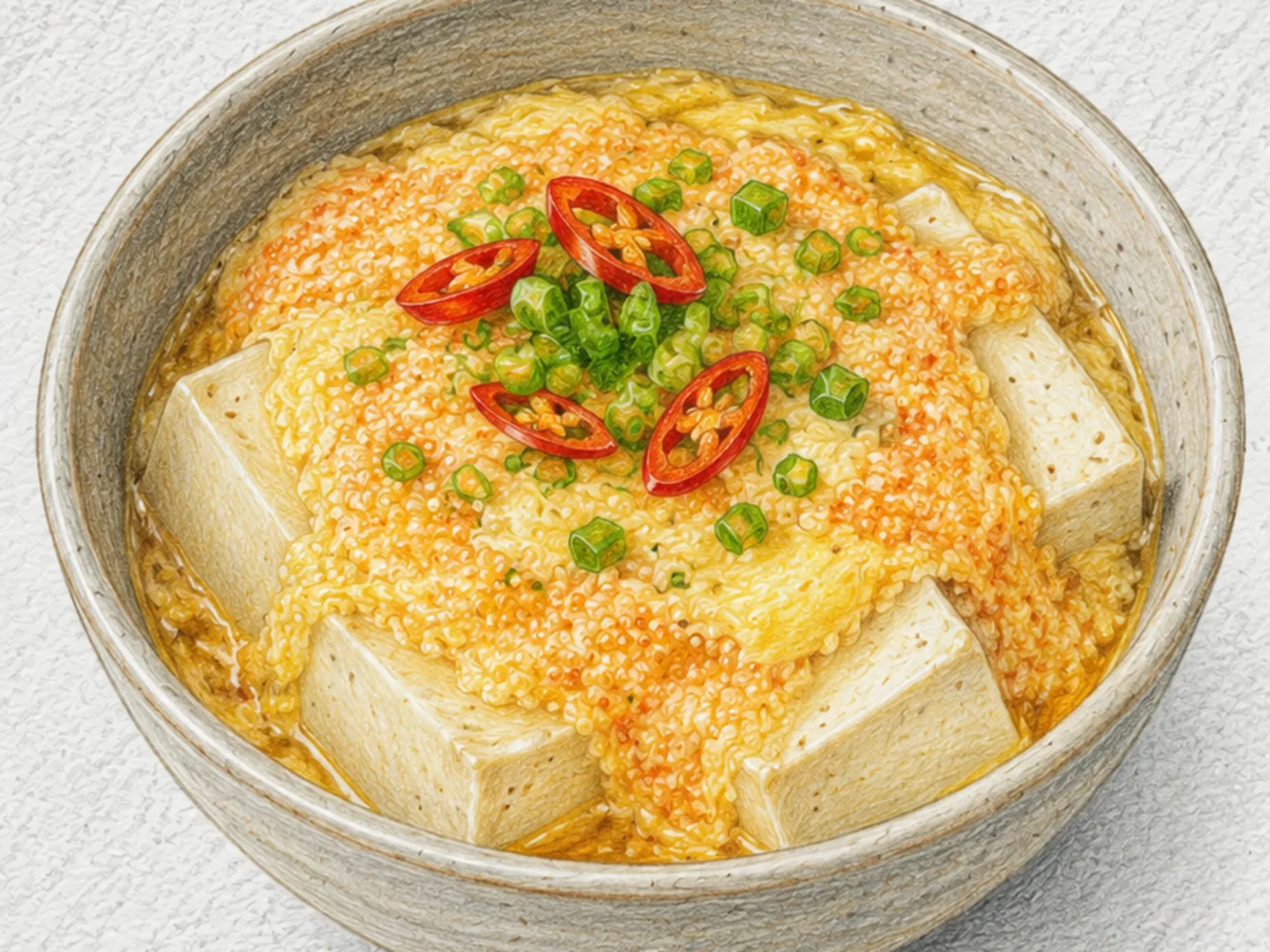
Korean Steamed Tofu with Pollock Roe
Myeongran dubu jjim is a Korean steamed tofu dish topped with a sauce of pollock roe mixed with egg and garlic. As the roe heats through, its tiny granules pop with a briny, savory burst against the silky tofu underneath. The egg binds the sauce into a soft set that melds with the warm tofu, and a light seasoning of soup soy sauce keeps the overall saltiness in check given the roe's own salinity. Red chili and green onion add color and a touch of freshness on top. Cooked without oil in about ten minutes, this is a clean, high-protein banchan that comes together with minimal effort.
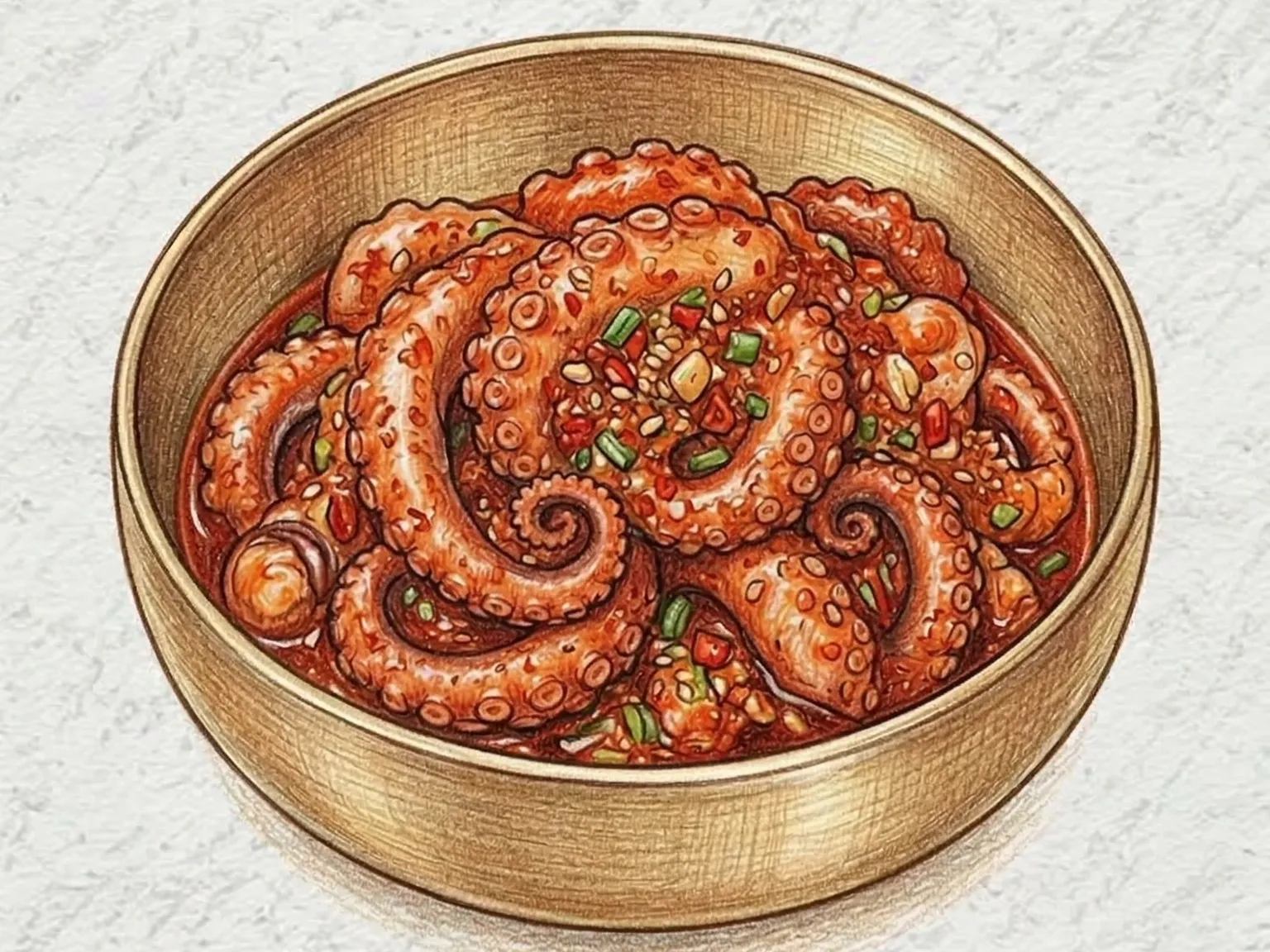
Korean Spicy Salted Octopus Jeotgal
Nakji jeotgal is a Korean fermented octopus side dish made by packing cleaned octopus in coarse salt for at least forty minutes to draw out moisture and firm the flesh, then coating it thoroughly in a paste of gochugaru, minced garlic, minced ginger, anchovy fish sauce, and plum syrup before cold-aging in the refrigerator. The initial salt cure tightens the octopus's already springy muscle fibers, intensifying the chew, and the gochugaru paste forms a dense crimson coating that forces spicy, salty heat into every layer of flesh as the dish sits. Anchovy fish sauce builds the umami foundation while plum syrup counteracts any lingering marine smell and introduces a subtle fruit sweetness that rounds out the salt and chili. Ginger leaves a sharp, clean note at the back of the palate that keeps the overall flavor from becoming heavy. After two to three days of refrigeration, a slow fermentation sets in and the separate components fuse into a cohesive, deeply savory whole. Served over warm rice, each piece of octopus delivers a firm, elastic chew followed by a concentrated rush of ocean flavor, and a drop of sesame oil stirred in at serving adds a toasted, nutty finish.
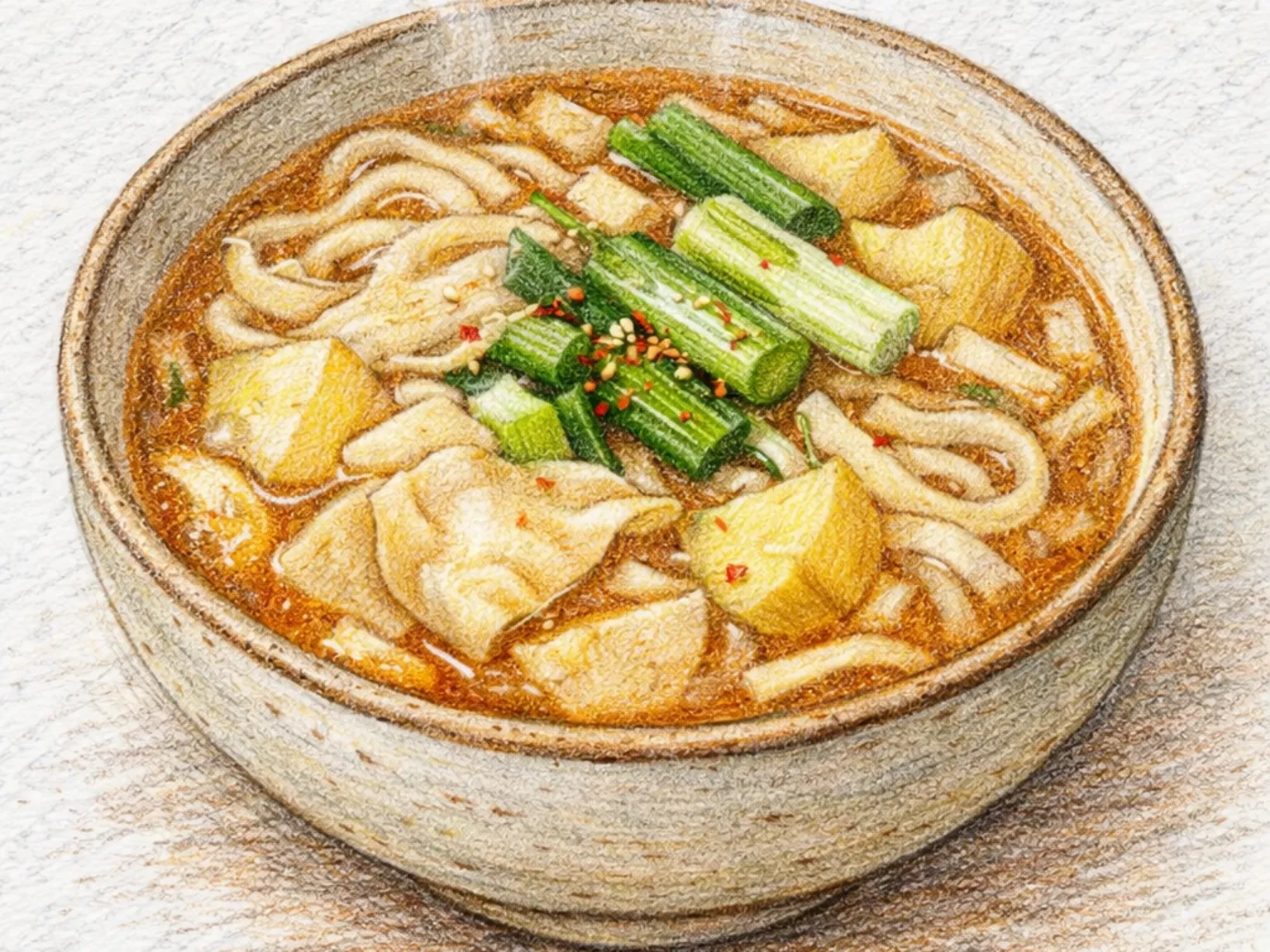
Korean Knife-cut Noodle Soup
Kalguksu is a Korean noodle soup made with hand-cut wheat noodles simmered in anchovy-kelp broth. The noodles are rolled flat and sliced with a knife, giving them a rough surface that absorbs broth and a satisfying chew distinct from machine-made pasta. Sliced potato, half-moon zucchini, and onion go into the pot, with the potato releasing starch that naturally thickens the broth as it cooks. Seasoning stays minimal - soup soy sauce, salt, minced garlic, and green onion added at the end - so the clean, savory depth of the stock comes through clearly. The dish is traditionally associated with rainy days in Korea, and adding clams turns it into a popular seafood variation.
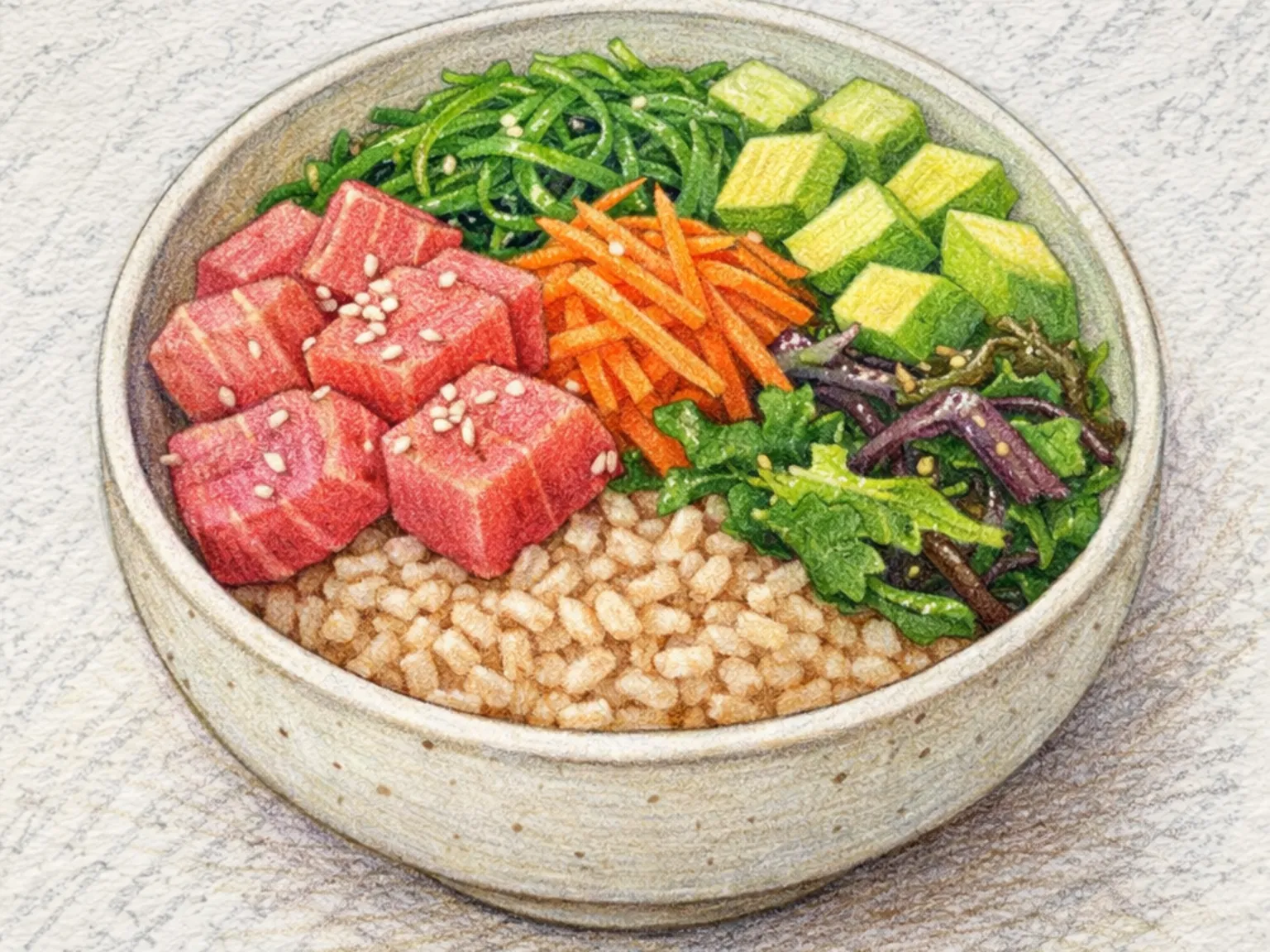
Korean Poke Bowl Salad
Sashimi-grade tuna is cut into 1.5-centimeter cubes and kept well chilled before being arranged over brown rice in a Korean-inflected poke bowl. A sauce of soy sauce, sesame oil, and gochujang coats the tuna's clean, fatty flesh with the spicy and nutty character that defines Korean seasoning. Avocado provides a creamy, lush texture that envelops the lean fish, while seaweed salad contributes a slippery, chewy marine layer with a pronounced oceanic aroma. Thinly sliced cucumber adds a cool, crisp contrast, creating textural variety across every spoonful. Brown rice serves as the dense, slightly nutty foundation that anchors the toppings and transforms the bowl into a complete meal containing protein, healthy fats, and complex carbohydrates in a single serving. Salmon or flounder can substitute for tuna without changing the method, and adjusting the amount of gochujang in the sauce lets you dial the heat to your preferred level.

Shakshuka (Eggs Poached in Spiced Tomato Sauce)
Shakshuka starts with onion and bell pepper softened in olive oil, followed by cumin, smoked paprika, and chili flakes bloomed briefly in the hot fat to unlock their oil-soluble aromas. Crushed whole tomatoes are added and simmered until the sauce thickens enough to hold its shape when a spoon is dragged through it. Eggs are cracked directly into wells made in the sauce, then the pan is covered and cooked for six to eight minutes so the whites set while the yolks stay runny. The spice profile delivers warm earthiness from the cumin, gentle smokiness from the paprika, and a low heat from the chili that builds gradually. Tearing bread and dragging it through a broken yolk and the surrounding sauce is the traditional way to eat it.
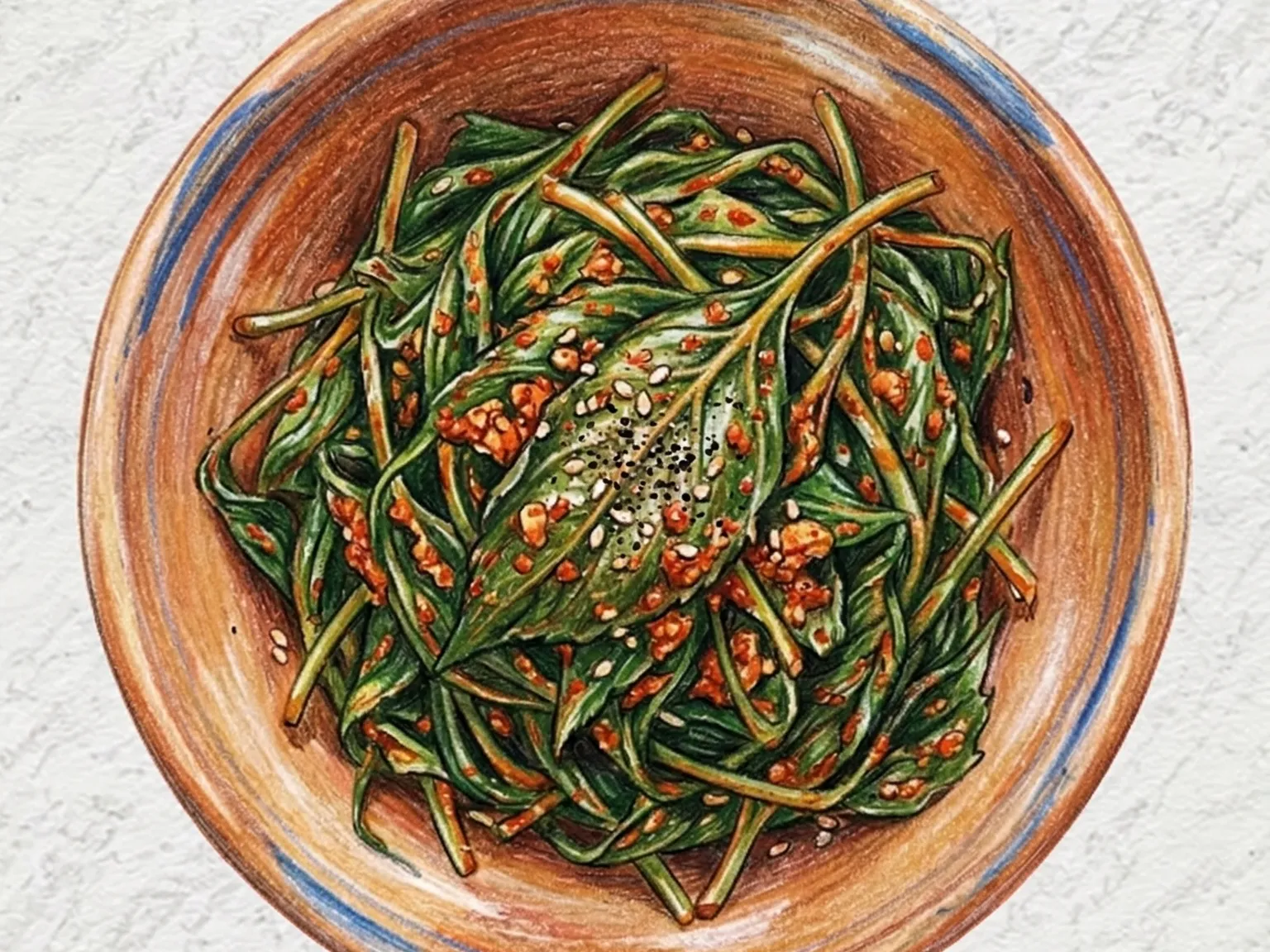
Korean Seasoned Chili Leaves
Gochuip-muchim is a seasoned namul made from chili pepper leaves harvested after the peppers themselves have been picked, rooted in the Korean rural practice of using every part of what the kitchen garden produces rather than discarding what is left behind after the main harvest. August and September mark the narrow window when the leaves are at their most tender and aromatic; after this period they become tougher and their fragrance fades. Blanched for one minute in boiling water to reduce bitterness, squeezed firmly dry, and then dressed with soy sauce, gochugaru, minced garlic, sesame oil, and sesame seeds, tossed until each leaf is evenly coated. The slightly bitter, herbaceous quality of the leaves does not cook out completely in blanching - it persists and intersects with the gochugaru's heat in a way that distinguishes this namul from any ordinary leafy green banchan. Because the thin leaves absorb seasoning almost immediately, the namul is fully flavored from the moment it is tossed and needs no resting period. Eaten alongside warm rice, the bitterness and spice settle against the neutral starch in a combination that is quiet but consistently satisfying.
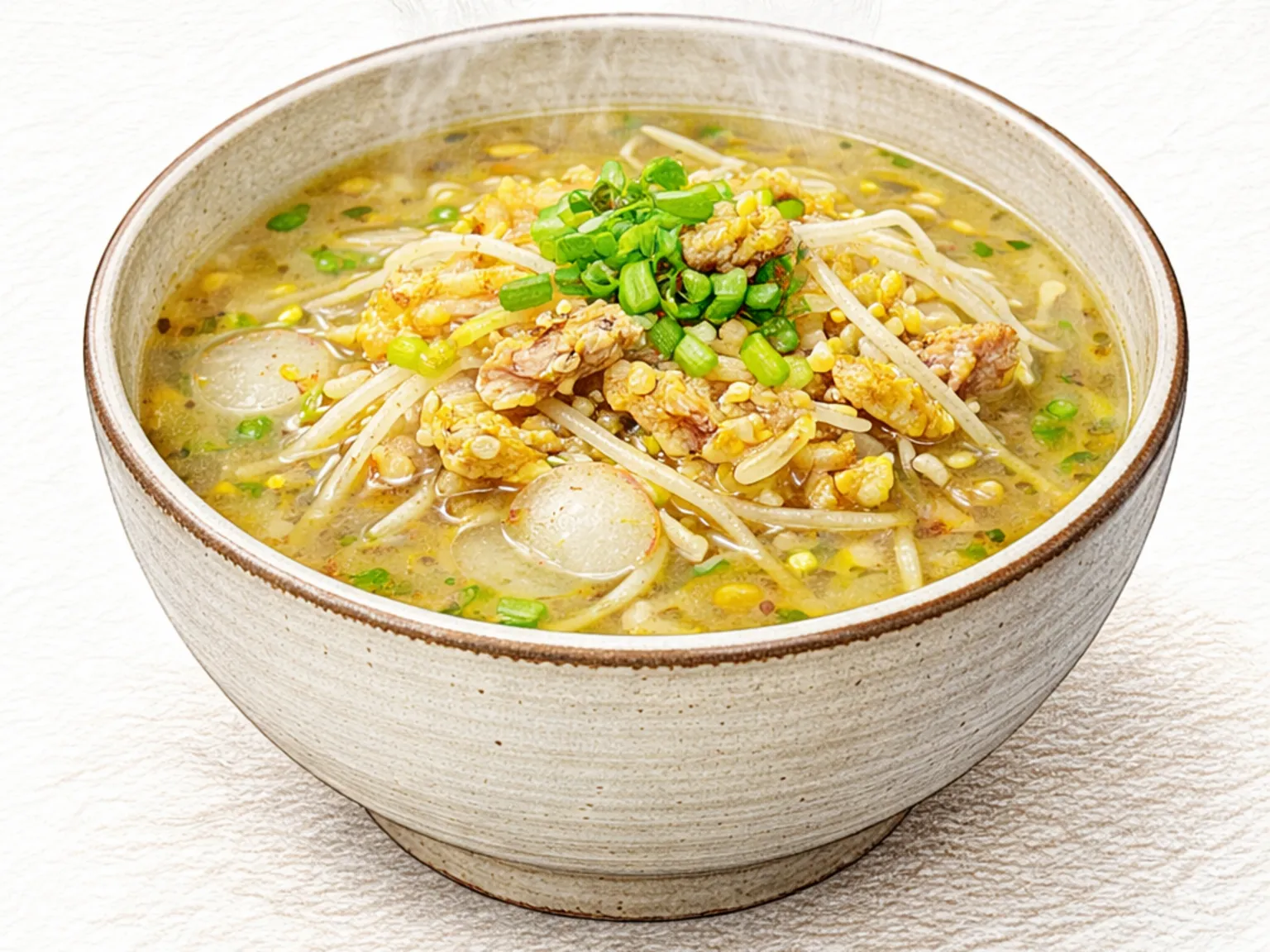
Korean Dried Pollock Bean Sprout Soup Rice
Hwangtae kongnamul gukbap is a hangover-recovery rice soup built on a broth of stir-fried dried pollock strips, bean sprouts, and radish. The dried pollock is soaked briefly in water to restore some moisture, then stir-fried in sesame oil. The frying step drives off any fishiness and releases a deep, toasted aroma that becomes the flavor backbone of the entire broth. Without this step, the soup tastes thin and vaguely fishy; with it, the broth has a satisfying nuttiness even before any other ingredients are added. Sliced radish goes into the water next and simmers until it softens and releases its natural sweetness into the liquid. Bean sprouts go in after the radish, and here a small detail matters: the lid stays on throughout the bean sprout cooking. If the lid is removed while the sprouts cook, their distinctive raw smell rises with the steam and lingers in the broth. Keeping the lid sealed lets the sprouts cook in their own steam and the smell dissipates harmlessly. Soup soy sauce seasons the broth with a clean saltiness that does not darken the liquid as much as regular soy sauce would, keeping the broth pale and clear-looking. Sliced green onion goes in at the very end for a fresh accent. The soup is poured over a bowl of rice to serve.
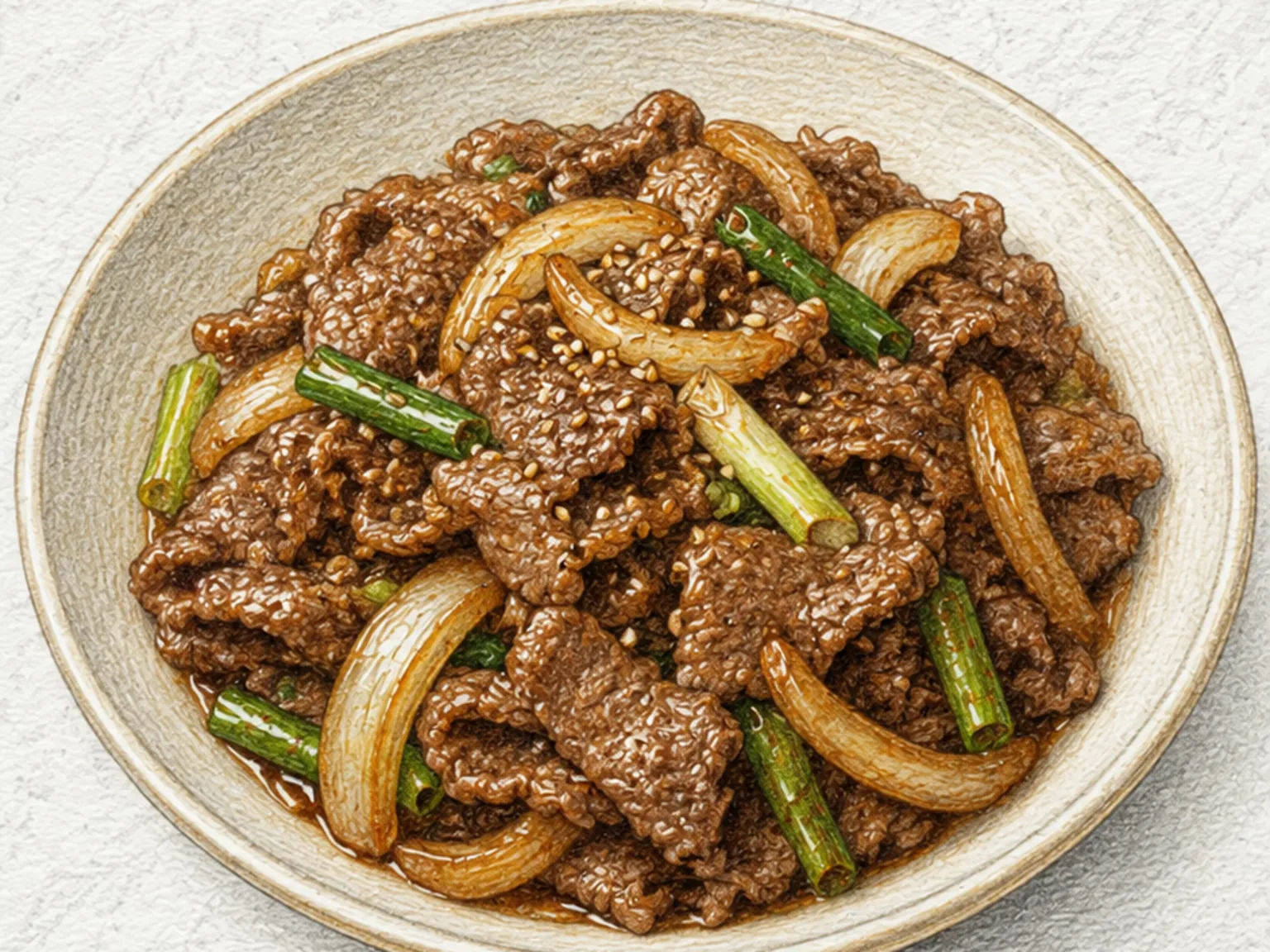
Korean Seoul-style Soy Bulgogi
Seoul-style soy bulgogi marinates thin-sliced beef in a straightforward combination of soy sauce, pear juice, garlic, sesame oil, and a measured amount of sugar, producing a clean sweet-savory flavor without the heavy spicing of regional variations. Pear juice serves two functions simultaneously: the natural enzymes in fresh pear tenderize the muscle fibers while the fruit's mild sweetness rounds out the saltiness of the soy sauce. Onion and green onion are stir-fried together with the meat so their sugars caramelize slightly into the sauce. Cooking on a fully preheated pan over high heat is essential because the meat needs to sear quickly rather than steam in its own released liquid. If the pan is not hot enough when the beef goes in, the moisture from both the meat and the marinade creates a braising effect that dulls both the smoky wok flavor and the final texture. Apple juice is an acceptable substitute for pear juice when pear is unavailable and produces a similar tenderizing result. Because the seasoning holds up well even after cooling, Seoul-style soy bulgogi is a reliable lunchbox side dish.
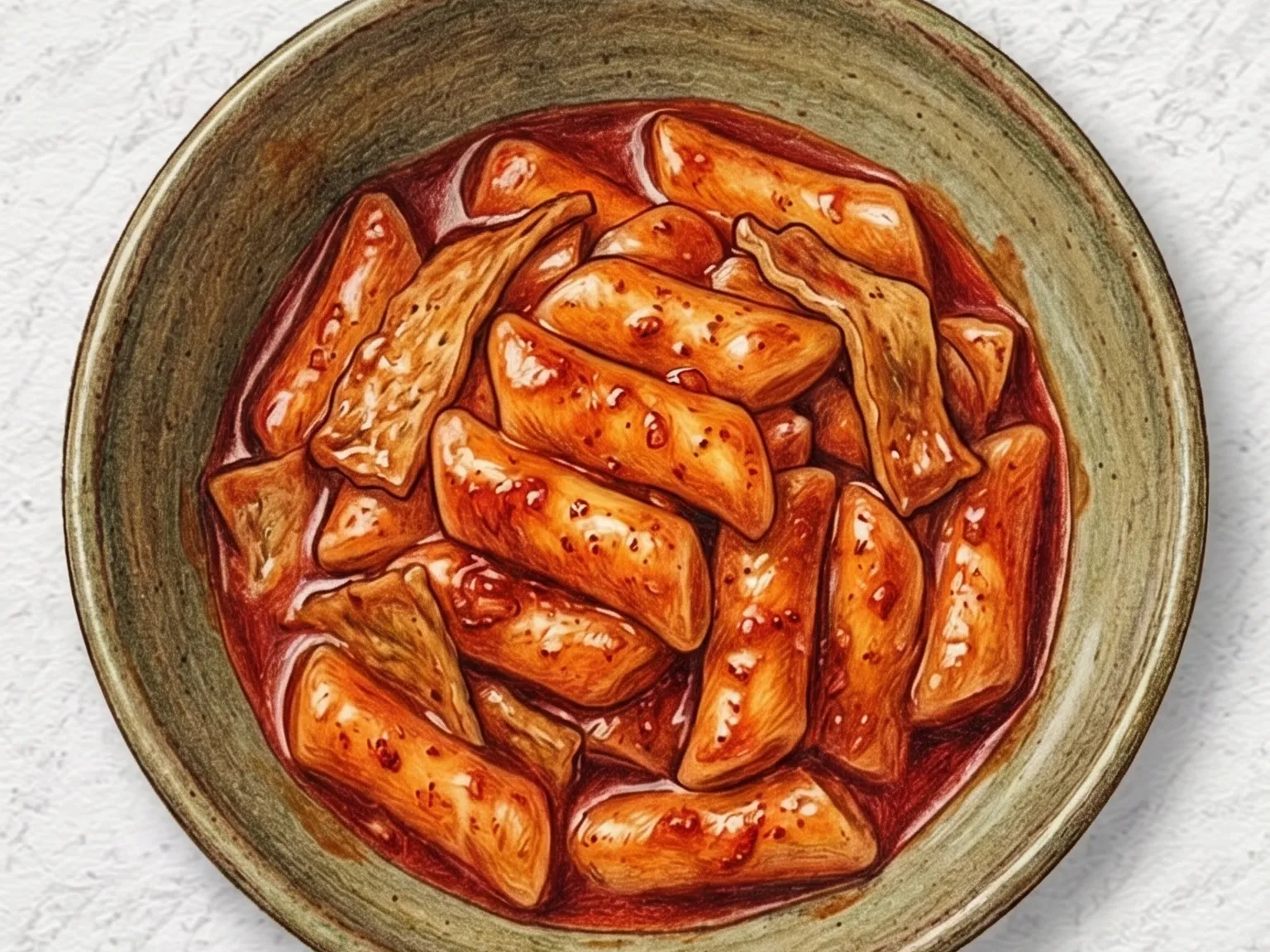
Old-school Wheat Tteokbokki
This recipe details how to make old-school wheat tteokbokki with a sweet and spicy sauce. Wheat rice cakes are used because they absorb the flavors of the gochujang sauce deeper than rice cakes. The wheat cakes are first soaked in cold water for ten minutes to remove surface starch and control how much they swell during cooking. A base sauce is prepared by mixing water with gochujang, red chili powder, sugar, soy sauce, and minced garlic in a pan. Once the sauce boils, the wheat cakes and the white parts of the sliced green onion are added and simmered. When the cakes become soft, bite-size square fish cakes are added to simmer together. The starch and flavor from the fish cakes help thicken the sauce. The green parts of the green onion are added at the end for color, creating a glossy sauce that clings to the ingredients.
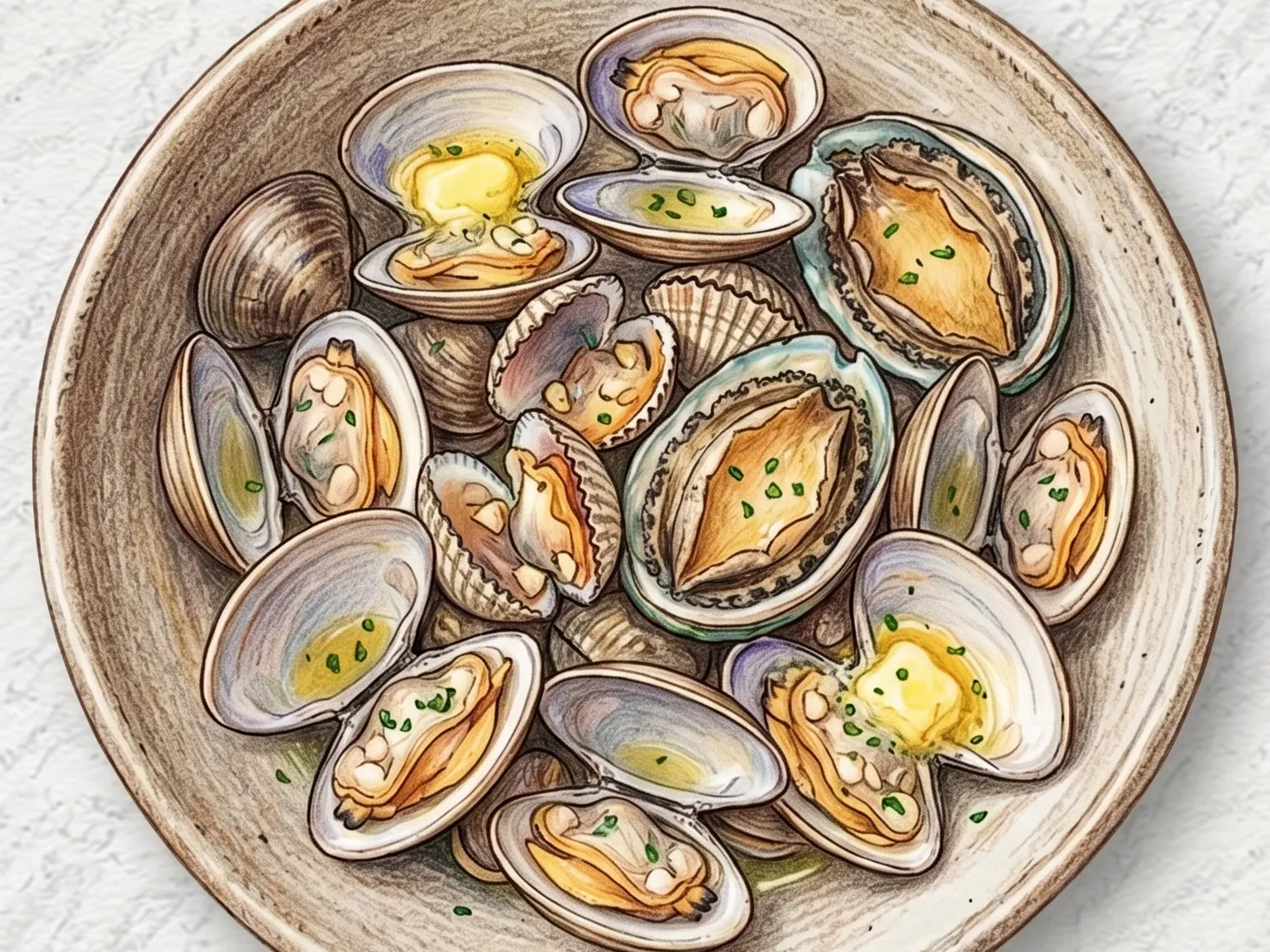
Korean Grilled Clams (Butter Garlic Mixed Shellfish Grill)
Mixed clams are submerged in salt water for at least one hour so they expel any sand and grit naturally, then placed shell-side down on a hot grill or pan. As the shells gradually crack open from the heat, a knob of butter, minced garlic, and a splash of rice wine are dropped into each opened shell for one to two more minutes of cooking. The briny liquid that the clams release mingles with the melting butter, building a concentrated natural sauce inside every shell without any additional stock or seasoning needed. Because clams vary in size, they open at different times, so pulling each one as soon as it opens rather than waiting for the whole batch prevents overcooking. Any clam that stays firmly shut after the others have opened should be discarded as unsafe. Chopped fresh parsley scattered over the finished clams cuts through any residual fishiness with a clean herbal note.
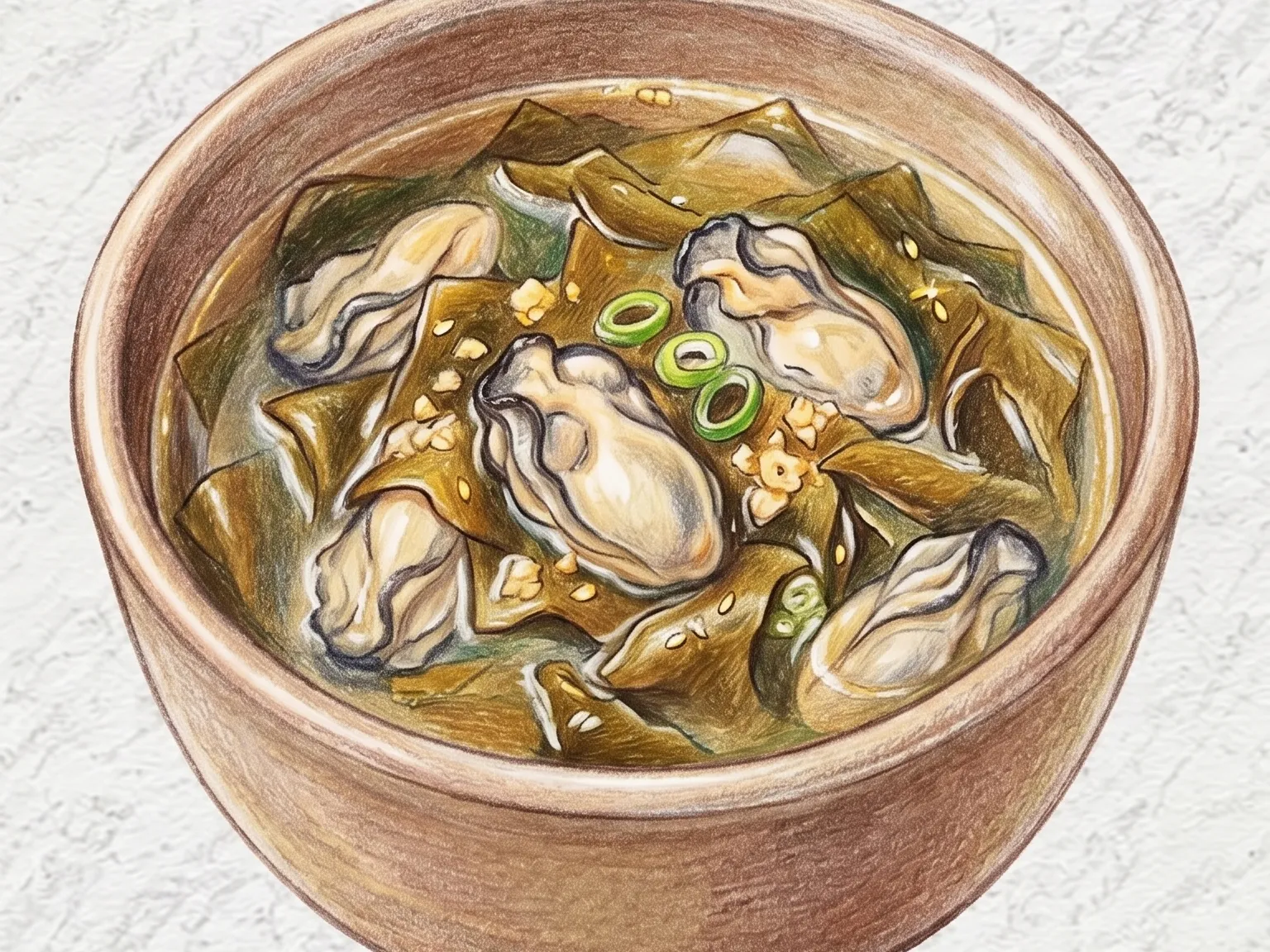
Korean Oyster Seaweed Soup
Gul-miyeok-guk is a Korean seaweed soup with fresh oysters, traditionally served for postpartum recovery and birthday meals. The dish begins by sauteing rehydrated seaweed and oysters together in sesame oil, which coats every strand and shell in a nutty fragrance before water is added. As the soup simmers, the seaweed releases minerals and a subtle brininess that merges with the deep ocean flavor the oysters contribute. Soup soy sauce and minced garlic keep the seasoning clean and grounded without masking the seafood. Oysters reach their peak fat and sweetness between November and January, and using them during this season noticeably enriches the broth with a creamy, briny depth. The seaweed should be sauteed for no more than one or two minutes with the oysters to keep it tender rather than chewy before the water goes in.
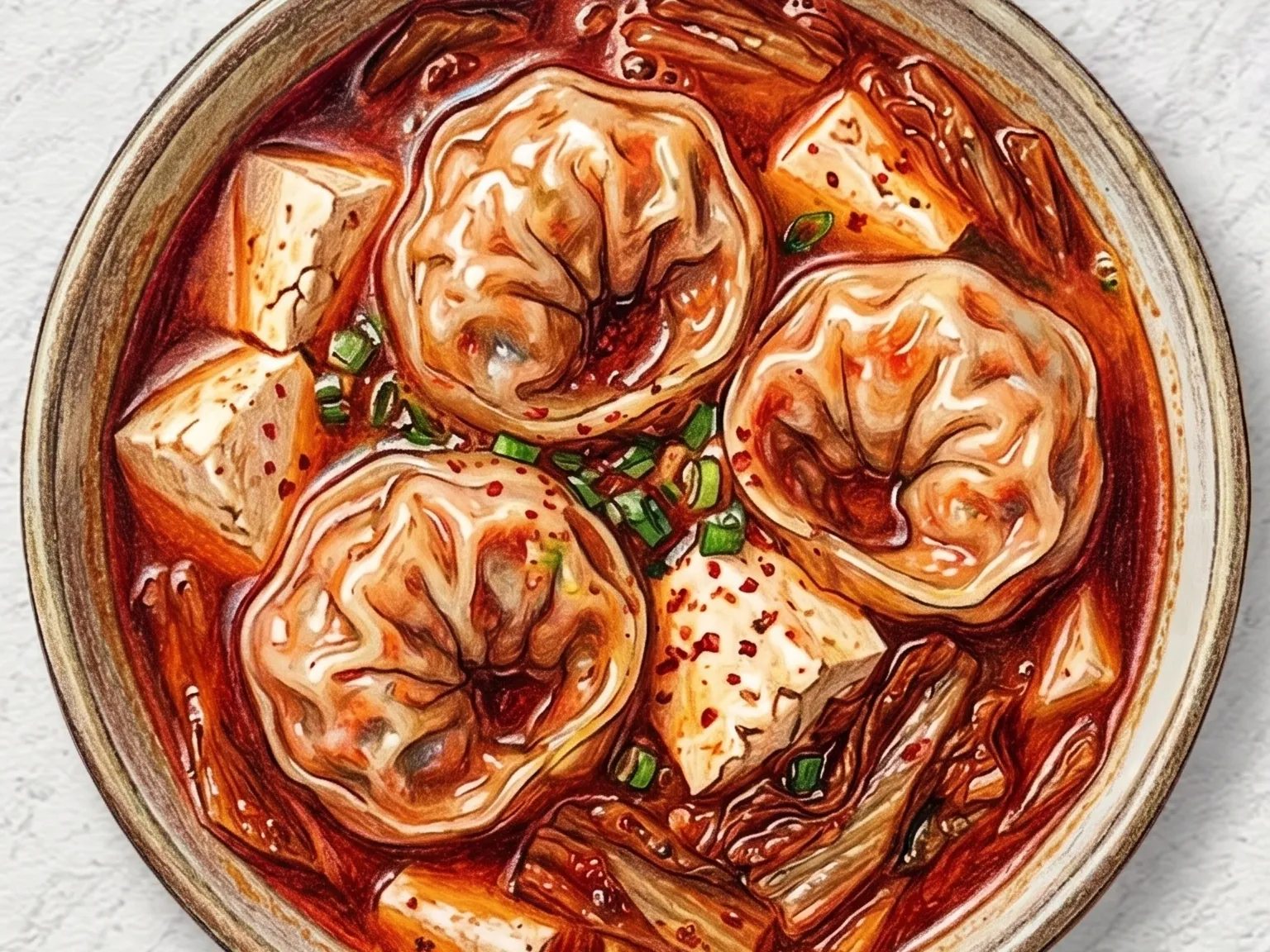
Korean Kimchi Mandu Jjigae (Kimchi Dumpling Stew)
Kimchi mandu jjigae drops whole frozen kimchi dumplings straight into a simmering pot of aged kimchi, tofu, and anchovy stock. The dumpling wrappers absorb the broth as they cook, swelling plump and moist, while the kimchi filling inside echoes the stew's tangy base and doubles the fermented depth. Gochugaru and soup soy sauce add a clean chili heat, and firm tofu cubes absorb the spiced broth for a softer textural contrast. Because the dumplings themselves carry seasoning, it is better to start with less sauce and adjust after tasting the broth. This is a filling, no-fuss meal that needs nothing more than a bowl of steamed rice alongside it.
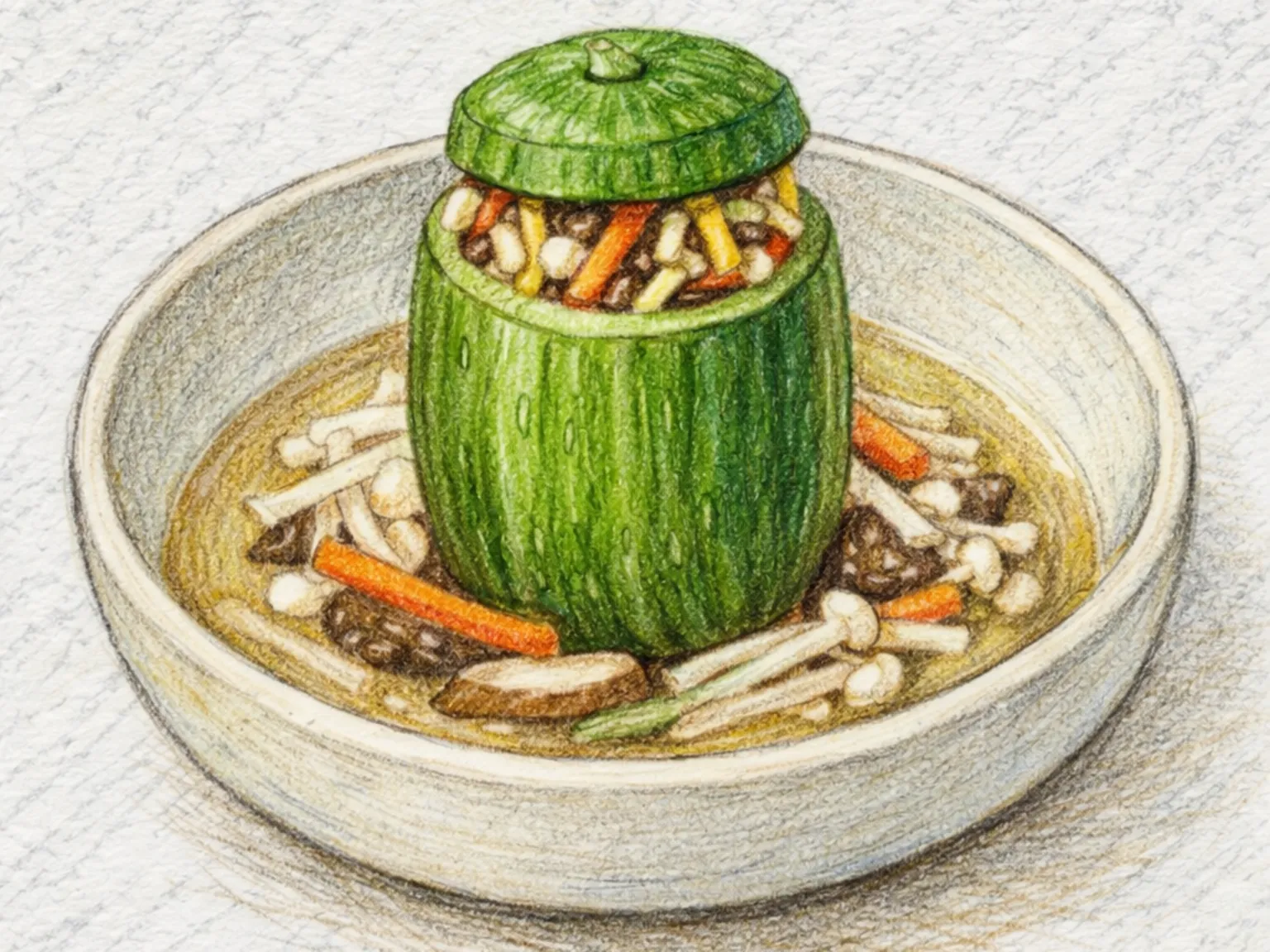
Korean Stuffed Steamed Cucumber
Oiseon is a traditional Korean court-style dish in which cucumber sections are hollowed out, stuffed with a filling of ground chicken, crumbled tofu, and finely julienned carrot, then steamed until the filling is just cooked through. The filling is seasoned only with soy sauce, garlic, and sesame oil, keeping it savory and lightly fragrant without competing with the clean flavor of the cucumber itself. Each piece delivers two distinct textures at once: the crisp, cool resistance of the cucumber shell against the soft, moist filling packed inside. Steaming rather than frying or sauteing preserves the cucumber's fresh green aroma and keeps the dish entirely oil-free, letting the natural character of each ingredient come forward without interference. The dish can be served warm directly from the steamer or chilled, at which point the flavors settle into a precise, refreshing clarity that works well in warmer seasons. A small dipping sauce of mustard sauce or light vinegar soy sauce sharpens the profile further. The careful preparation and restrained seasoning make oiseon appropriate for formal Korean table settings and guest entertaining, representing the kind of cooking where technique and balance speak louder than bold flavors.