🎉 Special Occasion Recipes
Impressive dishes for guests and special occasions
929 recipes. Page 10 of 39
When guests are coming, the menu needs a little extra care. This tag features impressive dishes suited for entertaining - galbi-jjim, japchae, and bulgogi for a Korean spread, or pasta and steak for a Western-style course.
The key to stress-free hosting is choosing recipes that allow advance preparation. Do the heavy lifting the day before, then finish plating when guests arrive. That way, you can relax and enjoy the meal together.
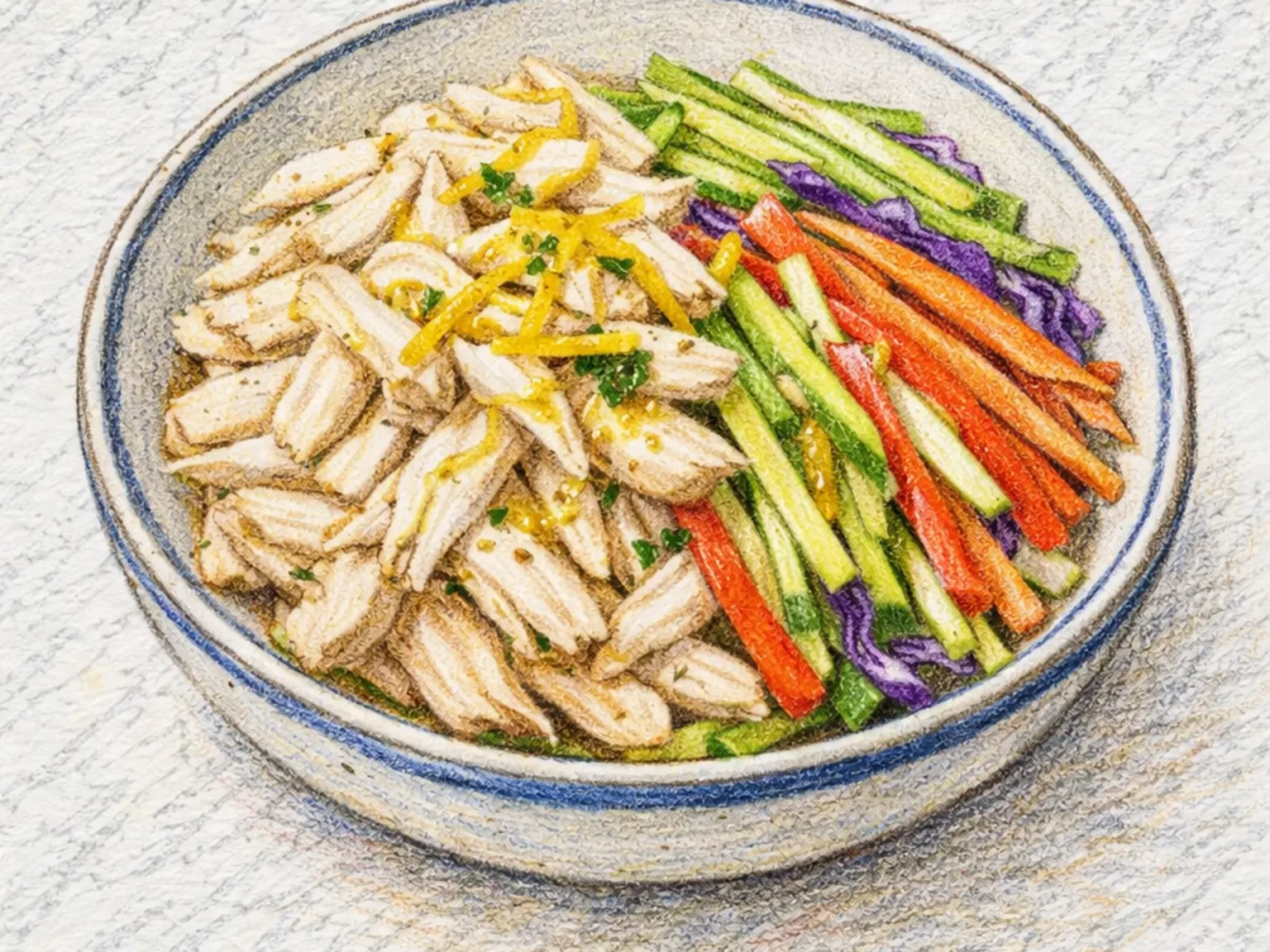
Yuja Mustard Chicken Naengchae Salad
Yuja mustard chicken naengchae salad shreds boiled chicken breast along the grain and tosses it with julienned cucumber, Korean pear, bell pepper, and cabbage in a dressing of yuja marmalade, Korean mustard paste, vinegar, and sesame oil. Soaking the chicken breast in lightly salted water for ten minutes before boiling helps the muscle fibers retain moisture, keeping the shredded meat tender rather than dry. The yuja marmalade brings a bright citrus fragrance, and the Korean mustard delivers a sharp, nasal heat - vinegar binds these two strong personalities into a cohesive dressing. Slicing the pear just before serving preserves its juice and crisp sweetness. Adding two-thirds of the dressing first, then tasting and adjusting, prevents the acidity from overwhelming the delicate balance of the salad.
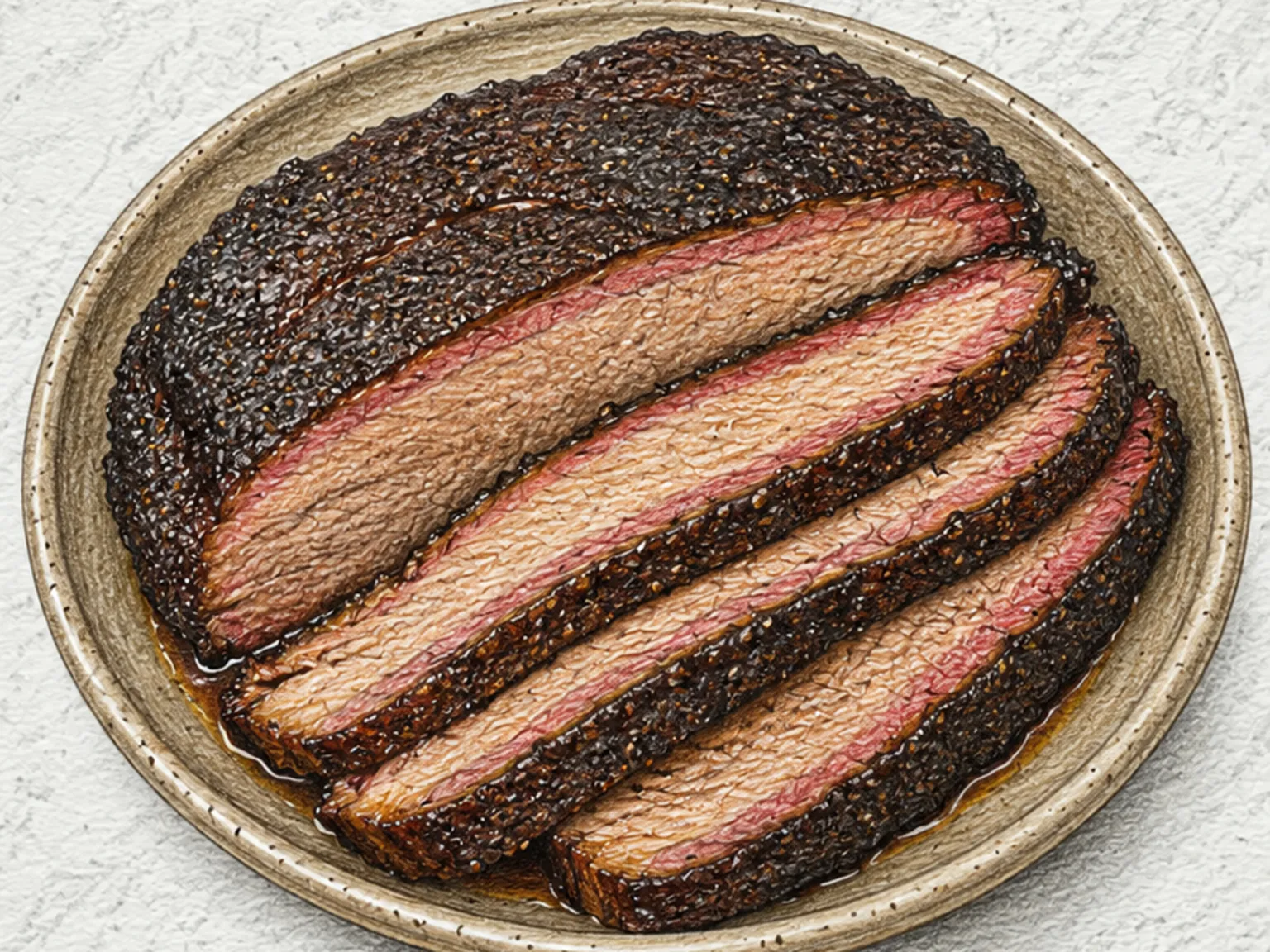
BBQ Beef Brisket
Texas-style BBQ beef brisket requires nothing more than coarse salt and cracked black pepper rubbed into a whole packer brisket before twelve or more hours of low-temperature smoking over oak. The minimal seasoning lets the wood smoke and the meat itself do the work. Extended smoke exposure builds a dark, crusty exterior called bark that concentrates flavor on every surface. The thick fat cap renders gradually and keeps the lean flat below it moist through half a day of cooking. Collagen breaks down completely, so each slice pulls apart along the grain with almost no resistance. The result carries oak smoke, sharp black pepper, and the deep beef flavor that salt draws forward - a reminder that time, more than any combination of spices, defines this tradition. Sliced and served with white bread and pickles in the Texas style.
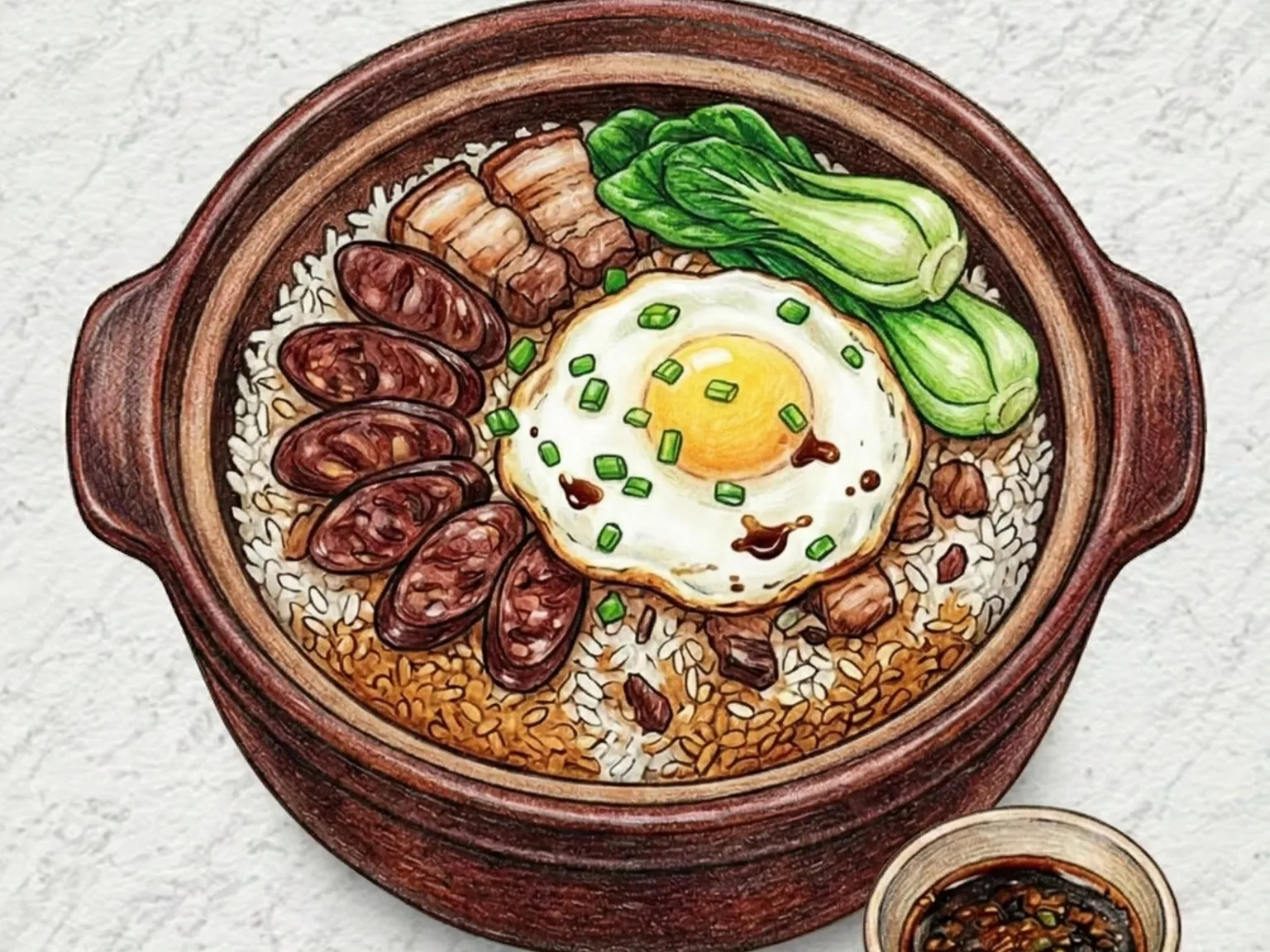
Bao Zai Fan (Cantonese Claypot Rice with Chinese Sausage)
Bao zai fan - claypot rice - is a Cantonese winter dish served in Hong Kong dai pai dong stalls and Guangzhou old-quarter restaurants for well over a century. Raw rice cooks directly in a heated clay vessel with Chinese sausage, cured meats, or marinated chicken layered on top; their rendered fats drip down and season the grains as they absorb liquid. Clay retains heat well after leaving the flame, continuing to toast the bottom layer of rice into a golden, crackling crust called fan jiu - the most coveted part of the whole dish. A sauce of dark soy, light soy, sugar, and sesame oil is poured over at the table and stirred through, staining the white rice amber and releasing a rush of caramelized soy fragrance. Within a single pot, textures shift from sticky-soft grains on top through a chewy middle layer to a shattering crust at the bottom - a range that has kept claypot rice central to Cantonese comfort eating despite the patience it demands.
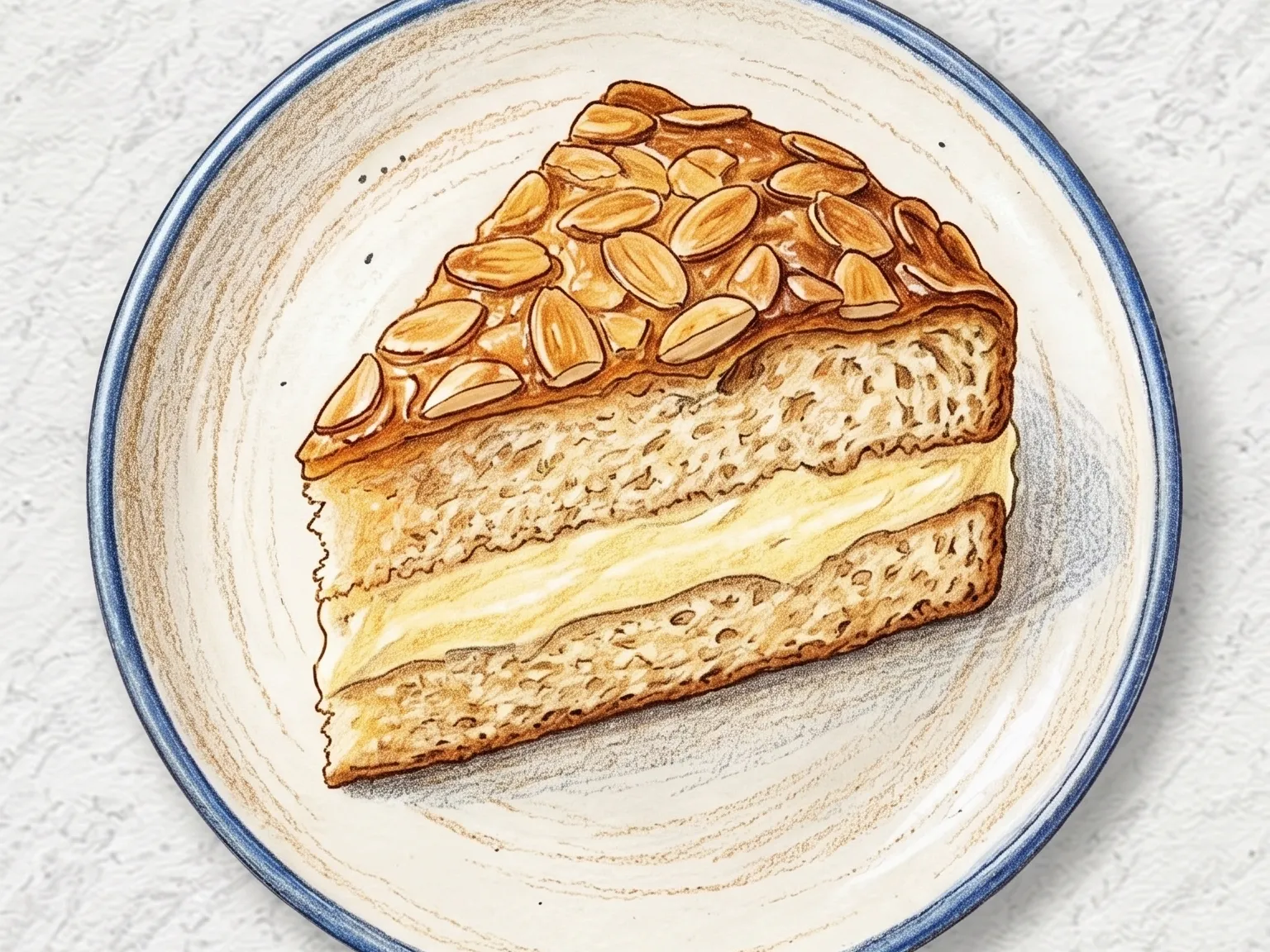
Bienenstich (German Bee Sting Cake) - Caramelized Almond and Custard Recipe
Bienenstich, German for bee sting, is a traditional German bakery cake built on enriched yeasted dough topped with caramelized sliced almonds cooked in butter and sugar before baking. The almond layer sets into a crunchy golden crust in the oven while the dough below stays pillowy and soft. Once the cake has cooled completely, it is split horizontally and filled generously with vanilla custard or whipped cream. A single bite moves through three distinct layers: the shattering almond topping, the tender yeasted bread, and the cool, smooth cream within. Pressing the almond topping firmly onto the dough before baking prevents it from sliding off during the bake. If making custard from scratch, chilling it completely before filling keeps the bread from turning soggy.
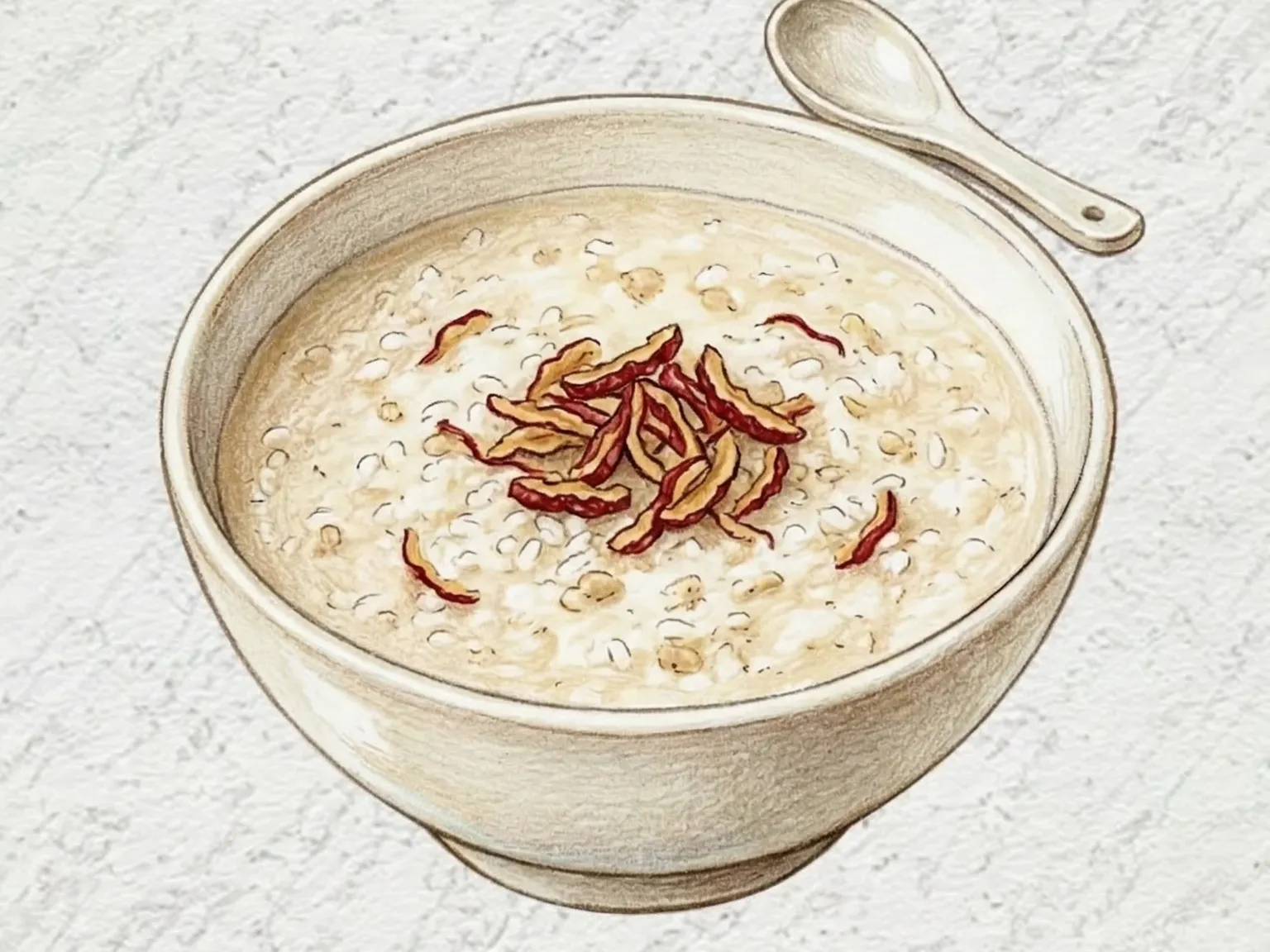
Korean Pine Nut Porridge (Creamy Nutty Nourishing Rice Porridge)
Pine nuts are blended with water into a smooth milk, then stirred into soaked rice that has been sauteed in sesame oil to bring out its starch aroma. The pine nut milk is added after the rice has already simmered for ten minutes, because prolonged boiling diminishes the nuts' volatile fragrance. The finished porridge has a pale cream hue and leaves a lingering resinous pine-nut note on the palate. Thinly sliced jujube garnish adds a pop of red color and gentle natural sweetness that complements the nuttiness.

Ssiat Hotteok (Korean Sweet Seed Pancake)
Ssiat-hotteok is a Korean street snack made from a yeast-leavened dough stuffed with a mixture of brown sugar, cinnamon, sunflower seeds, and pumpkin seeds, then pressed flat in an oiled pan until the outside crisps and the inside turns molten. The dough must proof until it doubles in size before dividing into eight portions; each portion is filled and the seam pinched shut firmly, because a loose seal allows the melted sugar to escape and burn against the pan. Slow cooking on low heat develops a thin, crisp crust on the exterior while the brown sugar inside dissolves into a sticky syrup that carries the warmth of the cinnamon and the crunch of the seeds. Activating the yeast in warm milk rather than water adds a subtle dairy richness to the dough, producing a softer, more rounded result than versions made with water alone.
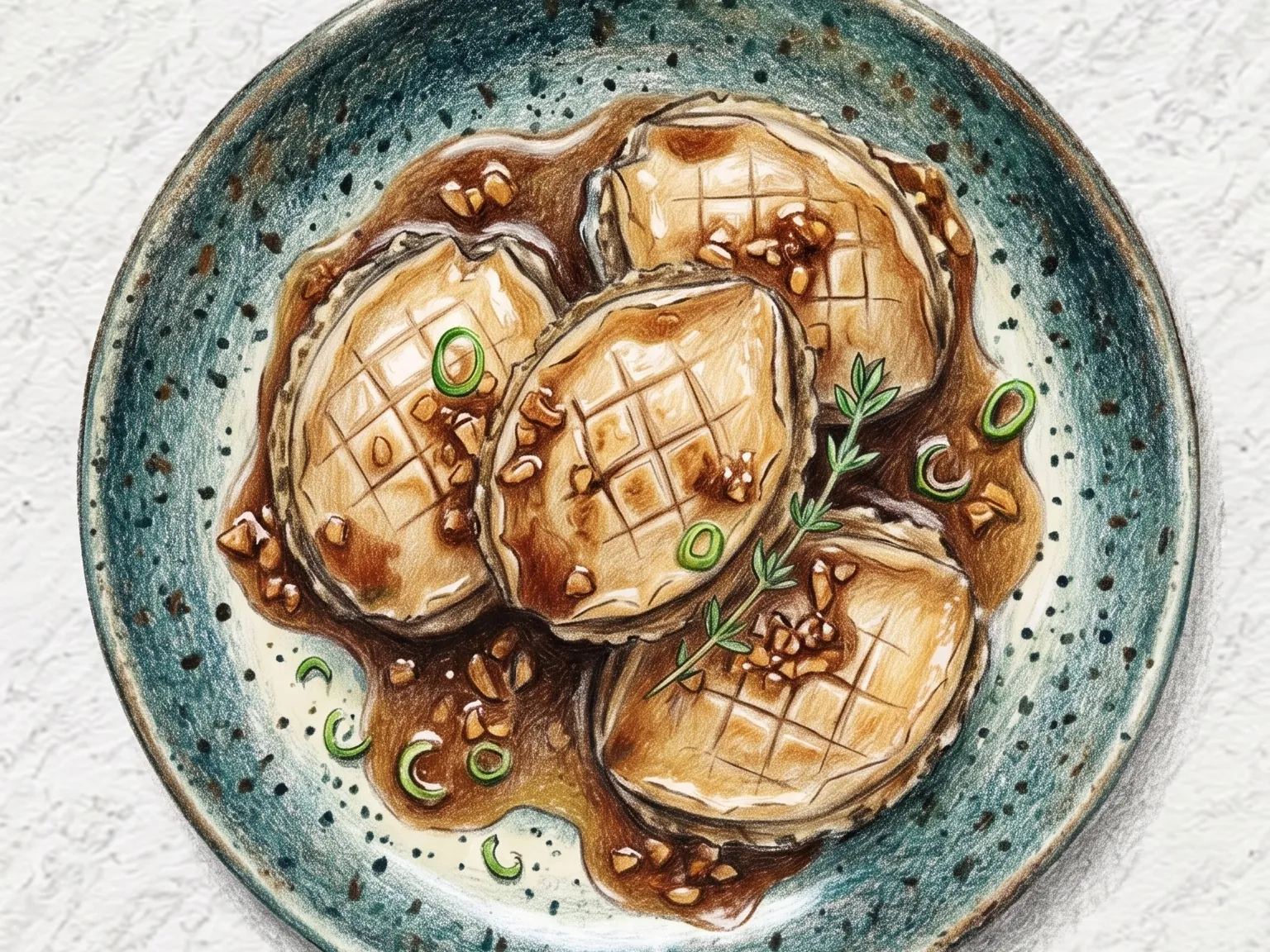
Korean Butter-Grilled Abalone
Scored abalone is seared quickly in garlic butter, with the cooking time kept to two or three minutes so the flesh stays springy and firm rather than contracting into a tough, rubbery state. Minced garlic is added to the melted butter first, allowing its fragrance to bloom before the abalone goes in, so the shellfish absorbs the full depth of the butter. A small addition of soy sauce to the pan deepens the umami without masking the delicate sweetness of the abalone itself. For an extra layer of oceanic richness, the abalone liver can be minced and stirred directly into the butter sauce as it finishes; the liver melts in, contributing a briny, mineral depth that amplifies the sea flavor of the dish. The finished abalone is best served in the cleaned shells, which both keep the butter sauce pooled around the meat and make for an appealing natural presentation. A light squeeze of lemon juice just before serving cuts through the richness of the butter and brings out the natural sweetness of the shellfish.
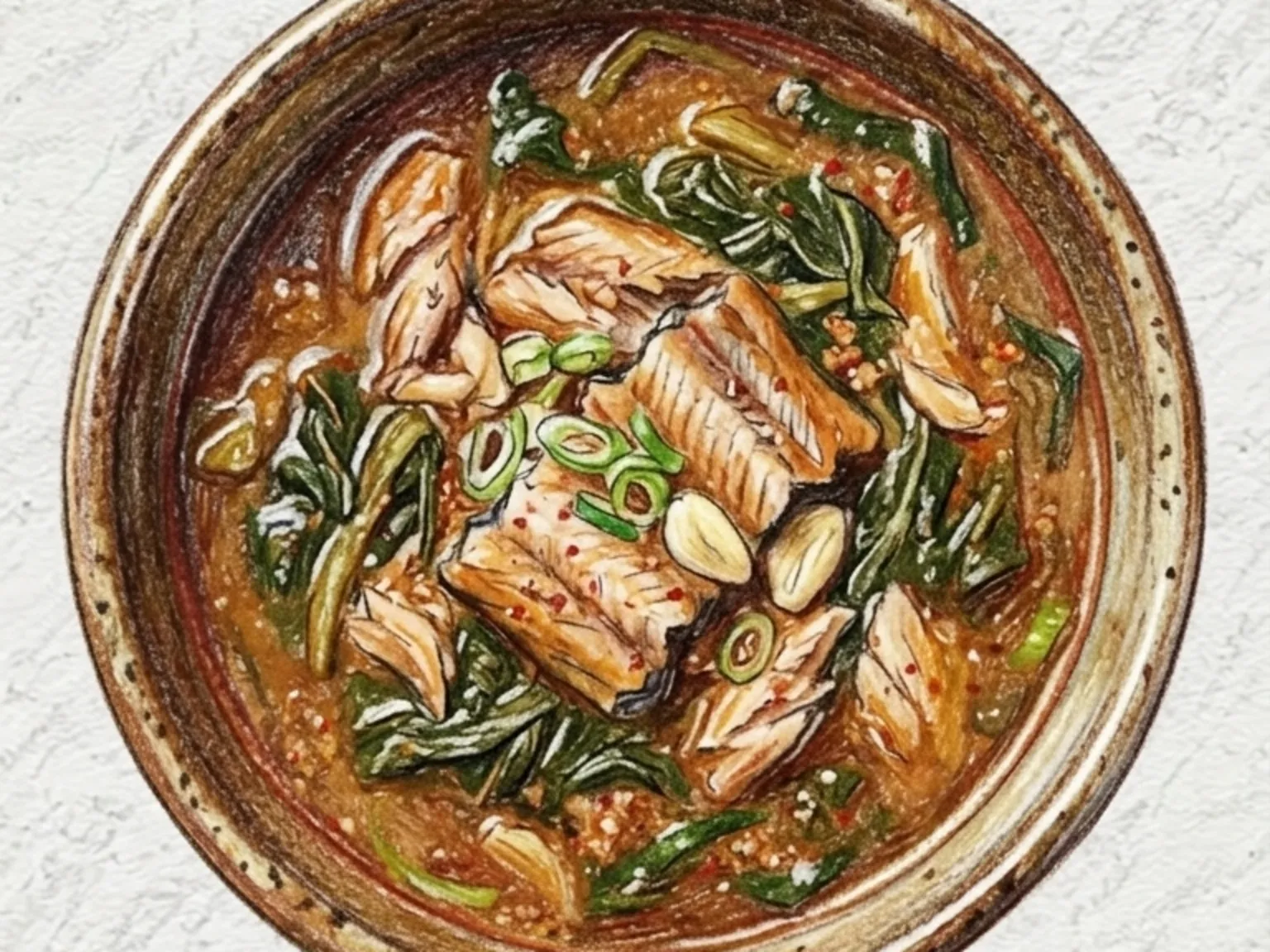
Jangeo-tang (Spicy Freshwater Eel Soup)
Jangeo-tang is a nourishing Korean eel soup in which freshwater eel is boiled, deboned, and simmered in a seasoning base of doenjang and gochugaru. Dried radish greens (sirae-gi) are added to the pot for an earthy, faintly bitter depth that grounds the overall richness. Garlic and green onion work against any fishiness, leaving behind the clean, fatty character of the eel itself. What distinguishes this broth from a straightforward spicy soup is the interaction between the fermented weight of doenjang, the direct heat of gochugaru, and the rendered fat of the eel: the three together produce a complexity that neither doenjang nor chili achieves alone. The eel meat holds its grain even with extended cooking, remaining tender without falling apart. Rich in protein and unsaturated fats, this soup has long been categorized as a stamina-restoring food in Korean culinary tradition, consumed during the three hottest periods of summer or whenever the body needs rebuilding. Sliced green chili or perilla seed powder can be stirred in to shift the broth's profile.
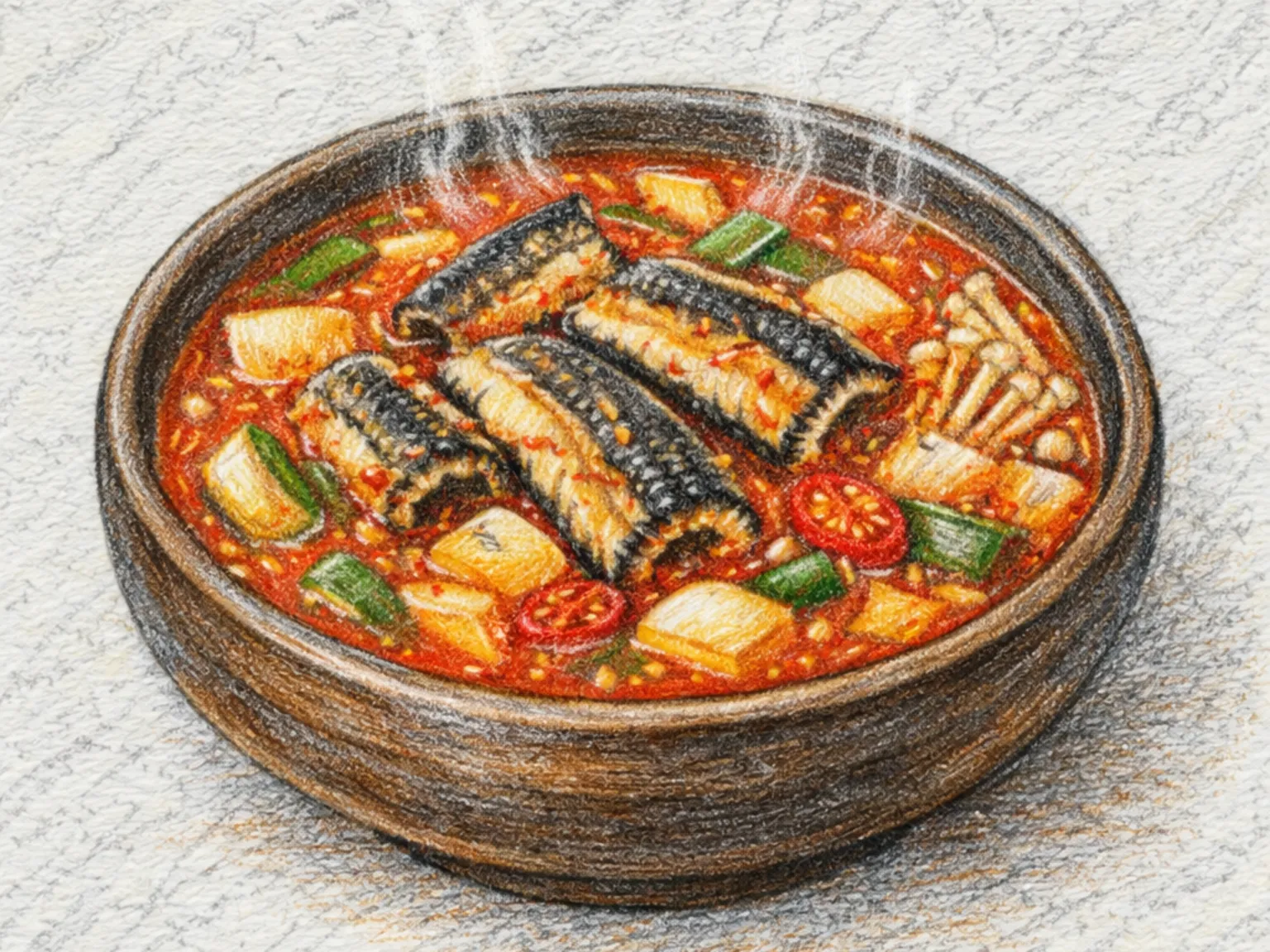
Korean Eel Stew (Freshwater Eel in Spicy Perilla Broth)
Jangeo jjigae is a nourishing Korean stew featuring freshwater eel simmered in a gochujang-based broth enriched with ground perilla seeds. The eel's fatty, firm flesh melds with the fermented chili paste to produce an intensely savory liquid, while the perilla adds a creamy, nutty body that gives the finished stew a thick, substantial texture. Gochugaru layers an additional level of heat on top of the gochujang's deep sweetness, so the spice builds in complexity across each spoonful rather than hitting at one flat register. Cooking the eel with the bones left in extracts collagen into the broth and deepens the overall richness, while boneless pieces are easier to eat. Garlic and ginger are added in generous amounts to counter the eel's strong aroma, and the perilla powder is stirred in only at the very end of cooking so its nutty fragrance is preserved rather than cooked off. Traditionally regarded as a stamina food, the stew is especially popular on the three hottest days of the Korean lunar calendar - sambok - and throughout the summer months when the body loses energy to the heat. A bowl served piping hot produces a spreading warmth from the inside out.
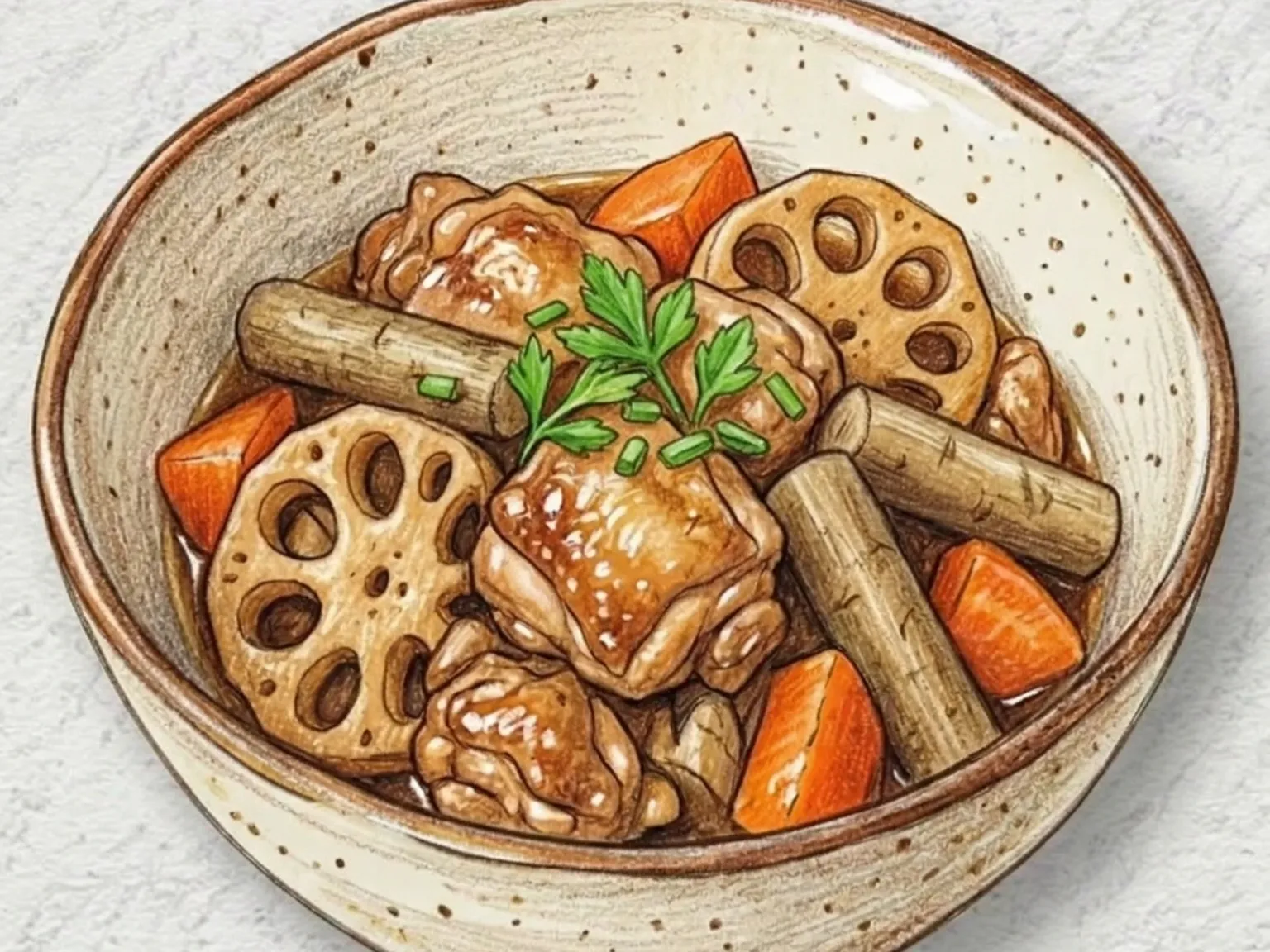
Japanese Braised Chicken and Root Vegetables
Chikuzenni is a Japanese-style braise of chicken thigh with lotus root, burdock, and carrot simmered in dashi seasoned with soy sauce and mirin. The thigh is seared first to render its fat, which coats each root vegetable piece as they braise together, building savory depth in the broth. Lotus root holds its firm bite through the cook, while burdock develops an earthy, nutty quality that intensifies with chewing. Mirin's restrained sweetness rounds out the soy, producing a side dish that stays satisfying across multiple meals of steamed rice.
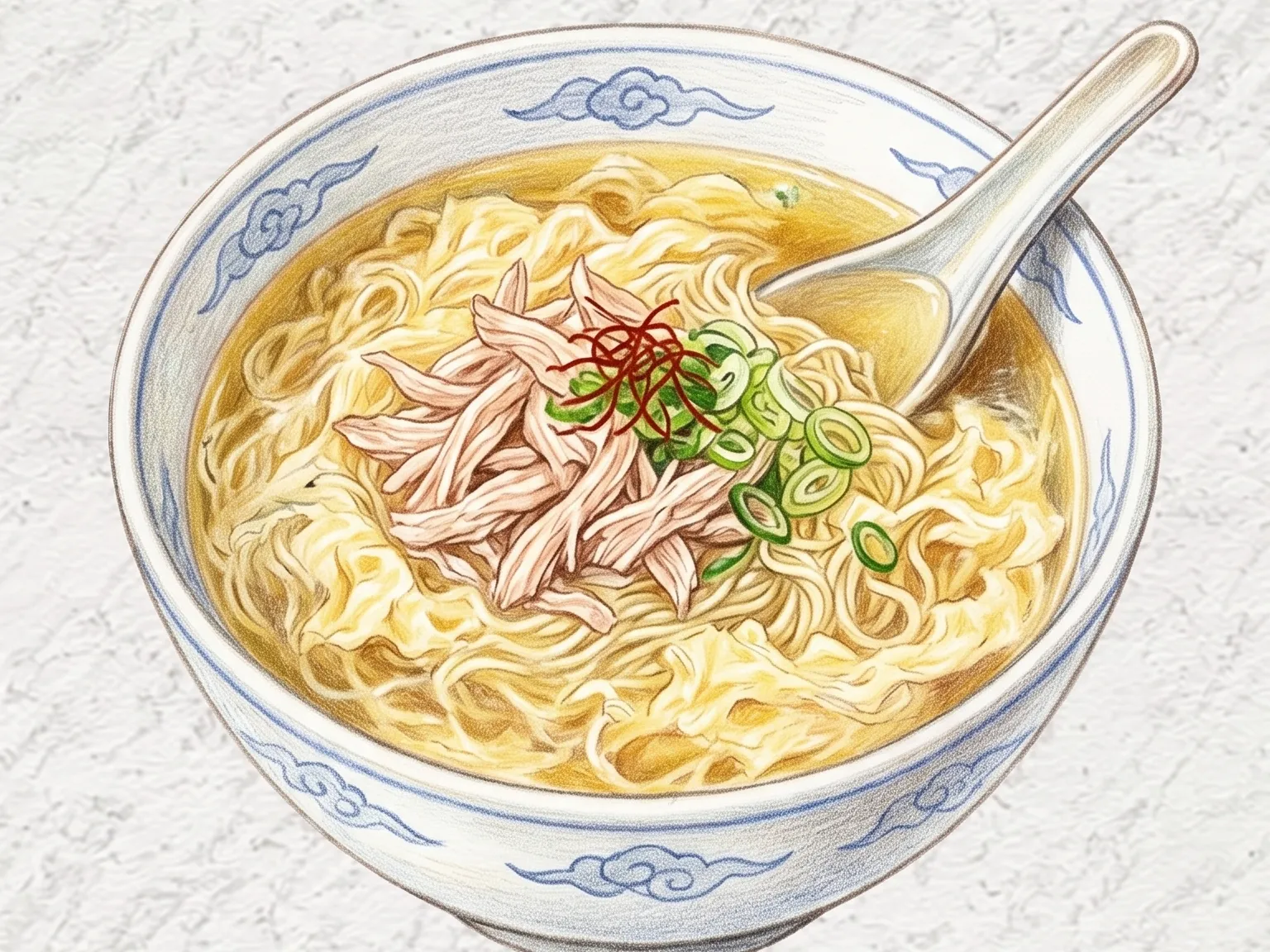
Korean-Chinese Chicken Broth Noodles
Gis-myeon is a Korean-Chinese noodle soup in which thin wheat noodles are served in a clear, pale chicken broth topped with delicate ribbons of egg that have been poured in a fine stream and cooked into floating wisps. The broth begins with chicken breast simmered in water with aromatics; once the stock is strained and clarified, the cooked chicken is shredded into fine threads and reserved as the main garnish. Beaten egg is drizzled very slowly into the gently boiling stock while stirring in one direction, which produces the characteristic silk-like strands rather than broken scrambled curds. The seasoning is deliberately minimal: only soup soy sauce and salt are used, keeping the broth light, clean, and transparent enough to see the noodles beneath. A small measure of starch slurry stirred in just before serving gives the liquid a subtle viscosity that allows it to cling to each strand of noodle, ensuring flavor in every bite rather than leaving a watery pool at the bottom of the bowl.
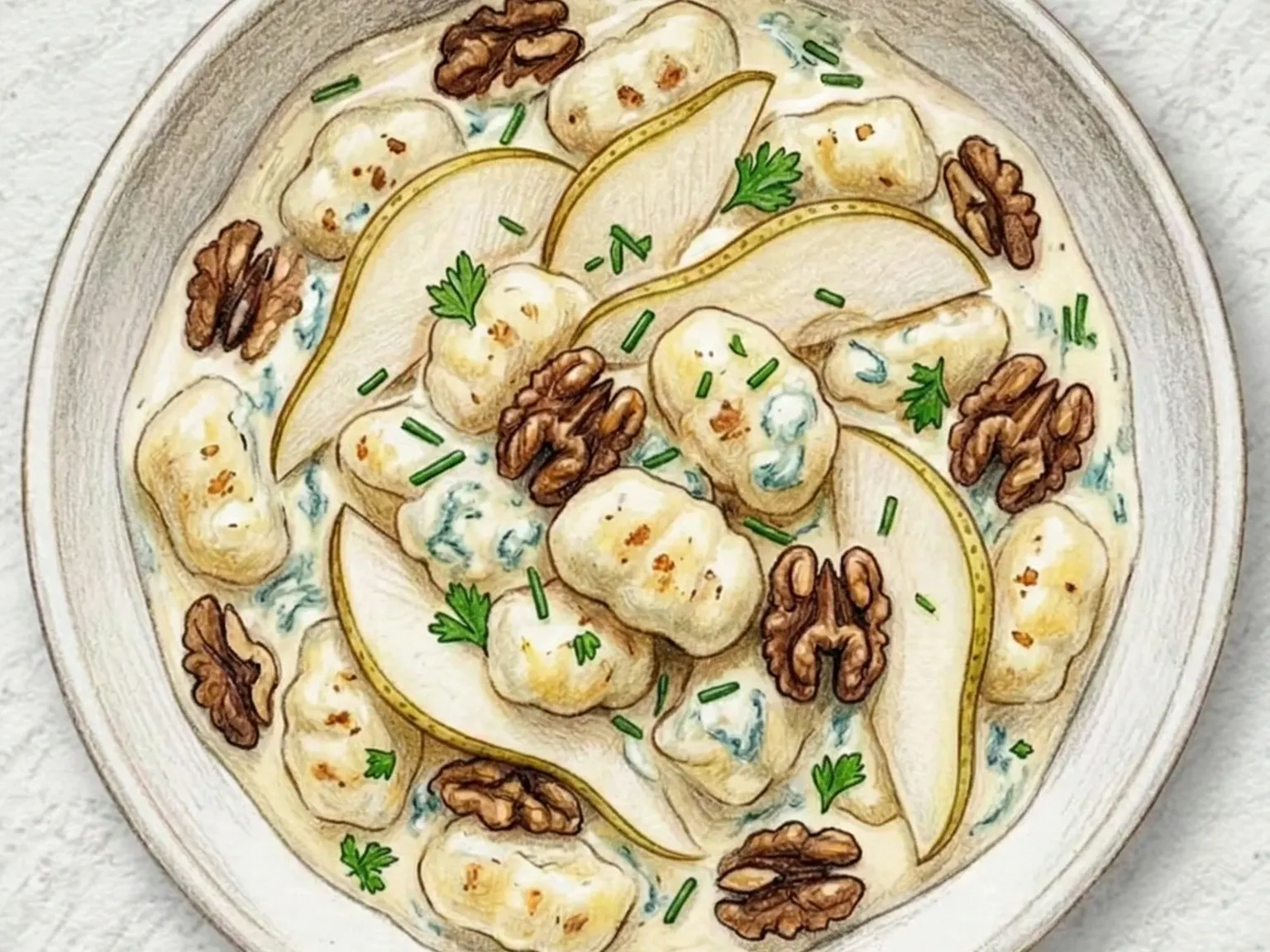
Gorgonzola Pear Walnut Gnocchi
Gorgonzola pear walnut gnocchi pairs the sharp, salty punch of Italian blue cheese with ripe pear natural sweetness over pillowy potato gnocchi. The sauce is built by melting gorgonzola into butter and heavy cream until it forms a smooth, pungent coating that clings to each dumpling. Pear slices are sauteed briefly so their sugars concentrate without losing structure, and dry-toasted walnuts contribute crunch and a roasted nuttiness that complements the cheese. A small amount of lemon juice cuts through the richness to keep the palate fresh. Cook time is just 15 minutes, making it one of the faster gnocchi dishes despite its layered flavor profile.
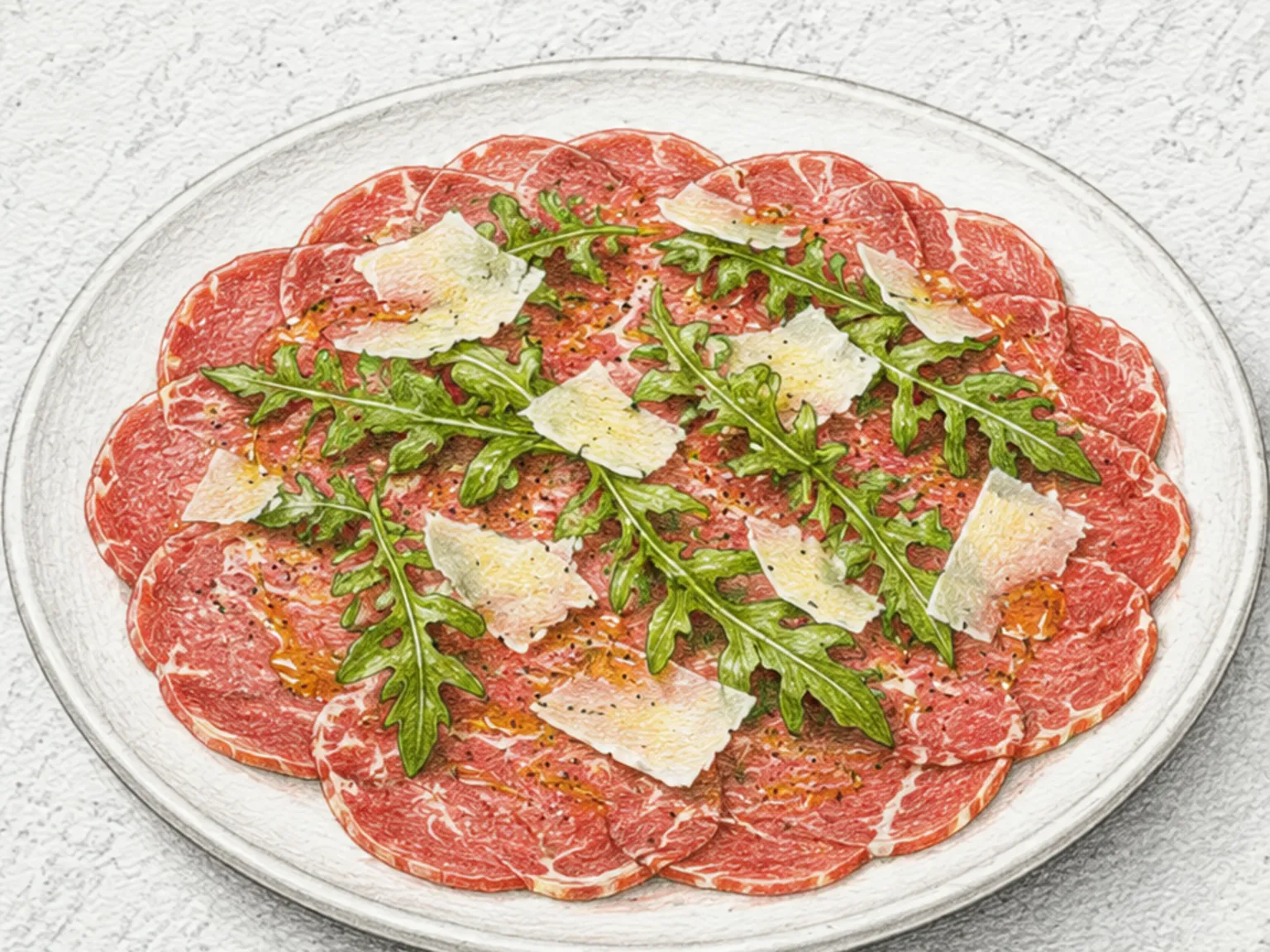
Beef Carpaccio
Beef carpaccio is a Venetian appetizer of raw beef tenderloin sliced paper-thin after brief freezing, laid out across a chilled plate in a single even layer, and finished with extra virgin olive oil, fresh lemon juice, and shaved Parmesan. Served completely raw, the tenderloin's clean, mild flavor and butter-soft texture come through without any interference from heat. The grassy richness of olive oil coats each slice evenly, lemon juice sharpens the palate with bright acidity, and Parmesan adds a salty depth that rounds out the plate. A handful of peppery arugula placed on top sets a bitter-green edge against the mild meat, adding a layer of complexity to what is essentially the simplest possible approach to preparing beef.
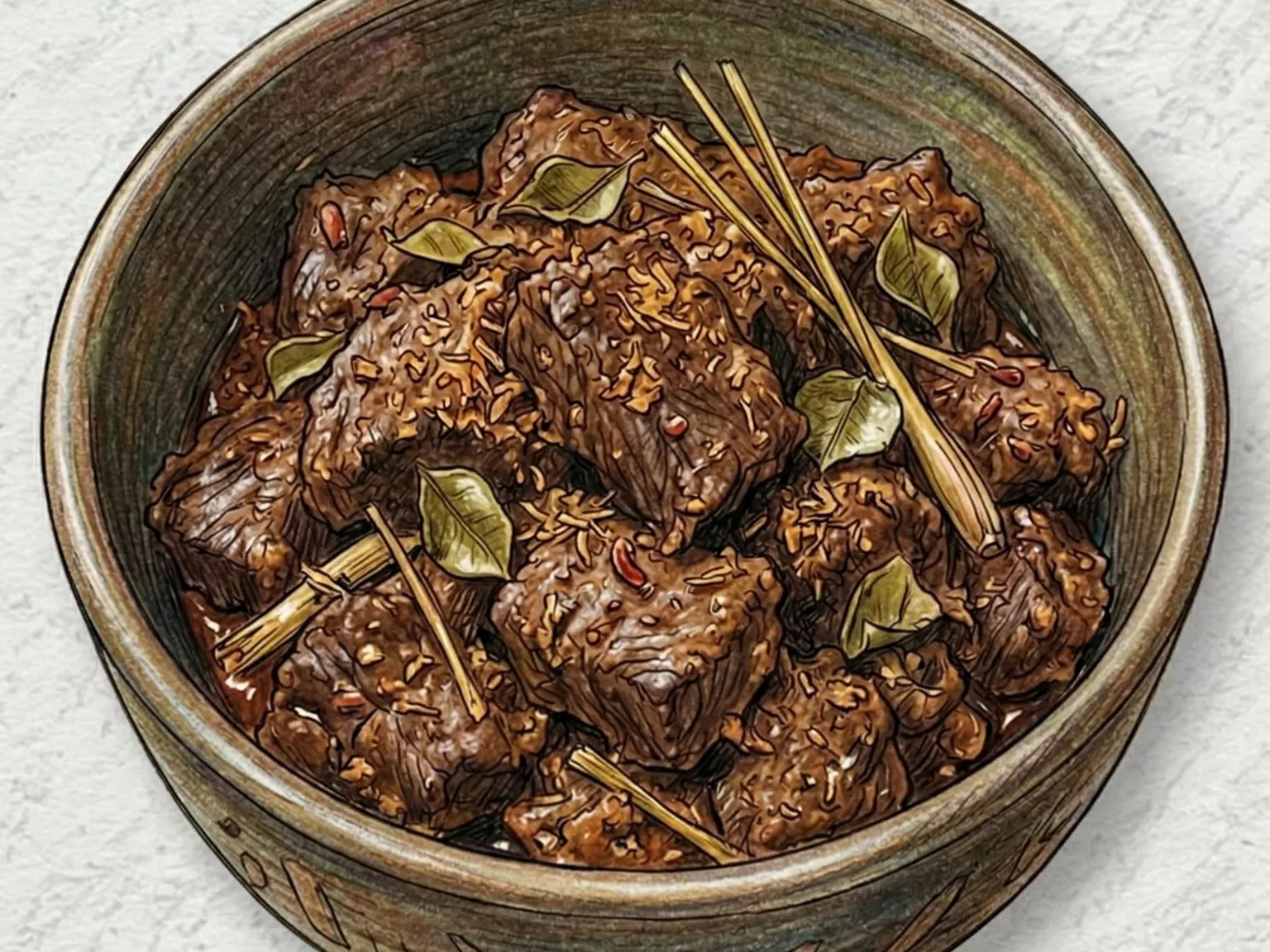
Beef Rendang (Indonesian Dry Coconut Braised Beef Curry)
Rendang originated among the Minangkabau people of West Sumatra as a preservation method: cooking meat in coconut milk and spices until all moisture is driven out, allowing it to keep for days without refrigeration in tropical heat. The process begins with a rempah paste of shallots, garlic, ginger, galangal, turmeric, and lemongrass pounded in a mortar, then fried in coconut oil until the raw sharpness cooks off. Beef chunks go into coconut milk and braise for two to three hours as the liquid reduces in stages - first a loose curry, then a thick sauce, and finally a dry phase where the coconut oil separates and essentially fries the meat inside its own spice crust. The finished pieces are dark brown, nearly black at the edges, carrying concentrated layers of chili heat, galangal warmth, and deep sweetness from the caramelized coconut solids. UNESCO recognized rendang as part of Minangkabau intangible cultural heritage, and the dish ranks consistently among the world's most celebrated preparations.

Black Forest Cake
Black Forest cake is a layered chocolate cake from the Schwarzwald region of southwestern Germany. Dark, moist chocolate sponge layers are stacked with alternating fillings of tart cherry compote and lightly sweetened whipped cream. In the traditional preparation, each sponge layer is brushed with Kirschwasser, a clear cherry brandy, which carries the cherry flavor deep into the crumb and adds a quiet warmth throughout the cake. The bitterness of the cocoa, the acidity of the cherries, and the neutral creaminess of the whipped cream create a clear contrast that repeats with each layer, so every bite delivers the same balance of flavors. The cake is finished with whipped cream rosettes, dark chocolate shavings, and whole cherries arranged on top. It must be chilled thoroughly before slicing so the layers hold their shape and the cross-section comes out clean.
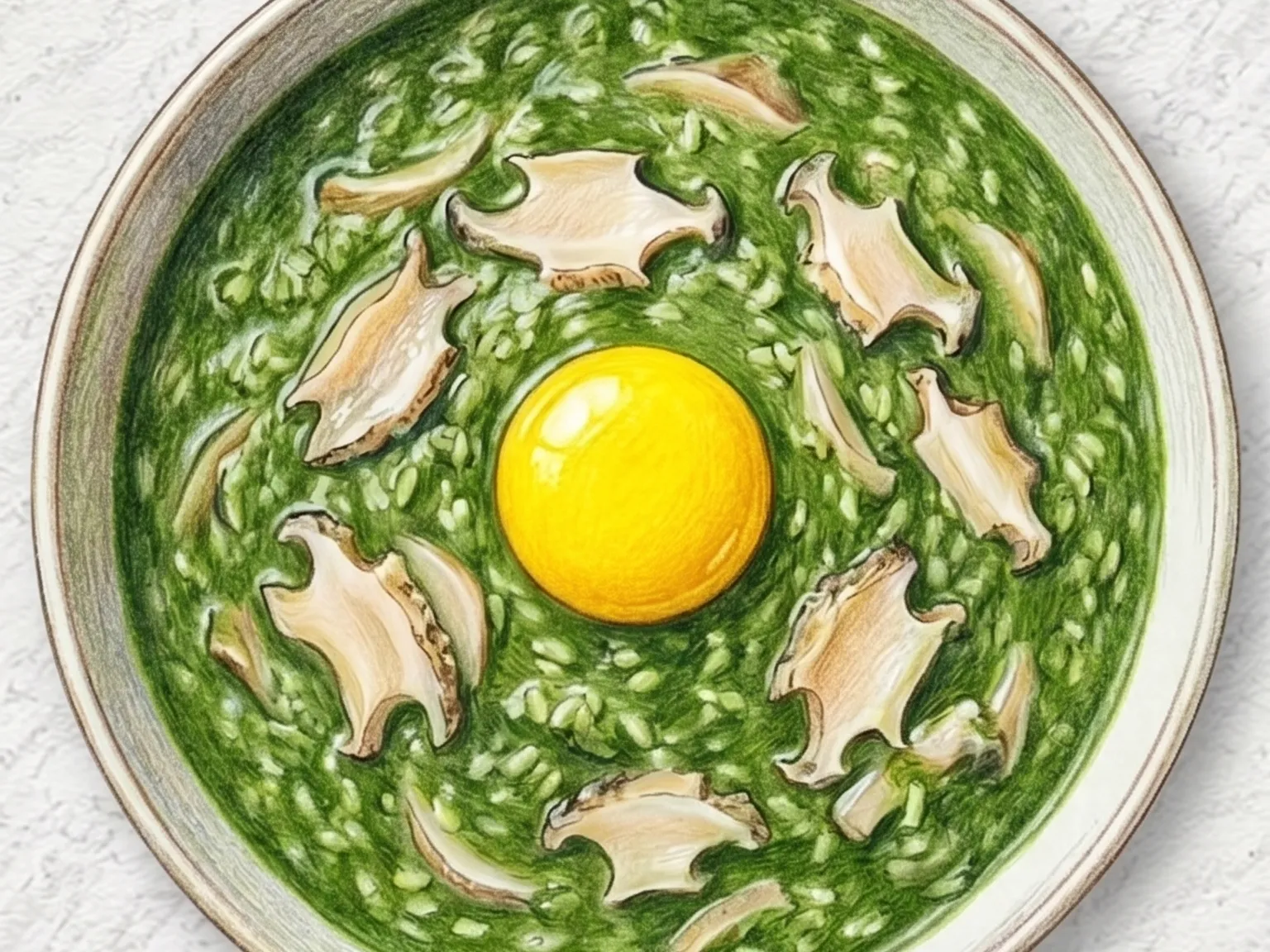
Korean Abalone Porridge (Jeonbok Juk)
Abalone innards are sauteed in sesame oil until they release a green tint and briny aroma, then simmered with soaked rice on low heat for over 30 minutes into a nourishing porridge. The freshness of the innards dictates both the porridge's color and depth of flavor, with vivid green being the sign of quality. Thinly sliced abalone meat goes in near the end so it stays chewy rather than turning rubbery, and frequent stirring throughout prevents the bottom from scorching. An egg yolk placed on top creates a visual contrast against the greenish porridge and, once broken and mixed in, adds a layer of richness.
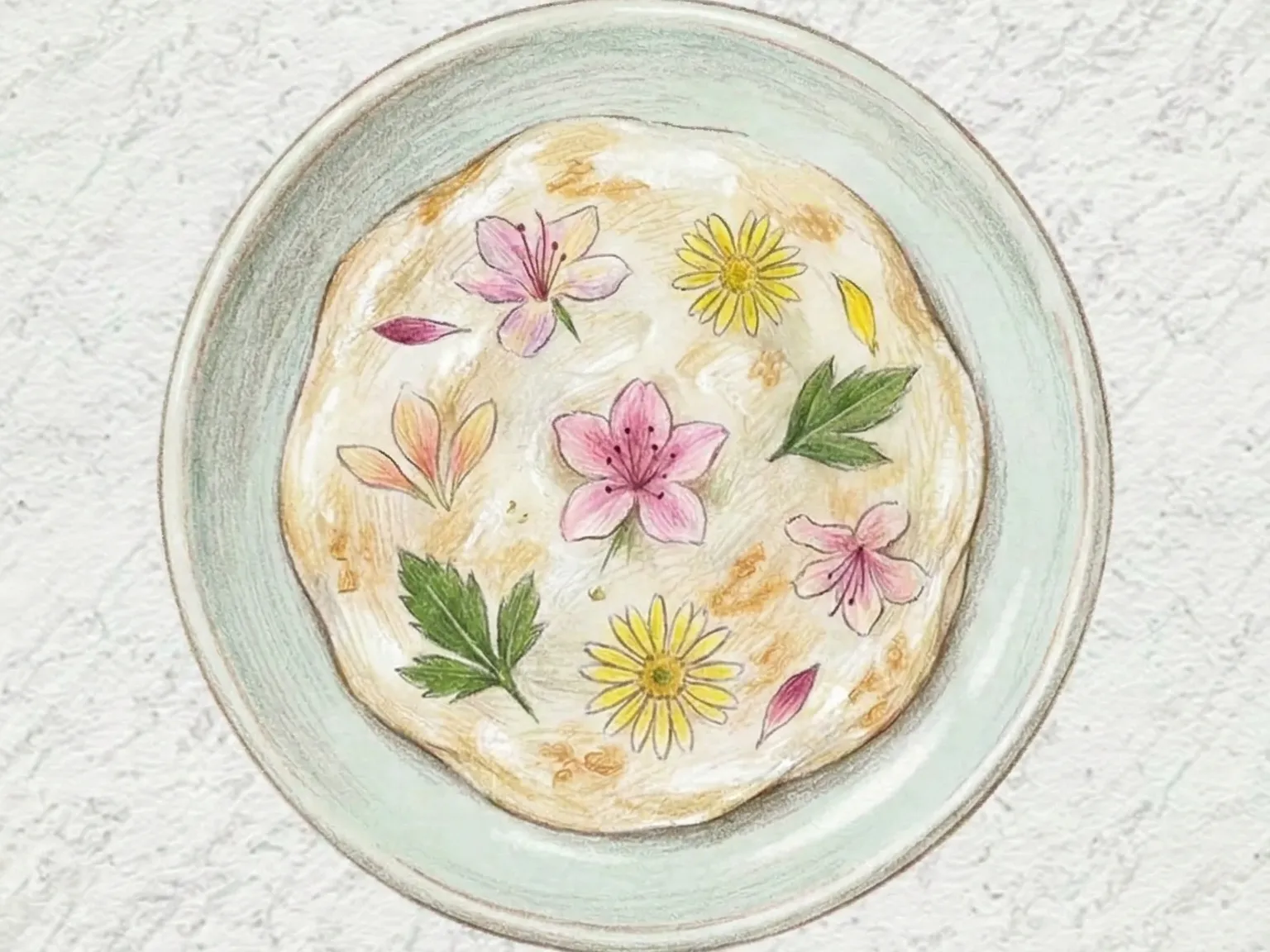
Flower Rice Pancakes (Glutinous Rice Cakes with Edible Flowers)
Hwajeon is a traditional Korean rice pancake made by kneading glutinous rice flour with salt and warm water, portioning the dough into 30-gram rounds, and pan-frying on low heat with edible flower petals pressed onto the surface. Low heat is not optional: high heat chars the outside while leaving the center gummy, whereas patient cooking at a gentle temperature produces a uniform chew all the way through. The petals must be dried completely before use to avoid oil splatter, and they are pressed in while the top of the pancake is still slightly underdone so they bond firmly rather than sitting loose on the surface. Different flowers shift the character of each batch: azalea delivers a faintly floral note, chrysanthemum a subtler, more herbal impression, and rose a soft sweetness. Served alongside honey and pine nuts, the honey draws out the mild sweetness of the rice dough, and the pine nuts add a resinous, oily richness that rounds out the last bite.

Korean Perilla Beef Jeon (Perilla-Wrapped Beef Tofu Pancake)
Perilla beef jeon is a Korean pan-fried pancake featuring fragrant perilla leaves folded over a seasoned beef and tofu filling. The preparation begins by pressing firm tofu in a cloth to remove moisture, then mixing it with ground beef, minced garlic, soy sauce, and sesame oil until sticky. This filling is spread in a thin layer onto the underside of washed perilla leaves, which are then folded in half. Keeping the filling thin is crucial so that the herbal aroma of the leaf is not overpowered. The folded leaves are dusted with flour, dipped in beaten eggs, and cooked in a pan with oil over medium heat for two minutes on each side until golden. The result is a warm side dish that combines the grassy scent of perilla with the savory, soy-infused beef.
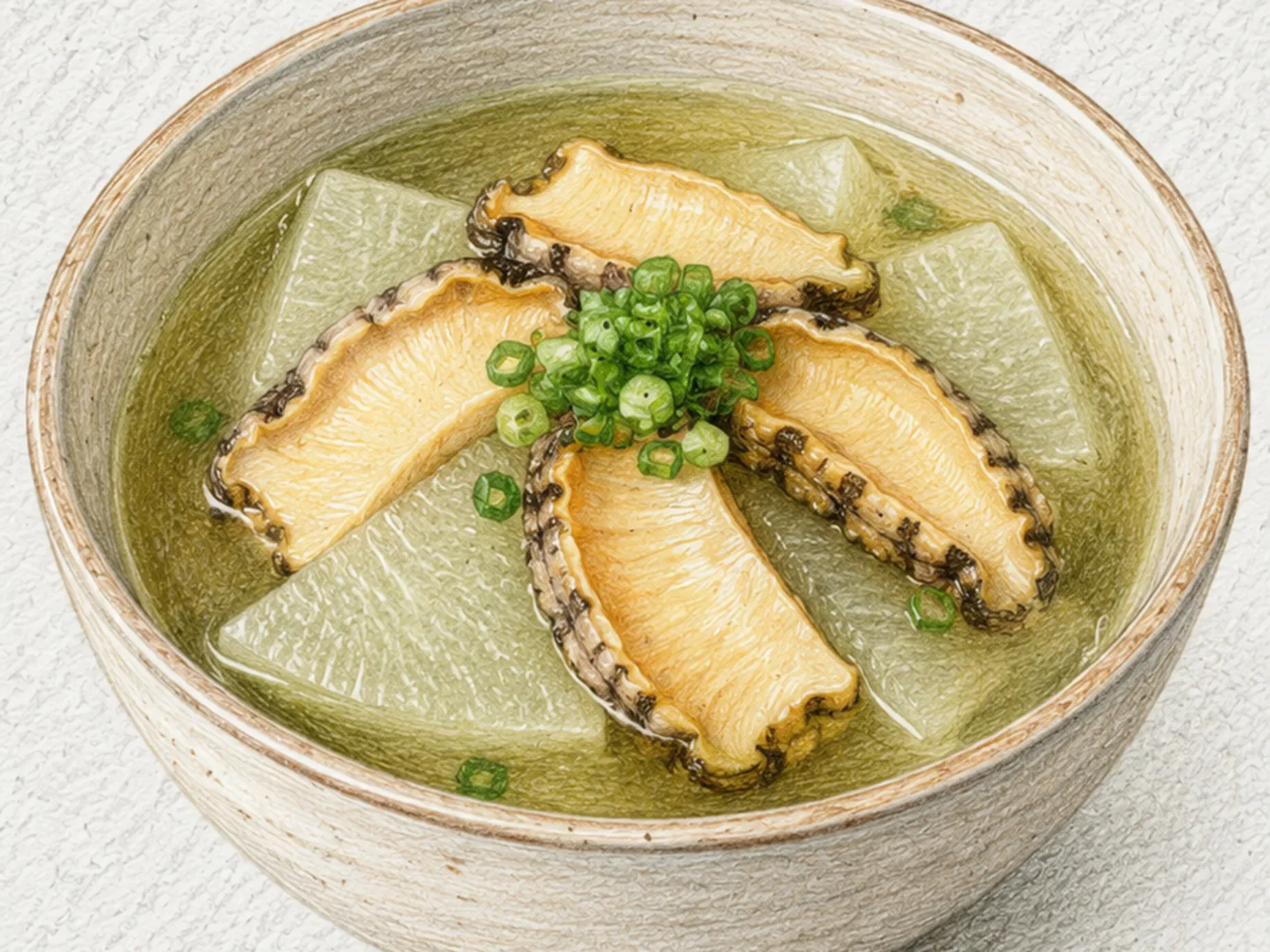
Korean Abalone Radish Soup
Jeonbok-muguk is a refined Korean clear soup that simmers sliced abalone and radish in kelp broth, delivering a depth of flavor far beyond the simplicity of its preparation. The cooking begins by sauteing the abalone together with its viscera in sesame oil before any liquid is added. The innards, dark green and intensely flavored, dissolve into the oil and tint the eventual broth with a faint jade color while releasing a concentrated marine umami that kelp broth alone cannot provide. Radish sliced into thin rounds cooks alongside, softening steadily until translucent and releasing a natural sweetness that counterbalances the abalone's inherent salinity. Soup soy sauce and garlic are the only additional seasonings, deliberately minimal so the abalone's character defines the soup rather than the condiments. Adding the abalone too early toughens the meat; the right moment is when the radish has turned translucent, leaving the abalone just enough time to cook through while retaining its firm, chewy bite. In Korea, abalone carries cultural weight as a gift for new mothers, the ill, and guests at formal celebrations, making this soup a gesture of care as much as a recipe. The broth that results from this combination tastes far more expensive than the effort involved.
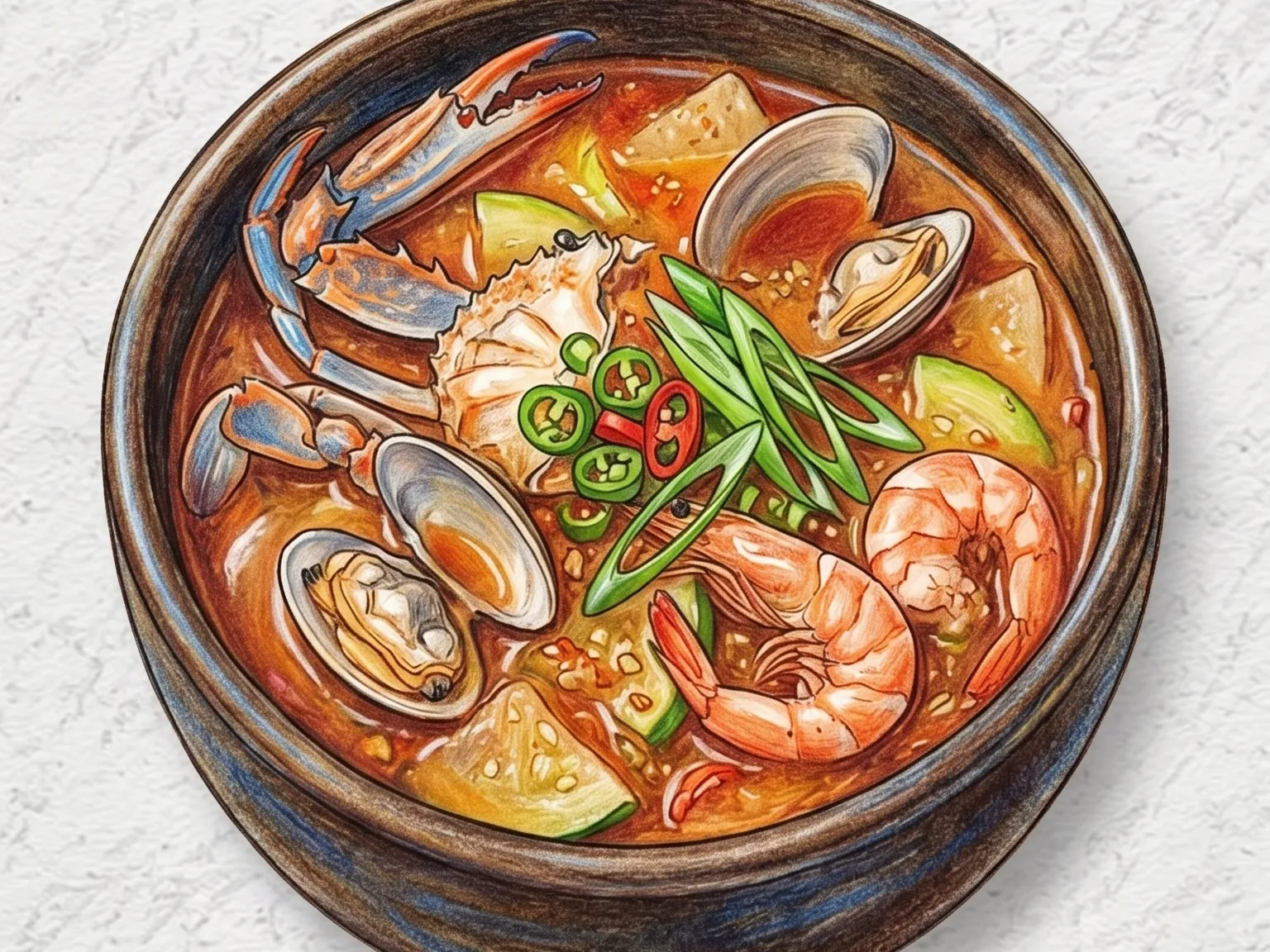
Korean Spicy Blue Crab Seafood Stew
Kkotge haemul jjigae is a Korean seafood stew that combines blue crab, Manila clams, and shrimp in 1.2 liters of anchovy-kelp stock to build the most layered possible ocean flavor. Each shellfish contributes a distinct profile to the broth: blue crab adds a sweet, nutty richness from the body and roe, clams release a clean briny depth, and shrimp fold in their characteristic sweetness and concentrated umami. Together they create a broth with complexity that no single ingredient could produce on its own. Radish and zucchini absorb the seafood-infused liquid as they cook, becoming tender and carrying the flavor deep into their flesh. Doenjang and gochugaru form the seasoning backbone, layering fermented savoriness and spice into what would otherwise be a straightforward clear broth. Cheongyang chili and sliced green onion go on last, brightening the surface and extending the clean, cool finish that is the hallmark of well-made Korean seafood stew. Adding the crab first and letting it simmer before introducing the other shellfish is the key step -- it gives the stock time to take on the crab's full flavor before everything else goes in.
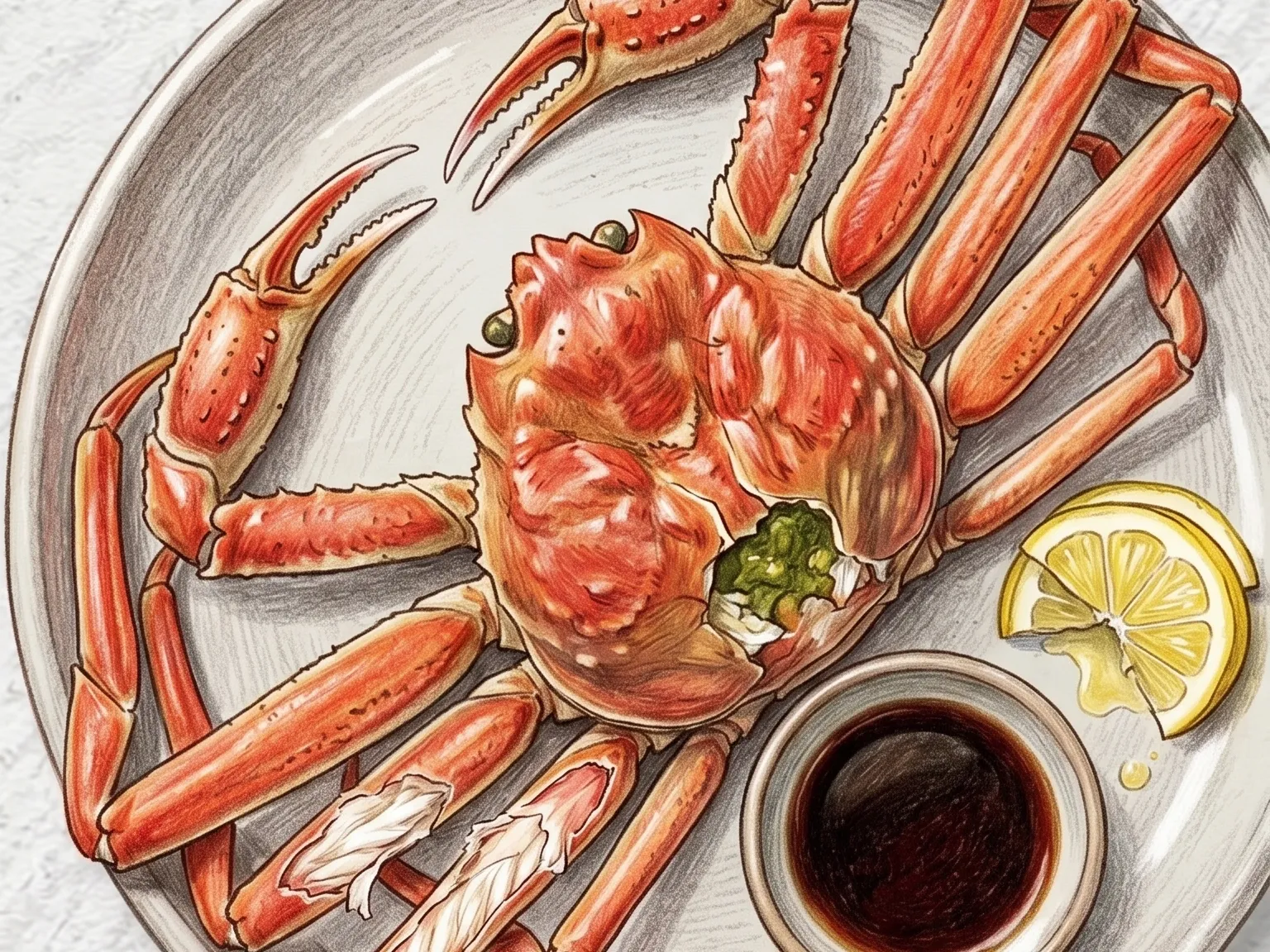
Korean Steamed Snow Crab (Whole Crab with Soy Vinegar Dip)
Daege-jjim is steamed snow crab cooked whole in lightly salted water, served with lemon wedges and a vinegar soy dipping sauce. Cracking open the long legs reveals moist, delicate meat with the clean salinity of the sea. A squeeze of lemon brightens and sharpens the natural sweetness of the crab without masking it. The preparation is minimal by design, letting the quality of the crab carry the dish, which makes it well suited as a centerpiece for gatherings or celebratory meals. The best result comes from steaming a live crab right before serving; cooking time runs fifteen to twenty minutes depending on size. Using scissors to cut along the inner shell and then extracting the meat in clean pieces makes for neat eating without losing any of the delicate flesh.
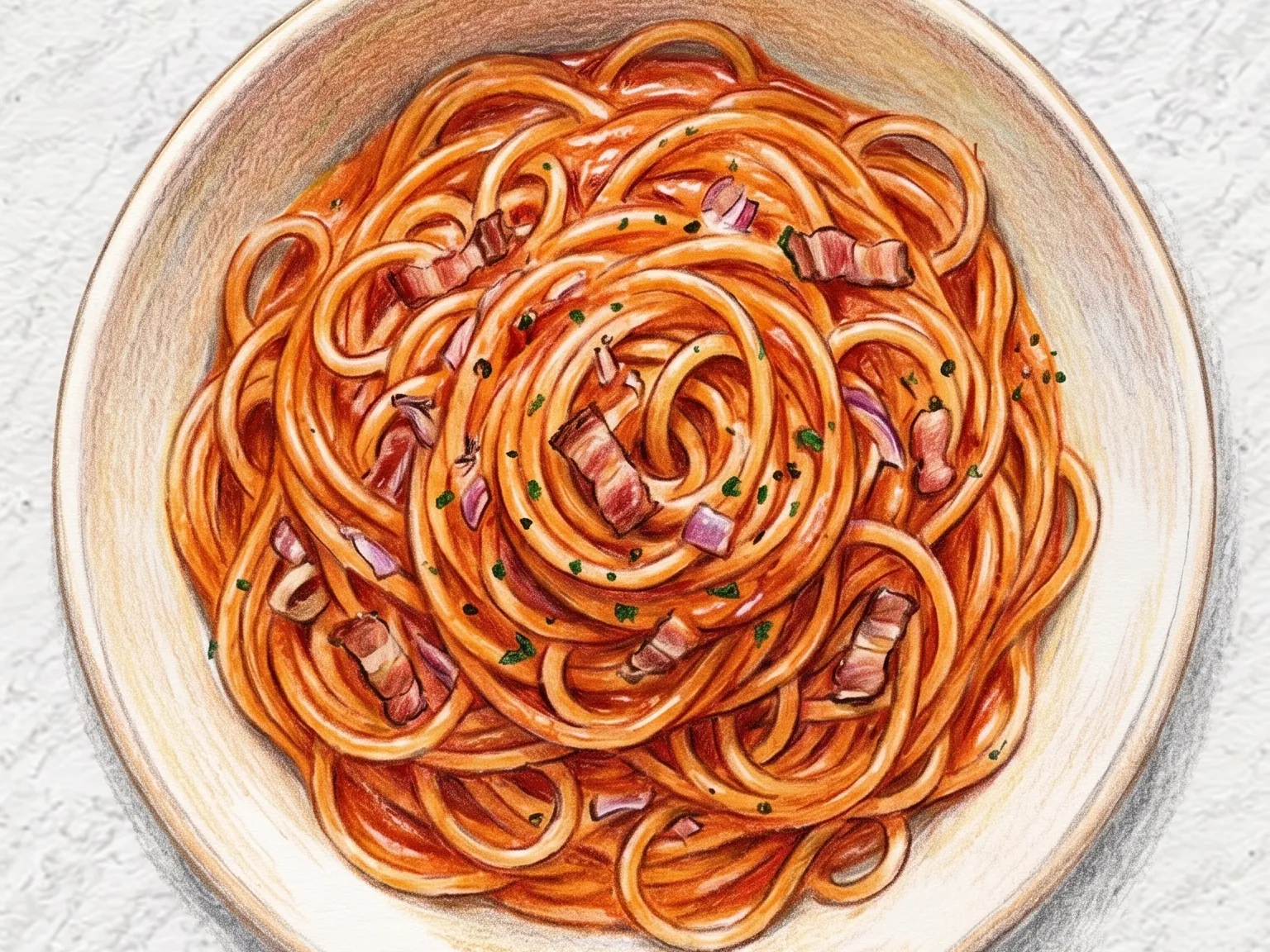
Gochujang Cream Pasta (Spicy Fermented Chili Cream Sauce)
Gochujang cream pasta is a fusion dish that incorporates the fermented heat of Korean red chili paste into an Italian-style cream sauce. Heavy cream forms the base and parmesan provides the sharp, aged umami, while gochujang contributes a slow-building spice and the complex fermented sweetness that sets it apart from using raw chili pepper. Bacon is rendered first to extract enough fat for sauteing the onion and garlic, and that combination of cured pork fat, aromatic vegetables, and fermented paste forms the flavor core of the sauce before any liquid is added. Gochujang should be added at a reduced heat and stirred in gradually rather than dropped in all at once, since the paste can scorch quickly when exposed to a high-temperature pan. A ladleful of starchy pasta water adjusts the consistency and acts as an emulsifier, helping the fat from the cream and bacon stay bound with the aqueous components rather than separating. The result is a glossy, clinging sauce that coats each strand of pasta evenly. The balance between the richness of the cream and the acidity and heat of the fermented paste is what has made this combination popular in Korean home kitchens and casual restaurants alike.
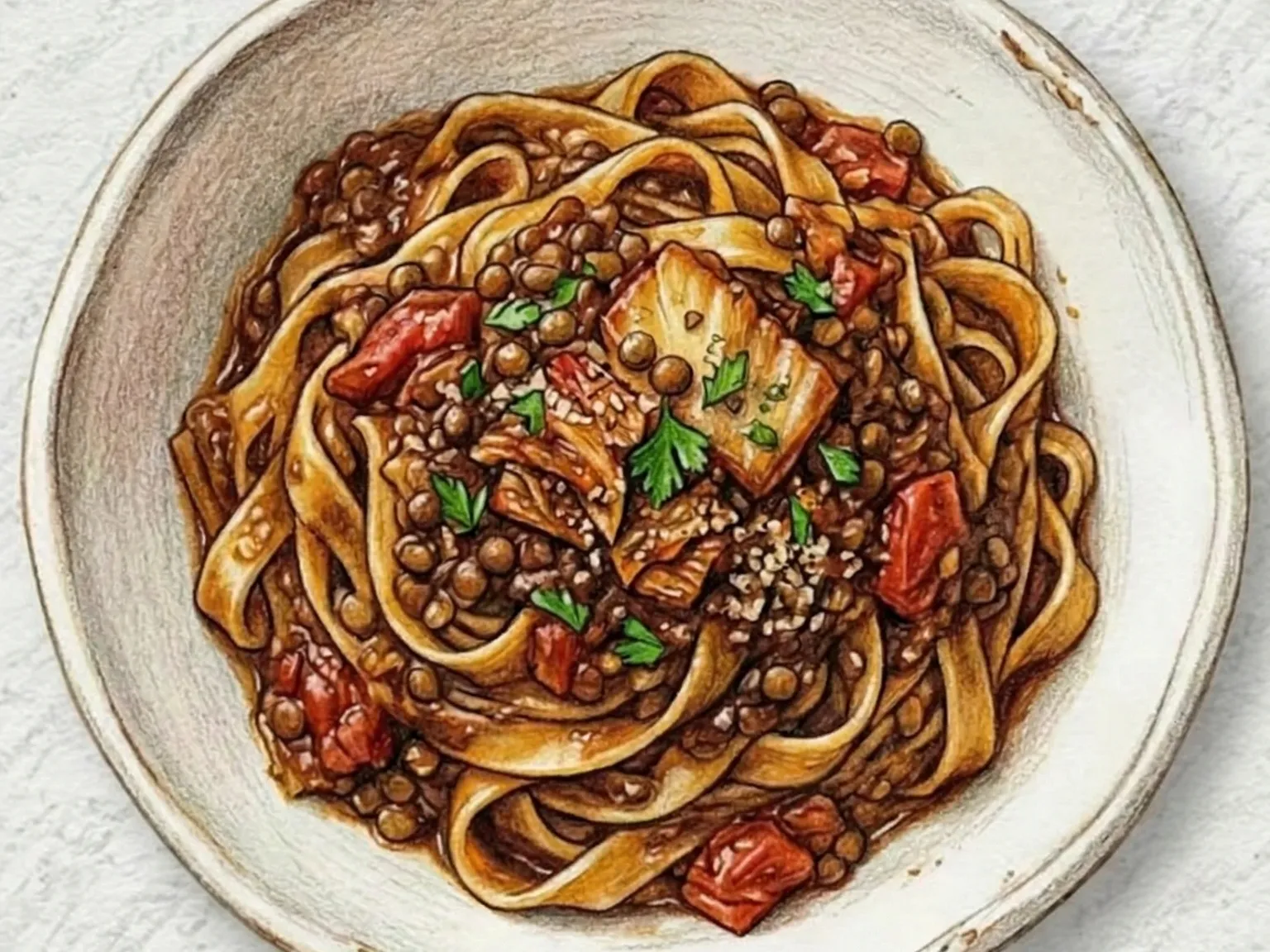
Kimchi Lentil Ragu Tagliatelle
Kimchi lentil ragu tagliatelle is a plant-forward pasta where lentils simmer with tomato puree, wine, and finely diced onion, carrot, and celery for 35 minutes, breaking down into a thick sauce with a meaty texture that contains no actual meat. The Korean-inflected soffritto builds the aromatic base, and as the lentils cook through they release starch that naturally thickens the ragu without any additional binder. Fermented kimchi is added late in the process, preserving its sharp acidity and keeping the fermented flavor present and distinct rather than cooked away. A small amount of sugar smooths the combined tartness of tomato and kimchi so neither dominates. The wide, flat tagliatelle ribbons hold the heavy sauce well, and every strand picks up the full depth of the braise. Without a gram of meat, the dish delivers genuine richness and staying power.
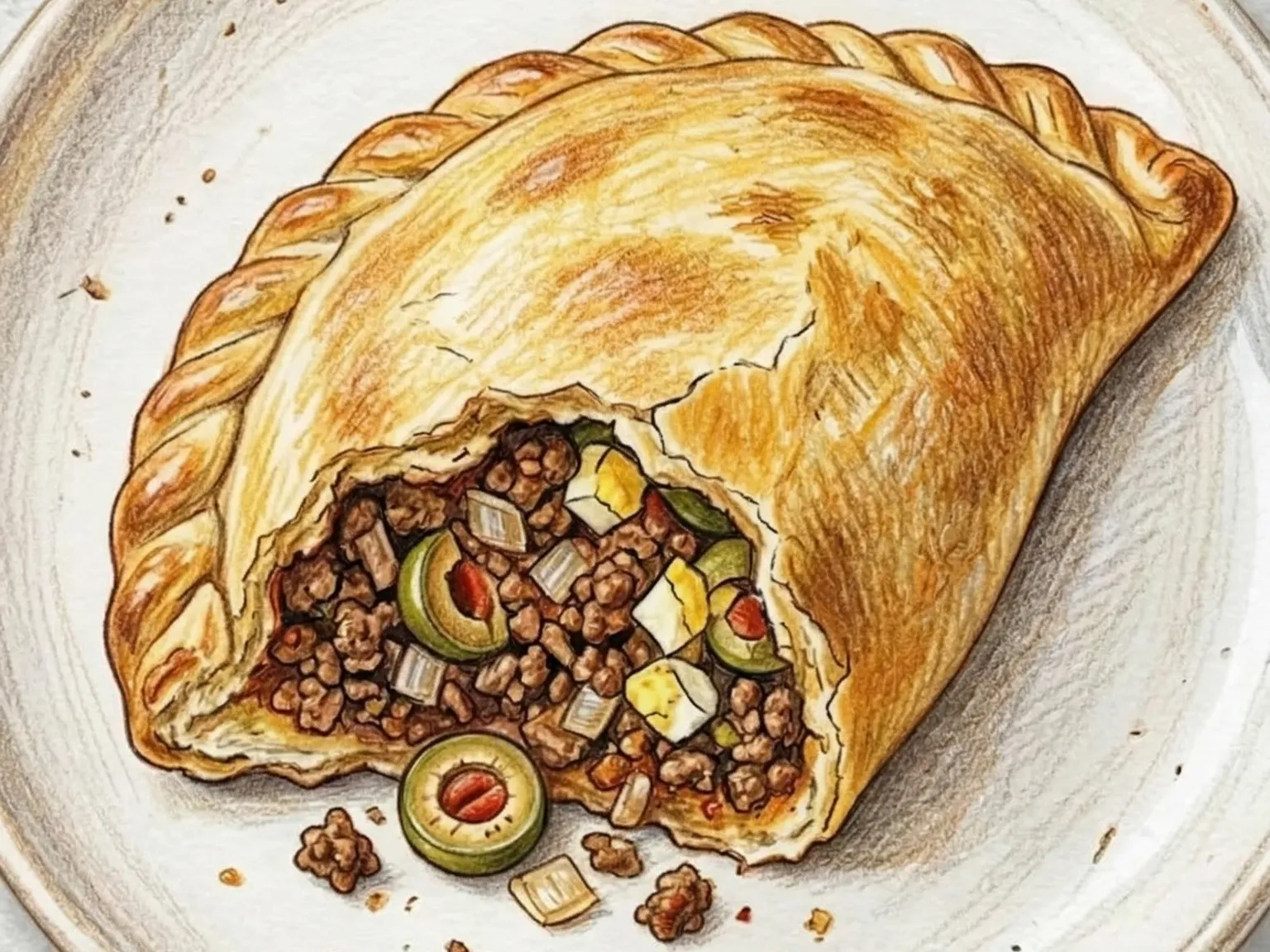
Beef Empanadas
Beef empanadas wrap a cumin-and-paprika-seasoned filling of ground beef, onion, olives, and boiled egg inside flour dough, folded into a half-moon shape and baked until the crust turns golden and flaky. The oven heat crisps the outer shell while the meat filling steams inside, staying moist against the dry exterior. Cumin gives the beef a deep, earthy warmth that distinguishes these from other stuffed pastries; olives add pockets of briny saltiness, and sliced boiled egg introduces a softer texture throughout the interior. Pressing the edges firmly with a fork before baking is essential to keep the juices sealed inside. Compact enough to eat with one hand, each empanada delivers a burst of concentrated, layered flavor the moment the crust breaks, earning its place as both a convenient snack and a genuinely satisfying one.