🎉 Special Occasion Recipes
Impressive dishes for guests and special occasions
929 recipes. Page 9 of 39
When guests are coming, the menu needs a little extra care. This tag features impressive dishes suited for entertaining - galbi-jjim, japchae, and bulgogi for a Korean spread, or pasta and steak for a Western-style course.
The key to stress-free hosting is choosing recipes that allow advance preparation. Do the heavy lifting the day before, then finish plating when guests arrive. That way, you can relax and enjoy the meal together.
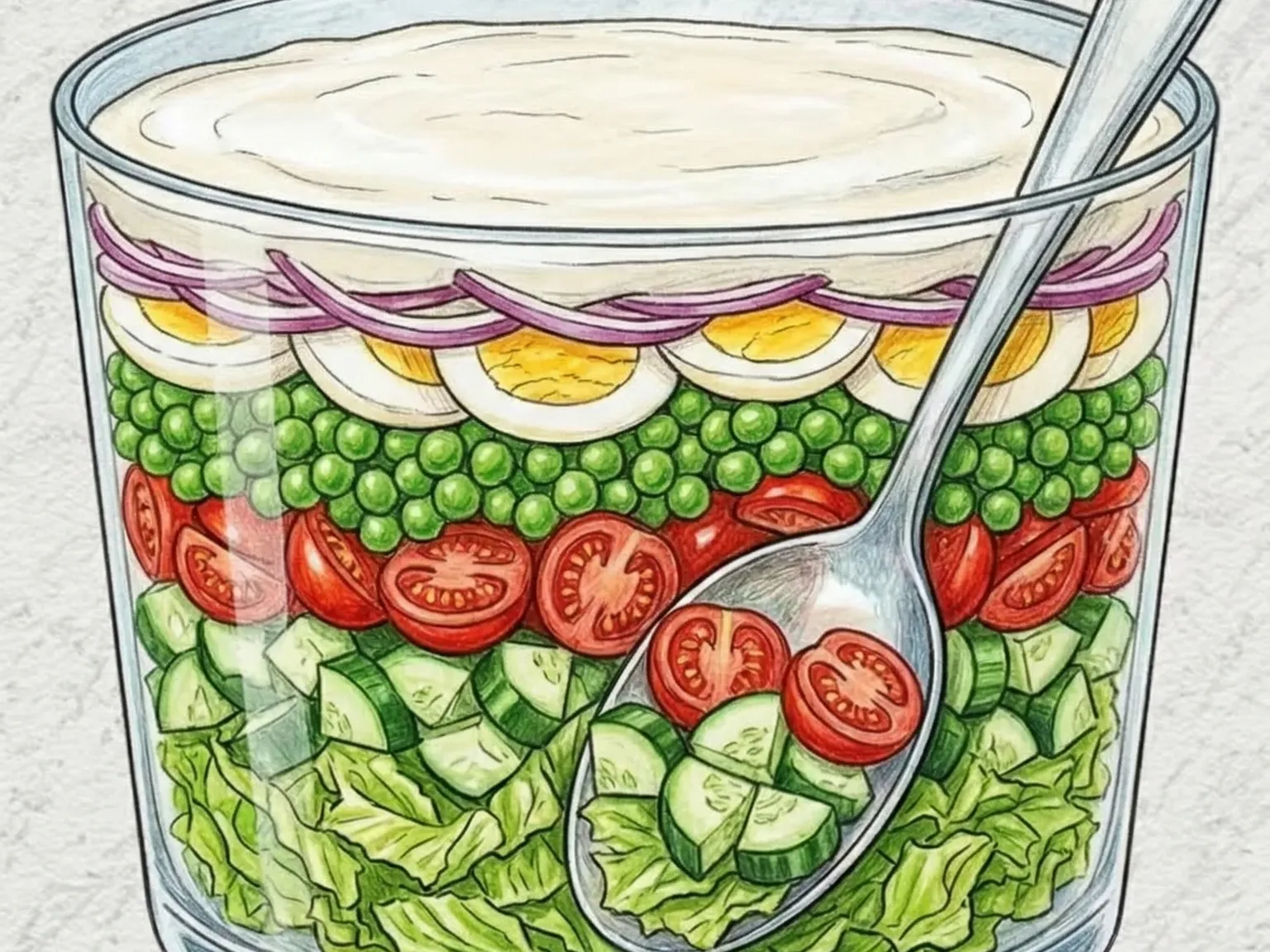
Seven Layer Salad
Seven layer salad stacks romaine lettuce, sliced cucumber, halved cherry tomatoes, cooked green peas, chopped boiled egg, and thinly sliced red onion in a clear glass bowl, then seals the top with a smooth layer of Greek yogurt mixed with lemon juice. The yogurt cap acts as a moisture barrier, preventing the lower layers from turning soggy and making the salad suitable for advance preparation. Boiled eggs contribute a mild richness and peas add a starchy sweetness that rounds out the crisp vegetable layers, while red onion's sharp bite creates a contrast against the creamy, tangy dressing. Serving requires scooping deep to the bottom so every portion captures all seven layers at once.
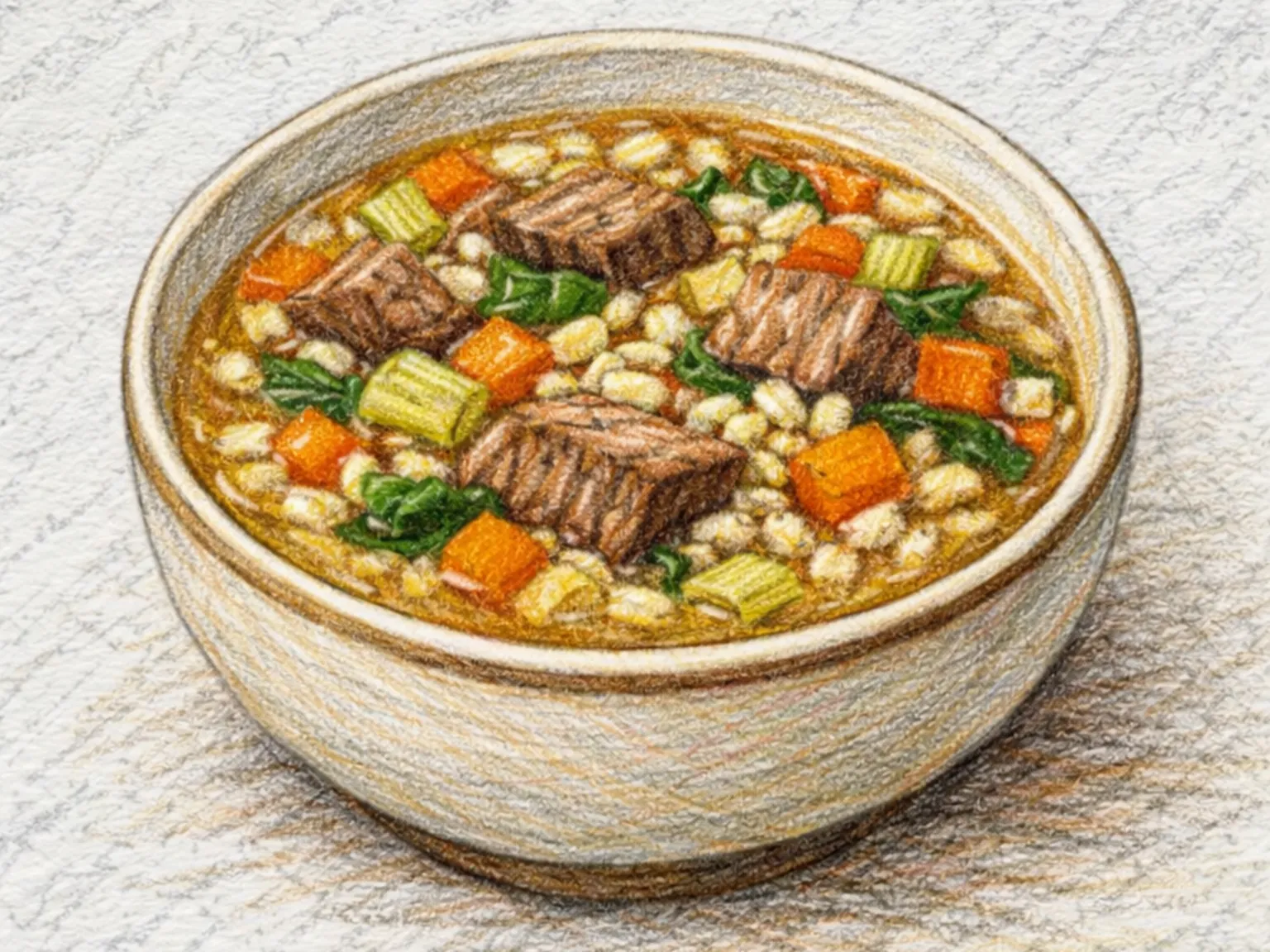
Beef Barley Soup
Beef barley soup begins with stew beef cut into one-inch cubes and seared in batches over high heat. Crowding the pan steams the meat instead of browning it, so working in batches is important to get the caramelized crust that forms the flavor base of the broth. Once the beef is browned, aromatics go in, followed by beef stock, pearl barley, diced carrots, celery, and onion. The soup simmers for over an hour on low heat, giving the barley time to absorb liquid and release its starch slowly, which naturally thickens the broth to a consistency between soup and stew. Long cooking also coaxes sweetness out of the carrots and celery and softens the beef until it breaks apart with light pressure. Bay leaves and dried thyme simmer with the soup from the beginning, building a quiet herbal layer through the base. Because the barley continues to absorb liquid as it sits, starting with more stock than seems necessary prevents the finished soup from becoming too dense. A bowl alongside crusty bread makes a complete, filling meal on a cold day.
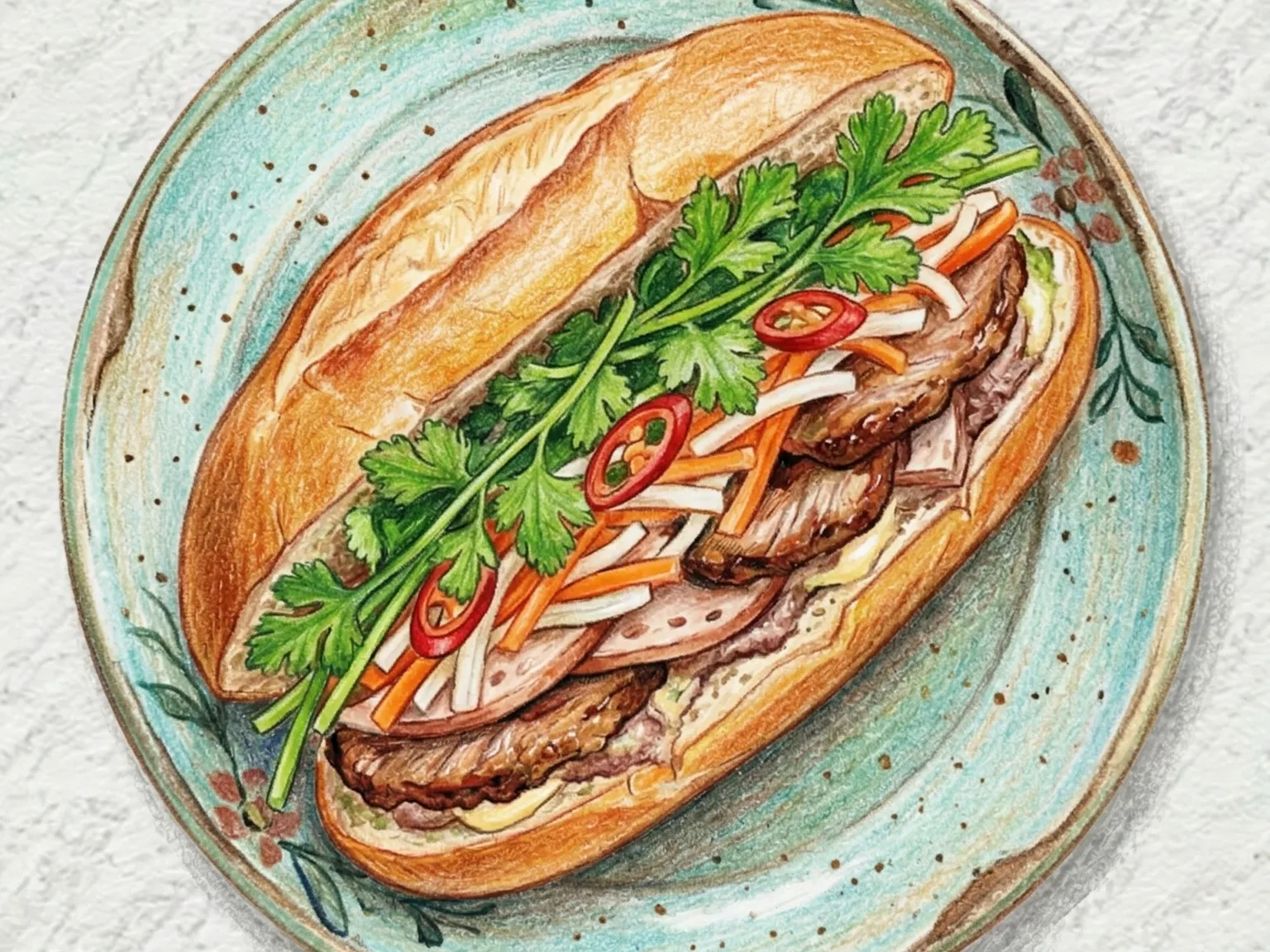
Bánh Mì (Vietnamese Crispy Baguette Sandwich with Pork and Pickles)
Banh mi is the product of French colonialism meeting Vietnamese resourcefulness. A baguette made partly with rice flour results in a bread lighter and airier than its French counterpart, with a shattering crust that flakes on the first bite. The bread is the foundation and everything else is built around its texture. Fillings vary by region and stall, but the classic Saigon version layers pate, cold cuts, pickled daikon and carrot, sliced cucumber, cilantro, and jalapeno. The pickled vegetables provide sharp, tangy crunch that cuts through the fattiness of the meat and pate. At street carts across Ho Chi Minh City, a banh mi is assembled in under a minute and costs less than a dollar, delivering crispy, sour, herbal, spicy, and fatty elements in every bite. The bread was introduced during French colonial rule in the nineteenth century, and Vietnamese bakers gradually reduced the density and adapted the loaves to local ovens and ingredient availability. Today, variations include a tofu version for vegetarians and a shrimp version common in coastal cities. The key to a proper banh mi is bread baked the same day, eaten while the crust is still intact.
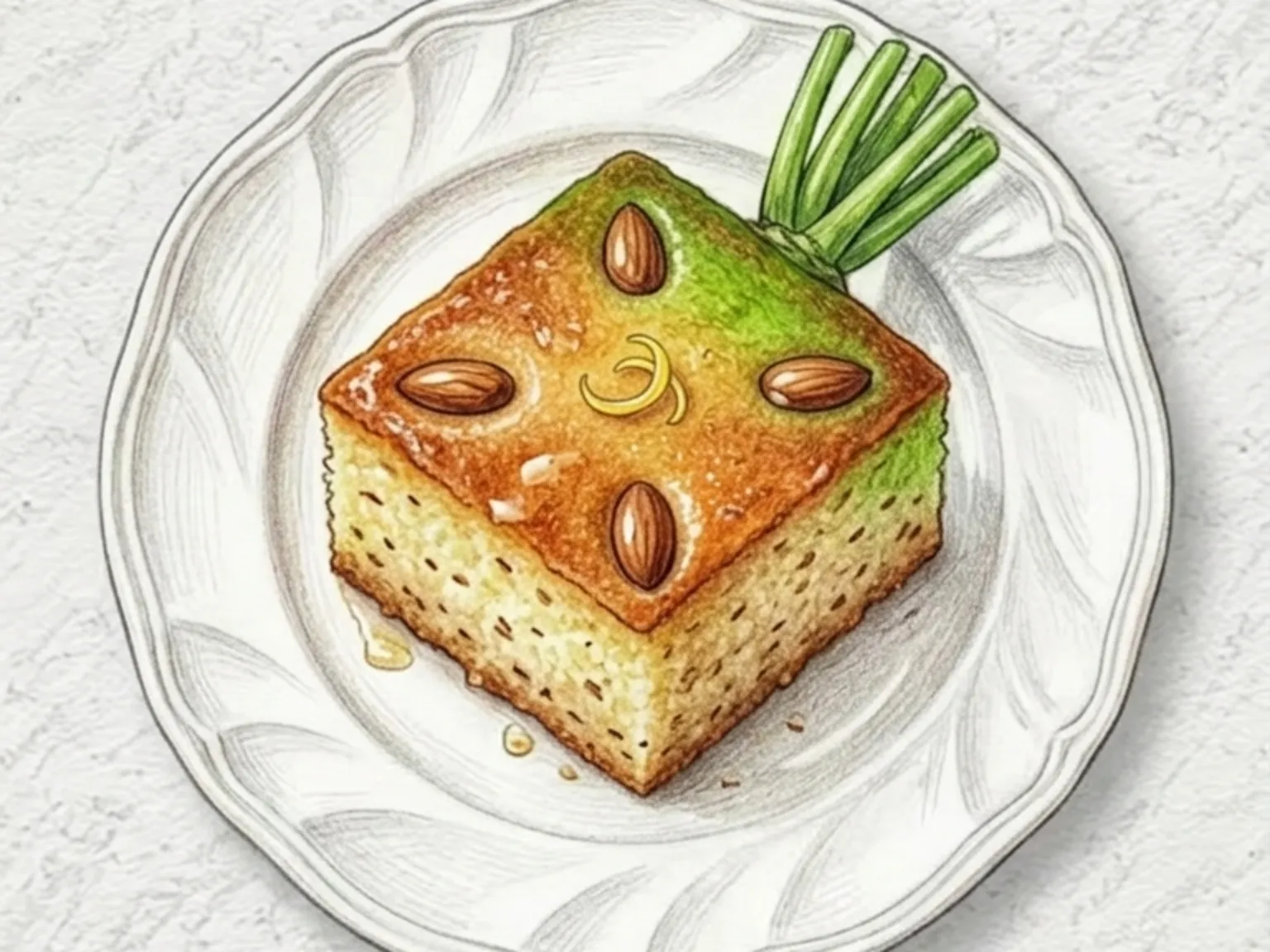
Basbousa (Middle Eastern Semolina Syrup-Soaked Cake)
Basbousa is a Middle Eastern semolina cake soaked in fragrant syrup, producing a texture nothing like a Western flour-based cake. Semolina is combined with yogurt, sugar, and melted butter to form a dense, grainy batter that bakes into a golden slab with a coarse, sandy crumb. The moment it comes out of the oven, hot sugar syrup sharpened with lemon juice is poured over the surface. The porous semolina pulls it in rapidly - the top retains a faint crispness while the interior becomes moist all the way through. Before baking, the batter is scored into diamond portions and a blanched almond is pressed into each one for a nutty accent. Across the Arab world, basbousa is among the most common desserts served during Ramadan, made in large trays and shared among families.
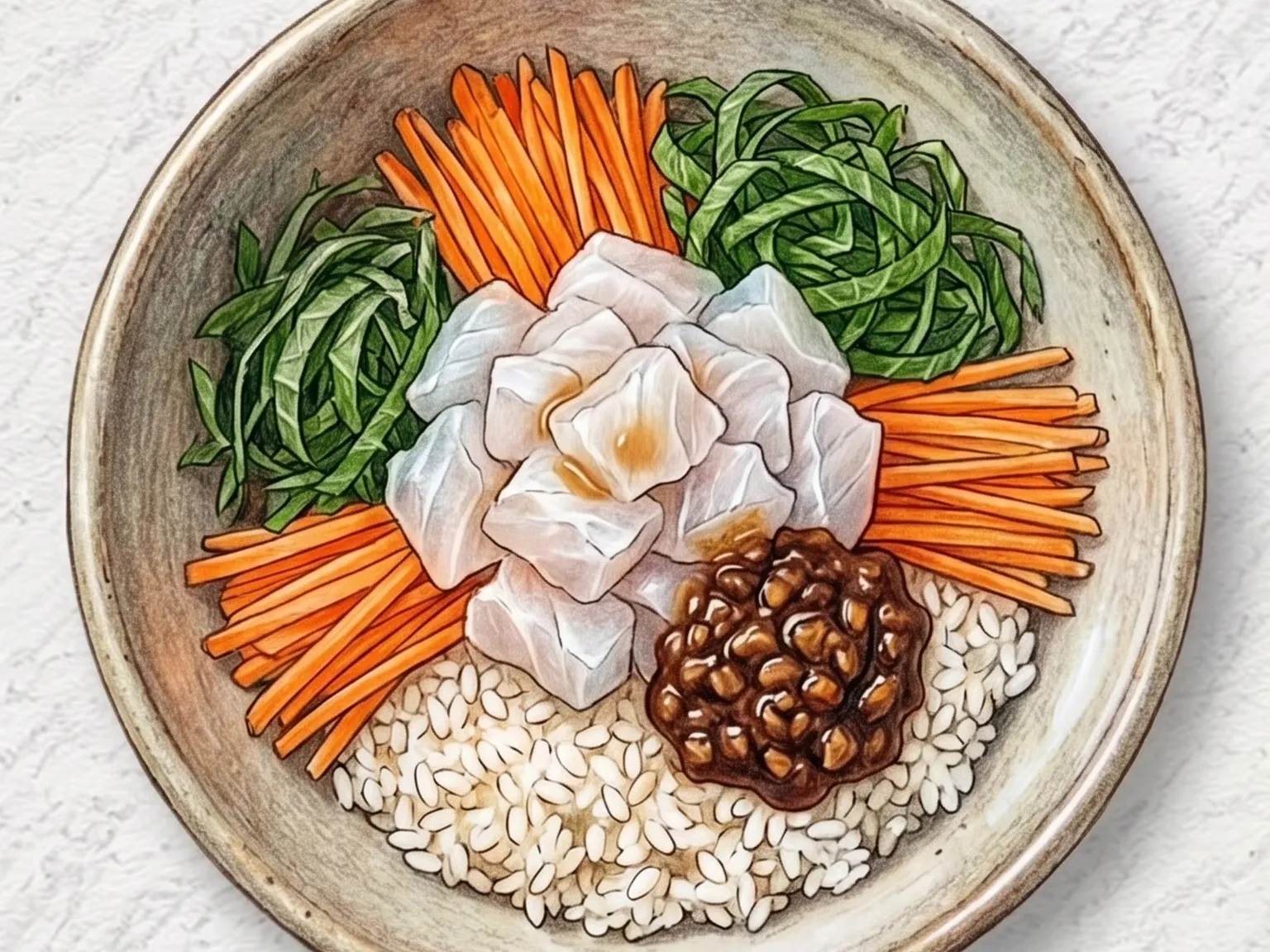
Korean Ssamjang Hwe Deopbap
This variation on hoe-deopbap replaces the standard cho-gochujang with a dressing of ssamjang mixed with vinegar and sesame oil, shifting the dominant flavor away from sweet heat and toward fermented bean depth. The doenjang component in ssamjang works against the rawness of the fish rather than masking it with chili, producing a rounded, earthy complexity that deepens with each bite. Vinegar cuts through ssamjang's thick, pungent weight and introduces a clean acidity that keeps the overall flavor from feeling heavy. Flounder sashimi is cut into bite-sized pieces and kept refrigerated, while the rice is served at room temperature so the two elements neither clash nor blend into an indistinct warmth. Julienned carrot and perilla leaves provide a crisp, juicy resistance that contrasts directly with the chewy elasticity of the fish. Dressing the vegetables in advance draws out moisture that would soften the rice, so all the components are placed in the bowl separately and tossed together only at the moment of eating to preserve every texture.
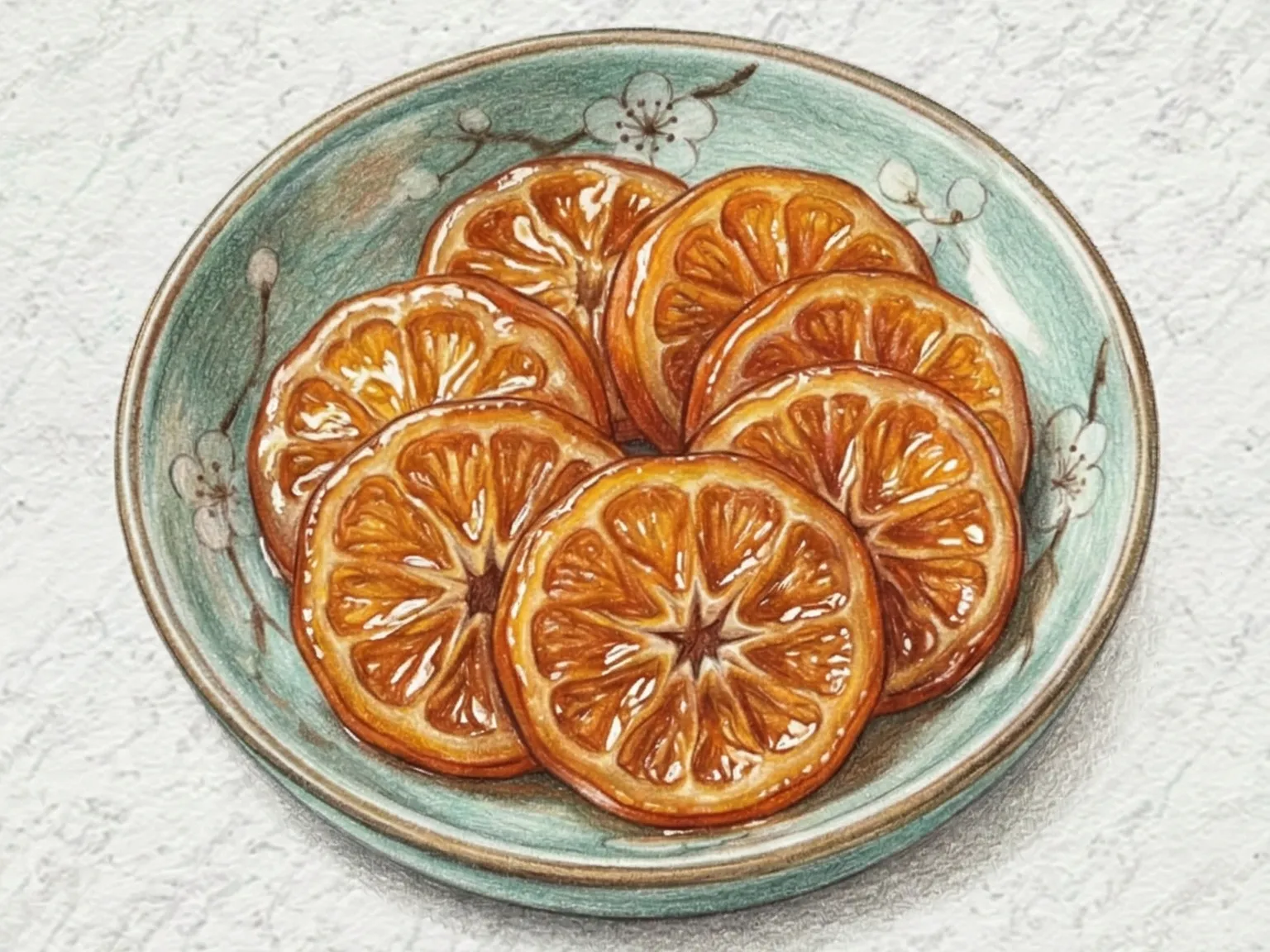
Candied Tangerine Peel (Korean Citrus Honey Confection)
Gyul jeonggwa is a traditional Korean confection made by cutting tangerine peels into 0.8 cm strips with a moderate amount of white pith left on, blanching the strips twice in salted water to eliminate bitterness, then cooking them low and slow in a syrup of sugar, honey, and cinnamon for thirty-five to forty minutes. Keeping the pith is deliberate: it holds the essential citrus oils that define the candy's fragrance, so trimming too much away produces a noticeably flatter result. The longer the peels simmer, the more completely they turn translucent, pulling syrup into every layer of fiber until the texture becomes dense and springy, close to a firm fruit jelly. Lemon juice added toward the end of cooking performs two functions: it inhibits crystallization of the syrup as it cools, and its acidity trims back the sweetness for a cleaner finish. Draining the pieces and resting them on a rack for an hour produces a dry, non-tacky surface that holds its shape well.
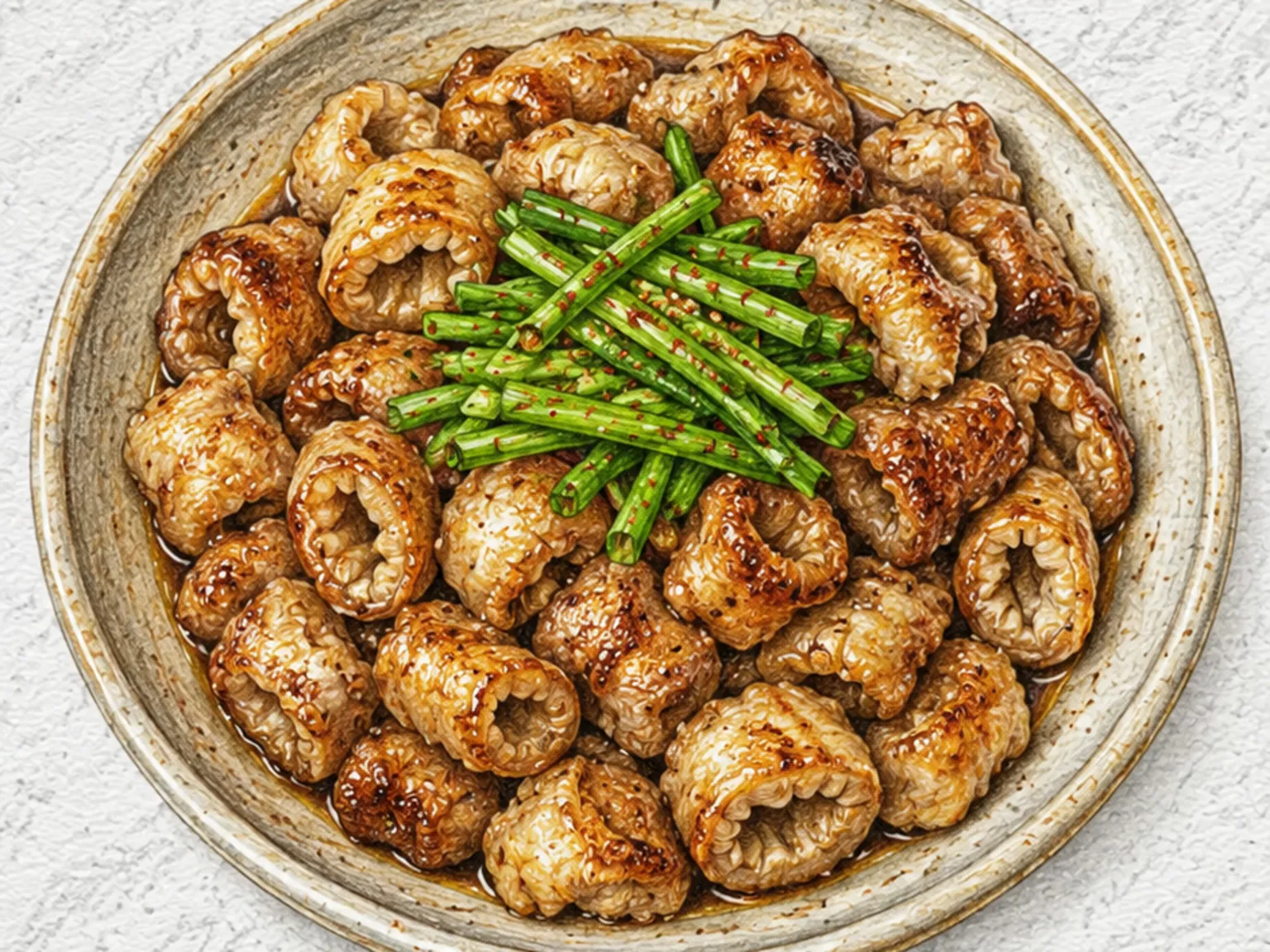
Korean Grilled Beef Intestine
Gopchang-gui is Korean grilled beef small intestine, prized for its crackling exterior and springy interior that develop simultaneously on a high-heat pan. The preparation begins by kneading the raw intestine with coarse salt and flour to scrub away impurities and draw out off-flavors, then par-boiling for five minutes to strip away residual organ smell before any seasoning is applied. Once patted dry and seasoned with minced garlic, salt, pepper, and sesame oil, the intestine hits a very hot pan where its internal fat renders out rapidly. As the fat releases, it essentially fries the outer surface from the inside, producing a deeply golden crust while the inner walls stay bouncy and chewy. Blotting the accumulated rendered fat from the pan at intervals with paper towels prevents the gopchang from stewing in grease and keeps the crust sharply crisp rather than slick. Served immediately off the heat with a heap of fresh garlic chives alongside, the pungent, vegetal bite of the chives cuts cleanly through the richness of the intestine and refreshes the palate for the next piece.
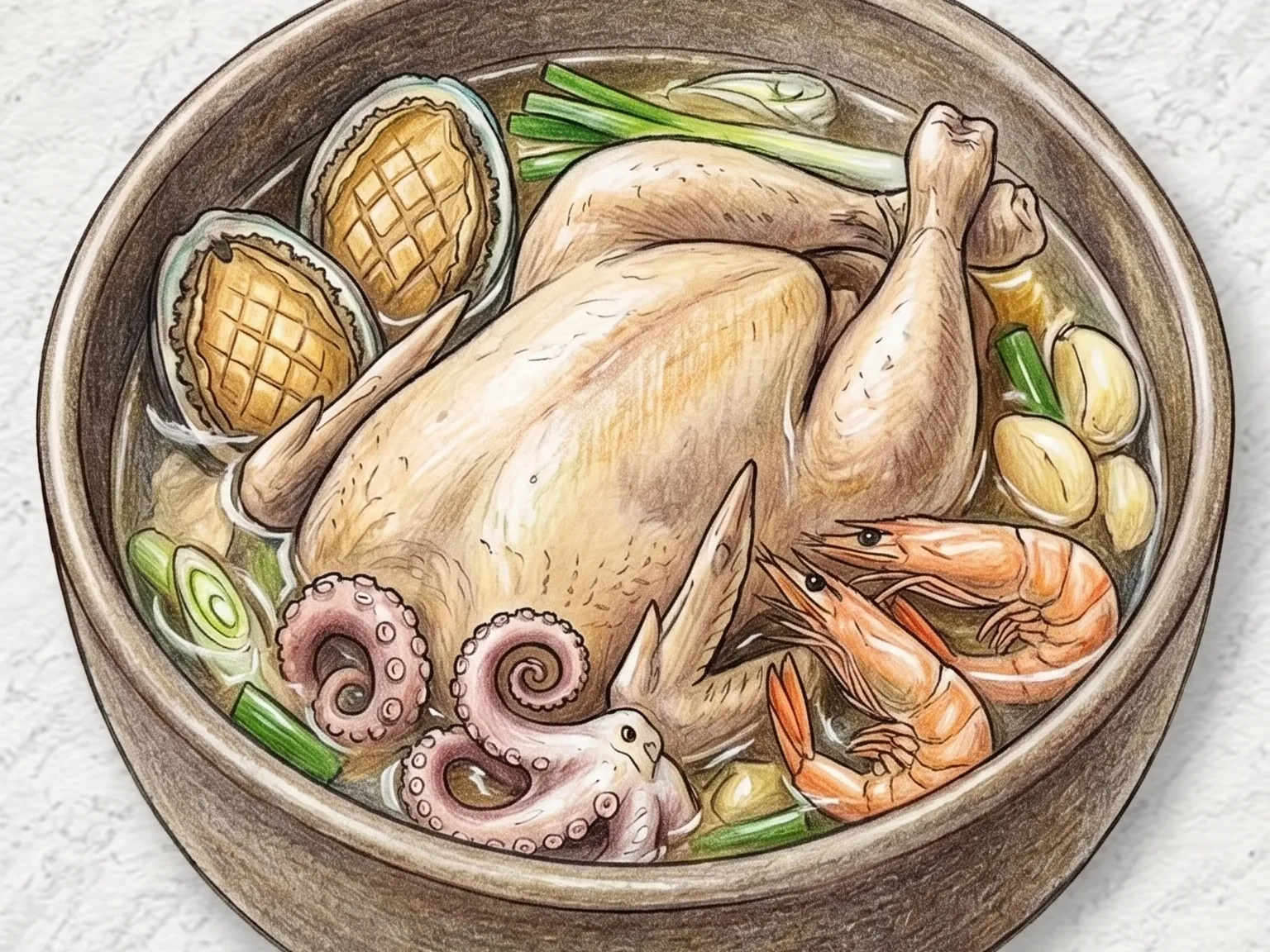
Korean Seafood & Chicken Herbal Soup
Haesintang is a premium Korean restorative soup that combines a whole chicken with abalone, octopus, and shrimp, simmered together in a single large pot for an extended period. The chicken goes in first and cooks for well over an hour, building a cloudy, collagen-rich stock with a naturally silky body. The seafood is added later in the process to avoid overcooking: abalone stays chewy, octopus retains its characteristic bounce, and shrimp turn just pink and stop there. The interaction between the poultry fat and the marine umami produces a broth with a depth that neither chicken alone nor seafood alone could achieve. Seasoning is deliberately restrained, typically garlic, green onion, and salt, so the flavors of the ingredients themselves define the soup rather than any added sauce or spice. In Korea, haesintang is categorized as a stamina food, most commonly eaten on the hottest days of summer in the traditional belief that rich nourishment combats heat fatigue. Its combination of two high-end protein sources places it firmly in the celebratory register of Korean home and restaurant cooking.
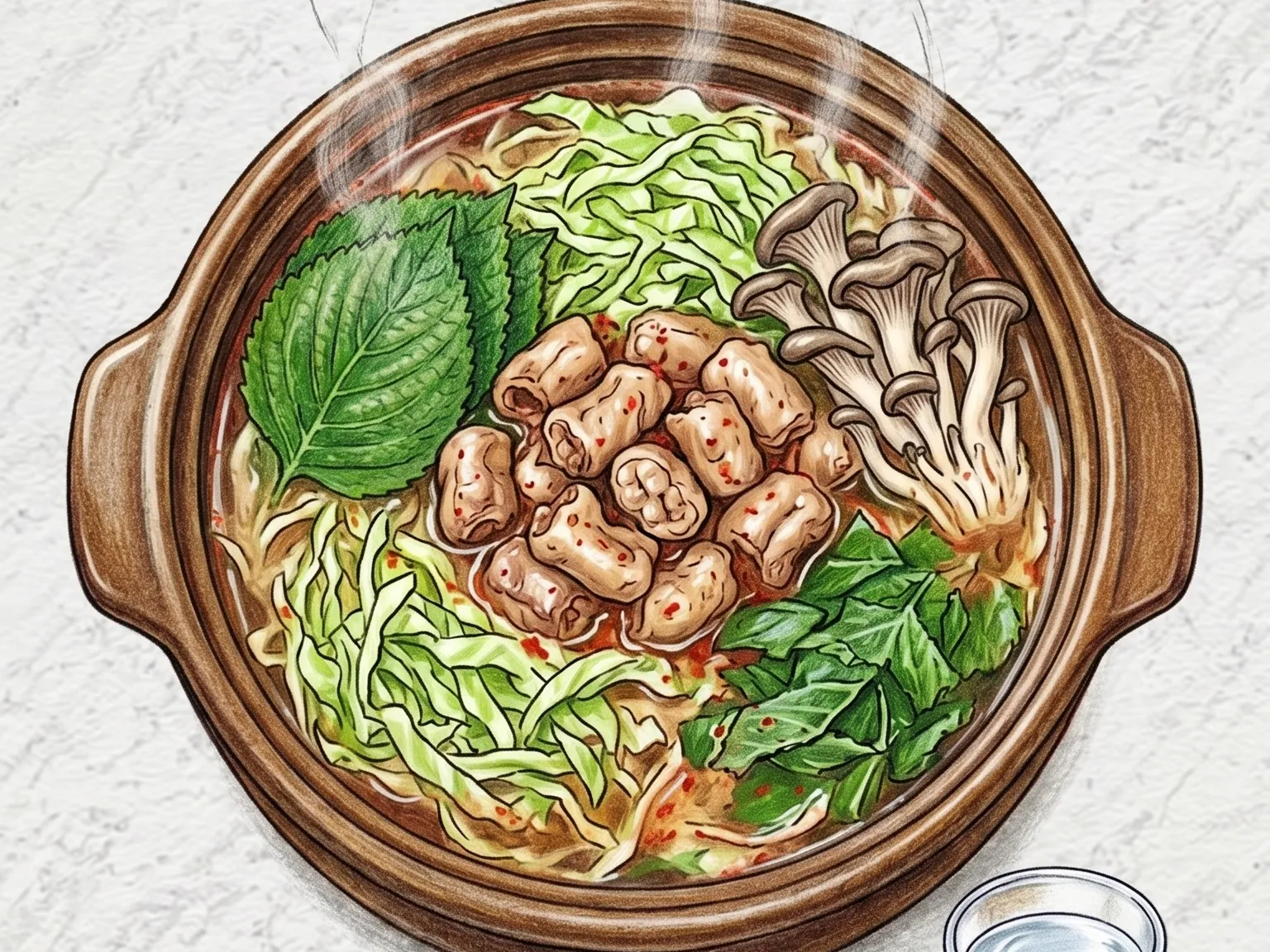
Korean Seoul-style Gopchang Jeongol
Seoul-style gopchang jeongol is a hot pot of beef intestines cooked in beef bone broth, where the key distinction from other regional versions is the use of soup soy sauce rather than gochujang as the primary seasoning. Gochujang-based hot pots run thick and heavy; this Seoul version stays clear and clean-tasting, with the depth coming from the bone broth and the intestines themselves rather than from fermented paste. Six hundred grams of cleaned beef intestines go into the pot along with cabbage, oyster mushrooms, and perilla leaves. The perilla leaves are added toward the end and contribute a distinctive herbal scent that cuts through the richness of the intestines. Gochugaru provides color and a measured level of heat. The intestines need to cook for at least twenty minutes after the broth reaches a boil to eliminate any off-odors and reach the tender, slightly chewy texture that defines the dish. This preparation traces back to the gopchang alley restaurants concentrated around Seoul's Euljiro and Majang-dong districts, where the combination of gopchang and soju has been the standard order for decades.
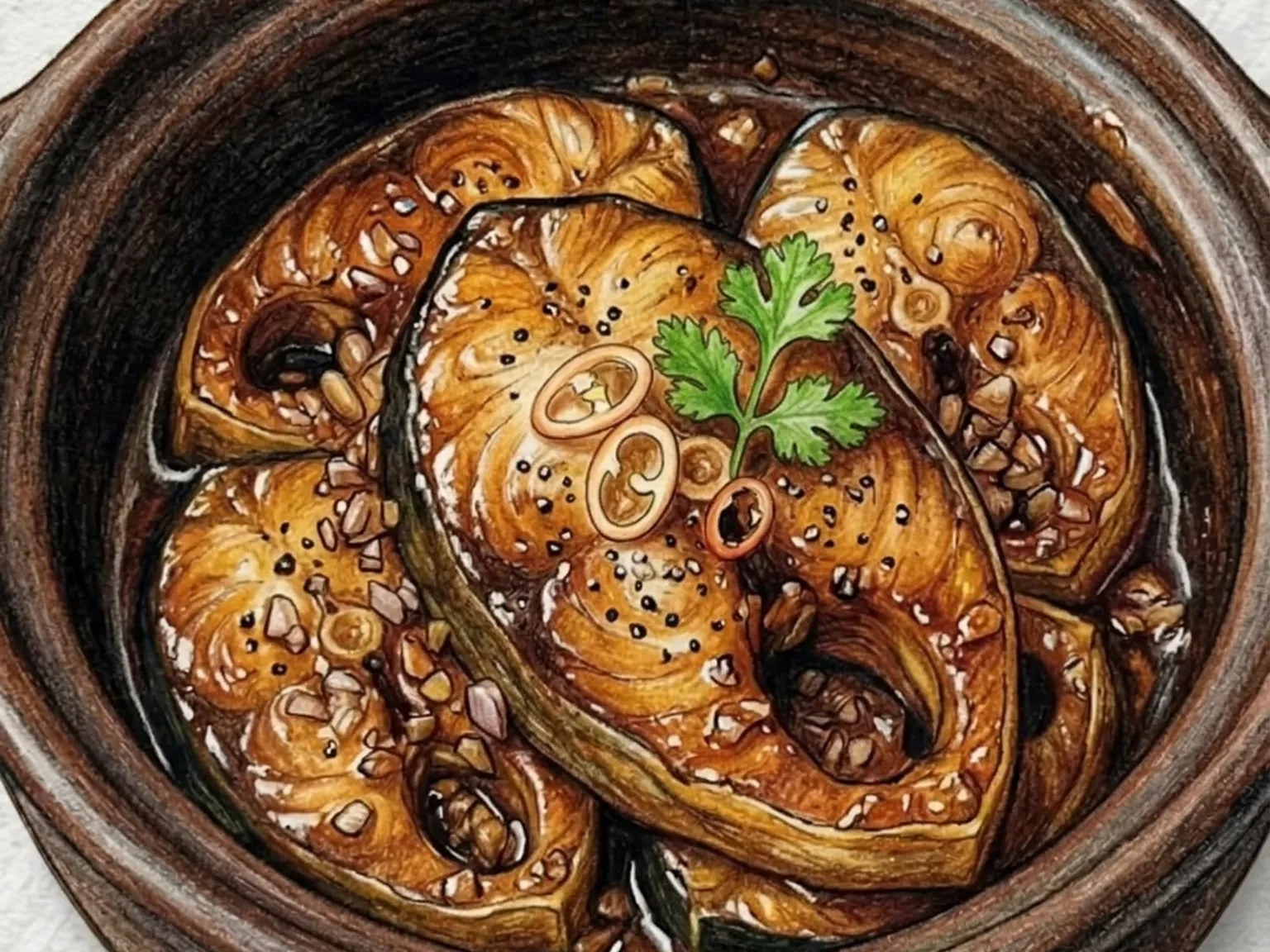
Cá Kho Tộ (Vietnamese Caramelized Braised Fish in Clay Pot)
Ca kho to is a southern Vietnamese home-style braised fish dish made with catfish or white fish simmered in a sauce of caramelized sugar, fish sauce, and coconut water. The process begins by cooking sugar until it reaches a deep amber caramel, which coats the fish in a rich, dark glaze and forms the flavor backbone of the whole dish. Fish sauce adds a sharp, concentrated saltiness and umami that defines the sauce's character. Shallots and garlic build the aromatic base, while black pepper leaves a warm, spicy finish that cuts through the richness of the caramel. Coconut water lightens and perfumes the braising liquid with a mild tropical sweetness distinct from plain sugar. Covering the pot and simmering over low heat allows the fish to absorb the seasoning deeply and the sauce to reduce to a glossy, lacquer-like coating. Unlike Korean braised fish, which often centers on chili heat, this dish balances caramel and black pepper as its primary flavors and is traditionally served over plain steamed rice.
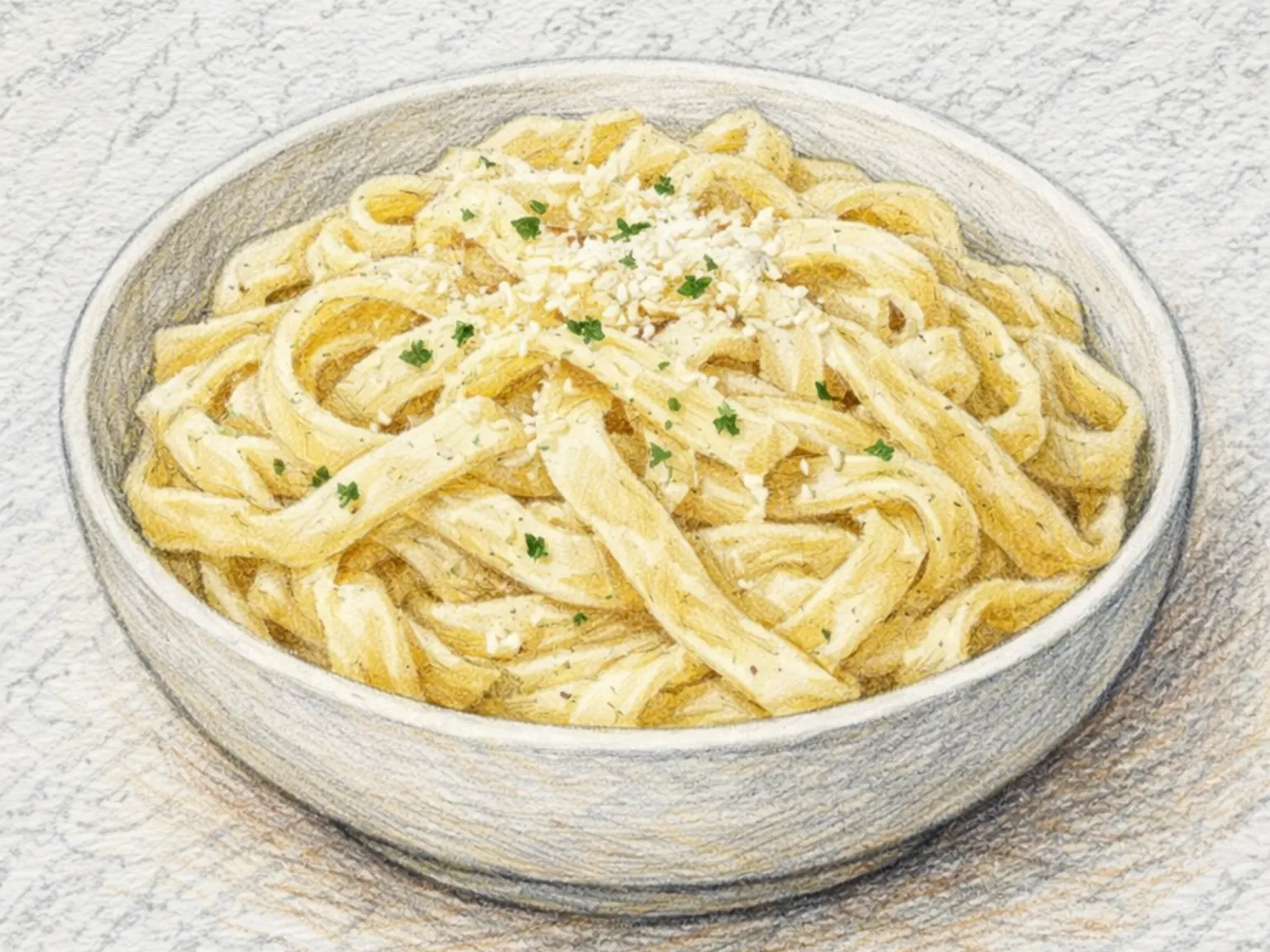
Fettuccine Alfredo
Fettuccine Alfredo is an exercise in simplicity where technique matters more than a long ingredient list. Wide fettuccine noodles are tossed with unsalted butter and finely grated Parmigiano-Reggiano cheese, using starchy pasta water to create a smooth emulsion that clings to every strand. The original Roman recipe contains no cream at all - the silky texture comes from the marriage of melted butter fat, cheese protein, and the starch released by the pasta during cooking. The pan must stay off direct heat while tossing, as excessive temperature breaks the emulsion and turns the sauce grainy and clumped. Speed is essential: the dish should move from pan to plate in under a minute. Generous freshly cracked black pepper provides a sharp counterpoint to the rich, concentrated cheese flavor. Born in Rome in the early twentieth century, this pasta remains one of the most recognizable Italian dishes served worldwide.
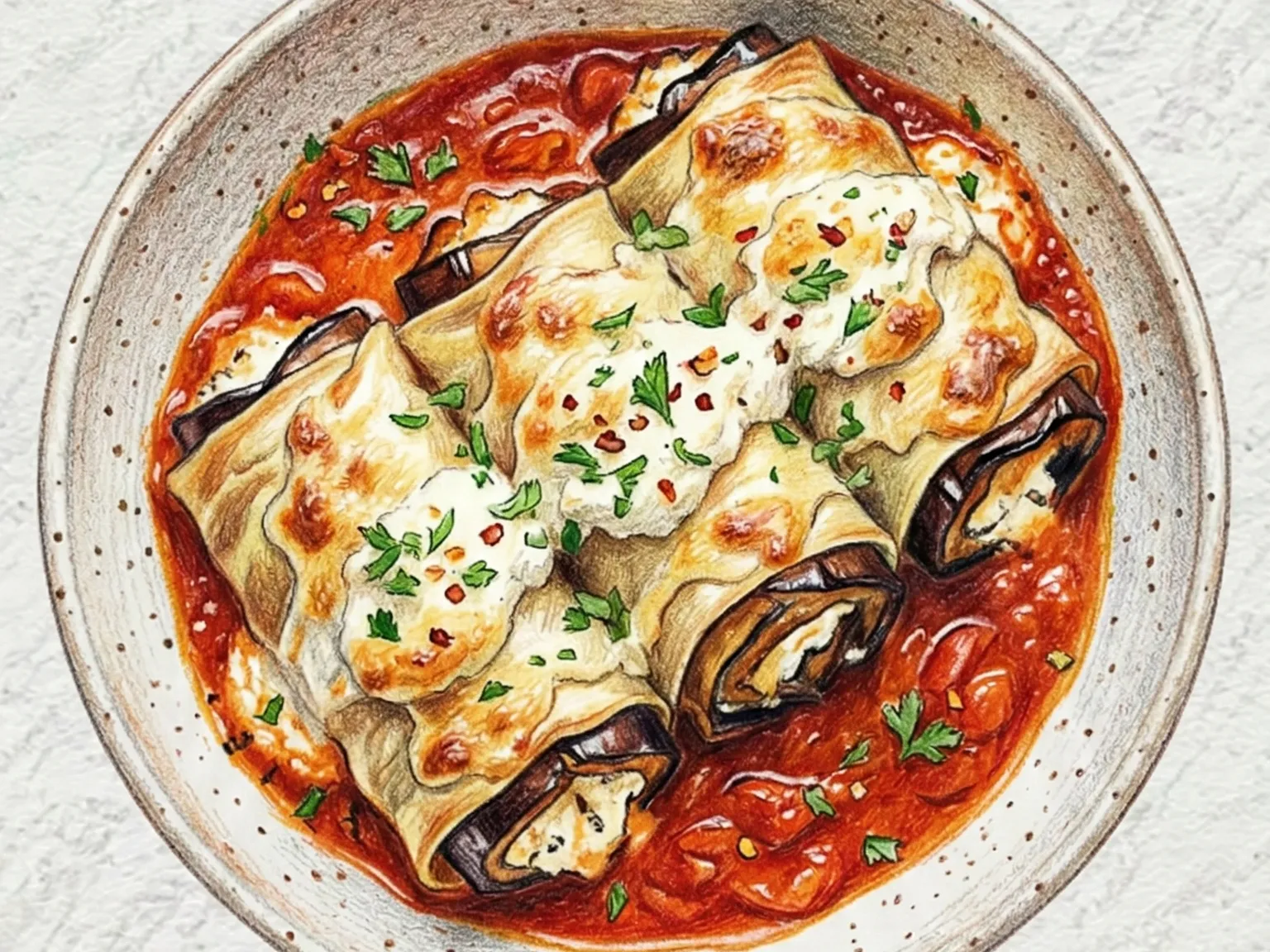
Gochujang Eggplant Ricotta Lasagna Rolls
Gochujang eggplant ricotta lasagna rolls begin by roasting diced eggplant with olive oil and salt at 200 degrees Celsius. Fifteen minutes in the oven drive out moisture and collapse the flesh into a soft, dense interior. The roasted eggplant is combined with ricotta and spread across boiled lasagna sheets, which are rolled tight and arranged in a baking dish. A sauce of tomato puree, gochujang, sauteed onion and garlic, and dried oregano is simmered for ten minutes until the chili paste loses its raw edge and the tomato acidity settles into the mix, producing a layer that is spicy and faintly tangy. The rolled sheets are covered in sauce and topped with mozzarella, then baked until the cheese browns and blisters into a firm crust. Below that crust the eggplant-ricotta filling stays moist and soft, and the contrast between the crisp cheese cap and the tender interior defines each slice.
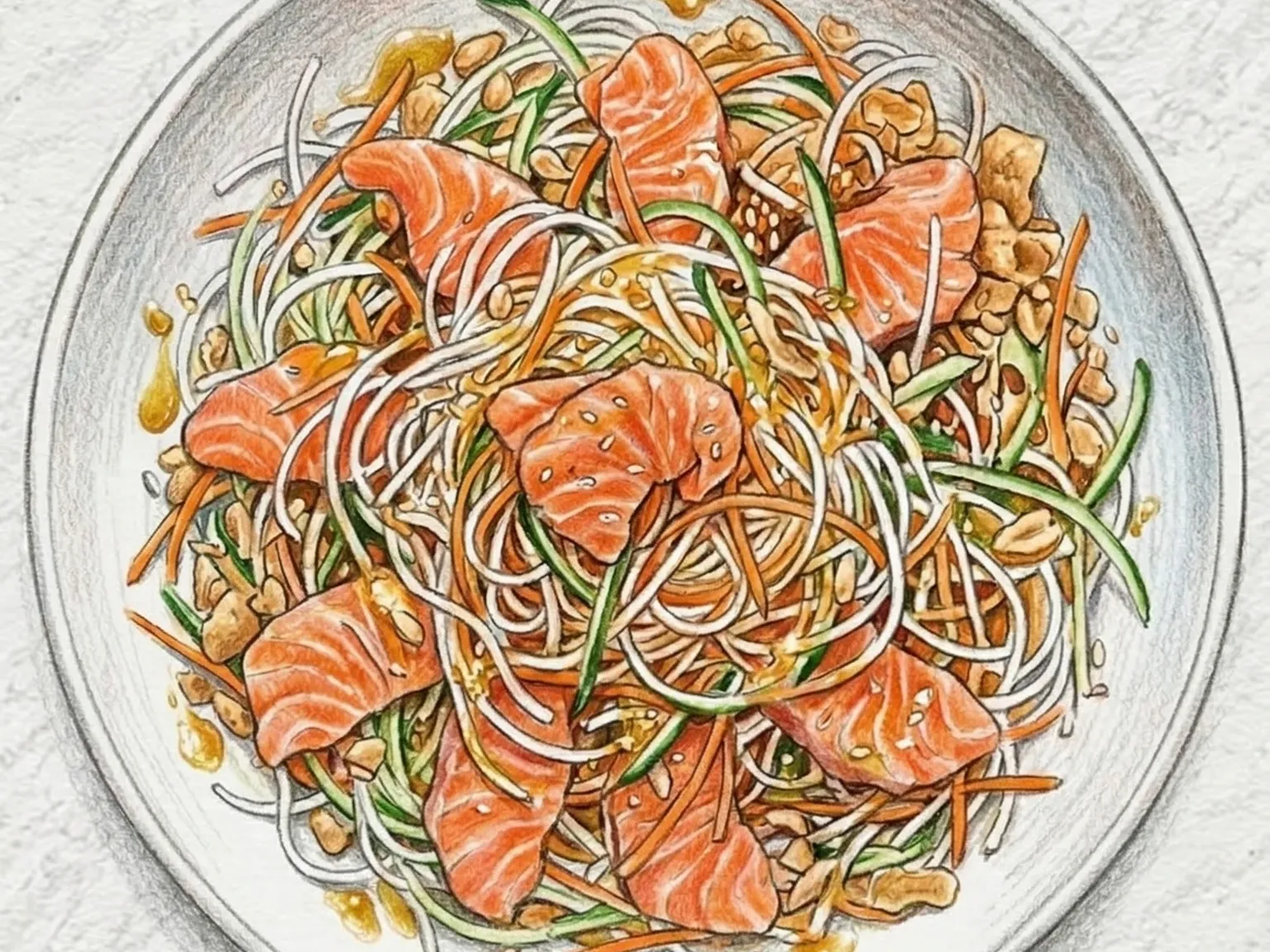
Yu Sheng Prosperity Salad
Yu sheng prosperity salad arranges thinly sliced sashimi-grade salmon and finely julienned daikon, carrot, and cucumber in a ring on a large platter, dressed with plum sauce, lemon juice, and sesame oil, then tossed vigorously just before eating. The salmon must be sashimi-grade for food safety, and patting it dry before slicing thin allows the sweet-tart plum sauce to cling more effectively to the fish surface. Cutting all vegetables as finely as possible maximizes the surface area in contact with the dressing, ensuring every chopstick-full carries the full spectrum of flavors. Keeping the prepared vegetables chilled maintains the freshness of the raw fish once assembled. Sesame seeds sprinkled on top add a nutty aroma that layers over the fruity plum sauce, completing the festive character of the dish.
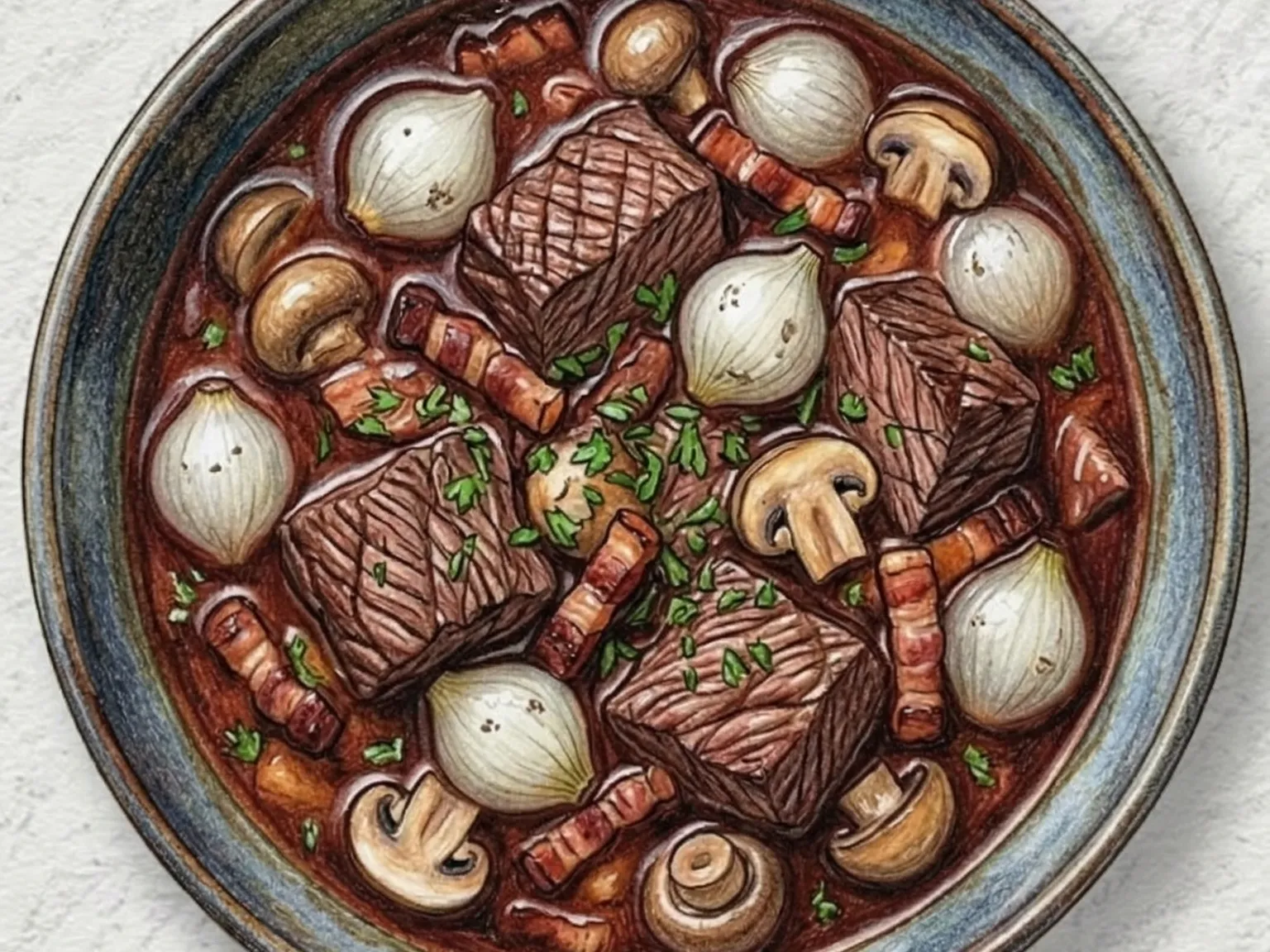
Beef Bourguignon
Beef bourguignon is a Burgundian stew that slow-braises beef chuck in red wine for at least two hours, long enough for the tough connective tissue to dissolve into silky, fork-yielding meat and for the wine to condense into a glossy, concentrated sauce. Bacon is rendered first for its fat, which then sears the beef cubes into a deep, caramelized crust before the wine enters the pot, stacking smoky and browned notes into the base. As the wine reduces around the meat, it transitions from a thin liquid into a sauce that coats everything in the pot with an even, mahogany-colored gloss. Mushrooms and pearl onions absorb the sauce during the final stage of cooking, the mushrooms turning spongy and meaty, the onions sweet and yielding. Tomato paste and beef stock anchor the wine's natural acidity so the finished dish reads as deeply savory rather than sharp. The sauce should cling to the back of a spoon when done.
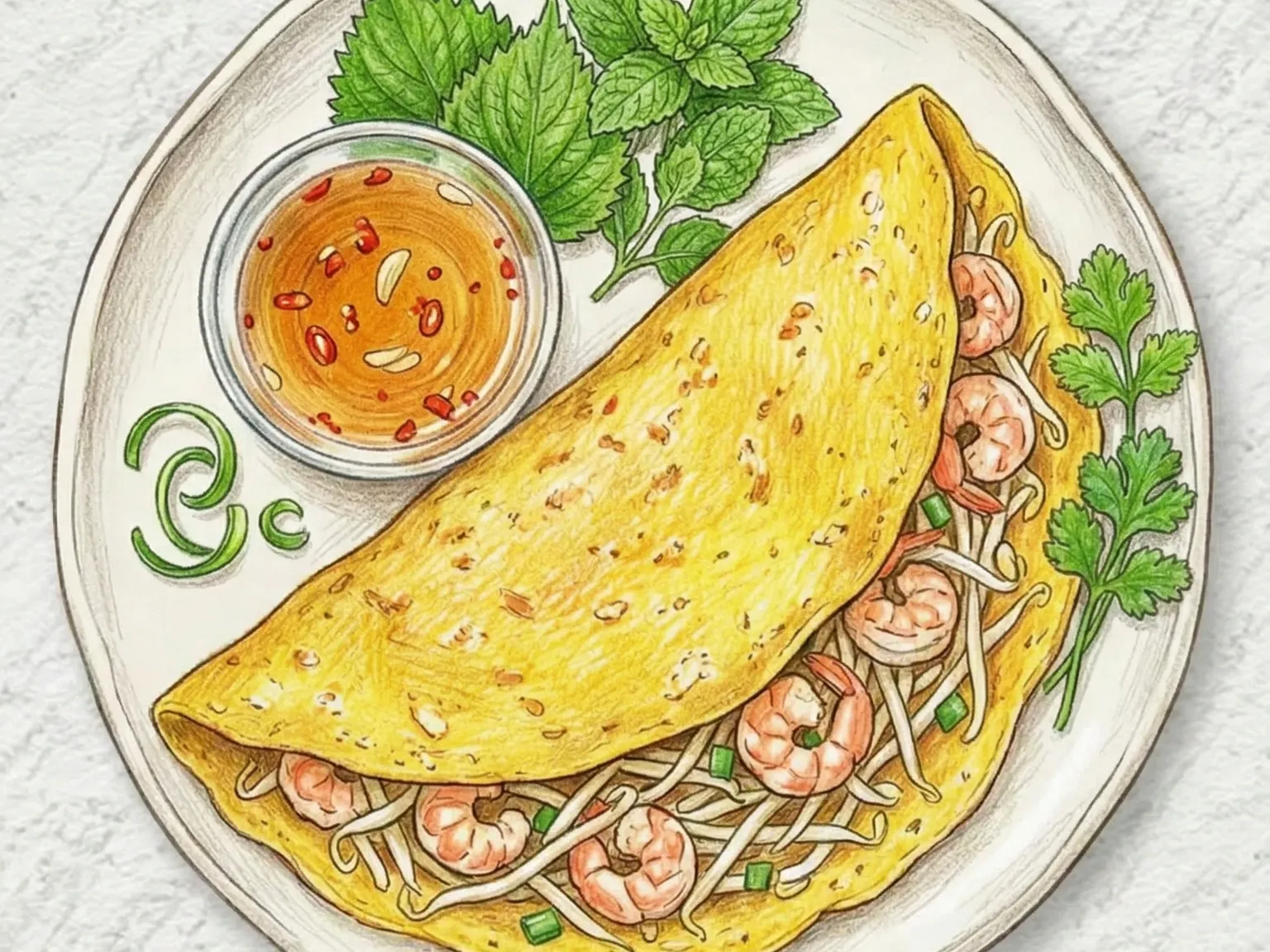
Banh Xeo (Vietnamese Sizzling Turmeric Rice Crepe with Shrimp)
Banh xeo takes its name from the sizzling sound the batter makes when it hits a hot, oiled pan. A thin pour of rice flour, coconut milk, and turmeric crisps into a lacy, golden shell with a shatteringly crisp edge. Shrimp, sliced pork, and bean sprouts fill one half before the crepe folds over. In southern Vietnam, banh xeo are plate-sized and served with a tall pile of lettuce, fresh herbs, and pickled carrots. How you eat matters as much as how it is cooked: tear off a piece, wrap it in a lettuce leaf with mint and perilla, dip in nuoc cham, and eat in one bite. The contrast between the hot, oily crunch of the crepe and the cool, raw freshness of the herbs is what makes this dish worth eating. Northern versions are smaller and more compact, but the principle remains the same.
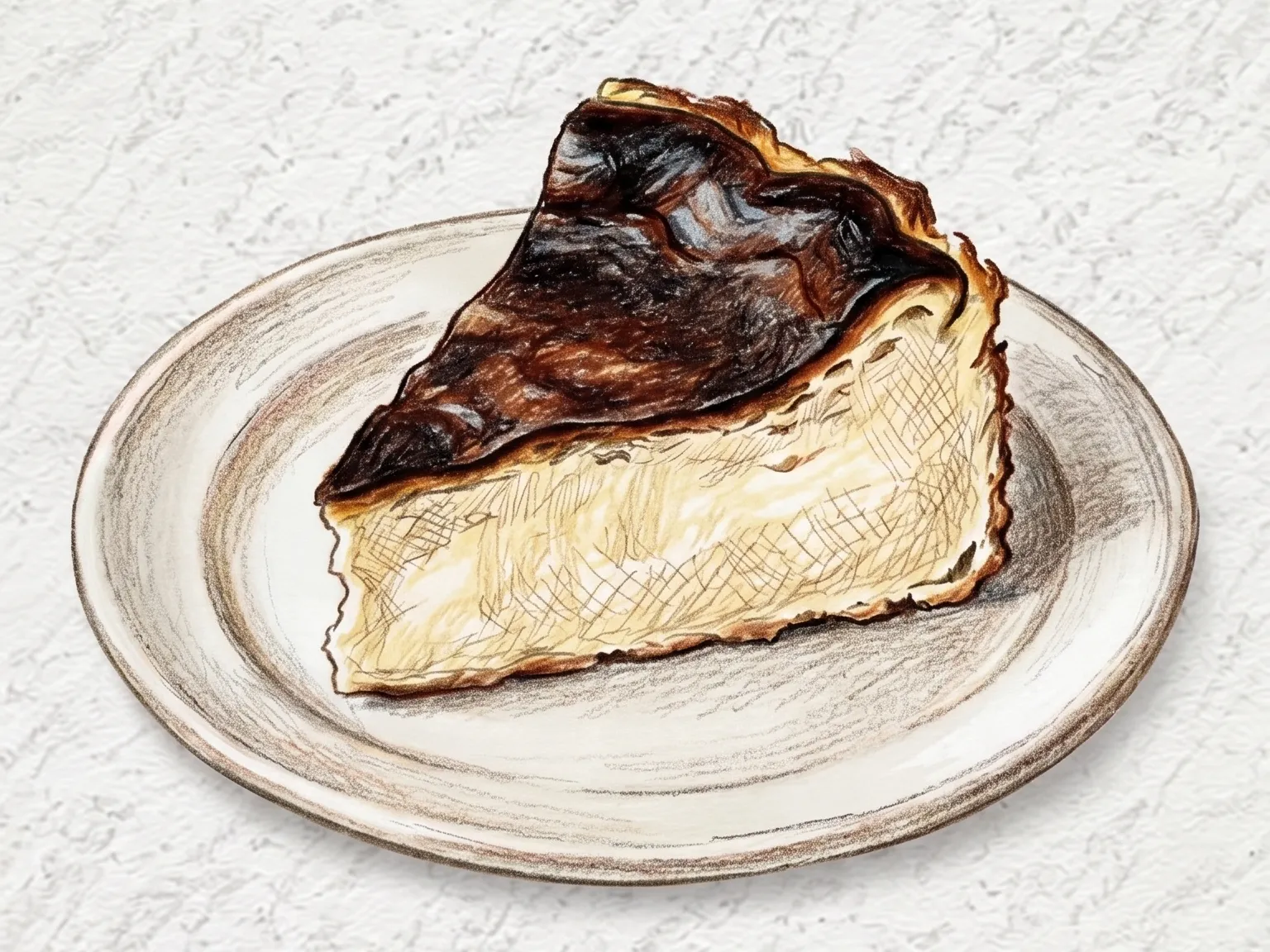
Basque Burnt Cheesecake
Basque burnt cheesecake originates from La Vina bar in San Sebastian, Spain, and is defined by a deliberately scorched top and an intentionally underset center. Cream cheese, sugar, eggs, heavy cream, and a small amount of flour are blended smooth, poured into a parchment-lined pan, and baked at above 220 degrees Celsius until the surface reaches a deep, near-black caramelization. That blackened layer contributes a pronounced bittersweet edge that cuts through the richness underneath. The interior remains loose and custardy - closer in texture to a very dense panna cotta than to a conventional baked cheesecake. Served at room temperature, the contrast between the firm, caramelized shell and the barely-set, creamy core is at its sharpest and most satisfying.
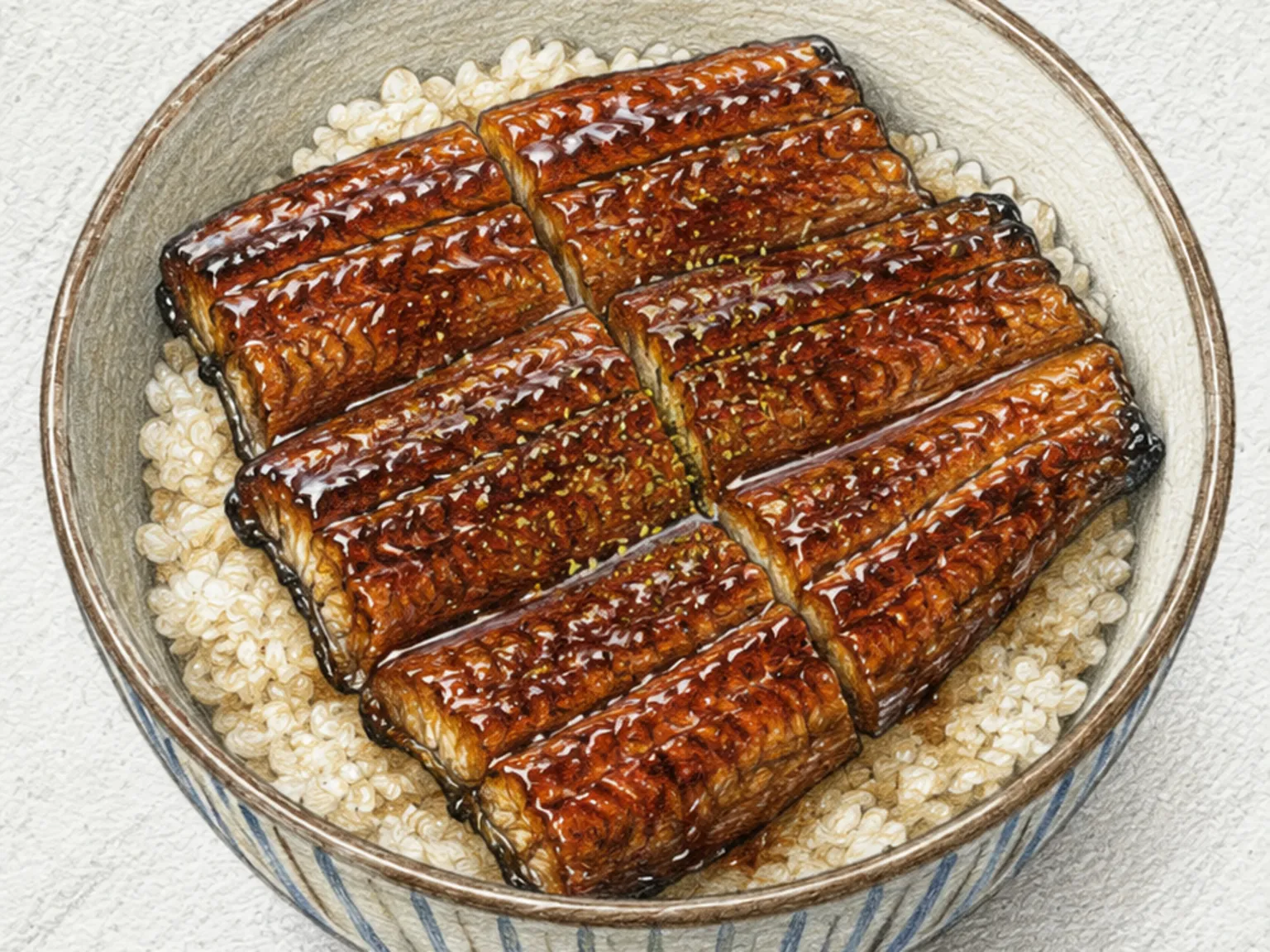
Korean Grilled Eel Rice Bowl
Jangeeo deopbap is a bowl of grilled freshwater eel over steamed rice, where the key technique is building up a thick, lacquered glaze through multiple applications of a sweet-salty sauce reduced from soy sauce, mirin, sugar, and ginger juice. The eel starts skin-side down on the grill over medium heat for around five minutes to crisp the skin, then is flipped and basted repeatedly with the sauce as it finishes cooking. A single coat of sauce produces a pale, thin color, so at least two applications and ideally three or more are needed to build the characteristic glossy surface. With each additional coat, the sugars in the sauce react with heat through both Maillard browning and caramelization, layering flavor with every pass. Because freshwater eel is naturally fatty, fat drips during grilling can cause flare-ups, so heat control is important throughout the process. Sansho pepper dusted on at the end cuts through the eel's inherent richness with a sharp, numbing fragrance that balances the sweet glaze and keeps the dish from feeling heavy.
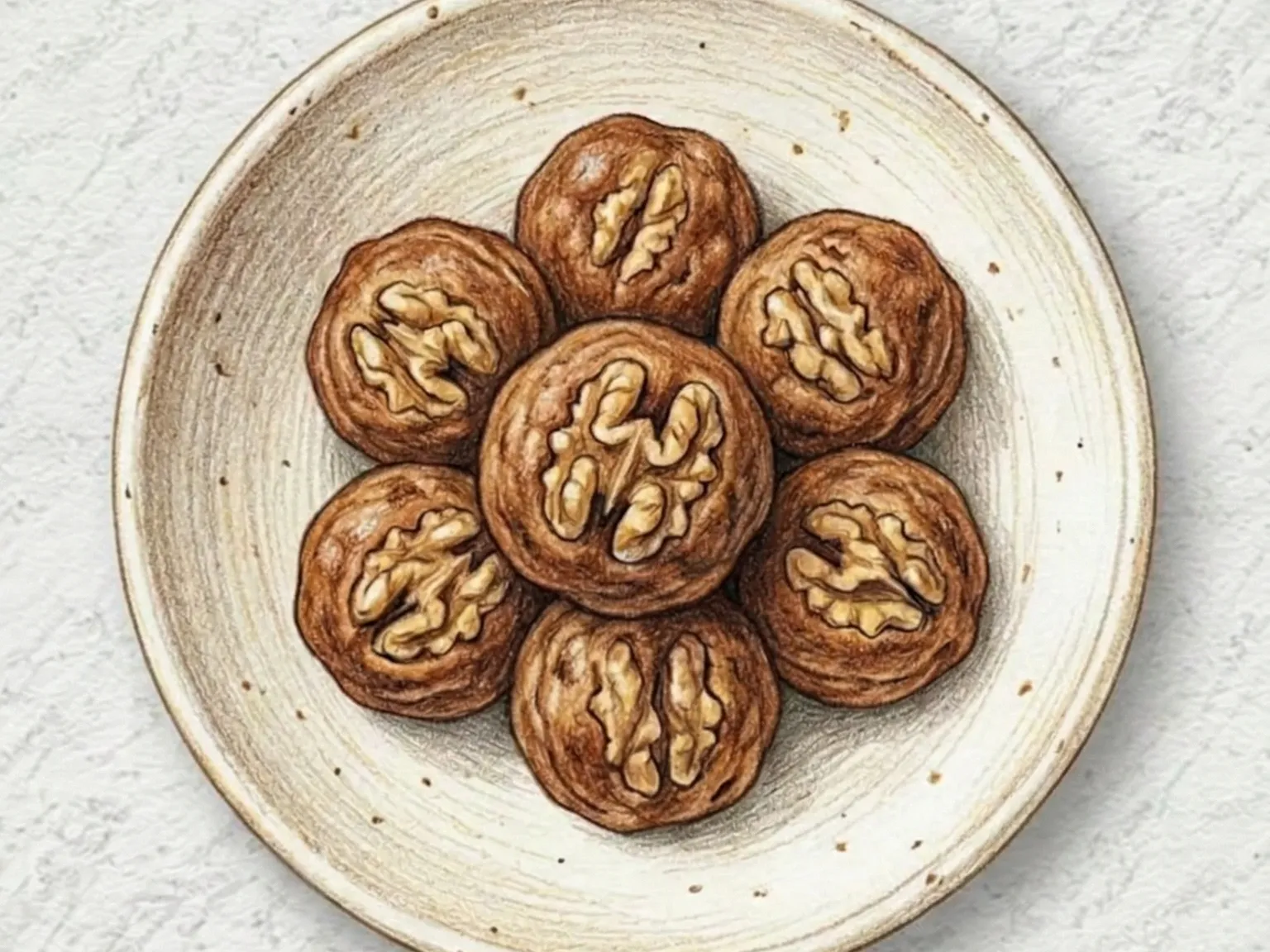
Walnut Cakes (Korean Bite-Sized Red Bean Walnut Pastries)
Hodu-gwaja are bite-sized Korean walnut cakes baked in a dedicated walnut-shaped cast iron mold, made from a batter of cake flour, baking powder, eggs, milk, and melted butter. Each cavity is half-filled with batter, then topped with sweet red bean paste and a toasted walnut half, sealed with a second pour of batter, and cooked over medium-low heat for six to eight minutes per side. The result is a thin, lightly browned shell encasing a moist, soft interior. Toasting the walnut halves at 160 degrees Celsius for five minutes beforehand makes a noticeable difference: the finished cakes carry a deeper, more fragrant nut aroma compared to those made with untoasted walnuts. Resting the batter for ten minutes before using it relaxes the gluten, which reduces air pockets during pouring and produces a smoother exterior surface. The cake originated as a regional specialty of Cheonan in South Chungcheong Province and has since become one of the most recognized snacks sold at highway rest stops and traditional markets across the country.
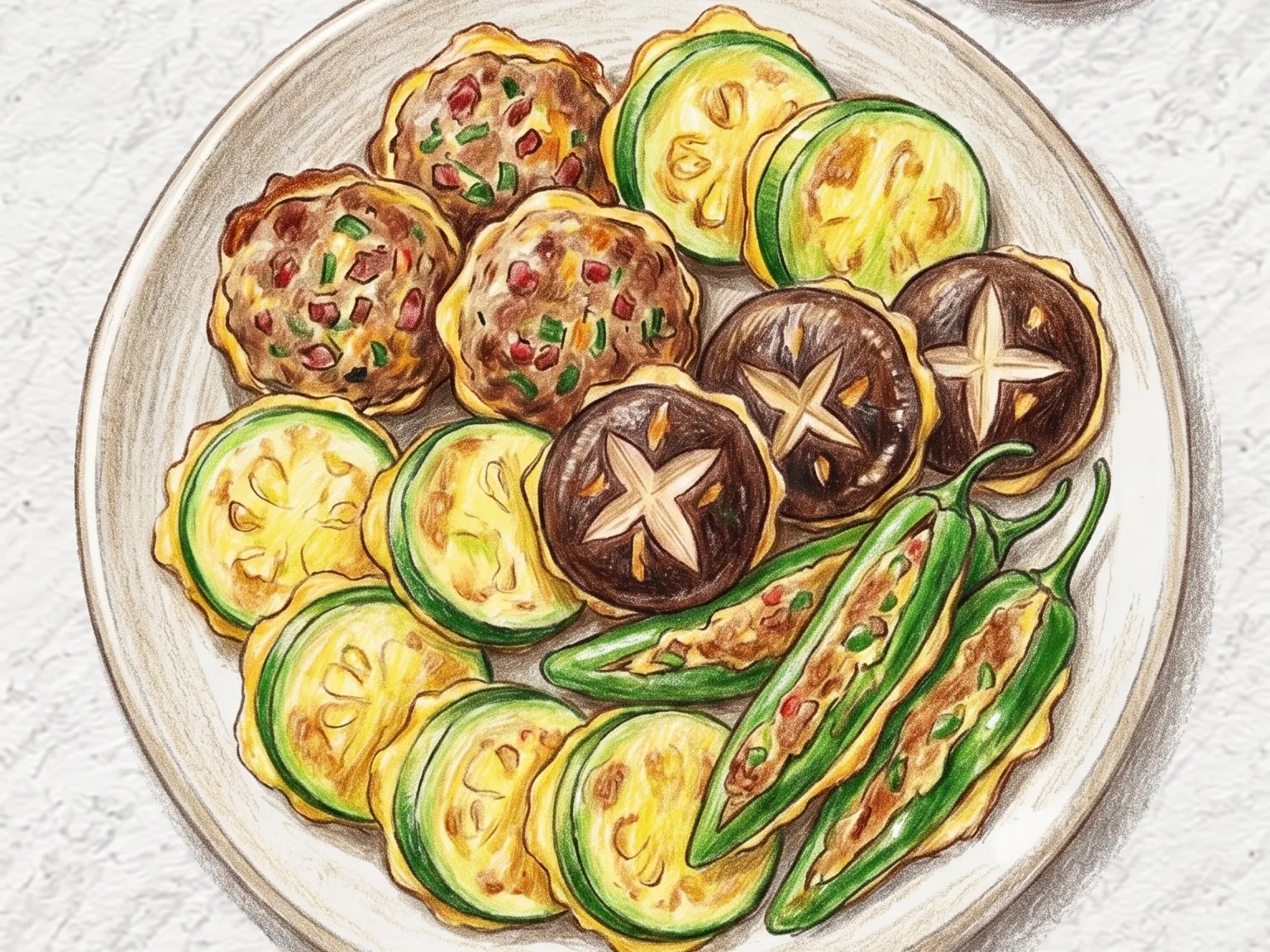
Assorted Korean Pancakes (Holiday Mixed Jeon Platter)
Hanjeongsik jeon-modeum is a mixed Korean pancake platter that brings together meat patties, zucchini jeon, shiitake mushroom jeon, and stuffed green chili jeon on a single serving board, forming the visual and gastronomic centerpiece of Seollal and Chuseok holiday tables. Each ingredient is cut to portion size, dusted lightly in flour, coated in beaten egg, and pan-fried over medium heat until both sides turn a deep golden. The single most important rule is to fry in small batches of three to four pieces at a time -- overcrowding drops the pan temperature sharply and causes the egg batter to absorb oil rather than set, leaving the jeon heavy and greasy instead of crisp and light. Meat patties made from a balanced mix of tofu, beef, and pork hold their shape while staying tender, and zucchini rounds need to be salted and pressed dry beforehand to prevent oil spatter during frying. For shiitake, removing the stem and dusting flour onto the inner gill side ensures the egg coating adheres evenly. A small dipping bowl of cho-ganjang -- soy sauce sharpened with a splash of rice vinegar -- cuts through the richness of the oil and draws out the contrast between the patties' deep savory flavor, the mild sweetness of zucchini, and the subtle heat of the peppers.
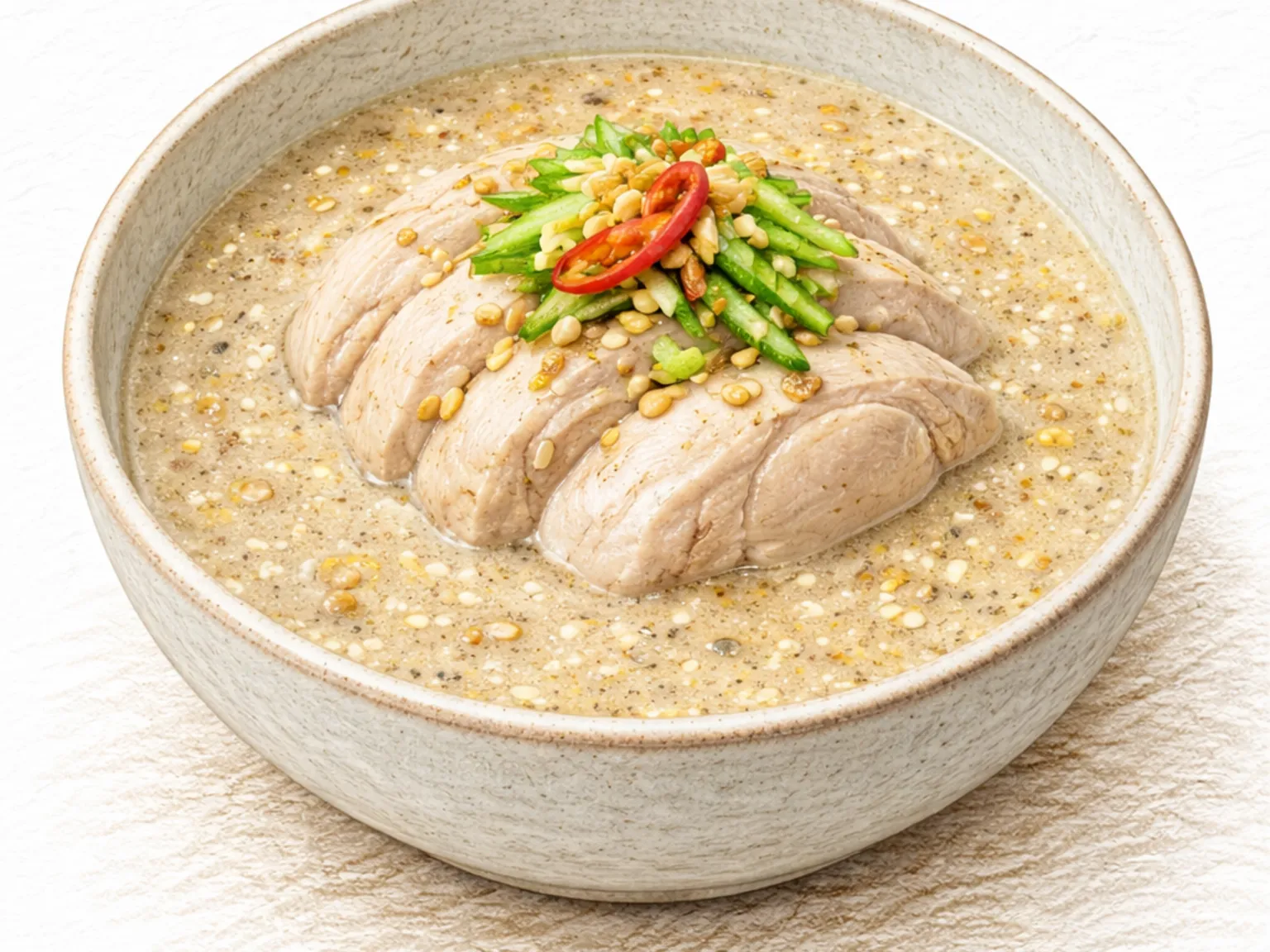
Imja-sutang (Royal Chilled Pine Nut Soup)
Imja-sutang is a royal Korean chilled soup that combines finely ground pine nuts and sesame seeds with chicken broth to create an opaque, creamy liquid of remarkable richness. The nut paste is blended with cooled chicken stock and a touch of milk until smooth, producing a porridge-like consistency that coats the palate with a gentle, lingering nuttiness. Poached chicken breast is shredded along the grain and submerged in the broth, and thin slices of cucumber are sometimes added for a cool, crisp contrast. The soup is traditionally served cold or at room temperature, making it especially refreshing in summer. Seasoning is minimal - just salt - because the natural oils in the pine nuts and sesame provide all the depth the dish needs. Imja-sutang traces its origins to Joseon dynasty court cuisine, where it was prepared for royal banquets, and it retains an air of elegance that elevates any table it appears on.
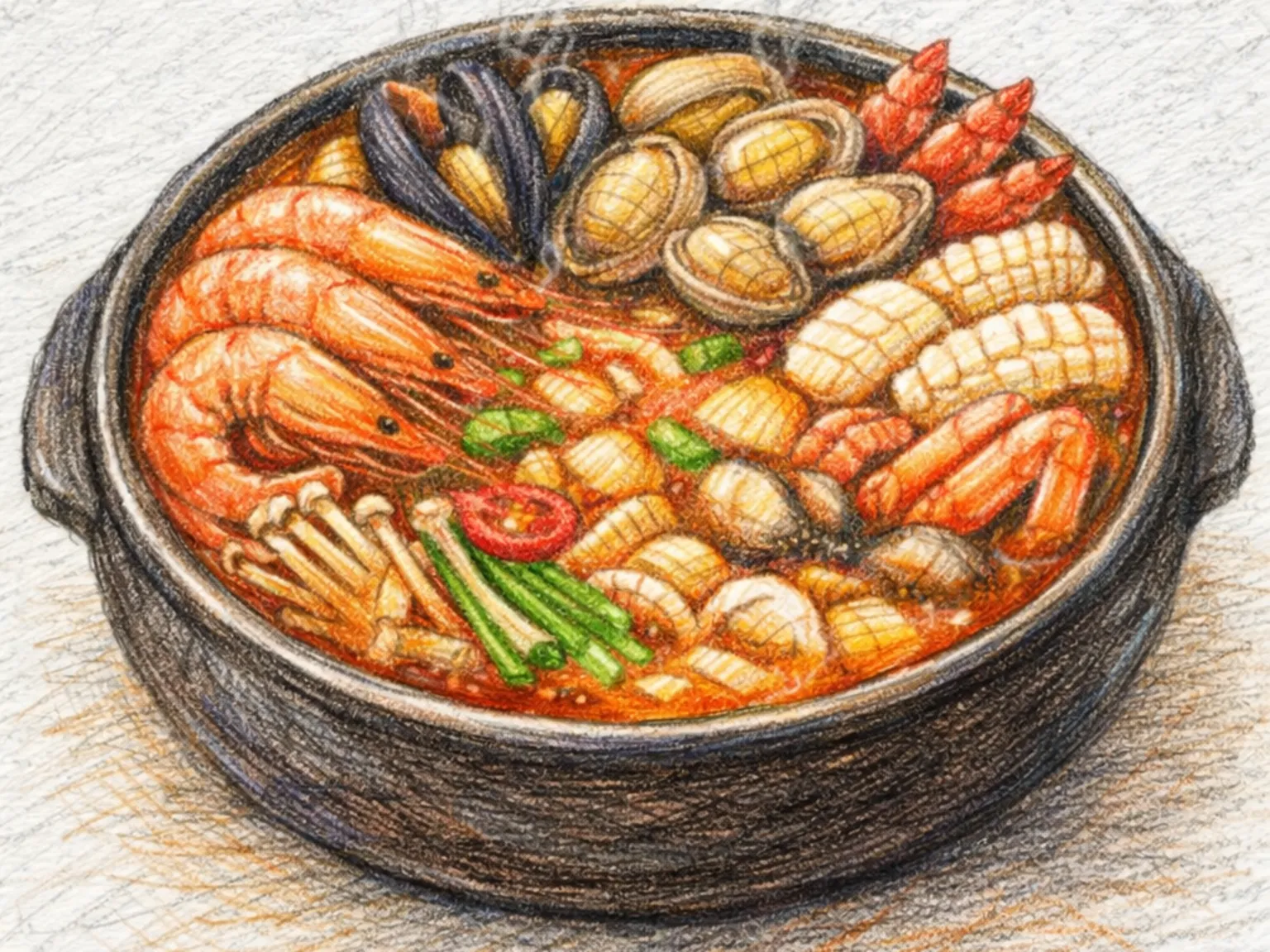
Korean Seafood Hot Pot (Shrimp, Squid & Crab Spicy Pot)
Haemul jeongol is a Korean seafood hot pot that brings together shrimp, Manila clams, squid, and blue crab in a spicy kelp-based broth seasoned with gochujang and gochugaru. The two chili seasonings serve different purposes: gochujang contributes fermented umami depth and body to the broth, while gochugaru adds clean heat and the vivid red color that makes the dish visually striking. Each type of seafood contributes something distinct to the pot. The clams release their natural briny-sweet liquor as they open, forming the backbone of the broth's flavor. The blue crab sweetens the stock progressively as it simmers, adding a richness that builds over time. The squid provides a chewy textural counterpoint to the softer elements, and the shrimp contribute a clean, delicate sweetness. Tofu and zucchini round out the pot with soft contrast between the firm seafood, and soup soy sauce is used for final seasoning rather than regular soy sauce to avoid darkening the broth. Because jeongol is served bubbling at the table and eaten while still cooking, the seafood should not be fully cooked before serving - shrimp and squid in particular should be added just as the broth comes to a boil and cooked only briefly, since prolonged heat makes them rubbery and dry. The wide vessel and communal style of eating, with everyone reaching into the same pot, is central to what makes haemul jeongol a gathering dish rather than a solo meal.
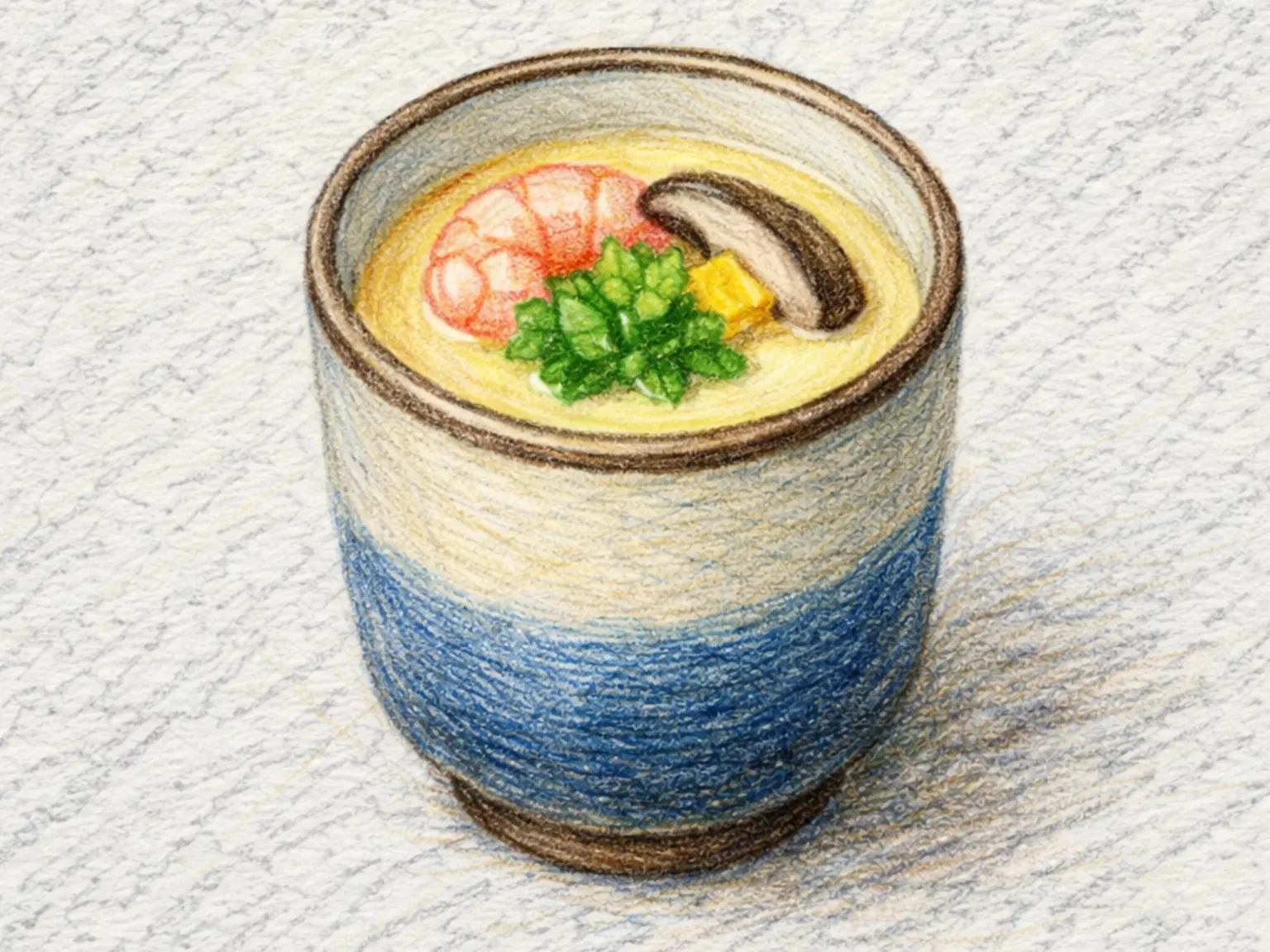
Japanese Savory Steamed Egg Custard
Eggs beaten with dashi stock, soy sauce, and mirin are steamed into a silky custard. A high dashi-to-egg ratio produces an exceptionally smooth texture that holds its shape yet barely resists the spoon. Shrimp, shiitake mushroom, and ginkgo nuts placed inside the cup before steaming offer distinct pockets of flavor and chew within each serving. Controlling the steam temperature is critical - too much heat causes bubbles that roughen the surface, so a cloth tucked under the lid and a low flame keep the environment gentle throughout. Found in both Japanese home kitchens and izakaya menus, chawanmushi is served warm in individual cups as a starter.
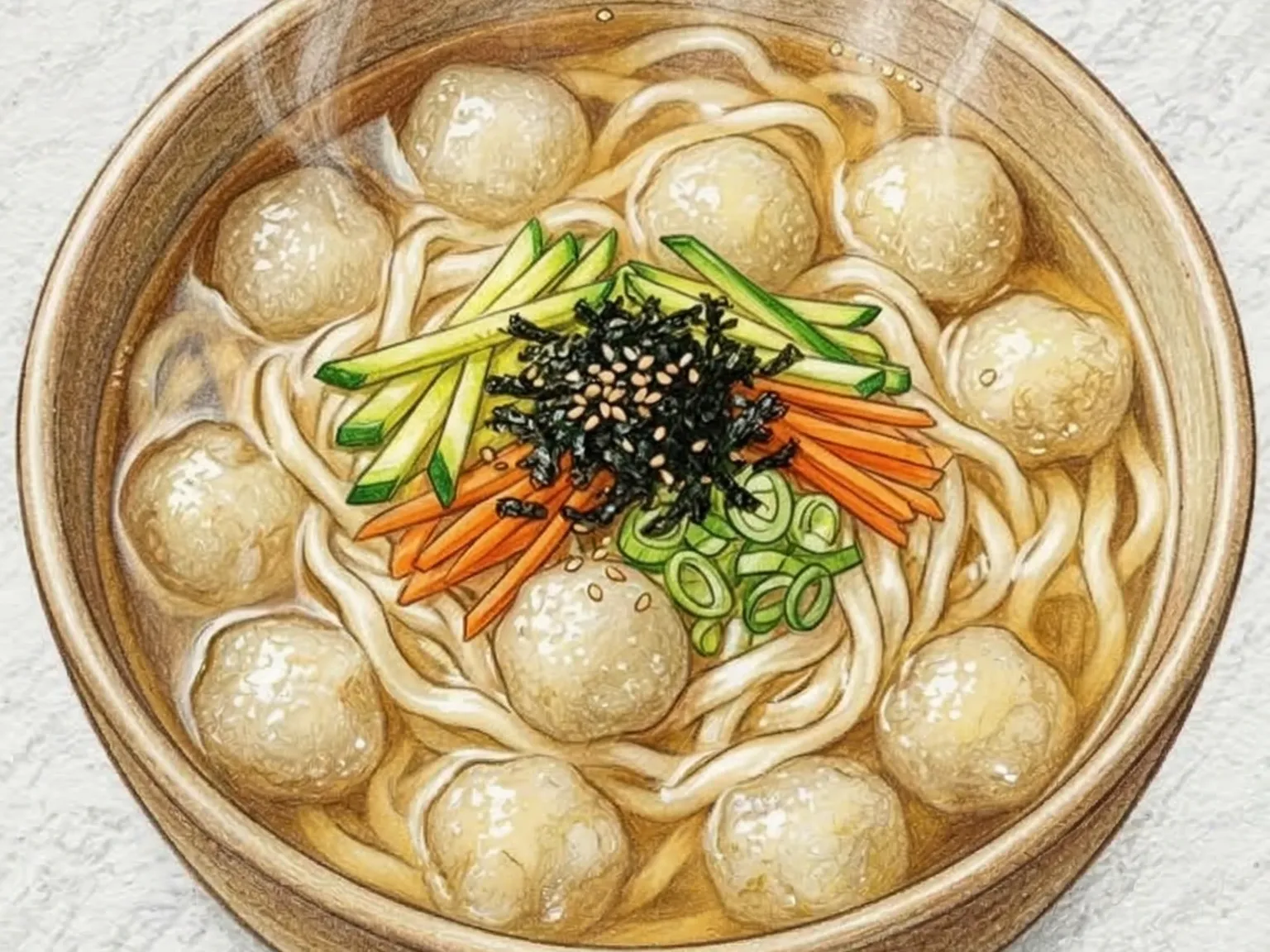
Korean Potato Ongsimi Kalguksu
Gamja ongsimi kalguksu is a Gangwon-do regional noodle soup featuring two distinct components in one bowl: knife-cut wheat noodles and small potato dumplings called ongsimi. The dumplings are formed by grating raw potato, squeezing out as much moisture as possible, then binding the pulp with potato starch and rolling the mixture into small round balls. As the ongsimi cook in the simmering anchovy-kelp broth, their exterior firms up and turns translucent while the interior retains the starchy, floury character of cooked potato, creating a double texture in each individual piece. The broth itself is kept light and clean to let the natural potato flavor of the dumplings come through, with thinly sliced zucchini adding a subtle sweetness. Removing excess moisture from the grated potato before shaping is the critical step that determines whether the dumplings hold their form or dissolve into the broth. This dish originates from Gangwon-do's potato farming culture and represents one of the region's most beloved comfort foods.
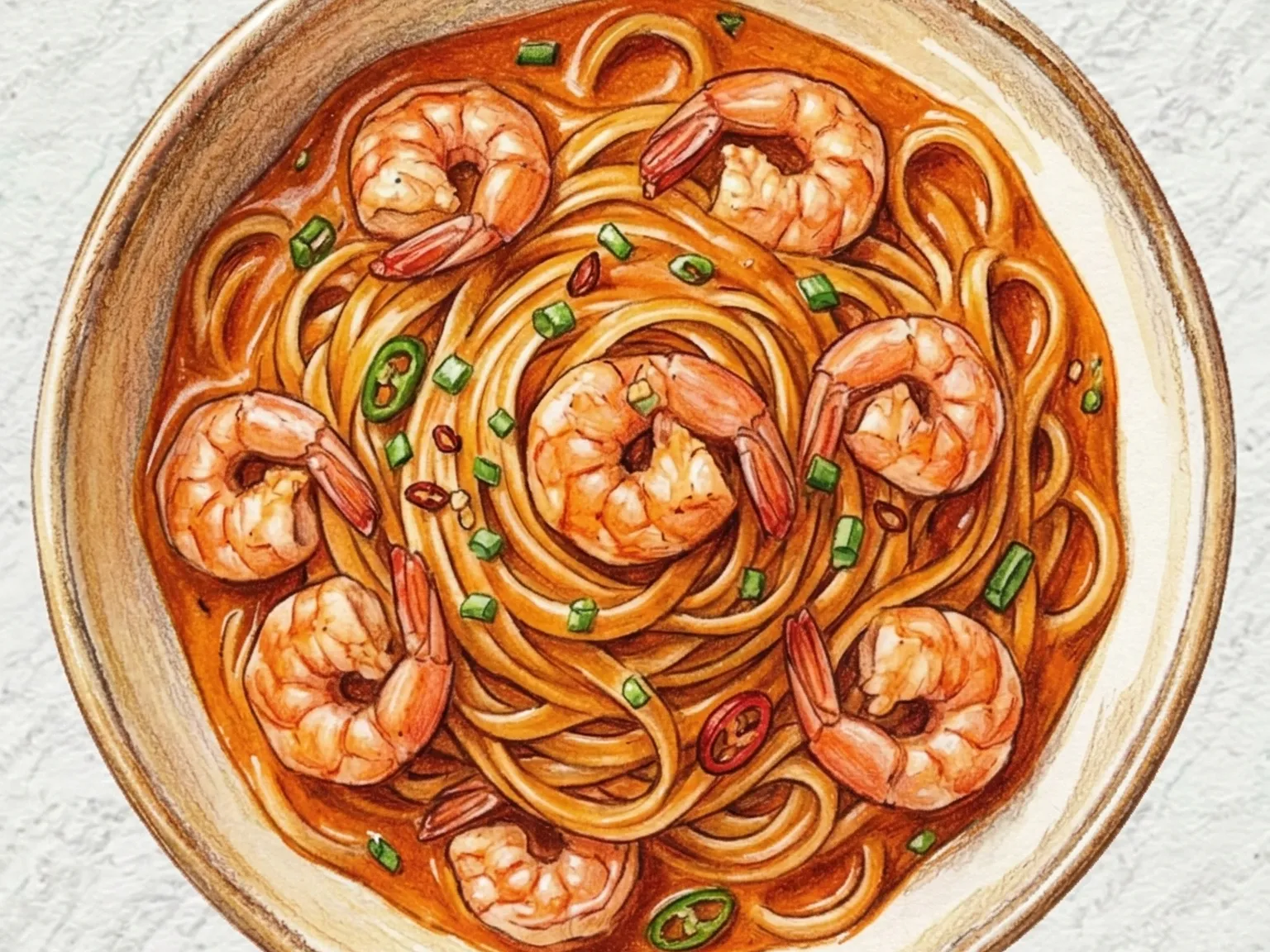
Gochujang Shrimp Cream Pasta
Gochujang shrimp cream pasta merges fermented Korean chili paste with heavy cream into a single cohesive sauce. Shrimp are seared at high heat first to develop a caramelized crust, then folded into the gochujang-cream mixture along with milk and garlic. The fermented depth of gochujang operates differently from straightforward chili heat: it carries malty sweetness and umami that reinforce the dairy richness rather than cutting against it, building a layered flavor the sauce would not achieve with fresh chili alone. Parmesan grated into the pan adds salt and nuttiness that round out the finish, while reserved pasta water lets the cook dial in the consistency. The result coats each strand of pasta in a glossy, spiced cream. The entire dish comes together in around 20 minutes, keeping the shrimp firm and the sauce smooth.