Baking Recipes
250 recipes. Page 4 of 11
Baking transforms flour, butter, sugar, and eggs into breads, cookies, cakes, muffins, and more. The aroma of something freshly baked is one of the great pleasures of cooking at home.
Cinnamon Rolls
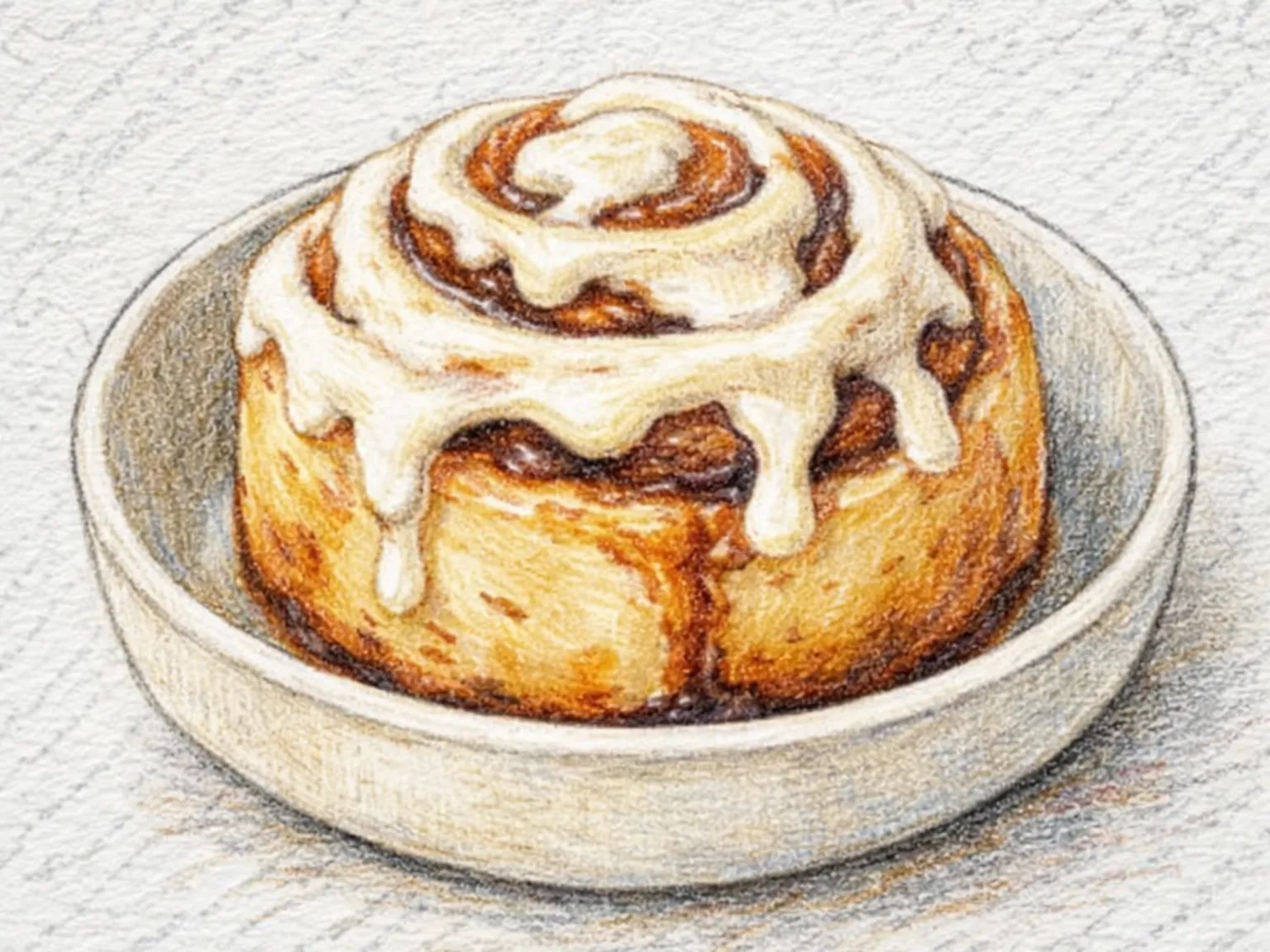
Cinnamon rolls are yeasted enriched dough baked into spirals of butter, cinnamon, and brown sugar, with roots in both Scandinavian and North American baking traditions. The dough, enriched with milk, butter, and eggs, rises into a crumb soft enough to pull apart in layers by hand. A thick layer of softened butter and cinnamon-sugar is spread on the rolled dough before it is coiled tightly and sliced into rounds. During baking, the sugar melts and caramelizes between the coiled layers, and the cinnamon aroma filling the space is one of the most recognizable in all of baking. A cream cheese glaze poured over the hot rolls melts into a tangy coating that balances the sweetness. In Sweden the same concept appears as kanelbulle with less sugar and added cardamom; in the United States the rolls are rolled thicker and buried under a generous glaze.
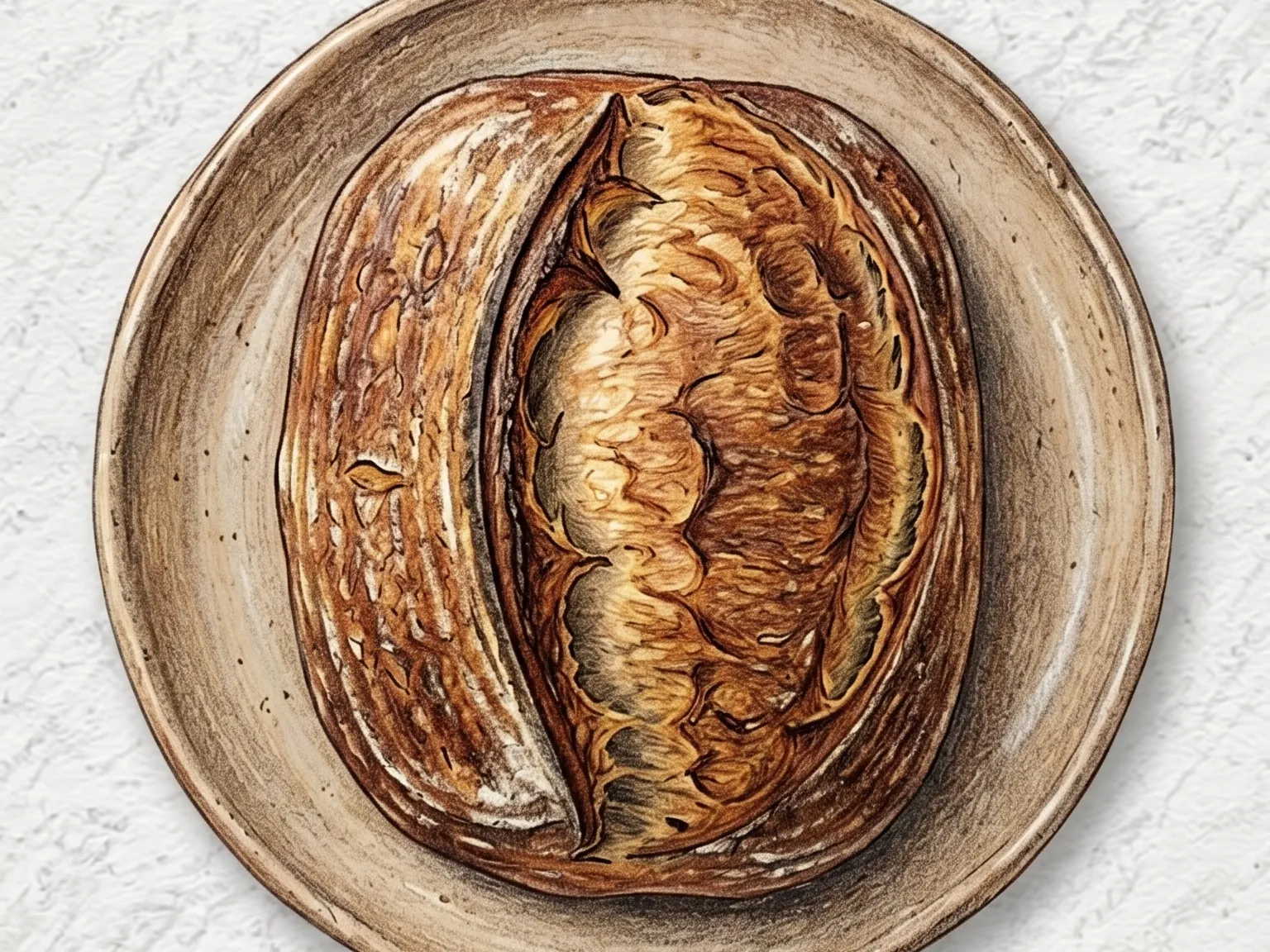
Classic Artisan White Sourdough
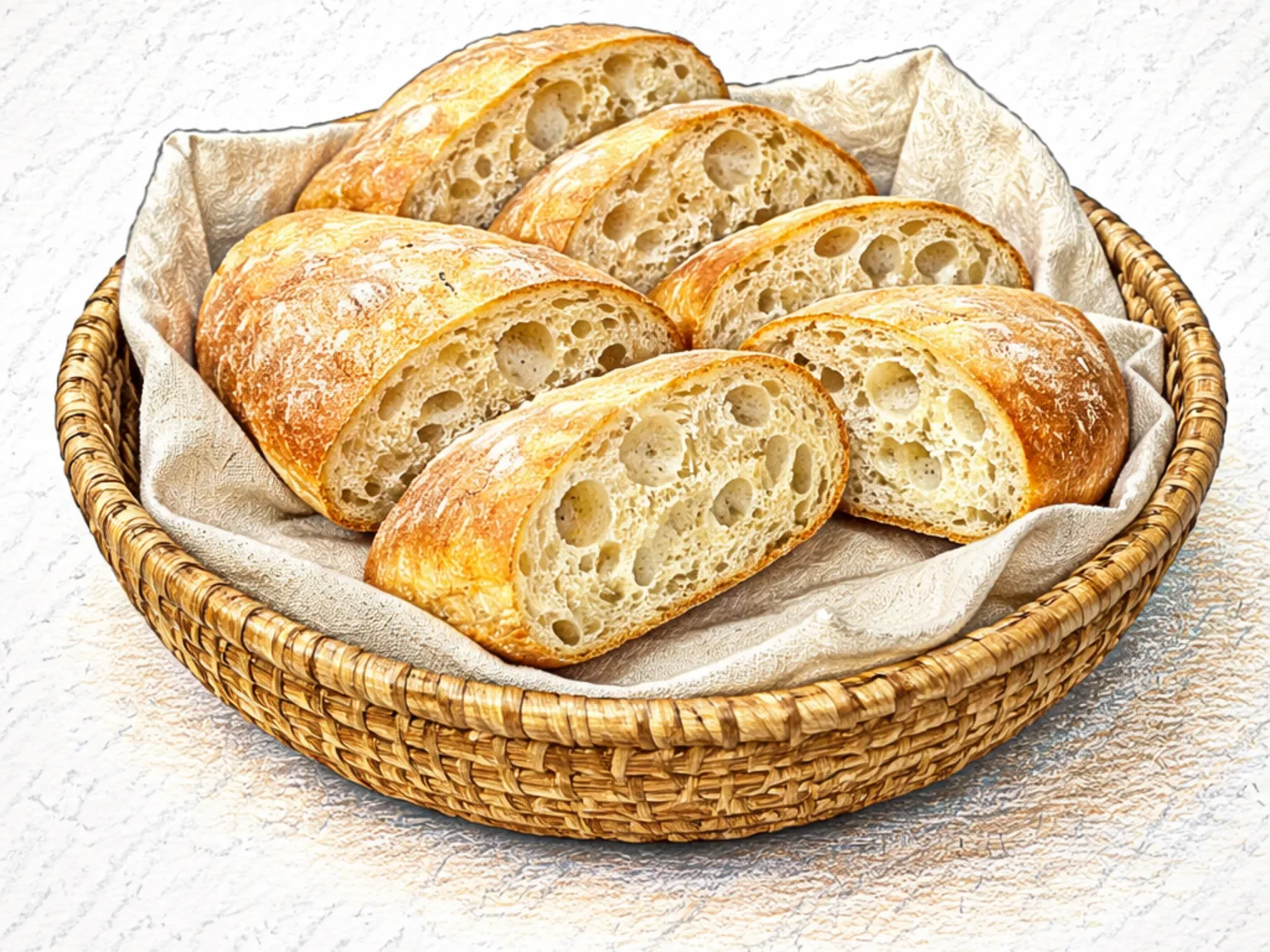
Healthy and savory authentic sourdough fermented slowly over a long time.
Classic Bagel
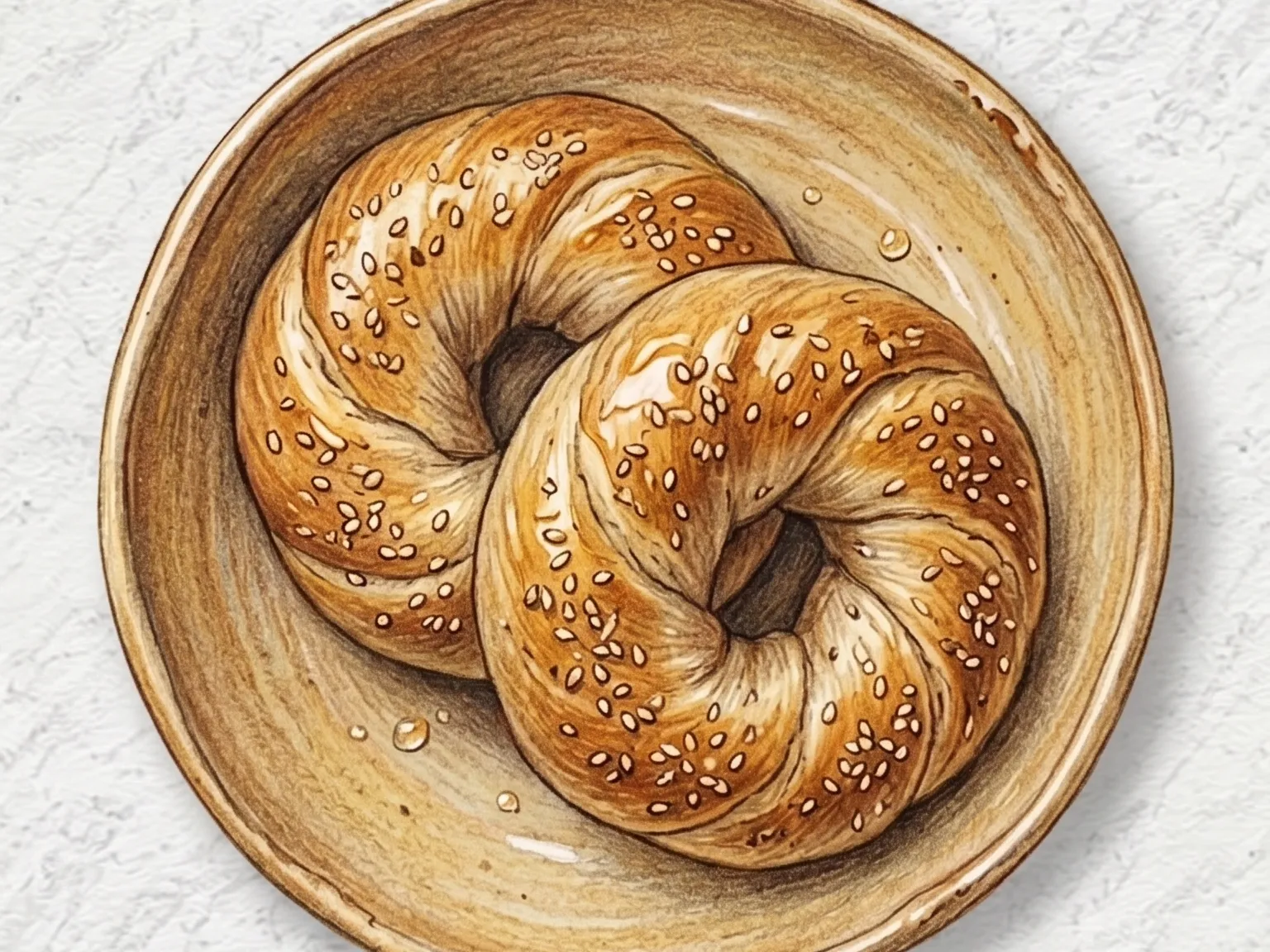
Classic bagels are defined by a two-stage cooking process that no other mainstream bread undergoes: the shaped rings are boiled before they are baked, and it is that boiling step that creates everything distinctive about the finished product. The dough is made with high-gluten bread flour and deliberately low hydration, then kneaded extensively to build a dense gluten network strong enough to resist expansion in the oven. After shaping into rings and a brief second proof, the bagels are lowered into boiling water -- often sweetened with honey or malt syrup -- and held there for about a minute per side. The heat gelatinizes the starch on the outer surface, forming a thin, tight skin that acts as a physical barrier against the gas trying to expand inside. When the boiled rings go into a hot oven, that skin constrains the rise so the interior stays compressed and dense rather than open and airy. The result is a crust that is firm, slightly shiny, and resilient under pressure, surrounding an interior with a chewiness measured in seconds of resistance rather than the instant softness of most bread. Adding honey or malt to the boiling water contributes a faint sweetness and a deeper color to the finished crust. In New York tradition the bagel is split, toasted, and loaded with cream cheese and smoked salmon, but sliced in half and toasted with butter alone, the structure of a well-made bagel carries the eating experience entirely on its own.
Classic British Scones
Classic British scones are made by rubbing cold butter into flour and binding the mixture with milk, using minimal handling to keep the dough light. This restraint is what creates the signature crumbly, layered texture. Overworking develops gluten and produces a tough result instead of the delicate flake the scone is known for. In the oven, the butter melts and generates steam between the flour layers, causing the scone to rise and split naturally along its sides. The exterior, brushed with egg wash before baking, turns golden and slightly crisp, while the interior stays soft and flaky, somewhere between bread and biscuit. Traditionally served during afternoon tea with clotted cream and strawberry jam, scones are split by hand rather than cut with a knife. The warmth of a freshly baked scone against the cool richness of clotted cream is the combination that defines the English tea table.
Classic Croissant
A classic croissant is built through lamination: a process of folding cold butter into yeast-leavened dough in successive turns to create dozens of alternating layers. Three sets of folds produce a structure so layered that when baked, the butter melts and releases steam, forcing each layer apart from within. Keeping the butter at a similar temperature to the dough throughout is critical because if the block grows too hard it shatters through the layers and if it grows too soft it merges with the dough and the lamination collapses. The exterior caramelizes into a shell so thin and crisp it shatters at the slightest pressure, scattering golden flakes. The interior, by contrast, is a honeycomb of soft, airy strands held together by the ghost of dissolved butter. Tearing a warm croissant apart releases a rush of butter fragrance, and the dough itself carries a faint sweetness from sugar and milk.
Classic Lemon Bars
Classic lemon bars layer a bright, tangy lemon curd over a buttery shortbread base, baked together in the same pan and chilled before slicing into clean rectangles. The base is made by pressing a mix of butter, powdered sugar, and flour evenly into the pan and blind-baking it until pale gold and firm enough to hold the filling without crumbling. The curd layer combines eggs, sugar, fresh lemon juice, and zest, which is poured directly over the hot crust and returned to the oven until just set: the edges firm up while the center still trembles gently when the pan is moved. Cutting before the bars are fully chilled causes the curd to run, so refrigeration is essential to achieve the characteristic sharp-edged rectangular slices. Lemon zest releases its citrus oils during baking and intensifies the fragrance well beyond what juice alone provides. A dusting of powdered sugar across the surface creates a white-on-yellow visual contrast and softens the tartness of the first bite. The defining pleasure of the bar is that the crisp, buttery shortbread and the cool, silky curd hit the palate simultaneously in each mouthful.
Classic Waffle
Classic waffles are made from a batter of flour, eggs, milk, melted butter, and baking powder cooked in a hot waffle iron. The baking powder aerates the batter, producing a crumb that is open and light while the outer surface crisps against the heated metal plates. Each square grid pocket in the iron serves a structural purpose: it forms a channel that holds maple syrup, melted butter, or fruit compote so every forkful carries an even measure of topping. Eggs distinguish American-style waffles from Belgian ones, contributing fat and protein that give the interior a slightly chewy, springy quality rather than a purely airy crumb. The sizzling sound from the iron as the batter hits the plates signals that the surface temperature is high enough for browning; the waffle is done when the steam output drops off and the exterior color deepens to a uniform amber. Fresh from the iron, pressing a fork into the surface produces an audible crack, and the inside is steaming, soft, and moist.
Coconut Cream Pie
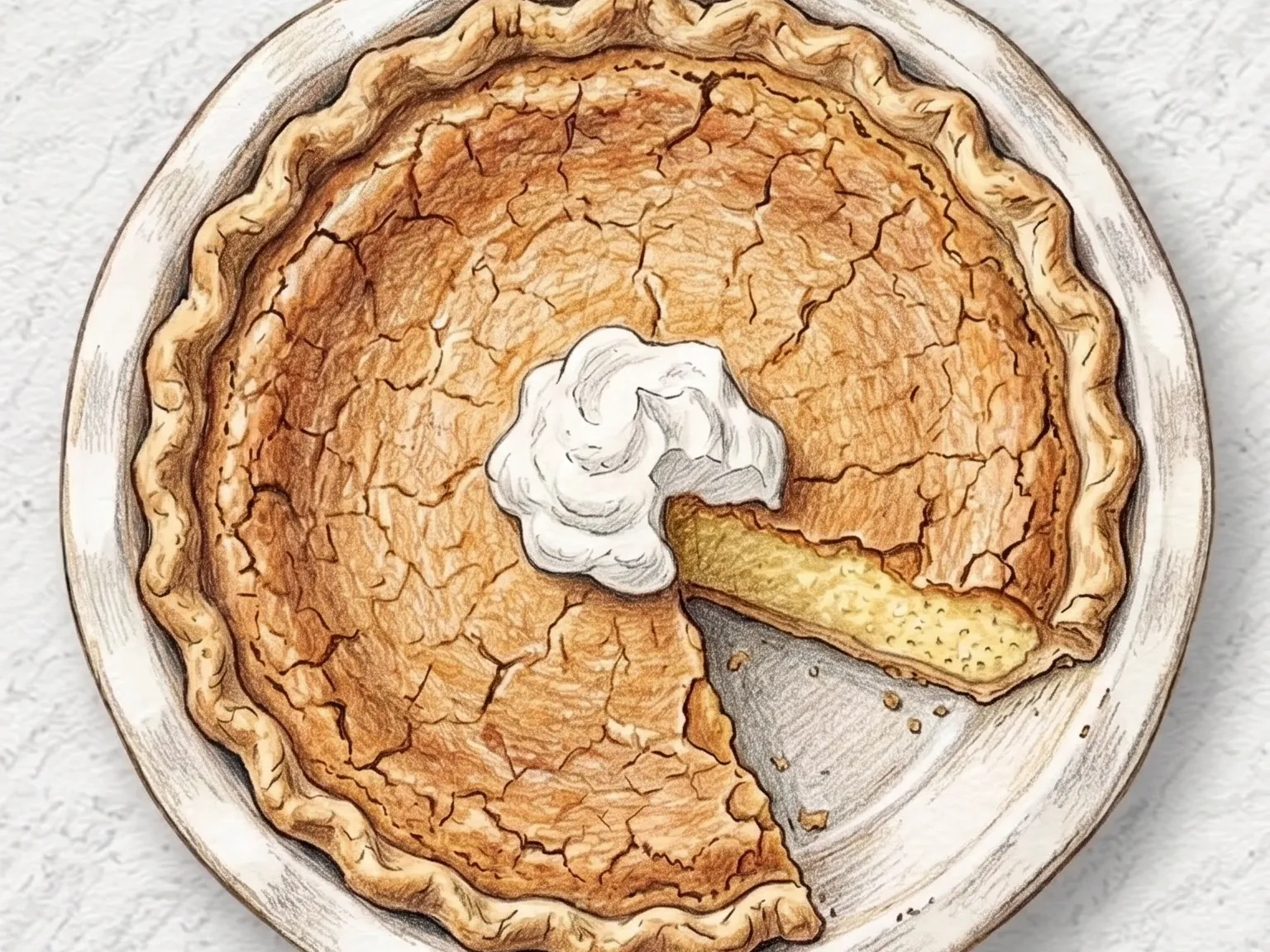
Coconut cream pie fills a blind-baked pastry shell with a thick, silky custard built from coconut milk, whole milk, egg yolks, and cornstarch. The custard is cooked directly on the stovetop, stirred constantly until it thickens enough to coat the back of a spoon without running. Once poured into the cooled crust and refrigerated for several hours, it sets firmly enough to slice cleanly, holding its shape on the plate. The coconut flavor is strong and tropical, drawing entirely from real coconut milk rather than extract or artificial flavoring, so the sweetness stays rounded and natural. A thick layer of freshly whipped cream spread over the top cuts through the density of the custard, and a generous scattering of toasted coconut flakes across the surface adds a nutty, crunchy contrast to the smooth layers below. When sliced, the cross section shows three distinct layers: a golden, crumbly crust at the base, a pale ivory custard in the middle, and white cream on top. The pie is served cold straight from the refrigerator, which keeps the custard firm and the whipped cream stable.
Coconut Macaroon
Coconut macaroons are flour-free cookies formed by binding shredded coconut flakes with egg whites and sweetened condensed milk, then baking until the exterior crisps and the interior remains dense and moist. Without flour as a structural element, coconut carries all of the texture and flavor, making every bite intensely coconut-forward in a way that flour-based cookies cannot replicate. In the oven, egg whites set the outer surface of each mound into a thin, golden crust while condensed milk holds the interior together in a chewy, sticky mass. The contrast between the crisp shell and the moist center is the defining textural feature of the macaroon. A pinch of salt sharpens the coconut's natural nuttiness, and a small amount of vanilla extract adds a warm, soft backdrop to the sweetness. Dipping the flat base of each cookie in melted dark chocolate once cooled introduces a bitter counterpoint that balances the concentrated sweetness of the condensed milk.
Coffee Cake
Coffee cake is an American snack cake topped with a buttery cinnamon streusel, designed to be eaten alongside coffee rather than containing coffee as an ingredient. Sour cream in the batter produces a noticeably moister, more tender crumb than a standard butter cake, and its mild acidity keeps the overall sweetness from feeling heavy. The streusel is made by rubbing brown sugar, cinnamon, flour, and cold butter together until the mixture forms coarse, irregular clumps; in the oven these bake into a sandy, crunchy topping that provides sharp textural contrast to the soft cake beneath. A widely used technique involves layering streusel into the center of the batter as well as on top, so that each slice reveals two distinct cinnamon-scented veins running through it. The cinnamon aroma is most pronounced when the cake is still warm from the oven, making the timing of serving worth paying attention to.
Cream Horn Pastry (Spiral Puff Pastry Cone with Cream Filling)
Cream horns are made by wrapping thin strips of puff pastry around conical metal molds in a tight spiral and baking until the laminated layers separate into a crisp, golden shell. The hundreds of butter-and-dough layers in the pastry open and puff apart in the oven's heat, producing a horn that is structurally firm yet delicate enough to shatter on first bite. Once the horns cool, the metal cone is removed to reveal a hollow pastry ready for filling. A mixture of cream cheese and whipped cream is piped generously inside, delivering smooth, lightly tangy sweetness that plays against the brittle exterior. A final dusting of powdered sugar completes the presentation. The critical rule is timing - filling the horns only just before serving preserves the crispness, as the cream introduces moisture that softens the pastry rapidly.
Creme Brulee
Creme brulee is a French custard dessert made from just four components: egg yolks, heavy cream, sugar, and vanilla bean. Hot cream infused with vanilla seeds is tempered into beaten yolks and sugar, then poured into ramekins and baked in a water bath at low heat. The water bath moderates the temperature, preventing the custard from curdling or developing bubbles, yielding a surface as smooth as silk. After thorough chilling, a thin layer of sugar is sprinkled on top and caramelized with a torch until it forms a glassy, amber-colored crust. The ritual of cracking through that crust with a spoon is as integral to the experience as the flavor. Beneath lies cold, trembling custard that melts on the tongue, while the hot caramel introduces a bittersweet crunch.
Crêpe Cake
A crepe cake is constructed by alternating dozens of paper-thin cooked crepes with thin layers of cream, building a tall multi-layered dessert that requires no baking and no oven. A batter of flour, eggs, milk, and butter gets poured by the ladleful into a lightly buttered pan and swirled into rounds that cook for under a minute per side, then cool completely before assembly. Each crepe receives an even, thin spread of lightly sweetened whipped cream or pastry cream before the next crepe goes on top, repeating until the stack reaches twenty to thirty layers. The precision of each spread matters: uneven layers create an inconsistent cross-section when the cake is sliced, whereas layers of uniform thickness produce the clean, intricate striped pattern the cake is known for. Unlike conventional sponge cake, the dominant flavors are egg, butter, and dairy fat rather than sugar and flour, and the texture is distinctly its own: soft and yielding, with each layer sliding gently against the next under the lightest pressure. Pan temperature during crepe-making must stay slightly below medium heat, as excess heat chars edges and makes the crepes brittle. After assembly, refrigerating the cake for at least two hours stabilizes the cream and allows the structure to set so each slice cuts cleanly without collapsing.
Cronut
The cronut is a hybrid pastry invented in New York in 2013 by pastry chef Dominique Ansel, created by frying laminated croissant dough in a doughnut shape. Within days of its debut, the shop had lines stretching around the block before dawn, and the cronut was named one of Time magazine's best inventions of the year. The process demands traditional croissant dough built over three days: flour and yeast are combined into a basic dough, then cold butter is folded in through repeated lamination turns that create dozens of distinct layers. That laminated dough is then cut into rings and deep-fried in oil held at a precise temperature, a step that produces the signature result of a flaky, layered interior like a croissant combined with the crisp, light shell of a doughnut. A flavored cream is piped inside and the exterior is coated in a thin glaze. A single bite delivers a sequence of experiences: the crack of the glaze, the crunch of the exterior, the airy pull-apart of buttery layers, and finally the cool richness of the cream filling. Oil temperature is critical, as oil that is too hot burns the outside while leaving the interior raw, and oil that is too cool soaks into the dough and turns it heavy. The three-day lamination process cannot be shortened without compromising the layered structure that defines the pastry.
Croquembouche (French Caramel-Glazed Cream Puff Tower Centerpiece)
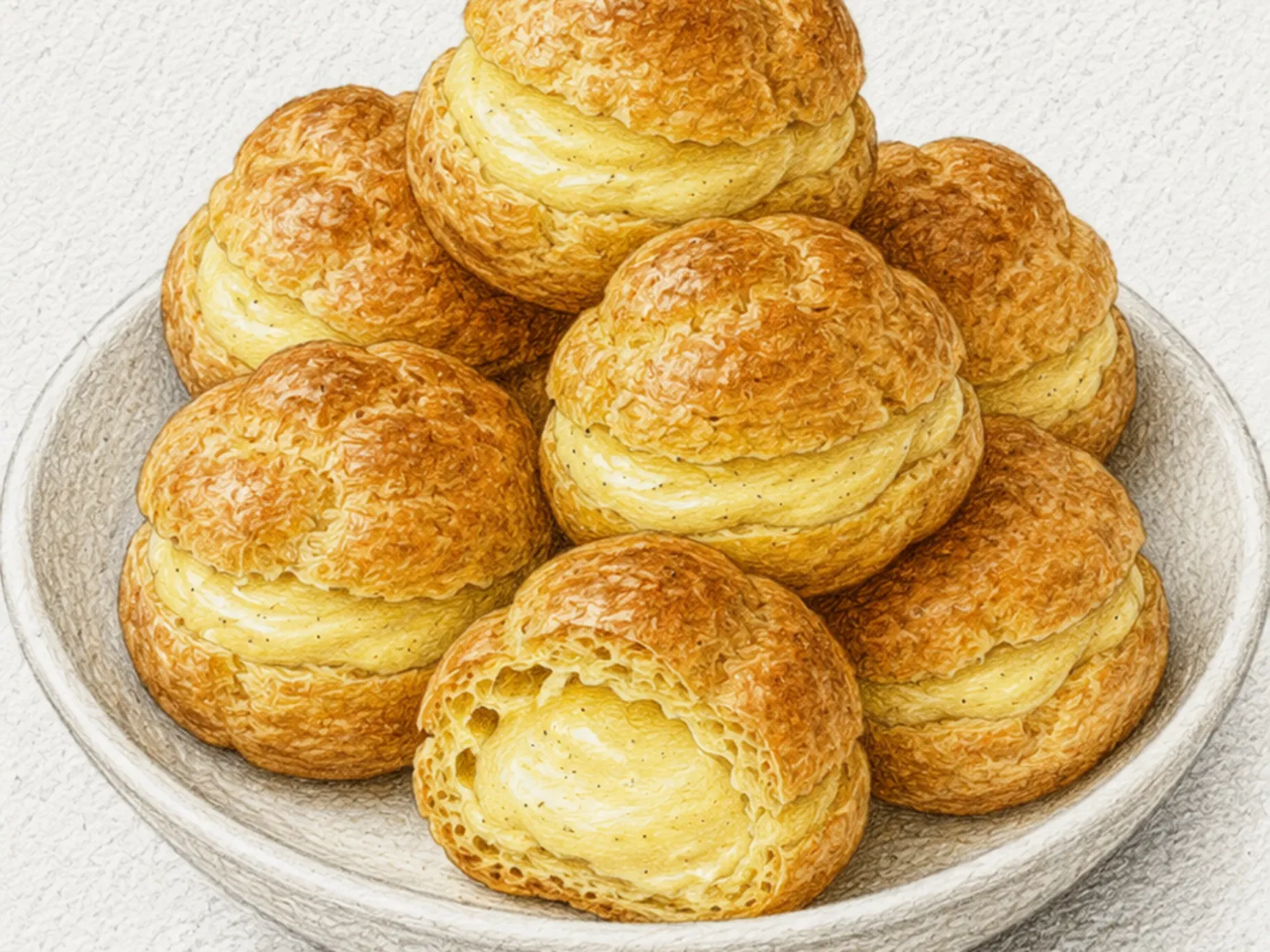
Croquembouche is a French celebration centerpiece constructed by dipping cream-filled choux puffs in hot caramel and stacking them into a tall conical tower. Each profiterole is baked until the interior is hollow and dry, filled with vanilla pastry cream, then submerged briefly in caramelized sugar that hardens into a thin shell on contact and bonds each puff to its neighbors. As the tower rises, caramel strands are stretched between the puffs, cooling into a web of spun sugar threads that wrap around the entire structure. A finished tower can stand several feet tall, and guests detach individual puffs from the top downward to eat. Cracking the hardened caramel shell with teeth reveals soft choux pastry underneath and cold cream inside, a progression of textures that plays out in a single bite. The name itself comes from the French for crunching in the mouth. In France the croquembouche is a traditional centrepiece at weddings and christenings, where it stands in place of a tiered cake.
Crunchy Chocolate Chip Baguette
A charming chocolate baguette with sweet chocolate chips embedded in a crusty loaf.
Dacquoise (Almond Meringue Disc with Butter Cream Filling)
Dacquoise is a French confection originating in the town of Dax in the southwest, made by folding almond flour into stiff beaten egg whites, piping the batter into flat discs, and baking until the surface forms a thin, dry shell. That outer layer cracks cleanly underfoot, while the almond oils inside keep the meringue moist and chewy, so two distinct textures inhabit the same bite. Two discs are sandwiched around a layer of buttercream, which provides richness and holds the halves together; the filling varies widely, vanilla, matcha, pistachio, or fruit curd depending on the baker. In Korean cafes, dacquoise has been scaled down to single-portion bite-sized pieces and individually wrapped for takeaway, a format that has made them one of the most popular items alongside afternoon coffee. The key to the right texture is folding the almond flour into the meringue without deflating it, preserving the open crumb that gives each piece its characteristic chew.
Dalgona Tiramisu (Korean Whipped Coffee Cream Layered Tiramisu)
This Korean variation of tiramisu incorporates the whipped dalgona coffee method that gained international popularity and integrates it into the traditional framework of a classic Italian dessert. To create the characteristic topping, instant coffee is combined with sugar and hot water, then whipped vigorously until the mixture transforms into a dense and aerated foam. This specific preparation method results in a coffee profile that is significantly more concentrated and prominent than the standard espresso soak typically used in such recipes. The dalgona foam is positioned between layers of smooth mascarpone cream and ladyfingers that have been briefly submerged in espresso. This addition provides both a deep intensity of flavor and a texture that resembles a light mousse throughout the dish. The dessert requires a minimum of four hours in the refrigerator to allow the various components to settle and merge properly. Once thoroughly chilled, each serving provides a combination of the softened biscuit, the creamy mascarpone, and the coffee foam in a single bite. A thin layer of cocoa powder is applied across the surface to provide a finished appearance and a subtle bitterness. If a version with less sweetness is preferred, the volume of dalgona syrup can be decreased to allow the natural bitter qualities of the coffee to become more apparent.
Danish Pastry
Danish pastry is a laminated dough enriched with eggs and butter, folded in successive turns to create flaky layers, then shaped and filled before baking. The process resembles croissant-making, but the dough is softer and sweeter, and the shaping is more varied with diamonds, pinwheels, and envelopes all being common forms. In the oven, the butter between the layers melts and creates steam, pushing apart each fold into crisp, golden leaves. The interior stays pillowy and brioche-like, carrying a pronounced butter flavor throughout. Custard cream or fruit placed in the center bakes alongside the pastry, the custard firming into a smooth, glossy pool. A drizzle of sugar glaze after baking adds a thin, sweet sheen that finishes each piece.
Dark Chocolate Baguette
Crusty and savory baguette filled with sweet chocolate chips for a delightful contrast.
Dasik (Korean Honey-Pressed Roasted Grain Confection)
Dasik is a traditional Korean pressed confection made by kneading roasted grain or nut powders with honey and pressing the mixture into carved wooden molds. Unlike baked goods, dasik holds its shape entirely through the binding power of honey, with no heat applied during preparation. This technique produces a texture that is slightly resistant at first contact, then dissolves gently at body temperature in a way that releases the full aroma of the main ingredient. Roasted soybean powder yields a nutty version, black sesame produces a deeply aromatic one, and additions of pine nut powder or cinnamon develop the flavor in different directions. The wooden molds carve decorative patterns into the surface of each piece, giving dasik a visual refinement that matches its restrained sweetness. For centuries, dasik has been a standard offering at Korean tea gatherings, and its subtle flavor remains a natural match for the gentle bitterness of green tea.
Doenjang Caramel Apple Galette
This galette layers a rustic free-form French pastry with a Korean-inflected twist: a doenjang-laced caramel draped over cinnamon apples filling the center. The crust is made by working cold butter into flour and shaping the dough by hand, folding the rough edges over the fruit in an imperfect, irregular way. Apples tossed with brown sugar and cinnamon fill the center, softening in the oven until tender and yielding. The doenjang caramel is made by whisking a small amount of fermented soybean paste into a brown sugar and cream sauce. Keeping the amount deliberately minimal is the whole point: enough to create an ambiguous saltiness and fermented depth, but not enough to register clearly as soybean paste. It is the murkiness of the flavor that lifts the familiar apple-and-cinnamon combination out of predictability. Served warm with a scoop of ice cream, the contrast between the hot pastry and cold cream adds one more layer to an already textured dessert.
Doenjang Caramel Pecan Tartlets
Doenjang caramel pecan tartlets bring together Korean fermented soybean paste and Western pastry in a dessert that treats doenjang the way salted caramel treats sea salt: as a savory element that sharpens and deepens sweetness. Mini tart shells are filled with toasted pecans and topped with caramel into which a small amount of doenjang has been thoroughly whisked. The fermented paste introduces salty, umami-layered depth beneath the caramel's sweetness, and the result sits noticeably broader and more complex than a standard pecan tart. The caramel must be cooked to a deep amber before the doenjang is added; pulling it too early leaves only sweetness and buries the paste's fermented character. Once poured and cooled, the surface sets into a glassy layer that snaps under a fork, adding a textural payoff before the filling yields. The pecan's buttery, slightly bitter roasted note meets the caramel's bittersweet char and the doenjang's fermented roundness, stacking three distinct kinds of richness into every bite. Well-aged doenjang used in a small quantity concentrates the aroma more than a milder paste, and adding almond flour to the tart shell dough creates a shortbread texture that harmonizes with the pecan.
Dorayaki (Sweet Red Bean Pancake Sandwich)
Dorayaki is a Japanese confection consisting of two small, round pancakes sandwiching a filling of sweet red bean paste. The batter brings together eggs, sugar, honey, and flour before being portioned onto a lightly greased griddle over low heat. Each pancake cooks on one side only, producing a smooth, pale top surface and an evenly browned, slightly springy underside. Honey in the batter dramatically improves moisture retention, keeping the pancakes soft and pliable for hours after cooling and lending a subtle floral sweetness that layers naturally with the bean filling. The pancakes' own sweetness is deliberately restrained so the dense, earthy richness of the anko filling takes the lead. Traditional anko uses adzuki beans simmered with sugar until thick and glossy; tsubu-an retains visible bean pieces while koshi-an is strained smooth, and either works depending on preference. The two pancakes are gently pressed together with a generous layer of filling between them, forming a compact round that fits easily in one hand. Beyond classic red bean, the same format welcomes custard cream, matcha paste, or sweetened chestnut filling.
About Baking
Precise measurements are the key to successful baking. Each recipe here includes detailed ingredient ratios and oven temperatures, so even beginners can achieve consistent results. From simple scones to layered cakes, this collection covers a wide range of baking projects.