Side dishes Recipes
624 recipes. Page 11 of 26
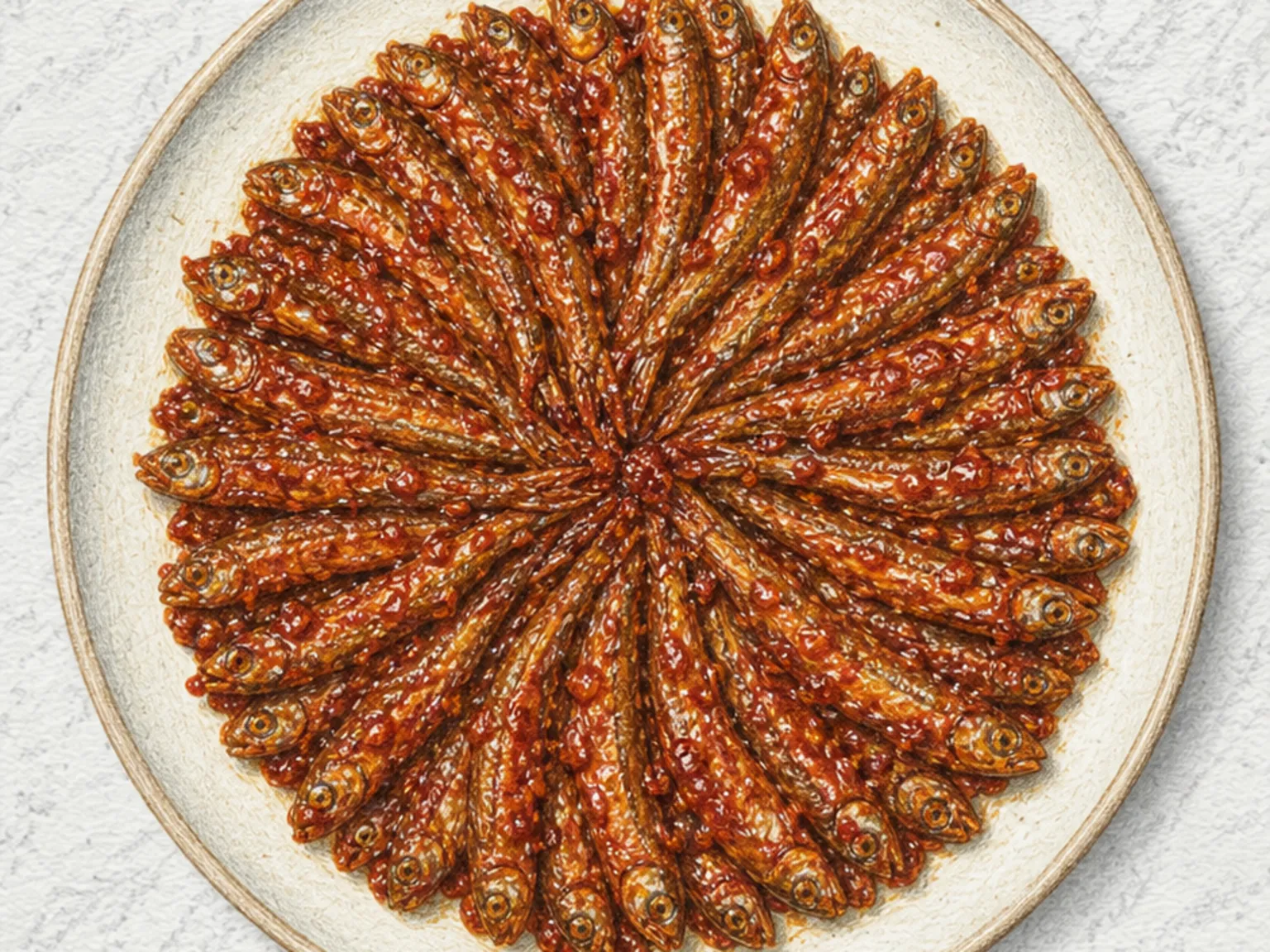
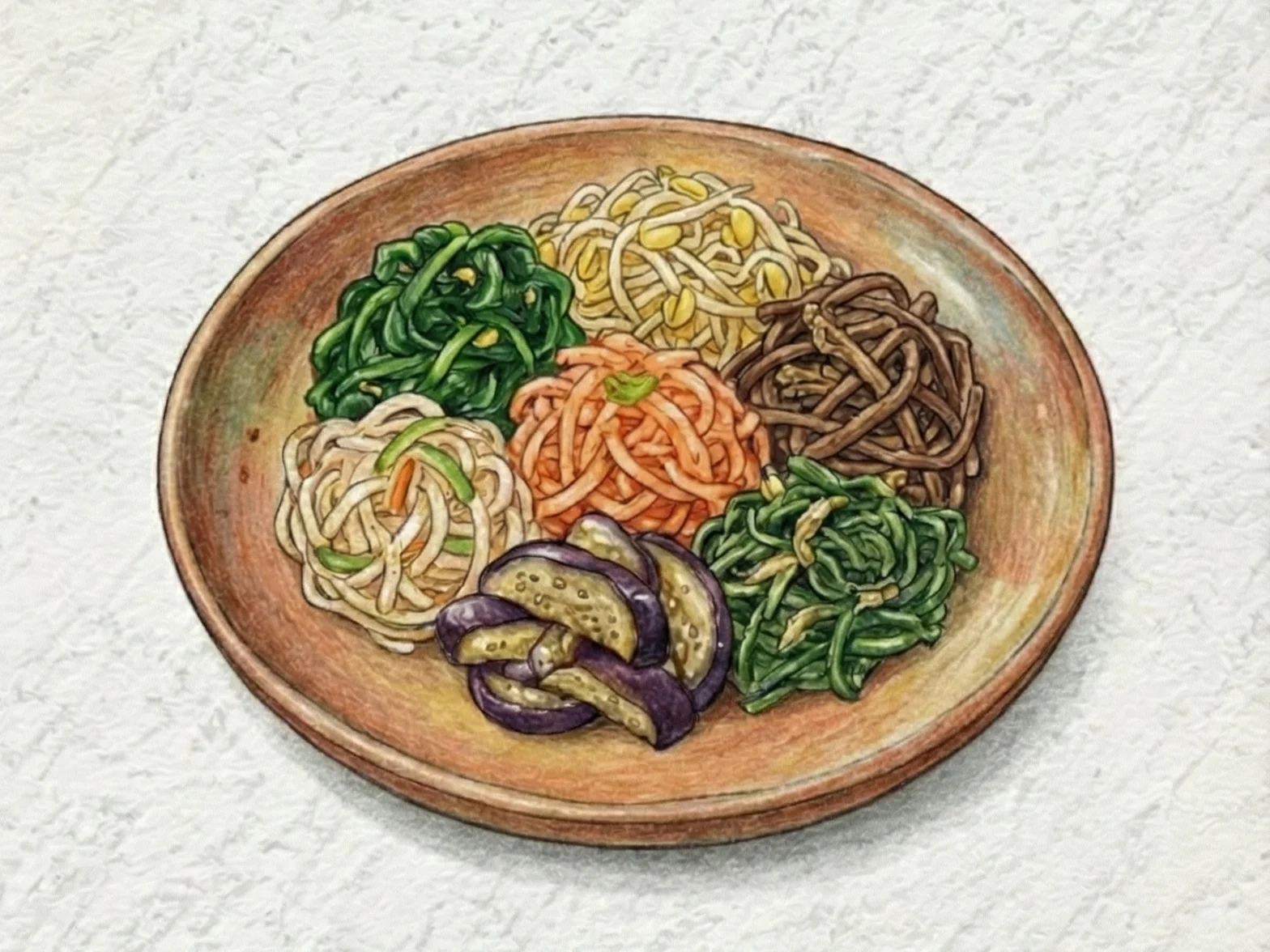
Side dishes (banchan) are the heart of Korean dining culture. A typical meal features multiple small plates - seasoned vegetables (namul), braised dishes (jorim), pickled items, and salted seafood. Classics like spinach namul, bean sprout salad, and stir-fried anchovies can be prepared in advance and enjoyed over several days.
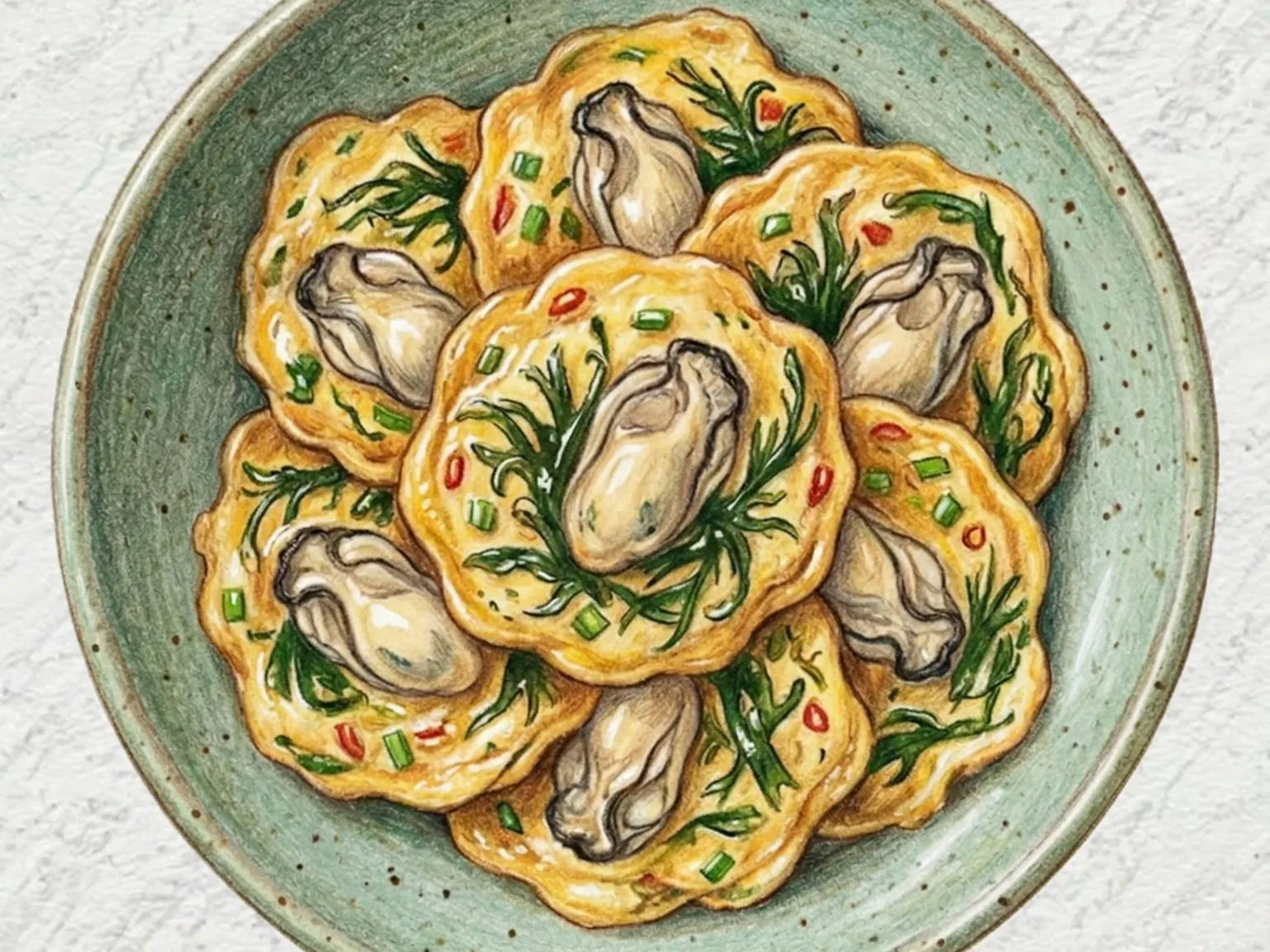
Korean Seaweed Oyster Pancake
Miyeok oyster jeon is a Korean seaweed and oyster pancake that offers a savory taste of the ocean. The cooking begins by rinsing fresh oysters in light salted water and draining them, while soaked seaweed is squeezed firmly to remove moisture before being cut. The pancake batter is prepared by mixing Korean pancake mix, cold water, an egg, minced garlic, and soup soy sauce. The seaweed, oysters, and minced red chili are gently folded into the batter. Ladles of the mixture are pan-fried in oil over medium-low heat for three minutes on each side, ensuring the oysters stay submerged in the batter to cook. The finished pancake features a crisp exterior with a soft, chewy seaweed interior, and juicy oysters that release their briny flavor with every bite.
Korean Braised Eggplant with Pork
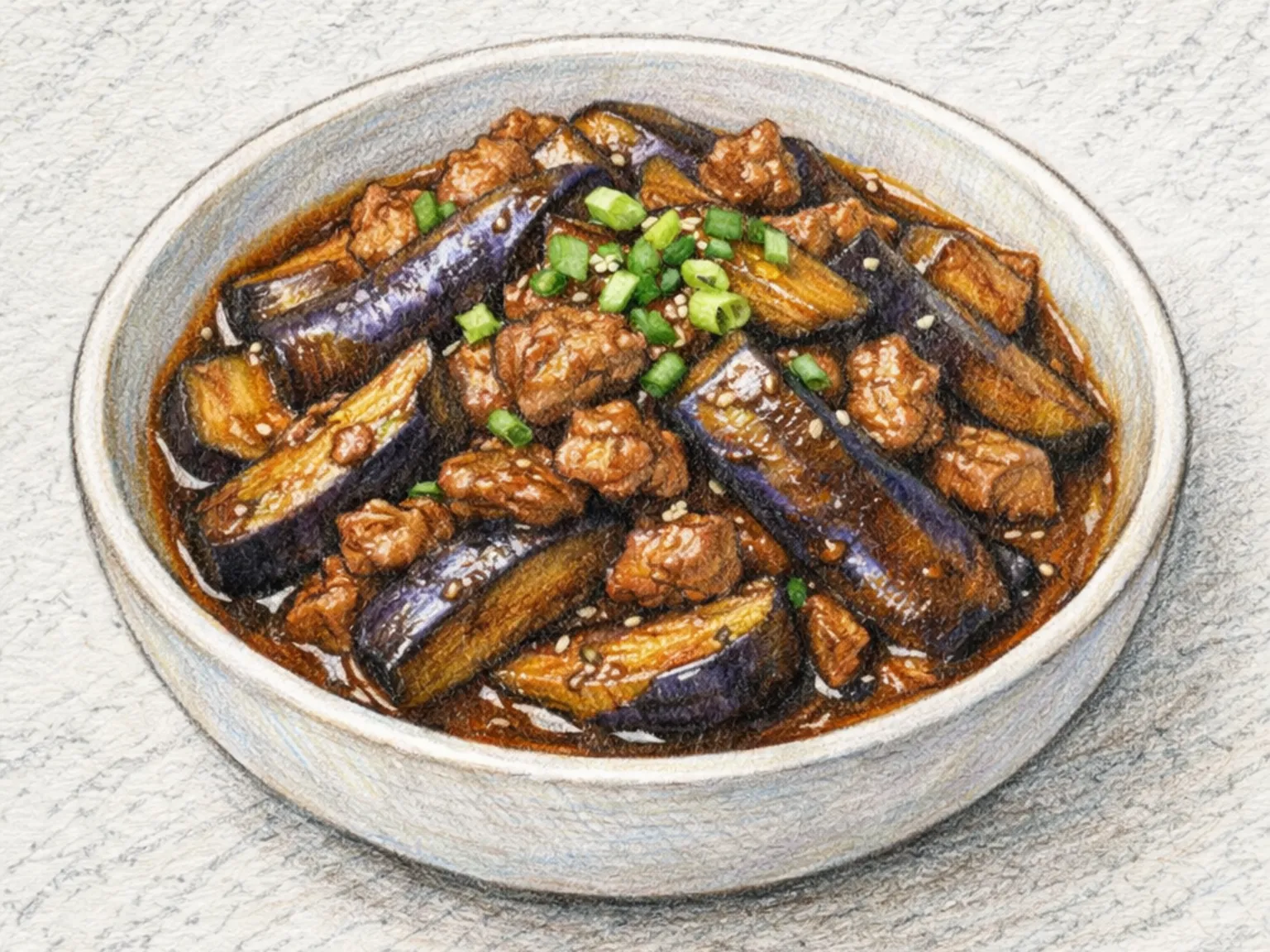
Gaji dwaejigogi jorim is a Korean braised dish of eggplant and pork shoulder simmered in a soy sauce and gochugaru seasoning base. The pork slowly renders its fat into the eggplant as they cook together, giving the vegetable a rich, meaty depth. Cooking wine mellows the pork and removes any gamey notes, while the soy and garlic combination builds deep, layered flavor throughout the braise. Briefly stir-frying the eggplant in oil before braising coats the surface and helps it hold its shape while drawing the seasoning inward more effectively. A final drizzle of sesame oil finishes the dish with a nutty fragrance, and this recipe is at its best in summer when eggplants are in peak season with thin, tender skins.
Korean Soy-Vinegar Carrot Pickles
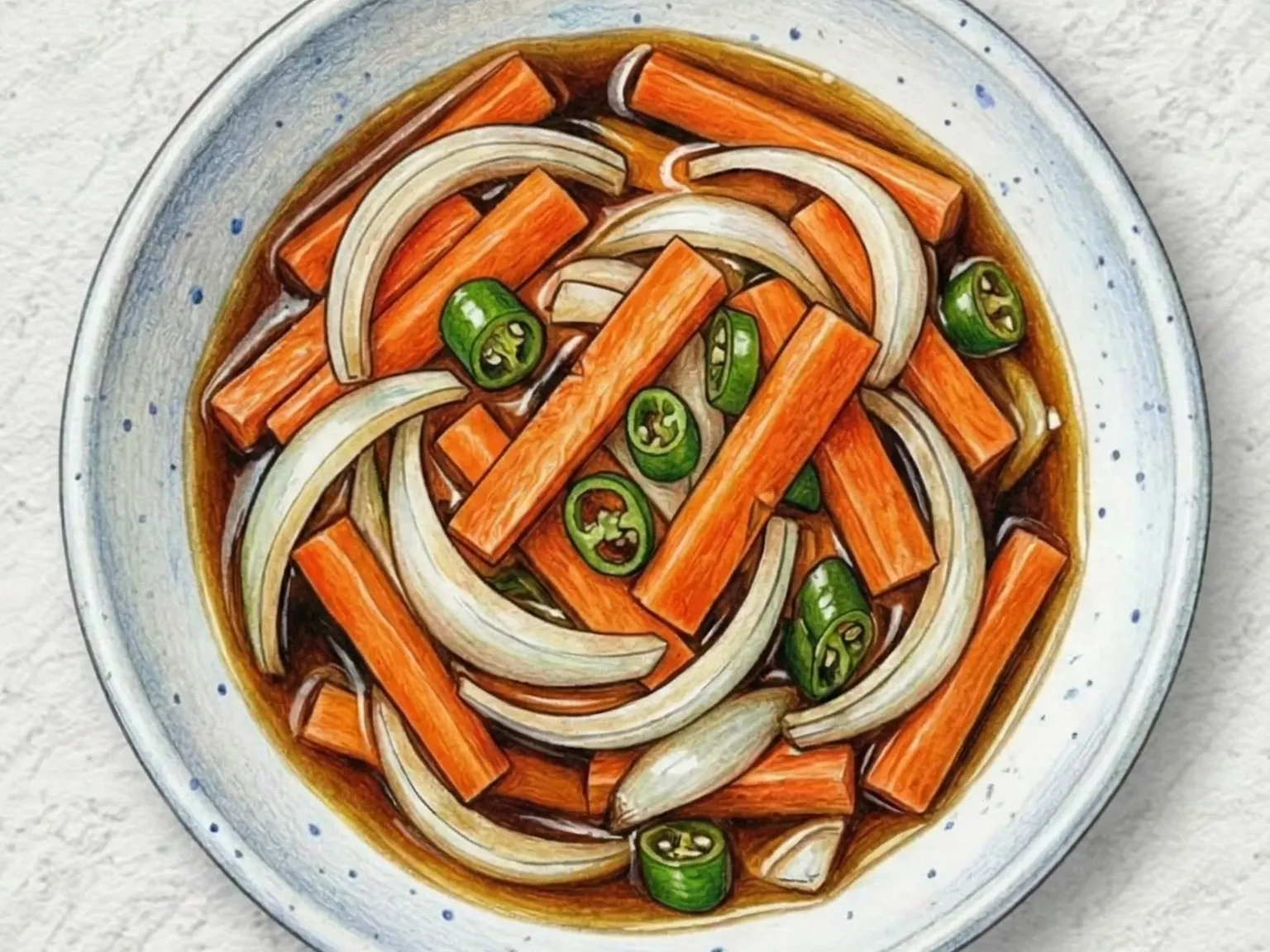
Danggeun jangajji is a Korean pickled carrot made by cutting carrots into uniform half-centimeter sticks and layering them with onion, halved Cheongyang chili, and whole garlic in a sterilized jar, then covering with a boiled brine of soy sauce, vinegar, water, and sugar. Keeping the carrot sticks the same thickness ensures they pickle at an even rate for consistent crunch in every bite. The brine must be boiled until the sugar and salt dissolve completely, then cooled before pouring; adding hot liquid can make the vegetables go soft, and undissolved solids cause uneven seasoning and shorten shelf life. The carrot's natural sweetness plays against the soy's salinity and the vinegar's tartness, producing three distinct flavors in each piece. After cooling completely at room temperature and refrigerating, the pickle is ready in twenty-four hours. If the brine turns cloudy after a few days, reboiling and cooling it before pouring it back extends the shelf life considerably. Served alongside fatty meat dishes, the acidity and snap of the pickle cut through the richness and leave the palate clean.
Korean Crispy Glazed Tofu Bites
Dubu gangjeong applies the double-coating logic of Korean fried chicken to tofu, pressing each cube dry before dredging in potato starch, frying until the shell turns shattering crisp, then tossing in a concentrated sticky glaze. The dish originated in temple cuisine as a meatless adaptation of gangjeong and has since become a staple anju in Korean bars. Pressing the tofu is non-negotiable: at least twenty minutes under a heavy weight wrapped in paper towels removes enough moisture to prevent oil from splattering and allows the starch coating to adhere evenly. Potato starch produces a noticeably thinner and more translucent crust than wheat flour, which cracks cleanly rather than bending when bitten. The glaze is made by boiling gochujang, soy sauce, sugar, and rice syrup together until large bubbles break on the surface, signaling that the mixture has concentrated and will cling rather than pool. Pouring the hot glaze over the fried tofu and tossing quickly coats every surface in an even, lacquer-like finish. The defining quality of a well-made dubu gangjeong is the contrast between the caramelized shell with its slight chew and the soft, almost custard-like interior. Once made, it must be eaten within ten minutes before the coating absorbs moisture and goes soft.
Korean Chicken Breast & Mugwort Stir-fry
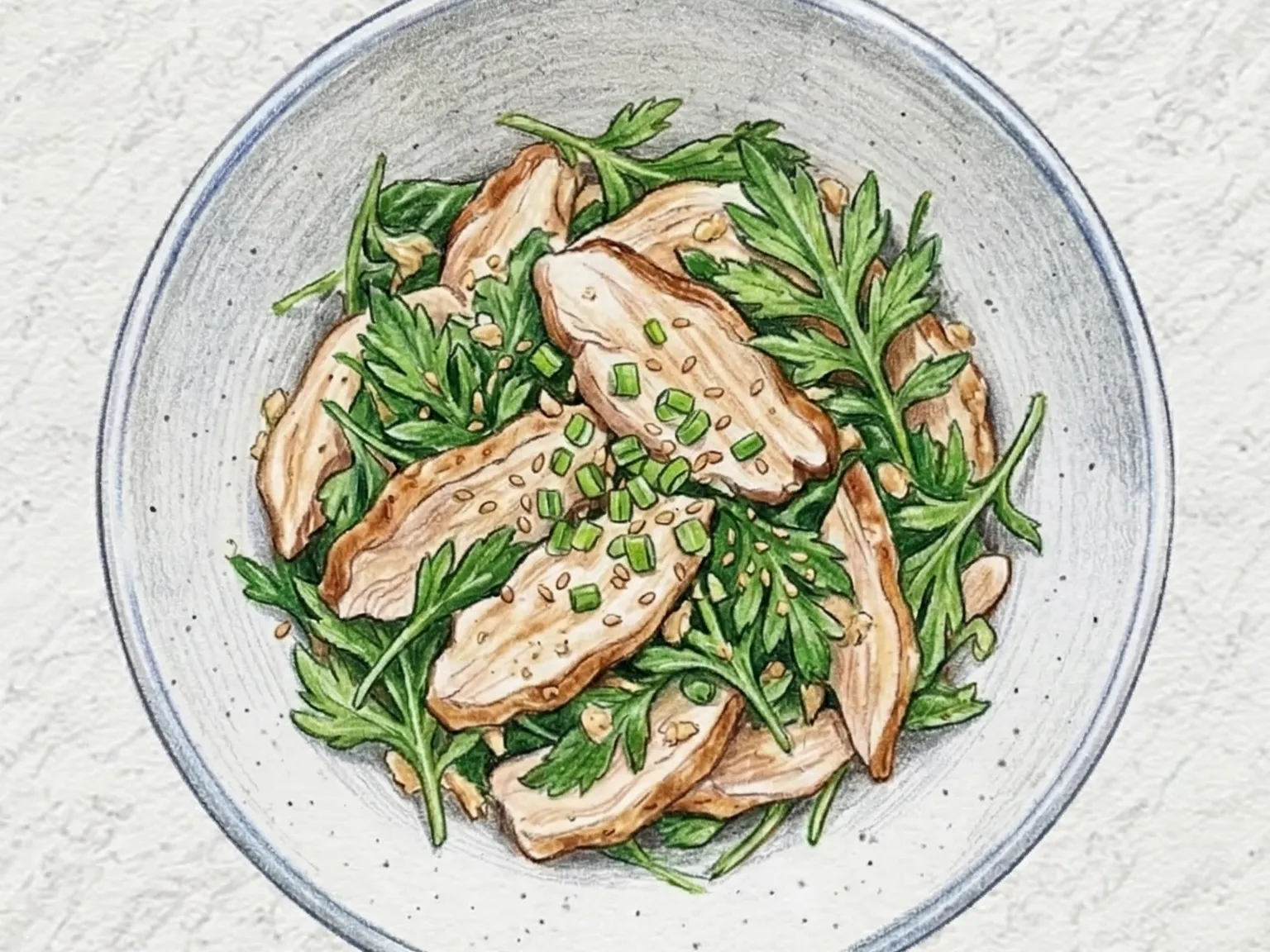
Spring mugwort offers its most tender texture and mildest bitterness immediately after harvest, making it a perfect companion for lean proteins. This stir-fry utilizes thinly sliced chicken breast to create a clean base where the herb's fragrance takes center stage. Minced garlic and soy sauce provide a light seasoning that emphasizes the natural characteristics of the ingredients without creating a heavy coating. Because chicken breast dries out quickly, the preparation requires a preheated pan and high heat to cook the meat just until it turns opaque. Adding the mugwort at the very end allows it to soften slightly through residual heat, preserving the fresh aroma that would otherwise turn harsh or overly bitter with prolonged cooking. A light application of sesame oil at the finish rounds out the profile with a subtle nuttiness. The combination of vitamin-rich mugwort and high-quality protein makes this a nutritionally balanced side dish. This preparation relies on minimal oil and the inherent quality of the seasonal ingredients, making it a suitable choice for a light meal served with rice or inside fresh lettuce wraps.
Korean Perilla-Grilled Mushrooms
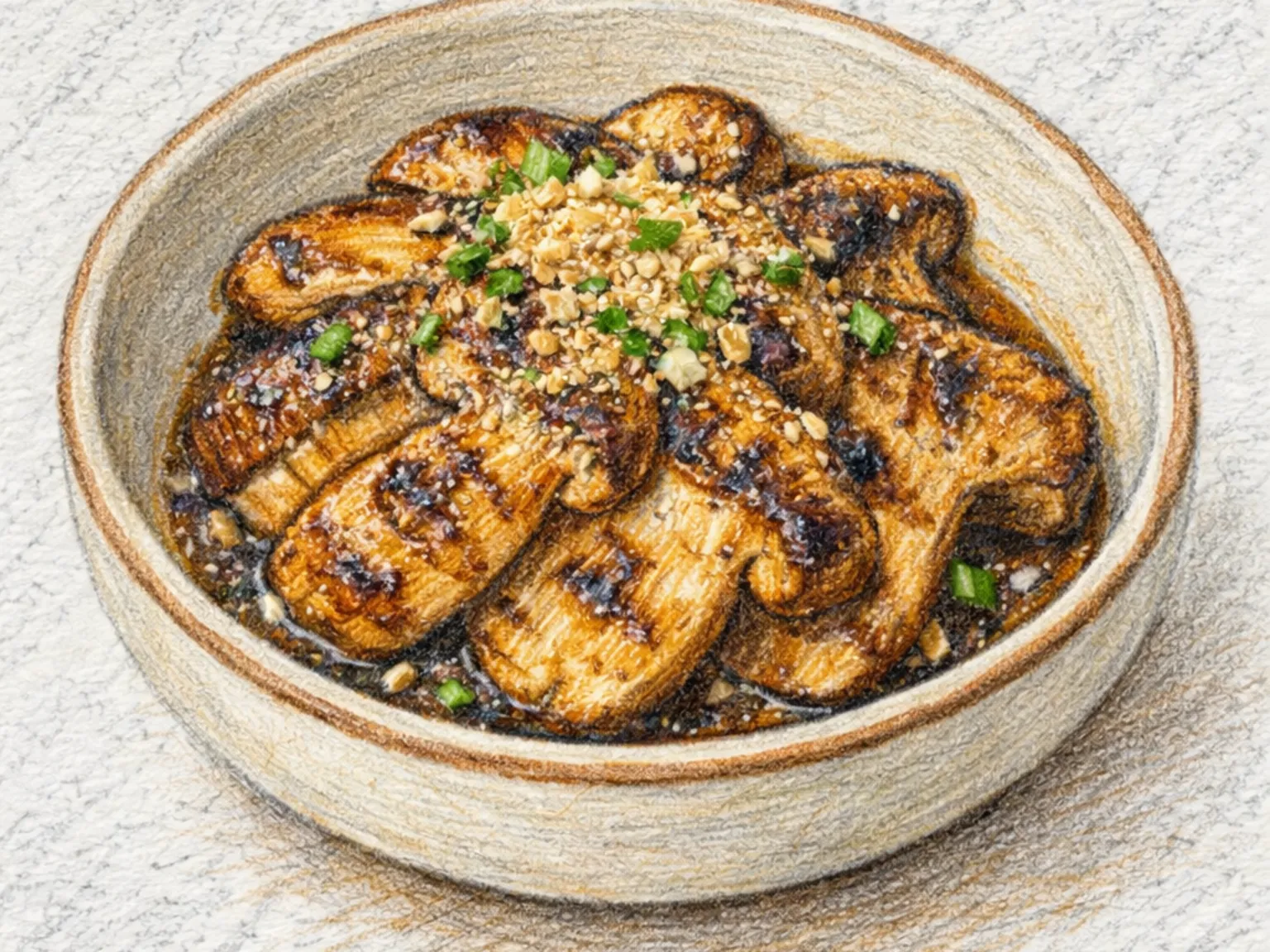
Songhwa mushrooms have thick caps with high moisture content, so they stay succulent and chewy when grilled. Sliced into thick pieces and tossed with a simple mix of perilla oil, soy sauce, garlic, salt, and pepper, they cook for about three minutes per side on a hot pan. The perilla oil imparts a distinctly nutty, toasted aroma that differs from sesame. Ground perilla seed is sprinkled on just before the heat is turned off, releasing fragrance without scorching. Finished with chopped chives, this vegetarian dish works equally well as a rice side or a drinking snack.
Korean Pan-fried Radish Pancakes
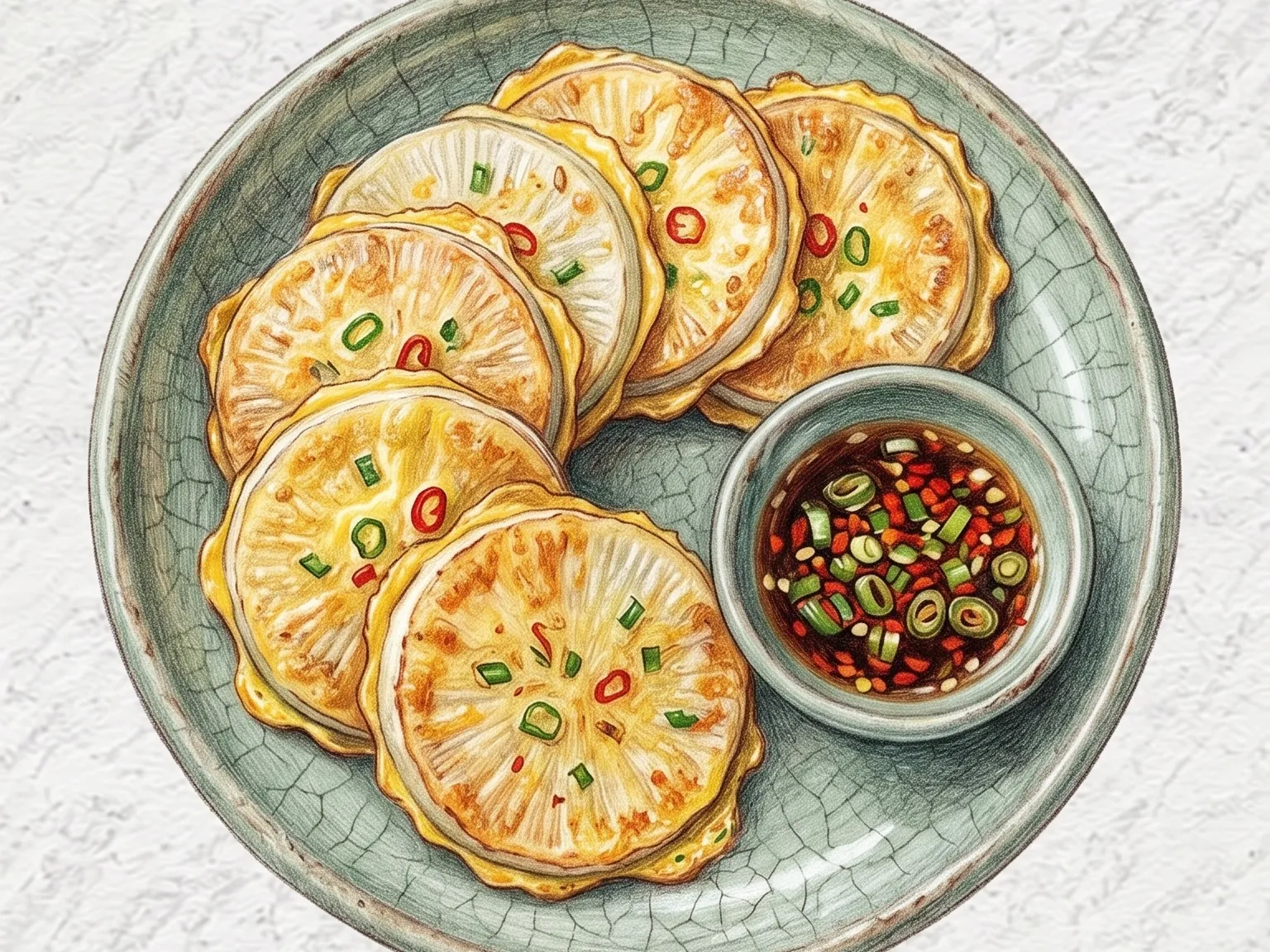
Mu-jeon is a Korean pan-fried radish pancake belonging to the same vegetable-jeon family as hobak-jeon and gaji-jeon, though daikon radish brings a textural character distinctly its own. Slicing to an even 3mm thickness is critical - the radish must cook through until soft and sweet inside while the egg coating crisps golden outside. Too thick and the raw center retains an acrid bite; too thin and the slices collapse. Five minutes of salting draws surface moisture so the flour adheres properly and the oil does not splatter during frying. Slow cooking over low heat is essential: the egg batter sets gradually into a golden shell while the heat converts the radish's starch into sugars, replacing the raw spiciness with a gentle sweetness completely unlike the uncooked root. Dipped in cho-ganjang (soy-vinegar sauce), the acidity cuts through the pan-fried richness. Mu-jeon appears on Korean holiday tables during Chuseok and Seollal alongside other vegetable jeon as part of the traditional jeon platter.
Korean Steamed Eggplant with Seasoning
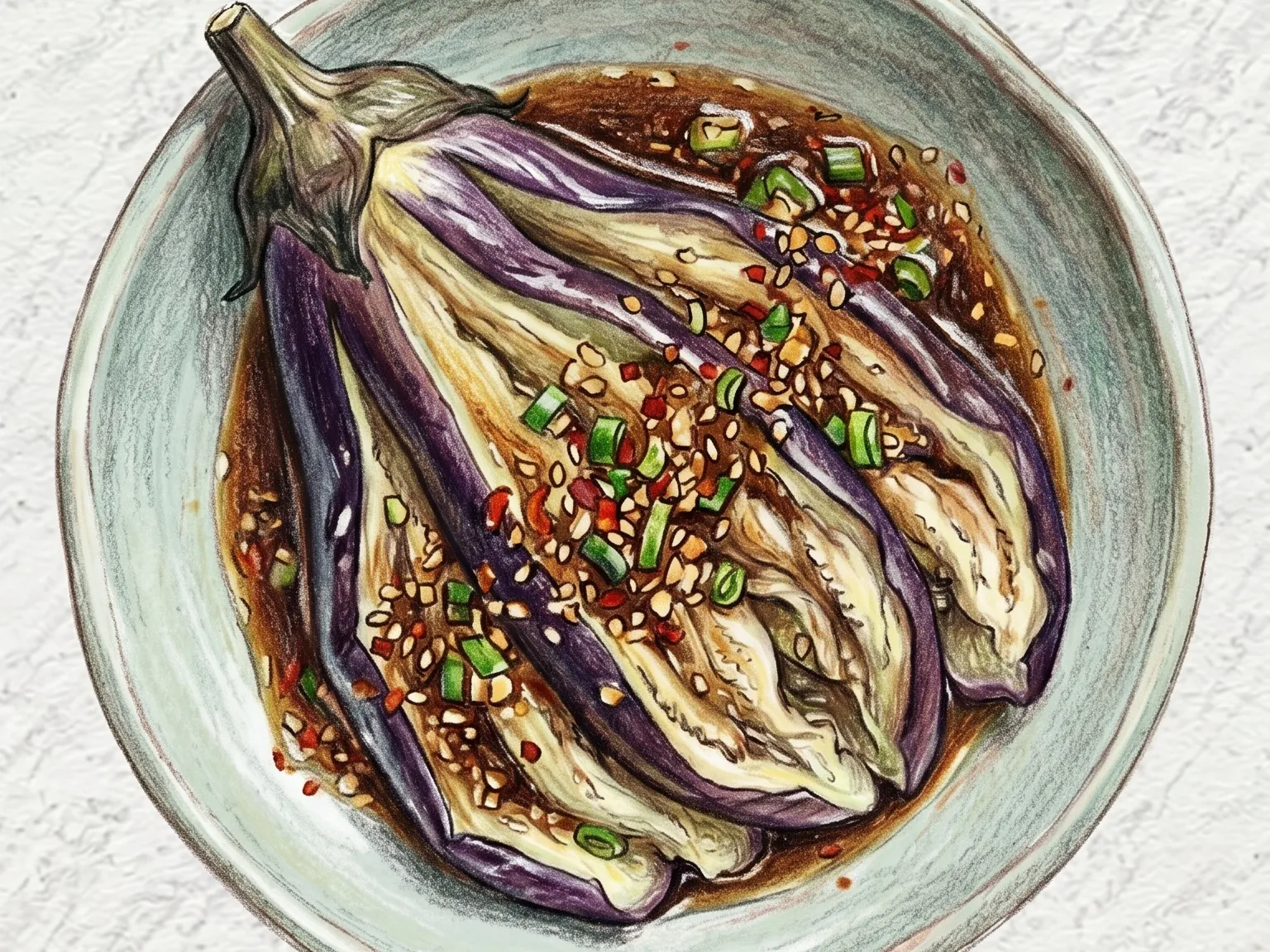
Steaming whole eggplants preserves the moisture trapped inside the purple skin, creating a silky and soft texture that sliced pieces cannot replicate. This traditional Korean side dish relies on the technique of tearing the cooked eggplant by hand along its natural grain rather than using a knife. The resulting irregular surface area allows the dressing of soy sauce, garlic, and red pepper flakes to cling effectively to every fiber. Sesame oil and toasted seeds contribute a nutty fragrance while sliced green onions provide a fresh finish to the light seasoning. Adding perilla powder increases the nuttiness, and incorporating canned tuna provides enough protein to serve the dish as a primary component of a meal. Adding minced cheongyang chilies into the sauce increases the heat for a spicier version. Since the preparation takes less than thirty minutes, it remains a common choice during hot summer months. The dish keeps its consistency well in the refrigerator for about twenty-four hours after cooling.
Korean Vinegared Bellflower Root Pickle
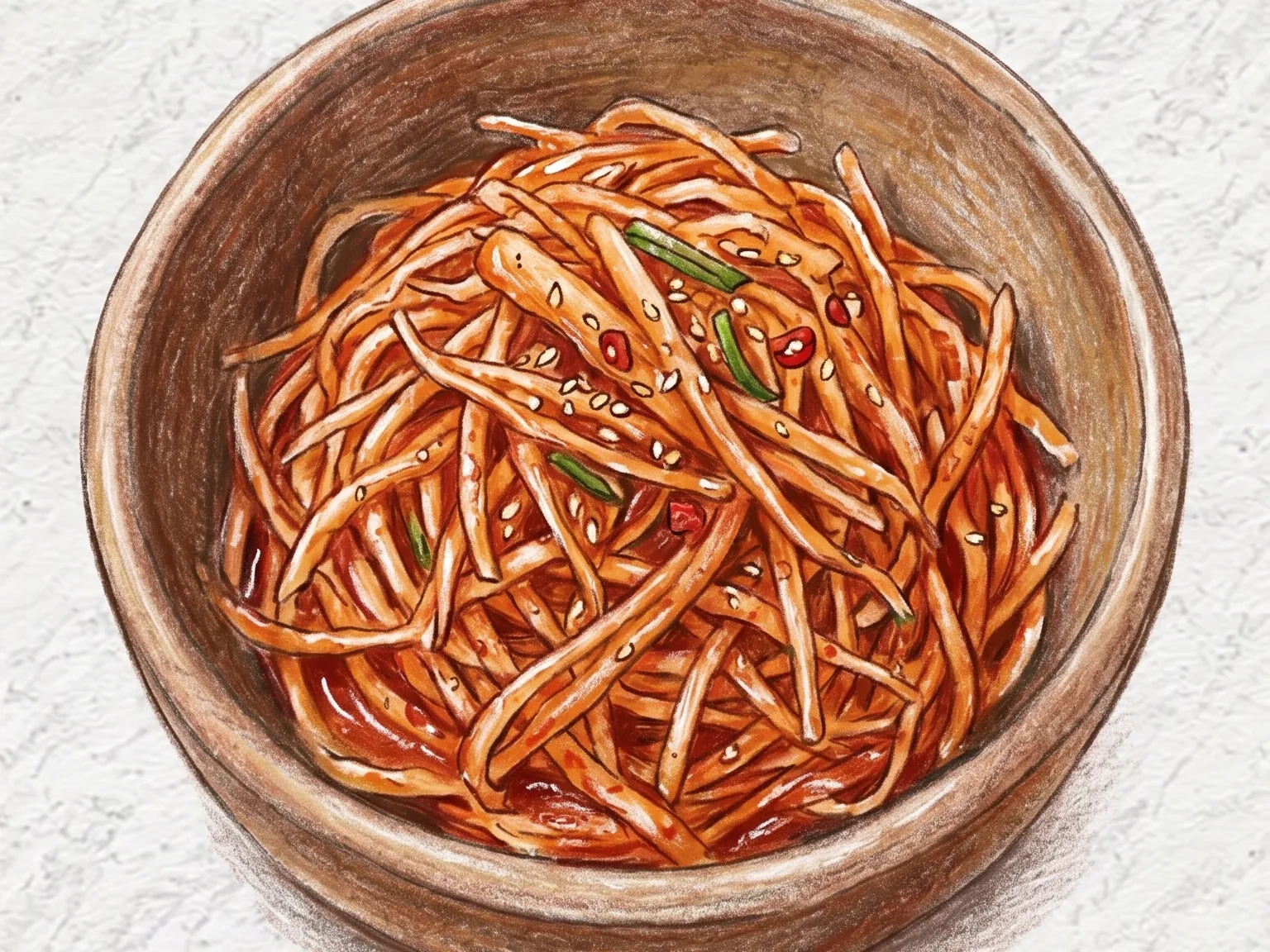
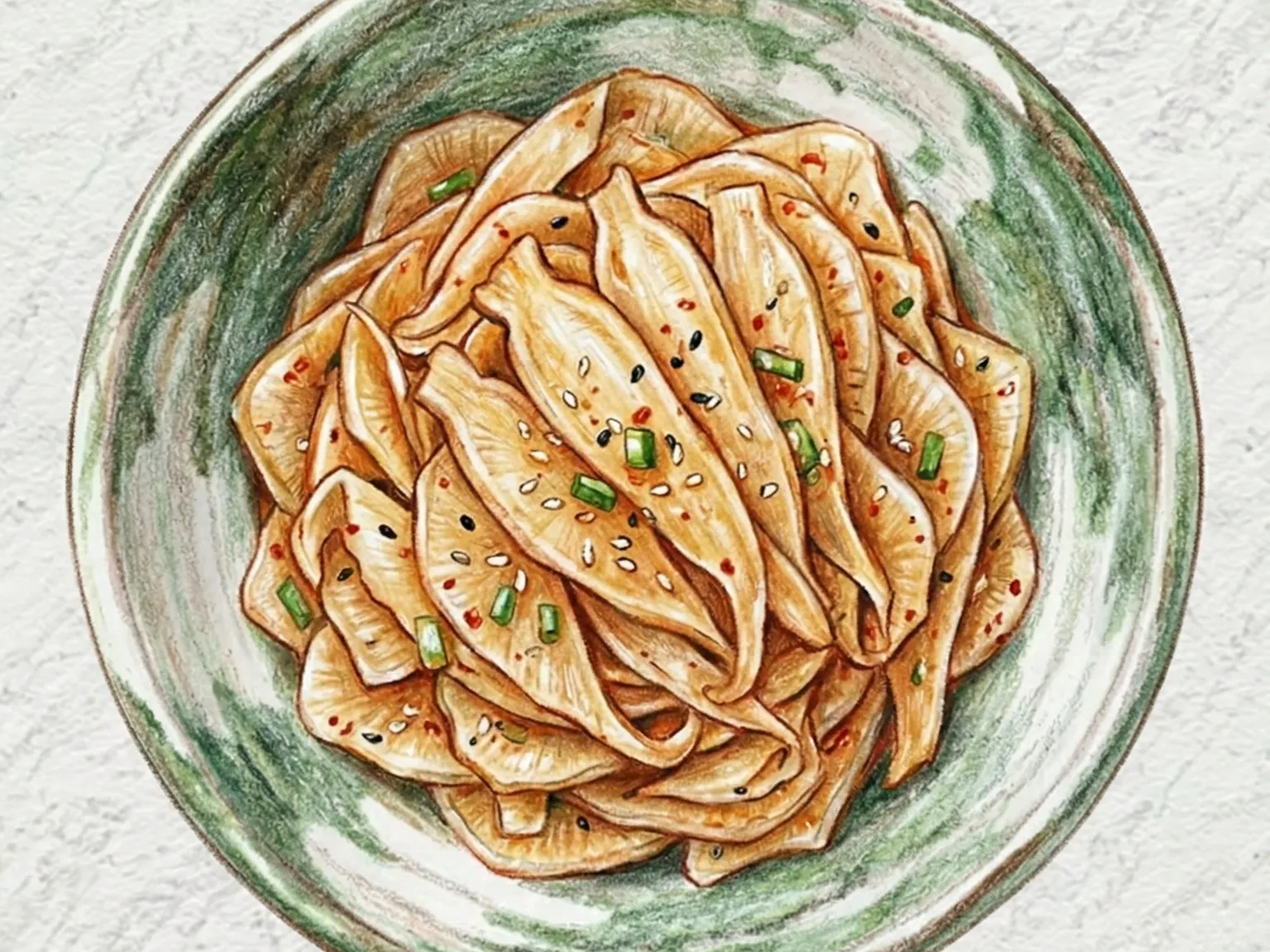
Deodeok chojeolim is a Korean vinegar pickle of bellflower root, made by peeling, splitting, and gently pounding the roots flat before soaking them in a fully cooled brine of vinegar, water, sugar, and salt. A brief ten-minute salting before rinsing draws out the root's inherent bitterness while leaving its earthy, aromatic fragrance completely intact. The brine must be cool before pouring - adding it hot would soften the root and destroy the distinctive chewy, springy texture that makes this pickle worth eating. After one day of refrigeration, the pickle gets a light toss of gochugaru and sesame oil just before serving, adding spicy warmth and a nutty finish. Served cold, it delivers a rare combination of clean acidity and deep root-vegetable aroma that sets it apart from most Korean side dishes.
Korean Braised Tofu with Shrimp
Dubu-saeu-jorim pairs pan-seared tofu with whole shrimp in a soy-based braising sauce, stepping well beyond the usual tofu-only preparations that appear in everyday banchan. The tofu is seared first until golden on both sides to develop a lightly firm crust that resists breaking apart during the braising stage, then set aside while shrimp cook briefly in the same pan, picking up the fond left by the tofu. The braising liquid -- soy sauce, minced garlic, sugar, cooking wine, and a touch of gochugaru -- goes in next, and both proteins return to the pan to simmer together for five minutes over medium heat. The shrimp release their marine sweetness into the sauce as they tighten and curl, and the porous interior of the tofu absorbs that combined soy-seafood flavor throughout each cube. Adjusting the simmer time controls the final sauce concentration: shorter for a looser, silkier coat; longer for a more intensely reduced glaze. The textural pairing is the dish's central appeal -- yielding, custardy tofu against the springy, snapping bite of the shrimp. Adding sliced green onion or fresh chili introduces another layer of fragrance, and scaled up in quantity, the dish works just as well spooned over steamed rice as a satisfying one-bowl meal.
Korean Pork & Wild Chive Stir-fry
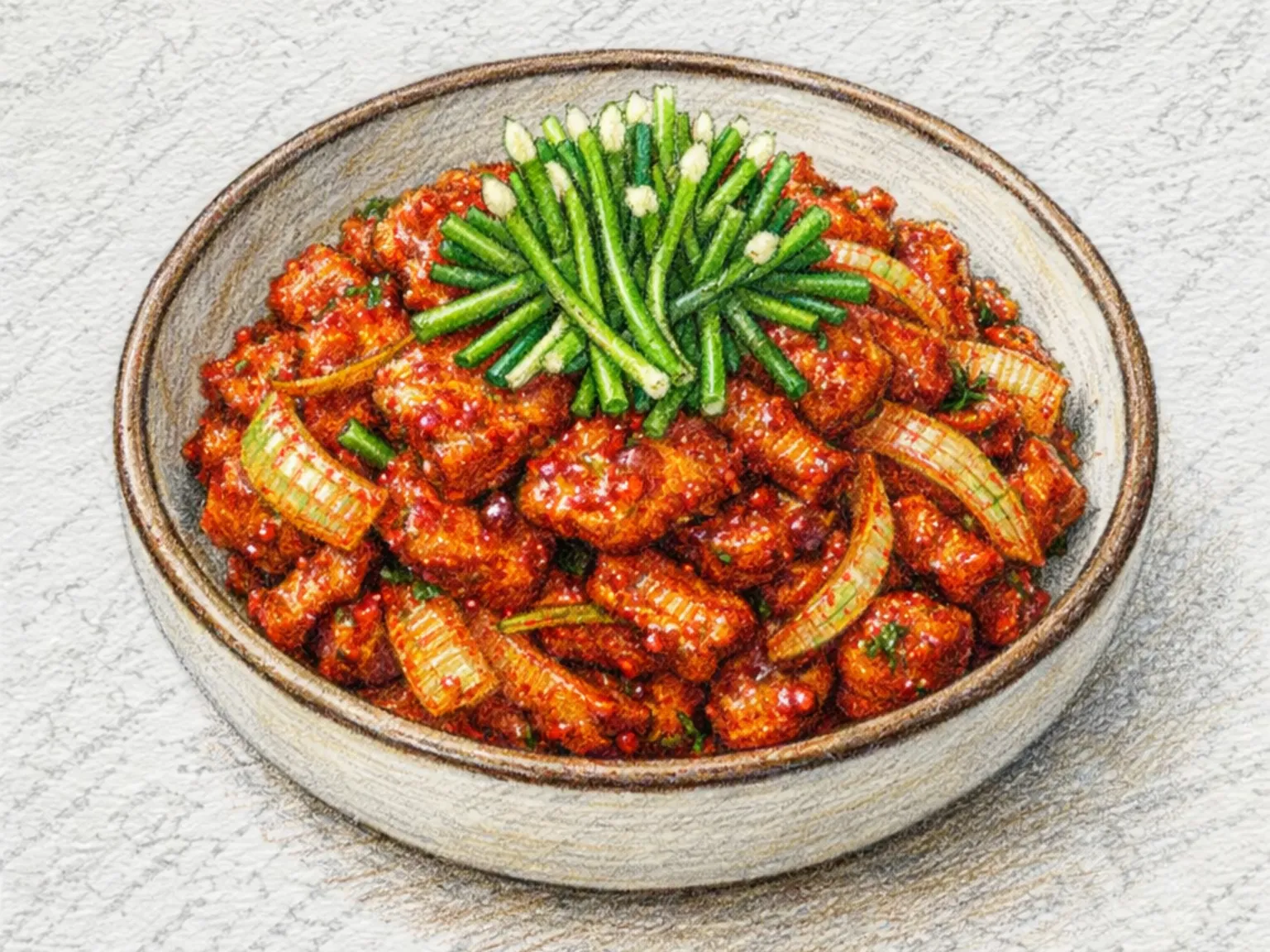
Dallae-dwaejigogi-bokkeum is a Korean springtime stir-fry of pork shoulder tossed in a gochujang and chili flake sauce, then topped generously with raw wild chives. The wild chives release a sharp, garlicky bite that cuts through the rich, spicy pork - stimulating while staying fresh rather than heavy. Onions caramelize lightly during cooking, adding natural sweetness that rounds out the heat and prevents the chili paste from turning one-dimensionally harsh. The dish must be cooked quickly over high heat to preserve the volatile aromatic compounds in the chives; extended cooking kills the fragrance that makes dallae worth using in the first place. Either pork shoulder or belly works well here, and the chives should be added at the very end rather than marinated or cooked through - they contribute perfume, not substance. The window for dallae in Korea is short, typically a few weeks in early spring, which makes this a seasonal dish eaten with some urgency while the ingredient is at its best.
Korean Grilled Sea Snail with Gochujang
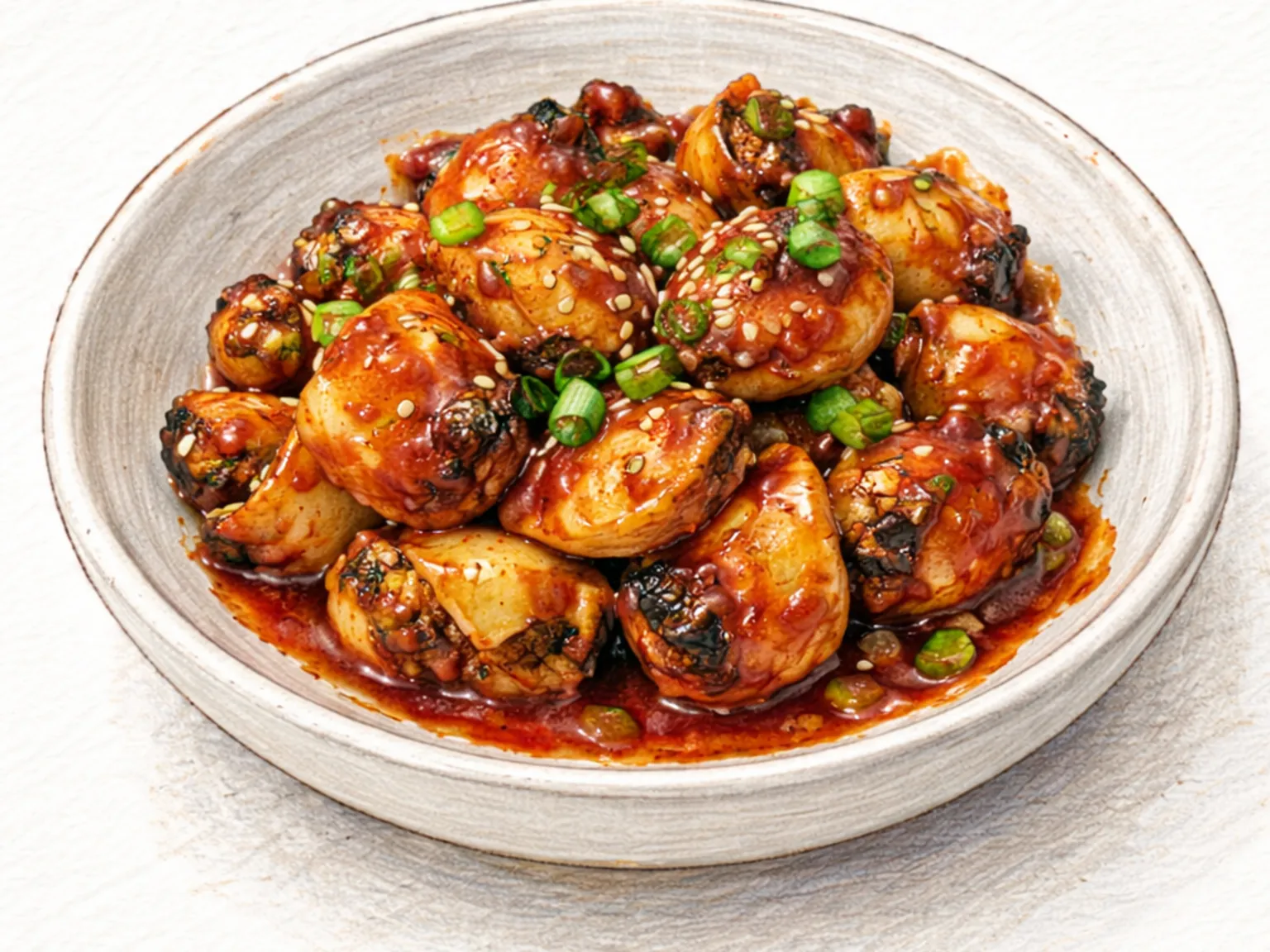
Pre-boiled sea snail meat is sliced thin, trimmed of tough visceral parts, and marinated for fifteen minutes with sliced onion in a sauce built on gochujang, gochugaru, soy sauce, oligosaccharide syrup, and minced garlic. A screaming-hot pan sears the marinated snail in three to four minutes, concentrating the spicy-sweet sauce onto the surface while preserving the snail's signature firm chew. Green onion goes in for the final minute, followed by a drizzle of sesame oil. The briny depth of the sea snail meets the fermented heat of gochujang in every bite.
Korean Radish & Shrimp Pancake
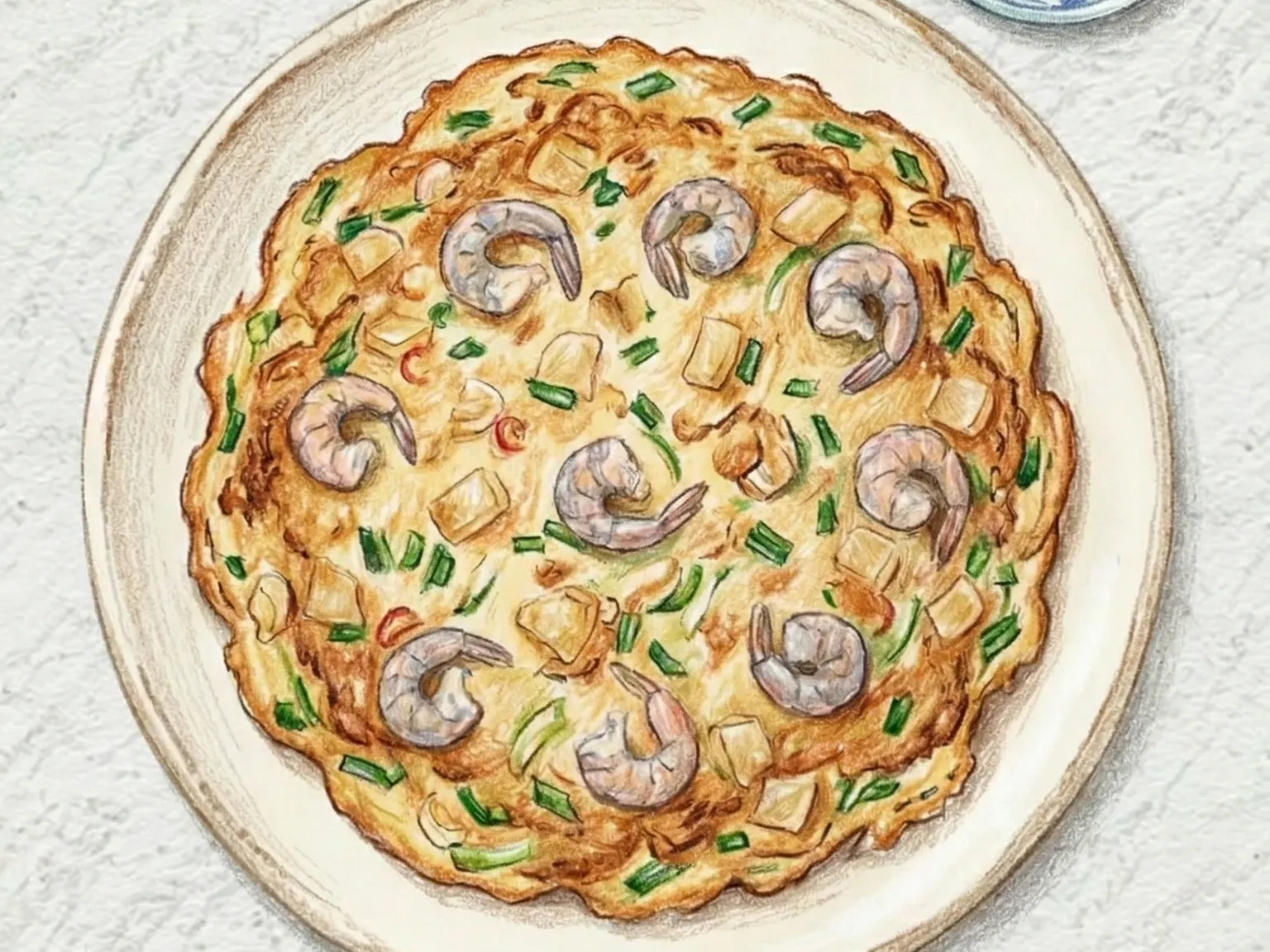
Julienned Korean radish and small peeled shrimp are combined in a pancake batter fortified with a measured amount of potato starch for added crispiness. Egg is mixed into the batter to improve binding and keep the pancake intact when flipped. Scallions are distributed throughout for a mild, grassy fragrance. Radish releases notable moisture as it cooks, so frying over high heat is essential to drive off that liquid quickly and achieve a crisp outer surface. The sharp, slightly bitter edge of raw radish disappears with heat and gives way to a gentle natural sweetness that pairs cleanly with the mild, delicate flavor of the shrimp. Pressing the center of the pancake down with a spatula while frying encourages even browning all the way through.
Korean Soy Braised Eggplant
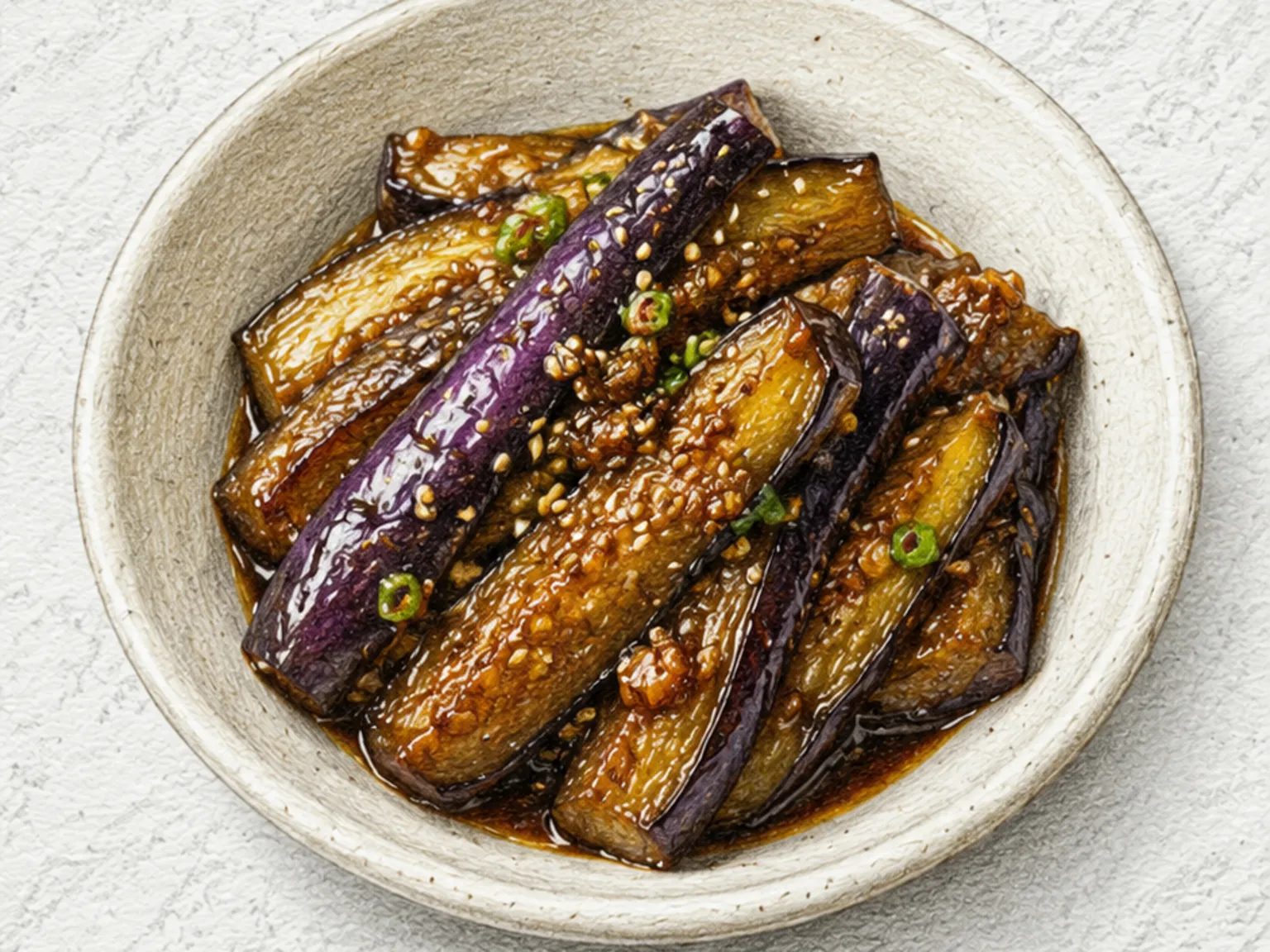
Gaji-jorim is a Korean braised eggplant dish where the eggplant is simmered in a soy sauce-based seasoning until the flesh becomes thoroughly tender and saturated with flavor throughout. Eggplant has a sponge-like cellular structure that draws in liquid as it cooks, and the longer it simmers in the seasoning, the deeper the sweet-salty flavor penetrates into each piece. The sauce reduces as the eggplant cooks, concentrating around the flesh rather than pooling at the bottom of the pan, which means every bite carries the full seasoning. A finishing drizzle of sesame oil and a scattering of sesame seeds add a nutty aroma that rounds out the savory base. Despite using only eggplant as the main ingredient, the slow braising process concentrates the flavors into a compelling side dish that makes plain rice easy to eat in quantity. The seasoning adheres to the eggplant even after cooling, making it a practical addition to a packed lunch as well as a fresh rice accompaniment.
Korean Pickled Deodeok Root
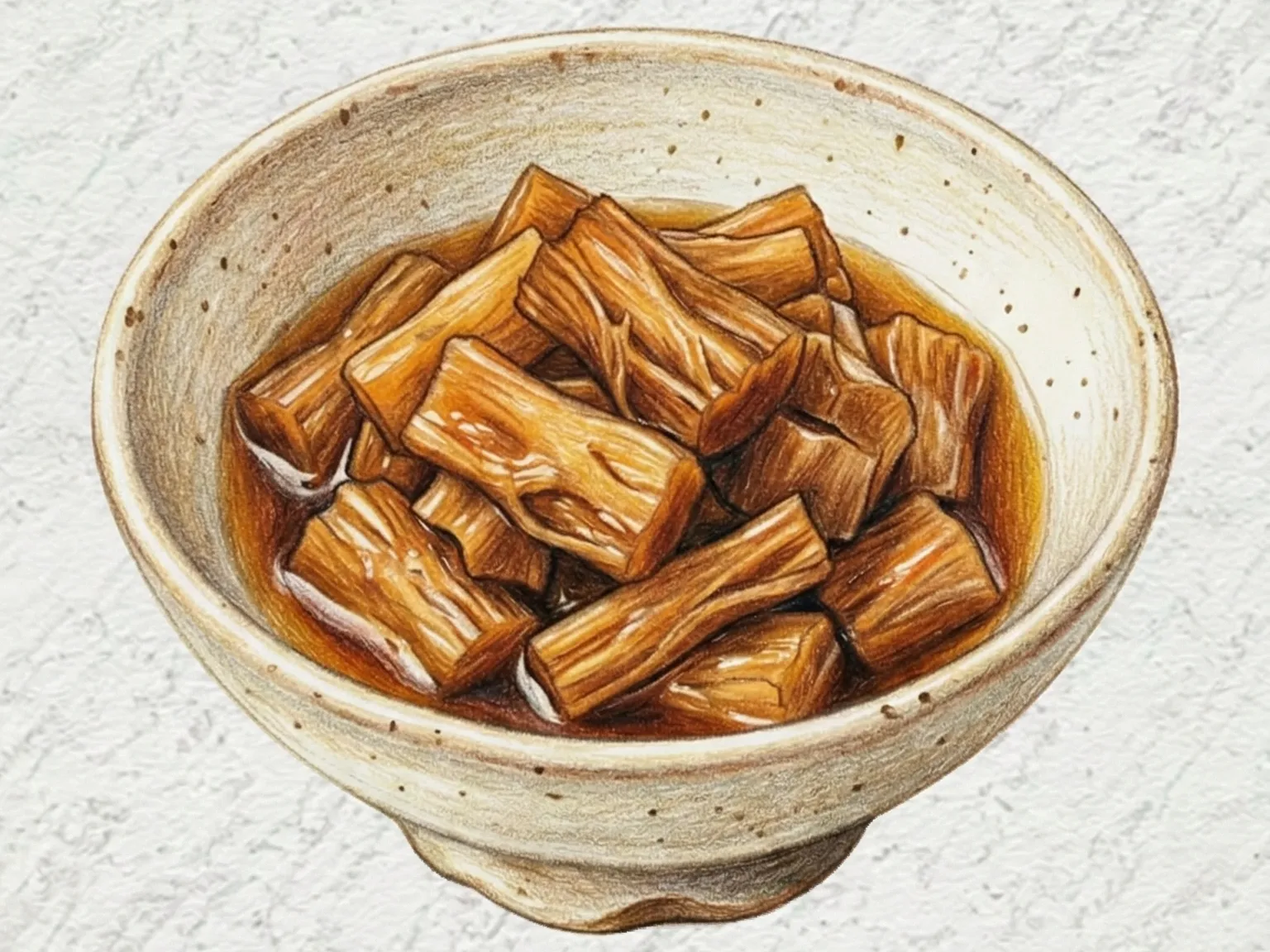
Deodeok jangajji is a traditional Korean pickle made by peeling fresh bellflower root, briefly soaking it in salted water to draw out the sharpness, splitting it lengthwise, and submerging the pieces in a hot brine of soy sauce, vinegar, water, sugar, garlic, and ginger. Pouring the brine while still at full heat quickly firms the outer surface of the root while leaving the interior tender and slightly chewy - a contrast that defines the texture of a well-made deodeok pickle. Garlic and ginger contribute layered aromatic warmth that gradually merges with the root's distinctive earthy fragrance over the course of the pickling period. Soy sauce anchors the umami and deepens the natural mountain-herb flavor of the deodeok. After a minimum of three days in the refrigerator, the brine penetrates all the way through, producing a preserve with a bold, concentrated flavor that is substantial enough to stand on its own alongside plain steamed rice.
Korean Seasoned Fatsia Shoots
Dureup, the young shoots of aralia elata, emerge for barely three weeks each April from thorny stalks, ranking among the most prized of Korea's spring mountain vegetables. Each shoot carries a distinctive piney, slightly resinous fragrance that cannot be found in any other Korean namul. Blanching the shoots in salted water for exactly 40 seconds softens the fibrous base of the stalk while preserving the volatile aromatic oils concentrated at the leaf tips. The traditional dressing is cho-gochujang, a vinegared chili paste whose acidity and sweetness provide a flavor framework without overwhelming the shoots' natural bitterness. In Korean folk medicine, dureup has long been associated with blood sugar regulation, which contributes to the premium it commands at spring markets. The fragrance fades rapidly after harvest, so the shoots are best eaten the same day they are picked, and even refrigerated storage should not extend beyond one day.
Korean Bellflower Root & Eggplant Soy Stir-fry
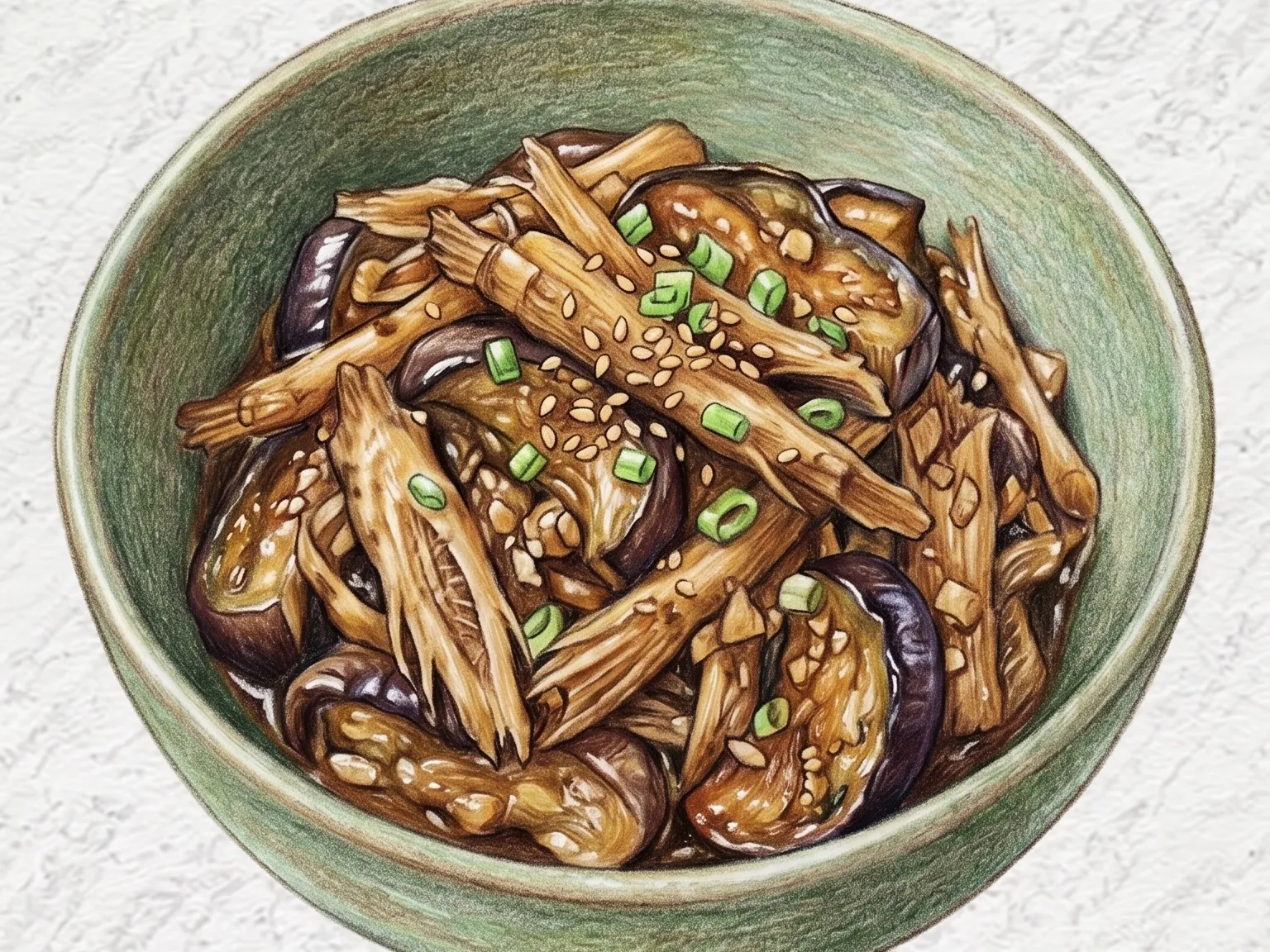
Deodeok gaji ganjang bokkeum is a Korean vegetable stir-fry that brings together deodeok root and eggplant in a soy-based seasoning sauce. The two main ingredients offer a clear textural contrast: deodeok has a firm, fibrous chew that resists the heat and holds its structure throughout cooking, while eggplant softens and collapses into a silky, yielding mass as it cooks. A dressing of soy sauce, sesame oil, and minced garlic ties the two together, tempering the slightly earthy, mildly bitter quality of the deodeok while drawing out the natural sweetness latent in both vegetables. The order in which the ingredients go into the pan matters. Eggplant absorbs oil readily and needs more time to soften properly, so it goes in first. Adding deodeok too early would leave it overdone by the time the eggplant reaches the right texture. The fermented umami of soy sauce and the glutamates naturally present in both vegetables layer together to produce depth in the finished dish without any meat. If the deodeok tastes particularly bitter, soaking the peeled pieces in lightly salted water for ten minutes before cooking draws out a significant portion of the bitterness. Salting the eggplant and letting it sit briefly before cooking removes excess moisture, reducing the amount of oil it absorbs and producing a cleaner, firmer texture in the finished stir-fry. The dish can be served directly over hot rice or presented as a standalone banchan. Like most soy-seasoned vegetable preparations, the flavors deepen and mellow overnight in the refrigerator, making leftovers worth keeping.
Korean Pan-Fried Tofu with Soy Dipping Sauce
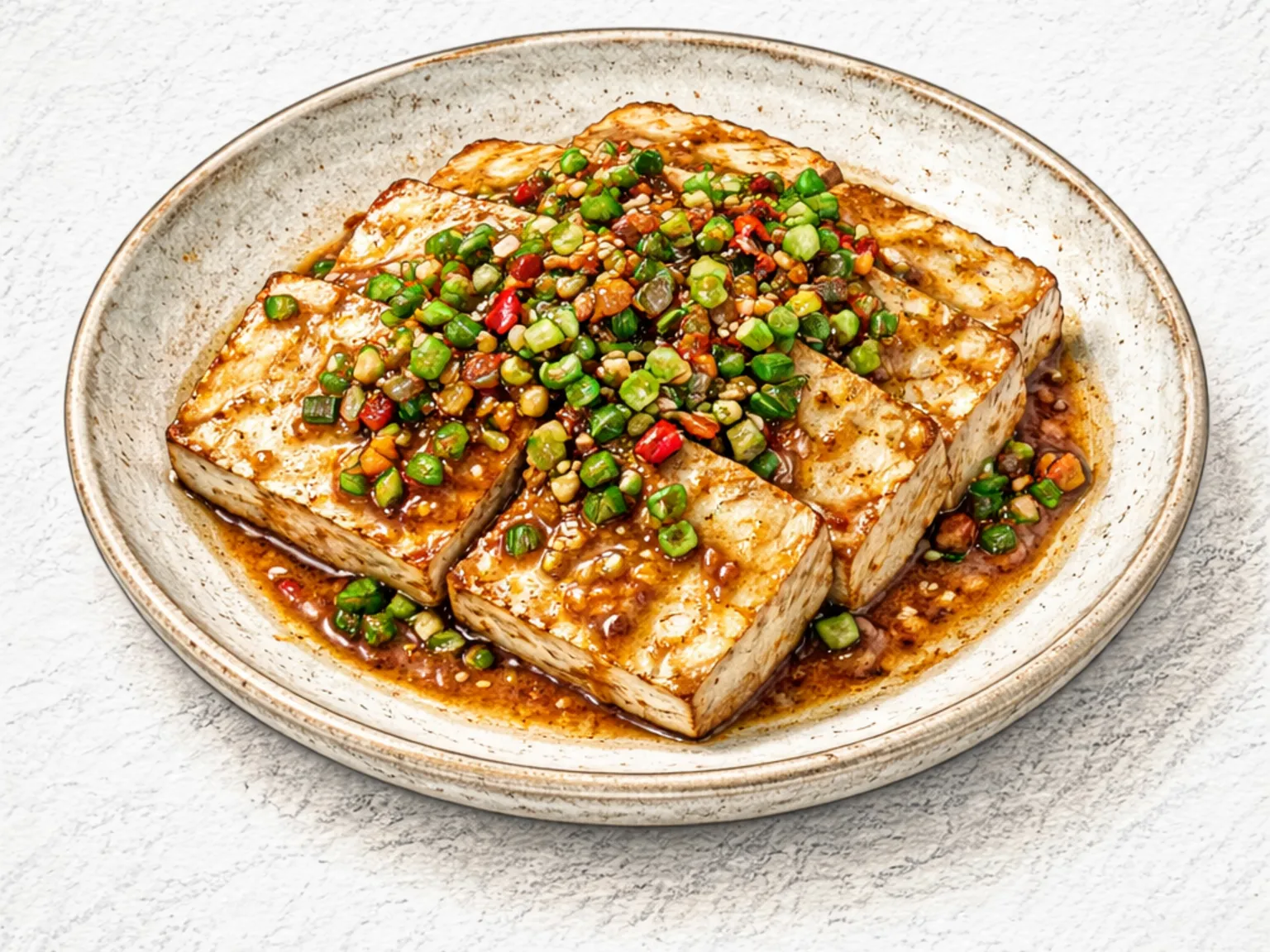
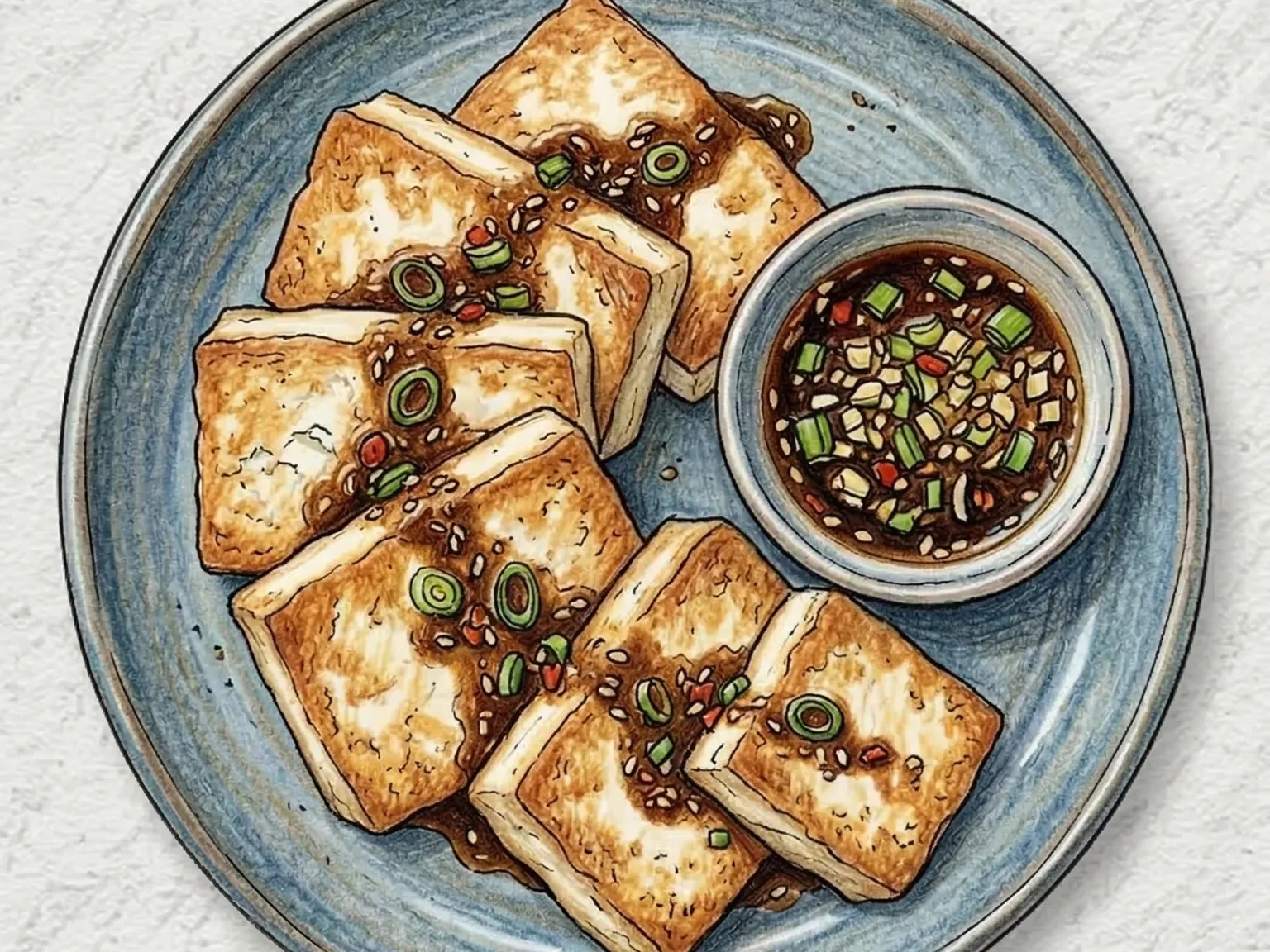
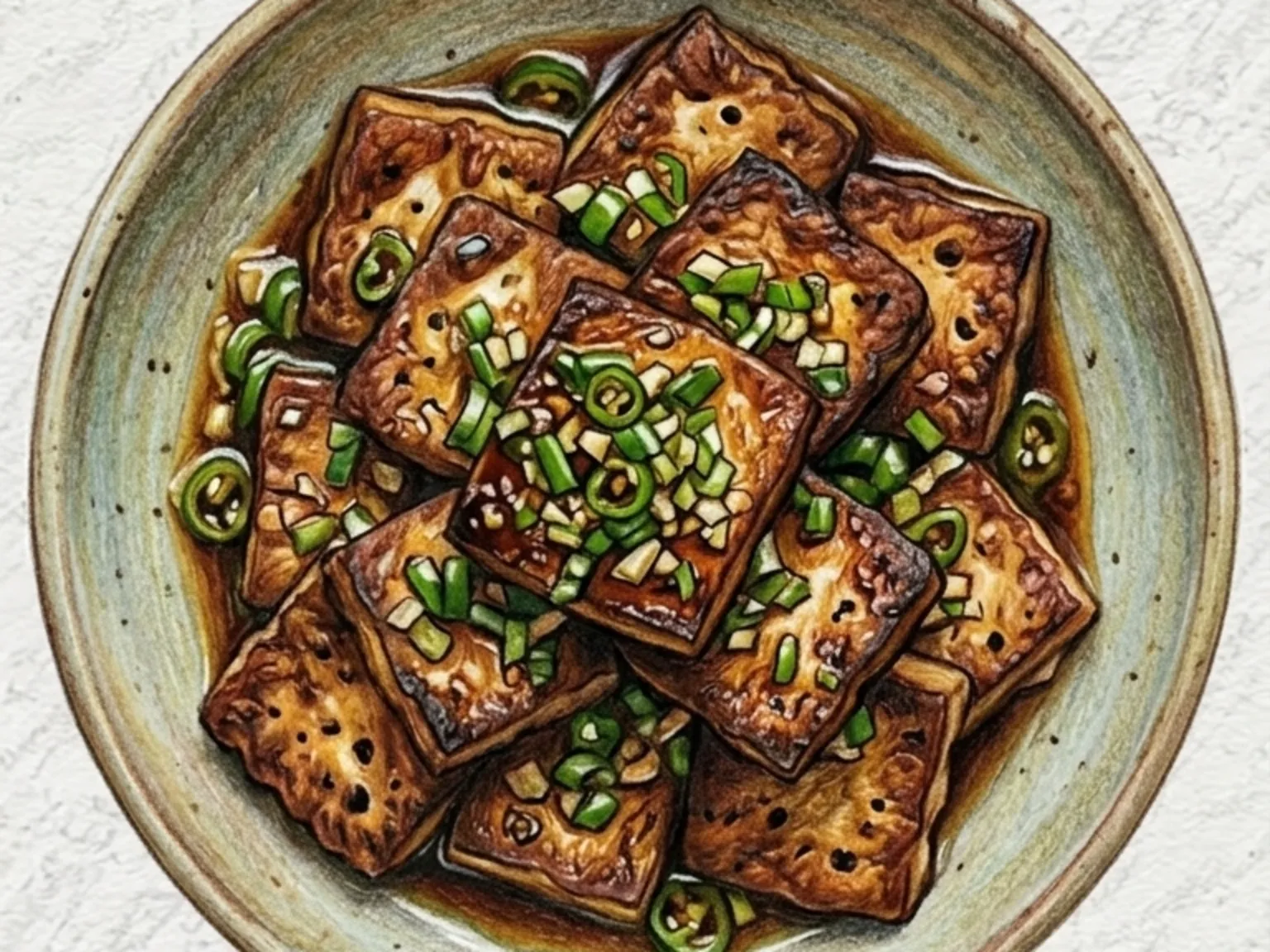
Firm tofu is sliced 1.5 cm thick, patted thoroughly dry with paper towels, and lightly salted before going into an oiled pan for four to five minutes per side. Removing surface moisture is the critical step - dry tofu does not splatter and develops an even golden crust. A dipping sauce of soy sauce, Korean chili flakes, chopped green onion, and sesame oil accompanies the fried slices, and the crisp exterior absorbs just enough sauce to add flavor while the soft interior stays mild. With minimal ingredients, this dish is entirely about the textural contrast between the crunchy shell and the silky center.
Korean Shepherd's Purse & Napa Pancake
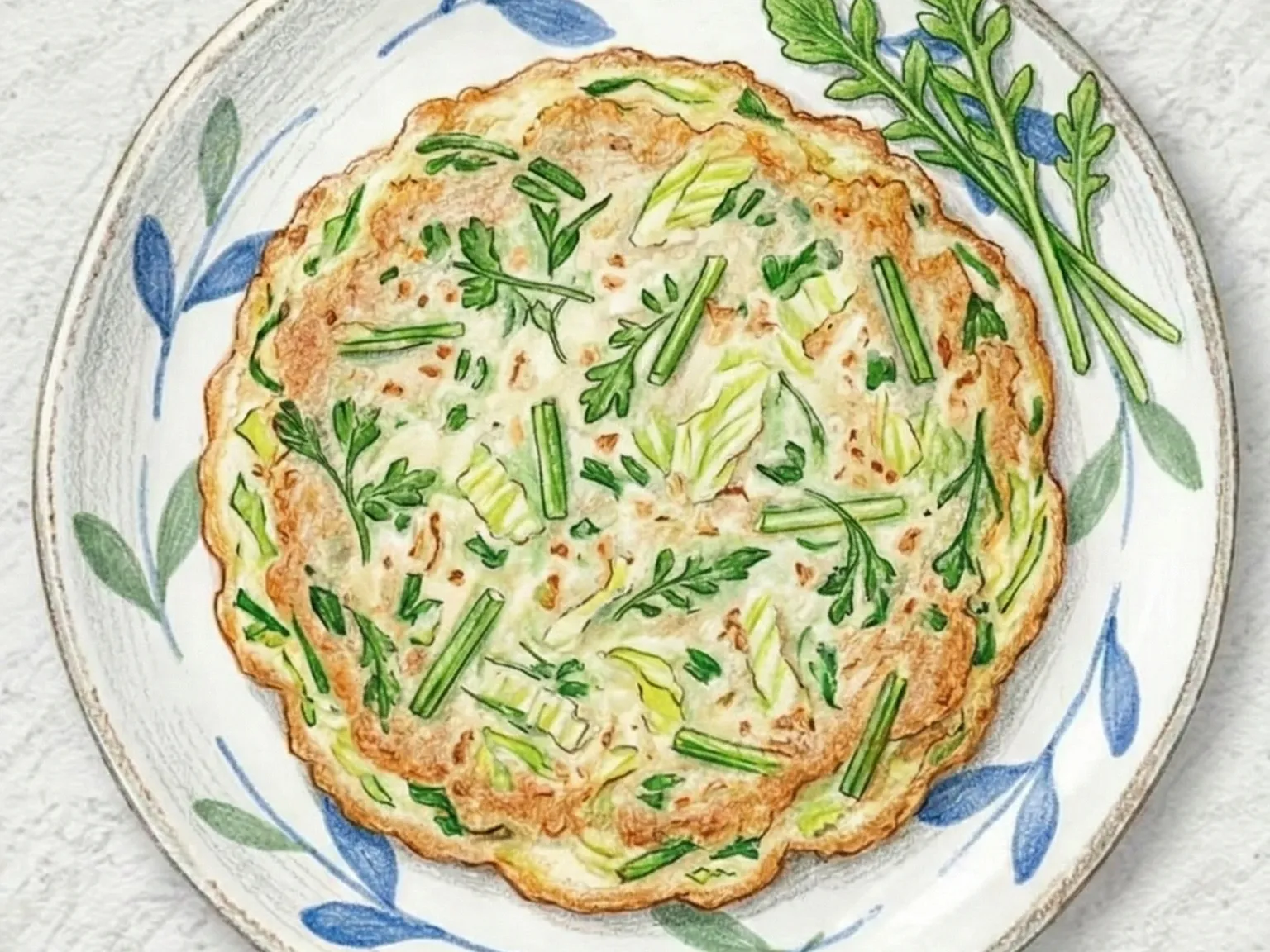
Naengi Baechu Jeon is a seasonal Korean pancake that features wild shepherd's purse and sweet napa cabbage. To prepare this dish, the roots of the shepherd's purse are thoroughly scrubbed to remove soil and chopped into short lengths, while the cabbage is sliced, lightly salted to draw out moisture, and squeezed. The batter consists of Korean pancake mix, rice flour, an egg, cold water, and soup soy sauce, which provides a clean base that allows the flavors of the vegetables to stand out. Mixing rice flour into the batter ensures that the edges of the pancake turn crispy and remain tender even after cooling. The prepared greens are gently folded into the mixture, then pan-fried in oil over medium heat until both sides are golden brown. It is sliced on a board and served warm.
Korean Braised Eggplant with Shrimp
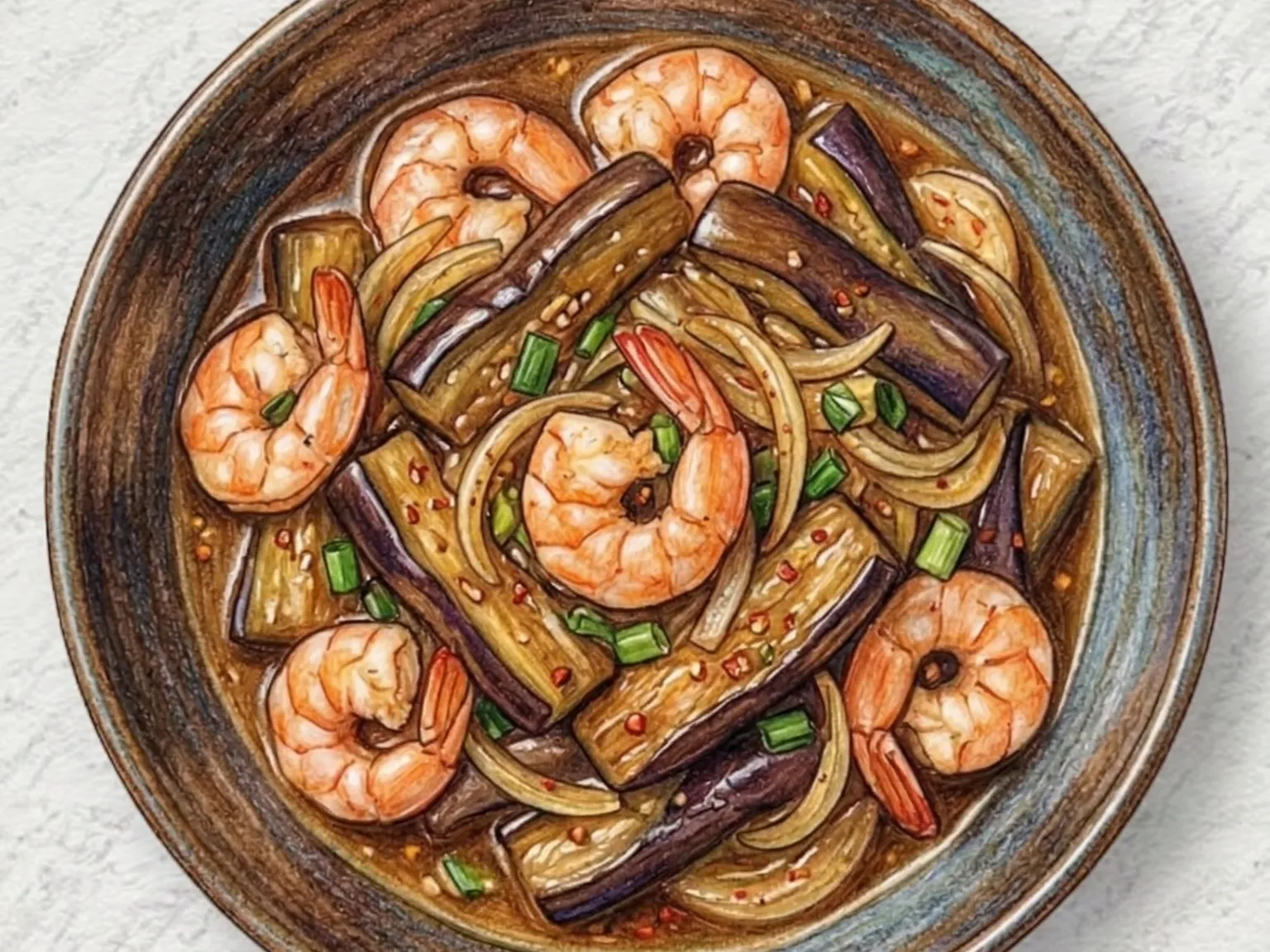
Gaji saeu jorim is a Korean braised side dish pairing eggplant with shrimp in a sauce of soy sauce and oyster sauce. Lightly stir-frying the eggplant in oil before braising coats the surface and prevents the slices from turning mushy, helping them hold their shape and develop a slight gloss as the sauce reduces. The natural umami from the shrimp combines with the dense savory character of the oyster sauce to deepen the overall flavor, and the eggplant draws all of that into its flesh as it braises slowly. Gochugaru adds a gentle warmth without masking the seafood, onion contributes background sweetness, and green onion lifts the aroma. The soft, juicy texture of the eggplant against the firm bounce of the shrimp gives the dish an appealing contrast, and the glossy dark sauce spooned over rice makes for a satisfying, complete meal with minimal effort.
Korean Sedum Water Kimchi
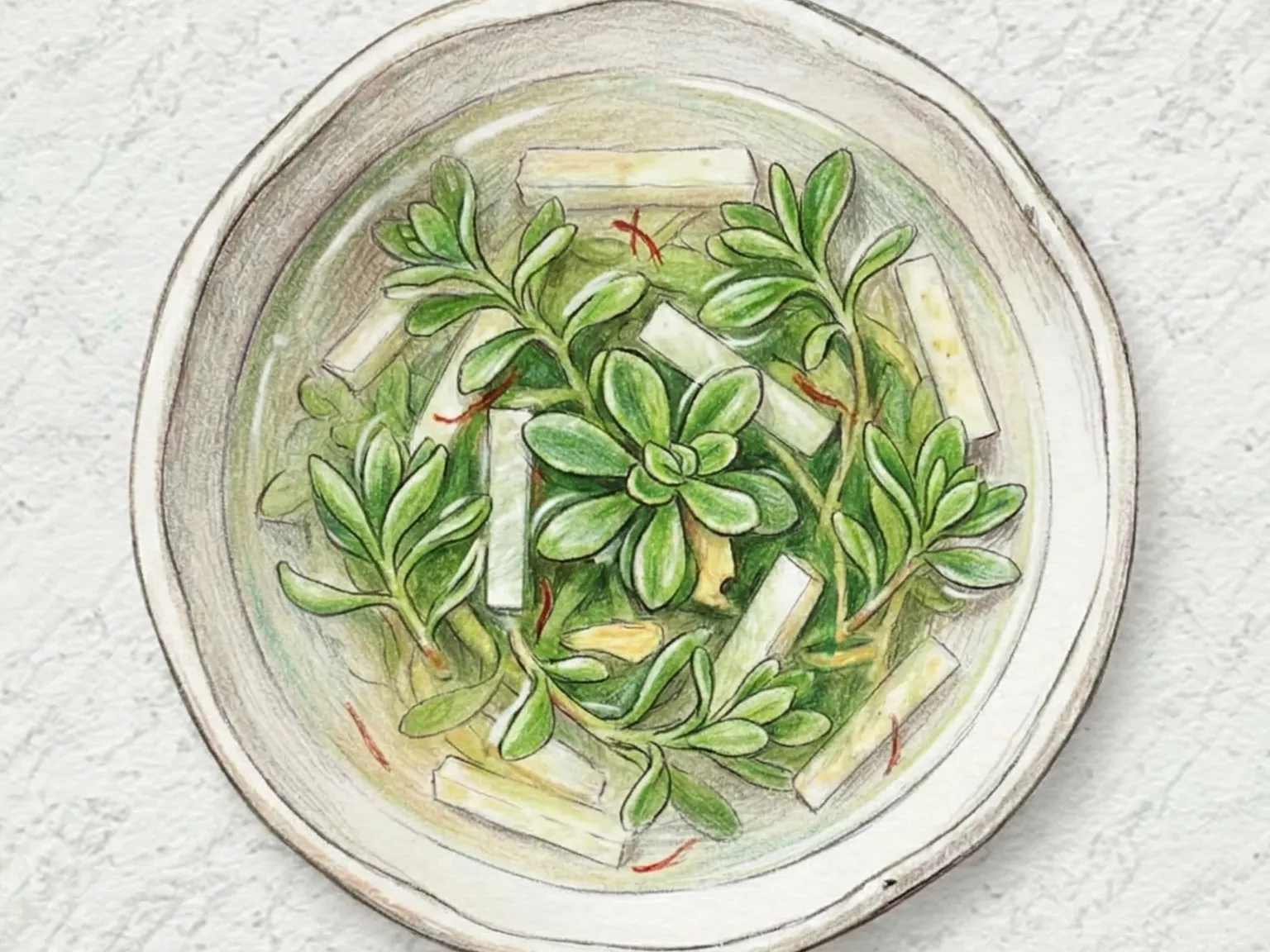
Dolnamul mul kimchi is a spring water kimchi fermented in a clear brine with sedum greens, Korean radish, Asian pear, and scallions. Thinly sliced radish is salted first to extract excess moisture before going into the liquid. Julienned pear dissolves slowly into the brine as the kimchi ferments, contributing a natural background sweetness without clouding the soup. Gochugaru is tied inside a cheesecloth pouch and steeped directly in the brine - a technique that delivers a faint chili fragrance and a bare hint of color while keeping the liquid clear. Sedum is folded in last to protect its crisp, succulent texture from softening. A single day at room temperature generates lactic acid and mild carbonation, after which the kimchi is stored cold and served straight from the container. Ladled over a bowl of warm rice, the cold, lightly fizzy broth makes a distinctly seasonal combination that belongs to early spring.
Korean Blanched Young Napa with Doenjang
Eolgari is young napa cabbage cut before the head has formed a tight ball, leaving it with thinner leaves and more tender ribs than fully mature baechu. A quick blanch of about one minute wilts the leaf while the pale ribs retain a gentle crunch that holds even after seasoning. After blanching, the cabbage is squeezed firmly to remove water, then dressed with doenjang, soup soy sauce, minced garlic, and sesame oil. The fermented paste penetrates the tender leaves quickly, spreading a salty, earthy coating evenly through each piece. The flavor profile is mild and round with no sharp edges, making it one of the most approachable doenjang-based namul dishes for people who are new to Korean fermented seasonings. The dish comes from the Korean countryside tradition of turning whatever young greens were growing between major kimchi-making seasons into simple dressed vegetables. Eolgari is a seasonal green, available at Korean markets from late spring through early autumn.
Korean Bellflower Root & Beef Stir-fry
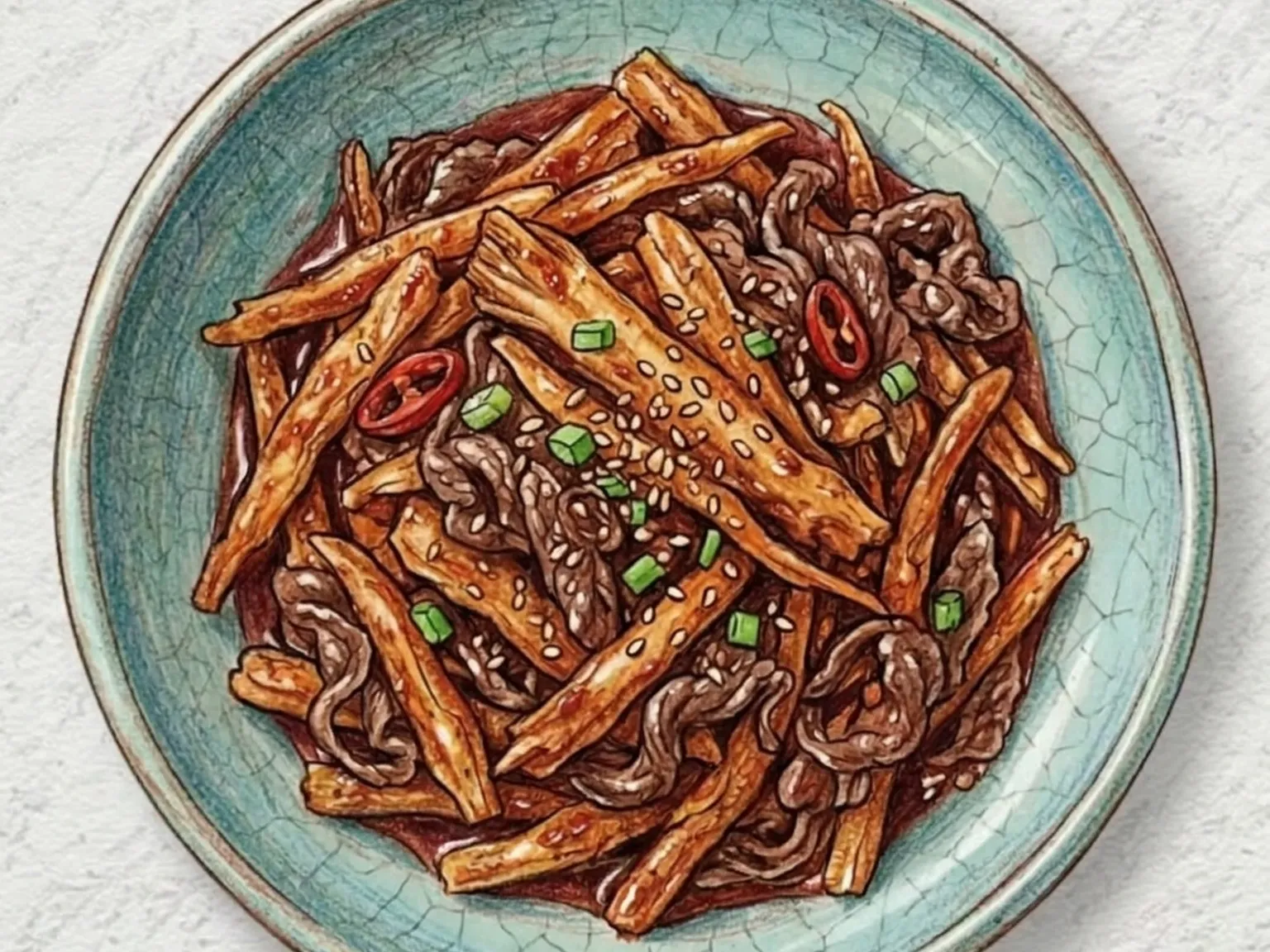
Deodeok sogogi gochujang bokkeum uses a gochujang sauce in two stages: most seasons thin beef before searing, and the remainder coats lightly pounded deodeok in the final stir-fry. One hundred eighty grams deodeok is peeled, halved lengthwise, and tapped gently with a rolling pin before being cut into 5 cm lengths. Some thickness is left so the root does not break while it is tossed. The sauce combines 1.5 tablespoons gochujang, 1 teaspoon gochugaru, and 1 tablespoon each soy sauce, minced garlic, and oligosaccharide syrup. One hundred eighty grams thin beef is dried, mixed with two-thirds of that sauce, and left for 10 minutes. A pan is preheated over medium before 1 tablespoon cooking oil and 30 g diagonally sliced green onion cook for 30 seconds. The heat is raised to high, and the beef is separated with chopsticks as it cooks for 2 minutes 30 seconds to 3 minutes. When its red color has faded and the edges are brown, the deodeok and remaining sauce are added. A brisk final 2 to 3 minutes reduces the moisture and leaves a glossy coating on both the root and beef. Dividing the sauce prevents the beef from sitting in the full amount while ensuring the deodeok receives seasoning directly in the pan.
Korean Grilled Bellflower Root
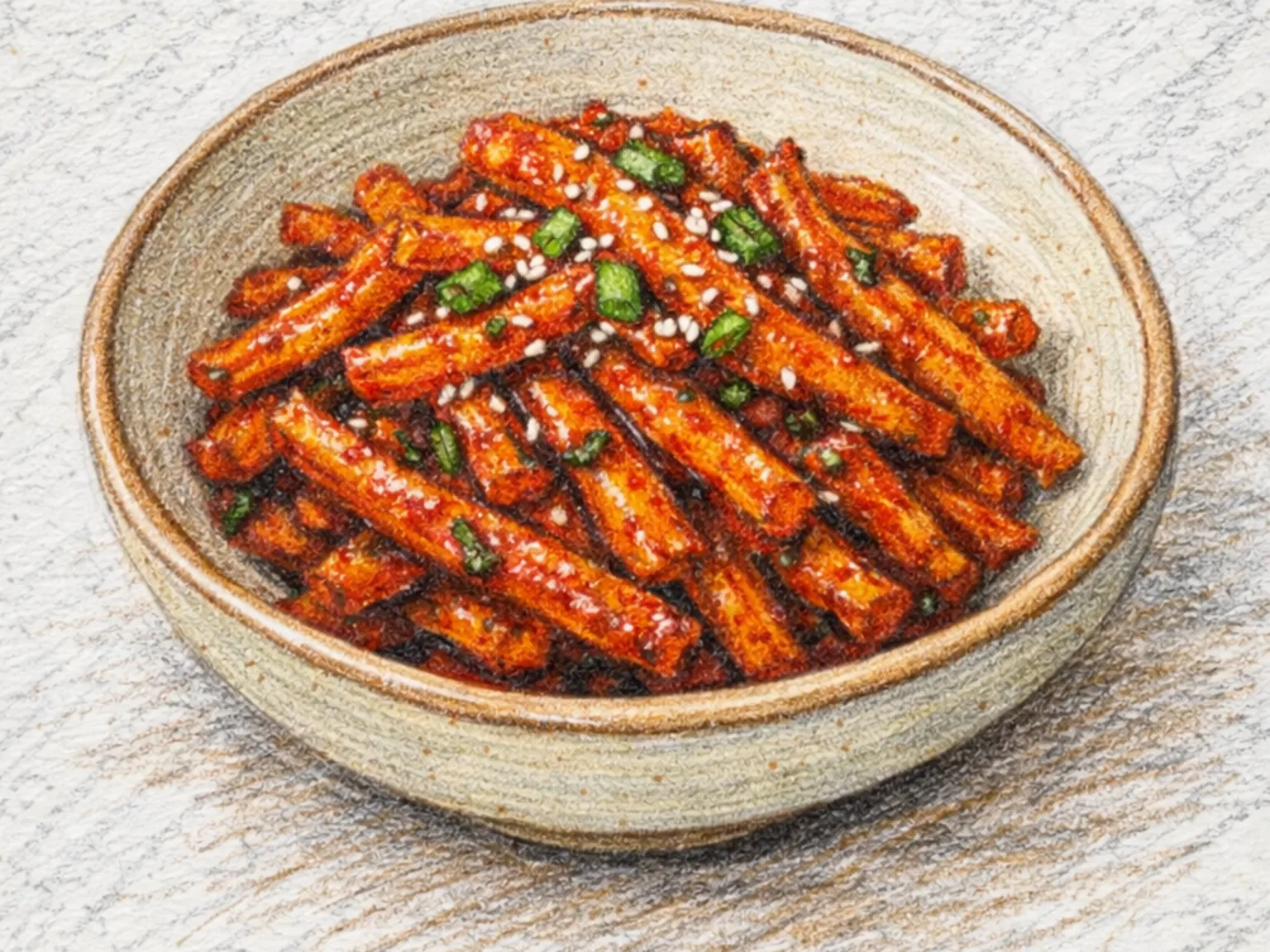
Bellflower root is shredded lengthwise, soaked in salted water, and blanched for one minute to draw out its characteristic bitterness without eliminating it entirely. A ten-minute soak in a sauce of gochujang, gochugaru, soy sauce, oligosaccharide syrup, garlic, and sesame oil seasons the root before it hits a medium-heat pan for three to four minutes per side. The result has a crisp, crunchy bite - distinct from any other vegetable - with a red-glazed surface that carries moderate heat. Open-flame grilling adds a smoky dimension that pairs well with the spicy coating, and sesame seeds provide a finishing touch.
About Side dishes
Great banchan balances seasoning with the natural flavor of each ingredient. Sesame oil, perilla oil, soy sauce, and fermented pastes work together to pack deep flavor into every small serving.