Stir-fry

Stir-fry Recipes

310 recipes. Page 11 of 13

Stir-frying is one of the most common cooking methods in Korean home kitchens. Classics like spicy pork stir-fry (jeyuk-bokkeum), squid stir-fry, and japchae showcase the range of flavors - from fiery gochujang-based sauces to sweet soy glazes.

Stir-fry
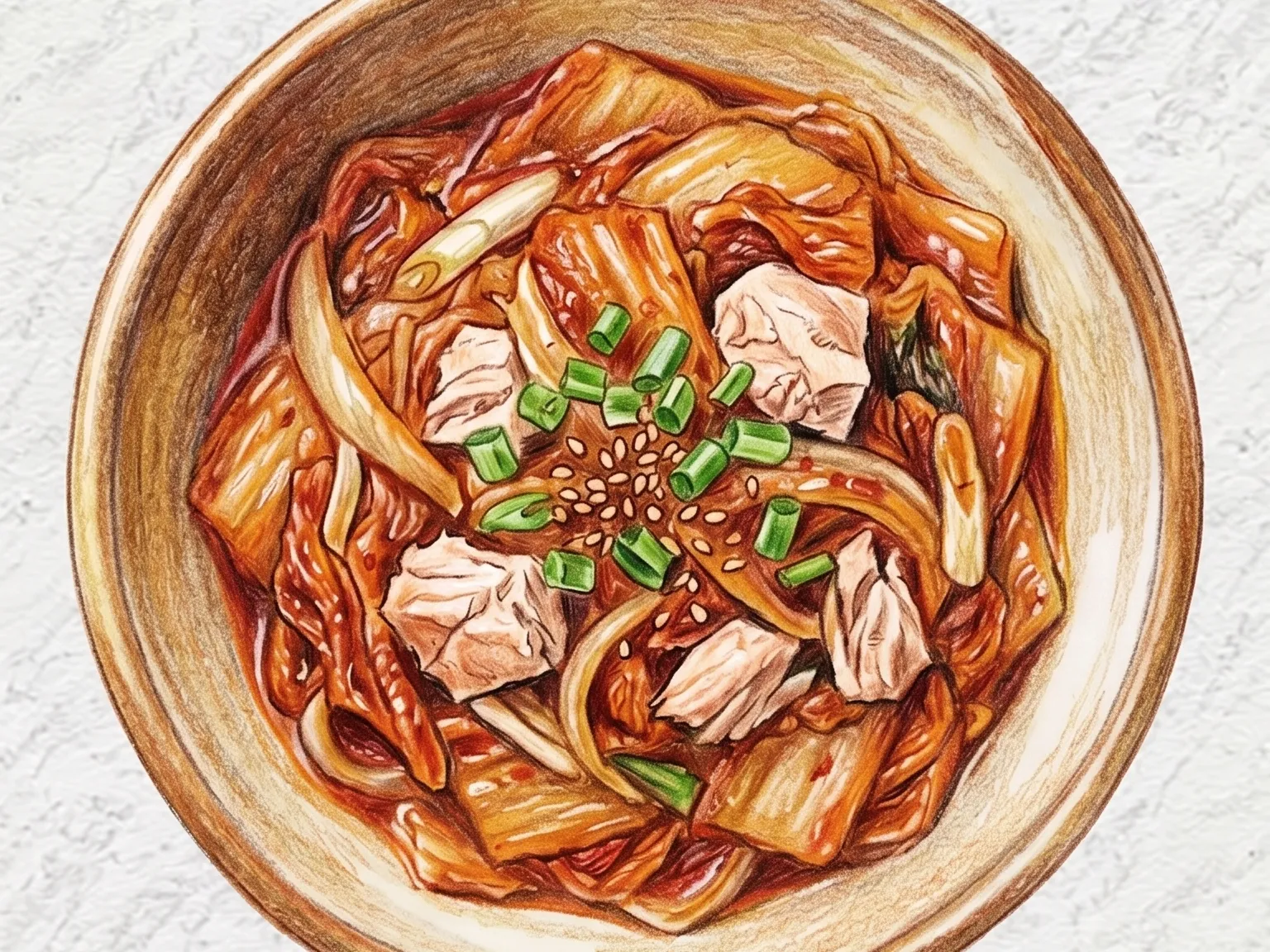
Korean Aged Kimchi Tuna Stir-fry
Stir-fry Easy

Korean Aged Kimchi Tuna Stir-fry

Mukeunji-chamchi-bokkeum stir-fries well-aged kimchi together with drained canned tuna, concentrating the kimchi's sharp tanginess against the tuna's protein-rich umami into a boldly flavored banchan. Onion and the white parts of scallion go into the pan first and cook until softened and sweet, building a flavor base before the aged kimchi is added and stir-fried for four to five minutes to drive off excess moisture and deepen the fermented sour notes. Gochugaru and sugar are added at this stage to calibrate the balance between acid and sweetness. The tuna goes in last and needs only three minutes of tossing to absorb the sauce without crumbling. If the aged kimchi is sharper than desired, an extra half-teaspoon of sugar rounds it out, and a few drops of soy sauce can reinforce the umami if the seasoning tastes flat. A finishing drizzle of sesame oil and a scatter of scallion greens add fragrance before the pan comes off the heat. Served over hot steamed rice and mixed together, it makes a quick and complete meal, and packed into a lunchbox the dry-ish seasoning stays in place without bleeding. Refrigerated in a sealed container, the flavor holds well for two to three days.

🏠 Everyday 🍱 Lunchbox
Prep 12min Cook 13min 2 servings
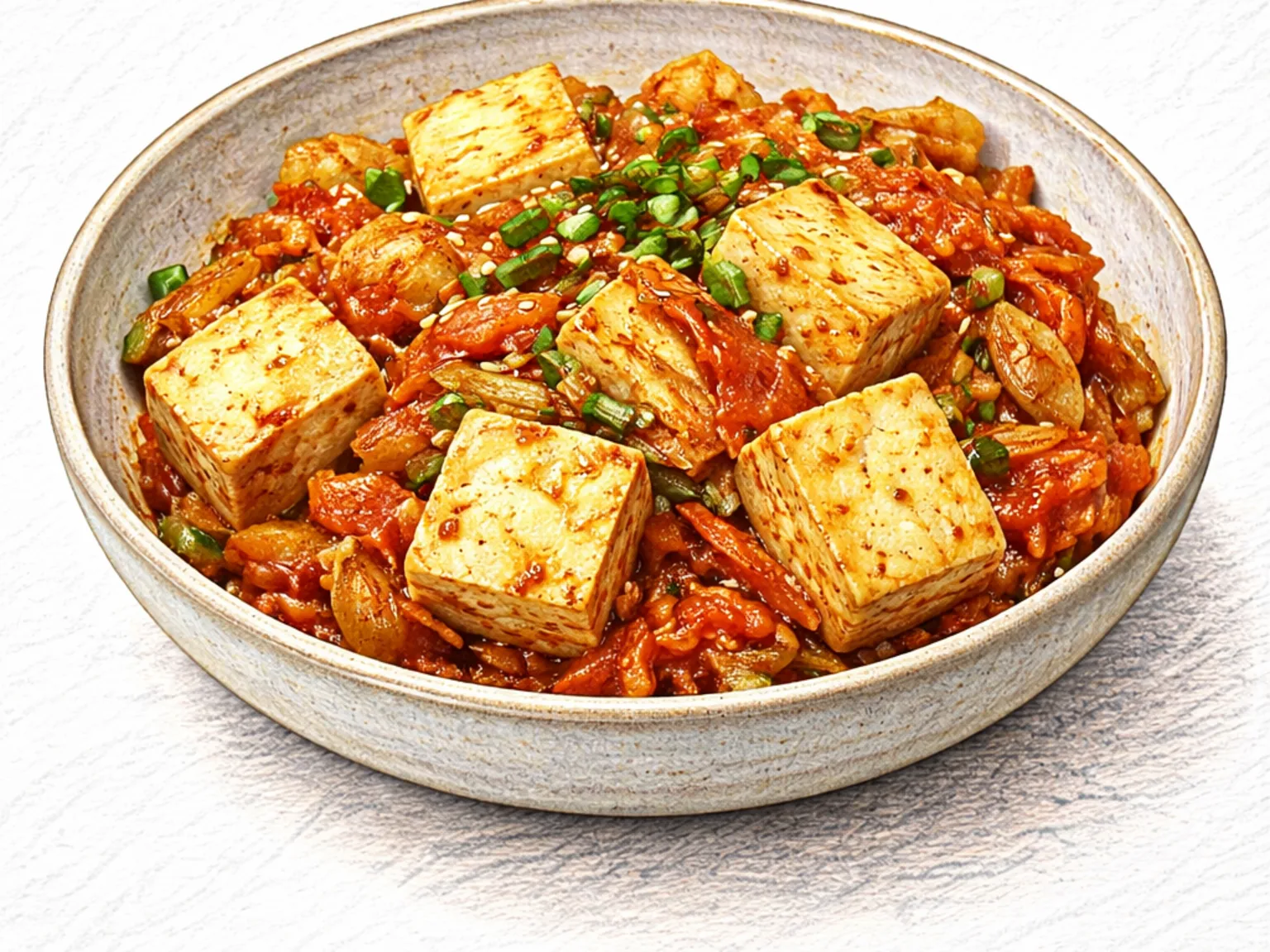
Korean Stir-fried Aged Kimchi and Tofu
Stir-fry Easy

Korean Stir-fried Aged Kimchi and Tofu

Mukeunji-dubu-bokkeum stir-fries aged kimchi and firm tofu together in a single pan, pulling the kimchi's deep sourness and the tofu's neutral mildness into a unified dish. The tofu is pan-fried in oil until golden on both sides first, which builds a firm crust that prevents the pieces from crumbling during the subsequent stir-fry and gives them a better surface area for absorbing the sauce. Onion and aged kimchi are then cooked with gochugaru until much of the kimchi's moisture cooks off and its sharpest acidic edge softens. Soy sauce and sugar calibrate the seasoning, and the crisped tofu returns to the pan to soak up the flavors evenly. A finishing pour of perilla oil wraps around the fermented intensity of the aged kimchi and smooths it out, while a handful of sliced green onion added at the end lifts the aroma.

🏠 Everyday 🍱 Lunchbox
Prep 12min Cook 14min 2 servings
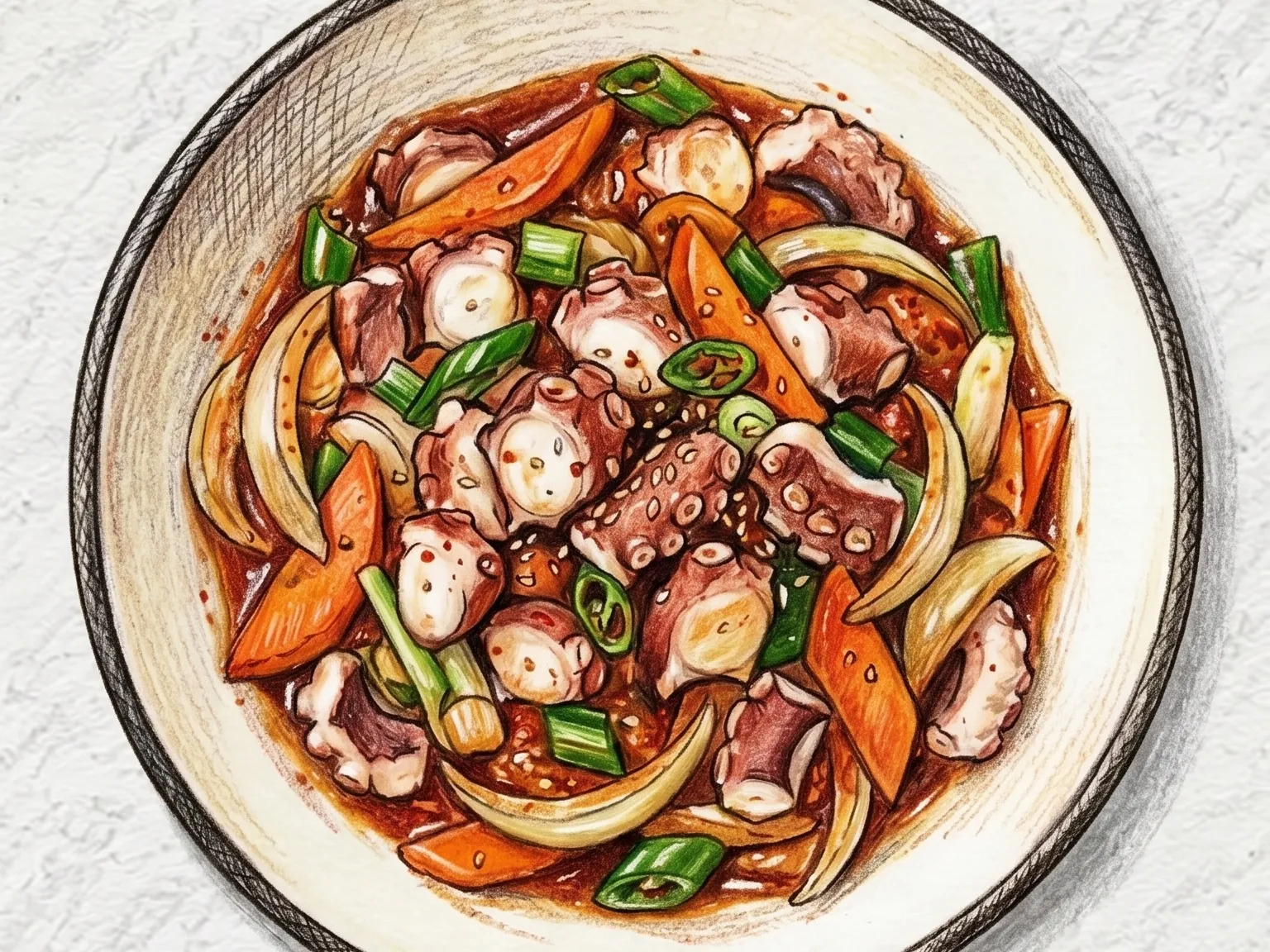
Korean Spicy Octopus Stir-fry
Stir-fry Medium

Korean Spicy Octopus Stir-fry

This octopus stir-fry starts with 280 g of boiled octopus, so the brief time in the pan is meant to heat it through and coat it rather than cook it from raw. Patting the octopus dry before cutting it into bite-size pieces limits excess liquid, while slicing the onion, carrot, and scallion to a similar thickness helps the vegetables cook evenly. Mix 1 tablespoon each of gochujang, soy sauce, and minced garlic until smooth before the pan is hot; otherwise, a dense pocket of gochujang can cling to one piece instead of seasoning the whole stir-fry. Give the vegetables about 1 minute over high heat so only their edges soften. Add the octopus and prepared sauce together, then keep turning everything for 2 to 3 minutes. The sauce should cling in a glossy layer without scorching on the bottom. Noticeable shrinking is the signal to stop before the octopus loses its springy texture. Stir in 1 teaspoon of sesame oil after switching off the heat. The finished pan should have crisp-centered vegetables, hot and resilient octopus, and no puddle of loose sauce.

🏠 Everyday 🍱 Lunchbox
Prep 20min Cook 10min 2 servings
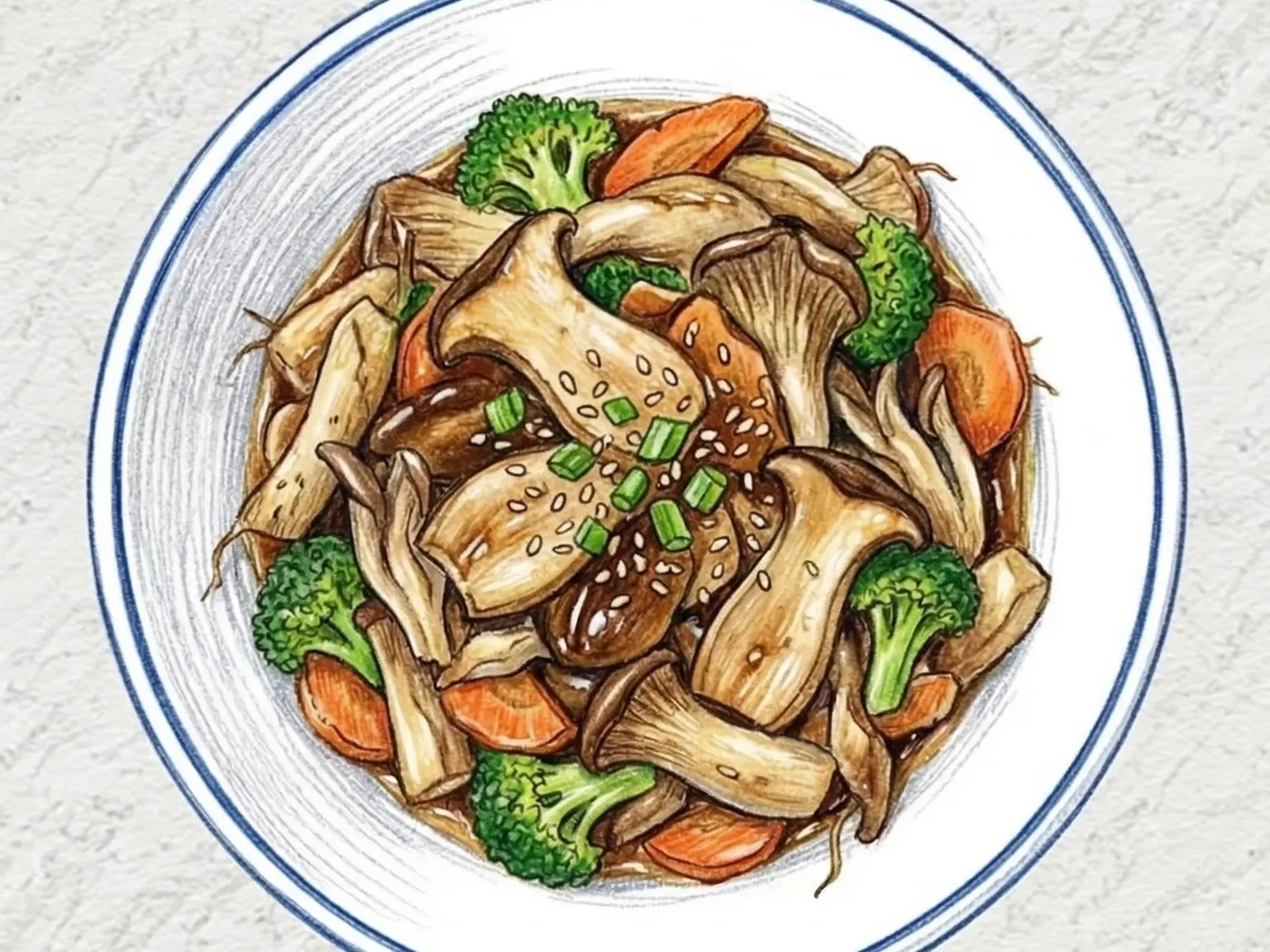
Korean Mushroom and Vegetable Stir-Fry
Stir-fry Easy

Korean Mushroom and Vegetable Stir-Fry

Two mushrooms with different structures shape this stir-fry: 150 g of king oyster mushrooms are sliced lengthwise, while 100 g of oyster mushrooms are separated into strands. Cut the broccoli and carrot to a compatible thickness so the vegetables can finish in the same pan. Heat 1 tablespoon of cooking oil over high heat and cook 1 tablespoon of minced garlic for about 20 seconds. The carrot goes in first for 1 minute because it needs the longest head start, followed by the broccoli until its color brightens and the edges begin to soften. Spread the mushrooms across the pan rather than piling them up. If they release liquid, stir less and keep the heat high until that moisture evaporates; this prevents the ingredients from simmering in their own juices. After roughly 2 minutes, pour 2 tablespoons of soy sauce and 1 tablespoon of oyster sauce around the hot edge of the pan, then toss until the vegetables and mushrooms look evenly glossy. Remove the pan from the heat before adding 1/2 tablespoon of sesame oil. The broccoli should still offer a slight bite, and the mushrooms should be tender and coated rather than sitting in watery sauce.

🏠 Everyday 🌙 Late Night
Prep 10min Cook 10min 2 servings
Korean Stir-fried Anchovies
Stir-fry Easy

Korean Stir-fried Anchovies

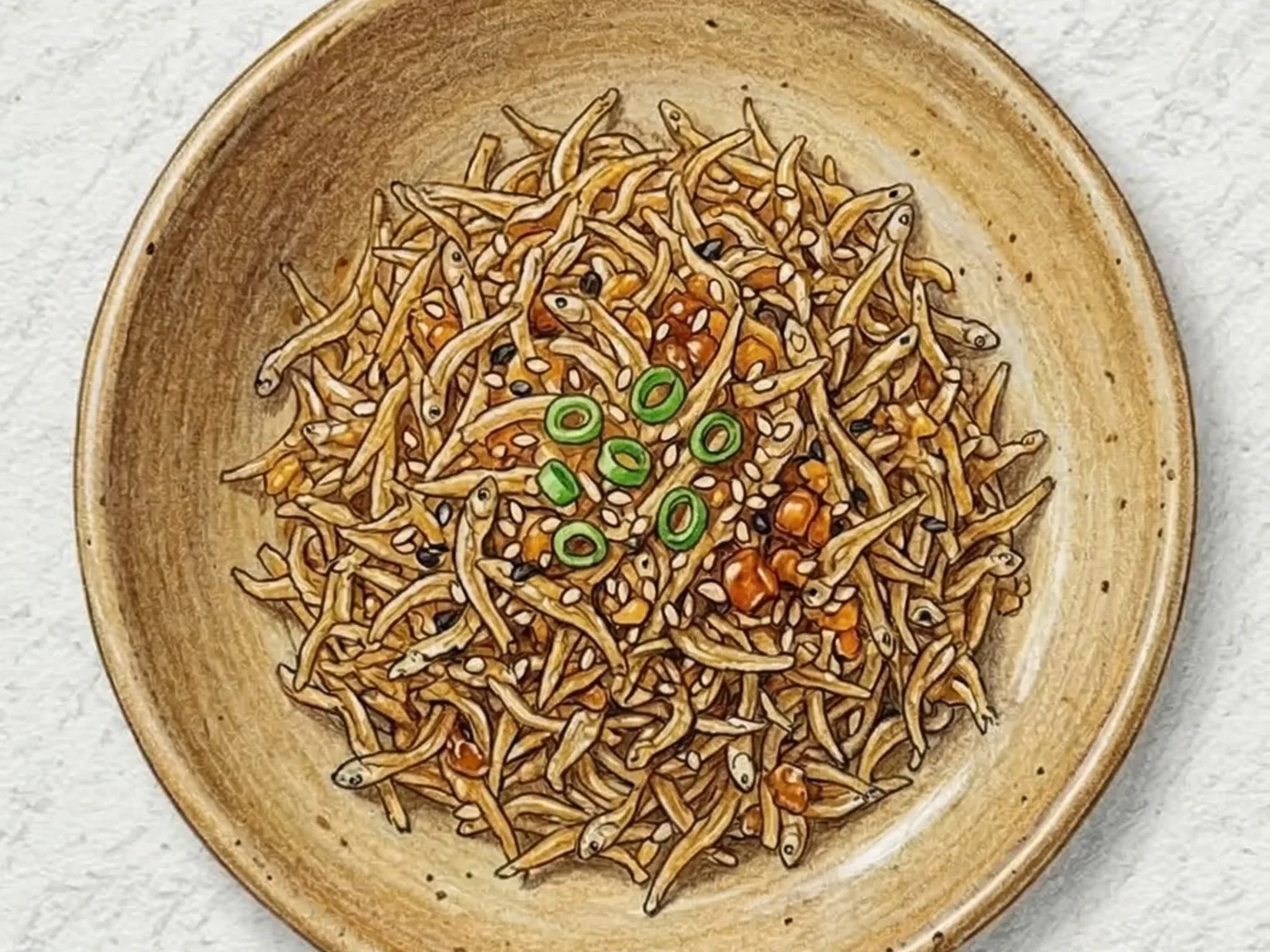
The texture of this anchovy stir-fry is established before the glaze ever enters the pan. Remove the heads and dark innards from 100 g of small dried anchovies, shake away loose crumbs, and dry-toast them over low heat for about 3 minutes. Once they feel lighter and crisper, transfer them out of the pan so they do not burn while the seasoning is prepared. Add 1 tablespoon of cooking oil and 1/2 tablespoon of minced garlic to the same pan, then cook the garlic over low heat for 30 seconds. Stir in 1 1/2 tablespoons of soy sauce and 2 tablespoons of oligosaccharide or corn syrup. Wait for large, glossy bubbles before returning the anchovies. Toss for only 30 seconds to 1 minute, just long enough to cover each piece; extended cooking can reduce the syrup until the anchovies clump into a hard mass. Switch off the heat and mix in 1 teaspoon of sesame oil and 1 tablespoon of sesame seeds. Spread the anchovies out instead of leaving them in a mound. The coating sets as it cools, so complete cooling before transfer to an airtight container helps keep the pieces separate and crisp.

🏠 Everyday 🍱 Lunchbox
Prep 5min Cook 10min 4 servings
Korean Sweet Stir-Fried Anchovies
Stir-fry Easy

Korean Sweet Stir-Fried Anchovies

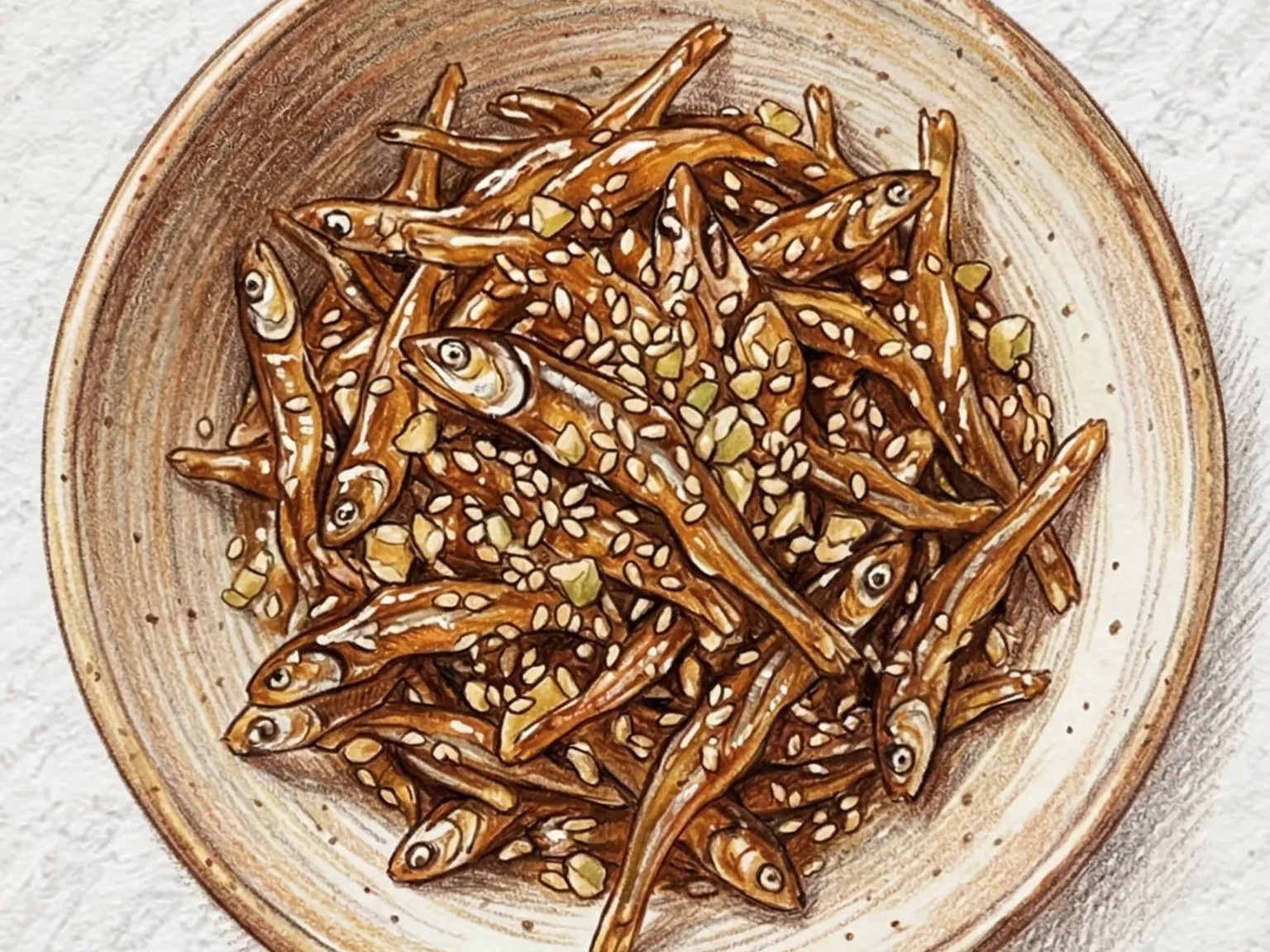
Sweet stir-fried anchovies coat tiny dried anchovies in a glossy soy-syrup glaze without any chili heat, making it the classic lunchbox banchan for Korean children who cannot yet tolerate spice. The anchovies must be dry-toasted in an ungreased pan for about two minutes before any seasoning is added: this drives off residual moisture, raises a nutty aroma, and sets up the crispy texture that separates a well-made batch from a soggy, fishy-smelling one. Soy sauce, rice syrup or oligosaccharide, and sugar are then stirred in over low heat, and the single most important moment in the recipe is when the syrup first begins to bubble. The heat must drop immediately at that point, because syrup that overcooks transforms into a brittle, tooth-cracking candy once it cools. Generous sesame seeds tossed in at the end add nuttiness and a visual finish, and once the batch cools completely, the anchovies clump lightly together into loose clusters that are easy to pick up in one or two bites. Although made from the exact same ingredient, this sweet glaze version has a completely different character from the spicy gochujang version of the same dish, and many Korean households keep both prepared simultaneously, rotating between them throughout the week.

🏠 Everyday 🍱 Lunchbox
Prep 5min Cook 10min 4 servings
Korean Spicy Stir-Fried Anchovies
Stir-fry Easy

Korean Spicy Stir-Fried Anchovies

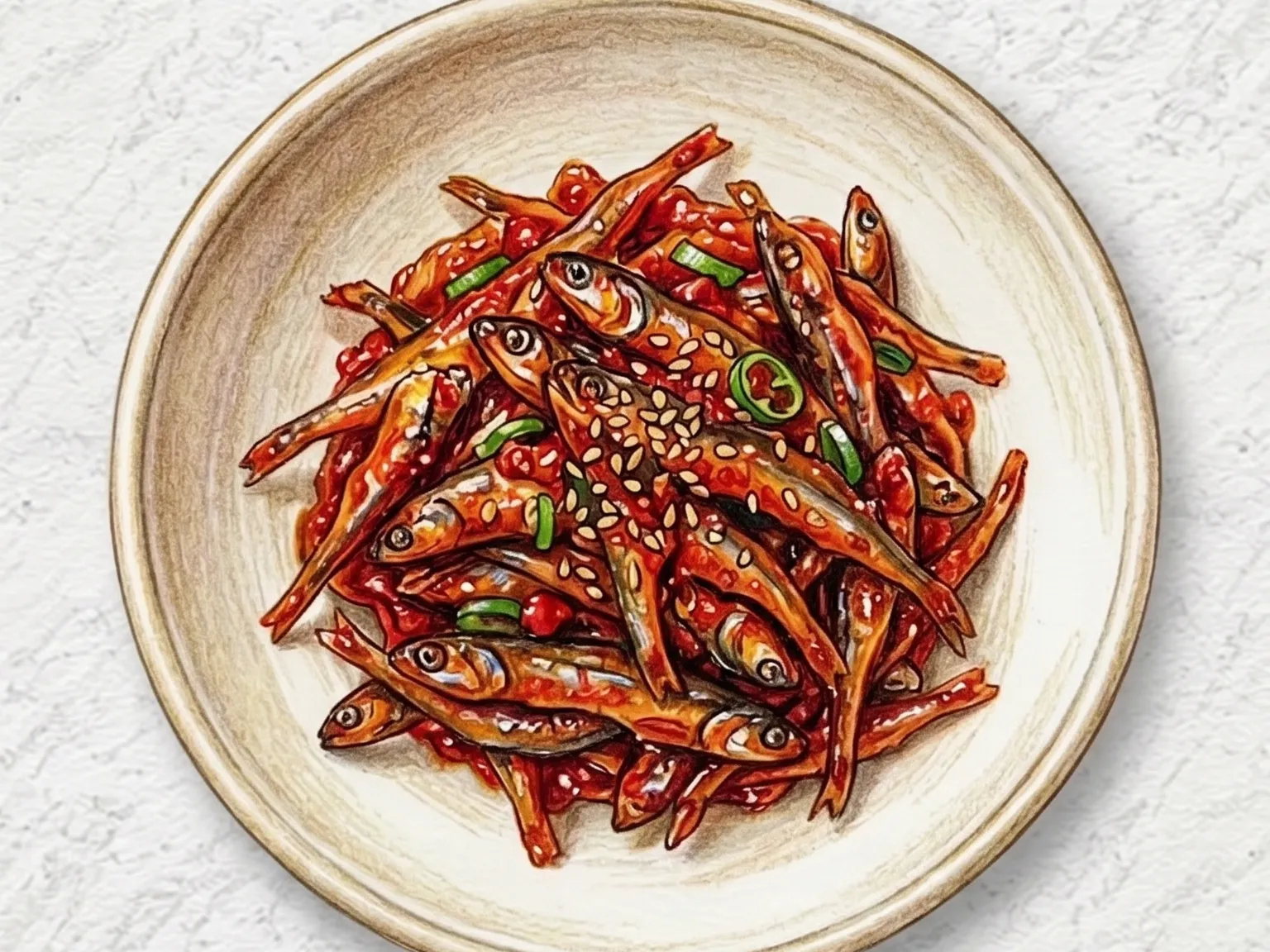
Spicy stir-fried anchovies (maeun myeolchi-bokkeum) toss medium-sized dried anchovies in a gochujang-gochugaru glaze, occupying the opposite end of the flavor spectrum from the sweet jiri-myeolchi version and targeting adult palates. Medium anchovies are larger and thicker than the tiny variety, requiring individual head-and-gut removal to eliminate bitterness - a tedious prep step that nonetheless determines the dish's clean finish. After dry-toasting to drive off moisture, the anchovies simmer in a sauce of gochujang, gochugaru, soy sauce, oligosaccharide, and minced garlic until each piece is coated in a rust-colored glaze. The gochujang's fermented heat combines with gochugaru's vivid red to create both flavor depth and visual appeal. The larger anchovy size delivers a satisfying crunch that lingers alongside a lasting savory umami. Heat intensity is adjustable via gochugaru quantity - adding chopped cheongyang chili ratchets it up another notch. This banchan doubles as a soju drinking snack, appearing as frequently on bar tables as on dinner tables.

🍺 Bar Snacks 🏠 Everyday
Prep 5min Cook 10min 4 servings
Korean Pollock Roe Egg Butter Stir-fry
Stir-fry Easy

Korean Pollock Roe Egg Butter Stir-fry

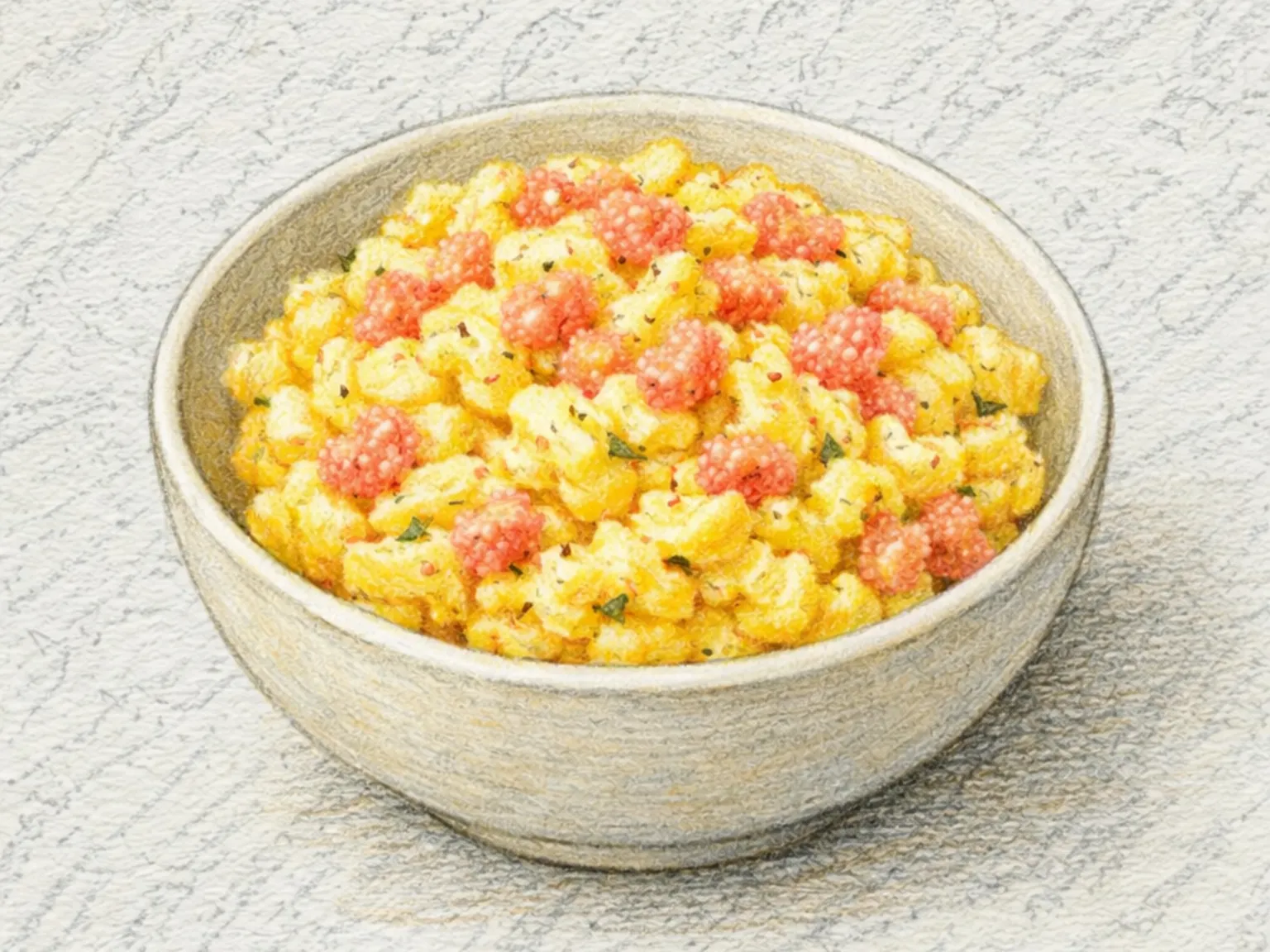
Myeongran-dalgyal-butter-bokkeum gently cooks pollock roe and eggs in butter with diced onion, producing soft, creamy curds studded with tiny pops of briny roe. The roe sacs are split open and the eggs are scraped out, then stir-fried for just 30 seconds before the milk-enriched egg mixture is poured in and slowly folded into large, pillowy curds. Half the butter goes in at the start for cooking, and the remaining half is stirred in off-heat for richness. Chopped chives and black pepper finish the dish, which goes from pan to plate in under eight minutes.

🏠 Everyday 🍱 Lunchbox
Prep 10min Cook 8min 2 servings
Korean Sweet Spicy Pollock Floss Stir-fry
Stir-fry Easy

Korean Sweet Spicy Pollock Floss Stir-fry

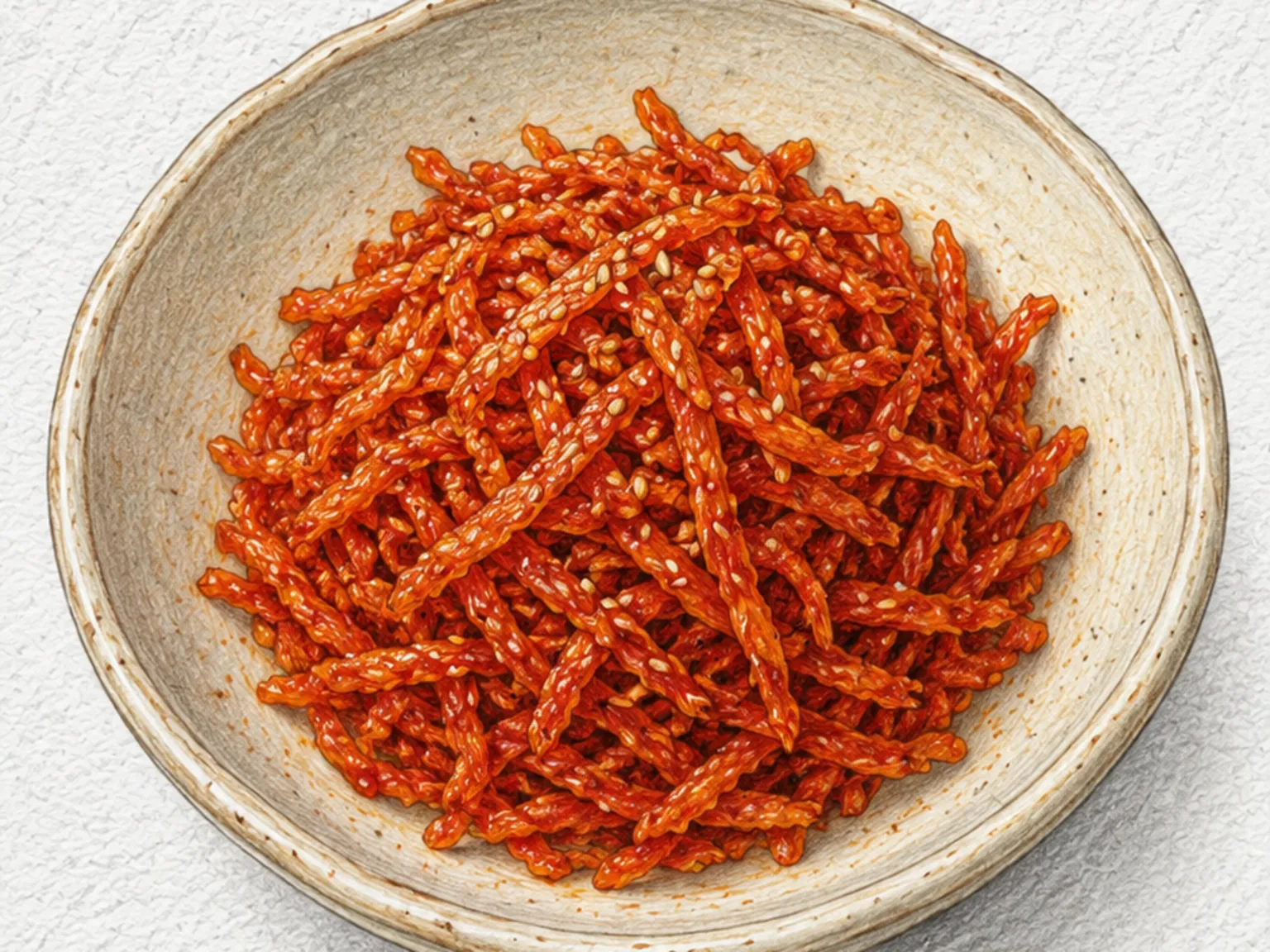
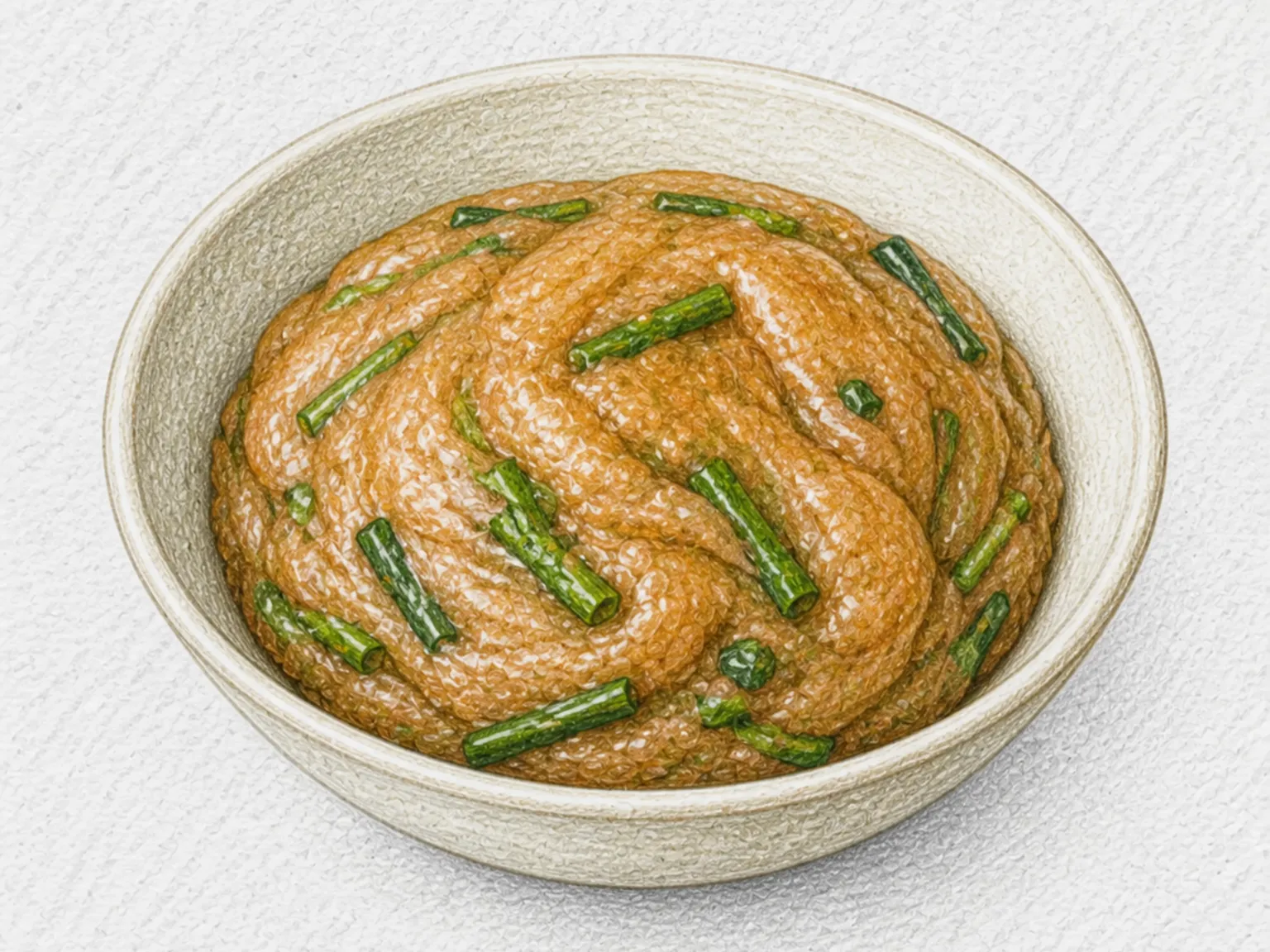
Myeongyeopchae-bokkeum stir-fries finely shredded dried pollock floss in gochujang and oligosaccharide syrup until each fiber strand is evenly coated and moist. Myeongyeopchae is thinner and softer-fibered than hwangtaechae, the wider dried pollock strips, arriving in a dense cotton-like bundle that must be loosened strand by strand before cooking. Running your fingers along the grain separates the fibers cleanly, allowing the seasoning to penetrate evenly and preventing the finished banchan from clumping together in the mouth. A dry toast of thirty seconds in an oil-free pan drives off residual moisture and coaxes out a toasted fish aroma before gochujang, gochugaru, oligosaccharide syrup, soy sauce, and minced garlic go in over the lowest heat for a rapid coating. The fine fibers absorb the sauce almost immediately and turn pliant and glistening, but heat held too long draws the moisture back out, leaving them tough and stiff, so the entire stir-fry must be completed within two minutes. A finishing drizzle of sesame oil and a scatter of sesame seeds deepen the nutty aroma. The resulting banchan occupies a middle ground between the chewier, more aggressively seasoned hwangtaechae-muchim and the bolder jinmichae-bokkeum, its mild sweet-spicy profile approachable enough for children. The relatively dry finish means the seasoning does not bleed into adjacent items in a lunchbox, and stored in an airtight container in the refrigerator the flavor holds well for up to five days.

🏠 Everyday 🧒 Kid-Friendly
Prep 5min Cook 7min 4 servings
Korean Shepherd's Purse Tofu Stir-fry
Stir-fry Easy

Korean Shepherd's Purse Tofu Stir-fry

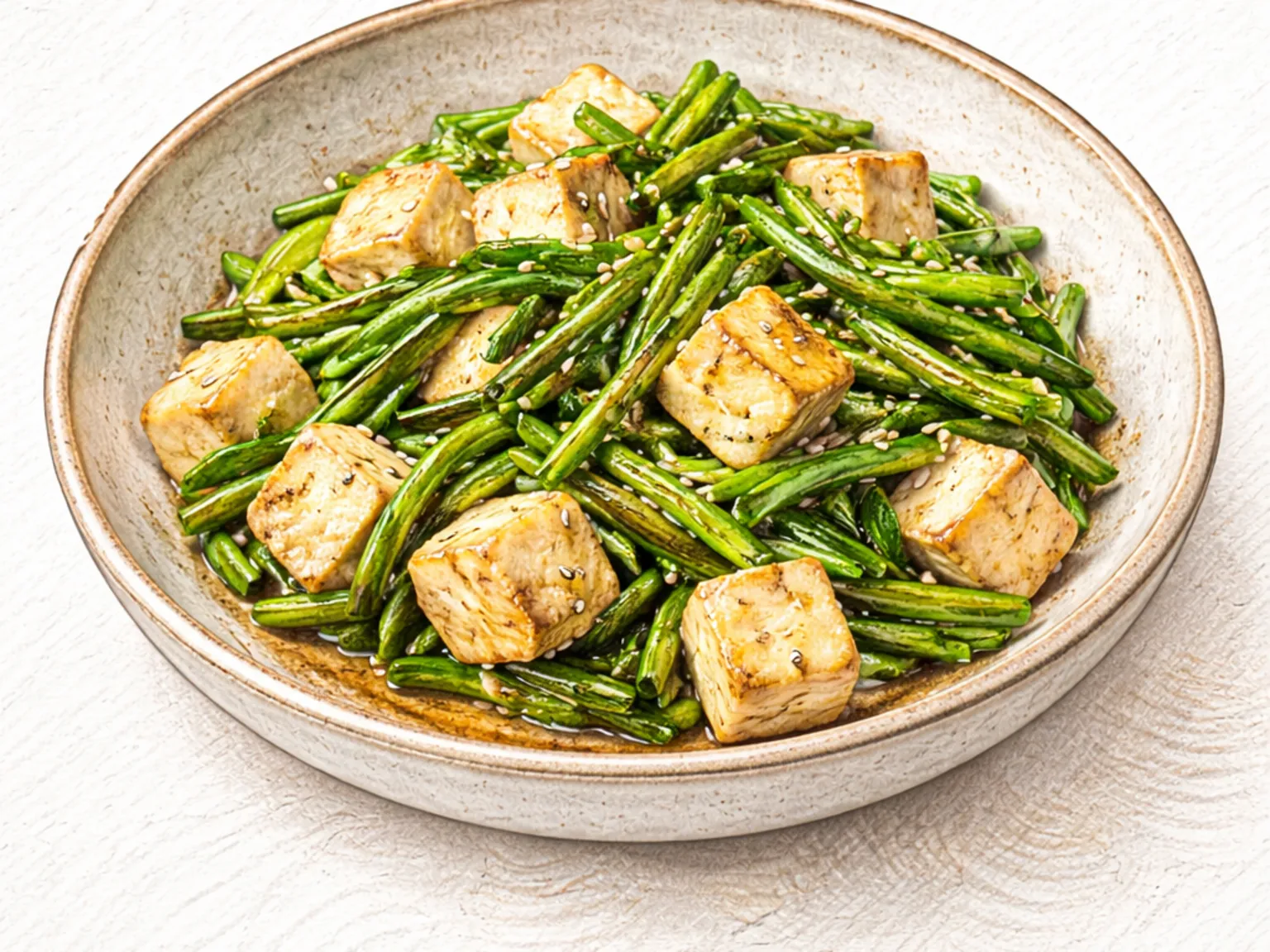
Naengi-dubu-bokkeum is a spring-seasonal Korean stir-fry that pairs shepherd's purse - a wild herb with a distinctive earthy bitterness - with cubed firm tofu in perilla oil and soy sauce. The tofu is pan-seared until golden to build a crust, then set aside while onion and garlic cook in the same pan before soy sauces go in. The tofu returns along with the cleaned, trimmed shepherd's purse, which needs only two minutes of gentle tossing to wilt without losing its herbal bite. A final drizzle of perilla oil and a pinch of toasted sesame seeds layer nuttiness over the herb's green, slightly bitter fragrance.

🏠 Everyday 🍱 Lunchbox
Prep 18min Cook 10min 2 servings
Korean Spicy Stir-fried Octopus
Stir-fry Medium

Korean Spicy Stir-fried Octopus

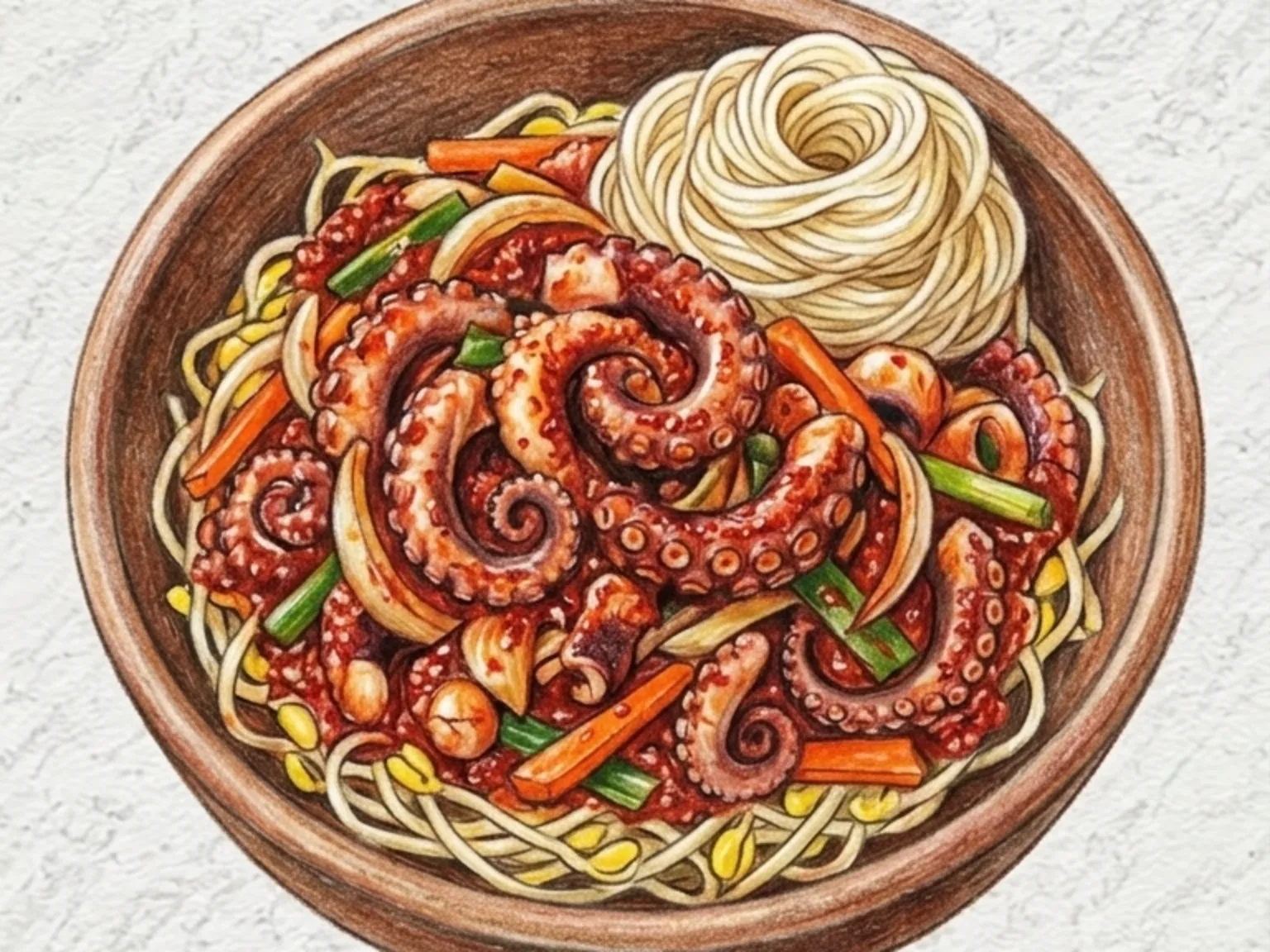
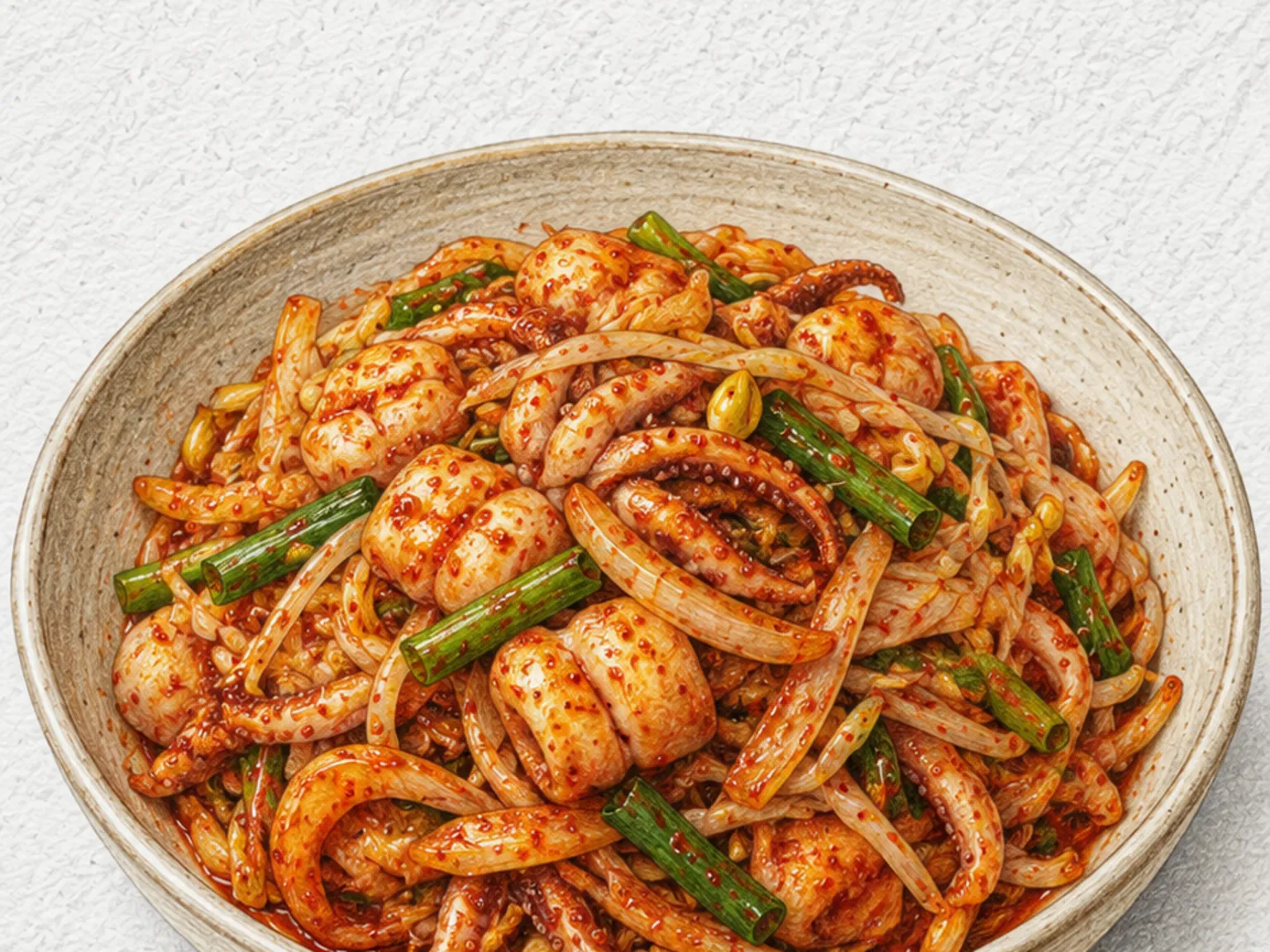
For this nakji-bokkeum, 300 g of small octopus cooks first under a cover and then finishes uncovered over high heat. Rub the octopus with flour and salt until the slippery coating diminishes, rinse it several times, drain it well, and cut it into bite-size pieces. Make the sauce from 2 tablespoons of gochujang, 1 1/2 tablespoons of gochugaru, and 1 tablespoon each of soy sauce, sugar, and minced garlic. Spread 100 g of bean sprouts across the bottom of a hot pan, then layer on the onion, carrot, and half of the sauce. Place the octopus above the vegetables, coat it with the remaining sauce, cover, and leave it at medium heat for 3 minutes. Moisture released by the sprouts helps keep the thick gochujang mixture from scorching too early. When the octopus begins to curl, uncover the pan, raise the heat, and toss from the bottom for 2 minutes. Stop when the liquid has tightened into a sauce and the curled pieces still feel springy. Add the green onion only long enough to soften slightly, then turn off the heat and mix in 1 tablespoon of sesame oil.

🍺 Bar Snacks 🏠 Everyday
Prep 15min Cook 10min 2 servings
Ninjin Shirishiri (Okinawan Carrot and Egg Stir-Fry)
Stir-fry Easy

Ninjin Shirishiri (Okinawan Carrot and Egg Stir-Fry)

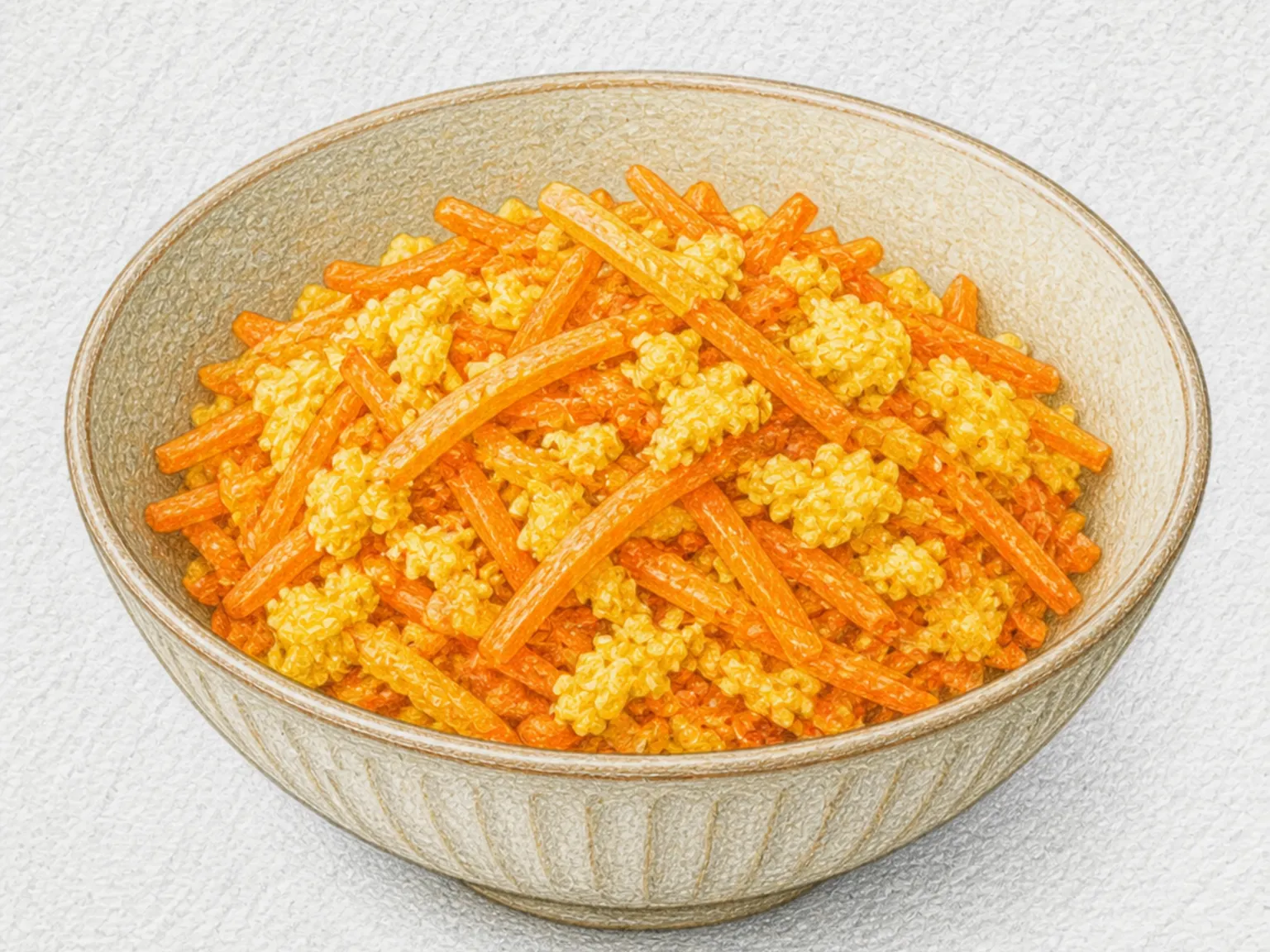
Ninjin shirishiri uses 250 g carrot cut into long coarse strands, then finishes it with 2 eggs folded broadly through the pan. Wash the carrot, peel it thinly only if needed, and use a coarse grater or julienne slicer to make strands 4 to 5 cm long. Cutting them too fine removes their distinct bite during the medium-heat cooking stage. Use the safety holder when the remaining carrot brings your hand close to the blade. Beat the eggs until the whites and yolks are evenly combined and check that no shell fragments remain. Heat 1 tablespoon cooking oil over medium heat, add the carrot with 0.9 teaspoon salt, and spread the strands across the pan. Turn the bottom layer upward for 5 to 6 minutes. Move on once the carrot bends easily and its orange color has deepened. Pour the beaten eggs broadly over the strands and leave them undisturbed for about 10 seconds. When the edges begin to set, fold the egg and carrot together in large strokes for 1 to 2 minutes. Fine, constant scrambling would break up both textures. Turn off the heat only when no liquid egg remains visible between the carrot strands.

🏠 Everyday ⚡ Quick
Prep 10min Cook 10min 4 servings
Nmu-Kuji Putturu (Okinawan Sweet Potato Starch Cake)
Stir-fry Medium

Nmu-Kuji Putturu (Okinawan Sweet Potato Starch Cake)

Nmu-kuji putturu cooks 1 cup sweet potato starch with red-miso bonito stock and garlic chives until a loose slurry becomes one glossy mass. Whisk 1.5 tablespoons red miso into 1.5 cups bonito dashi until no paste lumps remain. Wash and thoroughly dry a handful of garlic chives, chop them to about 5 mm, then set them aside. Put the starch in a large bowl and add the seasoned stock gradually, whisking out every dry pocket before mixing in the chives. Because sweet potato starch settles quickly, stir the batter all the way from the bottom immediately before it enters the pan. Heat 2 tablespoons cooking oil in a heavy skillet over high heat, pour in the refreshed batter, and scrape the bottom continuously with a sturdy spatula. When scattered translucent lumps begin to form, reduce the heat to medium. Keep pressing and folding those pieces rather than leaving any layer against the hot surface. The dish is ready when the separate lumps unite into one elastic-looking mound, the entire surface is glossy, and no chalky white starch remains. Divide it into four portions. The hot paste can stick to skin, so use a long utensil, keep the pan away from the face, and let bite-size pieces cool briefly before handling or eating them.

🏠 Everyday ⚡ Quick
Prep 10min Cook 10min 4 servings
Korean Stir-Fried Fish Cake Strips
Stir-fry Easy

Korean Stir-Fried Fish Cake Strips

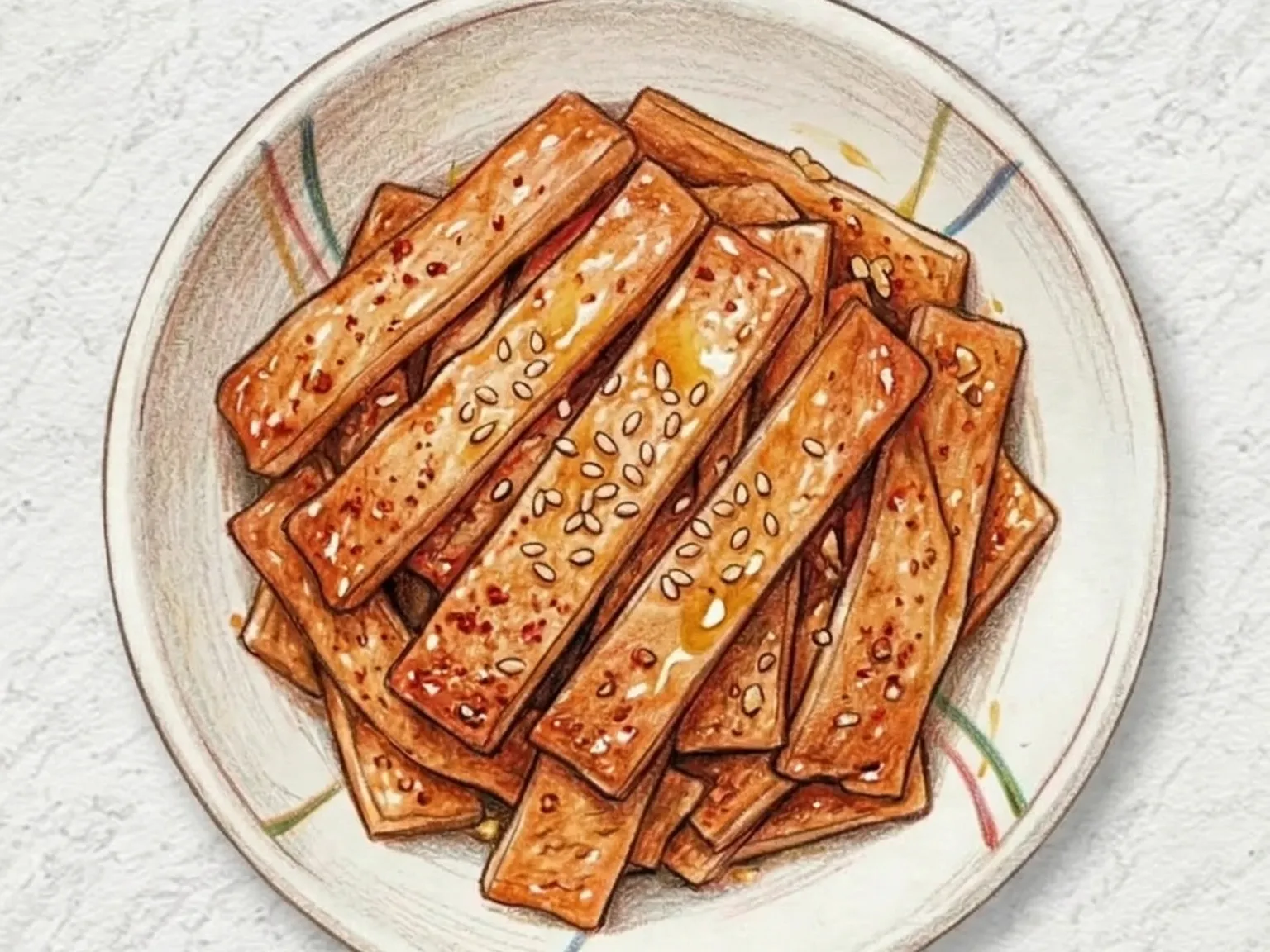
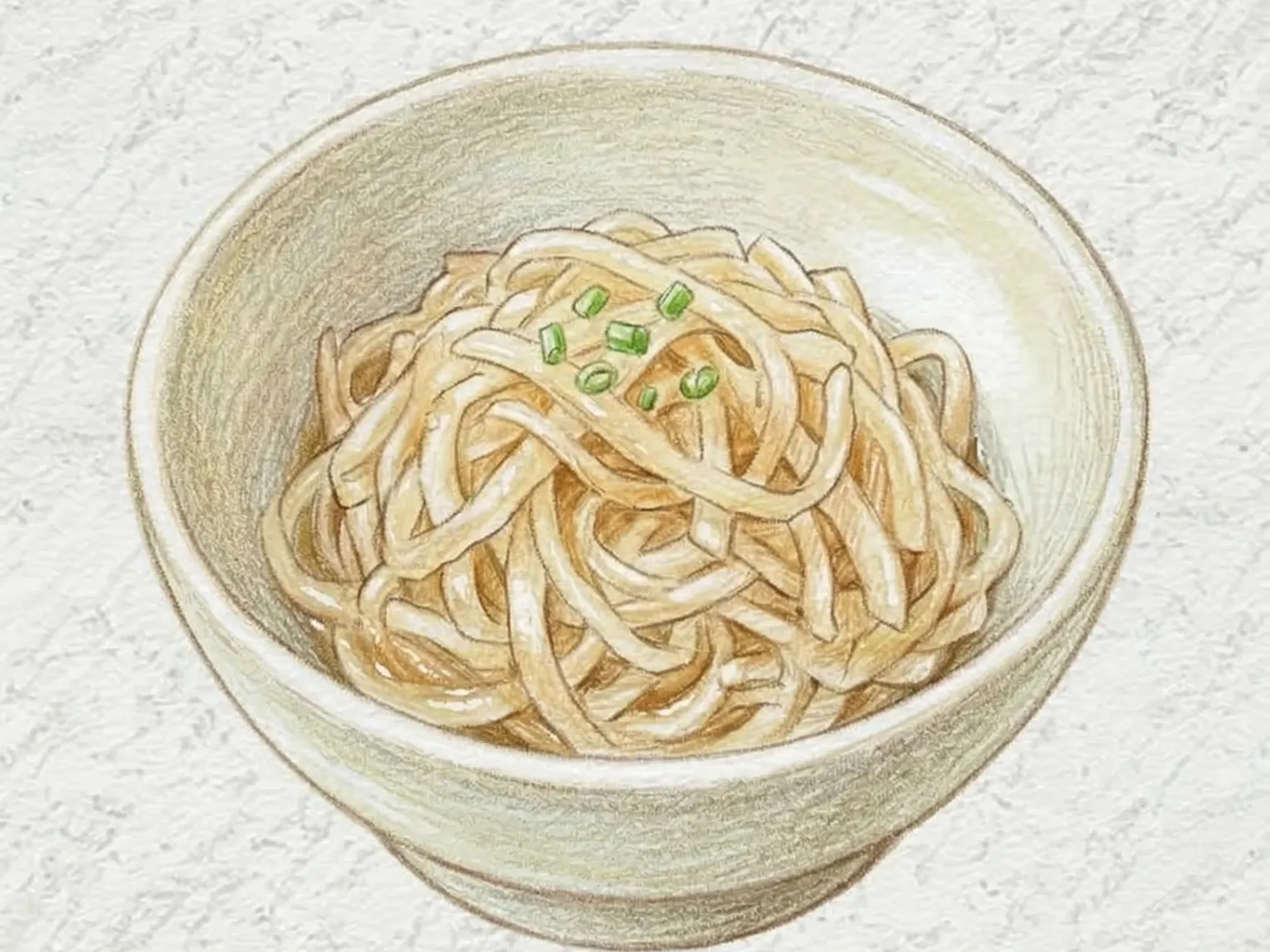
This side dish features flat fish cake sheets sliced into thin strips and stir-fried in a savory seasoning mixture. The preparation starts with blanching the fish cake slices in boiling water to remove excess surface oil, which helps the glaze adhere evenly. The strips are first stir-fried in an oiled pan over medium heat to evaporate surface moisture and curl the edges. Minced garlic and red pepper flakes are then added and cooked quickly to prevent the spices from burning. After seasoning with soy sauce and sugar, the ingredients are tossed until they become glossy and the sauce is fully absorbed. The heat is turned off before mixing in sesame oil and toasted sesame seeds to provide a nutty finish. This dish offers a clear balance of sweet and spicy flavors that pairs well with steamed rice.

🌙 Late Night ⚡ Quick
Prep 10min Cook 10min 2 servings
Korean Spicy Stir-fried Cartilage
Stir-fry Medium

Korean Spicy Stir-fried Cartilage

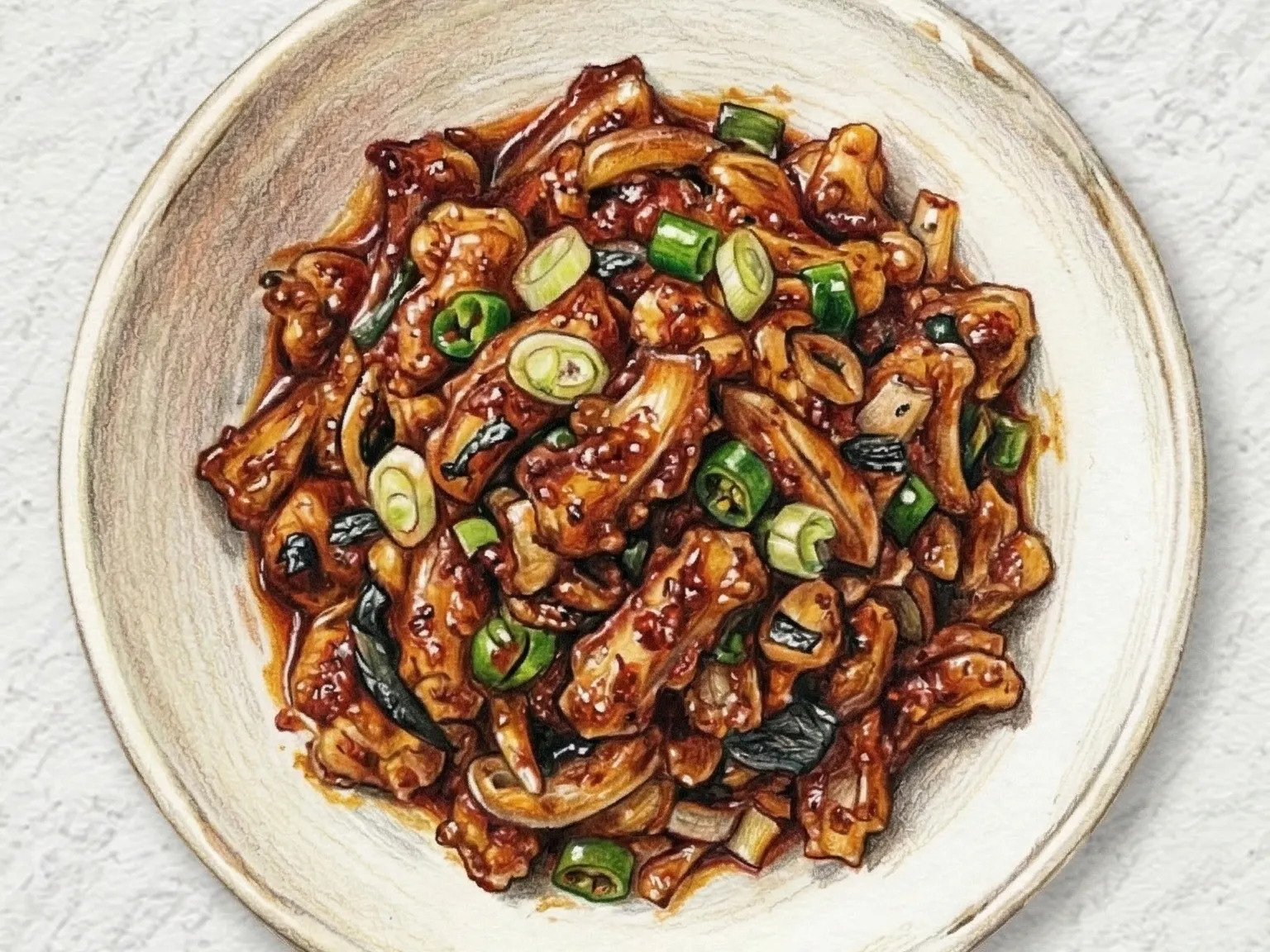
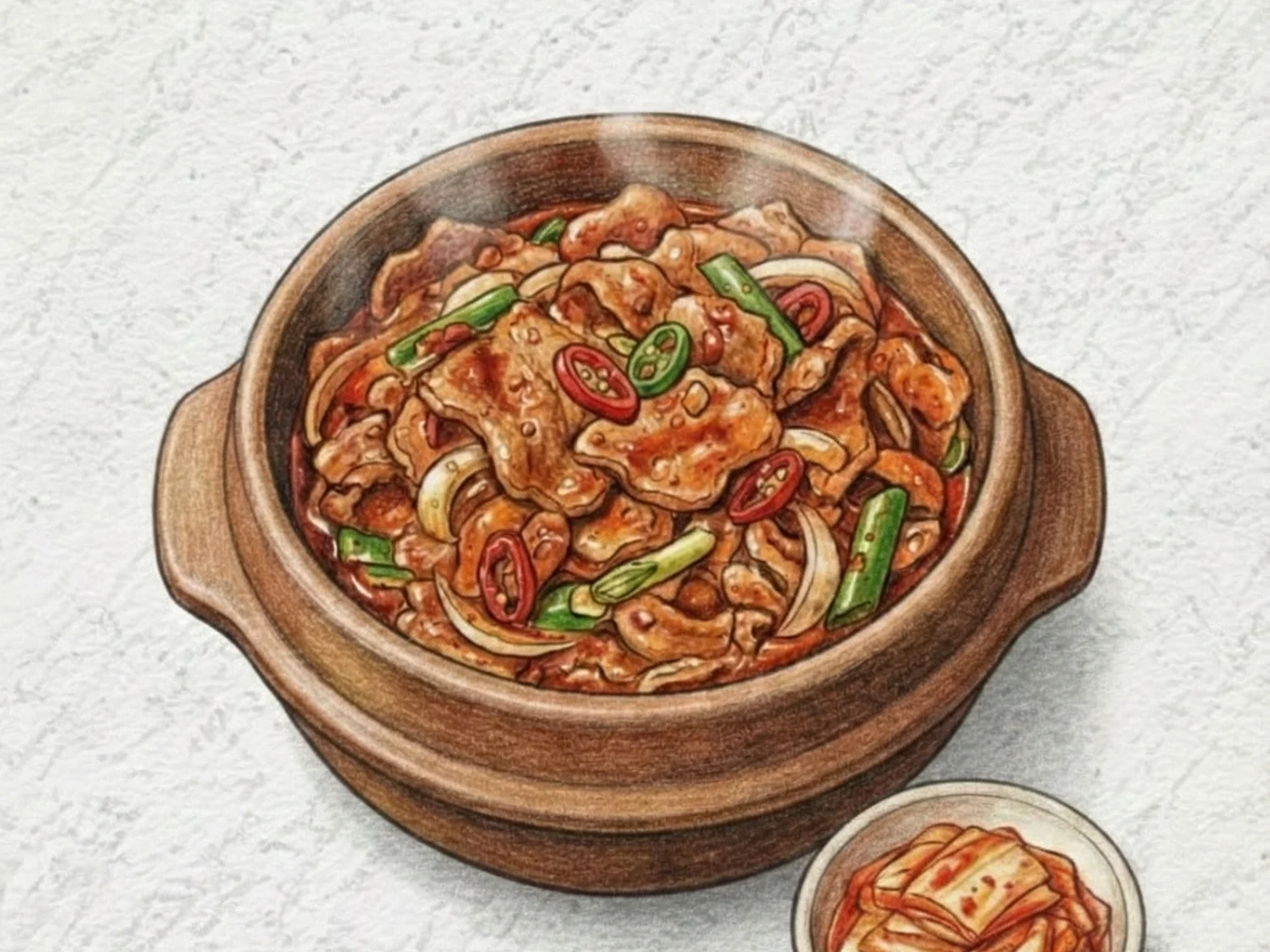
Odolppyeo-bokkeum is a fiery Korean stir-fry of chicken cartilage marinated in a sauce of gochujang, gochugaru, soy sauce, garlic, and sugar, then cooked at maximum heat for a short burst. The cartilage delivers a distinctive crunch-then-chew that no other cut can replicate, and thorough drying with paper towels before marinating ensures the sauce clings directly to the surface. After ten minutes of marinating, the cartilage hits a ripping-hot oiled pan to pick up smoky wok char, followed by onion, green onion, and hot green chilies that are tossed until all moisture evaporates and the glaze turns glossy. Keeping the total stir-fry time brief is critical, since prolonged cooking turns the cartilage from pleasantly crunchy to unpleasantly tough.

🍺 Bar Snacks 🌙 Late Night
Prep 15min Cook 12min 2 servings
Korean Oi Dubu Bokkeum (Cucumber Tofu Stir-fry)
Stir-fry Easy

Korean Oi Dubu Bokkeum (Cucumber Tofu Stir-fry)

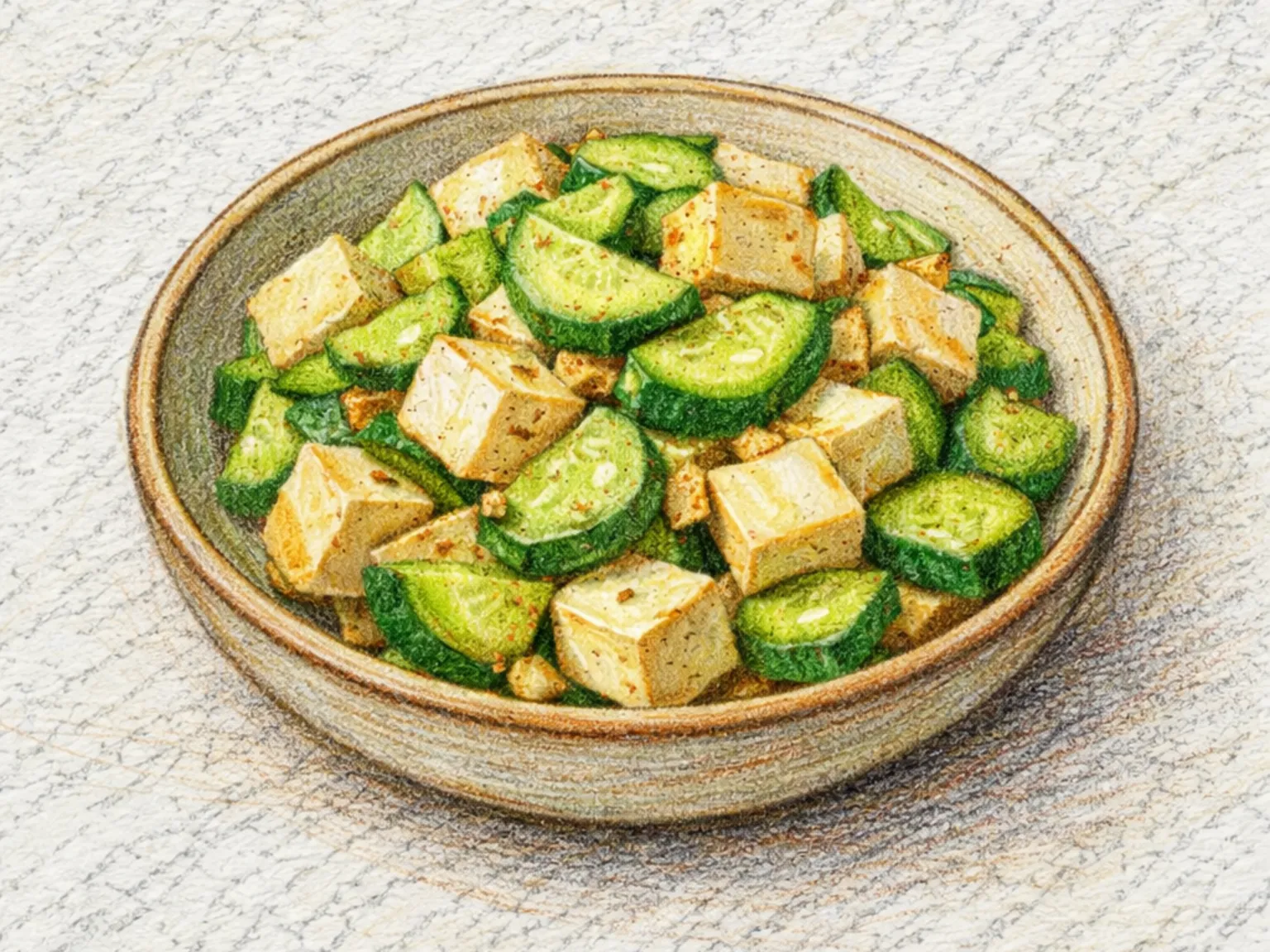
Oi-dubu-bokkeum stir-fries half-moon cucumber slices and cubed firm tofu with soup soy sauce, garlic, and a light touch of Korean chili flakes. The tofu is pan-fried to golden first to prevent crumbling, then set aside while garlic and onion build flavor in the same pan. Cucumber goes in for just 90 seconds - long enough to warm through but short enough to stay crisp and juicy. The tofu returns for a final toss with sesame oil, creating a dish defined by the contrast between cool, crunchy cucumber and warm, soft tofu under a clean soy-based seasoning.

🥗 Light & Healthy 🏠 Everyday
Prep 10min Cook 8min 2 servings
Korean Spicy Stir-fried Squid
Stir-fry Medium

Korean Spicy Stir-fried Squid

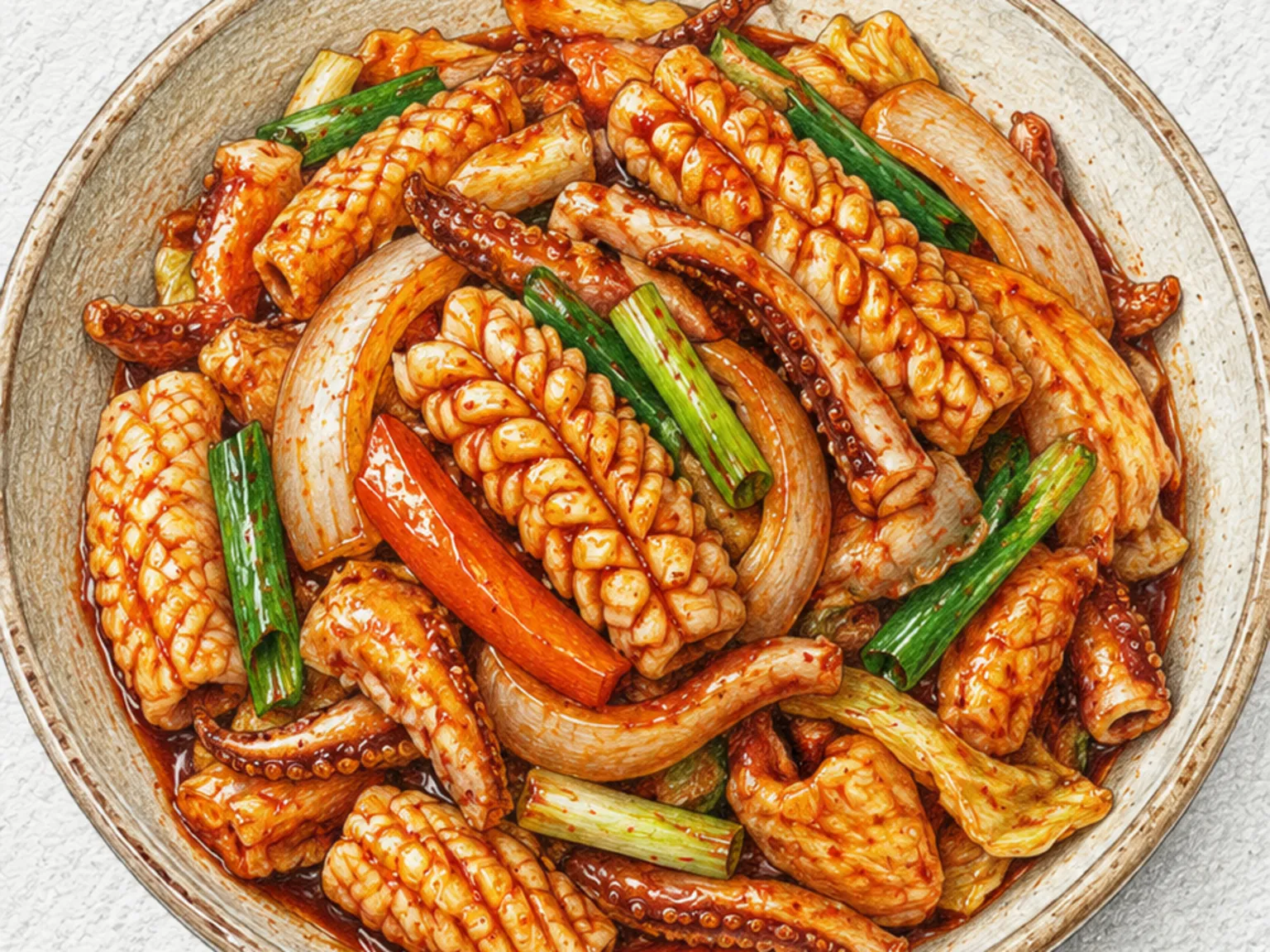
Scoring and timing determine the texture of this stir-fried squid. Pat 2 cleaned squid dry, cut shallow crosshatches into the inside of the bodies, and divide both bodies and tentacles into bite-size pieces. The cuts increase the surface that can hold the sauce, but they should not be deep enough to slice through the flesh. Before heating the pan, mix 2 tablespoons of gochujang with 1 tablespoon each of gochugaru, soy sauce, sugar, and minced garlic until the paste is even. In a wide pan over high heat, stir-fry the onion and thinly sliced carrot for 1 minute, allowing only the edges to turn translucent. Add the squid and turn it for 1 minute to firm the outside. Pour in the sauce and continue tossing over high heat for about 2 minutes, then add the cabbage and green onion for the final minute. Stop as soon as the squid turns opaque, the scored bodies curl, and the sauce clings instead of pooling. Longer cooking encourages more liquid to escape and makes the squid increasingly firm. Turn off the heat, mix in 1 tablespoon of sesame oil, and transfer the stir-fry out of the hot pan at once.

🏠 Everyday 🍱 Lunchbox
Prep 15min Cook 10min 2 servings
Korean Stir-fried Squid and Bean Sprouts
Stir-fry Easy

Korean Stir-fried Squid and Bean Sprouts

Controlling surface moisture keeps this squid and bean sprout stir-fry from ending in a thin broth. Pat 280 g of squid dry before cutting it into bite-size pieces, and leave 220 g of rinsed bean sprouts in a colander until well drained. Because the pan work moves quickly, slice the onion and green onion and measure the chile seasonings before turning on the heat. Preheat the pan over high heat for at least 1 minute, add 1 tablespoon of cooking oil, and stir 1 tablespoon of minced garlic only until fragrant. Add 1 tablespoon each of gochujang and gochugaru and move them through the oil for 20 to 30 seconds. As soon as the paste loosens and darkens slightly, add the squid and onion so the chile mixture does not scorch. Stir-fry for about 2 minutes, stopping this stage when the squid edges curl and turn opaque and the onion becomes slightly translucent. Add the bean sprouts and green onion last. Toss them from the bottom for only 1 to 2 minutes, then remove the pan from the heat while the sprouts have softened a little but still snap at the stems. Transfer promptly, before released sprout liquid dilutes the coating.

🏠 Everyday 🌙 Late Night
Prep 15min Cook 10min 2 servings
Kishazu-iri (Okara and Vegetable Stir-Fry)
Stir-fry Easy

Kishazu-iri (Okara and Vegetable Stir-Fry)

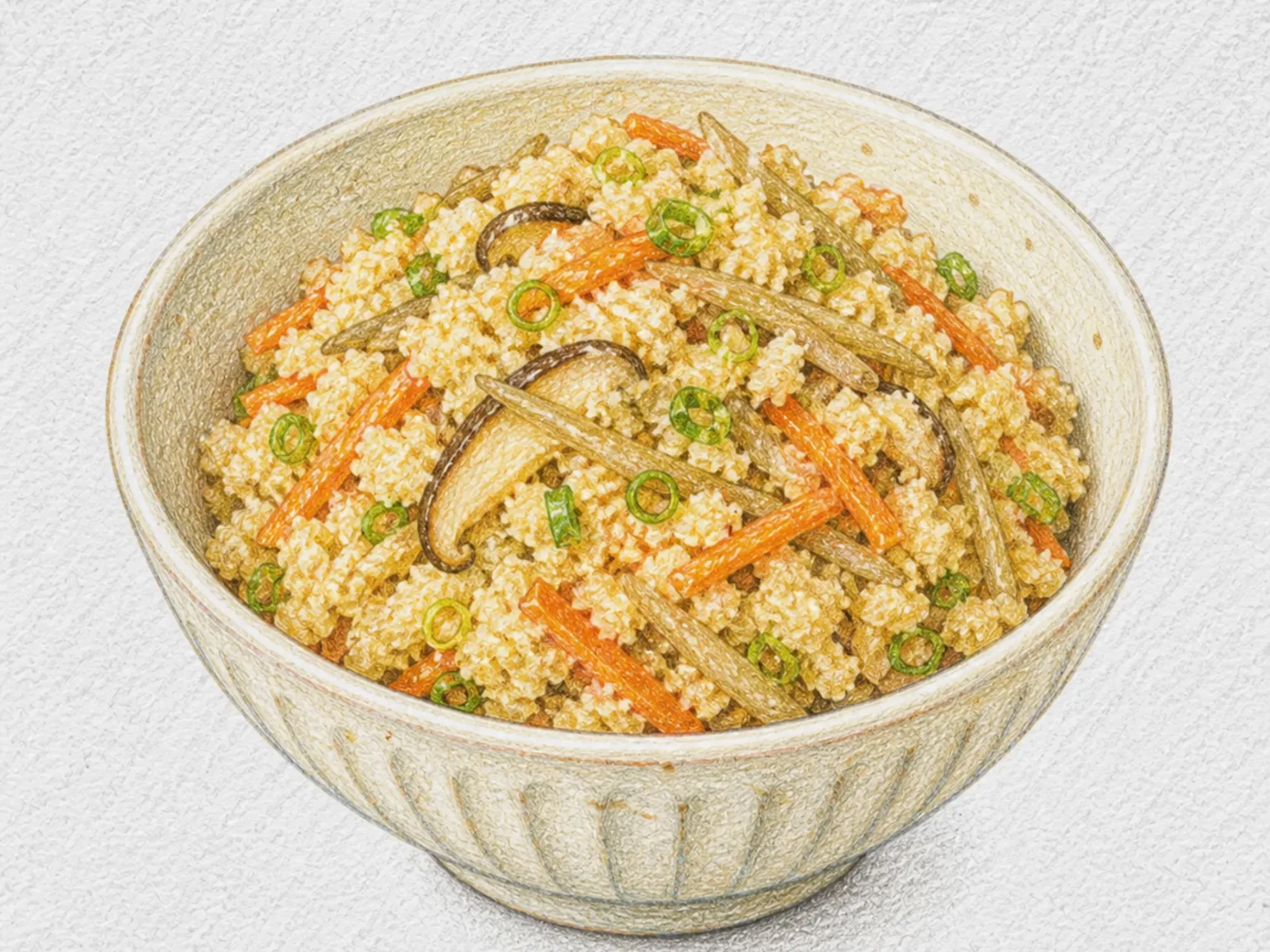
Fresh okara absorbs a seasoned dashi with carrot, burdock, and dried shiitake in this moist, crumbly stir-simmer. Rehydrate 4 dried shiitake mushrooms, remove the stems, and slice the caps thinly. Julienne 200 g carrot. Scrape 200 g burdock, shave it into small thin pieces, soak it briefly to reduce harshness, and drain. Heat 2 tablespoons cooking oil in a wide pot over medium heat. Hold back the green onion and sauté the other three vegetables until oil coats them and the burdock begins to bend. Add 1.5 cups dashi, 2 tablespoons sugar, 2 teaspoons salt, and 1 tablespoon soy sauce. Bring the seasoned liquid to a full simmer before adding 400 g fresh okara. Break up the lumps, lower the heat to medium-low, and keep turning the mixture from the bottom so no layer sticks or scorches. Stop when no loose broth remains and a moist clump separates into crumbs when cut through with a spatula. Fold in 1 thinly sliced green onion and turn off the heat immediately. Spread the mixture briefly to release excess steam, but do not leave it until the okara loses the moisture that marks the finished texture.

🏠 Everyday 🍱 Lunchbox
Prep 20min Cook 25min 10 servings
Korean Spicy Duck Stir-fry
Stir-fry Medium

Korean Spicy Duck Stir-fry

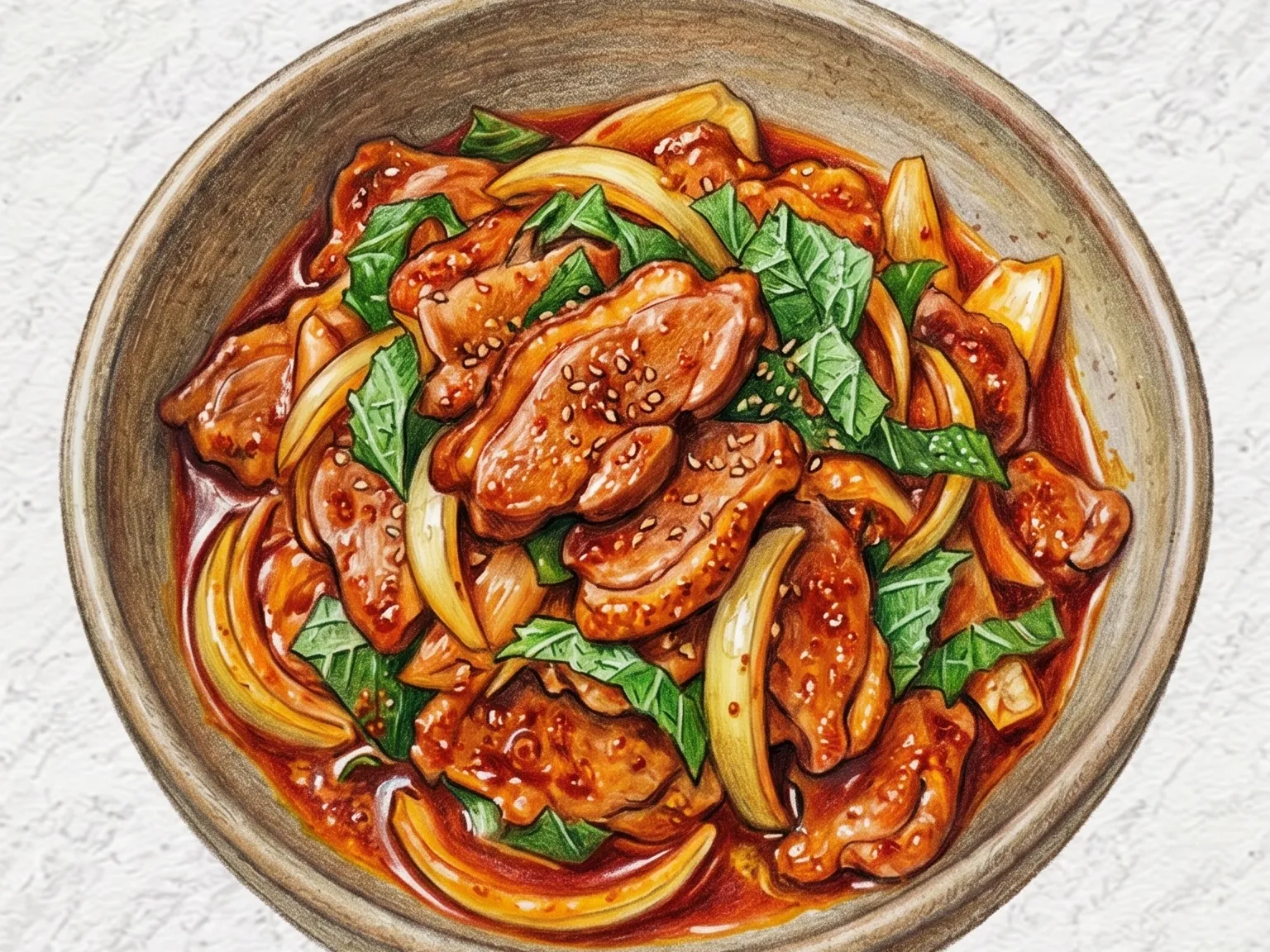
Ori-jumeulleok is a Korean spicy duck stir-fry where sliced duck is hand-massaged with a marinade of gochujang, gochugaru, soy sauce, garlic, and sesame oil, then rested for fifteen minutes before hitting a hot pan with onion. The duck renders its own fat as it cooks, creating a rich, glossy sauce without added oil. Once the meat is seared, perilla leaves go in at the very end - just long enough to release their peppery, herbal fragrance without wilting completely. The result is a dish with deep, concentrated heat from the marinade balanced by the aromatic lift of perilla, all carried on the duck's naturally rich fat.

🍺 Bar Snacks 🏠 Everyday
Prep 20min Cook 15min 2 servings
Korean Squid & Pork Belly Stir-fry
Stir-fry Medium

Korean Squid & Pork Belly Stir-fry

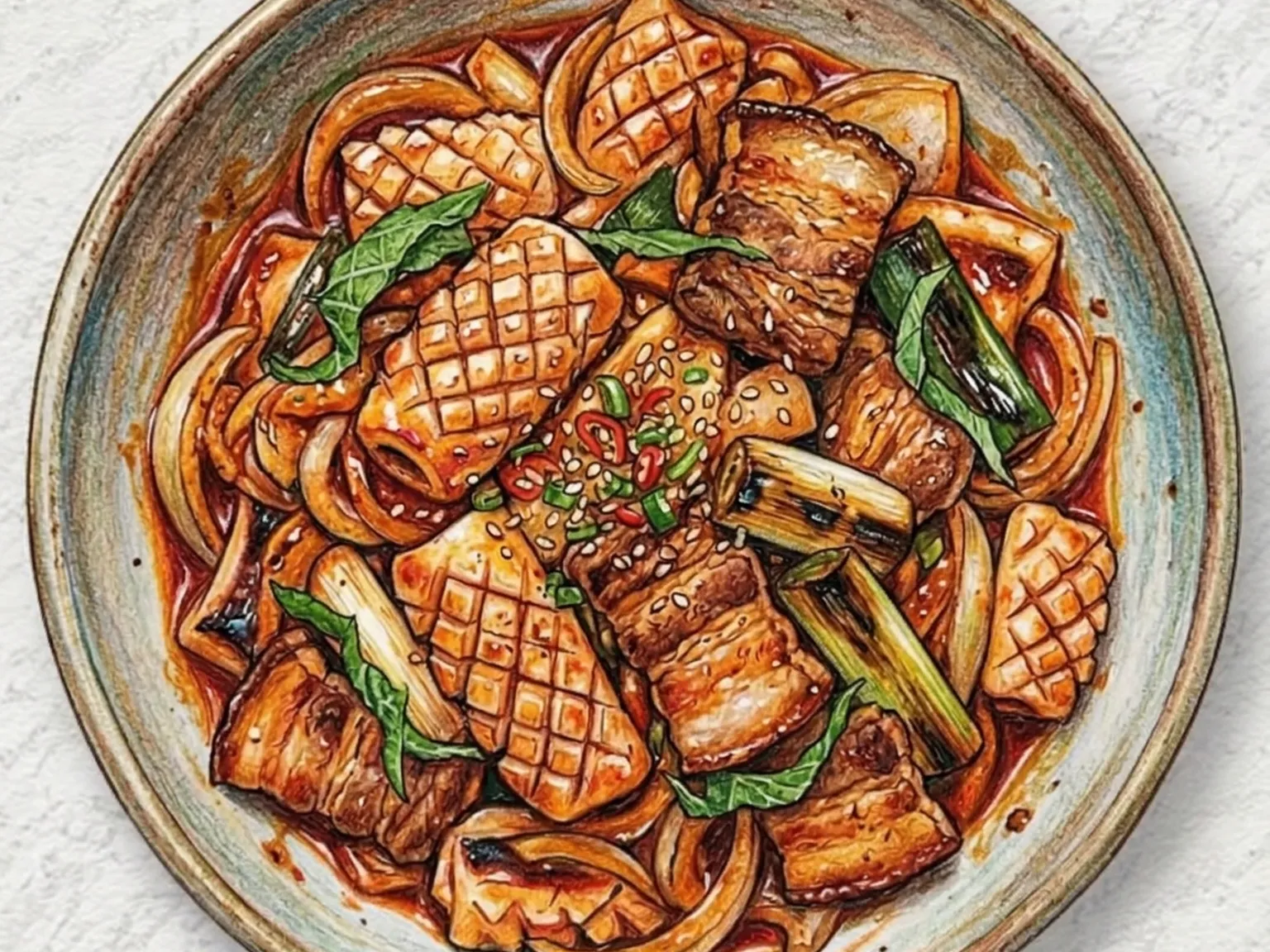
Osam-bulgogi depends on cooking 200 g of pork belly before adding 1 squid and the thick chile sauce. Pat the squid dry, score shallow crosshatches inside the body, and cut it into bite-size pieces; slice the pork belly to a similar size. Stir 2 tablespoons of gochujang with 1 tablespoon each of gochugaru, soy sauce, sugar, and minced garlic until no sugar granules remain. Spread the pork belly in one layer in a hot pan and stir-fry it over high heat for about 3 minutes. Once the edges brown and fat collects in the pan, add the onion and cook it for 1 minute. The squid and sauce enter together after that. Toss quickly for about 3 minutes so the rendered pork fat loosens the seasoning and helps it coat the squid. The squid is ready when its flesh turns opaque and the scored body curls, while the sauce should cling with little watery liquid left on the pan bottom. Add the green onion and perilla leaves for only the final minute, finish with 1 tablespoon of sesame oil, and transfer everything out of the hot pan before the squid continues to firm.

🍺 Bar Snacks 🏠 Everyday
Prep 15min Cook 15min 2 servings
Pad Kra Pao (Thai Basil Stir-Fried Pork with Egg)
Stir-fry Easy

Pad Kra Pao (Thai Basil Stir-Fried Pork with Egg)

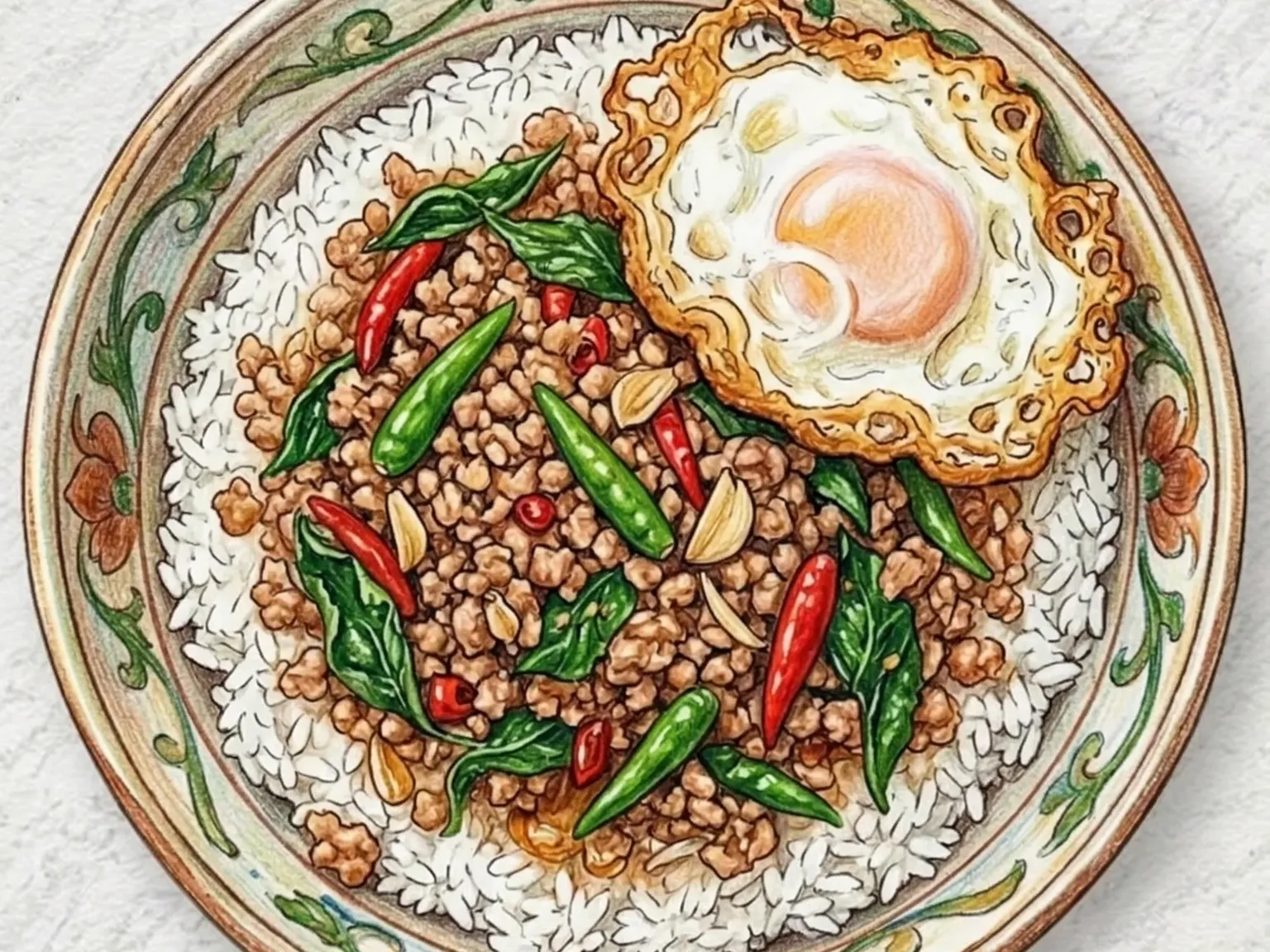
Pad kra pao cooks 300 g ground pork over high heat with garlic, fresh chilies, a four-part sauce, and Thai basil added at the finish. Roughly mince or pound 5 garlic cloves and 5 chilies, then pick the leaves from 30 g Thai basil and shake off their water. Mix 2 teaspoons oyster sauce with 1 teaspoon each of fish sauce, soy sauce, and sugar, stirring until the sugar begins to dissolve. Heat a wok until it is very hot and just starting to smoke. Add oil and move the garlic and chilies through it for about 20 seconds, stopping before the garlic darkens. Add the pork and break it into small pieces immediately. Keep the heat high for 3 minutes, then check the meat and allow up to 1 more minute if any pink remains or the edges have not begun to brown. Pour the prepared sauce around the wok wall so it sizzles into the pork. If liquid pools at the bottom, cook for about 1 additional minute until the meat looks glossy rather than soupy. Add the basil immediately before turning off the heat and toss only until the leaves wilt. Serve at once with the 2 fried eggs listed for the dish. The egg cooking method is not specified in the source steps, so the critical evidence here is the fully cooked pork, reduced sauce, and briefly wilted basil.

🏠 Everyday 🌙 Late Night
Prep 10min Cook 10min 2 servings
Eight Treasure Seafood Stir-fry
Stir-fry Hard

Eight Treasure Seafood Stir-fry

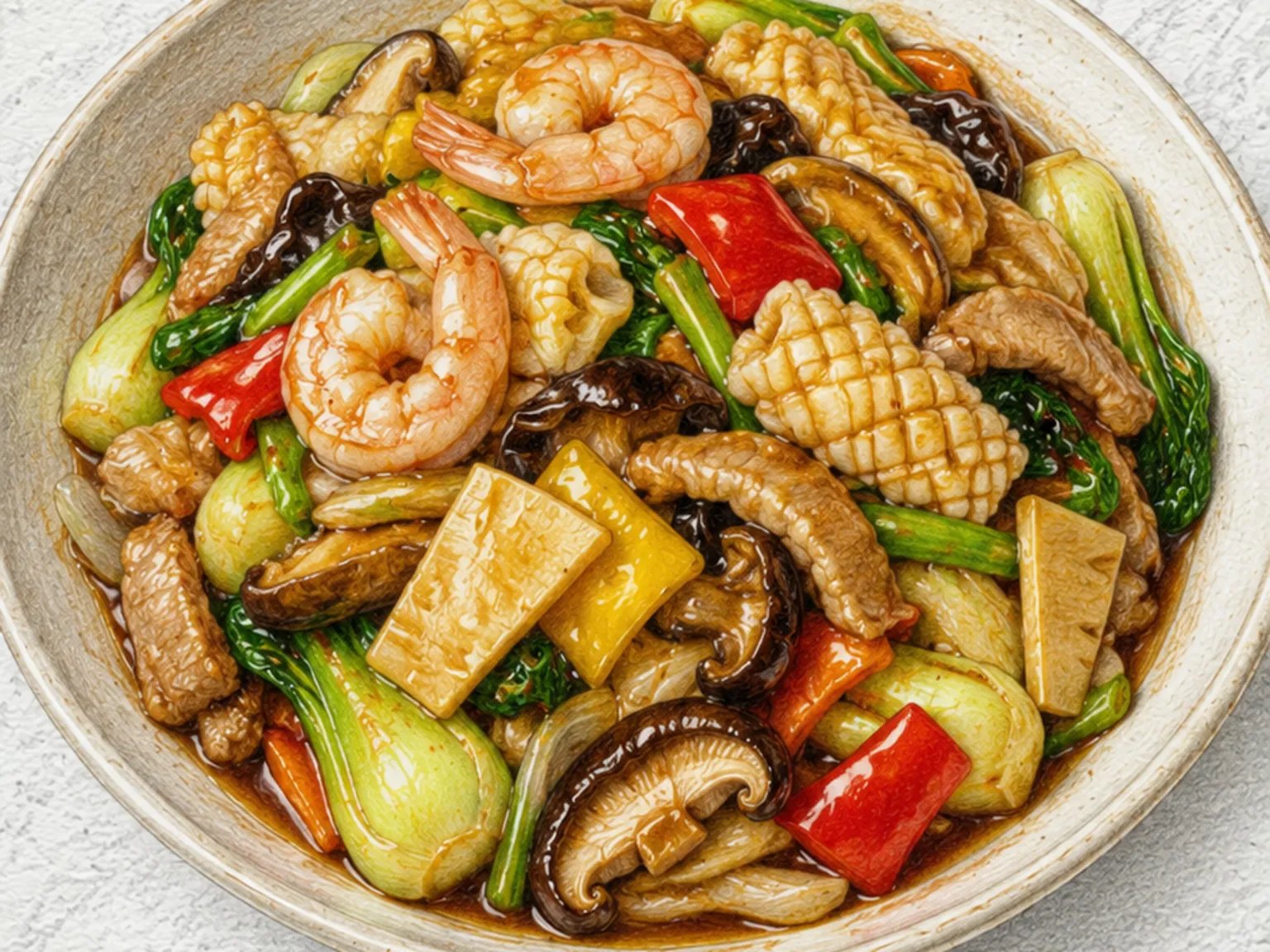
Palbochae brings pork, shrimp, and squid to the same finish by adding them according to how quickly they cook. Cut the three proteins into comparable bite-size pieces, then press the shrimp and squid with paper towels to remove surface moisture. Slice the bamboo shoots, shiitake mushrooms, and bok choy before heating the pan and keep them separate, since there is little time to pause once stir-frying starts. Spread 120 g of pork across a thoroughly heated pan and cook it over high heat for about 1 minute. As the outside begins to lose its red color, add 160 g of shrimp and 150 g of squid. Stir-fry the seafood for roughly 1 minute, moving on as soon as the shrimp changes color and the squid firms slightly. Add the bamboo shoots, mushrooms, and bok choy for another minute. Finally, pour in 1 1/2 tablespoons of oyster sauce and 180 ml of water and boil for 2 minutes. The oyster sauce should disperse through the liquid and form a light coating rather than a heavy paste. Turn off the heat when the pork and seafood are cooked through and the bok choy remains bright, lightly wilted, and crisp at the stem.

🏠 Everyday 🎉 Special Occasion
Prep 25min Cook 18min 4 servings
Korean Pineapple Chicken Stir-Fry
Stir-fry Easy

Korean Pineapple Chicken Stir-Fry

This pineapple chicken uses a thin cornstarch coating to give the soy and vinegar sauce a surface to cling to. Pat 300 g of bite-size chicken pieces dry, dust them evenly with 1 tablespoon of cornstarch, and shake away any thick clumps that could turn pasty in the pan. In a separate bowl, dissolve 1 tablespoon of sugar in 2 tablespoons of soy sauce and 1 tablespoon of vinegar. Fresh or canned pineapple can be used for the 200 g of fruit, but drain the pieces lightly so excess liquid does not thin the glaze. Spread the chicken in one layer in a pan over medium heat. Cook for about 3 minutes, turning as needed, until the starch coating has set and the edges begin to take on a light brown color. Add the pineapple and stir-fry it for only 1 minute, stopping this stage when the fruit edges look slightly translucent but the pieces still hold their shape. Pour the prepared sauce around the edge of the pan and toss immediately for 1 to 2 minutes. The sauce should turn glossy and cover the chicken evenly. Cut open the thickest piece to confirm the center is cooked, then remove the pan from the heat before the glaze reduces too far.

🏠 Everyday 🌙 Late Night
Prep 15min Cook 10min 2 servings

About Stir-fry

Cooking over high heat for a short time keeps ingredients crisp and vivid. With a few staple sauces like gochujang, soy sauce, and oyster sauce, the possibilities are endless - and dinner is on the table in minutes.