
Drinks Recipes
132 recipes. Page 2 of 6
This category brings together Korean traditional beverages and drinking snacks (anju). Sweet classics like sikhye (rice punch) and sujeonggwa (cinnamon punch) sit alongside modern fruit smoothies and homemade drinks. For anju, find recipes for dubu-kimchi (tofu with kimchi), golbaengi-muchim (spicy whelk salad), and other bar-food favorites.
A well-made drink rounds off a meal or makes a refreshing snack, while great anju elevates any gathering. Browse these recipes for ideas you can prepare at home with ease.
Korean Jujube Tea (Simmered Dried Jujube Ginger Brew)
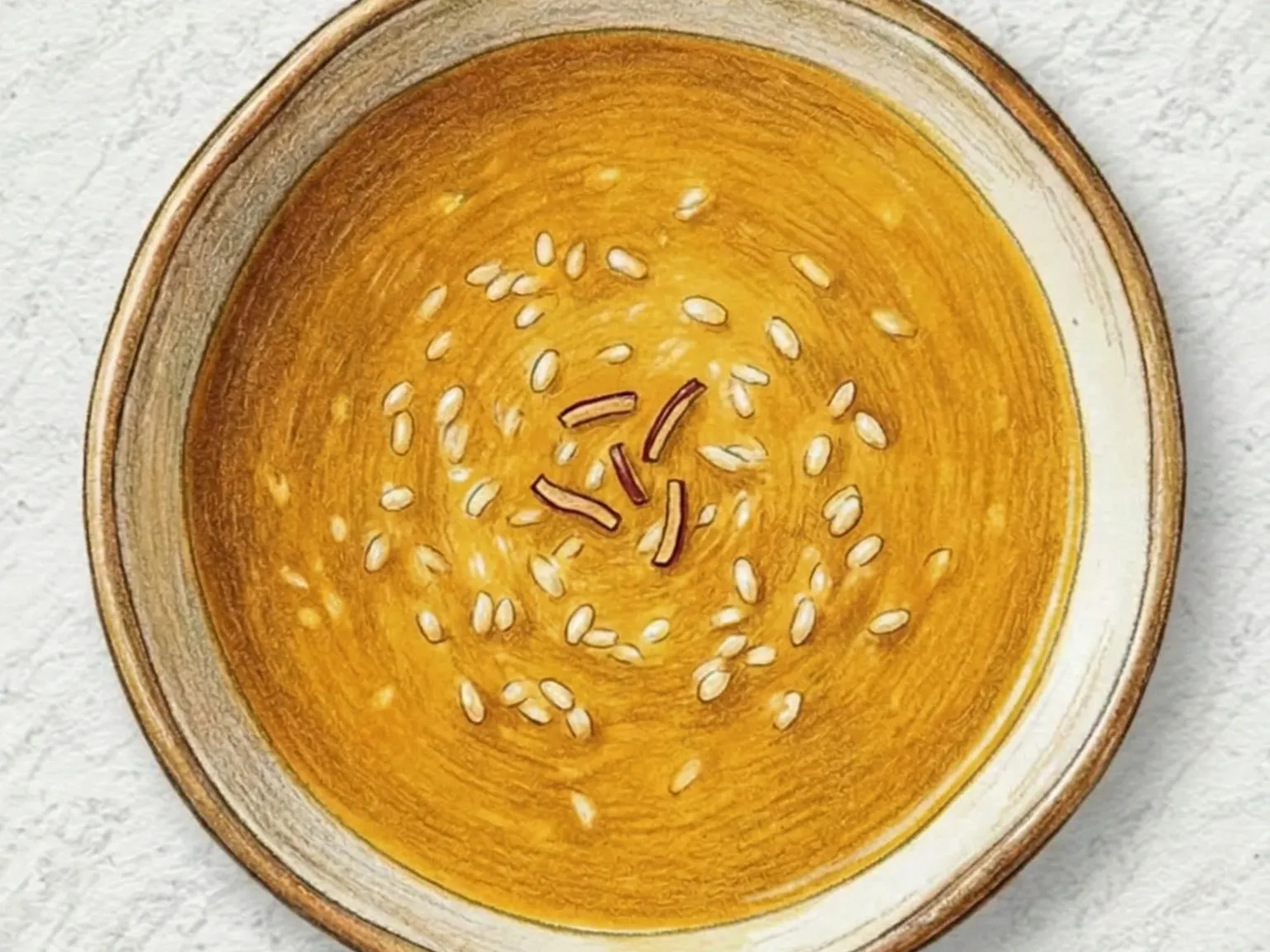
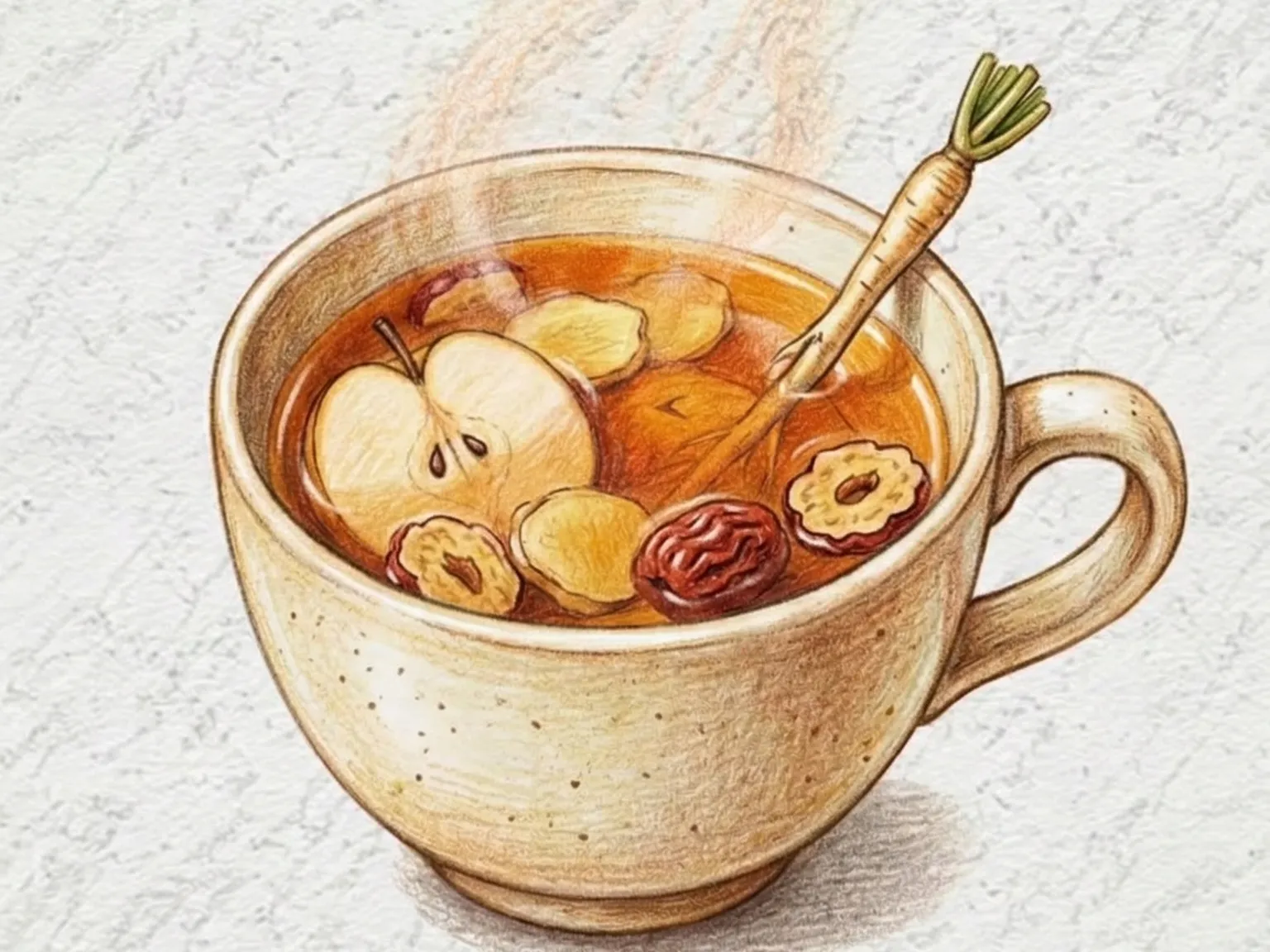
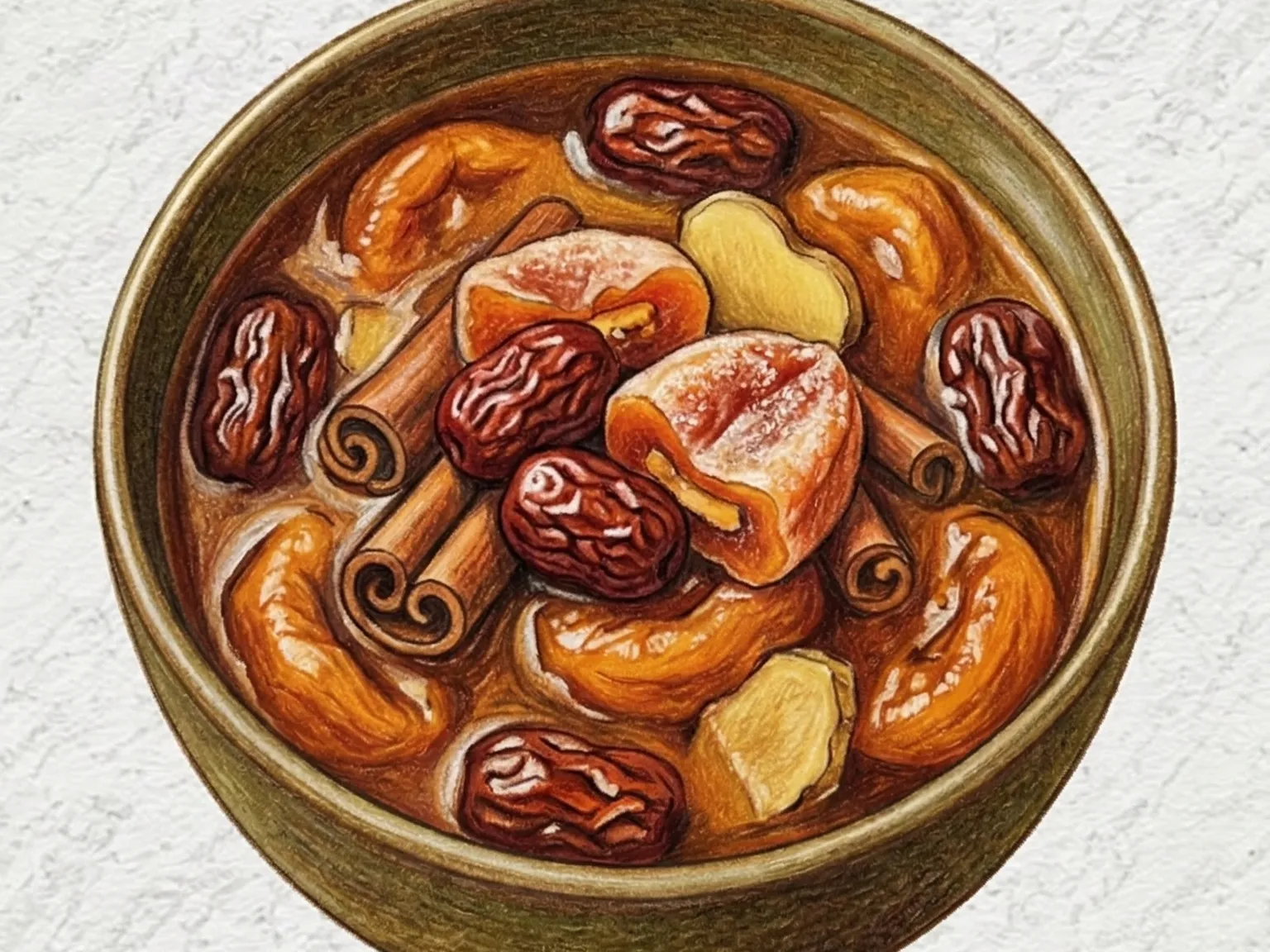
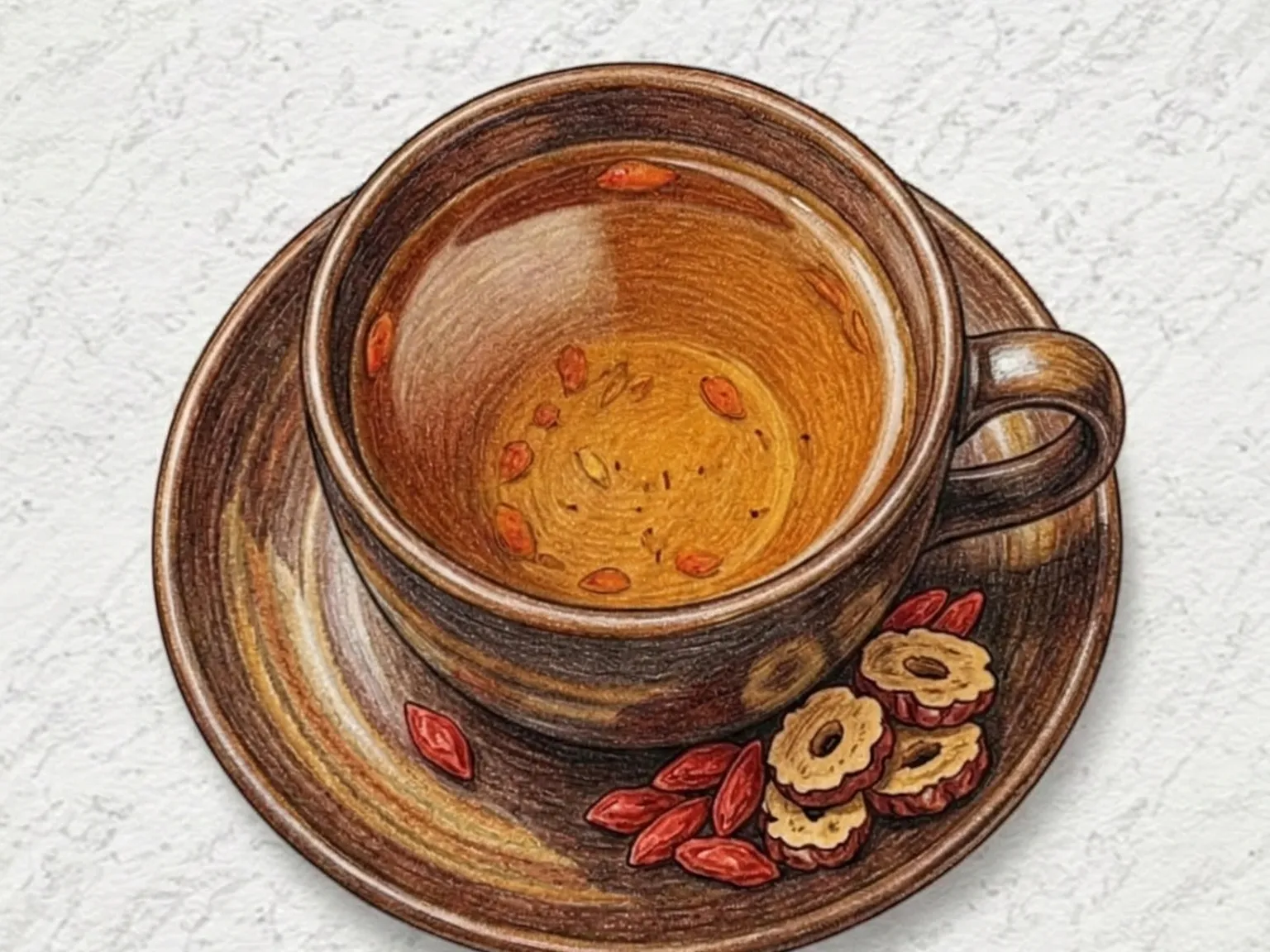
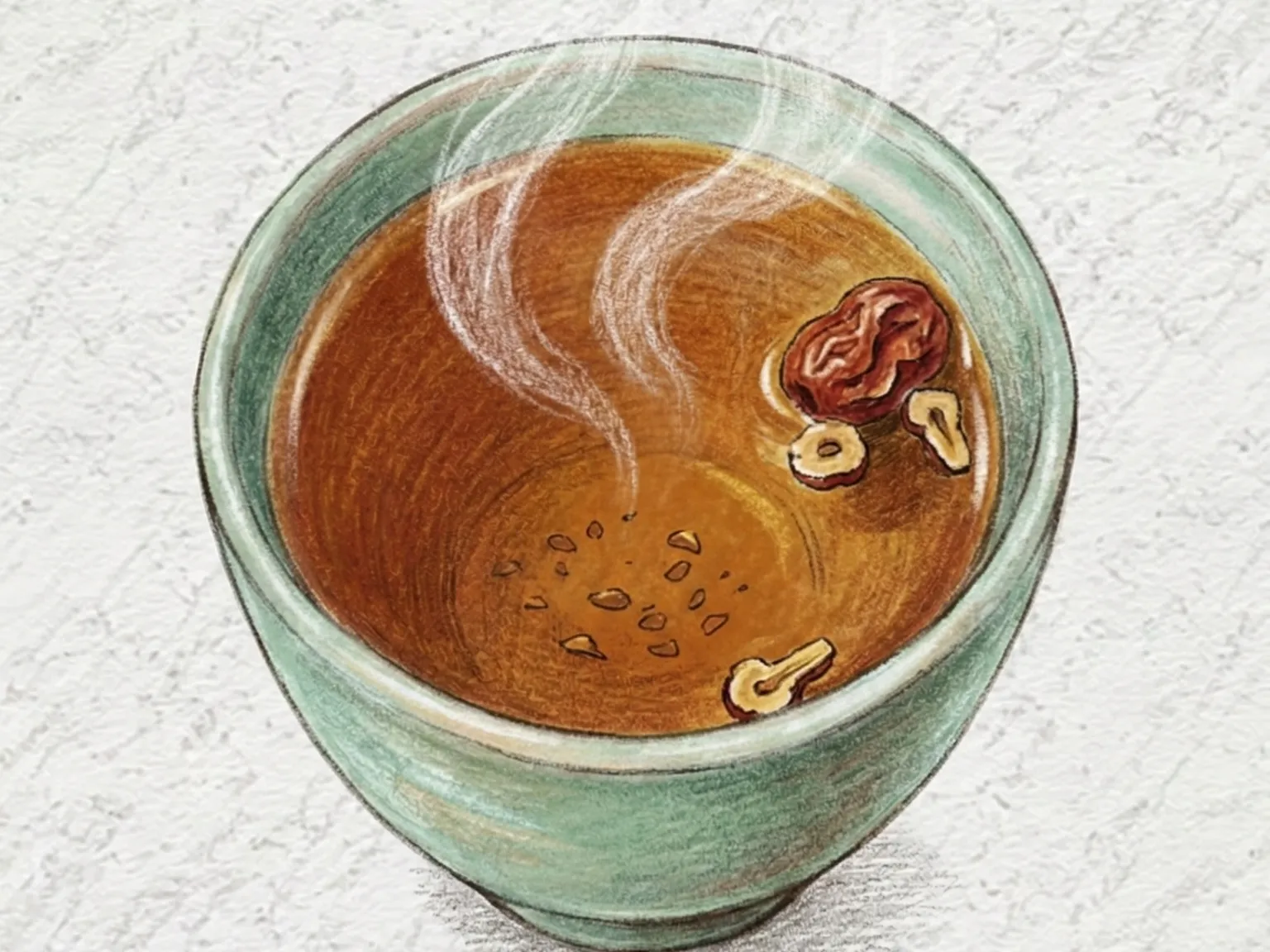
Daechucha is prepared by boiling pitted dried jujubes and sliced ginger in water over medium heat for thirty minutes, then removing the jujubes and pressing them through a strainer so only the smooth pulp returns to the pot. This technique gives the tea a naturally thick, sweet body without any added thickener. Ginger provides a quiet warmth underneath the jujube's dominant sweetness, and honey is stirred in off the heat to preserve its aroma. A few pine nuts floated on top contribute a subtle oily richness that extends the finish. The result is a warming, amber-colored tea served on cold days and during recovery from illness in Korean households.
Korean Salt-Grilled Chicken Gizzards
Dak-ttongjip sogeum-gui involves trimming the silver skin from chicken gizzards, seasoning them with salt and black pepper for ten minutes, then searing them in a hot, garlic-scented pan for six to seven minutes. High heat is essential: it crisps the exterior while keeping the interior springy and chewy, and overcrowding the pan causes the gizzards to steam rather than sear, turning them soft and rubbery. Removing the silver skin thoroughly before cooking reduces the tough, chewy membrane that can make gizzards difficult to eat. Scallion is tossed in for the final minute, and a squeeze of lemon juice at the end cuts through the richness and brightens the finish. The dish pairs particularly well with soju or beer, and adding sliced Cheongyang chili during cooking gives a spicier variation for those who want extra heat.
Korean Dalgona Coffee (Whipped Instant Coffee Foam Milk)
Dalgona coffee is made by whipping equal parts instant coffee, sugar, and hot water with a hand mixer for three to five minutes until stiff, caramel-colored peaks form, then spooning the foam over iced milk. The whipped layer carries a concentrated, bittersweet coffee flavor that gradually blends into the cold, neutral milk below as you stir. A light dusting of cocoa powder on top introduces a faint chocolate note, and increasing the sugar slightly helps the whipped cream hold its stiff structure longer.
Korean Dalgona Milk (Caramel Puffed Sugar Candy Milk)
Dalgona milk starts with melting sugar in a small pan over low heat until it reaches a deep amber color, then adding baking soda, which causes the hot caramel to foam and aerate instantly into a honeycomb-like structure. Once cooled, the puffed candy is crushed and dissolved into cold milk. The baking soda reaction is what gives dalgona its distinctive lightness: instead of a dense, hard caramel, the aerated structure makes it brittle and easy to break while also helping it dissolve quickly in the milk. The caramelized sugar delivers a deep, toasty sweetness with a slight bitterness at the edges, similar to butterscotch, that spreads through the milk as the pieces melt. A small amount of vanilla extract sharpens the flavor and a pinch of salt rounds it out. Keeping some crushed dalgona pieces separate and dropping them on top of the finished drink as a garnish adds a crunchy contrast to the creamy liquid beneath.
Korean Sweet Pumpkin Latte
Danhobak latte begins with seeded kabocha pumpkin steamed skin-on, then blended with water into a smooth puree. Milk is whisked in gradually over low heat until the drink reaches a rich, velvety consistency. The pumpkin contributes natural sweetness that anchors the flavor, supported by honey, a half teaspoon of ground cinnamon, and a pinch of salt that defines the sweetness without adding noticeable saltiness. Keeping the milk below a boil -- around 80 degrees Celsius -- preserves its creamy character, and a spoonful of lightly whipped cream on top adds a soft, layered texture to each sip.
Korean Bellflower Root Pear Cooler
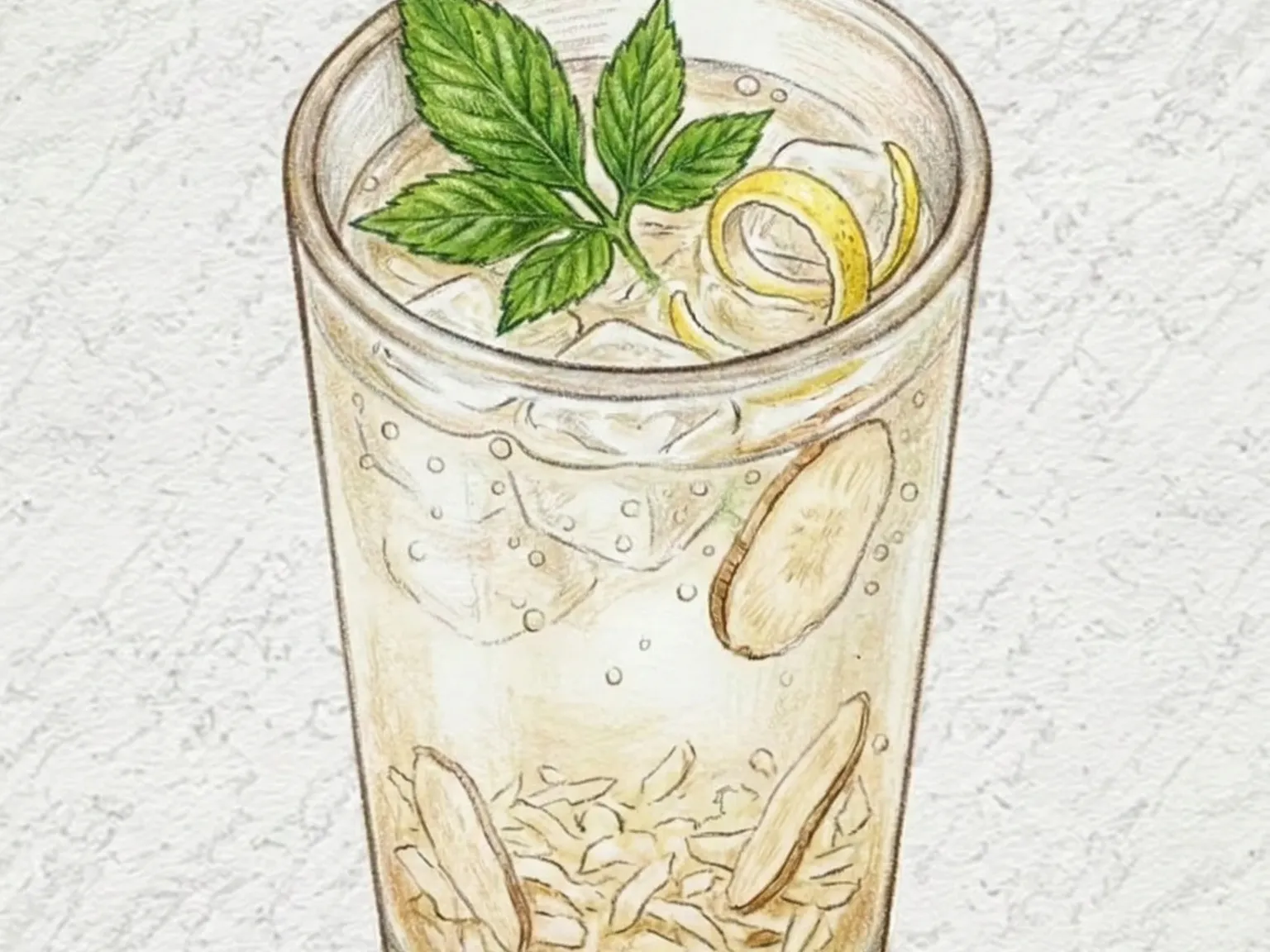
Deodeok-bae cooler uses a base built by simmering peeled and gently pounded deodeok root with fresh ginger over low heat for ten minutes, then straining and cooling the infusion completely. Clear pear juice pressed from freshly grated Korean pear, honey, lemon juice, and a pinch of salt are stirred into this base to form a concentrate. Poured over ice and topped slowly with sparkling water, the drink balances the herbal bitterness of deodeok against the clean, bright sweetness of pear. Carbonation carries the aromatics upward so each sip delivers the herbal note first, then the fruit. Adjusting the ratio of honey to lemon juice lets the drink lean sweeter or more tart depending on preference.
Korean Deodeok Honey Latte (Bellflower Root Latte)
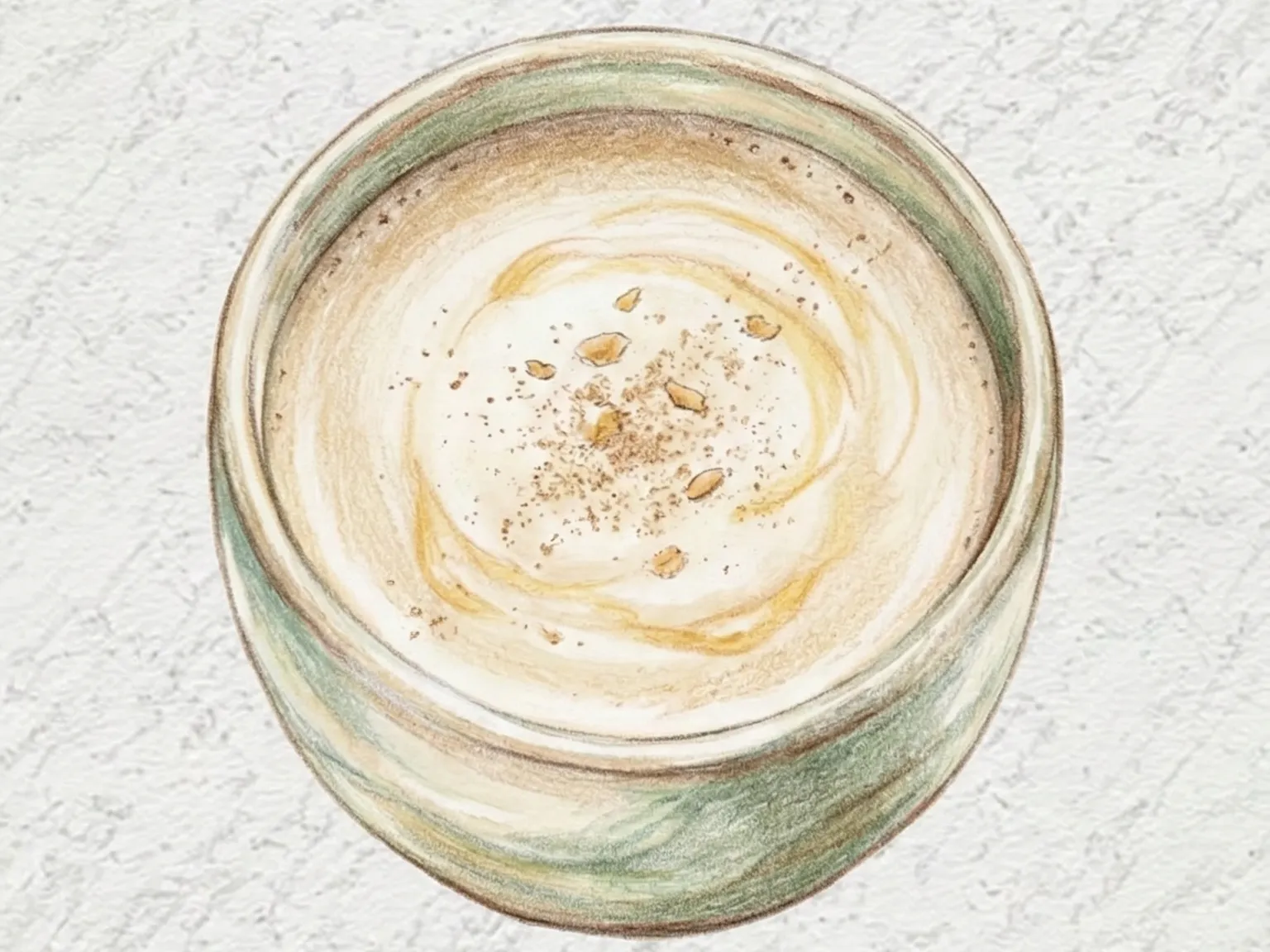
Deodeok honey latte is made by peeling and chopping bellflower root, blanching it for two minutes to soften its natural bitterness, then blending it smooth with a portion of milk and honey to form the base. The base is combined with the remaining milk and warmed gently over low heat, then finished with condensed milk, vanilla extract, and a pinch of salt to build a rich, creamy body. The deodeok's earthy character, a faintly medicinal and mineral quality, persists just beneath the layers of sweetness, giving this latte an herbal depth that sets it apart from standard cafe drinks. A light dusting of cinnamon over the surface ties the flavors together on the finish. It represents a category of Korean yakseon beverages that draw on mountain ingredients traditionally valued for their nutritional properties.
Korean Perilla Seed Latte
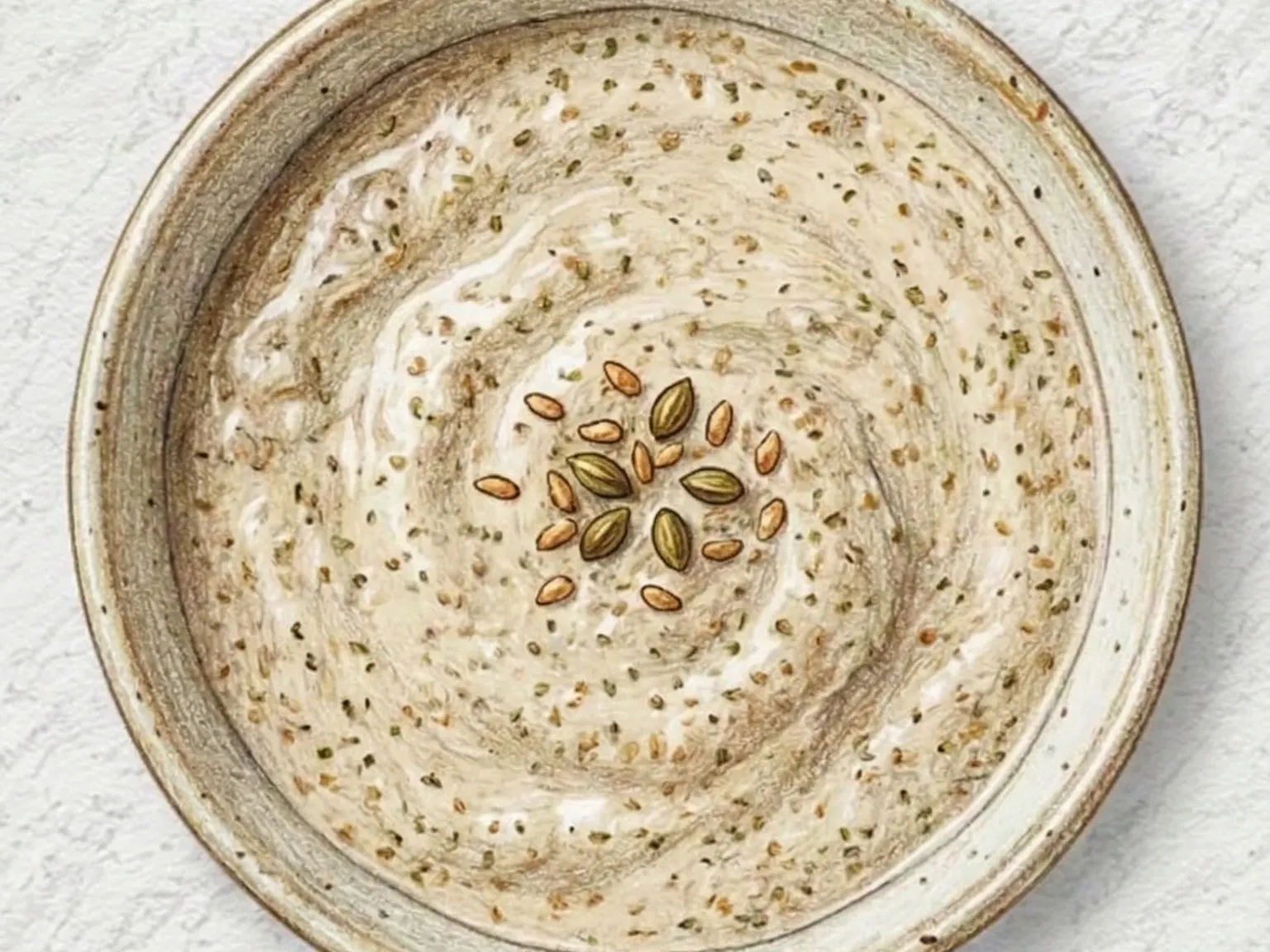
Deulkkae latte is a Korean warm drink made by whisking ground perilla seed powder into water first to dissolve any lumps, then heating the mixture together with milk over medium-low heat until hot throughout. Sifting the perilla powder before mixing it into water is a small step that makes a measurable difference in texture: fine particles disperse evenly and the finished latte pours with a silky smoothness, with no gritty residue settling at the bottom of the cup. Honey and dark brown sugar are added together, building a layered sweetness that sits on top of the deep, nutty perilla base without overwhelming it. A pinch of salt stirred in alongside the sweeteners keeps the flavor from going flat by grounding the sweetness with a subtle mineral edge. Cinnamon dusted lightly over the surface at the end melds with the perilla aroma into a warm, spiced finish that lingers after each sip. To serve cold, the finished drink can be chilled and poured over ice.
Korean Wild Soy Grain Smoothie
Deulkkong misut smoothie is a Korean grain-based drink made by blending wild soybean powder and roasted brown rice powder with milk, plain yogurt, and banana. Mixing the dry powders into the liquid first prevents clumps from forming, and briefly freezing the banana beforehand creates a thick, shake-like consistency without any added thickeners. Wild soybean powder contributes a deep, nutty soybean flavor, and roasted brown rice powder adds a toasted, grainy undertone on the finish; the two powders have distinct characters that reinforce each other. Honey adjusts the sweetness, and a pinch of salt sharpens the grain flavors noticeably. Wild soybeans are higher in protein and isoflavones than common cultivated soybeans, making this smoothie substantial enough to serve as a full breakfast.
Dongdongju (Korean Unfiltered Fermented Rice Wine)
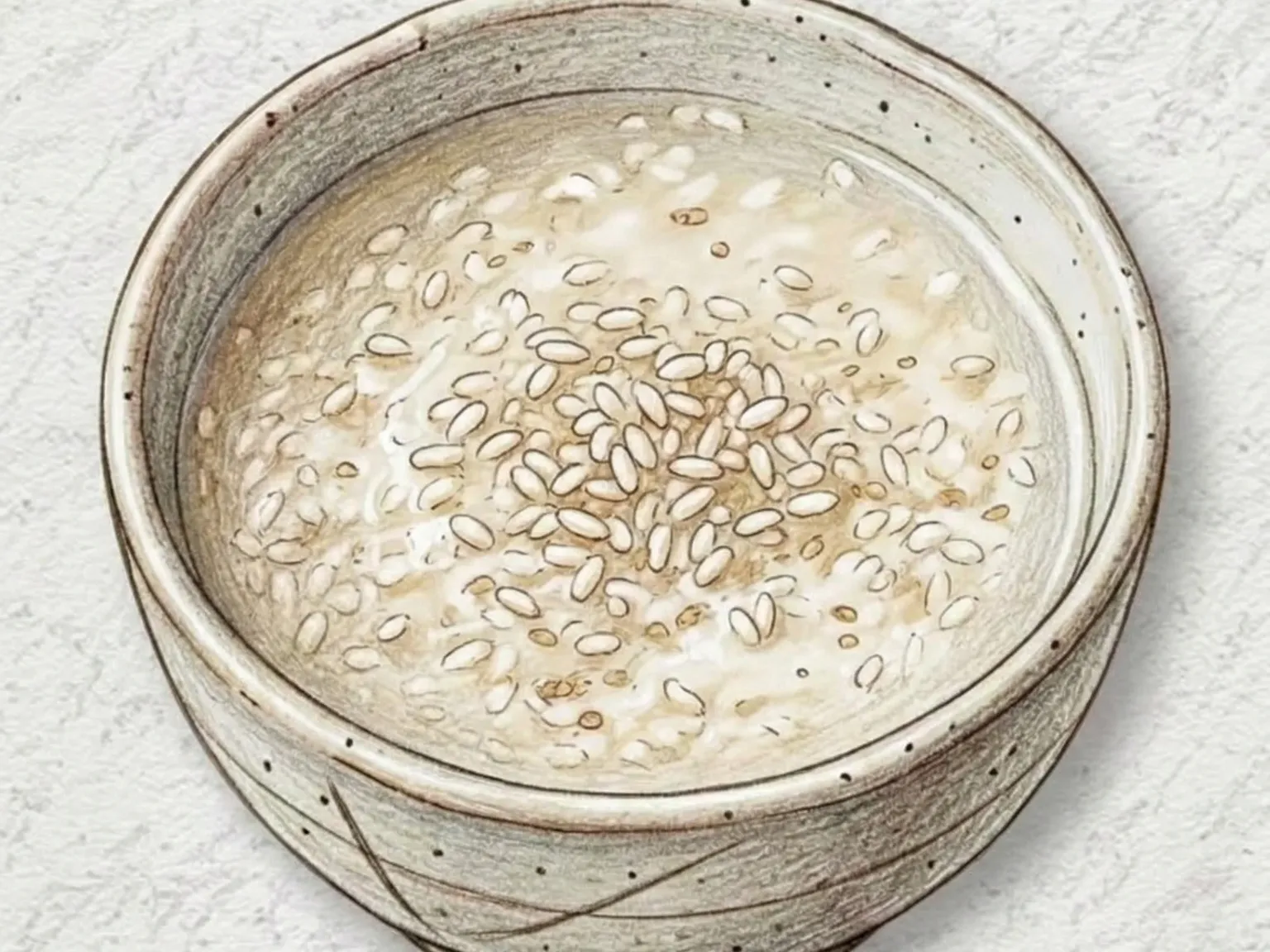
Dongdongju is a traditional Korean unfiltered rice wine made by steaming short-grain and sweet rice together, then fermenting the cooked grain with nuruk starter and a small amount of dry yeast for seven days. Unlike makgeolli, it passes through a coarse sieve only once, leaving rice grains floating on the surface -- a trait that gives the drink its name and provides a distinctly chewy grain texture with each sip. Stirring the mash twice daily ensures the nuruk breaks down the starches evenly throughout fermentation, and keeping the temperature low after day three prevents the batch from over-fermenting. A pinch of salt added at the finish tempers residual sweetness without flattening the fermented grain character. Home-brewed dongdongju tends to carry a more pronounced rice fragrance and a heavier body than commercial makgeolli, and its flavor shifts noticeably day by day as fermentation continues.
Korean Balloon Flower Ginger Tea
Doraji-saenggang-cha is a Korean herbal infusion that layers the gentle bitterness of balloon flower root, the sharp warmth of ginger, and the natural sweetness of pear and jujube into a single simmered drink. Preparing the balloon flower root correctly is essential before anything else: rubbing it in salted water removes the harsh bitterness that would otherwise dominate the entire cup and make it taste medicinal rather than balanced. Ginger and jujube go into the pot first and simmer for twenty minutes to build the structural base of the broth, developing a warm, slightly spiced backbone. Pear is added for the final five minutes so its juice dissolves into the liquid and lifts the sweetness naturally without added sugar needing to do that work. Honey is stirred in only after the heat is completely off, which preserves its floral fragrance in the finished cup instead of burning it off during cooking. Traditionally drunk when the throat feels irritated or during seasonal transitions when immunity tends to dip, this tea is considered both comforting and restorative in Korean households.
Korean Tofu with Stir-fried Kimchi
Dubu-kimchi pairs thick slabs of blanched tofu with aged kimchi stir-fried alongside pork shoulder and onion, and stands as one of the most recognized drinking accompaniments in Korean food culture. Blanching the tofu in salted water for roughly three minutes draws out any raw bean flavor and firms the surface so the slices hold their shape on the plate. The deep fermentation sourness of the aged kimchi concentrates as it cooks in oil with gochugaru, and a small amount of sugar bridges the gap between the sour and spicy notes. Using only the fat rendered from the pork keeps the stir-fry clean-tasting; maintaining medium heat throughout prevents the kimchi from scorching. Placing the tofu under the hot kimchi stir-fry lets the surface absorb the seasoning so the tofu is not bland on its own. A finish of sesame oil adds a nutty aroma, and sliced green onion on top provides a fresh contrast. When serving alongside soju or makgeolli, plate the tofu separately and spoon the stir-fry over it at the table to keep the slices intact.
Korean Solomon's Seal Tea
Dunggeulle-cha is a Korean caffeine-free tea brewed by simmering dried Solomon's seal root in water to draw out a toasty, mellow sweetness. Adding a small amount of licorice root alongside the root delivers a natural sweetness that rounds and softens the overall flavor without any added sugar. Sliced Korean pear goes into the pot once the water reaches a boil, and as the juice dissolves into the liquid it contributes a light, refreshing fruit layer. The broth is strained clear, finished with a pinch of salt to sharpen the taste, then sweetened with honey and served either warm in winter or chilled over ice in summer.
Einspanner (Espresso with Vanilla Whipped Cream)
The Einspanner is a coffee beverage originating from Austria that features a distinct layered structure consisting of espresso at the bottom and a dense portion of whipped cream on top. This cream is typically seasoned with a small amount of sugar and vanilla extract to provide a subtle sweetness that complements the coffee. A primary characteristic of this drink is the sharp visual and textural contrast between the dark espresso base and the thick, pale cream that rests on the surface. Proper preparation of the cream is essential for the beverage to function as intended. It must be whipped until it reaches a specific consistency of approximately seventy percent stiffness, which allows it to remain fluid enough to float and spread evenly across the entire surface of the espresso. If the cream is over-whipped and becomes too firm, it will form clumps and fail to integrate naturally with the coffee as the person drinks it. The assembly process involves cooling the espresso for a short period before pouring it into a glass containing ice. The whipped cream is then added slowly by using the back of a spoon to guide it onto the surface of the coffee. This specific technique is used to ensure that the two layers remain separate and do not mix prematurely. To finish the preparation, a fine layer of cocoa powder is dusted over the top of the cream. This addition provides a light chocolate flavor that serves as a bridge between the bitter notes of the espresso and the sweet taste of the whipped cream. Customarily, an Einspanner is consumed without the use of a straw. The standard method is to sip the coffee directly through the layer of cream so that both components reach the palate at the same time. This allows for the simultaneous experience of the concentrated coffee and the flavored cream in every mouthful.
Korean Fish Cake Soup (Clear Anchovy Radish Broth)
Eomuk-tang is a Korean fish cake soup in which skewered fish cakes and thick radish slices simmer in a clear broth built from dried anchovies and kelp. The kelp must be removed the moment the water begins to boil, otherwise it releases a slimy texture that clouds the broth. Cutting the radish thick allows it to slowly release natural sweetness over the long simmer. Rinsing the fish cakes in hot water before adding them washes away surface oil and keeps the broth clear and clean. Soup soy sauce adjusts the seasoning, and green onion and black pepper finish the pot. Adding the radish before the fish cakes ensures it has enough time to fully soften and sweeten the broth, since it takes longer than the eomuk to cook through.
Citrus Espresso Tonic with Orange
Espresso tonic is a carbonated coffee drink built by slowly pouring espresso over chilled tonic water to form two distinct layers. The tonic must be thoroughly cold to maintain stable carbonation throughout; cooling the espresso for about thirty seconds before pouring it over a spoon produces a clean separation between the two liquids. The quinine bitterness in the tonic water meets the espresso's roast bitterness, creating a balanced interplay rather than one-note sharpness. Orange slices and lemon peel garnish the glass, releasing citrus oils that rise with the bubbles. Specialty espresso with pronounced fruit acidity works particularly well here, harmonizing with the tonic's effervescence and lending natural sweetness without added sugar. Pre-chilling the glass with ice before adding the tonic helps preserve carbonation. The drink gained popularity in Scandinavian coffee culture during the 2010s before spreading worldwide.
Korean Persimmon Vinegar Ade
Gam-sikcho ade is a Korean summer drink built on the fruity acidity of persimmon vinegar, brightened with fresh orange and lemon juice, then topped with sparkling water. The vinegar, honey, and citrus juices are mixed together first until fully combined into a uniform syrup, then poured into ice-filled glasses before the sparkling water is added. Pouring the sparkling water slowly down the inside of a slightly tilted glass preserves as much carbonation as possible. Persimmon vinegar carries a fermented fruitiness that is noticeably deeper and more rounded than plain rice or grain vinegar, giving the drink a layered sourness rather than a flat, sharp one. A few mint leaves slapped lightly against the palm to release their oils and placed on top bring a herbal lift with each sip that keeps the drink feeling cool and clean from first glass to last.
Korean Licorice Pear Tea (Sweet Root and Fruit Brew)
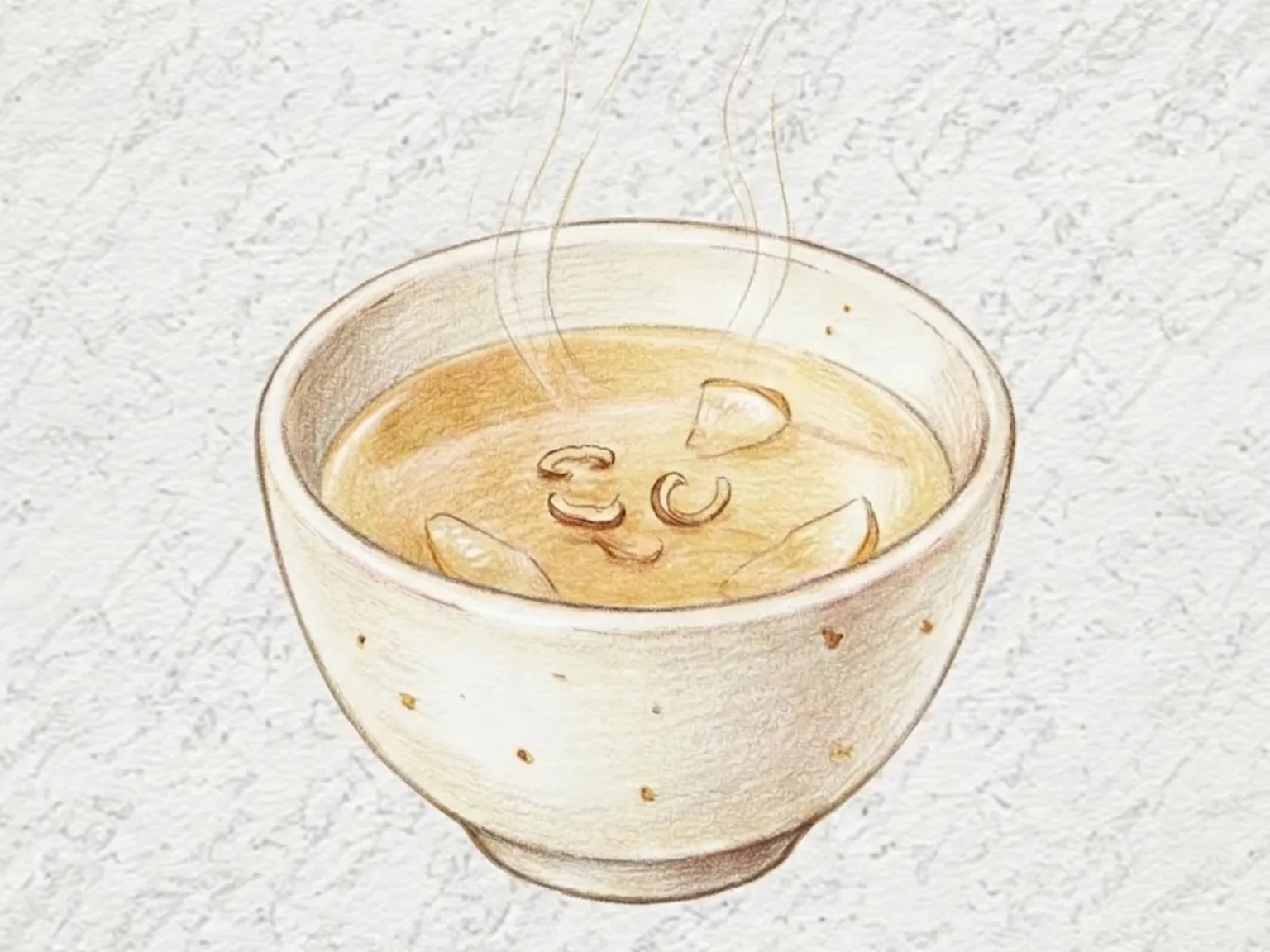
Gamcho-bae-cha is a Korean herbal tea that simmers licorice root and Korean pear together so the root's natural sweetness and the fruit's light juice meld into a single, unified infusion. The licorice is rinsed in cold water for five minutes to temper any harsh edge, and keeping it to about three grams per serving prevents the sweetness from becoming cloying. Jujube and ginger join the pot for fifteen minutes to deepen the base, then the pear goes in for a final eight to ten minutes until its flesh softens and its juice infuses the broth. The tea is strained clear and served with honey and a few pine nuts whose mild, fatty richness floats on top of the sweetness. In traditional Korean medicine, licorice root is used to soothe coughs and throat irritation, and the pairing with pear traces back to remedies historically recommended for dry or sore throats during seasonal transitions. Chilled and refrigerated, it works equally well as a cooling summer drink, while served hot it is associated with supporting throat health in changing weather.
Korean Crispy Potato Pancake
Gamja-jeon is a Korean potato pancake made by finely grating raw potatoes, letting the starch settle out of the liquid for at least ten minutes, discarding the water, and folding the settled starch back into the pulp to improve binding. Waiting long enough for full starch separation is what gives the batter enough cohesion to hold together when the pancake hits the hot pan. Spreading the batter as thinly as possible produces glass-crisp edges while the center retains a chewy, starchy bite characteristic of potato starch. The first side must cook all the way through and the underside must firm up completely before any attempt to flip, and using two spatulas simultaneously makes the turn fast enough to keep the pancake intact. Frying both sides over medium heat until evenly golden delivers a crust that is crisp on the outside while the center stays moist. A dipping sauce of soy sauce, vinegar, and minced cheongyang green chili cuts through the oily richness with sharpness and heat.
Korean Persimmon Leaf Tea
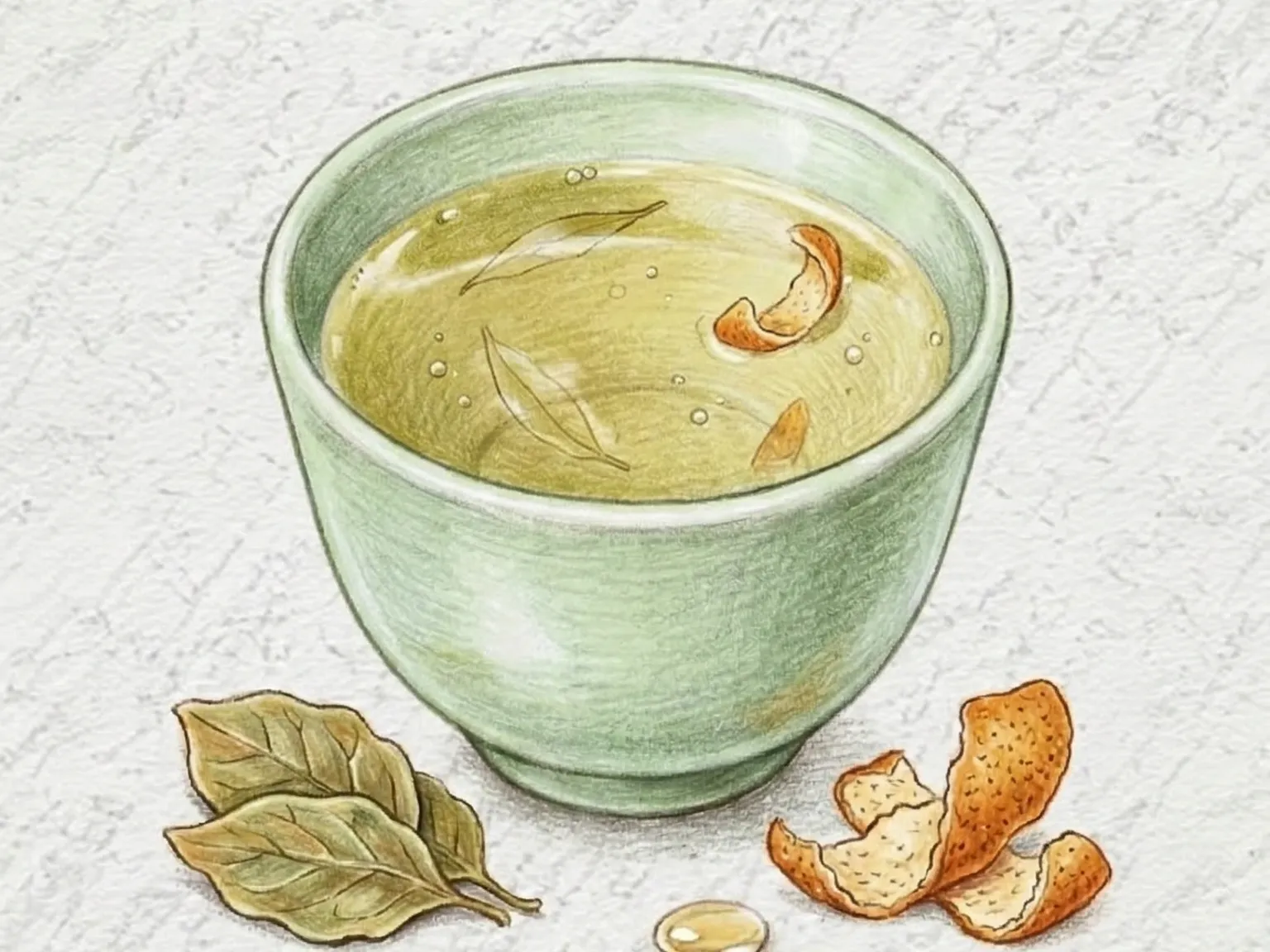
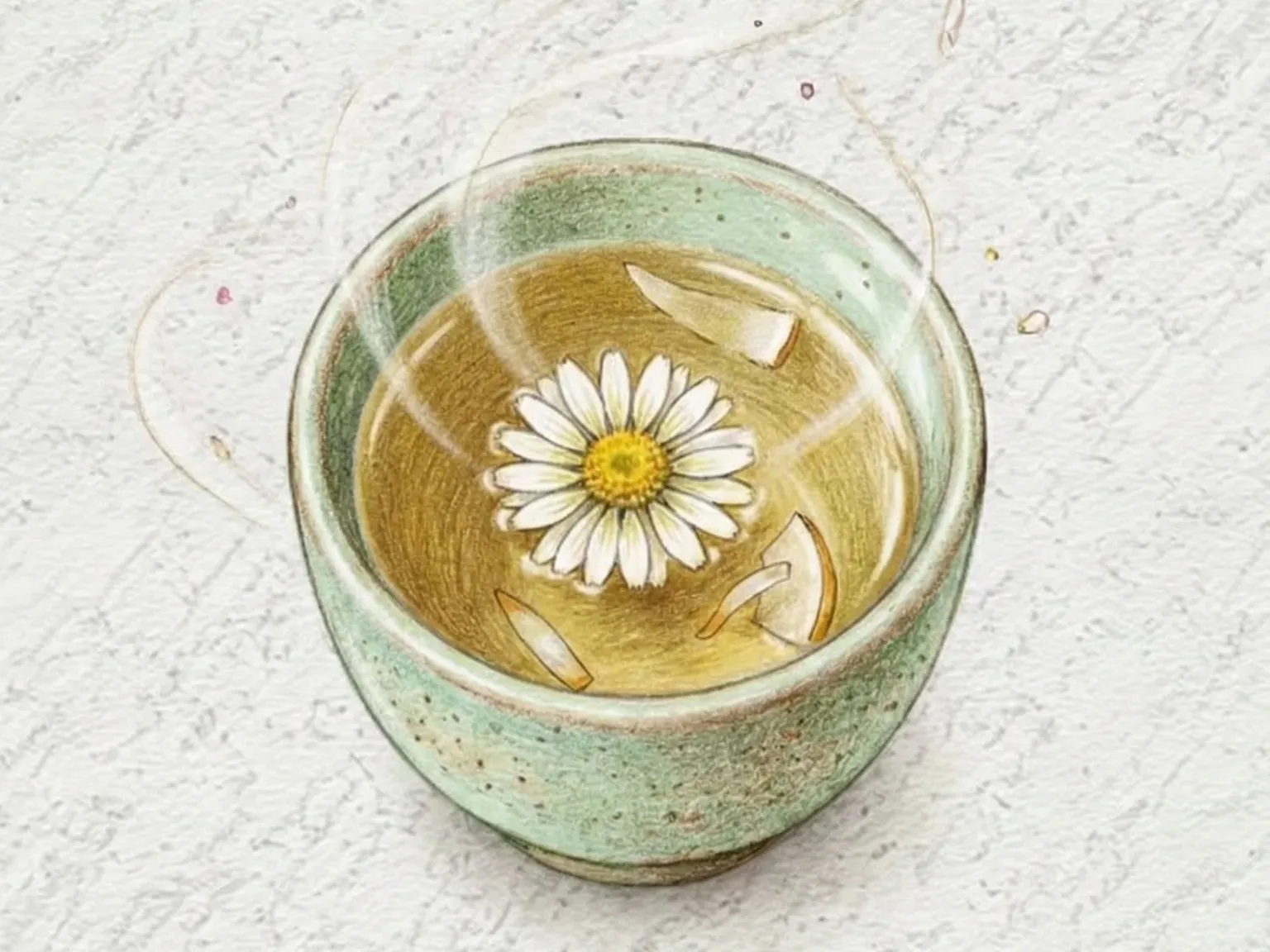
Gamnip-cha is a Korean caffeine-free tea made by simmering dried persimmon leaves and dried tangerine peel together - no rolling boil, just a low steady heat held for twelve minutes. That slow extraction pulls out the soft, grassy character of the leaves while keeping astringency in check. Thinly sliced Korean pear, skin on, goes into the pot for natural sweetness and a clean brightness, and the tangerine peel stays at a small quantity so it supports rather than overtakes the leaf aroma. Once strained, honey goes in and a trace of ground cinnamon finishes the cup. With no caffeine, it works equally well in the morning or late at night.
Korean Butter-Grilled Scallops
Garibi butter-gui sears fresh scallops in garlic butter until each side develops a deep golden-brown crust, then finishes with lemon juice and parsley to balance the richness. Removing every trace of surface moisture with paper towels before seasoning is the single most important step -- water on the surface of the scallop causes it to steam rather than sear, and no caramelized crust will form until that moisture has evaporated. Each side cooks for only one to two minutes at the highest heat the pan can sustain, leaving the center just barely opaque and the texture tender rather than rubbery. After flipping, butter and minced garlic are added directly to the hot pan and spooned continuously over the scallops so the aroma infuses the surface. A squeeze of lemon and a scatter of chopped parsley added just before removing from heat layers acidity and freshness over the butter richness. Simple to prepare and fast to cook, this dish appears regularly at home gatherings in Korea as a crowd-pleasing appetizer.
Korean Ginger Honey Latte
Ginger honey latte is a warm Korean latte built on a concentrated ginger infusion made by simmering thinly sliced fresh ginger in water over medium-low heat for ten minutes. Straining out the fibrous solids leaves a clean, sharp liquid that is returned to the pot with milk and heated until it just begins to steam, allowing the ginger's spicy heat to diffuse gradually through the dairy without becoming harsh. Adding honey only after the heat is turned off is important because prolonged exposure to heat causes its aromatic compounds to evaporate, leaving behind only sweetness without fragrance. A pinch of salt acts as a bridge between the sharp ginger and the floral sweetness of honey, drawing both flavors into sharper focus. A small dusting of cinnamon powder at the end adds a woody, resinous layer on top of the ginger that creates a warm-spice finish that lingers well after the last sip. The gingerols present in fresh ginger make this drink a common choice during seasonal transitions and on days when the body feels cold or run-down.
Korean Sweet Potato Latte
Goguma latte is a Korean sweet potato drink made by blending peeled roasted sweet potato with half the milk into a smooth puree, then combining it with the remaining milk in a pot and warming gently over medium-low heat. Using a fire-roasted or oven-baked sweet potato rather than a boiled one yields a significantly deeper sweetness from the caramelized sugars. Vanilla extract softens the starchy quality of the potato and makes the texture smoother, while a pinch of salt defines the edges of the sweetness. Cinnamon dusted on top blends with the earthy sweet potato aroma in each sip. The drink works equally well as a warm winter mug or over ice in summer, and the natural richness of the sweet potato makes it filling enough to serve as a light meal replacement without any added caffeine.
Korean Spicy Sea Snail Salad
Golbaengi-muchim is a Korean spicy sea snail salad made with canned sea snails drained thoroughly and tossed with sliced cucumber, onion, and green onion in a sauce of gochujang, gochugaru, rice vinegar, and sugar. The snails are firm and bouncy with a dense chew that stands apart from almost every other seafood in Korean cooking, and the sharpness of the gochujang-vinegar dressing cuts through their richness without overpowering the texture. Soaking the sliced onion in cold water for five minutes removes its harsh pungency, leaving it with a milder sweetness that integrates more smoothly into the dressing. Cucumber and green onion bring contrasting crunch and freshness. Sesame oil and sesame seeds are added at the end, coating everything in a nutty fragrance that softens the heat slightly. The dish must be served immediately after mixing, before the salt in the dressing draws moisture from the vegetables and turns the whole thing wet and limp. Laying a bed of thin somyeon noodles in the bowl before spooning the dressed snails on top produces golbaengi-somyeon, a preparation that shifts the dish from a snack into a more substantial accompaniment that works as both drinking food and a light meal. The noodles absorb the dressing and become coated in the gochujang-sesame sauce.